Showing posts sorted by relevance for query home gym equipment. Sort by date Show all posts

The Illusion of "Poor African/Chinese Physique": Mastering At-Home Training

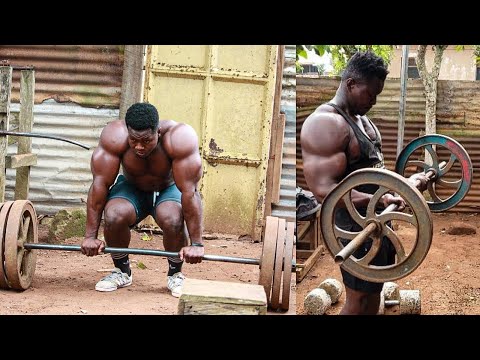
The very notion of a "poor physique" tied to any continent is a fallacy, a dangerous generalization that martial artists and fitness enthusiasts alike must dismantle. What truly defines our physical prowess isn't our geographical origin or economic status, but our discipline, our understanding of biomechanics, and the consistent application of effort. Today, we delve into what it means to train at home *correctly*, transcending superficial labels and unlocking genuine physical development. This isn't about chasing trends or mimicking the aesthetics of fleeting online fame. It's about building a foundation rooted in functional strength, resilience, and the enduring spirit of the martial path. Whether you're a seasoned practitioner or just beginning your journey, the principles of effective home training remain constant. We will explore the essential equipment, the philosophical underpinnings, and the practical application that separates true progress from mere activity.

Table of Contents

The Strategic Advantage of At-Home Training

Many mistakenly believe that optimal training requires expensive gyms and specialized facilities. This perspective is flawed. The true dojo is not defined by its walls, but by the intent and dedication of the practitioner. At-home training, when approached with the right mindset, offers unparalleled benefits: **convenience, customization, and cost-effectiveness**. It removes the barriers of time and travel, allowing for more frequent and consistent practice. This consistency is the bedrock of all martial arts progress. Furthermore, training at home fosters a deeper connection with your own body and mind. Without the distractions of a crowded gym, you can focus on the nuances of movement, the subtle shifts in balance, and the internal generation of power (Ki). This intimate understanding is crucial for developing true martial skill.

Beyond "Poor Physique": The Martial Artist's Perspective

The very premise of categorizing physiques based on ethnicity or economic status is a superficial distraction. In the realm of martial arts, we are taught to look beyond appearances. A true master can emerge from any background. What matters is the **internal fortitude, the unwavering spirit (Seishin)**, and the **dedication to the path (Michi)**. Instead of focusing on perceived limitations, a martial artist seeks to *transform* their current state. This is the essence of the journey: using whatever resources are available to build a stronger, more capable self. The "poor African or Chinese physique" is a myth perpetuated by those who fail to understand the transformative power of consistent, intelligent training and the universal principles of biomechanics and conditioning. The true challenge lies not in one's origin, but in one's own commitment to overcoming perceived limitations.
"The martial way is nothing else but the application of all efforts for the perfection of self." - Mas Oyama

The Core Principles of Budo At-Home

To train effectively at home, we must first embrace the core tenets of Budo (the martial way):
  • Seiryoku Zenyo (精力善用) - Maximum Efficiency, Minimum Effort: This principle, central to Judo, emphasizes using an opponent's (or gravity's) force to your advantage. Applied to home training, it means performing exercises with proper form and technique to maximize muscle activation and minimize wasted energy.
  • Jita Kyoei (自他共栄) - Mutual Welfare and Benefit: While training alone at home, this translates to self-improvement for the benefit of others. A stronger, more disciplined you is better equipped to help your family, community, and society.
  • Mushin (無心) - No Mind: Cultivating a state of mental clarity and spontaneity. In training, this means reacting instinctively to movements, rather than overthinking.
  • Zanshin (残心) - Lingering Spirit/Awareness: Maintaining awareness even after an action is completed. In home workouts, this means staying focused throughout the entire session and being mindful of your body's recovery.

Essential Equipment for Your Training

While bodyweight exercises form the foundation, a few strategic pieces of equipment can significantly enhance your training capabilities and accelerate progress.
  • Pull-up Bar (Xà đơn gắn cửa treo tường): Absolutely essential for developing upper body pulling strength, crucial for many martial arts techniques.
  • Dumbbells (Tạ Đơn): Versatile for a wide range of exercises, allowing for progressive overload and targeted muscle development. Look for adjustable ones if space is a concern.
  • Push-up Handles (Dụng cụ hít đất đa năng): These reduce wrist strain and allow for a greater range of motion during push-ups, deepening the stretch and increasing the challenge.
  • Exercise Mat (Thảm Tập): Provides cushioning for floor exercises, protecting your joints and providing a stable surface.
  • Resistance Bands: Inexpensive and highly versatile, offering variable resistance for a full-body workout and excellent for dynamic warm-ups and mobility drills.
Investing in quality, durable equipment is a wise decision for long-term martial arts and fitness development. It's not about accumulating gear, but about acquiring tools that facilitate meaningful progress.

Training Guide: Building a Functional Body at Home

This routine is designed to be adaptable. Adjust repetitions and sets based on your current fitness level. Focus on **controlled movements and proper form** above all else.
  1. Warm-up (5-10 minutes):
    • Light Cardio: Jumping jacks, high knees, butt kicks (2 minutes).
    • Dynamic Stretching: Arm circles, leg swings, torso twists, hip circles (3 minutes).
    • Joint Rotations: Wrists, elbows, shoulders, neck, hips, knees, ankles (2 minutes).
  2. Workout Circuit (Perform 3-4 rounds with 60-90 seconds rest between rounds):
    • Bodyweight Squats: 15-20 repetitions. Focus on depth, keeping your chest up and back straight.
    • Push-ups: 10-15 repetitions (modify on knees if needed). Aim for a full range of motion, touching your chest to the floor.
    • Pull-ups (or assisted pull-ups/negatives): As many repetitions as possible (AMRAP). If you cannot do pull-ups yet, focus on negatives (jumping to the top and slowly lowering yourself down) or use resistance bands for assistance.
    • Lunges (Alternating legs): 10-12 repetitions per leg. Maintain balance and a stable core.
    • Plank: Hold for 30-60 seconds. Keep your body in a straight line from head to heels, engaging your core.
    • Dumbbell Rows (if available): 10-12 repetitions per arm. Hinge at the hips, maintaining a flat back, and pull the dumbbell towards your chest.
  3. Cool-down (5-10 minutes):
    • Static Stretching: Hold each stretch for 20-30 seconds. Focus on major muscle groups worked (quads, hamstrings, chest, back, shoulders).
    • Deep Breathing: Focus on diaphragmatic breathing to aid recovery.
This is a foundational circuit. Remember, consistency is key. Aim to perform this routine 3-4 times per week, allowing for rest days in between.

Variations and Progression for Long-Term Growth

To prevent plateaus and continue challenging your body, incorporate variations and progressions:
  • Increase Repetitions/Sets: Gradually add more reps to each exercise or add another round to your circuit.
  • Decrease Rest Times: Shorten the rest periods between exercises and rounds to increase intensity.
  • Tempo Training: Slow down the eccentric (lowering) phase of movements (e.g., 3-5 seconds to lower during a squat or push-up).
  • Explosive Movements: Incorporate plyometric variations like jump squats, clap push-ups, or jump pull-ups for power development.
  • Add Weight: If bodyweight becomes too easy, use dumbbells, resistance bands, or even household items to add resistance.
  • Change Exercise Variations: Move from standard push-ups to diamond push-ups, incline push-ups, or decline push-ups. For squats, try Bulgarian split squats or pistol squat progressions.
The goal is to constantly seek new stimuli for your body and mind. This mirrors the martial artist's continuous pursuit of improvement, learning new techniques and refining existing ones.

Integrating Martial Philosophy into Your Routine

Training at home is not merely a physical exercise; it's an opportunity to cultivate mental discipline and philosophical understanding.
"The greatest victory is the victory over oneself." - Unknown
Approach each workout with the same seriousness and intention as you would a session in a formal dojo.
  • Mindfulness: Be fully present during each repetition. Feel the muscles working, focus on your breath, and let go of external distractions.
  • Grit and Perseverance: When an exercise feels difficult, push through. This mental toughness developed during training will translate to all areas of your life.
  • Respect for Your Body: Listen to your body. Understand the difference between pushing your limits and risking injury. Proper recovery is as important as the training itself.
  • Continuous Learning: Always seek to improve your form, understand the biomechanics behind each movement, and explore new training methods.
This holistic approach transforms physical training into a path of self-mastery, aligning with the deeper principles of Budo.

Veredicto del Sensei: Mastering Your Environment

The concept of a "physique" dictated by geography is a shallow analysis, easily refuted by the principles of dedicated training. True strength and conditioning are cultivated through discipline, intelligence, and consistent effort, regardless of one's surroundings. At-home training, when executed with the spirit of a martial artist, is not a compromise; it is a powerful, adaptable, and accessible path to physical and mental excellence. **Cinturón Negro en Adaptabilidad y Disciplina.**

Preguntas Frecuentes

  • Q: How often should I train at home?
    A: Aim for 3-5 sessions per week, allowing for adequate rest and recovery between sessions. Listen to your body.
  • Q: What if I have very limited space?
    A: Focus on bodyweight exercises that require minimal space. Resistance bands and a jump rope are also excellent for small spaces.
  • Q: How do I ensure I'm performing exercises correctly without a trainer?
    A: Watch reputable online tutorials, record yourself to check form, and start with simpler variations before progressing. Prioritize slow, controlled movements.
  • Q: Can I really build muscle and strength with just bodyweight and minimal equipment?
    A: Absolutely. Progressive overload through variations, increased reps/sets, and tempo training can build significant muscle and strength.

Para Profundizar en tu Camino

GEMINI_METADESC: Master at-home martial arts training, debunking 'poor physique' myths. Learn discipline, essential gear, and effective routines for functional strength & self-mastery.

Unleashing the Warrior Within: The Philosophy and Practice of Muay Thai Home Training

The spirit of Muay Thai, the "Art of Eight Limbs," resonates far beyond the sacred grounds of a Bangkok stadium. It's a philosophy, a discipline, and a testament to human resilience that can be cultivated anywhere, even within the confines of your own home, with minimal equipment. This isn't just about throwing punches and kicks; it's about forging an unbreakable connection between mind, body, and spirit. Many aspiring martial artists believe that specialized dojos and expensive gear are prerequisites for serious training. I'm here to tell you that such notions are the first obstacles to overcome on your path to mastery. The true essence of the warrior lies not in the tools they possess, but in the fire that burns within them.

Table of Contents

The Muay Thai Ethos: More Than Just a Fight

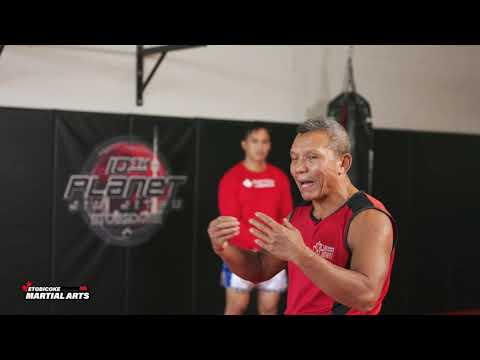
Muay Thai is often celebrated for its brutal effectiveness in combat sports like MMA and kickboxing. However, to reduce it solely to its combative applications is to miss its profound philosophical underpinnings. The "Art of Eight Limbs" – utilizing fists, elbows, knees, and shins – demands an intricate understanding of balance, timing, and strategy. More importantly, it instills core Budo principles: respect (Budo), discipline, perseverance, and humility. Ajahn Suchart, a renowned trainer whose students like Clifton Brown and Simon Marcus have reached world championship status, embodies this holistic approach. His teachings, often filmed in environments like Etobicoke Martial Arts and 10th Planet Etobicoke, demonstrate that the efficacy of the art is not dictated by the surroundings, but by the dedication of the practitioner. This is a critical insight for anyone looking to elevate their Martial Arts Training.
"The greatest victory is that which requires no battle." - Sun Tzu, The Art of War
This ancient wisdom is remarkably relevant to Muay Thai. While the art is a combat discipline, the truest victories are often won *before* the fight even begins – through rigorous training, unwavering self-belief, and a mind unclouded by doubt.

Forging the Art of Eight Limbs: A Home Workout Blueprint

The beauty of Muay Thai lies in its adaptability. Without needing specialized equipment, you can focus on the fundamental movements that build power, speed, and technique. The primary goal in home training is to replicate the demands of the art through bodyweight exercises and focused drills. 1. **Stance and Footwork**: Mastering the correct Muay Thai stance is paramount. It's your base for power generation and defense. * Stand with your feet shoulder-width apart, non-dominant foot slightly forward. * Keep your knees slightly bent, hips loose, and weight balanced. * Practice shifting your weight forward and backward, and side-to-side, mimicking the dynamic movement required in stand-up fighting. Imagine gliding across the canvas, not jumping. * Drill "stepping in" with your lead foot when throwing a punch, and "stepping through" with your rear foot for kicks. 2. **Punches (Jab, Cross, Hook, Uppercut)**: * **Jab**: A quick, straight punch. Practice snapping it out from your lead side, rotating your hips and shoulders, and returning your hand to guard quickly. * **Cross**: Your power punch, thrown from the rear side. Rotate your hips and torso fully, transferring weight into the punch. * **Hook**: A semi-circular punch. Pivot on your rear foot, keeping your elbow bent at 90 degrees, and drive it towards your target. * **Uppercut**: A rising punch. Bend your knees, drive upwards with your hips and shoulders, targeting the chin or body. * *Home Drill*: Shadowbox, focusing on perfect form and rotation. Imagine the targets. Maintain a tight guard at all times. 3. **Kicks (Teep, Roundhouse Kick)**: * **Teep (Push Kick)**: A straight kick used to maintain distance. Extend your leg, pushing with the ball of your foot or heel. Drive your hips forward for power. * **Roundhouse Kick**: The signature kick of Muay Thai. * Pivot on your supporting foot, turning your hips over. * Bring your knee up high, then extend your shin or instep towards the target. * Focus on hip rotation for power. Let your body recoil naturally. * *Home Drill*: Practice the chambering motion (bringing the knee up) and the hip rotation. Perform kicks slowly and controlled, focusing on balance. Gradually increase speed and power. Use an imaginary target. 4. **Elbow Strikes**: Muay Thai is famous for its devastating elbow techniques. * **Horizontal Elbow**: Used at close range. Pivot your hips and shoulders, driving the point of your elbow forward. * **Diagonal Elbow**: Dropping down from above. * **Upward Elbow**: Targeting the chin from below. * *Home Drill*: Practice the rotational movements. Even without a target, the mechanics build strength and coordination. 5. **Knee Strikes**: Powerful at close range. * **Straight Knee**: Drive your knee forward, using your arms to pull your opponent closer if needed. * **Diagonal Knee**: Targeting the ribs or head. * *Home Drill*: Practice chambering the knee, driving your hips forward. This develops core strength and explosive power.

Building a Warrior's Foundation: Conditioning for the Home Dojo

While technique is king, physical conditioning is the throne upon which it rests. Without a robust physical base, your techniques will falter under pressure. The good news? You don't need a gym to build a warrior's body. * **Cardiovascular Endurance**: Crucial for sustaining high-intensity rounds. * **Jumping Jacks**: A classic for a reason. Get your heart rate up. * **High Knees**: Focus on bringing your knees up to hip height. * **Burpees**: A full-body conditioning exercise that is relentlessly effective. * **Shadow Boxing**: Sustained shadow boxing rounds (e.g., 3 minutes on, 1 minute rest) mimic fight conditions. * **Running**: If you have access to safe outdoor space or a treadmill, running is unparalleled for stamina. It's a fantastic way to start running and build endurance. * **Strength and Power**: Develop the force behind your strikes. * **Push-ups**: Standard, wide-grip, close-grip, diamond push-ups – variations target different muscle groups. * **Squats**: Bodyweight squats, jump squats – essential for leg power and conditioning. * **Lunges**: Forward, backward, and walking lunges build leg strength and balance. * **Plank Variations**: For core stability – front plank, side plank. A strong core is the engine of every strike in Martial Arts. * **Calf Raises**: Essential for explosive kicking power. * **Flexibility and Mobility**: Prevents injuries and increases range of motion. * **Dynamic Stretching**: Leg swings (forward, backward, circular), arm circles, torso twists *before* training. * **Static Stretching**: Hamstring stretches, quad stretches, hip flexor stretches, shoulder stretches *after* training. Focus on holds of 30 seconds or more. * *Resource*: Look for bodyweight-only flexibility routines online. Many instructors focus on this, especially for arts like Aikido, which require extreme mobility.

The Heart of the Nak Muay: Cultivating Mental Fortitude

Beyond the physical, Muay Thai is a profound journey of self-discovery. The mental game is as critical as any physical technique. A fighter with superior willpower can often overcome a more technically skilled opponent. * **Discipline**: Showing up to train, even when you don't feel like it, is the bedrock of progress. This discipline extends to all areas of life, fostering Self-Improvement. * **Perseverance**: Pushing through fatigue during a workout, or through frustration when learning a difficult technique, builds resilience. This is the heart of the Warrior Philosophy. * **Focus and Concentration**: Maintaining awareness of your body, your surroundings, and your opponent (even an imaginary one) sharpens the mind. This is where practices like meditation can be incredibly beneficial, akin to the Mental Game crucial in MMA. * **Respect**: For your training, for yourself, and for the art itself. This is a core tenet of Budo, the Way of the Warrior.
"Empty your mind, be formless. Shapeless, like water. If you put water into a cup, it becomes the cup. You put water into the bottle, it becomes the bottle. You put it into the teapot, it becomes the teapot. Now, water can flow or it can crash. Be water, my friend." - Bruce Lee
This quote, while often associated with Jeet Kune Do, is universally applicable to any adaptable martial art, including Muay Thai. Your ability to adjust, to be fluid, and to react with clarity under pressure is the ultimate mark of a skilled practitioner.

Sensei's Verdict: Is Muay Thai Home Training a Path to Mastery?

Absolutely. While the atmosphere of a dedicated Martial Arts Community, with its experienced instructors and training partners, is invaluable, the spirit of Muay Thai can be nurtured anywhere. Ajahn Suchart's success is a testament to the power of dedicated instruction and student commitment, regardless of the specific training facility. Home training, when approached with the right mindset and structured correctly, is not a compromise – it's an opportunity. It hones self-reliance, discipline, and a deep understanding of your own body and capabilities. The lack of equipment forces you to focus on the essentials: movement, breath, and intent. This is the essence of "no equipment needed" training. It strips away the superficial and gets to the core of what makes a martial artist. It's a valid, powerful path for any aspiring Fighter or Martial Artist.

Frequently Asked Questions

1. **How often should I train Muay Thai at home?** Consistency is key. Aim for at least 3-4 sessions per week, combining technical drills with conditioning. Listen to your body, but push your limits. 2. **What is the most important strike to master first?** The Teep (push kick) and the Roundhouse Kick are foundational. Mastering the basic Jab and Cross is also critical for developing striking power and coordination. 3. **Can I really get effective without training partners?** Yes. While sparring is crucial for fight application, home training builds technique, conditioning, and mental toughness. You can simulate many aspects of training with focus and dedication. 4. **How do I progress if I don't have an instructor to correct my form?** Record yourself! Watching your own movements objectively can reveal flaws. Study reputable instructors' videos (like those featuring Ajahn Suchart) and compare your form. 5. **Is Muay Thai suitable for self-defense?** Absolutely. Its emphasis on powerful strikes, clinch work, and practical techniques makes it highly effective for Self Defense and Street Combat.

Further Exploration on Your Journey

The path of the martial artist is a lifelong pursuit of knowledge and self-mastery. To deepen your understanding and enrich your training, consider exploring these related areas:
  • MMA Training: Understand how Muay Thai integrates with other disciplines in modern combat sports.
  • The Budo Lifestyle: Explore the philosophical principles that underpin all traditional martial arts.
  • Self-Mastery: Discover how martial arts training cultivates inner strength and character development.
  • Effective Conditioning: Find more bodyweight exercises to boost your fitness.

Reflexion del Sensei: Tu Próximo Paso

You have the blueprint. You understand that the true arena is within you. Now, the question that echoes in the stillness of your home dojo: When the external world presents its challenges, will you stand firm like a mountain, or will you flow and adapt like water? Your training begins not with a punch, but with a decision. What will you choose today? GEMINI_METADESC: Master Muay Thai at home with Ajahn Suchart's philosophy. Learn essential strikes, conditioning, and mental fortitude for the Art of Eight Limbs without equipment. Forge your inner warrior.

The Absurdity of the "Six-Pack Obsession": Are Endless Crunches Truly Martial?

The pursuit of the sculpted abdomen is a modern fetish, a visual trophy in the gymnasium and on social media. We are bombarded with images of perfectly chiseled torsos, hailed as the pinnacle of physical fitness. But for the dedicated martial artist, the question lingers: does endless abdominal training truly serve our path? Or is it a distraction, a vanity project that pulls us away from the core principles of true Budo? Let us delve into this, not as fitness gurus, but as warriors seeking efficiency and efficacy.

Table of Contents

The Illusory "Six-Pack" Myth

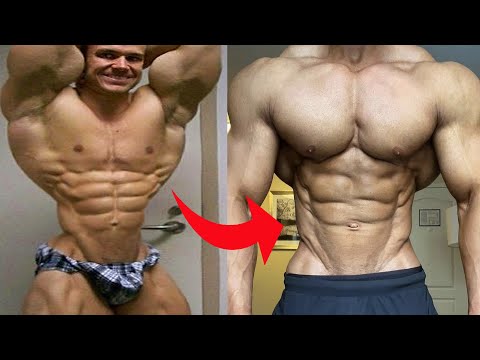
We see it everywhere: endless sit-ups, crunches, leg raises, all promising the coveted six-pack. This obsession is largely a byproduct of Western bodybuilding culture and its media portrayal. While a visible rectus abdominis *can* indicate low body fat and some degree of muscular development, it is by no means the sole or even primary indicator of true physical readiness for combat. In fact, an overemphasis on isolating these superficial muscles can lead to imbalances and injuries, hindering rather than helping the martial artist.

Consider the legendary figures of martial history. Did Miyamoto Musashi, in his duel at Ganryu Island, contemplate his abdominal definition? Did ancient Shaolin monks dedicate hours to static ab exercises? Unlikely. Their focus was on holistic strength, resilience, and the application of power through integrated body mechanics. The "six-pack" is a visual cue, a consequence, not the goal itself.

"The supreme art of war is to subdue the enemy without fighting." - Sun Tzu

This wisdom extends to training. Subduing the enemy (or your opponent) comes from integrated strength, not isolated muscle groups. The pursuit of a "six-pack" often distracts from this fundamental truth.

True Core Strength: Beyond the Rectus Abdominis

The "core" in martial arts is far more than just the muscles visible externally. It encompasses a complex network of deep abdominal muscles (transverse abdominis, obliques), the lower back muscles (erector spinae, multifidus), the diaphragm, and the pelvic floor. This is the engine of your power, the foundation of your stability, and the shock absorber for your entire body.

Think of a powerful punch or kick. The energy originates from the ground, travels through the legs, is powerfully rotated and accelerated by the hips and torso (the core!), and then transferred to the striking limb. If your core is weak or unbalanced, this kinetic chain is broken. You'll lack power, speed, and stability. Moreover, a strong, integrated core protects your spine from the immense forces generated in combat.

Exercises that target the entire core complex – including anti-rotation, anti-extension, and anti-lateral flexion movements – are far more beneficial than repetitive crunches. Examples include:

  • Plank variations (standard, side planks)
  • Pallof presses
  • Farmer's walks
  • Bird-dog
  • Turkish Get-ups

These exercises build functional strength that translates directly to the dojo, the ring, or the street. They teach your body to work as a cohesive unit, which is the hallmark of a skilled martial artist.

Functional Training for Combat: The Martial Artist's Perspective

The goal of martial arts training is not to win a bodybuilding contest; it is to develop the physical and mental capacity to defend oneself, overcome an opponent, and cultivate discipline. Therefore, our training must be functional – meaning it directly improves our ability to perform the actions required in combat.

What does combat demand?

  • Explosive Power: The ability to generate force quickly.
  • Stability: Maintaining balance under pressure and during dynamic movements.
  • Resilience: Withstanding impact and fatigue.
  • Agility: Moving efficiently and adapting to changing situations.
  • Endurance: Sustaining effort over time.

While abdominal muscles play a role, they are part of a larger system. A truly effective training regimen will incorporate elements that address all these demands. This means spending more time on:

  • Compound movements: Squats, deadlifts, overhead presses, Olympic lifts (if properly instructed).
  • Explosive drills: Plyometrics, medicine ball throws, kettlebell swings.
  • Grip strength training: Essential for clinching and controlling an opponent.
  • Cardiovascular conditioning: To maintain stamina throughout a fight.
  • Practice of martial arts techniques: This is the most specific training.

Focusing solely on isolated abdominal exercises is like a swordsman practicing only how to polish the blade, neglecting the stance, the grip, and the entire motion of the cut.

The Philosophy of Minimalism in Training

Many traditional martial arts emphasize efficiency and economy of motion. This principle can and should extend to our training. Why spend hours on exercises with diminishing returns when you can achieve superior results with focused, compound movements and direct martial arts practice?

The concept of "less is more" is powerful. Instead of a high volume of low-intensity ab work, consider a few challenging sets of core-strengthening exercises integrated into a full-body workout, or better yet, focus on how your core engages during your actual martial arts techniques.

"Mastering others is strength. Mastering yourself is true power." - Lao Tzu

True mastery, true strength, comes from within, from understanding your body's interconnectedness and potential. The external display of abs is secondary to this internal development.

A Training Regimen for the Warrior

Here is a template for a more martial-arts-centric approach to physical preparation. This is not a rigid prescription, but a guide to principles. Adapt it to your specific art and needs.

Phase 1: Foundational Strength & Conditioning (Focus: Building the Base)

  1. Warm-up (10-15 mins): Dynamic stretching, light cardio (jogging in place, jumping jacks), joint mobility.
  2. Compound Lifts (3x per week):
    • Squats (Barbell, Goblet)
    • Deadlifts (Conventional, Romanian)
    • Overhead Press
    • Bench Press or Push-ups (variations)
    • Pull-ups or Rows
  3. Core Integration (Post-lifting or on separate days):
    • Plank: 3 sets, hold for 45-60 seconds
    • Side Plank: 3 sets per side, hold for 30-45 seconds
    • Pallof Press: 3 sets of 10-12 reps per side
    • Farmer's Walk: 3 sets, walk for 30-40 yards
  4. Cardiovascular Conditioning (2-3x per week): High-Intensity Interval Training (HIIT) – e.g., 30 seconds on, 30 seconds off for 10-15 rounds of exercises like burpees, mountain climbers, sprints.
  5. Cool-down (5-10 mins): Static stretching, focusing on major muscle groups.

Phase 2: Power & Specificity (Focus: Martial Application)

  1. Continue Compound Lifts: Focus on increasing weight or reps.
  2. Introduce Explosive Work:
    • Medicine Ball Throws (rotational, overhead)
    • Kettlebell Swings
    • Plyometric Box Jumps
  3. Martial Arts Practice: This is where the magic happens. Dedicate ample time to your chosen art. Focus on power generation from the ground up, core engagement in every movement, and technique refinement.
  4. Sparring/Application Drills: Test your conditioning and strength in a controlled, combative environment.

Notice how direct abdominal isolation exercises (like crunches) are minimized, if not absent. The focus is on movements that build integrated, functional strength – the true "core" of a martial artist.

Veredict of the Sensei: Is the Six-Pack Worth the Fight?

From a martial perspective, the obsession with a visible six-pack is largely a misdirection. It is a cosmetic goal that can lead to unbalanced training and neglect of the deeper, more crucial functional strength required for combat. While a strong core is paramount, its development should be a byproduct of integrated training and martial arts practice, not an end in itself.

Rating: Falls short of a Black Belt in Warrior Fitness. Requires a fundamental shift in focus from aesthetics to efficacy.

Equipment Essential for Your Training

While the best martial arts training requires minimal equipment, certain tools can enhance your physical preparation. Investing in quality gear is an investment in your progress and safety.

  • Durable Training Mat: For floor exercises and safe falls.
  • Resistance Bands: Versatile for warm-ups, mobility, and adding resistance to exercises.
  • Kettlebells: Excellent for dynamic core training, explosive power, and conditioning. Start with a moderate weight (16-24kg for men, 8-16kg for women) and progress.
  • Medicine Balls: Crucial for developing rotational power and explosiveness.
  • Quality Training Shoes: For stability and support during lifting and dynamic movements.
  • A Good Quality Gi or Training Uniform: Essential for practicing most traditional martial arts. Look for double-weave or reinforced stitching for durability.
  • Heart Rate Monitor: To track your conditioning intensity and recovery.

For those serious about building a powerful physique that complements their martial arts, consider investing in some basic **home gym equipment** or a **high-quality training gear** setup. Proper equipment can make a significant difference in your training consistency and effectiveness.

Frequently Asked Questions

Q1: Can I build a strong core without doing endless crunches?
A1: Absolutely. True core strength comes from engaging the entire core complex in functional movements like planks, anti-rotational exercises, and dynamic martial arts techniques. Excessive crunches can even be detrimental.

Q2: If I have a low body fat percentage, will I automatically have abs?
A2: Generally, yes. Visible abdominal muscles are a sign of low body fat, which allows them to be seen. However, low body fat alone doesn't guarantee functional core strength for combat.

Q3: How much time should I dedicate to core training versus martial arts practice?
A3: Prioritize your martial arts practice. Integrate core strengthening into your overall conditioning, but ensure the bulk of your training time is spent on developing your specific art's techniques and principles.

Q4: Are there any martial arts where abdominal strength is less important?
A4: While the *manifestation* of core strength differs, a strong, stable core is crucial for *all* martial arts, from the explosive power of Karate and Taekwondo to the grappling stability of Judo and BJJ, and the evasive movement of Aikido.

To Deepen Your Journey

Reflection of the Sensei: Your Next Step

The pursuit of a six-pack is a siren's call, luring many away from the true essence of martial development. It is a hollow victory, a fleeting aesthetic that offers little in the crucible of combat. My challenge to you is this: look past the superficial. Does your training build a body that is resilient, powerful, and efficient? Or are you merely sculpting a trophy for display? Spend one week focusing solely on functional core integration and powerful martial arts movements, and then assess your body's readiness. Tell me, honestly, where does your true strength lie?

``` GEMINI_METADESC: Critiques the modern obsession with six-pack abs from a martial arts perspective, advocating for functional core strength vital for combat.

The Unseen Strength: Beyond Muscle, A Martial Perspective on America's Toughest Women

When we speak of "strength," what truly defines it? Is it merely the superficial bulge of muscle, the ability to lift the heaviest weight, or the power to dominate in a physical confrontation? In the world of martial arts, and particularly within the philosophies that underpin Budo, true strength is a far more nuanced concept. It encompasses resilience, mental fortitude, unwavering discipline, and the refined application of technique honed through years of dedicated practice. This exploration delves into what might be perceived as America's "strongest ladies," not just through the lens of physical prowess, but through the demanding crucible of martial discipline. These individuals, embodying dedication akin to professional athletes and warriors, serve as potent reminders that consistent, intense training is the bedrock of tangible results. Their journey is an inspiration, a testament to the transformative power of a martial path.

Defining True Strength: A Martial Arts Philosophy

The original prompt, "Top 10 Strongest Ladies In America," might immediately evoke images of powerlifters or athletes in brute strength competitions. While impressive, this is a limited view. In martial arts, particularly disciplines like Karate, Judo, or BJJ, strength is not solely about raw power. It's about the intelligent application of force, the ability to generate power from the entire body (linking the hips, core, and extremities), and the capacity to absorb impact and redirect an opponent's energy. A smaller, more technically proficient practitioner can overcome a larger, stronger opponent through superior understanding of leverage, timing, and strategy. This is the essence of Budo – the Way of the Warrior. It’s a path of continuous self-improvement, where physical strength is a tool, but mental and spiritual strength are the foundation.

"True strength is not to be arrogant, but to be able to humble oneself and continue learning. It is found not in brute force, but in the mastery of one's own impulses and actions." - A Principle of Budo

The women who dedicate themselves to serious martial arts training embody this broader definition of strength. Their workouts are intense, not just to build muscle, but to cultivate endurance, flexibility, explosiveness, and tactical awareness. The discipline required to consistently show up to the dojo, to push through physical discomfort, and to mentally overcome challenges is a testament to their inner fortitude. This is the kind of strength that transcends the gym and permeates all aspects of life.

The Unbreakable Mind: Mental Fortitude in Combat

A common misconception is that martial arts are purely physical. The truth is, the mental game is often far more critical. Consider the concept of Mushin (無心), often translated as "no-mind" or "mind without mind." It's a state of mental clarity and spontaneity, where actions flow naturally without conscious thought, free from fear, anger, or ego. Achieving this state requires immense mental discipline and training. The intense drills and sparring sessions in disciplines like Karate or Kickboxing are designed not just to hone physical reflexes, but to train the mind to remain calm and focused under pressure. This mental resilience is arguably the most potent form of strength an individual can possess, especially in combative situations.

Imagine stepping onto the mat for a high-stakes sparring match (a key aspect of Martial Arts Training). The adrenaline surges, the opponent is skilled and determined. The practitioner who can maintain emotional control, analyze the situation, and execute techniques effectively, rather than succumbing to panic or aggression, is the one who will prevail. This mental fortitude is cultivated through persistent practice, self-reflection, and the guidance of experienced instructors who understand the psychological demands of combat. It’s a form of strength that cannot be measured by a scale or a weightlifting record.

The Crucible of Training: Dedication Beyond the Surface

The original content mentions that "these workouts are so intense they train like the pros" and that one "has to be motivated and fully dedicated to this practice to get results." This resonates deeply within the martial arts community. The journey to mastery in any discipline, be it Karate, Judo, Taekwondo, or even the more hybrid approaches seen in MMA, is a long and arduous one. It demands unwavering commitment. The training regimen of a serious martial artist involves far more than just occasional gym visits. It includes:

  • Consistent Dojo Practice: Attending classes multiple times a week, diligently practicing katas (forms) and fundamental techniques.
  • Sparring (Kumite/Randori): Engaging in controlled combat to test techniques, timing, and strategy against live opponents. This is where the difference between theoretical knowledge and practical application is revealed.
  • Physical Conditioning: Supplementing dojo training with strength and conditioning exercises, cardiovascular work, and flexibility training to build a robust physical foundation. This could involve anything from bodyweight exercises for No Equipment workouts to specific weight training for Strength and power.
  • Mental Training: Practicing mindfulness, meditation (like Zazen for Zen Buddhist influences common in martial arts), and visualization techniques to enhance focus and emotional control.

The "strongest ladies" in the context of martial arts are those who have embraced this holistic approach. They understand that true power comes from integrating physical conditioning with mental discipline and technical skill. Their dedication is not a fleeting phase but a lifestyle choice.

Role Models of Resilience

While the original post may have focused on a specific, possibly less martial, interpretation of "strongest ladies," it's crucial to highlight women who exemplify strength within the martial arts world. These are the female instructors, champions, and dedicated practitioners who have broken barriers and inspired countless others. Think of figures like Ronda Rousey, who brought Judo and BJJ into the mainstream spotlight through her MMA career, or the countless female Karateka who demonstrate incredible power, technique, and spirit in competitions worldwide. These women are not just physically strong; they are mentally tough, strategically brilliant, and serve as powerful role models for aspiring martial artists of all genders.

"The martial way is a thing of the world. It is not just a matter of technique. It is a matter of learning to become strong in spirit as well as in body." - A common sentiment echoed by many martial arts masters.

Their dedication to training, their perseverance through injuries and setbacks, and their ability to perform under immense pressure showcase a profound level of strength that goes far beyond mere physical might. They are living embodiments of the principles of perseverance and self-mastery.

The Impact and Inspiration of Martial Women

The presence of strong, capable women in martial arts has a profound impact. They challenge traditional gender roles and demonstrate that martial prowess is not exclusive to men. For young girls and women, seeing these athletes and practitioners succeed is incredibly empowering. It shows them that they too can develop physical and mental strength, learn effective self-defense, and achieve remarkable feats through dedication and hard work. This inspiration is vital for fostering a more inclusive and diverse Martial Arts Community.

The "House of Bounce" content, while seemingly unrelated, touches upon dedication and the pursuit of excellence in athletic endeavors. The same principles of motivation, discipline, and consistent practice apply whether one is perfecting a slam dunk or mastering a complex Karate kata. The focus, the drive, and the willingness to push beyond perceived limits are universal attributes of those who excel.

Training Guidance: Building Your Own Inner Strength

If you are inspired to cultivate your own strength, whether physical or mental, here is a basic guide to incorporating martial principles into your training. This focuses on fundamental concepts applicable to many arts:

  1. Start with the Fundamentals: Pick an art – Karate, Judo, Taekwondo, BJJ – and find a reputable dojo. Learn the basic stances, blocks, strikes, and movements. For Judo or BJJ, focus on grips, throws, and groundwork.
  2. Develop a Consistent Training Schedule: Aim for at least 2-3 sessions per week. Consistency is key to building muscle memory and physical conditioning.
  3. Practice Your Katas/Forms Regularly: Even if you can't attend class daily, practicing your forms at home helps develop coordination, balance, and power generation.
  4. Incorporate Conditioning: Include exercises that build core strength (planks, crunches), leg strength (squats, lunges), and cardiovascular endurance (running, skipping). Don't neglect flexibility – regular stretching is crucial for preventing injuries and improving range of motion.
  5. Cultivate Mental Discipline: Practice mindfulness or short meditation sessions daily. Focus on controlled breathing during strenuous activities. When sparring, consciously try to remain calm and analytical rather than reactive.
  6. Seek Knowledge: Read books on martial arts philosophy, watch documentaries, and learn from experienced practitioners. Understanding the 'why' behind the techniques enhances their effectiveness.

Equipment Recommendations for Your Martial Journey

To embark on your training, having the right gear can make a significant difference. While the most crucial element is dedication, the proper equipment facilitates safe and effective practice:

  • Uniform (Gi/Dobok/Kimono): A well-fitting uniform is essential for most traditional arts like Karate, Judo, and Taekwondo. For grappling arts like Judo or BJJ, a durable, double-woven kimono is recommended for longevity.
  • Training Shoes: Depending on the art, you might train barefoot (Karate, Taekwondo) or wear specialized martial arts shoes for grip and support.
  • Protective Gear: For sparring (Kumite or Randori), consider investing in mouthguards, groin protection, and sparring gloves or mitts (especially for striking arts). A headguard may also be necessary for advanced sparring.
  • Training Mats (Optional): For home practice of groundwork or falls, floor mats can provide a safer surface.
  • Training Equipment: Depending on your discipline, items like focus mitts, striking pads, or even a makiwara (for Karate) can enhance your training.

When purchasing, look for quality and durability. Investing in good Karate merchandise or Judo equipment from reputable brands can enhance your training experience and last for years.

Veredicto del Sensei: Authenticity and Martial Spirit

The original concept of "Top 10 Strongest Ladies In America", when viewed through the lens of martial arts, demands a re-evaluation of "strength." While physical power is a component, it is the combination of physical prowess, mental resilience, technical skill, and unwavering dedication that defines true martial strength. The women who embody this holistic strength are the real exemplars. Their journeys, often fueled by intense and rigorous training, are inspiring. They demonstrate that strength is not merely about brute force, but about the disciplined application of one's capabilities, honed through dedication to a martial path. The true "strongest" are those who have mastered themselves, not just their opponents.

Rating: Cinturón Negro en Inspiración y Disciplina.

Frequently Asked Questions

Q1: How can I start training a martial art if I'm not naturally strong or athletic?
A1: Martial arts are designed to teach you how to overcome physical limitations through technique and strategy. Many arts focus on leverage and timing, allowing smaller individuals to defend themselves effectively. The training itself builds strength and athleticism over time.

Q2: Is it possible to develop significant strength just through bodyweight exercises for home training?
A2: Absolutely. Exercises like push-ups, squats, lunges, pull-ups, and planks, when performed with proper form and progressively challenging variations, can build substantial strength and endurance without any equipment. Consistency is the key.

Q3: What is the difference between strength in sports like powerlifting versus martial arts?
A3: Powerlifting focuses on maximal strength for specific lifts (squat, bench press, deadlift). Martial arts strength is functional – it's about generating power explosively, absorbing impact, maintaining balance, and applying force efficiently within dynamic combat scenarios.

For Profundizar en tu Camino

Like this video if you want to see more episodes and react in the comments section below.

Don't forget to turn on notifications so you don't miss our latest videos.

Follow us: Facebook: https://ift.tt/0yulotz Instagram: https://ift.tt/qCir5lH TikTok : https://ift.tt/mnvdgSl

House of Bounce is for NBA and basketball fans worldwide. The best dunks, tricks, dribbles and athletic feats are all on display plus in-depth stories of the NBA's best players and teams. House of Bounce is your one-stop-shop for all things basketball and NBA-related.

© House Of Bounce - Jellysmack

Reflexión del Sensei: Tu Próximo Paso

We've dissected the multifaceted nature of strength, moving beyond mere muscle to embrace the discipline, resilience, and technical mastery inherent in the martial path. Now, consider this: If the true measure of strength lies not just in physical power but in the unwavering cultivation of one's mind and spirit, how does your current daily practice reflect this philosophy? Are you merely training your body, or are you forging a warrior's soul? What single action can you take TODAY to deepen your mental fortitude or enhance your technical understanding, rather than just chasing superficial gains?

``` GEMINI_METADESC: Explore the true meaning of strength beyond muscle. A martial perspective on America's strongest women, focusing on discipline, mental fortitude, and Budo.

UFC Fight Night 19: Diaz vs. Guillard – A Masterclass in Modern Combat, Or a Spectacle of Raw Power?

Welcome, disciples of the Way, to Budo and Martial Arts. You stand at the threshold of a dissection, not of a gentle tea ceremony, but of the brutal, yet often beautiful, ballet of modern combat: UFC Fight Night 19, featuring the pivotal clash between Nate Diaz and Melvin Guillard. Today, we cast aside the romanticism of ancient dojos for a moment and plunge into the octagon, the modern arena where the principles of Budo are tested, twisted, and sometimes, utterly transformed. This event, held on September 16, 2009, at the Cox Convention Center in Oklahoma, was more than just a collection of fights; it was a snapshot of the evolving landscape of mixed martial arts. It forces us to ask: what does it truly mean to be a martial artist in an era where the lines between disciplines blur and the emphasis shifts from singular mastery to hybrid adaptability?

Table of Contents

The Spectacle of UFC Fight Night 19

UFC Fight Night 19. The very name conjures images of raw aggression, strategic grappling, and the thunderous impact of strikes. This event, a significant milestone in the UFC's calendar, showcased a roster of fighters who embodied the modern martial artist: individuals who trained in multiple disciplines to forge a formidable weapon. We are not just observing fights; we are examining the physical and mental conditioning that defines success in this demanding arena.

From the opening bout to the main event, the energy in the arena was palpable. But as a student of the martial arts, my interest transcends the mere spectacle of violence. I seek to understand the underlying principles, the disciplined execution, and the indomitable spirit that fuels these warriors. Are these athletes merely fighters, or do they carry the torch of Budo into the 21st century?

The Octagon's New Budo: Discipline, Adaptability, and the Warrior's Spirit

The term "Budo" – the martial way – traditionally encompasses not just the physical techniques, but the ethical, spiritual, and philosophical underpinnings of martial practices. In the context of MMA, this translates into a more complex tapestry. It demands not just proficiency in striking or grappling, but the ability to seamlessly transition between them, adapting to any situation the opponent presents.

Consider the discipline required. Hours upon hours in the gym, pushing the body beyond its perceived limits. The sacrifice of social life, the rigorous dieting, the mental fortitude to face defeat and come back stronger. This is the essence of the martial path, whether practiced with a katana, a gi, or bare fists. The octagon demands a potent blend of physical conditioning, technical skill, and an iron will.

Adaptability is paramount. Unlike traditional martial arts that often focus on a specific set of techniques or a particular range of combat, MMA requires a fighter to be proficient everywhere: standing, in the clinch, and on the ground. This cross-training, while sometimes criticized for lacking the depth of specialization, is the very definition of modern martial evolution. It forces practitioners to confront their weaknesses and integrate diverse methodologies.

"The supreme art of war is to subdue the enemy without fighting." - Sun Tzu. While this is an extreme ideal for the octagon, the principle of strategic dominance, of controlling the engagement, is ever-present.

Diaz vs. Guillard: A Clash of Styles

The main event, Nate Diaz vs. Melvin Guillard, was a compelling narrative of contrasting approaches. Diaz, known for his Stockton-bred boxing and tenacious Jiu-Jitsu, faced Guillard, a powerful striker with a dangerous Muay Thai base and surprising wrestling ability.

Diaz, often perceived as a more cerebral fighter, relies on his reach, volume striking, and submission game. His style, while seemingly less flashy than some, is deceptively effective, built on patience, precision, and a relentless pressure that can wear down opponents. He exemplifies a pragmatic approach to combat, seeking to control the pace and exploit openings.

Guillard, on the other hand, was a whirlwind of aggressive offense. His striking, particularly his kicks and punches, carried fight-ending power. He possessed the kind of explosive energy that could overwhelm an opponent in moments. His wrestling, often overlooked, added another layer of threat, making him a dangerous all-around competitor.

The dynamic between these two was a classic MMA puzzle: the calculated pressure and submission threat of Diaz versus the explosive striking power and aggression of Guillard. Who would impose their will? Who would adapt faster to the unfolding battle?

Beneath the Surface: Technique, Power, and the Mental Game

Beyond the raw power and flashy techniques, what truly separates the contenders from the pretenders is their mastery of the fundamental principles. In Diaz vs. Guillard, we saw glimpses of this:

  • Distance Management: Diaz's ability to maintain a preferred striking range, keeping Guillard at bay with jabs and straight punches, was crucial.
  • Timing and Counter-Striking: Guillard's explosive counters demonstrated the effectiveness of attacking when the opponent is vulnerable.
  • Grappling Transitions: The ability to seamlessly move from striking to takedowns, or from a defensive position to an offensive submission attempt, is a hallmark of high-level MMA.
  • Cardio and Conditioning: As the fight wore on, the fighter with superior endurance would invariably gain the upper hand. This is where the true dedication to training shines.

The mental aspect is equally, if not more, critical. The pressure of the octagon, the roar of the crowd, the weight of expectation – these are all factors that test a fighter's resolve. Diaz and Guillard, by reaching this level, had already demonstrated a profound capacity for mental toughness. The question was, who would buckle first under the strain of a live, high-stakes contest?

Other Notable Clashes: A Microcosm of MMA Evolution

While Diaz vs. Guillard was the headliner, the undercard of UFC Fight Night 19 offered a rich tapestry of MMA styles and developing talent:

  • Ryan Jensen vs. Steve Steinbeiss: Often, these preliminary bouts showcase raw talent and the early stages of learning, providing a foundation for future stars.
  • Mike Pierce vs. Brock Larson: A test of different striking and grappling approaches.
  • Jeremy Stephens vs. Justin Buchholz: Illustrating the explosive power often seen in the lighter weight classes.
  • C.B. Dollaway vs. Jay Silva: Highlighting wrestling-based offense and striking defense.
  • Mike Pyle vs. Chris Wilson: A showcase of veteran skills and tactical execution.
  • Brian Stann vs. Steve Cantwell: A compelling matchup, often featuring significant power and strategic wrestling.
  • Nate Quarry vs. Tim Credeur: Demonstrating the diverse skill sets needed for success in the middleweight division.
  • Carlos Condit vs. Jake Ellenberger: Two formidable talents clashing, often predicting exciting exchanges.
  • Gray Maynard vs. Roger Huerta: A high-profile bout showcasing elite lightweight competition.

Each of these bouts represented a different facet of modern martial arts. The energy, the strategic shifts, and the sheer grit displayed were all integral to the evolution of combat sports. It’s in these exchanges, often overlooked, that we see the true dedication to the craft.

Veredict of the Sensei: Raw Power vs. Calculated Strategy

UFC Fight Night 19, with its centerpiece Diaz vs. Guillard, serves as a potent reminder that while raw power and explosive aggression can dominate, it is often calculated strategy, disciplined execution, and unwavering mental fortitude that lead to sustained success in the octagon. The fight itself was a testament to the modern martial artist's journey: a blend of diverse disciplines honed through relentless training and an unyielding warrior spirit.

Did Diaz vs. Guillard represent the pinnacle of martial philosophy? Perhaps not in the traditional sense. But did it showcase the dedication, adaptability, and sheer courage that define the modern martial path? Absolutely. It was a brutal, compelling, and ultimately, a significant display of combat evolution.

Rating: Cinturón Negro en Exhibición de Talento Bruto y Evolución del Combate.

Equipment Essential for Your Training

To truly understand and emulate the dedication of these fighters, proper training equipment is paramount. Whether you're focusing on striking, grappling, or a hybrid approach, the right gear not only enhances performance but also ensures safety.

  • MMA Gloves: Essential for striking training, offering protection for both the hands and your training partners. Look for gloves that offer a good balance of padding and dexterity.
  • Hand Wraps: Crucial for wrist and knuckle support during any striking activity.
  • Shin Guards: Vital for Muay Thai and kickboxing drills to protect against kicks and impact.
  • Mouthguard: Non-negotiable for any sparring or contact training.
  • Groin Protector: A basic but critical piece of safety equipment.
  • Training Matting: For safe grappling, wrestling, and ground drills at home or in a dedicated space.
  • Heavy Bag or Speed Bag: For developing power, speed, and rhythm in striking.
  • Dumbbells and Resistance Bands: For strength and conditioning, mimicking the need for functional strength in combat.

Investing in quality gear is an investment in your martial journey. For those serious about striking, exploring options for sparring gloves or a sturdy heavy bag can make a significant difference.

Practical Training Guide: Developing a Hybrid Mindset

Embodying the spirit of MMA requires integrating various martial disciplines. Here’s a basic approach to cultivating a hybrid mindset:

  1. Foundational Striking: Dedicate time to learning basic boxing and Muay Thai techniques. Focus on stance, footwork, and fundamental punches (jab, cross, hook, uppercut) and kicks (roundhouse, front kick). Practice these on a heavy bag or with a partner.
  2. Basic Grappling: Study fundamental takedowns (like double-leg or single-leg takedowns) and basic ground positions (guard, mount, side control). Learn essential submission escapes and simple submissions (like an armbar or rear-naked choke).
  3. Transitions: The key to MMA is smooth transitions. Practice going from striking to a takedown attempt, and from a takedown defense to landing strikes.
  4. Conditioning: MMA demands incredible cardiovascular endurance and functional strength. Incorporate interval training, circuit training, and bodyweight exercises into your routine.
  5. Sparring Drills: Gradually introduce sparring, starting with controlled drills that focus on specific aspects (e.g., striking-only rounds, grappling-only rounds) before moving to full MMA sparring under supervision.

Remember, consistency is key. Even 30-60 minutes of focused, varied training daily will yield significant results over time.

Frequently Asked Questions

What is the primary difference between traditional martial arts and MMA?
Traditional martial arts often focus on specific disciplines and philosophical tenets, while MMA is a hybrid sport that integrates techniques from various combat styles to create a complete fighter.
Is UFC Fight Night 19 considered a classic event?
While not as historically significant as some other UFC events, UFC Fight Night 19 featured compelling matchups and contributed to the ongoing narrative of MMA evolution, particularly with the main event between Diaz and Guillard.
How important is conditioning in modern MMA?
Conditioning is paramount. The demanding nature of MMA fights requires fighters to have exceptional cardiovascular endurance, strength, and stamina to perform at a high level throughout the bout.
Can I learn MMA at home?
You can certainly learn foundational techniques and conditioning exercises at home. However, for safe and effective sparring, grappling, and advanced techniques, training under a qualified instructor in a dojo or gym is highly recommended.

Deepen Your Path

This exploration of UFC Fight Night 19 is merely a starting point. To truly grasp the multifaceted world of martial arts and combat sports, I urge you to delve into related topics:

  • Martial Arts Training: Techniques, drills, and methodologies from various disciplines.
  • Fight Analysis: Deeper dives into specific fights and fighters, dissecting strategies and performances.
  • BUDO: The philosophical and spiritual aspects of the martial way.

Reflection of the Sensei: Your Next Step

Diaz vs. Guillard was a battle of contrasting approaches, a microcosm of MMA’s dynamic evolution. But beyond the spectacular violence, what core principle of the martial path did you witness most prominently? Was it the discipline in preparation, the adaptability in the heat of battle, or the sheer unyielding spirit to overcome?

Now, I ask you: In your own training, whether in the dojo, the gym, or even in the quiet solitude of your practice, where do you find the greatest challenge – in mastering the technique, in building the physical vessel, or in forging the unshakeable mental fortitude? Reflect on this, and be ready to discuss it.

``` GEMINI_METADESC: Analyze UFC Fight Night 19: Diaz vs. Guillard. Sensei breaks down the combat, philosophy, and evolution of martial arts in the octagon.

Karate Fitness Training at Home: The Unspoken Discipline and Physical Prowess You're Missing

Are you truly satisfied with your current fitness regimen? Do you feel a void, a lack of something more profound than mere physical exertion? Many of us chase the ephemeral gains of conventional exercise, only to find ourselves adrift, lacking the mental fortitude and disciplined spirit that true martial arts cultivate. This article isn't just about getting a sweat on; it's about forging an unyielding spirit, enhancing your physical capabilities, and tapping into a millennia-old tradition of combat and self-mastery, all from the sanctuary of your own home.

The Dual Edged Sword: Mind and Body in Karate Training

Karate, at its core, is far more than a series of punches and kicks. It's a rigorous discipline, a path known as Budo, that systematically sculpts both the physical form and the inner spirit. Many contemporary fitness trends offer fleeting aesthetic results, but they often neglect the cultivation of mental resilience, strategic thinking, and the unwavering discipline that are hallmarks of traditional martial arts. Karate fitness training at home, when approached with the right mindset, offers a potent combination of these elements.

The benefits are tangible and profound. Regular practice doesn't just build muscle; it hones your **strength**, sharpens your **flexibility**, and elevates your **cardiovascular fitness** to levels rarely achieved with generic routines. But the true power lies in the unseen: the enhancement of **focus**, the instillation of **discipline**, and the cultivation of **mental resilience**. In times of uncertainty, when the external world feels chaotic, these internal strengths become your anchor. This is why martial arts, and Karate specifically, offer a uniquely holistic approach to fitness.

"The object of the training is not to win, but to improve oneself." - Mas Oyama

Forging Your Home Dojo: Essential Gear and Space

Transforming your living space into a functional training ground requires minimal, yet crucial, elements. You don't need a specialized gymnasium, but thoughtful preparation is key. The core of your home dojo setup revolves around safety and functionality.

  • A Yoga Mat: Essential for cushioning your joints during floor exercises, stretching, and practicing stances. It defines your training space and provides a clean surface.
  • Resistance Bands: These versatile tools allow for dynamic warm-ups, strength building, and simulating the tension of striking techniques without heavy weights. They are excellent for developing explosive power.
  • Light Dumbbells: While not essential for every karate drill, a light set can be incorporated for supplementary strength training, enhancing punching power and core stability.

Beyond equipment, the spatial aspect is critical. You need enough room to move freely – to extend your limbs in punches and kicks without collision. Ensure your area is clear of obstacles. A cleared space isn't just about physical safety; it's about psychological preparation, signaling to your mind that it's time for focused training.

The Warrior's Warm-up: Preparing for Combat (and Fitness)

Before launching into the more demanding aspects of Karate fitness, a thorough warm-up is non-negotiable. This phase prepares your body for the intensity ahead, reducing the risk of injury and maximizing performance. Think of it as the strategic reconnaissance before a battle.

  1. Dynamic Stretching: Focus on movements that actively take your joints through their range of motion. Arm circles, leg swings, torso twists, and hip rotations are vital. This is about movement, not static holding.
  2. Light Cardio: A few minutes of jogging in place, jumping jacks, or high knees will elevate your heart rate, increase blood flow to your muscles, and prepare your cardiovascular system.

Striking the Right Balance: Core Karate Techniques for Fitness

Once you're warmed up, it's time to engage with the fundamental building blocks of Karate. These aren't just fighting techniques; they are powerful kinetic chains that, when practiced repeatedly and with intent, become potent fitness exercises. Focus on precision and control, not just speed or power, especially in the beginning.

  • Punches (Tsuki): Practice fundamental strikes like Chudan-tsuki (middle punch) and Jodan-tsuki (upper punch) from a stable stance like Zenkutsu-dachi (front stance). Focus on hip rotation and extending the fist with a proper snap. Aim for controlled repetitions, perhaps 10-15 per arm, focusing on form.
  • Kicks (Geri): Begin with basic kicks like Mae-geri (front kick) and Mawashi-geri (roundhouse kick). Practice them slowly at first, focusing on balance, hip alignment, and chambering the knee before extension. Perform sets of 10-15 kicks per leg.
  • Blocks (Uke): Essential for defense, blocks like Gedan-barai (downward sweep) and Age-uke (rising block) engage the core and upper body. Practice them with a crisp motion, imagining deflecting an incoming strike.

Structure these drills into sets or timed intervals. For instance, 30 seconds of intense punching, followed by 30 seconds of Mawashi-geri, then 30 seconds of Gedan-barai, with a brief rest in between. This interval training is exceptionally effective for cardiovascular conditioning.

The Ascent: Advancing Your Karate Fitness

As your body adapts and your technique refines, the path forward involves complexity and intensity. This is where the true transformative power of Karate fitness begins to manifest. Don't rush this stage; mastery of the basics is the bedrock of advanced skill.

  • Combinations: Link fundamental techniques together. A classic sequence might be: Punch, Block, Kick. Experiment with various combinations, focusing on fluid transitions and maintaining balance.
  • Kata Practice: While a full Kata (prearranged form) can be demanding, breaking down sections and practicing them repeatedly builds endurance, coordination, and a deeper understanding of movement principles.
  • Increased Intensity: Gradually increase the duration of your intervals, reduce rest periods, or add more repetitions. Explore plyometric variations of kicks and punches for explosive power development.

The key is consistent progression. Aim for incremental improvements. Perhaps one week you focus on increasing the speed of your Mae-geri, the next on adding a block before your punch, or extending the duration of your training session by five minutes. This gradual increase, known in training circles as progressive overload, is fundamental to continuous improvement.

Fueling the Flame: Motivation and Consistency in Your Journey

The greatest challenge in any home-based training program is maintaining motivation. Without the external structure of a dojo or a class, self-discipline becomes paramount. How do you keep the fire burning?

  • Set SMART Goals: Specific, Measurable, Achievable, Relevant, Time-bound goals are your compass. Instead of "get fitter," aim for "perform 50 consecutive Chudan-tsuki with good form by the end of the month" or "complete 3 rounds of my kick/punch interval routine without faltering."
  • Track Your Progress: A training log is invaluable. Record your workouts, noting the exercises, repetitions, durations, and how you felt. Seeing tangible evidence of your improvement is a powerful motivator.
  • Find Your Tribe: The digital age offers unprecedented access to martial arts communities. Joining online forums, following instructors on social media, or even finding a virtual training partner can provide accountability and shared experience. Platforms like YouTube offer a wealth of free instruction, but remember to seek out reputable sources with clear instruction.

Remember, consistency trumps intensity. A 20-minute workout done daily is far more effective than a grueling 2-hour session once a week that leaves you drained and demotivated.

Beyond the Physical: The Philosophical Heart of Budo

Karate fitness training is a gateway. As you engage more deeply with the art, you inevitably encounter the profound philosophy that underpins it – the way of the warrior, Budo. This is where the training transcends mere physical conditioning and becomes a path to holistic self-development.

"Karate is a lifelong pursuit. Its true meaning is not in winning or losing, but in the perfection of character." - Gichin Funakoshi

Principles like discipline (Jiketsu), respect (Rei), and humility (Kenkyo) are not abstract concepts; they are practiced with every bow, every controlled movement, every moment of focus. These virtues are transferable. Applying self-control learned in your Karate drills to your daily life, showing respect to those around you, and maintaining humility in success and failure – these are the enduring legacies of martial arts training. This cultivation of inner peace and well-being is a benefit that extends far beyond the physical, permeating every facet of your existence.

Elevating Your Practice: Quality Gear and Apparel

While you can begin Karate fitness training with minimal equipment, investing in quality martial arts gear can significantly enhance your practice, foster a sense of dedication, and improve comfort and safety. Whether it's a durable gi (uniform), proper training shoes, or specialized equipment, the right apparel shows commitment to the art.

For those seeking authentic and high-quality martial arts and Budo merchandise, reputable online retailers are your best allies. Exploring options like BYAM Budo y Artes Marciales can provide access to a wide array of uniforms, protective gear, and training tools that meet the standards of serious practitioners.

The Sensei's Verdict: Is Karate Fitness Truly Transformative?

In conclusion, transforming your fitness routine with Karate at home is not just a trend; it's an opportunity for profound personal growth. It offers a comprehensive approach that builds a strong body and an even stronger mind. The discipline, focus, and resilience cultivated through practicing these ancient techniques are invaluable in our fast-paced, often chaotic world. By integrating fundamental Karate movements, maintaining consistency, and embracing the underlying philosophy, you can unlock a level of fitness and self-mastery that conventional workouts often fail to provide. So, embrace the challenge. Step onto your mat, focus your mind, and begin your journey. The transformative power of Karate fitness awaits.

Veredicto del Sensei: ¿Merece la pena?

¡Absolutamente! Karate fitness training at home is not merely a substitute for gym workouts; it's a fundamental upgrade. It imbues physical training with purpose, discipline, and a deep philosophical underpinning. The benefits – physical conditioning, mental fortitude, and character development – are immense. If you are seeking a fitness regimen that builds more than just muscle, one that forges an unyielding spirit and enhances your life far beyond the training mat, then this path is unequivocally recommended. It’s not just a workout; it’s an investment in your complete self.

Calificación: Cinturón Negro en Entrenamiento Holístico.

Equipo Esencial para tu Entrenamiento

Para maximizar tu entrenamiento de Karate fitness en casa, considera los siguientes elementos. Cada uno juega un papel crucial en la seguridad, la efectividad y el fomento de la disciplina:

  • Kimono de Karate (Gi): Un gi de buena calidad, preferiblemente de algodón resistente, es esencial para la práctica de técnicas y katas. Busca uno que permita libertad de movimiento pero que mantenga su forma. Para entrenamientos más intensos, un gi más ligero puede ser ideal.
  • Protección Bucal: Si practicas movimientos que implican intensidad o simulación de combate, una protección bucal es una inversión prudente para proteger tu dentadura.
  • Esterilla de Entrenamiento Antideslizante: Si bien una esterilla de yoga es un buen comienzo, una esterilla de entrenamiento más gruesa y antideslizante ofrece mejor amortiguación y estabilidad para ejercicios de suelo y katas.
  • Guantes de Entrenamiento Ligeros: Útiles para simular golpes y proteger tus manos si realizas ejercicios de repetición de puñetazos contra objetivos blandos (nunca paredes duras).
  • Makiwara (Opcional): Un makiwara tradicional es una herramienta de entrenamiento de impacto que ayuda a desarrollar potencia y técnica de golpeo, pero requiere una instalación adecuada y conocimiento para su uso seguro.

Guía de Entrenamiento: Combinaciones Básicas de Karate

Aquí tienes una rutina de entrenamiento de 3 rondas para mejorar tu coordinación y resistencia. Descansa 60-90 segundos entre rondas. Enfócate en la forma correcta y la conexión mente-cuerpo.

  1. Ronda 1: Potencia y Defensa
    • 10x Zenkutsu-dachi (stance) a Chudan-tsuki (punch) por lado.
    • 10x Mae-geri (front kick) con control, por pierna.
    • 5x Gedan-barai (downward block) a cada lado, con énfasis en la rotación del cuerpo.
    • 30 segundos de Kiai (shouting) al ritmo de tus golpes.
  2. Ronda 2: Fluidez y Movimiento
    • 8x Kiba-dachi (horse stance) con Gedan-barai.
    • 8x Kiba-dachi con Jodan-uke (rising block) a cada lado.
    • 10x Mawashi-geri (roundhouse kick) con control de la rodilla, por pierna.
    • 30 segundos de movimientos circulares continuos con los brazos.
  3. Ronda 3: Combinación y Resistencia
    • Combinación: Zenkutsu-dachi -> Chudan-tsuki -> Age-uke -> Mae-geri (5 repeticiones por lado).
    • 20x Jumping Jacks para elevar el ritmo cardíaco.
    • Mantén una postura Fudo-dachi (rooted stance) durante 30 segundos, sintiendo la conexión con el suelo.
    • 10x Shuto-uchi (knife hand strike) simulado por lado.

Preguntas Frecuentes

¿Necesito un instructor para entrenar Karate en casa?
Si bien un instructor es ideal para correcciones de forma y seguridad, puedes comenzar con recursos en línea de alta calidad. Sin embargo, ten en cuenta las limitaciones y busca la corrección profesional tan pronto como sea posible para evitar malos hábitos.

¿Cuánto tiempo debo entrenar al día?
Para beneficios consistentes, apunta a sesiones de 30 a 60 minutos, 3-5 veces por semana. La clave es la regularidad. La calidad de tu entrenamiento (enfoque, intensidad, forma) es más importante que la duración.

¿Es el Karate fitness adecuado para principiantes sin experiencia marcial?
Absolutamente. Este enfoque está diseñado para ser accesible. Empieza con los fundamentos, enfócate en la forma correcta y progresa gradualmente. La disciplina inherente al Karate ayuda a los principiantes a construir una base sólida.

¿Qué diferencia hay entre Karate fitness y un entrenamiento de MMA?
Karate fitness se centra en las técnicas y principios específicos del Karate para el acondicionamiento físico y el desarrollo personal. MMA (Artes Marciales Mixtas) combina diversas disciplinas de combate (incluyendo Karate, boxeo, lucha, etc.) con un enfoque en la competición deportiva.

Para Profundizar en tu Camino

  • Descubre los secretos de la Disciplina y Autodisciplina en tu práctica marcial. #Autodisciplina
  • Explora cómo el Budo puede transformar tu vida más allá del dojo. #BUDO
  • Aprende sobre la Filosofía Marcial y su aplicación práctica. #philosophy