Showing posts sorted by relevance for query conditioning-for-grapplers. Sort by date Show all posts

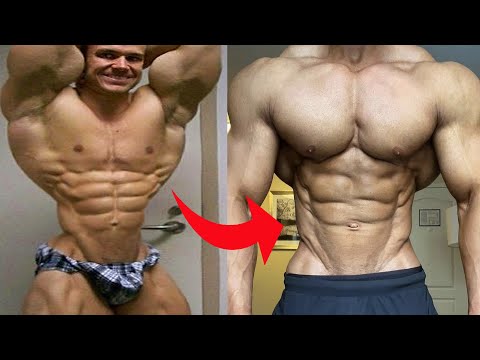
The Unseen Strength: Why Grapplers Possess Superior Physique and How to Forge Yours

As a Sensei, I've witnessed countless disciplines and debated their merits across the vast landscape of martial arts and combat sports. Today, we confront a question that echoes in dojos and training halls worldwide: Why do grapplers – those who master the intricate dance of clinch, takedown, and ground fighting – often exhibit a physique that commands respect, a veritable temple of functional strength? This isn't mere coincidence; it's the direct result of a training methodology forged in the crucible of necessity. We'll dissect this phenomenon, not just from a performance standpoint, but from the philosophical core of what true physical prowess entails. Prepare to have your preconceptions challenged.

The Grappler's Physique: More Than Just Muscles

The immediate visual cue of a seasoned grappler often includes broad shoulders, a powerful back, thick traps, and legs that are as strong as ancient oaks. But this is not the sculpted, aesthetic physique of a bodybuilder, chasing symmetry over function. The grappler's build is a testament to the demands of their art: the ability to generate immense force for takedowns, to absorb blows and maintain control, and to endure grueling rounds on the mat. This is functional hypertrophy, developed through resistance and strategic application of power. The core of grappling lies in leveraging an opponent's body, often against their will. This requires a unique blend of: * **Explosive Power:** For initiating takedowns like the *O-soto-gari* (Major Outer Reaping) in Judo, or explosive double-leg takedowns in wrestling. * **Crushing Grip Strength:** Essential for maintaining holds, preventing escapes, and controlling an opponent's limbs. * **Core Stability:** The bedrock of all powerful movements. A strong core allows for efficient power transfer and resistance to being swept or controlled on the ground. * **Endurance:** Grappling is a high-intensity activity. The ability to maintain strength and technique for extended periods is paramount.
These attributes don't develop in isolation. They are intricately linked, each reinforcing the other. A strong core enables more explosive leg drives, which in turn requires a stronger grip to secure the takedown. This is the interconnectedness that makes grappling so physically demanding and, consequently, so effective at building a formidable physique.

Unpacking the Philosophy: The *Shin Gi Tai* of Grappling

In the world of Budo, we speak of *Shin Gi Tai* (心技体): mind, technique, and body. For grapplers, this triad is not just an ideal; it's the operational framework for success. * **Shin (Mind):** The mental fortitude required for grappling is immense. It involves strategic thinking, problem-solving under pressure, patience, and the resilience to overcome adversity – whether it's being caught in a submission or facing a seemingly insurmountable physical challenge. The ability to remain calm and analytical when your entire body is under stress is a mark of true mental discipline. * **Gi (Technique):** This is where the art of grappling truly shines. It's not about brute force alone, but about understanding leverage, timing, biomechanics, and the anatomy of movement. A well-executed throw or submission can neutralize a physically superior opponent. Mastering techniques like the *Kimura* (a shoulder lock) or the *Triangle Choke* requires precision and an intimate understanding of joint mechanics. * **Tai (Body):** This is the physical vessel that supports the mind and technique. For a grappler, the body must be a tool – strong, resilient, adaptable, and conditioned for the unique stresses of combat. The physique we observe is the direct manifestation of this body being honed for its specific purpose. The mastery of *Shin Gi Tai* leads to a unique kind of power, one that is both deeply personal and incredibly impactful.

The Training Regimen: Forging the Grappler's Body

The training of a grappler is multifaceted, often blending sport-specific drills with foundational strength and conditioning. It's a holistic approach that builds not just muscles, but resilience and adaptability.

Training Elements for the Aspiring Grappler

* **Technical Mat Time:** The cornerstone of any grappling discipline. This includes drilling techniques, live sparring (*randori* in Judo, *rolling* in BJJ), and positional control exercises. This develops the specific neuromuscular pathways and tactical understanding required. * **Strength Training:** Focuses on compound movements that mimic grappling actions. * **Lower Body:** Squats, deadlifts, lunges, and explosive Olympic lifts like cleans and snatches build the foundational power for takedowns and stability. * **Upper Body:** Pull-ups, rows, bench presses, and overhead presses develop the pulling and pushing strength needed for control and submissions. * **Core:** Planks, anti-rotation exercises, and weighted carries are crucial for stability and power transfer. * **Grip Strength Training:** Farmers' walks, dead hangs, and specialized grip trainers are indispensable. Without a strong grip, all other strengths are compromised. * **Cardiovascular Conditioning:** Grappling is demanding. Interval training, circuit training, and even roadwork (running) improve the cardiovascular system's ability to sustain high-intensity efforts and recover quickly. * **Flexibility and Mobility:** Essential for injury prevention and for executing techniques effectively. Dynamic stretching before training and static stretching afterward, alongside mobility drills, keep the body limber and responsive.
"The strength of the body is not in its muscles, but in its flexibility and resilience." - Unknown Master

A Sample Training Structure (Conceptual)

A typical week might look something like this: * **Monday:** Judo/Wrestling technique and *randori*. * **Tuesday:** Strength training focusing on lower body and core. Grip work. * **Wednesday:** BJJ/Grappling technique and *rolling*. * **Thursday:** Active recovery – light cardio, mobility work, or focus on a specific weak area. * **Friday:** Full grappling session or a focused strength and conditioning circuit designed for grappling. * **Saturday:** Longer grappling session, or a physical challenge (e.g., extended roadwork, heavy carries). * **Sunday:** Rest and recovery. This is a general framework, and the specifics will vary greatly depending on the individual's primary discipline (Judo, BJJ, Sambo, Wrestling), their current level, and their specific goals.

The Role of Genetics and Individual Variation

While training is paramount, we cannot entirely discount the role of genetics. Certain body types might lend themselves more readily to specific grappling disciplines. Taller individuals with longer limbs might excel at certain submissions or guards, while shorter, more compact individuals might find success with explosive takedowns and pressure passing. However, this is where the philosophy of Budo truly shines. Regardless of natural predisposition, dedication, proper technique, and the unyielding spirit (*kokoro*) can overcome many physical limitations. The true grappler develops their body to serve their art, adapting and overcoming.

Reflecting on the *Kime* (Focus/Intent)

The "jacked" physique of the grappler is not a superficial aesthetic; it's a functional outcome of demanding, purposeful training. It's the physical embodiment of *Shin Gi Tai* in action. The strength developed is not just for show; it's for control, for leverage, for survival, and for the execution of intricate techniques. This journey of building a grappling physique requires discipline, patience, and a deep understanding of one's own body and the principles of the art. It’s a path of continuous learning and adaptation.

Veredicto del Sensei: ¿Merece la pena el esfuerzo?

Absolutely. The physical rewards of dedicated grappling training are immense, but they pale in comparison to the mental fortitude, tactical acumen, and profound self-understanding gained. This is not just about building a better body; it's about forging a better self. The principles learned on the mat – discipline, perseverance, respect, and the constant pursuit of mastery – extend far beyond the dojo, shaping every aspect of a grappler's life.

Equipo Esencial para tu Entrenamiento

While grappling is often accessible with minimal equipment, certain items can significantly enhance your training and safety.
  • Gi (Kimono): For Judo and Brazilian Jiu-Jitsu, a high-quality Gi is essential. Look for double-weave for durability and a good fit that allows for movement without being too loose. Brands like Fuji, Hayabusa, and Atama are reputable.
  • Mouthguard: Crucial for protecting your teeth during sparring, especially in BJJ and wrestling.
  • Groin Protector: A wise investment for men to prevent serious injury during accidental impacts.
  • Knee Pads: Helpful for protecting your knees during drills and rolling on harder surfaces.
  • Weightlifting Gear: For supplemental strength training, consider appropriate lifting shoes, a weightlifting belt for heavy squats and deadlifts, and wrist wraps for support.
  • Apparel: Comfortable, moisture-wicking rash guards and shorts for BJJ or no-gi training. For Judo, a specific Judo uniform is required.
When selecting equipment, prioritize durability and proper fit. For instance, a well-fitting judogi is paramount for effective Judo practice.

Guía de Entrenamiento: Ejercicio de Potencia para el Agarre

One of the most overlooked yet critical aspects of grappling is grip strength. Here’s a simple yet brutal exercise:
  1. Find a sturdy barbell or, even better, a thick towel. If using a towel, loop it through the center hole of a weight plate or attach it to a barbell.
  2. Grip the barbell or towel firmly. Ensure your grip is secure and your arms are extended.
  3. Begin a Farmer's Walk. Walk a predetermined distance (e.g., 20-50 meters) or for a set amount of time (e.g., 30-60 seconds).
  4. Focus on maintaining your grip throughout the entire walk. Don't let your hands loosen.
  5. Repeat for 3-5 sets.
This exercise directly targets the forearms, hands, and wrists, building the crushing grip necessary to control an opponent.

Recursos para Profundizar

To truly understand the depth of grappling, explore these foundational elements:
  • The Kodokan Judo Institute: The official source for Judo principles and history, founded by Jigoro Kano. Explore their official website for historical context and technical information.
  • Brazilian Jiu-Jitsu Fundamentals: Many online resources and books delve into the intricacies of BJJ. Look for instructional videos from reputable instructors.
  • The Philosophy of Budo: Understanding broader martial arts philosophy enhances the appreciation of grappling. Texts on Bushido or the writings of Miyamoto Musashi can provide valuable insights.

Preguntas Frecuentes

  • Q: Is it possible to become a strong grappler without spending hours on the mat?
    A: While mat time is crucial for technique, a focused strength and conditioning program can build a strong physical foundation that accelerates technical learning and improves performance during sparring. However, technique acquisition is largely dependent on mat practice.
  • Q: What is the most important physical attribute for a grappler?
    A: It's a tie between core strength and grip strength. A powerful core allows for efficient movement and stability, while a strong grip is essential for control and submission.
  • Q: Can a smaller person succeed in grappling against a larger opponent?
    A: Absolutely. Grappling is a sport where technique, leverage, and strategy can often overcome sheer size and strength differences, especially in disciplines like Judo and Brazilian Jiu-Jitsu.
  • Q: How important is flexibility for grapplers?
    A: Very important. Flexibility aids in injury prevention, allows for a greater range of motion to execute techniques effectively, and can be crucial for escaping certain submission holds.

Para Profundizar en tu Camino

"To learn to fight is to learn to discipline the body and the mind. Strength without control is merely brute force." - Sensei's personal reflection from years of training.

Reflexión del Sensei: Tu Próximo Paso

Observe the grapplers around you. Do you see just athletes, or do you see living embodiments of resilience and tactical brilliance? The physical prowess is not an end in itself, but a tool forged by the mind and honed by technique. Now, I challenge you: How will you begin to forge your own functional strength, not just for the mat, but for life? Will you seek out the discipline, or continue to admire from afar? The choice, as always, is yours. ``` GEMINI_METADESC: Uncover the secrets behind the formidable physique of grapplers. Learn essential training principles from a martial arts master.

The Absurdity of the "Six-Pack Obsession": Are Endless Crunches Truly Martial?

The pursuit of the sculpted abdomen is a modern fetish, a visual trophy in the gymnasium and on social media. We are bombarded with images of perfectly chiseled torsos, hailed as the pinnacle of physical fitness. But for the dedicated martial artist, the question lingers: does endless abdominal training truly serve our path? Or is it a distraction, a vanity project that pulls us away from the core principles of true Budo? Let us delve into this, not as fitness gurus, but as warriors seeking efficiency and efficacy.

Table of Contents

The Illusory "Six-Pack" Myth

We see it everywhere: endless sit-ups, crunches, leg raises, all promising the coveted six-pack. This obsession is largely a byproduct of Western bodybuilding culture and its media portrayal. While a visible rectus abdominis *can* indicate low body fat and some degree of muscular development, it is by no means the sole or even primary indicator of true physical readiness for combat. In fact, an overemphasis on isolating these superficial muscles can lead to imbalances and injuries, hindering rather than helping the martial artist.

Consider the legendary figures of martial history. Did Miyamoto Musashi, in his duel at Ganryu Island, contemplate his abdominal definition? Did ancient Shaolin monks dedicate hours to static ab exercises? Unlikely. Their focus was on holistic strength, resilience, and the application of power through integrated body mechanics. The "six-pack" is a visual cue, a consequence, not the goal itself.

"The supreme art of war is to subdue the enemy without fighting." - Sun Tzu

This wisdom extends to training. Subduing the enemy (or your opponent) comes from integrated strength, not isolated muscle groups. The pursuit of a "six-pack" often distracts from this fundamental truth.

True Core Strength: Beyond the Rectus Abdominis

The "core" in martial arts is far more than just the muscles visible externally. It encompasses a complex network of deep abdominal muscles (transverse abdominis, obliques), the lower back muscles (erector spinae, multifidus), the diaphragm, and the pelvic floor. This is the engine of your power, the foundation of your stability, and the shock absorber for your entire body.

Think of a powerful punch or kick. The energy originates from the ground, travels through the legs, is powerfully rotated and accelerated by the hips and torso (the core!), and then transferred to the striking limb. If your core is weak or unbalanced, this kinetic chain is broken. You'll lack power, speed, and stability. Moreover, a strong, integrated core protects your spine from the immense forces generated in combat.

Exercises that target the entire core complex – including anti-rotation, anti-extension, and anti-lateral flexion movements – are far more beneficial than repetitive crunches. Examples include:

  • Plank variations (standard, side planks)
  • Pallof presses
  • Farmer's walks
  • Bird-dog
  • Turkish Get-ups

These exercises build functional strength that translates directly to the dojo, the ring, or the street. They teach your body to work as a cohesive unit, which is the hallmark of a skilled martial artist.

Functional Training for Combat: The Martial Artist's Perspective

The goal of martial arts training is not to win a bodybuilding contest; it is to develop the physical and mental capacity to defend oneself, overcome an opponent, and cultivate discipline. Therefore, our training must be functional – meaning it directly improves our ability to perform the actions required in combat.

What does combat demand?

  • Explosive Power: The ability to generate force quickly.
  • Stability: Maintaining balance under pressure and during dynamic movements.
  • Resilience: Withstanding impact and fatigue.
  • Agility: Moving efficiently and adapting to changing situations.
  • Endurance: Sustaining effort over time.

While abdominal muscles play a role, they are part of a larger system. A truly effective training regimen will incorporate elements that address all these demands. This means spending more time on:

  • Compound movements: Squats, deadlifts, overhead presses, Olympic lifts (if properly instructed).
  • Explosive drills: Plyometrics, medicine ball throws, kettlebell swings.
  • Grip strength training: Essential for clinching and controlling an opponent.
  • Cardiovascular conditioning: To maintain stamina throughout a fight.
  • Practice of martial arts techniques: This is the most specific training.

Focusing solely on isolated abdominal exercises is like a swordsman practicing only how to polish the blade, neglecting the stance, the grip, and the entire motion of the cut.

The Philosophy of Minimalism in Training

Many traditional martial arts emphasize efficiency and economy of motion. This principle can and should extend to our training. Why spend hours on exercises with diminishing returns when you can achieve superior results with focused, compound movements and direct martial arts practice?

The concept of "less is more" is powerful. Instead of a high volume of low-intensity ab work, consider a few challenging sets of core-strengthening exercises integrated into a full-body workout, or better yet, focus on how your core engages during your actual martial arts techniques.

"Mastering others is strength. Mastering yourself is true power." - Lao Tzu

True mastery, true strength, comes from within, from understanding your body's interconnectedness and potential. The external display of abs is secondary to this internal development.

A Training Regimen for the Warrior

Here is a template for a more martial-arts-centric approach to physical preparation. This is not a rigid prescription, but a guide to principles. Adapt it to your specific art and needs.

Phase 1: Foundational Strength & Conditioning (Focus: Building the Base)

  1. Warm-up (10-15 mins): Dynamic stretching, light cardio (jogging in place, jumping jacks), joint mobility.
  2. Compound Lifts (3x per week):
    • Squats (Barbell, Goblet)
    • Deadlifts (Conventional, Romanian)
    • Overhead Press
    • Bench Press or Push-ups (variations)
    • Pull-ups or Rows
  3. Core Integration (Post-lifting or on separate days):
    • Plank: 3 sets, hold for 45-60 seconds
    • Side Plank: 3 sets per side, hold for 30-45 seconds
    • Pallof Press: 3 sets of 10-12 reps per side
    • Farmer's Walk: 3 sets, walk for 30-40 yards
  4. Cardiovascular Conditioning (2-3x per week): High-Intensity Interval Training (HIIT) – e.g., 30 seconds on, 30 seconds off for 10-15 rounds of exercises like burpees, mountain climbers, sprints.
  5. Cool-down (5-10 mins): Static stretching, focusing on major muscle groups.

Phase 2: Power & Specificity (Focus: Martial Application)

  1. Continue Compound Lifts: Focus on increasing weight or reps.
  2. Introduce Explosive Work:
    • Medicine Ball Throws (rotational, overhead)
    • Kettlebell Swings
    • Plyometric Box Jumps
  3. Martial Arts Practice: This is where the magic happens. Dedicate ample time to your chosen art. Focus on power generation from the ground up, core engagement in every movement, and technique refinement.
  4. Sparring/Application Drills: Test your conditioning and strength in a controlled, combative environment.

Notice how direct abdominal isolation exercises (like crunches) are minimized, if not absent. The focus is on movements that build integrated, functional strength – the true "core" of a martial artist.

Veredict of the Sensei: Is the Six-Pack Worth the Fight?

From a martial perspective, the obsession with a visible six-pack is largely a misdirection. It is a cosmetic goal that can lead to unbalanced training and neglect of the deeper, more crucial functional strength required for combat. While a strong core is paramount, its development should be a byproduct of integrated training and martial arts practice, not an end in itself.

Rating: Falls short of a Black Belt in Warrior Fitness. Requires a fundamental shift in focus from aesthetics to efficacy.

Equipment Essential for Your Training

While the best martial arts training requires minimal equipment, certain tools can enhance your physical preparation. Investing in quality gear is an investment in your progress and safety.

  • Durable Training Mat: For floor exercises and safe falls.
  • Resistance Bands: Versatile for warm-ups, mobility, and adding resistance to exercises.
  • Kettlebells: Excellent for dynamic core training, explosive power, and conditioning. Start with a moderate weight (16-24kg for men, 8-16kg for women) and progress.
  • Medicine Balls: Crucial for developing rotational power and explosiveness.
  • Quality Training Shoes: For stability and support during lifting and dynamic movements.
  • A Good Quality Gi or Training Uniform: Essential for practicing most traditional martial arts. Look for double-weave or reinforced stitching for durability.
  • Heart Rate Monitor: To track your conditioning intensity and recovery.

For those serious about building a powerful physique that complements their martial arts, consider investing in some basic **home gym equipment** or a **high-quality training gear** setup. Proper equipment can make a significant difference in your training consistency and effectiveness.

Frequently Asked Questions

Q1: Can I build a strong core without doing endless crunches?
A1: Absolutely. True core strength comes from engaging the entire core complex in functional movements like planks, anti-rotational exercises, and dynamic martial arts techniques. Excessive crunches can even be detrimental.

Q2: If I have a low body fat percentage, will I automatically have abs?
A2: Generally, yes. Visible abdominal muscles are a sign of low body fat, which allows them to be seen. However, low body fat alone doesn't guarantee functional core strength for combat.

Q3: How much time should I dedicate to core training versus martial arts practice?
A3: Prioritize your martial arts practice. Integrate core strengthening into your overall conditioning, but ensure the bulk of your training time is spent on developing your specific art's techniques and principles.

Q4: Are there any martial arts where abdominal strength is less important?
A4: While the *manifestation* of core strength differs, a strong, stable core is crucial for *all* martial arts, from the explosive power of Karate and Taekwondo to the grappling stability of Judo and BJJ, and the evasive movement of Aikido.

To Deepen Your Journey

Reflection of the Sensei: Your Next Step

The pursuit of a six-pack is a siren's call, luring many away from the true essence of martial development. It is a hollow victory, a fleeting aesthetic that offers little in the crucible of combat. My challenge to you is this: look past the superficial. Does your training build a body that is resilient, powerful, and efficient? Or are you merely sculpting a trophy for display? Spend one week focusing solely on functional core integration and powerful martial arts movements, and then assess your body's readiness. Tell me, honestly, where does your true strength lie?

``` GEMINI_METADESC: Critiques the modern obsession with six-pack abs from a martial arts perspective, advocating for functional core strength vital for combat.


The Unseen Lessons: What Israel Adesanya's Reaction Reveals About Merab Dvalishvili's Dominance

The octagon is a crucible, a stage where raw talent meets unyielding will. But beyond the thunderous roars and the sweat-soaked canvas, there lies a deeper narrative, one often revealed not by the victor, but by the keen observation of a fellow master. When Israel Adesanya, a maestro of striking and a strategist of the highest caliber, reacts to a performance, it’s more than just commentary; it's a masterclass in itself. Today, we dissect not just Merab Dvalishvili's commanding victory over Petr Yan at UFC Fight Night, but what "The Last Stylebender" saw, and what *we* can learn from it. This isn't just about MMA; it's about the fundamental principles of control, pressure, and the relentless pursuit of dominance that echo through every martial art, from the dojo halls of Karate to the strategic mind games of Budo.

Table of Contents

Understanding the Context: A Clash of Styles

Petr Yan, a former champion, known for his crisp boxing and sharp counter-striking, faced an unconventional challenge in Merab Dvalishvili. Yan’s game typically thrives on rhythm, timing, and precision striking. Dvalishvili, however, represents a different breed of fighter: a relentless pressure machine, a wrestler whose conditioning and sheer will to advance often break opponents before they can even engage their preferred weapons. This wasn't a simple striking match; it was a test of wills, a battle of contrasting philosophies within the same cage.
As published on March 12, 2023, at 06:36 AM, this UFC Fight Night bout provided a spectacle that resonated even with the elite. Israel Adesanya, a fighter who himself embodies strategic brilliance and diverse martial arts influence, offered his unique perspective. His reactions are not merely a fan's delight; they are a window into the strategic mind of a warrior, offering insights valuable to any practitioner, whether they train in Karate, Judo, BJJ, or the broader philosophy of Budo.
"The beauty of martial arts is that they are a mirror to ourselves. What we see in others, we can often find within us, or the potential for it." - Sensei Budo

The Adesanya Lens: What a Champion Sees

Adesanya's analytical prowess is legendary. He doesn't just see punches and kicks; he sees the underlying strategy, the physical and mental conditioning, and the subtle shifts in momentum. When he watches a fighter like Dvalishvili impose his will, he's not just impressed by the outcome; he’s dissecting the *how*. His commentary often highlights the fighter's ability to dictate the pace, control the distance, and impose their physical and mental strengths. For practitioners of striking arts like Karate or Taekwondo, observing Adesanya's reactions can highlight the importance of maintaining composure under pressure, a key tenet in disciplines that emphasize focus and control. For grapplers, his insights into transitional control and physical dominance offer a complementary perspective. It reinforces that while techniques vary, the core principles of warfare – positioning, timing, and application of force – remain constant.

Merab's Dominance Analyzed: The Art of Pressure

Dvalishvili's performance against Yan was a masterclass in suffocating pressure. It wasn't about flashy submissions or devastating knockouts; it was about relentless takedowns, suffocating clinches, and an unyielding forward march that left Yan with little room to breathe or execute his own potent offense. This style, while perhaps not as aesthetically pleasing as some, is brutally effective and deeply rooted in the physical and mental demands of wrestling, a discipline that shares common ground with Judo’s emphasis on leverage and control. What Adesanya likely recognized was the sheer *willpower* required to maintain such a high-octane pace for three rounds. It’s a testament to Dvalishvili's conditioning, his mental fortitude, and his ability to consistently execute a game plan that drains opponents both physically and psychologically. This is the essence of "pressure fighting," a tactic seen across combat sports, from the aggressive advances in Kickboxing to the methodical advancement in Kyokushin Karate.

Technical Breakdown: Grappling Control Beyond Technique

While we might not see a step-by-step tutorial in Adesanya’s reaction, his observations often point to the critical elements of grappling control that transcend specific techniques. He’ll likely highlight: * **Positional Dominance:** How Dvalishvili maintained top control, limiting Yan's ability to escape or generate offense. This is a fundamental principle in BJJ and Judo. * **Pace Setting:** Dvalishvili dictated the speed and intensity of the fight, forcing Yan into uncomfortable exchanges. * **Physicality:** The sheer exertion and conditioning required to consistently impose such a physical style. This is where the training for endurance and strength becomes paramount. This type of control is not merely about executing a perfect hip escape or a flawless sweep. It’s about understanding leverage, weight distribution, and the mental game of attrition. Even a Karateka practicing Tameshiwari (breaking techniques) understands the application of focused power and intent, which, in a different context, can translate to sustained physical imposition.

Philosophical Implications: Budo and the Fight

The principles demonstrated by Dvalishvili – relentless pressure, unwavering resolve, and the physical imposition of will – are deeply aligned with the philosophy of Budo, the "Way of the Warrior." While Budo encompasses a vast array of martial arts, a common thread is the cultivation of character through rigorous training and the overcoming of adversity. Adesanya, a student of various martial arts himself, understands this duality. He recognizes that a fight is not just about striking or grappling; it's a test of a warrior's spirit. Dvalishvili's performance, in this light, is a testament to the power of perseverance.
"The empty mind, the Mushin, is not about emptiness in the sense of nothingness, but emptiness in the sense of being open to everything. It is this openness that allows a fighter to adapt and overcome." - Miyamoto Musashi
Adesanya's reaction likely touches upon this: how Dvalishvili seemed unfazed by Yan’s reputation, sticking to his game plan, embodying a form of mental fortitude that is the hallmark of true Budo.

Training for Relentless Pressure: Building the Dvalishvili Engine

To replicate the kind of sustained dominance Dvalishvili displayed requires a specialized approach to training. It’s not enough to just drill techniques; one must build the engine that powers them. * **Cardiovascular Conditioning:** This is paramount. High-intensity interval training (HIIT), prolonged sparring at a high pace, and consistent roadwork are essential. Think of the endurance required for a Judo randori session, but amplified. * **Strength Training:** Focus on functional strength that aids in grappling: leg strength for takedowns, core strength for stability and control, and upper body strength for clinching and maintaining position. * **Wrestling Drills:** Repetitive takedown attempts, sprawl drills, and clinch work are crucial. * **Mental Fortitude:** Training under fatigue, simulating high-pressure scenarios, and developing resilience against setbacks are key components. This is where the "mental game" truly shines. This type of training is a commitment, a journey that demands discipline and dedication, mirroring the path of any dedicated martial artist.

Equipment Essential for Your Training

To effectively train for grappling and pressure-based martial arts, the right gear can make a significant difference in both performance and injury prevention. For those looking to emulate the pressure-fighting style, consider the following:
  • Gi/Kimono: A durable, high-quality Gi is essential for BJJ and Judo. Look for double-weave or heavier fabrics that can withstand intense grappling. A good Karate Gi is also important for striking arts.
  • Sparring Gloves: For MMA training, proper sparring gloves (14-16oz) are critical for protecting your hands and your training partners.
  • Wrestling Shoes: Lightweight, supportive wrestling shoes offer excellent traction and ankle support, crucial for takedown defense and offense.
  • Mouthguard: Non-negotiable for any form of sparring or live training to protect your teeth and jaw.
  • Knee Pads: Useful for heavy drilling on mats to protect your knees during takedowns and ground transitions.
Investing in quality equipment is an investment in your training longevity and effectiveness, much like a martial artist investing in their first Karate gi or a fencer in their fencing mask.

Veredicto del Sensei: More Than Just a Win

Merab Dvalishvili's victory over Petr Yan was a statement. It wasn't just a win; it was a demonstration of a martial philosophy in action – the relentless application of pressure, the unwavering physical and mental conditioning, and the strategic dismantling of an opponent’s strengths. Israel Adesanya's reaction to this performance, though perhaps not a direct technical breakdown, offers a higher-level appreciation of what makes a fighter successful. He sees the discipline, the commitment, and the warrior spirit. This fight serves as a potent reminder that while striking arts like Karate and Taekwondo offer incredible precision and power, the control and attrition found in grappling arts like Judo and BJJ, when coupled with supreme conditioning, can be an overwhelming force. It's a lesson in versatility and the understanding that true mastery often lies in the integration of diverse skill sets and the unyielding application of one’s chosen path.

Frequently Asked Questions

  • Q: What martial arts background does Merab Dvalishvili primarily use?
    A: Dvalishvili is primarily a wrestler with a strong sambo background, which heavily influences his pressure-fighting style in MMA.
  • Q: How does Adesanya's reaction provide value to non-MMA practitioners?
    A: Adesanya's commentary often highlights universal martial principles like pressure, strategy, composure, and mental fortitude, which are applicable to any martial art, from Karate to Judo.
  • Q: Is Merab Dvalishvili's style applicable to self-defense?
    A: The relentless pressure and focus on control are highly effective in self-defense scenarios, as it can quickly overwhelm an untrained aggressor.
  • Q: How important is conditioning in modern MMA?
    A: Conditioning is absolutely critical. Fighters like Dvalishvili demonstrate that superior cardio and physical output can overcome technical disadvantages.

Para Profundizar en tu Camino

* Artes Marciales Mixtas: Entendiendo las transiciones entre disciplinas. * BUDO: La filosofía detrás del guerrero moderno. * Judo: La fuerza de la flexibilidad y el control.

Reflexión del Sensei: Tu Próximo Paso

When watching elite fighters, we are given a glimpse of peak human performance. But the true lesson lies not in marveling at their victories, but in understanding the sacrifice, the relentless training, and the mental fortitude required to achieve them. Dvalishvili's pressure, Adesanya's insight – these are not just moments in a fight. They are reflections of the dedication we must bring to our own mats, our own training halls, our own lives. So, I ask you: When faced with an overwhelming obstacle, whether in training or in life, do you find yourself retreating to your strengths, or do you become the relentless force that breaks through? What are you doing to cultivate that unyielding pressure in your own journey?

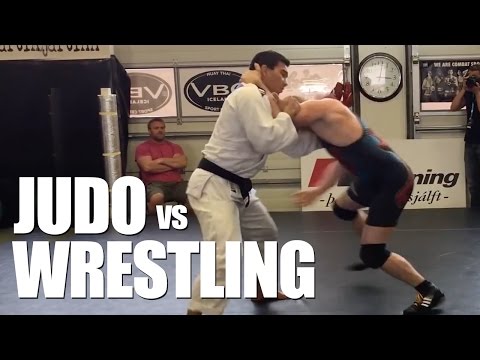
Judo vs. Freestyle Wrestling: A Deep Dive into Grappling Supremacy

Greetings, aspiring warriors and seasoned practitioners! Today, we confront a question that echoes through the annals of combat sports: Judo versus Freestyle Wrestling. Is one a superior art of grappling? Or are they simply different paths leading to the same summit of physical and mental dominance? Many of you seek to understand the core differences, the practical applications, and perhaps even the lineage that binds and separates these formidable disciplines. Prepare yourselves, for we are about to dissect this clash of titans with the precision of a well-executed throw and the insight of a thousand training sessions.

Table of Contents

The Core Philosophies: Beyond the Throw

At first glance, both Judo and Freestyle Wrestling are titans of the mat, focusing on throws, takedowns, pins, and submissions. Yet, their underlying philosophies paint distinct portraits of the warrior. Judo, born from the mind of Jigoro Kano, emphasizes maximum efficiency with minimum effort – *Seiryoku Zenyo* – and mutual welfare and prosperity – *Jita Kyoei*. It's a system designed not just for combat, but for self-development and societal contribution. Kano sought to create a path of physical, intellectual, and moral education. Freestyle Wrestling, conversely, is a direct descendant of ancient wrestling styles. Its primary objective is to dominate the opponent through superior control, leverage, and physical conditioning, aiming for pinfall or points through takedowns and control. While discipline is paramount, the emphasis leans more heavily towards raw athletic prowess and strategic control in a competitive environment. It is about overcoming the opponent, a fundamental aspect of combat that Kano himself acknowledged as a precursor to Judo's broader goals.
The essence of Judo is not to defeat others, but to defeat the worst in oneself.
This philosophical divergence is crucial. A Judoka might seek a perfect throw, not just for the win, but for the aesthetic and technical beauty of the movement, demonstrating mastery over self and opponent. A Freestyle Wrestler is driven by the immediate imperative to control and subdue, their strategy honed for victory within the specific rule set of their discipline.

Technique vs. Technique: A Comparative Breakdown

The practical differences are where the true debate lies.

Judo: The Art of Yielding and Dominating

Judo's arsenal is rich with throws, sweeps, and holds. Its signature techniques often involve using an opponent's momentum against them. Key elements include:
  • Grips (Kumi-kata): Judo places immense importance on grip fighting. Mastering grips is fundamental to controlling an opponent's posture and initiating throws.
  • Throws (Nage-waza): Techniques like the O-soto-gari (Major Outer Reap), Ippon-seoi-nage (One-arm Shoulder Throw), and Uchi-mata (Inner Thigh Throw) are hallmarks of Judo. They often require precise timing and kuzushi (breaking balance).
  • Groundwork (Ne-waza): While throws are iconic, Judo also incorporates extensive groundwork, including pins (Osaekomi-waza), joint locks (Kansetsu-waza - primarily on the elbow), and strangles (Shime-waza). However, leg locks are generally disallowed in competition Judo, a significant point of divergence from wrestling.
  • Attacks to the Arms and Neck: Judo allows for submissions targeting the arms and neck, adding a strategic depth to its ne-waza.

Freestyle Wrestling: The Pursuit of Superior Control

Freestyle Wrestling, on the other hand, is characterized by its explosive takedowns and relentless pressure.
  • Takedowns: Emphasis is on powerful shots like the double-leg takedown, single-leg takedown, and various throws that often end in dominant positions on the ground.
  • Ground Control: Wrestlers excel at maintaining top pressure, transitioning between pins, and working towards exposing the opponent's back or forcing them to their shoulders.
  • Leg Attacks: Unlike Judo, Freestyle Wrestling permits attacks to the legs, which forms the basis for many of its signature takedowns and scrambles.
  • Limited Submissions: While wrestlers can achieve submission-like positions through pins and control, direct submission holds (like chokes and armbars) are not typically part of the competitive Freestyle Wrestling rule set. The goal is control and pinning.
The absence of leg locks in Judo and the restriction of direct submissions in Freestyle Wrestling creates distinct strategic landscapes. A Judoka must develop impeccable balance and throwing mechanics, while a Freestyle Wrestler must cultivate explosive power, relentless pursuit, and superior mat control.

The Mental Arena: Discipline and Spirit

Beyond the physical, the mental fortitude required is immense for both.

Judo's Path to Self-Mastery

In Judo, the concept of *Mushin* (no mind) and *Zanshin* (lingering awareness) are paramount. The rigorous practice of *randori* (sparring) teaches practitioners to react instinctively, to remain calm under pressure, and to learn from every interaction. The emphasis on etiquette, bowing, and respect for one's training partners instills a deep sense of discipline and humility.

Freestyle Wrestling's Grit and Tenacity

Freestyle Wrestling demands an iron will. The grueling conditioning, the constant pressure of being on the mat, and the sheer physical exertion forge a unique brand of resilience. Wrestlers learn to push through pain and fatigue, to adapt on the fly, and to maintain aggressive intent even when exhausted. This is a test of sheer tenacity and the will to impose one's dominance.
In wrestling, you learn that quitting is not an option. You push until you can't push anymore, and then you push a little further.
Both arts cultivate extraordinary mental toughness, but the flavor differs. Judo hones mental clarity and adaptability, while Freestyle Wrestling builds an unyielding spirit of combat.

Application in Modern Combat: Real-World Scenarios

This is where the debate often ignites, especially in the context of Mixed Martial Arts (MMA).
  • Judo's Edge: Judo's powerful throws and its groundwork, which includes chokes and arm locks, offer a potent package for MMA. A skilled Judoka can take an opponent down, control them on the ground, and finish the fight with a submission or a dominant pin. The ability to off-balance and throw from various ranges is invaluable.
  • Wrestling's Foundation: Freestyle Wrestling is widely regarded as the most dominant base for MMA grappling. Its emphasis on takedowns, relentless pressure, and conditioning allows fighters to dictate where the fight takes place and to exhaust their opponents. The ability to chain takedowns and defend takedowns are crucial skills that wrestlers possess at an elite level.
However, the effectiveness of either art in MMA depends heavily on the individual practitioner. A Judoka who cross-trains in striking and leg attacks, or a wrestler who learns advanced submission techniques, can become a truly formidable force. The rules of sport combat often limit the full spectrum of these arts, and their adaptation for a different arena is key.

Veredict of the Sensei: Which Reigns Supreme?

To ask which is "superior" is to fundamentally misunderstand the nature of martial arts. Both Judo and Freestyle Wrestling are complete and effective systems of grappling. Their "supremacy" lies not in an objective ranking, but in their alignment with the practitioner's goals and temperament.
  • For holistic development and self-perfection: Judo offers a broader path, integrating physical prowess with moral and intellectual growth.
  • For sheer dominance in a competitive grappling context: Freestyle Wrestling's relentless pressure and versatile takedown game are exceptionally effective.
In the context of MMA, Freestyle Wrestling has historically shown a slight edge due to its allowance of leg attacks and the emphasis on maintaining dominant control, which translates well to the cage. However, many of the most successful MMA grapplers are either Judokas who have supplemented their skill set or wrestlers who have learned submission techniques. The true victor is the athlete who masters the principles of leverage, timing, and control, regardless of the specific style.

Essential Gear for Your Grappling Journey

To embark on your grappling journey, proper attire and a conducive environment are key.
  • Judogi: For Judo, a sturdy, double-weave Judogi is essential. It must be durable enough to withstand rigorous gripping and throwing. Look for brands known for their quality and reinforced stitching, especially around the seams and lapels.
  • Wrestling Singlet: Freestyle Wrestlers typically wear a lightweight, form-fitting singlet. This allows for maximum freedom of movement and reduces potential gripping points for the opponent.
  • Training Mats (Tatami/Wrestling Mats): A safe training surface is non-negotiable. Whether you train on traditional Tatami mats for Judo or specialized wrestling mats, ensure they provide adequate cushioning to prevent injuries during throws and falls.
  • Mouthguard: Crucial for any combat sport, a mouthguard protects your teeth and jaw, reducing the risk of concussions.
For those looking to refine their skills at home, a good pair of wrestling shoes can provide excellent grip on various surfaces, and resistance bands can be used for conditioning exercises. Investing in quality gear is not just about comfort; it's about safety and enhancing your training experience. Consider exploring dedicated Martial Arts Merchandise or specific Judo Equipment and Wrestling Gear retailers.

Training Guide: Developing Your Grappling Foundation

Whether you choose Judo or Freestyle Wrestling, the path to mastery involves consistent, intelligent training.
  1. Master the Fundamentals: Start with the basics. For Judo, this means understanding grips, posture, and basic footwork. For Wrestling, focus on stance, level changes, and basic takedown entries.
  2. Drill Relentlessly: Consistent repetition of techniques (uchi-komi in Judo, drilling in wrestling) builds muscle memory and perfects execution. Focus on quality over quantity.
  3. Engage in Live Sparring (Randori/Live Wrestling): This is where you apply techniques under pressure. Learn to adapt, defend, and attack. Listen to your instructors and learn from every exchange. This is vital for developing Agility and Combat readiness.
  4. Develop Physical Conditioning: Grappling is physically demanding. Incorporate strength training, cardiovascular conditioning, and flexibility exercises. Exercises like No Equipment workouts or At-Home Workouts can supplement your dojo training.
  5. Study the Art: Read books, watch instructional videos, and learn about the history and philosophy of your chosen discipline. Understanding the "why" behind techniques enhances their application.
Consistency is the cornerstone of progress. Even short, focused sessions several times a week will yield far greater results than infrequent marathon training. Remember the principle of Perseverance, a key trait in all Martial Artists.

Frequently Asked Questions

What is the main difference between Judo and Freestyle Wrestling?

Judo focuses on throws, pins, joint locks, and strangles, with a philosophical emphasis on efficiency and mutual welfare. Freestyle Wrestling emphasizes takedowns, control, and pinning, with a focus on athletic dominance and less restriction on leg attacks.

Which art is better for self-defense?

Both provide excellent skills for self-defense. Judo's throws and submissions are highly effective, while Wrestling's takedowns and control offer a strong foundation. The effectiveness depends on the practitioner's training and ability to adapt.

Can a Judoka beat a Freestyle Wrestler?

Yes, in a hypothetical match, it is entirely possible. The outcome would depend on the specific skills, experience, and strategies of the individuals involved, as well as any rule sets governing the encounter.

Are leg locks allowed in Judo?

Generally, leg locks are not permitted in competitive Judo, though some exceptions exist in certain IJF rule sets for junior or specific events. In Freestyle Wrestling, leg attacks are a fundamental part of the sport.

Deepen Your Path: Further Exploration

For those who wish to delve deeper into the world of grappling and martial philosophy, consider exploring these related topics:
The journey of a thousand miles begins with a single step. In martial arts, that step is taken with humility and a commitment to continuous learning.

Reflexión del Sensei: Tu Próximo Paso

We have dissected the core principles, techniques, and mental landscapes of Judo and Freestyle Wrestling. But knowing is only the first step. The true test lies in application. When you next step onto the mat, or even when you face a challenge in your daily life, ask yourself: "Am I approaching this with the yielding precision of Judo, or the unyielding tenacity of Wrestling? And how can I integrate the strengths of both into my own pursuit of mastery?" The answer, and your next step, lies within your own spirit. ``` GEMINI_METADESC: Explore the profound differences and similarities between Judo and Freestyle Wrestling. Discover their philosophies, techniques, mental demands, and effectiveness in combat sports.

Mastering Endurance: The Unseen Art of the Warrior's Stamina

Many seek the thunderous power of a knockout punch or the intricate beauty of a flawless kata. But beneath the surface of every explosive technique, every grueling sparring session, lies a foundational element that separates the fleeting warrior from the enduring champion: stamina. It is the silent engine of combat, the wellspring of resilience. Yet, how many truly dedicate themselves to cultivating this vital attribute with the same fervor they apply to a punch or a kick? This isn't just about lasting longer; it's about *dominating* longer. It's about maintaining your peak physical and mental capacity when your opponent begins to falter. Let us delve into the profound science and art of building unwavering endurance, the true hallmark of a dedicated martial artist.

Understanding Stamina: More Than Just "Not Getting Tired"

In the arena of martial arts, stamina is not merely the absence of fatigue. It's a multifaceted attribute encompassing cardiovascular health, muscular endurance, and mental resilience. True stamina allows you to maintain technique, execute strategies, and make critical decisions even under duress. It's the difference between delivering a final, decisive blow and collapsing from exhaustion. Think of a seasoned MMA fighter like Jon Jones; his ability to adapt and maintain pressure throughout a championship round is a testament to his exceptional stamina, a skill honed through relentless, intelligent training.

"Victory is always possible for the person who refuses to stop fighting." - Bruce Lee

Building the Aerobic Engine: Cardiovascular Prowess

The foundation of all endurance lies in your cardiovascular system. This is your aerobic capacity – your body's ability to efficiently use oxygen to produce energy over extended periods. For martial artists, this translates to being able to maintain intensity during long sparring sessions, demanding conditioning drills, or even prolonged self-defense scenarios.

Key activities for improving cardiovascular health include:

  • Running: Consistent, varied running routines. Think interval training for bursts of speed and steady-state runs for sustained effort.
  • Cycling: A low-impact option that significantly boosts heart health.
  • Swimming: A full-body workout that builds lung capacity and endurance without stressing joints.
  • Jumping Rope: A classic conditioning tool that improves footwork, coordination, and cardiovascular fitness rapidly.

The crucial element is consistency. Aim for at least 3-5 sessions per week, varying the intensity and duration. Don't just run; sprint, jog, and recover. Push your limits gradually. A common mistake is to perform the same monotonous cardio every time; variation keeps the body adapting and prevents plateaus.

The Burst of Power: Cultivating Anaerobic Capacity

While aerobic endurance keeps you going, anaerobic capacity is what allows for explosive movements – the rapid strikes, powerful takedowns, and quick evasions that define effective martial arts. This is energy production without sufficient oxygen, crucial for high-intensity bursts.

To develop anaerobic power:

  • Sprints: Short, all-out sprints (e.g., 100-200 meters) with full recovery periods.
  • High-Intensity Interval Training (HIIT): Alternating very short bursts of maximal effort with brief rest periods. Think of performing 30 seconds of intense pad work followed by 15 seconds of rest, repeated for several rounds.
  • Plyometrics: Exercises like jump squats, box jumps, and clapping push-ups develop explosive power in your muscles.

These methods push your body into an oxygen deficit, forcing it to adapt and become more efficient at producing energy rapidly. This is vital for any fighter who relies on power shots or rapid transitions, such as a kickboxer or a BJJ practitioner executing a quick sweep.

Muscular Endurance: The Unsung Hero

Beyond the heart and lungs, your muscles themselves must be able to withstand repeated contractions without fatiguing. This is muscular endurance, the ability to perform a sub-maximal resistance activity for an extended duration. In grappling, this means maintaining control during a hold; in striking, it's about throwing multiple combinations without tiring your arms and legs.

Developing muscular endurance involves:

  • High Repetitions: Performing exercises like push-ups, squats, lunges, or using resistance bands for higher repetitions (15-25 reps) with shorter rest periods (30-60 seconds).
  • Circuit Training: Moving from one exercise to the next with minimal rest, targeting different muscle groups in succession.
  • Bodyweight Drills: Calisthenics are excellent for building functional muscular endurance. Consider adding variations like decline push-ups or pistol squats as you progress.

This type of training builds the capacity of your muscle fibers to resist fatigue, allowing you to maintain form and power throughout extended engagements. It’s often overlooked, but a fighter with superior muscular endurance can simply outlast their opponent physically, even if their cardiovascular fitness is comparable.

The Mind-Body Connection: Mental Fortitude

The physical aspect of stamina is inextricably linked to mental fortitude. As fatigue sets in, the mind is the first to waiver. Pushing through that mental barrier, that voice telling you to quit, is where true resilience is forged. This mental toughness is a cornerstone of the warrior's spirit, deeply ingrained in the philosophy of BUDO.

Cultivate mental endurance through:

  • Controlled Discomfort: Intentionally putting yourself in slightly uncomfortable situations – like holding a difficult stretch a little longer, or performing an extra set of burpees when you feel like stopping.
  • Mindfulness and Meditation: Practices like Zazen or simply focusing on your breath can significantly improve your ability to remain calm and focused under pressure and fatigue.
  • Visualization: Mentally rehearsing success, even when exhausted, can prepare your mind to push through physical limitations.
  • Setting and Achieving Small Goals: Each small victory builds confidence and reinforces your mental toughness.

The ability to remain composed and strategic when your body screams for rest is a hallmark of a truly seasoned fighter. It’s the mental grit that allows a smaller fighter to overcome a larger opponent through sheer will and intelligent application of technique.

The Art of Recovery: Essential for Progress

Endurance training is demanding. Without proper recovery, your body cannot adapt and improve, and you risk burnout or injury. Recovery is not downtime; it is an integral part of the training cycle, as vital as the workout itself.

Prioritize these recovery methods:

  • Sleep: Aim for 7-9 hours of quality sleep per night. This is when muscle repair and physiological adaptation primarily occur.
  • Nutrition: Fuel your body with balanced meals, focusing on lean proteins for muscle repair, complex carbohydrates for sustained energy, and healthy fats. Hydration is paramount.
  • Active Recovery: Light activities like walking, gentle stretching, or foam rolling can improve blood flow and reduce muscle soreness on rest days.
  • Listen to Your Body: Learn to distinguish between normal muscle fatigue and the warning signs of overtraining or injury. Rest when you need it.

A well-recovered athlete is a more efficient and effective athlete. Ignoring recovery is like trying to fill a leaky bucket; you'll constantly be fighting a losing battle against fatigue.

Training Guide: Integrating Endurance Work

Here's a sample weekly integration of endurance training for a martial artist. This should be adapted based on your specific art, training intensity, and personal fitness level.

  1. Monday: MMA Training (focus on sparring rounds, simulating fight duration).
  2. Tuesday: Strength & Muscular Endurance - Circuit training (3-4 rounds of 15-20 reps each: squats, push-ups, lunges, burpees, planks). Followed by 30 minutes of moderate-intensity cardio (e.g., cycling).
  3. Wednesday: Active Recovery - Light jog or swimming, followed by foam rolling and stretching.
  4. Thursday: High-Intensity Interval Training (HIIT) - e.g., 8-10 rounds of 1 minute sprint / 1 minute walk or rest. Or, intense pad work drills.
  5. Friday: Karate/ Taekwondo/ Kickboxing Technique & Conditioning - Focus on repeating techniques, then ending with a high-rep bodyweight conditioning circuit.
  6. Saturday: Long, Steady-State Cardio - 45-60 minutes of running or cycling at a moderate pace to build aerobic base.
  7. Sunday: Complete Rest or Very Light Active Recovery (e.g., leisurely walk).

Remember, the goal is progressive overload. Gradually increase the duration, intensity, or frequency of your workouts as you adapt.

Equipment Essentials for Your Training

While the best endurance training often requires minimal equipment, certain items can enhance your efforts and diversify your routine.

  • Running Shoes: Invest in a good pair that fits well and provides adequate support for your biomechanics.
  • Jump Rope: An inexpensive and highly effective tool for cardio and coordination. Look for a speed rope for better performance.
  • Heart Rate Monitor: Helps you track your intensity zones during training, ensuring you're working effectively within your aerobic or anaerobic thresholds.
  • Resistance Bands: Versatile for muscular endurance training and can be used anywhere.
  • Comfortable Training Apparel: Breathable fabrics that wick away moisture are crucial for extended workouts. For those focusing on arts like Judo or BJJ, a durable, well-fitting gi is paramount for grappling endurance.

Sensei's Verdict: Is Stamina Truly King?

In the grand tapestry of martial arts, technique is the thread, power is the color, and strategy is the design. But stamina? Stamina is the loom upon which it is all woven. Without it, the most intricate technique unravels, the most devastating power dissipates, and the cleverest strategy becomes unexecutable. While skill and tactical acumen are vital, I have seen countless highly skilled practitioners fall victim to less talented but more enduring opponents. Therefore, while perhaps not the "king" in isolation, stamina is undoubtedly the indispensable foundation upon which all other martial attributes must be built and sustained. It is the bedrock of true combat effectiveness.

Frequently Asked Questions

How can I improve stamina specifically for my martial art?
Integrate training that mimics the demands of your art. For strikers, this means dynamic striking drills and high-intensity rounds. For grapplers, it involves long grappling rounds, pressure testing, and positional sparring. Always include general cardio like running and swimming to build a robust aerobic base.
Is it better to train cardio before or after martial arts practice?
This depends on your goals. If your primary focus is skill acquisition, do skill work first when you are fresh. If your goal is to improve endurance specifically, you might do a dedicated cardio session *before* technique training to practice skills while fatigued. For general fitness, performing cardio *after* your martial arts session is often recommended to prioritize skill practice.
How much rest is too much when focusing on stamina?
While recovery is crucial, excessive rest can hinder progress. Aim for at least 1-2 dedicated rest days per week, but incorporate active recovery like light walking or stretching on other days. Listen to your body; if you feel run down, a rest day is necessary. If you're constantly feeling fatigued, your overall training load or recovery strategies might need adjustment.
Can I improve stamina without intense running?
Absolutely. As outlined, swimming, cycling, rowing, circuit training, HIIT, and even intense forms of martial arts practice itself (like continuous sparring) are highly effective for building stamina across different energy systems.

To Delve Deeper Into Your Path

The journey to mastering endurance is a marathon, not a sprint. It requires discipline, consistency, and a deep understanding of your body's capabilities and limitations. Embrace the process, push your boundaries wisely, and you will find that your capacity to endure not only enhances your martial prowess but enriches every aspect of your life.

Sensei's Reflection: Your Next Step

Consider this: When was the last time you truly pushed your endurance to its absolute limit, not in a sparring match, but in a dedicated conditioning drill? And more importantly, when you reached that wall, did you try to break through it, or did you yield? What was the single greatest lesson that wall taught you about yourself? Reflect on this, and prepare to face it again, stronger.

``` GEMINI_METADESC: Master endurance for martial arts with this comprehensive guide. Learn to build cardiovascular, anaerobic, and muscular stamina, plus mental fortitude. Essential training tips and recovery strategies from Sensei.

WSOF 2: Arlovski vs. Johnson - A Critical Analysis of a Groundbreaking MMA Event

The roar of the crowd, the glint of sweat under the arena lights, the raw display of skill and will – these are the hallmarks of any significant combat sports event. WSOF 2, held on March 23, 2013, at the Revel Casino in Atlantic City, was no exception. While the main event featured a highly anticipated heavyweight clash between Andrei Arlovski and Anthony Johnson, the card as a whole presented a fascinating tapestry of martial prowess, strategic battles, and moments that would shape the future of the World Series of Fighting (now PFL). This wasn't just another fight night; it was a crucial stepping stone for a new promotion aiming to carve its niche in the crowded landscape of mixed martial arts. This analysis delves beyond the fight results, scrutinizing the performances, the strategic choices, and the underlying martial philosophies displayed on that fateful night. We will dissect the techniques, evaluate the effectiveness of the combatants' approaches, and consider the broader implications of these encounters for the evolution of **MMA** and the **artes marciales** that underpin it.

A New Contender Emerges

The World Series of Fighting, a promotion established in 2012, was still finding its footing at WSOF 2. The pressure was on to deliver compelling fights and showcase talent that could rival the established giants. With a roster of established veterans and hungry up-and-comers, WSOF 2 was designed to be a statement of intent. The event promised a blend of striking, grappling, and the sheer will to win, embodying the core principles of **combat sports** and the rich heritage of **BUDO**.

Justin Gaethje vs. Gesias Cavalcante: A Lightweight War

This **fight** was an instant classic, a brutal ballet of aggression that defined the lightweight division for years to come. Justin Gaethje, known for his relentless pressure and devastating striking, faced Gesias "JZ" Cavalcante, a seasoned veteran with a dangerous submission game. From the opening bell, the pace was furious. Gaethje employed his signature Muay Thai clinch and powerful leg kicks, while Cavalcante sought to close the distance and bring the fight to the ground. The sheer ferocity of this **battle** was a testament to the **fighter's spirit**. Gaethje absorbed significant damage but never stopped moving forward, embodying the **perseverance** required in any **lucha**. Cavalcante, despite his experience, found himself overwhelmed by Gaethje's sustained assault. The fight ended via TKO for Gaethje in the second round, a victory that solidified his status as a top contender and a force to be reckoned with in the **MMA** world. This bout underscored the importance of conditioning and mental fortitude in prolonged, high-intensity **combat**.
"In the heart of every warrior lies a fire that burns brighter under pressure. Gaethje's performance was a clear illustration of this truth."

Josh Burkman vs. Aaron Simpson: Grappling vs. Striking

This welterweight encounter pitted the formidable wrestling and submission skills of Aaron Simpson against the aggressive striking and submission defense of Josh Burkman. Simpson, a decorated collegiate wrestler, aimed to impose his grappling dominance, while Burkman looked to keep the fight standing and utilize his knockout power. The early exchanges saw Simpson attempting takedowns, but Burkman's solid base and defensive wrestling proved effective. As the fight progressed, Burkman began to find his range, landing significant strikes. The strategic chess match between these two fighters highlighted different approaches to **combat**. Simpson's tactical decision-making was evident in his persistence with takedown attempts, while Burkman's ability to adapt and counter showcased a broader understanding of **martial arts** principles. The bout eventually went to Burkman via decision, a testament to his ability to neutralize Simpson's strengths and impose his own.

David Branch vs. Paulo Filho: Experience Meets Youth

This middleweight bout featured a clash between the seasoned Brazilian Jiu-Jitsu black belt Paulo Filho, a former PRIDE champion, and the rising American talent David Branch. Filho, known for his slick submission skills, was making a comeback, while Branch was looking to make a name for himself by defeating a legend. Filho's technical prowess was on full display as he attempted to secure submissions, demonstrating the effectiveness of **jiu jitsu** in a mixed martial arts context. Branch, however, showcased impressive defensive grappling and stout striking, weathering Filho's storms and landing his own counters. The **fight** was a fascinating study in contrasts: the veteran's artistry against the younger fighter's raw power and determination. Branch secured a hard-fought victory via split decision, a significant win that announced his arrival on the **MMA** scene. This bout emphasized that while technique is paramount, the physical attributes and strategic application of those techniques in a modern **combat** environment are equally critical.

Marlon Moraes vs. Tyson Nam: The Rise of a Bantamweight Star

Marlon Moraes was a name whispered with anticipation in the bantamweight division. Facing Tyson Nam, a capable striker, Moraes had an opportunity to showcase his talent on a larger stage. From the outset, Moraes displayed a dazzling array of striking, utilizing speed, precision, and power. His footwork was exceptional, allowing him to control the distance and dictate the pace of the **fight**. The Brazilian demonstrated why he would become a dominant force in the division, landing clean shots and effectively defending Nam's attempts to gain an advantage. The fight concluded with a decisive victory for Moraes via TKO in the first round, a performance that left no doubt about his potential. This display was a masterclass in **striking technique** and the application of **speed and power**, core components of effective **combat**.

The Main Event: Anthony Johnson vs. Andrei Arlovski

The heavyweight headliner between Anthony "Rumble" Johnson and Andrei "The Pitbull" Arlovski was a highly anticipated clash of power strikers. Arlovski, a former UFC Heavyweight Champion, brought a wealth of experience and knockout power, while Johnson, known for his devastating one-punch KO ability, was a dangerous opponent for anyone in the division. The fight was a strategic, albeit cautious, affair. Both fighters respected each other's power, leading to periods of measured striking and circling. Arlovski landed some clean shots, showcasing his continued threat, but Johnson's explosive power and improving technique were evident. The bout ultimately went the distance, with Johnson securing a unanimous decision victory. While not a slugfest for the ages, the fight highlighted the technical adjustments both fighters had made and the sheer **physicality** required at the elite heavyweight level. It was a crucial win for Johnson in his **MMA journey**.
"Heavyweight combat is a delicate dance between immense power and calculated risk. Johnson's victory proved his ability to navigate this dangerous territory."

Veredict of the Sensei: Was WSOF 2 a True Test of Martial Arts?

WSOF 2 delivered a compelling night of **fighting**, showcasing a diverse range of **martial arts** disciplines. From Gaethje's relentless pressure striking to Moraes's dazzling technique and Johnson's power, the event provided ample evidence of the skill and dedication required at the highest levels of **MMA**. While perhaps not as universally celebrated as some of the era's other major events, WSOF 2 successfully established the promotion as a legitimate contender, offering **combat sports** fans a high-quality product. The event was a solid demonstration of the strategic evolution within **mixed martial arts**, where traditional **artes marciales** are constantly adapted and refined for the modern **cage**. **Cinturón Negro en la Promesa de la Promoción.**

Essential Gear for Your Training

To train effectively and safely, having the right equipment is crucial. Whether you're practicing striking, grappling, or conditioning, investing in quality gear will enhance your performance and protect you from injury.
  • MMA Gloves: For sparring and bouts, 4oz or 6oz gloves are standard. For heavy bag work or pad training, consider slightly heavier gloves for added protection.
  • Shin Guards: Essential for Muay Thai and kickboxing training to protect your shins during kicks and leg checks.
  • Mouthguard: A non-negotiable item for any sparring or competitive **combat**.
  • Groin Protector: Crucial for preventing serious injury during training and competition.
  • Hand Wraps: Protect your wrists and knuckles when hitting pads or the heavy bag.
  • Training Apparel: Comfortable, moisture-wicking shorts and rash guards are ideal for **grappling** and striking. Look for durable, flexible materials.
Investing in a quality **Kimono de Judo** or a durable **Karate gi** is also essential if you are delving into those specific **artes marciales**. For those focusing on **MMA** conditioning, consider resistance bands or a **medicine ball**.

Training Drills to Sharpen Your Fight IQ

Developing a high "Fight IQ" is as important as physical conditioning. It's about understanding strategy, timing, and how to best implement your **martial arts** skills. Here are a few drills:
  1. Situational Sparring: Focus on specific scenarios. For example, only allow takedowns for one fighter, or restrict striking to punches only for a round. This forces adaptation and strategic thinking.
  2. Reaction Drills: Have a partner call out targets or techniques randomly. Practice striking or defending accordingly. This sharpens your ability to react under pressure, mimicking the unpredictability of a **fight**.
  3. Flow Rolling (for Grapplers): Instead of going for submissions aggressively, focus on smooth transitions and maintaining positional control. This builds a deeper understanding of **grappling** mechanics and opens up new tactical avenues.
  4. Shadow Boxing with Visualization: Visualize an opponent and react to their imagined movements. Focus on footwork, defense, and setting up combinations. This is excellent for **solo training** and honing your **mental game**.
  5. Technical Drills with Minimal Resistance: Practice specific techniques repeatedly, focusing on perfect form and timing, but with very light contact. This ingrains muscle memory and builds confidence for when you apply them in full **combat**.
These drills, rooted in principles found across various **artes marciales**, can significantly improve your effectiveness and strategic thinking in any **combat sport**.

Frequently Asked Questions

What was the significance of WSOF 2 for the promotion?

WSOF 2 was a critical event for the fledgling promotion, aiming to establish its credibility and showcase a roster of talented fighters, helping it compete against established organizations.

Who won the main event between Arlovski and Johnson?

Anthony Johnson defeated Andrei Arlovski by unanimous decision.

Was Justin Gaethje's fight with JZ Cavalcante considered a classic?

Yes, their lightweight bout at WSOF 2 is widely regarded as an instant classic due to its high pace and brutal exchanges.

What other notable fights took place on the card?

Other significant bouts included Josh Burkman vs. Aaron Simpson, David Branch vs. Paulo Filho, and Marlon Moraes vs. Tyson Nam.

How did WSOF 2 contribute to the growth of MMA?

By providing a platform for exciting matchups and emerging talent, WSOF 2 contributed to the ongoing diversification and growth of the professional **MMA** landscape.

Deepen Your Understanding

To truly grasp the depth of **martial arts** and **combat sports**, continuous learning is essential. Explore these related topics:

Reflection of the Sensei: Your Next Step

WSOF 2 presented a microcosm of the modern martial artist's journey: the blend of tradition and innovation, the strategic application of learned skills, and the unyielding spirit required to face adversity. Looking at these fights, did you see a pure application of ancient **artes marciales**, or were they simply adaptations for a modern spectacle? How does the pursuit of victory in the cage compare to the pursuit of self-mastery on the mat? Consider this: is the ultimate goal to win the fight, or to learn from it? Your answer will shape your path. ``` GEMINI_METADESC: Analyze WSOF 2: Arlovski vs. Johnson. Critical review of MMA fights, fighter strategies, martial arts techniques, and the event's impact. Featuring Gaethje, Branch, Moraes, and more.

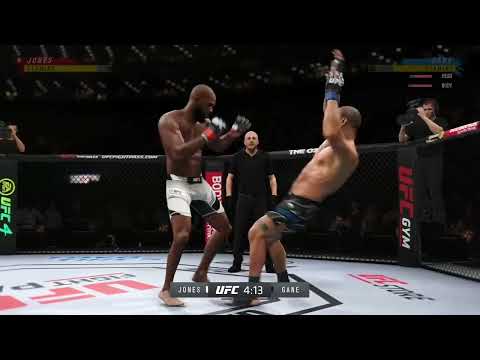
Jon Jones vs. Cyril Gane: A Deep Dive into the UFC Heavyweight Title Clash

Introduction: The Essence of the Showdown

When the worlds of martial arts collide in a bout that transcends mere competition, it becomes a spectacle that ignites the spirit of every enthusiast and draws in the curious alike. This is precisely the electrifying atmosphere building around the upcoming clash for the UFC Heavyweight Championship, pitting the legendary Jon Jones against the dynamic Cyril Gane. This encounter isn't just about belts; it's a profound exploration of martial philosophy, strategic brilliance, and the unyielding human will. As your Sensei, I see in this matchup a microcosm of everything we strive for in the dojo and beyond. We will dissect the nuances of this highly anticipated fight, not just as fans, but as students of the combative arts, examining the fighters, their statistical prowess, and how their individual journeys reflect timeless martial principles. Furthermore, we will touch upon the tangible aspects of our passion – the martial arts merchandise that connects us to this lineage – and its place within the vibrant ecosystem of combat sports, often fueled by platforms like AdSense.

Fighter Analysis: Striking Specialist vs. Versatile Warrior

The narrative of Jon Jones versus Cyril Gane is a captivating study in contrasts. On one side stands Jon Jones, a fighter whose name is synonymous with elite striking and an almost uncanny ability to dictate the pace and outcome of any fight. He is often heralded as a striking specialist, a master of distance, timing, and devastating accuracy. Yet, to label him solely as such would be a disservice to his evolution as a martial artist. Opposing him is Cyril Gane, a fighter who embodies the modern ideal of a versatile fighter. Gane's background, particularly in Muay Thai, has gifted him a powerful striking arsenal, but it's his seamless transitions into grappling and his adaptive approach that make him a truly formidable opponent. This matchup is a classic exhibition of how different training philosophies and developmental paths can converge in the brutal theater of the octagon. For us, as practitioners, this represents more than just a fight; it's a living testament to the diverse applications of martial principles and the strategic depth inherent in combat.

Jon Jones' Evolving Kickboxing Prowess

One of the most compelling narratives surrounding Jon Jones' move to heavyweight, and specifically this fight, is his display of advanced kickboxing skills. While his legendary status was built upon a foundation of striking, Jones has consistently demonstrated an ability to absorb new techniques and integrate them seamlessly. His arsenal has expanded, incorporating a wider array of kicks and more dynamic striking combinations. This evolution is a crucial lesson for all martial artists. It underscores that mastery is not a static destination but a continuous journey of adaptation and refinement. The spirit of Budo, the Way of the Warrior, demands perpetual learning. Seeing Jones, a seasoned champion, push the boundaries of his own skillset serves as a potent reminder that complacency is the enemy of progress in any martial discipline, whether it's Karate, Kickboxing, or Muay Thai.

"The art of war teaches us to rely not on the likelihood of the enemy's not coming, but on our own readiness to receive him; not on the probability of his not attacking, but rather on our having made ourselves indispensable as a means of his attack." - Sun Tzu, The Art of War. This principle is constantly at play in the octagon, as fighters adapt and prepare for every eventuality.

The Peril of the Ground Game in this UFC Bout

A critical aspect of this heavyweight showdown that cannot be overstated is the inherent danger of being caught on the ground. Both Jon Jones and Cyril Gane possess highly effective grappling abilities and a proven capacity to finish fights from dominant positions. Jones, with his extensive wrestling background and submission prowess, is a master of controlling his opponents and exploiting weaknesses on the mat. Gane, while perhaps more recognized for his striking, has also shown significant skill in wrestling defense and offensive grappling, capable of neutralizing threats and even securing takedowns. This bout is far from a one-dimensional striking contest; it's a high-stakes chess match where one misstep on the ground could prove catastrophic. This warning serves as a vital reminder for all combatants: versatility is paramount. One must be proficient in all ranges of combat to truly navigate the complexities of a fight, whether it’s in the UFC or a street encounter requiring swift self-defense.

Budo and the Deeper Meaning of the Fight

Beyond the raw athleticism and strategic maneuvering, fights like Jon Jones vs. Cyril Gane embody the core principles of Budo, the Japanese martial path. It’s not merely about achieving victory; it’s about the journey of self-improvement, the cultivation of character, and the embodiment of virtues such as discipline, respect, and unwavering perseverance. The dedication required to reach this elite level in sports like MMA, Kickboxing, or Judo mirrors the rigorous training mandated by martial arts philosophy. Each fighter, in their own way, is testing their limits, honing their mental fortitude, and demonstrating the physical and psychological resilience that defines a true warrior. This pursuit of excellence, the drive for self-mastery, is the essence of the martial spirit that resonates through generations, connecting practitioners across different disciplines and cultures.

Martial Arts Merchandise and the Sense of Community

In the vibrant ecosystem of combat sports, the connection fans and practitioners share with their heroes and disciplines extends to the tangible realm of martial arts merchandise. Supporting fighters like Jon Jones or Cyril Gane, or even specific arts like Kyokushin Karate or BJJ, is a powerful way to express passion and solidarity. The availability of MMA gear, kimonos for Judo and Brazilian Jiu-Jitsu, or specialized training equipment makes this connection accessible. Platforms often utilize AdSense to facilitate the sale of these items, effectively linking passionate audiences with the products that represent their dedication. This commercial aspect, while secondary to the art itself, plays a crucial role in fostering a sense of belonging and community among enthusiasts worldwide. It's a way to carry a piece of the dojo, the octagon, or the fight night spirit into everyday life.

Sensei's Verdict: A True Test of Martial Spirit

The anticipation for Jon Jones vs. Cyril Gane is immense, and rightly so. This isn't just a contest for a championship; it's a profound demonstration of contrasting yet complementary martial approaches. Jones' calculated aggression and evolving skillset against Gane's fluid versatility and powerful striking create a dynamic that promises a strategic masterpiece. Both fighters represent the pinnacle of dedication, discipline, and the relentless pursuit of self-improvement—hallmarks of the martial arts. The outcome will undoubtedly be a testament to who best embodies the principles of adaptability, resilience, and strategic acumen under immense pressure. It is a fight that will echo in the annals of combat sports history, serving as an inspiration for current and future generations of martial artists.

Training Guide: Enhancing Your Versatility

To truly embody the spirit of a well-rounded martial artist, focusing on versatility is key. Here's a practical approach to enhance your capabilities, applicable whether you train Karate, Judo, Kickboxing, or MMA:

  1. Cross-Train Strategically: If you primarily strike, dedicate time to grappling drills. If you're a grappler, focus on striking footwork and defense. For example, try incorporating basic Judo throws into your striking sparring sessions or practicing fundamental Karate stances and movements during your BJJ warm-ups.
  2. Develop Dynamic Mobility: True versatility requires more than just strength; it demands fluid movement. Incorporate dynamic stretching and mobility exercises, such as leg swings, torso rotations, and spinal waves, into your pre-training routine. This enhances your ability to transition smoothly between techniques and reduces the risk of injury.
  3. Sparring with Different Styles: Seek out training partners with diverse backgrounds. Sparring with a kickboxer as a grappler, or vice-versa, exposes you to different ranges, rhythms, and strategies. This is invaluable for developing adaptive defenses and offensive counters.
  4. Conditional Sparring Drills: Implement drills that force specific adaptations. For instance, start a round on the ground and have the objective to get back to your feet, or start standing and the objective is to secure a takedown. This hones your ability to function effectively in various phases of combat.
  5. Mindful Conditioning: Focus on conditioning that supports all aspects of your game. Include exercises that build explosive power (like plyometrics), cardiovascular endurance (long-distance running or HIIT), and core strength (planks, Russian twists).

To support your journey towards greater versatility and mastery in martial arts, having the right equipment is crucial. Investing in quality gear not only enhances your training experience but also ensures safety and durability. Whether you're perfecting your striking, refining your grappling, or engaging in full MMA sparring, consider the following:

  • High-Quality Sparring Gloves (16oz recommended for MMA/Kickboxing): Essential for protecting your hands and your training partners during striking drills and sparring. Brands known for durability and excellent padding are ideal.
  • Durable Kimono/Gi (Double Weave for Judo/BJJ): For grapplers, a sturdy kimono is indispensable. A double-weave gi offers greater longevity and resistance to the rigors of grappling.
  • Shin Guards and Mouthguards: Non-negotiable for striking training to prevent injuries. Ensure they offer adequate protection and a comfortable fit.
  • Training Matting: If you train at home, investing in proper matting can significantly improve safety for takedowns, falls, and ground work.
  • Resistance Bands and Jump Rope: Versatile and portable tools for enhancing strength, conditioning, and agility without requiring heavy equipment.

Frequently Asked Questions

Why is adaptability so important in martial arts?

Adaptability is crucial because real-world confrontations are unpredictable. A fighter who can seamlessly transition between striking and grappling, and adjust to an opponent's strategy, has a significant advantage. It reflects the core principle of martial arts: to overcome challenges through flexible and intelligent responses.

How does studying martial arts philosophy benefit a fighter?

Martial arts philosophy, such as that found in Budo, instills values like discipline, respect, perseverance, and self-control. These qualities are vital for consistent training, mental toughness during competition, and ethical conduct both inside and outside the dojo or octagon.

Is kickboxing sufficient for MMA, or is grappling necessary?

While kickboxing is a powerful striking art, it is generally not sufficient on its own for success in MMA. MMA demands proficiency in grappling for takedowns, ground control, and submissions. A well-rounded MMA fighter must integrate both striking and grappling disciplines.

What role does merchandise play in the combat sports community?

Martial arts merchandise serves as a tangible connection to the sport and its practitioners. It allows fans and athletes to express their identity, support their favorite fighters or disciplines, and foster a sense of belonging within the larger combat sports community.

For Deeper Exploration

The upcoming bout between Jon Jones and Cyril Gane is more than just a fight; it’s a dynamic exposition of martial arts principles in action. It highlights the blend of specialized skill and overall versatility that defines modern combat sports. As practitioners, we can learn immensely from observing such elite contests.

Sensei's Reflection: Your Next Step

Observing these champions, we see the dedication to honing specific weapons while simultaneously building a comprehensive arsenal. In your own training, are you merely practicing your strengths, or are you actively seeking to shore up your weaknesses? Are you a specialist who fears compromise, or a warrior who embraces the full spectrum of combat? Reflect on this: How will you integrate the lessons of versatility and continuous improvement from this epic clash into the very fabric of your own martial journey, starting today?