Showing posts sorted by relevance for query Shaolin Temple History. Sort by date Show all posts

Shaolin Kung Fu: Myth vs. Reality - The Monk's Training Revealed

The mystique of Shaolin Temple martial arts has captivated imaginations for centuries. Tales of monks performing superhuman feats of strength, agility, and combat prowess fill our popular culture. But how much of this is genuine martial tradition, and how much is cinematic embellishment designed for dramatic effect? As a lifelong student and critic of the martial world, I've seen countless portrayals that blur the lines between fact and fantasy. Today, we delve into the heart of Shaolin, separating the wheat from the chaff, and examining what true monk training entails, beyond the spectacle.

The Allure of Shaolin

The image of the Shaolin monk is iconic: tonsured heads, flowing robes, and an almost supernatural command over their bodies. This perception is largely thanks to cinematic masterpieces and legends that have permeated global consciousness. But for those who seek true martial understanding, the question remains: what is the essence of Shaolin's combat efficacy? Is it a secret martial art, passed down through generations of enlightened warriors, or a meticulously honed discipline rooted in Buddhist principles and rigorous physical conditioning? We will explore the historical context, the philosophical underpinnings, and the practical training that defines the Shaolin legacy.

Historical Origins: From Monks to Masters

The history of Shaolin martial arts is as complex as it is debated. While popular legend attributes its founding to Bodhidharma, an Indian monk who arrived at the Shaolin Temple in the 5th century AD, historical consensus suggests a more nuanced development. Bodhidharma is credited with introducing Chan (Zen) Buddhism, and some accounts mention him teaching exercises to his monks to combat lethargy and strengthen their bodies for meditation. These early exercises, likely derived from Indian yoga and other forms of movement, are considered the embryonic stage of Shaolin Kung Fu.

Over centuries, Shaolin monks were exposed to various fighting styles brought by visitors and through their own need for self-defense in a turbulent China. The Temple, being a significant religious and sometimes political entity, faced threats that necessitated martial proficiency. This environment fostered a unique synthesis of Buddhist philosophy, physical conditioning, and practical combat techniques. The term "Kung Fu" itself refers to any skill achieved through hard work and practice, not exclusively martial arts. However, Shaolin Kung Fu became synonymous with a sophisticated and effective system of combat.

"The ultimate aim of martial arts is not to be the best, but to be better than your former self." - A principle echoed in both Budo and Shaolin teachings.

The Philosophy of the Fist: Budo Meets Buddhism

At its core, Shaolin martial arts are not merely about fighting; they are an extension of Buddhist philosophy. The discipline, patience, compassion, and mindfulness cultivated in meditation are directly applied to combat training. The concept of Mushin (no-mind) – a state of intuitive action where the mind is free from distracting thoughts – is paramount. This is achieved through relentless practice until movements become second nature, an automatic response to any situation.

The training aims to harmonize the body, mind, and spirit. Physical prowess is developed alongside moral and ethical fortitude. Shaolin monks often practice techniques that mimic animal movements (e.g., the Crane, the Tiger, the Monkey), not just for their tactical advantage but also to embody the inherent characteristics of these creatures – their balance, power, and adaptability. This holistic approach ensures that martial ability serves a higher purpose, rather than being wielded for aggression or ego.

The Rigors of Shaolin Training: More Than Just Kicks

Forget the effortless leaps and impossible strikes seen in movies. The reality of Shaolin monk training is one of grueling, repetitive, and often painful dedication. A typical day begins before dawn, with hours dedicated to:

  1. Meditation: To cultivate mental clarity, focus, and spiritual awareness.
  2. Stance Training (Zhan Zhuang): Holding specific postures for extended periods to build foundational strength, stability, and internal energy (Qi). This is the bedrock of many Shaolin forms.
  3. Basic Techniques: Repetitive drilling of punches, blocks, kicks, and footwork until they are ingrained into muscle memory.
  4. Forms (Taolu): Complex sequences of movements that combine offensive and defensive techniques. These are practiced meticulously to refine timing, precision, and power.
  5. Conditioning: Intense physical exercises to build strength, stamina, flexibility, and resilience. This includes impact training, such as striking wooden dummies or even makiwara-like targets, which many modern Karate practitioners also utilize.
  6. Sparring (Sanshou/Sanda): Controlled application of techniques against a partner, emphasizing practical combat scenarios.

The legendary iron-body conditioning, often depicted as monks being able to withstand incredible blows, is developed through years of specialized exercises and striking practice. It’s not about invulnerability, but about toughening the body to absorb impact and deliver powerful strikes.

Shaolin Styles: A Multifaceted Arsenal

Shaolin Kung Fu is not a monolithic style but an umbrella term encompassing numerous systems developed over centuries. Some of the most prominent include:

  • Shaolin Long Fist (Chang Quan): Characterized by long, sweeping movements, wide stances, and powerful, direct techniques.
  • Shaolin Short Fist (Duan Quan): Focuses on close-range combat, rapid-fire punches, and efficient movements.
  • Shaolin Tiger Style: Emphasizes powerful stances, clawing hand techniques, and aggressive attacks.
  • Shaolin Crane Style: Known for its balance, precise footwork, and evasive maneuvers, with movements mimicking the grace and reach of a crane.
  • Shaolin Leopard Style: Focuses on speed, agility, and deceptive movements, often employing quick strikes and sweeps.
  • Shaolin Snake Style: Utilizes fluid, coiling movements, swift strikes, and evasive evasions.

The diversity of styles reflects the adaptive nature of Shaolin martial arts, catering to different body types, temperaments, and combat situations. This variety also contrasts with more singular styles like Judo or Taekwondo, which have a more defined focus.

Shaolin in Film: The Spectacle and the Substance

Cinema has been both a boon and a bane for Shaolin martial arts. Films like "The 36th Chamber of Shaolin" and Jet Li's "Shaolin Temple" series brought the magic of Shaolin to a global audience, inspiring millions to pursue martial arts. However, these portrayals often magnify the fantastical elements: exaggerated sound effects, gravity-defying leaps, and impossible feats of endurance.

While these films capture the spirit of dedication and the visual spectacle, they can sometimes overshadow the fundamental principles of effective combat. A masterfully choreographed fight scene in MMA, like those seen in the UFC, might lack the aesthetic flair of a Kung Fu film, but it is a direct demonstration of practical application under pressure. The "realism" versus "cinematic flourish" debate is a constant one in martial arts critique. Is it more valuable to see a perfectly executed kata that demonstrates principles, or a brutal, effective exchange that settles a contest? I argue that true mastery lies in the ability to translate the principles, however visually complex or simple, into effective action.

"The essence of martial arts is not in the techniques, but in the spirit with which they are applied." - Bruce Lee, who drew inspiration from many Eastern martial traditions.

The Modern Shaolin: Adaptation and Authenticity

Today, the Shaolin Temple continues to train monks in its martial traditions, but it has also adapted to the modern world. Shaolin disciples often participate in international demonstrations, competitions, and even form part of performance troupes. This global outreach allows for the dissemination of their art but also raises questions about authenticity.

The emergence of competitive Sanda (Chinese kickboxing), which is a modern sport derived from Shaolin techniques, has provided a platform for monks to showcase their skills in a rule-based combat environment. While Sanda is a legitimate evolution, it's crucial to distinguish it from the traditional, holistic training of the Shaolin monk dedicated to spiritual enlightenment as much as martial prowess. The pursuit of winning medals in Sanda is different from the pursuit of self-mastery through arduous, meditative practice.

For practitioners seeking authentic Shaolin training, it's vital to find reputable schools that emphasize not only the physical techniques but also the underlying philosophy and discipline. This might involve seeking out lineages directly connected to the Temple or instructors who have undergone rigorous traditional training.

Essential Equipment for Your Training

While Shaolin training can be performed with minimal equipment, certain items can enhance your practice and reflect the spirit of martial arts dedication. For those looking to deepen their training, consider the following:

  • Durable Training Uniform (Gongfu Suit): A comfortable, breathable uniform that allows for a full range of motion.
  • Training Mat: For floor exercises, meditation, and impact absorption during dynamic movements.
  • Punching Mitts and Focus Mitts: Essential for partner drills and refining striking accuracy and power.
  • Wooden Dummy (Mook Jong): A classic tool for practicing close-range techniques, footwork, and generating power, common in Wing Chun but also used in modified forms in other styles.
  • Meditation Cushion (Zafu): To aid in comfortable and sustained meditation sessions.

For those interested in traditional conditioning, a Karate-style makiwara or a heavy bag can be valuable for developing striking power and resilience, much like the monks of old.

Frequently Asked Questions

What is the primary difference between Shaolin Kung Fu and other martial arts like Karate or Judo?

Shaolin Kung Fu is a broad system encompassing numerous styles, emphasizing adaptability and often incorporating a deep philosophical and spiritual component tied to Buddhism. Karate focuses on striking with linear power, while Judo emphasizes throws and grappling. The holistic approach, integrating spiritual development with combat, is a distinguishing feature of traditional Shaolin training.

Can anyone learn Shaolin Kung Fu, or is it exclusive to monks?

While the monks at Shaolin Temple have a unique path, Shaolin Kung Fu is accessible to lay practitioners worldwide. Many reputable schools and masters teach its principles and techniques outside the Temple.

Are the superhuman feats seen in Shaolin movies real?

The "superhuman" feats in films are heavily exaggerated for entertainment. While Shaolin monks achieve incredible physical conditioning, dexterity, and skill through decades of training, they do not possess supernatural abilities. The films use wirework, editing, and artistic license.

What is Sanda?

Sanda, also known as Chinese kickboxing, is a modern combat sport derived from traditional Shaolin and other Chinese martial arts. It combines punching, kicking, and sweeping techniques with a focus on competitive application under specific rules.

To Dive Deeper Into Your Path

Sensei's Reflection: Your Next Step

The Shaolin monk's path is one of unwavering discipline, profound introspection, and martial mastery. It teaches us that true strength lies not in the force of a single blow, but in the persistent refinement of body and mind. The legends are entertaining, but the reality of their training is a testament to human potential achieved through dedication.

Reflection of the Sensei: Your Next Step

Consider this: if a monk dedicates years to perfecting a single stance until it becomes an extension of their spirit, what small, consistent effort can you apply to your own martial journey today that will yield significant results tomorrow? Is it an extra five minutes of stretching, a deeper focus during a kata, or a moment of mindful breathing before your next sparring session? Identify that one element, and commit to it with the same dedication the Shaolin monk shows to his practice.

``` GEMINI_METADESC: Uncover the truth behind Shaolin Kung Fu. Explore its historical roots, rigorous training, and philosophical depth beyond the cinematic myths.
Shaolin Kung Fu: True Combat Efficacy or Just a Beautiful Spectacle?

The ancient question echoes through the halls of martial history: does the dazzling artistry of Shaolin Kung Fu translate to effective combat, or is it merely a visually stunning performance? Many are drawn to Shaolin by its acrobatic grace, its legendary masters, and its cinematic mystique, but the true warrior must always ask: does it work when the stakes are real?

Table of Contents

The Shaolin Enigma

For centuries, the Shaolin Temple has been synonymous with martial prowess, a legendary birthplace of techniques that captivate the imagination. From breathtaking leaps and incredible feats of strength to the almost mystical control over the body, Shaolin Kung Fu embodies a romantic ideal of martial arts. Yet, in the brutal landscape of modern combat sports and real-world confrontations, its efficacy is often debated. Are the elaborate forms, the animal styles, and the qi-based internal training merely elaborate dances, or do they possess a potent, practical combat application? As a seasoned critic and practitioner, I’ve seen countless films portray Shaolin warriors with superhuman abilities, but the reality on the training floor, and indeed in any serious engagement, demands a more critical eye.

Echoes from the Monastery: The Historical Crucible

To understand Shaolin, we must first delve into its origins. While popular lore often credits Bodhidharma, an Indian monk, with introducing martial arts to the Shaolin Temple in the 5th century CE, historical evidence suggests a more nuanced evolution. Monks, living in relative isolation, needed methods for self-defense against bandits and for maintaining physical fitness during long periods of meditation. This necessity undoubtedly forged a martial system. Early Shaolin likely incorporated elements of existing Chinese martial traditions, focusing on practicality and efficiency. The famous Five Animal Styles (Tiger, Leopard, Crane, Snake, Dragon) are said to have been developed by observing animal movements and translating them into combative principles. This pragmatic origin is key; the Shaolin of history was not just about aesthetics, but survival and spiritual discipline.
"The supreme art of war is to subdue the enemy without fighting." - Sun Tzu, The Art of War. While often interpreted philosophically, this principle also speaks to the efficacy of training that emphasizes awareness, strategy, and control, elements deeply ingrained in Shaolin's philosophy.
The development of Shaolin as a sophisticated martial art was a long process. Over centuries, it absorbed influences, refined techniques, and developed complex curricula. The famous 72 Arts of Shaolin are a testament to this breadth, encompassing not only striking and grappling but also weapon mastery and conditioning. However, the emphasis on spectacular performance, often seen in modern demonstrations and cinematic portrayals, is a more recent development, influenced heavily by the burgeoning Wushu scene and the global popularity of martial arts films.

The Pillars of Shaolin: Techniques and Philosophy

Shaolin Kung Fu is a vast umbrella term, encompassing numerous styles and disciplines. However, some core principles and techniques are commonly associated with it: * **Striking:** Shaolin masters are renowned for their powerful and precise hand techniques (punches, palm strikes, chops) and dynamic kicking strategies. The emphasis is often on generating explosive power from the entire body, not just the limbs. * **Forms (Katas/Taolu):** These pre-arranged sequences of movements are the backbone of traditional Shaolin training. They serve multiple purposes: developing technique, coordination, balance, stamina, and memorizing combat applications. The complexity and fluidity of Shaolin forms are legendary. * **Weaponry:** Shaolin has a rich tradition of weapon-based combat, including the staff (Gun), sword (Jian), spear (Qiang), and broadsword (Dao). Mastery of these weapons requires immense skill, coordination, and strength. * **External Conditioning (Waijia):** Shaolin places significant emphasis on physical conditioning – building strength, speed, flexibility, and iron body techniques through rigorous exercises, including striking pads, iron palm training, and specialized calisthenics. * **Internal Training (Neijia):** While often associated with Tai Chi or Bagua, Shaolin also cultivates internal energy, or Qi. Practices like Yi Jin Jing (Muscle Tendon Classic) and Xi Sui Jing (Marrow Cleansing Classic) aim to enhance internal strength, resilience, and healing capabilities. This aspect is often misunderstood and dismissed by skeptics, but it forms a crucial part of the Shaolin holistic approach. * **Philosophy:** Beyond the physical, Shaolin is deeply rooted in Buddhist principles. Concepts like discipline, mindfulness, compassion, perseverance, and the understanding of emptiness (Mu/Sunyata) are integral to the training. The goal is not just to become a skilled fighter, but to cultivate a balanced and enlightened individual. The intricate choreography of Shaolin forms, while visually stunning, can become a point of contention. Critics argue that some modern forms have become too focused on acrobatic flair, potentially sacrificing practicality for aesthetics. This is a valid concern, as any martial art that drifts too far from its combative roots risks becoming a performance art rather than a system of self-defense or warfare.

The Spectacle vs. The Street: A Critical Analysis

The cinematic portrayal of Shaolin warriors, with their gravity-defying kicks and seemingly invincible defense, has undoubtedly fueled public fascination. Films like "Once Upon a Time in China" or the more recent "Ip Man" series (though focusing on Wing Chun, they often showcase encounters with various styles) depict martial arts as theatrical displays of power. This creates a disconnect between the idealized image and the pragmatic demands of actual combat. When we strip away the cinematic embellishments and the hyperbole of some traditional demonstrations, what remains of Shaolin's combat efficacy? * **The Advantage of Simplicity:** In a real fight, simplicity and directness often triumph over complexity. A well-executed straight punch or a powerful leg sweep can end a confrontation much faster than a dozen intricate moves. Some Shaolin techniques, particularly those derived from its historical roots, are indeed direct and effective. However, the sheer volume of techniques and styles within Shaolin can lead to over-specialization or, conversely, a lack of depth in any single area if training is not focused. * **The Wushu Dilemma:** Modern competitive Wushu, while originating from traditional arts like Shaolin, has evolved into a sport emphasizing acrobatic display and aesthetic presentation. While incredibly demanding physically, its direct combat applicability is often questioned by practitioners of more combat-focused disciplines like MMA or Muay Thai. Many Shaolin practitioners today train extensively in Wushu, and the lines can become blurred. The question is: are they training for performance or for survival?
* **The Power of Conditioning:** Shaolin's rigorous physical conditioning is undeniable. The strength, flexibility, and iron body training, if applied correctly and progressively, build a formidable physical foundation. This can translate directly into combat effectiveness, enabling practitioners to withstand strikes, deliver powerful blows, and maintain physical performance under duress. * **Internal Training Misconceptions:** The concept of Qi or internal energy is perhaps the most controversial. Skeptics dismiss it as superstition or pseudoscience. However, understanding internal training from a physiological perspective—focusing on breath control, core engagement, proprioception, and mindful movement—reveals its potential benefits for power generation, resilience, and injury prevention. It’s about harnessing the body's integrated power, not some mystical force.
"To know your enemy and know yourself, you need not fear the result of a hundred battles." - Sun Tzu. This applies not only to external opponents but also to understanding the strengths and weaknesses within one's own art. For Shaolin, this means honestly evaluating its practical applications beyond its impressive façade.
For Shaolin to be truly effective in combat, practitioners must emphasize practical applications, focus on fundamental principles, and temper performance-oriented training with a solid understanding of combative strategy. It requires a discerning approach, separating the wheat from the chaff, the essential from the ornamental.

Shaolin's Footprint in Today's Arena

While you might not see dedicated Shaolin practitioners dominating UFC octagon in traditional garb, elements of Shaolin have undeniably permeated modern combat sports. * **Acrobatic Kicks:** High-flying kicks, once exclusive to films, are now common in Taekwondo, Kickboxing, and even MMA, showcasing the influence of arts that developed such techniques. * **Body Conditioning:** The emphasis on iron body and resilience training resonates with the brutal conditioning required for professional fighters across disciplines. * **Mind-Body Integration:** The Shaolin emphasis on mental discipline, focus, and breath control is fundamental to high-level performance in any demanding sport, including MMA, Judo, and Kyokushin Karate. However, the direct translation of complex Shaolin forms or intricate hand techniques into the fast-paced, high-stakes environment of an MMA fight is rare. The rules of modern combat sports often favor specific skill sets—grappling for BJJ and Wrestling, powerful striking for Kickboxing and Muay Thai. A practitioner steeped solely in traditional Shaolin forms might find themselves outmaneuvered by specialized skill sets if they haven't cross-trained or adapted their art for modern combat realities.

Essential Training for Shaolin Aspirants

If you are drawn to the path of Shaolin Kung Fu and wish to hone its combat efficacy, consider these foundational elements:
  • Master the Fundamentals: Before attempting complex forms or flashy kicks, dedicate significant time to mastering basic stances, punches, blocks, and kicks. These are the building blocks of all advanced techniques.
  • Focus on Practical Applications: When practicing forms, always ask: "What is the combat application of this movement?" Drills that simulate real-world scenarios are crucial.
  • Sparring: Regular sparring is non-negotiable. It allows you to test your techniques under pressure against a resisting opponent. Start with light, controlled sparring and gradually increase intensity.
  • Cross-Train: To truly understand combat efficacy, consider training in complementary arts. Ground fighting skills from Brazilian Jiu-Jitsu or Judo, and clinch work and powerful striking from Muay Thai or Kickboxing, can provide invaluable insights and a more well-rounded skill set.
  • Develop Physical Conditioning: Implement a rigorous conditioning program focusing on strength, cardiovascular endurance, flexibility, and the "iron body" principles of Shaolin.
  • Cultivate Mental Discipline: Practice mindfulness, meditation, and develop unwavering perseverance. The mental fortitude cultivated through Shaolin is as critical as its physical techniques.

Equipment Essential for Your Training

While Shaolin emphasizes body mastery, certain equipment can significantly enhance your training journey:
  • Durable Uniform (Gongfu Suit): A traditional, well-fitting uniform allows for maximum freedom of movement and is a symbol of dedication.
  • Training Mats: Essential for practicing forms, falls, and groundwork safely, especially if you're training at home.
  • Striking Pads and Mitts: Crucial for developing power and accuracy in your punches and kicks.
  • Medicine Ball: Useful for core strengthening and explosive power drills.
  • Weights and Resistance Bands: For building the strength and power necessary for Shaolin techniques. Consider investing in home workout equipment if gym access is limited.
  • Books on Shaolin Philosophy and History: Deepen your understanding beyond the physical. Works on Budo philosophy and specific Shaolin texts can provide invaluable context.

Frequently Asked Questions

Q1: Is Shaolin Kung Fu effective for self-defense?

A: Yes, when trained with a focus on practical combat application. Many fundamental Shaolin techniques are inherently effective. However, over-emphasis on performance or overly complex movements can detract from its self-defense utility. Supplementing with sparring and cross-training is highly recommended.

Q2: How long does it take to become proficient in Shaolin?

A: Proficiency varies greatly depending on the individual, the quality of instruction, and the dedication to training. Mastery in any martial art, especially a comprehensive system like Shaolin, requires a lifelong commitment. Significant progress can be seen in a few years of consistent, dedicated practice.

Q3: What is the difference between traditional Shaolin and modern Wushu?

A: Traditional Shaolin, historically, was geared towards practical combat and spiritual development. Modern Wushu, while derived from traditional arts, has evolved into a competitive sport that often emphasizes aesthetics, athleticism, and acrobatic display over direct combative application.

Q4: Can I learn Shaolin effectively online or through videos?

A: Videos and online resources can be supplementary tools to learn forms or understand concepts. However, the direct feedback, correction, and practical application under pressure that only a qualified instructor and live sparring can provide are essential for true martial proficiency. Learning martial arts requires a hands-on approach.

For Further Study

Sensei's Reflection: Your Next Step

The question of Shaolin's efficacy is not a simple yes or no. It is a testament to the enduring nature of martial arts philosophy: the tool is only as effective as the hand that wields it, and the mind that guides it. Shaolin offers a rich tapestry of physical techniques, mental disciplines, and spiritual insights. To dismiss it entirely as mere spectacle is to overlook its profound historical roots and the genuine combat potential it can unlock. Conversely, to blindly accept its cinematic representations as reality is to court delusion. The true path lies in critical assessment, dedicated practice, and honest application. Whether you seek to defend yourself, improve your physical and mental well-being, or simply connect with a rich cultural heritage, Shaolin offers a profound journey. Now, I pose this to you: If you were to face a genuine threat, would you rely on the dazzling, acrobatic flourish of a film-inspired Shaolin warrior, or the grounded, pragmatic application of its most fundamental, battle-tested principles? Your answer, and the training that follows, will define your path.
"The character of a martial artist is reflected not only in his techniques but in his entire way of life." - Unknown Shaolin Proverb. Consider how the principles you learn translate beyond the training hall.
GEMINI_METADESC: Explore the debate: Is Shaolin Kung Fu truly effective for combat or just a beautiful spectacle? Dive into its history, techniques, and practical application in modern fighting.

Shaolin Ultra Warrior: A Deep Dive into its Martial Prowess and Cinematic Impact

The echo of the Shaolin temple's drums resonates through history, a testament to a martial tradition that has captivated the world for centuries. But beyond the legends and the mystique, what truly defines the essence of Shaolin Kung Fu? And how does a film like Shaolin Ultra Warrior translate this formidable art onto the silver screen? Today, we delve into the heart of this cinematic offering, dissecting its martial authenticity, philosophical underpinnings, and its place within the pantheon of martial arts cinema.

The Shaolin Legacy and Cinematic Interpretations

For practitioners and enthusiasts alike, Shaolin Kung Fu is more than just a fighting system; it is a philosophy, a discipline, and a spiritual path. Its origins, shrouded in monastic tradition and tales of warrior monks defending the innocent, have provided fertile ground for countless stories. Films like Shaolin Ultra Warrior often aim to capture this spirit, promising a glimpse into the rigorous training and formidable skills honed within the temple walls.

But herein lies the perennial challenge: how does one authentically portray the dedication, the pain, the profound mental fortitude required to master Shaolin arts in a medium that often prioritizes spectacle and drama? Many films fall into the trap of exaggeration, mistaking elaborate wire-fu for genuine technique or flashy stances for practical application. My own journey through the martial world, spanning decades and disciplines, has taught me that true mastery lies in simplicity, efficiency, and an unshakeable spirit, not in mere theatrics.

The intention behind watching a film like Shaolin Ultra Warrior, for many, is clear: to witness a vibrant and powerful representation of Kung Fu, perhaps to draw inspiration for their own training, or even to learn about the legendary monks and their ways. Does this film deliver on that promise? Let us dissect it with the precision of a skilled swordsman.

Deconstructing the "Shaolin Ultra Warrior" Spectacle

Shaolin Ultra Warrior, like many films in its genre, presents us with a narrative that often hinges on a young protagonist’s journey from novice to master. We see the arduous training, the overcoming of seemingly insurmountable odds, and the ultimate triumph against a nefarious force. It’s a classic arc, deeply embedded in the martial arts storytelling tradition, echoing tales from ancient China to modern MMA arenas.

The film’s depiction of Shaolin monks is, as is common, a blend of historical reverence and cinematic license. While the discipline and dedication are often highlighted, the portrayal can sometimes lean towards the fantastical. The speed, the power, the seemingly impossible feats – these are elements designed to awe the audience. However, as an experienced practitioner and critic, I must ask: where is the grit? Where is the sweat, the blood, the true essence of overcoming physical and mental barriers?

The film presents various Shaolin forms and techniques. From the powerful stances that ground a fighter to the swift, precise strikes that can incapacitate an opponent, the visual language of Kung Fu is on full display. We see elements that might remind viewers of specific Karate katas, the explosive power reminiscent of Kyokushin Karate, or even the grappling concepts found in Judo and BJJ, albeit filtered through the lens of traditional Chinese martial arts.

The fundamental question for any martial artist viewing such a film is authenticity. Does the choreography reflect the principles of the art it purports to represent? Are the techniques practical, or are they designed solely for visual impact? My experience tells me that the most effective techniques are often the simplest, the most direct, and the most grounded in biomechanics. Flashy movements can be impressive, but they often lack the efficiency needed in a real confrontation.

"True martial arts training is a journey of self-discovery, not just a preparation for combat. It is about honing the body, clarifying the mind, and strengthening the spirit." - A principle I often impart to my students.

The Art of Movement: Choreography and Technique

The heart of any martial arts film lies in its action sequences. In Shaolin Ultra Warrior, the fight choreography is a critical element that determines its success as both entertainment and a representation of martial arts. We are treated to a barrage of kicks, punches, sweeps, and blocks, often executed with remarkable speed and fluidity.

Let's break down what makes some of these sequences work and where they might falter from a purist's perspective:

  • Striking Techniques: The film showcases a variety of punches and kicks, some appearing to be rooted in animal styles of Kung Fu, others more direct and powerful. We often see the classic "straight punch" (Zheng Quan), the rapid-fire "chain punches," and various kicks like the roundhouse (Hui Tui) and side kick (Ce Tui). The effectiveness here lies in the clarity of execution and the visual representation of impact.
  • Form and Flow: Shaolin is known for its elaborate forms (Taolu), which are sequences of movements that simulate combat. While the film might display fragments of these, the focus is usually on the combative application. The fluidity and transition between techniques are key indicators of a well-trained fighter.
  • Weaponry: While not always central, Shaolin traditions also include a wide array of weapons. If Shaolin Ultra Warrior incorporates these, the skill in handling the staff, swords, or other implements would be a significant factor in assessing its martial fidelity. The grace and precision with which a weapon is wielded can speak volumes about the practitioner's discipline.
  • The "Wire-Fu" Factor: A common element in many Chinese action films is the use of wires to achieve seemingly impossible jumps and aerial maneuvers. While visually exciting, this can sometimes detract from the realism of the martial arts. A true warrior relies on their body's natural capabilities, not external aids, for the most part. The balance between awe-inspiring action and grounded reality is delicate.

From a critical standpoint, a truly exceptional martial arts sequence will demonstrate:

  • Economy of Motion: Every movement serves a purpose, whether it's to strike, defend, or create an opening.
  • Grounded Power: Strikes should feel impactful, originating from the ground up through core engagement.
  • Realistic Defense: Blocks and parries should be logical and efficient, leading to counter-opportunities.
  • Intent and Focus: The eyes and body language of the fighters should convey determination and a clear objective.

Does Shaolin Ultra Warrior achieve this balance? It certainly aims for it, providing a visually engaging experience that, at its best, hints at the profound training behind the Shaolin legend. However, viewers attuned to the finer points of martial arts will likely recognize moments where cinematic flair takes precedence over strict adherence to combat reality.

Beyond the Fist: The Philosophical Core

What elevates Shaolin Kung Fu beyond mere combat is its deep philosophical underpinnings, intertwined with Buddhist principles. Concepts like mindfulness, detachment, compassion, and the pursuit of inner peace are as crucial as any physical technique. Films often touch upon these aspects, usually through the character of the wise old master or the protagonist's internal struggles.

Shaolin Ultra Warrior, in its narrative, likely explores themes of discipline, perseverance, and the development of character. The rigorous training sequences serve not just to build physical prowess but also to cultivate mental fortitude. The ability to withstand pain, to push past one's limits, and to maintain focus under duress are all hallmarks of a true warrior's spirit, echoing the principles of BUDO and the warrior's code.

"The supreme art of war is to subdue the enemy without fighting." - Sun Tzu, The Art of War. This philosophy, while seemingly paradoxical for a martial film, speaks to the ultimate goal of mastering oneself to the point where conflict is either avoided or resolved with minimal violence.

The film’s depiction of the monks' lifestyle – their dedication to meditation, their simple living, their adherence to a code – offers a glimpse into this philosophical dimension. However, the true depth of these principles can only be truly appreciated through dedicated practice and contemplation, a journey far more profound than what a two-hour film can convey.

The pursuit of "Moo Duk Kwan" (the way of virtue and power) or the Zen concept of "Mushin" (no-mind) are not easily translated to the screen. Yet, when a film manages to convey even a fraction of this inner struggle and growth, it transcends mere action and touches upon something more meaningful.

Veredicto del Sensei: Is It a True Warrior's Film?

Shaolin Ultra Warrior offers an entertaining, action-packed journey into the world of Shaolin Kung Fu. It delivers on visual spectacle, showcasing dynamic fight sequences and a compelling narrative of a warrior's rise. For those seeking pure entertainment and a visually impressive display of martial arts, it certainly satisfies.

However, from the perspective of a seasoned martial artist and critic, its fidelity to the true spirit and technical nuances of Shaolin Kung Fu can be debated. The film leans heavily on cinematic conventions, employing wire-fu and stylized combat that, while exciting, may not fully represent the grounded, practical nature of authentic Shaolin training. The philosophical depth, while alluded to, remains largely in the realm of narrative rather than being truly embodied in the action.

Final Assessment: A strong visual feast for fans of Kung Fu cinema, offering moments of impressive choreography. However, it falls short of being a definitive or deeply authentic representation of Shaolin martial philosophy and practice.

Rating: 3.5 out of 5 (Cinturón Negro en Espectáculo, Cinturón Rojo en Autenticidad)

Training to Emulate the Shaolin Spirit

While watching Shaolin Ultra Warrior can be inspiring, true emulation of the Shaolin spirit requires dedicated, rigorous training. Here’s how you can begin to incorporate their principles into your own practice:

  1. Foundation First: Begin with fundamental stances (Ma Bu - horse stance, Gong Bu - bow stance) and basic striking techniques (punches, blocks, kicks). Focus on proper posture, alignment, and generating power from the ground.
  2. Develop Conditioning: Shaolin monks are renowned for their incredible physical conditioning. Incorporate strength training, cardiovascular exercises, and flexibility drills into your routine. Think bodyweight exercises, running, and dynamic stretching.
  3. Practice Forms (Taolu): If possible, seek instruction in a recognized Shaolin system or a related Karate or Kung Fu style. Learning forms builds coordination, memory, and the flow of movement.
  4. Mindfulness and Meditation: Dedicate time daily for meditation. This cultivates focus, mental clarity, and emotional control – essential aspects of the warrior's mindset.
  5. Sparring (Application): Once you have a solid foundation, engage in controlled sparring. This is where you test your techniques against a resisting opponent, learning timing, distance, and strategy. Look for opportunities in MMA or traditional martial arts clubs.
  6. Cultivate Patience and Perseverance: Mastery takes years, even decades. Embrace the journey, learn from setbacks, and never give up. The "Shaolin spirit" is built through consistent effort and a resilient attitude.

Essential Gear for Your Shaolin Journey

While Shaolin training traditionally emphasizes minimal equipment, certain items can enhance your practice and ensure safety, particularly when engaging in more dynamic training or sparring:

  • Durable Uniform (Gi/Uniform): A sturdy, comfortable uniform is essential. For styles mimicking Shaolin, a traditional Kung Fu uniform or a robust Karate gi would be suitable. Look for options made from breathable cotton or poly-cotton blends.
  • Training Shoes: Lightweight, flexible martial arts shoes or even comfortable athletic shoes with good grip are recommended for footwork and stability.
  • Protective Gear (for Sparring): If you engage in sparring, invest in quality protective gear:
    • Headgear
    • Mouthguard
    • Groin protector
    • Shin guards
    • Forearm guards
    • Sparring gloves (consider 16oz gloves for general sparring, lighter ones for drills)
  • Training Mats: For practicing falls, throws, and ground techniques, a set of interlocking foam mats provides cushioning and safety.
  • Water Bottle: Staying hydrated is crucial for performance and recovery.

For those looking to deepen their understanding of combat sports conditioning, exploring options like resistance bands, kettlebells, or even a quality makiwara (punching board) can be beneficial for developing striking power and resilience.

Frequently Asked Questions

What is the history of Shaolin Kung Fu?

Shaolin Kung Fu originated in the Shaolin Temple in Henan province, China, believed to have been founded in the 5th century AD. It is renowned for its development of both unarmed combat techniques and the use of various weapons, deeply intertwined with Buddhist philosophy.

Is Shaolin Kung Fu effective for self-defense?

Authentic Shaolin training, when focused on practical application rather than solely performance, can be highly effective for self-defense. Its emphasis on conditioning, speed, power, and adaptability makes it a formidable martial art. However, like any art, effectiveness depends on the quality of instruction and the dedication of the practitioner.

What are the main differences between Shaolin Kung Fu and Karate?

While both are striking-based martial arts, Shaolin Kung Fu often incorporates a wider variety of animal-based movements, more fluid transitions, and a deeper integration with Buddhist philosophy. Karate, particularly styles like Kyokushin, tends to be more linear and direct in its striking, with a strong emphasis on discipline and conditioning through rigorous practice.

How long does it take to become proficient in Shaolin Kung Fu?

Proficiency varies greatly depending on the individual's dedication, training frequency, quality of instruction, and specific goals. Basic competence might be achieved in a few years, but true mastery, especially incorporating the philosophical aspects, is a lifelong pursuit.

Can I learn Shaolin Kung Fu from movies like Shaolin Ultra Warrior?

While movies can be inspirational and offer a visual introduction, they are not a substitute for actual instruction. Learning martial arts requires hands-on guidance from a qualified instructor to ensure correct technique, safety, and a proper understanding of the art's principles.

Deeper Dives into the Budo Path

To further enrich your understanding of martial arts and the philosophies that underpin them, I recommend exploring these related topics:

Reflection del Sensei: Tu Próximo Paso

Shaolin Ultra Warrior presents a dazzling, albeit stylized, vision of martial prowess. It stirs the imagination and perhaps ignites a flicker of inspiration. But the true warrior's path is not paved with cinematic fantasy, but with the sweat of honest effort and the quiet contemplation of the self. The techniques you see on screen are the result of thousands of repetitions, countless hours of meditation, and an unwavering commitment to discipline. The question you must ask yourself now is: Are you willing to put in the work to move beyond the spectator and become a practitioner? What single, small step can you take today to bring the spirit of the Shaolin warrior, or any warrior, closer to your own reality?

``` GEMINI_METADESC: Dive deep into Shaolin Ultra Warrior: Is it authentic Kung Fu or pure spectacle? Analyze fight choreography, philosophy, and real-world martial application.

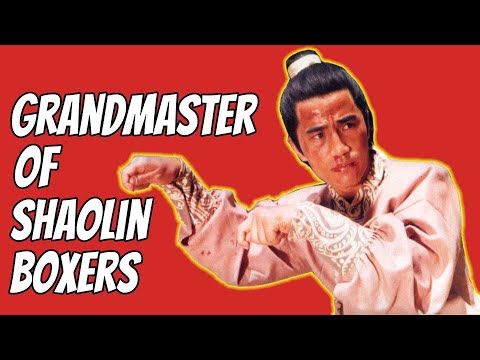
Grandmaster of Shaolin Boxers: A Budo and Martial Arts Critique

The name "Wu Tang" evokes images of ancient Chinese martial arts, of monks in dusty temples mastering formidable techniques. It conjures a lineage, a mystique, a spiritual discipline passed down through generations. When a film bears such a title, especially one promising to delve into the origins of Shaolin Kung Fu, our expectations as practitioners and aficionados are rightfully high. But does "Grandmaster of Shaolin Boxers," directed by Lee Hyeok-Su, truly deliver on this promise, or is it another pale imitation lost in the labyrinth of martial arts cinema?

The Shaolin Legacy and the Film's Premise

The legend of Bodhidharma, the Indian monk credited with founding the Shaolin Temple and its martial arts, is a cornerstone of martial lore. This narrative, rich with spiritual and physical struggle, forms the core premise of "Grandmaster of Shaolin Boxers." The film purports to tell the "inside story" of Dharma's challenges, the "secret style he invented," and his ascent to becoming the "Grand Master." This is fertile ground for exploring not just the techniques, but the very philosophy that underpins martial prowess. Can a film successfully capture the essence of such a profound origin story, or will it devolve into a mere display of punches and kicks?

The very concept of a "secret style" often treads a fine line between intriguing mystery and Hollywood embellishment. True martial mastery, as I've learned from my own mentors and experienced in countless training sessions, lies not in hidden scrolls but in dedicated, rigorous practice, profound understanding, and unwavering discipline. It is the application of fundamental principles, honed to perfection. This film, by focusing on a singular inventor and a secret style, risks oversimplifying a complex evolution of combat arts.

"The true martial artist is not one who knows many styles, but one who has mastered the few essential principles." - A lesson often echoed in the quiet halls of any serious dojo.

Cast and Direction: A Clash of Styles?

The film features Kam Kong, Chang Yi-Tao, Pearl Lin Yin-Zhu, Roman Lee Kang-Jo, and Kim Young-In. The effectiveness of any martial arts film hinges heavily on its cast's ability to embody both the physicality and the spirit of their characters. Are these actors genuinely skilled martial artists, or are they merely performing for the camera? The direction by Lee Hyeok-Su is also crucial. Does the director understand the nuances of martial arts, or is he simply guiding actors through a series of predetermined movements?

Often, films focusing on the Shaolin Temple can fall into predictable tropes: the stoic master, the rebellious student, the unjust persecution. While these elements can be effective, they often mask a lack of deeper exploration into the martial philosophy. The true essence of Shaolin lies in its integration of Buddhism and combat – a path of self-cultivation and enlightenment through rigorous training. Without this spiritual dimension, the film risks becoming just another fight movie.

Filmmaking Analysis: Choreography and Authenticity

This is where the true test lies for any martial arts film. The choreography needs to be more than just flashy; it must be believable, rooted in actual fighting principles, and executed with precision. Does the film showcase techniques that reflect the historical Shaolin styles, or are we presented with stylized, gravity-defying maneuvers that belong more in a fantasy than a historical drama? The camera work, editing, and pacing all play a significant role. Are the fights clear and easy to follow? Is there an emphasis on the impact and realism of the strikes, or is it a blur of motion?

I often observe films where the fight sequences are designed for aesthetic appeal rather than practical application. A truly great martial arts scene demonstrates not just skill, but the underlying strategy, the timing, and the intent behind each movement. Does "Grandmaster of Shaolin Boxers" succeed in this regard? Does it show the brutal efficiency of Shaolin Kung Fu, or does it merely present a spectacle?

Consider the legendary techniques said to have originated from Shaolin, such as the Five Animal Frolics or the Iron Body training. These are not mere physical exercises but integrated systems for developing power, resilience, and adaptability. A film that touches upon these elements without showing their practical relevance or underlying principles misses a crucial opportunity.

Philosophical Depth: Beyond the Punches

What elevates a martial arts film from mere entertainment to a profound cinematic experience is its exploration of the underlying philosophy. Shaolin Kung Fu, at its heart, is deeply intertwined with Buddhist principles: mindfulness, compassion, self-discipline, and the pursuit of inner peace. Does "Grandmaster of Shaolin Boxers" delve into these aspects? Does it show the transformation of the character, the internal struggles that mirror the external battles?

The journey to becoming a "Grand Master" is not just about accumulating skills, but about achieving a state of profound understanding and spiritual maturity. This requires showing the protagonist's growth, his moments of doubt, his dedication to overcoming obstacles not just physically, but mentally and spiritually. If the film focuses solely on the physical narrative, it misses the true essence of the martial path. Is Dharma depicted as a human being striving for mastery, or simply a conduit for showcasing martial prowess?

"The ultimate aim of martial arts is not to be a victor over others, but to be a victor over oneself." - A principle as true in cinema as it is on the training mat.

The spiritual aspect of martial arts is often the most challenging to portray effectively on screen. It requires a subtlety and depth that can be easily overshadowed by action sequences. However, without it, the film risks presenting a superficial understanding of the Shaolin tradition. The true power of Shaolin lies in the harmonious integration of mind, body, and spirit, a concept that should resonate throughout the narrative.

Veredicto del Sensei: Is It Worth Your Time?

After careful consideration, "Grandmaster of Shaolin Boxers" presents a narrative steeped in the rich tapestry of Shaolin legend. However, its success in translating this legend into compelling cinema is a matter of perspective. While it attempts to capture the origin story of Shaolin Kung Fu and the ascent of its legendary founder, the film's execution in terms of choreography, character development, and philosophical depth can be uneven. If you are seeking a visually engaging display of martial arts action with a historical premise, it may offer some entertainment. However, for those who seek a profound exploration of martial philosophy or technically groundbreaking choreography, it might fall short of true mastery.

The film serves as a reminder of the enduring power of the Shaolin narrative, but whether it truly honors that legacy through its cinematic interpretation is debatable. It’s a decent martial arts film for a casual viewing, but it doesn't reach the heights of true cinematic martial arts.

Training Guide: Cultivating Your Inner Shaolin

Embodying the spirit of the Shaolin monks requires dedication beyond the film screen. Here's a guide to incorporating their principles into your own training:

  1. Cultivate Mindfulness: Before each training session, take a moment to clear your mind. Focus on your breath and your intention for the practice. This mirrors the meditative practices of the monks.
  2. Embrace Rigorous Practice: Consistency is key. Dedicate regular time to honing your chosen art. Whether it's Karate, Judo, BJJ, or striking arts, repetition builds muscle memory and skill.
  3. Focus on Fundamentals: Master the basic stances, strikes, blocks, and movements. Shaolin is built upon a solid foundation. Don't chase complexity before mastering simplicity.
  4. Develop Internal Strength: Incorporate exercises that build resilience, such as bodyweight conditioning, breath control techniques, and mental fortitude training.
  5. Seek Balance: Remember that martial arts are not just about combat. They are about developing character, discipline, and self-control. Strive for balance in all aspects of your life.

Equipment Essential for Your Training

While Shaolin monks famously trained with minimal equipment, modern practitioners can benefit from specific gear to enhance their journey:

  • Durable Uniform (Gi/Dobok): A high-quality, breathable uniform is essential for most martial arts training. For Judo or Karate, ensure it can withstand rigorous movement and grappling. Look for double-weave options for extra durability.
  • Training Mats: For practicing throws, falls, or ground techniques, especially at home, consider investing in MMA or Judo mats to ensure safety.
  • Hand Wraps and Gloves: If your training involves striking, proper boxing gloves and hand wraps are crucial for protecting your hands and wrists.
  • Focus Mitts and Kick Shields: Excellent for partner training to develop accuracy, power, and timing.
  • Traditional Training Tools: If you are serious about replicating some traditional Shaolin conditioning, consider a makiwara or heavy bag for power development.

Frequently Asked Questions

Q1: Is "Grandmaster of Shaolin Boxers" based on a true story?

A1: The film is inspired by the legend of Bodhidharma and the founding of the Shaolin Temple, which is a foundational myth in martial arts history. While the core narrative draws from legend, specific events and characters are likely dramatized for cinematic purposes.

Q2: What martial art style does the film primarily focus on?

A2: The film centers around Shaolin Kung Fu, which is considered one of the oldest and most influential Chinese martial arts. It encompasses a wide range of techniques, including strikes, kicks, grappling, and weapon forms.

Q3: How does the film represent the philosophical aspects of Shaolin martial arts?

A3: The representation of philosophy can vary. The film attempts to show the spiritual journey of the founder. However, like many martial arts films, the emphasis might lean more towards action sequences than deep philosophical exploration. Viewers seeking profound spiritual insight might find it superficial, while others may appreciate the nod to the martial arts' origins.

Q4: Is the choreography in the film realistic?

A4: The realism of the choreography in "Grandmaster of Shaolin Boxers" can be subjective and often a point of contention for martial arts purists. While some scenes may showcase effective techniques, others might lean towards stylized cinematic action rather than practical combat application.

Q5: Where can I find more authentic Shaolin Kung Fu training resources?

A5: For more authentic training, seeking out reputable martial arts schools that teach traditional Shaolin Kung Fu or closely related styles is recommended. Online resources from established martial arts organizations or master-led tutorials can also be valuable supplements, but in-person instruction is often paramount.

To Deepen Your Journey

The path of the martial artist is one of perpetual learning and refinement. Films like "Grandmaster of Shaolin Boxers" offer a glimpse into the legends that inspire us, but the true mastery lies within the discipline of our own practice. Do you believe the film honored the Shaolin legacy, or was it another missed opportunity to showcase the profound depth of this ancient art?

Reflection of the Sensei: Your Next Step

When we watch a film like this, we are exposed to the *idea* of mastery. But ideas are like seeds; they need fertile ground and diligent tending to grow. So, I ask you:

If the essence of Shaolin lies in the fusion of spiritual discipline and physical prowess, which aspect have you been neglecting most in your personal training, and what single, concrete action will you take this week to address it?

``` GEMINI_METADESC: A critical analysis of 'Grandmaster of Shaolin Boxers' from a Budo perspective, examining its Shaolin Kung Fu depiction, choreography, and philosophical depth.

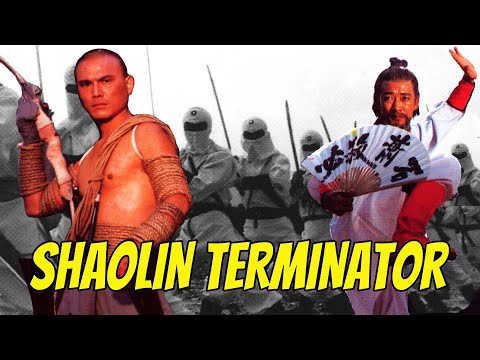
Wu Tang Collection - Shaolin Terminator: A Budo & AM Cinematic Critique

The world of martial arts cinema is a vast and often bewildering landscape, a terrain where genuine skill clashes with theatrical flourish, and where the spirit of Budo can either be honored or brutally misrepresented. Today, we turn our critical eye to a film that promises a potent blend of Shaolin prowess and relentless action: Wu Tang Collection - Shaolin Terminator. Directed by Charles Lee and starring the formidable Elton Chong, this film plunges us into a narrative of oppression and resistance, where the iconic Shaolin tradition confronts the shadowy threat of ninjas and avaricious lords. But does this cinematic offering truly embody the principles it purports to showcase, or is it merely another fleeting spectacle in the annals of exploitation cinema?

Introduction: The Shaolin Legacy and Cinematic Illusion

The mention of "Shaolin" immediately conjures images of disciplined monks, unparalleled martial arts mastery, and a philosophy deeply rooted in spiritual development. For centuries, the Shaolin Temple has been the cradle of some of the most influential combat systems in the world. When a film claims to be part of the "Wu Tang Collection" and features a "Shaolin Terminator," the expectations are naturally high. We anticipate not just a display of kicks and punches, but a narrative that respects the dedication, sacrifice, and philosophical underpinnings of these ancient arts. As practitioners, we are driven by a desire to see these principles accurately portrayed, to find lessons in cinematic struggles that can inform our own journey on the BUDO path. However, the martial arts film genre, especially from certain eras and regions, often prioritizes spectacle over substance. This raises a crucial question: does Shaolin Terminator deliver on its promise, or does it fall prey to the common pitfalls of cheap thrills and superficial combat?

The Narrative's Struggle: Oppression and Shaolin's Response

The premise of Shaolin Terminator presents a classic conflict: the righteous struggle against tyranny. Elton Chong, as "The Shaolin Kid," finds himself defending an orphan girl and indentured slaves from the clutches of the villainous Lord Kong, portrayed by Eagle Han Ying. Kong, along with his "posse of renegade Ninjas," is depicted as a ruthless exploiter, forcing laborers to toil in his gold mines. This setup immediately positions the film within a tradition of heroic narratives where martial arts are employed not for sport or personal gain, but as a tool for justice and liberation. The inclusion of ninjas adds an exotic, albeit often stereotyped, element of covert warfare and assassination techniques. From a narrative standpoint, the film aims to tap into universal themes of good versus evil, freedom versus oppression, and the inherent responsibility of those with martial skill to protect the vulnerable. This is a narrative thread that resonates deeply within the martial ethos, where the ultimate purpose of training is not violence, but the preservation of peace and righteousness. The question remains, however, how effectively are these themes woven into the fabric of the film, and how do the action sequences serve or detract from the story's intended message?

Cinematic Combat Analysis: Coreography and Authenticity

When analyzing any martial arts film, the choreography of the fight sequences is paramount. For those of us who dedicate years to honing our bodies and minds in disciplines like Karate, Judo, or MMA, the authenticity and effectiveness of on-screen combat are scrutinized with a keen eye. Shaolin Terminator features Elton Chong, a performer known for his physicality. The presence of "renegade Ninjas" suggests a blend of acrobatic movements, stealth tactics, and potentially distinct weapon styles, contrasting with the more grounded Shaolin techniques. We must ask: are the movements fluid and believable, or do they devolve into exaggerated flailing? Is there evidence of genuine martial arts principles at play, such as proper footwork, balance, and the application of force? Or are we subjected to repetitive, uninspired sequences that prioritize speed and flashy edits over skill? A truly great martial arts film showcases techniques that, while perhaps heightened for dramatic effect, still retain a core of practical application. We look for the rhythm of the fight, the strategy between combatants, and the physiological impact of each blow. Does Chong's portrayal of "The Shaolin Kid" demonstrate this nuanced approach, or does it lean towards the more simplistic hero archetype?

"The true warrior is not one who conquers others, but one who conquers himself. This film must show not just the conquest of enemies, but the inner discipline that fuels it."

The effectiveness of the antagonists is also crucial. Lord Kong and his ninjas must present a credible threat. Are their fighting styles distinct and challenging? Do their actions reflect the ruthless nature ascribed to them? The clash between different martial disciplines can be a source of great cinematic interest, but it requires careful staging to ensure that the resulting combat is engaging and plausible within the film's established reality. A common failing in lesser films is the lack of consequence for the actions of the characters; punches and kicks that should incapacitate are often shrugged off. We will examine whether Shaolin Terminator avoids this pitfall.

The Spirit of Budo: Beyond the Fist

Beyond the physical confrontation, the true essence of martial arts cinema lies in its ability to convey the philosophical underpinnings of the disciplines it represents. The term "Budo" itself signifies "the way of the warrior," encompassing not just combat techniques but also moral and spiritual development. The Shaolin tradition, in particular, is intertwined with Buddhist principles of compassion, mindfulness, and self-control. Does Shaolin Terminator explore these deeper aspects? Is "The Shaolin Kid" driven by a thirst for revenge, or by a genuine desire to uphold justice and alleviate suffering? The film's depiction of Lord Kong's avarice and cruelty provides a stark contrast to the supposed ideals of the Shaolin. This contrast, if explored effectively, can serve as a powerful vehicle for communicating the importance of character, integrity, and the ethical application of power. A film that merely showcases a series of fights without touching upon the internal struggle of its protagonist, or the moral implications of violence, misses a critical opportunity to elevate itself beyond mere entertainment.

We must consider if the film presents moments of introspection, of training that goes beyond physical conditioning, and of characters grappling with difficult moral choices. The path of the warrior is arduous, demanding not only strength of body but also unwavering strength of spirit. Does Elton Chong's character embody this duality? Or is he simply a skilled fighter who dispenses justice through brute force? The distinction is vital for those who seek genuine insight into the martial way.

Sensei's Verdict: A Fight Worth Watching?

Wu Tang Collection - Shaolin Terminator, at its core, attempts to deliver a classic martial arts narrative: the virtuous hero confronting a powerful, corrupt force. Elton Chong takes on the mantle of "The Shaolin Kid," tasked with liberating the oppressed from the clutches of Lord Kong and his ninja assassins. While the plot offers a familiar framework for action, the execution of its martial arts sequences and the depth of its philosophical exploration are crucial to its success as more than just a disposable genre flick. We have analyzed the potential for authentic choreography, the thematic resonance of the struggle against tyranny, and the vital, yet often overlooked, spirit of Budo that should permeate such a narrative.

Ultimately, Shaolin Terminator serves as a competent, if not groundbreaking, entry in the martial arts cinema canon. The fight choreography, while perhaps not reaching the sublime heights of some legendary productions, is generally well-executed and energetic, with Elton Chong showcasing his physical capabilities effectively. The clash between Shaolin styles and ninja tactics provides moments of visual interest. The narrative, though straightforward, effectively conveys the archetypal struggle between good and evil. However, the film's exploration of the deeper philosophical tenets of Budo remains somewhat superficial, prioritizing action over profound introspection. It is a film that entertains with its combat, but offers limited spiritual or ethical guidance.

Does it uphold the Shaolin legacy? To a degree. It showcases the skill and the fight for justice.
Does it embody the true spirit of Budo? Only in glimpses. The emphasis is on the external conflict rather than the internal journey.

For fans of classic kung fu films and energetic fight scenes, Shaolin Terminator offers a satisfying dose of action. It’s a film that understands the primal appeal of the hero defending the weak, executed with a decent level of technical proficiency. It may not redefine the genre, but it certainly provides an engaging spectacle.

Rating: 3 out of 5 Belts (A Solid **Black Belt in Choreography**, but falls short on the philosophical depth required for a Grandmaster title).

Training Essentials for the Aspiring Shaolin Warrior

To embody the spirit of "The Shaolin Kid" and truly understand the dedication required, one must engage in rigorous training. While Shaolin Terminator focuses on the external conflict, the foundation lies in internal discipline and physical conditioning. Here are some essential elements:

  • Stance Training (Dachi): Mastering fundamental stances like the Kiba-dachi (horse stance) and Zenkutsu-dachi (front stance) builds leg strength, stability, and endurance.
  • Striking Drills: Practicing punches (Tsuki) and kicks (Geri) against a training partner or equipment like a makiwara develops power, accuracy, and timing.
  • Forms Practice (Kata): Learning and refining kata, such as those derived from Shaolin traditions, enhances memory, coordination, body mechanics, and the understanding of combat applications.
  • Flexibility and Conditioning: Shaolin practitioners are known for their incredible flexibility and stamina. Regular stretching, agility drills, and cardiovascular training are crucial.
  • Mindfulness and Meditation: The spiritual aspect is paramount. Daily meditation, like Zazen, cultivates focus, emotional control, and the awareness of one's surroundings and inner state.

Resources for Deeper Understanding

To truly appreciate the martial arts depicted and the philosophy behind them, delving into authentic resources is essential. While Shaolin Terminator provides entertainment, these materials offer profound insight:

  • Books on Shaolin Kung Fu: Seek out texts that detail the history, philosophy, and techniques of Shaolin martial arts.
  • Biographies of Martial Arts Masters: Learning about figures like Bodhidharma or modern masters provides context for the dedication and evolution of these arts.
  • Documentaries on Martial Arts History: Visual explorations of the origins and development of various styles can be incredibly informative.
  • Official Federation Websites: Reputable martial arts federations often provide historical context and technical information.

Frequently Asked Questions

What is the "Wu Tang Collection"?

The "Wu Tang Collection" is a curated series of martial arts films, often focusing on classic kung fu cinema, known for their action-packed fight sequences and historical narratives. It aims to preserve and showcase important works in the genre.

Is Elton Chong a real martial artist?

Yes, Elton Chong is a Hong Kong martial artist and actor. He has a background in martial arts and has starred in numerous kung fu films, demonstrating considerable skill in his performances.

Are ninjas historically accurate in Shaolin films?

The inclusion of ninjas in films primarily set in Shaolin monasteries is often a cinematic device for dramatic effect, blending different historical martial traditions. While ninjas and Shaolin monks existed contemporaneously, their direct combat interaction in such films is usually fictionalized for entertainment.

What are the core principles of Shaolin martial arts?

Shaolin martial arts are deeply influenced by Chan (Zen) Buddhism, emphasizing not only physical prowess but also discipline, patience, compassion, and spiritual development. Techniques are often inspired by animal movements and aim for efficiency and effectiveness.

How does the "Terminator" aspect relate to Shaolin?

The "Terminator" moniker in the title is likely a stylistic choice to imply relentless, unstoppable combat prowess attributed to the Shaolin character, rather than a direct link to the science fiction franchise. It suggests a character who is exceptionally skilled and determined in their fight.

For Further Exploration on Your Path

``` GEMINI_METADESC: Critically analyze "Wu Tang Collection - Shaolin Terminator" from a martial arts perspective. Explore choreography, Budo spirit, and cinematic authenticity with Sensei's insights.

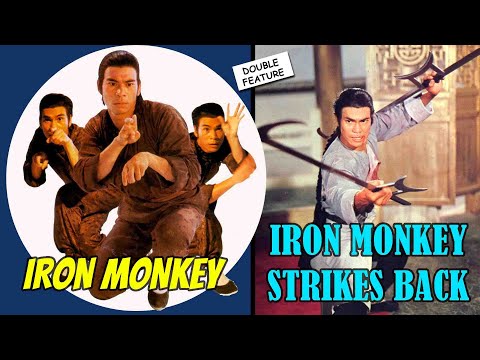
The Shaolin Monkey Fist: Unveiling the Ferocity of Wu-Tang's "Iron Monkey" Duology

The Call of the Monkey Fist

Ah, the Wu-Tang Collection! A name that conjures images of raw, unadulterated martial arts cinema. Today, we delve into a duo of films that, while perhaps not reaching the stratospheric heights of some Hong Kong classics, offer a potent glimpse into the enduring allure of the "Monkey Fist" style and the legendary Shaolin Temple. But are these films mere historical curiosities, or do they hold genuine lessons for the modern practitioner? That is the question we must dissect.

Many come to the world of cinema seeking not just entertainment, but the very spirit of the warrior. They want to understand the techniques, the philosophy, the dedication. They search for films that resonate with the sweat, the discipline, and the eventual enlightenment found on the training mats. This is where the "Iron Monkey" films, despite their imperfections, spark a particular curiosity.

Iron Monkey: Genesis of a Legend

Let us first dissect the original Iron Monkey, directed by Chen Kuan Tai. The premise is a familiar, yet potent, narrative arc: the sole survivor of a brutal massacre, driven by vengeance and fate, seeks refuge and mastery at the hallowed grounds of the Shaolin Temple. The casting features Chen Kuan Tai himself, Chi Kuan Chun, Wilson Tong, and Leung Kar Yan – names that, to the initiated, carry weight in the world of martial arts film.

The core of the story lies in the protagonist's journey to master the "Monkey Fist" method. This style, deeply rooted in animal mimicry, is characterized by its unpredictable, agile, and often acrobatic movements. Imagine a primate – its speed, its ability to change direction instantly, its deceptive simplicity masking a complex, devastating effectiveness. The film aims to showcase this, and in its better moments, it succeeds in conveying a sense of raw, untamed power.

"The Monkey style is not merely a collection of movements; it is an embodiment of adaptation and opportunism. It teaches us to flow, to deceive, and to strike when the moment is ripe, much like a monkey seizing a falling fruit." - A hypothetical elder from the Shaolin tradition.

Chen Kuan Tai, a veteran of the genre, brings a certain gravitas to the role. However, it is the depiction of the Monkey Fist itself that will draw the most attention from seasoned martial artists. Is the choreography a true representation, or a stylized interpretation for the screen? We shall examine this.

Shaolin's Shadow: The Monkey Style

The Shaolin Temple. The very name echoes through the annals of martial history. It is the mythical birthplace of countless combat disciplines, a place where the body and mind are forged into instruments of unparalleled skill and discipline. The integration of the Monkey Fist into this legendary institution is a narrative device that immediately elevates the stakes.

The Monkey style, in its essence, is about fluidity, evasiveness, and unpredictable attacks. It often incorporates elements of deception, mimicking the playful yet dangerous nature of its namesake. Movements can be low to the ground, incorporating rolls and evasions, then explosively transition to high, sweeping kicks or rapid-fire hand strikes. The emphasis is on agility and a seemingly chaotic, yet deeply ingrained, pattern of offense and defense. The goal is to overwhelm the opponent with a barrage of unexpected strikes and evasions, leaving them disoriented and vulnerable.

For a practitioner, mastering the Monkey Fist requires not just physical conditioning – extraordinary flexibility, agility, and stamina – but also a keen mental acuity. The ability to think on your feet, to adapt to your opponent's every move, and to exploit openings with lightning speed are paramount. This is where the film's narrative intent, however imperfectly realized, touches upon profound martial truths.

Iron Monkey Strikes Back: Detective Work and Deadly Fists

Following the initial installment, we have Iron Monkey Strikes Back, directed by Pao Hsueh Li. This film shifts gears, introducing a more investigative narrative. Chen Kuan Tai returns, this time as a Kung fu fighting detective, Mister Cool Head. The plot involves the murder of the emperor's wife and a deep-seated conspiracy at high levels of government.

The addition of the detective element adds a layer of intrigue, but the core appeal remains the martial arts. The film promises "untold fighting" from the team behind the first movie. This implies a continued focus on the action sequences, but the question remains: does the investigative plot detract from or enhance the martial arts spectacle?

Mister Cool Head, the protagonist, is tasked with unraveling this complex web of deceit. His methods, naturally, involve not just keen observation and deduction, but also the application of his formidable Kung fu skills. This blend of detective work and combat is a staple in many martial arts narratives, offering opportunities for both intellectual and physical prowess to shine.

The cast includes Chen Kuan Tai, Chen Sing, Chia Ling, and Suen Rong Jye, suggesting a continuation of the established martial arts talent. The promise of more fighting from the original team is a clear selling point for fans of the first film, but it also raises the bar for the quality and creativity of the action choreography.

Wu-Tang Collection: A Critical Eye on the Duology

Now, let us don our critical gi and examine these films through the lens of a seasoned martial artist and film enthusiast. The Wu-Tang Collection, in its ambition to showcase various facets of martial arts cinema, often presents films that are rough around the edges but possess a certain undeniable charm and historical significance.

Choreography and Authenticity: This is where the debate truly ignites. Does the "Monkey Fist" depicted here bear any resemblance to historically recognized forms? While cinematic interpretation often prioritizes spectacle over strict adherence, a truly great martial arts film will at least hint at the underlying principles of the style. The agility and unpredictability are key. If the movements feel rehearsed, lack a sense of grounded physics, or rely too heavily on wire-work without internal logic, then the film falters in its martial representation.

Acting and Narrative Cohesion: While the focus is on fighting, the narrative and performances still matter. Does the story hold together? Are the characters compelling, or merely archetypes going through the motions? In the case of Iron Monkey Strikes Back, the blend of detective work and martial arts needs to be handled with care. If the investigative plot feels shoehorned in, or if the transitions between dialogue and fight scenes are jarring, it detracts from the overall experience.

The "Spirit" of the Martial Art: Beyond the technical aspects, does the film capture the essence of the martial art it portrays? The Monkey Fist, like many traditional styles, is more than just physical technique. It embodies a philosophy of adaptability, wit, and sometimes, a playful approach to combat. Does the film convey this deeper meaning, or is it merely a series of flashy moves?

The films within the Wu-Tang Collection often serve as valuable archives, preserving styles and stories that might otherwise be lost to time. However, it is crucial to approach them with a discerning eye, appreciating their historical context while acknowledging their cinematic limitations.

Training the Monkey: Principles and Practice

For those inspired by the Monkey Fist style, actual training can be a rewarding, albeit challenging, endeavor. The core principles emphasize:

  1. Agility and Footwork: The ability to move quickly and change direction with minimal effort is paramount. This involves drills focusing on quick feet, evasive dodges, and dynamic stance transitions. Think of a monkey leaping from branch to branch – never staying in one place for too long.
  2. Unpredictable Strikes: Monkey Fist attacks are rarely linear. They can come from unexpected angles, often using the entire body to generate power. This requires practicing a wide variety of hand and foot techniques, incorporating spins, rolls, and sudden bursts of speed.
  3. Deception and Misdirection: A key element is making the opponent believe you are doing one thing while preparing to do another. This involves feints, changes in posture, and drawing your opponent's attention away from your true target.
  4. Lower Stances and Groundwork: Monkey style often incorporates very low stances and techniques that utilize the ground, allowing for rapid evasion and surprising offensive maneuvers from seemingly vulnerable positions.
  5. Upper Body Dexterity: Beyond punches, Monkey style often employs clawing motions, grasping techniques, and rapid, multi-limb attacks that mimic the grasping and striking of a primate.

While dedicated Monkey style Kung fu schools are rare outside of specialized martial arts circles, many of its principles can be incorporated into other training regimens. Focus on developing explosive power, enhancing flexibility, and practicing unpredictable combinations. Drills that involve reacting to stimuli, such as partner drills or agility courses, are invaluable.

Essential Gear for Your Training

To truly immerse yourself in the spirit of martial arts training, having the right equipment can make a significant difference. For styles that emphasize agility and fluidity, like the Monkey Fist, versatility in your attire is key.

  • Lightweight Kung Fu Uniforms: Opt for uniforms made from breathable, lightweight fabrics such as cotton or a poly-cotton blend. These allow for maximum freedom of movement without restricting your agility. A traditional loose-fitting top and comfortable trousers are ideal.
  • Flexible Training Shoes: For styles that involve a lot of footwork and low stances, flexible, minimalist shoes are recommended. These provide grip and a good connection to the ground without impeding natural foot movement. Many traditional martial arts footwear options fit this description.
  • Padding for Sparring (If Applicable): If you progress to sparring, appropriate safety gear is crucial. This includes padded gloves, shin guards, and headgear. Ensure they are lightweight and don't hinder your agility.
  • Training Mats: For practicing low stances, rolls, and falls, having a suitable training surface is important. Interlocking foam mats can provide a safe and comfortable environment for practicing these dynamic movements at home.

Remember, the best equipment is that which allows you to train effectively and safely, without hindering the core principles of your chosen art.

Frequently Asked Questions

What is the Monkey Fist style in Kung Fu?

The Monkey Fist is a traditional Kung Fu style that imitates the movements and behavior of a monkey. It is characterized by its extreme agility, unpredictable attacks, deceptive maneuvers, and often acrobatic techniques.

Are the "Iron Monkey" movies historically accurate representations of Shaolin Kung Fu?

While the films are inspired by Shaolin traditions and feature martial arts, they are primarily entertainment. Cinematic liberties are taken with choreography and narrative for dramatic effect. They offer a stylized glimpse rather than a documentary-accurate depiction.

Can I learn Monkey Fist style from these movies alone?

No. While inspiring, these films are not instructional. Authentic martial arts training requires guidance from a qualified instructor in a controlled environment to ensure safety and proper technique.

What are the main benefits of training in agile martial arts styles?

Training in agile styles enhances physical attributes like speed, flexibility, coordination, and balance. Mentally, it sharpens reflexes, improves problem-solving skills under pressure, and fosters adaptability.

Is the Wu-Tang Collection good for beginners in martial arts cinema?

The Wu-Tang Collection offers a unique, often raw, look into martial arts films from different eras and regions. While some entries might be less polished, they provide historical context and showcase a variety of styles. For beginners, it's a dive into the deep end, offering a different perspective than mainstream martial arts movies.

Deepen Your Understanding

The world of martial arts cinema is vast and rich. To continue your exploration of its nuances and connect with its enduring legacy, I recommend delving into related discussions and resources:

The Enduring Legacy of the Monkey

The "Iron Monkey" duology, as presented within the Wu-Tang Collection, serves as a potent reminder of the enduring appeal of the Monkey Fist style and the mythical aura surrounding the Shaolin Temple. While cinematic gloss may be absent in places, the raw energy, the dedication to showcasing dynamic combat, and the narrative of a warrior's journey resonate deeply.

For the martial artist, these films are not blueprints for combat, but rather sparks that can ignite further curiosity. They highlight principles of agility, deception, and adaptability that are fundamental to many fighting systems. They encourage us to look beyond mere technique and appreciate the philosophy and spirit that underpins true martial prowess.

Sensei's Reflection: Your Next Move

The monkey is known for its ability to adapt and thrive in diverse environments. After witnessing the trials of Iron Monkey and Mister Cool Head, consider this: In your own training and life, where do you find yourself most rigid? Where is your adaptability being tested? How can you incorporate the fluidity and unpredictability of the Monkey Fist, not just in your physical movements, but in your approach to challenges? Reflect on this, and let your actions speak louder than words.

``` GEMINI_METADESC: Dive into the fierce world of the Monkey Fist style with our critical analysis of Wu-Tang's \"Iron Monkey\" duology. Explore Shaolin secrets, fight choreography, and practical training tips.