Showing posts sorted by relevance for query Self Defence. Sort by date Show all posts

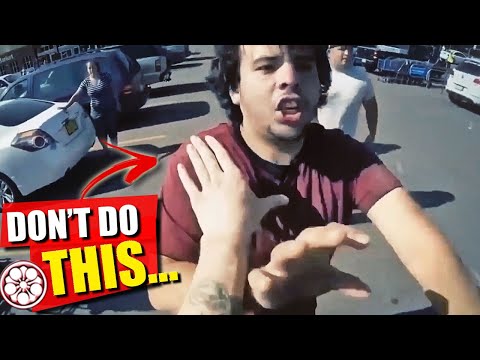
The Unspoken Rules: What NOT to Do Before a Street Fight - Two Critical Errors to Avoid

As practitioners of the martial way, we understand that true readiness extends far beyond mere physical prowess. The streets, however, are an arena where predictability dissolves and primal instincts often reign supreme. This is not a controlled environment; it's a crucible where ill-preparedness can lead to dire consequences. This week, we delve into a critical aspect often overlooked: the crucial preparations—or lack thereof—that precede a potential confrontation. We will dissect not just *what* to do, but more importantly, what you should *never* do. This is essential for anyone serious about their self-defence strategy, their training, and their overall preparation for the unexpected. Understanding the true nature of a threat is paramount.

Table of Contents

Elevating Your Fight IQ

At Budo and Martial Arts, we are dedicated to transcending the superficial. Our videos are not just demonstrations; they are a fusion of Martial Arts principles, the stark realities of Street Fighting, and the intricate dynamics of human psychology. Presented by Dr. Mark Phillips, a criminal psychologist, security consultant, and seasoned instructor in martial arts and defensive skills, we bring you an unparalleled perspective. His expertise in organized crime, hostage-taking, and offender profiling provides a unique lens through which to view self-defence.

Dr. Phillips’ own martial arts journey is extensive, encompassing disciplines such as Wing Chun, Brazilian Jiu Jitsu, Judo, Wrestling, Boxing, San Da Kickboxing, and MMA. This diverse background allows us to offer practical insights every Wednesday, covering critical topics like coping with criminal behaviour, effective self-defence techniques, street fighting tips, essential mindset preparation, and general guidance on how to defend yourself.

Connecting with the Warrior Community

The pursuit of martial excellence is a solitary path, yet it is also a communal one. We invite you to connect with us and fellow practitioners:

This post, "What Should YOU NEVER Do BEFORE Street Fight... TOP 2 MISTAKES," was originally published on May 4, 2022, at 12:00 PM. Welcome to the most comprehensive and up-to-date martial arts resource on the internet. Follow us, engage with our content, and never forget to visit our main page for the latest insights and updates.

We also encourage you to explore our other blogs. If you appreciate the dedication to authentic martial arts, consider supporting our mission by visiting our store to acquire exclusive NFTs. Your support fuels the continuation of this vital knowledge base.

"The street is not a dojo. There are no referees, no rules, and often, no second chances. Preparation is not just about physical conditioning; it's a mental and strategic imperative." - Sensei Phillips

The Sensei's Lesson: Two Fatal Mistakes

The difference between a successful self-defence scenario and a disastrous one can hinge on seemingly small decisions made before the physical conflict even begins. Many individuals, even those with some martial arts training, fall prey to fundamental errors that drastically diminish their chances of emerging unscathed. Today, we dissect two such critical oversights.

Mistake #1: Underestimating the Psychological Battle

The most significant error is treating a street confrontation purely as a physical contest. This is a grave misconception. Before the first punch is thrown, a war is already raging within the minds of those involved. This psychological dimension encompasses several critical elements:

  • The "Fight or Flight" Response: Untrained individuals often freeze or react with uncontrolled panic. Even trained martial artists can experience physiological responses like tunnel vision, auditory exclusion, and a surge of adrenaline that can be both a boon and a curse if not understood and managed. Believing you can simply "muscle through" this without mental preparation is a recipe for disaster. Your mind must be conditioned to accept the chaos and maintain focus amidst extreme stress. This is where the principles of mental game and inner strength become as vital as any self-defence technique.
  • De-escalation and Threat Assessment: Many people mistakenly believe that if a confrontation seems inevitable, they must immediately adopt a combative stance. This ignores the power of de-escalation. Understanding human behaviour, recognizing aggressive cues, and knowing how to diffuse a volatile situation can prevent violence entirely. This requires emotional intelligence and strategic communication, not just brute force. It’s about understanding criminal psychology, a domain Dr. Phillips expertly navigates.
  • Overconfidence and Underestimation: A dangerous mindset is to assume that because you have some martial arts background, you are automatically superior. The street is a great equalizer. An opponent who is desperate, drugged, or simply more violent can pose a significant threat regardless of their formal training. Thinking "I've got this" without acknowledging the unpredictable nature of street violence is a fatal flaw. True mastery involves respecting the potential of every encounter.

This psychological aspect is often where the true battle is won or lost. Ignoring it is akin to going into a gunfight armed only with a knife.

Mistake #2: Neglecting Situational Awareness

The second critical mistake is the failure to cultivate and maintain acute situational awareness. This is the cornerstone of self-protection in any environment, but especially on the unpredictable streets. What does this entail?

  • Environmental Blindness: Entering a situation without scanning your surroundings is perilous. You need to be aware of potential escape routes, the presence of bystanders (who could become liabilities or assets), potential weapons, and any indicators of impending trouble. This includes understanding the typical behaviours in the environment you are in – a dimly lit alley at 2 AM requires a different level of vigilance than a crowded shopping mall.
  • Ignoring Pre-Assault Indicators: Aggression rarely springs from nowhere. There are often subtle cues – changes in body language, vocal tone, and behaviour patterns – that signal an imminent attack. Many people are too engrossed in their phones, their thoughts, or their immediate surroundings to notice these vital warnings. Developing the habit of constant, low-level scanning is crucial. This is the essence of proactive street fighting preparedness.
  • Unprepared Entry into High-Risk Zones: Walking into a known high-crime area, a bar known for fights, or a situation where conflict is brewing without a clear exit strategy or a heightened sense of caution is a significant error. Your movements and your presence should communicate a level of awareness that can deter potential aggressors. This relates directly to understanding threat assessment and criminal behaviour patterns.

Situational awareness isn't about paranoia; it's about being present and informed. It's the ability to see the threat before it sees you, or at least, before it fully materializes.

Training for the Unpredictable

Effective preparation for street encounters demands a holistic approach. It’s not solely about learning a new Karate kata or a new Judo throw. It involves:

  • Mental Conditioning: Practicing stress inoculation, visualization, and mindfulness techniques can build resilience against the psychological shock of violence. This is where the BUDO philosophy of developing the mind as well as the body truly shines.
  • Realistic Scenario Training: Incorporating drills that simulate the chaos and unpredictability of the street is invaluable. This includes training under duress, dealing with multiple attackers (even conceptually), and practicing disengagement.
  • Physical Preparedness: While not the sole focus, physical conditioning is vital. Strength, stamina, and the ability to absorb impact are crucial for survival. Disciplines like MMA, Kickboxing, and Wrestling offer excellent physical preparation.
  • Understanding Criminal Behaviour: Learning about the mindset of attackers, common predatory tactics, and the psychology of violence can provide a significant tactical advantage.

Remember, the goal is not to win fights, but to avoid them, and if unavoidable, to end them as quickly and safely as possible, ensuring your survival.

Essential Gear for Your Training

While street fighting requires no specific gear, your martial arts training should be equipped appropriately to simulate real conditions and prevent injury. For disciplines involving striking and grappling, consider:

  • Sparring Gloves: Opt for 14-16oz gloves for general sparring to protect your hands and your partner’s head. For MMA training, specialized MMA gloves are essential.
  • Headgear: Crucial for protecting against cuts, bruises, and concussions during striking drills.
  • Mouthguard: Non-negotiable for any form of sparring. A good quality, properly fitted mouthguard can prevent dental and jaw injuries.
  • Groin Protector: Essential for both striking and grappling to safeguard sensitive areas.
  • Shin Guards: Particularly important for kickboxing and Muay Thai training to prevent severe bruising and cuts.
  • Appropriate Matting: For grappling arts like Judo, BJJ, and Wrestling, having adequate floor protection (like entrenamiento mats) is vital for safety and performance.
  • Comfortable Training Apparel: Lightweight, breathable clothing that allows for a full range of motion is key for any martial art. Consider specific Karate gi or Judo gis depending on your discipline.

Frequently Asked Questions

Q1: Is it possible to train for the psychological aspect of a street fight?

Absolutely. Techniques like visualization, stress inoculation drills, and studying the psychology of conflict can significantly improve your mental resilience and preparedness.

Q2: How important is de-escalation in a real street confrontation?

De-escalation is paramount. Many violent encounters can be avoided entirely through effective communication and threat assessment. Physical confrontation should always be the last resort.

Q3: What’s the biggest difference between training in a dojo and a street fight?

The most significant difference is the presence of rules, safety measures, and predictability. A street fight is chaotic, unpredictable, and carries severe consequences with no guaranteed safety net.

Q4: Should I carry a weapon for self-defence?

Carrying a weapon introduces a new set of legal and tactical considerations. While it can be a deterrent or a tool, it also escalates the potential danger and requires significant training and legal understanding. Our focus here is on unarmed preparedness.

Q5: How often should I practice situational awareness?

Situational awareness should be a constant, ingrained habit. Practice it everywhere you go, not just when you anticipate trouble.

Deepen Your Path

Reflection of the Sensei: Your Next Step

We have discussed the critical mistakes of underestimating the psychological battle and neglecting situational awareness. These are not mere theoretical concepts; they are the bedrock upon which effective self-protection is built. Now, consider this:

When was the last time you actively practiced a de-escalation technique, not just in your mind, but in a low-stakes simulated scenario? Or, when you last entered a new environment, did you consciously map out your exits and potential threats before engaging with anything else?

The true warrior does not wait for the storm to hit to learn how to navigate the seas. The preparation begins now.

``` GEMINI_METADESC: Avoid critical errors before a street fight. Learn vital psychological readiness and situational awareness techniques from expert Dr. Mark Phillips.
Surviving the Unseen Blow: What to Do When Sucker Punched

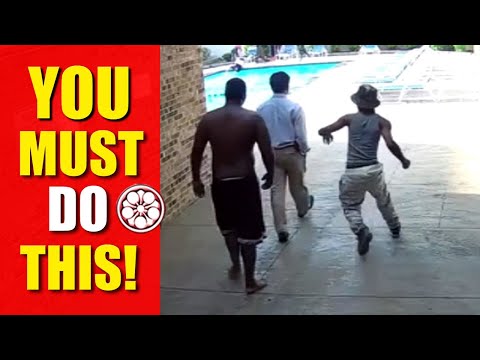
The primal instinct when struck unexpectedly is often disorientation. A sucker punch, by its very nature, bypasses our natural defenses, leaving us vulnerable and bewildered. But as any seasoned martial artist knows, true mastery lies not just in offense, but in resilience and the ability to adapt. This isn't about seeking confrontation; it's about understanding the harsh realities of surprise aggression and equipping yourself with the knowledge to survive. Have you ever wondered what separates a victim of a surprise attack from someone who can potentially turn the tables? Is it sheer luck, or is there a tangible strategy, a martial principle, that can be applied even when blindsided? Today, we delve into the critical moments following an unseen blow, dissecting the steps to recover, regain composure, and, if necessary, defend yourself effectively.

Table of Contents

The Shock and Initial Response

The moment a sucker punch lands, your world can tilt. The immediate physical sensation is often accompanied by a surge of adrenaline, confusion, and pain. This is not the time to panic; it's the time to engage your training, however rudimentary. Your first action, assuming you haven't been knocked unconscious, is to fight the disorientation. This means focusing your senses. Where did the blow come from? How many attackers are there? What is their immediate posture and intent? This phase is crucial. Many are taught to immediately lash out, a reactive and often ineffective response that can leave you more exposed. Instead, focus on *breathing*. Deep, controlled breaths can help to oxygenate your brain and temper the panic response. Remember the principles of Ki – internal energy. Even in chaos, maintaining your internal center is paramount.

Immediate Recovery Techniques

Assuming you're still standing, albeit wobbly, the next objective is to regain stable footing and a defensive posture.
  • Center Yourself: Lower your center of gravity. Bend your knees, widen your stance slightly. This provides a more stable base and makes you harder to knock over.
  • Hands Up: Bring your hands up to protect your head and face. This is a fundamental protective reflex, honed through countless hours of Karate, Judo, or Boxing training.
  • Scan and Orient: Quickly assess your surroundings. Identify escape routes. Note any potential weapons or improvised tools nearby. Most importantly, locate your attacker(s).
This isn't about initiating a fight; it's about transitioning from a state of shock to a state of preparedness. It’s about shifting from victim to survivor. Think of it as the initial recovery phase in a grappling match after a failed takedown. You don’t give up; you re-establish your guard.

Assessing the Threat and Creating Space

Once you have a moment of stability, the next critical step is to create distance, if possible. A surprise attack often happens at close range. If the attacker is pressing the advantage, you need to disengage and create the space necessary to assess and react.
  • Push or Shove: A forceful push can create an immediate gap. This isn't a refined technique, but a raw exertion of force. Aim to disrupt their balance or push them back enough to gain precious seconds.
  • Footwork: If space allows, use your feet. Step back, step sideways. Don't get cornered. Good martial arts training emphasizes movement and evasion. Even a few steps can be the difference between being overwhelmed and regaining control.
This phase is where the psychological battle truly begins. The attacker expects you to be dazed. Your ability to move and create space demonstrates resilience, which can be discouraging to an aggressor who thrives on perceived dominance.

Turning the Tide: Counter Offense

If disengagement isn't possible, or if your initial efforts to create space are met with continued aggression, then you must consider counter-offense. This is the most dangerous phase, and it requires decisive action.
"In combat, the direct way is the best way." - Miyamoto Musashi
The counter-attack should be aimed at stopping the aggression, not necessarily incapacitating the attacker completely unless your life is in imminent danger.
  • Target Vulnerable Areas: Eyes, throat, groin. These are areas where even a moderately strong strike can be debilitating, allowing you to escape.
  • Use Your Environment: If there's anything within reach – a bag, a bottle, a chair – use it. Improvised weapons can equalize a physical disparity.
  • Explosive Power: Your counter needs to be sudden and powerful. Drawing on principles from BUDO and MMA, a quick combination of strikes can be effective. Think a jab to the eyes followed by a knee to the groin, or a palm strike to the throat.
Remember, this is self-defense. The goal is survival and escape. Once an opportunity to get away presents itself, *take it*. Do not linger to prove a point.

The Psychology of Survival

Dr. Mark Phillips, a criminal psychologist, emphasizes that survival in such scenarios is as much a mental game as a physical one. The attacker often relies on the victim's shock and fear.
"The mind is the most important weapon in any conflict. If you can control your mind, you can control your body." - Unknown Martial Artist

This means cultivating a mindset of resilience. Before any physical confrontation, visualize potential threats and your responses. This preparation, even mental, primes your brain to react more effectively. It’s the core of Mindset Preparation, a key topic in the work of experts like Dr. Phillips. This proactive mental conditioning is a cornerstone of effective Self Defence.

Training for the Unexpected

How do you train for something you don't see coming? You train in ways that build awareness, reflexes, and a broad range of combat skills.
  • Sparring: Regular sparring sessions in styles like Brazilian Jiu Jitsu, Wrestling, San Da Kickboxing, and MMA hone your ability to react under pressure. Even drills that simulate surprise attacks can be invaluable.
  • Awareness Drills: Practicing scenarios where a partner initiates contact unexpectedly helps develop quicker reactions.
  • Physical Conditioning: Building strength, speed, and endurance is fundamental. A body that is physically resilient can recover faster from impact and sustain effort longer.
  • Situational Awareness: Constantly scan your environment. Notice who is around you, their body language, and potential threats. This is a skill that improves with practice in everyday life.
The key is to integrate these elements. A practitioner of Wing Chun, for instance, would focus on centerline control and simultaneous block-and-strike, but these techniques are most effective when combined with the awareness and physical conditioning derived from other disciplines.

Veredicto del Sensei: Self-Defense Philosophy

This scenario isn't about the elegance of a perfect kata or the glory of a knockout. It's about survival. While no training guarantees invincibility, understanding the principles of recovery and immediate response dramatically increases your chances of weathering a surprise attack. It highlights the importance of cross-training, as seen in experts like Dr. Phillips who blend multiple disciplines. The true martial artist is not just a fighter, but a survivor, adaptable and resilient. The effectiveness of any technique hinges on its applicability in the chaotic reality of the street.

Equipo Esencial para tu Entrenamiento

While direct confrontation may not always require specialized gear, robust training often benefits from the right equipment.
  • Sparring Gloves: For safe and effective sparring sessions in Boxing, Kickboxing, or MMA, invest in a good pair of 16oz sparring gloves.
  • Mouthguard: Essential protection for your teeth and jaw during any form of sparring or intense combat training.
  • Shin Guards: Protect your shins during kicking drills common in Taekwondo and San Da Kickboxing.
  • Durable Gi: For Judo and some forms of Karate, a high-quality, double-weave gi is durable and allows for proper gripping practice.

Recursos para Profundizar

To truly grasp the nuances of self-defense and combat psychology, continuous learning is key.
  • LWCA Academy: Explore resources and training methodologies from a dedicated academy.
  • The Budo and Martial Arts Blog: For continuous insights and weekly releases.
  • BUDO and Philosophy Books: Study classic texts on martial philosophy and strategy.
  • Self Improvement and Psychology Resources: Understand the mental aspects of conflict and survival.

Preguntas Frecuentes

  • Q: What is the most important thing to do immediately after being sucker punched?
    A: Fight disorientation by focusing on breathing, stabilizing your stance, and bringing your hands up to protect your head.
  • Q: Should I always fight back after a surprise attack?
    A: The primary goal is survival and escape. Fight back only if disengagement is not possible and you are in immediate danger.
  • Q: How can I train for surprise attacks if they are, by definition, unpredictable?
    A: Train with high-intensity sparring, awareness drills, and develop strong physical conditioning. Cultivate a resilient mindset through mental preparation.
  • Q: What martial arts are best for learning self-defense against street attacks?
    A: A blend of arts like Wing Chun (for close-range efficiency), BJJ (for ground fighting), Judo (for throws and control), and Boxing (for striking) provides a well-rounded foundation.

Reflexión del Sensei: Tu Próximo Paso

We've dissected the mechanics of recovering from an unseen blow. We've touched upon the crucial intersection of physical technique and mental fortitude. But knowing is only half the battle. The true test lies in application. If you were to walk out of this dojo, this virtual space, and face a sudden, unexpected aggression, would you freeze, or would you *move*? Would your training kick in, or would the shock render you helpless? The koan for you today is this: What is the single, smallest, most practical action you can take *this week* to better prepare your mind and body for the unpredictable? ``` GEMINI_METADESC: Learn how to recover and fight back when sucker punched. This comprehensive guide covers immediate techniques, psychological resilience, and training for unexpected attacks.

The Unbreakable Mind: How to Shatter an Opponent's Willpower and Forge Your Own Victory

Have you ever witnessed a fighter crumble, not from a physical blow, but from the sheer erosion of their inner resolve? It’s a brutal reality on the mats and a devastating truth in the arena of conflict: the most potent weapon is often the one wielded within the mind. This isn’t about a flashy technique or a brute-force takedown; it’s about understanding the psychological warfare that underpins every true contest. Today, we dissect the anatomy of willpower in combat, exploring how to dismantle an opponent’s spirit while fortifying your own to achieve undeniable victory. Forget mere survival; we are talking about ** dominio marcial**.

Table of Contents

The Psychological Battlefield: Willpower as the Ultimate Weapon

In the crucible of combat, be it a sanctioned MMA bout, a high-stakes street confrontation, or even the daily struggles we face, the physical aspects are only part of the equation. The true determinant of victory often lies in the unseen battleground of the mind. Willpower, the sheer refusal to yield, is the bedrock upon which martial prowess is built. When that bedrock erodes in an opponent, their physical capabilities become secondary. We've all seen it: a fighter absorbing punishing blows yet continuing to advance, or conversely, a fighter who, after a single setback, loses their fight entirely. This phenomenon is not random; it's a testament to the power of mental fortitude.

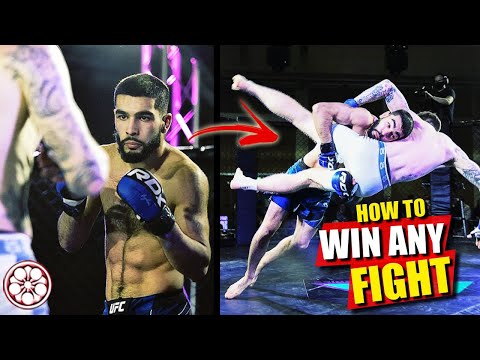
Consider the raw, undeniable display witnessed when a seventeen-year-old fighter systematically dismantled the willpower of a seasoned thirty-two-year-old MMA competitor. This wasn't a mismatch of skill, but a stark illustration of a superior psychological game. The younger fighter didn’t just win; they broke their opponent’s spirit, demonstrating a profound understanding that victory is often achieved long before the final bell.

"True strength is not only in the muscles, but in the spirit that refuses to be broken." - Attributed to various martial masters.

This is the essence of BUDO – the Way of the Warrior. It’s a path that demands not only technical proficiency but also the cultivation of an indomitable spirit. The philosophy extends beyond the dojo, shaping how one approaches life's challenges.

Shattering the Opponent's Resolve: Tactics for Psychological Dominance

How does one systematically dismantle an opponent's will? It's a delicate, often brutal, dance of strategy and psychological pressure. It’s about imposing your will and making them doubt their own ability to resist.

  • Relentless Pressure: Constant, unyielding offensive or defensive pressure forces an opponent into a reactive state. They are forced to defend, to expend energy, and to constantly make difficult decisions under duress. This can be overwhelming.
  • Exploiting Weaknesses: Observe and identify an opponent's tells – a flinch, a hesitation, a tendency to breathe heavily after a specific sequence. Repeatedly targeting these vulnerabilities erodes their confidence and signals that their defenses are not impenetrable.
  • Controlled Aggression: A measured, yet potent, aggression can be deeply unsettling. It shows you are not intimidated and are willing to dictate the pace and intensity of the confrontation. This is distinct from wild, unfocused attacks.
  • Unpredictability: Varying your attacks, stances, and strategies keeps an opponent guessing. When they cannot anticipate your next move, their focus fragments, and their ability to commit to a counter-strategy diminishes.
  • Mental Conditioning: This is where the expertise of individuals like Criminal Psychologist Dr. Mark Phillips becomes invaluable. Understanding criminal psychology, offender profiling, and the nuances of human behavior under extreme stress provides a framework for predicting and influencing an opponent’s mental state.

The blend of Martial Arts, Crime Science, and Psychology is not mere academic curiosity; it’s a practical toolkit for understanding and dominating the human element in conflict. Whether it’s Wing Chun’s close-range efficiency, Brazilian Jiu Jitsu's ground control, or the explosive power of San Da Kickboxing, every discipline has psychological underpinnings.

Forging Your Own Unbreakable Will: The Path to Inner Strength

While external tactics can break an opponent, true mastery comes from cultivating an unassailable inner fortress. This is the domain of Self-Mastery, a core principle in many BUDO disciplines. It’s a continuous journey, not a destination.

"If you wish to live a life without pain, do not be born a warrior." - Miyamoto Musashi (paraphrased interpretation)

Here’s how you build that inner strength:

  • Embrace Discomfort: Growth happens outside your comfort zone. Seek out challenging training sessions, difficult sparring matches, and mentally taxing drills. The more you expose yourself to discomfort, the more resilient you become.
  • Develop a Strong 'Why': Your motivation is your anchor. Whether it's self-defense, discipline, personal growth, or the pursuit of excellence, a clear and compelling reason will sustain you when physical strength wanes.
  • Master Your Emotions: Fear, anger, frustration – these are natural. The key is not to eliminate them, but to understand and control them. Meditation, mindfulness, and disciplined practice are crucial for emotional regulation.
  • Cultivate a Growth Mindset: View every setback as a learning opportunity. Instead of focusing on failure, analyze what went wrong and how you can improve. This is the foundation of Self-Improvement.
  • Visualize Success: Before training or competition, vividly imagine yourself performing at your peak, overcoming obstacles, and achieving your goals. This mental rehearsal primes your mind for actual execution.

The consistent release of weekly videos, covering topics from Self Defence Techniques to Mindset Preparation, underscores the importance of this multifaceted approach. It's about creating a holistic warrior, not just a fighter.

Training for Mental Fortitude: Practical Exercises

How can you translate these principles into tangible training? Integrate these practices into your routine:

  1. Mindful Sparring Rounds: Instead of just fighting to win, dedicate rounds to focusing on a specific mental aspect: maintaining composure under pressure, breathing control, or simply observing your opponent’s reactions without emotional response.
  2. High-Intensity Interval Training (HIIT): Pushing your physical limits with HIIT exercises like those found in AtHomeWorkout routines can build mental toughness as you push past perceived physical barriers.
  3. Meditation & Breathwork: Dedicate 5-10 minutes daily to focused breathing exercises or meditation. This trains your mind to remain calm and centered, a vital skill for Mental Game development.
  4. Scenario Training: Simulate stressful situations (safely, of course). Practice making quick decisions, adapting to unexpected changes, and maintaining focus. This builds resilience for real-world confrontations.
  5. Deconstruct Fights: Analyze not just the physical exchanges but the psychological shifts. Study fights involving legends like Jon Jones or analyze outcomes of events like UFC 283. Who broke first? Why? What were the signs?

Veredict of the Sensei: Beyond Physical Prowess

The notion that physical skill alone guarantees victory is a dangerous myth. This analysis highlights that the capacity to shatter an opponent’s will, and conversely, to maintain one’s own, is paramount. The demonstration of a younger fighter’s dominance over an older, more experienced one serves as a potent reminder: mental fortitude is a force multiplier. True martial artists understand that the most significant battles are won in the quiet moments of self-discipline and psychological warfare. This isn't just about MMA; it's about life.

Rating: 5 out of 5 Stars - A Masterclass in Martial Psychology.

Essential Equipment for Your Training

While mental strength is paramount, the right tools can enhance your physical and psychological training:

  • Quality Sparring Gear: A good pair of MMA gloves, headgear, and shin guards are crucial for safe, intense sparring sessions where you can test your mental resilience.
  • Durable Training Mats: For home training, particularly in disciplines like Judo or BJJ, investing in quality mats provides a safe surface for practicing throws and groundwork.
  • Focus Mitts and Punching Bag: These are indispensable for developing power, accuracy, and stamina, all of which contribute to both physical and mental conditioning.
  • Comfortable Training Apparel: Breathable, flexible workout wear allows for maximum movement and focus, minimizing distractions during demanding training. Consider checking out high-quality Karate Merchandise or general fitness apparel.

Resources for Deeper Study

To truly grasp the depth of martial philosophy and combat strategy, delve into these resources:

  • BUDO & AM's extensive library of articles on Martial Philosophy and training techniques.
  • Official websites of prominent martial arts federations, offering insights into the historical and philosophical underpinnings of various styles.
  • Biographies and writings of legendary martial artists such as Miyamoto Musashi and discussions on Kyokushin Karate's emphasis on spirit.
  • Books on sports psychology and the psychology of Combat.

Frequently Asked Questions

Q1: Is psychological warfare ethical in martial arts?
A: The ethical line is crossed when it devolves into unjustified cruelty or psychological abuse. Within the context of combat sports or self-defense, understanding and exploiting an opponent's psychological state is part of the strategy. The goal is to win, not to torment unnecessarily.

Q2: How can I improve my willpower if I feel I am naturally weak-willed?
A: Willpower is a muscle. It strengthens with consistent, deliberate practice. Start with small, achievable goals and gradually increase the challenge. Integrate disciplines like meditation and consistent training routines.

Q3: Does this apply to non-combat situations?
A: Absolutely. The principles of mental fortitude, emotional control, and strategic thinking are transferable to academic pursuits, business negotiations, personal relationships, and overcoming life's myriad challenges. The Warrior Philosophy is about resilience in all aspects of life.

Sensei's Reflection: Your Next Step

We've dissected the core of combat: the mind. We've seen how willpower can be both a shield and a sword, how it can be broken and how it can be forged into an unyielding force. The true test, however, is not in understanding, but in application. Do you merely observe these principles, or do you integrate them into the very fabric of your training and your life? If an opponent's will can be shattered by a younger, less experienced fighter, what does that say about your own mental preparation? Are you the one who breaks, or the one who breaks others?

GEMINI_METADESC: Master the art of combat psychology. Learn to shatter opponent willpower and forge your own unbreakable spirit in MMA and life. Expert insights for victory.

King of the Streets 100: BLOOD MONEY - Where Legends Are Forged in the Crucible of Combat

Introduction: The Raw Heart of Underground Fighting

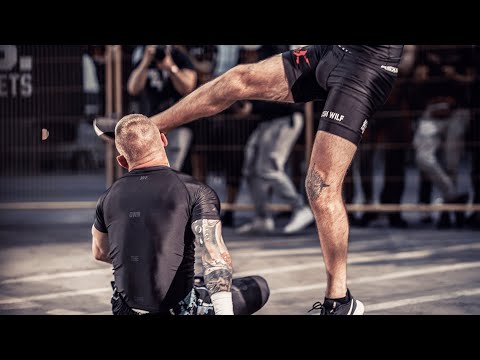
Welcome, warriors, to a deep dive into the visceral world of "King of the Streets," and specifically, the brutal spectacle of "Blood Money." Forget the sanitised arenas and corporate sponsorships. This is where the primal urge to test oneself, to fight for honour and prize money, burns brightest. You're not just watching a fight; you're witnessing a raw, unfiltered display of human will and combat prowess. Today, we dissect the clash between "English Wilf" and "Tomczak," a bout that embodies the very essence of this underground fight club. But beyond the blood and the KOs, what can we truly learn from these contests? What martial principles, if any, survive in such an environment? Prepare yourselves, for we shall explore the heart of the fight, the philosophy that underpins even the most chaotic brawls, and what it means to truly be a warrior in the modern age.

The martial world often debates the efficacy and spirit of different disciplines. Karateka spar under strict rules, Judo practitioners seek the perfect throw, and MMA fighters blend it all into a global tapestry of combat. But then there are places like King of the Streets – a stark reminder that the fundamental drive to fight, to conquer, and to survive, transcends any codified style. It's a primal theatre where the stakes are high, and the lessons learned are etched not just in memory, but often in scars.

In this analysis, we will go beyond the hype and the raw footage. We will examine the ethos of "King of the Streets," the specific rulesets that govern these encounters, the fighters themselves, and what this raw form of combat tells us about the enduring spirit of the warrior.

The Rules of Engagement: K.O. ONLY & NO RULES

King of the Streets operates on a fundamental principle: the fight must have a definitive, decisive end. This isn't about point-scoring or strategic stalling. It's about finishing the opponent. The two primary formats dictate the intensity and potential danger:
  • K.O. ONLY: This format is unforgiving. All techniques are permissible, but the victory MUST come via a Knockout. Submissions are invalid. This means fighters must actively seek to incapacitate their opponent, leading to explosive exchanges and a constant pressure to deliver concussive blows.
  • NO RULES: The most extreme iteration. Here, literally anything goes. Submissions are valid, strikes are unrestricted, and the fight continues until one combatant either KOs their opponent or forces a submission. There are no rounds, no time limits – only the will of the fighters to see it through.

This deliberate absence of restrictive rules is a critical factor. It strips away the conventional boundaries of sport combat, forcing fighters to rely on their most effective, perhaps most brutal, tools. It harks back to older forms of combat where survival and incapacitation were paramount. While it may seem chaotic, there’s a brutal purity to it. It strips away the extraneous, leaving only the core elements of attack, defence, and resilience.

This approach challenges the notion of "sport" vs. "combat." King of the Streets blurs that line, demanding a level of commitment and a willingness to push physical and mental limits that few sanctioned sporting events can replicate. It’s a testament to the human drive to compete at its most fundamental level.

The Combatants: "English Wilf" vs. "Tomczak"

Let's turn our attention to the warriors who stepped into the crucible for this particular encounter:

"English Wilf" (HC83)

  • Affiliation: HYPE CREW ENGLAND
  • Weight: 78 KG
  • Height: 181 CM
  • Age: 30 Years
  • Discipline: Lethwei / MMA

Representing the Hype Crew, "English Wilf" brings a background steeped in Lethwei, the "Art of Nine Limbs," known for its ferocious use of elbows, knees, headbutts, and even bare-knuckle striking. Coupled with MMA training, he's a versatile and dangerous opponent, accustomed to a high level of aggression and direct confrontation. His previous appearances in King of the Streets suggest he thrives in this environment, having faced tough opposition before.

"Tomczak" (Streetfighter)

  • Affiliation: STREETFIGHTER POLAND
  • Weight: 78 KG
  • Height: 175 CM
  • Age: 32 Years
  • Discipline: MMA

"Tomczak," a self-proclaimed Streetfighter from Poland, also comes with a solid MMA foundation. While his listed discipline is MMA, the moniker "Streetfighter" hints at a raw, perhaps less refined but no less effective, approach to combat. His similar weight class to Wilf promises a closely contested battle where technique, heart, and adaptability will be key.

The contrast in their backgrounds – Lethwei's ancient brutality versus MMA's modern synthesis – makes this a fascinating stylistic clash. Who will impose their will? Who will adapt faster to the unique pressures of the King of the Streets environment? These are the questions that fuel the anticipation.

The Legacy of King of the Streets

King of the Streets is more than just a series of fights; it's a statement. In an era where combat sports are increasingly regulated and often sanitised, it serves as a throwback to a time when fighting was a more direct, visceral test of skill and courage. This platform provides an opportunity for fighters who might not fit the mould of traditional sports organizations, or who simply crave a more primal challenge, to prove their mettle.

The "Blood Money" event signifies the high stakes involved. This isn't about fame or championship belts in the conventional sense. It's about the immediate reward, the tangible proof of one's ability to win and earn. This financial incentive, coupled with the "win by any means necessary" ethos, creates a unique pressure cooker environment. Fighters here are often driven by a potent mix of necessity, pride, and the pure love of combat.

Many modern martial artists debate the practicality of their training. Does their art translate to the "street"? King of the Streets offers a stark, often brutal, testing ground for such questions. The fighters who succeed here are those who can adapt, improvise, and execute under extreme duress, often drawing upon a deep well of resilience and fighting spirit.

"The difference between a sport and a fight is the presence of rules. Remove the rules, and you reveal the true nature of combat."

Beyond the Brawl: The Underlying Budo

While the outward appearance of King of the Streets might suggest pure anarchy, there's an underlying martial philosophy that governs those who truly excel. Even in the most chaotic "No Rules" bout, fundamental principles of Budo are at play.
  • Adaptability (Ju): The ability to flow and adapt to your opponent's movements and the changing circumstances of the fight is paramount. A rigid approach will be exploited. This is the essence of Judo's "maximum efficiency, minimum effort" and Karate's fluid transitions.
  • Willpower (Ishi): The sheer mental fortitude to continue when you are tired, hurt, or seemingly outmatched. This "fighting spirit" or Seishin is the bedrock of all martial arts. In King of the Streets, where there are no rounds to rest, this becomes even more critical.
  • Simplicity and Directness: Complex techniques often fail under duress. The most effective strategies are usually simple, direct, and executed with conviction. This is a principle echoed by masters like Miyamoto Musashi, who emphasized directness in his approach to swordsmanship.
  • Understanding Distance and Timing: Even without formal rounds, managing space and knowing when to engage or disengage is vital. This fundamental martial concept remains unchanged, regardless of the ruleset.

Lethwei, with its emphasis on aggression and hard strikes, and MMA, with its comprehensive skill set, both provide excellent foundations. However, the true differentiator in this environment is not just technical skill, but the mental toughness and adaptability to apply that skill when facing an opponent who is equally determined, with few limitations.

The question then arises: can a practitioner of a more traditional art, say Okinawan Karate, thrive here? Perhaps not immediately without cross-training, but the core principles – discipline, respect (even for an opponent), focus, and the relentless pursuit of self-improvement – are universal. King of the Streets simply amplifies the consequences of their absence.

Essential Gear for the Aspiring Fighter

While King of the Streets pushes the boundaries of combat, certain equipment can enhance safety and performance, even in its more extreme formats. For those inspired to test themselves, whether in an underground setting or a more structured environment, understanding the right gear is crucial.
  • Protective Gloves: Even in bare-knuckle Lethwei or "K.O. Only" MMA, hand wraps are essential to protect your hands. If permitted, MMA gloves (typically 4oz or 6oz) offer a balance between striking power and protection. For those serious about striking, a good pair of sparring gloves (14oz-16oz) for training is non-negotiable.
  • Mouthguard: Absolutely critical. A custom-fitted mouthguard is a small investment that can prevent severe dental injury. This is non-negotiable for any form of combat sport.
  • Groin Protector: In formats where groin strikes are not explicitly banned, or if the referee's discretion is final, this offers essential protection.
  • Shin Guards: For MMA training and sparring, good quality shin guards are vital to protect against the impact of kicks.
  • Kimono/Gi (for grappling focus): If your approach leans towards grappling, a durable double-weave Judo gi or a strong BJJ kimono is essential for resisting rips and tears during intense ground exchanges.

Remember, proper training and technique are always more important than equipment, but the right gear can prevent career-ending injuries and allow you to train harder and smarter. Investing in quality training equipment is an investment in your martial journey.

Frequently Asked Questions

Q1: What is "King of the Streets" specifically?
A1: King of the Streets is an underground fight club that hosts real combat bouts with prize money. It operates under extreme rulesets like "K.O. ONLY" and "NO RULES," with no rounds or time limits. Q2: Are submissions allowed in the "K.O. ONLY" format?
A2: No, in the "K.O. ONLY" format, submissions are not a valid way to win. Victory must be achieved by Knockout. Q3: How do I apply to fight in King of the Streets?
A3: To apply, you need to use the Telegram app. You can message the application account (kots_fightapplication) or follow specific steps if you encounter issues with non-mutual contacts. Q4: What martial arts background do "English Wilf" and "Tomczak" have?
A4: "English Wilf" has a background in Lethwei and MMA, while "Tomczak" is listed as an MMA fighter with a "Streetfighter" designation. Q5: What is the main difference between "K.O. ONLY" and "NO RULES"?
A5: The key difference is that "NO RULES" allows for submissions as a win condition, whereas "K.O. ONLY" strictly requires a knockout.

Deepen Your Understanding

For those who found this examination of raw combat compelling, further exploration into the wider world of martial arts and combat sports is highly recommended. Understanding the context and evolution of these disciplines enriches our appreciation for every contest, from the most brutal underground bouts to the most refined traditional duels.
  • BUDO: Explore the foundational philosophy and principles that underpin traditional Japanese martial arts.
  • MMA: Dive into the world of Mixed Martial Arts, understanding its techniques, strategies, and prominent figures.
  • KarateCommunity: Discover the rich history, diverse styles, and modern practice of Karate.
  • CombateEnLaCalle: Examine the principles and training methods relevant to self-defense scenarios.
  • FightAnalysis: Learn to break down fights, understand tactics, and appreciate the strategic depth of combat sports.

Reflection of the Sensei: Your Next Step

We have witnessed the raw power and unyielding spirit of "King of the Streets." We've seen how, even in the absence of traditional rules, fundamental martial principles endure. But the true test is not in observing, but in applying. Consider this: In your own training, are you merely going through the motions, or are you truly preparing for the "fight" – be it a competition, a self-defense scenario, or the daily challenges of life? What aspect of your training, if stripped bare of all rules, would prove most effective? Where is your true fighting spirit, your Seishin, forged? Reflect on this, and let your next training session be an answer. ``` ``` GEMINI_METADESC: Analyze the brutal world of King of the Streets: Blood Money. Review the 'English Wilf' vs. 'Tomczak' fight, rulesets, and the underlying martial philosophy.