Showing posts sorted by relevance for query Martial Arts Training Tips. Sort by date Show all posts

Aikido O Sensei in 1954: A Timeless Warrior's Legacy in Modern Combat Sports

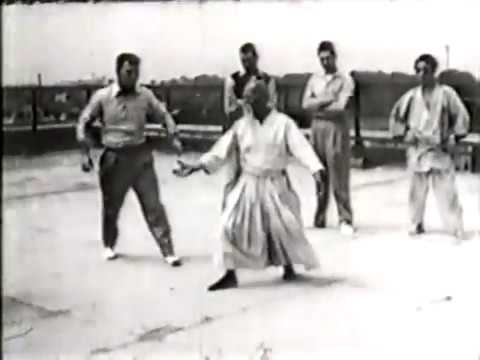
The year 1954 gifted us a rare glimpse into the profound capabilities of Aikido O Sensei through a rediscovered video. This artifact, showcasing his mastery, serves as a potent reminder of the enduring power of traditional martial arts. Today, the echoes of such legends resonate powerfully, not only in dedicated dojos but also within the electrifying arenas of modern martial arts and combat sports. These disciplines, with their rich histories and timeless teachings, continue to captivate us, offering lessons that transcend mere physical prowess.

But what is the true essence of martial arts and Budo? Far beyond the technicalities of striking and grappling, they represent a holistic philosophy, a rigorous discipline, and ultimately, a pathway to self-development. The pursuit of perfection, a core tenet of Budo – the "way of the warrior" – is a journey of constant refinement, both physically and mentally.

The True Essence of Martial Arts and Budo

Martial arts are not merely a collection of techniques designed for conflict. They are a profound system for cultivating the individual. The ultimate aim is to forge a stronger self – physically resilient, mentally sharp, and spiritually grounded. This holistic development is what sets true martial arts apart.

Budo: More Than Just a Fighting Style

"Budo" translates directly to "the way of the warrior." This term encapsulates the spirit that underpins these disciplines. It's about the relentless pursuit of excellence, the mastery of oneself through rigorous training, and the application of these principles in all facets of life. It is a lifelong pursuit, not a destination.

"The ultimate aim of martial arts is not victory or defeat, but the perfection of the character of its practitioners." - A principle echoed across many martial traditions.

The Multifaceted Benefits of Martial Arts Training

The benefits of consistent training in martial arts are vast and touch every aspect of a practitioner's life. Beyond the obvious enhancement of self-defense skills, individuals develop:

  • Improved Physical Health: Increased strength, flexibility, cardiovascular endurance, and coordination.
  • Enhanced Mental Fortitude: Greater focus, discipline, patience, and stress management.
  • Unshakeable Self-Discipline: The ability to set goals and work towards them consistently, overcoming obstacles.
  • A Strong Sense of Community: The shared passion within the martial arts community fosters deep bonds, camaraderie, and mutual respect. This sense of belonging is invaluable.

This supportive environment is crucial. The shared struggles and triumphs in the dojo create a unique connection that strengthens the collective spirit.

Combat Sports: The Arena of Modern Competition

Contrast this with combat sports. While they share the roots of physical confrontation, their primary focus is often on competition and the quantifiable outcome of victory. Disciplines like MMA, boxing, and Judo demand extraordinary levels of physical conditioning, strategic thinking, and mental toughness. They are a testament to the human spirit's capacity to perform under immense pressure.

The athletes in these fields are modern warriors, pushing the boundaries of human potential. Their dedication, sacrifice, and ability to execute under the bright lights are truly inspiring. It is undeniable that these sports showcase incredible athleticism and tactical brilliance.

Showcasing Your Passion: Martial Arts and Combat Sports Merchandise

For enthusiasts and practitioners alike, the passion for martial arts and combat sports often extends beyond the training mat or the ring. This is where merchandise plays a role. From specialized Karate gis and durable Judo uniforms to training equipment and casual apparel, these items allow individuals to express their identity and support their chosen disciplines.

High-quality training equipment, such as punching bags, focus mitts, and protective gear, is essential for effective practice. Wearing apparel that represents your art or sport is a way to connect with the wider community and serve as a constant reminder of your commitment. These items also make fantastic gifts for fellow martial artists or combat sports fans.

Our Commitment at BYAM Budo y Artes Marciales

At BYAM Budo y Artes Marciales, we understand this passion. We are dedicated to providing a wide array of high-quality merchandise tailored for both martial arts practitioners and combat sports aficionados. Our selection is curated to meet the needs of everyone, from the absolute beginner taking their first steps in Aikido or Karate, to the seasoned expert honing their skills. Functionality and durability are paramount in our product design, ensuring that what you choose supports your journey.

We firmly believe that martial arts and combat sports are more than just physical activities; they are transformative life experiences. Our blog serves as a platform to share invaluable insights, including practical training tips, detailed technique breakdowns, and the philosophical underpinnings that make these arts so profound.

Deepen Your Journey: Recommended Resources

To further enrich your understanding and practice, I highly recommend exploring these resources:

Frequently Asked Questions

  • Q: Is Aikido still relevant in modern combat sports?
    A: While Aikido's direct application in MMA is debated, its principles of blending, redirection, and control offer invaluable lessons in balance, spatial awareness, and joint manipulation, which are transferable skills.
  • Q: What is the difference between Budo and just training martial arts?
    A: Budo emphasizes the spiritual and philosophical development of the individual, viewing training as a lifelong path to self-perfection. Simply training martial arts may focus more on the technical or competitive aspects without the deeper philosophical commitment.
  • Q: How can I start training martial arts if I'm a complete beginner?
    A: The best approach is to research local dojos or gyms offering styles that interest you. Many offer introductory classes. Focus on finding qualified instructors and a welcoming community, like those found in martial arts communities globally.

Sensei's Verdict: Is the Legacy Alive?

Looking back at O Sensei’s demonstration in 1954, and observing the dedication in today's dojos and the fierce competition in UFC bouts, one undeniable truth emerges: the warrior spirit, the essence of Budo, is very much alive. The methods evolve, the arenas change, but the fundamental principles of discipline, perseverance, and the quest for self-mastery remain constant.

Whether you are drawn to the intricate flows of Aikido, the powerful stances of Karate, or the dynamic exchanges in MMA, the path of martial arts offers a profound opportunity for growth. It is a journey that builds not just a fighter, but a better human being.

Sensei's Reflection: Your Next Step

O Sensei's movements in that 1954 film were not just physical actions; they were expressions of deep understanding and embodiment. The question for you, the dedicated practitioner and student of the Way, is this: How can you embody the principles you learn on the mat in the unpredictable dojo of your daily life? Do you merely mimic techniques, or do you strive to internalize the philosophy?

```

For Deeper Exploration on Your Path

The Thundering Mantis: A Wu-Tang Collection Masterpiece or a Misstep?

Introduction: More Than Just Kung Fu

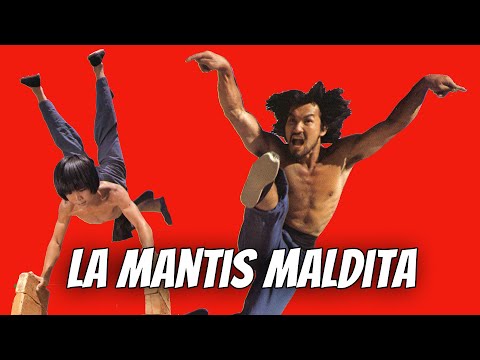
The world of martial arts cinema is a vast and often unforgiving landscape. Within it, certain collections stand out, promising a deep dive into the golden age of Hong Kong action. The Wu-Tang Collection, with its curated selection of kung fu classics, often ignites passionate debate. Today, we dissect one such gem, or perhaps a rough diamond, depending on your perspective: The Thundering Mantis (also known as The Mad Mantis). But is this film merely a showcase for Leung Ka-Yan's unique talents, or does it truly embody the spirit of the **Budo** it purports to represent? As a seasoned practitioner and critic, I approach this film not just as entertainment, but as a study in cinematic martial arts, examining its adherence to principles, its technical execution, and its lasting impact on the **Martial Arts Community**.

Are you ready to explore the thunderous power of the Mantis style, or will this film leave you feeling like a fly caught in its web? Let's find out.

Plot Analysis: The Tale of Ah Chi and the Mantis

Directed by Teddy Yip, The Thundering Mantis centers on Ah Chi, a young man whose **obsession with martial arts** is matched only by his penchant for trouble. His kung fu antics, often more clownish than formidable, inevitably lead him into conflict with the sinister Hsia of the notorious Jade Brotherhood. This initial clash forces Ah Chi’s master to expel him, a common trope in martial arts narratives that signifies a turning point, a stripping away of formal training to forge a more resilient fighter. This expulsion is a crucial element, testing the protagonist's fundamental resolve, much like the concept of Shuhari in Japanese martial arts – first learn, then break, then transcend.

Cast adrift and working as a fish vendor, Ah Chi stumbles upon a crafty young boy. This boy's uncle, Chow Tung, portrayed by the veteran Yuet Sang Chin, is revealed to be a master of a particularly frenetic and seemingly "insane" Mantis style. This meeting is the fulcrum of the narrative, introducing Ah Chi to a new, perhaps more unorthodox, path to mastery. The Jade Brotherhood, meanwhile, continues its ruthless pursuit of control over the small town, setting the stage for a classic hero's journey: the outcast who must rise to protect the innocent. Ah Chi, now under the tutelage of a new, unconventional master, finds his purpose not in personal glory, but in defending his neighborhood from the encroaching tyranny. It's a narrative that, while familiar, highlights the core of **Warrior Philosophy**: the responsibility that comes with the ability to fight.

Fight Choreography: Unleashing the Praying Mantis Style

The true test of any martial arts film lies in its action. The Thundering Mantis, as its title suggests, aims to showcase the Praying Mantis style. This particular kung fu system is renowned for its rapid hand techniques, mimicking the snapping claws and evasive movements of the insect. In the film, Leung Ka-Yan, who plays Ah Chi, brings a distinct physicality to his role. While his early "clowning" might suggest a lack of serious **technique breakdown**, it serves as a narrative device. His true potential is unlocked when he begins to train under Chow Tung.

The choreography here, while perhaps not reaching the artistic heights of a Lau Kar-leung film, is effective in conveying the Mantis style's essence. We see quick, darting movements, intricate hand formations, and sudden bursts of power. The film succeeds in depicting the style’s characteristic agility and deceptive speed. However, a critical eye might note that the "insane" aspect of the style is more in its visual presentation than a deep exploration of its underlying principles. True mastery of a **martial art** like **kung fu** requires not just mimicry, but an understanding of its core mechanics and applications, something that often gets lost in the spectacle of Hong Kong cinema. This is where the film might falter for purists seeking a true representation of **BUDO**.

"The Praying Mantis style is about striking from unexpected angles, using agility to evade and then delivering a decisive blow. It’s a dance of deception and sudden violence."

– Anonymous Martial Arts Master

Performances: The Heart of the Action

Leung Ka-Yan as Ah Chi carries the film with a blend of earnestness and physical prowess. His early scenes effectively convey the frustration of a young man struggling to control his powerful, yet undisciplined, martial arts skills. As he evolves, Leung convincingly portrays a budding hero, driven by a newfound sense of justice. Eddie Ko as Hsia embodies the classic villain – menacing and driven by greed, providing a formidable antagonist for Ah Chi to overcome.

The supporting cast, particularly Yuet Sang Chin as Chow Tung, brings gravitas and a touch of eccentricity to their roles. Chin’s portrayal of the Mantis master is crucial; he must be both formidable and slightly unhinged to live up to the "insane Mantis style" moniker. While the dialogue might be sparse and the characterizations somewhat archetypal, the actors’ commitment to the physicality of their roles is undeniable. This is where the film connects with its audience – through raw, unadulterated **Fight Night** energy, reminiscent of the early days of **MMA** before its global professionalization.

Wu-Tang Collection Influence: A Legacy of Martial Arts Cinema

The inclusion of The Thundering Mantis within the Wu-Tang Collection signifies its place within a lineage of influential martial arts films. The Wu-Tang Clan themselves, through their music and their appreciation for kung fu cinema, have cemented a cultural legacy. This collection serves as a gateway for new generations to discover these classic films, often introducing them to styles and storytelling techniques that have shaped modern action cinema and **Artes Marciales Mixtas**.

Films like The Thundering Mantis are not just stories; they are cultural artifacts. They represent a time when **kung fu** was king, when audiences were captivated by the sheer skill and dedication of the performers. The Wu-Tang Collection, by bringing these films to a wider audience, plays a vital role in preserving this cinematic heritage. It reminds us that the **spirit of the warrior** transcends time and culture, even when presented through the lens of stylized cinematic combat.

Veredicto del Sensei: ¿Merece la pena?

The Thundering Mantis is a solid entry into the kung fu genre, particularly for fans of the Wu-Tang Collection and Leung Ka-Yan. While the plot treads familiar ground and the "insane" Mantis style might be more visually striking than deeply explored, the film delivers on its core promise: exciting martial arts action. The choreography, while not groundbreaking, effectively showcases the Praying Mantis techniques, and the performances are committed.

It’s a film that understands its audience – those who crave the visceral thrill of **combate cuerpo a cuerpo** and appreciate the artistry of traditional **martial arts training**. It might not be a philosophical treatise on the **Inner Strength** required for true mastery, but it’s an entertaining ride that celebrates the dynamism of kung fu. For those seeking a pure dose of action and a glimpse into a specific martial art style, this film is a worthy watch.

Cinturón Negro en Acción de Kung Fu, pero con Notas al Margen en Profundidad Filosófica.

Guía de Entrenamiento: El Estilo Mantis en Casa

While mastering the authentic Praying Mantis style requires dedicated instruction from a qualified **Martial Arts Master**, we can explore some fundamental principles that can be practiced at home to enhance your agility and hand speed. Remember, this is a simplified adaptation for general fitness and coordination, not a substitute for professional training.

  1. Warm-up (5-10 minutes): Light cardio like jogging in place or jumping jacks. Focus on dynamic stretches for your wrists, arms, and shoulders.
  2. Stance Practice: Adopt a stable horse stance (Ma Bu). This builds leg strength and grounding, essential for power generation.
  3. Hand Striking Drills:
    • "Mantis Claws" (San Shou): Practice rapid, short jabs with your fingertips extended, targeting imaginary points in front of you. Focus on snapping your wrists for speed and precision.
    • "Palm Strikes" (Zhang Chui): Mimic the powerful palm strikes of the Mantis. Extend your arm quickly, striking with the heel of your palm. Alternate between short, sharp strikes and slightly longer, more powerful ones.
    • "Hooking and Grasping" (Gou Shou): Practice hooking motions with your arms, simulating the Mantis's ability to trap and control an opponent's limb. This develops wrist flexibility and control.
  4. Footwork Drills: Practice small, quick steps. Imagine moving like an insect, darting and evading. Focus on maintaining a low center of gravity.
  5. Combination Practice: Combine 2-3 hand strikes with a step. For example: jab, jab, hook, step forward. Focus on fluidity and smooth transitions.
  6. Cool-down (5 minutes): Static stretching, holding each stretch for 30 seconds. Pay attention to your forearms, wrists, and fingers.

Important Note: This is a basic outline. The true Mantis style is far more complex, involving intricate forms (Katas), specific breathing techniques, and application drills. Always prioritize safety and listen to your body. For authentic training, seek out a reputable **KarateKyokushin** dojo or a traditional **Kung Fu** school.

Equipo Esencial para tu Entrenamiento

While The Thundering Mantis focuses on the art of the Mantis style, much of your home training can be done with minimal equipment. However, to truly enhance your **Martial Arts Training** and simulate more realistic scenarios, consider the following:

  • Durable Training Mat: Essential for practicing stances and any ground movements to protect your joints.
  • Wrist Wraps: Crucial for supporting your wrists during rapid hand striking drills, especially if you have a history of wrist pain.
  • Punch Mitts or Focus Mitts: Ideal for practicing striking accuracy and power with a partner, or even by yourself if you can anchor them securely. This helps develop precision and timing, vital for any **combat sports**.
  • Training Dummy (e.g., Wing Chun Dummy, Makiwara): While not directly for Mantis, these tools can help develop striking power, accuracy, and conditioned striking surfaces. A makiwara, in particular, is a traditional tool for developing hardened knuckles and forearm strength.
  • Comfortable Training Attire: Loose-fitting clothing that allows for a full range of motion is key. A **Kimono** or a traditional martial arts uniform can enhance the training experience.

Preguntas Frecuentes

  • What is the "Mantis Style" in kung fu?
    The Praying Mantis style is a Chinese martial art known for its rapid hand techniques, evasive footwork, and mimicking the movements of the praying mantis insect. It often involves quick strikes, trapping techniques, and fluid transitions.
  • Who are the main actors in The Thundering Mantis?
    The film stars Leung Ka-Yan as Ah Chi, Eddie Ko as Hsia, Huang Yi Lung as the crafty kid, and Chin Yuet Sang as Master Chow Tung.
  • Is The Thundering Mantis a true story?
    No, it is a fictional martial arts film, typical of the genre from the golden age of Hong Kong cinema.
  • Where can I find more Wu-Tang Collection films?
    These films are often available through specialty distributors, online streaming platforms that curate classic cinema, or dedicated martial arts film archives.
  • What are the benefits of training martial arts for mental health?
    Martial arts training cultivates discipline, focus, stress relief, and **Self-Mastery**. The **Mental Game** is as crucial as the physical, fostering resilience and confidence.

Para Profundizar en tu Camino

Reflexión del Sensei: Tu Próximo Paso

We have dissected The Thundering Mantis, examining its narrative, its action, and its place within the grand tapestry of martial arts cinema. The film, like many of its era, offers a potent blend of stylized violence and a simple, yet effective, tale of good versus evil. But does the pursuit of impressive fight choreography ever overshadow the deeper philosophical tenets of **BUDO** and **Self-Improvement**? When we watch these films, are we merely entertained, or are we subtly absorbing lessons about discipline, perseverance, and the warrior's code?

Now, I pose this to you: In your own training, whether it be in a formal dojo or through your own solitary practice, how do you balance the pursuit of technical mastery with the cultivation of the warrior's spirit? Are you a Mantis, swift and deceptive, or do you embody the unyielding stone? Share your thoughts and experiences in the comments below. Let the debate begin!

``` GEMINI_METADESC: Review of "The Thundering Mantis" from the Wu-Tang Collection. Explore plot, choreography, performances, and its legacy in martial arts cinema. Includes training tips.

The Shaolin Monkey Fist: Unveiling the Ferocity of Wu-Tang's "Iron Monkey" Duology

The Call of the Monkey Fist

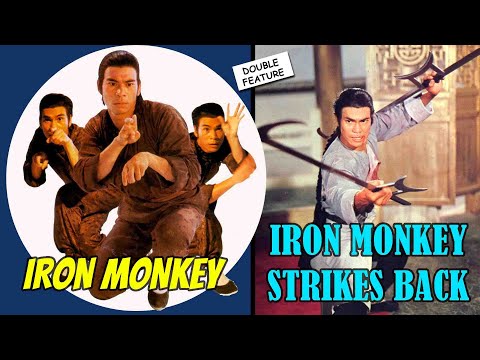
Ah, the Wu-Tang Collection! A name that conjures images of raw, unadulterated martial arts cinema. Today, we delve into a duo of films that, while perhaps not reaching the stratospheric heights of some Hong Kong classics, offer a potent glimpse into the enduring allure of the "Monkey Fist" style and the legendary Shaolin Temple. But are these films mere historical curiosities, or do they hold genuine lessons for the modern practitioner? That is the question we must dissect.

Many come to the world of cinema seeking not just entertainment, but the very spirit of the warrior. They want to understand the techniques, the philosophy, the dedication. They search for films that resonate with the sweat, the discipline, and the eventual enlightenment found on the training mats. This is where the "Iron Monkey" films, despite their imperfections, spark a particular curiosity.

Iron Monkey: Genesis of a Legend

Let us first dissect the original Iron Monkey, directed by Chen Kuan Tai. The premise is a familiar, yet potent, narrative arc: the sole survivor of a brutal massacre, driven by vengeance and fate, seeks refuge and mastery at the hallowed grounds of the Shaolin Temple. The casting features Chen Kuan Tai himself, Chi Kuan Chun, Wilson Tong, and Leung Kar Yan – names that, to the initiated, carry weight in the world of martial arts film.

The core of the story lies in the protagonist's journey to master the "Monkey Fist" method. This style, deeply rooted in animal mimicry, is characterized by its unpredictable, agile, and often acrobatic movements. Imagine a primate – its speed, its ability to change direction instantly, its deceptive simplicity masking a complex, devastating effectiveness. The film aims to showcase this, and in its better moments, it succeeds in conveying a sense of raw, untamed power.

"The Monkey style is not merely a collection of movements; it is an embodiment of adaptation and opportunism. It teaches us to flow, to deceive, and to strike when the moment is ripe, much like a monkey seizing a falling fruit." - A hypothetical elder from the Shaolin tradition.

Chen Kuan Tai, a veteran of the genre, brings a certain gravitas to the role. However, it is the depiction of the Monkey Fist itself that will draw the most attention from seasoned martial artists. Is the choreography a true representation, or a stylized interpretation for the screen? We shall examine this.

Shaolin's Shadow: The Monkey Style

The Shaolin Temple. The very name echoes through the annals of martial history. It is the mythical birthplace of countless combat disciplines, a place where the body and mind are forged into instruments of unparalleled skill and discipline. The integration of the Monkey Fist into this legendary institution is a narrative device that immediately elevates the stakes.

The Monkey style, in its essence, is about fluidity, evasiveness, and unpredictable attacks. It often incorporates elements of deception, mimicking the playful yet dangerous nature of its namesake. Movements can be low to the ground, incorporating rolls and evasions, then explosively transition to high, sweeping kicks or rapid-fire hand strikes. The emphasis is on agility and a seemingly chaotic, yet deeply ingrained, pattern of offense and defense. The goal is to overwhelm the opponent with a barrage of unexpected strikes and evasions, leaving them disoriented and vulnerable.

For a practitioner, mastering the Monkey Fist requires not just physical conditioning – extraordinary flexibility, agility, and stamina – but also a keen mental acuity. The ability to think on your feet, to adapt to your opponent's every move, and to exploit openings with lightning speed are paramount. This is where the film's narrative intent, however imperfectly realized, touches upon profound martial truths.

Iron Monkey Strikes Back: Detective Work and Deadly Fists

Following the initial installment, we have Iron Monkey Strikes Back, directed by Pao Hsueh Li. This film shifts gears, introducing a more investigative narrative. Chen Kuan Tai returns, this time as a Kung fu fighting detective, Mister Cool Head. The plot involves the murder of the emperor's wife and a deep-seated conspiracy at high levels of government.

The addition of the detective element adds a layer of intrigue, but the core appeal remains the martial arts. The film promises "untold fighting" from the team behind the first movie. This implies a continued focus on the action sequences, but the question remains: does the investigative plot detract from or enhance the martial arts spectacle?

Mister Cool Head, the protagonist, is tasked with unraveling this complex web of deceit. His methods, naturally, involve not just keen observation and deduction, but also the application of his formidable Kung fu skills. This blend of detective work and combat is a staple in many martial arts narratives, offering opportunities for both intellectual and physical prowess to shine.

The cast includes Chen Kuan Tai, Chen Sing, Chia Ling, and Suen Rong Jye, suggesting a continuation of the established martial arts talent. The promise of more fighting from the original team is a clear selling point for fans of the first film, but it also raises the bar for the quality and creativity of the action choreography.

Wu-Tang Collection: A Critical Eye on the Duology

Now, let us don our critical gi and examine these films through the lens of a seasoned martial artist and film enthusiast. The Wu-Tang Collection, in its ambition to showcase various facets of martial arts cinema, often presents films that are rough around the edges but possess a certain undeniable charm and historical significance.

Choreography and Authenticity: This is where the debate truly ignites. Does the "Monkey Fist" depicted here bear any resemblance to historically recognized forms? While cinematic interpretation often prioritizes spectacle over strict adherence, a truly great martial arts film will at least hint at the underlying principles of the style. The agility and unpredictability are key. If the movements feel rehearsed, lack a sense of grounded physics, or rely too heavily on wire-work without internal logic, then the film falters in its martial representation.

Acting and Narrative Cohesion: While the focus is on fighting, the narrative and performances still matter. Does the story hold together? Are the characters compelling, or merely archetypes going through the motions? In the case of Iron Monkey Strikes Back, the blend of detective work and martial arts needs to be handled with care. If the investigative plot feels shoehorned in, or if the transitions between dialogue and fight scenes are jarring, it detracts from the overall experience.

The "Spirit" of the Martial Art: Beyond the technical aspects, does the film capture the essence of the martial art it portrays? The Monkey Fist, like many traditional styles, is more than just physical technique. It embodies a philosophy of adaptability, wit, and sometimes, a playful approach to combat. Does the film convey this deeper meaning, or is it merely a series of flashy moves?

The films within the Wu-Tang Collection often serve as valuable archives, preserving styles and stories that might otherwise be lost to time. However, it is crucial to approach them with a discerning eye, appreciating their historical context while acknowledging their cinematic limitations.

Training the Monkey: Principles and Practice

For those inspired by the Monkey Fist style, actual training can be a rewarding, albeit challenging, endeavor. The core principles emphasize:

  1. Agility and Footwork: The ability to move quickly and change direction with minimal effort is paramount. This involves drills focusing on quick feet, evasive dodges, and dynamic stance transitions. Think of a monkey leaping from branch to branch – never staying in one place for too long.
  2. Unpredictable Strikes: Monkey Fist attacks are rarely linear. They can come from unexpected angles, often using the entire body to generate power. This requires practicing a wide variety of hand and foot techniques, incorporating spins, rolls, and sudden bursts of speed.
  3. Deception and Misdirection: A key element is making the opponent believe you are doing one thing while preparing to do another. This involves feints, changes in posture, and drawing your opponent's attention away from your true target.
  4. Lower Stances and Groundwork: Monkey style often incorporates very low stances and techniques that utilize the ground, allowing for rapid evasion and surprising offensive maneuvers from seemingly vulnerable positions.
  5. Upper Body Dexterity: Beyond punches, Monkey style often employs clawing motions, grasping techniques, and rapid, multi-limb attacks that mimic the grasping and striking of a primate.

While dedicated Monkey style Kung fu schools are rare outside of specialized martial arts circles, many of its principles can be incorporated into other training regimens. Focus on developing explosive power, enhancing flexibility, and practicing unpredictable combinations. Drills that involve reacting to stimuli, such as partner drills or agility courses, are invaluable.

Essential Gear for Your Training

To truly immerse yourself in the spirit of martial arts training, having the right equipment can make a significant difference. For styles that emphasize agility and fluidity, like the Monkey Fist, versatility in your attire is key.

  • Lightweight Kung Fu Uniforms: Opt for uniforms made from breathable, lightweight fabrics such as cotton or a poly-cotton blend. These allow for maximum freedom of movement without restricting your agility. A traditional loose-fitting top and comfortable trousers are ideal.
  • Flexible Training Shoes: For styles that involve a lot of footwork and low stances, flexible, minimalist shoes are recommended. These provide grip and a good connection to the ground without impeding natural foot movement. Many traditional martial arts footwear options fit this description.
  • Padding for Sparring (If Applicable): If you progress to sparring, appropriate safety gear is crucial. This includes padded gloves, shin guards, and headgear. Ensure they are lightweight and don't hinder your agility.
  • Training Mats: For practicing low stances, rolls, and falls, having a suitable training surface is important. Interlocking foam mats can provide a safe and comfortable environment for practicing these dynamic movements at home.

Remember, the best equipment is that which allows you to train effectively and safely, without hindering the core principles of your chosen art.

Frequently Asked Questions

What is the Monkey Fist style in Kung Fu?

The Monkey Fist is a traditional Kung Fu style that imitates the movements and behavior of a monkey. It is characterized by its extreme agility, unpredictable attacks, deceptive maneuvers, and often acrobatic techniques.

Are the "Iron Monkey" movies historically accurate representations of Shaolin Kung Fu?

While the films are inspired by Shaolin traditions and feature martial arts, they are primarily entertainment. Cinematic liberties are taken with choreography and narrative for dramatic effect. They offer a stylized glimpse rather than a documentary-accurate depiction.

Can I learn Monkey Fist style from these movies alone?

No. While inspiring, these films are not instructional. Authentic martial arts training requires guidance from a qualified instructor in a controlled environment to ensure safety and proper technique.

What are the main benefits of training in agile martial arts styles?

Training in agile styles enhances physical attributes like speed, flexibility, coordination, and balance. Mentally, it sharpens reflexes, improves problem-solving skills under pressure, and fosters adaptability.

Is the Wu-Tang Collection good for beginners in martial arts cinema?

The Wu-Tang Collection offers a unique, often raw, look into martial arts films from different eras and regions. While some entries might be less polished, they provide historical context and showcase a variety of styles. For beginners, it's a dive into the deep end, offering a different perspective than mainstream martial arts movies.

Deepen Your Understanding

The world of martial arts cinema is vast and rich. To continue your exploration of its nuances and connect with its enduring legacy, I recommend delving into related discussions and resources:

The Enduring Legacy of the Monkey

The "Iron Monkey" duology, as presented within the Wu-Tang Collection, serves as a potent reminder of the enduring appeal of the Monkey Fist style and the mythical aura surrounding the Shaolin Temple. While cinematic gloss may be absent in places, the raw energy, the dedication to showcasing dynamic combat, and the narrative of a warrior's journey resonate deeply.

For the martial artist, these films are not blueprints for combat, but rather sparks that can ignite further curiosity. They highlight principles of agility, deception, and adaptability that are fundamental to many fighting systems. They encourage us to look beyond mere technique and appreciate the philosophy and spirit that underpins true martial prowess.

Sensei's Reflection: Your Next Move

The monkey is known for its ability to adapt and thrive in diverse environments. After witnessing the trials of Iron Monkey and Mister Cool Head, consider this: In your own training and life, where do you find yourself most rigid? Where is your adaptability being tested? How can you incorporate the fluidity and unpredictability of the Monkey Fist, not just in your physical movements, but in your approach to challenges? Reflect on this, and let your actions speak louder than words.

``` GEMINI_METADESC: Dive into the fierce world of the Monkey Fist style with our critical analysis of Wu-Tang's \"Iron Monkey\" duology. Explore Shaolin secrets, fight choreography, and practical training tips.

Wu-Tang Collection - Flashpoint: A Martial Arts Film Critique

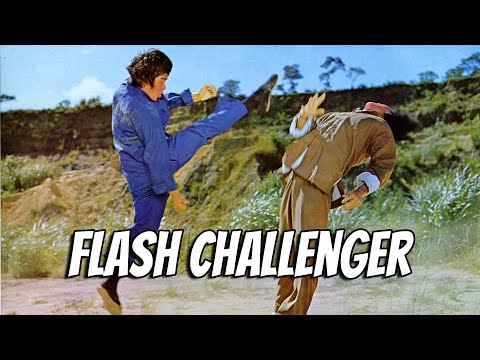
As a seasoned martial artist and a devoted student of the cinematic arts, I've seen countless films grace the silver screen, each claiming to capture the essence of the warrior's path. Some succeed, echoing the profound truths of discipline and combat. Others… well, they falter, more akin to a poorly executed kata than a decisive blow. Today, we dissect "Flashpoint," a film that, while not a household name in the martial arts pantheon, offers a glimpse into the gritty world of action cinema and the enduring appeal of the lone hero seeking justice. This isn't just a film review; it's an examination of cinematic martial arts through the lens of authenticity, spirit, and impact.

The Premise: A Classic Revenge Tale

Directed by Hung Chang Wang, "Flashpoint" presents a narrative as old as conflict itself: a wronged hero seeking retribution. The story unfolds with Tiger Wong, a figure whose shipment of illicit gold is pilfered by the nefarious Jackal Lam and his syndicate. This act of betrayal sets in motion a chain of events that compels Tiger Wong to seek out Frank Chan, a fighter renowned for his commitment to justice. What begins as a quest to reclaim stolen goods quickly escalates, hinting at a deeper, more sinister operation at play – Jackal Lum's potential involvement in illegal arms dealing.

This setup, while familiar, provides fertile ground for showcasing martial prowess. The inherent conflict between the corrupt and the righteous is a timeless theme that resonates deeply within the martial arts community. It speaks to the core principles of honor, duty, and the fight against injustice that many martial paths strive to embody. The mere suggestion of such a narrative arc within a film immediately piques the interest of those who appreciate not just the spectacle of combat, but the underlying moral framework it often represents.

"The supreme art of war is to subdue the enemy without fighting." - Sun Tzu, The Art of War. While "Flashpoint" leans heavily into the fighting, the underlying principle of justice for the wronged echoes a deeper martial ethos.

Martial Choreography and Combat Authenticity

Now, let us address the heart of any martial arts film: the combat. "Flashpoint" features Yasuaki Kurata and Cliff Ching, names that may carry weight with aficionados of classic Hong Kong cinema. The choreography, under the direction of Hung Chang Wang, aims to deliver the visceral impact expected from this era of filmmaking. We see elements that appear to draw from traditional Kung Fu styles, characterized by rapid hand techniques, dynamic kicks, and the often acrobatic movements that define the genre.

However, as a critic steeped in the reality of combat, I must inquire: how authentic are these movements? While cinematic martial arts are inherently stylized for dramatic effect, a truly compelling fight sequence often contains kernels of genuine technique. Does "Flashpoint" manage to balance spectacle with a semblance of practicality? The swiftness of the exchanges, the apparent physicality of the actors, and the integration of the environment into the fights suggest an effort was made. Yet, the true test lies in whether the techniques appear adaptable to a real-world confrontation, or if they are purely theatrical flourishes. Many martial films, unfortunately, fall into the latter category, prioritizing visual flair over the brutal efficiency required in actual conflict. This film, from what is presented, seems to tread this fine line, offering moments of impressive skill but also succumbing to the dramatic liberties common in its genre.

The specific styles employed, though not explicitly detailed in the premise, likely incorporate a blend of popular Kung Fu disciplines of the time. We can infer the presence of striking arts, perhaps with some limb control or throws, reflecting the typical ensemble of skills showcased in films of this nature. The challenge for viewers discerning in martial arts is to separate the art from the performance. Is the precision of a punch derived from thousands of hours of dedicated practice, or is it a well-timed movement for the camera?

The Warrior's Code in "Flashpoint"

Beyond the physical exchange, the martial spirit is often tested through philosophical underpinnings. The narrative of Frank Chan being hired to uphold justice against the criminal element is a direct embodiment of the warrior's duty to protect the innocent and confront wrongdoing. This concept is a cornerstone of numerous martial traditions, from the Bushido of the samurai to the "Do" (path) emphasized in Karate and Judo.

Does "Flashpoint" explore this duality? The premise suggests a clear moral dichotomy: the righteousness of Tiger Wong and Frank Chan versus the criminality of Jackal Lam. This is where the film, if executed with depth, can transcend mere action. It can explore themes of honor, sacrifice, and the personal cost of engaging in combat, even for a just cause. The pursuit of vengeance, while a powerful motivator, often walks a dangerous path, potentially corrupting the very principles the hero seeks to defend. A truly profound martial film would delve into this internal struggle, showing that the greatest battles are often fought within the warrior's own heart and mind.

"The true warrior is the one who is constantly vigilant against his own desires and emotions, lest they lead him astray from the path of righteousness." - A principle echoed across many martial philosophies.

The inclusion of a "justice fighter" like Frank Chan is significant. It implies a character who not only possesses martial skill but also a moral compass guiding their actions. This contrasts sharply with the more opportunistic or purely destructive characters often found in action cinema. It is this adherence to a higher code, the internal discipline, that truly elevates a martial artist from a mere combatant to a warrior.

Cinematic Presentation and Pacing

The presentation of a martial arts film is as crucial as the choreography itself. Hung Chang Wang's direction, coupled with the cinematography of the era, will dictate the overall viewing experience. The "let the violence begin!" tagline suggests an emphasis on action, which, if not managed well, can lead to a chaotic and ultimately unengaging spectacle. Effective pacing involves a balance between intense action sequences and moments of narrative development or character reflection.

The context of the "Wu-Tang Collection" implies a certain standard of cult classic appeal, often characterized by raw energy and less polished production values compared to mainstream blockbusters. This can be both a strength and a weakness. A rougher edge can lend a sense of authenticity and gritty realism, whereas overly slick production can sometimes detract from the raw power of martial arts. The challenge for films like "Flashpoint" is to harness this raw energy and channel it into a coherent and impactful cinematic narrative. The inclusion of the YouTube link suggests accessibility, allowing audiences to experience this particular offering firsthand.

Furthermore, the presence of Yasuaki Kurata is notable. Kurata was a significant figure in martial arts cinema, known for his distinctive style and his contributions to films like "The Boxer Rebellion." His involvement suggests a certain level of dedication to the martial aspects of the production. The interplay between such established performers and their counterparts can often be a highlight, showcasing a dynamic exchange of styles and experience.

Sensei's Verdict: Is it Worth the Watch?

When evaluating "Flashpoint," we must consider its place within the vast landscape of martial arts cinema. It is not a Bruce Lee epic, nor a Wong Kar-wai philosophical exploration. Instead, it appears to be a product of its time, aiming to deliver exciting action and a straightforward revenge narrative. For the dedicated martial arts enthusiast who appreciates the history and evolution of the genre, films like these offer valuable insights into the different approaches to portraying combat on screen.

The authenticity of the martial arts may be debatable, and the plot adheres to well-trodden paths. However, if you are looking for a film that showcases energetic fight sequences, features committed performances, and provides a glimpse into the grittier side of action cinema, "Flashpoint" could indeed be a worthy, albeit perhaps modest, addition to your viewing list. It's a film that likely excels in its directness and its unpretentious commitment to delivering on its promise of violence and retribution.

Cinturón Negro en Acción Cruda

While it might not redefine the genre, "Flashpoint" succeeds in what it sets out to do: provide an entertaining martial arts action film. The presence of Yasuaki Kurata adds a layer of genuine martial artistry, and the narrative, though simple, is effectively paced for an action flick. It’s a solid choice for those who enjoy classic Hong Kong action without expecting profound philosophical depth.

Essential Training Gear

To truly appreciate the dedication behind the on-screen action, a solid training foundation is paramount. Whether you are practicing strikes, grappling, or honing your agility, the right equipment can make a significant difference in both performance and safety.

  • Durable Training Uniform (Kimono/Gi): For arts like Judo and Jiu-Jitsu, a sturdy, double-weave gi is essential for withstanding the rigors of grappling and allows for proper grip training.
  • Sparring Gloves: For striking arts or MMA training, well-padded 16oz sparring gloves are crucial for protecting your hands and your training partners.
  • Focus Mitts and Thai Pads: Indispensable for partner drills, these tools help refine striking accuracy, power, and timing.
  • Training Mats: For falling techniques (Ukemi) in Judo or grappling in BJJ, good quality mats are non-negotiable for safety.
  • Resistance Bands: Versatile for strength, conditioning, and mobility exercises, resistance bands are a staple for any martial artist looking to improve functional strength without heavy equipment.

Core Strength and Agility Drills

The dynamic movements seen in films like "Flashpoint" require a robust core and exceptional agility. Here are some fundamental exercises you can incorporate into your routine:

  1. Plank Variations: Start with a basic forearm plank, holding for 30-60 seconds. Progress to side planks and dynamic planks (e.g., plank jacks). This builds isometric core strength essential for stability in combat.
  2. Bicycle Crunches: Lie on your back, knees bent, and alternate bringing your opposite elbow to your knee in a pedaling motion. Focus on the twist through your torso. This targets the obliques.
  3. Burpees: A full-body explosive exercise that builds cardiovascular endurance and functional strength. From a standing position, drop into a squat, kick your feet back into a plank, perform a push-up (optional), bring your feet back to the squat, and jump up explosively.
  4. Box Jumps: Find a sturdy box or platform. Standing before it, jump explosively onto the top, landing softly. Step back down. This enhances explosive leg power and agility.
  5. Agility Ladder Drills: Utilize an agility ladder for a series of quick footwork drills. Focus on speed, coordination, and precision with exercises like in-and-out steps, lateral shuffles, and Icky Shuffle.

Frequently Asked Questions

What martial arts are featured in "Flashpoint"?

While not explicitly stated, the combat appears to draw inspiration from traditional Kung Fu styles, emphasizing striking techniques and dynamic movements characteristic of Hong Kong action cinema from that era.

Is Yasuaki Kurata the main star?

Yasuaki Kurata is a prominent cast member, known for his martial arts expertise. The film also features Cliff Ching and Chiang Chu Hua, suggesting an ensemble cast where different fighters contribute to the action.

Is "Flashpoint" part of the actual Wu-Tang Clan's multimedia projects?

The "Wu-Tang Collection" branding suggests it's curated by or associated with individuals or groups who appreciate that style of martial arts cinema, rather than being a direct production of the Wu-Tang Clan musical group itself.

To Delve Deeper Into Your Journey

The path of martial arts is a lifelong pursuit, rich with history, philosophy, and practical application. If "Flashpoint" has ignited your interest, consider exploring these related topics:

Sensei's Reflection: Your Next Step

We have dissected "Flashpoint," examining its narrative, its combat, and its place in the cinematic martial arts landscape. The film, for all its potential stylization, still presents a core conflict that resonates with the fundamental principles of justice and retribution that often fuel the warrior's spirit. But here is the crucial question for you, the practitioner: When faced with injustice, is your first instinct to unleash physical force, or to seek a more profound resolution? Consider how the pursuit of vengeance, even when seemingly justified, can subtly shift your own internal balance. Are you a fighter, or are you a warrior?

``` GEMINI_METADESC: Critique of the martial arts film "Flashpoint" from the Wu-Tang Collection. Analyzes combat, philosophy, and cinematic impact. Includes training tips and a Sensei's verdict.

The Most Effective Martial Arts for Home Defense Against Burglary

Home burglary. The words alone can send a shiver down your spine. It’s a stark reality that, in many parts of the world, a break-in isn’t a matter of if, but when. With burglaries occurring every 26 seconds in the US alone, and millions happening globally each year, the threat is alarmingly real. This isn't just a statistic; it's a potential invasion of your sanctuary, a threat to your peace of mind and the safety of your loved ones. In such desperate circumstances, what tools do you possess? Beyond reinforced doors and alarm systems, the most potent defense lies within you – your body, your mind, and your training. Today, we delve into the martial arts that can transform you from a potential victim into a capable defender when your home is threatened.

Welcome, students of the Way, to Budo and AM. You stand on the precipice of understanding how ancient combat methodologies can serve your modern-day safety. This isn't about aggression; it's about preparedness. It's about cultivating the presence and capability to deter, defend, and, if absolutely necessary, neutralize a threat within the most vulnerable space you inhabit: your home. We aim to equip you with knowledge, not just theoretical, but practical. Consider this your first lesson in the martial art of home defense.

Introduction: The Alarming Reality of Home Burglary

As mentioned, the statistics are chilling. A burglary occurs with alarming frequency, shattering the sense of security that our homes are meant to provide. Drug addicts, opportunistic thieves, or even more organized criminals – the source matters less than the immediate threat. In these moments, traditional security measures can fail, and your personal ability to defend yourself becomes paramount. This is where martial arts training transcends sport and transforms into a vital life skill. It's not about seeking conflict, but about possessing the capacity to de-escalate, deter, or defend when unavoidable. Let us analyze which disciplines offer the most practical and effective skills for such a critical situation.

Choosing the Right Art: Principles for Home Defense

When selecting a martial art for home defense, we must look beyond flashy techniques or the aesthetics of tradition. We need effectiveness, practicality, and rapid applicability. The principles that guide this choice are:

  • Simplicity: Complex techniques are difficult to recall and execute under extreme stress. Simple, direct movements are key.
  • Directness: The goal is to stop the threat efficiently, not to engage in prolonged combat. Techniques should be decisive.
  • Realism: The art must train against common attack scenarios, not idealized combat.
  • Adaptability: Home environments are often cluttered and confined. The art should allow for movement and technique application in such spaces.
  • Control: The ability to control an attacker, either through joint locks, throws, or incapacitation, is crucial.

Many arts claim effectiveness, but few are forged in the crucible of real-world self-defense. We must discern the signal from the noise.

Top Martial Arts for Home Defense

Now, let's dissect the disciplines that stand out when the threat is at your doorstep. Each offers unique advantages, and often, a blend of skills from different arts provides the most robust defense.

Karate: Power and Precision

Originating from Okinawa, Karate is renowned for its powerful linear strikes and strong stances. Its core principles of ikken hissatsu (one strike, one kill) translate directly to the need for decisive action in a home invasion. While traditional Karate training can sometimes be ritualistic, its emphasis on explosive power, rapid footwork, and direct hand techniques (punches, open-hand strikes) makes it highly effective. A well-trained Karateka can deliver crippling blows to vital areas, deterring or incapacitating an attacker quickly. The kata, or forms, if trained with practical application in mind, can simulate defensive movements against multiple threats in confined spaces.

"Karate is a lifetime pursuit of discipline and self-mastery." - A fundamental tenet of Karate practitioners.

For home defense, the applications of punches like the tsuki, blocks like the age uke (rising block) to defend the head, and kicks to the lower body are invaluable. The focus on conditioning the body, particularly the striking surfaces, also enhances resilience.

Krav Maga: The Ultimate Survival System

If pure, unadulterated effectiveness is the sole criterion, then Krav Maga often tops the list. Developed for the Israeli military, it is a brutal, no-nonsense system designed for survival in violent confrontations. Krav Maga ruthlessly exploits vulnerable targets – eyes, throat, groin – and utilizes natural weapons like elbows, knees, and headbutts. There are no rules in a home invasion, and Krav Maga embraces this ruthlessly. It trains you to react instinctively to common threats, including grabs, chokes, and attacks with weapons, all within a confined space. Its emphasis on simultaneous defense and offense, and its continuous adaptation to evolving threats, makes it a prime candidate for personal security.

Consider the practicality: a simple, powerful strike to the throat or eyes can end an engagement instantly. There's no embellishment, no sport aspect – only survival.

Jeet Kune Do: Adaptability and Efficiency

The philosophy of Jeet Kune Do (JKD), created by the legendary Bruce Lee, is "using no way as way, having no limitation as limitation." This makes it exceptionally suited for the unpredictable nature of a home invasion. JKD teaches practitioners to be adaptable, to flow between different ranges of combat (kicking, punching, trapping, grappling), and to utilize whatever technique is most effective in a given moment. It emphasizes efficiency, economy of motion, and directness. A JKD practitioner wouldn't be confined to one style; they would fluidly transition from a powerful kick to a trapping hand technique, then to a close-range elbow strike or a takedown, all while considering the environment. Bruce Lee himself stressed the importance of training for real combat, not just sport.

"The art of fighting without fighting." - A paradox that defines Bruce Lee's approach to combat.

The JKD principle of intercepting an attack as it happens, rather than waiting to defend, is a powerful concept for preventing an intruder from gaining the upper hand.

Judo: Leverage and Control

While often seen as a sport, Judo provides invaluable skills for home defense, particularly in close-quarters combat. The founder, Jigoro Kano, intended Judo to be a system for physical, mental, and moral education. Its emphasis on throws (nage waza) and grappling (katame waza) allows you to control an attacker, use their momentum against them, and bring them to the ground where you may have a significant advantage, especially within the confined spaces of a home. Techniques like O-soto gari (major outer reaping) or Ippon seoi nage (one-arm shoulder throw) can quickly neutralize an opponent. Furthermore, groundwork techniques such as armlocks (kansetsu waza) and chokes (shime waza) offer non-lethal means of incapacitation.

The ability to use leverage rather than brute strength is a key advantage, especially if you are smaller or less physically imposing than an intruder. Mastering Judo principles can turn an attacker's own aggression into their downfall.

Aikido: Redirecting Force

Aikido, often described as the "way of harmonious energy," focuses on blending with an attacker's motion and redirecting their force against them. While it may appear less direct than striking arts, Aikido's principles of joint locks, throws, and pins are highly effective for controlling an attacker without necessarily causing severe injury, which can be advantageous in a self-defense situation where legal ramifications are a consideration. The circular movements and evasive footwork taught in Aikido are excellent for managing space and evading direct confrontation, allowing you to create openings for decisive action or to escape. Learning to absorb and redirect an attack is a profound skill that can disorient and subdue an aggressor.

A skilled Aikido practitioner can often neutralize a larger, stronger attacker by leading their momentum, turning aggression into imbalance. This is particularly useful in tight home environments where large, sweeping movements might be restricted.

Training Considerations for Home Defense

Simply knowing techniques is insufficient. To be truly prepared for a home invasion, your training must incorporate:

  • Stress Inoculation: Training under simulated pressure (e.g., with mild fatigue, distractions, or a partner moving unpredictably) is crucial.
  • Environmental Awareness: Practice techniques in varied and confined spaces, simulating your home's layout. Understand how furniture, obstacles, and lighting can be used for or against you.
  • De-escalation: While martial arts training focuses on physical defense, the ultimate goal is to avoid the physical confrontation if possible. Verbal de-escalation is a vital first line of defense.
  • Legal Considerations: Understand the laws regarding self-defense in your jurisdiction. The force used must be proportionate to the threat.
  • Physical Conditioning: Strength, stamina, and flexibility are the foundation upon which all techniques are built. Without them, even the best technique can fail.

A balanced approach, integrating physical skills with mental preparedness and an understanding of the legal landscape, is essential.

Practical Application: Scenarios and Strategies

Imagine an intruder forcing entry through a back window. Your training should immediately kick in. Which art offers the best response?

  • Striking Arts (Karate, Krav Maga): A swift, powerful strike to the face or throat can stop the intruder in their tracks before they even fully enter.
  • Grappling Arts (Judo): If they manage to enter and engage, a well-timed takedown can put them on the defensive on the ground, where you can control them or create an escape.
  • Flowing Arts (JKD, Aikido): You might evade their initial aggressive push, redirect their momentum as they stumble, and then use a quick application of pressure or a decisive strike.

The key is to have a repertoire of responses and the ability to choose the most appropriate one instantly. This requires consistent, realistic training. Consider scenarios like: an attacker armed with a knife, an attacker who grabs you from behind, an attacker who attempts to restrain you. How would your chosen art address these?

Essential Gear for Home Defense Training

While the best defense comes from within, certain equipment can enhance your training and preparedness:

  • Protective Gear: Mouthguards, groin protectors, and sparring gloves (when applicable) are essential for safe, intensive training.
  • Training Uniform (Gi/Dobok): For arts like Judo, Karate, and Aikido, a durable training uniform is necessary for practicing grips and throws. A good Karate gi or Judo gi can withstand rigorous training.
  • Training Mats (if applicable): For arts involving throws or groundwork, mats provide safety.
  • Focus Mitts and Strike Shields: Useful for practicing striking power and accuracy with a partner.
  • Optional: Inert training tools: For advanced training in Krav Maga or JKD, realistic training knives or batons can simulate weapon defenses, but MUST be used with extreme caution and qualified instruction.

Investing in quality training gear ensures durability and safety, allowing you to focus on honing your skills.

Frequently Asked Questions

What is the absolute best martial art for self-defense at home?

There isn't one single "best." However, systems like Krav Maga are specifically designed for real-world, no-rule confrontations and are highly effective. Jeet Kune Do offers unparalleled adaptability. Traditional arts like Karate provide power, while Judo and Aikido offer control and redirection. The best art is often the one you can train consistently and effectively.

Do I need to be very strong to use these martial arts?

Not necessarily. Arts like Judo and Aikido emphasize leverage and technique over brute strength, allowing smaller individuals to control larger opponents. Even striking arts benefit from conditioning, but technique is often more crucial than sheer power.

How long does it take to become proficient?

Proficiency varies greatly depending on the art, the intensity of training, and the individual. For basic self-defense effectiveness, consistent training for 1-2 years can yield significant results. However, mastery is a lifelong pursuit.

What if the intruder is armed?

This is where specialized training, particularly in systems like Krav Maga or advanced JKD, becomes critical. Disarming an armed attacker is extremely dangerous and requires specific techniques, awareness, and a high degree of skill. Your primary goal should always be to escape if possible. If escape is not an option, you must be prepared to defend yourself with proportionate force.

Is it better to have multiple martial arts skills?

Cross-training can be highly beneficial, providing a well-rounded skill set. For example, combining striking from Karate with grappling from Judo offers a comprehensive approach. However, focus is also important; trying to learn too much too quickly can dilute your progress.

Sensei's Reflection: Your Next Step

The threat of home burglary is a stark reminder that vigilance and preparedness are not optional; they are essential components of modern living. We have explored the martial disciplines that offer the most potent tools for personal defense within the sanctuary of your home – from the decisive power of Karate to the adaptable philosophy of Jeet Kune Do and the pragmatic survival focus of Krav Maga. Each carries the weight of centuries of combat knowledge, refined for contemporary threats.

But knowledge, unapplied, is like a sharp sword left to rust. The true test lies not in understanding, but in application. So, I ask you:

Reflection of the Sensei: Your Next Step

Considering the immediate threats and environments discussed, which single martial art technique, drawing from any of the arts mentioned, do you believe would be the most crucial to master first for effective home defense, and why? And more importantly, what concrete action will you take this week to begin or advance your training in that area?

Do not let this knowledge remain dormant. The safety of your home and loved ones depends on your resolve. Engage with this question, debate its merits, and more importantly, act. Your journey to preparedness begins now.

For Deeper Exploration in Your Path

  • Self-Defense: Essential principles and techniques for personal safety.
  • BUDO: The philosophical underpinnings of martial discipline.
  • Training: Guides and tips for effective martial arts practice.
  • Close-Quarters Combat: Mastering engagement in confined spaces.
  • MMA: Learning from the pinnacle of modern combative sports.
``` ```json { "@context": "https://schema.org", "@type": "FAQPage", "mainEntity": [ { "@type": "Question", "name": "What is the absolute best martial art for self-defense at home?", "acceptedAnswer": { "@type": "Answer", "text": "There isn't one single \"best.\" However, systems like Krav Maga are specifically designed for real-world, no-rule confrontations and are highly effective. Jeet Kune Do offers unparalleled adaptability. Traditional arts like Karate provide power, while Judo and Aikido offer control and redirection. The best art is often the one you can train consistently and effectively." } }, { "@type": "Question", "name": "Do I need to be very strong to use these martial arts?", "acceptedAnswer": { "@type": "Answer", "text": "Not necessarily. Arts like Judo and Aikido emphasize leverage and technique over brute strength, allowing smaller individuals to control larger opponents. Even striking arts benefit from conditioning, but technique is often more crucial than sheer power." } }, { "@type": "Question", "name": "How long does it take to become proficient?", "acceptedAnswer": { "@type": "Answer", "text": "Proficiency varies greatly depending on the art, the intensity of training, and the individual. For basic self-defense effectiveness, consistent training for 1-2 years can yield significant results. However, mastery is a lifelong pursuit." } }, { "@type": "Question", "name": "What if the intruder is armed?", "acceptedAnswer": { "@type": "Answer", "text": "This is where specialized training, particularly in systems like Krav Maga or advanced JKD, becomes critical. Disarming an armed attacker is extremely dangerous and requires specific techniques, awareness, and a high degree of skill. Your primary goal should always be to escape if possible. If escape is not an option, you must be prepared to defend yourself with proportionate force." } }, { "@type": "Question", "name": "Is it better to have multiple martial arts skills?", "acceptedAnswer": { "@type": "Answer", "text": "Cross-training can be highly beneficial, providing a well-rounded skill set. For example, combining striking from Karate with grappling from Judo offers a comprehensive approach. However, focus is also important; trying to learn too much too quickly can dilute your progress." } } ] }

Dream 17 (2011): A Deep Dive into Japanese MMA's Golden Era

The Japanese mixed martial arts scene, particularly during its "Golden Era," was a crucible of innovation, raw talent, and unforgettable spectacle. Among the events that defined this period, Dream 17, held at the Saitama Super Arena on September 24, 2011, stands as a testament to the evolution and passion within the sport. This wasn't just a collection of fights; it was a showcase of diverse martial disciplines, from the gritty grappling of BJJ and Judo to the striking prowess of Karate and Kickboxing, all woven into the complex tapestry of modern MMA. This event, published on June 6, 2022, on Budo and Martial Arts, invites us to dissect the fights, the fighters, and the underlying martial philosophies that made this night legendary. Welcome, warriors, to a deeper exploration of Dream 17.

The Undercard That Stole the Show

Dream 17 was more than just its headliners; it was a proving ground where fighters showcased their diverse skill sets. From the opening bouts, the energy was palpable.
  • Ikuhisa Minowa vs. Baru Harn (30:56): Minowa, a veteran known for his unconventional style and resilience, faced Harn in a clash that set the tone. Minowa's ability to absorb punishment and still look for openings embodies the spirit of perseverance.
  • Rodolfo Marques vs. Yusup Saadulaev (57:59): This bout highlighted the brutal effectiveness of grappling. Saadulaev, a formidable wrestler, met Marques in a contest of ground control and submission attempts.
  • Masakazu Imanari vs. Abel Cullum (1:21:14): Imanari is a name synonymous with leg locks. His unorthodox style and relentless pursuit of submissions are legendary, making this a must-watch for any submission grappling enthusiast.
  • Bibiano Fernandes vs. Takafumi Otsuka (1:34:32): Fernandes, a multiple-time ADCC champion, entered the MMA world with a reputation for his suffocating BJJ. His fight against Otsuka was a crucial step in his transition to mixed martial arts.
  • Antonio Banuelos vs. Hideo Tokoro (2:00:15): A striker's battle, this fight pitted Banuelos' aggressive boxing against Tokoro's dynamic kickboxing and submission defense.
  • Gerald Harris vs. Kazuhiro Nakamura (2:27:18): Harris, known for his explosive power and wrestling background, faced Nakamura, a veteran of PRIDE FC with a reputation for his toughness and striking.
  • Satoru Kitaoka vs. Willamy Freire (2:57:37): Kitaoka, a submission specialist, and Freire, a dangerous striker, offered a classic stylistic clash.
"The true warrior is not afraid of the path he walks, but embraces the lessons found in every step, whether it leads to victory or defeat." - A principle echoed in the dedication of these fighters.

Imanari's Enigma: A Submission Masterclass

Masakazu Imanari is a fighter who defies conventional wisdom. His "Imanari roll," a signature move designed to transition into a heel hook or other leg locks, is a perfect example of how martial arts can evolve. Against Abel Cullum, Imanari demonstrated his unparalleled ability to hunt for submissions, even from seemingly disadvantageous positions. This fight is a masterclass in offensive grappling, showcasing a level of technique that few possess. For those interested in the art of submission, studying Imanari's approach offers invaluable insights into attacking and defending the lower body – a crucial, yet often neglected, aspect of martial arts training.

Bibiano Fernandes: The Rise of a Grappling King

Bibiano Fernandes arrived in Dream with a stellar reputation from the world of Brazilian Jiu-Jitsu. His ADCC titles spoke volumes about his submission prowess. Facing Takafumi Otsuka, Fernandes aimed to prove that his elite grappling skills could translate seamlessly into the high-stakes environment of MMA. This fight was a significant moment in Fernandes' career, laying the groundwork for his future dominance in other promotions. It underscores a fundamental principle in modern martial arts: the exceptional skill in one discipline, when strategically applied, can become a dominant force in a multi-faceted sport. For those looking to enhance their ground game, the tactical application of BJJ seen in fights like this is essential.

The Power Striker vs. The Hardened Veteran

Gerald Harris and Kazuhiro Nakamura provided a captivating stylistic contrast. Harris, a dynamic American fighter with a strong wrestling and boxing background, brought explosive power and athleticism. Nakamura, a seasoned Japanese fighter who competed extensively in PRIDE FC, was known for his resilience, aggressive striking, and sheer toughness. This bout was a test of grit and strategy: could Harris' power overwhelm Nakamura, or would the veteran's experience and durability prevail? It's a classic MMA dynamic that speaks to the varied paths to victory in the sport, where brute force can meet calculated experience.

Shinya Aoki: The Submission Artificer

Shinya Aoki is a name that resonates with submission fans worldwide. His nickname, "Tobikan Judan" (The Great Master of Flying Escapes), barely scratches the surface of his lethal submission skills, particularly his deadly triangle choke. In his bout against Rob McCullough, Aoki was expected to dominate on the ground, and he did not disappoint. This fight exemplifies the devastating effectiveness of specialized martial arts skills when honed to perfection. For students of Judo or BJJ, Aoki's fights are not just entertainment; they are practical lessons in submission mechanics and strategic positioning. His ability to transition seamlessly from striking exchanges to fight-ending submissions is a masterclass in MMA strategy.
"The difference between a master and a beginner is that the master has failed more times than the beginner has tried." This sentiment perfectly captures the journey of fighters like Aoki, whose submission artistry is built on countless hours of practice and refinement.

Kazushi Sakuraba: The Enduring Legend

Kazushi Sakuraba. The name itself evokes a sense of martial arts history. Known as "The Gracie Hunter" for his victories over members of the legendary Brazilian Jiu-Jitsu family, Sakuraba was a pioneer of Japanese MMA. His fight against Yan Cabral at Dream 17 was a poignant moment in his legendary career. While his physical prime may have been in the past, Sakuraba's presence alone brought an aura of respect and a reminder of the evolution of mixed martial arts. His legacy is not just in his wins, but in his willingness to face any opponent, a true embodiment of the warrior spirit. For anyone interested in the history of MMA and the martial arts that shaped it, Sakuraba is an indispensable figure.

Veredict of the Sensei: Did Dream 17 Deliver?

Dream 17 was, by any measure, a success. It delivered a compelling fight card that showcased a blend of established stars and rising talent. The event captured the essence of Japanese MMA during a pivotal era – exciting, technically diverse, and filled with moments of true martial artistry. While some bouts might not have reached the seismic heights of PRIDE FC's legendary events, Dream 17 offered a high level of competition across multiple martial disciplines. It reminded us why this sport captivates so many, blending the ancient traditions of combat with modern athletic competition. Rating: Cinturón Negro en Espectáculo y Técnica

Essential Gear for Your Training

To truly appreciate the dedication and skill on display at Dream 17, and to begin your own martial arts journey, having the right equipment is crucial. Whether you're practicing striking, grappling, or a blend of both, quality gear can enhance your training and safety.
  • MMA Gloves: For sparring and bouts, high-quality MMA gloves are essential for protecting your hands and your training partners.
  • Grappling Dummy: If you train Brazilian Jiu-Jitsu or Judo at home, a grappling dummy can simulate an opponent for solo drilling.
  • Mouthguard: A well-fitting mouthguard is non-negotiable for any combat sport training.
  • Shin Guards: For kickboxing and Muay Thai training, investing in durable shin guards will prevent injuries.
  • Kimono (Gi): If your path leads you to Judo or BJJ, a sturdy Judo gi or BJJ gi is paramount.

Frequently Asked Questions

  • What were the main attractions of Dream 17?
    The event featured several high-profile matchups, including Shinya Aoki vs. Rob McCullough and the legendary Kazushi Sakuraba's appearance against Yan Cabral.
  • Was Dream 17 considered a part of PRIDE FC's legacy?
    Yes, Dream was largely seen as the spiritual successor to PRIDE FC, carrying on the tradition of exciting Japanese MMA with a unique flair.
  • What martial arts disciplines were prominently featured?
    The card showcased a wide array of martial arts, including Brazilian Jiu-Jitsu, Judo, Karate, Kickboxing, Wrestling, and Sambo, integrated into MMA rulesets.
  • Where can I watch full fights from Dream 17?
    Full fight videos from Dream 17 can often be found on MMA streaming platforms or through dedicated martial arts communities online, though availability may vary.

To Dive Deeper Into Your Journey

To continue your exploration of martial arts and combat sports, here are some related articles that offer further insight:

Reflection of the Sensei: Your Next Step

Dream 17 was a symphony of combat, a testament to the dedication required to excel in mixed martial arts. It showcased that while distinct martial arts provide the foundation, it is the integration, the adaptation, and the relentless pursuit of mastery that truly define a fighter. Now, I ask you: In a sport that demands constant evolution, which martial art form do you believe offers the most critical advantage in the modern MMA landscape, and why? Does the overwhelming technicality of submission grappling trump the explosive power of striking, or is the true advantage found in the fighter who can seamlessly blend them all? Engage your minds, and let your voices be heard in the comments below. GEMINI_METADESC: Explore the electrifying action and martial arts mastery of Dream 17 (2011) held at Saitama Super Arena. A deep dive into MMA's golden era.