Showing posts sorted by relevance for query Martial Arts Philosophy basics. Sort by date Show all posts

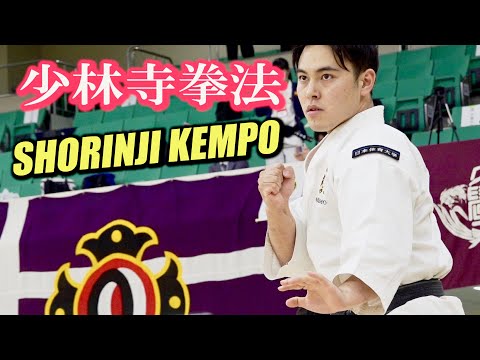
Shorinji Kempo University Competition: A Deep Dive into the Philosophy and Practice

Are you truly prepared for the realities of combat, or are you merely going through the motions in your dojo? The recent Shorinji Kempo University Students Competition 2022, captured in a compelling visual document, offers more than just a spectacle of physical prowess. It’s a window into a martial art that, beneath its dynamic techniques, harbors a profound philosophy and a rigorous training methodology. This isn't just another fight; it's a demonstration of principles honed over decades. Welcome, students of the martial path, to Budo and Martial Arts. Today, we dissect not just a competition, but the very essence of Shorinji Kempo as showcased by its university practitioners. We will delve into the nuances of their performance, question the efficacy of their training, and explore how this art contributes to the broader landscape of combat sports and self-mastery.

The Spectacle and the Substance

The footage from the "Shorinji Kempo" University Students Competition 2022 presents a dynamic display of motion. We see students executing techniques with precision and power, a testament to their dedication. But how much of this performance truly reflects the practical application of martial arts in a real-world scenario, or even in the controlled chaos of a modern MMA bout? This is where critical analysis, the hallmark of a true martial artist, comes into play. We must look beyond the aesthetically pleasing forms to understand the underlying principles and their potential effectiveness.
"The strength of the body is limited. The strength of the mind is limitless." - So Doshin (Founder of Shorinji Kempo)
This competition, while a fantastic showcase, also invites us to ask tough questions: Does the emphasis on form and demonstration detract from combat readiness? Is the internal philosophy as vital as the external technique? Let us embark on this journey of inquiry together.

What is Shorinji Kempo? Beyond the Strikes

Shorinji Kempo, founded by So Doshin in 1947, is more than just a martial art; it is a unique philosophy and a method for spiritual development. The name itself, "Shaolin Temple Fist Law," hints at its historical roots, though its modern form is distinct. It emphasizes not only self-defense techniques (Kenpo, which includes both striking and grappling elements) but also the cultivation of mind and spirit. This dual focus distinguishes it from many purely combat-oriented disciplines. Unlike many traditional arts that might focus solely on Karate-like strikes or Judo/ BJJ grappling, Shorinji Kempo integrates both. Its syllabus includes: * **Seikenjutsu**: Fist techniques (strikes, punches, blocks) * **Hokei**: Forms or katas, demonstrating sequences of techniques. * **Buki Waza**: Weapon techniques (though often de-emphasized in university competitions focusing on unarmed combat). * **Kihon**: Basic principles and foundational movements. * **Zazen**: Seated meditation, crucial for mental discipline and focus. The art's core aim is to develop individuals who are strong in body, mind, and spirit – "a builder of peace." This humanistic approach is central to its practice and distinguishes it from arts solely focused on combat prowess.

Analyzing the Competition: Technique and Spirit

Observing the university students, we see a clear execution of principles. The training is evident in the fluidity of movement and the sharp, controlled strikes and blocks. However, a critical eye must assess the context. Competitions often involve specific rulesets that may not perfectly replicate the unpredictability of a real street encounter or a no-holds-barred UFC match.
The students demonstrate a commendable grasp of fundamental techniques. Their Seikenjutsu (striking) is often crisp, and their defensive postures are generally solid. The emphasis on Hokei (forms) suggests a deep understanding of sequential movement and technique application. Yet, we must ask: How do these techniques fare against practitioners of vastly different arts? How is their Ki or internal energy truly manifested and controlled under pressure? The university context implies a focus on learning and demonstration, but the true test of any martial art lies in its application when stakes are highest. The spirit of Budo—the warrior's way—demands this rigorous self-assessment.

The Philosophy of Shorinji Kempo: Building a Better Human

This is where Shorinji Kempo truly sets itself apart. The philosophy of "Koken Gattai" (Hard and Soft techniques unified) and "Kondo" (linking body and mind) is not merely theoretical. It's integrated into the training. The practice of Zazen, for instance, is as vital as learning a punch. This meditation aims to cultivate: * **Self-Awareness**: Understanding your own strengths and weaknesses. * **Emotional Control**: Remaining calm and centered under duress. * **Discipline**: The unwavering commitment to training and self-improvement. * **Compassion**: Using one's strength not for aggression, but for the protection of others and the building of peace. This philosophical underpinning transforms practitioners from mere fighters into individuals striving for self-mastery. It’s a profound concept that echoes through classical martial texts.
"Martial arts are not about violence, but about self-control and spiritual development." - A principle often cited in Budo circles.
The university students, in their pursuit of excellence, are not just training their bodies; they are shaping their characters. This aspect is often lost in a superficial viewing of martial arts competitions.

The Training Rigor: From Basics to Competition

The journey to reach a competitive level in Shorinji Kempo is arduous. It begins with the absolute basics, the Kihon, ensuring that every movement, from a simple block to a complex combination, is built on a solid foundation. This is followed by the systematic study of Hokei, which not only teaches technique but also the principles of combat flow and strategy. The competition itself serves as a benchmark, a way to measure progress and identify areas for further refinement. It encourages students to push their limits and to apply their training in a simulated, yet challenging, environment. However, the question remains: Is this simulated pressure enough? Consider the rigorous Kyokushin Karate full-contact competitions, or the strategic depth required in Grappling arts like BJJ. While Shorinji Kempo has its own distinct objectives, the intensity of training in *any* true martial art must prepare the practitioner for unforeseen circumstances.

Shorinji Kempo in the Arena of Combat Arts

How does Shorinji Kempo stack up against other prominent martial arts and combat sports?
Aspect Shorinji Kempo MMA (Mixed Martial Arts) Traditional Karate (e.g., Shotokan)
Focus Holistic development (body, mind, spirit), self-defense, building peace. Combat effectiveness, strategic application of diverse techniques. Striking, discipline, tradition, self-perfection.
Technique Range Strikes, blocks, joint locks, throws, grappling (unified). Striking (punching, kicking, elbows, knees), grappling (wrestling, BJJ), submissions. Primarily linear striking, blocks, stances.
Competition Style Often demonstration-based (forms, solo techniques) or controlled sparring. Full contact, continuous fighting, emphasis on winning by KO or submission. Point-based sparring (often semi-contact) or kata competitions.
Philosophical Emphasis Very high; central to the art's purpose. Varies; often emphasizes discipline and respect, but primarily outcome-driven. High; often centered on character development and respect.
While MMA focuses on comprehensive combat effectiveness, and traditional Karate on the mastery of striking and discipline, Shorinji Kempo carves its own niche by emphasizing the holistic development of the individual alongside practical self-defense skills. Its strength lies in its integrated approach, aiming to build not just a fighter, but a better human being.

Veredict of the Sensei: Is Shorinji Kempo a True Martial Art?

This is a question that sparks debate among enthusiasts. To dismiss Shorinji Kempo because its competitive format differs from MMA or full-contact Karate would be a grave error. Its practitioners demonstrate discipline, physical conditioning, and a sophisticated understanding of movement and strategy. The integration of striking, grappling, and philosophical development is commendable. However, the effectiveness in a chaotic, no-rules confrontation is always the ultimate litmus test for any martial art claiming self-defense utility. Shorinji Kempo's philosophy of "building a better human" and promoting peace means its practitioners may be less inclined to engage in violent conflict unless absolutely necessary. **Sensei's Verdict:** Shorinji Kempo is undoubtedly a profound and legitimate martial art. Its holistic approach to training, encompassing physical, mental, and spiritual dimensions, is exemplary. While its competition format may not mirror the brutal intensity of certain combat sports, the principles it instills are universal to the Budo path. It demands respect for its depth and dedication. **Rating:** Gold Belt in Holistic Development, Silver Belt in Direct Combat Application (due to competition format nuances).

Essential Equipment for Your Training

While Shorinji Kempo is renowned for its minimal equipment needs, particularly in its philosophical aspects, certain items can enhance your practice and understanding.
  • Dōgi (Uniform): A sturdy, well-fitting uniform is essential for practice. For Shorinji Kempo, a specific type of uniform is often worn, but any durable martial arts gi will suffice for general training if a specific one isn't mandated by your dojo. Consider a double-weave gi for durability, especially if you engage in grappling drills.
  • Zazen Cushion (Zafu): Crucial for comfortable and correct posture during meditation, a cornerstone of Shorinji Kempo training.
  • Training Mats: For practice of throws and groundwork, protective mats are indispensable.
  • Protective Gear: For sparring or specific drills that simulate impact, mitts, shin guards, and headgear might be recommended by your instructor.
  • Books on Philosophy and Technique: Understanding the 'why' behind the 'how' is vital. Look for texts by So Doshin or reputable martial arts scholars.
For those interested in exploring the broader martial arts landscape, high-quality kimonos for Judo and Karate can be found at specialized retailers.

Frequently Asked Questions

Is Shorinji Kempo good for self-defense?

Yes, Shorinji Kempo provides effective self-defense techniques. Its curriculum includes strikes, joint locks, and throws designed for practical application. However, the emphasis on philosophical development and peace-building means that practitioners are taught to de-escalate situations first.

What is the difference between Shorinji Kempo and Karate?

While both are Japanese martial arts, Shorinji Kempo integrates striking, grappling, and joint manipulation into a unified system, with a strong emphasis on philosophical and spiritual development (including meditation). Traditional Karate primarily focuses on striking techniques and kata, with a different approach to physical and mental discipline.

Do you need to be flexible to practice Shorinji Kempo?

Flexibility is beneficial for any martial art, and Shorinji Kempo is no exception. However, it is developed through consistent training, not a prerequisite for starting. The focus is on functional strength and controlled movement.

What is the meaning of the term "Kempo"?

"Kempo" (or Kenpo) translates to "fist law" or "way of the fist." It refers to a style of martial art that emphasizes striking techniques. In Shorinji Kempo, it signifies the broader system that encompasses not just punching but also other combative methods.

To Delve Deeper into Your Path

* The Philosophy of Budo: More Than Just Fighting * Understanding the Roots of Karate: From Okinawan Temples to Global Sport * Self-Defense Tactics: Essential Principles for the Modern Warrior

Sensei's Reflection: Your Next Step

The Shorinji Kempo University Students Competition 2022 is a testament to the enduring power of martial arts to shape individuals. It showcases not just physical skill, but a commitment to principles that extend beyond the dojo. Yet, the ultimate measure of any martial art is not found in accolades or demonstrations, but in the quiet moments of adversity – how does one react when the performance ends and the real world demands a response?

Reflexión del Sensei: Tu Próximo Paso

When you leave your training hall each day, are you a slightly better version of yourself than you were yesterday? And critically, are you prepared to defend not only yourself but also the innocent, with the wisdom and restraint befitting a true warrior? Consider this: If your life depended on one technique, from *any* martial art you know, which would it be, and why? ``` GEMINI_METADESC: Explore the Shorinji Kempo University Students Competition 2022. Analyze techniques, philosophy, and the spirit of this unique martial art. Is it effective for combat? A Sensei's deep dive.

The Art of the Confrontation: Beyond the "Fight Scene"

Welcome to the Dojo

A phrase like "mere #Bhai per aati, toh mai fod deta" echoes through the digital ether, a raw, unrefined expression of loyalty and readiness for confrontation. While seemingly a boast about physical prowess, it touches upon a primal instinct for protection and a readiness to engage. But what does this truly mean from the perspective of Budō and the martial arts? Today, we dissect this sentiment, not to glorify violence, but to understand the underlying principles and misinterpretations of conflict that permeate popular culture.

Unpacking the "Mere Bhai" Mentality: A Martial Perspective

The intention behind such a statement, often rooted in camaraderie and a fierce protective instinct, is understandable on a societal level. However, when viewed through the lens of martial arts philosophy, it highlights a common misconception: that the ultimate goal of martial prowess is the "fist to face" confrontation, the act of "fod deta" (destroying). This perspective often misses the profound depth and strategic nuance inherent in true martial discipline.

We are not merely servers of sensationalism; we are practitioners and scholars of a way of life. Our purpose is to explore the essence of combat, not just its most visceral manifestations. The term "fight scene" itself, often associated with visual spectacle and dramatic action, frequently divorces the act of fighting from its strategic, mental, and ethical dimensions.

The original "comedy video" or "trending viral video" that might have spawned this phrase likely focuses on a dramatic, perhaps even exaggerated, depiction of readiness. But from a martial standpoint, we must ask: what is the underlying principle? Is it aggression, or is it preparedness? Is it a desire to harm, or a commitment to defend?

The martial artist understands that true strength lies not in the eagerness to inflict damage, but in the ability to control a situation, de-escalate conflict, or, if necessary, end it with precision and efficiency. The focus shifts from brute force to strategic application of technique, timing, and mental fortitude.

Analyzing the "Fight Scene": More Than Just a Spectacle

The allure of a "fight scene" in popular media is undeniable. It's the dramatic crescendo, the release of tension, the visual embodiment of conflict. However, cinematic combat, while entertaining, often sacrifices authenticity for spectacle. Choreography designed for visual impact can rarely replicate the chaotic, unpredictable nature of a real confrontation. This disconnect can be misleading for aspiring practitioners.

From a critical martial arts perspective, we analyze these scenes not just for their aesthetic appeal but for their adherence to principles. Does the depicted technique make sense? Is there a logical flow? Does the emotional arc align with the physical action? Often, the answer is no. The raw, unscripted intent of "mere Bhai per aati, toh mai fod deta" is a far cry from the calculated movements of a seasoned warrior.

"In martial arts, the greatest victory is to conquer oneself, not an opponent." - Lao Tzu

This aphorism is crucial. A "fight scene" often showcases the conquest of an opponent. Budō, however, emphasizes the conquest of one's own fear, anger, and ego. The readiness to confront is internal, a mental state cultivated through rigorous training, not a boastful declaration.

The True "Fod Deta" - Submission vs. Destruction

The literal translation of "fod deta" implies destruction. In a martial context, this is a dangerous and often inaccurate aspiration. The goal of a true martial artist is not necessarily to destroy an opponent, but to neutralize a threat. This can be achieved through various means, many of which do not involve inflicting permanent harm.

Consider the principles of Judo, where the aim is often to unbalance and control an opponent, leading to a submission or a safe takedown. Or Aikido, which seeks to redirect an attacker's energy, often resulting in their incapacitation without direct forceful impact. Even in striking arts like Karate or Kickboxing, while impact is central, the objective is typically to create an opening for a decisive strike that ends the engagement, not to inflict gratuitous damage.

The concept of "stopping" an attack is paramount. This could mean a submission in BJJ (Brazilian Jiu-Jitsu), a successful evasion in Self-Defense scenarios, or a controlled strike that forces an opponent to retreat. The "fod deta" is achieved through efficiency and effectiveness, not through unrestrained aggression.

Let's contrast this with the portrayal in many "fight scenes" where combatants seem to endure superhuman punishment, or where techniques are employed with a reckless disregard for safety or consequence. This is entertainment, not education.

Core Principles of Budō in Conflict

The philosophy of Budō, the "Way of the Warrior," encompasses far more than just fighting techniques. It is a comprehensive system of personal development that emphasizes discipline, respect, integrity, and self-control. When faced with conflict, a Budō practitioner draws upon these principles:

  • Zanshin (残心) - Remaining Mind: The state of relaxed alertness, aware of one's surroundings even after an action has been completed. This is critical for anticipating follow-up attacks or de-escalating a situation.
  • Mushin (無心) - No Mind: A state of flow where the mind is free from thought, ego, and emotion, allowing for instinctual and optimal action. This is the antithesis of the reactive, boastful declaration.
  • Seiryoku Zen'yō (精力善用) - Maximum Efficiency, Minimum Effort: A principle from Judo, advocating for the most effective use of energy to achieve a desired outcome. This means using an opponent's force against them, not relying on brute strength.
  • Katsu Jin Ken (活人剣) - Life-Saving Sword: A concept where martial arts are used not for harm, but to preserve life and promote well-being. This directly contradicts the destructive implication of "fod deta."

These principles are what differentiate a true martial artist from someone merely inclined to violence. The readiness is internal, a cultivated state of being, not an outward boast. The commitment is to resolve conflict, not to revel in it.

Training Guide: Cultivating Inner Strength

If the superficial "fight scene" mentality is about outward aggression, the true path of martial arts is about cultivating inner strength. This requires dedicated training that builds not only physical capability but also mental fortitude.

  1. Fundamental Techniques: Begin with the basics of your chosen art. Whether it's stances, strikes, blocks, throws, or grappling techniques, mastering the fundamentals is crucial. Practice your Karate katas diligently, refine your Judo throws, or perfect your BJJ submissions.
  2. Sparring (Kumite/Randori): Engage in controlled sparring sessions. This is where you apply techniques against a resisting opponent. Focus on timing, distance, and reading your opponent's intentions. This is not about "winning" at all costs but about learning and adapting.
  3. Physical Conditioning: Develop your strength, endurance, and flexibility. Core strength is vital for power generation and stability in any martial art. Incorporate exercises like Kendo drills for focus, Kickboxing for striking power, and agility drills for rapid movement.
  4. Mental Training: Practice meditation, mindfulness, and visualization. Cultivate patience and self-control. Learn to manage your emotions, especially anger and fear, both in training and in life. This is the foundation of Zanshin and Mushin.
  5. Scenario Drills: Practice responding to common self-defense situations. This helps to bridge the gap between theoretical knowledge and practical application, preparing you for real-world conflict.

Essential Equipment for Your Training

While true martial arts training relies heavily on the practitioner's mind and body, specific equipment can enhance safety, effectiveness, and progress. For those serious about their path:

  • Protective Gear: For striking arts like Karate or Kickboxing, investing in quality gloves (e.g., 16oz sparring gloves for heavy impact training), shin guards, mouthguards, and headgear is paramount for safe sparring.
  • Uniform (Gi/Dogi): A well-fitting uniform is essential for arts like Judo, BJJ, and Karate. For Judo and BJJ, a double-weave gi is recommended for durability during grappling.
  • Training Mats (Tatami): Especially for throwing arts like Judo or grappling, good quality training mats provide essential cushioning and prevent injuries.
  • Training Weapons: For arts that incorporate weapons like Kobudō or certain Karate styles, safe training weapons such as Bokken (wooden swords) or Bo staffs are necessary.
  • Training Partners: Perhaps the most crucial "equipment" is a dedicated and skilled training partner or a supportive dojo community.

Veredicto del Sensei: The Spectacle vs. The Substance

The phrase "mere #Bhai per aati, toh mai fod deta" encapsulates a raw, unrefined urge to confront and dominate. It's the kind of sentiment that fuels sensationalized "fight scenes" and viral videos, prioritizing immediate, aggressive action over nuanced strategy and ethical application of force.

From a martial arts perspective, this is a shallow interpretation of combat. True mastery lies not in the boast of destruction, but in the disciplined cultivation of skill, mental fortitude, and the wisdom to know when and how to act. The spectacle of a fight scene may entertain, but it rarely educates on the true nature of martial combat.

Cinturón Negro en Realidad, Cinturón Blanco en Espectáculo.

Frequently Asked Questions

What is the true meaning behind "fod deta" in a martial arts context?
In martial arts, "fod deta" (implying destruction) is generally seen as a crude and often undesirable outcome. The true goal is typically neutralization of a threat through efficiency, control, and de-escalation, not gratuitous harm.
How does Budō philosophy differ from the mentality shown in viral "fight videos"?
Budō emphasizes self-control, discipline, and ethical conduct, prioritizing personal development over aggression. Viral fight videos often glorify uncontrolled violence, ego, and sensationalism, lacking the depth of martial philosophy.
Is it always necessary to engage in a fight if provoked?
No. A core principle in martial arts, particularly in self-defense, is de-escalation and avoidance. The best fight is the one that never happens. True martial artists possess the wisdom to discern when engagement is unavoidable and when it is merely ego-driven.
Can I learn effective self-defense from watching fight scenes?
While fight scenes can be entertaining, they are rarely an accurate depiction of practical self-defense. Real combat is messy, unpredictable, and often short-lived. Learning from qualified instructors and practicing realistic scenarios is far more effective.

For Deeper Study

To truly grasp the concepts discussed, delve further into the rich tapestry of martial arts philosophy and practice:

Sensei's Reflection: Your Next Step

You've seen the spectacle, you've heard the boast. Now, look within. When faced with a challenge, a disagreement, or a threat, what is your immediate impulse? Is it to lash out, to "fod deta," or is it to pause, assess, and act with calculated intention? The readiness to confront is a tool, but like any tool, its value lies in the skill and wisdom of the wielder. Do you wield your readiness with the precision of a master swordsman, or with the recklessness of a child swinging a club?

The true "fight scene" is not on a screen; it is within you. How will you play out your next scene?

``` ```json { "@context": "https://schema.org", "@type": "FAQPage", "mainEntity": [ { "@type": "Question", "name": "What is the true meaning behind \"fod deta\" in a martial arts context?", "acceptedAnswer": { "@type": "Answer", "text": "In martial arts, \"fod deta\" (implying destruction) is generally seen as a crude and often undesirable outcome. The true goal is typically neutralization of a threat through efficiency, control, and de-escalation, not gratuitous harm." } }, { "@type": "Question", "name": "How does Budō philosophy differ from the mentality shown in viral \"fight videos\"?", "acceptedAnswer": { "@type": "Answer", "text": "Budō emphasizes self-control, discipline, and ethical conduct, prioritizing personal development over aggression. Viral fight videos often glorify uncontrolled violence, ego, and sensationalism, lacking the depth of martial philosophy." } }, { "@type": "Question", "name": "Is it always necessary to engage in a fight if provoked?", "acceptedAnswer": { "@type": "Answer", "text": "No. A core principle in martial arts, particularly in self-defense, is de-escalation and avoidance. The best fight is the one that never happens. True martial artists possess the wisdom to discern when engagement is unavoidable and when it is merely ego-driven." } }, { "@type": "Question", "name": "Can I learn effective self-defense from watching fight scenes?", "acceptedAnswer": { "@type": "Answer", "text": "While fight scenes can be entertaining, they are rarely an accurate depiction of practical self-defense. Real combat is messy, unpredictable, and often short-lived. Learning from qualified instructors and practicing realistic scenarios is far more effective." } } ] }

The Untold Story: Beyond the Spectacle of "La Velada del Año 2"

Welcome, warriors and scholars of the martial path, to Budo and Martial Arts. We stand at the precipice of understanding, not just the physical clashes, but the underlying currents that define combat and competition. Today, we dissect "La Velada del Año 2," a spectacle that captivated millions, but whose true essence often eludes the casual observer. This isn't merely about knockouts and victories; it's about the discipline, the strategy, and the very spirit of martial endeavor.

Table of Contents

The Performance and the Pressure: More Than Just a Show

The roar of the crowd, the blinding lights, the palpable tension – "La Velada del Año 2" was a masterclass in modern spectacle. Yet, beneath the surface of celebrity matchups and viral moments lies a core of raw human endeavor that resonates deeply with the principles of Budo. These were not seasoned professionals, perhaps, but individuals thrust into a crucible of physical and mental combat. The pressure to perform, to entertain, and to prove themselves was immense. This mirrors the trials faced by martial artists throughout history, from the samurai facing their rivals to the modern practitioner enduring grueling training sessions.

We often associate martial arts with ancient dojos and stoic masters. However, the fundamental elements – courage, resilience, strategic thinking, and the ability to perform under duress – are timeless. The "influencers" who stepped into the ring were, in their own way, confronting these very challenges. Did they possess the lifelong dedication of a Karateka honing their kata, or the tactical brilliance of a BJJ black belt? Perhaps not. But they certainly faced the fear, the physical exertion, and the psychological warfare inherent in any combat scenario.

Strategic Insights from the Ring: A Martial Perspective

From a martial arts standpoint, analyzing these bouts offers a fascinating glimpse into applied strategy. While some fights may have lacked the technical polish of professional MMA, they displayed fundamental principles::

  • Aggression and Initiative: Those who took the fight to their opponent often dictated the pace and outcome. This echoes the importance of *sen* (initiative) in traditional martial arts.
  • Defense and Evasion: Crucial for survival, the ability to avoid damage and create opportunities was evident. Think of the defensive footwork in Boxing or the elusive movements in Wing Chun.
  • Pacing and Stamina: The fighters who managed their energy reserves better often had an advantage in later rounds. This highlights the critical role of conditioning, a cornerstone of any serious martial arts regimen, whether it's Karate, Judo, or Kickboxing.
  • Adaptability: When a pre-fight strategy faltered, the ability to adapt, even on instinct, was key. This mirrors the concept of *Mushin* (no-mind), where action flows naturally without conscious thought.

The effectiveness of certain techniques, even if not executed with perfect form, often revealed underlying martial logic. A well-timed jab, a desperate clinch, or even a clumsy takedown attempt showcased a basic understanding of leverage and timing – principles found in Judo throws or Karate strikes.

"The supreme art of war is to subdue the enemy without fighting." - Sun Tzu

While these bouts were decidedly about fighting, the psychological aspect – the mind games, the intimidation, the mental preparation – is a vital component that martial arts philosophy has always stressed. The tension before the bell rings is a battle in itself.

The Evolution of Combat Spectacle: Budo's Enduring Influence

Spectacles of combat are as old as civilization itself. From gladiatorial contests to medieval tournaments, humans have always been fascinated by displays of physical prowess and competitive spirit. "La Velada del Año 2" is the modern iteration of this age-old tradition, amplified by social media and global connectivity. Yet, even in this hyper-modern context, the echoes of Budo are undeniable.

The discipline required to step into the ring, the respect shown between competitors (or at least, the expectation of it), and the pursuit of victory through controlled conflict are all threads that connect back to the ancient warrior codes. While the stakes may differ – fame and bragging rights versus life and death – the fundamental human drive to test oneself against another in a structured environment remains.

Consider the lineage of martial arts. Karate, Judo, Taekwondo, BJJ – each has its own history, its own philosophy, and its own evolution. Events like "La Velada" can, paradoxically, spark interest in these traditional disciplines. A viewer might see the raw exchanges and wonder about the origins of such techniques, leading them to seek out authentic training. This is where the true value lies: in potentially igniting a passion for the deeper study of martial arts.

The organized structure of the event, the weight classes, the ruleset – these are all mechanisms designed to ensure fairness and safety, principles that are also paramount in the practice of most martial arts. A well-executed Judo match follows strict rules to maximize learning and minimize injury, much like a competitive Boxing bout.

Behind the Curtain: The Dedication of "Influencers" as Fighters

It is easy to dismiss these participants as mere entertainers dabbling in combat. However, to do so would be to ignore the immense dedication required to prepare for such an event. Training for a fight, even a celebrity one, involves:

  • Rigorous Physical Conditioning: Building stamina, strength, and speed.
  • Skill Acquisition: Learning the basics of striking, defense, and possibly grappling.
  • Weight Management: Often a critical factor in competitive combat.
  • Mental Toughness: Overcoming fear, anxiety, and self-doubt.

This process demands discipline, sacrifice, and a level of commitment that many underestimate. It is a journey that, while perhaps shorter and less profound than that of a lifelong martial artist, still requires significant personal growth. The transformation that many of these individuals undergo, both physically and mentally, is often profound. They learn firsthand the value of hard work and the satisfaction of pushing past perceived limits.

This dedication to self-improvement, even within the context of entertainment, is a principle that aligns with the broader philosophy of BUDO. The path of the warrior is not solely about combat prowess, but about self-mastery and continuous development.

Veredicto del Sensei: A True Test of Will

"La Velada del Año 2" undeniably delivered an electrifying spectacle. While purists may scoff at the caliber of the combatants, it's crucial to recognize the courage it takes for anyone, regardless of background, to step into the competitive arena. These events, while entertainment-driven, can serve as a gateway, showcasing the raw human drama of combat and perhaps inspiring a new generation to explore the disciplined paths of traditional martial arts. It was a testament to the enduring human fascination with tested mettle, a universal language spoken in jabs, hooks, and the sheer will to overcome.

Cinturón Negro en Espectáculo, Mención Honorífica en Coraje.

Equipment Essential for Your Training

While "La Velada" might have featured unique setups, serious martial arts training requires specific gear to ensure safety and effectiveness. Whether you're focused on striking arts like Karate or Kickboxing, or grappling arts like Judo or BJJ, the right equipment makes a difference:

  • Gloves: For striking arts, proper sparring gloves (16oz for heavy sparring) are essential to protect your hands and your partner.
  • Mouthguard: A non-negotiable piece of equipment for any combat sport to protect your teeth and jaw.
  • Groin Protector: Crucial for sparring to prevent serious injury.
  • Shin Guards: Protect your shins during sparring in Muay Thai, Kickboxing, and some Karate styles.
  • Gi (Kimono): For Judo, BJJ, and Aikido, a durable, high-quality gi is paramount. Look for double-weave or heavyweight options for longevity.
  • Training Mats (Tatami): For ground techniques, throws, and safe falling practice, especially vital for Aikido and Jiu-Jitsu.
  • Protective Headgear: Recommended for high-impact sparring in various disciplines.

Investing in quality equipment is not just about comfort; it's a commitment to your safety and the longevity of your martial arts journey. For those interested in striking, consider looking at the latest Karate merchandise or specialized boxing gloves for intense training.

Training Guide: Building Mental Fortitude

The mental game is as crucial as the physical in any martial art or combat sport. "La Velada" showcased the mental pressures participants face. Here's a guide to strengthening your own mental resilience:

  1. Embrace Discomfort: Deliberately seek out training scenarios that push your boundaries. Sparring can be daunting; intense conditioning drills are unpleasant. Regularly facing discomfort builds resilience.
  2. Set Realistic Goals: Break down larger objectives into smaller, achievable steps. Celebrating small victories builds confidence and momentum. This applies whether you're learning a new Karate kata or aiming to improve your UFC performance.
  3. Practice Mindfulness and Meditation: Techniques like Zazen meditation can improve focus, emotional regulation, and self-awareness. Dedicate 5-10 minutes daily to quiet contemplation.
  4. Visualize Success: Before training or competition, vividly imagine yourself executing techniques flawlessly and achieving your desired outcomes. This mental rehearsal primes your mind for action.
  5. Learn from Failure: Every setback is a learning opportunity. Analyze what went wrong without dwelling on negativity. Extract the lesson and move forward stronger. This is a core tenet of BUDO.
  6. Develop a Strong "Why": Understand your core motivation for training. Is it self-defense, discipline, health, or the pursuit of mastery? A strong purpose will sustain you through difficult times.

Cultivating mental fortitude is a lifelong pursuit, mirroring the dedication required in MMA training or the disciplined practice of Taekwondo.

Frequently Asked Questions

Q: Was "La Velada del Año 2" a legitimate combat sports event?
A: It was a celebrity boxing and kickboxing event designed primarily for entertainment, featuring non-professional fighters. While it incorporated rules of combat sports, its focus was on spectacle and fan engagement rather than professional athletic competition.

Q: Can insights from "La Velada" be applied to traditional martial arts training?
A: Yes, while the technical level may differ, the core principles of courage, strategy, conditioning, and mental resilience demonstrated by the participants are universally applicable to all martial arts, from Karate and Judo to BJJ and MMA.

Q: How does Budo differ from the fighting seen in events like "La Velada"?
A: Budo emphasizes not just combat effectiveness but also the spiritual and ethical development of the practitioner. It's a path of lifelong learning and self-mastery, often involving more profound training methodologies than typically seen in celebrity bouts.

Q: Should I start martial arts training after watching events like this?
A: If events like "La Velada" inspire you to explore the disciplined world of martial arts, absolutely! Seek out reputable dojos that teach traditional arts like Karate Kyokushin, Judo, or BJJ for a more comprehensive and authentic experience.

Further Exploration on Your Path

Reflection of the Sensei: Your Next Step

We have peeled back the layers of spectacle to reveal the underlying currents of combat and human spirit. "La Velada del Año 2" offered a glimpse, albeit a commercialized one, into the trials of performance under pressure. But does the spectacle of organized celebrity bouts truly reflect the depth and discipline of the martial path? Or is it merely a fleeting echo, a pale imitation of the lifelong dedication demanded by true Budo?

Consider this: If the spirit of the warrior is found in facing adversity, where does that spirit truly reside? In the roar of a crowd for a brief moment, or in the quiet solitude of the dojo, day after day, honing not just the body, but the mind and soul?

Now, tell me, practitioners: What element from the spectacle of "La Velada" do you believe holds the most genuine resonance with the martial arts, and why? Engage in this debate, for through discussion, we sharpen our understanding like a well-tempered blade.

Michelle Waterson's Striking Power: A Martial Arts Masterclass

The echo of a well-placed kick, the explosive power of a lightning-fast jab – these are the hallmarks of martial arts mastery. But what happens when the raw talent of a fighter meets the disciplined elegance of traditional arts, all within the modern crucible of mixed martial arts? Today, we delve into the striking prowess of Michelle Waterson, a fighter whose journey from the dojo to the Octagon offers a compelling case study in the evolution of martial arts application.

Michelle Eileen Waterson, born January 6, 1986, is more than just a mixed martial artist and model; she's a testament to the enduring principles of martial discipline in the face of contemporary combat. As a former Invicta FC Atomweight Champion and a consistent presence in the UFC's rankings, Waterson's career is a narrative of dedication and strategic application of her diverse skillset. Her ascent, including being ranked the No. 1 women's atomweight fighter globally, speaks volumes about her ability to translate training into tangible success.

Introduction: The Striking Philosophy

The art of striking in martial arts is often seen as the most visceral, the most immediate form of combat. Yet, beneath the surface of punches and kicks lies a profound philosophy. It's about timing, distance, intention, and the cultivation of power that stems not just from physical strength, but from a unified mind and body. Michelle Waterson embodies this duality. Her fights are not merely exchanges of blows; they are strategic battles of wills, where each strike carries the weight of years of rigorous training and a deep understanding of her craft.

The Roots of "The Karate Hottie"

Waterson's martial arts journey is deeply rooted in tradition. She holds a black belt in American Freestyle Karate, a system that often emphasizes dynamic kicking techniques and strong stances, providing a solid foundation for her offensive capabilities. However, Waterson's development didn't stop there. Her willingness to cross-train in Wushu, Muay Thai, Brazilian Jiu-Jitsu, boxing, and wrestling showcases a modern martial artist's understanding that true effectiveness in mixed martial arts requires a broad and adaptable skillset. This eclectic background is crucial; it’s what allows her to seamlessly blend different ranges of combat and adapt to various opponents.

"To have faith is to trust yourself to the water. When you swim you don't grab hold of the water, because if you do you will surely sink and drown. Instead you relax, and float, and allow the water to hold you." - Alan Watts. This philosophy, though spiritual, mirrors the martial artist's need to surrender to the flow of combat, to not fight the moment but become one with it. Waterson's fluid movement is a testament to this principle.

Deconstructing Waterson's Striking Arsenal

Waterson's striking is characterized by its fluidity, precision, and deceptive power. Her Karate background is evident in her dynamic kicking techniques – spinning kicks, side kicks, and roundhouse kicks delivered with speed and accuracy. She doesn't just throw kicks; she uses them to control distance, set up combinations, and exploit openings. Her Muay Thai training adds knees and elbows, and importantly, effective clinch work, allowing her to disrupt an opponent's rhythm and land damaging blows in close quarters.

From her boxing training, Waterson incorporates sharp punches – straight rights, hooks, and uppercuts – often delivered with impeccable timing. What sets her apart is her ability to seamlessly transition between these disciplines. A Karate-style leg sweep might flow into a boxing combination, or a Muay Thai clinch might lead to a powerful knee strike. This versatility is a hallmark of effective striking in the modern era, particularly in MMA, where opponents are rarely one-dimensional.

Furthermore, her background in Wushu, known for its acrobatic movements and emphasis on speed and agility, likely contributes to her evasive footwork and ability to generate power from unusual angles. This isn't just about physical technique; it's about understanding biomechanics and leverage. The power behind her strikes comes from coordinated hip rotation, core engagement, and a transfer of weight that maximizes impact. It's a symphony of motion, honed through countless hours of practice and sparring.

The Danger of the Head Kick

One of Waterson's signature weapons is her ability to land head kicks, a technique that requires not only flexibility and power but also exceptional timing and the ability to create an opening. This is where her strategic mind comes into play. She often uses feints, level changes, or body kicks to draw her opponent’s guard down, creating the perfect moment to unleash a high kick.

Seamless Punch Combinations

While her kicks are spectacular, her boxing combinations are equally effective. Waterson is adept at stringing together punches with deceptive speed. She can go from a jab-cross to a hook or uppercut, keeping her opponents guessing and often overwhelming them with the sheer volume and accuracy of her attacks. Her ability to cut angles and strike from unexpected positions makes her a difficult target to track and counter.

Effective Clinch and Striking Integration

The integration of her Muay Thai and wrestling training is evident in her clinch work. Rather than just holding, Waterson uses the clinch to control her opponent, deliver sharp knees, and set up trips or takedowns. She understands that the clinch is not just a transition phase but an offensive opportunity in itself, capable of wearing down an opponent and creating openings for more significant damage.

Beyond the Strikes: The Budo Mindset

The efficacy of Waterson's striking isn't solely a matter of technique; it's deeply intertwined with the philosophy of Budo – the Japanese martial way. Budo emphasizes not just physical prowess but also mental fortitude, discipline, and character development. This is where the concept of Mushin, or "no mind," becomes relevant. It's a state of mind where the martial artist acts instinctively, without hesitation or conscious thought, reacting perfectly to any situation. Waterson's ability to adapt and execute under pressure suggests a mind that has been trained to achieve this state.

"Karate is a martial art, not a sport. Karate is for self-defense. A karate man must train himself to be as fast as thought and as precise as a needle." - Gichin Funakoshi. While Waterson competes in MMA, this core principle of karate – speed, precision, and defensive intent – still informs her approach to striking.

The discipline required to master multiple martial arts disciplines, to maintain peak physical condition, and to repeatedly step into the cage, facing formidable opponents, speaks to an inner strength that transcends mere physical training. This is the essence of the Warrior Philosophy: resilience, perseverance, and an unwavering commitment to self-improvement. Her journey is a powerful example for anyone seeking to cultivate discipline in their own lives, whether on the mat or in their daily pursuits.

Guiding Your Striking Development

For aspiring martial artists looking to develop their striking, Waterson's career offers a blueprint. It's not just about drilling punches and kicks repeatedly; it's about understanding the principles behind them and integrating them into a cohesive fighting style.

Foundational Drills

Start with the basics. Master your stance, your footwork, and your fundamental punches and kicks. Focus on proper form and technique before even thinking about power. This builds a solid base for more complex movements.

  1. Stance and Balance: Practice holding a stable, balanced stance for extended periods. Ensure your weight is distributed correctly to allow for both offensive and defensive movements.
  2. Jab and Cross: Develop a powerful and accurate jab, followed by a straight cross. Focus on hip and shoulder rotation for maximum velocity.
  3. Roundhouse Kick: Practice chambering your knee, pivoting your supporting foot, and extending your kicking leg with a snapping motion.

The Role of Sparring

Sparring is where theory meets practice. It's crucial for developing timing, distance management, and reaction speed. However, sparring should always be conducted with control and respect for your training partners. The goal is to learn, not to inflict unnecessary damage.

  1. Controlled Sparring Rounds: Engage in sparring sessions with partners of similar skill levels. Focus on implementing techniques learned in drills rather than "winning."
  2. Varying Range Practice: Incorporate drills that transition between different ranges – striking, clinching, and grappling – to simulate real combat scenarios.

Embrace Cross-Training

Like Waterson, don't limit yourself to one art. Explore different disciplines. Learning Brazilian Jiu-Jitsu will deepen your understanding of grappling and submissions, which in turn can inform your striking by showing you how to create openings for takedowns or defend against them. Studying Muay Thai will refine your clinch game and add devastating elbow and knee strikes to your arsenal.

  1. Beginner Jiu-Jitsu: Seek out a reputable BJJ school and learn the fundamental positions and escapes.
  2. Muay Thai Basics: Focus on developing solid offensive and defensive techniques for the clinch, as well as powerful knee and elbow strikes.

Veredicto del Sensei: A Fighter's Testament

Michelle Waterson is more than just a fighter; she's an artist of combat. Her ability to blend the precision of Karate, the power of Muay Thai, and the strategic depth of MMA into a fluid, effective striking game is commendable. She demonstrates that mastery in one discipline can serve as a powerful springboard for excellence in many. While her official records and rankings speak for themselves, it's her demonstrated willingness to evolve, adapt, and integrate diverse martial traditions that truly earns her the respect of any seasoned practitioner. She is a living embodiment of how traditional martial arts can not only survive but thrive in the demanding arena of modern combat sports. Her journey isn't just about winning fights; it's about the continuous pursuit of martial perfection.

Essential Gear for Your Training

To emulate the dedication and effectiveness of fighters like Michelle Waterson, having the right equipment is crucial. Quality gear not only protects you but also enhances your training experience. Here’s a look at some essentials:

  • Boxing Gloves: For striking practice and sparring, a good pair of 16oz gloves is a standard for safety and effectiveness. Brands like Adidas or Venum offer reliable options.
  • Shin Guards: Essential for Muay Thai and kickboxing training to protect your shins from kicks and allow for more intense sparring.
  • Mouthguard: Non-negotiable for any form of sparring to protect your teeth and jaw.
  • Training Shoes: Lightweight, flexible shoes with good grip are vital for footwork drills and striking.
  • Karate Gi: If you're focusing on the Karate fundamentals, a durable Karate Gi is necessary. Consider a double-weave for added longevity.
  • MMA Gloves: Lighter than boxing gloves, these allow for grappling and ground control while still offering knuckle protection.

Frequently Asked Questions

What martial arts does Michelle Waterson primarily train?
Michelle Waterson holds a black belt in American Freestyle Karate and has cross-trained extensively in Wushu, Muay Thai, Brazilian Jiu-Jitsu, boxing, and wrestling.
Is Michelle Waterson still active in the UFC?
As of recent information, Michelle Waterson has competed in the UFC. Her career continues to evolve, and fans eagerly anticipate her next matchups.
What makes her striking style effective in MMA?
Her effectiveness stems from her ability to fluidly integrate techniques from various martial arts, her precision, timing, and deceptive power, making her unpredictable for opponents.
Is Karate still relevant in modern MMA?
Absolutely. While MMA demands a broad skillset, the fundamental principles of Karate – discipline, precision, powerful strikes, and tactical footwork – provide a strong foundation and can be adapted effectively within an MMA context, as Waterson demonstrates.
How can I start training striking martial arts?
Begin by finding a reputable dojo or gym that teaches the martial art you are interested in. Start with the fundamentals, be consistent with your training, and consider cross-training as you progress.

For Deeper Insights into Your Journey

Reflexión del Sensei: Tu Próximo Paso

Waterson's career is a living testament to the power of adaptation and the enduring relevance of martial arts principles. But is this constant evolution of styles the ultimate path to victory, or does it dilute the purity of the original arts? Where do you stand on the spectrum between specialization and generalization in combat sports? Analyze your own training. Are you merely practicing techniques, or are you truly cultivating the martial way?

``` GEMINI_METADESC: Explore Michelle Waterson's striking mastery in MMA. Analyze her Karate, Muay Thai, and BJJ integration, and the Budo philosophy shaping her fights.

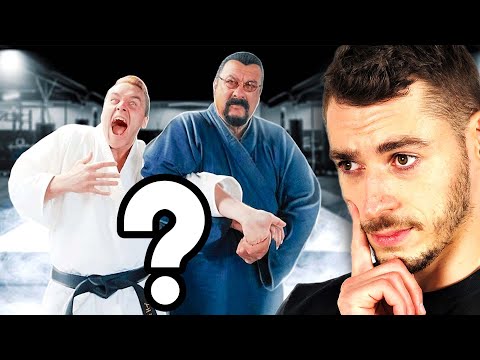
The Budo Sensei's Verdict: Deconstructing Steven Seagal's "Aikido" - Beyond the Hype

Introduction: The Enigma of Seagal's Aikido

The world of martial arts is replete with figures who blur the lines between performance and practice, between legend and reality. Steven Seagal, with his imposing presence and self-proclaimed mastery of Aikido, is one such figure who has ignited countless debates. Many practitioners, from seasoned martial artists to curious newcomers, have questioned the efficacy and authenticity of the techniques he demonstrates. Is his "Aikido" a genuine reflection of the art's principles, or a Hollywood-infused interpretation? This is not merely an academic exercise; it's a fundamental question for anyone committed to the path of Budo. For years, I’ve observed the discourse, and now, after dedicated study, including practical experience with Aikido and extensive combat sports training, I offer a dissection worthy of a true martial scholar.
"To learn is to practice. To practice is to reflect. To reflect is to improve." - A principle echoed across many martial traditions.
Today, we delve beyond the screen, beyond the pronouncements, and critically examine the very essence of what Steven Seagal presents as Aikido. We will dissect his movements, question his theories, and explore what this means for the practitioner seeking genuine martial efficacy. Prepare for an unflinching analysis, as we seek the truth hidden beneath layers of cinematic flair.

Deconstructing Seagal's Aikido: A Critical Look

The initial impulse when observing Seagal is often a mix of awe and skepticism. His Aikido, as presented in various media, is characterized by a certain fluidity, yet often accompanied by techniques that appear… theatrical. The core of Aikido, as conceptualized by O-Sensei Morihei Ueshiba, is the harmonization of energy (ki) and the redirection of an opponent's force, aiming for neutralization rather than destruction. However, Seagal’s public demonstrations frequently lean towards more aggressive, decisive, and sometimes brutal-seeming applications.
My own journey, spanning over a decade of dedicated Aikido training, including running a dojo, and subsequently immersing myself in the rigorous, pressure-tested environment of Mixed Martial Arts (MMA), has provided a unique lens through which to view such demonstrations. The stark reality of combat sports, where techniques are refined and validated under duress, offers a potent counterpoint to the often theoretical or stylized presentations found in film. When Seagal speaks of "ending the fight immediately" or demonstrating "deadly fingers," the martial artist in me demands a rigorous examination: what are the underlying principles, and more importantly, do they hold up under scrutiny? The very mention of Seagal's "aggressive Aikido style" is a fascinating paradox. While Aikido traditionally emphasizes defense and control, an aggressive posture implies an offensive intent. This divergence from core Aikido philosophy raises immediate questions about the depth and breadth of his understanding, or perhaps, a conscious adaptation for a different purpose—be it self-defense or screen performance.

Analyzing Specific Techniques

Let's address some of the specific techniques and claims often associated with Seagal's demonstrations: * **Seagal's Punches and Striking Defense**: Claims of "better punches" or "haymaker defense" often appear in discussions. In traditional Aikido, striking is secondary, focusing more on joint manipulations and throws. When Seagal emphasizes punches, it hints at a cross-training or an adaptation. However, the efficacy of his specific striking mechanics—whether in form, power generation, or application against a resisting opponent—requires a comparison to established striking arts like Karate, Boxing, or Muay Thai. * **The Legendary Front Kick**: The "legendary front kick" is often cited. While front kicks are a staple in many martial arts, their effectiveness depends heavily on timing, distance, and the ability to follow up or transition. Against a trained opponent who understands distance and timing, such a kick might be predictable. * **Questionable Striking Defense and Severing the Brain Stem**: Concepts like "questionable striking defense" and the dramatic claim of "severing the brain stem" verge on the fantastical and are highly problematic from a realistic self-defense perspective. These sound like cinematic embellishments rather than practical martial applications grounded in anatomical or biomechanical reality. The human body is resilient, and such precise, instantaneous debilitating strikes are exceedingly rare, even for the most skilled practitioners under extreme duress. * **The "Deadly Fingers" and Stepping on the Opponent's Foot**: The idea of "deadly fingers" often refers to striking vital points. While pressure point striking has its place in some arts, its effectiveness is highly debated and often requires precise knowledge and application that is difficult to achieve in a dynamic, high-stress situation. Similarly, "stepping on an opponent's foot" as a primary tactic is a low-level maneuver, often a distraction or a supplement rather than a decisive technique. * **Takedowns and Ground Fighting**: Questions about the effectiveness of his takedowns and the lack of emphasis on ground fighting are critical. Aikido's strength lies in its throws and joint locks. However, in a real confrontation, the fight can easily go to the ground. A martial art that neglects grappling and ground fighting leaves a significant vulnerability. My transition to MMA underscored this profoundly; a takedown is merely the beginning of a new phase of the fight.
"It is impossible to learn anything about Aikido by just looking at it. You must practice." - While true, practice must be grounded in principles that hold water.

The Philosophical Underpinnings (or Lack Thereof)

Seagal often speaks of Aikido's philosophical depth, its emphasis on peace and resolving conflict. However, his public persona and the aggressive nature of some of his demonstrated techniques create a cognitive dissonance. Does his approach truly embody the spirit of Aikido, or is it a selective interpretation designed for impact? The concept of "attacking first" and "dealing with the law after attacking first" is particularly intriguing. While pre-emptive action can be a valid self-defense strategy in certain imminent threat scenarios, framing it as a core tenet without a deep understanding of legal ramifications and ethical considerations is risky. True martial philosophy often emphasizes restraint and seeking to de-escalate or avoid conflict whenever possible. The idea of "teaching secret techniques" or "deadly techniques" sounds more like a marketing strategy than genuine martial pedagogy. Mastery in Budo is rarely about "secrets," but about diligent, persistent practice of fundamental principles, refined over years of dedicated training and real-world application.

Aikido in the Modern Arena: A Comparative Perspective

The most telling evaluation comes from comparing Aikido, as often presented, with arts that are actively tested in high-pressure environments like MMA. My personal transition from a dedicated Aikido practitioner to an MMA trainee highlighted significant differences. While Aikido teaches invaluable principles of balance, control, and blending, the reality of MMA demands a broader skill set: effective striking, robust grappling, and a deep understanding of fight progression. Aikido's emphasis on flowing, circular movements and joint manipulations can be incredibly effective when applied correctly and at the right moment. However, many MMA fighters are trained to counter these specific movements, to disrupt the flow, and to exploit the gaps in an art that might not adequately prepare practitioners for the sheer physicality and varied attack vectors of modern combat sports. Is Aikido inherently ineffective? No. But its effectiveness is heavily dependent on the practitioner's depth of understanding, their commitment to realistic training, and their willingness to integrate principles from other martial disciplines. Seagal’s representation, unfortunately, often leans into the dramatic, raising questions about whether his Aikido is a tool for self-mastery or a performance for the cameras.

Training Insights: Enhancing Your Martial Arts Practice

Regardless of your primary art, certain training principles are universal for achieving genuine martial prowess:
  1. Consistency is Key: Regular, dedicated practice is non-negotiable. Whether it's hitting the dojo, the gym, or your living room, showing up is the first victory.
  2. Seek Realistic Sparring: If your art allows, engage in sparring. This is where theory meets reality. Learn to adapt, to defend, and to apply techniques under pressure. For grappling arts, this means rolling; for striking arts, it means sparring with controlled intensity.
  3. Cross-Train Wisely: Don't be afraid to explore other disciplines. Understanding striking will enhance your grappling, and vice-versa. This broadens your perspective and identifies potential weaknesses in your primary art.
  4. Focus on Fundamentals: Never neglect the basics. Powerful punches, solid stances, efficient movement – these are the building blocks of advanced technique.
  5. Develop Mental Fortitude: True martial arts training is as much about mental discipline, resilience, and emotional control as it is about physical technique. Practice mindfulness, meditation, or breathing exercises to cultivate inner strength.
  6. Question Everything: Don't blindly accept what you are taught. Analyze, test, and understand *why* a technique works. If it doesn't work against a resisting opponent, ask why.
To truly commit to your martial arts journey, having the right equipment can significantly enhance your training experience and safety.
  • Quality Uniform (Gi/Kimono): For arts like Judo, Brazilian Jiu-Jitsu, and Karate, a durable, well-fitting uniform is essential. Look for double-weave or reinforced stitching for longevity during intense training. For Judo, specifically, a high-grade Judo Gi that can withstand aggressive gripping is paramount.
  • Sparring Gear: If you engage in striking arts or MMA, invest in good quality 16oz sparring gloves. Mouthguards and groin protectors are non-negotiable for safety. Shin guards are also highly recommended for kickboxing and MMA training.
  • Training Mats: For home practice, especially if you are exploring grappling or want to practice throws safely, puzzle mats or a dedicated tatami area can be invaluable.
  • Training Partners: While not "equipment" in the traditional sense, consistent training partners are vital. Finding dedicated individuals who are also committed to realistic training will accelerate your progress.
  • Reference Books: For those interested in the philosophy and history, consider delving into classics. Books on Bushido or biographies of legendary figures like Miyamoto Musashi offer profound insights into the warrior's mindset.

Frequently Asked Questions

What is the difference between Seagal's Aikido and traditional Aikido?

Traditional Aikido, as founded by Morihei Ueshiba, emphasizes blending with an opponent's energy, redirection, and control, often with a philosophical focus on harmony. Seagal's public demonstrations often display a more aggressive, impactful, and sometimes overtly forceful style, which some critics argue deviates from traditional Aikido principles and leans more towards a self-defense or performance-oriented interpretation.

Can Aikido be effective in a real fight?

Yes, Aikido *can* be effective, but its effectiveness is highly dependent on the practitioner's dedication, the quality of their training, and their willingness to integrate its principles with realistic sparring and potentially other martial arts. Traditional Aikido training can sometimes lack the rigorous, pressure-tested sparring found in combat sports, which is crucial for validating techniques against a resisting opponent.

Why is MMA often used as a benchmark for martial arts effectiveness?

MMA is a sport that combines techniques from various martial arts (striking, grappling, wrestling) and tests them in a competitive, rule-set environment where fighters actively resist and counter. This constant pressure-testing against a diverse range of skilled opponents serves as a powerful validation tool for techniques and strategies, highlighting what truly works in a combative scenario.

What is the main takeaway from Steven Seagal's public demonstrations?

The main takeaway is often a discussion point rather than a definitive answer. While Seagal is a prominent figure, his public demonstrations of Aikido frequently spark debate regarding their authenticity, practicality, and alignment with the core philosophies of traditional Aikido. It underscores the importance of critically examining all martial arts presentations, especially those heavily influenced by media and performance.

Sensei's Reflection: Your Next Step

The cinematic allure of martial arts can be powerful, drawing us in with promises of effortless power and undeniable skill. Steven Seagal embodies this allure for many. Yet, as martial artists, our pursuit must transcend mere spectacle. It demands honest self-appraisal, relentless dedication, and a commitment to truths forged in the crucible of practice, not just the spotlight. We've dissected the claims, questioned the techniques, and considered the philosophy. The journey from understanding to mastery requires action.

Sensei's Reflection: Your Next Step

Having examined the claims and the reality, the question is not merely about Steven Seagal, but about *your* commitment to authentic martial development. Are you training to perform, or are you training to *know*? Are you willing to expose your own techniques to the harsh light of reality, to spar with intention, and to seek out the unvarnished truth of combat, even when it's uncomfortable?
"The Way of the Warrior is to accept death." - Miyamoto Musashi. This doesn't just mean facing physical death, but the death of ego, of false pride, of comfortable illusions.
Now, look at your own training. Where are your comfortable illusions? Where are you avoiding the rigorous testing that truly hones your skills? The path of Budo is a path of constant refinement, a relentless stripping away of the ineffectual. The final, crucial question for you to ponder: **When faced with a true test, will your techniques be a shield forged in reality, or a costume from a movie set?** Your training today answers that question for tomorrow.

For further exploration into the nuances of martial arts, consider these related topics:

``` GEMINI_METADESC: Critically analyze Steven Seagal's Aikido with a Budo Sensei's perspective. Compare his techniques and philosophy to traditional Aikido and modern MMA. Discover genuine martial arts training insights.

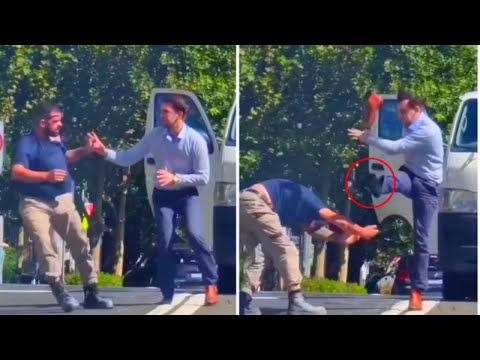
The Most Effective Martial Arts for Surviving Road Rage Incidents

Introduction: The Violent Reality of Road Rage

Hello and welcome to Budo and Martial Arts. You are watching The Most Effective Martial Arts for Surviving Road Rage Incidents. Road rage is a stark, violent reality on our modern streets. The statistics are grim and undeniable: in recent years, road rage incidents have led to hundreds of murders and thousands of injuries. Each year, dozens of lives are lost due to this uncontrolled aggression. More alarmingly, a staggering 80% of all drivers report experiencing aggressive behavior from others at some point. As I always tell my students, aggression on the road is not a question of "if," but "when." Therefore, equipping yourself with effective self-defense martial arts is not merely about surviving a potential confrontation; it's about cultivating a mindset and skillset that benefits you in virtually every aspect of life. Today, we embark on a step-by-step guide to understanding how you can best defend yourself when faced with the volatile situation of road rage.

Published on: April 30, 2022 at 07:08 PM.

Welcome to the most complete and updated martial arts blog on the internet. Follow us on social networks and do not forget to visit our main page for more insights into the world of Budo and Artes Marciales.

We also invite you to visit our other blogs, each offering a unique perspective on the warrior's path.

If you appreciate the pursuit of true martial arts and wish to support genuine practitioners, I encourage you to visit our store for exclusive NFTs. True warriors understand that mastery requires dedication, and support fuels the dissemination of authentic knowledge.

Why Martial Arts Are Crucial for Road Rage Defense

The enclosed space of a vehicle presents unique challenges. Unlike an open dojo or a street confrontation where you have room to maneuver, a car limits your movement drastically. This is precisely why a well-chosen martial art is indispensable. It's not just about throwing punches or kicks; it's about developing situational awareness, de-escalation tactics, and the ability to react decisively and effectively under extreme duress. The principles learned in combat training – control, timing, precision, and an unshakeable mental fortitude – are directly transferable. A practitioner who understands distance, leverage, and vital points can neutralize a threat even within the confines of a car or immediately after exiting it. Ignoring this preparedness is akin to driving without seatbelts; you're inviting disaster.
"The supreme art of war is to subdue the enemy without fighting." - Sun Tzu, The Art of War. While direct confrontation is a last resort, the skills developed through martial arts enhance your ability to de-escalate or, if necessary, end a threat swiftly and efficiently.

The Top Martial Arts for Road Rage Confrontations

When considering self-defense in a road rage scenario, certain martial arts stand out due to their practicality, efficiency, and focus on close-quarters combat. The goal is not elaborate choreography, but survival.

1. Krav Maga

Why it excels: Developed for the Israeli military, Krav Maga is a brutal, no-nonsense system designed for real-world confrontations. It emphasizes aggressive counter-attacks, simultaneous defense and offense, and targeting vulnerable areas. Its training often simulates stressful scenarios, making it ideal for the high-pressure environment of road rage.

Key Principles: Utilize natural weapons (elbows, knees, head), defend against common threats (chokes, grabs, strikes), and escape as quickly as possible. It’s pragmatic and prioritizes getting away safely.

2. Brazilian Jiu-Jitsu (BJJ)

Why it excels: While often perceived as a ground-fighting art, BJJ's emphasis on leverage, control, and submission techniques is invaluable. In a road rage scenario, an attacker might try to pull you out of your car or engage you at very close range. BJJ teaches you how to control an opponent, even if they are larger and stronger, and how to apply joint locks or chokes to neutralize them. The ability to control someone on the ground can be a life-saver.

Key Principles: Positional dominance, leverage over strength, submission holds. Learning to escape bad positions and control an attacker are critical.

3. Judo

Why it excels: Judo, meaning "gentle way," is deceptively powerful. Its focus on throws, takedowns, and pins teaches you how to unbalance an aggressive opponent and control them. If you find yourself outside the vehicle, a well-executed judo throw can incapacitate an attacker or make them vulnerable. Its principles of using an opponent's momentum against them are highly effective.

Key Principles: Kuzushi (unbalancing), Tsukuri (fitting in), Kake (completion of the throw), Osaekomi-waza (pinning techniques).

4. Boxing

Why it excels: Don't underestimate the effectiveness of pure, hard-hitting boxing. The ability to deliver powerful punches, maintain distance, and defend against strikes is crucial. Many road rage encounters escalate to fisticuffs. Boxing trains your footwork, head movement, and hand speed, all vital for striking effectively and evading counter-attacks. Its directness mirrors the urgency of a street confrontation.

Key Principles: Jab, cross, hook, uppercut, bob and weave, footwork. It’s about precision, power, and defense in a confined striking range.

5. Wing Chun Kung Fu

Why it excels: This Southern Chinese martial art is renowned for its efficiency, directness, and simultaneous blocking and striking. Wing Chun emphasizes economy of motion, centerline control, and close-range combat – all highly relevant when dealing with an attacker in tight spaces. Its principles are about immediate, decisive action.

Key Principles: Simultaneous block and strike, centerline theory, structure, sensitivity training (Chi Sao).

Applying Martial Arts in a Vehicle Confrontation

The scenario is critical. You're in your car. Someone is aggressive. What do you do?
  1. Situational Awareness: Before, during, and after the incident, be aware of your surroundings. Notice vehicles exhibiting aggressive behavior early. Check your mirrors constantly.
  2. De-escalation First: Your primary goal is to avoid conflict. If possible, let the aggressive driver pass. Do not engage, make eye contact, or make gestures. Breathe. Try to remain calm.
  3. Securing Your Vehicle: Lock all doors immediately. Keep windows rolled up. This creates a physical barrier and buys you time.
  4. Strategic Retreat: If safe to do so, find a well-lit, public place (like a police station or busy gas station) to pull over. Never stop in a secluded area.
  5. Exiting the Vehicle (If Necessary): If your safety is imminently threatened within the car and escape is impossible, you may have to exit. This is where your martial arts training becomes critical.
    • If exiting from the driver's side, be aware of the potential attacker approaching from that side. Open the door quickly to strike or block, then use the door to your advantage if possible.
    • If exiting from the passenger side, you have more options to create distance.
  6. Close-Quarters Combat: Assume the aggressor will try to close the distance. Use the principles of your chosen art:
    • Krav Maga/Boxing: Focus on immediate strikes to vulnerable areas (eyes, throat, groin) to create an opening to escape.
    • BJJ/Judo: If you are pulled to the ground or end up on the ground, immediately seek to establish a dominant position or execute a sweep/throw to regain standing. Control their limbs to prevent strikes.
    • Wing Chun: Use rapid, direct strikes to the attacker's centerline while maintaining your own structure and balance.
  7. Escape is the Objective: Remember, the goal of self-defense is not to win a fight, but to survive and escape to safety. Once you have created an opportunity, disengage and flee.
"Empty your mind, be formless, shapeless—like water. If you put water into a cup, it becomes the cup. You put water into a bottle and it becomes the bottle. You put it into a teapot, it becomes the teapot. Now, water can flow or it can crash. Be water, my friend." - Bruce Lee. Adaptability and fluidity are key in chaotic confrontations.

Training Guide: Developing Road Rage Defenses

Developing the skills to handle a road rage incident requires dedicated practice. Here’s a structured approach:

Phase 1: Foundational Principles

  1. Choose Your Art: Select one of the martial arts discussed above (or another practical system) and commit to consistent training under qualified instructors.
  2. Master the Basics: Focus on fundamental stances, strikes, blocks, and footwork. For BJJ/Judo, prioritize drilling basic escapes and positional control.
  3. Develop Awareness: Practice being observant of your surroundings, even in daily life. Note details, potential threats, and escape routes.

Phase 2: Scenario-Specific Drills

  1. Vehicle Entry/Exit Drills: Practice safely and quickly exiting and entering your vehicle, simulating surprise.
  2. Confined Space Sparring: If your dojo permits, practice sparring drills in very limited spaces to simulate car interiors. This is rare but highly effective.
  3. Stress Inoculation: Participate in drills that simulate high-pressure situations, like timed sparring or scenarios with multiple attackers (simulated).
  4. "Escape the Car" Drills: Work with a partner to simulate being grabbed or attacked as you exit the vehicle. Focus on breaking grips and creating space.
  5. De-escalation Role-Playing: Practice verbal de-escalation techniques. Role-play aggressive scenarios with training partners and focus on calm, assertive communication.

Phase 3: Mental Fortitude

  1. Visualization: Regularly visualize yourself calmly and effectively handling road rage situations, applying your training.
  2. Breathing Techniques: Practice controlled breathing to manage stress and panic during training and potentially in real-life scenarios.
  3. Mindset Cultivation: Understand that your goal is survival and escape, not victory. This psychological framing is crucial.

Essential Gear for Your Training

While some arts require specific equipment, for road rage defense training, the focus is on realistic preparation.
  • Comfortable Training Gear: A breathable Karate gi or comfortable athletic wear for striking and grappling arts. For striking arts like boxing, hand wraps and gloves are essential.
  • Sparring Gear: If engaging in sparring, invest in a good quality headguard, mouthguard, groin protector, and appropriate sparring gloves (e.g., 16oz gloves for boxing/kickboxing).
  • Focus Mitts and Kick Shields: Useful for solo or partner training to develop accuracy and power.
  • Training Partner: The most crucial piece of equipment. Finding a dedicated partner or joining a reputable school is paramount.
  • Protective Matting: For grappling arts like BJJ or Judo, proper matting is essential for safe training.

Frequently Asked Questions

Q1: Is it legal to use martial arts in self-defense during road rage?

A1: In most jurisdictions, you are legally permitted to use reasonable force to defend yourself from imminent harm. However, the definition of "reasonable force" can be subjective. Your primary objective should always be to escape safely, and any force used should be proportionate to the threat. Consulting local laws regarding self-defense is advisable.

Q2: What if the attacker is armed?

A2: If an attacker is armed, the risk level increases dramatically. Your training in arts like Krav Maga, which explicitly cover weapon defenses, becomes critical. However, in such extreme situations, your best option is almost always to comply with demands if they do not endanger your life, and escape at the first safe opportunity. Direct confrontation with an armed assailant is exceptionally dangerous.

Q3: Can I really use BJJ or Judo effectively if I'm pulled out of my car?

A3: Absolutely. BJJ and Judo are designed for controlling opponents regardless of size difference, especially in close quarters. Learning to defend against strikes while on the ground, executing sweeps, and applying submissions can neutralize a threat and create an opening to escape. Practice is key to making these techniques instinctive under pressure.

Q4: How important is the mental aspect of dealing with road rage?

A4: The mental aspect is paramount. Panic and fear can paralyze you. Martial arts training, especially those that incorporate stress drills and mindfulness, helps build resilience, control adrenaline, and maintain focus. Cultivating a calm, decisive mindset allows you to access your learned physical skills effectively.

Q5: Should I carry a weapon for road rage defense?

A5: Carrying a weapon is a complex legal and personal decision with significant risks and responsibilities. While it may seem like an option, it can escalate a situation and introduce legal liabilities. Focusing on practical self-defense martial arts and de-escalation techniques provides a more reliable and often safer foundation for personal safety.

Deepen Your Understanding

To further your journey in martial arts and self-defense, explore these related topics:

Sensei's Verdict: Preparedness is Paramount

Road rage is a serious threat that demands more than just hope for the best. It requires active preparation. The martial arts discussed – Krav Maga, BJJ, Judo, Boxing, and Wing Chun – offer distinct yet effective skillsets for navigating these dangerous encounters. Their value lies not just in physical techniques, but in the discipline, awareness, and mental fortitude they cultivate. To face aggression with confidence and capability is the hallmark of a prepared individual. Neglecting this preparation is a gamble with stakes too high to afford.

Sensei's Reflection: Your Next Step

You have witnessed the stark reality of road rage and the potent shield that martial arts can provide. Now, I pose this to you: Are you merely an observer of these statistics, or are you an active participant in your own safety? The techniques are available, the knowledge is shared. The true challenge lies not in learning, but in applying. Will you let fear dictate your actions, or will you forge the discipline and skill to face adversity head-on? The choice, and the path, are yours to walk.

``` GEMINI_METADESC: Master road rage survival! Discover top martial arts like Krav Maga, BJJ, Judo, Boxing & Wing Chun for vehicle defense. Learn practical strategies.