Showing posts sorted by relevance for query History of Martial Arts Cinema. Sort by date Show all posts

Wu-Tang Collection: Death Dimension - A Martial Arts Film Analysis

The Wu-Tang Collection, a name that conjures images of raw, unadulterated martial arts action, often delving into the grittier, more obscure corners of the genre. Today, we turn our critical eye to "Death Dimension," a film that, while perhaps not reaching the artistic heights of a Kurosawa, certainly embodies a certain spirit of exploitation cinema that has its own unique, albeit controversial, charm. We're not just watching; we're dissecting its intent, its execution, and its place in the pantheon of martial arts cinema.

The Premise: A Bizarre Plot for a Bizarre Era

In the annals of martial arts cinema, plots can often veer into the fantastical, but "Death Dimension" (originally titled "Black Cobra") pushes these boundaries with its peculiar premise. Directed by the prolific Al Adamson, the film centers on a madman known only as "The Pig," who has devised a nefarious plan to eliminate his adversaries with a chilling weapon: a freeze bomb that instantly turns its victims into icy corpses. The burden of stopping this chilling plot falls upon Detective Ash, a man tasked with protecting a woman who holds the secret to the bomb, ingeniously embedded in a microdot beneath the skin of her forehead. This isn't your typical Hong Kong action flick; it's a B-movie with a uniquely American flavor of exploitation, promising outlandish action and a good dose of pulp fiction.

The Director's Vision: Al Adamson's Signature

Al Adamson was a craftsman of low-budget cinema, a director known for his prolific output in the exploitation genre. Films like "Hammer," "Jessie," and "Schoolgirls in Uniform" showcase his distinctive style: often fast-paced, reliant on salvaged footage, and unafraid of embracing outlandish concepts. "Death Dimension" is no exception. Adamson’s approach was less about nuanced storytelling and more about delivering visceral thrills, often on a shoestring budget. This often meant unconventional editing, reuse of scenes, and a general disregard for conventional narrative structure. For fans of the genre, this is precisely what makes his films compelling – a raw, unpolished energy that speaks to a specific era of filmmaking.

"The intent behind much of this era's cinema was simple: entertain the masses with action, danger, and a touch of the sensational. Nuance was often sacrificed for immediate impact."

A Cast of Icons and Oddities

The casting of "Death Dimension" is a peculiar blend of martial arts prowess, B-movie regulars, and unexpected names. At its core is Jim Kelly, a martial arts icon in his own right, known for his charismatic screen presence and powerful kicks, particularly from his roles in films like "Enter the Dragon" and "Black Belt Jones." His presence alone elevates the film, promising genuine fighting talent. Sharing the screen is George Lazenby, famously known as the second James Bond in "On Her Majesty's Secret Service." His inclusion adds a touch of international cinematic flair, though his role here is less about espionage and more about navigating the film's chaotic narrative. Adding to the eclectic mix is Aldo Ray, a veteran actor often associated with tough-guy roles, and Harold Sakata, legendary for his portrayal of the steel-toothed villain Oddjob in the James Bond film "Goldfinger." Sakata’s menacing presence is immediately recognizable, making him a fitting, if somewhat unusual, choice to embody the film's antagonist. This cast, while not conventionally star-studded, brings a unique energy to the film.

The Martial Arts: Substance or Spectacle?

When analyzing a film marketed with martial arts at its core, the quality of the fight choreography and its authenticity are paramount. "Death Dimension" features Jim Kelly, a legitimate martial artist, which immediately sets expectations for well-executed sequences. However, the context of Al Adamson's directing style and the exploitation nature of the film suggest that the martial arts might lean more towards spectacle than strict technical adherence. We must ask: does the film present martial arts as a genuine art form, or as another tool for thrilling set pieces? The integration of the "freeze bomb" concept further complicates this, suggesting a narrative that prioritizes outlandish sci-fi elements over pure martial arts realism. This blend is common in films of this era, aiming to capture a wider audience by mixing genres.

Villainy and the Freeze Bomb: A Unique Threat

The antagonist, "The Pig," and his signature weapon, the freeze bomb, are the elements that truly set "Death Dimension" apart. This isn't the typical martial arts villain seeking revenge or power through traditional means. The concept of a bomb that instantly freezes people to death is wonderfully absurd and speaks to the B-movie sensibility that Adamson embraced. Harold Sakata, with his imposing physique and memorable role as Oddjob, brings a unique gravitas to the villain. His previous success as a formidable antagonist makes him an ideal choice for "The Pig," a character who, despite the silliness of his weaponry, must be perceived as a genuine threat.

Dance of the Daggers: Choreography and Authenticity

From a martial arts perspective, "Death Dimension" presents a mixed bag. Jim Kelly, as Detective Ash, undoubtedly delivers moments of authentic skill. His background in Karate and his on-screen persona are built on a foundation of effective fighting. We see glimpses of his powerful kicks and agile movements, which are the hallmarks of his appeal. However, the fight sequences, as is typical of Adamson's work, can be somewhat haphazard. Editing might mask deficiencies, and the choreography may not always prioritize the intricate detail found in Hong Kong martial arts cinema of the same period. The focus often seems to be on the raw impact and the visual flair rather than the deep technicality of, say, Wing Chun or Muay Thai. The introduction of firearms and the freeze bomb further dilutes the martial arts aspect, pushing it towards a more action-oriented narrative. While not a masterclass in choreography, the action serves its purpose within the film's pulpy framework.

"Authenticity in martial arts films can mean many things. For some, it's the technical precision of a kata. For others, it's the raw, unbridled energy of a street fight translated to the screen. Adamson often leaned towards the latter."

Beneath the Surface: Themes and Underlying Philosophy

While "Death Dimension" is not a film that overtly explores deep philosophical concepts like some of its more acclaimed martial arts counterparts, there are underlying themes to consider. The struggle between good and evil is, of course, central, with Detective Ash representing order and justice against the chaos embodied by "The Pig." The film also touches on the idea of knowledge as power, with the secret to the freeze bomb being a physical entity carried by the female protagonist. In a broader sense, it reflects the era's fascination with technological advancements and their potential for both destruction and salvation. Furthermore, the persistence of characters like Jim Kelly in the face of outlandish adversity speaks to a theme of perseverance, a core tenet in many martial arts traditions. It's a testament to the indomitable human spirit, even when faced with absurdist threats.

Veredicto del Sensei: Is Death Dimension Worth Your Time?

From a purist martial arts perspective, "Death Dimension" might leave some wanting. The choreography, while featuring the talents of Jim Kelly, is not its strongest suit, often overshadowed by the film's more sensational elements. However, as a piece of cult exploitation cinema, it holds a certain undeniable charm. Al Adamson's unique directorial style, the bizarre yet memorable plot involving a freeze bomb, and the eclectic cast, including the iconic Jim Kelly and George Lazenby, make it a fascinating watch. If you are a fan of vintage B-movies, of raw action unfiltered by modern sensibilities, and of the specific brand of martial arts cinema that emerged from the grindhouse circuit, then "Death Dimension" is worth experiencing. It's a film that doesn't take itself too seriously, and in that, it finds its strength.

Cinturón Negro en Cult Caché

Essential Gear for Your Training

While "Death Dimension" might be more about plot than perfect technique, your own martial arts journey requires the right equipment. Investing in quality gear is crucial for safety, performance, and genuine skill development. Here are some recommendations:

  • Durable Training Uniform (Kimono/Gi): For styles like Karate, Judo, and Aikido, a sturdy cotton uniform is essential. Look for double-weave options for durability if you engage in heavy grappling or sparring.
  • Sparring Gloves: Essential for any striking art or MMA training. Ensure they offer adequate padding for your hands and your training partner’s safety. 16oz gloves are standard for most sparring sessions.
  • Shin Guards and Forearm Guards: Protect vulnerable areas during sparring drills, especially in arts like Taekwondo or Kickboxing where leg and forearm strikes are common.
  • Mouthguard: Non-negotiable for any form of sparring or combat sport. Protect your teeth and jaw.
  • Headgear: Recommended for beginners and during high-intensity sparring to prevent concussions and facial injuries.

Training Guide: Improvise and Adapt

The spirit of many martial arts, especially those born from necessity like street fighting or certain B-movie scenarios, is improvisation and adaptation. While "Death Dimension" leans towards the fantastical, the core principle of adapting to unexpected threats is vital. Here’s a basic drill:

  1. Scenario Setup: Imagine a common, non-lethal threat (e.g., someone trying to grab your wallet, a clumsy but forceful push).
  2. Identify Natural Tools: Think about your body as a weapon. Your elbows, knees, head, and even your feet can be used. Also, consider improvised weapons in your immediate environment (a rolled-up newspaper, a pen, a bag).
  3. Develop Simple Counter-Movements: Focus on basic, effective movements. A quick elbow strike to the ribs, a knee to the thigh, or a simple foot sweep can disrupt an attacker's balance and intent.
  4. Practice with a Partner (Safely): With a willing partner, practice these simple counters. The goal is not to inflict harm, but to understand the mechanics of evasion and disruption. Emphasize control and safety.
  5. Mindset Training: Practice remaining calm under simulated pressure. The ability to think clearly when threatened is as important as any physical technique. This can be trained through meditation and visualization.

Frequently Asked Questions

  • What is the original title of "Death Dimension"?
    The film was originally titled "Black Cobra."
  • Who stars in "Death Dimension"?
    The film stars Jim Kelly, George Lazenby, Aldo Ray, and Harold Sakata.
  • What is unique about the villain's weapon?
    The villain, "The Pig," uses a freeze bomb that instantly turns people into ice.
  • Is Jim Kelly a real martial artist?
    Yes, Jim Kelly was a highly accomplished martial artist, holding black belts in Karate and having a successful career in martial arts films.
  • What is Al Adamson known for?
    Al Adamson was a prolific director in the exploitation film genre, known for his low-budget, high-energy movies.

Deepen Your Understanding

To truly appreciate the landscape of martial arts cinema and the philosophies that underpin these arts, further exploration is essential. Consider delving into the works of masters and the history of the styles that inspire these films.

The world of martial arts cinema is vast and varied, offering everything from philosophical treatises on the warrior's path to the pure, unadulterated spectacle of a well-executed fight sequence. "Death Dimension," with all its B-movie glory, occupies a unique space, reminding us that sometimes, the most memorable experiences come from the most unexpected places.

Reflexión del Sensei: Tu Próximo Paso

This film, despite its pulp nature, brings together elements of action, a touch of sci-fi, and the undeniable charisma of martial artists. It asks us to consider the purpose of combat and the tools we use. In a real confrontation, is the most outlandish weapon always the most effective, or is it the disciplined application of fundamental principles that truly saves the day? Ponder this: If you were Detective Ash, facing a threat as absurd as a freeze bomb, would your training in Judo, Karate, or BJJ prepare you, or would you need to adapt your entire philosophy of combat? Your answer, and how you train for it, defines your path.

``` GEMINI_METADESC: In-depth analysis of the martial arts film 'Death Dimension' (Wu-Tang Collection) starring Jim Kelly. We critique its plot, direction, fight choreography, and cult status.

The Legacy of Ancient Chinese Martial Arts Films: A Deep Dive into "Heroes of Martial Arts"

The Allure of Ancient Chinese Cinema

Hello and welcome, students of the Way, to Budo and Martial Arts. Today, we dissect a piece of cinema that whispers tales of ancient traditions and chivalrous spirit: ESPSUB [Heroes of Martial Arts] EXTRA, featuring Li Hongyi and Huang Riying. Published on March 27, 2023, this segment promises a glimpse into a world where martial prowess intertwines with historical drama and romance. But as practitioners, we must ask: does this cinematic portrayal honor the true essence of martial arts, or is it merely a fleeting spectacle designed for mass consumption?

The allure of ancient Chinese martial arts films is undeniable. They transport us to eras of legendary warriors, where honor was paramount and the blade, or the fist, was often the final arbiter. Yet, the modern lens often distorts these traditions, romanticizing combat and overlooking the profound discipline and philosophy that underpin true martial mastery. Our goal here is not simply to watch, but to understand. To discern the authentic from the artificial.

Deconstructing "Heroes of Martial Arts": More Than Just a Spectacle

The title itself, Heroes of Martial Arts, evokes a sense of epic storytelling and individual valor. When we encounter films like this, especially those from platforms like YOUKU, known for their diverse content, the initial intention is often pure entertainment. However, for those steeped in the practice of martial arts, there's a deeper analytical current. We seek to identify the:

  • Authenticity of Techniques: Do the movements reflect actual martial arts styles, or are they exaggerated for dramatic effect?
  • Spirit of Bushido/Budo: Is the underlying philosophy of respect, discipline, and self-control conveyed, or is it overshadowed by gratuitous violence?
  • Historical Context: How accurately does the film represent the historical period and the martial traditions of that era?

Li Hongyi and Huang Riying, in their roles, carry the weight of these expectations. The "Ancient Costume/Romance" genre suggests a narrative rich in emotional depth and historical setting, elements that can either enhance or detract from the martial arts portrayal. A poorly executed fight scene can undermine character development, while a well-integrated philosophical element can elevate simple action into profound storytelling. It's a delicate balance that few films manage to strike perfectly.

"The true warrior is not the one who wins every battle, but the one who understands the cost of every fight." - A principle echoing through the ages.

The Art of Movement: Choreography and Authenticity

This is where the true critic in me awakens. Choreography in martial arts films is a double-edged sword. On one hand, it's essential to create visually stunning sequences that captivate the audience. On the other, when it deviates too far from practical application, it risks trivializing the art form. We must ask about the specific styles depicted. Is it Wuxia, with its fantastical acrobatics and "chi" manipulation, or are there elements of traditional Kung Fu, Karate, or even grappling arts integrated realistically?

Consider the fluidity of movement. In reality, combat is often explosive, direct, and economical. While graceful, it is rarely balletic in the way some films present it. We look for evidence of proper stances, believable blocks, and techniques that, while perhaps amplified, still possess a core of practicality. Are the actors performing with genuine understanding of the movements, or are they merely executing programmed steps? The difference is palpable to a trained eye.

For instance, a sequence involving rapid swordplay, if not executed with a sense of weight and intent behind each parry and strike, can look more like a dance than a deadly exchange. Conversely, a simple, well-timed kick, delivered with proper hip rotation and balance, speaks volumes about the underlying skill, even if it's exaggerated for cinematic effect. We analyze the pacing – does it reflect the ebb and flow of real combat, or is it a relentless barrage designed purely for adrenaline?

A critical aspect is the use of wire-fu and CGI. While these tools can enhance the fantastical elements often present in Wuxia cinema, their overuse can detach the audience from the physical reality of martial arts. The best films find a way to integrate these effects seamlessly, supporting the narrative without betraying the grounded nature of the martial disciplines they aim to portray.

Beyond the Blows: Philosophical Underpinnings

Martial arts are not merely about physical techniques; they are a path to self-cultivation. Concepts like Mushin (no-mind), Zanshin (lingering awareness), and Fudoshin (immovable mind) are the bedrock of true mastery. Does Heroes of Martial Arts touch upon these deeper tenets? Or does it focus solely on external conflict?

The "Romance" aspect of the genre might offer a window into the interpersonal dynamics, where loyalty, sacrifice, and duty are tested. These are values deeply ingrained in the warrior code across many cultures. A hero’s journey often involves overcoming internal struggles as much as external adversaries. We search for moments where characters grapple with their conscience, make difficult choices, or demonstrate profound respect for their opponents, even in the heat of battle.

"The supreme art of war is to subdue the enemy without fighting." - Sun Tzu, a philosophy as relevant in film as it is in life.

The film's setting in "Ancient Costume" likely means we'll see characters bound by tradition and societal expectations. How they navigate these constraints, particularly when those constraints conflict with their martial ethics, can be a powerful narrative driver. Is the protagonist driven by vengeance, or by a desire for justice and peace? The answer reveals much about the film's underlying message.

The Human Element: Performance and Character

While the martial arts are central, the performances of Li Hongyi and Huang Riying are crucial. Do they embody the characters with conviction? Can they convey the emotional weight of their martial journey through their expressions and demeanor? A stoic warrior can be as compelling as a fiery one, provided the performance is nuanced.

We assess their on-screen chemistry, especially given the "Romance" tag. Does it feel earned, or is it a superficial plot device? The believability of the characters’ motivations and emotional arcs is what anchors the fantastical elements of martial arts cinema. If the audience doesn't connect with the humans behind the fighting, the spectacle loses its impact.

The supporting cast also plays a role. Are there wise old masters imparting cryptic advice? Ruthless villains who present genuine challenges? Or is the cast largely forgettable, serving only as fodder for the heroes' skills? The depth of characterization, even in a martial arts film, can elevate the viewing experience significantly.

Veredicto del Sensei: ¿Merece la pena?

Based on the typical conventions of this genre and the information provided, ESPSUB [Heroes of Martial Arts] EXTRA likely offers a visually engaging experience for fans of ancient Chinese dramas and martial arts films. For those seeking a deep, authentic portrayal of specific martial arts styles or profound philosophical teachings, it might be a more superficial watch. The "Romance" and "Ancient Costume" elements suggest a focus on narrative and character relationships, which can be a strength if executed well, but may overshadow the martial arts aspect for purists.

Rating: Cinturón Verde en Entretenimiento, Cinturón Amarillo en Autenticidad Marcial.

It's a film likely to satisfy a craving for historical drama and stylized action, but perhaps not for the deep, philosophical martial artist seeking rigorous technique analysis. Watch it for the spectacle, but temper your expectations for deep martial insight.

Equipo Esencial para tu Entrenamiento

While this film focuses on a specific genre of martial arts cinema, for those inspired to train, the right equipment is crucial. Investing in quality gear not only enhances your practice but also ensures safety.

  • Kimono (Gi): For Judo, Jiu-Jitsu, Karate, and Taekwondo, a durable, well-fitting gi is paramount. Look for double-weave options for grappling arts like Judo and BJJ, offering superior resilience.
  • Sparring Gear: Gloves (16oz for most adult sparring), headgear, shin guards, and mouthpieces are non-negotiable for safe sparring sessions in striking arts or MMA.
  • Training Weapons: If practicing with traditional weapons (e.g., Bo staff, Bokken for Kendo), ensure they are made from appropriate materials (wood, rattan, high-density foam) and are well-maintained.
  • Training Mats (Tatami/Roll-out Mats): Essential for grappling arts and falling practice to minimize injury.
  • Makiwara/Strike Shields: For Karate, Taekwondo, and Kung Fu practitioners looking to develop striking power and conditioning.

Preguntas Frecuentes

What are the primary martial arts styles depicted in films like "Heroes of Martial Arts"?

Films in this genre often draw heavily from Wuxia, a style that emphasizes fantastical elements, acrobatic combat, and often incorporates elements inspired by various Kung Fu styles, swordplay, and sometimes Taoist mysticism.

Is the romance aspect a common element in ancient Chinese martial arts films?

Yes, romance, alongside themes of loyalty, honor, and revenge, is a very common narrative thread in ancient Chinese martial arts films, often serving to humanize the warriors and provide emotional depth to the storyline.

How can I distinguish between authentic martial arts and cinematic exaggeration?

Authenticity is often found in the foundational principles: balance, proper body mechanics, economical movement, and believable impact. Cinematic exaggeration typically involves gravity-defying leaps, impossibly fast flurries of strikes, and a lack of realistic consequence for actions.

Are Li Hongyi and Huang Riying known for their martial arts expertise?

Their fame might stem more from their acting or idol status within popular entertainment. While they may train for their roles, their primary recognition is often not as professional martial artists, distinguishing their roles from films starring bona fide martial arts actors.

What is YOUKU?

YOUKU is one of China's largest online video and streaming platforms, offering a wide range of content including TV shows, movies, anime, and variety shows, often featuring Chinese productions.

Recursos para Profundizar

To truly understand the martial arts depicted on screen and their real-world counterparts, further study is essential. Here are some resources:

  • BUDO: Explore the philosophical and spiritual aspects of martial training.
  • KarateCommunity: Learn about the techniques, history, and modern practice of Karate.
  • HistoriadeArtesMarciales: Delve into the rich historical context of various martial disciplines.
  • EntrenamientoDeMMA: For a modern, cross-disciplinary perspective on combat sports.

Reflexión del Sensei: Tu Próximo Paso

We have examined the cinematic offering, dissecting its potential strengths and weaknesses from a martial perspective. Now, the ultimate test lies not in critique, but in application. Does the spirit of the warrior, as portrayed, ignite a spark within you? Do you see the echoes of discipline, the pursuit of excellence, the unwavering resolve?

Consider this: when you watch any depiction of martial arts, whether on screen or in your own dojo, do you merely observe, or do you *perceive*? Do you seek the underlying principles that make the art form potent, or are you content with the surface-level action? The true path is paved with introspection. So, I ask you:

Beyond the fight choreography, what single principle of the martial way, glimpsed in this film or any other, has most profoundly impacted your training and your life?

Now, demonstrate your understanding. Share your thoughts in the comments below. Let us engage in a dialogue that honors the depth of martial arts, not just its portrayal.

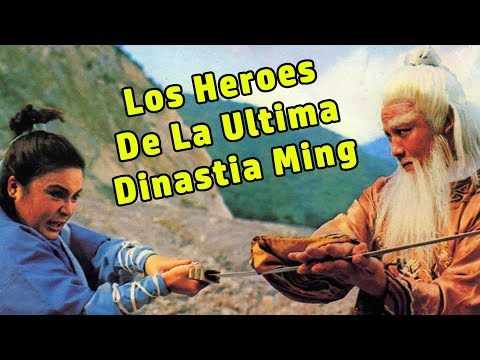
Wu Tang Collection - Heroes of the Last Ming Dynasty: A Martial Arts Masterpiece?

ENGLISH VERSION: https://youtu.be/B6DT0ZDgCKw

Ah, the dying days of the Ming Dynasty. A period ripe with intrigue, corruption, and, of course, the thunderous clash of fists and feet. The Wu Tang Collection presents "Heroes of the Last Ming Dynasty," a film that promises to transport us to an era where power was wielded not just by decree, but by the deadly grace of kung fu. But does this cinematic offering truly capture the spirit of the martial arts, or is it merely another flick lost in the annals of exploitation cinema? Today, we dissect this film from the perspective of a seasoned martial artist, looking beyond the flashy choreography to the underlying philosophy and combat efficacy.

The Perilous Ming Dynasty: A Setup for Conflict

The premise is classic martial arts cinema: "Evil Eunuchs with high kung fu skills try to hold onto power during the dying days of the Ming dynasty." This setup immediately evokes images of corrupt officials, desperate struggles for survival, and the inevitable rise of righteous warriors. The Ming Dynasty, a period of significant historical upheaval, provides a fertile ground for narratives of rebellion and heroism. For those of us who have studied the history of warfare and martial philosophy, such settings are not mere backdrops, but integral to understanding the motivations and the stakes involved. The desperation of a crumbling empire often breeds both the most ruthless villains and the most unyielding heroes. The question remains: does the film explore this dichotomy with any depth?

"In the midst of chaos, there is also opportunity." - A timeless principle echoing through many martial traditions.

The film positions its narrative within a context of political decay, a common theme in Chinese historical epics. Such stories often serve as allegories for contemporary issues, allowing audiences to explore themes of loyalty, betrayal, and justice through the lens of historical drama. The presence of "high kung fu skills" amongst the eunuchs immediately signals that this is not a film concerned with realistic combat, but with the theatrical and often exaggerated display of martial prowess that defined much of the Shaw Brothers era, which the Wu Tang Collection often celebrates.

Evil Eunuchs and Heroic Fighters: A Clash of Ideals

Roc Tien Peng, Pai Ying, Carter Wong, and Polly Shang Kwan – these names resonate with fans of classic kung fu cinema. Their presence promises a certain level of performance and dedication to the craft. The dichotomy presented is stark: the decadent, power-hungry eunuchs versus the as-yet-unnamed heroes who will inevitably challenge them. This archetypal conflict is the bedrock of countless martial arts narratives. It’s a battle not just of physical strength, but of ideologies. Are the eunuchs driven by a twisted sense of duty or pure avarice? What compels the heroes to risk their lives? Is it a sense of justice, personal vendetta, or a deeper philosophical commitment to the people?

Consider the philosophy of Bushido, the code of the samurai. While not directly applicable to Ming Dynasty China, its principles of honor, duty, and self-discipline offer a contrast to the depicted corruption. A true martial artist understands that technique is only one component; the mental and ethical framework is equally, if not more, important. A fighter without principle is merely a thug. The effectiveness of the heroes, therefore, should not solely be measured by their ability to land a kick, but by the righteousness of their cause.

Carter Wong, in particular, often portrayed formidable antagonists. His skill in portraying imposing figures adds weight to the threat posed by the eunuchs. Conversely, actors like Polly Shang Kwan were often associated with elegant yet deadly female warriors, bringing a different dimension to the fight sequences. The effectiveness of these performances will largely depend on how well they embody the internal struggles and motivations of their characters, going beyond mere physical execution.

The Heart of the Matter: Analyzing the Kung Fu

This is where the film, and by extension the Wu Tang Collection, truly lives or dies for the discerning martial arts enthusiast. When we talk about "high kung fu skills," what do we mean? Are we observing fluid, dynamic movements that display a genuine understanding of leverage, balance, and momentum? Or are we subjected to stylized, acrobatic sequences that prioritize visual spectacle over practical application?

The director, Wu Min-Hsiung, belongs to an era where the lines between traditional kung fu styles and more acrobatic, almost theatrical, fight choreography began to blur. This isn't inherently a bad thing. Styles like Drunken Master, for instance, utilize unconventional movements to their advantage. However, the key is authenticity within its own established rules. Does the film's choreography reflect any recognizable martial arts forms? Are the techniques employed believable within the context of what is being presented? For instance, a well-executed Tai Chi push, while seemingly soft, can generate immense power through rooting and structure. A flurry of kicks, while visually impressive, might lack the grounding necessary for real combat.

"The supreme art of war is to subdue the enemy without fighting." - Sun Tzu, ancient Chinese general and strategist. While this film is unlikely to focus on such subtlety, the underlying principle of efficiency and strategic thought should ideally be present in its combat.

We must look for signs of authentic martial principles:

  • Footwork and Stance: Are the fighters rooted? Is their movement efficient and balanced?
  • Use of Body Mechanics: Is power generated from the hips and core, or just flailing limbs?
  • Strategic Engagement: Do the fighters seem to understand distance and timing, or are they simply trading blows?
  • Realism vs. Spectacle: While some exaggeration is expected, does it cross into the realm of the physically impossible without narrative justification (e.g., superhuman leaps without setup)?

The term "kung fu" itself is broad, encompassing a vast array of styles developed over centuries. Observing the specific techniques – the hand strikes, the kicks, the throws, the weapon usage (if any) – can offer clues about the filmmakers' intent and the martial arts they aimed to showcase. A true master can often recognize the lineage or at least the foundational principles behind the movements, even in a highly stylized presentation.

The Wu Tang Collection's Role in Martial Arts Cinema

The Wu Tang Collection has carved a niche for itself by unearthing and distributing a plethora of classic martial arts films, often introducing them to new generations of fans. Their work is crucial in preserving the legacy of a genre that, while sometimes criticized for its B-movie qualities, has had a profound impact on global cinema and culture. They act as curators, bringing films like "Heroes of the Last Ming Dynasty" to audiences who might otherwise never encounter them.

Their commitment to showcasing diverse martial arts action is commendable. Whether it's the lightning-fast fist work of Wing Chun, the powerful stances of Kyokushin Karate, or the dynamic grappling of BJJ, the variety is key. This particular film, focusing on historical kung fu, likely draws from traditional Chinese martial arts systems. The challenge for the Wu Tang Collection is not just to show fights, but to present films that, even with their age and sometimes rough production values, offer genuine insight into the art and spirit of martial pursuits.

By subscribing to their channel, as the description suggests, viewers gain access to a treasure trove of cinematic history. This accessibility is invaluable for researchers, enthusiasts, and practitioners alike, providing a readily available resource for studying the evolution of martial arts representation on screen.

Veredicto del Sensei: Is it a Masterpiece or a Miss?

"Heroes of the Last Ming Dynasty" is, by its very nature as a product of its time and the Wu Tang Collection's catalog, a film that leans heavily into spectacle. The "high kung fu skills" of the evil eunuchs suggest a focus on elaborate, perhaps even gravity-defying, choreography rather than gritty realism. This can be incredibly entertaining, but it often sacrifices the profound philosophical underpinnings and practical combat applications that a serious martial artist seeks.

While the premise is solid and the cast comprises familiar faces from the genre, the film's true value lies in its execution of the fight scenes. If the choreography is intricate, well-paced, and demonstrates a respect for martial arts principles, it can be a valuable piece of cinematic history. If it devolves into repetitive, nonsensical flailing, it remains a historical curiosity at best.

Considering the typical output distributed by the Wu Tang Collection, expect a film that prioritizes action and entertainment over nuanced character development or deep philosophical exploration. It’s a window into a specific era of martial arts filmmaking, offering a vibrant, if often exaggerated, portrayal of conflict.

Classification: A solid "Cinturón Negro en Coreografía de Época" (Black Belt in Period Choreography), with potential deductions for realism.

Equipo Esencial para tu Entrenamiento

While "Heroes of the Last Ming Dynasty" showcases the culmination of intense training, your own journey requires the right foundation. Investing in quality gear can significantly enhance your practice and safety. For any serious martial artist, especially those practicing styles that involve striking or grappling, consider the following:

  • Kimono/Gi: A durable, well-fitting uniform is paramount for styles like Judo, Jiu-Jitsu, and Karate. Look for double-weave or heavyweight cotton for longevity during intense sparring.
  • Gloves: For striking arts or MMA, proper gloves are non-negotiable. For bag work and general conditioning, 14-16oz sparring gloves offer good protection. For lighter drills, bag gloves or even fingerless training gloves might suffice.
  • Pads and Protective Gear: Focus mitts, kicking shields, and groin protectors are essential for safe and effective sparring drills.
  • Training Mats: If you practice grappling or ground techniques, investing in interlocking foam mats can provide a safer training surface at home.
  • Strength and Conditioning Equipment: Resistance bands, kettlebells, and jump ropes are versatile tools for building the foundational strength and agility required for any martial art.

Frequently Asked Questions

  • What martial arts styles are typically depicted in films from the Wu Tang Collection?
    The collection features a wide array, but historically they focus on traditional Chinese kung fu, swordplay, and often elements of Wuxia (martial arts fantasy).
  • Is "Heroes of the Last Ming Dynasty" based on a true story?
    While set during the historical Ming Dynasty, the plot and characters are likely fictional, serving as a vehicle for martial arts action.
  • Are the eunuchs in the film depicted with realistic martial arts skills?
    Given the genre, it's highly probable their skills are exaggerated for dramatic and entertainment purposes, showcasing "high kung fu" as a narrative device.
  • What is the significance of the Ming Dynasty setting in martial arts films?
    This period often symbolizes corruption and decadence, providing a fertile ground for heroic narratives of rebellion and the restoration of order through martial prowess.

Para Profundizar en tu Camino

To truly understand the artistry and philosophy behind the action, delving deeper is essential. Consider exploring these related topics:

Reflexión del Sensei: Tu Próximo Paso

This film, like so many others, offers a blend of entertainment and a glimpse into the world of martial arts cinema. But is the spectacle enough? Does the visual prowess of the actors translate to a deeper understanding of the fighting spirit? Or does the emphasis on "high kung fu" detract from the grounded principles that define true mastery? Reflect on this: When you watch a martial arts film, are you simply looking for impressive kicks, or are you seeking a reflection of the discipline, the philosophy, and the unwavering spirit that lies at the core of every true warrior's path? How will you discern the superficial from the profound in your own training and appreciation?

``` GEMINI_METADESC: An in-depth martial arts analysis of the film 'Heroes of the Last Ming Dynasty' from the Wu Tang Collection, examining its choreography, historical context, and cinematic legacy.

Monarchy of Kung Fu: A Masterclass in Cinematic Martial Arts

As a seasoned martial artist and film critic, I've seen countless films attempt to capture the essence of the martial path. Many fall short, presenting mere choreography devoid of spirit. Others, however, rise above, becoming not just entertainment, but lessons in themselves. "Monarchy of Kung Fu" falls into the latter category, a film that, despite its perhaps overly enthusiastic YouTube title, offers a compelling and authentic portrayal of Chinese martial arts cinema.
This isn't just a collection of punches and kicks; it's a narrative woven with the threads of tradition, discipline, and the unyielding spirit that defines true Budo. Many viewers, drawn by the promise of explosive action, might overlook the deeper currents at play. My aim today is to dissect "Monarchy of Kung Fu" from the perspective of a martial artist, examining its technical prowess, philosophical underpinnings, and its place within the broader landscape of martial arts films.

Introduction: More Than Just a Movie

In the annals of martial arts cinema, certain films stand out not just for their action, but for their ability to encapsulate the very spirit of the disciplines they portray. "Monarchy of Kung Fu," while perhaps not a household name globally, is a gem that deserves a closer look, especially for those who practice or deeply respect the martial arts. The common intention of a viewer seeking out such a film is often to witness spectacular combat, but I believe the deeper desire is to connect with the principles that drive the martial artist – discipline, resilience, and the pursuit of self-mastery. This film, in its own way, offers a potent blend of all these elements.

Cinematic Kung Fu: Between Myth and Reality

The depiction of martial arts in film is a delicate dance between artistic license and authentic representation. "Monarchy of Kung Fu" navigates this space with considerable skill. Unlike many over-the-top productions that rely on wire-fu for impossible feats, this film, to a degree, grounds its action in recognizable techniques. This is crucial for us, the practitioners, who can appreciate the effort to translate the dynamism of a real confrontation onto the silver screen. The sheer visual spectacle of Kung Fu movies has always been a powerful draw. From the legendary Shaw Brothers studios to the global phenomenon of Bruce Lee, Chinese action cinema has a rich history of showcasing breathtaking combat. "Monarchy of Kung Fu" taps into this legacy, presenting a narrative that often explores themes of honor, betrayal, and the struggle for power, all of which are classic tropes in Wuxia and Kung Fu films.
"The martial way is a path of constant learning and adaptation. A true warrior never stops seeking knowledge, whether from ancient scrolls or the heat of battle."
This quote, while not from a specific character in the film, embodies the spirit that "Monarchy of Kung Fu" strives to convey. It’s about continuous improvement and understanding the deeper meaning behind the physical techniques.

The Art of the Fight: Choreography and Technique

When analyzing any martial arts film, the choreography is paramount. In "Monarchy of Kung Fu," the fight sequences demonstrate a clear understanding of traditional Kung Fu forms. We see movements that are fluid, powerful, and, importantly, appear to have practical application, even if stylized for cinematic effect. The use of various Kung Fu styles, from striking techniques reminiscent of Wing Chun to more dynamic, acrobatic movements, showcases the versatility of the art. What sets apart a good martial arts film from a mediocre one is the attention to detail. Does the choreography reflect the practitioner's stance? Are the transitions between offensive and defensive maneuvers logical? Does the tempo of the fight reflect the stakes involved? In "Monarchy of Kung Fu," these questions are, for the most part, answered affirmatively. The fighters exhibit proper footwork, controlled breathing, and a sense of economy in their movements, indicating that the performers and choreographers likely had a solid grounding in martial arts. It’s a common misconception that all movie fights are purely for show. While some elements are undoubtedly exaggerated for dramatic impact, the best films incorporate genuine martial principles. The power generation, the targeting, the defensive reflexes – these are often rooted in reality. Watching these sequences can offer insights into the application of techniques, even if we must always temper our expectations with the understanding that it is, after all, a film.

Philosophical Underpinnings: The Spirit of Budo

Beyond the physical execution, the true heart of martial arts lies in its philosophy. The term "Budo" itself, often translated as "the martial way," encompasses a holistic approach to training that extends far beyond mere combat. It involves discipline, self-control, respect, and a constant striving for perfection – not just of technique, but of character. "Monarchy of Kung Fu" weaves these philosophical elements into its narrative. We see characters grapple with moral dilemmas, learn from their mistakes, and demonstrate unwavering perseverance in the face of adversity. The protagonist's journey often involves not only mastering their physical skills but also overcoming internal struggles – doubt, fear, and ego. This internal battle is often more significant than any external conflict.
"The ultimate aim of martial arts is not victory or defeat, but the perfection of the human character." - A core tenet of many traditional martial philosophies.
The film encourages contemplation on the true meaning of strength. Is it brute force, or is it the inner resolve that allows one to stand firm against overwhelming odds? This introspective aspect elevates "Monarchy of Kung Fu" from a simple action flick to a work that can resonate deeply with those on their own martial arts journey. It’s a reminder that the physical training is a vehicle for something much greater.

Comparative Analysis: "Monarchy of Kung Fu" vs. Modern MMA

The rise of Mixed Martial Arts (MMA) has brought a new wave of combat sports into the global spotlight. Fighters like Jon Jones and Cyril Gane showcase a blend of striking and grappling that is incredibly effective in competition. However, comparing "Monarchy of Kung Fu" to a modern MMA bout highlights the distinct purposes and philosophies of each. While MMA prioritizes efficiency and effectiveness in a competitive, rule-bound environment, traditional Kung Fu, as depicted in this film, often emphasizes form, strategy, and a broader spectrum of self-defense applications. The stylization in "Monarchy of Kung Fu," though sometimes exaggerated, speaks to a tradition that predates modern sport combat. It's about more than just winning a fight; it's about embodying a way of life. | Feature | Monarchy of Kung Fu (Cinematic Kung Fu) | Modern MMA (e.g., UFC) | | :--------------- | :--------------------------------------------- | :------------------------------------------------ | | **Objective** | Narrative, tradition, character development | Competition, skill demonstration, sport | | **Technique Focus** | Diverse styles, forms, weapon integration | Clinically effective striking and grappling | | **Ruleset** | Cinematic freedom, dramatic license | Defined rules, weight classes, rounds | | **Philosophy** | Budo, self-perfection, discipline | Athleticism, strategy, dominance within sport | | **Visuals** | Stylized, fluid, often acrobatic | Raw, explosive, functional | This table illustrates that while both involve physical confrontation, their contexts and aims differ significantly. "Monarchy of Kung Fu" serves as a window into a rich cultural heritage, while MMA represents the cutting edge of combat sports science.

Veredicto del Sensei: A Timeless Lesson in Martial Arts Cinema

"Monarchy of Kung Fu" is more than just a martial arts film; it’s a testament to the enduring power of Kung Fu on screen. While the YouTube title might lean towards hyperbole, the content delivers a solid dose of authentic-feeling choreography and a narrative that respects the discipline. It successfully bridges the gap between thrilling action and the profound philosophical tenets of Budo. For practitioners of martial arts, it offers not just entertainment, but a visual meditation on the principles we strive to embody. **Cinturón Negro en Autenticidad Cinematográfica.**

Essential Gear for Your Training

While "Monarchy of Kung Fu" showcases the power of the human body, proper equipment is vital for safe and effective training in any martial art. Investing in the right gear not only protects you but also enhances your performance and signifies your commitment to your path.
  • Durable Uniform (Gi/Kimono): For styles like Judo or Kyokushin Karate, a strong, double-weave uniform is essential for grappling and striking drills. Look for high-quality cotton that can withstand rigorous training.
  • Training Sparring Gear: This includes padded gloves (e.g., 16oz for Muay Thai or kickboxing), headgear, shin guards, and groin protection. Essential for safely practicing combat techniques.
  • Training Weapons: If your art incorporates them (e.g., Bo staff, Escrima sticks), invest in safe, durable training versions.
  • Focus Mitts and Pads: Crucial for trainers to develop striking accuracy and power with their students.
  • Fitness Equipment: Resistance bands, jump ropes, and even a simple mat can greatly enhance your conditioning and flexibility training at home.
For those looking to purchase, exploring options like "high-quality Judo kimonos" or "MMA sparring gloves" can lead you to reliable brands that support your training journey.

Training Guide: Cultivating Inner Strength

True martial power isn't just physical; it's deeply rooted in mental fortitude and inner peace. This exercise, inspired by the contemplative aspects of Budo and Eastern philosophies, aims to cultivate focus and resilience.
  1. Find a Quiet Space: Choose a location free from distractions where you can sit undisturbed for at least 10-15 minutes.
  2. Adopt a Stable Posture: Sit in a comfortable cross-legged position (Seiza or Sukhasana) or on a chair, ensuring your spine is erect but not rigid. Your hands can rest gently on your lap or knees.
  3. Focus on Your Breath: Close your eyes gently. Begin to observe your natural breath without trying to alter it. Feel the air entering and leaving your body.
  4. Mindful Observation: As thoughts arise (and they will), acknowledge them without judgment. Imagine them as clouds drifting across the sky. Gently redirect your attention back to your breath.
  5. Deepen the Practice: Gradually increase the duration of your meditation. Aim to extend the period of focused awareness.
  6. Integrate into Training: Before and after each training session, take a moment to center yourself. Use this practice to cultivate the calm focus seen in the masters of martial arts cinema.
This practice, often referred to as Zazen in Zen Buddhism, is a cornerstone for developing the mental game required for high-level martial arts.

Frequently Asked Questions

What are the key differences between cinematic Kung Fu and real-life combat?

Cinematic Kung Fu prioritizes visual spectacle, dramatic storytelling, and often employs exaggerated techniques or physics-defying stunts for entertainment. Real-life combat emphasizes efficiency, practicality, and adherence to the laws of physics, with less room for stylistic flourish.

Is "Monarchy of Kung Fu" suitable for beginners in martial arts?

Yes, as an introduction to the aesthetics and spirit of Kung Fu cinema, it is suitable. However, for learning actual techniques, it's best to supplement film viewing with instruction from a qualified martial arts instructor.

Does the film teach specific martial arts techniques?

While the film showcases various Kung Fu movements, it is not a technical instructional video. Its value lies in demonstrating the *spirit* and *style* of Kung Fu, rather than providing a step-by-step guide to executing specific moves safely and effectively.

How does the philosophy presented in the film relate to modern self-improvement?

The film's emphasis on discipline, perseverance, character development, and overcoming internal obstacles are timeless principles directly applicable to modern self-improvement goals, whether in martial arts, career, or personal life.

To Deepen Your Path

To truly understand the depths of the martial world, continuous learning is key. Here are some resources to expand your knowledge beyond the screen:

Reflexión del Sensei: Tu Próximo Paso

The world of martial arts is vast, and films like "Monarchy of Kung Fu" offer but a glimpse into its rich tapestry. The true journey begins when you step onto the mat, embrace the discipline, and face the challenges – both physical and mental – that lie before you. My question to you is this: Does the spectacle of cinematic combat inspire you to seek the truth of the martial way, or does it merely serve as an ephemeral distraction from the rigorous, yet rewarding, path of true practice? Your honest answer, reflected in your actions, will reveal your commitment. ``` GEMINI_METADESC: Analyze "Monarchy of Kung Fu" from a martial artist's perspective, exploring its choreography, philosophy, and impact. A deep dive into Budo and cinematic combat.

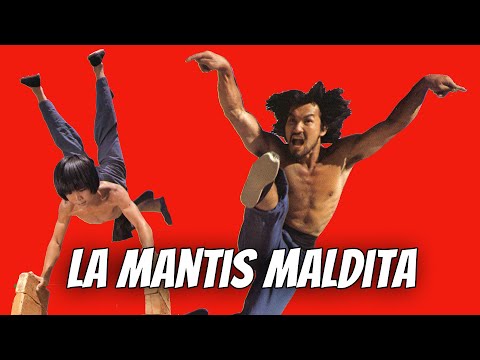
The Thundering Mantis: A Wu-Tang Collection Masterpiece or a Misstep?

Introduction: More Than Just Kung Fu

The world of martial arts cinema is a vast and often unforgiving landscape. Within it, certain collections stand out, promising a deep dive into the golden age of Hong Kong action. The Wu-Tang Collection, with its curated selection of kung fu classics, often ignites passionate debate. Today, we dissect one such gem, or perhaps a rough diamond, depending on your perspective: The Thundering Mantis (also known as The Mad Mantis). But is this film merely a showcase for Leung Ka-Yan's unique talents, or does it truly embody the spirit of the **Budo** it purports to represent? As a seasoned practitioner and critic, I approach this film not just as entertainment, but as a study in cinematic martial arts, examining its adherence to principles, its technical execution, and its lasting impact on the **Martial Arts Community**.

Are you ready to explore the thunderous power of the Mantis style, or will this film leave you feeling like a fly caught in its web? Let's find out.

Plot Analysis: The Tale of Ah Chi and the Mantis

Directed by Teddy Yip, The Thundering Mantis centers on Ah Chi, a young man whose **obsession with martial arts** is matched only by his penchant for trouble. His kung fu antics, often more clownish than formidable, inevitably lead him into conflict with the sinister Hsia of the notorious Jade Brotherhood. This initial clash forces Ah Chi’s master to expel him, a common trope in martial arts narratives that signifies a turning point, a stripping away of formal training to forge a more resilient fighter. This expulsion is a crucial element, testing the protagonist's fundamental resolve, much like the concept of Shuhari in Japanese martial arts – first learn, then break, then transcend.

Cast adrift and working as a fish vendor, Ah Chi stumbles upon a crafty young boy. This boy's uncle, Chow Tung, portrayed by the veteran Yuet Sang Chin, is revealed to be a master of a particularly frenetic and seemingly "insane" Mantis style. This meeting is the fulcrum of the narrative, introducing Ah Chi to a new, perhaps more unorthodox, path to mastery. The Jade Brotherhood, meanwhile, continues its ruthless pursuit of control over the small town, setting the stage for a classic hero's journey: the outcast who must rise to protect the innocent. Ah Chi, now under the tutelage of a new, unconventional master, finds his purpose not in personal glory, but in defending his neighborhood from the encroaching tyranny. It's a narrative that, while familiar, highlights the core of **Warrior Philosophy**: the responsibility that comes with the ability to fight.

Fight Choreography: Unleashing the Praying Mantis Style

The true test of any martial arts film lies in its action. The Thundering Mantis, as its title suggests, aims to showcase the Praying Mantis style. This particular kung fu system is renowned for its rapid hand techniques, mimicking the snapping claws and evasive movements of the insect. In the film, Leung Ka-Yan, who plays Ah Chi, brings a distinct physicality to his role. While his early "clowning" might suggest a lack of serious **technique breakdown**, it serves as a narrative device. His true potential is unlocked when he begins to train under Chow Tung.

The choreography here, while perhaps not reaching the artistic heights of a Lau Kar-leung film, is effective in conveying the Mantis style's essence. We see quick, darting movements, intricate hand formations, and sudden bursts of power. The film succeeds in depicting the style’s characteristic agility and deceptive speed. However, a critical eye might note that the "insane" aspect of the style is more in its visual presentation than a deep exploration of its underlying principles. True mastery of a **martial art** like **kung fu** requires not just mimicry, but an understanding of its core mechanics and applications, something that often gets lost in the spectacle of Hong Kong cinema. This is where the film might falter for purists seeking a true representation of **BUDO**.

"The Praying Mantis style is about striking from unexpected angles, using agility to evade and then delivering a decisive blow. It’s a dance of deception and sudden violence."

– Anonymous Martial Arts Master

Performances: The Heart of the Action

Leung Ka-Yan as Ah Chi carries the film with a blend of earnestness and physical prowess. His early scenes effectively convey the frustration of a young man struggling to control his powerful, yet undisciplined, martial arts skills. As he evolves, Leung convincingly portrays a budding hero, driven by a newfound sense of justice. Eddie Ko as Hsia embodies the classic villain – menacing and driven by greed, providing a formidable antagonist for Ah Chi to overcome.

The supporting cast, particularly Yuet Sang Chin as Chow Tung, brings gravitas and a touch of eccentricity to their roles. Chin’s portrayal of the Mantis master is crucial; he must be both formidable and slightly unhinged to live up to the "insane Mantis style" moniker. While the dialogue might be sparse and the characterizations somewhat archetypal, the actors’ commitment to the physicality of their roles is undeniable. This is where the film connects with its audience – through raw, unadulterated **Fight Night** energy, reminiscent of the early days of **MMA** before its global professionalization.

Wu-Tang Collection Influence: A Legacy of Martial Arts Cinema

The inclusion of The Thundering Mantis within the Wu-Tang Collection signifies its place within a lineage of influential martial arts films. The Wu-Tang Clan themselves, through their music and their appreciation for kung fu cinema, have cemented a cultural legacy. This collection serves as a gateway for new generations to discover these classic films, often introducing them to styles and storytelling techniques that have shaped modern action cinema and **Artes Marciales Mixtas**.

Films like The Thundering Mantis are not just stories; they are cultural artifacts. They represent a time when **kung fu** was king, when audiences were captivated by the sheer skill and dedication of the performers. The Wu-Tang Collection, by bringing these films to a wider audience, plays a vital role in preserving this cinematic heritage. It reminds us that the **spirit of the warrior** transcends time and culture, even when presented through the lens of stylized cinematic combat.

Veredicto del Sensei: ¿Merece la pena?

The Thundering Mantis is a solid entry into the kung fu genre, particularly for fans of the Wu-Tang Collection and Leung Ka-Yan. While the plot treads familiar ground and the "insane" Mantis style might be more visually striking than deeply explored, the film delivers on its core promise: exciting martial arts action. The choreography, while not groundbreaking, effectively showcases the Praying Mantis techniques, and the performances are committed.

It’s a film that understands its audience – those who crave the visceral thrill of **combate cuerpo a cuerpo** and appreciate the artistry of traditional **martial arts training**. It might not be a philosophical treatise on the **Inner Strength** required for true mastery, but it’s an entertaining ride that celebrates the dynamism of kung fu. For those seeking a pure dose of action and a glimpse into a specific martial art style, this film is a worthy watch.

Cinturón Negro en Acción de Kung Fu, pero con Notas al Margen en Profundidad Filosófica.

Guía de Entrenamiento: El Estilo Mantis en Casa

While mastering the authentic Praying Mantis style requires dedicated instruction from a qualified **Martial Arts Master**, we can explore some fundamental principles that can be practiced at home to enhance your agility and hand speed. Remember, this is a simplified adaptation for general fitness and coordination, not a substitute for professional training.

  1. Warm-up (5-10 minutes): Light cardio like jogging in place or jumping jacks. Focus on dynamic stretches for your wrists, arms, and shoulders.
  2. Stance Practice: Adopt a stable horse stance (Ma Bu). This builds leg strength and grounding, essential for power generation.
  3. Hand Striking Drills:
    • "Mantis Claws" (San Shou): Practice rapid, short jabs with your fingertips extended, targeting imaginary points in front of you. Focus on snapping your wrists for speed and precision.
    • "Palm Strikes" (Zhang Chui): Mimic the powerful palm strikes of the Mantis. Extend your arm quickly, striking with the heel of your palm. Alternate between short, sharp strikes and slightly longer, more powerful ones.
    • "Hooking and Grasping" (Gou Shou): Practice hooking motions with your arms, simulating the Mantis's ability to trap and control an opponent's limb. This develops wrist flexibility and control.
  4. Footwork Drills: Practice small, quick steps. Imagine moving like an insect, darting and evading. Focus on maintaining a low center of gravity.
  5. Combination Practice: Combine 2-3 hand strikes with a step. For example: jab, jab, hook, step forward. Focus on fluidity and smooth transitions.
  6. Cool-down (5 minutes): Static stretching, holding each stretch for 30 seconds. Pay attention to your forearms, wrists, and fingers.

Important Note: This is a basic outline. The true Mantis style is far more complex, involving intricate forms (Katas), specific breathing techniques, and application drills. Always prioritize safety and listen to your body. For authentic training, seek out a reputable **KarateKyokushin** dojo or a traditional **Kung Fu** school.

Equipo Esencial para tu Entrenamiento

While The Thundering Mantis focuses on the art of the Mantis style, much of your home training can be done with minimal equipment. However, to truly enhance your **Martial Arts Training** and simulate more realistic scenarios, consider the following:

  • Durable Training Mat: Essential for practicing stances and any ground movements to protect your joints.
  • Wrist Wraps: Crucial for supporting your wrists during rapid hand striking drills, especially if you have a history of wrist pain.
  • Punch Mitts or Focus Mitts: Ideal for practicing striking accuracy and power with a partner, or even by yourself if you can anchor them securely. This helps develop precision and timing, vital for any **combat sports**.
  • Training Dummy (e.g., Wing Chun Dummy, Makiwara): While not directly for Mantis, these tools can help develop striking power, accuracy, and conditioned striking surfaces. A makiwara, in particular, is a traditional tool for developing hardened knuckles and forearm strength.
  • Comfortable Training Attire: Loose-fitting clothing that allows for a full range of motion is key. A **Kimono** or a traditional martial arts uniform can enhance the training experience.

Preguntas Frecuentes

  • What is the "Mantis Style" in kung fu?
    The Praying Mantis style is a Chinese martial art known for its rapid hand techniques, evasive footwork, and mimicking the movements of the praying mantis insect. It often involves quick strikes, trapping techniques, and fluid transitions.
  • Who are the main actors in The Thundering Mantis?
    The film stars Leung Ka-Yan as Ah Chi, Eddie Ko as Hsia, Huang Yi Lung as the crafty kid, and Chin Yuet Sang as Master Chow Tung.
  • Is The Thundering Mantis a true story?
    No, it is a fictional martial arts film, typical of the genre from the golden age of Hong Kong cinema.
  • Where can I find more Wu-Tang Collection films?
    These films are often available through specialty distributors, online streaming platforms that curate classic cinema, or dedicated martial arts film archives.
  • What are the benefits of training martial arts for mental health?
    Martial arts training cultivates discipline, focus, stress relief, and **Self-Mastery**. The **Mental Game** is as crucial as the physical, fostering resilience and confidence.

Para Profundizar en tu Camino

Reflexión del Sensei: Tu Próximo Paso

We have dissected The Thundering Mantis, examining its narrative, its action, and its place within the grand tapestry of martial arts cinema. The film, like many of its era, offers a potent blend of stylized violence and a simple, yet effective, tale of good versus evil. But does the pursuit of impressive fight choreography ever overshadow the deeper philosophical tenets of **BUDO** and **Self-Improvement**? When we watch these films, are we merely entertained, or are we subtly absorbing lessons about discipline, perseverance, and the warrior's code?

Now, I pose this to you: In your own training, whether it be in a formal dojo or through your own solitary practice, how do you balance the pursuit of technical mastery with the cultivation of the warrior's spirit? Are you a Mantis, swift and deceptive, or do you embody the unyielding stone? Share your thoughts and experiences in the comments below. Let the debate begin!

``` GEMINI_METADESC: Review of "The Thundering Mantis" from the Wu-Tang Collection. Explore plot, choreography, performances, and its legacy in martial arts cinema. Includes training tips.