Showing posts sorted by relevance for query History of Heavyweight Boxing. Sort by date Show all posts

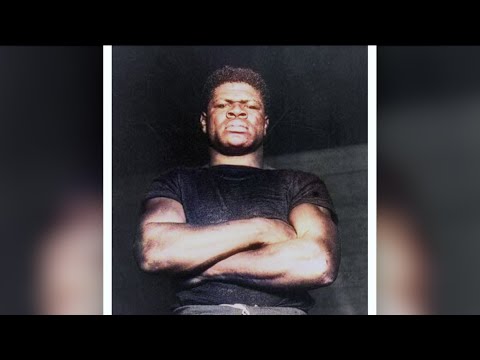
Elmer "Kid Violent" Ray: The Enigmatic Heavyweight Contender of the 1940s

Introduction: Unveiling 'Kid Violent'

Welcome, warriors and scholars of the martial path, to Budo and Martial Arts. Today, we delve into the shadowed history of a man whose moniker alone conjures images of raw power and untamed ferocity: Elmer Ray, forever etched in the annals of combat sports as 'Kid Violent'. In an era where heavyweight contenders were kings, Ray carved out a name for himself, yet remains a figure shrouded in mystery. How did a man of such apparent talent fade into relative obscurity? Was his power mere spectacle, or did it stem from a deeper understanding of combat? Join me as we dissect the career of this enigmatic fighter from the 1940s.

The martial world is replete with legendary figures whose deeds echo through generations. Yet, for every Bruce Lee or Miyamoto Musashi, there are countless others whose contributions are all but forgotten, their stories lost to the passage of time. Elmer Ray, 'Kid Violent', is one such individual. His era was a crucible of physical prowess, a time before the global phenomenon of modern MMA and before the highly structured sports leagues we know today. This was a world where champions were forged in grittier arenas, often with less formal training and more raw, unadulterated instinct. Understanding fighters like Ray requires us to appreciate the context of their battles, the evolution of martial arts, and the very definition of a 'contender'.

The Shadowy Beginnings of Elmer Ray

Details surrounding Elmer Ray's early life are as scarce as a humble monk in a pirate's den. Born in the United States, his path to becoming a top heavyweight contender in the 1940s is not clearly documented. Unlike today's fighters who often have extensive amateur backgrounds and meticulously curated public personas, 'Kid Violent' emerged from a less documented era. Information on his formative years, his initial exposure to combat sports, and the origins of his brutal nickname is largely speculative.

What we do know is that he established himself as a formidable presence in the boxing world, specifically within the heavyweight division. This was a golden age of boxing, with titans like Joe Louis dominating the scene. To even be considered a contender in such company speaks volumes about Ray's inherent ability. The nickname 'Kid Violent' wasn't merely for show; it was earned through a style of fighting that was, by all accounts, aggressive and powerful. This suggests a fighter who understood the importance of impact and perhaps, even without the formal framework of modern kickboxing or MMA, possessed a certain 'ki' or fighting spirit that translated into devastating blows.

"The true measure of a fighter is not just in their victories, but in the respect they command even in defeat, and the mystery they leave behind." - A principle often discussed in the study of BUDO.

A Force to Be Reckoned With: Ray's Rise in the Heavyweight Division

The 1940s were a turbulent time, marked by World War II, but the spirit of competition in boxing remained vibrant. Elmer Ray navigated this landscape, securing notable victories and challenging the established order. He faced renowned boxers and proved himself to be a legitimate threat in a division known for its brutal powerhouses. His record, though perhaps not as pristine as some of his contemporaries, tells a story of a fighter who was always in the mix, always dangerous.

Consider the challenges of that era: less sophisticated training methodologies, limited access to sports science, and an often unforgiving fight schedule. For Ray to consistently perform at a high level, he must have possessed exceptional physical conditioning and a keen understanding of his craft. His bouts were not just displays of brute force; they were often strategic encounters where his power was applied with calculated intent. This is where the intersection of raw talent and developing martial principles becomes evident, even in a sport like boxing which focuses on a specific set of skills. This historical context is vital for anyone studying the history of combat sports.

Analyzing 'Kid Violent': Style and Substance

The moniker 'Kid Violent' implies an aggressive, forward-marching style. While specific fight footage from his era is rare, accounts suggest Ray was a powerful puncher, capable of ending a fight with a single, well-placed blow. This aligns with the fundamental principle found across many martial arts: the importance of power generation and precision. Whether it's a devastating cross in boxing, a powerful knee in Muay Thai, or a well-executed strike in Karate, the ability to deliver significant damage is paramount.

However, true mastery in any combat discipline transcends mere power. It involves strategy, adaptability, and the mental fortitude to overcome adversity. Did 'Kid Violent' possess these qualities? Without detailed analysis of his bouts and interviews, it's difficult to say with certainty. Yet, to remain a top contender for an extended period in the demanding heavyweight division suggests more than just raw aggression. It hints at an underlying discipline, a strategic mind that understood how to utilize his power effectively. This is the essence of combat effectiveness, a concept explored deeply in the philosophy of BUDO.

"The difference between a good fighter and a great fighter is not just the punches they throw, but the punches they *don't* throw – the ones they anticipate and evade." - A lesson that applies from Judo throws to Lucha's groundwork.

The Elusive Legacy of Elmer Ray

One of the most perplexing aspects of Elmer Ray's career is his relatively modest legacy compared to his contemporaries. Why isn't 'Kid Violent' a household name alongside legends like Rocky Marciano or even less celebrated but historically significant figures? Several factors could contribute to this:

  • The Era: As mentioned, the 1940s were a time before widespread media coverage and sophisticated promotion that propels modern athletes to global fame.
  • The Opponents: Ray fought during the reign of Joe Louis, a legendary figure who cast a long shadow. Being a contender often meant being a challenger to an almost unbeatable champion.
  • Retirement and Later Life: Information about Ray's activities after his fighting career is scarce. A quiet retirement or lack of involvement in the sport post-career can lead to fading public memory.
  • Style vs. Substance Debate: While 'Kid Violent' was an effective fighter, perhaps his style, though crowd-pleasing, lacked the technical depth or nuanced strategic brilliance that earns lasting historical reverence in the martial arts community.

His story serves as a poignant reminder of how fleeting fame can be, even for those who reach the pinnacle of their respective disciplines. It underscores the importance of preserving the history of combat sports and the individuals who shaped them. Understanding figures like Ray provides a richer tapestry of martial arts history, illustrating the diverse paths to recognition and the challenges faced by athletes in different eras.

Comparing Ray to Modern Heavyweights

If Elmer Ray were to step into the ring today, how would he fare against modern heavyweights in boxing or even in the MMA heavyweight division? This is a classic 'what if' scenario, fraught with speculation, but valuable for understanding the evolution of combat sports.

Modern heavyweight boxers are often products of highly specialized training camps, benefiting from advanced sports science, nutrition, and strategy. They possess incredible power, honed by years of dedicated, technical training. The sheer physicality and conditioning of today's athletes are at an unprecedented level. An MMA heavyweight, of course, adds another layer of complexity, demanding proficiency in striking, grappling, wrestling, and submission arts – a far cry from the singular focus of boxing in Ray's era.

Ray's raw power and aggression would undoubtedly still be a factor. However, the technical refinements in punching mechanics, footwork, defensive strategies, and conditioning seen today would present a significant challenge. His 'violent' approach might be met with more sophisticated counters, takedowns, or submission attempts, depending on the ruleset. It highlights how much training and strategy in fight sports have evolved. Yet, the fundamental drive to overcome an opponent, the 'fighting spirit' that defined Ray, remains a constant across all eras of combat sports.

Essential Gear for Your Training

While discussing fighters from a bygone era, it's important to acknowledge the advancements in training equipment that aid today's martial artists. Whether you're channeling 'Kid Violent's' power or refining the precision of a Karate kata, the right gear can make a significant difference.

  • Boxing Gloves: For any striking-focused training, good quality boxing gloves (14-16oz for general training, lighter for bag work) are essential for hand protection.
  • Training Shoes: Lightweight, supportive shoes are crucial for agility and footwork, whether you're shadowboxing or drilling Judo techniques.
  • Mouthguard: A well-fitted mouthguard is non-negotiable for any sparring or high-impact training to protect your teeth and jaw.
  • Focus Mitts and Punching Bags: For developing power and accuracy, these are fundamental tools for solo or partner training.
  • Duffel Bag: To carry your gear to and from the dojo or gym. Consider a sturdy, versatile Martial Arts Merchandise bag.

Frequently Asked Questions

  • Who was Elmer 'Kid Violent' Ray?
    Elmer Ray was a prominent American heavyweight boxing contender during the 1940s, known for his aggressive fighting style and the nickname 'Kid Violent'.
  • What was Elmer Ray's most significant achievement?
    While specific major championship wins are not widely publicized, his primary achievement was establishing himself as a top-ranked contender in the highly competitive heavyweight division of the 1940s, a feat that required immense skill and resilience.
  • Why is Elmer Ray considered a 'mystery man'?
    Information about his personal life, early career, and post-fighting activities is scarce, leading to his enigmatic status in the history of boxing and combat sports.
  • How did his fighting style compare to modern boxers?
    'Kid Violent' was known for raw power and aggression. Modern boxers benefit from advanced training techniques, sports science, and a more refined understanding of strategy, potentially making them more technically diverse, though Ray's power would remain a threat.

Sensei's Reflection: Your Next Step

Elmer Ray, 'Kid Violent', represents more than just a fighter from the past; he embodies the raw, untamed spirit that fuels many martial journeys. His story, though incomplete, speaks to the enduring power of a determined individual in the arena of combat. He reminds us that not all legends are meticulously documented, and sometimes, the most impactful figures leave behind only echoes of their power.

As you reflect on 'Kid Violent', consider this: In your own training, are you simply going through the motions, or are you embodying the spirit of your chosen art? Are you seeking genuine understanding and self-mastery, or just the fleeting roar of the crowd? The path of Budo demands more than just physical prowess; it requires introspection and a constant pursuit of improvement, regardless of whether your name will be remembered by the masses. The true warrior seeks mastery for the sake of mastery itself.

Training Guide: Developing Your 'Inner Violence' (Controlled Aggression)

Channeling Elmer Ray's 'Kid Violent' persona doesn't mean losing control; it means harnessing your power and aggression strategically. Here’s a guide to developing controlled aggression:

  1. Master the Fundamentals: Before unleashing power, ensure your basic techniques (punches, kicks, blocks, stances) are solid. This forms the foundation, much like how Ray's power was built on a boxing base.
  2. Sparring with Intent: Engage in sparring sessions with a focus on applying pressure and controlled aggression. Aim to overwhelm your partner with a flurry of well-executed techniques, not wild swings.
  3. Power Drills: Use heavy bags, pads, and medicine balls to develop explosive power. Focus on generating maximum force from your core, not just your limbs. Think about the impact of Kyokushin Karate's powerful strikes.
  4. Mental Conditioning: Practice visualization techniques. Imagine yourself as an unstoppable force, calmly and effectively dictating the pace of the fight. This mental preparation is crucial for translating 'violence' into effective combat.
  5. Control and Release: The key is control. Learn to control your breathing and your movements, releasing that stored energy explosively when the opportunity arises. This is the essence of ki or internal energy application.

For Deeper Exploration on Your Path

``` GEMINI_METADESC: Explore Elmer 'Kid Violent' Ray's legacy as a 1940s heavyweight contender. Analyze his fighting style, mysterious career, and compare him to modern fighters. A deep dive into boxing history.

Jimmy Bivins: The Cleveland Spider-Man and a Forgotten Heavyweight Legacy

A name whispered in the annals of boxing history, Jimmy Bivins, known as "The Cleveland Spider-Man," deserves more than a footnote. In an era dominated by legends like Joe Louis, Bivins carved out his own formidable reputation, particularly during World War II when Louis answered the call of duty. Bivins wasn't just a contender; he was a "duration" heavyweight champion, a testament to his skill and resilience in a division where power and grit reigned supreme. Hello and welcome to Budo and Martial Arts. You are watching the Jimmy Bivins Documentary - The Cleveland Spider-Man, published on April 27, 2022, at 08:00 PM. Welcome to the most complete and updated martial arts blog on the internet. Follow us on social networks and do not forget to visit our main page: Budo and Martial Arts Main Page.

The Boxing World of Bivins

In the pantheon of heavyweight boxing, certain names echo through generations. Joe Louis, the "Brown Bomber," stands as a colossus, his reign largely uninterrupted. Yet, history often overlooks those who occupied the space left by these titans, the men who kept the divisions alive and competitive. Jimmy Bivins was one such figure. His moniker, "The Cleveland Spider-Man," evoked an image of agility and elusiveness, qualities that belied the raw power expected of a heavyweight. This nickname hints at a fighter who could dance and weave, a stark contrast to the sluggers often found at the top of the division. Understanding Bivins means understanding the context of his era: a time of global conflict, where sporting heroes were often called upon to serve, leaving vacuums of opportunity.

A Champion in a Shadowed Era

When Joe Louis, the undisputed king of the heavyweight division, enlisted in the U.S. Army during World War II, a void was created. It was in this atmosphere that Jimmy Bivins rose to prominence, earning the distinction of being the "duration" heavyweight champion. This title, though perhaps not carrying the full weight of an undisputed championship, was a significant achievement. It meant Bivins was the recognized top heavyweight during a period when the primary champion was unavailable. He defended this unofficial title against other top contenders, proving his mettle time and again. This wasn't merely holding a belt; it was navigating a treacherous landscape of fierce competition, where every fight was a test of true championship material.
"A true martial artist, in any discipline, must be able to perform under pressure, whether the opponent is a known foe or an unexpected challenge. Bivins faced both."
His fights during this period were critical. They kept the heavyweight division relevant and provided a much-needed source of entertainment and national pride during a tumultuous time. Bivins fought a who's who of heavyweight talent: Jersey Joe Walcott, Billy Fox, Lee Savold, and even faced a young Floyd Patterson later in his career. These were not mere exhibition bouts; they were hard-fought contests against men who would themselves become legends or significant figures in boxing history.

Technical Prowess and Fighting Style

The "Spider-Man" moniker was earned. Bivins was not a brute force fighter. Reports and fight footage suggest a boxer with exceptional footwork, speed, and a sharp jab. This allowed him to control the distance, frustrate opponents, and pick his shots. In an era where many heavyweights relied on sheer power, Bivins' technical approach was a significant advantage. This style, characterized by movement and precise striking, is reminiscent of martial arts principles emphasizing evasion, timing, and efficient application of force. The ability to evade an attack and counter effectively is a cornerstone of many combat systems, from Karate to Boxing. His ability to adapt his style against different opponents showcased a strategic mind, a crucial element in any combat sport. While the specific drills and katas might differ vastly from, say, Karate or Judo, the underlying principle of understanding one's strengths and exploiting an opponent's weaknesses is universal. Bivins' elusiveness, combined with a solid chin and punching power when needed, made him a difficult opponent for anyone.

Beyond the Ring: The Legacy

The legacy of Jimmy Bivins is intertwined with the broader narrative of African American athletes who broke barriers and excelled in their fields despite societal challenges. While Joe Louis often carried the torch of national representation, Bivins was a vital figure whose contributions were equally significant, albeit perhaps less celebrated on a global scale. His story highlights the depth and talent that existed within the sport, even outside the spotlight of the undisputed champion. The documentary "Jimmy Bivins: The Cleveland Spider-Man" aims to bring this forgotten champion back into the consciousness of fight fans and martial artists alike. It's a reminder that great achievements can sometimes be overshadowed by greater, more iconic figures, but their impact remains undeniable. In the world of martial arts, we often speak of the importance of remembering the pioneers, the masters who laid the groundwork. Bivins' story serves as a potent reminder of this principle in the realm of combat sports.
"The spirit of the warrior is not in the title, but in the will to fight, to endure, and to overcome. Bivins embodied this spirit."
His career, spanning from the late 1930s through the late 1950s, saw him compete against a remarkable array of talent. Even in his later years, he continued to fight, a testament to his passion and dedication to the craft. This perseverance is a trait admired across all forms of combat disciplines, from the MMA octagon to the Kyokushin dojo.

Veredict of the Sensei: Should You Watch?

For anyone with a deep appreciation for boxing history, the grit of past eras, or the evolution of heavyweight boxing, this documentary is a must-see. It shines a much-needed light on a fighter who carved his niche during a pivotal, yet often overlooked, period. Bivins' story is more than just about boxing; it's about resilience, skill, and the pursuit of excellence against considerable odds. As a martial artist, I find value in studying the techniques, strategies, and mental fortitude of great fighters across all disciplines. Bivins' "Spider-Man" style offers valuable insights into movement, defensive tactics, and the strategic use of aggression. It’s a valuable addition to the understanding of pugilistic arts.

Cinturón Negro en Rescate Histórico

Essential Training Gear for Boxers

To emulate the dedication and train with the intensity of a fighter like Jimmy Bivins, the right equipment is paramount. While Bivins fought in a different era, modern training methods have refined the tools available to boxers.
  • Boxing Gloves: Essential for sparring and heavy bag work. Look for quality 16oz gloves for general training.
  • Hand Wraps: Crucial for protecting your wrists and hands during intense sessions.
  • Jump Rope: A classic tool for developing rhythm, coordination, and cardiovascular endurance – a key component of Bivins' agility.
  • Heavy Bag: For power punching and endurance training.
  • Speed Bag: Excellent for improving hand-eye coordination and timing.
  • Boxing Shoes: Lightweight and provide excellent traction for quick footwork.
For those looking to enhance their martial arts journey beyond boxing, exploring a quality Karate gi or durable Judo uniform can also be beneficial for specific training aspects, although the core principles of conditioning and dedication remain the same.

Training Guide: Developing Your Footwork

Bivins' "Spider-Man" style was built on exceptional footwork. Here's a basic guide to developing your own. This is fundamental in almost any martial arts training.
  1. The Basic Stance: Stand with feet shoulder-width apart, one foot slightly ahead of the other. Keep your knees slightly bent and your weight balanced.
  2. The Shuffle: To move forward, slide your lead foot forward, then bring your rear foot up to meet it, maintaining your stance. To move backward, reverse the motion.
  3. Side Steps: To move left, step with your left foot, then bring your right foot to meet it. For the right, reverse the process. Always keep your feet within a comfortable shoulder-width distance.
  4. Pivoting: Use the ball of your lead foot to pivot. This allows you to change angles and face different directions without losing balance.
  5. Rhythm and Flow: Practice continuous movement. Don't just step; move with a rhythm. Imagine weaving and bobbing, constantly shifting your weight and position.
  6. Drill with a Partner or Shadow Boxing: Imagine an opponent and practice evading, circling, and setting up your attacks using your footwork.
This practice directly translates to the agility needed in any combat sport, from boxing to MMA.

Frequently Asked Questions

  • Who was Jimmy Bivins? Jimmy Bivins was an American heavyweight boxer, nicknamed "The Cleveland Spider-Man," known for his agility and skills, especially during the period when Joe Louis was serving in WWII.
  • What was his nickname and why? His nickname was "The Cleveland Spider-Man" due to his elusive footwork and defensive capabilities.
  • Was Jimmy Bivins considered a world champion? He was recognized as the "duration" heavyweight champion during World War II when Joe Louis was unavailable, a significant but unofficial title.
  • What made his fighting style unique? Bivins was known for his exceptional speed, footwork, and technical boxing, which was less common among heavyweights of his era who often relied more on brute strength.
  • Why is he often considered a "forgotten" champion? His career coincided with the immense fame of Joe Louis, and his peak during wartime meant some of his achievements might have been overshadowed by historical events.

Deepen Your Understanding

To further enrich your knowledge of the fighting arts and the individuals who shaped them, explore these related topics: We also invite you to visit our other blogs for more in-depth content. If you like what we do and want to support TRUE martial arts, we invite you to visit our store to buy unique NFTs.

Reflexion of the Sensei: Your Next Step

Bivins' story is a powerful reminder that greatness can exist even in the shadows of more celebrated figures. He possessed the skill, the heart, and the resilience to hold a championship title in a brutal division. My question to you is this: In your own pursuit of martial arts, are you content to simply follow the well-trodden paths, or will you seek out and honor the often-unseen contributions of those who, like Bivins, demonstrated true mastery and spirit in their craft? How will you ensure that the legacies of such fighters are not lost to time? ``` GEMINI_METADESC: Explore the life and career of Jimmy Bivins, \"The Cleveland Spider-Man,\" a formidable heavyweight boxer whose legacy deserves recognition beyond the shadow of his contemporaries.

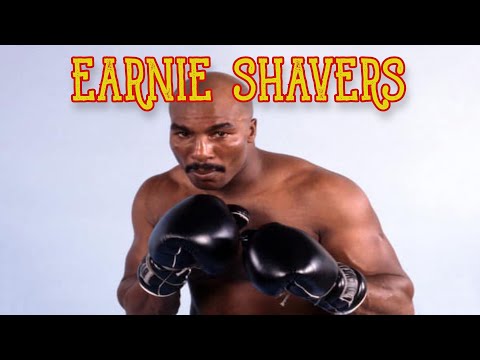
Earnie Shavers: The Unyielding Hammer of Boxing's Heavyweight Division

The raw power. The concussive force. The sheer, unadulterated thunder packed into the fists of Earnie Shavers. For any true aficionado of combat sports, the name Shavers evokes immediate respect, tinged with a primal awe for the destruction he could unleash. He wasn't just a boxer; he was a force of nature, a heavyweight with a punch that could rearrange gravity itself. This is not merely a look back; it is an excavation of the very essence of knockout power, a deep dive into a man whose legend is etched in the annals of boxing history by the sheer impact of his blows. We grapple with the legacy of a fighter who, despite not reaching the absolute pinnacle of championship belts, left an indelible mark on every soul fortunate enough to witness his seismic power. Boxing, at its core, is a brutal ballet of strategy and force. Yet, in the heavyweight division, certain individuals transcend mere technique, becoming embodiments of pure, unbridled power. Earnie Shavers stands as a towering, albeit sometimes tragic, monument to this truth. His legacy is not defined by a string of championship victories, but by the sheer terror his right hand inspired in opponents and fans alike. We delve into the stories, the fights, and the philosophy of a man who understood, perhaps more than most, the finality of a perfectly landed punch.

Table of Contents

The Hook That Shook The World

Imagine standing across the ring from a man whose reputation precedes him not by his speed or his footwork, but by the terrifying promise of what his fists can do. This was the reality for many who faced Earnie Shavers. His name became synonymous with instantaneous, devastating endings. While copyright limitations necessitate brevity in visual storytelling, the impact of his performances transcends mere clip length. The essence of his power, the sheer ferocity he brought to the ring, remains palpable. We are not just reviewing a documentary; we are dissecting a legend whose every swing carried the weight of an epochal event. The question lingers: what made Earnie Shavers' power so unique, so legendary? It wasn't just brute strength; it was a confluence of timing, leverage, and an almost terrifying commitment to delivering maximum impact. This dedication to the KO is a recurring theme in martial arts and combat sports, a testament to the idea that a single, well-executed action can define a contest.

The Anatomy of a Knockout Punch

Shavers' legendary knockout power wasn't a mere accident of genetics. It was a product of dedication and a keen understanding of biomechanics, honed through relentless training. His signature right hand, often referred to as "The Blacksmith," was a marvel of kinetic energy transfer. It wasn't just about swinging with all his might; it was about coordinating his entire body – the pivot of his hips, the torque of his torso, the extension of his arm – into a single, focused projectile. Consider the principles that underlie such devastating power. In martial arts, we often speak of *Kime* (決め), the Japanese term for the focus and intention at the moment of impact. Shavers embodied this concept. His punches weren't thrown to score points; they were thrown with the singular intent to end the fight. This mental focus, coupled with the physical conditioning of a heavyweight boxer, created a synergy that few could withstand. Even sparring sessions, which often feature reduced power, were reportedly electrifying with Shavers. This commitment to power is a stark contrast to styles that prioritize accumulation of points, raising the age-old debate: is the decisive blow more significant than a series of measured strikes?
"A punch is not a punch until it lands." - A principle often discussed in boxing circles, and one Shavers exemplified with every fiber of his being. His punches were not mere gestures; they were pronouncements.
The psychological impact of Shavers' power was as significant as its physical manifestation. Opponents knew what awaited them. The mere threat of that right hand could lead to hesitation, to defensive postures that opened them up to further punishment. This is a psychological war waged before the first bell rings, a testament to the mind's role in combat.

Crucial Battles: More Than Just Fights

The legend of Earnie Shavers is woven through a tapestry of unforgettable fights. Each bout was a chapter, a testament to his power and resilience, even in defeat. * **vs. Ron Lyle**: This fight is a legendary slugfest, a prime example of two heavy hitters trading blows with the ferocity of gladiators. The raw courage and determination displayed by both fighters, culminating in a dramatic knockout, is a must-see for anyone interested in the visceral appeal of boxing. The fact that this bout itself has a more extended look available speaks volumes about its impact. * **vs. Bernardo Mercado**: Another brutal encounter where Shavers showcased his ability to absorb punishment and deliver his own fight-ending blows. The dynamic of Shavers' power against another formidable opponent like Mercado highlights his consistent threat level. * **vs. Tex Cobb**: This fight further solidifies Shavers' reputation as an unstoppable force. Cobb, known for his toughness, found himself facing the full fury of Shavers' power, a testament to the sheer difficulty of surviving Shavers' onslaught. These fights are more than mere historical records; they are vivid demonstrations of a boxer who truly understood the art of the knockout. The availability of extended footage for specific bouts underscores their importance in understanding Shavers' career.
The training footage shared by Tyrone1971 and his father offers an invaluable glimpse behind the curtain. Witnessing Shavers in a training environment provides context to the raw power he displayed in the ring. It reveals the discipline, the repetition, and the sheer effort required to forge a weapon like his right hand. This dedication to practice, to refining a skill until it becomes an extension of one's will, is a fundamental tenet across all martial disciplines.

Shavers' Enduring Legacy: Beyond the KO

Earnie Shavers' career is a fascinating study in contrasts. While he may not have captured the undisputed heavyweight championship, his impact on the sport is undeniable. He fought legends like Muhammad Ali and Larry Holmes, testing their mettle and pushing them to their limits. His name is still invoked today when discussing the hardest punchers in boxing history. But what is the deeper lesson from Shavers' career? It’s about more than just the raw power. It's about the pursuit of excellence in one's chosen craft, even if the ultimate accolades elude you. It's about the indelible mark you leave through sheer dedication and the unique talent you possess. In the grand philosophy of Budo, mastery is not solely defined by victory, but by the unwavering commitment to one's path and the profound impact one has on others. Shavers, through his power and his fighting spirit, undoubtedly left such an impact. He reminds us that in any discipline, whether it's boxing, Karate, or Judo, there is an intrinsic value in pushing oneself to the absolute limit, in developing a signature skill that defines you. The pursuit of *Mushin* (無心) – a mind without mind, a state of flow where action is instinctual and pure – is evident in the seemingly effortless devastation of Shavers' best punches.
"The difference between a master and a novice is the difference between a precision surgeon and a butcher. Both may wield a sharp tool, but only one truly understands its power." - A wise saying that, in Shavers' case, might suggest he was closer to a surgeon of destruction than a mere brute.

Training with the Hammer: Lessons from Shavers' Camp

While we may not all possess Shavers' prodigious power, the principles behind his training are universally applicable to any martial artist or boxer. * **Relentless Repetition**: Developing a powerful strike, or any complex technique, requires countless hours of repetition. Shavers' camp would have emphasized drilling fundamental movements until they became muscle memory. * **Compound Movements**: True power comes from the whole body, not just the arms. Shavers’ training would have focused on integrating hip rotation, core engagement, and leg drive into every punch. This mirrors the principles of striking in arts like Kyokushin Karate or the hip rotation crucial in Judo throws. * **Conditioning for Impact**: Heavyweights like Shavers require immense cardiovascular and muscular endurance to deliver explosive power round after round. His conditioning likely included grueling roadwork, sparring, and strength training. * **Mental Fortitude**: The ability to absorb punishment and continue fighting, as Shavers often did, speaks to immense mental toughness. This aspect of training – developing resilience and unwavering resolve – is as vital as physical preparation.

Essential Gear for the Modern Boxer

To train like a modern boxer, even with the echoes of Shavers' era, certain equipment is indispensable. Investing in quality gear not only enhances your training but also ensures safety.
  • Boxing Gloves: For sparring, 16oz gloves are standard to protect both you and your partner. For bag work, 12oz or 14oz gloves offer a good balance of protection and feedback.
  • Hand Wraps: Crucial for wrist and hand support during any punching activity.
  • Mouthguard: Non-negotiable for any form of sparring or combat training.
  • Jump Rope: An excellent tool for cardiovascular conditioning and developing footwork, a staple in any boxer's routine.
  • Heavy Bag/Speed Bag: Essential for developing power, speed, and rhythm.
  • Durable Training Shoes: Provide support and grip without hindering movement.
For those looking to emulate the specific power training of heavy hitters, consider incorporating resistance bands and weighted vests into your routine, focusing on explosive movements.

Frequently Asked Questions

  • What made Earnie Shavers' punches so powerful?
    Shavers combined immense natural strength with perfect timing, leverage, and a fierce commitment to delivering knockout blows. His technique allowed him to transfer his entire body weight into his punches.
  • Did Earnie Shavers ever win a world title?
    No, Earnie Shavers never won a world heavyweight championship, though he challenged for the title against Muhammad Ali and Larry Holmes.
  • Who trained Earnie Shavers?
    While specific trainers may have varied over his career, the success of his training camps, including footage shared by Tyrone1971, highlights the importance of dedicated coaching and practice.
  • How does Shavers' power compare to modern heavyweights?
    Shavers is consistently ranked among the hardest punchers in boxing history, often compared to modern powerhouses like Deontay Wilder. His raw, concussive force remains legendary.
  • What can aspiring fighters learn from Shavers?
    Aspiring fighters can learn the importance of dedication to developing a signature strength, the value of whole-body power generation, and the mental fortitude required to compete at the highest levels.

Deepen Your Understanding

To truly grasp the nuances of combat sports and the philosophies that underpin them, continuous learning is key. Explore these resources to broaden your martial perspective:

Reflexión del Sensei: Tu Próximo Paso

Shavers taught us that power, when wielded with intent and honed through discipline, can be a decisive force. But in the grand scheme of martial pursuits, is raw power the ultimate goal, or is it merely one tool among many? Consider this: If a fighter possessed the strength of Shavers but the tactical brilliance of a chess grandmaster, or the spiritual serenity of a Zen master, what would be the ultimate expression of combat mastery? Reflect on the balance between devastating force and controlled application. Where does true martial effectiveness lie for *you*?
"The supreme art of war is to subdue the enemy without fighting." - Sun Tzu. Does Shavers' approach, focused on the decisive blow, align with or contradict this ancient wisdom? This is the paradox we must contemplate.
This exploration of Earnie Shavers serves as a potent reminder that the combat arena, whether in the boxing ring or on the mats, is a crucible for testing not just physical prowess, but also character, strategy, and the very essence of one's fighting spirit. GEMINI_METADESC: Explore the legendary knockout power of Earnie Shavers, boxing's heavyweight terror. Analyze his iconic fights, training, and enduring legacy in this in-depth martial arts perspective.

Sam McVey: A Forgotten Giant in the Crucible of Early 20th Century Heavyweight Boxing

Hello, warrior. Welcome to the hallowed halls of Budo and Martial Arts. Today, we cast our gaze back, not to the silent elegance of a dojo or the intricate dance of a kata, but to the brutal, raw, and unforgiving arena of early 20th-century heavyweight boxing. We speak of a man whose name should echo through the annals of combat history, yet often remains a whisper: Sam McVey. Were you searching for the technical precision of Karate? The philosophical depth of Budo? The kinetic energy of MMA? Perhaps. But sometimes, understanding the human will to contend, the sheer grit required to face a peer in a direct, physical contest, is the most profound martial lesson of all. And few embodied that lesson more than Sam McVey.

Who Was Sam McVey? The Oxnard Puncher

Sam McVey was a heavyweight boxer who emerged from Oxnard, California, during a period when the heavyweight division was a breeding ground for legends. Born in 1875, McVey was a formidable presence, standing tall and possessing the kind of power that could end a fight with a single, well-placed blow. His career spanned the turn of the 20th century, a time of immense change and, unfortunately, persistent racial prejudice that heavily influenced the opportunities available to fighters of color. His record, while not always reflecting the caliber of his opponents, tells a story of a warrior who consistently sought out the toughest competition. This is not the behavior of a fighter afraid of engagement; this is the mindset of someone who understood that true growth, true mastery, comes from facing the best. In the world of combat sports, avoiding strong opposition is a quick path to mediocrity. McVey chose a different path.

In the Ring with Legends: Johnson, Langford, and Wills

The true measure of a fighter is not merely their win-loss record, but the caliber of the men they faced. Sam McVey's name is inextricably linked with some of the greatest heavyweights of his era: * **Jack Johnson**: The first African-American world heavyweight boxing champion. Facing Johnson was akin to facing the pinnacle of the sport at that time. Their bouts were fiercely contested, showcasing McVey's resilience and courage. * **Sam Langford**: Often considered one of the greatest boxers never to win a world title, Langford was a fearsome puncher and a relentless fighter. McVey and Langford met multiple times, a testament to their respect for each other's abilities and their shared willingness to engage in brutal contests. These fights were wars, pure and simple. * **Harry Wills**: Another legendary Black contender who, like McVey and Langford, was denied a shot at the world title due to racial barriers. Wills and McVey squared off, adding another chapter to the intense rivalries of this golden era. To share the ring with such titans is to prove one's own mettle. It’s a harsh reality that many modern fans, accustomed to curated matchmaking and title shots based on reputation, might not fully grasp. These men fought each other because they had to, to prove themselves in a world that tried to limit them. This is the essence of the warrior philosophy – confronting adversity head-on.

The Unseen Battle: Prejudice and Opportunity

It is impossible to discuss Sam McVey's career without acknowledging the pervasive racial segregation of the time. The "color line" in boxing was a formidable barrier, preventing many exceptionally talented Black fighters, including McVey, Langford, and Wills, from ever receiving a shot at a world championship, regardless of their performances. This context adds a layer of profound tragedy and immense respect to McVey's story. He didn't just fight his opponents; he fought against a system designed to keep him down. The mental fortitude required to step into the ring, knowing that even victory might not lead to deserved recognition or opportunity, is staggering. This resonates deeply with the principles of self-mastery and inner strength that are core to many martial arts. It’s about performing at your highest level, not for external validation, but for the integrity of your own spirit and your commitment to excellence.
"The greatest victory is that which requires no explanation." - Bruce Lee, a modern master who also faced his share of cultural barriers. While decades apart, the sentiment of proving oneself through action, not words, binds these warriors.

McVey's Style and Legacy: A Tactical Breakdown

While detailed fight footage from McVey's era is scarce, historical accounts describe him as a powerful puncher, capable of delivering devastating blows. His ability to consistently step into the ring with the era's elite suggests a fighter with significant technical skill, ring intelligence, and, crucially, a high tolerance for pain and punishment. In boxing, like many fight sports, power alone is insufficient. One needs strategy, timing, and the ability to adapt. McVey's longevity against such formidable opposition indicates a well-rounded skill set. He was not just a brawler; he was a boxer who understood the art of the fight. His legacy, therefore, is not just in the fights he won or lost, but in his persistent presence at the highest level, a constant challenge to the status quo and a testament to his enduring skill. He serves as a prime example of dedication in martial arts training, proving that consistent effort against tough opponents builds an unshakeable foundation.

Martial Insights from the Squared Circle

What can we, as practitioners of martial arts, learn from a heavyweight boxer from a century ago? More than you might think. 1. **The Importance of Opposition**: True progress is forged in the fires of challenging encounters. Seeking out opponents who push your limits, who expose your weaknesses, is essential for growth. This applies whether you're learning Judo throws, Karate kata, or MMA sparring. 2. **Resilience in the Face of Adversity**: McVey faced not only skilled opponents but also systemic prejudice. His continued participation and success speak to an incredible mental fortitude. In Budo, this is the cultivation of mental strength and perseverance, the ability to continue forward when the path is blocked. 3. **Simplicity and Power**: While boxing has evolved, the fundamental principles of powerful, well-timed strikes remain crucial. Often, the most effective techniques are the simplest, delivered with maximum intent and precision. This echoes the philosophy of many martial arts traditions that prioritize efficiency over flashy complexity. 4. **Legacy Beyond Titles**: McVey never held a world title, yet his name is remembered among those who knew the sport intimately. This reminds us that impact is not always measured by accolades but by the struggle, the contribution, and the spirit with which one engages.

Equipment Essential for Your Training

While Sam McVey's era had simpler gear, modern training requires appropriate equipment to ensure safety and effectiveness. Whether you're practicing striking, grappling, or a combination like MMA, having the right gear is paramount.
  • Boxing Gloves: For sparring and heavy bag work, invest in good quality gloves (14-16oz for sparring, 10-12oz for bag work) to protect your hands and wrists. Brands like Everlast, Title Boxing, and Rival offer excellent options.
  • Hand Wraps: Crucial for wrist support and preventing hand injuries during intense training.
  • Mouthguard: Non-negotiable for any sparring, regardless of the discipline. Protect your teeth and jaw.
  • Headgear: Essential for sparring to reduce the risk of cuts and concussions.
  • Shin Guards: If you're training kickboxing or Muay Thai, these are vital for conditioning and safety.
  • Duffel Bag: A sturdy bag to carry all your martial arts merchandise and gear to the gym.
For those focusing on grappling, consider specialized Judo gis or BJJ kimonos, known for their durability. A good pair of training shoes is also beneficial for most disciplines.

FAQ About Sam McVey

Q: Was Sam McVey ever considered for a world title shot? A: Despite his consistent performances against top contenders like Jack Johnson, Harry Wills, and Sam Langford, McVey was largely overlooked for a world title opportunity due to the racial segregation prevalent in professional boxing during his career. Q: How many times did Sam McVey fight Sam Langford? A: Historical records indicate they fought multiple times, though the exact number can vary depending on the source. Their bouts were known to be extremely tough contests. Q: What was Sam McVey's nickname? A: McVey was often referred to as "The Oxnard Puncher" or simply "Oxnard Sam," referencing his hometown. Q: Did Sam McVey fight Jack Johnson for a title? A: No, their fights were non-title bouts. Johnson was the reigning World Heavyweight Champion for much of their overlapping careers, but a title fight between them never materialized. Q: What can modern fighters learn from Sam McVey? A: McVey's career highlights the importance of facing strong opposition, mental resilience against adversity, and the enduring spirit of a true warrior, even when facing systemic barriers.

Reflection of the Sensei: Your Next Step

Sam McVey's story is a stark reminder that the path of the warrior is rarely smooth, and often, the greatest battles are fought not just against an opponent, but against circumstances. He stands as a testament to the unyielding human spirit, a giant whose legacy, though often overshadowed, deserves remembrance. His courage in facing the best, despite the limitations imposed upon him, is a profound lesson for any student of the combative arts.

Reflection of the Sensei: Your Next Step

Consider this: In your own training, are you actively seeking out the challenges that truly test your limits, or are you comfortable in the familiar? Are you cultivating the mental resilience to push forward when obstacles arise, or do you seek the easiest path? The ring, the dojo, the mat – they are mirrors reflecting our true character. What does Sam McVey's journey reveal about your own reflection? For those eager to delve deeper into the rich tapestry of combat history and martial philosophy, explore these resources:

For Deeper Exploration on Your Path

  • BUDO: Understand the Way of the Warrior.
  • Martial Arts: The overarching discipline.
  • History: Contextualize the evolution of combat.
  • Combat: The direct confrontation.
GEMINI_METADESC: Explore the legacy of Sam McVey, a formidable heavyweight boxer who fought legends like Jack Johnson and Sam Langford, overcoming racial barriers with sheer grit and skill. A true warrior's tale.

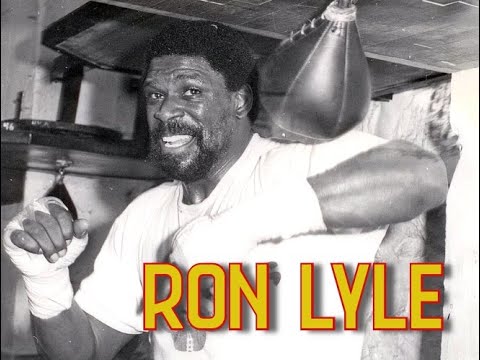
Ron Lyle: A Warrior's Testament - The Unvarnished Saga of a Heavyweight Slugger

The annals of combat sports are replete with legends, but few tales echo with the raw, untamed ferocity of Ron Lyle. This isn't merely a recap of a boxer; it's an exploration of resilience, a testament to the unyielding spirit forged in the crucible of hardship, and a critical examination of a heavyweight slugger whose career was as tumultuous as it was electrifying. If you believe that true martial spirit is found in perseverance against all odds, then Lyle's story is one you must dissect.

Who Was Ron Lyle? More Than Just a Puncher

Ron Lyle wasn't just another heavyweight boxer from the explosive era of the 1970s; he was a force of nature. His fists carried the weight of his tumultuous life, a life marked by early struggles, incarceration, and a redemption arc that captivated the boxing world. Born in Denver, Colorado, Lyle's journey to the top was anything but conventional. Unlike many who were meticulously trained from youth, Lyle’s path was paved with raw power honed through sheer will and an indomitable fighting spirit. His record, a testament to his aggressive style, speaks volumes: 36 wins, 30 by knockout, and 7 losses. But the numbers fail to capture the sheer drama, the grit, and the heart he brought into every single bout. He was a fighter who understood the harsh realities of the fight, both inside and outside the ring. His power was legendary. Lyle possessed a truly concussive right hand that could change the course of any fight in an instant. This, combined with a chin that could absorb punishment and a refusal to quit, made him a feared opponent. He faced some of the greatest heavyweights of his generation, and though he didn't always emerge victorious, he always left an indelible mark. His fights were not technical chess matches; they were visceral, thrilling slugfests that appealed to the primal core of combat sports fandom. He was the embodiment of the "slugger" archetype, a fighter who relied on overwhelming power and sheer determination.
"Some fighters are chess players. Ron Lyle was a street fighter with a hammer for a fist."
This raw, almost brutal, effectiveness is what drew so many fans to him. He wasn't afraid to stand and trade, to engage in slugging wars that left spectators breathless. This style, while exciting, also came with significant risks, a theme that would tragically define later chapters of his life.

The Brutal Symphony: Lyle vs. Frazier - A Masterclass in Heart

No discussion of Ron Lyle is complete without revisiting his epic clash with Joe Frazier on May 16, 1976. This fight wasn't just a boxing match; it was a war. Both men, former sparring partners, entered the ring with reputations for toughness and power. What followed was a spectacle of aggression, resilience, and sheer willpower that etched itself into boxing history. The fight was a back-and-forth slugfest from the opening bell. Lyle, known for his devastating power, knocked Frazier down in the fourth round. Many thought it was over. But "Smokin' Joe," a man who had faced down George Foreman and overcome insurmountable odds, embodied the very definition of a warrior's heart. He got up, fought back, and managed to send Lyle to the canvas twice in the fifth round. The momentum shifted violently, a testament to the unpredictable nature of heavyweight boxing. Yet, Lyle, displaying the same resilience that defined his career, weathered the storm. He survived the onslaught and came back, landing his own heavy blows. The fight continued in this brutal rhythm, each man pushing the other to their absolute limits. It was a testament to the **BUDO** spirit of never giving up, of continuing the fight even when facing seemingly insurmountable odds. In the eleventh round, Lyle finally landed a decisive blow, knocking Frazier out cold. It was a monumental victory, a career-defining moment that showcased his grit and his formidable power. This bout is a prime example of the **philosophy of combat** where heart and will can often overcome technical deficiencies. While Frazier was a more polished boxer, Lyle's sheer determination and ability to absorb punishment while delivering his own made him a dangerous proposition for anyone. It was a fight that perfectly encapsulated the "slugger" mentality: stand, trade, and win.

The Philosophy of the Slugger: Power, Peril, and Prizefighting

Lyle's approach to boxing transcended mere technique. It was rooted in a philosophy of aggression and resilience that resonates deeply with the principles of **martial arts**. The "slugger" style, exemplified by Lyle, is characterized by a willingness to engage in direct exchanges, relying heavily on power punching and the ability to absorb significant damage. This style is inherently high-risk, high-reward. The potential for a knockout is always present, thrilling crowds and potentially ending fights swiftly. However, it also exposes the fighter to considerable punishment. A slugger must possess an exceptional chin, immense fortitude, and an unwavering belief in their own offensive capabilities. Lyle embodied all of these traits. His fights were rarely boring because he was always in the thick of it, willing to trade blows toe-to-toe. This approach can be compared to certain styles within **Karate** or **Kyokushin Karate**, where conditioning and the ability to withstand hard blows are paramount, and powerful, direct techniques are favored. The emphasis is not always on evasion or intricate footwork, but on delivering impactful strikes and absorbing the opponent's best shots to continue the offensive. However, the peril of this philosophy is undeniable. Fighters who consistently engage in slugfests often suffer long-term damage. Lyle's post-boxing life tragically highlighted these risks. His story serves as a cautionary tale about the physical toll of prizefighting, especially for those who adopt a style that prioritizes raw power and brawling over defensive strategy.

Lessons from the Ring: Beyond the Knockout

The narrative of Ron Lyle offers profound lessons that extend far beyond the canvas of a boxing ring. His life is a powerful illustration of the **warrior philosophy**, a concept deeply embedded in **BUDO** and numerous **martial arts**. It speaks to the importance of resilience, the power of redemption, and the enduring strength of the human spirit. Lyle's journey from hardship to the pinnacle of his sport is a testament to the **law of perseverance**. He faced adversity head-on, both in his personal life and in his boxing career, and continually fought his way back. This echoes the **martial arts principle** of embracing challenges as opportunities for growth. A true martial artist understands that failure is not an end, but a stepping stone. Furthermore, Lyle's story compels us to consider the nature of **inner strength**. While his knockout power was undeniable, his true strength lay in his ability to endure, to get back up when knocked down, both literally and figuratively. This is the essence of **self-mastery**, a core tenet in many disciplines, from **Judo**'s emphasis on balance and control to **Aikido**'s focus on harmonizing with an opponent's energy. His later struggles, including his battles with addiction and the tragic loss of his children, cast a somber shadow over his achievements. Yet, even in his darkest hours, there were glimpses of the fighter who refused to yield. This duality underscores the complex nature of human existence and the ongoing battle for self-control and well-being that every individual faces.
"The true measure of a warrior is not in how many battles they win, but in how they rise after each defeat."
This sentiment, though not directly attributed to Lyle, perfectly encapsulates his tumultuous career and life. His legacy is a reminder that the path of a fighter is rarely linear, and that true victory often lies in the spirit with which one navigates the inevitable challenges.

Equipment Essential for Your Training

To emulate the spirit and dedication of fighters like Ron Lyle, proper training equipment is crucial. While Lyle's game was built on raw power, the modern practitioner can enhance their training with the right gear. Whether you're focusing on striking, grappling, or overall conditioning, investing in quality equipment is a sign of respect for your craft.
  • Boxing Gloves: Essential for any striking art, from **Boxing** to **Kickboxing**. For sparring, 16oz gloves offer good protection. For heavy bag work, 12-14oz gloves are often preferred.
  • Hand Wraps: Crucial for preventing wrist and hand injuries when using gloves.
  • Jump Rope: A classic tool for building stamina, agility, and coordination – vital for any fighter aiming to last rounds like Lyle.
  • Heavy Bag: For developing punching power and endurance.
  • Speed Bag: Improves hand speed, rhythm, and shoulder conditioning.
  • Duffel Bag/Gym Bag: To carry your gear to and from training sessions. Look for durable options that can handle the wear and tear of regular use.
  • Water Bottle: Staying hydrated is paramount.
For those delving into ground-based arts like **Judo** or **BJJ**, a high-quality **gi** is indispensable. Look for materials that are durable yet comfortable, allowing for a full range of motion. Investing in your **karate gi** or **judo gi** is a direct investment in your training.

Frequently Asked Questions

Was Ron Lyle considered a Hall of Fame boxer?

While Ron Lyle had a significant impact on the heavyweight division in the 1970s and engaged in legendary fights, he has not been inducted into the major boxing halls of fame. His career was marked by both spectacular highs and devastating lows, which perhaps prevented a consensus for such an honor.

What was Ron Lyle's most famous fight?

His fight against Joe Frazier on May 16, 1976, is widely considered his most famous bout. It was a brutal, back-and-forth slugfest that saw both men knocked down multiple times before Lyle ultimately secured the knockout victory in the eleventh round.

What happened to Ron Lyle after his boxing career?

Lyle faced significant challenges after retiring from boxing, including struggles with addiction and personal tragedy. He dedicated much of his later life to community work and speaking out against violence.

How did Ron Lyle's style differ from other heavyweights of his era?

Lyle was a quintessential slugger, known for his immense punching power and a willingness to stand and trade blows. While many heavyweights of his era possessed power, Lyle's style was often more aggressive and less reliant on technical boxing, embodying a raw, street-fighting mentality.

Deepen Your Understanding

To further explore the rich tapestry of combat sports and warrior philosophies, I encourage you to delve into these related articles:

Sensei's Final Reflection: Your Next Step

Ron Lyle's life was a brutal dance between immense power and profound vulnerability, a testament to the warrior's spirit that burns fiercely even in the face of overwhelming odds. He reminds us that the greatest fights are often not against an opponent, but within ourselves. His story is a stark reminder that while the roar of the crowd can be intoxicating, the true measure of a man is found in his resilience, his capacity for redemption, and his willingness to confront his own demons.

Reflection of the Sensei: Your Next Step

Consider this: In your own training, do you relentlessly pursue power at the expense of control and self-awareness, much like a slugger leaving himself open? Or do you find yourself overly reliant on technique, perhaps avoiding the necessary grit and confrontation that true martial spirit demands? Where does your own balance lie, and what unspoken battles are you currently fighting within the confines of your dojo, and more importantly, within your own mind? The answer, like Lyle’s career, will be a complex and ongoing struggle. GEMINI_METADESC: Explore the life and career of heavyweight slugger Ron Lyle, his epic battles, and the warrior philosophy he embodied. A critical look at his legacy and lessons for martial artists.

The Art of the Uppercut: Deconstructing Ciryl Gane's Knockout of Derrick Lewis at UFC 270

A clash of titans, a dance of power and precision – that's what the heavyweight division often promises, and at UFC 270, Ciryl Gane and Derrick Lewis delivered a spectacle that still echoes in the annals of #MMA. But beyond the raw power and the roar of the crowd, lies a deeper narrative of technique, strategy, and the philosophical underpinnings of combat. Today, we dissect not just a fight, but a masterclass in striking, focusing on Gane's decisive victory and what it means for the practitioner of martial arts. The intention behind this analysis is clear: to move beyond the superficial excitement of a knockout and delve into the technical and philosophical lessons that can be gleaned from elite-level #combatsports. For the aspiring #MartialArtist, the dedicated #fighter, or even the casual observer who appreciates the dedication required, understanding the "why" behind the "what" is paramount. We aim to dissect the strategy, the technique, and the sheer willpower that separated Gane from Lewis, offering insights applicable to your own #training and understanding of the #martialarts.

Table of Contents

Ciryl Gane vs. Derrick Lewis: The Stage is Set

The interim heavyweight title hung in the balance at UFC 265, a testament to the dynamic and often unpredictable nature of the #UFC heavyweight division. Ciryl Gane, with his background in French boxing and Muay Thai, represented a new breed of heavyweight – agile, technically proficient, and possessing a diverse striking arsenal. His opponent, Derrick Lewis, was the epitome of heavyweight power. Known for his concussive knockout ability and a resilience that has seen him come back from the brink countless times, "The Black Beast" is a constant threat, capable of ending a fight with a single, devastating blow. Gane’s journey to this point was marked by a methodical dismantling of opponents, utilizing his footwork and elusive movement to control distance and land strikes with precision. Lewis, on the other hand, embodies the "puncher's chance" – a dangerous reality in any combat sport where a single well-timed shot can alter the course of history. The narrative was set: speed and technique versus raw, unadulterated power.
"The fight is won or lost outside the ring, in the minds of men." - Sun Tzu
This ancient wisdom resonates deeply when considering such matchups. While physical prowess is undeniable, the mental fortitude, strategic preparation, and belief in one's own capabilities are often the deciding factors. Gane’s confidence, built on a foundation of rigorous training and a belief in his technical superiority, was palpable. Lewis’s stoicism and history of overcoming adversity hinted at a mental toughness forged in the fires of many battles.

The Anatomy of a Knockout: Technical Breakdown

The fight itself, while perhaps not as drawn out as some might have expected, was a textbook example of strategic striking. Gane secured the interim heavyweight title late in 2021, defeating Derrick Lewis via third-round knockout. This victory wasn't just a testament to his power, but more significantly, to his superior technical execution. Gane’s strategy was evident from the outset: use his superior movement and reach to keep Lewis at bay, frustrating his attempts to close the distance and land his signature heavy shots. He employed a constant stream of jabs and straights, gauging Lewis’s reactions and looking for openings. The key, however, was Gane’s ability to implement his game plan despite the looming threat of Lewis's power. He demonstrated exceptional ring generalship, controlling the pace and dictating the engagement. The fight-ending sequence was a beautiful, albeit brutal, display of striking artistry. Gane feigned a low kick, drawing Lewis’s guard down, and then pivoted seamlessly into a devastating right uppercut. This technique is a staple in disciplines like boxing and Muay Thai, and Gane’s execution was flawless. The uppercut, when landed correctly, travels vertically, targeting the chin and jawline. It's often thrown when an opponent is moving forward or is slightly bent over, making it incredibly difficult to defend.

Here's a breakdown of the key technical elements:

  • Feint: Gane’s initial low kick feint was crucial. It conditioned Lewis to expect strikes low, subtly lowering his defensive posture.
  • Pivot and Rotation: The seamless pivot allowed Gane to generate maximum torque and power from his hips and core, essential for a knockout blow.
  • Targeting the Chin: The uppercut's upward trajectory is designed to lift the opponent's head and disrupt their equilibrium, leading to a knockout.
  • Timing: The strike landed precisely as Lewis was perhaps preparing to launch his own attack or was recovering from the feint, leaving him vulnerable.
This wasn't a wild swing; it was a calculated, precisely timed strike born from hours of dedicated #MartialArtsTraining. It earned him Performance of the Night honors, and rightfully so. It showcased the difference between a powerful puncher and a skilled striker.

Philosophical Dimensions of the Heavyweight Bout

Beyond the physical exchange, there’s a profound philosophical element to bouts like these. The concept of "Mushin" – a state of mind where the mind is free from the ego, from fear, and from anger, allowing the body to react instinctively and perfectly – is often discussed in martial arts. In this fight, Gane’s calm demeanor and methodical approach suggest a high degree of mental clarity. He wasn't drawn into a brawl, he didn't succumb to the pressure of Lewis's power, nor the interim title on the line.
"True strength is not to have power, but to control it." - Unknown Master
This quote encapsulates Gane's performance. He possessed the power, but he controlled it, channeling it through precise technique rather than wild aggression. This controlled power is a hallmark of true mastery. Lewis, despite his power, struggled to impose his will against Gane's defensive acumen and superior striking angles. This highlights that in martial arts, raw power, while formidable, is often best utilized in conjunction with strategic thinking and technical application. The fight also underscores the principle of "Sen," a Japanese martial arts concept encompassing initiative and timing. Gane didn't just react; he actively sought to control the tempo and seize crucial moments, as evidenced by the fight-ending uppercut. He seized the initiative when he saw the opening, demonstrating the importance of proactive engagement in combat, not just reactive defense.

Veredict of the Sensei: A Masterclass in Striking

UFC 265's main event between Ciryl Gane and Derrick Lewis was a defining moment for Gane, showcasing his evolution as a top-tier heavyweight. His performance was a testament to disciplined striking, intelligent game planning, and the execution of a well-honed technique. This fight is a prime example of how technical proficiency can overcome brute force.

Cinturón Negro en Coreografía de Combate: Gane displayed an almost artistic approach to the fight, moving with a fluidity rarely seen in the heavyweight division. His ability to set up and land the fight-ending uppercut was near-perfect. This fight is a must-watch for anyone looking to understand modern striking strategy in #MMA. It’s a clear indication of why Gane was considered a future champion, and a harsh lesson for Lewis on the unforgiving nature of elite #combat.

Essential Training Equipment for Striking Arts

For any martial artist looking to emulate the precision and power displayed in this fight, the right equipment is crucial for safe and effective training. Whether you practice #Karate, #Kickboxing, #MuayThai, or #MMA, investing in quality gear can make a significant difference.
  • Boxing Gloves: For sparring, 16oz gloves are standard to protect both you and your training partners. For heavy bag work, consider 12oz or 14oz gloves. Look for brands known for durability and good wrist support.
  • Shin Guards: Essential for Muay Thai and kickboxing drills to absorb the impact of kicks and protect your shins.
  • Mouthguard: Non-negotiable for any contact training. A well-fitted mouthguard can prevent serious dental injuries.
  • Headgear: Recommended for sparring, especially for beginners, to minimize the risk of cuts and concussions.
  • Heavy Bag or Punch Mitts: Fundamental tools for developing power, speed, and accuracy.
  • Kimono (for Judo/BJJ): While not directly used in striking, a durable #Judo or #BJJ Gi is essential for grappling training, which often complements striking arts in #ArtesMarcialesMixtas.
For those looking to train at home without extensive equipment, focusing on bodyweight conditioning and shadowboxing is highly effective. Look for programs designed for #AtHomeWorkout and #NoEquipment training.

Training Guide: Developing Your Own Knockout Power

Power in striking isn't just about brute strength; it's about efficient application of force. Here’s a step-by-step guide to developing your own knockout power:
  1. Master the Fundamentals: Ensure your stance, footwork, and basic punches (jab, cross, hook, uppercut) are technically sound. Correct form is the foundation of power.
  2. Core Strength Training: A strong core is the engine of your power. Incorporate exercises like planks, Russian twists, and medicine ball throws.
  3. Explosive Movements: Practice plyometric exercises such as jump squats, medicine ball slams, and box jumps to develop explosive power.
  4. Heavy Bag and Pad Work: Focus on putting your whole body into each strike. Visualize the kinetic chain – from your toes, through your hips and core, to your fist. Don't just hit the bag; *drive* through it.
  5. Hip Rotation: Learn to generate power from hip rotation. Practice turning your hips over with each punch, transferring energy through your body.
  6. Proper Breathing: Exhale sharply with each strike. This not only aids in power generation but also protects your core.
  7. Timing and Precision: Practice hitting specific targets accurately. Power without accuracy is often wasted. Study the timing demonstrated by fighters like Gane.
  8. Sparring with Purpose: Sparring is where you integrate power training. Focus on landing controlled, powerful shots, rather than just flailing. Always prioritize safety.
Remember, consistency is key. Dedicate time to these drills regularly, and you will see improvements in your power and striking effectiveness.

Frequently Asked Questions

  • What is the difference between a knockout and a TKO in MMA? A knockout (KO) occurs when a fighter is rendered unconscious or unable to continue due to strikes. A Technical Knockout (TKO) happens when the referee stops the fight because a fighter is deemed unable to intelligently defend themselves, even if they are not fully unconscious.
  • How did Ciryl Gane’s background in French boxing influence his fight against Derrick Lewis? Gane’s extensive background in French boxing and Muay Thai provided him with superior footwork, a diverse striking arsenal, and the technical proficiency to outmaneuver and outstrike the more powerful Derrick Lewis.
  • Is the uppercut a powerful strike in other martial arts? Yes, the uppercut is a vital strike in many combat sports, including boxing, Muay Thai, and even some forms of Karate. Its effectiveness lies in its upward trajectory and ability to target the chin, often catching opponents off guard.
  • What are the mental aspects of heavyweight fighting? Heavyweight fighting demands immense mental fortitude due to the inherent power of the division. Fighters must manage the pressure of potentially being knocked out at any moment while maintaining composure and executing their game plan.

Deepen Your Journey

To continue expanding your knowledge of the martial world and the fighters who shape it, explore these related topics:

Reflection of the Sensei: Your Next Step

Gane’s victory over Lewis at UFC 270 was more than just a fight; it was a demonstration of how technique, strategy, and mental discipline can harmonize to achieve overwhelming success. But the true lesson lies not just in the final blow, but in the journey to deliver it. Now, consider this: In your own life, where do you rely solely on brute force or inherent talent, neglecting the refinement of technique and strategy? Are you so focused on the "knockout punch" that you miss the subtle, precise movements that could lead to a more assured victory? Reflect on how you can apply Gane's methodical approach and your own unique strengths to achieve your goals, not just with power, but with precision. The path of the martial artist is a constant pursuit of mastery, both within and outside the ring. GEMINI_METADESC: Deconstruct Ciryl Gane's knockout of Derrick Lewis at UFC 270. A deep dive into striking technique, martial arts philosophy, and training insights for MMA practitioners.

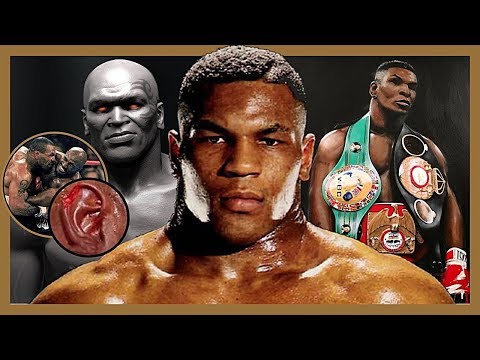
Mike Tyson: The Unstoppable Fury and The Philosophy Behind The Knockout

Ah, Iron Mike. The name itself conjures images of raw power, terrifying speed, and a ferocity rarely seen in any arena, let alone the boxing ring. But was Tyson merely a brute, a creature of instinct unleashed? Or was there a deeper current flowing beneath that tempestuous exterior? Many may seek to understand the mechanics of his devastating uppercuts or the psychology of his opponents' fear, but few delve into the philosophical underpinnings that shaped his ascent and, ultimately, his fall. Today, we dissect not just the fighter, but the warrior, and explore what the legend of Mike Tyson can teach us about the essence of combat and the human spirit.

Who Was Mike Tyson? Beyond the Legend

Mike Tyson wasn't just a boxer; he was a phenomenon. Bursting onto the scene in the 1980s, he possessed a terrifying blend of speed, power, and aggression that left opponents in awe and in pieces. His early career was marked by a string of swift knockouts, earning him the moniker "Iron Mike." He became the youngest heavyweight champion in history, a testament to his prodigious talent and relentless drive. But behind the devastating punches lay a complex individual shaped by a tumultuous childhood, a journey through adversity that forged an unparalleled will to dominate. His rise was meteoric, his fall equally dramatic, making his story a compelling case study in the highs and lows of athletic careers.

Many martial artists, regardless of their chosen discipline, can find echoes of their own struggles and aspirations in Tyson's narrative. The pursuit of mastery, the battle against inner demons, and the sheer dedication required to reach the pinnacle of any combative art are universal themes. While boxing is a distinct sport, the principles of discipline, focus, and the application of explosive power are shared across the martial spectrum. We must look beyond the spectacle and understand the underlying principles that made him so formidable.

The Philosophy of The Knockout: Aggression and Control

What is the philosophy of a knockout? It is the ultimate expression of applied force, the decisive conclusion to a physical dialogue. For Tyson, it wasn't just about landing a punch; it was about dismantling his opponent's will to fight before the punch even landed. This was achieved through a combination of relentless pressure, intimidation, and impeccable technique. His style was predicated on overwhelming his opponents, leaving them no room to breathe, think, or execute their own strategies.

"My power is in my personality. I'm a terrifying character." - Mike Tyson

This quote is crucial. Tyson understood that combat is as much a mental battle as a physical one. His ferocity wasn't just muscle; it was a manifestation of a psychological strategy. He cultivated an aura of invincibility, making his opponents believe they were beaten before they even stepped into the ring. This is a principle found in many traditional martial arts, the concept of Fuden (不動心), or immovable mind. While Tyson's outward expression was explosive aggression, the underlying control and psychological mastery were what made it truly effective.

Consider the Japanese concept of Mushin (無心), often translated as "no mind." It's a state of flow where the martial artist acts instinctively, free from thought and emotion. While Tyson's persona was often characterized by intense emotion, his most effective performances likely tapped into a deep well of instinct honed through rigorous training. The knockout was the result of a perfectly timed action, devoid of hesitation. This is the ideal sought by practitioners of Karate, Judo, and even Swordsmanship.

Tyson's Training Regimen: The Foundation of Fury

No fighter reaches the apex of his sport without an extraordinary commitment to training. Tyson's regimen was legendary for its intensity and volume. While boxing specifics differ, the core principles resonate deeply with any serious martial artist. His dedication to building explosive power and incredible stamina was the bedrock of his success.

A typical Tyson training day often included:

  • Early morning roadwork (running for miles, often in the cold).
  • Bodyweight exercises: thousands of push-ups, sit-ups, and squats.
  • Shadow boxing to hone technique and footwork.
  • Heavy bag work to develop power and endurance.
  • Speed bag work for rhythm and hand speed.
  • Sparring sessions to simulate fight conditions.
  • Skipping rope for footwork, coordination, and cardiovascular fitness.

This sheer volume of work was designed not just to build physical strength but also mental toughness. The repetitive nature of the exercises, the pushing past physical limits, all contributed to his legendary conditioning and his ability to absorb punishment and keep coming forward. This mirrors the dedication required in disciplines like Kyokushin Karate, known for its brutal full-contact sparring and demanding physical conditioning.

The emphasis on consistent, high-volume training is a fundamental lesson. It's not just about talent; it's about the grind. It's the quiet hours in the dojo or gym that forge the fighter. This is why, even today, coaches emphasize the importance of a solid foundation built through repetition and endurance. Without the physical capacity, even the most brilliant technique is unsustainable.

The Mental Game: Fear, Confidence, and the Warrior's Mind

Mike Tyson famously played on the fear of his opponents. This is a powerful weapon, but it must be wielded with an equally strong mental fortitude. How does one harness such an aggressive mindset while maintaining composure? This is where the warrior's mind comes into play.

In disciplines like Judo, the principle of Seiryoku Zenyo (精力善用), maximum efficiency, minimum effort, extends beyond the physical. It's about using your opponent's energy and momentum against them, which requires a calm, strategic mind. Tyson, while outwardly aggressive, demonstrated this strategic control by dictating the pace and terms of the fight.

His trainer, the legendary Cus D'Amato, played a pivotal role in shaping Tyson's mental approach. D'Amato instilled in Tyson the importance of psychological warfare, teaching him to be the aggressor not just physically, but mentally. This involved understanding an opponent's weaknesses and exploiting them ruthlessly. This concept aligns with Sun Tzu's "Art of War," which emphasizes knowing your enemy and knowing yourself to win every battle.

"D'Amato was my father. He taught me everything I know about boxing. He taught me how to be a man." - Mike Tyson

The ability to manage fear and channel it into focus is a hallmark of any great fighter. For Tyson, this likely meant confronting his own fears and insecurities, which were significant given his background, and transforming that energy into a controlled, destructive force within the ring. This is a lesson invaluable to anyone facing challenges, whether in combat sports or in life.

Mike Tyson's Legacy in Martial Arts

While Mike Tyson was a boxer, his impact on the broader martial arts landscape is undeniable. He embodied the ideal of the "knockout artist," a fighter capable of ending a contest with a single, decisive blow. This pursuit of ultimate efficiency and decisive power is a common thread across many martial traditions, from the explosive techniques of Karate Kyokushin to the devastating kicks in Taekwondo.

His raw power and aggressive style also influenced the development of fighters in sports like MMA. While MMA requires a much broader skill set, the ability to deliver impactful strikes and to dominate an opponent physically and mentally remains a key component. Fighters like Francis Ngannou, with his devastating power, often draw comparisons to Tyson's aura of destructive force. Even in grappling arts, the psychological edge gained from a reputation of overwhelming power can be a significant advantage.

Tyson's story also serves as a cautionary tale. The immense pressure of fame, the temptations of wealth, and the challenges of transitioning out of a fighting career are common themes for many athletes. His post-boxing life, marked by personal struggles and eventual redemption, highlights the importance of having a life and a philosophy beyond the ring. This is something many traditional martial arts emphasize – the development of the whole person, not just the fighter. The concept of Budo Life, the way of the warrior, is a lifelong path that extends far beyond physical combat.

Veredict of the Sensei: A True Force of Nature

Mike Tyson was more than just a boxer; he was a force of nature. His sheer power, speed, and aggressive style redefined the heavyweight division and left an indelible mark on the history of combat sports. While boxing is his domain, the dedication, the mental fortitude, and the pursuit of ultimate efficiency in execution are principles that resonate deeply within the martial arts community.

He demonstrated that true power isn't just brute strength, but a calculated and controlled explosion, honed by relentless training and a formidable psychological edge. His legacy is one of awe-inspiring dominance and a reminder of the potent synergy between physical prowess and mental mastery.

Rating: 5 out of 5 Fists of Fury. A masterclass in physical and psychological combat.

Essential Equipment for Your Training

To train like a warrior, you need the right tools. While Tyson's equipment was specific to boxing, many items are universally beneficial for developing power, speed, and conditioning:

  • Boxing Gloves: Essential for any striking training to protect your hands and your training partners. For MMA or sparring, consider 16oz gloves for conditioning.
  • Hand Wraps: Crucial for wrist and knuckle support during intense bag work or sparring.
  • Jump Rope: An inexpensive yet incredibly effective tool for cardiovascular conditioning, footwork, and coordination.
  • Heavy Bag: For developing punching power, endurance, and striking technique.
  • Speed Bag: Excellent for improving hand-eye coordination, rhythm, and shoulder endurance.
  • Kimonos/Gi: For grappling arts like Judo and BJJ, a durable double-weave gi is crucial.
  • Training Shoes: Lightweight, supportive shoes are vital for agility and footwork in most striking arts.

Investing in quality Martial Arts Merchandise is an investment in your training. Don't compromise on gear that protects you and enhances your performance.

Practical Guide: Training for Power

Harnessing explosive power, as Tyson did, requires more than just lifting heavy weights. It involves technique, speed, and full body engagement. Here’s a basic guide:

  1. Compound Movements: Focus on exercises that engage multiple muscle groups simultaneously. Squats, deadlifts, bench presses, and overhead presses are foundational.
  2. Plyometrics: Incorporate explosive exercises like jump squats, box jumps, and clapping push-ups to train fast-twitch muscle fibers.
  3. Speed Training: Practice striking movements (punches, kicks) with maximum speed, focusing on snapping the limb out and retracting quickly.
  4. Core Strength: A strong core is essential for transferring power from your legs and hips through your torso to your strikes. Incorporate exercises like Russian twists, medicine ball slams, and planks.
  5. Technique Refinement: Power without technique is inefficient. Ensure your striking mechanics are sound, allowing for optimal force generation. Focus on hip rotation and proper body alignment.
  6. Practice with Resistance: Use the heavy bag, pads, or sparring partners to apply your power in a controlled environment. This helps translate raw strength into effective combat application.

Remember, consistent practice is key. The power you see in fighters like Tyson is the result of years of dedicated effort.

Frequently Asked Questions

Q1: Was Mike Tyson the greatest boxer of all time?
A1: This is a highly debated topic. Tyson was undeniably one of the most dominant and terrifying heavyweight champions, particularly in his early career. However, 'greatest' often depends on criteria – longevity, breadth of opposition, technical evolution. He is certainly in the conversation for most impactful.

Q2: How did Mike Tyson train for his fights?
A2: Tyson's training was famously grueling, involving intense roadwork, thousands of bodyweight exercises, heavy bag sessions, sparring, and rope skipping, all overseen by trainers like Cus D'Amato and Kevin Rooney.

Q3: What martial arts philosophy can be applied from Mike Tyson's style?
A3: The principles of psychological warfare, relentless pressure, efficient power application, and unwavering mental focus (despite outward aggression) are key philosophical takeaways that transcend boxing and apply to many martial arts.

Q4: Is boxing a martial art?
A4: Yes, boxing is widely considered a martial art. It is a combat sport that focuses on striking with the fists, requiring immense discipline, strategy, physical conditioning, and technique. It has a long history and a distinct set of principles and practices.

Delve Deeper into Your Path

Mike Tyson’s journey is a stark reminder that the path of a warrior is rarely smooth. It is paved with relentless effort, psychological battles, and the constant pursuit of self-mastery. His power was undeniable, but it was the disciplined application of that power, honed through an almost monastic dedication to training, that set him apart.

Now, consider this: In your own training, are you merely going through the motions, or are you channeling your inner 'Iron Mike' – that unwavering resolve, that precise application of force, that mental toughness that refuses to yield? Where does your true power lie, and how are you cultivating it?

For Profundizar en tu Camino

``` GEMINI_METADESC: Explore Mike Tyson's legacy: philosophy, training, and impact on martial arts. Understand the warrior's mind behind the knockout artist.