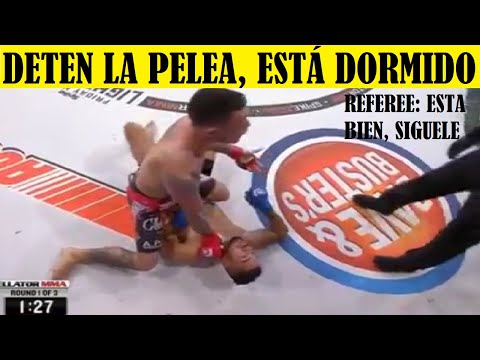
Hello and welcome, warriors, to Budo and Martial Arts. Today, we dive headfirst into the raw, unadulterated collision between two titans of the heavyweight division: Derrick Lewis and Sergei Spivac. Forget the polished presentations; this is about the brutal ballet of force, technique, and sheer will that defines heavyweight MMA. You are witnessing the full fight highlights, a testament to the unpredictable nature of combat sports.
Published on February 5, 2023, this bout wasn't just another entry in the fight card; it was a study in contrasting styles, a clash of experience versus rising momentum. As the most complete and updated martial arts blog on the internet, our mission is to dissect such encounters, not just for the thrill, but for the lessons they impart to every practitioner, from the novice taking their first steps in a Karate Community dojo to the seasoned veteran honing their skills for MMA.
The heavyweight division in mixed martial arts is a realm unto itself. Here, the margin for error is razor-thin, and a single misstep can send a fighter crashing to the canvas. Derrick Lewis, affectionately known as "The Black Beast," is a veteran who has navigated this dangerous landscape for years, carving out a reputation for his devastating power and his uncanny ability to snatch victory from the jaws of defeat. His opponent, Sergei Spivac, "The Polar Bear," represents the new wave – a younger, hungry contender with a robust grappling game and a determined spirit. This fight was more than just a showcase of heavy hands; it was a testament to the enduring spirit of the Warrior Philosophy.
The Combatants: Contrasting Styles
Derrick Lewis is the epitome of the knockout artist. His power is legendary, capable of ending a fight at any moment. However, Lewis's game has historically been criticized for its perceived lack of technical polish, particularly in the grappling department. Yet, his resilience and his ability to weather storms and capitalize on openings are hallmarks of a true fighter. He embodies the concept of Inner Strength, often emerging victorious when all seems lost.
Sergei Spivac, on the other hand, is a product of the modern MMA era, with a strong foundation in wrestling and Brazilian Jiu-Jitsu. His approach is methodical, often looking to impose his will on the ground, controlling his opponents with positional pressure and seeking submission opportunities. His endurance and strategic approach offer a stark contrast to Lewis's often explosive, fight-ending power. This stylistic dichotomy is what makes heavyweight bouts so compelling and, at times, so brutal. It’s a battle of wills as much as it is a battle of skills, a true test of Self-Mastery.
Round One: The Initial Exchange
From the opening bell, the contrast in strategies was evident. Spivac, respecting Lewis's power, circled cautiously, looking for an opening to close the distance and initiate grappling exchanges. Lewis, as is his wont, remained patient, his eyes scanning for the perfect opportunity to unleash his signature power shots. The early moments were a strategic chess match, with neither fighter willing to overcommit. This is where the Mental Game is paramount; a single aggressive mistake against Lewis can be fatal. We saw Spivac attempt a takedown, which Lewis expertly defended, showcasing his defensive wrestling. This initial phase highlighted the importance of calculated aggression, a core tenet in many BUDO disciplines.
"In the heat of battle, the mind must be as sharp as the blade. Hesitation is the first step towards defeat." - Anonymous Master
Round Two: Momentum Shifts
Round two saw Spivac begin to find his rhythm. He successfully secured a takedown, bringing the fight to the mat where he typically thrives. The positional control was evident, as Spivac worked to advance his position and land ground and pound. Lewis, however, demonstrated his renowned toughness. He defended submission attempts and fought intelligently to return to his feet, a crucial skill for any fighter who prefers to keep the fight standing. The ability to escape unfavorable positions is a testament to rigorous Martial Arts Training and the development of fundamental techniques. For fighters like Lewis, surviving the ground game of a specialist like Spivac is an achievement in itself.
Round Three: The Conclusion
The final round was where the fight reached its dramatic conclusion. Spivac, likely sensing an opportunity, pressed forward, and in a decisive moment, secured another takedown. This time, however, Lewis found himself in a difficult position, and Spivac was able to secure a submission victory via rear-naked choke. The sequence was a testament to Spivac's perseverance and strategic execution. It underscored the fact that in MMA, especially in the heavyweight division, one dominant position or one well-timed submission can indeed end the contest, regardless of reputation. It was a clear demonstration of how a well-rounded Entrenamiento can overcome sheer power.
Analysis: Striking and Grappling Dynamics
This bout offered a clear case study in contrasting skill sets. Lewis's striking, while always a threat, wasn't enough to overcome Spivac's strategic grappling. Spivac's success lay in his ability to implement his game plan, neutralize Lewis's power by keeping the fight at a distance he preferred, and then effectively transition to the ground. His takedowns were well-timed and executed, demonstrating solid wrestling fundamentals.
From a striking perspective, Lewis’s threat was always present, forcing Spivac to be cautious. However, Spivac’s defense against Lewis’s bombs was effective for large portions of the fight. The narrative of the bout reinforces a critical lesson: while knockout power is a significant weapon, a comprehensive skillset, particularly strong grappling, can neutralize it. This is why a well-rounded fighter often prevails in the long run, making an argument for continuous learning in Artes Marciales Mixtas.
Principles of Budo on Display
Beyond the physical techniques, this fight showcased several core principles of Budo. Spivac exhibited Perseverance and Disciplina, sticking to his game plan even when facing the formidable threat of Lewis. His strategic approach and patience are indicative of a mind trained to overcome adversity, a key aspect of Self-Improvement.
Lewis, on the other hand, embodied the spirit of never giving up, a quality often seen in legendary fighters. His ability to survive dangerous situations and continuously look for an opening speaks to an indomitable will, a form of Spiritual Development forged in the crucible of combat. Even in defeat, his resilience in past fights is what has cemented his legacy, proving that the journey of a martial artist is not just about winning, but about the fight itself.
"The difference between the impossible and the possible lies in a man's determination." - Tommy Lasorda
Veredict of the Sensei: Does This Fight Deserve a Black Belt?
From a pure entertainment and heavyweight brawl perspective, this fight delivered high stakes and a definitive conclusion. Sergei Spivac demonstrated superior tactical execution and effective grappling, earning a significant victory. However, as a martial arts spectacle that pushes the boundaries of technique and philosophy, it serves as an excellent case study rather than a revolutionary masterpiece.
**Cinturón Negro en Takedowns y Estrategia de Grappling.** Sergei Spivac's performance was a masterclass in imposing his game plan. Derrick Lewis, while always a threat, was outmaneuvered. The fight ultimately teaches us that in the complex world of MMA, a well-rounded skill set coupled with strategic execution often triumphs over raw, one-dimensional power. This bout is a valuable lesson for any aspiring fighter aiming for Martial Arts Mastery.
Training Considerations for Heavyweights
For heavyweights like Lewis and Spivac, training must address unique challenges.
Explosive Power Development: Incorporating plyometrics, Olympic lifts, and explosive strength training is crucial.
Cardiovascular Conditioning: The sheer mass of heavyweight fighters requires exceptional cardio. High-intensity interval training (HIIT) and consistent endurance work are vital.
Grappling Defense: Fighters with a striking focus, like Lewis, must dedicate significant time to defending takedowns and escapes from bad positions.
Takedown Offense: Grapplers must hone their wrestling and takedown entries, ensuring they can bring the fight to the mat against powerful opponents.
Mental Fortitude: Preparing for the pressure of heavyweight matchups, where one mistake can be costly, requires intense mental conditioning.
For those looking to emulate the strength and conditioning seen in professional fighters, consider exploring resources for At Home Workout routines that focus on building functional strength without heavy equipment.
Essential Gear for Your Training
To train effectively and safely, especially when simulating the demands of professional combat, the right gear is indispensable. Investing in quality equipment not only enhances your training experience but also significantly reduces the risk of injury.
High-Quality Gloves: For striking-focused training, invest in durable training gloves (16oz is standard for sparring). Brands like Hayabusa and Title offer excellent options.
Grappling Shorts/Spats: Durable, flexible shorts or spats are essential for grappling sessions to allow for full range of motion and withstand wear and tear.
Mouthguard: A custom-fitted mouthguard is non-negotiable for safety, protecting your teeth and jaw.
Shin Guards: Crucial for kickboxing and Muay Thai training to protect against impact and develop stronger kicks.
Weightlifting Belt: For heavy lifting and strength training, a sturdy weightlifting belt can provide essential core support.
Training Matting: If you're practicing grappling or throws at home, investing in appropriate matting is paramount for safety.
For those focused on striking, consider exploring the latest in Karate Merchandise, including sparring gear that meets competition standards.
Frequently Asked Questions
What is Sergei Spivac's primary fighting style?
Sergei Spivac is primarily a grappler, with a strong background in wrestling and Brazilian Jiu-Jitsu. His strategy often involves taking opponents down and controlling them on the ground.
What is Derrick Lewis's most dangerous weapon?
Derrick Lewis is renowned for his devastating knockout power. His right hand is considered one of the most dangerous strikes in the UFC heavyweight division.
Did this fight go the distance?
No, the fight between Derrick Lewis and Sergei Spivac did not go the distance. Sergei Spivac secured a submission victory via rear-naked choke in the third round.
Is Sergei Spivac a former champion?
As of the time of this fight (February 2023), Sergei Spivac was a rising contender and had not yet won a UFC championship. Derrick Lewis, while not a champion, has held a high ranking and is known for his numerous highlight-reel knockouts.
What does the term "Budo" refer to?
Budo is a Japanese term that translates to "the martial way." It encompasses not just the physical techniques of combat but also the spiritual, mental, and ethical development of the practitioner. It emphasizes discipline, respect, and self-mastery.
For Deeper Insight into Your Journey
To truly grasp the intricacies of martial arts and combat sports, continuous learning is key. Explore these related topics on our blog:
We encourage you to follow us on social networks and visit our main page [https://ift.tt/vWM3LDI](https://ift.tt/vWM3LDI) for the most complete and updated information on the world of martial arts.
Reflection of the Sensei: Your Next Step
Spivac's victory over Lewis is a stark reminder: brute force, while potent, can often be outmaneuvered by superior strategy and a well-honed, comprehensive skill set. In your own training, do you focus solely on your strengths, or do you actively seek to shore up your weaknesses, understanding that true mastery lies in balance? Where does your training need to evolve to meet the challenges of a more complex opponent, whether in the octagon or in the arena of life?
```json
{
"@context": "https://schema.org",
"@type": "FAQPage",
"mainEntity": [
{
"@type": "Question",
"name": "What is Sergei Spivac's primary fighting style?",
"acceptedAnswer": {
"@type": "Answer",
"text": "Sergei Spivac is primarily a grappler, with a strong background in wrestling and Brazilian Jiu-Jitsu. His strategy often involves taking opponents down and controlling them on the ground."
}
},
{
"@type": "Question",
"name": "What is Derrick Lewis's most dangerous weapon?",
"acceptedAnswer": {
"@type": "Answer",
"text": "Derrick Lewis is renowned for his devastating knockout power. His right hand is considered one of the most dangerous strikes in the UFC heavyweight division."
}
},
{
"@type": "Question",
"name": "Did this fight go the distance?",
"acceptedAnswer": {
"@type": "Answer",
"text": "No, the fight between Derrick Lewis and Sergei Spivac did not go the distance. Sergei Spivac secured a submission victory via rear-naked choke in the third round."
}
},
{
"@type": "Question",
"name": "Is Sergei Spivac a former champion?",
"acceptedAnswer": {
"@type": "Answer",
"text": "As of the time of this fight (February 2023), Sergei Spivac was a rising contender and had not yet won a UFC championship. Derrick Lewis, while not a champion, has held a high ranking and is known for his numerous highlight-reel knockouts."
}
},
{
"@type": "Question",
"name": "What does the term \"Budo\" refer to?",
"acceptedAnswer": {
"@type": "Answer",
"text": "Budo is a Japanese term that translates to \"the martial way.\" It encompasses not just the physical techniques of combat but also the spiritual, mental, and ethical development of the practitioner. It emphasizes discipline, respect, and self-mastery."
}
}
]
}
A clash of titans, a dance of power and precision – that's what the heavyweight division often promises, and at UFC 270, Ciryl Gane and Derrick Lewis delivered a spectacle that still echoes in the annals of #MMA. But beyond the raw power and the roar of the crowd, lies a deeper narrative of technique, strategy, and the philosophical underpinnings of combat. Today, we dissect not just a fight, but a masterclass in striking, focusing on Gane's decisive victory and what it means for the practitioner of martial arts.
The intention behind this analysis is clear: to move beyond the superficial excitement of a knockout and delve into the technical and philosophical lessons that can be gleaned from elite-level #combatsports. For the aspiring #MartialArtist, the dedicated #fighter, or even the casual observer who appreciates the dedication required, understanding the "why" behind the "what" is paramount. We aim to dissect the strategy, the technique, and the sheer willpower that separated Gane from Lewis, offering insights applicable to your own #training and understanding of the #martialarts.
The interim heavyweight title hung in the balance at UFC 265, a testament to the dynamic and often unpredictable nature of the #UFC heavyweight division. Ciryl Gane, with his background in French boxing and Muay Thai, represented a new breed of heavyweight – agile, technically proficient, and possessing a diverse striking arsenal. His opponent, Derrick Lewis, was the epitome of heavyweight power. Known for his concussive knockout ability and a resilience that has seen him come back from the brink countless times, "The Black Beast" is a constant threat, capable of ending a fight with a single, devastating blow.
Gane’s journey to this point was marked by a methodical dismantling of opponents, utilizing his footwork and elusive movement to control distance and land strikes with precision. Lewis, on the other hand, embodies the "puncher's chance" – a dangerous reality in any combat sport where a single well-timed shot can alter the course of history. The narrative was set: speed and technique versus raw, unadulterated power.
"The fight is won or lost outside the ring, in the minds of men." - Sun Tzu
This ancient wisdom resonates deeply when considering such matchups. While physical prowess is undeniable, the mental fortitude, strategic preparation, and belief in one's own capabilities are often the deciding factors. Gane’s confidence, built on a foundation of rigorous training and a belief in his technical superiority, was palpable. Lewis’s stoicism and history of overcoming adversity hinted at a mental toughness forged in the fires of many battles.
The Anatomy of a Knockout: Technical Breakdown
The fight itself, while perhaps not as drawn out as some might have expected, was a textbook example of strategic striking. Gane secured the interim heavyweight title late in 2021, defeating Derrick Lewis via third-round knockout. This victory wasn't just a testament to his power, but more significantly, to his superior technical execution.
Gane’s strategy was evident from the outset: use his superior movement and reach to keep Lewis at bay, frustrating his attempts to close the distance and land his signature heavy shots. He employed a constant stream of jabs and straights, gauging Lewis’s reactions and looking for openings. The key, however, was Gane’s ability to implement his game plan despite the looming threat of Lewis's power. He demonstrated exceptional ring generalship, controlling the pace and dictating the engagement.
The fight-ending sequence was a beautiful, albeit brutal, display of striking artistry. Gane feigned a low kick, drawing Lewis’s guard down, and then pivoted seamlessly into a devastating right uppercut. This technique is a staple in disciplines like boxing and Muay Thai, and Gane’s execution was flawless. The uppercut, when landed correctly, travels vertically, targeting the chin and jawline. It's often thrown when an opponent is moving forward or is slightly bent over, making it incredibly difficult to defend.
Here's a breakdown of the key technical elements:
Feint: Gane’s initial low kick feint was crucial. It conditioned Lewis to expect strikes low, subtly lowering his defensive posture.
Pivot and Rotation: The seamless pivot allowed Gane to generate maximum torque and power from his hips and core, essential for a knockout blow.
Targeting the Chin: The uppercut's upward trajectory is designed to lift the opponent's head and disrupt their equilibrium, leading to a knockout.
Timing: The strike landed precisely as Lewis was perhaps preparing to launch his own attack or was recovering from the feint, leaving him vulnerable.
This wasn't a wild swing; it was a calculated, precisely timed strike born from hours of dedicated #MartialArtsTraining. It earned him Performance of the Night honors, and rightfully so. It showcased the difference between a powerful puncher and a skilled striker.
Philosophical Dimensions of the Heavyweight Bout
Beyond the physical exchange, there’s a profound philosophical element to bouts like these. The concept of "Mushin" – a state of mind where the mind is free from the ego, from fear, and from anger, allowing the body to react instinctively and perfectly – is often discussed in martial arts. In this fight, Gane’s calm demeanor and methodical approach suggest a high degree of mental clarity. He wasn't drawn into a brawl, he didn't succumb to the pressure of Lewis's power, nor the interim title on the line.
"True strength is not to have power, but to control it." - Unknown Master
This quote encapsulates Gane's performance. He possessed the power, but he controlled it, channeling it through precise technique rather than wild aggression. This controlled power is a hallmark of true mastery. Lewis, despite his power, struggled to impose his will against Gane's defensive acumen and superior striking angles. This highlights that in martial arts, raw power, while formidable, is often best utilized in conjunction with strategic thinking and technical application.
The fight also underscores the principle of "Sen," a Japanese martial arts concept encompassing initiative and timing. Gane didn't just react; he actively sought to control the tempo and seize crucial moments, as evidenced by the fight-ending uppercut. He seized the initiative when he saw the opening, demonstrating the importance of proactive engagement in combat, not just reactive defense.
Veredict of the Sensei: A Masterclass in Striking
UFC 265's main event between Ciryl Gane and Derrick Lewis was a defining moment for Gane, showcasing his evolution as a top-tier heavyweight. His performance was a testament to disciplined striking, intelligent game planning, and the execution of a well-honed technique. This fight is a prime example of how technical proficiency can overcome brute force.
Cinturón Negro en Coreografía de Combate: Gane displayed an almost artistic approach to the fight, moving with a fluidity rarely seen in the heavyweight division. His ability to set up and land the fight-ending uppercut was near-perfect. This fight is a must-watch for anyone looking to understand modern striking strategy in #MMA. It’s a clear indication of why Gane was considered a future champion, and a harsh lesson for Lewis on the unforgiving nature of elite #combat.
Essential Training Equipment for Striking Arts
For any martial artist looking to emulate the precision and power displayed in this fight, the right equipment is crucial for safe and effective training. Whether you practice #Karate, #Kickboxing, #MuayThai, or #MMA, investing in quality gear can make a significant difference.
Boxing Gloves: For sparring, 16oz gloves are standard to protect both you and your training partners. For heavy bag work, consider 12oz or 14oz gloves. Look for brands known for durability and good wrist support.
Shin Guards: Essential for Muay Thai and kickboxing drills to absorb the impact of kicks and protect your shins.
Mouthguard: Non-negotiable for any contact training. A well-fitted mouthguard can prevent serious dental injuries.
Headgear: Recommended for sparring, especially for beginners, to minimize the risk of cuts and concussions.
Heavy Bag or Punch Mitts: Fundamental tools for developing power, speed, and accuracy.
Kimono (for Judo/BJJ): While not directly used in striking, a durable #Judo or #BJJ Gi is essential for grappling training, which often complements striking arts in #ArtesMarcialesMixtas.
For those looking to train at home without extensive equipment, focusing on bodyweight conditioning and shadowboxing is highly effective. Look for programs designed for #AtHomeWorkout and #NoEquipment training.
Training Guide: Developing Your Own Knockout Power
Power in striking isn't just about brute strength; it's about efficient application of force. Here’s a step-by-step guide to developing your own knockout power:
Master the Fundamentals: Ensure your stance, footwork, and basic punches (jab, cross, hook, uppercut) are technically sound. Correct form is the foundation of power.
Core Strength Training: A strong core is the engine of your power. Incorporate exercises like planks, Russian twists, and medicine ball throws.
Explosive Movements: Practice plyometric exercises such as jump squats, medicine ball slams, and box jumps to develop explosive power.
Heavy Bag and Pad Work: Focus on putting your whole body into each strike. Visualize the kinetic chain – from your toes, through your hips and core, to your fist. Don't just hit the bag; *drive* through it.
Hip Rotation: Learn to generate power from hip rotation. Practice turning your hips over with each punch, transferring energy through your body.
Proper Breathing: Exhale sharply with each strike. This not only aids in power generation but also protects your core.
Timing and Precision: Practice hitting specific targets accurately. Power without accuracy is often wasted. Study the timing demonstrated by fighters like Gane.
Sparring with Purpose: Sparring is where you integrate power training. Focus on landing controlled, powerful shots, rather than just flailing. Always prioritize safety.
Remember, consistency is key. Dedicate time to these drills regularly, and you will see improvements in your power and striking effectiveness.
Frequently Asked Questions
What is the difference between a knockout and a TKO in MMA? A knockout (KO) occurs when a fighter is rendered unconscious or unable to continue due to strikes. A Technical Knockout (TKO) happens when the referee stops the fight because a fighter is deemed unable to intelligently defend themselves, even if they are not fully unconscious.
How did Ciryl Gane’s background in French boxing influence his fight against Derrick Lewis? Gane’s extensive background in French boxing and Muay Thai provided him with superior footwork, a diverse striking arsenal, and the technical proficiency to outmaneuver and outstrike the more powerful Derrick Lewis.
Is the uppercut a powerful strike in other martial arts? Yes, the uppercut is a vital strike in many combat sports, including boxing, Muay Thai, and even some forms of Karate. Its effectiveness lies in its upward trajectory and ability to target the chin, often catching opponents off guard.
What are the mental aspects of heavyweight fighting? Heavyweight fighting demands immense mental fortitude due to the inherent power of the division. Fighters must manage the pressure of potentially being knocked out at any moment while maintaining composure and executing their game plan.
Deepen Your Journey
To continue expanding your knowledge of the martial world and the fighters who shape it, explore these related topics:
Gane’s victory over Lewis at UFC 270 was more than just a fight; it was a demonstration of how technique, strategy, and mental discipline can harmonize to achieve overwhelming success. But the true lesson lies not just in the final blow, but in the journey to deliver it.
Now, consider this: In your own life, where do you rely solely on brute force or inherent talent, neglecting the refinement of technique and strategy? Are you so focused on the "knockout punch" that you miss the subtle, precise movements that could lead to a more assured victory? Reflect on how you can apply Gane's methodical approach and your own unique strengths to achieve your goals, not just with power, but with precision. The path of the martial artist is a constant pursuit of mastery, both within and outside the ring.
GEMINI_METADESC: Deconstruct Ciryl Gane's knockout of Derrick Lewis at UFC 270. A deep dive into striking technique, martial arts philosophy, and training insights for MMA practitioners.
"El camino del guerrero es un camino de auto-descubrimiento. Cada obstáculo superado nos revela una faceta más profunda de nuestro ser." - Anónimo
La historia de Ciryl Gane es una saga que resuena en los corazones de todos aquellos que persiguen un sueño contra viento y marea. En un mundo donde la determinación se forja en el fragor del combate, el recorrido de "Bon Gamin" desde las tiendas de muebles hasta la cima de la UFC es un testimonio conmovedor de la perseverancia, la disciplina y la creencia inquebrantable en el propio potencial. Muchos buscan en las artes marciales mixtas un escape, una forma de canalizar su energía o un camino hacia la fama. Sin embargo, Gane representa algo más: la prueba viviente de que el origen no determina el destino, y que la verdadera grandeza reside en la voluntad de forjarlo uno mismo.
¿Pero qué impulsa a un hombre a dejar la aparente estabilidad de un trabajo para adentrarse en el impredecible y brutal mundo de las artes marciales? ¿Cómo se pasa de empacar sofás a esquivar puñetazos con la gracia de un bailarín y la potencia de un trueno? La respuesta yace en la profunda llamada del Budo, un espíritu que trasciende las convenciones y busca la maestría en todas las facetas de la vida.
De la Carpintería al Cage: Los Primeros Pasos de "Bon Gamin"
La vida de Ciryl Gane antes de conquistar el octágono es tan fascinante como sus combates. Nacido en La Roche-sur-Yon, Francia, su juventud estuvo marcada por la necesidad de trabajar y contribuir. Durante años, la profesión de Gane fue la de vendedor de muebles. Imaginen la escena: un hombre que hoy mueve multitudes con su presencia en el ring, dedicaba sus días a la venta y quizás al montaje de mobiliario. Este pasado, lejos de ser un lastre, se convirtió en una metáfora de su futura carrera. Así como ensamblaba piezas para crear algo funcional y estéticamente agradable, hoy ensambla técnicas de golpeo, lucha y defensa para desmantelar a sus oponentes.
Este período de su vida, a menudo pasado por alto, es crucial para entender la mentalidad de un campeón. No todos los peleadores de élite nacen en entornos privilegiados o son introducidos a las artes marciales desde la infancia. Gane es un ejemplo de que la pasión, cuando se combina con un trabajo duro y una visión clara, puede llevarte a las alturas más insospechadas. Su transición no fue instantánea; fue un proceso gradual, alimentado por un deseo latente de explorar su potencial físico y mental.
La Chispa Marcial: Descubriendo el Karate y el Muay Thai
El primer contacto de Gane con las artes marciales llegó a través del Karate, específicamente el estilo Kyokushin. Este arte marcial, conocido por su rigurosidad y el énfasis en el combate a pleno contacto, sentó las bases de su disciplina y resistencia. En el Kyokushin, se aprende a recibir y dar golpes con determinación, a forjar un espíritu indomable y a respetar al oponente. Estos principios son fundamentales en cualquier disciplina marcial y, sin duda, moldearon la ética de trabajo de Gane.
Pero el destino marcial de Gane no se detuvo ahí. Pronto descubrió el Muay Thai, el arte de las ocho extremidades. La combinación de puños, codos, rodillas y patadas, junto con las clinchadas, ofrecía un espectro más amplio de posibilidades ofensivas y defensivas. El Muay Thai, con su fluidez y potencia, se adaptó perfectamente a la complexión atlética y a la visión de combate de Gane. Fue en este arte donde comenzó a destacar, mostrando una habilidad natural para la distancia, un juego de piernas impresionante y una capacidad para lanzar golpes devastadores. Su apodo, "Bon Gamin" (Buen Chico), contrasta irónicamente con la ferocidad que desplegaba en el ring de Muay Thai.
El Salto al Profesionalismo y la Conquista del Muay Thai
Con una base sólida en Karate y un dominio creciente del Muay Thai, Gane dio el salto al circuito profesional. No tardó en llamar la atención. Su tamaño, agilidad y la versatilidad de su arsenal lo convirtieron en un contendiente formidable. Ganó múltiples títulos en su país natal y, eventualmente, se alzó con el prestigioso campeonato mundial de Muay Thai de la World Boxing Council (WBC).
Este período de su carrera es vital para entender la transición hacia las MMA. El Muay Thai exige una gran preparación física, una mente aguda para la estrategia y la capacidad de lidiar con la presión del combate. Gane demostró poseer todas estas cualidades. Sin embargo, el mundo de las artes marciales mixtas presentaba un desafío aún mayor: la integración de disciplinas. El dominio del golpeo era solo una parte de la ecuación.
El Llamado del Octágono: La Transición a las Artes Marciales Mixtas
Fue en 2018 cuando Ciryl Gane hizo su tan esperada entrada en el mundo de las Artes Marciales Mixtas (MMA). La transición no fue fácil. Si bien su experiencia en Muay Thai le daba una ventaja considerable en el combate de pie, tuvo que aprender y perfeccionar las habilidades de grappling: la lucha libre y el jiu-jitsu brasileño. El octágono de la UFC es un crisol donde diversas disciplinas se encuentran, y la maestría en un solo arte rara vez es suficiente para alcanzar la cima.
Gane firmó con la organización francófona TKO, donde rápidamente demostró su potencial, ganando el título de peso pesado. Su debut en la UFC no se hizo esperar. En su primera pelea para la promoción, mostró una técnica depurada, una defensa sólida y una potencia que dejó a sus rivales sin respuesta. Rápidamente se posicionó como uno de los prospectos más emocionantes en la división de peso pesado.
Ascenso Meteórico en la UFC: Títulos Interinos y Enfrentamientos Épicos
El ascenso de Gane dentro de la UFC fue nada menos que meteórico. Sus actuaciones eran consistentemente impresionantes. Dominaba a sus oponentes con una combinación de velocidad, precisión y una técnica exquisita. Las peleas de Gane son una clase magistral de estrategia y ejecución. Su juego de pies, heredado del Muay Thai, le permite controlar la distancia y evitar ser acorralado, mientras que su jab y su patada frontal son herramientas devastadoras.
No tardó en enfrentarse a nombres de peso pesado. Sus victorias contra contendientes de alto calibre como Júnior dos Santos, Alexander Volkov y Derrick Lewis lo catapultaron hacia la cima de la división. Fue precisamente su victoria dominante sobre Lewis en UFC 265 la que le valió el título interino de peso pesado, un logro monumental que lo situó a las puertas del campeonato indiscutido.
Análisis del Estilo de Combate de Ciryl Gane
El estilo de Ciryl Gane es una fusión fascinante de arte y potencia. A diferencia de muchos pesos pesados que dependen de la fuerza bruta, "Bon Gamin" combina una técnica impecable con una agilidad sorprendente para su tamaño. Analicemos los pilares de su juego:
* **Juego de Pies y Movilidad**: Gane se mueve por el octágono con una ligereza inusual para un peso pesado. Utiliza fintas, cambios de dirección y desplazamientos laterales para mantener a sus oponentes adivinando y crear ángulos de ataque. Esta movilidad le permite lanzar golpes desde posiciones ventajosas y retirarse rápidamente antes de recibir una respuesta.
* **Golpeo Técnico y Preciso**: Su formación en Muay Thai y Karate se manifiesta en un golpeo limpio y variado. Su jab es rápido y penetrante, utilizado para medir la distancia y preparar combinaciones. Sus patadas, especialmente la frontal y la baja, son potentes y precisas. Gane no desperdicia energía; cada golpe está calculado y lanzado con intención.
* **Defensa Inteligente**: Más allá de su capacidad ofensiva, Gane posee una defensa sólida. Utiliza bloqueos, esquivas y movimientos de cabeza para neutralizar los ataques de sus oponentes. Su capacidad para "leer" a sus adversarios le permite anticipar sus movimientos y contragolpear de manera efectiva.
* **Adaptabilidad al Grappling**: Aunque su fortaleza principal es el striking, Gane ha demostrado una notable mejora en su juego de suelo. Ha trabajado incansablemente para defender derribos y, cuando se ve en posiciones desfavorables, lucha con determinación para volver a su guardia o a la posición de pie. Su crecimiento en esta área es un factor clave en su éxito en la UFC.
Filosofía Marcial y Mentalidad de Campeón
La trayectoria de Ciryl Gane nos enseña que la verdadera maestría marcial no reside solo en la técnica, sino en la filosofía que la sustenta. Su ascenso desde la humildad de un vendedor de muebles hasta la gloria de ser campeón interino de UFC es una lección de **perseverancia** y **disciplina**.
En el Budo, se valora la **humildad** y el **respeto**. Gane, a pesar de su éxito, mantiene una actitud humilde y un respeto profundo por sus oponentes y el deporte. Su apodo, "Bon Gamin", evoca una cierta sencillez y nobleza que muchos ven reflejada en su comportamiento dentro y fuera del octágono.
La **adaptabilidad** es otro pilar fundamental. Gane no se aferró a una sola disciplina; abrazó el desafío de integrar diferentes artes marciales. Esta mentalidad de aprendizaje continuo es lo que distingue a los grandes campeones. El camino marcial es un camino de **mejora continua** (`#SelfImprovement`), donde cada entrenamiento, cada combate, es una oportunidad para crecer.
Veredicto del Sensei: ¿Merece la pena el ascenso de Gane?
Sin lugar a dudas. La historia de Ciryl Gane es un ejemplo moderno de cómo la dedicación y el talento pueden romper barreras. Su transición de vendedor de muebles a campeón interino de UFC es una epopeya que inspira a atletas de todas las disciplinas. No solo ha demostrado ser un competidor formidable en el ring, sino que también encarna los valores de disciplina, humildad y crecimiento continuo que son el corazón del verdadero Budo.
**Calificación del Sensei**: Un Sólido "Cinturón Negro en Adaptabilidad y Técnica"
Equipo Esencial para tu Entrenamiento
Si la historia de Gane te inspira a iniciar o mejorar tu propio viaje marcial, contar con el equipo adecuado es fundamental. No necesitas el equipamiento más caro para empezar, pero sí el correcto para cada disciplina.
Para Muay Thai y Kickboxing: Guantes de boxeo de 14oz o 16oz para sparring, vendas para proteger tus muñecas, espinilleras y un protector bucal son esenciales.
Para MMA: Guantes específicos de MMA (más ligeros, permiten el agarre), pantalones cortos de lucha y, por supuesto, un protector bucal.
Para Entrenamiento General y Acondicionamiento: Ropa cómoda y transpirable, zapatillas deportivas adecuadas para el movimiento multidireccional y, si entrenas en casa, quizás una esterilla y bandas de resistencia.
Kimono/Gi: Si te interesan las disciplinas de grappling como el Judo o el Jiu-Jitsu Brasileño, un buen kimono de doble tejido (para Judo) o un Gi resistente (para BJJ) será tu inversión principal.
Para aquellos que buscan incursionar en las artes marciales, la elección del kimono correcto puede ser crucial. Un buen kimono de Judo, diseñado para resistir los agarres y los lanzamientos, te permitirá entrenar con seguridad y eficacia.
Guía de Entrenamiento: Ejercicio de Patada Frontal para Principiantes
Inspirado en la técnica de Gane, aquí tienes un ejercicio básico para mejorar tu patada frontal (Mawashi-geri en Karate, o simplemente Front Kick).
Posición Inicial: Párate derecho con los pies separados a la anchura de los hombros. Si eres diestro, tu pie izquierdo estará ligeramente adelantado.
Levanta la Rodilla: Levanta la rodilla de la pierna de apoyo (en este caso, la derecha) hacia tu pecho. Mantén la rodilla flexionada y la espinilla paralela al suelo.
Extiende la Pierna: Empuja la pierna hacia adelante con fuerza, extendiendo la cadera. El golpe debe impactar con la planta del pie o el talón, no con los dedos. Imagina que quieres golpear un objetivo recto enfrente de ti.
Retrae Rápidamente: Tan importante como el golpe es la retracción. Vuelve a flexionar la rodilla rápidamente y regresa la pierna a la posición inicial. Esto te mantiene equilibrado y evita que tu oponente atrape tu pierna.
Repetición y Equilibrio: Practica alternando piernas. Concéntrate en mantener el equilibrio sobre la pierna de apoyo. Puedes apoyarte ligeramente en una pared al principio si es necesario.
Recuerda practicar estas patadas con un objetivo blando (como un saco de boxeo o un escudo de entrenamiento) y, si es posible, bajo la supervisión de un instructor cualificado.
Preguntas Frecuentes
¿En qué arte marcial comenzó Ciryl Gane su entrenamiento?
Ciryl Gane comenzó su formación en Karate, específicamente en el estilo Kyokushin, antes de dedicarse al Muay Thai.
¿Cuál es el apodo de Ciryl Gane y qué significa?
Su apodo es "Bon Gamin", que se traduce del francés como "Buen Chico".
¿Cuándo debutó Ciryl Gane en la UFC?
Gane debutó en la UFC en agosto de 2019.
¿Contra quién peleó Ciryl Gane por el título interino de peso pesado?
Ganó el título interino de peso pesado de la UFC al derrotar a Derrick Lewis en UFC 265.
¿Es Ciryl Gane un peleador de striking o grappling?
Gane es predominantemente un peleador de striking, con una base muy sólida en Muay Thai y Karate. Sin embargo, ha desarrollado significativamente sus habilidades de grappling a lo largo de su carrera en MMA.
"El hombre que mueve una montaña comienza quitando las piedras pequeñas." - Confucio. La carrera de Gane es un claro ejemplo de este adagio.
Reflexión del Sensei: Tu Próximo Paso
La historia de Ciryl Gane es un espejo en el que muchos podemos vernos reflejados. Nos muestra que la vocación marcial puede encontrarse en los lugares más inesperados y que el camino hacia la maestría es un maratón, no un sprint. No importa si tu "trabajo anterior" era vender muebles, estudiar en una biblioteca o cualquier otra ocupación. Lo que importa es la voluntad de transformarte.
Ahora te planteo la pregunta: ¿cuál es la "piedra pequeña" que necesitas mover hoy mismo en tu propio entrenamiento? ¿Qué pequeño paso puedes dar para acercarte a tu meta marcial, para cultivar esa disciplina y esa resiliencia que definen a un verdadero guerrero? No esperes la señal divina; créala tú mismo.
```
GEMINI_METADESC: Descubre la inspiradora historia de Ciryl Gane, de vendedor de muebles a campeón interino de UFC. Analizamos su estilo, filosofía Budo y ascenso meteórico en las MMA.
En el mundo de los deportes de combate, la victoria a menudo se mide por la contundencia de los golpes, la estrategia aplicada y, en última instancia, por la sumisión o el KO del oponente. Sin embargo, existen momentos que trascienden la mera competición y revelan el verdadero corazón de un guerrero. Hablamos de esos instantes fugaces, a menudo capturados en videos virales, donde un peleador, en el apogeo de su dominio, decide conscientemente detener la masacre. No por debilidad, sino por una profunda empatía y un respeto inquebrantable hacia su adversario. ¿Qué lleva a un atleta de élite a renunciar a la gloria de un final devastador por un acto de misericordia? Vamos a explorar estos gestos poco comunes que definen el verdadero significado del honor marcial.
Más Allá de la Victoria: El Espíritu Marcial
El concepto de Budo (武道), el camino del guerrero, va mucho más allá de la eficacia en el combate. Implica disciplina, respeto, autoconocimiento y, fundamentalmente, un código ético. Un maestro de artes marciales no solo enseña técnicas de golpeo o lucha, sino también el control de la agresión y la importancia de la dignidad, tanto propia como ajena. En muchas disciplinas, como el Judo (柔道), el respeto por el oponente es un pilar fundamental. Como dijo el fundador Jigoro Kano:
"Máxima Eficiencia, Máximo Bienestar Mutuo".
Esta filosofía se manifiesta cuando un peleador evalúa la situación y considera que infligir más daño sería innecesario, incluso cruel. La victoria no debería costar la salud o la integridad física de un ser humano de forma gratuita. En estos casos, la decisión de pedir al árbitro que intervenga no es un signo de cobardía, sino de un coraje moral superior, una demostración de que el respeto por la vida y la integridad del prójimo está por encima del deseo personal de aniquilación. **Es el reconocimiento de que, en esencia, ambos son practicantes del mismo arte, y uno debe velar por el otro.**
Los 10 Peleadores que Dijeron ¡Basta!
Si bien la cultura popular tiende a glorificar la ferocidad y la finalización brutal, estos ejemplos nos recuerdan que la verdadera maestría marcial reside en el equilibrio. Aquí presentamos diez casos donde el honor y la compasión brillaron sobre la sed de victoria:
1. Chael Sonnen vs. Wanderlei Silva (UFC)
En un combate lleno de tensión previa, Sonnen, tras someter a Silva, tuvo la oportunidad de seguir golpeando. Sin embargo, optó por esperar la intervención del árbitro, mostrando un respeto inesperado.
2. Nate Diaz vs. Conor McGregor (UFC 196)
Aunque McGregor perdió esta pelea, hay momentos en que, al tener a Diaz en posiciones comprometidas, se percibe una contención, un no querer infligir un daño excesivo más allá de lo necesario para asegurar la victoria.
3. BJ Penn vs. Diego Sanchez (UFC 107)
Penn dominó a Sanchez de manera abrumadora. En varias ocasiones, tras conectar golpes contundentes, Penn pareció dar un paso atrás, esperando que el árbitro interviniera ante la incapacidad de Sanchez de defenderse efectivamente.
4. Jon Jones vs. Alexander Gustafsson (UFC 165)
Este fue un combate épico y brutal. Si bien ambos peleadores mostraron una resistencia increíble, hubo momentos donde Jones, tras haber lastimado significativamente a Gustafsson, pareció tomar un respiro, permitiendo que la pelea continuara bajo control del árbitro.
5. Georges St-Pierre vs. Michael Bisping (UFC 217)
Tras una gran actuación y un nocaut técnico, GSP mostró una gran deportividad. En lugar de rematar a un Bisping visiblemente afectado, se aseguró de que la victoria fuera declarada formalmente por el árbitro.
6. Anderson Silva vs. Forrest Griffin (UFC 101)
Silva, conocido por su estilo letal, noqueó a Griffin con un golpe demoledor. La manera en que se detuvo, sin seguir atacando innecesariamente, ejemplifica el control y el respeto.
7. Max Holloway vs. Jose Aldo (UFC 212)
Holloway demostró una superioridad impresionante. En los asaltos finales, a pesar de tener a Aldo en serias dificultades, Holloway pareció moderar la intensidad, esperando la decisión arbitral.
8. Israel Adesanya vs. Robert Whittaker (UFC 271)
Aunque Adesanya es conocido por su precisión letal, en varios intercambios donde Whittaker estaba tambaleándose, se notaba una pausa calculada antes de lanzar el siguiente ataque, no buscando la aniquilación total, sino la victoria controlada.
9. Khabib Nurmagomedov vs. Conor McGregor (UFC 229)
A pesar de la intensa rivalidad, en el suelo, tras someter a McGregor, Khabib buscó finalizar la pelea de manera limpia, sin añadir golpes innecesarios una vez que la sumisión era clara y la intervención arbitral inminente.
10. Ciryl Gane vs. Derrick Lewis (UFC 265)
En un ejemplo más reciente, Ciryl Gane, tras un intercambio intenso y un golpe que dejó a Lewis en mal estado, se aseguró de que el árbitro detuviera la pelea, mostrando una gran compostura y respeto por el bienestar de su oponente.
¿Cuándo es Demasiado? La Línea Sutil
La pregunta clave es: ¿dónde reside la línea entre una finalización legítima y un castigo excesivo? La respuesta no es simple y a menudo depende de la interpretación del árbitro, la condición del peleador y la dinámica del combate. Los **deportes de combate** como el MMA, el Boxeo o el Kickboxing tienen reglas para proteger a los atletas. Un peleador honorable reconoce cuándo esas reglas deben ser "actuadas" por su propia iniciativa, basándose en la lectura del estado de su oponente.
Un criterio común es cuando un peleador está defendiéndose de manera pasiva, sin intentar mejorar su posición o bloquear golpes de forma efectiva, y ha recibido daño significativo. En ese momento, el árbitro debe intervenir. Sin embargo, los peleadores mencionados en esta lista a menudo toman esa decisión antes, anticipándose a la intervención arbitral y demostrando un nivel de conciencia y ética que eleva el espíritu deportivo. **Es la diferencia entre ganar a toda costa y ganar con honor.**
Cultivando el Respeto en el Dojo
Estos actos no surgen de la nada; son el reflejo de una formación marcial profunda y un entendimiento de los principios éticos del Budo. En el dojo, se enseña desde el primer día la importancia del respeto mutuo. Cada saludo, cada ejercicio compartido, cada corrección constructiva refuerza la idea de que el arte marcial nos une, en lugar de dividirnos.
En el Judo, por ejemplo, la técnica de **Tomoe Nage** (lanzamiento circular) o el **O-soto Gari** (barrido mayor) pueden ser ejecutados con fuerza controlada. El objetivo no es aplastar al oponente, sino demostrar la técnica y la aplicación de la fuerza de manera efectiva. De manera similar, en Karate, las katas (formas) no solo entrenan la técnica sino también la concentración y el control del ki (energía vital).
Entrenamiento de Agilidad y Control:
Ejercicios de Sombra con Control: Practica tus golpes y combinaciones frente a un espejo, enfocándote en la precisión y el control. Imagina que cada golpe tiene el poder para finalizar, pero detente justo antes del impacto simulado.
Sparring Ligero con Énfasis en la Defensa: Cuando hagas sparring, concéntrate en defenderte eficazmente y en ver cuándo tu oponente está desequilibrado o expuesto, pero resiste el impulso de seguir atacando sin fin. Comunícate con tu pareja de entrenamiento.
Meditación y Visualización: Dedica tiempo a la meditación (como el Zazen) para cultivar la calma mental y la autoconciencia. Visualiza situaciones de combate donde puedes optar por el control en lugar de la agresión desmedida.
El Veredicto del Sensei: El Coraje de la Misericordia
Estos 10 peleadores no solo demostraron habilidad técnica, sino un carácter excepcional. En un deporte donde la adrenalina y la agresividad son primordiales, elegieron el camino del honor. La capacidad de un guerrero para controlar su propia furia y aplicar misericordia cuando está en posición de dominio es, a mi juicio, una manifestación de maestría mucho mayor que cualquier KO espectacular. El verdadero campeón no es solo el que gana, sino el que gana con dignidad y respeto.
Calificación:Cinturón Negro en Integridad Marcial
Preguntas Frecuentes
¿Por qué algunos peleadores deciden no seguir golpeando?
Generalmente, por un sentido de honor y respeto hacia el oponente. Reconocen que el adversario ya no puede defenderse efectivamente y que infligir más daño sería innecesario y poco ético.
¿Es una señal de debilidad negarse a terminar una pelea?
Absolutamente no. Es una demostración de control, autoconciencia y fortaleza moral, virtudes fundamentales en el camino marcial.
¿Existen reglas que obliguen a un peleador a detenerse?
Las reglas de los deportes de combate facultan al árbitro para detener la pelea si un competidor no puede defenderse. Los peleadores mencionados a menudo actúan antes de que el árbitro intervenga, mostrando iniciativa ética.
¿Qué arte marcial enfatiza más este tipo de valores?
Muchas artes marciales tradicionales, como el Judo, el Aikido (合気道) y el Karate tradicional, ponen un gran énfasis en el respeto, el control y la ética del guerrero, además de las técnicas de combate.
Si bien el honor es una cualidad interna, un entrenamiento efectivo requiere el equipo adecuado. Para entrenar en casa o en el dojo, considera:
Guantes de Entrenamiento: Si practicas striking, unos buenos guantes de 14-16 oz son esenciales para la seguridad en el sparring.
Kimono o Gi: Fundamental para disciplinas como Judo, BJJ o Aikido. Busca un tejido resistente y un buen ajuste.
Protector Bucal: Un elemento de seguridad básico para cualquier tipo de combate o sparring intenso.
Esterillas de Entrenamiento: Para entrenar caídas, técnicas de suelo o ejercicios de acondicionamiento físico en casa.
Nota: Los enlaces proporcionados en el contenido original son para equipos de producción de video y no se relacionan directamente con el entrenamiento marcial. Si buscas equipo específico, te recomiendo consultar tiendas especializadas en artes marciales.
Reflexión del Sensei: Tu Próximo Paso
Hemos visto ejemplos de guerreros que, en la cumbre de su poder, eligieron la compasión. Ahora, detente un momento. Piensa en tu propio entrenamiento, en tus interacciones. ¿Cuándo ha sido tu impulso golpear con todo? ¿Y cuándo has sentido la responsabilidad de controlar tu fuerza? ¿Te has detenido antes de infligir un daño innecesario, ya sea en el tatami, en la calle o en una discusión acalorada?
Tu próximo paso: La próxima vez que entrenes, ya sea practicando un kata, haciendo sparring o incluso resolviendo un conflicto personal, haz un esfuerzo consciente por buscar la finalización limpia, la solución justa, el control, en lugar de la aniquilación o la victoria a cualquier precio. Siente la diferencia. Demuéstralo.
```
GEMINI_METADESC: Descubre 10 peleadores de MMA y otros deportes de combate que mostraron un honor excepcional al detener sus propias peleas por compasión. Reflexiona sobre el verdadero espíritu marcial.
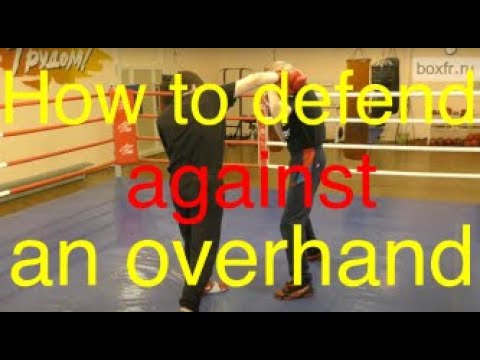
In the brutal ballet of combat, few strikes carry the raw, deceptive power of the overhand right. It's a blow born of desperation, a haymaker flung with a primal urge to end the engagement with a single, devastating impact. Many a skilled practitioner has faltered, caught off guard by its unorthodox trajectory and sheer force. But true mastery lies not just in offense, but in understanding and neutralizing the opponent's most dangerous weapons. Today, we delve deep into the anatomy of the overhand, not merely to defend against it, but to dissect its weaknesses and turn its strength against the aggressor. This is not about mere survival; it's about dominance.
Understanding the Overhand: The Savage Art of the Wild Swing
The overhand right, often referred to by its more visceral descriptions like "windmill" or "battering ram," is characterized by its looping, arcing motion. Unlike a straight punch, which travels directly from point A to point B, the overhand begins with a dramatic elevation of the fist, often accompanied by a significant body turn and weight transfer. This wind-up is what gives it its devastating power, but it's also its Achilles' heel. The telegraphing of such a motion, the distinct shift in balance, and the extended wind-up provide crucial milliseconds for a well-trained defender to react. Historically, it's a punch seen across numerous combat disciplines, from the raw exchanges in street brawls to the powerful hooks of Western boxing and even the dynamic strikes in some older Karate katas, albeit with different applications.
Why is it such a persistent threat? Because it's designed to bypass traditional guards. A high, tight guard can be vulnerable to a powerful overhand that comes *over* the forearms and helmet. It’s a punch that carries weight, leverage, and a certain desperation that can overwhelm a less experienced opponent. Think of it as a brute force instrument – effective when it connects, but often leaving the attacker exposed.
Timing is Everything: When to Evade and When to Intercept
The golden rule of countering the overhand is timing. You cannot simply react; you must anticipate. The attacker's commitment to such a powerful, committed strike is their undoing. As the arm begins its descent, the defender has several options, each dependent on distance and the attacker's momentum.
Early Warning Signs:
A sudden, exaggerated shift of weight to the back leg.
A distinct upward movement of the punching shoulder.
The "tensing" of the body as it coils for the strike.
Once these signs are perceived, your reaction must be swift and precise. Trying to block an overhand head-on is like trying to stop a runaway train with your bare hands. The impact will be jarring, potentially causing injury or at least disrupting your balance. Therefore, evasion and interception are key.
Defensive Strategies: The Art of Slipping and Rolling
The most effective defenses against the overhand are those that move *with* the punch, redirecting its energy or evading its path entirely. This requires a keen sense of timing and body awareness.
Slipping: This involves subtly moving your head and upper body *offline* as the punch travels past. Imagine a slight bob or weave. As the overhand swings, you lean your head and torso to the side, allowing the punch to whistle harmlessly through the air where your head was moments before. This is particularly effective if you can simultaneously step slightly offline, breaking the attacker's direct line of sight and balance.
Rolling (The "Duck"): A more pronounced evasion, the duck involves dropping your level significantly, bending at the knees and waist, so the overhand passes *over* your head. This is a powerful defensive maneuver, but it requires excellent core strength and balance to execute without falling or being thrown off. Successfully ducking can put you in a prime position to attack the opponent's legs or body.
Key Principle: Never stand and brace. The overhand's power is in its momentum. Trying to stop it directly is often futile and dangerous. Instead, use its own momentum against it by moving out of its path.
"The supreme art of war is to subdue the enemy without fighting." - Sun Tzu, The Art of War. While this quote speaks of strategy, its essence applies to defense. The ultimate defense neutralizes the attack before it even lands, rendering it ineffective.
Counter-Attack Principles: Turning the Tide
Defense is only half the battle. A true martial artist seizes the moment of vulnerability created by the opponent's failed attack. When an overhand misses:
Exploit the Opening: The attacker is often off-balance and their guard is down after a missed overhand. This is your prime opportunity to strike.
Target the Body: A common counter is a hard shot to the ribs or solar plexus, capitalizing on the attacker's forward momentum.
Inside Strikes: If you've slipped effectively, you might be inside the arc of their swing. A quick uppercut or hook to the body or head can be devastating.
The Clinch/Grapple: If the overhand is part of a more desperate, wild exchange, a successful evasion can lead to an immediate clinch, allowing you to control the opponent and potentially take them down. This is a crucial element in close-quarters combat, where the overhand is often a last-ditch effort.
Remember, the most effective counter is not necessarily the most powerful, but the most timely and opportunistic. A sharp jab or a well-placed knee can be far more effective than a wild, desperate swing.
Practical Drills: Sharpening Your Defense
Theoretical knowledge is vital, but it must be honed through rigorous practice. Here are drills to develop your ability to counter the overhand:
Shadow Boxing with Intent: Visualize an opponent throwing an overhand. Practice slipping and rolling, focusing on smooth, controlled movements. Exaggerate the evasion initially, then refine it to be more subtle.
Partner Drills (Controlled): With a willing and skilled partner, have them throw slow, deliberate overhands. Focus on timing your evasions and stepping offline. Gradually increase the speed. Communication is key here to ensure safety.
Reactive Slipping/Rolling: Have a partner stand at a safe distance and call out "Overhand!" just as they begin the motion. Your task is to react with the appropriate evasion. This trains your reflex time.
Counter-Punch Integration: Combine the evasion with a counter-strike. After a successful slip or roll, immediately throw a pre-determined counter, such as a jab to the nose or a body hook.
The "Wildman" Drill: One partner throws a series of wild, committed strikes, including overhands. The defender's sole job is to evade, stay safe, and look for a single opening to land one clean, decisive counter. This simulates a desperate attacker.
Advanced Concepts: The Philosophical Edge
Beyond the physical mechanics, understanding the overhand touches upon deeper martial principles. The attacker's reliance on the overhand often stems from a lack of discipline, control, or refined technique. They are using raw power because they lack precision.
Conversely, the defender's ability to evade and counter comes from discipline, focus, and a calm mind. This is where concepts like Mushin (no-mind) become relevant. When the overhand is thrown, the defender doesn't overthink; they simply react from instinct honed by thousands of repetitions. The chaotic energy of the overhand meets the stillness and adaptability of the trained martial artist.
"There are no secrets. The overhand is a power shot, but it is slow. Speed and timing defeat it. If you are always moving, always aware, it cannot land." - A common saying among old-school boxers and fighters.
The commitment to an overhand often means the attacker is also committed to their position. This commitment can be exploited. A fighter who throws an overhand is vulnerable to attacks that exploit their posture – sweeps, trips, or simply capitalizing on their unstable base.
Veredict of the Sensei: Is the Overhand a True Threat?
The overhand right, in its raw, untrained form, is a dangerous weapon primarily for those who lack the awareness, timing, and defensive skills to deal with it. It's the punch of the desperate, the untrained, or the bully. However, for the disciplined martial artist, it is a predictable pattern, an opportunity disguised as a threat. Its power can be neutralized, its energy redirected, and its user left exposed. While it demands respect and careful observation, it is far from an insurmountable force. It is a testament to the fact that raw power, without technique and timing, is often clumsy and ultimately defeatable.
Rating:Cinturón Negro en Potencial de Contra-Ataque
Essential Equipment for Your Training
While many drills can be done with minimal equipment, certain items can enhance your training and safety:
Sparring Gloves: For partner drills, 14oz to 16oz gloves are essential for protecting both your hands and your partner's face.
Mouthguard: Non-negotiable for any sparring or contact drill.
Focus Mitts and Thai Pads: Ideal for practicing evasions and developing power counters. Your partner can hold these to give you a solid target.
Training Partners: The most crucial piece of equipment! A dedicated and skilled training partner is invaluable for developing defensive and counter-attacking skills.
Instructional DVDs/Books: To deepen your understanding of striking defense and counter-offense.
Frequently Asked Questions
What is the best martial art for defending against an overhand?
Many arts teach effective counters. Boxing's slipping and countering, Muay Thai's devastating elbow and knee checks, Judo's ability to off-balance and throw, and Karate's evasive footwork are all highly relevant. The effectiveness depends more on the individual practitioner's skill and dedication to training these specific counters than on the art itself.
Can I block an overhand?
Directly blocking a full-power overhand is ill-advised. It's like blocking a falling tree. Evasion (slipping, rolling) is far more effective and safer. If you must block, it should be a deflection rather than a dead stop, using your forearm to guide the punch away.
What should I do if I get hit by an overhand?
If you are hit and stunned, your immediate priority is to recover your guard and composure. If possible, clinch your opponent or create distance to clear your head. Do not continue to fight wildly; focus on regaining your defensive posture and assessing the situation.
Is the overhand used in MMA?
Absolutely. While often less telegraphed due to the varied threats in MMA, powerful overhand rights are a staple in striking arsenals. Fighters like Derrick Lewis are known for their devastating overhand power.
Further Learning on Your Path
To continue your journey in understanding combat and martial philosophy, explore these related topics:
If you resonate with our pursuit of authentic martial arts knowledge, consider supporting us by exploring our exclusive NFT offerings.
The Russian version of this instructional video can be found here.
Welcome to Budo and Martial Arts, your definitive source for martial arts insights and training. Follow us on social media and remember to visit our main page for the latest updates.
We also invite you to explore our other dedicated blogs for niche insights:
The overhand is a testament to raw power, but power unguided is chaos. Your defense against it, your ability to slip, roll, and counter, is a reflection of your discipline, your timing, and your understanding of the opponent's commitment. So, I ask you: When you face your own "overhands" in life – those sudden, overwhelming challenges – do you brace for impact, or do you move with the grace of a seasoned warrior, turning the chaos into your advantage?
GEMINI_METADESC: Master the overhand right defense with this comprehensive guide. Learn to evade, counter, and turn this powerful strike into an advantage. Expert analysis for martial artists.