Showing posts sorted by relevance for query Budo philosophy and application. Sort by date Show all posts

The Unseen Foundations: A Critical Look at the Wudang Kung Fu Documentary

Introduction: The Allure of Wudang

The misty peaks of Wudang Mountain have long been shrouded in mystique, a sanctuary where Taoist philosophy intertwines with martial prowess. For decades, documentaries have attempted to peel back these layers, seeking to capture the essence of Wudang Kung Fu. But in the quest for visual spectacle, how often is the true spirit of this ancient art truly conveyed? As practitioners and admirers of the martial path, we must ask ourselves: are we merely observing movements, or are we witnessing the manifestation of profound principles? This exploration delves into a particular documentary, dissecting its claims, its presentations, and ultimately, its resonance with the living tradition of Wudang.

Analysis of Intention: What Does the Viewer Seek?

When a martial artist, or indeed any curious soul, clicks on a title like "OLD WUDANG KUNG FU DOCUMENTARY," what is the underlying intent? Is it a superficial curiosity for exotic fighting styles? Or is it a deeper yearning to understand the philosophies that have shaped Wudang Kung Fu into a recognized pillar of Chinese martial arts? I suspect it's a blend of both. The searcher likely seeks visual confirmation of the legendary techniques, perhaps hoping to glean insights that can elevate their own training. They might be looking for the connection between the Taoist principles of yin and yang, the five elements, and the fluid, circular movements often associated with Wudang. Ultimately, the intention is to find authenticity, to separate the performance from the practice, and to understand the historical and philosophical weight that Wudang Kung Fu carries. This documentary, like many others, is vying for attention in a crowded digital space, and its success hinges on satisfying this multifaceted viewer intent. The original creator's mention of exclusive NFTs, while unconventional, highlights a modern attempt to engage with this desire for ownership and exclusivity within a martial arts context. However, it begs the question: does such a commercial endeavor truly align with the 'TRUE martial arts' it purports to support?

Wudang Kung Fu: A Historical and Philosophical Tapestry

Wudang Kung Fu is not merely a collection of fighting techniques; it is a sophisticated system deeply rooted in Taoist philosophy. Legend attributes its founding to the Taoist sage Zhang Sanfeng, who, after observing the combat between a snake and a crane, is said to have synthesized these natural movements into a new martial art. This origin story, while perhaps apocryphal, perfectly encapsulates the Wudang ethos: the emulation of natural forms, the principle of yielding to overcome force, and the integration of inner cultivation with outer expression. The Wudang system encompasses a wide array of styles, including Tai Chi (Taijiquan), Xingyi Quan, and Bagua Zhang, each with its unique characteristics but all sharing a common philosophical foundation. These styles emphasize soft, flowing movements, circularity, and the generation of power from the dantian. The goal is not to meet force with brute force, but to redirect, absorb, and return an opponent's energy, often with minimal effort. This philosophy extends beyond combat, influencing health practices, meditation, and the overall approach to life, aligning it closely with the broader concept of BUDO and the pursuit of self-mastery.

"The supreme art of war is to subdue the enemy without fighting." - Sun Tzu, The Art of War. This ancient wisdom is the bedrock upon which much of Wudang Kung Fu is built.

Documentary Critique: Choreography, Authenticity, and the Spirit of Wudang

Documentaries on martial arts are often a double-edged sword. They can illuminate a path for the uninitiated, but they can also perpetuate misconceptions. When examining a film like the "OLD WUDANG KUNG FU DOCUMENTARY," critical appraisal from a martial arts perspective is paramount. We must look beyond the polished cinematography and dramatic narratives to assess the authenticity of the movements presented. Are the practitioners demonstrating true Wudang principles, or are they performing a stylized, almost theatrical rendition for the camera?

Choreography vs. Combat Application: A key distinction lies between martial arts choreography and practical combat application. While Wudang forms can be breathtakingly beautiful and fluid, their effectiveness in a real confrontation hinges on their underlying principles. A well-executed documentary should ideally showcase not only the forms but also their functional application. Does the film illustrate how the circular deflections of Bagua Zhang translate into evading an attack? Does it demonstrate how the soft yielding of Tai Chi can destabilize a stronger opponent? Without this contextualization, the movements risk appearing as mere dance.

The Role of the 'Sifu': The credibility of any martial arts documentary rests heavily on the lineage and expertise of the instructors featured. Is the 'Sifu' presented a genuine custodian of the Wudang tradition, with a verifiable lineage and a deep understanding of its philosophical underpinnings? Or are they a performer, skilled in exhibition but perhaps lacking the depth of practical experience? A truly authoritative portrayal would feature a recognized master, not just a demonstrator.

Spiritual Depth: Wudang Kung Fu is intrinsically linked to Taoism. A documentary that truly captures its essence must touch upon this spiritual dimension. It should explore the principles of 'Wu Wei' (non-action or effortless action), the balance of 'Yin' and 'Yang', and the cultivation of internal energy ('Qi'). If the film focuses solely on the physical techniques, it misses a fundamental aspect of what makes Wudang unique. The fleeting mention of NFTs by the original creator, while an interesting modern twist, highlights a potential divergence from this deep spiritual core, raising questions about where the ultimate focus lies: in the transmission of timeless wisdom or in ephemeral digital assets.

Visual Storytelling: The visual elements are crucial. The setting – the Wudang Mountains themselves – plays a significant role. Showing practitioners training amidst the natural beauty and historical sites can enhance the sense of tradition and connection to the earth. However, the framing and editing can also mislead. Quick cuts and dramatic music can mask a lack of substance, making a mediocre demonstration appear profound. We must be discerning viewers, questioning what is shown and why.

The Spirit of Budo: Beyond Technique

The term BUDO, often translated as "The Way of the Warrior," encompasses far more than mere fighting skills. It is a path of self-cultivation, discipline, and spiritual development. Wudang Kung Fu, when practiced in its truest form, embodies this spirit. The emphasis on fluidity, yielding, and redirecting energy mirrors the philosophical tenets of Taoism, promoting harmony between mind, body, and spirit. This internal focus is what separates a true martial artist from a mere combatant. The journey involves not just mastering physical techniques like kicks and punches, but also cultivating mental fortitude, emotional control, and a profound understanding of oneself and the universe. This is why debates around the practicality of certain traditional styles in modern Artes Marciales Mixtas (MMA) often miss the point; their value lies not solely in their efficacy in a ring, but in their ability to shape character and foster a more balanced life. Authenticity in martial arts, therefore, is not just about the physical execution, but the integration of these deeper principles.

"True martial arts is not about being the best fighter, but about becoming the best version of yourself." - A common sentiment echoed across many martial traditions.

Veredict of the Sensei: Does it Capture the Essence?

Evaluating a documentary without viewing it presents a unique challenge, akin to judging a fight based solely on a ringside description. However, based on the context provided – a title suggesting an older documentary, a focus on Wudang Kung Fu, and the original creator's emphasis on supporting "TRUE martial arts" alongside an unusual mention of NFTs – I must approach this with a critical lens.

If this documentary primarily showcases aesthetically pleasing forms without delving into their practical applications or the philosophical underpinnings of Taoism and the spirit of BUDO, then its claim to represent "TRUE martial arts" is questionable. The allure of Wudang lies not just in its visual grace but in its profound connection to nature, strategy, and inner cultivation.

Cinturón Negro en Potencial Visual, Cinturón Blanco en Profundidad Filosófica. The "OLD WUDANG KUNG FU DOCUMENTARY" likely offers a visually engaging experience, potentially showcasing beautiful forms that are historically significant. For a casual viewer, it might serve as an engaging introduction. However, for the dedicated martial artist seeking genuine insight into the Wudang system's practical application and philosophical depth, it may fall short. The mention of NFTs, while a novel attempt at engagement, risks diluting the message of 'true martial arts' by introducing a commercial element that seems at odds with the traditional ethos. It suggests a potential disconnect between the content's presentation and the deep, self-cultivating path of martial tradition. My verdict is one of cautious optimism for visual learners, but a call for deeper scrutiny for those seeking substantive martial knowledge.

Essential Training Considerations

While Wudang Kung Fu is often practiced with minimal equipment, focusing on body mechanics and internal energy, certain elements can enhance your training and understanding. The pursuit of authenticity in martial arts training is paramount.

  • Comfortable Training Attire: Loose-fitting clothing that allows for a full range of motion is essential. Traditional martial arts uniforms, or 'gis', are ideal. For styles emphasizing fluidity and circular movements, ensuring your attire doesn't restrict movement is key. Consider investing in a quality Karate Merchandise or Budo uniform that can withstand rigorous practice.
  • Barefoot Training: Many Wudang styles, particularly Tai Chi, are best practiced barefoot. This allows for a direct connection with the ground, improving balance and sensitivity.
  • Training Mats: For drills involving falling or ground work, especially if exploring related arts like BJJ or Judo, a good quality training mat provides cushioning and safety.
  • Books and Resources: To truly understand the philosophical depth of Wudang, delving into Taoist classics and authoritative texts on martial arts is crucial. Look for foundational works on Tai Chi, Xingyi, and Bagua, as well as broader texts on BUDO and martial philosophy.

Frequently Asked Questions

  • What is the main philosophy behind Wudang Kung Fu?
    The core philosophy is rooted in Taoism, emphasizing naturalness, balance (Yin and Yang), yielding to overcome force, and the cultivation of internal energy (Qi). It's about achieving harmony within oneself and with the environment.
  • Is Wudang Kung Fu effective for self-defense?
    Yes, when practiced with the correct understanding of its principles. While its movements may appear soft, they are designed to redirect an opponent's force, create openings, and neutralize threats efficiently, often without direct confrontation.
  • What is the difference between Wudang Kung Fu and other Chinese martial arts like Shaolin?
    While both are rich martial traditions, Wudang is heavily influenced by Taoist philosophy and often emphasizes softer, circular, and internal energy cultivation (like Tai Chi and Bagua), whereas Shaolin is historically associated with Buddhist traditions and often features more external, dynamic, and acrobatic techniques.
  • Are Wudang Kung Fu techniques practical in modern MMA?
    Some principles, like yielding and redirecting force, are indirectly present in high-level MMA. However, the direct application of traditional Wudang forms in a cage is rare due to different rulesets and objectives. The value of Wudang often lies more in self-cultivation and health than in competitive sport for sport's sake.

Deepen Your Understanding

The exploration of martial arts is a lifelong journey. To continue your quest for knowledge and authentic practice, consider these resources:

Reflection of the Sensei: Your Next Step

We have dissected the allure and potential pitfalls of documenting ancient martial arts. This documentary, however old, serves as a catalyst for a deeper inquiry. In your own practice, whether it's Wudang, Karate, Judo, or any other discipline, ask yourself: Are you merely going through the motions, or are you truly embodying the principles? Are you seeking superficial display, or profound self-mastery? The true martial path is not found in flashy NFTs or dramatic cinematography, but in the persistent, humble dedication to understanding and integrating the lessons of the art into your very being.

Now, I pose this to you: If the essence of a martial art lies in its philosophy as much as its technique, how can we, as modern practitioners, ensure that this philosophical depth is not lost in the pursuit of spectacle or commercial gain? Discuss.

```

The Unseen Foundations: A Critical Look at the Wudang Kung Fu Documentary

Introduction: The Allure of Wudang

The misty peaks of Wudang Mountain have long been shrouded in mystique, a sanctuary where Taoist philosophy intertwines with martial prowess. For decades, documentaries have attempted to peel back these layers, seeking to capture the essence of Wudang Kung Fu. But in the quest for visual spectacle, how often is the true spirit of this ancient art truly conveyed? As practitioners and admirers of the martial path, we must ask ourselves: are we merely observing movements, or are we witnessing the manifestation of profound principles? This exploration delves into a particular documentary, dissecting its claims, its presentations, and ultimately, its resonance with the living tradition of Wudang.

Analysis of Intention: What Does the Viewer Seek?

When a martial artist, or indeed any curious soul, clicks on a title like "OLD WUDANG KUNG FU DOCUMENTARY," what is the underlying intent? Is it a superficial curiosity for exotic fighting styles? Or is it a deeper yearning to understand the philosophies that have shaped Wudang Kung Fu into a recognized pillar of Chinese martial arts? I suspect it's a blend of both. The searcher likely seeks visual confirmation of the legendary techniques, perhaps hoping to glean insights that can elevate their own training. They might be looking for the connection between the Taoist principles of yin and yang, the five elements, and the fluid, circular movements often associated with Wudang. Ultimately, the intention is to find authenticity, to separate the performance from the practice, and to understand the historical and philosophical weight that Wudang Kung Fu carries. This documentary, like many others, is vying for attention in a crowded digital space, and its success hinges on satisfying this multifaceted viewer intent. The original creator's mention of exclusive NFTs, while unconventional, highlights a modern attempt to engage with this desire for ownership and exclusivity within a martial arts context. However, it begs the question: does such a commercial endeavor truly align with the 'TRUE martial arts' it purports to support?

Wudang Kung Fu: A Historical and Philosophical Tapestry

Wudang Kung Fu is not merely a collection of fighting techniques; it is a sophisticated system deeply rooted in Taoist philosophy. Legend attributes its founding to the Taoist sage Zhang Sanfeng, who, after observing the combat between a snake and a crane, is said to have synthesized these natural movements into a new martial art. This origin story, while perhaps apocryphal, perfectly encapsulates the Wudang ethos: the emulation of natural forms, the principle of yielding to overcome force, and the integration of inner cultivation with outer expression. The Wudang system encompasses a wide array of styles, including Tai Chi (Taijiquan), Xingyi Quan, and Bagua Zhang, each with its unique characteristics but all sharing a common philosophical foundation. These styles emphasize soft, flowing movements, circularity, and the generation of power from the dantian. The goal is not to meet force with brute force, but to redirect, absorb, and return an opponent's energy, often with minimal effort. This philosophy extends beyond combat, influencing health practices, meditation, and the overall approach to life, aligning it closely with the broader concept of BUDO and the pursuit of self-mastery.

"The supreme art of war is to subdue the enemy without fighting." - Sun Tzu, The Art of War. This ancient wisdom is the bedrock upon which much of Wudang Kung Fu is built.

Documentary Critique: Choreography, Authenticity, and the Spirit of Wudang

Documentaries on martial arts are often a double-edged sword. They can illuminate a path for the uninitiated, but they can also perpetuate misconceptions. When examining a film like the "OLD WUDANG KUNG FU DOCUMENTARY," critical appraisal from a martial arts perspective is paramount. We must look beyond the polished cinematography and dramatic narratives to assess the authenticity of the movements presented. Are the practitioners demonstrating true Wudang principles, or are they performing a stylized, almost theatrical rendition for the camera?

Choreography vs. Combat Application: A key distinction lies between martial arts choreography and practical combat application. While Wudang forms can be breathtakingly beautiful and fluid, their effectiveness in a real confrontation hinges on their underlying principles. A well-executed documentary should ideally showcase not only the forms but also their functional application. Does the film illustrate how the circular deflections of Bagua Zhang translate into evading an attack? Does it demonstrate how the soft yielding of Tai Chi can destabilize a stronger opponent? Without this contextualization, the movements risk appearing as mere dance.

The Role of the 'Sifu': The credibility of any martial arts documentary rests heavily on the lineage and expertise of the instructors featured. Is the 'Sifu' presented a genuine custodian of the Wudang tradition, with a verifiable lineage and a deep understanding of its philosophical underpinnings? Or are they a performer, skilled in exhibition but perhaps lacking the depth of practical experience? A truly authoritative portrayal would feature a recognized master, not just a demonstrator.

Spiritual Depth: Wudang Kung Fu is intrinsically linked to Taoism. A documentary that truly captures its essence must touch upon this spiritual dimension. It should explore the principles of 'Wu Wei' (non-action or effortless action), the balance of 'Yin' and 'Yang', and the cultivation of internal energy ('Qi'). If the film focuses solely on the physical techniques, it misses a fundamental aspect of what makes Wudang unique. The fleeting mention of NFTs by the original creator, while an interesting modern twist, highlights a potential divergence from this deep spiritual core, raising questions about where the ultimate focus lies: in the transmission of timeless wisdom or in ephemeral digital assets.

Visual Storytelling: The visual elements are crucial. The setting – the Wudang Mountains themselves – plays a significant role. Showing practitioners training amidst the natural beauty and historical sites can enhance the sense of tradition and connection to the earth. However, the framing and editing can also mislead. Quick cuts and dramatic music can mask a lack of substance, making a mediocre demonstration appear profound. We must be discerning viewers, questioning what is shown and why.

The Spirit of Budo: Beyond Technique

The term BUDO, often translated as "The Way of the Warrior," encompasses far more than mere fighting skills. It is a path of self-cultivation, discipline, and spiritual development. Wudang Kung Fu, when practiced in its truest form, embodies this spirit. The emphasis on fluidity, yielding, and redirecting energy mirrors the philosophical tenets of Taoism, promoting harmony between mind, body, and spirit. This internal focus is what separates a true martial artist from a mere combatant. The journey involves not just mastering physical techniques like kicks and punches, but also cultivating mental fortitude, emotional control, and a profound understanding of oneself and the universe. This is why debates around the practicality of certain traditional styles in modern Artes Marciales Mixtas (MMA) often miss the point; their value lies not solely in their efficacy in a ring, but in their ability to shape character and foster a more balanced life. Authenticity in martial arts, therefore, is not just about the physical execution, but the integration of these deeper principles.

"True martial arts is not about being the best fighter, but about becoming the best version of yourself." - A common sentiment echoed across many martial traditions.

Veredict of the Sensei: Does it Capture the Essence?

Evaluating a documentary without viewing it presents a unique challenge, akin to judging a fight based solely on a ringside description. However, based on the context provided – a title suggesting an older documentary, a focus on Wudang Kung Fu, and the original creator's emphasis on supporting "TRUE martial arts" alongside an unusual mention of NFTs – I must approach this with a critical lens.

If this documentary primarily showcases aesthetically pleasing forms without delving into their practical applications or the philosophical underpinnings of Taoism and the spirit of BUDO, then its claim to represent "TRUE martial arts" is questionable. The allure of Wudang lies not just in its visual grace but in its profound connection to nature, strategy, and inner cultivation.

Cinturón Negro en Potencial Visual, Cinturón Blanco en Profundidad Filosófica. The "OLD WUDANG KUNG FU DOCUMENTARY" likely offers a visually engaging experience, potentially showcasing beautiful forms that are historically significant. For a casual viewer, it might serve as an engaging introduction. However, for the dedicated martial artist seeking genuine insight into the Wudang system's practical application and philosophical depth, it may fall short. The mention of NFTs, while a novel attempt at engagement, risks diluting the message of 'true martial arts' by introducing a commercial element that seems at odds with the traditional ethos. It suggests a potential disconnect between the content's presentation and the deep, self-cultivating path of martial tradition. My verdict is one of cautious optimism for visual learners, but a call for deeper scrutiny for those seeking substantive martial knowledge.

Essential Training Considerations

While Wudang Kung Fu is often practiced with minimal equipment, focusing on body mechanics and internal energy, certain elements can enhance your training and understanding. The pursuit of authenticity in martial arts training is paramount.

  • Comfortable Training Attire: Loose-fitting clothing that allows for a full range of motion is essential. Traditional martial arts uniforms, or 'gis', are ideal. For styles emphasizing fluidity and circular movements, ensuring your attire doesn't restrict movement is key. Consider investing in a quality Karate Merchandise or Budo uniform that can withstand rigorous practice.
  • Barefoot Training: Many Wudang styles, particularly Tai Chi, are best practiced barefoot. This allows for a direct connection with the ground, improving balance and sensitivity.
  • Training Mats: For drills involving falling or ground work, especially if exploring related arts like BJJ or Judo, a good quality training mat provides cushioning and safety.
  • Books and Resources: To truly understand the philosophical depth of Wudang, delving into Taoist classics and authoritative texts on martial arts is crucial. Look for foundational works on Tai Chi, Xingyi, and Bagua, as well as broader texts on BUDO and martial philosophy.

Frequently Asked Questions

  • What is the main philosophy behind Wudang Kung Fu?
    The core philosophy is rooted in Taoism, emphasizing naturalness, balance (Yin and Yang), yielding to overcome force, and the cultivation of internal energy (Qi). It's about achieving harmony within oneself and with the environment.
  • Is Wudang Kung Fu effective for self-defense?
    Yes, when practiced with the correct understanding of its principles. While its movements may appear soft, they are designed to redirect an opponent's force, create openings, and neutralize threats efficiently, often without direct confrontation.
  • What is the difference between Wudang Kung Fu and other Chinese martial arts like Shaolin?
    While both are rich martial traditions, Wudang is heavily influenced by Taoist philosophy and often emphasizes softer, circular, and internal energy cultivation (like Tai Chi and Bagua), whereas Shaolin is historically associated with Buddhist traditions and often features more external, dynamic, and acrobatic techniques.
  • Are Wudang Kung Fu techniques practical in modern MMA?
    Some principles, like yielding and redirecting force, are indirectly present in high-level MMA. However, the direct application of traditional Wudang forms in a cage is rare due to different rulesets and objectives. The value of Wudang often lies more in self-cultivation and health than in competitive sport for sport's sake.

Deepen Your Understanding

The exploration of martial arts is a lifelong journey. To continue your quest for knowledge and authentic practice, consider these resources:

Reflection of the Sensei: Your Next Step

We have dissected the allure and potential pitfalls of documenting ancient martial arts. This documentary, however old, serves as a catalyst for a deeper inquiry. In your own practice, whether it's Wudang, Karate, Judo, or any other discipline, ask yourself: Are you merely going through the motions, or are you truly embodying the principles? Are you seeking superficial display, or profound self-mastery? The true martial path is not found in flashy NFTs or dramatic cinematography, but in the persistent, humble dedication to understanding and integrating the lessons of the art into your very being.

Now, I pose this to you: If the essence of a martial art lies in its philosophy as much as its technique, how can we, as modern practitioners, ensure that this philosophical depth is not lost in the pursuit of spectacle or commercial gain? Discuss.

``` GEMINI_METADESC: Critically analyze the "OLD WUDANG KUNG FU DOCUMENTARY" from a martial arts perspective. Explore authenticity, philosophy, and the spirit of Budo beyond mere technique.
Aikido's Essence: Analyzing O'Sensei Ueshiba's 1961 Masterclass

Introduction: A Glimpse into the Soul of Budo

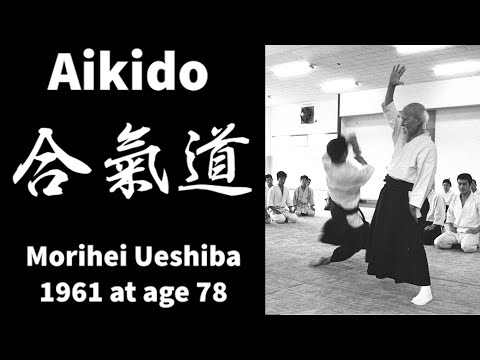
This rare 1961 footage, capturing a 78-year-old Morihei Ueshiba, the revered founder of Aikido, is far more than just a martial arts demonstration. It's a profound window into the very essence of Budo, a concept that transcends mere physical combat. Many today, particularly those drawn to the explosive dynamism of MMA or the brutal efficiency of Kyokushin Karate, might question the relevance of Aikido's fluid movements. Does its emphasis on blending and redirection hold water in a world that often values brute force? Let me tell you, this video is the answer. It's a masterclass in principles that are eternally valid, not just for the dojo, but for life itself. We will dissect this gem, exploring Ueshiba's techniques, his philosophy, and the enduring legacy of Budo.

Ueshiba in Action: The Art of Blending and Redirecting

Watching Ueshiba Sensei at this advanced age is awe-inspiring. His movements, while perhaps not possessing the raw power of a younger man, are imbued with an almost supernatural grace and precision. The documentary showcases his mastery of Aikido techniques – the effortless throws, the seemingly gentle yet devastating joint locks. He doesn't meet force with force; instead, he becomes one with his attacker's energy, subtly redirecting their momentum. This is the core of Aikido, and it's a principle that many arts, even the fiercely competitive BJJ or Judo, can learn from. The seemingly passive nature of his defense is, in reality, a highly active and intelligent application of physics and timing. He demonstrates that true strength lies not in overpowering an opponent, but in understanding and harmonizing with their movements. Have you ever sparred with someone who just seems to *flow* with your attacks, nullifying them before they even land? That's the echo of Ueshiba Sensei's teaching.
"The true meaning of martial arts is to unify the world." - Morihei Ueshiba

The Philosophy of Aikido: Harmony, Compassion, and Unity

Beyond the physical application, Ueshiba Sensei's words in this documentary reveal a philosophy that is both deeply spiritual and remarkably practical. He speaks of Aikido not as a means of destruction, but as a path to reconciliation. Harmony, balance, and compassion are not mere buzzwords here; they are the foundational pillars of his art. This stands in stark contrast to some of the more combative depictions of martial arts in popular culture, where violence is often glorified without consequence. Ueshiba's vision is one of connection, of resolving conflict not through aggression, but through understanding and empathy. It’s a message that resonates even more powerfully today, in our often fragmented and contentious world. This philosophy is the very heart of BUDO, the "Way of the Warrior," which demands not just martial prowess but moral integrity.

Budo: More Than Just Fighting

The term Budo itself is crucial here. It's not simply "martial arts" in the Western sense. It encompasses the entire way of life, the philosophy of the warrior, drawing heavily from principles like Bushido. This means more than just mastering techniques for a fight. It's about self-cultivation, rigorous discipline, and unwavering honor. Ueshiba Sensei embodies this perfectly. His practice was a lifelong dedication to refining not just his body, but his mind and spirit. The documentary offers a fleeting glimpse, but it's enough to understand that for masters like him, the training never truly ends. It's a constant pursuit of self-improvement, a journey that shapes one's character in profound ways.
"The martial way is a thing of daily practice. It is a continuous process of refinement. The master is simply a student who never quit." - Attributed to various martial arts masters

Training and Self-Cultivation: The Path to Inner Peace

The practice of martial arts, as exemplified by Ueshiba's Aikido, is a powerful tool for inner growth. It offers a structured path to control one's ego, to confront and overcome fear and anger, and to cultivate a deep sense of inner peace. This isn't just about learning to defend yourself physically; it's about building mental resilience. The physical demands – improving fitness, flexibility, and coordination – are significant, but the mental benefits are arguably even greater. In a world rife with stress and anxiety, the discipline and focus required in martial arts training provide an invaluable sanctuary. It's a lifelong pursuit, a journey of personal development that extends far beyond the dojo mats. The principles learned in Karate, Judo, or Aikido can positively impact every facet of life.

Veredicto del Sensei: A Timeless Testament

This 1961 documentary is not just a historical artifact; it's a living testament to the enduring power of Budo. Ueshiba Sensei, even at 78, displays a level of mastery that transcends time and style. While the martial arts landscape has evolved dramatically, with hyper-realistic sports like MMA and UFC capturing global attention, the core principles demonstrated here remain vital. The emphasis on harmony, respect, and self-cultivation is a counterbalance to the often aggressive narratives surrounding combat sports. This film is essential viewing for anyone who seeks a deeper understanding of martial arts, not just as a means of fighting, but as a path to becoming a better human being. Rating: 10/10 Cinturones Negros en Sabiduría y Maestría.

Essential Equipment for Your Training

To embark on your own martial arts journey, whether it's Aikido, Karate, Judo, or any other discipline, the right equipment is essential. At BYAM Budo y Artes Marciales, we understand the needs of practitioners at all levels.
  • Gi (Uniforme): A durable, comfortable Gi is fundamental. For arts like Judo and Aikido, a heavier weave might be preferred for grip resistance.
  • Protective Gear: Depending on your style, consider sparring headgear, mouthguards, and shin guards for safe combat training.
  • Training Mats (Tatami): Essential for safe practice of throws and falls, especially in arts like Judo and Aikido.
  • Training Weapons: For specific disciplines, wooden bokken (swords) or jo (staffs) are necessary.
Investing in quality gear enhances your training experience and ensures safety. Explore our range of Martial Arts Merchandise to find what you need.

Frequently Asked Questions

  • What is Budo? Budo is a Japanese term that refers to the systematic practice of martial arts, emphasizing not only combat techniques but also spiritual and moral development.
  • Is Aikido effective for self-defense? Yes, Aikido's principles of blending, redirection, and using an attacker's momentum can be highly effective for self-defense, though its effectiveness in highly aggressive scenarios is a subject of ongoing debate.
  • What is the difference between Budo and Bushido? Bushido is the code of honor and conduct of the samurai warrior class, while Budo is the broader term encompassing the practices and philosophies of martial arts derived from that warrior tradition.
  • How can martial arts training improve mental health? Through discipline, focus, stress reduction techniques, and the cultivation of inner peace and self-control.

For a Deeper Dive into Your Path

Reflexión del Sensei: Tu Próximo Paso

Ueshiba Sensei demonstrated that true mastery lies in harmonization, not domination. In a world that often rewards aggression and competition, can you find the strength in yielding? Can you apply the principles of blending and redirecting not just against a physical opponent, but against the challenges and conflicts of your daily life? The video is a lesson; your response to its message is the application. ```json { "@context": "https://schema.org", "@type": "FAQPage", "mainEntity": [ { "@type": "Question", "name": "What is Budo?", "acceptedAnswer": { "@type": "Answer", "text": "Budo is a Japanese term that refers to the systematic practice of martial arts, emphasizing not only combat techniques but also spiritual and moral development." } }, { "@type": "Question", "name": "Is Aikido effective for self-defense?", "acceptedAnswer": { "@type": "Answer", "text": "Yes, Aikido's principles of blending, redirection, and using an attacker's momentum can be highly effective for self-defense, though its effectiveness in highly aggressive scenarios is a subject of ongoing debate." } }, { "@type": "Question", "name": "What is the difference between Budo and Bushido?", "acceptedAnswer": { "@type": "Answer", "text": "Bushido is the code of honor and conduct of the samurai warrior class, while Budo is the broader term encompassing the practices and philosophies of martial arts derived from that warrior tradition." } }, { "@type": "Question", "name": "How can martial arts training improve mental health?", "acceptedAnswer": { "@type": "Answer", "text": "Through discipline, focus, stress reduction techniques, and the cultivation of inner peace and self-control." } } ] }

Nathan Jones vs. Martyn Ford: A Budo & AM Cinematic Analysis of Pure Size and Power

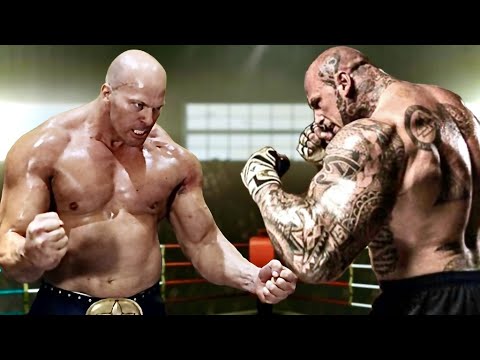
The world of combat sports and martial arts is often a stage for the extraordinary. We witness displays of speed that defy belief, techniques honed over millennia, and minds capable of strategic genius under immense pressure. Yet, there's an undeniable primal allure, a raw spectacle, that arises when sheer size and power enter the equation. It's a concept that transcends mere physical advantage, tapping into our ancient understanding of dominance and the brute force that shaped our early existence.

When we speak of the "biggest, strongest men in the fighting world," the selection is vast and varied. We have the sculpted physiques of bodybuilders, the raw power of wrestlers, the all-encompassing skill sets of mixed martial artists, and indeed, a growing contingent of actors who leverage their imposing stature for cinematic glory. But this raises a fundamental question, one that sparks debate in dojos and gyms worldwide: how does one attain such monumental physicality, and more importantly, how does it translate when the cameras roll and the simulated battle begins?

In this analysis, we delve into the hypothetical clash between two titans: Nathan Jones and Martyn Ford. We will dissect their presence, their perceived capabilities, and, through the lens of martial philosophy and cinematic representation, explore who might emerge victorious in a contest where size is the primary, yet not sole, determinant. This isn't just about who is bigger; it's about how that size is applied, disciplined, and potentially, overcome.

Giants of the Arena: Unpacking Jones and Ford

Before we even consider the hypothetical fight, understanding the individuals involved is paramount. Nathan Jones, a name that resonates with fans of professional wrestling and action cinema, brings a history rooted in raw power. His journey has seen him transition from strongman competitions to the squared circle and eventually to the silver screen, often portraying characters that benefit from his imposing frame. His background suggests a life of physical exertion and dominance, a foundational element for any combatant.

Martyn Ford, on the other hand, has carved a unique niche for himself. Known as "The Nightmare," Ford is a social media phenomenon and an actor whose physical presence is his undeniable calling card. His transformation into a colossal physique is a testament to dedication, discipline, and a deep understanding of his own body's potential. While perhaps more recognized for his acting roles and online persona, the sheer physical reality of his build cannot be ignored in any discussion of combat potential.

The convergence of these two behemoths in any context immediately conjures images of monumental impact. They represent the extreme end of the physical spectrum within the combat and entertainment industries. Their very presence on a hypothetical fight card elevates the stakes, promising a display of strength rarely seen.

Budo & AM Cinematic Breakdown: The Fight Choreography

When examining a "fight" involving individuals known more for their imposing stature than their traditional martial arts pedigree, we must shift our analytical focus. We are not dissecting the intricate footwork of a Karate master or the grappling strategy of a BJJ black belt. Instead, we are looking at a different kind of combat: one where brute force, momentum, and the sheer impact of mass are the primary weapons.

In a cinematic context, a fight between Jones and Ford would be choreographed to maximize their physical attributes. Think less about swift, evasive maneuvers and more about bone-shattering strikes and overwhelming grapples. The choreography would likely emphasize:

  • Power Strikes: Slower, heavier punches and kicks designed to inflict maximum damage, rather than rapid combinations. Each blow would need to feel significant.
  • Clinch and Ground Work: The struggle would likely involve a lot of close-quarters grappling, pushing and shoving, and potentially, attempts to take the opponent down. The sheer weight difference would be a critical factor here.
  • Momentum and Balance: Maintaining balance would be a constant challenge. A single well-placed shove could send a fighter stumbling, creating an opening.
  • Endurance under Strain: The sheer exertion of moving such large bodies would be a major factor. Who has the better cardiovascular conditioning to sustain such a physical contest?

The original source material for this hypothetical encounter seems to be a video attempting to answer "who would win." This suggests a focus on the raw, physical confrontation, likely simplified for a broad audience. As a cinematic representation, it would prioritize the visual impact of giants clashing over technical martial arts nuances. It's a spectacle, and the choreography would serve that end.

"The true strength of a warrior is not in his muscles, but in his spirit and his strategy. Size can be an advantage, but it is never the whole story." - A principle often echoed in the BUDO philosophy.

Beyond the Brawn: The Budo Philosophy in a Physical Clash

While the spectacle of Jones versus Ford leans heavily into physical prowess, it's essential to bring in the principles of martial arts philosophy, or Budo. Even in a fight dominated by size, underlying principles remain relevant.

  • Mushin (No Mind): In the heat of battle, the ability to act without conscious thought, to react instinctively, is crucial. This applies whether you're performing a complex kata or simply defending against a powerful strike.
  • Zanshin (Awareness): Maintaining awareness of your surroundings and your opponent's state is vital. A moment of lapsed concentration when facing such immense power could be catastrophic.
  • Shoshin (Beginner's Mind): Even with great size and experience, approaching the fight with a fresh, open mind, free from preconceived notions, allows for adaptation and learning.
  • Resilience and Spirit: The ability to withstand punishment, both physical and mental, is a hallmark of any true warrior. This is where the "warrior spirit" transcends physical attributes.

Martyn Ford, through his online presence, often speaks of overcoming adversity and his journey. This hints at a mental fortitude that could be a decisive factor. Nathan Jones, with his background in physically demanding professions, likely possesses a similar ingrained toughness. The question then becomes, which form of mental resilience is better suited for this specific, gargantuan confrontation?

The very nature of their backgrounds – one leaning into the theatricality of combat sports and acting, the other a monumental figure in his own right – presents a fascinating dichotomy. Is this a contest of raw, unrefined power versus a more calculated, albeit still immense, physical presence?

Sensei's Verdict: Who Triumphs in the Ring of Cinematic Ideals?

Let's be clear: this is a hypothetical scenario, likely born from the desire to witness a clash of titans. As a film or video content piece, the outcome would be dictated by narrative and directorial intent. However, if we are to entertain the question from a martial or combative perspective, even a heavily stylized one:

Both Nathan Jones and Martyn Ford possess a physical advantage that few in the world can match. Their sheer mass and strength would make for a devastating encounter. However, pure size is a double-edged sword. It can be slow, cumbersome, and lead to rapid fatigue if not properly managed.

If this were a choreographed fight for a movie, it would be designed for maximum visual impact. Perhaps a dramatic back-and-forth, ending in a decisive, powerful strike. If we are to speculate based on any form of practical application, we would need to consider their respective training histories and athletic backgrounds beyond their physical dimensions.

The video's premise, to "try to answer the question, who would win in a fight?", suggests an attempt at objective analysis within its scope. However, without direct combat experience between them under controlled or realistic conditions, any answer remains speculative.

From a cinematic spectacle standpoint, it’s a guaranteed draw for viewership. From a martial interpretation, it’s a fascinating thought experiment on the limits of physical dominance versus the application of controlled force and strategy, however rudimentary.

Cinturón Negro en Espectáculo Cinematográfico, pero ¿En Fundamentos Marciales? The jury remains out. This is less about technique and more about raw, overwhelming physical presence.

Essential Training Gear for the Aspiring Warrior

While you may not be facing a man of similar colossal stature, proper training and equipment are vital for any martial artist seeking to develop strength, conditioning, and resilience.

  • Durable Training Mats: Essential for grappling, falling safely, and performing floor exercises. Look for high-density foam for optimal cushioning and support.
  • Weighted Vest: A fantastic tool for conditioning and adding resistance to bodyweight exercises, helping to build functional strength similar to carrying extra mass.
  • Resistance Bands: Versatile for warm-ups, strength training, and mobility exercises. They are portable and can be used for a wide range of movements.
  • Jump Rope: A classic for cardiovascular endurance and footwork development.
  • Good Quality Training Shoes: Especially important for standing martial arts to provide grip and ankle support.

Investing in the right gear can significantly enhance your training sessions and help you progress faster. Consider brands known for durability and performance in the combat sports community.

Frequently Asked Questions

What is the primary background of Nathan Jones and Martyn Ford?
Nathan Jones has a background in strongman competitions, professional wrestling, and acting. Martyn Ford is an actor, bodybuilder, and social media personality known for his physique.
Is the video a genuine fight analysis or a hypothetical scenario?
Based on the description, the video explores a hypothetical "who would win" scenario, likely focusing on their physical attributes and the spectacle of their size.
What martial arts philosophy is relevant to a fight of this nature?
Principles like Mushin (No Mind), Zanshin (Awareness), Shoshin (Beginner's Mind), and the overall warrior spirit, resilience, and discipline are applicable even when size is the dominant factor.
Can someone with a massive physique still be technically proficient in combat?
Yes, absolutely. While size offers advantages, technical skill, speed, agility, and strategic thinking are crucial. However, individuals like Jones and Ford are more known for their size and presence than for traditional martial arts mastery.

To Further Your Journey

  • #MMA vs. Traditional Martial Arts: A Philosophical Debate
  • The Importance of Discipline in Reaching Peak Physical Condition
  • Understanding Budo: The Way of the Warrior Beyond Technique

The allure of giants clashing is undeniable, tapping into a primal fascination. However, the true art of combat, the essence of Budo, lies not just in the force one can wield, but in the discipline, strategy, and spirit with which it is applied. Whether on screen or in the dojo, the pursuit of mastery is a continuous journey.

Sensei's Reflection: Your Next Step

We've dissected the spectacle of size. Now, consider this: In your own training, where do you place your emphasis? Do you prioritize raw power, or do you seek the refined application of technique and spirit? How does your "size" – be it physical, mental, or spiritual – serve your martial path?

``` GEMINI_METADESC: Analyze the hypothetical fight between giants Nathan Jones and Martyn Ford from a Budo & AM perspective, examining size, power, cinematic representation, and martial philosophy.

Shorinji Kempo University Competition: A Deep Dive into the Philosophy and Practice

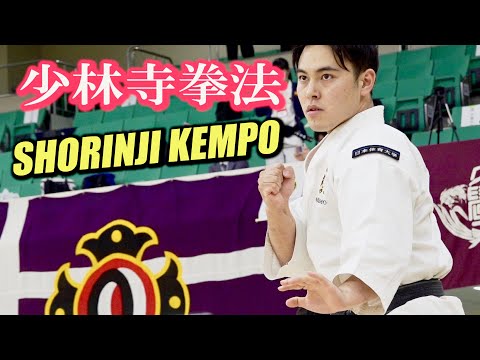
Are you truly prepared for the realities of combat, or are you merely going through the motions in your dojo? The recent Shorinji Kempo University Students Competition 2022, captured in a compelling visual document, offers more than just a spectacle of physical prowess. It’s a window into a martial art that, beneath its dynamic techniques, harbors a profound philosophy and a rigorous training methodology. This isn't just another fight; it's a demonstration of principles honed over decades. Welcome, students of the martial path, to Budo and Martial Arts. Today, we dissect not just a competition, but the very essence of Shorinji Kempo as showcased by its university practitioners. We will delve into the nuances of their performance, question the efficacy of their training, and explore how this art contributes to the broader landscape of combat sports and self-mastery.

The Spectacle and the Substance

The footage from the "Shorinji Kempo" University Students Competition 2022 presents a dynamic display of motion. We see students executing techniques with precision and power, a testament to their dedication. But how much of this performance truly reflects the practical application of martial arts in a real-world scenario, or even in the controlled chaos of a modern MMA bout? This is where critical analysis, the hallmark of a true martial artist, comes into play. We must look beyond the aesthetically pleasing forms to understand the underlying principles and their potential effectiveness.
"The strength of the body is limited. The strength of the mind is limitless." - So Doshin (Founder of Shorinji Kempo)
This competition, while a fantastic showcase, also invites us to ask tough questions: Does the emphasis on form and demonstration detract from combat readiness? Is the internal philosophy as vital as the external technique? Let us embark on this journey of inquiry together.

What is Shorinji Kempo? Beyond the Strikes

Shorinji Kempo, founded by So Doshin in 1947, is more than just a martial art; it is a unique philosophy and a method for spiritual development. The name itself, "Shaolin Temple Fist Law," hints at its historical roots, though its modern form is distinct. It emphasizes not only self-defense techniques (Kenpo, which includes both striking and grappling elements) but also the cultivation of mind and spirit. This dual focus distinguishes it from many purely combat-oriented disciplines. Unlike many traditional arts that might focus solely on Karate-like strikes or Judo/ BJJ grappling, Shorinji Kempo integrates both. Its syllabus includes: * **Seikenjutsu**: Fist techniques (strikes, punches, blocks) * **Hokei**: Forms or katas, demonstrating sequences of techniques. * **Buki Waza**: Weapon techniques (though often de-emphasized in university competitions focusing on unarmed combat). * **Kihon**: Basic principles and foundational movements. * **Zazen**: Seated meditation, crucial for mental discipline and focus. The art's core aim is to develop individuals who are strong in body, mind, and spirit – "a builder of peace." This humanistic approach is central to its practice and distinguishes it from arts solely focused on combat prowess.

Analyzing the Competition: Technique and Spirit

Observing the university students, we see a clear execution of principles. The training is evident in the fluidity of movement and the sharp, controlled strikes and blocks. However, a critical eye must assess the context. Competitions often involve specific rulesets that may not perfectly replicate the unpredictability of a real street encounter or a no-holds-barred UFC match.
The students demonstrate a commendable grasp of fundamental techniques. Their Seikenjutsu (striking) is often crisp, and their defensive postures are generally solid. The emphasis on Hokei (forms) suggests a deep understanding of sequential movement and technique application. Yet, we must ask: How do these techniques fare against practitioners of vastly different arts? How is their Ki or internal energy truly manifested and controlled under pressure? The university context implies a focus on learning and demonstration, but the true test of any martial art lies in its application when stakes are highest. The spirit of Budo—the warrior's way—demands this rigorous self-assessment.

The Philosophy of Shorinji Kempo: Building a Better Human

This is where Shorinji Kempo truly sets itself apart. The philosophy of "Koken Gattai" (Hard and Soft techniques unified) and "Kondo" (linking body and mind) is not merely theoretical. It's integrated into the training. The practice of Zazen, for instance, is as vital as learning a punch. This meditation aims to cultivate: * **Self-Awareness**: Understanding your own strengths and weaknesses. * **Emotional Control**: Remaining calm and centered under duress. * **Discipline**: The unwavering commitment to training and self-improvement. * **Compassion**: Using one's strength not for aggression, but for the protection of others and the building of peace. This philosophical underpinning transforms practitioners from mere fighters into individuals striving for self-mastery. It’s a profound concept that echoes through classical martial texts.
"Martial arts are not about violence, but about self-control and spiritual development." - A principle often cited in Budo circles.
The university students, in their pursuit of excellence, are not just training their bodies; they are shaping their characters. This aspect is often lost in a superficial viewing of martial arts competitions.

The Training Rigor: From Basics to Competition

The journey to reach a competitive level in Shorinji Kempo is arduous. It begins with the absolute basics, the Kihon, ensuring that every movement, from a simple block to a complex combination, is built on a solid foundation. This is followed by the systematic study of Hokei, which not only teaches technique but also the principles of combat flow and strategy. The competition itself serves as a benchmark, a way to measure progress and identify areas for further refinement. It encourages students to push their limits and to apply their training in a simulated, yet challenging, environment. However, the question remains: Is this simulated pressure enough? Consider the rigorous Kyokushin Karate full-contact competitions, or the strategic depth required in Grappling arts like BJJ. While Shorinji Kempo has its own distinct objectives, the intensity of training in *any* true martial art must prepare the practitioner for unforeseen circumstances.

Shorinji Kempo in the Arena of Combat Arts

How does Shorinji Kempo stack up against other prominent martial arts and combat sports?
Aspect Shorinji Kempo MMA (Mixed Martial Arts) Traditional Karate (e.g., Shotokan)
Focus Holistic development (body, mind, spirit), self-defense, building peace. Combat effectiveness, strategic application of diverse techniques. Striking, discipline, tradition, self-perfection.
Technique Range Strikes, blocks, joint locks, throws, grappling (unified). Striking (punching, kicking, elbows, knees), grappling (wrestling, BJJ), submissions. Primarily linear striking, blocks, stances.
Competition Style Often demonstration-based (forms, solo techniques) or controlled sparring. Full contact, continuous fighting, emphasis on winning by KO or submission. Point-based sparring (often semi-contact) or kata competitions.
Philosophical Emphasis Very high; central to the art's purpose. Varies; often emphasizes discipline and respect, but primarily outcome-driven. High; often centered on character development and respect.
While MMA focuses on comprehensive combat effectiveness, and traditional Karate on the mastery of striking and discipline, Shorinji Kempo carves its own niche by emphasizing the holistic development of the individual alongside practical self-defense skills. Its strength lies in its integrated approach, aiming to build not just a fighter, but a better human being.

Veredict of the Sensei: Is Shorinji Kempo a True Martial Art?

This is a question that sparks debate among enthusiasts. To dismiss Shorinji Kempo because its competitive format differs from MMA or full-contact Karate would be a grave error. Its practitioners demonstrate discipline, physical conditioning, and a sophisticated understanding of movement and strategy. The integration of striking, grappling, and philosophical development is commendable. However, the effectiveness in a chaotic, no-rules confrontation is always the ultimate litmus test for any martial art claiming self-defense utility. Shorinji Kempo's philosophy of "building a better human" and promoting peace means its practitioners may be less inclined to engage in violent conflict unless absolutely necessary. **Sensei's Verdict:** Shorinji Kempo is undoubtedly a profound and legitimate martial art. Its holistic approach to training, encompassing physical, mental, and spiritual dimensions, is exemplary. While its competition format may not mirror the brutal intensity of certain combat sports, the principles it instills are universal to the Budo path. It demands respect for its depth and dedication. **Rating:** Gold Belt in Holistic Development, Silver Belt in Direct Combat Application (due to competition format nuances).

Essential Equipment for Your Training

While Shorinji Kempo is renowned for its minimal equipment needs, particularly in its philosophical aspects, certain items can enhance your practice and understanding.
  • Dōgi (Uniform): A sturdy, well-fitting uniform is essential for practice. For Shorinji Kempo, a specific type of uniform is often worn, but any durable martial arts gi will suffice for general training if a specific one isn't mandated by your dojo. Consider a double-weave gi for durability, especially if you engage in grappling drills.
  • Zazen Cushion (Zafu): Crucial for comfortable and correct posture during meditation, a cornerstone of Shorinji Kempo training.
  • Training Mats: For practice of throws and groundwork, protective mats are indispensable.
  • Protective Gear: For sparring or specific drills that simulate impact, mitts, shin guards, and headgear might be recommended by your instructor.
  • Books on Philosophy and Technique: Understanding the 'why' behind the 'how' is vital. Look for texts by So Doshin or reputable martial arts scholars.
For those interested in exploring the broader martial arts landscape, high-quality kimonos for Judo and Karate can be found at specialized retailers.

Frequently Asked Questions

Is Shorinji Kempo good for self-defense?

Yes, Shorinji Kempo provides effective self-defense techniques. Its curriculum includes strikes, joint locks, and throws designed for practical application. However, the emphasis on philosophical development and peace-building means that practitioners are taught to de-escalate situations first.

What is the difference between Shorinji Kempo and Karate?

While both are Japanese martial arts, Shorinji Kempo integrates striking, grappling, and joint manipulation into a unified system, with a strong emphasis on philosophical and spiritual development (including meditation). Traditional Karate primarily focuses on striking techniques and kata, with a different approach to physical and mental discipline.

Do you need to be flexible to practice Shorinji Kempo?

Flexibility is beneficial for any martial art, and Shorinji Kempo is no exception. However, it is developed through consistent training, not a prerequisite for starting. The focus is on functional strength and controlled movement.

What is the meaning of the term "Kempo"?

"Kempo" (or Kenpo) translates to "fist law" or "way of the fist." It refers to a style of martial art that emphasizes striking techniques. In Shorinji Kempo, it signifies the broader system that encompasses not just punching but also other combative methods.

To Delve Deeper into Your Path

* The Philosophy of Budo: More Than Just Fighting * Understanding the Roots of Karate: From Okinawan Temples to Global Sport * Self-Defense Tactics: Essential Principles for the Modern Warrior

Sensei's Reflection: Your Next Step

The Shorinji Kempo University Students Competition 2022 is a testament to the enduring power of martial arts to shape individuals. It showcases not just physical skill, but a commitment to principles that extend beyond the dojo. Yet, the ultimate measure of any martial art is not found in accolades or demonstrations, but in the quiet moments of adversity – how does one react when the performance ends and the real world demands a response?

Reflexión del Sensei: Tu Próximo Paso

When you leave your training hall each day, are you a slightly better version of yourself than you were yesterday? And critically, are you prepared to defend not only yourself but also the innocent, with the wisdom and restraint befitting a true warrior? Consider this: If your life depended on one technique, from *any* martial art you know, which would it be, and why? ``` GEMINI_METADESC: Explore the Shorinji Kempo University Students Competition 2022. Analyze techniques, philosophy, and the spirit of this unique martial art. Is it effective for combat? A Sensei's deep dive.

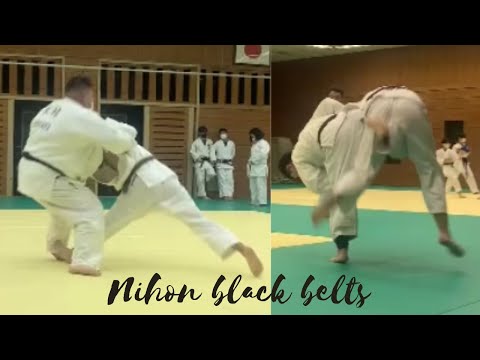
Chadi VS Japanese Black Belts: A Critical Analysis of Randori in Osaka

Introduction: The Crucible of Randori

The dojo is more than just a training hall; it is a crucible where techniques are forged into skills, and discipline is tempered into character. When we witness sparring sessions, particularly those that pit practitioners from different backgrounds against established masters in their homeland, we are presented with a unique opportunity to dissect the very essence of martial arts. This video, featuring Chadi’s randori (free sparring) against Japanese black belts in Osaka, Japan, is precisely such an occasion. Is this merely a showcase of raw talent, or a profound lesson in the application and philosophy of Kodokan Judo? Prepare yourselves, for we are about to embark on a critical examination. The question that immediately burns in the mind of any serious martial artist watching this is: does the technique translate? Does the spirit of Budo, the Way of the Warrior, transcend geographical and stylistic boundaries? We see a foreign practitioner engaging with local black belts – a scenario rife with potential for both revelation and humbling truth. This isn't just about who wins or loses; it's about understanding the underlying principles, the cultural context, and the sheer dedication required to stand on the tatami in Japan and test oneself against its finest.

Deep Dive: Chadi's Randori Against Japanese Black Belts

Let us be frank: randori is the lifeblood of Judo. It is where theory meets reality, where the precision of kata is tested against the unpredictable dynamism of a living opponent. Watching Chadi engage with Japanese black belts is akin to observing a craftsman testing their tools against the finest materials. The intensity is palpable, the respect inherent, yet the competitive fire is undeniable. We must observe not just the throws – the spectacular `Uchi-mata` (inner thigh throw) or the constricting `Sankaku-gatame` (triangle arm lock) – but the transitions, the grips (`tsukuri`), and the explosive power (`kake`). How does Chadi adapt to the unique grip fighting (`kumi-kata`) prevalent in Japanese dojos? Is his posture (`shisei`) stable under pressure? Does he maintain `zanshin` (awareness) throughout the exchange, even when seemingly caught off guard? These are not minor details; they are the building blocks of mastery.
The visual spectacle is one thing, but the true learning lies in the micro-moments: the slight shift of weight, the breath control, the subtle feint that sets up a decisive movement. We are not merely spectators of a fight; we are students of `Budo`. The title itself, "Chadi VS Japanese black belts (sparring/Randori) 大阪柔道の乱取り," speaks volumes. "Randori" implies a controlled yet genuine exchange, while "Osaka Judo" hints at a specific regional flavor, perhaps a legacy of the Kodokan’s foundational principles or localized innovations.
"Judo is not a mere sport; it is a method of physical, intellectual, and moral education. Its principles, when applied to life, can lead to a better world. But first, one must master the fundamentals on the mat." - Jigoro Kano (paraphrased)
The commitment of Chadi to step onto the tatami against established practitioners in their home country is commendable. It requires immense courage and a deep-seated desire for self-improvement, hallmarks of a true `Budo` practitioner. However, courage alone does not guarantee success. We must analyze his strategy, his adaptability, and his ability to apply the Judo principles he has learned under the immense pressure of a randori session where every movement is scrutinized.

The Cultural Nuances of Japanese Judo

Understanding Japanese Judo requires acknowledging its profound cultural roots. The emphasis on `rei` (etiquette and respect), the meticulous attention to detail, and the deep-seated philosophy of `seiryoku zenyo` (maximum efficiency, minimum effort) and `jita kyoei` (mutual welfare and benefit) are not just abstract concepts; they are woven into the fabric of every randori. In Japan, judo is often more than just a physical discipline; it is a way of life, a path of self-cultivation (`shugyo`). The Japanese black belts may exhibit a fluidity and an understanding of space that is almost intuitive, a product of years, perhaps decades, immersed in this environment. Their movements might seem economical, their defense impenetrable. This isn't just about superior technique; it's about an ingrained understanding of timing, distance, and the opponent's intent. Do we see this deep cultural immersion reflected in Chadi's approach? Or is he fighting a more modern, perhaps more aggressive, style that may clash with traditional expectations? The way grips are initiated and broken, the subtle body positioning, and the very atmosphere of the dojo itself convey layers of meaning that extend far beyond the physical exchange. The respect shown before and after the match is as vital as any throw.

Technical Breakdown: Key Judo Principles in Play

Let's get down to brass tacks. In any randori, several key elements of Judo must be evident for effective engagement: * **Grip Fighting (`Kumi-kata`)**: This is the chess match of Judo. How Chadi establishes and maintains grips, and how he breaks his opponents' grips, is crucial. Japanese judoka are renowned for their sophisticated `kumi-kata`, often employing grips that allow for immediate leverage and control. * **Off-Balancing (`Kuzushi`)**: A throw is impossible without effective off-balancing. Observe how Chadi uses his body, his hips, and his grips to disrupt his opponents' balance *before* committing to a technique. Are his `kuzushi` movements sharp and decisive? * **Entry and Execution (`Tsukuri` & `Kake`)**: The seamless transition from `kuzushi` into `tsukuri` (fitting in) and finally `kake` (execution) is what separates novices from masters. Does Chadi flow into his techniques, or is there a visible struggle? * **Posture and Footwork (`Shisei` & `Ashi Sabaki`)**: Maintaining a strong base and moving efficiently with one's feet are paramount. Poor posture makes one vulnerable to throws, while clumsy footwork telegraphs intentions. * **Response to Throws (`Ukemi`)**: While not directly visible in the attacker, the quality of the thrower is often judged by how well their opponent can receive the technique. This indicates the completeness of the action. Looking at the specific techniques mentioned, such as `Uchi-mata` and `Sankaku-gatame`, we can analyze their effectiveness. Is the `Uchi-mata` executed with proper hip contact and driving force, or is it a lazy leg sweep? Is the `Sankaku-gatame` applied with control, or is it a frantic scramble for a submission? The labels `#JudoThrows` and `#Kodokan` suggest a focus on fundamental, perhaps classical, Judo techniques.

Beyond the Throw: The Budo Philosophy in Randori

The term `Budo` itself encompasses a much broader spectrum than mere combative skill. It is the cultivation of character, the pursuit of self-mastery, and the understanding of life's principles through the lens of martial practice. Randori, in this context, is not just about physical exertion; it's a moving meditation, a test of `mushin` (no-mind) and `fudoshin` (immovable mind). How does Chadi embody the spirit of `Budo`? Does he display resilience when facing adversity? Does he maintain his composure when his strategies are countered? Does he show respect and gratitude towards his training partners, recognizing that they are instrumental in his growth? These intangible qualities are as important, if not more so, than the physical techniques displayed. The hashtags `#BUDO` and `#ki` are not merely labels; they point to the underlying energy and spirit that should animate every movement. Consider the concept of `Seiryoku Zenyo`. Is Chadi exerting maximum effort in a brute-force manner, or is he finding the most efficient path to neutralize his opponent and apply his techniques? Is he learning to use his opponent’s energy against them, a cornerstone of Judo?

Sensei's Verdict: Authenticity and Application

Now, let's address the elephant in the room. While Chadi's willingness to engage is admirable, the ultimate test lies in the efficacy and authenticity of his Judo. Many practitioners learn techniques, but few truly internalize the principles. Is Chadi’s Judo a genuine reflection of Kodokan Judo, or a hybrid style adapted from various influences? The context of a "VS" scenario, even in sparring, can sometimes lead to a focus on winning over pure learning. However, the randori format is designed precisely to foster learning through dynamic engagement. The Japanese black belts, representing the traditional lineage, serve as living repositories of this knowledge. Their reactions, their counters, and their overall approach are invaluable data points. My assessment, as a seasoned observer of martial arts and their cinematic representations, hinges on a few critical factors: 1. **Efficiency of Movement**: Are techniques executed with minimal wasted motion? 2. **Control and Leverage**: Does the practitioner rely on brute strength or superior technique and leverage? 3. **Adaptability**: How well does the practitioner adjust to different opponents and styles? 4. **Spirit of Budo**: Is there an evident display of respect, resilience, and continuous learning? If Chadi demonstrates proficiency in these areas, he is not merely sparring; he is learning and contributing to the grand tapestry of Judo. If not, then this serves as a stark reminder of the depth and refinement inherent in established traditions.

Training Essentials for Your Randori

To truly excel in randori, whether in Judo, BJJ, or any grappling art, dedicated training is non-negotiable. Here’s a breakdown of what you need to focus on:
  1. Grip Development: Strengthen your forearms and hands. Practice various grip fighting drills. A strong, strategic grip is your primary weapon.
  2. Core Strength: A powerful core provides stability and explosiveness for throws and submissions. Exercises like planks, Russian twists, and leg raises are essential.
  3. Balance and Footwork: Practice moving with stability. Drills focusing on `ashi sabaki` (footwork) will improve your ability to enter, exit, and maintain balance.
  4. Flexibility: Crucial for injury prevention and executing techniques that require a wide range of motion. Incorporate dynamic and static stretching.
  5. Conditioning: Randori is demanding. Cardiovascular and muscular endurance are vital to maintain performance throughout multiple rounds.
  6. Technical Study: Don't just spar. Study the techniques. Watch instructional videos, read books, and drill specific entries and transitions relentlessly.
  7. Mental Fortitude: Develop `fudoshin`. Learn to remain calm under pressure, accept setbacks, and persevere.

Resources for Deepening Your Judo Knowledge

To truly grasp the depth of Kodokan Judo, one must engage with authoritative resources. Here are some avenues to explore:
  • Books: Look for foundational texts on Judo by authors like Jigoro Kano himself, or recognized modern masters. Works detailing `Nage-no-kata` (forms of throwing) and `Katame-no-kata` (forms of grappling) are invaluable.
  • Instructional Videos: Seek out high-quality instructional series that break down techniques and principles systematically. Look for accredited coaches and high-ranking black belts.
  • Dojo Training: Nothing replaces regular, in-person training at a reputable dojo. The feedback from experienced instructors and training partners is irreplaceable.
  • Federation Websites: Official Judo federations (like the IJF or national federations) often provide historical information, rules, and technical resources.

Frequently Asked Questions

Q1: What is the primary difference between Randori and Kata in Judo? A: Kata are pre-arranged forms demonstrating specific principles and techniques, performed with a partner in a set sequence. Randori is free sparring, where practitioners apply techniques spontaneously against a resisting opponent. Kata teaches the 'how,' while Randori teaches the 'when' and 'why' in a dynamic context. Q2: Why is it important to train against Japanese black belts in their home country? A: Training in Japan offers exposure to a deep-rooted Judo culture, often characterized by refined technique, exceptional etiquette, and a profound philosophical understanding. It provides a benchmark for authenticity and mastery within the art's birthplace. Q3: Can Judo techniques be effectively used in Mixed Martial Arts (MMA) or self-defense? A: Absolutely. Judo provides powerful throwing, control, and submission techniques that are highly effective in MMA. Its principles of leverage and off-balancing are also fundamental to effective self-defense, though real-world application often requires adaptation to different scenarios and attire. Q4: What does "Kodokan Judo" refer to? A: Kodokan Judo is the original Judo style founded by Jigoro Kano at the Kodokan Institute in Tokyo. It encompasses the technical curriculum, philosophical principles, and educational aims established by Kano.

For Deeper Study on Your Path

To continue your exploration into the profound world of martial arts and develop your understanding, consider these essential topics:

Reflection of the Sensei: Your Next Step

This randori showcases not just techniques, but the spirit of a warrior's journey. Chadi's engagement with Japanese black belts is a testament to the universal pursuit of martial excellence. But is excellence merely about executing a perfect throw? Or is it about the continuous, humbling process of learning, adapting, and respecting the tradition? Your challenge: Reflect on a time you tested your skills against someone significantly more experienced or from a different tradition. Did you focus solely on winning, or did you seek to understand *why* they were more skilled? What lessons did you bring back to your own training? Now, it is your turn. Do you believe Chadi's performance reflects true mastery, or merely a temporary exhibition of skill? Did he demonstrate the essence of Budo, or was this simply a physical contest? Argue your case in the comments below. Let the debate begin. ``` GEMINI_METADESC: Analyze Chadi's Judo randori against Japanese black belts in Osaka. A critical look at technique, Budo philosophy, and cultural nuances. Sensei's verdict included.