Showing posts sorted by date for query protector bucal. Sort by relevance Show all posts

The Undeniable Power of Kyokushin Karate: More Than Just a Documentary

Welcome, fellow seekers of the Way. You arrive at BYAM Budo y Artes Marciales not merely by chance, but by a shared pursuit of something profound – the essence of martial arts. Today, we strip away the polished veneer of typical documentaries to confront the raw, unadulterated truth of Kyokushin Karate. Forget mere entertainment; we are here to dissect its strength, its rigorous philosophy, and the transformative fire it ignites within its practitioners. Prepare yourselves, for this is not a passive viewing; it is an immersion into the heart of combat sports, the depth of martial philosophy, and the tangible reality of training.

I. The Unyielding Essence of Kyokushin Karate

Let's address the elephant in the room immediately. When we speak of "The Strongest Karate," we are not exaggerating. Kyokushin, translating to "the ultimate truth" in Japanese, is not a style for the faint of heart. Forged by the legendary Masutatsu Oyama, its very name is a testament to its demanding nature. This is not about flashy kata performed in a sterile dojo; this is about forging physical and mental fortitude through relentless dedication. Its techniques are honed in the crucible of full-contact sparring and brutal training regimens that would break lesser men. Oyama understood that true strength isn't just about throwing punches; it's about developing the unyielding spirit, the Seishin, that allows a warrior to stand firm against any adversity.

Think about it: when you hear the term "Kyokushin," what comes to mind? Likely images of bone-jarring roundhouse kicks, powerful punches, and intense, unyielding sparring matches. This is the stark reality of Oyama's vision. He sought to create a martial art that tested the limits of human endurance, a discipline that would not only teach combat effectiveness but also instill an unbreakable will. This emphasis on realism, on facing an opponent with full commitment, is what separates Kyokushin from many other forms that prioritize form over function. It's a stark reminder that in the face of true conflict, there is no room for pretense.

"The difference between a hobby and a calling is the level of sacrifice you are willing to make." - A principle deeply ingrained in Kyokushin training.

This commitment to "ultimate truth" means confronting one's own limitations, pushing past perceived barriers, and emerging stronger. The rigorous Kihon (basics), the demanding Kata (forms), and the sheer intensity of Kumite (sparring) all serve a singular purpose: to build a warrior from the inside out.

II. The Warrior's Mindset: Embracing the Martial Philosophy

But Kyokushin Karate is far more than a mere combat system. It is a profound vehicle for self-discovery, a living embodiment of the Budo spirit. The principles etched into the dojo walls – humility, respect, perseverance, and self-control – are not abstract concepts. They are the very bedrock upon which a Kyokushin practitioner builds their character. This philosophy transcends the physical exchanges; it is a guide for navigating the complexities of life itself.

Consider the weight of Osu! – the all-encompassing expression of respect, gratitude, and perseverance. It’s not just a word; it’s a commitment. It’s what you utter when you’re tired, when you’re sore, when you want to quit but choose not to. This constant reinforcement of mental toughness, coupled with the respect shown to instructors and fellow students, cultivates a warrior's mindset. You learn to face challenges head-on, not with aggression, but with calm resolve. This is the essence of martial philosophy, a concept often lost in the modern world's pursuit of superficial victories.

The development of Zanshin (awareness) and Mushin (no-mind state) are not merely training goals; they are pathways to a more balanced and conscious existence. When you can react instinctively yet calmly under pressure, whether in a sparring match or a stressful life situation, you have truly begun to understand Kyokushin's deeper teachings. This journey fosters a profound sense of self-awareness, harmonizing the mind, body, and spirit – a balance that is increasingly rare in our chaotic world.

"The mind must be stilled. Only then can the body move with true purpose." - A foundational principle in the study of martial arts strategy.

III. Kyokushin's Impact on the Global Combat Sports Arena

Kyokushin Karate's uncompromising approach has undeniably left an indelible mark on the landscape of combat sports. It's a discipline that has consistently produced individuals with exceptional physical conditioning, mental fortitude, and a deep understanding of striking dynamics. These practitioners, forged in the intense environment of Kyokushin kumite, have translated their skills onto stages worldwide, proving the efficacy of their training.

We've seen Kyokushin exponents excel in various full-contact disciplines, often demonstrating superior conditioning and a never-say-die attitude. Their resilience in the face of powerful opponents and their ability to absorb punishment while continuing to fight are hallmarks of their training. Think of the famous historical bouts and the sheer grit displayed by these fighters. This raw, electrifying spectacle continues to captivate audiences, offering a compelling demonstration of martial arts prowess in its most direct and challenging form. The influence of Kyokushin's full-contact ethos can be seen, whether directly or indirectly, in many modern combat sports, pushing the boundaries of what athletes are capable of.

Whether it's through direct competition or the influence of their fighting spirit, Kyokushin Karate continues to enrich the world of combat sports, offering a testament to the power of dedicated, full-contact training. It’s a constant reminder that strength forged in truth can overcome many obstacles.

IV. Forging Bonds: The Kyokushin Karate Community

Here at BYAM Budo y Artes Marciales, we understand that the martial journey is rarely a solitary one. The dojo is a microcosm of society, a place where bonds are forged through shared sweat, mutual respect, and common goals. The Kyokushin Karate community is a prime example of this – a global network of individuals united by a passion for this demanding art.

This isn't just about training partners; it's about building a support system. In the shared struggle of pushing limits, enduring difficult training sessions, and learning from mistakes, friendships and a profound sense of camaraderie develop. This shared experience extends beyond the dojo itself. Online forums, social media groups, and gatherings all contribute to a vibrant tapestry of connection. It's a place where knowledge is exchanged, encouragement is freely given, and the principles of Budo are lived out collectively. You are never truly alone on this path.

We aim to be a nexus for these connections, a place where enthusiasts of Kyokushin and other martial disciplines can converge. By engaging in discussions, sharing personal experiences – the triumphs and the setbacks – we can all learn and grow. This collective effort nurtures not only individual progress but also a deeper, collective understanding and appreciation of the martial arts. Join us, and discover the strength that comes from being part of something greater than yourself.

V. Gear Up for Glory: Essential Kyokushin Merchandise

Our commitment to your martial arts journey extends beyond mere philosophical discourse. We believe that the right equipment can significantly enhance your training experience and serve as a constant reminder of your dedication. That’s why we offer a curated selection of high-quality Kyokushin merchandise and related gear.

From durable training uniforms that withstand the rigors of intense practice to comfortable apparel that embodies the spirit of the warrior, each item is selected with purpose. We offer books that delve deeper into Kyokushin's history and philosophy, training aids that can supplement your dojo practice, and accessories that let you carry the martial spirit with you every day. Think of it as arming yourself, not just for the physical fight, but for the mental and spiritual one as well.

For those serious about their Kyokushin training, consider investing in a high-quality Kyokushin gi. A well-made uniform is crucial for both comfort and durability during intense sparring sessions. Beyond the gi, explore our range of training equipment designed to help you hone your techniques, such as focus mitts for speed and accuracy drills, or even a makiwara to build devastating power. Supporting our platform through these purchases not only equips you for your path but also allows us to continue providing valuable content and fostering the martial arts community.

Equipo Esencial para tu Entrenamiento

  • Kyokushin Gi (Uniforme): Busca un tejido resistente y un corte que permita una amplia movilidad. Doble tejido es ideal para la durabilidad.
  • Guantes de Sparring (14-16oz): Esenciales para la seguridad durante el kumite.
  • Protector Bucal: No negociable para cualquier tipo de sparring.
  • Espinilleras y Empeineras: Recomendadas para entrenamiento de contacto completo.
  • Libros sobre Kyokushin y Budo: Para complementar tu aprendizaje técnico y filosófico.

Conclusion

Kyokushin Karate is far more than a martial art; it is a transformative way of life. It is a discipline that instills unwavering discipline, profound resilience, and an indomitable spirit. Through its practice, we uncover our innermost strength, empowering us not just to face challenges, but to conquer them with grace and steely determination. Join us at BYAM Budo y Artes Marciales, where we don't just discuss the beauty of martial arts; we celebrate its power, foster a thriving community, and provide the resources to enrich your personal martial arts journey. Together, let us embrace the raw power of Kyokushin Karate and embark on an enduring path of self-discovery and ultimate mastery.

Preguntas Frecuentes

  • What makes Kyokushin Karate different from other Karate styles? Kyokushin is distinct due to its emphasis on full-contact sparring with minimal protective gear, its rigorous physical conditioning, and its philosophical commitment to "the ultimate truth" in combat and life.
  • Is Kyokushin Karate suitable for beginners? Yes, Kyokushin offers specialized beginner classes designed to gradually introduce practitioners to its demanding techniques and philosophy, focusing on safety and foundational skills.
  • What are the main benefits of practicing Kyokushin Karate? Benefits include enhanced physical fitness, improved discipline and self-control, increased mental toughness, boosted confidence, and a deep understanding of respect and perseverance.
  • Can Kyokushin Karate be used for self-defense? Absolutely. The full-contact nature of Kyokushin training directly prepares practitioners for realistic self-defense scenarios, emphasizing practical application and resilience.

Reflexión del Sensei: Tu Próximo Paso

You have absorbed the essence, the philosophy, and the undeniable power of Kyokushin. Now, consider this: How does the "ultimate truth" of Kyokushin manifest not just in the dojo, but in the mundane moments of your daily life? Are you truly living with the discipline, respect, and perseverance you claim to embody?

For further exploration into the world of martial arts and combat sports, check out these related articles:

``` ```json { "@context": "http://schema.org", "@type": "FAQPage", "mainEntity": [ { "@type": "Question", "name": "What makes Kyokushin Karate different from other Karate styles?", "acceptedAnswer": { "@type": "Answer", "text": "Kyokushin is distinct due to its emphasis on full-contact sparring with minimal protective gear, its rigorous physical conditioning, and its philosophical commitment to \"the ultimate truth\" in combat and life." } }, { "@type": "Question", "name": "Is Kyokushin Karate suitable for beginners?", "acceptedAnswer": { "@type": "Answer", "text": "Yes, Kyokushin offers specialized beginner classes designed to gradually introduce practitioners to its demanding techniques and philosophy, focusing on safety and foundational skills." } }, { "@type": "Question", "name": "What are the main benefits of practicing Kyokushin Karate?", "acceptedAnswer": { "@type": "Answer", "text": "Benefits include enhanced physical fitness, improved discipline and self-control, increased mental toughness, boosted confidence, and a deep understanding of respect and perseverance." } }, { "@type": "Question", "name": "Can Kyokushin Karate be used for self-defense?", "acceptedAnswer": { "@type": "Answer", "text": "Absolutely. The full-contact nature of Kyokushin training directly prepares practitioners for realistic self-defense scenarios, emphasizing practical application and resilience." } } ] }
¿Machete vs. Katana? El Filo de la Verdad en el Campo de Batalla y en la Vida

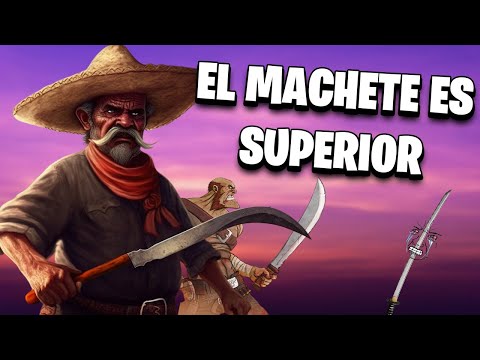
¡Atención, budokas y guerreros de teclado! Hoy desempolvamos una vieja discusión, esa que resurge cada vez que un meme de "abuelo luchando contra el diablo con su machete oxidado" inunda las redes. Nos adentramos en un terreno polémico: ¿Es el humilde machete, esa herramienta de labranza que muchos subestiman, realmente superior a la mítica katana? En BYAM Budo y Artes Marciales, no tememos desafiar las leyendas. Prepárense, porque vamos a desmantelar el mito de la katana y a reivindicar el poder multifacético del machete.

El Mito de la Katana y la Realidad del Machete

La katana, ese sable curvo de hoja única, ha sido elevada a la categoría de arma casi mística en la cultura popular. Su silueta elegante, su asociación con los samuráis, y su supuesta precisión letal la han cimentado en el imaginario colectivo como el pináculo de las armas blancas. Pero, ¿cuánto de esto es mito y cuánto de verdad?

Hoy, desde el corazón de BYAM Budo y Artes Marciales, nos proponemos descorrer el velo. No negamos la historia y el arte de la katana, pero sí cuestionamos su supuesta supremacía. Vamos a confrontarla con un arma a menudo relegada a la categoría de herramienta agrícola o de combate de baja estofa: el machete. Su linaje, su funcionalidad en el mundo real y su impacto histórico merecen un análisis tan riguroso como el de cualquier arte marcial tradicional.

La pregunta que planea es clara: ¿El machete, ese fiel compañero de tantos en Latinoamérica y otras regiones, eclipsa a la katana en eficacia y relevancia práctica? La respuesta podría sorprender a muchos puristas y aficionados a las katanas de museo.

Un Arma de Raíces Profundas: La Historia del Machete

El machete no es una invención moderna ni un capricho latinoamericano. Su diseño, optimizado para cortar vegetación densa, tiene raíces que se hunden profundamente en la historia de las herramientas y las armas primitivas. Si bien los memes lo asocian con "abuelos luchando contra el diablo", su verdadera historia es la de la supervivencia, la expansión y la lucha diaria.

"La herramienta que separa el grano de la paja es la que marca la diferencia entre el éxito y el fracaso en la vida." - Una máxima de la sabiduría campesina.

Su popularidad global se disparó con la colonización española, que introdujo variantes y fomentó su uso masivo en las plantaciones. Desde entonces, el machete ha sido una constante en la historia de América Latina. Fue el arma del campesino rebelde, del jornalero explotado y, sí, también del combatiente en guerras de independencia y conflictos civiles. Su presencia es tan ubicua que es difícil imaginar la historia de la región sin él.

A diferencia de la katana, cuya evolución está intrínsecamente ligada a la clase guerrera samurái y a un contexto cultural específico, el machete es un arma del pueblo. Nació de la necesidad, se perfeccionó por la utilidad y se adoptó por su eficacia en infinidad de escenarios, desde el campo de batalla hasta la defensa personal en el entorno rural.

Más que un Arma: El Machete como Herramienta y Símbolo Cultural

Aquí es donde la comparación se vuelve realmente interesante y donde el machete comienza a mostrar su verdadera envergadura. La katana, en su concepción más pura, es un arma de combate de alta precisión. Requiere entrenamiento específico, una mentalidad particular y un contexto de duelo o guerra. El machete, en cambio, es multifacético. Es una herramienta de trabajo indispensable para millones de personas.

En muchas zonas rurales de Latinoamérica, el manejo del machete no es solo una habilidad de combate, es una competencia vital. Abre caminos en la selva, cosecha alimentos, construye refugios y, por supuesto, defiende el hogar y la vida ante depredadores o amenazas humanas. Esta integración diaria en la vida de las personas le otorga una versatilidad que la katana, por su naturaleza y finalidad, simplemente no posee.

Su importancia cultural es innegable. Se ha incrustado en danzas folclóricas, ceremonias y rituales, convirtiéndose en un símbolo de identidad, resistencia y laboriosidad. Piensen en esto: ¿cuántas danzas folclóricas incorporan la katana de manera orgánica? El machete no es solo un vestigio histórico; es una parte viva de la cultura.

Cara a Cara: ¿Cuál Filo es Más Letal y Versátil?

Analicemos la hoja, el alma de cada arma. La katana, con su curvatura y filo extremadamente agudo, está diseñada para cortes rápidos y profundos, buscando incapacitar al oponente con la mínima exposición. Es el arma del espadachín, donde la técnica y la precisión son primordiales.

El machete, por otro lado, presenta una hoja generalmente más ancha y con una curvatura diferente, a menudo optimizada para cortes más contundentes y con mayor peso detrás del impacto. Esta configuración le permite:

  • Mayor Potencia de Corte: La masa y el diseño del machete facilitan cortes más potentes, capaces de atravesar no solo carne sino también madera o incluso hueso con la fuerza adecuada.
  • Versatilidad de Agarre: Su mango, usualmente más robusto, permite una variedad mayor de agarres y palancas, lo que lo hace útil en situaciones de lucha cuerpo a cuerpo más "sucias" y menos formales que el duelo de samuráis.
  • Uso como Palanca o Maza: En un apuro, un machete robusto puede ser usado para bloquear, desviar o incluso golpear con el plano de la hoja o el dorso, algo impensable con la delicada katana.

Si bien la katana puede ser superior en un duelo uno contra uno bajo reglas específicas, en la anarquía del combate real, donde la improvisación y la contundencia son clave, el machete ofrece una gama de aplicaciones mucho más amplia y efectiva. Su capacidad para realizar cortes devastadores y su resistencia lo convierten en un adversario formidable.

Democratizando el Acero: La Economía del Machete

Aquí tocamos un punto crucial que a menudo se pasa por alto en las comparaciones románticas de armas históricas. El mercado y la accesibilidad de un arma son factores determinantes en su relevancia y su impacto a lo largo del tiempo.

Las katanas, especialmente las de alta calidad forjadas con técnicas tradicionales, son objetos de lujo. Su producción es costosa y su adquisición está, en muchos casos, reservada a coleccionistas o practicantes adinerados. Son armas que adornan paredes tanto como empuñan manos.

El machete, en cambio, es un arma de masas. Se produce en volúmenes industriales, se vende en ferreterías, mercados locales y tiendas de agricultura. Su precio es accesible para la gran mayoría de la población mundial. Esto no solo significa que más personas tienen acceso a él para defensa o trabajo, sino que su presencia histórica y su impacto en la vida cotidiana son exponencialmente mayores.

Este factor de accesibilidad es fundamental. Un arma que está al alcance de todos, que se usa a diario y que está integrada en la sociedad, tiene una relevancia práctica mucho mayor que un objeto de élite, por muy hermoso o históricamente significativo que sea.

Veredicto del Sensei: ¿Cinturón Negro o Falla en los Fundamentos?

He sido testigo de innumerables debates sobre la eficacia de armas y estilos, y he entrenado con practicantes que empuñan tanto el acero pulido como el acero rústico. La katana es un arte en sí misma, un testamento a la habilidad y la estética del guerrero japonés. Su legado es innegable.

Sin embargo, desde una perspectiva pragmática, de utilidad en el mundo real y de impacto histórico-social, el machete emerge como el vencedor indiscutible en esta comparativa. Su versatilidad como herramienta, su potencia en el combate improvisado, su accesibilidad y su arraigo cultural lo elevan por encima de la katana como un arma de mayor relevancia práctica.

La katana es un símbolo de una era pasada, una obra de arte funcional. El machete es un compañero constante, una herramienta de supervivencia y un arma democrática. Si buscamos eficacia cruda y aplicabilidad en el amplio espectro de la vida y el combate, mi veredicto es claro: El machete, en su humilde pero efectiva gloria, supera a la mítica katana.

Equipo Esencial para tu Entrenamiento

Si bien este análisis compara armas históricas y herramientas, la disciplina marcial se nutre del entrenamiento y la mejora constante. Para aquellos que buscan perfeccionar su técnica y condición física, contar con el equipo adecuado es fundamental. Aquí les dejo una lista de elementos que considero esenciales para un entrenamiento integral:

  • Kimono de Judo o Jiu Jitsu Resistente: Ideal para trabajar agarres, proyecciones y resistencia. Un buen kimono de doble tejido (#judoskills) te permitirá entrenar sin preocuparte por desgarros.
  • Guantes de MMA de 16oz: Si bien hablamos de armas blancas, la preparación física para el combate es universal. Estos guantes son perfectos para el sparring, permitiendo tanto golpeo como agarre.
  • Protector Bucal: La seguridad es primordial, incluso en entrenamientos simulados.
  • Esterilla de Entrenamiento: Para ejercicios de suelo, caídas y rutinas de acondicionamiento físico en casa (#AtHomeWorkout).
  • Cuerda de Saltar de Alta Resistencia: Un clásico para mejorar la agilidad (#Agility), la resistencia cardiovascular y la coordinación.

Recuerden, la herramienta no hace al maestro, pero el maestro se asegura de tener las mejores herramientas para su arte.

Taller Práctico: Simulación de Movimientos Básicos

Aunque no trabajemos con machetes o katanas en un dojo tradicional, los principios de corte, bloqueo y movimiento son transferibles. Aquí les presento un ejercicio de simulación para trabajar la conciencia corporal y la potencia de movimiento, adaptable a cualquier practicante de artes marciales:

  1. Calentamiento Dinámico (5-10 minutos): Movilidad articular completa, rotaciones de torso, círculos de brazos y piernas.
  2. Posición Fundamental ( Kamae): Adopta una postura estable, similar a una guardia de combate o de trabajo. Pies separados al ancho de hombros, rodillas ligeramente flexionadas, peso centrado.
  3. Simulación de Corte Descendente: Imagina que empuñas un machete. Eleva tus brazos por encima de la cabeza, como si sostuvieras el arma con ambas manos. Con un movimiento fluido y coordinado, desciende el "arma" hacia un objetivo imaginario frente a ti, girando el torso para generar potencia. Siente la tensión en tus músculos oblicuos y la transferencia de peso.
  4. Simulación de Corte Horizontal: Desde la posición fundamental, lleva tus manos a un lado del cuerpo, simulando empuñar el arma. Realiza un corte potente hacia el frente, a la altura de la cintura o el pecho, usando la rotación del torso y la cadera.
  5. Bloqueo Circular: Imagina un ataque inminente. Con un movimiento amplio y controlado de tus brazos, simula un bloqueo circular descendente o ascendente, como si desviaras un golpe.
  6. Movimientos de Desplazamiento: Integra los cortes y bloqueos con pasos fluidos hacia adelante, atrás y laterales. Mantén siempre una base estable y la conciencia de tu centro.
  7. Resistencia y Repetición: Realiza cada movimiento de 10 a 15 repeticiones, enfocándote en la calidad y la potencia. Descansa brevemente y repite el ciclo 3-4 veces.

Este ejercicio, al igual que el entrenamiento con pesas (#Fuerza) o ejercicios de agilidad (#Workout), ayuda a desarrollar la potencia, la coordinación y la disciplina necesarias en cualquier disciplina marcial.

Preguntas Frecuentes

1. ¿Es seguro entrenar con machetes reales?

Absolutamente NO. El entrenamiento con armas reales requiere supervisión experta en entornos controlados y con equipo de protección adecuado. Lo que hemos discutido aquí es la concepción teórica y la aplicabilidad, no la práctica sin precauciones.

2. ¿Entonces, el Aikido es inútil contra un machete?

Frente a un arma contundente como un machete, la eficacia de cualquier arte marcial dependerá enormemente de la habilidad del practicante, la distancia y la sorpresa. Las técnicas de Aikido que involucran desarme o control del oponente son teóricamente aplicables, pero el riesgo de ser alcanzado por el arma es extremadamente alto.

3. ¿Qué diferencia hay entre un machete y un cuchillo grande?

Aunque comparten similitudes, el machete suele ser más largo, más pesado y con una hoja más ancha, diseñado para un corte más potente y para abrirse paso entre vegetación. Un cuchillo grande (o "kukri", por ejemplo) puede tener un diseño más especializado para el combate o para tareas específicas.

4. ¿Dónde puedo aprender sobre la historia de armas como la katana o el machete?

Recomiendo consultar museos de armas, bibliotecas especializadas en historia militar y cultural, y libros escritos por historiadores reconocidos en el campo de las armas blancas y la historia latinoamericana. También existen documentales rigurosos que abordan estos temas.

5. ¿Se pueden usar memes para analizar la superioridad de un arma?

Los memes son una forma de humor y comentario social, no un método de análisis riguroso. Sin embargo, a veces, un meme pegadizo puede reflejar una creencia popular o iniciar una discusión interesante, como en este caso. ¡Pero que no se nos olvide la seriedad de las artes marciales!

Para Profundizar en tu Camino

La fascinación por las armas blancas y la historia marcial es profunda. Si este análisis te ha picado la curiosidad, te invito a explorar estos recursos dentro de nuestro blog:

Reflexión del Sensei: Tu Próximo Paso

Hemos deconstruido la imagen idealizada de la katana y honrado la practicidad y la profundidad histórica del machete. Pero, más allá de la herramienta, ¿qué nos dice esta comparación sobre cómo abordamos la vida? ¿Nos dejamos llevar por la apariencia y el mito, o buscamos la sustancia y la utilidad real en nuestras decisiones, en nuestro entrenamiento, en nuestras relaciones? La próxima vez que empuñes una herramienta, una pesa, o incluso tu propio intelecto, pregúntate: ¿estoy eligiendo el arma del espectáculo o la del guerrero pragmático?

El Ascenso Imparable de Brandon Moreno: De Tijuana a la Cima del Octágono

Introducción: El Nacimiento de una Leyenda

¿Qué distingue a un campeón de un aspirante? ¿Es solo la fuerza bruta, la técnica refinada o un golpe de suerte? En el vertiginoso mundo de las artes marciales mixtas (MMA), donde la estrategia se encuentra con el instinto más puro, el ascenso de **Brandon Moreno**, apodado con justicia "The Assassin Baby", es una saga que desafía las expectativas y redefine el concepto de perseverancia. Desde las humildes calles de Tijuana, México, hasta convertirse en el primer campeón mexicano en la historia del UFC, su trayectoria no es solo un testimonio de habilidad marcial, sino un faro de esperanza y un golpe directo al rostro de la adversidad. ¿Estamos ante el arquetipo del guerrero moderno, o simplemente ante un luchador excepcional? Acompáñame en este análisis profundo.

Los Primeros Años: Forjando el Guerrero

La historia de Brandon Moreno comienza lejos del brillo de los grandes estadios, en el corazón de una ciudad fronteriza conocida por su energía vibrante y sus desafíos. Cada artista marcial conoce la importancia de los cimientos, y los de Moreno se construyeron en esa misma tierra, absorbiendo no solo el arte de la lucha, sino también la resiliencia necesaria para prosperar. Comenzó su viaje en las artes marciales mixtas como amateur, un campo de pruebas donde la pasión se curte a golpe de sudor y determinación. La transición al profesionalismo en 2011 marcó el inicio de un camino dedicado, sembrado de victorias que poco a poco comenzaron a llamar la atención de las grandes ligas. No se trataba de un talento nato que simplemente aparecía, sino de un esfuerzo continuo, una demostración palpable de que el *Budo* —el camino del guerrero— se forja día a día.

El Sueño de UFC: El Debut de "The Assassin Baby"

El objetivo de todo luchador de MMA es, sin duda, pisar el octágono del UFC. Para Brandon Moreno, ese sueño se materializó en octubre de 2016, en el evento UFC Fight Night: Lineker vs. Dodson. Su debut no fue un mero trámite; fue una declaración de intenciones. Una victoria por sumisión sentó las bases de lo que vendría, demostrando su habilidad para finalizar combates y su capacidad para adaptarse a la presión del escenario más grande del mundo. El apodo "The Assassin Baby" no nació en el vacío; refleja la velocidad, la precisión y la letalidad que puede desplegar. Cada movimiento, cada estrategia, era un paso más hacia la consolidación de su legado.
"La victoria es solo un resultado. El verdadero arte reside en el esfuerzo, la disciplina y la superación constante." - Un principio que todo verdadero guerrero debe interiorizar.

El Camino a la Gloria y las Dificultades

Pero el camino hacia la cumbre en el mundo de las MMA raramente es una línea recta y ascendente. Tras una derrota en UFC 216 en 2017, Moreno experimentó uno de los reveses más duros: la liberación de la organización. Este momento, que podría haber quebrado a muchos, se convirtió en un crisol para Moreno. En lugar de rendirse, luchó en otras promociones, puliendo aún más sus habilidades y fortaleciendo su espíritu. Este período de adversidad es crucial para entender la magnitud de su posterior éxito. Es en estos momentos de lucha contra viento y marea donde se demuestra el verdadero carácter de un artista marcial. Su regreso a UFC en 2019 no fue una casualidad, sino la recompensa a su tenacidad inquebrantable. Desde su retorno, acumuló una racha impresionante, silenciando a los escépticos y confirmando su lugar entre la élite. Este resurgir es un ejemplo magistral de la filosofía del BUDO: levantarse siempre, sin importar cuántas veces se caiga.

La Corona Mexicana: Una Victoria Histórica

El culmen de su esfuerzo llegó en UFC 263, un evento que quedó grabado en la historia del deporte. Brandon Moreno no solo venció a Deiveson Figueiredo, uno de los pesos moscas más temidos, sino que lo hizo por sumisión en el tercer asalto. Con esta victoria, Moreno se alzó con el cinturón de campeón, convirtiéndose en el primer mexicano en la historia del UFC en lograr tal hazaña. Este momento trascendió el ámbito deportivo; fue un hito cultural para México, inspirando a millones y abriendo nuevas puertas para el talento latinoamericano en las artes marciales mixtas. La celebración de este triunfo resonó en cada rincón del país, demostrando el poder unificador del deporte y el orgullo nacional.

Más que un Campeón: Humildad y Comunidad

Lo que verdaderamente eleva a Brandon Moreno más allá de sus habilidades combativas es su profunda conexión con sus raíces y su comunidad. A pesar de alcanzar la gloria mundial, mantiene una humildad que desarma y una dedicación a su gente que inspira. En un país donde las oportunidades pueden ser escasas y la lucha diaria es una constante, Moreno se erige como un símbolo de que es posible alcanzar los sueños más ambiciosos. Su mensaje es claro: el éxito en las artes marciales mixtas, o en cualquier disciplina, puede ser un catalizador para el cambio social, motivando a la próxima generación de atletas y líderes. Él encarna el espíritu del guerrero que no olvida de dónde viene, un principio fundamental en la filosofía de muchas artes marciales tradicionales.
"El camino del guerrero es un camino de autodescubrimiento. No se trata solo de vencer al oponente, sino de vencerse a uno mismo." - Brandon Moreno (implícito en su trayectoria)

Veredicto del Sensei: ¿Un Ícono del MMA Moderno?

Brandon "The Assassin Baby" Moreno no es solo un campeón; es un fenómeno. Su ascenso meteórico, marcado por la perseverancia frente a la adversidad, una técnica pulida y una humildad conmovedora, lo establece como una figura icónica en el panorama actual de las MMA. Ha demostrado que la disciplina, la fe en uno mismo y el trabajo incansable son las verdaderas armas que forjan el éxito duradero. Su impacto va más allá de los cinturones y los récords; ha encendido una chispa de inspiración en México y en el mundo. **Calificación del Sensei:** ⭐⭐⭐⭐⭐ (Cinturón Negro de Inspiración)

Equipo Esencial para tu Entrenamiento

Si el espíritu de Brandon Moreno te ha inspirado a entrenar MMA o mejorar tu práctica de cualquier arte marcial, contar con el equipo adecuado es fundamental para progresar de forma segura y efectiva.
  • Guantes de MMA: Busca unos que ofrezcan buena protección para tus manos y muñecas durante el sparring y el entrenamiento.
  • Espilleras y Protector Bucal: Esenciales para minimizar el riesgo de lesiones durante los entrenamientos de combate.
  • Kimono de Judo o BJJ: Si tu enfoque incluye el grappling, un buen kimono es una inversión en durabilidad y comodidad.
  • Ropa de Entrenamiento Transpirable: Camisetas y pantalones cortos diseñados para combate te permitirán moverte libremente y mantenerte fresco.
  • Calzado Adecuado: Dependiendo de tu disciplina, puedes necesitar zapatillas ligeras para lucha en pie o calzado específico para grappling.

Para Profundizar en tu Camino

Sumérgete aún más en el fascinante mundo de las artes marciales y el espíritu de lucha que define a campeones como Brandon Moreno.

Preguntas Frecuentes

  • ¿Cuál es el arte marcial principal de Brandon Moreno?
    Brandon Moreno es principalmente un luchador de artes marciales mixtas (MMA), con una sólida base en jiujitsu, boxeo y lucha libre.
  • ¿Por qué lo apodan "The Assassin Baby"?
    El apodo se debe a su agresividad, precisión y su juventud cuando comenzó a ganar notoriedad en las artes marciales mixtas.
  • ¿Ha defendido Brandon Moreno su título de UFC?
    Sí, Brandon Moreno ha defendido su título de peso mosca en múltiples ocasiones, demostrando su dominio en la división.
  • ¿Cómo influye su origen mexicano en su carrera?
    Su origen es una fuente de gran motivación e inspiración, tanto para él como para su comunidad, y ha sido clave para su popularidad y conexión con los fanáticos.

Reflexión del Sensei: Tu Próximo Paso

El viaje de Brandon Moreno nos enseña que la verdadera victoria no es solo colgarse un cinturón, sino la fortaleza inquebrantable para levantarse después de cada caída, la humildad para recordar tus orígenes y la visión para usar tu plataforma en beneficio de otros. Ahora te pregunto, ¿cuál es esa "caída" en tu propio camino marcial o vital que aún te pesa? ¿Y cómo podrías aplicar la resiliencia y la humildad de "The Assassin Baby" para convertirla en tu próximo gran impulso? Reflexiona, entrena y, sobre todo, ¡no te rindas jamás!
"El verdadero maestro es el que nunca deja de aprender y nunca teme enfrentar sus propias debilidades."
``` ```json { "@context": "https://schema.org", "@type": "FAQPage", "mainEntity": [ { "@type": "Question", "name": "¿Cuál es el arte marcial principal de Brandon Moreno?", "acceptedAnswer": { "@type": "Answer", "text": "Brandon Moreno es principalmente un luchador de artes marciales mixtas (MMA), con una sólida base en jiujitsu, boxeo y lucha libre." } }, { "@type": "Question", "name": "¿Por qué lo apodan \"The Assassin Baby\"?", "acceptedAnswer": { "@type": "Answer", "text": "El apodo se debe a su agresividad, precisión y su juventud cuando comenzó a ganar notoriedad en las artes marciales mixtas." } }, { "@type": "Question", "name": "¿Ha defendido Brandon Moreno su título de UFC?", "acceptedAnswer": { "@type": "Answer", "text": "Sí, Brandon Moreno ha defendido su título de peso mosca en múltiples ocasiones, demostrando su dominio en la división." } }, { "@type": "Question", "name": "¿Cómo influye su origen mexicano en su carrera?", "acceptedAnswer": { "@type": "Answer", "text": "Su origen es una fuente de gran motivación e inspiración, tanto para él como para su comunidad, y ha sido clave para su popularidad y conexión con los fanáticos." } } ] }

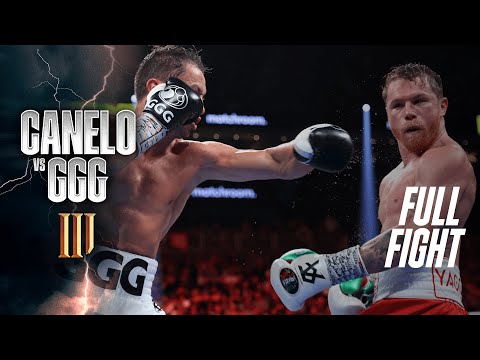
FULL FIGHT ANALYSIS: Canelo vs. GGG III - A Masterclass or a Missed Opportunity?

The sweet science. Boxing. For millennia, humanity has found a primal, captivating rhythm in the clash of fists, a testament to skill, heart, and sheer will. It’s a dance of strategy and power, where every feint, every jab, every uppercut tells a story of dedication and pain. But in the modern arena, amidst the glitz and the hype, how often do we witness true martial artistry, a genuine test of the warrior's spirit? Too often, the spectacle overshadows the substance.

Enter Saúl 'Canelo' Álvarez and Gennadiy 'GGG' Golovkin. Their saga is more than just a rivalry; it's a narrative woven into the fabric of contemporary boxing, a chapter that fans have devoured, debated, and desperately craved more of. Their first two encounters were seismic events, etched in controversy and leaving an insatiable thirst for a definitive conclusion. Today, we dissect their third dance, not just as a boxing match, but as a potential lesson in the enduring principles of combat. Was it a final, masterful demonstration of Budo principles, or a poignant reminder of how the game can sometimes betray the art?

The History: A Trilogy Forged in Controversy

The saga began on September 16, 2017. The air crackled with anticipation. Canelo Álvarez, the Mexican phenom, met Gennadiy Golovkin, the "Triple G" terror from Kazakhstan. This wasn't just a fight; it was a clash of titans, a stylistic chess match played at a furious pace. The bout, a brutal, back-and-forth war, ended in a split draw.

A draw? For many, it felt like an injustice. Spectators, pundits, and fellow martial artists scrutinized the scorecards, many convinced Golovkin had done enough to secure victory. The visceral impact of Golovkin's power shots, the relentless pressure he applied, seemed to eclipse Canelo's more tactical, albeit potent, counter-punching. This controversial outcome, rather than satiating the fanbase, ignited a bonfire of demand for a rematch. It highlighted a recurring theme in combat sports: the subjective nature of judging and the enduring power of raw aggression versus calculated defense. This is a debate that echoes through countless martial disciplines, from the striking arts of Karate to the intricate throws of Judo.

The Rematch: Canelo's Ascent, GGG's Stride

One year later, on September 15, 2018, the stage was set for redemption. The anticipation was even greater, the stakes higher. The rematch delivered another high-octane affair, a testament to both fighters' grit and skill. This time, the narrative shifted. Canelo, adapting and growing, clinched a majority decision victory.

Yet, even in victory, the controversy lingered. Arguments persisted that Golovkin's consistent output and powerful blows warranted a different result. It’s a familiar dilemma: does the cleaner, more technically precise fighter win, or the one who imposes his will and lands the heavier blows? This dance between technical merit and overwhelming force is a core philosophical question in martial arts. How does one truly measure victory when both participants display such profound mastery and warrior spirit? The debates raged on, ensuring that the desire for a final, unambiguous chapter remained.

Canelo vs. GGG III: The Anticipation and the Reality

The boxing world held its breath. A potential third fight between these two warriors was the stuff of dreams for fight fans. Both fighters, acknowledging their storied history, expressed openness to a rubber match. Canelo, by then firmly established as the undisputed king of the super-middleweight division, saw it as a chance to definitively close the book on his greatest rival. Golovkin, older but no less dangerous, viewed it as his final opportunity to reclaim his perceived throne and etch his name in boxing immortality against the man who had twice denied him undisputed victory.

On September 17, 2022, it finally happened. The trilogy was complete. But this time, the story felt different. Canelo, despite a hand injury he sustained early in the fight, controlled the bout with calculated aggression. His defense was tighter, his counter-punches sharp, and his ring generalship masterful. Golovkin, while still possessing his signature power and a warrior's heart, struggled to impose his will against a more seasoned and defensively astute Canelo. The unanimous decision for Álvarez was clear, decisive, and largely uncontroversial. The debate this time wasn't about who won, but rather about the aged warrior facing his prime.

Style vs. Substance: A Martial Perspective

From a martial artist's perspective, the Canelo-Golovkin rivalry offers a rich tapestry of contrasting philosophies. Canelo embodies the astute counter-puncher, a master of timing, distance, and calculated risk. His style is reminiscent of a skilled swordsman, waiting for the opponent's opening to deliver a decisive, precise strike. He understands the importance of defense not just as a means of avoiding damage, but as a platform for offense. This echoes principles found in **Tai Chi**, where yielding and redirecting an opponent's force is paramount.

Golovkin, on the other hand, is the embodiment of relentless pressure and concussive power. His "Triple G" moniker isn't just for show; his punches carry the weight of a sledgehammer. He represents the direct, overwhelming force, a style that demands unwavering commitment and a chin of granite. This approach shares similarities with the powerful, forward-moving strategies seen in some styles of **Kyokushin Karate** or the unyielding advance of a **Sumo** wrestler.

The third fight showcased Canelo’s evolution. He demonstrated that while power is a formidable weapon, the strategic application of skills – defense, timing, and adapting to an opponent's weaknesses – can overcome sheer aggression, especially as a fighter ages. It's a lesson that transcends boxing, a principle observed across numerous disciplines, from the fluid movements of **Aikido** to the strategic positioning in **Judo**.

"The supreme art of war is to subdue the enemy without fighting." - Sun Tzu, The Art of War. While Canelo didn't win without a fight, his strategic control in the third bout demonstrated a masterful subduing of GGG's strengths.

Beyond the Trilogy: The Ever-Evolving World of Combat

While the Canelo-Golovkin saga captured the boxing world's imagination, it’s crucial to remember that the landscape of combat sports is vast and ever-changing. Exciting matchups are constantly brewing across various disciplines. Consider the heavyweight boxing clashes, such as the highly anticipated bouts featuring **Tyson Fury** and **Deontay Wilder**, each bringing a unique blend of power and personality to the ring. These fights remind us that raw power and the "knockout punch" remain a thrilling, albeit unpredictable, element in combat.

The rise of **Mixed Martial Arts (MMA)**, with its fusion of striking, grappling, and submission arts, has further broadened the definition of a complete fighter. Athletes like **Jon Jones** and **Cyril Gane** showcase incredible versatility, blending techniques from **Muay Thai**, **Brazilian Jiu-Jitsu (BJJ)**, **Wrestling**, and **Karate** into a formidable arsenal. This cross-disciplinary approach mirrors the ancient martial philosophies that encouraged the study of multiple weapons and fighting styles to achieve true mastery. The ability to seamlessly transition between striking and grappling, as seen in fights at **UFC** events, demonstrates a holistic understanding of combat that few single-discipline fighters can match.

Equipo Esencial para tu Entrenamiento

For aspiring boxers and martial artists seeking to emulate the dedication and skill displayed by Canelo and Golovkin, proper training equipment is paramount. Investing in the right gear not only enhances performance but also significantly reduces the risk of injury. Here’s a foundational list:

  • Guantes de Boxeo/MMA (14-16oz): Essential for sparring and heavy bag work to protect your hands and wrists.
  • Vendas para Manos: Crucial for added wrist and knuckle support during intense training sessions.
  • Protector Bucal: Non-negotiable for any form of sparring or competitive fighting to protect your teeth and jaw.
  • Protector de Ingle: Vital for protecting sensitive areas during sparring.
  • Kimono (Judo/BJJ): For grappling-focused disciplines, a durable gi is essential for practicing throws and groundwork. Look for high-quality, double-weave fabrics for longevity.
  • Cuerda de Saltar: An indispensable tool for improving footwork, coordination, and cardiovascular endurance – a staple for any fighter’s conditioning.
  • Saco de Boxeo o Pera Loca: For developing power, speed, and accuracy in striking.
  • Rodilleras y Coderas: Useful for conditioning drills and protecting against impact during certain training exercises.

Whether you're training in boxing, **Judo**, **Karate**, or **BJJ**, the right equipment is an investment in your journey. Consider exploring specialized **Karate Merchandise** or **MMA Gear** from reputable brands to ensure quality and durability.

Guía de Entrenamiento: El "Golovkin Jab" y la "Canelo Counter"

Let's break down two fundamental elements that defined the early exchanges between these titans. While complex strategies are involved, understanding these core concepts can elevate your own training.

  1. El Jab de Golovkin (La Presión Constante):
    • Posición: Mantén una guardia sólida, pies bien plantados, ligeramente separados, rodillas flexionadas.
    • El Movimiento: Extiende tu brazo de lanzar (generalmente el izquierdo para un diestro) rápidamente, girando ligeramente la muñeca al contacto para maximizar el impacto. Tu cuerpo debe transferir peso hacia adelante de manera sutil.
    • El Propósito: No es solo un golpe de alcance; es para medir distancia, mantener al oponente a raya, interrumpir su ritmo y preparar golpes más potentes. GGG lo usaba implacablemente para dictar el espacio.
    • Entrenamiento: Practica miles de jabs contra un saco pesado, enfocándote en la velocidad, la extensión completa y la rápida retracción a la guardia. Visualiza a tu oponente y golpea puntos específicos.
  2. La Contra de Canelo (El Golpe Preciso en el Momento Justo):
    • Posición: Similar a la guardia de boxeo, pero con una mayor flexibilidad y movilidad en la parte superior del cuerpo.
    • El Movimiento: Permite que el oponente lance su golpe (ej. un jab o un recto). En el instante en que su puño sale, usa tu guardia para bloquear, desviar, o incluso deslizarte ligeramente, y contraataca con un golpe potente (un gancho o un recto) a un punto vulnerable. La clave es la sincronización perfecta.
    • El Propósito: Capitalizar el error del oponente, castigar su ofensiva y tomar el control de la pelea. Canelo es un maestro en encontrar la brecha y golpear con autoridad.
    • Entrenamiento: El *sparring* es crucial aquí. Trabaja con un compañero que entienda el concepto de lanzar golpes específicos. Practica el bloqueo/desvío y contraataque simultáneamente. Usa el "espejo" (golpear solo cuando el compañero golpea) para refinar el tiempo.

Dominar estos elementos requiere innumerables horas de práctica dedicada, la filosofía de perseverancia y la disciplina que son pilares de las **Artes Marciales Mixtas (MMA)** y del **Budo** en general.

"The difference between a novice and a master is not that the master never makes mistakes, but that the master learns from every mistake. The master has failed more times than the novice has even tried." - Bruce Lee. This philosophy underpins the entire journey of martial arts mastery.

Veredicto del Sensei: ¿Merece la pena?

The Canelo vs. Golovkin trilogy is a landmark achievement in modern boxing. While the first two fights were marred by controversial decisions, they showcased an incredible rivalry between two supremely talented warriors. The third fight, though perhaps lacking the same level of back-and-forth drama, provided a definitive conclusion and a masterclass in boxing strategy from Canelo Álvarez. From a martial perspective, it served as a powerful reminder that while raw power and aggression are potent forces, the disciplined application of skill, timing, and strategic defense often prevails, especially in the twilight of a legendary career.

Calificación del Sensei: Cinturón Negro en Rivalidad, Maestro en Estrategia.

Preguntas Frecuentes

  • ¿Por qué fue tan controvertida la primera pelea entre Canelo y Golovkin?
    La controversia se debió principalmente a las tarjetas de los jueces. Muchos observadores creían que Golovkin había ganado claramente, pero la pelea terminó en un empate dividido, lo que dejó a muchos sintiendo que se le robó la victoria.
  • ¿Fue la tercera pelea tan emocionante como las dos primeras?
    Si bien la tercera pelea fue estratégicamente fascinante y demostró la maestría de Canelo, muchos fanáticos la encontraron menos emocionante que las dos primeras, que fueron batallas más reñidas y llenas de acción impredecible.
  • ¿Qué aprendemos de la técnica de ambos peleadores desde una perspectiva marcial?
    Canelo demuestra la importancia de la defensa, el tiempo y el contraataque preciso, similar a las tácticas de algunos estilos de Karate y Judo. Golovkin representa la fuerza bruta, la presión implacable y la búsqueda del nocaut, un enfoque visto en disciplinas como el Kyokushin Karate. La trilogía ilustra cómo diferentes filosofías marciales pueden coexistir y competir en el mismo ring.
  • ¿Es probable que haya una cuarta pelea entre Canelo y Golovkin?
    Dada la edad de Golovkin y la dominante victoria de Canelo en la tercera pelea, una cuarta contienda parece muy improbable. Canelo ha indicado que desea continuar consolidando su legado en otras divisiones, mientras que GGG podría estar considerando el final de su carrera.

Para Profundizar en tu Camino

Reflexión del Sensei: Tu Próximo Paso

The roar of the crowd, the sweat, the exhaustion, the controversy, and ultimately, the definitive victory. This trilogy offered more than just punches; it offered lessons. Canelo's strategic adaptation and Golovkin's unyielding spirit are echoes of timeless martial principles. But now, I ask you:

When the final bell rings in your own life's battles, will you be remembered for your raw power, or for the wisdom and adaptability with which you navigated the storm? How will *you* write the final chapter of your own saga?

``` ```json { "@context": "https://schema.org", "@type": "FAQPage", "mainEntity": [ { "@type": "Question", "name": "Why was the first fight between Canelo and Golovkin so controversial?", "acceptedAnswer": { "@type": "Answer", "text": "The controversy stemmed from the judges' scorecards. Many observers believed Golovkin had clearly won, but the fight ended in a split draw, leaving many feeling he was robbed of a victory." } }, { "@type": "Question", "name": "Was the third fight as exciting as the first two?", "acceptedAnswer": { "@type": "Answer", "text": "While strategically fascinating and showcasing Canelo's mastery, many fans found the third fight less exciting than the first two, which were closer, more unpredictable battles." } }, { "@type": "Question", "name": "What can we learn from both fighters' techniques from a martial perspective?", "acceptedAnswer": { "@type": "Answer", "text": "Canelo demonstrates the importance of defense, timing, and precise counter-punching, akin to strategies in Karate and Judo. Golovkin embodies raw power, relentless pressure, and the pursuit of a knockout, a style seen in disciplines like Kyokushin Karate. The trilogy illustrates how different martial philosophies can compete effectively." } }, { "@type": "Question", "name": "Is a fourth fight between Canelo and Golovkin likely?", "acceptedAnswer": { "@type": "Answer", "text": "Given Golovkin's age and Canelo's dominant performance in the third fight, a fourth bout seems highly improbable. Canelo aims to solidify his legacy in other divisions, while GGG may be considering retirement." } } ] }

Ricardo López: The Zenith of Mexican Boxing Prowess and a Martial Arts Masterclass

The Unseen Connection: Boxing Technique as Pure Martial Art

A true martial artist understands that the essence of Budo—the way of the warrior—transcends specific disciplines. It lies in the pursuit of perfection, the unwavering discipline, and the profound understanding of human physiology and psychology under pressure. While the world often segregates boxing from the broader martial arts spectrum, a deeper examination reveals undeniable parallels. Today, we delve into the "Mexican PERFECTION Of Ricardo López," not just as a boxing legend, but as a paragon whose technical mastery offers invaluable lessons for any practitioner of the martial ways. This is a journey into precision, defense, and an offensive capability honed to its absolute finest edge.

The Maestro: Unpacking Ricardo "Finito" López's Undefeated Legacy

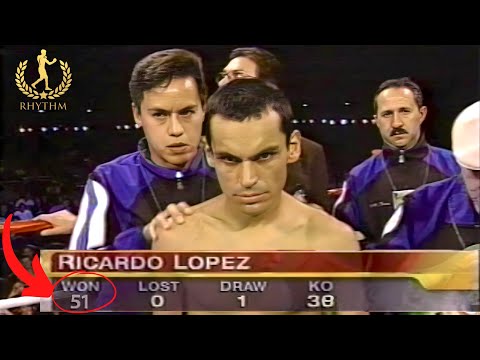
Ricardo "Finito" López. The name itself evokes an era of unparalleled defensive wizardry and surgical offensive striking. To call him merely a "boxer" is to diminish the artistry he brought to the ring. With a flawless professional record of 51 wins (38 by knockout) and zero losses, López wasn't just winning; he was dominating, a three-time world champion across the minimumweight and light flyweight divisions. His moniker, "El Maestro," wasn't bestowed lightly. It was earned through years of meticulous training, an almost supernatural understanding of distance and timing, and a defensive shell so impenetrable it seemed almost mythical. For any aspiring fighter, whether on the mats or in the ring, López's career is a living testament to what disciplined dedication can achieve.

From Mexico City to the Pinnacle: A Fighter's Genesis

Born and raised in Mexico City, López's path to boxing greatness began at a tender age. The environment, while perhaps lacking in conventional martial arts dojos of the East, fostered a raw, competitive spirit that, when channeled through the disciplined structure of boxing, became a crucible for excellence. He turned professional in 1985, and within two years, had captured his first world championship. His career, spanning over 14 years, was a masterclass against some of the era's toughest competitors, including Saman Sorjaturong, Andy Tabanas, and Zolani Petelo. Each victory was not just a testament to his physical prowess, but a demonstration of strategic brilliance.
"The art of boxing is like a dance. You must know when to step forward, when to step back, and most importantly, when not to be touched at all." - A lesson echoed in López's every move.

The Science of Elusion: López's Defensive Masterpiece

What truly elevated Ricardo López beyond the status of a mere champion was his almost unbelievable technique and precision. His stance was textbook-perfect, his footwork fluid and economical, allowing him to control distance with an expert's touch. But it was his defense that became legendary. López possessed an uncanny ability to slip punches, roll with blows, and maintain an upright, active guard that left opponents frustrated and ineffective. For nearly a decade, he went virtually untouched, a feat almost unheard of in the brutal world of professional boxing. This wasn't luck; it was applied physics, timing, and an unparalleled commitment to not getting hit. His style is a profound study in the martial principle of **"Nuki"** (evasion) and **"Uke"** (receiving/blocking), executed with an artistry that is still analyzed and emulated by fighters worldwide.

The Crucible of Training: Dedication Beyond Measure

López's dedication to his craft was not just exemplary; it was absolute. His training regimen was relentless, ensuring he was always in impeccable physical condition. He understood that true mastery in any martial pursuit requires sacrificing comfort for continuous improvement. He was a student of both offense and defense, recognizing that each complements the other. His fights were not simply brawls; they were strategic engagements, thrilling chess matches played out with fists and feet, showcasing a complete understanding of the fight. This unwavering commitment is a core tenet of **Budo Life**, the philosophy that the martial way is a lifelong pursuit of self-improvement.

Veredicto del Sensei: Is Ricardo López's Boxing a Martial Art Worth Studying?

Absolutely. To dismiss Ricardo López's boxing simply because it doesn't involve throws or joint locks is to miss the forest for the trees. His defensive mastery, his precision striking, his footwork that dances on the edge of danger, and his unwavering mental fortitude are all pillars of effective combat. López's career is a compelling argument for the universality of martial principles. His fights are a masterclass in controlling space, managing risk, and executing techniques with devastating efficiency. He embodies the **Warrior Philosophy** and the **Self-Mastery** that all true martial artists strive for.

Rating: Cinturón Negro en Técnica y Estrategia Marcial

Equipo Esencial para tu Entrenamiento

While Ricardo López's technique is invaluable, proper equipment can enhance your training and safety. For those inspired by "El Maestro's" dedication, consider these essentials:
  • Guantes de Boxeo de Alta Calidad: Look for gloves (14-16oz for sparring) that offer excellent padding and wrist support, crucial for emulating López's defensive style without injury.
  • Protector Bucal (Mouthguard): Essential for protecting your teeth and jaw, a non-negotiable for any combat sport training.
  • Vendas para las Manos (Hand Wraps): Provide vital support to your knuckles and wrists, preventing common injuries during heavy bag work or sparring.
  • Cuerda de Saltar (Jump Rope): A staple for improving footwork, coordination, and cardiovascular endurance, mirroring the agility López displayed.
  • Saco de Boxeo (Heavy Bag): For developing power and technique. A quality heavy bag allows you to practice combinations and striking power safely.

Guía de Entrenamiento: El Arte de la Defensa Activa

Inspired by López's impenetrable defense? Here’s a fundamental drill to begin developing your own:
  1. Posición Fundamental (Stance): Adopt a balanced, slightly staggered stance. Keep your lead foot slightly forward, weight distributed evenly, and hands up protecting your head.
  2. El "Slip" Básico: Imagine a punch coming towards your head. Instead of blocking, subtly shift your head to the side, just enough for the punch to whistle past. Practice this movement rhythmically.
  3. El "Roll" o Giro: For hooks or straights aimed slightly lower, bend your knees and use your torso to "roll" with the punch, allowing it to glance off your shoulder or guard.
  4. Combinación de Movimientos: Practice chaining slips and rolls. As one punch is evaded, immediately transition to evading the next, maintaining your balance and guard.
  5. Incorpora el Juego de Pies: As you evade, take small, precise steps to maintain optimal distance or to counter-attack. López never just stood still; his movement was integral to his defense.
  6. Repetición Constante: Perform this drill for 5-10 minutes daily, focusing on fluidity and economy of motion. The goal is to make evasion instinctive.

Preguntas Frecuentes

  • Is Ricardo López's boxing style applicable to other martial arts? Absolutely. The principles of distance management, evasion, timing, and precision striking are universal and can be adapted to disciplines like Karate, Taekwondo, and even Kung Fu applications.
  • What made López's defense so effective? It was a combination of exceptional reflexes, a deep understanding of his opponents' tendencies, perfect timing, economical footwork, and rigorous, consistent training.
  • How did López maintain his undefeated record for so long? Through unwavering dedication to training, meticulous preparation for each opponent, and a defensive capability that minimized damage and maximized his opportunities to win.
  • Can beginners learn from López's style? Yes, but with caution. Beginners should focus on the fundamental defensive movements (slips, rolls) and footwork under the guidance of a qualified instructor before attempting more complex maneuvers.

Para Profundizar en tu Camino

Reflexión del Sensei: Tu Próximo Paso

Ricardo López did not just fight; he *performed* the art of boxing. His "Mexican PERFECTION" is a testament to the fact that in any martial endeavor, the path of discipline, precision, and unwavering dedication leads to a profound understanding of combat and self. The question is not whether you can achieve such mastery, but whether you possess the warrior's spirit to even begin the pursuit. Do you seek mere victory, or do you seek true mastery?
"The difference between a good fighter and a great fighter is not the punches they throw, but the punches they avoid."

Now, contemplate this: How can you integrate the defensive intelligence and precise execution of "El Maestro" into the specific martial art you practice? What concrete steps will you take this week to refine your own evasive techniques and strategic defense? The true test of learning lies not in reading, but in application. Prove your commitment in the dojo, on the mat, or in your solitary training.

If you want to delve deeper into Ricardo López's incredible career and the broader world of martial arts, explore the wealth of resources available online. You can also find related merchandise on our site to commemorate boxing and martial arts legends.

Thank you for reading. We hope to see you back at the dojo (or the digital dojo) soon!

Henry Cejudo vs. Marlon Moraes: A Masterclass in Combat Strategy at UFC 238

The Unseen War: Beyond the Octagon's Roar

The clash between Henry Cejudo and Marlon Moraes at UFC 238 wasn't just a fight; it was a high-stakes chess match played out with fists, feet, and the formidable power of **wrestling** and **striking**. While the result saw Cejudo victorious, emerging as the new UFC Bantamweight Champion, the true lesson lies not just in the knockout, but in the strategic evolution and the philosophical underpinnings of combat that were on full display. Many fans see only the flash and the fury, the **knockout power** and the **grappling** exchanges, but a true student of the martial way, a **budoka**, looks deeper. They analyze the **mental game**, the **discipline**, and the subtle shifts in momentum that dictate the outcome of such intense **battles**. This wasn't merely a **fight**; it was a testament to decades of rigorous **training** and the relentless pursuit of mastery.

Cejudo's Legacy: From Olympic Gold to MMA King

Henry Cejudo's journey is a saga of dedication that transcends mere athletic achievement. As an Olympic gold medalist in freestyle wrestling, Cejudo brought an unparalleled level of mat control and **explosive takedowns** to the **MMA** arena. His record, a formidable 16-2-0, speaks volumes, but it's his fight IQ and adaptability that truly set him apart. He’s not just a wrestler; Cejudo honed his **striking** skills to a lethal degree, weaving together a potent arsenal of punches, kicks, and knees. He embodies the principle that mastery in one domain can be powerfully amplified when integrated with another. This synergy is the hallmark of a true martial artist, constantly evolving and integrating new knowledge. For those aspiring to excel, consider the importance of a well-rounded **training** regimen. A solid foundation in **wrestling** or **judo**, combined with dynamic **kickboxing** or **Karate** techniques, can create an unstoppable force.

Moraes: The Striking Maestro's Challenge

Marlon Moraes, a Brazilian warrior with a professional record of 22-6-1, arrived at UFC 238 as a seasoned contender, a former WSOF Bantamweight Champion renowned for his exceptional **striking skills**. With 17 wins by KO/TKO, Moraes possessed the kind of fight-ending power that kept opponents constantly on edge. His **defensive skills** were equally impressive, a testament to meticulous **training** designed to nullify an opponent's attack. He made it incredibly difficult for fighters to land clean shots, a crucial aspect of survival and victory in any **combat sport**. The dynamic between Cejudo's wrestling prowess and Moraes's striking excellence set the stage for a classic confrontation, a true test of different martial philosophies.

The Strategic Dance: Deconstructing Cejudo vs. Moraes

The initial exchanges were a strategic dance, a palpable tension filling the arena. Cejudo, true to his roots, immediately sought to close the distance, aiming for the clinch and the inevitable takedown that has defined much of his career. However, Moraes, with his keen understanding of range and timing, displayed superb **takedown defense**. He managed to keep the **fight** standing, a critical objective against a renowned wrestler. The first round saw Moraes utilize his powerful leg kicks, which visibly seemed to impact Cejudo's mobility. This was a smart tactic, aiming to blunt the wrestler's offensive capabilities. Yet, the hallmark of a champion isn't just skill, but the ability to adapt. In the second round, Cejudo made the crucial adjustments. He began to time his entries more effectively, finally breaching Moraes's defenses and securing a takedown. Once on the ground, the dynamic shifted dramatically. Cejudo's control was absolute, his **ground-and-pound** relentlessly targeting Moraes. This phase of the fight underscored a fundamental principle in **Budo**: once you have your opponent where you want them, exploit the advantage with decisive action. The third round saw Cejudo continuing his dominance, blending his wrestling with effective striking. Moraes, though resilient, appeared to be tiring, a common consequence of defending relentless takedowns and absorbing ground strikes. The **ki** flow seemed to be with Cejudo. The decisive moment arrived in the fourth round. Cejudo landed a powerful knee strike that sent Moraes crashing to the canvas. This was the **knockout** that fans craved, the definitive punctuation to a masterful performance. The follow-up ground strikes led to the referee's stoppage, crowning Cejudo the new champion. This victory wasn't just about raw power; it was about strategic evolution, demonstrating that even a fighter known for one discipline can conquer another with dedication and intelligent application of skills.

Veredicto del Sensei: ¿Merece la pena?

This **fight** is a prime example of how a well-rounded martial artist, who understands the interplay between different disciplines, can overcome specialized talent. Cejudo's victory over Moraes is a **lesson in strategy**, showcasing the importance of adaptability and the integration of **wrestling** and **striking**. For any **martial arts** enthusiast, this bout is a must-watch, not just for the excitement, but for the deep tactical insights it offers. It’s a clear demonstration that while **specialization** has its merits, true mastery lies in the ability to blend and adapt. Cejudo earned his **Cinturón Negro en Combate Estratégico**.

Equipo Esencial para tu Entrenamiento

To emulate the dedication and skill displayed by these warriors, the right **equipment** is paramount. Whether you're focusing on **wrestling**, **striking**, or a blend of disciplines, investing in quality gear is an investment in your own **training** and safety.
  • Guantes de MMA: Look for gloves that offer a good balance of protection for striking and dexterity for **grappling**. 16oz gloves are generally recommended for sparring sessions to ensure adequate padding.
  • Kimono de Judo o Jiu-Jitsu: For those focusing on ground **fighting** and **wrestling**, a durable, double-weave kimono (gi) is essential. It needs to withstand the rigors of constant pulling and grappling.
  • Protector Bucal: Non-negotiable for any form of sparring or intense **training**. Protect your teeth and jaw.
  • Espinilleras y Guantes de Kickboxing/Karate: If your **training** leans more towards **striking**, invest in proper shin guards and sparring gloves to prevent injuries.
  • Protector Genital: A vital piece of **equipment** for all male practitioners involved in any combat sport.
For those looking to deepen their understanding of martial principles, consider exploring foundational texts. The wisdom within books like "The Book of Five Rings" by Miyamoto Musashi offers insights that are as relevant to the **Octagon** as they are to any **battlefield**.

Guía de Entrenamiento: Integrando Wrestling y Striking

Aspiring fighters often struggle to bridge the gap between **wrestling** and **striking**. This exercise, inspired by the strategic shifts seen in Cejudo's performance, aims to improve your transitions and overall combat effectiveness.
  1. Warm-up (15 mins): Begin with dynamic stretching and light cardio. Focus on movements that simulate both striking and wrestling actions – hip rotations, leg swings, arm circles, torso twists.
  2. Striking Drills (10 mins): Practice combinations like jab-cross-hook, followed by a low kick. Focus on footwork and maintaining a balanced stance. Alternate between offensive drills and defensive drills (e.g., slipping punches, blocking kicks).
  3. Wrestling Entries (10 mins): Practice level changes and shooting for double-leg or single-leg takedowns. Focus on explosiveness and driving through the takedown. Imagine you are attacking a stationary opponent.
  4. Transition Drills (15 mins): This is the core of the drill.
    • Start in a striking stance. Throw a combination (e.g., jab-cross). As your opponent (or a partner) attempts to defend or counter, immediately transition into a takedown attempt.
    • If the takedown is defended, immediately pop back up to your striking stance and prepare to strike.
    • Alternatively, if you are taken down, practice effective get-ups (e.g., technical stand-up) while defending against ground-and-pound or submissions.
    • Work on clinching from striking range, transitioning to knees or elbows, and then potentially to a takedown if the opportunity arises.
  5. Sparring (10 mins): Engage in light, controlled sparring, focusing specifically on making these transitions. Don't worry about winning; focus on executing the *transition* from striking to wrestling and back.
  6. Cool-down and Stretching (5 mins): Static stretching, holding each stretch for 30 seconds.
Remember, consistency is key. Integrating these phases smoothly takes time and dedicated practice. The goal is to make these transitions second nature, a fluid response rather than a conscious decision.

Future Fights: What Lies Ahead?

Cejudo's victory was a crowning achievement, leading him to announce his retirement – a decision that, while understandable, left fans yearning for more. Yet, his hints at a potential return keep the flame of possibility alive. The UFC landscape is always shifting, and a fighter of Cejudo’s caliber can never truly be counted out. His legacy is secure, but the allure of one more **fight** often calls to the warrior’s spirit. For Marlon Moraes, this loss represents not an end, but a challenging crossroads. He remains a formidable force in the Bantamweight division, possessing the skills and the heart to bounce back. His journey will be watched closely, as he seeks to re-establish himself against the division's top contenders. Who will be his next opponent? This uncertainty is part of the thrill of **combat sports**. The path to redemption is often harder than the initial climb, but it yields a far greater reward.

Preguntas Frecuentes

What is Henry Cejudo's primary martial arts background?

Henry Cejudo is an Olympic gold medalist in freestyle **wrestling**. This background heavily influences his **MMA** style, focusing on takedowns and control.

How did Marlon Moraes typically win his fights?

Marlon Moraes is known for his exceptional **striking skills**, with a significant number of his wins coming by KO/TKO.

Was the fight between Cejudo and Moraes a close contest?

While Moraes displayed resilience and dangerous striking, Cejudo's strategic adjustments and **wrestling** advantage allowed him to gain control, ultimately leading to a TKO victory in the fourth round.

What does "TKO" mean in MMA?

TKO stands for Technical Knockout. It occurs when the referee stops the **fight** because one fighter is deemed unable to safely continue, even if they are not fully unconscious.

Does Cejudo's retirement mean he will never fight again?

While Cejudo has announced retirement, he has also hinted at a possible return. The world of **martial arts** often sees champions make comebacks.

Para Profundizar en tu Camino

  • BUDO: Explore the broader philosophy and principles behind martial disciplines.
  • MMA: Dive deeper into the world of Mixed Martial Arts, its history, and its stars.
  • DefensaPersonal: Understand how techniques learned in sports translate to real-world self-defense scenarios.

Reflexión del Sensei: Tu Próximo Paso

Cejudo conquered the **Octagon** by blending his wrestling dominance with sharpened striking. He didn't just fight; he strategized, he adapted, he overcame. This is the essence of true martial artistry. It is not merely about possessing skills, but about knowing *when* and *how* to apply them, and importantly, how to evolve when faced with adversity. So I ask you, my students, and all who seek mastery: When you face your own challenges – be it on the mat, in the ring, or in the complex arenas of life – do you adapt, or do you crumble? Do you possess the foresight to shift your strategy when your initial approach falters, or do you cling to a failing method with the stubbornness of a novice? The true warrior doesn't just throw punches; they understand the rhythm of the battle, the ebb and flow of power, and can transition seamlessly from attack to defense, from strategy to instinct. Consider this your **koan** for the week. ``` ```json { "@context": "https://schema.org", "@type": "FAQPage", "mainEntity": [ { "@type": "Question", "name": "What is Henry Cejudo's primary martial arts background?", "acceptedAnswer": { "@type": "Answer", "text": "Henry Cejudo is an Olympic gold medalist in freestyle wrestling. This background heavily influences his MMA style, focusing on takedowns and control." } }, { "@type": "Question", "name": "How did Marlon Moraes typically win his fights?", "acceptedAnswer": { "@type": "Answer", "text": "Marlon Moraes is known for his exceptional striking skills, with a significant number of his wins coming by KO/TKO." } }, { "@type": "Question", "name": "Was the fight between Cejudo and Moraes a close contest?", "acceptedAnswer": { "@type": "Answer", "text": "While Moraes displayed resilience and dangerous striking, Cejudo's strategic adjustments and wrestling advantage allowed him to gain control, ultimately leading to a TKO victory in the fourth round." } }, { "@type": "Question", "name": "What does \"TKO\" mean in MMA?", "acceptedAnswer": { "@type": "Answer", "text": "TKO stands for Technical Knockout. It occurs when the referee stops the fight because one fighter is deemed unable to safely continue, even if they are not fully unconscious." } }, { "@type": "Question", "name": "Does Cejudo's retirement mean he will never fight again?", "acceptedAnswer": { "@type": "Answer", "text": "While Cejudo has announced retirement, he has also hinted at a possible return. The world of martial arts often sees champions make comebacks." } } ] }

Rickson Gracie: El León del Jiu-Jitsu Brasileño y su Inquebrantable Legado en las Artes Marciales Mixtas

¿Qué define a un verdadero campeón? ¿Es la suma de victorias, la destreza técnica o la filosofía que impregna cada movimiento? En el vasto y a menudo caótico universo de las artes marciales, pocos nombres resuenan con la autoridad y el respeto de Rickson Gracie. Nacido en el crisol del Jiu-Jitsu Brasileño, este hombre no es solo un peleador; es una institución, un testamento viviente a la potencia de la persistencia, la técnica depurada y una filosofía de vida que trasciende el tatami. Hoy, nos adentramos en el legado de Rickson Gracie, desentrañando cómo su maestría en el arte de la sumisión se convirtió en un pilar fundamental para la evolución de las Artes Marciales Mixtas (MMA).

El Arte de la Sumisión: Jiu-Jitsu Brasileño en su Máxima Expresión

El Jiu-Jitsu Brasileño, conocido cariñosamente como BJJ, es una disciplina que se centra en el combate cuerpo a cuerpo, con énfasis en las técnicas de sumisión. Su principio fundamental es que un individuo más pequeño y débil puede defenderse eficazmente contra un oponente más grande y fuerte, utilizando apalancamiento y técnica. Nacido de las enseñanzas del judo y la lucha, el BJJ fue adaptado y perfeccionado por la familia Gracie, convirtiéndose en una fuerza dominante en el mundo de las artes marciales. Rickson Gracie, considerado por muchos como el pináculo de esta disciplina, encarna la esencia del BJJ: precisión, paciencia y una comprensión profunda de la biomecánica humana.

Su reputación como uno de los peleadores de jiu-jitsu brasileño más formidables del mundo no se forjó en un día. Fue el resultado de años de dedicación inquebrantable, innumerables horas de entrenamiento riguroso y una mente estratégica que pocos podían igualar. En un deporte donde la fuerza bruta puede ser engañosa, Rickson demostró que la inteligencia marcial, combinada con una técnica impecable, era la clave para la victoria. Sus combates no eran solo demostraciones de habilidad, sino lecciones vivientes sobre la eficacia del Gracie Jiu-Jitsu cuando se aplica con maestría.

Forjado en la Familia Gracie: Los Cimientos de un Maestro

La historia de Rickson Gracie está intrínsecamente ligada al legado de su familia. Creció en Río de Janeiro, Brasil, en un hogar donde el Budo y el arte de la lucha eran tan cotidianos como el aire que respiraban. Bajo la tutela de su padre, el legendario Hélio Gracie, Rickson absorbió las enseñanzas del Jiu-Jitsu Brasileño desde una edad temprana. Hélio, a pesar de su complexión física, había adaptado el judo para hacerlo más efectivo para individuos más pequeños, y Rickson heredó esta visión, refinándola hasta convertirla en un arte de guerra personal.

"El Jiu-Jitsu no es solo una lucha, es una filosofía. Es una forma de vida que enseña disciplina, respeto y perseverancia." - Una lección que Rickson Gracie interiorizó desde la infancia.

Desde joven, Rickson destacó. Demostró una aptitud natural para la disciplina, una capacidad innata para entender los ángulos y el ki (energía vital) en el combate. Sus primeros enfrentamientos, tanto en el tatami como en desafíos informales en las calles de Río, cimentaron su reputación. No buscaba la pelea por el placer de hacerlo, sino como una prueba de su habilidad y una forma de refinar su arte. Esta mentalidad lo diferenció, preparándolo para los escenarios más exigentes.

Rickson Gracie en el Octágono: La Prueba de Fuego del Budo

Si bien el BJJ es una disciplina formidable por sí sola, su verdadera prueba de fuego llegó con el advenimiento de las Artes Marciales Mixtas (MMA). Y aquí es donde Rickson Gracie se consolidó como una leyenda. A diferencia de muchos practicantes de BJJ que se centraban exclusivamente en la lucha en el suelo, Rickson entendió la necesidad de una aproximación más holística. Sus combates en eventos como el Vale Tudo japonés demostraron que el Gracie Jiu-Jitsu, cuando lo aplicaba un maestro como él, podía dominar a oponentes de diversas disciplinas.

Su récord de victorias es impresionante, y lo que es más importante, la forma en que las consiguió. Rickson raramente se encontraba en posiciones desfavorables. Su control en el suelo era férreo, su capacidad para transicionar de una posición a otra, fluida. Utilizaba combinaciones de agarres, llaves y estrangulaciones con una precisión que dejaba a sus oponentes sin opciones. No se trataba de fuerza bruta, sino de aplicar la fuerza en el punto exacto, en el momento preciso, explotando las debilidades anatómicas de su rival.

En un combate real, la simplicidad y la eficacia son primordiales. Rickson Gracie personificó esto. Mientras otros buscaban la espectacularidad, él buscaba la victoria. Sus técnicas eran directas, brutales en su efectividad, y representaban la culminación de décadas de refinamiento familiar. No era solo un peleador; era un estratega en movimiento, un artista marcial que aplicaba principios de combate y lucha de manera magistral.

Más Allá del Combate: La Filosofía del Budo en Rickson Gracie

La influencia de Rickson Gracie trasciende las victorias y las derrotas. Uno de los aspectos más profundos de su legado es su adhesión y promoción de la filosofía del Budo. El Budo, el "camino del guerrero", no se trata meramente de la habilidad para luchar, sino de un camino de autodescubrimiento y mejora continua. Implica cultivar la disciplina, el respeto, la humildad y la integridad, tanto dentro como fuera del dojo.

"El Budo es el camino de la vida. No se trata solo de luchar, sino de cómo vivimos nuestras vidas, cómo tratamos a los demás y cómo nos esforzamos por ser mejores cada día." - Rickson Gracie.

Rickson ha sido un firme defensor de esta visión holística. Para él, el Jiu-Jitsu Brasileño no es solo un conjunto de técnicas para someter a un oponente; es una herramienta para el desarrollo personal. La perseverancia requerida para dominar una sumisión difícil, la paciencia para esperar la apertura correcta, la humildad para aceptar una derrota y aprender de ella, todo esto son pilares del Budo que se manifiestan en la práctica del BJJ. Ha enseñado a innumerables estudiantes que la disciplina y el enfoque que se cultivan en el tatami pueden y deben ser aplicados en todos los aspectos de la vida, desde las relaciones personales hasta la carrera profesional.

Esta filosofía es lo que eleva a Rickson de ser un simple atleta a un verdadero maestro. Su legado reside no solo en las llaves de brazo y estrangulaciones que perfeccionó, sino en el impacto que ha tenido en la forma en que muchos ven el entrenamiento marcial: como un vehículo para la transformación personal y la búsqueda de la excelencia.

El Legado Duradero de Rickson Gracie

Rickson Gracie no solo dejó una marca imborrable en el mundo del jiujitsu brasileño y las MMA, sino que también influyó en la forma en que estas disciplinas son percibidas y practicadas a nivel global. Su éxito demostró al mundo la efectividad del BJJ y sentó las bases para muchos de los peleadores que vendrían después.

Muchas de las técnicas de Gracie Jiu-Jitsu que hoy son estándar en el entrenamiento de MMA, fueron desarrolladas o popularizadas por Rickson y su familia. Su legado perdura en los innumerables gimnasios de BJJ que se esparcen por todo el mundo, donde estudiantes de todas las edades y orígenes aprenden y aplican los principios que él defendió.

Además, su enfoque en la filosofía del Budo sirve como un recordatorio de que las artes marciales son mucho más que un simple deporte de combate. Son un camino para cultivar el carácter, fortalecer la mente y encontrar la armonía interna. La influencia de Rickson Gracie es un testimonio de cómo una disciplina puede moldear no solo el cuerpo, sino también la mente y el espíritu.

Veredicto del Sensei: ¿Un Campeón de Cinturón Negro o un Mito Desgastado?

Seamos claros: Rickson Gracie es el epítome del campeón de artes marciales. Su récord invicto en combates de alto nivel, la pureza de su técnica de Jiu-Jitsu Brasileño y su profunda comprensión de la filosofía marcial lo colocan en una categoría aparte. A diferencia de muchos que se centran solo en la competición o el espectáculo, Rickson siempre ha priorizado la autenticidad de su arte y su aplicación en escenarios reales. Su legado no es una exageración, es la consecuencia directa de una maestría sin igual.

Rickson no solo ganó peleas; demostró la superioridad técnica y filosófica del Jiu-Jitsu Brasileño en su forma más pura. Fue un estratega, un maestro y un embajador de los principios del Budo. Su impacto en las MMA y en el propio BJJ es innegable y su figura sigue siendo una inspiración para peleadores y practicantes de todo el mundo.

Calificación: 10º Dan en Legado Marcial.

Equipo Esencial para tu Entrenamiento de Jiu-Jitsu

Para emprender el camino del Jiu-Jitsu Brasileño, no necesitas un arsenal, pero sí un equipo básico que te permita entrenar de forma segura y efectiva. La inversión en equipamiento adecuado es una muestra de respeto por tu arte y por tus compañeros de entrenamiento. Aquí te dejo una lista de lo esencial:

  • Kimono de Jiu-Jitsu (Gi): Busca uno de buena calidad, preferiblemente de tejido doble para mayor durabilidad, que cumpla con las normativas de las competiciones si planeas competir. Asegúrate de que el ajuste sea correcto: ni muy holgado ni muy apretado. Marcas como Tatami, KingZ o Gracie son referencias.
  • Pantalones Cortos (Rash Guard) y Camiseta de Compresión: Para entrenar sin kimono (No-Gi), estos son fundamentales. Ayudan a prevenir rozaduras y mantienen la piel seca.
  • Espinilleras y Rodilleras: Especialmente útiles para los principiantes, ofrecen protección adicional en áreas propensas a golpes y fricciones.
  • Protector Bucal: Imprescindible para proteger tus dientes y mandíbula durante el sparring.
  • Protector Genital (Jockstrap): Una protección adicional que no debe faltar, especialmente en combates de alta intensidad.
  • Chanclas o Sandalias: Para moverte por el gimnasio fuera del área de entrenamiento, manteniendo la higiene.

Guía de Entrenamiento: Ejecución de una Llave de Brazo Básica (Armbar)

La llave de brazo (armbar) es una de las sumisiones más fundamentales y efectivas del Jiu-Jitsu Brasileño. Dominarla es crucial para cualquier practicante. Aquí te detallo los pasos básicos, asumiendo una posición de control desde la guardia:

  1. Posición de Control: Asegura una buena posición de guardia (tu oponente entre tus piernas), manteniendo sus caderas controladas.
  2. Crear el Espacio: Utiliza una pierna para "barrer" ligeramente su cadera, creando un pequeño espacio para mover tu otra pierna sobre su cabeza.
  3. Transición a la Llave: Pasa la pierna que estaba controlando su cadera por encima de su cabeza, asegurando tu pie contra su costado. Tu otra pierna debe quedar posicionada en su cadera opuesta, bloqueando su escape.
  4. Controlar el Cuerpo: Tu cuerpo debe quedar perpendicular al de tu oponente, con tus rodillas apretando sus costillas. Cruza tus pies detrás de su cabeza o en tu propio empeine para un mejor control.
  5. Aislar el Brazo: Asegúrate de que el brazo que vas a atacar esté completamente atrapado entre tus piernas. Si intentas atacar un brazo que no está bien aislado, el ataque será ineficaz y potencialmente peligroso.
  6. Aplicar la Presión: Agarra su muñeca con ambas manos, manteniendo la cabeza de tu oponente "secuestrada" por tu axila. Levanta tus caderas mientras mantienes su brazo extendido y presiona hacia abajo con tu pelvis. El objetivo es hiperextender la articulación del codo.
  7. Finalización: Si tu oponente no cede, la hiperextensión le causará dolor y lo obligará a rendirse (tap out). Es fundamental aplicar la presión de forma controlada para evitar lesiones graves.

Nota del Sensei: Practica esta técnica lentamente con un compañero de entrenamiento hasta que la sientas cómoda y fluida. La coordinación y el timing son claves. ¡Nunca sacrifiques la seguridad por la velocidad!

Preguntas Frecuentes

¿Es el Jiu-Jitsu Brasileño efectivo en una pelea real?

Sí, el Jiu-Jitsu Brasileño es extremadamente efectivo en situaciones de defensa personal y peleas reales, especialmente si el oponente no tiene experiencia en lucha en el suelo. Su énfasis en las sumisiones y el control permite a un individuo más pequeño neutralizar a un oponente más grande.

¿Cuánto tiempo se tarda en obtener el cinturón negro en BJJ?

El tiempo varía considerablemente, pero generalmente se necesitan entre 8 y 12 años de entrenamiento constante y dedicado para alcanzar el nivel de cinturón negro en Jiu-Jitsu Brasileño.

¿Es peligroso entrenar Jiu-Jitsu Brasileño?

Como cualquier deporte de contacto, el BJJ conlleva un riesgo de lesiones. Sin embargo, con un buen instructor, compañeros de entrenamiento responsables y el uso de equipamiento adecuado, el riesgo se minimiza significativamente. La mayoría de las lesiones ocurren por exceso de celo o falta de control.

¿Qué diferencia hay entre Jiu-Jitsu Brasileño y Judo?

Aunque el BJJ se originó del Judo, se ha desarrollado con un enfoque mayor en la lucha en el suelo y las técnicas de sumisión, mientras que el Judo pone un énfasis mayor en los lanzamientos y proyecciones.

¿Por qué Rickson Gracie es considerado el mejor?

Rickson Gracie es a menudo llamado el mejor debido a su récord invicto, su dominio técnico del Jiu-Jitsu Brasileño en todas las situaciones, y su habilidad para aplicar su arte contra oponentes de diversas disciplinas en un contexto de combate real (Vale Tudo). Su filosofía de vida ligada al Budo también añade profundidad a su leyenda.

Para Profundizar en tu Camino

Rickson Gracie es más que un nombre en la historia de las artes marciales; es una lección encarnada. Un recordatorio de que la verdadera fuerza reside en la técnica, la disciplina y una filosofía de vida que busca la perfección en cada aspecto. Su legado nos enseña que el camino del guerrero es un viaje continuo de automejora.

Reflexión del Sensei: Tu Próximo Paso

Has aprendido sobre el legado de Rickson Gracie, un titán del Jiu-Jitsu Brasileño y un filósofo del Budo. Ahora, la pregunta que te lanzo es la siguiente: ¿Cómo puedes integrar la disciplina, la precisión técnica y la búsqueda de la mejora continua que Rickson demostró, no solo en tu entrenamiento marcial, sino en los desafíos cotidianos de tu vida? ¿Estás dispuesto a recorrer el camino del guerrero con la misma dedicación?