Showing posts sorted by date for query muay thai clinch hooks. Sort by relevance Show all posts

Amanda Nunes vs. Irene Aldana: A Budo Master's Analysis of UFC 4 Simulation

Welcome, disciples, to the digital dojo of Budo and Martial Arts. Today, we dissect not a clash of flesh and bone on the hallowed mats, but a simulated echo of combat within the virtual octagon: Amanda Nunes vs. Irene Aldana in UFC 4. Some may scoff, dismissing pixels and algorithms as mere entertainment. But I, your Sensei, see beyond the superficial. Every simulated strike, every evaded blow, carries whispers of the principles that govern true combat. Can a video game truly capture the essence of a martial art? Can it teach us something of value about the warrior’s path? Let us engage in this inquiry.

The Digital Octagon: Beyond the Pixels

The very act of simulating a fight, especially one featuring titans like Amanda Nunes and Irene Aldana, forces us to consider the underlying mechanics of combat. It's easy to dismiss such simulations as simple button-mashing. However, developers strive for realism, attempting to translate the intricate dynamics of striking, grappling, and defense into a digital format. When we watch this UFC 4 simulation, we are not just observing a game; we are witnessing an abstraction of martial principles. The "realistic stats" and "CPU vs. CPU" gameplay aim to replicate, however imperfectly, the strategic interplay between two highly skilled athletes. This is where our journey as martial artists begins: to look for the transferable lessons, the echoes of true Budō.

Deconstructing the Simulation: Realistic Stats & CPU vs. CPU

The "realistic stats" in a game like UFC 4 are, in essence, an attempt to quantify a fighter's strengths and weaknesses. These stats—striking power, accuracy, defense, grappling ability, stamina—are proxies for the years of dedicated training that hone a martial artist's physical and mental faculties. When the CPU controls both fighters, the simulation becomes a chess match played out with simulated warriors. We observe how programmed intelligence interprets these stats, how it attempts to implement strategies: pressure striking, counter-offense, takedown attempts, or defensive maneuvering. As a Sensei, I look for patterns. Does the AI exhibit patience? Does it exploit openings? Does it maintain a balanced offense and defense, or does it fall into predictable rhythms? The effectiveness of these programmed actions, and how they mirror real-world fight dynamics, reveals something about the nature of strategy and the importance of balanced attributes. A fighter with overwhelming power but poor defense is vulnerable, a lesson as true in the octagon as it is on the dojo floor.
"Victorious warriors win first and then go to war, while defeated warriors go to war first and then seek to win." - Sun Tzu, The Art of War
This ancient wisdom is keenly applicable here. Does the simulation reflect a fighter who prepares effectively, or one who simply reacts?

Amanda Nunes: The Lioness's Reign

Amanda "The Lioness" Nunes is not merely a fighter; she is an era. Her dominance across multiple weight classes in the UFC is a testament to a complete martial skillset. Her power is legendary, her striking precision exceptional, and her grappling ability often underestimated. She embodies the culmination of years of rigorous training, strategic intelligence, and an indomitable will. Watching Nunes, even in simulation, is a masterclass in controlled aggression and tactical execution. Her ability to dictate the pace of a fight and finish opponents with devastating efficiency is a product of deep understanding, not just raw talent.

Irene Aldana: The Daredevil's Ambition

Irene Aldana, often dubbed "The Mexican Daredevil," brings a thrilling, aggressive style to the cage. She is known for her powerful striking, particularly her boxing and devastating kicks, and her willingness to engage in a slugfest. Her path to facing a legend like Nunes is paved with grit, resilience, and a fearless approach to combat. Aldana represents the challenger's spirit—the hunger to prove oneself against the best, to push boundaries, and to seize opportunity with both hands. Her simulations often highlight her offensive firepower and her ability to land significant strikes.

Fight Choreography and Martial Authenticity

This is where the line between game and art blurs for the discerning martial artist. UFC 4's fight choreography, while programmed, attempts to mimic the fluidity and explosiveness of real martial arts. We observe strikes being thrown—jabs, crosses, hooks, uppercuts, roundhouse kicks, knee strikes. We see defensive reactions—blocking, slipping, weaving. We witness takedown attempts and the ensuing grappling exchanges on the ground. The authenticity lies in how well these digital movements reflect the principles of biomechanics, timing, distance management, and power generation that are fundamental to every art form we study. Does a simulated spinning back kick, for instance, demonstrate proper hip rotation and weight transfer? Does a simulated clinch grapple reflect the control and leverage principles of Judo or Muay Thai? While the game can never fully replicate the nuanced pressure, the subtle shifts in weight, or the sheer kinetic energy of a real fight, a well-designed simulation offers a valuable visual aid for understanding these concepts. It allows us to freeze-frame moments, to analyze angles, and to appreciate the complexity of exchanges that might pass in a blink of an eye in reality.
"In martial arts, the body is a weapon. The mind is the controller. The spirit is the driving force." - Unknown Master
The simulation's ability to convey even a fraction of this interconnectedness is its strength.

Veredicto del Sensei: Digital Duel or Martial Mirage?

This UFC 4 simulation of Nunes vs. Aldana is a fascinating exercise. It provides an accessible, albeit abstract, window into the strategic and physical demands of elite mixed martial arts. It showcases the power, the technique, and the resilience that define these warriors. **Cinturón Negro en Entretenimiento Táctico.** The game succeeds admirably in capturing the *feel* of an MMA bout, allowing us to visualize the clash of styles and the ebb and flow of combat. It highlights the importance of statistics, strategy, and recognizing an opponent's tendencies. However, let us be clear: this is a simulation. It cannot replicate the true grit, the primal fear, the adrenaline surge, the bone-jarring impact, or the spiritual fortitude forged in the crucible of real combat. The simulation is a map, not the territory. It can teach us about the *concepts* of martial arts, but it cannot replace the direct experience of training, the humility of defeat, or the profound self-discovery that comes from pushing your own physical and mental limits. It is a tool for appreciation and analysis, but not a substitute for the Way.

Equipo Esencial para tu Entrenamiento

While this simulation is purely digital, the path to martial mastery requires physical dedication and the right tools. For those inspired to take their training from the screen to the mat, consider these essentials:
  • Guantes de Entrenamiento/Sparring: Para proteger tus manos y a tu compañero de entrenamiento. Busca unos de 14oz o 16oz para sparring general.
  • Protector Bucal: Indispensable para cualquier tipo de sparring o entrenamiento de combate para proteger tus dientes y mandíbula.
  • Kimono de Judo o Jiu-Jitsu Brasileño (BJJ): Si te atraen los aspectos de grappling, un gi de calidad es fundamental. Busca uno con buen tejido para mayor durabilidad.
  • Esterillas de Entrenamiento (Tatami): Para entrenar técnicas de suelo o caídas de forma segura en casa.
  • Cuerda de Saltar: Un clásico para mejorar la resistencia cardiovascular y la agilidad de pies, esencial tanto en MMA como en las artes marciales tradicionales.
Investing in quality martial arts equipment not only enhances your training but also shows respect for the discipline.

Guía de Entrenamiento: Estrategias de Sparring

Inspired by the simulated chess match? Here's a practical guide to incorporating strategic thinking into your sparring sessions. This isn't about winning at all costs, but about intelligent application of techniques.
  1. Estudio del Oponente (Simulado y Real): Antes de cualquier sparring, si es posible, observa a tu compañero. ¿Prefiere golpear o luchar en el suelo? ¿Tiene una guardia alta o baja? En una simulación, esto se traduce en analizar las "estadísticas" y el comportamiento de la CPU.
  2. Control de la Distancia: Aprende a mantener la distancia óptima para tu estilo. Si eres un boxeador, mantén a tu oponente a la distancia de tu jab. Si eres un grappler, busca cerrar la distancia para conseguir un derribo.
  3. Presión Inteligente: No se trata solo de lanzar golpes al azar. Aplica presión para desgastar a tu oponente, forzarlo a cometer errores o crear apertunas para tus ataques más fuertes.
  4. Contragolpeo y Defensa Activa: No te limites a bloquear. Aprende a usar los ataques de tu oponente en su contra. Esquiva un golpe y contraataca. Usa el impulso de su intento de derribo para llevarlo al suelo.
  5. Gestión de la Energía (Stamina): En MMA y en la vida, la resistencia es clave. Evita gastar energía innecesariamente. Busca técnicas eficientes y asegúrate de respirar correctamente.
  6. Adaptabilidad: Si tu estrategia inicial no funciona, no te aferres a ella. Sé capaz de cambiar tu enfoque y probar diferentes tácticas. La rigidez es la antítesis del guerrero adaptable.
The goal is not just to survive the round, but to learn and implement effectively.

Preguntas Frecuentes

¿Qué tan realistas son las estadísticas en UFC 4?

Las estadísticas en UFC 4 están diseñadas para ser lo más realistas posible, basadas en datos de luchadores reales, pero siguen siendo una simplificación. Capturan aspectos clave como poder, precisión y resistencia, pero no pueden replicar la complejidad total de un atleta humano.

¿Puede un videojuego de lucha enseñar artes marciales?

Un videojuego puede enseñar los conceptos, la estrategia y la importancia de las estadísticas, pero no puede reemplazar el entrenamiento físico y mental directo. Sirve como una herramienta de aprendizaje complementaria, no como un sustituto.

¿Es el modo CPU vs. CPU útil para el análisis de combates?

Sí, el modo CPU vs. CPU es muy útil para ver cómo las estadísticas y las programaciones de IA interactúan bajo condiciones controladas, permitiendo un análisis objetivo de estilos y estrategias sin la intervención humana.

¿Qué hace a Amanda Nunes una leyenda en MMA?

Amanda Nunes es una leyenda por su dominio en múltiples divisiones de peso, su poder de KO, su técnica pulida y su longevidad como campeona, enfrentando y venciendo a las mejores de su era.

¿Cómo se compara el combate simulado con el combate real en términos de presión psicológica?

El combate simulado carece de la presión psicológica real: el miedo a la lesión, la adrenalina, el público, la responsabilidad. La presión en el mundo real es un factor mucho más complejo y abrumador que cualquier simulación puede replicar.

Para Profundizar en tu Camino

La simulación nos ofrece una perspectiva interesante, pero la verdadera maestría se encuentra en la práctica constante y el estudio profundo. Te invito a explorar estos recursos para enriquecer tu entendimiento del Budo y las artes marciales:

Reflexión del Sensei: Tu Próximo Paso

Observar esta simulación de Nunes vs. Aldana es observar la danza de los principios marciales en un reino digital. Pero, ¿cuál es el verdadero valor de esta abstracción si no la aplicamos a nuestra propia existencia? ¿Puedes identificar en tu entrenamiento diario un "estadística" que necesitas mejorar, una "estrategia" que debes adoptar, o un momento en el que te quedas atrapado en un patrón, como una CPU predecible? La próxima vez que te enfrentes a un desafío, ya sea en el tatami, en la vida, o incluso ante la pantalla, pregúntate: ¿Estoy luchando como un guerrero preparado, o como un programa esperando instrucciones? Demuéstrame tu reflexión en los comentarios.

Gervonta Davis vs. Jesús Cuellar: A Masterclass in Striking or a Fumble of the Fundamentals?

The mere mention of "Gervonta Davis vs. Jesús Cuellar" ignites a spark in the hearts of boxing aficionados. You've likely landed here through that very anticipation, seeking not just highlights, but a deeper understanding of this particular clash of titans. We understand the hunger for comprehensive insight, and that's precisely what we aim to quench. This wasn't merely a fight; it was a pivotal moment in the lightweight division, a crucible where skill, strategy, and sheer will collided. But beyond the sensationalism of a knockout, what can a true martial artist glean from such an encounter? Does it offer lessons in the pure art of striking, or does it expose the fragile underbelly of boxing when confronted with the raw, unadulterated principles that underpin all combat disciplines?

Table of Contents

A Tale of Two Warriors: Setting the Stage

The bout between "Tank" Davis and "El Jinete" Cuellar was more than just a headline; it was a convergence of paths for two fighters at distinct junctures of their careers. Davis, the prodigious power-puncher from Baltimore, USA, a protégé of Floyd Mayweather Jr., carried the weight of immense expectation. Cuellar, the seasoned Argentine warrior, known for his granite chin and relentless pressure, represented a significant hurdle. The WBA (Regular) Lightweight title hung in the balance, amplifying the stakes for this electrifying encounter, which took place on December 28th, 2019, at the State Farm Arena in Atlanta, Georgia. The air crackled with palpable energy, a testament to the fervent support for both combatants. For a martial artist, this isn't just about two men exchanging blows; it's about observing the application of learned principles under extreme duress.
"The supreme art of war is to subdue the enemy without fighting." - Sun Tzu, The Art of War
While this fight certainly involved fighting, the underlying strategies and adaptations made by each fighter offer a compelling study in tactical execution, or lack thereof.

Deconstructing the Bout: Beyond the Canvas

The narrative of the fight itself is crucial for understanding its martial implications. The initial rounds were a strategic dance, a chess match played with fists. Cuellar, with his reach advantage, sought to keep Davis at bay, dictating the distance with his jab. Davis, however, embodied the principle of closing the gap, relentlessly pursuing, attempting to negate Cuellar's length with sheer speed and explosive power. This is where the nuances of boxing, a singular art form, come into play. From a pure striking perspective, Davis's approach was a masterclass in controlled aggression. He didn't just brawl; he stalked. His footwork, though seemingly simple, was devastatingly effective in cutting off angles, preventing Cuellar from establishing a comfortable rhythm. Cuellar, known for his resilience, found himself increasingly unable to dictate the terms of engagement. This highlights a fundamental martial truth: control of space and initiative is paramount. The turning point, the seventh-round knockout, was not an accident. It was the culmination of Davis's sustained pressure and Cuellar's inability to adapt sufficiently. Davis’s ability to land a single, decisive blow underscores the power that can be generated when technique, timing, and physical conditioning align perfectly. For Cuellar, it was a stark reminder that even the most robust defense can be breached if the offensive pressure is relentless and the openings are exploited with precision. But what does this mean for a practitioner of, say, Karate or Judo? Boxing, while a brutal and effective combat sport, is focused almost exclusively on striking. It lacks the grappling, the throwing, and the submissions that are integral to many traditional arts. While Davis's knockout was spectacular, it’s vital to analyze it within the context of its own discipline.

Veredicto del Sensei: Boxing's Artistry and its Limits

Gervonta Davis's performance against Jesús Cuellar was, within the confines of boxing, a performance worthy of high praise. His speed, power, and ability to close distance were exceptional. The knockout was not merely a lucky shot; it was the reward for strategic aggression and precise execution. However, from a broader martial arts perspective, the fight serves as a potent illustration of specialization. Boxing hones the striking hand to an almost unparalleled degree. But what happens when the fight goes to the ground? What if Cuellar had possessed the skills to clinch, to disrupt Davis's rhythm with a throw, or to defend against those devastating hooks with techniques beyond blocking? Boxing, at its elite level, is an incredibly refined art. Davis demonstrated that. But it is an art that, by definition, restricts itself. The question then becomes: is it the *most effective* art for all-encompassing self-defense or combat? I posit that it is not. While Davis's victory was decisive, and his skills undeniable, it remains a testament to the dominance of one specific skillset within a defined rule set. Cuellar, despite his courage, was ultimately outmatched by a specialist. **Cinturón Negro en Striking (Boxeo)**: Gervonta Davis displayed the pinnacle of boxing technique, power, and ring generalship, leading to a definitive victory. **Una Lección en Adaptabilidad**: The fight underscores the importance of a multifaceted approach to combat. While boxing excels in striking, true martial mastery often requires proficiency across multiple ranges and disciplines.

Training Essentials for the Modern Striker

For those inspired by the striking prowess displayed in bouts like Davis vs. Cuellar, or for any martial artist looking to enhance their stand-up game, specific training is paramount. Whether your art is boxing, kickboxing, Muay Thai, or even Karate with a strong striking focus, these elements are non-negotiable.
  • Footwork and Agility Drills: The ability to move efficiently, cut off angles, and maintain balance is fundamental. Exercises like shadow boxing with an emphasis on movement, ladder drills, and cone drills are invaluable.
  • Power Development: Striking power comes from the legs, core, and hips. Strength training focusing on compound movements like squats, deadlifts, and explosive medicine ball throws is crucial.
  • Speed and Reaction Training: Focus mitts, heavy bags, and reaction balls are excellent tools for improving hand speed and response time.
  • Conditioning for Endurance: Championship rounds demand unwavering stamina. High-intensity interval training (HIIT), sparring, and roadwork (running) build the necessary cardiovascular base.
  • Technical Refinement with Sparring Partners: The most critical aspect is applying techniques against resisting opponents. Controlled sparring sessions allow you to test your skills, learn to read opponents, and adapt under pressure.

Preguntas Frecuentes

¿Fue el KO de Davis contra Cuellar la culminación de una estrategia o un golpe de suerte?

The knockout was not a matter of luck but a calculated outcome of Davis's sustained pressure, superior speed, and precise power application, perfectly exploiting an opening against a determined but outmatched opponent.

¿Qué lecciones de boxeo son directamente aplicables a otras artes marciales como Karate o Taekwondo?

Key transferable skills include footwork, distance management, head movement, and the concept of generating power from the ground up. Understanding these principles can enhance the effectiveness of striking techniques in other disciplines.

¿Es el boxeo una forma de arte marcial completa por sí sola?

Boxing is undoubtedly a highly refined combat sport and a distinct martial art focused on punching. However, it is not "complete" in the sense of encompassing all ranges of combat, such as grappling, throws, and submissions, which are integral to many traditional martial arts.

¿Cómo puede un practicante mejorar su "mordida" (poder de golpeo) en el entrenamiento?

Improving striking power involves a combination of strength and conditioning (legs, core, hips), proper biomechanics (hip rotation, weight transfer), speed training, and consistent practice with heavy bags and focus mitts to refine technique and timing.

¿Qué papel juega la mentalidad en un combate de boxeo como este?

Mental fortitude is paramount. It encompasses resilience to withstand pressure, focus to execute strategy, the courage to attack and defend, and the discipline to maintain composure even when facing adversity or a powerful opponent.

Para Profundizar en tu Camino

The world of combat sports and martial arts is vast and interconnected. To truly understand the principles at play, delve into related topics:
The fight between Gervonta Davis and Jesús Cuellar was a compelling spectacle, a testament to the dedication and skill within the sport of boxing. Davis’s victory was a clear demonstration of mastery in his chosen field. We trust this analysis has provided you with a perspective that transcends mere highlights, offering insights into the martial principles that govern all forms of combat. Continue your journey with us for more in-depth explorations of the martial world.

Reflexión del Sensei: Tu Próximo Paso

Davis conquered Cuellar with the precision of a surgeon and the force of a storm, all within the squared circle. But in the unpredictable chaos of a real-world confrontation, would his devastating hooks be enough? Or would the fight become a grim dance of grappling, evasion, and potentially, more lethal techniques? Consider this: if you were forced to defend yourself with only the skills you possess *today*, which range of combat would you feel most confident in, and why? Your answer reveals not just your training, but your understanding of the martial path.

BKFC 26 Full Highlights: A Sensei's Analysis of Bare-Knuckle Combat

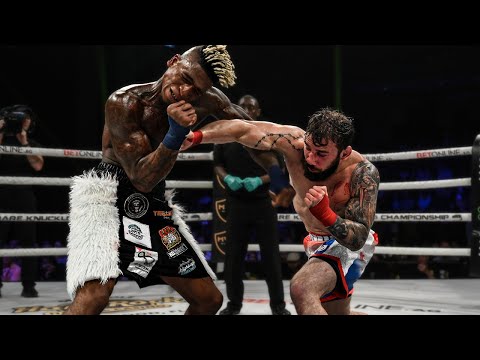
The roar of the crowd, the glint of sweat under harsh lights, the stark brutality of bare-knuckle fighting. BKFC 26 delivered a spectacle that, while deviating from the formalized elegance of many traditional arts, still resonates with the primal core of combat. But does this raw, unvarnished violence offer any lessons for the dedicated martial artist? Let's delve into the action, not just as spectators, but as students of conflict.

A Glimpse into the Ancestral Fights

Before we dissect the modern spectacle of BKFC 26, let's acknowledge its roots. Bare-knuckle boxing, or 'prizefighting,' is not a new invention. It's a direct lineage from ancient combat sports, stripped of modern padding and rulesets. These historical bouts, often brutal and decisive, were the crucible where warriors tested their mettle. While BKFC brings this ancient form into a contemporary arena with a specific set of rules, the essence of raw, unadulterated striking remains. It's a stark reminder that before the gloves, before the refined techniques of Karate or the intricate throws of Judo, there was the simple, devastating power of a bare fist.

"The ultimate aim of martial arts is not the victory or defeat, but the perfection of the character of its practitioners." - Gichin Funakoshi

Sensei's Breakdown: Technique and Tactics in the Squared Circle

At first glance, bare-knuckle fighting might appear chaotic – a flurry of punches with little regard for form. However, a closer examination, through the lens of martial arts, reveals underlying tactical considerations and principles. The lack of gloves fundamentally alters the striking dynamic. Power is prioritized, but so is precision. A misplaced punch, without the cushioning of gloves, can lead to immediate hand injuries, a harsh lesson often learned mid-fight.

The Importance of the Jab: While heavy hooks and crosses dominate the highlight reels, the fundamental jab remains crucial. In bare-knuckle, a well-timed jab can control distance, set up power shots, and disrupt an opponent's rhythm. It’s a tool for measurement and an early warning system for damage.

Guard Positioning: The traditional high guard seen in boxing is often adapted. Fighters tend to keep their hands closer to their face, not just to block, but to absorb and deflect blows directly. The chin is tucked, the head movement is subtle but critical. Over-extending or leaving openings is met with swift, unforgiving punishment.

Footwork and Movement: Constant movement is key. A static target is an easy target. Fighters at BKFC 26 demonstrated a reliance on lateral movement, circling their opponent, and employing quick bursts of forward pressure. This isn't the elaborate footwork of some martial arts, but a pragmatic, survival-driven dance.

Psychological Warfare: The psychological aspect cannot be overstated. The directness of the confrontation, the visible damage, and the absence of protective gear amplify the mental fortitude required. Fighters must confront fear, pain, and the visual manifestation of their opponent's aggression head-on. This is where the true *Budo* spirit, the cultivation of resilience and unwavering resolve, is tested.

Key Matchups and Their Marital Arts Implications

BKFC 26 presented a card filled with fighters accustomed to various combat sports backgrounds. Analyzing these matchups reveals how different martial disciplines adapt to the bare-knuckle environment:

  • Elvin Brito [c] vs. Luis Palomino: This championship bout is a prime example. Palomino, with his background in Muay Thai and MMA, brought a diverse striking arsenal. Brito, also an experienced MMA fighter, had to defend against Palomino’s power and precision. The ability to blend boxing fundamentals with defensive wrestling or clinch work (even if limited in bare-knuckle) is a significant advantage.
  • Uly Diaz vs. Francesco Ricchi: Diaz, a veteran with a background in various striking arts including MMA, often relies on his aggression and ability to absorb punishment. Ricchi, too, would have needed to manage Diaz's relentless pressure. This fight highlights the importance of pacing and energy management in a sport where recovery time between rounds is limited and each blow carries immense weight.
  • Bec Rawlings vs. Britain Hart: Women’s bare-knuckle fighting demands as much grit and skill as the men’s divisions. Rawlings, a former UFC fighter, brings considerable MMA experience. Hart, also a seasoned competitor, would have needed to counter Rawlings’ power with sharp, accurate strikes and strong defensive instincts. This bout underscores that the mental toughness and strategic thinking required transcend gender.
  • Jimmie Rivera vs. Howard Davis: Rivera, a former UFC Bantamweight contender, is known for his technical striking and solid boxing. Facing Davis, this fight was likely a test of who could impose their preferred striking range and rhythm. The ability to adapt quickly to an opponent's style is paramount, a lesson drilled into every martial artist from day one.

These fights, while distinct, all showcase the core principles of combat: timing, distance, power, defense, and, crucially, the will to persevere. A practitioner of Karate might leverage their powerful linear strikes, while a Muay Thai practitioner might employ their devastating kicks and elbows (though limited in BKFC's ruleset). MMA fighters often have the advantage of adaptability.

Training for the Unforgiving: What Bare-Knuckle Teaches Us

While we do not advocate for the direct practice of bare-knuckle fighting without proper training and safety measures, observing its practitioners offers valuable insights for any martial artist's training regimen:

  1. Hand Conditioning: While gloves protect, conditioning the hands is vital for any striking art. Exercises like punching bags, focus mitts, and even the traditional makiwara (when used correctly) build resilience.
  2. Defensive Drills: Emphasis on head movement, blocking, and parrying is non-negotiable. Practicing striking defense against a resisting opponent, even with protective gear, translates directly.
  3. Grip and Wrist Strength: The hands are the primary weapons. Exercises focusing on forearm and grip strength are essential for power delivery and preventing injury.
  4. Cardiovascular Endurance: Bare-knuckle fights can be intense, short bursts of action. Maintaining high cardiovascular fitness ensures you can fight effectively throughout the bout and recover quickly. Incorporate running, sparring rounds, and circuit training.
  5. Mental Fortitude: This is perhaps the most significant takeaway. The ability to remain calm under extreme pressure, to push through pain, and to maintain focus when facing a direct, unpadded assault is cultivated through rigorous mental training, meditation, and deliberate exposure to challenging scenarios (within safe, controlled environments).

Veredicto del Sensei: ¿Merece la pena?

BKFC 26, as a spectacle of raw, unadulterated combat, is undeniably captivating. It strips away the complexities of modern combat sports, returning to a more elemental form of striking. For those who appreciate the sheer will and courage displayed in a fight, it offers thrills. However, from a purely technical martial arts perspective, its value lies not in emulating the style, but in extracting lessons about resilience, the primal nature of striking, and the psychological demands of combat. It's a different kind of battlefield, but the warrior's spirit is still tested. Consider it a fascinating, albeit brutal, case study in the evolution of combat.

Equipo Esencial para tu Entrenamiento

While BKFC is about the absence of gloves, your own martial arts training requires proper equipment to ensure safety and effectiveness. Investing in the right gear is a sign of respect for your art and your training partners.

  • Guantes de Boxeo/MMA: For any striking training involving impact, quality gloves are essential. For boxing, 16oz gloves are standard for sparring. For MMA, gloves with open fingers allow for grappling.
  • Vendas para Manos: Always wear hand wraps under your gloves to protect your knuckles and wrists from injury.
  • Protector Bucal: Non-negotiable for any sparring or high-intensity training.
  • Kimono/Gi: If you train Judo, Jiu-Jitsu, or Karate, a durable Gi is your primary uniform and a critical tool for many techniques. Look for double-weave for durability in Judo or Karate.
  • Espilleras y Empeineras: For disciplines like Taekwondo or Kickboxing, these offer protection for kicks and shin impact.
  • Casco de Entrenamiento: Essential for full-contact sparring in many disciplines to protect the head.

Preguntas Frecuentes

What is BKFC?
BKFC stands for Bare Knuckle Fighting Championship, a promotion that hosts fights using only bare fists, following a specific set of rules.
How does bare-knuckle fighting differ from boxing?
The primary difference is the absence of gloves. This means punches carry more direct impact, hand injuries are more common, and the overall intensity and risk are significantly higher. The ruleset also differs from traditional boxing.
Can bare-knuckle fighting be considered a martial art?
While it is a form of combat, it's generally categorized as a combat sport rather than a martial art. Traditional martial arts emphasize philosophy, self-improvement, and a wider range of techniques beyond just striking. However, it shares the fundamental principles of combat strategy and mental fortitude.
What martial arts backgrounds do BKFC fighters typically come from?
Fighters often have backgrounds in boxing, mixed martial arts (MMA), Muay Thai, kickboxing, and other striking-focused disciplines. Their adaptability to the bare-knuckle format is key.

Para Profundizar en tu Camino

Reflexión del Sensei: Tu Próximo Paso

BKFC 26 reminds us that the core of combat is the unwavering will to engage, to endure, and to overcome. The absence of gloves strips away artifice, revealing a raw, fundamental aspect of human conflict. But in your own dojo, whether you practice Karate, Judo, Boxing, or any other discipline, does the pursuit of "raw power" overshadow the cultivation of character and technique? Are you truly developing the mind and spirit, or merely chasing the thrill of impact? Consider how the "brutal efficiency" of bare-knuckle might be a mirror, reflecting not just your physical capabilities, but the depth of your martial spirit.

Now, it is your turn to speak. Do the bare-knuckle warriors embody a spirit that resonates with true Budo, or are they merely gladiators of a bygone era with a modern twist? Let your voice be heard in the comments below. Argue your point. Defend your art.

The Untold Story: Beyond the Spectacle of "La Velada del Año 2"

Welcome, warriors and scholars of the martial path, to Budo and Martial Arts. We stand at the precipice of understanding, not just the physical clashes, but the underlying currents that define combat and competition. Today, we dissect "La Velada del Año 2," a spectacle that captivated millions, but whose true essence often eludes the casual observer. This isn't merely about knockouts and victories; it's about the discipline, the strategy, and the very spirit of martial endeavor.

Table of Contents

The Performance and the Pressure: More Than Just a Show

The roar of the crowd, the blinding lights, the palpable tension – "La Velada del Año 2" was a masterclass in modern spectacle. Yet, beneath the surface of celebrity matchups and viral moments lies a core of raw human endeavor that resonates deeply with the principles of Budo. These were not seasoned professionals, perhaps, but individuals thrust into a crucible of physical and mental combat. The pressure to perform, to entertain, and to prove themselves was immense. This mirrors the trials faced by martial artists throughout history, from the samurai facing their rivals to the modern practitioner enduring grueling training sessions.

We often associate martial arts with ancient dojos and stoic masters. However, the fundamental elements – courage, resilience, strategic thinking, and the ability to perform under duress – are timeless. The "influencers" who stepped into the ring were, in their own way, confronting these very challenges. Did they possess the lifelong dedication of a Karateka honing their kata, or the tactical brilliance of a BJJ black belt? Perhaps not. But they certainly faced the fear, the physical exertion, and the psychological warfare inherent in any combat scenario.

Strategic Insights from the Ring: A Martial Perspective

From a martial arts standpoint, analyzing these bouts offers a fascinating glimpse into applied strategy. While some fights may have lacked the technical polish of professional MMA, they displayed fundamental principles::

  • Aggression and Initiative: Those who took the fight to their opponent often dictated the pace and outcome. This echoes the importance of *sen* (initiative) in traditional martial arts.
  • Defense and Evasion: Crucial for survival, the ability to avoid damage and create opportunities was evident. Think of the defensive footwork in Boxing or the elusive movements in Wing Chun.
  • Pacing and Stamina: The fighters who managed their energy reserves better often had an advantage in later rounds. This highlights the critical role of conditioning, a cornerstone of any serious martial arts regimen, whether it's Karate, Judo, or Kickboxing.
  • Adaptability: When a pre-fight strategy faltered, the ability to adapt, even on instinct, was key. This mirrors the concept of *Mushin* (no-mind), where action flows naturally without conscious thought.

The effectiveness of certain techniques, even if not executed with perfect form, often revealed underlying martial logic. A well-timed jab, a desperate clinch, or even a clumsy takedown attempt showcased a basic understanding of leverage and timing – principles found in Judo throws or Karate strikes.

"The supreme art of war is to subdue the enemy without fighting." - Sun Tzu

While these bouts were decidedly about fighting, the psychological aspect – the mind games, the intimidation, the mental preparation – is a vital component that martial arts philosophy has always stressed. The tension before the bell rings is a battle in itself.

The Evolution of Combat Spectacle: Budo's Enduring Influence

Spectacles of combat are as old as civilization itself. From gladiatorial contests to medieval tournaments, humans have always been fascinated by displays of physical prowess and competitive spirit. "La Velada del Año 2" is the modern iteration of this age-old tradition, amplified by social media and global connectivity. Yet, even in this hyper-modern context, the echoes of Budo are undeniable.

The discipline required to step into the ring, the respect shown between competitors (or at least, the expectation of it), and the pursuit of victory through controlled conflict are all threads that connect back to the ancient warrior codes. While the stakes may differ – fame and bragging rights versus life and death – the fundamental human drive to test oneself against another in a structured environment remains.

Consider the lineage of martial arts. Karate, Judo, Taekwondo, BJJ – each has its own history, its own philosophy, and its own evolution. Events like "La Velada" can, paradoxically, spark interest in these traditional disciplines. A viewer might see the raw exchanges and wonder about the origins of such techniques, leading them to seek out authentic training. This is where the true value lies: in potentially igniting a passion for the deeper study of martial arts.

The organized structure of the event, the weight classes, the ruleset – these are all mechanisms designed to ensure fairness and safety, principles that are also paramount in the practice of most martial arts. A well-executed Judo match follows strict rules to maximize learning and minimize injury, much like a competitive Boxing bout.

Behind the Curtain: The Dedication of "Influencers" as Fighters

It is easy to dismiss these participants as mere entertainers dabbling in combat. However, to do so would be to ignore the immense dedication required to prepare for such an event. Training for a fight, even a celebrity one, involves:

  • Rigorous Physical Conditioning: Building stamina, strength, and speed.
  • Skill Acquisition: Learning the basics of striking, defense, and possibly grappling.
  • Weight Management: Often a critical factor in competitive combat.
  • Mental Toughness: Overcoming fear, anxiety, and self-doubt.

This process demands discipline, sacrifice, and a level of commitment that many underestimate. It is a journey that, while perhaps shorter and less profound than that of a lifelong martial artist, still requires significant personal growth. The transformation that many of these individuals undergo, both physically and mentally, is often profound. They learn firsthand the value of hard work and the satisfaction of pushing past perceived limits.

This dedication to self-improvement, even within the context of entertainment, is a principle that aligns with the broader philosophy of BUDO. The path of the warrior is not solely about combat prowess, but about self-mastery and continuous development.

Veredicto del Sensei: A True Test of Will

"La Velada del Año 2" undeniably delivered an electrifying spectacle. While purists may scoff at the caliber of the combatants, it's crucial to recognize the courage it takes for anyone, regardless of background, to step into the competitive arena. These events, while entertainment-driven, can serve as a gateway, showcasing the raw human drama of combat and perhaps inspiring a new generation to explore the disciplined paths of traditional martial arts. It was a testament to the enduring human fascination with tested mettle, a universal language spoken in jabs, hooks, and the sheer will to overcome.

Cinturón Negro en Espectáculo, Mención Honorífica en Coraje.

Equipment Essential for Your Training

While "La Velada" might have featured unique setups, serious martial arts training requires specific gear to ensure safety and effectiveness. Whether you're focused on striking arts like Karate or Kickboxing, or grappling arts like Judo or BJJ, the right equipment makes a difference:

  • Gloves: For striking arts, proper sparring gloves (16oz for heavy sparring) are essential to protect your hands and your partner.
  • Mouthguard: A non-negotiable piece of equipment for any combat sport to protect your teeth and jaw.
  • Groin Protector: Crucial for sparring to prevent serious injury.
  • Shin Guards: Protect your shins during sparring in Muay Thai, Kickboxing, and some Karate styles.
  • Gi (Kimono): For Judo, BJJ, and Aikido, a durable, high-quality gi is paramount. Look for double-weave or heavyweight options for longevity.
  • Training Mats (Tatami): For ground techniques, throws, and safe falling practice, especially vital for Aikido and Jiu-Jitsu.
  • Protective Headgear: Recommended for high-impact sparring in various disciplines.

Investing in quality equipment is not just about comfort; it's a commitment to your safety and the longevity of your martial arts journey. For those interested in striking, consider looking at the latest Karate merchandise or specialized boxing gloves for intense training.

Training Guide: Building Mental Fortitude

The mental game is as crucial as the physical in any martial art or combat sport. "La Velada" showcased the mental pressures participants face. Here's a guide to strengthening your own mental resilience:

  1. Embrace Discomfort: Deliberately seek out training scenarios that push your boundaries. Sparring can be daunting; intense conditioning drills are unpleasant. Regularly facing discomfort builds resilience.
  2. Set Realistic Goals: Break down larger objectives into smaller, achievable steps. Celebrating small victories builds confidence and momentum. This applies whether you're learning a new Karate kata or aiming to improve your UFC performance.
  3. Practice Mindfulness and Meditation: Techniques like Zazen meditation can improve focus, emotional regulation, and self-awareness. Dedicate 5-10 minutes daily to quiet contemplation.
  4. Visualize Success: Before training or competition, vividly imagine yourself executing techniques flawlessly and achieving your desired outcomes. This mental rehearsal primes your mind for action.
  5. Learn from Failure: Every setback is a learning opportunity. Analyze what went wrong without dwelling on negativity. Extract the lesson and move forward stronger. This is a core tenet of BUDO.
  6. Develop a Strong "Why": Understand your core motivation for training. Is it self-defense, discipline, health, or the pursuit of mastery? A strong purpose will sustain you through difficult times.

Cultivating mental fortitude is a lifelong pursuit, mirroring the dedication required in MMA training or the disciplined practice of Taekwondo.

Frequently Asked Questions

Q: Was "La Velada del Año 2" a legitimate combat sports event?
A: It was a celebrity boxing and kickboxing event designed primarily for entertainment, featuring non-professional fighters. While it incorporated rules of combat sports, its focus was on spectacle and fan engagement rather than professional athletic competition.

Q: Can insights from "La Velada" be applied to traditional martial arts training?
A: Yes, while the technical level may differ, the core principles of courage, strategy, conditioning, and mental resilience demonstrated by the participants are universally applicable to all martial arts, from Karate and Judo to BJJ and MMA.

Q: How does Budo differ from the fighting seen in events like "La Velada"?
A: Budo emphasizes not just combat effectiveness but also the spiritual and ethical development of the practitioner. It's a path of lifelong learning and self-mastery, often involving more profound training methodologies than typically seen in celebrity bouts.

Q: Should I start martial arts training after watching events like this?
A: If events like "La Velada" inspire you to explore the disciplined world of martial arts, absolutely! Seek out reputable dojos that teach traditional arts like Karate Kyokushin, Judo, or BJJ for a more comprehensive and authentic experience.

Further Exploration on Your Path

Reflection of the Sensei: Your Next Step

We have peeled back the layers of spectacle to reveal the underlying currents of combat and human spirit. "La Velada del Año 2" offered a glimpse, albeit a commercialized one, into the trials of performance under pressure. But does the spectacle of organized celebrity bouts truly reflect the depth and discipline of the martial path? Or is it merely a fleeting echo, a pale imitation of the lifelong dedication demanded by true Budo?

Consider this: If the spirit of the warrior is found in facing adversity, where does that spirit truly reside? In the roar of a crowd for a brief moment, or in the quiet solitude of the dojo, day after day, honing not just the body, but the mind and soul?

Now, tell me, practitioners: What element from the spectacle of "La Velada" do you believe holds the most genuine resonance with the martial arts, and why? Engage in this debate, for through discussion, we sharpen our understanding like a well-tempered blade.

Mastering the Uppercut: Defense and Deception in Close Combat

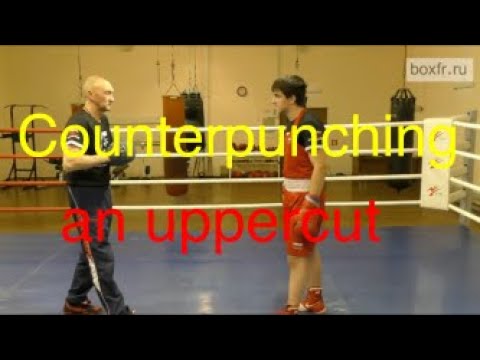
In the unforgiving crucible of close-quarters combat, where inches can mean the difference between victory and defeat, the uppercut emerges as a brutal, often decisive weapon. But what happens when the tide turns, and you're faced with an incoming upward strike? This is where the art of the counterpunch becomes paramount. Today, we dissect the anatomy of countering an uppercut, and then, for the truly audacious, we explore how to unleash your own unexpected uppercut from the infighting clinch. Welcome, warriors, to a lesson that will sharpen your instincts and elevate your fighting prowess. You are watching Budo and Martial Arts, where we delve into the deepest currents of combat science and philosophy.

Understanding the Uppercut: A Close-Range Menace

The uppercut is a vertical punch delivered with a powerful upward thrust, typically targeting the chin or solar plexus. Unlike a straight punch that travels forward, the uppercut's trajectory is inherently less telegraphed, making it a potent surprise. Its effectiveness is amplified in close quarters, where opponents are within grappling or infighting range. From a technical standpoint, the uppercut requires a pivot of the hips and core, a slight bend in the knees, and a whip-like motion of the arm. It’s a testament to the principle that power often comes from the ground up, channeled through the entire kinetic chain.

The Danger of the Uppercut

Why is the uppercut so feared? Firstly, its angle of attack makes it difficult to see coming, especially when initiated from a static guard or a tight clinch. Secondly, when landed correctly, it can cause significant rotational force on the head, leading to disorientation, knockdowns, or knockouts. Many fighters have had their night ended by a well-timed uppercut, often when they were pressing forward or recovering from a different exchange. Mastering its defense is not merely about survival; it's about seizing opportunities when an opponent overcommits to this dangerous strike.

Defensive Principles: Evade, Block, and Counter

Facing an uppercut demands a multi-layered defensive approach. We can break this down into three core principles: evasion, blocking, and, crucially, the counter. Each layer serves a distinct purpose, but their true power lies in their seamless integration. A fighter who can fluidly transition between these can neutralize even the most aggressive uppercut barrages.

Evasion Techniques

The most elegant defense is often to not be there when the punch lands. Evasion involves subtle, often explosive, movements of the head and body. The most common evasive maneuver against an uppercut is the "pull back" or "slip." This involves slightly arching your back and moving your head back and slightly to the side, away from the incoming punch. It's not a dramatic bob and weave; it's a precise, minimal adjustment. Think of a snake dodging a strike – quick, economical, and precise. Another effective evasion is the "chin tuck," bringing your chin down and slightly towards your lead shoulder, making it a harder target to connect with cleanly. The key is anticipation. You must read the opponent's body language, the shift in their weight, the tightening of their core – these are the tells that an uppercut is coming.

Blocking Strategies

When evasion isn't possible or feasible, blocking becomes essential. The primary block for an incoming uppercut involves bringing your forearm or elbow up to intercept the strike. This is often referred to as an "elbow block" or "forearm check." You want to meet the punch with a firm, raised guard. Imagine creating a solid wall just as the uppercut reaches its apex. This requires significant core engagement and shoulder stability. A common mistake is to be too passive; the block must be an active, firm interception to absorb and deflect the force. In some martial arts, like Wing Chun or some styles of Karate, specialized forearm blocks exist, utilizing the entire forearm to deflect or absorb the incoming energy. The crucial element here is not just to stop the punch, but to redirect its energy, potentially creating an opening for your own subsequent action.

"The supreme art of war is to subdue the enemy without fighting." - Sun Tzu, The Art of War. While this applies to strategy, the principle of making an opponent's attack ineffective without absorbing its full force is a physical manifestation of this wisdom.

The Counterpunch Opportunity

The true beauty of martial arts lies not just in defense, but in turning defense into offense. The moment an opponent throws an uppercut, they are inherently committing their weight and opening themselves up. This commitment is your window of opportunity. As you evade or block their upward strike, their guard is often momentarily compromised, especially their head and body. This is the moment to strike. The timing is critical – too early, and you'll be countered yourself; too late, and you miss the opening.

Executing the Counter-Uppercut

This is where the concept comes full circle. When an opponent throws an uppercut, and you successfully evade or block it, their upward momentum can be exploited. As their punch misses or is checked, their head might naturally come slightly forward. This is the prime setup for your own uppercut. From your defensive posture, you can pivot, drive through with your hips and shoulders, and deliver a powerful uppercut that capitalizes on their commitment. Imagine their punch traveling upwards and then, with a sudden shift, your own punch meets it, driving downwards or horizontally into their now exposed target area. This counter-uppercut is devastating because it's delivered as the opponent is still recovering from their failed offensive attempt. It requires exceptional timing and an understanding of leverage.

Key elements for a successful counter-uppercut:

  • Timing: Strike as their punch is finishing or missing.
  • Leverage: Drive power from the ground and hips.
  • Accuracy: Target the chin or jawline.
  • Speed: The counter should be explosive.

Offensive Strategy: The Unexpected Uppercut

Now, let's pivot to the offensive. Throwing an unexpected uppercut, especially from infighting range, can be a fight-changer. It requires deception and a solid understanding of body mechanics. The goal is to make your opponent believe you are going for a different type of strike, or to simply catch them off guard when they aren't expecting an upward attack.

Infighting and the Clinch

Infighting refers to combat at very close range, often within the range where punches, elbows, and knees can be exchanged, and where grappling and clinching can occur. The clinch is a situation where fighters have locked onto each other, limiting mobility but creating opportunities for specific strikes. In Muay Thai, boxing, or even some styles of Karate, the clinch is a tactical space where strategic strikes can be delivered.

Throwing an Unexpected Uppercut

The element of surprise is your greatest ally. In a clinch, or during a tight exchange, an opponent often expects straight punches, hooks, or knee strikes. To throw an effective uppercut from this range, consider these methods:

  1. Deception: Feint a jab or hook, drawing their guard up, then drop your level slightly and explode upwards with the uppercut.
  2. Underhook Control: If you secure an underhook and control their head, you can create a slight opening. Use this to drive your uppercut upwards into their body or chin.
  3. Body Shot Setup: Land a hard shot to the body. As they instinctively recoil or drop their guard to protect their midsection, follow up immediately with an uppercut to the head.
  4. The "Slipping" Uppercut: While clinching or in tight infighting, an opponent might lean forward. Instead of a straight punch, drive an uppercut into their jaw as they lean in, using their own forward momentum against them.

This requires immense body control and precision. You need to maintain your balance while generating power from your legs and core, all within a confined space. The visual cue is often a slight dip, a shift in weight, and then the sudden, explosive upward motion of your fist.

"The sword is the soul of the samurai." - A common proverb, emphasizing the connection between the weapon and the warrior. In modern combat, the fist, the elbow, the knee – these become extensions of our will, honed through relentless practice.

Training for Uppercut Defense and Offense

Mastering these techniques demands dedicated practice. Your training regimen should incorporate:

  • Heavy Bag Work: Practice uppercuts with proper form, focusing on hip drive and speed.
  • Pad Work: Work with a partner to drill counter-uppercuts after simulated evasions and blocks. Practice throwing unexpected uppercuts from various ranges.
  • Sparring: Apply these techniques in controlled sparring sessions. This is where timing and reading your opponent truly develop.
  • Drills for Clinch/Infighting: Specific drills focusing on control and striking within the clinch are crucial for offensive uppercuts.
  • Shadowboxing: Visualize the scenarios and practice the movements fluidly, focusing on the transitions between defense and offense.

Equipment Essential for Your Training

To effectively train for uppercut defense and offense, consider the following gear:

  • Boxing Gloves: Essential for all striking practice, from heavy bag work to sparring. Look for gloves that offer good wrist support and adequate padding for your training type (e.g., 14-16oz for bag work and sparring, 10-12oz for pad work).
  • Focus Mitts: Invaluable for developing timing, accuracy, and defensive reactions against strikes like the uppercut.
  • Heavy Bag: A good heavy bag allows you to practice power generation for your offensive uppercuts and defensive checks.
  • Double-End Bag: Excellent for improving hand speed, timing, and accuracy, helping you to land those quick counters.
  • Groin Protector: When practicing offensive uppercuts in close quarters or sparring, especially targeting the body, a protector is crucial for safety.
  • Headgear: For sparring sessions, headgear is vital to protect against accidental impacts, including uppercuts.

Resources to Deepen Your Knowledge

To further your understanding of striking, defense, and the philosophy of combat, I highly recommend exploring these resources:

Frequently Asked Questions

Q: Is it possible to block an uppercut with just your shoulder?

A: While a shoulder roll can deflect some of the force and angle, a dedicated uppercut block typically involves the forearm or elbow for more solid interception. Relying solely on the shoulder can still leave you vulnerable to injury or follow-up strikes.

Q: How can I make my uppercut more powerful?

A: Power comes from proper kinetic chain mechanics. Focus on driving through your hips and core, keeping your elbow tucked initially, and exploding upwards with a snapping wrist action. Ensure you’re pivoting your foot and rotating your torso.

Q: When is the best time to throw a counter-uppercut?

A: The ideal moment is immediately after you have successfully evaded or blocked your opponent's uppercut, as they are still committing their weight and their guard is likely compromised. It’s a fleeting window.

Q: What is the difference between an infighting uppercut and a standard uppercut?

A: An infighting uppercut is typically delivered at much closer range, often from within a clinch or tight pocket. It may have less range but can be more sudden and brutal, relying heavily on trapping and body mechanics rather than a full body rotation.

Reflection of the Sensei: Your Next Step

We have dissected the mechanics of countering the uppercut and explored the art of delivering this powerful strike with surprise. The uppercut, whether defensive or offensive, is a testament to the brutal efficiency that close-range combat demands. It is a strike that embodies commitment, power, and precision. But knowledge, as we know, is only potent when applied. Are you content to be a passive observer, reacting to the attacks thrown at you, or will you become the architect of the exchange, turning defense into a springboard for devastating offense? This is the true test.

Your challenge: In your next training session, consciously practice one defensive maneuver against an imagined uppercut, followed immediately by a counter-strike. Then, dedicate five minutes to practicing the setup and execution of an unexpected uppercut from a static position or mock clinch. Feel the difference. Internalize the lesson.

Now, I pose this to you, the diligent student: Have you ever been caught by a surprise uppercut, or landed one that changed the course of a fight? Share your experiences, your triumphs, and your failures in the comments below. Let us learn from each other, for the path of Budo is one of shared struggle and collective growth. Are you ready to engage in this dialogue, or will you remain silent in the face of opportunity?

``` GEMINI_METADESC: Master the uppercut: Learn defensive evasion, blocking, and how to land devastating counter-uppercuts. Discover offensive strategies for unexpected uppercuts in infighting and clinching.

Mastering the Height Disadvantage: A Budo Sensei's Guide to Fighting Taller Opponents

Ah, the familiar dread. You step onto the mat, or into the ring, and your opponent towers over you. Their reach is longer, their potential striking angles wider. This is not merely a physical challenge; it is a mental one. Many falter before the first blow is thrown, already conceding defeat to the perceived advantage of height. But I ask you: is height truly an insurmountable barrier, or a predictable pattern that can be exploited? In the annals of Budo and combat sports, countless warriors have faced this disparity and emerged victorious. It is not about being taller; it is about being smarter, more adaptable, and possessing an unwavering spirit. Today, we delve into the strategies that turn a physical disadvantage into a strategic triumph.

Learning from Legends: The Zambidis Blueprint

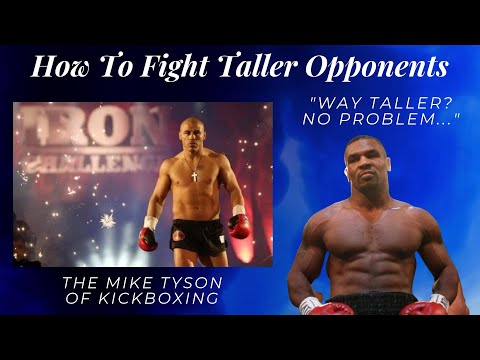
In the crucible of combat sports, certain names echo with the thunder of their power and the precision of their technique. Mike Tyson, the "Iron Mike" of boxing, famously dismantled taller opponents with ferocious aggression. But he was not alone in this pursuit. In the electrifying world of kickboxing, another "Iron Mike" carved his legend: **Mike Zambidis**. His legacy is not merely one of knockouts; it is a masterclass in overcoming the reach of larger adversaries. Zambidis, a compact powerhouse, demonstrated a blueprint for aggressive fighters, proving that a shorter, more explosive fighter can dominate those who rely solely on their stature. His approach is a potent reminder that true combat prowess lies not in mirroring an opponent's strengths, but in leveraging your own unique attributes.

"The supreme art of war is to subdue the enemy without fighting." - Sun Tzu, The Art of War. While this quote often refers to strategy, it also speaks to the mental advantage. Overcoming the psychological impact of a taller opponent is the first battle.

Zambidis's style was characterized by relentless pressure, devastating combinations, and an uncanny ability to get inside his opponent's extended guard. He didn't try to out-reach; he aimed to invalidate the reach altogether. This is the core principle we will explore: how to neutralize the longer limbs and create opportunities for your own devastating offense.

Redefining the Range: Closing the Distance

The most significant advantage a taller opponent possesses is reach. Their longest weapons – jabs, crosses, front kicks – can land before you can even begin your counter-attack. Therefore, your primary objective must be to **negate that reach**. This means becoming an expert at **closing the distance** safely and effectively. It's a dangerous game, but one that can be learned with precision.

Imagine the striking range as concentric circles. A taller fighter commands the outer circles. Your goal is to penetrate these outer rings and operate within your optimal striking range, the inner circles. This requires:

  • Understanding Angles: Instead of meeting your opponent head-on, use lateral movement and angles to step offline and inside their longest punches.
  • Timing Your Entries: Do not simply rush in. Look for openings, such as when your opponent is resetting their guard or throwing a lazy jab. Time your advance with their movement.
  • Using Feints: A well-placed feint can draw out your opponent's long-range strikes, creating the opening you need to advance.

This concept is fundamental across many martial arts, from boxing and kickboxing to Muay Thai and even some styles of Karate. The ability to control the engagement distance is paramount.

The Power of the Uppercut and Hook

Once you've closed the distance, your arsenal of attacks shifts. The long, straight punches that were once a threat now become less effective in close quarters. This is where your shorter, more compact power shots come into play. The uppercut and the hook become your most trusted allies.

  • The Uppercut: This punch travels vertically, striking upwards. Against a taller opponent who often holds their guard high, the uppercut can target the chin or the body. It's a powerful weapon for when you are directly in front of them or slightly underneath their guard. Think of it as an elevator striking upwards, bypassing their longer jabs and crosses.
  • The Hook: Whether to the head or the body, the hook is a devastating weapon in close. It arcs around the guard and can deliver significant knockout power. Against a taller opponent, you'll often find opportunities for hooks as you circle or as they attempt to clinch.

These punches require less setup time and are more effective at close range. Mastering them is essential for any fighter looking to negate reach.

Slipping, Bobbing, and Weaving with Purpose

Effective offense requires sound defense. When your opponent is extending their reach, you need to become a difficult target. This is where defensive head movement becomes critical:

  • Slipping: This involves moving your head to the side, out of the path of an incoming punch, typically a straight jab or cross. A successful slip often puts you in a position to counter-attack.
  • Bobbing and Weaving: This refers to ducking down and moving your head in a U-shape. It's incredibly effective against straight punches and can allow you to get inside an opponent's guard, setting up body shots or hooks.

These movements are not about passively avoiding blows; they are offensive tools disguised as defense. A well-executed slip or weave positions you perfectly to launch your own attack. Remember the fluidity of styles like Wing Chun, which emphasizes deflection and immediate counter-attack without significant evasion. While different in execution, the principle of intercepting or redirecting an attack to create an opening is universal.

Agile Footwork: The Unseen Weapon

Your feet are your foundation, and when fighting a taller opponent, they are your primary tool for dictating the engagement. Static fighters are easy targets. You need to be a moving target, constantly repositioning yourself to control the distance and angles.

  • Lateral Movement: Continuously circle your opponent. Do not stand directly in front of them. Move to their sides, forcing them to turn and readjust their stance, which can open up opportunities.
  • Pivoting: Use pivots to change your angle of attack and defense rapidly. A quick pivot can make you elusive and allow you to land strikes from unexpected positions.
  • Short, Explosive Steps: When closing the distance, use quick, powerful steps rather than long, drawn-out advances. This allows you to get in, strike, and exit before your opponent can effectively react.

Think of the constant motion seen in boxers like Pernell Whitaker or, in a different context, the evasive footwork of Bruce Lee. Agility and purposeful movement are your greatest assets against a longer reach. Mastering basic agility drills and conditioning exercises is crucial.

Building the Warrior's Physique

Fighting shorter requires explosive power and incredible stamina. You'll be doing more work to close distance, absorb some of the opponent's longer strikes (even if you're evading), and deliver your own powerful, close-range attacks. This demands a high level of physical conditioning.

  • Explosive Power: Exercises like plyometrics, medicine ball throws, and sprints will build the explosive power needed for quick advances and devastating strikes.
  • Core Strength: A strong core is vital for generating power in hooks and uppercuts, as well as for stability and absorbing impact. Focus on exercises like planks, Russian twists, and leg raises.
  • Cardiovascular Endurance: You must be able to maintain your intensity throughout the fight. Consistent cardio training, including interval training and sparring sessions, is non-negotiable.

Your physical preparation should mimic the demands of fighting a taller opponent – quick bursts of action followed by dynamic movement. This is where the principles of training meet the raw demands of combat.

The Mindset of the Underdog

The psychological aspect cannot be overstated. Facing a taller opponent often means you are perceived as the underdog. Use this to your advantage. Embrace the role of the hunter, the one who doesn't have the luxury of waiting. Your mindset should be:

  • Aggression with Control: Be offensively minded, but maintain discipline. Don't be reckless. Every advance must be calculated.
  • Unwavering Confidence: Believe in your strategy and your training. Doubt is a taller opponent's best friend.
  • Adaptability: No plan survives first contact. Be ready to adjust your strategy based on how your opponent reacts.

This mental resilience is a core tenet of BUDO. It’s about the spirit of perseverance, the refusal to yield, and the understanding that true strength comes from within. This aligns with the concept of inner strength and self-mastery.

Essential Equipment for Your Training

To effectively train for fighting taller opponents, you need the right tools. While the core skills are paramount, certain equipment can enhance your development:

  • Sparring Gloves (14-16 oz): Essential for safely practicing close-range exchanges and power punches like hooks and uppercuts.
  • Headgear: Crucial for protecting yourself during intense sparring sessions where you'll be inside the pocket.
  • Focus Mitts and Thai Pads: Excellent for practicing timing, entries, and combinations against a moving target.
  • Jump Rope: A fundamental tool for improving footwork, coordination, and cardiovascular conditioning.
  • Heavy Bag: Develops power, stamina, and the ability to strike through resistance.

Investing in quality martial arts merchandise and training equipment will accelerate your progress. For those focusing on striking arts, a durable karate gi or boxing gloves are indispensable.

Frequently Asked Questions

Q1: Is it ever impossible to fight a taller opponent?

In reality, absolute impossibility is rare. While some matchups are incredibly difficult, strategic adaptation, superior conditioning, and mental fortitude can overcome significant physical disparities. The key is to fight smarter, not necessarily harder.

Q2: What is the most important technique for fighting someone taller?

There isn't a single "most important" technique, but **closing the distance effectively and safely** is the foundational skill. Without it, no other offensive or defensive tactic will be successful.

Q3: Should I avoid fighting taller opponents in sparring?

No. Sparring with taller opponents is invaluable for learning how to implement these strategies. However, ensure your sparring partner is controlled and that you both prioritize safety and learning over winning.

Q4: How does this apply to a real street fight?

The principles are similar, but the stakes are higher, and the rules are non-existent. De-escalation is always the first and best option. If combat is unavoidable, these tactics can increase your survival chances by neutralizing a larger aggressor's reach advantage.

Deepen Your Understanding

The path to mastering any martial art is a journey of continuous learning. To further enhance your skills and understanding:

  • Analyze fights where shorter fighters have defeated taller opponents. Study their strategies and timing.
  • Seek out instructors who have experience teaching these specific advantages.
  • Explore texts on philosophy and strategy, such as Miyamoto Musashi's Budo philosophies.

The art of fighting is not solely about brute force; it is a dance of strategy, adaptation, and indomitable will. To fight a taller opponent is to accept a challenge, to embrace the underdog role, and to forge victory from disadvantage. It requires intelligence, discipline, and a warrior's heart.

"There is no glory in practice, but without practice, there is no glory." - Unknown. This applies to every aspect of martial arts, especially when confronting a challenging opponent.

Reflection of the Sensei: Your Next Step

You have the knowledge, the blueprints. But knowledge without application is like a sword left to rust. So, I ask you: What is the *one specific movement* or *strategic adjustment* you will consciously focus on incorporating into your next training session to specifically counter a taller opponent? Will it be your lateral movement, your uppercut timing, or a deliberate defensive head slip? Identify it. Commit to it. And then, the next time you face that familiar shadow of a taller opponent, you will not see a disadvantage, but an opportunity.

``` GEMINI_METADESC: Dominate taller opponents! Learn expert strategies, techniques, and mindset from Budo and AM to overcome reach disadvantages in combat sports.