Showing posts sorted by date for query merchandise de artes marciales. Sort by relevance Show all posts

The Undeniable Power of Kyokushin Karate: More Than Just a Documentary

Welcome, fellow seekers of the Way. You arrive at BYAM Budo y Artes Marciales not merely by chance, but by a shared pursuit of something profound – the essence of martial arts. Today, we strip away the polished veneer of typical documentaries to confront the raw, unadulterated truth of Kyokushin Karate. Forget mere entertainment; we are here to dissect its strength, its rigorous philosophy, and the transformative fire it ignites within its practitioners. Prepare yourselves, for this is not a passive viewing; it is an immersion into the heart of combat sports, the depth of martial philosophy, and the tangible reality of training.

I. The Unyielding Essence of Kyokushin Karate

Let's address the elephant in the room immediately. When we speak of "The Strongest Karate," we are not exaggerating. Kyokushin, translating to "the ultimate truth" in Japanese, is not a style for the faint of heart. Forged by the legendary Masutatsu Oyama, its very name is a testament to its demanding nature. This is not about flashy kata performed in a sterile dojo; this is about forging physical and mental fortitude through relentless dedication. Its techniques are honed in the crucible of full-contact sparring and brutal training regimens that would break lesser men. Oyama understood that true strength isn't just about throwing punches; it's about developing the unyielding spirit, the Seishin, that allows a warrior to stand firm against any adversity.

Think about it: when you hear the term "Kyokushin," what comes to mind? Likely images of bone-jarring roundhouse kicks, powerful punches, and intense, unyielding sparring matches. This is the stark reality of Oyama's vision. He sought to create a martial art that tested the limits of human endurance, a discipline that would not only teach combat effectiveness but also instill an unbreakable will. This emphasis on realism, on facing an opponent with full commitment, is what separates Kyokushin from many other forms that prioritize form over function. It's a stark reminder that in the face of true conflict, there is no room for pretense.

"The difference between a hobby and a calling is the level of sacrifice you are willing to make." - A principle deeply ingrained in Kyokushin training.

This commitment to "ultimate truth" means confronting one's own limitations, pushing past perceived barriers, and emerging stronger. The rigorous Kihon (basics), the demanding Kata (forms), and the sheer intensity of Kumite (sparring) all serve a singular purpose: to build a warrior from the inside out.

II. The Warrior's Mindset: Embracing the Martial Philosophy

But Kyokushin Karate is far more than a mere combat system. It is a profound vehicle for self-discovery, a living embodiment of the Budo spirit. The principles etched into the dojo walls – humility, respect, perseverance, and self-control – are not abstract concepts. They are the very bedrock upon which a Kyokushin practitioner builds their character. This philosophy transcends the physical exchanges; it is a guide for navigating the complexities of life itself.

Consider the weight of Osu! – the all-encompassing expression of respect, gratitude, and perseverance. It’s not just a word; it’s a commitment. It’s what you utter when you’re tired, when you’re sore, when you want to quit but choose not to. This constant reinforcement of mental toughness, coupled with the respect shown to instructors and fellow students, cultivates a warrior's mindset. You learn to face challenges head-on, not with aggression, but with calm resolve. This is the essence of martial philosophy, a concept often lost in the modern world's pursuit of superficial victories.

The development of Zanshin (awareness) and Mushin (no-mind state) are not merely training goals; they are pathways to a more balanced and conscious existence. When you can react instinctively yet calmly under pressure, whether in a sparring match or a stressful life situation, you have truly begun to understand Kyokushin's deeper teachings. This journey fosters a profound sense of self-awareness, harmonizing the mind, body, and spirit – a balance that is increasingly rare in our chaotic world.

"The mind must be stilled. Only then can the body move with true purpose." - A foundational principle in the study of martial arts strategy.

III. Kyokushin's Impact on the Global Combat Sports Arena

Kyokushin Karate's uncompromising approach has undeniably left an indelible mark on the landscape of combat sports. It's a discipline that has consistently produced individuals with exceptional physical conditioning, mental fortitude, and a deep understanding of striking dynamics. These practitioners, forged in the intense environment of Kyokushin kumite, have translated their skills onto stages worldwide, proving the efficacy of their training.

We've seen Kyokushin exponents excel in various full-contact disciplines, often demonstrating superior conditioning and a never-say-die attitude. Their resilience in the face of powerful opponents and their ability to absorb punishment while continuing to fight are hallmarks of their training. Think of the famous historical bouts and the sheer grit displayed by these fighters. This raw, electrifying spectacle continues to captivate audiences, offering a compelling demonstration of martial arts prowess in its most direct and challenging form. The influence of Kyokushin's full-contact ethos can be seen, whether directly or indirectly, in many modern combat sports, pushing the boundaries of what athletes are capable of.

Whether it's through direct competition or the influence of their fighting spirit, Kyokushin Karate continues to enrich the world of combat sports, offering a testament to the power of dedicated, full-contact training. It’s a constant reminder that strength forged in truth can overcome many obstacles.

IV. Forging Bonds: The Kyokushin Karate Community

Here at BYAM Budo y Artes Marciales, we understand that the martial journey is rarely a solitary one. The dojo is a microcosm of society, a place where bonds are forged through shared sweat, mutual respect, and common goals. The Kyokushin Karate community is a prime example of this – a global network of individuals united by a passion for this demanding art.

This isn't just about training partners; it's about building a support system. In the shared struggle of pushing limits, enduring difficult training sessions, and learning from mistakes, friendships and a profound sense of camaraderie develop. This shared experience extends beyond the dojo itself. Online forums, social media groups, and gatherings all contribute to a vibrant tapestry of connection. It's a place where knowledge is exchanged, encouragement is freely given, and the principles of Budo are lived out collectively. You are never truly alone on this path.

We aim to be a nexus for these connections, a place where enthusiasts of Kyokushin and other martial disciplines can converge. By engaging in discussions, sharing personal experiences – the triumphs and the setbacks – we can all learn and grow. This collective effort nurtures not only individual progress but also a deeper, collective understanding and appreciation of the martial arts. Join us, and discover the strength that comes from being part of something greater than yourself.

V. Gear Up for Glory: Essential Kyokushin Merchandise

Our commitment to your martial arts journey extends beyond mere philosophical discourse. We believe that the right equipment can significantly enhance your training experience and serve as a constant reminder of your dedication. That’s why we offer a curated selection of high-quality Kyokushin merchandise and related gear.

From durable training uniforms that withstand the rigors of intense practice to comfortable apparel that embodies the spirit of the warrior, each item is selected with purpose. We offer books that delve deeper into Kyokushin's history and philosophy, training aids that can supplement your dojo practice, and accessories that let you carry the martial spirit with you every day. Think of it as arming yourself, not just for the physical fight, but for the mental and spiritual one as well.

For those serious about their Kyokushin training, consider investing in a high-quality Kyokushin gi. A well-made uniform is crucial for both comfort and durability during intense sparring sessions. Beyond the gi, explore our range of training equipment designed to help you hone your techniques, such as focus mitts for speed and accuracy drills, or even a makiwara to build devastating power. Supporting our platform through these purchases not only equips you for your path but also allows us to continue providing valuable content and fostering the martial arts community.

Equipo Esencial para tu Entrenamiento

  • Kyokushin Gi (Uniforme): Busca un tejido resistente y un corte que permita una amplia movilidad. Doble tejido es ideal para la durabilidad.
  • Guantes de Sparring (14-16oz): Esenciales para la seguridad durante el kumite.
  • Protector Bucal: No negociable para cualquier tipo de sparring.
  • Espinilleras y Empeineras: Recomendadas para entrenamiento de contacto completo.
  • Libros sobre Kyokushin y Budo: Para complementar tu aprendizaje técnico y filosófico.

Conclusion

Kyokushin Karate is far more than a martial art; it is a transformative way of life. It is a discipline that instills unwavering discipline, profound resilience, and an indomitable spirit. Through its practice, we uncover our innermost strength, empowering us not just to face challenges, but to conquer them with grace and steely determination. Join us at BYAM Budo y Artes Marciales, where we don't just discuss the beauty of martial arts; we celebrate its power, foster a thriving community, and provide the resources to enrich your personal martial arts journey. Together, let us embrace the raw power of Kyokushin Karate and embark on an enduring path of self-discovery and ultimate mastery.

Preguntas Frecuentes

  • What makes Kyokushin Karate different from other Karate styles? Kyokushin is distinct due to its emphasis on full-contact sparring with minimal protective gear, its rigorous physical conditioning, and its philosophical commitment to "the ultimate truth" in combat and life.
  • Is Kyokushin Karate suitable for beginners? Yes, Kyokushin offers specialized beginner classes designed to gradually introduce practitioners to its demanding techniques and philosophy, focusing on safety and foundational skills.
  • What are the main benefits of practicing Kyokushin Karate? Benefits include enhanced physical fitness, improved discipline and self-control, increased mental toughness, boosted confidence, and a deep understanding of respect and perseverance.
  • Can Kyokushin Karate be used for self-defense? Absolutely. The full-contact nature of Kyokushin training directly prepares practitioners for realistic self-defense scenarios, emphasizing practical application and resilience.

Reflexión del Sensei: Tu Próximo Paso

You have absorbed the essence, the philosophy, and the undeniable power of Kyokushin. Now, consider this: How does the "ultimate truth" of Kyokushin manifest not just in the dojo, but in the mundane moments of your daily life? Are you truly living with the discipline, respect, and perseverance you claim to embody?

For further exploration into the world of martial arts and combat sports, check out these related articles:

``` ```json { "@context": "http://schema.org", "@type": "FAQPage", "mainEntity": [ { "@type": "Question", "name": "What makes Kyokushin Karate different from other Karate styles?", "acceptedAnswer": { "@type": "Answer", "text": "Kyokushin is distinct due to its emphasis on full-contact sparring with minimal protective gear, its rigorous physical conditioning, and its philosophical commitment to \"the ultimate truth\" in combat and life." } }, { "@type": "Question", "name": "Is Kyokushin Karate suitable for beginners?", "acceptedAnswer": { "@type": "Answer", "text": "Yes, Kyokushin offers specialized beginner classes designed to gradually introduce practitioners to its demanding techniques and philosophy, focusing on safety and foundational skills." } }, { "@type": "Question", "name": "What are the main benefits of practicing Kyokushin Karate?", "acceptedAnswer": { "@type": "Answer", "text": "Benefits include enhanced physical fitness, improved discipline and self-control, increased mental toughness, boosted confidence, and a deep understanding of respect and perseverance." } }, { "@type": "Question", "name": "Can Kyokushin Karate be used for self-defense?", "acceptedAnswer": { "@type": "Answer", "text": "Absolutely. The full-contact nature of Kyokushin training directly prepares practitioners for realistic self-defense scenarios, emphasizing practical application and resilience." } } ] }
Karate Fitness Training at Home: The Unspoken Discipline and Physical Prowess You're Missing

Are you truly satisfied with your current fitness regimen? Do you feel a void, a lack of something more profound than mere physical exertion? Many of us chase the ephemeral gains of conventional exercise, only to find ourselves adrift, lacking the mental fortitude and disciplined spirit that true martial arts cultivate. This article isn't just about getting a sweat on; it's about forging an unyielding spirit, enhancing your physical capabilities, and tapping into a millennia-old tradition of combat and self-mastery, all from the sanctuary of your own home.

The Dual Edged Sword: Mind and Body in Karate Training

Karate, at its core, is far more than a series of punches and kicks. It's a rigorous discipline, a path known as Budo, that systematically sculpts both the physical form and the inner spirit. Many contemporary fitness trends offer fleeting aesthetic results, but they often neglect the cultivation of mental resilience, strategic thinking, and the unwavering discipline that are hallmarks of traditional martial arts. Karate fitness training at home, when approached with the right mindset, offers a potent combination of these elements.

The benefits are tangible and profound. Regular practice doesn't just build muscle; it hones your **strength**, sharpens your **flexibility**, and elevates your **cardiovascular fitness** to levels rarely achieved with generic routines. But the true power lies in the unseen: the enhancement of **focus**, the instillation of **discipline**, and the cultivation of **mental resilience**. In times of uncertainty, when the external world feels chaotic, these internal strengths become your anchor. This is why martial arts, and Karate specifically, offer a uniquely holistic approach to fitness.

"The object of the training is not to win, but to improve oneself." - Mas Oyama

Forging Your Home Dojo: Essential Gear and Space

Transforming your living space into a functional training ground requires minimal, yet crucial, elements. You don't need a specialized gymnasium, but thoughtful preparation is key. The core of your home dojo setup revolves around safety and functionality.

  • A Yoga Mat: Essential for cushioning your joints during floor exercises, stretching, and practicing stances. It defines your training space and provides a clean surface.
  • Resistance Bands: These versatile tools allow for dynamic warm-ups, strength building, and simulating the tension of striking techniques without heavy weights. They are excellent for developing explosive power.
  • Light Dumbbells: While not essential for every karate drill, a light set can be incorporated for supplementary strength training, enhancing punching power and core stability.

Beyond equipment, the spatial aspect is critical. You need enough room to move freely – to extend your limbs in punches and kicks without collision. Ensure your area is clear of obstacles. A cleared space isn't just about physical safety; it's about psychological preparation, signaling to your mind that it's time for focused training.

The Warrior's Warm-up: Preparing for Combat (and Fitness)

Before launching into the more demanding aspects of Karate fitness, a thorough warm-up is non-negotiable. This phase prepares your body for the intensity ahead, reducing the risk of injury and maximizing performance. Think of it as the strategic reconnaissance before a battle.

  1. Dynamic Stretching: Focus on movements that actively take your joints through their range of motion. Arm circles, leg swings, torso twists, and hip rotations are vital. This is about movement, not static holding.
  2. Light Cardio: A few minutes of jogging in place, jumping jacks, or high knees will elevate your heart rate, increase blood flow to your muscles, and prepare your cardiovascular system.

Striking the Right Balance: Core Karate Techniques for Fitness

Once you're warmed up, it's time to engage with the fundamental building blocks of Karate. These aren't just fighting techniques; they are powerful kinetic chains that, when practiced repeatedly and with intent, become potent fitness exercises. Focus on precision and control, not just speed or power, especially in the beginning.

  • Punches (Tsuki): Practice fundamental strikes like Chudan-tsuki (middle punch) and Jodan-tsuki (upper punch) from a stable stance like Zenkutsu-dachi (front stance). Focus on hip rotation and extending the fist with a proper snap. Aim for controlled repetitions, perhaps 10-15 per arm, focusing on form.
  • Kicks (Geri): Begin with basic kicks like Mae-geri (front kick) and Mawashi-geri (roundhouse kick). Practice them slowly at first, focusing on balance, hip alignment, and chambering the knee before extension. Perform sets of 10-15 kicks per leg.
  • Blocks (Uke): Essential for defense, blocks like Gedan-barai (downward sweep) and Age-uke (rising block) engage the core and upper body. Practice them with a crisp motion, imagining deflecting an incoming strike.

Structure these drills into sets or timed intervals. For instance, 30 seconds of intense punching, followed by 30 seconds of Mawashi-geri, then 30 seconds of Gedan-barai, with a brief rest in between. This interval training is exceptionally effective for cardiovascular conditioning.

The Ascent: Advancing Your Karate Fitness

As your body adapts and your technique refines, the path forward involves complexity and intensity. This is where the true transformative power of Karate fitness begins to manifest. Don't rush this stage; mastery of the basics is the bedrock of advanced skill.

  • Combinations: Link fundamental techniques together. A classic sequence might be: Punch, Block, Kick. Experiment with various combinations, focusing on fluid transitions and maintaining balance.
  • Kata Practice: While a full Kata (prearranged form) can be demanding, breaking down sections and practicing them repeatedly builds endurance, coordination, and a deeper understanding of movement principles.
  • Increased Intensity: Gradually increase the duration of your intervals, reduce rest periods, or add more repetitions. Explore plyometric variations of kicks and punches for explosive power development.

The key is consistent progression. Aim for incremental improvements. Perhaps one week you focus on increasing the speed of your Mae-geri, the next on adding a block before your punch, or extending the duration of your training session by five minutes. This gradual increase, known in training circles as progressive overload, is fundamental to continuous improvement.

Fueling the Flame: Motivation and Consistency in Your Journey

The greatest challenge in any home-based training program is maintaining motivation. Without the external structure of a dojo or a class, self-discipline becomes paramount. How do you keep the fire burning?

  • Set SMART Goals: Specific, Measurable, Achievable, Relevant, Time-bound goals are your compass. Instead of "get fitter," aim for "perform 50 consecutive Chudan-tsuki with good form by the end of the month" or "complete 3 rounds of my kick/punch interval routine without faltering."
  • Track Your Progress: A training log is invaluable. Record your workouts, noting the exercises, repetitions, durations, and how you felt. Seeing tangible evidence of your improvement is a powerful motivator.
  • Find Your Tribe: The digital age offers unprecedented access to martial arts communities. Joining online forums, following instructors on social media, or even finding a virtual training partner can provide accountability and shared experience. Platforms like YouTube offer a wealth of free instruction, but remember to seek out reputable sources with clear instruction.

Remember, consistency trumps intensity. A 20-minute workout done daily is far more effective than a grueling 2-hour session once a week that leaves you drained and demotivated.

Beyond the Physical: The Philosophical Heart of Budo

Karate fitness training is a gateway. As you engage more deeply with the art, you inevitably encounter the profound philosophy that underpins it – the way of the warrior, Budo. This is where the training transcends mere physical conditioning and becomes a path to holistic self-development.

"Karate is a lifelong pursuit. Its true meaning is not in winning or losing, but in the perfection of character." - Gichin Funakoshi

Principles like discipline (Jiketsu), respect (Rei), and humility (Kenkyo) are not abstract concepts; they are practiced with every bow, every controlled movement, every moment of focus. These virtues are transferable. Applying self-control learned in your Karate drills to your daily life, showing respect to those around you, and maintaining humility in success and failure – these are the enduring legacies of martial arts training. This cultivation of inner peace and well-being is a benefit that extends far beyond the physical, permeating every facet of your existence.

Elevating Your Practice: Quality Gear and Apparel

While you can begin Karate fitness training with minimal equipment, investing in quality martial arts gear can significantly enhance your practice, foster a sense of dedication, and improve comfort and safety. Whether it's a durable gi (uniform), proper training shoes, or specialized equipment, the right apparel shows commitment to the art.

For those seeking authentic and high-quality martial arts and Budo merchandise, reputable online retailers are your best allies. Exploring options like BYAM Budo y Artes Marciales can provide access to a wide array of uniforms, protective gear, and training tools that meet the standards of serious practitioners.

The Sensei's Verdict: Is Karate Fitness Truly Transformative?

In conclusion, transforming your fitness routine with Karate at home is not just a trend; it's an opportunity for profound personal growth. It offers a comprehensive approach that builds a strong body and an even stronger mind. The discipline, focus, and resilience cultivated through practicing these ancient techniques are invaluable in our fast-paced, often chaotic world. By integrating fundamental Karate movements, maintaining consistency, and embracing the underlying philosophy, you can unlock a level of fitness and self-mastery that conventional workouts often fail to provide. So, embrace the challenge. Step onto your mat, focus your mind, and begin your journey. The transformative power of Karate fitness awaits.

Veredicto del Sensei: ¿Merece la pena?

¡Absolutamente! Karate fitness training at home is not merely a substitute for gym workouts; it's a fundamental upgrade. It imbues physical training with purpose, discipline, and a deep philosophical underpinning. The benefits – physical conditioning, mental fortitude, and character development – are immense. If you are seeking a fitness regimen that builds more than just muscle, one that forges an unyielding spirit and enhances your life far beyond the training mat, then this path is unequivocally recommended. It’s not just a workout; it’s an investment in your complete self.

Calificación: Cinturón Negro en Entrenamiento Holístico.

Equipo Esencial para tu Entrenamiento

Para maximizar tu entrenamiento de Karate fitness en casa, considera los siguientes elementos. Cada uno juega un papel crucial en la seguridad, la efectividad y el fomento de la disciplina:

  • Kimono de Karate (Gi): Un gi de buena calidad, preferiblemente de algodón resistente, es esencial para la práctica de técnicas y katas. Busca uno que permita libertad de movimiento pero que mantenga su forma. Para entrenamientos más intensos, un gi más ligero puede ser ideal.
  • Protección Bucal: Si practicas movimientos que implican intensidad o simulación de combate, una protección bucal es una inversión prudente para proteger tu dentadura.
  • Esterilla de Entrenamiento Antideslizante: Si bien una esterilla de yoga es un buen comienzo, una esterilla de entrenamiento más gruesa y antideslizante ofrece mejor amortiguación y estabilidad para ejercicios de suelo y katas.
  • Guantes de Entrenamiento Ligeros: Útiles para simular golpes y proteger tus manos si realizas ejercicios de repetición de puñetazos contra objetivos blandos (nunca paredes duras).
  • Makiwara (Opcional): Un makiwara tradicional es una herramienta de entrenamiento de impacto que ayuda a desarrollar potencia y técnica de golpeo, pero requiere una instalación adecuada y conocimiento para su uso seguro.

Guía de Entrenamiento: Combinaciones Básicas de Karate

Aquí tienes una rutina de entrenamiento de 3 rondas para mejorar tu coordinación y resistencia. Descansa 60-90 segundos entre rondas. Enfócate en la forma correcta y la conexión mente-cuerpo.

  1. Ronda 1: Potencia y Defensa
    • 10x Zenkutsu-dachi (stance) a Chudan-tsuki (punch) por lado.
    • 10x Mae-geri (front kick) con control, por pierna.
    • 5x Gedan-barai (downward block) a cada lado, con énfasis en la rotación del cuerpo.
    • 30 segundos de Kiai (shouting) al ritmo de tus golpes.
  2. Ronda 2: Fluidez y Movimiento
    • 8x Kiba-dachi (horse stance) con Gedan-barai.
    • 8x Kiba-dachi con Jodan-uke (rising block) a cada lado.
    • 10x Mawashi-geri (roundhouse kick) con control de la rodilla, por pierna.
    • 30 segundos de movimientos circulares continuos con los brazos.
  3. Ronda 3: Combinación y Resistencia
    • Combinación: Zenkutsu-dachi -> Chudan-tsuki -> Age-uke -> Mae-geri (5 repeticiones por lado).
    • 20x Jumping Jacks para elevar el ritmo cardíaco.
    • Mantén una postura Fudo-dachi (rooted stance) durante 30 segundos, sintiendo la conexión con el suelo.
    • 10x Shuto-uchi (knife hand strike) simulado por lado.

Preguntas Frecuentes

¿Necesito un instructor para entrenar Karate en casa?
Si bien un instructor es ideal para correcciones de forma y seguridad, puedes comenzar con recursos en línea de alta calidad. Sin embargo, ten en cuenta las limitaciones y busca la corrección profesional tan pronto como sea posible para evitar malos hábitos.

¿Cuánto tiempo debo entrenar al día?
Para beneficios consistentes, apunta a sesiones de 30 a 60 minutos, 3-5 veces por semana. La clave es la regularidad. La calidad de tu entrenamiento (enfoque, intensidad, forma) es más importante que la duración.

¿Es el Karate fitness adecuado para principiantes sin experiencia marcial?
Absolutamente. Este enfoque está diseñado para ser accesible. Empieza con los fundamentos, enfócate en la forma correcta y progresa gradualmente. La disciplina inherente al Karate ayuda a los principiantes a construir una base sólida.

¿Qué diferencia hay entre Karate fitness y un entrenamiento de MMA?
Karate fitness se centra en las técnicas y principios específicos del Karate para el acondicionamiento físico y el desarrollo personal. MMA (Artes Marciales Mixtas) combina diversas disciplinas de combate (incluyendo Karate, boxeo, lucha, etc.) con un enfoque en la competición deportiva.

Para Profundizar en tu Camino

  • Descubre los secretos de la Disciplina y Autodisciplina en tu práctica marcial. #Autodisciplina
  • Explora cómo el Budo puede transformar tu vida más allá del dojo. #BUDO
  • Aprende sobre la Filosofía Marcial y su aplicación práctica. #philosophy

Morihei Ueshiba: The Last Master's Testament to Aikido's Harmonious Force

Who Was Morihei Ueshiba?

Morihei Ueshiba, O-Sensei, the revered founder of Aikido, was a martial artist whose life spanned from 1883 to 1969. His legacy is not merely recorded history; it's a living testament to a profound understanding of combat and philosophy that transcends mere physical prowess. For decades, his name has echoed through the halls of martial arts, synonymous with a unique and powerful system. But what truly set Ueshiba apart? Was he merely a skilled technician, or was he something more – a philosopher-warrior whose insights continue to shape practitioners today? This exploration delves into the essence of the man and the art he birthed, challenging the conventional notions of martial efficacy and exploring the deeper currents of Budo.

The Philosophy of Harmony: Aikido's Core

At the heart of Aikido lies a philosophy that initially seems counterintuitive to the world of combat: harmony. Ueshiba O-Sensei didn't teach his students to meet force with force, but rather to blend with an opponent's energy, redirecting their momentum and neutralizing their aggression. This principle, often misunderstood as passive, is in reality a sophisticated application of physics and psychology. It requires immense sensitivity, precise timing, and an unwavering inner calm – the very definition of Ki mastery. This approach differentiates Aikido fundamentally from many artes marciales focused primarily on striking or overpowering an opponent. It’s a dance of control, a conversation of movement where the ultimate goal is not to inflict damage, but to resolve conflict with minimal harm. This core tenet is the bedrock upon which the entire art of Aikido is built, a revolutionary concept in the often brutal world of combate.
"The true meaning of martial arts is not to be the strongest, but to be the most harmonious." - Morihei Ueshiba

A Glimpse into the Master's Final Class

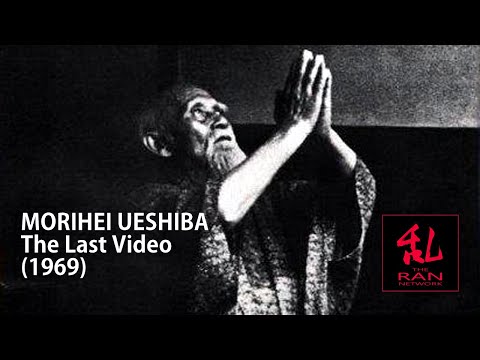
The year 1969 marked a poignant moment in martial arts history: Morihei Ueshiba's final class at the Aikikai Hombu Dojo in Tokyo. A video recording of this session offers a deeply moving glimpse into the spirit of a master at the twilight of his life. We witness an elderly Ueshiba, physically frail, battling illness, yet still able to command the respect and attention of his assembled students. What unfolds is not a display of raw power, but a demonstration of exquisite technique and profound understanding. His movements, though perhaps lacking the explosive speed of his youth, retained an uncanny fluidity, a dancer's grace married with a warrior's precision. He executed throws and techniques with an apparent effortlessness that belied the complexity and effectiveness of his art. This final performance serves as a powerful testament not just to his exceptional skill, but to a lifetime dedicated to the pursuit of martial perfection. It’s a visual lesson that transcends words, showcasing the enduring power and aesthetic beauty inherent in Budo.

The Enduring Legacy and Transmission of Teachings

Ueshiba's final class was more than just a demonstration; it was a distillation of his life's work, a living transmission of principles passed down through generations. The impact of O-Sensei's teachings is immeasurable, permeating the global community of martial artists. His philosophy of harmony, resolution, and self-improvement continues to be practiced and taught by his students, and their students, and so on. This lineage, this unbroken chain of transmission, is the true measure of a master's impact. Aikido, as a discipline, is not static; it evolves through the practitioners who embody its principles. The legacy of Morihei Ueshiba isn't confined to historical records or video archives; it lives and breathes in every dojo where his art is practiced with sincerity and dedication. His influence extends far beyond the confines of Aikido, resonating with anyone seeking a deeper understanding of human potential and conflict resolution.

Martial Arts: More Than Just Fighting

O-Sensei's final demonstration serves as a powerful reminder that the martial path is far more profound than mere combat. While the ability to defend oneself is a crucial aspect of many lucha systems, the true essence of martial arts, as Ueshiba taught, lies in discipline, self-mastery, and personal growth. It’s about cultivating inner strength, developing resilience, and fostering a spirit of peaceful resolution. This holistic approach, this emphasis on character development alongside physical technique, is a cornerstone of his philosophy. It’s a lesson that has been passed down through the ages, influencing not only practitioners of Aikido but a broad spectrum of individuals dedicated to self-improvement. The journey through BUDO is a journey of transformation, where the dojo becomes a microcosm of life itself.

Deepening Your Understanding: Resources and Gear

For those captivated by the philosophy and practice of Aikido and artes marciales in general, a wealth of resources exists to support your journey. Books offer historical context and philosophical depth, videos provide visual demonstrations of techniques and principles, and online courses offer structured learning from experienced instructors. Many reputable Aikido schools worldwide welcome beginners eager to explore this unique art form. When it comes to training, the right equipment can significantly enhance your experience and safety. High-quality training gear is essential for effective practice and injury prevention.

Equipo Esencial para tu Entrenamiento

  • Kimono de Aikido (Gi): Look for a durable, double-weave cotton gi that allows for freedom of movement and can withstand the rigors of throws and grappling. Brands like Karate and Judo gis often offer suitable alternatives.
  • Hakama: While not essential for beginners, the hakama is traditional attire for Aikido practitioners and allows for practice of specific techniques.
  • Jo y Bokken: Training staffs (Jo) and wooden swords (Bokken) are crucial for practicing weapon-based techniques, which are integral to Aikido's curriculum. Ensure they are made from solid, resilient wood.
  • Training Mats (Tatami): Proper matting is vital for safety during practice, especially for falls (ukemi).
For those interested in acquiring martial arts merchandise, numerous online stores cater to every need, from specialized training equipment to apparel that reflects the spirit of the arts. Investing in high-quality products from reputable sellers not only supports your training but also honors the dedication and craftsmanship associated with these disciplines.

Veredicto del Sensei: Legacy Embodied

Morihei Ueshiba's final performance is a powerful and poignant testament to the enduring spirit of martial arts. It’s not about the physical strength of youth, but the cultivated wisdom and refined technique that comes with decades of dedication. While some might dismiss older practitioners or focus solely on the combative aspects, Ueshiba’s demonstration highlights the profound beauty, control, and philosophical depth that true mastery entails. It’s a reminder that the "last master" doesn't signify an ending, but a living legacy that continues to inspire and guide. For its authentic portrayal of a martial art's philosophical core and its demonstration of mastery transcending physical limitations, this event, as captured in its final showing, earns a "Cinturón Negro en Sabiduría Marcial."

Guía de Entrenamiento: El Arte del Hakkō-ryu

While Aikido is the art Ueshiba founded, many of its principles echo foundational concepts found in older Japanese jujutsu systems. One such lineage, often associated with its characteristic joint-locking and pressure-point techniques, is Hakkō-ryu (八光流). While not directly taught by Ueshiba in his final class, understanding its principles can illuminate the depth of Japanese martial arts.

Pasos para Comprender los Principios del Hakkō-ryū:

  1. Entender la Filosofía Central: Hakkō-ryu se traduce como "Escuela de la Octava Luz". Su filosofía se centra en la armonía y el uso de la fuerza del oponente, similar a Aikido, pero a menudo con un énfasis más directo en el control a través de puntos de presión (Kyūsho) y técnicas de luxación (Kansetsu-waza).
  2. Estudiar Movimiento y Equilibrio: La base de Hakkō-ryū, como en muchas artes japonesas, es el movimiento corporal eficiente y el control del centro de gravedad. La postura debe ser baja y estable, permitiendo movimientos fluidos y respuestas rápidas.
  3. Practicar el "Te-no-uchi" (Mano-dentro): Este concepto se refiere al control fino de la muñeca y el antebrazo para aplicar torsiones y presiones precisas sobre las articulaciones del oponente. No es solo fuerza bruta, sino una manipulación experta.
  4. Familiarizarse con los Puntos de Presión (Kyūsho): Identificar y comprender la ubicación y efecto de los puntos de presión es crucial. La aplicación de presión en estos puntos puede incapacitar a un oponente sin necesidad de fuerza excesiva.
  5. Integrar la Respiración (Kokyū): La respiración juega un papel vital en la generación de potencia y en el mantenimiento de la calma. Coordinar la respiración con el movimiento y la aplicación de técnicas es fundamental.
  6. Entrenar Ukemi (Caídas): La habilidad para caer de manera segura es un pilar en cualquier arte que involucre proyecciones o luxaciones. El entrenamiento constante de ukemi es esencial para la seguridad y para ganar confianza.

Nota del Sensei: Es vital abordar el estudio de sistemas como Hakkō-ryū con un instructor calificado. La información aquí proporcionada es introductoria y no sustituye la guía práctica y la supervisión experta en un Dojo.

Frequently Asked Questions

What is the primary philosophy behind Aikido?

The primary philosophy of Aikido, as founded by Morihei Ueshiba, is to harmonize with an opponent's movements, redirect their force, and resolve conflict peacefully, emphasizing self-improvement and spiritual development over aggression.

Was Morihei Ueshiba an older man during his last class?

Yes, by 1969, Morihei Ueshiba was in his late 80s and frail due to illness, yet his final demonstration showcased his profound skill and dedication.

What distinguishes Aikido from other martial arts like Karate or Judo?

Unlike striking arts like Karate or grappling arts like Judo, Aikido primarily focuses on blending with an opponent's motion, using circular movements, throws, and joint locks to neutralize an attack without relying on brute strength or direct confrontation.

Is Aikido effective for self-defense?

Aikido's principles of redirection and control can be very effective for self-defense, particularly against larger or more aggressive opponents. However, its effectiveness is highly dependent on the practitioner's skill level and the specific situation.

Where can I find resources to learn more about Aikido or O-Sensei?

You can find extensive resources through books detailing Ueshiba's life and philosophy, official Aikido federation websites, documentaries, and by attending classes at a local Aikikai-affiliated dojo.

Para Profundizar en tu Camino

Reflexión del Sensei: Tu Próximo Paso

O-Sensei demonstrated that true mastery is not about the accumulation of power, but the refinement of spirit and the understanding of universal principles. His final class was a silent sermon on grace, control, and the non-violent resolution of conflict. Now, ask yourself: In the face of resistance in your own life – be it a difficult task, a personal conflict, or a physical challenge – do you instinctively meet force with force, or do you seek to blend, redirect, and harmonize? Have you truly embraced the idea that your greatest strength lies not in overpowering your circumstances, but in mastering yourself?

The Unveiled Truths: Decoding Knife Fighting Concepts from Ancient Arts to Modern Combat

The glint of steel, the dance of survival. Knife fighting, a brutal and often misunderstood facet of combat, has echoed through history. But how do we reconcile the raw, primal nature of blade combat with the structured discipline of martial arts? This isn't about flashy moves for the silver screen; it's about understanding principles that have preserved lives for centuries.

Many approach knife fighting seeking a quick fix, a secret technique. I tell you now, the true strength lies not in a single move, but in the unwavering foundation of one's martial spirit and the intelligent application of time-tested principles. Are you ready to look beyond the superficial and delve into the heart of effective blade combat?

Ancient Roots and Modern Interpretations

The video you're referring to, filmed over five years ago, isn't merely a demonstration; it's a bridge connecting eras. It showcases how concepts honed in the crucible of historical combat continue to resonate. We speak of traditions like Historic European Martial Arts (HEMA), with its sword and dagger work, and the intricate, often deadly, systems found within old-school Japanese Martial Arts such as Tantojutsu (the art of the dagger) and Aikijujutsu.

These ancient disciplines were not born in sterile dojos but in the harsh realities of self-preservation, warfare, and duels. They emphasized efficiency, economy of motion, and an understanding of anatomy and leverage that is timeless. The application of armor in historical combat forced practitioners to develop techniques that could overcome these defenses, techniques that, when stripped of their historical context and adapted, remain incredibly relevant.

"The supreme art of war is to subdue the enemy without fighting." - Sun Tzu, The Art of War. While this adage speaks of strategy, it also underscores the ultimate goal: survival. In knife combat, preventing the engagement is the highest victory.

The essence of these old ways was often about controlling the weapon arm, creating openings through precise timing and movement, and exploiting vulnerabilities with devastating effect. AARES Combatives Research's contribution lies in reinterpreting these principles for a contemporary audience, demonstrating their application in modern scenarios, often within the context of armored training – a critical element for safe and effective skill development.

AARES Combatives Research: A Modern Master's Perspective

AARES Combatives Research, the expert behind this valuable resource, understood a crucial truth: martial arts are not static relics. They are living, evolving disciplines. His instructional project, aimed at military and law enforcement personnel, was not about creating aggressive fighters, but about imparting a functional understanding of extreme close-quarters combat. The success of such a project speaks volumes about the clarity and efficacy of his methodology.

His modern application of ancient knife fighting concepts is a testament to his deep understanding. He doesn't just show *how* to use a knife; he teaches *why* certain movements are effective, drawing parallels to the strategic thinking embedded in HEMA and Japanese traditions. This approach elevates the material from mere technique demonstration to a comprehensive lesson in martial philosophy.

This focus on modern application is vital. The battlefield, the street, or even a training scenario presents unique challenges. Understanding how historical masters dealt with similar problems – be it an armored opponent or a grappling entanglement involving a blade – provides a robust framework for developing adaptable skills. The insights offered are not just about self-defense but about a deeper comprehension of BUDO and the warrior's mindset.

Core Principles: Stance, Footwork, and Disarming

At the heart of any effective combat system, especially one involving such a lethal tool as a knife, lie fundamental principles. The video meticulously emphasizes these:

  1. Strong Stance and Body Positioning: This is the bedrock. A proper stance provides stability, allowing for explosive movement and effective defense. It’s not just about planting your feet; it's about presenting a difficult target while maintaining the ability to generate power and shift angles rapidly. Think of the rootedness of a Karate practitioner or the balanced mobility of a Judoka.
  2. Agile Footwork: In knife combat, distance management is paramount. Your feet are your first line of defense and offense. The ability to move in, out, and laterally with speed and precision can mean the difference between life and death. This is where concepts from Aikido, with its emphasis on circular movement and evasion, or the dynamic footwork seen in MMA, become incredibly relevant.
  3. Disarming Techniques: While often sensationalized, disarming is a high-risk, high-reward maneuver. It requires impeccable timing, understanding of leverage, and a willingness to enter a dangerous range. The principles are rooted in joint locks, redirection of force, and simultaneous attack and defense – concepts present in various martial arts disciplines, from Judo throws to BJJ submissions, adapted for the presence of a blade.
  4. Defense Against an Armed Attacker: This encompasses a holistic approach. It involves awareness, de-escalation (if possible), creating distance, and if conflict is unavoidable, understanding how to disrupt the attacker's balance and weapon control. This is where the tactical thinking from Self Defense training meets the practical application of martial skills.

The video does an excellent job of breaking down these elements, showing how they interrelate. It’s a clear demonstration that effective fight is not just about brute force, but about intelligence, technique, and the ability to execute under pressure.

The Philosophy of Training: Beyond the Blade

What truly sets apart a martial artist from someone who merely knows a few moves is the underlying philosophy. AARES Combatives Research’s work implicitly touches upon this. The commitment to creating instructional content, the methodical approach to teaching, and the emphasis on understanding the *why* behind techniques all point to a deeper dedication to the artes marciales.

Knife fighting training, especially when incorporating armored drills, teaches invaluable lessons about:

  • Risk Assessment: Understanding the inherent dangers involved and learning to mitigate them.
  • Precision and Control: The necessity of exact movements to avoid catastrophic error.
  • Mindset Under Pressure: Maintaining calm and tactical thinking when faced with extreme threat. This is the core of Mental Game development.
  • Adaptability: Recognizing that no two encounters are identical and requiring the ability to adjust strategies on the fly.
"Even in the deadliest of encounters, the mind must be a calm ocean, reflecting the sky with perfect clarity." - A principle passed down through generations of BUDO practitioners.

This comprehensive approach transforms the practitioner. It’s not just about learning to fight with a knife; it’s about developing resilience, discipline, and a profound respect for the tools and techniques of combat. The value extends far beyond the combative application, fostering personal growth and Self Improvement.

Essential Equipment for Your Training

Engaging with knife fighting concepts, especially those involving live blades or armored sparring, requires specific safety and training equipment. Investing in the right gear is not a luxury; it is a necessity for safe and effective practice.

  • Training Knives: Made from durable, yet blunted materials (like rubber or hardened plastic), these are essential for practicing techniques without causing injury. Look for models that mimic the weight and balance of real blades.
  • Protective Gear: When engaging in any form of sparring, especially with training knives, protective gear is non-negotiable. This includes:
    • Headgear: To protect against impacts.
    • Groin Protector: Essential for all male practitioners.
    • Hand/Forearm Protection: Padded gloves and guards to absorb impact and prevent abrasions.
    • Body Armor/Padded Suits: For armored drills, specific padded suits or vests designed to simulate blunt force trauma are crucial. These are vital for practicing techniques that involve close contact and weapon retention/acquisition.
  • First Aid Kit: Always have a comprehensive first aid kit readily accessible during any training session.

For those interested in specific brands or types, consulting with experienced instructors or reputable Martial Arts Merchandise suppliers can provide tailored recommendations based on the specific training methodology you are following.

Frequently Asked Questions

What is Tantojutsu?

Tantojutsu is a traditional Japanese martial art focused on the use of the tanto, a short sword or dagger. It often emphasizes close-quarters combat, joint locks, and grappling techniques adapted for situations involving a blade.

Is knife fighting practical for self-defense?

While the video demonstrates practical applications, engaging in knife combat is inherently dangerous. The focus in self-defense should always be on avoiding conflict, de-escalation, and escape. If avoidance is impossible, then the principles of defense, which may include disarming or using a weapon if legally justified and ethically sound, become critical. However, training for such scenarios requires expert guidance and safety precautions.

How does armor change knife fighting techniques?

Armor necessitates different approaches. Direct thrusts might be ineffective against heavier protection, pushing practitioners to focus on vital points, joint manipulation, or grappling to create openings. It also forces a greater understanding of leverage and control to overcome the defender's mobility limitations.

Are old martial arts concepts still relevant today?

Absolutely. The core principles of movement, timing, leverage, and understanding human anatomy are universal and timeless. Modern martial arts and combative systems often reinterpret and adapt these ancient concepts to contemporary threats and training methodologies.

Further Learning on Your Path

The journey into understanding the intricacies of martial arts is a continuous one. To deepen your knowledge and broaden your perspective, explore these related topics:

Veredicto del Sensei: ¿Merece la pena?

Este análisis de las técnicas de lucha con cuchillo, arraigado en la sabiduría de las artes marciales históricas y presentado a través de una lente moderna, es un recurso de valor incalculable. No se trata de glorificar la violencia, sino de comprender las realidades del combate y honrar la disciplina que requiere. AARES Combatives Research ha creado una obra que va más allá de la mera instrucción técnica; es una lección de historia marcial, estrategia y mentalidad. Si buscas una comprensión profunda y matizada de cómo los principios antiguos se aplican a las amenazas modernas, este contenido es un Cinturón Negro en Divulgación Marcial.

Reflexión del Sensei: Tu Próximo Paso

Ahora, te enfrentas a esta sabiduría. Las técnicas están ahí, los principios están expuestos. Pero la verdadera maestría no se encuentra en la observación pasiva, sino en la aplicación activa. ¿Cómo integrarás la lección de la simplicidad estratégica en tu propio entrenamiento, sea cual sea el arte que practiques? ¿Te detendrás a considerar la raíz histórica de tus movimientos o te conformarás con la superficie? El camino del guerrero exige una curiosidad insaciable y una reflexión constante. Considera esto: ¿cuál es el 'arma' más peligrosa que llevas contigo, y cómo la has estado entrenando?

Para Profundizar en tu Camino

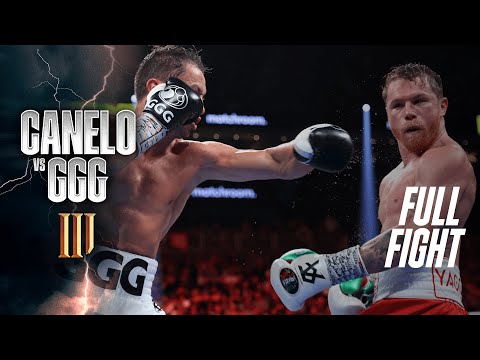
FULL FIGHT ANALYSIS: Canelo vs. GGG III - A Masterclass or a Missed Opportunity?

The sweet science. Boxing. For millennia, humanity has found a primal, captivating rhythm in the clash of fists, a testament to skill, heart, and sheer will. It’s a dance of strategy and power, where every feint, every jab, every uppercut tells a story of dedication and pain. But in the modern arena, amidst the glitz and the hype, how often do we witness true martial artistry, a genuine test of the warrior's spirit? Too often, the spectacle overshadows the substance.

Enter Saúl 'Canelo' Álvarez and Gennadiy 'GGG' Golovkin. Their saga is more than just a rivalry; it's a narrative woven into the fabric of contemporary boxing, a chapter that fans have devoured, debated, and desperately craved more of. Their first two encounters were seismic events, etched in controversy and leaving an insatiable thirst for a definitive conclusion. Today, we dissect their third dance, not just as a boxing match, but as a potential lesson in the enduring principles of combat. Was it a final, masterful demonstration of Budo principles, or a poignant reminder of how the game can sometimes betray the art?

The History: A Trilogy Forged in Controversy

The saga began on September 16, 2017. The air crackled with anticipation. Canelo Álvarez, the Mexican phenom, met Gennadiy Golovkin, the "Triple G" terror from Kazakhstan. This wasn't just a fight; it was a clash of titans, a stylistic chess match played at a furious pace. The bout, a brutal, back-and-forth war, ended in a split draw.

A draw? For many, it felt like an injustice. Spectators, pundits, and fellow martial artists scrutinized the scorecards, many convinced Golovkin had done enough to secure victory. The visceral impact of Golovkin's power shots, the relentless pressure he applied, seemed to eclipse Canelo's more tactical, albeit potent, counter-punching. This controversial outcome, rather than satiating the fanbase, ignited a bonfire of demand for a rematch. It highlighted a recurring theme in combat sports: the subjective nature of judging and the enduring power of raw aggression versus calculated defense. This is a debate that echoes through countless martial disciplines, from the striking arts of Karate to the intricate throws of Judo.

The Rematch: Canelo's Ascent, GGG's Stride

One year later, on September 15, 2018, the stage was set for redemption. The anticipation was even greater, the stakes higher. The rematch delivered another high-octane affair, a testament to both fighters' grit and skill. This time, the narrative shifted. Canelo, adapting and growing, clinched a majority decision victory.

Yet, even in victory, the controversy lingered. Arguments persisted that Golovkin's consistent output and powerful blows warranted a different result. It’s a familiar dilemma: does the cleaner, more technically precise fighter win, or the one who imposes his will and lands the heavier blows? This dance between technical merit and overwhelming force is a core philosophical question in martial arts. How does one truly measure victory when both participants display such profound mastery and warrior spirit? The debates raged on, ensuring that the desire for a final, unambiguous chapter remained.

Canelo vs. GGG III: The Anticipation and the Reality

The boxing world held its breath. A potential third fight between these two warriors was the stuff of dreams for fight fans. Both fighters, acknowledging their storied history, expressed openness to a rubber match. Canelo, by then firmly established as the undisputed king of the super-middleweight division, saw it as a chance to definitively close the book on his greatest rival. Golovkin, older but no less dangerous, viewed it as his final opportunity to reclaim his perceived throne and etch his name in boxing immortality against the man who had twice denied him undisputed victory.

On September 17, 2022, it finally happened. The trilogy was complete. But this time, the story felt different. Canelo, despite a hand injury he sustained early in the fight, controlled the bout with calculated aggression. His defense was tighter, his counter-punches sharp, and his ring generalship masterful. Golovkin, while still possessing his signature power and a warrior's heart, struggled to impose his will against a more seasoned and defensively astute Canelo. The unanimous decision for Álvarez was clear, decisive, and largely uncontroversial. The debate this time wasn't about who won, but rather about the aged warrior facing his prime.

Style vs. Substance: A Martial Perspective

From a martial artist's perspective, the Canelo-Golovkin rivalry offers a rich tapestry of contrasting philosophies. Canelo embodies the astute counter-puncher, a master of timing, distance, and calculated risk. His style is reminiscent of a skilled swordsman, waiting for the opponent's opening to deliver a decisive, precise strike. He understands the importance of defense not just as a means of avoiding damage, but as a platform for offense. This echoes principles found in **Tai Chi**, where yielding and redirecting an opponent's force is paramount.

Golovkin, on the other hand, is the embodiment of relentless pressure and concussive power. His "Triple G" moniker isn't just for show; his punches carry the weight of a sledgehammer. He represents the direct, overwhelming force, a style that demands unwavering commitment and a chin of granite. This approach shares similarities with the powerful, forward-moving strategies seen in some styles of **Kyokushin Karate** or the unyielding advance of a **Sumo** wrestler.

The third fight showcased Canelo’s evolution. He demonstrated that while power is a formidable weapon, the strategic application of skills – defense, timing, and adapting to an opponent's weaknesses – can overcome sheer aggression, especially as a fighter ages. It's a lesson that transcends boxing, a principle observed across numerous disciplines, from the fluid movements of **Aikido** to the strategic positioning in **Judo**.

"The supreme art of war is to subdue the enemy without fighting." - Sun Tzu, The Art of War. While Canelo didn't win without a fight, his strategic control in the third bout demonstrated a masterful subduing of GGG's strengths.

Beyond the Trilogy: The Ever-Evolving World of Combat

While the Canelo-Golovkin saga captured the boxing world's imagination, it’s crucial to remember that the landscape of combat sports is vast and ever-changing. Exciting matchups are constantly brewing across various disciplines. Consider the heavyweight boxing clashes, such as the highly anticipated bouts featuring **Tyson Fury** and **Deontay Wilder**, each bringing a unique blend of power and personality to the ring. These fights remind us that raw power and the "knockout punch" remain a thrilling, albeit unpredictable, element in combat.

The rise of **Mixed Martial Arts (MMA)**, with its fusion of striking, grappling, and submission arts, has further broadened the definition of a complete fighter. Athletes like **Jon Jones** and **Cyril Gane** showcase incredible versatility, blending techniques from **Muay Thai**, **Brazilian Jiu-Jitsu (BJJ)**, **Wrestling**, and **Karate** into a formidable arsenal. This cross-disciplinary approach mirrors the ancient martial philosophies that encouraged the study of multiple weapons and fighting styles to achieve true mastery. The ability to seamlessly transition between striking and grappling, as seen in fights at **UFC** events, demonstrates a holistic understanding of combat that few single-discipline fighters can match.

Equipo Esencial para tu Entrenamiento

For aspiring boxers and martial artists seeking to emulate the dedication and skill displayed by Canelo and Golovkin, proper training equipment is paramount. Investing in the right gear not only enhances performance but also significantly reduces the risk of injury. Here’s a foundational list:

  • Guantes de Boxeo/MMA (14-16oz): Essential for sparring and heavy bag work to protect your hands and wrists.
  • Vendas para Manos: Crucial for added wrist and knuckle support during intense training sessions.
  • Protector Bucal: Non-negotiable for any form of sparring or competitive fighting to protect your teeth and jaw.
  • Protector de Ingle: Vital for protecting sensitive areas during sparring.
  • Kimono (Judo/BJJ): For grappling-focused disciplines, a durable gi is essential for practicing throws and groundwork. Look for high-quality, double-weave fabrics for longevity.
  • Cuerda de Saltar: An indispensable tool for improving footwork, coordination, and cardiovascular endurance – a staple for any fighter’s conditioning.
  • Saco de Boxeo o Pera Loca: For developing power, speed, and accuracy in striking.
  • Rodilleras y Coderas: Useful for conditioning drills and protecting against impact during certain training exercises.

Whether you're training in boxing, **Judo**, **Karate**, or **BJJ**, the right equipment is an investment in your journey. Consider exploring specialized **Karate Merchandise** or **MMA Gear** from reputable brands to ensure quality and durability.

Guía de Entrenamiento: El "Golovkin Jab" y la "Canelo Counter"

Let's break down two fundamental elements that defined the early exchanges between these titans. While complex strategies are involved, understanding these core concepts can elevate your own training.

  1. El Jab de Golovkin (La Presión Constante):
    • Posición: Mantén una guardia sólida, pies bien plantados, ligeramente separados, rodillas flexionadas.
    • El Movimiento: Extiende tu brazo de lanzar (generalmente el izquierdo para un diestro) rápidamente, girando ligeramente la muñeca al contacto para maximizar el impacto. Tu cuerpo debe transferir peso hacia adelante de manera sutil.
    • El Propósito: No es solo un golpe de alcance; es para medir distancia, mantener al oponente a raya, interrumpir su ritmo y preparar golpes más potentes. GGG lo usaba implacablemente para dictar el espacio.
    • Entrenamiento: Practica miles de jabs contra un saco pesado, enfocándote en la velocidad, la extensión completa y la rápida retracción a la guardia. Visualiza a tu oponente y golpea puntos específicos.
  2. La Contra de Canelo (El Golpe Preciso en el Momento Justo):
    • Posición: Similar a la guardia de boxeo, pero con una mayor flexibilidad y movilidad en la parte superior del cuerpo.
    • El Movimiento: Permite que el oponente lance su golpe (ej. un jab o un recto). En el instante en que su puño sale, usa tu guardia para bloquear, desviar, o incluso deslizarte ligeramente, y contraataca con un golpe potente (un gancho o un recto) a un punto vulnerable. La clave es la sincronización perfecta.
    • El Propósito: Capitalizar el error del oponente, castigar su ofensiva y tomar el control de la pelea. Canelo es un maestro en encontrar la brecha y golpear con autoridad.
    • Entrenamiento: El *sparring* es crucial aquí. Trabaja con un compañero que entienda el concepto de lanzar golpes específicos. Practica el bloqueo/desvío y contraataque simultáneamente. Usa el "espejo" (golpear solo cuando el compañero golpea) para refinar el tiempo.

Dominar estos elementos requiere innumerables horas de práctica dedicada, la filosofía de perseverancia y la disciplina que son pilares de las **Artes Marciales Mixtas (MMA)** y del **Budo** en general.

"The difference between a novice and a master is not that the master never makes mistakes, but that the master learns from every mistake. The master has failed more times than the novice has even tried." - Bruce Lee. This philosophy underpins the entire journey of martial arts mastery.

Veredicto del Sensei: ¿Merece la pena?

The Canelo vs. Golovkin trilogy is a landmark achievement in modern boxing. While the first two fights were marred by controversial decisions, they showcased an incredible rivalry between two supremely talented warriors. The third fight, though perhaps lacking the same level of back-and-forth drama, provided a definitive conclusion and a masterclass in boxing strategy from Canelo Álvarez. From a martial perspective, it served as a powerful reminder that while raw power and aggression are potent forces, the disciplined application of skill, timing, and strategic defense often prevails, especially in the twilight of a legendary career.

Calificación del Sensei: Cinturón Negro en Rivalidad, Maestro en Estrategia.

Preguntas Frecuentes

  • ¿Por qué fue tan controvertida la primera pelea entre Canelo y Golovkin?
    La controversia se debió principalmente a las tarjetas de los jueces. Muchos observadores creían que Golovkin había ganado claramente, pero la pelea terminó en un empate dividido, lo que dejó a muchos sintiendo que se le robó la victoria.
  • ¿Fue la tercera pelea tan emocionante como las dos primeras?
    Si bien la tercera pelea fue estratégicamente fascinante y demostró la maestría de Canelo, muchos fanáticos la encontraron menos emocionante que las dos primeras, que fueron batallas más reñidas y llenas de acción impredecible.
  • ¿Qué aprendemos de la técnica de ambos peleadores desde una perspectiva marcial?
    Canelo demuestra la importancia de la defensa, el tiempo y el contraataque preciso, similar a las tácticas de algunos estilos de Karate y Judo. Golovkin representa la fuerza bruta, la presión implacable y la búsqueda del nocaut, un enfoque visto en disciplinas como el Kyokushin Karate. La trilogía ilustra cómo diferentes filosofías marciales pueden coexistir y competir en el mismo ring.
  • ¿Es probable que haya una cuarta pelea entre Canelo y Golovkin?
    Dada la edad de Golovkin y la dominante victoria de Canelo en la tercera pelea, una cuarta contienda parece muy improbable. Canelo ha indicado que desea continuar consolidando su legado en otras divisiones, mientras que GGG podría estar considerando el final de su carrera.

Para Profundizar en tu Camino

Reflexión del Sensei: Tu Próximo Paso

The roar of the crowd, the sweat, the exhaustion, the controversy, and ultimately, the definitive victory. This trilogy offered more than just punches; it offered lessons. Canelo's strategic adaptation and Golovkin's unyielding spirit are echoes of timeless martial principles. But now, I ask you:

When the final bell rings in your own life's battles, will you be remembered for your raw power, or for the wisdom and adaptability with which you navigated the storm? How will *you* write the final chapter of your own saga?

``` ```json { "@context": "https://schema.org", "@type": "FAQPage", "mainEntity": [ { "@type": "Question", "name": "Why was the first fight between Canelo and Golovkin so controversial?", "acceptedAnswer": { "@type": "Answer", "text": "The controversy stemmed from the judges' scorecards. Many observers believed Golovkin had clearly won, but the fight ended in a split draw, leaving many feeling he was robbed of a victory." } }, { "@type": "Question", "name": "Was the third fight as exciting as the first two?", "acceptedAnswer": { "@type": "Answer", "text": "While strategically fascinating and showcasing Canelo's mastery, many fans found the third fight less exciting than the first two, which were closer, more unpredictable battles." } }, { "@type": "Question", "name": "What can we learn from both fighters' techniques from a martial perspective?", "acceptedAnswer": { "@type": "Answer", "text": "Canelo demonstrates the importance of defense, timing, and precise counter-punching, akin to strategies in Karate and Judo. Golovkin embodies raw power, relentless pressure, and the pursuit of a knockout, a style seen in disciplines like Kyokushin Karate. The trilogy illustrates how different martial philosophies can compete effectively." } }, { "@type": "Question", "name": "Is a fourth fight between Canelo and Golovkin likely?", "acceptedAnswer": { "@type": "Answer", "text": "Given Golovkin's age and Canelo's dominant performance in the third fight, a fourth bout seems highly improbable. Canelo aims to solidify his legacy in other divisions, while GGG may be considering retirement." } } ] }