Showing posts sorted by date for query kumite. Sort by relevance Show all posts

The Undeniable Power of Kyokushin Karate: More Than Just a Documentary

Welcome, fellow seekers of the Way. You arrive at BYAM Budo y Artes Marciales not merely by chance, but by a shared pursuit of something profound – the essence of martial arts. Today, we strip away the polished veneer of typical documentaries to confront the raw, unadulterated truth of Kyokushin Karate. Forget mere entertainment; we are here to dissect its strength, its rigorous philosophy, and the transformative fire it ignites within its practitioners. Prepare yourselves, for this is not a passive viewing; it is an immersion into the heart of combat sports, the depth of martial philosophy, and the tangible reality of training.

I. The Unyielding Essence of Kyokushin Karate

Let's address the elephant in the room immediately. When we speak of "The Strongest Karate," we are not exaggerating. Kyokushin, translating to "the ultimate truth" in Japanese, is not a style for the faint of heart. Forged by the legendary Masutatsu Oyama, its very name is a testament to its demanding nature. This is not about flashy kata performed in a sterile dojo; this is about forging physical and mental fortitude through relentless dedication. Its techniques are honed in the crucible of full-contact sparring and brutal training regimens that would break lesser men. Oyama understood that true strength isn't just about throwing punches; it's about developing the unyielding spirit, the Seishin, that allows a warrior to stand firm against any adversity.

Think about it: when you hear the term "Kyokushin," what comes to mind? Likely images of bone-jarring roundhouse kicks, powerful punches, and intense, unyielding sparring matches. This is the stark reality of Oyama's vision. He sought to create a martial art that tested the limits of human endurance, a discipline that would not only teach combat effectiveness but also instill an unbreakable will. This emphasis on realism, on facing an opponent with full commitment, is what separates Kyokushin from many other forms that prioritize form over function. It's a stark reminder that in the face of true conflict, there is no room for pretense.

"The difference between a hobby and a calling is the level of sacrifice you are willing to make." - A principle deeply ingrained in Kyokushin training.

This commitment to "ultimate truth" means confronting one's own limitations, pushing past perceived barriers, and emerging stronger. The rigorous Kihon (basics), the demanding Kata (forms), and the sheer intensity of Kumite (sparring) all serve a singular purpose: to build a warrior from the inside out.

II. The Warrior's Mindset: Embracing the Martial Philosophy

But Kyokushin Karate is far more than a mere combat system. It is a profound vehicle for self-discovery, a living embodiment of the Budo spirit. The principles etched into the dojo walls – humility, respect, perseverance, and self-control – are not abstract concepts. They are the very bedrock upon which a Kyokushin practitioner builds their character. This philosophy transcends the physical exchanges; it is a guide for navigating the complexities of life itself.

Consider the weight of Osu! – the all-encompassing expression of respect, gratitude, and perseverance. It’s not just a word; it’s a commitment. It’s what you utter when you’re tired, when you’re sore, when you want to quit but choose not to. This constant reinforcement of mental toughness, coupled with the respect shown to instructors and fellow students, cultivates a warrior's mindset. You learn to face challenges head-on, not with aggression, but with calm resolve. This is the essence of martial philosophy, a concept often lost in the modern world's pursuit of superficial victories.

The development of Zanshin (awareness) and Mushin (no-mind state) are not merely training goals; they are pathways to a more balanced and conscious existence. When you can react instinctively yet calmly under pressure, whether in a sparring match or a stressful life situation, you have truly begun to understand Kyokushin's deeper teachings. This journey fosters a profound sense of self-awareness, harmonizing the mind, body, and spirit – a balance that is increasingly rare in our chaotic world.

"The mind must be stilled. Only then can the body move with true purpose." - A foundational principle in the study of martial arts strategy.

III. Kyokushin's Impact on the Global Combat Sports Arena

Kyokushin Karate's uncompromising approach has undeniably left an indelible mark on the landscape of combat sports. It's a discipline that has consistently produced individuals with exceptional physical conditioning, mental fortitude, and a deep understanding of striking dynamics. These practitioners, forged in the intense environment of Kyokushin kumite, have translated their skills onto stages worldwide, proving the efficacy of their training.

We've seen Kyokushin exponents excel in various full-contact disciplines, often demonstrating superior conditioning and a never-say-die attitude. Their resilience in the face of powerful opponents and their ability to absorb punishment while continuing to fight are hallmarks of their training. Think of the famous historical bouts and the sheer grit displayed by these fighters. This raw, electrifying spectacle continues to captivate audiences, offering a compelling demonstration of martial arts prowess in its most direct and challenging form. The influence of Kyokushin's full-contact ethos can be seen, whether directly or indirectly, in many modern combat sports, pushing the boundaries of what athletes are capable of.

Whether it's through direct competition or the influence of their fighting spirit, Kyokushin Karate continues to enrich the world of combat sports, offering a testament to the power of dedicated, full-contact training. It’s a constant reminder that strength forged in truth can overcome many obstacles.

IV. Forging Bonds: The Kyokushin Karate Community

Here at BYAM Budo y Artes Marciales, we understand that the martial journey is rarely a solitary one. The dojo is a microcosm of society, a place where bonds are forged through shared sweat, mutual respect, and common goals. The Kyokushin Karate community is a prime example of this – a global network of individuals united by a passion for this demanding art.

This isn't just about training partners; it's about building a support system. In the shared struggle of pushing limits, enduring difficult training sessions, and learning from mistakes, friendships and a profound sense of camaraderie develop. This shared experience extends beyond the dojo itself. Online forums, social media groups, and gatherings all contribute to a vibrant tapestry of connection. It's a place where knowledge is exchanged, encouragement is freely given, and the principles of Budo are lived out collectively. You are never truly alone on this path.

We aim to be a nexus for these connections, a place where enthusiasts of Kyokushin and other martial disciplines can converge. By engaging in discussions, sharing personal experiences – the triumphs and the setbacks – we can all learn and grow. This collective effort nurtures not only individual progress but also a deeper, collective understanding and appreciation of the martial arts. Join us, and discover the strength that comes from being part of something greater than yourself.

V. Gear Up for Glory: Essential Kyokushin Merchandise

Our commitment to your martial arts journey extends beyond mere philosophical discourse. We believe that the right equipment can significantly enhance your training experience and serve as a constant reminder of your dedication. That’s why we offer a curated selection of high-quality Kyokushin merchandise and related gear.

From durable training uniforms that withstand the rigors of intense practice to comfortable apparel that embodies the spirit of the warrior, each item is selected with purpose. We offer books that delve deeper into Kyokushin's history and philosophy, training aids that can supplement your dojo practice, and accessories that let you carry the martial spirit with you every day. Think of it as arming yourself, not just for the physical fight, but for the mental and spiritual one as well.

For those serious about their Kyokushin training, consider investing in a high-quality Kyokushin gi. A well-made uniform is crucial for both comfort and durability during intense sparring sessions. Beyond the gi, explore our range of training equipment designed to help you hone your techniques, such as focus mitts for speed and accuracy drills, or even a makiwara to build devastating power. Supporting our platform through these purchases not only equips you for your path but also allows us to continue providing valuable content and fostering the martial arts community.

Equipo Esencial para tu Entrenamiento

  • Kyokushin Gi (Uniforme): Busca un tejido resistente y un corte que permita una amplia movilidad. Doble tejido es ideal para la durabilidad.
  • Guantes de Sparring (14-16oz): Esenciales para la seguridad durante el kumite.
  • Protector Bucal: No negociable para cualquier tipo de sparring.
  • Espinilleras y Empeineras: Recomendadas para entrenamiento de contacto completo.
  • Libros sobre Kyokushin y Budo: Para complementar tu aprendizaje técnico y filosófico.

Conclusion

Kyokushin Karate is far more than a martial art; it is a transformative way of life. It is a discipline that instills unwavering discipline, profound resilience, and an indomitable spirit. Through its practice, we uncover our innermost strength, empowering us not just to face challenges, but to conquer them with grace and steely determination. Join us at BYAM Budo y Artes Marciales, where we don't just discuss the beauty of martial arts; we celebrate its power, foster a thriving community, and provide the resources to enrich your personal martial arts journey. Together, let us embrace the raw power of Kyokushin Karate and embark on an enduring path of self-discovery and ultimate mastery.

Preguntas Frecuentes

  • What makes Kyokushin Karate different from other Karate styles? Kyokushin is distinct due to its emphasis on full-contact sparring with minimal protective gear, its rigorous physical conditioning, and its philosophical commitment to "the ultimate truth" in combat and life.
  • Is Kyokushin Karate suitable for beginners? Yes, Kyokushin offers specialized beginner classes designed to gradually introduce practitioners to its demanding techniques and philosophy, focusing on safety and foundational skills.
  • What are the main benefits of practicing Kyokushin Karate? Benefits include enhanced physical fitness, improved discipline and self-control, increased mental toughness, boosted confidence, and a deep understanding of respect and perseverance.
  • Can Kyokushin Karate be used for self-defense? Absolutely. The full-contact nature of Kyokushin training directly prepares practitioners for realistic self-defense scenarios, emphasizing practical application and resilience.

Reflexión del Sensei: Tu Próximo Paso

You have absorbed the essence, the philosophy, and the undeniable power of Kyokushin. Now, consider this: How does the "ultimate truth" of Kyokushin manifest not just in the dojo, but in the mundane moments of your daily life? Are you truly living with the discipline, respect, and perseverance you claim to embody?

For further exploration into the world of martial arts and combat sports, check out these related articles:

``` ```json { "@context": "http://schema.org", "@type": "FAQPage", "mainEntity": [ { "@type": "Question", "name": "What makes Kyokushin Karate different from other Karate styles?", "acceptedAnswer": { "@type": "Answer", "text": "Kyokushin is distinct due to its emphasis on full-contact sparring with minimal protective gear, its rigorous physical conditioning, and its philosophical commitment to \"the ultimate truth\" in combat and life." } }, { "@type": "Question", "name": "Is Kyokushin Karate suitable for beginners?", "acceptedAnswer": { "@type": "Answer", "text": "Yes, Kyokushin offers specialized beginner classes designed to gradually introduce practitioners to its demanding techniques and philosophy, focusing on safety and foundational skills." } }, { "@type": "Question", "name": "What are the main benefits of practicing Kyokushin Karate?", "acceptedAnswer": { "@type": "Answer", "text": "Benefits include enhanced physical fitness, improved discipline and self-control, increased mental toughness, boosted confidence, and a deep understanding of respect and perseverance." } }, { "@type": "Question", "name": "Can Kyokushin Karate be used for self-defense?", "acceptedAnswer": { "@type": "Answer", "text": "Absolutely. The full-contact nature of Kyokushin training directly prepares practitioners for realistic self-defense scenarios, emphasizing practical application and resilience." } } ] }

Okinawan Karate: More Than Just Strikes - A Deep Dive into the Warrior's Path

In the vast universe of martial arts, the profound legacy of Japan stretches its influence far beyond the iconic shores of Okinawan Karate. While Karate stands as a titan, it is but one star in a constellation of disciplines that have ignited passion in enthusiasts across the globe. Alongside the thunderous power of Okinawan Karate, we find the yielding strength of Judo, the circular grace of Aikido, and the disciplined precision of Kendo. What binds these diverse arts? A common thread, as potent as any physical technique: their unwavering emphasis on spiritual development. Practitioners are not merely acquiring the tools of combat; they are embarking on a quest to sculpt better individuals, refined souls. Join us, students, on a journey through the profound philosophies and rigorous practices that forge the very essence of the martial arts world.

The Legacy Beyond Okinawa

The influence of Japanese martial arts is undeniable, a testament to centuries of refinement and philosophical depth. Many practitioners begin their journey with a single art, perhaps drawn by the dynamic movements of Karate or the strategic throws of Judo. However, a true appreciation for Budo, the "Way of Martial Arts," reveals a rich tapestry of interconnected principles.

The Way of the Warrior: A Life Philosophy

Is martial arts merely about fighting? A dangerous misconception, and one that undermines the very soul of Budo. True martial arts encompasses far more than mere physical combat; it is a comprehensive way of life. The real essence lies not in the blow landed, but in the continuous pursuit of self-improvement, the cultivation of unwavering character, and the profound journey of spiritual growth. The ancient samurai warriors, masters of their craft and their minds, understood this interconnectedness intimately. Their training was a holistic endeavor, seeking the perfect harmony of mind, body, and spirit. This timeless philosophy continues to resonate, shaping the teachings and the very spirit of various martial arts disciplines today.

"The warrior is one who digests his experiences and is not discouraged by them." - Miyamoto Musashi, The Book of Five Rings

Okinawan Karate: A Legacy Unparalleled

Among the most iconic martial arts to emerge from Japan, Okinawan Karate stands with a legacy that traces its proud roots back to the Ryukyu Kingdom. Renowned for its emphasis on explosive, powerful strikes delivered with fluid, almost dance-like movements, this discipline embodies the indomitable spirit and resilience of the Okinawan people. Practitioners of Karate do not merely acquire formidable self-defense skills; they cultivate profound virtues: unwavering discipline, deep-seated respect for their peers and instructors, and the tenacious spirit of perseverance in the face of adversity.

The sheer effectiveness of Karate's striking techniques, from the devastating Uraken (reverse punch) to the precise Gedan Barai (downward block), is legendary. Yet, beneath the surface of these physical applications lies a deep philosophical wellspring. The rigorous repetition of kata—prearranged forms that simulate combat—is not just muscle memory training; it is a meditative practice, a way to ingrain principles of balance, timing, and intention.

The Spiritual Essence of Martial Arts

In the disciplined world of martial arts, physical techniques are inextricably intertwined with deep, foundational spiritual principles. Ancient traditions, notably the profound philosophies of Zen Buddhism and the naturalistic reverence of Shintoism, have deeply influenced the philosophical underpinnings of these arts. Practices such as mindful meditation (Zazen), controlled breathing exercises (Kokyu ho), and pervasive mindfulness are not mere add-ons; they are integral components of many martial arts training regimens. These practices are the crucible in which practitioners forge mental fortitude, sharpen unwavering focus, and cultivate profound self-awareness.

Consider the concept of Mushin, the "no-mind" state often sought in Karate and other arts. It is not about being empty-headed, but about achieving a state of spontaneous, uninhibited action, free from conscious thought or fear. This is the spiritual essence—the ability to react instinctively and effectively under pressure. This state is cultivated through thousands of hours of dedicated practice and introspective training.

Unveiling the "Ways of the Warrior"

Beyond the striking prowess of Okinawan Karate, a pantheon of other esteemed "ways of the warrior" have garnered international acclaim and devoted followings. Judo, masterfully originating from Jigoro Kano's vision, champions the principle of "Seiryoku Zenyo" – maximum efficiency with minimal effort. It teaches us how to use an opponent's strength and momentum against them, a profound lesson in leverage and strategy.

Then there is Aikido, the art of peaceful harmony, founded by the legendary Morihei Ueshiba. Aikido’s philosophy centers on blending with and redirecting an opponent's energy, neutralizing aggression without causing undue harm. It is a testament to the principle that true strength lies not in brute force, but in adaptability and control.

And we cannot forget Kendo, the "way of the sword." This discipline meticulously preserves the spirit and techniques of the ancient samurai through rigorous, disciplined training, steeped in tradition and unwavering respect for the weapon and the opponent.

Martial Arts as a Path to Personal Growth

To engage with martial arts is to embark on a profoundly transformative journey. It is an experience that molds individuals, forging them into disciplined, confident, and compassionate human beings. The relentless pursuit of perfection in technique, coupled with the deep commitment to self-improvement, transcends the confines of the dojo and permeates every aspect of a practitioner's life. Martial arts offer a holistic approach to personal development, instilling invaluable virtues that positively influence relationships, career paths, and overall well-being.

The lessons learned on the mat – patience, perseverance, humility – are directly applicable to challenges faced off the mat. Facing a difficult boss? Remember the patience required to master a complex kata. Dealing with a personal setback? Recall the resilience built from countless sparring sessions and the commitment to rise after being thrown. This is the true power of Budo.

Building a Thriving Martial Arts Community

Martial arts not only bestow invaluable physical and mental benefits upon their practitioners but also cultivate a powerful sense of camaraderie and belonging. By training together, side-by-side, artists develop deep, enduring bonds, sharing hard-won experiences and offering unwavering support to one another on their individual paths. This interconnectedness fosters a vibrant, dynamic community where knowledge, wisdom, and mutual respect are continuously exchanged, enriching the journey for every single person involved.

A strong martial arts community provides a crucial support system. In moments of doubt or struggle, the encouragement of fellow practitioners can be the difference between quitting and pushing through. Sharing insights on techniques, discussing philosophical quandaries, and celebrating each other's progress builds a collective strength that empowers everyone.

Unlocking the Warrior Within

Embracing the path of martial arts is, in essence, an act of unlocking the latent, often untapped, potential residing within each individual. Through unwavering dedication, relentless perseverance, and an unyielding commitment to lifelong learning, practitioners embark on a profoundly transformative journey that extends far beyond mere physical techniques. The true, potent power lies in the awakening of the warrior within—an individual who embodies unwavering discipline, profound humility, and unshakeable determination in all endeavors.

Veredict of the Sensei: Does Okinawan Karate Live Up to the Hype?

This exploration into Okinawan Karate and its place within the broader martial arts landscape reveals an art form steeped in history, discipline, and profound philosophy. The documentary, while not explicitly reviewed here, sets the stage for understanding Karate's global impact. From the rigorous physicality to the mental fortitude it cultivates, Karate offers a complete system for self-development. However, like all martial arts, its true value lies in the practitioner's commitment to its underlying principles.

Rating: Cinturón Negro en Profundidad Filosófica

Essential Equipment for Your Training

While the spirit of the warrior can be honed with minimal equipment, certain items can significantly enhance your training experience and safety, particularly for Okinawan Karate and related disciplines:

  • Karate Gi: Look for a durable, comfortable Karate Gi made from cotton or a poly-cotton blend. A heavier gi is often preferred for competitive Karate and provides better durability for intense training.
  • Karate Belt: A sturdy Karate belt (Obi) is essential. Start with a white belt and progress through the ranks as you master techniques and demonstrate understanding of the principles.
  • Mouthguard: For sparring sessions (kumite), a well-fitting mouthguard is crucial to protect your teeth and jaw.
  • Groin Protector: Safety first. A groin protector is highly recommended for all male practitioners engaging in sparring.
  • Optional: Karate Training Mitts/Pads: For partner drills, training mitts and pads can be useful for practicing strikes safely and effectively.

For those interested in Judo, a robust Judo Gi (often heavier and designed for gripping) is essential. For Kendo, specialized protective gear and a bamboo sword (Shinai) are necessary.

Frequently Asked Questions

Is Okinawan Karate effective for self-defense?
Yes, Okinawan Karate, particularly styles that emphasize practical application and sparring, can be very effective for self-defense. Its focus on powerful strikes, blocks, and evasive movements provides a solid foundation.
What is the main difference between Karate and Judo?
Karate primarily focuses on striking techniques (punches, kicks, blocks), while Judo emphasizes grappling, throwing, and submission techniques. Both share a common emphasis on discipline and character development.
Can beginners start with any martial art?
Absolutely. Most martial arts schools are welcoming to beginners and offer foundational classes. The key is to find an art and an instructor that resonate with your personal goals and learning style.
How important is meditation in martial arts?
Meditation, or similar mindfulness practices, is highly important in many martial arts as it helps develop focus, emotional control, mental clarity, and a deeper understanding of oneself, which are all crucial for effective technique and personal growth.

Deepen Your Journey

To truly grasp the breadth and depth of the martial path, I encourage you to explore these related areas:

Reflection of the Sensei: Your Next Step

We have traversed the landscape of Okinawan Karate and its kin, glimpsing the profound philosophy that underpins these ancient disciplines. We've seen that the true battle is not against an external foe, but against the limitations within oneself. Now, I pose this question to you, my students:

When you bow at the end of training, are you bowing to your opponent, your instructor, or are you bowing to the improved version of yourself that you are striving to become? What does that bow truly signify in your life outside the dojo?

Ponder this. Discuss it. Let it fuel your practice. The journey of the warrior is a continuous one, and the deepest lessons are often found in the quiet moments of reflection.

``` ```json { "@context": "https://schema.org", "@type": "FAQPage", "mainEntity": [ { "@type": "Question", "name": "Is Okinawan Karate effective for self-defense?", "acceptedAnswer": { "@type": "Answer", "text": "Yes, Okinawan Karate, particularly styles that emphasize practical application and sparring, can be very effective for self-defense. Its focus on powerful strikes, blocks, and evasive movements provides a solid foundation." } }, { "@type": "Question", "name": "What is the main difference between Karate and Judo?", "acceptedAnswer": { "@type": "Answer", "text": "Karate primarily focuses on striking techniques (punches, kicks, blocks), while Judo emphasizes grappling, throwing, and submission techniques. Both share a common emphasis on discipline and character development." } }, { "@type": "Question", "name": "Can beginners start with any martial art?", "acceptedAnswer": { "@type": "Answer", "text": "Absolutely. Most martial arts schools are welcoming to beginners and offer foundational classes. The key is to find an art and an instructor that resonate with your personal goals and learning style." } }, { "@type": "Question", "name": "How important is meditation in martial arts?", "acceptedAnswer": { "@type": "Answer", "text": "Meditation, or similar mindfulness practices, is highly important in many martial arts as it helps develop focus, emotional control, mental clarity, and a deeper understanding of oneself, which are all crucial for effective technique and personal growth." } } ] }

¿Es el Karate Kyokushin un Camino Efectivo hacia la Maestría Marcial? Análisis Crítico del "Oleaje de Oyama"

¿Alguna vez te has detenido a observar el fragor de un combate de Karate Kyokushin y te has preguntado si toda esa intensidad, todo ese contacto pleno, es realmente el camino más directo hacia la eficacia marcial? Muchos llegan a nuestro dojo buscando respuestas, pero la mayoría trae consigo un bagaje de mitos y malentendidos. Hoy, vamos a desmantelar algunos de ellos y a examinar si el legado del Gran Maestro Masutatsu Oyama sigue resonando con la misma fuerza en el vertiginoso mundo de las artes marciales modernas, especialmente frente a titanes como el MMA.

El Karate Kyokushin, a menudo percibido como la vanguardia del karate de contacto pleno, es un bastión de disciplina y resistencia. Pero, ¿es esta dureza una virtud incondicional o puede convertirse en un arma de doble filo si no se entiende su contexto filosófico y práctico? Mi propia travesía, marcada por innumerables sudorosas sesiones de entrenamiento y el eco de los golpes resonando en el dojo, me ha enseñado que la respuesta es mucho más compleja de lo que aparenta.

Introducción Crítica: Más Allá del Contacto Pleno

El mundo de las artes marciales es un tapiz intrincado, tejido con hilos de tradición, innovación y, a menudo, de simplificación excesiva. El Karate Kyokushin, fundado por el legendario Masutatsu Oyama, se presenta con una imagen de brutalidad controlada, un estilo que abraza el combate de contacto pleno como piedra angular. Pero, ¿es esta adhesión inquebrantable al contacto la clave de su efectividad, o es una de las muchas herramientas en su arsenal, a menudo magnificada en detrimento de otros aspectos cruciales?

Mi propio viaje marcial me ha llevado a través de diversas disciplinas, y el Kyokushin dejó una marca indeleble. La dureza de sus entrenamientos es innegable, forjando cuerpos y mentes capaces de soportar una presión considerable. Sin embargo, mi experiencia me dicta que la verdadera maestría no reside únicamente en la capacidad de recibir y dar golpes con fuerza bruta, sino en la comprensión profunda de cuándo y cómo aplicar cada técnica. El Kyokushin ofrece una plataforma excepcional para esto, pero es fundamental no caer en la trampa de reducirlo a un mero ejercicio de resistencia.

Los Pilares del Kyokushin: Filosofía de la Dureza y la Superación

El Karate Kyokushin, traducido a menudo como "la asociación de la verdad última", se cimienta sobre principios que trascienden la mera técnica física. El Gran Maestro Oyama infundió en su estilo una filosofía de superación personal arraigada en la disciplina férrea y el coraje de enfrentar la adversidad de frente. La famosa frase, "El Karate-Do es una búsqueda para perfeccionar el carácter", resuena con particular fuerza en el Kyokushin, donde el contacto pleno en el kumite se convierte en un espejo que refleja las debilidades y fortalezas del practicante.

Esta filosofía se manifiesta en la exigencia de los entrenamientos, en la prohibición de ataques a la cabeza con las manos (lo que promueve una defensa sólida y el uso de otras armas corporales), y en la cultura de respeto y humildad que debe permear el dojo. No se trata solo de ser "duro", sino de usar esa dureza como catalizador para el crecimiento interior. La resistencia al dolor, la capacidad de levantarse tras una caída, la concentración bajo presión; estos son los frutos tangibles de un entrenamiento dedicado bajo el paraguas del Kyokushin. A menudo veo practicantes de otros estilos, que evitan el contacto real, quedar desconcertados ante la intensidad. ¿Es esa desconexión un fallo de sus métodos o una validación del Kyokushin?

"El Karate-Do es una búsqueda para perfeccionar el carácter. El entrenamiento constante es la llave. La fuerza física y la agudeza mental son el resultado." - Masutatsu Oyama (adaptado)

La disciplina es el aceite que mantiene en movimiento la maquinaria del Kyokushin. Desde la formalidad de los saludos hasta la rigurosidad de los katas, cada aspecto del entrenamiento está diseñado para moldear no solo el cuerpo, sino también la mente. Esta autodisciplina es una semilla que, una vez plantada, germina en todas las facetas de la vida del practicante, demostrando que el Karate Kyokushin es mucho más que un deporte de combate.

El Kumite Kyokushin: Un Análisis del Combate de Contacto Pleno

La joya de la corona del Karate Kyokushin es, sin duda, su kumite. A diferencia de muchos estilos de Karate que emplean un contacto ligero o preestablecido (go-hon kumite, ippon kumite), el Kyokushin practica el jiyu kumite con contacto pleno. Esto significa que los golpes y patadas se lanzan con potencia y se conectan, buscando el efecto buscado, pero siempre dentro de un marco de control y reglas específicas.

¿Qué implica esto en la práctica?:

  • Potencia Real: Los golpes no son meras demostraciones; deben tener la intención de causar impacto. Esto enseña al practicante a lanzar técnicas con autoridad y a anticipar la fuerza real de un oponente.
  • Resistencia Física: El contacto continuo exige una resistencia cardiovascular y muscular excepcional. Los peleadores deben ser capaces de mantener un ritmo alto bajo asalto.
  • Técnicas Amplias: Incluye golpes con puño, patadas a la cabeza y al cuerpo, y patadas bajas (geri). Sorprendentemente, también se permiten algunas técnicas de derribo y agarre limitado, lo que le da una dimensión más tridimensional que el karate tradicional de "sólo golpeo".
  • Defensa Activa: Ante la ausencia de ataques a la cabeza con la mano, los practicantes desarrollan una defensa sólida basada en el bloqueo, la absorción de impactos y los movimientos de cabeza y cuerpo.

Sin embargo, aquí es donde surgen las críticas y los debates. ¿Es este estilo de combate, al no permitir ataques directos a la cabeza con el puño, una preparación incompleta para un combate callejero o incluso para el MMA, donde dichos ataques son la norma? Algunos argumentan que la necesidad de absorber golpes en el cuerpo o de esquivar ataques a la cabeza promueve una defensa más robusta y una mayor capacidad de "aguantar" el castigo. Otros, sin embargo, ven una limitación inherente.

La verdad, como suele suceder, es matizada. El Kyokushin enseña a lidiar con la presión del impacto de una manera que pocos estilos pueden igualar. La capacidad de mantener la compostura y seguir atacando mientras se recibe un golpe en el torso es una habilidad de combate invaluable. No obstante, para una aplicación total en el MMA, la integración de técnicas específicas para la cabeza y el juego de suelo se vuelve indispensable.

Desarrollo Físico y Mental: El Crisol del Entrenamiento

Mi propia experiencia en el Kyokushin fue una metamorfosis. Los entrenamientos son, para ser franco, brutales. Las sesiones de kihon (técnicas básicas) se extienden hasta el agotamiento. El cardio se lleva al límite. Y el kumite, el kumite es un horno donde se forja el acero de la voluntad. He visto a muchos llegar con grandes aspiraciones y ser forzados a confrontar sus propias limitaciones, sus miedos, su tendencia a rendirse.

Los beneficios físicos son evidentes:

  • Resistencia Cardiovascular: Los combates prolongados y los ejercicios de alta intensidad garantizan un corazón de hierro.
  • Fuerza y Potencia: El énfasis en la técnica correcta y el lanzamiento de golpes con todo el cuerpo desarrollan una potencia explosiva.
  • Flexibilidad y Agilidad: Las patadas, especialmente las altas, y los movimientos de evasión promueven una buena movilidad articular y agilidad.
  • Tolerancia al Dolor y Resiliencia: El contacto pleno enseña a manejar el dolor y a seguir adelante a pesar de la incomodidad, una habilidad vital en cualquier aspecto desafiante de la vida.

Pero es el desarrollo mental lo que realmente distingue al Kyokushin. La autodisciplina no es una opción, es un requisito. La perseverancia se cultiva gota a gota, golpe a golpe. Te enseñan a caer y a levantarte, no solo físicamente, sino figuradamente. En momentos de adversidad, ese recuerdo del entrenamiento riguroso, de las veces que pensaste que no podías más pero lo hiciste, se convierte en un ancla de fortaleza. Esta es la esencia de la superación personal que Oyama buscaba inculcar.

"La fuerza no viene de la capacidad física. Viene de una voluntad indomable." - Mahatma Gandhi (Adaptado al contexto marcial)

Este entrenamiento integral, que golpea tanto el cuerpo como el espíritu, es lo que confiere al practicante de Kyokushin una mentalidad de guerrero, preparada no solo para el combate, sino para los desafíos inherentes a la existencia humana.

Kyokushin vs. MMA: ¿Una Batalla de Estilos o una Sinergia Inesperada?

Aquí es donde el debate se enciende. Muchos aficionados al MMA ven el Karate Kyokushin como un estilo "limitado" debido a la prohibición de ataques a la cabeza con el puño y su enfoque predominantemente en el combate de pie. "¿Cómo puede ser efectivo contra un luchador de Jiu-Jitsu brasileño en el suelo, o contra un boxeador que lanza jabs y ganchos a la cara?", preguntan con razón.

Mi respuesta: el Kyokushin no fue diseñado para ser MMA, pero ofrece herramientas formidables que pueden integrarse perfectamente.

  • Potencia de Golpeo: Los peleadores de Kyokushin desarrollan una potencia de golpeo y patada considerable. Un Mae Geri (patada frontal) o un Mawashi Geri (patada circular) lanzados con la intención Kyokushin pueden ser devastadores contra el cuerpo, las piernas o incluso el brazo que bloquea.
  • Resistencia al Dolor: La capacidad de absorber golpes, especialmente en el torso, es crucial en MMA. Un peleador de Kyokushin suele tener una mayor tolerancia al castigo, lo que le permite seguir presionando.
  • Condición Física: La resistencia cardiovascular y la potencia muscular que se desarrollan en el Kyokushin son excepcionales, ideales para mantener un ritmo alto en un combate de MMA.
  • Mentalidad: La dureza mental, la determinación y la capacidad de superar el dolor son activos invaluables en el MMA.

Históricamente, peleadores como Georges St-Pierre han mostrado la influencia del karate de contacto en su juego. Si bien un practicante de Kyokushin puro podría enfrentar desafíos contra un especialista en grappling o un boxeador consumado sin entrenamiento adicional en esas áreas, la base que ofrece el Kyokushin es sólida. La clave está en la versatilidad y la voluntad de integrar, no en la exclusión. Muchos peleadores de MMA han descubierto el valor de las patadas potentes del Kyokushin o su inquebrantable temple. No es una competencia de "esto contra aquello", sino una apreciación de las fortalezas que cada arte aporta.

Debemos considerar que el MMA moderno es una síntesis, y el Kyokushin es una fuente de potencia y resiliencia que puede enriquecer esa síntesis. **El Karate Kyokushin no es un sustituto del MMA, pero es un componente potentísimo y valioso.**

Defensa Personal: ¿Realidad vs. Ideal en el Kyokushin?

Cuando hablamos de defensa personal, el debate sobre el Kyokushin se vuelve aún más agudo. Por un lado, el contacto pleno y la dureza mental entrenada parecen ser la receta perfecta para una confrontación real. Por otro, las reglas del dojo, que excluyen los golpes a la cabeza con la mano, y la falta de entrenamiento en agarres y lucha en el suelo, presentan lagunas evidentes.

Mi perspectiva es la siguiente: el Kyokushin proporciona una base física y mental para la defensa personal que pocos estilos igualan. La capacidad de generar potencia con golpes y patadas, la resistencia para soportar un ataque inicial, y la fortaleza mental para no ceder ante el miedo, son activos incalculables. Un practicante de Kyokushin puede, con alta probabilidad, incapacitar a un agresor con una patada bien colocada en el muslo o el cuerpo. El combate cuerpo a cuerpo, el manejo de la distancia, y la capacidad de mantener la calma bajo estrés son lecciones aprendidas en el dojo.

Sin embargo, la defensa personal real rara vez se desarrolla en un ring con reglas. Los agresores no avisan, atacan de forma impredecible y a menudo con desventajas físicas o en inferioridad numérica. Aquí es donde el Kyokushin puede quedarse corto si no se complementa:

  • Ataques a la Cabeza: La falta de entrenamiento en recibir y lanzar golpes de puño a la cabeza es una omisión significativa.
  • Lucha en el Suelo (Grappling): La mayoría de los altercados reales terminan en el suelo. Un conocimiento, aunque sea básico, de cómo defenderse de un ataque en esta posición es vital. El Kyokushin tradicional ofrece poco en este aspecto.
  • Armas y Múltiples Oponentes: El dojo no suele preparar para escenarios que involucran armas o múltiples atacantes.

Por lo tanto, mientras que el Kyokushin es una excelente base para desarrollar la fortaleza y el coraje necesarios en la defensa personal, los practicantes deben ser conscientes de sus limitaciones. La integración de técnicas específicas para la defensa contra golpes a la cabeza, agarres y, si es posible, algún conocimiento de grappling, lo convertiría en un sistema de defensa personal mucho más completo. Es un punto crucial que a menudo se pasa por alto en la veneración del contacto pleno.

Veredicto del Sensei: ¿Un Camino Hacia la Maestría?

Entonces, ¿funciona el Karate Kyokushin? La respuesta es un rotundo sí, pero con matices importantes. Si tu objetivo es desarrollar una resistencia física y mental formidable, una disciplina férrea, y una potencia de golpeo significativa, el Kyokushin es un camino directo y exigente.

Si buscas una preparación "completa" para el MMA sin añadir entrenamiento adicional, o una solución mágica para todas las situaciones de defensa personal, podrías encontrar que el Kyokushin, por sí solo, tiene huecos. Sin embargo, la base que ofrece es de una solidez asombrosa. La dureza, la perseverancia y la capacidad de enfrentar el dolor son lecciones universales que trascienden cualquier disciplina específica.

Mi veredicto: Cinturón Negro en Resistencia y Determinación, Marrón en Aplicación Integral para MMA y Defensa Personal (sin complementos).

El Karate Kyokushin es una escuela de vida. Te enseña sobre ti mismo, te obliga a crecer y te equipa con herramientas para enfrentar no solo oponentes, sino los desafíos inherentes a la existencia. Su legado de dureza y verdad sigue siendo relevante, siempre y cuando se aborde con una mente abierta y un deseo de integrar sus lecciones en un panorama marcial más amplio.

Equipo Esencial para tu Entrenamiento Kyokushin

Para embarcarte en el riguroso camino del Karate Kyokushin, necesitas el equipo adecuado que te proteja y te permita entrenar con eficacia. Aquí tienes una guía de lo esencial:

  • Gi (Kimono) de Karate: Busca un gi resistente, de algodón grueso (doble tejido si es posible), que pueda soportar los rigores del kumite y el entrenamiento constante.
  • Protectores Bucales: Indispensables para proteger tus dientes y mandíbula durante el sparring.
  • Guantes de Boxeo/MMA (Opcional para entrenamiento específico): Si bien el Kyokushin no usa guantes en el kumite tradicional, pueden ser útiles para entrenamientos de saco o para prepararte para sesiones de cross-training en MMA. Elige guantes de unos 10-12 oz para protección general.
  • Vendajes para Manos: Cruciales para proteger tus muñecas y nudillos durante golpes potentes.
  • Pantalones de Karate Resistentes: A menudo, los pantalones de los gis de Kyokushin son más reforzados para permitir patadas bajas y movimientos amplios.
  • Shin Guards (Espinilleras) y Empeineras (Opcional para kumite competitivo): Algunas escuelas pueden requerirlas para entrenamientos de kumite con contacto, aunque en competición oficial de Kyokushin no se usan la mayoría de protecciones.

Invierte en equipo de calidad, ya que será tu mejor aliado para mantenerte seguro y enfocado en tu desarrollo marcial.

Guía de Entrenamiento: Los Fundamentos del Kyokushin

El Kyokushin se construye sobre una base sólida de técnicas fundamentales. Aquí tienes un esquema para un entrenamiento básico, centrado en los principios del estilo:

  1. Calentamiento (10-15 min):
    • Cardio ligero: Trote, jumping jacks, saltos de cuerda.
    • Movilidad articular: Rotaciones de cuello, hombros, caderas, rodillas, tobillos.
    • Estiramientos dinámicos: Brazos, piernas, tronco.
  2. Kihon (Técnicas Básicas) (20-30 min):
    • Posiciones: Zenkutsu Dachi (posición adelante), Kokutsu Dachi (posición atrás), Kiba Dachi (posición a caballo). Practica la correcta transferencia de peso y el centro de gravedad bajo.
    • Bloqueos: Gedan Barai (bloqueo bajo), Jodan Uke (bloqueo alto), Soto Uke (bloqueo exterior). Enfócate en la rigidez y la trayectoria corta y directa.
    • Golpes de Puño: Choku Tsuki (puño recto frontal), Gyaku Tsuki (puño recto cruzado). Busca la rotación de cadera y la extensión completa.
    • Patadas: Mae Geri (frontal), Mawashi Geri (circular), Mikazuki Geri (media luna). Trabaja la elevación de la rodilla y la explosividad en el impacto.

    Práctica: Realiza cada técnica 10-20 repeticiones por lado en cada posición.

  3. Kata (Formas) (15-20 min):

    Elige un kata fundamental como Taikyoku Sono Ichi, Ni, San y practícalo con enfoque en la precisión de cada movimiento, la respiración (ibuki) y la potencia (kime) en el golpe final.

  4. Kumite (Combate) (20-30 min):

    Ejercicios de Reflejos y Ataque/Defensa:

    • Sanbon Kumite: Ataque de tres pasos (ej: tres golpes de puño seguido de bloqueo y contraataque).
    • Gohon Kumite: Ataque de cinco pasos.
    • Jiyu Kumite (Sparring): Combate libre con contacto controlado. Enfócate en mantener una guardia alta, moverte constantemente y aplicar las técnicas aprendidas. Recuerda las reglas del Kyokushin: no puñetazos a la cara, sí patadas a la cabeza y al cuerpo, y derribos permitidos.
  5. Acondicionamiento Físico (10-15 min):

    Flexiones, sentadillas, abdominales, ejercicios de core, y estiramientos estáticos para mejorar la recuperación y la flexibilidad.

  6. Enfriamiento y Meditación (5 min):

    Respiración profunda, relajación y un momento de reflexión sobre el entrenamiento.

Este es un ejemplo básico. Adapta la intensidad y duración según tu nivel y las indicaciones de tu instructor.

Preguntas Frecuentes

¿El Karate Kyokushin es peligroso? Como cualquier arte marcial de contacto, existe un riesgo inherente de lesiones. Sin embargo, el Kyokushin se practica bajo reglas estrictas y con un fuerte énfasis en el control. Las lesiones graves son menos comunes que en otros deportes de combate de alto impacto, pero pueden ocurrir. Un buen instructor y el uso de equipo de protección adecuado minimizan los riesgos.

¿Necesito experiencia previa en artes marciales para empezar Kyokushin? No. El Karate Kyokushin es accesible para principiantes. Los dojos suelen tener programas diseñados para enseñar los fundamentos a personas sin experiencia previa.

¿El Kyokushin enseña lucha en el suelo (grappling)? Tradicionalmente, el Kyokushin se centra en el combate de pie y solo incluye derribos limitados. No enseña técnicas de sumisión o lucha en el suelo de manera extensiva como lo hacen el Judo o el Jiu-Jitsu brasileño. Si buscas eso, deberías considerar un entrenamiento complementario.

¿Puedo usar el Karate Kyokushin para defensa personal? Sí, pero con consideraciones. Proporciona una base sólida en resistencia física, mentalidad de lucha y potencia de golpeo. Sin embargo, para una defensa personal completa, es recomendable complementar el entrenamiento con técnicas específicas para ataques a la cabeza, agarres y situaciones de múltiples oponentes.

¿Cuál es la diferencia principal entre Kyokushin y otros estilos de Karate? La principal diferencia radica en el kumite de contacto pleno. Mientras que muchos otros estilos practican formas de sparring más ligeras o preestablecidas, el Kyokushin permite golpes y patadas contundentes conectando. Además, el Kyokushin tiene un enfoque más amplio en la resistencia física y mental a través de entrenamientos extremadamente duros.

Para Profundizar en tu Camino

Si el Karate Kyokushin ha capturado tu interés, te animo a explorar más a fondo:

Reflexión del Sensei: Tu Próximo Paso

Hemos desgranado la esencia del Karate Kyokushin, sus fortalezas indomables y sus áreas de potencial mejora. Hemos visto cómo la dureza y la resistencia forjan un carácter inquebrantable, pero también hemos reconocido que la maestría marcial completa requiere una visión más amplia, una síntesis de lo mejor de cada arte.

Ahora te toca a ti:

¿Te conformas con la fuerza de un solo pilar, o buscas construir un templo marcial completo, integrando el oleaje del Kyokushin con las mareas de otras disciplinas? ¿Dónde reside, en tu opinión, el verdadero equilibrio entre la pureza de un estilo y la adaptabilidad del guerrero moderno?

Comparte tus pensamientos y defiende tu posición. Que el debate comience en los comentarios.

``` ```json { "@context": "https://schema.org", "@type": "FAQPage", "mainEntity": [ { "@type": "Question", "name": "¿El Karate Kyokushin es peligroso?", "acceptedAnswer": { "@type": "Answer", "text": "Como cualquier arte marcial de contacto, existe un riesgo inherente de lesiones. Sin embargo, el Kyokushin se practica bajo reglas estrictas y con un fuerte énfasis en el control. Las lesiones graves son menos comunes que en otros deportes de combate de alto impacto, pero pueden ocurrir. Un buen instructor y el uso de equipo de protección adecuado minimizan los riesgos." } }, { "@type": "Question", "name": "¿Necesito experiencia previa en artes marciales para empezar Kyokushin?", "acceptedAnswer": { "@type": "Answer", "text": "No. El Karate Kyokushin es accesible para principiantes. Los dojos suelen tener programas diseñados para enseñar los fundamentos a personas sin experiencia previa." } }, { "@type": "Question", "name": "¿El Kyokushin enseña lucha en el suelo (grappling)?", "acceptedAnswer": { "@type": "Answer", "text": "Tradicionalmente, el Kyokushin se centra en el combate de pie y solo incluye derribos limitados. No enseña técnicas de sumisión o lucha en el suelo de manera extensiva como lo hacen el Judo o el Jiu-Jitsu brasileño. Si buscas eso, deberías considerar un entrenamiento complementario." } }, { "@type": "Question", "name": "¿Puedo usar el Karate Kyokushin para defensa personal?", "acceptedAnswer": { "@type": "Answer", "text": "Sí, pero con consideraciones. Proporciona una base sólida en resistencia física, mentalidad de lucha y potencia de golpeo. Sin embargo, para una defensa personal completa, es recomendable complementar el entrenamiento con técnicas específicas para ataques a la cabeza, agarres y situaciones de múltiples oponentes." } }, { "@type": "Question", "name": "¿Cuál es la diferencia principal entre Kyokushin y otros estilos de Karate?", "acceptedAnswer": { "@type": "Answer", "text": "La principal diferencia radica en el kumite de contacto pleno. Mientras que muchos otros estilos practican formas de sparring más ligeras o preestablecidas, el Kyokushin permite golpes y patadas contundentes conectando. Además, el Kyokushin tiene un enfoque más amplio en la resistencia física y mental a través de entrenamientos extremadamente duros." } } ] }

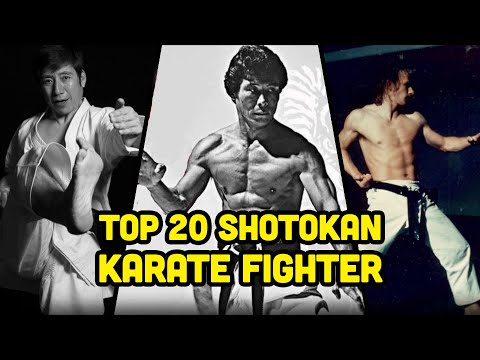
The Pantheon of Shotokan: Unveiling the Top 20 Masters Who Defined Budo

The air in the dojo crackles with a silent intensity. It's the hum of discipline, the echo of countless hours spent honing the body and mind. Shotokan Karate, a name synonymous with power, precision, and an unbroken lineage stretching back to the dawn of modern martial arts, is more than just a fighting style; it's a philosophy etched in motion. But who are the titans, the individuals whose very names evoke awe and respect within the hallowed halls of Budo? Who are the fighters who didn't just practice Shotokan, but embodied its spirit, pushing its boundaries and leaving an indelible mark on the world of martial arts? This is not merely a list; it is an investigation into the soul of a discipline that has shaped warriors and fostered self-mastery for generations.

The Genesis of Shotokan Greatness

Shotokan Karate, a cornerstone of modern martial arts, didn't spring into existence fully formed. It was forged in the crucible of Okinawa, refined by visionary masters, and disseminated across the globe by dedicated practitioners. Its very name, "Shoto," meaning "waving pine," reflects the serene yet powerful nature that its founder, Gichin Funakoshi, sought to instill. When we speak of the "greatest fighters," we're not just referring to those who dominated competitions, but to individuals who exemplified the highest ideals of Shotokan: technical brilliance, unwavering spirit, and a profound commitment to the principles of Budo.

But let's cut through the polite introductions. Are we talking about pure sport Karate, or does the definition of "fighter" encompass those who preserved the art's combative integrity? The line can blur, and it's precisely this tension that makes dissecting Shotokan's legacy so compelling. In this deep dive, we will not shy away from controversy, but rather embrace it, for it is through rigorous debate that true understanding is born.

The Pillars: Funakoshi and Nakayama

No discussion of Shotokan greatness can begin without acknowledging its spiritual and practical architects. Gichin Funakoshi (1868-1957) is, without question, the linchpin. His journey from Okinawa to mainland Japan, introducing *Te* (hand techniques) as Karate, fundamentally altered the martial landscape. Funakoshi wasn't just a fighter; he was a philosopher-warrior who translated the raw effectiveness of Okinawan fighting into a structured system, emphasizing the moral and ethical dimensions alongside the physical.

"Karate is not a copy of other arts, just as the pine is not a copy of the willow. Its strength is not merely in its execution, but in its perfection." - Gichin Funakoshi

His student, Masatoshi Nakayama (1913-1987), inherited this monumental task. Nakayama was the organizational genius and the driving force behind the Japan Karate Association (JKA). He not only codified the techniques and katas, ensuring a degree of standardization that allowed Shotokan to spread universally, but he also championed the competitive aspect, recognizing its power in testing and refining techniques under pressure. Nakayama's vision was pragmatic: to ensure Shotokan's relevance and effectiveness in a changing world. His influence on competitive Karate is undeniable.

Masters of the Golden Age

The decades following Funakoshi and Nakayama's foundational work saw an explosion of talent. These were the men who took the established framework and infused it with their unique fire, forging careers that would inspire generations. The late 20th century, in particular, was a fertile period for Shotokan fighters who excelled not only in kata but in the intense, high-speed combat of kumite.

We speak of:

  • Hirokazu Kanazawa (b. 1931): A student of Nakayama, Kanazawa is a legend for his technical prowess and dynamic energy. His mastery of both kata and kumite, coupled with his extensive international teaching, solidified his place in history. His influence transcends mere fighting; he is an educator of Budo.
  • Taiji Kase (1935-2004): Known for his powerful techniques and dynamic stances, Kase was another prominent figure within the JKA. He later developed his own style, encouraging innovation while staying true to Shotokan principles. His approach to the art was often described as forceful and direct, reflecting a deep understanding of combat application.
  • Hidetaka Nishiyama (1928-2008): A student of Funakoshi, Nishiyama was instrumental in establishing Karate in the United States and was a key figure in the formation of the International Traditional Karate Federation (ITKF). He advocated for Karate as a path to self-development, not just a fighting sport.
  • Keinosuke Enoeda (1935-1993): Often dubbed the "Tiger of Shotokan," Enoeda was renowned for his incredible speed, powerful techniques, and fierce fighting spirit. His presence on the mat was electrifying, a true testament to the combative potential of Shotokan.

These names, and many others like Tetsuhiko Asai, Takashi Mikami, and Yoshiaki Ushiro, represent a golden era where the theoretical principles of Shotokan were put to the ultimate test in live combat scenarios, both in dojo sparring and international tournaments. Their dedication to rigorous training, often involving punishing physical conditioning and repetitive drilling, is a lesson in itself. Are you putting in that level of commitment, or are you content with superficial understanding?

Contemporary Icons and Their Legacies

While the "golden age" produced many legends, the evolution of Shotokan has continued. Modern fighters, often competing in highly specialized sport Karate circuits, continue to push the envelope. Names like Antonio Oliva, Shinji Nagaki, and Toru Shimizu have carved out significant legacies. Their ability to adapt Shotokan's principles to the demands of modern competition, where milliseconds matter and strategy is paramount, is a testament to the art's enduring viability.

However, a word of caution: does the intense focus on sport Karate sometimes dilute the deeper philosophical aspects that Funakoshi emphasized? This is a question that sparks heated debate in martial arts circles. Some argue that the scoring system and rulesets can inadvertently encourage techniques that are less effective in a real self-defense scenario, while others contend that competitive pressure refines techniques to their most efficient form. Where do you stand on this crucial distinction?

The Philosophical Underpinnings of Mastery

To truly understand the "greatest" Shotokan fighters, one must look beyond their physical prowess. At its heart, Shotokan is a discipline rooted in the principles of Budo – the Way of the Warrior. This path emphasizes not only the combat skills but also moral development, mental fortitude, and spiritual growth. Concepts like Mushin (no mind), Zanshin (continuous awareness), and Fudoshin (immovable mind) are not mere buzzwords; they are the guiding principles that separate a mere fighter from a true martial artist.

"The ultimate aim of Karate is not winning or losing, but the perfection of the human character." - Gichin Funakoshi

The dedication required to achieve mastery in Shotokan is immense. It demands not only physical training but also deep introspection and an unwavering commitment to self-improvement. This is where the true "fighting" occurs – the internal battle against one's own limitations, fears, and ego. It is this internal struggle that, when conquered, allows the external techniques to flow with true power and purpose. Think of the discipline required for Kyokushin Karate's legendary conditioning; Shotokan, while different in its expression, demands a similar internal fortitude.

Sharpening Your Own Blade: Training for Excellence

The path to becoming a formidable Shotokan practitioner, whether for competition or personal development, is paved with consistent and intelligent training. While the specific techniques and approaches of the masters differ, certain core principles remain universal:

  1. Master the Fundamentals: Do not underestimate the power of the basics. Perfect your stances (dachi), punches (tsuki), blocks (uke), and kicks (geri). This is the bedrock upon which all advanced techniques are built.
  2. Kata as a Blueprint: Treat each kata not as a dance, but as a detailed combat simulation. Understand the bunkai (applications) behind every movement. Practice it repeatedly until the techniques become instinctive.
  3. Kumite Dynamics: Engage in sparring (kumite) with a focus on strategy, timing, and control. Seek partners who challenge you, forcing you to adapt and think on your feet. Learn from both your successes and your failures.
  4. Physical Conditioning is Non-Negotiable: Develop explosive power, endurance, and flexibility. Incorporate cardiovascular training, strength conditioning, and flexibility exercises into your routine. The body is the weapon; it must be honed.
  5. Mental Fortitude is Key: Cultivate focus, discipline, and resilience. Practice meditation or mindfulness techniques to enhance your awareness and composure under pressure.

Remember, the journey is as important as the destination. The greatest fighters weren't born; they were made through relentless dedication. Are you willing to make that commitment?

Essential Gear for the Dedicated Budoka

While Shotokan Karate can be practiced with minimal equipment, certain items can significantly enhance your training experience and help you emulate the dedication of the masters.

  • Karategi (Uniform): A high-quality, durable Karategi is essential. Look for one made from heavy-duty cotton that can withstand the rigors of intense training and frequent washing. Brands like Karate Merchandise or specific Kyokushin Gi manufacturers often offer excellent options.
  • Karate Belt: As you progress, your belt signifies your level of dedication and understanding. Ensure it's securely tied – a loose belt is a sign of a loose mind.
  • Mouthguard: For sparring (kumite), a properly fitting mouthguard is non-negotiable for protecting your teeth and jaw.
  • Groin Protector: Essential for protecting against accidental strikes during sparring.
  • Training Mats (optional): If you're practicing at home, especially dynamic techniques or falling drills, padded mats can provide a safer training environment and reduce the risk of injury.

Sensei's Verdict: The Enduring Impact

The concept of a definitive "Top 20" is inherently subjective, a testament to the diverse interpretations and expressions of Shotokan Karate throughout history. What unites these masters, from the foundational figures like Funakoshi and Nakayama to the titans of competition like Enoeda and Kanazawa, is their unwavering commitment to the art. They didn't just perform techniques; they lived the philosophy. They demonstrated that Shotokan Karate is a powerful combative system, a rigorous physical discipline, and a profound path to personal growth. Their legacies are not merely in the records they set, but in the countless practitioners they have inspired to take up the mantle of Budo.

Score: Black Belt in Legacy and Influence

Frequently Asked Questions

Who is considered the founder of Shotokan Karate?
Gichin Funakoshi is widely regarded as the founder of Shotokan Karate. He introduced the style from Okinawa to mainland Japan.
What is the difference between Shotokan and other Karate styles?
Shotokan is characterized by its deep stances, powerful linear techniques, and emphasis on strong fundamental movements. While all Karate styles share common roots, Shotokan's specific approach to stances, kihon (basics), and kata differentiates it.
Is Shotokan Karate effective for self-defense?
Yes, Shotokan Karate, when practiced with a focus on practical application and combative principles, can be highly effective for self-defense. However, like any art, its effectiveness depends on the practitioner's training, intent, and understanding of real-world situations.
What does "Budo" mean in the context of Shotokan?
Budo translates to "the Way of the Warrior." In Shotokan, it signifies that the practice of Karate extends beyond physical techniques to encompass discipline, respect, mental fortitude, and personal development.

Deeper Dives into the Budo Path

The journey into the world of Shotokan and the broader martial arts landscape is continuous. For those seeking to deepen their understanding and connect with a vibrant community, the following resources are invaluable:

  • Explore the foundational principles of martial philosophy in our article on BUDO.
  • Understand the physical demands and strategic nuances of modern combat in our analysis of Artes Marciales Mixtas.
  • Discover the importance of mental resilience and self-mastery in our guide to Self Improvement.

In conclusion, Shotokan Karate stands as a monumental pillar in the edifice of martial arts. The fighters we have highlighted are not just practitioners; they are custodians of a legacy, warriors who have not only mastered technique but have also illuminated the profound philosophical depths of this ancient art form. Their dedication serves as a perpetual challenge to us all: to pursue not just strength, but wisdom; not just victory, but character.

Reflexión del Sensei: Tu Próximo Paso

You have walked through the hallowed halls, glimpsed the faces of legends. But true understanding does not come from observation alone. It is forged in sweat, in frustration, in the relentless pursuit of perfection. Now, tell me: which of these masters' spirits resonates most deeply with your own martial aspirations? And more importantly, what single, concrete action will you take today to embody a fraction of their dedication in your own training? The path is yours to walk, but the first step must be taken with intention.

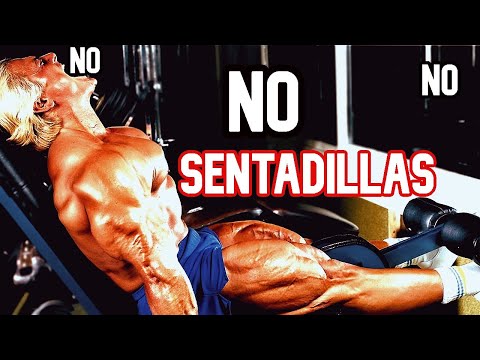
El Legado del Guerrero: Piernas de Acero Sin la Sombra de la Sentadilla

¡Saludos, Budokas y Buscadores del Camino Marcial! Si has llegado hasta aquí, es probable que busques el poder de unas piernas de hierro forjado, capaces de impulsarte en un golpe demoledor, resistir en una defensa férrea o recorrer el camino con la firmeza de un roble. Pero, ¿qué sucede si el rey de los ejercicios, la sentadilla, te es vedada por una lesión, un consejo médico, o simplemente porque tu espíritu se rebela ante su repetición monótona? ¿Significa eso el fin de tu aspiración a unas extremidades inferiores dignas de un guerrero? ¡Absolutamente no! Como Sensei, mi misión es desmantelar mitos y ofrecerte la verdad desnuda, la sabiduría práctica que te permitirá forjar la fuerza que anhelas, independientemente de las limitaciones. Hoy, desvelaremos los secretos para construir piernas colosales, no a través de un único ejercicio, sino mediante un enfoque holístico, un tapiz de movimientos y disciplinas que resonarán en tu alma marcial. Prepárate para una lección que transformará tu perspectiva sobre el desarrollo físico y te conectará con la esencia del *budo*.

Tabla de Contenidos

La Filosofía Detrás de la Fuerza: Más Allá de un Solo Movimiento

La búsqueda de la fuerza física, en el contexto del *budo* y las artes marciales, trasciende la mera hipertrofia muscular. No se trata de tener las piernas más grandes, sino las más funcionales, las más resistentes y las más explosivas. Un guerrero no necesita solo potencia, sino la capacidad de canalizarla con precisión, mantenerla durante combates prolongados y recuperarse rápidamente. Miyamoto Musashi, en su célebre "Libro de los Cinco Anillos", enfatizó la importancia de la adaptabilidad y la visión de conjunto. Su estrategia no se basaba en un solo golpe o una sola técnica, sino en la comprensión profunda del todo. Aplicado al entrenamiento, esto significa que confiar en un único ejercicio, por efectivo que sea, es una debilidad estratégica. Las piernas son nuestros cimientos, la base desde la cual lanzamos ataques, absorbemos impactos y nos desplazamos con agilidad. Ignorar su desarrollo completo o buscar atajos es un error que muchos principiantes cometen, y que a veces, incluso practicantes avanzados, repiten por falta de escrutinio.

El Verdadero Enemigo: La Monotonía y la Falta de Visión Integral

Seamos honestos: la sentadilla es el rey, sí, pero no el único monarca del reino de las piernas. El cuerpo humano es una máquina asombrosa que responde a la variedad y al desafío. La monotonía es el sedante de la progresión. Cuando un músculo se acostumbra a la misma carga y al mismo estímulo, su respuesta de crecimiento y fortalecimiento se aplana. Por eso, la queja de "no me gusta hacer sentadillas" o la incapacidad física para realizarlas no son excusas para la debilidad, sino un llamado a la creatividad y a la sabiduría marcial para encontrar caminos alternativos. Trabajar todos los músculos de las piernas —cuádriceps, isquiotibiales (femorales), gemelos (pantorrillas) y glúteos— es crucial. Cada uno juega un papel distinto pero interconectado en la potencia de tu tren inferior. Un desequilibrio, por ejemplo, unos cuádriceps desarrollados pero unos isquiotibiales débiles, puede llevar a lesiones y a una pérdida de eficiencia en tus movimientos marciales.
"La vida es como el camino que se recorre. Mira las huellas que dejas, ¿son firmes y profundas, o débiles y superficiales?" - Inspirado en los principios del Budo.

El Arte de las Zancadas (Lunges): Un Pilar Fundamental

Las zancadas, o *lunges*, son un ejercicio multiarticular que imita muchos de los patrones de movimiento que encontramos en las artes marciales. Ofrecen un estímulo poderoso para los cuádriceps, los glúteos y, de manera secundaria, para los isquiotibiales y el core. A diferencia de la sentadilla, la zancada trabaja cada pierna de forma unilateral, lo que ayuda a corregir desequilibrios de fuerza y a mejorar la estabilidad y el equilibrio, habilidades vitales en cualquier disciplina de combate. La forma correcta es esencial:
  1. Da un paso largo hacia adelante, manteniendo la espalda recta y el torso erguido.
  2. Flexiona ambas rodillas hasta que la rodilla trasera casi toque el suelo, formando ángulos de aproximadamente 90 grados en ambas piernas.
  3. Asegúrate de que tu rodilla delantera no sobrepase la punta de tu pie.
  4. Empuja con el talón de la pierna delantera para volver a la posición inicial.
  5. Repite con la otra pierna.
Puedes progresar en intensidad añadiendo peso. Las mancuernas en cada mano, una barra sobre los hombros, o incluso llevar un objeto pesado (como un saco de arroz, reminiscentes de métodos de entrenamiento más antiguos) aumentarán el desafío. Las zancadas hacia atrás o laterales también ofrecen variantes excelentes para trabajar diferentes fibras musculares y mejorar la agilidad.

El Poder Explosivo de los Saltos: Despertando la Furia Primigenia

Los saltos, en sus innumerables formas, son la manifestación pura de la potencia explosiva de las piernas. En el *budo*, la capacidad de generar fuerza rápidamente es a menudo más decisiva que la fuerza máxima estática. Piensa en el impulso para una patada alta, el salto para evitar un derribo, o la explosión para cerrar la distancia. Los saltos entrenan tus fibras musculares de contracción rápida, mejoran la potencia del tobillo y la rodilla, y elevan tu capacidad cardiovascular a niveles sorprendentes. Variedades como:
  • Saltos en el lugar (Jumping Jacks modificados sin brazos): Básicos pero efectivos para calentar y activar.
  • Saltos de tijera (Split Squat Jumps): Alternando la pierna delantera en cada salto, simulando la potencia de una patada.
  • Saltos al cajón (Box Jumps): Excelentes para la potencia vertical y la fuerza del cuádriceps.
  • Saltos laterales (Lateral Jumps): Cruciales para la agilidad y la potencia en movimientos de esquiva o cambio de dirección.
  • Saltos con una pierna (Single-leg Hops): Desafían el equilibrio y la fuerza unilateral de manera extrema.
Estos ejercicios, realizados con la intención marcial correcta, no son solo movimientos; son explosiones de energía contenida que buscan liberarse con propósito.

El Ring y el Tatami como Laboratorios de Fuerza

Consideremos por un momento el boxeo y las artes marciales tradicionales. ¿Por qué los púgiles y los practicantes de karate o taekwondo suelen tener piernas tan desarrolladas? La respuesta está en la naturaleza de sus movimientos. En el **boxeo**, cada golpe, cada movimiento defensivo, cada esquiva y cada desplazamiento (el *footwork*) requiere una base sólida y activa en las piernas. La resistencia para lanzar una andanada de golpes o para mantener una defensa activa durante varios asaltos se construye en las pantorrillas, los cuádriceps y los glúteos. Los desplazamientos laterales, los pivots y las explosiones para entrar y salir del rango de golpeo son ejercicios de fuerza-resistencia de alta intensidad para el tren inferior.
En disciplinas como el **Karate** o el **Taekwondo**, las patadas son el pan de cada día. Desde la patada frontal básica hasta giros y saltos complejos, cada patada exige potencia, control y resistencia en las piernas. Las posiciones de lucha (como el *Kiba-dachi* o "posición a caballo") son en sí mismas ejercicios isométricos que fortalecen cuádriceps y glúteos. Los desplazamientos rápidos en el kata o el combate (*kumite*) desarrollan la agilidad y la potencia de las piernas. Incluso disciplinas como el **Judo** o el **BJJ**, aunque más enfocadas en el agarre, dependen enormemente de la fuerza de las piernas para generar palanca, mantener la posición, realizar derribos (como el famoso O-soto-gari) y controlar al oponente en el suelo. La resistencia de los gemelos y la potencia de los glúteos son fundamentales para evitar ser desequilibrado o para generar la fuerza necesaria en un *sweep*. Invertir tiempo en la práctica de estas disciplinas, o incorporar sus movimientos específicos en tu entrenamiento, te proporcionará un desarrollo de piernas funcional y estético, directamente aplicable a tus objetivos marciales.

Nutrición y Descanso: Los Aliados Silenciosos del Guerrero

Ningún entrenamiento, por riguroso que sea, dará sus frutos sin el soporte adecuado. Los músculos crecen y se reparan durante el descanso, no durante el entrenamiento. La **nutrición** es el combustible y los materiales de construcción. * **Proteínas:** Son los ladrillos con los que se construyen los músculos. Asegúrate de consumir fuentes de proteína de alta calidad como pollo, pescado, huevos, legumbres y, si es necesario, suplementos como la proteína de suero. * **Carbohidratos:** Proporcionan la energía necesaria para entrenamientos intensos y para la recuperación. Opta por carbohidratos complejos como avena, arroz integral, patatas y batatas. * **Grasas Saludables:** Son esenciales para la producción hormonal y la salud general. Encuéntralas en aguacates, frutos secos, semillas y aceite de oliva. * **Hidratación:** Bebe abundante agua a lo largo del día, especialmente antes, durante y después del entrenamiento. El **descanso** adecuado implica dormir entre 7 y 9 horas por noche. Permitir que tu cuerpo se recupere es tan crucial como cualquier ejercicio que realices. Ignorar este aspecto es como intentar construir un castillo de arena durante la marea alta.

Equipo Esencial para tu Entrenamiento

Si bien muchos de estos ejercicios pueden realizarse con el peso corporal, para maximizar las ganancias y progresar de manera continua, cierta inversión en equipo es recomendable.
  • Mancuernas o Kettlebells: Indispensables para añadir resistencia a zancadas, sentadillas de una pierna (como la búlgaro dividida) y una multitud de otros ejercicios. Empieza con un par de peso moderado y prepárate para adquirir pesos mayores a medida que progreses.
  • Bandas de Resistencia: Ideales para el calentamiento, la activación de glúteos y para añadir una resistencia variable a ejercicios como las zancadas o los puentes de glúteo.
  • Cajón para Saltos (o un banco estable): Permite realizar saltos al cajón con seguridad. Si no dispones de uno, un banco robusto o incluso escalones estables pueden servir para empezar.
  • Guantes de Entrenamiento (opcional): Si decides incorporar movimientos de boxeo, unos guantes adecuados son importantes para proteger tus manos.
  • Kimono de Entrenamiento (para Judo/BJJ): Si te inclinas por la lucha, un kimono resistente (Gi) es esencial para el agarre y el entrenamiento de técnicas de proyección y suelo. Un buen kimono de Judo o BJJ es una inversión duradera.

Guía de Entrenamiento: Rutina de Piernas Sin Sentadillas

Esta es una rutina de ejemplo. Adáptala a tu nivel y aumenta la intensidad gradualmente. Realiza esta rutina 1-2 veces por semana, asegurándote de tener al menos 48 horas de descanso entre sesiones.
  1. Calentamiento (10-15 minutos):
    • Movilidad articular: Círculos de tobillos, rodillas, caderas y caderas.
    • Estiramientos dinámicos: Elevación de rodillas, patadas de glúteo, zancadas dinámicas (sin bajar tanto).
    • Activación: Bandas de resistencia para glúteos (band walks, clamshells).
    • Saltos suaves o Skipping (3-5 minutos).
  2. Zancadas (Lunges): 3 series de 10-12 repeticiones por pierna.
    • Empieza con peso corporal.
    • Añade mancuernas o kettlebells cuando puedas completar las repeticiones con buena forma.
    • Considera zancadas inversas o laterales para variedad.
  3. Saltos de Tijera (Split Squat Jumps): 3 series de 8-10 repeticiones por pierna.
    • Enfócate en la explosividad al cambiar de pierna.
    • Mantén el torso erguido.
  4. Peso Muerto Rumano (Romanian Deadlifts - RDLs): 3 series de 10-12 repeticiones.
    • Excelente para isquiotibiales y glúteos.
    • Mantén la espalda recta y siente el estiramiento en los isquiotibiales.
    • Utiliza mancuernas, kettlebells o barra.
  5. Elevación de Talones (Calf Raises): 3 series de 15-20 repeticiones.
    • De pie, sobre un escalón si es posible para un mayor rango de movimiento.
    • Puedes añadir peso.
  6. Puente de Glúteo (Glute Bridges): 3 series de 15-20 repeticiones.
    • Énfasis en contraer los glúteos en la parte superior.
    • Puedes añadir peso sobre tus caderas o usar bandas de resistencia.
  7. Saltos al Cajón (Box Jumps): 3 series de 6-8 repeticiones.
    • Enfócate en aterrizar suavemente y con control.
    • Empieza con una altura baja y aumenta progresivamente.
  8. Enfriamiento y Estiramientos Estáticos (10-15 minutos):
    • Estira cuádriceps, isquiotibiales, gemelos y glúteos. Mantén cada estiramiento durante 30 segundos.

Veredicto del Sensei: ¿Es Posible?

La respuesta es un rotundo **SÍ**. Es perfectamente posible y, de hecho, muy recomendable, construir unas piernas poderosas y funcionales sin depender exclusivamente de las sentadillas. La clave reside en la comprensión de la anatomía muscular, la aplicación de principios de entrenamiento inteligente y la voluntad de explorar el vasto repertorio de movimientos que ofrecen las artes marciales y el acondicionamiento físico. Si bien la sentadilla es una herramienta fantástica, su exclusión no es una sentencia de debilidad. Es, más bien, una oportunidad para la innovación y el descubrimiento de nuevas fortalezas. **Calificación Cinematográfica:** ¡Cinturón Negro en Adaptabilidad!

Preguntas Frecuentes

  • ¿Cuánto tiempo tardaré en ver resultados? Los resultados varían según la consistencia, la dieta y la genética. Sin embargo, con un entrenamiento dedicado y una nutrición adecuada, puedes empezar a notar mejoras en fuerza y definición en 4-8 semanas.
  • ¿Puedo combinar estos ejercicios con sentadillas si mi lesión mejora? Absolutamente. Una vez recuperado, integrar las sentadillas en tu rutina puede ser beneficioso, pero siempre escuchando a tu cuerpo y sin descuidar la variedad que has aprendido.
  • ¿Qué tan importantes son los ejercicios de pantorrilla? Las pantorrillas son cruciales para la estabilidad, la potencia en el salto y la resistencia. No las descuides; son el motor silencioso de tus movimientos.
  • ¿Puedo hacer esta rutina en casa sin equipo? Sí, puedes empezar con peso corporal y luego añadir resistencia progresivamente con elementos caseros (mochilas con libros, botellas de agua pesadas) o comprando bandas de resistencia.
  • ¿Qué significa "ki" y cómo se relaciona con la fuerza de las piernas? El *ki* (o *chi*) es la energía vital o fuerza espiritual que fluye a través de todo ser. En el contexto marcial, se manifiesta como intención, poder y fluidez. Un *ki* fuerte y bien dirigido se traduce en movimientos más potentes y eficientes, y esto incluye la explosividad y la estabilidad de tus piernas.

Para Profundizar en tu Camino

Si buscas expandir tu conocimiento sobre el desarrollo marcial, el entrenamiento funcional y la filosofía que lo sustenta, te invito a explorar estos recursos de nuestro blog:

Reflexión del Sensei: Tu Próximo Paso

Has absorbido la sabiduría de que la fuerza no reside en un solo movimiento, sino en la diversidad, la inteligencia y la persistencia. Has aprendido que el cuerpo marcial es un organismo unificado, donde la potencia de las piernas es un pilar fundamental, accesible incluso ante la adversidad. Ahora, te enfrentas a una elección: seguir repitiendo lo conocido, o abrazar la enseñanza y aplicar estos principios. Mi pregunta para ti, guerrero, es esta: Si mañana tuvieras que luchar por tu vida en un terreno desconocido, ¿confiarías tu destino únicamente a la sentadilla, o estarías preparado con el arsenal de movimientos y la fortaleza integral que hemos forjado hoy? La respuesta a esta pregunta es la medida de tu compromiso. Ahora te toca a ti. ¿Crees que estas alternativas son suficientes para rivalizar con la fuerza bruta de la sentadilla? ¿Has experimentado alguna de estas técnicas con éxito? ¿O acaso tienes un secreto marcial que compartir que desmienta mi análisis? ¡Demuéstralo en los comentarios! Tu voz enriquece nuestro dojo digital. ```