A question that echoes through countless dojos and training halls: what truly defines a martial art? Is it the ferocity of a knockout, the elegance of a kata, or the depth of its philosophical underpinnings? Many modern interpretations of Karate have become so fixated on the *winning*, on the external validation of competition, that they risk losing the very essence of what these ancient disciplines were designed to cultivate. Today, we turn our analytical gaze not to the glitz of a championship bout, but to a documentary that promises to peel back the layers and reveal the raw, transformative power of Okinawan Tee.
This isn't about whether Karate *can* be a sport; it demonstrably is. This is about understanding its roots, its original purpose, and for many, its most profound application: the arduous, often uncomfortable, journey of **Self-Mastery**. Are you truly ready to confront your own limitations, or are you merely seeking another trophy for the mantlepiece? Let's dissect this journey.
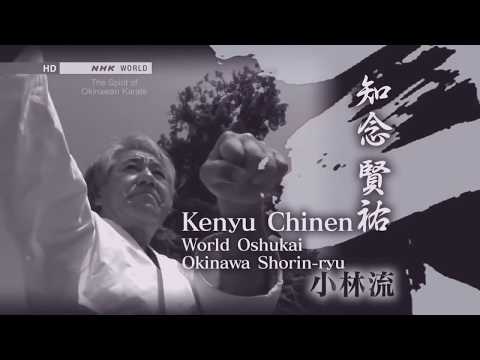
The documentary plunges us into the heart of Okinawa, the birthplace of Karate, to explore **Tee**. Immediately, the narrative sets itself apart. While modern Karate, particularly in its sporting permutations, often prioritizes the *external* victory – defeating an opponent, earning points, winning medals – Tee is presented as an introspective discipline. It’s a path inward, a rigorous exploration of the self. This distinction is crucial for any serious martial artist to grasp. The goal isn't just to *look* proficient; it's to *be* proficient, on every level.
The film follows an Englishman and an Italian, individuals presumably drawn by the allure of authentic martial arts tradition. Their presence underscores a global phenomenon: the migration of thousands annually to Okinawa, seeking not just physical techniques but a deeper understanding. This isn't a casual pursuit; it's a commitment. The documentary highlights that practitioners aren't chasing fleeting glory in tournaments. Instead, they dedicate themselves to **self-mastery**, a pursuit that demands relentless pushing of both physical and mental boundaries. This is where the true value of martial arts lies for many seasoned practitioners – in the crucible of training, one finds their true measure.
"The essence of Karate is not in the victory, but in the striving for perfection." - A common adage, but one Tee seeks to embody.
This emphasis on intrinsic motivation resonates deeply with the core tenets of **#BudoLife**. It separates the genuine disciple from the dilettante. The true martial artist understands that every practice session, every drop of sweat, is an investment in oneself, not merely a means to an external end.
The Journey Within: Struggles and Triumphs
The narrative of the documentary centers around a transformative summer for its protagonists. This isn't presented as a smooth, effortless acquisition of skills. No, this is where the steel is forged. The film showcases the protagonists confronting "personal challenges" and "inner demons." This is the gritty reality of deep martial arts training. It’s messy. It’s uncomfortable. It forces you to face the aspects of yourself you’d rather ignore.
The dedication, discipline, and resilience required are not just buzzwords here; they are the very currency of progress. The film makes a vital point: the path of martial arts is *not* solely about physical combat. This is a critical juncture. While techniques for **#CombateEnLaCalle** or **#ArtesMarcialesMixtas** are valuable, they are only one facet. Tee, as depicted, emphasizes honing one's character, cultivating humility – a quality often in short supply in competitive circles – and developing that elusive **#MindBodyConnection**. This holistic approach is what elevates a martial artist from a mere fighter to a refined individual.
Imagine the sheer willpower needed to execute a technique perfectly, not because the crowd is cheering, but because the internal standard demands it. This is the **#InnerStrength** that Tee cultivates. It’s the quiet resolve that allows one to stand firm, not just against an opponent, but against doubt, fear, and laziness.
Martial Philosophy: The Essence of Tee
Here, the documentary delves into the philosophical heart of Tee. It's described as a unique blend of physical techniques and profound **#MartialPhilosophy**. This fusion is the hallmark of true **#BUDO**. The principles of harmony, balance, and respect are not mere pleasantries; they are foundational.
* **Harmony**: Understanding how your body moves with intention, how your actions integrate with your environment.
* **Balance**: Not just physical equilibrium, but mental and emotional stability. The ability to remain centered amidst chaos.
* **Respect**: For your training partners, your instructors, the art itself, and crucially, for yourself.
These principles are presented as transferable, applicable to "all aspects of life." This is the transformative power that draws so many to disciplines like **#OkinawanKarate**. It's about developing discipline, self-control, and a clear sense of purpose that extends far beyond the dojo walls. By immersing themselves in Tee, the protagonists don't just learn to punch and block; they uncover "hidden strengths" and gain "invaluable insights into the nature of existence." This is the enlightened path that separates superficial training from genuine **#SelfMastery**.
"Karate ni sente nashi" – "There is no first strike in Karate." This principle, deeply embedded in the philosophy of Karate, speaks volumes about the ethos of respect and control that traditional arts aim to instill. Tee embodies this.
For those interested in the **#KarateSpirit**, understanding this philosophical bedrock is paramount. It's the difference between performing movements and embodying principles.
Community and Camaraderie
Martial arts, at their best, are inherently communal. Tee is no exception. The documentary illustrates how this practice transcends cultural and geographical divides, fostering a powerful sense of **#CommunityOfWarriors**. The protagonists, far from home, find connection and support among fellow practitioners in Okinawa.
These aren't just training partners; they form "deep bonds and lifelong friendships." This shared journey amplifies the individual experience. It reinforces the idea that while personal growth is central, it is often nurtured and solidified within a supportive collective. This is why forums and communities centered around **#MartialArtsCommunity** are so vital. They provide a space for shared learning, encouragement, and the collective pursuit of excellence. The struggle is individual, but the support network is communal.
Join the Tee Movement: Embrace Your Inner Warrior
The documentary aims to inspire. After witnessing the transformative experiences depicted, the implicit call to action is clear: embrace your own **#WarriorPhilosophy**. The "Tee movement" represents more than just a specific style of Karate; it signifies a commitment to a path of self-discovery and personal development through rigorous martial practice.
The blog, **BYAM Budo y Artes Marciales**, is positioned as a resource for those inspired by this journey. It’s a place to "delve deeper into the world of martial arts," offering a "treasure trove of knowledge, techniques, and philosophies." This aligns perfectly with the goal of fostering a vibrant online **#MartialArtsCommunity**, where enthusiasts can share, learn, and grow together.
Equipment Essential for Your Training
While Tee emphasizes the internal, certain foundational tools can significantly enhance your training journey. Investing in quality gear not only ensures comfort and safety but also demonstrates respect for the art.
High-Quality Karate Gi: Look for a durable, double-weave cotton gi that allows for full range of motion and can withstand rigorous training. Brands like Shureido or Tokaido are often favored by practitioners of traditional Okinawan styles.
Traditional Okinawan Kobudo Weapons (Optional): If your training incorporates weapons (Bo, Sai, Tonfa, Nunchaku), ensure they are well-crafted and balanced for effective practice.
Makiwara: A traditional striking post used for developing power, conditioning the hands, and refining striking technique. Essential for authentic Karate practice.
Comfortable Training Mats: For floor work, breakfalls, and groundwork, ensuring a safe and supportive surface is crucial.
For those seeking to deepen their understanding of Karate history and philosophy, consider acquiring some foundational texts. Books such as "Bubishi" or comprehensive guides on Okinawan Karate history can provide invaluable context. Investing in good **#KarateMerchandise** is an investment in your journey.
Frequently Asked Questions
What is the difference between Tee and modern Karate?
Tee emphasizes self-mastery, personal growth, and philosophical depth, whereas many modern Karate styles focus more on competitive sport, external victories, and combat effectiveness.
Why do so many people travel to Okinawa to learn Karate?
Okinawa is the birthplace of Karate. Practitioners seek the authentic traditions, the deeper philosophical teachings, and the direct lineage from the masters who developed and preserved these arts.
Is Tee suitable for self-defense?
Yes. While its primary focus is internal development, the discipline, awareness, and physical conditioning cultivated through Tee provide a strong foundation for practical self-defense. The principles learned transcend mere combat techniques.
How can I start practicing Tee if I live outside Okinawa?
Seek out reputable dojos that specifically teach Okinawan Karate styles (e.g., Goju-ryu, Shorin-ryu, Uechi-ryu) and prioritize instructors who emphasize the traditional philosophy and self-development aspects over purely sport-oriented training.
For Deeper Exploration
This documentary touches upon the profound impact of martial arts. If you're captivated by the transformative power of discipline and physical practice, you might find value in exploring these related topics on our blog:
"Tee Documentary" offers a vital perspective, reminding us that the most profound battles are often fought within. It champions the **#MartialArtsJourney** as a path of **#SelfMastery**, where discipline, resilience, and philosophical understanding are the true victories. Tee, as the documentary illustrates, is more than just a method of combat; it is a comprehensive system for personal transformation, fostering not only a strong body but an unshakeable spirit. It is the embodiment of the **#KarateSpirit** in its purest form.
Sensei's Reflection: Your Next Step
The documentary shows individuals confronting their limitations. What is the single greatest limitation you currently face in your own martial arts training, and how can you begin to dismantle it, not by seeking external validation, but by turning your gaze inward, as the practice of Tee demands?
```json
{
"@context": "https://schema.org",
"@type": "FAQPage",
"mainEntity": [
{
"@type": "Question",
"name": "What is the difference between Tee and modern Karate?",
"acceptedAnswer": {
"@type": "Answer",
"text": "Tee emphasizes self-mastery, personal growth, and philosophical depth, whereas many modern Karate styles focus more on competitive sport, external victories, and combat effectiveness."
}
},
{
"@type": "Question",
"name": "Why do so many people travel to Okinawa to learn Karate?",
"acceptedAnswer": {
"@type": "Answer",
"text": "Okinawa is the birthplace of Karate. Practitioners seek the authentic traditions, the deeper philosophical teachings, and the direct lineage from the masters who developed and preserved these arts."
}
},
{
"@type": "Question",
"name": "Is Tee suitable for self-defense?",
"acceptedAnswer": {
"@type": "Answer",
"text": "Yes. While its primary focus is internal development, the discipline, awareness, and physical conditioning cultivated through Tee provide a strong foundation for practical self-defense. The principles learned transcend mere combat techniques."
}
},
{
"@type": "Question",
"name": "How can I start practicing Tee if I live outside Okinawa?",
"acceptedAnswer": {
"@type": "Answer",
"text": "Seek out reputable dojos that specifically teach Okinawan Karate styles (e.g., Goju-ryu, Shorin-ryu, Uechi-ryu) and prioritize instructors who emphasize the traditional philosophy and self-development aspects over purely sport-oriented training."
}
}
]
}
The ancient discipline of BUDO and the raw, explosive art of boxing have always shared a spiritual and physical kinship. Think of the dedication, the relentless pursuit of perfection, the almost meditative focus required to master striking. Now, picture a new contender stepping into this age-old arena: Artificial Intelligence. Forget about mere algorithms; we're talking about AI that's not just learning to punch, but learning to deliver a knockout blow. Is this the dawn of a new era in combat sports, or a mere technological curiosity? Prepare yourselves, for this is not just about code; it's about the very evolution of the fight.
"True boxing is a matter of instinct and intelligence. You must react, not think." - A sentiment often echoed, but what happens when machines begin to mimic that instinct?
The question is no longer *if* AI can box, but *how* it learns, and more importantly, what it means for us, the practitioners and observers of martial arts. We delve into this fascinating intersection, dissecting the technology and its implications with the precision of a well-executed jab.
Beyond Programming: The Neural Network's Dojo
Let's dispel a common misconception immediately: teaching an AI to box isn't as simple as writing a script that says "punch, punch, dodge." That’s like expecting a student to master the Sai after reading a manual. The reality is far more intricate, employing sophisticated machine learning techniques. At its core lies the power of deep neural networks. Imagine these networks as vast digital dojos, where AI studies not just individual movements, but the intricate patterns, timing, and strategic flow of countless real-world bouts.
By analyzing colossal datasets – thousands upon thousands of hours of professional boxing matches, capturing every feint, every combination, every defensive maneuver – the AI begins to discern the underlying principles of striking power and accuracy. It learns contextually, much like a human student observing a master. This isn't programming; it’s emergent learning, a digital evolution of combat prowess.
Enter Dactyl: A Machine with a Punch
The company at the forefront of this technological marvel is OpenAI, a name that has sent ripples through the AI community. Their creation, an AI system known as Dactyl, is not just a participant; it's a formidable force. Reports suggest Dactyl has demonstrated the capability to deliver punches with such devastating force that it has even managed to score knockouts against seasoned professional boxers during training simulations. How can a system, devoid of flesh and bone, achieve such a feat?
The answer, again, lies in the relentless optimization through machine learning. Dactyl has been trained on an immense digital library of boxing data. This exhaustive analysis allows it to understand the biomechanics of a powerful punch – the hip rotation, the core engagement, the speed of the arm extension – with a precision that can surpass even human intuition. It’s a digital echo of the perfect strike, refined through data.
This advancement raises profound questions about the future of combat and training. Could AI become the ultimate sparring partner, pushing human athletes to their absolute limits?
The Human Element: Where Code Meets Consciousness
However, as with any technological leap, we must temper enthusiasm with a dose of reality. AI, despite its impressive strides, still operates within a framework of data and algorithms. The true essence of combat, especially in disciplines like Karate or boxing, is more than just physical execution. It's about the intangible qualities that define a warrior.
Can AI truly replicate the strategic depth of reading an opponent's subtle body language? Can it anticipate a sudden shift in momentum born from sheer grit or desperation? The intuitive understanding, the psychological warfare inherent in a fight – these are domains where human consciousness, emotion, and lived experience still reign supreme. A machine can simulate a punch, but can it feel the pressure of the crowd, the sting of a blow, or the unwavering will to overcome?
"The true martial artist is one who has conquered himself." - This level of self-mastery, forged through struggle and introspection, remains a distinctly human endeavor.
While AI can learn patterns, it doesn't possess the lived experience of overcoming adversity, the fear that must be confronted, or the sheer willpower that separates a champion from a contender. This is where the human element continues to hold its unique power in the world of martial arts and battle.
The Digital Sensei: AI as a Coach
Beyond direct competition, the most immediate and perhaps most valuable application of AI in combat sports lies in its potential as a sophisticated training tool. Imagine an AI system acting as a tireless, objective coach, analyzing every aspect of an athlete's performance in real-time.
This AI could meticulously track an athlete's stance, punch speed, footwork efficiency, and defensive reactions. Based on this granular data, it could provide personalized feedback, identify weaknesses, and suggest specific drills to bridge those gaps. For amateur athletes, especially those without consistent access to elite coaching, this could be revolutionary. It democratizes high-level analysis, offering insights that were once the exclusive domain of seasoned masters.
Consider the application in BUDO, where precision and efficiency are paramount. An AI could help refine katas, correct posture, and ensure the optimal application of force. This is not about replacing human coaches, but augmenting their capabilities, providing a data-driven layer to traditional wisdom.
Stepping into the VR Ring
The fusion of AI with virtual reality (VR) opens up even more exciting possibilities. Imagine stepping into a VR environment where you can spar with an AI opponent that adapts to your style, learns your tendencies, and provides a hyper-realistic challenge. This isn’t just a game; it’s a powerful training simulation.
VR boxing simulations, powered by AI, could offer athletes a safe yet incredibly effective way to prepare for real-world confrontations. They could practice specific strategies, test new techniques, and build ring generalship without the physical toll or risk of injury associated with constant sparring. This technology could revolutionize how fighters prepare for major events, offering an unparalleled level of immersive training.
Furthermore, for the general public, these AI-driven VR experiences could offer an engaging and accessible way to experience the thrill of boxing and martial arts, fostering a broader appreciation for these disciplines.
Sensei's Verdict: Boxing's Future, Coded or Cultivated?
AI's foray into boxing is undeniably impressive, showcasing the power of machine learning to mimic and even, in certain quantifiable aspects, surpass human physical capabilities. The ability of systems like Dactyl to deliver knockout power is a testament to technological advancement. However, as a lifelong student and practitioner of the martial arts, I must emphasize that the spirit of combat, the true art of the fight, encompasses more than just the physical strike. It's about resilience, strategy born from experience, the psychological battle, and the inner journey of self-mastery.
AI can be a powerful tool – a digital sensei for training, a fascinating subject for simulation. But the heart of boxing, the raw courage and the refined technique honed through years of sweat and dedication, remains profoundly human. For now, AI earns a respectable Cinturón Verde en Simulación de Combate, demonstrating immense potential as an analytical and training tool, but it has yet to earn the master's black belt of true martial understanding.
Essential Gear for Your Own Training Journey
While we marvel at AI's boxing prowess, let's not forget the foundation of human training. To truly engage with the physical and mental demands of striking arts, the right equipment is crucial:
Quality Boxing Gloves: For sparring, 16oz gloves offer the best balance of protection for both you and your partner.
Hand Wraps: Essential for wrist and knuckle support during heavy bag work or pad sessions.
Mouthguard: Non-negotiable for any form of sparring or high-intensity training to protect your teeth and jaw.
Durable Training Shoes: Lightweight and providing good grip for footwork.
Professional Coaching: The most critical "equipment" – guidance from experienced martial artists and boxers.
Investing in quality KarateMerchandise or boxing gear is a commitment to your own development.
Frequently Asked Questions
Can AI truly understand the "spirit" of martial arts?
Currently, AI excels at pattern recognition and data analysis. It can simulate techniques and predict outcomes based on learned data, but it lacks consciousness, emotion, and the lived experience that form the "spirit" or "philosophy" of martial arts like BUDO.
Will AI replace human boxers or martial artists?
It's highly unlikely AI will fully replace human athletes. While AI can be a superior training tool and formidable opponent in simulations, the inherent human elements of competition, such as psychological resilience, adaptation, and the pursuit of self-mastery, remain unmatched.
How can AI help in martial arts training?
AI can significantly enhance training by providing objective performance analysis, personalized feedback, injury prevention insights, and creating realistic virtual sparring environments. It can act as an invaluable supplementary tool for coaches and athletes.
What are the ethical considerations of AI in combat sports?
Ethical concerns include fairness in competition, the potential for AI-assisted cheating, data privacy, and the dehumanization of combat if AI becomes too dominant. Responsible development and clear regulations are crucial.
Is AI boxing purely about power, or also technique?
While the initial focus has been on generating power, advanced AI systems learn complex techniques by analyzing vast amounts of data. This includes footwork, combinations, defensive strategies, and timing – demonstrating a growing capacity for technical proficiency.
Deepen Your Understanding
The intersection of technology and martial arts is a rapidly evolving field. To further explore this fascinating territory, consider these resources:
Fight Analysis: Understanding the strategic and technical aspects of combat.
Martial Philosophy: Exploring the deeper meanings and principles behind the practice.
Training: Resources on effective methods for human athletes.
The journey of martial arts is one of constant learning and adaptation. Whether human or artificial, the pursuit of excellence in combat continues to push boundaries.
Reflection of the Sensei: Your Next Step
We've seen AI learn to mimic the power of a punch, a feat that challenges our understanding of skill and intelligence. But does the ability to execute a devastating strike equate to true mastery? Consider this: If a machine can learn to hit harder than any human through data alone, what does that say about the true value of *your* dedication, *your* discipline, and the years of sweat you invest in honing your own craft? Is the "knockout power" of AI a threat, an opportunity, or simply a mirror reflecting the ever-expanding potential of what can be learned and achieved? Ponder this deeply, and let your training be your answer.
```
```json
{
"@context": "https://schema.org",
"@type": "FAQPage",
"mainEntity": [
{
"@type": "Question",
"name": "Can AI truly understand the \"spirit\" of martial arts?",
"acceptedAnswer": {
"@type": "Answer",
"text": "Currently, AI excels at pattern recognition and data analysis. It can simulate techniques and predict outcomes based on learned data, but it lacks consciousness, emotion, and the lived experience that form the \"spirit\" or \"philosophy\" of martial arts like BUDO."
}
},
{
"@type": "Question",
"name": "Will AI replace human boxers or martial artists?",
"acceptedAnswer": {
"@type": "Answer",
"text": "It's highly unlikely AI will fully replace human athletes. While AI can be a superior training tool and formidable opponent in simulations, the inherent human elements of competition, such as psychological resilience, adaptation, and the pursuit of self-mastery, remain unmatched."
}
},
{
"@type": "Question",
"name": "How can AI help in martial arts training?",
"acceptedAnswer": {
"@type": "Answer",
"text": "AI can significantly enhance training by providing objective performance analysis, personalized feedback, injury prevention insights, and creating realistic virtual sparring environments. It can act as an invaluable supplementary tool for coaches and athletes."
}
},
{
"@type": "Question",
"name": "What are the ethical considerations of AI in combat sports?",
"acceptedAnswer": {
"@type": "Answer",
"text": "Ethical concerns include fairness in competition, the potential for AI-assisted cheating, data privacy, and the dehumanization of combat if AI becomes too dominant. Responsible development and clear regulations are crucial."
}
},
{
"@type": "Question",
"name": "Is AI boxing purely about power, or also technique?",
"acceptedAnswer": {
"@type": "Answer",
"text": "While the initial focus has been on generating power, advanced AI systems learn complex techniques by analyzing vast amounts of data. This includes footwork, combinations, defensive strategies, and timing – demonstrating a growing capacity for technical proficiency."
}
}
]
}
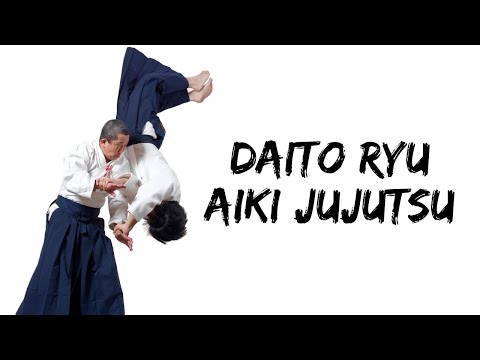
¿Te has preguntado alguna vez de dónde provienen las complejas luxaciones y proyecciones que vemos en el Aikidō moderno? ¿O cómo era realmente el combate entre samuráis antes de que las técnicas se simplificaran para el deporte? El mundo de las artes marciales es un tapiz vasto y entrelazado, pero hay hilos conductores, legados milenarios que forman la estructura misma de lo que practicamos hoy. Uno de esos legados, fundamental y a menudo subestimado, es el del Daitō-ryū Aiki-jūjutsu. No es solo un nombre antiguo; es la raíz de muchas ramas del budo que florecen en la actualidad.
El Daitō-ryū Aiki-jūjutsu (大東流合気柔術) se traduce literalmente como "Estilo del Gran Este de la Energía y el Arte de la Suavidad". Este nombre ya nos da pistas de su esencia: un sistema que busca la armonía (Ai), el manejo de la energía interna (Ki) y la aplicación de técnicas de combate basadas en la suavidad y el control, no en la fuerza bruta (Jūjutsu). Originado en la región de Takeda, provincia de Kai, durante el tardío periodo Edo, este arte marcial japonés se distinguió por su enfoque en el Aiki, un concepto que trasciende la mera técnica física para adentrarse en la coordinación mente-cuerpo y la manipulación del equilibrio y la estructura del oponente.
A diferencia de otros jūjutsu que priorizaban la aplicación de fuerza para someter al adversario, el Daitō-ryū se centra en el uso de la propia fuerza del atacante, redirigiéndola y amplificándola para desequilibrarlo, inmovilizarlo o proyectarlo. Se trata de una estrategia de eficiencia marcial, donde la menor cantidad de energía genera el máximo resultado. Su legado es monumental, considerándose la principal fuente de la cual derivaría, bajo la tutela de Morihei Ueshiba, el moderno Aikidō.
Orígenes y Fundadores: El Legado de la Familia Takeda
La historia del Daitō-ryū está intrínsecamente ligada a la familia Takeda, una estirpe de guerreros con profundas raíces en la historia de Japón. Se atribuye la consolidación y sistematización de este arte a Sokaku Takeda (1859-1943). Sin embargo, Sokaku no "inventó" el Daitō-ryū de la nada; se basó en las enseñanzas recibidas de su padre, Takeda Kōyō, y de otros maestros de la época, recopilando y refinando técnicas de escuelas de jūjutsu y kenjutsu tradicionales.
Es crucial entender que las artes marciales japonesas, especialmente las de linaje samurái, a menudo se transmitían de forma privada dentro de familias o clanes. El Daitō-ryū, en sus orígenes, era una de esas artes de combate, diseñada para la supervivencia en un campo de batalla o en duelos personales. Sokaku Takeda viajó extensamente por Japón, enseñando y perfeccionando su arte, y es en este periodo donde el Daitō-ryū comenzó a ganar reconocimiento.
"La verdadera victoria es aquella que no requiere batalla." - Un principio que resuena en la filosofía del Aiki.
La figura de Sokaku Takeda es, sin duda, la más influyente en la historia moderna del Daitō-ryū. Fue él quien lo sacó de las sombras de las escuelas privadas para enseñarlo públicamente, formando a numerosos discípulos que, a su vez, serían los responsables de su diseminación, algunos de los más notables siendo Morihei Ueshiba (fundador del Aikidō) y Yukiyoshi Sagawa, quien a su vez fue maestro de Takeda Tokimune, hijo de Sokaku y quien continuó dirigiendo la escuela tras su padre.
Filosofía y Principios: La Armonía en el Conflicto
Más allá de las impresionantes técnicas de luxación y proyección, la esencia del Daitō-ryū reside en su profunda filosofía. El concepto central es el Aiki, que no es una fuerza mística, sino la comprensión y aplicación de principios dinámicos. Se trata de sentir la intención del oponente y usar esa información para neutralizar su ataque. Esto implica:
Unidad Mente-Cuerpo: Desarrollar una conexión total entre la intención y la acción.
Coordinación y Timing: Entrar en el momento justo, ni antes ni después, para interceptar el movimiento del atacante.
Uso de la Estructura: Manipular la alineación corporal del oponente para crear desequilibrio.
Energía Cinética: Redirigir y amplificar la energía del movimiento del atacante.
El Conflicto como Oportunidad: Ver la agresión no como un enfrentamiento, sino como una oportunidad para restaurar el equilibrio, preferiblemente sin causar daño innecesario.
Esta filosofía impregna cada aspecto del entrenamiento. No se trata de ganar a toda costa, sino de resolver el conflicto de la manera más eficiente y con el menor daño posible. Es una forma de arte que enseña el control de uno mismo tanto como el control del adversario. En un mundo cada vez más violento, este principio de resolver el conflicto a través de la comprensión y la redirección, en lugar de la confrontación directa y la fuerza bruta, es más relevante que nunca.
Técnicas Clave y Metodología de Entrenamiento
El currículo del Daitō-ryū es vasto y se divide tradicionalmente en varios maki (enrollados o pergaminos de técnicas). Estos incluyen:
Atemi waza: Técnicas de golpeo precisas dirigidas a puntos vitales o de presión para desorientar o incapacitar al oponente.
Kansetsu waza: Técnicas de luxación articular que utilizan la anatomía del oponente contra sí mismo.
Nage waza: Técnicas de proyección que buscan desequilibrar y lanzar al oponente al suelo.
Osae komi waza: Técnicas de inmovilización en el suelo.
El entrenamiento se realiza típicamente en pareja, con uno asumiendo el rol de tachi-ai (atacante) y el otro de jūjutsu-ka (defensor). La clave está en la repetición y la internalización de los movimientos, buscando la fluidez y la naturalidad. No se trata de memorizar secuencias rígidas, sino de comprender los principios subyacentes que permiten aplicar una técnica ante una gran variedad de ataques.
Una característica distintiva es el énfasis en la respuesta instintiva. Mediante el entrenamiento repetitivo, se busca que el cuerpo reaccione de forma correcta y automática ante el ataque, sin necesidad de un pensamiento consciente. Esto es lo que los maestros de BUDO llaman ki, la energía que fluye libremente cuando la mente y el cuerpo están en perfecta sintonía. Sin embargo, es importante desmitificar el ki; no es algo sobrenatural, sino la manifestación de una profunda conexión mente-cuerpo y una comprensión intuitiva de la física del movimiento.
El Legado en el Aikidō y Más Allá: Un Impacto Duradero
Sin el Daitō-ryū Aiki-jūjutsu, el Aikidō tal como lo conocemos hoy simplemente no existiría. Morihei Ueshiba, uno de los estudiantes más prominentes de Sokaku Takeda, absorbió la esencia del Daitō-ryū y, a lo largo de su vida, la transformó incorporando sus propias visiones filosóficas y espirituales para crear el Aikidō. Muchas de las técnicas fundamentales de Aikidō, como el judo de proyección (nage waza) y las luxaciones (bjj kansetsu waza), tienen su origen directo en el Daitō-ryū.
Pero el impacto no se detiene ahí. La influencia del Daitō-ryū se puede rastrear en otras disciplinas marciales, desde el judo competitivo hasta algunas formas de Artes Marciales Mixtas (MMA), donde los principios de control del oponente y manipulación de la estructura son vitales. Su énfasis en la resolución de conflictos de manera no violenta, o al menos minimizando la violencia, también resuena en enfoques modernos de Defensa Personal.
La preservación de este arte ha sido una tarea ardua, llevada a cabo por maestros y discípulos dedicados que han mantenido viva la flama del Daitō-ryū a través de generaciones. Su compromiso asegura que las lecciones de Sokaku Takeda sigan siendo relevantes y accesibles para quienes buscan comprender las raíces profundas del combate marcial japonés.
Veredicto del Sensei: ¿Sigue Vigente el Daitō-ryū Aiki-jūjutsu?
¡Absolutamente! El Daitō-ryū Aiki-jūjutsu no es una reliquia polvorienta de un pasado marcial. Es una disciplina viva, un campo de estudio inagotable para cualquier practicante serio de artes marciales. Su enfoque en la eficiencia, la economía de movimiento y la comprensión profunda de la dinámica corporal lo convierten en una herramienta invaluable tanto para el combate como para el desarrollo personal. Mientras que otras disciplinas pueden haber evolucionado hacia el deporte de combatsports o la autodefensa de alta intensidad, el Daitō-ryū mantiene su enfoque en la maestría del Aiki, una habilidad que trasciende el campo de battle y se aplica a la vida misma.
Calificación:Cinturón Negro en Legado y Filosofía. Un pilar fundamental para entender la evolución del martial arts japonés.
Equipo Esencial para tu Entrenamiento
Aunque el Daitō-ryū se centra en técnicas corporales y no requiere un equipo especializado para empezar, hay elementos que pueden mejorar tu entrenamiento y tu comprensión del arte:
Keikogi (Uniforme de Entrenamiento): Un KarateMerchandise o un judo gi resistente es ideal. Busca un tejido de doble trama (double weave) para mayor durabilidad, ya que las técnicas de luxación y proyección pueden someter al uniforme a considerable estrés.
Hakama: Tradicionalmente usado por practicantes de Daitō-ryū y Aikidō, el hakama ayuda a ocultar el movimiento de las piernas, fomentando un entrenamiento más centrado en el ki y las técnicas de mano y cuerpo.
Manuales y Libros Técnicos: Aunque la práctica directa es insustituible, los libros sobre la historia, la filosofía y las técnicas del Daitō-ryū (como los que podrías encontrar en la sección BYAM de Merchandise) son cruciales para la comprensión teórica.
Makiwara (Opcional): Si bien no es una herramienta central del Daitō-ryū, un makiwara básico puede ayudar a desarrollar la potencia en los golpes de mano y muñeca, complementando el entrenamiento de Atemi.
Guía de Entrenamiento: Ejercicio Básico de Presión
Este ejercicio, una simplificación de las técnicas de kansetsu waza, te ayudará a sentir la manipulación de la estructura del oponente. Realízalo con un compañero, enfatizando la suavidad y la escucha activa.
Posición Inicial: Ponte de pie frente a tu compañero. Tu compañero agarra tu muñeca derecha con su mano derecha, en un agarre relajado pero firme.
Sentir el Movimiento: Tu compañero intenta tirar suavemente de tu muñeca hacia su lado derecho. Tu objetivo es sentir la dirección y la fuerza de su movimiento.
Redirección y Desequilibrio: En lugar de resistir, debes permitir que su movimiento te guíe ligeramente. Al mismo tiempo, gira tu cuerpo y tu cadera en la dirección de su tirón, usando tu propio peso y el de tu compañero para empezar a desequilibrarlo.
Presión Articular: Mientras giras, usa tu mano izquierda para guiar su antebrazo hacia arriba, aplicando una ligera presión en la articulación de su codo. No es un movimiento de fuerza bruta, sino un "seguir y guiar".
Finalización (Simulada): El objetivo es que tu compañero sienta una presión incómoda y un desequilibrio, lo que le obligaría a ceder o ser proyectado. Detén el movimiento antes de causar dolor o lesión.
Intercambio de Roles: Repite el ejercicio cambiando los roles, permitiendo que ambos experimenten la sensación.
Clave: La comunicación no verbal es fundamental. Siente la tensión en el cuerpo de tu compañero. ¿Hay resistencia? ¿Hay aceptación? El Aiki se revela en esta danza de intenciones.
Preguntas Frecuentes
¿Es el Daitō-ryū Aiki-jūjutsu peligroso para practicar?
Como cualquier arte marcial, el Daitō-ryū implica técnicas de luxación y proyección que, si se aplican incorrectamente o con demasiada fuerza, pueden causar lesiones. Sin embargo, la filosofía del arte enfatiza el control y la minimización del daño. Un buen instructor siempre priorizará la seguridad y el aprendizaje progresivo.
¿Qué diferencia hay entre Daitō-ryū Aiki-jūjutsu y Aikidō?
El Daitō-ryū es el sistema original del cual el Aikidō se desarrolló. Mientras que el Aikidō, bajo Morihei Ueshiba, evolucionó para incorporar una mayor dimensión espiritual y filosófica, el Daitō-ryū tiende a mantener un enfoque más directo en las técnicas de combate y autodefensa heredadas de su linaje samurái.
¿Necesito tener experiencia previa en artes marciales para empezar?
No. El Daitō-ryū se adapta a principiantes. La clave es la paciencia y la disposición para aprender los principios fundamentales de movimiento y coordinación.
¿Es Daitō-ryū efectivo para la defensa personal?
Sí. Las técnicas de control, desequilibrio y neutralización del oponente son altamente efectivas para la defensa personal, especialmente en situaciones donde la fuerza bruta no es una ventaja.
¿Hay competiciones de Daitō-ryū?
Tradicionalmente, el Daitō-ryū no se practica con competiciones deportivas como el MMA o el judo. El enfoque está en el desarrollo individual y la aplicación en escenarios realistas, no en la puntuación de puntos. El combate se entiende como una resolución, no como un deporte.
Hemos recorrido el sendero del Daitō-ryū, un arte que nos enseña que la fuerza más grande reside en la sutileza, en el flujo y en la comprensión profunda del movimiento y la energía. No se trata solo de aprender a derribar a un oponente, sino de aprender a fluir con las circunstancias de la vida, a encontrar el equilibrio en el caos y a resolver los conflictos con sabiduría y economía de esfuerzo.
"Un verdadero maestro no es quien enseña todo, sino quien inspira al estudiante a descubrir por sí mismo la profundidad del camino."
Ahora te pregunto: Si el Daitō-ryū nos enseña a usar la fuerza del oponente en su contra, ¿cómo puedes aplicar este principio para superar tus propios obstáculos internos y externos en tu vida diaria? ¿Estás listo para buscar esa armonía en tu propio camino?
Bienvenidos, camaradas de la disciplina marcial y guerreros del acero muscular, a este sagrado espacio de Budo y Artes Marciales. Hoy, el pergamino desvela un secreto tan antiguo como el propio Budo, pero a menudo subestimado en el fragor del entrenamiento: el agua. Olviden por un momento los puñetazos y las patadas; vamos a sumergirnos en la esencia vital que sostiene tanto al guerrero en el tatami como al culturista en el gimnasio. El agua, ese elíxir transparente, es un factor de crecimiento *innegable*. Ignorarlo es como intentar forjar una espada sin fuego.
1. La Hidratación: El Cimiento del Crecimiento Muscular
Consideren el músculo como un guerrero en batalla. Después de la contienda (el entrenamiento intenso), sus fibras han sufrido daño, pero en ese daño reside el potencial de una mayor fortaleza. ¿Qué permite que ese guerrero se repare y se vuelva más formidable? La respuesta es multifacética, pero la hidratación es el *núcleo* de la regeneración. El agua no es meramente un vehículo; es el *medio* en el que ocurren las reacciones bioquímicas cruciales para la síntesis de proteínas musculares.
Cuando sudas, no solo pierdes líquidos; pierdes electrolitos vitales. La deshidratación severa ralentiza drásticamente la entrega de aminoácidos y oxígeno a las células musculares, y dificulta la eliminación de productos de desecho como el ácido láctico. Imaginen a un arquero cuyas flechas (nutrientes) no llegan a su objetivo (músculo) debido a un río desbordado (deshidratación). El resultado: una recuperación lenta, un crecimiento atrofiado y un mayor riesgo de lesión.
"El cuerpo humano es un microcosmos del universo; el agua es su río vital que fluye a través de él, llevando vida y sustento."
Un músculo bien hidratado es un músculo flexible y elástico. Uno deshidratado se vuelve quebradizo, propenso a tirones y desgarros. Piensen en un viejo pergamino seco versus uno humedecido para ser desplegado. ¿Cuál es más manejable? ¿Cuál resiste mejor la tensión? La comparación es directa. Mantener la hidratación *antes, durante y después* de cada sesión es tan fundamental como la técnica de un golpe recto o la postura de un KarateKyokushin.
2. La Danza del Agua y la Definición Muscular
La estética del guerrero, su "definición", es a menudo el objetivo visible de horas de sacrificio. Aquí es donde la relación con el agua se vuelve paradójica y fascinante. La **retención de agua** (edema) puede hacer que el físico se vea liso, "aguado", ocultando la dureza del músculo subyacente. Por otro lado, una **deshidratación extrema** puede hacer que los músculos parezcan planos, vacíos, carentes de volumen y plenitud.
La clave no es eliminar el agua, sino *controlarla*. Un cuerpo bien hidratado gestiona el agua de manera eficiente. Cuando los niveles de hidratación son óptimos, las células musculares están llenas y "rellenas", lo que contribuye a una apariencia voluminosa. La deshidratación, por el contrario, puede hacer que el cuerpo "retenga" agua en un intento desesperado por conservarla, lo que resulta contraproducente para la definición.
La estrategia correcta implica una ingesta constante y adecuada de agua, complementada con una dieta balanceada y, a menudo, una gestión estratégica de electrolitos. La definición no se logra privando al cuerpo de agua, sino asegurando que el agua esté donde debe estar: *dentro* de las células musculares, delineando su forma.
3. El Elixir de la Pérdida de Grasa
El camino del guerrero a menudo implica no solo ganar fuerza sino también reducir la carga innecesaria, es decir, la grasa corporal. Aquí, el agua se presenta como un aliado inesperado pero poderoso.
* **Saciedad y Control del Apetito:** Beber un gran vaso de agua antes de una comida puede generar una sensación de plenitud, ayudando a reducir la ingesta calórica. En el fragor de una dieta, cada pequeña ayuda cuenta.
* **Metabolismo y Detoxificación:** El agua es esencial para que el cuerpo funcione a su máximo rendimiento metabólico. Facilita los procesos de eliminación de toxinas y desechos metabólicos, que se intensifican durante la pérdida de grasa. Un metabolismo lento es un obstáculo; el agua lo mantiene ágil.
* **Rendimiento en el Entrenamiento:** Como hemos visto, la hidratación es clave para mantener la energía y la intensidad durante el entrenamiento. Un entrenamiento más efectivo se traduce en una quema de calorías y grasa más eficiente.
En esencia, el agua optimiza el entorno interno del cuerpo para que los procesos de pérdida de grasa se desarrollen de manera más eficaz y sostenible.
4. La Dosis Sagrada: ¿Cuánta Agua Necesitas?
Aquí es donde la ciencia y la práctica marcial se encuentran con la individualidad. No existe una respuesta única y universal para la cantidad de agua necesaria. Sin embargo, los principios del Budo nos enseñan a observar, adaptar y responder.
La recomendación general de "8 vasos al día" es un punto de partida, una postura inicial. Pero un guerrero experimentado sabe que la intensidad de la batalla (entrenamiento) varía, y la respuesta del cuerpo debe hacerlo también.
Factores a considerar:
* **Peso Corporal:** Un cuerpo más grande requiere más "combustible" líquido.
* **Nivel de Actividad:** Un practicante de MMA que entrena dos veces al día necesita significativamente más agua que alguien con una rutina más ligera.
* **Clima:** El calor y la humedad exigen una reposición de líquidos más agresiva.
* **Dieta:** Dietas altas en sodio o ricas en proteínas pueden aumentar la necesidad de agua.
Como guía práctica: escuchen a su cuerpo. La sed es una señal, pero la orina de color pálido y transparente es a menudo el mejor indicador de una hidratación óptima. Si es oscura, necesitas más agua. Si es excesivamente clara y diluida, podrías estar perdiendo electrolitos valiosos.
5. Veredicto del Sensei: ¿Más que un Simple Líquido?
La simplicidad del agua desmiente su poder monumental. En el mundo del Artes Marciales Mixtas (MMA), donde el rendimiento físico al límite es la norma, o en el culturismo, donde cada gramo de músculo cuenta, el agua es un pilar fundamental. No es un suplemento mágico, sino una necesidad básica optimizada.
Ignorar la hidratación adecuada es cometer un error de novato, uno que puede costar caro en términos de rendimiento, recuperación y salud a largo plazo. El agua no solo facilita el crecimiento, sino que mantiene al guerrero en la lucha día tras día. Es el *combustible silencioso* que permite que todos los demás esfuerzos den frutos.
6. Equipo Esencial para tu Entrenamiento
Si bien el agua es omnipresente, tener las herramientas adecuadas puede facilitar su ingesta y monitoreo.
Botella de Agua Reutilizable de Gran Capacidad: Indispensable para llevar contigo a todas partes. Busca una de al menos 1 litro para reducir la necesidad de rellenar constantemente.
Termo Inteligente: Algunos termos modernos rastrean tu ingesta de agua y te envían recordatorios. Una inversión interesante para los más dedicados.
Electrolitos (Tabletas o Polvos): Especialmente útiles durante sesiones de entrenamiento largas o en climas cálidos, para reponer sales minerales perdidas.
Ropa Deportiva Transpirable: Aunque indirecto, un buen equipamiento te permite entrenar más intensamente, lo que a su vez aumenta tu necesidad de hidratación. Busca ofertas en KarateMerchandise o ropa para Entrenamiento de MMA.
7. Guía de Entrenamiento: Optimiza tu Ingesta de Agua
Al Despertar: Comienza el día con un gran vaso de agua (300-500 ml). Esto ayuda a rehidratar tu cuerpo después de la noche y "despierta" tu sistema digestivo.
Antes del Entrenamiento: Bebe unos 500 ml de agua 1-2 horas antes de tu sesión para asegurar una buena hidratación basal.
Durante el Entrenamiento: Haz pequeños sorbos de agua cada 15-20 minutos. La cantidad varía, pero mantente por debajo del punto donde sientas sed. Si tu entrenamiento dura más de una hora o es muy intenso, considera añadir BYAM Electrolytes.
Después del Entrenamiento: Rehidrátate activamente. Una regla general es beber el 150% del peso perdido en líquidos durante el entrenamiento. Por ejemplo, si perdiste 1 kg (aproximadamente 1 litro), bebe 1.5 litros de agua.
A lo Largo del Día: Distribuye tu ingesta de agua de manera constante. Evita grandes cantidades de golpe, ya que pueden ser menos eficientes.
Antes de Dormir: Un pequeño vaso de agua puede ser beneficioso, pero evita beber grandes volúmenes justo antes de acostarte para no interrumpir tu descanso nocturno.
8. Preguntas Frecuentes
¿Es posible beber demasiada agua?
Sí, es posible. Una ingesta excesiva y rápida de agua puede llevar a una condición llamada hiponatremia, donde el nivel de sodio en la sangre se diluye peligrosamente. Sin embargo, esto es raro para la mayoría de las personas activas y requiere un consumo extremo.
¿Las bebidas deportivas son necesarias?
Para entrenamientos de menos de una hora, el agua suele ser suficiente. Las bebidas deportivas son más útiles para sesiones largas (más de 60-90 minutos) o muy intensas, donde ayudan a reponer electrolitos y carbohidratos.
¿El té o el café cuentan como agua?
Contienen agua, pero también pueden tener efectos diuréticos. Deben ser considerados un complemento, no un sustituto total del agua pura, especialmente en el contexto de la optimización del rendimiento marcial.
9. Para Profundizar en tu Camino
En Budo y Artes Marciales, entendemos que el camino del guerrero es un viaje de automejora continua. Si este análisis sobre el agua ha despertado tu sed de conocimiento, te invitamos a explorar más:
El agua es la base, el primer escalón. ¿Has estado tratando de construir una fortaleza muscular o una defensa inexpugnable sobre cimientos secos y agrietados? Ahora que conoces su importancia vital, ¿cómo integrarás de manera consciente y estratégica la hidratación en el núcleo de tu entrenamiento diario? ¿Serás el guerrero que fluye como el agua, adaptable y fuerte, o seguirás luchando contra la corriente?
El Gancho del Sensei: ¿Qué Queda de un Campeón Tras la Sombra de Tyson?
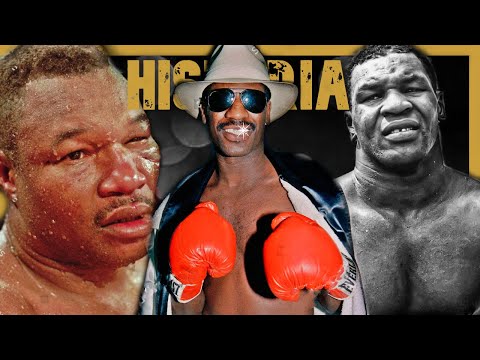
Todos recordamos el instante. 91 segundos. Un torbellino llamado Mike Tyson desmantelando a un campeón. Pero, ¿qué hay más allá de ese KO que eclipsó una carrera? Michael Spinks no fue solo el hombre al que Tyson pulverizó. Fue un campeón olímpico, un monarca semipesado y, crucialmente, el hombre que destronó a un Larry Holmes invicto. Ignorar el camino previo a ese fatídico encuentro en 1988 es una injusticia marcial. En este análisis, desentrañaremos la verdadera esencia del arte de Spinks, separando el mito de la realidad, y exploraremos qué lecciones podemos extraer de su ascenso y caída, más allá de la espectacularidad efímera del combate.
De la Medalla de Oro a la Corona Semipesada: Los Cimientos de un Campeón
Antes de que el rugido del Madison Square Garden se convirtiera en el eco de su derrota, Michael Spinks forjó su leyenda en la arena amateur y en las categorías inferiores del pugilismo profesional. Su victoria en los Juegos Olímpicos de Montreal 1976, colgándose el oro en peso medio ligero, fue la primera señal de que estábamos ante un talento excepcional. Este logro no fue un accidente; fue el resultado de años de disciplina, técnica refinada y una inteligencia innata para el combate. Este paso por los Juegos Olímpicos es un ejemplo perfecto de cómo la competición de alto nivel sienta las bases para futuras glorias en el deporte. Es una fase que muchos peleadores modernos, ansiosos por saltar al profesionalismo, subestiman. La experiencia olímpica, ese crisol de culturas y estilos, es una escuela de vida y combate invaluable.
Tras su éxito olímpico, Spinks dio el salto al profesionalismo. No se conformó con ascensos graduales. En 1981, dio un golpe sobre la mesa al conquistar el título mundial de peso semipesado, derrotando a Eddie Mustafa Muhammad. Este fue un hito que demostró su capacidad para adaptarse a nuevos desafíos y su ambición por alcanzar la cima. En el mundo de las artes marciales, la transición entre categorías o disciplinas es una prueba de fuego. Requiere una profunda comprensión de los principios subyacentes, no solo de las técnicas superficiales. Spinks poseía esa comprensión.
"La medalla de oro olímpica no se gana solo con golpes, sino con la cabeza y el corazón. Spinks demostró tener ambos desde muy joven."
La Noche Que Spinks Desafió al Gigante Invencible: Holmes vs. Spinks
El año 1985 marcó un antes y un después en la carrera de Michael Spinks, y en la historia del boxeo. En ese momento, Larry Holmes era una figura titánica, un campeón de peso completo invicto, un auténtico coloso que parecía imbatible. Holmes había defendido su corona innumerables veces, y muchos lo consideraban el heredero legítimo de la dinastía de los grandes campeones de peso pesado. Enfrentar a Holmes no era solo una pelea; era un desafío a la propia naturaleza del poder y la invencibilidad en el deporte.
Spinks, aún campeón semipesado, decidió dar el salto a la categoría de los pesos completos para enfrentarse a Holmes. Esta audacia es un rasgo distintivo de los verdaderos guerreros, de aquellos que no se conforman con la seguridad de lo conocido. Muchos lo consideraron una locura, una apuesta segura a la derrota. Sin embargo, la noche del combate, Spinks exhibió una actuación magistral. Con una combinación de velocidad, movimiento de pies y una precisión quirúrgica, superó a Holmes, logrando una victoria por decisión unánime que resonó en todo el mundo del deporte.
Esta victoria no fue solo un triunfo personal para Spinks; fue un evento histórico. Rompió el mito de la invencibilidad de Holmes y demostró que un campeón semipesado podía, con la estrategia adecuada y una ejecución impecable, destronar al rey de los pesos completos. Es un recordatorio potente de que en el combate, el tamaño y la fuerza bruta no siempre prevalecen sobre la inteligencia, la técnica y la velocidad. En las artes marciales, este principio se manifiesta constantemente. Un luchador más pequeño y hábil puede derrotar a uno más grande si explota sus debilidades.
El Aura de "Iron" Mike y el Devastador Enfrentamiento
El reinado de Spinks como campeón de peso completo fue notable, defendiendo su título con éxito durante tres años. Sin embargo, el panorama del boxeo estaba a punto de cambiar drásticamente con la irrupción meteórica de Mike Tyson. Tyson, con su potencia devastadora y su agresividad implacable, se había labrado una reputación como el hombre más temido del deporte. Su aura era la de un depredador nato, un huracán que arrasaba con todo a su paso.
En 1988, el mundo del boxeo contuvo la respiración ante el anuncio del combate entre Spinks y Tyson. Era el choque de dos épocas, la resistencia contra la fuerza bruta indomable. Las expectativas eran enormes, pero el desenlace fue anticlimático y, para muchos, impactante. La pelea duró apenas 91 segundos. Tyson, con su característica furia, lanzó una andanada de golpes que Spinks, por más talentoso que fuera, no pudo soportar. El nocaut fue contundente, una demostración brutal de la superioridad de Tyson en ese momento.
Esta derrota, a pesar de su rapidez, marcó el final de la carrera de Spinks en la élite del boxeo. Es una lección dura pero necesaria en el camino de cualquier artista marcial: el ciclo de la gloria es a menudo efímero, y la cima es un lugar precario donde siempre acecha un nuevo contendiente. La memoria colectiva a menudo se queda con el último acto, con la imagen final. Pero como maestros, debemos ir más allá, analizar el contexto y reconocer el valor de la trayectoria completa. El KO de Tyson no borra la victoria sobre Holmes; simplemente añade un capítulo trágico a una historia épica.
"En el calor de la batalla, incluso el guerrero más preparado puede caer. Lo que define su legado no es la caída, sino cómo llegó a la cima y qué lecciones nos dejó."
El Estilo Spinks: Un Arte de Precisión y Movimiento
Más allá de los resultados, el estilo de Michael Spinks merece un análisis detenido desde la perspectiva de un experto en lucha y artes marciales. Spinks no era un boxeador de fuerza bruta al estilo de Tyson o Holmes. Su arte residía en la sutileza, la inteligencia y una economía de movimiento ejemplar. Combinaba una velocidad sorprendente con una agilidad felina, moviéndose por el ring con una fluidez que desconcertaba a sus oponentes.
Su boxeo se caracterizaba por:
Precisión Quirúrgica: Sus golpes no eran solo potentes, sino que iban dirigidos con una exactitud matemática a los puntos débiles. No malgastaba energía en ataques inútiles.
Movimiento de Pies Superior: Spinks se desplazaba por el cuadrilátero con una facilidad pasmosa, creando ángulos, evadiendo ataques y posicionándose para lanzar sus propias combinaciones. Era un maestro del "footwork", un pilar fundamental en cualquier disciplina de combate combate.
Inteligencia Táctica: No solo reaccionaba; anticipaba. Leía a sus oponentes, adaptaba su estrategia sobre la marcha y ejecutaba planes de combate complejos. Esto es la esencia de la filosofía marcial.
Defensa Elusiva: Su capacidad para esquivar golpes, utilizando el cuerpo y la cabeza, era tan impresionante como sus ataques. En el MMA, esta habilidad se traduce en una defensa sólida contra derribos y golpes.
Su estilo era un ballet mortal, una demostración de cómo la técnica y la inteligencia pueden superar la fuerza bruta. Era un boxeador que entendía el arte del espacio y el tiempo, principios universales en todas las artes marciales. Su legado no reside únicamente en sus títulos, sino en la forma en que ejecutaba su oficio, ofreciendo una lección práctica de disciplina y maestría.
Veredicto del Sensei: ¿Un Destino Escrito o una Lección de Resiliencia?
Michael Spinks es, sin lugar a dudas, una leyenda del boxeo. Su victoria sobre Larry Holmes es una de las hazañas más importantes en la historia de los pesos completos, un momento que redefine lo posible en el deporte. Demostró que la preparación, la inteligencia y el corazón pueden derribar muros aparentemente infranqueables. Su estilo, elegante y preciso, es un testimonio del arte del boxeo en su máxima expresión.
La derrota ante Mike Tyson fue brutal y eclipsó su brillante carrera en la memoria popular. Sin embargo, como Budo y artes marciales, debemos mirar más allá del KO. Spinks nos enseña que el camino marcial no siempre tiene un final feliz o victorioso en el último combate. Nos enseña la importancia de la trayectoria completa, de los logros que construyen el carácter y el legado, incluso cuando un evento final ensombrece el recuerdo. Su historia es un recordatorio de la volatilidad de la gloria y la importancia de la resiliencia, de levantarse y ser recordado por lo que se construyó, no solo por cómo se cayó.
Calificación del Sensei: Cinturón Negro en Legado Histórico
Equipo Esencial para tu Entrenamiento de Boxeo
Si el estilo y la trayectoria de Michael Spinks te han inspirado, es momento de considerar tu propio entrenamiento. Para iniciarte en el boxeo o refinar tus habilidades, un equipo adecuado es fundamental:
Guantes de Boxeo: Indispensables para proteger tus manos y las de tu compañero de sparring. Para entrenamiento general, unos guantes de 12 a 16 onzas son recomendables. Para competición, las reglas varían.
Vendas para Manos: Proporcionan soporte adicional a las muñecas y nudillos, previniendo lesiones.
Protector Bucal: Esencial para proteger tus dientes y mandíbula durante el sparring.
Pantalones Cortos de Boxeo: Diseñados para permitir total libertad de movimiento.
Sacos de Boxeo: De diferentes tipos y pesos, son cruciales para practicar la potencia, la resistencia y la técnica de golpeo. Un saco pesado es ideal para desarrollar fuerza, mientras que un saco de velocidad mejora la coordinación y el ritmo.
Cuerda de Saltar: Un clásico para mejorar la agilidad, la resistencia cardiovascular y el juego de pies, habilidades que Spinks dominaba.
Espiralera o Saco de Velocidad: Para perfeccionar la coordinación ojo-mano y el ritmo de golpeo.
Explora opciones como KarateMerchandise o busca equipo de calidad en tiendas especializadas si buscas el mejor rendimiento.
Preguntas Frecuentes
¿Por qué la pelea de Spinks contra Tyson fue tan corta? Mike Tyson era conocido por su potencia y agresividad inicial. Logró conectar golpes decisivos muy temprano en la pelea, lo que llevó al árbitro a detener el combate para proteger a Spinks.
¿Qué aprendemos de la victoria de Spinks sobre Larry Holmes? Aprendemos que la técnica, la estrategia y la agilidad pueden superar la fuerza bruta y la invencibilidad aparente. Demuestra que los campeones de diferentes divisiones pueden enfrentarse con éxito si poseen las habilidades adecuadas.
¿Michael Spinks continuó compitiendo después de Tyson? No, tras su derrota ante Mike Tyson en 1988, Michael Spinks se retiró del boxeo profesional.
¿Tenía Michael Spinks algún parecido con estilos de otras artes marciales? Su estilo, enfocado en la movilidad, la precisión y la esquiva, guarda paralelismos con principios de movimiento y defensa presentes en aikido o ciertas escuelas de Karate Kyokushin, aunque dentro de las reglas específicas del boxeo.
Para Profundizar en tu Camino
Historia del Boxeo: Un recorrido por los grandes campeones y sus estilos.
Análisis de Peleas Clásicas: Desglosando las tácticas de los enfrentamientos legendarios.
El Arte del Movimiento: Comparativa de Agilidad y Flexibilidad en Diversas Disciplinas Marciales.
Reflexión del Sensei: Tu Próximo Paso
Spinks nos muestra que la cima es un lugar para valientes, pero la verdadera medida de un guerrero no está solo en cuán alto llega, sino en cómo maneja la adversidad y qué legado de habilidad y espíritu deja atrás. ¿Es el recuerdo de una derrota efímera lo que define a un campeón, o es la constancia de sus logros pasados lo que perdura en el tiempo? Cuando te enfrentes a un obstáculo que parezca insuperable, recuerda a Spinks. ¿Te enfocarás en la sombra de tu último fracaso, o buscarás la luz de tus victorias pasadas para encontrar la fuerza para seguir adelante?
```
```json
{
"@context": "https://schema.org",
"@type": "FAQPage",
"mainEntity": [
{
"@type": "Question",
"name": "¿Por qué la pelea de Spinks contra Tyson fue tan corta?",
"acceptedAnswer": {
"@type": "Answer",
"text": "Mike Tyson era conocido por su potencia y agresividad inicial. Logró conectar golpes decisivos muy temprano en la pelea, lo que llevó al árbitro a detener el combate para proteger a Spinks."
}
},
{
"@type": "Question",
"name": "¿Qué aprendemos de la victoria de Spinks sobre Larry Holmes?",
"acceptedAnswer": {
"@type": "Answer",
"text": "Aprendemos que la técnica, la estrategia y la agilidad pueden superar la fuerza bruta y la invencibilidad aparente. Demuestra que los campeones de diferentes divisiones pueden enfrentarse con éxito si poseen las habilidades adecuadas."
}
},
{
"@type": "Question",
"name": "¿Michael Spinks continuó compitiendo después de Tyson?",
"acceptedAnswer": {
"@type": "Answer",
"text": "No, tras su derrota ante Mike Tyson en 1988, Michael Spinks se retiró del boxeo profesional."
}
},
{
"@type": "Question",
"name": "¿Tenía Michael Spinks algún parecido con estilos de otras artes marciales?",
"acceptedAnswer": {
"@type": "Answer",
"text": "Su estilo, enfocado en la movilidad, la precisión y la esquiva, guarda paralelismos con principios de movimiento y defensa presentes en aikido o ciertas escuelas de Karate Kyokushin, aunque dentro de las reglas específicas del boxeo."
}
}
]
}
Are you truly prepared for the test of will, skill, and spirit that defines the warrior? In the electrifying world of martial arts and combat sports, we often focus on the explosive power of a knockout or the intricate dance of a grapple. But what lies beneath the surface? What truly separates a fleeting contender from an enduring legend? Welcome, seekers of the path, to Budo and Martial Arts. Today, we dissect not just a fight, but the very essence of combat and its place in our lives.
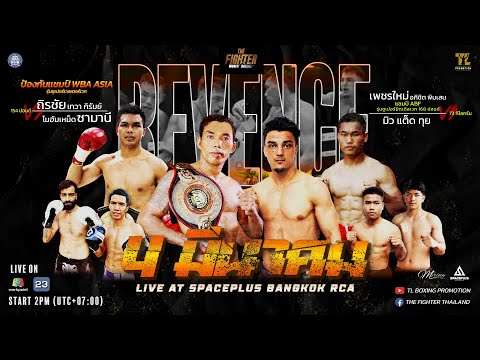
We live in an era saturated with combat sports spectacles, from the raw intensity of boxing to the multi-disciplinary battles of MMA. Yet, how many truly grasp the profound philosophy and rigorous discipline that underpin these arts? The event you might have seen, "The Fighter World Boxing Full Fight | March 4, 2023," is merely a snapshot, a fleeting moment in the grand tapestry of human conflict and self-mastery. But as a true budoka, your gaze must extend far beyond the immediate spectacle. Your intention here, I suspect, is not just to watch a fight, but to understand the warrior within, to learn, to refine, and perhaps, to conquer your own limitations.
The Warrior's Mindset: Beyond Physicality
The common observer sees only the physical exchange: the power, the speed, the brutality. But for the practitioner, the true battleground is internal. The Japanese concept of Mushin, often translated as "no mind" or "mind without mind," is the ultimate goal. It's a state of flow where action and reaction are instantaneous, unburdened by thought or hesitation. This state is not achieved through brute force alone, but through relentless training, unwavering discipline, and a deep understanding of oneself.
Many believe that martial arts are solely about aggression. This is a fundamental misunderstanding. True martial arts are about control – control of oneself, control of the situation, and yes, control of the opponent with minimal necessary force. It's about channeling your Ki (or Qi), your vital energy, with precision and intent. The fight is a crucible, yes, but its true purpose is transformation, not destruction.
"The warrior is not one who fights, but one who has cultivated the discipline to know when and how to act, and when and how not to." - A principle echoed across many martial traditions.
Deconstructing the Fight: More Than Just a Bout
Let's consider the fighters themselves. Take the bout from March 4, 2023, for instance. We see individuals like Petchmai Aphichit Phimsen and Mew Ted Tui. Beyond their names and weight class (73 kg for 6 rounds), what are we truly observing? We are witnessing the culmination of countless hours of dedication. We see the application of specific techniques, the result of rigorous entrenamiento and lucha strategy. But are these techniques authentic? Are they rooted in practical self-defense, or are they performative elements designed for audience appeal?
This is where the critical eye of the martial artist comes into play. We analyze the footwork, the guard, the transitions between striking and grappling. Is there an adherence to classical principles? Or is it a modern fusion, perhaps influenced by ArtesMarcialesMixtas? A truly skilled fighter, regardless of style, demonstrates efficiency and effectiveness. Every movement should serve a purpose, be it to attack, defend, or control distance. The spectacle can be thrilling, but the underlying mechanics reveal the true mastery.
The concept of Kime in Karate, the decisive exhalation and focus of power at the moment of impact, is a perfect example of this effectiveness. It's not just a shout; it's the embodiment of concentrated energy. A fight is a living demonstration of these principles, or a stark illustration of their absence.
Echoes of the Ancients: History and Martial Arts
The roots of every modern combat sport run deep into history. Boxing, for example, while refined into a sport, has origins in Pankration and older forms of pugilism. Karate, originating from Okinawan traditions influenced by Chinese martial arts, carries the legacy of farmers defending themselves against bandits. Even the seemingly chaotic flurry of an MMA bout can be traced back to ancient combative systems designed for battlefield survival.
Understanding this historia provides context and respect. It reminds us that these are not mere pastimes, but traditions honed over centuries. Masters like Miyamoto Musashi, with his treatise "The Book of Five Rings" (Go Rin No Sho), laid down principles of strategy and mindset that transcend time and specific martial arts. His emphasis on adapting to circumstances, much like water taking the shape of its container, is a lesson vital for any combatsports practitioner.
"Consider the boxing ring, the wrestling mat, or the dojo floor. These are not just stages for competition; they are extensions of the ancient battlefields where survival, honor, and discipline were forged."
The martial arts themselves are a living history. From the Shaolin monks to the samurai, each tradition has a story, a philosophy, and a unique approach to combat. Ignoring this heritage is like building a house without a foundation – it may stand for a while, but it lacks true strength and resilience.
Forging the Blade: Principles of Effective Training
Watching a fight is one thing; preparing for one is an entirely different discipline. Effective training goes beyond simply hitting pads or sparring. It involves a holistic approach:
Physical Conditioning: Building the stamina, strength, and agility required to perform under pressure. This includes cardiovascular endurance, muscular strength, and flexibility.
Technical Proficiency: Mastering the fundamental movements, strikes, blocks, throws, and grappling techniques of your chosen art. This requires repetition until movements become second nature.
Mental Fortitude: Developing resilience, focus, and the ability to remain calm under duress. This is where concepts like Mushin are cultivated.
Strategic Understanding: Learning to read an opponent, adapt tactics, and exploit weaknesses.
For those aiming to improve their entrenamiento, remember the words of Bruce Lee: "I fear not the man who has practiced 10,000 kicks once, but I fear the man who has practiced 1 kick 10,000 times." Consistency and deliberate practice are paramount.
Equipment for the Dedicated Practitioner
While the warrior's spirit is paramount, the right equipment can significantly enhance your training and performance. For boxers and kickboxers, good quality entrenamiento gloves (16oz for sparring) and hand wraps are essential to prevent injury. For those in grappling arts like Judo or BJJ, a durable, well-fitting Karate gi or Judo gi (double-weave is recommended for longevity) is crucial. Protective gear, mouthguards, and groin protectors are non-negotiable for safe sparring. Investing in quality gear is an investment in your longevity as a martial artist. Consider exploring some of the recommended KarateMerchandise or specialized MartialArtsMerchandise for durable and functional options.
A Practical Exercise: Developing 'Mushin'
Achieving a state of 'Mushin' is a lifelong pursuit. Here’s a simple exercise to begin cultivating it:
Find a quiet space. Minimize distractions.
Assume a stable, comfortable stance. This could be a neutral stance, a Karate Heisoku-dachi, or a relaxed Judo stance.
Focus on your breath. Deep, steady breaths. Inhale through the nose, exhale through the mouth.
Engage your senses. Notice the temperature of the air, the sounds around you, the feeling of your feet on the ground. Do not judge these sensations; simply observe them.
Gently introduce a simple, repetitive movement. This could be a slow, controlled block, a subtle shift of weight, or even just clenching and unclenching your fists.
Perform the movement continuously. Allow your mind to focus on the physical sensation of the movement and your breath.
When thoughts arise (and they will), acknowledge them without judgment and gently return your focus to the breath and movement. Do not fight the thoughts; let them pass like clouds.
Continue for 5-10 minutes. The goal is not to empty your mind, but to become aware of your thoughts without being controlled by them, and to return to a state of present moment awareness.
This exercise, rooted in BUDO principles, helps train the mind to be present and less reactive. It's a foundational step towards that fluid, intuitive state of action.
Frequently Asked Questions
Q1: Is watching fight footage like "The Fighter World Boxing Full Fight" beneficial for my training?
A: Yes, but with discernment. Analyze technique, strategy, and conditioning. However, remember that fights are often performances. Always cross-reference with authentic martial arts principles and training methods.
Q2: How much emphasis should I place on philosophy versus practical fighting skills?
A: Both are essential. Philosophy provides the 'why' and the ethical framework, while practical skills provide the 'how.' A warrior without understanding is just a thug; a philosopher without skill is ineffective. The ideal is a balance, where philosophy informs action and action deepens understanding.
Q3: Is it better to specialize in one martial art or cross-train in multiple disciplines?
A: For deep mastery, specialization is often key. However, cross-training (as seen in ArtesMarcialesMixtas) can broaden your skillset and understanding of combat dynamics. The best approach depends on your goals, be it self-defense, competition, or personal development.
Q4: How can I maintain motivation for consistent training?
A: Set clear goals, find training partners who motivate you, vary your routines to prevent boredom, and regularly remind yourself of the deeper philosophical reasons you began your journey. Remember that SuperaciónPersonal is a marathon, not a sprint.
Deepen Your Understanding
To truly grasp the warrior's path, external knowledge is as vital as internal cultivation. Explore these resources:
The Philosophy of Budo: Understand the deeper spiritual and ethical dimensions of martial arts.
MMA Training Regimens: Learn about modern, comprehensive conditioning and skill development.
The world of combat sports and martial arts is vast and profound. It offers more than just physical prowess; it offers a path to self-discovery, discipline, and resilience. Whether you are drawn to the explosive power of boxing, the intricate throws of Judo, the dynamic strikes of Karate, or the holistic discipline of Budo, remember that the true fight is always within. The goal is not simply to win a bout, but to forge a better version of yourself, tempered by effort and guided by wisdom.
Reflexión del Sensei: Tu Próximo Paso
When you witness a fight, whether live or on screen, what do you see? Do you see only the blows, or do you perceive the years of dedication, the mental fortitude, and the underlying philosophy? In your next training session, or even in a challenging moment in your daily life, how will you consciously seek to embody the principles of Mushin and Kime, acting with decisive focus yet remaining free from the chaos of overthinking?
```
```json
{
"@context": "https://schema.org",
"@type": "FAQPage",
"mainEntity": [
{
"@type": "Question",
"name": "Is watching fight footage like \"The Fighter World Boxing Full Fight\" beneficial for my training?",
"acceptedAnswer": {
"@type": "Answer",
"text": "Yes, but with discernment. Analyze technique, strategy, and conditioning. However, remember that fights are often performances. Always cross-reference with authentic martial arts principles and training methods."
}
},
{
"@type": "Question",
"name": "How much emphasis should I place on philosophy versus practical fighting skills?",
"acceptedAnswer": {
"@type": "Answer",
"text": "Both are essential. Philosophy provides the 'why' and the ethical framework, while practical skills provide the 'how.' A warrior without understanding is just a thug; a philosopher without skill is ineffective. The ideal is a balance, where philosophy informs action and action deepens understanding."
}
},
{
"@type": "Question",
"name": "Is it better to specialize in one martial art or cross-train in multiple disciplines?",
"acceptedAnswer": {
"@type": "Answer",
"text": "For deep mastery, specialization is often key. However, cross-training (as seen in ArtesMarcialesMixtas) can broaden your skillset and understanding of combat dynamics. The best approach depends on your goals, be it self-defense, competition, or personal development."
}
},
{
"@type": "Question",
"name": "How can I maintain motivation for consistent training?",
"acceptedAnswer": {
"@type": "Answer",
"text": "Set clear goals, find training partners who motivate you, vary your routines to prevent boredom, and regularly remind yourself of the deeper philosophical reasons you began your journey. Remember that SuperaciónPersonal is a marathon, not a sprint."
}
}
]
}