Showing posts sorted by date for query karate-merchandise. Sort by relevance Show all posts

The Undeniable Power of Kyokushin Karate: More Than Just a Documentary

Welcome, fellow seekers of the Way. You arrive at BYAM Budo y Artes Marciales not merely by chance, but by a shared pursuit of something profound – the essence of martial arts. Today, we strip away the polished veneer of typical documentaries to confront the raw, unadulterated truth of Kyokushin Karate. Forget mere entertainment; we are here to dissect its strength, its rigorous philosophy, and the transformative fire it ignites within its practitioners. Prepare yourselves, for this is not a passive viewing; it is an immersion into the heart of combat sports, the depth of martial philosophy, and the tangible reality of training.

I. The Unyielding Essence of Kyokushin Karate

Let's address the elephant in the room immediately. When we speak of "The Strongest Karate," we are not exaggerating. Kyokushin, translating to "the ultimate truth" in Japanese, is not a style for the faint of heart. Forged by the legendary Masutatsu Oyama, its very name is a testament to its demanding nature. This is not about flashy kata performed in a sterile dojo; this is about forging physical and mental fortitude through relentless dedication. Its techniques are honed in the crucible of full-contact sparring and brutal training regimens that would break lesser men. Oyama understood that true strength isn't just about throwing punches; it's about developing the unyielding spirit, the Seishin, that allows a warrior to stand firm against any adversity.

Think about it: when you hear the term "Kyokushin," what comes to mind? Likely images of bone-jarring roundhouse kicks, powerful punches, and intense, unyielding sparring matches. This is the stark reality of Oyama's vision. He sought to create a martial art that tested the limits of human endurance, a discipline that would not only teach combat effectiveness but also instill an unbreakable will. This emphasis on realism, on facing an opponent with full commitment, is what separates Kyokushin from many other forms that prioritize form over function. It's a stark reminder that in the face of true conflict, there is no room for pretense.

"The difference between a hobby and a calling is the level of sacrifice you are willing to make." - A principle deeply ingrained in Kyokushin training.

This commitment to "ultimate truth" means confronting one's own limitations, pushing past perceived barriers, and emerging stronger. The rigorous Kihon (basics), the demanding Kata (forms), and the sheer intensity of Kumite (sparring) all serve a singular purpose: to build a warrior from the inside out.

II. The Warrior's Mindset: Embracing the Martial Philosophy

But Kyokushin Karate is far more than a mere combat system. It is a profound vehicle for self-discovery, a living embodiment of the Budo spirit. The principles etched into the dojo walls – humility, respect, perseverance, and self-control – are not abstract concepts. They are the very bedrock upon which a Kyokushin practitioner builds their character. This philosophy transcends the physical exchanges; it is a guide for navigating the complexities of life itself.

Consider the weight of Osu! – the all-encompassing expression of respect, gratitude, and perseverance. It’s not just a word; it’s a commitment. It’s what you utter when you’re tired, when you’re sore, when you want to quit but choose not to. This constant reinforcement of mental toughness, coupled with the respect shown to instructors and fellow students, cultivates a warrior's mindset. You learn to face challenges head-on, not with aggression, but with calm resolve. This is the essence of martial philosophy, a concept often lost in the modern world's pursuit of superficial victories.

The development of Zanshin (awareness) and Mushin (no-mind state) are not merely training goals; they are pathways to a more balanced and conscious existence. When you can react instinctively yet calmly under pressure, whether in a sparring match or a stressful life situation, you have truly begun to understand Kyokushin's deeper teachings. This journey fosters a profound sense of self-awareness, harmonizing the mind, body, and spirit – a balance that is increasingly rare in our chaotic world.

"The mind must be stilled. Only then can the body move with true purpose." - A foundational principle in the study of martial arts strategy.

III. Kyokushin's Impact on the Global Combat Sports Arena

Kyokushin Karate's uncompromising approach has undeniably left an indelible mark on the landscape of combat sports. It's a discipline that has consistently produced individuals with exceptional physical conditioning, mental fortitude, and a deep understanding of striking dynamics. These practitioners, forged in the intense environment of Kyokushin kumite, have translated their skills onto stages worldwide, proving the efficacy of their training.

We've seen Kyokushin exponents excel in various full-contact disciplines, often demonstrating superior conditioning and a never-say-die attitude. Their resilience in the face of powerful opponents and their ability to absorb punishment while continuing to fight are hallmarks of their training. Think of the famous historical bouts and the sheer grit displayed by these fighters. This raw, electrifying spectacle continues to captivate audiences, offering a compelling demonstration of martial arts prowess in its most direct and challenging form. The influence of Kyokushin's full-contact ethos can be seen, whether directly or indirectly, in many modern combat sports, pushing the boundaries of what athletes are capable of.

Whether it's through direct competition or the influence of their fighting spirit, Kyokushin Karate continues to enrich the world of combat sports, offering a testament to the power of dedicated, full-contact training. It’s a constant reminder that strength forged in truth can overcome many obstacles.

IV. Forging Bonds: The Kyokushin Karate Community

Here at BYAM Budo y Artes Marciales, we understand that the martial journey is rarely a solitary one. The dojo is a microcosm of society, a place where bonds are forged through shared sweat, mutual respect, and common goals. The Kyokushin Karate community is a prime example of this – a global network of individuals united by a passion for this demanding art.

This isn't just about training partners; it's about building a support system. In the shared struggle of pushing limits, enduring difficult training sessions, and learning from mistakes, friendships and a profound sense of camaraderie develop. This shared experience extends beyond the dojo itself. Online forums, social media groups, and gatherings all contribute to a vibrant tapestry of connection. It's a place where knowledge is exchanged, encouragement is freely given, and the principles of Budo are lived out collectively. You are never truly alone on this path.

We aim to be a nexus for these connections, a place where enthusiasts of Kyokushin and other martial disciplines can converge. By engaging in discussions, sharing personal experiences – the triumphs and the setbacks – we can all learn and grow. This collective effort nurtures not only individual progress but also a deeper, collective understanding and appreciation of the martial arts. Join us, and discover the strength that comes from being part of something greater than yourself.

V. Gear Up for Glory: Essential Kyokushin Merchandise

Our commitment to your martial arts journey extends beyond mere philosophical discourse. We believe that the right equipment can significantly enhance your training experience and serve as a constant reminder of your dedication. That’s why we offer a curated selection of high-quality Kyokushin merchandise and related gear.

From durable training uniforms that withstand the rigors of intense practice to comfortable apparel that embodies the spirit of the warrior, each item is selected with purpose. We offer books that delve deeper into Kyokushin's history and philosophy, training aids that can supplement your dojo practice, and accessories that let you carry the martial spirit with you every day. Think of it as arming yourself, not just for the physical fight, but for the mental and spiritual one as well.

For those serious about their Kyokushin training, consider investing in a high-quality Kyokushin gi. A well-made uniform is crucial for both comfort and durability during intense sparring sessions. Beyond the gi, explore our range of training equipment designed to help you hone your techniques, such as focus mitts for speed and accuracy drills, or even a makiwara to build devastating power. Supporting our platform through these purchases not only equips you for your path but also allows us to continue providing valuable content and fostering the martial arts community.

Equipo Esencial para tu Entrenamiento

  • Kyokushin Gi (Uniforme): Busca un tejido resistente y un corte que permita una amplia movilidad. Doble tejido es ideal para la durabilidad.
  • Guantes de Sparring (14-16oz): Esenciales para la seguridad durante el kumite.
  • Protector Bucal: No negociable para cualquier tipo de sparring.
  • Espinilleras y Empeineras: Recomendadas para entrenamiento de contacto completo.
  • Libros sobre Kyokushin y Budo: Para complementar tu aprendizaje técnico y filosófico.

Conclusion

Kyokushin Karate is far more than a martial art; it is a transformative way of life. It is a discipline that instills unwavering discipline, profound resilience, and an indomitable spirit. Through its practice, we uncover our innermost strength, empowering us not just to face challenges, but to conquer them with grace and steely determination. Join us at BYAM Budo y Artes Marciales, where we don't just discuss the beauty of martial arts; we celebrate its power, foster a thriving community, and provide the resources to enrich your personal martial arts journey. Together, let us embrace the raw power of Kyokushin Karate and embark on an enduring path of self-discovery and ultimate mastery.

Preguntas Frecuentes

  • What makes Kyokushin Karate different from other Karate styles? Kyokushin is distinct due to its emphasis on full-contact sparring with minimal protective gear, its rigorous physical conditioning, and its philosophical commitment to "the ultimate truth" in combat and life.
  • Is Kyokushin Karate suitable for beginners? Yes, Kyokushin offers specialized beginner classes designed to gradually introduce practitioners to its demanding techniques and philosophy, focusing on safety and foundational skills.
  • What are the main benefits of practicing Kyokushin Karate? Benefits include enhanced physical fitness, improved discipline and self-control, increased mental toughness, boosted confidence, and a deep understanding of respect and perseverance.
  • Can Kyokushin Karate be used for self-defense? Absolutely. The full-contact nature of Kyokushin training directly prepares practitioners for realistic self-defense scenarios, emphasizing practical application and resilience.

Reflexión del Sensei: Tu Próximo Paso

You have absorbed the essence, the philosophy, and the undeniable power of Kyokushin. Now, consider this: How does the "ultimate truth" of Kyokushin manifest not just in the dojo, but in the mundane moments of your daily life? Are you truly living with the discipline, respect, and perseverance you claim to embody?

For further exploration into the world of martial arts and combat sports, check out these related articles:

``` ```json { "@context": "http://schema.org", "@type": "FAQPage", "mainEntity": [ { "@type": "Question", "name": "What makes Kyokushin Karate different from other Karate styles?", "acceptedAnswer": { "@type": "Answer", "text": "Kyokushin is distinct due to its emphasis on full-contact sparring with minimal protective gear, its rigorous physical conditioning, and its philosophical commitment to \"the ultimate truth\" in combat and life." } }, { "@type": "Question", "name": "Is Kyokushin Karate suitable for beginners?", "acceptedAnswer": { "@type": "Answer", "text": "Yes, Kyokushin offers specialized beginner classes designed to gradually introduce practitioners to its demanding techniques and philosophy, focusing on safety and foundational skills." } }, { "@type": "Question", "name": "What are the main benefits of practicing Kyokushin Karate?", "acceptedAnswer": { "@type": "Answer", "text": "Benefits include enhanced physical fitness, improved discipline and self-control, increased mental toughness, boosted confidence, and a deep understanding of respect and perseverance." } }, { "@type": "Question", "name": "Can Kyokushin Karate be used for self-defense?", "acceptedAnswer": { "@type": "Answer", "text": "Absolutely. The full-contact nature of Kyokushin training directly prepares practitioners for realistic self-defense scenarios, emphasizing practical application and resilience." } } ] }
Emanuel Augustus: The Unconventional Legacy of the Drunken Master

Introduction: The Enigma of the Drunken Master

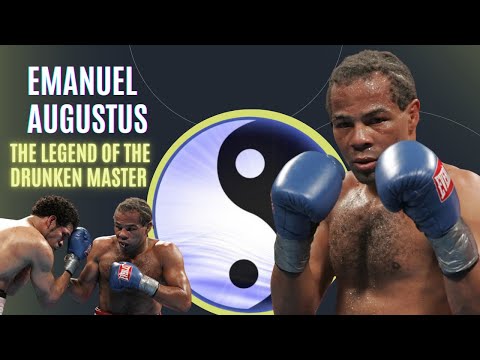
In the vast, often predictable landscape of combat sports, certain figures emerge not just as competitors, but as phenomena. They defy convention, shatter expectations, and leave an indelible mark on the collective consciousness of fans and practitioners alike. Emanuel Augustus, affectionately known as "The Drunken Master," is precisely such a figure. His career wasn't merely a series of wins and losses; it was a living testament to the unpredictable beauty and profound philosophy that can be found within the martial arts. This piece delves into the electrifying career of a fighter who didn't just participate in bouts, but orchestrated performances, blending raw aggression with an almost balletic grace that left audiences breathless. Join us as we revisit the path of a true martial arts legend whose unconventional style became his greatest weapon.

Unleashing the Drunken Master: More Than a Moniker

The adoption of the moniker "Drunken Master" by Emanuel Augustus was far from a mere marketing gimmick. Born Emanuel Burton, he drew inspiration from the iconic martial arts films that celebrated seemingly chaotic, yet devastatingly effective, fighting styles. This wasn't about mimicking a character; it was about embodying a philosophy. Augustus infused his fighting with a unique brand of agility, fluidity, and an almost maddening unpredictability. His movements often appeared disjointed, his stance unorthodox, leaving opponents struggling to anticipate his next move. This bewildering array of techniques – a chaotic dance of offense and defense – was the hallmark of his style, allowing him to showcase a skill set that transcended traditional boxing or kickboxing, demonstrating that true mastery can often lie just beyond the veil of perceived disorder.

"The most effective way to confuse an opponent is to be unpredictable. If they cannot read you, they cannot counter you." - A principle exemplified by Augustus.

The Artistry of Combat: A Symphony of Unpredictability

Augustus transcended the role of a mere pugilist; he was a kinetic artist. His fighting style was a masterful fusion, drawing threads from boxing, kickboxing, and the raw pragmatism of street fighting. His footwork was legendary – a constant, elusive dance that made him a difficult target. His punches, delivered with surprising speed and power, often came from unexpected angles. This wasn't just about throwing hands; it was about understanding angles, timing, and the psychological warfare inherent in combat. Emanuel Augustus embodied a profound Martial Philosophy, displaying not just aggression, but also immense respect for his opponents, unwavering discipline in his preparation, and the indomitable spirit of a warrior honed through countless hours of Martial Arts Training.

His approach challenged the rigid structures of conventional fighting. Many practitioners today still strive to replicate his signature elusiveness, a testament to the enduring effectiveness of his unorthodox methods. The core of his success lay in his ability to remain fluid and adaptable, a principle central to many BUDO disciplines.

The Fight of a Lifetime: A Masterclass Against Mayweather

Throughout his storied career, Emanuel Augustus graced the ring with a multitude of unforgettable contests. These weren't just fights; they were spectacles, ranging from brutal slugfests that tested the mettle of both combatants to technically brilliant displays of skill. He consistently delivered the kind of excitement that fuels the passion of Fight Fans worldwide.

Perhaps one of his most widely recognized and respected performances came during his bout against Floyd Mayweather Jr. In this encounter, Augustus didn't just compete; he showcased the full spectrum of his unique brilliance. Despite the eventual outcome, his performance earned him deep admiration, not only from the spectators but also from Mayweather himself, a rarity in the highly competitive world of professional boxing. It was a fight that highlighted Augustus's resilience and his ability to hang with the absolute elite, even with a style that defied convention. This particular fight remains a significant piece of the Fighter Legacy.

Legacy and Influence: Inspiring a Generation

Emanuel Augustus's legacy extends far beyond the statistics of his fight record. His profound impact resonates deeply within the Martial Arts Community. His unwavering dedication to his craft, his perseverance through significant adversity, and his sheer, unadulterated passion for fighting served as a powerful inspiration to countless aspiring athletes. Many fighters today incorporate elements of his distinctive style – that unpredictable movement, the creative striking angles – into their own training regimes. He proved that there isn't just one way to be a champion, fostering a generation that dares to think outside the traditional fighting box.

His influence is a prime example of how unique styles can push the boundaries of established sports. This is a core tenet we explore at BYAM, where we celebrate the diverse paths to mastery.

Building a Martial Arts Community: The BYAM Approach

At BYAM Budo y Artes Marciales, our mission mirrors the spirit of pioneers like Augustus: to cultivate and celebrate a vibrant global Martial Arts Community. We firmly believe that the journey of a martial artist is enriched when shared. We encourage our members to engage in robust discussions, share their personal training experiences, and forge connections with fellow enthusiasts from diverse backgrounds and disciplines. Whether you practice Judo, Karate, MMA, or any other art, your voice is valued here. Together, we can uphold the rich traditions, explore profound philosophies, and dissect the intricate techniques that define the world of martial arts.

Exploring Our Merchandise: Gear for Your Journey

As you immerse yourself in the world of martial arts, drawing inspiration from figures like Emanuel Augustus, it's crucial to have the right tools to support your dedication. Explore our exclusive Martial Arts Merchandise collection. We offer a curated selection of high-quality training equipment, apparel, and accessories designed to enhance your martial arts journey. From durable kimonos and sparring gear to specialized conditioning tools, our collection supports your pursuit of excellence and ensures you have the necessary support for your training regimen. Investing in quality gear is an investment in your own progress.

Join the Martial Arts Movement: Embrace the Warrior Within

The enduring legacy of Emanuel Augustus serves as a potent reminder of the transformative power inherent in martial arts training. It transcends mere physical combat, fostering discipline, resilience, and self-awareness. Whether you are a seasoned practitioner with years of experience or a curious beginner standing at the threshold of this incredible world, there is unequivocally a place for you within our growing community. Let us unite under the banner of our shared passion, exchange invaluable knowledge, and collectively grow stronger. By embracing the principles exemplified by masters like Augustus, we continue to explore the boundless possibilities that the martial arts offer.

This is your invitation to join the JoinTheMovement and discover the warrior spirit within yourself.

Sensei's Verdict: Did Augustus Master the Art of Fighting?

Emanuel Augustus didn't just fight; he performed. He brought a level of artistry and unpredictability to the ring that few have ever matched. While the term "Drunken Master" might conjure images of a brawler, Augustus was anything but. He was a strategist, a tactician, and a master of misdirection. His ability to absorb punishment, adapt mid-fight, and consistently come back with creative and effective offense was extraordinary. He faced top-tier competition and, while not always victorious, he rarely failed to impress or make his opponents work for every second of every round. His influence on subsequent fighters, who looked to his unconventional methods for inspiration, speaks volumes. He proved that true mastery isn't always about following the rules, but about understanding them so deeply that you can bend them to your will.

Verdict: A True Master of Unconventional Combat, earning a definitive "Cinturón Negro en Coreografía y Caos Controlado". His fights were living lessons in adaptability and the psychological edge.

Training Like Augustus: Embracing the Unconventional

Training like Emanuel Augustus is not for the faint of heart, nor is it about simply mimicking his movements. It's about internalizing his philosophy: unpredictability, adaptability, and relentless pressure.

  1. Develop Unconventional Footwork: Practice constant lateral movement, incorporate subtle shifts in weight, and develop rhythm changes. Think less about a stable stance and more about always being ready to pivot, evade, or explode forward.
  2. Master Angles of Attack: Don't always attack directly. Practice striking from angles that your opponent is unlikely to expect. This requires a deep understanding of body mechanics and spatial awareness.
  3. Cultivate Defensive Evasion: Augustus was known for his ability to slip punches and avoid damage. Focus on head movement, upper body flexibility, and using your entire frame to evade incoming strikes rather than just blocking.
  4. Embrace Fluid Transitions: Move seamlessly between offense and defense. A defensive maneuver should be able to transition instantly into a counter-attack. Don't "reset" unnecessarily.
  5. Study Various Styles: Like Augustus, draw inspiration from multiple disciplines. Understanding the fundamentals of boxing, kickboxing, and even grappling will provide a broader toolkit. Explore BJJ and Judo for grappling insights and Kickboxing for striking diversity.
  6. Train Your Chin and Body: Augustus absorbed significant punishment. While avoiding damage is key, developing resilience through conditioning and controlled sparring is also part of the equation. Incorporate body conditioning drills and focus on neck strength.
  7. Mental Fortitude: The most crucial element is the mental game. Develop the ability to stay calm under pressure, adapt to unexpected situations, and maintain confidence even when things aren't going your way. This is where Mental Game training and Inner Strength become paramount.

Frequently Asked Questions

  1. Who was Emanuel Augustus?
    Emanuel Augustus, born Emanuel Burton, was a highly unorthodox and entertaining American professional boxer and kickboxer, famously nicknamed "The Drunken Master" for his elusive and unpredictable fighting style.
  2. What made his fighting style unique?
    His style was characterized by unusual footwork, creative angles of attack, fluid transitions between offense and defense, and a remarkable ability to evade punches, often resembling the movements seen in martial arts films inspired by "drunken" styles.
  3. Who did Emanuel Augustus famously fight?
    He had notable bouts against numerous high-level opponents, including a widely recognized fight against Floyd Mayweather Jr., where he showcased his distinctive skills and earned respect despite the outcome.
  4. What is his lasting impact on martial arts and combat sports?
    Augustus inspired a generation of fighters with his resilience, unique approach, and dedication. He demonstrated that effective fighting doesn't always adhere to conventional norms and encouraged a more creative and adaptable mindset within the combat sports community.

Deepen Your Path

To further enrich your understanding and training:

Sensei's Reflection: Your Next Step

Augustus taught us that the most effective techniques are often born from a deep understanding of principles, allowing for creative adaptation rather than rigid adherence. He embraced chaos, not as a lack of control, but as a higher form of control that eludes conventional understanding.

Your challenge: In your next training session, identify one aspect of your technique that feels too rigid, too predictable. How can you introduce a subtle element of unpredictability, a shift in rhythm or angle, without sacrificing effectiveness? Can you find your own "drunken master" within the structure of your art?

``` ```json { "@context": "https://schema.org", "@type": "FAQPage", "mainEntity": [ { "@type": "Question", "name": "Who was Emanuel Augustus?", "acceptedAnswer": { "@type": "Answer", "text": "Emanuel Augustus, born Emanuel Burton, was a highly unorthodox and entertaining American professional boxer and kickboxer, famously nicknamed \"The Drunken Master\" for his elusive and unpredictable fighting style." } }, { "@type": "Question", "name": "What made his fighting style unique?", "acceptedAnswer": { "@type": "Answer", "text": "His style was characterized by unusual footwork, creative angles of attack, fluid transitions between offense and defense, and a remarkable ability to evade punches, often resembling the movements seen in martial arts films inspired by \"drunken\" styles." } }, { "@type": "Question", "name": "Who did Emanuel Augustus famously fight?", "acceptedAnswer": { "@type": "Answer", "text": "He had notable bouts against numerous high-level opponents, including a widely recognized fight against Floyd Mayweather Jr., where he showcased his distinctive skills and earned respect despite the outcome." } }, { "@type": "Question", "name": "What is his lasting impact on martial arts and combat sports?", "acceptedAnswer": { "@type": "Answer", "text": "Augustus inspired a generation of fighters with his resilience, unique approach, and dedication. He demonstrated that effective fighting doesn't always adhere to conventional norms and encouraged a more creative and adaptable mindset within the combat sports community." } } ] }

Karate Fitness Training at Home: The Unspoken Discipline and Physical Prowess You're Missing

Are you truly satisfied with your current fitness regimen? Do you feel a void, a lack of something more profound than mere physical exertion? Many of us chase the ephemeral gains of conventional exercise, only to find ourselves adrift, lacking the mental fortitude and disciplined spirit that true martial arts cultivate. This article isn't just about getting a sweat on; it's about forging an unyielding spirit, enhancing your physical capabilities, and tapping into a millennia-old tradition of combat and self-mastery, all from the sanctuary of your own home.

The Dual Edged Sword: Mind and Body in Karate Training

Karate, at its core, is far more than a series of punches and kicks. It's a rigorous discipline, a path known as Budo, that systematically sculpts both the physical form and the inner spirit. Many contemporary fitness trends offer fleeting aesthetic results, but they often neglect the cultivation of mental resilience, strategic thinking, and the unwavering discipline that are hallmarks of traditional martial arts. Karate fitness training at home, when approached with the right mindset, offers a potent combination of these elements.

The benefits are tangible and profound. Regular practice doesn't just build muscle; it hones your **strength**, sharpens your **flexibility**, and elevates your **cardiovascular fitness** to levels rarely achieved with generic routines. But the true power lies in the unseen: the enhancement of **focus**, the instillation of **discipline**, and the cultivation of **mental resilience**. In times of uncertainty, when the external world feels chaotic, these internal strengths become your anchor. This is why martial arts, and Karate specifically, offer a uniquely holistic approach to fitness.

"The object of the training is not to win, but to improve oneself." - Mas Oyama

Forging Your Home Dojo: Essential Gear and Space

Transforming your living space into a functional training ground requires minimal, yet crucial, elements. You don't need a specialized gymnasium, but thoughtful preparation is key. The core of your home dojo setup revolves around safety and functionality.

  • A Yoga Mat: Essential for cushioning your joints during floor exercises, stretching, and practicing stances. It defines your training space and provides a clean surface.
  • Resistance Bands: These versatile tools allow for dynamic warm-ups, strength building, and simulating the tension of striking techniques without heavy weights. They are excellent for developing explosive power.
  • Light Dumbbells: While not essential for every karate drill, a light set can be incorporated for supplementary strength training, enhancing punching power and core stability.

Beyond equipment, the spatial aspect is critical. You need enough room to move freely – to extend your limbs in punches and kicks without collision. Ensure your area is clear of obstacles. A cleared space isn't just about physical safety; it's about psychological preparation, signaling to your mind that it's time for focused training.

The Warrior's Warm-up: Preparing for Combat (and Fitness)

Before launching into the more demanding aspects of Karate fitness, a thorough warm-up is non-negotiable. This phase prepares your body for the intensity ahead, reducing the risk of injury and maximizing performance. Think of it as the strategic reconnaissance before a battle.

  1. Dynamic Stretching: Focus on movements that actively take your joints through their range of motion. Arm circles, leg swings, torso twists, and hip rotations are vital. This is about movement, not static holding.
  2. Light Cardio: A few minutes of jogging in place, jumping jacks, or high knees will elevate your heart rate, increase blood flow to your muscles, and prepare your cardiovascular system.

Striking the Right Balance: Core Karate Techniques for Fitness

Once you're warmed up, it's time to engage with the fundamental building blocks of Karate. These aren't just fighting techniques; they are powerful kinetic chains that, when practiced repeatedly and with intent, become potent fitness exercises. Focus on precision and control, not just speed or power, especially in the beginning.

  • Punches (Tsuki): Practice fundamental strikes like Chudan-tsuki (middle punch) and Jodan-tsuki (upper punch) from a stable stance like Zenkutsu-dachi (front stance). Focus on hip rotation and extending the fist with a proper snap. Aim for controlled repetitions, perhaps 10-15 per arm, focusing on form.
  • Kicks (Geri): Begin with basic kicks like Mae-geri (front kick) and Mawashi-geri (roundhouse kick). Practice them slowly at first, focusing on balance, hip alignment, and chambering the knee before extension. Perform sets of 10-15 kicks per leg.
  • Blocks (Uke): Essential for defense, blocks like Gedan-barai (downward sweep) and Age-uke (rising block) engage the core and upper body. Practice them with a crisp motion, imagining deflecting an incoming strike.

Structure these drills into sets or timed intervals. For instance, 30 seconds of intense punching, followed by 30 seconds of Mawashi-geri, then 30 seconds of Gedan-barai, with a brief rest in between. This interval training is exceptionally effective for cardiovascular conditioning.

The Ascent: Advancing Your Karate Fitness

As your body adapts and your technique refines, the path forward involves complexity and intensity. This is where the true transformative power of Karate fitness begins to manifest. Don't rush this stage; mastery of the basics is the bedrock of advanced skill.

  • Combinations: Link fundamental techniques together. A classic sequence might be: Punch, Block, Kick. Experiment with various combinations, focusing on fluid transitions and maintaining balance.
  • Kata Practice: While a full Kata (prearranged form) can be demanding, breaking down sections and practicing them repeatedly builds endurance, coordination, and a deeper understanding of movement principles.
  • Increased Intensity: Gradually increase the duration of your intervals, reduce rest periods, or add more repetitions. Explore plyometric variations of kicks and punches for explosive power development.

The key is consistent progression. Aim for incremental improvements. Perhaps one week you focus on increasing the speed of your Mae-geri, the next on adding a block before your punch, or extending the duration of your training session by five minutes. This gradual increase, known in training circles as progressive overload, is fundamental to continuous improvement.

Fueling the Flame: Motivation and Consistency in Your Journey

The greatest challenge in any home-based training program is maintaining motivation. Without the external structure of a dojo or a class, self-discipline becomes paramount. How do you keep the fire burning?

  • Set SMART Goals: Specific, Measurable, Achievable, Relevant, Time-bound goals are your compass. Instead of "get fitter," aim for "perform 50 consecutive Chudan-tsuki with good form by the end of the month" or "complete 3 rounds of my kick/punch interval routine without faltering."
  • Track Your Progress: A training log is invaluable. Record your workouts, noting the exercises, repetitions, durations, and how you felt. Seeing tangible evidence of your improvement is a powerful motivator.
  • Find Your Tribe: The digital age offers unprecedented access to martial arts communities. Joining online forums, following instructors on social media, or even finding a virtual training partner can provide accountability and shared experience. Platforms like YouTube offer a wealth of free instruction, but remember to seek out reputable sources with clear instruction.

Remember, consistency trumps intensity. A 20-minute workout done daily is far more effective than a grueling 2-hour session once a week that leaves you drained and demotivated.

Beyond the Physical: The Philosophical Heart of Budo

Karate fitness training is a gateway. As you engage more deeply with the art, you inevitably encounter the profound philosophy that underpins it – the way of the warrior, Budo. This is where the training transcends mere physical conditioning and becomes a path to holistic self-development.

"Karate is a lifelong pursuit. Its true meaning is not in winning or losing, but in the perfection of character." - Gichin Funakoshi

Principles like discipline (Jiketsu), respect (Rei), and humility (Kenkyo) are not abstract concepts; they are practiced with every bow, every controlled movement, every moment of focus. These virtues are transferable. Applying self-control learned in your Karate drills to your daily life, showing respect to those around you, and maintaining humility in success and failure – these are the enduring legacies of martial arts training. This cultivation of inner peace and well-being is a benefit that extends far beyond the physical, permeating every facet of your existence.

Elevating Your Practice: Quality Gear and Apparel

While you can begin Karate fitness training with minimal equipment, investing in quality martial arts gear can significantly enhance your practice, foster a sense of dedication, and improve comfort and safety. Whether it's a durable gi (uniform), proper training shoes, or specialized equipment, the right apparel shows commitment to the art.

For those seeking authentic and high-quality martial arts and Budo merchandise, reputable online retailers are your best allies. Exploring options like BYAM Budo y Artes Marciales can provide access to a wide array of uniforms, protective gear, and training tools that meet the standards of serious practitioners.

The Sensei's Verdict: Is Karate Fitness Truly Transformative?

In conclusion, transforming your fitness routine with Karate at home is not just a trend; it's an opportunity for profound personal growth. It offers a comprehensive approach that builds a strong body and an even stronger mind. The discipline, focus, and resilience cultivated through practicing these ancient techniques are invaluable in our fast-paced, often chaotic world. By integrating fundamental Karate movements, maintaining consistency, and embracing the underlying philosophy, you can unlock a level of fitness and self-mastery that conventional workouts often fail to provide. So, embrace the challenge. Step onto your mat, focus your mind, and begin your journey. The transformative power of Karate fitness awaits.

Veredicto del Sensei: ¿Merece la pena?

¡Absolutamente! Karate fitness training at home is not merely a substitute for gym workouts; it's a fundamental upgrade. It imbues physical training with purpose, discipline, and a deep philosophical underpinning. The benefits – physical conditioning, mental fortitude, and character development – are immense. If you are seeking a fitness regimen that builds more than just muscle, one that forges an unyielding spirit and enhances your life far beyond the training mat, then this path is unequivocally recommended. It’s not just a workout; it’s an investment in your complete self.

Calificación: Cinturón Negro en Entrenamiento Holístico.

Equipo Esencial para tu Entrenamiento

Para maximizar tu entrenamiento de Karate fitness en casa, considera los siguientes elementos. Cada uno juega un papel crucial en la seguridad, la efectividad y el fomento de la disciplina:

  • Kimono de Karate (Gi): Un gi de buena calidad, preferiblemente de algodón resistente, es esencial para la práctica de técnicas y katas. Busca uno que permita libertad de movimiento pero que mantenga su forma. Para entrenamientos más intensos, un gi más ligero puede ser ideal.
  • Protección Bucal: Si practicas movimientos que implican intensidad o simulación de combate, una protección bucal es una inversión prudente para proteger tu dentadura.
  • Esterilla de Entrenamiento Antideslizante: Si bien una esterilla de yoga es un buen comienzo, una esterilla de entrenamiento más gruesa y antideslizante ofrece mejor amortiguación y estabilidad para ejercicios de suelo y katas.
  • Guantes de Entrenamiento Ligeros: Útiles para simular golpes y proteger tus manos si realizas ejercicios de repetición de puñetazos contra objetivos blandos (nunca paredes duras).
  • Makiwara (Opcional): Un makiwara tradicional es una herramienta de entrenamiento de impacto que ayuda a desarrollar potencia y técnica de golpeo, pero requiere una instalación adecuada y conocimiento para su uso seguro.

Guía de Entrenamiento: Combinaciones Básicas de Karate

Aquí tienes una rutina de entrenamiento de 3 rondas para mejorar tu coordinación y resistencia. Descansa 60-90 segundos entre rondas. Enfócate en la forma correcta y la conexión mente-cuerpo.

  1. Ronda 1: Potencia y Defensa
    • 10x Zenkutsu-dachi (stance) a Chudan-tsuki (punch) por lado.
    • 10x Mae-geri (front kick) con control, por pierna.
    • 5x Gedan-barai (downward block) a cada lado, con énfasis en la rotación del cuerpo.
    • 30 segundos de Kiai (shouting) al ritmo de tus golpes.
  2. Ronda 2: Fluidez y Movimiento
    • 8x Kiba-dachi (horse stance) con Gedan-barai.
    • 8x Kiba-dachi con Jodan-uke (rising block) a cada lado.
    • 10x Mawashi-geri (roundhouse kick) con control de la rodilla, por pierna.
    • 30 segundos de movimientos circulares continuos con los brazos.
  3. Ronda 3: Combinación y Resistencia
    • Combinación: Zenkutsu-dachi -> Chudan-tsuki -> Age-uke -> Mae-geri (5 repeticiones por lado).
    • 20x Jumping Jacks para elevar el ritmo cardíaco.
    • Mantén una postura Fudo-dachi (rooted stance) durante 30 segundos, sintiendo la conexión con el suelo.
    • 10x Shuto-uchi (knife hand strike) simulado por lado.

Preguntas Frecuentes

¿Necesito un instructor para entrenar Karate en casa?
Si bien un instructor es ideal para correcciones de forma y seguridad, puedes comenzar con recursos en línea de alta calidad. Sin embargo, ten en cuenta las limitaciones y busca la corrección profesional tan pronto como sea posible para evitar malos hábitos.

¿Cuánto tiempo debo entrenar al día?
Para beneficios consistentes, apunta a sesiones de 30 a 60 minutos, 3-5 veces por semana. La clave es la regularidad. La calidad de tu entrenamiento (enfoque, intensidad, forma) es más importante que la duración.

¿Es el Karate fitness adecuado para principiantes sin experiencia marcial?
Absolutamente. Este enfoque está diseñado para ser accesible. Empieza con los fundamentos, enfócate en la forma correcta y progresa gradualmente. La disciplina inherente al Karate ayuda a los principiantes a construir una base sólida.

¿Qué diferencia hay entre Karate fitness y un entrenamiento de MMA?
Karate fitness se centra en las técnicas y principios específicos del Karate para el acondicionamiento físico y el desarrollo personal. MMA (Artes Marciales Mixtas) combina diversas disciplinas de combate (incluyendo Karate, boxeo, lucha, etc.) con un enfoque en la competición deportiva.

Para Profundizar en tu Camino

  • Descubre los secretos de la Disciplina y Autodisciplina en tu práctica marcial. #Autodisciplina
  • Explora cómo el Budo puede transformar tu vida más allá del dojo. #BUDO
  • Aprende sobre la Filosofía Marcial y su aplicación práctica. #philosophy

Morihei Ueshiba: The Last Master's Testament to Aikido's Harmonious Force

Who Was Morihei Ueshiba?

Morihei Ueshiba, O-Sensei, the revered founder of Aikido, was a martial artist whose life spanned from 1883 to 1969. His legacy is not merely recorded history; it's a living testament to a profound understanding of combat and philosophy that transcends mere physical prowess. For decades, his name has echoed through the halls of martial arts, synonymous with a unique and powerful system. But what truly set Ueshiba apart? Was he merely a skilled technician, or was he something more – a philosopher-warrior whose insights continue to shape practitioners today? This exploration delves into the essence of the man and the art he birthed, challenging the conventional notions of martial efficacy and exploring the deeper currents of Budo.

The Philosophy of Harmony: Aikido's Core

At the heart of Aikido lies a philosophy that initially seems counterintuitive to the world of combat: harmony. Ueshiba O-Sensei didn't teach his students to meet force with force, but rather to blend with an opponent's energy, redirecting their momentum and neutralizing their aggression. This principle, often misunderstood as passive, is in reality a sophisticated application of physics and psychology. It requires immense sensitivity, precise timing, and an unwavering inner calm – the very definition of Ki mastery. This approach differentiates Aikido fundamentally from many artes marciales focused primarily on striking or overpowering an opponent. It’s a dance of control, a conversation of movement where the ultimate goal is not to inflict damage, but to resolve conflict with minimal harm. This core tenet is the bedrock upon which the entire art of Aikido is built, a revolutionary concept in the often brutal world of combate.
"The true meaning of martial arts is not to be the strongest, but to be the most harmonious." - Morihei Ueshiba

A Glimpse into the Master's Final Class

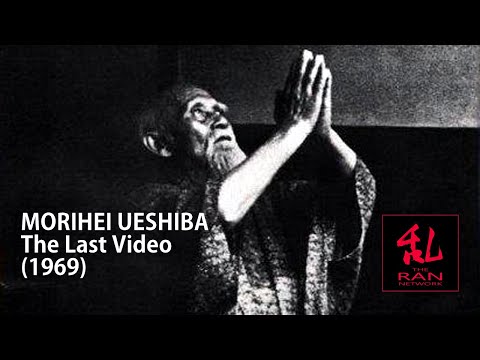
The year 1969 marked a poignant moment in martial arts history: Morihei Ueshiba's final class at the Aikikai Hombu Dojo in Tokyo. A video recording of this session offers a deeply moving glimpse into the spirit of a master at the twilight of his life. We witness an elderly Ueshiba, physically frail, battling illness, yet still able to command the respect and attention of his assembled students. What unfolds is not a display of raw power, but a demonstration of exquisite technique and profound understanding. His movements, though perhaps lacking the explosive speed of his youth, retained an uncanny fluidity, a dancer's grace married with a warrior's precision. He executed throws and techniques with an apparent effortlessness that belied the complexity and effectiveness of his art. This final performance serves as a powerful testament not just to his exceptional skill, but to a lifetime dedicated to the pursuit of martial perfection. It’s a visual lesson that transcends words, showcasing the enduring power and aesthetic beauty inherent in Budo.

The Enduring Legacy and Transmission of Teachings

Ueshiba's final class was more than just a demonstration; it was a distillation of his life's work, a living transmission of principles passed down through generations. The impact of O-Sensei's teachings is immeasurable, permeating the global community of martial artists. His philosophy of harmony, resolution, and self-improvement continues to be practiced and taught by his students, and their students, and so on. This lineage, this unbroken chain of transmission, is the true measure of a master's impact. Aikido, as a discipline, is not static; it evolves through the practitioners who embody its principles. The legacy of Morihei Ueshiba isn't confined to historical records or video archives; it lives and breathes in every dojo where his art is practiced with sincerity and dedication. His influence extends far beyond the confines of Aikido, resonating with anyone seeking a deeper understanding of human potential and conflict resolution.

Martial Arts: More Than Just Fighting

O-Sensei's final demonstration serves as a powerful reminder that the martial path is far more profound than mere combat. While the ability to defend oneself is a crucial aspect of many lucha systems, the true essence of martial arts, as Ueshiba taught, lies in discipline, self-mastery, and personal growth. It’s about cultivating inner strength, developing resilience, and fostering a spirit of peaceful resolution. This holistic approach, this emphasis on character development alongside physical technique, is a cornerstone of his philosophy. It’s a lesson that has been passed down through the ages, influencing not only practitioners of Aikido but a broad spectrum of individuals dedicated to self-improvement. The journey through BUDO is a journey of transformation, where the dojo becomes a microcosm of life itself.

Deepening Your Understanding: Resources and Gear

For those captivated by the philosophy and practice of Aikido and artes marciales in general, a wealth of resources exists to support your journey. Books offer historical context and philosophical depth, videos provide visual demonstrations of techniques and principles, and online courses offer structured learning from experienced instructors. Many reputable Aikido schools worldwide welcome beginners eager to explore this unique art form. When it comes to training, the right equipment can significantly enhance your experience and safety. High-quality training gear is essential for effective practice and injury prevention.

Equipo Esencial para tu Entrenamiento

  • Kimono de Aikido (Gi): Look for a durable, double-weave cotton gi that allows for freedom of movement and can withstand the rigors of throws and grappling. Brands like Karate and Judo gis often offer suitable alternatives.
  • Hakama: While not essential for beginners, the hakama is traditional attire for Aikido practitioners and allows for practice of specific techniques.
  • Jo y Bokken: Training staffs (Jo) and wooden swords (Bokken) are crucial for practicing weapon-based techniques, which are integral to Aikido's curriculum. Ensure they are made from solid, resilient wood.
  • Training Mats (Tatami): Proper matting is vital for safety during practice, especially for falls (ukemi).
For those interested in acquiring martial arts merchandise, numerous online stores cater to every need, from specialized training equipment to apparel that reflects the spirit of the arts. Investing in high-quality products from reputable sellers not only supports your training but also honors the dedication and craftsmanship associated with these disciplines.

Veredicto del Sensei: Legacy Embodied

Morihei Ueshiba's final performance is a powerful and poignant testament to the enduring spirit of martial arts. It’s not about the physical strength of youth, but the cultivated wisdom and refined technique that comes with decades of dedication. While some might dismiss older practitioners or focus solely on the combative aspects, Ueshiba’s demonstration highlights the profound beauty, control, and philosophical depth that true mastery entails. It’s a reminder that the "last master" doesn't signify an ending, but a living legacy that continues to inspire and guide. For its authentic portrayal of a martial art's philosophical core and its demonstration of mastery transcending physical limitations, this event, as captured in its final showing, earns a "Cinturón Negro en Sabiduría Marcial."

Guía de Entrenamiento: El Arte del Hakkō-ryu

While Aikido is the art Ueshiba founded, many of its principles echo foundational concepts found in older Japanese jujutsu systems. One such lineage, often associated with its characteristic joint-locking and pressure-point techniques, is Hakkō-ryu (八光流). While not directly taught by Ueshiba in his final class, understanding its principles can illuminate the depth of Japanese martial arts.

Pasos para Comprender los Principios del Hakkō-ryū:

  1. Entender la Filosofía Central: Hakkō-ryu se traduce como "Escuela de la Octava Luz". Su filosofía se centra en la armonía y el uso de la fuerza del oponente, similar a Aikido, pero a menudo con un énfasis más directo en el control a través de puntos de presión (Kyūsho) y técnicas de luxación (Kansetsu-waza).
  2. Estudiar Movimiento y Equilibrio: La base de Hakkō-ryū, como en muchas artes japonesas, es el movimiento corporal eficiente y el control del centro de gravedad. La postura debe ser baja y estable, permitiendo movimientos fluidos y respuestas rápidas.
  3. Practicar el "Te-no-uchi" (Mano-dentro): Este concepto se refiere al control fino de la muñeca y el antebrazo para aplicar torsiones y presiones precisas sobre las articulaciones del oponente. No es solo fuerza bruta, sino una manipulación experta.
  4. Familiarizarse con los Puntos de Presión (Kyūsho): Identificar y comprender la ubicación y efecto de los puntos de presión es crucial. La aplicación de presión en estos puntos puede incapacitar a un oponente sin necesidad de fuerza excesiva.
  5. Integrar la Respiración (Kokyū): La respiración juega un papel vital en la generación de potencia y en el mantenimiento de la calma. Coordinar la respiración con el movimiento y la aplicación de técnicas es fundamental.
  6. Entrenar Ukemi (Caídas): La habilidad para caer de manera segura es un pilar en cualquier arte que involucre proyecciones o luxaciones. El entrenamiento constante de ukemi es esencial para la seguridad y para ganar confianza.

Nota del Sensei: Es vital abordar el estudio de sistemas como Hakkō-ryū con un instructor calificado. La información aquí proporcionada es introductoria y no sustituye la guía práctica y la supervisión experta en un Dojo.

Frequently Asked Questions

What is the primary philosophy behind Aikido?

The primary philosophy of Aikido, as founded by Morihei Ueshiba, is to harmonize with an opponent's movements, redirect their force, and resolve conflict peacefully, emphasizing self-improvement and spiritual development over aggression.

Was Morihei Ueshiba an older man during his last class?

Yes, by 1969, Morihei Ueshiba was in his late 80s and frail due to illness, yet his final demonstration showcased his profound skill and dedication.

What distinguishes Aikido from other martial arts like Karate or Judo?

Unlike striking arts like Karate or grappling arts like Judo, Aikido primarily focuses on blending with an opponent's motion, using circular movements, throws, and joint locks to neutralize an attack without relying on brute strength or direct confrontation.

Is Aikido effective for self-defense?

Aikido's principles of redirection and control can be very effective for self-defense, particularly against larger or more aggressive opponents. However, its effectiveness is highly dependent on the practitioner's skill level and the specific situation.

Where can I find resources to learn more about Aikido or O-Sensei?

You can find extensive resources through books detailing Ueshiba's life and philosophy, official Aikido federation websites, documentaries, and by attending classes at a local Aikikai-affiliated dojo.

Para Profundizar en tu Camino

Reflexión del Sensei: Tu Próximo Paso

O-Sensei demonstrated that true mastery is not about the accumulation of power, but the refinement of spirit and the understanding of universal principles. His final class was a silent sermon on grace, control, and the non-violent resolution of conflict. Now, ask yourself: In the face of resistance in your own life – be it a difficult task, a personal conflict, or a physical challenge – do you instinctively meet force with force, or do you seek to blend, redirect, and harmonize? Have you truly embraced the idea that your greatest strength lies not in overpowering your circumstances, but in mastering yourself?

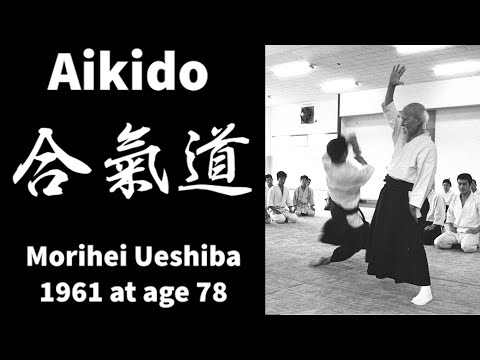
Aikido's Essence: Analyzing O'Sensei Ueshiba's 1961 Masterclass

Introduction: A Glimpse into the Soul of Budo

This rare 1961 footage, capturing a 78-year-old Morihei Ueshiba, the revered founder of Aikido, is far more than just a martial arts demonstration. It's a profound window into the very essence of Budo, a concept that transcends mere physical combat. Many today, particularly those drawn to the explosive dynamism of MMA or the brutal efficiency of Kyokushin Karate, might question the relevance of Aikido's fluid movements. Does its emphasis on blending and redirection hold water in a world that often values brute force? Let me tell you, this video is the answer. It's a masterclass in principles that are eternally valid, not just for the dojo, but for life itself. We will dissect this gem, exploring Ueshiba's techniques, his philosophy, and the enduring legacy of Budo.

Ueshiba in Action: The Art of Blending and Redirecting

Watching Ueshiba Sensei at this advanced age is awe-inspiring. His movements, while perhaps not possessing the raw power of a younger man, are imbued with an almost supernatural grace and precision. The documentary showcases his mastery of Aikido techniques – the effortless throws, the seemingly gentle yet devastating joint locks. He doesn't meet force with force; instead, he becomes one with his attacker's energy, subtly redirecting their momentum. This is the core of Aikido, and it's a principle that many arts, even the fiercely competitive BJJ or Judo, can learn from. The seemingly passive nature of his defense is, in reality, a highly active and intelligent application of physics and timing. He demonstrates that true strength lies not in overpowering an opponent, but in understanding and harmonizing with their movements. Have you ever sparred with someone who just seems to *flow* with your attacks, nullifying them before they even land? That's the echo of Ueshiba Sensei's teaching.
"The true meaning of martial arts is to unify the world." - Morihei Ueshiba

The Philosophy of Aikido: Harmony, Compassion, and Unity

Beyond the physical application, Ueshiba Sensei's words in this documentary reveal a philosophy that is both deeply spiritual and remarkably practical. He speaks of Aikido not as a means of destruction, but as a path to reconciliation. Harmony, balance, and compassion are not mere buzzwords here; they are the foundational pillars of his art. This stands in stark contrast to some of the more combative depictions of martial arts in popular culture, where violence is often glorified without consequence. Ueshiba's vision is one of connection, of resolving conflict not through aggression, but through understanding and empathy. It’s a message that resonates even more powerfully today, in our often fragmented and contentious world. This philosophy is the very heart of BUDO, the "Way of the Warrior," which demands not just martial prowess but moral integrity.

Budo: More Than Just Fighting

The term Budo itself is crucial here. It's not simply "martial arts" in the Western sense. It encompasses the entire way of life, the philosophy of the warrior, drawing heavily from principles like Bushido. This means more than just mastering techniques for a fight. It's about self-cultivation, rigorous discipline, and unwavering honor. Ueshiba Sensei embodies this perfectly. His practice was a lifelong dedication to refining not just his body, but his mind and spirit. The documentary offers a fleeting glimpse, but it's enough to understand that for masters like him, the training never truly ends. It's a constant pursuit of self-improvement, a journey that shapes one's character in profound ways.
"The martial way is a thing of daily practice. It is a continuous process of refinement. The master is simply a student who never quit." - Attributed to various martial arts masters

Training and Self-Cultivation: The Path to Inner Peace

The practice of martial arts, as exemplified by Ueshiba's Aikido, is a powerful tool for inner growth. It offers a structured path to control one's ego, to confront and overcome fear and anger, and to cultivate a deep sense of inner peace. This isn't just about learning to defend yourself physically; it's about building mental resilience. The physical demands – improving fitness, flexibility, and coordination – are significant, but the mental benefits are arguably even greater. In a world rife with stress and anxiety, the discipline and focus required in martial arts training provide an invaluable sanctuary. It's a lifelong pursuit, a journey of personal development that extends far beyond the dojo mats. The principles learned in Karate, Judo, or Aikido can positively impact every facet of life.

Veredicto del Sensei: A Timeless Testament

This 1961 documentary is not just a historical artifact; it's a living testament to the enduring power of Budo. Ueshiba Sensei, even at 78, displays a level of mastery that transcends time and style. While the martial arts landscape has evolved dramatically, with hyper-realistic sports like MMA and UFC capturing global attention, the core principles demonstrated here remain vital. The emphasis on harmony, respect, and self-cultivation is a counterbalance to the often aggressive narratives surrounding combat sports. This film is essential viewing for anyone who seeks a deeper understanding of martial arts, not just as a means of fighting, but as a path to becoming a better human being. Rating: 10/10 Cinturones Negros en Sabiduría y Maestría.

Essential Equipment for Your Training

To embark on your own martial arts journey, whether it's Aikido, Karate, Judo, or any other discipline, the right equipment is essential. At BYAM Budo y Artes Marciales, we understand the needs of practitioners at all levels.
  • Gi (Uniforme): A durable, comfortable Gi is fundamental. For arts like Judo and Aikido, a heavier weave might be preferred for grip resistance.
  • Protective Gear: Depending on your style, consider sparring headgear, mouthguards, and shin guards for safe combat training.
  • Training Mats (Tatami): Essential for safe practice of throws and falls, especially in arts like Judo and Aikido.
  • Training Weapons: For specific disciplines, wooden bokken (swords) or jo (staffs) are necessary.
Investing in quality gear enhances your training experience and ensures safety. Explore our range of Martial Arts Merchandise to find what you need.

Frequently Asked Questions

  • What is Budo? Budo is a Japanese term that refers to the systematic practice of martial arts, emphasizing not only combat techniques but also spiritual and moral development.
  • Is Aikido effective for self-defense? Yes, Aikido's principles of blending, redirection, and using an attacker's momentum can be highly effective for self-defense, though its effectiveness in highly aggressive scenarios is a subject of ongoing debate.
  • What is the difference between Budo and Bushido? Bushido is the code of honor and conduct of the samurai warrior class, while Budo is the broader term encompassing the practices and philosophies of martial arts derived from that warrior tradition.
  • How can martial arts training improve mental health? Through discipline, focus, stress reduction techniques, and the cultivation of inner peace and self-control.

For a Deeper Dive into Your Path

Reflexión del Sensei: Tu Próximo Paso

Ueshiba Sensei demonstrated that true mastery lies in harmonization, not domination. In a world that often rewards aggression and competition, can you find the strength in yielding? Can you apply the principles of blending and redirecting not just against a physical opponent, but against the challenges and conflicts of your daily life? The video is a lesson; your response to its message is the application. ```json { "@context": "https://schema.org", "@type": "FAQPage", "mainEntity": [ { "@type": "Question", "name": "What is Budo?", "acceptedAnswer": { "@type": "Answer", "text": "Budo is a Japanese term that refers to the systematic practice of martial arts, emphasizing not only combat techniques but also spiritual and moral development." } }, { "@type": "Question", "name": "Is Aikido effective for self-defense?", "acceptedAnswer": { "@type": "Answer", "text": "Yes, Aikido's principles of blending, redirection, and using an attacker's momentum can be highly effective for self-defense, though its effectiveness in highly aggressive scenarios is a subject of ongoing debate." } }, { "@type": "Question", "name": "What is the difference between Budo and Bushido?", "acceptedAnswer": { "@type": "Answer", "text": "Bushido is the code of honor and conduct of the samurai warrior class, while Budo is the broader term encompassing the practices and philosophies of martial arts derived from that warrior tradition." } }, { "@type": "Question", "name": "How can martial arts training improve mental health?", "acceptedAnswer": { "@type": "Answer", "text": "Through discipline, focus, stress reduction techniques, and the cultivation of inner peace and self-control." } } ] }

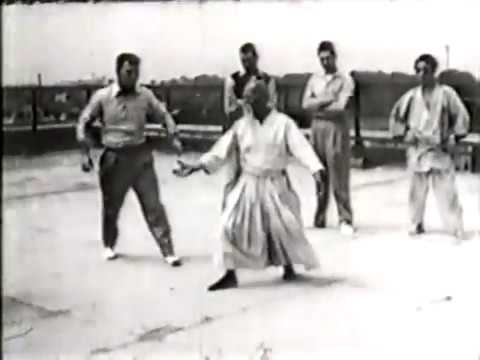
Aikido O Sensei in 1954: A Timeless Warrior's Legacy in Modern Combat Sports

The year 1954 gifted us a rare glimpse into the profound capabilities of Aikido O Sensei through a rediscovered video. This artifact, showcasing his mastery, serves as a potent reminder of the enduring power of traditional martial arts. Today, the echoes of such legends resonate powerfully, not only in dedicated dojos but also within the electrifying arenas of modern martial arts and combat sports. These disciplines, with their rich histories and timeless teachings, continue to captivate us, offering lessons that transcend mere physical prowess.

But what is the true essence of martial arts and Budo? Far beyond the technicalities of striking and grappling, they represent a holistic philosophy, a rigorous discipline, and ultimately, a pathway to self-development. The pursuit of perfection, a core tenet of Budo – the "way of the warrior" – is a journey of constant refinement, both physically and mentally.

The True Essence of Martial Arts and Budo

Martial arts are not merely a collection of techniques designed for conflict. They are a profound system for cultivating the individual. The ultimate aim is to forge a stronger self – physically resilient, mentally sharp, and spiritually grounded. This holistic development is what sets true martial arts apart.

Budo: More Than Just a Fighting Style

"Budo" translates directly to "the way of the warrior." This term encapsulates the spirit that underpins these disciplines. It's about the relentless pursuit of excellence, the mastery of oneself through rigorous training, and the application of these principles in all facets of life. It is a lifelong pursuit, not a destination.

"The ultimate aim of martial arts is not victory or defeat, but the perfection of the character of its practitioners." - A principle echoed across many martial traditions.

The Multifaceted Benefits of Martial Arts Training

The benefits of consistent training in martial arts are vast and touch every aspect of a practitioner's life. Beyond the obvious enhancement of self-defense skills, individuals develop:

  • Improved Physical Health: Increased strength, flexibility, cardiovascular endurance, and coordination.
  • Enhanced Mental Fortitude: Greater focus, discipline, patience, and stress management.
  • Unshakeable Self-Discipline: The ability to set goals and work towards them consistently, overcoming obstacles.
  • A Strong Sense of Community: The shared passion within the martial arts community fosters deep bonds, camaraderie, and mutual respect. This sense of belonging is invaluable.

This supportive environment is crucial. The shared struggles and triumphs in the dojo create a unique connection that strengthens the collective spirit.

Combat Sports: The Arena of Modern Competition

Contrast this with combat sports. While they share the roots of physical confrontation, their primary focus is often on competition and the quantifiable outcome of victory. Disciplines like MMA, boxing, and Judo demand extraordinary levels of physical conditioning, strategic thinking, and mental toughness. They are a testament to the human spirit's capacity to perform under immense pressure.

The athletes in these fields are modern warriors, pushing the boundaries of human potential. Their dedication, sacrifice, and ability to execute under the bright lights are truly inspiring. It is undeniable that these sports showcase incredible athleticism and tactical brilliance.

Showcasing Your Passion: Martial Arts and Combat Sports Merchandise

For enthusiasts and practitioners alike, the passion for martial arts and combat sports often extends beyond the training mat or the ring. This is where merchandise plays a role. From specialized Karate gis and durable Judo uniforms to training equipment and casual apparel, these items allow individuals to express their identity and support their chosen disciplines.

High-quality training equipment, such as punching bags, focus mitts, and protective gear, is essential for effective practice. Wearing apparel that represents your art or sport is a way to connect with the wider community and serve as a constant reminder of your commitment. These items also make fantastic gifts for fellow martial artists or combat sports fans.

Our Commitment at BYAM Budo y Artes Marciales

At BYAM Budo y Artes Marciales, we understand this passion. We are dedicated to providing a wide array of high-quality merchandise tailored for both martial arts practitioners and combat sports aficionados. Our selection is curated to meet the needs of everyone, from the absolute beginner taking their first steps in Aikido or Karate, to the seasoned expert honing their skills. Functionality and durability are paramount in our product design, ensuring that what you choose supports your journey.

We firmly believe that martial arts and combat sports are more than just physical activities; they are transformative life experiences. Our blog serves as a platform to share invaluable insights, including practical training tips, detailed technique breakdowns, and the philosophical underpinnings that make these arts so profound.

Deepen Your Journey: Recommended Resources

To further enrich your understanding and practice, I highly recommend exploring these resources:

Frequently Asked Questions

  • Q: Is Aikido still relevant in modern combat sports?
    A: While Aikido's direct application in MMA is debated, its principles of blending, redirection, and control offer invaluable lessons in balance, spatial awareness, and joint manipulation, which are transferable skills.
  • Q: What is the difference between Budo and just training martial arts?
    A: Budo emphasizes the spiritual and philosophical development of the individual, viewing training as a lifelong path to self-perfection. Simply training martial arts may focus more on the technical or competitive aspects without the deeper philosophical commitment.
  • Q: How can I start training martial arts if I'm a complete beginner?
    A: The best approach is to research local dojos or gyms offering styles that interest you. Many offer introductory classes. Focus on finding qualified instructors and a welcoming community, like those found in martial arts communities globally.

Sensei's Verdict: Is the Legacy Alive?

Looking back at O Sensei’s demonstration in 1954, and observing the dedication in today's dojos and the fierce competition in UFC bouts, one undeniable truth emerges: the warrior spirit, the essence of Budo, is very much alive. The methods evolve, the arenas change, but the fundamental principles of discipline, perseverance, and the quest for self-mastery remain constant.

Whether you are drawn to the intricate flows of Aikido, the powerful stances of Karate, or the dynamic exchanges in MMA, the path of martial arts offers a profound opportunity for growth. It is a journey that builds not just a fighter, but a better human being.

Sensei's Reflection: Your Next Step

O Sensei's movements in that 1954 film were not just physical actions; they were expressions of deep understanding and embodiment. The question for you, the dedicated practitioner and student of the Way, is this: How can you embody the principles you learn on the mat in the unpredictable dojo of your daily life? Do you merely mimic techniques, or do you strive to internalize the philosophy?

```

For Deeper Exploration on Your Path