Showing posts sorted by date for query fight analysis. Sort by relevance Show all posts

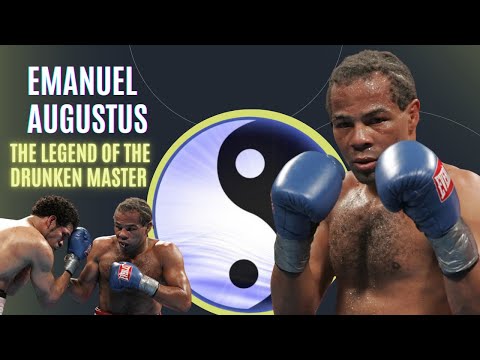
Emanuel Augustus: The Unconventional Legacy of the Drunken Master

Introduction: The Enigma of the Drunken Master

In the vast, often predictable landscape of combat sports, certain figures emerge not just as competitors, but as phenomena. They defy convention, shatter expectations, and leave an indelible mark on the collective consciousness of fans and practitioners alike. Emanuel Augustus, affectionately known as "The Drunken Master," is precisely such a figure. His career wasn't merely a series of wins and losses; it was a living testament to the unpredictable beauty and profound philosophy that can be found within the martial arts. This piece delves into the electrifying career of a fighter who didn't just participate in bouts, but orchestrated performances, blending raw aggression with an almost balletic grace that left audiences breathless. Join us as we revisit the path of a true martial arts legend whose unconventional style became his greatest weapon.

Unleashing the Drunken Master: More Than a Moniker

The adoption of the moniker "Drunken Master" by Emanuel Augustus was far from a mere marketing gimmick. Born Emanuel Burton, he drew inspiration from the iconic martial arts films that celebrated seemingly chaotic, yet devastatingly effective, fighting styles. This wasn't about mimicking a character; it was about embodying a philosophy. Augustus infused his fighting with a unique brand of agility, fluidity, and an almost maddening unpredictability. His movements often appeared disjointed, his stance unorthodox, leaving opponents struggling to anticipate his next move. This bewildering array of techniques – a chaotic dance of offense and defense – was the hallmark of his style, allowing him to showcase a skill set that transcended traditional boxing or kickboxing, demonstrating that true mastery can often lie just beyond the veil of perceived disorder.

"The most effective way to confuse an opponent is to be unpredictable. If they cannot read you, they cannot counter you." - A principle exemplified by Augustus.

The Artistry of Combat: A Symphony of Unpredictability

Augustus transcended the role of a mere pugilist; he was a kinetic artist. His fighting style was a masterful fusion, drawing threads from boxing, kickboxing, and the raw pragmatism of street fighting. His footwork was legendary – a constant, elusive dance that made him a difficult target. His punches, delivered with surprising speed and power, often came from unexpected angles. This wasn't just about throwing hands; it was about understanding angles, timing, and the psychological warfare inherent in combat. Emanuel Augustus embodied a profound Martial Philosophy, displaying not just aggression, but also immense respect for his opponents, unwavering discipline in his preparation, and the indomitable spirit of a warrior honed through countless hours of Martial Arts Training.

His approach challenged the rigid structures of conventional fighting. Many practitioners today still strive to replicate his signature elusiveness, a testament to the enduring effectiveness of his unorthodox methods. The core of his success lay in his ability to remain fluid and adaptable, a principle central to many BUDO disciplines.

The Fight of a Lifetime: A Masterclass Against Mayweather

Throughout his storied career, Emanuel Augustus graced the ring with a multitude of unforgettable contests. These weren't just fights; they were spectacles, ranging from brutal slugfests that tested the mettle of both combatants to technically brilliant displays of skill. He consistently delivered the kind of excitement that fuels the passion of Fight Fans worldwide.

Perhaps one of his most widely recognized and respected performances came during his bout against Floyd Mayweather Jr. In this encounter, Augustus didn't just compete; he showcased the full spectrum of his unique brilliance. Despite the eventual outcome, his performance earned him deep admiration, not only from the spectators but also from Mayweather himself, a rarity in the highly competitive world of professional boxing. It was a fight that highlighted Augustus's resilience and his ability to hang with the absolute elite, even with a style that defied convention. This particular fight remains a significant piece of the Fighter Legacy.

Legacy and Influence: Inspiring a Generation

Emanuel Augustus's legacy extends far beyond the statistics of his fight record. His profound impact resonates deeply within the Martial Arts Community. His unwavering dedication to his craft, his perseverance through significant adversity, and his sheer, unadulterated passion for fighting served as a powerful inspiration to countless aspiring athletes. Many fighters today incorporate elements of his distinctive style – that unpredictable movement, the creative striking angles – into their own training regimes. He proved that there isn't just one way to be a champion, fostering a generation that dares to think outside the traditional fighting box.

His influence is a prime example of how unique styles can push the boundaries of established sports. This is a core tenet we explore at BYAM, where we celebrate the diverse paths to mastery.

Building a Martial Arts Community: The BYAM Approach

At BYAM Budo y Artes Marciales, our mission mirrors the spirit of pioneers like Augustus: to cultivate and celebrate a vibrant global Martial Arts Community. We firmly believe that the journey of a martial artist is enriched when shared. We encourage our members to engage in robust discussions, share their personal training experiences, and forge connections with fellow enthusiasts from diverse backgrounds and disciplines. Whether you practice Judo, Karate, MMA, or any other art, your voice is valued here. Together, we can uphold the rich traditions, explore profound philosophies, and dissect the intricate techniques that define the world of martial arts.

Exploring Our Merchandise: Gear for Your Journey

As you immerse yourself in the world of martial arts, drawing inspiration from figures like Emanuel Augustus, it's crucial to have the right tools to support your dedication. Explore our exclusive Martial Arts Merchandise collection. We offer a curated selection of high-quality training equipment, apparel, and accessories designed to enhance your martial arts journey. From durable kimonos and sparring gear to specialized conditioning tools, our collection supports your pursuit of excellence and ensures you have the necessary support for your training regimen. Investing in quality gear is an investment in your own progress.

Join the Martial Arts Movement: Embrace the Warrior Within

The enduring legacy of Emanuel Augustus serves as a potent reminder of the transformative power inherent in martial arts training. It transcends mere physical combat, fostering discipline, resilience, and self-awareness. Whether you are a seasoned practitioner with years of experience or a curious beginner standing at the threshold of this incredible world, there is unequivocally a place for you within our growing community. Let us unite under the banner of our shared passion, exchange invaluable knowledge, and collectively grow stronger. By embracing the principles exemplified by masters like Augustus, we continue to explore the boundless possibilities that the martial arts offer.

This is your invitation to join the JoinTheMovement and discover the warrior spirit within yourself.

Sensei's Verdict: Did Augustus Master the Art of Fighting?

Emanuel Augustus didn't just fight; he performed. He brought a level of artistry and unpredictability to the ring that few have ever matched. While the term "Drunken Master" might conjure images of a brawler, Augustus was anything but. He was a strategist, a tactician, and a master of misdirection. His ability to absorb punishment, adapt mid-fight, and consistently come back with creative and effective offense was extraordinary. He faced top-tier competition and, while not always victorious, he rarely failed to impress or make his opponents work for every second of every round. His influence on subsequent fighters, who looked to his unconventional methods for inspiration, speaks volumes. He proved that true mastery isn't always about following the rules, but about understanding them so deeply that you can bend them to your will.

Verdict: A True Master of Unconventional Combat, earning a definitive "Cinturón Negro en Coreografía y Caos Controlado". His fights were living lessons in adaptability and the psychological edge.

Training Like Augustus: Embracing the Unconventional

Training like Emanuel Augustus is not for the faint of heart, nor is it about simply mimicking his movements. It's about internalizing his philosophy: unpredictability, adaptability, and relentless pressure.

  1. Develop Unconventional Footwork: Practice constant lateral movement, incorporate subtle shifts in weight, and develop rhythm changes. Think less about a stable stance and more about always being ready to pivot, evade, or explode forward.
  2. Master Angles of Attack: Don't always attack directly. Practice striking from angles that your opponent is unlikely to expect. This requires a deep understanding of body mechanics and spatial awareness.
  3. Cultivate Defensive Evasion: Augustus was known for his ability to slip punches and avoid damage. Focus on head movement, upper body flexibility, and using your entire frame to evade incoming strikes rather than just blocking.
  4. Embrace Fluid Transitions: Move seamlessly between offense and defense. A defensive maneuver should be able to transition instantly into a counter-attack. Don't "reset" unnecessarily.
  5. Study Various Styles: Like Augustus, draw inspiration from multiple disciplines. Understanding the fundamentals of boxing, kickboxing, and even grappling will provide a broader toolkit. Explore BJJ and Judo for grappling insights and Kickboxing for striking diversity.
  6. Train Your Chin and Body: Augustus absorbed significant punishment. While avoiding damage is key, developing resilience through conditioning and controlled sparring is also part of the equation. Incorporate body conditioning drills and focus on neck strength.
  7. Mental Fortitude: The most crucial element is the mental game. Develop the ability to stay calm under pressure, adapt to unexpected situations, and maintain confidence even when things aren't going your way. This is where Mental Game training and Inner Strength become paramount.

Frequently Asked Questions

  1. Who was Emanuel Augustus?
    Emanuel Augustus, born Emanuel Burton, was a highly unorthodox and entertaining American professional boxer and kickboxer, famously nicknamed "The Drunken Master" for his elusive and unpredictable fighting style.
  2. What made his fighting style unique?
    His style was characterized by unusual footwork, creative angles of attack, fluid transitions between offense and defense, and a remarkable ability to evade punches, often resembling the movements seen in martial arts films inspired by "drunken" styles.
  3. Who did Emanuel Augustus famously fight?
    He had notable bouts against numerous high-level opponents, including a widely recognized fight against Floyd Mayweather Jr., where he showcased his distinctive skills and earned respect despite the outcome.
  4. What is his lasting impact on martial arts and combat sports?
    Augustus inspired a generation of fighters with his resilience, unique approach, and dedication. He demonstrated that effective fighting doesn't always adhere to conventional norms and encouraged a more creative and adaptable mindset within the combat sports community.

Deepen Your Path

To further enrich your understanding and training:

Sensei's Reflection: Your Next Step

Augustus taught us that the most effective techniques are often born from a deep understanding of principles, allowing for creative adaptation rather than rigid adherence. He embraced chaos, not as a lack of control, but as a higher form of control that eludes conventional understanding.

Your challenge: In your next training session, identify one aspect of your technique that feels too rigid, too predictable. How can you introduce a subtle element of unpredictability, a shift in rhythm or angle, without sacrificing effectiveness? Can you find your own "drunken master" within the structure of your art?

``` ```json { "@context": "https://schema.org", "@type": "FAQPage", "mainEntity": [ { "@type": "Question", "name": "Who was Emanuel Augustus?", "acceptedAnswer": { "@type": "Answer", "text": "Emanuel Augustus, born Emanuel Burton, was a highly unorthodox and entertaining American professional boxer and kickboxer, famously nicknamed \"The Drunken Master\" for his elusive and unpredictable fighting style." } }, { "@type": "Question", "name": "What made his fighting style unique?", "acceptedAnswer": { "@type": "Answer", "text": "His style was characterized by unusual footwork, creative angles of attack, fluid transitions between offense and defense, and a remarkable ability to evade punches, often resembling the movements seen in martial arts films inspired by \"drunken\" styles." } }, { "@type": "Question", "name": "Who did Emanuel Augustus famously fight?", "acceptedAnswer": { "@type": "Answer", "text": "He had notable bouts against numerous high-level opponents, including a widely recognized fight against Floyd Mayweather Jr., where he showcased his distinctive skills and earned respect despite the outcome." } }, { "@type": "Question", "name": "What is his lasting impact on martial arts and combat sports?", "acceptedAnswer": { "@type": "Answer", "text": "Augustus inspired a generation of fighters with his resilience, unique approach, and dedication. He demonstrated that effective fighting doesn't always adhere to conventional norms and encouraged a more creative and adaptable mindset within the combat sports community." } } ] }

Takanoyama Shuntarō: The "Small But Mighty" Master of Judo Throws in Sumo

Introduction: The Anomaly of Takanoyama

Have you ever watched a martial artist, seemingly outmatched by their opponent's size and strength, still emerge victorious? This isn't magic; it's the elegant application of technique, timing, and an indomitable spirit. In the world of Sumo, a sport often defined by sheer mass, one wrestler stood out, not for his bulk, but for his brilliance. Takanoyama Shuntarō, hailing from the Czech Republic, shattered expectations, proving that in combat, as in life, technique and tenacity can indeed conquer brute force. This analysis dives deep into his arsenal, dissecting the throws that made him a beloved figure and a testament to the "small but mighty" principle.

Takanoyama's Unique Journey: Defying Sumo's Giants

Takanoyama Shuntarō, born Martin Koselecta, carved a unique path in the hallowed dohyo of professional Sumo. As a European venturing into a deeply traditional Japanese sport, he faced an uphill battle from the outset. The average weight of a top-division Makuuchi wrestler often exceeds 150 kg. Takanoyama, however, consistently competed in the 80-100 kg range. This stark physical disparity could have been a career-ending limitation. Instead, it became his greatest teacher, forcing him to hone an exceptional understanding of leverage, timing, and evasive footwork. His speed and mastery of judo principles, a natural fit for his agile frame, allowed him to outmaneuver and defeat opponents who dwarfed him. He wasn't just a novelty; he was a strategic genius on the mat.

Technique Breakdown: The Arsenal of a Smaller Wrestler

The brilliance of Takanoyama lay in his ability to execute techniques that maximized his advantages while neutralizing his opponents' size. He didn't rely on overwhelming power; he employed precision and speed. Let's examine some of his signature finishes that consistently saw him victorious:

Kote-nage (Armlock Throw)

Takanoyama's kote-nage was a masterclass in deception and leverage. The core of this technique involves establishing a firm grip on the opponent's wrist (kote). From there, instead of forcing the throw, he artfully used the opponent's own forward momentum or attempted forward movement against them. A swift rotation of his body, combined with a pulling action on the captured wrist, redirected their energy, causing them to lose balance and be thrown over his back or to the side. This is a classic judo throw, but Takanoyama's execution, particularly the precise timing and angle, made it devastatingly effective against larger sumo wrestlers.

Koshi-guruma (Hip Wheel)

Another technique that highlights his judo background is the koshi-guruma. This throw involves wrapping one of Takanoyama's legs around the opponent's hip, creating a fulcrum. With a simultaneous pull forward and a powerful twist of his torso, he would elevate and unbalance his opponent, using his hip as the pivot point. The momentum generated would send the larger wrestler crashing down. The effectiveness here lies in getting the leg placement correct and generating the rotational force quickly, preventing the opponent from stabilizing or counteracting.

Oshi-dashi (Push Out)

While Takanoyama excelled in throwing techniques, his oshi-dashi, or push out, was a pure display of his speed and agility. This technique requires an explosive burst of energy to drive the opponent backward. Takanoyama, with his lighter frame, could generate rapid forward pressure. He would use quick, powerful shoves, often targeting the opponent's upper body and shoulders, to force them out of the ring. His ability to maintain balance and drive forward while his opponent was attempting to resist or counter was crucial to its success. It’s a testament to his conditioning and lower body strength.

Sukuinage (Beltless Arm Throw)

This technique, often seen in judo, involves an arm throw where the grip is established differently, often without a traditional belt grip. Takanoyama would secure a grip on his opponent's arm and, using a scooping motion with his body, throw them over his hip. The key here is to get under the opponent's center of gravity and use their own weight to complete the throw. His agility allowed him to make the necessary adjustments to create the throwing angle, turning a potential disadvantage into an offensive opportunity. It’s a dynamic throw that requires excellent body control.

Uchimuso (Inner Thigh Throw)

Takanoyama's mastery of judo skills shone through in his uchimuso. This throw involves attacking the opponent's legs or inner thigh area. He would use his grappling ability to secure a grip, often on the opponent's leg or gi near the thigh. With a precise hip movement and a lifting or sweeping action, he would unbalance the opponent, using their own forward pressure or stability against them. This technique requires significant timing and the ability to get low and deep, something Takanoyama was adept at, allowing him to execute it even against much larger opponents.

Beyond Technique: The Mental Game

What truly set Takanoyama apart, and what offers the most profound lessons for any martial artist, was his mental fortitude. He entered a sport steeped in tradition, where size was king, and had to overcome not only his physical limitations but also potential cultural barriers. His ability to persevere through rigorous training, maintain focus, and execute complex techniques under pressure is a testament to his inner strength and dedication. He proved that a warrior's heart and a sharp mind are often more critical than sheer physical dominance.

"In the martial path, it is not the size of the warrior that matters, but the size of their heart."

This adage resonates deeply when we consider Takanoyama's career. He embodied this philosophy, turning perceived weaknesses into strengths through sheer willpower and intelligent application of skill.

Lessons for Every Budoka: Perseverance and Adaptability

The journey of Takanoyama Shuntarō offers invaluable lessons for every practitioner of martial arts, regardless of their style or size. His career is a powerful reminder that:

  • Technique over Brute Force: Superior technique, timing, and leverage can overcome significant size and strength disparities.
  • Adaptability is Key: Understanding your own physical attributes and adapting your strategy and techniques accordingly is crucial for success.
  • Mental Strength is Paramount: True mastery is forged not just in the body, but in the mind. Perseverance, discipline, and a positive attitude are essential tools.
  • Embrace Challenges: Difficulties, whether physical limitations or external obstacles, can be catalysts for growth and innovation.

As martial artists, we face our own challenges, whether it's mastering a difficult technique breakdown, improving our mental strength, or simply staying dedicated. Takanoyama’s story encourages us to push past our perceived limits and continually refine our skills and our spirit.

Cross-Training: Expanding Your Martial Horizon

While Takanoyama's primary discipline was Sumo, his effective use of judo principles demonstrates the power of cross-training. For martial artists today, broadening one's skillset beyond a single discipline is not just beneficial, it's increasingly essential. Exploring different combat sports and martial arts can:

  • Introduce new strategic perspectives.
  • Develop different physical attributes (e.g., grappling, striking, flexibility).
  • Enhance problem-solving skills on the mat.
  • Provide a more well-rounded understanding of combat.

Whether it's incorporating Judo throws into your BJJ, understanding striking principles from Kickboxing for your Muay Thai training, or learning defensive strategies from Aikido, the martial world is interconnected. Embracing this diversity makes you a more complete and adaptable fighter.

Essential Gear for Your Training

To effectively train in disciplines like Judo, Sumo, or any other martial art, having the right equipment is crucial. For Judo practitioners, a high-quality Judo gi is paramount. Look for a durable, double-weave gi that can withstand the rigors of throws and grappling. For those interested in simulating Sumo or practicing specific throwing drills, sturdy mats are essential for safety. Consider investing in:

  • High-Quality Judo Gi: Look for brands known for durability and fit. A good gi enhances grip and withstands pulling forces.
  • Training Mats: Essential for safe practice of throws, falls (ukemi), and groundwork.
  • Wrestling Shoes: For styles that require precise footwork and grip on the mat.
  • Resistance Bands: Excellent for strength and conditioning, mimicking pulling and pushing motions relevant to grappling.

Exploring gear can also lead you to discover resources like specialized training manuals or online courses focused on specific technique breakdowns.

Frequently Asked Questions

What made Takanoyama unique in Sumo?

Takanoyama Shuntarō was unique due to his significantly smaller stature compared to his peers, competing between 80-100 kg in a sport dominated by wrestlers over 150 kg. He compensated with exceptional speed, agility, and judo-based techniques.

What are some key Judo techniques Takanoyama utilized?

He effectively employed techniques such as Kote-nage (armlock throw), Koshi-guruma (hip wheel), Sukuinage (beltless arm throw), and Uchimuso (inner thigh throw), adapting them for the Sumo ring.

How did Takanoyama overcome his size disadvantage?

He leveraged his speed, agility, and precise execution of Judo throws. His strategy focused on outmaneuvering opponents, using their momentum against them, and exploiting openings rather than relying on brute strength.

What broader lessons can martial artists learn from Takanoyama?

Martial artists can learn about the importance of technical mastery, adaptability, mental fortitude, perseverance in the face of adversity, and the strategic advantage of speed and timing over sheer size.

For Deeper Insight

Sensei's Reflection: Your Next Step

Takanoyama's story is more than just a series of successful throws; it's a living testament to the power of a determined spirit. He demonstrated that the physical ring of a dojo, or the clay of the dohyo, is but one arena. The true battlefield often lies within, where the fight against doubt and limitation is waged. Ask yourself:

"When faced with an opponent, or a challenge, that seems insurmountable due to size or perceived advantage, do you instinctively shrink, or do you instinctively seek the angle, the leverage, the technique that will allow you to prevail?"

Reflect on this. True martial arts mastery isn't just about knowing techniques; it's about embodying the spirit to apply them when it matters most. Now, let your actions speak louder than your thoughts.

```

Busting the Myths: What Young Men Get Wrong About Street Fights

The raw, untamed energy of a street fight. For many young men, it's a concept steeped in a dangerous cocktail of adrenaline, bravado, and a primal urge to assert dominance. It’s a narrative often fueled by cinematic explosions and whispered legends. But this romanticized notion is a minefield of misconceptions, leaving those who believe them vulnerable to severe consequences. As a Budo practitioner and instructor, I've witnessed the fallout from these misguided beliefs far too often. Today, we confront these dangerous myths head-on, not to glorify violence, but to arm you with the truth and the wisdom to avoid it. Are you ready to understand what truly matters when the stakes are real?

Myth 1: Size and Strength Reign Supreme

This is, without a doubt, the most pervasive and potentially lethal myth. The young male psyche is often saturated with the idea that a larger frame and brute force are the ultimate arbiters of a fight's outcome. They envision themselves as titans, crushing lesser opponents with sheer power. But I ask you: have you ever seen a seasoned fighter get blindsided by someone smaller, faster, and more technically adept?

In the crucible of a real confrontation, while size and strength offer *an* advantage, they are far from the decisive factors. The true warriors understand that technique, experience, and crucially, mental fortitude, are the pillars upon which victory rests. Consider the devastating effectiveness of a Judo throw – leverage and timing trumping raw mass. Think of the precision of a Kyokushin Karate strike, delivered with controlled explosiveness, capable of incapacitating a larger foe.

"Strategy without tactics is the slowest route to victory. Tactics without strategy is the noise before defeat." - Sun Tzu. In a street fight, superior technique *is* the superior tactic, often born from strategic understanding of leverage and timing, rendering brute force irrelevant.

This is where the discipline of martial arts becomes not just beneficial, but essential. Learning proper techniques allows you to harness the physics of movement, using your opponent's weight and momentum against them. Through rigorous sparring, you develop the invaluable skill of fight analysis in real-time, learning to read an opponent's intentions before they even fully manifest. And perhaps most importantly, through dedicated mental training, you cultivate the calm focus required to think, react, and survive under duress – a quality utterly absent in a purely brute-force approach.

Myth 2: Knockouts Are the Only Path to Victory

The silver screen bombards us with images of dramatic knockouts – the one-punch K.O., the spinning heel kick that ends it all. This cinematic spectacle breeds the dangerous illusion that fights are won solely through devastating strikes. Young men often fantasize about landing the "money punch" that ends the confrontation instantly. But let me be clear: real-world confrontations are rarely as clean or as dramatic.

The truth is, a fight ending in a clean knockout is statistically rare and often attributable to a lucky shot rather than superior skill. More commonly, street fights devolve into chaotic brawls where injuries are sustained by both parties, and the aggressor is not necessarily the victor. The most effective and reliable path to neutralizing a threat is not through spectacular violence, but through incapacitation.

This is where the intricate world of grappling and submission techniques, honed in arts like BJJ, Judo, and Aikido, proves its worth. Joint locks, chokes, and throws are designed to control and disable an opponent with far greater efficiency and less risk of unpredictable escalation than relying solely on strikes. Mastering these techniques requires discipline, precision, and an understanding of anatomy and leverage – skills forged in the dojo, not on the street.

"The supreme art of war is to subdue the enemy without fighting." - Sun Tzu. While not always possible on the street, the principle extends to minimizing damage and achieving control swiftly, a hallmark of effective grappling.

Relying solely on striking is like bringing a knife to a gunfight – it leaves you dangerously incomplete. The ability to transition from a striking range to a control-based scenario, or to defend effectively against a grappling attack, is paramount. This is the essence of well-rounded martial arts training.

Myth 3: Going Solo is the Ultimate Test of Courage

There's a certain narrative of lone wolf heroism that appeals to the young male ego – the idea that facing multiple opponents alone is the ultimate display of courage and martial prowess. It paints a picture of a solitary warrior, standing defiant against overwhelming odds. This romantic ideal, however, is a perilous fallacy.

In reality, a street fight is not a tournament bracket. It's an unpredictable, often chaotic, and dangerous environment. While courage is admirable, recklessness is not. The presence of allies, friends, or even a supportive group can be an enormous deterrent and a crucial source of backup. A united front can dissuade potential aggressors before a confrontation even begins.

However, this is not an endorsement of mob mentality or gratuitous violence. The objective is safety and de-escalation, not gang warfare. The presence of a group should serve to de-escalate, to provide witnesses, or to ensure that a situation does not spiral out of control. Using group strength to unjustly overwhelm an opponent is not courage; it is bullying.

The true measure of a warrior's strength lies in their ability to assess a situation, to use their voice and intellect to defuse conflict, and to resort to physical means only as an absolute last resort. This principle is deeply embedded in the philosophy of Budo, which emphasizes self-mastery and the avoidance of unnecessary conflict. Learning de-escalation techniques and assertive communication is as vital a skill as any self-defense technique.

Veredicto del Sensei: Avoiding the Pitfalls

Let me be unequivocal: engaging in a street fight is almost never the wise or honorable path. The risks – severe injury, legal repercussions, emotional trauma – far outweigh any perceived 'victory.' The focus for any young man should be on cultivating themselves into a better, more capable individual, not on preparing for imaginary battles.

This means prioritizing the development of genuine skills: the physical discipline of martial arts, the mental resilience fostered by overcoming challenges, and the social intelligence required for effective communication and conflict resolution. True strength isn't about winning fights; it's about developing the wisdom and skill to navigate life's challenges, including avoiding unnecessary confrontations altogether. The goal is not to become a brawler, but a resilient, capable individual.

Practical Training: Building a Real Defense

If your goal is genuine self-improvement and preparedness, then direct your energy towards foundational training. This isn't about learning 'street fighting,' but about building a robust physical and mental foundation that can serve you in all aspects of life, including the unlikely event of needing to defend yourself.

  1. Foundational Striking: Focus on solid Karate or Kickboxing principles. Learn proper footwork, stance, and the mechanics of core strikes like punches and kicks. Practice these diligently to build power and accuracy.
  2. Control and Submission: Integrate Brazilian Jiu-Jitsu or Judo into your training. Learning to control an opponent on the ground, execute basic throws, and apply fundamental submissions like an armbar or choke is crucial for neutralizing threats efficiently.
  3. Situational Awareness: Train your mind to be constantly aware of your surroundings. Practice recognizing potential threats and understanding escape routes. This is a mental skill that requires conscious effort, not just physical conditioning.
  4. De-escalation Drills: Role-play potential confrontation scenarios with training partners. Practice assertive communication, setting boundaries, and walking away. This is often the most critical 'technique' in preventing a fight.
  5. Sparring with Purpose: Engage in controlled sparring sessions that simulate different ranges and scenarios. The aim is not to win, but to learn, adapt, and understand distance, timing, and reaction under pressure.

Frequently Asked Questions

Q1: Is it true that a smaller person can beat a bigger person with martial arts?

Yes, it is absolutely possible. While size and strength offer advantages, superior technique, speed, timing, and strategy can often overcome them. Martial arts train you to exploit an opponent's weaknesses and leverage your own strengths effectively, regardless of size disparity.

Q2: Should I learn multiple martial arts styles?

For comprehensive self-defense and personal development, cross-training in multiple disciplines is highly recommended. Styles like Karate/Kickboxing for striking, and Judo/BJJ for grappling, offer a well-rounded skill set. However, focus on mastering the fundamentals of one or two arts before spreading yourself too thin.

Q3: Is it better to learn self-defense from a movie or a real instructor?

A real, qualified instructor is infinitely better. Movies are for entertainment; they are not instructional tools. They often depict unrealistic techniques and scenarios. A qualified instructor provides structured training, feedback, and a safe environment to learn practical, effective skills.

Q4: What's the best martial art for self-defense?

There isn't one single "best" art. The most effective approach is often a combination that includes striking (like Muay Thai, Kickboxing, or Karate) and grappling (like Judo or BJJ). Crucially, effective self-defense also incorporates situational awareness and de-escalation skills, which are taught across many disciplines but require dedicated focus.

To Deepen Your Path

  • BUDO Philosophy: Understanding the Way of the Warrior
  • Self-Defense: Principles Beyond Techniques
  • Karate vs. MMA: A Clash of Worlds?

In conclusion, the battlefield of the street is a treacherous place, littered with the wreckage of myth-driven bravado. The true path forward lies not in seeking confrontation, but in cultivating the inner and outer strength to navigate life with skill, wisdom, and resilience. Remember, winning a fight is often about mastering yourself, not an opponent.

Reflexión del Sensei: Tu Próximo Paso

You've seen the myths dismantled. Now, look within. Which of these dangerous misconceptions has, even subtly, influenced your own perception of conflict or strength? Is it your size, your striking power, your willingness to stand alone? Confront that illusion in your mind and decide, consciously, to pursue *real* mastery over perceived dominance. How will you actively dismantle this myth within yourself, starting today?

The Divine Techniques of Morihei Ueshiba: Aikido's Pinnacle or a Philosopher's Dream?

The Enigma of Aikido's Founder

Aikido. The very name conjures images of graceful, seemingly effortless movements that neutralize aggression without inflicting unnecessary harm. It's a martial art that has captivated practitioners worldwide, promising not just self-defense, but a path toward inner peace and universal harmony. But how much of this ideal is rooted in practical application, and how much is a philosophical construct? At its heart stands its founder, O Sensei Morihei Ueshiba, a man whose martial journey spanned decades, culminating in what many consider the zenith of his art: the "divine techniques." But were these techniques truly divine in their efficacy, or merely the sublime expressions of a martial philosopher in his twilight years? Let's dissect this, for the path of Budo is rarely as simple as it appears.
Born in 1883 and passing in 1969, Ueshiba's life was a crucible where the fire of myriad martial arts—including Daito-ryu Aiki-jujutsu, Yagyu Shinkage-ryu, and even tenets from Shintoism and Omoto-kyo—were forged into the unique art of Aikido. His vision transcended mere combat; he aimed to create an art that could protect both oneself and one's attacker, fostering a spirit of reconciliation. This lofty goal, however, inevitably raises questions. Can an art so focused on peace truly stand against the brutal realities of conflict? And what of these celebrated "divine techniques"?

The Twilight Years: Crafting Divine Techniques (1962-1969)

It is during the final seven years of his life, from 1962 to 1969, that O Sensei Morihei Ueshiba is said to have perfected what are now termed the "divine techniques." This period is often viewed as the culmination of his life's work, a time when his understanding of Aikido reached its most profound level. These weren't new styles, but rather refinements and deeper expressions of existing principles, imbued with an almost ethereal quality. These techniques are characterized by their exceptional fluidity, a seamless integration of movement and intention that appears almost magical to the untrained eye. The practitioner seems to flow around an attack, redirecting the aggressor's force with minimal physical exertion. It’s easy to see why the term "divine" was applied. It suggests a level of mastery that transcends the ordinary, a harmony between spirit, mind, and body that few martial artists ever achieve. But let us not be swayed solely by the poetic descriptions. Every martial technique, divine or otherwise, must possess a foundation in practical mechanics. These late-stage techniques, while beautiful, demand an extraordinary level of internalized principles. They are the result of decades of relentless training, a deep understanding of biomechanics, and, crucially, a profound connection to the attacker's intent and energy.

The Essence of Blending: Beyond Mere Self-Defense

At the core of Aikido, and particularly within these "divine techniques," lies the principle of *aiki*—often translated as "joining energy" or "harmony of spirit." This is not about brute force against brute force. Instead, it's about understanding the attacker's momentum, intention, and center of gravity, then subtly guiding them to their own detriment. Ueshiba's genius was in systematizing this into a practical art form. The divine techniques elevate this concept. They are not simply counters; they are demonstrations of how to become one with the attacker's movement. Imagine water flowing around a rock, or wind bending a reed—the Aikidoka, through these techniques, becomes an extension of the attacker's force, not an obstacle. This requires an almost predictive quality, an ability to sense the incoming attack before it fully materializes and to position oneself to redirect it. This is where the philosophical and the practical converge. To achieve this seamless redirection, the practitioner must cultivate a state of *mushin*—a "no-mind" or mind free from ego, fear, and distraction. Without this mental clarity, the subtle adjustments and precise timing required for these techniques become impossible. The divine techniques, therefore, are not just physical movements; they are exercises in mindfulness and spiritual development.
"The Art of Peace is not a weapon or an engine of destruction. It is a means of bringing about reconciliation and harmony, a way to achieve unity with the universe." - Morihei Ueshiba

More Than Movement: Aikido as a Martial Philosophy

O Sensei Ueshiba himself referred to Aikido as a "martial philosophy." This isn't hyperbole; it's central to understanding his creation. While many martial arts focus on the objective of defeating an opponent, Ueshiba's aim was broader: to cultivate a spirit that could resolve conflict without violence, or at least with minimal harm. The ultimate goal was not to win a fight, but to win the peace. The "divine techniques" embody this philosophy. They are designed to neutralize an opponent's aggression by unbalancing them, controlling them, or guiding them to the ground, often leaving them unharmed but incapacitated. This requires an immense amount of control and understanding—control over one's own body and mind, and an understanding of the attacker's biomechanics and psychology. Is this idealism? Perhaps. In the heat of a life-or-death struggle, the refined principles of Aikido might seem like a distant dream. However, the practice itself cultivates attributes that are invaluable in any situation: discipline, awareness, composure under pressure, and a respect for oneself and others. These are the true "divine" aspects of the art, transcending any specific physical movement.

The Question of Effectiveness: Divine Techniques in the Crucible

This is where the debate often ignites. Critics, particularly from the realm of more direct combat sports like MMA or traditional Karate, question the practical applicability of Aikido's higher forms, especially against determined, uncooperative attackers. "Can these flowing movements truly stop a punch or a kick from someone who isn't blending?" they ask. It’s a fair question, and one that O Sensei Ueshiba himself grappled with, albeit from a different perspective. His focus was on creating a *better* way, a way that reflected a more evolved human spirit. The effectiveness of the divine techniques hinges on several factors: the practitioner's skill level, the attacker's compliance (or lack thereof), and the context of the encounter. In a dojo setting, with a willing *uke* (attacker) practicing techniques, the divine movements are undeniably beautiful and effective. They demonstrate profound principles of leverage, timing, and body mechanics. However, translating this into a chaotic street fight is another matter entirely. The sheer commitment to peaceful resolution might be a disadvantage against an adversary intent on causing harm.
"Aikido is not about fighting. It is about resolving conflict without unnecessary harm. It is a path of peace." - Morihei Ueshiba (paraphrased)
Some argue that the core principles of unbalancing and redirecting can be adapted, but the exquisite fluidity of the "divine" forms is most potent when there's a degree of synergy with the attacker. This doesn't negate their value; it simply places them within a specific context. The true test lies not just in execution, but in understanding *when* and *how* to apply these principles.

Mastering the Flow: What it Takes to Execute Ueshiba's Vision

Executing Ueshiba's divine techniques is not a matter of simply memorizing movements. It requires a deep integration of mind, body, and spirit. Here's a breakdown of the essential elements:
  1. Centering and Grounding: The practitioner must establish a stable center (hara) and maintain a strong connection to the ground. This provides the base from which to absorb and redirect force.
  2. Body Structure and Movement: Learn to move as a single unit, utilizing the entire body's power rather than isolated limbs. This involves proper posture, hip rotation, and footwork (*taisabaki*).
  3. Sensing the Attack: Develop the ability to perceive the attacker's intention, energy, and timing. This often comes through extensive practice and sensitivity drills.
  4. Blending and Redirection: Rather than meeting force with force, learn to blend with the attacker's line of movement, becoming an extension of their energy. This allows for effortless redirection.
  5. Timing and Kuzushi: Mastering the art of unbalancing the attacker (*kuzushi*) at the precise moment is critical. This often involves subtle shifts in weight or posture.
  6. Spirit and Intention: Cultivate a calm, focused mind (*mushin*). The intention should always be to neutralize the threat, not to dominate or harm.
  7. Breath Control: Synchronizing breath with movement enhances power, fluidity, and mental clarity.
These are not steps to be ticked off a list; they are principles to be embodied through years of dedicated training. The path to mastering these techniques is long, demanding patience, perseverance, and a willingness to constantly learn and refine.

BYAM Budo & Artes Marciales: Equipping the Aikidoka

Understanding the philosophy and mechanics of Aikido is one thing; training effectively is another. At BYAM Budo & Artes Marciales, we recognize the dedication required to walk the path of Budo. Whether you are delving into the intricacies of O Sensei's divine techniques or just beginning your journey, the right equipment can make a significant difference. We are committed to providing practitioners with high-quality gear that supports their training. From durable kimonos designed to withstand the rigors of grappling and throws, to essential accessories that aid in practice and conditioning, our selection aims to empower your martial arts journey. We believe that quality training tools should be accessible, enabling more individuals to pursue the transformative benefits of martial arts like Aikido.

Veredicto del Sensei: ¿Un Arte Sagrado o un Sueño Filosófico?

The "divine techniques" of Morihei Ueshiba are undeniably a beautiful and profound expression of martial art principles. They represent a pinnacle of Aikido's development, emphasizing harmony, control, and the resolution of conflict. However, to label them purely "divine" without acknowledging the rigorous physical and mental discipline required, or to ignore the perennial debate about their practical efficacy in extreme situations, would be a disservice to critical analysis. Are they a practical self-defense system for every scenario? Perhaps not in their purest, most flowing form against a wholly aggressive opponent. But as a method of cultivating awareness, control, and a philosophy of peace, they are unparalleled. Ueshiba’s legacy is not just in the techniques, but in the ethical and spiritual framework he built around them. **Calificación:** ⭐ ⭐ ⭐ ⭐ (4 de 5 Estrellas) - Un Arte Sublime con Profundas Implicaciones Filosóficas, Requiere Contexto para la Aplicación Práctica.

Frequently Asked Questions

What makes Aikido's "divine techniques" so special?

These techniques, developed in the later years of O Sensei Morihei Ueshiba's life, are characterized by exceptional fluidity, grace, and efficiency, seemingly neutralizing an attacker's energy with minimal effort by blending movements.

Are these techniques practical for self-defense in real-world situations?

Their effectiveness is debated. While they demonstrate profound principles of leverage and timing, their fluid nature is often most potent against attackers who offer some degree of cooperation or predictability. In chaotic, high-aggression scenarios, adaptation might be necessary.

What is the role of philosophy in Aikido's divine techniques?

Aikido is fundamentally a martial philosophy. The divine techniques embody O Sensei's vision of peace and harmony, aiming to resolve conflict without unnecessary harm, promoting self-mastery and respect for the attacker.

How does one train to perform these techniques?

Mastering them requires years of dedicated practice focused on centering, precise body movement, sensitivity to the attacker's energy, effective blending and redirection (*kuzushi*), and cultivating a calm, focused mind (*mushin*).

What kind of equipment is recommended for Aikido training?

A high-quality, durable kimono (gi) is essential. Training shoes or bare feet are common. Some practitioners also use wooden weapons like the *bokken* (sword) and *jo* (staff) for supplementary training, as they help develop principles applicable to empty-hand techniques.

Further Exploration

``` ```json { "@context": "http://schema.org", "@type": "FAQPage", "mainEntity": [ { "@type": "Question", "name": "What makes Aikido's 'divine techniques' so special?", "acceptedAnswer": { "@type": "Answer", "text": "These techniques, developed in the later years of O Sensei Morihei Ueshiba's life, are characterized by exceptional fluidity, grace, and efficiency, seemingly neutralizing an attacker's energy with minimal effort by blending movements." } }, { "@type": "Question", "name": "Are these techniques practical for self-defense in real-world situations?", "acceptedAnswer": { "@type": "Answer", "text": "Their effectiveness is debated. While they demonstrate profound principles of leverage and timing, their fluid nature is often most potent against attackers who offer some degree of cooperation or predictability. In chaotic, high-aggression scenarios, adaptation might be necessary." } }, { "@type": "Question", "name": "What is the role of philosophy in Aikido's divine techniques?", "acceptedAnswer": { "@type": "Answer", "text": "Aikido is fundamentally a martial philosophy. The divine techniques embody O Sensei's vision of peace and harmony, aiming to resolve conflict without unnecessary harm, promoting self-mastery and respect for the attacker." } }, { "@type": "Question", "name": "How does one train to perform these techniques?", "acceptedAnswer": { "@type": "Answer", "text": "Mastering them requires years of dedicated practice focused on centering, precise body movement, sensitivity to the attacker's energy, effective blending and redirection (kuzushi), and cultivating a calm, focused mind (mushin)." } }, { "@type": "Question", "name": "What kind of equipment is recommended for Aikido training?", "acceptedAnswer": { "@type": "Answer", "text": "A high-quality, durable kimono (gi) is essential. Training shoes or bare feet are common. Some practitioners also use wooden weapons like the bokken (sword) and jo (staff) for supplementary training, as they help develop principles applicable to empty-hand techniques." } } ] }

El Ascenso Imparable de Brandon Moreno: De Tijuana a la Cima del Octágono

Introducción: El Nacimiento de una Leyenda

¿Qué distingue a un campeón de un aspirante? ¿Es solo la fuerza bruta, la técnica refinada o un golpe de suerte? En el vertiginoso mundo de las artes marciales mixtas (MMA), donde la estrategia se encuentra con el instinto más puro, el ascenso de **Brandon Moreno**, apodado con justicia "The Assassin Baby", es una saga que desafía las expectativas y redefine el concepto de perseverancia. Desde las humildes calles de Tijuana, México, hasta convertirse en el primer campeón mexicano en la historia del UFC, su trayectoria no es solo un testimonio de habilidad marcial, sino un faro de esperanza y un golpe directo al rostro de la adversidad. ¿Estamos ante el arquetipo del guerrero moderno, o simplemente ante un luchador excepcional? Acompáñame en este análisis profundo.

Los Primeros Años: Forjando el Guerrero

La historia de Brandon Moreno comienza lejos del brillo de los grandes estadios, en el corazón de una ciudad fronteriza conocida por su energía vibrante y sus desafíos. Cada artista marcial conoce la importancia de los cimientos, y los de Moreno se construyeron en esa misma tierra, absorbiendo no solo el arte de la lucha, sino también la resiliencia necesaria para prosperar. Comenzó su viaje en las artes marciales mixtas como amateur, un campo de pruebas donde la pasión se curte a golpe de sudor y determinación. La transición al profesionalismo en 2011 marcó el inicio de un camino dedicado, sembrado de victorias que poco a poco comenzaron a llamar la atención de las grandes ligas. No se trataba de un talento nato que simplemente aparecía, sino de un esfuerzo continuo, una demostración palpable de que el *Budo* —el camino del guerrero— se forja día a día.

El Sueño de UFC: El Debut de "The Assassin Baby"

El objetivo de todo luchador de MMA es, sin duda, pisar el octágono del UFC. Para Brandon Moreno, ese sueño se materializó en octubre de 2016, en el evento UFC Fight Night: Lineker vs. Dodson. Su debut no fue un mero trámite; fue una declaración de intenciones. Una victoria por sumisión sentó las bases de lo que vendría, demostrando su habilidad para finalizar combates y su capacidad para adaptarse a la presión del escenario más grande del mundo. El apodo "The Assassin Baby" no nació en el vacío; refleja la velocidad, la precisión y la letalidad que puede desplegar. Cada movimiento, cada estrategia, era un paso más hacia la consolidación de su legado.
"La victoria es solo un resultado. El verdadero arte reside en el esfuerzo, la disciplina y la superación constante." - Un principio que todo verdadero guerrero debe interiorizar.

El Camino a la Gloria y las Dificultades

Pero el camino hacia la cumbre en el mundo de las MMA raramente es una línea recta y ascendente. Tras una derrota en UFC 216 en 2017, Moreno experimentó uno de los reveses más duros: la liberación de la organización. Este momento, que podría haber quebrado a muchos, se convirtió en un crisol para Moreno. En lugar de rendirse, luchó en otras promociones, puliendo aún más sus habilidades y fortaleciendo su espíritu. Este período de adversidad es crucial para entender la magnitud de su posterior éxito. Es en estos momentos de lucha contra viento y marea donde se demuestra el verdadero carácter de un artista marcial. Su regreso a UFC en 2019 no fue una casualidad, sino la recompensa a su tenacidad inquebrantable. Desde su retorno, acumuló una racha impresionante, silenciando a los escépticos y confirmando su lugar entre la élite. Este resurgir es un ejemplo magistral de la filosofía del BUDO: levantarse siempre, sin importar cuántas veces se caiga.

La Corona Mexicana: Una Victoria Histórica

El culmen de su esfuerzo llegó en UFC 263, un evento que quedó grabado en la historia del deporte. Brandon Moreno no solo venció a Deiveson Figueiredo, uno de los pesos moscas más temidos, sino que lo hizo por sumisión en el tercer asalto. Con esta victoria, Moreno se alzó con el cinturón de campeón, convirtiéndose en el primer mexicano en la historia del UFC en lograr tal hazaña. Este momento trascendió el ámbito deportivo; fue un hito cultural para México, inspirando a millones y abriendo nuevas puertas para el talento latinoamericano en las artes marciales mixtas. La celebración de este triunfo resonó en cada rincón del país, demostrando el poder unificador del deporte y el orgullo nacional.

Más que un Campeón: Humildad y Comunidad

Lo que verdaderamente eleva a Brandon Moreno más allá de sus habilidades combativas es su profunda conexión con sus raíces y su comunidad. A pesar de alcanzar la gloria mundial, mantiene una humildad que desarma y una dedicación a su gente que inspira. En un país donde las oportunidades pueden ser escasas y la lucha diaria es una constante, Moreno se erige como un símbolo de que es posible alcanzar los sueños más ambiciosos. Su mensaje es claro: el éxito en las artes marciales mixtas, o en cualquier disciplina, puede ser un catalizador para el cambio social, motivando a la próxima generación de atletas y líderes. Él encarna el espíritu del guerrero que no olvida de dónde viene, un principio fundamental en la filosofía de muchas artes marciales tradicionales.
"El camino del guerrero es un camino de autodescubrimiento. No se trata solo de vencer al oponente, sino de vencerse a uno mismo." - Brandon Moreno (implícito en su trayectoria)

Veredicto del Sensei: ¿Un Ícono del MMA Moderno?

Brandon "The Assassin Baby" Moreno no es solo un campeón; es un fenómeno. Su ascenso meteórico, marcado por la perseverancia frente a la adversidad, una técnica pulida y una humildad conmovedora, lo establece como una figura icónica en el panorama actual de las MMA. Ha demostrado que la disciplina, la fe en uno mismo y el trabajo incansable son las verdaderas armas que forjan el éxito duradero. Su impacto va más allá de los cinturones y los récords; ha encendido una chispa de inspiración en México y en el mundo. **Calificación del Sensei:** ⭐⭐⭐⭐⭐ (Cinturón Negro de Inspiración)

Equipo Esencial para tu Entrenamiento

Si el espíritu de Brandon Moreno te ha inspirado a entrenar MMA o mejorar tu práctica de cualquier arte marcial, contar con el equipo adecuado es fundamental para progresar de forma segura y efectiva.
  • Guantes de MMA: Busca unos que ofrezcan buena protección para tus manos y muñecas durante el sparring y el entrenamiento.
  • Espilleras y Protector Bucal: Esenciales para minimizar el riesgo de lesiones durante los entrenamientos de combate.
  • Kimono de Judo o BJJ: Si tu enfoque incluye el grappling, un buen kimono es una inversión en durabilidad y comodidad.
  • Ropa de Entrenamiento Transpirable: Camisetas y pantalones cortos diseñados para combate te permitirán moverte libremente y mantenerte fresco.
  • Calzado Adecuado: Dependiendo de tu disciplina, puedes necesitar zapatillas ligeras para lucha en pie o calzado específico para grappling.

Para Profundizar en tu Camino

Sumérgete aún más en el fascinante mundo de las artes marciales y el espíritu de lucha que define a campeones como Brandon Moreno.

Preguntas Frecuentes

  • ¿Cuál es el arte marcial principal de Brandon Moreno?
    Brandon Moreno es principalmente un luchador de artes marciales mixtas (MMA), con una sólida base en jiujitsu, boxeo y lucha libre.
  • ¿Por qué lo apodan "The Assassin Baby"?
    El apodo se debe a su agresividad, precisión y su juventud cuando comenzó a ganar notoriedad en las artes marciales mixtas.
  • ¿Ha defendido Brandon Moreno su título de UFC?
    Sí, Brandon Moreno ha defendido su título de peso mosca en múltiples ocasiones, demostrando su dominio en la división.
  • ¿Cómo influye su origen mexicano en su carrera?
    Su origen es una fuente de gran motivación e inspiración, tanto para él como para su comunidad, y ha sido clave para su popularidad y conexión con los fanáticos.

Reflexión del Sensei: Tu Próximo Paso

El viaje de Brandon Moreno nos enseña que la verdadera victoria no es solo colgarse un cinturón, sino la fortaleza inquebrantable para levantarse después de cada caída, la humildad para recordar tus orígenes y la visión para usar tu plataforma en beneficio de otros. Ahora te pregunto, ¿cuál es esa "caída" en tu propio camino marcial o vital que aún te pesa? ¿Y cómo podrías aplicar la resiliencia y la humildad de "The Assassin Baby" para convertirla en tu próximo gran impulso? Reflexiona, entrena y, sobre todo, ¡no te rindas jamás!
"El verdadero maestro es el que nunca deja de aprender y nunca teme enfrentar sus propias debilidades."
``` ```json { "@context": "https://schema.org", "@type": "FAQPage", "mainEntity": [ { "@type": "Question", "name": "¿Cuál es el arte marcial principal de Brandon Moreno?", "acceptedAnswer": { "@type": "Answer", "text": "Brandon Moreno es principalmente un luchador de artes marciales mixtas (MMA), con una sólida base en jiujitsu, boxeo y lucha libre." } }, { "@type": "Question", "name": "¿Por qué lo apodan \"The Assassin Baby\"?", "acceptedAnswer": { "@type": "Answer", "text": "El apodo se debe a su agresividad, precisión y su juventud cuando comenzó a ganar notoriedad en las artes marciales mixtas." } }, { "@type": "Question", "name": "¿Ha defendido Brandon Moreno su título de UFC?", "acceptedAnswer": { "@type": "Answer", "text": "Sí, Brandon Moreno ha defendido su título de peso mosca en múltiples ocasiones, demostrando su dominio en la división." } }, { "@type": "Question", "name": "¿Cómo influye su origen mexicano en su carrera?", "acceptedAnswer": { "@type": "Answer", "text": "Su origen es una fuente de gran motivación e inspiración, tanto para él como para su comunidad, y ha sido clave para su popularidad y conexión con los fanáticos." } } ] }

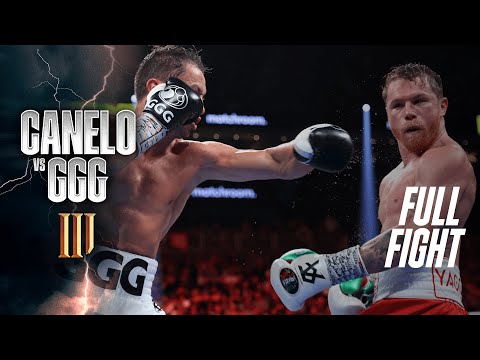
FULL FIGHT ANALYSIS: Canelo vs. GGG III - A Masterclass or a Missed Opportunity?

The sweet science. Boxing. For millennia, humanity has found a primal, captivating rhythm in the clash of fists, a testament to skill, heart, and sheer will. It’s a dance of strategy and power, where every feint, every jab, every uppercut tells a story of dedication and pain. But in the modern arena, amidst the glitz and the hype, how often do we witness true martial artistry, a genuine test of the warrior's spirit? Too often, the spectacle overshadows the substance.

Enter Saúl 'Canelo' Álvarez and Gennadiy 'GGG' Golovkin. Their saga is more than just a rivalry; it's a narrative woven into the fabric of contemporary boxing, a chapter that fans have devoured, debated, and desperately craved more of. Their first two encounters were seismic events, etched in controversy and leaving an insatiable thirst for a definitive conclusion. Today, we dissect their third dance, not just as a boxing match, but as a potential lesson in the enduring principles of combat. Was it a final, masterful demonstration of Budo principles, or a poignant reminder of how the game can sometimes betray the art?

The History: A Trilogy Forged in Controversy

The saga began on September 16, 2017. The air crackled with anticipation. Canelo Álvarez, the Mexican phenom, met Gennadiy Golovkin, the "Triple G" terror from Kazakhstan. This wasn't just a fight; it was a clash of titans, a stylistic chess match played at a furious pace. The bout, a brutal, back-and-forth war, ended in a split draw.

A draw? For many, it felt like an injustice. Spectators, pundits, and fellow martial artists scrutinized the scorecards, many convinced Golovkin had done enough to secure victory. The visceral impact of Golovkin's power shots, the relentless pressure he applied, seemed to eclipse Canelo's more tactical, albeit potent, counter-punching. This controversial outcome, rather than satiating the fanbase, ignited a bonfire of demand for a rematch. It highlighted a recurring theme in combat sports: the subjective nature of judging and the enduring power of raw aggression versus calculated defense. This is a debate that echoes through countless martial disciplines, from the striking arts of Karate to the intricate throws of Judo.

The Rematch: Canelo's Ascent, GGG's Stride

One year later, on September 15, 2018, the stage was set for redemption. The anticipation was even greater, the stakes higher. The rematch delivered another high-octane affair, a testament to both fighters' grit and skill. This time, the narrative shifted. Canelo, adapting and growing, clinched a majority decision victory.

Yet, even in victory, the controversy lingered. Arguments persisted that Golovkin's consistent output and powerful blows warranted a different result. It’s a familiar dilemma: does the cleaner, more technically precise fighter win, or the one who imposes his will and lands the heavier blows? This dance between technical merit and overwhelming force is a core philosophical question in martial arts. How does one truly measure victory when both participants display such profound mastery and warrior spirit? The debates raged on, ensuring that the desire for a final, unambiguous chapter remained.

Canelo vs. GGG III: The Anticipation and the Reality

The boxing world held its breath. A potential third fight between these two warriors was the stuff of dreams for fight fans. Both fighters, acknowledging their storied history, expressed openness to a rubber match. Canelo, by then firmly established as the undisputed king of the super-middleweight division, saw it as a chance to definitively close the book on his greatest rival. Golovkin, older but no less dangerous, viewed it as his final opportunity to reclaim his perceived throne and etch his name in boxing immortality against the man who had twice denied him undisputed victory.

On September 17, 2022, it finally happened. The trilogy was complete. But this time, the story felt different. Canelo, despite a hand injury he sustained early in the fight, controlled the bout with calculated aggression. His defense was tighter, his counter-punches sharp, and his ring generalship masterful. Golovkin, while still possessing his signature power and a warrior's heart, struggled to impose his will against a more seasoned and defensively astute Canelo. The unanimous decision for Álvarez was clear, decisive, and largely uncontroversial. The debate this time wasn't about who won, but rather about the aged warrior facing his prime.

Style vs. Substance: A Martial Perspective

From a martial artist's perspective, the Canelo-Golovkin rivalry offers a rich tapestry of contrasting philosophies. Canelo embodies the astute counter-puncher, a master of timing, distance, and calculated risk. His style is reminiscent of a skilled swordsman, waiting for the opponent's opening to deliver a decisive, precise strike. He understands the importance of defense not just as a means of avoiding damage, but as a platform for offense. This echoes principles found in **Tai Chi**, where yielding and redirecting an opponent's force is paramount.

Golovkin, on the other hand, is the embodiment of relentless pressure and concussive power. His "Triple G" moniker isn't just for show; his punches carry the weight of a sledgehammer. He represents the direct, overwhelming force, a style that demands unwavering commitment and a chin of granite. This approach shares similarities with the powerful, forward-moving strategies seen in some styles of **Kyokushin Karate** or the unyielding advance of a **Sumo** wrestler.

The third fight showcased Canelo’s evolution. He demonstrated that while power is a formidable weapon, the strategic application of skills – defense, timing, and adapting to an opponent's weaknesses – can overcome sheer aggression, especially as a fighter ages. It's a lesson that transcends boxing, a principle observed across numerous disciplines, from the fluid movements of **Aikido** to the strategic positioning in **Judo**.

"The supreme art of war is to subdue the enemy without fighting." - Sun Tzu, The Art of War. While Canelo didn't win without a fight, his strategic control in the third bout demonstrated a masterful subduing of GGG's strengths.

Beyond the Trilogy: The Ever-Evolving World of Combat

While the Canelo-Golovkin saga captured the boxing world's imagination, it’s crucial to remember that the landscape of combat sports is vast and ever-changing. Exciting matchups are constantly brewing across various disciplines. Consider the heavyweight boxing clashes, such as the highly anticipated bouts featuring **Tyson Fury** and **Deontay Wilder**, each bringing a unique blend of power and personality to the ring. These fights remind us that raw power and the "knockout punch" remain a thrilling, albeit unpredictable, element in combat.

The rise of **Mixed Martial Arts (MMA)**, with its fusion of striking, grappling, and submission arts, has further broadened the definition of a complete fighter. Athletes like **Jon Jones** and **Cyril Gane** showcase incredible versatility, blending techniques from **Muay Thai**, **Brazilian Jiu-Jitsu (BJJ)**, **Wrestling**, and **Karate** into a formidable arsenal. This cross-disciplinary approach mirrors the ancient martial philosophies that encouraged the study of multiple weapons and fighting styles to achieve true mastery. The ability to seamlessly transition between striking and grappling, as seen in fights at **UFC** events, demonstrates a holistic understanding of combat that few single-discipline fighters can match.

Equipo Esencial para tu Entrenamiento

For aspiring boxers and martial artists seeking to emulate the dedication and skill displayed by Canelo and Golovkin, proper training equipment is paramount. Investing in the right gear not only enhances performance but also significantly reduces the risk of injury. Here’s a foundational list:

  • Guantes de Boxeo/MMA (14-16oz): Essential for sparring and heavy bag work to protect your hands and wrists.
  • Vendas para Manos: Crucial for added wrist and knuckle support during intense training sessions.
  • Protector Bucal: Non-negotiable for any form of sparring or competitive fighting to protect your teeth and jaw.
  • Protector de Ingle: Vital for protecting sensitive areas during sparring.
  • Kimono (Judo/BJJ): For grappling-focused disciplines, a durable gi is essential for practicing throws and groundwork. Look for high-quality, double-weave fabrics for longevity.
  • Cuerda de Saltar: An indispensable tool for improving footwork, coordination, and cardiovascular endurance – a staple for any fighter’s conditioning.
  • Saco de Boxeo o Pera Loca: For developing power, speed, and accuracy in striking.
  • Rodilleras y Coderas: Useful for conditioning drills and protecting against impact during certain training exercises.

Whether you're training in boxing, **Judo**, **Karate**, or **BJJ**, the right equipment is an investment in your journey. Consider exploring specialized **Karate Merchandise** or **MMA Gear** from reputable brands to ensure quality and durability.

Guía de Entrenamiento: El "Golovkin Jab" y la "Canelo Counter"

Let's break down two fundamental elements that defined the early exchanges between these titans. While complex strategies are involved, understanding these core concepts can elevate your own training.

  1. El Jab de Golovkin (La Presión Constante):
    • Posición: Mantén una guardia sólida, pies bien plantados, ligeramente separados, rodillas flexionadas.
    • El Movimiento: Extiende tu brazo de lanzar (generalmente el izquierdo para un diestro) rápidamente, girando ligeramente la muñeca al contacto para maximizar el impacto. Tu cuerpo debe transferir peso hacia adelante de manera sutil.
    • El Propósito: No es solo un golpe de alcance; es para medir distancia, mantener al oponente a raya, interrumpir su ritmo y preparar golpes más potentes. GGG lo usaba implacablemente para dictar el espacio.
    • Entrenamiento: Practica miles de jabs contra un saco pesado, enfocándote en la velocidad, la extensión completa y la rápida retracción a la guardia. Visualiza a tu oponente y golpea puntos específicos.
  2. La Contra de Canelo (El Golpe Preciso en el Momento Justo):
    • Posición: Similar a la guardia de boxeo, pero con una mayor flexibilidad y movilidad en la parte superior del cuerpo.
    • El Movimiento: Permite que el oponente lance su golpe (ej. un jab o un recto). En el instante en que su puño sale, usa tu guardia para bloquear, desviar, o incluso deslizarte ligeramente, y contraataca con un golpe potente (un gancho o un recto) a un punto vulnerable. La clave es la sincronización perfecta.
    • El Propósito: Capitalizar el error del oponente, castigar su ofensiva y tomar el control de la pelea. Canelo es un maestro en encontrar la brecha y golpear con autoridad.
    • Entrenamiento: El *sparring* es crucial aquí. Trabaja con un compañero que entienda el concepto de lanzar golpes específicos. Practica el bloqueo/desvío y contraataque simultáneamente. Usa el "espejo" (golpear solo cuando el compañero golpea) para refinar el tiempo.

Dominar estos elementos requiere innumerables horas de práctica dedicada, la filosofía de perseverancia y la disciplina que son pilares de las **Artes Marciales Mixtas (MMA)** y del **Budo** en general.

"The difference between a novice and a master is not that the master never makes mistakes, but that the master learns from every mistake. The master has failed more times than the novice has even tried." - Bruce Lee. This philosophy underpins the entire journey of martial arts mastery.

Veredicto del Sensei: ¿Merece la pena?

The Canelo vs. Golovkin trilogy is a landmark achievement in modern boxing. While the first two fights were marred by controversial decisions, they showcased an incredible rivalry between two supremely talented warriors. The third fight, though perhaps lacking the same level of back-and-forth drama, provided a definitive conclusion and a masterclass in boxing strategy from Canelo Álvarez. From a martial perspective, it served as a powerful reminder that while raw power and aggression are potent forces, the disciplined application of skill, timing, and strategic defense often prevails, especially in the twilight of a legendary career.

Calificación del Sensei: Cinturón Negro en Rivalidad, Maestro en Estrategia.

Preguntas Frecuentes

  • ¿Por qué fue tan controvertida la primera pelea entre Canelo y Golovkin?
    La controversia se debió principalmente a las tarjetas de los jueces. Muchos observadores creían que Golovkin había ganado claramente, pero la pelea terminó en un empate dividido, lo que dejó a muchos sintiendo que se le robó la victoria.
  • ¿Fue la tercera pelea tan emocionante como las dos primeras?
    Si bien la tercera pelea fue estratégicamente fascinante y demostró la maestría de Canelo, muchos fanáticos la encontraron menos emocionante que las dos primeras, que fueron batallas más reñidas y llenas de acción impredecible.
  • ¿Qué aprendemos de la técnica de ambos peleadores desde una perspectiva marcial?
    Canelo demuestra la importancia de la defensa, el tiempo y el contraataque preciso, similar a las tácticas de algunos estilos de Karate y Judo. Golovkin representa la fuerza bruta, la presión implacable y la búsqueda del nocaut, un enfoque visto en disciplinas como el Kyokushin Karate. La trilogía ilustra cómo diferentes filosofías marciales pueden coexistir y competir en el mismo ring.
  • ¿Es probable que haya una cuarta pelea entre Canelo y Golovkin?
    Dada la edad de Golovkin y la dominante victoria de Canelo en la tercera pelea, una cuarta contienda parece muy improbable. Canelo ha indicado que desea continuar consolidando su legado en otras divisiones, mientras que GGG podría estar considerando el final de su carrera.

Para Profundizar en tu Camino

Reflexión del Sensei: Tu Próximo Paso

The roar of the crowd, the sweat, the exhaustion, the controversy, and ultimately, the definitive victory. This trilogy offered more than just punches; it offered lessons. Canelo's strategic adaptation and Golovkin's unyielding spirit are echoes of timeless martial principles. But now, I ask you:

When the final bell rings in your own life's battles, will you be remembered for your raw power, or for the wisdom and adaptability with which you navigated the storm? How will *you* write the final chapter of your own saga?

``` ```json { "@context": "https://schema.org", "@type": "FAQPage", "mainEntity": [ { "@type": "Question", "name": "Why was the first fight between Canelo and Golovkin so controversial?", "acceptedAnswer": { "@type": "Answer", "text": "The controversy stemmed from the judges' scorecards. Many observers believed Golovkin had clearly won, but the fight ended in a split draw, leaving many feeling he was robbed of a victory." } }, { "@type": "Question", "name": "Was the third fight as exciting as the first two?", "acceptedAnswer": { "@type": "Answer", "text": "While strategically fascinating and showcasing Canelo's mastery, many fans found the third fight less exciting than the first two, which were closer, more unpredictable battles." } }, { "@type": "Question", "name": "What can we learn from both fighters' techniques from a martial perspective?", "acceptedAnswer": { "@type": "Answer", "text": "Canelo demonstrates the importance of defense, timing, and precise counter-punching, akin to strategies in Karate and Judo. Golovkin embodies raw power, relentless pressure, and the pursuit of a knockout, a style seen in disciplines like Kyokushin Karate. The trilogy illustrates how different martial philosophies can compete effectively." } }, { "@type": "Question", "name": "Is a fourth fight between Canelo and Golovkin likely?", "acceptedAnswer": { "@type": "Answer", "text": "Given Golovkin's age and Canelo's dominant performance in the third fight, a fourth bout seems highly improbable. Canelo aims to solidify his legacy in other divisions, while GGG may be considering retirement." } } ] }