Showing posts sorted by date for query boxing history. Sort by relevance Show all posts

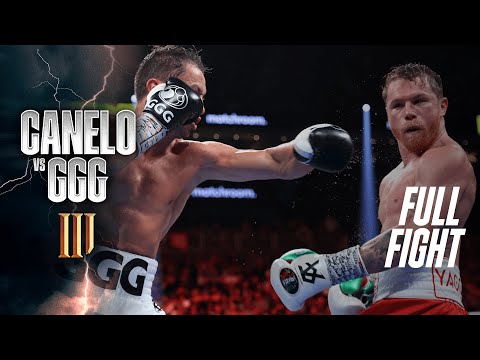
FULL FIGHT ANALYSIS: Canelo vs. GGG III - A Masterclass or a Missed Opportunity?

The sweet science. Boxing. For millennia, humanity has found a primal, captivating rhythm in the clash of fists, a testament to skill, heart, and sheer will. It’s a dance of strategy and power, where every feint, every jab, every uppercut tells a story of dedication and pain. But in the modern arena, amidst the glitz and the hype, how often do we witness true martial artistry, a genuine test of the warrior's spirit? Too often, the spectacle overshadows the substance.

Enter Saúl 'Canelo' Álvarez and Gennadiy 'GGG' Golovkin. Their saga is more than just a rivalry; it's a narrative woven into the fabric of contemporary boxing, a chapter that fans have devoured, debated, and desperately craved more of. Their first two encounters were seismic events, etched in controversy and leaving an insatiable thirst for a definitive conclusion. Today, we dissect their third dance, not just as a boxing match, but as a potential lesson in the enduring principles of combat. Was it a final, masterful demonstration of Budo principles, or a poignant reminder of how the game can sometimes betray the art?

The History: A Trilogy Forged in Controversy

The saga began on September 16, 2017. The air crackled with anticipation. Canelo Álvarez, the Mexican phenom, met Gennadiy Golovkin, the "Triple G" terror from Kazakhstan. This wasn't just a fight; it was a clash of titans, a stylistic chess match played at a furious pace. The bout, a brutal, back-and-forth war, ended in a split draw.

A draw? For many, it felt like an injustice. Spectators, pundits, and fellow martial artists scrutinized the scorecards, many convinced Golovkin had done enough to secure victory. The visceral impact of Golovkin's power shots, the relentless pressure he applied, seemed to eclipse Canelo's more tactical, albeit potent, counter-punching. This controversial outcome, rather than satiating the fanbase, ignited a bonfire of demand for a rematch. It highlighted a recurring theme in combat sports: the subjective nature of judging and the enduring power of raw aggression versus calculated defense. This is a debate that echoes through countless martial disciplines, from the striking arts of Karate to the intricate throws of Judo.

The Rematch: Canelo's Ascent, GGG's Stride

One year later, on September 15, 2018, the stage was set for redemption. The anticipation was even greater, the stakes higher. The rematch delivered another high-octane affair, a testament to both fighters' grit and skill. This time, the narrative shifted. Canelo, adapting and growing, clinched a majority decision victory.

Yet, even in victory, the controversy lingered. Arguments persisted that Golovkin's consistent output and powerful blows warranted a different result. It’s a familiar dilemma: does the cleaner, more technically precise fighter win, or the one who imposes his will and lands the heavier blows? This dance between technical merit and overwhelming force is a core philosophical question in martial arts. How does one truly measure victory when both participants display such profound mastery and warrior spirit? The debates raged on, ensuring that the desire for a final, unambiguous chapter remained.

Canelo vs. GGG III: The Anticipation and the Reality

The boxing world held its breath. A potential third fight between these two warriors was the stuff of dreams for fight fans. Both fighters, acknowledging their storied history, expressed openness to a rubber match. Canelo, by then firmly established as the undisputed king of the super-middleweight division, saw it as a chance to definitively close the book on his greatest rival. Golovkin, older but no less dangerous, viewed it as his final opportunity to reclaim his perceived throne and etch his name in boxing immortality against the man who had twice denied him undisputed victory.

On September 17, 2022, it finally happened. The trilogy was complete. But this time, the story felt different. Canelo, despite a hand injury he sustained early in the fight, controlled the bout with calculated aggression. His defense was tighter, his counter-punches sharp, and his ring generalship masterful. Golovkin, while still possessing his signature power and a warrior's heart, struggled to impose his will against a more seasoned and defensively astute Canelo. The unanimous decision for Álvarez was clear, decisive, and largely uncontroversial. The debate this time wasn't about who won, but rather about the aged warrior facing his prime.

Style vs. Substance: A Martial Perspective

From a martial artist's perspective, the Canelo-Golovkin rivalry offers a rich tapestry of contrasting philosophies. Canelo embodies the astute counter-puncher, a master of timing, distance, and calculated risk. His style is reminiscent of a skilled swordsman, waiting for the opponent's opening to deliver a decisive, precise strike. He understands the importance of defense not just as a means of avoiding damage, but as a platform for offense. This echoes principles found in **Tai Chi**, where yielding and redirecting an opponent's force is paramount.

Golovkin, on the other hand, is the embodiment of relentless pressure and concussive power. His "Triple G" moniker isn't just for show; his punches carry the weight of a sledgehammer. He represents the direct, overwhelming force, a style that demands unwavering commitment and a chin of granite. This approach shares similarities with the powerful, forward-moving strategies seen in some styles of **Kyokushin Karate** or the unyielding advance of a **Sumo** wrestler.

The third fight showcased Canelo’s evolution. He demonstrated that while power is a formidable weapon, the strategic application of skills – defense, timing, and adapting to an opponent's weaknesses – can overcome sheer aggression, especially as a fighter ages. It's a lesson that transcends boxing, a principle observed across numerous disciplines, from the fluid movements of **Aikido** to the strategic positioning in **Judo**.

"The supreme art of war is to subdue the enemy without fighting." - Sun Tzu, The Art of War. While Canelo didn't win without a fight, his strategic control in the third bout demonstrated a masterful subduing of GGG's strengths.

Beyond the Trilogy: The Ever-Evolving World of Combat

While the Canelo-Golovkin saga captured the boxing world's imagination, it’s crucial to remember that the landscape of combat sports is vast and ever-changing. Exciting matchups are constantly brewing across various disciplines. Consider the heavyweight boxing clashes, such as the highly anticipated bouts featuring **Tyson Fury** and **Deontay Wilder**, each bringing a unique blend of power and personality to the ring. These fights remind us that raw power and the "knockout punch" remain a thrilling, albeit unpredictable, element in combat.

The rise of **Mixed Martial Arts (MMA)**, with its fusion of striking, grappling, and submission arts, has further broadened the definition of a complete fighter. Athletes like **Jon Jones** and **Cyril Gane** showcase incredible versatility, blending techniques from **Muay Thai**, **Brazilian Jiu-Jitsu (BJJ)**, **Wrestling**, and **Karate** into a formidable arsenal. This cross-disciplinary approach mirrors the ancient martial philosophies that encouraged the study of multiple weapons and fighting styles to achieve true mastery. The ability to seamlessly transition between striking and grappling, as seen in fights at **UFC** events, demonstrates a holistic understanding of combat that few single-discipline fighters can match.

Equipo Esencial para tu Entrenamiento

For aspiring boxers and martial artists seeking to emulate the dedication and skill displayed by Canelo and Golovkin, proper training equipment is paramount. Investing in the right gear not only enhances performance but also significantly reduces the risk of injury. Here’s a foundational list:

  • Guantes de Boxeo/MMA (14-16oz): Essential for sparring and heavy bag work to protect your hands and wrists.
  • Vendas para Manos: Crucial for added wrist and knuckle support during intense training sessions.
  • Protector Bucal: Non-negotiable for any form of sparring or competitive fighting to protect your teeth and jaw.
  • Protector de Ingle: Vital for protecting sensitive areas during sparring.
  • Kimono (Judo/BJJ): For grappling-focused disciplines, a durable gi is essential for practicing throws and groundwork. Look for high-quality, double-weave fabrics for longevity.
  • Cuerda de Saltar: An indispensable tool for improving footwork, coordination, and cardiovascular endurance – a staple for any fighter’s conditioning.
  • Saco de Boxeo o Pera Loca: For developing power, speed, and accuracy in striking.
  • Rodilleras y Coderas: Useful for conditioning drills and protecting against impact during certain training exercises.

Whether you're training in boxing, **Judo**, **Karate**, or **BJJ**, the right equipment is an investment in your journey. Consider exploring specialized **Karate Merchandise** or **MMA Gear** from reputable brands to ensure quality and durability.

Guía de Entrenamiento: El "Golovkin Jab" y la "Canelo Counter"

Let's break down two fundamental elements that defined the early exchanges between these titans. While complex strategies are involved, understanding these core concepts can elevate your own training.

  1. El Jab de Golovkin (La Presión Constante):
    • Posición: Mantén una guardia sólida, pies bien plantados, ligeramente separados, rodillas flexionadas.
    • El Movimiento: Extiende tu brazo de lanzar (generalmente el izquierdo para un diestro) rápidamente, girando ligeramente la muñeca al contacto para maximizar el impacto. Tu cuerpo debe transferir peso hacia adelante de manera sutil.
    • El Propósito: No es solo un golpe de alcance; es para medir distancia, mantener al oponente a raya, interrumpir su ritmo y preparar golpes más potentes. GGG lo usaba implacablemente para dictar el espacio.
    • Entrenamiento: Practica miles de jabs contra un saco pesado, enfocándote en la velocidad, la extensión completa y la rápida retracción a la guardia. Visualiza a tu oponente y golpea puntos específicos.
  2. La Contra de Canelo (El Golpe Preciso en el Momento Justo):
    • Posición: Similar a la guardia de boxeo, pero con una mayor flexibilidad y movilidad en la parte superior del cuerpo.
    • El Movimiento: Permite que el oponente lance su golpe (ej. un jab o un recto). En el instante en que su puño sale, usa tu guardia para bloquear, desviar, o incluso deslizarte ligeramente, y contraataca con un golpe potente (un gancho o un recto) a un punto vulnerable. La clave es la sincronización perfecta.
    • El Propósito: Capitalizar el error del oponente, castigar su ofensiva y tomar el control de la pelea. Canelo es un maestro en encontrar la brecha y golpear con autoridad.
    • Entrenamiento: El *sparring* es crucial aquí. Trabaja con un compañero que entienda el concepto de lanzar golpes específicos. Practica el bloqueo/desvío y contraataque simultáneamente. Usa el "espejo" (golpear solo cuando el compañero golpea) para refinar el tiempo.

Dominar estos elementos requiere innumerables horas de práctica dedicada, la filosofía de perseverancia y la disciplina que son pilares de las **Artes Marciales Mixtas (MMA)** y del **Budo** en general.

"The difference between a novice and a master is not that the master never makes mistakes, but that the master learns from every mistake. The master has failed more times than the novice has even tried." - Bruce Lee. This philosophy underpins the entire journey of martial arts mastery.

Veredicto del Sensei: ¿Merece la pena?

The Canelo vs. Golovkin trilogy is a landmark achievement in modern boxing. While the first two fights were marred by controversial decisions, they showcased an incredible rivalry between two supremely talented warriors. The third fight, though perhaps lacking the same level of back-and-forth drama, provided a definitive conclusion and a masterclass in boxing strategy from Canelo Álvarez. From a martial perspective, it served as a powerful reminder that while raw power and aggression are potent forces, the disciplined application of skill, timing, and strategic defense often prevails, especially in the twilight of a legendary career.

Calificación del Sensei: Cinturón Negro en Rivalidad, Maestro en Estrategia.

Preguntas Frecuentes

  • ¿Por qué fue tan controvertida la primera pelea entre Canelo y Golovkin?
    La controversia se debió principalmente a las tarjetas de los jueces. Muchos observadores creían que Golovkin había ganado claramente, pero la pelea terminó en un empate dividido, lo que dejó a muchos sintiendo que se le robó la victoria.
  • ¿Fue la tercera pelea tan emocionante como las dos primeras?
    Si bien la tercera pelea fue estratégicamente fascinante y demostró la maestría de Canelo, muchos fanáticos la encontraron menos emocionante que las dos primeras, que fueron batallas más reñidas y llenas de acción impredecible.
  • ¿Qué aprendemos de la técnica de ambos peleadores desde una perspectiva marcial?
    Canelo demuestra la importancia de la defensa, el tiempo y el contraataque preciso, similar a las tácticas de algunos estilos de Karate y Judo. Golovkin representa la fuerza bruta, la presión implacable y la búsqueda del nocaut, un enfoque visto en disciplinas como el Kyokushin Karate. La trilogía ilustra cómo diferentes filosofías marciales pueden coexistir y competir en el mismo ring.
  • ¿Es probable que haya una cuarta pelea entre Canelo y Golovkin?
    Dada la edad de Golovkin y la dominante victoria de Canelo en la tercera pelea, una cuarta contienda parece muy improbable. Canelo ha indicado que desea continuar consolidando su legado en otras divisiones, mientras que GGG podría estar considerando el final de su carrera.

Para Profundizar en tu Camino

Reflexión del Sensei: Tu Próximo Paso

The roar of the crowd, the sweat, the exhaustion, the controversy, and ultimately, the definitive victory. This trilogy offered more than just punches; it offered lessons. Canelo's strategic adaptation and Golovkin's unyielding spirit are echoes of timeless martial principles. But now, I ask you:

When the final bell rings in your own life's battles, will you be remembered for your raw power, or for the wisdom and adaptability with which you navigated the storm? How will *you* write the final chapter of your own saga?

``` ```json { "@context": "https://schema.org", "@type": "FAQPage", "mainEntity": [ { "@type": "Question", "name": "Why was the first fight between Canelo and Golovkin so controversial?", "acceptedAnswer": { "@type": "Answer", "text": "The controversy stemmed from the judges' scorecards. Many observers believed Golovkin had clearly won, but the fight ended in a split draw, leaving many feeling he was robbed of a victory." } }, { "@type": "Question", "name": "Was the third fight as exciting as the first two?", "acceptedAnswer": { "@type": "Answer", "text": "While strategically fascinating and showcasing Canelo's mastery, many fans found the third fight less exciting than the first two, which were closer, more unpredictable battles." } }, { "@type": "Question", "name": "What can we learn from both fighters' techniques from a martial perspective?", "acceptedAnswer": { "@type": "Answer", "text": "Canelo demonstrates the importance of defense, timing, and precise counter-punching, akin to strategies in Karate and Judo. Golovkin embodies raw power, relentless pressure, and the pursuit of a knockout, a style seen in disciplines like Kyokushin Karate. The trilogy illustrates how different martial philosophies can compete effectively." } }, { "@type": "Question", "name": "Is a fourth fight between Canelo and Golovkin likely?", "acceptedAnswer": { "@type": "Answer", "text": "Given Golovkin's age and Canelo's dominant performance in the third fight, a fourth bout seems highly improbable. Canelo aims to solidify his legacy in other divisions, while GGG may be considering retirement." } } ] }
Choosing Your Martial Arts Sensei: Avoiding the Red Flags of False Mastery

The path of Budo is a journey of self-discovery, discipline, and relentless improvement. But what happens when the very guide meant to illuminate this path casts a shadow instead? In the intricate world of martial arts, the instructor, the Sensei, is paramount. Yet, not all who don the black belt are true masters. Many are merely keepers of superficial knowledge, or worse, peddlers of dangerous dogma.

This is not a debate about style – whether you seek the fluidity of Aikido, the power of Kyokushin Karate, or the strategy of Judo. This is a critical examination of character and competence. My intent today is to equip you, the aspiring warrior, with the discernment needed to identify instructors who are not worthy of your dedication, your sweat, and your respect. We will dissect the common "red flags" that signal a lack of true mastery and, more importantly, a potential detriment to your martial arts journey and personal growth.

Lack of Credentials: The Uncertified Imposter

In the realm of Budo, lineage and verifiable expertise are not mere formalities; they are the bedrock of authenticity. When an instructor cannot produce legitimate credentials – certifications from recognized martial arts federations, documented ranks from reputable masters, or a clear lineage tracing back through established schools – it’s a gaping hole in their claim to authority.

Think of it like this: would you trust a surgeon who claimed to have 'learned surgery by watching videos'? Of course not. The same rigor must apply to your martial arts training. A Sensei who skirts around the issue of their qualifications, or worse, dismisses them as unimportant, is signaling a profound lack of understanding regarding the depth and discipline required to attain true mastery. This is not about ego; it’s about the student’s right to receive instruction from someone who has demonstrably earned it.

"If you meet the Buddha, kill the Buddha." This koan, often misapplied, speaks to the danger of blind adherence. In your training, it means questioning any authority that doesn't stand up to scrutiny. A lack of credentials is the first, and perhaps most obvious, crack in the facade.

Overemphasis on Winning: The Empty Trophy Syndrome

Competition is a vital component of many martial arts. It tests technique under pressure, builds resilience, and offers a tangible measure of progress. However, an instructor whose focus is *solely* on victory, who prizes wins above all else, is fundamentally misunderstanding the purpose of Budo.

Martial arts are a crucible for character development. They teach humility in defeat, grace in victory, perseverance through adversity, and the ethical application of force. An instructor who only celebrates wins, or worse, harshly criticizes losses, is cultivating an unhealthy and ultimately shallow approach to training. True martial arts training is a lifelong pursuit of self-mastery, not a gladiatorial contest. The true victories are often internal: overcoming fear, perfecting a difficult technique, or developing unshakeable discipline. An instructor obsessed with external validation misses this entirely.

Consider the legendary martial artists. While many were formidable competitors, their teachings often transcended mere winning. They emphasized the philosophical, the ethical, and the personal growth aspects. A coach focused only on the scoreboard misses the deeper lessons that make martial arts a transformative art.

Lack of Safety Precautions: Gambling with Your Well-being

This is non-negotiable. Martial arts, by their very nature, involve physical contact and the potential for injury. A competent and ethical instructor prioritizes safety above all else. This means:

  • Proper warm-ups and cool-downs to prepare the body and prevent strains.
  • Clear instruction on how to execute techniques safely, minimizing risk to both giver and receiver.
  • Appropriate supervision during sparring or strenuous drills.
  • A willingness to modify training for students with injuries or physical limitations.
  • A calm, controlled environment where recklessness is not tolerated.

If your instructor rushes through warm-ups, encourages overly aggressive or uncontrolled sparring, dismisses concerns about pain, or lacks basic safety protocols (like ensuring the training area is clear of hazards), they are not only negligent but actively endangering you. This isn't about being "soft"; it's about intelligent, sustainable training. Pushing your limits is essential, but reckless endangerment is not. You should feel challenged, yes, but never at the risk of serious injury due to the instructor's carelessness.

Aggressive or Abusive Behavior: The Tyrant's Dojo

The dojo should be a sanctuary for learning and growth, a place where discipline is cultivated, not fear. An instructor who resorts to aggressive language, shouting, intimidation, or any form of physical or emotional abuse is fundamentally unfit to teach.

Martial arts are meant to empower, to build confidence, and to foster self-control. An instructor who uses their position to belittle, demean, or intimidate students is exploiting their authority. This is not discipline; it is tyranny. Such behavior creates a toxic learning environment, erodes self-esteem, and can have lasting negative psychological effects. The true martial artist leads by example, demonstrating respect, patience, and calm under pressure – not by ruling through fear or aggression. This kind of behavior is not only unethical but often stems from the instructor’s own insecurities and lack of genuine mastery.

"The supreme art of war is to subdue the enemy without fighting." - Sun Tzu. This principle extends beyond the battlefield. A true master subdues conflict through calm authority and unwavering principle, not through aggressive displays.

Lack of Respect for Students: The Mark of a Shallow Mind

Every student, from the absolute beginner to the seasoned practitioner, deserves respect. An instructor who consistently belittles students, mocks their efforts, dismisses their questions, or treats them as inferior is demonstrating a profound lack of character.

Respect is a two-way street. While students owe respect to their instructor, the instructor owes a duty of care, dignity, and genuine mentorship to their students. An instructor who fails to recognize the individual journey of each student, who fails to foster an environment of mutual respect, is not a true leader. They may possess technical skills, but they lack the wisdom and character that define a master. Feeling comfortable asking questions, making mistakes without fear of humiliation, and being treated as an individual with unique potential are hallmarks of a positive training environment.

Veredicto del Sensei: ¿Merece la pena?

Choosing the right martial arts instructor is perhaps the single most critical decision you will make on your path. The red flags – lack of credentials, obsession with winning, disregard for safety, abusive behavior, and disrespect for students – are not minor issues. They are fundamental flaws that betray a lack of true mastery and ethical integrity.

A true Sensei is a mentor, a guide, and a role model. They possess not only technical proficiency but also the wisdom, patience, and ethical grounding to nurture their students. They prioritize your growth, safety, and well-being above their own ego or desire for superficial accolades. If an instructor exhibits any of these red flags, it is a clear signal to seek training elsewhere. Your journey is too important to be entrusted to someone who lacks the fundamental qualities of a true master.

Calificación: ¡Cinturón Negro en Discernimiento!

Equipo Esencial para tu Entrenamiento

Selecting the right equipment can significantly enhance your training experience, safety, and progression. While the core of martial arts lies in the practitioner, the right gear provides the necessary foundation.

  • Kimono/Gi: For Judo, Aikido, and some Karate styles, a durable Gi is essential. Look for double-weave or heavyweight fabrics for disciplines involving grappling or significant wear and tear. For Karate, a lighter, more breathable fabric might be preferred for striking arts.
  • Sparring Gear: When engaging in controlled sparring, protective gear is paramount. This includes headgear, mouthguards, chest protectors, and shin/instep guards, especially for striking arts like Karate and Kickboxing. For grappling arts, focus on comfortable attire that allows freedom of movement.
  • Training Mats (Tatami): If you are practicing at home, especially for techniques involving throws or falls (Judo, Aikido), investing in proper mats is crucial to prevent injuries.
  • Focus Mitts and Strike Pads: Excellent for practicing striking combinations and power generation, whether alone or with a partner.
  • Hand Wraps and Gloves: Essential for striking arts to protect your wrists and hands during bag work or sparring. Boxing or MMA gloves are standard.

Guía de Entrenamiento: Desarrollando tu Resiliencia

True martial arts strength isn't just physical; it's mental and spiritual. Here's a simple drill to cultivate mental fortitude and discipline, applicable to any art:

  1. Set a Consistent Time and Place: Designate a specific time each day (e.g., upon waking, before bed) and a quiet space for your practice.
  2. Begin with Centering: Sit in a comfortable, upright posture. Close your eyes and take 5-10 deep breaths, focusing on the sensation of air entering and leaving your body. This is your 'Mokuso' (meditation).
  3. Perform a Single Technique Repetitively: Choose one fundamental technique from your art (e.g., a basic punch, a specific block, a simple stance transition, or even a short kata).
  4. Execute with Full Focus: Perform the technique with 100% concentration. Imagine it's the first time you've ever done it. Pay attention to every detail: body alignment, breath, intent.
  5. Aim for a Target Number of Repetitions: Start with a manageable number, perhaps 25 or 50. The goal isn't speed, but perfect, mindful execution.
  6. Maintain Focus Through Fatigue: As you get tired, your mind will wander. Gently bring your focus back to the technique. This is where the real training happens.
  7. Conclude with Gratitude: Take a moment to thank yourself for your dedication and your instructor (even if they are absent) for their guidance.

This drill, simple as it seems, builds discipline, focus, and an appreciation for the subtleties within even the most basic movements. It's a cornerstone of developing a strong Ki or internal energy.

Preguntas Frecuentes

Q1: My instructor often yells at us. Is this normal in martial arts?
A: No. While discipline is important, yelling and aggressive behavior are signs of a poor instructor who may lack control or proper teaching methodology. True discipline comes from respect and understanding, not fear.

Q2: What if my instructor is a world champion but seems to lack teaching skills?
A: Being a great competitor does not automatically make one a great teacher. A good instructor needs not only technical skill but also the ability to communicate, motivate, and foster a safe learning environment. Look for a balanced instructor.

Q3: Is it okay to switch martial arts schools if I'm unhappy with my current instructor?
A: Absolutely. Your training journey is yours. If you encounter red flags or feel your growth is being stunted, it is wise and responsible to seek out a more suitable learning environment. Loyalty is to your own progress and the principles of Budo, not necessarily to a single individual.

Para Profundizar en tu Camino

In conclusion, the path to martial arts mastery is paved with diligent effort and wise choices. Be discerning. Observe keenly. Trust your instincts. The right Sensei will not only teach you techniques but will inspire you to become a better version of yourself, embodying the true spirit of Budo.

Now, I pose a challenge to you: Reflect on your own training environment. Have you encountered any of these red flags? Are you truly being guided by a master, or merely by someone with a black belt? Voice your thoughts and experiences below. Let us learn from each other.

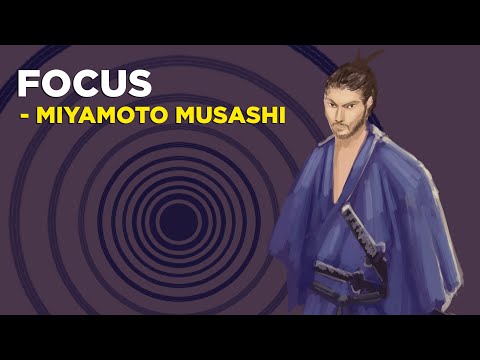
Miyamoto Musashi's Unyielding Focus: 7 Pillars of a Warrior's Mindset

The path of the warrior is not merely one of physical prowess, but of an ironclad mind. In the annals of martial history, few names resonate with the same electrifying intensity as Miyamoto Musashi. This legendary swordsman, a figure almost mythical in his prowess, was not just a master of the blade; he was a profound philosopher whose discipline transcended the dueling grounds to permeate every facet of his existence. His life, a testament to unwavering dedication, offers a profound blueprint for achieving mastery, not just in combat, but in life itself. This discourse will delve into the very essence of Musashi's wisdom, extracting seven core principles that forged his legendary focus. We will dissect these tenets not as abstract theories, but as actionable strategies for the modern practitioner striving for peak performance and mental fortitude. Are you truly ready to understand the mindset that separated a legend from the mere multitude?

Table of Contents

The Enigma of Miyamoto Musashi: More Than Just a Swordsman

Musashi was not born into privilege; he emerged from the crucible of constant conflict, participating in over sixty duels before the age of thirty, emerging victorious from each. His magnum opus, the *Dokkōdō* (The Way of Walking Alone), and his seminal work, *The Book of Five Rings* (*Go Rin No Sho*), are not merely treatises on swordsmanship. They are profound philosophical guides. His mastery over the *Niten Ichi-ryū* (Two Heavens as One style), a dual-wielding technique, is legendary. Yet, his true genius lay in his ability to distill the essence of combat and life into principles that resonate across centuries and disciplines. His pursuit of the "Way" (*Do*) was holistic, encompassing not just the physical clash but the mental, spiritual, and artistic dimensions. This is the foundation upon which his teachings of focus are built.

Pillar 1: Forge Your True North – The Quest for Passion

Musashi’s first decree is an absolute imperative: **Find your passion and commit to it with an unwavering spirit.** This is not a casual suggestion; it is the bedrock of all sustained effort. He understood that true dedication springs from a deep-seated resonance with one's chosen path. When your endeavor aligns with your soul's calling, the arduous climb becomes a compelling journey. This alignment fuels the relentless drive needed to overcome obstacles that would deter the uninspired. Consider the countless hours a martial artist dedicates to perfecting a single technique, be it a precise karate kata, a devastating judo throw, or the elusive BJJ grappling exchange. This devotion is not born from obligation, but from a profound love for the craft. This is the essence of finding your passion. It transforms grueling martial arts training from a chore into a calling.
"If you understand the Way of strategy, you can see the Way in all things."
— Miyamoto Musashi

Pillar 2: The Siren Song of Distraction – Renouncing Fleeting Pleasures

In an era saturated with instant gratification, Musashi’s admonition to **avoid short-term pleasures** is more potent than ever. He recognized these "pleasures" as insidious thieves of potential, luring individuals away from their loftier aspirations with the promise of fleeting comfort. These distractions, whether the ephemeral dopamine hit of social media or the immediate gratification of indulgence, create a psychological fog, obscuring long-term objectives. The disciplined warrior understands that true fulfillment lies not in momentary ease, but in the hard-won satisfaction of achieving meaningful goals. This requires the fortitude to say "no" to the immediate and to embrace the arduous path towards lasting reward. The modern warrior must cultivate this discernment, understanding that every moment spent chasing trivialities is a moment stolen from the pursuit of mastery.

Pillar 3: The Full Spectrum of Effort – No Half Measures

Musashi’s third pillar is a stark declaration: **Never undertake any task with half-hearted effort.** Mediocrity is the enemy of progress, and a half-committed spirit breeds a culture of indifference. He understood that the *quality* of our effort directly dictates the *outcome*. To engage with anything less than your full capacity is to invite failure, not through external forces, but through internal deficiency. This principle is fundamental to any rigorous training regimen. Whether you are practicing Kyokushin Karate drills, honing your kickboxing combinations, or performing conditioning exercises, the intensity and focus you bring to each repetition are paramount. This holistic application of effort builds not just skill, but character – a resolute commitment that bleeds into every aspect of your life.

Pillar 4: The Cleansing Fire – Releasing the Burden of Resentment

The warrior’s mind must be a clear battlefield, unburdened by the toxic weight of negativity. Musashi’s teaching to **let go of resentments and grudges** is crucial. Holding onto bitterness is akin to self-poisoning; it corrodes mental clarity, saps emotional energy, and actively hinders progress. These lingering resentments create internal conflict, distracting from the focused pursuit of objectives. True strength lies not in holding onto past grievances, but in the wisdom to learn from them and move forward. For the martial artist, this translates to shedding animosity towards rivals or past defeats. Instead, one must channel that energy into constructive training and self-improvement, allowing the pursuit of mastery to burn brighter than any lingering flame of anger.
"Grasping the sword, with a spirit of determination and courage, strike as though you were going to cut the enemy in two."
— Miyamoto Musashi

Pillar 5: The Unwritten Page – Embracing a Future Free of Regret

Musashi’s wisdom extends to our temporal perspective. He implored his followers to **not regret anything.** Regret is a backward-facing emotion, tethered to the past, that paralyzes forward momentum. It consumes valuable mental resources that should be directed towards present action and future planning. The lessons learned from past missteps are invaluable, but dwelling on them breeds stagnation. The disciplined mind, like the focused warrior, is always looking ahead. Past battles inform strategy, but they do not define the outcome of the next confrontation. By extracting lessons from experience without succumbing to regret, one cultivates resilience and a proactive mindset, essential for navigating the unpredictable currents of life and combat.

Pillar 6: The Chasm Between Desire and Purpose – Avoiding the Traps of Love and Lust

Musashi’s teachings also touch upon the potent distractions of primal urges. He advised to **not chase love or lust.** While human connection and desire are natural, their unchecked pursuit can derail the disciplined path. Chasing fleeting romantic or physical affections can divert focus from one’s primary goals, leading to wasted energy and emotional turmoil. The true warrior understands the difference between healthy connection and consuming obsession. Prioritizing one's chosen "Way," whether it be martial mastery, artistic creation, or philosophical inquiry, demands a clear focus that can be easily compromised by the erratic pursuit of passionate, yet potentially transient, desires. This doesn't advocate for asceticism, but for the prioritization of purpose over impulse.

Pillar 7: The River of Life – Accepting the Unforeseen

Finally, Musashi’s philosophy culminates in the acceptance of life's inherent unpredictability. He taught the importance of **accepting life as it happens.** Life is a dynamic, often chaotic, force. Our attempts to exert absolute control are often futile and lead to frustration. The truly resilient individual learns to adapt and flow with the currents of existence. For the martial artist, this translates to adaptability in combat. An opponent’s unexpected move, a change in the fight’s dynamics – these require a calm, accepting mind capable of immediate adjustment. Instead of resisting the unpredictable, the disciplined practitioner embraces it, finding strength in flexibility and resilience. This acceptance does not imply passivity, but rather a clear-eyed understanding of what is within our control and what is not, allowing us to focus our energy effectively.

Veredicto del Sensei: ¿La Sabiduría de Musashi Sigue Vigente?

The teachings of Miyamoto Musashi are not mere historical curiosities; they are timeless principles for cultivating an unshakeable focus. In a world clamoring for our attention with a thousand fleeting stimuli, his seven pillars offer a robust framework for mental discipline. Whether you are training in Aikido, honing your Judo skills, or engaging in intense MMA sparring, Musashi's wisdom provides the mental bedrock for true mastery. His principles are a stark reminder that the greatest battles are often fought within the confines of our own minds. This article does not just explain his teachings; it presents a direct challenge to adopt them. The wisdom of the "Way of Walking Alone" is a martial art in itself, demanding practice and unwavering commitment. Calificación: Cinturón Negro en Sabiduría Marcial.

Guía de Entrenamiento: Ejercicio de Visualización Musashi

This exercise is designed to internalize Musashi's principles, enhancing your focus and mental resilience.
  1. Preparation: Find a quiet space where you won't be disturbed. Sit or stand in a comfortable posture, perhaps a natural fighting stance or a meditative posture like Zazen. Close your eyes and take several deep, calming breaths. Visualize your target or goal with utmost clarity – a specific technique, a competition outcome, a personal project.
  2. Integrate Pillar 1 (Passion): Feel the deep-seated passion for this goal. Imagine yourself succeeding not because you have to, but because this is your chosen path, your "Way." See the joy and fulfillment it brings.
  3. Resist Distractions (Pillar 2): As you focus on your goal, imagine distractions appearing – tempting noises, intrusive thoughts, the allure of immediate gratification. Visualize yourself calmly acknowledging them and then letting them pass, like clouds in the sky, without engaging.
  4. Full Effort Visualization (Pillar 3): Envision yourself performing the actions required to achieve your goal with absolute dedication. See every movement, every thought, every effort executed with maximum intensity and precision. There is no room for laziness; only full commitment.
  5. Release Negativity (Pillar 4): If any feelings of past resentment or frustration arise, visualize them as dark smoke. Breathe them out and watch them dissipate, leaving your mind clear and unburdened.
  6. Future Focus (Pillar 5): Picture yourself looking towards the future, a blank page. Acknowledge any past mistakes as learning experiences, but consciously let go of regret. Your focus is entirely on the present action and the path ahead.
  7. Purpose Over Impulse (Pillar 6): Imagine fleeting desires (lust, immediate pleasure) as tempting paths branching off your main "Way." Acknowledge their existence but firmly commit to staying on your dedicated path, recognizing that true satisfaction comes from achieving your core purpose.
  8. Embrace the Flow (Pillar 7): Visualize the unpredictable nature of your journey. See unexpected challenges or changes arise. Instead of resisting, visualize yourself adapting gracefully, like water flowing around a rock, maintaining your core focus and adjusting your strategy.
  9. Completion: Hold the image of your focused, disciplined self achieving your goal. Take a few more deep breaths, feeling the power of this mental state. When you are ready, slowly open your eyes, bringing this heightened focus back into your physical reality.

Recursos para Profundizar en el Budo

To truly embody the principles of the warrior, access to the right knowledge and tools is crucial. Investing in your development is investing in yourself.
  • Essential Reading: For a deep dive into Musashi's philosophy, seek out translations of "The Book of Five Rings" and "The Dokkōdō." These texts are foundational for understanding his approach to strategy and life. Consider also delving into "The Hagakure" for insights into the samurai spirit.
  • Training Gear: While Musashi's focus was mental, proper training equipment enhances physical practice. For striking arts like Karate or Kickboxing, investing in quality boxing gloves and protective gear is paramount for safe and effective homeworkout sessions. For grappling arts such as Judo or BJJ, a durable judo gi is indispensable.
  • Mindfulness Tools: Incorporate meditation aids like comfortable meditation cushions or simply dedicate a quiet corner in your home for reflection. The key is consistency, not costly equipment.

Preguntas Frecuentes

  • Q: How did Musashi apply these principles to art and other fields?
    A: Musashi viewed strategy as a universal principle. His discipline in swordsmanship mirrored his approach to painting, calligraphy, and even gardening, emphasizing meticulous observation, decisiveness, and absolute commitment in all endeavors.
  • Q: Is Musashi's advice applicable to modern, non-combat professions?
    A: Absolutely. The principles of focus, dedication, avoiding distractions, and consistent effort are universally applicable to any profession or personal pursuit aiming for excellence.
  • Q: How can I start applying Musashi's teachings if I'm a complete beginner?
    A: Begin with one principle at a time. For instance, dedicate yourself to practicing one new skill (a physical technique, a piece of knowledge) with full effort daily for a week. Observe your internal state and results.
  • Q: What is the significance of "The Way of Walking Alone"?
    A: It signifies self-reliance, independent thought, and the pursuit of mastery without external validation or adherence to conventional paths. It's about forging your unique journey.

Para Profundizar en tu Camino

Reflexión del Sensei: Tu Próximo Paso

Musashi spent his life honing his "Way." He did not achieve mastery by dabbling, but by diving headfirst into the deep waters of his chosen path. Now, consider this: What is *your* "Way"? And more critically, are you approaching it with the same ferocity of focus that Miyamoto Musashi brought to the battlefield of his life? Or are you allowing the siren songs of distraction and half-hearted effort to dilute your potential? The choice, as always, rests with you. Prove your commitment. ```json { "@context": "https://schema.org", "@type": "FAQPage", "mainEntity": [ { "@type": "Question", "name": "How did Musashi apply these principles to art and other fields?", "acceptedAnswer": { "@type": "Answer", "text": "Musashi viewed strategy as a universal principle. His discipline in swordsmanship mirrored his approach to painting, calligraphy, and even gardening, emphasizing meticulous observation, decisiveness, and absolute commitment in all endeavors." } }, { "@type": "Question", "name": "Is Musashi's advice applicable to modern, non-combat professions?", "acceptedAnswer": { "@type": "Answer", "text": "Absolutely. The principles of focus, dedication, avoiding distractions, and consistent effort are universally applicable to any profession or personal pursuit aiming for excellence." } }, { "@type": "Question", "name": "How can I start applying Musashi's teachings if I'm a complete beginner?", "acceptedAnswer": { "@type": "Answer", "text": "Begin with one principle at a time. For instance, dedicate yourself to practicing one new skill (a physical technique, a piece of knowledge) with full effort daily for a week. Observe your internal state and results." } }, { "@type": "Question", "name": "What is the significance of \"The Way of Walking Alone\"?", "acceptedAnswer": { "@type": "Answer", "text": "It signifies self-reliance, independent thought, and the pursuit of mastery without external validation or adherence to conventional paths. It's about forging your unique journey." } } ] }

Joe Lewis: The Muhammad Ali of Karate - A Martial Arts Legend

Are you truly a student of the martial arts if you don't recognize the titans who forged its modern path? Many speak of Bruce Lee, of Mas Oyama, but how many truly understand the monumental figure of Joe Lewis? If your training feels stagnant, if your understanding of combat limited to fleeting trends, then this lesson is for you. We dissect the life and legacy of the man they called the "Muhammad Ali of Karate," a title that speaks volumes about his impact, his charisma, and his sheer, undeniable dominance.
This isn't just a biography; it's an excavation of the spirit that propelled Joe Lewis to the pinnacle of karate and kickboxing. We'll delve into his early influences, his brutal training regimens, his legendary battles, and his profound connection with other martial arts icons. Prepare to have your perceptions challenged and your respect for this era of martial arts solidified.

Table of Contents

The Ali of Karate: A Fighter for the Ages

Joseph Henry Lewis. The name itself resonates with power. Born in Wilmington, North Carolina, on March 7, 1944, Lewis didn't just participate in martial arts; he redefined them. His nickname, "The Muhammad Ali of Karate," wasn't bestowed lightly. It reflected his electrifying presence, his outspoken confidence, and his ability to dismantle opponents with a blend of raw power, technical mastery, and sheer showmanship. In an era where karate was still largely a traditional art form, Lewis injected it with a ferocity and a competitive spirit that paved the way for modern combat sports. He wasn't just winning tournaments; he was setting the stage for an evolution.

Forging the Warrior: Early Life and Grueling Training

Every great warrior has a crucible. For Joe Lewis, it was the demanding environment of the U.S. Marines. His martial arts journey began in earnest in the early 1960s during his service, which took him to Okinawa, Japan. There, he trained under the tutelage of the esteemed martial artist and instructor Eizo Shimabukuro. This foundational experience provided him with a deep understanding of traditional karate principles. But Lewis was never content with merely mastering one path. His insatiable thirst for knowledge and combat effectiveness led him to train with Mas Oyama, the formidable founder of Kyokushin karate. This was no gentle apprenticeship; Kyokushin is renowned for its rigorous, full-contact approach and demanding physical conditioning. Lewis embraced this intensity, absorbing the philosophy of breaking boundaries and pushing physical limits. Later, his path would cross with other giants like Chuck Norris and Bruce Lee, each interaction further honing his skills and broadening his martial perspective. This eclectic training history is a testament to his commitment to holistic development, a trait often overlooked in today's specialized combat world.
"The man who fears is already defeated. True mastery comes from facing fear head-on." - A principle embodied by Lewis.

The Reign of Lewis: Dominance in the Ring

Joe Lewis made his professional fighting debut in 1965, and the martial arts world was never the same. He swiftly ascended the ranks, becoming a dominant force. His fighting style was a potent cocktail: explosive power that could end a fight in an instant, breathtaking speed that left opponents scrambling, and an athletic prowess that seemed almost superhuman. He was a feared adversary, respected and sometimes reviled for his sheer effectiveness. His trophy cabinet overflowed with accolades. He secured titles such as:
  • "United States Heavyweight Kickboxing Champion"
  • "World Heavyweight Full Contact Karate Champion"
  • "United States National Black Belt Kata Champion"
These weren't mere participation trophies; they were markers of a man at the absolute zenith of his physical and technical capabilities. Winning a kata championship alongside heavyweight fighting titles demonstrates a rare breadth of skill, encompassing both the precise forms of tradition and the brutal reality of combat.

Beyond Karate: Lewis and the Birth of Full-Contact Kickboxing

While Lewis was a karate legend, his true revolutionary impact arguably lies in his role as a pioneer of modern kickboxing. In 1970, he stepped into the ring against Greg Baines in what is widely recognized as the first full-contact kickboxing match held in the United States. This wasn't just another fight; it was a watershed moment. Full-contact karate, allowing kicks and punches with full force, was a departure from the point-fighting systems that dominated many karate tournaments at the time. Lewis’ victory in this seminal bout wasn't just a personal triumph; it was a validation of a new, more aggressive, and realistic form of stand-up combat. He didn't just fight in this new sport; he helped to define it, shaping the rules, the techniques, and the very spirit of kickboxing as we know it today. His willingness to push boundaries and embrace a more direct, impactful style of fighting set a precedent that continues to influence athletes in MMA and kickboxing rings worldwide.

A Bond of Legends: Friendship with Bruce Lee

The martial arts world is often a tapestry woven with the threads of legendary encounters and profound friendships. The bond between Joe Lewis and Bruce Lee is one such luminous example. Lee, already a global icon, referred to Lewis as "The Greatest Karate Fighter of All Time." This wasn't hyperbole; it was a genuine recognition from one master to another. They trained together extensively, pushing each other to new heights. Lewis’ formidable skills and powerful presence even earned him roles in Lee’s iconic films, "The Way of the Dragon" and "Game of Death." Their friendship was a powerful testament to mutual respect. In an arena often marked by ego and rivalry, their connection highlighted a shared dedication to the pursuit of martial perfection, a deep understanding of the warrior's path, and the camaraderie that can form between individuals who dedicate their lives to the art of combat.
"A moment of pain is worth a lifetime of glory." - A sentiment that both Lee and Lewis understood intrinsically.

The Enduring Legacy of Joe Lewis

Joe Lewis' impact transcends mere victories and titles. He is remembered not just as a competitor, but as a transformative figure in martial arts history. His pioneering work in full-contact kickboxing opened doors for countless athletes and fundamentally altered the landscape of combat sports. He was a multiple-time champion who consistently proved his mettle against the best. Beyond his competitive achievements, Lewis was a mentor. He dedicated himself to passing on his knowledge, shaping the careers of numerous young fighters who looked to him for guidance. His dynamic personality and inspirational drive made him a beacon for many, demonstrating that dedication, hard work, and a touch of charisma could lead to extraordinary success. He passed away on August 31, 2012, but his legacy is far from over. It lives on through his students, his devoted fans, and the enduring influence he has had on martial artists across generations.

Sensei's Verdict: Is Joe Lewis a True Martial Arts Icon?

Unquestionably. Joe Lewis is not merely a legend; he is a foundational pillar upon which modern combat sports, particularly kickboxing, are built. His reign in the 60s and 70s was marked by an unparalleled blend of technical skill, raw power, and an intimidating ring presence that earned him the "Muhammad Ali of Karate" moniker. He didn't just compete; he revolutionized. His transition from karate champion to a pioneer of full-contact kickboxing demonstrated an adaptability and foresight rare even among the elite. His close relationship and mutual respect with Bruce Lee further cements his status among the pantheon of martial arts greats. Lewis embodied the martial spirit: relentless pursuit of excellence, willingness to innovate, and the courage to face any challenge head-on. He wasn't just fighting; he was forging the future. Cinturón Negro Honorífico en la Evolución del Combate.

Essential Equipment for Your Training

To emulate the dedication of legends like Joe Lewis, having the right **entrenamiento** gear is crucial. While Lewis himself was an innovator, the fundamentals of effective training remain.
  • Durable Training Uniform (Gi): For karate and similar disciplines, a robust gi that can withstand rigorous movement and grappling is essential. Look for double-weave cotton for longevity.
  • Sparring Gear: When engaging in controlled sparring, safety is paramount. This includes:
    • Headgear: Protect your most valuable asset.
    • Mouthguard: Non-negotiable for any striking art.
    • Groin Protector: Essential for men.
    • Shin Guards and Instep Protectors: Crucial for kickboxing and full-contact training.
    • 16oz Boxing or MMA Gloves: For striking practice and sparring, ensuring adequate hand protection.
  • Training Mats (Tatami or Puzzle Mats): For groundwork, throws, and conditioning exercises.
  • Punching Bag or Heavy Bag: Indispensable for developing power, speed, and endurance in your strikes.
  • Speed Bag: Improves hand-eye coordination and rhythm.
  • Kick Shield or Thai Pad: For partner drills, allowing you to practice power shots safely and effectively.
Investing in quality **entrenamiento** equipment is an investment in your progress and your health. Don't let subpar gear be an excuse for a lagging **entrenamiento**.

Training Guide: Developing Explosive Power

Joe Lewis was known for his explosive power. This isn't just brute strength; it's the ability to generate maximum force in the shortest amount of time. Here’s a foundational approach to developing that kind of power:
  1. Plyometrics:
    • Jump Squats: Squat down, then explode upwards, reaching for the sky. Land softly and repeat.
    • Box Jumps: Jump onto a sturdy box, landing with control. Step down, don't jump down.
    • Medicine Ball Throws: Overhead slams, chest passes, and rotational throws engage the entire kinetic chain.
  2. Explosive Strength Training:
    • Power Cleans: A highly technical lift, but incredibly effective for full-body explosiveness. Seek qualified instruction.
    • Kettlebell Swings: Focus on the hip drive for maximum power generation.
    • Clapping Push-ups: Push up explosively, clap your hands, and land softly.
  3. Speed Drills:
    • Sprinting: Short, maximal effort sprints build explosive leg power.
    • Rapid Punch/Kick Combinations: Focus on moving quickly through the motions, minimizing wasted energy.
  4. Core Strength: A strong, stable core is the transfer point for all power. Incorporate exercises like planks, Russian twists, and hanging leg raises.
  5. Proper Technique: Power is amplified by efficient movement. Ensure your technique is sound to avoid wasted energy and injury.
Remember, consistency and progressive overload are key. Don't just train hard; train smart to build truly explosive **fuerza** like Joe Lewis.

Frequently Asked Questions

  • Who was Joe Lewis?
    Joe Lewis was an American martial artist, actor, karateka, and kickboxer, renowned for his powerful fighting style and considered one of the greatest karate fighters of all time. He was often called the "Muhammad Ali of Karate."
  • What martial arts did Joe Lewis study?
    Lewis trained in various disciplines, including Okinawan Karate under Eizo Shimabukuro, Kyokushin Karate under Mas Oyama, and also trained with figures like Chuck Norris and Bruce Lee.
  • What was Joe Lewis' greatest contribution to martial arts?
    He was a pioneer of modern full-contact kickboxing, fighting in what is considered the first full-contact kickboxing match in the United States in 1970. He also won numerous championships in karate and kickboxing.
  • Was Joe Lewis friends with Bruce Lee?
    Yes, Joe Lewis and Bruce Lee were close friends and training partners. Lee even referred to Lewis as "The Greatest Karate Fighter of All Time" and cast him in his films.
  • When did Joe Lewis pass away?
    Joe Lewis passed away on August 31, 2012.

Deepen Your Journey

To truly grasp the impact of figures like Joe Lewis, understanding the broader context of martial arts history and philosophy is crucial. Explore these related topics:
  • BUDO: Delve into the philosophical and spiritual aspects that underpin martial training.
  • KarateCommunity: Learn about the evolution of Karate and its various styles.
  • FightAnalysis: Understand the tactical and technical elements that make a great fighter.
  • MartialArtsJourney: Find inspiration and guidance for your own path in the martial arts.

Sensei's Reflection: Your Next Step

We have dissected the career of Joe Lewis, a man who embodied the fierce spirit of competition and the relentless pursuit of mastery. He was a bridge between traditional karate and the explosive reality of modern combat sports. His influence is undeniable. But knowledge without application is like a sword left to rust. Lewis didn't become a legend by reading about fighters; he became one by *being* a fighter, by pushing his limits relentlessly. So, I ask you: **When you step onto the mat, or even when you simply face a challenge in your daily life, do you do so with the explosive power and unwavering confidence of Joe Lewis, or do you hesitate, bound by the fear of what might be? What single action can you take *today* to inject a dose of that legendary fighting spirit into your own practice?** The dojo of life awaits your demonstration. ```json { "@context": "https://schema.org", "@type": "FAQPage", "mainEntity": [ { "@type": "Question", "name": "Who was Joe Lewis?", "acceptedAnswer": { "@type": "Answer", "text": "Joe Lewis was an American martial artist, actor, karateka, and kickboxer, renowned for his powerful fighting style and considered one of the greatest karate fighters of all time. He was often called the \"Muhammad Ali of Karate.\"" } }, { "@type": "Question", "name": "What martial arts did Joe Lewis study?", "acceptedAnswer": { "@type": "Answer", "text": "Lewis trained in various disciplines, including Okinawan Karate under Eizo Shimabukuro, Kyokushin Karate under Mas Oyama, and also trained with figures like Chuck Norris and Bruce Lee." } }, { "@type": "Question", "name": "What was Joe Lewis' greatest contribution to martial arts?", "acceptedAnswer": { "@type": "Answer", "text": "He was a pioneer of modern full-contact kickboxing, fighting in what is considered the first full-contact kickboxing match in the United States in 1970. He also won numerous championships in karate and kickboxing." } }, { "@type": "Question", "name": "Was Joe Lewis friends with Bruce Lee?", "acceptedAnswer": { "@type": "Answer", "text": "Yes, Joe Lewis and Bruce Lee were close friends and training partners. Lee even referred to Lewis as \"The Greatest Karate Fighter of All Time\" and cast him in his films." } }, { "@type": "Question", "name": "When did Joe Lewis pass away?", "acceptedAnswer": { "@type": "Answer", "text": "Joe Lewis passed away on August 31, 2012." } } ] }

Jeka Saragih vs. Justin Gaethje: A Martial Arts Masterclass in Analysis

Welcome, warriors of the digital dojo, to Budo and Martial Arts! Today, we dissect a clash that reverberated through the fight community: Jeka Saragih vs. Justin Gaethje. This wasn't just a bout; it was a profound study in contrasting philosophies, a visceral demonstration of technique, and a testament to the unyielding spirit that defines true martial artists. Prepare yourselves for a deep dive, not just into the fight itself, but into what it represents for the broader world of combat.

The Unfolding Drama: A Prelude to War

On March 18, 2023, the martial arts world held its breath. The anticipation for Jeka Saragih vs. Justin Gaethje was palpable. This wasn't merely a scheduled contest; it was a confluence of distinct martial paths, a promise of raw power meeting strategic brilliance. From the moment the bell rang, we were to witness not just a fight, but a narrative woven with aggression, resilience, and the unyielding pursuit of victory. This analysis will go beyond the surface-level action, delving into the techniques, the mindsets, and the profound lessons these warriors imparted.

Contrasting Philosophies: Saragih vs. Gaethje

Before the first punch was thrown, the strategic battle lines were drawn. Jeka Saragih, known for his potent striking and aggressive style, embodies a direct, forward-pressing approach, a philosophy that resonates with the raw power often seen in striking-centric martial arts. On the other side stood Justin Gaethje, "The Highlight," a warrior whose name is synonymous with relentless pressure, devastating leg kicks, and an almost suicidal commitment to standing and trading. Gaethje's style, while seemingly chaotic, is built on a foundation of exceptional conditioning and an iron will. He doesn't just fight; he endures and overcomes, forcing his opponents to confront their own limits. Understanding these inherent differences is key to appreciating the ebb and flow of their encounter.

Round 1: Establishing Dominance and Countering Threats

The initial exchange set the tone. Saragih, with his characteristic ferocity, looked to impose his striking. We saw flashes of his power, but Gaethje, the seasoned veteran, was prepared. His defense was active, his movement calculated, and crucially, his leg kicks began their insidious work. These weren't just strikes; they were statements of intent, designed to sap mobility and create openings. Gaethje's ability to absorb pressure and return fire, often with compounding effectiveness, was on full display. This round was a masterclass in controlling the distance and tempo, a crucial element in any combat scenario.

Round 2: The Art of Adaptation and the Will to Win

As the fight progressed into the second round, the narrative intensified. Saragih, perhaps realizing the effectiveness of Gaethje's leg attacks, sought to adapt. However, Gaethje's relentless pace is a formidable challenge. The physical toll began to manifest, yet Gaethje's spirit seemed to ignite even further. He continued to press forward, his output unwavering. This round highlighted the immense resistencia and mental fortitude required at the highest levels of martial arts. The ability to push through fatigue and maintain strategic focus is a hallmark of true champions, a testament to the Budo principle of perseverance.

"The true warrior is not someone who never falls, but someone who rises every time they fall." - A principle echoed by masters throughout history.

Round 3: The Climax and the Legacy of the Bout

The final round often separates the contenders from the pretenders. In Saragih vs. Gaethje, it was a brutal testament to the human spirit. Despite the accumulated damage, both fighters continued to engage, showcasing an incredible level of heart. Gaethje's signature aggression, combined with Saragih's resilience, created a dramatic conclusion. The outcome, while significant, is secondary to the demonstration of courage and skill on display. This bout will be remembered not just for its decisive moments, but for the sheer tenacity that both athletes brought to the fight.

Technical Breakdown: Beyond the Knockouts

While knockouts often steal the headlines, true martial arts analysis lies in the details. Gaethje's low kicks were textbook examples of how to dismantle an opponent's mobility. Each strike landed with purpose, setting up his forward pressure. Saragih, on the other hand, displayed powerful boxing fundamentals, looking for that decisive connection. The clinch work, the defensive maneuvers, the footwork – all these elements contributed to the strategic chess match unfolding before us. Observing these nuances offers invaluable insights for anyone serious about training, regardless of their chosen discipline. This fight is a practical lesson in the application of various martial arts principles within a modern combat sports context.

The Deeper Currents: What This Fight Teaches Us About Budo

Beyond the physical, every significant bout is a philosophical treatise. The relentless pressure of Gaethje speaks to the spirit of Budo – the unwavering pursuit of perfection and the embrace of hardship as a path to growth. Saragih's courage in facing such a challenge embodies the warrior's readiness to confront adversity head-on. This encounter reminds us that combat sports are more than just physical contests; they are arenas where character is forged, where discipline is tested, and where the warrior's spirit is illuminated. The Ki, or vital energy, seemed to flow from both fighters, fueling their determination.

"In the heat of battle, the principles of discipline and strategy become the only true allies." - A reflection on the crucible of combat.

Veredicto del Sensei: A True Warrior's Test

Jeka Saragih vs. Justin Gaethje was more than just a matchup; it was a profound exploration of combat prowess and warrior spirit. Gaethje's strategic aggression and Saragih's brave challenge created a bout that will be studied by practitioners for years to come. This fight exemplifies the core tenets of martial arts – resilience, technique, and an indomitable will. It’s a testament to why watching and analyzing such contests is as vital to a martial artist’s development as any training session. This bout stands as a powerful example in the annals of fight history.

Sensei's Verdict: Cinturón Negro en Tenacidad y Estrategia. This fight earned its place as a benchmark for modern combat analysis.

Equipment Essential for Your Training

To emulate the dedication and technique you witness in bouts like Saragih vs. Gaethje, proper equipment is paramount. Investing in quality gear not only enhances your training but also ensures safety.

  • Durable Kimono: For disciplines like Judo or BJJ, a robust, double-weave gi is essential for withstands rigorous grappling. Consider brands known for their resilience.
  • High-Quality Sparring Gloves: For striking disciplines, gloves of appropriate weight (16oz is standard for many) are crucial for both protection and effective power transfer.
  • Protective Gear: Mouthguards and shin guards are non-negotiable for sparring sessions to prevent serious injury.
  • Training Mats: If you're practicing at home, investing in quality workout mats provides a safe surface for falls and takedowns.

Training Guide: Developing a Gaethje-esque Pressure Game

Justin Gaethje's style is not for the faint of heart, but its core principles can be adapted for many striking disciplines. Here's a guide to developing a similar pressure-based offense:

  1. Master the Low Kick: Practice your low kicks relentlessly. Focus on snapping the kick and hitting the thigh or calf. Aim for accuracy and repetition.
  2. Develop a Steel Chin and Conditioning: Spar regularly, but always with control. Engage in intense cardiovascular training to build the stamina needed to maintain pace for three full rounds.
  3. Aggressive Forward Movement: Learn to cut off the cage or ring effectively. Move forward with purpose, forcing your opponent to defend.
  4. Head Movement and Defense: While Gaethje often engages in wars, his head movement allows him to slip punches and counter. Practice slipping punches and rolling with strikes.
  5. The Jab as a Setup: Use your jab not just to score points, but to set up your power shots and control distance.
  6. Controlled Aggression: While Gaethje is known for his wars, his aggression is calculated. Learn to read your opponent and choose your moments to unleash power.

Frequently Asked Questions

Q1: What martial arts background does Justin Gaethje have?
A1: Justin Gaethje has a strong wrestling background, which heavily influences his aggressive, pressure-fighting style in MMA.

Q2: Is Jeka Saragih primarily a striker or grappler?
A2: Jeka Saragih is known for his powerful striking, particularly his boxing and Muay Thai influences.

Q3: How can I watch the full fight replay?
A3: Full fight replays are typically available on official event broadcaster platforms (like UFC Fight Pass for official UFC events) or through reputable combat sports media outlets, often posted with a slight delay or for purchase.

Q4: What makes Gaethje's style so effective, despite the risks?
A4: Gaethje's effectiveness stems from his elite conditioning, relentless pressure, devastating leg kicks, and an almost unparalleled ability to absorb damage and continue fighting. His style forces opponents into uncomfortable exchanges.

Q5: How can I incorporate the "pressure fighting" style into my own training safely?
A5: Focus on conditioning, develop strong defensive techniques to counter aggression, and always spar with controlled intensity. Prioritize safety and learn from experienced coaches.

To Dive Deeper Into Your Journey

This analysis of Saragih vs. Gaethje is just one facet of the vast world of martial arts. To truly enrich your understanding and practice, explore these related topics:

Reflexión del Sensei: Tu Próximo Paso

We've dissected the techniques, pondered the philosophies, and felt the raw energy of Saragih vs. Gaethje. But the true measure of a martial artist is not in passive observation, but in active application. Does the relentless pressure of Gaethje inspire you to push your limits in training, or does Saragih's bold engagement challenge you to be more proactive? Consider this:

When faced with overwhelming odds, do you seek to weather the storm, or do you charge into it, trusting your training to guide you?

The answer lies not in your words, but in your actions within the dojo and beyond. Now, the floor is yours. What resonated most with you? Did I miss a critical element of their strategy or philosophy? Let the debate begin in the comments below!

Tim Tszyu vs. Tony Harrison: A Masterclass in Boxing Strategy and the Warrior's Spirit

The roar of the crowd, the glint of sweat under the arena lights, the coiled tension before the first bell – these are the visceral elements that define professional combat sports. On March 11, 2023, the Qudos Bank Arena in Sydney, Australia, bore witness to such a spectacle: Tim Tszyu against Tony Harrison. As a devotee of the martial path, I approached this bout not just as a boxing match, but as a living demonstration of principles we hone daily in the dojo. You are watching a pivotal moment in the careers of two formidable fighters, and more importantly, a chance to dissect the application of strategy, resilience, and the unwavering spirit that defines a true warrior.

The Stage is Set: Sydney's Fierce Encounter

The air in Sydney was thick with anticipation for the clash between Tim Tszyu and Tony Harrison. This wasn't just another boxing match; it was a narrative woven with legacy, ambition, and the primal drive to prove oneself. Tim Tszyu, carrying the formidable legacy of his father, Kostya, was seeking to cement his own place in boxing history. Tony Harrison, a proven world champion, represented the ultimate test – a seasoned veteran capable of outboxing any opponent. The venue, the Qudos Bank Arena, was ready to be ignited.
The question on everyone's lips: Could Harrison's experience and cunning overcome Tszyu's relentless pressure and raw power? This encounter offered a profound opportunity to examine the strategic depth and mental fortitude demanded by the highest echelons of artes marciales, even within the specialized discipline of boxing.

The Chalkboard Strategy: Tszyu vs. Harrison

In any combat scenario, strategy is paramount. Boxing, often perceived as a brute force exchange, is in reality a sophisticated dance of timing, distance, and anticipation. Tim Tszyu's approach has consistently been one of suffocating pressure, a relentless march forward, looking to wear down opponents and land heavy blows. His jab acts as a probing tool, setting up devastating power shots, much like a karateka uses a persistent tsuki (thrusting punch) to control distance and create openings. Tony Harrison, on the other hand, is a master of angles and movement. His style is more cerebral, akin to a strategic chess player on the ring. He uses his footwork to create space, nullifying the opponent's power while looking for precise counters. This difference in approach is where the fight's narrative truly unfolds. Will Tszyu's forward momentum break through Harrison's defensive shell and movement? Or will Harrison's tactical brilliance and ring IQ dismantle Tszyu's aggressive strategy? It’s a classic martial principle: the immovable object meeting the irresistible force. However, in the realm of high-level fighting, neither object is truly immovable, nor is any force entirely irresistible. It becomes a test of adaptation, a constant adjustment of tactics based on what the opponent presents.

Analysis of Styles: A Clash of Philosophies

The contrasting styles of Tszyu and Harrison reflect different, yet equally valid, martial philosophies. Tszyu embodies the "Go-no-sen" (reactive initiative) – he allows his opponent to act first, then responds with overwhelming force. His power punches are designed to end the fight decisively. This is reminiscent of styles that emphasize knockout power and direct confrontation. Harrison’s style, however, leans more towards "Sen-no-sen" (initiative on the opponent's initiative) or even "Sen-sen-no-sen" (initiative before the opponent's initiative). He seeks to dictate the rhythm, control the pace, and exploit openings before they fully materialize. His movement and defensive prowess are not merely about survival, but about setting traps and creating opportunities for his own attacks. This mirrors the strategic depth found in arts like BJJ or Judo, where grappling and positional control are key. A practitioner of traditional Karate might see Tszyu's directness and Harrison's evasiveness as reflections of different kata applications. The former, a direct, powerful sequence; the latter, a more fluid, evasive series of movements designed to redirect and counter.
"The supreme art of war is to subdue the enemy without fighting." - Sun Tzu, The Art of War. While this bout involves fighting, Harrison's approach often aims to achieve this principle within the fight itself, by making the opponent waste energy and opportunities, effectively subduing them psychologically and physically before landing decisive blows.

The Spirit of the Fight: Beyond the Knockout

Beyond the technical strategies and stylistic clashes, what truly captivates is the underlying spirit. This is where the martial aspect transcends mere sport. Both Tszyu and Harrison demonstrated incredible heart, resilience, and the ability to adapt under immense pressure. The physical toll of a fight is immense, but the mental fortitude required to continue, to overcome adversity, and to push past perceived limits is what separates champions from contenders. We saw moments where Tszyu’s relentless pressure seemed to be wearing Harrison down, only for Harrison to respond with sharp, accurate counter-punches. We witnessed Tszyu absorb blows and continue his advance, a testament to his physical toughness. This is the "Mushin" (no-mind) state that practitioners strive for – a state of being where instinct and training take over, unclouded by fear or doubt. The concept of "Ki" or "energy" is also relevant here. While not directly quantifiable in a boxing ring, the palpable energy of a fighter, their confidence, their will to win, is a force in itself. A fighter who projects confidence and control can often impose their will on an opponent.

Veredicto del Sensei: Did This Bout Earn its Stripes?

This bout between Tim Tszyu and Tony Harrison was a compelling display of modern boxing at a high level. Tszyu's ability to impose his will and overcome the tactical challenges presented by Harrison, ultimately securing the victory by TKO in the 9th round, demonstrated his growth as a fighter and his readiness for even greater challenges. Harrison, despite the loss, proved his class and experience, making it a difficult night for Tszyu. For fans of the sweet science, it was a thrilling encounter. From a martial perspective, it offered valuable lessons in strategy, adaptability, and the sheer grit required to compete at this level. It's a fight that resonates with the core principles of perseverance and the relentless pursuit of mastery that we value in all martial disciplines. **Calificación:** Cinturón Negro en Estrategia y Coraje.

Equipment Essential for Your Training

While boxing gloves and a ring are the most obvious tools for a boxer, the principles and spirit of the martial arts can be cultivated with much less. For those inspired by the dedication shown by Tszyu and Harrison, consider these foundational elements for your own martial journey:
  • Quality Boxing Gloves: Essential for sparring and bag work to protect your hands and wrists. 16oz gloves are standard for sparring.
  • Hand Wraps: Crucial for added wrist and hand support under your gloves.
  • Jump Rope: An excellent, low-impact tool for cardiovascular conditioning and footwork development, mirroring the agility seen in boxers.
  • Durable Training Shoes: Providing stability and support for footwork drills.
  • A Heavy Bag or Makiwara: For developing power, accuracy, and conditioning strikes.
  • Consistent Access to Martial Arts Training Gear: Whether it's a karate gi, a judo kimono, or BJJ rashguards, proper attire signifies respect for the art.

Further Resources to Deepen Your Journey

To truly understand the depth of warrior philosophy and training, further exploration is always encouraged.
  • Dive deeper into the strategic thinking of combat with our analysis of UFC bouts.
  • Explore the foundational principles of BUDO and its application beyond combat.
  • Understand the importance of conditioning with our guides on at-home workouts and building fuerza.

Frequently Asked Questions

What was the outcome of the Tim Tszyu vs. Tony Harrison fight?

Tim Tszyu defeated Tony Harrison by TKO in the 9th round of their bout on March 11, 2023.

What style of boxing does Tim Tszyu employ?

Tszyu is known for his aggressive, pressure-fighting style, characterized by relentless forward movement and powerful combinations.

What is Tony Harrison known for?

Harrison is recognized for his technical boxing skill, excellent defensive movement, sharp counter-punching, and ring IQ.

Is this fight considered a significant win for Tim Tszyu?

Yes, defeating a former world champion like Tony Harrison is widely considered a significant career milestone for Tim Tszyu, further solidifying his contender status.

Sensei's Reflection: Your Next Step

The fight between Tszyu and Harrison was more than just a contest of skill; it was a testament to the warrior's spirit. They entered the arena prepared not just physically, but mentally, ready to face whatever challenge their opponent presented. Now, I ask you: When you face your own challenges, be it in the dojo, in your work, or in your personal life, are you truly prepared? Do you understand your own strategy, your opponent's potential moves, and more importantly, do you possess the unwavering spirit to adapt and overcome when the initial plan falters? Reflect on this. The greatest training ground is not always the mat or the ring, but the entirety of your existence. How will you apply these lessons today? ``` ```json { "@context": "https://schema.org", "@type": "FAQPage", "mainEntity": [ { "@type": "Question", "name": "What was the outcome of the Tim Tszyu vs. Tony Harrison fight?", "acceptedAnswer": { "@type": "Answer", "text": "Tim Tszyu defeated Tony Harrison by TKO in the 9th round of their bout on March 11, 2023." } }, { "@type": "Question", "name": "What style of boxing does Tim Tszyu employ?", "acceptedAnswer": { "@type": "Answer", "text": "Tszyu is known for his aggressive, pressure-fighting style, characterized by relentless forward movement and powerful combinations." } }, { "@type": "Question", "name": "What is Tony Harrison known for?", "acceptedAnswer": { "@type": "Answer", "text": "Harrison is recognized for his technical boxing skill, excellent defensive movement, sharp counter-punching, and ring IQ." } }, { "@type": "Question", "name": "Is this fight considered a significant win for Tim Tszyu?", "acceptedAnswer": { "@type": "Answer", "text": "Yes, defeating a former world champion like Tony Harrison is widely considered a significant career milestone for Tim Tszyu, further solidifying his contender status." } } ] }