Showing posts sorted by date for query best judo gis. Sort by relevance Show all posts

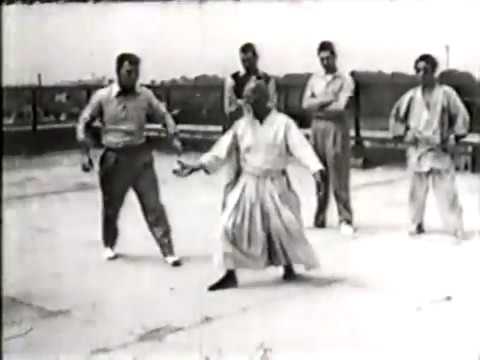
Aikido O Sensei in 1954: A Timeless Warrior's Legacy in Modern Combat Sports

The year 1954 gifted us a rare glimpse into the profound capabilities of Aikido O Sensei through a rediscovered video. This artifact, showcasing his mastery, serves as a potent reminder of the enduring power of traditional martial arts. Today, the echoes of such legends resonate powerfully, not only in dedicated dojos but also within the electrifying arenas of modern martial arts and combat sports. These disciplines, with their rich histories and timeless teachings, continue to captivate us, offering lessons that transcend mere physical prowess.

But what is the true essence of martial arts and Budo? Far beyond the technicalities of striking and grappling, they represent a holistic philosophy, a rigorous discipline, and ultimately, a pathway to self-development. The pursuit of perfection, a core tenet of Budo – the "way of the warrior" – is a journey of constant refinement, both physically and mentally.

The True Essence of Martial Arts and Budo

Martial arts are not merely a collection of techniques designed for conflict. They are a profound system for cultivating the individual. The ultimate aim is to forge a stronger self – physically resilient, mentally sharp, and spiritually grounded. This holistic development is what sets true martial arts apart.

Budo: More Than Just a Fighting Style

"Budo" translates directly to "the way of the warrior." This term encapsulates the spirit that underpins these disciplines. It's about the relentless pursuit of excellence, the mastery of oneself through rigorous training, and the application of these principles in all facets of life. It is a lifelong pursuit, not a destination.

"The ultimate aim of martial arts is not victory or defeat, but the perfection of the character of its practitioners." - A principle echoed across many martial traditions.

The Multifaceted Benefits of Martial Arts Training

The benefits of consistent training in martial arts are vast and touch every aspect of a practitioner's life. Beyond the obvious enhancement of self-defense skills, individuals develop:

  • Improved Physical Health: Increased strength, flexibility, cardiovascular endurance, and coordination.
  • Enhanced Mental Fortitude: Greater focus, discipline, patience, and stress management.
  • Unshakeable Self-Discipline: The ability to set goals and work towards them consistently, overcoming obstacles.
  • A Strong Sense of Community: The shared passion within the martial arts community fosters deep bonds, camaraderie, and mutual respect. This sense of belonging is invaluable.

This supportive environment is crucial. The shared struggles and triumphs in the dojo create a unique connection that strengthens the collective spirit.

Combat Sports: The Arena of Modern Competition

Contrast this with combat sports. While they share the roots of physical confrontation, their primary focus is often on competition and the quantifiable outcome of victory. Disciplines like MMA, boxing, and Judo demand extraordinary levels of physical conditioning, strategic thinking, and mental toughness. They are a testament to the human spirit's capacity to perform under immense pressure.

The athletes in these fields are modern warriors, pushing the boundaries of human potential. Their dedication, sacrifice, and ability to execute under the bright lights are truly inspiring. It is undeniable that these sports showcase incredible athleticism and tactical brilliance.

Showcasing Your Passion: Martial Arts and Combat Sports Merchandise

For enthusiasts and practitioners alike, the passion for martial arts and combat sports often extends beyond the training mat or the ring. This is where merchandise plays a role. From specialized Karate gis and durable Judo uniforms to training equipment and casual apparel, these items allow individuals to express their identity and support their chosen disciplines.

High-quality training equipment, such as punching bags, focus mitts, and protective gear, is essential for effective practice. Wearing apparel that represents your art or sport is a way to connect with the wider community and serve as a constant reminder of your commitment. These items also make fantastic gifts for fellow martial artists or combat sports fans.

Our Commitment at BYAM Budo y Artes Marciales

At BYAM Budo y Artes Marciales, we understand this passion. We are dedicated to providing a wide array of high-quality merchandise tailored for both martial arts practitioners and combat sports aficionados. Our selection is curated to meet the needs of everyone, from the absolute beginner taking their first steps in Aikido or Karate, to the seasoned expert honing their skills. Functionality and durability are paramount in our product design, ensuring that what you choose supports your journey.

We firmly believe that martial arts and combat sports are more than just physical activities; they are transformative life experiences. Our blog serves as a platform to share invaluable insights, including practical training tips, detailed technique breakdowns, and the philosophical underpinnings that make these arts so profound.

Deepen Your Journey: Recommended Resources

To further enrich your understanding and practice, I highly recommend exploring these resources:

Frequently Asked Questions

  • Q: Is Aikido still relevant in modern combat sports?
    A: While Aikido's direct application in MMA is debated, its principles of blending, redirection, and control offer invaluable lessons in balance, spatial awareness, and joint manipulation, which are transferable skills.
  • Q: What is the difference between Budo and just training martial arts?
    A: Budo emphasizes the spiritual and philosophical development of the individual, viewing training as a lifelong path to self-perfection. Simply training martial arts may focus more on the technical or competitive aspects without the deeper philosophical commitment.
  • Q: How can I start training martial arts if I'm a complete beginner?
    A: The best approach is to research local dojos or gyms offering styles that interest you. Many offer introductory classes. Focus on finding qualified instructors and a welcoming community, like those found in martial arts communities globally.

Sensei's Verdict: Is the Legacy Alive?

Looking back at O Sensei’s demonstration in 1954, and observing the dedication in today's dojos and the fierce competition in UFC bouts, one undeniable truth emerges: the warrior spirit, the essence of Budo, is very much alive. The methods evolve, the arenas change, but the fundamental principles of discipline, perseverance, and the quest for self-mastery remain constant.

Whether you are drawn to the intricate flows of Aikido, the powerful stances of Karate, or the dynamic exchanges in MMA, the path of martial arts offers a profound opportunity for growth. It is a journey that builds not just a fighter, but a better human being.

Sensei's Reflection: Your Next Step

O Sensei's movements in that 1954 film were not just physical actions; they were expressions of deep understanding and embodiment. The question for you, the dedicated practitioner and student of the Way, is this: How can you embody the principles you learn on the mat in the unpredictable dojo of your daily life? Do you merely mimic techniques, or do you strive to internalize the philosophy?

```

For Deeper Exploration on Your Path

The Crucible of Combat: Hector Tanajara Jr. vs. John Arellano - A Martial Perspective

Greetings, warriors and students of the Way. Today, we dissect not just a fight, but a testament to the unyielding spirit of combat sports. You are witnessing the full bout between Hector Tanajara Jr. and John Arellano, presented by Triple AAA Promotions in San Antonio. This isn't merely about who lands the decisive blow; it's about the journey that led them to that squared circle, the discipline forged in the dojo, and the primal dance of skill and will.

The Genesis of a Bout: Intent and the Search for Knowledge

What draws us to a full fight, especially one featuring emerging talents like Tanajara Jr. and Arellano? The intent of the "budoka" (a practitioner of martial arts) seeking this content is multifaceted. They aren't just here for entertainment, though the spectacle is undeniable. They are here to learn. They analyze the footwork, the defensive strategies, the explosive offensive combinations. They seek to understand the mental fortitude required to step under the bright lights, facing an opponent who has also dedicated countless hours to the same relentless pursuit of mastery. This fight is a living textbook, offering insights into the application of techniques honed in solitary practice, now tested in the unforgiving arena of live combat.

Deconstructing the Dance: A Martial Arts Analysis

From a martial artist's viewpoint, every exchange is a chapter. Tanajara Jr. and Arellano, while perhaps not embodying ancient samurai ideals in their gi, are certainly students of their chosen disciplines. We must observe beyond the raw aggression. Look for the underlying principles::

  • Distance Management (Maai): How do they control the space between them? Who dictates the range of engagement?
  • Timing and Rhythm: The ebb and flow of the fight is crucial. Are there predictable patterns, or is it a constant improvisation?
  • Structure and Balance: Even in high-paced exchanges, maintaining a solid base and posture is paramount. A single loss of balance can be fatal in a real confrontation.
  • Reaction vs. Anticipation: The true masters don't just react; they anticipate. Did one fighter consistently seem one step ahead?

While the specifics of their training might lean towards boxing, Muay Thai, or wrestling – disciplines that inform modern MMA – the core tenets of martial arts are present. The relentless pressure, the strategic use of energy, the understanding of an opponent's strengths and weaknesses. This is the essence of combat analysis, whether it's a traditional kata or a professional MMA bout.

The Spirit of the Warrior: Beyond the Knockout

The term "BUDO" encompasses more than just fighting; it speaks to a way of life, a path of self-improvement through rigorous training. In fights like Tanajara Jr. vs. Arellano, we witness the tangible results of this path. We see the culmination of thousands of hours of sweat, pain, and unwavering dedication. Even in defeat, there is honor in the effort, in the willingness to confront one's limitations and push beyond them.

"The supreme art of war is to subdue the enemy without fighting." - Sun Tzu

While this bout is a direct confrontation, the underlying philosophy of mastering oneself before confronting an adversary remains relevant. The preparation, the strategy, the mental resilience – these are the unseen weapons that often decide the outcome.

Training Regimens and the Pursuit of Peak Performance

To reach the level of professional fighters, the training is anything but casual. It involves a holistic approach to conditioning, skill development, and mental preparation. This isn't just about hitting pads; it's about building a complete athlete capable of enduring sustained physical and mental duress. Factors include:

  • Strength and Conditioning: Developing explosive power and muscular endurance.
  • Technical Drills: Repetition of strikes, grappling techniques, and defensive maneuvers until they become instinctive.
  • Sparring: The closest simulation to a real fight, allowing fighters to test their skills under pressure.
  • Nutritional Optimization: Fueling the body for peak performance and recovery.
  • Mental Conditioning: Building resilience, focus, and the ability to perform under extreme stress.

For those aspiring to improve their own martial arts journey, understanding the dedication required at the professional level can be a powerful motivator. Even if your goal is personal development rather than professional competition, the principles of consistent, structured training are universal.

Equipment Essentials for Your Training

While Tanajara Jr. and Arellano are likely using specialized professional gear, the principles of selecting equipment apply to practitioners at all levels. Proper gear not only enhances training but is crucial for safety.

  • Gloves: For striking arts, appropriate sparring and bag gloves are essential to protect your hands and the equipment.
  • Mouthguards: Non-negotiable for any form of sparring or competitive engagement to protect your teeth and jaw.
  • Shin Guards: Vital for arts involving kicks, preventing injuries during drills and sparring.
  • Headgear: Recommended for heavy sparring to mitigate the risk of concussions and facial injuries.
  • Gi/Rash Guards: Depending on the art, a well-fitting gi for Judo or Brazilian Jiu-Jitsu, or comfortable rash guards for grappling and MMA, are key.

Investing in quality equipment is an investment in your own training and longevity in the martial arts. Look for reputable brands that focus on durability and protective features. For instance, exploring best judo gis or MMA training equipment can significantly enhance your practice.

Veredicto del Sensei: ¿Merece la Pena?

This fight between Hector Tanajara Jr. and John Arellano is more than just a display of punches and kicks; it's a demonstration of the dedication, strategy, and spirit that defines modern combat sports. While not every practitioner will step into a professional ring, the lessons learned from observing such contests are invaluable. It reaffirms the importance of discipline, resilience, and the constant pursuit of improvement. For anyone interested in the tactical and philosophical aspects of martial arts, this bout offers substantial insights.

Calificación: Cinturón Negro en Demostración de Determinación

Guía de Entrenamiento: La Filosofía del "No-Punto"

Observando el flujo de la pelea, uno puede apreciar la importancia de un concepto marcial aplicado a menudo en combate: el "no-punto" o "zona de nadie". Es esa área peligrosa donde ambos combatientes tienen la oportunidad de atacar, pero también de ser atacados. La clave no es evitarladefinitivemente, sino dominarla.

  1. Posicionamiento: Mantén una base sólida y un centro de gravedad bajo.
  2. Observación Constante: Tus ojos deben registrar cada movimiento del oponente.
  3. Palanca de Movimiento: Utiliza tu cadera y torso para generar potencia en tus golpes y para esquivar.
  4. Contragolpe: Identifica las aperturas del oponente y ataca en el momento justo.
  5. Transición Rápida: Prepárate para cambiar de ataque a defensa o viceversa sin dudar.

Practicar drills que simulen esta zona de alta intensidad, como el sparring ligero con reglas específicas para fomentar la observación y la reacción, es fundamental para desarrollar esta habilidad.

Recursos para Profundizar

Para expandir tu comprensión del mundo marcial, te recomiendo explorar:

  • Libros Clásicos de Estrategia: "El Libro de los Cinco Anillos" de Miyamoto Musashi sigue siendo una lectura esencial para entender la filosofía del combate y la estrategia.
  • Biografías de Maestros: Conocer la vida y el camino de leyendas como Bruce Lee o Jigoro Kano ofrece una perspectiva invaluable sobre la dedicación requerida.
  • Documentales sobre Artes Marciales: Hay excelentes producciones que cubren la historia y la práctica de diversas disciplinas.

Profundizar en la literatura y la historia te proporcionará un contexto mucho más rico para tu propio entrenamiento. La exploración de books on bushido es un excelente punto de partida.

Preguntas Frecuentes

What are the key martial arts principles evident in professional fighting today?

Modern professional fighting, while often a blend of combat sports, still hinges on core martial principles such as distance management (Maai), timing, balance, structure, and the ability to anticipate an opponent's actions rather than merely reacting.

How does consistent training impact a fighter's performance?

Consistent, structured training builds not only physical attributes like strength and endurance but also crucial mental fortitude, discipline, and instinctive technical proficiency, all of which are vital for peak performance under pressure.

Is it necessary to have professional-grade equipment to train effectively?

While professional athletes use specialized gear, effective training is more about consistent practice and proper technique. However, investing in good quality, safe equipment like gloves, mouthguards, and shin guards is highly recommended for all practitioners to prevent injuries.

What is the philosophical takeaway from observing a full fight?

Beyond the physical contest, a full fight offers lessons in perseverance, self-mastery, respect for the opponent, and the understanding that progress often comes through confronting challenges and pushing beyond one's perceived limits.

How can I apply the lessons from this fight to my own martial arts journey?

Analyze the fighters' strategies, their reactions to adversity, and their dedication. Focus on improving your own discipline, technical execution, and mental resilience in your daily training, applying the principles observed to your own practice.

Para Profundizar en tu Camino

Luibel Lomparte: A Master's Legacy in the World of Martial Arts

Welcome, dedicated practitioners and curious minds, to Budo and Martial Arts. Today, we delve into the profound world of Luibel Lomparte, a figure whose name resonates with dedication, depth, and an unyielding commitment to the martial way. As we explore his contributions, remember that understanding the essence of any art form, especially the martial arts, requires more than just observing techniques; it demands an immersion into the philosophy, the history, and the spirit that breathes life into every movement.

Our journey today is not merely about a name, but about a philosophy embodied. Lomparte's work, as we'll dissect, represents a significant current in the vast ocean of martial practices. Are you ready to understand what makes a martial artist truly exceptional? Let us begin.

Who is Luibel Lomparte?

Luibel Lomparte is more than just a practitioner; he is a torchbearer for the authentic principles of Budo and martial arts. His influence, particularly noted around the publication date of January 25, 2023, stems from a deep-seated understanding of the disciplines he champions. The digital space, often filled with fleeting trends, benefits immensely from figures like Lomparte who provide a steadfast anchor to tradition while embracing the evolution of combat sports and self-defense. He represents a bridge between the ancient wisdom of the East and the modern realities of physical and mental combat.

In a world obsessed with the superficial, Lomparte’s dedication to the "most complete and updated martial arts blog on the internet" speaks volumes. This isn't just about being current; it's about the relentless pursuit of knowledge and the sharing of that wisdom. It’s a commitment that mirrors the very core of martial arts: continuous learning and refinement.

The Essence of Budo in Lomparte's Teachings

The term "Budo" itself signifies the "martial way." It transcends mere fighting techniques, encompassing ethical conduct, spiritual development, and the cultivation of character. Lomparte’s teachings, as observed in his prolific work, consistently emphasize this holistic approach. He doesn't just teach you how to throw a punch or execute a sweep; he guides you to understand the 'why' behind the 'what'.

Consider the philosophical underpinnings. Many modern martial arts have become increasingly sport-focused, sometimes at the expense of their deeper meanings. Lomparte, however, seems to champion a return to the roots, where discipline, respect, and self-mastery are paramount. This focus is crucial for anyone looking to develop not just a capable body, but a resilient mind.

"The martial way is a path of continuous learning. To stop learning is to cease being a martial artist." - A principle echoed in Lomparte's dedication.

His commitment to providing updated content suggests an understanding that martial arts are not static. They evolve, adapt, and integrate new knowledge. Yet, this evolution must always be grounded in the timeless principles that give them their power and meaning. This is the delicate balance Lomparte strives to maintain.

Analyzing Lomparte's Approach to Martial Arts Training

What distinguishes a truly effective martial arts training regimen? It's the integration of physical conditioning, technical proficiency, strategic thinking, and mental fortitude. Lomparte's work, by aiming for comprehensiveness, touches upon all these facets.

From the fundamental Karate techniques to the intricate Jiu-Jitsu grappling, and the explosive power required in Kickboxing, a well-rounded martial artist must draw from various disciplines. Lomparte's blog, by covering this breadth, implicitly encourages practitioners to explore beyond their primary art. This cross-training is vital for developing adaptability and a deeper understanding of combat dynamics. It’s this very versatility that defines modern Artes Marciales Mixtas (MMA) and is a testament to the enduring principles of combat efficiency.

For those focused on specific outcomes, such as self-defense or competitive success, Lomparte’s updated content likely provides insights into current training methodologies. This includes understanding the tactical advantages of certain combat scenarios, whether it’s standing fight or ground grappling. His platform serves as a valuable resource for honing skills applicable to a wide range of real-world situations and sporting arenas.

The Role of Philosophy and Mentality

Beyond the physical, the true battlefield often lies within the mind. Concepts like 'Ki' (energy), 'Mushin' (no mind), and 'Zanshin' (lingering awareness) are not mere abstract ideas; they are critical components of effective martial arts practice. Lomparte's commitment to updating his blog suggests a recognition that mental training is as crucial as physical training.

The discipline required to train consistently, the resilience to overcome setbacks, and the focus to execute techniques under pressure are all cultivated through a strong mental game. It's this internal strength that separates a mere fighter from a true martial artist. The philosophical texts, such as Miyamoto Musashi's "The Book of Five Rings," offer timeless wisdom on strategy and mindset that remains relevant today. Lomparte's work, by consistently providing rich content, implicitly guides readers toward this deeper understanding.

"Empty your mind, be formless, shapeless. Like water. If you put water into a cup, it becomes the cup. You put water into the bottle and it becomes the bottle. You put it into the teapot, it becomes the teapot. Now water can flow or it can crash. Be water, my friend." - Bruce Lee, a sentiment that resonates deeply within the philosophy of Budo.

Developing such mental clarity is not an overnight process. It requires dedicated practice, much like honing a physical technique. It involves introspection, meditation, and a willingness to confront one's own limitations.

Lomparte's Impact on the Martial Arts Community

In the interconnected world of the 21st century, the impact of a dedicated martial arts resource like Lomparte's blog cannot be understated. It serves as a central hub, aggregating information and fostering a sense of community among practitioners worldwide. Through his efforts, individuals gain access to knowledge that might otherwise be scattered or inaccessible.

The emphasis on being "complete and updated" is key here. It signifies a commitment to accuracy and relevance, essential in fields that are constantly evolving. Whether you're a beginner exploring options in Kyokushin Karate or an experienced practitioner of BJJ seeking advanced techniques, Lomparte's platform aims to cater to a broad spectrum of interests and skill levels.

His dedication to social media and directing traffic to his main page demonstrates an understanding of modern outreach. This allows him to connect with a wider audience, further promoting the values and practices of martial arts. This kind of consistent engagement is what builds lasting influence and supports the growth of the global Martial Arts Community.

Equipment Essential for Your Training

While the spirit and technique are paramount, the right equipment can significantly enhance your training experience and safety. For any serious martial artist, investing in quality gear is a wise decision. Consider these essentials:

  • Durable Gis: For arts like Judo and Karate, a sturdy Karate Gi or Judo Gi made from quality material is crucial. Look for double-weave options for increased longevity, especially if you engage in heavy sparring.
  • Sparring Gear: Depending on your art, this may include MMA gloves (16oz for sparring is standard), shin guards, headgear, and mouthguards. Safety first, always.
  • Training Mats: For ground work or dynamic movements, especially in styles like BJJ or Judo, having appropriate mats can prevent injuries and improve practice.
  • Focus Mitts and Pads: Essential for striking drills, allowing practitioners to refine power, accuracy, and timing.
  • Resistance Bands: Versatile for strength and conditioning, particularly useful for no-equipment or at-home workouts.

Choosing the right equipment can be daunting. For a comprehensive overview, exploring reputable Martial Arts Merchandise providers is recommended. Remember, proper gear not only protects you but also facilitates better technique execution.

Training Guide: Basic Striking Drills

Mastering the fundamentals is the bedrock of any martial art. Here's a simple yet effective drill focusing on basic striking, adaptable for various disciplines. Remember to perform these drills with proper form and control, focusing on precision over speed initially.

  1. Stance and Footwork: Begin in your fighting stance. Practice moving forward, backward, and laterally while maintaining balance. Ensure your weight distribution is correct and your guard is up.
  2. Jab Practice: From your stance, extend your lead hand in a straight line towards your target. Retract it quickly to your guard position. Focus on snapping the punch rather than pushing. Perform 2-3 sets of 15-20 repetitions.
  3. Cross Practice: Rotate your hips and shoulders as you extend your rear hand in a straight line. Ensure your power comes from your core rotation, not just your arm. Alternate this with jabs. Perform 2-3 sets of 15-20 repetitions.
  4. Hook Practice: With a slight bend in your elbow, bring your lead arm across your body in a horizontal arc towards your target. Keep your elbow at roughly a 90-degree angle. Perform 2-3 sets of 15-20 repetitions.
  5. Uppercut Practice: From a slightly lower position, drive your lead or rear hand upwards in a vertical arc towards your target. Focus on power generation from the legs and hips. Perform 2-3 sets of 15-20 repetitions.
  6. Combination: Combine the above strikes into simple sequences, such as Jab-Cross or Jab-Cross-Hook. Start slowly and gradually increase speed as your coordination improves.

Important Note: Always warm up thoroughly before starting any training session and cool down afterwards. If you are unsure about proper technique, seek guidance from a qualified instructor. This drill is a basic introduction and should be adapted to the specific rules and techniques of your chosen martial art.

Frequently Asked Questions

Q1: What is the primary focus of Luibel Lomparte's martial arts content?
A1: Luibel Lomparte's content aims to provide comprehensive and updated information on a wide range of martial arts, emphasizing the principles of Budo, training methodologies, and the philosophy behind the practice.

Q2: Is Lomparte's blog suitable for beginners?
A2: Yes, the blog's aim for completeness and updates suggests it caters to a broad audience, likely including beginners looking to understand the fundamentals and explore different martial arts.

Q3: How does Lomparte's work contribute to the martial arts community?
A3: By serving as a central, updated resource and utilizing social networks, Lomparte fosters community, disseminates knowledge, and connects practitioners globally.

Q4: What does 'Budo' mean in the context of martial arts?
A4: Budo, the "martial way," signifies a holistic approach that includes not only physical techniques but also ethical conduct, spiritual development, and the cultivation of character.

Reflection of the Sensei: Your Next Step

Luibel Lomparte's dedication to the expansive world of martial arts, as evidenced by his pursuit of creating a complete and updated resource, challenges us all. He reminds us that the journey of a martial artist is perpetual. Are you content with simply learning a few techniques, or are you prepared to embrace the lifelong path of the martial way? Do the methods and philosophies presented resonate with your own training, or do you find yourself questioning the path forward? The true lesson lies not just in absorbing information, but in applying it, refining it, and ultimately, making it your own.

Now, the floor is yours. Does Lomparte's comprehensive approach inspire you, or do you believe some arts are best left untouched by the modern 'update'? Where do you see the future of martial arts heading, and is Luibel Lomparte leading the charge or simply documenting the parade? Let the debate begin.

To Deepen Your Journey

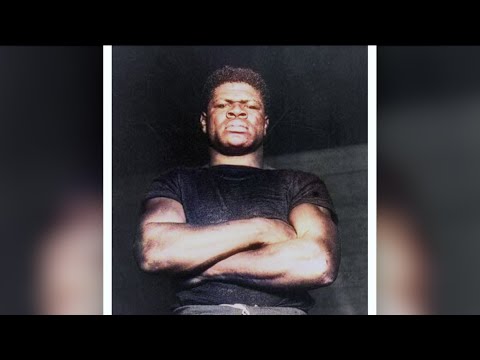
Sam McVey: A Forgotten Giant in the Crucible of Early 20th Century Heavyweight Boxing

Hello, warrior. Welcome to the hallowed halls of Budo and Martial Arts. Today, we cast our gaze back, not to the silent elegance of a dojo or the intricate dance of a kata, but to the brutal, raw, and unforgiving arena of early 20th-century heavyweight boxing. We speak of a man whose name should echo through the annals of combat history, yet often remains a whisper: Sam McVey. Were you searching for the technical precision of Karate? The philosophical depth of Budo? The kinetic energy of MMA? Perhaps. But sometimes, understanding the human will to contend, the sheer grit required to face a peer in a direct, physical contest, is the most profound martial lesson of all. And few embodied that lesson more than Sam McVey.

Who Was Sam McVey? The Oxnard Puncher

Sam McVey was a heavyweight boxer who emerged from Oxnard, California, during a period when the heavyweight division was a breeding ground for legends. Born in 1875, McVey was a formidable presence, standing tall and possessing the kind of power that could end a fight with a single, well-placed blow. His career spanned the turn of the 20th century, a time of immense change and, unfortunately, persistent racial prejudice that heavily influenced the opportunities available to fighters of color. His record, while not always reflecting the caliber of his opponents, tells a story of a warrior who consistently sought out the toughest competition. This is not the behavior of a fighter afraid of engagement; this is the mindset of someone who understood that true growth, true mastery, comes from facing the best. In the world of combat sports, avoiding strong opposition is a quick path to mediocrity. McVey chose a different path.

In the Ring with Legends: Johnson, Langford, and Wills

The true measure of a fighter is not merely their win-loss record, but the caliber of the men they faced. Sam McVey's name is inextricably linked with some of the greatest heavyweights of his era: * **Jack Johnson**: The first African-American world heavyweight boxing champion. Facing Johnson was akin to facing the pinnacle of the sport at that time. Their bouts were fiercely contested, showcasing McVey's resilience and courage. * **Sam Langford**: Often considered one of the greatest boxers never to win a world title, Langford was a fearsome puncher and a relentless fighter. McVey and Langford met multiple times, a testament to their respect for each other's abilities and their shared willingness to engage in brutal contests. These fights were wars, pure and simple. * **Harry Wills**: Another legendary Black contender who, like McVey and Langford, was denied a shot at the world title due to racial barriers. Wills and McVey squared off, adding another chapter to the intense rivalries of this golden era. To share the ring with such titans is to prove one's own mettle. It’s a harsh reality that many modern fans, accustomed to curated matchmaking and title shots based on reputation, might not fully grasp. These men fought each other because they had to, to prove themselves in a world that tried to limit them. This is the essence of the warrior philosophy – confronting adversity head-on.

The Unseen Battle: Prejudice and Opportunity

It is impossible to discuss Sam McVey's career without acknowledging the pervasive racial segregation of the time. The "color line" in boxing was a formidable barrier, preventing many exceptionally talented Black fighters, including McVey, Langford, and Wills, from ever receiving a shot at a world championship, regardless of their performances. This context adds a layer of profound tragedy and immense respect to McVey's story. He didn't just fight his opponents; he fought against a system designed to keep him down. The mental fortitude required to step into the ring, knowing that even victory might not lead to deserved recognition or opportunity, is staggering. This resonates deeply with the principles of self-mastery and inner strength that are core to many martial arts. It’s about performing at your highest level, not for external validation, but for the integrity of your own spirit and your commitment to excellence.
"The greatest victory is that which requires no explanation." - Bruce Lee, a modern master who also faced his share of cultural barriers. While decades apart, the sentiment of proving oneself through action, not words, binds these warriors.

McVey's Style and Legacy: A Tactical Breakdown

While detailed fight footage from McVey's era is scarce, historical accounts describe him as a powerful puncher, capable of delivering devastating blows. His ability to consistently step into the ring with the era's elite suggests a fighter with significant technical skill, ring intelligence, and, crucially, a high tolerance for pain and punishment. In boxing, like many fight sports, power alone is insufficient. One needs strategy, timing, and the ability to adapt. McVey's longevity against such formidable opposition indicates a well-rounded skill set. He was not just a brawler; he was a boxer who understood the art of the fight. His legacy, therefore, is not just in the fights he won or lost, but in his persistent presence at the highest level, a constant challenge to the status quo and a testament to his enduring skill. He serves as a prime example of dedication in martial arts training, proving that consistent effort against tough opponents builds an unshakeable foundation.

Martial Insights from the Squared Circle

What can we, as practitioners of martial arts, learn from a heavyweight boxer from a century ago? More than you might think. 1. **The Importance of Opposition**: True progress is forged in the fires of challenging encounters. Seeking out opponents who push your limits, who expose your weaknesses, is essential for growth. This applies whether you're learning Judo throws, Karate kata, or MMA sparring. 2. **Resilience in the Face of Adversity**: McVey faced not only skilled opponents but also systemic prejudice. His continued participation and success speak to an incredible mental fortitude. In Budo, this is the cultivation of mental strength and perseverance, the ability to continue forward when the path is blocked. 3. **Simplicity and Power**: While boxing has evolved, the fundamental principles of powerful, well-timed strikes remain crucial. Often, the most effective techniques are the simplest, delivered with maximum intent and precision. This echoes the philosophy of many martial arts traditions that prioritize efficiency over flashy complexity. 4. **Legacy Beyond Titles**: McVey never held a world title, yet his name is remembered among those who knew the sport intimately. This reminds us that impact is not always measured by accolades but by the struggle, the contribution, and the spirit with which one engages.

Equipment Essential for Your Training

While Sam McVey's era had simpler gear, modern training requires appropriate equipment to ensure safety and effectiveness. Whether you're practicing striking, grappling, or a combination like MMA, having the right gear is paramount.
  • Boxing Gloves: For sparring and heavy bag work, invest in good quality gloves (14-16oz for sparring, 10-12oz for bag work) to protect your hands and wrists. Brands like Everlast, Title Boxing, and Rival offer excellent options.
  • Hand Wraps: Crucial for wrist support and preventing hand injuries during intense training.
  • Mouthguard: Non-negotiable for any sparring, regardless of the discipline. Protect your teeth and jaw.
  • Headgear: Essential for sparring to reduce the risk of cuts and concussions.
  • Shin Guards: If you're training kickboxing or Muay Thai, these are vital for conditioning and safety.
  • Duffel Bag: A sturdy bag to carry all your martial arts merchandise and gear to the gym.
For those focusing on grappling, consider specialized Judo gis or BJJ kimonos, known for their durability. A good pair of training shoes is also beneficial for most disciplines.

FAQ About Sam McVey

Q: Was Sam McVey ever considered for a world title shot? A: Despite his consistent performances against top contenders like Jack Johnson, Harry Wills, and Sam Langford, McVey was largely overlooked for a world title opportunity due to the racial segregation prevalent in professional boxing during his career. Q: How many times did Sam McVey fight Sam Langford? A: Historical records indicate they fought multiple times, though the exact number can vary depending on the source. Their bouts were known to be extremely tough contests. Q: What was Sam McVey's nickname? A: McVey was often referred to as "The Oxnard Puncher" or simply "Oxnard Sam," referencing his hometown. Q: Did Sam McVey fight Jack Johnson for a title? A: No, their fights were non-title bouts. Johnson was the reigning World Heavyweight Champion for much of their overlapping careers, but a title fight between them never materialized. Q: What can modern fighters learn from Sam McVey? A: McVey's career highlights the importance of facing strong opposition, mental resilience against adversity, and the enduring spirit of a true warrior, even when facing systemic barriers.

Reflection of the Sensei: Your Next Step

Sam McVey's story is a stark reminder that the path of the warrior is rarely smooth, and often, the greatest battles are fought not just against an opponent, but against circumstances. He stands as a testament to the unyielding human spirit, a giant whose legacy, though often overshadowed, deserves remembrance. His courage in facing the best, despite the limitations imposed upon him, is a profound lesson for any student of the combative arts.

Reflection of the Sensei: Your Next Step

Consider this: In your own training, are you actively seeking out the challenges that truly test your limits, or are you comfortable in the familiar? Are you cultivating the mental resilience to push forward when obstacles arise, or do you seek the easiest path? The ring, the dojo, the mat – they are mirrors reflecting our true character. What does Sam McVey's journey reveal about your own reflection? For those eager to delve deeper into the rich tapestry of combat history and martial philosophy, explore these resources:

For Deeper Exploration on Your Path

  • BUDO: Understand the Way of the Warrior.
  • Martial Arts: The overarching discipline.
  • History: Contextualize the evolution of combat.
  • Combat: The direct confrontation.
GEMINI_METADESC: Explore the legacy of Sam McVey, a formidable heavyweight boxer who fought legends like Jack Johnson and Sam Langford, overcoming racial barriers with sheer grit and skill. A true warrior's tale.

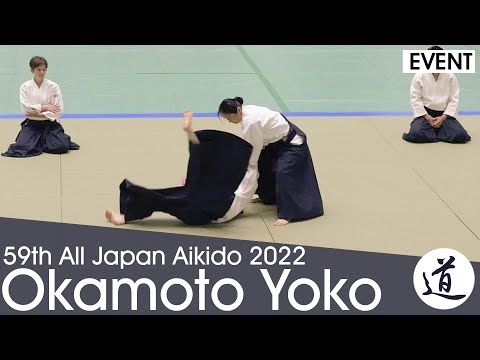
Okamoto Yoko Shihan: A Masterclass in Aikido at the 59th All Japan Demonstration

Budo and Martial Arts (BYAM) welcomes you. In the crucible of combat sports and traditional martial arts, we often seek figures who embody the pinnacle of skill, dedication, and philosophical depth. Today, we turn our gaze to a true luminary in the world of Aikido: Okamoto Yoko Shihan. Her performance at the 59th All Japan Aikido Demonstration in 2022 was not merely a display of techniques; it was a profound lesson in the art of Aikido, a testament to decades of rigorous training and an embodiment of the principles that underpin the entire martial world. This analysis dives deep into what makes Okamoto Yoko Shihan's demonstration a must-see for any practitioner, regardless of their chosen discipline.

Understanding the Essence of Aikido: More Than Just Physicality

Before dissecting the specifics of the demonstration, it's crucial to understand the spirit of Aikido. Unlike many arts focused on striking or competitive grappling, Aikido, founded by Morihei Ueshiba, emphasizes blending with an opponent's force, redirecting their energy, and neutralizing conflict with minimal harm. It’s an art of harmony, control, and self-mastery. Okamoto Yoko Shihan, a 7th Dan holder, exemplifies this philosophy not just in her movements but in her entire demeanor. Her journey, from studying under the late Doshu Kisshomaru Ueshiba at Hombu Dojo to training in France with Christian Tissier Shihan, showcases a broad and deep understanding of Aikido's evolution and global reach.

The 59th All Japan Aikido Demonstration: A Technical and Philosophical Deconstruction

The Nippon Budokan, a hallowed ground for martial arts, was the stage for this significant event. Okamoto Yoko Shihan's performance was characterized by precision, fluidity, and an undeniable presence. Let's break down some key aspects:

  • Ukemi (Receiving Techniques): Observe the uke (the person receiving the technique). Their ability to fall safely and efficiently is as crucial as the nage's (the person applying the technique) skill. A good uke demonstrates an understanding of timing, distance, and the principles of Aikido, allowing the nage to execute techniques effectively and safely. This is a mark of a healthy dojo environment.
  • Irimi and Tenkan: The core principles of entering (irimi) and turning (tenkan) were evident in her movements. Rather than meeting force head-on, she skillfully transitioned, using her body's structure and the attacker's momentum against them. This is where the true essence of Aikido's circular, evasive nature shines.
  • Control and Precision: The techniques were not executed with brute force but with calculated pressure and precise joint manipulation or throws. This highlights the martial aspect – control – over mere physicality. A well-executed technique in Aikido can incapacitate an attacker without causing undue injury, reflecting the art's defensive philosophy.
  • Kamae (Posture and Stance): Her posture remained upright and balanced throughout, even when under pressure or executing dynamic movements. This central stability, or 'hara', is fundamental. It allows for the generation of power and the maintenance of composure.

The choreography, while fluid, demonstrated a clear understanding of classical Aikido applications. It wasn't just about showing off complex moves; it was about communicating the underlying principles. This is where the real lesson lies for martial artists across disciplines. The efficiency and economy of motion speak volumes about years of dedicated practice. We see echoes of this efficiency in the best practitioners of Judo or even Karate – the ability to achieve maximum effect with minimum effort.

"True victory is not to defeat an opponent, but to achieve harmony with them and the world." - A paraphrase of Morihei Ueshiba's philosophy.

The demonstration showcased various techniques, from wrist grabs to multiple attacker scenarios. Each movement flowed seamlessly into the next, demonstrating a deep understanding of timing and distance, known collectively as 'ma-ai' in Japanese martial arts. This concept of timing and spacing is universally critical, whether you are in a Karate kumite, a Judo randori, or even a boxing match. Okamoto Yoko Shihan’s mastery of 'ma-ai' was a standout feature, allowing her to control the encounter with grace.

Okamoto Yoko's Teaching Philosophy: Cultivating Harmony

Beyond her technical prowess, Okamoto Yoko Shihan's influence stems from her approach to teaching. Founding the Aikido Kyoto dojo, she has cultivated an environment known for its well-structured classes and warm atmosphere. This dual focus on technical rigor and positive community building is a hallmark of effective martial arts instruction. Her experience teaching internationally, including in France, has undoubtedly broadened her perspective, allowing her to connect with practitioners from diverse backgrounds.

In her own words, as implied by the dojo's ethos, the goal is not merely to teach Aikido techniques, but to foster a spirit of cooperation and mutual respect. This aligns with the broader concept of BUDO, the Japanese martial way, which emphasizes character development and ethical conduct alongside physical proficiency. Her interview and past demonstrations, linked below, offer further insight into her perspective and dedication.

Impact and Legacy: The Enduring Influence of Okamoto Yoko Shihan

Okamoto Yoko Shihan's contribution extends beyond her demonstration performances. As the founder of Aikido Kyoto, she is nurturing the next generation of Aikido practitioners. Her dedication to preserving the integrity of the art while adapting it for a global audience makes her a significant figure in contemporary martial arts. The fact that she studied with such eminent figures as Doshu Kisshomaru Ueshiba and Christian Tissier Shihan places her within a direct lineage of Aikido's evolution. This lineage is what gives martial arts their depth and historical weight, connecting us to centuries of tradition. Many martial artists find that understanding this lineage deepens their appreciation for their own art.

Equipment Essential for Your Training

While Aikido relies heavily on an individual's body and spirit, certain equipment can enhance the training experience and safety:

  • Keikogi (Training Uniform): A durable and comfortable uniform is essential. For Aikido, a standard white gi, often of a double-weave or single-weave cotton, is typical. Ensure it allows for full range of motion. High-quality gis, like those used in Karate or Judo, are often suitable.
  • Hakama (Pleated Skirt-like Trousers): Traditionally worn by senior students and instructors in Aikido, the hakama helps conceal footwork and leg movements, emphasizing upper body posture and hip movement.
  • Jo and Bokken (Staff and Wooden Sword): These traditional weapons are integral to many Aikido curricula, used for practicing weapon-based forms and understanding the principles of distance, timing, and precision applied to empty-hand techniques.
  • Matting (Tatami or Mats): While not personal equipment, good quality matting is crucial for safe practice of throws and falls (ukemi).

Training Guide: Developing Centring and Balance

Mastering your center and maintaining balance is foundational to Aikido and many other martial arts. Here’s a basic exercise:

  1. Find Your Center: Stand with your feet shoulder-width apart, knees slightly bent. Gently place your hands a few inches below your navel. This area, known as 'hara' or 'tanden', is your center. Breathe deeply, allowing your breath to sink into this area.
  2. Basic Stance Practice: While maintaining your deep breathing, practice shifting your weight smoothly between your feet. Your upper body should remain stable and upright, almost as if suspended from above.
  3. Balance Drills: Stand on one leg for 30 seconds. Gradually increase the duration. Once comfortable, try closing your eyes while standing on one leg. This challenges your proprioception and strengthens your core for better balance.
  4. Weight Transfer in Movement: Practice walking forward and backward while maintaining a stable center. Imagine your weight sinking into the floor with each step. This practice is crucial for effective entry (irimi) and evasion (tenkan) techniques.
  5. Integrating with Partner Drills (if available): With a training partner, practice gentle pushing and pulling exercises. Focus on maintaining your center and balance while resisting their force. The goal is not to overpower them but to remain unmovable, like a sturdy tree.

This exercise is fundamental and can be practiced daily, whether in a dojo or at home, making it an excellent example of how principles from at-home workouts can translate to martial arts.

Veredict of the Sensei: A Beacon of Budo Excellence

Okamoto Yoko Shihan's performance at the 59th All Japan Aikido Demonstration is more than just a demonstration; it's an educational event. It showcases the beauty, effectiveness, and profound philosophical underpinnings of Aikido. For practitioners of any martial art, it's a reminder that true mastery lies not in aggression, but in control, harmony, and a deep understanding of movement and energy. Her execution is flawless, her presence commanding, and her teaching philosophy inspiring. This is a demonstration that embodies the spirit of BUDO – the martial way – with clarity and grace.

Rating: Cinturón Negro en Armonía y Precisión

Frequently Asked Questions

  • What is Okamoto Yoko Shihan's rank in Aikido?
    Okamoto Yoko Shihan holds the 7th Dan in Aikido.
  • Where did Okamoto Yoko Shihan study Aikido?
    She studied at Hombu Dojo with Doshu Kisshomaru Ueshiba and also in France with Christian Tissier Shihan.
  • What makes Aikido different from other martial arts?
    Aikido focuses on blending with an opponent's force, redirecting their energy, and resolving conflict harmoniously, rather than direct confrontation or striking.
  • Is Aikido effective for self-defense?
    Yes, Aikido can be very effective for self-defense, especially in situations involving grabs or physical restraint. Its principles of control and redirection are highly practical.

Further Exploration on Your Path

CREDITS: Footage by Seido Co., Ltd. (Links provided in original metadata) | Music: Nerves by Kevin MacLeod (Link and License provided in original metadata).

Published: June 2, 2022, at 08:45PM.

Welcome to Budo and Martial Arts (BYAM), your premier resource for all things related to the martial world. Follow us on social networks and explore our main page for the most complete and updated information.

"The Way of Aikido is the Way of Harmony, Love and Reconciliation. It is the Way of Peace." - Kisshomaru Ueshiba

Reflexión del Sensei: Tu Próximo Paso

Okamoto Yoko Shihan's demonstration is a window into Aikido's profound depth. But knowledge without application is like a sword without a whetstone – it dulls with disuse. Ask yourself: How can the principle of 'blending' or 'redirecting force' be applied not just in a physical confrontation, but in a challenging conversation at work, or a disagreement within your family? Where in your life are you meeting force with force, instead of seeking harmony? Reflect on this, and let the martial spirit guide your actions off the mat.

``` GEMINI_METADESC: Analyze Okamoto Yoko Shihan's Aikido demonstration: technique, philosophy, and Budo principles. Learn about training, equipment, and the essence of harmonius combat.

Strikeforce: At The Dome (2008) - A Martial Arts Masterclass or a Spectacle?

The Roar of the Dome: Setting the Stage

Hello and welcome to Budo and Martial Arts. You are watching Strikeforce: At The Dome (2008). Have you ever felt the raw, untamed energy of a live combat sports event? The collective gasp, the roar of the crowd, the palpable tension in the air – it's an experience that transcends mere observation. It’s a visceral connection to the human spirit pushed to its limits. For us martial artists, these events are not just entertainment; they are living laboratories, showcasing the evolution of combat, the application of techniques refined over centuries, and the sheer willpower of individuals facing adversity. This event, held at the Tacoma Dome on February 23, 2008, was a significant moment in the Strikeforce catalog. It wasn’t just a collection of fights; it was a platform where established veterans and rising stars etched their legacies. But beyond the spectacle, what can we, as practitioners and enthusiasts of the martial way, truly glean from such an event? Is it merely about the knockouts and submissions, or is there a deeper current of philosophy, technique, and warrior spirit flowing beneath the surface? Today, we dissect Strikeforce: At The Dome not just as fans, but as students of the martial arts.

Deconstructing the Fight Card: Beyond the Knockouts

A fight card is a carefully curated tapestry, designed to thrill, excite, and test the mettle of its participants. Strikeforce: At The Dome presented a compelling lineup, featuring a mix of established names and hungry newcomers. The sheer length of the broadcast, spanning over three hours, suggests a commitment to showcasing a diverse range of talent and styles. But as martial artists, we look beyond the timestamp. We look for the principles, the strategies, and the subtle nuances that define a true warrior.
"The supreme art of war is to subdue the enemy without fighting." - Sun Tzu, The Art of War.
While Sun Tzu's words speak of strategy, every bout on this card represents a confrontation where "fighting" is inevitable. Our task is to analyze *how* these fights unfolded, not just *that* they happened. We’ll break down key matchups, examining the martial effectiveness of techniques, the strategic decision-making under pressure, and the embodiment of the warrior spirit.

Skinner vs. Shaffer: The Unseen Battles

The opening bout, Zack Skinner vs. Scott Shaffer (beginning at 9:51), often sets the tone for the entire event. In these initial fights, we frequently witness raw aggression, tentative exploration of techniques, and sometimes, a stark display of fundamentals or their absence. Skinner and Shaffer likely engaged in a battle of wills and basic skills, where footwork, defensive posture, and the effective use of the jab could have been crucial. Did they display the discipline required to maintain composure, or did nerves get the better of them? This early contest is a crucial indicator of the level of preparation and martial understanding we can expect throughout the night.

Hayes vs. Kovacs: A Technical Grinder

Moving through the card, the bout between Mike Hayes and Matt Kovacs (starting at 36:53) likely presented a different dynamic. Perhaps these fighters were known for their grappling, or a more methodical, pressure-based striking game. A "technical grinder" implies a fight where endurance, pacing, and the relentless application of pressure were key. We would look for how they managed distance, how they defended against takedowns or clinch work, and whether their transitions between striking and grappling were seamless. A fight like this is a masterclass in strategic application of skills, a test of mental fortitude as much as physical prowess.

Beerbohm vs. Perales: The Art of the Submission

At 1:04:07, Lyle Beerbohm faced Ray Perales. The mention of submissions immediately brings to mind the intricate dance of Brazilian Jiu-Jitsu and other ground-fighting arts. In these matchups, the fight shifts from the vertical plane to the horizontal. We'd be keen to observe Beerbohm's or Perales' ability to control position, secure advantageous grips, and apply submissions like armbars, chokes, or joint locks. Did they exhibit the patience and precision required to navigate the complexities of ground fighting? Or did one fighter manage to impose their will through sheer strength and athleticism, negating the technical aspects? This bout is a prime opportunity to study the application of leverage and strategy in a confined, three-dimensional space.

Clark vs. Bennett: Striking Fundamentals in Focus

Mychal Clark versus Josh Bennett (starting at 1:26:16) offers another lens through which to view martial prowess. If these fighters are primarily strikers, we'd analyze their boxing combinations, Muay Thai techniques (kicks, knees, elbows), or Karate-based power shots. Were they throwing with intent? Was their defense tight, protecting against counter-attacks? The effectiveness of a jab, the power behind a cross, the fluidity of a roundhouse kick – these are the building blocks of striking. A fight like this can serve as an excellent visual aid for those looking to sharpen their own Karate or boxing fundamentals.

Masvidal vs. Healy: The Rising Star's Crucible

At 1:47:39, we encounter Jorge Masvidal vs. Ryan Healy. Masvidal, even at this stage of his career, was known for his dangerous striking and tenacity. This bout would have been a significant test for him, likely against an opponent who also possessed a well-rounded skillset. How did Masvidal, or Healy for that matter, adapt to the pressures of a high-stakes professional fight? Did they stick to their game plan, or did they deviate when faced with unexpected challenges? Observing Masvidal's early career fights like this is crucial for understanding the development of one of MMA’s most resilient fighters. It's a testament to the BUDO spirit of perseverance.

Ellis vs. Berger: A Tale of Two Styles

Eddy Ellis vs. Steve Berger (2:15:23) likely represented a clash of contrasting martial philosophies. Perhaps Ellis was a powerful striker, while Berger was a submission specialist, or vice versa. These stylistic matchups are where strategic brilliance shines. How does a dominant striking game counter a suffocating submission game? How does a submission artist avoid devastating strikes on the way in? The effectiveness of feints, the timing of takedown attempts, and the defensive awareness to avoid submissions are all critical elements to observe.

Smith vs. নৈতিকता vs. Roufus: Legends Collide

The bout between Maurice Smith and Rick Roufus (starting at 2:43:09) is particularly intriguing. Both are established names with significant histories in combat sports. Smith, a pioneer of MMA, and Roufus, a legendary kickboxer. When legends meet, the stakes are not just about winning, but about upholding their reputations. We would analyze their conditioning, their ability to adapt their renowned skills to the modern MMA landscape, and their mental fortitude. Did they still possess the "killer instinct" that defined their careers? This fight is a valuable lesson in longevity and the enduring spirit of a true fighter.

Devela vs. Riggs: Grit and Determination

Cory Devela vs. Joe Riggs (2:56:00) likely showcased a gritty, back-and-forth affair. Riggs, in particular, was known for his toughness and willingness to engage in wars. A fight like this often comes down to who wants it more, who is willing to dig deeper when exhausted. We would look for signs of resilience, the ability to absorb punishment and continue fighting, and the strategic adjustments made when a fight doesn't go according to plan. This is where the Fight spirit truly manifests – not just in skill, but in sheer heart.

Nortje vs. Sapp: The Clash of Titans

Finally, the bout between Jan Nortje and Bob Sapp (3:13:52) represents a classic heavyweight matchup. When fighters of this magnitude meet, raw power and size often play a significant role. However, technique and strategy are never entirely absent. Did Sapp, known for his explosive power, manage to land his signature blows? Did Nortje, perhaps a more technically refined heavyweight, use his size and reach to control the distance and avoid Sapp's onslaught? These contests are a brutal reminder of the physical dimensions of combat, but also an arena where speed and technique can overcome brute force.

The Deeper Philosophy: Beyond the Spectacle

Beyond the individual performances, what overarching lessons can be drawn from Strikeforce: At The Dome? It's easy to get lost in the excitement of the spectacular moments, but for the dedicated martial artist, there's a deeper study to be undertaken. Each fight is a microcosm of the martial way: the discipline required for training, the strategic thinking, the emotional control under duress, and the acceptance of both victory and defeat.
"The true warrior is the one who has conquered himself." - Unknown
This quote resonates deeply when watching professionals push their limits. They have conquered the internal battles – the doubt, the fear, the physical pain – to step into the arena. We, too, must strive for this self-mastery in our own training. Whether you practice Karate, Judo, MMA, or any other discipline, the principles of dedication, resilience, and mental fortitude are universal.

Veredicto del Sensei: ¿Merece la pena?

For the dedicated martial artist, Strikeforce: At The Dome (2008) is more than just a collection of fights; it's a valuable educational resource. While the spectacle is undeniable, the true worth lies in dissecting the techniques, strategies, and the warrior spirit displayed. Each bout offers lessons in striking, grappling, conditioning, and mental toughness. It’s a raw, unfiltered look at combat sports at a significant point in its evolution. Cinturón Negro en Análisis Marcial

Guía de Entrenamiento: Building a Warrior's Mindset

Watching these fights can be a powerful motivator. Here's how to translate that inspiration into actionable training:
  1. Study the Fundamentals: Revisit the basic stances, strikes, and defensive maneuvers of your chosen art. Even the most complex techniques are built upon simple foundations.
  2. Incorporate Conditioning: Notice the endurance of the fighters who dominated. Incorporate cardio, strength training, and specific martial arts conditioning drills into your routine. Consider exercises like burpees, plyometrics, and at-home workouts that mimic the demands of combat.
  3. Sparring with Purpose: If you spar, focus on implementing specific techniques or strategies observed from the fights. Don't just engage; train with intent.
  4. Mental Fortitude Drills: Practice mindfulness, meditation, or visualization techniques to build mental resilience. The ability to remain calm and focused under pressure is as vital as any physical skill. Try short BUDO meditation sessions before or after training.
  5. Analyze Your Own Performance: After training or sparring, reflect on what worked, what didn't, and why. Be your own harshest, yet fairest, critic.

Equipo Esencial para tu Entrenamiento

To truly immerse yourself in training inspired by events like Strikeforce, having the right gear is crucial. While many martial arts can be practiced with minimal equipment, investing in quality gear enhances safety, performance, and the overall training experience.
  • Gloves: For striking-focused arts or MMA sparring, a good pair of 10-16oz MMA gloves or boxing gloves are essential for protecting your hands and your training partners.
  • Shin Guards: If your training involves kicks (like Karate or Muay Thai), invest in durable kickboxing or Muay Thai shin guards.
  • Mouthguard: Non-negotiable for any sparring or live drills. A custom-fitted mouthguard offers the best protection against dental injuries.
  • Groin Protector: A vital piece of protective equipment for men participating in any form of combat or sparring.
  • Training Uniform (Gi/Dobok): For disciplines like Judo, Karate, or Taekwondo, a durable, well-fitting uniform is key. Look for double-weave Judo gis for durability or specific doboks designed for impact.
  • Training Mats: For groundwork and grappling practice, especially if training at home, consider investing in interlocking judo or BJJ mats.

Preguntas Frecuentes

¿Qué arte marcial es predominante en Strikeforce: At The Dome (2008)? This event primarily showcased Mixed Martial Arts (MMA), which blends techniques from various disciplines including striking arts like Boxing, Kickboxing, and Karate, and grappling arts like Brazilian Jiu-Jitsu, Judo, and Wrestling. Are there any specific techniques from this event that a beginner should focus on? Beginners should focus on the fundamental principles demonstrated, such as proper stance, footwork, basic defensive maneuvers, and the core mechanics of punches and kicks. Learning from the mistakes and successes of these fighters can accelerate understanding. How did Strikeforce compare to the UFC during that era? Strikeforce was a major competitor to the UFC during the late 2000s and early 2010s. It was known for signing top talent and often put on highly competitive events, sometimes rivaling the UFC in terms of fight quality and star power before its eventual absorption by the UFC. Is watching old fight footage beneficial for martial arts training? Absolutely. Watching footage like this allows practitioners to study technique, strategy, timing, and the mental aspects of combat without the physical risk. It's a fantastic way to learn and gain new perspectives.

Para Profundizar en tu Camino

To continue your journey of martial arts enlightenment, explore these related topics:
  • MMA: The Evolution of Modern Combat
  • BUDO: The Way of the Warrior - Philosophy and Practice
  • Karate Fundamentals: Mastering the Striking Arts
  • Judo Throws: Principles of Force and Balance
  • Entrenamiento de MMA: Conditioning for the Complete Fighter

Reflexión del Sensei: Tu Próximo Paso

We have dissected Strikeforce: At The Dome, peeling back the layers of raw aggression to find the underlying principles of martial arts. We've seen the application of strikes, the intricacies of grappling, and the unwavering spirit of competitors. But observing is only the first step. The true lesson lies not in merely watching, but in *doing*. Now, reflect: Which fighter's approach, technique, or mindset resonated most with you? Was it the technical precision of a submission artist, the explosive power of a striker, or the sheer resilience of a fighter who refused to yield? More importantly, how will you integrate that inspiration into your own training, starting tomorrow? Will you focus on your footwork like a dancer, your conditioning like a marathon runner, or your mental game like a stoic monk? The arena awaits your commitment. ``` GEMINI_METADESC: Analyze Strikeforce: At The Dome (2008) from a martial arts perspective. Explore fight breakdowns, techniques, philosophy, and training insights.

Martyn Ford vs. Hafþór Björnsson: A Martial Master's Critique of the "Clash of Titans"

Hello and welcome, fellow practitioners and enthusiasts of the martial way. Today, we delve into a spectacle that has captured global attention, not for its technical prowess, but for the sheer, raw mass of its participants: Martyn Ford versus Hafþór Björnsson. Published on May 20, 2022, this event begs the question, not just for the casual observer, but for us, the dedicated students of combat: What does this truly represent within the grand tapestry of martial arts and combat sports?

The Spectacle vs. The Art

Let us be clear from the outset. When two individuals of such monumental stature step into a ring, the primary draw is not the intricate application of a sweep or the precise execution of a punch. It is the raw, primal display of power. Martyn Ford, a fitness influencer and actor, and Hafþór Björnsson, the actor who famously portrayed "The Mountain" in Game of Thrones and a former strongman champion, represent an extreme of human physicality. The anticipation surrounding their bout, often dubbed "the fight of the year" by sensationalist media, stems from a morbid curiosity: can these giants, accustomed to feats of strength rather than structured combat, actually engage in a meaningful fight?

As a lifelong student of **BUDO** and various **martial arts**, my perspective is honed by years of dedicated training. I’ve seen the elegant devastation of Karate, the strategic grappling of Judo, the fluid dynamics of Aikido, and the brutal efficiency of Muay Thai. The question is not whether Ford and Björnsson *can* hit each other, but whether their engagement will reveal any semblance of the principles we hold dear: discipline, respect, strategy, and technical refinement. Or is this merely a demonstration of brute force, a modern-day gladiatorial contest stripped of its historical context and ethical underpinnings?

Beyond the Bulge: A Legacy of Strength

Hafþór Björnsson’s background as a former World’s Strongest Man competitor provides a clear lineage to displays of immense physical power. The strongman competitions themselves are a testament to human capability, pushing the boundaries of what the body can lift, pull, and carry. These are not 'fights' in the traditional sense, but tests of pure, unadulterated strength and endurance against inanimate objects or predetermined challenges. Björnsson’s transition to boxing, albeit against opponents of varying experience levels, is a step into a realm demanding a different kind of physical and mental fortitude.

Martyn Ford, while perhaps not possessing the same raw powerlifting credentials, has cultivated a formidable physique through rigorous fitness training and bodybuilding. His background in acting and fitness modeling has given him a public platform, making him a recognizable figure in the realm of physical culture. The pairing, therefore, is a natural, if predictable, consequence of the modern celebrity-driven combat landscape. They are titans, behemoths whose very presence is a statement. But does their physical might translate to effective combat technique?

"True strength lies not in the size of your muscles, but in the discipline of your mind." - A principle echoed across many martial traditions.

This quote, or variations thereof, is a cornerstone of **martial philosophy**. It speaks to the deeper essence of **Budo**. While Ford and Björnsson undoubtedly possess the former, the latter remains to be seen in a true combat scenario. Their immense size presents unique challenges and advantages. Their punches carry devastating weight, but their movement might be slower, their stamina potentially an issue against a more conventionally trained fighter.

The "Technique" Behind the Power: A Skeptic's Gaze

When we analyze the actual footage and training camps of Martyn Ford and Hafþór Björnsson, what do we observe? We see heavy bags being struck with immense force, conditioning drills that test their cardiovascular limits, and sparring sessions that, by necessity, are often cautious due to the risk of serious injury. The 'technique' displayed tends to be rudimentary: straight punches, perhaps the occasional uppercut, and a great deal of clinching and holding. The footwork is often heavy, ponderous, reflecting their mass. This is a far cry from the dynamic foot placement of a Karateka, the explosive takedowns of a Judoka, or the intricate evasive maneuvers of a boxer trained in the classical sense.

The most significant difference between a contest like this and a professional MMA or boxing match lies in the years, often decades, of dedicated, structured **entrenamiento** that professional fighters undergo. They learn not only to hit hard but to take a hit, to move efficiently, to strategize, to grapple, and to endure. They understand distance management, timing, and the subtle art of deception – elements that are largely absent when the primary tool is overwhelming physical presence.

From a **BUDO** standpoint, the effectiveness of a technique is measured not just by its ability to incapacitate an opponent but by its efficiency, its adherence to principles of physics and biomechanics, and its roots in a system of self-defense or combat that has been tested over time. A powerful haymaker from a giant might be effective if it lands, but if it misses, the imbalance created can be exploited by a faster, more technically adept opponent. This is a fundamental principle in many **combatsports**.

The Budo Perspective: Where Does This Fit?

The core tenets of **Budo** – the Japanese martial way – emphasize self-improvement, discipline, respect, and the development of character. While the spectacle of Ford vs. Björnsson certainly draws attention, it's debatable how much it aligns with these deeper principles. Is there self-improvement happening? Undoubtedly, both men are pushing themselves physically and mentally. Is there discipline? The training requires it. But does it foster the traditional respect for the opponent and the art itself? This is where the controversy lies.

When combat becomes primarily a commercial spectacle, a clash of personalities and sheer size, it can overshadow the martial essence. The focus shifts from the 'how' and 'why' of combat to the 'who' and 'how much'. This is not to condemn the individuals involved; they are participating in a popular trend within combat sports entertainment. However, as practitioners and students of **martial arts**, we must maintain a critical eye. We must differentiate between a genuine contest of skill and a pre-ordained entertainment event designed to capitalize on public fascination with size.

The **Budo** path is one of constant learning and refinement. It’s about understanding oneself through conflict, both internal and external. A bout between two men who are primarily entertainers and physical specimens, rather than seasoned combatants, offers limited insight into the true nature of **combat** or the philosophies that underpin it. It is a powerful display of physical presence, but it is not a masterclass in **fight** strategy or **entrenamiento** methodologies that have been forged over centuries.

Could this event, however, serve a purpose? Perhaps it introduces new audiences to the concept of combat sports, piquing their interest to explore more traditional disciplines. It’s a gateway, albeit a very large and intimidating one. The ethical considerations around such fights, particularly regarding the potential for severe injury due to mismatches in skill rather than just size, are also significant. The governing bodies and commissions responsible for sanctioning these bouts have a crucial role to play in ensuring safety, a principle that should be paramount in any form of **lucha** or **pelea**.

Sensei's Verdict: Was it a Fight or a Freak Show?

Let us address the crux of the matter. Was Martyn Ford vs. Hafþór Björnsson a legitimate contest of martial skill? My assessment, from a perspective steeped in the principles of **BUDO** and **martial arts**, is that it leaned heavily towards the spectacle. The sheer disparity in weight and the unique physical attributes of the participants meant the bout was less about technical boxing or fighting strategy and more about managing immense power and endurance.

While both men trained and displayed commendable determination, the fight itself did not showcase the nuanced tactics, defensive strategies, or fluid movement that characterize skilled combat. It was, in essence, a demonstration of raw power and physical presence. The controversy and debate it generated, however, are valuable. They force us to question what we value in combat: sheer strength, or skill honed through dedication? Is entertainment paramount, or is the purity of the art the ultimate measure?

Rating: The "Gentle Giant" Fallacy Award - For highlighting the vast gulf between raw strength and true martial prowess. It served its entertainment purpose for many, but offered little in terms of genuine martial insight. It’s more of a physical chess match played with super-heavyweight pieces where the queen is already trapped by her own dimensions.

Essential Gear for the Aspiring Warrior

While the giants in this contest wield their immense frames as weapons, your journey in the martial arts requires specific tools to hone your skills safely and effectively. Investing in the right equipment is a crucial step in your **entrenamiento**. For those looking to emulate the discipline of **Karate** or the groundwork of **Jiu-Jitsu**, consider the following:

  • Quality Gis: For Judo, Jiu-Jitsu, and Karate, a durable, well-fitting Gi is paramount. Look for reinforced stitching and heavy-duty cotton for longevity. Brands specializing in **KarateMerchandise** or **JudoSkills** often offer superior quality.
  • Training Gloves: Essential for striking arts like Kickboxing or Muay Thai, and for MMA sparring. For heavier individuals or those focusing on power, 16oz or heavier gloves are recommended for sparring.
  • Shin Guards: Crucial for protecting yourself and your training partners during Muay Thai or Kickboxing drills.
  • Mouthguards: Non-negotiable for any form of sparring or competitive **combat**. Protect your teeth and brain.
  • Training Mats: For practicing grappling, groundwork, or even falls in Judo and Aikido, appropriate mats provide necessary cushioning.
  • Resistance Bands: Versatile for strength and conditioning, these are excellent for **AtHomeWorkout** routines, enhancing agility and power without heavy equipment.

Remember, the best gear is that which allows you to train consistently and safely. Exploring specialized retailers for **MartialArtsMerchandise** can yield high-quality products that will serve you for years.

Frequently Asked Questions

Is Hafþór Björnsson a professional boxer?
While Hafþór Björnsson has participated in boxing matches, he is primarily known for his career as a strongman and actor. He has not competed extensively as a professional boxer in the traditional sense.
What are Martyn Ford's primary skills?
Martyn Ford is known for his career in fitness, bodybuilding, and acting. He has trained in various combat sports but is not a professional fighter with a long competitive history in any single discipline.
Does size matter in a fight?
Size is a significant factor, offering advantages in reach and power. However, in skilled combat, technique, speed, strategy, and endurance often overcome sheer size. A smaller, faster, technically superior fighter can defeat a larger, slower opponent.
What is Budo?
Budo is a Japanese term referring to the "martial way." It encompasses not only the physical techniques of combat but also the mental, spiritual, and ethical development of the practitioner, emphasizing self-improvement and character building.
Can this type of fight be considered a real martial art?
While it involves elements of combat sports, fights between individuals primarily focused on size and spectacle, rather than a lifetime of dedicated technical training, are generally not considered representative of traditional martial arts. They are more akin to entertainment events.

Deepen Your Martial Journey

To truly understand the nuances of combat and the philosophies that guide it, look beyond the surface-level spectacle. Explore the rich traditions that have shaped martial arts for centuries:

  • BUDO: The overarching philosophy of the martial way.
  • Karate Community: Explore the striking arts that emphasize discipline and power.
  • JudoSkills: Discover the art of grappling and throws.
  • MMA: Understand the modern synthesis of various martial disciplines.

Sensei's Reflection: Your Next Step

We have witnessed a clash of titans, a spectacle that sells tickets and draws eyes. But as practitioners of the martial way, are we truly learning? Or are we merely being entertained by a distorted reflection of what combat can be? The true journey lies not in the size of the mountains we face, but in the unwavering discipline and refined technique with which we approach the path. Consider this: when you face your own 'mountains' in life, will you rely on brute force alone, or will you draw upon the depth of your training, the sharpness of your mind, and the unwavering spirit of the warrior?

``` GEMINI_METADESC: Critically analyze Martyn Ford vs. Hafþór Björnsson. A martial arts master dissects the spectacle, technique, and Budo principles behind the 'Clash of Titans'.