Showing posts sorted by date for query The Role of Ki in Martial Arts. Sort by relevance Show all posts

Judo: More Than Just Throws – The Unsung Hero of Practical Self-Defense

Let's confront a misconception that festers in the minds of many: the notion that Judo, stripped of explosive kicks and thunderous strikes, is somehow less effective for genuine self-defense. This is a flawed perspective, born from a superficial understanding of combat. As a seasoned practitioner and critic of martial arts and their cinematic portrayals, I can tell you that beneath its graceful throws and intricate holds lies a profound system forged for real-world application. Forget the flashy theatrics; we're talking about the cold, hard science of controlling an adversary.

The Grappling Advantage: Why Throws Trump Strikes in Close Quarters

Judo, born from the brilliant mind of Jigoro Kano, is often misunderstood. Many dismiss it as a "sport" art, lacking the "killer instinct" they associate with self-defense. This is a critical error. Judo's power lies precisely in its focus on grappling, throws, joint locks, and chokes. In the chaotic reality of a street encounter, distance is a luxury you rarely have. A sudden rush, a grab, and you're in the clinch. This is where Judo excels. While a punch might be blocked, a well-executed Osoto Gari (Major Outer Reaping) or Seoi Nage (Shoulder Throw) can incapacitate an attacker by exploiting gravity and leverage. It's about control, not just damage. Unlike striking arts where a missed blow can leave you vulnerable, Judo techniques aim for a swift resolution, often by taking the fight to the ground or immobilizing the opponent.

Consider the physics: using an opponent's weight and momentum against them is far more efficient than generating your own force against resistance. This is the essence of Judo's efficacy. It teaches you to dismantle an attack by controlling the attacker's base and balance. This is not mere sport; it's applied biomechanics honed over decades.

"The ultimate aim of Karate is not victory or defeat, but the perfection of the character of its participants." - Gichin Funakoshi. While this speaks to Karate, the principle of self-perfection through martial practice is universal. Judo, too, seeks this refinement, but its path is through control and leverage.

Beyond Competition: Judo's Street-Smart Philosophy

A common criticism leveled against many traditional martial arts is their perceived detachment from real combat scenarios. However, Judo, despite its competitive nature, retains a strong foundation in Kano's original intent: "Seiryoku Zen'yo" (Maximum Efficiency, Minimum Effort) and "Jita Kyoei" (Mutual Welfare and Benefit). This philosophy translates directly to self-defense. It's not about inflicting gratuitous harm, but about neutralizing a threat with the least amount of force necessary. Judo practitioners are trained to read an opponent's movements, anticipate their intent, and exploit the slightest imbalance.

Think about it: if an aggressor charges, your instinct shouldn't be to stand and trade blows, but to redirect that energy. A Judo throw can turn an attacker's forward momentum into a debilitating fall. Joint locks like the Juji Gatame (Armbar) or chokeholds like the Hadaka Jime (Rear Naked Choke, though less emphasized in modern sport Judo than in BJJ or self-defense contexts) can subdue an attacker quickly and efficiently, without resorting to strikes that might escalate the violence unnecessarily or lead to legal repercussions.

This emphasis on practical control makes Judo a powerful tool for self-protection. It teaches you to manage the distance, break grips, and, when necessary, take the fight to a controlled ground environment where size and strength disadvantages can be significantly mitigated.

The Universal Warrior: Judo for Every Body

One of Judo's most remarkable strengths, often overlooked in discussions about self-defense efficacy, is its profound adaptability. In a world obsessed with the archetype of the hulking fighter, Judo reminds us that effective self-defense is not solely dependent on brute strength. Jigoro Kano designed Judo to be accessible to everyone, regardless of age, gender, or physical condition. This is a crucial aspect often missing in discussions comparing martial arts for self-defense. Can a smaller individual effectively defend against a larger, stronger assailant?

With Judo, the answer is a resounding yes. Techniques are built upon principles of leverage, timing, and balance. A smaller practitioner can learn to use their opponent's size and weight against them, executing throws and pins that would be impossible through sheer strength alone. This principle is fundamental and can be seen in sports like Judo and BJJ, where technique consistently triumphs over raw power.

Whether you are a young student learning discipline or a senior seeking to maintain physical and mental acuity, Judo offers a path. It builds functional strength, cardiovascular endurance, and flexibility – all essential components of effective self-defense. Unlike some arts that demand extreme athleticism from the outset, Judo's progression is structured to cultivate these attributes progressively.

Building Inner Strength: The Psychological Edge of Judo

Beyond the physical techniques, Judo cultivates a powerful inner fortitude. The rigorous training, the discipline required to master complex movements, and the constant challenge of facing stronger opponents all forge a resilient mindset. This translates directly into self-defense confidence. A person who has trained diligently in Judo is not only physically capable but also mentally prepared.

This is where the concept of Ki (or Qi) subtly plays a role, not in a mystical sense, but in understanding body mechanics and presence. A confident stance, controlled breathing, and an aware demeanor can often deter potential aggressors. Judo teaches practitioners to be aware of their surroundings, to project an aura of control rather than fear. This heightened awareness, coupled with the knowledge that you possess the skills to defend yourself if necessary, significantly reduces vulnerability.

The journey of learning Judo is a constant lesson in overcoming limitations. Each successful throw, each successfully applied submission, builds self-efficacy. This isn't about aggression; it's about self-mastery, a core tenet of BUDO. The ability to remain calm under pressure, to think clearly when physically challenged, is invaluable in any high-stress situation, especially a physical confrontation.

The Art of the Encounter: Timing, Boundaries, and Control

Effective self-defense is not just about knowing techniques; it's about understanding when and how to apply them. Judo instills a keen sense of timing and an understanding of personal space and boundaries. In a confrontation, the ability to read the aggressor's intent and react at the opportune moment is paramount. Judo training sharpens this intuitive sense.

You learn to recognize the signs of an impending attack, the subtle shifts in weight, the aggressive posture. This allows you to act preemptively, perhaps by establishing a dominant grip or initiating a controlled throw before the attacker can fully commit. Furthermore, Judo teaches the concept of establishing and maintaining control. Whether through pins on the ground or sweeping throws, the goal is to neutralize the threat and regain safety.

Practicing these scenarios in a safe, controlled environment like a dojo allows individuals to develop the reflexes and decision-making skills needed for real-world application. It's about building muscle memory and mental fortitude so that when faced with a genuine threat, your trained response takes over, ensuring you can defend yourself effectively and with appropriate force.

Veredict of the Sensei: Is Judo King of Self-Defense?

Let me be unequivocal: Judo is an exceptional martial art for practical self-defense. While arts like Combat Sports, MMA, or Krav Maga might offer more direct, immediate "combat" applications, Judo's strength lies in its ability to control, incapacitate, and neutralize threats through leverage and technique, often without causing severe, potentially lethal, injury. Its emphasis on taking an opponent down and controlling them on the ground is incredibly effective. Is it the *only* effective art? Absolutely not. But is it a foundational and highly potent system for self-protection? Without a doubt. It teaches discipline, respect, physical conditioning, and most importantly, how to manage conflict through superior technique and strategy. For those seeking a well-rounded, adaptable, and highly effective self-defense system, Judo stands as a powerful choice.

Essential Gear for Your Judo Training

To embark on your Judo journey and train effectively, certain equipment is essential. While the emphasis is on technique, proper attire and safety gear will enhance your learning and protect you during practice.

  • Judogi (Uniform): A durable, heavy-duty cotton uniform specifically designed for Judo. Look for double-weave or reinforced stitching, especially around the lapels and seams, to withstand the rigors of grappling. Brands known for quality Karate and Judo uniforms are a good starting point.
  • White Belt: Initially, a standard white belt will signify your beginner status. As you progress, you will earn colored belts denoting your rank.
  • Optional (for conditioning): While not strictly required for basic Judo, if you incorporate conditioning exercises, consider items like jump ropes for cardiovascular fitness or resistance bands for strength training.

Training Guide: Mastering the Uchi-mata

The Uchi-mata (Inner Thigh Throw) is a dynamic and powerful throwing technique in Judo. It requires timing, balance, and coordinated movement. Here's a basic breakdown:

  1. Grip: Establish a strong grip on your opponent's lapel and sleeve.
  2. Entry: Step forward with your right foot, angling your body towards your opponent. As you do, pull them slightly forward and off-balance.
  3. Pivot & Lift: Pivot on your right foot, bringing your left foot to nearly touch your opponent's right foot. Simultaneously, use your right leg (your "pivot leg") to lift your opponent's right leg high, hooking their inner thigh.
  4. Rotation & Throw: Rotate your body forcefully to your left, driving with your hips and pulling with your arms. Your lifted leg acts as a lever. The combined action of the lift, rotation, and pull will send your opponent over your thigh and to the mat.
  5. Follow-Through: Maintain control as they fall and follow through to secure a dominant position.

Note: This is a simplified explanation. Proper execution requires consistent practice under a qualified instructor to develop the necessary coordination, balance, and power transfer. Seeking out instructional videos or specialized Martial Arts Training resources can be beneficial.

Frequently Asked Questions

Q1: Is Judo effective for self-defense against multiple attackers?
A: While Judo provides excellent tools for neutralizing one attacker, facing multiple assailants is extremely dangerous. Judo's strength is in control and takedowns. In a multi-attacker scenario, the priority is often escape, and Judo skills can help you break free or create space, but it's not designed as a primary defense against overwhelming numbers.

Q2: Do I need to be strong to practice Judo?
A: No. Judo's core principles of leverage and timing allow smaller, less physically strong individuals to effectively execute techniques against larger opponents. Strength can be developed through training, but it's not a prerequisite.

Q3: How long does it take to become proficient in Judo for self-defense?
A: Proficiency is a lifelong pursuit. However, with consistent training (2-3 times per week), you can gain a solid understanding of fundamental Judo self-defense techniques within 1-2 years. Real mastery takes much longer.

Q4: Is Judo safe to practice?
A: Generally, yes. Judo has a lower injury rate than many contact sports when practiced under qualified instruction. The emphasis on control and safety in training minimizes risk. However, like any physical activity, injuries can occur.

To Deepen Your Journey

Reflexión del Sensei: Tu Próximo Paso

Judo offers a path to practical self-defense, yes, but more profoundly, it offers a path to understanding the interconnectedness of effort, balance, and control – principles that extend far beyond the dojo. My question to you is this: In a world that often rewards brute force and immediate gratification, are you willing to embrace the subtle, yet immensely powerful, art of Judo, not just for self-defense, but for the cultivation of your character?
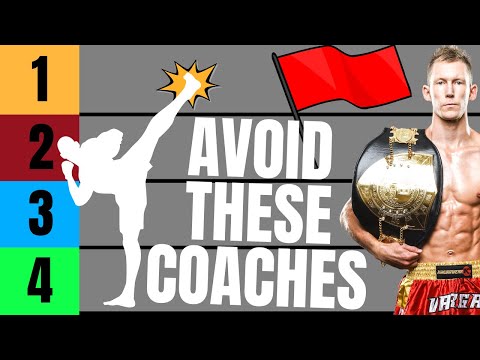
Choosing Your Martial Arts Sensei: Avoiding the Red Flags of False Mastery

The path of Budo is a journey of self-discovery, discipline, and relentless improvement. But what happens when the very guide meant to illuminate this path casts a shadow instead? In the intricate world of martial arts, the instructor, the Sensei, is paramount. Yet, not all who don the black belt are true masters. Many are merely keepers of superficial knowledge, or worse, peddlers of dangerous dogma.

This is not a debate about style – whether you seek the fluidity of Aikido, the power of Kyokushin Karate, or the strategy of Judo. This is a critical examination of character and competence. My intent today is to equip you, the aspiring warrior, with the discernment needed to identify instructors who are not worthy of your dedication, your sweat, and your respect. We will dissect the common "red flags" that signal a lack of true mastery and, more importantly, a potential detriment to your martial arts journey and personal growth.

Lack of Credentials: The Uncertified Imposter

In the realm of Budo, lineage and verifiable expertise are not mere formalities; they are the bedrock of authenticity. When an instructor cannot produce legitimate credentials – certifications from recognized martial arts federations, documented ranks from reputable masters, or a clear lineage tracing back through established schools – it’s a gaping hole in their claim to authority.

Think of it like this: would you trust a surgeon who claimed to have 'learned surgery by watching videos'? Of course not. The same rigor must apply to your martial arts training. A Sensei who skirts around the issue of their qualifications, or worse, dismisses them as unimportant, is signaling a profound lack of understanding regarding the depth and discipline required to attain true mastery. This is not about ego; it’s about the student’s right to receive instruction from someone who has demonstrably earned it.

"If you meet the Buddha, kill the Buddha." This koan, often misapplied, speaks to the danger of blind adherence. In your training, it means questioning any authority that doesn't stand up to scrutiny. A lack of credentials is the first, and perhaps most obvious, crack in the facade.

Overemphasis on Winning: The Empty Trophy Syndrome

Competition is a vital component of many martial arts. It tests technique under pressure, builds resilience, and offers a tangible measure of progress. However, an instructor whose focus is *solely* on victory, who prizes wins above all else, is fundamentally misunderstanding the purpose of Budo.

Martial arts are a crucible for character development. They teach humility in defeat, grace in victory, perseverance through adversity, and the ethical application of force. An instructor who only celebrates wins, or worse, harshly criticizes losses, is cultivating an unhealthy and ultimately shallow approach to training. True martial arts training is a lifelong pursuit of self-mastery, not a gladiatorial contest. The true victories are often internal: overcoming fear, perfecting a difficult technique, or developing unshakeable discipline. An instructor obsessed with external validation misses this entirely.

Consider the legendary martial artists. While many were formidable competitors, their teachings often transcended mere winning. They emphasized the philosophical, the ethical, and the personal growth aspects. A coach focused only on the scoreboard misses the deeper lessons that make martial arts a transformative art.

Lack of Safety Precautions: Gambling with Your Well-being

This is non-negotiable. Martial arts, by their very nature, involve physical contact and the potential for injury. A competent and ethical instructor prioritizes safety above all else. This means:

  • Proper warm-ups and cool-downs to prepare the body and prevent strains.
  • Clear instruction on how to execute techniques safely, minimizing risk to both giver and receiver.
  • Appropriate supervision during sparring or strenuous drills.
  • A willingness to modify training for students with injuries or physical limitations.
  • A calm, controlled environment where recklessness is not tolerated.

If your instructor rushes through warm-ups, encourages overly aggressive or uncontrolled sparring, dismisses concerns about pain, or lacks basic safety protocols (like ensuring the training area is clear of hazards), they are not only negligent but actively endangering you. This isn't about being "soft"; it's about intelligent, sustainable training. Pushing your limits is essential, but reckless endangerment is not. You should feel challenged, yes, but never at the risk of serious injury due to the instructor's carelessness.

Aggressive or Abusive Behavior: The Tyrant's Dojo

The dojo should be a sanctuary for learning and growth, a place where discipline is cultivated, not fear. An instructor who resorts to aggressive language, shouting, intimidation, or any form of physical or emotional abuse is fundamentally unfit to teach.

Martial arts are meant to empower, to build confidence, and to foster self-control. An instructor who uses their position to belittle, demean, or intimidate students is exploiting their authority. This is not discipline; it is tyranny. Such behavior creates a toxic learning environment, erodes self-esteem, and can have lasting negative psychological effects. The true martial artist leads by example, demonstrating respect, patience, and calm under pressure – not by ruling through fear or aggression. This kind of behavior is not only unethical but often stems from the instructor’s own insecurities and lack of genuine mastery.

"The supreme art of war is to subdue the enemy without fighting." - Sun Tzu. This principle extends beyond the battlefield. A true master subdues conflict through calm authority and unwavering principle, not through aggressive displays.

Lack of Respect for Students: The Mark of a Shallow Mind

Every student, from the absolute beginner to the seasoned practitioner, deserves respect. An instructor who consistently belittles students, mocks their efforts, dismisses their questions, or treats them as inferior is demonstrating a profound lack of character.

Respect is a two-way street. While students owe respect to their instructor, the instructor owes a duty of care, dignity, and genuine mentorship to their students. An instructor who fails to recognize the individual journey of each student, who fails to foster an environment of mutual respect, is not a true leader. They may possess technical skills, but they lack the wisdom and character that define a master. Feeling comfortable asking questions, making mistakes without fear of humiliation, and being treated as an individual with unique potential are hallmarks of a positive training environment.

Veredicto del Sensei: ¿Merece la pena?

Choosing the right martial arts instructor is perhaps the single most critical decision you will make on your path. The red flags – lack of credentials, obsession with winning, disregard for safety, abusive behavior, and disrespect for students – are not minor issues. They are fundamental flaws that betray a lack of true mastery and ethical integrity.

A true Sensei is a mentor, a guide, and a role model. They possess not only technical proficiency but also the wisdom, patience, and ethical grounding to nurture their students. They prioritize your growth, safety, and well-being above their own ego or desire for superficial accolades. If an instructor exhibits any of these red flags, it is a clear signal to seek training elsewhere. Your journey is too important to be entrusted to someone who lacks the fundamental qualities of a true master.

Calificación: ¡Cinturón Negro en Discernimiento!

Equipo Esencial para tu Entrenamiento

Selecting the right equipment can significantly enhance your training experience, safety, and progression. While the core of martial arts lies in the practitioner, the right gear provides the necessary foundation.

  • Kimono/Gi: For Judo, Aikido, and some Karate styles, a durable Gi is essential. Look for double-weave or heavyweight fabrics for disciplines involving grappling or significant wear and tear. For Karate, a lighter, more breathable fabric might be preferred for striking arts.
  • Sparring Gear: When engaging in controlled sparring, protective gear is paramount. This includes headgear, mouthguards, chest protectors, and shin/instep guards, especially for striking arts like Karate and Kickboxing. For grappling arts, focus on comfortable attire that allows freedom of movement.
  • Training Mats (Tatami): If you are practicing at home, especially for techniques involving throws or falls (Judo, Aikido), investing in proper mats is crucial to prevent injuries.
  • Focus Mitts and Strike Pads: Excellent for practicing striking combinations and power generation, whether alone or with a partner.
  • Hand Wraps and Gloves: Essential for striking arts to protect your wrists and hands during bag work or sparring. Boxing or MMA gloves are standard.

Guía de Entrenamiento: Desarrollando tu Resiliencia

True martial arts strength isn't just physical; it's mental and spiritual. Here's a simple drill to cultivate mental fortitude and discipline, applicable to any art:

  1. Set a Consistent Time and Place: Designate a specific time each day (e.g., upon waking, before bed) and a quiet space for your practice.
  2. Begin with Centering: Sit in a comfortable, upright posture. Close your eyes and take 5-10 deep breaths, focusing on the sensation of air entering and leaving your body. This is your 'Mokuso' (meditation).
  3. Perform a Single Technique Repetitively: Choose one fundamental technique from your art (e.g., a basic punch, a specific block, a simple stance transition, or even a short kata).
  4. Execute with Full Focus: Perform the technique with 100% concentration. Imagine it's the first time you've ever done it. Pay attention to every detail: body alignment, breath, intent.
  5. Aim for a Target Number of Repetitions: Start with a manageable number, perhaps 25 or 50. The goal isn't speed, but perfect, mindful execution.
  6. Maintain Focus Through Fatigue: As you get tired, your mind will wander. Gently bring your focus back to the technique. This is where the real training happens.
  7. Conclude with Gratitude: Take a moment to thank yourself for your dedication and your instructor (even if they are absent) for their guidance.

This drill, simple as it seems, builds discipline, focus, and an appreciation for the subtleties within even the most basic movements. It's a cornerstone of developing a strong Ki or internal energy.

Preguntas Frecuentes

Q1: My instructor often yells at us. Is this normal in martial arts?
A: No. While discipline is important, yelling and aggressive behavior are signs of a poor instructor who may lack control or proper teaching methodology. True discipline comes from respect and understanding, not fear.

Q2: What if my instructor is a world champion but seems to lack teaching skills?
A: Being a great competitor does not automatically make one a great teacher. A good instructor needs not only technical skill but also the ability to communicate, motivate, and foster a safe learning environment. Look for a balanced instructor.

Q3: Is it okay to switch martial arts schools if I'm unhappy with my current instructor?
A: Absolutely. Your training journey is yours. If you encounter red flags or feel your growth is being stunted, it is wise and responsible to seek out a more suitable learning environment. Loyalty is to your own progress and the principles of Budo, not necessarily to a single individual.

Para Profundizar en tu Camino

In conclusion, the path to martial arts mastery is paved with diligent effort and wise choices. Be discerning. Observe keenly. Trust your instincts. The right Sensei will not only teach you techniques but will inspire you to become a better version of yourself, embodying the true spirit of Budo.

Now, I pose a challenge to you: Reflect on your own training environment. Have you encountered any of these red flags? Are you truly being guided by a master, or merely by someone with a black belt? Voice your thoughts and experiences below. Let us learn from each other.

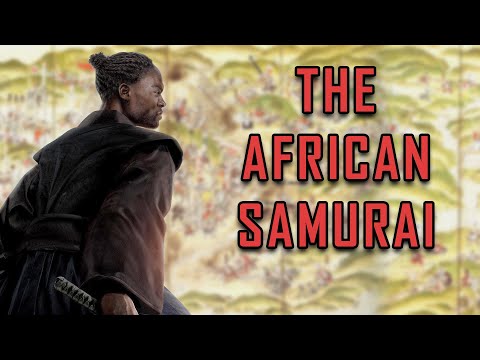
The Unvarnished Truth: Yasuke, The African Samurai – A Warrior's Spirit Transcending Borders

How many of you, when you hear "samurai," immediately picture a stoic figure in traditional armor, born and bred in the rigorous crucible of feudal Japan? It's a powerful archetype, isn't it? But what if I told you that the most compelling narratives often break these very molds? Today, we dissect the extraordinary life of Yasuke, the African samurai. This isn't just a historical footnote; it's a profound testament to how the warrior spirit, the unwavering dedication to martial excellence, knows no color, no origin, and no boundary.

We will delve into the gritty reality of his ascent, not through romanticized fiction, but through the lens of martial principles. Was he merely a curiosity, a novelty for Oda Nobunaga? Or was he a genuine practitioner of the sword, a warrior whose skills earned him respect in the most unforgiving of arenas? Prepare yourselves, for this is not a gentle stroll through history; it is an exploration of raw courage, adaptation, and the unyielding pursuit of mastery in the face of prejudice and overwhelming odds.

Yasuke's Origins: More Than Just a Slave

Let's strip away the myth. Yasuke, born in Africa – the exact region remains a scholarly debate, a point of contention for historians – was not born into nobility, nor was he a free man for much of his early life. He was, by all accounts, enslaved. This is a brutal truth, a stark contrast to the idealized samurai narrative. However, a slave’s life is not always a predetermined path of suffering. His journey, facilitated by the Jesuit missionary Alessandro Valignano, led him to Japan in 1579. Imagine the culture shock, the sheer alien nature of a land so distant from his own.

This arrival was not subtle. His physical presence alone—taller than the average Japanese man of the era, powerfully built—would have immediately drawn attention. But it was his potential, his aura of capability, that truly captured the eye of Oda Nobunaga, the formidable *Daimyo* who was rapidly consolidating power in Japan. Nobunaga was known for his strategic mind, his openness to new ideas, and his interest in foreign novelties. Yasuke was more than a novelty; he was a warrior waiting to be recognized. This meeting, this pivotal moment, was not just the encounter of a slave with a lord, but the spark that ignited an extraordinary martial destiny.

"Nobunaga, upon seeing Yasuke, was struck by his stature and physical presence. He was a man unlike any he had encountered. The initial fascination, however, was soon to be surpassed by respect for his martial spirit."

Forged in the Flames: Training Under Nobunaga

To become a samurai was not a matter of choice; it was a life of rigorous discipline, an internalization of the warrior's code, bushido. Yasuke, under Nobunaga's direct patronage, embarked on this path. This wasn't a mere display of strength; it was an assimilation into a system of honor, loyalty, and devastating martial skill. He learned the intricacies of the katana, the soul of the samurai. He trained in swordsmanship, grappling, and the tactical nuances of warfare.

Think about the challenges. He wasn't just learning techniques; he was learning a philosophy, a way of life that demanded absolute commitment. The fact that he, an outsider, an African slave, was not only accepted but actively trained and elevated speaks volumes about Nobunaga's pragmatism and perhaps, his foresight. Yasuke's physique, different from the Japanese ideal, likely offered unique advantages in combat. His training wasn't about conforming to a pre-existing template; it was about adapting the samurai way to his own formidable capabilities. He proved to be more than just a strong man; he was a natural warrior, a quick study, and someone who could embody the samurai ethos. This rapid ascent is not something one achieves through mere physical presence. It requires dedication, discipline, and an innate understanding of combat.

His African heritage, rather than being a barrier, may have even informed his fighting style, adding an unpredictable edge to the already deadly samurai arts. This fusion of backgrounds is where true martial innovation often lies.

The Crucible of War: Yasuke's Role in Nobunaga's Army

History books, often written by victors and survivors, can be selective. But the accounts of Yasuke's involvement in battles are clear: he fought. He wasn't a ceremonial figure; he was in the thick of it. The Battle of Tenmokuzan in 1582 is a prime example. Nobunaga's forces, against considerable odds, achieved a decisive victory. Yasuke's presence and contributions were noted. This wasn't a minor skirmish; it was a significant military engagement where strategic prowess and individual bravery determined the outcome.

His role as a trusted advisor and bodyguard to Nobunaga was not bestowed lightly. It implies a level of skill, loyalty, and battlefield competence that few possessed. Imagine the pressure, the constant threat of assassination or betrayal in the Sengoku period. To be chosen as a personal guardian by one of Japan's most powerful and ruthless warlords was the ultimate validation of his martial capabilities.

"In the heat of battle, where the clash of steel and the cries of men fill the air, true warriors reveal themselves. Yasuke was not found wanting. His ferocity, combined with his samurai training, made him a formidable force on any battlefield."

After Nobunaga's tragic end at Honnō-ji, Yasuke didn't vanish. This is a crucial point that distinguishes him from a mere footnote. He continued to serve other influential figures like Hideyoshi Toyotomi and later, Ieyasu Tokugawa. His journey continued through periods of intense conflict, including the Siege of Osaka Castle. This longevity in service, moving between different powerful lords, demonstrates a consistent reputation for reliability and martial prowess. It suggests that his acceptance and respect were not solely dependent on Nobunaga's whim, but on his enduring abilities as a warrior and advisor.

Echoes in Time: Yasuke's Enduring Legacy

Why do we still speak of Yasuke centuries later? Because his story is inherently powerful. He is the "only black samurai" – a title that encapsulates both his uniqueness and the broad strokes of his achievement. But his legacy is more than a racial designation. It’s about the triumph of the individual spirit, the ability to transcend one's origins and forge a new identity through skill and determination.

His life has inspired countless artistic interpretations: books, films, and documentaries. This widespread fascination is not superficial. It speaks to a universal human desire to see the underdog succeed, to witness the improbable become reality. For martial artists, Yasuke represents the ultimate embodiment of adaptability and perseverance. His journey reminds us that mastery isn't about adhering strictly to tradition, but about internalizing its core principles and applying them with your unique strengths. The ki, the fighting spirit, can manifest in any warrior, regardless of their background. His story is a powerful reminder that the path of the warrior is open to all who possess the will to walk it.

Veredicto del Sensei: ¿Un Samurai Auténtico?

Let's cut through the historical debate and the romanticized notions. Was Yasuke a samurai in the strictest, most traditional sense, born into the samurai class and adhering to every minute facet of its inherited culture? Perhaps not in the way a son of a samurai was. However, was he a warrior who lived by the code of bushido, trained rigorously in the martial arts of Japan, fought alongside samurai, earned their respect, and wielded the katana with skill? ABSOLUTELY.

His adoption into Nobunaga's service, his training, his participation in battles, and his continued service under other lords all point to a man who earned his place through martial merit and loyalty. The very essence of being a samurai was one's ability to serve as a warrior. Yasuke fulfilled this role to an exceptional degree. To deny him the title of "samurai" based on his origin would be to misunderstand the fluid, albeit rigid, social dynamics of feudal Japan and the pragmatic nature of warlords like Nobunaga. He wasn't just a foreign curiosity; he became a respected warrior.

Calificación: Cinturón Negro en Adaptación y Coraje Marcial.

Equipo Esencial para tu Entrenamiento

While Yasuke's journey was unique, the principles of martial training remain universal. To truly immerse yourself in the path of the warrior, having the right tools is crucial.

  • Armadura (Réplica o Ligera): While full samurai armor (gusoku) is impractical for most modern training, understanding its components and weight distribution is key. For light practice, a sturdy training uniform is sufficient.
  • Katana de Entrenamiento (Iaido/Bokken): A bokken (wooden sword) is essential for safe practice of sword techniques. For those advanced enough, a sharpened steel katana (iaito for practice, or a functional blade for experienced practitioners) is the ultimate tool.
  • Kimono de Judo/Karate: A durable, high-quality martial arts gi is fundamental for any discipline involving grappling or striking. Look for double-weave fabrics for added resilience during intense #entrenamiento.
  • Guantes de Entrenamiento: For any striking practice or sparring, appropriate padding is non-negotiable for safety and longevity in your #combat.
  • Protección para la Cabeza (Bojutsu): If practicing with longer staffs or polearms, head protection can be beneficial during drills.

Guía de Entrenamiento: El Espíritu del Guerrero Adaptable

Yasuke's life teaches us that adaptation is a core martial principle. Here’s a practical approach to cultivating that spirit:

  1. Fundamentos Sólidos: Begin with the basics of your chosen art. Whether it's #karate stances, #judo throws, or #MMA striking, master the core mechanics. This is your base.
  2. Cross-Training Inteligente: Don't confine yourself. Explore different martial disciplines. Integrate striking with grappling, learn weapon retention, and understand distance management. This builds versatility.
  3. Entrenamiento de Fuerza y Acondicionamiento: Develop explosive power and endurance. Yasuke's physique was an asset; yours can be too. Focus on functional strength training.
  4. Técnicas de Espada (Simuladas): If your art involves weapons, practice diligently with a bokken or training knife. Focus on clean lines, precise movements, and understanding range.
  5. Mental Conditioning: Practice mindfulness, meditation, and visualization. Develop resilience to stress and the ability to remain calm under pressure, just as Yasuke likely did in the chaos of #battle.
  6. Adaptación en Sparring: During sparring sessions, intentionally put yourself in challenging positions. Practice defending against unfamiliar styles or techniques. The goal is to learn, not just to win.

Preguntas Frecuentes

¿Es Yasuke el único samurái negro en la historia de Japón?

Basado en los registros históricos disponibles, Yasuke es la figura más conocida y documentada de un guerrero africano que alcanzó el estatus de samurái en el Japón feudal. Si bien es posible que otros individuos de ascendencia africana estuvieran presentes, Yasuke es el único para el cual existe evidencia sustancial de su servicio y estatus.

¿Qué habilidades marciales poseía Yasuke?

Yasuke era descrito como un guerrero físicamente imponente y hábil. Se entrenó en las artes marciales de los samuráis, incluyendo el manejo de la katana. Se sabe que luchó en batallas junto a Oda Nobunaga, demostrando competencia en combate. Su habilidad y fuerza le permitieron ganar el respeto de sus contemporáneos.

¿Cuál fue la importancia de su servicio bajo Oda Nobunaga?

Servir bajo Oda Nobunaga, uno de los tres grandes unificadores de Japón, fue un logro significativo. Nobunaga era un líder progresista que valoraba la habilidad y la lealtad por encima de la ascendencia. El hecho de que Nobunaga adoptara a Yasuke como vasallo y le confiara responsabilidades militares y de consejero demostró la destreza y el valor de Yasuke como guerrero.

¿Cómo impactó su vida en la percepción de los extranjeros en Japón en esa época?

La presencia de Yasuke, un africano sirviendo como samurái, desafió las percepciones convencionales y demostró que el estatus y el respeto en la sociedad japonesa podían obtenerse a través del mérito marcial y el servicio, independientemente del origen extranjero. Su historia contribuyó a la fascinación que los europeos y otros forasteros despertaban en el Japón de finales del siglo XVI.

Para Profundizar en tu Camino

  • Descubre el rigor detrás de la espada en nuestro artículo sobre #Karate y su legado: [Enlace Interno al Post de Karate]
  • Explora los principios fundamentales del guerrero en: #BUDO, el Camino del Guerrero: [Enlace Interno al Post de Budo]
  • Comprende la fuerza mental en el combate: La Importancia del #ki en la Lucha: [Enlace Interno al Post de Ki]

Reflexión del Sensei: Tu Próximo Paso

Yasuke's life is a blazing indictment of limitations. He faced prejudice, the chains of slavery, and the cultural chasm of a foreign land, yet he carved his name into history through sheer will and martial skill.

Consider this: In your own training, where do you impose limits? What perceived barriers—lack of talent, time, resources, or even your own self-doubt—are you allowing to define your potential? Are you training to adapt, to overcome, or merely to go through the motions?

Reflexión del Sensei: Tu Próximo Paso

The warrior spirit is not bestowed; it is forged. Yasuke’s journey from the African continent to the heart of the samurai elite was not a fluke of fate. It was a testament to unwavering dedication, brutal discipline, and the courage to embrace the unknown. Now, look within. What 'uncharted territory' does your martial journey demand you conquer? Are you prepared to face it with the same ferocity and adaptability that defined the African Samurai?

Let the debate begin. Does Yasuke’s story change your perception of what a samurai truly embodies? Are there other historical figures whose martial journeys defy conventional expectations? Share your insights, your arguments, your challenges. The dojo of knowledge is vast, and discussion is the finest sharpening stone for the mind.

FULL FIGHT MELAWAN WITHER DI UDARA: A Martial Master's Perspective

Greetings, warriors and seekers of the Way. Welcome to Budo and Martial Arts, your digital dojo for dissecting the profound and the visceral aspects of combat. Today, we plunge headfirst into a contest that demands our analytical gaze: FULL FIGHT MELAWAN WITHER DI UDARA. Published on March 17, 2023, this encounter isn't merely a spectacle of blows; it's a crucible where technique, spirit, and strategy are laid bare for all to scrutinize.

Introduction: The Arena of Analysis

In the vast expanse of online combat footage, much is noise, and little is signal. My role here, as your Sensei, is to cut through that cacophony. We are not here to merely watch fighters clash; we are here to learn. To understand the 'why' behind the 'what'. This particular bout, FULL FIGHT MELAWAN WITHER DI UDARA, offers a fertile ground for such examination. We will delve into the physical execution, yes, but more importantly, we will dissect the underlying principles of combat, the mental fortitude, and the philosophical echoes that resonate from every exchanged strike.

Are you ready to move beyond passive observation and embrace the critical eye of a martial artist? Let us begin.

Fighter Analysis: Melawan and Wither

Every combat is a dialogue between two individuals, each bringing their unique arsenal of skills, experiences, and intent. Before we dissect the action, let us consider the combatants themselves. Though details on their individual backgrounds might be scarce in the raw footage, their actions on the canvas speak volumes. We must observe:

  • Melawan: What is his primary stance? Does it suggest a striking background, a grappling foundation, or a hybrid approach? Observe his footwork. Is it rooted and powerful, or fluid and evasive? His offensive patterns – are they aggressive and overwhelming, or calculated and opportunistic?
  • Wither: Conversely, what does Wither's posture and movement reveal? Is he defensively astute, absorbing pressure and looking for counters? Or is he initiating exchanges, dictating the pace? His reactions to Melawan's onslaught will be telling.

The interplay between these two styles is the heart of the contest. Does one dominate the other? Or do we witness a dynamic ebb and flow, a true chess match of physical prowess?

Technique Breakdown: Key Moments

This is where the true value of martial arts analysis lies. We must identify moments of technical brilliance, critical errors, and strategic pivots. As we watch FULL FIGHT MELAWAN WITHER DI UDARA, I implore you to look for:

  • Striking Accuracy and Power: Were the punches and kicks landing effectively? Did they have the necessary snap and intention? A glancing blow is not a successful strike. We are looking for intent to damage, to incapacitate.
  • Defensive Efficacy: How well did each fighter defend? Were blocks tight and purposeful, or loose and reactive? Did they employ head movement, slips, or rolls? True defense is not just about absorbing impact, but about preventing it altogether.
  • Grappling Exchanges (if any): If the fight went to the ground, observe the transitions, the control, and the submission attempts. Was there an understanding of leverage and body mechanics, or was it a desperate scramble?
  • Transitional Smoothness: The ability to seamlessly move from striking to grappling, or vice versa, is a hallmark of skilled martial artists. Did either fighter exhibit this fluidity?
"In conflict, the most obvious advantage is not necessarily the most important. The true edge often lies in the subtle mastery of transition and adaptation." - A principle I have learned from countless hours of study and practice.

The seemingly small details – the angle of a defensive posture, the timing of a counter-attack, the economy of motion – often separate victory from defeat. This is not merely a physical contest; it is a test of applied knowledge.

The Strategic Battlefield: Beyond the Punches

Beyond individual techniques, we must analyze the overarching strategies employed. A fight is a complex system, and understanding the strategic layer is paramount. Consider:

  • Pacing: Did one fighter come out like a storm, expending vast energy, while the other conserved and probed? Or was there a measured, consistent pressure from the start?
  • Distance Management: How did each fighter control the range of engagement? Did they maintain their optimal fighting distance, or were they consistently drawn into their opponent's preferred territory?
  • Adaptability: When Plan A failed, did the fighter resort to Plan B, or did they crumble? The ability to adjust tactics based on the opponent's reactions is a sign of a mature martial artist.
  • Mental Fortitude: How did each fighter react to adversity? A knockdown, a sustained barrage, a painful submission attempt – these are moments that reveal true character. Did they falter, or did they find inner strength?

This goes beyond brute force. It is about intelligent application of skill, foresight, and an understanding of the psychological dynamics at play. The **Mental Game** is as crucial as any physical technique.

Philosophical Implications: What the Fight Teaches Us

For those who truly understand the Budo path, every fight is a lesson. FULL FIGHT MELAWAN WITHER DI UDARA, like any genuine contest, offers profound philosophical insights:

  • The Impermanence of Form: Techniques can be countered, strategies can be broken. True mastery lies not in clinging to a specific method, but in the ability to embody the principles behind all techniques.
  • The Nature of Conflict: Is conflict always about destruction, or can it be a catalyst for growth? Witnessing the resilience and spirit of the fighters can inspire us to face our own challenges with greater fortitude.
  • The Concept of 'Ki' (Energy): While not always visibly apparent in every bout, the flow of energy – the momentum, the pressure, the sheer force of will – is undeniable. Can you feel it? Can you channel it?
"The supreme art of war is to subdue the enemy without fighting." - Sun Tzu. While this bout involves fighting, the underlying principle of strategic superiority, of imposing one's will, echoes this ancient wisdom.

The martial path is one of continuous learning, and each fight, win or lose, contributes to that journey. It refines our understanding of ourselves and the world around us.

Veredicto del Sensei: A Final Judgement

Analyzing FULL FIGHT MELAWAN WITHER DI UDARA reveals a contest where raw aggression meets tactical application. While the raw power and resilience of both Melawan and Wither are evident, the fight serves as a potent reminder of the multifaceted nature of combat. It's not just about who hits harder, but who fights smarter, who adapts, and who possesses the unyielding spirit to persevere. This is not a fight for the faint of heart, nor for those who seek only superficial entertainment. It is a study for the dedicated martial artist.

Cinturón Negro en Aplicación de Principios de Combate.

Equipo Esencial para tu Entrenamiento

To truly internalize the lessons from bouts like this, dedicated practice is key. While specific gear depends on your chosen art, a few items are universally beneficial:

  • Guantes de Entrenamiento: For any striking discipline, protecting your hands is paramount. Opt for gloves that offer good padding and wrist support (e.g., 12-16oz for general sparring).
  • Kimono/Gi: Essential for Judo, BJJ, Aikido, and Karate. The quality of the fabric and the weave significantly impact durability and movement. A double-weave gi, for instance, is exceptionally robust for grappling arts.
  • Protector Bucal: Non-negotiable for any form of sparring where there is a risk of impact to the head.
  • Esterillas de Entrenamiento (Tatami): Crucial for arts involving throws or ground fighting to ensure safety and proper technique execution.

Recursos para Profundizar

To further your understanding of martial arts philosophy and technique, explore these essential resources:

Preguntas Frecuentes

¿Es este tipo de combate representativo de todas las artes marciales?
While this specific bout showcases certain elements, it's a snapshot. Different arts emphasize different principles. Karate, Judo, BJJ, and Aikido, for instance, each have unique focuses, yet share underlying Budo principles.

¿Qué puedo aprender de un solo luchador si el otro no parece tan hábil?
Even in a mismatch, you can learn. Observe the superior fighter's efficiency, strategy, and how they exploit weaknesses. You can also learn from the less skilled fighter's mistakes and their resilience.

¿Cómo puedo mejorar mi 'Ki' o energía interna?
Cultivating 'Ki' is a lifelong pursuit, often developed through dedicated practice of meditative techniques, correct breathing exercises, and consistent physical conditioning in your chosen art.

¿Por qué analizamos peleas en lugar de solo entrenar?
Analysis provides context and strategic understanding. Training hones physical skills; analysis refines the mind, turning raw technique into applied combat intelligence.

Reflexión del Sensei: Tu Próximo Paso

We have dissected FULL FIGHT MELAWAN WITHER DI UDARA, moving beyond the surface-level action to examine the techniques, strategies, and philosophies at play. This bout serves as a microcosm of the martial journey – a path paved with challenges, demanding constant adaptation, unwavering spirit, and profound self-reflection.

Reflexión del Sensei: Tu Próximo Paso

Now, turn your gaze inward. When you next face a challenge, be it in the dojo, in your training, or in life itself, do you react with the raw aggression of Melawan, the calculated defense of Wither, or do you strive for the seamless integration of both? How will you embody the principles we've discussed not just in combat, but in the crucible of your daily existence?

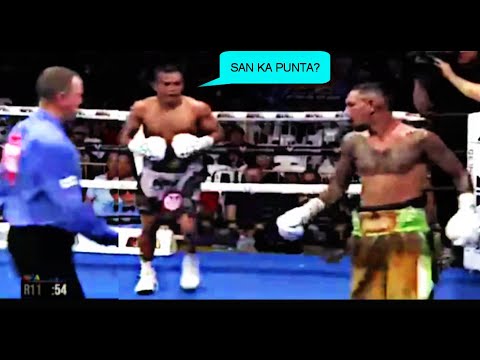
The Unbeaten Path: Charley Suarez's Dominant March 15, 2023 Victory – A Budo Perspective

A hearty "Magandang araw!" to our fellow martial artists, and a special "Maayong adlaw!" to our Bisayan brothers and sisters. Welcome to Budo and Martial Arts, where we dissect the essence of combat and the spirit of the warrior. Today, we stand on the precipice of a significant event: the latest triumph of the undefeated Filipino phenom, Charley Suarez, on March 15, 2023. This isn't just another fight; it's a testament to dedication, skill, and the relentless pursuit of mastery that defines true martial endeavor. Prepare yourselves, for we are about to delve deep into what this victory signifies.

A Warrior's Greeting and the Unveiling of a Champion

This is more than just a report; it's a critical examination through the lens of ancient martial wisdom and modern combat strategy. Charley Suarez's recent victory isn't merely a statistic; it's a narrative of discipline, perseverance, and strategic brilliance. We aim to provide the most complete and updated martial arts analysis on the internet, dissecting not just the physical execution but the underlying principles that propel a warrior to such heights.

Charley Suarez: The Unbeaten Force

Charley Suarez, a name now synonymous with invincibility in his division, embodies the relentless spirit of the Filipino warrior. To remain undefeated is not an accident; it is the result of rigorous training, unwavering focus, and an innate understanding of combat that few possess. He represents the pinnacle of what dedication to the martial path can achieve. His record speaks volumes, but the true story lies in the *how* and the *why* of his continued success. It’s a narrative that inspires countless aspiring fighters across the Philippines and beyond.

Deconstructing the March 15, 2023 Battle

The bout on March 15, 2023, was not merely a contest; it was a masterclass. Suarez faced a formidable opponent, yet his performance was one of controlled aggression and tactical superiority. We saw the application of techniques honed through countless hours in the dojo, executed with precision under the intense pressure of competition. Every movement, every defense, every offensive surge was a deliberate action, rooted in a deep understanding of his craft. The opponent, though skilled, ultimately succumbed to the relentless pressure and superior execution of Suarez.
"The supreme art of war is to subdue the enemy without fighting." - Sun Tzu, The Art of War. While Suarez certainly *fought*, his undefeated status suggests a mastery that often makes the opponent's efforts feel futile.

The Budo Philosophy Behind Unbeaten Runs

An undefeated record is a powerful statement in the martial world. It speaks to the practitioner's ability to maintain balance, control their emotions, and execute with clarity even when faced with adversity. This aligns directly with the core tenets of BUDO and various martial arts philosophies. The concept of *Mushin* (no-mind), where the mind is free from distraction and reacts instinctively, is crucial here. Suarez's ability to perform under pressure suggests a high degree of cultivated mental fortitude, a hallmark of a true martial artist rather than just a fighter. It’s about more than winning; it’s about the perfection of self through struggle.

Strategic Analysis of Suarez's Style

While specific details of this particular fight require in-depth tape review, general observations of Suarez’s career indicate a fighter who possesses a potent blend of power, speed, and technical acumen. His entrenamiento likely focuses on explosive power, solid defensa personal principles, and strategic offensive bursts. We often see fighters with long winning streaks master the fundamentals and then add their unique flair. Suarez’s style appears to be one of calculated efficiency – maximizing impact with minimal wasted energy. This tactical approach is a key indicator of a high-level practitioner who understands the game beyond raw talent.

Impact on Pinoy Pride and Martial Arts Aspirations

Charley Suarez’s success resonates deeply within the Philippines, often referred to as a nation with a rich heritage of martial prowess. His victories serve as powerful symbols of national pride and inspire a new generation to take up the mantle of martial arts training. When a compatriot achieves such a high level of success, it ignites a collective aspiration. It demonstrates that with hard work and dedication, individuals from any background can reach the zenith of their chosen discipline. This inspiration is invaluable, fostering a stronger community of artes marciales practitioners.

Equipment Essentials for Aspiring Champions

To emulate champions like Suarez, the right equipment is crucial for effective entrenamiento. While his specific gear may be tailored to his discipline, aspiring martial artists should consider the following:
  • Gloves: High-quality sparring gloves (14-16oz recommended for general training) that offer both protection and flexibility.
  • Headgear: Essential for sparring to prevent injuries and build resilience.
  • Mouthguard: Non-negotiable for any combat sport training.
  • Shin Guards: Crucial for striking arts to protect against kicks.
  • Training Uniform (Gi/Kimono): Depending on the art, a durable and comfortable uniform is key. For arts like Judo or BJJ, a sturdy Judo gi or BJJ kimono is paramount.
  • Optional: Training pads, focus mitts, and kicking shields for solo or partner drills.
For those looking to invest, consider brands known for durability and performance in competitive combatsports.

Training Regimen for Unbeaten Performance

An undefeated streak isn't built on talent alone. It requires a comprehensive training regimen that addresses multiple facets of physical and mental conditioning. Suarez's routine likely includes:
  1. Technical Skill Development: Daily practice of core techniques in his specific discipline, refining fluidity and power.
  2. Sparring Sessions: Regular, high-intensity sparring against diverse opponents to test skills and build situational awareness. This is where fight strategies are forged.
  3. Strength and Conditioning: Explosive weight training, plyometrics, and cardiovascular endurance work to build the physical foundation for prolonged combat.
  4. Flexibility and Mobility: Essential for injury prevention and executing a wider range of techniques. Incorporating dynamic stretching and mobility exercises is key.
  5. Mental Preparation: Visualization, meditation, and strategic study to hone focus, tactical thinking, and emotional control under pressure. This addresses the Ki and inner strength.
  6. Recovery: Proper nutrition, sleep, and active recovery methods are vital to sustain such a demanding schedule.
This holistic approach is what separates mere participants from true champions who maintain an unbroken fight record.

Veredict of the Sensei: A True Martial Gem

Charley Suarez’s undefeated status, punctuated by his performance on March 15, 2023, is a powerful demonstration of martial excellence. He is not just a winner; he is an embodiment of the discipline, resilience, and strategic intelligence that are the cornerstones of true martial arts mastery. His journey is a compelling case study for anyone dedicated to the path of combat sports. He has earned his place among the elite, and his continued success is a beacon for aspiring warriors. Rating: Cinturón Negro en Dominio y Resiliencia.

Frequently Asked Questions

  • Q: What is Charley Suarez's primary fighting discipline?
    A: Charley Suarez competes in boxing, where his undefeated record has gained significant recognition.
  • Q: How does an undefeated record impact a fighter's mindset?
    A: An undefeated record can foster immense confidence but also pressure. True champions learn to manage this pressure, using it as motivation rather than a burden, a key aspect of mental game training.
  • Q: Is it possible for amateur fighters to achieve a similar level of dedication?
    A: Absolutely. While professional resources are beneficial, the core principles of discipline, consistent entrenamiento, and mental fortitude are accessible to all levels of practitioners.
  • Q: What role does strategy play in maintaining an undefeated record?
    A: Strategy is paramount. It involves understanding one's own strengths and weaknesses, as well as those of the opponent, to dictate the pace and flow of the combat.

Deepen Your Journey

To continue your exploration into the profound world of martial arts and combat sports, we encourage you to explore these related topics on our blog:

Reflection of the Sensei: Your Next Step

Suarez's undefeated path is a powerful illustration that consistency and strategic application of skill can lead to extraordinary results. But tell me, if you face repeated victories, does your approach become more aggressive, seeking to dominate, or more conservative, fearing the first loss? How do you maintain the beginner's mind when you are the seasoned victor? Ponder this, and share your insights. Do you believe true mastery lies in conquering others, or in continually conquering yourself? ``` ```json { "@context": "https://schema.org", "@type": "FAQPage", "mainEntity": [ { "@type": "Question", "name": "What is Charley Suarez's primary fighting discipline?", "acceptedAnswer": { "@type": "Answer", "text": "Charley Suarez competes in boxing, where his undefeated record has gained significant recognition." } }, { "@type": "Question", "name": "How does an undefeated record impact a fighter's mindset?", "acceptedAnswer": { "@type": "Answer", "text": "An undefeated record can foster immense confidence but also pressure. True champions learn to manage this pressure, using it as motivation rather than a burden, a key aspect of mental game training." } }, { "@type": "Question", "name": "Is it possible for amateur fighters to achieve a similar level of dedication?", "acceptedAnswer": { "@type": "Answer", "text": "Absolutely. While professional resources are beneficial, the core principles of discipline, consistent entrenamiento, and mental fortitude are accessible to all levels of practitioners." } }, { "@type": "Question", "name": "What role does strategy play in maintaining an undefeated record?", "acceptedAnswer": { "@type": "Answer", "text": "Strategy is paramount. It involves understanding one's own strengths and weaknesses, as well as those of the opponent, to dictate the pace and flow of the combat." } } ] }

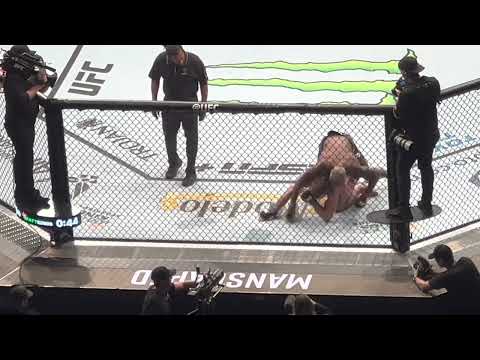
Derek Brunson vs. Dricus Du Plessis: A Deep Dive into the Martial Philosophy of a UFC Clash

Welcome, students of the Way, to Budo and Martial Arts. Today, we cast our analytical gaze upon a contemporary battlefield: the Octagon. Specifically, we dissect the clash between Derek Brunson and Dricus Du Plessis, a bout that, while appearing as a modern spectacle of mixed martial arts, is in fact a profound demonstration of age-old martial principles. Forget the flashy logos and roaring crowds for a moment. Beneath the surface, this is a conversation of strategy, timing, resilience, and the application of physical force honed through disciplined practice – the very essence of Budo. This is not merely a recap of who landed more strikes or secured the most takedowns. This is an examination from the perspective of a lifelong practitioner, a Sensei who sees the deeper currents flowing beneath the waves of combat. We will explore the strategic intent, the technical execution, and the mental fortitude displayed by both warriors. ### Table of Contents

The Crucible of the Octagon: More Than Just a Fight

The modern world often misinterprets martial arts. We see the spectacle of the UFC, the raw power, the athleticism, and perhaps, the brutality. But to truly understand a fight like Derek Brunson versus Dricus Du Plessis, we must strip away the superficial and delve into the heart of martial philosophy. Every strike thrown, every defensive maneuver, every strategic decision made by these fighters is a manifestation of their training, their discipline, and their understanding of combat. The intention behind searching for a full fight video is often twofold: to witness a high-level contest, and perhaps, for dedicated martial artists, to glean insights into effective combat. It’s our duty here at Budo and Martial Arts to provide that deeper layer of understanding. We are not just reviewing a fight; we are dissecting a live-action seminar on applied martial science.

Derek Brunson: The Veteran Grappler's Strategic Approach

Derek Brunson, with his extensive experience in the UFC, embodies the role of the seasoned warrior. His game plan often revolves around his formidable wrestling background. This isn't just about taking an opponent down; it’s about control, pressure, and breaking their will through relentless grappling. Brunson’s strategy is a testament to the principle of *dominance through groundwork*, a core tenet in arts like Judo and Brazilian Jiu-Jitsu. His striking, while often powerful, serves a dual purpose: to set up his takedowns or to punish an opponent who is too focused on defending the clinch. A fighter like Brunson understands that the ultimate goal isn't just to stand and trade, but to impose one's preferred method of combat. This strategic foresight is a hallmark of a mature martial artist. He doesn't necessarily seek the flashy knockout; he seeks the methodical victory.

Dricus Du Plessis: The Emerging Striker's Calculated Aggression

Dricus Du Plessis, on the other hand, presents a different facet of martial artistry. While also capable of grappling, his more prominent threat often lies in his striking power and aggression. Du Plessis showcases a willingness to engage, to pressure his opponent with dynamic punches and kicks. His approach speaks to the fiery spirit found in styles like Kyokushin Karate, where devastating power is paramount. However, to dismiss Du Plessis as merely a "striker" would be a grave error. The best MMA fighters understand the necessity of a well-rounded game. Du Plessis’s ability to blend his striking with opportunistic takedown defense, and sometimes even offensive grappling, makes him a complex challenge. His fighting style often reflects an "attack is the best defense" mentality, forcing his opponents onto the back foot.

Core Martial Principles on Display

This bout, like any high-level MMA contest, is a practical application of countless martial principles:
  • Timing (Suji): Both fighters must anticipate and react to the opponent's movements. A well-timed counter-strike or takedown can change the course of a fight instantly.
  • Distance Management (Maai): Controlling the space between fighters is crucial. Brunson aims to close the distance for his grappling, while Du Plessis likely seeks to maintain striking range.
  • Adaptability (Henka): The ability to change tactics on the fly is paramount. When a game plan isn't working, a fighter must be able to pivot.
  • Explosiveness (Kiai): The sudden burst of energy needed for a takedown, a powerful strike, or a defensive scramble.
  • Resilience (Gaman): The mental and physical fortitude to withstand punishment and continue fighting.
"The supreme art of war is to subdue the enemy without fighting." - Sun Tzu. While this bout involves fighting, the underlying principle of strategic imposition of will is very much alive.

Analysis of Key Moments: A Tactical Breakdown

Watching the full fight, several moments stand out from a martial perspective. Brunson's initial attempts to close the distance and secure takedowns are textbook examples of wrestling entries. The feints, the level changes, the penetration steps – these are skills honed through countless hours on the mats. Du Plessis, conversely, must demonstrate excellent takedown defense, using angles and underhooks to prevent Brunson from establishing dominant positions. When the fight remains standing, observe the striking exchanges. Is Du Plessis utilizing his reach effectively, or is he getting drawn into Brunson's preferred range? Is Brunson using his jab to control distance and set up his power shots, or is he being too predictable? The *flow* of the fight, the back-and-forth momentum, is where true martial insight can be gained. A fighter who can consistently dictate the terms of engagement is one who understands the deeper mechanics of combat.

The Philosophical Undercurrent: Beyond the Physical

Beyond the physical techniques, this fight is a psychological battle. Brunson, the veteran, might draw upon his experience, his calmness under pressure. Du Plessis, the challenger, might rely on youthful exuberance and a hunger to prove himself. This mental game is as critical as any physical attribute. In traditional Budo, the concept of Ki (or Qi) – vital energy – is central. While difficult to quantify in a televised fight, the fighters' energy levels, their willingness to push through fatigue, their *spirit* when things get tough, all reflect this underlying concept. A fighter who appears to "have more energy" or "fight harder" when exhausted often possesses a stronger internal fortitude. This is the essence of the Warrior Philosophy that underpins all true martial arts.

Veredict of the Sensei: A True Test of Martial Will

This bout between Derek Brunson and Dricus Du Plessis was a compelling display of contrasting, yet effective, martial approaches. Brunson's strategic wrestling and measured offense met Du Plessis's dynamic striking and aggressive pressure. The fight served as a reminder that there isn't one single path to victory in martial arts; rather, it’s about understanding your strengths, exploiting your opponent’s weaknesses, and executing your plan with precision and unwavering resolve. Both fighters demonstrated significant skill, strategic thinking, and the crucial element of perseverance. While the outcome of any single fight can be debated, the commitment to the martial path, the dedication to training and self-improvement, is what truly earns respect.

Equipment Essential for Your Training

To truly embody the martial spirit demonstrated in bouts like this, proper training gear is essential. Whether you are focusing on striking, grappling, or a complete MMA regimen, the right equipment can enhance your safety and effectiveness.
  • High-Quality Training Gloves: For striking practice and sparring, 10-16oz gloves are standard for protection.
  • Shin Guards: Essential for kickboxing and Muay Thai training to prevent injuries.
  • Mouthguard: Non-negotiable for any form of sparring or combat training to protect your teeth and jaw.
  • Grappling Shorts/Spats: Durable and comfortable for BJJ and wrestling.
  • Mouthguard: Non-negotiable for any form of sparring or combat training to protect your teeth and jaw.
  • Training Apparel: Comfortable, moisture-wicking clothing that allows for full range of motion. Consider investing in a durable Karate gi or Judo gi for specific discipline training.
For those looking to invest in their martial journey, exploring options for specialized equipment is a wise step. Many reputable brands offer martial arts merchandise that can elevate your training experience.

Training Guide: Simulating Fight Scenarios

To integrate the lessons learned from watching high-level fights, it's vital to apply them in your training. Here’s a simple drill to simulate aspects of the Brunson vs. Du Plessis dynamic:
  1. Partner Drill: Takedown Defense and Striking Response (3 Rounds, 3 minutes each)
    • Round 1: Brunson's Pressure. One partner (the "attacker") continuously pressures forward, attempting level changes and single/double leg takedowns. The other partner (the "defender") focuses solely on defending takedowns, using sprawls, underhooks, and footwork to stay on their feet. No strikes are thrown, just pure grappling defense.
    • Round 2: Du Plessis's Output. Switch roles. Now, the "attacker" focuses on striking from a distance, using jabs, crosses, and kicks. The "defender" practices blocking, parrying, and slipping strikes while maintaining footwork to manage distance. The goal is not to counter-strike, but to defend and stay safe.
    • Round 3: Combined Threat. Both partners are now allowed to mix their attacks and defenses. The attacker can attempt takedowns or strikes, and the defender must use all their tools to survive and, if possible, create opportunities to escape or counter. This round simulates the complex nature of MMA, where offensive and defensive actions blend seamlessly.
  2. Post-Drill Reflection: After each round, discuss what worked, what didn't, and how the strategies felt. This mental processing is as crucial as the physical repetition.
This drill, when practiced with intensity and focus, can help develop the reaction times and tactical awareness seen in professional fights.

Frequently Asked Questions

  • Q1: Is this fight representative of traditional martial arts?
    While modern MMA evolves, the core principles of strategy, timing, conditioning, and mental fortitude are direct descendants of traditional Budo and martial arts. The context is different, but the fundamental application of skill and will remains.
  • Q2: How can I develop the resilience shown by these fighters?
    Resilience is built through consistent, challenging training that pushes your physical and mental limits. Sparring, difficult conditioning drills, and mental exercises like meditation are key.
  • Q3: What is the importance of a fighter's "game plan"?
    A game plan is crucial for success. It leverages a fighter's strengths and exploits their opponent's weaknesses. However, the ability to adapt the game plan when necessary is equally vital.
  • Q4: Can watching fights improve my own martial arts practice?
    Absolutely. By analyzing techniques, strategies, and the mental approach of high-level practitioners, you can gain valuable insights to incorporate into your own training. It's a form of active learning.

Further Reading: Deepen Your Martial Understanding

To truly grasp the depth of martial philosophy and its application, I urge you to explore these resources:

Sensei's Final Reflection: Your Next Step

This analysis of Brunson vs. Du Plessis is merely a glimpse into the vast ocean of martial knowledge. The Octagon, like any dojo, training hall, or even the quiet solitude of nature, is a place where we test ourselves and learn. The question I leave you with is this: When you watch any contest of skill and will, be it a high-stakes UFC bout or a quiet practice session, do you see only the blows, or do you perceive the underlying principles? Do you see the martial artist, or merely the combatant? Now, the floor is yours. What martial lessons did *you* draw from this particular fight? Did it inspire you, frustrate you, or perhaps, challenge your preconceptions? Share your insights in the comments below. Let us engage in the discourse that sharpens our understanding.

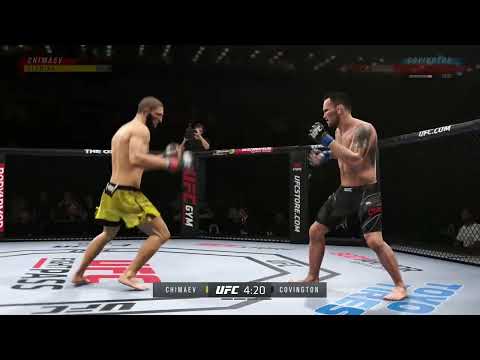
Khamzat Chimaev vs. Colby Covington: A Budo & Martial Arts Sensei's Analysis of the Simulated Clash

Esteemed practitioners and aficionados of the martial path, welcome. Today, we do not delve into the stoic grace of a kata or the raw power of a Muay Thai clinch. Instead, we engage with the digital arena, a space where algorithms and pixels attempt to replicate the brutal ballet of combat. Our focus: the simulated UFC encounter between Khamzat Chimaev and Colby Covington, as presented in EA Sports UFC. You are watching "Khamzat Chimaev vs. Colby Covington | Full Fight | UFC Simulations Ep.262," published on February 21, 2023. But is this mere digital entertainment, or can we glean any true martial wisdom from its simulated conflicts? As your Sensei, I will dissect this bout not just as a fan of the sport, but as a scholar of combat, examining the virtual representation of two formidable warriors.

Table of Contents

The Simulated Bout: A Digital Dojo

The premise is simple, yet intriguing: can a video game accurately predict the outcome of a high-stakes UFC fight? EA Sports UFC, a leading title in the simulation genre, takes on this challenge. We witness Khamzat Chimaev, the "Borz," a whirlwind of wrestling and relentless pressure, face off against Colby Covington, "Chaos," a master of pace, volume striking, and opportunistic grappling.
In the realm of martial arts, we often speak of "reading" an opponent. This simulation attempts to provide just that, albeit through a complex algorithm. It's a fascinating intersection of technology and the primal art of combat. However, let us not mistake digital prowess for true mastery. The simulated "KI" (Ki) is nothing more than code; the "Mushin" (no-mind) state is a programmed response. Yet, within these limitations, can we find echoes of genuine martial philosophy?
"There are no rules in fighting. Only weapons." - A concept often debated, but here, the 'weapons' are the fighter's attributes as programmed into the game.

Styles in the Digital Ring: Chimaev vs. Covington

Khamzat Chimaev is renowned for his suffocating top control, explosive takedowns, and devastating ground and pound. His style is a modern embodiment of the relentless wrestler, fused with dangerous striking. He overwhelms opponents, leaving them little room to breathe or execute their own game plan. Colby Covington, conversely, thrives on disruption. He dictates the pace, tires out his opponents with constant movement and volume punching, and utilizes a strong wrestling base to keep the fight standing or to land crucial takedowns when needed. His cardio is legendary, his ability to adapt mid-fight, remarkable. The simulation, to its credit, attempts to capture these essences. We see Chimaev's aggressive takedown entries and Covington's elusive footwork and counter-striking. But how accurately does it translate the sheer physical exertion, the mental fortitude, and the split-second decision-making that define real combat? This is where our critical eye must be applied.

Virtual Realism: What the Simulation Gets Right (and Wrong)

EA Sports UFC excels at replicating physical attributes. The power of a strike, the speed of a takedown attempt, the visual impact of damage – these are rendered with impressive fidelity. The simulation can showcase how Chimaev's raw power might overcome Covington's defense if he lands clean, or how Covington's high output could wear down Chimaev if the fight goes into later rounds. However, it often falls short in capturing the intangible elements. The "heart" of a fighter, the ability to push through pain and fatigue beyond programmed limits, the strategic genius that transcends statistical probability, the sheer will to survive and win – these are the aspects that make martial arts so profound and, paradoxically, difficult to simulate.
"The simulation shows the movements, but not the spirit behind them."
For instance, Covington's renowned ability to maintain a furious pace for five rounds is more than just high cardio; it's a testament to his conditioning and mental resolve. A simulation might reflect this through a stamina bar, but it cannot replicate the visceral feeling of lungs burning and legs turning to lead, and the fighter who *chooses* to keep pushing regardless. Similarly, Chimaev's explosive power is not just programmed strength; it's derived from years of dedicated strength and conditioning.

Grasping Martial Principles Through Simulation

Despite its limitations, this simulation offers a valuable, albeit superficial, lesson. It highlights the importance of strategic planning. Both Chimaev and Covington have distinct game plans. The simulation forces us to consider: Which plan is more effective against the other's attributes? This mirrors real-world martial arts training. We study different styles, analyze their strengths and weaknesses, and learn how to adapt our techniques. Whether it's a simulated fight in a video game or a sparring session on the mats, the core principle remains: understand your opponent, understand yourself, and execute your strategy. We can observe the effectiveness of pressure fighting, the value of maintaining distance, and the critical role of wrestling in mixed martial arts. Even in a simulated environment, the fundamental dynamics of grappling versus striking, and the importance of effective defense, are on display.

Veredicto del Sensei: ¿Merece la pena?

Cinturón Negro en Entretenimiento, Cinturón Azul en Predicción Auténtica. While this simulation is entertaining and offers a glimpse into how these styles might theoretically clash, it remains just that: a simulation. It cannot replicate the unpredictability of real combat, the mental fortitude, the resilience in the face of adversity, or the sheer will that separates true warriors from programmed avatars. It is a useful tool for visualization and a fun way to engage with the sport, but it should not be mistaken for a definitive outcome. The true fight, the one that matters, is decided in the octagon, not on a screen.

Equipo Esencial para tu Entrenamiento (Real)

If this simulated bout has ignited your passion for martial arts and you wish to train in the real world, the right equipment is crucial. Investing in quality gear not only enhances your performance but also ensures safety.
  • Guantes de Entrenamiento: For striking arts like Karate, Kickboxing, or MMA, durable gloves (e.g., 16oz for sparring) are essential to protect your hands and your training partners.
  • Kimono/Gi: For Judo, BJJ, or traditional Karate, a well-made Gi (e.g., double-weave for durability) is paramount. It should allow for freedom of movement and withstand rigorous training.
  • Protector Bucal: A non-negotiable piece of equipment for any combat sport to protect your teeth and jaw.
  • Espinilleras: Vital for arts involving kicks, providing protection during sparring and pad work.
  • Esterillas de Entrenamiento: For grappling arts like Judo or BJJ, or for practicing throws and falls, comfortable and shock-absorbent mats are a necessity.
Investing in these items from reputable brands ensures longevity and safety, allowing you to focus on honing your skills.

Guía de Entrenamiento: Mejorando tu Game Plan Virtual y Real

While we can't train in the digital dojo, we can certainly improve our real-world martial arts skills, which will, in turn, make us better analysts of any fight, simulated or otherwise. This simple drill focuses on improving your reaction time and decision-making, crucial elements in both virtual and physical combat.
  1. Stance and Guard: Assume a proper fighting stance, appropriate for your primary martial art (e.g., Karate, MMA, Boxing). Keep your guard up and your weight balanced.
  2. Initiation: Have a partner (or use a training dummy if alone) call out a number (1-3) or a simple command ("Jab!", "Block!", "Takedown!").
  3. Reaction: Based on the call, execute the corresponding martial action. For example:
    • 1: Execute a lead hand jab.
    • 2: Execute a defensive block (e.g., parry or cover).
    • 3: Simulate a takedown entry or defensive sprawl.
  4. Rounds: Perform this drill for 2-3 minute rounds, with short breaks in between. Focus on speed, accuracy, and maintaining your stance throughout.
  5. Progression: As you improve, increase the speed of the calls, introduce more complex commands, or combine actions (e.g., "Block, then Jab!").
This exercise trains your neuromuscular pathways, enhancing your ability to react instinctively under pressure – a skill as vital in EA Sports UFC as it is in a real-life confrontation.

Preguntas Frecuentes

  • Q: Can video game simulations accurately predict UFC fight outcomes?
    A: While they can offer interesting theoretical matchups based on fighter attributes, real-life combat is far too complex and unpredictable for a simulation to be consistently accurate. Intangibles like heart, mental state, and adaptation play massive roles.
  • Q: What martial arts does Khamzat Chimaev primarily utilize?
    A: Chimaev is known for his strong background in wrestling, combined with aggressive striking and powerful ground and pound, often showcasing elements reminiscent of Sambo and Freestyle Wrestling.
  • Q: What is Colby Covington's primary martial arts background?
    A: Covington is an accomplished collegiate wrestler and has honed his skills in Mixed Martial Arts, focusing on high-volume striking, conditioning, and pressure fighting.
  • Q: Is there any martial value in watching simulated fights?
    A: Yes, it can be a valuable tool for analyzing styles, understanding strategic matchups, and visualizing potential fight dynamics. However, it should be viewed as an analytical exercise rather than a prediction.

Para Profundizar en tu Camino

Reflexión del Sensei: Tu Próximo Paso

We have dissected a digital battle, gleaning what martial wisdom we can from pixels and algorithms. But does a simulation truly prepare you for the fire of real combat? Or is the true preparation found not in the game, but in the discipline of your own training? If you were to face an opponent whose strength, speed, and skill were perfectly replicated by a machine, but whose will and spirit were utterly unknown – how would you approach that fight? Consider this: the most formidable opponent you will ever face is not on the screen, nor across the mat, but within yourself.