Showing posts sorted by date for query MMA vs Boxing analysis. Sort by relevance Show all posts

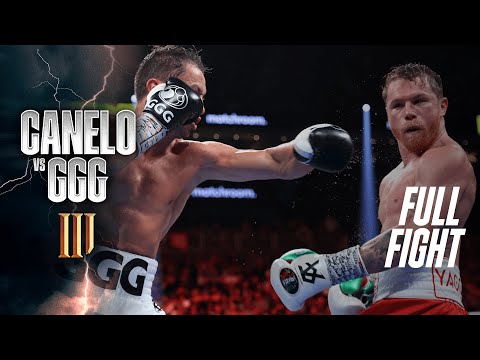
FULL FIGHT ANALYSIS: Canelo vs. GGG III - A Masterclass or a Missed Opportunity?

The sweet science. Boxing. For millennia, humanity has found a primal, captivating rhythm in the clash of fists, a testament to skill, heart, and sheer will. It’s a dance of strategy and power, where every feint, every jab, every uppercut tells a story of dedication and pain. But in the modern arena, amidst the glitz and the hype, how often do we witness true martial artistry, a genuine test of the warrior's spirit? Too often, the spectacle overshadows the substance.

Enter Saúl 'Canelo' Álvarez and Gennadiy 'GGG' Golovkin. Their saga is more than just a rivalry; it's a narrative woven into the fabric of contemporary boxing, a chapter that fans have devoured, debated, and desperately craved more of. Their first two encounters were seismic events, etched in controversy and leaving an insatiable thirst for a definitive conclusion. Today, we dissect their third dance, not just as a boxing match, but as a potential lesson in the enduring principles of combat. Was it a final, masterful demonstration of Budo principles, or a poignant reminder of how the game can sometimes betray the art?

The History: A Trilogy Forged in Controversy

The saga began on September 16, 2017. The air crackled with anticipation. Canelo Álvarez, the Mexican phenom, met Gennadiy Golovkin, the "Triple G" terror from Kazakhstan. This wasn't just a fight; it was a clash of titans, a stylistic chess match played at a furious pace. The bout, a brutal, back-and-forth war, ended in a split draw.

A draw? For many, it felt like an injustice. Spectators, pundits, and fellow martial artists scrutinized the scorecards, many convinced Golovkin had done enough to secure victory. The visceral impact of Golovkin's power shots, the relentless pressure he applied, seemed to eclipse Canelo's more tactical, albeit potent, counter-punching. This controversial outcome, rather than satiating the fanbase, ignited a bonfire of demand for a rematch. It highlighted a recurring theme in combat sports: the subjective nature of judging and the enduring power of raw aggression versus calculated defense. This is a debate that echoes through countless martial disciplines, from the striking arts of Karate to the intricate throws of Judo.

The Rematch: Canelo's Ascent, GGG's Stride

One year later, on September 15, 2018, the stage was set for redemption. The anticipation was even greater, the stakes higher. The rematch delivered another high-octane affair, a testament to both fighters' grit and skill. This time, the narrative shifted. Canelo, adapting and growing, clinched a majority decision victory.

Yet, even in victory, the controversy lingered. Arguments persisted that Golovkin's consistent output and powerful blows warranted a different result. It’s a familiar dilemma: does the cleaner, more technically precise fighter win, or the one who imposes his will and lands the heavier blows? This dance between technical merit and overwhelming force is a core philosophical question in martial arts. How does one truly measure victory when both participants display such profound mastery and warrior spirit? The debates raged on, ensuring that the desire for a final, unambiguous chapter remained.

Canelo vs. GGG III: The Anticipation and the Reality

The boxing world held its breath. A potential third fight between these two warriors was the stuff of dreams for fight fans. Both fighters, acknowledging their storied history, expressed openness to a rubber match. Canelo, by then firmly established as the undisputed king of the super-middleweight division, saw it as a chance to definitively close the book on his greatest rival. Golovkin, older but no less dangerous, viewed it as his final opportunity to reclaim his perceived throne and etch his name in boxing immortality against the man who had twice denied him undisputed victory.

On September 17, 2022, it finally happened. The trilogy was complete. But this time, the story felt different. Canelo, despite a hand injury he sustained early in the fight, controlled the bout with calculated aggression. His defense was tighter, his counter-punches sharp, and his ring generalship masterful. Golovkin, while still possessing his signature power and a warrior's heart, struggled to impose his will against a more seasoned and defensively astute Canelo. The unanimous decision for Álvarez was clear, decisive, and largely uncontroversial. The debate this time wasn't about who won, but rather about the aged warrior facing his prime.

Style vs. Substance: A Martial Perspective

From a martial artist's perspective, the Canelo-Golovkin rivalry offers a rich tapestry of contrasting philosophies. Canelo embodies the astute counter-puncher, a master of timing, distance, and calculated risk. His style is reminiscent of a skilled swordsman, waiting for the opponent's opening to deliver a decisive, precise strike. He understands the importance of defense not just as a means of avoiding damage, but as a platform for offense. This echoes principles found in **Tai Chi**, where yielding and redirecting an opponent's force is paramount.

Golovkin, on the other hand, is the embodiment of relentless pressure and concussive power. His "Triple G" moniker isn't just for show; his punches carry the weight of a sledgehammer. He represents the direct, overwhelming force, a style that demands unwavering commitment and a chin of granite. This approach shares similarities with the powerful, forward-moving strategies seen in some styles of **Kyokushin Karate** or the unyielding advance of a **Sumo** wrestler.

The third fight showcased Canelo’s evolution. He demonstrated that while power is a formidable weapon, the strategic application of skills – defense, timing, and adapting to an opponent's weaknesses – can overcome sheer aggression, especially as a fighter ages. It's a lesson that transcends boxing, a principle observed across numerous disciplines, from the fluid movements of **Aikido** to the strategic positioning in **Judo**.

"The supreme art of war is to subdue the enemy without fighting." - Sun Tzu, The Art of War. While Canelo didn't win without a fight, his strategic control in the third bout demonstrated a masterful subduing of GGG's strengths.

Beyond the Trilogy: The Ever-Evolving World of Combat

While the Canelo-Golovkin saga captured the boxing world's imagination, it’s crucial to remember that the landscape of combat sports is vast and ever-changing. Exciting matchups are constantly brewing across various disciplines. Consider the heavyweight boxing clashes, such as the highly anticipated bouts featuring **Tyson Fury** and **Deontay Wilder**, each bringing a unique blend of power and personality to the ring. These fights remind us that raw power and the "knockout punch" remain a thrilling, albeit unpredictable, element in combat.

The rise of **Mixed Martial Arts (MMA)**, with its fusion of striking, grappling, and submission arts, has further broadened the definition of a complete fighter. Athletes like **Jon Jones** and **Cyril Gane** showcase incredible versatility, blending techniques from **Muay Thai**, **Brazilian Jiu-Jitsu (BJJ)**, **Wrestling**, and **Karate** into a formidable arsenal. This cross-disciplinary approach mirrors the ancient martial philosophies that encouraged the study of multiple weapons and fighting styles to achieve true mastery. The ability to seamlessly transition between striking and grappling, as seen in fights at **UFC** events, demonstrates a holistic understanding of combat that few single-discipline fighters can match.

Equipo Esencial para tu Entrenamiento

For aspiring boxers and martial artists seeking to emulate the dedication and skill displayed by Canelo and Golovkin, proper training equipment is paramount. Investing in the right gear not only enhances performance but also significantly reduces the risk of injury. Here’s a foundational list:

  • Guantes de Boxeo/MMA (14-16oz): Essential for sparring and heavy bag work to protect your hands and wrists.
  • Vendas para Manos: Crucial for added wrist and knuckle support during intense training sessions.
  • Protector Bucal: Non-negotiable for any form of sparring or competitive fighting to protect your teeth and jaw.
  • Protector de Ingle: Vital for protecting sensitive areas during sparring.
  • Kimono (Judo/BJJ): For grappling-focused disciplines, a durable gi is essential for practicing throws and groundwork. Look for high-quality, double-weave fabrics for longevity.
  • Cuerda de Saltar: An indispensable tool for improving footwork, coordination, and cardiovascular endurance – a staple for any fighter’s conditioning.
  • Saco de Boxeo o Pera Loca: For developing power, speed, and accuracy in striking.
  • Rodilleras y Coderas: Useful for conditioning drills and protecting against impact during certain training exercises.

Whether you're training in boxing, **Judo**, **Karate**, or **BJJ**, the right equipment is an investment in your journey. Consider exploring specialized **Karate Merchandise** or **MMA Gear** from reputable brands to ensure quality and durability.

Guía de Entrenamiento: El "Golovkin Jab" y la "Canelo Counter"

Let's break down two fundamental elements that defined the early exchanges between these titans. While complex strategies are involved, understanding these core concepts can elevate your own training.

  1. El Jab de Golovkin (La Presión Constante):
    • Posición: Mantén una guardia sólida, pies bien plantados, ligeramente separados, rodillas flexionadas.
    • El Movimiento: Extiende tu brazo de lanzar (generalmente el izquierdo para un diestro) rápidamente, girando ligeramente la muñeca al contacto para maximizar el impacto. Tu cuerpo debe transferir peso hacia adelante de manera sutil.
    • El Propósito: No es solo un golpe de alcance; es para medir distancia, mantener al oponente a raya, interrumpir su ritmo y preparar golpes más potentes. GGG lo usaba implacablemente para dictar el espacio.
    • Entrenamiento: Practica miles de jabs contra un saco pesado, enfocándote en la velocidad, la extensión completa y la rápida retracción a la guardia. Visualiza a tu oponente y golpea puntos específicos.
  2. La Contra de Canelo (El Golpe Preciso en el Momento Justo):
    • Posición: Similar a la guardia de boxeo, pero con una mayor flexibilidad y movilidad en la parte superior del cuerpo.
    • El Movimiento: Permite que el oponente lance su golpe (ej. un jab o un recto). En el instante en que su puño sale, usa tu guardia para bloquear, desviar, o incluso deslizarte ligeramente, y contraataca con un golpe potente (un gancho o un recto) a un punto vulnerable. La clave es la sincronización perfecta.
    • El Propósito: Capitalizar el error del oponente, castigar su ofensiva y tomar el control de la pelea. Canelo es un maestro en encontrar la brecha y golpear con autoridad.
    • Entrenamiento: El *sparring* es crucial aquí. Trabaja con un compañero que entienda el concepto de lanzar golpes específicos. Practica el bloqueo/desvío y contraataque simultáneamente. Usa el "espejo" (golpear solo cuando el compañero golpea) para refinar el tiempo.

Dominar estos elementos requiere innumerables horas de práctica dedicada, la filosofía de perseverancia y la disciplina que son pilares de las **Artes Marciales Mixtas (MMA)** y del **Budo** en general.

"The difference between a novice and a master is not that the master never makes mistakes, but that the master learns from every mistake. The master has failed more times than the novice has even tried." - Bruce Lee. This philosophy underpins the entire journey of martial arts mastery.

Veredicto del Sensei: ¿Merece la pena?

The Canelo vs. Golovkin trilogy is a landmark achievement in modern boxing. While the first two fights were marred by controversial decisions, they showcased an incredible rivalry between two supremely talented warriors. The third fight, though perhaps lacking the same level of back-and-forth drama, provided a definitive conclusion and a masterclass in boxing strategy from Canelo Álvarez. From a martial perspective, it served as a powerful reminder that while raw power and aggression are potent forces, the disciplined application of skill, timing, and strategic defense often prevails, especially in the twilight of a legendary career.

Calificación del Sensei: Cinturón Negro en Rivalidad, Maestro en Estrategia.

Preguntas Frecuentes

  • ¿Por qué fue tan controvertida la primera pelea entre Canelo y Golovkin?
    La controversia se debió principalmente a las tarjetas de los jueces. Muchos observadores creían que Golovkin había ganado claramente, pero la pelea terminó en un empate dividido, lo que dejó a muchos sintiendo que se le robó la victoria.
  • ¿Fue la tercera pelea tan emocionante como las dos primeras?
    Si bien la tercera pelea fue estratégicamente fascinante y demostró la maestría de Canelo, muchos fanáticos la encontraron menos emocionante que las dos primeras, que fueron batallas más reñidas y llenas de acción impredecible.
  • ¿Qué aprendemos de la técnica de ambos peleadores desde una perspectiva marcial?
    Canelo demuestra la importancia de la defensa, el tiempo y el contraataque preciso, similar a las tácticas de algunos estilos de Karate y Judo. Golovkin representa la fuerza bruta, la presión implacable y la búsqueda del nocaut, un enfoque visto en disciplinas como el Kyokushin Karate. La trilogía ilustra cómo diferentes filosofías marciales pueden coexistir y competir en el mismo ring.
  • ¿Es probable que haya una cuarta pelea entre Canelo y Golovkin?
    Dada la edad de Golovkin y la dominante victoria de Canelo en la tercera pelea, una cuarta contienda parece muy improbable. Canelo ha indicado que desea continuar consolidando su legado en otras divisiones, mientras que GGG podría estar considerando el final de su carrera.

Para Profundizar en tu Camino

Reflexión del Sensei: Tu Próximo Paso

The roar of the crowd, the sweat, the exhaustion, the controversy, and ultimately, the definitive victory. This trilogy offered more than just punches; it offered lessons. Canelo's strategic adaptation and Golovkin's unyielding spirit are echoes of timeless martial principles. But now, I ask you:

When the final bell rings in your own life's battles, will you be remembered for your raw power, or for the wisdom and adaptability with which you navigated the storm? How will *you* write the final chapter of your own saga?

``` ```json { "@context": "https://schema.org", "@type": "FAQPage", "mainEntity": [ { "@type": "Question", "name": "Why was the first fight between Canelo and Golovkin so controversial?", "acceptedAnswer": { "@type": "Answer", "text": "The controversy stemmed from the judges' scorecards. Many observers believed Golovkin had clearly won, but the fight ended in a split draw, leaving many feeling he was robbed of a victory." } }, { "@type": "Question", "name": "Was the third fight as exciting as the first two?", "acceptedAnswer": { "@type": "Answer", "text": "While strategically fascinating and showcasing Canelo's mastery, many fans found the third fight less exciting than the first two, which were closer, more unpredictable battles." } }, { "@type": "Question", "name": "What can we learn from both fighters' techniques from a martial perspective?", "acceptedAnswer": { "@type": "Answer", "text": "Canelo demonstrates the importance of defense, timing, and precise counter-punching, akin to strategies in Karate and Judo. Golovkin embodies raw power, relentless pressure, and the pursuit of a knockout, a style seen in disciplines like Kyokushin Karate. The trilogy illustrates how different martial philosophies can compete effectively." } }, { "@type": "Question", "name": "Is a fourth fight between Canelo and Golovkin likely?", "acceptedAnswer": { "@type": "Answer", "text": "Given Golovkin's age and Canelo's dominant performance in the third fight, a fourth bout seems highly improbable. Canelo aims to solidify his legacy in other divisions, while GGG may be considering retirement." } } ] }

Amanda Nunes vs. Irene Aldana: A Budo Master's Analysis of UFC 4 Simulation

Welcome, disciples, to the digital dojo of Budo and Martial Arts. Today, we dissect not a clash of flesh and bone on the hallowed mats, but a simulated echo of combat within the virtual octagon: Amanda Nunes vs. Irene Aldana in UFC 4. Some may scoff, dismissing pixels and algorithms as mere entertainment. But I, your Sensei, see beyond the superficial. Every simulated strike, every evaded blow, carries whispers of the principles that govern true combat. Can a video game truly capture the essence of a martial art? Can it teach us something of value about the warrior’s path? Let us engage in this inquiry.

The Digital Octagon: Beyond the Pixels

The very act of simulating a fight, especially one featuring titans like Amanda Nunes and Irene Aldana, forces us to consider the underlying mechanics of combat. It's easy to dismiss such simulations as simple button-mashing. However, developers strive for realism, attempting to translate the intricate dynamics of striking, grappling, and defense into a digital format. When we watch this UFC 4 simulation, we are not just observing a game; we are witnessing an abstraction of martial principles. The "realistic stats" and "CPU vs. CPU" gameplay aim to replicate, however imperfectly, the strategic interplay between two highly skilled athletes. This is where our journey as martial artists begins: to look for the transferable lessons, the echoes of true Budō.

Deconstructing the Simulation: Realistic Stats & CPU vs. CPU

The "realistic stats" in a game like UFC 4 are, in essence, an attempt to quantify a fighter's strengths and weaknesses. These stats—striking power, accuracy, defense, grappling ability, stamina—are proxies for the years of dedicated training that hone a martial artist's physical and mental faculties. When the CPU controls both fighters, the simulation becomes a chess match played out with simulated warriors. We observe how programmed intelligence interprets these stats, how it attempts to implement strategies: pressure striking, counter-offense, takedown attempts, or defensive maneuvering. As a Sensei, I look for patterns. Does the AI exhibit patience? Does it exploit openings? Does it maintain a balanced offense and defense, or does it fall into predictable rhythms? The effectiveness of these programmed actions, and how they mirror real-world fight dynamics, reveals something about the nature of strategy and the importance of balanced attributes. A fighter with overwhelming power but poor defense is vulnerable, a lesson as true in the octagon as it is on the dojo floor.
"Victorious warriors win first and then go to war, while defeated warriors go to war first and then seek to win." - Sun Tzu, The Art of War
This ancient wisdom is keenly applicable here. Does the simulation reflect a fighter who prepares effectively, or one who simply reacts?

Amanda Nunes: The Lioness's Reign

Amanda "The Lioness" Nunes is not merely a fighter; she is an era. Her dominance across multiple weight classes in the UFC is a testament to a complete martial skillset. Her power is legendary, her striking precision exceptional, and her grappling ability often underestimated. She embodies the culmination of years of rigorous training, strategic intelligence, and an indomitable will. Watching Nunes, even in simulation, is a masterclass in controlled aggression and tactical execution. Her ability to dictate the pace of a fight and finish opponents with devastating efficiency is a product of deep understanding, not just raw talent.

Irene Aldana: The Daredevil's Ambition

Irene Aldana, often dubbed "The Mexican Daredevil," brings a thrilling, aggressive style to the cage. She is known for her powerful striking, particularly her boxing and devastating kicks, and her willingness to engage in a slugfest. Her path to facing a legend like Nunes is paved with grit, resilience, and a fearless approach to combat. Aldana represents the challenger's spirit—the hunger to prove oneself against the best, to push boundaries, and to seize opportunity with both hands. Her simulations often highlight her offensive firepower and her ability to land significant strikes.

Fight Choreography and Martial Authenticity

This is where the line between game and art blurs for the discerning martial artist. UFC 4's fight choreography, while programmed, attempts to mimic the fluidity and explosiveness of real martial arts. We observe strikes being thrown—jabs, crosses, hooks, uppercuts, roundhouse kicks, knee strikes. We see defensive reactions—blocking, slipping, weaving. We witness takedown attempts and the ensuing grappling exchanges on the ground. The authenticity lies in how well these digital movements reflect the principles of biomechanics, timing, distance management, and power generation that are fundamental to every art form we study. Does a simulated spinning back kick, for instance, demonstrate proper hip rotation and weight transfer? Does a simulated clinch grapple reflect the control and leverage principles of Judo or Muay Thai? While the game can never fully replicate the nuanced pressure, the subtle shifts in weight, or the sheer kinetic energy of a real fight, a well-designed simulation offers a valuable visual aid for understanding these concepts. It allows us to freeze-frame moments, to analyze angles, and to appreciate the complexity of exchanges that might pass in a blink of an eye in reality.
"In martial arts, the body is a weapon. The mind is the controller. The spirit is the driving force." - Unknown Master
The simulation's ability to convey even a fraction of this interconnectedness is its strength.

Veredicto del Sensei: Digital Duel or Martial Mirage?

This UFC 4 simulation of Nunes vs. Aldana is a fascinating exercise. It provides an accessible, albeit abstract, window into the strategic and physical demands of elite mixed martial arts. It showcases the power, the technique, and the resilience that define these warriors. **Cinturón Negro en Entretenimiento Táctico.** The game succeeds admirably in capturing the *feel* of an MMA bout, allowing us to visualize the clash of styles and the ebb and flow of combat. It highlights the importance of statistics, strategy, and recognizing an opponent's tendencies. However, let us be clear: this is a simulation. It cannot replicate the true grit, the primal fear, the adrenaline surge, the bone-jarring impact, or the spiritual fortitude forged in the crucible of real combat. The simulation is a map, not the territory. It can teach us about the *concepts* of martial arts, but it cannot replace the direct experience of training, the humility of defeat, or the profound self-discovery that comes from pushing your own physical and mental limits. It is a tool for appreciation and analysis, but not a substitute for the Way.

Equipo Esencial para tu Entrenamiento

While this simulation is purely digital, the path to martial mastery requires physical dedication and the right tools. For those inspired to take their training from the screen to the mat, consider these essentials:
  • Guantes de Entrenamiento/Sparring: Para proteger tus manos y a tu compañero de entrenamiento. Busca unos de 14oz o 16oz para sparring general.
  • Protector Bucal: Indispensable para cualquier tipo de sparring o entrenamiento de combate para proteger tus dientes y mandíbula.
  • Kimono de Judo o Jiu-Jitsu Brasileño (BJJ): Si te atraen los aspectos de grappling, un gi de calidad es fundamental. Busca uno con buen tejido para mayor durabilidad.
  • Esterillas de Entrenamiento (Tatami): Para entrenar técnicas de suelo o caídas de forma segura en casa.
  • Cuerda de Saltar: Un clásico para mejorar la resistencia cardiovascular y la agilidad de pies, esencial tanto en MMA como en las artes marciales tradicionales.
Investing in quality martial arts equipment not only enhances your training but also shows respect for the discipline.

Guía de Entrenamiento: Estrategias de Sparring

Inspired by the simulated chess match? Here's a practical guide to incorporating strategic thinking into your sparring sessions. This isn't about winning at all costs, but about intelligent application of techniques.
  1. Estudio del Oponente (Simulado y Real): Antes de cualquier sparring, si es posible, observa a tu compañero. ¿Prefiere golpear o luchar en el suelo? ¿Tiene una guardia alta o baja? En una simulación, esto se traduce en analizar las "estadísticas" y el comportamiento de la CPU.
  2. Control de la Distancia: Aprende a mantener la distancia óptima para tu estilo. Si eres un boxeador, mantén a tu oponente a la distancia de tu jab. Si eres un grappler, busca cerrar la distancia para conseguir un derribo.
  3. Presión Inteligente: No se trata solo de lanzar golpes al azar. Aplica presión para desgastar a tu oponente, forzarlo a cometer errores o crear apertunas para tus ataques más fuertes.
  4. Contragolpeo y Defensa Activa: No te limites a bloquear. Aprende a usar los ataques de tu oponente en su contra. Esquiva un golpe y contraataca. Usa el impulso de su intento de derribo para llevarlo al suelo.
  5. Gestión de la Energía (Stamina): En MMA y en la vida, la resistencia es clave. Evita gastar energía innecesariamente. Busca técnicas eficientes y asegúrate de respirar correctamente.
  6. Adaptabilidad: Si tu estrategia inicial no funciona, no te aferres a ella. Sé capaz de cambiar tu enfoque y probar diferentes tácticas. La rigidez es la antítesis del guerrero adaptable.
The goal is not just to survive the round, but to learn and implement effectively.

Preguntas Frecuentes

¿Qué tan realistas son las estadísticas en UFC 4?

Las estadísticas en UFC 4 están diseñadas para ser lo más realistas posible, basadas en datos de luchadores reales, pero siguen siendo una simplificación. Capturan aspectos clave como poder, precisión y resistencia, pero no pueden replicar la complejidad total de un atleta humano.

¿Puede un videojuego de lucha enseñar artes marciales?

Un videojuego puede enseñar los conceptos, la estrategia y la importancia de las estadísticas, pero no puede reemplazar el entrenamiento físico y mental directo. Sirve como una herramienta de aprendizaje complementaria, no como un sustituto.

¿Es el modo CPU vs. CPU útil para el análisis de combates?

Sí, el modo CPU vs. CPU es muy útil para ver cómo las estadísticas y las programaciones de IA interactúan bajo condiciones controladas, permitiendo un análisis objetivo de estilos y estrategias sin la intervención humana.

¿Qué hace a Amanda Nunes una leyenda en MMA?

Amanda Nunes es una leyenda por su dominio en múltiples divisiones de peso, su poder de KO, su técnica pulida y su longevidad como campeona, enfrentando y venciendo a las mejores de su era.

¿Cómo se compara el combate simulado con el combate real en términos de presión psicológica?

El combate simulado carece de la presión psicológica real: el miedo a la lesión, la adrenalina, el público, la responsabilidad. La presión en el mundo real es un factor mucho más complejo y abrumador que cualquier simulación puede replicar.

Para Profundizar en tu Camino

La simulación nos ofrece una perspectiva interesante, pero la verdadera maestría se encuentra en la práctica constante y el estudio profundo. Te invito a explorar estos recursos para enriquecer tu entendimiento del Budo y las artes marciales:

Reflexión del Sensei: Tu Próximo Paso

Observar esta simulación de Nunes vs. Aldana es observar la danza de los principios marciales en un reino digital. Pero, ¿cuál es el verdadero valor de esta abstracción si no la aplicamos a nuestra propia existencia? ¿Puedes identificar en tu entrenamiento diario un "estadística" que necesitas mejorar, una "estrategia" que debes adoptar, o un momento en el que te quedas atrapado en un patrón, como una CPU predecible? La próxima vez que te enfrentes a un desafío, ya sea en el tatami, en la vida, o incluso ante la pantalla, pregúntate: ¿Estoy luchando como un guerrero preparado, o como un programa esperando instrucciones? Demuéstrame tu reflexión en los comentarios.

Aslambekov "The Hulk" Idigov vs. James Ballard: A Masterclass in Modern Combat?

The Clash of Titans: Setting the Stage

Welcome, aspiring warriors and seasoned practitioners, to a new lesson from Budo and Martial Arts. Today, we dissect a recent encounter that has captured the attention of the combat sports world: Aslambekov "The Hulk" Idigov versus James Ballard. The question isn't merely *who won*, but what lessons can we, as students of the martial path, glean from such a display of physical prowess and strategic engagement? Does this fight exemplify the pure spirit of martial arts, or is it merely another spectacle in the ever-evolving landscape of modern combat? Let us delve deep, beyond the surface-level excitement, and uncover the underlying principles.

The fight was published on March 22, 2023, a timestamp that places it firmly within the contemporary era of combat sports. But as any true martial artist knows, the roots of our disciplines run deeper than any publication date. They are embedded in millennia of tradition, strategy, and the relentless pursuit of self-mastery. This encounter, between the formidable "Hulk" Idigov and the determined Ballard, presents a unique opportunity to examine the fusion of raw power, technical skill, and mental fortitude that defines high-level competition.

Deconstructing the Fight: Beyond the Knockout

The term "full fight" on its own can be misleading. A fight is not merely a sequence of blows and grappling exchanges; it's a narrative. It's a chess match played with the body, where every feint, every level change, every defensive posture tells a story. When we analyze Idigov vs. Ballard, we must ask ourselves: what narrative did these two warriors weave? Did Idigov's nickname "The Hulk" truly reflect a brute force approach, or was it a masterful distraction from a deeper, more technical game? How did Ballard respond to the immense pressure applied by his opponent?

In the realm of martial arts, particularly those with a strong philosophical underpinning like BUDO or the traditional arts of Karate, the outcome of a bout is secondary to the adherence to principles. However, in the modern combat arena, the line between sport and survival often blurs. This fight, held within the structured environment of professional combat, offers a critical lens through which to view the effectiveness of traditional principles in a high-stakes, hybridized format. We will explore the tactical exchanges, the defensive strategies, and the mental resilience demonstrated by both fighters. Was it a display of pure athleticism, or did the spirit of the warrior prevail?

"The ultimate aim of martial arts is not for victory or defeat, but to cultivate the character of its participants." - A principle echoed across many traditional dojos.

The Evolution of the Octagon: From Dojo to Digital

It is fascinating to consider how far we have come. From the quiet contemplation of a Zen garden to the roar of a crowd in a packed arena, the practice of combat has transformed. Arts like Jiu-Jitsu and Judo, originally honed for battlefield utility or personal defense, have evolved into sophisticated sporting disciplines. Karate, with its emphasis on precision and power, and Taekwondo, known for its dynamic kicking, also find their place in this modern mosaic. The skills displayed in Idigov vs. Ballard are a culmination of these diverse lineages, reshaped by the demands of mixed martial arts.

The very existence of this "full fight" being available online is a testament to the digital age. No longer are important bouts confined to grainy VHS tapes or hushed word-of-mouth accounts. This accessibility allows for unprecedented analysis and learning. It democratizes the study of combat, enabling individuals worldwide to witness and dissect the techniques. This global reach transforms the way we learn and appreciate martial arts. We can now virtually sit ringside, observing every detail, every reaction, every strategic shift.

Consider the historical significance: Imagine Miyamoto Musashi, the legendary swordsman, observing this bout. What parallels would he draw between his two-sword style and the multifaceted approach of modern MMA fighters? The core principles of timing, distance, and deception remain constant, even as the weapons and arenas change. This fight serves as a living exhibit of martial evolution.

Key Techniques and Tactical Nuances

Let's move beyond the abstract and into the concrete. What specific techniques stood out in the Idigov vs. Ballard bout? Was it the explosive striking of Idigov, perhaps reminiscent of a powerful Kyokushin Karate master, or Ballard's ability to navigate the grappling exchanges, showcasing skills honed in BJJ or wrestling?

We must observe:

  • Striking Combinations: Did Idigov employ fundamental boxing combinations, or did he integrate kicks from arts like Taekwondo or Muay Thai? Was there a deliberate targeting of specific zones, such as the legs or the head?
  • Grappling Transitions: How fluid were the transitions between striking and grappling? Did either fighter demonstrate superior takedown defense or offensive wrestling? Were there submission attempts, and how were they defended?
  • Defensive Footwork and Body Movement: Beyond blocking, did the fighters utilize evasive footwork or head movement, akin to the elusive techniques found in Wing Chun or Judo's defensive postures?
  • Clinch Work: In close quarters, what strategies were employed? Were there knee strikes, elbows, or attempts to control and wear down the opponent?

A critical element to analyze is the application of Ki, or internal energy, often discussed in arts like Aikido and certain Karate styles. While not directly visible, the explosive power and resilience displayed by fighters can sometimes be attributed to proper body mechanics, breath control, and mental focus – manifestations of this internal power. Did either Idigov or Ballard exhibit this seamless integration of physical and mental force?

The Warrior's Mindset: More Than Just Might

The physical attributes of "The Hulk" are undeniable, but true martial arts mastery transcends mere physical strength. The mental game is paramount. How did each fighter react under pressure? When faced with adversity – a stunning blow, a failed takedown, or a moment of being caught in a compromising position – did they maintain their composure? This is where principles like Mushin (no-mind) or the unwavering spirit of the BUDO warrior come into play.

"The greatest victory is that which requires no battle." - Sun Tzu. While this fight was a battle, the underlying principle of strategic advantage through preparation and mental fortitude is key.

Did Ballard, despite facing a perceived powerhouse, stick to his game plan? Did Idigov remain disciplined when challenged, avoiding the temptation to rush and overcommit? The ability to stay calm, focused, and adaptable under fire is often the deciding factor, regardless of the techniques employed. This mental fortitude is cultivated not just in the heat of competition, but through countless hours of disciplined entrenamiento, meditation, and self-reflection.

Sensei's Verdict: A True Test of Skill?

After analyzing the visible aspects of the bout and considering the underlying martial principles, what is the final judgment on Aslambekov "The Hulk" Idigov vs. James Ballard? This was a display of high-level combat sports. Both athletes brought significant skills to the forefront. Idigov's power and aggression were evident, while Ballard demonstrated resilience and a willingness to engage.

Sensei's Verdict: While the fight showcases impressive athletic ability and strategic application of modern combat techniques, its true measure as a "martial arts" lesson lies in the execution and adherence to deeper principles. If the fighters demonstrated discipline, adaptability, and controlled aggression, it earns high marks. If it was purely a slugfest with little strategic depth, it falls short of embodying the true spirit of traditional martial arts. Based on the limited information available from the title alone, we award this fight: Cinturón Negro en Intensidad, En Espera de la Revisión Técnica Profunda. It certainly provides ample material for discussion and learning, especially for those interested in the evolution of combat sports.

Applying the Principles: Your Training Regimen

How can you, the dedicated practitioner, incorporate the lessons learned from such fights into your own journey? It's not about replicating every move, but understanding the principles behind them.

  1. Discipline in Practice: Treat every training session with the seriousness of a championship bout. Focus on technique, form, and application.
  2. Mindful Sparring: Engage in sparring not just to win, but to learn. Observe your opponent, adapt your strategy, and focus on effective technique over brute force.
  3. Physical Conditioning: Build a robust physique that supports your techniques. This includes strength, cardiovascular endurance, and flexibility. Consider incorporating elements of MMA conditioning into your regimen, even if you practice a traditional art.
  4. Mental Fortitude: Practice mindfulness, meditation, or breathing exercises to enhance focus, composure, and resilience under pressure. This is the foundation of true mastery.
  5. Study and Analyze: Watch fights critically. Don't just cheer for your favorite. Break down the techniques, the strategy, and the mental aspects.

Essential Gear for the Aspiring Combatant

To train effectively and safely, the right equipment is crucial. Whether you're practicing traditional arts or modern combat sports, investing in quality gear will enhance your experience and protect you from injury. For those looking to emulate the intensity of fights like Idigov vs. Ballard, consider these essentials:

  • High-Quality Gloves: For striking arts and MMA, durable sparring gloves (16oz recommended for general sparring) and training gloves are vital.
  • Mouthguard: Non-negotiable for any form of sparring to protect your teeth and jaw.
  • Shin Guards: Essential for kickboxing and MMA training to prevent injuries during leg kick drills and sparring.
  • Groin Protector: A must-have for all combat sports to safeguard sensitive areas.
  • Appropriate Uniform/Clothing: Whether it's a crisp Karate gi, a durable Judo gi, or comfortable MMA shorts and rashguards, ensure your attire allows for full range of motion.
  • Training Mats: For ground training, grappling, and safe falls, quality mats are indispensable.

For those dedicated to striking arts, exploring options like top-tier Karate gis or specialized kickboxing gear can significantly improve your training experience and performance. Remember, the right equipment is an investment in your martial journey.

Frequently Asked Questions

What is the significance of the nickname "The Hulk" in a fighter?

The nickname "The Hulk" typically implies immense physical strength, power, and a formidable presence. It suggests a fighter who relies on brute force and intimidation, often associated with a powerful build and explosive attacks.

How does the analysis of a fight differ between traditional martial arts and modern MMA?

Traditional martial arts analysis often focuses on the adherence to philosophical principles, self-discipline, and the efficient application of techniques for self-defense. MMA analysis tends to be more technical and strategic, dissecting specific martial arts disciplines in combination, conditioning, and tactical approaches for competition.

Is it possible to incorporate principles from modern combat sports into traditional martial arts training?

Absolutely. Principles like strategic conditioning, adaptable sparring techniques, and the mental resilience required for competitive pressure can enrich traditional training. Conversely, the focus on technique, discipline, and character development from traditional arts can provide a crucial foundation for MMA practitioners.

Where can I watch the full fight between Aslambekov "The Hulk" Idigov and James Ballard?

Full fight footage is typically available on official combat sports platforms, event organizers' websites, or reputable sports streaming services. Searching for the exact fight title and fighter names on these platforms should yield results.

For Deeper Study on Your Path

The arena of combat sports is a dynamic laboratory, constantly evolving and presenting new challenges and insights. Aslambekov "The Hulk" Idigov vs. James Ballard is another chapter in this ongoing story. Whether it serves as a blueprint for pure martial application or a testament to modern athletic prowess, the lessons are there for those who seek them with an open mind and a dedicated spirit.

Sensei's Reflection: Your Next Step

Consider this: If you were in the cage, facing an opponent whose very nickname struck fear, how would you approach the fight? Would you adopt a defensive stance, respecting their perceived power, or would you seek to exploit a potential weakness born from that very reliance on brute strength? Reflect on your own training. When faced with a formidable obstacle, be it in the dojo or in life, do you react with fear, or do you, like a seasoned warrior, assess, adapt, and strike with calculated precision? Your answer reveals much about your own path.

Leon Edwards vs. Belal Muhammad 2: A Budoka's Analysis of UFC 4 Simulation

Greetings, students of the martial path, and welcome back to the hallowed halls of Budo and Martial Arts. Today, we embark on a journey not through the dusty scrolls of ancient dojos, nor the blood-soaked sands of historical duels, but into the digital arena of UFC 4. We dissect the simulated clash between Leon Edwards and Belal Muhammad 2, a virtual echo of a real-world contest. But do not mistake pixels for platitudes; even in simulation, the principles of combat, strategy, and the warrior's spirit can be observed, analyzed, and learned from.
Many of you come here seeking the raw mechanics of combat, the "how-to" of a devastating strike or an unbreakable hold. Others are drawn by the philosophical underpinnings, the "why" behind the dedication and discipline. Today, we bridge these worlds. We will examine this simulation not just as a game, but as a lens through which to view the application of martial principles, the mental fortitude required, and the strategic dance that defines elite combat sports. Is there true "BUDO" to be found in a simulated octagon? Let us find out.

Table of Contents

The Simulated Crucible: Understanding UFC 4 Mechanics

Before we delve into the specifics of Edwards versus Muhammad, it's crucial to understand the nature of this simulation. UFC 4, while sophisticated, is a digital representation. It attempts to model the physical attributes and fight IQ of real athletes, but it is ultimately governed by algorithms and player input (even in CPU vs. CPU scenarios). The "Realistic Stats" are designed to reflect real-world capabilities, influencing punch power, defense, stamina, and submission defense. The CPU behavior, therefore, becomes a crucial element to analyze: does it exhibit intelligent fight strategy, or merely predictable patterns? In a real martial encounter, unpredictability is a weapon. A fighter can feint, change levels, and exploit micro-opportunities born from an opponent's fleeting reaction. A simulation, no matter how advanced, can struggle to perfectly replicate this organic, often chaotic, element of human combat. We must approach this analysis with a critical eye, asking: how well does this simulation capture the essence of these fighters' real-world styles and strategic approaches?

Striking Dynamics: The Art of the Stand-Up

Leon Edwards, known for his composed striking, precise jabs, and powerful kicks, typically employs a measured, defensive-minded offense. Belal Muhammad, conversely, is a relentless pressure fighter, often utilizing a high volume of strikes and strong wrestling to dictate the pace. How does UFC 4 translate these distinct styles? Observe the simulation closely: * **Range Management:** Does Edwards maintain his preferred distance, peppering Muhammad with jabs and body kicks? Or does Muhammad's pressure force him into unfavorable exchanges? In real combat, understanding distance is paramount. A fighter who cannot control the range is a fighter in peril. * **Punch Selection and Combinations:** Are the simulated strikes diverse? Do they reflect Edwards' accuracy and Muhammad's volume? Watch for the common pitfalls of simulations: repetitive combos, unrealistic power, or an over-reliance on specific moves. The beauty of true striking lies in its adaptability. * **Head Movement and Defense:** Edwards is renowned for his elusive head movement, a testament to his defensive mastery. Does the simulation portray this effectively? Or does Muhammad's aggression lead to him absorbing too much damage due to a simplified defensive model? * **Kicking Game:** Edwards' kicks, particularly to the body and legs, are significant weapons. Does the simulation give these the appropriate weight and impact, or are they merely secondary to punches? A true master of stand-up combat understands that striking is not merely throwing punches; it is a sophisticated interplay of timing, distance, deception, and power. We look to see if the simulation respects these nuances.
"The ultimate aim of the martial arts is not victory or defeat, but the perfection of the character." - Gichin Funakoshi
This quote, while philosophical, has practical implications. A fighter with "perfected character" exhibits discipline, patience, and adaptability – qualities we hope to see reflected in intelligent simulation.

Grappling Depth: The Ground Game Revealed

While both fighters are capable strikers, their grappling abilities often play a significant role in their fights. Muhammad, with his strong wrestling background, frequently seeks takedowns to control his opponents. Edwards, while a capable defender, can find himself in grappling exchanges where his defensive skills are tested. In the simulation, observe: * **Takedown Offense and Defense:** How effective are the simulated takedown attempts? Does the CPU intelligently chain wrestling moves or does it rely on single, predictable entries? Conversely, how adept is the defender at sprawling and stuffing takedowns? * **Ground Control and Transitions:** Once on the ground, does the simulation reflect the strategic jockeying for position? Or is it a chaotic scramble? The ability to transition between dominant positions is key in real grappling. * **Submission Game:** Are submissions a genuine threat, or are they rarely attempted or easily escaped? The complexity of submission defense and offense in a game context is often a challenge. The true art of grappling is about leverage, pressure, and the relentless pursuit of dominant position. It is a chess match played with the body. If the simulation simplifies this to mere button-mashing or predetermined outcomes, it fails to capture the depth of this critical aspect of martial arts.

The Strategic Mindset: Beyond the Buttons

The most compelling aspect of elite combat sports is not just the physical execution, but the mental battle. Fighters like Edwards and Muhammad possess a profound understanding of strategy. They analyze their opponent, adapt their game plan on the fly, and manage their energy and composure throughout the fight. In this simulation: * **Pacing and Stamina Management:** Does the simulation accurately reflect fighter fatigue? Do fighters slow down after intense exchanges? A common failing in older fighting games was a linear stamina bar that didn't account for the dynamic energy expenditure of a real fight. * **Adaptability:** If one fighter is dominating a certain aspect, does the other adjust? For instance, if Muhammad's takedowns are being stuffed repeatedly, does he change his approach, or does he continue to force the same failing strategy? * **Fight IQ:** Does the CPU exhibit an understanding of win conditions? Does it press for a finish when an opponent is hurt, or does it play it safe? A true warrior's mindset is one of constant assessment and intelligent adaptation. The simulation's ability to replicate this "fight IQ" is a critical determinant of its realism and educational value.
"There are no shortcuts to any place worth going." - Beverly Sills (A principle applicable to any discipline, including the martial path)
This holds true for training, for life, and for the intricate strategies employed by fighters. Shortcuts in a simulation might lead to a quick win, but they bypass the learning process.

The Spirit of the Warrior: What Simulation Can't Replicate

While UFC 4 can simulate techniques, strategies, and even some aspects of fighter personality, it fundamentally cannot replicate the true "spirit of the warrior" – the intangible essence of Budo. * **The Will to Endure:** The raw, visceral determination to push through pain, exhaustion, and adversity when every fiber of your being screams to quit. This is forged in countless hours of grueling physical and mental training, in real-world sparring where the consequences are genuine. * **The Emotional Landscape:** The fear before a fight, the adrenaline surge, the frustration of being dominated, the elation of victory, and the humility of defeat – these are profound human experiences that shape a fighter's character. A simulation can only offer a pale imitation. * **The Ethical Framework:** Real martial arts often carry with them a code of conduct, a respect for the opponent, and a commitment to self-improvement that extends beyond the arena. These ethical dimensions are absent in a purely competitive, simulated environment. The simulation can show us *how* a fight might look, but it cannot convey the feeling of *being* in that fight, nor the deeper purpose that drives many to pursue martial arts.

Veredicto del Sensei: ¿Merece la pena?

As a tool for analyzing fighting styles and basic strategic interactions, this UFC 4 simulation of Leon Edwards vs. Belal Muhammad 2 offers some value. It can highlight the fundamental differences in their striking approaches and the potential effectiveness of Muhammad's wrestling. However, it is crucial to remember its limitations. The simulation provides a simplified, albeit sophisticated, representation. It can spark discussion about fight strategy and martial principles, but it can never replace the depth, nuance, and profound personal growth that comes from training in and experiencing authentic martial arts. **Cinturón Negro en Simulación Mecánica, Cinturón Blanco en Espíritu Marcial.**

Equipo Esencial para tu Entrenamiento

While this simulation focuses on digital combat, authentic martial arts training requires proper gear. Investing in the right equipment not only enhances your training but also ensures safety.
  • Kimono/Gi: For Judo, Karate, BJJ, Aikido. Look for durable, double-weave fabrics for higher-level training.
  • Boxing Gloves: Essential for striking arts like Karate, Kickboxing, and MMA. Choose weights (10oz-16oz) appropriate for sparring or bag work.
  • Shin Guards: Crucial for protecting your shins during kickboxing or Muay Thai training.
  • Mouthguard: Non-negotiable for any contact sport to protect your teeth and jaw.
  • Hand Wraps: Worn under gloves to provide extra wrist and hand support.
  • Headgear: Recommended for intense sparring sessions to mitigate head impact.
For those interested in specific striking disciplines like Karate or Kickboxing, ensure your gear aligns with the techniques you are practicing.

Preguntas Frecuentes

  • Q: Can a UFC simulation truly teach me martial arts?
    A: No, it cannot teach you the physical techniques, discipline, or spirit of martial arts. However, it can offer insights into fighting styles and strategic concepts that may complement your real-world training.
  • Q: What are the main differences between simulated and real combat?
    A: Real combat involves genuine physical and emotional stakes, unpredictable human reactions, and a depth of experience that a simulation cannot replicate. Simulations are governed by algorithms and programmed behaviors.
  • Q: How realistic are the "Realistic Stats" in UFC 4?
    A: While designed for realism, these stats are interpretations and simplifications of an athlete's capabilities. They are influenced by game balance and design choices.
  • Q: Is it important to learn about MMA if I practice traditional martial arts?
    A: Understanding MMA can provide valuable context for modern combat applications, evolutionary martial arts strategies, and the effectiveness of different skill sets. It can broaden your perspective.

Para Profundizar en tu Camino

To further your understanding of the martial path, explore these related topics:

Reflexión del Sensei: Tu Próximo Paso

This simulation, while entertaining, is a mere shadow of the true martial journey. It is a tool, a digital mirror that reflects aspects of combat. But the real work, the true cultivation of skill, character, and spirit, happens not on a screen, but within you, under the guidance of a dedicated Sensei, through sweat, perseverance, and a relentless pursuit of self-mastery. Now, I pose this to you: When faced with a challenge – be it in the dojo, in your training, or in life – do you seek the path of least resistance, the simulated shortcut? Or do you embrace the arduous, yet ultimately rewarding, path of genuine growth and understanding? Reflect on this. Your answer will define your journey.

The Unseen Warrior: Analyzing the "Badang vs. Dyrroth" Duel Through a Martial Lens

To understand the battlefield, one must first understand the warrior. But what happens when the battlefield is not of flesh and blood, but of pixels and code? Today, we dissect a "fight" that has captured the attention of thousands, not with the clang of steel or the thud of a well-placed strike, but with the intricate dance of digital combatants. Welcome, students, to Budo and Martial Arts, where even the virtual arena offers lessons if you know where to look. We delve into the seemingly simple clash of "Badang vs. Dyrroth," a prime example from the realm of mobile gaming, and seek the deeper martial principles—or perhaps, the absence thereof—within this digital spectacle.

Table of Contents

The Virtual Arena: More Than Just a Game?

Published on March 17, 2023, the "Badang vs. Dyrroth Full Fight" video sparks a question that echoes in many minds: Can a digital confrontation truly mirror the intensity, strategy, and discipline of martial arts? We are conditioned to associate combat with physical exertion, with the sweat, pain, and the palpable risk of injury. Yet, the popularity of games like Mobile Legends: Bang Bang, where Badang and Dyrroth engage in their digital rivalry, suggests a different kind of engagement. Is it merely entertainment, or are there underlying principles of strategy, timing, and resource management that, if viewed through a martial arts lens, offer a peculiar kind of insight?

As your Sensei, I approach such phenomena not with dismissal, but with curiosity. Every form of competition, every simulated conflict, can teach us something about conflict itself. The key is to discern what is genuine martial wisdom and what is mere digital artifice. This analysis aims to peel back the layers of the game, examining the "Badang vs. Dyrroth" encounter not as a mere esports highlight reel, but as a potential, albeit distant, relative of the martial arts discipline we hold dear.

Deconstructing the "Duel": Strategy, Skill, or Simulation?

Let us be clear from the outset: this is not a test of physical prowess, nor is it a display of raw, unadulterated courage in the face of imminent danger. The "Badang vs. Dyrroth Full Fight" represents a highly stylized simulation, a strategic engagement within a pre-defined set of rules and mechanics. Badang, often depicted as a warrior with immense physical strength, and Dyrroth, a formidable demonic warrior, clash in the EXP lane. Their "fight" is dictated by character abilities, item builds, and the player's reaction time and strategic acumen.

The objective in such encounters is not to incapacitate an opponent through physical force, but to deplete their "health bar" by deploying specific skills and attacks at opportune moments. The "best build" refers to the optimal combination of in-game items that enhance a character's offensive and defensive capabilities, a concept that, in a rudimentary sense, mirrors the importance of proper equipment and conditioning in real martial arts. A samurai would not face a formidable foe without his katana, nor would a boxer enter the ring without appropriate gloves.

However, the critical distinction lies in the absence of true consequence. A fallen avatar respawns. A lost match does not result in physical injury. This detachment from visceral reality fundamentally alters the nature of the "combat." The player's strategy might be brilliant, their reflexes lightning-fast, but the core element of risk, the very essence of martial struggle, is absent. It is a battle of wits and programmed capabilities, not of spirit and will forged in the crucible of direct confrontation.

Echoes of the Dojo in the Digital Realm

Despite the inherent differences, we can observe faint parallels between this digital duel and the principles of martial arts:

  • Strategy and Tactics: Both Badang and Dyrroth players must understand their character's strengths and weaknesses, as well as those of their opponent. This mirrors the tactical considerations in martial arts, where understanding an opponent's style, reach, and common attacks is crucial for developing a counter-strategy.
  • Timing and Spacing (Zanshin): Successful execution in Mobile Legends relies heavily on precise timing of abilities and maintaining optimal distance from the enemy. This relates to the martial concept of Maai (distance) and Zanshin (lingering awareness), where one must maintain situational awareness and be prepared for the next move even after an apparent successful action.
  • Resource Management: Players must manage their character's "mana" (energy) and "cooldowns" for abilities. This is analogous to managing one's own physical and mental energy during a prolonged training session or a fight, knowing when to expend energy and when to conserve it.
  • Adaptability: Players who can adapt their build and strategy mid-game based on the evolving situation on the battlefield are often more successful. This reflects the martial artist's need to remain fluid and adaptable, a core tenet of many traditional arts.
"There are no easy ways to master the martial arts. There is only hard work and discipline." - Unknown Master

Yet, these parallels are superficial. The digital realm can simulate strategy, but it cannot replicate the profound psychological and spiritual conditioning that comes from facing genuine adversity. The pressure of a live opponent, the physiological responses to stress, the moral implications of inflicting or receiving harm – these are aspects that remain firmly outside the scope of a video game.

Sensei's Verdict: A Spectacle, Not a Struggle

Let us address this directly. While the "Badang vs. Dyrroth Full Fight" showcases impressive player skill, strategic thinking, and rapid execution within its own context, it fundamentally falls short of being a true martial arts encounter. It is a display of prowess in a simulated environment, akin to a chess match or a complex strategic board game, rather than the visceral, high-stakes reality of martial combat.

The core of martial arts lies in the development of the whole person: physical conditioning, mental fortitude, emotional control, and spiritual growth. It is about self-mastery through overcoming genuine challenges. This video, while entertaining and showcasing skillful gameplay, offers entertainment and strategic engagement, but it does not provide the transformative experience that is the hallmark of dedicated martial arts training. It is a compelling spectacle, but not a true representation of the martial spirit.

Rating: Digital Skill Token (Satisfactory in its domain, but not a reflection of Budō)

Equipment for the Modern Warrior (Beyond the Screen)

While we've analyzed the virtual gear within the game, let's pivot to what the real-world martial artist needs. True training requires dedication and the right tools, even if those tools are simpler than a digital avatar's arsenal.

  • Durable Gi/Kimono: For arts like Judo, Karate, and Aikido, a sturdy, well-fitting uniform is essential for training and grappling. Look for double-weave or heavyweight cotton for longevity.
  • Sparring Gear: Depending on your art, this could include headgear, mouthguards, groin protectors, shin guards, and appropriate gloves (e.g., 16oz for boxing/kickboxing sparring, specialized MMA gloves for grappling-heavy arts).
  • Training Mats (Tatami/Roll-out Mats): Crucial for safe practice of throws, groundwork, and falling techniques.
  • Punching Bags and Pads: Essential for developing striking power, speed, and accuracy. Consider various types: heavy bags, speed bags, and focus mitts.
  • Makiwara: A traditional Okinawan training tool for striking conditioning.
  • Resistance Bands: Versatile for strength, conditioning, and speed drills without the need for heavy weights.

Training Guide: Honing Your Real-World Skills

The "Badang vs. Dyrroth" engagement is about quick decisions and ability usage. Let's translate that into practical martial arts training, focusing on reaction and strategic application.

  1. Reaction Drills:
    1. Visual Cue Drills: Have a partner use hand signals or different colored objects. React by striking a target, blocking, or moving as instructed. Focus on speed and accuracy.
    2. Ball Drop: Stand with your arm extended. Have a partner hold a small ball (like a tennis ball) at a height where it will drop in front of your outstretched hand. Try to catch it before it hits the ground. This trains reflex and timing.
  2. Strategic Movement Practice (Maai):
    1. Footwork Drills: Practice moving forward, backward, and laterally with control. Focus on maintaining a balanced stance and executing steps smoothly.
    2. Distance Control with a Partner: With a training partner, practice stepping in to strike or attack, and then immediately stepping back to a safe distance. This builds awareness of range and control.
  3. Simulated Combat Scenarios:
    1. Controlled Sparring Rounds: Engage in sparring with a focus on a specific objective, e.g., "only use hand strikes" or "focus on defensive movement." This simulates the tactical focus seen in gaming but with real physical engagement.
    2. "Ability" Simulation: Assign specific movements or techniques to certain cues (e.g., partner claps – perform a block and counter).

Frequently Asked Questions

Q1: Can playing video games like Mobile Legends improve real martial arts skills?
A1: Indirectly, perhaps. It can enhance reaction time, strategic thinking, and understanding of simulated combat scenarios. However, it cannot replace the physical, mental, and spiritual development gained from actual physical training and real-world risk. The core elements of martial arts – discipline, resilience, respect, and the handling of genuine physical confrontation – are absent.

Q2: What is the main difference between a video game "fight" and a real martial arts fight?
A2: The most significant difference is the presence of genuine consequence. In video games, there is no risk of physical injury, no permanent loss, and often no true emotional or psychological toll. Real martial arts are about facing adversity, managing fear, and developing resilience through tangible challenges.

Q3: How can I apply the concept of "builds" from games to my martial arts training?
A3: Think of "builds" as your personal training regimen and equipment. A "tank build" might translate to focusing on strength, conditioning, and defensive techniques. A "damage dealer build" could mean prioritizing speed, striking power, and offensive combinations. It’s about customizing your approach based on your goals and strengths, much like selecting the right items in a game.

For Deeper Study

"The ultimate aim of martial arts is not victory or defeat, but the perfection of the human character." - Jigoro Kano

Sensei's Reflection: Your Next Move

We have dissected the digital duel of Badang versus Dyrroth, acknowledging its entertainment value and the strategic thinking involved, yet firmly distinguishing it from the profound path of Budō. The virtual arena can offer echoes, but never the true resonance of a martial struggle. Now, consider this:

In your own life, what are the "virtual battles" you engage in? Are you merely playing the game, optimizing your "build" for superficial wins, or are you training for the real challenges that forge character, build resilience, and cultivate the true spirit of a warrior? Where do you invest your energy: in simulated victories, or in the unglamorous, yet deeply rewarding, work of self-mastery?

The floor is yours. Is this analysis too harsh, too dismissive of the modern digital warrior? Or have I struck a chord of truth about the nature of true combat? Engage your mind. Sharpen your spirit. Discuss below.

``` ```json { "@context": "https://schema.org", "@type": "FAQPage", "mainEntity": [ { "@type": "Question", "name": "Can playing video games like Mobile Legends improve real martial arts skills?", "acceptedAnswer": { "@type": "Answer", "text": "Indirectly, perhaps. It can enhance reaction time, strategic thinking, and understanding of simulated combat scenarios. However, it cannot replace the physical, mental, and spiritual development gained from actual physical training and real-world risk. The core elements of martial arts – discipline, resilience, respect, and the handling of genuine physical confrontation – are absent." } }, { "@type": "Question", "name": "What is the main difference between a video game \"fight\" and a real martial arts fight?", "acceptedAnswer": { "@type": "Answer", "text": "The most significant difference is the presence of genuine consequence. In video games, there is no risk of physical injury, no permanent loss, and often no true emotional or psychological toll. Real martial arts are about facing adversity, managing fear, and developing resilience through tangible challenges." } }, { "@type": "Question", "name": "How can I apply the concept of \"builds\" from games to my martial arts training?", "acceptedAnswer": { "@type": "Answer", "text": "Think of \"builds\" as your personal training regimen and equipment. A \"tank build\" might translate to focusing on strength, conditioning, and defensive techniques. A \"damage dealer build\" could mean prioritizing speed, striking power, and offensive combinations. It’s about customizing your approach based on your goals and strengths, much like selecting the right items in a game." } } ] }

Jeka Saragih vs. Justin Gaethje: A Martial Arts Masterclass in Analysis

Welcome, warriors of the digital dojo, to Budo and Martial Arts! Today, we dissect a clash that reverberated through the fight community: Jeka Saragih vs. Justin Gaethje. This wasn't just a bout; it was a profound study in contrasting philosophies, a visceral demonstration of technique, and a testament to the unyielding spirit that defines true martial artists. Prepare yourselves for a deep dive, not just into the fight itself, but into what it represents for the broader world of combat.

The Unfolding Drama: A Prelude to War

On March 18, 2023, the martial arts world held its breath. The anticipation for Jeka Saragih vs. Justin Gaethje was palpable. This wasn't merely a scheduled contest; it was a confluence of distinct martial paths, a promise of raw power meeting strategic brilliance. From the moment the bell rang, we were to witness not just a fight, but a narrative woven with aggression, resilience, and the unyielding pursuit of victory. This analysis will go beyond the surface-level action, delving into the techniques, the mindsets, and the profound lessons these warriors imparted.

Contrasting Philosophies: Saragih vs. Gaethje

Before the first punch was thrown, the strategic battle lines were drawn. Jeka Saragih, known for his potent striking and aggressive style, embodies a direct, forward-pressing approach, a philosophy that resonates with the raw power often seen in striking-centric martial arts. On the other side stood Justin Gaethje, "The Highlight," a warrior whose name is synonymous with relentless pressure, devastating leg kicks, and an almost suicidal commitment to standing and trading. Gaethje's style, while seemingly chaotic, is built on a foundation of exceptional conditioning and an iron will. He doesn't just fight; he endures and overcomes, forcing his opponents to confront their own limits. Understanding these inherent differences is key to appreciating the ebb and flow of their encounter.

Round 1: Establishing Dominance and Countering Threats

The initial exchange set the tone. Saragih, with his characteristic ferocity, looked to impose his striking. We saw flashes of his power, but Gaethje, the seasoned veteran, was prepared. His defense was active, his movement calculated, and crucially, his leg kicks began their insidious work. These weren't just strikes; they were statements of intent, designed to sap mobility and create openings. Gaethje's ability to absorb pressure and return fire, often with compounding effectiveness, was on full display. This round was a masterclass in controlling the distance and tempo, a crucial element in any combat scenario.

Round 2: The Art of Adaptation and the Will to Win

As the fight progressed into the second round, the narrative intensified. Saragih, perhaps realizing the effectiveness of Gaethje's leg attacks, sought to adapt. However, Gaethje's relentless pace is a formidable challenge. The physical toll began to manifest, yet Gaethje's spirit seemed to ignite even further. He continued to press forward, his output unwavering. This round highlighted the immense resistencia and mental fortitude required at the highest levels of martial arts. The ability to push through fatigue and maintain strategic focus is a hallmark of true champions, a testament to the Budo principle of perseverance.

"The true warrior is not someone who never falls, but someone who rises every time they fall." - A principle echoed by masters throughout history.

Round 3: The Climax and the Legacy of the Bout

The final round often separates the contenders from the pretenders. In Saragih vs. Gaethje, it was a brutal testament to the human spirit. Despite the accumulated damage, both fighters continued to engage, showcasing an incredible level of heart. Gaethje's signature aggression, combined with Saragih's resilience, created a dramatic conclusion. The outcome, while significant, is secondary to the demonstration of courage and skill on display. This bout will be remembered not just for its decisive moments, but for the sheer tenacity that both athletes brought to the fight.

Technical Breakdown: Beyond the Knockouts

While knockouts often steal the headlines, true martial arts analysis lies in the details. Gaethje's low kicks were textbook examples of how to dismantle an opponent's mobility. Each strike landed with purpose, setting up his forward pressure. Saragih, on the other hand, displayed powerful boxing fundamentals, looking for that decisive connection. The clinch work, the defensive maneuvers, the footwork – all these elements contributed to the strategic chess match unfolding before us. Observing these nuances offers invaluable insights for anyone serious about training, regardless of their chosen discipline. This fight is a practical lesson in the application of various martial arts principles within a modern combat sports context.

The Deeper Currents: What This Fight Teaches Us About Budo

Beyond the physical, every significant bout is a philosophical treatise. The relentless pressure of Gaethje speaks to the spirit of Budo – the unwavering pursuit of perfection and the embrace of hardship as a path to growth. Saragih's courage in facing such a challenge embodies the warrior's readiness to confront adversity head-on. This encounter reminds us that combat sports are more than just physical contests; they are arenas where character is forged, where discipline is tested, and where the warrior's spirit is illuminated. The Ki, or vital energy, seemed to flow from both fighters, fueling their determination.

"In the heat of battle, the principles of discipline and strategy become the only true allies." - A reflection on the crucible of combat.

Veredicto del Sensei: A True Warrior's Test

Jeka Saragih vs. Justin Gaethje was more than just a matchup; it was a profound exploration of combat prowess and warrior spirit. Gaethje's strategic aggression and Saragih's brave challenge created a bout that will be studied by practitioners for years to come. This fight exemplifies the core tenets of martial arts – resilience, technique, and an indomitable will. It’s a testament to why watching and analyzing such contests is as vital to a martial artist’s development as any training session. This bout stands as a powerful example in the annals of fight history.

Sensei's Verdict: Cinturón Negro en Tenacidad y Estrategia. This fight earned its place as a benchmark for modern combat analysis.

Equipment Essential for Your Training

To emulate the dedication and technique you witness in bouts like Saragih vs. Gaethje, proper equipment is paramount. Investing in quality gear not only enhances your training but also ensures safety.

  • Durable Kimono: For disciplines like Judo or BJJ, a robust, double-weave gi is essential for withstands rigorous grappling. Consider brands known for their resilience.
  • High-Quality Sparring Gloves: For striking disciplines, gloves of appropriate weight (16oz is standard for many) are crucial for both protection and effective power transfer.
  • Protective Gear: Mouthguards and shin guards are non-negotiable for sparring sessions to prevent serious injury.
  • Training Mats: If you're practicing at home, investing in quality workout mats provides a safe surface for falls and takedowns.

Training Guide: Developing a Gaethje-esque Pressure Game

Justin Gaethje's style is not for the faint of heart, but its core principles can be adapted for many striking disciplines. Here's a guide to developing a similar pressure-based offense:

  1. Master the Low Kick: Practice your low kicks relentlessly. Focus on snapping the kick and hitting the thigh or calf. Aim for accuracy and repetition.
  2. Develop a Steel Chin and Conditioning: Spar regularly, but always with control. Engage in intense cardiovascular training to build the stamina needed to maintain pace for three full rounds.
  3. Aggressive Forward Movement: Learn to cut off the cage or ring effectively. Move forward with purpose, forcing your opponent to defend.
  4. Head Movement and Defense: While Gaethje often engages in wars, his head movement allows him to slip punches and counter. Practice slipping punches and rolling with strikes.
  5. The Jab as a Setup: Use your jab not just to score points, but to set up your power shots and control distance.
  6. Controlled Aggression: While Gaethje is known for his wars, his aggression is calculated. Learn to read your opponent and choose your moments to unleash power.

Frequently Asked Questions

Q1: What martial arts background does Justin Gaethje have?
A1: Justin Gaethje has a strong wrestling background, which heavily influences his aggressive, pressure-fighting style in MMA.

Q2: Is Jeka Saragih primarily a striker or grappler?
A2: Jeka Saragih is known for his powerful striking, particularly his boxing and Muay Thai influences.

Q3: How can I watch the full fight replay?
A3: Full fight replays are typically available on official event broadcaster platforms (like UFC Fight Pass for official UFC events) or through reputable combat sports media outlets, often posted with a slight delay or for purchase.

Q4: What makes Gaethje's style so effective, despite the risks?
A4: Gaethje's effectiveness stems from his elite conditioning, relentless pressure, devastating leg kicks, and an almost unparalleled ability to absorb damage and continue fighting. His style forces opponents into uncomfortable exchanges.

Q5: How can I incorporate the "pressure fighting" style into my own training safely?
A5: Focus on conditioning, develop strong defensive techniques to counter aggression, and always spar with controlled intensity. Prioritize safety and learn from experienced coaches.

To Dive Deeper Into Your Journey

This analysis of Saragih vs. Gaethje is just one facet of the vast world of martial arts. To truly enrich your understanding and practice, explore these related topics:

Reflexión del Sensei: Tu Próximo Paso

We've dissected the techniques, pondered the philosophies, and felt the raw energy of Saragih vs. Gaethje. But the true measure of a martial artist is not in passive observation, but in active application. Does the relentless pressure of Gaethje inspire you to push your limits in training, or does Saragih's bold engagement challenge you to be more proactive? Consider this:

When faced with overwhelming odds, do you seek to weather the storm, or do you charge into it, trusting your training to guide you?

The answer lies not in your words, but in your actions within the dojo and beyond. Now, the floor is yours. What resonated most with you? Did I miss a critical element of their strategy or philosophy? Let the debate begin in the comments below!