Showing posts sorted by date for query MMA Training Tactics. Sort by relevance Show all posts

Busting the Myths: What Young Men Get Wrong About Street Fights

The raw, untamed energy of a street fight. For many young men, it's a concept steeped in a dangerous cocktail of adrenaline, bravado, and a primal urge to assert dominance. It’s a narrative often fueled by cinematic explosions and whispered legends. But this romanticized notion is a minefield of misconceptions, leaving those who believe them vulnerable to severe consequences. As a Budo practitioner and instructor, I've witnessed the fallout from these misguided beliefs far too often. Today, we confront these dangerous myths head-on, not to glorify violence, but to arm you with the truth and the wisdom to avoid it. Are you ready to understand what truly matters when the stakes are real?

Myth 1: Size and Strength Reign Supreme

This is, without a doubt, the most pervasive and potentially lethal myth. The young male psyche is often saturated with the idea that a larger frame and brute force are the ultimate arbiters of a fight's outcome. They envision themselves as titans, crushing lesser opponents with sheer power. But I ask you: have you ever seen a seasoned fighter get blindsided by someone smaller, faster, and more technically adept?

In the crucible of a real confrontation, while size and strength offer *an* advantage, they are far from the decisive factors. The true warriors understand that technique, experience, and crucially, mental fortitude, are the pillars upon which victory rests. Consider the devastating effectiveness of a Judo throw – leverage and timing trumping raw mass. Think of the precision of a Kyokushin Karate strike, delivered with controlled explosiveness, capable of incapacitating a larger foe.

"Strategy without tactics is the slowest route to victory. Tactics without strategy is the noise before defeat." - Sun Tzu. In a street fight, superior technique *is* the superior tactic, often born from strategic understanding of leverage and timing, rendering brute force irrelevant.

This is where the discipline of martial arts becomes not just beneficial, but essential. Learning proper techniques allows you to harness the physics of movement, using your opponent's weight and momentum against them. Through rigorous sparring, you develop the invaluable skill of fight analysis in real-time, learning to read an opponent's intentions before they even fully manifest. And perhaps most importantly, through dedicated mental training, you cultivate the calm focus required to think, react, and survive under duress – a quality utterly absent in a purely brute-force approach.

Myth 2: Knockouts Are the Only Path to Victory

The silver screen bombards us with images of dramatic knockouts – the one-punch K.O., the spinning heel kick that ends it all. This cinematic spectacle breeds the dangerous illusion that fights are won solely through devastating strikes. Young men often fantasize about landing the "money punch" that ends the confrontation instantly. But let me be clear: real-world confrontations are rarely as clean or as dramatic.

The truth is, a fight ending in a clean knockout is statistically rare and often attributable to a lucky shot rather than superior skill. More commonly, street fights devolve into chaotic brawls where injuries are sustained by both parties, and the aggressor is not necessarily the victor. The most effective and reliable path to neutralizing a threat is not through spectacular violence, but through incapacitation.

This is where the intricate world of grappling and submission techniques, honed in arts like BJJ, Judo, and Aikido, proves its worth. Joint locks, chokes, and throws are designed to control and disable an opponent with far greater efficiency and less risk of unpredictable escalation than relying solely on strikes. Mastering these techniques requires discipline, precision, and an understanding of anatomy and leverage – skills forged in the dojo, not on the street.

"The supreme art of war is to subdue the enemy without fighting." - Sun Tzu. While not always possible on the street, the principle extends to minimizing damage and achieving control swiftly, a hallmark of effective grappling.

Relying solely on striking is like bringing a knife to a gunfight – it leaves you dangerously incomplete. The ability to transition from a striking range to a control-based scenario, or to defend effectively against a grappling attack, is paramount. This is the essence of well-rounded martial arts training.

Myth 3: Going Solo is the Ultimate Test of Courage

There's a certain narrative of lone wolf heroism that appeals to the young male ego – the idea that facing multiple opponents alone is the ultimate display of courage and martial prowess. It paints a picture of a solitary warrior, standing defiant against overwhelming odds. This romantic ideal, however, is a perilous fallacy.

In reality, a street fight is not a tournament bracket. It's an unpredictable, often chaotic, and dangerous environment. While courage is admirable, recklessness is not. The presence of allies, friends, or even a supportive group can be an enormous deterrent and a crucial source of backup. A united front can dissuade potential aggressors before a confrontation even begins.

However, this is not an endorsement of mob mentality or gratuitous violence. The objective is safety and de-escalation, not gang warfare. The presence of a group should serve to de-escalate, to provide witnesses, or to ensure that a situation does not spiral out of control. Using group strength to unjustly overwhelm an opponent is not courage; it is bullying.

The true measure of a warrior's strength lies in their ability to assess a situation, to use their voice and intellect to defuse conflict, and to resort to physical means only as an absolute last resort. This principle is deeply embedded in the philosophy of Budo, which emphasizes self-mastery and the avoidance of unnecessary conflict. Learning de-escalation techniques and assertive communication is as vital a skill as any self-defense technique.

Veredicto del Sensei: Avoiding the Pitfalls

Let me be unequivocal: engaging in a street fight is almost never the wise or honorable path. The risks – severe injury, legal repercussions, emotional trauma – far outweigh any perceived 'victory.' The focus for any young man should be on cultivating themselves into a better, more capable individual, not on preparing for imaginary battles.

This means prioritizing the development of genuine skills: the physical discipline of martial arts, the mental resilience fostered by overcoming challenges, and the social intelligence required for effective communication and conflict resolution. True strength isn't about winning fights; it's about developing the wisdom and skill to navigate life's challenges, including avoiding unnecessary confrontations altogether. The goal is not to become a brawler, but a resilient, capable individual.

Practical Training: Building a Real Defense

If your goal is genuine self-improvement and preparedness, then direct your energy towards foundational training. This isn't about learning 'street fighting,' but about building a robust physical and mental foundation that can serve you in all aspects of life, including the unlikely event of needing to defend yourself.

  1. Foundational Striking: Focus on solid Karate or Kickboxing principles. Learn proper footwork, stance, and the mechanics of core strikes like punches and kicks. Practice these diligently to build power and accuracy.
  2. Control and Submission: Integrate Brazilian Jiu-Jitsu or Judo into your training. Learning to control an opponent on the ground, execute basic throws, and apply fundamental submissions like an armbar or choke is crucial for neutralizing threats efficiently.
  3. Situational Awareness: Train your mind to be constantly aware of your surroundings. Practice recognizing potential threats and understanding escape routes. This is a mental skill that requires conscious effort, not just physical conditioning.
  4. De-escalation Drills: Role-play potential confrontation scenarios with training partners. Practice assertive communication, setting boundaries, and walking away. This is often the most critical 'technique' in preventing a fight.
  5. Sparring with Purpose: Engage in controlled sparring sessions that simulate different ranges and scenarios. The aim is not to win, but to learn, adapt, and understand distance, timing, and reaction under pressure.

Frequently Asked Questions

Q1: Is it true that a smaller person can beat a bigger person with martial arts?

Yes, it is absolutely possible. While size and strength offer advantages, superior technique, speed, timing, and strategy can often overcome them. Martial arts train you to exploit an opponent's weaknesses and leverage your own strengths effectively, regardless of size disparity.

Q2: Should I learn multiple martial arts styles?

For comprehensive self-defense and personal development, cross-training in multiple disciplines is highly recommended. Styles like Karate/Kickboxing for striking, and Judo/BJJ for grappling, offer a well-rounded skill set. However, focus on mastering the fundamentals of one or two arts before spreading yourself too thin.

Q3: Is it better to learn self-defense from a movie or a real instructor?

A real, qualified instructor is infinitely better. Movies are for entertainment; they are not instructional tools. They often depict unrealistic techniques and scenarios. A qualified instructor provides structured training, feedback, and a safe environment to learn practical, effective skills.

Q4: What's the best martial art for self-defense?

There isn't one single "best" art. The most effective approach is often a combination that includes striking (like Muay Thai, Kickboxing, or Karate) and grappling (like Judo or BJJ). Crucially, effective self-defense also incorporates situational awareness and de-escalation skills, which are taught across many disciplines but require dedicated focus.

To Deepen Your Path

  • BUDO Philosophy: Understanding the Way of the Warrior
  • Self-Defense: Principles Beyond Techniques
  • Karate vs. MMA: A Clash of Worlds?

In conclusion, the battlefield of the street is a treacherous place, littered with the wreckage of myth-driven bravado. The true path forward lies not in seeking confrontation, but in cultivating the inner and outer strength to navigate life with skill, wisdom, and resilience. Remember, winning a fight is often about mastering yourself, not an opponent.

Reflexión del Sensei: Tu Próximo Paso

You've seen the myths dismantled. Now, look within. Which of these dangerous misconceptions has, even subtly, influenced your own perception of conflict or strength? Is it your size, your striking power, your willingness to stand alone? Confront that illusion in your mind and decide, consciously, to pursue *real* mastery over perceived dominance. How will you actively dismantle this myth within yourself, starting today?

The Unforeseen Turn: Analyzing the Leon Edwards vs. Kamaru Usman 3 Upset from a Martial Perspective

The roar of the crowd, the tension in the air, the clash of titans – these are the elements that define a championship bout. But sometimes, the narrative takes a twist so sharp it leaves us questioning everything we thought we knew. Leon Edwards' stunning comeback victory over Kamaru Usman in their third encounter was one such moment. As martial artists and aficionados, we don't just watch these fights; we dissect them, seeking the underlying principles, the tactical brilliance, and the sheer grit that separates victory from defeat. This wasn't just a fight; it was a masterclass in resilience and a stark reminder of the unpredictable nature of high-stakes combat. Welcome to Budo and Martial Arts, where we delve beyond the highlight reels to understand the *why* behind the action.

Table of Contents

The Ushering In of a New Era: Edwards' Calculated Conquest

For much of the fight, Kamaru Usman, the seemingly invincible champion, was dictating the pace. His powerful striking, suffocating wrestling, and ironclad chin had seen him defeat nearly every contender put before him. Yet, Leon Edwards, a veteran with a stoic demeanor and a deep well of experience, refused to be broken. He weathered the storm, absorbing punishing blows and maintaining a level of composure that belied the pressure. This is where the true martial spirit shines through – not just in delivering punishment, but in enduring it, learning from it, and waiting for the opportune moment to strike back. Edwards’ defense, while tested, was fundamentally sound, allowing him to survive the onslaught and remain in the fight. His patience was not passive; it was a strategic waiting game, a testament to his years of dedicated training in disciplines that emphasize resilience and timing.

Usman's Dominance and the Illusion of Control

Usman's performance in the early rounds was textbook dominant. He showcased the effectiveness of his jab, his powerful leg kicks, and his exceptional takedowns. He was controlling the center of the cage, setting traps, and landing significant damage. From an objective standpoint, it appeared as though Usman was on his way to a comfortable defense of his title. However, this dominance, while impressive, also carried an inherent risk. The very pressure he exerted could, if misapplied or if the opponent found a way to slip the net, create openings. In martial arts, true control is not merely about imposing one's will, but about maintaining that imposition while remaining adaptable. Usman, a master of his craft, was doing exactly that, but he was facing an opponent who was equally skilled in finding those subtle cracks in the armor.
"There is no such thing as a failed attempt, only lessons learned." - Anonymous
The illusion of control often stems from a reliance on established tactics. While Usman's strategy was proven, Edwards' own journey from contender to champion was built on an unwavering belief in his ability to adapt. He had seen it all, felt it all, and understood that one perfect moment could change the entire complexion of a fight. This mindset, honed through countless sparring sessions and real-world confrontations, is a core tenet of the martial path. It’s about understanding that even in the face of overwhelming pressure, the spirit of perseverance can unlock unforeseen opportunities.

The Critical Moment: A Test of Spirit

The fifth round. The fight was razor-thin, with both fighters having their moments. Usman, sensing the urgency and perhaps fatigued from his earlier efforts, became slightly less cautious. It was then that Edwards delivered the head kick that would etch his name in UFC history. This wasn't just a lucky shot; it was the culmination of Edwards' tactical approach. He had been chipping away, mixing his strikes, and patiently waiting for Usman to create the opening. When that moment arrived, Edwards seized it with both hands, executing a technique that required precision, timing, and the courage to commit fully. This moment encapsulates the essence of combat sports and, indeed, many martial arts. It's about the mental fortitude to continue fighting even when physically taxed, the strategic awareness to recognize an opening, and the technical execution to capitalize on it. The ability to perform under extreme duress, when every muscle screams for rest and the mind battles fatigue, is the ultimate test of a martial artist's spirit.

Martial Principles at Play

Several core martial principles were on full display in this bout: * **Mushin (無心) - No Mind:** Edwards displayed a remarkable ability to operate without conscious thought or hesitation when the opportunity arose. His movements were fluid and instinctive, a hallmark of true mastery. * **Sen no Sen (先の先) - Proactive Engagement:** While Edwards' win was a reaction to an opening, his overall strategy involved maintaining a defensive posture that lured Usman into a false sense of security, effectively setting up his own initiative. * **Ashi Sabaki (足捌き) - Footwork:** Edwards' ability to maintain his base, move effectively, and deliver a powerful kick from an advantageous angle showcased exceptional footwork, a fundamental skill in all striking arts. * **Resilience and Perseverance:** The very fabric of the fight was woven with these principles. Both fighters demonstrated an incredible capacity to withstand punishment and continue fighting, but Edwards' ability to do so while implementing a game-changing strategy ultimately defined the outcome.

Veredicto del Sensei: A Masterclass in Adaptation

Leon Edwards vs. Kamaru Usman 3 was more than just a highlight reel; it was a deeply instructive bout for any practitioner of combat sports. Usman demonstrated the power of consistent pressure and offensive dominance, while Edwards proved that resilience, tactical intelligence, and the courage to seize a critical moment can overcome seemingly insurmountable odds. Edwards' victory serves as a potent reminder that in martial arts, the fight is never truly over until the final bell rings. His ability to adapt, to persevere through adversity, and to deliver a decisive blow when it mattered most earns him immense respect and solidifies his place as a true champion. **Cinturón Negro en Adaptación y Resiliencia.**

Training Essentials for the Modern Fighter

To emulate the resilience and adaptability shown by Leon Edwards, a well-rounded training regimen is crucial. This involves not only perfecting striking and grappling techniques but also building the mental fortitude to withstand pressure.
  • Sparring with Variety: Engage in sparring sessions that simulate different scenarios – facing aggressive pressure, defending against superior grappling, and implementing your own offensive game plan.
  • Conditioning for Endurance: High-intensity interval training (HIIT) and extensive cardiovascular work are essential to maintain peak performance throughout a fight, as Usman and Edwards both demonstrated.
  • Mental Fortitude Training: Practice visualization, meditation, and mindfulness techniques to build mental resilience and the ability to remain calm under pressure.
  • Technical Refinement: Constantly work on your fundamental techniques, ensuring they are sharp and instinctive, allowing you to react effectively when opportunities arise.
  • Studying Opponents: Analyze the strengths and weaknesses of potential opponents, learning to identify patterns and exploit openings, just as Edwards did.

FAQ About the Usman vs. Edwards Rematch

Q1: Was Leon Edwards' head kick a lucky punch?
A1: While the strike itself was decisive, it was the culmination of Edwards' strategy to weather Usman's offense and exploit an opening. His resilience and tactical patience set up the opportunity, making it a result of skill and timing rather than pure luck.

Q2: How did Kamaru Usman's previous dominance affect the fight?
A2: Usman's history of dominance likely played a psychological role, but Edwards' unwavering belief in his own capabilities allowed him to ignore the perceived invincibility and focus on his game plan.

Q3: What does this fight teach us about MMA as a sport?
A3: It reinforces that MMA is an unpredictable sport where momentum can shift in an instant. It also highlights the importance of a well-rounded skill set, mental toughness, and the ability to adapt on the fly.

Q4: How can aspiring fighters train to develop Edwards' level of resilience?
A4: Consistent, high-level sparring, rigorous conditioning, and dedicated mental training are key. Embracing challenging training partners and environments can help build the necessary fortitude.

Further Deepening Your Path

To continue your journey in understanding the depth of martial arts and combat sports, explore these related topics:

Sensei's Reflection: Your Next Step

Usman's defeat was a stark reminder that even the mightiest can fall when their focus wavers for a split second. Edwards' victory was a testament to the fact that the fight is won not just by superior technique, but by the superior spirit that refuses to yield. Now, consider this: In the face of overwhelming odds or personal setbacks in your own training or life, how do you embody the spirit of Leon Edwards? Do you seek the easy path, or do you patiently endure, waiting for your moment to strike with calculated precision? The mat, and indeed life itself, is your dojo. Prove your understanding. ```json { "@context": "https://schema.org", "@type": "FAQPage", "mainEntity": [ { "@type": "Question", "name": "Was Leon Edwards' head kick a lucky punch?", "acceptedAnswer": { "@type": "Answer", "text": "While the strike itself was decisive, it was the culmination of Edwards' strategy to weather Usman's offense and exploit an opening. His resilience and tactical patience set up the opportunity, making it a result of skill and timing rather than pure luck." } }, { "@type": "Question", "name": "How did Kamaru Usman's previous dominance affect the fight?", "acceptedAnswer": { "@type": "Answer", "text": "Usman's history of dominance likely played a psychological role, but Edwards' unwavering belief in his own capabilities allowed him to ignore the perceived invincibility and focus on his game plan." } }, { "@type": "Question", "name": "What does this fight teach us about MMA as a sport?", "acceptedAnswer": { "@type": "Answer", "text": "It reinforces that MMA is an unpredictable sport where momentum can shift in an instant. It also highlights the importance of a well-rounded skill set, mental toughness, and the ability to adapt on the fly." } }, { "@type": "Question", "name": "How can aspiring fighters train to develop Edwards' level of resilience?", "acceptedAnswer": { "@type": "Answer", "text": "Consistent, high-level sparring, rigorous conditioning, and dedicated mental training are key. Embracing challenging training partners and environments can help build the necessary fortitude." } } ] }

The Unseen Warrior: Analyzing the "Badang vs. Dyrroth" Duel Through a Martial Lens

To understand the battlefield, one must first understand the warrior. But what happens when the battlefield is not of flesh and blood, but of pixels and code? Today, we dissect a "fight" that has captured the attention of thousands, not with the clang of steel or the thud of a well-placed strike, but with the intricate dance of digital combatants. Welcome, students, to Budo and Martial Arts, where even the virtual arena offers lessons if you know where to look. We delve into the seemingly simple clash of "Badang vs. Dyrroth," a prime example from the realm of mobile gaming, and seek the deeper martial principles—or perhaps, the absence thereof—within this digital spectacle.

Table of Contents

The Virtual Arena: More Than Just a Game?

Published on March 17, 2023, the "Badang vs. Dyrroth Full Fight" video sparks a question that echoes in many minds: Can a digital confrontation truly mirror the intensity, strategy, and discipline of martial arts? We are conditioned to associate combat with physical exertion, with the sweat, pain, and the palpable risk of injury. Yet, the popularity of games like Mobile Legends: Bang Bang, where Badang and Dyrroth engage in their digital rivalry, suggests a different kind of engagement. Is it merely entertainment, or are there underlying principles of strategy, timing, and resource management that, if viewed through a martial arts lens, offer a peculiar kind of insight?

As your Sensei, I approach such phenomena not with dismissal, but with curiosity. Every form of competition, every simulated conflict, can teach us something about conflict itself. The key is to discern what is genuine martial wisdom and what is mere digital artifice. This analysis aims to peel back the layers of the game, examining the "Badang vs. Dyrroth" encounter not as a mere esports highlight reel, but as a potential, albeit distant, relative of the martial arts discipline we hold dear.

Deconstructing the "Duel": Strategy, Skill, or Simulation?

Let us be clear from the outset: this is not a test of physical prowess, nor is it a display of raw, unadulterated courage in the face of imminent danger. The "Badang vs. Dyrroth Full Fight" represents a highly stylized simulation, a strategic engagement within a pre-defined set of rules and mechanics. Badang, often depicted as a warrior with immense physical strength, and Dyrroth, a formidable demonic warrior, clash in the EXP lane. Their "fight" is dictated by character abilities, item builds, and the player's reaction time and strategic acumen.

The objective in such encounters is not to incapacitate an opponent through physical force, but to deplete their "health bar" by deploying specific skills and attacks at opportune moments. The "best build" refers to the optimal combination of in-game items that enhance a character's offensive and defensive capabilities, a concept that, in a rudimentary sense, mirrors the importance of proper equipment and conditioning in real martial arts. A samurai would not face a formidable foe without his katana, nor would a boxer enter the ring without appropriate gloves.

However, the critical distinction lies in the absence of true consequence. A fallen avatar respawns. A lost match does not result in physical injury. This detachment from visceral reality fundamentally alters the nature of the "combat." The player's strategy might be brilliant, their reflexes lightning-fast, but the core element of risk, the very essence of martial struggle, is absent. It is a battle of wits and programmed capabilities, not of spirit and will forged in the crucible of direct confrontation.

Echoes of the Dojo in the Digital Realm

Despite the inherent differences, we can observe faint parallels between this digital duel and the principles of martial arts:

  • Strategy and Tactics: Both Badang and Dyrroth players must understand their character's strengths and weaknesses, as well as those of their opponent. This mirrors the tactical considerations in martial arts, where understanding an opponent's style, reach, and common attacks is crucial for developing a counter-strategy.
  • Timing and Spacing (Zanshin): Successful execution in Mobile Legends relies heavily on precise timing of abilities and maintaining optimal distance from the enemy. This relates to the martial concept of Maai (distance) and Zanshin (lingering awareness), where one must maintain situational awareness and be prepared for the next move even after an apparent successful action.
  • Resource Management: Players must manage their character's "mana" (energy) and "cooldowns" for abilities. This is analogous to managing one's own physical and mental energy during a prolonged training session or a fight, knowing when to expend energy and when to conserve it.
  • Adaptability: Players who can adapt their build and strategy mid-game based on the evolving situation on the battlefield are often more successful. This reflects the martial artist's need to remain fluid and adaptable, a core tenet of many traditional arts.
"There are no easy ways to master the martial arts. There is only hard work and discipline." - Unknown Master

Yet, these parallels are superficial. The digital realm can simulate strategy, but it cannot replicate the profound psychological and spiritual conditioning that comes from facing genuine adversity. The pressure of a live opponent, the physiological responses to stress, the moral implications of inflicting or receiving harm – these are aspects that remain firmly outside the scope of a video game.

Sensei's Verdict: A Spectacle, Not a Struggle

Let us address this directly. While the "Badang vs. Dyrroth Full Fight" showcases impressive player skill, strategic thinking, and rapid execution within its own context, it fundamentally falls short of being a true martial arts encounter. It is a display of prowess in a simulated environment, akin to a chess match or a complex strategic board game, rather than the visceral, high-stakes reality of martial combat.

The core of martial arts lies in the development of the whole person: physical conditioning, mental fortitude, emotional control, and spiritual growth. It is about self-mastery through overcoming genuine challenges. This video, while entertaining and showcasing skillful gameplay, offers entertainment and strategic engagement, but it does not provide the transformative experience that is the hallmark of dedicated martial arts training. It is a compelling spectacle, but not a true representation of the martial spirit.

Rating: Digital Skill Token (Satisfactory in its domain, but not a reflection of Budō)

Equipment for the Modern Warrior (Beyond the Screen)

While we've analyzed the virtual gear within the game, let's pivot to what the real-world martial artist needs. True training requires dedication and the right tools, even if those tools are simpler than a digital avatar's arsenal.

  • Durable Gi/Kimono: For arts like Judo, Karate, and Aikido, a sturdy, well-fitting uniform is essential for training and grappling. Look for double-weave or heavyweight cotton for longevity.
  • Sparring Gear: Depending on your art, this could include headgear, mouthguards, groin protectors, shin guards, and appropriate gloves (e.g., 16oz for boxing/kickboxing sparring, specialized MMA gloves for grappling-heavy arts).
  • Training Mats (Tatami/Roll-out Mats): Crucial for safe practice of throws, groundwork, and falling techniques.
  • Punching Bags and Pads: Essential for developing striking power, speed, and accuracy. Consider various types: heavy bags, speed bags, and focus mitts.
  • Makiwara: A traditional Okinawan training tool for striking conditioning.
  • Resistance Bands: Versatile for strength, conditioning, and speed drills without the need for heavy weights.

Training Guide: Honing Your Real-World Skills

The "Badang vs. Dyrroth" engagement is about quick decisions and ability usage. Let's translate that into practical martial arts training, focusing on reaction and strategic application.

  1. Reaction Drills:
    1. Visual Cue Drills: Have a partner use hand signals or different colored objects. React by striking a target, blocking, or moving as instructed. Focus on speed and accuracy.
    2. Ball Drop: Stand with your arm extended. Have a partner hold a small ball (like a tennis ball) at a height where it will drop in front of your outstretched hand. Try to catch it before it hits the ground. This trains reflex and timing.
  2. Strategic Movement Practice (Maai):
    1. Footwork Drills: Practice moving forward, backward, and laterally with control. Focus on maintaining a balanced stance and executing steps smoothly.
    2. Distance Control with a Partner: With a training partner, practice stepping in to strike or attack, and then immediately stepping back to a safe distance. This builds awareness of range and control.
  3. Simulated Combat Scenarios:
    1. Controlled Sparring Rounds: Engage in sparring with a focus on a specific objective, e.g., "only use hand strikes" or "focus on defensive movement." This simulates the tactical focus seen in gaming but with real physical engagement.
    2. "Ability" Simulation: Assign specific movements or techniques to certain cues (e.g., partner claps – perform a block and counter).

Frequently Asked Questions

Q1: Can playing video games like Mobile Legends improve real martial arts skills?
A1: Indirectly, perhaps. It can enhance reaction time, strategic thinking, and understanding of simulated combat scenarios. However, it cannot replace the physical, mental, and spiritual development gained from actual physical training and real-world risk. The core elements of martial arts – discipline, resilience, respect, and the handling of genuine physical confrontation – are absent.

Q2: What is the main difference between a video game "fight" and a real martial arts fight?
A2: The most significant difference is the presence of genuine consequence. In video games, there is no risk of physical injury, no permanent loss, and often no true emotional or psychological toll. Real martial arts are about facing adversity, managing fear, and developing resilience through tangible challenges.

Q3: How can I apply the concept of "builds" from games to my martial arts training?
A3: Think of "builds" as your personal training regimen and equipment. A "tank build" might translate to focusing on strength, conditioning, and defensive techniques. A "damage dealer build" could mean prioritizing speed, striking power, and offensive combinations. It’s about customizing your approach based on your goals and strengths, much like selecting the right items in a game.

For Deeper Study

"The ultimate aim of martial arts is not victory or defeat, but the perfection of the human character." - Jigoro Kano

Sensei's Reflection: Your Next Move

We have dissected the digital duel of Badang versus Dyrroth, acknowledging its entertainment value and the strategic thinking involved, yet firmly distinguishing it from the profound path of Budō. The virtual arena can offer echoes, but never the true resonance of a martial struggle. Now, consider this:

In your own life, what are the "virtual battles" you engage in? Are you merely playing the game, optimizing your "build" for superficial wins, or are you training for the real challenges that forge character, build resilience, and cultivate the true spirit of a warrior? Where do you invest your energy: in simulated victories, or in the unglamorous, yet deeply rewarding, work of self-mastery?

The floor is yours. Is this analysis too harsh, too dismissive of the modern digital warrior? Or have I struck a chord of truth about the nature of true combat? Engage your mind. Sharpen your spirit. Discuss below.

``` ```json { "@context": "https://schema.org", "@type": "FAQPage", "mainEntity": [ { "@type": "Question", "name": "Can playing video games like Mobile Legends improve real martial arts skills?", "acceptedAnswer": { "@type": "Answer", "text": "Indirectly, perhaps. It can enhance reaction time, strategic thinking, and understanding of simulated combat scenarios. However, it cannot replace the physical, mental, and spiritual development gained from actual physical training and real-world risk. The core elements of martial arts – discipline, resilience, respect, and the handling of genuine physical confrontation – are absent." } }, { "@type": "Question", "name": "What is the main difference between a video game \"fight\" and a real martial arts fight?", "acceptedAnswer": { "@type": "Answer", "text": "The most significant difference is the presence of genuine consequence. In video games, there is no risk of physical injury, no permanent loss, and often no true emotional or psychological toll. Real martial arts are about facing adversity, managing fear, and developing resilience through tangible challenges." } }, { "@type": "Question", "name": "How can I apply the concept of \"builds\" from games to my martial arts training?", "acceptedAnswer": { "@type": "Answer", "text": "Think of \"builds\" as your personal training regimen and equipment. A \"tank build\" might translate to focusing on strength, conditioning, and defensive techniques. A \"damage dealer build\" could mean prioritizing speed, striking power, and offensive combinations. It’s about customizing your approach based on your goals and strengths, much like selecting the right items in a game." } } ] }

FULL FIGHT MELAWAN WITHER DI UDARA: A Martial Master's Perspective

Greetings, warriors and seekers of the Way. Welcome to Budo and Martial Arts, your digital dojo for dissecting the profound and the visceral aspects of combat. Today, we plunge headfirst into a contest that demands our analytical gaze: FULL FIGHT MELAWAN WITHER DI UDARA. Published on March 17, 2023, this encounter isn't merely a spectacle of blows; it's a crucible where technique, spirit, and strategy are laid bare for all to scrutinize.

Introduction: The Arena of Analysis

In the vast expanse of online combat footage, much is noise, and little is signal. My role here, as your Sensei, is to cut through that cacophony. We are not here to merely watch fighters clash; we are here to learn. To understand the 'why' behind the 'what'. This particular bout, FULL FIGHT MELAWAN WITHER DI UDARA, offers a fertile ground for such examination. We will delve into the physical execution, yes, but more importantly, we will dissect the underlying principles of combat, the mental fortitude, and the philosophical echoes that resonate from every exchanged strike.

Are you ready to move beyond passive observation and embrace the critical eye of a martial artist? Let us begin.

Fighter Analysis: Melawan and Wither

Every combat is a dialogue between two individuals, each bringing their unique arsenal of skills, experiences, and intent. Before we dissect the action, let us consider the combatants themselves. Though details on their individual backgrounds might be scarce in the raw footage, their actions on the canvas speak volumes. We must observe:

  • Melawan: What is his primary stance? Does it suggest a striking background, a grappling foundation, or a hybrid approach? Observe his footwork. Is it rooted and powerful, or fluid and evasive? His offensive patterns – are they aggressive and overwhelming, or calculated and opportunistic?
  • Wither: Conversely, what does Wither's posture and movement reveal? Is he defensively astute, absorbing pressure and looking for counters? Or is he initiating exchanges, dictating the pace? His reactions to Melawan's onslaught will be telling.

The interplay between these two styles is the heart of the contest. Does one dominate the other? Or do we witness a dynamic ebb and flow, a true chess match of physical prowess?

Technique Breakdown: Key Moments

This is where the true value of martial arts analysis lies. We must identify moments of technical brilliance, critical errors, and strategic pivots. As we watch FULL FIGHT MELAWAN WITHER DI UDARA, I implore you to look for:

  • Striking Accuracy and Power: Were the punches and kicks landing effectively? Did they have the necessary snap and intention? A glancing blow is not a successful strike. We are looking for intent to damage, to incapacitate.
  • Defensive Efficacy: How well did each fighter defend? Were blocks tight and purposeful, or loose and reactive? Did they employ head movement, slips, or rolls? True defense is not just about absorbing impact, but about preventing it altogether.
  • Grappling Exchanges (if any): If the fight went to the ground, observe the transitions, the control, and the submission attempts. Was there an understanding of leverage and body mechanics, or was it a desperate scramble?
  • Transitional Smoothness: The ability to seamlessly move from striking to grappling, or vice versa, is a hallmark of skilled martial artists. Did either fighter exhibit this fluidity?
"In conflict, the most obvious advantage is not necessarily the most important. The true edge often lies in the subtle mastery of transition and adaptation." - A principle I have learned from countless hours of study and practice.

The seemingly small details – the angle of a defensive posture, the timing of a counter-attack, the economy of motion – often separate victory from defeat. This is not merely a physical contest; it is a test of applied knowledge.

The Strategic Battlefield: Beyond the Punches

Beyond individual techniques, we must analyze the overarching strategies employed. A fight is a complex system, and understanding the strategic layer is paramount. Consider:

  • Pacing: Did one fighter come out like a storm, expending vast energy, while the other conserved and probed? Or was there a measured, consistent pressure from the start?
  • Distance Management: How did each fighter control the range of engagement? Did they maintain their optimal fighting distance, or were they consistently drawn into their opponent's preferred territory?
  • Adaptability: When Plan A failed, did the fighter resort to Plan B, or did they crumble? The ability to adjust tactics based on the opponent's reactions is a sign of a mature martial artist.
  • Mental Fortitude: How did each fighter react to adversity? A knockdown, a sustained barrage, a painful submission attempt – these are moments that reveal true character. Did they falter, or did they find inner strength?

This goes beyond brute force. It is about intelligent application of skill, foresight, and an understanding of the psychological dynamics at play. The **Mental Game** is as crucial as any physical technique.

Philosophical Implications: What the Fight Teaches Us

For those who truly understand the Budo path, every fight is a lesson. FULL FIGHT MELAWAN WITHER DI UDARA, like any genuine contest, offers profound philosophical insights:

  • The Impermanence of Form: Techniques can be countered, strategies can be broken. True mastery lies not in clinging to a specific method, but in the ability to embody the principles behind all techniques.
  • The Nature of Conflict: Is conflict always about destruction, or can it be a catalyst for growth? Witnessing the resilience and spirit of the fighters can inspire us to face our own challenges with greater fortitude.
  • The Concept of 'Ki' (Energy): While not always visibly apparent in every bout, the flow of energy – the momentum, the pressure, the sheer force of will – is undeniable. Can you feel it? Can you channel it?
"The supreme art of war is to subdue the enemy without fighting." - Sun Tzu. While this bout involves fighting, the underlying principle of strategic superiority, of imposing one's will, echoes this ancient wisdom.

The martial path is one of continuous learning, and each fight, win or lose, contributes to that journey. It refines our understanding of ourselves and the world around us.

Veredicto del Sensei: A Final Judgement

Analyzing FULL FIGHT MELAWAN WITHER DI UDARA reveals a contest where raw aggression meets tactical application. While the raw power and resilience of both Melawan and Wither are evident, the fight serves as a potent reminder of the multifaceted nature of combat. It's not just about who hits harder, but who fights smarter, who adapts, and who possesses the unyielding spirit to persevere. This is not a fight for the faint of heart, nor for those who seek only superficial entertainment. It is a study for the dedicated martial artist.

Cinturón Negro en Aplicación de Principios de Combate.

Equipo Esencial para tu Entrenamiento

To truly internalize the lessons from bouts like this, dedicated practice is key. While specific gear depends on your chosen art, a few items are universally beneficial:

  • Guantes de Entrenamiento: For any striking discipline, protecting your hands is paramount. Opt for gloves that offer good padding and wrist support (e.g., 12-16oz for general sparring).
  • Kimono/Gi: Essential for Judo, BJJ, Aikido, and Karate. The quality of the fabric and the weave significantly impact durability and movement. A double-weave gi, for instance, is exceptionally robust for grappling arts.
  • Protector Bucal: Non-negotiable for any form of sparring where there is a risk of impact to the head.
  • Esterillas de Entrenamiento (Tatami): Crucial for arts involving throws or ground fighting to ensure safety and proper technique execution.

Recursos para Profundizar

To further your understanding of martial arts philosophy and technique, explore these essential resources:

Preguntas Frecuentes

¿Es este tipo de combate representativo de todas las artes marciales?
While this specific bout showcases certain elements, it's a snapshot. Different arts emphasize different principles. Karate, Judo, BJJ, and Aikido, for instance, each have unique focuses, yet share underlying Budo principles.

¿Qué puedo aprender de un solo luchador si el otro no parece tan hábil?
Even in a mismatch, you can learn. Observe the superior fighter's efficiency, strategy, and how they exploit weaknesses. You can also learn from the less skilled fighter's mistakes and their resilience.

¿Cómo puedo mejorar mi 'Ki' o energía interna?
Cultivating 'Ki' is a lifelong pursuit, often developed through dedicated practice of meditative techniques, correct breathing exercises, and consistent physical conditioning in your chosen art.

¿Por qué analizamos peleas en lugar de solo entrenar?
Analysis provides context and strategic understanding. Training hones physical skills; analysis refines the mind, turning raw technique into applied combat intelligence.

Reflexión del Sensei: Tu Próximo Paso

We have dissected FULL FIGHT MELAWAN WITHER DI UDARA, moving beyond the surface-level action to examine the techniques, strategies, and philosophies at play. This bout serves as a microcosm of the martial journey – a path paved with challenges, demanding constant adaptation, unwavering spirit, and profound self-reflection.

Reflexión del Sensei: Tu Próximo Paso

Now, turn your gaze inward. When you next face a challenge, be it in the dojo, in your training, or in life itself, do you react with the raw aggression of Melawan, the calculated defense of Wither, or do you strive for the seamless integration of both? How will you embody the principles we've discussed not just in combat, but in the crucible of your daily existence?

The Mythic Clash: Batman vs. Superman - A Martial Sensei's Analysis of the "Fight"

The Unlikely Arena: Why Analyze Fictional Combat?

Greetings, warriors and seekers of truth. Welcome to Budo and Martial Arts, your sanctuary for the deeper understanding of combat, philosophy, and the warrior spirit. Today, we venture into a realm not typically found within dojo walls, but one that nonetheless sparks fervent debate and captivates imaginations: the epic confrontation between Batman and Superman. You might scoff, asking, "Sensei, why waste precious training time dissecting a superhero brawl?" I say to you: every conflict, real or imagined, reveals something about skill, strategy, intent, and the very nature of power. The "FULL FIGHT BATMAN VS SUPERMAN" by JONI FILM, published on March 16, 2023, at 11:13 PM, serves as our canvas. This isn't merely about CGI spectacle; it's an opportunity to examine the theoretical application of combat principles against seemingly insurmountable odds. Can human ingenuity and trained skill truly challenge god-like power? Let us find out.

Batman: The Pinnacle of Human Martial Prowess

Before we even consider Superman, we must honor the meticulously crafted discipline of the Batman. Bruce Wayne is not gifted with powers; he is forged through an unparalleled regimen of training. His mastery spans: * Multiple Martial Arts: From the brutal efficiency of Kyokushin Karate and Judo to the intricate joint locks of BJJ and the stealth of Ninjitsu, Batman's arsenal is encyclopedic. He has trained under legendary masters, absorbing techniques like a sponge. Think of his grappling, his strikes, his throws – each is a testament to years, decades, of dedicated practice. * Peak Human Conditioning: His strength, speed, and endurance are not supernatural, but the absolute limit of what a human body can achieve. This speaks to relentless workout routines and rigorous conditioning. * Strategic Genius: Batman's greatest weapon is his mind. He studies his opponents, exploiting weaknesses with surgical precision. This tactical acumen is as crucial as any physical technique. He understands fight analysis on a profound level. * Improvisation: Faced with the overwhelming might of Superman, Batman's ability to weaponize his environment and use unconventional tactics is paramount. He represents the ultimate expression of human potential through the martial path. His dedication is a beacon for anyone pursuing self-improvement through martial arts training.

Superman: A God Among Men, But a Fighter?

Superman, on the other hand, embodies raw, unadulterated power. His abilities – super strength, flight, heat vision, invulnerability – place him in a different category entirely. However, does this translate to effective combat prowess against an equally determined, albeit physically inferior, foe? * Raw Power vs. Technique: The fundamental question is whether Superman's inherent abilities are enough. Does he possess the refined technique of a seasoned martial artist, or does he rely solely on brute force? Many beings with immense power lack the discipline and humility to truly master their abilities. They become reckless. * The Kryptonite Factor: The narrative often introduces Kryptonite as Superman's Achilles' heel. This highlights the importance of understanding vulnerabilities, a key tenet in self-defense and hand-to-hand combat. Even the strongest can be felled by a well-placed weakness. * Fighting Style: Historically, Superman's "fighting style" has been depicted as somewhat clumsy or reliant on simply overpowering opponents. While he can certainly fight, is it with the trained precision of a martial artist, or the destructive force of a natural disaster? This is where the debate truly ignites.
"The supreme art of war is to subdue the enemy without fighting." - Sun Tzu, The Art of War. While Batman often engages, his ultimate goal is to prevent greater conflict. Superman's power, if unchecked by wisdom, can *become* the greater conflict.

The Choreography of the Impossible: Interpreting the "Fight"

When we analyze a film like "FULL FIGHT BATMAN VS SUPERMAN," we're not watching a real martial arts contest. We are observing choreography, visual storytelling, and the interpretation of creators. The "fight" itself becomes a narrative device. * Pacing and Impact: How is the fight staged? Are the blows delivered with weight and consequence, or are they a flurry of lights and sounds? A masterfully choreographed fight, like those seen in classic Karate films or modern MMA bouts, conveys the effort and skill involved. * Strategic Exchanges: Does Batman employ tactics designed to neutralize Superman's powers? Does he use his gadgets, exploit the environment, or aim for pressure points? Or is it a slugfest where Batman's resilience is merely plot armor? A true martial perspective looks for the strategic intent behind each action. * The Role of the Environment: Does the fight take advantage of its surroundings? A skilled combatant uses their environment. Batman, in particular, excels at this. We should look for instances where he uses the urban landscape as a weapon or a shield. * The "Why": The most crucial element is not *how* they fight, but *why*. Is this a battle of ideologies, a misunderstanding, or a desperate struggle for survival? The motivation behind the conflict shapes the interpretation of the action.

Beyond the Blows: The Underlying Philosophies

This "fight" is more than just a physical contest; it's a clash of philosophies embodied by two iconic figures. * Justice vs. Order: Batman represents a gritty, street-level justice, often operating outside the law but guided by a strict moral code born from tragedy. He is the vigilante, the protector of the shadows. His approach is pragmatic, often brutal, but ultimately aimed at systemic change. * Inherent Goodness vs. Fear: Superman embodies hope, idealism, and immense power wielded with restraint. He is the beacon, the symbol of what humanity can aspire to be. His challenge is often to uphold truth and justice when faced with cynicism and fear. * The Nature of Power: The core of their conflict often lies in how power should be used. Batman fears unchecked power and believes in preparation and counter-measures. Superman believes in his inherent goodness and the responsibility that comes with his gifts. This echoes debates within Budo about responsibility and the ethical application of skill.
"There is no victory in the martial arts. Only the path to self-mastery. The true fight is within." - A principle echoed by many martial masters, applicable even to these fictional titans.

Veredicto del Sensei: Does the "Fight" Earn a Black Belt?

From a purely martial arts perspective, the "FULL FIGHT BATMAN VS SUPERMAN" can be appreciated as a narrative spectacle rather than a practical demonstration of combat. * **Choreography:** If the CGI and staging are impressive, it earns a nod for visual storytelling. However, it rarely reflects genuine martial physics or strategy applicable to real-world combat. * **Authenticity:** The depiction of Batman's diverse martial arts skills might be *inspired* by real disciplines, but the effectiveness against Superman is largely fantastical. Superman's "fighting" is often a display of power rather than technique. * **Spirit:** The fight *can* succeed if it captures the spirit of the characters and their ideologies. Does it highlight Batman's tactical brilliance and determination against overwhelming odds? Does it show Superman grappling with the responsibility of his power? If so, it touches upon the warrior's spirit. **Cinturón Negro en Espectáculo, Nivel Principiante en Realismo Marcial.** The spectacle is undeniable, but let us not mistake cinematic fantasy for practical martial application. It's a testament to imagination, not to the precise execution of a well-rehearsed kata.

Training Essentials for Aspiring Heroes (and Villains)

While you may not face Kryptonians, the principles of dedicated training apply to all. To build your own foundational strength, consider:
  • A Solid Martial Arts Foundation: Choose a discipline that resonates with you. Karate for striking, Judo or BJJ for grappling, Taekwondo for kicks. Consistency is key.
  • Strength and Conditioning: Bodyweight exercises like at-home workouts, push-ups, squats, and planks build functional strength. Consider adding resistance bands for versatility.
  • Cardiovascular Endurance: Running, swimming, or cycling are vital for sustained effort, especially in prolonged engagements. Explore running tips to build your stamina.
  • Mental Fortitude: Cultivate self-discipline, focus, and the ability to remain calm under pressure. Meditation and mindfulness are invaluable tools.
  • Strategic Thinking: Study the art you practice. Understand principles of leverage, timing, and distance. Watch matches, read texts, and analyze your own sparring.

Preguntas Frecuentes

  • Q: Can Batman really beat Superman in a fight?
    A: In the realm of fiction, "can" is determined by the storyteller. In a realistic scenario, Batman's best chance lies in preparation, exploiting specific weaknesses (like Kryptonite), and employing overwhelming tactical advantage, not direct physical confrontation.
  • Q: Which martial arts does Batman use?
    A: Batman's training is said to encompass over a dozen martial arts, including various forms of Karate, Judo, BJJ, Ninjutsu, Kenpo, Aikido, and more. He is a polymath of combat.
  • Q: Is Superman a good fighter?
    A: Superman possesses immense power but often lacks the refined technique and strategic nuance of a true martial artist. His "fighting" is more often a display of overwhelming force.
  • Q: What is the philosophical lesson from Batman vs. Superman?
    A: The conflict explores themes of power, responsibility, fear versus hope, and the balance between order and justice. It questions whether raw power or disciplined strategy is the ultimate victor.
  • Q: How can I train like Batman?
    A: Focus on mastering multiple martial arts, achieving peak physical conditioning through rigorous training, developing sharp tactical intelligence, and cultivating unwavering mental discipline. It's a lifelong pursuit.

Para Profundizar en tu Camino

Explore these related topics to deepen your understanding of the warrior's path:

Reflexión del Sensei: Tu Próximo Paso

We have dissected a battle of titans, a clash of myths. But what does it truly teach us? Does the overwhelming power of Superman render all training futile? Or does Batman's indomitable spirit and learned skill prove that human dedication can, in its own way, challenge the impossible? **Consider this:** If the greatest power requires no training, what value does training hold? And if strategy and discipline can overcome raw power, then where does your own relentless training truly lie? Is your battle against an external foe, or against the limits of your own potential? Ponder this in your training, in your life, and let your actions be your answer. ```json { "@context": "https://schema.org", "@type": "FAQPage", "mainEntity": [ { "@type": "Question", "name": "Can Batman really beat Superman in a fight?", "acceptedAnswer": { "@type": "Answer", "text": "In the realm of fiction, 'can' is determined by the storyteller. In a realistic scenario, Batman's best chance lies in preparation, exploiting specific weaknesses (like Kryptonite), and employing overwhelming tactical advantage, not direct physical confrontation." } }, { "@type": "Question", "name": "Which martial arts does Batman use?", "acceptedAnswer": { "@type": "Answer", "text": "Batman's training is said to encompass over a dozen martial arts, including various forms of Karate, Judo, BJJ, Ninjutsu, Kenpo, Aikido, and more. He is a polymath of combat." } }, { "@type": "Question", "name": "Is Superman a good fighter?", "acceptedAnswer": { "@type": "Answer", "text": "Superman possesses immense power but often lacks the refined technique and strategic nuance of a true martial artist. His 'fighting' is more often a display of overwhelming force." } }, { "@type": "Question", "name": "What is the philosophical lesson from Batman vs. Superman?", "acceptedAnswer": { "@type": "Answer", "text": "The conflict explores themes of power, responsibility, fear versus hope, and the balance between order and justice. It questions whether raw power or disciplined strategy is the ultimate victor." } }, { "@type": "Question", "name": "How can I train like Batman?", "acceptedAnswer": { "@type": "Answer", "text": "Focus on mastering multiple martial arts, achieving peak physical conditioning through rigorous training, developing sharp tactical intelligence, and cultivating unwavering mental discipline. It's a lifelong pursuit." } } ] }

Bivol vs. Valera: A Masterclass in Boxing Strategy for the Modern Martial Artist

The roar of the crowd, the glint of sweat under the arena lights, the palpable tension before the first bell. For those of us steeped in the world of martial arts, these are the familiar echoes of discipline, dedication, and the unforgiving test of combat. But how does a purely boxing match, like Bivol vs. Valera for the WBA Championship, speak to the broader practitioner of Budo and the martial way? More than you might think.

Welcome, fellow travelers on the path of the warrior, to Budo and Martial Arts. Today, we dissect not just a fight, but a strategic engagement that offers profound lessons for any discipline that seeks to master the art of conflict. This bout, broadcast on March 15, 2023, under the banner of the WBA World Championship, is far more than a simple exchange of punches; it's a testament to the application of principles that transcend specific styles.

Strategic Mastery: Beyond the Punch

Many observers, particularly those outside the boxing fraternity, might dismiss Bivol vs. Valera as mere 'slugging matches.' This perspective is fundamentally flawed. What we witnessed was a sophisticated chess game played with fists, where every movement, feint, and punch was a calculated step. Dmitry Bivol, in particular, demonstrated a level of strategic foresight that is the hallmark of any true martial artist, regardless of their primary art form.

His control of the ring, his ability to dictate the pace, and his intelligent use of defense to create offensive opportunities are lessons that translate directly to the close-quarters combat we explore in martial arts. It's about more than brute force; it's about intelligent application of power and pressure. This fight underscores the principle that *understanding the opponent's tendencies and exploiting them is paramount*. Bivol didn't just fight; he dissected Valera's approach and capitalized on its weaknesses.

"The supreme art of war is to subdue the enemy without fighting." - Sun Tzu. While this fight involved fighting, Bivol's strategic dominance exemplified the spirit of this ancient wisdom, making the eventual victory a near inevitability rather than a desperate struggle.

The Science of Distance and Timing

Distance, in any martial art, is life. In boxing, it’s the space between the gloves. Bivol’s mastery of this fundamental concept was on full display. He maintained an optimal range where his jab could control Valera’s forward movement, while simultaneously keeping himself out of the most dangerous striking zones. This is the same principle that governs the effective use of a Karate kick or a Judo throw. Too close, and you lose your leverage; too far, and you cannot land your attack.

Timing, the often-overlooked sibling of distance, was equally crucial. Bivol didn't just throw punches; he threw them *at the right time*. He exploited openings created by Valera’s movements, his breath, or moments of imbalance. This precision is what separates a novice from a master. In MMA or Karate, this translates to timing a takedown as your opponent attempts a strike, or slipping a punch to land a counter. The timing of Bivol’s combinations, particularly his powerful uppercuts and straight rights, was textbook.

Conditioning: The Unseen Weapon

A fight is not won or lost in the first round; it is often decided in the later rounds when fatigue begins to set in. Bivol’s exceptional strength and stamina were evident throughout the bout. While Valera showed flashes of power, it was Bivol who maintained his output, his technique, and his composure as the rounds progressed. This speaks volumes about his training regimen. The conditioning required to maintain peak performance for twelve rounds of intense boxing is immense and is a direct parallel to the endurance needed for a prolonged grappling session or a demanding Kyokushin Karate kumite.

The dedication to physical preparation, the grueling hours in the gym, the sacrifices made – this is the unseen weapon that often determines the outcome. For any martial artist, understanding that superior conditioning can overcome technical disadvantages is a critical insight. It’s about building a body that can execute techniques effectively, withstand impact, and recover rapidly. This is where the modern athlete, whether boxer or MMA fighter, must embrace rigorous training.

Mental Fortitude: The Core of Combat

Beyond the physical, the mental game is where true warriors are forged. In the crucible of a championship bout, pressure can crumble even the most skilled. Bivol displayed remarkable mental fortitude. He absorbed Valera’s best shots without faltering, maintained his strategic focus under duress, and executed his game plan with unwavering resolve. This ability to remain calm and focused when the stakes are highest is a universal attribute of effective combatants.

The mental game in martial arts is often as important as the physical. It’s about controlling fear, managing adrenaline, and maintaining unwavering belief in one's abilities. When facing a superior opponent, or when pushed to your limits, it’s the mental strength that allows you to dig deeper and find that extra reserve. Bivol’s calm demeanor, even when exchanging heavy blows, is a testament to his mental conditioning.

"There are no shortcuts to any place worth going." - Beverly Sills. This applies with absolute truth to the mental conditioning of a fighter. The quiet hours of introspection, the visualization, the relentless self-discipline – these are the investments that pay dividends when the spotlight shines.

Veredicto del Sensei: A Boxing Bout Worth Studying

While not a martial art in the traditional sense of incorporating strikes, kicks, throws, and grappling across a broad spectrum, boxing, as exemplified by Dmitry Bivol's performance against Sullivan Barrera, is a discipline demanding peak physical and mental conditioning, strategic brilliance, and unwavering courage. The fight serves as a potent case study for any practitioner seeking to understand the nuances of combat, particularly in areas like distance management, timing, and the psychological fortitude required under pressure.

The tactical approach, the efficient movement, and the sheer willpower displayed are all elements that resonate deeply with the core principles of Budo. Therefore, I award this bout a high mark for its educational value to the wider martial arts community.

Rating: Cinturón Negro en Estrategia y Ejecución Táctica

Equipment Essential for Your Training

To truly emulate the dedication of fighters like Bivol, proper training gear is essential. Whether you're honing your boxing skills, practicing Karate katas, or grappling on the BJJ mats, the right equipment can make a significant difference in performance, safety, and motivation.

  • Boxing Gloves: For sparring and heavy bag work, 14oz to 16oz gloves offer a good balance of protection and feel.
  • Hand Wraps: Crucial for protecting the wrists and knuckles during intense punching sessions.
  • Jump Rope: An indispensable tool for cardiovascular conditioning and improving footwork coordination – a staple in conditioning routines for all combat sports.
  • Training Shoes: Lightweight, supportive shoes designed for lateral movement are vital for boxing and many MMA training sessions.
  • Mouthguard: Essential for protecting your teeth and jaw during any form of sparring.
  • Headgear: For sparring, particularly when learning, headgear provides an extra layer of protection.

Training Guide: Improving Your Footwork

Effective footwork is the foundation of movement in striking arts and crucial for balance and positioning in grappling. Here’s a simple drill to enhance your footwork, inspired by the movement seen in bouts like Bivol vs. Valera:

  1. Stance: Assume a balanced fighting stance. Your feet should be shoulder-width apart, with your lead foot slightly forward, and your weight evenly distributed.
  2. Forward Movement: Step forward with your lead foot, then bring your rear foot up to maintain your stance width. Never let your feet cross.
  3. Backward Movement: Step backward with your rear foot, then bring your lead foot back to meet it, maintaining your stance width and balance.
  4. Lateral Movement (Left): Step to the left with your lead foot, then bring your rear foot to meet it.
  5. Lateral Movement (Right): Step to the right with your rear foot, then bring your lead foot to meet it.
  6. Combination: Practice moving forward, backward, and laterally in a continuous, fluid motion. Imagine navigating a confined space, constantly adjusting your position while maintaining balance.
  7. Add Dynamics: Once comfortable, incorporate light shadowboxing or defensive movements (slips, rolls) as you move. Aim for smooth, controlled transitions.

Dedicate 5-10 minutes daily to this drill. Focus on maintaining a stable base and fluid transitions, just as Bivol maintained his composure and balance throughout his championship fight.

Frequently Asked Questions

Q1: Is boxing a martial art?
A1: While boxing focuses solely on punching, it embodies many core martial principles like discipline, strategy, conditioning, and mental toughness. Many consider it a striking-based combat sport with strong martial roots.

Q2: How does Bivol's boxing strategy apply to Karate?
A2: Bivol's control of distance and timing, and his ability to use defense to set up offense, are directly applicable to Karate. For example, understanding when to parry and counter, or how to manage space to land effective kicks, mirrors his approach.

Q3: What is the most important lesson from Bivol vs. Valera for a beginner martial artist?
A3: The importance of conditioning and mental fortitude. Physical preparation and a strong mindset are often the differentiators, especially when technique is still developing.

Q4: What does WBA stand for?
A4: WBA stands for World Boxing Association, one of the major sanctioning bodies for professional boxing.

For Further Deepening Your Path

The battle between Dmitry Bivol and Sullivan Barrera was a display of skill, strategy, and heart. It’s a reminder that the principles of effective combat are universal, even if the tools and techniques differ.

Reflection of the Sensei: Your Next Step

Observing a high-level boxing match like Bivol vs. Valera offers a mirror to our own training. Ask yourself: Where in your practice do you exhibit strategic mastery? Are you truly in control of your distance and timing, or are you reacting? How dedicated is your conditioning, and is it truly preparing you for the late rounds of your own personal challenges? And most critically, is your mental game as sharp as your physical techniques?

Now, speak. Did this analysis of a boxing match reveal new insights into your own martial journey? Or do you believe the lessons learned from the ring are irrelevant to the dojo? Defend your position with the conviction of a warrior.

``` ```json { "@context": "https://schema.org", "@type": "FAQPage", "mainEntity": [ { "@type": "Question", "name": "Is boxing a martial art?", "acceptedAnswer": { "@type": "Answer", "text": "While boxing focuses solely on punching, it embodies many core martial principles like discipline, strategy, conditioning, and mental toughness. Many consider it a striking-based combat sport with strong martial roots." } }, { "@type": "Question", "name": "How does Bivol's boxing strategy apply to Karate?", "acceptedAnswer": { "@type": "Answer", "text": "Bivol's control of distance and timing, and his ability to use defense to set up offense, are directly applicable to Karate. For example, understanding when to parry and counter, or how to manage space to land effective kicks, mirrors his approach." } }, { "@type": "Question", "name": "What is the most important lesson from Bivol vs. Valera for a beginner martial artist?", "acceptedAnswer": { "@type": "Answer", "text": "The importance of conditioning and mental fortitude. Physical preparation and a strong mindset are often the differentiators, especially when technique is still developing." } }, { "@type": "Question", "name": "What does WBA stand for?", "acceptedAnswer": { "@type": "Answer", "text": "WBA stands for World Boxing Association, one of the major sanctioning bodies for professional boxing." } } ] }

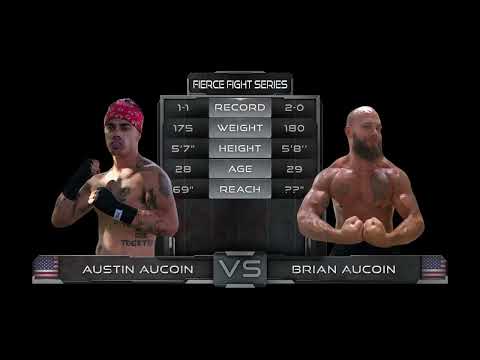
Martial Arts Showdown: Austin Aucoin vs. Brian Aucoin - A Masterclass in Combat

Greetings, warriors, and welcome to Budo and Martial Arts! Today, we delve into a captivating clash of titans: the full fight between Austin Aucoin and Brian Aucoin. Published on March 13, 2023, at 04:45 PM, this bout offers a rare glimpse into the raw application of principles that we strive to embody daily. As the most comprehensive and updated martial arts blog on the internet, we are here to dissect this encounter, not just as spectators, but as students of the Way. As you witness this display of skill, remember that every movement, every strategy, carries the weight of tradition and the intensity of modern competition. We encourage you to follow us on social networks and immerse yourselves in our main page for a deeper understanding of the martial world.

Introduction: The Aucoin Brothers' Duel

The announcement of Austin Aucoin vs. Brian Aucoin immediately ignites a spark of curiosity. Are these brothers? Or two warriors sharing a surname, destined to test their mettle against each other? Regardless of their familial connection, the premise of two individuals, presumably with similar foundational training, clashing in a full-contact scenario is a potent subject for analysis. This isn't merely a fight; it's a crucible where technique, strategy, and the warrior's spirit are laid bare.
The intensity of such a matchup often transcends individual styles, forcing each combatant to confront not only their opponent but also their own limitations and strengths. We will dissect this fight, much like a master craftsman examines a perfectly forged blade, looking for the nuances that define victory and the lessons that extend beyond the final bell.

The Art of the Fight: Tactical Breakdown

To truly appreciate a martial arts contest, we must move beyond the superficial spectacle and delve into the underlying strategy. In a full fight scenario like Austin Aucoin vs. Brian Aucoin, understanding the tactical approach of each combatant is paramount. Were they primarily strikers, relying on powerful kicks and punches? Or did they engage in grappling, seeking takedowns and submission holds? Observing their footwork, their defensive posture, and their offensive tempo reveals their game plan. Did one fighter consistently pressure the other? Did they exploit openings created by fatigue or a momentary lapse in concentration? The flow of the fight, the ebb and tide of dominance, tells a story of adaptation and response. A fighter who can adjust their strategy mid-bout, based on their opponent's reactions, demonstrates a higher level of tactical acumen. One critical aspect to consider is the range of combat. Did the fight remain primarily in the striking range, characterized by punches and kicks, or did it transition into the clinch and ground game, the domain of wrestling and judo or BJJ? The fighter who can dictate the engagement range often holds a significant advantage.
"In combat, the opportunity to strike is often fleeting. The wise warrior prepares for the opening, but is not discouraged by its absence." - Miyamoto Musashi (paraphrased)
This fight, like many in MMA or other combat sports, likely showcased a blend of these elements. Analyzing how Austin and Brian navigated these different phases of combat will provide invaluable insights into their martial development.

Key Techniques and Principles in Play

Beyond the broad tactical strategies, the specific techniques employed are the building blocks of martial prowess. In the confrontation between Austin Aucoin and Brian Aucoin, we should look for the application of fundamental martial arts principles. * **Striking:** Did they utilize effective boxing combinations? Were their kicks powerful and well-placed? A jab-cross combination, a well-timed low kick, or a devastating elbow can change the course of a fight in an instant. We might see practitioners of styles like Karate or Kickboxing displaying their striking expertise. * **Grappling:** If the fight went to the ground, how did they manage the position? Were there attempts at takedowns, like a double-leg or single-leg takedown? On the ground, did they exhibit effective control, or were there submissions like armbars or chokes? Disciplines such as Judo, Brazilian Jiu-Jitsu, and wrestling are crucial here. * **Clinch Work:** The clinch is a transitional phase where fighters grapple in close quarters. Effective clinch work can set up takedowns, deliver knees and elbows, or simply allow a fighter to control their opponent's posture and disrupt their offense. * **Defense:** Crucially, how did they defend against their opponent's attacks? Did they employ head movement, slips, blocks, or sprawls? A strong defense is often the foundation of a successful offense. The true artistry lies not just in executing these techniques, but in their seamless integration. A fighter who can transition fluidly from striking to grappling, or vice-versa, demonstrates a high level of mastery and adaptability.

Philosophical Implications: The Warrior's Heart

Every martial arts encounter, especially one as intense as a full fight, is a manifestation of deeper philosophical underpinnings. Beyond the physical techniques, what can Austin Aucoin vs. Brian Aucoin teach us about the warrior's mindset? The principle of *Mushin* – "no mind" – is often discussed in martial arts. It refers to a state of heightened awareness where the mind is free from distracting thoughts, allowing for spontaneous and intuitive action. Did either fighter exhibit moments of *Mushin*, acting purely on instinct and reacting perfectly to the situation? Furthermore, the concept of *Zanshin* – a state of relaxed awareness, of lingering attention – is vital. After executing a technique, a fighter with *Zanshin* remains aware of their surroundings and their opponent's potential counter-attacks. This prevents them from being vulnerable immediately after a successful offensive maneuver.
"To know your enemy and know yourself, and you need not fear the result of a hundred battles." - Sun Tzu
This fight is a testament to perseverance. The ability to withstand punishment, to continue fighting despite adversity, and to maintain focus under pressure are hallmarks of a true martial artist. It's a demonstration of inner strength, a core tenet of BUDO.

Training Regimen: Lessons from the Octagon

Witnessing a full fight like this naturally leads us to consider the training required to reach such a level. The path of a martial artist is one of relentless dedication and intelligent preparation. A comprehensive training regimen for combat sports typically includes: * **Technical Skill Development:** Regular practice of strikes, kicks, takedowns, grappling techniques, and defensive maneuvers. This involves drilling with partners, working on pads, and studying instructional material. * **Strength and Conditioning:** Building the physical foundation necessary for explosive power, endurance, and resilience. This often includes weight training, plyometrics, cardiovascular work, and agility drills. * **Sparring:** Controlled, simulated combat scenarios to apply learned techniques and test strategies against live opponents. This is where timing, distance, and reactions are honed. * **Mental Training:** Developing focus, discipline, emotional control, and the ability to perform under pressure. This can involve meditation, visualization, and overcoming mental barriers. * **Nutrition and Recovery:** Proper fueling of the body and adequate rest are crucial for performance and injury prevention. The Aucoin brothers' fight offers a tangible example of what hard work and consistent training can achieve. It inspires us to examine our own training practices and identify areas for improvement. Are we pushing ourselves sufficiently? Are our training methods aligned with our goals?

Essential Gear for Your Training

To engage effectively and safely in martial arts training, having the right equipment is crucial. Whether you're practicing striking, grappling, or a hybrid discipline, the gear you use directly impacts your performance and well-being.
  • Gloves: For striking disciplines like boxing, kickboxing, or MMA, well-fitting gloves (e.g., 16oz for sparring, lighter for bag work) are essential to protect your hands and your training partners.
  • Mouthguard: A vital piece of protective equipment for any combat sport to prevent dental injuries.
  • Shin Guards: Crucial for kickboxing and Muay Thai training to absorb impact and prevent bruising or fractures from kicks.
  • Grappling Gear: For BJJ and Judo, a durable and properly fitted Gi (kimono) is indispensable. Rashguards are also highly recommended for hygiene and to prevent mat burn.
  • Training Shoes: Lightweight, flexible shoes with good grip are important for striking arts, providing stability and mobility.
Investing in quality martial arts merchandise ensures that your training is both effective and safe.

Veredicto del Sensei: A Duel Worth Studying

Austin Aucoin vs. Brian Aucoin FULL FIGHT is more than just a video clip; it's a valuable case study for any serious practitioner of martial arts. The clarity of the footage allows for detailed analysis of tactics, techniques, and the sheer grit required in a full-contact contest. While the specific context of the fight (e.g., weight class, organization rules) influences the strategies employed, the fundamental principles remain universal. This bout exemplifies the dynamic nature of modern combat sports, where the lines between traditional styles blur, and a well-rounded skill set is paramount. It serves as a powerful reminder that the "fight" is not just about physical prowess, but also about mental fortitude, strategic thinking, and the unwavering spirit of a warrior. **Rating:** Full Guard Mastery.

Frequently Asked Questions

What martial arts styles are likely represented in this fight?

Based on the typical format of full fights in combat sports, it's probable that elements from striking arts like boxing, kickboxing, or Muay Thai are combined with grappling disciplines such as Brazilian Jiu-Jitsu, wrestling, or Judo.

How important is the referee's role in a fight like this?

The referee is critical for ensuring fighter safety, enforcing the rules, and maintaining the integrity of the contest. They step in to stop the fight when a competitor is in danger or when rules are violated.

Can I learn effective self-defense from watching this fight?

While watching fights can offer insights into practical application, self-defense requires specific training focused on real-world threats, which often differ significantly from the controlled environment of a sporting match. However, understanding timing, distance, and defensive reactions can be beneficial.

What is the significance of the surname "Aucoin" in martial arts?

Without specific context, the surname itself holds no inherent martial significance. It's the individuals and their demonstrated skills that matter. This particular matchup highlights how two fighters with the same surname can still possess vastly different skill sets and approaches to combat.

To Deepen Your Path

To truly grasp the nuances of combat and the philosophy behind martial arts, consider exploring these related topics:

Reflexión del Sensei: Tu Próximo Paso

This bout between Austin and Brian Aucoin is a powerful illustration of applied martial principles. Now, I ask you: when faced with an opponent, be it in the ring or in life's challenges, do you lead with brute force, or do you first seek to understand the flow of the situation and adapt your strategy accordingly? Where does your true strength lie: in the power of your strike, or the clarity of your mind? Ponder this, and demonstrate your understanding in the comments below. ```json { "@context": "https://schema.org", "@type": "FAQPage", "mainEntity": [ { "@type": "Question", "name": "What martial arts styles are likely represented in this fight?", "acceptedAnswer": { "@type": "Answer", "text": "Based on the typical format of full fights in combat sports, it's probable that elements from striking arts like boxing, kickboxing, or Muay Thai are combined with grappling disciplines such as Brazilian Jiu-Jitsu, wrestling, or Judo." } }, { "@type": "Question", "name": "How important is the referee's role in a fight like this?", "acceptedAnswer": { "@type": "Answer", "text": "The referee is critical for ensuring fighter safety, enforcing the rules, and maintaining the integrity of the contest. They step in to stop the fight when a competitor is in danger or when rules are violated." } }, { "@type": "Question", "name": "Can I learn effective self-defense from watching this fight?", "acceptedAnswer": { "@type": "Answer", "text": "While watching fights can offer insights into practical application, self-defense requires specific training focused on real-world threats, which often differ significantly from the controlled environment of a sporting match. However, understanding timing, distance, and defensive reactions can be beneficial." } }, { "@type": "Question", "name": "What is the significance of the surname \"Aucoin\" in martial arts?", "acceptedAnswer": { "@type": "Answer", "text": "Without specific context, the surname itself holds no inherent martial significance. It's the individuals and their demonstrated skills that matter. This particular matchup highlights how two fighters with the same surname can still possess vastly different skill sets and approaches to combat." } } ] }