Showing posts sorted by date for query KarateCommunity. Sort by relevance Show all posts

Joe Lewis: The Muhammad Ali of Karate - A Martial Arts Legend

Are you truly a student of the martial arts if you don't recognize the titans who forged its modern path? Many speak of Bruce Lee, of Mas Oyama, but how many truly understand the monumental figure of Joe Lewis? If your training feels stagnant, if your understanding of combat limited to fleeting trends, then this lesson is for you. We dissect the life and legacy of the man they called the "Muhammad Ali of Karate," a title that speaks volumes about his impact, his charisma, and his sheer, undeniable dominance.
This isn't just a biography; it's an excavation of the spirit that propelled Joe Lewis to the pinnacle of karate and kickboxing. We'll delve into his early influences, his brutal training regimens, his legendary battles, and his profound connection with other martial arts icons. Prepare to have your perceptions challenged and your respect for this era of martial arts solidified.

Table of Contents

The Ali of Karate: A Fighter for the Ages

Joseph Henry Lewis. The name itself resonates with power. Born in Wilmington, North Carolina, on March 7, 1944, Lewis didn't just participate in martial arts; he redefined them. His nickname, "The Muhammad Ali of Karate," wasn't bestowed lightly. It reflected his electrifying presence, his outspoken confidence, and his ability to dismantle opponents with a blend of raw power, technical mastery, and sheer showmanship. In an era where karate was still largely a traditional art form, Lewis injected it with a ferocity and a competitive spirit that paved the way for modern combat sports. He wasn't just winning tournaments; he was setting the stage for an evolution.

Forging the Warrior: Early Life and Grueling Training

Every great warrior has a crucible. For Joe Lewis, it was the demanding environment of the U.S. Marines. His martial arts journey began in earnest in the early 1960s during his service, which took him to Okinawa, Japan. There, he trained under the tutelage of the esteemed martial artist and instructor Eizo Shimabukuro. This foundational experience provided him with a deep understanding of traditional karate principles. But Lewis was never content with merely mastering one path. His insatiable thirst for knowledge and combat effectiveness led him to train with Mas Oyama, the formidable founder of Kyokushin karate. This was no gentle apprenticeship; Kyokushin is renowned for its rigorous, full-contact approach and demanding physical conditioning. Lewis embraced this intensity, absorbing the philosophy of breaking boundaries and pushing physical limits. Later, his path would cross with other giants like Chuck Norris and Bruce Lee, each interaction further honing his skills and broadening his martial perspective. This eclectic training history is a testament to his commitment to holistic development, a trait often overlooked in today's specialized combat world.
"The man who fears is already defeated. True mastery comes from facing fear head-on." - A principle embodied by Lewis.

The Reign of Lewis: Dominance in the Ring

Joe Lewis made his professional fighting debut in 1965, and the martial arts world was never the same. He swiftly ascended the ranks, becoming a dominant force. His fighting style was a potent cocktail: explosive power that could end a fight in an instant, breathtaking speed that left opponents scrambling, and an athletic prowess that seemed almost superhuman. He was a feared adversary, respected and sometimes reviled for his sheer effectiveness. His trophy cabinet overflowed with accolades. He secured titles such as:
  • "United States Heavyweight Kickboxing Champion"
  • "World Heavyweight Full Contact Karate Champion"
  • "United States National Black Belt Kata Champion"
These weren't mere participation trophies; they were markers of a man at the absolute zenith of his physical and technical capabilities. Winning a kata championship alongside heavyweight fighting titles demonstrates a rare breadth of skill, encompassing both the precise forms of tradition and the brutal reality of combat.

Beyond Karate: Lewis and the Birth of Full-Contact Kickboxing

While Lewis was a karate legend, his true revolutionary impact arguably lies in his role as a pioneer of modern kickboxing. In 1970, he stepped into the ring against Greg Baines in what is widely recognized as the first full-contact kickboxing match held in the United States. This wasn't just another fight; it was a watershed moment. Full-contact karate, allowing kicks and punches with full force, was a departure from the point-fighting systems that dominated many karate tournaments at the time. Lewis’ victory in this seminal bout wasn't just a personal triumph; it was a validation of a new, more aggressive, and realistic form of stand-up combat. He didn't just fight in this new sport; he helped to define it, shaping the rules, the techniques, and the very spirit of kickboxing as we know it today. His willingness to push boundaries and embrace a more direct, impactful style of fighting set a precedent that continues to influence athletes in MMA and kickboxing rings worldwide.

A Bond of Legends: Friendship with Bruce Lee

The martial arts world is often a tapestry woven with the threads of legendary encounters and profound friendships. The bond between Joe Lewis and Bruce Lee is one such luminous example. Lee, already a global icon, referred to Lewis as "The Greatest Karate Fighter of All Time." This wasn't hyperbole; it was a genuine recognition from one master to another. They trained together extensively, pushing each other to new heights. Lewis’ formidable skills and powerful presence even earned him roles in Lee’s iconic films, "The Way of the Dragon" and "Game of Death." Their friendship was a powerful testament to mutual respect. In an arena often marked by ego and rivalry, their connection highlighted a shared dedication to the pursuit of martial perfection, a deep understanding of the warrior's path, and the camaraderie that can form between individuals who dedicate their lives to the art of combat.
"A moment of pain is worth a lifetime of glory." - A sentiment that both Lee and Lewis understood intrinsically.

The Enduring Legacy of Joe Lewis

Joe Lewis' impact transcends mere victories and titles. He is remembered not just as a competitor, but as a transformative figure in martial arts history. His pioneering work in full-contact kickboxing opened doors for countless athletes and fundamentally altered the landscape of combat sports. He was a multiple-time champion who consistently proved his mettle against the best. Beyond his competitive achievements, Lewis was a mentor. He dedicated himself to passing on his knowledge, shaping the careers of numerous young fighters who looked to him for guidance. His dynamic personality and inspirational drive made him a beacon for many, demonstrating that dedication, hard work, and a touch of charisma could lead to extraordinary success. He passed away on August 31, 2012, but his legacy is far from over. It lives on through his students, his devoted fans, and the enduring influence he has had on martial artists across generations.

Sensei's Verdict: Is Joe Lewis a True Martial Arts Icon?

Unquestionably. Joe Lewis is not merely a legend; he is a foundational pillar upon which modern combat sports, particularly kickboxing, are built. His reign in the 60s and 70s was marked by an unparalleled blend of technical skill, raw power, and an intimidating ring presence that earned him the "Muhammad Ali of Karate" moniker. He didn't just compete; he revolutionized. His transition from karate champion to a pioneer of full-contact kickboxing demonstrated an adaptability and foresight rare even among the elite. His close relationship and mutual respect with Bruce Lee further cements his status among the pantheon of martial arts greats. Lewis embodied the martial spirit: relentless pursuit of excellence, willingness to innovate, and the courage to face any challenge head-on. He wasn't just fighting; he was forging the future. Cinturón Negro Honorífico en la Evolución del Combate.

Essential Equipment for Your Training

To emulate the dedication of legends like Joe Lewis, having the right **entrenamiento** gear is crucial. While Lewis himself was an innovator, the fundamentals of effective training remain.
  • Durable Training Uniform (Gi): For karate and similar disciplines, a robust gi that can withstand rigorous movement and grappling is essential. Look for double-weave cotton for longevity.
  • Sparring Gear: When engaging in controlled sparring, safety is paramount. This includes:
    • Headgear: Protect your most valuable asset.
    • Mouthguard: Non-negotiable for any striking art.
    • Groin Protector: Essential for men.
    • Shin Guards and Instep Protectors: Crucial for kickboxing and full-contact training.
    • 16oz Boxing or MMA Gloves: For striking practice and sparring, ensuring adequate hand protection.
  • Training Mats (Tatami or Puzzle Mats): For groundwork, throws, and conditioning exercises.
  • Punching Bag or Heavy Bag: Indispensable for developing power, speed, and endurance in your strikes.
  • Speed Bag: Improves hand-eye coordination and rhythm.
  • Kick Shield or Thai Pad: For partner drills, allowing you to practice power shots safely and effectively.
Investing in quality **entrenamiento** equipment is an investment in your progress and your health. Don't let subpar gear be an excuse for a lagging **entrenamiento**.

Training Guide: Developing Explosive Power

Joe Lewis was known for his explosive power. This isn't just brute strength; it's the ability to generate maximum force in the shortest amount of time. Here’s a foundational approach to developing that kind of power:
  1. Plyometrics:
    • Jump Squats: Squat down, then explode upwards, reaching for the sky. Land softly and repeat.
    • Box Jumps: Jump onto a sturdy box, landing with control. Step down, don't jump down.
    • Medicine Ball Throws: Overhead slams, chest passes, and rotational throws engage the entire kinetic chain.
  2. Explosive Strength Training:
    • Power Cleans: A highly technical lift, but incredibly effective for full-body explosiveness. Seek qualified instruction.
    • Kettlebell Swings: Focus on the hip drive for maximum power generation.
    • Clapping Push-ups: Push up explosively, clap your hands, and land softly.
  3. Speed Drills:
    • Sprinting: Short, maximal effort sprints build explosive leg power.
    • Rapid Punch/Kick Combinations: Focus on moving quickly through the motions, minimizing wasted energy.
  4. Core Strength: A strong, stable core is the transfer point for all power. Incorporate exercises like planks, Russian twists, and hanging leg raises.
  5. Proper Technique: Power is amplified by efficient movement. Ensure your technique is sound to avoid wasted energy and injury.
Remember, consistency and progressive overload are key. Don't just train hard; train smart to build truly explosive **fuerza** like Joe Lewis.

Frequently Asked Questions

  • Who was Joe Lewis?
    Joe Lewis was an American martial artist, actor, karateka, and kickboxer, renowned for his powerful fighting style and considered one of the greatest karate fighters of all time. He was often called the "Muhammad Ali of Karate."
  • What martial arts did Joe Lewis study?
    Lewis trained in various disciplines, including Okinawan Karate under Eizo Shimabukuro, Kyokushin Karate under Mas Oyama, and also trained with figures like Chuck Norris and Bruce Lee.
  • What was Joe Lewis' greatest contribution to martial arts?
    He was a pioneer of modern full-contact kickboxing, fighting in what is considered the first full-contact kickboxing match in the United States in 1970. He also won numerous championships in karate and kickboxing.
  • Was Joe Lewis friends with Bruce Lee?
    Yes, Joe Lewis and Bruce Lee were close friends and training partners. Lee even referred to Lewis as "The Greatest Karate Fighter of All Time" and cast him in his films.
  • When did Joe Lewis pass away?
    Joe Lewis passed away on August 31, 2012.

Deepen Your Journey

To truly grasp the impact of figures like Joe Lewis, understanding the broader context of martial arts history and philosophy is crucial. Explore these related topics:
  • BUDO: Delve into the philosophical and spiritual aspects that underpin martial training.
  • KarateCommunity: Learn about the evolution of Karate and its various styles.
  • FightAnalysis: Understand the tactical and technical elements that make a great fighter.
  • MartialArtsJourney: Find inspiration and guidance for your own path in the martial arts.

Sensei's Reflection: Your Next Step

We have dissected the career of Joe Lewis, a man who embodied the fierce spirit of competition and the relentless pursuit of mastery. He was a bridge between traditional karate and the explosive reality of modern combat sports. His influence is undeniable. But knowledge without application is like a sword left to rust. Lewis didn't become a legend by reading about fighters; he became one by *being* a fighter, by pushing his limits relentlessly. So, I ask you: **When you step onto the mat, or even when you simply face a challenge in your daily life, do you do so with the explosive power and unwavering confidence of Joe Lewis, or do you hesitate, bound by the fear of what might be? What single action can you take *today* to inject a dose of that legendary fighting spirit into your own practice?** The dojo of life awaits your demonstration. ```json { "@context": "https://schema.org", "@type": "FAQPage", "mainEntity": [ { "@type": "Question", "name": "Who was Joe Lewis?", "acceptedAnswer": { "@type": "Answer", "text": "Joe Lewis was an American martial artist, actor, karateka, and kickboxer, renowned for his powerful fighting style and considered one of the greatest karate fighters of all time. He was often called the \"Muhammad Ali of Karate.\"" } }, { "@type": "Question", "name": "What martial arts did Joe Lewis study?", "acceptedAnswer": { "@type": "Answer", "text": "Lewis trained in various disciplines, including Okinawan Karate under Eizo Shimabukuro, Kyokushin Karate under Mas Oyama, and also trained with figures like Chuck Norris and Bruce Lee." } }, { "@type": "Question", "name": "What was Joe Lewis' greatest contribution to martial arts?", "acceptedAnswer": { "@type": "Answer", "text": "He was a pioneer of modern full-contact kickboxing, fighting in what is considered the first full-contact kickboxing match in the United States in 1970. He also won numerous championships in karate and kickboxing." } }, { "@type": "Question", "name": "Was Joe Lewis friends with Bruce Lee?", "acceptedAnswer": { "@type": "Answer", "text": "Yes, Joe Lewis and Bruce Lee were close friends and training partners. Lee even referred to Lewis as \"The Greatest Karate Fighter of All Time\" and cast him in his films." } }, { "@type": "Question", "name": "When did Joe Lewis pass away?", "acceptedAnswer": { "@type": "Answer", "text": "Joe Lewis passed away on August 31, 2012." } } ] }

The Legacy of Ancient Chinese Martial Arts Films: A Deep Dive into "Heroes of Martial Arts"

The Allure of Ancient Chinese Cinema

Hello and welcome, students of the Way, to Budo and Martial Arts. Today, we dissect a piece of cinema that whispers tales of ancient traditions and chivalrous spirit: ESPSUB [Heroes of Martial Arts] EXTRA, featuring Li Hongyi and Huang Riying. Published on March 27, 2023, this segment promises a glimpse into a world where martial prowess intertwines with historical drama and romance. But as practitioners, we must ask: does this cinematic portrayal honor the true essence of martial arts, or is it merely a fleeting spectacle designed for mass consumption?

The allure of ancient Chinese martial arts films is undeniable. They transport us to eras of legendary warriors, where honor was paramount and the blade, or the fist, was often the final arbiter. Yet, the modern lens often distorts these traditions, romanticizing combat and overlooking the profound discipline and philosophy that underpin true martial mastery. Our goal here is not simply to watch, but to understand. To discern the authentic from the artificial.

Deconstructing "Heroes of Martial Arts": More Than Just a Spectacle

The title itself, Heroes of Martial Arts, evokes a sense of epic storytelling and individual valor. When we encounter films like this, especially those from platforms like YOUKU, known for their diverse content, the initial intention is often pure entertainment. However, for those steeped in the practice of martial arts, there's a deeper analytical current. We seek to identify the:

  • Authenticity of Techniques: Do the movements reflect actual martial arts styles, or are they exaggerated for dramatic effect?
  • Spirit of Bushido/Budo: Is the underlying philosophy of respect, discipline, and self-control conveyed, or is it overshadowed by gratuitous violence?
  • Historical Context: How accurately does the film represent the historical period and the martial traditions of that era?

Li Hongyi and Huang Riying, in their roles, carry the weight of these expectations. The "Ancient Costume/Romance" genre suggests a narrative rich in emotional depth and historical setting, elements that can either enhance or detract from the martial arts portrayal. A poorly executed fight scene can undermine character development, while a well-integrated philosophical element can elevate simple action into profound storytelling. It's a delicate balance that few films manage to strike perfectly.

"The true warrior is not the one who wins every battle, but the one who understands the cost of every fight." - A principle echoing through the ages.

The Art of Movement: Choreography and Authenticity

This is where the true critic in me awakens. Choreography in martial arts films is a double-edged sword. On one hand, it's essential to create visually stunning sequences that captivate the audience. On the other, when it deviates too far from practical application, it risks trivializing the art form. We must ask about the specific styles depicted. Is it Wuxia, with its fantastical acrobatics and "chi" manipulation, or are there elements of traditional Kung Fu, Karate, or even grappling arts integrated realistically?

Consider the fluidity of movement. In reality, combat is often explosive, direct, and economical. While graceful, it is rarely balletic in the way some films present it. We look for evidence of proper stances, believable blocks, and techniques that, while perhaps amplified, still possess a core of practicality. Are the actors performing with genuine understanding of the movements, or are they merely executing programmed steps? The difference is palpable to a trained eye.

For instance, a sequence involving rapid swordplay, if not executed with a sense of weight and intent behind each parry and strike, can look more like a dance than a deadly exchange. Conversely, a simple, well-timed kick, delivered with proper hip rotation and balance, speaks volumes about the underlying skill, even if it's exaggerated for cinematic effect. We analyze the pacing – does it reflect the ebb and flow of real combat, or is it a relentless barrage designed purely for adrenaline?

A critical aspect is the use of wire-fu and CGI. While these tools can enhance the fantastical elements often present in Wuxia cinema, their overuse can detach the audience from the physical reality of martial arts. The best films find a way to integrate these effects seamlessly, supporting the narrative without betraying the grounded nature of the martial disciplines they aim to portray.

Beyond the Blows: Philosophical Underpinnings

Martial arts are not merely about physical techniques; they are a path to self-cultivation. Concepts like Mushin (no-mind), Zanshin (lingering awareness), and Fudoshin (immovable mind) are the bedrock of true mastery. Does Heroes of Martial Arts touch upon these deeper tenets? Or does it focus solely on external conflict?

The "Romance" aspect of the genre might offer a window into the interpersonal dynamics, where loyalty, sacrifice, and duty are tested. These are values deeply ingrained in the warrior code across many cultures. A hero’s journey often involves overcoming internal struggles as much as external adversaries. We search for moments where characters grapple with their conscience, make difficult choices, or demonstrate profound respect for their opponents, even in the heat of battle.

"The supreme art of war is to subdue the enemy without fighting." - Sun Tzu, a philosophy as relevant in film as it is in life.

The film's setting in "Ancient Costume" likely means we'll see characters bound by tradition and societal expectations. How they navigate these constraints, particularly when those constraints conflict with their martial ethics, can be a powerful narrative driver. Is the protagonist driven by vengeance, or by a desire for justice and peace? The answer reveals much about the film's underlying message.

The Human Element: Performance and Character

While the martial arts are central, the performances of Li Hongyi and Huang Riying are crucial. Do they embody the characters with conviction? Can they convey the emotional weight of their martial journey through their expressions and demeanor? A stoic warrior can be as compelling as a fiery one, provided the performance is nuanced.

We assess their on-screen chemistry, especially given the "Romance" tag. Does it feel earned, or is it a superficial plot device? The believability of the characters’ motivations and emotional arcs is what anchors the fantastical elements of martial arts cinema. If the audience doesn't connect with the humans behind the fighting, the spectacle loses its impact.

The supporting cast also plays a role. Are there wise old masters imparting cryptic advice? Ruthless villains who present genuine challenges? Or is the cast largely forgettable, serving only as fodder for the heroes' skills? The depth of characterization, even in a martial arts film, can elevate the viewing experience significantly.

Veredicto del Sensei: ¿Merece la pena?

Based on the typical conventions of this genre and the information provided, ESPSUB [Heroes of Martial Arts] EXTRA likely offers a visually engaging experience for fans of ancient Chinese dramas and martial arts films. For those seeking a deep, authentic portrayal of specific martial arts styles or profound philosophical teachings, it might be a more superficial watch. The "Romance" and "Ancient Costume" elements suggest a focus on narrative and character relationships, which can be a strength if executed well, but may overshadow the martial arts aspect for purists.

Rating: Cinturón Verde en Entretenimiento, Cinturón Amarillo en Autenticidad Marcial.

It's a film likely to satisfy a craving for historical drama and stylized action, but perhaps not for the deep, philosophical martial artist seeking rigorous technique analysis. Watch it for the spectacle, but temper your expectations for deep martial insight.

Equipo Esencial para tu Entrenamiento

While this film focuses on a specific genre of martial arts cinema, for those inspired to train, the right equipment is crucial. Investing in quality gear not only enhances your practice but also ensures safety.

  • Kimono (Gi): For Judo, Jiu-Jitsu, Karate, and Taekwondo, a durable, well-fitting gi is paramount. Look for double-weave options for grappling arts like Judo and BJJ, offering superior resilience.
  • Sparring Gear: Gloves (16oz for most adult sparring), headgear, shin guards, and mouthpieces are non-negotiable for safe sparring sessions in striking arts or MMA.
  • Training Weapons: If practicing with traditional weapons (e.g., Bo staff, Bokken for Kendo), ensure they are made from appropriate materials (wood, rattan, high-density foam) and are well-maintained.
  • Training Mats (Tatami/Roll-out Mats): Essential for grappling arts and falling practice to minimize injury.
  • Makiwara/Strike Shields: For Karate, Taekwondo, and Kung Fu practitioners looking to develop striking power and conditioning.

Preguntas Frecuentes

What are the primary martial arts styles depicted in films like "Heroes of Martial Arts"?

Films in this genre often draw heavily from Wuxia, a style that emphasizes fantastical elements, acrobatic combat, and often incorporates elements inspired by various Kung Fu styles, swordplay, and sometimes Taoist mysticism.

Is the romance aspect a common element in ancient Chinese martial arts films?

Yes, romance, alongside themes of loyalty, honor, and revenge, is a very common narrative thread in ancient Chinese martial arts films, often serving to humanize the warriors and provide emotional depth to the storyline.

How can I distinguish between authentic martial arts and cinematic exaggeration?

Authenticity is often found in the foundational principles: balance, proper body mechanics, economical movement, and believable impact. Cinematic exaggeration typically involves gravity-defying leaps, impossibly fast flurries of strikes, and a lack of realistic consequence for actions.

Are Li Hongyi and Huang Riying known for their martial arts expertise?

Their fame might stem more from their acting or idol status within popular entertainment. While they may train for their roles, their primary recognition is often not as professional martial artists, distinguishing their roles from films starring bona fide martial arts actors.

What is YOUKU?

YOUKU is one of China's largest online video and streaming platforms, offering a wide range of content including TV shows, movies, anime, and variety shows, often featuring Chinese productions.

Recursos para Profundizar

To truly understand the martial arts depicted on screen and their real-world counterparts, further study is essential. Here are some resources:

  • BUDO: Explore the philosophical and spiritual aspects of martial training.
  • KarateCommunity: Learn about the techniques, history, and modern practice of Karate.
  • HistoriadeArtesMarciales: Delve into the rich historical context of various martial disciplines.
  • EntrenamientoDeMMA: For a modern, cross-disciplinary perspective on combat sports.

Reflexión del Sensei: Tu Próximo Paso

We have examined the cinematic offering, dissecting its potential strengths and weaknesses from a martial perspective. Now, the ultimate test lies not in critique, but in application. Does the spirit of the warrior, as portrayed, ignite a spark within you? Do you see the echoes of discipline, the pursuit of excellence, the unwavering resolve?

Consider this: when you watch any depiction of martial arts, whether on screen or in your own dojo, do you merely observe, or do you *perceive*? Do you seek the underlying principles that make the art form potent, or are you content with the surface-level action? The true path is paved with introspection. So, I ask you:

Beyond the fight choreography, what single principle of the martial way, glimpsed in this film or any other, has most profoundly impacted your training and your life?

Now, demonstrate your understanding. Share your thoughts in the comments below. Let us engage in a dialogue that honors the depth of martial arts, not just its portrayal.

Arthur Morgan vs. The Legendary Grizzly Bear: A Martial Analysis of a Virtual Showdown

The Unpredictable Nature of the Wilderness: A Sensei's Initial Assessment

The digital realm, often perceived as a sterile environment devoid of true consequence, can nonetheless simulate visceral encounters that test the mettle of even the most hardened virtual warriors. The clash between Arthur Morgan and the Legendary Grizzly Bear in *Red Dead Redemption 2* is one such scenario. While many may dismiss this as mere "gaming," for those who understand the fundamental principles of combat and survival, there are undeniable parallels to be drawn with the real challenges faced by practitioners of martial arts and those who venture into untamed nature. This encounter, far from being just a fleeting spectacle, offers a potent lesson in adaptability, resourcefulness, and the raw, unyielding power of the natural world.

Table of Contents

The Setting: A Digital Wilderness

The virtual wilderness of *Red Dead Redemption 2* is not merely a backdrop; it is a character in itself, teeming with life, danger, and an unforgiving realism that challenges players at every turn. It was released in 2018, and its expansive open world thrusts players into the boots of Arthur Morgan, an outlaw navigating the treacherous landscape of the late 1800s American frontier. This environment demands more than just marksmanship; it requires an understanding of animal behavior, environmental hazards, and the sheer resilience needed to survive. The encounter with the Legendary Grizzly Bear is a prime example, a scripted event that simulates the apex predator's dominance and the human's struggle for survival against overwhelming natural force.

The Apex Predator's Fury: Deconstructing the Bear's Attack

The confrontation with the Legendary Grizzly Bear is an event etched into the memory of many *RDR2* players. It typically unfolds during a hunting mission, placing Arthur in the unenviable position of being the hunter who becomes the hunted. The bear’s initial charge is a masterclass in predatory aggression. It’s not a calculated tactical maneuver in the human sense, but a pure, unadulterated explosion of power and instinct. The bear's massive frame, coupled with its speed and ferocity, allows it to cover ground rapidly, overwhelming Arthur and sending him to the ground. This moment perfectly captures the brutal efficiency of nature’s most formidable creatures. The game mechanics simulate the bear's overwhelming power through a rapid button-mashing sequence, a digital representation of Arthur's desperate struggle to break free from the bear's deadly embrace. This is where the visceral nature of the simulation truly shines. The bear's relentless assault, the feeling of being pinned, and the player’s frantic attempts to regain control mirror the primal fear and desperate fight for life that would characterize such an encounter in reality.

Arthur Morgan's Response: Survival Instincts and Improvised Combat

Despite being knocked down and facing an opponent of immense power, Arthur Morgan embodies the spirit of resilience. He is not a passive victim. The game prompts the player to engage in a desperate fight, utilizing a combination of **melee attacks** and **firearms**. This reactive combat strategy highlights the importance of adaptability in a crisis. When traditional hunting methods fail, or when the hunter becomes the prey, improvisation becomes the key to survival. The necessity for strategic movement and precise attacks underscores a fundamental principle in all martial arts: **awareness and control**. Even in chaos, the ability to maintain composure, assess the threat, and execute decisive actions can mean the difference between life and death. Arthur's fight against the bear is a testament to the human will to survive, drawing upon a blend of learned skills and raw instinct.
"In the face of overwhelming power, the true warrior does not surrender. They adapt, they endure, and they find a way to fight back."

Lessons from the Wild: Applying Budo to the Face of the Beast

While this is a virtual combat scenario, the underlying principles resonate deeply with the philosophy of **BUDO**. The concept of *Mushin no Shin* – the mind without mind, a state of spontaneous reaction devoid of conscious thought – is what Arthur must achieve in his desperate struggle. The bear acts purely on instinct, a perfect embodiment of this principle. Arthur, too, must tap into his primal instincts to survive. Furthermore, the encounter emphasizes the importance of **resourcefulness**. Arthur must utilize the tools at his disposal – his rifle, his knife, even the terrain itself – to gain an advantage. This mirrors the training in many traditional martial arts where practitioners learn to use their environment and any available object as extensions of their own bodies. A well-trained martial artist doesn't just rely on punches and kicks; they understand how to leverage their surroundings for defense and offense.
For instance, if Arthur were to study **Kyokushin Karate**, he would understand the value of **grit and perseverance** in the face of pain and exhaustion. The bear's relentless assault is a test of endurance, and Arthur's ability to withstand it and continue fighting speaks volumes about his character and the simulated resilience the game developers have instilled in him. This isn't about elegant techniques; it's about raw will.

Character Study: The Hunter and the Hunted

Arthur Morgan is more than just a player avatar; he is a character etched with complexity. As a loyal member of the Van der Linde gang, he embodies a fierce protectiveness and a warrior's spirit. His skills as a fighter and marksman are undeniable assets, honed by a life of outlawry. He represents the human capacity for resilience and the determination to protect those he cares about, even against seemingly insurmountable odds. The Legendary Grizzly Bear, in contrast, is the embodiment of untamed nature. It is a force of raw, primal power, a predator at the absolute peak of its evolutionary might. Its sheer size and devastating attacks make it one of the game's most formidable opponents. This stark contrast between the complex, reasoning human and the pure, instinctual beast creates a compelling narrative tension. It’s a microcosm of the eternal struggle between civilization and the wild, between intellect and instinct.
"The bear is a living embodiment of the untamed spirit. Arthur, in his own way, represents the spirit that refuses to be tamed, even by nature itself." - A common sentiment among players.

Veredicto del Sensei: ¿Merece la pena?

From a martial perspective, the encounter between Arthur Morgan and the Legendary Grizzly Bear is a surprisingly potent allegory. While lacking the formal structure of a martial arts dojo or the intricate katas of traditional styles, the core elements of **survival, adaptability, and sheer will** are undeniably present. The simulation effectively conveys the danger and ferocity of a true wild predator, forcing the player to engage in a desperate fight that prioritizes immediate reaction over refined technique. It’s a raw, unfiltered display of combat born from necessity. **Cinturón Negro en Simulación de Supervivencia.** This virtual battle, while not a direct training exercise for the real world, serves as a powerful reminder of the fundamental challenges of survival and the mental fortitude required to face them. It’s a digital testament to the **warrior philosophy** that underpins so many martial traditions: never back down, always fight for your survival.

Equipo Esencial para tu Entrenamiento (En el Mundo Real)

While Arthur Morgan relies on his in-game arsenal, real-world martial arts training demands specific equipment to ensure safety and effectiveness. For any practitioner, especially those looking to simulate challenging encounters or simply build a strong foundation, consider the following:
  • Guantes de Entrenamiento (Sparring): Essential for any combat sport like MMA, Kickboxing, or even disciplined Karate sparring. Aim for 12-16oz for general training and sparring.
  • Protector Bucal: Non-negotiable for sparring. Protects teeth, jaw, and prevents concussions.
  • Kimono (Gi): Crucial for Judo, BJJ, and traditional Karate. Look for double-weave for durability if you engage in grappling.
  • Espinilleras y Empeineras: Important for striking arts like Taekwondo and Kickboxing to protect against impact.
  • Cabezal de Protección: Provides crucial head protection during intense sparring sessions.
  • Esterillas o Tatami: For safe falling and groundwork practice in grappling arts.
  • Makiwara (Opcional): For traditional Karate practitioners to develop striking power and conditioning.
Investing in quality gear is an investment in your training and safety, ensuring you can push your limits effectively. For those interested in striking power, exploring resources on KarateCommunity or specific Kyokushin training can be invaluable.

Preguntas Frecuentes

  • ¿Es la pelea contra el oso en RDR2 el combate más realista del juego?

    Si bien es una de las más intensas y desafiantes, *Red Dead Redemption 2* presenta una variedad de combates realistas, incluyendo tiroteos y enfrentamientos cuerpo a cuerpo con humanos, que también están muy bien logrados. La pelea con el oso destaca por su naturaleza salvaje y la sensación de vulnerabilidad.

  • ¿Qué habilidades marciales de Arthur Morgan se ven en esta pelea?

    Lo que más se observa es su instinto de supervivencia, su capacidad de adaptación bajo presión y su tenacidad. No es una demostración de técnicas marciales formales, sino una lucha visceral por sobrevivir que pone a prueba su coraje y su habilidad para improvisar con las herramientas disponibles.

  • ¿Por qué es importante el concepto de "Legendary" en los animales de RDR2?

    Los animales "Legendarios" representan la cumbre de su especie dentro del juego, ofreciendo un desafío mucho mayor y recompensas únicas. Simbólicamente, representan la fuerza pura y salvaje de la naturaleza, contra la cual el jugador debe emplear todas sus habilidades para prevalecer.

  • ¿Se puede aprender algo de esta pelea para la defensa personal real?

    Sí, indirectamente. Se aprende sobre la importancia de la conciencia situacional (entender el entorno y la amenaza), la adaptabilidad (cambiar de estrategia si la inicial falla) y la importancia de la fuerza mental (no rendirse ante el miedo o la abrumación). La ferocidad del oso recuerda la importancia de la contundencia y la determinación en una situación de peligro real.

Para Profundizar en tu Camino

Para aquellos que deseen explorar más a fondo los principios del coraje, la adaptación y la fuerza interior que se reflejan en encuentros virtuales y reales, recomiendo explorar los siguientes recursos en nuestro blog:

Reflexión del Sensei: Tu Próximo Paso

The digital bear may roar, and Arthur's struggle may be pixels on a screen, but the fundamental test remains. When faced with a threat that dwarfs your own perceived strength, do you freeze, or do you find the **inner strength** to adapt and fight? Reflect on your own training: when you face a difficult technique, a demanding sparring session, or a personal challenge that seems overwhelming, where do you draw your power from? Is it pure technique, or is it the unyielding spirit that refuses to yield? The wilderness, real or virtual, is the ultimate teacher. What lesson will you take from it today? ```json { "@context": "https://schema.org", "@type": "FAQPage", "mainEntity": [ { "@type": "Question", "name": "Is the bear fight in RDR2 the most realistic combat in the game?", "acceptedAnswer": { "@type": "Answer", "text": "While it's one of the most intense and challenging, Red Dead Redemption 2 features a variety of realistic combat scenarios, including gunfights and melee confrontations with humans, which are also very well executed. The bear fight stands out for its wild nature and the feeling of vulnerability it evokes." } }, { "@type": "Question", "name": "What martial skills does Arthur Morgan display in this fight?", "acceptedAnswer": { "@type": "Answer", "text": "What is most evident is his survival instinct, his ability to adapt under pressure, and his tenacity. It's not a demonstration of formal martial techniques, but a visceral struggle for survival that tests his courage and his ability to improvise with available tools." } }, { "@type": "Question", "name": "Why is the concept of 'Legendary' important for animals in RDR2?", "acceptedAnswer": { "@type": "Answer", "text": "Legendary animals represent the apex of their species within the game, offering a much greater challenge and unique rewards. Symbolically, they embody the pure, wild force of nature, against which the player must employ all their skills to prevail." } }, { "@type": "Question", "name": "Can anything be learned from this fight for real-life self-defense?", "acceptedAnswer": { "@type": "Answer", "text": "Yes, indirectly. One learns the importance of situational awareness (understanding the environment and the threat), adaptability (changing strategy if the initial one fails), and the importance of mental fortitude (not surrendering to fear or overwhelm). The bear's ferocity reminds us of the importance of decisiveness and determination in a real danger situation." } } ] }

Craig Bodzianowski: The Unyielding Spirit of the One-Legged Boxer

Welcome, warriors, to Budo and Martial Arts. Today, we step into the ring not just to witness a fight, but to understand the sheer indomitable spirit that defines true martial prowess. We are here to delve into the life and career of Craig Bodzianowski, a man who defied the very notion of limitation to become a cruiserweight contender. Published on June 5, 2022, this examination seeks to illuminate the tenacity and heart that can propel an individual beyond perceived boundaries. Prepare yourselves, for this is not merely a look back at a boxer; it is a profound study in human resilience.

The Unforeseen Path to the Ring

The world of combat sports is often a brutal arena, demanding perfection in every facet of an athlete's being. Yet, within this demanding landscape, stories emerge that challenge our preconceptions. Craig Bodzianowski, an amputee who rose to become a cruiserweight contender in the late 1980s, is one such extraordinary figure. His journey is a testament to the fact that the true art of war, whether in the ring or in life, lies not in the absence of obstacles, but in the unwavering determination to overcome them. This narrative forces us to question what truly constitutes a fighter. Is it the flawless physique, the years of conventional training, or the fire that burns within the soul?

The Martial Philosophy Behind the Gloves

At Budo and Martial Arts, we dissect not just the techniques, but the underlying philosophies that shape a warrior's path. Bodzianowski's career, though seemingly confined to the sweet science of boxing, resonates deeply with core martial principles. The concept of *Mushin* – a mind free from distraction, able to react instinctively – is amplified when faced with such profound physical disparity. His ability to adapt, to find balance and power from a singular base, speaks volumes about an internal strength that transcends the physical. This is the essence of martial spirit: finding victory not in raw power, but in intelligent adaptation and unyielding will.

Craig Bodzianowski: A Fighter's Grit and Tenacity

The late 1980s cruiserweight division was a battleground for powerful athletes. Into this fray stepped Craig Bodzianowski, a man whose very presence was a defiance of odds. To become a contender, an amputee boxer had to possess not only skill and strategic acumen but an almost superhuman level of resilience. His training regimen must have been a masterclass in focused effort, adapting traditional methods to his unique circumstances. Imagine the dedication required to perfect footwork, develop offensive power, and maintain defensive integrity when the fundamental balance of the human form is altered. This dedication is a hallmark of the true martial artist, constantly seeking to refine their capabilities regardless of external limitations.

The Impact of Bodzianowski's Fights

While detailed fight records might be scarce for a specific documentary subject, the very fact of his contention speaks volumes. Each bout he entered was not just a test of his boxing ability, but a public demonstration of his unwavering spirit. These were not just fights; they were lessons in perseverance for anyone who witnessed them. The crowds, the opponents, and the boxing world at large were forced to confront the reality that courage and determination are often the most potent weapons in any combat scenario. His fights likely showcased a unique strategic approach, forcing opponents to adapt to his unconventional stance and rhythm.

Beyond the Ring: Lessons for the Modern Warrior

The story of Craig Bodzianowski extends far beyond the confines of boxing history. It is a profound lesson applicable to every aspect of our lives, especially within the realm of martial arts and personal development.
  • Adaptability is Key: Bodzianowski's journey underscores the importance of adapting techniques and strategies to individual circumstances. In training, this means finding ways to overcome physical limitations or master challenging concepts through persistent effort.
  • Mental Fortitude is Paramount: The greatest battles are often fought within the mind. Bodzianowski’s success highlights how mental toughness and an unwavering belief in oneself can surmount seemingly insurmountable obstacles.
  • Redefining Strength: True strength is not solely measured by physical prowess, but by the capacity to endure, to overcome, and to inspire. His story redefines what it means to be strong in the martial context.
  • Inspiration for All: For practitioners of #KarateCommunity, #JudoSkills, #MMA, or any discipline, Bodzianowski’s life serves as a powerful reminder that the martial spirit knows no physical boundaries.

Veredicto del Sensei: A Masterclass in Spirit

Craig Bodzianowski's story, as presented in this documentary, is more than just a biographical sketch; it is a profound exposition of the martial spirit. While the technical nuances of his boxing style are secondary to the overwhelming narrative of his resilience, the underlying principles are deeply rooted in Budo. He did not merely box; he embodied the **warrior philosophy** of overcoming adversity through sheer force of will and intelligent adaptation. This is the **Inner Strength** that we strive to cultivate in every practitioner. His career is a testament to the fact that the most formidable opponent we face is often our own doubt. For his unwavering courage and the profound inspiration he provides, Bodzianowski earns the highest respect.

Reflexión del Sensei: Tu Próximo Paso

Bodzianowski faced the ring with one leg. What is *your* perceived limitation that prevents you from stepping into your own ring of challenge – be it in training, work, or personal growth? Are you allowing an external factor, or an internal belief, to dictate the boundaries of your potential?

Equipo Esencial para tu Entrenamiento

While Bodzianowski's journey is unique, the foundation of any martial pursuit requires dedicated preparation. For those inspired by the commitment shown by athletes like him, having the right equipment can significantly enhance your training experience.
  • Guantes de Boxeo de Calidad: Essential for any striking art, providing protection for your hands and your training partners. Look for options suitable for sparring, typically 14oz or 16oz, depending on weight class and preference.
  • Vendas de Mano: Crucial for wrist and hand support during intense striking sessions, helping to prevent injuries.
  • Calzado Deportivo Adecuado: For boxing and many #MartialArtsTraining disciplines, proper footwear offers stability, grip, and support.
  • Ropa de Entrenamiento Cómoda: Breathable, flexible apparel allows for a full range of motion, crucial for complex techniques and extended sessions. Consider moisture-wicking fabrics.
  • Protector Bucal: Non-negotiable for any form of sparring to safeguard your dental health.

Preguntas Frecuentes

What was Craig Bodzianowski's primary boxing style?

Craig Bodzianowski was a cruiserweight contender known for his resilience and strategic approach, adapting his boxing style to compensate for his amputation. While specific stylistic labels might not be readily available, his ability to compete at a high level indicates a strong foundation in boxing fundamentals combined with exceptional adaptability.

How did Bodzianowski overcome the challenges of being an amputee boxer?

His success stemmed from an extraordinary level of mental fortitude, rigorous and specialized training, and an unwavering determination to prove that his physical condition did not define his potential. He likely developed unique methods for balance, footwork, and power generation.

Where can I find more documentaries about inspiring martial artists?

You can explore martial arts-focused YouTube channels, dedicated documentary platforms, and reputable martial arts blogs. Searching for terms like "martial arts documentaries," "fighter biographies," or specific martial arts styles can yield great results. Keep an eye on our own blog for more featured stories!

Is the story of Craig Bodzianowski a true story?

Yes, Craig Bodzianowski was a real cruiserweight contender in the late 1980s who competed as an amputee boxer. His story is a genuine testament to human endurance and the fighting spirit.

What martial arts principles are evident in Bodzianowski's career?

Key principles include resilience, adaptability, mental fortitude (*Mushin*), and the unwavering pursuit of mastery despite limitations. His career exemplifies that the "spirit" of martial arts transcends mere physical technique.

Para Profundizar en tu Camino

``` GEMINI_METADESC: Explore Craig Bodzianowski's inspiring journey as an amputee boxer and cruiserweight contender. Discover the martial spirit of resilience and determination.

King of the Streets 54: A Raw Examination of "333" vs. "Highlander" - Beyond the Hype

Introduction: The Gritty Reality of Underground Combat

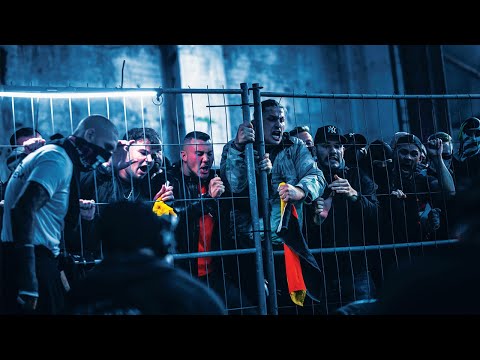
The allure of the underground fight club is a potent one, drawing us into a world where raw skill, primal instinct, and sheer will collide. "King of the Streets: 54," featuring the bout between "333" [Köln Hooligan 𝕳] and "Highlander" [Streetfighter], is a prime example of this raw, unfiltered combat. As practitioners of the martial arts, we often dissect techniques, analyze strategies, and ponder the philosophical underpinnings of our chosen paths. But what happens when we strip away the rules, the point systems, and the sanctioned arenas? What do we find when we venture into the heart of a "K.O. Only" or "No Rules" environment? This is not merely a contest of physical prowess; it is a test of character, a crucible forged in the fires of necessity. Welcome to Budo and Martial Arts, where we don't just report – we dissect. Today, we delve into the brutal ballet of "King of the Streets: 54," exploring not just the fighters, but the very essence of combat itself.

The "King of the Streets" Format: Brutality Redefined

"King of the Streets" presents a stark departure from the controlled environments of most martial arts competitions. This is not about points or judges' decisions; it's about a definitive conclusion. The two primary formats, "K.O. ONLY" and "NO RULES," strip away much of what can dilute a fight in more conventional settings.

In "K.O. ONLY," the objective is clear: incapacitate your opponent through strikes. Submissions are explicitly forbidden, forcing combatants to rely on their striking acumen. This format amplifies the pressure to land a decisive blow, transforming every exchange into a potential fight-ender. It’s a return to a more fundamental aspect of combat: the knockout.

Then there's "NO RULES," a designation that chills the blood of many a traditional martial artist. Here, all techniques are permitted, including submissions. The only requirement is a decisive victory, either by knockout or submission. This format represents the closest you'll get to a real-world confrontation, albeit still within a controlled (though brutally so) setting. There are no rounds, no time limits; the fight continues until one warrior can no longer continue. This is where the true mettle is tested, where strategy must adapt to the ever-changing, unforgiving nature of the contest.

The implications of these formats are profound. They demand a different kind of preparation, a different mindset. The focus shifts from accumulating points to delivering a fight-ending impact. This inherently elevates the stakes and the visceral nature of each bout. It begs the question: how do martial arts, with their diverse philosophies and techniques, fare when placed under such extreme conditions?

Fighter Profiles: "333" vs. "Highlander" - A Clash of Disciplines

On one side, we have "333," known as the "Köln Hooligan" from Germany. Weighing in at 85 kg and standing 180 cm tall, "333" comes from a background that blends Boxing & MMA. This dual discipline suggests a fighter comfortable both in the stand-up striking exchange and potentially in clinching and grappling scenarios, though the emphasis on "K.O. ONLY" suggests his primary weapon will be his fists and kicks.

The "K.O. ONLY" format suits a boxer's mentality, where headshots and body blows are the currency of victory. However, his MMA background hints at a well-rounded ability to manage distance and perhaps integrate some offensive grappling if the opportunity arises, though without the intention of submission.

Opposing him is Damian "Highlander" Górski, a "Streetfighter" from Opole, Poland. Also weighing 85 kg but standing slightly taller at 182 cm, "Highlander" enters the fray with an MMA discipline. The label "Streetfighter" is intriguing. Does it imply a more eclectic, perhaps less refined, but more aggressive and adaptable style honed in less formal combat scenarios? Or is it merely a moniker? Given the "K.O. ONLY" format for this particular bout, "Highlander" will need to leverage his MMA skills to land effective strikes that can incapacitate "333".

The disparity in "disciplines" – Boxing & MMA versus MMA – is subtle yet significant. "333" might possess a more specialized striking arsenal derived from boxing, while "Highlander" might have a broader, more adaptable MMA skillset. The question is, which approach will prevail when the gloves come off and the primal fight for survival begins?

Martial Analysis: Beyond the Hype – What Did We Really See?

As analysts of the martial way, we must look beyond the spectacle and examine the technical and tactical execution. While the exact details of the fight's progression are not provided in the original material, we can infer potential dynamics based on the fighters' backgrounds and the "K.O. ONLY" format.

The "Köln Hooligan," with his Boxing & MMA background, likely came out with a strong offensive, using jabs, crosses, and perhaps hooks to establish dominance. His boxing pedigree would have emphasized head movement, footwork, and the power generated from the torso rotation. In an MMA context, he might also have utilized low kicks or knee strikes to maintain distance or punish "Highlander's" approach.

Conversely, "Highlander," as an MMA fighter labeled a "Streetfighter," might have adopted a more varied offensive strategy. His toolkit could have included punches, kicks from various angles (roundhouse, side kicks, oblique kicks), and potentially even knee strikes in the clinch if the fight devolved into that range. The "Streetfighter" moniker could suggest a willingness to employ less conventional tactics, perhaps feints, unorthodox entries, or a more aggressive, forward-marching style.

In the heat of battle, the difference between victory and defeat often lies not in the complexity of the technique, but in its effective application under duress.

The "K.O. ONLY" rule amplifies the importance of power and accuracy. A single well-placed strike—a solid hook to the jaw, a powerful head kick, or a sharp knee to the temple—can end the contest instantly. This format rewards fighters who can consistently land damaging blows and those who possess the physical and mental fortitude to withstand their opponent's offense.

The absence of rounds means that stamina becomes a critical factor. Unlike a boxing match with defined breaks, a "K.O. ONLY" fight can become a grueling endurance test. A fighter who starts too fast or expends too much energy early might find themselves vulnerable in the later stages, making strategic pacing as crucial as offensive output.

Without specific fight footage, a definitive technical breakdown is speculative. However, understanding the core principles of Boxing and MMA, and the extreme nature of the "K.O. ONLY" rule, allows us to appreciate the challenges and strategies involved. It's a raw test of striking prowess where every second counts and every landed blow could be the last.

Philosophical Undertones: The Warrior's Spirit in the Crucible

Beyond the visceral exchange of blows, these underground bouts offer a stark philosophical lesson. The "King of the Streets" format, particularly "NO RULES," strips away the pretense and reveals the primal core of combat. It's a testing ground for the warrior's spirit, a concept deeply ingrained in many traditional martial arts.

Consider the principle of BUDO, the Japanese martial way. While often associated with discipline, respect, and self-improvement, its ultimate purpose is to forge individuals capable of facing adversity head-on. In a "NO RULES" fight, the stakes are immeasurably high, demanding not just physical conditioning but also immense mental fortitude. The ability to maintain composure under extreme pressure, to think clearly when adrenaline floods the system, and to persevere when the body screams in pain—these are the hallmarks of a true warrior.

"Do not be concerned with the victory or defeat. Focus on the perfection of your technique and the spirit with which you engage." - Unknown Master

The "K.O. ONLY" format, while less encompassing than "NO RULES," still serves as a potent metaphor. It highlights the decisive nature of true conflict. In life, as in combat, there are moments when a single action, a singular commitment, can change everything. It's about delivering your best, your most potent effort, with the understanding that compromise is not an option.

Furthermore, the underground nature of "King of the Streets" raises questions about the nature of competition and the pursuit of excellence. While sanctioned events provide a framework for growth, the raw, unadulterated challenge of an underground fight club can forge a unique kind of resilience. It forces combatants to confront their limitations, their fears, and their true capabilities in a way that few other environments can.

The question we must ask ourselves as martial artists is: what do these extreme forms of combat teach us about our own training and philosophy? Are we truly prepared for the "no rules" reality of life's challenges, or are we merely comfortable within the protective boundaries of our dojos and gyms?

Equipment Essential for Your Training

While "King of the Streets" operates on the fringes, the principles of effective martial arts training remain universal. To truly prepare yourself for any confrontation, whether sanctioned or not, having the right equipment is crucial. Here's what I recommend for any serious practitioner looking to hone their skills:

  • High-Quality Training Gloves: For striking-based martial arts like Boxing or MMA, a good pair of 14-16 oz sparring gloves is essential to protect both your hands and your training partners. Brands like Martial Arts Merchandise often carry durable and protective options.
  • Durable Training Uniform (Gi/Kimono): If your training involves grappling arts like Judo or Brazilian Jiu-Jitsu, a robust Gi is a must. Look for double-weave or heavy-weave kimonos that can withstand constant pulling and stress. For Karate or Taekwondo, a crisp, durable uniform is key for proper movement and tradition.
  • Protective Gear for Sparring: Beyond gloves, consider headgear and shin guards for MMA or kickboxing sparring. Mouthguards are non-negotiable for any form of full-contact training.
  • Training Mats or Flooring: For grappling or dynamic movements, investing in proper mats can prevent injuries and allow for safer practice of throws and groundwork.
  • Jump Rope or Conditioning Equipment: Building stamina and explosive power is paramount. A good jump rope, resistance bands, or even kettlebells can significantly enhance your conditioning for AtHomeWorkout sessions.

Remember, the best equipment is an investment in your safety and your progress. Don't cut corners when it comes to protecting yourself while pushing your limits.

Veredict of the Sensei: More Than Just a Fight?

"King of the Streets: 54" showcasing "333" vs. "Highlander" is precisely what it claims to be: raw, underground combat. The promotion's clear definitions of "K.O. ONLY" and "NO RULES" formats strip away ambiguities, presenting a brutal and straightforward test of a fighter's ability to inflict and absorb damage. From a martial arts perspective, it serves as a fascinating, albeit extreme, case study. It highlights the fundamental importance of striking effectiveness and the mental toughness required when the safety nets of point systems and rounds are removed.

However, one must question the ultimate value of such contests beyond pure spectacle. While they undeniably test a fighter's mettle, the lack of comprehensive judging criteria or a broader scope of martial application (like submissions in "K.O. ONLY") limits its educational value for the average martial artist. It's a raw display of aggression and skill, but perhaps not a true testament to the depth and philosophy of the martial arts as a whole.

Does it earn a high rank? As a spectacle of unfiltered combat, it delivers. As a deep exploration of martial arts principles, it falls short. It's a raw, visceral event that appeals to the primal instinct for competition, but it lacks the refined artistry and philosophical depth we often seek in the martial way.

Cinturón Negro en Crudeness, Cinturón Blanco en Filosofía.

Frequently Asked Questions

What is the main difference between "K.O. ONLY" and "NO RULES" in King of the Streets?

In "K.O. ONLY," the fight must end by knockout, and submissions are forbidden. In "NO RULES," fights can end by knockout or submission, and all techniques are permitted.

Are there rounds or time limits in King of the Streets fights?

No, fights can continue indefinitely until a decisive victory (K.O. or submission, depending on the format) is achieved.

How does a boxer's mentality differ from an MMA fighter's in a "K.O. ONLY" format?

A boxer typically focuses solely on striking, refining punch combinations and defensive head movement. An MMA fighter, while still aiming for a KO in this format, may integrate kicks, knees, and clinch work, and has a broader tactical awareness derived from grappling.

Is "King of the Streets" a legitimate martial arts competition?

It is a legitimate underground fight club focusing on raw combat and prize money, rather than a traditional or sanctioned martial arts competition with established governing bodies and standardized rulesets.

For Deeper Study on Your Path

  • For an exploration of disciplined striking, delve into the intricacies of KarateCommunity training.
  • Understand the foundations of grappling and submission within BJJ or Judo.
  • Explore the philosophy behind combat through the lens of WarriorPhilosophy.

Final Reflection: Your Next Step

We've peeled back the layers of "King of the Streets: 54," examining the raw nature of the combat, the disciplines involved, and the philosophical questions it raises. This event, while brutal, serves as a mirror. It reflects the spectrum of human aggression and the innate drive to test oneself against adversity. But the true test for a martial artist isn't just in surviving the ring; it's in understanding how the lessons learned—resilience, discipline, tactical thinking, and the courage to face challenge—translate into every aspect of life. It's about embodying the principles of the BUDO, not just the techniques of combat.

Reflexión del Sensei: Tu Próximo Paso

This event showcased fighters pushing their limits in a high-stakes, high-consequence environment. But what is the ultimate consequence? Is it the physical victory, the prize money, or the indelible mark left on the spirit? Consider this: if you were to face a "no rules" scenario in life—an insurmountable obstacle, a devastating loss, a moment of profound uncertainty—would you fight with the raw, unrefined aggression of the underground, or with the focused, disciplined, and adaptable spirit forged through years of dedicated martial training? What truly defines the warrior: the capacity to inflict damage, or the strength to endure and grow?

``` GEMINI_METADESC: Analyze the brutal underground fight \"333\" vs. \"Highlander\" from King of the Streets 54. Sensei dissects the \"K.O. ONLY\" format, fighter skills, and the philosophy behind raw combat.

Sengoku - Fifth Battle (2008): A Deep Dive into a Landmark MMA Event

The annals of mixed martial arts are filled with events that, while perhaps not household names, represent crucial moments in the sport's evolution. Sengoku - Fifth Battle, held on September 28, 2008, at the Yoyogi National Stadium in Tokyo, is one such event. For those who seek to understand the development of professional fighting beyond the mainstream narratives, this event offers a rich tapestry of combat, strategy, and the evolving spirit of the martial arts in a modern context. Hello and welcome, warriors and students of the Way, to Budo and Martial Arts. Today, we delve into a significant piece of MMA history: Sengoku - Fifth Battle. As your Sensei, my aim is not merely to recount the fights, but to dissect them through the lens of martial philosophy, technical execution, and the inherent "Budo" spirit that should define any true combat encounter. Are you ready to learn?

Introduction: The Context of Sengoku

The Sengoku promotion, part of the World Victory Fight and Championship (WVR), emerged as a significant player in the Japanese MMA landscape, aiming to recapture the glory days of Pride FC. Sengoku - Fifth Battle was a testament to this ambition, showcasing a blend of international talent and Japanese martial prowess. In an era where MMA was rapidly globalizing, events like this were crucial for exposing audiences to diverse fighting styles and the relentless spirit of the warrior.

As a practitioner and observer of martial arts for decades, I've seen the spectrum of combat sports – from the rigid discipline of traditional forms to the chaotic beauty of modern MMA. This event sits at a fascinating intersection, offering lessons not just in fighting, but in the very essence of Budo.

The Complete Fight Card: A Tactical Breakdown

Let's break down the bouts that graced the Sengoku stage:

  • Jorge Masvidal vs. Ryan Schultz (Welterweight)
  • Kiuma Kunioku vs. A-Sol Kwon (Featherweight)
  • Siyar Bahadurzada vs. Evangelista Santos (Welterweight)
  • Jorge Santiago vs. Logan Clark (Middleweight)
  • Kazuhiro Nakamura vs. Paul Cahoon (Middleweight)
  • Yuki Sasaki vs. Yuki Kondo (Lightweight)
  • Muhammed Lawal vs. Travis Wiuff (Light Heavyweight)
  • Alexandre Ribeiro vs. Takashi Sugiura (Heavyweight)

Each pairing presented a unique set of challenges and styles. It’s in these contrasts that we find the deepest lessons about adaptation, strategy, and the unyielding will of the fighter.

Jorge Masvidal vs. Ryan Schultz: Early Career Firepower

At 12:05 into the broadcast, we witness a young Jorge Masvidal, already showcasing the aggressive, well-rounded striking that would define his career. His opponent, Ryan Schultz, was also looking to make his mark. This bout exemplifies the raw talent emerging in the welterweight division. Masvidal's Muay Thai base, honed through rigorous training, was evident in his powerful kicks and sharp boxing. The ability to transition between striking and grappling, a hallmark of modern MMA, was already a key component of his strategy.

"The fighter who knows when he can fight and when he cannot, will be victorious." - Sun Tzu

Masvidal's strategic application of pressure, combined with his superior conditioning, allowed him to control the pace. Schultz, while game, struggled to find an answer to Masvidal's sustained offensive output. This fight is a prime example of how aggression, coupled with technical proficiency, can overwhelm an opponent.

Kiuma Kunioku vs. A-Sol Kwon: A Clash of Styles

The featherweight contest between Kiuma Kunioku and A-Sol Kwon (starting around 18:34) offers a fascinating study in contrasting martial arts backgrounds. Kunioku, a veteran with a reputation for his tenacious grappling and submission skills, faced Kwon, a powerful striker. The outcome often hinges on which fighter can impose their will and their preferred range.

Kunioku's ability to close the distance, absorb punishment, and work for takedowns was a critical factor. His Jiu-Jitsu, while perhaps not as flashy as some, was highly effective. Kwon, on the other hand, relied on his explosive striking to keep Kunioku at bay. The strategic dance of closing distance against a striker, or creating space against a grappler, is a fundamental aspect of MMA combat that this fight clearly illustrated.

Siyar Bahadurzada vs. Evangelista Santos: Explosive Encounters

Around the 41:01 mark, we witness Siyar Bahadurzada and Evangelista "Cyborg" Santos enter the octagon. Both men were known for their knockout power and aggressive fighting styles. This was a bout that promised fireworks, and it delivered. Bahadurzada, with his dangerous striking and submission game, met Santos, famous for his unique spinning back kicks and heavy hands.

The initial exchanges were fierce, showcasing the sheer power and athleticism required at this level. Santos’ ability to land unexpected, fight-ending strikes was legendary, while Bahadurzada’s own devastating power was well-documented. Fights like these highlight the fine line between victory and defeat in combat sports, where one well-timed shot can change everything.

Jorge Santiago vs. Logan Clark: Strategic Dominance

At 45:50, the middleweight bout between Jorge Santiago and Logan Clark unfolds. Santiago, a highly skilled BJJ practitioner with developing striking, was known for his methodical approach. Clark, meanwhile, was a tough competitor looking to test Santiago's game.

This fight serves as an excellent example of how a strong ground game can neutralize and dominate an opponent. Santiago's ability to control the fight on the mat, secure takedowns, and chain submissions was on full display. He demonstrated a deep understanding of positional hierarchy and how to exploit openings. For anyone interested in the technical aspects of grappling within MMA, this bout is a masterclass in strategic execution.

Kazuhiro Nakamura vs. Paul Cahoon: The Japanese Warrior's Resolve

The middleweight clash featuring Kazuhiro Nakamura, a fighter with a reputation for his aggressive, "never-say-die" attitude, against Paul Cahoon, at 1:02:10, was a true test of will. Nakamura, often embodying the spirit of a samurai in his fighting, brought an intensity that was palpable.

His style was direct and powerful, aiming to overwhelm opponents with sheer force and aggression. Cahoon, a capable fighter, found himself in a war of attrition. Fights like these are not just about technique; they are about mental fortitude and the ability to push through adversity. The grit and determination displayed by Nakamura are what fans often associate with the highest ideals of BUDO.

Yuki Sasaki vs. Yuki Kondo: A Local Derby

The lightweight division sees Yuki Sasaki face Yuki Kondo starting at 1:25:28. Local rivalries often bring an extra layer of intensity, and this fight was no exception. Both fighters represented the Japanese martial arts scene, eager to prove their mettle on a grand stage.

The dynamic between two fighters from similar backgrounds often leads to tactical battles, as they might be familiar with each other's training and tendencies. Understanding how to adapt and overcome an opponent who "fights like you" is a crucial skill for any martial artist. This bout showcases the regional pride and the fierce competition within Japanese KarateCommunity and MMA.

Muhammed Lawal vs. Travis Wiuff: Powerhouse vs. Veteran

At 1:37:27, the light heavyweight division presents an intriguing matchup between the explosive Muhammed "King Mo" Lawal and the durable veteran Travis Wiuff. Lawal, with his wrestling background and formidable knockout power, was a rising star. Wiuff, on the other hand, was known for his toughness and ability to go the distance.

This fight often comes down to whether the rising star can overcome the veteran's experience and resilience. Lawal's wrestling base provided him with a strong offensive platform, while Wiuff's strategy would likely involve weathering the storm and looking for opportunistic counters. It’s a classic battle between raw power and seasoned defense, a scenario frequently seen in the world of UFC and other fight promotions.

Alexandre Ribeiro vs. Takashi Sugiura: The Ground Game Prowess

The heavyweight main event, beginning around 1:45:12, pitted the legendary submission artist Alexandre "Xande" Ribeiro against the tough Japanese contender Takashi Sugiura. Ribeiro's grappling prowess is almost unparalleled in MMA history. Facing him required a fighter with exceptional defensive skills and the ability to stay safe on the ground.

Sugiura, known for his heart and striking ability, had the monumental task of neutralizing Ribeiro's suffocating submission game. This fight highlights the importance of specialized skill sets in heavyweight MMA. While striking is often dominant, a master grappler like Ribeiro can end any fight with a single submission hold. The strategic implications of facing such a specialist are immense and offer a deep dive into the nuances of jiujitsu in a mixed martial arts context.

Martial Philosophy and Technical Evolution

Sengoku - Fifth Battle, like many MMA events of its era, was a living testament to the ongoing evolution of martial arts. The fighters were not just competing; they were demonstrating how ancient principles of combat were being adapted and refined for the modern battlefield. The emphasis was shifting from singular disciplines to a synthesis of techniques, emphasizing the "mixed" aspect of mixed martial arts.

We see the legacy of Karate in the striking exchanges, the principles of Judo and BJJ in the grappling, and the conditioning derived from countless hours of dedicated entrenamiento. However, beyond the physical techniques, the underlying philosophy of perseverance, discipline, and respect – the core tenets of Budo – remain paramount. A true martial artist, regardless of style, embodies these virtues.

The event also underscores the importance of strategic game planning. Fighters who could effectively blend their offensive strengths with defensive counters, and adapt their strategy mid-fight, were the ones most likely to succeed. This analytical approach to combat is itself a form of martial wisdom.

Veredict of the Sensei: A True Test of Budo

Sengoku - Fifth Battle (2008) stands as a solid entry in the history of Japanese MMA. While perhaps not as globally recognized as some of its contemporaries, it showcased a compelling mix of talent, offering significant technical insights and glimpses into the evolving nature of professional fighting. The event successfully balanced international stars with the local Japanese martial arts spirit, providing a platform for fighters to demonstrate their skills and determination.

For fans of MMA history and those who appreciate the strategic depth of mixed martial arts, this event is well worth revisiting. It's a reminder that the journey of a fighter is not just about winning, but about the relentless pursuit of self-improvement and the demonstration of true Budo.

Rating: Cinturón Negro en Historia Marcial

Equipment Essential for Your Training

To truly appreciate and emulate the dedication of these fighters, proper training equipment is essential. Whether you are striking, grappling, or conditioning, the right gear can make a significant difference in safety, performance, and progress.

  • Gloves: For sparring, 16oz MMA gloves offer a balance of protection and feel. For bag work, 10-12oz gloves are suitable.
  • Mouthguard: Absolutely critical for protecting your teeth and preventing concussions.
  • Shin Guards: Essential for Muay Thai and kickboxing drills to protect your shins during sparring.
  • Gi: For grappling disciplines like Judo and BJJ, a durable, high-quality Gi is a must. Look for double-weave for Judo and lighter weaves for BJJ.
  • Training Apparel: Comfortable, moisture-wicking shorts and rash guards are standard for most MMA training.
  • Conditioning Equipment: Jump ropes, resistance bands, and medicine balls are invaluable for building the stamina and strength seen in top fighters.

Investing in quality Martial Arts Merchandise is an investment in your own training journey.

Frequently Asked Questions

Q1: Was this event part of a larger organization like Pride FC?
A1: Sengoku was a separate promotion, though it was often seen as a successor in spirit to Pride FC, aiming to fill the void in Japanese MMA after Pride's decline.

Q2: Who is considered the biggest star on this fight card?
A2: Jorge Masvidal and Muhammed Lawal were already rising stars, and Alexandre Ribeiro was a legendary submission artist. Each brought significant star power to the event.

Q3: How did the Japanese MMA scene compare to the West at this time?
A3: Japan had a rich history in MMA, with organizations like Sengoku and Dream continuing to showcase unique styles and high-level competition, often with a strong emphasis on martial traditions.

Q4: What makes an event like Sengoku - Fifth Battle important for MMA history?
A4: These events document the evolution of mixed martial arts, showcasing the development of fighters and strategies, and preserving the martial spirit that underpins the sport.

To Further Your Path

The martial arts journey is one of continuous learning and adaptation. Sengoku - Fifth Battle offers valuable lessons for practitioners and fans alike, reminding us of the dedication, skill, and spirit that define true combatants. It’s a testament to how far the art of fighting has come, yet how deeply it remains rooted in timeless principles.

Reflection of the Sensei: Your Next Step

Looking at these warriors, from the explosive power of Masvidal and Lawal to the technical mastery of Ribeiro and Santiago, I must ask: When you face your own challenges, whether in the dojo, the ring, or in life, do you bring the same focused intensity and unwavering spirit? Or do you falter when the pressure mounts?

GEMINI_METADESC: Explore Sengoku - Fifth Battle (2008) with Sensei: an in-depth analysis of fights, fighters, and the enduring spirit of Budo in MMA.