Showing posts sorted by date for query #MMA. Sort by relevance Show all posts

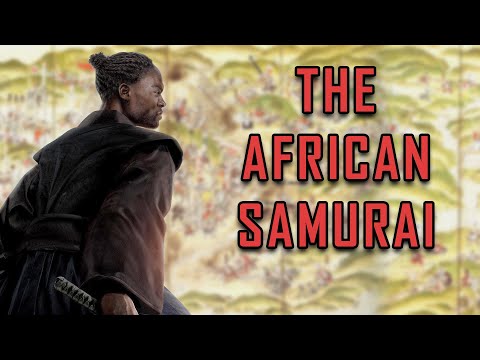
The Unvarnished Truth: Yasuke, The African Samurai – A Warrior's Spirit Transcending Borders

How many of you, when you hear "samurai," immediately picture a stoic figure in traditional armor, born and bred in the rigorous crucible of feudal Japan? It's a powerful archetype, isn't it? But what if I told you that the most compelling narratives often break these very molds? Today, we dissect the extraordinary life of Yasuke, the African samurai. This isn't just a historical footnote; it's a profound testament to how the warrior spirit, the unwavering dedication to martial excellence, knows no color, no origin, and no boundary.

We will delve into the gritty reality of his ascent, not through romanticized fiction, but through the lens of martial principles. Was he merely a curiosity, a novelty for Oda Nobunaga? Or was he a genuine practitioner of the sword, a warrior whose skills earned him respect in the most unforgiving of arenas? Prepare yourselves, for this is not a gentle stroll through history; it is an exploration of raw courage, adaptation, and the unyielding pursuit of mastery in the face of prejudice and overwhelming odds.

Yasuke's Origins: More Than Just a Slave

Let's strip away the myth. Yasuke, born in Africa – the exact region remains a scholarly debate, a point of contention for historians – was not born into nobility, nor was he a free man for much of his early life. He was, by all accounts, enslaved. This is a brutal truth, a stark contrast to the idealized samurai narrative. However, a slave’s life is not always a predetermined path of suffering. His journey, facilitated by the Jesuit missionary Alessandro Valignano, led him to Japan in 1579. Imagine the culture shock, the sheer alien nature of a land so distant from his own.

This arrival was not subtle. His physical presence alone—taller than the average Japanese man of the era, powerfully built—would have immediately drawn attention. But it was his potential, his aura of capability, that truly captured the eye of Oda Nobunaga, the formidable *Daimyo* who was rapidly consolidating power in Japan. Nobunaga was known for his strategic mind, his openness to new ideas, and his interest in foreign novelties. Yasuke was more than a novelty; he was a warrior waiting to be recognized. This meeting, this pivotal moment, was not just the encounter of a slave with a lord, but the spark that ignited an extraordinary martial destiny.

"Nobunaga, upon seeing Yasuke, was struck by his stature and physical presence. He was a man unlike any he had encountered. The initial fascination, however, was soon to be surpassed by respect for his martial spirit."

Forged in the Flames: Training Under Nobunaga

To become a samurai was not a matter of choice; it was a life of rigorous discipline, an internalization of the warrior's code, bushido. Yasuke, under Nobunaga's direct patronage, embarked on this path. This wasn't a mere display of strength; it was an assimilation into a system of honor, loyalty, and devastating martial skill. He learned the intricacies of the katana, the soul of the samurai. He trained in swordsmanship, grappling, and the tactical nuances of warfare.

Think about the challenges. He wasn't just learning techniques; he was learning a philosophy, a way of life that demanded absolute commitment. The fact that he, an outsider, an African slave, was not only accepted but actively trained and elevated speaks volumes about Nobunaga's pragmatism and perhaps, his foresight. Yasuke's physique, different from the Japanese ideal, likely offered unique advantages in combat. His training wasn't about conforming to a pre-existing template; it was about adapting the samurai way to his own formidable capabilities. He proved to be more than just a strong man; he was a natural warrior, a quick study, and someone who could embody the samurai ethos. This rapid ascent is not something one achieves through mere physical presence. It requires dedication, discipline, and an innate understanding of combat.

His African heritage, rather than being a barrier, may have even informed his fighting style, adding an unpredictable edge to the already deadly samurai arts. This fusion of backgrounds is where true martial innovation often lies.

The Crucible of War: Yasuke's Role in Nobunaga's Army

History books, often written by victors and survivors, can be selective. But the accounts of Yasuke's involvement in battles are clear: he fought. He wasn't a ceremonial figure; he was in the thick of it. The Battle of Tenmokuzan in 1582 is a prime example. Nobunaga's forces, against considerable odds, achieved a decisive victory. Yasuke's presence and contributions were noted. This wasn't a minor skirmish; it was a significant military engagement where strategic prowess and individual bravery determined the outcome.

His role as a trusted advisor and bodyguard to Nobunaga was not bestowed lightly. It implies a level of skill, loyalty, and battlefield competence that few possessed. Imagine the pressure, the constant threat of assassination or betrayal in the Sengoku period. To be chosen as a personal guardian by one of Japan's most powerful and ruthless warlords was the ultimate validation of his martial capabilities.

"In the heat of battle, where the clash of steel and the cries of men fill the air, true warriors reveal themselves. Yasuke was not found wanting. His ferocity, combined with his samurai training, made him a formidable force on any battlefield."

After Nobunaga's tragic end at Honnō-ji, Yasuke didn't vanish. This is a crucial point that distinguishes him from a mere footnote. He continued to serve other influential figures like Hideyoshi Toyotomi and later, Ieyasu Tokugawa. His journey continued through periods of intense conflict, including the Siege of Osaka Castle. This longevity in service, moving between different powerful lords, demonstrates a consistent reputation for reliability and martial prowess. It suggests that his acceptance and respect were not solely dependent on Nobunaga's whim, but on his enduring abilities as a warrior and advisor.

Echoes in Time: Yasuke's Enduring Legacy

Why do we still speak of Yasuke centuries later? Because his story is inherently powerful. He is the "only black samurai" – a title that encapsulates both his uniqueness and the broad strokes of his achievement. But his legacy is more than a racial designation. It’s about the triumph of the individual spirit, the ability to transcend one's origins and forge a new identity through skill and determination.

His life has inspired countless artistic interpretations: books, films, and documentaries. This widespread fascination is not superficial. It speaks to a universal human desire to see the underdog succeed, to witness the improbable become reality. For martial artists, Yasuke represents the ultimate embodiment of adaptability and perseverance. His journey reminds us that mastery isn't about adhering strictly to tradition, but about internalizing its core principles and applying them with your unique strengths. The ki, the fighting spirit, can manifest in any warrior, regardless of their background. His story is a powerful reminder that the path of the warrior is open to all who possess the will to walk it.

Veredicto del Sensei: ¿Un Samurai Auténtico?

Let's cut through the historical debate and the romanticized notions. Was Yasuke a samurai in the strictest, most traditional sense, born into the samurai class and adhering to every minute facet of its inherited culture? Perhaps not in the way a son of a samurai was. However, was he a warrior who lived by the code of bushido, trained rigorously in the martial arts of Japan, fought alongside samurai, earned their respect, and wielded the katana with skill? ABSOLUTELY.

His adoption into Nobunaga's service, his training, his participation in battles, and his continued service under other lords all point to a man who earned his place through martial merit and loyalty. The very essence of being a samurai was one's ability to serve as a warrior. Yasuke fulfilled this role to an exceptional degree. To deny him the title of "samurai" based on his origin would be to misunderstand the fluid, albeit rigid, social dynamics of feudal Japan and the pragmatic nature of warlords like Nobunaga. He wasn't just a foreign curiosity; he became a respected warrior.

Calificación: Cinturón Negro en Adaptación y Coraje Marcial.

Equipo Esencial para tu Entrenamiento

While Yasuke's journey was unique, the principles of martial training remain universal. To truly immerse yourself in the path of the warrior, having the right tools is crucial.

  • Armadura (Réplica o Ligera): While full samurai armor (gusoku) is impractical for most modern training, understanding its components and weight distribution is key. For light practice, a sturdy training uniform is sufficient.
  • Katana de Entrenamiento (Iaido/Bokken): A bokken (wooden sword) is essential for safe practice of sword techniques. For those advanced enough, a sharpened steel katana (iaito for practice, or a functional blade for experienced practitioners) is the ultimate tool.
  • Kimono de Judo/Karate: A durable, high-quality martial arts gi is fundamental for any discipline involving grappling or striking. Look for double-weave fabrics for added resilience during intense #entrenamiento.
  • Guantes de Entrenamiento: For any striking practice or sparring, appropriate padding is non-negotiable for safety and longevity in your #combat.
  • Protección para la Cabeza (Bojutsu): If practicing with longer staffs or polearms, head protection can be beneficial during drills.

Guía de Entrenamiento: El Espíritu del Guerrero Adaptable

Yasuke's life teaches us that adaptation is a core martial principle. Here’s a practical approach to cultivating that spirit:

  1. Fundamentos Sólidos: Begin with the basics of your chosen art. Whether it's #karate stances, #judo throws, or #MMA striking, master the core mechanics. This is your base.
  2. Cross-Training Inteligente: Don't confine yourself. Explore different martial disciplines. Integrate striking with grappling, learn weapon retention, and understand distance management. This builds versatility.
  3. Entrenamiento de Fuerza y Acondicionamiento: Develop explosive power and endurance. Yasuke's physique was an asset; yours can be too. Focus on functional strength training.
  4. Técnicas de Espada (Simuladas): If your art involves weapons, practice diligently with a bokken or training knife. Focus on clean lines, precise movements, and understanding range.
  5. Mental Conditioning: Practice mindfulness, meditation, and visualization. Develop resilience to stress and the ability to remain calm under pressure, just as Yasuke likely did in the chaos of #battle.
  6. Adaptación en Sparring: During sparring sessions, intentionally put yourself in challenging positions. Practice defending against unfamiliar styles or techniques. The goal is to learn, not just to win.

Preguntas Frecuentes

¿Es Yasuke el único samurái negro en la historia de Japón?

Basado en los registros históricos disponibles, Yasuke es la figura más conocida y documentada de un guerrero africano que alcanzó el estatus de samurái en el Japón feudal. Si bien es posible que otros individuos de ascendencia africana estuvieran presentes, Yasuke es el único para el cual existe evidencia sustancial de su servicio y estatus.

¿Qué habilidades marciales poseía Yasuke?

Yasuke era descrito como un guerrero físicamente imponente y hábil. Se entrenó en las artes marciales de los samuráis, incluyendo el manejo de la katana. Se sabe que luchó en batallas junto a Oda Nobunaga, demostrando competencia en combate. Su habilidad y fuerza le permitieron ganar el respeto de sus contemporáneos.

¿Cuál fue la importancia de su servicio bajo Oda Nobunaga?

Servir bajo Oda Nobunaga, uno de los tres grandes unificadores de Japón, fue un logro significativo. Nobunaga era un líder progresista que valoraba la habilidad y la lealtad por encima de la ascendencia. El hecho de que Nobunaga adoptara a Yasuke como vasallo y le confiara responsabilidades militares y de consejero demostró la destreza y el valor de Yasuke como guerrero.

¿Cómo impactó su vida en la percepción de los extranjeros en Japón en esa época?

La presencia de Yasuke, un africano sirviendo como samurái, desafió las percepciones convencionales y demostró que el estatus y el respeto en la sociedad japonesa podían obtenerse a través del mérito marcial y el servicio, independientemente del origen extranjero. Su historia contribuyó a la fascinación que los europeos y otros forasteros despertaban en el Japón de finales del siglo XVI.

Para Profundizar en tu Camino

  • Descubre el rigor detrás de la espada en nuestro artículo sobre #Karate y su legado: [Enlace Interno al Post de Karate]
  • Explora los principios fundamentales del guerrero en: #BUDO, el Camino del Guerrero: [Enlace Interno al Post de Budo]
  • Comprende la fuerza mental en el combate: La Importancia del #ki en la Lucha: [Enlace Interno al Post de Ki]

Reflexión del Sensei: Tu Próximo Paso

Yasuke's life is a blazing indictment of limitations. He faced prejudice, the chains of slavery, and the cultural chasm of a foreign land, yet he carved his name into history through sheer will and martial skill.

Consider this: In your own training, where do you impose limits? What perceived barriers—lack of talent, time, resources, or even your own self-doubt—are you allowing to define your potential? Are you training to adapt, to overcome, or merely to go through the motions?

Reflexión del Sensei: Tu Próximo Paso

The warrior spirit is not bestowed; it is forged. Yasuke’s journey from the African continent to the heart of the samurai elite was not a fluke of fate. It was a testament to unwavering dedication, brutal discipline, and the courage to embrace the unknown. Now, look within. What 'uncharted territory' does your martial journey demand you conquer? Are you prepared to face it with the same ferocity and adaptability that defined the African Samurai?

Let the debate begin. Does Yasuke’s story change your perception of what a samurai truly embodies? Are there other historical figures whose martial journeys defy conventional expectations? Share your insights, your arguments, your challenges. The dojo of knowledge is vast, and discussion is the finest sharpening stone for the mind.
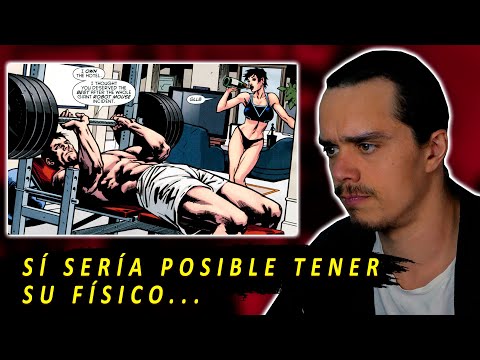
El Entrenamiento de Batman: ¿El Modelo Definitivo para el Guerrero Urbano?

En este dojo virtual que es Budo y Artes Marciales, no nos conformamos con la superficie. Si buscas la fusión entre el espíritu indomable del guerrero y la fascinación por la resistencia del Caballero Oscuro, has llegado al lugar correcto. Hoy desmantelamos el mito y la realidad tras el entrenamiento de Batman. ¿Es Bruce Wayne solo un millonario excéntrico, o un modelo de disciplina marcial que tú también puedes emular? Prepárate, porque vamos a examinar cada faceta de su preparación, desde las sombras de la Liga de Asesinos hasta el frío acero de su voluntad.

El Origen del Guerrero: Motivación y Filosofía

La transformación de Bruce Wayne en Batman no nace de un capricho, sino de una profunda herida y una sed inquebrantable de justicia. Tras presenciar el asesinato de sus padres, la tragedia se convierte en el catalizador de un viaje épico hacia la autoperfección. No se trata solo de vengar, sino de prevenir que otros sufran el mismo destino. Esta motivación intrínseca es el primer y más crucial pilar de su entrenamiento. Sin un propósito claro, la disciplina se desmorona.

"La venganza es un plato que se sirve frío," dicen algunos. Pero en el Budo, buscamos la trascendencia del ciclo de la violencia, no su perpetuación. Batman, en su idealismo, busca la justicia.

La filosofía que sustenta al Caballero Oscuro es un híbrido complejo. Si bien la venganza es una chispa inicial, su desarrollo como vigilante se nutre de principios de disciplina, sacrificio y la búsqueda de la excelencia física y mental. No es el camino del guerrero que busca la gloria en el combate, sino el del protector que se somete a un régimen brutal para poder servir y defender a los indefensos. Su entrenamiento, por tanto, es la manifestación tangible de esta filosofía: un compromiso total con la mejora continua.

El Arsenal Marcial de Batman: Diversidad y Maestría

La afirmación de que Batman domina "múltiples estilos de artes marciales" es, en el mejor de los casos, una simplificación. La realidad es mucho más profunda y matizada. Batman no solo aprende técnicas; él las absorbe, las integra y las adapta a su propia fisiología y estilo de combate. Su búsqueda de maestría lo llevó a los rincones más remotos del planeta, aprendiendo de maestros legendarios, algunos reales, otros ficticios.

Se rumorea que su formación incluye:

  • Karate Kyokushin: Para la potencia de golpeo, la resistencia al impacto y la fortaleza mental que exige el combate cuerpo a cuerpo sin protecciones. La filosofía del #Kyokushin, el "último verdadero karate", encaja con su mentalidad de afrontar el dolor.
  • Kung Fu (varios estilos): La fluidez, las transiciones rápidas y el uso del entorno son cruciales. Estilos como el Wing Chun, con su énfasis en la economía de movimiento y la defensa en corto alcance, o el Shaolin, con su combinación de agilidad y potencia, serían ideales.
  • Boxeo y Kickboxing: Fundamentales para la gestión de la distancia, la potencia de puños y patadas, y la defensa contra golpes. La precisión y la velocidad del boxeo, combinadas con el alcance del kickboxing, forman una base sólida.
  • Judo y Jiu-Jitsu Brasileño (BJJ): Aunque menos visible en sus représentaciones gráficas, la capacidad de derribar a un oponente y controlar la lucha en el suelo es vital. Un maestro como #Sensei (ficticio en este contexto, pero representa la figura) podría haberle enseñado principios de palancas y sumisiones. La idea de usar la fuerza del oponente en su contra es un principio marcial universal.
  • Ninjutsu: El arte de la infiltración, el sigilo y el uso de herramientas. Más allá de las técnicas de combate, el Ninjutsu le proporciona las habilidades de espionaje y subterfugio que definen su modus operandi.
  • Savate (Boxeo Francés): Conocido por sus patadas elegantes y precisas, complementaría su arsenal de golpeo.

La clave no es solo la diversidad, sino la integración. Batman no ejecuta una secuencia de karate y luego cambia a kung fu como quien cambia de marcha. Él ha destilado los principios fundamentales de cada arte y los ha fusionado en un estilo personal e impredecible. Esto es lo que le permite enfrentarse a oponentes con estilos totalmente distintos, desde el brutal #MMA de Bane hasta la precisión letal de Lady Shiva.

La Danza de las Sombras: Acrobacia y Movimiento

Un vigilante que opera en una ciudad vertical como Gotham necesita una movilidad excepcional. La acrobacia no es un mero adorno para Batman; es una herramienta de combate y evasión fundamental. Su capacidad para trepar edificios, saltar entre tejados y moverse con sigilo es tan importante como cualquier golpe de kárate.

Este aspecto de su entrenamiento se conecta directamente con disciplinas como:

  • Parkour: El arte del desplazamiento, utilizando obstáculos urbanos para moverse con fluidez y eficiencia. Esto incluye saltos, escaladas y recepciones seguras.
  • Gimnasia Deportiva: Desarrolla la fuerza explosiva, la flexibilidad, el equilibrio y la conciencia corporal necesarios para realizar movimientos complejos y controlar el cuerpo en el aire.
  • Capoeira: Aunque menos obvio, los movimientos circulares, las patadas bajas y las esquivas flotantes de la Capoeira podrían haber influido en su agilidad y capacidad de evadir ataques.

La acrobacia le permite:

  • Infiltrarse en lugares inaccesibles.
  • Evasión Táctica: Desaparecer en la oscuridad o esquivar ráfagas de balas con movimientos impredecibles.
  • Control del Entorno: Utilizar la verticalidad y los obstáculos a su favor, creando ángulos de ataque inesperados.

Pensemos en la #Agility como un pilar invisible de su combate. Un movimiento rápido y preciso puede ser la diferencia entre el éxito y el fracaso, entre la vida y la muerte en las calles de Gotham.

Forjando el Cuerpo: Fuerza, Resistencia y Potencia

La armadura de Batman no es solo metal; es un reflejo de un cuerpo humano llevado al límite de su capacidad. Su entrenamiento físico es un programa de élite diseñado para maximizar la fuerza funcional, la resistencia cardiovascular y la potencia explosiva.

Su rutina probablemente incluiría:

  • Levantamiento de Pesas y Entrenamiento de Fuerza: No se trata solo de levantar el máximo peso posible (powerlifting), sino de desarrollar fuerza funcional aplicable al combate. Ejercicios como sentadillas, peso muerto, press de banca y dominadas, con énfasis en la técnica y la explosividad.
  • Entrenamiento de Resistencia Cardiovascular: Correr largas distancias, sprints, y ejercicios de alta intensidad para asegurar que pueda mantener un combate prolongado sin fatigarse. La #Resistencia es clave para un vigilante nocturno.
  • Entrenamiento de Potencia Explosiva: Saltos pliométricos, lanzamientos de balón medicinal y ejercicios balísticos para desarrollar la capacidad de generar fuerza rápidamente, esencial para golpes contundentes y movimientos ágiles.
  • Entrenamiento de Estabilidad y Core: Un core fuerte es fundamental para transferir potencia y mantener el equilibrio. Planchas, crunches, y ejercicios de rotación serían esenciales.

Batman no busca la hipertrofia muscular excesiva que podría mermar su agilidad. Su objetivo es una físico **atlético, potente y funcional**. Piensa en un atleta de élite de #ArtesMarcialesMixtas o un gimnasta de alto rendimiento, pero con la fuerza bruta de un levantador de pesas.

La Fortaleza Interior: Mente y Voluntad de Hierro

Más allá del físico y las técnicas, lo que realmente distingue a Batman es su inquebrantable fortaleza mental. Su entrenamiento abarca la psique tanto como los músculos.

  • Disciplina y Autocontrol: La capacidad de adherirse a un régimen de entrenamiento riguroso día tras día, noche tras noche, incluso cuando el cuerpo y la mente claman por descanso.
  • Resiliencia Mental: Superar el dolor, el miedo y la adversidad. Aprender de las derrotas y no dejarse quebrar por ellas.
  • Enfoque y Concentración (Mushin): La habilidad de mantener la atención en la tarea presente, sin distracciones. Este estado de "mente vacía" o #Ki mental es crucial en el combate.
  • Tácticas y Estrategia: Batman no solo lucha; él planea. Su intelecto, su capacidad de observación y su habilidad para anticipar los movimientos del oponente son armas poderosas.
"La victoria pertenece a aquellos que saben cuándo luchar y cuándo no luchar." – Sun Tzu. Batman comprende el arte de la anticipación y la elección del momento oportuno, tanto en combate como en su estrategia general.

Veredicto del Sensei: ¿Un Guerrero Realista?

Analizar el entrenamiento de Batman desde la perspectiva de las artes marciales reales es fascinante. Si bien su habilidad para aprender y dominar múltiples disciplinas es una fantasía superheroica, los principios subyacentes son sólidos y aplicables. Su enfoque en la diversidad de estilos, la integración de habilidades físicas y mentales, y la disciplina implacable son las claves del éxito de cualquier artista marcial.

¿Es un modelo realista? Hasta cierto punto. La parte fantasiosa reside en la velocidad y la profundidad con la que adquiere y domina estas habilidades, y en los recursos ilimitados que posee. Sin embargo, el ethos detrás de su entrenamiento – la dedicación total, el sacrificio y la búsqueda de la autoperfección para un propósito mayor – es universal. Él representa el ideal del guerrero moderno: adaptativo, completo y mentalmente indomable.

Mi veredicto: Si bien no puedes convertirte literalmente en Batman, puedes adoptar los pilares de su entrenamiento. Su disciplina, su compromiso con el aprendizaje constante y su enfoque holístico (cuerpo, mente, espíritu) son un estándar de oro. Es un "Cinturón Negro en Disciplina y Adaptabilidad", con puntos de mejora en la viabilidad de su entrenamiento a escala humana y sin la billetera de un multimillonario.

Equipo Esencial para tu Entrenamiento (Versión Civil)

Si bien no necesitas la Bati-Cueva, hay equipamiento que puede potenciar tu propio entrenamiento marcial:

  • Guantes de Entrenamiento/Boxeo: Para proteger tus manos durante el golpeo. Unos de 12-16oz son ideales para #entrenamiento y sparring ligero.
  • Kimono de Judo o BJJ: Para la práctica de lucha en el suelo y derribos. Un buen #KimonoDeJudo es duradero.
  • Esterilla de Entrenamiento: Esencial para ejercicios en el suelo, caídas y estiramientos.
  • Cuerda de Saltar: Un clásico para mejorar la agilidad, la resistencia cardiovascular y la coordinación.
  • Pesas Libres (Mancuernas, Kettlebells): Versátiles para ejercicios de fuerza y potencia en casa.
  • Bandas de Resistencia: Excelentes para el acondicionamiento, la rehabilitación y el aumento de la intensidad de ejercicios corporales.

Guía de Entrenamiento: El "Circuit Training" del Caballero Oscuro

Puedes emular el enfoque integral de Batman con un circuito de entrenamiento. Adapta estos ejercicios a tu nivel:

  1. Calentamiento (10-15 min): Movilidad articular (cuello, hombros, caderas, rodillas), trote ligero o salto de cuerda.
  2. Circuito de Fuerza y Potencia (3-4 rondas):
    • Sentadillas con peso corporal o mancuernas (10-15 reps)
    • Flexiones (tantas como puedas, con buena forma)
    • Dominadas (o remo invertido si no puedes hacer dominadas, 8-12 reps)
    • Saltos al cajón (pliometría) (10-15 reps)
    • Plancha (mantener 45-60 segundos)
    Descansa 60-90 segundos entre rondas.
  3. Circuito de Habilidades Marciales (3-4 rondas):
    • Sombra de boxeo/kickboxing (simulando defensa y ataque, 2 minutos)
    • Técnicas básicas de Karate o Kung Fu (practica movimientos específicos, 2 minutos)
    • Ejercicios de agilidad y footwork (desplazamientos laterales, adelante/atrás, 1 minuto)
    Descansa 30-45 segundos entre rondas.
  4. Resistencia Cardiovascular (15-20 min): Sprints cortos (30 segON / 30 segOFF) o carrera continua a ritmo moderado.
  5. Enfriamiento y Estiramientos (10 min): Estiramientos estáticos profundos para los principales grupos musculares.

Preguntas Frecuentes

¿Es realista entrenar como Batman para alguien sin recursos ilimitados?

No, no es realista para la gran mayoría replicar su acceso a entrenadores de élite y tecnología. Sin embargo, puedes emular su disciplina, su enfoque holístico y su dedicación. Usa tu imaginación y los recursos a tu alcance para entrenar tu cuerpo y tu mente.

¿Qué arte marcial es el "principal" de Batman?

Batman no tiene un arte marcial "principal" en el sentido tradicional. Su fuerza radica en la integración de múltiples disciplinas. Sin embargo, si tuviéramos que elegir, sus habilidades de golpeo (boxeo, karate, kickboxing) y su movimiento (parkour, acrobacia) son las más visibles y consistentes.

¿Realmente necesita Batman toda esa masa muscular?

En el cómic, su musculatura es a menudo exagerada. En la realidad, un físico más atlético y funcional, con énfasis en la fuerza explosiva y la resistencia, sería más eficiente para sus tareas de sigilo, agilidad y combate prolongado. Demasiada masa puede ser un lastre.

¿Debería un principiante intentar entrenar múltiples artes marciales a la vez?

Para un principiante, es más recomendable enfocarse en uno o dos estilos fundamentales y construir una base sólida antes de diversificar. La integración viene con la experiencia. Intentar abarcar demasiado al principio puede ser abrumador y poco productivo.

Para Profundizar en tu Camino

Reflexión del Sensei: Tu Próximo Paso

Batman nos enseña que la verdadera fortaleza no reside en los recursos, sino en la voluntad de forjarla. ¿Estás dispuesto a someterte al rigor necesario para alcanzar tu potencial? ¿O prefieres seguir observando desde la multitud?

Ahora te toca a ti. ¿Qué aspecto del entrenamiento de Batman te inspira más? ¿Crees que su método es exagerado o un ideal alcanzable con adaptación? Demuéstralo en los comentarios, ¡y no te contengas!

```

Conor McGregor's Titanium Leg: A Martial Arts Analysis of His Return

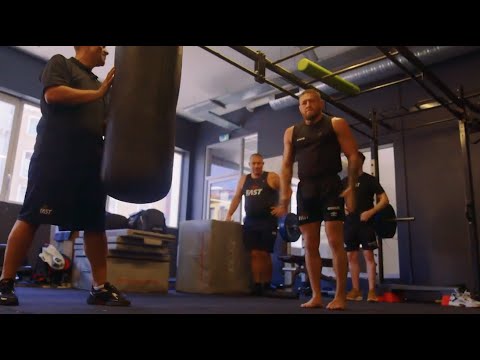
Hello and welcome to Budo and Martial Arts. You are watching Conor McGregor's New Leg Implant Can Sure Kick, published on June 13, 2022, at 07:30 PM. Welcome to the most complete and updated martial arts blog on the internet. Follow us on social networks and do not forget to visit our main page: https://ift.tt/NPEx6Sb The combat sports world often buzzes with the return of its stars, but few returns are as eagerly anticipated – and as laden with technical questions – as that of Conor McGregor. After his devastating leg break against Dustin Poirier, the question on every martial artist's mind isn't just *if* he will return, but *how* his combat effectiveness will be altered, particularly given the titanium rod now reinforcing his tibia. This isn't merely a story of recovery; it's a fascinating case study in biomechanics, martial arts strategy, and the sheer indomitable will of a fighter.
As practitioners, we are inherently drawn to the mechanics of combat. The injury itself was a stark reminder of the brutal reality of high-level striking. Now, with the surgical intervention, we are presented with a unique opportunity to analyze how physical augmentation might intersect with established martial principles. Can McGregor truly be "unbreakable"? While only time and the octagon will tell, the available footage and his known fighting style provide fertile ground for speculation and analysis. Let us delve into the nuances of his technique and what this unprecedented situation might herald.

The Stance: A Foundation of Power

Conor McGregor has long favored a wide, almost traditional Karate-esque stance. This isn't an arbitrary choice; it's a deliberate selection that aligns with his physical attributes and fighting philosophy. A wide stance offers a stable base, distributing weight more evenly. For a fighter with McGregor's proportional build – a broad upper torso relative to his spinal length and a significant wingspan – this posture is foundational. It allows for:
  • Strong, Balanced Snap: The wide base provides a solid platform from which to generate rotational force for punches and kicks, ensuring power is delivered with precision.
  • Efficient Recovery: After delivering a strike, a fighter needs to quickly regain their optimal defensive position. A well-rooted stance facilitates rapid retraction and readjustment.
  • Lunge Capability: This stance inherently allows a fighter to cover distance explosively. The ability to "lunge" into strikes is a key component of McGregor's offensive arsenal, enabling him to close the gap quickly and land damaging blows.
This emphasis on a stable, powerful base is a recurring theme across many striking arts. Whether it's the rootedness of a Kyokushin Karate practitioner or the grounded posture of a Muay Thai fighter, the principle remains: a strong foundation is paramount for effective offense and defense.

Karate Stance vs. Thai Stance: A Strategic Shift

The script mentions a subtle but significant difference when McGregor shifts to a more "Thai style stance," where more weight is placed on the back leg. This strategic alteration is telling:
  • Karate Stance (More Balanced): Emphasizes readiness for forward lunges and quick lateral movements. Power generation is often from the ground up, utilizing hip rotation and a stable base.
  • Thai Stance (Weight Forward): Often characterized by a more forward-leaning posture and weight distribution that allows for powerful roundhouse kicks and, crucially, the ability to "check" incoming leg kicks.
The ability to check kicks is a defensive cornerstone in Muay Thai. It involves lifting the shin and blocking an opponent's leg kick with your own, aiming to absorb the impact and often to damage the opponent's kicking leg. In a typical McGregor fight, we often see him use elusive footwork and cover distance with his strikes. However, shifting weight backward subtly alters his offensive dynamics. It sacrifices some of the immediate lunge capability but grants him the ability to defend against powerful leg attacks, a weapon that has proven devastatingly effective against him in the past. This adaptability highlights a fighter's strategic mind. McGregor is not just a puncher; he's a student of the game, willing to adjust his fundamental posture to incorporate crucial defensive measures. It's the difference between being a "wraith" – elusive, hard to pin down – and a "tank" – solid, formidable, able to absorb and dish out punishment.
"The supreme art of war is to subdue the enemy without fighting." - Sun Tzu, The Art of War
While McGregor's return is about engagement, the underlying principle of strategic adaptation for optimal outcomes resonates deeply with ancient martial wisdom. His willingness to modify his stance demonstrates an evolving understanding of combat effectiveness.

Explosiveness and the Art of Checking Kicks

The footage demonstrating McGregor's kicking ability post-injury is a vital indicator. If he retains his explosiveness, it suggests the titanium rod is not hindering his neuromuscular response or his ability to generate power. This explosiveness, combined with the newly acquired ability to check kicks, creates a potentially more dangerous McGregor.
  • Retained Explosiveness: This is crucial. Without it, his ability to close distance, land stinging shots, and overwhelm opponents is severely diminished. The visual confirmation of powerful kicks suggests this core attribute remains intact.
  • Enhanced Defensive Kicking: The ability to check kicks is not just about defense; it's about control. By effectively checking an opponent's leg attacks, a fighter can disrupt their rhythm, inflict pain, and gain positional advantage.
The implications are significant. An opponent who previously might have focused on debilitating leg kicks now faces a fighter who can absorb them and potentially inflict damage in return. This forces a recalibration of strategy for any potential opponent. The titanium rod, while a result of injury, might paradoxically become a strategic asset, reinforcing his most dangerous weapons and his ability to defend against the opponent's.

Veredict of the Sensei: Will the Titanium Leg Reignite the Fire?

This is where we transition from observation to critical assessment, the heart of any martial artist's evaluation. Conor McGregor's return with a reinforced leg presents a fascinating dichotomy: the potential for enhanced durability versus the inherent risks of physical modification and the psychological battle of overcoming a severe injury. From a technical standpoint, his adherence to a strong Karate-based stance, coupled with the demonstrated ability to incorporate Thai-style defensive checks, shows a fighter who is not just physically healing but strategically evolving. If his explosive power remains undiminished, as the footage suggests, we are looking at a fighter who might be *more* dangerous in certain aspects. The titanium rod could offer a psychological edge – a sense of invincibility – and a tangible advantage in absorbing leg strikes. However, the true test lies not in the metal, but in the mind and spirit. Can McGregor recapture the mental fortitude, the "killer instinct," that propelled him to superstardom? Injuries of this magnitude can have profound psychological impacts, altering a fighter's willingness to engage in high-risk exchanges. The "unbreakable" leg might be physically resilient, but is the fighter's psyche ready to embrace full engagement once more? My assessment: McGregor's physical attributes and technical adaptability are undeniable. If he can overcome the mental hurdles associated with such a severe injury, this reinforced leg, coupled with his existing skill set, could indeed make him a formidable force. Whether he becomes "better" is debatable – martial arts mastery is a journey of refinement, not just augmentation. But he certainly has the *potential* to be a more complete, resilient fighter. He has the tools; the question is whether he has the unshakeable conviction to wield them at their peak.

Essential Training Gear for Strikers

For any aspiring striker looking to develop power, speed, and resilience, the right equipment is crucial. Investing in quality gear not only enhances your training but also minimizes the risk of injury.
  • Quality Boxing Gloves (14-16oz): Essential for bag work, pad work, and sparring. Look for good padding and wrist support.
  • Shin Guards: Non-negotiable for sparring that involves leg kicks. Ensure they offer adequate protection for both your shins and your partner's kicking leg.
  • Mouthguard: Protects your teeth and can help prevent concussions. Always use one during any form of sparring or contact training.
  • Groin Protector: Essential for preventing serious injury during sparring.
  • Training Apparel: Comfortable, breathable clothing that allows for a full range of motion. Many martial artists prefer lightweight, durable kimonos or shorts made for combat sports. For those inspired by McGregor's style, consider exploring Karate-inspired apparel or specialized MMA fight shorts.

Training Guide: Developing Explosive Kicking Power

Developing explosive kicking power requires a multi-faceted approach, focusing on strength, flexibility, technique, and speed. This guide outlines fundamental steps:
  1. Foundation of Flexibility:
    • Begin with dynamic stretching: Leg swings (forward, backward, circular), hip circles, and torso twists.
    • Incorporate static stretching post-workout: Hold stretches for hamstrings, quadriceps, hip flexors, and calves for 30 seconds. Aim for a full range of motion without pain.
  2. Strength Training for Power:
    • Compound Lifts: Squats, deadlifts, and lunges build foundational leg strength essential for kicking.
    • Plyometrics: Box jumps, squat jumps, and jump lunges develop explosive power.
    • Core Strength: Exercises like planks, Russian twists, and leg raises are vital for transferring power from the ground through the body to the kick.
  3. Technique Refinement:
    • Stance and Balance: Practice maintaining a stable base, shifting weight correctly as described in the analysis above.
    • Hip Rotation: Focus on the uncoiling motion of the hips. This is where the majority of rotational power comes from. Visualize snapping your hips through the target.
    • Chambering: Properly bring your knee up and across your body before extending the kick. This "chambering" motion stores potential energy.
    • Extension and Retraction: Ensure a fast, snapping extension followed by a quick retraction of the kicking leg to maintain balance and avoid telegraphing your next move.
  4. Speed and Conditioning:
    • Light Bag Work: Perform high-volume kicking drills on a light bag, focusing on speed rather than power.
    • Shadow Kicking: Practice kicks in the air, visualizing targets and focusing on speed and fluidity.
    • Interval Training: Combine short bursts of intense kicking with brief rest periods to build explosive endurance.
Remember to always prioritize proper form over speed or power to prevent injuries. Consulting with a qualified martial arts instructor is highly recommended.
"The more you sweat in training, the less you bleed in combat." - The Warrior's Creed
This adage underscores the necessity of rigorous, disciplined training to hone the skills required for effective combat.

Frequently Asked Questions

  • Q: Can Conor McGregor truly be unbreakable with a titanium rod?
    A: While the titanium rod enhances structural integrity, "unbreakable" is a metaphor. The human body, even augmented, has limitations. His mental fortitude and strategic application of his skills will be the true determinants of his resilience.
  • Q: How does McGregor's Karate stance differ from traditional Karate stances?
    A: McGregor's stance is often wider and more forward-leaning than some traditional Karate stances, adapted for MMA's dynamic range of motion and striking variety. It borrows from Karate's balanced base but incorporates elements for explosive lunges and strikes characteristic of his style.
  • Q: Will the titanium rod affect his ability to check kicks?
    A: Potentially, it could improve his ability to check kicks by providing greater structural support against impact. However, the effectiveness of checking a kick relies heavily on timing, technique, and the conditioning of the checking leg, not just its inherent strength.
  • Q: Is McGregor's recovery a sign that MMA fighters are becoming more durable?
    A: Modern MMA fighters benefit from advanced sports science, nutrition, and surgical techniques. While recovery has improved, severe injuries remain a significant risk, underscoring the importance of technique, conditioning, and strategic fight management.

Deepen Your Journey

To further enhance your understanding of combat sports and martial philosophy, explore these related topics:

Reflection of the Sensei: Your Next Step

McGregor's journey with his titanium leg is more than a comeback narrative; it is a modern testament to the intersection of human resilience, technological advancement, and the enduring principles of martial arts. We analyze his stance, his power, his potential, yet the most profound transformation is often internal. Now, consider this: If a physical limitation can be overcome with technology and sheer will, what mental or emotional barriers are *you* allowing to dictate the boundaries of your own potential? Where in your training, your life, or your spirit are you accepting a "fracture" as a permanent state, rather than an opportunity for reinvention? **GEMINI_METADESC**: Sensei analysis of Conor McGregor's titanium leg comeback. Deep dive into Karate vs. Thai stances, kicking power, and fight strategy. Learn about training for explosive kicks. **GEMINI_LABELS**: #ConorMcGregor, #MMA, #Karate, #MuayThai, #MartialArtsAnalysis, #FightStrategy, #InjuryRecovery, #BUDO, #CombatSports, #TrainingTips

Mastering Wing Chun: The Unyielding Simplicity That Commands Respect

A Philosophy in Motion: Wing Chun's Core

Hello and welcome, warriors, to Budo and Martial Arts. Today, we dissect a system that, on the surface, appears deceptively simple, yet harbors a depth that has confounded and humbled countless opponents: Wing Chun. The original content hinted at "why you don't mess with a Wing Chun master." This isn't hyperbole; it's a testament to the profound effectiveness embedded within its structure. But what makes this art, with its seemingly gentle movements, so formidable? Is it mere chance, or is there a martial science at play that we, as dedicated practitioners, must understand? We delve deep into the heart of Wing Chun, not just to admire its prowess, but to extract lessons applicable to all martial endeavors. This system, often attributed to the nun Ng Mui and later popularized by Ip Man, is a masterclass in efficiency. It rejects brute force in favor of economy of motion, directness, and immediate counter-attack. It’s not about overwhelming an opponent with a barrage of techniques, but about intercepting their force and redirecting it, or neutralizing it at its source. This philosophy permeates every aspect of Wing Chun, from its fundamental stance to its most advanced applications.

The Pillars of Power: Core Wing Chun Principles

Wing Chun is built upon a foundation of strategic principles that are both logical and devastatingly effective. Understanding these is paramount to appreciating its power:
  • Central Line Theory (中線理論 - Zhōngxiàn Lǐlùn): This is perhaps the most crucial concept. Wing Chun practitioners aim to control and attack along the opponent's central line – the imaginary vertical line running from the top of the head to the groin. By dominating this line, you gain a significant advantage in offense and defense. Think of it as controlling the most direct path to your opponent’s vital areas while shielding your own.
  • Simultaneous Block and Strike (連消連打 - Liánxiāo Liándǎ): Unlike many styles that emphasize distinct blocking and striking phases, Wing Chun often combines these actions. A block might simultaneously deflect an incoming attack while setting up a strike. This drastically reduces the time window for an opponent to react and maximizes offensive pressure.
  • Economy of Motion (節省用力 - Jiéshěng Yònglì): Wing Chun movements are short, direct, and precise. There is no wasted energy. Techniques are designed to be executed with minimal physical exertion, allowing the practitioner to conserve energy and maintain peak performance throughout an encounter. This is why smaller practitioners can often overcome larger, stronger opponents.
  • Structure and Balance (結構平衡 - Jiégòu Pínghéng): Maintaining a solid, rooted structure is fundamental. Wing Chun emphasizes a stable, forward-leaning stance that allows for powerful forward pressure and efficient energy transfer. This structure allows practitioners to absorb and redirect force effectively without being unbalanced.
  • Sensitivity (尋橋 - Xúnqiáo / 聽勁 - Tīngjìn): Often developed through sticky hands (Chi Sao), this principle involves developing an acute sense of an opponent's balance, force, and intentions through touch. It’s about feeling their energy and reacting instinctively and appropriately, often before they even fully commit to an action.
"Simplicity is the ultimate sophistication." - Often attributed to Leonardo da Vinci, this quote perfectly encapsulates the essence of Wing Chun. It’s not about performing flashy moves, but about achieving the most effective result with the least amount of effort.

Beyond the Punch: Essential Wing Chun Techniques

While Wing Chun is renowned for its "chain punching," its technical repertoire is far more nuanced. Here are a few foundational techniques:
  • Bong Sau (膀手): A common deflecting arm-block that uses the forearm to redirect an incoming strike, often simultaneously opening up the opponent's centerline. It’s not a rigid block but a fluid redirection.
  • Tan Sau (攤手): An open-palm outward-spreading hand technique. It can be used for deflecting, controlling distance, or as a probing hand.
  • Fook Sau (圈手): A "gate" or "controlling" hand. This technique involves hooking and controlling an opponent's limb, often trapping it to set up subsequent attacks.
  • Pak Sau (拍手): A slapping or chopping hand technique, used to clear an opponent's arm or strike their vulnerable points.
  • Chain Punching (連珠拳 - Liánzhū Quán): This is the signature offensive technique. It involves a rapid, continuous series of short-range punches delivered from the centerline. The power comes not from muscular force alone, but from proper body structure, hip rotation, and continuous forward pressure.
These techniques are not executed in isolation. They are woven together dynamically, flowing from one to the next in a seamless sequence, often initiated by the sensitivity developed in Chi Sao.

Forging the Fighter: Wing Chun Training Regimen

The path to mastery in Wing Chun requires dedication and a structured approach. The training typically involves several key components:
  1. Stances and Footwork: Mastering the basic Wing Chun stance (often referred to as the Yee Jee Kim Yang Ma - 二字鉗羊馬) is foundational. This involves learning to root yourself, generate power from the ground, and move efficiently without compromising your structure.
  2. Forms (Kuen): Wing Chun has a series of forms that embody its principles and techniques. The primary forms are:
    • Siu Nim Tao (小念頭 - Little Idea/Thought): The first form, focusing on fundamental structure, centerline theory, and basic hand positions. It’s the cornerstone of the system.
    • Chum Kiu (尋橋 - Seeking the Bridge): This form introduces body shifting, turning, and coordinated movement, teaching practitioners how to bridge the gap to an opponent.
    • Biu Jee (標指 - Thrusting Fingers): The final empty-hand form, focusing on recovery techniques, powerful finger strikes, and emergency strategies for dire situations.
  3. Chi Sao (黐手 - Sticky Hands): This is arguably the most unique and critical training method. It’s a form of controlled sparring designed to develop sensitivity, timing, reflexes, and the ability to react to an opponent’s force and intention through touch. It’s not about winning or losing, but about learning to feel and adapt.
  4. Luk Dim Boon Gwun (六點半棍 - Six-and-a-Half Point Pole): Training with the Wing Chun pole helps develop power, structure, and the application of core principles over a longer range.
  5. Double Daggers (八斬刀 - Baat Jaam Do): The butterfly knives refine footwork, precision, and the ability to coordinate hand and body movements in close quarters.
  6. Sparring (Freee Fighting): Once the fundamentals are ingrained, practitioners engage in controlled sparring to test their skills against uncooperative opponents, integrating all learned principles and techniques.
"The beginner sees the technique. The advanced practitioner sees the principle." - A saying that rings true in Wing Chun. Initial training focuses on executing the movements, but true mastery comes from understanding and embodying the underlying strategic concepts.

Wing Chun on Screen: Authenticity vs. Hollywood

Wing Chun's visual dynamism has made it a popular choice in martial arts cinema. However, the portrayal is often a double-edged sword. While films like those starring Donnie Yen as Ip Man have brought the art to global prominence, they frequently sacrifice strict authenticity for dramatic effect. The iconic "Ip Man" films showcase the devastating power and efficiency of Wing Chun. Donnie Yen's choreography, while heavily influenced by the art, often incorporates more expansive movements and visual flair than what might be seen in a traditional training hall. The rapid-fire chain punches are beautifully rendered, but the nuanced sensitivity of Chi Sao and the strategic subtleties are often downplayed in favor of clear-cut hero-vs-villain narratives. Conversely, some films present a heavily stylized or even inaccurate version of Wing Chun. Bruce Lee, a student of Ip Man, incorporated elements of Wing Chun into his Jeet Kune Do, but his own fighting style was far more diverse. Films that depict Wing Chun as a purely defensive art that only requires light touches are also misleading. Wing Chun, when applied correctly, is aggressively offensive, seeking to dismantle an opponent’s structure and attack their centerline decisively. The challenge for filmmakers is to balance the visual spectacle required for cinema with the rigorous principles of the martial art. A true Wing Chun practitioner’s movements might appear less overtly aggressive to an untrained eye, but their efficiency and directness are what make them so dangerous.

Veredicto del Sensei: Wing Chun's Real-World Efficacy

So, does Wing Chun hold up outside the dojo and the silver screen? Emphatically, yes. The core principles of centerline control, structure, economy of motion, and simultaneous block-and-strike are universally applicable in self-defense and combat sports. Wing Chun's strength lies in its directness and its emphasis on intercepting an opponent's force rather than meeting it head-on with brute strength. This makes it particularly effective in close-quarters combat, where space is limited and rapid responses are critical. The sensitivity developed through Chi Sao allows practitioners to react to an attacker's movements with uncanny precision, often neutralizing threats before they can fully materialize. However, like any art, its effectiveness is directly proportional to the dedication and quality of training. A superficial understanding or poor instruction will yield poor results. A practitioner who has truly internalized the principles, however, will find Wing Chun to be an exceptionally potent tool for self-protection. It teaches you to use your structure to become unmovable and your intent to become inescapable.

Equipo Esencial para tu Entrenamiento

While Wing Chun is known for its minimal equipment requirements, certain items can enhance your training experience and aid in development:
  • Wing Chun Dummy (Muk Yan Jong - 木人樁): This is perhaps the most crucial piece of equipment for a Wing Chun practitioner. It allows for solo practice of striking, footwork, and the integration of techniques in a repetitive, precise manner.
  • Chi Sao Training Aids: While sensitivity is developed through partner drills, some training aids can help isolate specific movements or reinforce grip and control.
  • Proper Footwear: Comfortable, non-slip shoes are essential for maintaining stability and executing footwork drills safely.
  • Lightweight Training Uniform: A comfortable, breathable uniform allows for freedom of movement during forms and conditioning exercises.
  • Basic Conditioning Equipment: Resistance bands, light weights, or even just bodyweight exercises are vital for building the foundational strength and stamina required to execute Wing Chun techniques effectively.
For those looking to enhance their overall conditioning and strength for martial arts, consider exploring resources for at-home workouts or general strength and endurance training.

Preguntas Frecuentes

  • Q: Is Wing Chun only for self-defense, or is it a sport?
    A: While Wing Chun’s principles are highly effective for self-defense, it is not typically practiced as a competitive sport in the same vein as MMA or Judo. Its focus is on practical application and neutralization of threats.
  • Q: How long does it take to become proficient in Wing Chun?
    A: Proficiency varies greatly depending on the individual's dedication, training frequency, and the quality of instruction. However, significant progress in understanding and applying its core principles can be achieved within a few years of consistent training.
  • Q: Can Wing Chun be effectively combined with other martial arts?
    A: Absolutely. The principles of economy of motion, structure, and sensitivity are transferable. Many practitioners of other arts, including MMA, find value in studying Wing Chun’s unique approach to close-quarters combat.
  • Q: Is Wing Chun difficult to learn?
    A: Wing Chun is characterized by its simplicity of movement, making the *basic* execution of techniques accessible. However, mastering its underlying principles and developing the necessary sensitivity requires deep dedication and diligent practice.

Para Profundizar en tu Camino

To further your understanding and integrate these martial principles into your life, explore these related topics:

Narrator: Tysmithvoice
Researcher/Writer: Video Editor: Lance
Music: https://artlist.io
Stock Media Footage: https://ift.tt/Osa34rU
More Stock footage: https://ift.tt/q3YMkre
Support the channel with links below!
Twitter: https://twitter.com/ChrisVisionz
Subscribe to Brutal TV for more videos.
Channel Description: This channel is dedicated to all different types of Martial Arts. We make anything from Traditional Japanese martial arts to boxing. I hope you enjoy the video. Please leave a like so we can continue to create more videos. #mma #YouTube #fight #trending

Published: June 12, 2022 at 09:59AM

Follow us on social networks and do not forget to visit our main page: https://ift.tt/hyANHjq

Reflexión del Sensei: Tu Próximo Paso

The simplicity of Wing Chun masks its profound complexity. It demands that you observe, feel, and react with ultimate efficiency. When faced with an opponent, do you instinctively try to overpower them with sheer force, or do you seek to control the center and redirect their energy with minimal effort? Reflect on your own approach to conflict, both physical and metaphorical. Are you spending your energy wisely, or are you engaging in battles that could be won with a more strategic, economical application of force? The true test of a Wing Chun practitioner—or any martial artist—is not just what they can do, but how they choose to apply their power. ``` GEMINI_METADESC: Delve into the unyielding simplicity of Wing Chun Kung Fu. Explore its core principles, essential techniques, and training methods that make it a truly formidable art for self-defense and martial mastery.

Craig Bodzianowski: The Unyielding Spirit of the One-Legged Boxer

Welcome, warriors, to Budo and Martial Arts. Today, we step into the ring not just to witness a fight, but to understand the sheer indomitable spirit that defines true martial prowess. We are here to delve into the life and career of Craig Bodzianowski, a man who defied the very notion of limitation to become a cruiserweight contender. Published on June 5, 2022, this examination seeks to illuminate the tenacity and heart that can propel an individual beyond perceived boundaries. Prepare yourselves, for this is not merely a look back at a boxer; it is a profound study in human resilience.

The Unforeseen Path to the Ring

The world of combat sports is often a brutal arena, demanding perfection in every facet of an athlete's being. Yet, within this demanding landscape, stories emerge that challenge our preconceptions. Craig Bodzianowski, an amputee who rose to become a cruiserweight contender in the late 1980s, is one such extraordinary figure. His journey is a testament to the fact that the true art of war, whether in the ring or in life, lies not in the absence of obstacles, but in the unwavering determination to overcome them. This narrative forces us to question what truly constitutes a fighter. Is it the flawless physique, the years of conventional training, or the fire that burns within the soul?

The Martial Philosophy Behind the Gloves

At Budo and Martial Arts, we dissect not just the techniques, but the underlying philosophies that shape a warrior's path. Bodzianowski's career, though seemingly confined to the sweet science of boxing, resonates deeply with core martial principles. The concept of *Mushin* – a mind free from distraction, able to react instinctively – is amplified when faced with such profound physical disparity. His ability to adapt, to find balance and power from a singular base, speaks volumes about an internal strength that transcends the physical. This is the essence of martial spirit: finding victory not in raw power, but in intelligent adaptation and unyielding will.

Craig Bodzianowski: A Fighter's Grit and Tenacity

The late 1980s cruiserweight division was a battleground for powerful athletes. Into this fray stepped Craig Bodzianowski, a man whose very presence was a defiance of odds. To become a contender, an amputee boxer had to possess not only skill and strategic acumen but an almost superhuman level of resilience. His training regimen must have been a masterclass in focused effort, adapting traditional methods to his unique circumstances. Imagine the dedication required to perfect footwork, develop offensive power, and maintain defensive integrity when the fundamental balance of the human form is altered. This dedication is a hallmark of the true martial artist, constantly seeking to refine their capabilities regardless of external limitations.

The Impact of Bodzianowski's Fights

While detailed fight records might be scarce for a specific documentary subject, the very fact of his contention speaks volumes. Each bout he entered was not just a test of his boxing ability, but a public demonstration of his unwavering spirit. These were not just fights; they were lessons in perseverance for anyone who witnessed them. The crowds, the opponents, and the boxing world at large were forced to confront the reality that courage and determination are often the most potent weapons in any combat scenario. His fights likely showcased a unique strategic approach, forcing opponents to adapt to his unconventional stance and rhythm.

Beyond the Ring: Lessons for the Modern Warrior

The story of Craig Bodzianowski extends far beyond the confines of boxing history. It is a profound lesson applicable to every aspect of our lives, especially within the realm of martial arts and personal development.
  • Adaptability is Key: Bodzianowski's journey underscores the importance of adapting techniques and strategies to individual circumstances. In training, this means finding ways to overcome physical limitations or master challenging concepts through persistent effort.
  • Mental Fortitude is Paramount: The greatest battles are often fought within the mind. Bodzianowski’s success highlights how mental toughness and an unwavering belief in oneself can surmount seemingly insurmountable obstacles.
  • Redefining Strength: True strength is not solely measured by physical prowess, but by the capacity to endure, to overcome, and to inspire. His story redefines what it means to be strong in the martial context.
  • Inspiration for All: For practitioners of #KarateCommunity, #JudoSkills, #MMA, or any discipline, Bodzianowski’s life serves as a powerful reminder that the martial spirit knows no physical boundaries.

Veredicto del Sensei: A Masterclass in Spirit

Craig Bodzianowski's story, as presented in this documentary, is more than just a biographical sketch; it is a profound exposition of the martial spirit. While the technical nuances of his boxing style are secondary to the overwhelming narrative of his resilience, the underlying principles are deeply rooted in Budo. He did not merely box; he embodied the **warrior philosophy** of overcoming adversity through sheer force of will and intelligent adaptation. This is the **Inner Strength** that we strive to cultivate in every practitioner. His career is a testament to the fact that the most formidable opponent we face is often our own doubt. For his unwavering courage and the profound inspiration he provides, Bodzianowski earns the highest respect.

Reflexión del Sensei: Tu Próximo Paso

Bodzianowski faced the ring with one leg. What is *your* perceived limitation that prevents you from stepping into your own ring of challenge – be it in training, work, or personal growth? Are you allowing an external factor, or an internal belief, to dictate the boundaries of your potential?

Equipo Esencial para tu Entrenamiento

While Bodzianowski's journey is unique, the foundation of any martial pursuit requires dedicated preparation. For those inspired by the commitment shown by athletes like him, having the right equipment can significantly enhance your training experience.
  • Guantes de Boxeo de Calidad: Essential for any striking art, providing protection for your hands and your training partners. Look for options suitable for sparring, typically 14oz or 16oz, depending on weight class and preference.
  • Vendas de Mano: Crucial for wrist and hand support during intense striking sessions, helping to prevent injuries.
  • Calzado Deportivo Adecuado: For boxing and many #MartialArtsTraining disciplines, proper footwear offers stability, grip, and support.
  • Ropa de Entrenamiento Cómoda: Breathable, flexible apparel allows for a full range of motion, crucial for complex techniques and extended sessions. Consider moisture-wicking fabrics.
  • Protector Bucal: Non-negotiable for any form of sparring to safeguard your dental health.

Preguntas Frecuentes

What was Craig Bodzianowski's primary boxing style?

Craig Bodzianowski was a cruiserweight contender known for his resilience and strategic approach, adapting his boxing style to compensate for his amputation. While specific stylistic labels might not be readily available, his ability to compete at a high level indicates a strong foundation in boxing fundamentals combined with exceptional adaptability.

How did Bodzianowski overcome the challenges of being an amputee boxer?

His success stemmed from an extraordinary level of mental fortitude, rigorous and specialized training, and an unwavering determination to prove that his physical condition did not define his potential. He likely developed unique methods for balance, footwork, and power generation.

Where can I find more documentaries about inspiring martial artists?

You can explore martial arts-focused YouTube channels, dedicated documentary platforms, and reputable martial arts blogs. Searching for terms like "martial arts documentaries," "fighter biographies," or specific martial arts styles can yield great results. Keep an eye on our own blog for more featured stories!

Is the story of Craig Bodzianowski a true story?

Yes, Craig Bodzianowski was a real cruiserweight contender in the late 1980s who competed as an amputee boxer. His story is a genuine testament to human endurance and the fighting spirit.

What martial arts principles are evident in Bodzianowski's career?

Key principles include resilience, adaptability, mental fortitude (*Mushin*), and the unwavering pursuit of mastery despite limitations. His career exemplifies that the "spirit" of martial arts transcends mere physical technique.

Para Profundizar en tu Camino

``` GEMINI_METADESC: Explore Craig Bodzianowski's inspiring journey as an amputee boxer and cruiserweight contender. Discover the martial spirit of resilience and determination.

The Unseen Force: Deconstructing the 9 "Most Powerful" Martial Arts in the World

Introduction: Beyond the Hype

Hello, warriors, and welcome to Budo and Martial Arts. Today, we confront a question that ignites debates in dojos and online forums alike: "What are the most powerful martial arts in the world?" This is a question fraught with subjective interpretation, often fueled by cinematic portrayals and hyperbolic claims. As a Sensei who has dedicated a lifetime to the study and practice of various combat disciplines, I find such lists inherently flawed, yet undeniably intriguing. They force us to examine what "power" truly means in a martial context. Is it brute force? Effectiveness in sport? Lethality in self-defense? Or perhaps the depth of its philosophical underpinnings? We live in an age where information is abundant, yet wisdom can be scarce. The internet is awash with "Top 10" lists, but few delve into the substance behind the spectacle. My mission today is not merely to present another such list, but to dissect the very notion of power within the martial arts, analyzing the systems often cited, and challenging you to think critically. Prepare yourselves; this is not a passive viewing. This is a lesson.
"The supreme art of war is to subdue the enemy without fighting." - Sun Tzu, The Art of War

Deconstructing "Power": A Martial Perspective

The term "powerful" is a nebulous descriptor when applied to martial arts. In the realm of combat, power can manifest in several ways: * **Physical Power**: The ability to generate force through striking, grappling, or throws. This is often what the uninitiated associate with power, envisioning devastating punches or immovable stances. * **Technical Efficacy**: The efficiency and effectiveness of techniques under pressure. A technically sound practitioner can overcome a physically stronger but less skilled opponent. * **Strategic Acumen**: The ability to read an opponent, control distance, timing, and adapt to the flow of combat. This is the realm of the seasoned warrior. * **Mental Fortitude**: The resilience, discipline, and emotional control that allows one to perform under duress. This "inner strength" is often the most potent, yet least visible, form of power. * **Adaptability**: The capacity to apply principles across different scenarios, be it sport, self-defense, or even everyday challenges. A truly powerful martial art cultivates a holistic development of these facets. Focusing solely on one element, such as raw striking power, while neglecting others like mental resilience or technical adaptation, creates an incomplete and potentially vulnerable practitioner. The *true* power lies not in the style itself, but in the practitioner's mastery of its principles and their ability to integrate them.

The Contenders: A Critical Look

When lists of "powerful" martial arts emerge, certain styles consistently appear. Let's examine some common candidates through a critical lens, focusing on their strengths and potential limitations: 1. **Mixed Martial Arts (MMA)**: * **Core Principle**: The ultimate application of a wide range of combat skills. MMA is less a single art and more a sport that demands proficiency in striking (boxing, Muay Thai, Karate), grappling (Brazilian Jiu-Jitsu, Judo, wrestling), and the transitions between them. * **Power Defined**: Its power lies in its *comprehensiveness*. A skilled MMA fighter is a multi-disciplinary threat, capable of winning on the feet or on the ground. * **Critique**: While undeniably effective in its competitive context, MMA is a sport with rules. Its "power" is often defined within those parameters. Traditional martial arts principles like situational awareness outside a ring or the ethical application of force are not its primary focus. * **Keyword Integration**: #MMA, #ArtesMarcialesMixtas, #EntrenamientoDeMMA, #UFC, #CombateCuerpoACuerpo, #Grappling, #Kickboxing 2. **Brazilian Jiu-Jitsu (BJJ)**: * **Core Principle**: Ground fighting, leverage, and submission holds. BJJ emphasizes taking an opponent to the ground and neutralizing their size and strength advantages through joint locks and chokeholds. * **Power Defined**: Superiority in ground control and submission techniques. It can allow a smaller, weaker individual to defeat a larger, stronger one. * **Critique**: Its effectiveness is heavily reliant on the ability to get the fight to the ground. Against multiple opponents, or in situations where standing is critical, its advantage diminishes. The sport aspect also introduces rulesets that might not apply in a real-world confrontation. * **Keyword Integration**: #BJJ, #jiujitsu, #judo, #grappling, #LuchaEnPie (as a counterpoint), #SubmissionHolds, #GroundFighting 3. **Muay Thai (The Art of Eight Limbs)**: * **Core Principle**: Striking art utilizing punches, kicks, elbows, and knee strikes, combined with clinch work. * **Power Defined**: Devastating offensive striking power, conditioning, and clinch control. Its techniques are designed to inflict damage efficiently. * **Critique**: While a formidable striking art, it traditionally lacks ground fighting techniques. Its effectiveness in a purely ground-based scenario or against a skilled grappler without significant adaptation would be tested. * **Keyword Integration**: #MuayThai, #Striking, #ElbowStrikes, #KneeStrikes, #ClinchWork, #Kickboxing 4. **Boxing**: * **Core Principle**: Punching techniques, footwork, head movement, and defensive strategies. * **Power Defined**: Precision, speed, and concussive force in punches. Elite boxers possess exceptional hand-eye coordination and offensive timing. * **Critique**: Like Muay Thai, boxing is primarily a stand-up striking art and offers limited defense against kicks, takedowns, or ground attacks. * **Keyword Integration**: #Boxing, #PunchingTechniques, #Footwork, #HandEyeCoordination, #DefensaPersonal (as a contrast) 5. **Kyokushin Karate**: * **Core Principle**: Full-contact Karate emphasizing conditioning, powerful direct strikes, and a strong mental component. * **Power Defined**: Raw, uncompromising power through full-contact sparring and rigorous physical conditioning. It instills immense resilience and fighting spirit. * **Critique**: Traditional Kyokushin sparring often has rules against punches to the face and certain joint manipulations, which can differ from the dynamic of a street fight or MMA match. * **Keyword Integration**: #Kyokushin, #KarateKyokushin, #KarateSpirit, #FullContactKarate, #Conditioning, #BUDO 6. **Sambo**: * **Core Principle**: A Russian martial art and combat sport combining aspects of Judo, wrestling, and various folk styles. It emphasizes throws, takedowns, joint locks, and submissions. * **Power Defined**: Its strength lies in its blend of striking and grappling, offering a robust system for both standing and ground combat. * **Critique**: While comprehensive, its specific techniques and emphasis can vary between its sport and combat sambo variations. * **Keyword Integration**: #Sambo, #Judo, #Wrestling, #Grappling, #CombatSambo, #RussianMartialArts 7. **Wing Chun**: * **Core Principle**: A concept-based Chinese martial art emphasizing simultaneous blocking and striking, efficient close-range combat, and sensitivity training. * **Power Defined**: Economy of motion, directness, and centerline control. It's designed to overwhelm an opponent with rapid, efficient techniques from a close distance. * **Critique**: Often criticized for its limited effectiveness against longer-range attacks or skilled grapplers if the practitioner cannot close the distance effectively. Its traditional training methods can sometimes lack the dynamic pressure-testing found in modern combat sports. * **Keyword Integration**: #WingChun, #KungFu, #ChineseMartialArts, #CloseRangeCombat, #CenterlineControl, #ConceptBasedMartialArts 8. **Savate (French Boxing)**: * **Core Principle**: A unique striking art combining elegant kicking techniques with boxing punches. * **Power Defined**: Precision, agility, and powerful kicks delivered with athletic grace. It offers a dynamic mix of long and short-range striking. * **Critique**: While a complete striking system, it typically lacks extensive grappling or ground fighting components. * **Keyword Integration**: #Savate, #FrenchBoxing, #KickingTechniques, #Agility, #StrikingArt 9. **Krav Maga**: * **Core Principle**: A military self-defense system developed in Israel, focusing on practical, brutal, and efficient techniques designed for real-world confrontations. * **Power Defined**: Uncompromising effectiveness for survival. It emphasizes aggressive counter-attacks, targeting vulnerable points, and disengaging quickly. * **Critique**: As a self-defense system, it is not typically practiced as a sport and lacks the structured sparring and rule sets that hone technique against resisting opponents over extended periods. Its focus is purely on practical application, not on traditional martial arts philosophies or competitive development. * **Keyword Integration**: #KravMaga, #SelfDefense, #RealWorldCombat, #MilitarySelfDefense, #DefensaPersonal, #SurvivalSkills

Defining Effectiveness: From Dojo to Street

The true measure of a martial art's "power" depends on the context for which it's being evaluated. * **For Sport Competition**: MMA, BJJ, Boxing, Muay Thai, Judo, and Wrestling often rank high due to their established rule sets, competitive environments, and the rigorous testing of techniques against resisting opponents. * **For Self-Defense**: Systems like Krav Maga, or traditional arts with a strong emphasis on practical application (e.g., certain styles of Karate, Wing Chun, Aikido *when trained realistically*), might be considered "powerful." Their focus is on survival and neutralizing threats quickly. * **For Personal Development**: Arts that emphasize discipline, character building, and philosophical depth (e.g., traditional Karate, Taekwondo, Aikido, Judo, Kung Fu, Budo in general) offer profound "power" in shaping the individual. The debate often arises when people conflate these contexts. An art that excels in sport may not be ideal for street survival, and an art focused on philosophical development might not produce the most effective street fighter without adaptation.

The Foundation: Training and Philosophy

No matter the style, the *depth* of training and the *philosophy* behind it are paramount. A disciplined, consistent approach under skilled instruction is what transforms techniques into genuine skill.
"There are no good or bad martial arts. There are only good or bad martial artists." - Anonymous Master
The concept of **Ki** (or Qi), the vital life force, is central to many traditional Asian martial arts. While often misunderstood or sensationalized, it represents an underlying principle of energy, focus, and intention that, when cultivated, can enhance physical technique. Masters of **BUDO** and other traditional paths understand that true power emanates from a wellspring of disciplined practice, mental clarity, and an unwavering spirit. The rigorous **entrenamiento** required builds not just physical prowess, but **Fuerza** and **Resistencia** that transcend the physical.

Real-World Applicability: Fact vs. Fiction

The portrayal of martial arts in films often creates misconceptions. While visually stunning, fight choreography rarely reflects the chaos, brutality, and unpredictability of a real conflict. Arts that emphasize direct, simple, and overwhelming techniques often fare better in scenarios outside the ring. Consider the principle of **economy of motion**. In a life-or-death situation, wasted energy is a fatal flaw. Arts that teach practitioners to achieve maximum effect with minimum effort, like Wing Chun or elements of Judo's leverage, possess a practical power.

Essential Gear for Your Training Journey

Regardless of the martial art you choose, proper equipment is crucial for safe and effective training. Investing in quality gear not only enhances your practice but also demonstrates your commitment to the art.
  • Uniform (Gi/Kimono): For arts like Judo, Karate, or BJJ, a durable, well-fitting uniform is essential. Look for double-weave fabrics for Karate and BJJ if you anticipate intense sparring.
  • Gloves: For striking arts like Boxing, Muay Thai, or MMA training, well-padded gloves (e.g., 16oz for sparring) protect your hands and your training partners.
  • Mouthguard: A non-negotiable piece of safety equipment for any sparring situation.
  • Shin Guards: Important for arts involving significant kicking, like Muay Thai or Taekwondo.
  • Training Mats: For arts involving throws or ground work, mats provide necessary cushioning.
For those seeking to deepen their understanding of martial philosophy and history, consider exploring a curated selection of texts.

Recommended Resources for Deeper Study:

  • Books on Bushido: Understanding the warrior's code is fundamental to many East Asian martial traditions.
  • Biographies of Masters: Learning from the lives and experiences of legendary figures offers invaluable insights.
  • Historical Texts: Works like Miyamoto Musashi's "The Book of Five Rings" provide strategic and philosophical depth.

Frequently Asked Questions

  • Q: Is it possible for one martial art to be definitively "more powerful" than another?
    A: Power is context-dependent. An art effective in sport may not be in self-defense, and vice-versa. The practitioner's skill, dedication, and the specific application context are more critical than the art's label.
  • Q: How important is the physical aspect versus the mental aspect in martial arts?
    A: Both are crucial and interconnected. Physical training builds discipline and resilience, while mental fortitude allows you to apply techniques effectively under pressure. True mastery requires the integration of both.
  • Q: Should I choose a traditional martial art or a modern combat sport?
    A: This depends on your goals. If you seek self-defense and character development, traditional arts offer a strong foundation. If competitive prowess is your aim, combat sports provide the most direct path. Many find value in cross-training.
  • Q: What role does Ki (Qi) play in martial arts?
    A: Ki is often seen as the vital energy that, when cultivated through focused practice, enhances a practitioner's physical power, mental clarity, and overall presence. It's about harnessing internal energy for external expression.

The True Measure of Power

The question of the "most powerful" martial arts is a gateway to a deeper understanding, not a definitive answer. The true power resides not in a specific style, but in the diligent, consistent, and intelligent practice of any art that fosters discipline, resilience, adaptability, and a profound understanding of oneself and the dynamics of conflict.

The Sensei's Reflection: Your Next Step

The next time you witness a display of martial prowess, whether in film, competition, or real life, resist the urge to simply label it "powerful." Instead, ask yourself: What specific attributes are being demonstrated? How do these attributes serve the practitioner's goal? And, most importantly, how can these principles of power—physical, technical, strategic, and mental—be cultivated within your own journey? The answer lies not in the style, but in the cultivator.

For Deeper Exploration on Your Path

``` GEMINI_METADESC: Critically analyze the 9 "most powerful" martial arts. Sensei Budo & AM dissects MMA, BJJ, Muay Thai, Karate, Krav Maga & more, defining true power beyond hype for effective training and self-defense.