
Showing posts sorted by relevance for query striking. Sort by date Show all posts

Why BJJ Gyms That Neglect Striking Are Leaving Black Belts on the Table

Hey warriors and martial arts aficionados! It’s your Sensei here, ready to dissect a topic that’s been simmering in the dojo of my mind. We’ve all seen the evolution of combat sports. We’ve witnessed the legendary clashes, the strategic outmaneuvering, and the raw power that defines true mastery. Yet, a peculiar dogma persists in some traditional BJJ academies, a stubborn adherence to a singular discipline that, I argue, is a disservice to the art and its practitioners. Today, we're diving deep into the notion that Brazilian Jiu-Jitsu gyms neglecting the integration of striking are, quite frankly, missing out on a significant evolutionary leap. Eli Knight of @Knight Jiu-Jitsu articulates a compelling argument: the integration of strikes into regular BJJ classes isn't just a novelty; it's an essential step towards a more complete martial education. This isn't about diluting the art of the ground game, but about enriching it, about forging well-rounded combatants who understand the full spectrum of engagement.

The Interconnectedness of Grappling and Striking

For too long, the martial world has been compartmentalized. On one side, the devastating kicks and punches of Muay Thai, Karate, and Taekwondo. On the other, the intricate submission chains and takedowns of Judo and BJJ. Yet, the battlefield—be it a street confrontation or an MMA octagon—rarely respects these artificial boundaries. A fight can begin standing, transition to the ground, and then, just as suddenly, return to a standing position. To train solely for one phase is to train for only a fraction of the conflict.

Consider the origins of many martial arts. Judo, for instance, was born from a desire for a more comprehensive system than its predecessors. Kano Jigoro Shinto understood that balance was key. While BJJ, derived from Judo's groundwork (Ne-Waza), has achieved unparalleled sophistication on the mat, its "stand-up" component, while present in Judo's Tachi-Waza, often becomes secondary in pure BJJ curricula. This is where the disconnect occurs. How can a BJJ practitioner truly master the transition from standing to the ground if their striking defense and offense are rudimentary at best?

"True mastery lies not in mastering one aspect, but in understanding the interconnectedness of all." - A principle often echoed in the halls of martial wisdom.

Integrating striking, even at a fundamental level, provides invaluable context. It teaches practitioners timing, distance management, and the vital skill of striking defense. Learning to parry a punch, to slip a jab, or to maintain posture while under threat of being struck are skills that directly enhance a grappler's ability to execute takedowns and defend against submissions. Without this, a BJJ practitioner can become a formidable force once the fight hits the mat, but a sitting duck if the confrontation remains upright.

Beyond the Mat: Real-World Application and Mental Fortitude

While many BJJ gyms emphasize self-defense, the reality of a street altercation often involves threats that are not confined to grappling range. Attacks can come from unexpected angles, with fists, feet, or even improvised weapons. A BJJ practitioner trained only in ground techniques might find themselves overwhelmed before they even get the chance to implement their ground game. Adding striking training, even basic defensive maneuvers and controlled offensive bursts, provides a more realistic skillset for survival.

Furthermore, the mental aspect of martial arts training cannot be overstated. Facing a striking opponent in a controlled sparring environment builds a unique type of resilience. It instills a different kind of awareness, a heightened sense of danger, and the ability to remain composed under duress. This mental fortitude is transferable, making the practitioner calmer and more strategic in all aspects of their training and life. It fosters a deeper understanding of "Mushin," the mind without mind, essential for reacting instinctively and effectively in any scenario.

The argument isn't to turn BJJ gyms into full-blown MMA striking schools overnight. It's about progressive integration. Imagine incorporating drills that simulate striking exchanges before a takedown attempt, or adding basic defensive striking responses to common grappling attacks. This approach doesn't diminish the value of BJJ; it elevates it. It prepares practitioners for the multifaceted nature of combat, respecting the art of the ground while acknowledging the reality of the entire fight.

The "Why" Behind the Reluctance: Tradition vs. Evolution

So, why do some BJJ gyms shy away from incorporating striking? Often, it boils down to tradition and specialization. Many academies pride themselves on their pure grappling lineage, tracing their roots back to the Gracies and beyond. There's a reverence for the "Art of the Gentle Way" as it was originally conceived.

However, martial arts are not static entities. They are living, breathing disciplines that must adapt to survive and thrive. Karate has evolved. Judo has evolved. Even the hyper-specialized world of MMA is constantly innovating. To resist evolution is to risk stagnation. The original pioneers of BJJ were themselves innovators, adapting Judo groundwork for the reality of vale tudo. Continuing this spirit of innovation by integrating striking is the natural next step.

Consider the success of mixed martial artists. Many of the most dominant figures in MMA possess a strong foundation in grappling, but their success is amplified by their ability to strike effectively. Fighters like Khabib Nurmagomedov, despite his legendary grappling, understood the importance of striking to set up his takedowns and maintain control. This synergy is not a compromise; it's a testament to a complete martial education.

Equipo Esencial para tu Entrenamiento

While BJJ is often associated with just a gi, integrating striking requires a few key pieces of equipment to ensure safety and effectiveness. For any gym looking to expand its curriculum, these are non-negotiable:

  • Guantes de Boxeo/MMA: Essential for striking practice, ranging from 4oz MMA gloves for sparring to 10-16oz boxing gloves for bag work and partner drills. Different weights serve different purposes, but having a variety is beneficial.
  • Espinilleras (Shin Guards): Crucial for safe kick training and sparring, protecting both the striker and the grappler.
  • Casco de Sparring: Protects the head during striking drills, minimizing the risk of cuts and concussions, and allowing for more intense practice.
  • Protector Bucal (Mouthguard): A fundamental safety item for any form of sparring involving strikes.
  • Kimono de Doble Tejido para Judo y BJJ: While not directly for striking, a durable gi is paramount for the grappling component. Look for brands offering reinforced stitching and heavier fabrics that can withstand the rigors of integrated training.

Guía de Entrenamiento: Integrando Golpes Básicos en tu Rutina de BJJ

For the dedicated practitioners who find themselves in a BJJ-centric academy, here’s a simple way to start thinking about integration:

  1. Warm-up with Striking Drills: Begin your training session with 5-10 minutes of basic striking. Shadow boxing, focusing on jab, cross, hook, and uppercut, along with basic defensive movements like slipping and bobbing.
  2. Takedown Entries with Striking Threat: Practice initiating takedowns (e.g., double leg, single leg) while incorporating a punch or feint as a setup. This teaches you to manage distance and create openings.
  3. Guard Passing with Striking Defense: When drilling guard passes, have your partner (the one in guard) practice basic defensive strikes to create space or deter advances. This helps the passer learn to manage strikes while closing distance.
  4. Positional Sparring with Added Striking: During positional sparring (e.g., working from mount or side control), allow for controlled, light striking exchanges. This simulates the pressure of a fight where you might need to strike to improve your position or escape.
  5. Cool-down with Complementary Mobility: Finish with dynamic stretching that incorporates movements used in both striking and grappling, like rotational torso twists and lunges with punches.

Veredicto del Sensei: ¿Merece la pena?

The integration of striking into Brazilian Jiu-Jitsu training is not just a trend; it's a necessary evolution. To ignore it is to remain tethered to a singular aspect of combat, leaving practitioners vulnerable and less prepared for the dynamic reality of fighting. BJJ is a powerful art, but when combined with an understanding and application of striking, it transforms into a complete martial system capable of confronting any threat.

Calificación: Cinturón Negro en Visión Estratégica. A gyms that embrace this fusion, you are not just teaching BJJ; you are forging true martial artists.

Preguntas Frecuentes

What is the main argument for integrating striking into BJJ?

The primary argument is to create more well-rounded martial artists who are prepared for all phases of combat, from standing engagements to ground fighting, enhancing both effectiveness and real-world applicability.

Will adding strikes dilute the effectiveness of BJJ?

No, when integrated intelligently, striking can enhance BJJ by improving takedown entries, defense against strikes while grappling, and overall situational awareness, making the practitioner more complete.

What are the essential safety precautions when adding strikes to BJJ training?

Key precautions include using appropriate safety gear (gloves, mouthguards, shin guards, headgear), maintaining controlled sparring, and ensuring instructors are knowledgeable in both disciplines.

Is this approach suitable for beginners in BJJ?

Yes, basic defensive striking and controlled offensive drills can be introduced early on, helping beginners develop a better understanding of distance and timing, which complements their grappling development.

How can a traditional BJJ gym start incorporating striking?

They can begin with dedicated warm-ups featuring basic striking, incorporating striking setups into takedown drills, and allowing light, controlled striking during positional sparring sessions.

Para Profundizar en tu Camino

The journey of a martial artist is one of constant learning and adaptation. We must be willing to challenge our own preconceived notions and embrace new perspectives if we are to truly grow.

Reflexión del Sensei: Tu Próximo Paso

Consider your current training regimen. If you are in a BJJ academy, how often are strikes incorporated, even in a supplementary manner? If you train a striking art, how much emphasis is placed on transitioning to the ground? Are you a complete martial artist, or a specialist in a multi-faceted battlefield? The answer to these questions will reveal the true gaps in your preparation. Now, go forth and train with purpose, not just proficiency.

```

Why BJJ Gyms That Neglect Striking Are Leaving Black Belts on the Table

Hey warriors and martial arts aficionados! It’s your Sensei here, ready to dissect a topic that’s been simmering in the dojo of my mind. We’ve all seen the evolution of combat sports. We’ve witnessed the legendary clashes, the strategic outmaneuvering, and the raw power that defines true mastery. Yet, a peculiar dogma persists in some traditional BJJ academies, a stubborn adherence to a singular discipline that, I argue, is a disservice to the art and its practitioners. Today, we're diving deep into the notion that Brazilian Jiu-Jitsu gyms neglecting the integration of striking are, quite frankly, missing out on a significant evolutionary leap. Eli Knight of @Knight Jiu-Jitsu articulates a compelling argument: the integration of strikes into regular BJJ classes isn't just a novelty; it's an essential step towards a more complete martial education. This isn't about diluting the art of the ground game, but about enriching it, about forging well-rounded combatants who understand the full spectrum of engagement.

The Interconnectedness of Grappling and Striking

For too long, the martial world has been compartmentalized. On one side, the devastating kicks and punches of Muay Thai, Karate, and Taekwondo. On the other, the intricate submission chains and takedowns of Judo and BJJ. Yet, the battlefield—be it a street confrontation or an MMA octagon—rarely respects these artificial boundaries. A fight can begin standing, transition to the ground, and then, just as suddenly, return to a standing position. To train solely for one phase is to train for only a fraction of the conflict.

Consider the origins of many martial arts. Judo, for instance, was born from a desire for a more comprehensive system than its predecessors. Kano Jigoro Shinto understood that balance was key. While BJJ, derived from Judo's groundwork (Ne-Waza), has achieved unparalleled sophistication on the mat, its "stand-up" component, while present in Judo's Tachi-Waza, often becomes secondary in pure BJJ curricula. This is where the disconnect occurs. How can a BJJ practitioner truly master the transition from standing to the ground if their striking defense and offense are rudimentary at best?

"True mastery lies not in mastering one aspect, but in understanding the interconnectedness of all." - A principle often echoed in the halls of martial wisdom.

Integrating striking, even at a fundamental level, provides invaluable context. It teaches practitioners timing, distance management, and the vital skill of striking defense. Learning to parry a punch, to slip a jab, or to maintain posture while under threat of being struck are skills that directly enhance a grappler's ability to execute takedowns and defend against submissions. Without this, a BJJ practitioner can become a formidable force once the fight hits the mat, but a sitting duck if the confrontation remains upright.

Beyond the Mat: Real-World Application and Mental Fortitude

While many BJJ gyms emphasize self-defense, the reality of a street altercation often involves threats that are not confined to grappling range. Attacks can come from unexpected angles, with fists, feet, or even improvised weapons. A BJJ practitioner trained only in ground techniques might find themselves overwhelmed before they even get the chance to implement their ground game. Adding striking training, even basic defensive maneuvers and controlled offensive bursts, provides a more realistic skillset for survival.

Furthermore, the mental aspect of martial arts training cannot be overstated. Facing a striking opponent in a controlled sparring environment builds a unique type of resilience. It instills a different kind of awareness, a heightened sense of danger, and the ability to remain composed under duress. This mental fortitude is transferable, making the practitioner calmer and more strategic in all aspects of their training and life. It fosters a deeper understanding of "Mushin," the mind without mind, essential for reacting instinctively and effectively in any scenario.

The argument isn't to turn BJJ gyms into full-blown MMA striking schools overnight. It's about progressive integration. Imagine incorporating drills that simulate striking exchanges before a takedown attempt, or adding basic defensive striking responses to common grappling attacks. This approach doesn't diminish the value of BJJ; it elevates it. It prepares practitioners for the multifaceted nature of combat, respecting the art of the ground while acknowledging the reality of the entire fight.

The "Why" Behind the Reluctance: Tradition vs. Evolution

So, why do some BJJ gyms shy away from incorporating striking? Often, it boils down to tradition and specialization. Many academies pride themselves on their pure grappling lineage, tracing their roots back to the Gracies and beyond. There's a reverence for the "Art of the Gentle Way" as it was originally conceived.

However, martial arts are not static entities. They are living, breathing disciplines that must adapt to survive and thrive. Karate has evolved. Judo has evolved. Even the hyper-specialized world of MMA is constantly innovating. To resist evolution is to risk stagnation. The original pioneers of BJJ were themselves innovators, adapting Judo groundwork for the reality of vale tudo. Continuing this spirit of innovation by integrating striking is the natural next step.

Consider the success of mixed martial artists. Many of the most dominant figures in MMA possess a strong foundation in grappling, but their success is amplified by their ability to strike effectively. Fighters like Khabib Nurmagomedov, despite his legendary grappling, understood the importance of striking to set up his takedowns and maintain control. This synergy is not a compromise; it's a testament to a complete martial education.

Equipo Esencial para tu Entrenamiento

While BJJ is often associated with just a gi, integrating striking requires a few key pieces of equipment to ensure safety and effectiveness. For any gym looking to expand its curriculum, these are non-negotiable:

  • Guantes de Boxeo/MMA: Essential for striking practice, ranging from 4oz MMA gloves for sparring to 10-16oz boxing gloves for bag work and partner drills. Different weights serve different purposes, but having a variety is beneficial.
  • Espinilleras (Shin Guards): Crucial for safe kick training and sparring, protecting both the striker and the grappler.
  • Casco de Sparring: Protects the head during striking drills, minimizing the risk of cuts and concussions, and allowing for more intense practice.
  • Protector Bucal (Mouthguard): A fundamental safety item for any form of sparring involving strikes.
  • Kimono de Doble Tejido para Judo y BJJ: While not directly for striking, a durable gi is paramount for the grappling component. Look for brands offering reinforced stitching and heavier fabrics that can withstand the rigors of integrated training.

Guía de Entrenamiento: Integrando Golpes Básicos en tu Rutina de BJJ

For the dedicated practitioners who find themselves in a BJJ-centric academy, here’s a simple way to start thinking about integration:

  1. Warm-up with Striking Drills: Begin your training session with 5-10 minutes of basic striking. Shadow boxing, focusing on jab, cross, hook, and uppercut, along with basic defensive movements like slipping and bobbing.
  2. Takedown Entries with Striking Threat: Practice initiating takedowns (e.g., double leg, single leg) while incorporating a punch or feint as a setup. This teaches you to manage distance and create openings.
  3. Guard Passing with Striking Defense: When drilling guard passes, have your partner (the one in guard) practice basic defensive strikes to create space or deter advances. This helps the passer learn to manage strikes while closing distance.
  4. Positional Sparring with Added Striking: During positional sparring (e.g., working from mount or side control), allow for controlled, light striking exchanges. This simulates the pressure of a fight where you might need to strike to improve your position or escape.
  5. Cool-down with Complementary Mobility: Finish with dynamic stretching that incorporates movements used in both striking and grappling, like rotational torso twists and lunges with punches.

Veredicto del Sensei: ¿Merece la pena?

The integration of striking into Brazilian Jiu-Jitsu training is not just a trend; it's a necessary evolution. To ignore it is to remain tethered to a singular aspect of combat, leaving practitioners vulnerable and less prepared for the dynamic reality of fighting. BJJ is a powerful art, but when combined with an understanding and application of striking, it transforms into a complete martial system capable of confronting any threat.

Calificación: Cinturón Negro en Visión Estratégica. A gyms that embrace this fusion, you are not just teaching BJJ; you are forging true martial artists.

Preguntas Frecuentes

What is the main argument for integrating striking into BJJ?

The primary argument is to create more well-rounded martial artists who are prepared for all phases of combat, from standing engagements to ground fighting, enhancing both effectiveness and real-world applicability.

Will adding strikes dilute the effectiveness of BJJ?

No, when integrated intelligently, striking can enhance BJJ by improving takedown entries, defense against strikes while grappling, and overall situational awareness, making the practitioner more complete.

What are the essential safety precautions when adding strikes to BJJ training?

Key precautions include using appropriate safety gear (gloves, mouthguards, shin guards, headgear), maintaining controlled sparring, and ensuring instructors are knowledgeable in both disciplines.

Is this approach suitable for beginners in BJJ?

Yes, basic defensive striking and controlled offensive drills can be introduced early on, helping beginners develop a better understanding of distance and timing, which complements their grappling development.

How can a traditional BJJ gym start incorporating striking?

They can begin with dedicated warm-ups featuring basic striking, incorporating striking setups into takedown drills, and allowing light, controlled striking during positional sparring sessions.

Para Profundizar en tu Camino

The journey of a martial artist is one of constant learning and adaptation. We must be willing to challenge our own preconceived notions and embrace new perspectives if we are to truly grow.

Reflexión del Sensei: Tu Próximo Paso

Consider your current training regimen. If you are in a BJJ academy, how often are strikes incorporated, even in a supplementary manner? If you train a striking art, how much emphasis is placed on transitioning to the ground? Are you a complete martial artist, or a specialist in a multi-faceted battlefield? The answer to these questions will reveal the true gaps in your preparation. Now, go forth and train with purpose, not just proficiency.

GEMINI_METADESC: Explore why BJJ gyms are missing out by not integrating striking, enhancing combat readiness and creating well-rounded martial artists. Expert analysis and training tips.
The Karate Edge in MMA: 15 Fighters Who Prove Its Lethal Potential

The Striking Art Meets the Octagon

Is Karate just a traditional art form, a relic of the past? Many outside the dojo might think so. But for those who understand the profound principles and devastating techniques forged over centuries, the answer is a resounding no. Karate, at its core, is about the unification of mind and body, about discipline, and about developing an unshakeable inner strength. It's an art where age is but a number, and continuous practice refines not just physical prowess but mental acuity. As we witness the relentless evolution of Mixed Martial Arts (MMA), a crucial question emerges: how does this ancient striking art fare against the modern, multifaceted combat sports landscape? This is not merely an academic exercise; it's about understanding the practical application of lethal techniques under the brightest lights of the modern combat arena. My journey through the dojo and the fight analytics has shown me time and again that the principles of Karate are not only relevant but foundational. Today, we delve into the heart of this intersection, exploring 15 fighters who have masterfully integrated Karate into their MMA arsenals, proving its efficacy and power.

Why Karate Translates to MMA Success

Karate, in its purest form, is a striking discipline. It emphasizes powerful punches, swift kicks, precise elbow and knee strikes, and the devastating efficiency of open-hand techniques like knife-hands and palm-heels. However, to dismiss it as *just* striking is a grave error. Historically, and in many contemporary styles, Karate also encompasses grappling, throws, joint locks, restraints, and the critical application of pressure to vital points. This comprehensive foundation is precisely why Karate practitioners can adapt so effectively to the demands of MMA. The explosive power generated from Karate stances and movements, the footwork that allows for rapid entry and exit, and the strategic use of distance are invaluable assets. Moreover, the mental fortitude cultivated through Karate training – composure, strategic thinking, and an unyielding confidence – are the bedrock of any successful fighter. It's about more than just throwing a punch; it's about timing, precision, and understanding the opponent's intent. The philosophy of Budo, the warrior's path, imbues Karateka with a resilience that transcends the physical. This is the essence that makes Karate not just viable, but often dominant, in the MMA cage.

"Karate practice strengthens the mind, develops composure, a clearer thought process, deeper insight into one's mental capabilities, and more self-confidence."

The "striking art" label often conjures images of stand-up exchanges, but the principles of Karate extend far beyond this. The ability to maintain distance, to react instantaneously to an incoming threat, and to deliver precise, fight-ending strikes are skills that resonate deeply in MMA. Fighters who possess a strong Karate background often exhibit a unique rhythm and flow in their exchanges, an almost predatory awareness that allows them to exploit openings before their opponents even perceive them. This isn't about adhering strictly to kata; it's about internalizing the principles and applying them dynamically in the chaos of a fight. Many top contenders, while their primary discipline might be grappling or Muay Thai, often possess Karate as a significant secondary or even primary influence, demonstrating its versatility.

The Elite 15: Karate's MMA Vanguard

The integration of Karate into MMA is not theoretical; it's demonstrably present in the performances of numerous elite athletes. These individuals have not only adopted Karate techniques but have internalized its spirit, using it as a weapon to achieve victory. Their success serves as a testament to the enduring power and adaptability of this ancient art. Here are 15 fighters who embody the lethal effectiveness of Karate in the MMA landscape:

  • 1. Lyoto Machida: The undisputed "Dragon," renowned for his traditional Karate approach, exceptional timing, and elusive movement.
  • 2. Georges St-Pierre (GSP): While a master of all disciplines, GSP’s Karate background provided him with exceptional distance control and precise striking.
  • 3. Chuck Liddell: "The Iceman" utilized powerful Karate-based striking, blending it with his wrestling for a dominant era.
  • 4. Gunnar Nelson: A submission specialist with a strong Karate foundation, showcasing effective Karate striking in his grappling setups.
  • 5. Uriah Hall: Known for his spectacular spinning attacks and devastating knockout power, heavily influenced by his Karate training.
  • 6. Seth Petruzelli: A powerful striker whose Karate background led to quick, decisive victories.
  • 7. Kyoji Horiguchi: A dynamic fighter with lightning-fast Karate striking and excellent counter-punching ability.
  • 8. Robert Whittaker: "The Reaper" combines devastating striking power with a solid Karate base, making him a threat from anywhere.
  • 9. Guy Mezger: A pioneer in MMA, Mezger showcased effective Karate striking in his early career.
  • 10. Bas Rutten: While known for his Muay Thai and Pancrase background, Rutten incorporated elements of Karate striking into his aggressive style.
  • 11. Katsunori Kikuno: An elegant striker whose Karate techniques were often breathtaking to watch.
  • 12. Ryo Chonan: Famous for his spinning heel kick knockout, demonstrating the spectacular possibilities of Karate in MMA.
  • 13. Justin Scoggins: A Karateka with dynamic kicking ability and fluid striking.
  • 14. Michelle Waterson: "The Karate Hottie" uses her Karate background effectively, blending it with her Muay Thai and BJJ.
  • 15. Shonie Carter: A veteran who often utilized Karate-based techniques and unique striking approaches.

Spotlight on Lyoto Machida: The Karate Master

When discussing Karate in MMA, Lyoto Machida is the first name that often comes to mind. His fighting style was a direct embodiment of traditional Karate principles, specifically Shotokan Karate. Machida employed a highly defensive, counter-striking strategy, utilizing exceptional footwork and timing to evade attacks and land precise, powerful blows. He masterfully controlled the distance, making his opponents uncomfortable and forcing them to commit to attacks, thereby opening themselves up for devastating counter-strikes. His signature move, the Uraken (reverse punch), delivered with pinpoint accuracy, often ended fights decisively. Machida’s approach proved that a pure Karate style, when executed with discipline and strategic brilliance, could overcome brute force and overwhelming grappling. He taught the world that intelligence and technique, honed through dedicated Karate practice, are formidable weapons in the MMA arena. His career is a masterclass in the philosophy of 'Sen' – initiative and preemptive action – a core concept in martial arts.

Spotlight on Georges St-Pierre: The Versatile Champion

Georges St-Pierre (GSP), often considered one of the greatest MMA fighters of all time, represents a different facet of Karate's integration. While GSP developed a well-rounded game encompassing elite wrestling, Brazilian Jiu-Jitsu, and Muay Thai, his foundation in Karate provided him with a significant advantage in striking. His jab was renowned for its speed and accuracy, his movement was fluid, and his ability to mix up strikes with takedowns was unparalleled. GSP's Karate background allowed him to maintain excellent distance control, keeping opponents where he wanted them and dictating the pace of the fight. He demonstrated how Karate's principles of explosive power, precise targeting, and efficient movement could be seamlessly integrated into a comprehensive MMA strategy, elevating his overall fighting prowess and contributing to his legendary status. His career highlights the versatility of Karate – not just as a standalone style, but as a critical component in a larger combat system.

Spotlight on Michelle Waterson: The "Karate Hottie"

Michelle Waterson, affectionately known as "The Karate Hottie," brings a vibrant Karate influence to the women's atomweight and strawweight divisions. Her style is characterized by fluidity, agility, and a keen sense of timing. Waterson leverages her Karate background to deliver sharp, precise strikes, often utilizing quick combinations and evasive maneuvers. She has a knack for finding angles and creating openings with her Karate-based striking, which she then skillfully blends with her Muay Thai and Brazilian Jiu-Jitsu. Her ability to transition between striking and grappling, all while maintaining the core principles of Karate’s dynamic movement and striking efficiency, makes her a compelling and dangerous opponent. Waterson’s success underscores the fact that Karate is not limited to male fighters or heavyweights; its principles are universally applicable, empowering athletes across all divisions and genders. Her dedication to her martial arts journey is an inspiration to many.

Equipment Essentials for Your Training

To truly harness the power and discipline of Karate, the right equipment can make a significant difference. While the art emphasizes mind and body, proper gear enhances safety, improves technique, and instills a sense of seriousness in your training. For striking practice, investing in quality sparring gloves (16oz is standard for MMA sparring) is paramount for protecting your hands and your training partners. A durable, well-fitting Karate gi or a versatile MMA uniform is essential for drills that involve movement, grips, and throws. For those looking to develop powerful strikes, consider investing in a makiwara or a similar striking pad for home practice. Additionally, a good pair of training shoes that offer support and grip can be beneficial for footwork drills. For conditioning, basic items like a jump rope can dramatically improve cardiovascular fitness and coordination, key elements in Karate.

Frequently Asked Questions

  • Can Karate be effective in a real street fight?

    Yes, Karate can be very effective in self-defense situations. Its focus on powerful strikes, defensive maneuvers, and developing situational awareness are invaluable. However, effectiveness depends heavily on the practitioner's training, adaptability, and the specific context of the confrontation.

  • Is Karate better than other martial arts for MMA?

    There is no single "best" martial art for MMA. Karate offers significant advantages in striking, distance management, and mental discipline. Elite MMA fighters often combine techniques from various arts, including Karate, Judo, BJJ, and Muay Thai, to create a well-rounded skillset.

  • Do I need a traditional Karate gi for MMA training?

    While a traditional Karate gi is excellent for Karate-specific training, for MMA, a more robust gi designed for grappling (like a Judo or BJJ gi) or a dedicated MMA uniform might be more practical for incorporating throws and ground transitions. However, the fundamental principles of Karate can be practiced in any suitable attire.

  • How can Karate improve my mental strength?

    Karate training emphasizes discipline, focus, perseverance, and overcoming challenges. The practice of kata, sparring, and the philosophy behind the art cultivate mental resilience, composure under pressure, and a stronger sense of self-confidence.

Deepen Your Martial Path

Sensei's Final Reflection: Your Next Step

The evidence is clear: Karate is not merely an art of tradition; it is a potent force that has carved its path through the brutal landscape of MMA. The fighters we've highlighted are living proof that the principles of unified mind and body, precision striking, and unyielding spirit are timeless. They have taken the essence of Karate and applied it with devastating success in the modern arena. But this is not just about fighting; it's about the application of disciplined movement and focused intent in all aspects of life. The path of Karate, like the path of any true martial art, is a continuous journey of self-discovery and mastery.

Sensei's Final Reflection: Your Next Step

Now, consider this: Are you merely a spectator of these martial feats, or are you actively engaged in your own journey of refinement? If you train Karate, or any martial art, what one principle have you learned that transcends the dojo and impacts your daily life? And if you don't train, what is stopping you from embracing this transformative path?

``` GEMINI_METADESC: Discover the lethal potential of Karate in MMA. Explore 15 elite fighters who masterfully blend Karate's striking power and discipline into their combat strategies.

Keiburyu Aiki Taijutsu: Unveiling the "Yoroi Toshi" Striking Technique

The Ancient Art of Keiburyu Aiki Taijutsu

Welcome, seekers of martial wisdom, to a profound exploration of Keiburyu Aiki Taijutsu. Today, we delve into the essence of a lineage steeped in history, passed down through generations from the turbulent Sengoku period. Imagine a secret art, entrusted to the Amemiya family by none other than Takeda Shingen himself, a martial legacy so potent it remained a closely guarded secret for centuries. This is the foundation upon which Keiburyu Aiki Taijutsu is built, a system meticulously updated for the modern warrior by its current inheritor, Hiroki Amemiya.

The whispers of its effectiveness are growing, the techniques of Keiburyu are capturing the attention of martial artists worldwide. It’s a testament to the enduring power of ancient principles, artfully adapted to contemporary combat. We are not just discussing a martial art; we are unearthing a living tradition, a dynamic force shaped by time and necessity.

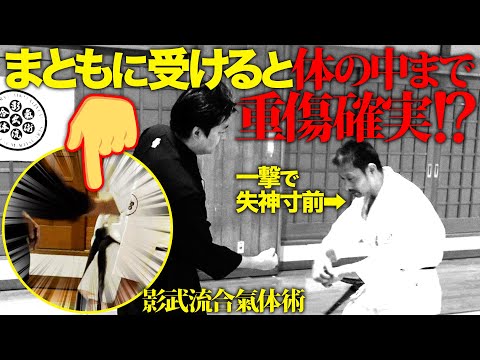
This article is born from the esteemed pages of Monthly Hiden Magazine, June 2022 issue, featuring the foundational Keiburyu striking technique known as "Yoroi Toshi" (Armor Piercer). To truly grasp the depth of this art, it is imperative to engage with both the written word and the visual demonstration. Consider this your invitation to a deeper understanding.

The Principle of "Yoroi Toshi": Piercing the Armor

The core of this discussion lies in the "Yoroi Toshi," a striking technique whose name itself speaks volumes. In an era when warriors donned heavy armor, the ability to strike with devastating penetrative force was paramount. "Yoroi Toshi" is not merely a punch; it is a method, a science of impact designed to bypass the strongest defenses and reach the vital points beneath.

The martial philosophy behind Keiburyu dictates that true power is not brute force, but the precise application of energy. This technique teaches us to generate and direct force with a specific trajectory, ensuring that the impact is not absorbed but rather "pierces" through the target, much like a sharp blade through cloth. This concept challenges the conventional understanding of striking, where power is often equated with mass or speed alone. Here, it is about the *quality* of the impact, the focused intention behind the movement.

Consider the difference between a blunt object hitting a wall and a pointed object. While both exert force, the latter has the potential to penetrate. "Yoroi Toshi" embodies this principle, transforming the practitioner's fist, elbow, or even a fingertip into a focused instrument of impact. It's about understanding the structural weaknesses of an opponent's guard and exploiting them with surgical precision. This requires an intimate knowledge of anatomy and physics, a blend of ancient wisdom and practical application.

"True strength lies not in the muscle, but in the mind. The hand that strikes must be guided by an unwavering will, an intention to penetrate the deepest defenses." - A principle echoing from the Amemiya lineage.

Application Methods: Striking with Intent

How is this "Armor Piercing" power actualized? Keiburyu Aiki Taijutsu offers a sophisticated framework for its application. The technique is not a single, static movement, but a dynamic principle that can be integrated into various striking forms. It emphasizes a "penetrating strike" that continues its trajectory through the target, maximizing the transfer of energy.

This means that the strike doesn't stop at the surface. Whether it's a straight punch, a diagonal strike, or even an elbow, the body mechanics involved are designed to allow the impact to travel *through* the opponent. This requires specific training in hip rotation, core engagement, and the precise alignment of the body's kinetic chain. The goal is to create a shockwave that resonates deep within the opponent's structure, causing disruption and incapacitation.

The teaching of "Yoroi Toshi" involves understanding angles of attack that are less likely to be blocked by conventional guards. It's about targeting vulnerabilities in the opponent's posture and structure, much like a swordsman aims for the gaps in armor. This requires a keen observational skill and the ability to adapt to an opponent's movements in real-time.

The associated article in Monthly Hiden Magazine goes into granular detail on these methods, dissecting the subtle shifts in weight, the specific chambering of the fist, and the exhalation that accompanies the strike. It is this detailed instruction that transforms a basic punch into a technique capable of "piercing the armor."

The "Aiki" of Striking: Unbalancing Your Opponent

But Keiburyu Aiki Taijutsu is not solely about the power of the strike itself. The "Aiki" component is crucial, transforming a mere offensive technique into a tool for control and disruption. "Aiki" is often translated as "harmonizing energy" or "blending," but in this context, it refers to the subtle manipulation of an opponent's balance and structure, often in conjunction with a strike.

The technique known as "Ai no Tsumi" (Striking to Break Balance), as explored in the latter part of the Keiburyu curriculum, exemplifies this. It’s not just about hitting hard; it’s about hitting in a way that destabilizes your opponent, making them vulnerable. Imagine a strike that, instead of just causing pain, subtly redirects their momentum, or causes their own structure to collapse inward. This is the art of "Aiki" applied to striking.

The Amemiya lineage emphasizes striking to the "Tanden," the energetic center of the body. By targeting this core, practitioners can disrupt an opponent's internal balance and energy flow, making them susceptible to further techniques. This is where the "penetrating strike" truly becomes a weapon of profound influence, reaching beyond the physical to affect the opponent's very center of being.

The video series associated with this article, particularly the upcoming "Part 2: Revealing Keiburyu Aiki Taijutsu's 'Aiki Strikes' that Crumble the Tanden," promises to shed even more light on this fascinating aspect. It’s a progression from simple impact to strategic disruption, a hallmark of advanced martial practice.

The Essence of Training: Cultivating the Keiburyu Spirit

Training in Keiburyu Aiki Taijutsu is not just about acquiring a set of techniques; it is about embracing a philosophy. The spirit of the warrior, the dedication to self-improvement, and the respect for tradition are all integral components. The journey requires immense discipline and perseverance.

Practitioners are encouraged to cultivate their inner strength, their "Ki," and to learn how to channel it effectively through their movements. This internal development is as critical as the physical training. The ability to remain calm under pressure, to perceive openings, and to act decisively are all nurtured through rigorous practice and mindful repetition.

The concept of "no-nonsense training" is central. This isn't about flashy moves or performative techniques. It's about developing practical, effective skills that have been refined over centuries. The goal is efficacy, the ability to defend oneself and to overcome an opponent decisively. This requires a commitment to understanding the underlying principles, not just mimicking the outward forms.

"The foundation of all martial arts is the cultivation of the self. Without inner strength, even the most powerful technique is but a hollow echo." - A sentiment deeply embedded in the Budo philosophy.

The emphasis on "home workouts" and "no equipment" training, when applied to the principles of Keiburyu, means that the core of the practice can be developed anywhere, anytime. The body itself becomes the primary tool, and the mind, the ultimate guide.

Sensei's Verdict: Is Keiburyu Aiki Taijutsu a Lost Gem?

Keiburyu Aiki Taijutsu, with its direct lineage to historical martial traditions and its focus on practical, penetrative striking, stands as a significant find in the modern martial landscape. The "Yoroi Toshi" technique, as presented, is a compelling example of how ancient warriors developed methods to overcome even the most formidable defenses.

While the name "Aiki Taijutsu" might conjure images of the softer, more yielding applications seen in some other styles, Keiburyu clearly demonstrates a more direct, impactful approach. The integration of "Aiki" principles to enhance striking power and unbalance opponents suggests a sophisticated understanding of combat dynamics. This isn't just about applying force; it's about applying force intelligently.

The commitment to preserving and updating these ancestral techniques, as championed by Hiroki Amemiya, is commendable. It ensures that vital martial knowledge is not lost to time but continues to evolve and serve practitioners. The emphasis on real-world application and the connection to historical context gives Keiburyu Aiki Taijutsu a profound authenticity.

Overall Rating: A Masterclass in Penetrative Power and Strategic Striking. This is a system that demands respect and further study.

Essential Equipment for Your Training

While Keiburyu Aiki Taijutsu, at its core, emphasizes the use of the body and mind, certain tools can enhance your training journey:

  • Durable Training Uniform (Keikogi): A strong, well-fitting uniform is essential for practicing techniques that involve grappling and close-quarters movement. Look for a double-weave or heavyweight fabric that can withstand rigorous training.
  • Training Mats (Tatami/Yoga Mats): For practicing falls, rolls, and any dynamic movements, protective mats are crucial to prevent injury.
  • Striking Pads or Mitts: To safely practice the "Yoroi Toshi" and other striking techniques with power, a training partner with focus mitts or thai pads is invaluable.
  • Mirror: For self-correction, practicing in front of a mirror allows you to observe your posture, alignment, and technique execution.
  • Training Dummy (Makiwara/Kake): While not strictly necessary, a makiwara can help develop striking power and conditioning for hand techniques.

Resources for Deeper Study

To continue your martial journey and deepen your understanding, I recommend the following:

Frequently Asked Questions

What does "Yoroi Toshi" literally translate to?
"Yoroi Toshi" translates from Japanese to "Armor Piercer."
Is Keiburyu Aiki Taijutsu related to Aikido?
While it shares the "Aiki" in its name and likely some philosophical underpinnings, Keiburyu Aiki Taijutsu emphasizes direct, penetrative striking more than the joint locks and throws typical of mainstream Aikido.
Is this technique suitable for self-defense in modern times?
The principles of precise striking, targeting vulnerabilities, and disrupting an opponent's balance are highly relevant to self-defense. The historical context of overcoming armor suggests a focus on efficacy that transcends specific eras.
How can I start training Keiburyu Aiki Taijutsu?
The best approach is to seek out authorized instructors or dojos that teach this specific lineage. If direct instruction is not available, studying the principles through reputable sources like Monthly Hiden and associated media can provide a strong theoretical foundation.

For Profundizar en tu Camino

Reflexión del Sensei: Tu Próximo Paso

We have journeyed into the heart of Keiburyu Aiki Taijutsu, uncovering the potent "Yoroi Toshi" and its integration with "Aiki." We've seen how a martial art, born in the crucible of feudal Japan, can still offer profound lessons for today's practitioner. But knowledge without application is like a sharp sword left to rust. The true test lies not in understanding these principles, but in embodying them.

Now, I pose this to you: When you next train, whether striking a heavy bag, practicing drills with a partner, or even contemplating a difficult situation, how will you seek to "pierce the armor"? Will you rely on brute force, or will you seek the elegant efficiency that lies at the heart of true Budo? Reflect on this, and let your practice be your answer.

``` GEMINI_METADESC: Explore Keiburyu Aiki Taijutsu's "Yoroi Toshi," a historical striking technique designed to pierce armor. Learn its principles, applications, and integration with Aiki for modern combat.

Henry Cejudo vs. Marlon Moraes: A Masterclass in Combat Strategy at UFC 238

The Unseen War: Beyond the Octagon's Roar

The clash between Henry Cejudo and Marlon Moraes at UFC 238 wasn't just a fight; it was a high-stakes chess match played out with fists, feet, and the formidable power of **wrestling** and **striking**. While the result saw Cejudo victorious, emerging as the new UFC Bantamweight Champion, the true lesson lies not just in the knockout, but in the strategic evolution and the philosophical underpinnings of combat that were on full display. Many fans see only the flash and the fury, the **knockout power** and the **grappling** exchanges, but a true student of the martial way, a **budoka**, looks deeper. They analyze the **mental game**, the **discipline**, and the subtle shifts in momentum that dictate the outcome of such intense **battles**. This wasn't merely a **fight**; it was a testament to decades of rigorous **training** and the relentless pursuit of mastery.

Cejudo's Legacy: From Olympic Gold to MMA King

Henry Cejudo's journey is a saga of dedication that transcends mere athletic achievement. As an Olympic gold medalist in freestyle wrestling, Cejudo brought an unparalleled level of mat control and **explosive takedowns** to the **MMA** arena. His record, a formidable 16-2-0, speaks volumes, but it's his fight IQ and adaptability that truly set him apart. He’s not just a wrestler; Cejudo honed his **striking** skills to a lethal degree, weaving together a potent arsenal of punches, kicks, and knees. He embodies the principle that mastery in one domain can be powerfully amplified when integrated with another. This synergy is the hallmark of a true martial artist, constantly evolving and integrating new knowledge. For those aspiring to excel, consider the importance of a well-rounded **training** regimen. A solid foundation in **wrestling** or **judo**, combined with dynamic **kickboxing** or **Karate** techniques, can create an unstoppable force.

Moraes: The Striking Maestro's Challenge

Marlon Moraes, a Brazilian warrior with a professional record of 22-6-1, arrived at UFC 238 as a seasoned contender, a former WSOF Bantamweight Champion renowned for his exceptional **striking skills**. With 17 wins by KO/TKO, Moraes possessed the kind of fight-ending power that kept opponents constantly on edge. His **defensive skills** were equally impressive, a testament to meticulous **training** designed to nullify an opponent's attack. He made it incredibly difficult for fighters to land clean shots, a crucial aspect of survival and victory in any **combat sport**. The dynamic between Cejudo's wrestling prowess and Moraes's striking excellence set the stage for a classic confrontation, a true test of different martial philosophies.

The Strategic Dance: Deconstructing Cejudo vs. Moraes

The initial exchanges were a strategic dance, a palpable tension filling the arena. Cejudo, true to his roots, immediately sought to close the distance, aiming for the clinch and the inevitable takedown that has defined much of his career. However, Moraes, with his keen understanding of range and timing, displayed superb **takedown defense**. He managed to keep the **fight** standing, a critical objective against a renowned wrestler. The first round saw Moraes utilize his powerful leg kicks, which visibly seemed to impact Cejudo's mobility. This was a smart tactic, aiming to blunt the wrestler's offensive capabilities. Yet, the hallmark of a champion isn't just skill, but the ability to adapt. In the second round, Cejudo made the crucial adjustments. He began to time his entries more effectively, finally breaching Moraes's defenses and securing a takedown. Once on the ground, the dynamic shifted dramatically. Cejudo's control was absolute, his **ground-and-pound** relentlessly targeting Moraes. This phase of the fight underscored a fundamental principle in **Budo**: once you have your opponent where you want them, exploit the advantage with decisive action. The third round saw Cejudo continuing his dominance, blending his wrestling with effective striking. Moraes, though resilient, appeared to be tiring, a common consequence of defending relentless takedowns and absorbing ground strikes. The **ki** flow seemed to be with Cejudo. The decisive moment arrived in the fourth round. Cejudo landed a powerful knee strike that sent Moraes crashing to the canvas. This was the **knockout** that fans craved, the definitive punctuation to a masterful performance. The follow-up ground strikes led to the referee's stoppage, crowning Cejudo the new champion. This victory wasn't just about raw power; it was about strategic evolution, demonstrating that even a fighter known for one discipline can conquer another with dedication and intelligent application of skills.

Veredicto del Sensei: ¿Merece la pena?

This **fight** is a prime example of how a well-rounded martial artist, who understands the interplay between different disciplines, can overcome specialized talent. Cejudo's victory over Moraes is a **lesson in strategy**, showcasing the importance of adaptability and the integration of **wrestling** and **striking**. For any **martial arts** enthusiast, this bout is a must-watch, not just for the excitement, but for the deep tactical insights it offers. It’s a clear demonstration that while **specialization** has its merits, true mastery lies in the ability to blend and adapt. Cejudo earned his **Cinturón Negro en Combate Estratégico**.

Equipo Esencial para tu Entrenamiento

To emulate the dedication and skill displayed by these warriors, the right **equipment** is paramount. Whether you're focusing on **wrestling**, **striking**, or a blend of disciplines, investing in quality gear is an investment in your own **training** and safety.
  • Guantes de MMA: Look for gloves that offer a good balance of protection for striking and dexterity for **grappling**. 16oz gloves are generally recommended for sparring sessions to ensure adequate padding.
  • Kimono de Judo o Jiu-Jitsu: For those focusing on ground **fighting** and **wrestling**, a durable, double-weave kimono (gi) is essential. It needs to withstand the rigors of constant pulling and grappling.
  • Protector Bucal: Non-negotiable for any form of sparring or intense **training**. Protect your teeth and jaw.
  • Espinilleras y Guantes de Kickboxing/Karate: If your **training** leans more towards **striking**, invest in proper shin guards and sparring gloves to prevent injuries.
  • Protector Genital: A vital piece of **equipment** for all male practitioners involved in any combat sport.
For those looking to deepen their understanding of martial principles, consider exploring foundational texts. The wisdom within books like "The Book of Five Rings" by Miyamoto Musashi offers insights that are as relevant to the **Octagon** as they are to any **battlefield**.

Guía de Entrenamiento: Integrando Wrestling y Striking

Aspiring fighters often struggle to bridge the gap between **wrestling** and **striking**. This exercise, inspired by the strategic shifts seen in Cejudo's performance, aims to improve your transitions and overall combat effectiveness.
  1. Warm-up (15 mins): Begin with dynamic stretching and light cardio. Focus on movements that simulate both striking and wrestling actions – hip rotations, leg swings, arm circles, torso twists.
  2. Striking Drills (10 mins): Practice combinations like jab-cross-hook, followed by a low kick. Focus on footwork and maintaining a balanced stance. Alternate between offensive drills and defensive drills (e.g., slipping punches, blocking kicks).
  3. Wrestling Entries (10 mins): Practice level changes and shooting for double-leg or single-leg takedowns. Focus on explosiveness and driving through the takedown. Imagine you are attacking a stationary opponent.
  4. Transition Drills (15 mins): This is the core of the drill.
    • Start in a striking stance. Throw a combination (e.g., jab-cross). As your opponent (or a partner) attempts to defend or counter, immediately transition into a takedown attempt.
    • If the takedown is defended, immediately pop back up to your striking stance and prepare to strike.
    • Alternatively, if you are taken down, practice effective get-ups (e.g., technical stand-up) while defending against ground-and-pound or submissions.
    • Work on clinching from striking range, transitioning to knees or elbows, and then potentially to a takedown if the opportunity arises.
  5. Sparring (10 mins): Engage in light, controlled sparring, focusing specifically on making these transitions. Don't worry about winning; focus on executing the *transition* from striking to wrestling and back.
  6. Cool-down and Stretching (5 mins): Static stretching, holding each stretch for 30 seconds.
Remember, consistency is key. Integrating these phases smoothly takes time and dedicated practice. The goal is to make these transitions second nature, a fluid response rather than a conscious decision.

Future Fights: What Lies Ahead?

Cejudo's victory was a crowning achievement, leading him to announce his retirement – a decision that, while understandable, left fans yearning for more. Yet, his hints at a potential return keep the flame of possibility alive. The UFC landscape is always shifting, and a fighter of Cejudo’s caliber can never truly be counted out. His legacy is secure, but the allure of one more **fight** often calls to the warrior’s spirit. For Marlon Moraes, this loss represents not an end, but a challenging crossroads. He remains a formidable force in the Bantamweight division, possessing the skills and the heart to bounce back. His journey will be watched closely, as he seeks to re-establish himself against the division's top contenders. Who will be his next opponent? This uncertainty is part of the thrill of **combat sports**. The path to redemption is often harder than the initial climb, but it yields a far greater reward.

Preguntas Frecuentes

What is Henry Cejudo's primary martial arts background?

Henry Cejudo is an Olympic gold medalist in freestyle **wrestling**. This background heavily influences his **MMA** style, focusing on takedowns and control.

How did Marlon Moraes typically win his fights?

Marlon Moraes is known for his exceptional **striking skills**, with a significant number of his wins coming by KO/TKO.

Was the fight between Cejudo and Moraes a close contest?

While Moraes displayed resilience and dangerous striking, Cejudo's strategic adjustments and **wrestling** advantage allowed him to gain control, ultimately leading to a TKO victory in the fourth round.

What does "TKO" mean in MMA?

TKO stands for Technical Knockout. It occurs when the referee stops the **fight** because one fighter is deemed unable to safely continue, even if they are not fully unconscious.

Does Cejudo's retirement mean he will never fight again?

While Cejudo has announced retirement, he has also hinted at a possible return. The world of **martial arts** often sees champions make comebacks.

Para Profundizar en tu Camino

  • BUDO: Explore the broader philosophy and principles behind martial disciplines.
  • MMA: Dive deeper into the world of Mixed Martial Arts, its history, and its stars.
  • DefensaPersonal: Understand how techniques learned in sports translate to real-world self-defense scenarios.

Reflexión del Sensei: Tu Próximo Paso

Cejudo conquered the **Octagon** by blending his wrestling dominance with sharpened striking. He didn't just fight; he strategized, he adapted, he overcame. This is the essence of true martial artistry. It is not merely about possessing skills, but about knowing *when* and *how* to apply them, and importantly, how to evolve when faced with adversity. So I ask you, my students, and all who seek mastery: When you face your own challenges – be it on the mat, in the ring, or in the complex arenas of life – do you adapt, or do you crumble? Do you possess the foresight to shift your strategy when your initial approach falters, or do you cling to a failing method with the stubbornness of a novice? The true warrior doesn't just throw punches; they understand the rhythm of the battle, the ebb and flow of power, and can transition seamlessly from attack to defense, from strategy to instinct. Consider this your **koan** for the week. ``` ```json { "@context": "https://schema.org", "@type": "FAQPage", "mainEntity": [ { "@type": "Question", "name": "What is Henry Cejudo's primary martial arts background?", "acceptedAnswer": { "@type": "Answer", "text": "Henry Cejudo is an Olympic gold medalist in freestyle wrestling. This background heavily influences his MMA style, focusing on takedowns and control." } }, { "@type": "Question", "name": "How did Marlon Moraes typically win his fights?", "acceptedAnswer": { "@type": "Answer", "text": "Marlon Moraes is known for his exceptional striking skills, with a significant number of his wins coming by KO/TKO." } }, { "@type": "Question", "name": "Was the fight between Cejudo and Moraes a close contest?", "acceptedAnswer": { "@type": "Answer", "text": "While Moraes displayed resilience and dangerous striking, Cejudo's strategic adjustments and wrestling advantage allowed him to gain control, ultimately leading to a TKO victory in the fourth round." } }, { "@type": "Question", "name": "What does \"TKO\" mean in MMA?", "acceptedAnswer": { "@type": "Answer", "text": "TKO stands for Technical Knockout. It occurs when the referee stops the fight because one fighter is deemed unable to safely continue, even if they are not fully unconscious." } }, { "@type": "Question", "name": "Does Cejudo's retirement mean he will never fight again?", "acceptedAnswer": { "@type": "Answer", "text": "While Cejudo has announced retirement, he has also hinted at a possible return. The world of martial arts often sees champions make comebacks." } } ] }

Michelle Waterson's Striking Power: A Martial Arts Masterclass

The echo of a well-placed kick, the explosive power of a lightning-fast jab – these are the hallmarks of martial arts mastery. But what happens when the raw talent of a fighter meets the disciplined elegance of traditional arts, all within the modern crucible of mixed martial arts? Today, we delve into the striking prowess of Michelle Waterson, a fighter whose journey from the dojo to the Octagon offers a compelling case study in the evolution of martial arts application.

Michelle Eileen Waterson, born January 6, 1986, is more than just a mixed martial artist and model; she's a testament to the enduring principles of martial discipline in the face of contemporary combat. As a former Invicta FC Atomweight Champion and a consistent presence in the UFC's rankings, Waterson's career is a narrative of dedication and strategic application of her diverse skillset. Her ascent, including being ranked the No. 1 women's atomweight fighter globally, speaks volumes about her ability to translate training into tangible success.

Introduction: The Striking Philosophy

The art of striking in martial arts is often seen as the most visceral, the most immediate form of combat. Yet, beneath the surface of punches and kicks lies a profound philosophy. It's about timing, distance, intention, and the cultivation of power that stems not just from physical strength, but from a unified mind and body. Michelle Waterson embodies this duality. Her fights are not merely exchanges of blows; they are strategic battles of wills, where each strike carries the weight of years of rigorous training and a deep understanding of her craft.

The Roots of "The Karate Hottie"

Waterson's martial arts journey is deeply rooted in tradition. She holds a black belt in American Freestyle Karate, a system that often emphasizes dynamic kicking techniques and strong stances, providing a solid foundation for her offensive capabilities. However, Waterson's development didn't stop there. Her willingness to cross-train in Wushu, Muay Thai, Brazilian Jiu-Jitsu, boxing, and wrestling showcases a modern martial artist's understanding that true effectiveness in mixed martial arts requires a broad and adaptable skillset. This eclectic background is crucial; it’s what allows her to seamlessly blend different ranges of combat and adapt to various opponents.

"To have faith is to trust yourself to the water. When you swim you don't grab hold of the water, because if you do you will surely sink and drown. Instead you relax, and float, and allow the water to hold you." - Alan Watts. This philosophy, though spiritual, mirrors the martial artist's need to surrender to the flow of combat, to not fight the moment but become one with it. Waterson's fluid movement is a testament to this principle.

Deconstructing Waterson's Striking Arsenal

Waterson's striking is characterized by its fluidity, precision, and deceptive power. Her Karate background is evident in her dynamic kicking techniques – spinning kicks, side kicks, and roundhouse kicks delivered with speed and accuracy. She doesn't just throw kicks; she uses them to control distance, set up combinations, and exploit openings. Her Muay Thai training adds knees and elbows, and importantly, effective clinch work, allowing her to disrupt an opponent's rhythm and land damaging blows in close quarters.

From her boxing training, Waterson incorporates sharp punches – straight rights, hooks, and uppercuts – often delivered with impeccable timing. What sets her apart is her ability to seamlessly transition between these disciplines. A Karate-style leg sweep might flow into a boxing combination, or a Muay Thai clinch might lead to a powerful knee strike. This versatility is a hallmark of effective striking in the modern era, particularly in MMA, where opponents are rarely one-dimensional.

Furthermore, her background in Wushu, known for its acrobatic movements and emphasis on speed and agility, likely contributes to her evasive footwork and ability to generate power from unusual angles. This isn't just about physical technique; it's about understanding biomechanics and leverage. The power behind her strikes comes from coordinated hip rotation, core engagement, and a transfer of weight that maximizes impact. It's a symphony of motion, honed through countless hours of practice and sparring.

The Danger of the Head Kick

One of Waterson's signature weapons is her ability to land head kicks, a technique that requires not only flexibility and power but also exceptional timing and the ability to create an opening. This is where her strategic mind comes into play. She often uses feints, level changes, or body kicks to draw her opponent’s guard down, creating the perfect moment to unleash a high kick.

Seamless Punch Combinations

While her kicks are spectacular, her boxing combinations are equally effective. Waterson is adept at stringing together punches with deceptive speed. She can go from a jab-cross to a hook or uppercut, keeping her opponents guessing and often overwhelming them with the sheer volume and accuracy of her attacks. Her ability to cut angles and strike from unexpected positions makes her a difficult target to track and counter.

Effective Clinch and Striking Integration

The integration of her Muay Thai and wrestling training is evident in her clinch work. Rather than just holding, Waterson uses the clinch to control her opponent, deliver sharp knees, and set up trips or takedowns. She understands that the clinch is not just a transition phase but an offensive opportunity in itself, capable of wearing down an opponent and creating openings for more significant damage.

Beyond the Strikes: The Budo Mindset

The efficacy of Waterson's striking isn't solely a matter of technique; it's deeply intertwined with the philosophy of Budo – the Japanese martial way. Budo emphasizes not just physical prowess but also mental fortitude, discipline, and character development. This is where the concept of Mushin, or "no mind," becomes relevant. It's a state of mind where the martial artist acts instinctively, without hesitation or conscious thought, reacting perfectly to any situation. Waterson's ability to adapt and execute under pressure suggests a mind that has been trained to achieve this state.

"Karate is a martial art, not a sport. Karate is for self-defense. A karate man must train himself to be as fast as thought and as precise as a needle." - Gichin Funakoshi. While Waterson competes in MMA, this core principle of karate – speed, precision, and defensive intent – still informs her approach to striking.

The discipline required to master multiple martial arts disciplines, to maintain peak physical condition, and to repeatedly step into the cage, facing formidable opponents, speaks to an inner strength that transcends mere physical training. This is the essence of the Warrior Philosophy: resilience, perseverance, and an unwavering commitment to self-improvement. Her journey is a powerful example for anyone seeking to cultivate discipline in their own lives, whether on the mat or in their daily pursuits.

Guiding Your Striking Development

For aspiring martial artists looking to develop their striking, Waterson's career offers a blueprint. It's not just about drilling punches and kicks repeatedly; it's about understanding the principles behind them and integrating them into a cohesive fighting style.

Foundational Drills

Start with the basics. Master your stance, your footwork, and your fundamental punches and kicks. Focus on proper form and technique before even thinking about power. This builds a solid base for more complex movements.

  1. Stance and Balance: Practice holding a stable, balanced stance for extended periods. Ensure your weight is distributed correctly to allow for both offensive and defensive movements.
  2. Jab and Cross: Develop a powerful and accurate jab, followed by a straight cross. Focus on hip and shoulder rotation for maximum velocity.
  3. Roundhouse Kick: Practice chambering your knee, pivoting your supporting foot, and extending your kicking leg with a snapping motion.

The Role of Sparring

Sparring is where theory meets practice. It's crucial for developing timing, distance management, and reaction speed. However, sparring should always be conducted with control and respect for your training partners. The goal is to learn, not to inflict unnecessary damage.

  1. Controlled Sparring Rounds: Engage in sparring sessions with partners of similar skill levels. Focus on implementing techniques learned in drills rather than "winning."
  2. Varying Range Practice: Incorporate drills that transition between different ranges – striking, clinching, and grappling – to simulate real combat scenarios.

Embrace Cross-Training

Like Waterson, don't limit yourself to one art. Explore different disciplines. Learning Brazilian Jiu-Jitsu will deepen your understanding of grappling and submissions, which in turn can inform your striking by showing you how to create openings for takedowns or defend against them. Studying Muay Thai will refine your clinch game and add devastating elbow and knee strikes to your arsenal.

  1. Beginner Jiu-Jitsu: Seek out a reputable BJJ school and learn the fundamental positions and escapes.
  2. Muay Thai Basics: Focus on developing solid offensive and defensive techniques for the clinch, as well as powerful knee and elbow strikes.

Veredicto del Sensei: A Fighter's Testament

Michelle Waterson is more than just a fighter; she's an artist of combat. Her ability to blend the precision of Karate, the power of Muay Thai, and the strategic depth of MMA into a fluid, effective striking game is commendable. She demonstrates that mastery in one discipline can serve as a powerful springboard for excellence in many. While her official records and rankings speak for themselves, it's her demonstrated willingness to evolve, adapt, and integrate diverse martial traditions that truly earns her the respect of any seasoned practitioner. She is a living embodiment of how traditional martial arts can not only survive but thrive in the demanding arena of modern combat sports. Her journey isn't just about winning fights; it's about the continuous pursuit of martial perfection.

Essential Gear for Your Training

To emulate the dedication and effectiveness of fighters like Michelle Waterson, having the right equipment is crucial. Quality gear not only protects you but also enhances your training experience. Here’s a look at some essentials:

  • Boxing Gloves: For striking practice and sparring, a good pair of 16oz gloves is a standard for safety and effectiveness. Brands like Adidas or Venum offer reliable options.
  • Shin Guards: Essential for Muay Thai and kickboxing training to protect your shins from kicks and allow for more intense sparring.
  • Mouthguard: Non-negotiable for any form of sparring to protect your teeth and jaw.
  • Training Shoes: Lightweight, flexible shoes with good grip are vital for footwork drills and striking.
  • Karate Gi: If you're focusing on the Karate fundamentals, a durable Karate Gi is necessary. Consider a double-weave for added longevity.
  • MMA Gloves: Lighter than boxing gloves, these allow for grappling and ground control while still offering knuckle protection.

Frequently Asked Questions

What martial arts does Michelle Waterson primarily train?
Michelle Waterson holds a black belt in American Freestyle Karate and has cross-trained extensively in Wushu, Muay Thai, Brazilian Jiu-Jitsu, boxing, and wrestling.
Is Michelle Waterson still active in the UFC?
As of recent information, Michelle Waterson has competed in the UFC. Her career continues to evolve, and fans eagerly anticipate her next matchups.
What makes her striking style effective in MMA?
Her effectiveness stems from her ability to fluidly integrate techniques from various martial arts, her precision, timing, and deceptive power, making her unpredictable for opponents.
Is Karate still relevant in modern MMA?
Absolutely. While MMA demands a broad skillset, the fundamental principles of Karate – discipline, precision, powerful strikes, and tactical footwork – provide a strong foundation and can be adapted effectively within an MMA context, as Waterson demonstrates.
How can I start training striking martial arts?
Begin by finding a reputable dojo or gym that teaches the martial art you are interested in. Start with the fundamentals, be consistent with your training, and consider cross-training as you progress.

For Deeper Insights into Your Journey

Reflexión del Sensei: Tu Próximo Paso

Waterson's career is a living testament to the power of adaptation and the enduring relevance of martial arts principles. But is this constant evolution of styles the ultimate path to victory, or does it dilute the purity of the original arts? Where do you stand on the spectrum between specialization and generalization in combat sports? Analyze your own training. Are you merely practicing techniques, or are you truly cultivating the martial way?

``` GEMINI_METADESC: Explore Michelle Waterson's striking mastery in MMA. Analyze her Karate, Muay Thai, and BJJ integration, and the Budo philosophy shaping her fights.