Showing posts sorted by relevance for query self-mastery. Sort by date Show all posts

The Unveiled Spirit: A Deeper Look at Okinawan Tee Karate Through 'Tee Documentary'

A question that echoes through countless dojos and training halls: what truly defines a martial art? Is it the ferocity of a knockout, the elegance of a kata, or the depth of its philosophical underpinnings? Many modern interpretations of Karate have become so fixated on the *winning*, on the external validation of competition, that they risk losing the very essence of what these ancient disciplines were designed to cultivate. Today, we turn our analytical gaze not to the glitz of a championship bout, but to a documentary that promises to peel back the layers and reveal the raw, transformative power of Okinawan Tee.
This isn't about whether Karate *can* be a sport; it demonstrably is. This is about understanding its roots, its original purpose, and for many, its most profound application: the arduous, often uncomfortable, journey of **Self-Mastery**. Are you truly ready to confront your own limitations, or are you merely seeking another trophy for the mantlepiece? Let's dissect this journey.

Discovering Tee: A Quest for Self-Mastery

The documentary plunges us into the heart of Okinawa, the birthplace of Karate, to explore **Tee**. Immediately, the narrative sets itself apart. While modern Karate, particularly in its sporting permutations, often prioritizes the *external* victory – defeating an opponent, earning points, winning medals – Tee is presented as an introspective discipline. It’s a path inward, a rigorous exploration of the self. This distinction is crucial for any serious martial artist to grasp. The goal isn't just to *look* proficient; it's to *be* proficient, on every level. The film follows an Englishman and an Italian, individuals presumably drawn by the allure of authentic martial arts tradition. Their presence underscores a global phenomenon: the migration of thousands annually to Okinawa, seeking not just physical techniques but a deeper understanding. This isn't a casual pursuit; it's a commitment. The documentary highlights that practitioners aren't chasing fleeting glory in tournaments. Instead, they dedicate themselves to **self-mastery**, a pursuit that demands relentless pushing of both physical and mental boundaries. This is where the true value of martial arts lies for many seasoned practitioners – in the crucible of training, one finds their true measure.
"The essence of Karate is not in the victory, but in the striving for perfection." - A common adage, but one Tee seeks to embody.
This emphasis on intrinsic motivation resonates deeply with the core tenets of **#BudoLife**. It separates the genuine disciple from the dilettante. The true martial artist understands that every practice session, every drop of sweat, is an investment in oneself, not merely a means to an external end.

The Journey Within: Struggles and Triumphs

The narrative of the documentary centers around a transformative summer for its protagonists. This isn't presented as a smooth, effortless acquisition of skills. No, this is where the steel is forged. The film showcases the protagonists confronting "personal challenges" and "inner demons." This is the gritty reality of deep martial arts training. It’s messy. It’s uncomfortable. It forces you to face the aspects of yourself you’d rather ignore. The dedication, discipline, and resilience required are not just buzzwords here; they are the very currency of progress. The film makes a vital point: the path of martial arts is *not* solely about physical combat. This is a critical juncture. While techniques for **#CombateEnLaCalle** or **#ArtesMarcialesMixtas** are valuable, they are only one facet. Tee, as depicted, emphasizes honing one's character, cultivating humility – a quality often in short supply in competitive circles – and developing that elusive **#MindBodyConnection**. This holistic approach is what elevates a martial artist from a mere fighter to a refined individual. Imagine the sheer willpower needed to execute a technique perfectly, not because the crowd is cheering, but because the internal standard demands it. This is the **#InnerStrength** that Tee cultivates. It’s the quiet resolve that allows one to stand firm, not just against an opponent, but against doubt, fear, and laziness.

Martial Philosophy: The Essence of Tee

Here, the documentary delves into the philosophical heart of Tee. It's described as a unique blend of physical techniques and profound **#MartialPhilosophy**. This fusion is the hallmark of true **#BUDO**. The principles of harmony, balance, and respect are not mere pleasantries; they are foundational. * **Harmony**: Understanding how your body moves with intention, how your actions integrate with your environment. * **Balance**: Not just physical equilibrium, but mental and emotional stability. The ability to remain centered amidst chaos. * **Respect**: For your training partners, your instructors, the art itself, and crucially, for yourself. These principles are presented as transferable, applicable to "all aspects of life." This is the transformative power that draws so many to disciplines like **#OkinawanKarate**. It's about developing discipline, self-control, and a clear sense of purpose that extends far beyond the dojo walls. By immersing themselves in Tee, the protagonists don't just learn to punch and block; they uncover "hidden strengths" and gain "invaluable insights into the nature of existence." This is the enlightened path that separates superficial training from genuine **#SelfMastery**.
"Karate ni sente nashi" – "There is no first strike in Karate." This principle, deeply embedded in the philosophy of Karate, speaks volumes about the ethos of respect and control that traditional arts aim to instill. Tee embodies this.
For those interested in the **#KarateSpirit**, understanding this philosophical bedrock is paramount. It's the difference between performing movements and embodying principles.

Community and Camaraderie

Martial arts, at their best, are inherently communal. Tee is no exception. The documentary illustrates how this practice transcends cultural and geographical divides, fostering a powerful sense of **#CommunityOfWarriors**. The protagonists, far from home, find connection and support among fellow practitioners in Okinawa. These aren't just training partners; they form "deep bonds and lifelong friendships." This shared journey amplifies the individual experience. It reinforces the idea that while personal growth is central, it is often nurtured and solidified within a supportive collective. This is why forums and communities centered around **#MartialArtsCommunity** are so vital. They provide a space for shared learning, encouragement, and the collective pursuit of excellence. The struggle is individual, but the support network is communal.

Join the Tee Movement: Embrace Your Inner Warrior

The documentary aims to inspire. After witnessing the transformative experiences depicted, the implicit call to action is clear: embrace your own **#WarriorPhilosophy**. The "Tee movement" represents more than just a specific style of Karate; it signifies a commitment to a path of self-discovery and personal development through rigorous martial practice. The blog, **BYAM Budo y Artes Marciales**, is positioned as a resource for those inspired by this journey. It’s a place to "delve deeper into the world of martial arts," offering a "treasure trove of knowledge, techniques, and philosophies." This aligns perfectly with the goal of fostering a vibrant online **#MartialArtsCommunity**, where enthusiasts can share, learn, and grow together.

Equipment Essential for Your Training

While Tee emphasizes the internal, certain foundational tools can significantly enhance your training journey. Investing in quality gear not only ensures comfort and safety but also demonstrates respect for the art.
  • High-Quality Karate Gi: Look for a durable, double-weave cotton gi that allows for full range of motion and can withstand rigorous training. Brands like Shureido or Tokaido are often favored by practitioners of traditional Okinawan styles.
  • Traditional Okinawan Kobudo Weapons (Optional): If your training incorporates weapons (Bo, Sai, Tonfa, Nunchaku), ensure they are well-crafted and balanced for effective practice.
  • Makiwara: A traditional striking post used for developing power, conditioning the hands, and refining striking technique. Essential for authentic Karate practice.
  • Comfortable Training Mats: For floor work, breakfalls, and groundwork, ensuring a safe and supportive surface is crucial.
For those seeking to deepen their understanding of Karate history and philosophy, consider acquiring some foundational texts. Books such as "Bubishi" or comprehensive guides on Okinawan Karate history can provide invaluable context. Investing in good **#KarateMerchandise** is an investment in your journey.

Frequently Asked Questions

What is the difference between Tee and modern Karate?

Tee emphasizes self-mastery, personal growth, and philosophical depth, whereas many modern Karate styles focus more on competitive sport, external victories, and combat effectiveness.

Why do so many people travel to Okinawa to learn Karate?

Okinawa is the birthplace of Karate. Practitioners seek the authentic traditions, the deeper philosophical teachings, and the direct lineage from the masters who developed and preserved these arts.

Is Tee suitable for self-defense?

Yes. While its primary focus is internal development, the discipline, awareness, and physical conditioning cultivated through Tee provide a strong foundation for practical self-defense. The principles learned transcend mere combat techniques.

How can I start practicing Tee if I live outside Okinawa?

Seek out reputable dojos that specifically teach Okinawan Karate styles (e.g., Goju-ryu, Shorin-ryu, Uechi-ryu) and prioritize instructors who emphasize the traditional philosophy and self-development aspects over purely sport-oriented training.

For Deeper Exploration

This documentary touches upon the profound impact of martial arts. If you're captivated by the transformative power of discipline and physical practice, you might find value in exploring these related topics on our blog:

Conclusion: The True Spirit Embodied

"Tee Documentary" offers a vital perspective, reminding us that the most profound battles are often fought within. It champions the **#MartialArtsJourney** as a path of **#SelfMastery**, where discipline, resilience, and philosophical understanding are the true victories. Tee, as the documentary illustrates, is more than just a method of combat; it is a comprehensive system for personal transformation, fostering not only a strong body but an unshakeable spirit. It is the embodiment of the **#KarateSpirit** in its purest form.

Sensei's Reflection: Your Next Step

The documentary shows individuals confronting their limitations. What is the single greatest limitation you currently face in your own martial arts training, and how can you begin to dismantle it, not by seeking external validation, but by turning your gaze inward, as the practice of Tee demands? ```json { "@context": "https://schema.org", "@type": "FAQPage", "mainEntity": [ { "@type": "Question", "name": "What is the difference between Tee and modern Karate?", "acceptedAnswer": { "@type": "Answer", "text": "Tee emphasizes self-mastery, personal growth, and philosophical depth, whereas many modern Karate styles focus more on competitive sport, external victories, and combat effectiveness." } }, { "@type": "Question", "name": "Why do so many people travel to Okinawa to learn Karate?", "acceptedAnswer": { "@type": "Answer", "text": "Okinawa is the birthplace of Karate. Practitioners seek the authentic traditions, the deeper philosophical teachings, and the direct lineage from the masters who developed and preserved these arts." } }, { "@type": "Question", "name": "Is Tee suitable for self-defense?", "acceptedAnswer": { "@type": "Answer", "text": "Yes. While its primary focus is internal development, the discipline, awareness, and physical conditioning cultivated through Tee provide a strong foundation for practical self-defense. The principles learned transcend mere combat techniques." } }, { "@type": "Question", "name": "How can I start practicing Tee if I live outside Okinawa?", "acceptedAnswer": { "@type": "Answer", "text": "Seek out reputable dojos that specifically teach Okinawan Karate styles (e.g., Goju-ryu, Shorin-ryu, Uechi-ryu) and prioritize instructors who emphasize the traditional philosophy and self-development aspects over purely sport-oriented training." } } ] }

Judo: More Than Just Throws – The Unsung Hero of Practical Self-Defense

Let's confront a misconception that festers in the minds of many: the notion that Judo, stripped of explosive kicks and thunderous strikes, is somehow less effective for genuine self-defense. This is a flawed perspective, born from a superficial understanding of combat. As a seasoned practitioner and critic of martial arts and their cinematic portrayals, I can tell you that beneath its graceful throws and intricate holds lies a profound system forged for real-world application. Forget the flashy theatrics; we're talking about the cold, hard science of controlling an adversary.

The Grappling Advantage: Why Throws Trump Strikes in Close Quarters

Judo, born from the brilliant mind of Jigoro Kano, is often misunderstood. Many dismiss it as a "sport" art, lacking the "killer instinct" they associate with self-defense. This is a critical error. Judo's power lies precisely in its focus on grappling, throws, joint locks, and chokes. In the chaotic reality of a street encounter, distance is a luxury you rarely have. A sudden rush, a grab, and you're in the clinch. This is where Judo excels. While a punch might be blocked, a well-executed Osoto Gari (Major Outer Reaping) or Seoi Nage (Shoulder Throw) can incapacitate an attacker by exploiting gravity and leverage. It's about control, not just damage. Unlike striking arts where a missed blow can leave you vulnerable, Judo techniques aim for a swift resolution, often by taking the fight to the ground or immobilizing the opponent.

Consider the physics: using an opponent's weight and momentum against them is far more efficient than generating your own force against resistance. This is the essence of Judo's efficacy. It teaches you to dismantle an attack by controlling the attacker's base and balance. This is not mere sport; it's applied biomechanics honed over decades.

"The ultimate aim of Karate is not victory or defeat, but the perfection of the character of its participants." - Gichin Funakoshi. While this speaks to Karate, the principle of self-perfection through martial practice is universal. Judo, too, seeks this refinement, but its path is through control and leverage.

Beyond Competition: Judo's Street-Smart Philosophy

A common criticism leveled against many traditional martial arts is their perceived detachment from real combat scenarios. However, Judo, despite its competitive nature, retains a strong foundation in Kano's original intent: "Seiryoku Zen'yo" (Maximum Efficiency, Minimum Effort) and "Jita Kyoei" (Mutual Welfare and Benefit). This philosophy translates directly to self-defense. It's not about inflicting gratuitous harm, but about neutralizing a threat with the least amount of force necessary. Judo practitioners are trained to read an opponent's movements, anticipate their intent, and exploit the slightest imbalance.

Think about it: if an aggressor charges, your instinct shouldn't be to stand and trade blows, but to redirect that energy. A Judo throw can turn an attacker's forward momentum into a debilitating fall. Joint locks like the Juji Gatame (Armbar) or chokeholds like the Hadaka Jime (Rear Naked Choke, though less emphasized in modern sport Judo than in BJJ or self-defense contexts) can subdue an attacker quickly and efficiently, without resorting to strikes that might escalate the violence unnecessarily or lead to legal repercussions.

This emphasis on practical control makes Judo a powerful tool for self-protection. It teaches you to manage the distance, break grips, and, when necessary, take the fight to a controlled ground environment where size and strength disadvantages can be significantly mitigated.

The Universal Warrior: Judo for Every Body

One of Judo's most remarkable strengths, often overlooked in discussions about self-defense efficacy, is its profound adaptability. In a world obsessed with the archetype of the hulking fighter, Judo reminds us that effective self-defense is not solely dependent on brute strength. Jigoro Kano designed Judo to be accessible to everyone, regardless of age, gender, or physical condition. This is a crucial aspect often missing in discussions comparing martial arts for self-defense. Can a smaller individual effectively defend against a larger, stronger assailant?

With Judo, the answer is a resounding yes. Techniques are built upon principles of leverage, timing, and balance. A smaller practitioner can learn to use their opponent's size and weight against them, executing throws and pins that would be impossible through sheer strength alone. This principle is fundamental and can be seen in sports like Judo and BJJ, where technique consistently triumphs over raw power.

Whether you are a young student learning discipline or a senior seeking to maintain physical and mental acuity, Judo offers a path. It builds functional strength, cardiovascular endurance, and flexibility – all essential components of effective self-defense. Unlike some arts that demand extreme athleticism from the outset, Judo's progression is structured to cultivate these attributes progressively.

Building Inner Strength: The Psychological Edge of Judo

Beyond the physical techniques, Judo cultivates a powerful inner fortitude. The rigorous training, the discipline required to master complex movements, and the constant challenge of facing stronger opponents all forge a resilient mindset. This translates directly into self-defense confidence. A person who has trained diligently in Judo is not only physically capable but also mentally prepared.

This is where the concept of Ki (or Qi) subtly plays a role, not in a mystical sense, but in understanding body mechanics and presence. A confident stance, controlled breathing, and an aware demeanor can often deter potential aggressors. Judo teaches practitioners to be aware of their surroundings, to project an aura of control rather than fear. This heightened awareness, coupled with the knowledge that you possess the skills to defend yourself if necessary, significantly reduces vulnerability.

The journey of learning Judo is a constant lesson in overcoming limitations. Each successful throw, each successfully applied submission, builds self-efficacy. This isn't about aggression; it's about self-mastery, a core tenet of BUDO. The ability to remain calm under pressure, to think clearly when physically challenged, is invaluable in any high-stress situation, especially a physical confrontation.

The Art of the Encounter: Timing, Boundaries, and Control

Effective self-defense is not just about knowing techniques; it's about understanding when and how to apply them. Judo instills a keen sense of timing and an understanding of personal space and boundaries. In a confrontation, the ability to read the aggressor's intent and react at the opportune moment is paramount. Judo training sharpens this intuitive sense.

You learn to recognize the signs of an impending attack, the subtle shifts in weight, the aggressive posture. This allows you to act preemptively, perhaps by establishing a dominant grip or initiating a controlled throw before the attacker can fully commit. Furthermore, Judo teaches the concept of establishing and maintaining control. Whether through pins on the ground or sweeping throws, the goal is to neutralize the threat and regain safety.

Practicing these scenarios in a safe, controlled environment like a dojo allows individuals to develop the reflexes and decision-making skills needed for real-world application. It's about building muscle memory and mental fortitude so that when faced with a genuine threat, your trained response takes over, ensuring you can defend yourself effectively and with appropriate force.

Veredict of the Sensei: Is Judo King of Self-Defense?

Let me be unequivocal: Judo is an exceptional martial art for practical self-defense. While arts like Combat Sports, MMA, or Krav Maga might offer more direct, immediate "combat" applications, Judo's strength lies in its ability to control, incapacitate, and neutralize threats through leverage and technique, often without causing severe, potentially lethal, injury. Its emphasis on taking an opponent down and controlling them on the ground is incredibly effective. Is it the *only* effective art? Absolutely not. But is it a foundational and highly potent system for self-protection? Without a doubt. It teaches discipline, respect, physical conditioning, and most importantly, how to manage conflict through superior technique and strategy. For those seeking a well-rounded, adaptable, and highly effective self-defense system, Judo stands as a powerful choice.

Essential Gear for Your Judo Training

To embark on your Judo journey and train effectively, certain equipment is essential. While the emphasis is on technique, proper attire and safety gear will enhance your learning and protect you during practice.

  • Judogi (Uniform): A durable, heavy-duty cotton uniform specifically designed for Judo. Look for double-weave or reinforced stitching, especially around the lapels and seams, to withstand the rigors of grappling. Brands known for quality Karate and Judo uniforms are a good starting point.
  • White Belt: Initially, a standard white belt will signify your beginner status. As you progress, you will earn colored belts denoting your rank.
  • Optional (for conditioning): While not strictly required for basic Judo, if you incorporate conditioning exercises, consider items like jump ropes for cardiovascular fitness or resistance bands for strength training.

Training Guide: Mastering the Uchi-mata

The Uchi-mata (Inner Thigh Throw) is a dynamic and powerful throwing technique in Judo. It requires timing, balance, and coordinated movement. Here's a basic breakdown:

  1. Grip: Establish a strong grip on your opponent's lapel and sleeve.
  2. Entry: Step forward with your right foot, angling your body towards your opponent. As you do, pull them slightly forward and off-balance.
  3. Pivot & Lift: Pivot on your right foot, bringing your left foot to nearly touch your opponent's right foot. Simultaneously, use your right leg (your "pivot leg") to lift your opponent's right leg high, hooking their inner thigh.
  4. Rotation & Throw: Rotate your body forcefully to your left, driving with your hips and pulling with your arms. Your lifted leg acts as a lever. The combined action of the lift, rotation, and pull will send your opponent over your thigh and to the mat.
  5. Follow-Through: Maintain control as they fall and follow through to secure a dominant position.

Note: This is a simplified explanation. Proper execution requires consistent practice under a qualified instructor to develop the necessary coordination, balance, and power transfer. Seeking out instructional videos or specialized Martial Arts Training resources can be beneficial.

Frequently Asked Questions

Q1: Is Judo effective for self-defense against multiple attackers?
A: While Judo provides excellent tools for neutralizing one attacker, facing multiple assailants is extremely dangerous. Judo's strength is in control and takedowns. In a multi-attacker scenario, the priority is often escape, and Judo skills can help you break free or create space, but it's not designed as a primary defense against overwhelming numbers.

Q2: Do I need to be strong to practice Judo?
A: No. Judo's core principles of leverage and timing allow smaller, less physically strong individuals to effectively execute techniques against larger opponents. Strength can be developed through training, but it's not a prerequisite.

Q3: How long does it take to become proficient in Judo for self-defense?
A: Proficiency is a lifelong pursuit. However, with consistent training (2-3 times per week), you can gain a solid understanding of fundamental Judo self-defense techniques within 1-2 years. Real mastery takes much longer.

Q4: Is Judo safe to practice?
A: Generally, yes. Judo has a lower injury rate than many contact sports when practiced under qualified instruction. The emphasis on control and safety in training minimizes risk. However, like any physical activity, injuries can occur.

To Deepen Your Journey

Reflexión del Sensei: Tu Próximo Paso

Judo offers a path to practical self-defense, yes, but more profoundly, it offers a path to understanding the interconnectedness of effort, balance, and control – principles that extend far beyond the dojo. My question to you is this: In a world that often rewards brute force and immediate gratification, are you willing to embrace the subtle, yet immensely powerful, art of Judo, not just for self-defense, but for the cultivation of your character?

Budo's True Warriors: 6 Undeniable Signs You're More Than Just a Fighter

Martial arts. The very word evokes images of disciplined warriors, breathtaking techniques, and ancient traditions. For centuries, disciplines like Karate, Taekwondo, Judo, and Jiu-Jitsu have shaped not just bodies, but spirits across the globe. Yet, in the crucible of combat and competition, a critical distinction emerges: the difference between a mere 'fighter' and a 'true martial artist'. The latter transcends the physical exchange, embodying the profound principles of Budo – a way of life, a path of constant self-cultivation. Are you just engaging in combat, or are you truly walking the path? Let us examine the signs, the undeniable hallmarks, that separate the skilled combatant from the authentic martial artist.

The Unseen Strength: Humility

Many enter the martial world driven by ego, a desire to prove their superiority. This is the mark of a fighter. A true martial artist, however, carries their victories with quiet grace and their defeats with profound reflection. Humility is not weakness; it is the bedrock upon which true mastery is built. Such individuals harbor a deep respect for their training partners and opponents, understanding that each encounter is an opportunity to learn and refine. They recognize that the journey of martial arts is a lifelong pursuit, an endless horizon of self-improvement. They know that every Black Belt started as a white belt, and that even the most accomplished master has more to discover. This internal acknowledgment prevents arrogance and fosters continuous growth.

"Mastering others is strength. Mastering yourself is true power." - Lao Tzu

Think about your last sparring session. Did you focus on dominating, or on understanding your opponent's movements and your own reactions? The answer reveals much.

Master of the Self: Self-Control

The heat of a fierce exchange, the adrenaline surge, the frustration of a missed technique – these are the moments that test the mettle of any combatant. A fighter might lash out, become reckless, or crumble under pressure. A true martial artist, however, possesses formidable self-control. Their discipline extends beyond the dojo walls; it is an intrinsic part of their being. They understand that raw emotion is a chaotic force that clouds judgment and leads to critical errors. By mastering their emotions, they maintain clarity, precision, and strategic thinking, even when pushed to their limits. This mastery allows them to respond rather than react, to choose the most effective course of action rather than being swept away by impulse.

Consider the famed discipline of Kyokushin Karate. Its practitioners are trained to endure immense physical and mental pressure, not by succumbing to pain, but by harnessing their inner fortitude. This is self-control in action.

The Sacred Fire: Respect for the Art

Fighters often view martial arts solely as a means to an end – victory, self-defense, or physical conditioning. A true martial artist, however, views their chosen discipline as something sacred. They delve into its origins, study its history, understand its cultural context, and honor its traditions. This deep appreciation for the art itself transforms practice from mere repetition into a ritual of reverence. They understand that the techniques and philosophies passed down through generations are not arbitrary; they are the distilled wisdom of countless practitioners who faced similar challenges. This respect fuels their dedication and ensures they preserve and transmit the essence of the art, not just its physical manifestations.

Are you merely learning moves, or are you seeking to understand the lineage and philosophy behind them? A quick search for the history of Aikido or the development of Karate can offer profound insights into this respect.

Body and Mind: The Dual Pursuit of Fitness

Physical prowess is undoubtedly crucial in any martial pursuit. A fighter understands the necessity of a strong physique. But a true martial artist recognizes that their body is merely the vessel for their art; it must be both a powerful weapon and a finely tuned instrument. This requires holistic physical and mental fitness. They engage in rigorous training not just to build muscle or endurance, but to enhance coordination, agility, speed, and resilience. Simultaneously, they cultivate their mental faculties – sharpening focus, improving strategic thinking, and building mental toughness. This dual pursuit ensures they are not only capable of delivering powerful strikes or executing complex techniques but are also mentally prepared to adapt, strategize, and overcome any obstacle.

This integrated approach mirrors the philosophy behind many Budo disciplines, where the mind and body are seen as interconnected pathways to mastery.

The Unyielding Spirit: Perseverance

The path of the martial artist is rarely smooth. There will be plateaus, injuries, setbacks, and moments of doubt. A fighter might quit when faced with overwhelming adversity. A true martial artist embodies perseverance. They understand that struggle is not an endpoint but a catalyst for growth. They greet challenges not with despair, but with determination. Each failed attempt, each painful defeat, becomes a lesson learned, a stepping stone towards eventual success. This resilience, this refusal to surrender, is a testament to their inner strength and their unwavering commitment to the journey. They understand that true mastery is forged in the fires of hardship.

Think of the legendary careers of fighters like Jon Jones or Cyril Gane; their resilience in the face of intense pressure and competition is a prime example of this principle.

The Warrior's Heart: Kindness and Compassion

Perhaps the most profound differentiator: a fighter might wield their skills for dominance or personal gain. A true martial artist, however, understands that power comes with responsibility. They possess a heart of kindness and compassion. Their skills are honed not for wanton aggression, but for the protection of others and the betterment of the world. They use their abilities judiciously, never seeking to inflict unnecessary harm. They embody the principle that true strength lies not in the ability to destroy, but in the capacity to protect and uplift. This ethical compass guides their actions both inside and outside the dojo, making them not just skilled practitioners, but positive forces in society.

"The object of the do is to seek perfection of character." - Jigoro Kano

This sentiment is echoed across many martial traditions, emphasizing that the ultimate goal of training is personal development and service to others.

Gear Up for Your Journey

To truly embody the principles of Budo, the right equipment can be an invaluable ally. Whether you are honing your striking power, refining your grappling, or maintaining your physical and mental conditioning, quality gear makes a difference. Consider investing in:

  • Durable Uniforms (Gi/Kimono): Essential for traditional arts like Judo and Karate. Look for materials that can withstand rigorous training, such as a double-weave Judo gi or a sturdy Karate gi.
  • Protective Sparring Gear: For arts involving full contact, investing in high-quality MMA gloves, headgear, and shin guards is paramount for safe and effective training.
  • Training Equipment: A good quality punching bag or a makiwara can significantly improve your striking power and technique at home.
  • Comfortable Training Apparel: For conditioning or arts that require more freedom of movement, comfortable and breathable training shorts and t-shirts are a must.

At BYAM Budo y Artes Marciales, we understand the importance of quality gear. Explore our extensive collection of uniforms, protective equipment, and training accessories designed to support your journey towards martial arts mastery.

Frequently Asked Questions

What is Budo?

Budo, literally meaning "martial way," refers to the philosophies and practices of Japanese martial arts that focus on self-cultivation, discipline, and spiritual development, beyond mere combat effectiveness. It's a way of life.

Is there a difference between a fighter and a martial artist?

Yes, significantly. A fighter primarily focuses on winning combat encounters. A true martial artist integrates the physical skills with ethical principles, self-discipline, humility, and continuous personal growth, viewing their art as a path to self-perfection.

Can anyone become a true martial artist?

Absolutely. While talent can play a role, the core of being a true martial artist lies in the consistent application of principles like humility, self-control, respect, perseverance, and compassion. It's a journey available to anyone dedicated to the path.

How important is physical fitness in Budo?

Extremely important, but it's only half the equation. Budo emphasizes both physical conditioning (strength, speed, endurance, agility) and mental conditioning (focus, strategy, emotional control, resilience). One without the other is incomplete.

Can martial arts principles be applied outside of training?

Indeed. The principles of Budo – discipline, respect, perseverance, humility – are designed to be integrated into all aspects of life, leading to personal growth and a more positive impact on the world.

For Deeper Exploration on Your Path

Reflexion del Sensei: Your Next Step

We've examined the qualities that elevate a practitioner from a mere combatant to a true martial artist. Now, look inward. Are you merely going through the motions, or are you striving for genuine embodiment? If you recognize yourself in these signs, how can you further cultivate them in your daily life, both on and off the mat? If you see the fighter, what specific, actionable steps can you take starting *today* to nurture the seeds of Budo within you?

``` ```json { "@context": "https://schema.org", "@type": "FAQPage", "mainEntity": [ { "@type": "Question", "name": "What is Budo?", "acceptedAnswer": { "@type": "Answer", "text": "Budo, literally meaning \"martial way,\" refers to the philosophies and practices of Japanese martial arts that focus on self-cultivation, discipline, and spiritual development, beyond mere combat effectiveness. It's a way of life." } }, { "@type": "Question", "name": "Is there a difference between a fighter and a martial artist?", "acceptedAnswer": { "@type": "Answer", "text": "Yes, significantly. A fighter primarily focuses on winning combat encounters. A true martial artist integrates the physical skills with ethical principles, self-discipline, humility, and continuous personal growth, viewing their art as a path to self-perfection." } }, { "@type": "Question", "name": "Can anyone become a true martial artist?", "acceptedAnswer": { "@type": "Answer", "text": "Absolutely. While talent can play a role, the core of being a true martial artist lies in the consistent application of principles like humility, self-control, respect, perseverance, and compassion. It's a journey available to anyone dedicated to the path." } }, { "@type": "Question", "name": "How important is physical fitness in Budo?", "acceptedAnswer": { "@type": "Answer", "text": "Extremely important, but it's only half the equation. Budo emphasizes both physical conditioning (strength, speed, endurance, agility) and mental conditioning (focus, strategy, emotional control, resilience). One without the other is incomplete." } }, { "@type": "Question", "name": "Can martial arts principles be applied outside of training?", "acceptedAnswer": { "@type": "Answer", "text": "Indeed. The principles of Budo – discipline, respect, perseverance, humility – are designed to be integrated into all aspects of life, leading to personal growth and a more positive impact on the world." } } ] }

Humility in Combat: When Cocky Amateurs Learn the Hard Way

Ah, the siren song of overconfidence! It's a melody many amateur fighters find themselves humming, a tune that often precedes a harsh, humbling crescendo. We've all seen it, perhaps even experienced it ourselves on our journey: the fighter who believes their own hype, whose bravado precedes them like a poorly executed shout before a punch. This isn't just about pride; it's about a fundamental misunderstanding of what it truly means to be a warrior. In the heat of battle, true strength isn't displayed through arrogance, but through focus, respect, and an unyielding spirit.
This video, "Amateur Cocky Fighters Getting Owned Again And Again," published on June 14, 2022, serves as a stark reminder. While entertaining, it encapsulates a vital lesson that echoes through the annals of martial history: **disrespecting your opponent is a shortcut to defeat.** It's a concept deeply ingrained in the philosophy of many traditional arts, a principle that transcends mere physical competition and seeps into the very fabric of one's character.

The Illusion of Superiority: A Martial Perspective

The narrative of the cocky fighter is a recurring theme, not just in amateur bouts, but throughout the history of combat. Masters like Miyamoto Musashi, in his seminal work *The Book of Five Rings*, emphasized the importance of clear perception and a mind free from emotional clutter. He wrote:
"There is a time to be direct and a time to be indirect. Understand the way of the warrior. There is no rule that says you must never let your opponent know your thoughts."
However, Musashi's teachings also advocate for a detachment from ego. Arrogance, the outward manifestation of unchecked ego, blinds a fighter to their opponent's true capabilities and creates predictable openings. The "overbearing comments" or the feigned sense of complete control are often defensive mechanisms, a way to mask underlying fear or insecurity. A true master doesn't need to boast; their actions speak for themselves. Their confidence is not born of arrogance, but of rigorous training and a deep understanding of their art.

The Cost of Disrespect: Lessons from the Ring

The clips within this video likely showcase moments where this lack of respect proves to be the fighter's undoing. A punch thrown with a sneer, a defensive posture that's too relaxed, an overextension after a perceived advantage – these are the telltale signs. The opponent, perhaps quieter but more focused, seizes these moments. This isn't merely about winning or losing; it's about the integrity of the martial spirit. The great Karate master Gichin Funakoshi, founder of Shotokan Karate, instilled the principle of *Dojo Kun*, a set of tenets for karate practitioners. One of these states: "Seek perfection of character." Arrogance is the antithesis of character perfection. It corrodes the spirit and diminishes the value of any victory achieved through it.

Why Humility is Your Strongest Weapon

Humility in martial arts is not weakness; it is the foundation upon which true strength is built. It allows for:
  • Continuous Learning: A humble fighter is always open to learning, recognizing that there is always more to master.
  • Adaptability: Without ego blinding them, humble fighters can adapt their strategies mid-fight, responding effectively to their opponent's actions.
  • Resilience: They can absorb defeat without their spirit being broken, viewing it as a valuable learning experience.
  • Respect for the Art: Humility fosters a deeper appreciation for the traditions and philosophies of the martial arts.
Consider the legendary sumo wrestler Takanoyama Shuntaro. Despite his formidable presence, he was known for his humble demeanor and unwavering respect for his opponents and the sport. This humility did not diminish his fighting prowess; rather, it amplified his presence and earned him respect across the board.

The Philosophy Behind the Blows

It's crucial to understand that martial arts are more than just physical combat. They are pathways to self-discovery and self-mastery. The energy, or "Ki," that flows through a practitioner is deeply connected to their mental and emotional state. An arrogant mind is a turbulent mind, one where Ki becomes stagnant or chaotic, hindering fluid movement and clear decision-making. In contrast, a calm, humble mind allows Ki to flow freely, enhancing speed, power, and intuition. This is the essence of concepts like "Mushin" (no-mind) in Zen Buddhism and its application in martial arts, where the practitioner acts spontaneously and effectively, unburdened by ego or conscious thought. The very act of training in martial arts, whether it be Karate, Judo, BJJ, or Muay Thai, is designed to break down ego and build character. The repetitive drilling, the sparring, the discipline required – all serve to temper the individual. Those who enter the arena with arrogance often miss the profound lessons the martial path offers.

Equipo Esencial para tu Entrenamiento

While humility is a mindset, the right equipment can certainly support your physical training. For those dedicated to honing their skills and embracing the martial spirit, consider:
  • Gi/Kimono: A durable, well-fitting Gi is essential for grappling arts like Judo and Brazilian Jiu-Jitsu. Look for double-weave for increased longevity. For Karate, a lighter, more breathable gi is often preferred.
  • Gloves: For striking arts such as Karate, Kickboxing, or MMA, investing in quality sparring gloves (e.g., 16oz for general sparring) is crucial for protecting your hands and your training partners.
  • Mouthguard: Non-negotiable for any form of sparring to protect your teeth and jaw.
  • Shin Guards: Recommended for Muay Thai or Kickboxing training to protect against kicks.
  • Training Mats: For practicing throws or ground techniques safely at home.
Investing in quality gear is a sign of respect for your training and your journey.

Veredicto del Sensei: ¿Merece la pena la Arrogancia?

This video, while perhaps presented for entertainment, highlights a timeless truth. The flashy display of arrogance by amateur fighters, followed by their inevitable downfall, is a pedagogical tool in itself. It demonstrates that the martial path is not about proving superiority to others, but about striving for self-improvement. Victory born of disrespect is hollow. True mastery is achieved through discipline, dedication, and a profound respect for the art and all its practitioners. Calificación: Cinturón Negro en Lección de Humildad.

Guía de Entrenamiento: Cultivando la Humildad en el Dojo

Here’s a practical approach to integrate the lesson of humility into your training regimen. This isn't about specific techniques, but about the mindset.
  1. Active Listening: When your instructor speaks, truly listen. Absorb their words, not just the physical movements. Ask clarifying questions, but do so with genuine curiosity, not to challenge their authority.
  2. Respect Your Training Partners: Always greet them with a bow. During sparring, focus on learning from them, not just "beating" them. Acknowledge good techniques they use against you.
  3. Embrace Mistakes: When you make an error, don't get frustrated or defensive. See it as an opportunity. What can you learn from this mistake to improve?
  4. Focus on Process, Not Just Outcome: Celebrate consistent effort and improvement, not just wins. The journey of self-mastery is long and nuanced.
  5. Practice Gratitude: Be thankful for the opportunity to train, for your instructors, and for your training partners. This mindset naturally fosters humility.

Preguntas Frecuentes

What is the core philosophy behind respecting your opponent?

The core philosophy stems from the understanding that martial arts are a path to self-improvement and character development. Disrespecting an opponent hinders this growth, as it stems from ego and a lack of self-awareness. True martial artists seek to learn and grow, and this requires acknowledging the skill and effort of others.

Can arrogance be a sign of underlying insecurity in fighters?

Absolutely. Often, overbearing confidence, excessive trash-talking, or a dismissive attitude towards opponents are compensatory behaviors used to mask deep-seated insecurities or fear of failure. A truly confident fighter is often quiet and focused, their belief in their abilities stemming from diligent training rather than outward bravado.

How does the concept of "Ki" relate to humility in martial arts?

Ki, or internal energy, is believed to flow best when the mind is calm, focused, and free from the turbulence of ego and arrogance. An arrogant mind is cluttered, impeding the smooth and powerful flow of Ki. Humility, conversely, fosters a clear and centered mind, allowing for a more potent and effective use of internal energy.

Is it possible to be confident without being arrogant?

Certainly. Confidence is the belief in one's abilities, built upon consistent training, experience, and self-awareness. Arrogance is an inflated sense of self-importance, often projecting superiority. The former is a healthy internal state; the latter is a fragile facade that crumbles under pressure. True martial artists possess deep confidence tempered by humility.

How can someone who is naturally competitive avoid becoming arrogant?

The key is to channel competitive energy into self-improvement rather than external validation. Focus on your own progress, set personal goals, and always strive to learn from every experience, win or lose. Remember why you started training – for the journey of mastery, not just for the thrill of victory. Seek feedback, acknowledge the strengths of others, and understand that the martial path is a lifelong endeavor.

Para Profundizar en tu Camino

  • BUDO: Entiende los principios que rigen el camino del guerrero más allá del combate.
  • Entrenamiento: Descubre rutinas y consejos para optimizar tu preparación física y mental.
  • Historia: Explora las raíces y la evolución de las artes marciales a través de los siglos.

Reflexión del Sensei: Tu Próximo Paso

If you watched that video and chuckled at the humbled fighters, ask yourself this: in my own pursuit of martial excellence, have I ever allowed ego to cloud my judgment, to make me underestimate a challenge, or to disregard the lesson another offered me, even if unintentionally? Where does your own "cockiness" manifest, and how does it serve or hinder your true growth?
"The object of the training is not to win, but to improve." - Unknown Master.
The true fight is not against an opponent, but against the limitations within ourselves. Now, go forth and train with respect, with focus, and with the humility of a true student. ``` GEMINI_METADESC: A Sensei's critique on cocky amateur fighters, analyzing the martial philosophy of humility, respect, and the true path to self-mastery in combat.

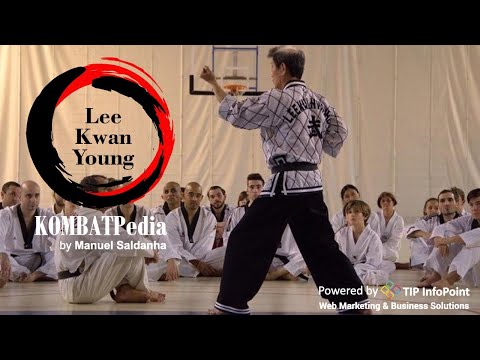
Lee Kwan Young: The Unseen Architect of Modern Taekwondo

The Shadow of a Master

When the word "Taekwondo" is uttered, what images flicker through the mind? The explosive, high-flying kicks? The disciplined formations of a poomsae? The intense bouts of Olympic competition? For many, these elements represent the pinnacle of this Korean martial art. Yet, behind the dazzling athleticism and the global recognition, lie the foundational figures whose vision and dedication sculpted the art into what it is today. One such titan, often operating just beyond the glare of the spotlight, is Grandmaster Lee Kwan Young. His name may not resonate with the immediate familiarity of a few other pioneers, but his impact is as profound as the deepest stance, as far-reaching as the most powerful spinning hook kick. This is not merely a biography; it is an exploration of the principles, the philosophy, and the practical application of a martial arts ethos that continues to shape practitioners worldwide.

The intention of this discourse is to illuminate the often-understated contributions of Grandmaster Lee Kwan Young, to dissect the core tenets of his approach to Taekwondo, and to inspire practitioners to look beyond the surface of techniques and understand the deeper currents of martial wisdom. Are you here to merely admire the kicks, or are you ready to truly understand the art? The path of martial arts is one of continuous learning, and understanding the architects of our chosen disciplines is a crucial step in this lifelong endeavor.

We are living in an era where the commercialization of martial arts can sometimes overshadow its philosophical underpinnings. Websites and platforms like KOMBATPedia aim to provide a repository of knowledge, a digital dojang for the global martial arts community. But true understanding comes not just from information, but from introspection and application. This exploration into Lee Kwan Young’s legacy is an invitation to do just that.

The Shadow of a Master

Grandmaster Lee Kwan Young, a figure of immense respect and a key architect in the standardization and international propagation of Taekwondo, embodies the spirit of perseverance and dedication. Born in 1948, his martial journey began in a Korea deeply scarred by war and striving to forge a national identity. In this crucible, Taekwondo—a synthesis of traditional Korean martial arts like Taekkyeon and Subak, and influences from Karate—emerged as a potent symbol of national pride and resilience. Lee Kwan Young was at the forefront of this movement, not just as a practitioner, but as a visionary leader.

His early training was steeped in the rigorous discipline demanded by the era. He witnessed firsthand the power of martial arts to instill discipline, build character, and foster a strong sense of community. This formative period shaped his philosophy, emphasizing the holistic development of an individual—mind, body, and spirit—as the ultimate goal of martial arts training. It’s a philosophy echoed across many traditional Budo disciplines, from the serene focus of Aikido to the unyielding spirit of Kyokushin Karate.

The push for Taekwondo’s international recognition gained momentum in the latter half of the 20th century, and Grandmaster Lee Kwan Young was instrumental in this global expansion. His efforts were not merely about teaching kicks; they were about disseminating a comprehensive martial art system, complete with its ethical code and philosophical depth. He understood that for Taekwondo to thrive on the world stage, it needed a unified structure, clear technical standards, and a compelling narrative.

"The martial artist seeks to know himself through the art. The techniques are but the tools for self-discovery. Without the introspection, they are merely empty movements." - A principle deeply embedded in the philosophy of Budo.

Beyond the Kicks: Lee Kwan Young's Enduring Influence

While Taekwondo is renowned for its dynamic kicking techniques, the true depth of the art lies in its underlying principles. Grandmaster Lee Kwan Young’s contribution extends far beyond the technical execution of a high kick. He was a proponent of what is often termed 'true Taekwondo,' emphasizing the harmonious development of physical prowess, mental fortitude, and moral integrity. This triad is the bedrock of any robust martial art system, aiming to cultivate not just a capable fighter, but a well-rounded individual.

His pedagogical approach focused on:

  • Technical Precision: Mastering the fundamental kicks, punches, and blocks with correct form, power, and speed.
  • Physical Conditioning: Building strength, flexibility, endurance, and agility through rigorous training. This resonates with modern demands for MMA conditioning, focusing on functional strength and explosive power.
  • Mental Discipline: Cultivating focus, concentration, self-control, patience, and a resilient spirit. The concept of Inner Strength is paramount here.
  • Ethical Development: Instilling values such as courtesy, integrity, perseverance, respect, and an indomitable spirit (baekjul boolgool). This aligns with the tenets of Budo.

These elements are not unique to Lee Kwan Young's teaching; they are the common threads that bind true martial traditions. Whether one studies Judo, Karate, or Brazilian Jiu-Jitsu, the pursuit of self-mastery through disciplined practice remains the core objective. The emphasis on character development over mere combative skill is what elevates martial arts from mere sports or combat techniques to a lifelong path of Self-Improvement.

Deconstructing the Art: The Essence of Lee Kwan Young's Taekwondo

What, then, distinguishes the Taekwondo as envisioned and propagated by masters like Lee Kwan Young? It is a holistic approach that eschews specialization in favor of balanced development. While modern Taekwondo competition, particularly Olympic style, might emphasize certain techniques or strategies for points, the traditional roots, which Lee Kwan Young champions, focus on:

  • The Power of the Stance: A strong, stable stance is the foundation of all movement. Kicks originate from the ground up, and a solid base is crucial for generating power and maintaining balance, especially when executing powerful leg techniques. This is a principle universally understood in Lucha and Combat Sports.
  • Body Mechanics and Coordination: Taekwondo kicks are not just leg movements; they involve the entire body. The rotation of the hips, the extension of the core, and the counter-movement of the arms all contribute to the power and effectiveness of a technique. Achieving this synergy requires immense body awareness and coordination, a skill honed through consistent Martial Arts Training.
  • Strategic Application: Beyond the sheer physical execution, the art involves understanding timing, distance, and opportunity. It’s about knowing *when* and *how* to apply a technique, not just *how* to execute it. This strategic element is critical in any form of Close Combat.
  • The Spiritual Dimension: The concept of Ki, or vital energy, is central. Training is not just about building muscles, but about cultivating and directing this internal energy. This spiritual development is what truly distinguishes a martial artist from a mere fighter.

The debate often arises: does modern Olympic Taekwondo, with its focus on speed and point-scoring, dilute the traditional essence? While competition has its merits in pushing athletic boundaries, it’s crucial for practitioners to remain connected to the foundational principles. Masters like Lee Kwan Young ensure that this connection is maintained, reminding us that the art is more than just a sport; it's a way of life.

Consider the philosophy of Miyamoto Musashi in his "Book of Five Rings," which, while focused on swordsmanship, emphasizes strategy, timing, and understanding one's opponent. These principles are universally applicable, whether wielding a katana or delivering a Taekwondo head kick. This strategic depth is often lost in the rush for quick victories, but it is the hallmark of true mastery.

"The way of the warrior is to master himself. This is achieved not by conquering others, but by overcoming the limitations within." - A reflection on Self-Mastery.

From Tradition to Global Sport: A Master's Adaptation

The journey of Taekwondo from its Korean roots to its status as an Olympic sport is a testament to the dedication of pioneers like Grandmaster Lee Kwan Young. He was involved in establishing the foundational curricula and the organizations that would govern the art’s development. This involved making critical decisions about standardization, which is never an easy task when dealing with a living, evolving art form.

The challenges were immense:

  • Unifying Diverse Styles: Korea had various kwans (schools) with slightly different approaches. Harmonizing these into a single, coherent system required diplomatic skill and a deep understanding of the art’s core principles.
  • Defining Competition Rules: Creating a fair and exciting sport that accurately reflected the art's capabilities was crucial. This involved balancing the emphasis on kicks with other martial elements and ensuring fighter safety.
  • International Promotion: Traveling, teaching, and establishing Taekwondo federations worldwide demanded immense personal sacrifice and unwavering commitment.

The success of Taekwondo in the global arena, culminating in its inclusion in the Olympic Games, is a victory not just for a sport, but for the martial philosophy it represents. It’s an affirmation that discipline, dedication, and the pursuit of excellence can transcend cultural barriers. However, as mentioned before, the evolution into a sport can sometimes lead to a divergence from the original philosophical intent. The emphasis on scoring can sometimes overshadow the development of practical self-defense skills or the cultivation of inner virtues. This is where the guidance of masters who remember and teach the 'old ways' becomes invaluable, guiding practitioners back to the essence of Budo.

For those interested in the history and development of martial arts, understanding the role of figures like Lee Kwan Young is akin to understanding the lineage of a great martial arts family. It’s about tracing the origins, appreciating the challenges overcome, and recognizing the foundational techniques and philosophies that have been passed down through generations. This historical context enriches one’s own training and fosters a deeper respect for the art.

Guiding Principles: Training with the Spirit of Lee Kwan Young

How can a modern practitioner, whether a beginner or an advanced student, embody the spirit and principles championed by Grandmaster Lee Kwan Young? It’s about more than just memorizing techniques; it’s about cultivating a specific mindset and approaching training with purpose.

Training Guide: Cultivating the Lee Kwan Young Ethos

  1. Master the Fundamentals: Dedicate significant time to perfecting basic stances, kicks (front kick, roundhouse kick, side kick), and punches. Don't rush to advanced techniques until the foundation is solid. This is the cornerstone of any effective Entrenamiento.
  2. Focus on Power Generation: Understand how to use your entire body – hips, core, and arms – to drive your kicks. Practice explosive movements and focus on maximizing power in each strike.
  3. Embrace Flexibility and Conditioning: Incorporate regular stretching routines to improve flexibility for higher kicks and injury prevention. Engage in cardiovascular and strength training to build the stamina and power required for sustained practice. Consider At-Home Workouts if access to a gym is limited.
  4. Practice with Intention: Every movement, every drill, should have a purpose. Visualize the application of techniques. Are you practicing for sport, self-defense, or personal development? Let your intention guide your practice.
  5. Cultivate Mental Fortitude: Practice mindfulness and focus during training. Use drills that challenge your concentration. Develop patience and perseverance, especially when facing difficult techniques or setbacks. This is where the Mental Game truly shines.
  6. Uphold the Ethical Code: Treat your instructors and training partners with respect. Show integrity in your actions both inside and outside the dojang. Remember that Taekwondo is a path of Perseverance and character building.

The key is consistency and deliberate practice. It’s about understanding that every training session is an opportunity to get closer to mastery, not just of techniques, but of oneself. This approach is applicable to any martial art, from the intricate Ninjitsu to the powerful Kickboxing.

Essential Gear for the Dedicated Taekwondo Practitioner

While Taekwondo is primarily about the practitioner's skill and dedication, having the right equipment can significantly enhance training safety, effectiveness, and comfort. Investing in quality gear is a commitment to your journey.

  • Uniform (Dobok): A well-fitting dobok is essential. For serious practitioners, a heavier, double-woven fabric offers better durability and a more traditional feel. Look for uniforms designed for durability during dynamic movements and sparring.
  • Belts: As you progress, your belt signifies your rank. Ensure you have the correct belt for your current level.
  • Sparring Gear: For safe sparring (kyorugi), protective gear is non-negotiable. This includes:
    • Head protector (helmet)
    • Forearm guards
    • Shin guards
    • Groin protector
    • Mouthguard
    • Hand mitts (designed for Taekwondo sparring)
  • Training Mats (Optional for home practice): If you are practicing some elements at home, especially conditioning or basic drills, interlocking foam mats can provide a safer surface than a hard floor.
  • Training Equipment:
    • Punches and Striking Pads: Useful for practicing power and accuracy.
    • Kick Shields: Essential for developing powerful kicks and for training with a partner.
    • Focus Mitts: Great for hand-eye coordination and rapid fire combinations.

Choosing the right Karate Merchandise or Taekwondo gear can be overwhelming. It’s often best to consult with your instructor for recommendations specific to your dojang’s requirements and your personal training needs. Quality gear not only ensures safety but can also boost your confidence and focus during training.

Sensei's Verdict: Is Lee Kwan Young's Legacy Still Relevant?

Absolutely. In a world increasingly dominated by specialized sports and fleeting trends, the holistic, character-building approach to martial arts championed by Grandmaster Lee Kwan Young is more relevant than ever. The emphasis on discipline, respect, integrity, and the continuous pursuit of self-improvement transcends the specific techniques of Taekwondo. These are timeless principles that apply to every facet of life.

While the competitive landscape of Taekwondo has evolved, the foundational wisdom that Lee Kwan Young helped to codify remains the bedrock upon which true mastery is built. The true spirit of Taekwondo, as he envisioned it, is not just about winning matches, but about forging a stronger, more disciplined, and ethically grounded individual. This is the enduring legacy, and it is a powerful guide for anyone committed to the path of martial arts, whether their focus is on Self-Defense, competitive sport, or personal growth.

Rating: 5 out of 5 Cinturones Negros

Frequently Asked Questions

What is the main philosophy behind Lee Kwan Young's Taekwondo?

The main philosophy emphasizes the holistic development of an individual: physical prowess, mental discipline, and ethical integrity. It's about cultivating a strong character through rigorous training, not just excelling in techniques.

How does Lee Kwan Young's approach differ from modern Olympic Taekwondo?

While Olympic Taekwondo focuses on point-scoring and athletic performance within a competitive framework, Lee Kwan Young's approach often emphasizes the traditional aspects, including practical self-defense applications, deeper philosophical tenets, and the cultivation of virtues like perseverance and indomitable spirit.

Is Taekwondo still relevant for self-defense?

Yes, traditional Taekwondo, with its emphasis on powerful kicks and body mechanics, can be very effective for self-defense. However, the effectiveness often depends on the practitioner's training focus and whether they have incorporated practical self-defense principles beyond competitive sport aspects.

What are the key principles of Budo that are reflected in Taekwondo?

Key Budo principles reflected in Taekwondo include discipline, respect, perseverance, self-control, humility, and the pursuit of self-mastery. The ethical code and the emphasis on character development are core Budo tenets.

To Deepen Your Journey

  • Artes Marciales: History, Techniques, and Philosophy
  • BUDO: The Way of the Warrior
  • Entrenamiento: Mastering Your Physical and Mental Capabilities
  • Historia de las Artes Marciales: Linajes y Evolución
  • Lucha y Defensa Personal: Principios Fundamentales

Reflection of the Sensei: Your Next Step

Grandmaster Lee Kwan Young’s legacy is a call to look beyond the flash and focus on the substance. In your own training, are you merely practicing movements, or are you cultivating the principles that underpin them? Are your kicks serving a purpose beyond scoring points, or are they expressions of a disciplined mind and body? Consider this: If you were stripped of all your advanced techniques, what would remain of your martial art? The answer to that question defines your true path.

``` GEMINI_METADESC: Explore the profound, yet often overlooked, contributions of Grandmaster Lee Kwan Young to the art of Taekwondo. Understand his philosophy, technical insights, and enduring legacy.

Unveiling the Reality: Women's Self-Defense vs. The Male Adversary – A Critical Examination

The Premise: A Stark Reality

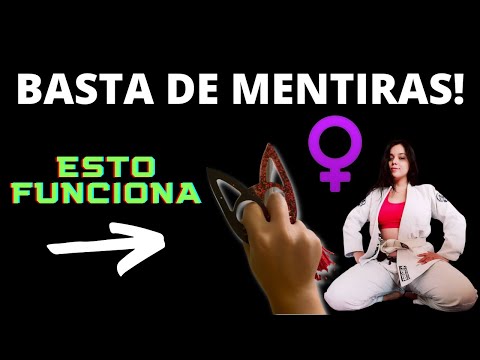
Hello and welcome, warriors. Today, we confront a topic often shrouded in simplistic narratives and commercialized quick fixes: women's self-defense against male aggressors. The very phrasing, "CONTRA HOMBRES!" (AGAINST MEN!), immediately ignites a firestorm of debate. Is this a necessary distinction, or a dangerous generalization? As your Sensei, I am here not to provide platitudes, but to dissect the underlying principles and brutal realities, urging you to move beyond mere reaction and cultivate genuine empowerment. This isn't about fear-mongering; it's about informed preparation and the cultivation of an indomitable spirit.

Deconstructing the Search Intent: Beyond the Superficial

Let's first address the seeker's intent. What drives someone to search for "women's self-defense against men"? It's a cry for safety, a desperate need for practical solutions in the face of perceived physical disparity. The searcher likely desires:
  • Actionable Techniques: Specific moves that can be learned and applied under duress.
  • Understanding Vulnerabilities: Knowledge of common male attack patterns and weaknesses.
  • Psychological Preparedness: Strategies to overcome fear and react decisively.
  • Effective Tools: Recommendations for legal and reliable self-defense aids.
This intention, while valid, often leads to a fragmented understanding. The internet is flooded with sensationalized content, promising miracle cures. My purpose is to elevate this understanding, demonstrating that true self-defense is a holistic discipline, not a mere collection of disempowering tricks.

The Spirit of Budo: More Than Just Techniques

The original context of this topic hints at the broader world of Budo – the Way of the Warrior. While this blog post is published under tags like #artesmarciales and #BUDO, the core message often gets lost. True Budo, whether Karate, Judo, or Aikido, transcends the physical. It's about self-mastery, discipline, respect, and the cultivation of an unwavering mind.
"The ultimate aim of martial arts is not victory or defeat, but the perfection of the human character." – Unknown Master
When we speak of self-defense, especially in the context of a potential physical confrontation with a stronger opponent, the mental aspect is paramount. The *Mushin* (no-mind) state, the ability to act spontaneously and effectively without hesitation, is forged through rigorous training and deep philosophical understanding. Simply learning a few "moves" without this foundation is like building a house on sand.

Street Smarts vs. Dojo Drills: Bridging the Gap

This is where many self-defense courses falter. They teach techniques that look impressive in a controlled environment but crumble under the chaotic pressure of a real-world assault. A common misconception is that complex grappling or intricate striking sequences are the answer. In reality, the most effective self-defense principles for a less physically imposing individual against a larger adversary often emphasize:
  • De-escalation and Avoidance: The best fight is the one that never happens. Awareness of surroundings and verbal de-escalation are your first lines of defense.
  • Targeting Vulnerabilities: Focus on areas that inflict pain or incapacitate quickly – eyes, throat, groin, knees. These are universal, irrespective of gender or size.
  • Utilizing Leverage and Momentum: Understanding how to use an attacker's own weight and force against them. This is the essence of techniques seen in Judo and Aikido.
  • The Element of Surprise: A sudden, decisive action can create an opportunity to escape.
The key is simplicity and brutal efficiency. A technique that requires perfect execution under extreme stress is a liability. We must train for the worst-case scenario, not the ideal one. Consider the philosophies embedded in styles like Kyokushin Karate, which emphasizes full contact and resilience. This is not about winning a match; it's about surviving a confrontation.

Analysis of Self-Defense Tools: Illusion vs. Efficacy

The mention of "llaveros de defensa personal" (personal defense keychains) is a prime example of the commercialization I alluded to. While some tools can offer a psychological boost or a tactical advantage, they are not magic bullets.
  • Pepper Spray/Mace: Effective if used correctly and legally permissible. Requires practice to overcome the fear of using it and to deploy it accurately under stress.
  • Personal Alarms: Can attract attention but may also escalate an attacker's aggression.
  • Kubotans/Tactical Pens: Require significant training to be effective. Without proper knowledge of pressure points and striking, they are merely blunt objects.
  • Stun Guns/Tasers: Effectiveness can vary, and legal restrictions apply. Requires close proximity and can be disarmed.
Relying solely on a gadget is a dangerous gamble. It fosters a false sense of security. These are *tools*, meant to supplement, not replace, the fundamental skills and mental fortitude of the individual. The true "weapon" is the trained body and the prepared mind.

Beyond the Physical: Cultivating Inner Fortitude

This is where we delve into the deeper currents of martial arts philosophy, often overlooked in favor of flashy techniques. True self-defense is a lifelong pursuit of self-improvement.
"The supreme art of war is to subdue the enemy without fighting." – Sun Tzu, The Art of War
This ancient wisdom speaks volumes. Empowerment comes from:
  • Situational Awareness: Constantly scanning your environment, recognizing potential threats before they materialize. This is a practiced mental habit.
  • Assertiveness Training: Learning to project confidence, use a strong voice, and set boundaries verbally. This can deter many potential attackers.
  • Physical Conditioning: Building strength, stamina, and resilience. A fitter individual is more capable of defending themselves and escaping. This links directly to our tags like #Fitness, #Fuerza, and #Resistencia.
  • Mental Toughness: Developing the ability to remain calm under pressure, think clearly, and act decisively. This is the bedrock of true martial prowess.
These are the attributes that transform a victim into a survivor. They are cultivated through consistent effort, mirroring the dedication required in any serious martial art, whether it's the rigorous conditioning of Kyokushin Karate or the mental discipline of Zen meditation.

A Pragmatic Training Blueprint

For individuals seeking to enhance their self-defense capabilities, particularly women facing potential male aggression, a structured approach is crucial.

Guide to Training: Building Your Defense

  1. Foundational Awareness: Begin by consciously observing your surroundings in everyday situations. Identify exits, potential hazards, and people exhibiting unusual behavior. Practice mentally rehearsing escape routes.
  2. Verbal De-escalation and Boundary Setting: Practice using a firm, clear voice. Role-play scenarios where you refuse unwanted advances or assert your personal space. Learn phrases that communicate confidence and authority.
  3. Basic Striking Techniques: Focus on simple, powerful strikes to vulnerable targets. Practice palm heel strikes, elbow strikes, knee strikes, and kicks to the groin or shins. Accuracy and speed over complexity.
  4. Leverage and Escape Principles: Study basic principles of escaping grabs (wrists, clothing) and using an attacker's momentum. Techniques from Judo and Aikido offer excellent foundational principles here, focusing on redirection rather than brute force.
  5. Scenario-Based Drills: Practice techniques under simulated stress. This could involve mild physical exertion, shouting, or practicing in varied environments. Partner drills, conducted with safety and control, are essential.
  6. Conditioning: Incorporate cardiovascular exercises (#RunningTips, #AtHomeWorkout) and strength training (#NoEquipment, #Workout) into your routine to build the physical capacity needed for escape and defense.

Sensei's Verdict: True Empowerment

The notion of "women's self-defense against men" is born from a genuine need, but often exploited by superficial solutions. True empowerment is not about learning a few tricks to "fight back" against a hypothetical male attacker. It's about cultivating a comprehensive skillset that encompasses awareness, de-escalation, physical capability, and mental resilience. It’s about adopting the philosophy of Budo – the pursuit of self-perfection. The best self-defense is not learned from a keychain; it is forged within. While the focus should always be on internal development, certain tools can enhance training and, in real situations, provide a critical edge.
  • Durable Training Uniform (Kimono): Essential for styles like Judo and BJJ. Look for a double-weave kimono for durability.
  • Sparring Gloves: For safe practice of striking techniques, 16oz gloves are standard for sparring.
  • Focus Mitts and Kick Shields: Excellent for practicing precision and power in strikes with a partner or trainer.
  • Training Dummy (Mannequin): For practicing strikes and grappling techniques without a partner.
  • Pepper Spray (Legal Consideration): If legal in your area, carrying and practicing with pepper spray can be a valuable addition.
  • Books on Budo Philosophy: For understanding the deeper principles.

Frequently Asked Questions

What are the most effective techniques for a woman to defend against a larger male attacker?

Focus on simple, high-impact strikes to vulnerable areas (eyes, throat, groin), using leverage and an attacker's momentum, and surprise. Escape should always be the primary objective.

Is pepper spray a reliable self-defense tool?

Yes, if legally permissible and used correctly. It requires practice to overcome fear and ensure accuracy under stress. It is a supplement, not a replacement, for skills.

How important is physical strength in self-defense?

While strength is an advantage, technique, timing, and psychological preparedness are often more critical, especially when facing a size disparity. Conditioning improves stamina and resilience, which are vital.

Should women learn specific martial arts?

Many martial arts offer valuable skills. Judo and Aikido teach leverage and redirection. Karate and Kickboxing develop striking power and conditioning. BJJ excels in ground defense. A combination, or a style emphasizing practicality, can be highly beneficial.

How can I overcome the fear associated with self-defense training?

Gradual exposure through controlled drills, focusing on breathing and mental preparation, and building confidence through consistent practice are key. Understanding the techniques reduces fear of the unknown.

To Deepen Your Journey

"The warrior learns in the school of hardship. The challenges we face are not impediments, but stepping stones on the path to mastery." – Adapted from Warrior Philosophy

Reflection of the Sensei: Your Next Step

We have dissected the common approaches to self-defense, highlighting the chasm between superficial solutions and the profound path of Budo. The question that lingers is not merely *how* to defend oneself, but *who* you become in the process. Are you content with reactive measures, or are you ready to cultivate the inner warrior that transcends mere physical confrontation? Consider this: What single aspect of your mental or physical conditioning can you improve this week that will most significantly enhance your preparedness and self-reliance, irrespective of an attacker? The answer lies not in a keychain, but within your own commitment. GEMINI_METADESC: Critically examine women's self-defense against male aggressors. Explore Budo philosophy, practical techniques, tool efficacy, and holistic empowerment for true safety.