Showing posts sorted by relevance for query muay thai clinch hooks. Sort by date Show all posts

Muay Thai's Ferocious Beauty: A Sensei's Analysis of the "Art of Eight Limbs"

Introduction: The Raw Power of Muay Thai

Welcome, disciples, to Budo and Martial Arts. Today, we dissect a force that has captivated the martial world: Muay Thai. You might have seen compilations of its most devastating knockouts, flashes of pure, unadulterated impact. But to truly understand Muay Thai, we must look beyond the spectacular finish and delve into its very soul. Is it merely a brutal exchange of blows, or does it embody the profound principles of Budo, the Way of the Warrior? Prepare yourselves; we are about to uncover the fierce elegance and the demanding discipline of the "Art of Eight Limbs."

The Essence of Muay Thai: More Than Just Knockouts

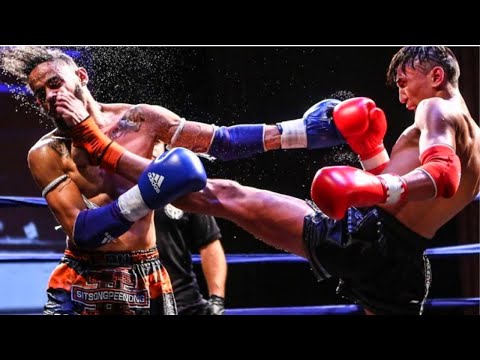
Let's be clear from the outset: while the spectacular knockout is often the siren call of Muay Thai, it is far from its complete definition. The raw power you see in compilations is the *result*, not the *foundation*. Muay Thai, or "Thai boxing" as it's sometimes known, is a martial art and combat sport forged in the crucible of real combat. It's a stand-up striking discipline, yes, but its true genius lies in the seamless integration of punches, kicks, elbow strikes, and knee attacks, all woven together with sophisticated *clinch* techniques. This is where the moniker "art of eight limbs" truly resonates – a symphony of destruction orchestrated by hands, elbows, knees, and shins. It’s a system designed for effectiveness, honed over centuries, not for mere showmanship, though its visual impact is undeniable.
"Muay Thai is the art of standing. It is the art of the battlefield. It is the art of the king." - A common saying among Thai instructors.
The international proliferation of Muay Thai in the late 20th and early 21st centuries brought its ferocity to global stages. Thai practitioners, often venturing into kickboxing and mixed-rules matches, showcased a level of striking proficiency that few could match. Governed professionally by The Professional Boxing Association of Thailand (P.A.T) and sanctioned by The Sports Authority of Thailand (S.A.T.), its structure ensures a high standard of competition. But its origins are far more ancient, deeply intertwined with its regional martial cousins like Musti-yuddha, Muay Chaiya, Muay Boran, Muay Lao, Lethwei, Pradal Serey, and Tomoi. Understanding these connections is crucial for appreciating Muay Thai’s evolutionary journey. A practitioner of Muay Thai is known as a *nak muay*. The term *nak muay farang* specifically refers to foreign boxers practicing in Thailand, highlighting the art's deep national roots. This distinction is not merely semantic; it speaks to a cultural immersion and respect that goes beyond physical technique.

A Warrior's Lineage: The Deep Roots of Muay Thai

To truly grasp the power and philosophy behind Muay Thai, we must look back. Its development from the traditional *Muay Boran* is not a simple evolutionary step; it's a lineage, a testament to the enduring need for practical combat skills in Thailand's history. Muay Boran, meaning "ancient boxing," was a more comprehensive battlefield system, encompassing unarmed combat techniques vital for warriors. As warfare evolved, the battlefield techniques were adapted for duels and self-defense, eventually leading to the more standardized sport we recognize today. This evolution is not unique. Many martial arts, from Karate to Taekwondo, trace their roots to older, often more brutal, combat systems. The key difference lies in how these systems are preserved and transmitted. Muay Thai, thankfully, has retained a strong connection to its roots, ensuring that its practitioners understand the ‘why’ behind the ‘what’. This is a critical distinction that separates mere sport from genuine martial discipline. Many so-called "modern" martial arts have shed their combat heritage in favor of an almost exclusive focus on competition, sometimes to their detriment. Muay Thai, while embracing the sport aspect, has largely resisted this dilution.

The Eight Limbs in Action: A Technical Breakdown

The "eight limbs" – two fists, two elbows, two knees, two shins – are the foundational tools of the *nak muay*. * **Fists (Chuan)**: While punches in Muay Thai may appear similar to Western boxing, they often carry different intentions. They can be used for setting up power shots with the other limbs, for controlling distance, or for delivering sharp, decisive blows. Hooks, uppercuts, and straight punches are all employed, but with a particular emphasis on generating power from hip rotation and body weight transfer. * **Elbows (Sok)**: This is where Muay Thai truly distinguishes itself. Elbow strikes are devastatingly effective at close range, capable of cutting opponents and ending fights quickly. Horizontal, upward, and downward elbow strikes can be used from various angles, often incorporated seamlessly out of a clinch. The speed and precision required to land these dangerous weapons are honed through rigorous practice. * **Knees (Khao)**: Similar to elbows, knees are brutal weapons, particularly effective in the clinch. Powerful knee strikes to the body can sap an opponent's strength, while knees to the head can be fight-ending. The ability to generate force through the entire body into a knee strike is a hallmark of a skilled *nak muay*. * **Shins (Tee* / *Sork*)**: The conditioning of the shins is legendary. Muay Thai practitioners develop incredibly tough shins capable of delivering powerful roundhouse kicks (*teep*) that can knock an opponent off balance or deliver concussive force to the body. Unlike the more "snappy" kicks found in some other martial arts, Muay Thai kicks often involve a full transfer of weight and power through the leg. The *clinch* (Plaa Mum*) is another defining element. It's not merely a wrestling hold; it’s an active exchange where fighters use their upper body to control their opponent, delivering knees and elbows while defending against their opponent's attacks. Mastering the clinch requires immense strength, balance, and tactical awareness. It is an art form in itself, often misunderstood by those unfamiliar with Muay Thai’s depth.

Forging the Nak Muay: The Rigors of Muay Thai Training

The path of a *nak muay* is not for the faint of heart. The training regimen is notoriously demanding, designed to build not only physical prowess but also mental fortitude.
  1. Roadwork: Early morning runs, often several miles, are a staple to build cardiovascular endurance.
  2. Bag Work: Heavy bag training develops power, endurance, and the ability to deliver combinations. The sheer volume of strikes often exceeds that of many other martial arts.
  3. Pad Work: Working with pads, held by a trainer, is crucial for refining technique, timing, and accuracy. This is where combinations are practiced, and power shots are delivered with precision.
  4. Clinch Drills: Extensive time is spent practicing clinch techniques, focusing on control, balance, and delivering knees and elbows effectively.
  5. Sparring: Controlled sparring sessions are essential for applying techniques in a dynamic environment, developing timing, distance management, and the ability to think under pressure. This is often done with a higher intensity than seen in many other martial arts.
  6. Strength and Conditioning: Bodyweight exercises, resistance training, and plyometrics are incorporated to build the explosive power and resilience required for Muay Thai.
  7. Shin Conditioning: Perhaps one of the most iconic aspects, practitioners deliberately condition their shins, often through repeated striking of heavy bags or specialized equipment, to withstand the impact of kicks.
This relentless training imbues the *nak muay* with incredible physical resilience and mental toughness. The constant pushing of physical limits, the enduring of pain, and the focus required to master complex techniques build a character that transcends the gym.

Beyond the Ring: Muay Thai's Cultural Significance

Muay Thai is more than just a sport; it is an integral part of Thai culture and national identity. Traditionally, matches were accompanied by the hypnotic strains of Thai classical music, creating an almost spiritual atmosphere. Fighters would perform a ritual dance known as the *wai kru ram muay* before each fight, a display of respect for their teachers, their opponents, and their art. While the more traditional elements are less prevalent in international professional settings, they remain a powerful symbol of Muay Thai’s heritage. The respect for elders and instructors (*kru*) is paramount, a core tenet that aligns perfectly with the principles of Budo. This cultural context is vital for understanding the art's deeper meaning and the mindset of its practitioners. It’s a discipline that demands not just physical skill but also respect, humility, and a deep understanding of tradition.

Cinematic Knockouts: A Critical Look at Muay Thai in Media

The visceral impact of Muay Thai makes it a natural fit for cinematic action. Compilations showcasing devastating knockouts, like the one that inspired this discussion, often highlight the art's raw power. However, the depiction of Muay Thai in film can be a mixed bag. When done correctly, films can showcase the art's technicality and beauty. Choreographers who understand Muay Thai can translate its principles into dynamic, visually stunning fight sequences. However, often in Hollywood, the emphasis shifts from authentic technique to pure spectacle. Elbows and knees might be thrown without proper setup, clinches are often simplified, and the conditioning aspect is rarely, if ever, depicted. The danger lies in these exaggerated portrayals creating misconceptions. Viewers might believe that landing a spinning back elbow is as simple as in the movies, or that the formidable conditioning is an optional extra. As a critic, I often find myself wincing at the liberties taken. While the intent may be to thrill, the result can be a dilution of the art's true essence. A truly great cinematic portrayal of Muay Thai would capture not only the impact but also the discipline, the strategy, and the cultural context that makes it so profound.

Essential Gear for Your Muay Thai Journey

To begin your training in Muay Thai, you'll need a few key pieces of equipment. Investing in quality gear will not only enhance your training experience but also ensure your safety.
  • Muay Thai Shorts: Shorter and looser than boxing shorts, allowing for greater freedom of movement, especially for kicks and knees.
  • Hand Wraps: Essential for protecting your hands and wrists during intense punching drills and sparring.
  • Boxing Gloves: Typically 10-16 oz, depending on your training phase (sparring requires heavier gloves than bag work). Look for gloves designed for Muay Thai or general striking.
  • Shin Guards: Crucial for protecting your shins during kick drills and sparring. Quality shin guards are a must-have.
  • Mouthguard: Non-negotiable for sparring and any form of live practice.
  • Groin Protector: Highly recommended for sparring.
  • Optional: Forearm Guards/Pads: Some practitioners use forearm guards for conditioning, and pad work necessitates training pads.
For those looking to deepen their understanding or simply equip themselves for home training, consider investing in good quality **Thai pads** and a **heavy bag**. These are fundamental for developing power and technique. Additionally, books on **Muay Thai techniques** can offer valuable insights when paired with practical instruction.

Frequently Asked Questions

Is Muay Thai too dangerous for beginners?

Like any combat sport, Muay Thai carries inherent risks. However, with proper instruction, gradual progression, and the right safety equipment (especially shin guards and mouthguards during sparring), beginners can train safely and effectively. The focus is on learning technique and conditioning progressively.

Can women practice Muay Thai?

Absolutely. Muay Thai is practiced by men and women worldwide. Its emphasis on technique, timing, and conditioning makes it an excellent martial art for practitioners of all genders.

How long does it take to learn Muay Thai?

Martial arts mastery is a lifelong journey. You can learn the fundamental techniques and conditioning principles of Muay Thai within months, allowing you to participate safely in sparring. However, developing true proficiency, nuanced strategy, and mastery of the clinch can take many years of dedicated practice.

Is Muay Thai the most effective striking art?

Effectiveness is highly dependent on the practitioner, the context, and the ruleset. Muay Thai is exceptionally effective in stand-up striking exchanges and close-range combat due to its comprehensive use of all eight limbs and clinching techniques. Its effectiveness in mixed martial arts (MMA) has been proven repeatedly, though it often needs to be complemented with grappling skills.

What is the difference between Muay Thai and Kickboxing?

While related, they differ significantly. Muay Thai permits extensive use of the clinch, elbows, and knees, with a greater emphasis on conditioning the body (especially shins) for powerful kicks and impact. Traditional kickboxing often limits clinching, disallows elbows, and may have different rules regarding sweeps and throws.

For Deeper Exploration of Your Path

To truly integrate the principles of Muay Thai into your martial journey, consider exploring these related topics:

Further Reading and Essential Resources

To truly understand the "Art of Eight Limbs" and its place within the broader spectrum of martial disciplines, I implore you to explore these foundational texts and concepts:
  • The Book of Five Rings (Go Rin No Sho) by Miyamoto Musashi: While not directly about Muay Thai, Musashi's treatise on strategy and swordsmanship offers timeless principles applicable to any martial art, emphasizing mindset, timing, and the understanding of one's opponent.
  • Budo: The Martial Way by various masters: Exploring the philosophical underpinnings of Japanese martial arts can provide a valuable comparative framework for understanding the Budo spirit that can, and should, be present in all disciplines, including Muay Thai.
  • Classic texts on the history of Thai martial arts: For those serious about the origins, delving into scholarly works on the history of Siamese warfare and martial traditions will offer profound context.

Training Guide: Conditioning Your Shins for Muay Thai

Proper shin conditioning is vital for Muay Thai practitioners to deliver powerful kicks and endure the impact of their opponents'. This process requires patience and consistency.
  1. Start Gently: Begin by lightly striking a heavy bag with your shins. The goal is not to hurt yourself but to begin the process of desensitization and strengthening.
  2. Increase Intensity Gradually: Over weeks and months, progressively increase the force and duration of your shin strikes on the bag.
  3. Vary Kick Types: Practice different types of kicks (roundhouse, teep) to condition the entire shin bone and surrounding muscles.
  4. Listen to Your Body: It is crucial to differentiate between soreness (normal) and sharp pain (a sign of injury). Do not push through injury. Allow adequate rest and recovery.
  5. Consistency is Key: Regular, even short, sessions of shin conditioning are more effective than infrequent, brutal ones. Aim for daily practice, if possible, integrated into your training.
  6. Consider Professional Guidance: A qualified Muay Thai instructor can provide specific techniques and advice tailored to your individual needs and progress. They can also demonstrate the proper form to avoid injury.

Veredicto del Sensei: ¿Merece la pena?

Muay Thai, in its essence, is a profound martial art that demands respect, discipline, and relentless effort. While the spectacular knockouts are a tantalizing glimpse, they are but the tip of a colossal iceberg of dedication and skill. For the practitioner, it offers unparalleled physical conditioning, mental fortitude, and a deep connection to a rich cultural heritage. Its effectiveness in combat is undeniable, making it a cornerstone of modern striking arts and MMA. For the observer, it is a testament to human resilience and the pursuit of perfected technique. The "Art of Eight Limbs" is not just about inflicting damage; it's about precision, timing, strategy, and the unwavering spirit of the warrior. It earns my highest respect. Calificación: Cinturón Negro en Eficacia y Tradición.

Reflexión del Sensei: Tu Próximo Paso

The ferocity of Muay Thai is undeniable, its efficiency legendary. Yet, remember that the strongest oak began as a seed, nurtured by patience and resilience. You have seen the power, the technique, the tradition. Now, consider this: If Muay Thai teaches us to use all eight limbs with devastating effectiveness, what "limbs"—skills, knowledge, virtues—are you neglecting in your own life's battles? Are you focused only on your fists, or are you honing your "knees" of adaptability, your "shins" of perseverance, your "elbows" of sharp wit, and your "core" of unwavering spirit? Reflect on this. GEMINI_METADESC: Explore the profound depths of Muay Thai beyond knockouts. A Sensei's analysis of its techniques, history, cultural significance, and rigorous training.

Michelle Waterson's Striking Power: A Martial Arts Masterclass

The echo of a well-placed kick, the explosive power of a lightning-fast jab – these are the hallmarks of martial arts mastery. But what happens when the raw talent of a fighter meets the disciplined elegance of traditional arts, all within the modern crucible of mixed martial arts? Today, we delve into the striking prowess of Michelle Waterson, a fighter whose journey from the dojo to the Octagon offers a compelling case study in the evolution of martial arts application.

Michelle Eileen Waterson, born January 6, 1986, is more than just a mixed martial artist and model; she's a testament to the enduring principles of martial discipline in the face of contemporary combat. As a former Invicta FC Atomweight Champion and a consistent presence in the UFC's rankings, Waterson's career is a narrative of dedication and strategic application of her diverse skillset. Her ascent, including being ranked the No. 1 women's atomweight fighter globally, speaks volumes about her ability to translate training into tangible success.

Introduction: The Striking Philosophy

The art of striking in martial arts is often seen as the most visceral, the most immediate form of combat. Yet, beneath the surface of punches and kicks lies a profound philosophy. It's about timing, distance, intention, and the cultivation of power that stems not just from physical strength, but from a unified mind and body. Michelle Waterson embodies this duality. Her fights are not merely exchanges of blows; they are strategic battles of wills, where each strike carries the weight of years of rigorous training and a deep understanding of her craft.

The Roots of "The Karate Hottie"

Waterson's martial arts journey is deeply rooted in tradition. She holds a black belt in American Freestyle Karate, a system that often emphasizes dynamic kicking techniques and strong stances, providing a solid foundation for her offensive capabilities. However, Waterson's development didn't stop there. Her willingness to cross-train in Wushu, Muay Thai, Brazilian Jiu-Jitsu, boxing, and wrestling showcases a modern martial artist's understanding that true effectiveness in mixed martial arts requires a broad and adaptable skillset. This eclectic background is crucial; it’s what allows her to seamlessly blend different ranges of combat and adapt to various opponents.

"To have faith is to trust yourself to the water. When you swim you don't grab hold of the water, because if you do you will surely sink and drown. Instead you relax, and float, and allow the water to hold you." - Alan Watts. This philosophy, though spiritual, mirrors the martial artist's need to surrender to the flow of combat, to not fight the moment but become one with it. Waterson's fluid movement is a testament to this principle.

Deconstructing Waterson's Striking Arsenal

Waterson's striking is characterized by its fluidity, precision, and deceptive power. Her Karate background is evident in her dynamic kicking techniques – spinning kicks, side kicks, and roundhouse kicks delivered with speed and accuracy. She doesn't just throw kicks; she uses them to control distance, set up combinations, and exploit openings. Her Muay Thai training adds knees and elbows, and importantly, effective clinch work, allowing her to disrupt an opponent's rhythm and land damaging blows in close quarters.

From her boxing training, Waterson incorporates sharp punches – straight rights, hooks, and uppercuts – often delivered with impeccable timing. What sets her apart is her ability to seamlessly transition between these disciplines. A Karate-style leg sweep might flow into a boxing combination, or a Muay Thai clinch might lead to a powerful knee strike. This versatility is a hallmark of effective striking in the modern era, particularly in MMA, where opponents are rarely one-dimensional.

Furthermore, her background in Wushu, known for its acrobatic movements and emphasis on speed and agility, likely contributes to her evasive footwork and ability to generate power from unusual angles. This isn't just about physical technique; it's about understanding biomechanics and leverage. The power behind her strikes comes from coordinated hip rotation, core engagement, and a transfer of weight that maximizes impact. It's a symphony of motion, honed through countless hours of practice and sparring.

The Danger of the Head Kick

One of Waterson's signature weapons is her ability to land head kicks, a technique that requires not only flexibility and power but also exceptional timing and the ability to create an opening. This is where her strategic mind comes into play. She often uses feints, level changes, or body kicks to draw her opponent’s guard down, creating the perfect moment to unleash a high kick.

Seamless Punch Combinations

While her kicks are spectacular, her boxing combinations are equally effective. Waterson is adept at stringing together punches with deceptive speed. She can go from a jab-cross to a hook or uppercut, keeping her opponents guessing and often overwhelming them with the sheer volume and accuracy of her attacks. Her ability to cut angles and strike from unexpected positions makes her a difficult target to track and counter.

Effective Clinch and Striking Integration

The integration of her Muay Thai and wrestling training is evident in her clinch work. Rather than just holding, Waterson uses the clinch to control her opponent, deliver sharp knees, and set up trips or takedowns. She understands that the clinch is not just a transition phase but an offensive opportunity in itself, capable of wearing down an opponent and creating openings for more significant damage.

Beyond the Strikes: The Budo Mindset

The efficacy of Waterson's striking isn't solely a matter of technique; it's deeply intertwined with the philosophy of Budo – the Japanese martial way. Budo emphasizes not just physical prowess but also mental fortitude, discipline, and character development. This is where the concept of Mushin, or "no mind," becomes relevant. It's a state of mind where the martial artist acts instinctively, without hesitation or conscious thought, reacting perfectly to any situation. Waterson's ability to adapt and execute under pressure suggests a mind that has been trained to achieve this state.

"Karate is a martial art, not a sport. Karate is for self-defense. A karate man must train himself to be as fast as thought and as precise as a needle." - Gichin Funakoshi. While Waterson competes in MMA, this core principle of karate – speed, precision, and defensive intent – still informs her approach to striking.

The discipline required to master multiple martial arts disciplines, to maintain peak physical condition, and to repeatedly step into the cage, facing formidable opponents, speaks to an inner strength that transcends mere physical training. This is the essence of the Warrior Philosophy: resilience, perseverance, and an unwavering commitment to self-improvement. Her journey is a powerful example for anyone seeking to cultivate discipline in their own lives, whether on the mat or in their daily pursuits.

Guiding Your Striking Development

For aspiring martial artists looking to develop their striking, Waterson's career offers a blueprint. It's not just about drilling punches and kicks repeatedly; it's about understanding the principles behind them and integrating them into a cohesive fighting style.

Foundational Drills

Start with the basics. Master your stance, your footwork, and your fundamental punches and kicks. Focus on proper form and technique before even thinking about power. This builds a solid base for more complex movements.

  1. Stance and Balance: Practice holding a stable, balanced stance for extended periods. Ensure your weight is distributed correctly to allow for both offensive and defensive movements.
  2. Jab and Cross: Develop a powerful and accurate jab, followed by a straight cross. Focus on hip and shoulder rotation for maximum velocity.
  3. Roundhouse Kick: Practice chambering your knee, pivoting your supporting foot, and extending your kicking leg with a snapping motion.

The Role of Sparring

Sparring is where theory meets practice. It's crucial for developing timing, distance management, and reaction speed. However, sparring should always be conducted with control and respect for your training partners. The goal is to learn, not to inflict unnecessary damage.

  1. Controlled Sparring Rounds: Engage in sparring sessions with partners of similar skill levels. Focus on implementing techniques learned in drills rather than "winning."
  2. Varying Range Practice: Incorporate drills that transition between different ranges – striking, clinching, and grappling – to simulate real combat scenarios.

Embrace Cross-Training

Like Waterson, don't limit yourself to one art. Explore different disciplines. Learning Brazilian Jiu-Jitsu will deepen your understanding of grappling and submissions, which in turn can inform your striking by showing you how to create openings for takedowns or defend against them. Studying Muay Thai will refine your clinch game and add devastating elbow and knee strikes to your arsenal.

  1. Beginner Jiu-Jitsu: Seek out a reputable BJJ school and learn the fundamental positions and escapes.
  2. Muay Thai Basics: Focus on developing solid offensive and defensive techniques for the clinch, as well as powerful knee and elbow strikes.

Veredicto del Sensei: A Fighter's Testament

Michelle Waterson is more than just a fighter; she's an artist of combat. Her ability to blend the precision of Karate, the power of Muay Thai, and the strategic depth of MMA into a fluid, effective striking game is commendable. She demonstrates that mastery in one discipline can serve as a powerful springboard for excellence in many. While her official records and rankings speak for themselves, it's her demonstrated willingness to evolve, adapt, and integrate diverse martial traditions that truly earns her the respect of any seasoned practitioner. She is a living embodiment of how traditional martial arts can not only survive but thrive in the demanding arena of modern combat sports. Her journey isn't just about winning fights; it's about the continuous pursuit of martial perfection.

Essential Gear for Your Training

To emulate the dedication and effectiveness of fighters like Michelle Waterson, having the right equipment is crucial. Quality gear not only protects you but also enhances your training experience. Here’s a look at some essentials:

  • Boxing Gloves: For striking practice and sparring, a good pair of 16oz gloves is a standard for safety and effectiveness. Brands like Adidas or Venum offer reliable options.
  • Shin Guards: Essential for Muay Thai and kickboxing training to protect your shins from kicks and allow for more intense sparring.
  • Mouthguard: Non-negotiable for any form of sparring to protect your teeth and jaw.
  • Training Shoes: Lightweight, flexible shoes with good grip are vital for footwork drills and striking.
  • Karate Gi: If you're focusing on the Karate fundamentals, a durable Karate Gi is necessary. Consider a double-weave for added longevity.
  • MMA Gloves: Lighter than boxing gloves, these allow for grappling and ground control while still offering knuckle protection.

Frequently Asked Questions

What martial arts does Michelle Waterson primarily train?
Michelle Waterson holds a black belt in American Freestyle Karate and has cross-trained extensively in Wushu, Muay Thai, Brazilian Jiu-Jitsu, boxing, and wrestling.
Is Michelle Waterson still active in the UFC?
As of recent information, Michelle Waterson has competed in the UFC. Her career continues to evolve, and fans eagerly anticipate her next matchups.
What makes her striking style effective in MMA?
Her effectiveness stems from her ability to fluidly integrate techniques from various martial arts, her precision, timing, and deceptive power, making her unpredictable for opponents.
Is Karate still relevant in modern MMA?
Absolutely. While MMA demands a broad skillset, the fundamental principles of Karate – discipline, precision, powerful strikes, and tactical footwork – provide a strong foundation and can be adapted effectively within an MMA context, as Waterson demonstrates.
How can I start training striking martial arts?
Begin by finding a reputable dojo or gym that teaches the martial art you are interested in. Start with the fundamentals, be consistent with your training, and consider cross-training as you progress.

For Deeper Insights into Your Journey

Reflexión del Sensei: Tu Próximo Paso

Waterson's career is a living testament to the power of adaptation and the enduring relevance of martial arts principles. But is this constant evolution of styles the ultimate path to victory, or does it dilute the purity of the original arts? Where do you stand on the spectrum between specialization and generalization in combat sports? Analyze your own training. Are you merely practicing techniques, or are you truly cultivating the martial way?

``` GEMINI_METADESC: Explore Michelle Waterson's striking mastery in MMA. Analyze her Karate, Muay Thai, and BJJ integration, and the Budo philosophy shaping her fights.

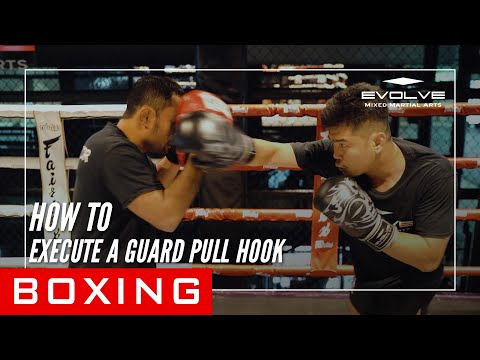
Boxing's Secret Weapon: Mastering the Guard Pull Hook with World Champions

Hello, warriors and students of the Way. Welcome to Budo and Martial Arts. Today, we delve into a technique that can be the difference between victory and defeat, a manoeuvre often overlooked but devastating in its execution: the Guard Pull Hook. We are not just talking about theory; we are dissecting a crucial boxing fundamental with insights from those who have danced in the crucible of combat and emerged victorious. The intention behind this exploration is clear: to arm you, the dedicated practitioner, with the knowledge to enhance your striking arsenal. This isn't about flashy, impractical moves; it's about understanding the mechanics and strategic application of a powerful offensive tool. We will dissect the "Guard Pull Hook," a term that encapsulates a dynamic sequence involving an opponent's defensive action and your counter-offensive response. This article aims to be your definitive guide, a masterclass in unlocking the potential of this specific strike. We will cover its technical execution, the tactical advantages it offers, and how it integrates into the broader philosophy of striking in disciplines like **Boxing**, **Muay Thai**, and even influencing **MMA**.

Table of Contents

The Anatomy of the Guard Pull Hook

At its core, the Guard Pull Hook is a counter-punch. It capitalizes on an opponent's attempt to clinch or "pull guard" (more commonly seen in grappling, but the principle of "pulling" an opponent's head or posture towards you applies across combat sports). When an opponent lunges forward, attempting to tie you up or close the distance defensively, they often expose themselves. This is where the magic happens. The sequence typically begins with the opponent initiating a "pull." This could be a double-collar tie, a head clinch, or even just a strong push to disrupt your balance. As they commit to this action, their guard can be momentarily lowered, or their posture might become more vulnerable. **The Execution:**
  1. Recognize the Pull: The first and most critical step is anticipation. You must see the opponent's intention to close the distance or clinch. This requires sharp observation and an understanding of common offensive and defensive reactions.
  2. Maintain Balance: As they pull, resist with your legs and core. Do not be dragged down or have your posture completely broken. A slight backward pressure can often accentuate their forward momentum, creating the opening.
  3. The Hook: As their guard naturally dips or their head comes within range, unleash a powerful hook. This hook is often thrown with a slightly different angle than a standard hook, as it follows the trajectory of their incoming movement. It’s a short, sharp, devastating blow.
  4. Target: The primary targets are the jaw, the temple, or even the side of the head. The objective is to land cleanly and decisively.
  5. Follow-Up: Depending on the impact, you may have an opportunity for further strikes or to re-establish dominant positioning.
It’s not just about throwing a punch; it’s about timing, leverage, and exploiting the opponent’s commitment to their action. The power comes not only from your arm but from the subtle manipulation of their own movement against them. This is a principle echoed in many traditional martial arts, where yielding to overcome is a foundational concept.
"The supreme art of war is to subdue the enemy without fighting." - Sun Tzu, The Art of War. While this quote speaks of strategy, the Guard Pull Hook embodies a similar spirit: using the opponent's own energy and intentions to achieve your objective efficiently.

When and Why to Employ the Guard Pull Hook

The Guard Pull Hook is not a technique you should throw indiscriminately. Its effectiveness is situational, making tactical awareness paramount. **Situations where it excels:**
  • Opponent is Aggressively Closing Distance: When an opponent is determined to get inside your reach, they often commit heavily to their forward movement, sometimes leaving openings.
  • Opponent Attempts a Clinch or Tie-Up: As soon as they grab or pull, you can initiate the counter. This is a direct response to their action.
  • When You Are Being Pushed Back: If an opponent is pushing you against the ropes or into a corner, they might think they have you trapped. This is often the perfect moment to surprise them with a sudden, sharp hook as they try to pin you.
  • To Disrupt an Opponent's Rhythm: If an opponent is relentlessly coming forward with the same type of attack, a well-timed Guard Pull Hook can break their momentum and force them to reconsider their approach.
The "why" is simple: it’s an efficient way to land a damaging blow while defending against an opponent's aggression. It turns their offensive action into your opportunity. It's about maximizing impact with minimal wasted energy, a core tenet of effective **combat**.

Drills to Perfect Your Guard Pull Hook

Mastery comes from repetition and dedicated practice. Here are drills to hone your Guard Pull Hook:

Guía de Entrenamiento: El Guard Pull Hook Paso a Paso

  1. Shadow Boxing with Intent: Visualize an opponent lunging or pulling. As you imagine their movement, practice the pull-and-hook sequence. Focus on the transition from resistance to offence.
  2. Partner Drills (Light Contact):
    • The Clinch Entry: One partner initiates a light collar tie or clinch. The other partner practices resisting, then quickly pulling their arm free to land a controlled hook.
    • The Forward Push: One partner gently pushes the other back. The pushed partner resists slightly and times a hook as the pusher commits.
  3. Heavy Bag and Mitt Work:
    • Reactive Hooks: Have your coach or partner call out "pull" or "lunge." React by performing the Guard Pull Hook to the bag or mitts.
    • Combination Flow: Integrate the Guard Pull Hook into existing boxing combinations. For example, after a jab and cross, if the opponent "pulls," counter with the Guard Pull Hook.
  4. Resistance Band Training: Use resistance bands anchored to a post. Mimic the pulling motion of an opponent, then explosively pull the band towards you as you throw the hook. This builds explosive power.
Remember, the key is to develop muscle memory for the reaction. You want your body to instinctively know what to do when that specific situation arises. This requires consistent effort, mirroring the dedication required for any aspect of **BUDO** or **MMA** training.

Guard Pull Hooks in Action

While not always explicitly named, the principle of the Guard Pull Hook is evident in many high-level striking exchanges. Think of legendary boxers like **Mike Tyson**, whose explosive power often came from countering an opponent’s aggression. Or observe Muay Thai fighters who expertly use the plum clinch to control an opponent before delivering short, powerful hooks. Fighters in **MMA** frequently employ similar concepts. When a wrestler shoots for a takedown, a skilled striker might use a "whizzer" or a strong frame to prevent the takedown, simultaneously creating an angle for a hook or uppercut. While the terminology differs, the underlying principle of exploiting an opponent's committed movement remains constant. This cross-disciplinary application highlights the universality of effective combat mechanics.

Sensei's Verdict: Is the Guard Pull Hook a Game Changer?

The Guard Pull Hook, when executed correctly, is more than just another punch; it's a strategic weapon. It’s a testament to the fact that often, the most effective techniques are those that exploit an opponent's own actions. It rewards good defense and awareness with potent offense. Is it a "game changer"? For the practitioner who masters it, absolutely. It provides a reliable method to punish aggressive opponents and turn defensive situations into offensive opportunities. It demands sharp reflexes and a deep understanding of timing. Cinturón Negro en Táctica de Contraataque. This technique, when properly integrated into your repertoire, can significantly elevate your striking game, making you a more dangerous and unpredictable opponent.

Equipo Esencial para tu Entrenamiento

To truly master techniques like the Guard Pull Hook, proper equipment is crucial for safe and effective training.
  • Boxing Gloves: For partner drills and heavy bag work, investing in a good pair of 14oz or 16oz boxing gloves is essential for protecting your hands and wrists.
  • Focus Mitts: If you train with a partner, focus mitts are invaluable for practicing offensive and defensive combinations, including counters like the Guard Pull Hook.
  • Heavy Bag: A sturdy heavy bag allows you to develop power and practice the punch with resistance.
  • Makiwara (Optional): For those seeking deeper conditioning and impact training rooted in traditional martial arts, a makiwara can help condition your hands, though it requires careful instruction to avoid injury.
  • Protective Gear: For sparring, ensure you have a mouthguard and groin protector.
Investing in quality equipment not only enhances your training but also reflects the respect you have for the martial path.

Frequently Asked Questions

  • Q: Is the Guard Pull Hook only for Boxing?
    A: No, the principle can be applied in Muay Thai, Kickboxing, and MMA when an opponent attempts to clinch or close distance aggressively.
  • Q: What is the difference between a Guard Pull Hook and a regular hook?
    A: A regular hook is typically thrown as part of a combination or as a standalone offensive strike. A Guard Pull Hook is a specific counter-punch, thrown in reaction to an opponent's pulling or clinching motion, often with a slightly different angle and timing.
  • Q: How can I practice this safely?
    A: Start with shadow boxing, then move to light, controlled drills with a partner. Use heavy bags for power development. Always prioritize technique over brute force, especially when learning.
  • Q: Can beginners learn this technique?
    A: Yes, but it requires patience and dedicated practice of the fundamentals of balance, timing, and recognizing the opponent's cues.

Para Profundizar en tu Camino

The Guard Pull Hook is a potent reminder that the most effective martial arts techniques are often born from an understanding of leverage, timing, and exploiting the opponent's intentions. It bridges the gap between defense and offense seamlessly, rewarding awareness and precision.

Reflexión del Sensei: Tu Próximo Paso

Consider this: When your opponent commits fully to an action against you, are you prepared to make them pay for that commitment? Or will you be a passive recipient of their strategy? The Guard Pull Hook is but one tool, but the principle behind it – turning an opponent's force into your advantage – is a fundamental truth in all combative arts. Reflect on this. How can you integrate this "yielding to overcome" principle into your training, not just physically, but mentally, in all aspects of your life? GEMINI_METADESC: Master the Guard Pull Hook in Boxing with World Champions Drian Francisco and Dejdamrong. Learn techniques, tactics, and training drills for this devastating counter-punch.

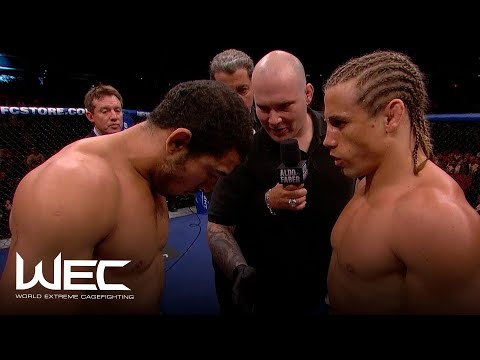
Jose Aldo vs. Urijah Faber: A Masterclass in Striking Dominance at WEC 48

Did the electrifying clash between Jose Aldo and Urijah Faber at WEC 48 in 2010 truly showcase the pinnacle of featherweight martial arts, or was it merely a brutal exhibition of one fighter's overwhelming power? This fight, etched into the annals of combat sports history, demands a deeper look beyond the knockout. As a veteran of the dojo and a keen observer of the martial arts landscape, I see more than just punches and kicks; I see a philosophy of combat unfolding, a testament to years of dedicated training and an unyielding warrior spirit.

Introduction: The Prelude to War

The year is 2010. The World Extreme Cagefighting (WEC) promotion, a crucible for the featherweight and bantamweight divisions, was on the cusp of its final chapter. WEC 48 was more than just a fight card; it was a testament to the thrilling, high-octane brand of combat that had captivated fans. At its heart was the featherweight title bout: the seemingly unstoppable force of Jose Aldo against the veteran warrior, Urijah Faber. For many, this was the definitive martial arts contest, a clash of styles that promised fireworks. But what truly made this fight a seminal event? It was the strategic execution, the raw power, and the sheer will to dominate that unfolded in the octagon.

The WEC 48 Stage: A Grand Finale

WEC 48 wasn't just another fight; it was a landmark event. It marked a pivotal moment for the WEC, a promotion that had been instrumental in elevating lighter weight classes in mixed martial arts. The acquisition of WEC by Zuffa, the parent company of the UFC, meant that WEC 48 would be one of the last standalone events before the rosters merged. The stakes were astronomically high, not just for the fighters vying for championship gold, but for the legacy of the WEC itself. The air in the arena crackled with anticipation, the crowd sensing the historical significance of the evening. Jose Aldo, already a fearsome reputation, was set to defend his featherweight title against the iconic "California Kid," Urijah Faber, a former champion and a perennial contender.

Martial Breakdown: Aldo's Precision vs. Faber's Grit

From a martial arts perspective, this bout was a fascinating study in contrasts. Jose Aldo, a product of the Nova União camp, embodied a devastating blend of Muay Thai and Brazilian Jiu-Jitsu. His striking was characterized by explosive power, impeccable timing, and a brutal arsenal of kicks, particularly his signature capoeira-inspired spinning techniques and devastating leg kicks. Urijah Faber, on the other hand, was the epitome of a relentless pressure fighter. His background in wrestling and his aggressive boxing style allowed him to close the distance, impose his will, and wear down opponents with sheer tenacity and volume.

"In any martial art, the ability to adapt and overcome is paramount. Faber represented the spirit of a warrior who never quits, while Aldo demonstrated the cold, calculated precision of a predator."

The tactical battle was clear: Faber needed to get inside Aldo's striking range, utilize his grappling, and make it a gritty, physical fight. Aldo's objective was to keep Faber at bay, land his powerful strikes, and exploit any defensive lapses. The initial exchanges set the tone: Aldo was sharp, landing stinging leg kicks that visibly affected Faber's mobility. Faber, true to his nature, pressed forward, attempting to clinch and work his way into takedown opportunities. However, Aldo's defensive grappling and masterful distance management proved to be significant obstacles.

The Art of the Strike: Aldo's Devastating Offense

Aldo's performance was a masterclass in offensive striking. His Muay Thai base was evident in every movement. The power he generated from his hips, coupled with his speed, made his strikes incredibly impactful. His knee strikes were particularly ferocious, delivered with concussive force. The now-legendary flying knee that ended the fight was not a lucky shot; it was the culmination of repeated pressure and the exploitation of an opening. It showcased:

  • Explosive Power: The sheer force behind Aldo's strikes was palpable, capable of ending a fight in an instant.
  • Precision: He didn't just throw wild punches; he targeted specific areas – legs, body, and head – with pinpoint accuracy.
  • Timing: Aldo excelled at striking at the opportune moment, often catching his opponent as they moved in or recovered.
  • Variety: From devastating leg kicks and powerful knees to sharp punches and acrobatic aerial attacks, his offensive repertoire was vast.

The economic use of energy was also notable. Aldo wasn't wasting strikes; each committed blow had a purpose, whether it was to inflict damage, set up another attack, or simply maintain control of the octagon. This efficiency is a hallmark of true martial artistry, a principle taught in countless dojos: every movement must serve a purpose.

Faber's Resilience: A Test of Endurance

Despite the overwhelming offense from Aldo, Urijah Faber displayed remarkable toughness and a never-say-die attitude that endeared him to fans. He absorbed significant damage, including brutal leg kicks that would have crumpled lesser fighters. Faber's wrestling background meant he constantly searched for opportunities to change the dynamic of the fight, to take Aldo down and grapple. He managed to secure takedowns and get Aldo to the ground, a testament to his perseverance. On the mat, Faber tried to impose his ground-and-pound, but Aldo's defensive Jiu-Jitsu and ability to scramble back to his feet were superior.

"The true measure of a fighter isn't just in victory, but in how they endure adversity. Faber's heart in this fight was undeniable, even in the face of overwhelming power."

Faber's ability to continue fighting, to keep pushing forward despite the punishment, speaks volumes about his conditioning and mental fortitude. This is where the warrior philosophy intersects with physical capability. He embodied the spirit of pushing past one's perceived limits, a crucial lesson for any aspiring martial artist. His ability to survive and even threaten Aldo at times showcased his extensive experience and fighting IQ.

Beyond the Knockout: Lessons in Dominance

This fight offers profound lessons for anyone involved in martial arts, regardless of style. It’s a stark reminder that while skill and technique are vital, power and the ability to impose one's will are often decisive factors. Aldo’s dominance wasn't just about his physical prowess; it was about his strategic approach. He understood Faber's strengths and meticulously crafted a game plan to neutralize them while amplifying his own. This is strategic warfare in its purest form, a concept as relevant in the octagon as it is in the philosophical texts of ancient samurai.

  • Strategic Advantage: Understanding your opponent's weaknesses and your own strengths is key to victory.
  • Physical Dominance: Raw power, when combined with technique, creates an almost insurmountable advantage.
  • Mental Fortitude: The will to win, the ability to withstand pressure, and the drive to execute a game plan are as important as physical skills.
  • Efficiency: Wasting energy on ineffective strikes or movements is a cardinal sin in combat. Every action should have a clear, defined purpose.

The fight serves as a compelling case study for the effectiveness of Muay Thai principles when applied by a master. It highlights how devastatingly effective a disciplined, powerful striking game can be against a wrestling-heavy opponent if the distance is managed correctly. This is a concept that resonates across many disciplines, from the precise sword work of the samurai to the direct approach of a Kyokushin Karate practitioner.

Sensei's Verdict: A Blueprint for Featherweight Supremacy

Jose Aldo's performance at WEC 48 was, without hyperbole, a masterclass. It wasn't just a knockout; it was a comprehensive dismantling of a formidable opponent. Aldo showcased the apex of featherweight striking, a blend of technique, power, and strategic brilliance that few have ever matched. He demonstrated precisely why he was considered one of the pound-for-pound best in the world. While Faber's heart and resilience were commendable, Aldo's offensive onslaught was simply too much to overcome. This fight is a definitive statement on why Jose Aldo stands as a legend in the sport.

Rating: 5 out of 5 Flying Knees.

Training Insights: Emulating Aldo's Power

To develop the kind of power and precision Jose Aldo displayed, focus on these key training principles:

  1. Power Generation: Practice rotational exercises that mimic striking movements. Focus on engaging your core and hips to transfer maximum energy into your strikes.
  2. Leg Kick Development: Work on your conditioning and power for leg kicks. Practice roundhouse kicks to heavy bags and focus on rotating your hips and driving through the target.
  3. Timing and Accuracy Drills: Sparring is crucial, but also practice with pads and focus mitts, emphasizing hitting specific targets at the right moments.
  4. Conditioning: Maintain peak physical condition. Explosive power requires a strong cardiovascular base and muscular endurance.
  5. Muay Thai Fundamentals: If possible, train in Muay Thai. Its emphasis on clinch work, knee strikes, elbow strikes, and powerful kicks is foundational to Aldo's style.

Remember, consistent and dedicated training is the only path to unlocking such a high level of performance. It’s not about magic; it’s about relentless repetition and refinement.

Essential Gear for Your Striking Arsenal

To hone your striking skills, the right equipment can make a significant difference. Investing in quality gear not only enhances your training but also protects you from unnecessary injuries.

  • Boxing Gloves (14-16 oz): Essential for all striking training, from bag work to sparring. Ensure they offer good wrist support.
  • Shin Guards: Crucial for Muay Thai and kickboxing training to protect your shins during leg kick drills.
  • Hand Wraps: Always wear hand wraps under your gloves to provide extra support to your wrists and knuckles.
  • Mouthguard: A non-negotiable piece of safety equipment for any sparring or full-contact training.
  • Heavy Bag: For practicing power shots and combinations.
  • Focus Mitts/Pads: Excellent for partner drills to improve timing, accuracy, and reflexes.

Frequently Asked Questions

What were Jose Aldo's most dangerous weapons?

Jose Aldo's most dangerous weapons were his powerful leg kicks, devastating knee strikes, and his precise, explosive punching combinations, particularly his uppercuts and hooks. His flying knee finish is also legendary.

Was Urijah Faber a legitimate contender for the featherweight title?

Absolutely. Urijah Faber was a former WEC champion and a perennial contender with incredible toughness, wrestling background, and aggressive striking. He was one of the toughest challenges in the division during his prime.

How did this fight contribute to the UFC-WEC merger?

WEC 48 was one of the final major WEC events before the UFC absorbed the promotion's roster. The success and star power displayed at this event, including the Aldo-Faber fight, underscored the talent pool that the UFC was integrating, paving the way for a stronger, more diverse UFC roster.

What is the significance of WEC 48 in MMA history?

WEC 48 is significant as one of the last major WEC events, featuring a stacked card and a memorable main event that showcased the elite talent of the featherweight division. It served as a final, spectacular hurrah for the promotion.

Deepen Your Martial Journey

Now, consider this: In the heat of battle, is it the unyielding spirit of the defender, or the precise, devastating application of offensive technique, that truly defines the martial artist? Reflect on the philosophy embedded within this contest. Your next training session holds the answer.

``` GEMINI_METADESC: Analyze the Jose Aldo vs. Urijah Faber fight at WEC 48 from a martial arts perspective. Explore striking techniques, fighter mentality, and lessons for training.

UFC 275: Teixeira vs. Blachowicz - A Masterclass in Striking and Grappling Dominance

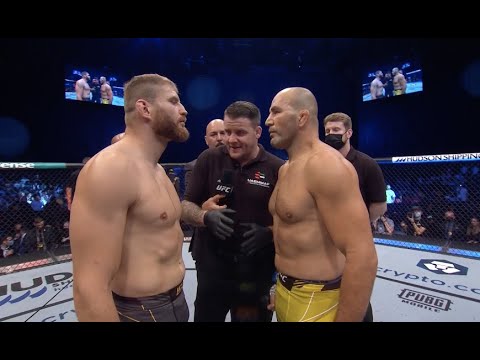
The electrifying clash between Glover Teixeira and Jan Blachowicz at UFC 275 was more than just a title fight; it was a brutal, beautiful ballet of combat, a testament to the enduring spirit of the martial arts. For those seeking to understand the apex of striking and grappling integration in modern MMA, this bout offers a profound lesson. It’s a narrative of perseverance, strategy, and the unyielding will of a warrior finally claiming his destiny. As a Sensei who has dedicated a lifetime to dissecting the nuances of combat and its representation, I see in this fight echoes of ancient principles applied on the grandest stage. The journey of Glover Teixeira, a man who clawed his way through the ranks for years, finally capturing the UFC Light Heavyweight Championship against a formidable champion like Blachowicz, is an inspiration that transcends mere sport. This isn't just about punches and kicks; it's about the embodiment of *ganbaru* (perseverance) and *reigi* (proper conduct and respect) even in the heat of battle. Welcome, seekers of the martial way, to a deep dive into what made this fight a modern classic. We will dissect the techniques, the strategies, and the underlying philosophies that made this championship bout a true spectacle.

The Genesis of a Championship Bout

The narrative leading up to UFC 275 was ripe with anticipation. Jan Blachowicz, the "Polish Power," had carved a path of destruction, showcasing devastating striking and a surprisingly robust ground game. He had ascended to the pinnacle, defending his title with brutal efficiency. Standing across from him was Glover Teixeira, a veteran whose career was a testament to his unwavering dedication. For years, Teixeira had been a contender, a perennial threat, but the championship belt had eluded him. His path was paved with wars, with setbacks, and with an almost mythical resilience. The bout itself was scheduled for UFC 275, a card stacked with exciting matchups. However, the main event held a special significance. It was the story of an old lion facing a dominant champion. This wasn't just about two fighters; it was about the culmination of decades of training, sacrifice, and an unshakeable belief in oneself.
"The outcome of a fight is determined long before the first bell rings. It is forged in the crucible of relentless training and unwavering self-belief." - Sensei's Observation

Strategic Breakdown: A Clash of Styles

From a martial arts perspective, this fight presented a fascinating dichotomy: Blachowicz, a master of Muay Thai and kickboxing fundamentals, known for his devastating leg kicks and powerful boxing combinations, versus Teixeira, a Brazilian Jiu-Jitsu black belt with a suffocating top game and surprisingly potent boxing. Blachowicz's strategy was clear: keep the fight standing, utilize his reach advantage with sharp jabs and powerful hooks, and exploit Teixeira’s perceived weakness in striking defense. He aimed to land heavy shots, possibly securing a knockout that had become his signature. His movement was calculated, utilizing footwork to create angles and avoid the dangerous clinch of Teixeira. Teixeira, on the other hand, understood that his path to victory lay in closing the distance, weathering the initial storm, and taking the fight to the ground. His game plan revolved around clinching, securing takedowns, and imposing his Brazilian Jiu-Jitsu **(BJJ)** dominance. Once on top, Teixeira is a master of control and submission, patiently working for chokes or incapacitating ground and pound. The initial exchanges often saw Blachowicz dictating the pace with his superior striking. His leg kicks were punishing, and his boxing combinations were accurate. However, Teixeira, true to his warrior spirit, absorbed the damage, feinted, and looked for openings to initiate his grappling game. This dance between striking and grappling is the essence of modern MMA, a constant test of a fighter's complete skill set.

The Art of the Submission: Teixeira's Ground Game

When Teixeira managed to close the distance and initiate the clinch, the complexion of the fight began to shift dramatically. This is where Teixeira's deep understanding of Brazilian Jiu-Jitsu truly shone. He displayed incredible strength and technique in controlling Blachowicz against the cage, preventing him from using his striking effectively. The key moment, as many recall, was Teixeira securing a takedown. Once the fight hit the mat, Teixeira’s presence was overwhelming. He moved with a fluidity and control that belied his age and the punishing pace of the fight. His ability to maintain top position, stifle Blachowicz's escape attempts, and transition into dominant positions was textbook. The final submission, a rear-naked choke, was a masterclass in timing and technique. Teixeira saw the opening, secured the grip, and applied the pressure with a calm, deliberate precision. This wasn't a desperate scramble; it was the execution of a well-honed skill, the culmination of countless hours spent on the mats, drilling, and sparring. It reminded me of the philosophy of Judo founder Jigoro Kano, who emphasized using an opponent's energy against them – something Teixeira executed flawlessly.

Blachowicz's Striking Prowess: The Polish Power

While the ground game ultimately decided the bout, it would be a grave error to underestimate Jan Blachowicz’s striking ability. His reputation as a devastating striker was well-earned. His left hook was a weapon of mass destruction, and his jab was sharp and effective. He demonstrated excellent timing and power throughout the fight, landing significant blows that would have felled lesser fighters. Blachowicz's proficiency in striking isn't just about raw power; it's rooted in solid kickboxing and Muay Thai fundamentals. He understood distance management and used feints effectively to set up his power shots. His leg kicks were particularly damaging, and at various points, they seemed to be slowing Teixeira down. The challenge for Blachowicz was Teixeira's ability to absorb punishment and his relentless pursuit of the takedown. In MMA, an opponent who can effectively nullify your strongest weapon and impose their own is a nightmare matchup. Blachowicz fought bravely, but against a seasoned veteran like Teixeira, who had a clear game plan and the skills to execute it, neutralizing his striking dominance proved to be an insurmountable task.

The Mental Game: A Warrior's Mindset

Beyond the physical techniques, the most profound lesson from UFC 275, and particularly from Glover Teixeira's victory, is the power of the warrior's mindset. Teixeira’s journey is a powerful illustration of perseverance and self-improvement. He faced setbacks, losses, and the seemingly inevitable march of time that suggests a fighter's prime is past. Yet, he never gave up. This mental fortitude is a core principle in all traditional martial arts. It’s the idea of *Mushin* (no-mind), the state of being free from distracting thoughts and emotions, allowing instinct and learned skill to take over. Teixeira displayed this when he weathered Blachowicz's early onslaught, and again when he patiently worked for the submission, never succumbing to frustration or doubt.
"The greatest victory is that which requires no battle." - Sun Tzu. While Teixeira did battle, his inner victory – his unwavering belief – was secured long before.
This mental toughness is something every practitioner, whether in the dojo or in life, must cultivate. It is the bedrock upon which all technical skill is built. The ability to push past perceived limits, to remain calm under pressure, and to maintain focus on the objective is what separates the good from the great. It's a concept deeply ingrained in the Budo philosophy – the way of the warrior.

Legacy of UFC 275: More Than Just a Fight

UFC 275, and specifically the main event between Teixeira and Blachowicz, etched itself into the annals of MMA history not just for the title change, but for the story it told. It was a victory for persistence, a testament to the fact that age is merely a number when dedication and skill are present. Glover Teixeira's win was an inspiration to countless aspiring martial artists who dream of reaching the pinnacle of their chosen discipline. It showcased the evolution of MMA, where fighters must possess a complete arsenal of skills. The days of fighters being one-dimensional are long gone. Blachowicz, a formidable striker, was expertly countered by Teixeira’s elite grappling, demonstrating the complex interplay of different martial arts disciplines within the MMA framework. This fight serves as a prime example for coaches and athletes alike, offering insights into strategic planning, in-fight adjustments, and the mental preparation required for championship-level competition. It underscores the importance of having a well-rounded game, capable of adapting to different styles and threats.

Training Essentials for Aspiring Grapplers and Strikers

To emulate the skills displayed at UFC 275, aspiring martial artists need a comprehensive training regimen. Here are some key areas to focus on:
  • Striking Fundamentals: Develop a strong foundation in boxing, Muay Thai, or kickboxing. Practice jab, cross, hook, and uppercut combinations. Master defensive techniques like slipping, blocking, and parrying. Work on power generation through proper hip rotation and footwork.
  • Grappling Techniques: For those aspiring to Teixeira's game, Brazilian Jiu-Jitsu is paramount. Focus on positional control (mount, side control, back control), submissions (chokes, armbars, leg locks), and takedowns. Develop strong defensive grappling as well, learning to escape bad positions.
  • Takedowns and Takedown Defense: Essential for bridging the gap between striking and grappling. Practice various takedowns like double-leg, single-leg, and trips. Equally important is learning to defend takedowns, maintaining your base and posture.
  • Clinch Work: The ability to control an opponent in the clinch is crucial for setting up takedowns or landing strikes. This involves controlling grips, creating frames, and using body weight effectively.
  • Cardiovascular Conditioning: Championship fights are grueling. Develop exceptional cardiovascular endurance through high-intensity interval training (HIIT), sparring, and long-distance running.
  • Strength and Conditioning: Build functional strength and explosive power. Focus on compound movements like squats, deadlifts, and overhead presses, alongside plyometrics and agility drills.

Sensei's Verdict: A Masterclass in Resilience

UFC 275’s main event was a brutal, beautiful, and ultimately inspiring display of martial arts mastery. Glover Teixeira’s journey to becoming the Light Heavyweight Champion against Jan Blachowicz wasn't just a victory; it was a profound statement on the enduring power of dedication, strategic intelligence, and an unbreakable warrior spirit. Blachowicz provided a stern challenge with his immense striking power, but Teixeira's masterful grappling, relentless pressure, and sheer force of will proved to be the deciding factors. This fight is a must-watch for anyone interested in the strategic depth and emotional narrative of modern combat sports. It’s a reminder that in the martial arts, as in life, perseverance often triumphs. Sensei's Rating: 9.5/10 - A defining moment in MMA history, showcasing the peak of two distinct yet complementary martial arts disciplines.

Frequently Asked Questions

What martial arts styles were most prominent in the Teixeira vs. Blachowicz fight?

The primary styles showcased were Brazilian Jiu-Jitsu (BJJ) by Glover Teixeira and Muay Thai/Kickboxing by Jan Blachowicz. The fight exemplified the integration of these disciplines within Mixed Martial Arts (MMA).

Was Jan Blachowicz known for his striking or grappling?

Jan Blachowicz was renowned for his devastating striking power, particularly his boxing combinations and leg kicks, earning him the nickname "Polish Power." While he possessed a competent ground game, his striking was his primary offensive weapon.

How old was Glover Teixeira when he won the UFC Light Heavyweight Championship?

Glover Teixeira was 42 years old when he won the UFC Light Heavyweight Championship at UFC 275, making him one of the oldest fighters to achieve this feat.

What submission did Glover Teixeira use to defeat Jan Blachowicz?

Glover Teixeira defeated Jan Blachowicz via a rear-naked choke in the second round.

Did this fight inspire new training methods?

While the fight didn't invent new methods, it certainly highlighted the effectiveness of a well-rounded approach, emphasizing the need for fighters to excel in both striking and grappling disciplines. It reinforces the ongoing evolution of MMA training.

Deepen Your Journey

``` GEMINI_METADESC: Dive into the strategic breakdown of UFC 275: Teixeira vs. Blachowicz. A martial arts analysis of striking, grappling, and the warrior's mindset.

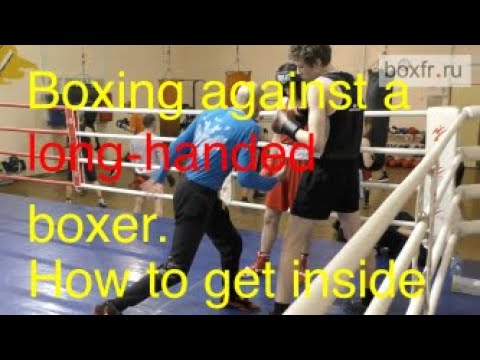
Mastering the Reach: How to Clinch and Conquer the Tall Boxer

The moment you step into the ring or onto the mats against a significantly taller opponent, a primal question echoes in your mind: How do I bridge the distance without getting systematically dismantled? This isn't merely a tactical conundrum; it's a test of your understanding of timing, distance, and the very essence of combat strategy. Many aspiring fighters, staring up at a taller adversary, feel an immediate disadvantage, a sense of being out of their element. But I tell you, this perceived gap is often more psychological than physical, a chasm that can be bridged with knowledge and precise application.

The Unseen Battlefield: Distance and Reach

Reach advantage is a formidable weapon. It allows a boxer to dictate the terms of engagement, peppering an opponent with jabs and crosses from a distance where they can't retaliate effectively. Trying to trade blows at their preferred range is akin to walking into a lion's den armed with a toothpick. It's a recipe for a swift, ignominious defeat. The initial instinct might be to rush in, but this is precisely what the taller fighter wants, creating openings for devastating uppercuts and hooks.

The true art lies in understanding that fighting a taller opponent isn't about overcoming their reach, but about neutralizing it. It’s about making their primary advantage a liability. This requires a shift in perspective, moving from a reactive stance to a proactive, strategic one. It's not about *fighting* their reach, but about *fighting within* it, on your terms.

Bridging the Gap: The Art of the In-Fighter

This is where the principles of the in-fighter become paramount. The in-fighter is a boxer who thrives in close quarters, using their agility and strategic movement to negate reach and deliver powerful body blows and hooks. It’s a style that requires courage, excellent defense, and a deep understanding of timing.

Footwork: Your Ladder to Victory

Forget charging headfirst. Effective footwork is your first line of defense and offense. You need to move laterally, cutting angles, and closing the distance in a controlled manner. Think of it not as a straight line, but as a series of calculated steps that bring you *inside* their guard.

  1. Angle Cutting: Instead of moving straight forward, step to the side, slightly forward. This forces the taller boxer to turn their body, creating an opening.
  2. Level Changes: While they are focused on your head, dropping your level can allow you to slip under punches and move closer.
  3. In and Out: The classic boxing strategy. Get in, land a shot or two, and get out before they can effectively counter. Against a taller fighter, this needs to be even more dynamic.

The Infamous Body Blows: Starving the Giant

A tall boxer’s power often resides in their ability to strike from a distance. When you close the gap and attack the body, you begin to starve them of their energy. Rib shots, solar plexus strikes, and liver punches can drain their stamina, lower their guard, and make their reach less effective as their arms become heavy.

My own masters would often speak of the importance of the body. "The head floats on the body," they'd say. A depleted body means a compromised head. When you commit to attacking the body, you're not just scoring points; you're dismantling your opponent’s engine.

"The superior warrior is the one who understands the enemy's strategy and can adapt their own accordingly." - A principle echoing through countless dojos.

Inside Fighting Techniques: Hooks, Uppercuts, and Clinching

Once you're inside, your arsenal changes. Long jabs become less effective. You need short, powerful punches. This is the realm of the hook and the uppercut.

  • Hooks: Short, powerful hooks to the head and body are devastating at close range. They don't require a long arc and can land even when an opponent is pressing in.
  • Uppercuts: These are crucial for close-range combat, especially when an opponent is leaning forward or attempting to clinch. They travel upwards and can catch an opponent off guard.
  • The Clinch: Sometimes, the best defense is to tie them up. A good clinch can prevent them from throwing punches, allow you to recover, or set up devastating body shots. It’s not about wrestling; it's about controlling their posture and position to deliver punishment.

The clinch isn't just a defensive maneuver; it's an offensive opportunity. In a clinch, you can use your forearm to press into their neck or face, creating discomfort and disorientation, or deliver short, brutal knees if the rules allow. For boxers, it's about controlling their arms, preventing them from creating space, and working the body with short, sharp punches.

Mind Games: The Psychological Edge

Fighting a taller opponent is as much a mental battle as a physical one. You must remain calm, focused, and believe in your strategy. Doubt is a taller opponent's greatest ally. If you let their physical advantage intimidate you, you've already lost half the battle. Embrace the challenge. Let their reach be a motivation to hone your skills and execute your plan with precision.

A master never fears the opponent's strength; they seek to understand its weaknesses. The long reach is a strength when the fight is at their distance. When you dictate the fight at close range, that strength becomes less relevant, and their longer limbs can even become a hindrance.

Countering the Long-Handed Boxer: Specific Strategies

While the principles above apply universally, here are specific tactics tailored for those facing opponents with a significant reach advantage, often found in boxing and some forms of kickboxing:

1. The Jab as a Range Finder and Disruptor

A tall boxer's jab is their primary tool. You cannot allow it to land consistently. Use your own jab, not to win exchanges, but to disrupt theirs. A quick, stiff jab to their nose or forehead can stun them and briefly interrupt their rhythm, giving you a window to advance.

2. Body Work: The Foundation of Weakness

As mentioned, attacking the body is crucial. Focus on:

  • Liver shot: A powerful right hook to the left side of the body.
  • Solar plexus strike: A straight punch to the pit of the stomach.
  • Rib shots: Hooks to the floating ribs.

These shots sap their energy, making it harder for them to lift their arms and maintain their stance.

3. Slipping and Rolling

Instead of blocking, learn to slip punches by moving your head off the centerline. Rolling with punches, using the momentum of their strike to pivot away, also helps you avoid damage and create counter-attacking angles.

4. The Power of the Uppercut

When you are chest-to-chest, the uppercut becomes your best friend. It’s a short, upward trajectory punch that can be devastating at close range. Practice throwing it with power, ensuring your hips are involved.

5. Controlled Aggression

You need to be aggressive to close the distance, but it must be controlled aggression. Rushing in wildly will expose you. Think of it as a predator stalking its prey, moving with purpose, cutting angles, and waiting for the right moment to strike.

When Boxing Meets Other Arts: MMA and Self-Defense

The principles of fighting a taller opponent extend beyond boxing. In MMA, grappling becomes an even more potent tool. If you can close the distance and initiate a takedown, you nullify their striking advantage entirely. In a self-defense scenario, this translates to getting inside the "bubble" of a larger attacker, controlling their limbs, and using close-range techniques, potentially including clinch work and ground fighting if necessary.

For instance, a wrestler or BJJ practitioner facing a much taller striker would aim to close distance quickly, secure a body lock, and initiate a takedown. The striking advantage of the taller individual is rendered useless on the ground.

Veredicto del Sensei: ¿Merece la pena?

Understanding how to fight a taller opponent isn't just a niche skill; it's a fundamental aspect of martial strategy. It teaches you adaptability, patience, and the crucial lesson that physical disparity can be overcome with superior technique and tactical intelligence. If you train to face every type of opponent, you become a more complete martial artist. Thus, learning these strategies is not just "worth it," it's essential.

Calificación: Un Cinturón Negro en Adaptabilidad Estratégica.

Equipo Esencial para tu Entrenamiento

Para dominar las técnicas de combate contra oponentes más altos, el equipo adecuado es crucial para un entrenamiento seguro y efectivo. Si bien el boxeo clásico requiere guantes y protectores, la versatilidad exige algo más:

  • Guantes de Entrenamiento (14-16 oz): Indispensables para cualquier tipo de sparring, ya sea boxeo, kickboxing o MMA. Proporcionan la protección necesaria para tus manos y las de tu compañero.
  • Cabezal de Sparring: Para reducir el riesgo de cortes y contusiones al trabajar la defensa y los movimientos de cabeza.
  • Protector Bucal: ¡Imprescindible! Incluso en entrenamientos controlados, la mandíbula es vulnerable.
  • Kimono de Judo o BJJ (si aplica): Si tu entrenamiento incorpora grappling, un kimono resistente (o "gi") es necesario para practicar agarres y derribos. Busca aquellos con doble o triple tejido para mayor durabilidad.
  • Saco de Boxeo o Pera Loca: Para trabajar la potencia de tus golpes, la resistencia y el timing.
  • Espinilleras: Si tu estilo incluye patadas, estas son vitales para proteger tus espinillas y las de tu compañero de entrenamiento.

Invertir en equipo de entrenamiento de calidad es invertir en tu progreso y seguridad. Busca marcas reconocidas por su durabilidad y protección.

Guía de Entrenamiento: El "Angle Cut" Dinámico

Este ejercicio se enfoca en mejorar tu capacidad para cerrar la distancia con un oponente imaginario (o un compañero que simule la resistencia) más alto, utilizando el corte de ángulo.

  1. Posición Inicial: Colócate en tu guardia de combate. Imagina a un oponente más alto frente a ti, a una distancia donde su jab te alcance, pero tú no puedas golpear con facilidad.
  2. Paso Lateral y Adelante: Da un paso lateral con tu pie trasero, moviendo tu cuerpo a un ángulo de aproximadamente 45 grados respecto a tu oponente. Inmediatamente, desplaza tu pie delantero para cerrar la distancia, moviéndote ligeramente hacia adelante.
  3. Simula un Golpe: Al llegar a la nueva posición, simula el lanzamiento de un gancho corto al cuerpo o a la cabeza, o un uppercut. Tu objetivo es golpear *después* de haber cortado el ángulo.
  4. Retirada Segura: Tras la simulación del golpe, da un paso rápido hacia atrás o hacia el lado opuesto para salir de su línea de contraataque.
  5. Repetición: Repite el movimiento, enfocándote en la fluidez y la coordinación entre el paso lateral, el avance y el golpe simulado. Trabaja ambos lados.
  6. Intensidad: Aumenta la velocidad y la intensidad gradualmente. Incorpora cambios de nivel (bajar la guardia) mientras realizas el corte de ángulo para una mayor efectividad.

Realiza este ejercicio durante 3-5 rondas de 2 minutos, con 1 minuto de descanso entre rondas, para desarrollar la memoria muscular y la eficiencia.

Preguntas Frecuentes

¿Es posible noquear a un boxeador más alto?

Absolutamente. La altura no garantiza la resistencia a los golpes. Un golpe bien colocado y potente en el mentón o el cuerpo puede derribar a cualquiera, independientemente de su estatura. Los campeones que dominan contra oponentes más altos suelen tener una gran potencia en sus golpes cortos (ganchos, uppercuts) y una mandíbula sólida.

¿Qué arte marcial es mejor para luchar contra oponentes más altos?

No hay un único "mejor" arte marcial. Sin embargo, aquellos que enfatizan el combate en corto alcance, el grappling, y las estrategias de cierre de distancia son particularmente efectivos. El boxeo (específicamente el estilo in-fighter), el Judo (por sus derribos y control en clinch), el Jiu-Jitsu Brasileño (BJJ) (para llevar la pelea al suelo) y el Muay Thai (con sus rodillas y codos en clinch) ofrecen herramientas excelentes.

¿Cómo afecta el peso a la lucha contra un oponente más alto?

En general, si el oponente más alto es también significativamente más pesado, la tarea se vuelve más ardua debido a la diferencia de fuerza y masa. Sin embargo, la técnica y la estrategia siguen siendo primordiales. Un luchador más ligero pero más rápido y hábil puede neutralizar a un oponente más pesado y lento, especialmente si logra imponer su ritmo y estilo de combate.

¿Debo siempre buscar el clinch contra un boxeador alto?

El clinch es una herramienta valiosa, pero no debe ser la única estrategia. Un clinch excesivo puede ser arriesgado si tu oponente es más fuerte o tiene un buen control de agarre, pudiendo fatigarte o dejarte expuesto a golpes cortos y duros. Úsalo tácticamente para controlar el espacio, lanzar golpes al cuerpo, o como puente para un derribo, pero no te quedes ahí indefinidamente.

Para Profundizar en tu Camino

Reflexión del Sensei: Tu Próximo Paso

Has aprendido la teoría, has visualizado las técnicas. Ahora, la pregunta que debes hacerte es: ¿cuántas veces has evitado entrenar con oponentes más altos por miedo o por pereza? ¿Estás dispuesto a salir de tu zona de confort, a buscar activamente aquellos desafíos que te harán crecer? La verdadera maestría no se encuentra en la comodidad de la victoria fácil, sino en la resiliencia y la adaptabilidad que demuestras cuando el camino se vuelve empinado. La próxima vez que te enfrentes a un rival con mayor alcance, ¿serás tú quien dicte el combate, o serás una víctima de tus propias dudas?

``` GEMINI_METADESC: Master the art of fighting tall boxers. Learn strategies for closing distance, effective in-fighting techniques, and how to neutralize reach advantage in boxing and other combat sports.