Showing posts sorted by relevance for query Muay Boran. Sort by date Show all posts

The Evolution of Muay Thai: From Bare Knuckles to Modern Gloves

Ah, Muay Thai. The "Art of Eight Limbs." A brutal, beautiful, and utterly effective system of combat that has captivated martial artists and fight fans for generations. But how did this fearsome art arrive at its modern form? Was it always about the iconic gloves, the shin guards, and the rhythmic chanting of Sarama music? Far from it. Today, we delve deep into the evolution of Muay Thai, a journey from its raw, bare-knuckle origins to the highly structured, globally recognized sport we see today.

The core question that often sparks debate among practitioners is: Did the older, more primal forms of Muay Thai hold an advantage in terms of effectiveness, or were the modern adaptations a necessary step for its survival and widespread adoption? Let's dissect this.

Ancient Roots: Muay Boran and Bare-Knuckle Combat

Before it was a regulated sport, Muay Thai was known as Muay Boran, or "ancient boxing." This was combat in its purest, most unadulterated form. Fought on dusty fields, in village squares, and even on battlefields, Muay Boran was less about points and more about survival and dominance. Fighters often wrapped their hands and forearms in hemp rope, a coarse material that would fray and harden, turning their limbs into formidable weapons. Some accounts even suggest fighters would soak these ropes in glue or sand to increase their damaging potential – a far cry from the padded gloves of today.

The techniques were brutal and direct. All eight limbs – fists, elbows, knees, and shins – were employed with devastating force. There were no weight classes, no rounds, and often no clear end to a fight other than incapacitation. This was a test of sheer will, physical conditioning, and an innate understanding of combat. The focus was on overwhelming the opponent through relentless pressure and powerful strikes. It was primal, raw, and deeply ingrained in Thai culture as a form of self-defense, military training, and entertainment.

"The true essence of combat is not in the beauty of the movement, but in the certainty of its effect." – A principle often echoed in the study of ancient martial forms.

The lack of protective gear meant fighters developed incredible resilience and pain tolerance. Every block, every parry, every impact was felt directly. This fostered a deep respect for the opponent and the consequences of every action, a philosophical tenet that, ideally, carries through to modern practitioners. This raw intensity is something many contemporary martial artists strive to recapture in their training, even within a more structured environment.

The Modernization of Muay Thai

The transition of Muay Thai from Muay Boran to its modern sport iteration was a gradual process, significantly influenced by the desire for wider appeal and international recognition. The mid-20th century saw crucial developments that shaped the sport we know. The introduction of boxing rings, standardized rules, rounds, weight classes, and, most importantly, padded gloves, were pivotal.

These changes were not without controversy. Purists argued that the introduction of gloves softened the art, reducing its lethality and altering its fundamental character. They felt the focus shifted from debilitating strikes to accumulating points, potentially sacrificing the devastating power of a well-placed elbow or knee strike delivered with full intent. However, these adaptations were essential for Muay Thai's survival and growth. They made the sport safer, more accessible, and easier to understand for audiences outside of Thailand. It allowed Muay Thai to compete on a global stage alongside other combat sports like boxing and kickboxing.

Consider the impact of the MMA and Kickboxing worlds. These disciplines have embraced Muay Thai techniques, but their rule sets and presentation are vastly different from the gritty origins of Muay Boran. This global integration, while beneficial for exposure, also necessitates a clear understanding of the original art's intent versus its sport manifestation.

Technical Evolution: From Primal Instinct to Refined Strategy

The technical evolution is fascinating. In Muay Boran, the emphasis was on overwhelming force and enduring damage. Elbows and knees were used with a direct, often brutal, efficiency. Fights could end with a single, perfectly landed strike. The hemp wraps, while offering some protection, did little to cushion the impact for the opponent.

With the advent of padded gloves, the punching techniques became more refined, resembling Western boxing more closely. Fighters could throw more punches with less risk of breaking their hands. This also led to a greater emphasis on defensive boxing skills. However, the core of Muay Thai – the devastating kicks, powerful knees, and vicious elbows – remained. The clinch, a close-quarters grappling and striking exchange, also became a more prominent feature, with fighters using it to set up knees, elbows, and trips.

Did this evolution diminish its effectiveness? This is where the debate truly ignites. Some argue that the focus on striking with gloves, combined with lighter, more agile opponents in a sport context, means less emphasis on the bone-shattering power of a bare-knuckle elbow. Conversely, modern Muay Thai has developed incredible speed, precision, and strategic depth. Fighters are conditioned to fight for multiple rounds, employing a wider array of offensive and defensive tactics. The conditioning is immense, focusing on explosive power, endurance, and the ability to absorb punishment.

A skilled Muay Thai practitioner today can still deliver fight-ending blows. The difference lies in the context. In a Muay Boran scenario, a single, well-placed elbow could end a life or career. In a modern Muay Thai bout, that same elbow might result in a cut, a knockdown, or a point deduction, but the fight would likely continue under the referee's supervision. The effectiveness is undeniable, but the *implication* of that effectiveness has shifted from potential fatality to athletic competition.

The Philosophical Shift: Budo Meets Commercial Sport

Every true martial art carries a philosophy, a code of conduct, a way of life – the Budo. Muay Boran was deeply intertwined with the warrior culture of Siam, emphasizing respect, discipline, courage, and humility. Fighters would perform the Wai Kru Ram Muay before a bout, a ritual paying homage to their teachers, their parents, and their heritage. This was more than just a show; it was a spiritual preparation and a demonstration of respect.

As Muay Thai entered the global sporting arena, this philosophical underpinning sometimes takes a backseat to the commercial aspects. Sponsorships, television rights, and the pursuit of championships can, for some, overshadow the deeper principles. However, the spirit of Muay Thai endures. Many gyms and trainers worldwide still instill the traditional values of respect, discipline, and perseverance. The Wai Kru Ram Muay is still practiced, and the core tenets of martial ethics are taught alongside the physical techniques.

This duality is common in many martial arts that have achieved global popularity. Take Kyokushin Karate or Judo, for instance. While they have stringent competition rules, the underlying Budo principles remain paramount for those who seek true mastery.

"Mastery is not a destination, but a continuous journey of self-discovery and refinement." – A lesson applicable to both ancient Muay Boran and modern Muay Thai.

The challenge for modern practitioners is to embrace the sport's evolution and its global reach without losing sight of the profound philosophy that birthed it. It requires conscious effort to cultivate the discipline, respect, and mental fortitude that are the hallmarks of true martial artistry.

Veredicto del Sensei: The Enduring Spirit of the Warrior

So, was Muay Thai "better" in its bare-knuckle days? From a purely effectiveness standpoint in a no-holds-barred life-or-death scenario, one could argue that the unadulterated brutality of Muay Boran, with its emphasis on debilitating strikes and unyielding resilience, might have an edge. The lack of protective gear forged a different kind of warrior, one who operated at the absolute edge of physical and mental capacity.

However, judging Muay Thai solely on its historical combat utility misses the point of its evolution. Modern Muay Thai is a highly sophisticated sport, a testament to human adaptability and the refinement of skill. The gloves, the rules, the training methodologies – they have transformed it, yes, but they have also preserved its core principles and made it accessible to millions. The precision of kicks, the power of punches, the strategic use of elbows and knees, and the mastery of the clinch are all still present, honed to an incredible degree.

Muay Thai today is a perfect example of how a martial art can adapt to survive and thrive. It has retained enough of its ferocious spirit to remain one of the most respected striking arts in the world, while also embracing the structure necessary for a modern sport.

Cinturón Negro en Adaptabilidad.

Equipo Esencial para tu Entrenamiento

To truly appreciate and train in Muay Thai, having the right equipment is crucial. While the art began with bare fists and hemp wraps, modern training demands specific gear to ensure safety and effectiveness:

  • Muay Thai Shorts: Lightweight and designed for maximum mobility, essential for the high kicks and dynamic movements.
  • Hand Wraps: Crucial for protecting your knuckles, wrists, and hands when hitting pads and heavy bags.
  • Boxing Gloves: Typically 10-16oz for training, providing cushioning for both the wearer and their training partners.
  • Shin Guards: Padded guards to protect the shins during sparring and pad work, a critical part of Muay Thai's arsenal.
  • Mouthguard: Non-negotiable for any sparring session to protect your teeth and jaw.
  • Groin Protector: Essential for protecting vital areas during sparring.
  • Optional: Focus Mitts and Thai Pads: For trainers to work with students, developing precision, power, and timing.

Investing in quality martial arts merchandise can significantly enhance your training experience and longevity in the sport.

Guía de Entrenamiento: Practicing the Clinch

The clinch (or Plum) is a cornerstone of Muay Thai. It's a close-range battle where technique and leverage often trump brute strength. Here’s a basic approach:

  1. Entry: Once inside your opponent's striking range, use a frame with your arms (biceps and forearms) to control their head and posture.
  2. Grip: Secure a dominant grip on your opponent's neck or head. Common grips include a single collar tie (one hand on the back of the neck) or a double collar tie (both hands).
  3. Posture Control: Keep your posture upright and pull your opponent's head down, breaking their posture. This makes them vulnerable and limits their ability to strike effectively.
  4. Knee Strikes: With their posture broken, drive your knees upward into their body (abdomen, thighs, or even head if the rules permit and technique is sound). Angle your hips to generate power.
  5. Elbow Strikes: From the clinch, you can also deliver short, powerful elbow strikes.
  6. Sweeps and Trips: Utilize leverage to unbalance your opponent and execute sweeps or trips to take them to the ground (if the context allows).
  7. Defense: Maintain a strong base, keep your posture, and use your own grips to counter your opponent's movements and prevent them from striking or sweeping you.

Consistent practice of the clinch, ideally with a qualified instructor, is vital for developing this crucial aspect of Muay Thai. For more on conditioning for close-range combat, explore resources on combate cuerpo a cuerpo.

Preguntas Frecuentes

Is Muay Thai only about striking?

No, while Muay Thai is renowned for its devastating strikes using fists, elbows, knees, and shins, it also incorporates significant grappling elements, particularly in the clinch (Plum), where sweeps and throws are utilized.

What is the difference between Muay Thai and Kickboxing?

While both involve striking with fists and kicks, Muay Thai permits the use of elbows and knees with much greater freedom and effectiveness, and the clinch work is far more extensive and strategic than in most forms of kickboxing.

Is Muay Thai effective for self-defense?

Absolutely. The techniques are direct, powerful, and designed to end threats quickly. The art's emphasis on using all eight limbs, combined with resilience and aggression, makes it highly practical for real-world situations, though training often adapts for sport rules.

How long does it take to become proficient in Muay Thai?

Proficiency is a lifelong pursuit. However, with consistent training (3-5 times per week), most individuals can learn the fundamental techniques and develop a good level of conditioning within 6-12 months. Mastery takes years, if not a lifetime.

Para Profundizar en tu Camino

Fight Vision video courses (Old school Muay Thai, Kickboxing, Karate): www.fightvision.net

Support channel and become sponsor: https://www.youtube.com/channel/UCK-bMpkmfqdNB0-TbWbwVhw/join

Soundtrack by MAZE MIND: https://www.youtube.com/channel/UCBQcqqhObWW0Y_sYnAN-_dw

Reflexión del Sensei: Tu Próximo Paso

We've traced the formidable lineage of Muay Thai, from its visceral, bare-knuckle roots to the polished, global sport it is today. We've pondered the efficacy of its original form versus its modern iteration. But the true lesson lies not in declaring one superior, but in understanding the purpose and context of each.

Now, I ask you: When you step onto the mat, or even face a challenge in your daily life, are you approaching it with the raw, unyielding spirit of Muay Boran, or the refined, strategic discipline of modern Muay Thai? More importantly, are you consciously choosing your approach based on the situation, or are you simply a product of your training, unaware of the deeper forces at play? Reflect on this. The answer will shape not just your technique, but your very character.

``` GEMINI_METADESC: Explore the evolution of Muay Thai from ancient bare-knuckle combat to the modern sport. Analyze technique, philosophy, and effectiveness.
Muay Thai's Ferocious Beauty: A Sensei's Analysis of the "Art of Eight Limbs"

Introduction: The Raw Power of Muay Thai

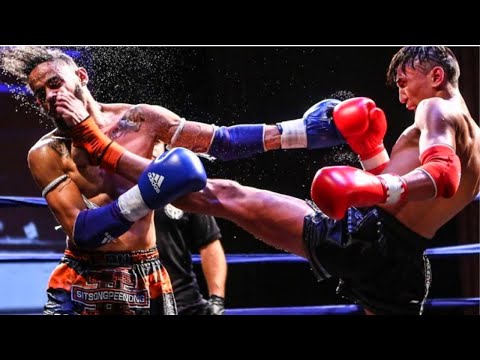
Welcome, disciples, to Budo and Martial Arts. Today, we dissect a force that has captivated the martial world: Muay Thai. You might have seen compilations of its most devastating knockouts, flashes of pure, unadulterated impact. But to truly understand Muay Thai, we must look beyond the spectacular finish and delve into its very soul. Is it merely a brutal exchange of blows, or does it embody the profound principles of Budo, the Way of the Warrior? Prepare yourselves; we are about to uncover the fierce elegance and the demanding discipline of the "Art of Eight Limbs."

The Essence of Muay Thai: More Than Just Knockouts

Let's be clear from the outset: while the spectacular knockout is often the siren call of Muay Thai, it is far from its complete definition. The raw power you see in compilations is the *result*, not the *foundation*. Muay Thai, or "Thai boxing" as it's sometimes known, is a martial art and combat sport forged in the crucible of real combat. It's a stand-up striking discipline, yes, but its true genius lies in the seamless integration of punches, kicks, elbow strikes, and knee attacks, all woven together with sophisticated *clinch* techniques. This is where the moniker "art of eight limbs" truly resonates – a symphony of destruction orchestrated by hands, elbows, knees, and shins. It’s a system designed for effectiveness, honed over centuries, not for mere showmanship, though its visual impact is undeniable.
"Muay Thai is the art of standing. It is the art of the battlefield. It is the art of the king." - A common saying among Thai instructors.
The international proliferation of Muay Thai in the late 20th and early 21st centuries brought its ferocity to global stages. Thai practitioners, often venturing into kickboxing and mixed-rules matches, showcased a level of striking proficiency that few could match. Governed professionally by The Professional Boxing Association of Thailand (P.A.T) and sanctioned by The Sports Authority of Thailand (S.A.T.), its structure ensures a high standard of competition. But its origins are far more ancient, deeply intertwined with its regional martial cousins like Musti-yuddha, Muay Chaiya, Muay Boran, Muay Lao, Lethwei, Pradal Serey, and Tomoi. Understanding these connections is crucial for appreciating Muay Thai’s evolutionary journey. A practitioner of Muay Thai is known as a *nak muay*. The term *nak muay farang* specifically refers to foreign boxers practicing in Thailand, highlighting the art's deep national roots. This distinction is not merely semantic; it speaks to a cultural immersion and respect that goes beyond physical technique.

A Warrior's Lineage: The Deep Roots of Muay Thai

To truly grasp the power and philosophy behind Muay Thai, we must look back. Its development from the traditional *Muay Boran* is not a simple evolutionary step; it's a lineage, a testament to the enduring need for practical combat skills in Thailand's history. Muay Boran, meaning "ancient boxing," was a more comprehensive battlefield system, encompassing unarmed combat techniques vital for warriors. As warfare evolved, the battlefield techniques were adapted for duels and self-defense, eventually leading to the more standardized sport we recognize today. This evolution is not unique. Many martial arts, from Karate to Taekwondo, trace their roots to older, often more brutal, combat systems. The key difference lies in how these systems are preserved and transmitted. Muay Thai, thankfully, has retained a strong connection to its roots, ensuring that its practitioners understand the ‘why’ behind the ‘what’. This is a critical distinction that separates mere sport from genuine martial discipline. Many so-called "modern" martial arts have shed their combat heritage in favor of an almost exclusive focus on competition, sometimes to their detriment. Muay Thai, while embracing the sport aspect, has largely resisted this dilution.

The Eight Limbs in Action: A Technical Breakdown

The "eight limbs" – two fists, two elbows, two knees, two shins – are the foundational tools of the *nak muay*. * **Fists (Chuan)**: While punches in Muay Thai may appear similar to Western boxing, they often carry different intentions. They can be used for setting up power shots with the other limbs, for controlling distance, or for delivering sharp, decisive blows. Hooks, uppercuts, and straight punches are all employed, but with a particular emphasis on generating power from hip rotation and body weight transfer. * **Elbows (Sok)**: This is where Muay Thai truly distinguishes itself. Elbow strikes are devastatingly effective at close range, capable of cutting opponents and ending fights quickly. Horizontal, upward, and downward elbow strikes can be used from various angles, often incorporated seamlessly out of a clinch. The speed and precision required to land these dangerous weapons are honed through rigorous practice. * **Knees (Khao)**: Similar to elbows, knees are brutal weapons, particularly effective in the clinch. Powerful knee strikes to the body can sap an opponent's strength, while knees to the head can be fight-ending. The ability to generate force through the entire body into a knee strike is a hallmark of a skilled *nak muay*. * **Shins (Tee* / *Sork*)**: The conditioning of the shins is legendary. Muay Thai practitioners develop incredibly tough shins capable of delivering powerful roundhouse kicks (*teep*) that can knock an opponent off balance or deliver concussive force to the body. Unlike the more "snappy" kicks found in some other martial arts, Muay Thai kicks often involve a full transfer of weight and power through the leg. The *clinch* (Plaa Mum*) is another defining element. It's not merely a wrestling hold; it’s an active exchange where fighters use their upper body to control their opponent, delivering knees and elbows while defending against their opponent's attacks. Mastering the clinch requires immense strength, balance, and tactical awareness. It is an art form in itself, often misunderstood by those unfamiliar with Muay Thai’s depth.

Forging the Nak Muay: The Rigors of Muay Thai Training

The path of a *nak muay* is not for the faint of heart. The training regimen is notoriously demanding, designed to build not only physical prowess but also mental fortitude.
  1. Roadwork: Early morning runs, often several miles, are a staple to build cardiovascular endurance.
  2. Bag Work: Heavy bag training develops power, endurance, and the ability to deliver combinations. The sheer volume of strikes often exceeds that of many other martial arts.
  3. Pad Work: Working with pads, held by a trainer, is crucial for refining technique, timing, and accuracy. This is where combinations are practiced, and power shots are delivered with precision.
  4. Clinch Drills: Extensive time is spent practicing clinch techniques, focusing on control, balance, and delivering knees and elbows effectively.
  5. Sparring: Controlled sparring sessions are essential for applying techniques in a dynamic environment, developing timing, distance management, and the ability to think under pressure. This is often done with a higher intensity than seen in many other martial arts.
  6. Strength and Conditioning: Bodyweight exercises, resistance training, and plyometrics are incorporated to build the explosive power and resilience required for Muay Thai.
  7. Shin Conditioning: Perhaps one of the most iconic aspects, practitioners deliberately condition their shins, often through repeated striking of heavy bags or specialized equipment, to withstand the impact of kicks.
This relentless training imbues the *nak muay* with incredible physical resilience and mental toughness. The constant pushing of physical limits, the enduring of pain, and the focus required to master complex techniques build a character that transcends the gym.

Beyond the Ring: Muay Thai's Cultural Significance

Muay Thai is more than just a sport; it is an integral part of Thai culture and national identity. Traditionally, matches were accompanied by the hypnotic strains of Thai classical music, creating an almost spiritual atmosphere. Fighters would perform a ritual dance known as the *wai kru ram muay* before each fight, a display of respect for their teachers, their opponents, and their art. While the more traditional elements are less prevalent in international professional settings, they remain a powerful symbol of Muay Thai’s heritage. The respect for elders and instructors (*kru*) is paramount, a core tenet that aligns perfectly with the principles of Budo. This cultural context is vital for understanding the art's deeper meaning and the mindset of its practitioners. It’s a discipline that demands not just physical skill but also respect, humility, and a deep understanding of tradition.

Cinematic Knockouts: A Critical Look at Muay Thai in Media

The visceral impact of Muay Thai makes it a natural fit for cinematic action. Compilations showcasing devastating knockouts, like the one that inspired this discussion, often highlight the art's raw power. However, the depiction of Muay Thai in film can be a mixed bag. When done correctly, films can showcase the art's technicality and beauty. Choreographers who understand Muay Thai can translate its principles into dynamic, visually stunning fight sequences. However, often in Hollywood, the emphasis shifts from authentic technique to pure spectacle. Elbows and knees might be thrown without proper setup, clinches are often simplified, and the conditioning aspect is rarely, if ever, depicted. The danger lies in these exaggerated portrayals creating misconceptions. Viewers might believe that landing a spinning back elbow is as simple as in the movies, or that the formidable conditioning is an optional extra. As a critic, I often find myself wincing at the liberties taken. While the intent may be to thrill, the result can be a dilution of the art's true essence. A truly great cinematic portrayal of Muay Thai would capture not only the impact but also the discipline, the strategy, and the cultural context that makes it so profound.

Essential Gear for Your Muay Thai Journey

To begin your training in Muay Thai, you'll need a few key pieces of equipment. Investing in quality gear will not only enhance your training experience but also ensure your safety.
  • Muay Thai Shorts: Shorter and looser than boxing shorts, allowing for greater freedom of movement, especially for kicks and knees.
  • Hand Wraps: Essential for protecting your hands and wrists during intense punching drills and sparring.
  • Boxing Gloves: Typically 10-16 oz, depending on your training phase (sparring requires heavier gloves than bag work). Look for gloves designed for Muay Thai or general striking.
  • Shin Guards: Crucial for protecting your shins during kick drills and sparring. Quality shin guards are a must-have.
  • Mouthguard: Non-negotiable for sparring and any form of live practice.
  • Groin Protector: Highly recommended for sparring.
  • Optional: Forearm Guards/Pads: Some practitioners use forearm guards for conditioning, and pad work necessitates training pads.
For those looking to deepen their understanding or simply equip themselves for home training, consider investing in good quality **Thai pads** and a **heavy bag**. These are fundamental for developing power and technique. Additionally, books on **Muay Thai techniques** can offer valuable insights when paired with practical instruction.

Frequently Asked Questions

Is Muay Thai too dangerous for beginners?

Like any combat sport, Muay Thai carries inherent risks. However, with proper instruction, gradual progression, and the right safety equipment (especially shin guards and mouthguards during sparring), beginners can train safely and effectively. The focus is on learning technique and conditioning progressively.

Can women practice Muay Thai?

Absolutely. Muay Thai is practiced by men and women worldwide. Its emphasis on technique, timing, and conditioning makes it an excellent martial art for practitioners of all genders.

How long does it take to learn Muay Thai?

Martial arts mastery is a lifelong journey. You can learn the fundamental techniques and conditioning principles of Muay Thai within months, allowing you to participate safely in sparring. However, developing true proficiency, nuanced strategy, and mastery of the clinch can take many years of dedicated practice.

Is Muay Thai the most effective striking art?

Effectiveness is highly dependent on the practitioner, the context, and the ruleset. Muay Thai is exceptionally effective in stand-up striking exchanges and close-range combat due to its comprehensive use of all eight limbs and clinching techniques. Its effectiveness in mixed martial arts (MMA) has been proven repeatedly, though it often needs to be complemented with grappling skills.

What is the difference between Muay Thai and Kickboxing?

While related, they differ significantly. Muay Thai permits extensive use of the clinch, elbows, and knees, with a greater emphasis on conditioning the body (especially shins) for powerful kicks and impact. Traditional kickboxing often limits clinching, disallows elbows, and may have different rules regarding sweeps and throws.

For Deeper Exploration of Your Path

To truly integrate the principles of Muay Thai into your martial journey, consider exploring these related topics:

Further Reading and Essential Resources

To truly understand the "Art of Eight Limbs" and its place within the broader spectrum of martial disciplines, I implore you to explore these foundational texts and concepts:
  • The Book of Five Rings (Go Rin No Sho) by Miyamoto Musashi: While not directly about Muay Thai, Musashi's treatise on strategy and swordsmanship offers timeless principles applicable to any martial art, emphasizing mindset, timing, and the understanding of one's opponent.
  • Budo: The Martial Way by various masters: Exploring the philosophical underpinnings of Japanese martial arts can provide a valuable comparative framework for understanding the Budo spirit that can, and should, be present in all disciplines, including Muay Thai.
  • Classic texts on the history of Thai martial arts: For those serious about the origins, delving into scholarly works on the history of Siamese warfare and martial traditions will offer profound context.

Training Guide: Conditioning Your Shins for Muay Thai

Proper shin conditioning is vital for Muay Thai practitioners to deliver powerful kicks and endure the impact of their opponents'. This process requires patience and consistency.
  1. Start Gently: Begin by lightly striking a heavy bag with your shins. The goal is not to hurt yourself but to begin the process of desensitization and strengthening.
  2. Increase Intensity Gradually: Over weeks and months, progressively increase the force and duration of your shin strikes on the bag.
  3. Vary Kick Types: Practice different types of kicks (roundhouse, teep) to condition the entire shin bone and surrounding muscles.
  4. Listen to Your Body: It is crucial to differentiate between soreness (normal) and sharp pain (a sign of injury). Do not push through injury. Allow adequate rest and recovery.
  5. Consistency is Key: Regular, even short, sessions of shin conditioning are more effective than infrequent, brutal ones. Aim for daily practice, if possible, integrated into your training.
  6. Consider Professional Guidance: A qualified Muay Thai instructor can provide specific techniques and advice tailored to your individual needs and progress. They can also demonstrate the proper form to avoid injury.

Veredicto del Sensei: ¿Merece la pena?

Muay Thai, in its essence, is a profound martial art that demands respect, discipline, and relentless effort. While the spectacular knockouts are a tantalizing glimpse, they are but the tip of a colossal iceberg of dedication and skill. For the practitioner, it offers unparalleled physical conditioning, mental fortitude, and a deep connection to a rich cultural heritage. Its effectiveness in combat is undeniable, making it a cornerstone of modern striking arts and MMA. For the observer, it is a testament to human resilience and the pursuit of perfected technique. The "Art of Eight Limbs" is not just about inflicting damage; it's about precision, timing, strategy, and the unwavering spirit of the warrior. It earns my highest respect. Calificación: Cinturón Negro en Eficacia y Tradición.

Reflexión del Sensei: Tu Próximo Paso

The ferocity of Muay Thai is undeniable, its efficiency legendary. Yet, remember that the strongest oak began as a seed, nurtured by patience and resilience. You have seen the power, the technique, the tradition. Now, consider this: If Muay Thai teaches us to use all eight limbs with devastating effectiveness, what "limbs"—skills, knowledge, virtues—are you neglecting in your own life's battles? Are you focused only on your fists, or are you honing your "knees" of adaptability, your "shins" of perseverance, your "elbows" of sharp wit, and your "core" of unwavering spirit? Reflect on this. GEMINI_METADESC: Explore the profound depths of Muay Thai beyond knockouts. A Sensei's analysis of its techniques, history, cultural significance, and rigorous training.

The Evolving Aesthetic of Muay Thai: From Ancient Warrior Garb to Modern Fight Night Spectacle

The roar of the crowd, the rhythmic clang of the wai khru music, the sting of the elbow – these are the sensory hallmarks of Muay Thai. But beneath the brutal efficiency and spiritual rituals lies a visual evolution, a sartorial journey that mirrors the art's transformation from battlefield necessity to global sport. Have you ever stopped to consider what a Muay Thai fighter wore in the brutal arenas of ancient Siam compared to the meticulously branded athletes gracing televised bouts today? It's a question that probes deeper than mere fashion; it touches upon the very essence of identity, practicality, and the cultural tapestry of "The Art of Eight Limbs."

The Warrior's Canvas: Ancient Muay Boran Garb

Before the glitz and glamour of modern stadiums, Muay Boran, the ancestor of Muay Thai, was a martial art honed for warfare and personal defense. The attire reflected this primal purpose. Fighters often wore minimal clothing, a practical approach for unrestricted movement and to minimize the enemy's grip points. The primary "outfit" was often just a loincloth, known as a pâ-kâo-mâ (ผ้าขาวม้า). This simple piece of cloth, usually made of cotton, provided basic coverage while allowing for explosive kicks, powerful knee strikes, and grappling.

However, the warrior's adornment extended beyond mere cloth. Ancient warriors would often coat their hands and forearms in kradorm (กระดอม), a mixture of sugar water and ash, or sometimes even horsehair or crushed glass. This served a dual purpose: to harden the striking surfaces, making them more effective against an opponent, and to increase the pain and damage inflicted. This was not for show; it was for survival. Imagine the raw ferocity of a Muay Boran fighter, their body glistening with sweat and protective concoctions, ready to face an opponent with nothing but their trained body and a fierce will to win.

The true warrior does not fight with adornments, but with the heart. Yet, even the heart can be strengthened by the body it inhabits.

The Mongkut Era: Standardization and Early Symbolism

As Muay Thai began to transition from a battlefield art to a more organized sport during the reign of King Rama IV (Mongkut) in the mid-19th century, so too did the attire. The pâ-kâo-mâ remained in use, but its preparation and application became more standardized. Competitions started to gain structure, and with structure came the need for clearer rules and, by extension, more recognizable uniforms.

It was during this period that the concept of "ropes" began to be used to bind the hands, evolving from the earlier crude methods. These ropes, often called hâk k (ฮาก), were meticulously wrapped to protect the fighter's knuckles and provide a more solid striking surface. The color of these wraps could sometimes signify the fighter's camp or affiliation. While not a full uniform in the modern sense, these elements began to introduce a visual identity to the sport, moving it further away from its purely utilitarian origins.

The Rise of the Shorts: Practicality Meets Identity

The most significant visual shift in Muay Thai attire undoubtedly came with the widespread adoption of shorts. This transition, largely occurring in the 20th century, was driven by the need for greater mobility, comfort, and eventually, by the sport's global expansion and its integration into the broader martial arts landscape.

Modern Muay Thai shorts are designed for unrestricted leg movement, crucial for the high kicks, knee strikes, and sweeping techniques that define the art. They are typically made of satin or a similar lightweight, durable fabric, allowing for quick drying and minimal restriction. The cut is usually loose and high-waisted, often featuring a drawstring for a secure fit. This practical design allows practitioners to execute the complex footwork and powerful leg techniques that are synonymous with Muay Thai. The length can vary, but a common style is the shorter, traditional cut that allows for maximum freedom of movement.

But these shorts are more than just functional. They have become a canvas for cultural expression and commercial branding. The vibrant colors, intricate patterns often inspired by traditional Thai motifs, and the prominent display of logos all contribute to the visual spectacle of a Muay Thai match. A fighter entering the ring today is instantly recognizable by their shorts – a fusion of ancient heritage and modern sport.

Beyond the Shorts: The Evolution of Wraps and Protection

While the loincloth has been replaced by shorts, the hand wraps have undergone their own dramatic evolution. The raw, often painful, ancient methods have given way to sophisticated hand wraps made of cloth or elasticated bandages, designed to protect the fighter's wrists and knuckles from the immense impact of striking. These are often supplemented by specialized boxing gloves, a standard in modern competition.

The development of these protective gear reflects the increased intensity and frequency of training and competition in contemporary Muay Thai. What began as a warrior's attempt to enhance his weapon (his fist) has evolved into a scientific approach to maximizing performance while minimizing injury. This transition is crucial for the longevity of athletes and the sustainability of the sport as a global spectacle. It’s a testament to how the art has adapted to the demands of modern sports science.

Logos and Sponsorship: The Business of the Fight

Walk into any modern Muay Thai stadium or gym, and you'll see that the shorts are not just a garment, but a billboard. The rise of sponsorship has profoundly impacted Muay Thai attire. Fighters' shorts, tank tops (worn during training and sometimes during warm-ups), and even their corner team's apparel are emblazoned with logos of sponsors, from local businesses to international sports brands.

This commercialization is a double-edged sword. On one hand, it provides vital financial support for athletes and the sport, allowing for professional careers and larger-scale events. On the other hand, some purists lament the potential dilution of traditional aesthetics in favor of commercial appeal. The visual landscape of Muay Thai has undeniably shifted from purely cultural symbols to a blend of tradition and corporate branding. The question is, does this shift enhance the sport's reach, or does it erode its authentic soul?

In the arena of commerce, as in the arena of combat, survival often depends on adaptation. But adaptation must not come at the cost of foundational integrity.

Ceremony and Tradition: The Wai Kru and Beyond

Despite the modernization of its attire, Muay Thai has fiercely protected its traditional ceremonies, most notably the Wai Kru Ram Muay. This pre-fight ritual, where fighters pay respects to their teachers, gym, and family, often involves specific movements and symbolic gestures. While the attire for the fight itself might be modern shorts and gloves, the Wai Kru may sometimes involve more traditional elements, such as a mongkhon (มงคล), a sacred headband worn during the ritual.

The mongkhon is typically placed on the fighter's head by their trainer and is believed to hold spiritual power. It is removed only after the Wai Kru is complete and just before the fight begins. This ritualistic element, even within a modern sporting context, is a powerful reminder of Muay Thai's deep cultural and spiritual roots. The visual of a fighter, stripped down to their modern gear, yet adorned with the symbolic mongkhon, encapsulates the art's enduring connection to its past.

Muay Thai Gear vs. Other Martial Arts: A Comparative Glance

Comparing Muay Thai attire to other martial arts highlights its unique identity. Unlike the formal Gi of Judo and Karate, or the more specialized uniforms of Taekwondo, Muay Thai embraces a minimalist, athletic aesthetic. The focus is on freedom of movement for dynamic striking, rather than the grappling-focused movements that might necessitate a Gi.

Consider the contrast: A Judo practitioner wears a heavy, reinforced Gi designed to withstand grips and throws, emphasizing close-quarters control. A Karateka dons a lighter Gi, often with a belt indicating rank, suitable for linear movements and powerful strikes. A Taekwondo athlete wears a dobok designed for flexibility in high kicks. Muay Thai shorts, however, are tailored for the relentless barrage of kicks, knees, and elbows, often accompanied by the specific rhythm of Thai boxing music. Each art's attire is a direct reflection of its core principles and techniques.

Essential Training Gear for the Modern Muay Thai Practitioner

For those aspiring to step onto the path of Muay Thai, the right gear is paramount. While the competitive outfit is specific, the training regimen requires a different, yet equally important, set of tools.

  • Muay Thai Shorts: Essential for training, offering the unrestricted movement needed for drills and sparring.
  • Hand Wraps: Crucial for protecting your wrists and knuckles during pad work, heavy bag training, and sparring.
  • Boxing Gloves: Typically 14-16 oz for training and sparring, providing adequate protection for both striker and partner.
  • Shin Guards: Necessary for sparring to protect the shins from powerful kicks and to condition them.
  • Mouthguard: Non-negotiable for any sparring session to protect your teeth and jaw.
  • Groin Protector: A vital piece of safety equipment for sparring.
  • Optional: Headgear: Used in sparring sessions for added protection, especially when learning new techniques or increasing intensity.
  • Optional: Training Pads (Pads & Kick Pads): While not worn by the fighter, these are essential for training with a partner or coach. Investing in good quality pads will significantly enhance your training experience.

Investing in quality training equipment not only enhances safety but also improves your ability to practice techniques effectively. Remember, the right gear is an extension of your commitment to mastering this demanding art. For those looking to equip themselves, seeking out authentic Muay Thai brands can offer a connection to the sport's heritage.

Veredicto del Sensei: ¿Merece la pena?

The evolution of Muay Thai attire is a compelling narrative in itself. It demonstrates how a martial art, born from the battlefield and steeped in tradition, can adapt and thrive in the modern sporting world. The transition from the simple loincloth to the vibrant, sponsored shorts is not a betrayal of its roots, but a testament to its enduring strength and global appeal. The practical design ensures the art remains true to its functional core, while the embrace of sponsorship and visual identity allows it to compete on the world stage.

From a critical perspective, the visual transformation is a success. It has made Muay Thai instantly recognizable and appealing to a global audience. The shorts are iconic, the ceremonies retain their spiritual weight, and the equipment facilitates both rigorous training and high-level competition. It’s a beautiful balance of old and new.

Cinturón Negro en Adaptación y Estilo.

Preguntas Frecuentes

¿Cuál es la diferencia entre el vestuario de Muay Thai y el de Kickboxing?

Mientras que ambos deportes comparten similitudes en el uso de guantes y protección, el Muay Thai tradicionalmente utiliza pantalones cortos más cortos y holgados, y a menudo incorpora elementos ceremoniales como el Mongkhon. El Kickboxing puede variar más en cuanto al uniforme, a veces permitiendo pantalones de corte más largo o ajustado, dependiendo de la organización.

¿Es obligatorio usar el Mongkhon en las competiciones modernas de Muay Thai?

El uso del Mongkhon durante el Wai Kru Ram Muay es una parte importante de la tradición, pero su obligatoriedad en competiciones varía según la organización y el promotor. Sin embargo, sigue siendo un símbolo muy respetado.

¿Por qué los luchadores de Muay Thai usan pantalones cortos tan cortos?

Los pantalones cortos cortos permiten una libertad de movimiento máxima para las piernas, esencial para las patadas altas, las rodillas voladoras y los barridos característicos del Muay Thai. Un mayor rango de movimiento mejora la potencia y la precisión de estas técnicas.

¿Los luchadores de Muay Thai usan alguna protección para el cuerpo durante el combate?

En el combate profesional, el equipo de protección principal se limita a guantes de boxeo, protectores bucales y, a veces, protectores de ingle. El torso y las espinillas generalmente no se protegen, lo que refleja la naturaleza directa y a menudo brutal del arte. Sin embargo, durante el entrenamiento y el sparring, se usan protectores de espinillas y, a menudo, casco y peto.

¿Hay un significado detrás de los colores de los pantalones cortos de Muay Thai?

Tradicionalmente, los colores no tenían un significado específico más allá de la preferencia personal o la afiliación al gimnasio. Sin embargo, con la comercialización, los colores y diseños se han vuelto más diversos y a menudo son elegidos por su atractivo estético y la visibilidad de las marcas.

Para Profundizar en tu Camino

  • Filosofía del Budo: Explora los principios éticos y espirituales que subyacen a las artes marciales.
  • Análisis de MMA: Compara y contrasta técnicas y estrategias de diferentes artes marciales en el contexto de las Artes Marciales Mixtas.
  • Historia de las Artes Marciales: Viaja a través del tiempo para comprender los orígenes y la evolución de las disciplinas de combate.

Fight Vision video courses (Old school Muay Thai, Kickboxing, Karate): www.fightvision.net

Support channel and become sponsor: https://www.youtube.com/channel/UCK-bMpkmfqdNB0-TbWbwVhw/join

Soundtrack by MAZE MIND: https://www.youtube.com/channel/UCBQcqqhObWW0Y_sYnAN-_dw

Reflexión del Sensei: Tu Próximo Paso

Has contemplado la evolución de un atuendo, pero, ¿has considerado la evolución de tu propia práctica? Cuando te miras al espejo antes de entrenar, ¿ves a un guerrero de Siam, a un atleta moderno, o algo en entre? La verdadera medida de tu arte no reside en las telas que vistes, sino en la disciplina que encarnas y el espíritu que proyectas. ¿Estás entrenando para la apariencia, o para la sustancia?

``` GEMINI_METADESC: Explore the historical evolution of Muay Thai attire, from ancient warrior loincloths to modern shorts and sponsored gear, and its impact on the sport.

Muay Thai vs. Capoeira: A Symphony of Strikes and Spins – A Critical Analysis

Welcome, aspiring warriors and seasoned practitioners, to a realm where raw power meets fluid artistry. Today, we dissect a clash that transcends mere combat: Muay Thai versus Capoeira. This isn't just about who "wins" a hypothetical bout, but about understanding the profound philosophies, distinct training methodologies, and breathtaking aesthetics that each art form brings to the arena. Have you ever witnessed a Muay Thai fighter unleash a devastating roundhouse, only to be mesmerized by the acrobatic grace of a Capoeira ginga? The question that burns in the mind of every martial artist who has pondered this matchup is: **Can these seemingly disparate styles truly stand toe-to-toe, and what can we learn from their fundamental differences?**

Table of Contents

The Genesis of the Clash

The idea of pitting Muay Thai against Capoeira is as old as the global spread of martial arts. It's a fascination rooted in the visual spectacle and the fundamental question of effectiveness. On one hand, you have the "Art of Eight Limbs," a combat sport honed over centuries on the battlefields and in the stadiums of Thailand, emphasizing brutal efficiency. On the other, Capoeira, born from the struggle against oppression, a martial art disguised as a dance, a system of self-defense veiled in acrobatics and rhythm. This isn't merely about comparing techniques; it's about contrasting worldviews expressed through physical discipline. We've seen echoes of this in popular culture, such as the dynamic interplay between Tony Jaa and Lateef Crowder in films that ignited the imagination of fight fans worldwide.
"The essence of martial arts is not to be a conqueror, but to conquer oneself." – A principle that resonates deeply within both traditions, though expressed through vastly different means.

Muay Thai: The Art of Eight Limbs

Muay Thai, derived from the ancient Siamese martial art of Muay Boran, is celebrated for its devastating effectiveness. It utilizes punches, kicks, elbow strikes, and knee strikes, collectively known as the "eight limbs." The clinch, a close-quarters grappling situation, is a cornerstone of Muay Thai, where fighters use their entire bodies to control and attack their opponent with knees and elbows. The training is notoriously rigorous, focusing on building immense physical conditioning, power, and a relentless offensive and defensive mindset. The *nak muay* (Muay Thai practitioner) is trained to absorb punishment and deliver it tenfold.

The strategic element in Muay Thai lies in its pressure-fighting style. Fighters advance methodically, cutting off angles, and overwhelming their opponents with a constant barrage of attacks. The training often involves hours of conditioning, heavy bag work, pad drills with a trainer, sparring, and the ubiquitous skipping rope. The goal is to forge a warrior who is as resilient as a steel girder and as precise as a surgeon's scalpel.

Capoeira: The Dance of Resistance

Capoeira, with its roots in Afro-Brazilian culture, is a unique martial art that masterfully blends combat techniques with dance, acrobatics, and music. It was developed by enslaved Africans in Brazil as a means of self-defense and cultural preservation. The core of Capoeira is the ginga, a fluid, rhythmic swaying movement that keeps the practitioner constantly in motion, making them an unpredictable target and allowing for explosive bursts of offense and defense. Unlike Muay Thai's direct confrontation, Capoeira often employs evasive maneuvers, sweeps, and kicks delivered from unorthodox angles, often with acrobatic flair.

The roda, the circle where Capoeira is played, is a vibrant space where practitioners engage in a stylized dialogue of combat. Music, played on instruments like the berimbau, atabaque, and pandeiro, dictates the pace and style of the game. This musical element is not just for show; it influences the energy and the types of movements performed. A Capoeirista trains for agility, balance, flexibility, and a keen sense of spatial awareness. The emphasis is on outmaneuvering and deceiving the opponent rather than overwhelming them with brute force.

Technical Breakdown: Strikes and Sweeps

When comparing the techniques, the differences are stark. Muay Thai's primary offensive tools are direct and powerful: straight punches, powerful roundhouse kicks (often with the shin), devastating knee strikes to the body and head, and sharp elbow cuts. The clinch allows for powerful throws and control, culminating in knee and elbow attacks.

Capoeira, conversely, relies on a different arsenal. While it does incorporate kicks, they are often delivered with a rotational or acrobatic motion, such as the meia lua de compasso (a sweeping, spinning kick). Instead of direct punches, Capoeiristas might use hand strikes like the esquiva (a defensive hand movement often combined with evasion) or direct palm strikes. The true genius of Capoeira lies in its sophisticated system of takedowns and sweeps, designed to disrupt an opponent's balance from unexpected angles while in constant motion. Techniques like the rasteira or the tesoura can be incredibly effective at grounding a more statically positioned opponent.

Aspect Muay Thai Capoeira
Primary Offensive Tools Punches, Elbows, Knees, Shin Kicks Acrobatic Kicks, Sweeps, Evasive Hand Movements
Close-Quarters Combat Clinch (control, knees, elbows) Evasive footwork, sweeps, close-range strikes
Movement Style Forward pressure, structured stance Fluid, rhythmic ginga, acrobatic transitions
Primary Objective Overwhelm opponent with powerful, direct attacks Deceive, evade, and counter with dynamic movements

Philosophical Underpinnings: Mindset and Strategy

The philosophy behind each art dictates its approach to conflict. Muay Thai embodies a warrior's spirit of direct confrontation, resilience, and the pursuit of overwhelming the opponent. It's about facing adversity head-on, absorbing damage, and continuing the assault until victory is achieved. The mindset is one of controlled aggression, discipline, and unwavering determination.

Capoeira, on the other hand, carries a legacy of subversion and survival. Its philosophy is about fluid adaptability, using deception and misdirection to overcome a stronger or more direct adversary. The strategy is often to play the game, to observe, to anticipate, and to strike when the moment is ripe, much like a hunter. The emphasis on community and music in Capoeira also fosters a different kind of mental fortitude – one that is communal and celebratory, even in the context of mock combat.

"In the heat of battle, precision and intention are paramount. A rushed movement born of panic will always be weaker than a deliberate action born of calm." - This rings true for both, but the paths to achieving that calm are vastly different.

Training Methodologies: From the Stables to the Roda

The training regimens are as distinct as the arts themselves. Muay Thai fighters endure grueling conditioning sessions that include running, skipping, shadow boxing, heavy bag work, pad work with trainers, and extensive sparring. This builds the incredible strength, endurance, and shock absorption necessary to withstand the punishment of real Muay Thai fights. The sound of the shin connecting with the pads, the rhythmic thud of the heavy bag – these are the symphonies of Muay Thai training.

Capoeira training, while physically demanding, focuses on different aspects. It involves extensive practice of the ginga to build fluidity and stamina, acrobatic drills (floreios) for explosive power and control, and a deep understanding of spatial dynamics within the roda. Beginners focus on mastering basic movements, kicks, and evasions, while advanced practitioners develop complex sequences and strategic game-play. The music is integral to training, setting the rhythm and tempo for practice.

Film Representation and the Impact of Tony Jaa

The cinematic world has often sought to capture the dynamism of martial arts. Films like those starring Tony Jaa, particularly his early work, showcased a raw, unadulterated approach to combat that resonated with audiences. The recreation of action shorts inspired by fights like the one featuring Tony Jaa and Lateef Crowder highlights the public's fascination with these stylized clashes. In *Ong-Bak*, Tony Jaa’s Muay Thai was depicted with breathtaking ferocity. While not a direct Capoeira vs. Muay Thai film, the spirit of showcasing distinct, highly effective martial arts styles is what fuels such comparisons.

The visual spectacle of Muay Thai's powerful strikes and Capoeira's acrobatic maneuvers makes them prime candidates for cinematic exploration. However, films often simplify or exaggerate techniques for dramatic effect, sometimes creating misconceptions about the practical application of these arts in a real-world confrontation. The dedication to authenticity in martial arts cinema is a constant battle, and films that attempt to blend or contrast styles often spark passionate debate among practitioners.

Veredicto del Sensei: Can They Coexist?

To ask who would win in a fight between Muay Thai and Capoeira is to miss the point entirely. These arts were forged in different fires for different purposes. Muay Thai is a combat sport built for direct confrontation and decisive victory in a fight. Capoeira is a system of self-defense, cultural expression, and a testament to resilience, born from a need to resist and survive.

In a hypothetical, un-choreographed encounter, a Muay Thai practitioner, with their emphasis on power strikes, clinching, and absorbing damage, would likely have a significant advantage against a Capoeirista trained primarily in the roda. The directness and sheer force of Muay Thai are difficult to counter with purely evasive maneuvers or less direct striking power. However, a Capoeirista with a strong foundation in self-defense principles, who can utilize their agility and evasiveness to their full potential, might be able to exploit openings and disrupt the Muay Thai fighter's rhythm.

Ultimately, both arts are valid and effective within their own contexts and training paradigms. The true "winner" is the practitioner who dedicates themselves to the discipline, the philosophy, and the continuous self-improvement that both Muay Thai and Capoeira offer. They don't need to "beat" each other; they offer different, invaluable paths to mastery.

Equipo Esencial para tu Entrenamiento

While both arts emphasize body conditioning, the specific equipment can enhance training significantly.
  • Para Muay Thai:
    • Guantes de Boxeo/Muay Thai (16oz): Crucial for sparring and pad work to protect your hands and your partner.
    • Vendas para Manos: Essential for wrist and hand support during intense training.
    • Espinilleras: Protect your shins and your partner's during kicking drills and sparring.
    • Protector Bucal: Non-negotiable for any sparring session.
    • Kimono de Muay Thai o Shorts: Lightweight and designed for unrestricted movement.
  • Para Capoeira:
    • Pantalones de Deporte Ligeros (Abadas): Traditional Capoeira pants, allowing for maximum flexibility and freedom of movement.
    • Camiseta Deportiva: Comfortable and breathable for long training sessions.
    • Pies Descalzos: Capoeira is traditionally practiced barefoot, allowing for better grip and connection with the ground.
    • Opcional: Rodilleras y Coderas Ligeras: For beginners or during advanced acrobatic training, to mitigate impacts.

Preguntas Frecuentes

  • ¿Es Capoeira una danza o un arte marcial? Capoeira is fundamentally a martial art, disguised as a dance to evade suppression. Its movements are rooted in combat techniques, but its expression is fluid and rhythmic, incorporating music and acrobatics.
  • ¿Qué arte marcial es más efectivo en una pelea callejera, Muay Thai o Capoeira? In a street fight, effectiveness depends heavily on the individual practitioner's training and mindset. Muay Thai’s direct power strikes and durability offer a clear advantage in a confrontational scenario. Capoeira’s evasiveness and sweeping techniques could be effective if the practitioner can maintain their rhythm and exploit openings, but its less direct approach might be harder to apply under duress.
  • ¿Puedo aprender ambos estilos? Absolutely! Many martial artists cross-train. Learning both Muay Thai and Capoeira would provide a well-rounded skillset, blending striking power with evasive agility and dynamic movement.
  • ¿Cuál es más difícil de aprender? "Difficulty" is subjective. Muay Thai requires immense conditioning and pain tolerance. Capoeira demands exceptional balance, coordination, flexibility, and a feel for rhythm and spatial awareness. Both are challenging in their own ways.

Para Profundizar en tu Camino

Reflexión del Sensei: Tu Próximo Paso

We have dissected the mechanics, the philosophy, and the cultural significance of Muay Thai and Capoeira. Now, I pose a question to you, the practitioner: Instead of asking which art is "superior," consider how the principles of one can inform your understanding and practice of the other. If you train Muay Thai, how might incorporating Capoeira's fluidity enhance your evasiveness? If you practice Capoeira, how could the directness and power of Muay Thai strikes complement your game? **Are you willing to move beyond rigid dogma and embrace the cross-pollination of ideas to forge a more complete martial artist?** ``` GEMINI_METADESC: Explore the fierce Muay Thai versus the fluid Capoeira. A deep dive into techniques, philosophy, and effectiveness from a martial arts Sensei.

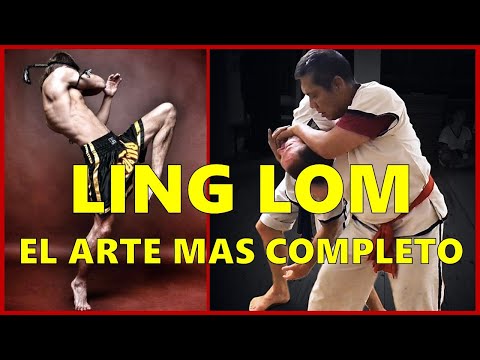
LING LOM: El Alma Ancestral de las Artes Marciales Tailandesas

Muchos creen que el origen de las artes marciales se remonta a leyendas lejanas, a templos olvidados o a la pura necesidad de supervivencia en un mundo salvaje. Sin embargo, en el corazón de Tailandia late un espíritu ancestral, una práctica que se considera la cuna de todas las disciplinas marciales de la región: Ling Lom. No es solo un conjunto de técnicas; es una filosofía, un método de combate que integra el cuerpo humano en su totalidad, un legado vivo que merece ser comprendido en su profundidad.

¿Qué es Ling Lom? El Origen Escondido

Ling Lom, traducido a menudo como "Viento Mono" o "El Mono que se Mueve con el Viento", no es simplemente un arte marcial antiguo, sino una expresión del movimiento fluido y la adaptabilidad. Se dice que sus orígenes se encuentran en la observación de los monos en su entorno natural, su agilidad, su capacidad para usar el equilibrio y su impredecibilidad. Los practicantes de Ling Lom buscan emular esta cualidad camaleónica, utilizando todo el cuerpo como un arma cohesionada. Las patadas, los golpes, los agarres y los movimientos evasivos se entrelazan en una danza letal que parece desafiar la gravedad.

La clave de Ling Lom reside en su holismo. No se trata solo de la fuerza bruta o la velocidad aislada, sino de la armonía entre la mente, el cuerpo y el espíritu. El practicante aprende a leer la energía de su oponente, a anticipar sus movimientos y a reaccionar con una eficiencia que parece instintiva. Es este enfoque integral lo que lo convierte en el "origen" de las artes marciales tailandesas, sentando las bases para disciplinas como el Muay Boran y, posteriormente, el Muay Thai.

El Legado: De Ling Lom a las Artes Tailandesas Modernas

Imaginar la escena: en un Tailandia ancestral, guerreros y monjes observaban el fluir de la naturaleza, no solo para aprender a cazar o a defenderse de las bestias, sino también para perfeccionar el arte del combate humano. Ling Lom encapsula esa sabiduría. Sus principios de movimiento continuo, cambio de nivel y uso de la estructura corporal para generar potencia se filtraron a través de generaciones, dando forma a lo que hoy conocemos como las artes marciales tailandesas.

El Muay Thai, el "Arte de las Ocho Extremidades", es quizás el descendiente más famoso de este linaje. Sin embargo, la influencia de Ling Lom se puede rastrear en la fluidez de los movimientos de piernas, la importancia de la guardia y la estrategia de combate que busca desequilibrar y dominar al oponente de maneras inesperadas. El carácter impredecible y casi "espiritual" de Ling Lom es lo que lo distingue y lo eleva a la categoría de arte marcial matriz.

"La verdadera maestría no reside en la fuerza de un solo golpe, sino en la fluidez con la que se responde a cada movimiento del adversario."

Principios Fundamentales de Ling Lom

¿Qué hace que Ling Lom sea tan único? No es solo la observación de monos. Es la aplicación de principios marciales universales con un enfoque distintivo:

  • Movimiento Continuo (El Fluir del Viento): La práctica se basa en la idea de que el movimiento nunca debe cesar. Cada defensa es una preparación para un ataque, cada ataque una respuesta a una amenaza. Se busca evitar los bloqueos rígidos a favor de las esquivas y los desvíos que redirigen la fuerza del oponente.
  • Adaptabilidad y Cambio de Nivel: Al igual que un mono se adapta a diferentes ramas y alturas, un practicante de Ling Lom debe ser capaz de cambiar de nivel, de guardia y de enfoque de ataque instantáneamente. Esto incluye el uso efectivo de movimientos bajos para contrarrestar ataques altos y viceversa.
  • Uso Integral del Cuerpo: Cada parte del cuerpo es un arma potencial: puños, codos, rodillas, pies, e incluso la cabeza y los hombros. Pero más allá de las extremidades, se utiliza la rotación del tronco, el balanceo de las caderas y la propia estructura corporal para generar potencia y desequilibrar al oponente.
  • Economía de Movimiento: A pesar de su fluidez, Ling Lom enfatiza la eficiencia. Cada movimiento tiene un propósito, eliminando el desperdicio de energía. Esto se traduce en ataques más rápidos y defensas más sólidas.
  • Mentalidad del Mono: La imprevisibilidad y la astucia son tan importantes como la habilidad física. Se cultiva una mente que no se apega a un plan fijo, sino que responde de forma creativa y a menudo sorprendente a las circunstancias cambiantes.

Estos principios, cuando se combinan, crean un sistema de combate que es a la vez bello de observar y aterrador de enfrentar. Es la base sobre la cual se construyeron muchas de las técnicas más icónicas de las artes marciales tailandesas.

El Espectro de la Película: ¿Realidad o Ficción?

Cuando hablamos de "Ling Lom" y lo asociamos a una "Pelea de Espectros", a menudo se nos viene a la mente la representación cinematográfica. El cine marcial, si bien es una poderosa herramienta de difusión, a veces se aleja de la esencia pura de las artes que representa. Películas como las de Bruce Lee, con su filosofía del Jeet Kune Do ("El Camino del Puño que Intercepta"), que bebe de fuentes tan diversas como el Wing Chun y el boxeo, nos muestran cómo la fluidez y la adaptabilidad son cruciales. ¿Es posible que "Ling Lom" sea el equivalente tailandés de esa filosofía de adaptación constante?

La noción de "espectros" podría referirse a la naturaleza esquiva e impredecible de los practicantes de Ling Lom, quienes parecen aparecer y desaparecer, golpeando desde ángulos inesperados. Las coreografías cinematográficas buscan capturar esa esencia, pero a menudo sacrifican el realismo por el espectáculo. Sin embargo, incluso en la ficción, el espíritu de Ling Lom perdura: la idea de que un luchador verdaderamente completo es aquel que puede adaptarse a cualquier situación, que su cuerpo se mueve con la ligereza y la imprevisibilidad del viento.

En el mundo del cine marcial, el verdadero desafío es capturar esa esencia sin caer en la exageración. Películas que buscan la autenticidad, como algunas representaciones de Muay Boran, nos dan una visión más clara de lo que podría haber sido el Ling Lom en su forma más pura. Pero, ¿qué tan cerca estamos realmente de entenderlo?

Equipo Esencial para tu Entrenamiento

Aunque Ling Lom enfatiza la adaptabilidad y el uso del propio cuerpo, un entrenamiento serio y progresivo, especialmente si buscas integrar sus principios en disciplinas modernas como el Muay Thai o incluso el MMA, requiere cierto equipo. Si estás comenzando a explorar este camino o quieres mejorar tu preparación física general, aquí hay algunos elementos clave:

  • Guantes de Boxeo/Muay Thai: Esenciales para el entrenamiento de golpes y para el sparring seguro. Busca unos de buena calidad, con buen acolchado para proteger tus manos y las de tu compañero. Unos guantes de 16oz para sparring son una buena opción para la mayoría de los niveles.
  • Espinilleras: Imprescindibles si practicas patadas o sparring con contacto. Protegen tus espinillas y las de tu oponente.
  • Protector Bucal: La seguridad siempre es primordial. Un buen protector bucal puede prevenir lesiones graves.
  • Kimono o Ropa Adecuada: Para Ling Lom en su forma más pura, la ropa tradicional suelta es ideal. Si entrenas Muay Thai, un pantalón corto de Muay Thai es lo más práctico. Para entrenamiento general, ropa deportiva cómoda que permita un rango completo de movimiento es suficiente. Si te interesas por el Judo o el BJJ, considera un kimono de judo o un gi de BJJ.
  • Esterilla de Entrenamiento: Para ejercicios de suelo, estiramientos y algunas formas de acondicionamiento.
  • Cuerda de Saltar: Un clásico para el calentamiento, el acondicionamiento cardiovascular y la coordinación.

Recuerda que el equipo es una herramienta. La verdadera habilidad proviene del entrenamiento constante y la comprensión profunda de los principios marciales. Si buscas equipamiento específico, explorar catálogos de artes marciales o tiendas especializadas te dará una idea de las mejores opciones disponibles.

Guía de Entrenamiento: Primeros Pasos en el Espíritu de Ling Lom

Integrar los principios de Ling Lom en tu entrenamiento no requiere una práctica específica aislada si no tienes acceso a un maestro cualificado. Puedes infundir su espíritu en tus rutinas actuales. Aquí te presento un enfoque:

  1. Calentamiento Dinámico: Olvídate de los estiramientos estáticos al principio. Realiza movimientos circulares de articulaciones, giros de tronco, elevaciones de rodillas y talones, y saltos ligeros. El objetivo es preparar el cuerpo para el movimiento continuo.
  2. Trabajo de Pies y Agilidad: Practica movimientos laterales, adelante y atrás, y cambios de dirección rápidos. Ejercicios como el "boxeo sombra" con énfasis en el movimiento fluido, o usar conos para practicar zigzags y cambios de ritmo, son excelentes. Busca mejorar tu Agility.
  3. Cambios de Nivel: Dedica tiempo a practicar caídas y levantamientos fluidos. Siéntate y levántate de diferentes maneras, simulando esquivar un golpe bajo o atacar una pierna.
  4. Movimiento de "Mono": Experimenta con movimientos como gatear, saltar a dos pies, usar las manos para impulsarte o desplazarte de lado. Esto te ayudará a entender el uso de diferentes puntos de apoyo y a mejorar el control corporal.
  5. Sparring Consciente (si aplica): Si realizas sparring (en Muay Thai, Kickboxing, BJJ, etc.), pon un énfasis consciente en no quedarte estático. Intenta moverte constantemente, cambiar de nivel y responder a los movimientos de tu oponente de forma fluida, en lugar de solo reaccionar con bloqueos rígidos. Busca la adaptabilidad.
  6. Meditación y Respiración: Dedica unos minutos al día a la meditación (como el Zazen si practicas BUDO) o ejercicios de respiración profunda. Esto cultiva la calma, la concentración y la conciencia corporal, pilares de cualquier arte marcial.

La clave es la *intención*. Cada vez que entrenes, pregúntate: "¿Estoy moviéndome con fluidez? ¿Soy adaptable? ¿Estoy usando mi cuerpo de manera integral?".

Veredicto del Sensei: ¿Una Visión Aérea o un Camino Concreto?

Ling Lom, como concepto, es fascinante. Representa la evolución de las artes marciales desde la observación de la naturaleza, un principio marcial universal. Su legado es innegable en las artes tailandesas modernas. Sin embargo, la "Pelea de Espectros" y la asociación con el cine pueden desviar al practicante del camino fundamental.

Si bien el cine puede inspirar, la verdadera esencia de Ling Lom —la fluidez, la adaptabilidad, el uso integral del cuerpo y la conexión mente-cuerpo— se encuentra en la práctica diligente y en la comprensión profunda. No es magia, es entrenamiento aplicado con una filosofía específica.

Calificación: Cinturón Negro en Filosofía Marcial.

Si buscas un sistema completo y accesible hoy en día, el Muay Thai y el Muay Boran son los herederos más directos. Pero el espíritu de Ling Lom —esa agilidad mental y física— puede y debe ser cultivado en cualquier arte marcial.

Preguntas Frecuentes

  • ¿Es Ling Lom un arte marcial peligroso? Como cualquier arte marcial, puede ser peligroso si se usa de forma irresponsable o sin la guía adecuada. Sin embargo, su enfoque en la fluidez y la adaptabilidad a menudo permite al practicante evitar la confrontación directa o resolverla con la mínima violencia necesaria.
  • ¿Se enseña Ling Lom hoy en día? Directamente, es difícil encontrar escuelas dedicadas exclusivamente a Ling Lom puro. Sin embargo, sus principios están integrados en el Muay Boran y, en menor medida, en el Muay Thai moderno y otras artes marciales que valoran la fluidez y el movimiento continuo.
  • ¿Cómo puedo aplicar los principios de Ling Lom en mi entrenamiento de MMA? Enfócate en la transición fluida entre golpeo y lucha en el suelo, en el cambio constante de nivel, en el uso del movimiento para crear ángulos de ataque y en la imprevisibilidad. Evita quedarte en una postura fija.
  • ¿La referencia a "espectros" tiene que ver con habilidades sobrenaturales? No. Se refiere a la cualidad esquiva, rápida e impredecible del movimiento, similar a la forma en que uno podría imaginar a un espíritu o un espectro moverse de manera etérea y sorprendente.

Para Profundizar en tu Camino

Reflexión del Sensei: Tu Próximo Paso

Ling Lom nos enseña que el verdadero poder reside en la adaptabilidad, no en la rigidez. En un mundo que cambia constantemente, ¿somos como el árbol que se quiebra ante el primer vendaval, o como el bambú que se dobla con el viento, para luego enderezarse con renovada fuerza? ¿Estás listo para dejar de resistir la corriente y, en cambio, aprender a fluir con ella?

``` GEMINI_METADESC: Descubre Ling Lom, el ancestral arte marcial tailandés y origen del Muay Thai. Aprende sus principios de fluidez, adaptabilidad y su conexión con el movimiento del 'Viento Mono'.