Showing posts sorted by relevance for query label:BUDO. Sort by date Show all posts

Joe Lewis: El 'Muhammad Ali' del Karate y Padre del Kickboxing Americano

¿Quién Fue Joe Lewis? Un Titán del Combate

La pregunta que resuena en los pasillos del Budo y las arenas de combate es clara: ¿Quién fue Joe Lewis realmente? Para muchos, su nombre evoca la imagen de un guerrero implacable, un pionero cuya huella en las artes marciales es tan profunda como la de Bruce Lee o Muhammad Ali. Lewis no fue solo un competidor excepcional; fue un visionario que entendió el *kime* (la explosión final de energía) y lo aplicó a cada faceta de su carrera marcial. Fue un practicante consumado de Karate Shorin Ryu, un artista del combate que demostró una y otra vez su superioridad. Reconocido como "El mejor peleador del momento" por el mismísimo Bruce Lee, Lewis trascendió las fronteras de un solo estilo. Sus logros hablan por sí mismos: dos veces votado como el mejor peleador en la historia del karate por prestigiosas publicaciones como Karate Illustrated y Black Belt Magazine, además de ostentar títulos como "Campeón Peso Pesado de Kickboxing de Estados Unidos", "Campeón Mundial Peso Pesado de Karate" y "Campeón Cinturón Negro de Kata de Estados Unidos". Pero, ¿qué significan estos títulos en la gran narrativa de las artes marciales? ¿Fue simplemente un coleccionista de galardones o un verdadero innovador?

El Legado de Lewis en el Karate: Más Allá de los Títulos

El Karate Shorin Ryu, una de las ramas más antiguas y tradicionales del Karate de Okinawa, exige disciplina, respeto y una comprensión profunda de los principios fundamentales. Joe Lewis encarnó estos valores, pero también se atrevió a cuestionarlos y expandirlos. Su dominio del *kata* (formas preestablecidas) era legendario, demostrando la precisión y el poder inherentes a estas secuencias. Sin embargo, su verdadera genialidad residió en cómo aplicó esa base sólida a un campo de batalla en constante evolución. Ser elegido dos veces como el mejor peleador por publicaciones influyentes no es cosa baladí. Significa que Lewis demostró una consistencia, una habilidad y un carisma que resonaron con la comunidad marcial en su momento. Superó a innumerables contendientes, adaptándose a diferentes reglas y estilos. ¿Es esto lo que distingue a un maestro de un simple campeón? La capacidad de evolucionar, de no quedarse anclado en la tradición, sino de honrarla mientras se empujan los límites.
En el Karate, el golpe decisivo no reside solo en la fuerza, sino en la concentración y la intención detrás del movimiento. Joe Lewis entendió esto a la perfección.

El Nacimiento del Kickboxing Americano: La Visión de Lewis

Si bien Joe Lewis dejó una marca indeleble en el Karate, su mayor contribución, y la que le ganó el apodo de "padre del Kickboxing Americano", fue su papel en la unificación y popularización de este deporte. Antes de la década de 1970, el combate deportivo con golpes de puño y patada operaba bajo reglas fragmentadas y, a menudo, poco definidas. Lewis, con su experiencia en Karate y su deseo de un combate más completo, fue fundamental para establecer un marco que permitiera a los practicantes de diferentes disciplinas competir entre sí de manera justa y emocionante. Fue un visionario que comprendió que el público ansiaba ver la espectacularidad de las patadas del Karate combinadas con la potencia de los puñetazos del boxeo. Luchó por unificar las federaciones, establecer reglas claras y, sobre todo, por dignificar el Kickboxing como un deporte legítimo. No fue solo un campeón dentro del ring, sino un estratega y un promotor fuera de él.

La Conexión con Bruce Lee: Un Respeto Mutuo entre Leyendas

La relación entre Joe Lewis y Bruce Lee es uno de los capítulos más fascinantes de la historia marcial del siglo XX. Lee, un innovador sin igual y un crítico perspicaz del combate, reconoció en Lewis un calibre excepcional de peleador. Llamarlo "El mejor peleador del momento" no era un halago casual; provenía de un hombre que dedicó su vida a entender la esencia del combate. Ambos compartían una mentalidad progresista, una inquietud por ir más allá de las limitaciones de los estilos tradicionales y una profunda creencia en la eficacia del entrenamiento riguroso. Si bien sus caminos y filosofías tuvieron matices, existía un respeto mutuo innegable. Esta validación de Lee fue un reconocimiento de la magnitud de Lewis, colocándolo en un panteón reservado para las figuras más influyentes.

Reflexión del Sensei: Tu Próximo Paso

La figura de Joe Lewis nos obliga a reflexionar sobre la naturaleza de la maestría marcial. ¿Es suficiente dominar un arte en su forma más pura, o reside la verdadera grandeza en la capacidad de adaptarlo, de fusionarlo y de expandirlo? Lewis no solo fue un campeón, sino un arquitecto. Creó un puente entre el Karate tradicional y el Kickboxing moderno, un legado que sigue vivo en cada ring y en cada academia de combate. Ahora te toca a ti. Cuando mires un combate de Kickboxing o MMA, ¿percibes la influencia de pioneros como Lewis? ¿Te inspira a explorar las intersecciones entre diferentes disciplinas? O quizás, ¿te desafía a reexaminar los fundamentos de tu propio arte? Demuéstralo en los comentarios.

Veredicto del Sensei: ¿Un Ícono Indiscutible?

Joe Lewis no solo merece ser recordado; debe ser estudiado. Su carrera es un testimonio del poder de la disciplina, la innovación y la audacia. Fue un campeón en el sentido más puro de la palabra, alguien que no solo ganó títulos, sino que cambió el panorama de los deportes de combate. Su influencia en el Kickboxing Americano es innegable, y su respeto por parte de figuras como Bruce Lee solidifica su estatus como una leyenda. **Calificación:** Cinturón Negro Honorífico en Innovación Marcial y Campeón Mundial de Influencia.

Equipo Esencial para tu Entrenamiento

Para aquellos que aspiran a desarrollar un striking potente y efectivo, inspirado en la filosofía de campeones como Joe Lewis, el equipo adecuado es crucial. No se trata solo de comprar lo más caro, sino lo que mejor se adapta a tu entrenamiento.
  • Guantes de Boxeo y Kickboxing: Busca guantes de cuero de 14oz o 16oz para entrenamiento general y sparring. Ofrecen buena protección para tus manos y las de tu compañero.
  • Protector Bucal: Imprescindible para cualquier tipo de sparring o combate. Protege tus dientes y mandíbula.
  • Espinilleras: Vitales para el entrenamiento de patadas. Asegúrate de que sean cómodas y ofrezcan buena protección contra los impactos.
  • Vendas para Manos: Úsalas siempre debajo de los guantes para dar soporte a tus muñecas y nudillos.
  • Kimono/Gi de Karate o Doble Tejido: Para quienes practican Karate o buscan un gi resistente que soporte movimientos dinámicos y agarres. Un buen gi de doble tejido (#KarateMerchandise) es ideal para entrenamientos intensos.
  • Sacos de Boxeo y Pera Loca: Herramientas fundamentales para desarrollar potencia, velocidad y coordinación en tus golpes y patadas.

Guía de Entrenamiento: Desarrollando tu Striking

Lewis fue un maestro de la técnica y la potencia. Aquí tienes una rutina básica para empezar a pulir tu juego de golpes, inspirada en los principios del Karate y el Kickboxing.
  1. Calentamiento (10-15 minutos): Comienza con cardio ligero (saltar la cuerda, trotar en el sitio) seguido de movimientos articulares dinámicos.
  2. Sombra (3-5 asaltos de 3 minutos): Visualiza a tu oponente. Practica tus golpes directos (jab, cross), ganchos y uppercuts. Incorpora movimientos de cabeza y juego de pies. Añade patadas bajas, medias y altas (frontales, laterales, circulares).
  3. Trabajo de Bolsa Pesada (3-5 asaltos de 3 minutos): Combina tus golpes de puño y patada con potencia. Enfócate en la fluidez y en conectar combinaciones. Ej: Jab-Cross-Patada Alta Circular (Mawashi Geri).
  4. Drills de Combinaciones (3-4 rondas): Practica combinaciones específicas. Por ejemplo:
    • A) Jab - Cross - Gancho Izquierdo - Patada Lateral (Yoko Geri)
    • B) Patada Baja Circular (Gedan Mawashi Geri) - Puño Recto - Patada Media Circular (Chudan Mawashi Geri)
  5. Ejercicios de Potencia y Resistencia (2-3 rondas):
    • Burpees con puñetazo al final.
    • Sentadillas con salto.
    • Plancha con toques alternos al hombro.
  6. Enfriamiento y Estiramientos (10 minutos): Realiza estiramientos estáticos, enfocándote en piernas, hombros y espalda.

Preguntas Frecuentes

  • ¿Por qué Joe Lewis es considerado el "padre del Kickboxing Americano"? Lewis fue fundamental en la organización, unificación y promoción del Kickboxing en Estados Unidos durante sus etapas formativas, estableciendo un deporte más cohesivo y espectacular.
  • ¿Qué relación tenía Joe Lewis con Bruce Lee? Bruce Lee admiraba profundamente a Joe Lewis, refiriéndose a él como "El mejor peleador del momento", lo que demuestra un gran respeto mutuo entre dos leyendas de las artes marciales.
  • ¿En qué estilo de Karate compitió Joe Lewis principalmente? Joe Lewis fue un destacado practicante y competidor de Karate Shorin Ryu.
  • ¿Cuál fue la principal contribución de Lewis más allá de ser un campeón? Lewis no solo ganó títulos, sino que también promovió la idea de un combate más completo y ayudó a sentar las bases para el Kickboxing moderno.

Para Profundizar en tu Camino

El estudio de las leyendas marciales es un camino de autodescubrimiento. Aquí tienes recursos para expandir tu conocimiento: ``` GEMINI_METADESC: Joe Lewis: 'Muhammad Ali' del Karate y pionero del Kickboxing Americano. Bruce Lee lo consideró el mejor. Explora su vida, legado y entrenamiento.

El Respeto al Cuerpo: Estrategias para Vencer el Agotamiento en el Boxeo

El boxeo, a menudo llamado la "ajedrez humana", exige no solo una mente aguda y una estrategia calculada, sino también una resistencia física férrea. Pero, ¿qué sucede cuando el tanque de combustible, aparentemente inagotable, se vacía en medio del fragor del combate? El agotamiento no es un enemigo invisible, es una fuerza palpable que puede robarte la victoria antes de que el último asalto suene. En este análisis, desmantelaremos las causas del cansancio, exploraremos las tácticas inmediatas para combatirlo y, lo más importante, delinearemos un camino de entrenamiento riguroso para fortalecer tu máquina biológica y asegurarte de que tu cuerpo responda cuando tu espíritu te exige más. En el venerable dojo de Budo y AM, entendemos que la resistencia es tan crucial como un jab bien colocado.

¿Por Qué Sucumbe tu Cuerpo? Las Raíces del Cansancio

El agotamiento en el boxeo no es meramente una sensación de fatiga; es la manifestación de complejas interacciones fisiológicas y biomecánicas. Comprender estas causas es el primer paso para combatirlas eficazmente. Desde la perspectiva del budo, todo arte marcial se basa en el conocimiento profundo de uno mismo y de las fuerzas que actúan sobre nosotros.

  • Acumulación de Ácido Láctico: Durante el ejercicio anaeróbico de alta intensidad, como los intercambios explosivos en el boxeo, el cuerpo produce ácido láctico como subproducto. Su acumulación en los músculos provoca esa sensación de ardor y fatiga muscular que puede limitar tu capacidad de generar potencia.
  • Deshidratación y Desequilibrio Electrolítico: El sudor es esencial para regular la temperatura corporal, pero la pérdida excesiva de líquidos y electrolitos (como el sodio y el potasio) puede llevar a calambres, debilidad muscular y una disminución drástica del rendimiento. Incluso una deshidratación leve tiene un impacto significativo.
  • Agotamiento del Glucógeno: El glucógeno, almacenado en los músculos e hígado, es la principal fuente de energía rápida para ejercicios de alta intensidad. Si las reservas se agotan, el cuerpo recurre a fuentes de energía menos eficientes, lo que se traduce en una caída abrupta de la energía.
  • Sobrecarga del Sistema Nervioso Central: El cerebro juega un papel crucial en la fatiga. La fatiga central se refiere a la incapacidad del sistema nervioso para reclutar adecuadamente las unidades motoras musculares, incluso cuando los músculos tienen reservas energéticas. Esto puede ser influenciado por el estrés, la falta de sueño y la intensidad prolongada del combate.
  • Técnica Ineficiente: Un movimiento desperdiciado es energía perdida. Un boxeador que utiliza una técnica torpe, realiza movimientos innecesarios o mantiene una postura tensa y poco optimizada consume más energía de la necesaria, acelerando el proceso de agotamiento.
  • Falta de Acondicionamiento Específico: La resistencia cardiovascular y muscular son pilares fundamentales. Si tu entrenamiento no replica las demandas específicas de un combate de boxeo (intervalos de alta intensidad seguidos de breves recuperaciones), tu cuerpo no estará preparado para sostener el esfuerzo requerido.

El Combate contra el Agotamiento: Tácticas In Situ

Cuando la fatiga te golpea en el cuadrilátero, la reacción instintiva puede ser ceder. Sin embargo, un guerrero experimentado sabe cómo luchar contra la adversidad incluso cuando sus fuerzas flaquean. Estas tácticas, inspiradas en la adaptabilidad del luchador de Jiu-Jitsu, te ayudarán a gestionar el agotamiento en tiempo real:

  • Control de la Respiración: Tu respiración es tu ancla. Enfócate en respiraciones profundas y rítmicas. Inhala por la nariz, exhala por la boca. Esto no solo oxigena tu sangre, sino que también te ayuda a mantener la calma y a tomar decisiones más claras bajo presión. El control de la respiración es un pilar del Ki y la concentración marcial.
  • Ajuste Táctico: Si sientes que te estás quedando sin energía, no intentes mantener el mismo ritmo frenético. Reduce momentáneamente la intensidad. En lugar de intercambios largos, busca golpes precisos y sal de la zona de peligro. Un boxeador inteligente no es el que lanza más golpes, sino el que sabe cuándo y cómo lanzarlos. Piensa en la estrategia de un maestro de Kendo: cada movimiento cuenta.
  • Uso de la Distancia y el Movimiento de Pies: Utiliza el movimiento de pies para crear distancia, permitirte recuperar el aliento y evitar recibir castigo innecesario. Un buen juego de piernas es tu mejor defensa cuando tu resistencia disminuye.
  • Enfoque Mental: Recuérdate tu entrenamiento, tu propósito, las lecciones aprendidas. Visualiza el éxito. La fortaleza mental, un concepto central en el BUDO, puede ser la diferencia entre claudicar y encontrar esa chispa final.
  • Hidratación Estratégica (Si es Posible): En los descansos entre asaltos, aprovecha para tomar pequeños sorbos de agua o bebida isotónica. Si la deshidratación es un factor, esto puede ofrecer un alivio temporal.
"La fatiga es solo una ilusión de la mente. El cuerpo puede hacer mucho más de lo que la mente cree posible." - Proverbio marcial desconocido, pero universalmente cierto.

Forjando la Resistencia: Rutinas para un Campeón

La resistencia en el boxeo no se construye en el ring durante un combate; se cultiva día a día, en el gimnasio y fuera de él. Un entrenamiento integral es la clave para asegurar que tu cuerpo no solo pueda soportar, sino prosperar bajo el estrés de la competición. Considera estos pilares:

Guía de Entrenamiento: Desarrollando Resistencia Cardiovascular

  1. Entrenamiento por Intervalos de Alta Intensidad (HIIT): Incorpora sesiones de HIIT que simulen las demandas del boxeo. Por ejemplo, sprints cortos seguidos de períodos de recuperación activa, o rounds de sombra y saco de boxeo con máxima intensidad durante 1-2 minutos, seguidos de 30-60 segundos de descanso o movimiento ligero. El entrenamiento de MMA a menudo se basa en principios similares.
  2. Carrera de Larga Distancia: Aunque parezca contradictorio, construir una base aeróbica sólida con carreras de larga distancia es fundamental. Esto mejora la eficiencia cardiovascular general, permitiendo que tu corazón bombee sangre de manera más efectiva durante los esfuerzos más intensos. Piensa en esto como la resistencia de base de un maratonista, aplicada a un deporte de explosividad.
  3. Entrenamiento de Circuito: Diseña circuitos que combinen ejercicios cardiovasculares (saltar la cuerda, burpees) con ejercicios de fuerza que involucren grandes grupos musculares (sentadillas, flexiones, lanzamientos de balón medicinal).

Guía de Entrenamiento: Fortaleciendo la Resistencia Muscular

  1. Entrenamiento de Fuerza Específico: Enfócate en ejercicios compuestos que fortalezcan los músculos clave para el boxeo: piernas (sentadillas, zancadas), core (planchas, russian twists) y tren superior (flexiones, dominadas, remo).
  2. Ejercicios de Alta Repetición: Realiza series de ejercicios con pesos más ligeros pero un mayor número de repeticiones para mejorar la resistencia muscular. Esto simula la fatiga muscular que experimentas en los últimos asaltos.
  3. Entrenamiento de Core: Un core fuerte es esencial para la potencia de los golpes, la estabilidad y la prevención de lesiones. Dedica tiempo específico a ejercicios de fortalecimiento del core.

La Fortaleza Mental del Budo

Ningún análisis de resistencia estaría completo sin abordar la dimensión mental, un área donde el arte marcial tradicional brilla con luz propia. La capacidad de superar la fatiga física está intrínsecamente ligada a la fortaleza de la mente.

  • Meditación y Mindfulness: La práctica regular de la meditación, ya sea Zazen o simplemente ejercicios de respiración consciente, puede mejorar tu capacidad para mantener la concentración, manejar el estrés y percibir menos la incomodidad física.
  • Visualización: Antes de un entrenamiento o combate, visualízate superando la fatiga, manteniendo tu técnica y terminando fuerte. Esta práctica mental entrena a tu cerebro para responder de manera diferente ante el agotamiento.
  • Aceptación y Adaptación: Comprende que la fatiga es una parte natural del esfuerzo. En lugar de luchar contra ella con frustración, acéptala como una señal para ajustar tu estrategia y enfocarte en la ejecución eficiente. Este es el espíritu de Mushin (mente sin mente), donde la acción fluye sin la interferencia del pensamiento consciente o la resistencia emocional.

Equipo Esencial para tu Entrenamiento

Para maximizar tu resistencia y optimizar tu entrenamiento de boxeo, considera el siguiente equipo:

  • Guantes de Boxeo (16oz para Sparring): Esenciales para proteger tus manos y las de tu compañero. Un buen par de guantes de 16 onzas es ideal para la mayoría de los entrenamientos de sparring y entrenamiento general.
  • Vendas de Mano: Imprescindibles para la protección de muñecas y nudillos.
  • Comba de Saltar: Una herramienta económica y efectiva para mejorar la resistencia cardiovascular y la coordinación de pies.
  • Saco de Boxeo Pesado: Fundamental para practicar golpes de potencia y resistencia.
  • Cuerda de Entrenamiento (para saltar la cuerda): Busca una cuerda de calidad, ajustable y que gire con fluidez.
  • Ropa Deportiva Transpirable: Para mantenerte fresco y cómodo durante entrenamientos intensos.
  • Zapatillas de Boxeo: Ofrecen buen soporte para el tobillo y una suela diseñada para el movimiento rápido en el ring.
  • Ropa cómoda para entrenar en casa: Si sigues rutinas como las de AtHomeWorkout, asegúrate de tener la vestimenta adecuada.

Veredicto del Sensei: ¿Merece la Pena esta Lucha?

La lucha contra el agotamiento en el boxeo es, en esencia, una lucha contra tus propios límites. No se trata de eliminar la fatiga por completo, sino de aprender a gestionarla, a superarla y, en última instancia, a utilizarla como una herramienta para refinar tu técnica y tu temple. La clave no está en la fuerza bruta, sino en la inteligencia, la preparación y una profunda conexión mente-cuerpo. Si buscas un deporte que te desafíe en todos los niveles, que te obligue a conocerte a ti mismo hasta la médula, el boxeo, practicado con la disciplina del Budo, es un camino de transformación inigualable. Es un arte que te enseña que la verdadera fuerza reside en la capacidad de seguir adelante cuando todo te grita que te detengas.

Calificación: ¡Cinturón Negro en Resistencia y Determinación!

Preguntas Frecuentes

¿Cuál es la forma más rápida de recuperar energía durante un combate de boxeo?
Aunque no existe una "cura" mágica, enfocarse en la respiración profunda y rítmica y hacer ajustes tácticos para reducir la intensidad momentáneamente son las estrategias más efectivas en el momento.
¿Es posible evitar completamente el agotamiento en un combate largo?
En combates de alta intensidad y duración, el agotamiento es casi inevitable. El objetivo es aprender a gestionarlo y a prolongar tu capacidad de rendimiento a pesar de él, no a eliminarlo por completo.
¿Qué tipo de entrenamiento es más efectivo para la resistencia de piernas en boxeo?
Una combinación de entrenamiento cardiovascular de alta intensidad (HIIT, intervalos de carrera), entrenamiento de fuerza enfocado en piernas (sentadillas, zancadas) y ejercicios pliométricos es altamente efectivo.
¿Cómo afecta la dieta al agotamiento en el boxeo?
Una dieta balanceada, rica en carbohidratos complejos para la energía sostenida, proteínas para la recuperación muscular y una hidratación adecuada, es crucial para prevenir el agotamiento prematuro.
¿La fuerza mental es tan importante como la física para combatir la fatiga?
Absolutamente. La capacidad de empujar más allá del dolor y la fatiga percibida, manejada por la fuerza mental y la disciplina, es a menudo lo que distingue a un campeón. El juego mental es tan crítico como el físico.

Para Profundizar en tu Camino

Reflexión del Sensei: Tu Próximo Paso

Has absorbido las lecciones sobre cómo el cuerpo y la mente responden al estrés del combate. Ahora, la pregunta es: ¿estás dispuesto a hacer el trabajo duro para construir esa fortaleza, o te conformarás con ser un guerrero de palabras? La próxima vez que entrenes, presta atención a las primeras señales de fatiga. ¿Cómo reacciona tu mente? ¿Qué hace tu cuerpo? ¿Podrás aplicar una de las tácticas discutidas, o sucumbirás a la incomodidad? La verdadera maestría no se encuentra en el conocimiento, sino en la aplicación constante y deliberada. Elige sabiamente tu camino.

``` GEMINI_METADESC: Aprende a combatir el agotamiento en el boxeo con estrategias probadas y rutinas de entrenamiento. Domina tu cuerpo y mente para rendir al máximo en cada combate.

The Harsh Reality: Unmasking the "Fake Sensei" and the Triumph of Authentic Martial Arts

"The Way of the warrior is to master the art of the sword, but also to master oneself. Those who fake their mastery deceive themselves most of all." - A paraphrase of ancient samurai wisdom.
Do you find yourself captivated by the cinematic grace of martial arts films? The effortless throws, the seemingly impossible blocks, the devastating strikes delivered with a mere whisper of intent? It’s a world of artistry and power that draws millions into the dojo. Yet, a darker current flows beneath the surface of this noble pursuit. There are individuals, often dubbed "fake senseis," who peddle illusion as reality. They perform theatrical displays, claim arcane knowledge, and gather followers, all while possessing little to no genuine skill. This isn't just about a misrepresentation in cinema; it's about the dangerous real-world deception of individuals who prey on the earnest desire for self-improvement. At Budo and Martial Arts, we stand as a bastion for **TRUE** martial arts. Our mission is to dissect, analyze, and celebrate the authenticity that defines these ancient disciplines. We are not afraid to confront the charlatans who tarnish the reputation of genuine masters and mislead aspiring practitioners. Today, we delve into the uncomfortable truth: the exposure of "fake senseis" by those who embody the real fighting spirit.

The Illusion of Power: Where Cinema Meets Deception

The disconnect between martial arts portrayed in films and their practical application is a chasm many fail to recognize. While movies are designed for entertainment, some individuals exploit this artistic license to create a false narrative of their own capabilities. They might replicate a movie stunt without understanding the underlying principles, or worse, concoct entirely fabricated techniques. This is where the line between performer and teacher blurs into dangerous territory.
This dangerous charade often preys on the very students who seek genuine growth. The allure of a quick fix, the promise of supernatural abilities, the charismatic persona – these are the tools of the charlatan. They create an echo chamber of misinformation, where doubt is suppressed, and critical thinking is discouraged. It is our responsibility, as guardians of the martial arts tradition, to shine a light on these deceptions.

Who are the "Fake Senseis"? Identifying the Red Flags

Distinguishing a genuine martial artist from a fraud requires vigilance and an understanding of core principles. Here are some tell-tale signs that should raise a practitioner's awareness:
  • Emphasis on Spectacle over Substance: Do they focus more on dramatic, gravity-defying moves that look good on camera but lack practical application, rather than fundamental techniques and sparring?
  • Lack of Verifiable Combat Experience: Can they demonstrate their skills under pressure against a resisting opponent, or do they only perform pre-arranged routines? Do they have a history of competition or real-world application that can be substantiated?
  • Proprietary "Secret" Styles: Be wary of claims of exclusive, "lost" styles that supposedly surpass all others. True martial arts principles are universal and often shared across disciplines.
  • Dogmatic and Closed-Minded Teaching: Genuine masters often encourage cross-training and acknowledge the strengths of other styles. Those who dismiss all other forms of combat are often insecure about their own limitations.
  • Focus on "Energy" or "Chi" Manipulation without Practical Application: While internal energy is a vital aspect of many martial arts, claims of knocking people out with a touch or projecting force without physical contact, when not demonstrably rooted in verifiable physics or physiology, are highly suspect.
  • Inability to Adapt or Spar Effectively: Can they hold their own in a free-sparring session, or do they rely solely on choreographed "demonstrations"?

The Unveiling: Real Fighters Exposing the Frauds

The most definitive way to expose a fake sensei is through the crucible of genuine combat or rigorous sparring. When confronted by an individual with authentic skills, the facade crumbles. The pretense of power evaporates, revealing the hollow core beneath. We've seen countless examples, both in amateur footage and documented cases, where individuals claiming mastery are quickly and decisively humbled by practitioners who have dedicated years to the honest, often brutal, process of training. A prime example is the ubiquitous "one-finger push" or "chi blast" demonstration. While practitioners of internal arts like Tai Chi or Aikido can indeed develop incredible sensitivity and control, the theatrical "power" projected without contact, often seen in online videos, is frequently a staged event. A skilled kickboxer or MMA fighter, accustomed to real resistance, will simply not be affected by such displays. The "fake sensei" either relies on the student's complicity or their own deeply ingrained self-deception.
"The martial artist who seeks only victory without understanding the Way is like a sword without a hilt – dangerous, but ultimately useless." - Attributed to Miyamoto Musashi.

The Discipline of Authenticity: What Real Training Entails

Authentic martial arts training is not for the faint of heart. It is a journey characterized by sweat, discipline, repetition, and a willingness to confront one's own limitations. It demands:
  • Consistent Practice: Hours upon hours spent refining fundamental techniques.
  • Rigorous Sparring: Engaging with resisting opponents to test skills under pressure. This is the ultimate proving ground.
  • Physical Conditioning: Building the strength, endurance, and resilience necessary for effective combat.
  • Mental Fortitude: Developing focus, emotional control, and the ability to remain calm under duress. This is the realm of Mental Game and Self-Mastery.
  • Humility and Respect: Acknowledging that there is always more to learn and showing respect for fellow practitioners and instructors.

The Importance of the "Veredicto del Sensei" in Media

When we analyze martial arts films, it's crucial to differentiate between artistic choreography and authentic representation. A film might be entertaining, but does it honor the spirit and principles of the martial arts it purports to depict? Our role at Budo and Martial Arts is to provide that critical lens. We look beyond the special effects and the dramatic camera angles to assess the validity of the techniques, the philosophical underpinnings, and the respect shown to the martial traditions. We have seen films that do an exceptional job of portraying martial arts with integrity, such as some Shaolin productions or well-choreographed Kyokushin Karate sequences. Conversely, many modern action films dilute or distort martial arts for the sake of spectacle, creating a generation that may have unrealistic expectations.

Equipo Esencial para tu Entrenamiento

To embark on your own authentic martial arts journey, having the right equipment is crucial. While some arts require minimal gear, others benefit greatly from specific training tools.
  • Gi/Kimono: Essential for arts like Judo, Aikido, and traditional Karate. Look for durable, double-weave fabrics for grappling arts to withstand the rigors of BJJ and Judo.
  • Training Gloves and Headgear: For styles involving striking, such as Kickboxing, MMA, and Kyokushin, proper protective gear is non-negotiable for safe sparring.
  • Makiwara or Striking Pads: For developing power and conditioning strikes in arts like Karate or Taekwondo.
  • Protective Cups: Always recommended for any combat training.
  • Footwear: Depending on the art, you might need specialized shoes for grip or simply train barefoot on a clean mat.

Guía de Entrenamiento: El Golpeo Básico (Karate/Kyokushin Focus)

Developing a powerful and effective punch is fundamental. Here’s a breakdown of the basic straight punch (Tsuki) in a style like Kyokushin Karate:
  1. Stance: Assume your natural fighting stance (e.g., Sanchin or Heisoku dachi), ensuring your weight is balanced and your core is engaged.
  2. Grip: Form a fist by curling your fingers inward and then folding your thumb over the top, pressing it firmly against your index and middle finger knuckles.
  3. Chambering: Bring your non-punching hand to your hip or chest, palm facing inward, creating a protective guard.
  4. The Extension: Initiate the punch from your hips and shoulders, rotating your torso as you extend your arm forward. Your fist should travel in a straight line towards the target.
  5. Targeting: Aim with your top two knuckles, ensuring your wrist is straight and aligned with your forearm. Do not flick your wrist.
  6. Rotation: As the punch reaches full extension, your palm should naturally rotate from facing inward to facing downward. This hip and shoulder rotation is crucial for power.
  7. Retraction: Immediately retract the punch in a straight line back to its starting chambered position, maintaining your guard.
  8. Breathing: Exhale sharply with the punch, a sharp "kiai," to maximize power and core engagement.
Practice this repeatedly, focusing on form, power generation from the ground up, and speed. Start slow and gradually increase intensity.

Preguntas Frecuentes

  • Q: Can martial arts movies teach me real fighting skills?
    A: While movies can inspire and provide a glimpse into martial arts, they are primarily entertainment. They often exaggerate techniques for dramatic effect and rarely depict the full, arduous training required for real combat proficiency.
  • Q: How can I identify a "fake sensei" if I'm a beginner?
    A: Look for red flags like an overemphasis on spectacle, lack of sparring, proprietary "secret" styles, and an inability to demonstrate skills under pressure. It's wise to observe classes, ask questions, and perhaps even try introductory sessions at different schools before committing.
  • Q: Is it true that some martial arts are "useless" in a real fight?
    A: This is a contentious point. While some styles may be less directly applicable for self-defense or sport combat without modification or cross-training, every art has core principles. The "usefulness" often depends on the depth of training, the instructor's integrity, and the practitioner's ability to adapt principles to a dynamic situation. For instance, the foundational principles of Judo throws or Kyokushin power strikes are highly effective when trained authentically.

Para Profundizar en tu Camino

Reflexión del Sensei: Tu Próximo Paso

The digital age has amplified both the dissemination of knowledge and the spread of misinformation. We are inundated with images and claims of martial prowess. My question to you is this: are you a passive consumer of these illusions, or an active seeker of truth? When you witness a display of martial arts, whether on screen or in a local dojo, do you look for the *kime* – the explosive power and focused intent born from genuine training – or are you swayed by mere theatrical flair? The true path of the martial artist lies not in the applause of the crowd, but in the quiet, honest sweat of dedicated practice.

Reflexión del Sensei: Your Next Step

In a world saturated with fleeting trends and easy answers, the martial arts demand a commitment to depth. Consider this: If your training were to be tested not by a compliant partner or a camera lens, but by the unpredictable reality of a true confrontation, would your skills hold? Or would the veneer of "fake sensei" artistry crumble, revealing the void beneath? Your honest self-assessment is the first and most crucial technique you will ever learn.

Preguntas Frecuentes

Q: Can martial arts movies teach me real fighting skills?
A: While movies can inspire and provide a glimpse into martial arts, they are primarily entertainment. They often exaggerate techniques for dramatic effect and rarely depict the full, arduous training required for real combat proficiency.

Q: How can I identify a "fake sensei" if I'm a beginner?
A: Look for red flags like an overemphasis on spectacle, lack of sparring, proprietary "secret" styles, and an inability to demonstrate skills under pressure. It's wise to observe classes, ask questions, and perhaps even try introductory sessions at different schools before committing.

Q: Is it true that some martial arts are "useless" in a real fight?
A: This is a contentious point. While some styles may be less directly applicable for self-defense or sport combat without modification or cross-training, every art has core principles. The "usefulness" often depends on the depth of training, the instructor's integrity, and the practitioner's ability to adapt principles to a dynamic situation. For instance, the foundational principles of Judo throws or Kyokushin power strikes are highly effective when trained authentically.

``` GEMINI_METADESC: Expose the deceptive practices of "fake senseis." Learn to identify fraudulent martial artists and discover the true path of authentic training, discipline, and combat effectiveness.

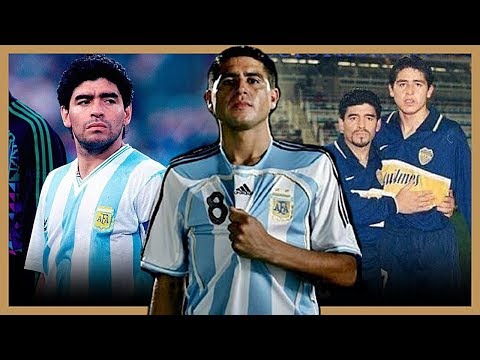
Why Maradona Hated Riquelme: A Warrior's Perspective on Rivalry and Sacrifice

The annals of warrior traditions are replete with tales of rivalry, respect, and sometimes, profound animosity. While the name Juan Román Riquelme is synonymous with the sublime artistry of football, and Diego Maradona a deity on the pitch, their narrative transcends mere sport. It delves into the core of pride, leadership, and the unforgiving crucible of national representation. This isn't just about a game; it's about the spirit of the warrior, the burdens of expectation, and the ultimate price of conviction. Today, we dissect this legendary feud not with a referee's whistle, but with the keen eye of a martial arts master, examining the philosophy, the unspoken rules of engagement, and the sacrifices demanded of those who carry the hopes of a nation. Prepare yourself for a journey into the heart of Argentine football's most enigmatic schism.

The Burden of the 'Last Argentinian 10'

The number 10 in Argentine football is not merely a jersey; it is a mantle of immense responsibility, imbued with the ghosts of great artists like Bochini, Menotti, and of course, Maradona himself. Juan Román Riquelme inherited this legacy, a player whose vision, control, and unparalleled passing range made him a maestro of the midfield. Yet, with greatness comes scrutiny, and Riquelme, unlike many predecessors, possessed a quiet intensity, a cerebral approach that often clashed with the fiery passion expected of an Argentine icon. His perceived aloofness, his deliberate tempo, and his occasional public silences were misinterpreted by some as a lack of commitment, a stark contrast to the raw, unadulterated emotion Maradona exuded. This difference in temperament sowed the seeds of discord.
"The warrior is not the one who wins every battle, but the one who never surrenders his spirit."
Maradona, a man forged in the crucible of street football and global adulation, saw Riquelme's calm demeanor as a potential weakness, a sign that the immense pressure of the Albiceleste shirt might be too much to bear. For Maradona, leadership on the field was a volatile, visceral force – a constant roar of encouragement and demand. Riquelme's leadership, however, was often expressed through his sublime control of the game, a silent command that spoke volumes through his feet. This fundamental difference in how "warrior spirit" was manifested became a critical point of divergence.

Clash of Egos and Philosophies

Diego Maradona was, and remains, an unparalleled figure in football history. His on-field genius was matched only by his larger-than-life personality and his unwavering belief in his own vision. He embodied the "fighter" archetype, someone who battled against all odds, both on and off the pitch. When he became coach of the Argentine national team, his vision for how the team should play, and more importantly, how his players should *be*, became paramount.
Riquelme, on the other hand, was a different kind of warrior. His battlefield was the 90 minutes of the match, his weapons were elegance and strategy. He was known for his meticulous preparation and his deep understanding of the game's intricacies. However, his personality was more introverted, less inclined to the boisterous camaraderie or public pronouncements that Maradona seemed to thrive on. Sources close to the team at the time often cited Riquelme's quiet refusal to conform to certain expectations – particularly around team spirit and public displays of commitment – as a point of contention. Maradona, accustomed to a certain type of player, interpreted this not as a different style of leadership, but as defiance.
"In martial arts, practice makes perfect. In football, Riquelme's perfection was a silent language. Maradona's was a thunderous manifesto."
This divergence wasn't just about football tactics; it was about fundamentally different approaches to the warrior's path. Maradona demanded outward displays of ferocity and unwavering obedience, a direct reflection of his own struggle and triumph. Riquelme offered a more cerebral, almost philosophical, commitment, one that prioritized the integrity of his game and his own well-being. This philosophical chasm proved too wide to bridge.

The Infamous Renunciation

The tension between Riquelme and Maradona, simmering for some time, reached its zenith during the qualification campaign for the 2010 World Cup. Maradona, as national team coach, had specific demands and expectations for his players, particularly those who were expected to lead. Riquelme, feeling increasingly marginalized and at odds with Maradona's methods and public criticisms, made a decision that sent shockwaves through Argentine football: he announced his resignation from the national team. This wasn't a rash outburst; it was a calculated, deeply personal choice. Riquelme stated that he felt he could no longer give his best for the team under the current circumstances, citing a lack of confidence from the coach and a sense of disillusionment. For a player of his caliber, choosing to walk away from the dream of representing his country at a World Cup was an extraordinary act of self-preservation and a powerful statement of his own principles. Maradona, in turn, did not mince words. He publicly criticized Riquelme's decision, framing it as a betrayal and a sign of weakness. He felt Riquelme had abandoned his teammates and the nation. This public condemnation cemented the narrative of their bitter feud, with Maradona, the elder statesman and revered idol, positioning himself as the defender of national pride against Riquelme's perceived selfishness. It was a clash of titans, where loyalty, pride, and personal conviction were tested under the harshest of spotlights.

Lessons from the Battlefield: Leadership, Pride, and Sacrifice

The Riquelme-Maradona saga offers profound lessons that resonate deeply within the martial arts ethos: * **Leadership Styles Vary**: True leadership is not monolithic. Maradona’s fiery, command-and-control style is effective for some. Riquelme’s quiet, strategic approach proved more potent for others. Understanding and respecting these differences is crucial for any team or dojo. * **Pride as a Double-Edged Sword**: Maradona’s immense pride fueled his legendary career and his fiery defense of his vision. However, it also led him to interpret Riquelme's actions as a personal affront. Riquelme’s pride lay in his artistic integrity and his refusal to compromise his principles, even at the cost of national glory. * **The Nature of Sacrifice**: Riquelme sacrificed the chance to play in a World Cup, a dream for any Argentine player. This was his sacrifice, a deliberate choice to protect his mental and emotional well-being, and his artistic integrity. Maradona demanded a different kind of sacrifice – absolute submission to his will for the perceived greater good of the team. * **The Warrior's Conviction**: Ultimately, both men acted according to their deepest convictions. Maradona believed he was protecting the sacred honor of the Argentine jersey. Riquelme believed he was upholding his own dignity and the integrity of his craft. In their clash, we see the complexities of personal honor and collective responsibility.

Veredict of the Sensei: A Martial Analysis

From a martial perspective, this conflict highlights the tension between external, aggressive assertion and internal, principled stance. Maradona, the warrior king, demanded unwavering loyalty and a shared battlefield mentality. Riquelme, the strategist, understood his own strengths and limitations, choosing to preserve his inner discipline rather than engage in a fight he felt he could not win on terms that respected his art. While Maradona’s passion is undeniable and his status legendary, his approach to Riquelme lacked the true martial principle of understanding your opponent and oneself. He saw only defiance where there might have been a different, equally valid, form of commitment. Riquelme, by stepping away, demonstrated a profound understanding of self-mastery, choosing to fight his battles on his own terms, even if it meant stepping away from a prestigious arena.

Rating the Confrontation:

* **Maradona's Coaching Strategy**: "Falla en los Fundamentos de la Adaptación" (Fails in the Fundamentals of Adaptation) - His inability to integrate Riquelme's unique genius into his own system speaks volumes. * **Riquelme's Stand**: "Cinturón Negro en Integridad Personal" (Black Belt in Personal Integrity) - His unwavering adherence to his principles, though controversial, is a mark of profound self-discipline.

Training Essentials for the Modern Warrior

The intensity of a football match, the strategic depth of chess, or the physical demands of martial arts all require a robust foundation. To approach any challenge, whether on the field or in the dojo, with clarity and strength, consider these essentials:
  • Mental Fortitude: Develop resilience to handle pressure and criticism. Techniques like meditation and visualization, common in many martial arts like BUDO, can be invaluable.
  • Strategic Thinking: Understand the game, your opponent, and your own strengths. This applies to every aspect of life, from planning your training regime to navigating complex personal relationships.
  • Physical Conditioning: Maintain peak physical condition. For football, this means agility, stamina, and explosive power. For martial arts, it's about strength, flexibility, and endurance. Explore resources on Entrenamiento de MMA or Karate Kyokushin conditioning.
  • Self-Awareness: Know your limits and your principles. Riquelme’s decision stemmed from a deep self-awareness.

Resources for Deeper Understanding

To further your comprehension of the warrior's path, leadership, and the philosophy underpinning high-stakes competition, explore these curated resources:

FAQ

What was the core of the disagreement between Riquelme and Maradona?

The disagreement stemmed from fundamental differences in leadership styles and philosophies. Maradona, as coach, demanded a certain type of aggressive, vocal commitment that Riquelme, with his more cerebral and artistic approach, could not or would not provide, leading to public criticism from Maradona and Riquelme's subsequent resignation from the national team.

Did Riquelme ever play for Argentina again after his resignation?

No, Juan Román Riquelme never played for the Argentine national team again after his resignation in 2009. This decision was final and marked a significant moment in his career and Argentine football history.

How did Maradona publicly react to Riquelme's decision?

Maradona publicly condemned Riquelme's resignation, calling it a betrayal and a sign of weakness. He felt Riquelme had abandoned his teammates and the nation during a critical World Cup qualification campaign.

What is the martial arts perspective on Riquelme's self-imposed exile?

From a martial arts perspective, Riquelme's decision can be viewed as an act of self-mastery and principled self-preservation. He chose to uphold his personal integrity and artistic vision over participating in an environment he felt was detrimental to his performance and well-being, a concept akin to a warrior choosing their own battlefield.

Is there a connection between football rivalries and martial arts rivalries?

Both football and martial arts are arenas of intense competition, demanding discipline, strategy, and mental fortitude. Rivalries in both fields often arise from clashes of personality, style, or philosophy, pushing athletes to their absolute limits. The intensity of these rivalries can reveal deep truths about human nature and the pursuit of excellence.

Reflection of the Sensei: Your Next Step

The clash between Riquelme and Maradona is a potent reminder that in any pursuit of excellence, be it on the pitch, in the dojo, or in life, our greatest battles are often internal. We must ask ourselves: What does true commitment mean to me? Am I willing to compromise my principles for external validation or perceived glory, or will I hold fast to my inner compass, even when it leads me away from the cheering crowds?

Your Challenge:

Identify a situation in your own training or life where your personal principles clashed with external expectations or pressures. How did you navigate it? Did you stand your ground, adapt, or withdraw? What would a true warrior, embodying both the ferocity of Maradona and the strategic depth of Riquelme, do? Share your thoughts, your struggles, and your insights in the comments below. Let us forge wisdom through shared experience. GEMINI_METADESC: Explore the legendary Maradona-Riquelme feud through a martial arts lens. Understand leadership, pride, and sacrifice in this epic Argentine football rivalry.

The Enduring Power of Shaolin: A Master's Legacy Through Age and Practice

Prepare yourself, aspiring warriors and students of the Way. Today, we delve into a profound testament to the enduring spirit of martial arts: the exceptional abilities of a former Shaolin master who, even in his advanced years, demonstrates a mastery that commands respect and awe. This is not merely a display of physical prowess; it is a living embodiment of centuries of tradition, discipline, and the cultivation of inner power – the very essence of BUDO. The Shaolin tradition is legendary, a cornerstone of martial arts history. Yet, to witness a practitioner from this lineage still performing with such precision, knowledge, and fluidity at an age where many have long retired from active training, is to understand that true mastery transcends physical limitations. It speaks volumes about the dedication, the rigorous training, and the deep philosophical underpinnings that define these sacred arts. This master is not just an individual; he is a conduit, a living library of a martial culture passed down through generations. His commitment to teaching the younger generation is as vital as his own practice. It ensures that the intricate techniques, the historical context, and the philosophical wisdom are not lost to time. This act of transmission is the lifeblood of any martial art. It’s a sacred duty, a continuation of the lineage, and a profound act of respect for those who came before. It proves that the effort poured into honing one's skills and cultivating one's spirit is an investment that yields lifelong returns, a gift that, once nurtured, remains an intrinsic part of the individual, forever honored.

Table of Contents

Mastery Knows No Age Limit

The common misconception that peak physical conditioning and peak martial ability are inextricably linked to youth is a notion that this master shatters with every movement. While youth provides a foundation of raw power and speed, true mastery – the kind cultivated over decades of dedicated practice and deep understanding – offers a different kind of potency. It’s about economy of motion, leverage, timing, and the ability to generate maximum effect with minimal effort. This is the hallmark of experienced practitioners in any artes marciales discipline, from Karate and Jiu-Jitsu to Taekwondo.
"Age is not a barrier to mastery; it is a testament to perseverance. The true warrior continues to learn and evolve, regardless of the years passed."
The elderly master exemplifies this. His movements, while perhaps not as explosive as a younger competitor, possess a precision and intent that is far more formidable. He likely draws upon a vast reservoir of kinetic energy and biomechanical knowledge, understanding how to exploit angles and leverage to his advantage. This is the wisdom that only time and relentless practice can impart.

The Essence of Shaolin: Beyond Physicality

The Shaolin Temple is more than just a training ground for combat; it is a crucible for cultivating the mind, body, and spirit. The martial arts practiced there are deeply interwoven with Buddhist philosophy, emphasizing mindfulness, compassion, and the development of inner strength (ki). This former monk’s continued abilities suggest that his training went far beyond mere physical conditioning. He likely embodies principles such as:
  • Mindfulness (Seishin): Absolute presence in every action.
  • Discipline (Kihon): Unwavering commitment to the fundamentals, honed over a lifetime.
  • Adaptability: The ability to adjust techniques based on the opponent and situation, a skill sharpened by experience.
  • Patience: The understanding that progress is a journey, not a race, and that setbacks are opportunities for growth.
This holistic approach is what differentiates a true martial artist from a mere fighter. It’s the difference between knowing how to punch and understanding the purpose behind the punch.

Passing the Torch: The Importance of Legacy

In the world of BUDO and martial arts, the transmission of knowledge is paramount. A master’s legacy is not solely defined by his personal achievements but by the students he trains and the tradition he perpetuates. This master’s dedication to teaching the younger generation is a critical act of cultural preservation. He imparts not just techniques, but also the values and philosophy that are integral to the Shaolin way.
He understands that the future of these profound practices lies in the hands of those who are willing to learn and dedicate themselves to the path. It is a symbiotic relationship: the student benefits from the master's wisdom, and the master finds fulfillment in ensuring his knowledge continues to benefit others. This continuity is what gives martial arts their enduring power and relevance across eras.

Sensei's Analysis: Deconstructing the Master's Skillset

While the provided text offers a glimpse, as a critic of martial arts cinema and practice, I infer certain qualities based on the description of his continued abilities:
  • Precision over Power: Expect techniques executed with surgical accuracy, focusing on vital points or creating openings rather than brute force.
  • Economy of Motion: Every movement will serve a purpose. No wasted energy, no flashy but ineffective flourishes. This is the hallmark of deep understanding.
  • Timing and Distance: His ability to anticipate, evade, and counter will be impeccable, demonstrating a sophisticated understanding of combat dynamics.
  • Rooting and Balance: Even at an advanced age, a true master maintains exceptional balance and a strong connection to the ground, allowing for stability and powerful execution.
  • Mental Fortitude: The composure and focus evident in his practice are indicators of profound mental discipline, a prerequisite for any advanced martial artist.
These are not just physical attributes; they are manifestations of years, perhaps decades, spent in diligent training, self-reflection, and the pursuit of perfection. This is the true definition of entrenamiento in its most profound sense.

The Path to Enduring Skill: A Philosophy of Practice

What can we, as practitioners, learn from this example? The core message is that age is not an endpoint for martial development, but potentially a stage for refinement. It teaches us the importance of:
  1. Consistency: Regular, disciplined practice is the bedrock of long-term skill retention.
  2. Adaptation: As our bodies change, so too must our training. Learning to adapt techniques to suit our current physical condition is crucial.
  3. Mind-Body Connection: Cultivating awareness of our bodies and minds enhances our ability to perform and learn, regardless of age.
  4. Purposeful Training: Understanding *why* we train—for self-defense, health, discipline, or spiritual growth—fuels dedication.
This master’s existence is a powerful argument against complacency and a strong endorsement for lifelong learning in the martial arts.

Essential Gear for Your Martial Journey

While the Shaolin master’s abilities stem from inner cultivation, the right equipment can certainly enhance your training and provide safety. For disciplines that involve striking or groundwork, consider:
  • Durable Uniform (Gi/Dobok): Look for a Karate gi or Judo gi made from reinforced cotton for durability during intense training.
  • Training Gloves: For sparring or heavy bag work, padded gloves (e.g., 14-16 oz for general sparring) protect your hands and your training partners.
  • Shin Guards and Headgear: Essential for full-contact sparring to prevent injuries.
  • Mouthguard: Crucial for protecting your teeth and jaw during any sparring session.
  • Training Mats (Tatami): For disciplines involving throws or groundwork, investing in quality mats improves safety and comfort during falls and practice.
The right Martial Arts Merchandise can make a difference in your comfort and safety.

Frequently Asked Questions

Is it possible to maintain high-level martial arts skills at an older age?

Yes, absolutely. While peak physical conditioning may decline, experienced practitioners often compensate with superior technique, timing, strategy, and mental discipline. Lifelong dedication is key.

What is the core philosophy of Shaolin martial arts?

Shaolin martial arts are deeply integrated with Buddhist philosophy, emphasizing not only combat effectiveness but also mental clarity, discipline, compassion, and spiritual development.

How important is teaching for martial arts masters?

It is critically important. Teaching ensures the preservation and evolution of the art, perpetuates the lineage, and provides a deeper understanding for the master through the act of instruction.

Can traditional martial arts like Shaolin be effective for self-defense today?

When taught and practiced with the right principles (focus, efficiency, adaptation), traditional arts can be highly effective. Modern self-defense often benefits from understanding the core principles found in arts like Shaolin.

Deepen Your Understanding

To further explore the rich tapestry of martial arts and philosophy, consider these resources:

Sensei's Reflection: Your Next Step

This master’s enduring prowess is a powerful reminder that the journey of martial arts is a lifelong pursuit, not bound by arbitrary limits of age or physical form. It is a testament to the power of consistent dedication, the wisdom of experience, and the profound connection between the mind, body, and spirit. So, I ask you: **In your own training, where do you find complacency setting in? And how can you, like this master, cultivate a deeper, more enduring practice that transcends the limitations of time?** Reflect on this. Your response, written not in ink but in sweat and unwavering commitment, will reveal your true path. ``` GEMINI_METADESC: Witness the enduring power of Shaolin! A former master showcases incredible skills and dedication to teaching, proving mastery knows no age. Explore Budo, discipline, and legacy.

Mike Weaver: The Unsung Hercules of 1980s Heavyweight Boxing

"The fight is won or lost far away from witnesses – behind the lines, in the gym, and long before you even think to step on the mat or in the ring." - Often attributed to various athletes, but a sentiment that perfectly captures the essence of true martial spirit.

Greetings, practitioners and aficionados of the martial way. Today, we pivot from the precision of kicks and the fluidity of throws to examine a titan of a different arena: the heavyweight boxing ring of the 1980s. We delve into the career of Mike Weaver, a man whose power and tenacity etched his name, however fleetingly, in the annals of championship boxing. This is not merely a retrospective; it is an exploration of the grit, the strategy, and the sheer indomitable will that defines combat sports, a spirit that resonates deeply within the very core of BUDO.

You are witnessing a deep dive into the legacy of Mike Weaver, a documentary that seeks to understand the "Heavyweight Hercules" of a bygone era. Published on September 21, 2021, this exploration aims to bring to light the dedication and sacrifice required at the pinnacle of pugilism, mirroring the rigorous training demanded by any discipline under the umbrella of martial arts.

Welcome to Budo and Martial Arts, your premier online resource for all things related to the martial world. We strive to be the most complete and updated blog on the internet, dissecting everything from the historical roots of Karate to the brutal efficiency of MMA. Follow us on social networks and do not forget to visit our main page for the latest analyses and insights.

We also invite you to explore our other platforms where the philosophy and practice of martial arts are celebrated and deconstructed. If you resonate with our mission to uphold and promote the integrity of TRUE martial arts, consider supporting us by visiting our store to acquire exclusive NFTs, a modern twist on collecting martial heritage.

The Rise of Weaver: A Heavyweight Contender

Mike Weaver’s journey to the WBA Heavyweight Championship in the 1980s was a testament to perseverance. Emerging in an era dominated by legends like Larry Holmes and later, Mike Tyson, Weaver carved out his own niche. His power was undeniable, a raw force capable of ending fights in an instant. This documentary serves as a powerful reminder that talent alone is insufficient. The relentless pursuit of excellence, the willingness to face daunting opposition, and the mental fortitude to withstand punishment are the true hallmarks of a champion, whether in boxing or in any traditional martial art.

The 1980s was a golden age for heavyweight boxing, a period where sheer power and ring generalship often clashed in brutal, unforgettable spectacles. Weaver, with his formidable knockout ability, was a significant player in this landscape. His story is one of an athlete who reached the sport’s zenith, showcasing the dedication required to compete at such a demanding level.

This era of boxing demanded not just physical prowess but a deep understanding of strategy and an unwavering mental game. Much like a seasoned Karateka mastering complex katas or a Judo practitioner perfecting throws, Weaver honed his craft through countless hours of training, conditioning, and strategic preparation. His rise exemplifies the dedication that underpins all high-level martial endeavors.

Fighting Style and Philosophy: The Art of the Heavy Punch

Weaver was not known for intricate footwork or defensive wizardry. His strength lay in his concussive power, his ability to land devastating blows that could turn the tide of any fight. This direct, aggressive approach echoes certain martial philosophies that prioritize decisive action and overwhelming force. While some martial arts emphasize evasion and counter-attacks, others, particularly in striking disciplines, value the ability to end a confrontation swiftly and efficiently.

His style, while perhaps lacking the finesse of other champions, was brutally effective. He embodied the concept of "one-punch knockout power," a trait admired and feared in equal measure. This directness in his approach can be compared to the Shaolin monk’s emphasis on powerful, direct strikes, or a Muay Thai fighter’s devastating clinch and knee combinations.

However, to dismiss Weaver as merely a "slugger" would be a disservice. His championship reign, though brief, demonstrated an ability to adapt and survive against elite competition. The mental toughness required to absorb blows and continue fighting speaks volumes about his character and his commitment to the contest. This resilience is a cornerstone of the warrior spirit across all martial disciplines.

"To be defeated is only to learn something that we did not know before." - Bruce Lee. Weaver's career, with its ups and downs, is a masterclass in this very principle. Every loss, every challenge, offered a lesson.

Key Bouts and Weaver's Enduring Legacy

Weaver's most famous bout was arguably his fight against Michael Dokes for the WBA Heavyweight title in 1982. This fight was a brutal, back-and-forth war that showcased Weaver's resilience and his ability to come back from adversity. He was knocked down hard early in the fight but managed to recover and eventually stop Dokes in the tenth round. This dramatic turnaround exemplifies the fighting spirit that martial artists strive to cultivate – the refusal to yield.

His championship reign was short-lived, but his impact on the heavyweight division of the 1980s is undeniable. He faced formidable opponents and always brought a level of danger and excitement to the ring. His legacy is not just in the title he held, but in the heart he displayed inside the squared circle. It’s a legacy that speaks to the raw, unadulterated combat that is at the core of many martial endeavors.

Consider the warrior ethos: facing overwhelming odds, pushing past perceived limits, and demonstrating unwavering courage. Weaver’s career, punctuated by moments of incredible courage and power, serves as a potent reminder of these fundamental principles that transcend specific disciplines.

Lessons from the Ring: Parallels with Martial Arts Training

The dedication required to become a world champion boxer like Mike Weaver parallels the commitment demanded by traditional martial arts. The rigorous conditioning, the strategic planning, the mental preparation, and the ability to perform under immense pressure are universal tenets of martial excellence. Whether it’s preparing for a Karate kumite, a Judo tournament, or an MMA bout, the underlying principles of discipline, sacrifice, and relentless training remain constant.

Weaver's career highlights the importance of continuous improvement. Even at the pinnacle of his sport, he had to adapt, learn, and fight against the best. This mirrors the journey of any martial artist who understands that mastery is a lifelong pursuit. The pursuit of Ki, the inner energy, is not confined to Eastern traditions; the sheer will and explosive power Weaver displayed are manifestations of a highly developed physical and mental energy, regardless of the terminology.

Furthermore, the unpredictability of combat sports, whether boxing, MMA, or traditional martial arts, teaches valuable life lessons. Weaver’s dramatic comeback against Dokes is a prime example of how one must remain mentally engaged and physically prepared, even when facing seemingly insurmountable odds. This mental toughness is a trait honed through consistent entrenamiento and a deep understanding of one's own capabilities and limitations.

Here's a comparative look at the demands:

Aspect Heavyweight Boxing (Weaver) Traditional Martial Arts (e.g., Karate) Modern MMA
Primary Focus Striking (Punches), Power, Conditioning Striking (Kicks/Punches), Forms (Kata), Discipline, Philosophy Striking, Grappling, Submissions, Versatility
Mental Fortitude Endurance, Resilience, Aggression, Strategic Thinking Discipline, Focus, Patience, Inner Strength, Self-Control Adaptability, Mental Toughness, Risk Assessment, Composure
Physical Demands Explosive Power, Cardiovascular Endurance, Strength Flexibility, Strength, Endurance, Coordination, Balance All-around Fitness: Strength, Speed, Endurance, Flexibility, Power
Philosophy of Combat Overwhelm opponent with power, tactical striking Harmony, self-perfection, defense, controlled aggression Effectiveness, adaptability, dominance across all ranges

Veredict of the Sensei: ¿Merece la pena?

While this is not a traditional martial arts film, the documentary on Mike Weaver offers a valuable perspective for any practitioner. It showcases the raw power, dedication, and mental fortitude required to compete at the highest level of combat sports. Weaver’s journey is a compelling narrative of grit and determination, demonstrating that the "fight" is not just about technique, but about the unyielding spirit within. For anyone interested in the psychology of combat, the evolution of heavyweight boxing, or simply a story of a determined athlete, this documentary is a worthwhile watch.

Sensei's Verdict: Cinturón Negro en Espíritu de Lucha. Weaver's story embodies the warrior spirit, demonstrating that while the tools may differ, the heart of a fighter is universal. It reminds us that true strength is forged in the crucible of challenge and adversity.

Equipo Esencial para tu Entrenamiento

While boxing requires specialized gear, many of its training principles can be applied to other martial arts. Here’s a look at essential equipment that enhances performance and safety:

  • Guantes de Boxeo de Calidad: Para sparring y entrenamiento de sacos, invierte en guantes de 16oz para protección. La calidad del acolchado es crucial para prevenir lesiones.
  • Vendas para Manos: Indispensables para proteger tus muñecas y nudillos durante sesiones intensas de golpeo.
  • Sacos de Boxeo/Peras Locas: Fundamentales para desarrollar potencia, velocidad y resistencia en tus golpes.
  • Cuerda de Saltar: El mejor ejercicio para la agilidad, el juego de pies y la resistencia cardiovascular.
  • Ropa Deportiva Transpirable: Asegura la comodidad y movilidad necesaria para entrenamientos intensos. Busca tejidos que expulsen el sudor.

Para aquellos que practican disciplinas de lucha y artes marciales tradicionales, considera estos elementos:

  • Kimono/Gi de Calidad: Para Judo o Jiu-Jitsu Brasileño, un gi de doble tejido es más duradero y ofrece mejor agarre para el entrenamiento. Busca mejores kimonos de Judo si buscas durabilidad.
  • Protecciones: Protectores bucales, espinilleras y guantillas de MMA son esenciales para la seguridad en entrenamientos de contacto.
  • Esterillas de Entrenamiento: Para prácticas de grappling y caídas, aseguran un aterrizaje más seguro.

Guía de Entrenamiento: Construyendo Fuerza de Núcleo para el Combate

La fuerza del núcleo (core strength) es fundamental en cualquier arte marcial o deporte de combate. Permite la transferencia de potencia de las piernas al tronco y luego a los puños o patadas, además de estabilizar el cuerpo. Aquí tienes una rutina básica:

  1. Plancha (Plank): Mantén una posición de plancha sobre antebrazos y puntas de los pies, con el cuerpo formando una línea recta de cabeza a talones. Aprieta abdominales y glúteos. Mantén durante 30-60 segundos. Repite 3-4 veces.
  2. Elevación de Piernas (Leg Raises): Acostado boca arriba, con las manos debajo de los glúteos o a los costados, levanta las piernas rectas hasta formar un ángulo de 90 grados con el torso. Baja lentamente sin tocar el suelo. Realiza 3 series de 15-20 repeticiones.
  3. Giros Rusos (Russian Twists): Sentado en el suelo, con las rodillas flexionadas y los pies ligeramente levantados, gira el torso de lado a lado, tocando el suelo a cada lado si es posible. Puedes sostener un peso (balón medicinal, pesa rusa) para mayor resistencia. Realiza 3 series de 15-20 repeticiones por lado.
  4. Mountain Climbers: En posición de plancha alta (sobre las manos), lleva alternativamente las rodillas hacia el pecho de forma rápida y controlada. Mantén la cadera baja y el núcleo firme. Realiza durante 45-60 segundos. Repite 3-4 veces.
  5. Bird-Dog: A cuatro patas, extiende simultáneamente un brazo hacia adelante y la pierna opuesta hacia atrás, manteniendo el tronco estable y sin arquear la espalda. Alterna lados. Realiza 3 series de 10-12 repeticiones por lado.

Recuerda calentar adecuadamente antes de comenzar y estirar al finalizar. La consistencia es clave para desarrollar un núcleo fuerte que potenciará tu desempeño en el combate.

Preguntas Frecuentes

¿Es Mike Weaver considerado una leyenda del boxeo?
Aunque Weaver fue campeón mundial de peso pesado de la AMB, no se le suele catalogar entre las "grandes leyendas" absolutas como Ali o Tyson. Sin embargo, su tenacidad y poder lo convierten en una figura importante y respetada de su era.

¿Qué lecciones de boxeo son aplicables a otras artes marciales?
La disciplina, el acondicionamiento físico, la resistencia mental, la estrategia de combate y la capacidad de absorber y lanzar golpes son universales. El enfoque en el juego de pies y la potencia de golpeo también son relevantes para disciplinas de kickboxing y MMA.

¿Cuánto tiempo duró el reinado de Mike Weaver como campeón?
Mike Weaver ganó el título de peso pesado de la AMB en 1982 y lo defendió con éxito una vez antes de perderlo ante Greg Page en 1983. Su reinado fue relativamente corto, pero memorable.

¿Qué significa "Heavyweight Hercules" en el contexto de Weaver?
El apodo "Hercules" hace referencia a la fuerza y el poder inmensos de Weaver, comparándolo con el héroe mitológico griego conocido por su fuerza sobrehumana. Es un título que subraya su capacidad destructiva en el ring.

Para Profundizar en tu Camino

Reflexión del Sensei: Tu Próximo Paso

Reflexión del Sensei: Tu Próximo Paso

Mike Weaver demostró que el coraje y la potencia pueden surgir de la adversidad. Pero, ¿es suficiente la fuerza bruta para triunfar en el intrincado tapiz de las artes marciales, o es la combinación de poder, técnica y sabiduría lo que forja al verdadero guerrero? Considera esto: si el BUDO es un camino de autoperfección, ¿dónde reside el verdadero poder: en el golpe devastador que tumba al oponente, o en la disciplina que nos permite levantarnos una y otra vez, no solo en el ring, sino en la vida misma? Medita sobre ello y responde, no con palabras, sino con acciones en tu próximo entrenamiento.

``` GEMINI_METADESC: Explore Mike Weaver's 1980s heavyweight boxing career. A documentary analysis of power, resilience, and the universal spirit of combat in BUDO and martial arts.