Showing posts sorted by relevance for query chess. Sort by date Show all posts

The Unvarnished Truth: Terrell Gausha's Brutal KO of Jamontay Clark and What it Means for the Super Welterweight Division

Intention of Search: A combat sports enthusiast looking to understand the outcome and significance of the Gausha vs. Clark fight, seeking expert analysis on the techniques, fighter strategies, and the broader implications for the boxing landscape.

Entities and Keywords: Terrell Gausha, Jamontay Clark, PBC on Showtime, boxing, knockout, super welterweight, counter-punching, technical knockout, boxing strategy, fight analysis, Budo, martial arts.

A Clash of Ohio Titans

Listen closely, disciples. In the unforgiving arena of combat sports, where raw power often overshadows finesse, moments of pure, unadulterated skill shine like a polished blade. The bout between Cleveland's Terrell Gausha and Cincinnati's Jamontay Clark, broadcast on Showtime, was precisely such an instance. It wasn't just a fight; it was a tactical unfolding, a testament to patience, and a brutal reminder of the devastating consequences of a single, perfectly timed strike. Many may have watched this for the spectacular finish, but a true student of the martial path sees the entire narrative, from the initial skirmish to the final, decisive blow.

Round One: The Chess Match Begins

The first round often sets the tone, doesn't it? It's the preamble, the cautious dance before the storm. In this initial stanza, Gausha, the veteran Olympian at 33, demonstrated a level of strategic patience that belied the explosive potential within his hands. He landed not a single power punch, a detail that might lead the uninitiated to believe he was outmatched. Yet, the judges saw differently, with two scoring the round in his favor. How? Through the art of the jab. The jab, often considered the most fundamental punch in boxing, is the sculptor's chisel, the explorer's probe. Gausha used it not merely to score points, but to measure distance, to disrupt Clark's rhythm, and to lay the groundwork for what was to come. He was playing chess, setting traps, while Clark, younger and perhaps more eager to impose his will, was playing checkers.

"The supreme art of war is to subdue the enemy without fighting." - Sun Tzu, The Art of War. While Gausha did engage, his first-round approach embodied this principle of strategic dominance through control rather than direct confrontation.

The Devastating Counter: A Masterclass in Timing

And then, as the second round neared its agonizing conclusion, the trap was sprung. Clark, a southpaw, lunged forward with a left hand – a predictable, perhaps even desperate, offensive surge. It was the precise moment Gausha had been waiting for. With the fluidity of a seasoned snake, Gausha didn't just block; he *countered*. His right hand, unleashed with surgical precision, found its mark, sending the 26-year-old Clark crashing to the canvas for the first time in his professional career. This wasn't a wild haymaker; it was a calculated response, born from meticulous film study and an innate understanding of timing. It's a principle echoed across countless martial disciplines: the counter-attack, when executed flawlessly, is the most efficient and devastating form of offense.

Referee's Intervention: The Inevitable Conclusion

Clark, exhibiting the warrior's spirit, beat the count. But the damage was done. The momentum had irrevocably shifted. In the unforgiving economy of professional boxing, a knockdown is a severe economic blow, and a fighter still reeling is an open invitation to further punishment. Moments later, Gausha pressed his advantage, unleashing a barrage of unanswered punches in the neutral corner. The referee, Arthur Mercante, a seasoned arbiter of these brutal contests, saw the inevitable. He stepped in, halting the bout at 2:44 of the second round. This was not a failure of Clark's will, but a testament to Gausha's ability to recognize and exploit an opening, a crucial skill that separates champions from contenders.

Gausha's Perspective: Execution and Ambition

"I knew Jamontay was a tough kid, I’ve been watching him since Cleveland so I knew about him already," Gausha stated post-fight, his voice likely still carrying the reverberations of the battle. "I felt like I had a chance to knock him out but I didn’t know how the fight would play out. But I feel I did good, executed the game plan. My coaches had been studying film and we executed." This quote is vital. It highlights the synergy between fighter and coaching staff, a cornerstone of any successful combat athlete. The analysis of film, the strategic planning – this is the intellectual combat that precedes the physical one. "I just took my time," Gausha added, revealing his tactical approach. "I was setting traps. I knew he would be open eventually, but I had to be cautious too because he’s a rangy guy, has a good left hand. But I knew there were holes in his game and we executed and when the opportunity presented itself, we landed that big right hand." This is the philosophy of a true martial artist: patience, observation, calculated risk, and decisive action.

Implications for the Division: A New Contender Emerges

With this emphatic stoppage, Terrell Gausha, the 2012 Olympian, has unequivocally thrown his name into the hat for a title shot in the super welterweight division. His previous world title bid in 2017 ended in a unanimous decision loss to the current champion, Erislandy Lara. But tonight was different. "I know I made a statement tonight," Gausha declared. "I put the division on notice. I’m locked and loaded and I’m ready. I want to be a world champion so I’m looking to fight whoever I need to fight to get to the belts." This is the hunger, the ambition that fuels champions. He is not afraid of the established order; he intends to dismantle it.

Veredict of the Sensei: Does This Fight Earn a Black Belt?

Gausha's performance against Clark was a masterclass in strategic boxing, culminating in a beautiful, decisive knockout. The patience shown in the first round, the effective use of the jab, and the flawless execution of the counter-punch demonstrate a high level of skill and discipline. While the opponent, Jamontay Clark, showed heart, he ultimately fell victim to superior tactics and timing. This fight, for its technical brilliance and clear demonstration of a well-executed game plan leading to victory, earns a high commendation. It’s not just about the raw power of the punch, but the intelligence behind it.

Verdict: Cinturón Negro en Contraataque y Táctica (Black Belt in Counter-Attack and Tactics).

Essential Equipment for Your Training

To emulate the precision and power displayed by Gausha, proper training equipment is paramount. While this specific bout didn't showcase complex grappling, the foundational skills of boxing require dedication and the right gear:

  • Boxing Gloves: High-quality gloves (14-16 oz for sparring, lighter for bag work) are essential to protect your hands and your training partners. Look for brands known for durability and wrist support.
  • Hand Wraps: Always use hand wraps beneath your gloves to provide crucial support to your metacarpals and wrists, preventing injury during powerful strikes.
  • Headgear: For sparring sessions, especially when practicing offensive techniques like the counter-punch, protective headgear is non-negotiable to mitigate the risk of concussions.
  • Jump Rope: An indispensable tool for developing footwork, coordination, and cardiovascular endurance, much like the agility Gausha displayed.
  • Heavy Bag/Speed Bag: For developing power, technique, and rhythm. A good heavy bag allows you to simulate the impact of a solid punch, while a speed bag enhances hand-eye coordination.

Training Guide: Developing Your Counter-Punching Skills

Counter-punching is an art form that requires timing, reflexes, and strategic thinking. Here's a basic guide to developing this crucial skill:

  1. Master the Jab: As seen with Gausha, a strong, controlled jab is your primary tool for measuring distance and disrupting your opponent. Practice throwing it consistently and effectively.
  2. Defensive Drills: Focus on slipping punches, parrying, and blocking. You need to develop solid defensive reflexes so you can absorb an incoming strike without taking full damage, creating the opening for your counter. Practice shadowboxing focusing solely on defense.
  3. Analyze Opponent's Tendencies: Study film (or your sparring partners' habits). Identify predictable attack patterns. Does your opponent always throw a certain punch after a specific movement? Does he drop his hands after a jab?
  4. The Timing Element: This is the hardest part. It's about recognizing the moment the opponent commits to their attack and launching your counter *as* they are delivering their strike, or immediately after. Start with slow drills with a partner, focusing on seeing the punch coming and reacting.
  5. Choose Your Counter: Once you've identified the opening, select the appropriate counter-punch. Against a lunging jab, a well-timed straight right (as Gausha did) is effective. Against an opponent who leans in after their own jab, a hook can be devastating.
  6. Sparring Practice: Integrate these principles into sparring sessions. Communicate with your partner that you want to work on counters. Don't worry about winning the rounds; focus on execution.
  7. Conditioning: Counter-punching often involves explosive movements and quick reactions. Ensure your overall fitness, particularly your explosiveness and anaerobic capacity, is top-notch.

Frequently Asked Questions

Q1: Was this the first time Jamontay Clark has been knocked down in his career?
A1: Yes, according to the fight's reporting, this was the first time in Jamontay Clark's professional career that he was knocked down.

Q2: What division does Terrell Gausha compete in?
A2: Terrell Gausha competes in the super welterweight division.

Q3: How did Gausha prepare for this fight?
A3: Gausha stated that his coaches studied film of Jamontay Clark, indicating a strategic preparation process.

Q4: What is the significance of Gausha's win for his career?
A4: The win positions Gausha as a contender in the super welterweight division, potentially leading to a title shot.

Q5: What martial arts philosophy does Gausha's strategy exemplify?
A5: Gausha's approach embodies principles of patience, observation, and decisive action, akin to strategic philosophies found in many traditional martial arts, such as setting traps and waiting for the opportune moment to strike.

For Deeper Understanding

To truly grasp the martial spirit and the tactical nuances of combat sports, continue your journey of learning:

The battle between Gausha and Clark is more than just a highlight reel knockout. It's a lesson in the strategic application of skill, the power of patience, and the ultimate reward for discipline. Remember, disciples, the way of the warrior is a path of continuous learning. Embrace the study, hone your craft, and always seek to understand the deeper principles at play.

Reflexión del Sensei: Tu Próximo Paso

Gausha waited. He observed. He set a trap. When the moment arrived, he struck with precision. How often in your own training, or even in your daily life, do you rush into action without truly observing the situation? Do you leap before you look, or do you possess the patience to set your own strategic traps and wait for the opportune moment? Reflect on this: Where in your life is impatience costing you the decisive strike?

``` GEMINI_METADESC: Expert analysis of the Gausha vs. Clark boxing match: strategy, brutal KO, and Gausha's rise as a super welterweight contender. Learn counter-punching tactics.

UFC 16: Battle in the Bayou - A Sensei's Scrutiny

The year is 1998. The humid air of Kenner, Louisiana, thick with anticipation, crackles as the Ultimate Fighting Championship descends upon the Pontchartrain Center for UFC 16: Battle in the Bayou. As a lifelong student and practitioner of the martial way, I approach such events not merely as spectacles, but as living laboratories of combat strategy, physical prowess, and the very spirit of Budō. Many see these televised bouts as mere entertainment, a cacophony of strikes and grapples. I see the underlying principles, the tactical decisions, the successes and, more importantly, the failures that can teach us volumes. Today, we dissect this particular chapter in the UFC's storied history. Was it a true test of martial skill, or a stepping stone in the evolution of mixed martial arts? Let us find out.

A Glimpse into UFC 16

UFC 16, broadcast live from Kenner, Louisiana, on March 13, 1998, was a pivotal event in the nascent years of the Ultimate Fighting Championship. The promotion was still carving out its identity, defining the boundaries of what was acceptable and effective in unarmed combat. While the "no holds barred" nature of early UFC events often invited criticism, it also provided a raw, unfiltered look at how different martial disciplines fared against each other. The 1998 card featured a mix of established names and rising contenders, each bringing their unique fighting philosophies into the Octagon.
This era of the UFC was crucial for the development of what we now call Mixed Martial Arts (MMA). It was a crucible where striking arts like Karate and Kickboxing met grappling arts like Judo, BJJ, and Wrestling. Understanding the outcomes of these early contests offers invaluable insight into the evolution of combat sports and the enduring effectiveness of certain martial principles.

The Main Event: Dissecting the Fights

The fight card of UFC 16 was a testament to the UFC's ambition to showcase a diverse array of martial talent. Each bout was more than just a contest; it was a thesis on a particular approach to combat. Let us delve into the key matchups that defined this event.

Burnett vs. Tadeu: A Clash of Styles

The opening bout pitted Mikey Burnett against Eugenio Tadeu. Burnett, a decorated collegiate wrestler, embodied the strategic, control-oriented approach of American wrestling. Tadeu, on the other hand, represented a more unorthodox, perhaps even chaotic, style, known for his aggressive striking and submission attempts. From a tactical standpoint, this fight highlighted the fundamental dichotomy in combat sports: control versus chaos, strategy versus instinct. Burnett's objective would be to impose his wrestling, to neutralize Tadeu's striking and find dominant positions. Tadeu's task was to keep the fight standing, to land his powerful shots, and to make it a messy, unpredictable affair where his creativity could shine. The outcome of such a bout often hinges on who can dictate the pace and environment of the fight.

Miletich vs. Saunders: The Tactical Chess Match

Pat Miletich, a name synonymous with American Top Team and a formidable welterweight contender, faced Townsend Saunders. Miletich was known for his well-rounded game, blending effective striking with solid wrestling and submission defense. Saunders, a powerful striker, presented a different kind of challenge. This bout was expected to be a tactical chess match. Miletich, with his proven ability to adapt, would likely aim to exploit any perceived weaknesses in Saunders' game. Saunders, in turn, would rely on his power and striking accuracy to overwhelm Miletich. The beauty of such matchups lies in the strategic adjustments fighters make on the fly. A successful strategy often involves feints, timing, and the ability to capitalize on a momentary lapse in an opponent's defense.

Bohlander vs. Jackson: The Grappler's Gambit

Jerry Bohlander, a practitioner of Ken Shamrock's Lion's Den style, was known for his aggressive ground and pound. He faced Kevin Jackson, a highly accomplished Olympic wrestler. This fight was a classic representation of striker vs. grappler, or in this case, a wrestler aiming to impose his top control against a fighter known for his offensive ground game. The narrative here is clear: Jackson's primary goal would be to use his superior wrestling to secure takedowns and maintain top position, neutralizing Bohlander's striking advantage. Bohlander, if he could keep the fight standing or scramble back to his feet, would look to land his heavy hands. The effectiveness of takedowns against a skilled ground-and-pound artist like Bohlander would be the key determinant.

Miletich vs. Brennan: The Champion's Defense

In a significant moment for the event, Pat Miletich was set to defend his UFC Welterweight Championship against Chris Brennan. Miletich's reign as champion was a testament to his skill and dedication. Brennan, a submission specialist, posed a unique threat. This fight was a true test of a champion's mettle. Miletich had to prove he could overcome a dangerous submission artist while defending his title. His strategy would likely involve keeping Brennan at bay, avoiding the mat where Brennan was most dangerous, and utilizing his own offensive capabilities. Brennan, conversely, would be looking for opportunities to drag Miletich to the ground and apply his submission skills. The ability of a champion to adapt and overcome varied threats is what solidifies their legacy.

Kohsaka vs. Leopoldo: The Unpredictability Factor

Tsuyoshi Kohsaka, a fighter from the famed Pancrase organization, known for his technical striking and submission skills, was matched against Kimo Leopoldo, a fighter who had become known for his intimidating presence and powerful style in earlier UFC events. Kimo was a wild card; his performances were often characterized by raw aggression and surprising moments of effectiveness. This bout was intriguing due to Kimo's unpredictable nature. Kohsaka, a more technical and composed fighter, would need to be wary of Kimo's raw power and explosive attacks. The challenge for Kohsaka was to maintain his composure, absorb any initial onslaught, and then systematically dismantle Kimo's offense while imposing his own technical superiority.

Shamrock vs. Zinoviev: The Ultimate Showdown

The main event of UFC 16 featured Frank Shamrock, then a rising star poised to become a legend, against Igor Zinoviev. Shamrock was known for his fluid striking and aggressive submission game, a precursor to the modern MMA powerhouse. Zinoviev, a powerful fighter, brought a different kind of intensity to the cage. This was more than just a fight; it was a passing of the torch, a glimpse into the future of MMA. Shamrock’s victory here was instrumental in establishing him as a dominant force. His performance against Zinoviev would demonstrate his mastery of both striking and grappling, a hallmark of true MMA fighters. The ability to seamlessly transition between these phases of combat is what separates the good from the truly great.

Veredict of the Sensei: A Landmark Event?

UFC 16: Battle in the Bayou was, in its own right, a significant event. It showcased the evolving landscape of professional fighting, highlighting the growing importance of well-rounded skill sets. While some bouts might appear rudimentary by today's sophisticated MMA standards, they laid the groundwork for the sport's current sophistication. The tactical battles between wrestlers, strikers, and submission artists provided invaluable lessons in martial strategy. Pat Miletich's title defense was particularly notable, showcasing the discipline and tactical acumen required to remain at the pinnacle of a division. Frank Shamrock's performance in the main event further solidified his status as a future icon. **Sensei's Rating:** 4 out of 5 Belts (Excellent display of evolving martial combat)

Essential Gear for Your Training

To truly engage with the spirit and practice of martial arts, having the right equipment is paramount. Whether you are honing striking techniques or preparing for grappling exchanges, quality gear not only enhances performance but also ensures safety.
  • Sparring Gloves (16oz for general sparring): Essential for protecting your hands and your training partners during pad work and sparring sessions. Look for brands known for durability and comfort.
  • Shin Guards: Crucial for kickboxing and Muay Thai training to prevent injuries during kick drills and sparring.
  • Mouthguard: A non-negotiable piece of safety equipment for any form of sparring or competitive combat.
  • Judo Gi: If you are venturing into Judo or BJJ, a durable, high-quality Gi is an investment in your long-term training. Look for double-weave options for increased longevity.
  • Training Shoes: For arts that involve extensive footwork and movement, a good pair of lightweight, supportive training shoes is vital.

Resources for Deeper Learning

The path of martial arts is one of continuous learning. To truly grasp the principles demonstrated at UFC 16 and beyond, consider delving into these resources:
  • BUDO & Martial Arts Philosophy Books: Explore classic texts that delve into the mindset and philosophy behind combat.
  • MMA Training Videos: Many reputable channels and organizations offer instructional content on striking, grappling, and conditioning.
  • Documentaries on Martial Arts Pioneers: Learn about the lives and training methods of the legends who shaped the sport.

Frequently Asked Questions

What were the key martial arts represented at UFC 16?

UFC 16 featured a blend of wrestling, striking arts such as Karate and Kickboxing, and submission grappling disciplines, reflecting the early days of Mixed Martial Arts.

Was Pat Miletich still the champion at UFC 16?

Yes, Pat Miletich successfully defended his UFC Welterweight Championship against Chris Brennan at UFC 16.

What is the significance of UFC 16 in MMA history?

UFC 16 was important for showcasing the evolving, well-rounded nature of MMA fighters and featured key matchups that contributed to the sport's development, including the rise of Frank Shamrock.

Is the style seen in UFC 16 still relevant today?

While MMA has evolved significantly, the fundamental principles of striking, wrestling, and submission grappling demonstrated at UFC 16 remain the core components of modern MMA.

Sensei's Reflection: Your Next Step

Observe the fights from UFC 16 not just as action, but as lessons. Where did each fighter excel based on their chosen art? Where did they falter? Did the wrestler impose control? Did the striker find openings? Did the submission artist secure a dominant position? Now, turn this critical gaze inward. Which aspect of your own training do you rely on most heavily? Are you a creature of habit, relying on a familiar technique? Or do you possess the adaptability to transition seamlessly between offense and defense, between striking and grappling, between physical engagement and mental fortitude? The true master is not the one who perfects a single technique, but the one who understands the interconnectedness of all martial principles and can apply them fluidly, under pressure, in the unpredictable arena of life. Your next step is not just to train harder, but to train smarter. Seek out the gaps in your own arsenal. Challenge your comfort zones. For in the crucible of self-discovery, true mastery is forged. ---
"There are no bad fighters, only unprepared ones." - Pat Miletich
"The martial way is a study of oneself." - Miyamoto Musashi

For Deeper Learning

``` GEMINI_METADESC: Dive deep into UFC 16: Battle in the Bayou with a Sensei's critical analysis. Explore fight breakdowns, martial arts principles, and training insights.

PRIDE FC 18 - Cold Fury 2 (2001): A Martial Arts Masterclass in the Art of Combat

The roar of the crowd, the sweat, the calculated violence – these are the elements that define true martial arts spectacle. On December 23rd, 2001, the Marine Messe Arena in Fukuoka bore witness to such a spectacle with **PRIDE FC 18: Cold Fury 2**. This event wasn't just a series of fights; it was a testament to the evolution of combat sports, a melting pot of styles, and a showcase of warriors who pushed the boundaries of human physical and mental fortitude. Welcome, students, to a deep dive into an event that, even decades later, resonates with the raw spirit of the Budo and the Artes Marciales. As your Sensei, I've seen countless bouts, dissected innumerable techniques, and analyzed the philosophies behind the lucha. PRIDE FC, in its golden era, was a stage where these elements converged with breathtaking intensity. Cold Fury 2, in particular, delivered a card that, while perhaps not boasting the absolute titans of the sport in every single match, provided a compelling narrative of grit, skill, and the unpredictable nature of combat. Today, we dissect what made this event more than just a collection of bouts, but a significant marker in the history of MMA.

Table of Contents

The Prelude to Fury: Setting the Stage

PRIDE FC was renowned for its production value, its unique ruleset that allowed for devastating soccer kicks and stomps (which were later phased out in many organizations), and its dedication to showcasing a diverse range of martial arts disciplines. Cold Fury 2, held at the end of a banner year for the promotion, was tasked with closing out 2001 with a bang. The card featured a mix of established stars and rising talents, promising a night of intense combatsports. The very concept of PRIDE FC was a challenge to the prevailing combat narratives of the time, embodying a philosophy that every fight was a test of a martial artist's complete repertoire.

Daijiro Matsui vs. Quinton "Rampage" Jackson: The Early Storm

The opening bout immediately set a tone of aggression. Daijiro Matsui, a fighter known for his resilience, faced the explosive power of Quinton "Rampage" Jackson. Rampage was, even then, a force of nature, known for his devastating striking and raw athleticism. This fight was a classic example of a striker facing a more aggressive, powerful opponent. Matsui's goal would have been to weather the initial storm, perhaps looking to clinch or take the fight to the ground. Jackson's objective, however, was clear: impose his will with power strikes. The early exchanges showed Rampage's intent, and while Matsui displayed heart, Jackson's power was ultimately too much. This bout served as a precursor to the high-octane action PRIDE was famous for, demonstrating the raw, unbridled energy that made fighters like Rampage Jackson a must-see attraction. It’s a reminder that in fight, controlling the initial burst of aggression is paramount.

Alex Stiebling vs. Allan Goes: A Grappling Chess Match

Following the explosive opener, Alex Stiebling and Allan Goes offered a different kind of contest – a technical battle on the ground. Stiebling, a competent grappler, would have been looking to implement his ground game against Goes, a fighter known for his submission prowess. This type of match is often a tense chess game. Every move, every escape, every transition is a calculated risk. The objective is not just to advance position but to create openings for a submission while defending against the opponent's attacks. Such bouts highlight the strategic depth of Jiu-Jitsu and Grappling, proving that combat is not solely about brute force but also about intelligence and precision. A fighter like Goes thrives in these environments, seeking to exploit the slightest error.

Murilo "Ninja" Rua vs. Alex Andrade: The Rise of a Star

Murilo "Ninja" Rua was a name that would soon become synonymous with PRIDE's middleweight division. Facing Alex Andrade, this bout was a crucial step in Rua's ascent. "Ninja" was known for his aggressive striking, powerful kicks, and opportunistic submissions. Andrade, while perhaps less heralded, would have been looking to make a statement. This fight represented the classic narrative of a rising star against a seasoned opponent. The energy and pressure "Ninja" brought to the cage were often overwhelming for his opponents, and in this fight, we likely saw the early signs of the dominance he would later display. The spirit of entrenamiento and dedication is what builds such stars.

Yoshihisa Yamamoto vs. Jan Nortje: The Goliath Clash

Then came the heavyweights. Yoshihisa Yamamoto, a powerful Japanese fighter, stepped into the ring against the imposing physical presence of Jan "The Giant" Nortje. This was a clash of styles and sizes. Nortje's primary advantage would have been his sheer physical stature and reach, aiming to overwhelm Yamamoto with power shots. Yamamoto, on the other hand, would have been tasked with navigating the danger, potentially looking for takedowns or striking opportunities within Nortje's reach. Heavyweight bouts are often unpredictable, where one well-placed strike can end the contest. This fight embodied the raw power and imposing presence that heavyweights bring to any battle.

Igor Vovchanchyn vs. Valentijn Overeem: The Veteran's Power

Igor Vovchanchyn was a legend of the PRIDE ring, a fighter whose sheer ferocity and punching power were feared by all. Facing Valentijn Overeem, brother of Alistair, Vovchanchyn was the established veteran. Overeem would have been looking to test himself against one of the hardest hitters in the sport. Vovchanchyn’s game plan was simple: unleash his devastating striking. Overeem's challenge was to survive that onslaught and find his own openings. This bout was a prime example of facing a true Martial Arts warrior, a testament to the years of dedication and training required to reach such a level.
"In the heat of battle, the martial artist seeks not to survive, but to transcend." - A principle often tested in the PRIDE ring.

Jeremy Horn vs. Akira Shoji: The Unpredictability Factor

Jeremy Horn, a fighter known for his toughness, submission skills, and an uncanny ability to win fights from disadvantageous positions, faced Akira Shoji, a crowd-pleasing Japanese fighter. Shoji was known for his entertaining style and willingness to engage. This matchup was a recipe for a wild fight. Horn often found ways to win, sometimes through sheer tenacity and opportunism. Shoji, with the home crowd behind him, would have been eager to put on a show. Fights like these are what made PRIDE so compelling – the unpredictable nature of combat where seasoned veterans could be challenged by resilient fighters.

Wanderlei "The Axe Murderer" Silva vs. Alexander Otsuka: The Legend's Reign

Wanderlei "The Axe Murderer" Silva was at his peak in PRIDE, a devastating force in the middleweight division, famous for his relentless striking and "all or nothing" aggression. Facing Alexander Otsuka, a tough and durable fighter, Silva was expected to continue his reign of terror. Silva's opponents often found themselves overwhelmed by his sheer aggression, the "wand" of his fists and knees. Otsuka's task was monumental: survive the onslaught, counter effectively, and find a way to neutralize Silva's offensive pressure. This fight was a showcase of the psychological warfare inherent in combat; Silva's reputation alone was a weapon.

Semmy Schilt vs. Yoshihiro Takayama: The Giant vs. The Charisma

Semmy Schilt, a towering figure with a background in kickboxing and a formidable physique, faced Yoshihiro Takayama, a fighter known more for his immense charisma and willingness to absorb punishment than his technical prowess. Takayama was an entertainer as much as a fighter, often engaging in what became known as "takinori" – taking shots to land his own. Schilt, however, was a pure martial artist with devastating striking power. This bout was a fascinating contrast: the methodical power of Schilt against the audacious spirit of Takayama. It highlighted how different paths can lead to the same arena of combat.

Veredicto del Sensei: ¿Merece la pena?

PRIDE FC 18: Cold Fury 2, while perhaps not the most stacked card in the promotion's history, delivers a solid night of fight entertainment. The matchups offer a diverse range of styles and compelling narratives, from the explosive power of Rampage Jackson and Wanderlei Silva to the technical grappling exchanges and the heavyweight slugfests. The production quality of PRIDE, even in 2001, was top-notch, immersing the viewer in the spectacle. For any fan of historical MMA or the golden era of PRIDE, this event is a valuable piece of combat sports history. It serves as an excellent case study for understanding the strategies, the mental fortitude, and the sheer courage displayed by these warriors. It's a journey through the heart of Budo in its modern, televised form. **Calificación del Sensei:** Cinturón Negro en Espectáculo y Combate Crudo.

Guía de Entrenamiento: Principios de Combate en PRIDE

The PRIDE FC era, and events like Cold Fury 2, teach us valuable lessons applicable to any martial artist's training. Here are key principles to integrate:
  1. Develop a Complete Skillset: PRIDE fighters were rarely one-dimensional. Whether you're a striker, grappler, or wrestler, cross-train. Learn to defend takedowns, escape submissions, and strike effectively. The goal is versatility, a hallmark of true martial arts mastery.
  2. Mental Fortitude is Paramount: Facing a legend like Vovchanchyn or Silva requires immense mental strength. Train your mind to remain calm under pressure, to fight through fatigue, and to believe in your abilities even when facing overwhelming odds. Meditation and visualization exercises can be incredibly beneficial.
  3. Aggression with Control: Fighters like Rampage Jackson and Wanderlei Silva understood controlled aggression. They attacked with power and intent but also with a degree of tactical awareness. Learn to unleash your offense decisively without leaving yourself exposed.
  4. Patience in Ground Combat: Bouts like Stiebling vs. Goes show that ground fighting is a strategic engagement. Don't rush submissions. Work on positional advancement, control, and creating openings patiently.
  5. Physical Conditioning is Non-Negotiable: The endurance required to compete at this level is extraordinary. Prioritize cardiovascular health, strength training, and muscular endurance. A fighter who gasses out is a fighter who loses.

Equipo Esencial para tu Entrenamiento de Combate

To emulate the dedication and effectiveness of these athletes, proper gear is crucial. For aspiring mixed martial artists or those looking to improve their combat conditioning, consider the following:
  • MMA Gloves: Essential for striking training, offering knuckle protection while allowing for grappling. Look for gloves between 4-6oz for sparring and bag work.
  • Shin Guards: Crucial for kickboxing and Muay Thai drills to protect against kicks and practice powerful leg strikes.
  • Mouthguard: Non-negotiable for any form of sparring or high-intensity training to protect your teeth and jaw.
  • Grappling Dummy or Mat: For practicing takedowns, throws, and submission techniques safely.
  • Heavy Bag: For developing striking power, speed, and endurance.
  • Durable Kimono/Gi: If your training includes Judo or Jiu-Jitsu, a strong, double-weave gi is a worthy investment.
Investing in quality equipment is an investment in your training and your safety. It signals a commitment to your martial arts journey.

Preguntas Frecuentes

  • What was PRIDE FC's signature rule that differed from other organizations at the time?
    PRIDE FC famously allowed soccer kicks and stomps to downed opponents, which added a layer of intense aggression and danger to their fights.
  • Who was considered the biggest star on the PRIDE FC roster during this era?
    Wanderlei Silva, known as "The Axe Murderer," was arguably the biggest star and most feared fighter in PRIDE during this period, especially in the middleweight division.
  • How did PRIDE FC contribute to the development of MMA?
    PRIDE FC was instrumental in popularizing MMA globally, showcasing a diverse range of martial arts, fostering legendary rivalries, and setting a high standard for event production and fighter presentation.
  • Were the fights in PRIDE scripted?
    No, PRIDE FC fights were legitimate contests. While the promotion aimed for exciting matchups, the outcomes were determined by the skill and will of the fighters.

Para Profundizar en tu Camino

Embark on a deeper exploration of the world that PRIDE FC inhabited. These links will guide you further:
Remember, students, the arena is a crucible. What we learn from events like PRIDE FC 18 is not just about the techniques, but about the spirit of the warrior – the relentless pursuit of improvement, the courage to face adversity, and the profound respect for the art.

Reflexión del Sensei: Tu Próximo Paso

Looking back at the sheer power and diverse skills displayed at PRIDE FC 18, I ask you: In your own training, are you merely going through the motions, or are you truly seeking to understand and embody the principles of your chosen art? Do you embrace challenges, or do you shy away from the uncomfortable growth that true mastery demands? The spirit of Cold Fury 2 was about confronting limits. What limits will you confront in your dojo this week? GEMINI_METADESC: Analyze PRIDE FC 18 - Cold Fury 2 (2001) from a martial arts expert's perspective. Review fights, techniques, and the event's impact on MMA history.

The Warrior's Gaze: Deconstructing UFC 270 - Ngannou vs. Gane Beyond the Hype

Ah, UFC 270. A card that promised fireworks, a clash of titans in the heavyweight division. Francis Ngannou versus Ciryl Gane. The narrative was set: raw power against technical precision. But as a seasoned practitioner and observer of the martial arts, I don't just watch the spectacle; I dissect it. I look for the principles, the techniques, the very *spirit* that separates a true warrior from a mere combatant. This event, like so many others in the modern combat sports arena, offers a rich tapestry for analysis, a chance to delve into the efficacy of different martial philosophies when placed under the ultimate crucible: live, high-stakes competition.

Many will focus on the knockout power of Ngannou, the seemingly effortless striking of Gane, or the controversial judging that followed. But our purpose here is to go deeper. We are here to explore the underlying martial disciplines at play, to understand how centuries of tradition, codified in systems like Karate, Judo, Muay Thai, and Brazilian Jiu-Jitsu, manifest on the grand stage of the UFC. This isn't just about who wins or loses; it's about the application of learned skills, the mental fortitude, and the strategic application of force that defines true martial prowess.

Prepare yourselves, for we are about to embark on a marathon of analysis, a deep dive into the performances that defined UFC 270. We'll examine the striking exchanges, the grappling attempts, and the strategic decisions that shaped the outcomes. And perhaps, just perhaps, we'll uncover some fundamental truths about the nature of combat that transcend the Octagon itself.

Francis Ngannou: The Apex Predator's Art of Devastation

Francis Ngannou is a force of nature. His raw power is undeniable, a testament to the devastating potential of the human body when trained to its absolute limit. From a martial perspective, Ngannou embodies the concept of "Kime" – the focused, explosive delivery of power at the moment of impact. His striking, while often simplified as just "power punching," is rooted in a blend of traditional striking elements, likely influenced by his Cameroonian heritage and later refined through Muay Thai and Boxing training. The way he sets up his shots, the torque generated from his hips, the sheer velocity – it's a masterclass in applied physics.

However, Ngannou's journey also highlights a critical debate within martial arts: the evolution of traditional systems versus the pragmatism of modern combat sports. While older forms might emphasize kata and controlled sparring, Ngannou's "art" is forged in the fire of necessity, tested against the most dangerous opponents. His evolution from a raw, overwhelming power striker to a more measured, strategic fighter (as seen in his approach against Stipe Miocic) demonstrates a growth in his martial understanding. He learned to conserve energy, to defend better, and to exploit openings with calculated aggression.

His defense, often cited as a weakness, is more accurately characterized as a willingness to absorb punishment to deliver more. This is a high-risk, high-reward strategy, one that requires immense durability and mental resilience. It’s a stark contrast to the defensive nuances taught in styles like Wing Chun or Aikido, yet it proves remarkably effective at the highest level of the heavyweight division. The question remains: can this approach sustain him against an opponent like Gane, who excels at avoiding damage?

Ciryl Gane: The French Surrealist's Technical Ballet

Ciryl Gane, on the other hand, presents a fascinating case study in refined striking. Dubbed "Bon Gamin," he moves with a fluidity that belies his size. His background in Muay Thai is evident in his sophisticated kicking game, his precise boxing combinations, and his exceptional distance management. Gane embodies the principle of "Zanshin" – a state of relaxed alertness, where the mind and body are prepared for whatever may come next. He doesn't just throw strikes; he paints with them, utilizing angles, feints, and a variety of offensive tools.

What sets Gane apart is his ability to blend offensive techniques with defensive awareness seamlessly. He often uses his kicks not just to damage, but to control range and set up punches. His footwork is exceptional, allowing him to enter and exit striking exchanges with minimal exposure. This is the hallmark of a fighter who has internalized the lessons of movement and timing, principles found in many traditional martial arts, but applied with the aggressive intent of MMA. His control of the center of the Octagon, his ability to dictate the pace – it’s a tactical brilliance that often gets overshadowed by the raw spectacle of knockout power.

The "surrealist" moniker isn't just for show. Gane's approach feels almost improvisational, yet it's underpinned by a deep technical foundation. He seems to anticipate his opponents' moves, slipping punches with uncanny ease and countering with sharp, accurate strikes. This level of reaction and adaptation is what separates true martial artists from mere athletes; it's the ability to respond intuitively to dynamic threats.

Strategic Chess Match: The Ground Game and Clinch

While UFC 270 was largely a striking affair, the underlying threat of grappling and clinching always looms large, especially in the heavyweight division. Ngannou's path to the title involved devastating knockouts, but his evolution under coaches like Eric Nicksick has seen him develop a more rounded game, including improved takedown defense. Gane, too, has shown competence in clinching and defending takedowns, a necessary skill for any elite MMA fighter.

The contrast in their grappling philosophies is telling. Ngannou's approach, when forced to grapple, is often about overwhelming physicality and positional dominance, akin to a powerful wrestler using brute strength. Gane, conversely, tends to be more technical, using leverage and movement to escape or control. This aspect of the fight, though less emphasized in the Ngannou vs. Gane narrative, is crucial. The ability to transition between striking and grappling, to blend these disciplines seamlessly, is what defines modern MMA. A fighter who is solely proficient in one area is a sitting duck against a well-rounded opponent.

"If you are well-balanced, you will be in the world. If you are not well-balanced, you will not be in the world." - Miyamoto Musashi, The Book of Five Rings

This quote from Musashi, a master swordsman, resonates deeply with the strategic demands of MMA. Balance, in this context, refers not just to physical equilibrium but to the equilibrium of one's skillset. A fighter who relies too heavily on one aspect, like Ngannou's power, risks being neutralized if their opponent can effectively negate that strength, as Gane attempted to do by keeping distance.

The Martial Philosophy: More Than Just a Fight

UFC 270, at its core, was a clash of martial philosophies. Ngannou represents the raw, untamed spirit of combat – the embodiment of pure, unadulterated power. His journey from poverty to the pinnacle of the sport is a testament to incredible perseverance and the will to survive. This narrative taps into a primal archetype of the warrior, one that is both inspiring and terrifying.

Gane, on the other hand, showcases the refined artistry of combat. His style is elegant, precise, and technically superior in many aspects. He represents the evolution of martial arts, where efficiency and intelligence are prized as much as, if not more than, brute force. His movements are reminiscent of the fluid, almost dance-like techniques seen in certain styles of Kung Fu or even the precise movements of a swordsman.

The controversy surrounding the judging in their bout only adds another layer to the martial discourse. Was the fight decided on aggression and damage (Ngannou's approach), or on control and effective striking (Gane's)? This question mirrors age-old debates in martial arts history: the "hard" versus the "soft," the "external" versus the "internal," the effectiveness of tradition versus the pragmatism of evolution. It's a reminder that even in the modern, seemingly objective world of MMA, subjective interpretation and philosophical leanings still play a role.

Consider the following:

  • Ngannou's power is like a direct, forceful strike from a traditional Karate sensei – immediate and impactful.
  • Gane's precision and movement echo the circular blocks and evasive maneuvers found in Aikido, but with an offensive rather than purely defensive intent.
  • The strategic maneuvering and range control are akin to the tactical thinking of a chess grandmaster, a concept central to the philosophy of BUDO.

This blend of styles is precisely why MMA is such a compelling field of study. It forces practitioners and observers alike to question their assumptions about what constitutes effective combat. It pushes the boundaries of traditional martial arts, demanding adaptation and innovation.

Veredict of the Sensei: Beyond the Scorecard

UFC 270: Ngannou vs. Gane was a fascinating, albeit at times frustrating, display of heavyweight combat. Francis Ngannou, through a masterful display of strategic wrestling and clinch control – a departure from his usual knockout artistry – successfully defended his title. Ciryl Gane, despite his technical striking superiority, could not find a way to overcome Ngannou's imposing physicality and his crucial adjustments in grappling. The fight itself was a tense strategic battle, rather than the explosive firefight many anticipated.

From a pure martial arts perspective, this fight is a profound lesson in adaptability. Ngannou, facing an opponent whose strengths lay in avoiding his power, did not stubbornly stick to what he knew. He adapted, he wrestled, he controlled. This demonstrates a critical aspect of "Shuhari" – the martial concept of learning, where one first learns the fundamentals (shu), then breaks away from rigid adherence to experiment (ha), and finally transcends the tradition to innovate (ri). Ngannou, in his strategic shift, was clearly in the "ha" or even "ri" phase of his development.

Gane, while technically brilliant on the feet, perhaps fell short in the "ha" phase, remaining largely within the confines of his Muay Thai striking expertise. While his defense was commendable, his offensive output, particularly in the later rounds, wasn't enough to sway the judges or break Ngannou's will.

Overall Assessment: A testament to the evolving nature of MMA and the importance of a well-rounded skillset. Ngannou earns a Cinturón Negro en Adaptabilidad Táctica for his strategic masterclass. Gane, while showing incredible technical skill, receives a Cinturón Azul en Estrategia Dinámica, highlighting his potential but also the need for further development in overcoming overwhelming physicality.

Equipment Essential for Your Training

To truly appreciate the nuances of combat sports like MMA, or to even begin your own martial journey, having the right equipment is crucial. Whether you're aiming for the striking prowess of Gane or the strategic grit of Ngannou, proper gear will not only enhance your training but also protect you.

  • High-Quality MMA Gloves: Essential for both striking and grappling. Look for gloves with good wrist support and adequate padding. For sparring, 16oz MMA gloves are standard for safety.
  • Shin Guards: If you're focusing on Muay Thai or kickboxing techniques, durable shin guards are a must to protect against impact from kicks and to condition your shins.
  • Mouthguard: Non-negotiable for any combat sport. Protect your teeth and jaw.
  • Grappling Dummy or Training Partner: For practicing throws, takedowns, and ground control.
  • Jump Rope: An indispensable tool for cardio, footwork, and coordination – fundamental for fighters in all disciplines.
  • Durable Training Apparel: Comfortable, flexible clothing that allows for a full range of motion. Moisture-wicking fabrics are ideal.

Frequently Asked Questions

Q1: Is striking or grappling more important in MMA?
A1: In modern MMA, a balance of both is crucial. While specialists can succeed, well-rounded fighters who can transition effectively between striking and grappling tend to have a significant advantage.

Q2: Can traditional martial arts still be effective in the UFC?
A2: Absolutely. Traditional arts provide fundamental principles of movement, discipline, and technique. However, they often need to be adapted and integrated with modern combat sports training to be fully competitive at the highest level.

Q3: How does a fighter like Ngannou develop his wrestling skills so late in his career?
A3: Dedication to training and learning from skilled coaches. Fighters at the elite level are constantly evolving. Ngannou's team recognized the need to add grappling defense to his arsenal to counter opponents who might exploit that weakness.

Q4: What is the significance of "Zanshin" and "Kime" in martial arts?
A4: "Zanshin" is a state of continuous, relaxed awareness, ready for action. "Kime" is the explosive, focused delivery of power at the precise moment of impact. Both are vital for effective combat.

For Deeper Insight into Your Path

Reflexión del Sensei: Tu Próximo Paso

This bout between Ngannou and Gane was more than just a fight; it was a living lesson. It demonstrated that power without strategy can be contained, and strategy without overwhelming force can be overcome. It proved that adaptation and evolution are not just beneficial, but essential for survival at the highest levels. Now, I ask you:

When faced with an insurmountable obstacle, do you become a hammer, seeking to shatter it, or do you become water, finding a way to flow around or through it? Your answer will define your path, both in the dojo and in life.

``` GEMINI_METADESC: An in-depth martial arts analysis of UFC 270: Ngannou vs. Gane, dissecting techniques, strategies, and the philosophies behind the heavyweight clash.

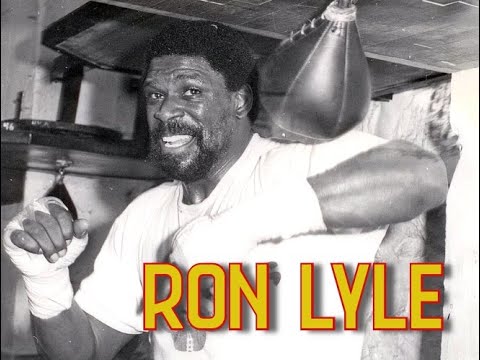
Ron Lyle: A Warrior's Testament - The Unvarnished Saga of a Heavyweight Slugger

The annals of combat sports are replete with legends, but few tales echo with the raw, untamed ferocity of Ron Lyle. This isn't merely a recap of a boxer; it's an exploration of resilience, a testament to the unyielding spirit forged in the crucible of hardship, and a critical examination of a heavyweight slugger whose career was as tumultuous as it was electrifying. If you believe that true martial spirit is found in perseverance against all odds, then Lyle's story is one you must dissect.

Who Was Ron Lyle? More Than Just a Puncher

Ron Lyle wasn't just another heavyweight boxer from the explosive era of the 1970s; he was a force of nature. His fists carried the weight of his tumultuous life, a life marked by early struggles, incarceration, and a redemption arc that captivated the boxing world. Born in Denver, Colorado, Lyle's journey to the top was anything but conventional. Unlike many who were meticulously trained from youth, Lyle’s path was paved with raw power honed through sheer will and an indomitable fighting spirit. His record, a testament to his aggressive style, speaks volumes: 36 wins, 30 by knockout, and 7 losses. But the numbers fail to capture the sheer drama, the grit, and the heart he brought into every single bout. He was a fighter who understood the harsh realities of the fight, both inside and outside the ring. His power was legendary. Lyle possessed a truly concussive right hand that could change the course of any fight in an instant. This, combined with a chin that could absorb punishment and a refusal to quit, made him a feared opponent. He faced some of the greatest heavyweights of his generation, and though he didn't always emerge victorious, he always left an indelible mark. His fights were not technical chess matches; they were visceral, thrilling slugfests that appealed to the primal core of combat sports fandom. He was the embodiment of the "slugger" archetype, a fighter who relied on overwhelming power and sheer determination.
"Some fighters are chess players. Ron Lyle was a street fighter with a hammer for a fist."
This raw, almost brutal, effectiveness is what drew so many fans to him. He wasn't afraid to stand and trade, to engage in slugging wars that left spectators breathless. This style, while exciting, also came with significant risks, a theme that would tragically define later chapters of his life.

The Brutal Symphony: Lyle vs. Frazier - A Masterclass in Heart

No discussion of Ron Lyle is complete without revisiting his epic clash with Joe Frazier on May 16, 1976. This fight wasn't just a boxing match; it was a war. Both men, former sparring partners, entered the ring with reputations for toughness and power. What followed was a spectacle of aggression, resilience, and sheer willpower that etched itself into boxing history. The fight was a back-and-forth slugfest from the opening bell. Lyle, known for his devastating power, knocked Frazier down in the fourth round. Many thought it was over. But "Smokin' Joe," a man who had faced down George Foreman and overcome insurmountable odds, embodied the very definition of a warrior's heart. He got up, fought back, and managed to send Lyle to the canvas twice in the fifth round. The momentum shifted violently, a testament to the unpredictable nature of heavyweight boxing. Yet, Lyle, displaying the same resilience that defined his career, weathered the storm. He survived the onslaught and came back, landing his own heavy blows. The fight continued in this brutal rhythm, each man pushing the other to their absolute limits. It was a testament to the **BUDO** spirit of never giving up, of continuing the fight even when facing seemingly insurmountable odds. In the eleventh round, Lyle finally landed a decisive blow, knocking Frazier out cold. It was a monumental victory, a career-defining moment that showcased his grit and his formidable power. This bout is a prime example of the **philosophy of combat** where heart and will can often overcome technical deficiencies. While Frazier was a more polished boxer, Lyle's sheer determination and ability to absorb punishment while delivering his own made him a dangerous proposition for anyone. It was a fight that perfectly encapsulated the "slugger" mentality: stand, trade, and win.

The Philosophy of the Slugger: Power, Peril, and Prizefighting

Lyle's approach to boxing transcended mere technique. It was rooted in a philosophy of aggression and resilience that resonates deeply with the principles of **martial arts**. The "slugger" style, exemplified by Lyle, is characterized by a willingness to engage in direct exchanges, relying heavily on power punching and the ability to absorb significant damage. This style is inherently high-risk, high-reward. The potential for a knockout is always present, thrilling crowds and potentially ending fights swiftly. However, it also exposes the fighter to considerable punishment. A slugger must possess an exceptional chin, immense fortitude, and an unwavering belief in their own offensive capabilities. Lyle embodied all of these traits. His fights were rarely boring because he was always in the thick of it, willing to trade blows toe-to-toe. This approach can be compared to certain styles within **Karate** or **Kyokushin Karate**, where conditioning and the ability to withstand hard blows are paramount, and powerful, direct techniques are favored. The emphasis is not always on evasion or intricate footwork, but on delivering impactful strikes and absorbing the opponent's best shots to continue the offensive. However, the peril of this philosophy is undeniable. Fighters who consistently engage in slugfests often suffer long-term damage. Lyle's post-boxing life tragically highlighted these risks. His story serves as a cautionary tale about the physical toll of prizefighting, especially for those who adopt a style that prioritizes raw power and brawling over defensive strategy.

Lessons from the Ring: Beyond the Knockout

The narrative of Ron Lyle offers profound lessons that extend far beyond the canvas of a boxing ring. His life is a powerful illustration of the **warrior philosophy**, a concept deeply embedded in **BUDO** and numerous **martial arts**. It speaks to the importance of resilience, the power of redemption, and the enduring strength of the human spirit. Lyle's journey from hardship to the pinnacle of his sport is a testament to the **law of perseverance**. He faced adversity head-on, both in his personal life and in his boxing career, and continually fought his way back. This echoes the **martial arts principle** of embracing challenges as opportunities for growth. A true martial artist understands that failure is not an end, but a stepping stone. Furthermore, Lyle's story compels us to consider the nature of **inner strength**. While his knockout power was undeniable, his true strength lay in his ability to endure, to get back up when knocked down, both literally and figuratively. This is the essence of **self-mastery**, a core tenet in many disciplines, from **Judo**'s emphasis on balance and control to **Aikido**'s focus on harmonizing with an opponent's energy. His later struggles, including his battles with addiction and the tragic loss of his children, cast a somber shadow over his achievements. Yet, even in his darkest hours, there were glimpses of the fighter who refused to yield. This duality underscores the complex nature of human existence and the ongoing battle for self-control and well-being that every individual faces.
"The true measure of a warrior is not in how many battles they win, but in how they rise after each defeat."
This sentiment, though not directly attributed to Lyle, perfectly encapsulates his tumultuous career and life. His legacy is a reminder that the path of a fighter is rarely linear, and that true victory often lies in the spirit with which one navigates the inevitable challenges.

Equipment Essential for Your Training

To emulate the spirit and dedication of fighters like Ron Lyle, proper training equipment is crucial. While Lyle's game was built on raw power, the modern practitioner can enhance their training with the right gear. Whether you're focusing on striking, grappling, or overall conditioning, investing in quality equipment is a sign of respect for your craft.
  • Boxing Gloves: Essential for any striking art, from **Boxing** to **Kickboxing**. For sparring, 16oz gloves offer good protection. For heavy bag work, 12-14oz gloves are often preferred.
  • Hand Wraps: Crucial for preventing wrist and hand injuries when using gloves.
  • Jump Rope: A classic tool for building stamina, agility, and coordination – vital for any fighter aiming to last rounds like Lyle.
  • Heavy Bag: For developing punching power and endurance.
  • Speed Bag: Improves hand speed, rhythm, and shoulder conditioning.
  • Duffel Bag/Gym Bag: To carry your gear to and from training sessions. Look for durable options that can handle the wear and tear of regular use.
  • Water Bottle: Staying hydrated is paramount.
For those delving into ground-based arts like **Judo** or **BJJ**, a high-quality **gi** is indispensable. Look for materials that are durable yet comfortable, allowing for a full range of motion. Investing in your **karate gi** or **judo gi** is a direct investment in your training.

Frequently Asked Questions

Was Ron Lyle considered a Hall of Fame boxer?

While Ron Lyle had a significant impact on the heavyweight division in the 1970s and engaged in legendary fights, he has not been inducted into the major boxing halls of fame. His career was marked by both spectacular highs and devastating lows, which perhaps prevented a consensus for such an honor.

What was Ron Lyle's most famous fight?

His fight against Joe Frazier on May 16, 1976, is widely considered his most famous bout. It was a brutal, back-and-forth slugfest that saw both men knocked down multiple times before Lyle ultimately secured the knockout victory in the eleventh round.

What happened to Ron Lyle after his boxing career?

Lyle faced significant challenges after retiring from boxing, including struggles with addiction and personal tragedy. He dedicated much of his later life to community work and speaking out against violence.

How did Ron Lyle's style differ from other heavyweights of his era?

Lyle was a quintessential slugger, known for his immense punching power and a willingness to stand and trade blows. While many heavyweights of his era possessed power, Lyle's style was often more aggressive and less reliant on technical boxing, embodying a raw, street-fighting mentality.

Deepen Your Understanding

To further explore the rich tapestry of combat sports and warrior philosophies, I encourage you to delve into these related articles:

Sensei's Final Reflection: Your Next Step

Ron Lyle's life was a brutal dance between immense power and profound vulnerability, a testament to the warrior's spirit that burns fiercely even in the face of overwhelming odds. He reminds us that the greatest fights are often not against an opponent, but within ourselves. His story is a stark reminder that while the roar of the crowd can be intoxicating, the true measure of a man is found in his resilience, his capacity for redemption, and his willingness to confront his own demons.

Reflection of the Sensei: Your Next Step

Consider this: In your own training, do you relentlessly pursue power at the expense of control and self-awareness, much like a slugger leaving himself open? Or do you find yourself overly reliant on technique, perhaps avoiding the necessary grit and confrontation that true martial spirit demands? Where does your own balance lie, and what unspoken battles are you currently fighting within the confines of your dojo, and more importantly, within your own mind? The answer, like Lyle’s career, will be a complex and ongoing struggle. GEMINI_METADESC: Explore the life and career of heavyweight slugger Ron Lyle, his epic battles, and the warrior philosophy he embodied. A critical look at his legacy and lessons for martial artists.

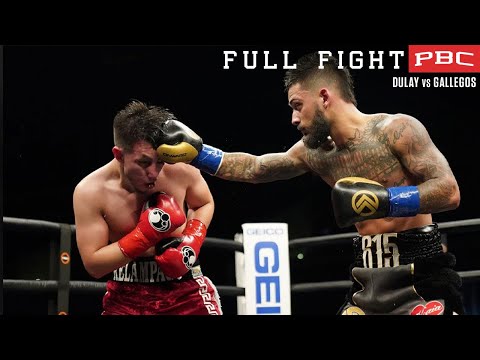
The Unseen Battle: Deconstructing Dulay vs. Gallegos and the Essence of Combat

The roar of the crowd, the glint of sweat under the arena lights, the raw exchange of power – these are the elements that captify us in professional boxing. But what lies beneath the surface? Beyond the scores and the knockouts, what are the fundamental principles of martial prowess being tested? On November 21, 2020, Austin Dulay and Jose Luis Gallegos stepped into the ring for a 10-round lightweight showdown that, while appearing straightforward on the surface, offers a profound lesson in the application of technique, strategy, and mental fortitude. This bout, broadcast on PBC on FS1, serves as a compelling case study for any practitioner of the martial arts, whether their focus is the precise striking of Karate, the grappling of Judo, or the dynamic exchanges of MMA.

Table of Contents

Deduction of Intent: What Does This Fight Truly Teach Us?

The primary intention of any viewer seeking out a full fight replay is, ostensibly, entertainment. They wish to witness the spectacle, the drama, and the outcome of a high-stakes contest. However, for the dedicated martial artist, the intent runs deeper. They are not merely spectators; they are students. They seek to understand the *how* and *why* behind the actions. They analyze the footwork, the defensive maneuvers, the offensive strategies, and the mental resilience displayed. The intention, therefore, is to extract actionable knowledge – techniques to incorporate, strategic principles to adopt, and the mental conditioning required to perform under pressure. This fight, with Dulay's controlled performance against Gallegos' relentless pressure, offers a rich tapestry of such lessons, extending beyond the realm of pure boxing into the universal principles of combat.

The Technical Duel: Decoding Dulay's Dominance

Austin Dulay, a 135-pound contender, showcased a masterclass in controlled aggression. His wide unanimous decision victory was not a matter of luck, but a testament to superior skill, speed, and an exceptional work rate. As a southpaw representing Nashville, Dulay employed a strategic approach that stifled Gallegos' preferred pressuring style. His "strong straight left hands and uppercuts" were not just powerful punches; they were calculated tools designed to disrupt Gallegos' rhythm and maintain distance. The effectiveness of his "quick pot shots from the outside" highlights a crucial principle in striking arts: the ability to land damaging blows while remaining relatively safe. This is a concept echoed in the precision required in Karate's point sparring or the range management in Muay Thai.
"The effective way to do it, is to do it." - Walt Disney. In combat, the most effective technique is the one successfully applied. Dulay's consistent execution of his strategy against Gallegos' aggression proves this maxim.

Strategy vs. Pressure: A Tactical Chess Match

Jose Luis Gallegos embodied the spirit of a fighter who refuses to yield. His "pressuring style" is a common tactic in combat sports, designed to overwhelm an opponent and force them into uncomfortable situations. However, Dulay's strategy was to meet this pressure not with equal force, but with calculated counters and superior ring generalship. He didn't simply absorb the pressure; he diffused it, redirected it, and exploited the openings it created. This is the essence of fighting smart, not just hard. A martial artist must understand when to absorb, when to evade, and when to counter. Gallegos' inability to "solve Dulay's quick pot shots" illustrates the consequence of a predictable offensive strategy against a more adaptable opponent.

The Southpaw's Edge: Navigating Stance Differences

The bout featured several "unintentional headbutts," a common occurrence when an orthodox fighter faces a southpaw. This phenomenon underscores the inherent complexities of differing stances in combat. The angles of attack, the lines of defense, and the natural foot placement are all altered, requiring a higher degree of spatial awareness and adaptation from both fighters. For those studying Karate, the understanding of stances (like *Zenkutsu-dachi* or *Kokutsu-dachi*) is paramount, and this principle extends to the dynamic footwork required in boxing. Dulay, as the southpaw, had a distinct angle of attack with his lead left hand, a weapon he used to great effect.

The Fights Within the Fight: Unseen Battles of Will

While the judges' scorecards favored Dulay overwhelmingly with scores of 100-90, 100-90, and 99-91, the narrative of a "rugged 10 rounds" suggests that Gallegos, despite being out-pointed, was a constant threat. Every round represents a mini-battle of wills, a test of endurance, and a series of tactical adjustments. The fact that Gallegos "never made it easy" speaks volumes about his heart and determination. In the martial arts, victory is not solely measured by the final score but by the entirety of the struggle, the resilience shown in the face of adversity, and the commitment to the principles of one's art.

Beyond the Main Event: Molina's U.S. Debut

The undercard featured another compelling bout: the six-round lightweight fight between Fernando Molina and Jose Zaragoza. At 18 years old, Molina, an "unbeaten prospect" and decorated amateur, made an "impressive U.S. debut." His performance, culminating in a unanimous decision, demonstrated the power of a well-timed strike – the "perfectly timed right uppercut" that dropped Zaragoza in the second round. This single moment highlights the efficacy of targeted power, a principle central to many striking arts. Even against a more experienced opponent like the 32-year-old Zaragoza, Molina's speed and "ring savvy" proved decisive. The statistics – Molina landing 107 of 370 punches compared to Zaragoza's 61 of 377 – paint a clear picture of his efficiency and control. This bout underscores the importance of conditioning and technical execution, even when facing a fighter with more professional experience.

Veredicto del Sensei: More Than Just a Scorecard

This fight between Dulay and Gallegos, and the undercard bout featuring Molina and Zaragoza, are more than just boxing matches; they are living demonstrations of martial principles. Dulay's victory is a testament to strategic application, superior conditioning, and the effective use of advantageous angles. Gallegos, though on the losing side of the scorecards, displayed remarkable tenacity, a core tenet of any warrior's spirit. Molina's debut showcases the potent combination of youthful energy, honed amateur skills, and the decisive impact of a well-placed offensive. **Cinturón Negro en Estrategia Táctica y Ejecución.**

Guía de Entrenamiento: Developing a Superior Work Rate

A high work rate is crucial in any combat sport. It's not just about throwing more punches, but about maintaining effective output throughout the duration of a fight or training session. Here's how to cultivate it:
  1. Cardiovascular Conditioning: Engage in regular high-intensity interval training (HIIT), steady-state cardio like running or cycling, and sparring sessions that push your endurance limits.
  2. Strength and Power: Develop explosive strength through exercises like squats, deadlifts, plyometrics, and medicine ball throws. This allows you to generate power efficiently without expending excessive energy.
  3. Technical Efficiency: Perfect your techniques until they become second nature. The more efficient your movements, the less energy you expend for the same result. Focus on streamlining your combinations and defensive actions.
  4. Mental Stamina: Train your mind to push past perceived limits. Visualization exercises, mindfulness, and pushing yourself during drills are key to building mental toughness.
  5. Active Recovery: Incorporate active recovery techniques like light stretching, foam rolling, and proper nutrition to ensure your body can handle the demands of consistent high-level training.

Equipo Esencial para tu Entrenamiento

To truly emulate the dedication seen in professional bouts and to safely advance your martial arts journey, having the right equipment is paramount. For striking arts like boxing and Karate, consider:
  • Guantes de Boxeo de Alta Calidad: Opt for gloves that offer good wrist support and adequate padding for both offense and defense, typically 10oz to 16oz depending on your training.
  • Muñequeras (Wraps): Essential for protecting your hands and wrists during intense training and sparring.
  • Protector Bucal: A non-negotiable piece of safety equipment in any striking-based martial art.
  • Kimono de Karate Resistente: For Karate practitioners, a durable double-weave gi is ideal for training that involves dynamic movements and potential grappling.
  • Esparraguera (Shin Guards): Crucial for sparring in styles like Kickboxing or Muay Thai to prevent leg injuries.
  • Makiwara o Saco de Boxeo: For developing striking power and conditioning your hands (use with proper technique and caution).

Preguntas Frecuentes

  • ¿Qué significa "PBC on FS1"?
    PBC stands for Premier Boxing Champions, a boxing series. FS1 is a sports television channel owned by Fox Sports, indicating where the event was broadcast.
  • What is a "southpaw" in boxing?
    A southpaw is a boxer who leads with their right foot and throws their left hand (jab and cross) from a more forward position. This contrasts with the more common orthodox stance.
  • Is Jose Luis Gallegos a known contender?
    While not always the headline fighter, Jose Luis Gallegos has a significant professional record and has faced numerous contenders, often in challenging matchups.
  • How important is work rate in martial arts?
    Work rate, the continuous output of effective techniques, is incredibly important. It dictates pace, scores points, and can wear down an opponent both physically and mentally.

Para Profundizar en tu Camino

To further your understanding of combat sports and martial arts philosophy, explore these related topics:

Reflexión del Sensei: Tu Próximo Paso

This analysis of Dulay vs. Gallegos reveals that the essence of martial arts isn't just in the devastating knockout or the flawless technique, but in the persistent application of principles. Dulay's control, Gallegos' resilience, and Molina's explosive debut are all facets of the warrior's path. The question for you now is not merely about observing these fights, but about *integrating* them. Are you merely a spectator of the martial arts, or are you an active participant in its ongoing evolution? How will you translate the lessons of strategy, work rate, and resilience from this boxing match into your own training regime today? GEMINI_METADESC: Analyze the Dulay vs. Gallegos boxing match from a martial arts perspective. Learn about strategy, technique, southpaw advantages, and training insights.