Showing posts sorted by relevance for query category:Filosofía Marcial. Sort by date Show all posts

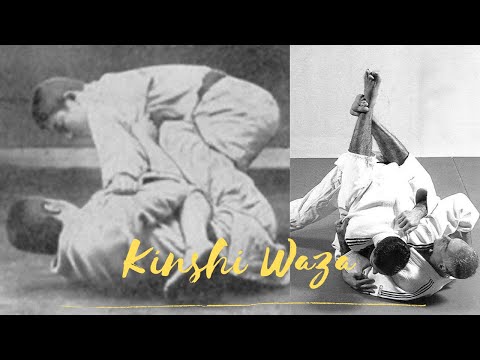
The Forbidden Techniques of Judo: Kinshi Waza - A Martial Master's Critique

Introduction: The Shadow Side of Kodokan

Ah, Judo. The Gentle Way. A path of discipline, respect, and physical prowess that has captivated minds and bodies for over a century. But like any martial art with a deep, complex history, Judo also possesses a hidden dimension, a set of techniques so potent, so dangerous, that the very founders of Kodokan deemed them too perilous for regular practice. These are the Kinshi Waza (禁止技), the forbidden techniques. Today, we delve into this controversial aspect, not merely to catalog them, but to understand the *why* behind their prohibition and what they teach us about the very essence of Budo. Do you truly understand Judo if you ignore its shadows?

Unveiling the Four Kinshi Waza

The Kodokan officially recognizes four categories of forbidden techniques, often presented as a list that sparks both curiosity and unease among practitioners. These are:

  • Kansetsu-waza (関節技): Joint locks, specifically those that hyperextend or twist joints beyond their natural range of motion. While some basic joint locks are part of Judo's Nage-waza (throwing techniques) and Katame-waza (grappling techniques), the Kinshi versions often involve extreme leverage or target critical points of structural integrity in the limbs.
  • Shime-waza (絞技): Strangles and chokeholds. Again, Judo incorporates various chokeholds (e.g., Hadaka-jime, Okuri-eri-jime). The forbidden ones, however, are those that apply pressure to arteries and nerves in ways that can lead to rapid unconsciousness or even permanent damage if not released instantaneously.
  • Atemi-waza (当身技): Striking techniques. This is perhaps the most glaring omission from modern Judo competition. While striking is the core of many martial arts like Karate or Taekwondo, it is largely absent from standard Judo practice. The forbidden Atemi-waza would include kicks, punches, elbow strikes, and knee strikes aimed at vital areas, meant to incapacitate an opponent before or during a throw.
  • Kuzushi-waza (崩し技) and Kakari-geiko (掛稽古) variations: This category is more nuanced. It refers to certain extreme off-balancing techniques or continuous attacking drills that, when combined with the other forbidden methods, become extraordinarily dangerous. Think of techniques designed to violently break an opponent's posture in a way that guarantees injury upon falling, or persistent, aggressive attacks that leave no room for the opponent to defend themselves safely.

The distinction is crucial: Judo contains dangerous techniques, but the Kinshi Waza are those deemed too inherently destructive for safe, widespread learning and application within the dojo setting.

Mechanical Mastery: Why These Techniques Are Forbidden

Let's dissect the mechanics. What makes these techniques so much more hazardous? It's about leverage, speed, and anatomical vulnerability.

Consider Kansetsu-waza. A standard Judo armbar, the Ude-garami, relies on breaking the opponent's posture and isolating an arm. However, a forbidden variation might involve applying torque directly to the elbow joint in a way that bypasses the natural resistance and forces a painful tear of the ligaments. It's the difference between a controlled submission and a violent rupture.

"In the pursuit of efficiency, we must never sacrifice safety. A technique that guarantees injury is not a technique of enlightenment, but one of destruction." - A quote attributed to Kano Jigoro's disciples, reflecting the spirit of prohibition.

Regarding Shime-waza, the danger lies in the speed of effect. Certain chokes can cut off blood flow to the brain almost instantly, leading to unconsciousness in seconds. While this can be a decisive element in a submission, the margin for error is minuscule. A slight over-application, a delayed tap, or an opponent's inability to react can lead to severe brain damage or death. The forbidden techniques often achieve this effect through methods that are harder to control once applied.

And then there's Atemi-waza. This is where Judo diverges most sharply from many other martial arts. The philosophy of Kodokan, as initially conceived by Kano, was to promote physical and moral development through safe practice. Incorporating strikes, especially those aimed at vulnerable targets like the eyes, throat, or groin, fundamentally changes the nature of the practice. Such techniques are inherently designed to inflict harm and can easily lead to career-ending injuries or worse, making sparring extremely hazardous and shifting the focus from control and technique to brute force and pain.

Historical Echoes: The Roots of Prohibition

The prohibition of these techniques wasn't arbitrary. It was a deliberate act by Kano Jigoro, the founder of Judo, to shape the art into a path for physical, intellectual, and moral development (Seiryoku Zenyo - maximum efficiency, minimum effort; Jita Kyoei - mutual welfare and benefit). Kano studied various Koryu (old schools of Japanese martial arts), including Jujutsu styles that were often battlefield-oriented and included lethal techniques. He recognized that to create a martial art suitable for modern education and sport, these elements had to be excised.

Judo was intended to be practiced by people of all ages and backgrounds. Techniques that could easily cause permanent injury or death were incompatible with this vision. The goal was to create a system that taught effective self-defense and combat principles while minimizing the risk of severe harm, thereby allowing for more frequent and intense practice, leading to greater skill development and character building.

It’s a testament to Kano’s foresight. He understood that a martial art that *can* kill can also easily maim. By removing the most destructive elements, he made Judo accessible and fostered its growth into a global Olympic sport. This decision, however, is often misunderstood by those who see Judo solely as a sport, failing to appreciate its roots as a combative system.

The Dojo's Dilemma: Training and Application

So, what does this mean for the modern Judo practitioner? Are we to simply ignore these techniques? Not entirely. The Kinshi Waza are preserved in the Koryu no Kata (forms of the old school), such as the Kime no Kata (Forms for Deciding Life and Death) and the Juno Kata (Gentle Kata). These kata serve as a historical record and a way to understand the full spectrum of Judo's combative applications without endangering students in regular randori (free practice).

"To understand the root, one must sometimes examine the soil from which it grew, even if that soil was littered with thorns." - A martial aphorism on historical context.

Practicing these kata provides invaluable insight into balance breaking, kuzushi, and the underlying principles of Judo. It teaches the practitioner about the critical points of the body and the devastating potential of certain movements. However, this is typically done under the strict guidance of a highly experienced instructor, emphasizing control and understanding over aggressive execution.

The debate often arises: should some of these techniques, particularly joint locks and controlled striking (like Renraku Waza – combination techniques), be reintroduced into Judo competition? Proponents argue it would make Judo more complete, resembling systems like MMA. Critics counter that it would fundamentally alter the art, increase injury rates, and move away from Kano’s original intent. This is where the polemic lies.

Veredicto del Sensei: ¿Merece la pena?

The study of Kinshi Waza is absolutely essential for any serious Judo practitioner aiming for true mastery. It's not about learning to execute forbidden techniques to harm your opponents outside the dojo; it's about understanding the *complete* art of Judo, its historical context, and the profound philosophical decisions made by its founder. These techniques, when studied through kata and theoretical understanding, illuminate the principles of balance, leverage, and anatomical vulnerability in ways that standard randori cannot. They are a stark reminder of the responsibility that comes with martial skill.

Coreografía y Autenticidad: Cinturón Negro en Conocimiento Histórico. La representación de las Kinshi Waza se encuentra en los Kata, que son la esencia de la aplicación marcial más allá del deporte. Entenderlas es entender la profundidad marcial completa del Judo.

Filosofía Marcial: Maestro de Budo. El estudio de las Kinshi Waza es un ejercicio de discernimiento filosófico: cuándo aplicar la fuerza, cuándo la contención, y la responsabilidad inherente a cada acción.

Impacto y Legado: Legado de Kano. La decisión de prohibir estas técnicas no debilitó al Judo, sino que lo fortaleció como herramienta educativa y deporte global, demostrando la visión a largo plazo de Kano Jigoro.

Guía de Entrenamiento: The Spirit of Kinshi Waza

While direct practice of Kinshi Waza is restricted, we can train their underlying principles safely:

  1. Deepen Your Kata Practice: Focus intensely on the Koryu no Kata. Pay attention to the precise angles, the timing, and the intended outcome of each movement. Visualize the application without physically executing the dangerous aspects.
  2. Study Anatomy and Biomechanics: Understanding how the human body works – its strengths and weaknesses – is crucial. Learn about joint structure, muscle groups, and nerve pathways. This knowledge, gained from reputable sources, will enhance your understanding of why certain techniques are dangerous.
  3. Refine Your Fundamentals (Kihon): Master the basic throws (Nage-waza) and grappling techniques (Katame-waza). Strong fundamentals provide the foundation upon which more complex and potentially dangerous applications are built. This includes perfecting your kuzushi (off-balancing) and tsukuri (entry).
  4. Sparring with Intent (Randori): Engage in randori with a focus on control and learning, not just winning. Practice applying techniques with precision and awareness of your partner's safety. Emphasize smooth transitions and understanding your opponent's reactions.
  5. Mindfulness and Control: Cultivate mental discipline. Before executing any technique, especially in sparring, ask yourself: "What is my intention? What is the safest way to achieve this outcome? What is my partner's physical state?" This mental check is the essence of responsible martial practice.

Equipo Esencial para tu Entrenamiento de Judo

While direct training of Kinshi Waza is limited, a solid foundation in Judo requires proper equipment. Investing in good quality gear not only enhances your training experience but also contributes to safety.

  • Judogi: A high-quality Judo uniform (gi) is paramount. Look for uniforms made from durable, double-woven cotton, often referred to as heavyweight or competition-grade. Brands like Mizuno or Adidas offer excellent options. Ensure it fits properly – not too loose to give opponents easy grips, and not too tight to restrict movement. For advanced practitioners and those focusing on grappling, a gi with excellent fabric weight and reinforced stitching is ideal.
  • Belts (Obi): A sturdy belt that stays tied is crucial. Higher ranks often use belts with red stripes to signify advanced status.
  • Matting (Tatami): While not something you typically buy for personal use (usually provided by the dojo), understanding the importance of proper judo mats is key. They are designed to absorb impact and prevent injuries from falls.
  • Mouthguard: For sparring (randori), especially if you're exploring more dynamic scenarios or have reached a level where controlled application of certain techniques is practiced, a custom-fitted mouthguard is a wise investment to protect your teeth and jaw.
  • First-Aid Kit: Always have a well-stocked first-aid kit readily available at the dojo for minor injuries.

When looking for the best kimonos de judo or judo equipment, always prioritize durability and safety. Remember, your gear is an extension of your training.

Preguntas Frecuentes

What are the four forbidden techniques in Judo?

The four categories are specific forms of joint locks (Kansetsu-waza), strangles/chokes (Shime-waza), striking techniques (Atemi-waza), and certain extreme off-balancing or continuous attack variations that are deemed too dangerous for regular practice.

Are Kinshi Waza still practiced?

Yes, but primarily within the context of historical kata (forms), such as the Koryu no Kata, under strict supervision. They are not part of standard Judo competition or randori.

Why were these techniques forbidden in Judo?

Judo's founder, Kano Jigoro, aimed to create a martial art for education and moral development. Forbidden techniques were removed to minimize the risk of severe injury or death, allowing for safer, more widespread practice and the art's evolution into a sport.

Can studying forbidden techniques make me a better Judoka?

Studying the principles behind them through kata and theoretical understanding can deepen your comprehension of Judo's combative applications and the importance of control and responsibility, thus making you a more well-rounded and knowledgeable practitioner.

Is Judo dangerous?

Like all martial arts and contact sports, Judo carries inherent risks. However, by prohibiting the most dangerous techniques and emphasizing safety, control, and respect, Kano Jigoro significantly mitigated these risks, making Judo one of the safer martial arts for regular practice.

Para Profundizar en tu Camino

Reflexión del Sensei: Tu Próximo Paso

The study of Kinshi Waza is not about embracing danger, but about understanding the full spectrum of a martial art and the wisdom behind its evolution. It’s a lesson in responsibility, control, and the philosophical choices that shape discipline. Now, I ask you:

If Judo, in its quest for safety and inclusivity, removed its most dangerous elements, does it lose a part of its soul? Or does it find a truer, more profound strength in its restraint?

Debate. Reflect. And demonstrate your understanding in the comments below.

``` GEMINI_METADESC: Explora las técnicas prohibidas (Kinshi Waza) del Judo, su historia, mecánica y por qué son cruciales para entender la profundidad del Budo, desde la perspectiva de un Sensei.
When Cocky Fighters Get Knocked Down: A Martial Arts Analysis

The Illusion of Arrogance: More Than Just Showmanship

The warrior's path, the very essence of Budo, is paved with discipline, respect, and an unyielding pursuit of mastery. Yet, within the electrifying crucible of combat sports, a peculiar paradox often emerges: arrogance. Many believe that a cocky demeanor is merely a tool, a psychological weapon to intimidate opponents and project an aura of invincibility. It's a dangerous interpretation, one that confuses bravado with true martial prowess. While a certain swagger can indeed add flair and spectacle, as we often see in the electrifying world of MMA, it is a double-edged sword. For the uninitiated, this swagger might seem like a badge of honor, a testament to their perceived superiority. But to those who understand the depths of martial philosophy, it’s a glaring red flag.
"Arrogance is the camouflage of insecurity." - Unknown Master
The truth, however, is that if one chooses to play the game of cockiness, they must be able to back it up with an equal, if not greater, measure of substance. The ring, whether it's for boxing, Karate, or any form of Combate, is a harsh arbiter of reality. It’s where words become meaningless and actions speak volumes. We are not entirely against the theatrical elements that spice up a Fight; the taunts, the posturing, the animated celebrations – they are part of the drama that captivates audiences. But there's a critical distinction to be made between a fighter who uses their confidence to fuel their performance and one who is merely *all talk*.

The Fatal Flaw: When Swagger Meets Substance (or Lack Thereof)

This is where we delve into the captivating, and often brutal, category of fighters who rely more on theatrics than on genuine skill. These are the individuals whose pronouncements of invincibility are as hollow as their training regimen. In today's analysis, we will examine those cocky fighters who ultimately failed to "put their money where their mouth or muscle was," experiencing the humbling, and often spectacular, downfall that comes with such hubris. It’s a testament to the fundamental principles of BUDO: respect for the opponent and the continuous cultivation of one's self.

The Anatomy of a Knockout: From Arrogance to Humiliation

What separates a true champion from a braggart? It's the deep well of discipline, the relentless dedication to honing skills, and the profound understanding that mastery is a journey, not a destination. Fighters who exhibit excessive arrogance without the underlying capability often fall prey to their own inflated ego. Their focus shifts from the craft of Lucha to self-aggrandizement. This mental lapse, this disconnect from the core principles of martial arts, often leaves them vulnerable. * Overconfidence: A cocky fighter may underestimate their opponent, assuming their reputation or mere presence is enough to secure victory. * Poor Preparation: The focus on outward projection can overshadow the necessity of rigorous Entrenamiento and strategic planning. * Emotional Vulnerability: Arrogance can make a fighter emotionally volatile. A setback or unexpected move from their opponent can shatter their composure, leading to panic. * Ignoring Fundamentals: Complex techniques or showy moves might be favored over solid, fundamental skills, which are often the most effective under pressure. In essence, the very arrogance that a fighter might use to project strength can become their Achilles' heel. The universe, much like a disciplined Sensei, has a way of delivering humbling lessons.

Case Studies: When Fighters Face the Music

While we cannot explicitly detail specific fights due to the nature of this analysis, the annals of combat sports are replete with examples. Think of those highly touted prospects who entered the ring with a dismissive attitude, only to be swiftly dismantled by a technically superior or more disciplined opponent. The crowd gasps, the commentators are stunned, and the arrogant fighter is left with a stark realization: their bark was far louder than their bite. This is the karma that often follows unchecked ego in the martial world.
"A true warrior is not a fighter who talks big, but one who acts small and defeats his opponent." - Master Mas Oyama (paraphrased)
These moments, while perhaps entertaining from a spectator’s perspective, serve as potent reminders of the core values that underpin all true ArtesMarciales. The journey of a martial artist is one of constant self-improvement, humility, and respect for the path.

Veredicto del Sensei: ¿Show o Substancia?

The line between confident showmanship and detrimental arrogance is razor-thin. While a fighter who can deliver on their swagger is an exciting spectacle, the fighter who relies solely on it is a tragic figure waiting to happen. True mastery in any CombateCuerpoACuerpo discipline, be it Judo, Kickboxing, or ArtesMarciales Mixtas, is built on a foundation of relentless training, strategic thinking, and profound respect. Arrogance, when untethered from skill, is not a weapon but a vulnerability. It blinds fighters to their own weaknesses and makes them easy prey for a disciplined opponent. **Calificación:** Cinturón Negro en Humildad Requerida. Los peleadores deben recordar que el ring es el escenario de la verdad.

Equipo Esencial para tu Entrenamiento

For those aspiring to avoid the pitfalls of arrogance and cultivate genuine martial skill, the right equipment is crucial. It's not about flashy gear, but about tools that facilitate effective training and build a solid foundation.
  • Guantes de Entrenamiento de Calidad: Para proteger tus manos durante el sparring y el trabajo de saco. Busca guantes con buen acolchado, especialmente en el rango de 14-16 oz para sparring.
  • Kimono Resistente: Si practicas Judo, BJJ o Karate, invierte en un kimono (gi) de doble tejido o reforzado. Durará más y soportará el rigor de los entrenamientos intensos.
  • Protector Bucal: Indispensable para cualquier tipo de sparring o combate para prevenir lesiones dentales.
  • Espinilleras y Guantes de Protección para MMA/Kickboxing: Si tu disciplina lo requiere, estos elementos son vitales para entrenamientos seguros.
  • Saco de Boxeo o Makiwara: Para desarrollar potencia y precisión. Un buen saco de boxeo o un makiwara tradicional son herramientas invaluables.
Investing in the right MartialArtsMerchandise is an investment in your development as a martial artist.

Guía de Entrenamiento: El Ejercicio del 'Escucha y Responde'

To combat the tendency towards arrogance, a focus on discipline and attentive listening is paramount. This exercise, best practiced with a training partner, cultivates humility and responsiveness.
  1. Posición Inicial: Ambos practicantes se colocan en una postura de combate básica, mirándose mutuamente.
  2. Comando del "Sensei": Uno de los practicantes asume el rol de "Sensei" y da una orden simple, como "¡Giro a la izquierda!" o "¡Baja guardia!".
  3. Respuesta Inmediata: El otro practicante (el "estudiante") debe ejecutar la acción indicada de forma inmediata y precisa.
  4. Rotación de Roles: Después de 5-10 repeticiones, los roles se intercambian.
  5. Variaciones: Introduce combinaciones de comandos o comandos auditivos y visuales (ej: un gesto y una palabra).
  6. Enfoque: El objetivo es escuchar atentamente, procesar la información y reaccionar con la máxima eficiencia. Esto enseña humildad al reconocer la necesidad de seguir instrucciones y disciplina al ejecutarlas perfectamente.
This simple drill reinforces the martial arts principle of listening to your teacher and your environment, a stark contrast to the self-absorbed nature of arrogance.

Recursos para Profundizar

To truly understand the philosophy behind martial arts and the consequences of unchecked ego, further study is essential.
  • BUDO y la Filosofía Marcial
  • Análisis de Fight Analysis: Cómo la Técnica Supera la Arrogancia
  • Biografías de Maestros: Lecciones de Humildad de Leyendas Marciales

Preguntas Frecuentes

What is the difference between confidence and arrogance in martial arts?

Confidence is a quiet self-assurance stemming from skill and preparation. Arrogance is an excessive belief in one's superiority, often masking insecurity and leading to a disregard for opponents and fundamentals.

Can taunting be effective in a fight?

Taunting can be a psychological tactic, but its effectiveness hinges entirely on the fighter's ability to back it up. If they fail to do so, the taunting becomes a liability, revealing their lack of substance.

Why is humility so important in martial arts?

Humility fosters continuous learning, respect for others, and self-awareness. It keeps a practitioner grounded, focused on improvement rather than ego, which is essential for true mastery and longevity in the martial path.

Are there specific martial arts that encourage more swagger than others?

While the discipline of each art aims to instill humility, certain combat sports that emphasize flair and individual expression, like some forms of Kickboxing or exhibition MMA bouts, can sometimes showcase more outward displays of confidence that might border on arrogance if not grounded in skill.

How can a martial artist overcome their own arrogance?

By actively seeking feedback, focusing on the process of training rather than just results, practicing humility in sparring, studying the philosophy of martial arts, and remembering that there is always someone more skilled. Consistent practice of drills that emphasize listening and responding is also key.

Para Profundizar en tu Camino

  • BudoLife: Más Allá del Combate
  • Entrenamiento de Agility: La Base de un Peleador Ágil
  • El Legado de los Fighter Legacy: Maestros de la Disciplina

Reflexión del Sensei: Tu Próximo Paso

The ring is a mirror. It reflects not only your physical capabilities but also the state of your spirit. When you stand before an opponent, are you facing them with the quiet strength of a seasoned warrior, or the hollow bluster of an insecure child? True martial arts training is a journey of self-discovery, a path that strips away ego to reveal the core of one's being. Now, tell me: If you were to step into the ring tomorrow, with all your current skills and mindset, would you be the hunter, or the hunted? Do you believe the spectacle of cockiness is a vital part of combat sports, or a dangerous illusion? Defend your stance in the comments below. GEMINI_METADESC: Descubre por qué la arrogancia en las artes marciales lleva a la humillación. Un análisis profundo sobre la disciplina, el ego y la verdadera maestría marcial.

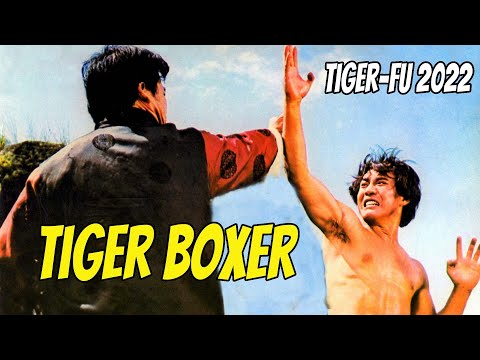
Wu-Tang Collection: Tiger Boxer - A Deep Dive into a Rare Taiwanese Kung Fu Gem

"The true martial artist is not just about fighting; it's about understanding the spirit, the history, and the philosophy that underpins every strike and block."

Today, we delve into a film that might escape the notice of many casual fans of martial arts cinema, yet it holds a certain raw charm and historical significance: Wu-Tang Collection - Tiger Boxer. This Taiwanese production, directed by Lam Gwok Leung, is a rarity, offering a glimpse into a specific era of martial arts filmmaking. But is it merely an obscure relic, or does it possess the fighting spirit to captivate a modern audience, especially those who approach martial arts with the dedication of a seasoned budoka?

The Intrigue of Obscurity: Why "Tiger Boxer" Matters

In the vast ocean of martial arts films, many gems remain hidden, especially those from regions and eras less documented than the Hong Kong golden age. Tiger Boxer, with its Mandarin dialogue and English subtitles, falls into this category. Its scarcity is precisely what makes it an object of interest for collectors and devoted students of cinematic BUDO.

The premise, as often is the case in classic kung fu, is deceptively simple: a pretty girl becomes the catalyst for conflict between two brothers, both depicted as expert fighters. This setup, while familiar, is the fertile ground upon which intricate choreography and dramatic tension are built. The core question for any martial arts enthusiast is not *if* there will be fighting, but *how* it will be portrayed. Will it be a sterile, unrealistic display, or will it capture the essence of lucha and pelea?

Deconstructing the Fight: Coreografía and Authenticity

The cast, featuring Wen Chiang Lung, Chen Ping, Yue Lung, Lee Wai, Man Man, and Hing Oi Wa, tackles the demanding task of bringing the story's fisticuffs to life. In analyzing films like this, my critical eye, honed by years of practice and study, looks beyond mere spectacle. I seek the authenticity of the movements, the strategic application of techniques, and the underlying principles that guide the action.

The "Tiger Boxer" moniker itself suggests a style rooted in powerful, direct strikes, perhaps drawing inspiration from the tiger style of Southern Chinese kung fu, known for its fierce, commanding movements and strong stances. Does the film visually represent this? Are the techniques grounded in recognizable karate, judo, or even earlier forms of kungfu? The effectiveness of such films often hinges on the believable execution of techniques, even when dramatized. A well-executed sequence can teach as much about combat principles as a live demonstration, provided the viewer knows what to look for.

One must consider the context of Taiwanese martial arts cinema during its production. Were there distinct regional styles being showcased? How did these productions differ from their Hong Kong counterparts? These are the questions that elevate a casual viewing into a learning experience. A truly exceptional entrenamiento film doesn't just entertain; it educates. It inspires us to analyze our own training, to refine our stances, and to understand the practical application of every move.

Philosophical Underpinnings: Beyond the Punch

While the synopsis focuses on a love triangle leading to conflict, the true value of martial arts cinema often lies in the unspoken philosophy. What are the brothers fighting for? Is it pride, honor, love, or simply the brutal necessity of survival? The concept of brotherhood, a cornerstone in many BUDO traditions, is tested here. How do these martial artists, presumably trained in discipline and respect, navigate such profound personal conflict?

The "Wu-Tang Collection" itself evokes a certain reverence, often associated with films that, while perhaps not mainstream blockbusters, hold a special place in the hearts of purists. This collection frequently features films that prioritize genuine martial arts over stylistic embellishments. This suggests that Tiger Boxer might offer a more traditional, less Hong Kong-esque approach to its action.

"The strength of a warrior is not in the power of his punch, but in the depth of his resolve and the clarity of his mind."

When we watch these films, we are not just passive observers. We are students, analyzing the application of principles like Mushin (no-mind), Zanshin (awareness), and Kiai (spirit-scream). Does the film subtly convey these ideas through its characters' actions and reactions? A truly great martial arts film integrates philosophy seamlessly into its narrative and action, making the audience contemplate deeper meanings.

Equipo Esencial para tu Entrenamiento

Watching films like Tiger Boxer can reignite the passion for training. To make the most of this inspiration, having the right gear is crucial for effective practice.

  • Kimono de Karate o Judo de Doble Tejido: Para entrenamientos intensos, un gi robusto es esencial. Busca materiales duraderos que soporten el grappling y los movimientos bruscos.
  • Guantes de Entrenamiento (10-16 oz): Si tu práctica incluye kickboxing o MMA, unos guantes de buena calidad son indispensables para proteger tus manos y las de tu compañero de entrenamiento.
  • Protector Bucal: Fundamental para cualquier tipo de sparring o combate simulado.
  • Esterillas de Entrenamiento (Tatami): Para prácticas de BJJ, Judo o Aikido, las esterillas son vitales para la seguridad durante las caídas y el trabajo en el suelo.
  • Saco de Boxeo o Makiwara: Para desarrollar potencia de golpeo y resistencia. Un buen saco de boxeo es una inversión duradera para tu entrenamiento en casa.

Guía de Entrenamiento: El Golpe de Puño "Tigre"

Inspirados por el título "Tiger Boxer", podemos simular un ejercicio básico para desarrollar un golpe de puño potente y directo, enfatizando la conexión del cuerpo. Este ejercicio se centra en la explosividad y la transferencia de peso, principios comunes en muchos estilos de kung fu.

  1. Posición Inicial: Adopta una postura de caballo (Ma Bu) o una postura de arco y flecha (Gong Bu) firme. Tus pies deben estar bien plantados, y el cuerpo relajado pero tenso.
  2. Rotación de Cadera: Imagina que tu cadera es un resorte. Inicia una rotación explosiva de cadera en la dirección del golpe. Este movimiento debe ser el motor principal.
  3. Transferencia de Peso: Simultáneamente, transfiere tu peso hacia adelante (si estás en Gong Bu) o mantén la base sólida y rota la cadera (en Ma Bu). La potencia viene de la tierra, a través de tus piernas, cadera y torso.
  4. Extensión del Brazo: El golpe de puño debe salir recto y rápido, como una garra de tigre. El puño debe girar en el último momento, presentando los nudillos superiores (dedos índice y medio) al impacto. No extiendas el brazo completamente hasta el bloqueo; mantén una ligera flexión para absorber y evitar lesiones.
  5. Retracción Rápida: Tan importante como el golpe es la retracción. Trae el puño de vuelta a la guardia de forma inmediata y controlada, listo para el siguiente movimiento o para defender.
  6. Respiración: Coordina el golpe con una exhalación corta y explosiva (Kiai). Esto ayuda a tensar la musculatura del core y a proyectar la energía.
  7. Repetición: Practica lentamente al principio, enfocándote en la forma y la conexión de todo el cuerpo. Una vez que la forma sea correcta, incrementa la velocidad y la potencia. Realiza series de 10-15 repeticiones, descansando brevemente entre ellas.

Veredicto del Sensei: ¿Merece la pena?

Tiger Boxer no es una película de kung fu de alto presupuesto con coreografías de vanguardia. Tampoco aspira a ser un tratado filosófico profundo. Sin embargo, para el verdadero aficionado a las artes marciales, y particularmente a la historia del cine de este género, es una pieza de valor. Su rareza, su origen taiwanés y su enfoque en las "fierce fisticuffs" le otorgan un lugar en la colección de quienes buscan comprender la evolución y diversidad del cine de kung fu.

Si buscas acción pura y sin adornos, una ventana a un estilo de filmación menos pulido pero a menudo más crudo, entonces Tiger Boxer podría ofrecerte una experiencia gratificante. Si esperas la sofisticación de Yuen Woo-ping o la intensidad de Bruce Lee, quizás te decepcione. Pero si aprecias la historia y la variedad, este film es un testimonio de la persistencia del género.

Calificación del Sensei: "Cinturón Negro Honorífico por su Rareza". Un visionado interesante para historiadores del cine marcial y coleccionistas.

Preguntas Frecuentes

¿Qué estilo de kung fu se muestra principalmente en "Tiger Boxer"?

Basándonos en el título "Tiger Boxer", es probable que el film destaque un estilo que incorpore movimientos poderosos y directos, reminiscente del estilo del tigre en el kung fu del sur de China. Sin embargo, la representación exacta puede variar y ser una mezcla de diferentes técnicas comunes en el cine de artes marciales de la época.

¿Es recomendable "Tiger Boxer" para principiantes en artes marciales?

Para principiantes absolutos, podría ser más beneficioso comenzar con películas que tengan coreografías más claras y técnicas más fácilmente identificables. Sin embargo, si un principiante tiene un interés particular en la historia del cine de kung fu o en estilos de lucha más crudos, el film puede ser una adición interesante a su aprendizaje, siempre y cuando se aborde con una mentalidad crítica y de investigación.

¿Por qué la "Wu-Tang Collection" es importante para los aficionados al cine de kung fu?

La "Wu-Tang Collection" es conocida por rescatar y distribuir películas de kung fu que de otro modo serían difíciles de encontrar. A menudo incluye títulos menos conocidos pero significativos que ofrecen una visión más amplia y diversa del género, más allá de los éxitos de taquilla más populares.

¿Dónde puedo encontrar más información sobre el director Lam Gwok Leung?

Información detallada sobre directores de cine menos conocidos puede ser escasa. A menudo, la mejor fuente son las bases de datos especializadas en cine asiático, foros de coleccionistas y, por supuesto, analizando la filmografía presente en colecciones como la "Wu-Tang Collection".

Para Profundizar en tu Camino

Reflexión del Sensei: Tu Próximo Paso

Este film, con su premisa de conflicto fraternal y su título evocador, nos invita a reflexionar sobre la naturaleza de la competencia y la cooperación en las artes marciales. ¿Cuándo un desafío entre hermanos se convierte en una lucha destructiva, y cuándo se convierte en una oportunidad para elevar el nivel de ambos? ¿Es la belleza de una mujer tan poderosa como la fuerza de un "Tiger Boxer"? Piensa en las dinámicas de poder y las lealtades que se ponen a prueba. ¿Cómo aplicarías estos principios de lealtad y conflicto en tu propio dojo o en tu vida diaria? ¿Priorizarías la armonía o la confrontación para alcanzar la maestría?

``` GEMINI_METADESC: Explore 'Tiger Boxer' from the Wu-Tang Collection: a deep dive into this rare Taiwanese kung fu gem, its choreography, philosophy, and relevance for modern martial artists.

Unveiling the Myths: Bruce Le's "Secret Kung-Fu" and the Reality of Martial Arts Cinema

A recent discovery, or rather, a rediscovery, has sent ripples through the digital dojo: a film purportedly featuring Bruce Le in a role titled "Bruce's Secret Kung-Fu," a cinematic artifact from the notorious Wu Tang Collection. The mere mention of Bruce Le, even in a context that whispers of "secret" techniques and shadowy martial arts lore, ignites a firestorm of curiosity among enthusiasts. But does this film truly hold the keys to lost ancient knowledge, or is it another glittering, yet ultimately hollow, imitation in the vast ocean of martial arts cinema? As a seasoned Sensei who has dedicated a lifetime to the rigorous study of *budo* and witnessed countless cinematic portrayals of combat, I approach such claims with a healthy dose of skepticism, tempered by an enduring respect for the art form itself.

The Allure of the "Secret"

The word "secret" is a potent hook, especially when attached to the legendary name of Bruce Lee. It evokes images of hidden techniques, ancient scrolls, and masters passing down esoteric knowledge to a chosen few. This romantic notion is a cornerstone of martial arts mythology, and cinema has long exploited it for dramatic effect. However, in the pursuit of genuine martial understanding, we must learn to distinguish between captivating fiction and functional truth. The real "secrets" of martial arts lie not in hidden styles, but in the relentless dedication to fundamental principles, the deep understanding of physics and biomechanics, and the cultivation of an unwavering spirit.

Deconstructing the "Wu Tang Collection": Bruce Le's "Secret Kung-Fu"

Let's address the film at hand: "Bruce's Secret Kung-Fu," a production from the "Wu Tang Collection." The description itself – Bruce Le, Chang Lik, battling the "Philippino Mafia" employing kung fu fighters – paints a picture of a typical exploitation martial arts film from the late 70s or early 80s. These films often prioritized action and a familiar face (or a convincing look-alike) over narrative depth or genuine martial authenticity. The director, Joseph Kong Hung, and the cast, including the formidable Lo Lieh, were veterans of the Hong Kong film industry, known for their prolific output in the *wuxia* and kung fu genres. While these productions can be entertaining, they are rarely paragons of martial art instruction.

"The true warrior is a craftsman of his own destiny. He does not merely accept fate; he shapes it." – A principle echoing in the heart of true Budo.

Bruce Le vs. Bruce Lee: A Crucial Distinction

Here lies a critical point of confusion that often fuels these "discoveries." The film stars **Bruce Le**, not the iconic **Bruce Lee**. While their names are strikingly similar and Bruce Le was a prominent figure in the martial arts film industry, often stepping in as a "replacement" or imitation of Bruce Lee, they are distinct individuals. Bruce Le was a capable martial artist and actor in his own right, starring in numerous films like "Bruce Lee: The Fastest Fist" and "Bruce Lee Against Supermen." However, attributing any purported "secret" knowledge or techniques from his films to the original Bruce Lee is a disservice to both actors and a misunderstanding of the market dynamics of that era.

The era of Bruce Lee's peak fame saw a surge of actors with similar names and styles, a testament to Lee's unparalleled impact. Many of these films, distributed under various labels like the "Wu Tang Collection" (a name often used broadly for martial arts films, not exclusively linked to the Shaolin Temple's historical legacy), aimed to capitalize on the public's insatiable appetite for Lee's electrifying performances. They offered action, yes, but rarely the philosophical depth or the revolutionary combat science that defined Bruce Lee's Jeet Kune Do.

Cinematic Kung Fu vs. Real Combat: The Chasm of Deception

This is where my critique becomes sharp. The "kung fu" depicted in films like this is almost invariably a stylized performance. Choreographed fights, while often breathtaking, bear little resemblance to the chaotic, unpredictable, and brutal reality of a self-defense encounter. They are designed for visual appeal, for the "wow" factor, not for efficacy under duress. The elaborate forms, the gravity-defying leaps, the seemingly impossible blocks – these are elements of performance art. In a real confrontation, speed, timing, power, and a clear tactical understanding of distance and angles are paramount. The kind of "secret techniques" often alluded to in these films are rarely practical; they are plot devices.

Consider the notion of fighting the "Philippino Mafia." While Filipino martial arts like Kali and Eskrima are highly effective and deadly, their depiction in these films is usually superficial. The cinematic portrayal often simplifies complex weapon-based systems or close-quarters combat into generic, albeit flashy, hand-to-hand exchanges. A true understanding of combat requires studying the principles that govern all ranges and styles, not just a superficial imitation of one.

The Role of Villains and the Depiction of Martial Arts

The film's premise, pitting Bruce Le and Chang Lik against a mafia employing "untold kung fu fighters," highlights a common trope: the overwhelming force of antagonists. This serves to elevate the protagonists' prowess. However, the very idea of "hiring kung fu fighters" to control an area speaks to a misunderstanding of how martial arts function. While skilled individuals can be employed for security or other purposes, the romanticized image of a syndicate deploying dozens of martial arts masters as disposable thugs is pure cinematic fantasy. It creates a dramatic tension that is thrilling to watch but detached from reality. The true strength of a martial artist is often found in discipline and restraint, not in being a tool for criminal enterprises.

"To know your enemy and know yourself; in a hundred battles, you will never be in peril." - Sun Tzu, The Art of War. A timeless principle that transcends cinema.

The Spirit of Budo in Film: A Rare Gem

While many martial arts films are light on substance, there are exceptions. Films that manage to capture the essence of *Budo* – the Way of the Warrior – go beyond mere spectacle. They explore themes of discipline, honor, perseverance, and the philosophical underpinnings of combat. These films often feature choreography that, while still artistic, feels grounded and purposeful. They show the dedication, the sacrifice, and the mental fortitude required to master an art. Sadly, "Bruce's Secret Kung-Fu" likely falls into the category of pure entertainment, prioritizing action sequences over the profound spiritual and ethical development that defines true martial arts.

The "Wu Tang Collection," while serving a purpose in making martial arts films accessible, often curated a wide range of quality, from the truly groundbreaking to the utterly forgettable. Identifying films that genuinely explore the deeper aspects of martial arts requires a discerning eye, one trained not just in appreciating cinematic action but in understanding the core principles of combat and self-mastery.

Veredicto del Sensei: ¿Merece la pena?

From a purely martial arts perspective, Bruce Le's "Secret Kung-Fu" is unlikely to offer profound insights or practical techniques. It is a product of its time, designed to entertain fans of kung fu action, likely featuring an actor capitalizing on a famous name. If your intention is to study genuine martial arts principles, self-defense applications, or the philosophical depth of *Budo*, this film will likely disappoint. However, if you are a fan of classic, often cheesy, 70s/80s kung fu cinema, and enjoy the energetic, if not entirely realistic, fight sequences, then it might offer a nostalgic diversion. Just remember to approach it with the understanding that it is entertainment, not education.

Calificación del Sensei: Cinturón Blanco en Autenticidad, Cinturón Verde en Entretenimiento.

Guía de Entrenamiento: Principios Fundamentales de la Autodefensa Real

While cinematic "secrets" are elusive, the path to genuine self-defense mastery is clear. It requires dedication to fundamental principles that are universally applicable, regardless of style. Here's a guide to developing these core skills:

  1. Develop Functional Strength: Focus on compound movements that build full-body power. Squats, deadlifts, push-ups, pull-ups, and carries are far more beneficial than isolation exercises for combat readiness. Aim for strength that translates to explosive power.
  2. Master Footwork and Balance: Your stance and movement are your foundation. Practice maintaining a stable base while moving in all directions. Learn to shift weight efficiently and recover balance instantly. Drills like shadow boxing with a focus on continuous, fluid movement are crucial.
  3. Understand Distance and Timing: Combat is a game of inches and split seconds. Learn to perceive and control the distance between you and an opponent. Develop timing for attacks and defenses – knowing *when* to move is as important as knowing *how*.
  4. Simplicity is Key: Complex techniques often fail under pressure. Focus on a few high-percentage techniques that are easy to remember and execute, even when adrenaline is high. A solid jab, a powerful cross, and a basic defensive maneuver can be incredibly effective.
  5. Conditioning for Resilience: Real confrontations can be taxing. Incorporate cardiovascular training (running, skipping, circuit training) and high-intensity interval training (HIIT) to build endurance and the ability to recover quickly.
  6. Mental Fortitude: Train your mind as much as your body. Practice visualization, stress inoculation (controlled sparring), and develop a calm, focused mindset. The ability to remain composed under threat is the ultimate "secret."

Equipo Esencial para tu Entrenamiento

While many fundamental martial arts principles can be trained with minimal equipment, certain items can significantly enhance your training, safety, and progression. Investing in quality gear is an investment in your martial journey.

  • Kimono de Judo o Jiu-Jitsu: For grappling arts, a durable, double-weave gi is essential for resisting pulls and tears during sparring. Look for brands known for their ruggedness and comfortable fit.
  • Guantes de Boxeo/MMA (16oz para sparring): Crucial for protecting your hands and your training partners during sparring sessions. Ensure they offer adequate padding and wrist support.
  • Protector Bucal: Non-negotiable for any form of sparring or high-intensity drills to prevent dental injuries.
  • Esterillas de Entrenamiento (opcional): For groundwork drills or floor exercises, especially if your training space is hard.
  • Makiwara o Saco de Boxeo: For developing power, striking technique, and conditioning your hands (use with caution and proper technique!).
  • Ropa Deportiva Cómoda: Breathable and flexible clothing is key for unrestricted movement during training.

Recursos para Profundizar en tu Camino

To truly understand the depth of martial arts beyond the silver screen, I encourage you to explore these resources:

Preguntas Frecuentes

¿Es Bruce Le el mismo que Bruce Lee?

No, Bruce Le and Bruce Lee are different actors. Bruce Lee is the iconic martial arts legend, while Bruce Le was a prominent actor in martial arts films, often appearing in roles that capitalized on Bruce Lee's fame due to their similar names.

¿Qué son las artes marciales "secretas"?

The concept of "secret" martial arts is largely a myth perpetuated by cinema and sensationalized marketing. True mastery comes from dedicated practice, understanding fundamental principles, and continuous self-improvement, not from hidden styles or esoteric techniques passed down in secrecy.

¿Son realistas las peleas en las películas de kung fu?

Generally, no. While some films strive for realism, most martial arts movies feature choreographed fights designed for entertainment value. They often sacrifice practical efficacy for visual flair, elaborate acrobatics, and dramatic storytelling.

¿Por qué la "Wu Tang Collection" es un nombre tan común para estas películas?

The name "Wu Tang Collection" became a popular label for distributing a wide variety of martial arts films, particularly during the VHS era. It evoked imagery of the Shaolin Temple and ancient kung fu traditions, serving as a recognizable brand for fans seeking martial arts action, even if the films themselves had no direct connection to the historical Wu Tang dynasty or Shaolin monks.

¿Qué arte marcial es más efectivo en una pelea real?

The most effective martial art is the one you are most proficient in, applied with the right mindset and strategy. Styles like Brazilian Jiu-Jitsu (BJJ), Muay Thai, Boxing, Wrestling, and Judo are highly regarded for their effectiveness in sport combat and self-defense. However, fundamental principles like timing, distance management, and a strong mental game are more crucial than the specific style itself.

Reflexión del Sensei: Tu Próximo Paso

We've dissected "Bruce's Secret Kung-Fu" not just as a film, but as a symbol of the enduring allure and the often misleading nature of martial arts representation in popular culture. The "secrets" so many seek are not hidden in dusty scrolls or whispered incantations; they are forged in sweat, discipline, and the relentless pursuit of self-mastery. The true power lies not in a fictional character's cinematic prowess, but in your own commitment to the path.

Reflexión del Sensei: Tu Próximo Paso

If you seek genuine martial advancement, look beyond the shadows of cinematic myth. What is the one fundamental principle—be it footwork, timing, breathing, or mental clarity—that you have neglected in your training? How will you dedicate the next seven days, with unwavering focus, to making that principle the bedrock of your practice? The real "secret" is simply showing up, day after day, and committing to the Way.

``` GEMINI_METADESC: An in-depth critique of Bruce Le's 'Secret Kung-Fu' from the Wu Tang Collection, separating cinematic fantasy from martial arts reality. Explore Budo principles.