Showing posts sorted by relevance for query boxing training. Sort by date Show all posts

Budo's Verdict: Ayala vs. Gonzalez - A Raw Look at Boxing's Unscripted Drama

The roar of the crowd, the glint of sweat under the arena lights, the primal dance of two warriors facing off – this is the essence of combat sports. But beyond the spectacle, what truly defines a fight? Is it the flawless technique, the thunderous knockout, or the unwavering spirit that refuses to yield? Today, we delve into the raw, unvarnished reality of a boxing match: Gaston Ayala vs. Cristian Gonzalez. This isn't just about highlights; it's about dissecting the very soul of the battle.

The Essence of the Bout

The matchup between Gaston Ayala and Cristian Gonzalez, presented as a boxing event, serves as a microcosm of the broader world of combat. While boxing itself is a specific discipline, the underlying principles of dedication, strategy, and mental fortitude are universal across all martial arts. We're not just watching punches thrown; we're observing the culmination of countless hours of training, sacrifice, and the relentless pursuit of self-mastery.

Boxing, in its purest form, is a brutal ballet. It demands incredible physical conditioning, lightning-fast reflexes, and an iron will. Every jab, hook, and uppercut is a product of intense repetition and a deep understanding of timing and distance. This particular fight, while perhaps not reaching the legendary status of Ali-Frazier, offers valuable insights for any practitioner of the martial path.

"The supreme art of war is to subdue the enemy without fighting." - Sun Tzu

While Sun Tzu's wisdom speaks of strategic victory, a boxing ring is where that strategy is put to the ultimate test, often resulting in a direct confrontation. The "highlights" reel often focuses on the decisive moments, the knockdowns, and the explosive exchanges. But the true story lies in the rounds leading up to them, the subtle shifts in momentum, and the mental battles waged between each fighter.

Dissecting the Combat: Technique vs. Tenacity

In analyzing the encounter between Ayala and Gonzalez, we must move beyond the mere spectacle. From a martial perspective, it's crucial to observe the application of technique. Did Ayala employ superior footwork to create openings? Did Gonzalez demonstrate effective defensive strategies, such as the peek-a-boo guard or the Philly shell? These are the elements that separate mere brawlers from true martial artists.

We're looking for:

  • Stance and Balance: Was their base solid? Did they maintain their center of gravity throughout exchanges? A fighter who can't stay balanced is a fighter who will fall.
  • Punching Mechanics: Were punches thrown with proper hip rotation and body weight transfer? Or were they arm punches, lacking power and efficiency?
  • Defensive Awareness: Beyond simply blocking, did they utilize slips, rolls, and upper body movement to evade strikes?
  • Ring Generalship: Who dictated the pace and controlled the center of the ring? This often indicates a superior understanding of boxing strategy.

It's easy to be swayed by raw power or a dramatic knockdown. However, a seasoned martial eye seeks the underlying principles. A clean, economical combination that scores points is often more impressive, from a technical standpoint, than a wild flurry that misses its mark. We need to ask: was this a display of masterful boxing, or a testament to sheer grit and determination? Often, it's a potent mix of both.

The training required for such a fight is immense. It involves not just punching bags and sparring, but conditioning, strength work, and mental preparation. The endurance displayed in later rounds, when fatigue sets in, is as critical as the explosive power of an early knockout punch.

Beyond the Punch: The Mindset of a Warrior

The true martial artist understands that combat is as much a mental game as it is physical. A boxer's mindset is crucial. How does one handle adversity when knocked down? Does the spirit break, or does it ignite a fiercer resolve? This is where the concept of Ki, or internal energy, becomes relevant, even in a sport not explicitly focused on it.

A fighter who displays unwavering courage after absorbing heavy blows demonstrates a profound inner strength. This mental resilience, the ability to push past pain and doubt, is a hallmark of any serious martial practitioner. It's the "never give up" spirit that transcends specific techniques or styles.

"Defeat is not the opposite of success, it’s part of success." - Unknown Martial Artist

In the context of Ayala vs. Gonzalez, observing how each fighter reacted to being pressured is key. Did they adapt their strategy, or did they cling to what wasn't working? This adaptability is a core tenet of martial philosophy. The ability to flow like water, to bend without breaking, is a sign of true mastery.

Boxing's Place in the Martial Tapestry

While often viewed as a separate entity, boxing occupies a significant space within the broader martial arts landscape. It is one of the oldest forms of codified combat. Its influence can be seen in the striking techniques of many other disciplines, and its focus on disciplined training and competition has inspired generations.

The discipline required to become a competent boxer mirrors the dedication needed for any traditional art form. The endless hours spent perfecting a single punch, the sacrifice of social life for training, the mental fortitude to face opponents – these are shared values across the martial spectrum. Whether it's the sharp, precise movements of boxing or the flowing circularity of Aikido, the underlying commitment is the same.

Consider the evolution of Artes Marciales Mixtas (MMA). Boxing remains a foundational striking art within MMA. Fighters like Jon Jones and Cyril Gane, renowned for their MMA prowess, have backgrounds that often incorporate boxing techniques, demonstrating the enduring relevance of the sport. The raw power of a boxing knockout is a spectacle that continues to captivate audiences worldwide.

It's important to distinguish between the sport of boxing and its application in other contexts. While the rules of a boxing match are specific, the principles of striking, defense, and conditioning are transferable. This is why studying fights like Ayala vs. Gonzalez can be beneficial, even for practitioners of arts like Karate or Judo. It's about understanding different facets of combat.

Veredicto del Sensei: Is This a True Test of Martial Prowess?

Gaston Ayala vs. Cristian Gonzalez, as presented, is a clear demonstration of the sport of boxing. It showcases the dedication, the physical demands, and the mental fortitude inherent in this ancient discipline. From a pure boxing perspective, it offers an exciting display of skill and heart. However, to assess it as a "true test of martial prowess" in the broadest sense requires context.

If the question is whether it exemplifies the core principles of disciplined training, courage under fire, and strategic application of technique – then yes, it largely succeeds. The raw combat elements are undeniable. However, boxing operates within a strict rule set that limits its scope compared to arts designed for self-defense or broader combat scenarios.

Rating: 3.5 out of 5 Black Belts in Raw Combat Intensity.

While the fight delivers on excitement and demonstrates the dedication of the athletes, its applicability as a singular "martial" experience is confined to the realm of boxing. It's a powerful spectacle, but lacks the versatility found in more comprehensive martial systems.

Essential Equipment for Your Training

To truly engage with the spirit of any martial art, including the discipline that fuels boxers, the right equipment is paramount. Whether you're in a dojo, a boxing gym, or training at home, quality gear enhances both performance and safety.

  • Boxing Gloves: For sparring, 14-16oz gloves are standard for most weight classes to protect both hands and your partner. For bag work, 10-12oz gloves offer a good balance of protection and feedback.
  • Hand Wraps: Essential for protecting the metacarpals and wrists during intense training.
  • Mouthguard: A non-negotiable piece of safety equipment for any form of sparring or live-contact training.
  • Jump Rope: An excellent tool for cardiovascular conditioning and developing footwork, crucial for boxing and many other martial arts.
  • Focus Mitts and Thai Pads: If training with a partner, these are invaluable for practicing combinations and defensive maneuvers.
  • Durable Training Shoes: Offering good ankle support and grip, essential for dynamic movements.

Investing in quality martial arts merchandise is an investment in your training journey. It shows respect for the art and ensures you can train safely and effectively.

Frequently Asked Questions

What makes boxing a martial art?

Boxing is considered a martial art due to its emphasis on disciplined training, codified techniques, strategic combat, and the development of physical and mental attributes like discipline, courage, and resilience. While its scope is focused on punching, its roots and the dedication required place it within the martial tradition.

How does boxing differ from other martial arts?

The primary difference lies in its rule set and focus. Boxing strictly prohibits kicks, grappling, and strikes below the belt, focusing solely on punching with gloved hands. Other martial arts, like Karate, Taekwondo, Judo, or BJJ, incorporate a wider range of techniques, including kicks, throws, joint locks, and ground fighting.

Can boxing techniques be useful for self-defense?

Absolutely. Boxing's emphasis on powerful punching, evasive footwork, head movement, and defensive blocking provides a solid foundation for self-defense, especially in close-range encounters. However, it's crucial to supplement boxing training with other skills (like grappling or situational awareness) for comprehensive self-protection.

What is the importance of "highlights" in fight analysis?

Highlights offer a quick, exciting glimpse into the most impactful moments of a fight – knockdowns, impressive combinations, or dramatic comebacks. However, for a true martial understanding, they are insufficient. They often omit the strategic buildup, defensive nuances, and conditioning efforts that define a fighter's performance over the entire bout.

To Dive Deeper Into Your Journey

  • Kickboxing vs. Boxing: A Technical Showdown
  • The Role of Discipline in Mastering Any Martial Art
  • MMA Training: How Boxing Fits into the Modern Warrior's Arsenal

The confrontation between Gaston Ayala and Cristian Gonzalez is more than just a fight; it's a testament to the human spirit's capacity for struggle and triumph. It reminds us that every discipline, from the most complex martial art to the focused intensity of boxing, demands a profound commitment.

Reflexión del Sensei: Tu Próximo Paso

We've dissected the combat, explored the philosophy, and considered boxing's place in the vast world of martial arts. Now, I pose this question to you, the dedicated practitioner: In your own training, are you merely going through the motions, or are you actively seeking to understand the deeper principles that bind all martial disciplines? Are your "highlights" truly representative of your commitment, or do they mask the quiet hours of dedication that truly forge a warrior?

``` ```json { "@context": "https://schema.org", "@type": "FAQPage", "mainEntity": [ { "@type": "Question", "name": "What makes boxing a martial art?", "acceptedAnswer": { "@type": "Answer", "text": "Boxing is considered a martial art due to its emphasis on disciplined training, codified techniques, strategic combat, and the development of physical and mental attributes like discipline, courage, and resilience. While its scope is focused on punching, its roots and the dedication required place it within the martial tradition." } }, { "@type": "Question", "name": "How does boxing differ from other martial arts?", "acceptedAnswer": { "@type": "Answer", "text": "The primary difference lies in its rule set and focus. Boxing strictly prohibits kicks, grappling, and strikes below the belt, focusing solely on punching with gloved hands. Other martial arts, like Karate, Taekwondo, Judo, or BJJ, incorporate a wider range of techniques, including kicks, throws, joint locks, and ground fighting." } }, { "@type": "Question", "name": "Can boxing techniques be useful for self-defense?", "acceptedAnswer": { "@type": "Answer", "text": "Absolutely. Boxing's emphasis on powerful punching, evasive footwork, head movement, and defensive blocking provides a solid foundation for self-defense, especially in close-range encounters. However, it's crucial to supplement boxing training with other skills (like grappling or situational awareness) for comprehensive self-protection." } }, { "@type": "Question", "name": "What is the importance of \"highlights\" in fight analysis?", "acceptedAnswer": { "@type": "Answer", "text": "Highlights offer a quick, exciting glimpse into the most impactful moments of a fight – knockdowns, impressive combinations, or dramatic comebacks. However, for a true martial understanding, they are insufficient. They often omit the strategic buildup, defensive nuances, and conditioning efforts that define a fighter's performance over the entire bout." } } ] }
Alex Ramos: A Bronx Bomber's Legacy Through the Eyes of a Martial Scholar

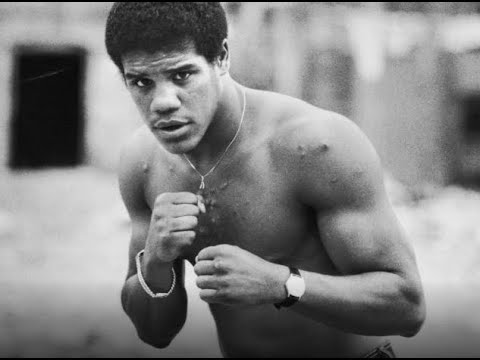
The roar of the crowd, the thunderous impact of leather on leather, the sheer will to dominate – these are the visceral elements that draw us to combat sports. But beyond the raw aggression, what truly resonates with the martial spirit? In this installment of our "Tomorrow's Champions" series, we delve into the life and career of Alex Ramos, the "Bronx Bomber." This is not merely a retrospective; it's an examination of a fighter's journey through the lens of Budo and Martial Arts philosophy, seeking the deeper currents that flow beneath the surface of every bout.

Who Was Alex Ramos?

Alex Ramos, famously known as the "Bronx Bomber," was a significant figure in the world of boxing. Born in the heart of the Bronx, New York, his journey from the urban streets to the squared circle is a testament to dedication, raw talent, and the unyielding pursuit of excellence. While his boxing career often defined him, understanding the man requires looking beyond the ring, into the environment that forged his fighting spirit. The narratives of fighters from such backgrounds often speak to a fierce determination born from necessity, a quality deeply admired in the martial arts tradition.

The "Bronx Bomber" and the Art of Boxing

Ramos's moniker, "Bronx Bomber," was not given lightly. It spoke to the concussive power of his punches, a force capable of ending a fight with a single, well-placed strike. His style was often characterized by aggression, relentless pressure, and a knockout punch that became his signature. In examining his fights, we can appreciate the intricate dance of offense and defense, the strategic use of footwork, and the mental fortitude required to face opponents in a high-stakes environment. Each landed blow, each evaded jab, is a product of countless hours of rigorous training and an innate understanding of timing and distance.
"The difference between a successful person and others is not a lack of strength, not a lack of knowledge, but rather a lack of will." – Vince Lombardi (A sentiment that resonates deeply with any fighter's journey).

Boxing as a Martial Discipline

While some may categorize boxing solely as a "sport," its roots and practices firmly place it within the broader spectrum of martial disciplines. Boxing demands discipline, precision, resilience, and an acute awareness of one's opponent. The philosophy of Budo, with its emphasis on self-mastery, respect, and the continuous refinement of technique, finds a parallel in the training and mindset of a dedicated boxer. The development of "Ki" or internal energy, while often discussed in Eastern martial arts, can be seen in the explosive power and stamina a boxer cultivates. The focus required to anticipate an opponent's move, the controlled aggression, and the ability to remain calm under pressure are all hallmarks of a true martial artist, regardless of the specific combat system. To truly appreciate boxing as a martial art, one must look past the commercial spectacle and focus on the fundamental principles: body mechanics, strategy, conditioning, and the mental fortitude to push beyond perceived limits. Alex Ramos, in his prime, embodied these principles with a ferocity that captivated audiences and earned him respect within the fighting community.

Legacy and Lasting Impact

The legacy of a fighter like Alex Ramos extends beyond win-loss records. It lies in the inspiration he provided, the stories told, and the impact he had on aspiring athletes. His career serves as a case study for understanding the dedication required to reach the pinnacle of a demanding discipline. For those who follow martial arts, his journey offers valuable lessons in perseverance, the development of powerful technique, and the mental strength needed to face adversity. The "Bronx Bomber" may have hung up his gloves, but his spirit and the lessons from his time in the ring continue to echo.

Training Essentials for Fighters

Any aspiring fighter, whether in boxing, MMA, or any other combat discipline, understands that success is built on a foundation of consistent and intelligent training. Here are some fundamental elements that are crucial for developing the kind of resilience and power exemplified by fighters like Alex Ramos:
  • Technical Proficiency: Mastering the core techniques of your chosen art is paramount. For boxing, this means perfecting jabs, crosses, hooks, uppercuts, footwork, and defensive maneuvers.
  • Cardiovascular Conditioning: Endurance is key. Fighters need to maintain high intensity for multiple rounds. This involves running, skipping rope, and high-intensity interval training (HIIT).
  • Strength and Power Training: Explosive strength is what makes a "bomber." This includes weightlifting, plyometrics, and specialized exercises to develop punching power.
  • Flexibility and Agility: Being able to move freely and quickly is essential for both offense and defense. Regular stretching and agility drills are vital.
  • Mental Fortitude: The ability to stay calm under pressure, focus, and push through pain is often the deciding factor in a fight. Meditation and visualization techniques can be beneficial.
  • Proper Nutrition and Recovery: Fueling the body correctly and allowing for adequate rest are as important as the training itself.
For those looking to enhance their training, investing in quality equipment can make a significant difference. Consider durable Karate mitts and focus pads for partner drills, a high-quality workout MMA bag, and comfortable yet supportive Judo shoes if your training involves grappling on mats.

FAQ About Alex Ramos

Who was Alex Ramos in boxing?

Alex Ramos was an American professional boxer, often referred to as the "Bronx Bomber," known for his powerful punching ability.

What made Alex Ramos famous?

He gained fame for his aggressive fighting style and knockout power, which earned him his memorable nickname.

Did Alex Ramos compete in MMA?

While primarily known as a boxer, information regarding his participation in other combat sports like MMA is limited. His main career was in boxing.

What is the legacy of the "Bronx Bomber"?

His legacy lies in his impactful boxing career and as an inspiration to those from similar backgrounds who achieve success through determination and skill.

Further Reading

To deepen your understanding of the martial world and the philosophies that guide fighters, explore these essential topics:
"The ultimate aim of martial arts is not victory or defeat, but the perfection of one's character." - Gichin Funakoshi (A principle that applies to all dedicated practitioners, including boxers like Ramos).
### Reflection of the Sensei: Your Next Step Alex Ramos, the "Bronx Bomber," serves as a potent reminder that power in combat is not just about brute force, but the culmination of discipline, strategy, and an indomitable spirit. We’ve examined his boxing career through the lens of martial philosophy, seeking common ground in the relentless pursuit of mastery. Now, I pose this question to you: In your own training, whether it's boxing, karate, judo, or any other path, where do you find the most profound connection between your physical actions and your inner Budo? Is it in the perfect execution of a kata, the strategic outmaneuvering of an opponent, or the quiet discipline of a solitary training session? Share your thoughts, your struggles, and your breakthroughs below. Let us engage in a true dialogue of the martial spirit.

Team / Resources for Your Training

To truly embody the warrior spirit and hone your skills, the right equipment can be a valuable ally. Whether you're training in boxing, Karate, Judo, or BJJ, investing in quality gear can enhance your practice and safety:

  • Boxing Gloves: Look for gloves with good wrist support and adequate padding for sparring (e.g., 12-16oz).
  • Focus Mitts and Punching Pads: Essential for partner drills to refine accuracy and power.
  • Heavy Bag: A staple for developing punching power and stamina. Ensure it's properly weighted and secured.
  • Jump Rope: An excellent tool for cardiovascular conditioning and footwork.
  • Protective Gear: Mouthguards and groin protectors are non-negotiable for any form of sparring.
  • Comfortable Training Apparel: Breathable fabrics that allow for a full range of motion are crucial.

For those seeking to expand their knowledge beyond practical training, consider these resources:

  • Books on Boxing History and Technique: Explore autobiographies of legendary boxers and instructional guides.
  • Documentaries on Combat Sports: Visual narratives can offer deep insights into the lives and training of fighters.
  • Works on Martial Arts Philosophy: Texts like Miyamoto Musashi's "The Book of Five Rings" offer timeless wisdom applicable to any combat discipline.
``` GEMINI_METADESC: Explore Alex Ramos, the 'Bronx Bomber,' through a martial arts lens. Understand boxing's discipline, power, and philosophy, and his lasting impact.

Unleashing the Champion Within: Decoding the True Essence of Boxing Training

The roar of the crowd, the glint of sweat under the arena lights, the raw, unadulterated will to conquer – these are the hallmarks of boxing's greatest champions. But behind every thunderous knockout and every masterful defensive maneuver lies a crucible of training, a relentless pursuit of perfection that transcends mere physical exertion. Many see the flash, the talent, the seemingly effortless grace of a Floyd Mayweather or a Canelo Álvarez. They marvel at the *gift*. Yet, the true essence of their mastery is forged in the fire of dedication, a fire fueled by exercises so demanding, so precise, that they are indeed "only made for champions." This is not a mere display of athletic prowess; it is a profound exploration into the discipline, the mental fortitude, and the sheer unyielding spirit that defines the warrior in the squared circle. Today, we move beyond the highlight reels and delve into the very foundations that build these titans of the ring. We will dissect the training philosophy, the physical and mental conditioning, and the timeless principles that separate the aspirants from the legends.

Table of Contents

The Training Ground: More Than Just a Gym

The world often sees the final performance, the dazzling spectacle. What remains unseen is the countless hours spent on the canvas, the unforgiving pavement, or the meticulously maintained gym floor. This is where the true alchemy of boxing occurs. It's in the rhythmic thud of gloves against a heavy bag, the desperate gasp for air during intense cardio, the painstaking repetition of footwork drills until they are etched into muscle memory.
"The will to win is important, but the will to prepare is vital." - Joe Paterno
This sentiment echoes through the halls of every great boxing gymnasium. It's not about having the most advanced equipment or the most picturesque facility. It's about the dedication of the individuals within it. The young boxers we witness, brimming with raw talent, are embarking on a journey that demands more than just physical conditioning. They are cultivating an unwavering commitment to their craft, a commitment that transforms raw potential into the honed precision of a champion.
The concept of "House of Bounce" might seem distant from the gritty reality of boxing training. However, the underlying principle of dedication, of pushing boundaries, and of celebrating athletic excellence is universal. Whether it's the gravity-defying dunks on a basketball court or the explosive power of a boxing jab, the spirit of a champion is built on a foundation of tireless effort and a refusal to yield.

The Essence of the Exercises: Precision, Power, and Persistence

What distinguishes "champion-level" boxing exercises from ordinary drills? It's the intention behind them. Every punch, every combination, every defensive maneuver is executed with a purpose, aiming to refine specific attributes crucial for success: * **Power Generation**: Exercises that focus on building explosive strength through the core and hips, translating into devastating punches. Think medicine ball slams, plyometric box jumps, and resistance band work designed to mimic the rotational force of a punch. * **Speed and Agility**: The ability to move swiftly, evade attacks, and deliver rapid combinations is paramount. This is honed through shadow boxing at maximum intensity, speed bag drills for hand-eye coordination and rhythm, and ladder drills for footwork and quickness. * **Endurance**: Boxing is a marathon disguised as a sprint. Champions possess the cardiovascular and muscular endurance to maintain peak performance throughout grueling rounds. Roadwork, interval training, and sustained heavy bag sessions are critical components. * **Precision and Technique**: Flailing punches are easily defended and waste energy. Champions deliver punches with pinpoint accuracy, targeting vulnerable areas. This requires countless repetitions of fundamental techniques, focusing on proper form, balance, and timing. * **Defensive Mastery**: The best offense is often a good defense. Exercises focusing on slips, rolls, blocks, and parries are as vital as offensive drills, ensuring a fighter can withstand punishment and create opportunities. The relentless repetition of these elements, pushing the body and mind to their absolute limits, is what separates true champions. It’s not about the number of hours, but the quality and intensity of each moment spent training.

Beyond the Punch: The Mental Fortitude of a Champion

If physical training is the body of a champion, then mental fortitude is its indomitable spirit. The psychological demands of boxing are immense. Fighters must grapple with fear, pain, self-doubt, and the immense pressure of performance.
"Boxing is a mental game. The physical part is only 20%." - Unknown Pro Fighter
Champions develop a mental resilience that allows them to push through exhaustion, to strategize under duress, and to maintain focus when their body is screaming for them to quit. This is cultivated through: * **Visualization**: Mentally rehearsing fights, strategies, and successful execution of techniques. * **Mindfulness and Focus**: Techniques like Ki training or simple meditation can help a boxer achieve a state of heightened awareness, often referred to as "Mushin" or "no-mind," where actions become instinctive and unhindered by conscious thought. * **Grit and Perseverance**: The ability to overcome adversity, to learn from losses, and to keep pushing forward despite setbacks. This is the very essence of BUDO. * **Discipline**: Adhering to rigorous training schedules, strict diets, and a lifestyle that prioritizes peak performance. This aligns perfectly with the principles of Autodisciplina. The exercises are demanding, yes, but the mental conditioning is where true championships are won and lost.

Traditional vs. Modern: Evolving the Champion's Blueprint

While the core principles of boxing remain timeless, the methods of training have evolved significantly. We see a fascinating interplay between traditional approaches and cutting-edge scientific methodologies. **Traditional Methods:** * **Roadwork**: The foundational element of endurance, running miles at dawn. * **Shadow Boxing**: Practicing techniques and movement in the air, focusing on form and flow. * **Heavy Bag Work**: Developing power, rhythm, and conditioning. * **Speed Bag & Double-End Bag**: Enhancing hand-eye coordination, timing, and accuracy. * **Sparring**: Simulating actual combat to test skills and strategy. **Modern Approaches:** * **Strength and Conditioning**: Periodized training programs incorporating weights, plyometrics, and functional movements tailored to the specific demands of boxing. * **Sports Science**: Utilizing heart rate monitors, lactate threshold testing, and biomechanical analysis to optimize training. * **Nutrition and Recovery**: Advanced understanding of diet, supplements, and recovery protocols (e.g., cryotherapy, massage) to maximize performance and minimize injury. * **Psychological Training**: Employing sports psychologists and advanced visualization techniques. A true champion today integrates the best of both worlds. They respect the legacy and the proven efficacy of traditional methods while leveraging modern science to gain a competitive edge. This is not a divergence, but an evolution of the path towards mastery, a path found in the spirit of MartialArtsJourney.

Veredicto del Sensei: A Champion's Blueprint

The notion that certain boxing exercises are "only made for champions" is, in essence, accurate. Not because the exercises themselves are exclusive, but because the mindset, the dedication, and the sheer will required to perform them at a championship level are what truly define a champion. The talent is a spark, but the training is the fuel that ignites it into an inferno. We see young individuals with immense promise, whose dedication is visible in their tireless efforts. They are on the path, a path paved with sweat, sacrifice, and an unshakeable belief in their potential. The future of boxing, indeed the future of all BUDO and Artes Marciales Mixtas, is bright because this commitment to rigorous, purposeful training persists. It’s a testament to the enduring power of human will and the profound impact of dedicated MartialArtsTraining. **Cinturón Negro en Inspiración.**

Equipo Esencial para tu Entrenamiento

To truly emulate the dedication of champions, the right tools are crucial. While talent is innate, the right equipment can enhance your training and help you push your limits safely and effectively.
  • Guantes de Boxeo de Calidad: Para sparring y entrenamiento con saco. Busca un peso adecuado a tu nivel y propósito (12-16 oz para sparring, 10-14 oz para saco). Marcas como Everlast, Title Boxing, o Fairtex son opciones sólidas.
  • Vendas de Boxeo (Hand Wraps): Imprescindibles para proteger tus muñecas y nudillos durante cualquier actividad que implique golpear.
  • Cuerda de Saltar (Jump Rope): Un clásico para mejorar la resistencia cardiovascular, la agilidad y el juego de pies. Hay modelos de alta velocidad para un entrenamiento más intenso.
  • Saco de Boxeo (Heavy Bag): Fundamental para desarrollar potencia, ritmo y resistencia. Elige uno de peso y altura adecuados a tu nivel.
  • Comba de Velocidad (Speed Bag): Excelente para mejorar la coordinación ojo-mano, el ritmo y la resistencia de los hombros.
  • Comba de Doble Extremo (Double-End Bag): Ayuda a refinar la precisión, el tiempo y el juego de pies.
  • Espejo de Entrenamiento: Permite la auto-corrección de la técnica y la postura durante el shadow boxing.
  • Ropa de Entrenamiento Cómoda y Transpirable: Para permitir el máximo movimiento y gestionar el calor corporal. Considera prendas técnicas de marcas deportivas reconocidas.
Investing in quality equipment is an investment in your journey towards mastery. It shows a commitment akin to those who have come before you.

Guía de Entrenamiento: Construyendo tu Resistencia de Campeón

Champion-level endurance doesn't appear overnight. It's built through structured, progressive effort. Here's a sample circuit designed to push your limits and forge greater resilience. Perform this circuit 3-4 times, resting minimally between exercises and taking a 2-3 minute rest between rounds.
  1. Roadwork (30-45 minutos): Start with a steady-state run, gradually increasing pace for the last 10 minutes. This is the cornerstone of EmpezarACorrer and foundational Resistencia training.
  2. Shadow Boxing (3 rounds x 3 minutes): Focus on fluidity, power, and constant movement. Imagine an opponent and practice offensive and defensive maneuvers.
  3. Heavy Bag Circuit (5 rounds x 2 minutes):
    • Round 1: Power Punches (focus on full extension and hip rotation)
    • Round 2: Combinations (1-2-3, jab-cross-hook, etc.)
    • Round 3: Body Shots (low punches, uppercuts to the body)
    • Round 4: Defensive Drills (slipping punches, parrying)
    • Round 5: All-out Assault (maintain maximum intensity)
  4. Jump Rope (3 rounds x 3 minutes): Vary your footwork – basic bounce, high knees, boxer skip. This enhances Agility.
  5. Plyometric Push-ups (3 sets of 10-15 reps): Explode upwards from the bottom of the push-up. Builds explosive upper body Fuerza.
  6. Burpees (3 sets of 10-15 reps): A full-body conditioning exercise that tests stamina and power.
Remember to listen to your body, and gradually increase the duration, intensity, or number of rounds as your conditioning improves. This mirrors the journey of SelfImprovement.

Preguntas Frecuentes

  • ¿Qué hace que un ejercicio de boxeo sea "para campeones"?
    La diferencia radica en la intensidad, la precisión, la intención detrás de cada movimiento, y la mentalidad del practicante. Los campeones abordan cada ejercicio con una dedicación absoluta.
  • ¿Cuánto tiempo toma para que un novato vea resultados significativos en su entrenamiento de boxeo?
    Con entrenamiento consistente y dedicado, se pueden observar mejoras en la forma física y la técnica en tan solo 3-6 meses. La maestría, sin embargo, es un camino de por vida.
  • ¿Puedo entrenar boxeo en casa sin un gimnasio?
    Sí, muchos de los ejercicios fundamentales como el shadow boxing, el uso de cuerdas de saltar y ejercicios de acondicionamiento físico se pueden realizar en casa. El acceso a sacos y equipo de sparring es más limitado, pero la base se puede construir.
  • ¿Es el boxeo adecuado para la defensa personal?
    El boxeo desarrolla habilidades valiosas para la defensa personal, como la capacidad de golpear con poder, la agilidad y la conciencia del entorno. Sin embargo, es crucial complementarlo con técnicas específicas de defensa personal para situaciones reales.
  • ¿Cómo se relaciona el 'Ki' con el boxeo?
    El concepto de 'Ki' se puede interpretar en el boxeo como la energía interna, la concentración mental y la sinergia entre el cuerpo y la mente. Un boxeador con un 'Ki' fuerte puede canalizar su energía de manera más efectiva, mejorando la potencia, la resistencia y la capacidad de mantener la calma bajo presión.

Para Profundizar en tu Camino

* Entrenamiento de MMA: Explorando cómo otras disciplinas complementan el boxeo. * Filosofía del Budo: Entendiendo los principios marciales más allá del combate físico. * Defensa Personal Práctica: Aplicando principios marciales a situaciones reales.
The difference between the impossible and the possible lies in a person's determination. - Tommy Lasorda

Reflexión del Sensei: Tu Próximo Paso

If the path to becoming a champion is paved with relentless training, what is the single most challenging aspect of this journey for *you*? Is it the physical exertion, the mental discipline, or the sheer consistency required? Confront this truth, and you will find the key to unlocking your own championship potential. ``` GEMINI_METADESC: Explore the rigorous training, mental fortitude, and core principles that define elite boxing, separating mere talent from true championship grit.

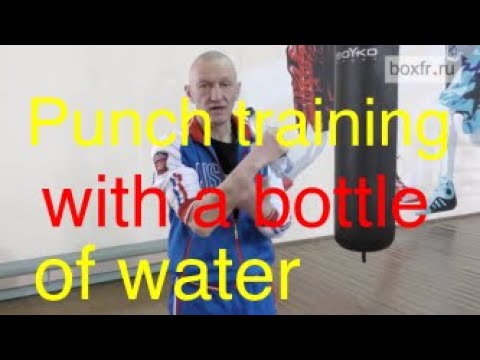
The Art of the Unseen Strike: Mastering Boxing with a Bottle of Water - A Sensei's Critical Analysis

The world of martial arts, and boxing as its primal descendant, is a relentless pursuit of efficiency. We chase power, speed, and precision, often through rigorous, repetitive drills. But what happens when innovation, or perhaps necessity, dictates a departure from the conventional? Today, we dissect a curious training method: the boxing punch with a bottle of water. Is this a genuine advancement in skill development, or merely a fleeting gimmick destined to be forgotten?

Introduction: The Illusion of Simplicity

At first glance, the idea of training boxing punches with a simple bottle of water seems almost absurdly elementary. In an era saturated with advanced training equipment, high-tech simulators, and sophisticated biomechanical analyses, why would anyone resort to such a rudimentary tool? This is precisely where our critical examination must begin. The true martial artist understands that profundity often lies hidden within apparent simplicity. The question is not *if* it can be done, but *how* it serves the practitioner's ultimate goal: developing a devastating, controlled, and effective strike.

Many beginners in boxing are often overwhelmed by the sheer volume of techniques and drills. They seek tangible, immediate feedback. A water bottle, filled or empty, offers a unique resistance and a point of focus that traditional air punching lacks. However, as any seasoned martial artist will tell you, a tool is only as good as the understanding behind its application. Does this method enhance kinetic chain efficiency, improve rotational power, or foster the 'Mushin' – the mind without mind – crucial for a fluid strike? Or does it risk fostering bad habits that will need to be unlearned later?

The allure of novelty is powerful, especially in the digital age where viral training clips abound. Our intention here is not to dismiss this method outright, but to approach it with the critical eye of a Sensei. We will explore its potential benefits, its inherent limitations, and its place within the broader spectrum of boxing training. Is this a genuine shortcut to a better punch, or a distraction from the fundamental principles that have forged champions for generations?

Harnessing the Elements: A Deeper Look at the "Bottle Punch"

The video lessons titled "The Biomechanics of Boxing Punches" are now available! This title itself hints at the analytical approach we should take. Training with a water bottle, when performed correctly, can subtly engage certain biomechanical principles that are often underdeveloped in basic air punching.

Consider the kinetic chain. A powerful punch is not just an arm movement; it's a coordinated effort originating from the ground, transferring energy through the legs, hips, core, and finally to the fist. A bottle, especially one partially filled, introduces a slight instability and weight transfer element. As you extend your arm to strike, the shifting water inside can:

  • Demand Core Engagement: To maintain control and prevent the bottle from wobbling excessively, the abdominal and back muscles (the 'core') must work harder to stabilize the strike. This is a fundamental principle in powerful punching, mirroring the need for a strong, unified body.
  • Promote Proper Extension: The desire to make contact with the 'target' (the bottle) can encourage a fuller, more committed extension of the arm and shoulder, provided the technique is sound.
  • Develop Grip Strength: Holding the bottle consistently throughout the motion, especially during faster combinations, can passively enhance grip strength, which is indirectly beneficial for power transfer.

However, this is where the danger of misinterpretation lies. If the practitioner focuses solely on the bottle, they might neglect the crucial hip rotation and shoulder retraction that generate true power. They might resort to 'pushing' the bottle rather than 'striking' with it. This is why understanding the underlying 'why' is paramount. A master of Budo understands that even a simple tool can teach complex lessons if viewed through the lens of correct principles.

"The martial path is one of continuous refinement. Even the most basic movements, when imbued with intention and understanding, can reveal deeper truths."

The original source of this method likely stemmed from a desire to add a tactile and dynamic element to shadowboxing. In the absence of heavy bags or focus mitts, a bottle offers a readily available, albeit limited, alternative. It forces a certain deliberate action, making the punch less about just moving air and more about directing force towards a tangible object.

Practical Application: The Sensei's Bottle Drill

For those intrigued, here is a structured approach to integrating a water bottle into your boxing regimen. Remember, this is a supplementary drill, not a replacement for foundational training.

  1. Preparation: Select a bottle of suitable size and weight. A standard 16-20 oz plastic water bottle is a good starting point. Fill it about halfway. Too full, and it becomes unwieldy; too empty, and it lacks resistance.
  2. Stance and Guard: Assume your standard boxing stance. Maintain a tight guard, protecting your chin and core. The bottle should be held firmly in the punching hand, but not with a death grip that tenses the arm unnecessarily.
  3. The Jab: Execute a straight jab. Focus on snapping the punch out and retracting it quickly. Pay attention to the rotation of your hips and the transfer of weight from your rear foot to your front foot. The bottle should remain relatively stable if your core is engaged and your arm extension is controlled.
  4. The Cross: Rotate your hips and core forcefully as you extend your rear hand with the bottle. The goal is to generate power from the ground up. Feel the torque through your torso. Resist the urge to 'fling' the bottle; aim to drive through it.
  5. Hooks and Uppercuts (Advanced): These are more challenging. For hooks, focus on rotational power from the hip and shoulder, keeping the elbow at a safe angle. For uppercuts, drive upwards with your hips and legs, ensuring a clean trajectory. The bottle’s instability is most pronounced here, demanding greater control.
  6. Combinations: After mastering individual punches, attempt simple combinations (e.g., Jab-Cross) while holding the bottle. The key is maintaining rhythm and control. If the bottle becomes a hindrance, it's a sign that your fundamental technique needs work.
  7. Cool Down & Reflection: After the drill, set the bottle aside and practice air punches. Notice any differences in your speed, power, or fluidity. Reflect on what the bottle drill emphasized and where your technique may have faltered.

Crucially, this drill is most effective when performed with intent. Visualize striking an opponent, not just an object. Imagine the bottle is the opponent's chin, or solar plexus. This mental framing elevates the exercise from mere repetition to mindful practice.

Beyond the Bottle: When Does the Novelty End?

While the water bottle drill can offer benefits, it is essential to acknowledge its limitations. Relying on it exclusively or for prolonged periods can be detrimental:

  • Limited Resistance: A water bottle provides minimal, inconsistent resistance. It cannot replicate the impact or shock absorption of a punch mitt, a heavy bag, or a sparring partner.
  • Risk of Bad Habits: As mentioned, poor technique can be masked or even encouraged by the bottle’s instability. Over-reliance on 'flicking' the wrist or 'pushing' instead of driving can develop.
  • Neglect of Essential Training: This drill should never replace shadowboxing for form, heavy bag work for power, pad work for timing and accuracy, or sparring for combat application.

A true master like Miyamoto Musashi, in his "Book of Five Rings," emphasizes understanding the principles behind the practice. The bottle is a tool, a temporary aid. The true goal is to internalize the mechanics of the punch so that it is effective with or without such an aid.

"Learn the way of strategy through all available means. Consider the martial arts, consider the dance, consider the archery, consider the horsemanship, consider the medicine. Consider the direction of all things." - Miyamoto Musashi, The Book of Five Rings.

The "Biochemistry of Boxing Punches" course, which offers a discount price, likely delves into these principles. It's crucial to seek out instruction that explains the 'why' behind the 'what', rather than just presenting techniques in isolation. This is where the subtle difference between training and mere exercise lies.

Essential Gear for your Training

While the water bottle is a minimalist's tool, a dedicated boxer will eventually require proper equipment to progress effectively and safely. Investing in quality gear is an investment in your journey:

  • Boxing Gloves: For any form of sparring or heavy bag work, proper boxing gloves (12-16 oz for training, depending on your weight and purpose) are non-negotiable for hand and wrist protection.
  • Hand Wraps: Essential for added wrist support and protection inside your gloves.
  • Jump Rope: A fundamental tool for conditioning, footwork, and rhythm.
  • Heavy Bag: For developing power, endurance, and combination striking.
  • Focus Mitts/Pads: Crucial for working on accuracy, timing, and defensive reflexes with a partner.
  • Mouthguard: Absolutely critical for any sparring or high-impact training to protect your teeth and jaw.

For those who find themselves drawn to the discipline and philosophy of boxing, exploring related combat sports like MMA or Judo can offer a broader perspective on unarmed combat. The discipline cultivated in one art often transfers meaningfully to others.

Sensei's Verdict: A Tool, Not a Philosophy

So, does training boxing punches with a bottle of water hold merit? My verdict is nuanced. As a supplementary drill, particularly for beginners looking to add a tangible focus to their shadowboxing and engage their core more actively, it can be a useful, albeit simple, tool. It encourages deliberate movement and basic control.

However, it is crucial to understand its limitations. It is not a substitute for proper equipment, structured training, or sparring. It will not, by itself, build knockout power or sophisticated ringcraft. The danger lies in mistaking this novelty for a profound innovation. True mastery of the boxing punch comes from understanding biomechanics, dedicated practice with appropriate tools, and the development of mental fortitude – the 'Warrior Philosophy' that underpins all true martial arts.

Rating: A 3-Star Training Aid. Useful for a specific, limited purpose, but not a cornerstone of any serious boxing program. It's a stepping stone, not the destination.

Frequently Asked Questions

  • Q: Can I use a full bottle of water for training?
    A: It is generally not recommended. A full bottle is too heavy and unwieldy, increasing the risk of injury and promoting poor technique. Start with a partially filled bottle.
  • Q: How often should I incorporate this drill into my training?
    A: This drill should be used sparingly, perhaps once or twice a week as a short supplementary exercise (5-10 minutes) within a broader training session.
  • Q: Will this drill increase my punching power significantly?
    A: It can contribute to core strength and control, which are components of power. However, significant power increases come from heavy bag work, sparring, and plyometrics, not solely from this drill.
  • Q: What if I don't have boxing gloves? Can I still do this?
    A: Yes, this drill can be done without gloves, but it's essential to be extra mindful of your technique and avoid 'snapping' your punches too hard, which could strain your wrist.

Further Your Journey

Sensei's Reflection: Your Next Step

The water bottle drill is a fleeting whisper in the grand symphony of boxing. It offered a moment of curiosity, a brief spark. But does it ignite the fire of true understanding within you? Or does it merely distract from the heat of the forge where real skill is hammered into existence?

Consider this: If you were stranded on a deserted island, and your life depended on defending yourself, would you instinctively reach for a half-empty bottle of Evian, or would your training manifest as pure, unadulterated technique honed through years of dedicated practice? What single, fundamental principle of striking are you neglecting in your current training regime by chasing novelties?

``` GEMINI_METADESC: A critical Sensei's analysis of using a water bottle for boxing punch training. Explore biomechanics, practical drills, limitations, and its true place in a martial artist's regimen.

Peru Fight Academy Norte: A Comprehensive Guide to Muay Thai, Boxing, MMA, Jiu-Jitsu, and Judo in Lima Norte

The quest for mastery in the martial arts is a journey that transcends geographical boundaries. For those in Lima Norte, Peru, seeking to hone their skills in the dynamic world of combat sports, the **Peru Fight Academy Norte** stands as a beacon of dedicated training. This establishment offers a comprehensive curriculum encompassing **Muay Thai**, **Boxing**, **MMA**, **Jiu-Jitsu**, and **Judo**, catering to practitioners of all levels, from absolute beginners to seasoned athletes.
This exploration delves deep into what makes Peru Fight Academy Norte a premier destination for martial arts enthusiasts. We will dissect the core philosophies behind each discipline offered, analyze the practical application of techniques, and discuss the mental fortitude required to excel. Prepare for a rigorous examination, much like a high-stakes MMA bout or a tense Jiu-Jitsu exchange.

The Pillars of Combat: An Overview of Disciplines

At Peru Fight Academy Norte, the curriculum is structured around disciplines that represent the pinnacle of striking and grappling arts. Understanding each component is crucial for any aspiring fighter.

Muay Thai: The Art of Eight Limbs

Often hailed as the "Art of Eight Limbs," Muay Thai is a devastating striking art originating from Thailand. Its effectiveness lies in the seamless integration of punches, kicks, elbow strikes, and knee strikes, alongside clinch work.
  • Core Principles: Power generation, conditioning, effective clinch control, and strategic striking.
  • Practical Application: Develops incredible physical conditioning, resilience, and a tactical understanding of distance and timing.
  • Philosophy: Embodies respect, discipline, and the indomitable spirit required to face an opponent head-on.
"The body is like a machine. The more you train it, the stronger it becomes." - A principle often echoed in Muay Thai training camps.

Boxing: The Sweet Science

Boxing, a cornerstone of combat sports, focuses on the skillful use of punches. It demands exceptional hand-eye coordination, footwork, defensive agility, and strategic offensive pressure.
  • Core Principles: Precision punching, evasive footwork, head movement, and stamina.
  • Practical Application: Enhances reflexes, cardiovascular health, and the ability to manage distance and timing in close-quarters combat.
  • Philosophy: Cultivates mental toughness, strategic thinking, and the discipline to adhere to a strict training regimen.

Mixed Martial Arts (MMA): The Ultimate Test

MMA is the ultimate proving ground, blending techniques from various martial arts to create a comprehensive combat system. It requires athletes to be proficient in striking, grappling, and transitions between them.
  • Core Principles: Versatility, adaptability, strategic game planning, and continuous learning.
  • Practical Application: Develops well-rounded athletes capable of handling diverse combat scenarios. It demands not just physical prowess but also immense mental resilience.
  • Philosophy: The spirit of MMA is about overcoming limitations, respecting all forms of combat, and constantly evolving.

Brazilian Jiu-Jitsu (BJJ): The Gentle Art of Ground Fighting

BJJ is renowned for its effectiveness in ground fighting and submissions. It emphasizes leverage and technique over brute strength, making it accessible to individuals of all physical sizes.
  • Core Principles: Positional control, submission holds (chokes and joint locks), and leverage.
  • Practical Application: Develops problem-solving skills under pressure, patience, and a deep understanding of body mechanics.
  • Philosophy: Often referred to as the "gentle art," BJJ teaches humility, perseverance, and the power of strategic thinking.
"The best way to learn Judo or BJJ is to train consistently and be open to learning from every position." - A sentiment shared by many grappling masters.

Judo: The Gentle Way

Founded by Jigoro Kano, Judo is an Olympic sport that focuses on throws, takedowns, and grappling techniques. Its core principle is to use an opponent's energy against them.
  • Core Principles: Efficient movement, balance disruption, powerful throws, and control.
  • Practical Application: Builds strength, balance, coordination, and discipline. It teaches practitioners to understand and manipulate an opponent's center of gravity.
  • Philosophy: Emphasizes mutual welfare and benefit, maximum efficiency, and the development of character through rigorous training.

Training Methodology at Peru Fight Academy Norte

A martial arts academy is only as good as its training methodology. Peru Fight Academy Norte likely employs a combination of traditional and modern approaches to ensure effective skill development.

Structured Curriculum and Progression

A well-organized curriculum allows students to progress logically through foundational techniques to more complex applications. This is vital for beginner workouts and advanced skill refinement.

Sparring and Live Drills

The true test of any martial art is its application in a live scenario. Regular sparring sessions, tailored to each discipline, are crucial for developing timing, reflexes, and the ability to apply techniques under pressure. This is where the combat aspect truly comes alive.

Physical Conditioning

Martial arts training is physically demanding. A comprehensive program will incorporate strength and conditioning exercises to build the stamina, power, and resilience necessary for sustained combat. Think of the conditioning required for elite UFC fighters or Olympic Karate athletes.

Mental Fortitude: The Unseen Weapon

Beyond physical techniques, martial arts instill mental discipline, focus, and emotional control. The ability to remain calm under pressure, strategize effectively, and persevere through adversity are hallmarks of a true warrior. This aligns with principles of self-improvement and mental strength.

The Importance of a Dedicated Dojo

The environment in which one trains significantly impacts their learning and development. A dedicated academy like Peru Fight Academy Norte offers several advantages:
  • Expert Instruction: Access to experienced instructors who can guide and correct technique.
  • Community and Camaraderie: Training alongside like-minded individuals fosters motivation and a sense of belonging. This is the essence of a Martial Arts Community.
  • Proper Facilities: A safe and equipped space for training, with mats, training equipment, and the necessary infrastructure.

Equipment Essentials for Your Training

While dedication is paramount, the right equipment can enhance your training experience and safety. For disciplines like Muay Thai and Boxing, proper hand protection is non-negotiable.

Recommended Gear:

  • Gloves: For Boxing and Muay Thai, invest in quality sparring and bag gloves (e.g., 14-16oz for sparring).
  • Hand Wraps: Essential for protecting wrists and knuckles during striking training.
  • Mouthguard: Critical for protecting your teeth and jaw during sparring.
  • Shin Guards: Necessary for Muay Thai to protect against kicks.
  • Groin Protector: Essential for all contact sports to prevent serious injury.
  • Gi (for BJJ and Judo): A durable, well-fitting Gi is essential for grappling training. Look for double-weave for Jiu-Jitsu and a strong, yet comfortable, weave for Judo.
  • Headgear: Recommended for certain sparring drills in Boxing and MMA for added protection.
For those looking to equip themselves for various training regimes, exploring options for martial arts training gear is a wise investment in your journey.

Veredicto del Sensei: ¿Vale la Pena?

Peru Fight Academy Norte presents a compelling proposition for anyone in Lima Norte serious about martial arts. The academy's commitment to offering a diverse range of disciplines—from the explosive striking of Muay Thai and Boxing to the intricate grappling of BJJ and Judo, all integrated within an MMA framework—is commendable. The quality of instruction and the training environment are often the differentiating factors, and based on the comprehensive nature of their offerings, it's highly probable that dedicated practitioners will find a fertile ground for growth. Calificación: Cinturón Negro en Oferta de Disciplinas

Preguntas Frecuentes

¿Es Peru Fight Academy Norte adecuado para principiantes absolutos?

Yes, academies like Peru Fight Academy Norte typically offer beginner classes specifically designed to introduce fundamental techniques and safety protocols.

¿Qué disciplina debería elegir si mi objetivo es la defensa personal?

While all martial arts offer self-defense benefits, a combination of striking (like Muay Thai or Boxing) and grappling (like Jiu-Jitsu) provides the most comprehensive skillset for real-world situations. MMA training inherently covers this blend.

¿Cuánto tiempo lleva volverse competente en una de estas artes marciales?

Competence varies greatly depending on the individual's dedication, training frequency, and the specific art. However, consistent training for several years is generally required to achieve a high level of skill and understanding.

¿Ofrece la academia programas de acondicionamiento físico aparte de las clases técnicas?

Many martial arts academies incorporate conditioning into their regular classes. It's advisable to inquire directly about specific fitness programs or conditioning-focused sessions.

¿Qué equipo necesito para mi primera clase?

For most initial classes, comfortable athletic wear is sufficient. However, it's wise to check with the academy beforehand. For striking arts, you might need hand wraps, and for grappling, a clean Gi.

Para Profundizar en tu Camino

Reflection of the Sensei: Your Next Step

We have dissected the offerings of Peru Fight Academy Norte, examining the core tenets of Muay Thai, Boxing, MMA, Jiu-Jitsu, and Judo. But knowledge without action is like a blade without an edge. The true test lies not in reading about the path, but in walking it. Now, I pose this question to you: In the intricate dance of combat sports, where does your spirit truly ignite? Are you drawn to the thunderous impact of strikes, the strategic chess match of grappling, or the all-encompassing challenge of MMA? Consider your innate inclination, your physical predispositions, and most importantly, your martial heart. Tell me, in the comments below, which discipline calls to you the loudest, and why? And what is the first, tangible step you will take this week to answer that call? Your commitment begins now. ``` GEMINI_METADESC: Explore Peru Fight Academy Norte's comprehensive Muay Thai, Boxing, MMA, Jiu-Jitsu, and Judo programs. Expert training, philosophy, and gear guide for martial artists in Lima Norte.

AI vs. The Fist: Has Artificial Intelligence Earned Its Black Belt in Boxing?

The Unlikely Sparring Partner

The ancient discipline of BUDO and the raw, explosive art of boxing have always shared a spiritual and physical kinship. Think of the dedication, the relentless pursuit of perfection, the almost meditative focus required to master striking. Now, picture a new contender stepping into this age-old arena: Artificial Intelligence. Forget about mere algorithms; we're talking about AI that's not just learning to punch, but learning to deliver a knockout blow. Is this the dawn of a new era in combat sports, or a mere technological curiosity? Prepare yourselves, for this is not just about code; it's about the very evolution of the fight.

"True boxing is a matter of instinct and intelligence. You must react, not think." - A sentiment often echoed, but what happens when machines begin to mimic that instinct?

The question is no longer *if* AI can box, but *how* it learns, and more importantly, what it means for us, the practitioners and observers of martial arts. We delve into this fascinating intersection, dissecting the technology and its implications with the precision of a well-executed jab.

Beyond Programming: The Neural Network's Dojo

Let's dispel a common misconception immediately: teaching an AI to box isn't as simple as writing a script that says "punch, punch, dodge." That’s like expecting a student to master the Sai after reading a manual. The reality is far more intricate, employing sophisticated machine learning techniques. At its core lies the power of deep neural networks. Imagine these networks as vast digital dojos, where AI studies not just individual movements, but the intricate patterns, timing, and strategic flow of countless real-world bouts.

By analyzing colossal datasets – thousands upon thousands of hours of professional boxing matches, capturing every feint, every combination, every defensive maneuver – the AI begins to discern the underlying principles of striking power and accuracy. It learns contextually, much like a human student observing a master. This isn't programming; it’s emergent learning, a digital evolution of combat prowess.

Enter Dactyl: A Machine with a Punch

The company at the forefront of this technological marvel is OpenAI, a name that has sent ripples through the AI community. Their creation, an AI system known as Dactyl, is not just a participant; it's a formidable force. Reports suggest Dactyl has demonstrated the capability to deliver punches with such devastating force that it has even managed to score knockouts against seasoned professional boxers during training simulations. How can a system, devoid of flesh and bone, achieve such a feat?

The answer, again, lies in the relentless optimization through machine learning. Dactyl has been trained on an immense digital library of boxing data. This exhaustive analysis allows it to understand the biomechanics of a powerful punch – the hip rotation, the core engagement, the speed of the arm extension – with a precision that can surpass even human intuition. It’s a digital echo of the perfect strike, refined through data.

This advancement raises profound questions about the future of combat and training. Could AI become the ultimate sparring partner, pushing human athletes to their absolute limits?

The Human Element: Where Code Meets Consciousness

However, as with any technological leap, we must temper enthusiasm with a dose of reality. AI, despite its impressive strides, still operates within a framework of data and algorithms. The true essence of combat, especially in disciplines like Karate or boxing, is more than just physical execution. It's about the intangible qualities that define a warrior.

Can AI truly replicate the strategic depth of reading an opponent's subtle body language? Can it anticipate a sudden shift in momentum born from sheer grit or desperation? The intuitive understanding, the psychological warfare inherent in a fight – these are domains where human consciousness, emotion, and lived experience still reign supreme. A machine can simulate a punch, but can it feel the pressure of the crowd, the sting of a blow, or the unwavering will to overcome?

"The true martial artist is one who has conquered himself." - This level of self-mastery, forged through struggle and introspection, remains a distinctly human endeavor.

While AI can learn patterns, it doesn't possess the lived experience of overcoming adversity, the fear that must be confronted, or the sheer willpower that separates a champion from a contender. This is where the human element continues to hold its unique power in the world of martial arts and battle.

The Digital Sensei: AI as a Coach

Beyond direct competition, the most immediate and perhaps most valuable application of AI in combat sports lies in its potential as a sophisticated training tool. Imagine an AI system acting as a tireless, objective coach, analyzing every aspect of an athlete's performance in real-time.

This AI could meticulously track an athlete's stance, punch speed, footwork efficiency, and defensive reactions. Based on this granular data, it could provide personalized feedback, identify weaknesses, and suggest specific drills to bridge those gaps. For amateur athletes, especially those without consistent access to elite coaching, this could be revolutionary. It democratizes high-level analysis, offering insights that were once the exclusive domain of seasoned masters.

Consider the application in BUDO, where precision and efficiency are paramount. An AI could help refine katas, correct posture, and ensure the optimal application of force. This is not about replacing human coaches, but augmenting their capabilities, providing a data-driven layer to traditional wisdom.

Stepping into the VR Ring

The fusion of AI with virtual reality (VR) opens up even more exciting possibilities. Imagine stepping into a VR environment where you can spar with an AI opponent that adapts to your style, learns your tendencies, and provides a hyper-realistic challenge. This isn’t just a game; it’s a powerful training simulation.

VR boxing simulations, powered by AI, could offer athletes a safe yet incredibly effective way to prepare for real-world confrontations. They could practice specific strategies, test new techniques, and build ring generalship without the physical toll or risk of injury associated with constant sparring. This technology could revolutionize how fighters prepare for major events, offering an unparalleled level of immersive training.

Furthermore, for the general public, these AI-driven VR experiences could offer an engaging and accessible way to experience the thrill of boxing and martial arts, fostering a broader appreciation for these disciplines.

Sensei's Verdict: Boxing's Future, Coded or Cultivated?

AI's foray into boxing is undeniably impressive, showcasing the power of machine learning to mimic and even, in certain quantifiable aspects, surpass human physical capabilities. The ability of systems like Dactyl to deliver knockout power is a testament to technological advancement. However, as a lifelong student and practitioner of the martial arts, I must emphasize that the spirit of combat, the true art of the fight, encompasses more than just the physical strike. It's about resilience, strategy born from experience, the psychological battle, and the inner journey of self-mastery.

AI can be a powerful tool – a digital sensei for training, a fascinating subject for simulation. But the heart of boxing, the raw courage and the refined technique honed through years of sweat and dedication, remains profoundly human. For now, AI earns a respectable Cinturón Verde en Simulación de Combate, demonstrating immense potential as an analytical and training tool, but it has yet to earn the master's black belt of true martial understanding.

Essential Gear for Your Own Training Journey

While we marvel at AI's boxing prowess, let's not forget the foundation of human training. To truly engage with the physical and mental demands of striking arts, the right equipment is crucial:

  • Quality Boxing Gloves: For sparring, 16oz gloves offer the best balance of protection for both you and your partner.
  • Hand Wraps: Essential for wrist and knuckle support during heavy bag work or pad sessions.
  • Mouthguard: Non-negotiable for any form of sparring or high-intensity training to protect your teeth and jaw.
  • Durable Training Shoes: Lightweight and providing good grip for footwork.
  • Professional Coaching: The most critical "equipment" – guidance from experienced martial artists and boxers.

Investing in quality KarateMerchandise or boxing gear is a commitment to your own development.

Frequently Asked Questions

Can AI truly understand the "spirit" of martial arts?

Currently, AI excels at pattern recognition and data analysis. It can simulate techniques and predict outcomes based on learned data, but it lacks consciousness, emotion, and the lived experience that form the "spirit" or "philosophy" of martial arts like BUDO.

Will AI replace human boxers or martial artists?

It's highly unlikely AI will fully replace human athletes. While AI can be a superior training tool and formidable opponent in simulations, the inherent human elements of competition, such as psychological resilience, adaptation, and the pursuit of self-mastery, remain unmatched.

How can AI help in martial arts training?

AI can significantly enhance training by providing objective performance analysis, personalized feedback, injury prevention insights, and creating realistic virtual sparring environments. It can act as an invaluable supplementary tool for coaches and athletes.

What are the ethical considerations of AI in combat sports?

Ethical concerns include fairness in competition, the potential for AI-assisted cheating, data privacy, and the dehumanization of combat if AI becomes too dominant. Responsible development and clear regulations are crucial.

Is AI boxing purely about power, or also technique?

While the initial focus has been on generating power, advanced AI systems learn complex techniques by analyzing vast amounts of data. This includes footwork, combinations, defensive strategies, and timing – demonstrating a growing capacity for technical proficiency.

Deepen Your Understanding

The intersection of technology and martial arts is a rapidly evolving field. To further explore this fascinating territory, consider these resources:

  • Fight Analysis: Understanding the strategic and technical aspects of combat.
  • Martial Philosophy: Exploring the deeper meanings and principles behind the practice.
  • Training: Resources on effective methods for human athletes.

The journey of martial arts is one of constant learning and adaptation. Whether human or artificial, the pursuit of excellence in combat continues to push boundaries.

Reflection of the Sensei: Your Next Step

We've seen AI learn to mimic the power of a punch, a feat that challenges our understanding of skill and intelligence. But does the ability to execute a devastating strike equate to true mastery? Consider this: If a machine can learn to hit harder than any human through data alone, what does that say about the true value of *your* dedication, *your* discipline, and the years of sweat you invest in honing your own craft? Is the "knockout power" of AI a threat, an opportunity, or simply a mirror reflecting the ever-expanding potential of what can be learned and achieved? Ponder this deeply, and let your training be your answer.

``` ```json { "@context": "https://schema.org", "@type": "FAQPage", "mainEntity": [ { "@type": "Question", "name": "Can AI truly understand the \"spirit\" of martial arts?", "acceptedAnswer": { "@type": "Answer", "text": "Currently, AI excels at pattern recognition and data analysis. It can simulate techniques and predict outcomes based on learned data, but it lacks consciousness, emotion, and the lived experience that form the \"spirit\" or \"philosophy\" of martial arts like BUDO." } }, { "@type": "Question", "name": "Will AI replace human boxers or martial artists?", "acceptedAnswer": { "@type": "Answer", "text": "It's highly unlikely AI will fully replace human athletes. While AI can be a superior training tool and formidable opponent in simulations, the inherent human elements of competition, such as psychological resilience, adaptation, and the pursuit of self-mastery, remain unmatched." } }, { "@type": "Question", "name": "How can AI help in martial arts training?", "acceptedAnswer": { "@type": "Answer", "text": "AI can significantly enhance training by providing objective performance analysis, personalized feedback, injury prevention insights, and creating realistic virtual sparring environments. It can act as an invaluable supplementary tool for coaches and athletes." } }, { "@type": "Question", "name": "What are the ethical considerations of AI in combat sports?", "acceptedAnswer": { "@type": "Answer", "text": "Ethical concerns include fairness in competition, the potential for AI-assisted cheating, data privacy, and the dehumanization of combat if AI becomes too dominant. Responsible development and clear regulations are crucial." } }, { "@type": "Question", "name": "Is AI boxing purely about power, or also technique?", "acceptedAnswer": { "@type": "Answer", "text": "While the initial focus has been on generating power, advanced AI systems learn complex techniques by analyzing vast amounts of data. This includes footwork, combinations, defensive strategies, and timing – demonstrating a growing capacity for technical proficiency." } } ] }

Viruzz vs. Momo: A Martial Artist's Breakdown of "La Velada del Año 2"

Hello and welcome to Budo and Martial Arts. You are watching VIRUZZ VS MOMO | LA VELADA DEL AÑO 2, published on June 25, 2022, at 02:25 PM. Welcome to the most complete and updated martial arts blog on the internet. Follow us on social networks and do not forget to visit our main page.

Introduction: More Than Just a Boxing Match

On June 25, 2022, the world tuned in for "La Velada del Año 2," an event that blurred the lines between celebrity spectacle and genuine sporting contest. While the main event featured Viruzz and Momo stepping into the squared circle, for us, the practitioners and enthusiasts of artes marciales, every bout is an opportunity to dissect technique, strategy, and the intangible spirit of BUDO. This wasn't just a battle of personalities; it was a test of preparation, resilience, and tactical execution. Let's break down the Viruzz vs. Momo fight, not just as fans, but as students of the martial arts.

Round-by-Round Analysis: The Martial Science Behind the Show

The structure of the fight, as presented in the original footage (07:38 - 21:27), allows for a detailed examination of each participant's approach. We'll look at their stances, footwork, offensive and defensive maneuvers, and how they adapted throughout the rounds. This is where the essence of combat science truly shines, even within a celebrity boxing context.

Round 1: Establishing the Rhythm (07:38 - 11:57)

The opening round is crucial. It’s where fighters gauge distance, test reactions, and set the pace. Did Viruzz or Momo come out with a clear game plan? We observed their initial movements: were they aggressive, cautious, or looking to land a quick knockout? A fighter’s ability to control the ring's center and dictate the engagement is a fundamental aspect of fight strategy. This round often reveals a fighter's conditioning and mental preparedness. Were their punches fluid, or did they show signs of strain early on? We must consider the energy expenditure – is it sustainable for multiple rounds?

Round 2: Tactical Adjustments and Shifting Momentum (11:57 - 16:16)

As the adrenaline subsides and fatigue begins to creep in, Round 2 is where strategy truly comes into play. Fighters must adapt. If a particular tactic wasn't working in Round 1, a smart martial artist will switch gears. Did we see Viruzz or Momo make significant adjustments? Perhaps one fighter started to target the body, or maybe they changed their offensive angles. The ability to adjust mid-fight is a hallmark of a seasoned competitor. This round tests not only physical endurance but also mental fortitude. Can a fighter stay composed under pressure and execute a revised plan? This is where the true lucha spirit is forged – pushing through discomfort and finding new solutions.

"Adaptability is the first requirement of a victor." - Historia from the annals of Karate and beyond.

Round 3: The Climax and Consequences (16:16 - 21:27)

The final round often decides the outcome. By this stage, both fighters are likely depleted. The question becomes: who has more left in the tank? Who can dig deeper? This is where raw determination and the will to win often override pure technique. We saw the final exchanges, the desperate lunges, the defensive postures. The outcome here is a direct reflection of their training and their mental preparation for adversity. Did one fighter seize the opportunity to close the show, or was it a close contest right until the final bell? The Ki, or inner energy, plays a vital role in these last moments.

Veredicto del Sensei: A Critique of Skill and Spirit

The verdict of the fight (21:27) is the culmination of the preceding rounds. From a martial arts perspective, it’s not just about who has their hand raised, but *how* they achieved victory. Was it a display of skill, a testament to superior conditioning, or perhaps a bit of luck? While Viruzz and Momo may not be traditional martial artists, their performance in the ring provided valuable lessons on pressure, preparation, and the art of combat. The post-fight interview (26:16) often reveals the fighter's mindset and their respect, or lack thereof, for their opponent and the sport. True martial artists understand that victory is temporary, but the lessons learned from the struggle are eternal.

Veredicto del Sensei: ¿Merece la pena?

As a spectacle, "La Velada del Año 2" clearly delivered entertainment. However, from a strict martial arts standpoint, the technical proficiency displayed might not reach the heights of dedicated, lifelong practitioners. The fight was a powerful demonstration of courage and willingness to compete, which is commendable. Yet, it also highlights the vast gulf between amateur celebrity bouts and the rigorous training found in traditional dojos or professional MMA camps. For entertainment value, it's a knockout. For a deep dive into martial technique? It’s a starting point.

Essential Training Gear for Aspiring Fighters

For those inspired by such events and looking to step into their own martial journey, having the right equipment is paramount. While boxing is the primary discipline here, many principles carry over to other martial arts. Investing in quality gear not only enhances training but also ensures safety.

  • Boxing Gloves: Essential for sparring and bag work. Look for gloves appropriate for your weight class and training needs (e.g., 14oz for general training, 16oz for sparring). Brands like KarateMerchandise often carry versatile options.
  • Hand Wraps: Crucial for protecting your wrists and knuckles under the gloves.
  • Mouthguard: Non-negotiable for any kind of sparring or competitive combat to prevent dental injuries.
  • Headgear: For intense sparring sessions, headgear provides vital protection.
  • Jump Rope: An excellent tool for improving cardiovascular fitness and footwork, a staple in many entrenamiento regimes.
  • Punching Bag / Makiwara: For developing power and technique. A makiwara, though primitive, is a classic Okinawan Karate training tool for building focus and power.

For a more comprehensive training setup at home, consider exploring resources for AtHomeWorkout or basic NoEquipment routines that build a strong foundation.

Frequently Asked Questions

What is "La Velada del Año 2"?
"La Velada del Año 2" was a major celebrity boxing event organized by Spanish streamer Ibai Llanos, featuring popular internet personalities and influencers competing in boxing matches.
Are Viruzz and Momo professional boxers?
No, Viruzz and Momo are primarily known as internet personalities and streamers. This event was their foray into the sport of boxing, part of a larger entertainment spectacle.
What martial arts are typically involved in such events?
While "La Velada del Año" focuses on boxing, many similar events, especially those with a broader scope like Artes Marciales Mixtas (MMA), incorporate various disciplines like Muay Thai, Brazilian Jiu-Jitsu, Karate, Kickboxing, and wrestling.
How does celebrity boxing compare to traditional martial arts training?
Celebrity boxing is primarily entertainment. Traditional martial arts training emphasizes discipline, self-improvement, philosophical development, and often, real-world self-defense applications. The intensity and focus on pure technique differ significantly.

Deepen Your Understanding

To further explore the principles of combat, discipline, and the spirit of the warrior, we recommend the following articles:

Reflexión del Sensei: Tu Próximo Paso

Viruzz and Momo stepped into the ring, demonstrating courage. But does courage alone equate to martial prowess? In the heat of battle, true martial artists must possess not only bravery but also technique honed through relentless entrenamiento, strategic minds, and the unwavering discipline of the BUDO path. When you face your own challenges, whether in a controlled environment or in the unpredictable arena of life, will you rely on raw emotion, or on the refined skills and inner strength cultivated through dedicated practice? The true test lies not just in the outcome, but in the preparation and the spirit with which you approach the challenge.

``` ```json { "@context": "https://schema.org", "@type": "FAQPage", "mainEntity": [ { "@type": "Question", "name": "What is \"La Velada del Año 2\"?", "acceptedAnswer": { "@type": "Answer", "text": "\"La Velada del Año 2\" was a major celebrity boxing event organized by Spanish streamer Ibai Llanos, featuring popular internet personalities and influencers competing in boxing matches." } }, { "@type": "Question", "name": "Are Viruzz and Momo professional boxers?", "acceptedAnswer": { "@type": "Answer", "text": "No, Viruzz and Momo are primarily known as internet personalities and streamers. This event was their foray into the sport of boxing, part of a larger entertainment spectacle." } }, { "@type": "Question", "name": "What martial arts are typically involved in such events?", "acceptedAnswer": { "@type": "Answer", "text": "While \"La Velada del Año\" focuses on boxing, many similar events, especially those with a broader scope like Artes Marciales Mixtas (MMA), incorporate various disciplines like Muay Thai, Brazilian Jiu-Jitsu, Karate, Kickboxing, and wrestling." } }, { "@type": "Question", "name": "How does celebrity boxing compare to traditional martial arts training?", "acceptedAnswer": { "@type": "Answer", "text": "Celebrity boxing is primarily entertainment. Traditional martial arts training emphasizes discipline, self-improvement, philosophical development, and often, real-world self-defense applications. The intensity and focus on pure technique differ significantly." } } ] }