Showing posts sorted by relevance for query Strength Training for Martial Arts. Sort by date Show all posts

The Unseen Strength: Beyond Muscle, A Martial Perspective on America's Toughest Women

When we speak of "strength," what truly defines it? Is it merely the superficial bulge of muscle, the ability to lift the heaviest weight, or the power to dominate in a physical confrontation? In the world of martial arts, and particularly within the philosophies that underpin Budo, true strength is a far more nuanced concept. It encompasses resilience, mental fortitude, unwavering discipline, and the refined application of technique honed through years of dedicated practice. This exploration delves into what might be perceived as America's "strongest ladies," not just through the lens of physical prowess, but through the demanding crucible of martial discipline. These individuals, embodying dedication akin to professional athletes and warriors, serve as potent reminders that consistent, intense training is the bedrock of tangible results. Their journey is an inspiration, a testament to the transformative power of a martial path.

Defining True Strength: A Martial Arts Philosophy

The original prompt, "Top 10 Strongest Ladies In America," might immediately evoke images of powerlifters or athletes in brute strength competitions. While impressive, this is a limited view. In martial arts, particularly disciplines like Karate, Judo, or BJJ, strength is not solely about raw power. It's about the intelligent application of force, the ability to generate power from the entire body (linking the hips, core, and extremities), and the capacity to absorb impact and redirect an opponent's energy. A smaller, more technically proficient practitioner can overcome a larger, stronger opponent through superior understanding of leverage, timing, and strategy. This is the essence of Budo – the Way of the Warrior. It’s a path of continuous self-improvement, where physical strength is a tool, but mental and spiritual strength are the foundation.

"True strength is not to be arrogant, but to be able to humble oneself and continue learning. It is found not in brute force, but in the mastery of one's own impulses and actions." - A Principle of Budo

The women who dedicate themselves to serious martial arts training embody this broader definition of strength. Their workouts are intense, not just to build muscle, but to cultivate endurance, flexibility, explosiveness, and tactical awareness. The discipline required to consistently show up to the dojo, to push through physical discomfort, and to mentally overcome challenges is a testament to their inner fortitude. This is the kind of strength that transcends the gym and permeates all aspects of life.

The Unbreakable Mind: Mental Fortitude in Combat

A common misconception is that martial arts are purely physical. The truth is, the mental game is often far more critical. Consider the concept of Mushin (無心), often translated as "no-mind" or "mind without mind." It's a state of mental clarity and spontaneity, where actions flow naturally without conscious thought, free from fear, anger, or ego. Achieving this state requires immense mental discipline and training. The intense drills and sparring sessions in disciplines like Karate or Kickboxing are designed not just to hone physical reflexes, but to train the mind to remain calm and focused under pressure. This mental resilience is arguably the most potent form of strength an individual can possess, especially in combative situations.

Imagine stepping onto the mat for a high-stakes sparring match (a key aspect of Martial Arts Training). The adrenaline surges, the opponent is skilled and determined. The practitioner who can maintain emotional control, analyze the situation, and execute techniques effectively, rather than succumbing to panic or aggression, is the one who will prevail. This mental fortitude is cultivated through persistent practice, self-reflection, and the guidance of experienced instructors who understand the psychological demands of combat. It’s a form of strength that cannot be measured by a scale or a weightlifting record.

The Crucible of Training: Dedication Beyond the Surface

The original content mentions that "these workouts are so intense they train like the pros" and that one "has to be motivated and fully dedicated to this practice to get results." This resonates deeply within the martial arts community. The journey to mastery in any discipline, be it Karate, Judo, Taekwondo, or even the more hybrid approaches seen in MMA, is a long and arduous one. It demands unwavering commitment. The training regimen of a serious martial artist involves far more than just occasional gym visits. It includes:

  • Consistent Dojo Practice: Attending classes multiple times a week, diligently practicing katas (forms) and fundamental techniques.
  • Sparring (Kumite/Randori): Engaging in controlled combat to test techniques, timing, and strategy against live opponents. This is where the difference between theoretical knowledge and practical application is revealed.
  • Physical Conditioning: Supplementing dojo training with strength and conditioning exercises, cardiovascular work, and flexibility training to build a robust physical foundation. This could involve anything from bodyweight exercises for No Equipment workouts to specific weight training for Strength and power.
  • Mental Training: Practicing mindfulness, meditation (like Zazen for Zen Buddhist influences common in martial arts), and visualization techniques to enhance focus and emotional control.

The "strongest ladies" in the context of martial arts are those who have embraced this holistic approach. They understand that true power comes from integrating physical conditioning with mental discipline and technical skill. Their dedication is not a fleeting phase but a lifestyle choice.

Role Models of Resilience

While the original post may have focused on a specific, possibly less martial, interpretation of "strongest ladies," it's crucial to highlight women who exemplify strength within the martial arts world. These are the female instructors, champions, and dedicated practitioners who have broken barriers and inspired countless others. Think of figures like Ronda Rousey, who brought Judo and BJJ into the mainstream spotlight through her MMA career, or the countless female Karateka who demonstrate incredible power, technique, and spirit in competitions worldwide. These women are not just physically strong; they are mentally tough, strategically brilliant, and serve as powerful role models for aspiring martial artists of all genders.

"The martial way is a thing of the world. It is not just a matter of technique. It is a matter of learning to become strong in spirit as well as in body." - A common sentiment echoed by many martial arts masters.

Their dedication to training, their perseverance through injuries and setbacks, and their ability to perform under immense pressure showcase a profound level of strength that goes far beyond mere physical might. They are living embodiments of the principles of perseverance and self-mastery.

The Impact and Inspiration of Martial Women

The presence of strong, capable women in martial arts has a profound impact. They challenge traditional gender roles and demonstrate that martial prowess is not exclusive to men. For young girls and women, seeing these athletes and practitioners succeed is incredibly empowering. It shows them that they too can develop physical and mental strength, learn effective self-defense, and achieve remarkable feats through dedication and hard work. This inspiration is vital for fostering a more inclusive and diverse Martial Arts Community.

The "House of Bounce" content, while seemingly unrelated, touches upon dedication and the pursuit of excellence in athletic endeavors. The same principles of motivation, discipline, and consistent practice apply whether one is perfecting a slam dunk or mastering a complex Karate kata. The focus, the drive, and the willingness to push beyond perceived limits are universal attributes of those who excel.

Training Guidance: Building Your Own Inner Strength

If you are inspired to cultivate your own strength, whether physical or mental, here is a basic guide to incorporating martial principles into your training. This focuses on fundamental concepts applicable to many arts:

  1. Start with the Fundamentals: Pick an art – Karate, Judo, Taekwondo, BJJ – and find a reputable dojo. Learn the basic stances, blocks, strikes, and movements. For Judo or BJJ, focus on grips, throws, and groundwork.
  2. Develop a Consistent Training Schedule: Aim for at least 2-3 sessions per week. Consistency is key to building muscle memory and physical conditioning.
  3. Practice Your Katas/Forms Regularly: Even if you can't attend class daily, practicing your forms at home helps develop coordination, balance, and power generation.
  4. Incorporate Conditioning: Include exercises that build core strength (planks, crunches), leg strength (squats, lunges), and cardiovascular endurance (running, skipping). Don't neglect flexibility – regular stretching is crucial for preventing injuries and improving range of motion.
  5. Cultivate Mental Discipline: Practice mindfulness or short meditation sessions daily. Focus on controlled breathing during strenuous activities. When sparring, consciously try to remain calm and analytical rather than reactive.
  6. Seek Knowledge: Read books on martial arts philosophy, watch documentaries, and learn from experienced practitioners. Understanding the 'why' behind the techniques enhances their effectiveness.

Equipment Recommendations for Your Martial Journey

To embark on your training, having the right gear can make a significant difference. While the most crucial element is dedication, the proper equipment facilitates safe and effective practice:

  • Uniform (Gi/Dobok/Kimono): A well-fitting uniform is essential for most traditional arts like Karate, Judo, and Taekwondo. For grappling arts like Judo or BJJ, a durable, double-woven kimono is recommended for longevity.
  • Training Shoes: Depending on the art, you might train barefoot (Karate, Taekwondo) or wear specialized martial arts shoes for grip and support.
  • Protective Gear: For sparring (Kumite or Randori), consider investing in mouthguards, groin protection, and sparring gloves or mitts (especially for striking arts). A headguard may also be necessary for advanced sparring.
  • Training Mats (Optional): For home practice of groundwork or falls, floor mats can provide a safer surface.
  • Training Equipment: Depending on your discipline, items like focus mitts, striking pads, or even a makiwara (for Karate) can enhance your training.

When purchasing, look for quality and durability. Investing in good Karate merchandise or Judo equipment from reputable brands can enhance your training experience and last for years.

Veredicto del Sensei: Authenticity and Martial Spirit

The original concept of "Top 10 Strongest Ladies In America", when viewed through the lens of martial arts, demands a re-evaluation of "strength." While physical power is a component, it is the combination of physical prowess, mental resilience, technical skill, and unwavering dedication that defines true martial strength. The women who embody this holistic strength are the real exemplars. Their journeys, often fueled by intense and rigorous training, are inspiring. They demonstrate that strength is not merely about brute force, but about the disciplined application of one's capabilities, honed through dedication to a martial path. The true "strongest" are those who have mastered themselves, not just their opponents.

Rating: Cinturón Negro en Inspiración y Disciplina.

Frequently Asked Questions

Q1: How can I start training a martial art if I'm not naturally strong or athletic?
A1: Martial arts are designed to teach you how to overcome physical limitations through technique and strategy. Many arts focus on leverage and timing, allowing smaller individuals to defend themselves effectively. The training itself builds strength and athleticism over time.

Q2: Is it possible to develop significant strength just through bodyweight exercises for home training?
A2: Absolutely. Exercises like push-ups, squats, lunges, pull-ups, and planks, when performed with proper form and progressively challenging variations, can build substantial strength and endurance without any equipment. Consistency is the key.

Q3: What is the difference between strength in sports like powerlifting versus martial arts?
A3: Powerlifting focuses on maximal strength for specific lifts (squat, bench press, deadlift). Martial arts strength is functional – it's about generating power explosively, absorbing impact, maintaining balance, and applying force efficiently within dynamic combat scenarios.

For Profundizar en tu Camino

Like this video if you want to see more episodes and react in the comments section below.

Don't forget to turn on notifications so you don't miss our latest videos.

Follow us: Facebook: https://ift.tt/0yulotz Instagram: https://ift.tt/qCir5lH TikTok : https://ift.tt/mnvdgSl

House of Bounce is for NBA and basketball fans worldwide. The best dunks, tricks, dribbles and athletic feats are all on display plus in-depth stories of the NBA's best players and teams. House of Bounce is your one-stop-shop for all things basketball and NBA-related.

© House Of Bounce - Jellysmack

Reflexión del Sensei: Tu Próximo Paso

We've dissected the multifaceted nature of strength, moving beyond mere muscle to embrace the discipline, resilience, and technical mastery inherent in the martial path. Now, consider this: If the true measure of strength lies not just in physical power but in the unwavering cultivation of one's mind and spirit, how does your current daily practice reflect this philosophy? Are you merely training your body, or are you forging a warrior's soul? What single action can you take TODAY to deepen your mental fortitude or enhance your technical understanding, rather than just chasing superficial gains?

``` GEMINI_METADESC: Explore the true meaning of strength beyond muscle. A martial perspective on America's strongest women, focusing on discipline, mental fortitude, and Budo.

The Absurdity of the "Six-Pack Obsession": Are Endless Crunches Truly Martial?

The pursuit of the sculpted abdomen is a modern fetish, a visual trophy in the gymnasium and on social media. We are bombarded with images of perfectly chiseled torsos, hailed as the pinnacle of physical fitness. But for the dedicated martial artist, the question lingers: does endless abdominal training truly serve our path? Or is it a distraction, a vanity project that pulls us away from the core principles of true Budo? Let us delve into this, not as fitness gurus, but as warriors seeking efficiency and efficacy.

Table of Contents

The Illusory "Six-Pack" Myth

We see it everywhere: endless sit-ups, crunches, leg raises, all promising the coveted six-pack. This obsession is largely a byproduct of Western bodybuilding culture and its media portrayal. While a visible rectus abdominis *can* indicate low body fat and some degree of muscular development, it is by no means the sole or even primary indicator of true physical readiness for combat. In fact, an overemphasis on isolating these superficial muscles can lead to imbalances and injuries, hindering rather than helping the martial artist.

Consider the legendary figures of martial history. Did Miyamoto Musashi, in his duel at Ganryu Island, contemplate his abdominal definition? Did ancient Shaolin monks dedicate hours to static ab exercises? Unlikely. Their focus was on holistic strength, resilience, and the application of power through integrated body mechanics. The "six-pack" is a visual cue, a consequence, not the goal itself.

"The supreme art of war is to subdue the enemy without fighting." - Sun Tzu

This wisdom extends to training. Subduing the enemy (or your opponent) comes from integrated strength, not isolated muscle groups. The pursuit of a "six-pack" often distracts from this fundamental truth.

True Core Strength: Beyond the Rectus Abdominis

The "core" in martial arts is far more than just the muscles visible externally. It encompasses a complex network of deep abdominal muscles (transverse abdominis, obliques), the lower back muscles (erector spinae, multifidus), the diaphragm, and the pelvic floor. This is the engine of your power, the foundation of your stability, and the shock absorber for your entire body.

Think of a powerful punch or kick. The energy originates from the ground, travels through the legs, is powerfully rotated and accelerated by the hips and torso (the core!), and then transferred to the striking limb. If your core is weak or unbalanced, this kinetic chain is broken. You'll lack power, speed, and stability. Moreover, a strong, integrated core protects your spine from the immense forces generated in combat.

Exercises that target the entire core complex – including anti-rotation, anti-extension, and anti-lateral flexion movements – are far more beneficial than repetitive crunches. Examples include:

  • Plank variations (standard, side planks)
  • Pallof presses
  • Farmer's walks
  • Bird-dog
  • Turkish Get-ups

These exercises build functional strength that translates directly to the dojo, the ring, or the street. They teach your body to work as a cohesive unit, which is the hallmark of a skilled martial artist.

Functional Training for Combat: The Martial Artist's Perspective

The goal of martial arts training is not to win a bodybuilding contest; it is to develop the physical and mental capacity to defend oneself, overcome an opponent, and cultivate discipline. Therefore, our training must be functional – meaning it directly improves our ability to perform the actions required in combat.

What does combat demand?

  • Explosive Power: The ability to generate force quickly.
  • Stability: Maintaining balance under pressure and during dynamic movements.
  • Resilience: Withstanding impact and fatigue.
  • Agility: Moving efficiently and adapting to changing situations.
  • Endurance: Sustaining effort over time.

While abdominal muscles play a role, they are part of a larger system. A truly effective training regimen will incorporate elements that address all these demands. This means spending more time on:

  • Compound movements: Squats, deadlifts, overhead presses, Olympic lifts (if properly instructed).
  • Explosive drills: Plyometrics, medicine ball throws, kettlebell swings.
  • Grip strength training: Essential for clinching and controlling an opponent.
  • Cardiovascular conditioning: To maintain stamina throughout a fight.
  • Practice of martial arts techniques: This is the most specific training.

Focusing solely on isolated abdominal exercises is like a swordsman practicing only how to polish the blade, neglecting the stance, the grip, and the entire motion of the cut.

The Philosophy of Minimalism in Training

Many traditional martial arts emphasize efficiency and economy of motion. This principle can and should extend to our training. Why spend hours on exercises with diminishing returns when you can achieve superior results with focused, compound movements and direct martial arts practice?

The concept of "less is more" is powerful. Instead of a high volume of low-intensity ab work, consider a few challenging sets of core-strengthening exercises integrated into a full-body workout, or better yet, focus on how your core engages during your actual martial arts techniques.

"Mastering others is strength. Mastering yourself is true power." - Lao Tzu

True mastery, true strength, comes from within, from understanding your body's interconnectedness and potential. The external display of abs is secondary to this internal development.

A Training Regimen for the Warrior

Here is a template for a more martial-arts-centric approach to physical preparation. This is not a rigid prescription, but a guide to principles. Adapt it to your specific art and needs.

Phase 1: Foundational Strength & Conditioning (Focus: Building the Base)

  1. Warm-up (10-15 mins): Dynamic stretching, light cardio (jogging in place, jumping jacks), joint mobility.
  2. Compound Lifts (3x per week):
    • Squats (Barbell, Goblet)
    • Deadlifts (Conventional, Romanian)
    • Overhead Press
    • Bench Press or Push-ups (variations)
    • Pull-ups or Rows
  3. Core Integration (Post-lifting or on separate days):
    • Plank: 3 sets, hold for 45-60 seconds
    • Side Plank: 3 sets per side, hold for 30-45 seconds
    • Pallof Press: 3 sets of 10-12 reps per side
    • Farmer's Walk: 3 sets, walk for 30-40 yards
  4. Cardiovascular Conditioning (2-3x per week): High-Intensity Interval Training (HIIT) – e.g., 30 seconds on, 30 seconds off for 10-15 rounds of exercises like burpees, mountain climbers, sprints.
  5. Cool-down (5-10 mins): Static stretching, focusing on major muscle groups.

Phase 2: Power & Specificity (Focus: Martial Application)

  1. Continue Compound Lifts: Focus on increasing weight or reps.
  2. Introduce Explosive Work:
    • Medicine Ball Throws (rotational, overhead)
    • Kettlebell Swings
    • Plyometric Box Jumps
  3. Martial Arts Practice: This is where the magic happens. Dedicate ample time to your chosen art. Focus on power generation from the ground up, core engagement in every movement, and technique refinement.
  4. Sparring/Application Drills: Test your conditioning and strength in a controlled, combative environment.

Notice how direct abdominal isolation exercises (like crunches) are minimized, if not absent. The focus is on movements that build integrated, functional strength – the true "core" of a martial artist.

Veredict of the Sensei: Is the Six-Pack Worth the Fight?

From a martial perspective, the obsession with a visible six-pack is largely a misdirection. It is a cosmetic goal that can lead to unbalanced training and neglect of the deeper, more crucial functional strength required for combat. While a strong core is paramount, its development should be a byproduct of integrated training and martial arts practice, not an end in itself.

Rating: Falls short of a Black Belt in Warrior Fitness. Requires a fundamental shift in focus from aesthetics to efficacy.

Equipment Essential for Your Training

While the best martial arts training requires minimal equipment, certain tools can enhance your physical preparation. Investing in quality gear is an investment in your progress and safety.

  • Durable Training Mat: For floor exercises and safe falls.
  • Resistance Bands: Versatile for warm-ups, mobility, and adding resistance to exercises.
  • Kettlebells: Excellent for dynamic core training, explosive power, and conditioning. Start with a moderate weight (16-24kg for men, 8-16kg for women) and progress.
  • Medicine Balls: Crucial for developing rotational power and explosiveness.
  • Quality Training Shoes: For stability and support during lifting and dynamic movements.
  • A Good Quality Gi or Training Uniform: Essential for practicing most traditional martial arts. Look for double-weave or reinforced stitching for durability.
  • Heart Rate Monitor: To track your conditioning intensity and recovery.

For those serious about building a powerful physique that complements their martial arts, consider investing in some basic **home gym equipment** or a **high-quality training gear** setup. Proper equipment can make a significant difference in your training consistency and effectiveness.

Frequently Asked Questions

Q1: Can I build a strong core without doing endless crunches?
A1: Absolutely. True core strength comes from engaging the entire core complex in functional movements like planks, anti-rotational exercises, and dynamic martial arts techniques. Excessive crunches can even be detrimental.

Q2: If I have a low body fat percentage, will I automatically have abs?
A2: Generally, yes. Visible abdominal muscles are a sign of low body fat, which allows them to be seen. However, low body fat alone doesn't guarantee functional core strength for combat.

Q3: How much time should I dedicate to core training versus martial arts practice?
A3: Prioritize your martial arts practice. Integrate core strengthening into your overall conditioning, but ensure the bulk of your training time is spent on developing your specific art's techniques and principles.

Q4: Are there any martial arts where abdominal strength is less important?
A4: While the *manifestation* of core strength differs, a strong, stable core is crucial for *all* martial arts, from the explosive power of Karate and Taekwondo to the grappling stability of Judo and BJJ, and the evasive movement of Aikido.

To Deepen Your Journey

Reflection of the Sensei: Your Next Step

The pursuit of a six-pack is a siren's call, luring many away from the true essence of martial development. It is a hollow victory, a fleeting aesthetic that offers little in the crucible of combat. My challenge to you is this: look past the superficial. Does your training build a body that is resilient, powerful, and efficient? Or are you merely sculpting a trophy for display? Spend one week focusing solely on functional core integration and powerful martial arts movements, and then assess your body's readiness. Tell me, honestly, where does your true strength lie?

``` GEMINI_METADESC: Critiques the modern obsession with six-pack abs from a martial arts perspective, advocating for functional core strength vital for combat.

Emulating Goku's Might: A 24-Hour Warrior's Chronicle

"The path of the warrior is life itself." - Miyamoto Musashi

Welcome, aspiring combatants and martial arts aficionados, to a journey that transcends mere physical training. Today, we delve into a unique experiment: a 24-hour immersion into the life of one of fiction's most iconic martial artists, Son Goku. But this is no mere fanboy imitation. This is an exploration of discipline, power, and the relentless pursuit of self-improvement, mirroring the spirit that drives us all in our own martial endeavors.

The question looms: can we truly capture the essence of a Super Saiyan in our daily grind? Can the principles that fuel Goku's legendary power – his unwavering dedication to training, his insatiable appetite for growth, and his fighting spirit – be translated into tangible results for us mere mortals? This chronicle aims to answer that, pushing boundaries and challenging the very definition of a "training day."

The 24-Hour Goku Challenge: A Warrior's Blueprint

Emulating a character as legendary as Goku for a full day is an ambitious undertaking. It’s not just about replicating his workout routine; it’s about embodying his philosophy. Goku’s life is a testament to the continuous pursuit of strength, not for dominance, but for the protection of others and the pure joy of self-mastery. This challenge, therefore, becomes a crucible, testing our physical limits and mental fortitude.

We begin with an understanding: Goku's power isn't solely derived from his intense physical training. It’s fueled by his Saiyan heritage, his exposure to gravity chambers, and his unique biology. However, the core principles – pushing beyond perceived limits, relentless practice, and an unyielding spirit – are universally applicable to any martial artist.

The day is structured around three pillars: Training, Sustenance, and the application of that strength in simulated combat scenarios, much like the battles that define Goku's journey. This isn't about mimicking anime tropes; it's about extracting the underlying martial principles and applying them in a real-world context.

The Rigors of Saiyan Training: Deconstructing the Workout

The provided workout routine is a solid foundation, but let's dissect it from a martial arts perspective. The emphasis on compound movements and high-volume repetition mirrors the conditioning required for prolonged combat.

Workout Breakdown:

  • Box Jumps (4x4): Explosive power and leg strength, crucial for dynamic movements, kicks, and evasive maneuvers. This translates directly to developing the agility needed for swift footwork in Karate or the explosive takedowns in Judo.
  • Push-ups (10x10): A fundamental exercise for upper body strength. In Karate, this builds the power for striking. In Jiu-Jitsu, it’s essential for controlling an opponent and maintaining positional dominance. The sheer volume targets muscular endurance.
  • Crunches (5x10): Core strength is the bedrock of all martial arts. A strong core translates to stable stances, powerful strikes, and improved balance, whether you're executing a perfect roundhouse kick in Taekwondo or a complex submission in BJJ.
  • Military Press (3x8): Develops shoulder and upper body pushing strength. This is vital for striking power in Muay Thai or generating force in a powerful Aikido technique.
  • Lunges (3x10): Leg strength, balance, and unilateral development. Essential for maintaining a strong base in striking arts and navigating the dynamic ground game of grappling arts.
  • Curls (3x0): This entry is puzzling. 3x0 typically means zero repetitions. Perhaps it signifies a focus elsewhere, or a typo. In martial arts, while direct bicep isolation is often secondary, grip strength and forearm development are paramount. If this were a true Goku emulation, perhaps it would translate to training grip strength for grappling or focusing on techniques that utilize arm strength efficiently rather than isolation.
  • Dips (3x10): Triceps and chest strength, contributing to powerful pushing and striking motions. Essential for close-quarters combat and defensive blocks.
  • Straight Leg Sit-ups (3x10): Another core exercise, focusing on different abdominal muscles and potentially hamstring flexibility.
  • Farmers Carry (2x25m): This is an excellent exercise for grip strength, core stability, and overall endurance. For a martial artist, a vice-like grip is indispensable, whether for controlling an opponent in Judo, executing a joint lock in Hapkido, or simply maintaining composure under duress.

The volume (indicated by the high number of sets and reps) speaks to building muscular endurance, a critical factor in longer bouts or sparring sessions. This contrasts with pure strength training, focusing instead on sustained power output, much like a prolonged battle.

Fueling the Saiyan Fire: Nutrition for Peak Performance

Goku's legendary appetite is not just a comedic trope; it's integral to his ability to recover and perform. His massive caloric intake directly fuels his incredible energy expenditure. While replicating his exact diet is impractical and likely unhealthy for most, the principle remains: proper nutrition is the cornerstone of recovery and sustained performance in any martial art.

For the modern martial artist, this translates to a balanced intake of macronutrients: sufficient protein for muscle repair, complex carbohydrates for sustained energy, and healthy fats for overall function. Hydration is equally critical. Dehydration can cripple physical performance and mental acuity, turning even the most basic techniques into a struggle.

Consider the post-training meal. For a Karateka, recovery is key to perfecting katas and striking power. For a Jiu-Jitsu practitioner, it’s about repairing muscles stressed by grappling. A well-timed, nutrient-dense meal accelerates this process, allowing for more frequent and effective training sessions. This mirrors Goku's ability to bounce back from near-fatal encounters, ready for the next challenge.

The Spirit of the Fight: Beyond Physicality

Goku's true strength lies not just in his muscles, but in his indomitable spirit. His courage, his perseverance in the face of overwhelming odds, and his unwavering optimism are as potent as any Kamehameha.

This is where the "fighting like Goku" aspect truly shines. It means embracing challenges head-on, even when failure seems imminent. It means learning from every setback, viewing defeat not as an end, but as a lesson. This mental fortitude is a cornerstone of Budo, the "Way of the Warrior."

"Mastering others is strength. Mastering yourself is true power." - Lao Tzu

In the context of our 24-hour challenge, this translates to pushing through fatigue, maintaining focus during the "fight" simulation, and approaching every aspect with the determination Goku exhibits. It’s about cultivating the internal warrior, the aspect that allows a martial artist to overcome not just an opponent, but their own limitations.

Veredict of the Sensei: Is the Goku Method Effective?

This 24-hour emulation of Goku’s lifestyle, while rooted in a fictional character, highlights fundamental truths of martial arts training. The workout itself, though basic, emphasizes power, endurance, and core strength – essential components for any combat discipline. The emphasis on nutrition and recovery is paramount, a lesson often overlooked by enthusiastic beginners.

However, the true value lies in the challenge's intent: to adopt a mindset of relentless self-improvement and unwavering spirit. While we cannot replicate Saiyan biology or gravity training, we can absolutely emulate Goku’s dedication and heart.

Core Principles that Shine:

  • Consistency in Training: Goku trains relentlessly. This mirrors the dedication required for mastery in any art, be it Karate, Judo, or BJJ.
  • Embracing Challenges: He never shies away from a stronger opponent. This is the essence of combat sports – seeking growth through adversity.
  • Unwavering Optimism: Even in dire situations, Goku maintains hope. This mental resilience is crucial for any fighter.

Areas for Nuance:

  • Specificity: While the workout is good general conditioning, it lacks the specificity of advanced martial arts techniques (e.g., specific striking drills for Karate, grappling sequences for Judo).
  • Dietary Scale: Goku's caloric needs are astronomical. Our "challenge" diet should focus on fueling performance, not blind replication.

Overall, the "Goku Method" is a powerful metaphor for dedication. If applied with discipline and an understanding of its core principles, it can undoubtedly lead to significant improvements in physical conditioning and mental toughness. It serves as an excellent catalyst for those looking to push their boundaries.

Rating: Cinturón Negro en Inspiración y Espíritu de Lucha.

Equipment Essential for Your Training

While the Goku challenge can be undertaken with minimal equipment, enhancing your martial arts journey often involves specific gear. Investing in quality equipment not only improves performance but also ensures safety.

  • Durable Kimono/Gi: Essential for Judo, Karate, and BJJ. Look for materials that can withstand rigorous training, such as double-weave for Judo or heavy cotton for Karate.
  • Sparring Gear: For arts involving striking, padded gloves, headgear, and shin guards are crucial for safe sparring.
  • Training Mats: If you're practicing grappling or ground techniques at home, quality training mats provide necessary cushioning and prevent injuries.
  • Strength Training Equipment: For workouts like the one described, dumbbells, kettlebells, and resistance bands can be valuable additions for home training.
  • Jump Rope: An excellent, portable tool for cardiovascular conditioning and improving coordination – a staple for many fighters.

Frequently Asked Questions

Can anyone truly train like Goku?

While replicating Goku's specific superhuman abilities is impossible, anyone can adopt his training philosophy: consistent dedication, pushing personal limits, and maintaining a positive mindset. The provided workout offers a tangible starting point for building physical conditioning.

Is the diet as important as the training?

Absolutely. For martial artists, nutrition is the fuel that enables recovery, builds strength, and sustains energy levels. Goku's enormous appetite underscores the body's need for significant resources to perform at peak capacity and recover from intense physical exertion.

What martial arts does Goku primarily draw from?

Goku's fighting style is a unique blend, heavily influenced by various real-world martial arts. His early training under Master Roshi incorporated elements akin to traditional Karate and Kung Fu. His later experiences fighting diverse opponents and learning from characters like Whis introduce concepts that echo other disciplines, emphasizing adaptability and constant learning.

How does the Farmer's Carry benefit a martial artist?

The Farmer's Carry is exceptional for developing grip strength, which is vital for controlling opponents in grappling arts like Judo or BJJ, executing certain joint locks, and even maintaining a strong defensive posture. It also significantly enhances core stability and overall muscular endurance.

To Deepen Your Path

This chronicle of a 24-hour Goku challenge serves as more than just a testament to physical exertion; it’s a call to action. It embodies the spirit of relentless pursuit that defines the martial arts.

Reflexión del Sensei: Tu Próximo Paso

If Goku’s 24-hour challenge has ignited a spark, ask yourself: are you merely going through the motions, or are you truly striving for constant evolution? Goku trains not to be the strongest, but to overcome his *own* previous limitations. What is *your* personal limit, and how will you shatter it in your next training session?

``` GEMINI_METADESC: Embark on a 24-hour martial arts journey emulating Goku's training, diet, and fighting spirit. Analyze Saiyan workouts, fueling principles, and the true essence of combat.

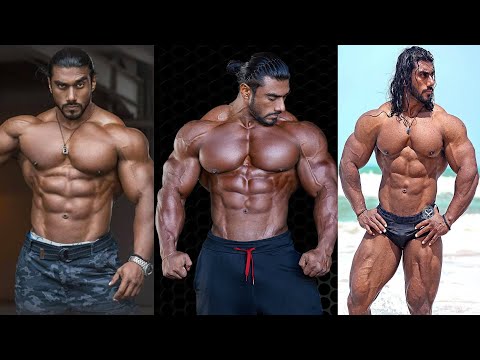
Indian Monster Gym | 3 Signs Your Gym Workout is Paying Off

Welcome, seekers of strength and masters of the self, to Budo and Martial Arts! Today, we confront a question that echoes in every dojo, every training hall, and every sweat-drenched mind: How do you truly know if your efforts in the gym are yielding results? Many walk through the hallowed doors of fitness, pushing iron and pounding mats, only to stagnate, their progress a mirage. Is it the weight on the bar, the speed of your punches, or something deeper that signals genuine advancement?

This is not merely about aesthetics, but about the cultivation of true martial prowess. We will dissect the signs, the unmistakable indicators that your training is forging you into a more capable individual, not just physically, but mentally and spiritually. Prepare yourselves, for we are about to embark on a journey to understand the *true* measure of progress.

The Iron and the Spirit: Beyond the Mirror's Deception

The allure of the gym is often tied to external validation – the physique that turns heads, the numbers on the scale. But a true martial artist understands that the body is a vessel, an instrument to be honed for purpose. The "Indian Monster Gym" often implies a brute force approach, yet true progress in martial arts, whether you're lifting weights or practicing Judo throws, transcends mere brute strength. We must look beyond the superficial. What are the *real* markers of a training regimen that is not just effective, but transformative?

Many mistake vanity for victory. A bulging bicep doesn't guarantee you can execute a clean O-soto-gari, nor does a six-pack equate to the mental fortitude of a Kyokushin Karateka facing a full-contact opponent. The signs we seek are woven into the fabric of your being, manifesting in how you move, how you recover, and how you face adversity.

Sign 1: The Evolution of Functional Strength

The first undeniable sign that your gym training is effective is not just an increase in the weight you lift, but the improvement in your functional strength. This is strength that translates directly to your martial arts practice and, crucially, to life itself.

Are you able to generate more power in your strikes? Can you maintain a stable base during grappling exchanges? Does that Kyokushin Karate kata feel more grounded, more explosive? These are the hallmarks of functional strength. It's the difference between being strong in a static pose and being strong in motion, in combat.

"Strength is not a matter of life and death. It is more important than life and death." - Mas Oyama (paraphrased principle, fundamental to Kyokushin)

Consider the deadlift. While impressive, its true value for a martial artist lies in how that coordinated, full-body power can be applied. Can you use that explosive hip drive to power through an opponent in a MMA clinch? Can the stability gained from squats translate to a stronger guard in BJJ? If your gym work enhances your ability to perform these martial movements with greater force, control, and efficiency, then your training is on the right path.

Conversely, if you're gaining strength but your agility suffers, or your stamina for prolonged combate decreases, then your strength is becoming *dysfunctional*. This is where the martial artist must be discerning. The gym should supplement, not supplant, the core skills of your chosen art. A Judo throw requires explosive hip and leg power, coordinated with upper body control. If your squats are helping you drive your hips with more force, that's functional. If they're making your knees ache and hindering your ability to get low for a sweep, that's a red flag.

Sign 2: Enhanced Physical Resilience and Recovery

The grind of martial arts training is relentless. Sparring sessions, high-intensity drills, the constant push against your limits – it takes a toll. An effective gym regimen doesn't just build you up; it fortifies your ability to withstand this wear and tear and, crucially, to recover quickly.

Are you experiencing fewer nagging injuries? Do muscle soreness and fatigue subside faster after a tough training day? Can you bounce back from a gruelling MMA sparring session with your UFC teammates and be ready for the next one with minimal detriment? These are signs of improved physical resilience.

This resilience is built through a combination of strength training that strengthens connective tissues, mobility work that prevents imbalances, and a conscious effort to optimize recovery. Techniques like dynamic stretching before training and static stretching post-training, coupled with adequate sleep and nutrition, become even more effective when supported by a solid foundational strength.

Think about it: a stronger core provides a stable platform, reducing stress on your lower back during grappling. Enhanced shoulder and rotator cuff strength can prevent injuries from repetitive striking or throwing. Improved cardiovascular conditioning from intense gym circuits will allow you to maintain your technique for longer, whether you're practicing Taekwondo forms or engaging in a Kickboxing bout.

"The body achieves what the mind believes." - Napoleon Hill, a principle that applies universally to physical and mental conditioning.

If your gym training leads to chronic pain, persistent fatigue that hinders your martial arts practice, or an increased susceptibility to minor strains, it's time to re-evaluate. The goal is not to break your body down, but to build it into a more robust, resilient instrument.

Sign 3: The Unshakeable Mindset (The Warrior's Edge)

Perhaps the most profound, yet often overlooked, sign of effective training is the impact it has on your mental fortitude. The discipline required to consistently show up at the gym, to push through discomfort, and to strive for improvement is a direct transfer to the martial path.

Do you find yourself approaching challenges with greater calm and focus? Has your ability to concentrate during intense sparring sessions improved? Do you feel a deeper sense of self-control and discipline in your daily life, extending beyond the gym or the dojo? This mental toughness, this warrior's edge, is a critical indicator.

The late nights, the early mornings, the sheer willpower to perform one more set when your muscles scream in protest – these build mental resilience. This mirrors the mental fortitude required to face an opponent, to execute a complex technique under pressure, or to persevere through a grueling fight.

Think of the concept of Mushin (no-mind) in Zen Buddhism and its application in martial arts like Aikido or Kendo. While not directly taught in most gyms, the self-discipline fostered by consistent training cultivates the fertile ground upon which Mushin can grow. A focused mind, unburdened by distraction or doubt, is the hallmark of a true warrior. If your gym workouts are building this mental discipline, you are on the path to mastery.

The gymnasium can be a crucible for forging not just muscle, but unshakeable resolve. When the physical challenges of training spill over into a stronger, more disciplined, and more resilient mental state, you know your efforts are truly effective. This is the true "monster" you should aim to create.

Training Guidance: Applying the Signs

To truly gauge your progress and ensure your gym work enhances your martial arts journey, integrate these signs into your training philosophy.

  1. Track Functional Movements: Beyond lifting numbers, record how your martial arts skills improve. Can you execute techniques with more speed, power, and control? Are your Artes Marciales Mixtas transitions smoother?
  2. Monitor Recovery Metrics: Pay attention to how quickly you recover from intense sessions. Are you sleeping better? Is daily soreness manageable and short-lived? If not, adjust your gym volume and intensity, and prioritize recovery protocols.
  3. Journal Your Mental State: Keep a log of your focus, discipline, and resilience both in training and in daily life. Note instances where your mental toughness, honed in the gym, helped you overcome challenges on the mat or in life.
  4. Seek Feedback: Ask your instructors and training partners if they notice improvements in your physical capabilities and mental approach. External observation can offer valuable insights.

Essential Gear for Your Training

While discipline is paramount, the right equipment can certainly aid your journey. For those looking to bolster their training, consider:

  • High-Quality Training Shoes: For stability and grip during lifts and dynamic movements.
  • Comfortable Training Apparel: Moisture-wicking fabrics that allow for a full range of motion are crucial for both gym and martial arts training.
  • Wrist Wraps & Knee Sleeves: For added support during heavy lifting, helping to prevent injuries and improve performance.
  • Jump Rope: An excellent tool for cardiovascular conditioning and agility work, easily integrated into any workout.
  • Resistance Bands: Versatile for warm-ups, mobility work, and supplementary strength training.

Sensei's Verdict: Is This Gym Worth the Sweat?

The concept of an "Indian Monster Gym" evokes images of raw power and relentless dedication. If the training within such a facility focuses on building functional strength that directly enhances martial capabilities, promotes robust physical resilience, and cultivates an unwavering mental fortitude, then yes, it is absolutely worth the sweat. However, if it's solely about aesthetics or brute force without application, it falls short. True progress lies in the holistic development of the martial artist.

Rating: Cinturón Negro en Potencial de Desarrollo Integral

Frequently Asked Questions

Q1: How quickly should I expect to see results from my gym training?

True results are multifaceted. Physical strength and resilience can improve noticeably within 4-8 weeks with consistent training. However, the mental discipline and functional application in martial arts can take months or even years to fully manifest and integrate. Patience and persistence are key.

Q2: My gym focuses heavily on isolation exercises. Is this bad for my martial arts?

Isolation exercises have their place for addressing specific weaknesses or muscle imbalances. However, for martial artists, compound, multi-joint movements (like squats, deadlifts, overhead presses, and rows) are generally more beneficial as they mimic the coordinated actions used in combat and everyday life. Prioritize compound lifts and supplement with isolation work as needed.

Q3: Can I do too much gym training and harm my martial arts progress?

Absolutely. Overtraining can lead to burnout, increased injury risk, and decreased performance in both your gym and martial arts sessions. Listen to your body, prioritize recovery, and ensure your gym volume and intensity complement, rather than detract from, your primary martial arts training.

Deeper Dives into Your Journey

To truly master your path, continue your exploration of the principles that underpin true martial strength and discipline.

Sensei's Reflection: Your Next Step

The signs are clear: functional strength, resilience, and an unshakeable mind. But are you truly observing them? Or are you merely chasing the echo of effort, mistaking sweat for substance?

Your challenge: For the next week, dedicate one training session (either gym or martial arts) solely to observing one of these three signs. Does your squat improve your ability to drive into an opponent? Does your recovery feel faster after a hard sparring match? Is your focus sharper during meditation or kata practice? Document your observations. Then, confront yourself: are you truly growing as a martial artist, or merely going through the motions? The path to mastery is paved with honest self-assessment. Now, prove your mettle.

``` GEMINI_METADESC: Learn the 3 key signs your gym workouts are truly effective for martial arts: functional strength, physical resilience, and mental fortitude. Elevate your training.

Cedric McMillan: The Martial Spirit Beyond the Bodybuilder's Frame

Hello, warriors and seekers of Budo. Welcome to Budo and Martial Arts, the internet's most comprehensive and ever-evolving hub for all things martial. Today, we delve into a subject that transcends mere physical spectacle: the enduring spirit of Cedric McMillan, a man whose physique inspired awe, but whose essence touched upon deeper martial principles. While the original title hinted at bodybuilding comparisons, our focus today is on the warrior within. The date of publication for this original post was May 3, 2022, but the lessons it contains are timeless. We are here not to merely report on a bodybuilder, but to dissect the *concept* of martial excellence and how it can manifest in unexpected forms. Join us as we explore the physical discipline, the mental fortitude, and the underlying philosophy that made Cedric McMillan a figure of admiration, even beyond the competitive stages. The world of combat sports and strength athletics often intersects in fascinating ways. While bodybuilders and martial artists occupy different arenas, the dedication, discipline, and the pursuit of peak physical and mental condition are common threads. Cedric McMillan, a name synonymous with bodybuilding excellence, also possessed a physical presence that hinted at a deeper understanding of force, balance, and control – elements central to any martial art. This exploration is not about ranking McMillan against legendary martial artists, but about recognizing the shared pursuit of self-mastery. It’s about understanding how the discipline required to sculpt a physique like his can mirror the discipline required to master a kata or perfect a grappling technique.

The Bodybuilder as a Martial Archetype?

Let's address the elephant in the room: Cedric McMillan was a bodybuilding icon. His physique was a testament to years of rigorous training, meticulous diet, and unparalleled genetic gifts. But does this place him outside the realm of martial consideration? I contend that it does not. The dedication to shaping one's body into a weapon, to pushing its limits, and to presenting an imposing physical presence shares a fundamental root with the martial arts. Consider the ancient Greek athletes, whose sculpted forms were admired not just for aesthetics, but for the power and discipline they represented. In a sense, the bodybuilder, at their peak, embodies a form of physical perfection that can be seen as a precursor or a parallel to the warrior's ideal physique. We must ask ourselves: what is the ultimate goal of martial arts training? Is it solely effective combat, or is it also the cultivation of an unshakeable self, capable of enduring hardship and projecting strength? McMillan's journey, while different, speaks to this latter aspect. The commitment to daily training, the understanding of biomechanics required to lift immense weights safely, and the mental toughness to endure grueling workouts are all qualities that resonate deeply within the Budo philosophy.

Parallel Paths: Bodybuilding and Budo Discipline

The path of a bodybuilder and the path of a martial artist, while diverging in their ultimate applications, share significant overlaps in their foundational requirements. Both demand an unwavering commitment to a structured regimen. For the bodybuilder, this means precise weightlifting protocols, calculated nutritional intake, and often, periods of intense bulking and cutting. For the martial artist, it involves consistent practice of techniques, katas, sparring, and conditioning exercises tailored to their specific art.
Think about the concept of progressive overload in weight training. You must continually challenge your muscles to grow stronger. Similarly, in martial arts, you must constantly push your boundaries, whether it’s increasing the speed of your strikes, the complexity of a throw, or the duration of your endurance holds. Both disciplines require a deep understanding of one's own physical capabilities and limitations, and a scientific approach to improvement. Furthermore, the mental fortitude required is immense. The sheer monotony of repetitive training, the overcoming of physical pain and fatigue, and the discipline to adhere to strict protocols even when motivation wanes are all common to both worlds. A martial artist who quits training because it's "too hard" will never achieve mastery, just as a bodybuilder who skips leg day will never achieve balanced development.
"The difference between a broken bone and a broken spirit is the mind." - Unknown Warrior
This quote, though general, highlights the critical role of the mental game. McMillan, through his competitive career and public persona, demonstrated a strong mental presence. While we didn't see him engaging in a traditional martial arts bout, his ability to command attention and project confidence on stage speaks volumes about his inner strength.

Beyond the Biceps: Understanding McMillan's Power

When one looks at Cedric McMillan, the immediate impression is one of immense physical power. But true power in any field, be it martial arts or strength sports, is not merely brute force. It is the intelligent application of that force. McMillan, like any elite athlete, would have possessed an understanding of leverage, balance, and body mechanics. In martial arts, a seemingly small individual can overcome a larger opponent through superior technique, timing, and understanding of force vectors. This is achieved through years of dedicated practice, honing the body into a finely tuned instrument. While McMillan's training was geared towards hypertrophy and symmetry, the underlying principles of controlling and generating force are universal. Consider the coiled power in a boxer's stance or the explosive energy in a karate punch. This isn't just muscle; it's the coordination of the entire body, the efficient transfer of energy from the ground up. McMillan’s physique, while visually dominant, would have been underpinned by a functional strength that, in theory, could be adapted. We saw glimpses of this in his athletic movements, his stage presence that was more than just static posing.

The Unseen Training: Mental Fortitude and Resilience

The most crucial aspect of any warrior's training often happens within the mind. The physical discipline of bodybuilding, like that of martial arts, is demanding, but it is the mental resilience that allows athletes to push through plateaus and endure the inevitable setbacks. For McMillan, this meant facing criticism, managing injuries, and maintaining an intense training and diet regimen for years. The mental discipline required to step onto a bodybuilding stage, to be judged on every inch of your physique, is immense. It requires a level of self-awareness and emotional control that many martial artists would recognize. Think about the concept of *mushin* (no-mind) in Zen Buddhism and its application in martial arts. It's about acting without conscious thought, allowing instinct and training to take over. While McMillan’s sport wasn't combat, the ability to perform under pressure, to execute a practiced routine flawlessly, suggests a cultivated mental state. The intense focus required for a bodybuilding competition is not dissimilar to the focus needed for a high-stakes martial arts match.

The Spirit of the Warrior: A Legacy Beyond the Stage

Cedric McMillan’s passing was a profound loss, not just to the bodybuilding community, but to the broader world of physical excellence. It forces us to reflect on what truly constitutes a legacy. Is it merely the trophies on a shelf, or is it the indelible mark one leaves on others through inspiration and example? McMillan inspired countless individuals to pursue their own physical goals. He demonstrated what is possible with dedication and hard work. This resonates deeply with the martial arts ethos of self-improvement and perseverance. The warrior’s spirit is not always found on the battlefield; it is found in the unwavering pursuit of one's chosen path, in the commitment to overcoming personal challenges. His influence extends beyond the physical. It lies in the embodiment of discipline, the resilience in the face of adversity, and the dedication to a craft. These are the qualities that define a true warrior, regardless of the arena.

Veredicto del Sensei: The Enduring Impact

"The body is the temple. Train it as such." - Ancient Proverb
While Cedric McMillan was not a martial artist in the traditional sense, his life’s work exemplified many of the core principles that we hold dear in Budo. The discipline, the dedication, the relentless pursuit of physical and mental excellence – these are the hallmarks of a warrior. His physique was a canvas upon which he painted a masterpiece of human potential. We can learn from McMillan's journey by recognizing that the pursuit of physical mastery, regardless of its specific application, is a martial endeavor in itself. It requires courage, perseverance, and an indomitable will. His legacy is a powerful reminder that the warrior spirit can be cultivated in many forms. Cinturón Negro en Disciplina y Dedicación.

Training Guide: Cultivating Martial Presence

While McMillan's training was specific to bodybuilding, we can adapt certain principles to enhance our martial presence. This isn't about building massive muscle, but about building functional strength and cultivating a commanding physical bearing.
  1. Foundation: Compound Movements: Focus on exercises that engage multiple muscle groups simultaneously. Squats, deadlifts, overhead presses, and rows build overall strength and coordination, mirroring the full-body engagement required in many martial arts techniques.
  2. Core Strength is Paramount: A strong core is the bridge between your upper and lower body, crucial for power generation and stability in any striking or grappling art. Incorporate planks, Russian twists, and hanging leg raises into your routine.
  3. Explosive Power: Plyometrics such as box jumps, clapping push-ups, and medicine ball throws can develop explosive power needed for rapid strikes and powerful takedowns.
  4. Endurance and Resilience: Integrate cardiovascular training and circuit training to improve your stamina. Martial arts requires sustained effort, and building endurance is key.
  5. Mind-Body Connection: While McMillan focused on the physical, remember to integrate this with your martial arts practice. Apply the discipline learned in the gym to your dojo training, and vice-versa. Focus on breath control and mindful execution of every movement.

Equipment Essential for Your Training

To emulate the dedication and pursue your own martial journey, having the right tools can make a significant difference. While McMillan’s equipment was specialized for bodybuilding, many items are versatile for martial arts conditioning.
  • Quality Training Shoes: Essential for stability during lifts and agility drills. Look for flat-soled shoes for better ground feel.
  • Weightlifting Gloves: To protect your hands during heavy lifting sessions and improve grip.
  • Resistance Bands: Versatile for warm-ups, cool-downs, and adding resistance to bodyweight exercises. Great for mobility work.
  • Jump Rope: An excellent tool for cardiovascular conditioning and improving footwork, fundamental in many martial arts.
  • Kimonos and Gis: For Judo, Karate, Aikido, or BJJ, a durable and well-fitting gi is paramount. Consider a double-weave gi for increased durability if you engage in grappling.
  • MMA Gloves: For striking-focused training or sparring, offering protection for both hands and your training partners.

Frequently Asked Questions

  • Is bodybuilding considered a martial art?

    Bodybuilding is not a martial art in itself. It is a discipline focused on developing muscle mass, symmetry, and definition. However, it shares core principles of discipline, dedication, and physical conditioning with martial arts.
  • How did Cedric McMillan's physique relate to martial arts principles?

    McMillan's physique represented peak physical conditioning, showcasing immense strength, balance, and body control. These are foundational elements that, while applied differently, are also vital in martial arts for power generation, stability, and injury prevention.
  • What can martial artists learn from bodybuilders like McMillan?

    Martial artists can learn the importance of rigorous, consistent training, meticulous attention to diet and recovery, and the mental fortitude required to push physical limits. The focus on biomechanics for safe and effective lifting also has parallels in striking and grappling.
  • Did Cedric McMillan ever train in martial arts?

    While widely known for bodybuilding, there are anecdotal mentions and a general respect for physical discipline that might suggest an appreciation for martial arts, but he was not primarily recognized as a practitioner. His athletic pursuits were centered on bodybuilding.

To Delve Deeper Into Your Path

To further enrich your understanding of the principles discussed, I recommend exploring these related topics on our blog:

Reflexión del Sensei: Your Next Step

McMillan’s life was a testament to physical dedication. But does sheer physical power, without the refined intention and application of a martial art, truly fulfill the warrior’s potential? Or is the mastery of the body merely a stepping stone to a deeper understanding of movement, spirit, and conflict? Reflect on this: If you were to apply the discipline McMillan brought to his training to the techniques of your chosen art, what insurmountable peaks could you conquer? The answer lies not in contemplation alone, but in the sweat and effort you commit tomorrow. ``` GEMINI_METADESC: Explore Cedric McMillan's legacy beyond bodybuilding. Discover the shared principles of discipline, strength, and mental fortitude between his journey and martial arts.

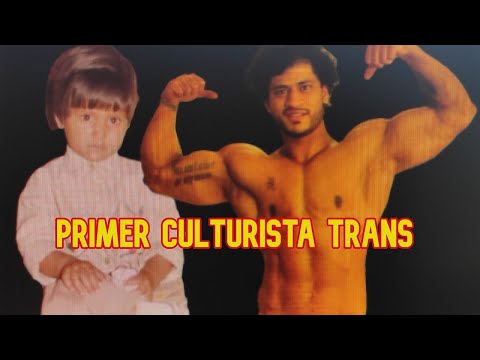
The Girl Who Underwent Surgery to Become a Bodybuilder: A Martial Arts Perspective

Introduction: Redefining Strength

Hello and welcome, students of the Way. Today, we venture into a topic that may initially seem far removed from the traditional dojo: the story of a young girl who chose surgery to pursue a career in bodybuilding. As practitioners of Budo and the myriad martial arts, we are constantly seeking to understand the essence of strength, discipline, and the human form's potential. Is this pursuit of physical perfection through radical means a testament to the indomitable human spirit, or a deviation from the core principles we hold dear? Let us delve into this compelling narrative, not just as observers, but as critical thinkers steeped in the philosophy and practice of the martial ways.
"True strength is not merely the absence of weakness, but the mastery of one's own being." - A principle often echoed in the halls of disciplined training.
Our journey today is about exploring the boundaries of physical transformation and questioning what it truly means to embody strength in its purest form. It’s a conversation starter, a challenge to our preconceptions, and an invitation to see the martial spirit in unexpected places.

The Unconventional Path: Beyond Traditional Aesthetics

The narrative of a young woman opting for surgical procedures to achieve a bodybuilding physique is, without question, unconventional. In many martial arts traditions, the ideal physique is often one of functional efficiency – lean, powerful, and agile, honed through relentless training rather than cosmetic intervention. Aesthetics take a backseat to utility; a fighter's body is a tool for survival and combat, not a canvas for sculpted perfection. However, to dismiss this pursuit outright would be a disservice to the fundamental principle of dedication. Bodybuilding, at its highest level, demands an extraordinary level of discipline, meticulous planning, and an unwavering commitment to pushing physical limits. These are qualities we deeply respect and cultivate in our own martial journeys. The question arises: does the *method* of achieving this physique invalidate the *spirit* of dedication? This is where our critical analysis must begin.

Martial Arts and Physical Transformation: A Synergistic Relationship?

The relationship between martial arts and physical transformation is as old as the arts themselves. From the Shaolin monks to the Greco-Roman wrestlers, the pursuit of physical prowess has always been intertwined with martial discipline. Yet, the *nature* of this transformation is key. Martial arts training aims to develop a body that is not only strong but also resilient, adaptable, and responsive. It’s about cultivating *Qi* (or Ki), the vital life force, which is believed to flow through and empower the body. This is a holistic approach, where mind, body, and spirit are developed in unison.
"The strength of a warrior is not in his muscles alone, but in the spirit that drives them." - Musashi's ethos, emphasizing the mind's command over the body.
In contrast, while bodybuilding undeniably requires immense effort, its primary focus is on hypertrophy and a specific aesthetic. Surgical intervention, while a tool, represents a different pathway to achieving that aesthetic. Can this pathway, when combined with the discipline of training, foster a spirit that resonates with martial principles? Or does it represent a fundamental divergence? This is a debate that ignites the very core of what we consider "martial."

Philosophical Considerations: The Warrior's Body

The concept of the "warrior's body" in martial arts is multifaceted. It’s a body forged in the crucible of training, capable of enduring pain, delivering devastating force, and adapting to unpredictable combat scenarios. It embodies *Mushin* (no-mind) and *Zanshin* (lingering awareness). This is a body that is a direct extension of the practitioner's will and spirit. When we consider the bodybuilder, we see a different kind of perfection – one that is often achieved through a combination of genetics, rigorous training, strict nutrition, and, in some cases, the aforementioned surgical enhancements. The intent behind these transformations is crucial. Is the intent to become a more formidable martial artist, or is it to achieve a specific visual ideal? Perhaps the most provocative question is: can a body altered by surgery still embody the *organic* development and resilience cultivated through traditional martial arts? Does it diminish the authenticity of the "fight" inherent in the training? Or, can the discipline required to recover from surgery and then train to the peak of bodybuilding serve as a unique, albeit unconventional, form of martial perseverance?

The Role of Surgery in the Pursuit of Excellence

Surgery, when viewed through a clinical lens, is a medical intervention. In the context of athletic or aesthetic pursuits, it can be seen as a tool to overcome physical limitations or to accelerate the achievement of a desired physique. In bodybuilding, this might involve procedures to enhance muscle definition or symmetry. From a martial perspective, this is where the debate truly ignites. Many martial arts philosophies emphasize the acceptance and mastery of one's natural form, or its refinement through effort and conditioning. The idea of "natural" vs. "augmented" strength is a significant point of contention. If the goal is to compete in bodybuilding, then surgery might be viewed as a strategic choice within that specific competitive domain. But if the implied aspiration is to embody the qualities of a martial artist – resilience, functional power, and adaptability – then the reliance on surgery raises questions about the depth and authenticity of the physical development. Is this a shortcut, or a different path to self-mastery?

Training Regimen and Discipline: The Core of Mastery

Regardless of the chosen path, the cornerstone of any true martial pursuit, or indeed any demanding physical discipline, is unwavering discipline and an exceptional training regimen. The individual in question, by undertaking surgery and then dedicating themselves to bodybuilding, demonstrates a profound level of commitment. The recovery from surgery itself requires immense fortitude and adherence to strict protocols. Following this with the grueling demands of bodybuilding training – precise nutrition, intensive workouts, and mental fortitude to push past discomfort – speaks volumes about their dedication. This level of commitment is a trait universally admired in the martial arts community. We see this same dedication in athletes who overcome severe injuries to return to competition, or in practitioners who spend decades perfecting a single technique. The *form* of the challenge may differ, but the *spirit* of perseverance and the cultivation of self-control are universal. This is where the narrative transcends the superficial and touches upon the core of what makes a warrior.

Equipment Essential for Your Training

While the focus of this narrative is on the individual's journey, effective training, whether for bodybuilding or martial arts, often benefits from appropriate equipment. For those pursuing strength and muscle development, particularly in a gym setting, certain gear can enhance performance and safety.
  • Weightlifting Gloves: Protect hands and improve grip during heavy lifting sessions, crucial for maximizing workout volume.
  • Lifting Straps: Aid in pulling exercises by reducing grip fatigue, allowing focus on the target muscle groups.
  • Weightlifting Belt: Provides core support during heavy compound lifts, helping to stabilize the spine and prevent injury.
  • Knee Sleeves or Wraps: Offer warmth and compression for the knees, beneficial for squats and other leg-dominant exercises.
  • Durable Training Shoes: Shoes with a stable, flat sole are essential for lifting, providing a solid base of support.
  • Resistance Bands: Versatile for warm-ups, cool-downs, and supplementary resistance work to target specific muscle groups.
For martial artists, the requirements differ, often emphasizing mobility and protection. For instance, practitioners of Judo or Karate would invest in specialized kimonos (`gi`). Those engaging in striking arts might require padded gloves or headgear for sparring. The underlying principle remains: the right tools support the practitioner's dedication. Exploring best kimonos for Judo or high-quality training gear can be a wise investment for any serious practitioner.

Frequently Asked Questions

Q1: Is it possible for someone who has had surgery to become a genuine martial artist? A1: The definition of "genuine martial artist" is often debated. If martial arts are defined by physical technique, discipline, and a code of conduct, then yes, it is possible. However, some traditions place a strong emphasis on organically developed physical prowess and resilience. Q2: How does the dedication required for bodybuilding compare to that required for martial arts? A2: Both demand immense discipline, sacrifice, and perseverance. Bodybuilding focuses intensely on physical aesthetics and muscular development, while martial arts often integrate physical training with mental, spiritual, and philosophical development. Q3: Can surgery enhance a martial artist's capabilities? A3: In specific therapeutic contexts (e.g., reconstructive surgery after injury), it can restore function. However, elective surgery purely for aesthetic enhancement in martial arts is not typically aligned with traditional philosophies, which often favor natural development. Q4: What is the role of "natural" versus "augmented" physical attributes in martial arts? A4: Traditional martial arts generally value attributes honed through natural training and inherent potential. While some augmentation through diet or specialized conditioning is accepted, significant reliance on surgical intervention for aesthetic or perceived performance gains is often viewed critically.

Veredict of the Sensei: A Question of Intent

This story presents a fascinating dichotomy. On one hand, the sheer dedication, discipline, and resilience required for both undergoing surgery and then pursuing peak bodybuilding form are undeniable and resonate with the spirit of perseverance that is central to Budo. This individual has clearly committed to a path of extreme self-challenge. However, from a purist martial arts perspective, the reliance on surgical intervention as a primary means to achieve a physique raises profound questions. The journey of a martial artist is traditionally about transforming the self from within, cultivating strength, resilience, and character through arduous, often uncomfortable, training. The body becomes a testament to that internal journey. Therefore, while I respect the dedication demonstrated, my "Veredict of the Sensei" is one of **Ambiguity, leaning towards Caution**. It is a testament to human determination, but the *intent* behind the transformation and its ultimate alignment with the holistic development sought in martial arts remain subjects for deep contemplation. It prompts us to ask: what is the ultimate goal of our physical pursuits? Is it the external form, or the internal transformation it represents? Cinturón Negro en Disciplina, pero ¿en Espíritu Marcial?

Further Learning on Your Path

For those who wish to explore the deeper aspects of martial arts philosophy, training, and discipline, consider delving into these related topics:

Reflection of the Sensei: Your Next Step

This narrative pushes us to confront our definitions of strength and dedication. The individual's path is unique, diverging significantly from traditional martial training. My question to you, warrior, is this: **If you were presented with a "shortcut" that promised rapid physical results, but deviated from the principles you hold dear, would you take it? Or would you reaffirm your commitment to the arduous, yet ultimately more profound, path of organic self-mastery?** Ponder this not just in your mind, but in the very fiber of your training. ``` GEMINI_METADESC: Explore the martial arts perspective on extreme physical transformation. Analyzing a bodybuilder's journey via surgery, this post questions discipline, strength, and the warrior's spirit.