Showing posts sorted by relevance for query SelfDefense. Sort by date Show all posts

Streetbeefs: When Real Grievances Meet the Sweet Science – A Critical Analysis

The Raw Arena of Streetbeefs

Welcome, aspiring warriors and seasoned practitioners, to a discussion that delves into the gritty, unvarnished world of Streetbeefs. Forget the pristine mats of a dojo or the polished canvas of a professional boxing ring for a moment. We are about to enter what they call "Satan's Backyard," a crucible where genuine disputes are settled, not with polite bows and controlled techniques, but with bare-knuckle (or at least, gloved) ferocity. Today, we dissect their "Title Match" between Money Meir and Hollywood. Is this a legitimate evolution of combat sports, a cathartic release, or merely a spectacle of primal aggression?

The very name "Streetbeefs" conjures images of raw, unfiltered conflict. But as with any form of combat, there's a methodology, a history, and a philosophy—however unconventional—at play. My duty as your Sensei is to peel back the layers, to analyze the techniques (or lack thereof), the spirit, and the underlying message, much like I would dissect a classic kung fu film or a high-stakes MMA bout.

The Budoka's Burning Question

As a martial artist, your mind doesn't just see a fight; it dissects it. You're not just watching a spectacle; you're seeking knowledge. The intent behind seeking out content like Streetbeefs is multifaceted. Perhaps you're curious about the raw effectiveness of unfiltered combat. Maybe you're fascinated by the psychological aspect of settling disputes through physical confrontation. Or, more likely, you're trying to understand if there's any *Budo*—any true martial way—to be found in such an environment. You want to know: What can I, as a practitioner of [Karate](search/label/karate), [Judo](search/label/judo), [BJJ](search/label/bjj), or [MMA](search/label/MMA), learn from this? Does this raw display offer any insights into [Self-Defense](search/label/SelfDefense) or the nature of human conflict?

My analysis will address these questions, moving beyond the superficial to explore the core principles, or the *absence* of them, within the Streetbeefs phenomenon. We'll touch upon the efficacy of their approach, the underlying philosophy of founder Scarface, and whether this truly serves as a safer alternative to societal violence.

Analyzing the "Title Match": Money Meir vs. Hollywood

The promotional material for Streetbeefs highlights its raw nature. When Money Meir and Hollywood step into "Satan's Backyard," what are we truly witnessing? Are these trained fighters employing refined techniques, or are they channeling raw aggression honed by genuine grievances? The distinction is crucial. A trained martial artist, regardless of style—be it the striking precision of [Kickboxing](search/label/Kickboxing), the grappling art of [Judo](search/label/judo), or the intricate submissions of [BJJ](search/label/bjj)—brings a level of control, strategy, and conditioned reflex that untrained individuals simply lack.

In this specific "Title Match," we must ask: What were the dominant strategies? Did one fighter exhibit superior [Agility](search/label/Agility) or [Fuerza](search/label/Fuerza)? Was there any semblance of defensive technique, or was it a flurry of desperate blows? The documentary snippets and the founder's own words suggest a focus on settling disputes, not necessarily on showcasing martial prowess. This means we might see more brawling than boxing, more desperation than discipline. This doesn't diminish the entertainment value for some, but from a martial arts perspective, it requires a different lens of analysis. We look for moments of natural instinct, the raw courage, and the eventual exhaustion that exposes the fundamental differences between a trained fighter and someone fighting out of sheer necessity or anger.

"When you strip away the art, you're left with the combatant. And in combat, instinct is the most primal weapon." - A thought I often ponder when observing raw encounters.

Beyond the Blood: The Philosophy of Streetbeefs

The narrative provided by Streetbeefs founder, Scarface, is central to understanding this phenomenon. He presents his organization as a solution to real-world violence, offering a controlled environment—"Satan's Backyard"—where individuals can settle their disputes physically, without resorting to weapons or escalating into gang violence. He cites his own experience, and mentions features in publications like the New York Times and ESPN The Magazine, lending a degree of credibility to his claims of impact.

This philosophy hinges on the idea of providing a *safer outlet*. The argument is that by channeling aggression into structured, albeit amateur, bouts, young men and women can resolve conflicts and even forge friendships. It's a concept that resonates with certain aspects of [Budo](search/label/BUDO), which emphasizes discipline and self-control, albeit in a vastly different context. While traditional martial arts aim for character development and spiritual growth, Streetbeefs appears to prioritize conflict resolution and de-escalation of street violence through controlled physical confrontation.

The emphasis on "100% LEGAL" and "18 or older" participants, along with the presence of a referee, are critical elements in differentiating this from outright lawlessness. It attempts to create a framework, a * ruleset*, however rudimentary, for conflict. It speaks to a desire for order within chaos, a fundamental human need.

The Dichotomy: Genuine Animosity or Athletic Endeavor?

This is where the critical analysis becomes most potent. Streetbeefs operates in a gray area, explicitly stating that "SOME MATCHES ARE PURELY FOR SPORT, some are REAL beef." This duality is both its allure and its most controversial aspect. When "real beef" is involved, the emotional stakes are incredibly high. This can lead to heightened aggression, desperation, and a potential disregard for the safety protocols that would be paramount in professional combat sports like [MMA](search/label/MMA) or [Boxing](search/label/Boxing).

However, the very act of stepping into the ring, of donning gloves, and adhering to a referee's command, introduces an element of sport. The participants, even if fueled by animosity, are engaging in a regulated activity. This is where the connection, however tenuous, to martial arts principles can be explored. The courage to face an opponent, the discipline to follow rules, and the resilience to endure punishment are all elements that resonate with the martial spirit. Yet, the lack of formal training, the unpredictability of the "beef," and the primary objective of settling a score rather than demonstrating skill, places it a significant distance from the disciplined paths of [Karate](search/label/Karate), [Judo](search/label/Judo), or [Taekwondo](search/label/Taekwondo).

It’s a fascinating anthropological study: the intersection of primal human conflict and the structured, albeit amateur, framework of sport. Does the sport element mitigate the danger, or does the raw "beef" make the sport element secondary and potentially more hazardous?

Essential Gear for Your Own (Controlled) Sparring

While Streetbeefs operates on a different level, the principle of using protective gear is paramount for any safe combat training. Whether you're practicing [Karate](search/label/Karate), [Boxing](search/label/Boxing), or preparing for [MMA](search/label/MMA), safety must be your first consideration. Remember, the goal is to train, not to injure.

  • Headgear: Crucial for absorbing impact and preventing concussions during sparring. Look for well-padded, adjustable headgear.
  • Mouthguards: Non-negotiable. Protect your teeth, jaw, and even prevent certain types of concussions.
  • Hand Wraps: Essential for supporting the wrists and knuckles, preventing injuries during striking practice.
  • Gloves: Sparring gloves should be appropriately padded (e.g., 14-16oz for general sparring) to cushion blows for both you and your partner. For training specific striking techniques, consider bag gloves or focus mitts.
  • Groin Protector: A vital piece of protective equipment, especially during drills involving kicks or grappling.
  • Shin Guards: If you're engaged in sparring that involves kicks, shin guards are essential for preventing severe bruising and abrasions.

Investing in quality protective gear is an investment in your longevity as a martial artist. It allows you to push your limits safely, which is a core principle of any effective training regimen.

The "Satans Backyard" Training Regimen: What We Can Learn

While we would never advocate for replicating the raw conditions of Streetbeefs, there are elements of its underlying philosophy that can be adapted for constructive martial arts training. The core idea Scarface champions is providing a controlled outlet for aggression and conflict resolution.

  1. Controlled Sparring Sessions: In your dojo, under the guidance of a qualified instructor, engage in regular sparring. This isn't about "winning" at all costs, but about applying techniques, testing timing, and developing defensive reflexes. Focus on control and safety.
  2. Setting Clear Rules: Just as Streetbeefs has referees and a general framework, ensure your sparring sessions have clear boundaries. What techniques are allowed? What actions are forbidden? This fosters discipline and respect.
  3. Mindset of Resolution, Not Domination: While competition is inherently about overcoming an opponent, the martial arts mindset should focus on mutual improvement. View your sparring partner as someone helping you grow, not just an obstacle to be crushed. This fosters a healthier training environment.
  4. Physical Conditioning: The fighters in Streetbeefs, while perhaps untrained, often exhibit raw endurance. As martial artists, we must complement our technical skills with rigorous conditioning. This includes cardiovascular fitness, strength training, and flexibility. For example, implementing drills that mimic the demands of prolonged striking exchanges can be beneficial. Consider circuit training or interval sprints to build explosive power and stamina, much like preparing for an intense [MMA](search/label/MMA) bout.

The key is to extract the *principle* of controlled conflict resolution and apply it within a safe, structured, and ethical martial arts framework. The goal is to learn, improve, and build character, not just to "win a beef."

Sensei's Verdict: Entertainment or Evolution?

Streetbeefs presents a fascinating, albeit troubling, case study. From a purely cinematic or entertainment perspective, it taps into a primal human fascination with conflict. The rawness, the genuine emotion, and the unpredictability make for compelling viewing for some audiences. However, as a platform for martial arts or genuine conflict resolution, its efficacy is highly questionable.

While the intention to provide a safer alternative to street violence is commendable, the execution often falls short of the discipline and skill inherent in true martial arts. It risks glorifying untrained violence and misunderstanding the profound depth of character development that real martial arts practice cultivates. It’s a raw spectacle, but it lacks the refined technique, strategic depth, and philosophical underpinnings that define mastery in the martial ways.

Cinturón Negro en Entretenimiento Crudo, Blanco de Cinturón en Técnica Marcial.

Frequently Asked Questions

  • What is Streetbeefs?
    Streetbeefs is an organization that provides a platform for individuals to settle real-life disputes through organized, unsanctioned boxing or MMA-style matches, often referred to as "real beefs."
  • Is Streetbeefs considered a professional sport?
    No, Streetbeefs operates as unsanctioned amateur exhibitions. Participants are typically not professional athletes, and the matches are not regulated by major sporting bodies.
  • What are the safety measures in Streetbeefs?
    Streetbeefs emphasizes that matches are legal and have referees. Participants must be 18 or older, and weapons are forbidden. However, due to the nature of untrained participants and potential real-life animosity, the inherent risks are significant.
  • Does Streetbeefs teach martial arts?
    The primary goal of Streetbeefs is conflict resolution through physical confrontation, not the teaching of martial arts techniques or philosophy. While some participants may have prior experience, it is not a prerequisite, and formal training is not provided.

Deepen Your Martial Path

"The supreme art of war is to subdue the enemy without fighting." - Sun Tzu, The Art of War. A principle often lost in the heat of primal conflict, yet foundational to true mastery.

Reflexión del Sensei: Tu Próximo Paso

Streetbeefs offers a raw, unfiltered glimpse into conflict resolution outside the traditional martial arts framework. It forces us to confront questions about violence, sport, and safety. But now, the true test lies not in observing, but in applying.

The Question: Knowing the risks and the potential for uncontrolled aggression in such environments, how can you, as a dedicated martial artist, better embody the principles of control, discipline, and the pursuit of peaceful resolution in your *own* life and training? Does watching such raw conflict reinforce your commitment to your chosen path, or does it reveal a potential deficiency in its ability to address societal problems?

Meditate on this. Discuss it with your peers. Your answer will reveal much about your own understanding of the martial way.

``` GEMINI_METADESC: Analyze the raw combat of Streetbeefs: Money Meir vs. Hollywood. Explore its philosophy, safety, and relation to martial arts with Sensei's critical eye. Is it entertainment or a flawed evolution?
Unleashing the Power Within: Mastering the 27 Core Movements of Okinawan Karate

The Genesis of Karate: From Okinawa to Your Dojo

Greetings, warriors! Today, we delve into the very heart of the martial arts, tracing its roots back to the sun-drenched shores of Okinawa, the undisputed birthplace of Karate. For centuries, this island has been the crucible where techniques were forged, philosophies refined, and the indomitable spirit of the warrior cultivated. But what if the traditional dojo walls are beyond your reach? Does that mean the path of Karate is closed to you? Absolutely not.

Ageshio Japan, deeply embedded in the Okinawan martial landscape, brings you a profound training program designed for the modern practitioner. This isn't just about physical conditioning; it's about unlocking the latent power within, a power accessible to anyone willing to commit. We are thrilled to present a masterclass led by the venerable Yoshimasa Kakazu, a 10th Dan instructor of Shorin-ryu, who will guide us through 27 fundamental movements that form the bedrock of Karate.

The true essence of Karate lies not in grand displays, but in the diligent, repetitive refinement of basic principles. This session is your invitation to transcend physical limitations and bring the authentic spirit of Okinawan Karate directly into your home. Prepare to train, to sweat, and to grow. Ossu!

The Wisdom of Yoshimasa Kakazu: A 10th Dan Perspective

When we speak of Karate, especially the classical styles of Okinawa, names of true masters echo through the annals of martial history. Yoshimasa Kakazu, a 10th Dan instructor of Shorin-ryu, embodies the pinnacle of this tradition. His lineage, his dedication, and his profound understanding of the art are a testament to a lifetime devoted to the path of Budo. Shorin-ryu, meaning "the style of the young forest," is renowned for its emphasis on speed, agility, and economical movement, principles that Kakazu Sensei embodies.

His instruction transcends mere technique. It is a distillation of decades of practical application, philosophical contemplation, and the relentless pursuit of perfection. Through these 27 core movements, he offers not just a curriculum, but a philosophy. He teaches us that the journey of a thousand miles begins with a single step – or in this case, a single, perfectly executed block, strike, or stance. His approach is a powerful reminder that mastery is built upon a foundation of unwavering discipline and a deep respect for the fundamentals, a concept central to the BUDO philosophy.

"The true martial artist does not seek victory, but strives for self-perfection. Each movement, no matter how basic, is an opportunity for growth." - Attributed to Okinawan Karate Masters

Deconstructing the 27 Core Movements

What are these 27 movements? They are not arbitrary. Each one is a building block, a fundamental expression of combative principles honed over generations. You will encounter foundational blocks (uke), devastating strikes (tsuki and uchi), crucial evasive maneuvers, and essential stances (dachi) that provide stability and power. These are the building blocks for all Karate katas and combat applications.

Consider the simplicity and effectiveness of a basic gedan barai (downward block). In the hands of a novice, it is merely a gesture. But when executed with the correct body mechanics, focus, and intention—as taught by Kakazu Sensei—it becomes a formidable defense, capable of neutralizing an attack before it even lands. Similarly, a straight punch (choku zuki) delivered with hip rotation and proper alignment is a weapon of considerable force. These 27 movements are the alphabet of Karate; mastering them allows you to compose the epic poems of combat.

The beauty of this curated set of movements lies in its universality. Whether your goal is self-defense (SelfDefense), physical fitness (Fitness), or spiritual development (SpiritualDevelopment), these 27 movements provide the essential framework. They are the distilled essence, the fundamental grammar of Karate, applicable across various styles including Okinawan Karate and beyond.

The Unwavering Path: Why Daily Practice is Non-Negotiable

In the relentless pursuit of mastery, there are no shortcuts. This is a truth that resonates across all martial arts, from the precision of Judo to the fierce spirit of Kyokushin Karate. Kakazu Sensei's emphasis on daily practice is not a suggestion; it is a command. The human body and mind are instruments that require constant tuning. Neglect them, and their resonance fades.

Think of a musician practicing scales. Each repetition might seem monotonous, yet it is this very repetition that builds muscle memory, refines technique, and instills the discipline necessary for complex performances. In Karate, daily practice ingrains the movements into your very being. It enhances your Ki, improves your conditioning (Conditioning), and sharpens your reflexes to a razor's edge. It is the consistent effort, the unwavering commitment, that transforms a practitioner into a martial artist.

This consistent effort also builds mental fortitude. Facing the challenge of practicing a movement for the hundredth, or perhaps the thousandth, time cultivates patience, resilience, and a deep understanding of perseverance. This is the core of SelfImprovement and MentalGame. It is through this daily grind that we learn to overcome our own limitations, a far more significant victory than any external fight.

"Repetition is the mother of skill. Do not scorn the basics; they are the foundation upon which all greatness is built." - A principle echoed in many dojos.

Ageshio Japan: Your Gateway to Authentic Okinawan Karate

Ageshio Japan is more than just an organization; it is a bridge. A bridge connecting the rich, historical legacy of Okinawan Karate to the global community of martial arts enthusiasts. Located on Okinawa, the spiritual homeland of Karate, their mission is twofold: to share the profound charm and depth of Okinawan Karate with the world and to foster the growth of Okinawan Karate tourism. They are dedicated to providing an authentic experience, allowing you to learn directly from the source, from the Masters who carry the torch of tradition.

Whether you are a seasoned practitioner seeking advanced training or a complete beginner eager to embark on your martial arts journey, Ageshio Japan offers a spectrum of programs. From structured dojo trainings to bespoke training plans tailored to your individual needs, their offerings are designed to enrich your understanding and elevate your skill. They are a vital resource for anyone passionate about the martial way, providing insights into the lives and teachings of Okinawan Karate Grand Masters.

If you're looking to deepen your martial arts experience, their website is an invaluable resource. You'll find information on upcoming programs, details on Okinawan Karate history, and how to connect with the living legends of this art. They are truly facilitating a connection, a vital link for your personal MartialArtsJourney. Explore their offerings and take the first step towards an unforgettable TransformativeExperience.

Website: https://ift.tt/sbzRFCl
Facebook: https://ift.tt/0NaTW7h
Instagram: https://ift.tt/Jj5ENw6
Trip Advisor: https://bit.ly/2nKFj0C

Essential Training Gear for Your Home Dojo

To truly embrace the discipline of daily Karate practice at home, having the right equipment can make a significant difference. While Karate is famously accessible with minimal gear, certain items can enhance your training, safety, and overall experience. For anyone serious about mastering these 27 movements and progressing in their KarateSpirit, consider these essentials:

  • Karate Gi: A durable, well-fitting Karate uniform (gi) is crucial. Look for a double-weave cotton gi for durability, especially if you plan on practicing dynamic movements or light sparring. Ensure it allows for freedom of movement. For those serious about KarateMerchandise, a quality gi is a worthy investment.
  • Training Mat: Depending on your flooring, a specialized martial arts mat or a firm yoga mat can provide cushioning for stances and break falls, protecting your joints and preventing slips during dynamic drills.
  • Hand Protection: For practicing strikes, even on a makiwara or heavy bag (if available), consider basic padded mitts or fingerless gloves. This can help prevent minor injuries and allow for more vigorous practice.
  • Footwear: While many practice barefoot, some prefer lightweight, flexible martial arts shoes or even clean, flat-soled athletic shoes for added grip and support on harder surfaces.
  • Training Partner (Optional): While these drills are designed for solo practice, eventually, a training partner can offer invaluable feedback and allow you to practice CombateCuerpoACuerpo scenarios.

Investing in the right gear shows commitment to your training and respect for the art. It transforms your space into a genuine MartialArtsTraining environment.

Frequently Asked Questions

  • Can beginners truly learn Karate from a video? Absolutely. While direct instruction from a qualified Sensei is ideal, foundational movements like these 27 core techniques can be effectively learned and practiced from detailed video instruction. The key is diligent observation, repetition, and self-correction.
  • How long should I practice these 27 movements daily? Consistency is more important than duration. Aim for at least 20-30 minutes of focused practice daily. Quality over quantity – ensure each movement is performed with correct form, power, and intention.
  • What is the difference between Okinawan Karate and other styles like Japanese Karate? Okinawan Karate is the original form from which many Japanese styles evolved. It often emphasizes more direct, linear techniques and a deeper connection to traditional Budo principles. Styles like Shotokan or Wado-ryu, while rooted in Karate, have developed distinct characteristics.
  • Is this program suitable for women's self-defense? Yes. The fundamental principles of Karate, including blocks, strikes, and stances taught here, are highly effective for self-defense. The physical conditioning and mental focus developed will significantly enhance your ability to protect yourself.

Sensei's Reflection: Your Next Move

You have now been presented with the blueprint: 27 fundamental movements, the wisdom of a 10th Dan master, and the unwavering principle of daily practice. The birthplace of Karate has extended an invitation into your home. The path is clear, but the journey is yours alone to walk.

This isn't merely about learning a sequence of physical actions. It's about forging discipline, cultivating resilience, and unlocking a deeper understanding of yourself and the world around you. The real test of a martial artist is not in the flashy techniques, but in the quiet dedication to the basics, day in and day out.

Reflection of the Sensei: Your Next Step

If you had to choose just ONE of these 27 movements to perfect in the next week, which would it be, and *why* do you believe its mastery will bring you the most significant benefit, not just in Karate, but in facing the daily battles of life?

For Deeper Exploration on Your Path

``` ``` GEMINI_METADESC: Master the 27 core movements of Okinawan Karate with 10th Dan instructor Yoshimasa Kakazu. Learn daily practice routines for home and unlock your true martial potential.

Does Taekwondo Serve for Self-Defense? Do Martial Arts Serve for Street Defense?

In the dojo, we train with precision, discipline, and a deep respect for tradition. We bow, we practice forms, we spar under controlled conditions. But when the dojo doors close and the harsh reality of the street presents itself, does the training truly hold up? This is a question that echoes through the minds of many martial artists, particularly those who dedicate themselves to arts like Taekwondo. Does its emphasis on high kicks and flashy techniques translate into effective self-defense when faced with an unscripted, dangerous encounter? Or are we merely practicing a beautiful, yet ultimately impractical, dance? The intention behind this exploration is to cut through the bravado and the marketing hype, and to honestly assess the practical application of Taekwondo, and by extension, many other martial arts, in the crucible of real-world self-defense. We will delve into the core principles, the common criticisms, and the potential for adaptation that separates mere practitioners from those who can truly defend themselves when their safety is on the line.

The Taekwondo Dilemma: High Kicks vs. Hard Realities

Taekwondo, meaning "the way of foot and fist," is globally recognized for its spectacular kicking techniques. Its practitioners demonstrate incredible flexibility, balance, and power, often culminating in visually stunning aerial maneuvers. These attributes are undeniably impressive and a testament to years of dedicated training. However, the martial arts community often finds itself divided on whether this polished discipline truly serves the purpose of self-defense on the unforgiving streets. The primary criticism leveled against Taekwondo in a self-defense context is its perceived lack of practicality. Many argue that the art’s focus on distance, linear movements, and high, telegraphed kicks, while effective in a sport setting or against a similarly trained opponent, leaves practitioners vulnerable against an untrained, aggressive attacker who may employ grappling, dirty tactics, or simply overwhelming force. The controlled environment of a sparring match, with its rules and referees, is a far cry from a street fight where there are no referees, no weight classes, and no ethical considerations for the assailant.
"In the real fight, there are no referees." - A common saying among those who advocate for practical self-defense.
This leads to a crucial question: Is the Taekwondo we see in competitions and demonstrations truly the same art that can protect someone from a mugging or an assault? Or has it evolved into a sport that, while beneficial for fitness and discipline, has perhaps sacrificed some of its original combative efficacy on the altar of athletic competition and aesthetic appeal? The debate is fierce, and the answer, as with most things in the martial world, is rarely black and white.

Beyond the Kicks: What Taekwondo *Does* Offer

While the criticisms are valid, it would be a grave error to dismiss Taekwondo entirely as a self-defense system. The effectiveness of any martial art is not solely determined by its techniques, but by the *principles* and *qualities* instilled in its practitioners. Taekwondo, when trained with the right mindset, offers significant advantages: * **Discipline and Focus**: The rigorous training regimen cultivates a level of discipline and mental fortitude that is invaluable in any high-stress situation. A calm, focused mind can make critical decisions under duress, which is arguably more important than any single technique. This mental conditioning is a cornerstone of what we call the #BudoLife. * **Physical Conditioning**: Taekwondo develops exceptional leg strength, cardiovascular endurance, and balance. These physical attributes are foundational for any form of combat, be it sport or self-defense. This contributes to overall #Fitness and #Fuerza. * **Coordination and Body Awareness**: The intricate movements and forms required in Taekwondo enhance proprioception and overall body control. Understanding how your body moves and how to generate power from your core is a universal martial skill. * **Confidence**: Achieving proficiency in Taekwondo, mastering difficult techniques, and participating in sparring can significantly boost a practitioner's self-confidence. This increased self-assurance can act as a deterrent; an attacker may be less likely to target someone who projects an aura of capability and control. * **Distance Management**: While some criticize the emphasis on distance, the ability to control the space between oneself and an opponent is a critical self-defense skill. Taekwondo’s kicks, when used effectively, can maintain that vital distance, keeping an attacker at bay. This is where the concept of #MartialArtsJourney and #SelfImprovement truly shines. The physical and mental benefits are undeniable, contributing to a more capable individual.

The Crucial Element: Intent and Application

The true effectiveness of Taekwondo, or any martial art, for self-defense hinges on the practitioner's intent and their ability to adapt techniques to real-world scenarios. A Taekwondo practitioner who only trains for sport, focusing solely on point-scoring and avoiding contact, will likely be unprepared for a street fight. However, a Taekwondo practitioner who understands the underlying principles, who trains for application, and who complements their art with other skills, can be incredibly dangerous. Consider the principles of #SelfDefense. It's not about winning a match; it's about ending a threat with minimal harm to yourself. This often means: * **De-escalation**: The best fight is the one you avoid. * **Awareness**: Recognizing potential threats before they materialize. * **Simplicity**: Complex techniques are prone to failure under stress. * **Forceful Resolution**: If avoidance and de-escalation fail, you must be prepared to act decisively and effectively. A Taekwondo practitioner can leverage their powerful kicks to create space and discourage an initial assault. However, if an attacker closes the distance, they must have a plan B. This might involve: * **Defensive Hand Techniques**: While kicks are primary, Taekwondo also trains hand strikes. These can be used effectively at close range. * **Blocking and Evasion**: Learning to defend against incoming attacks is paramount. * **Basic Clinching and Takedown Defense**: Understanding how to resist or counter a clinch or takedown attempt can be a lifesaver. This is why many modern self-defense approaches advocate for cross-training. Combining Taekwondo's dynamic kicking with the close-range effectiveness of Muay Thai, the groundwork of Brazilian Jiu-Jitsu (#BJJ), or the pragmatic striking of Boxing can create a well-rounded individual. This is the essence of #Versatility in combat.

Are Martial Arts for Street Defense Universally Effective? The Polemic

Here’s where we stir the pot. The question isn't just about Taekwondo; it's about the broader efficacy of martial arts for street defense. The romantic notion that a black belt in any style guarantees survival is, frankly, a dangerous myth. Many traditional martial arts, including Taekwondo, Karate, Aikido, and others, were developed in eras vastly different from our own. Their original contexts often involved duels, controlled challenges, or even battlefield scenarios where certain assumptions could be made about the opponent and the environment. Modern street violence is often chaotic, unpredictable, and brutal.
"The philosophy of a martial art is one thing; its practical application in a life-or-death struggle is another entirely." - A thought to ponder.
The issue isn't that these arts are "useless." It's about *what* they teach and *how* they are taught. If an art: * Prioritizes points over power. * Discourages realistic contact training. * Focuses on techniques that are highly dependent on specific conditions (e.g., a clean, open space for kicks). * Instills a false sense of invincibility. Then, yes, it may fall short in a true self-defense scenario. This is why so many fighters and self-defense experts advocate for systems that emphasize: * **Pressure Testing**: Sparring that simulates real-world stress and unpredictability. * **Rootedness and Balance**: Techniques that are effective even when off-balance or in confined spaces. * **Close-Quarters Combat**: How to fight when you are inches away from your attacker. * **Simplicity and Directness**: Techniques that are easy to recall and execute under extreme duress. This is where arts like MMA (#ArtesMarcialesMixtas), Muay Thai, Boxing, and BJJ often gain an edge in practicality. They are born from or heavily influenced by the need to survive brutal, uncompromised combat. Yet, even within these arts, there are levels of training and specialization. The true warrior understands that the journey is long, and true mastery requires constant adaptation and a willingness to confront uncomfortable truths about one's own skills. The #WarriorPhilosophy is not about blind adherence to one style, but about effective application.

Bridging the Gap: Making Taekwondo Work for Self-Defense

So, can a dedicated Taekwondo practitioner become proficient in self-defense? Absolutely. It requires conscious effort to bridge the gap between sport and street: 1. **Cross-Training**: Supplement Taekwondo with training in grappling arts (Judo, BJJ) and close-range striking (Boxing, Muay Thai). This provides essential skills for situations where kicking is not feasible. 2. **Realistic Sparring**: Seek out sparring sessions that are more intense and less regulated, under the guidance of a responsible instructor. Focus on pressure testing your techniques. 3. **Situational Awareness Training**: Learn to recognize and avoid dangerous situations. Understand common attack patterns and how to respond. 4. **Focus on Fundamental Techniques**: While advanced kicks are impressive, master the fundamental punches, blocks, and footwork. These are often more reliable under stress. 5. **Develop a "Street Mindset"**: Understand that street self-defense is about survival, not about points or respect. Be prepared to use the necessary force to escape danger.

Equipo Esencial para tu Entrenamiento

While Taekwondo primarily uses body mechanics, effective training, especially when adapting to self-defense scenarios, often benefits from proper equipment. This equipment not only protects you during practice but can also be indicative of a more serious, application-focused training regimen.
  • Protección Corporal (Hogus): Esencial para el entrenamiento de Taekwondo, pero asegúrate de que permite movimiento y no limita tu capacidad para sentir el impacto.
  • Guantes de Entrenamiento (Light Sparring Gloves): Para sesiones de sparring más realistas, especialmente si se combinan con otras artes marciales, unos guantes de 14-16oz ofrecen protección tanto a tus manos como a tu compañero.
  • Espinilleras y Empeineras: Indispensables para la práctica de patadas altas y para mitigar el riesgo de lesiones durante el entrenamiento de Taekwondo.
  • Protector Bucal: Obligatorio en cualquier tipo de sparring para proteger tus dientes y mandíbula.
  • Kimono Resistente (Dobok): Para aquellos que buscan una mayor durabilidad y autenticidad, un dobok de doble tejido o un kimono de Judo de alta calidad pueden ser una alternativa superior para entrenamientos más duros y para familiarizarse con el agarre y el control.
Investing in quality gear is not just about comfort; it's about the seriousness of your commitment to your training, whether for sport or for #DefensaPersonal.

Guía de Entrenamiento: El "Golpe Falso" para Creación de Espacio

Este ejercicio es una adaptación para simular la creación de distancia en un escenario de defensa personal, utilizando principios de Taekwondo. Requiere un compañero.
  1. Posición Inicial: Colócate frente a tu compañero a una distancia de unos 2 metros. Ambos en guardia, listos para moverse.
  2. Simulación de Ataque Cercano: Tu compañero avanza rápidamente, simulando un intento de agarre o un ataque a corta distancia.
  3. Reacción Defensiva (Paso Atrás y Bloqueo Falso): Inmediatamente al percibir el avance, realiza un paso atrás con tu pierna trasera para crear distancia inicial. Simultáneamente, levanta tu brazo delantero en un gesto que podría parecer un bloqueo preparatorio (esto puede distraer momentáneamente al atacante).
  4. La Patada de Creación de Espacio: Inmediatamente después del paso atrás y el "bloqueo falso", lanza una patada frontal baja o media con tu pierna delantera (ej. Ap Chagi). El objetivo no es golpear con potencia máxima, sino de forma rápida y sorpresiva para forzar al atacante a retroceder o a defenderse, ganando así espacio vital.
  5. Transición Rápida: Una vez que la patada ha cumplido su función de crear espacio, baja tu pierna de forma controlada y vuelve a tu guardia. Prepárate para el siguiente movimiento, ya sea una nueva creación de distancia o una respuesta diferente si el atacante persiste.
  6. Repetición y Adaptación: Repite el ejercicio, variando la distancia, la intensidad del avance del compañero y el tipo de patada. El compañero debe variar sus ataques para simular la imprevisibilidad.
Este drill te enseña a usar tus fortalezas (patadas) de manera estratégica para gestionar la distancia en un escenario peligroso, un principio fundamental en #CombateCuerpoACuerpo y #CombateEnLaCalle.

Preguntas Frecuentes

¿Es el Taekwondo el mejor arte marcial para defensa personal?

No hay un "mejor" arte marcial universal para la defensa personal. La efectividad depende de la aplicación del practicante, el entrenamiento realista y la complementación con otras disciplinas. Taekwondo tiene fortalezas, pero también debilidades que deben ser abordadas.

¿Puedo defenderme en la calle solo con Taekwondo?

Posiblemente, pero tus probabilidades aumentan significativamente si complementas tu Taekwondo con entrenamiento en grappling y combate a corta distancia, y si te enfocas en la conciencia situacional y la evasión de conflictos.

¿Por qué muchos argumentan que las patadas altas no sirven para la calle?

Las patadas altas son a menudo predecibles, requieren mucho espacio, desequilibran al que las ejecuta y pueden ser fácilmente bloqueadas o evadidas por un atacante no entrenado que podría estar buscando un agarre o un golpe a nivel del torso o la cabeza.

¿Qué hace que un arte marcial sea efectivo para la defensa personal?

Eficacia bajo estrés, simplicidad de técnicas, entrenamiento de contacto realista (sparring), adaptación a escenarios impredecibles, conciencia situacional y la mentalidad de supervivencia.

¿Debería un practicante de Taekwondo dejar su arte para dedicarse a otro?

No necesariamente. La clave es la adaptación y la integración. Un buen instructor de Taekwondo puede enseñar cómo aplicar los principios de su arte de forma más pragmática, y el estudiante debe buscar activamente complementar sus habilidades.

Para Profundizar en tu Camino

Reflexión del Sensei: Tu Próximo Paso

Hemos desmantelado la idea preconcebida, hemos analizado las fortalezas y debilidades, y hemos debatido la cruda realidad del combate callejero. Taekwondo, como muchas artes marciales, ofrece herramientas poderosas, pero su utilidad final no reside en las patadas espectaculares, sino en la mente del guerrero que las ejecuta. Ahora te pregunto: ¿Te conformas con la belleza de la forma, o buscas la eficacia del combate? ¿Estás dispuesto a cuestionar lo que te han enseñado y a buscar la verdad más allá de la comodidad del dojo? Si Taekwondo es tu camino, ¿cómo vas a moldearlo para que te sirva cuando la oscuridad te rodee? La respuesta no está en mis palabras, sino en tu acción y tu reflexión. Gemini_Metadesc: Explora si el Taekwondo es efectivo para la defensa personal en la calle. Un análisis crudo sobre la aplicabilidad de las artes marciales en escenarios reales, debatiendo sus fortalezas y debilidades. Gemini_Labels: Taekwondo, Defensa Personal, Artes Marciales, Combate Callejero, Budo, MMA, Lucha, Entrenamiento, Autodisciplina, Filosofía Marcial

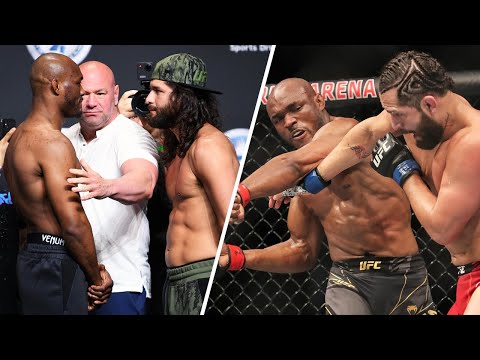
The Unseen Arts: Decoding the Core Principles Beyond Kamaru Usman vs. Jorge Masvidal 2

The electrifying clash between Kamaru Usman and Jorge Masvidal at UFC 261 might have been a spectacle of raw power and precise striking, but beneath the surface of that celebrated "Performance of the Night" lies a universe of martial principles that resonate across *all* combat disciplines. Many spectators see only the brutal exchange, the knockout, or the submission. But what truly separates a fleeting victory from enduring mastery? Is it simply the punch landed, or the deep-seated understanding of movement, timing, and the opponent's intent? Today, we dissect this seemingly singular event to unearth universal truths in the #ArtesMarciales and #Combate.

Table of Contents

The UFC 261 Rematch: A Superficial Glance

Kamaru Usman's dominant performance against Jorge Masvidal was a masterclass in welterweight championship fighting. His jab, his wrestling, his ability to control distance – it was all on display. Masvidal, known for his explosive striking and resilience, found himself unable to penetrate Usman's formidable defense and relentless pressure. The knockout was decisive, a testament to Usman's power and strategic execution. But as practitioners of the martial path, we are trained to see beyond the immediate result. We question: what underlying principles were at play that allowed for such a disparity in this particular encounter?
"To win one hundred victories in one hundred battles is not the acme of skill. To subdue the enemy without fighting is the acme of skill." - Sun Tzu, The Art of War. While Usman and Masvidal certainly fought, the *control* Usman exerted over the engagement speaks volumes about this ancient wisdom.

Beyond the Canvas: Fundamental Martial Truths

The UFC octagon, while a modern arena, is built upon millennia of martial tradition. The concepts that govern a samurai's sword, a judoka's throw, or a karateka's strike are present even in the high-stakes environment of MMA. Let's examine how these manifest, using the Usman-Masvidal bout as our case study.

The Principle of Sen no Sen and Go no Sen

In Japanese martial arts, timing is everything. We speak of *Sen no Sen* (taking initiative) and *Go no Sen* (responding to an opponent's initiative). Usman, for the most part, dictated the rhythm of the fight. His forward pressure, his constant jabbing, was a form of proactive *Sen no Sen*. He wasn't waiting for Masvidal to commit; he was controlling the space and forcing Masvidal to react. Masvidal, a counter-striker by nature, found it difficult to implement his *Go no Sen* effectively because Usman rarely gave him a clear opening. When Masvidal did attempt to launch his own attacks, Usman was already in position to defend or counter, demonstrating a superior grasp of initiative.

Understanding Kuzushi and Tsukuri in Striking

While often associated with Judo throws, the concepts of *Kuzushi* (breaking balance) and *Tsukuri* (fitting in, creating the opportunity) are vital in striking as well. Usman's jab wasn't just a punch; it was a tool to disrupt Masvidal's stance and posture, a subtle *Kuzushi*. Each time Masvidal's weight shifted or his guard adjusted to Usman's lead, Usman was looking for the *Tsukuri* – the moment to land a more significant strike or initiate a takedown. The fight wasn't just about throwing punches; it was about continuously unbalancing the opponent and exploiting those moments of vulnerability.

Maai: The Crucial Distance Element

*Maai* refers to the distance between combatants. This is not just physical space, but also temporal and psychological. Usman is a master of controlling *Maai*. He was adept at keeping Masvidal at the end of his punches, where Masvidal's power was diminished, but his own jab could find its mark. He dictated when the distance closed for wrestling or clinch work, and when it expanded for striking exchanges. Masvidal, conversely, struggled to establish his preferred striking range, being constantly pressured by Usman’s strategic control of *Maai*. This constant negotiation of distance is a silent battle within every confrontation, and a cornerstone of #MartialArtsTraining.
"The difference between a good fighter and a great fighter is that the great fighter makes the opponent fight his fight." - An anonymous MMA coach. This perfectly encapsulates Usman's approach to Maai against Masvidal.

The Importance of Zanshin Post-Confrontation

*Zanshin* is the state of relaxed alertness, the continuous awareness of one's surroundings and potential threats, even after a decisive action. It's often demonstrated in traditional arts by holding a posture after a kata. In a fight like Usman vs. Masvidal, *Zanshin* means not becoming complacent after landing a blow or securing a dominant position. It's the readiness to defend against a desperate counter-attack or to transition to the next phase of the fight seamlessly. Usman's ability to maintain his composure and tactical awareness, even after the knockout, exemplifies this crucial concept. He didn't celebrate prematurely; he remained in a state of readiness. This is what truly separates a one-time winner from a champion.

Applying These Principles in Your Training

You don't need to step into an octagon to benefit from these profound martial truths. Whether you practice #Judo, #Karate, #BJJ, #Kickboxing, or any form of #SelfDefense, consciously incorporating these concepts will elevate your game.
  • Sen no Sen / Go no Sen: Practice drills where you must react to a stimulus and also initiate attacks with specific timing. Sparring sessions should focus not just on "winning" but on controlling the tempo.
  • Kuzushi / Tsukuri: In striking, practice setting up your shots. Use feints, jabs, and footwork to disrupt your partner's balance before launching your primary attack. In grappling, focus on the transitions that lead to dominant positions or submissions.
  • Maai: Dedicate training time solely to understanding distance. Practice moving in and out of range effectively, and learn to feel the optimal distance for your techniques.
  • Zanshin: After completing a technique in practice, hold your position for an extra beat. Consciously scan your surroundings. Make it a habit to remain aware, even when you think the "fight" is over.

These are not merely techniques; they are philosophies of engagement. They are the invisible forces that shape combat, turning physical exchanges into strategic dances.

Equipo Esencial para tu Entrenamiento

  • Guantes de Boxeo/MMA: Para la práctica de golpes y defensa (mínimo 12oz para sparring).
  • Espinilleras y Guantes de Patada: Esenciales para entrenamiento de #Taekwondo y #KarateKyokushin.
  • Kimono (Gi): Imprescindible para #Judo y #BJJ, para practicar agarres y proyecciones. Busca un kimono de doble tejido para mayor durabilidad.
  • Protector Bucal y Tibial: Obligatorio para cualquier tipo de sparring que involucre contacto.
  • Esterilla de Entrenamiento (Tatami): Crucial para practicar técnicas de suelo y caídas seguras.
  • Comba de Saltar: Una herramienta económica pero increíblemente efectiva para mejorar la agilidad y la resistencia cardiovascular.

Guía de Entrenamiento: Desarrollando el Zanshin

  1. Meditación de Conciencia: Dedica 5-10 minutos diarios a sentarte en silencio. Enfócate en tu respiración y en registrar las sensaciones de tu cuerpo y los sonidos a tu alrededor sin juzgarlos. Esto entrena tu mente para estar presente.
  2. Práctica de Movimiento Consciente: Elige un kata de tu arte marcial (ej. un kata de #Karate como Heian Shodan) o una secuencia de movimientos básicos. Ejecútalo lentamente, prestando atención a cada posición, cada respiración, y al espacio que te rodea. Al finalizar, mantén la última postura durante 15-30 segundos, observando tu entorno.
  3. Sparring con Énfasis en la Transición: Durante tus sesiones de sparring (ya sea de pie o en suelo), no te centres solo en el punto o la sumisión final. Practica activamente la transición de una fase a otra (ej. de golpeo a agarre, de lucha en pie a lucha en el suelo). Tras ganar una posición dominante o finalizar una técnica, mantén la conciencia de tu oponente y del entorno por unos segundos antes de reiniciar.
  4. Ejercicios de Percepción: Pídele a un compañero que realice movimientos sutiles mientras tú te concentras en otra cosa (ej. mirar un punto fijo). Intenta detectar el movimiento con tu visión periférica. O, con los ojos cerrados, intenta percibir la proximidad de tu compañero.
  5. Reflexión Post-Entrenamiento: Al final de cada sesión, dedica un momento a recordar las situaciones en las que tu concentración decayó y aquellas en las que te sentiste plenamente alerta. Anota qué factores contribuyeron a cada estado.

Preguntas Frecuentes

¿Es necesario practicar un arte marcial tradicional para entender estos principios?

No. Si bien las artes marciales tradicionales como el #Judo, #Karate y #Aikido a menudo enfatizan estos conceptos de manera explícita, los principios de timing, distancia, equilibrio y conciencia son universales y se aplican en cualquier disciplina de combate, incluyendo el #MMA y el #Kickboxing.

¿Cómo puedo mejorar mi control de la distancia (Maai) si soy un oponente más pequeño?

Los luchadores más pequeños a menudo sobresalen en el control de la distancia mediante el uso de movimientos más rápidos y precisos. Enfócate en el juego de pies, el uso de fintas para medir la distancia y el contraataque. Un luchador pequeño y ágil puede ser mortal si mantiene a su oponente mayor fuera de su zona de poder.

¿El "rendimiento de la noche" en UFC se basa solo en la técnica o también en la mentalidad?

El "Performance of the Night" se otorga a menudo por la espectacularidad de una finalización, pero la capacidad de lograr esa finalización tan limpiamente, como hizo Usman, casi siempre implica una mentalidad superior: control, confianza, y la ejecución impecable de principios marciales, que incluyen el Zanshin y la correcta aplicación de Sen no Sen.

¿Qué papel juega la filosofía de Budo en las MMA modernas?

La filosofía de #BUDO, que abarca la autodisciplina, el respeto, la perseverancia y la mejora continua, es fundamental. Incluso en un deporte de combate competitivo, estos valores ayudan a los atletas a superar desafíos, recuperarse de derrotas y mantener una carrera a largo plazo. La mentalidad es a menudo la diferencia entre el talento y la leyenda.

Para Profundizar en tu Camino

Ahora, budoka, te pregunto: ¿Qué principio marcial sientes que has descuidado en tu entrenamiento y cómo puedes empezar a integrarlo desde tu próxima sesión? Reflexiona, sé honesto contigo mismo, y comparte tus pensamientos. El camino del guerrero se nutre de la autoconciencia y el intercambio.

``` GEMINI_METADESC: Explore the deep martial principles behind Usman vs. Masvidal 2. Learn about Sen no Sen, Maai, Kuzushi, and Zanshin for your own martial arts journey.

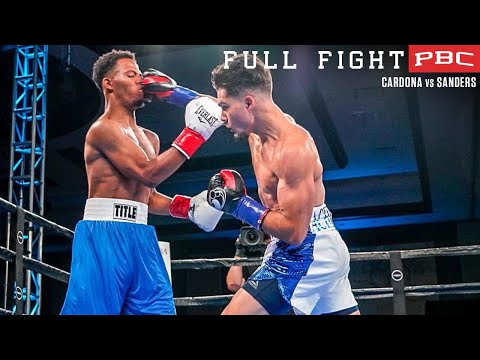
Justin Cardona vs. JC Sanders: A Masterclass in Striking Devastation

On June 1, 2019, the boxing world was treated to a display of raw power and precision as Justin Cardona clashed with JC Sanders. This wasn't just another fight; it was a stark reminder of the brutal beauty and definitive finality that can occur when two skilled combatants meet under the bright lights. Cardona, with his exceptional striking ability, unleashed a barrage that culminated in a spectacular first-round knockout, etching his name into the annals of that night's chronicle. The bout, broadcast on PBC on FS1, serves as more than just a highlight reel moment. It embodies the very essence of striking combat: the timing, the distance, the devastating impact of a well-placed blow. For those of us who dedicate our lives to the study and practice of martial arts, every such encounter is a potential lesson, a refinement of understanding, and a testament to the years of rigorous entrenamiento required to reach such a level.

The Showdown: Cardona vs. Sanders

This fight, published on April 30, 2022, at 07:30 AM, captured a fleeting yet powerful moment in the sport. Justin Cardona's victory was swift and decisive, a testament to his preparedness and tactical execution. While the tag #CardonaSanders might be ephemeral, the implications of such a finish echo far beyond the confines of a single bout. It speaks to the culmination of countless hours in the gym, honing reflexes, building power, and understanding the delicate dance between aggression and control that defines elite combate. The Premier Boxing Champions (PBC) platform consistently delivers high-caliber matchups, and this was no exception. These events are not merely spectacles; they are living textbooks for those dedicated to the martial path. The technical application, the mental fortitude, and the sheer physical conditioning on display offer invaluable insights for any practitioner, whether their focus is Karate, MMA, or pure boxing.

The Striking Philosophy at Play

What separates a good punch from a fight-ending one? It's a question that has resonated through martial history, from the ancient Shaolin temples to the modern UFC octagon. In the case of Cardona vs. Sanders, we witnessed a philosophy of striking that prioritizes efficiency and impact. Cardona didn't waste energy; he applied pressure strategically, looking for openings, and when they appeared, he exploited them with devastating accuracy. This aligns with core principles found across many Artes Marciales. The concept of "kime" in Karate, the focused, explosive extension of power at the moment of impact, is crucial. Similarly, in BJJ, while the focus is grappling, the ability to deliver a short, sharp strike to create space or discourage an opponent is a vital skill. Cardona’s knockout exemplified this, demonstrating that pure striking power, when coupled with impeccable timing, is a fundamental force in fight.
"The supreme art of war is to subdue the enemy without fighting." - Sun Tzu. While Cardona *did* fight, his efficiency embodied a part of this principle: to win decisively, without prolonged engagement.
For practitioners seeking to elevate their striking, understanding this philosophy is key. It's not just about hitting hard; it's about hitting smart, hitting with intent, and ensuring that every movement contributes to the ultimate objective: victory. This requires a deep understanding of distance, angles, and the opponent's tendencies.

Technique Analysis: The Knockout Blow

While the official fight details are readily available, the true value lies in dissecting the mechanics. A first-round knockout often implies a significant disparity in power, skill, or a critical defensive lapse. In boxing, a well-timed counter-punch or a perfectly executed combination can end a fight instantly. Analyzing the footage (which viewers are encouraged to seek out) would reveal the specific sequence: 1. **Setup**: Cardona likely employed a feint or a series of probing jabs to gauge Sanders' reactions and create an opening. 2. **Exploitation**: Once Sanders showed a predictable defensive pattern or committed to a shot, Cardona capitalized. This could have been a powerful straight right, an uppercut catching an opponent moving down, or a hook that found its mark. 3. **Impact**: The connection was clean and devastating, targeting a vulnerable area such as the chin or temple. The transfer of kinetic energy was maximal, overwhelming the opponent's equilibrium and consciousness. The effectiveness of such a blow is magnified by the inherent vulnerabilities of the human body. This is why conditioning and defensive awareness are paramount in all combat sports. A single mistake, a moment of inattention, can be your undoing.
This is a critical lesson for anyone training in martial arts. The goal is not simply to learn offensive techniques, but to develop a comprehensive understanding of combat, which includes defense, timing, and the ability to capitalize on opportunities.

Training Implications for the Budoka

What can we, as martial artists, glean from this striking clinic? * **Punching Power**: Building explosive power requires dedicated workout routines focusing on strength and speed. Exercises like medicine ball throws, plyometric push-ups, and heavy bag work are essential. * **Timing and Accuracy**: Sparring is indispensable. It hones your ability to read an opponent, anticipate their moves, and land strikes precisely when an opening appears. This is where the theoretical knowledge gained from studying fights like Cardona vs. Sanders becomes practical. * **Defensive Awareness**: Never stop working on your defense. Footwork, head movement, and the ability to block or parry effectively are just as important as offensive techniques. A knockout is often the result of a missed defense. * **Mental Fortitude**: The ability to remain composed under pressure, to execute under the stress of combat, is crucial. This is cultivated through rigorous mental strength training and repeated exposure to high-pressure situations in the Martial Arts Training environment. For those who aspire to excel, whether in a competitive ring or for SelfDefense, understanding these fundamental principles, as demonstrated by Cardona's performance, is non-negotiable.

Team Essentials for Striking Dominance

To develop the kind of striking prowess seen in professional boxing, the right equipment and a supportive training environment are vital.
  • Boxing Gloves: Essential for protecting hands during heavy bag work and sparring. For training, 14-16oz gloves are generally recommended. For competition, weight varies.
  • Hand Wraps: Crucial for wrist and hand support, preventing injuries during intense striking sessions.
  • Mouthguard: Non-negotiable for protecting teeth and preventing concussions during sparring and competition.
  • Headgear: Important for sparring to minimize the risk of cuts and bruises, though over-reliance can sometimes dampen defensive instincts.
  • Speed Bag and Double-End Bag: Excellent for developing hand-eye coordination, rhythm, and shoulder endurance.
  • Heavy Bag: The cornerstone for developing punching power and stamina. Varying weights and types can offer different training stimuli.
Investing in quality Martial Arts Merchandise, particularly for striking disciplines, is an investment in your safety and long-term development.

Sensei's Verdict: More Than Just a Knockout

Justin Cardona's victory over JC Sanders was a powerful display of offensive capability, a swift conclusion that left no doubt about the night's outcome. It serves as a potent example of the decisive nature of well-trained striking. While the match itself was brief, its impact on those who analyze such events is lasting. It reinforces the universal truths of combat: preparation, precision, and the devastating consequence of a single, perfectly delivered blow. This bout is a strong contender for Fight Analysis and a testament to the dedication required in sports like Kickboxing and Boxing. Cinturón Negro in Explosive Finishes.

Frequently Asked Questions

  • What specific technique did Justin Cardona use for the knockout?

    While the exact sequence needs detailed review of the fight footage, knockouts in boxing typically result from a clean connection to the chin or temple area with a powerful punch like a straight right, hook, or uppercut, often exploiting a defensive opening or a mistimed offensive move by the opponent.

  • How important is timing in a knockout punch?

    Timing is paramount. A powerful punch that is poorly timed can be easily avoided or even turned against the attacker. The most devastating knockouts occur when the opponent is least expecting it, moving into the punch, or is off-balance.

  • Can principles from boxing like this be applied to other martial arts?

    Absolutely. The core principles of timing, power generation, accuracy, and defensive awareness are universal across striking martial arts, including Karate, Kickboxing, and Muay Thai. Even in grappling arts, understanding striking can be a crucial element for creating openings or managing distance.

  • Where can I find more analysis of professional fights for martial arts training?

    Many martial arts blogs, YouTube channels, and dedicated fight analysis websites offer breakdowns. Following platforms like Premier Boxing Champions and other combat sports promotions provides a constant stream of material for study.

To Further Deepen Your Path

* Combate: El Arte de la Guerra y la Lucha Moderna * Entrenamiento de Potencia para Artes Marciales: Técnicas y Ejercicios * El Principio del 'Kime' en el Karate: Cómo Maximizar Tu Impacto

Sensei's Reflection: Your Next Step

Cardona’s definitive victory is a stark reminder: in combat, the ability to end a fight decisively is a skill honed through relentless dedication. Ask yourself: Is your training focused on true effectiveness, or merely on accumulating techniques? Where does your own striking power truly lie, and what are you doing to maximize it with precision and timing? ``` GEMINI_METADESC: Justin Cardona vs. JC Sanders: An expert martial arts analysis of the PBC knockout. Learn about striking philosophy, technique, and training implications for budokas.

Charles Bennett: El Guerrero de la Calle que Desafió al Mito Wanderlei Silva

La Confrontación Inesperada

En el vasto y a menudo salvaje panorama de las artes marciales y el combate, existen historias que trascienden la mera crónica deportiva. Son relatos de valentía, de imprevisibilidad, y a veces, de confrontaciones que desafían la lógica y la jerarquía establecida. Una de estas narrativas, que resuena con la cruda realidad del combate callejero, involucra a un luchador conocido por su estilo poco ortodoxo y su espíritu indomable: Charles Bennett. Pero lo que elevó esta historia al mito fue su supuesto nocaut sobre una leyenda del deporte, Wanderlei Silva, en un escenario mucho más peligroso que cualquier jaula de UFC: la calle.

¿Fue un acto de bravura, un encuentro fortuito, o simplemente el resultado de una mentalidad de guerrero que no conoce límites? Hoy, desentrañaremos la leyenda de Charles Bennett y su legendaria confrontación con "The Axe Murderer", analizando no solo el evento en sí, sino lo que representa para el mundo del combate y la mentalidad del guerrero moderno.

¿Quién es Charles Bennett? El "Krazy Horse"

Charles Bennett, apodado "Krazy Horse", es una figura singular en el mundo de las Artes Marciales Mixtas (MMA). Lejos de ser un atleta convencional, Bennett se hizo un nombre a principios de los 2000 por su estilo de combate errático, impredecible y a menudo caótico, pero sorprendentemente efectivo en muchas ocasiones. Sus raíces en la lucha callejera y su enfoque directo y sin tapujos lo distinguieron.

Bennett no practicaba un estilo marcial estandarizado. Su repertorio era una amalgama de movimientos de diversas disciplinas, ejecutados con una energía salvaje. Era conocido por su confianza desbordante, a veces rozando la temeridad, y por su habilidad para sorprender a oponentes más técnicos. En muchas de sus peleas, la clave no estaba en la técnica pulida, sino en la pura voluntad y la capacidad de desequilibrar al rival con acciones inesperadas. Esta mentalidad, forjada en un crisol de experiencias que van más allá del dojo, es lo que lo convirtió en una leyenda underground y en el foco de historias como esta.

Wanderlei Silva: "The Axe Murderer"

Por otro lado, Wanderlei "Cássaro" Silva es una de las figuras más icónicas y temidas en la historia de las MMA. Apodado "The Axe Murderer", su estilo agresivo, implacable y su legendaria resistencia al castigo lo convirtieron en un fenómeno en organizaciones como PRIDE FC y UFC. Silva era sinónimo de combate frontal, de presionar sin cesar y de buscar el nocaut con una ferocidad pocas veces vista.

Su carrera está repleta de victorias espectaculares y de actuaciones que definieron una era en las MMA. Enfrentar a Wanderlei Silva, incluso en su apogeo, era un desafío monumental que requería una estrategia impecable, una defensa férrea y una fortaleza mental a prueba de balas. Era, en esencia, el arquetipo del guerrero que domina el ring, pero que también porta un aura de peligro que trasciende el deporte.

"En la lucha, no hay espacio para el miedo. Solo para la preparación y la voluntad de prevalecer." - Un principio fundamental en cualquier arte marcial.

El Incidente Fuera del Ring: La Pelea Callejera

La historia cuenta que un encuentro entre Charles Bennett y Wanderlei Silva tuvo lugar en un contexto ajeno a las reglas y la seguridad de un evento deportivo oficial. Los detalles exactos de cuándo y dónde ocurrió varían en las narrativas, pero el consenso general apunta a un altercado en la vía pública. En este tipo de escenarios, las reglas se diluyen, la adrenalina se dispara y la supervivencia se convierte en el único objetivo.

Según los relatos populares, Bennett, fiel a su estilo caótico, se enfrentó a Silva. En medio de la confusión y la violencia inherente a una pelea callejera, Bennett logró conectar un golpe decisivo que, de acuerdo con muchas fuentes, derribó al temido "Axe Murderer". Este evento, más que cualquier victoria en el ring, cimentó la reputación de Bennett como un luchador impredecible y peligroso, alguien que podía enfrentarse y vencer, incluso a leyendas, en cualquier circunstancia.

Es crucial abordar estas historias con una dosis de escepticismo saludable. Las peleas callejeras rara vez se documentan con precisión, y la memoria colectiva a menudo magnifica los eventos. Sin embargo, la persistencia de esta anécdota subraya la figura de Bennett como un guerrero que vive al margen de las convenciones.

Análisis Marcial: La Efectividad Impredecible

Desde una perspectiva marcial, lo que hace fascinante la historia de Bennett vs. Silva en la calle es la disrupción del orden. Wanderlei Silva era un maestro del combate en pie, un depredador nato con una capacidad increíble para infligir daño. Sin embargo, la calle es un campo de batalla diferente. No hay árbitro, no hay asaltos, y las reglas de compromiso son inexistentes.

Charles Bennett, con su enfoque caótico, a menudo explotaba las debilidades de la preparación "deportiva" de sus oponentes. En la calle, la sorpresa, la agresividad desmedida y la capacidad de capitalizar un error pueden ser más determinantes que la técnica pura. Si Bennett realmente noqueó a Silva en una pelea callejera, probablemente se debió a una combinación de:

  • Factor Sorpresa: Silva no estaría esperando un combate de esta naturaleza ni la agresividad de Bennett en ese contexto.
  • Adaptabilidad: Bennett, acostumbrado a entornos menos regulados, podría haberse adaptado mejor a la imprevisibilidad de la situación.
  • Momento y Oportunidad: En una pelea real, un solo golpe bien colocado en el momento oportuno puede cambiarlo todo.

Este incidente, independientemente de su veracidad absoluta, se convierte en un ejemplo de cómo la "mentalidad de guerrero" y la capacidad de improvisar pueden ser armas poderosas, incluso contra atletas de élite en su propio terreno (o fuera de él).

"El arte de la lucha se reduce a esto: ser capaz de golpear cuando el oponente no te deja, y de golpear cuando te deja." - Miyamoto Musashi, "El Libro de los Cinco Anillos".

Más Allá del KO: La Filosofía de Bennett

La figura de Charles Bennett trasciende el simple hecho de haber, supuestamente, derrotado a una leyenda en la calle. Representa una filosofía de vida, un modo de entender el combate y la existencia que choca frontalmente con la rigidez de muchos sistemas marciales tradicionales. Bennett encarna la idea de que la vida misma es un combate constante, y que uno debe estar preparado para cualquier eventualidad, sin importar el escenario.

Su apodo, "Krazy Horse", no es solo una etiqueta; es una descripción de su enfoque: salvaje, impredecible y libre de las cadenas de la ortodoxia. Para muchos, Bennett es un símbolo de autenticidad en un mundo del deporte de combate cada vez más comercializado. Es el recordatorio de que, en el fondo, las artes marciales nacieron de la necesidad de defenderse, de sobrevivir, y a veces, la simplicidad brutal y la audacia desmedida son las herramientas más efectivas.

¿Podríamos decir que su estilo es una forma de #SelfDefense radical? Absolutamente. Bennett representa a aquellos que viven en el filo, listos para cualquier confrontación, sin importar las reglas o el escenario. Su existencia misma es un desafío a la complacencia.

Entrenamiento para la Calle: La Mentalidad del Guerrero

Si bien no recomendamos ni glorificamos la violencia callejera, es innegable que existen lecciones valiosas en la figura de luchadores como Bennett. El entrenamiento para un entorno de autodefensa real no se limita al desarrollo físico; exige una preparación mental rigurosa.

¿Qué podemos aprender?

  • Conciencia Situacional: Estar alerta a tu entorno es la primera línea de defensa. Bennett, por su naturaleza, parece poseer esta cualidad de forma innata.
  • Preparación Física Integral: Aunque Bennett usa un estilo caótico, la base de su capacidad física debe ser sólida. Esto implica resistencia, fuerza y agilidad. Un buen programa de #AtHomeWorkout puede ser un inicio si no tienes acceso a gimnasios especializados.
  • Simplicidad y Eficacia: En una situación de estrés extremo, las técnicas complejas se olvidan. Buscar movimientos simples y directos que te permitan salir de la situación es clave.
  • Fortaleza Mental (Inner Strength): La capacidad de mantener la calma bajo presión, de tomar decisiones rápidas y de actuar con determinación, son cruciales. El #MentalGame es tan importante como el #Conditioning.
  • Entrenamiento Impredecible: Incorporar ejercicios que rompan la rutina puede mejorar tu adaptabilidad. Piensa en circuitos de #NoEquipment que simulen escenarios caóticos.

El verdadero arte marcial, en su esencia más pura, es la preparación para lo inesperado. La historia de Bennett nos recuerda que, a veces, los caminos menos transitados y las mentalidades más audaces son las que forjan a los verdaderos guerreros.

Preguntas Frecuentes

¿Es verdad que Charles Bennett noqueó a Wanderlei Silva en la calle?

La historia es ampliamente conocida y repetida en círculos de artes marciales, pero los detalles exactos y la confirmación de un nocaut directo en una pelea callejera son difíciles de verificar con certeza absoluta. Las peleas callejeras rara vez se documentan de forma fiable, y la leyenda a menudo se superpone a la realidad.

¿Qué significa el apodo "Krazy Horse"?

El apodo "Krazy Horse" se refiere al estilo de lucha de Charles Bennett: impredecible, caótico, salvaje y difícil de anticipar. Sugiere una energía indomable y una falta de conformidad con las técnicas marciales convencionales.

¿Por qué es importante la preparación mental en el combate?

La preparación mental es crucial porque en situaciones de alto estrés, como un combate real o callejero, la mente controla las acciones. La capacidad de mantener la calma, tomar decisiones rápidas y actuar con determinación puede ser la diferencia entre el éxito y el fracaso, o incluso entre la vida y la muerte.

¿El estilo de lucha de Bennett es recomendable para defensa personal?

El estilo de Bennett se caracteriza por su imprevisibilidad y agresividad, lo cual puede ser efectivo en una confrontación callejera. Sin embargo, para defensa personal, se recomiendan enfoques más estructurados y protocolos de desescalada, combinados con técnicas sencillas y directas, para minimizar riesgos innecesarios.

Para Profundizar en tu Camino

Ahora te toca a ti. ¿Crees que la historia de Bennett vs. Silva es un mito glorificado o un reflejo de la cruda realidad del combate? ¿Consideras que la imprevisibilidad de Bennett es una habilidad marcial legítima o una falta de disciplina? Comparte tus pensamientos y argumentos en los comentarios. ¡Demuéstrame tu perspectiva!

``` GEMINI_METADESC: Descubre la legendaria historia de Charles Bennett 'Krazy Horse' y su supuesto nocaut sobre Wanderlei Silva en una pelea callejera. Análisis marcial, mentalidad de guerrero y lecciones de autodefensa.

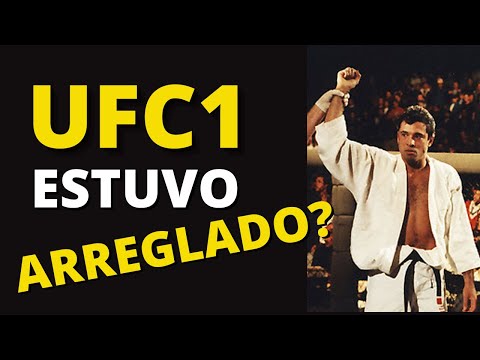
The Gracie Conspiracy: Unraveling the Jiu-Jitsu Bias in Early UFC

Did Rorion Gracie rig the early Ultimate Fighting Championship (UFC) to ensure his brother, Royce, claimed victory? This isn't just locker-room talk; it's a question that has echoed through martial arts circles since the promotion's inception. Welcome, warriors and scholars, to Budo and Martial Arts, where we dissect the legends and the controversies that shape our world. Today, we delve deep into the shadowy corners of UFC's genesis, examining the whispers of conspiracy that surround the Gracie family's dominance.

The Genesis of the Controversy

The year is 1993. The UFC, a brutal, no-holds-barred tournament, explodes onto the scene, promising to answer the age-old question: "Which martial art is the most effective in a real fight?" Enter Royce Gracie, a slender Brazilian known for his seemingly passive yet devastating Brazilian Jiu-Jitsu (BJJ). Royce would go on to win UFC 1, UFC 2, and UFC 4, submitting larger, stronger opponents with his family's grappling art. This unprecedented success, however, sowed seeds of doubt. Was it pure skill, or was there a guiding hand, a deliberate orchestration by Rorion Gracie, one of the event's primary organizers and Royce's elder brother? This question ignites a firestorm among martial artists. For some, it's an insult to the art and Royce's achievements. For others, it's a logical dissection of how power and influence might have shaped the nascent sport. Let's peel back the layers and examine the evidence, not with blind faith, but with the critical eye of a seasoned martial artist.

UFC 1: The Brazilian Jiu-Jitsu Upset

UFC 1 was a revelation. Royce Gracie, often the smallest competitor, moved through the bracket with a quiet intensity. His opponents – a boxer, a karateka, a sumo wrestler, and a taekwondo practitioner – were all formidable in their respective disciplines but lacked the grappling prowess to counter his submissions. He secured three victories, all by submission, showcasing the efficacy of BJJ in a way the world had never witnessed.
The immediate impact was undeniable. BJJ, previously a niche art known primarily within Brazil, was suddenly thrust into the global spotlight. Fighters and fans alike were forced to acknowledge a new paradigm in combat sports. But with this sudden, dramatic shift, questions arose. How could a seemingly unassuming practitioner dominate such a diverse field of martial artists?
"The ultimate aim of martial arts is not a victory or a defeat, but the perfection of the character of its practitioners." - Unknown Master

The Gracie Advantage: Rules, Opponents, and Tactics

Critics of the "Gracie conspiracy" theory often point to several factors that may have unfairly benefited Royce: * **Tournament Format:** The early UFC tournaments were single-elimination events. This meant that if Royce lost, his tournament was over. However, for opponents who had to fight multiple times in a single night, fatigue became a significant factor. Royce, with his efficient grappling, often finished fights quickly, conserving energy. * **Rule Set:** The initial lack of weight classes was a massive advantage for Royce, who was consistently the smallest competitor. While this tested the "any style" concept, it also meant he faced opponents who could simply overpower him physically if they could keep the fight standing. * **Opponent Selection:** Skeptics suggest that Rorion, as a key organizer, may have had influence over who participated. While direct evidence of manipulation is scarce, the narrative suggests a curated field designed to highlight BJJ's strengths. For instance, the inclusion of fighters with known weaknesses in grappling, or the peculiar circumstances surrounding certain matchups, fueled speculation. * **The "Gracie Diet" and Conditioning:** While not a conspiracy, the Gracie family's unique dietary approaches and their rigorous, often unconventional training methods also contributed to their fighters' resilience and conditioning, giving them an edge.

Rorion Gracie's Role: Promoter or Puppeteer?

Rorion Gracie was instrumental in bringing the UFC to life, driven by a vision to prove the superiority of Brazilian Jiu-Jitsu. His passion and business acumen were undeniable. He was the driving force behind the concept and the initial organization. This close involvement, however, is precisely what fuels the conspiracy theories. Did Rorion strategically shape the event – the rules, the matchups, the presentation – to ensure Royce's success? The argument is that a Gracie victory was not just a personal triumph but a crucial marketing tool for their burgeoning martial art. A loss for Royce, especially early on, could have severely damaged the credibility of BJJ and, by extension, the UFC itself. One common point of contention is the apparent willingness of opponents to "tap out" quickly to Royce's submissions. While BJJ practitioners argue this is a testament to the effectiveness and pain compliance of the techniques, others suggest that either fighters didn't fully understand the danger, or perhaps, in some instances, there was an unspoken agreement or underestimation of the threat.

Counterarguments: The Purity of BJJ

Despite the murmurs of conspiracy, a powerful counter-narrative exists: Royce Gracie was simply that good. Brazilian Jiu-Jitsu, when mastered, is an incredibly effective art, particularly for smaller individuals against larger, less experienced grapplers. * **Technical Superiority:** Royce's command of BJJ was evident. His transitions, escapes, and submissions were fluid and technically brilliant. He exploited openings with precision, demonstrating a deep understanding of leverage and body mechanics. * **Mental Fortitude:** Royce displayed remarkable calmness under pressure. While opponents often raged or fatigued, he remained composed, waiting for his opportunity. This mental game is a hallmark of disciplined martial arts training. * **The "Ultimate Fighter" Ethos:** The UFC was designed to be a test of "real" fighting. Royce's success proved that raw size and power could be overcome by technique and strategy. To dismiss his wins as a conspiracy diminishes the transformative impact BJJ had on the martial arts landscape. * **No Concrete Proof:** While speculation abounds, there is no irrefutable evidence, no leaked documents or credible testimonies, definitively proving Rorion orchestrated the outcomes. The narrative relies heavily on interpretation and the inherent distrust of a powerful promoter's influence.

Veredicto del Sensei: A Masterclass in Combat or Calculated Deception?

Let's be clear: The early UFC was a wild west. Rules were minimal, and the emphasis was on raw, unadulterated combat. Royce Gracie's dominance was real, and it fundamentally altered the course of martial arts. He faced formidable opponents and submitted them with a technique that, at the time, was largely unknown and unprepared for. However, to ignore the influence of Rorion Gracie as a promoter would be naive. Rorion's goal was to sell BJJ, and he leveraged his position to create a platform where it could shine. Whether this extended to actively manipulating matchups or rules to guarantee wins is a question that likely will never be definitively answered. The lack of clear rules regarding weight classes and the sheer novelty of the format created an environment ripe for exploitation, whether intentional or not. My analysis leans towards this: Royce's skill was genuine, but the *circumstances* created by Rorion's promotional efforts undoubtedly favored Royce's style and minimized potential threats. It was a masterclass in not just fighting, but in spectacle and marketing. The "conspiracy" lies less in fixing fights and more in brilliantly shaping the narrative and the environment to showcase BJJ's strengths. **Cinturón Negro en Marketing y Dominio Marcial.**

Training for the Street: Lessons from the Gracie Era

Even if one believes there was an element of conspiracy, the lessons from Royce Gracie's performances are invaluable for anyone interested in **#SelfDefense** or **#CombateEnLaCalle**. 1. **The Ground is King:** Never underestimate the importance of grappling. A skilled Jiu-Jitsu practitioner can neutralize superior strength and size on the ground. This reinforces the need for **#Grappling** training. 2. **Control the Fight:** Royce dictated where the fight went – to the ground. Understanding how to initiate or resist a takedown, and how to control an opponent's posture, is crucial. 3. **Submission Over Damage:** While striking arts focus on KO power, grappling emphasizes joint locks and chokes. These are efficient ways to end a confrontation. 4. **Mindset is Paramount:** Royce's calm demeanor in the face of aggression is a masterclass in mental toughness. A clear head under duress is more dangerous than any physical attribute. These principles remain vital today, impacting how martial arts are taught and practiced globally.

Resources for Deeper Study

To truly grasp the context of the early UFC and the Gracie legacy, further study is essential.

Equipo Esencial para tu Entrenamiento

  • Gi (Kimono): Essential for practicing traditional BJJ and Judo. Look for durable, double-weave kimonos for longevity.
  • Rash Guards: Ideal for no-gi grappling and MMA training to prevent mat burn and improve hygiene.
  • Mouthguard: Non-negotiable for any combat sport training to protect your teeth and jaw.
  • Training Partners: The most critical piece of equipment. Find a reputable academy with experienced instructors.

Recursos para Profundizar

Frequently Asked Questions

Q1: Was Royce Gracie the only Gracie fighting in early UFC? A1: Royce was the primary competitor representing the Gracie family in the early tournaments (UFC 1, 2, 4). Other family members have since competed in various MMA organizations. Q2: Did Rorion Gracie have a direct financial stake in Royce winning? A2: As a co-founder and promoter, Rorion had a vested interest in the success of the UFC and the positive representation of BJJ, which directly benefited his family's academies and brand. Q3: Are there any documented instances of Rorion rigging matches? A3: There is no definitive, publicly verified proof of Rorion rigging specific matches. The "conspiracy" is largely built on speculation regarding rule-making, opponent selection, and the overall narrative control Rorion wielded as promoter. Q4: How did other martial arts react to BJJ's dominance in early UFC? A4: Many traditional martial arts were forced to re-evaluate their training methodologies. The success of BJJ spurred innovation and cross-training, leading to the development of modern **#ArtesMarcialesMixtas** and a greater emphasis on grappling in various styles.

Para Profundizar en tu Camino

Reflexión del Sensei: Tu Próximo Paso

We've dissected the legend, the whispers, and the undeniable impact of the Gracie family on the UFC. But consider this, student: If the entire spectacle was, in part, a masterful piece of marketing, what does that say about the power of storytelling in martial arts? Are we truly just practitioners of physical combat, or are we also students of perception, of narrative, of the very essence of what makes an art form endure? Does the "how" matter more than the "what," or can both coexist in a beautiful, brutal dance? Ponder this. GEMINI_METADESC: Explore the Gracie UFC conspiracy theory: Did Rorion Gracie rig early UFC events for brother Royce? Expert analysis of BJJ, rules, and martial arts impact.