Showing posts sorted by relevance for query Mindful Movement. Sort by date Show all posts

Mastering the Eight Brocades: A Deep Dive into Ba Duan Jin with Wudang's Ancient Wisdom

Many have asked, and now, as promised, the comprehensive demonstration of the Ba Duan Jin (八段锦), the Eight Brocades, is here. This isn't merely a series of movements; it's a gateway to ancient Chinese health preservation practices, rooted deeply in Taoist philosophy. Today, we embark on a journey to understand the authentic Wudang Mountain approach to this profound Qigong form. Prepare to engage, to question, and to discover the true efficacy of this time-honored tradition.

The Ancient Roots of Sheshen: More Than Just Self-Cultivation

In the hallowed halls of Wudang Mountain Taoism, the concept we now recognize as "self-cultivation" (养身 - yǎng shēn) wasn't always the term of choice. Its true antecedent, far more potent and encompassing, was known as Sheshen (涉身). The full, original designation speaks volumes: Wudang Ancient Law Sheshen Baduanjin (武当古法涉身八段锦). This nomenclature points to a practice that transcends mere exercise; it is a method, a fundamental system of *being* and *functioning* within the world.

This is not the simplified, generalized Qigong often presented today. The Wudang tradition emphasizes the use of the oldest, most primal methods of practice – methods designed to elicit tangible results. The goal is not just physical fitness, but a holistic enhancement of vitality, a true preservation of life force. It is this primal efficacy, this inherent power, that we strive to retain in its original form.

"The true practice method must achieve its efficacy. Health preservation efficacy, therefore, we retain its original practice method."

Beyond Movement: The Core Efficacy of Ba Duan Jin

The videos accompanying this lesson meticulously detail the efficacy of each movement and, crucially, the guiding principles of breathwork. This is not a passive observation; it is a call to active, mindful engagement. Understanding how to practice is paramount to unlocking the transformative potential of Ba Duan Jin.

What separates genuine Qigong practice from mere calisthenics? It's the internal aspect, the cultivation of Qi (气), the vital energy that flows through us. When practiced correctly, adhering to the methods of breath regulation and mindful movement, you will notice a distinct physical response. After just 3-5 repetitions of a single movement, a subtle, yet undeniable, layer of perspiration will appear on your forehead and the tip of your nose.

This is not just sweat; it's a physiological manifestation of your internal energy awakening. It signifies that the practice is actively engaging your body's natural restorative and strengthening mechanisms. This is the hallmark of "internal training" (内练 - nèi liàn) – where the real work, the true transformation, takes place beneath the surface.

Why is this internal focus so critical? Because the external world of combat and competition, whether it's the high-stakes arena of MMA or the subtle dance of Judo, relies on a foundation of robust internal energy. A fighter with depleted Qi will falter, regardless of their technical skill. The principles of BUDO, the way of the warrior, demand not just strength and speed, but also resilience and a deep wellspring of energy. Ba Duan Jin, when practiced authentically, cultivates this very foundation.

Mastering the Flow: Breathing and Movement Integration

The Taoist approach to health is intrinsically linked to the concept of natural cycles and the harmonious flow of energy. In Ba Duan Jin, this is most profoundly expressed through the integration of breath and movement. The breath is not merely an accompaniment to the physical actions; it is the conductor, guiding and amplifying the energy generated by the movements.

Each section of the Ba Duan Jin sequence has a specific purpose, a particular function it aims to enhance within the body's energetic system. For example, certain movements might focus on opening the lung meridian to improve respiratory capacity – essential for endurance in any form of combat sports – while others may target the liver or kidney meridians to bolster resilience and longevity.

The instruction to "adjust your breath according to the method" is not to be taken lightly. This involves a conscious awareness of inhalation and exhalation, often coordinating them with specific phases of a movement. For instance, an expansive movement might be paired with a deep inhalation, drawing in pure energy, while a contracting or grounding movement could be synchronized with a slow, deliberate exhalation, releasing stagnant or excess energy.

"The breath is the carriage of the spirit; the breath is the root of the life force." - Ancient Taoist Proverb

This symbiotic relationship between breath and movement is what allows for the "internal training" to occur. It's how physical exertion leads not to depletion, but to rejuvenation. It’s a subtle art, one that requires patience and diligent practice, much like mastering the intricate techniques of Karate or the complex transitions in BJJ.

Your Training Blueprint: Practicing the Eight Brocades

To truly embody the principles of Ba Duan Jin, diligent practice is non-negotiable. Here’s a structured approach to guide your training:

  1. Mindful Observation: Begin by meticulously watching the instructional videos. Pay close attention not just to the physical form, but to the subtle cues regarding breath, intention, and the flow of energy. Understand the purpose behind each movement.
  2. Gentle Initiation: Start with 3-5 repetitions per movement. Focus on synchronizing your breath with the actions as instructed. Do not force the movements; allow them to flow naturally.
  3. Cultivating Sensation: As you practice, remain attentive to the physical sensations. Notice the warmth, the subtle tingling, or the emergence of a light sweat. This is your body responding, your internal energy beginning to circulate.
  4. Consistency is Key: Aim to practice regularly, ideally daily. Even short, consistent sessions are more beneficial than infrequent, lengthy ones. Think of it as tending to a garden; consistent care yields the best results.
  5. Deepen Understanding: As you become more comfortable with the movements, delve deeper into the accompanying explanations of each section's efficacy. Connect the physical practice to its underlying physiological and energetic benefits. This is akin to a fighter studying fight analysis to understand the tactical implications of each move.
  6. Seek Refinement: Be open to feedback and self-correction. The journey of martial arts and Qigong is one of continuous refinement.

Sensei's Verdict: The True Value of Authentic Ba Duan Jin

In an era saturated with fleeting fitness trends, the Ba Duan Jin, when approached with the authenticity of the Wudang tradition, stands as a beacon of enduring wisdom. This is not a mere workout; it is a practice of internal alchemy, a method for harmonizing body, breath, and spirit.

The efficacy, as evidenced by the subtle physiological responses, is undeniable. It offers a path to robust health, enhanced vitality, and a profound sense of inner peace – qualities that are invaluable not only for a long life but also for the rigors of any demanding discipline, be it combat or daily life.

While many forms of exercise offer physical benefits, Ba Duan Jin distinguishes itself through its emphasis on internal cultivation. It teaches us to harness our own innate energy, building a resilient foundation that supports all other endeavors. It is a testament to the power of ancient knowledge when preserved and practiced with respect and diligence.

In essence, authentic Ba Duan Jin is not just about moving the body; it's about cultivating life itself.

Essential Tools for Your Training Journey

While Ba Duan Jin is primarily an internal practice requiring no specialized equipment, certain elements can enhance your experience and deepen your connection to the art:

  • Comfortable Attire: Loose, breathable clothing that allows for a full range of motion is essential. Traditional martial arts uniforms or comfortable loungewear are ideal.
  • Quiet Training Space: A serene environment free from distractions is crucial for focusing on breath and intention.
  • Instructional Resources: High-quality instructional videos and, ideally, access to a qualified teacher are invaluable for proper technique and understanding. Consider resources that emphasize the traditional Wudang methods.
  • A Journal for Reflection: Documenting your practice, noting sensations, and reflecting on progress can be a powerful tool for self-awareness and continuous improvement.
  • Open Mind and Patience: The most critical "equipment" is your willingness to learn, your patience with the process, and your dedication to consistent practice. These are the cornerstones of mastering any Martial Arts Journey.

Frequently Asked Questions

How long does it take to see results from practicing Ba Duan Jin?

Tangible results, such as increased energy and a subtle sense of well-being, can often be felt within weeks of consistent daily practice. More profound changes in strength, flexibility, and internal energy cultivation may take several months to years, depending on the dedication and accuracy of your practice.

Is Ba Duan Jin suitable for beginners?

Yes, Ba Duan Jin is highly suitable for beginners. Its movements are generally gentle and adaptable, making it accessible to a wide range of ages and fitness levels. The key is to start with the basics and focus on proper form and breath coordination.

What is the difference between Wudang Ba Duan Jin and other versions?

The Wudang Ba Duan Jin, as presented here, emphasizes its roots in ancient Taoist practices and the concept of Sheshen. It prioritizes original methods believed to offer deeper energetic and health benefits, often with a more profound connection to breathwork and internal cultivation compared to more modernized or generalized versions.

Can Ba Duan Jin help with stress relief?

Absolutely. The combination of mindful movement, deep breathing, and focused intention is a powerful antidote to stress. It helps to calm the nervous system, release physical tension, and cultivate a state of mental tranquility.

Is Ba Duan Jin considered a martial art?

While Ba Duan Jin is rooted in traditions associated with martial arts lineages (like Wudang), it is primarily classified as a form of Qigong or health preservation exercise. However, the internal strength, balance, and vitality it cultivates are foundational to martial prowess and contribute significantly to the Warrior Philosophy.

To Further Your Journey

Sensei's Reflection: Your Next Step

The Ba Duan Jin is a powerful tool, but its true potential is unlocked only through consistent, mindful practice. Having absorbed the theory and witnessed the demonstration, the question remains: Are you merely an observer of form, or are you ready to engage in the profound internal cultivation that this ancient practice offers?

Your challenge: Commit to practicing just one movement of the Ba Duan Jin daily for the next week, focusing intently on breath synchronization and internal sensation. After this week, honestly assess: What has changed within you? Share your experience, your challenges, and your insights in the comments below. Let us engage in a dialogue of discovery.

Para mas informacion visita: Visita mis otros blogs : Comprame un NFT:

``` GEMINI_METADESC: Explore Wudang's authentic Ba Duan Jin (Eight Brocades). Master ancient Qigong for health, vitality, and internal energy cultivation. Authentic practice guide.
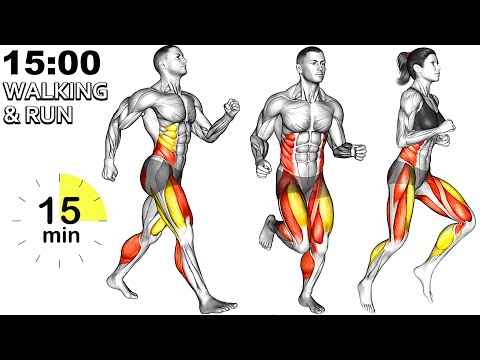
The Martial Path to Burning Calories: Beyond Mere Steps

The human body, a vessel of immense potential, is a finely tuned instrument. Just as a samurai hones his blade for precision and a monk cultivates inner stillness, so too must we understand the mechanics of our own physicality. In the realm of Budo and martial arts, we often speak of "Ki" – vital energy – and its cultivation. But what is Ki if not energy itself, and how do we manage this energy for optimal performance and, yes, even for the practical pursuit of weight management? Many believe that the path to burning calories is solely a matter of brute force or relentless, monotonous repetition. They see walking and running as mere physical acts, devoid of deeper meaning. This, my friends, is a fundamental misunderstanding. Every movement, every breath, has the potential for mindfulness, for purpose. Even the seemingly simple act of walking, when imbued with intention and proper technique, can become a potent tool in our arsenal. Consider the ancient discipline of *Ashi Sabaki* (footwork) in Karate or the flowing steps of Aikido. These are not merely ways to move; they are ways to control space, to generate power, and to conserve energy while remaining dynamic. The same principles, when applied to a brisk walk or a focused run, elevate the activity from a chore to a mindful practice.
You ask how many calories a 30-minute walk burns, or how far one must travel to shed 1000 calories. These are valid, practical questions. However, as a Sensei, I urge you to look beyond the numbers on a calorie counter. Focus on the *quality* of your movement, the *intentionality* of your exertion. A mindful 30-minute walk, where you are present in each step, feeling the ground beneath you, controlling your breath, and perhaps even visualizing the energy flowing through your body, will yield far greater results – not just in calories burned, but in mental clarity and overall well-being – than a distracted, rushed march. The concept of "calories burned walking 10,000 steps" is a modern metric, a point of reference. But for the dedicated practitioner, the true measure lies in the *process*. The relentless pursuit of a numerical goal can lead to burnout and injury, much like a fighter who overextends themselves without considering their fundamental posture.

The Philosophy of Caloric Expenditure in Budo

In the world of martial arts, efficiency is paramount. A well-executed technique conserves energy while maximizing impact. This principle extends to our physical conditioning. When we engage in cardio, whether it be a swift jog or a powerful run, we are not just sweating; we are training our cardiovascular system, enhancing our stamina, and learning to manage our bodily resources. Think of a Sumo wrestler's immense power, derived not just from muscle but from an incredibly robust physique and focused energy. Or consider the agility of a Capoeirista, whose movements, while seemingly dance-like, are deeply rooted in explosive power and controlled expenditure. These are not accidental byproducts; they are the results of dedicated, often years-long, training regimes that integrate physical conditioning with mental discipline.

The Role of Pace and Intensity

The common advice is to increase your pace, to walk faster, to run harder. And indeed, there is truth to this. A brisk walk, at a pace where conversation becomes slightly more challenging, will burn more calories than a leisurely stroll. Similarly, an increased running speed directly translates to a higher caloric burn rate. However, the true martial approach is to understand *your* body's limits and to push them judiciously. For new practitioners, a gradual increase in pace and duration is key. This is where the concept of *progressive overload*, a staple in combat sports conditioning, becomes relevant. Start with a pace you can comfortably maintain, then incrementally increase the speed, distance, or intensity over time. This approach minimizes the risk of injury and fosters sustainable progress, much like learning a complex kata one movement at a time.
  • Mindful Walking: Focus on your posture. Engage your core. Imagine each step propelling you forward with controlled intent, not just carrying you from point A to point B.
  • Brisk Pace: Find a pace that elevates your heart rate and makes conversation slightly more difficult. This is where the real caloric burn begins.
  • Incorporating Intervals: For those ready, introduce short bursts of faster walking or jogging within your regular routine. Think of it as a mini-sparring session for your cardiovascular system.
  • Running with Purpose: When running, focus on a smooth, efficient gait. Visualize yourself as a warrior moving across the battlefield, conserving energy for when it truly matters.
This isn't just about burning calories; it's about building a resilient body, a stronger spirit, and a clearer mind. It’s about embracing the journey, not just fixating on the destination of a number on a scale.

The Martial Perspective on Calorie Burning

Let's reframe the question. Instead of "How many calories does walking 10,000 steps burn?", consider: "How can I use movement, like walking and running, to cultivate a stronger, more resilient body and mind, thereby naturally supporting a healthy physique?" This shift in perspective is crucial. In the martial arts, we don't train solely to defeat an opponent; we train to become better versions of ourselves. The physical benefits, including calorie expenditure and weight management, are often welcome byproducts of this deeper pursuit.
"Every warrior, before he can win a victory, must first win the victory over himself." - From the wisdom of the Budo masters.
When you approach your cardio not as a task, but as a form of moving meditation, you unlock a new level of engagement. The calories burned become secondary to the process of self-mastery. The feeling of accomplishment, the improved focus, the surge of energy – these are the true rewards. For the Karateka, imagine the power generated in a *Kiai* – that explosive shout. It’s not just noise; it’s the unified expression of body and spirit. Similarly, your cardio can be an expression of your will, a testament to your discipline.

Equipment Essential for Your Training

While the most profound training can often be done with minimal equipment, having the right gear can enhance comfort, prevent injury, and improve performance.
  • Quality Running Shoes: Essential for absorbing impact and providing proper support. Look for shoes suited to your gait and running style. A good pair can be as crucial as the right gloves in boxing.
  • Comfortable Workout Apparel: Moisture-wicking fabrics will keep you comfortable, allowing you to focus on your movement rather than being distracted by sweat.
  • Hydration Bottle: Staying hydrated is paramount, especially during longer or more intense sessions.
  • Optional: Fitness Tracker: While not a necessity, a fitness tracker can provide valuable data on steps, heart rate, and estimated calorie burn, helping you monitor progress and stay motivated.
Remember, the best equipment is the one that allows you to train safely and effectively. Do not fall into the trap of believing expensive gear guarantees results. True progress comes from consistent effort and intelligent application of principles.

Training Guide: The Mindful Walk-Run Protocol

This protocol focuses on integrating mindful movement with intensity variation, inspired by the principles of interval training common in combat sports.
  1. Warm-up (5-7 minutes): Begin with a slow, relaxed walk. Focus on your breathing. Perform dynamic stretches like leg swings, arm circles, and torso twists. This prepares your body for exertion.
  2. Mindful Walking Phase (10 minutes): Increase your pace to a brisk walk. Focus intently on your surroundings, your breath, and the feeling of your feet hitting the ground. Engage your core.
  3. Interval Burst (1-2 minutes): Transition to a faster pace – a light jog or a very brisk walk that significantly elevates your heart rate. Maintain this intensity with controlled breathing. This is your "explosive phase."
  4. Recovery Walk (3-5 minutes): Reduce your pace back to a slow, relaxed walk. Focus on bringing your heart rate down and recovering. Use this time to reflect on your effort.
  5. Repeat Intervals: Repeat steps 3 and 4 for a total of 3-5 interval cycles, depending on your fitness level.
  6. Cool-down (5-7 minutes): Finish with a slow walk, allowing your body to gradually return to its resting state. Follow with static stretches, holding each for 20-30 seconds.
This structured approach ensures you get the cardiovascular benefits of a higher-intensity workout while incorporating the mindful recovery and reflection central to martial arts training.

Veredicto del Sensei: ¿Merece la pena?

The modern obsession with simply "burning calories" often misses the point. True fitness, as espoused by Budo, is about holistic development – strength, resilience, mental fortitude, and disciplined energy management. Walking and running, when approached with intention and structured training, are powerful tools for this development. They are not merely activities for weight loss, but pathways to a stronger, more capable self.
"The strength of the body is the foundation, but the strength of the spirit is the mastery." - Unknown Warrior
Therefore, the question isn't whether walking and running are effective for calorie burning. They are. The more profound question is whether you approach these activities with the discipline, mindfulness, and purpose that a true martial artist would. Embrace the process, focus on quality, and the physical benefits will follow.

Reflexión del Sensei: Tu Próximo Paso

If your goal is merely to burn a certain number of calories, you are treating your body like a machine. But you are a warrior, a student of a profound discipline. When you lace up your shoes tomorrow, do not simply count steps or miles. Instead, ask yourself: "How can I embody the principles of Budo in my movement? How can I use this cardio session to forge not just a fitter body, but a more resilient spirit?" Your answer, found not in numbers but in action, will be the true path to mastery.

Preguntas Frecuentes

  • ¿Cuántas calorías quema realmente una hora de caminata rápida?
    Una hora de caminata rápida (aproximadamente 4 mph) puede quemar entre 250 y 400 calorías, dependiendo del peso corporal y la intensidad exacta.
  • ¿Es mejor correr o caminar para perder peso?
    Correr quema más calorías por minuto, lo que puede acelerar la pérdida de peso. Sin embargo, caminar es menos impactante para las articulaciones y puede ser más sostenible a largo plazo para muchas personas. La consistencia es clave.
  • ¿Cómo puedo hacer que caminar sea más efectivo para quemar calorías?
    Aumenta la velocidad, incorpora cuestas o intervalos de caminata rápida, lleva pesas ligeras (con precaución para evitar tensiones) o aumenta la duración de tu caminata.
  • ¿Cuánto tiempo debo caminar o correr para ver resultados?
    Para la pérdida de peso, la mayoría de las organizaciones de salud recomiendan al menos 150 minutos de actividad aeróbica moderada (como caminar a paso ligero) o 75 minutos de actividad vigorosa (como correr) por semana, distribuidos a lo largo de varios días. La consistencia y la dieta son fundamentales.

Para Profundizar en tu Camino

``` GEMINI_METADESC: Explore the martial arts approach to calorie burning. Discover how mindful walking and running, inspired by Budo principles, can enhance fitness and discipline.

The Forgotten Art of Shaoshou Gong: A Martial Master's Guide to Unblocking Your Meridians

Unlocking the Power Within: The Core Principles of Shaoshou Gong

The path of the martial artist is often perceived as a journey of brutal strength and devastating techniques. However, true mastery, the kind that transcends mere physical prowess, lies in understanding the subtle energies that flow within us. Today, we delve into a practice often overlooked by the modern martial world, yet deeply ingrained in the traditions that forged its foundations: **Shaoshou Gong**, or the "Throwing Hands" exercise. The characteristic of Shaoshou Gong is its elegant simplicity: "the upper is empty and the lower is solid." This seemingly paradoxical state is achieved through gentle, flowing movements, a concentrated spirit, and the rhythmic oscillation of the hands. For those accustomed to the intense exertion of combat training, this approach might seem too soft. But let me assure you, in this gentleness lies a profound power. This practice is specifically designed to counteract the common imbalance of "the upper is full and the lower is deficient" – a state often exacerbated by modern lifestyles and even certain martial disciplines. Symptoms like high blood pressure, a perpetually feverish head, and cold extremities are tell-tale signs of this imbalance. Shaoshou Gong, through its kinetic flow, aims to solidify the foundation (your lower body), promote lightness and clarity in the upper body, and thus, allow natural healing and well-being to flourish. Historically, Daoist practitioners, the custodians of many ancient martial and health arts, recognized the efficacy of Shaoshou Gong. It was often the *first* exercise imparted to new disciples, serving as a cornerstone for both the eradication of illness and the cultivation of a robust mind and body. It is a potent form of **Qigong** (气功), the art of cultivating vital energy.
"The greatest strength often lies not in the force of the blow, but in the harmony of the body and spirit." - A principle echoed by many ancient masters.

The Fundamentals: A Masterclass in Shaoshou Gong Execution

To truly grasp Shaoshou Gong, one must engage with its mechanics. The essentials are deceptively simple, yet demand mindful execution:
  1. Posture: Stand upright, feet straight and firmly planted. Imagine your toes are gripping the earth, establishing that crucial "lower solid" foundation. Your feet should be shoulder-width apart, creating a stable base.
  2. Arm Movement: Both arms swing in unison, front to back, in the same direction. The key is in the power distribution: exert a *slight* force backward, allowing gravity and the natural momentum of the swing to bring the arm forward. This "falling force" is what generates the rhythmic flow, preventing brute muscular exertion.
  3. Breathing and Focus: While not explicitly detailed in all texts, a concentrated mind and natural breathing are paramount. Focus your intention on the movement and the flow of energy.
The practice of consciously adjusting the body through this exercise is remarkably effective in preventing and treating a multitude of ailments. However, like any potent medicine, dosage and form matter. Attention to the essentials and tailoring the practice to one's specific symptoms is crucial. The standard practice emphasizes a "flat throw," a level swing. Yet, due to variations in lineage, teacher instruction, or personal experience, some practitioners may incorporate "high throws" or "low throws." This adaptability highlights the organic nature of traditional martial arts and health systems – they evolve to meet the needs of the individual.

Veredicto del Sensei: ¿Merece la pena?

Shaoshou Gong is not a flashy martial art designed for the ring. It is a foundational health cultivation exercise that underpins many traditional Chinese martial arts, including **Wudang martial arts** and **Taijiquan**. Its value lies in its ability to harmonize the body's internal systems, improve circulation, and foster mental clarity – all critical components for any serious martial artist. While it might not throw an opponent, it builds the resilience and internal strength necessary to withstand prolonged combat and recover quickly. **Calificación:** Cinturón Negro en Cultivo Interno. Essential for any practitioner seeking longevity and true physical intelligence.

Equipo Esencial para tu Entrenamiento

While Shaoshou Gong requires no special equipment, a comfortable environment and appropriate attire can enhance the practice.
  • Attire: Loose, comfortable clothing that allows for a full range of motion. Traditional **Budo** (武道) uniforms or simple athletic wear are suitable.
  • Footwear: Barefoot or minimalist footwear to best feel the connection with the ground.
  • Environment: A quiet, clean space where you can focus without distraction.
For those interested in complementary practices that often share lineage with Shaoshou Gong, consider exploring **Judo** or **Karate** uniforms (kimonos) for their durability and suitability for movement, even outside of their respective disciplines.

Guía de Entrenamiento: Mejorando tu Técnica de Shaoshou Gong

Here’s a practical approach to refine your Shaoshou Gong practice:
  1. Start Slow: Begin with 5-10 minutes of gentle swinging. Focus on the sensation of the movement and maintaining an upright posture.
  2. Increase Duration: Gradually extend your practice time to 15-20 minutes, or as comfortable.
  3. Mindful Breathing: Integrate deep, diaphragmatic breaths. Inhale as the arms move back, exhale as they move forward.
  4. Focus on "Falling Force": Consciously relax your arms on the forward swing, letting gravity do the work. This prevents tension buildup.
  5. Experiment (Cautiously): If you experience specific imbalances (e.g., very stiff shoulders), you might explore slightly higher or lower arm trajectories, but always revert to the flat throw if any discomfort arises. Consult a qualified instructor if possible.
  6. Consistency is Key: Practice daily. The cumulative effect of consistent practice is far greater than sporadic, intense sessions.

Recursos para Profundizar

To truly understand the roots from which Shaoshou Gong springs, exploring related traditional arts is highly beneficial. The **Wudang** tradition, mentioned in the original sources, offers a wealth of knowledge.

Preguntas Frecuentes

What is the primary goal of Shaoshou Gong?

The primary goal is to achieve a state of "upper emptiness and lower solidity," thereby correcting imbalances in the body, promoting circulation, and fostering overall health and vitality.

Can Shaoshou Gong be considered a martial art?

While not a combat art itself, it is a foundational health cultivation practice that supports and enhances martial arts training by building internal strength, balance, and energy flow.

How often should I practice Shaoshou Gong?

Daily practice is recommended for optimal results. Start with 5-10 minutes and gradually increase the duration as you feel comfortable.

What does "upper is empty and the lower is solid" mean?

It refers to a balanced physiological state where the upper body is free from excess tension and mental clutter ("empty"), while the lower body is grounded, stable, and possesses rooted strength ("solid").

Is it possible to overdo Shaoshou Gong?

Yes, like any practice, it's possible to exert too much force or practice for too long if you are not attuned to your body's signals. Focus on gentleness and listen to your body's feedback.

Para Profundizar en tu Camino

  • Explore the philosophy behind internal energy cultivation: BUDO
  • Understand the mechanics of combat and conditioning: MMA
  • Discover other traditional health practices: Artes Marciales
"The way of Qigong is the way of the universe. It is the source of all life. It is the power that nourishes and heals."

Reflexión del Sensei: Tu Próximo Paso

Many today chase the dragon of explosive power, neglecting the quiet strength that resides within the earth. Shaoshou Gong teaches us that true control begins with surrender to natural forces. My question to you is this: In your training, are you pushing against your body's natural flow, or are you learning to dance with it? ``` ``` GEMINI_METADESC: Master Shaoshou Gong, an ancient Chinese practice for unblocking meridians and cultivating internal strength. Learn its principles, techniques, and benefits for martial artists.

BJJ Solo: A Complete Total Body Workout for the Dedicated Warrior

In the relentless pursuit of martial excellence, the dojo is not the only battlefield. The true warrior understands that discipline transcends the physical space of training, extending into every aspect of life. This is especially true for Brazilian Jiu-Jitsu (BJJ), an art that demands not only technical prowess but also unwavering physical conditioning and mental fortitude. But what happens when the dojo is miles away, or the schedule permits only limited time for training? Do we let the fire of our martial spirit dwindle? Absolutely not. As a Sensei who has witnessed countless practitioners falter due to inconsistent training, I present a solution that brings the rigor of BJJ directly to your home. This is not merely a series of exercises; it's a philosophical approach to physical preparedness, drawing from the core movements and strategic principles of BJJ. We will dissect a demanding, yet accessible, solo BJJ workout designed to forge a resilient body and a focused mind. Prepare yourself for a profound exploration into how fundamental BJJ movements can transform your entire physical being, even in the absence of a training partner or instructor.

Table of Contents

The Philosophy of BJJ Solo: More Than Just Exercise

The concept of "BJJ Solo" is a testament to the adaptability and depth of Brazilian Jiu-Jitsu. It’s a recognition that the principles of leverage, control, and submission can be internalized and practiced even without direct opposition. This workout, championed by Black Belt Dustin Koppel, is a 33-minute immersion into the physical demands of BJJ, designed to cultivate strength, endurance, and the very essence of martial application. It distills the art into fundamental movements, emphasizing that true mastery lies in the consistent refinement of one's physical capabilities. This isn't just about getting a sweat on; it's about conditioning your body to respond instinctively, to move with power and efficiency, mirroring the tactical thinking on the mats. The "Beginner" level signifies accessibility, but do not mistake it for a lack of intensity. Even the most fundamental movements, when executed with intent and proper form, can provide a rigorous challenge.
"The art of BJJ is a journey, not a destination. Every solitary movement, every repetition, is a step forward on the path to mastery. Do not underestimate the power of training alone." - Dustin Koppel (paraphrased from the spirit of BJJ Solo)

Round 1: The Foundation - Warm-up (0:21)

Before any true engagement, be it a sparring session or a critical life event, a proper warm-up is paramount. This isn't merely about preparing the muscles; it's about awakening the body, synchronizing breath with movement, and establishing the mind-body connection that is the hallmark of any high-level martial artist. The initial 5 seconds per exercise are crucial for activating the relevant muscle groups and joint mobility.
  1. Bear Crawl (←→): This primal movement engages the core, shoulders, and hips simultaneously. It teaches us about weight distribution and controlled locomotion, akin to moving from guard or establishing dominant positions on the ground. Its symmetrical nature prepares the entire body for complex actions.
  2. Kick Outs with Reach: A dynamic stretch that improves hip flexor mobility and hamstring flexibility, while the reach challenges your upper body stability. This mimics the extension and retraction needed to maintain or break grips, and the sudden shifts in weight required in positional sparring.
  3. Cobra-Neck to Child Pose: This sequence is a restorative yet activating movement. The Cobra emphasizes spinal extension, crucial for maintaining posture and escaping certain submissions. The transition to Child Pose allows for a deep breath and a moment of mindful recovery, teaching us the importance of controlled breathing under duress.
  4. Crab Pos. Around the World: This exercise builds shoulder stability and core strength while promoting rotational movement. In BJJ, the ability to generate power and maintain control through rotation is key, whether executing sweeps or maintaining a strong base. This movement hones that capacity.
  5. Push Outs: A simple yet effective exercise to activate the anterior chain – chest, shoulders, and triceps – while engaging the core. It prepares the body for the pushing and bridging movements inherent in many BJJ techniques, from escaping bad positions to creating space.
After this foundational round, a 1-minute rest allows for strategic recalibration. Consider this a moment to assess your body's readiness, hydrate, and mentally prepare for the next phase.

Round 2: Forging the Upper Body (7:02)

The upper body is the engine for control, submission, and defense in BJJ. This round focuses on building functional strength and power, elements that translate directly to the effectiveness of your grips, arm bars, and escapes.
  1. Push Up to Other Side: This advanced push-up variation enhances shoulder stability and unilateral strength. The transition requires core control and balance, mimicking the need to shift weight and maintain posture while applying or defending against submissions.
  2. Hop Overs: A plyometric exercise that develops explosive power and agility. In BJJ, quick, dynamic movements are crucial for transitioning between positions, executing sweeps, and closing distance. This trains the body to react with speed and force.
  3. Roll Over to Push Up: Combines a dynamic roll with an explosive push-up. This movement builds core strength, shoulder girdle stability, and coordination. It’s excellent preparation for transitioning from your back, recovering guard, or executing powerful bridging techniques.
  4. Push Up to Knee on Belly: This exercise directly translates a fundamental BJJ position into a strength-building movement. It develops core strength, shoulder endurance, and the ability to maintain control from a dominant top position, even under exertion.
  5. Mountain Climbers: A classic cardio and core conditioning exercise. The constant movement and engagement of the core mimic the dynamic tension required to maintain a strong guard or prevent sweeps. It builds muscular endurance and cardiovascular capacity simultaneously.
Another minute of rest follows, allowing for recovery and mental refocusing.

Round 3: Commanding the Core and Guard (13:42)

The core is the center of power in BJJ. A strong, resilient core is the foundation for all offensive and defensive maneuvers, from sweeping an opponent to maintaining a tight guard. This round focuses specifically on developing that crucial area.
  1. Guard Crunches: A targeted abdominal exercise that engages the rectus abdominis. Practicing this movement with the intent of controlling an opponent’s hips enhances the mind-muscle connection for maintaining a strong, active guard.
  2. Triangle Sit Ups: This variation of the sit-up incorporates a simulated triangle choke setup, engaging the obliques and improving rotational strength. This is vital for the setup and execution of triangle chokes, a staple submission in BJJ.
  3. Kimura Sit Ups: Mimicking the powerful shoulder lock, these sit-ups target the rotational strength of the core and the stabilizing muscles of the shoulder girdle. This movement builds the physical capacity to apply and defend against the Kimura.
  4. Hip Bump Sit Ups: A dynamic exercise that builds explosive hip power and core stability, directly translating to the effectiveness of the hip bump sweep – a fundamental technique for escaping inferior positions or creating offensive opportunities.
  5. Thunder Sit Ups: This high-intensity core exercise, likely a variation involving a greater range of motion or explosive movement, pushes the limits of abdominal endurance and power. It simulates the intense core engagement required to finish complex submissions or power through difficult transitions.
A minute's respite allows the core to recover, ready for the demands of the lower body.

Round 4: Powering the Legs (20:22)

Legs are the engine of mobility and power in BJJ. From explosive takedowns to dynamic guard retention and sweeping, strong, agile legs are non-negotiable.
  1. Squat Movement: A foundational strength exercise. In BJJ, squats build the power needed for takedowns, maintaining a low base, and executing powerful sweeps from the guard.
  2. Back Kick Ups: This exercise develops explosive hip extension and hamstring power, crucial for bridging, shrimping effectively, and creating explosive movements to escape bad positions.
  3. Frog Jumps: A plyometric exercise that builds lower body explosiveness and improves hip and ankle mobility. This mimics the dynamic jumping and landing required for certain takedowns and guard passes.
  4. Side-to-Side Hops: Enhances lateral agility and ankle stability, important for quick positional changes, lateral movement in guard passing, and maintaining balance.
  5. Jumping Jack Squat: A compound movement that combines the cardiovascular benefits of jumping jacks with the lower body strength of squats. This exercise builds endurance, power, and coordination, essential for sustained high-intensity grappling.
The final minute of rest before the ultimate test.

Round 5: The Ultimate Cardio Challenge (27:02)

This final round is designed to push your cardiovascular system to its limits, mirroring the intense, sustained effort required in a competitive grappling match.
  1. Sprawl (Count): The fundamental defensive maneuver in BJJ against takedowns. Practicing sprawls builds explosive hip extension and core strength, crucial for defending takedowns and maintaining position. Counting adds a competitive element.
  2. Shoulder Walks: A dynamic exercise that improves shoulder and core stability while engaging the posterior chain. It mimics controlled movement on the ground and builds endurance in these key areas.
  3. Hand Post - Half Spins: This movement requires significant core control, shoulder stability, and coordination. It translates to dynamic transitions and evasive maneuvers, crucial for creating openings or escaping pressure.
  4. Side-to-Side Touch: A simple yet effective exercise for improving lateral agility and body control. Quick, controlled lateral movements are essential for maintaining distance, passing guard, or reacting to an opponent's movements.
  5. Sprawl (Count & Beat Number): This takes the sprawl drill to the next level, demanding not just execution but also increased speed and intensity. It instills a competitive mindset, pushing you to surpass previous efforts, a critical trait for any martial artist.

Veredicto del Sensei: ¿Merece la pena?

As a seasoned practitioner and observer of martial arts, I must state with absolute clarity: BJJ Solo is not just a workout; it is a profound statement on the dedication required to master an art form. Dustin Koppel's program delivers a comprehensive, body-conditioning experience that directly translates to enhanced performance on the mats. The intelligent sequencing of movements, drawing from the very essence of BJJ, ensures that every repetition serves a purpose beyond mere physical exertion. It cultivates not only strength and endurance but also the crucial martial attributes of body awareness, explosive power, and resilient defense. For those who find themselves away from the dojo, or those seeking to augment their training with dedicated solo conditioning, this program is, without question, a valuable asset. It is a tool for the persistent, the disciplined, and the true warrior. **Cinturón Negro en Eficiencia de Entrenamiento.**

Equipo Esencial para tu Entrenamiento

  • Ropa de Entrenamiento Cómoda: Elige tejidos transpirables que permitan la máxima libertad de movimiento. Un buen par de shorts de compresión o mallas pueden ayudar a la circulación y a la recuperación muscular.
  • Esterilla de Entrenamiento (Opcional pero Recomendada): Para ejercicios en el suelo, una esterilla proporciona amortiguación y mejora la comodidad, permitiéndote concentrarte en la técnica y la intensidad sin distracciones por incomodidad.
  • Toalla: La sudoración es una señal de esfuerzo, así que ten una toalla a mano para mantener tu visión clara.
  • Agua: Mantenerse hidratado es crucial para el rendimiento y la seguridad. Ten siempre una botella de agua cerca.

Preguntas Frecuentes

  • ¿Es este entrenamiento adecuado para principiantes absolutos en BJJ?
    Sí, el programa está diseñado con un nivel de "Principiante", lo que lo hace accesible. Sin embargo, la intensidad puede ser alta, por lo que se recomienda una base mínima de condición física. Si eres completamente nuevo, es aconsejable consultar a un instructor de BJJ para la técnica adecuada.
  • ¿Cuánto tiempo debo dedicar a este entrenamiento por semana?
    Para obtener beneficios significativos, se recomienda realizar este entrenamiento 2-3 veces por semana, complementando tu entrenamiento regular en el dojo. La consistencia es clave.
  • ¿Puedo hacer este entrenamiento sin tener experiencia previa en BJJ?
    Aunque los movimientos están basados en BJJ, el entrenamiento en sí mismo es una rutina de acondicionamiento físico de cuerpo completo. Si bien la familiaridad con BJJ mejora la comprensión del propósito de cada movimiento, puedes realizarlo como un desafío de fitness general.
  • ¿Qué diferencia hay entre los niveles "Principiante", "Intermedio" y "Avanzado" en BJJ Solo?
    Generalmente, los niveles superiores implican mayor repetición, series más largas, menor tiempo de descanso, movimientos más complejos y un ritmo más rápido, aumentando la intensidad y la exigencia física y mental.

Explore More

Reflexión del Sensei: Your Next Step

The true martial artist understands that progress is forged not only in the heat of sparring but in the quiet discipline of solitary practice. This BJJ Solo workout is a powerful tool, but like any tool, its efficacy depends entirely on the hand that wields it. Are you content with simply knowing these exercises, or will you embrace the challenge and make them a consistent part of your regimen? The path to mastery is paved with sweat and sustained effort. Now, consider this: What is the single biggest obstacle preventing you from dedicating time to solo training, and how will you overcome it this week? ``` GEMINI_METADESC: Master BJJ solo with Dustin Koppel's 33-minute total body workout. Learn foundational movements, build strength, and enhance cardio from home.

Wudang Qixingjian: Mastering the Seven Star Sword - Part 2

Welcome, practitioners, to Budo and Martial Arts, a digital dojo where the spirit of true martial traditions is kept alive. Today, we delve deeper into the elegant yet formidable Wudang Qixingjian, the Seven Star Sword. Many approach this art seeking mere technique, a series of movements to be memorized. But the true essence lies beyond the physical, in the cultivation of mind, spirit, and body.

As your Sensei, I must pose a direct challenge to your understanding: Do you truly seek to master the sword, or merely to *perform* it? The former requires dedication, introspection, and an understanding that the sword is an extension of the self, not just a tool. Are you prepared for that journey, or will you remain content with the superficial?

The Subtle Art of Wudang Swordplay

In this second installment of our Wudang Qixingjian tutorial, we move beyond the rudimentary. The previous section likely introduced you to the basic stances and perhaps a few foundational cuts. But as any seasoned warrior knows, the true power lies not in the obvious, but in the subtle integration of technique, intent, and energy. The Wudang tradition, steeped in Daoist philosophy, understands this intrinsically.

The original content briefly mentions following, liking, and commenting. While appreciated, let me be clear: genuine support for true martial arts is demonstrated through dedication, study, and the pursuit of understanding, not just superficial engagement. If you seek that deeper path, the principles I impart today will serve as your guide.

The Essence of Qixingjian: More Than Just Movement

The Wudang Qixingjian is not merely a sequence of flashy maneuvers. It is a profound expression of Daoist principles, blending the fluidity of clouds (云剑 - yún jiàn) with the decisiveness of a piercing strike (劈剑 - pī jiàn), the upward sweep (撩剑 - liāo jiàn) with the downward arc (扫剑 - sǎo jiàn), the precise point (点剑 - diǎn jiàn), and the flowing draw (带剑 - dài jiàn).

This style gracefully integrates the characteristics of Xuanmen Sword, Eight Immortals Sword, and Tai Chi Sword. It emphasizes the principle of "the sword follows the body, intention leads the sword" (剑随身走,以意领剑 - jiàn suí shēn zǒu, yǐ yì lǐng jiàn). The rhythm oscillates between the rapid and the deliberate, the hard and the soft, embodying the essence of Tai Chi's flowing movements and the Yin-Yang dynamic of opposing forces.

"The supreme art of war is to subdue the enemy without fighting." - Sun Tzu

This ancient wisdom is paramount. While Qixingjian appears combative, its underlying philosophy is rooted in harmony and control. The movements are meant to be alive and expressive (灵动传神 - líng dòng chuán shén), imbued with a deep meaning that unfolds with speed and coherence. It demands a certain proficiency in body mechanics and the cultivation of internal energy (运气 - yùn qì), marking it as an advanced Wudang sword art.

Movement Breakdown: Beyond the Basics

Let's dissect the core components mentioned:

  • Cloud Sword (云剑 - yún jiàn): Imagine the gentle, continuous movement of clouds across the sky. This aspect emphasizes circular, flowing motions that can conceal an attack or deflect an incoming one with minimal effort.
  • Splitting Sword (劈剑 - pī jiàn): A direct, powerful downward or diagonal cut. It signifies decisive action, cutting through obstacles and intentions.
  • Holding/Lifting Sword (撩剑 - liāo jiàn): An upward, sweeping cut designed to lift an opponent's weapon or strike an upward target. It requires precision and a strong core.
  • Sweeping Sword (扫剑 - sǎo jiàn): A horizontal or low sweeping motion. Often used to disrupt an opponent's balance or clear a path.
  • Tapping Sword (点剑 - diǎn jiàn): A sharp, thrusting motion, often aimed at vital points or used for probing defenses. It requires excellent control and accuracy.
  • Carrying Sword (带剑 - dài jiàn): A more serpentine, drawing motion, often used to guide an opponent's attack away or to set up a subsequent technique.

The true mastery lies in the seamless transition between these movements. A single sequence might incorporate a cloud-like deflection followed by a sudden split, or a sweeping motion that transitions into a subtle poke. This requires not just muscle memory, but an intuitive understanding of timing and distance – the very fabric of combat.

Mindset and Qi Cultivation

The original text touches upon the requirement for "body technique and luck" (身法、运气 - shēn fǎ, yùn qì). This is where many martial arts fall short – focusing solely on the physical. In Wudang arts, Qi, or internal energy, is paramount. It's not about brute force, but about channeling and directing vital energy through the body and into the sword.

"Empty your mind, be formless, shapeless, like water. If you put water into a cup, it becomes the cup. You put water into the bottle, it becomes the bottle. You put it in the teapot, it becomes the teapot. Now water can flow or it can crash. Be water, my friend." - Bruce Lee

This quote, while often associated with Bruce Lee's Jeet Kune Do, echoes the Daoist philosophy at the heart of Wudang martial arts. Adaptability, fluidity, and the unseen power of energy are key. Cultivating Qi involves specific breathing techniques, meditation (like the Wudang Daoist Sitting Meditation), and mindful movement. Without this internal cultivation, your swordplay will always be superficial, lacking the depth and power that distinguishes a true martial artist from a mere performer.

Training Guide: Developing Sword Sensitivity

Developing sensitivity with the sword is crucial. Here’s a practical exercise to begin cultivating this:

  1. Grasping the Sword: Hold your sword naturally, not too tight, not too loose. Feel its weight, its balance. Imagine it as a living extension of your arm.
  2. Basic Stances: Practice your fundamental stances (e.g., empty stance, horse stance). Maintain a strong yet relaxed posture.
  3. Sword Circles: With a relaxed arm, draw small, consistent circles in the air. Focus on the movement originating from your Dantian (丹田) and flowing through your arm to the sword tip. Vary the size and speed.
  4. Waist Movement: Integrate your waist rotation into the sword movements. The power comes from the ground, through the legs, into the waist, and is expressed through the sword. Practice turning your body while keeping the sword tip moving smoothly.
  5. Shadow Swordplay: Visualize an opponent. Practice defensive movements (parries, blocks) followed by offensive strikes. Focus on anticipating imaginary attacks and responding with appropriate techniques. Feel the "presence" of the opponent.
  6. Breathing Synchronization: Coordinate your breathing with your movements. Inhale during expansive or preparatory movements, exhale during sharp strikes or decisive actions.
  7. Repetition with Awareness: Practice each movement countless times, but never mindlessly. Always be aware of your posture, your breath, your intention, and the flow of energy.

Consistency is more important than intensity. Even 15-20 minutes daily of focused practice will yield greater results than sporadic, lengthy sessions.

Essential Gear for Sword Training

While the most important "equipment" is your own body and mind, having the right tools can greatly enhance your training. For Wudang sword arts, the quality of your blade matters significantly:

  • Training Jian (剑): Opt for a well-balanced practice sword made of quality steel. Avoid overly heavy or cheap decorative swords. Look for swords designed for martial arts practice, offering a good combination of durability and responsiveness.
  • Comfortable Uniform (Daoist Robes or Comfortable Athletic Wear): Loose-fitting clothing allows for freedom of movement, essential for executing sword techniques correctly. Traditional Daoist robes offer an authentic feel, but comfortable, non-restrictive athletic wear is perfectly acceptable.
  • Sword Bag: A durable bag to protect your sword during transport.
  • Optional: Makiwara or Target Dummy: While not traditional for sword practice, a target dummy can help develop precision and power if used cautiously and with proper technique.

Investing in a quality training sword is an investment in your progress. Seek out retailers specializing in authentic martial arts equipment. For those serious about their practice, consider exploring dedicated KarateMerchandise or general MartialArtsMerchandise that offer durable training tools.

Sensei's Verdict: A Deeper Path

The Wudang Qixingjian is a beautiful and powerful art form. However, like many traditional martial disciplines, its true value is often obscured by superficial presentation. The original video likely offers a glimpse, but genuine mastery requires a commitment to understanding the underlying philosophy and cultivating internal energy. It's not just about the movements; it's about the *how* and the *why* behind them.

Does it deserve your attention? Absolutely. But do not mistake a tutorial for the entirety of the art. This is a path that demands patience, discipline, and a willingness to look beyond the physical. It requires the same dedication as mastering Kyokushin Karate or the intricate BJJ groundwork.

For its potential to embody Daoist principles and develop a profound connection between mind, body, and weapon, I grant the Wudang Qixingjian:

"Cinturón Negro en Filosofía Marcial Aplicada."

Frequently Asked Questions

Q1: Is Wudang Qixingjian effective for self-defense?
A: While its primary focus is internal cultivation and philosophical expression, the techniques themselves are derived from combat principles. With proper training and application of intent, it can be effective, though it requires significant adaptation and understanding of real-world scenarios, much like applying Aikido or Judo principles.

Q2: Can I learn Qixingjian solely from online tutorials?
A: Online resources are valuable supplements, but true mastery of sword arts, especially those with deep philosophical roots like Wudang styles, necessitates guidance from a qualified instructor who can provide personalized feedback on form, technique, and energy cultivation.

Q3: What is the difference between Wudang Qixingjian and Tai Chi Sword?
A: While they share philosophical underpinnings and some movements, Qixingjian is generally considered more direct and combative in its application, emphasizing specific Wudang lineage techniques. Tai Chi Sword often prioritizes the continuous flow and subtle yielding characteristic of the broader Tai Chi system.

Q4: How long does it take to become proficient with the sword?
A: Proficiency is a lifelong pursuit. Basic competence can be achieved within a few years of dedicated practice, but true mastery, understanding the nuances of Qi and intent, takes a lifetime. It's a journey, not a destination, much like the path of a MartialArtist.

Deepen Your Journey

Your exploration of martial arts doesn't end here. To continue forging your path and understanding the breadth of the warrior's way, explore these related topics:

If my instruction has resonated with you, please consider supporting the preservation of authentic martial arts. Your engagement – follows, likes, and comments – fuels our mission to provide comprehensive content. We are committed to refining our offerings, and your feedback is invaluable in shaping future, more sophisticated material.

Sensei's Reflection: Your Next Step

You have been shown the movements, the philosophy, the demands of the Wudang Qixingjian. Now, the true test begins. When you next pick up your sword, ask yourself: Am I merely moving steel, or am I channeling the flow of the universe through my intent? If your mind wanders to fleeting thoughts or external distractions, pause. Breathe. Reconnect with the principle that the sword is an extension of your will. This practice is not just about fighting an opponent; it is about mastering the greatest adversary – yourself. Will you embrace this internal battle, or will the sword remain a lifeless object in your hands?

``` GEMINI_METADESC: Master Wudang Qixingjian (Seven Star Sword) in Part 2. Sensei analyzes techniques, Daoist philosophy, Qi cultivation, and training for this advanced Wudang sword art.

Wudang Taiji 18 Forms: A Deep Dive into a Harmonious and Accessible Martial Art

Are you searching for an art form that blends profound martial principles with accessible health benefits? Do you yearn to understand a system that embodies the Wudang legacy, yet remains adaptable for practitioners of all ages and backgrounds? This is not just another martial arts tutorial; it's an invitation to explore the essence of Wudang Taiji 18 Forms, a practice designed to cultivate both the body and the spirit.

In the pursuit of martial excellence and holistic well-being, the Wudang Mountains have long been a sacred crucible. It is from this hallowed ground that traditions like Wudang Taiji 18 Forms have emerged, a testament to the enduring philosophy of harnessing internal power and cultivating harmony. But what truly defines this particular set of forms, and why has it garnered such attention, even being prepared as a tribute for the 2008 Olympic Games opening ceremony?

The Genesis of Wudang Taiji 18 Forms

The Wudang Taiji 18 Forms are a relatively modern elaboration, meticulously compiled to meet the growing global interest in Wudang martial arts. Developed under the guidance of Grandmaster You Xuande, a prominent figure in the Wudang lineage, this routine is an amalgamation of the profound principles found within traditional Wudang Taiji, the dynamic flows of Xiaoyao Palm and Mian Palm, the health-cultivating movements of the Five Forms Health Preservation techniques, and the fundamental strategies of Xingyiquan and Baguazhang. This synthesis is not arbitrary; it represents a deliberate effort to distill the essence of diverse Wudang internal arts into a coherent and accessible practice.

The 'new frame' aspect signifies its structured approach, aiming for standardization and international promotion, aligning with initiatives like the "National Fitness Program." The intention was clear: to create a unified Wudang competition routine that could be taught and practiced worldwide. Its selection as a potential tribute for the 2008 Olympic Games opening ceremony underscores its perceived significance and its ability to represent the grace and depth of Chinese martial heritage on a global stage.

The Core Philosophy: Softness Overcomes Strength

At the heart of Wudang Taiji 18 Forms lies the quintessential Wudang martial philosophy: "softness overcomes strength" (以柔克刚). This is not a passive surrender, but an active strategy of yielding, redirecting, and neutralizing an opponent's force. The forms embody the principles of "发劲" (fa jin), which translates to explosive power, but in the Wudang context, it is a power generated internally and applied with precision, often described as "发劲于无形" (fa jin yu wu xing) – emitting force from a state of apparent formlessness.

The characteristic movements are characterized by a moderate, flowing pace – "柔和顺随" (rou he shun sui) – meaning soft, harmonious, and yielding. This approach allows the practitioner to remain centered and conserve energy while effectively countering an opponent's momentum. Key technical elements include:

  • "以柔克刚" (Yi Rou Ke Gang): Softness overcomes hardness. The ability to absorb and redirect force rather than meeting it head-on.
  • "后发先至" (Hou Fa Xian Zhi): Striking after the opponent, but arriving first. This emphasizes timing, anticipation, and efficient movement, rather than brute speed.
  • "沾衣而发" (Zhan Yi Er Fa): "Touch the clothes and strike." This signifies a highly sensitive touch, where slightest contact is enough to initiate a counter or leverage a movement.
  • "缠丝封闭" (Chan Si Feng Bi): Silken thread closing. This refers to spiraling movements that control an opponent's limbs and center line, creating openings or defenses.
  • "点打挤靠" (Dian Da Ji Kao): Point strikes, pushes, and leans. A combination of precise strikes, controlling pressures, and body positioning.
"In martial arts, the ultimate aim is not victory, but the cultivation of oneself. True strength lies not in overpowering others, but in mastering one's own limitations." - A principle echoed in the Wudang tradition.

This focus on internal mechanics and strategic application makes Wudang Taiji 18 Forms a profound martial art, offering a path to self-defense that relies on skill, timing, and understanding rather than sheer physical might. It's a testament to the idea that true power is often subtle and deeply rooted.

Training Guide: Mastering the 18 Forms

The Wudang Taiji 18 Forms are designed to be a comprehensive yet manageable routine, suitable for individuals of varying ages and physical conditions. While the full mastery of any martial art takes years, this routine offers a structured path for progress. The sequence of forms, though precise in its execution, flows naturally, allowing practitioners to build a strong foundation in fundamental Wudang principles.

  1. Initiation & Stance: Begin with foundational stances and breathing exercises to cultivate internal energy (Qi). This phase emphasizes grounding and root.
  2. Hand Techniques (The First Few Forms): Introduce basic hand movements that embody the principles of "缠丝" (silk reeling) and "沾衣" (touching contact). These movements, while seemingly simple, are crucial for developing sensitivity and coordination.
  3. Body Mechanics & Movement (Mid-Sequence Forms): As the forms progress, focus shifts to integrating the entire body's movement. Each step, turn, and shift of weight should be a connected, flowing action originating from the dantian (energy center).
  4. Application of Principles (Later Forms): The latter forms often demonstrate more direct applications of the "softness overcomes strength" and "striking after the opponent" principles, incorporating redirection, evasion, and precise strikes.
  5. Integration & Flow (Final Forms): The concluding forms serve to integrate all the learned movements and principles into a continuous, harmonious flow, reinforcing the holistic nature of the practice.

Key Training Focus Points:

  • Relaxation (松 - Song): Achieve a state of physical and mental relaxation to allow for free circulation of Qi and efficient power generation.
  • Rooting (根 - Gen): Maintain a strong connection to the ground, providing stability and leverage.
  • Coordination (协调 - Xie Tiao): Ensure that the hands, eyes, body, and feet move in unison.
  • Breathing (呼吸 - Hu Xi): Synchronize breath with movement; typically, inhale during expansive movements and exhale during contractions or strikes.
  • Intention (意 - Yi): Direct your mind and intention throughout the movements, visualizing the applications and energy flow.
"The journey of a thousand miles begins with a single step." - Lao Tzu. In Taiji, that first step is often the most challenging, but also the most rewarding.

Consistent practice is paramount. Even short, focused sessions daily will yield more significant results than infrequent, long sessions. Pay close attention to the details of each movement, as prescribed by experienced instructors. Without proper guidance, one risks developing inefficient habits.

Benefits Beyond the Forms: Health and Spirituality

The Wudang Taiji 18 Forms are not solely about combat effectiveness; they are a potent tool for health cultivation and spiritual development, aligning perfectly with the broader goals of #BUDO and #MartialArtsJourney. The gentle, flowing nature of the movements makes them accessible to virtually everyone, regardless of age or physical condition, contributing significantly to overall well-being.

Physical Health Benefits:

  • Improved Balance and Coordination: The precise footwork and weight shifts enhance proprioception and stability, reducing the risk of falls, especially in older practitioners.
  • Cardiovascular Health: While not as intense as high-impact aerobics, sustained practice can improve circulation and cardiovascular function.
  • Joint Health and Flexibility: The circular motions gently move joints through their full range of motion, promoting lubrication and maintaining flexibility without strain. This is crucial for practices like #Judo or #BJJ where joint mobility is key.
  • Stress Reduction: The combination of mindful movement, deep breathing, and focused intention acts as a powerful antidote to modern life's stresses, promoting a sense of calm and mental clarity.
  • Strengthened Core and Lower Body: The emphasis on rooting and rooted stances builds foundational strength in the legs, hips, and core.

Spiritual and Mental Development:

  • Enhanced Mental Focus and Concentration: The necessity of remembering the sequence and coordinating breath with movement trains the mind to be present and focused. This is a cornerstone of #MentalStrength training.
  • Cultivation of Patience and Perseverance: Mastering Taiji, like any martial art, requires dedication and the ability to overcome frustration, fostering resilience.
  • Inner Peace and Emotional Regulation: The practice encourages a calm demeanor and the ability to respond to challenges with equanimity, a key aspect of the #WarriorPhilosophy.
  • Connection to Nature and Philosophy: Wudang arts often draw inspiration from natural phenomena and Taoist philosophy, fostering a deeper appreciation for the interconnectedness of all things.

The practice aligns with concepts found in related arts such as #aikido, where redirecting energy and minimizing resistance are paramount. It's a holistic approach to self-improvement, emphasizing the unity of mind, body, and spirit – a core tenet of #BudoLife.

Essential Equipment for Your Practice

One of the great advantages of Wudang Taiji 18 Forms is its minimal equipment requirement, making it highly accessible for home practice or in any setting. This aligns with the spirit of many traditional martial arts that prioritize natural movement over specialized gear.

  • Comfortable, Loose-fitting Clothing: Natural fabrics like cotton or linen are ideal as they allow for freedom of movement and breathability. Avoid restrictive synthetics.
  • Soft-soled Shoes or Bare Feet: Footwear should allow for a good connection to the ground and freedom of ankle and foot articulation. Many practitioners prefer flat, soft-soled shoes, while others practice barefoot to enhance their connection and sensitivity. Avoid athletic shoes with thick, cushioned soles that can impede balance.
  • A Dedicated Practice Space: While you can practice anywhere, having a relatively clear, flat space (even indoors) allows for proper movement and focus without obstruction.
  • Access to Instruction (Crucial): While not physical equipment, reliable instruction is the most vital component. This could be through a qualified local instructor, reputable online courses, or well-produced instructional videos.

For those seeking to deepen their practice or explore related Wudang arts, you might eventually consider:

  • Traditional Wudang Training Uniforms: For aesthetic and cultural immersion.
  • Books on Wudang Philosophy and History: To understand the cultural and spiritual context of the art.

If you're serious about your martial arts journey, investing in quality instruction and comfortable attire is paramount. Consider looking for #MartialArtsMerchandise that supports traditional practices.

Frequently Asked Questions

Q1: Is Wudang Taiji 18 Forms a self-defense system?

Yes, while it also emphasizes health and internal cultivation, the Wudang Taiji 18 Forms are rooted in a martial tradition and contain practical self-defense applications based on principles like redirection, yielding, and sensitive contact. Its effectiveness lies in timing and strategy rather than brute force.

Q2: How long does it take to learn the 18 Forms?

Learning the sequence can take a few weeks to months, depending on your dedication and the quality of instruction. However, achieving proficiency and understanding the underlying martial principles requires years of consistent practice. Like mastering #KarateKyokushin or #Judo, depth comes with time.

Q3: Can older adults or individuals with physical limitations practice this art?

Absolutely. The Wudang Taiji 18 Forms are renowned for their adaptability. The movements are generally low-impact and can be modified to suit individual capabilities, making it an excellent choice for promoting mobility, balance, and overall health in older adults and those recovering from injuries.

Q4: What is the difference between Wudang Taiji 18 Forms and other Tai Chi styles?

While sharing core Tai Chi principles, the Wudang 18 Forms are specifically curated from the Wudang lineage, integrating elements from various Wudang arts. They often feature a more dynamic pace and a clearer emphasis on martial applications compared to some other popular Tai Chi styles, reflecting the martial heritage of the Wudang Mountains.

For Deeper Exploration on Your Path

The Wudang Taiji 18 Forms offer a compelling gateway into the rich tapestry of Chinese internal martial arts. It’s a practice that respects tradition while embracing accessibility, a testament to the enduring power of movement for health, self-defense, and spiritual growth.

Reflection of the Sensei: Your Next Step

The Wudang Taiji 18 Forms present a beautiful paradox: a martial art that emphasizes yielding, a health practice rooted in combat principles, and a complex system distilled into an accessible form. Many are drawn to Tai Chi for its health benefits, only to discover a profound martial depth. Others seek martial efficacy and find a path to inner peace. This art bridges those divides. But the question remains: In a world obsessed with instant gratification and visible displays of power, can the subtle, persistent cultivation of internal strength and strategic softness truly prevail? How will you choose to embody this principle not just in your training, but in the challenges of your daily life?

``` GEMINI_METADESC: Explore the Wudang Taiji 18 Forms: a martial art blending health, spirituality, and self-defense. Discover its philosophy, training, and benefits.