Showing posts sorted by relevance for query Calorie Burning Workouts. Sort by date Show all posts

The Martial Path to Burning Calories: Beyond Mere Steps

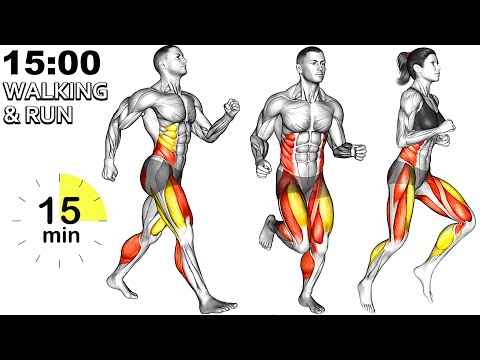
The human body, a vessel of immense potential, is a finely tuned instrument. Just as a samurai hones his blade for precision and a monk cultivates inner stillness, so too must we understand the mechanics of our own physicality. In the realm of Budo and martial arts, we often speak of "Ki" – vital energy – and its cultivation. But what is Ki if not energy itself, and how do we manage this energy for optimal performance and, yes, even for the practical pursuit of weight management? Many believe that the path to burning calories is solely a matter of brute force or relentless, monotonous repetition. They see walking and running as mere physical acts, devoid of deeper meaning. This, my friends, is a fundamental misunderstanding. Every movement, every breath, has the potential for mindfulness, for purpose. Even the seemingly simple act of walking, when imbued with intention and proper technique, can become a potent tool in our arsenal. Consider the ancient discipline of *Ashi Sabaki* (footwork) in Karate or the flowing steps of Aikido. These are not merely ways to move; they are ways to control space, to generate power, and to conserve energy while remaining dynamic. The same principles, when applied to a brisk walk or a focused run, elevate the activity from a chore to a mindful practice.
You ask how many calories a 30-minute walk burns, or how far one must travel to shed 1000 calories. These are valid, practical questions. However, as a Sensei, I urge you to look beyond the numbers on a calorie counter. Focus on the *quality* of your movement, the *intentionality* of your exertion. A mindful 30-minute walk, where you are present in each step, feeling the ground beneath you, controlling your breath, and perhaps even visualizing the energy flowing through your body, will yield far greater results – not just in calories burned, but in mental clarity and overall well-being – than a distracted, rushed march. The concept of "calories burned walking 10,000 steps" is a modern metric, a point of reference. But for the dedicated practitioner, the true measure lies in the *process*. The relentless pursuit of a numerical goal can lead to burnout and injury, much like a fighter who overextends themselves without considering their fundamental posture.

The Philosophy of Caloric Expenditure in Budo

In the world of martial arts, efficiency is paramount. A well-executed technique conserves energy while maximizing impact. This principle extends to our physical conditioning. When we engage in cardio, whether it be a swift jog or a powerful run, we are not just sweating; we are training our cardiovascular system, enhancing our stamina, and learning to manage our bodily resources. Think of a Sumo wrestler's immense power, derived not just from muscle but from an incredibly robust physique and focused energy. Or consider the agility of a Capoeirista, whose movements, while seemingly dance-like, are deeply rooted in explosive power and controlled expenditure. These are not accidental byproducts; they are the results of dedicated, often years-long, training regimes that integrate physical conditioning with mental discipline.

The Role of Pace and Intensity

The common advice is to increase your pace, to walk faster, to run harder. And indeed, there is truth to this. A brisk walk, at a pace where conversation becomes slightly more challenging, will burn more calories than a leisurely stroll. Similarly, an increased running speed directly translates to a higher caloric burn rate. However, the true martial approach is to understand *your* body's limits and to push them judiciously. For new practitioners, a gradual increase in pace and duration is key. This is where the concept of *progressive overload*, a staple in combat sports conditioning, becomes relevant. Start with a pace you can comfortably maintain, then incrementally increase the speed, distance, or intensity over time. This approach minimizes the risk of injury and fosters sustainable progress, much like learning a complex kata one movement at a time.
  • Mindful Walking: Focus on your posture. Engage your core. Imagine each step propelling you forward with controlled intent, not just carrying you from point A to point B.
  • Brisk Pace: Find a pace that elevates your heart rate and makes conversation slightly more difficult. This is where the real caloric burn begins.
  • Incorporating Intervals: For those ready, introduce short bursts of faster walking or jogging within your regular routine. Think of it as a mini-sparring session for your cardiovascular system.
  • Running with Purpose: When running, focus on a smooth, efficient gait. Visualize yourself as a warrior moving across the battlefield, conserving energy for when it truly matters.
This isn't just about burning calories; it's about building a resilient body, a stronger spirit, and a clearer mind. It’s about embracing the journey, not just fixating on the destination of a number on a scale.

The Martial Perspective on Calorie Burning

Let's reframe the question. Instead of "How many calories does walking 10,000 steps burn?", consider: "How can I use movement, like walking and running, to cultivate a stronger, more resilient body and mind, thereby naturally supporting a healthy physique?" This shift in perspective is crucial. In the martial arts, we don't train solely to defeat an opponent; we train to become better versions of ourselves. The physical benefits, including calorie expenditure and weight management, are often welcome byproducts of this deeper pursuit.
"Every warrior, before he can win a victory, must first win the victory over himself." - From the wisdom of the Budo masters.
When you approach your cardio not as a task, but as a form of moving meditation, you unlock a new level of engagement. The calories burned become secondary to the process of self-mastery. The feeling of accomplishment, the improved focus, the surge of energy – these are the true rewards. For the Karateka, imagine the power generated in a *Kiai* – that explosive shout. It’s not just noise; it’s the unified expression of body and spirit. Similarly, your cardio can be an expression of your will, a testament to your discipline.

Equipment Essential for Your Training

While the most profound training can often be done with minimal equipment, having the right gear can enhance comfort, prevent injury, and improve performance.
  • Quality Running Shoes: Essential for absorbing impact and providing proper support. Look for shoes suited to your gait and running style. A good pair can be as crucial as the right gloves in boxing.
  • Comfortable Workout Apparel: Moisture-wicking fabrics will keep you comfortable, allowing you to focus on your movement rather than being distracted by sweat.
  • Hydration Bottle: Staying hydrated is paramount, especially during longer or more intense sessions.
  • Optional: Fitness Tracker: While not a necessity, a fitness tracker can provide valuable data on steps, heart rate, and estimated calorie burn, helping you monitor progress and stay motivated.
Remember, the best equipment is the one that allows you to train safely and effectively. Do not fall into the trap of believing expensive gear guarantees results. True progress comes from consistent effort and intelligent application of principles.

Training Guide: The Mindful Walk-Run Protocol

This protocol focuses on integrating mindful movement with intensity variation, inspired by the principles of interval training common in combat sports.
  1. Warm-up (5-7 minutes): Begin with a slow, relaxed walk. Focus on your breathing. Perform dynamic stretches like leg swings, arm circles, and torso twists. This prepares your body for exertion.
  2. Mindful Walking Phase (10 minutes): Increase your pace to a brisk walk. Focus intently on your surroundings, your breath, and the feeling of your feet hitting the ground. Engage your core.
  3. Interval Burst (1-2 minutes): Transition to a faster pace – a light jog or a very brisk walk that significantly elevates your heart rate. Maintain this intensity with controlled breathing. This is your "explosive phase."
  4. Recovery Walk (3-5 minutes): Reduce your pace back to a slow, relaxed walk. Focus on bringing your heart rate down and recovering. Use this time to reflect on your effort.
  5. Repeat Intervals: Repeat steps 3 and 4 for a total of 3-5 interval cycles, depending on your fitness level.
  6. Cool-down (5-7 minutes): Finish with a slow walk, allowing your body to gradually return to its resting state. Follow with static stretches, holding each for 20-30 seconds.
This structured approach ensures you get the cardiovascular benefits of a higher-intensity workout while incorporating the mindful recovery and reflection central to martial arts training.

Veredicto del Sensei: ¿Merece la pena?

The modern obsession with simply "burning calories" often misses the point. True fitness, as espoused by Budo, is about holistic development – strength, resilience, mental fortitude, and disciplined energy management. Walking and running, when approached with intention and structured training, are powerful tools for this development. They are not merely activities for weight loss, but pathways to a stronger, more capable self.
"The strength of the body is the foundation, but the strength of the spirit is the mastery." - Unknown Warrior
Therefore, the question isn't whether walking and running are effective for calorie burning. They are. The more profound question is whether you approach these activities with the discipline, mindfulness, and purpose that a true martial artist would. Embrace the process, focus on quality, and the physical benefits will follow.

Reflexión del Sensei: Tu Próximo Paso

If your goal is merely to burn a certain number of calories, you are treating your body like a machine. But you are a warrior, a student of a profound discipline. When you lace up your shoes tomorrow, do not simply count steps or miles. Instead, ask yourself: "How can I embody the principles of Budo in my movement? How can I use this cardio session to forge not just a fitter body, but a more resilient spirit?" Your answer, found not in numbers but in action, will be the true path to mastery.

Preguntas Frecuentes

  • ¿Cuántas calorías quema realmente una hora de caminata rápida?
    Una hora de caminata rápida (aproximadamente 4 mph) puede quemar entre 250 y 400 calorías, dependiendo del peso corporal y la intensidad exacta.
  • ¿Es mejor correr o caminar para perder peso?
    Correr quema más calorías por minuto, lo que puede acelerar la pérdida de peso. Sin embargo, caminar es menos impactante para las articulaciones y puede ser más sostenible a largo plazo para muchas personas. La consistencia es clave.
  • ¿Cómo puedo hacer que caminar sea más efectivo para quemar calorías?
    Aumenta la velocidad, incorpora cuestas o intervalos de caminata rápida, lleva pesas ligeras (con precaución para evitar tensiones) o aumenta la duración de tu caminata.
  • ¿Cuánto tiempo debo caminar o correr para ver resultados?
    Para la pérdida de peso, la mayoría de las organizaciones de salud recomiendan al menos 150 minutos de actividad aeróbica moderada (como caminar a paso ligero) o 75 minutos de actividad vigorosa (como correr) por semana, distribuidos a lo largo de varios días. La consistencia y la dieta son fundamentales.

Para Profundizar en tu Camino

``` GEMINI_METADESC: Explore the martial arts approach to calorie burning. Discover how mindful walking and running, inspired by Budo principles, can enhance fitness and discipline.

The Unseen Battle: How Budo Principles Forge Unbreakable Physical and Mental Fortitude

As a Sensei who has dedicated a lifetime to the rigorous path of Budo and martial arts, I've seen countless individuals enter the dojo with a singular goal: to burn fat, get stronger, and look better. And while these are valid aspirations, they often miss the deeper currents that truly transform a practitioner. The original prompt mentioned a "30 minute fat burning home workout for beginners," aiming for "achievable, low impact results." While such routines have their place, particularly for those just stepping onto the path, they can be a superficial starting point if not infused with the profound principles that underpin true martial development. Are we merely seeking to shed physical weight, or are we ready to confront the internal battles that forge resilience, discipline, and an unyielding spirit?

The essence of Budo is not merely in the external display of technique, but in the internal cultivation of character. It's about understanding that the "fat burning" many seek is often a metaphor for burning away the lethargy, the excuses, and the mental inertia that hold us back. This journey, especially for beginners, requires a mindful approach that prioritizes foundational strength, unwavering discipline, and a philosophical underpinning that transcends mere physical exertion.

The True Meaning of the Beginner's Path

The modern fitness landscape is often dominated by quick fixes and trendy routines. While a "30 minute fat burning home workout" might seem appealing, it risks reducing the profound practice of martial arts training to a mere calorie-counting exercise. True martial development, however, is a lifelong journey. For beginners, the initial focus should be on cultivating a stable foundation, understanding correct form, and developing the mental fortitude to persevere. This isn't just about shedding a few pounds; it's about forging a disciplined approach that will serve you far beyond the physical realm. The "Real Start" and "Real Start Plus" plans, mentioned in the original context, hint at this deeper commitment – a commitment to "real people with real people" suggests an inclusive, grounded approach, which aligns with the Budo spirit. However, we must elevate this beyond mere "low impact, realistic, and effective" to something truly transformative.

Welcome to Budo and Martial Arts. Today, we move beyond the superficial to explore how the enduring principles of martial discipline can inform even the most basic home workouts, turning a simple exercise session into a profound act of self-mastery.

Beyond the Clock: Core Budo Principles for Any Workout

The goal of burning fat is often a gateway, but the true destination lies in building strength, stamina, and unwavering discipline. These are the cornerstones of Budo, and they can be integrated into any training regimen, regardless of its duration or specific exercises.

  • Discipline (Kiritsu - 起律): This is the bedrock. Committing to a training schedule, even when motivation wanes, is paramount. It's about showing up for yourself.
  • Patience (Nintai - 忍耐): Results take time. True fitness, like mastery in any art, is a marathon, not a sprint. Avoid the temptation of shortcuts.
  • Mindfulness (Zanshin - 残心): Be present in your movements. Understand how your body feels, how each motion affects you. This awareness is crucial for preventing injury and maximizing effectiveness.
  • Intent (Sen - 先): Every movement should have purpose. Even in a simple squat, there's an intention to strengthen, to support, to prepare for future challenges.
  • Respect (Rei - 礼): Respect for the practice, for your body, and for the space you train in. This fosters a positive mindset and enhances focus.
"The way of the warrior is to know when to fight and when to wait." This principle extends to training. Know when to push your limits and when to focus on foundational consistency.

A Budo-Inspired Home Training Regimen

While a dedicated 30-minute routine can be a starting point, let's infuse it with martial intent. This is not about complex katas, but about applying the principles of focused, deliberate movement. We'll structure this as a progressive workout, focusing on compound movements that engage multiple muscle groups, promoting functional strength and efficient calorie expenditure.

Warm-up (5 minutes)

  1. Dynamic Stretching: Arm circles, leg swings (forward, backward, sideways), torso twists, and high knees. Focus on controlled, fluid movements.
  2. Joint Rotations: Gently rotate wrists, ankles, neck, and hips. This prepares the joints for more rigorous activity.
  3. Light Cardio: Jogging in place or jumping jacks (low impact variations if needed) to elevate the heart rate gradually.

Core Workout (20 minutes)

Perform each exercise for 45 seconds, followed by 15 seconds of rest. Complete 3-4 rounds of the entire circuit.

  1. Bodyweight Squats: Focus on maintaining a straight back and pushing your hips back as if sitting into a chair. Ensure your knees track over your toes. This builds lower body strength and foundational stability, crucial for stances in Karate or grappling in Judo.
  2. Push-ups (on knees or toes): Engage your core and keep your body in a straight line from head to heels. This develops upper body power, essential for striking arts like Karate or Kickboxing.
  3. Lunges (alternating legs): Step forward, lowering your hips until both knees are bent at approximately 90 degrees. The front knee should be directly above the ankle, and the back knee should hover just above the floor. This improves balance and leg strength, vital for dynamic movement.
  4. Plank: Hold a push-up position on your forearms, keeping your body in a straight line from head to heels. Engage your core muscles. This builds incredible core strength, the powerhouse of all martial arts techniques.
  5. Glute Bridges: Lie on your back with knees bent and feet flat on the floor. Lift your hips off the ground, squeezing your glutes at the top. This strengthens the posterior chain, vital for power generation.
  6. Bird-Dog: Start on your hands and knees. Extend your right arm forward and your left leg backward simultaneously, keeping your core engaged and back straight. Alternate sides. This enhances core stability and coordination.

Cool-down (5 minutes)

  1. Static Stretching: Hold stretches for major muscle groups (quadriceps, hamstrings, chest, shoulders, triceps) for 30 seconds each. Focus on deep breathing to aid recovery.
  2. Mindful Breathing: Sit or lie down comfortably. Focus on slow, deep inhales and exhales. This helps to calm the nervous system and reflects the meditative aspects of Aikido or Zen practices.

The Art of Practice: Filming and Understanding Your Progress

The original context mentions "filming." This is a powerful tool, not just for marketing, but for self-assessment. When you film yourself, you can objectively analyze your form.

"Observe yourself as you would observe your opponent." - Miyamoto Musashi (paraphrased).

Reviewing your own movements allows you to identify inefficiencies, weak points, and areas where your technique deviates from the ideal. In martial arts, precision is paramount. A slight misalignment in a punch or a kick can not only reduce its effectiveness but also increase the risk of injury. This self-observation is a critical aspect of martial development, helping you to internalize correct patterns and avoid ingrained bad habits. This analytical approach is key whether you are practicing Kyokushin Karate, MMA grappling, or even a simple home fitness routine.

Essential Gear for Your Home Dojo

While many home workouts can be done with bodyweight alone, a few key pieces of equipment can significantly enhance your training and expand your options. Investing in proper gear shows respect for your practice.

  • Comfortable Workout Mat: Essential for floor exercises, protecting your joints and providing grip.
  • Resistance Bands: Versatile for adding resistance to bodyweight exercises, increasing intensity and targeting specific muscle groups.
  • Jump Rope: An excellent tool for cardiovascular conditioning. Look for a speed rope for a greater challenge.
  • Durable Training Shoes: Provide support and stability for dynamic movements.
  • Water Bottle: Hydration is critical for performance and recovery.

For those looking to invest further, consider a good quality Karate Gi if you're studying the art formally, or a supportive Grappling dummy for BJJ or Judo practice.

Sensei's Verdict: The Long Game of Fitness

The concept of a "30 minute fat burning home workout for beginners" can serve as an entry point. However, it should not be the destination. True fitness, akin to mastery in any martial art, is about consistency, dedication, and a deeper understanding of the principles that govern physical and mental conditioning. The low-impact, achievable nature is suitable for beginners, but the real "results" are measured not just in weight lost, but in discipline gained, resilience built, and the unwavering spirit cultivated. This is not a fleeting trend; it is the forging of a warrior's body and mind.

Frequently Asked Questions

Q1: Is a 30-minute workout truly effective for fat loss?

Yes, consistency over time is more important than duration in a single session. A 30-minute workout, performed regularly and with proper intensity, can be highly effective for fat loss, especially when combined with a balanced diet. The key is to make it a sustainable habit.

Q2: How can I ensure I'm using proper form at home?

Utilize mirrors to check your alignment. Film yourself and compare your movements to instructional videos from reputable martial arts sources. Focus on controlled, deliberate execution rather than speed.

Q3: What's the difference between a general workout and Budo training?

General workouts often focus solely on physical outcomes. Budo training integrates physical conditioning with mental discipline, philosophical understanding, and character development. Every exercise in Budo has a purpose beyond the immediate physical result.

Q4: I'm a complete beginner. Where should I start with martial arts after this workout?

Seek out a reputable local dojo. Look for instructors who emphasize not just technique but also the philosophy and history of the art. Trying introductory classes in styles like Karate, Judo, or Taekwondo can be a great starting point.

Deeper Dives into the Warrior's Way

To truly understand the depths of martial training and its application beyond the physical, I encourage you to explore these resources:

If you wish to support the continuation of authentic martial arts content, consider exploring exclusive NFTs through our store.

This journey of self-improvement is ongoing. The physical challenges are merely the tools through which we forge an unshakeable spirit. The true victory is not in the sweat on the floor, but in the discipline etched into your soul.

Reflection of the Sensei: Your Next Step

Does the pursuit of "fat burning" truly satisfy the warrior's hunger, or is it a distraction from the deeper cultivation of strength, resilience, and purpose? Reflect on your motivations: are you training to merely change your appearance, or to fundamentally transform your character? Where do you see the greatest "fat" – physical or otherwise – that needs burning away in your life?

``` GEMINI_METADESC: Explore how Budo principles transform basic home workouts into profound self-mastery, focusing on discipline, intent, and the unseen battles of fitness.

Warrior's Forge: Beyond the Sweat - A Martial Approach to High-Intensity Fat Burning

Introduction: The Flame Within

Welcome, fellow travelers on the path of the warrior. You stand at the threshold of a discipline that transcends mere physical exertion. We are not here to discuss fleeting fitness trends; we are here to forge the body and spirit into instruments of resilience and power. Today, we dissect the high-intensity interval training (HIIT) not just as a method for burning fat, but as a crucible for developing the very qualities that define a true martial artist: focus, perseverance, and an unyielding will.

Many approach workouts like this with the sole aim of shedding pounds, a superficial goal that fades with the sweat. But I ask you, what if we viewed this not as a chore, but as an extension of our training? What if the relentless pace of HIIT mirrored the intensity of a critical sparring match, and the recovery periods echoed the strategic breathing between rounds?

This article will guide you through understanding and implementing a potent HIIT cardio workout, but more importantly, it will reframe your perspective. We will explore how these intense bursts of effort can sharpen your mind, enhance your conditioning for combat, and ultimately, serve your martial journey. Are you ready to ignite the flame within?

The Martial Essence of HIIT

High-Intensity Interval Training, at its core, is a series of explosive efforts followed by brief periods of recovery. Sound familiar? This mirrors the ebb and flow of combat. A sudden, powerful combination from an opponent, followed by a moment of strategic evasion or regrouping. A lightning-fast strike, a defensive block, a quick repositioning. It is this dynamic interplay that HIIT replicates, demanding not just cardiovascular endurance but also the ability to explode into action and recover efficiently.

The spirit of Budo is not merely to defeat the enemy, but to conquer oneself. This training is a battlefield where you face your own limits, your own fatigue, your own doubts. Victory here is the first step towards victory in any arena.

Consider the concept of Ki (or Chi), the vital life force. Intense physical exertion, when approached with the correct mindset, can paradoxically enhance this flow. It's not about exhausting oneself into oblivion, but about pushing the body to a point where it adapts and grows stronger, more resilient. This process, when channeled correctly, can lead to a heightened sense of awareness and a more robust internal energy.

The original post hinted at a 30-minute workout with 60-second intervals and 30-second rests. This is a classic structure. The 60-second burst demands sustained power and focus. It tests your ability to maintain technique and intensity under pressure. The 30-second rest is not merely a pause; it is an opportunity to reset, breathe, and prepare for the next onslaught. In martial terms, it's the moment you analyze your opponent's last move and strategize your counter.

Forging the Body: A Practical HIIT Regimen

Let us translate the principles into action. While the original content suggests a generic routine, we will infuse it with a martial sensibility. The goal is a full-body conditioning workout that enhances athleticism, endurance, and power – all crucial for any fighter.

This regimen is designed for home, requiring minimal to no equipment, embodying the spirit of resourcefulness central to many martial traditions. The 60-second work intervals will push your limits, while the 30-second rest periods allow for tactical recovery.

Workout Structure: The Warrior's Gauntlet

  1. Warm-up (5 minutes): Dynamic stretching and light cardio. Think joint rotations (neck, shoulders, hips, knees, ankles) and light jogging in place or jumping jacks to elevate the heart rate gradually. Prepare the body for the intensity to come.
  2. Round 1: Explosive Power (60 seconds work / 30 seconds rest)
    1. Burpees with Jump: A full-body explosion. From a standing position, drop into a squat, kick your feet back into a plank, perform a push-up (optional), jump your feet back to the squat, and explode upwards into a vertical jump. This builds explosive leg power and upper body strength.
    2. Rest (30 seconds)
    3. High Knees: Focus on bringing your knees up high and fast, engaging your core. This hones cardiovascular capacity and leg drive.
    4. Rest (30 seconds)
  3. Round 2: Core & Agility (60 seconds work / 30 seconds rest)
    1. Mountain Climbers: In a plank position, alternate bringing your knees towards your chest in a fast, controlled manner. This is phenomenal for core stability and cardiovascular endurance.
    2. Rest (30 seconds)
    3. Squat Jumps: Perform a standard squat, then explode upwards, jumping as high as possible. Land softly and immediately go into the next squat. This develops explosive leg power, crucial for powerful kicks and leaps.
    4. Rest (30 seconds)
  4. Round 3: Strength & Endurance (60 seconds work / 30 seconds rest)
    1. Push-ups: Classic upper body and core strength builder. Focus on full range of motion. Variations like diamond push-ups or wide-grip can add challenge.
    2. Rest (30 seconds)
    3. Jumping Lunges: From a lunge position, explosively jump and switch legs in mid-air, landing softly into a lunge on the opposite side. This tests balance, coordination, and leg power.
    4. Rest (30 seconds)
  5. Cool-down (5 minutes): Static stretching, holding each stretch for 20-30 seconds. Focus on major muscle groups: quadriceps, hamstrings, glutes, chest, shoulders, and back. Allow your heart rate to return to normal and aid muscle recovery.

Remember, the key is to push yourself during the 60-second intervals. Don't just go through the motions. Imagine you are fighting against time, against your own physical limitations. This mindset transforms a simple workout into a training session for the spirit. If you can, integrate elements from your specific martial art, like dynamic kicking drills or specific defensive movements, during the work intervals.

The Mindset of the Warrior: Mental Fortitude

The physical rigor of HIIT is only half the battle. The true challenge lies in the mental fortitude required to endure these intense intervals. This is where the practice transcends mere fitness and enters the realm of Budo.

When your muscles burn and your lungs ache, what do you do? Do you quit? Do you falter? Or do you dig deeper, drawing upon an inner reserve you didn't know you possessed? This is the essence of self-mastery. The ability to push past perceived limits, to maintain composure under duress – these are the skills honed not just in the dojo but also in the crucible of a demanding workout.

"There are no shortcuts to any place worth going." - Beverly Sills (but a principle deeply ingrained in the martial path)

The 30-second recovery periods are as crucial as the work intervals. This is not a time for complete mental disengagement. Instead, use this brief respite to refocus. Take deep, controlled breaths. Observe the sensations in your body without judgment. Prepare your mind for the next wave of exertion. This mindful recovery is a practice in itself, akin to observing an opponent's strategy before launching your own attack. It prevents burnout and fosters a more sustainable, resilient approach to training and life.

This disciplined approach to discomfort is what builds true character. It teaches you that challenges are not insurmountable obstacles, but opportunities for growth. The mental toughness forged here will serve you not only in martial arts but in every aspect of your life. It’s the ability to face adversity with a calm, determined spirit.

Fueling the Furnace: Diet as a Strategic Weapon

No warrior can fight effectively on an empty or poorly provisioned stomach. Nutrition is the fuel that powers your intense training and aids in recovery. For fat-burning HIIT, your diet must be strategically aligned with your goals.

Focus on whole, unprocessed foods. Lean proteins are essential for muscle repair and growth, which is vital for boosting metabolism. Think chicken breast, fish, lean beef, eggs, and plant-based proteins like beans and lentils. Complex carbohydrates provide sustained energy for your demanding workouts. Opt for brown rice, quinoa, oats, sweet potatoes, and plenty of vegetables.

Healthy fats are also crucial for hormone production and overall health. Avocados, nuts, seeds, and olive oil should be part of your diet. Crucially, hydration is paramount. Water is not just a beverage; it is a fundamental component of bodily function, especially during intense physical activity. Dehydration can severely impair performance and hinder fat loss.

A warrior's diet is as important as their sword. Both must be sharp, clean, and ready for use.

For fat burning, a slight caloric deficit is generally required. However, it's imperative that this deficit does not compromise your ability to perform during training or recover afterward. Extreme caloric restriction can lead to muscle loss and decreased energy, undermining your martial goals. The aim is strategic fueling, not deprivation.

Essential Tools for the Modern Budoka

While this HIIT routine is designed to be equipment-free, a true practitioner understands the value of selecting the right tools to support their journey. For those looking to enhance their training environment and martial practice, consider these:

  • Comfortable Training Attire: Breathable, moisture-wicking fabrics are essential. Look for workout shorts and t-shirts made from synthetic blends or technical cotton that allow for freedom of movement and keep you cool.
  • Supportive Footwear: Even for home workouts, proper shoes can prevent injury and provide necessary support. Running shoes or cross-training shoes offer a good balance of cushioning and stability.
  • Yoga Mat: Essential for cushioning during floor exercises like push-ups, planks, and cool-down stretches. It provides a comfortable and stable surface.
  • Water Bottle: Staying hydrated is key. A durable, reusable water bottle is a must-have for every training session.
  • Heart Rate Monitor (Optional): For those who want to precisely track their intensity levels and ensure they are within the target fat-burning zones, a heart rate monitor can be a valuable tool.
  • Durable Kimono/Gi: If your training involves Judo, Karate, or BJJ, investing in a high-quality Karate or Judo gi is essential. Look for heavy-weight, double-weave fabrics that can withstand rigorous training and sparring. Brands offering Karate merchandise often have durable options.
  • Sparring Gear: For disciplines like Kickboxing or MMA, proper MMA gloves, headgear, and shin guards are non-negotiable for safe and effective practice.

Sensei's Verdict: Is This Training Worthy?

This advanced fat-burning HIIT cardio workout, when approached with the right mindset, is far more than a simple fitness regimen. It is a potent tool for forging physical resilience and mental fortitude, core tenets of the martial path. The structure of intense bursts followed by strategic recovery mirrors the dynamics of combat, demanding focus, power, and the ability to adapt. It effectively targets calorie expenditure and fat burning by pushing your cardiovascular system to its limits, while simultaneously engaging major muscle groups.

However, its true value lies not just in the physical outcome but in the cultivation of discipline, perseverance, and self-awareness. It is a practice that demands dedication and a warrior's spirit. While it can be performed without equipment, understanding the fundamentals of proper form and nutrition is crucial for maximizing benefits and preventing injury.

Overall Rating: Black Belt in Conditioning. This workout deserves respect for its efficacy and its potential to build character. It's a valuable addition to any martial artist's training arsenal, provided it's approached with the intention of self-improvement, not just aesthetic change.

Frequently Asked Questions

  1. Can this HIIT workout truly help burn fat?

    Yes. HIIT workouts are highly effective for burning calories in a short amount of time and can lead to significant fat loss due to the increased metabolic rate and EPOC (Excess Post-exercise Oxygen Consumption) effect.

  2. Is this workout suitable for beginners?

    While challenging, beginners can adapt this routine by reducing the duration of work intervals, increasing rest periods, or performing modified versions of the exercises (e.g., knee push-ups). Consistency is key, and intensity can be gradually increased. Consider exploring BeginnerWorkout resources.

  3. How often should I perform this HIIT workout?

    For optimal results and to allow for recovery, performing this type of high-intensity workout 2-3 times per week is generally recommended. Ensure you incorporate rest days and varied training.

  4. What if I don't have 30 minutes? Can I do a shorter version?

    Absolutely. You can shorten the workout by reducing the number of rounds or the duration of the work/rest intervals. Even a 15-20 minute session can be highly effective.

  5. How does this connect to martial arts training?

    This workout builds cardiovascular endurance, muscular strength, explosive power, and mental toughness – all critical attributes for performance in martial arts. It trains your body to work hard and recover efficiently, much like in Combat or Fight scenarios.

For Deeper Study

The path of the martial artist is one of continuous learning. To deepen your understanding and enhance your practice, explore these related topics:

Remember, the true measure of training is not just in the sweat shed, but in the discipline cultivated and the spirit hardened. Continue to push your limits, both physically and mentally.

Sensei's Reflection: Your Next Step

You have learned the structure, the intent, and the martial application of this intense training. But knowledge without action is like a sword left to rust. Therefore, I challenge you: Schedule this workout for tomorrow. When you are in the thick of it, feeling the burn, remember why you are doing it. Is it for a fleeting aesthetic, or for the enduring strength of character that defines a true warrior? Reflect on this decision during your 30-second rests. Now, go forth and forge yourself.

Disclaimer: Always consult with a healthcare professional before beginning any new exercise program, especially if you have pre-existing health conditions.

For more on martial arts and training, visit our main page: Budo and Martial Arts.

Original publication date: April 17, 2015.

``` GEMINI_METADESC: Master fat burning with a martial arts approach to HIIT. Enhance conditioning, mental fortitude, and performance for the modern warrior.

The Unseen Combat: Mastering Low-Impact Cardio for the Dedicated Martial Artist

The pursuit of martial excellence is a holistic endeavor, extending far beyond the dojo floor. While the thunderous strikes of Karate or the fluid takedowns of Judo dominate our visual imagination, the silent battle for physical conditioning often goes overlooked by those seeking genuine martial prowess. Many believe that true combat fitness is forged solely through high-intensity sparring and brutal drills. But what if I told you that the most potent cardio, the kind that builds unwavering stamina and fuels your deepest reserves, can be cultivated with minimal impact and absolutely no specialized equipment? Welcome, aspiring warrior, to a lesson in functional fitness that will redefine your understanding of endurance. Today, we dissect the profound benefits of low-impact cardio for the dedicated martial artist, a strategy often dismissed but critically important.

Tabla de Contenidos

The Martial Artist's Dilemma: Beyond the Punch

Hello and welcome to Budo and Martial Arts. You're watching a session focused on LOW IMPACT home cardio – a fat burner that requires NO EQUIPMENT! Published on December 28, 2020, this approach is often sidelined in favor of more visually dramatic training methods. But consider this: how many times have you seen a powerful fighter gas out in a crucial moment, not because their spirit wavered, but because their physical engine sputtered?

As martial artists, we train our bodies for combat, for the dynamic explosion of energy required in a confrontation. We practice Kihon (fundamentals), Kata (forms), and Kumite (sparring). But what fuels these actions? It's our cardiovascular system. A weak engine means a shorter fight, a faltering defense, and ultimately, defeat. The misconception is that only high-impact activities build this engine. This is where we often err.

"The supreme art of war is to subdue the enemy without fighting." - Sun Tzu, The Art of War

While Sun Tzu speaks of strategy, the principle of efficient energy expenditure is paramount. To outlast an opponent, to maintain precision under duress, your cardio must be unshakeable. And sometimes, the most effective path to that unshakeable foundation is the one least traveled – the path of low impact.

Low-Impact vs. High-Impact: A Strategic Comparison

Let's be clear. High-impact exercises like running, jumping jacks, or plyometrics undeniably have their place. They are excellent for developing explosive power and improving bone density. However, they come at a cost: significant stress on joints, tendons, and ligaments. For the seasoned martial artist, especially those who have accumulated years of training (and perhaps, minor injuries), this can be a detrimental factor.

Low-impact cardio, on the other hand, focuses on activities that minimize jarring forces. Think of exercises like cycling (stationary or otherwise), swimming, elliptical training, or even brisk walking and various forms of bodyweight movement that avoid repetitive pounding. The beauty of this approach lies in its sustainability. You can perform these activities more frequently without accumulating the same level of fatigue or risking injury.

Consider the martial arts themselves. While some styles are inherently high-impact (think Kyokushin Karate's full-contact sparring), others emphasize fluidity and precision, demanding a different kind of cardiovascular endurance. Aikido, for example, requires immense stamina to absorb and redirect force, often without significant joint stress.

Key Differences:

  • Impact on Joints: High-impact = Significant stress; Low-impact = Minimal stress.
  • Calorie Burn Rate (per minute): High-impact = Generally higher; Low-impact = Can be sustained longer, potentially leading to higher total calorie burn.
  • Risk of Injury: High-impact = Higher risk of stress fractures, sprains; Low-impact = Lower risk.
  • Frequency of Training: High-impact = Requires more recovery; Low-impact = Allows for higher training frequency.

The Unseen Benefits: How Low-Impact Cardio Fuels Your Combat Prowess

The Budo warrior understands that strength is not merely physical. It is mental, spiritual, and deeply rooted in endurance. Low-impact cardio contributes to all these facets in ways often underestimated:

  • Unrivaled Stamina: The ability to maintain peak physical and mental performance throughout an extended sparring session or competition is critical. Low-impact cardio builds a robust aerobic base, allowing you to fight longer, react faster, and think clearer when fatigue sets in. This is the essence of BUDO.
  • Joint Health and Longevity: Years of martial arts training can take a toll. By incorporating low-impact methods, you preserve your joints, ensuring you can train effectively for decades to come. This is not about quitting; it's about training smarter, a key principle in Martial Philosophy.
  • Mental Fortitude: Pushing through a challenging, sustained cardio session, even at a lower intensity, builds mental toughness. It teaches discipline and the ability to maintain focus when discomfort arises. This mirrors the mental training required for Self-Mastery.
  • Enhanced Recovery: Active recovery through low-impact exercise can improve blood flow to muscles, speeding up the removal of metabolic waste products and reducing muscle soreness after intense training sessions. This aids in your Superación Personal.
  • Fat Burning Efficiency: While high-intensity interval training (HIIT) is often lauded for its fat-burning capabilities, sustained low-to-moderate intensity cardio is highly effective for burning fat over longer durations. This is crucial for achieving a fighter's optimal physique, lean and powerful.
"The body is a temple, not a tomb." - Unknown (but a principle every martial artist should heed)

Many dismiss these workouts as "easy." But true mastery in martial arts, and in life, often comes from excelling at the fundamentals, the consistent, unglamorous work. This is where the Inner Strength is forged, not in the fleeting thrill of a knockout, but in the quiet dedication to continuous improvement.

Your Dojo at Home: Crafting a Low-Impact Cardio Routine

The beauty of low-impact cardio is its accessibility. You don't need a gym membership or fancy equipment. Your living room can become your training ground. Here’s how to structure an effective routine:

Guía de Entrenamiento: Construyendo tu Resistencia Cardiovascular

  1. Warm-up (5-10 minutes): Begin with gentle movements to increase blood flow and prepare your muscles. This could include:
    • Arm circles (forward and backward)
    • Leg swings (forward and side)
    • Torso twists
    • Light marching in place
    • Dynamic stretching (e.g., cat-cow pose)
  2. Main Cardio Set (20-40 minutes): Choose 2-3 exercises and perform them continuously or in intervals. Aim for a moderate intensity where you can talk but not sing. Examples include:
    • Brisk Walking/Jogging in Place: Maintain a steady pace, focusing on arm drive.
    • Jumping Jacks (Modified): Instead of jumping, step one leg out to the side while raising arms, then return. Alternate sides. This is a fantastic NoEquipment alternative.
    • High Knees (Modified): Step one knee up towards your chest at a time, mimicking the motion without the impact of jumping.
    • Butt Kicks (Modified): Step one heel back towards your glutes, alternating legs.
    • Shadow Boxing: Focus on fluid movements, punches, and defensive postures without forceful impact. This directly ties into Combate Cuerpo a Cuerpo training.
    • Mountain Climbers (Slow and Controlled): Start in a plank position and slowly bring one knee towards your chest, then the other, maintaining core stability.
  3. Cool-down (5-10 minutes): Gradually decrease your heart rate with slower movements and static stretching. Hold each stretch for 20-30 seconds. Focus on major muscle groups:
    • Quadriceps stretch
    • Hamstring stretch
    • Calf stretch
    • Triceps stretch
    • Shoulder stretch

Remember, consistency is key. Aim for 3-5 sessions per week. This routine is designed to be a sustainable AtHomeWorkout, perfect for any martial artist seeking to improve their Resistencia.

Beyond the Routine: Principles for Sustainable Endurance

Simply repeating the same routine will eventually lead to a plateau. To ensure continuous progress, apply these martial principles to your cardio training:

  • Progressive Overload: Gradually increase the duration, intensity, or frequency of your workouts. Add an extra 5 minutes to your session, increase your pace slightly, or add another day. This echoes the Perseverance needed in any Martial Arts Journey.
  • Variety is the Spice of the Fight: Mix up your exercises. One week, focus on stepping jacks and high knees. The next, incorporate more shadow boxing and slow mountain climbers. This keeps your body guessing and prevents adaptation. Explore different Workout styles to keep your training dynamic.
  • Listen to Your Body: This is perhaps the most crucial principle for longevity. If you feel pain, stop. Distinguish between discomfort (the good burn) and pain (a warning sign). Respect your body's signals, just as you would respect an opponent's.
  • Mindfulness in Movement: Approach your cardio not as a chore, but as a form of active meditation. Focus on your breath, the rhythm of your movements, and the power you are building. This cultivates the Mental Game and enhances Self-Improvement.
"Karate is a response to a challenge." - Mas Oyama

Your cardio training is a challenge to your own limits. How you respond defines your progress.

Equipo Esencial para tu Entrenamiento

The beauty of this training method is its accessibility. However, a few items can enhance your experience and comfort:

  • Comfortable Athletic Shoes: Even for low-impact activities, proper footwear is crucial for support and preventing foot strain.
  • Breathable Workout Clothing: Allows for better temperature regulation and freedom of movement.
  • Water Bottle: Staying hydrated is paramount, even during less intense workouts.
  • Yoga Mat (Optional): Provides cushioning for floor exercises and stretches, especially useful on hard surfaces.

While specialized Karate Merchandise or Martial Arts Merchandise might be appealing, remember that true martial spirit transcends material possessions. Focus on what truly enhances your training, not just what looks good.

Preguntas Frecuentes

¿Es suficiente el cardio de bajo impacto para un peleador profesional?

Para un peleador profesional, el cardio de bajo impacto debe ser una parte complementaria de un programa de entrenamiento integral. Si bien no reemplaza completamente los beneficios del entrenamiento de alta intensidad para la potencia explosiva, es invaluable para la construcción de una base aeróbica sólida, la recuperación y la prevención de lesiones, permitiendo una mayor frecuencia y volumen de entrenamiento general.

¿Cuánto tiempo debo dedicar al cardio de bajo impacto?

Se recomienda dedicar entre 20 y 40 minutos a la sesión principal de cardio de bajo impacto, 3-5 veces por semana. La duración y frecuencia pueden ajustarse según tu nivel de condición física actual y tus objetivos específicos.

¿Puedo hacer cardio de bajo impacto si tengo sobrepeso?

Absolutamente. El cardio de bajo impacto es ideal para personas con sobrepeso, ya que reduce significativamente el estrés en las articulaciones, que a menudo ya están bajo una carga adicional. Es una forma segura y efectiva de comenzar a quemar grasa y mejorar la salud cardiovascular.

¿Qué diferencia hay entre cardio de bajo impacto y entrenamiento de resistencia?

El cardio de bajo impacto se enfoca principalmente en mejorar la salud cardiovascular y la resistencia aeróbica mediante movimientos continuos y rítmicos que no ejercen una gran fuerza sobre las articulaciones. El entrenamiento de resistencia, por otro lado, se centra en el desarrollo de la fuerza muscular y la potencia utilizando pesas, bandas de resistencia o el propio peso corporal de manera que los músculos trabajen contra una fuerza externa.

Para Profundizar en tu Camino

Reflexión del Sensei: Tu Próximo Paso

The path of the martial artist is one of relentless self-improvement. We seek strength, speed, precision, and an indomitable spirit. Yet, without the foundation of unwavering cardiovascular endurance, our most powerful techniques can falter, our sharpest strategies can be clouded by exhaustion. Low-impact cardio is not a compromise; it is a strategic weapon in your arsenal, a silent ally that builds resilience, preserves your physical vessel, and fortifies your mental resolve.

You've been shown a path, a method to cultivate this vital component of your martial journey without adding undue stress. The question is not whether this method is effective, but whether you possess the discipline to integrate it into your training.

Reflexión del Sensei: Tu Próximo Paso

Consider your current training. Where does your cardiovascular conditioning truly lie? Is it a roaring engine ready to propel you through any challenge, or a sputtering flame easily extinguished? If you acknowledge a deficit, will you embrace the quiet, consistent power of low-impact training, or will you continue to overlook the foundation upon which all your other skills are built? Choose wisely, for the battle for true mastery is fought both within and without.

``` GEMINI_METADESC: Master low-impact cardio for martial arts. Build stamina, protect joints, and enhance combat readiness with no-equipment home workouts. Your ultimate guide.

18 Foods That Will Never Make You Fat: A Martial Artist's Guide to Optimal Fueling

Greetings, warriors! In the relentless pursuit of martial excellence, we often focus on the iron discipline of training, the intricate dance of combat, and the unwavering spirit of Budo. But what fuels the engine of our ambition? What powers the precision of a strike, the agility of evasion, the endurance to outlast an opponent?

Many believe that true martial prowess stems solely from sweat and sacrifice on the training floor. While undeniably crucial, this is a dangerously incomplete picture. The body is a finely tuned instrument, and like any instrument, it requires the *right* fuel to perform at its peak. Ignoring nutrition is akin to a samurai wielding a dull blade – the skill may be present, but the effectiveness is tragically compromised.

Today, we delve into a topic that is often overlooked, yet is as vital as mastering a kata: nutrition for the dedicated martial artist. We're not talking about fad diets or restrictive eating plans designed for the general populace. We're discussing sustenance that actively supports muscle repair, enhances energy levels, sharpens mental focus, and, yes, helps maintain that lean, powerful physique essential for combat. Think of it as strategic fueling for victory, not mere sustenance.

My own journey, through countless hours on the tatami and observing masters across various disciplines, has taught me that the greatest warriors are also the wisest in their choices. They understand the profound connection between what they consume and how they perform. This is not about "never getting fat"; it's about building a resilient, efficient body capable of withstanding the rigors of intense training and delivering devastating results when it matters most.

Are you ready to unlock a new level of performance by mastering the art of fueling your body? Let's begin.

Understanding Fuel: Beyond Calories

The notion that certain foods "never make you fat" is a simplification, albeit one with a kernel of truth. The real battle against unwanted weight gain, and more importantly, the quest for optimal physical condition, lies not just in the quantity of food, but in its quality and impact on your metabolism.

For a martial artist, the ideal diet should prioritize:

  • Lean Protein: Essential for muscle repair and growth after intense training sessions. Think of it as the bricks for rebuilding your body.
  • Complex Carbohydrates: The body's primary energy source. These release energy slowly, providing sustained power throughout long practices or demanding sparring matches, unlike simple sugars which lead to energy crashes.
  • Healthy Fats: Crucial for hormone production, nutrient absorption, and providing a long-burning fuel source.
  • Vitamins and Minerals: These micronutrients are the unsung heroes, involved in countless bodily processes, from energy production to immune function. A deficiency can severely hamper performance and recovery.
  • Hydration: Often overlooked, water is fundamental. Dehydration can lead to fatigue, reduced performance, and impaired cognitive function – all detrimental to a warrior.

The foods we will discuss excel in these areas. They are nutrient-dense, meaning they pack a lot of nutritional punch for their caloric value, and they tend to be more satiating, helping you feel fuller for longer, thus naturally controlling calorie intake without the feeling of deprivation.

The 18 Powerhouses: Fueling Your Inner Warrior

Let us now enumerate the victuals that will fortify your body, sharpen your senses, and keep your physique honed for the demands of the dojo and beyond. These are not magic elixirs, but rather foundational foods that, when integrated wisely, contribute to a lean and powerful physique.

1. Leafy Greens (Spinach, Kale, Swiss Chard)

Low in calories, high in fiber, vitamins (A, C, K), and minerals. They aid digestion and provide antioxidants to combat exercise-induced oxidative stress.

2. Berries (Blueberries, Strawberries, Raspberries)

Packed with antioxidants, fiber, and natural sweetness. They help reduce inflammation and support recovery.

3. Lean Poultry (Chicken Breast, Turkey Breast)

Excellent sources of high-quality protein, crucial for muscle repair and satiety. They are also relatively low in fat.

4. Fatty Fish (Salmon, Mackerel, Sardines)

Rich in Omega-3 fatty acids, which have powerful anti-inflammatory properties, beneficial for joint health and recovery. Also a good source of protein.

5. Eggs

A complete protein source, containing all essential amino acids. They also provide choline, vital for brain function, and healthy fats.

6. Greek Yogurt

Higher in protein than regular yogurt, it aids in muscle repair and provides probiotics for gut health, which is increasingly linked to overall well-being and nutrient absorption.

7. Lean Beef (Sirloin, Tenderloin)

Provides iron, zinc, and B vitamins, crucial for energy production and oxygen transport. Opt for lean cuts.

8. Quinoa

A complete protein source (rare for a plant-based food) and a complex carbohydrate. It offers sustained energy release, vital for endurance.

9. Legumes (Lentils, Beans, Chickpeas)

High in fiber and plant-based protein, they promote satiety and provide slow-releasing carbohydrates. They are also rich in micronutrients.

10. Avocados

Loaded with healthy monounsaturated fats, fiber, and potassium. These fats are heart-healthy and help in nutrient absorption.

11. Nuts (Almonds, Walnuts, Pistachios)

Provide healthy fats, protein, and fiber. They are calorie-dense, so portion control is key, but they offer significant nutritional benefits.

12. Seeds (Chia, Flax, Pumpkin)

Excellent sources of fiber, healthy fats, and minerals like magnesium. Chia and flax seeds are particularly rich in Omega-3s.

13. Green Tea

Contains antioxidants (catechins) that may boost metabolism and aid in fat oxidation. It also provides a mild energy boost without the jitters of coffee.

14. Broccoli and Other Cruciferous Vegetables

High in fiber and nutrients, they support detoxification pathways and are low in calories.

15. Sweet Potatoes

A fantastic source of complex carbohydrates, vitamins (especially A and C), and fiber. They provide sustained energy.

16. Watermelon

High water content makes it incredibly hydrating and low in calories. It also contains lycopene, an antioxidant.

17. Lean Pork (Loin, Tenderloin)

Similar to lean beef, it offers quality protein and essential nutrients. Choose lean cuts and prepare them healthily.

18. Cottage Cheese

Rich in casein protein, a slow-digesting protein that can help with muscle repair overnight and prolonged satiety.

"The supreme art of war is to subdue the enemy without fighting." – Sun Tzu. This philosophy extends to our own bodies. To "subdue" the tendency to gain unwanted weight, we must employ strategic, intelligent choices in our daily sustenance, not brute force deprivation.

Strategic Nutrition for Training & Recovery

It's not just about *what* you eat, but also *when*. Timing your nutrition can significantly impact your performance and recovery.

  • Pre-Training (1-3 hours before): Focus on complex carbohydrates for energy and a moderate amount of protein. Examples: Oatmeal with berries, chicken breast with a small sweet potato.
  • During Training (if prolonged or intense): For sessions exceeding 90 minutes, consider easily digestible carbs like a banana or sports drink to maintain energy levels.
  • Post-Training (within 30-60 minutes): This is a critical window for recovery. Aim for a combination of protein to repair muscles and carbohydrates to replenish glycogen stores. Examples: Greek yogurt with fruit, protein shake with a banana, lean chicken with rice.

Remember, consistency is key. These foods are allies, not saviors. They work best within a balanced lifestyle that includes regular, challenging training and adequate rest.

Veredicto del Sensei: Nutrition for the Modern Warrior

Is it truly possible to eat these 18 foods and "never" gain weight? The hyperbole serves a purpose: to highlight nutrient-dense, satiating foods that are less likely to contribute to fat gain when consumed in sensible portions as part of a balanced diet. The martial artist's discipline must extend to their plate.

These foods provide the foundational elements for a lean, powerful physique, supporting muscle growth, energy production, and recovery. They are the building blocks for sustained performance. However, quantity still matters, and individual metabolic responses vary. The true mastery lies in understanding your body's needs and applying these principles with consistency and discipline.

Rating: Cinturón Negro en Nutrición Inteligente

Equipo Esencial para tu Entrenamiento

While nutrition is paramount, having the right gear can enhance your training experience and safety. For practitioners focused on nutrition and overall fitness:

  • High-Quality Water Bottle: Essential for staying hydrated during training. Look for BPA-free, durable options.
  • Food Scale: For precise portion control, especially when first learning about ideal serving sizes of calorie-dense foods like nuts.
  • Comfortable Training Attire: Breathable fabrics that allow for a full range of motion are crucial.
  • Resistant Bands: Versatile for at-home workouts, aiding in strength and conditioning without requiring heavy equipment.

Frequently Asked Questions

Q1: Can I really eat unlimited amounts of these foods?

A1: While these foods are nutrient-dense and satiating, calorie surplus will still lead to weight gain. Portion control remains essential for managing body composition.

Q2: How do I balance these "lean" foods with the need for energy from carbohydrates?

A2: Incorporate complex carbohydrates like quinoa, sweet potatoes, and legumes strategically around your training sessions to fuel performance and replenish energy stores.

Q3: What if I have dietary restrictions or allergies?

A3: The principles remain the same. Find suitable alternatives within these categories. For example, if you're lactose intolerant, opt for plant-based yogurts fortified with protein, or choose cottage cheese alternatives.

Q4: How important is meal timing for a martial artist?

A4: Very important. Timing your nutrient intake, especially protein and carbohydrates, around training sessions can significantly enhance recovery and performance.

Q5: Can these foods help build muscle?

A5: Yes. Lean proteins are the primary building blocks for muscle tissue. Combined with consistent strength training, these foods provide the necessary materials for muscle hypertrophy.

To Dive Deeper Into Your Path


"The warrior is a spiritual being who practices martial arts. If he does not practice, he is not a warrior." This applies equally to how we treat our physical form. Without the discipline of proper sustenance, our practice is incomplete, our spirit compromised.

Reflexión del Sensei: Tu Próximo Paso

We have explored the vital role of strategic nutrition for the martial artist. You now possess knowledge of 18 powerhouse foods that can fuel your journey towards peak physical condition and optimal performance. But knowledge, like a perfectly executed technique, is only valuable when applied.

Consider this: In the heat of a sparring session, when fatigue sets in, will your body have the fuel it needs to execute that critical defensive maneuver? Or will it falter due to poor prior preparation?

Your challenge: For the next week, consciously integrate at least five of these foods into your daily diet. Track not only what you eat but also how you feel during your training sessions. Does your energy last longer? Is your recovery swifter? Observe, analyze, and adapt. True mastery comes from experiential learning, not passive consumption of information.

Now, I pose this question to you, the warrior reading this: Which of these 18 foods will you make a priority in your diet starting today, and why? Do you believe these foods are truly the key, or are there other factors you deem more critical? Convince me in the comments below. Your insights could be the spark that ignites a greater understanding for us all.

``` GEMINI_METADESC: Descubre 18 alimentos esenciales para el artista marcial que apoyan la energía, la recuperación y un físico óptimo, más allá de la simple dieta.