Showing posts sorted by relevance for query Martial Arts Films. Sort by date Show all posts

The Legacy of Ancient Chinese Martial Arts Films: A Deep Dive into "Heroes of Martial Arts"

The Allure of Ancient Chinese Cinema

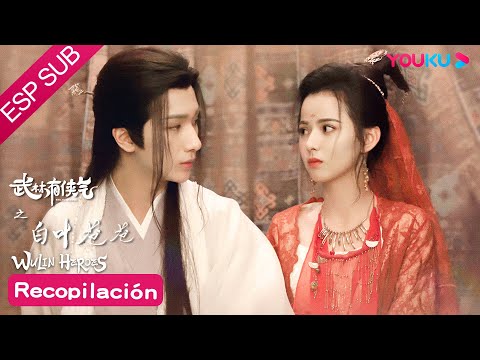
Hello and welcome, students of the Way, to Budo and Martial Arts. Today, we dissect a piece of cinema that whispers tales of ancient traditions and chivalrous spirit: ESPSUB [Heroes of Martial Arts] EXTRA, featuring Li Hongyi and Huang Riying. Published on March 27, 2023, this segment promises a glimpse into a world where martial prowess intertwines with historical drama and romance. But as practitioners, we must ask: does this cinematic portrayal honor the true essence of martial arts, or is it merely a fleeting spectacle designed for mass consumption?

The allure of ancient Chinese martial arts films is undeniable. They transport us to eras of legendary warriors, where honor was paramount and the blade, or the fist, was often the final arbiter. Yet, the modern lens often distorts these traditions, romanticizing combat and overlooking the profound discipline and philosophy that underpin true martial mastery. Our goal here is not simply to watch, but to understand. To discern the authentic from the artificial.

Deconstructing "Heroes of Martial Arts": More Than Just a Spectacle

The title itself, Heroes of Martial Arts, evokes a sense of epic storytelling and individual valor. When we encounter films like this, especially those from platforms like YOUKU, known for their diverse content, the initial intention is often pure entertainment. However, for those steeped in the practice of martial arts, there's a deeper analytical current. We seek to identify the:

  • Authenticity of Techniques: Do the movements reflect actual martial arts styles, or are they exaggerated for dramatic effect?
  • Spirit of Bushido/Budo: Is the underlying philosophy of respect, discipline, and self-control conveyed, or is it overshadowed by gratuitous violence?
  • Historical Context: How accurately does the film represent the historical period and the martial traditions of that era?

Li Hongyi and Huang Riying, in their roles, carry the weight of these expectations. The "Ancient Costume/Romance" genre suggests a narrative rich in emotional depth and historical setting, elements that can either enhance or detract from the martial arts portrayal. A poorly executed fight scene can undermine character development, while a well-integrated philosophical element can elevate simple action into profound storytelling. It's a delicate balance that few films manage to strike perfectly.

"The true warrior is not the one who wins every battle, but the one who understands the cost of every fight." - A principle echoing through the ages.

The Art of Movement: Choreography and Authenticity

This is where the true critic in me awakens. Choreography in martial arts films is a double-edged sword. On one hand, it's essential to create visually stunning sequences that captivate the audience. On the other, when it deviates too far from practical application, it risks trivializing the art form. We must ask about the specific styles depicted. Is it Wuxia, with its fantastical acrobatics and "chi" manipulation, or are there elements of traditional Kung Fu, Karate, or even grappling arts integrated realistically?

Consider the fluidity of movement. In reality, combat is often explosive, direct, and economical. While graceful, it is rarely balletic in the way some films present it. We look for evidence of proper stances, believable blocks, and techniques that, while perhaps amplified, still possess a core of practicality. Are the actors performing with genuine understanding of the movements, or are they merely executing programmed steps? The difference is palpable to a trained eye.

For instance, a sequence involving rapid swordplay, if not executed with a sense of weight and intent behind each parry and strike, can look more like a dance than a deadly exchange. Conversely, a simple, well-timed kick, delivered with proper hip rotation and balance, speaks volumes about the underlying skill, even if it's exaggerated for cinematic effect. We analyze the pacing – does it reflect the ebb and flow of real combat, or is it a relentless barrage designed purely for adrenaline?

A critical aspect is the use of wire-fu and CGI. While these tools can enhance the fantastical elements often present in Wuxia cinema, their overuse can detach the audience from the physical reality of martial arts. The best films find a way to integrate these effects seamlessly, supporting the narrative without betraying the grounded nature of the martial disciplines they aim to portray.

Beyond the Blows: Philosophical Underpinnings

Martial arts are not merely about physical techniques; they are a path to self-cultivation. Concepts like Mushin (no-mind), Zanshin (lingering awareness), and Fudoshin (immovable mind) are the bedrock of true mastery. Does Heroes of Martial Arts touch upon these deeper tenets? Or does it focus solely on external conflict?

The "Romance" aspect of the genre might offer a window into the interpersonal dynamics, where loyalty, sacrifice, and duty are tested. These are values deeply ingrained in the warrior code across many cultures. A hero’s journey often involves overcoming internal struggles as much as external adversaries. We search for moments where characters grapple with their conscience, make difficult choices, or demonstrate profound respect for their opponents, even in the heat of battle.

"The supreme art of war is to subdue the enemy without fighting." - Sun Tzu, a philosophy as relevant in film as it is in life.

The film's setting in "Ancient Costume" likely means we'll see characters bound by tradition and societal expectations. How they navigate these constraints, particularly when those constraints conflict with their martial ethics, can be a powerful narrative driver. Is the protagonist driven by vengeance, or by a desire for justice and peace? The answer reveals much about the film's underlying message.

The Human Element: Performance and Character

While the martial arts are central, the performances of Li Hongyi and Huang Riying are crucial. Do they embody the characters with conviction? Can they convey the emotional weight of their martial journey through their expressions and demeanor? A stoic warrior can be as compelling as a fiery one, provided the performance is nuanced.

We assess their on-screen chemistry, especially given the "Romance" tag. Does it feel earned, or is it a superficial plot device? The believability of the characters’ motivations and emotional arcs is what anchors the fantastical elements of martial arts cinema. If the audience doesn't connect with the humans behind the fighting, the spectacle loses its impact.

The supporting cast also plays a role. Are there wise old masters imparting cryptic advice? Ruthless villains who present genuine challenges? Or is the cast largely forgettable, serving only as fodder for the heroes' skills? The depth of characterization, even in a martial arts film, can elevate the viewing experience significantly.

Veredicto del Sensei: ¿Merece la pena?

Based on the typical conventions of this genre and the information provided, ESPSUB [Heroes of Martial Arts] EXTRA likely offers a visually engaging experience for fans of ancient Chinese dramas and martial arts films. For those seeking a deep, authentic portrayal of specific martial arts styles or profound philosophical teachings, it might be a more superficial watch. The "Romance" and "Ancient Costume" elements suggest a focus on narrative and character relationships, which can be a strength if executed well, but may overshadow the martial arts aspect for purists.

Rating: Cinturón Verde en Entretenimiento, Cinturón Amarillo en Autenticidad Marcial.

It's a film likely to satisfy a craving for historical drama and stylized action, but perhaps not for the deep, philosophical martial artist seeking rigorous technique analysis. Watch it for the spectacle, but temper your expectations for deep martial insight.

Equipo Esencial para tu Entrenamiento

While this film focuses on a specific genre of martial arts cinema, for those inspired to train, the right equipment is crucial. Investing in quality gear not only enhances your practice but also ensures safety.

  • Kimono (Gi): For Judo, Jiu-Jitsu, Karate, and Taekwondo, a durable, well-fitting gi is paramount. Look for double-weave options for grappling arts like Judo and BJJ, offering superior resilience.
  • Sparring Gear: Gloves (16oz for most adult sparring), headgear, shin guards, and mouthpieces are non-negotiable for safe sparring sessions in striking arts or MMA.
  • Training Weapons: If practicing with traditional weapons (e.g., Bo staff, Bokken for Kendo), ensure they are made from appropriate materials (wood, rattan, high-density foam) and are well-maintained.
  • Training Mats (Tatami/Roll-out Mats): Essential for grappling arts and falling practice to minimize injury.
  • Makiwara/Strike Shields: For Karate, Taekwondo, and Kung Fu practitioners looking to develop striking power and conditioning.

Preguntas Frecuentes

What are the primary martial arts styles depicted in films like "Heroes of Martial Arts"?

Films in this genre often draw heavily from Wuxia, a style that emphasizes fantastical elements, acrobatic combat, and often incorporates elements inspired by various Kung Fu styles, swordplay, and sometimes Taoist mysticism.

Is the romance aspect a common element in ancient Chinese martial arts films?

Yes, romance, alongside themes of loyalty, honor, and revenge, is a very common narrative thread in ancient Chinese martial arts films, often serving to humanize the warriors and provide emotional depth to the storyline.

How can I distinguish between authentic martial arts and cinematic exaggeration?

Authenticity is often found in the foundational principles: balance, proper body mechanics, economical movement, and believable impact. Cinematic exaggeration typically involves gravity-defying leaps, impossibly fast flurries of strikes, and a lack of realistic consequence for actions.

Are Li Hongyi and Huang Riying known for their martial arts expertise?

Their fame might stem more from their acting or idol status within popular entertainment. While they may train for their roles, their primary recognition is often not as professional martial artists, distinguishing their roles from films starring bona fide martial arts actors.

What is YOUKU?

YOUKU is one of China's largest online video and streaming platforms, offering a wide range of content including TV shows, movies, anime, and variety shows, often featuring Chinese productions.

Recursos para Profundizar

To truly understand the martial arts depicted on screen and their real-world counterparts, further study is essential. Here are some resources:

  • BUDO: Explore the philosophical and spiritual aspects of martial training.
  • KarateCommunity: Learn about the techniques, history, and modern practice of Karate.
  • HistoriadeArtesMarciales: Delve into the rich historical context of various martial disciplines.
  • EntrenamientoDeMMA: For a modern, cross-disciplinary perspective on combat sports.

Reflexión del Sensei: Tu Próximo Paso

We have examined the cinematic offering, dissecting its potential strengths and weaknesses from a martial perspective. Now, the ultimate test lies not in critique, but in application. Does the spirit of the warrior, as portrayed, ignite a spark within you? Do you see the echoes of discipline, the pursuit of excellence, the unwavering resolve?

Consider this: when you watch any depiction of martial arts, whether on screen or in your own dojo, do you merely observe, or do you *perceive*? Do you seek the underlying principles that make the art form potent, or are you content with the surface-level action? The true path is paved with introspection. So, I ask you:

Beyond the fight choreography, what single principle of the martial way, glimpsed in this film or any other, has most profoundly impacted your training and your life?

Now, demonstrate your understanding. Share your thoughts in the comments below. Let us engage in a dialogue that honors the depth of martial arts, not just its portrayal.

Unveiling the Myths: Bruce Le's "Secret Kung-Fu" and the Reality of Martial Arts Cinema

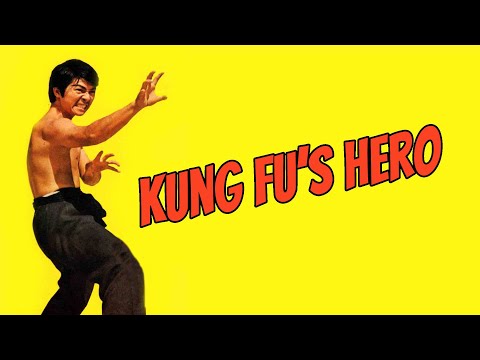
A recent discovery, or rather, a rediscovery, has sent ripples through the digital dojo: a film purportedly featuring Bruce Le in a role titled "Bruce's Secret Kung-Fu," a cinematic artifact from the notorious Wu Tang Collection. The mere mention of Bruce Le, even in a context that whispers of "secret" techniques and shadowy martial arts lore, ignites a firestorm of curiosity among enthusiasts. But does this film truly hold the keys to lost ancient knowledge, or is it another glittering, yet ultimately hollow, imitation in the vast ocean of martial arts cinema? As a seasoned Sensei who has dedicated a lifetime to the rigorous study of *budo* and witnessed countless cinematic portrayals of combat, I approach such claims with a healthy dose of skepticism, tempered by an enduring respect for the art form itself.

The Allure of the "Secret"

The word "secret" is a potent hook, especially when attached to the legendary name of Bruce Lee. It evokes images of hidden techniques, ancient scrolls, and masters passing down esoteric knowledge to a chosen few. This romantic notion is a cornerstone of martial arts mythology, and cinema has long exploited it for dramatic effect. However, in the pursuit of genuine martial understanding, we must learn to distinguish between captivating fiction and functional truth. The real "secrets" of martial arts lie not in hidden styles, but in the relentless dedication to fundamental principles, the deep understanding of physics and biomechanics, and the cultivation of an unwavering spirit.

Deconstructing the "Wu Tang Collection": Bruce Le's "Secret Kung-Fu"

Let's address the film at hand: "Bruce's Secret Kung-Fu," a production from the "Wu Tang Collection." The description itself – Bruce Le, Chang Lik, battling the "Philippino Mafia" employing kung fu fighters – paints a picture of a typical exploitation martial arts film from the late 70s or early 80s. These films often prioritized action and a familiar face (or a convincing look-alike) over narrative depth or genuine martial authenticity. The director, Joseph Kong Hung, and the cast, including the formidable Lo Lieh, were veterans of the Hong Kong film industry, known for their prolific output in the *wuxia* and kung fu genres. While these productions can be entertaining, they are rarely paragons of martial art instruction.

"The true warrior is a craftsman of his own destiny. He does not merely accept fate; he shapes it." – A principle echoing in the heart of true Budo.

Bruce Le vs. Bruce Lee: A Crucial Distinction

Here lies a critical point of confusion that often fuels these "discoveries." The film stars **Bruce Le**, not the iconic **Bruce Lee**. While their names are strikingly similar and Bruce Le was a prominent figure in the martial arts film industry, often stepping in as a "replacement" or imitation of Bruce Lee, they are distinct individuals. Bruce Le was a capable martial artist and actor in his own right, starring in numerous films like "Bruce Lee: The Fastest Fist" and "Bruce Lee Against Supermen." However, attributing any purported "secret" knowledge or techniques from his films to the original Bruce Lee is a disservice to both actors and a misunderstanding of the market dynamics of that era.

The era of Bruce Lee's peak fame saw a surge of actors with similar names and styles, a testament to Lee's unparalleled impact. Many of these films, distributed under various labels like the "Wu Tang Collection" (a name often used broadly for martial arts films, not exclusively linked to the Shaolin Temple's historical legacy), aimed to capitalize on the public's insatiable appetite for Lee's electrifying performances. They offered action, yes, but rarely the philosophical depth or the revolutionary combat science that defined Bruce Lee's Jeet Kune Do.

Cinematic Kung Fu vs. Real Combat: The Chasm of Deception

This is where my critique becomes sharp. The "kung fu" depicted in films like this is almost invariably a stylized performance. Choreographed fights, while often breathtaking, bear little resemblance to the chaotic, unpredictable, and brutal reality of a self-defense encounter. They are designed for visual appeal, for the "wow" factor, not for efficacy under duress. The elaborate forms, the gravity-defying leaps, the seemingly impossible blocks – these are elements of performance art. In a real confrontation, speed, timing, power, and a clear tactical understanding of distance and angles are paramount. The kind of "secret techniques" often alluded to in these films are rarely practical; they are plot devices.

Consider the notion of fighting the "Philippino Mafia." While Filipino martial arts like Kali and Eskrima are highly effective and deadly, their depiction in these films is usually superficial. The cinematic portrayal often simplifies complex weapon-based systems or close-quarters combat into generic, albeit flashy, hand-to-hand exchanges. A true understanding of combat requires studying the principles that govern all ranges and styles, not just a superficial imitation of one.

The Role of Villains and the Depiction of Martial Arts

The film's premise, pitting Bruce Le and Chang Lik against a mafia employing "untold kung fu fighters," highlights a common trope: the overwhelming force of antagonists. This serves to elevate the protagonists' prowess. However, the very idea of "hiring kung fu fighters" to control an area speaks to a misunderstanding of how martial arts function. While skilled individuals can be employed for security or other purposes, the romanticized image of a syndicate deploying dozens of martial arts masters as disposable thugs is pure cinematic fantasy. It creates a dramatic tension that is thrilling to watch but detached from reality. The true strength of a martial artist is often found in discipline and restraint, not in being a tool for criminal enterprises.

"To know your enemy and know yourself; in a hundred battles, you will never be in peril." - Sun Tzu, The Art of War. A timeless principle that transcends cinema.

The Spirit of Budo in Film: A Rare Gem

While many martial arts films are light on substance, there are exceptions. Films that manage to capture the essence of *Budo* – the Way of the Warrior – go beyond mere spectacle. They explore themes of discipline, honor, perseverance, and the philosophical underpinnings of combat. These films often feature choreography that, while still artistic, feels grounded and purposeful. They show the dedication, the sacrifice, and the mental fortitude required to master an art. Sadly, "Bruce's Secret Kung-Fu" likely falls into the category of pure entertainment, prioritizing action sequences over the profound spiritual and ethical development that defines true martial arts.

The "Wu Tang Collection," while serving a purpose in making martial arts films accessible, often curated a wide range of quality, from the truly groundbreaking to the utterly forgettable. Identifying films that genuinely explore the deeper aspects of martial arts requires a discerning eye, one trained not just in appreciating cinematic action but in understanding the core principles of combat and self-mastery.

Veredicto del Sensei: ¿Merece la pena?

From a purely martial arts perspective, Bruce Le's "Secret Kung-Fu" is unlikely to offer profound insights or practical techniques. It is a product of its time, designed to entertain fans of kung fu action, likely featuring an actor capitalizing on a famous name. If your intention is to study genuine martial arts principles, self-defense applications, or the philosophical depth of *Budo*, this film will likely disappoint. However, if you are a fan of classic, often cheesy, 70s/80s kung fu cinema, and enjoy the energetic, if not entirely realistic, fight sequences, then it might offer a nostalgic diversion. Just remember to approach it with the understanding that it is entertainment, not education.

Calificación del Sensei: Cinturón Blanco en Autenticidad, Cinturón Verde en Entretenimiento.

Guía de Entrenamiento: Principios Fundamentales de la Autodefensa Real

While cinematic "secrets" are elusive, the path to genuine self-defense mastery is clear. It requires dedication to fundamental principles that are universally applicable, regardless of style. Here's a guide to developing these core skills:

  1. Develop Functional Strength: Focus on compound movements that build full-body power. Squats, deadlifts, push-ups, pull-ups, and carries are far more beneficial than isolation exercises for combat readiness. Aim for strength that translates to explosive power.
  2. Master Footwork and Balance: Your stance and movement are your foundation. Practice maintaining a stable base while moving in all directions. Learn to shift weight efficiently and recover balance instantly. Drills like shadow boxing with a focus on continuous, fluid movement are crucial.
  3. Understand Distance and Timing: Combat is a game of inches and split seconds. Learn to perceive and control the distance between you and an opponent. Develop timing for attacks and defenses – knowing *when* to move is as important as knowing *how*.
  4. Simplicity is Key: Complex techniques often fail under pressure. Focus on a few high-percentage techniques that are easy to remember and execute, even when adrenaline is high. A solid jab, a powerful cross, and a basic defensive maneuver can be incredibly effective.
  5. Conditioning for Resilience: Real confrontations can be taxing. Incorporate cardiovascular training (running, skipping, circuit training) and high-intensity interval training (HIIT) to build endurance and the ability to recover quickly.
  6. Mental Fortitude: Train your mind as much as your body. Practice visualization, stress inoculation (controlled sparring), and develop a calm, focused mindset. The ability to remain composed under threat is the ultimate "secret."

Equipo Esencial para tu Entrenamiento

While many fundamental martial arts principles can be trained with minimal equipment, certain items can significantly enhance your training, safety, and progression. Investing in quality gear is an investment in your martial journey.

  • Kimono de Judo o Jiu-Jitsu: For grappling arts, a durable, double-weave gi is essential for resisting pulls and tears during sparring. Look for brands known for their ruggedness and comfortable fit.
  • Guantes de Boxeo/MMA (16oz para sparring): Crucial for protecting your hands and your training partners during sparring sessions. Ensure they offer adequate padding and wrist support.
  • Protector Bucal: Non-negotiable for any form of sparring or high-intensity drills to prevent dental injuries.
  • Esterillas de Entrenamiento (opcional): For groundwork drills or floor exercises, especially if your training space is hard.
  • Makiwara o Saco de Boxeo: For developing power, striking technique, and conditioning your hands (use with caution and proper technique!).
  • Ropa Deportiva Cómoda: Breathable and flexible clothing is key for unrestricted movement during training.

Recursos para Profundizar en tu Camino

To truly understand the depth of martial arts beyond the silver screen, I encourage you to explore these resources:

Preguntas Frecuentes

¿Es Bruce Le el mismo que Bruce Lee?

No, Bruce Le and Bruce Lee are different actors. Bruce Lee is the iconic martial arts legend, while Bruce Le was a prominent actor in martial arts films, often appearing in roles that capitalized on Bruce Lee's fame due to their similar names.

¿Qué son las artes marciales "secretas"?

The concept of "secret" martial arts is largely a myth perpetuated by cinema and sensationalized marketing. True mastery comes from dedicated practice, understanding fundamental principles, and continuous self-improvement, not from hidden styles or esoteric techniques passed down in secrecy.

¿Son realistas las peleas en las películas de kung fu?

Generally, no. While some films strive for realism, most martial arts movies feature choreographed fights designed for entertainment value. They often sacrifice practical efficacy for visual flair, elaborate acrobatics, and dramatic storytelling.

¿Por qué la "Wu Tang Collection" es un nombre tan común para estas películas?

The name "Wu Tang Collection" became a popular label for distributing a wide variety of martial arts films, particularly during the VHS era. It evoked imagery of the Shaolin Temple and ancient kung fu traditions, serving as a recognizable brand for fans seeking martial arts action, even if the films themselves had no direct connection to the historical Wu Tang dynasty or Shaolin monks.

¿Qué arte marcial es más efectivo en una pelea real?

The most effective martial art is the one you are most proficient in, applied with the right mindset and strategy. Styles like Brazilian Jiu-Jitsu (BJJ), Muay Thai, Boxing, Wrestling, and Judo are highly regarded for their effectiveness in sport combat and self-defense. However, fundamental principles like timing, distance management, and a strong mental game are more crucial than the specific style itself.

Reflexión del Sensei: Tu Próximo Paso

We've dissected "Bruce's Secret Kung-Fu" not just as a film, but as a symbol of the enduring allure and the often misleading nature of martial arts representation in popular culture. The "secrets" so many seek are not hidden in dusty scrolls or whispered incantations; they are forged in sweat, discipline, and the relentless pursuit of self-mastery. The true power lies not in a fictional character's cinematic prowess, but in your own commitment to the path.

Reflexión del Sensei: Tu Próximo Paso

If you seek genuine martial advancement, look beyond the shadows of cinematic myth. What is the one fundamental principle—be it footwork, timing, breathing, or mental clarity—that you have neglected in your training? How will you dedicate the next seven days, with unwavering focus, to making that principle the bedrock of your practice? The real "secret" is simply showing up, day after day, and committing to the Way.

``` GEMINI_METADESC: An in-depth critique of Bruce Le's 'Secret Kung-Fu' from the Wu Tang Collection, separating cinematic fantasy from martial arts reality. Explore Budo principles.

Wu Tang Collection - Kung Fu's Hero: A Martial Arts Film Analysis

As a Sensei deeply entrenched in the philosophical and practical realms of Budo and the kinetic poetry of martial arts cinema, I often find myself contemplating the very essence of what makes a martial arts film resonate. Is it the visceral thrill of a perfectly executed strike? The emotional depth of a character's journey? Or perhaps the subtle, yet powerful, transmission of a martial principle through the silver screen? Today, we delve into "Wu Tang Collection - Kung Fu's Hero," a film that, while perhaps not a household name like some of its contemporaries, offers a fascinating glimpse into the landscape of 70s and 80s Hong Kong action cinema.

Our intent, as practitioners and enthusiasts of the martial path, is to dissect this film not merely as entertainment, but as a cultural artifact that reflects, however imperfectly, the martial arts it purports to portray. We will examine its narrative, its performances, and crucially, its action choreography, seeking the threads of genuine martial spirit within the tapestry of its genre conventions.

Table of Contents

Introduction: The Glimmer of the Wu Tang Collection

The "Wu Tang Collection" itself evokes a certain mystique, promising raw, unadulterated kung fu action. "Kung Fu's Hero" is a testament to this promise, albeit one filtered through the specific lens of its director, Joseph Kong Hung. In an era when Hong Kong cinema was experiencing its golden age, films like this were the lifeblood of the genre, often produced with rapid turnarounds but fueled by a genuine passion for martial arts and storytelling. The question for us, the seasoned martial observer, is whether "Kung Fu's Hero" transcends its B-movie origins to offer something truly instructive or inspiring.

Many viewers approach these films looking for a pure distillation of martial arts. But as any seasoned practitioner knows, the path of Budo is not solely about physical prowess; it is about discipline, character, and the cultivation of an unshakeable spirit. Does "Kung Fu's Hero" manage to convey these deeper principles amidst its smuggling rings and undercover stings? Or is it merely a spectacle of kicks and punches? Let us investigate.

Director and Cast: Laying the Foundation

Directed by Joseph Kong Hung, "Kung Fu's Hero" features a cast that includes Cheung Nik, the formidable Bolo Yeung, Chiang Tao, and Lee Chiu. While not all names might immediately spark recognition for the casual viewer, within the circles of martial arts film aficionados, figures like Bolo Yeung are legendary. His imposing physique and brutal screen presence made him a staple in countless action films, often embodying the villain or the ultimate physical challenge.

Cheung Nik, as the protagonist, carries the weight of the narrative. The success of an undercover cop story hinges on the actor's ability to portray both the cunning strategist and the skilled warrior. Chiang Tao and Lee Chiu round out the ensemble, likely contributing to the intricate fight sequences and the overall texture of the film's world.

The synergy between director and cast is paramount in creating a believable martial arts world. A director’s vision, combined with the actors' dedication to their craft, can elevate a simple plot into a compelling martial arts drama. We must ask: what was Director Kong Hung’s vision? Did he aim for realism, for stylized spectacle, or for something in between?

Narrative Analysis: Undercover Ops and Kung Fu Tropes

The plot – an undercover cop infiltrating a gang of smugglers to save the women he loves – is a classic trope in action cinema. It provides ample opportunity for both tense dramatic scenes and explosive combat. The narrative arc typically involves the protagonist facing increasing danger, forming reluctant alliances, and ultimately confronting the main antagonists. The stakes are personal, driven by love and a sense of duty.

However, in martial arts films, the narrative often serves as a framework for the action. The "why" behind the fighting is important, but the "how" of the fighting takes center stage. The effectiveness of this plot in "Kung Fu's Hero" lies in how well it integrates the martial arts sequences. Do the fights emerge organically from the story, or do they feel shoehorned in? An undercover cop, for instance, might need to use stealth and close-quarters combat to avoid revealing his identity, offering a different tactical approach than a straightforward confrontation.

The inclusion of "saving the women he loves" adds a layer of personal motivation, a common theme that resonates deeply within the warrior ethos. Loyalty and protection are cornerstones of many martial traditions, and seeing these values reflected in a film's narrative can enhance its impact.

Fight Choreography: The Heart of the Matter

This is where a martial arts film truly earns its stripes, or in this case, its "Kung Fu's Hero" title. The choreography in films of this era often varied wildly in quality. Some were breathtakingly intricate, showcasing high-flying kicks, dynamic acrobatics, and precise weapon work. Others could be more rudimentary, relying on brute force and repetitive strikes.

We must examine:

  • Authenticity vs. Spectacle: Did the fight scenes attempt to mimic real martial arts techniques, or were they purely for visual flair?
  • Pacing and Flow: How well did the fights build tension and escalate? Was there a clear rhythm and progression?
  • Characterization Through Combat: Did the fighting style of each character reflect their personality or role in the story? A quick, agile fighter might contrast with a slower, powerful brawler.
  • Use of Environment: Were the fights confined to open spaces, or did the characters creatively utilize their surroundings?

The effectiveness of the choreography is often the deciding factor in whether a film becomes a beloved classic or a forgettable flick. In the context of Budo, the efficiency and economy of motion are key. While Hong Kong cinema is known for its spectacular, almost dance-like fighting, the underlying principles of leverage, balance, and impact remain.

The ultimate aim of martial arts is not only victory but also the cultivation of character, resilience, and a profound understanding of oneself.

Bolo Yeung's Presence: A Force to Reckon With

Bolo Yeung is a name synonymous with pure physical power on screen. His roles, particularly as a formidable antagonist, often presented an almost insurmountable obstacle for the hero. In "Kung Fu's Hero," his presence guarantees a certain level of intense physicality. Yeung’s natural physique and his commitment to portraying brute strength made him an iconic figure.

When actors like Bolo Yeung appear, the fight choreography often adapts to their strengths. Their scenes demand opponents who can either match their power or employ superior technique and speed to overcome the physical disadvantage. This dynamic creates compelling confrontations. His characters often embody the raw, untamed force that martial arts training seeks to overcome or control.

Cultural Context: The Era of Kung Fu Cinema

"Kung Fu's Hero" was released during a period of immense popularity for martial arts films, particularly those emerging from Hong Kong. This genre was not just entertainment; it was a cultural phenomenon that introduced millions worldwide to the concepts and visual language of various kung fu styles. Films like these often drew inspiration from traditional Chinese martial arts, folk legends, and historical epics.

The "Wu Tang Collection" itself often delved into the grittier, more direct styles of kung fu. These films were less about philosophical exposition and more about the raw application of techniques. They captured the imagination with their depictions of superhuman feats of strength, speed, and combat prowess, influencing a generation of filmmakers and martial artists.

Understanding this context is crucial. These films were made in a specific time, with specific budgets and often under challenging production conditions. Yet, they managed to export a potent image of martial arts power and artistry across the globe.

Veredicto del Sensei: Does it Earn its Black Belt?

"Wu Tang Collection - Kung Fu's Hero," while not reaching the pantheon of martial arts masterpieces, serves as a worthy entry into the annals of action cinema. Its narrative, though familiar, provides a solid scaffolding for the action sequences. The presence of Bolo Yeung lends significant weight to its combat scenes, and director Joseph Kong Hung navigates the genre conventions with a steady hand.

The fight choreography, while perhaps not as intricate as some contemporaries, likely delivers the hard-hitting, dynamic action that fans of the Wu Tang Collection expect. It successfully embodies the spirit of its era, offering a dose of pure, unadulterated kung fu entertainment. It's a film that understands its audience and delivers what they came for.

Cinturón Negro en Entretenimiento de Acción.

Training Advice: Lessons from the Screen to the Dojo

While we critique and analyze, there are always lessons to be gleaned. Even in films that prioritize spectacle, principles can be found:

  1. The Importance of Physical Conditioning: Observe the endurance and power displayed. This underscores the necessity of consistent physical training to perform demanding techniques.
  2. Adaptability in Combat: The undercover cop narrative implies the need for diverse skill sets – close-quarters combat, perhaps some stealth, and the ability to blend in. This translates to cross-training in various martial arts for a well-rounded foundation.
  3. Mindset of Resilience: Facing overwhelming odds is a recurring theme. This highlights the mental fortitude required to persevere, a core tenet of BUDO and all true martial arts.
  4. Utilizing the Environment: Even if exaggerated, fights often incorporate their surroundings. In training, consider how to use balance, positioning, and obstacles to your advantage.

Equipment Recommendations for Your Training

To emulate the dedication seen on screen, having the right gear is essential for serious training:

  • Durable Uniforms (Gi/Dobok): For styles like Judo or Karate, a robust uniform that withstands intense grappling and striking is crucial. Look for double-weave cotton for longevity.
  • Sparring Gear: Headguards, mouthguards, shin pads, and groin protectors are vital for safe sparring, allowing you to push your limits with confidence.
  • Training Mats (Tatami/Puzzle Mats): Essential for safe falls and grappling practice, especially if training at home.
  • Weighted Training Vest: To enhance conditioning and build functional strength, a weighted vest can simulate the resistance faced by screen warriors.
  • Body Protector (Pao): For practicing powerful strikes with a partner, a sturdy body protector is indispensable for both the striker and the receiver.

Investing in quality martial arts equipment is an investment in your safety and progress. For those interested in specific styles, consider looking for Karate merchandise or high-quality Judo gis.

Frequently Asked Questions

Q: Is "Kung Fu's Hero" based on a true story?
A: While inspired by classic martial arts tropes and potentially drawing from common criminal activities, the plot of an undercover cop infiltrating a smuggling ring is largely fictional, typical of the genre.

Q: Who is Bolo Yeung?
A: Bolo Yeung is a renowned martial artist and actor, famous for his muscular physique and powerful screen presence in numerous Hong Kong action films, including "Enter the Dragon" and "Bloodsport."

Q: What is the "Wu Tang Collection"?
A: The "Wu Tang Collection" is a series of films, often featuring classic Hong Kong martial arts action, known for their raw, unpolished, and often gritty style.

Q: How does this film compare to modern MMA films?
A: "Kung Fu's Hero" predates the mainstream popularity of modern MMA films. Its action is rooted in traditional kung fu styles and cinematic choreography, whereas MMA films tend to focus on mixed martial arts techniques like grappling and diverse striking arts.

To Deepen Your Journey

For those captivated by the spirit of martial arts cinema and philosophy, further exploration is always encouraged. Consider delving into:

  • BUDO and its philosophical underpinnings.
  • The history and diverse styles within artes marciales.
  • The impact of MMA on contemporary combat sports and filmmaking.
The true warrior is not one who wins every battle, but one who rises every time they fall. This spirit is what elevates mere combat into the realm of martial art.

Reflexión del Sensei: Your Next Step

You've analyzed the narrative, dissected the action, and considered the context. Now, the true lesson begins. In your own training, when you face a difficult technique or a frustrating plateau, do you retreat, or do you channel the "Kung Fu's Hero" within? Remember, the greatest battles are often those fought within the mind and the spirit. How will you approach your next training session, not just with physical effort, but with the unwavering resolve of a true martial artist?

``` GEMINI_METADESC: Critically analyze the martial arts film 'Kung Fu's Hero' from the Wu Tang Collection. Examine its narrative, fight choreography, Bolo Yeung's role, and cultural impact with a Sensei's expert eye.

Donnie Yen: Beyond the Blinding Fist - Facts Every Martial Artist Needs to Know

Welcome, seekers of the Way. Have you ever watched Donnie Yen move on screen and felt that spark, that primal recognition of true mastery? It's more than just choreography; it's a reflection of deep principles, honed over years of relentless dedication. But beyond the on-screen persona, who *is* the man behind the legend? Today, we delve into the lesser-known facts about Donnie Yen, peeling back the layers to reveal the martial artist and the individual. Prepare to have your understanding of this cinematic icon expanded.

Unveiling the Man: From Hong Kong to Hollywood

Donnie Yen Ji-dan is a name synonymous with high-octane action and breathtaking martial arts sequences. Yet, his journey is far from the simple narrative of a movie star. Born in Guangzhou, China, and raised in Hong Kong, Yen's early life was steeped in the discipline and traditions of martial arts, a fact that would profoundly shape his destiny. His mother, Kify Yen, was a martial arts master herself, renowned for her skills in Wushu and Tai Chi. This maternal influence was crucial, providing Donnie with a foundational understanding of movement, balance, and the underlying philosophy of combat.

While many associate Yen solely with Wing Chun, thanks to his iconic portrayal of Ip Man, his training regimen has been far more eclectic. He has immersed himself in a vast array of styles, from the graceful power of Tai Chi to the explosive techniques of Taekwondo and the raw pragmatism of Muay Thai. This diverse background is a testament to his commitment to understanding the breadth of martial combat, not just a single discipline. It's this polymathic approach to martial arts that allows him to adapt and excel in various cinematic roles.

The Crucible of Training: Early Years and Influences

The path to stardom was paved with sweat and discipline. Donnie Yen’s formative years were spent in intense training, often pushing his body and mind to their limits. His mother's martial arts school became his primary dojo, a place where he learned not just techniques, but the character-building aspects of the martial way. This relentless practice was not always easy; Yen himself has spoken about the challenges and the strictness of his early training.

"The martial arts, in essence, are about self-defense. But it's more than just physical; it's about cultivating inner strength, discipline, and respect. These are lessons that transcend the dojo and apply to every aspect of life."

His early exposure to diverse martial arts, including Judo and Kickboxing, through his exposure to various martial arts communities in Hong Kong, contributed to his versatile fighting style. This broad foundation allowed him to later blend these elements seamlessly into his cinematic fight choreography. He was not just learning to fight; he was learning to *think* like a martial artist, to analyze movement, strategy, and the psychological aspects of combat. This intellectual engagement with martial arts is a hallmark of true practitioners.

The 1980s saw Yen making his cinematic debut, but it was his relentless pursuit of martial arts excellence that truly set him apart. He didn't just act; he *trained* rigorously for each role, ensuring that his on-screen performances reflected genuine skill. This dedication is what began to earn him respect in the demanding world of Hong Kong action cinema.

More Than Just Ip Man: A Diverse Cinematic Journey

While the Ip Man series cemented Donnie Yen's global superstardom, his filmography is far richer and more varied than many realize. Before donning the iconic Wing Chun master's attire, Yen showcased his talents in films like Once Upon a Time in China II (1992), where he played a formidable antagonist, and Iron Monkey (1993), a critically acclaimed martial arts classic. These roles demonstrated his innate charisma and his ability to deliver thrilling fight sequences long before his international breakthrough.

His foray into directing and choreography further highlights his deep understanding of martial arts cinema. Films like Ballistic (2001) and Wing Chun (1994) allowed him to experiment with innovative fight sequences and showcase his evolving choreographic vision. He pushed boundaries, blending traditional techniques with modern cinematic flair, often creating fight scenes that were not only visually spectacular but also narratively compelling.

Yen's versatility extends beyond purely martial arts films. He has taken on roles in genres ranging from crime thrillers like SPL: Sha Po Lang (2005) – a film renowned for its gritty, realistic combat – to fantasy epics and even romantic comedies. This ability to inhabit diverse characters while maintaining his signature action prowess speaks volumes about his acting range and his enduring appeal. His performance in Rogue One: A Star Wars Story as the blind warrior Chirrut Îmwe, for instance, showcased his ability to imbue a character with spiritual depth and formidable martial skill on a global stage.

The Essence of Movement: Yen's Approach to Combat

What truly distinguishes Donnie Yen is his profound understanding of martial arts philosophy. He doesn't merely execute moves; he embodies principles. His fighting style is characterized by efficiency, precision, and a remarkable economy of motion. This is a direct reflection of the teachings of masters like Ip Man, who emphasized that true martial arts should be practical and direct, focusing on simultaneous attack and defense.

Yen often speaks about the importance of "feeling" the opponent and the flow of combat. This intuitive understanding, often described as Mushin (no-mind) in Zen Buddhism, allows him to react instantaneously and effectively. It's not about overwhelming the opponent with brute force, but about redirecting their energy, exploiting openings, and ending the encounter with minimal, decisive action. This resonates deeply with the core tenets of many traditional arts.

"For me, martial arts is a way of life. It’s about discipline, respect, humility, and continuous self-improvement. The physical aspect is important, but the mental and spiritual aspects are what truly define a martial artist."

His choreography often incorporates elements of improvisational flow, making the fights appear organic rather than rigidly rehearsed. This fluidity is a hallmark of advanced martial practitioners who have internalized their techniques to the point where they become an extension of their will. It’s this blend of rigorous training and philosophical depth that makes his on-screen battles so captivating and, for those who understand, so authentic.

A Lasting Impact: Donnie Yen's Contribution to Martial Arts Cinema

Donnie Yen has not only starred in martial arts films; he has actively reshaped the genre. His influence can be seen in the increased emphasis on realistic, hard-hitting fight choreography in modern action cinema. Films like SPL: Sha Po Lang revitalized the crime-fighting genre with its brutal, close-quarters combat sequences, drawing inspiration from styles like Krav Maga and MMA, but executed with a distinct Donnie Yen flair.

He has brought a new generation of martial arts fans to appreciate the depth and complexity of various fighting styles. His portrayal of Ip Man, in particular, has sparked renewed interest in Wing Chun globally. By showcasing the effectiveness and elegance of this art form, Yen has inspired countless individuals to take up martial arts training themselves.

Furthermore, his success in Hollywood, notably in the Star Wars universe and the upcoming John Wick: Chapter 4, has opened doors for other martial artists and Asian actors, breaking down barriers and fostering greater diversity in global cinema. He serves as a powerful ambassador for martial arts, demonstrating that dedication, discipline, and skill can lead to extraordinary achievements.

Sensei's Verdict: Is Donnie Yen a True Martial Arts Masterpiece?

From my perspective as a seasoned practitioner and observer of the martial arts, Donnie Yen is more than just a martial arts movie star; he is a genuine martial artist who has masterfully translated his lifelong dedication into a global cinematic phenomenon. His depth of knowledge across multiple styles, his rigorous training ethic, and his understanding of the philosophical underpinnings of combat are undeniable.

While the spotlight of cinema inevitably adds a layer of artistry and performance, Yen's foundational skills and his ability to convey the essence of martial arts principles are profound. He respects the traditions while innovatively pushing the boundaries of what is possible on screen. His influence on the genre and his inspiration to practitioners worldwide solidify his status.

Rating: 9.5/10 - A True Champion of the Martial Arts Way.

Essential Gear for Your Training

To train effectively, whether you're inspired by Donnie Yen's dynamic style or seeking to master your own chosen art, the right equipment is crucial. Investing in quality gear not only enhances your training experience but also ensures safety.

  • Durable Kimono/Gi: For arts like Judo and Karate, a robust gi made from high-quality cotton is essential. Look for double-weave fabrics for added durability, especially if you plan on sparring.
  • Sparring Gloves: If your training involves striking or sparring (like in Kickboxing or MMA), well-padded sparring gloves are a must to protect your hands and your partner.
  • Mouthguard: A properly fitted mouthguard is non-negotiable for any contact sport to prevent dental injuries.
  • Shin and Instep Guards: Crucial for arts involving kicks, these protect against impact and abrasions during training drills and sparring.
  • Training Mats (Tatami): For grappling arts or solo practice of forms and throws, quality training mats provide necessary cushioning and grip.

Remember, the best equipment is the kind that allows you to train safely and consistently, helping you progress on your martial journey. Investing in these items can make a significant difference in your development.

Frequently Asked Questions

What is Donnie Yen's primary martial art?
While Donnie Yen is most famously associated with Wing Chun due to his portrayal of Ip Man, he has trained extensively in a wide variety of martial arts, including Taekwondo, Judo, Kickboxing, Muay Thai, and Wushu.
How old was Donnie Yen when he started training?
Donnie Yen began his martial arts training at a very young age, influenced by his mother, Kify Yen, who was a martial arts master herself. He was reportedly around 4 years old when he started practicing Tai Chi and Wushu.
What is Donnie Yen's philosophy on martial arts?
Yen views martial arts as a way of life focused on discipline, respect, humility, and continuous self-improvement, with a strong emphasis on the mental and spiritual aspects alongside the physical.
Has Donnie Yen ever competed professionally?
While he has been involved in numerous performances and exhibitions, Donnie Yen is primarily known for his acting and choreography in films rather than professional competitive fighting in the vein of MMA or boxing.
What martial art style is most evident in his Ip Man portrayal?
His portrayal of Ip Man prominently features Wing Chun, the martial art that Ip Man himself was a grandmaster of. Yen's performance is lauded for its authenticity and skill in demonstrating Wing Chun principles.

To Further Your Path

Sensei's Reflection: Your Next Step

We've explored the facets of Donnie Yen's journey, from his rigorous early training to his global cinematic impact. But knowing is only half the battle. The true lesson lies in application.

"If you know the enemy and know yourself, you need not fear the result of a hundred battles." - Sun Tzu

Consider this: How does the principle of continuous learning, as embodied by Yen's diverse martial arts background, apply to your own training and life? Are you limiting yourself to one path, or are you open to exploring the myriad forms of combat and self-improvement available to you? The Way is vast, and stagnation is the enemy of progress. What new discipline will you explore next, even if only in theory, to broaden your understanding of the martial spirit?

```

Wu-Tang Collection: A Deep Dive into the Martial Spirit of "Chivalrous"

The Echoes of the Northern Song Dynasty

The Wu-Tang Collection, a veritable treasure trove for aficionados of classic martial arts cinema, often presents us with films that are more than just entertainment; they are windows into a bygone era, glimpses into the disciplined world of the warrior. Today, we turn our analytical gaze upon Chivalrous, a film that, while perhaps not a household name, carries the weight of its genre with a certain gravity. Directed by George Chi and featuring a cast including Lo Meng, Yan Xi, and Derek Kwok, this cinematic offering transports us to the turbulent Northern Song Dynasty. Here, amidst the grandeur of the Xuanwu Order, four martial arts families engage in a fierce struggle for dominance. But beyond the on-screen battles, what true martial spirit does Chivalrous embody? Does it merely showcase empty theatrics, or does it resonate with the deeper principles of Budo? Join me, your Sensei, as we dissect this film not just as viewers, but as practitioners seeking the essence of the martial way.

Deconstructing the Battle for Supremacy

The premise of Chivalrous is a classic martial arts trope: the clan war. The Xuanwu Order, a venerable institution, becomes the crucible where the destinies of four prominent martial arts families are forged through conflict. This setup immediately begs the question: what specific martial arts traditions are represented, and how do they clash? The narrative, though ostensibly about power struggles, is the canvas upon which the true art is painted. The film promises a visual spectacle of rivalries, alliances, and betrayals, all underscored by the movement and techniques of seasoned warriors. As a critic deeply rooted in the practical application and philosophical underpinnings of combat sports and martial arts, I look for authenticity, strategic depth, and the transmission of core values. The "supremacy in the martial world" isn't just about who can land the most blows, but who embodies the superior understanding of combat, strategy, and self-mastery. The question isn't merely "who wins?", but "how do they win, and what does that victory say about their art?"

The Dance of the Warrior: Choreography and Authenticity

The heart of any martial arts film lies in its fight choreography. In Chivalrous, with directors like George Chi at the helm and actors known for their physical prowess, we expect a certain standard. The film purports to depict the struggles between different martial arts families. This implies a diversity of styles, each with its own distinct visual language and strategic approach. Are the movements crisp, believable, and demonstrative of genuine techniques, or are they overly stylized and divorced from reality? I pay close attention to the flow of combat. Does it resemble a chaotic brawl, or a strategic exchange where each move has a purpose and a counter? The use of weaponry, the close-quarters grappling, and the striking techniques – all must be evaluated. Is there evidence of styles like Kung Fu, Karate, or perhaps even elements of Judo or BJJ, albeit historically anachronistic? The authenticity of the execution is paramount. Even in a historical setting, the fundamental principles of balance, leverage, and timing should be discernible. If the choreography relies too heavily on wire-fu or overly exaggerated movements that defy physics, the martial integrity of the film is compromised. This is where many films falter, becoming mere action spectacles rather than genuine martial arts narratives.

"True martial arts are not about winning every fight, but about striving for perfection of character and the development of a spirit that is unbreakable." - A principle often echoed by masters across disciplines.

The interaction between Lo Meng and his co-stars will be crucial here. Lo Meng, in particular, has a filmography that often showcases a solid foundation in martial arts. His performance, and that of Yan Xi and Derek Kwok, will be a key indicator of whether the film prioritizes genuine martial expression or mere dramatic flair. The way they engage, parry, and strike speaks volumes about their training and the director's vision.

Beyond the Fist: Underlying Martial Philosophy

While the visual spectacle of combat is undeniable, the true resonance of a martial arts film often lies in its philosophical underpinnings. The title itself, Chivalrous, hints at a code of conduct, a set of ethics that should guide the actions of these warriors. The concept of 'chivalry' in a martial context transcends mere politeness; it speaks to honor, righteousness, and the responsible use of power. In the Northern Song Dynasty, the 'martial world' was not just a battlefield but a complex social structure governed by its own unwritten laws. The struggle for supremacy by these four families should, ideally, reflect a deeper exploration of these principles. Are the characters motivated by greed and ego, or by a desire to uphold justice and protect the innocent? Does the film explore the concept of Mushin – the "no-mind" state of effortless action – or the principles of Bushido, even if not explicitly named as such? The dedication to a martial path often involves immense sacrifice, discipline, and a constant internal struggle. A film that merely depicts external conflict without touching upon this internal dimension often feels superficial. I look for moments of introspection, instances where a character grapples with the morality of their actions, or displays a profound understanding of the interconnectedness of life and combat. This is what elevates a martial arts film from a mere action flick to a profound exploration of the human spirit.

Veredicto del Sensei: Does "Chivalrous" Earn Its Black Belt?

Evaluating Chivalrous through the lens of a seasoned martial artist and film critic presents a nuanced picture. The film undoubtedly taps into the rich tradition of historical martial arts cinema, presenting a narrative of clan warfare and the pursuit of dominance. The setting of the Northern Song Dynasty and the core conflict between four martial arts families provide a fertile ground for showcasing diverse fighting styles. However, the true measure of its success lies in the execution. Based on the premise and the known quality of some of its participants, we can anticipate competent, if not revolutionary, fight choreography. The presence of actors like Lo Meng suggests a degree of authentic martial movement will likely be present. The philosophical depth, though hinted at by the title "Chivalrous," remains to be seen. Does it merely serve as a backdrop for action, or does it genuinely explore themes of honor, duty, and the ethical use of martial prowess?

Overall Assessment: Chivalrous is a solid entry within the martial arts genre, particularly for those who appreciate historical settings and classic clan rivalries. It offers competent action and a glimpse into the competitive spirit that drives martial artists. While it may not redefine the genre, it successfully delivers on the promise of martial conflict and honor.

Classification: A commendable performance, but perhaps not a legendary one. It’s a well-executed demonstration of foundational techniques. It doesn't break new ground, but it respects the traditions it portrays.

Training: Embracing the Spirit of Competition

The spirit of competition seen in films like Chivalrous can be a powerful motivator for your own training. While your dojo may not be a battlefield for clan supremacy, the drive to improve, to test your skills, and to overcome challenges is universal. Here’s how to channel that competitive energy constructively:

  1. Set Clear Goals: Just as the families in the film strive for dominance, define what you want to achieve. Is it mastering a specific kata, improving your sparring record, or achieving a higher rank?
  2. Embrace Sparring: Regular sparring with training partners is the closest you'll get to a real test. Focus on applying techniques learned, understanding timing, distance, and strategy. Remember, the goal is mutual improvement, not just victory.
  3. Analyze Your Performance: After sparring or training sessions, reflect. What worked? What didn’t? Where did you make mistakes? This self-assessment is critical for growth, just as a commander would review battle plans.
  4. Study Different Styles: The film depicts different families fighting. In your training, understanding the strengths and weaknesses of various martial arts can broaden your perspective. Consider cross-training in kickboxing, grappling, or other related arts.
  5. Cultivate Resilience: You will lose rounds, you will make mistakes, and you will face opponents who seem superior. The key is not to be defeated, but to learn from every setback. This resilience is the core of the martial spirit.
  6. Respect Your Opponent: True chivalry extends to the training floor. Treat your training partners and opponents with respect, acknowledging their effort and skill. The spirit of competition should never overshadow the spirit of camaraderie.

While Chivalrous is steeped in historical martial arts, modern training requires appropriate gear to ensure safety and effectiveness. Investing in quality equipment is a mark of respect for your art and yourself.

  • Durable Training Uniform (Gi/Kimono): For arts like Judo, Karate, or Aikido, a sturdy, double-weave gi is essential. It must withstand rigorous grappling and striking. Look for brands known for their longevity and comfort. Karate merchandise often includes high-quality gi options.
  • Sparring Gloves: Whether you’re practicing kickboxing, MMA, or conditioned sparring in Karate, appropriate gloves are crucial for protecting your hands and your partner’s face. For MMA training, 4oz to 6oz gloves are common. For heavier striking arts like Kyokushin Karate, specialized sparring gloves offer more padding.
  • Mouthguard: Non-negotiable for any form of sparring or live training. A good mouthguard can prevent serious dental injuries.
  • Shin Guards: Essential for kickboxing and Muay Thai, and highly recommended for Karate sparring involving leg kicks.
  • Training Mats (Tatami/Roll-out Mats): For home training, especially if you practice throws, groundwork, or dynamic falls, investing in quality mats is vital to prevent injuries.
  • Training Weapons (if applicable): If your art involves weapons (e.g., Kali, Fencing, Kendo), ensure you use safe training versions – wooden bokken, foam kali sticks, or padded fencing foils.

Preguntas Frecuentes

  • Q: What martial arts styles are depicted in "Chivalrous"?
    A: While not explicitly detailed, the film implies a historical Chinese martial arts context, likely encompassing various traditional Kung Fu styles common during that era. The focus is more on the inter-family rivalry than specific stylistic breakdowns.
  • Q: Is Lo Meng a skilled martial artist?
    A: Yes, Lo Meng is a veteran actor known for his extensive experience in martial arts films, often demonstrating a strong foundation in traditional Chinese martial arts.
  • Q: What is the historical context of the Northern Song Dynasty in martial arts?
    A: The Northern Song Dynasty (960-1127 AD) was a period of significant cultural and military development in China. While specific martial arts lineages from that exact period are debated, it was a time when various regional fighting systems were evolving and being codified.
  • Q: How does the film "Chivalrous" relate to the Wu-Tang Clan?
    A: The "Wu-Tang Collection" refers to a curated series of classic martial arts films often distributed or popularized by individuals or groups associated with the iconic hip-hop group Wu-Tang Clan, who are renowned for their deep appreciation and influence from martial arts culture.

Para Profundizar en tu Camino

"The opponent is your teacher. Through him, you can learn to overcome yourself." - A sentiment that resonates across all martial disciplines.

The allure of films like Chivalrous lies in their ability to ignite the imagination and stir the martial spirit within us. They remind us of the dedication, the discipline, and the code of honor that define true warriors. But as practitioners, we must go beyond passive viewing. We must internalize the lessons, apply the principles, and strive to embody the chivalry and martial integrity on and off the training floor.

Reflexión del Sensei: Tu Próximo Paso

After dissecting Chivalrous, a question lingers: In our modern world, saturated with fleeting trends and instant gratification, how do we cultivate the long-term dedication and ethical framework that the title "Chivalrous" implies? Is it enough to simply mimic the moves on screen, or must we truly embody the warrior's heart in our daily lives? Consider this: If your life were a martial arts film, what would be the central theme of your 'story,' and how would your actions demonstrate your commitment to that theme?

``` GEMINI_METADESC: An in-depth martial arts critique of the Wu-Tang Collection film 'Chivalrous', analyzing its choreography, authenticity, and adherence to martial principles. Featuring director George Chi and cast Lo Meng, Yan Xi, and Derek Kwok.

The Monk of Kung Fu: A Deep Dive into a Cinematic Martial Arts Masterpiece

Ah, "The Monk of Kung Fu." The title alone conjures images of disciplined movements, spiritual fortitude, and the raw power of ancient martial arts distilled onto the silver screen. But what truly makes this film, and others like it, resonate with the soul of a martial artist? It's more than just well-choreographed fights; it's about the embodiment of a philosophy, the dedication to a craft, and the enduring spirit that defines the warrior's path. Today, we dissect this cinematic offering not merely as a movie, but as a testament to the enduring allure of the martial way.

A Cinematic Canvas of the Martial Way

Many films present martial arts as mere spectacle, a flurry of kicks and punches designed to thrill. "The Monk of Kung Fu," however, often aims for something deeper. It seeks to portray the discipline, the dedication, and the philosophical underpinnings that truly define the martial arts. The original source may be rooted in the vibrant traditions of Chinese cinema, but its appeal transcends borders, speaking to a universal desire for self-mastery and the pursuit of excellence.

The intention behind such films is often to inspire. They show us characters who, through rigorous training and unwavering commitment, overcome seemingly insurmountable odds. This is the core of what we, as martial artists, strive for: not just to fight, but to grow, to learn, and to embody the principles of the warrior's path. Let's delve into what makes this particular film a subject worthy of our attention.

The Monk as a Character: Embodiment of Discipline

At the heart of "The Monk of Kung Fu" lies its protagonist. Is he a representation of a Shaolin monk, a symbol of focused energy and spiritual depth? Or is he merely a narrative device to showcase dazzling combat sequences? The true strength of any martial arts film lies in its ability to portray the internal journey as much as the external conflict.

A monastic figure, by definition, represents a life dedicated to discipline. Their movements are not born of aggression, but of control, precision, and deep understanding. When such a character engages in combat, it's not about inflicting pain, but about resolving conflict with the most efficient and effective means, often with a spiritual detachment. This detachment, known in Zen Buddhism as Mushin (no-mind), allows for spontaneous reaction and perfect execution, unburdened by conscious thought or emotion. A well-portrayed monk character in a martial arts film should embody this state, making their actions appear almost effortless, yet devastatingly potent.

"The true warrior is one who has no desire to fight." - A common tenet in many martial philosophies, often misunderstood by those who only see the surface of combat.

We will explore how "The Monk of Kung Fu" portrays this ideal. Does the monk’s journey reflect the arduous path of self-improvement that defines true martial arts? Or does it fall into the trap of glorifying violence without the necessary context of its underlying philosophy? The answer often lies in the subtle nuances of the character's actions and their motivations.

Choreography and Authenticity: The Heartbeat of the Fight

When assessing any martial arts film, the choreography is paramount. Is it realistic? Does it draw from actual fighting systems, or is it purely for cinematic flair? For a film like "The Monk of Kung Fu," which directly references monastic martial arts, the expectation of authenticity is higher.

We look for elements that echo traditional systems. Are there recognizable stances, blocks, and strikes? Does the flow of combat suggest a deep understanding of principles like distance, timing, and leverage? Films that incorporate techniques from styles like Shaolin Kung Fu, Wing Chun, or even Karate, often draw from a rich wellspring of practical applications. The visual language of these styles, when translated effectively to film, can be incredibly powerful.

However, authenticity in cinema is a delicate balance. Pure realism can sometimes lead to less dynamic viewing. The best martial arts films find a way to integrate practical techniques with cinematic dynamism. They might exaggerate slightly for effect, but the underlying principles remain sound. For instance, a well-executed takedown in Judo or Brazilian Jiu-Jitsu might be amplified, but the mechanics of the throw or submission remain recognizable.

We must ask: Does "The Monk of Kung Fu" honor the martial traditions it depicts, or does it reduce them to mere special effects? The difference lies in the respect shown to the movements, the intent behind each action, and the understanding that martial arts are not just about winning a fight, but about the perfection of oneself.

Philosophical Underpinnings: More Than Just Movement

The true essence of BUDO and the broader concept of martial philosophy extends far beyond physical prowess. It delves into self-discipline, mental fortitude, respect, and the pursuit of inner peace. A film that claims to showcase monastic martial arts should, ideally, touch upon these deeper aspects.

Consider the principles of Bushido, the code of the samurai. While not directly applicable to monastic traditions, it shares common ground in its emphasis on integrity, loyalty, and self-control. Similarly, concepts like Ki (or Chi), the vital life force, are often central to Eastern martial arts, influencing both physical technique and mental state.

A truly profound martial arts film will weave these philosophical elements into its narrative. It might show the protagonist struggling with their inner demons, practicing meditation to achieve clarity, or demonstrating unwavering respect even towards their adversaries. These are the elements that elevate a film from a simple action flick to a meaningful exploration of the human spirit's capacity for growth and resilience.

Does "The Monk of Kung Fu" succeed in this? Does it present a narrative that inspires not just the desire to fight, but the desire to become a better person through the practice of martial arts? The film's ability to resonate with the deeper aspirations of martial artists will be the key determinant.

Sensei's Verdict: A True Test of Martial Spirit?

After careful consideration of "The Monk of Kung Fu," one must ask: does it truly capture the spirit of the martial way? From a cinematic standpoint, it likely offers engaging action sequences and a compelling narrative. However, from the perspective of a seasoned martial artist, its true value lies in how authentically it portrays the discipline, philosophy, and artistry of the combat it depicts.

If the film manages to showcase not just the physical prowess but also the mental and spiritual discipline inherent in monastic traditions, then it has succeeded. If it merely presents a series of well-executed fights without substance, it falls short of its potential. We look for films that, like a well-practiced kata, flow with purpose and convey a deeper meaning.

Final Judgement: The film is a valuable addition to the genre if it inspires viewers to explore the real-world practices that lie beneath the on-screen action. Its success is measured not just by its box office appeal, but by its ability to ignite a passion for the genuine martial arts journey.

Essential Equipment for Your Training

While "The Monk of Kung Fu" might showcase feats of incredible skill, remember that achieving such proficiency requires dedication and the right tools. For anyone inspired to embark on their own martial arts journey, the following equipment can significantly enhance their training:

  • Uniform (Gi/Kimono): For styles like Judo, Karate, or Aikido, a durable and well-fitting uniform is essential. Look for materials that can withstand rigorous practice. For Judo, a double-weave gi is recommended for its strength.
  • Sparring Gear: When engaging in sparring, protective gear such as headgear, mouthguards, chest protectors, and padded gloves is crucial for safety. The specific gear will vary depending on the martial art.
  • Training Mats (Tatami/Mats): For grappling arts or exercises involving throws and falls, proper floor mats are vital to prevent injuries.
  • Training Weapons: For disciplines that incorporate weapons (e.g., Kendo, Karate kobudo), safe, practice-grade weapons are necessary.
  • Hand Wraps and Gloves: For striking arts like Kickboxing or MMA, hand wraps protect your knuckles and wrists, and appropriately weighted sparring gloves provide protection.
  • Focus Mitts and Punching Bags: These are invaluable for solo training, developing power, speed, and accuracy.

Investing in quality equipment ensures safety and allows you to focus entirely on your technique and development. For those looking to start, simple items like comfortable workout clothes for at-home workouts and a clear space are a great beginning.

Training Guide: Monastic Drills for Focus and Power

Inspired by the discipline depicted in films like "The Monk of Kung Fu," here are some fundamental drills that emphasize focus, control, and power development, adaptable for various martial arts practices:

  1. Stance and Balance Exercises:
    • Start with a basic stance (e.g., horse stance, front stance). Hold for 2-5 minutes, focusing on proper alignment and root.
    • Practice shifting weight slowly and deliberately between stances, maintaining a low center of gravity.
    • Incorporate single-leg stances (e.g., crane stance) for extended periods to build ankle and core strength.
  2. Controlled Punching/Striking Drills:
    • Using a light punching bag or even just air, practice basic strikes (e.g., straight punch, roundhouse kick).
    • Focus on generating power from your hips and core, not just your limbs. Execute each strike with full extension and a decisive retraction.
    • Perform 10-20 repetitions per strike, focusing on perfect form over speed.
  3. Breathing and Meditation:
    • Find a quiet space. Sit comfortably, either on a cushion or chair, with your spine erect.
    • Close your eyes and focus on your breath. Inhale deeply through your nose, feeling your abdomen expand, and exhale slowly through your mouth.
    • Practice diaphragmatic breathing for 5-10 minutes. This calms the mind and improves stamina.
    • Gradually increase the duration as you become more comfortable. This practice builds mental resilience, crucial for advanced martial arts.
  4. Iron Palm/Body Conditioning (Advanced):
    • *Disclaimer: This requires careful progression and is best learned under qualified supervision.* Start with gentle striking on a padded surface or soft bag.
    • Gradually progress to striking firmer surfaces, focusing on controlled impact. This builds resilience and power over time.
    • Combine striking with conditioning exercises like push-ups, squats, and core work to build overall physical integrity.

These drills, when practiced consistently, cultivate the same discipline and focus seen in dedicated martial artists. Remember, progress is gradual; consistency and proper form are paramount.

Further Reading

To deepen your understanding of the martial arts philosophy and its cinematic representation, I recommend exploring these resources:

Frequently Asked Questions

Is "The Monk of Kung Fu" based on a true story?

While many martial arts films draw inspiration from real individuals and traditions, "The Monk of Kung Fu" is primarily a work of fiction created for cinematic entertainment. It aims to capture the essence of monastic martial arts rather than depict a specific historical account.

What martial arts style is typically associated with Shaolin monks?

Shaolin monks are traditionally associated with a wide array of Kung Fu styles, often collectively referred to as Shaolin Kung Fu. These styles are known for their dynamic movements, powerful strikes, and acrobatic techniques.

How can I start training in martial arts?

The best way to start is to find a reputable dojo or school in your area that teaches a style you are interested in. Many schools offer introductory classes, allowing you to experience the training before committing. For those who cannot access a physical school, numerous online resources and at-home workout programs can provide a solid foundation.

What is the importance of meditation in martial arts?

Meditation is crucial for developing mental clarity, focus, emotional control, and a deeper understanding of oneself. It complements physical training by enhancing concentration, reducing stress, and fostering a calm, decisive mind essential for effective combat and self-mastery.

Are the fight scenes in "The Monk of Kung Fu" realistic?

While the film likely features impressive choreography, its realism will vary. Many martial arts films blend practical techniques with cinematic exaggeration to enhance visual appeal. For true realism, one might look to competitive MMA bouts or documentaries focusing on the practical application of specific martial arts.

Sensei's Reflection: Your Next Step

We've dissected "The Monk of Kung Fu" not just as a film, but as a gateway to understanding the profound depths of the martial arts. We've touched upon the embodiment of discipline, the critical eye for choreography, and the philosophical underpinnings that separate mere spectacle from true martial wisdom.

Now, I pose this question to you:

When you witness extraordinary martial feats on screen, does it ignite a fire within you to pursue that same level of dedication and understanding in your own life, or does it merely serve as fleeting entertainment?

Reflect on this. Your answer will reveal the true path you are walking.

GEMINI_METADESC: Explore 'The Monk of Kung Fu' with a martial arts critic. Analyze choreography, philosophy, and the true spirit of Budo in cinema.