Showing posts sorted by relevance for query Deontay Wilder. Sort by date Show all posts

El Artista del KO: Deontay Wilder, ¿El Peleador Más Peligroso de la Era Moderna?

Introducción: El Rugido del Bombardero de Bronce

A menudo, la búsqueda del peleador más peligroso de la historia nos lleva a un laberinto de nombres legendarios y estadísticas imponentes. Cuando hablamos de pegada, la división de pesos completos siempre ha sido el epicentro de la destrucción. Gigantes que superan las 200 libras, guerreros cuyas manos han escrito capítulos de oro en la historia del boxeo. Pensamos en titanes como Rocky Marciano, George Foreman, Joe Louis, Sonny Liston, y, por supuesto, el hombre que redefinió el concepto de terror en el ring: Mike Tyson. Sin embargo, en la era contemporánea, un nuevo nombre ha emergido con la fuerza de un meteorito, un peleador que, a pesar de las críticas sobre su técnica depurada, ha aterrorizado a sus rivales gracias a un arma inigualable: el poder puro en sus puños. Hablo del ex campeón mundial del Consejo Mundial de Boxeo, Deontay Wilder, conocido mundialmente como "El Bombardero de Bronce".

Este análisis no es un simple recuento de victorias por KO. Es una inmersión profunda en la anatomía de un fenómeno, un estudio de cómo un hombre puede dominar una de las divisiones más prestigiosas del deporte de combate no por la sutileza de su arte, sino por la brutalidad de su arte. ¿Qué hace a Deontay Wilder el contendiente más peligroso de la actualidad? ¿Es su técnica limitada una debilidad o una fachada que esconde un poder devastador? Prepárense, porque en este dojo de análisis, desgranaremos al hombre detrás del golpe.

Análisis del Poder: Más Allá del Nocaut

Con 36 años en el momento de su apogeo, Deontay Wilder ostenta un récord profesional que hiela la sangre: 42 victorias, de las cuales una asombrosa cifra de 41 llegaron por la vía del nocaut. ¡41! Eso significa que, salvo un empate, cada victoria fue una sentencia definitiva, una noche en la que sus oponentes conocieron la lona. Se dice, y las estadísticas lo respaldan, que cada rival al que se ha enfrentado Wilder ha probado el polvo del ring al menos una vez. Esta es una estadística que pocos, si es que alguno, pueden igualar en la historia del boxeo de pesos pesados.

Actualmente, Wilder es el ex campeón mundial del CMB, título que cedió ante el imponente Tyson Fury en una trilogía de combates memorables. Pero antes de esa derrota, Wilder reinó supremo durante aproximadamente cinco años, completando la impresionante cifra de 10 defensas exitosas de su corona. Este reinado, cimentado en la potencia de sus golpes, lo estableció como una fuerza inamovible en la división. Su palmarés no se limita solo al ámbito profesional; también brilló en los Juegos Olímpicos de Beijing 2008, colgándose la medalla de bronce, demostrando desde temprano que su poder no era una mera casualidad, sino una habilidad innata.

"Cada rival de Wilder ha tocado el suelo. Es un testimonio del poder crudo e innegable que posee."

El golpe que más se asocia con Wilder es su recto de derecha. Muchos lo consideran el más poderoso en la historia del boxeo de boxeo profesional. Este golpe no es solo un instrumento de destrucción; es apodado "el borrador", y con razón. ¿Por qué? Porque de un solo impacto, Wilder tiene la capacidad de anular, de "borrar", todos los errores tácticos o desventajas que haya podido acumular a lo largo de un combate. He presenciado combates donde Wilder parecía estar perdiendo cada asalto, superado en ritmo y técnica por su oponente, solo para que en un instante fugaz, su "borrador" hiciera acto de presencia, y las tarjetas de los jueces se volvieran irrelevantes ante un KO fulminante.

La Filosofía de Wilder: Un Golpe, Una Victoria

Wilder mismo ha articulado su filosofía de manera brillante y aterradora: sus oponentes deben ser perfectos durante 12 asaltos, sin cometer un solo error, para tener una oportunidad de ganar. Él, en cambio, solo necesita un segundo de imperfección en su rival para cerrar el libro. Y seamos honestos, esta afirmación no es fanfarronería; es una declaración de principios respaldada por hechos irrefutables en el ring. Por más técnicamente superior que sea un adversario, un lapso de concentración, un descuido mínimo, es todo lo que Wilder necesita para desatar su poder y poner fin a la contienda.

La discusión inevitablemente surge: ¿Es su pegada superior a la de Mike Tyson? Es una pregunta difícil y cargada de nostalgia. Tyson poseía una combinación letal de velocidad, timing, poder y una técnica refinada que hacía de cada uno de sus golpes una amenaza. Wilder, por otro lado, ha logrado noquear a innumerables rivales con una técnica que muchos consideran deficiente y en posiciones poco ortodoxas. No me malinterpreten, no estoy sugiriendo que un Wilder en su apogeo derrotaría a un Tyson en su mejor momento. Sin embargo, si hablamos puramente del poder de impacto, de la fuerza bruta transmitida a través del golpe recto de derecha, creo que Wilder tiene una ligera, pero significativa, ventaja en cuanto a poder natural.

"Tyson tenía la ciencia del golpe, Wilder tiene la fuerza de la naturaleza."

Analicemos esto desde una perspectiva de artes marciales. La técnica es la herramienta que canaliza la energía. Un maestro de artes marciales puede generar una fuerza considerable con una técnica depurada. Wilder, sin embargo, parece poseer una fuente de energía que trasciende la necesidad de una técnica perfecta. Es como si tuviera un generador interno de poder que compensa cualquier deficiencia en la aplicación. Esto es algo fascinante y aterrador a la vez.

Comparación Histórica: ¿Tyson o Wilder?

La comparación entre Deontay Wilder y Mike Tyson es ineludible y profundamente reveladora sobre la evolución del boxeo de lucha. Tyson era un producto de un entrenamiento riguroso desde joven, perfeccionando su arte bajo la tutela de leyendas como Cus D'Amato. Su boxeo era una sinfonía de movimiento, potencia y precisión. Cada golpe, cada esquiva, era parte de una coreografía destructiva.

Wilder, en contraste, representa un fenómeno diferente. Su ascenso a la cima del boxeo, siendo técnicamente limitado en comparación con otros campeones, es un testimonio de su don natural. La simple pregunta de si Wilder pegaba más fuerte que Tyson puede ser divisiva, pero si consideramos la capacidad de cada uno para generar fuerza bruta y el impacto final del golpe, es plausible argumentar que el poder natural de Wilder, especialmente en su recto de derecha, podría superar al de Tyson. Esto no disminuye el legado de Tyson, sino que resalta la naturaleza única del poder de Wilder.

Podríamos pensar en términos de Kendo o Karate: Tyson era el maestro del kata perfecto, cada movimiento medido y ejecutado con precisión letal. Wilder es más bien el guerrero salvaje, cuyo poder puro puede derribar al oponente sin necesidad de la elegancia de la forma. Ambos caminos llevan a la victoria, pero la naturaleza de su poder es radicalmente distinta.

La Trayectoria del Campeón: Un Camino Inusual

Es asombroso considerar que un peleador técnicamente imperfecto como Deontay Wilder haya mantenido un récord invicto durante 11 años y haya sido campeón mundial durante 5 años consecutivos. Esto subraya una verdad fundamental: Wilder nació con un don extraordinario para el poder destructivo en sus puños. Si hubiera comenzado su entrenamiento de boxeo a una edad más temprana, quizás habría desarrollado las cualidades técnicas que hoy muchos le reclaman.

Su entrada al mundo del boxeo fue a los 20 años, una edad considerada tardía para iniciar una carrera profesional en un deporte tan exigente. ¿La motivación? La necesidad imperiosa de apoyar a su hija enferma. Esta presión temprana lo obligó a acelerar su progresión. Realizó solo 35 peleas amateur antes de dar el salto al profesionalismo en 2008. Este camino truncado en el desarrollo técnico es crucial para entender su estilo de pelea.

Su historia es un recordatorio de que no todos los caminos hacia la grandeza son lineales. La adversidad y la necesidad pueden forjar campeones de maneras inesperadas, demostrando que la voluntad y el poder innato pueden, en ocasiones, superar la falta de experiencia técnica formal. Su trayectoria es un ejemplo de superación personal y resiliencia.

El Factor Físico: ¿Una Ventaja o una Desventaja?

A pesar de competir en la división de pesos completos, Wilder exhibe una complexión notablemente más esbelta que la mayoría de sus contemporáneos. Suele subir al ring pesando considerablemente menos que muchos de sus rivales. Su altura es un factor, pero su físico es más atlético y menos voluminoso que el de otros pesos pesados que priorizan la masa muscular.

Esta diferencia física plantea una pregunta interesante. ¿Le resta esto poder o le otorga una agilidad y resistencia distintas? Es posible que su estructura más ligera le permita una mayor velocidad en sus movimientos y golpes, compensando la posible falta de peso bruto. Sin embargo, en una división donde el tamaño y la fuerza bruta a menudo dictan el resultado, su físico más ligero podría ser visto como una desventaja por algunos analistas. La realidad es que ha logrado superar esta aparente "desventaja" para convertirse en campeón mundial, lo que sugiere que su poder inherente y su estrategia de combate compensan cualquier diferencia de peso.

Veredicto del Sensei: ¿Un Fenómeno o una Casualidad?

Deontay Wilder es, sin lugar a dudas, uno de los pegadores más puros y aterradores que el boxeo ha visto en las últimas décadas. Su capacidad para finalizar peleas con un solo golpe lo convierte en un peligro constante, independientemente de cómo se desarrolle el combate. Su técnica puede ser objeto de debate, pero su poder es innegable. No es una casualidad; es el resultado de un don natural extraordinario, una mentalidad enfocada en el KO y una voluntad férrea forjada en la adversidad.

Aunque su carrera ha tenido altibajos, y ha enfrentado derrotas significativas, el "Bombardero de Bronce" ha dejado una marca imborrable en la historia del boxeo. Su legado no se medirá solo por títulos, sino por la pura impresión de terror que infundía en sus rivales. Es un fenómeno del deporte, un recordatorio de que en el arte del combate, el poder bruto puede, en ocasiones, ser el factor decisivo.

Equipo Esencial para tu Entrenamiento

Si te inspira el poder de pegada de figuras como Deontay Wilder, o simplemente buscas mejorar tu potencia y resistencia en tu entrenamiento de Artes Marciales Mixtas (MMA) o Kickboxing, aquí tienes algunos elementos clave que no pueden faltar en tu arsenal de entrenamiento:

  • Guantes de Boxeo de Calidad: Para sparring, busca guantes de 16oz o más para una protección óptima. Para el trabajo de saco y mitts, guantes de 10-14oz pueden ser más apropiados.
  • Vendas para las Manos: Esenciales para proteger tus muñecas y nudillos durante el entrenamiento intensivo.
  • Saco de Boxeo Pesado: Un saco de buena calidad es crucial para desarrollar potencia y resistencia en tus golpes.
  • Makiwara o Tabla de Golpeo: Ideal para entrenar la precisión, la transferencia de energía y la dureza de los puños.
  • Cuerda de Saltar: Fundamental para mejorar la agilidad, la resistencia cardiovascular y el juego de pies.
  • Ropa Deportiva Transpirable: Un buen kimono de Judo o un conjunto de entrenamiento de MMA que permita libertad de movimiento.

Preguntas Frecuentes

  • ¿Cuál es el récord completo de Deontay Wilder? Deontay Wilder tiene un récord profesional de 42 victorias (41 KOs), 2 derrotas y 1 empate.
  • ¿Quién derrotó a Deontay Wilder por primera vez? Tyson Fury derrotó a Deontay Wilder para arrebatarle el título del CMB en febrero de 2020.
  • ¿Es el recto de derecha de Wilder realmente el más potente de la historia? Si bien es subjetivo y difícil de cuantificar con precisión, su recto de derecha es ampliamente considerado uno de los golpes más devastadores y noqueadores en la historia del boxeo de pesos completos.
  • ¿Por qué se le apoda "El Bombardero de Bronce"? El apodo hace referencia a su tremendo poder de pegada, capaz de "bombardear" a sus oponentes, y "Bronce" se relaciona con su medalla olímpica de bronce y quizás una connotación de fuerza rústica y bruta.
  • ¿Ha ganado Wilder alguna medalla olímpica? Sí, ganó la medalla de bronce en los Juegos Olímpicos de Beijing 2008 en la categoría de peso semipesado.

Para Profundizar en tu Camino

Reflexión del Sensei: Tu Próximo Paso

Hemos desgranado la fuerza inigualable de Deontay Wilder, un hombre que demuestra que el poder bruto, canalizado de manera efectiva, puede ser una fuerza definitoria en el combate. Pero ahora, la pregunta para ti, practicante de las artes marciales, es la siguiente:

Reflexión del Sensei: Tu Próximo Paso

¿Es el poder de la pegada un don innato e inmutable, o es una cualidad que puede ser cultivada y mejorada a través del entrenamiento disciplinado, incluso si no posees el "don" de Wilder? ¿Cómo puedes aplicar los principios de potencia explosiva en tu propio arte, sea cual sea, para volverte un combatiente más formidable, sin sacrificar la técnica y la estrategia?

En el dojo, la fuerza es solo una faceta. La inteligencia marcial, la disciplina y la comprensión profunda del movimiento son igualmente cruciales. Reflexiona sobre esto. Y luego, demuéstralo en tu próximo entrenamiento.

``` GEMINI_METADESC: Análisis profundo de Deontay Wilder, el 'Bombardero de Bronce'. Comparamos su poder con leyendas, exploramos su técnica y trayectoria única. ¿El peleador más peligroso de la actualidad?

The Deadliest Boxer in History: Deontay Wilder's Fury Fueled by Fatherly Love

Welcome, warriors and aficionados of the martial path, to Budo and Martial Arts. Today, we delve into a story that transcends the squared circle, a narrative of raw power, unyielding determination, and a love so profound it fuels a devastating force. We speak of Deontay Wilder, a man whose name echoes with the thunder of knockouts, a heavyweight whose statistical dominance in finishing opponents is etched in pugilistic history. But beyond the thunderous right hand and the formidable knockout record lies a deeper motivation, a primal drive born from the purest of human connections: the fierce protectiveness of a father for his child. Many enter the brutal arena of combat sports seeking glory, riches, or the validation of skill. Wilder, however, fights with an additional, potent ingredient – a love for his daughter, Naieya, whose medical condition served as a crucible for his resolve. This isn't just about landing a punch; it's about a father's unwavering commitment to provide, to protect, and to conquer any obstacle, no matter how formidable, for the sake of his flesh and blood. His quest for victory is intrinsically linked to his role as a protector, a concept deeply resonant within the philosophy of Budo, where discipline and self-mastery are often cultivated through external responsibilities. The intention of our exploration today is to understand the essence of this lethal power, not just in terms of physical prowess, but the mental fortitude and the driving spirit that propels Wilder. We will dissect the elements that make him such a terrifying force, examining his technique, his mindset, and the broader implications for martial arts practitioners seeking to unlock their own potential.

The Science Behind the Knockout: Wilder's Unparalleled Power

Deontay Wilder's reputation is built on a foundation of staggering power. His knockout-to-win ratio is not merely high; it's historically unprecedented in the heavyweight division. This isn't accidental. It's the product of a unique blend of physical attributes and a specific biomechanical approach to punching. His power doesn't solely stem from brute strength, though he possesses it in abundance. It's amplified by his exceptional hand speed, his ability to generate torque from his core, and the sheer velocity he can impart on his punches, particularly his signature right hand. This "Bronze Bomber" punch is often thrown with a whip-like motion, maximizing acceleration and impact. From a martial arts perspective, this mirrors principles found in striking arts like Karate, where the generation of power through hip rotation and focused intent (known as *kime* in Japanese Karate) is paramount. Consider the concept of kinetic energy transfer. Wilder's punches are not just blunt instruments; they are vectors of immense force. When this force meets an opponent's chin, the result is often lights out. It’s a stark reminder that in combat, efficiency and precision can be as devastating as brute force.
"The power is God-given. I don't know how I got it." - Deontay Wilder
While Wilder might attribute his power to a divine gift, his dedication to training, especially in developing his unique punching mechanics, is undeniable. This emphasizes a core martial principle: raw talent must be honed through diligent practice.

The Unseen Opponent: Battling for His Daughter

The narrative of Deontay Wilder cannot be told without acknowledging the profound impact of his daughter, Naieya. Born with a respiratory condition, she faced significant health challenges from birth. This reality transformed Wilder’s perspective and purpose. His career, once driven by personal ambition, became a mission to secure a better future for his child. This profound emotional connection is a powerful source of resilience. In the face of adversity, both in the ring and outside of it, Wilder's resolve is strengthened. This taps into the concept of **Inner Strength** and **Self-Mastery**, central tenets in many martial traditions. When a practitioner has a clear, compelling reason to persevere, their mental fortitude becomes nearly unbreakable. Think of the warriors of old. Many fought not just for honor or territory, but to protect their families and communities. This ancestral drive, the primal urge to safeguard one's kin, is a potent force multiplier. For Wilder, his daughter is his ultimate motivation, the wellspring from which his ferocious fighting spirit flows.

The Philosophy of the Finish: Beyond Just Winning

Wilder’s approach to boxing is often described as seeking the knockout. While some criticize this as a lack of tactical nuance, it speaks to a powerful, almost primal, philosophy of ending conflict decisively. In the context of martial arts, this resonates with the idea of *katsu* – the ability to incapacitate an opponent swiftly and effectively. His high knockout average means that many of his fights don't go the distance. This relentless pursuit of the finish is a psychological weapon. Opponents know that one mistake, one moment of carelessness, can lead to defeat. This constant threat creates a unique kind of pressure, forcing them to be perpetually on the defensive. This aggressive, decisive approach can be contrasted with styles that focus on accumulation of points or strategic control. While both have their merits, Wilder embodies a philosophy of overwhelming force, a testament to the fact that different paths can lead to martial efficacy.

Training Regimen: The Forge of the Bronze Bomber

Understanding how Deontay Wilder prepares for battle offers invaluable insights for any martial artist. His training is a testament to the rigorous demands of elite-level boxing. While specific details of his regimen are proprietary, we can infer key elements common to high-performance combat sports training. * **Strength and Conditioning**: Essential for any fighter, this involves building raw power, explosive strength, and endurance. This often includes weightlifting, plyometrics, and circuit training. * **Cardiovascular Endurance**: Crucial for maintaining power and speed throughout the grueling rounds of a boxing match. Activities like running, skipping rope, and intense sparring sessions are vital. * **Technical Drills**: Focuses on refining punching technique, footwork, defense, and movement. This is where the "science" of his knockout power is meticulously developed. * **Sparring**: The closest simulation to actual combat, where fighters test their skills, timing, and resilience against different opponents. This is where the mental game is forged. For those looking to emulate some of the conditioning principles, consider exploring **No Equipment** **AtHomeWorkout** routines or focusing on **Agility** and **Explosiveness** drills. Even without a boxing ring, building a strong foundation of physical conditioning is paramount for any martial pursuit.

Veredicto del Sensei: ¿Merece la pena?

Deontay Wilder is more than just a boxer; he is a phenomenon. His devastating power, combined with the profound motivation of fighting for his daughter, makes him a compelling figure in the annals of combat sports. While his style might be polarizing to some purists, his effectiveness is undeniable. He represents a raw, unadulterated force that commands respect. His story is a powerful reminder that the greatest strength often comes from the deepest wells of love and responsibility. The "knockout artist" label only scratches the surface of a man driven by something far more profound than mere victory. **Calificación:** Cinturón Negro en Poder de Nocaut y Motivación Paternal.

Equipo Esencial para tu Entrenamiento

While Deontay Wilder's power is largely God-given and honed through elite training, any martial artist looking to improve their conditioning and technique can benefit from specific gear. For boxing and striking arts, consider the following: * **Guantes de Boxeo (Boxing Gloves)**: Essential for protection during sparring and bag work. Different weights (e.g., 10oz for bag work, 16oz for sparring) are suitable for different purposes. * **Vendas para Manos (Hand Wraps)**: Crucial for protecting the wrists and knuckles from injury during intense training. * **Comba de Saltar (Jump Rope)**: An indispensable tool for cardiovascular conditioning and footwork development. * **Sacos de Boxeo (Punching Bags)**: For practicing power shots, combinations, and improving stamina. * **Protectores Bucales (Mouthguards)**: Non-negotiable for any form of sparring to protect your teeth and jaw. For those interested in broader martial arts training, exploring quality **Karate Merchandise** or robust **Judo** gear can enhance the learning experience.

Guía de Entrenamiento: Desarrollando Poder de Nocaut (Principios Aplicables)

While replicating Wilder's unique power is improbable, the principles behind it are applicable to all striking martial arts. This guide focuses on foundational elements: 1. **Dominar la Rotación del Cuerpo**: * Inicia el movimiento desde tus pies, empujando a través del suelo. * Gira tus caderas y torso de manera explosiva, transfiriendo la energía hacia el puño. * Mantén la rigidez del tronco para maximizar la transferencia de potencia. 2. **Velocidad y Precisión del Golpe**: * Practica golpes rápidos y rectos, enfocándote en la aceleración del puño. * Visualiza tu objetivo y enfoca tu intención en el punto de impacto. * Utiliza el "snap" del puño al final del movimiento para maximizar la velocidad de impacto. 3. **Desarrollo de la Fuerza Explosiva**: * Incorpora ejercicios de pliometría como saltos al cajón, flexiones con palmada y lanzamientos de balón medicinal. * Realiza levantamientos de pesas con énfasis en la velocidad de ejecución (ej: peso muerto rápido, press de banca explosivo). 4. **Condicionamiento Cardiovascular y de Resistencia**: * Rutinas de alta intensidad interval training (HIIT) para simular la fatiga de combate. * Entrenamientos de larga duración (correr, remar) para construir una base aeróbica sólida. Remember, consistency is key. Apply these principles diligently, and you will see improvements in your power and overall striking ability.

Preguntas Frecuentes

### ¿Por qué Deontay Wilder tiene un promedio de nocaut tan alto? Wilder possesses a unique combination of natural power, exceptional hand speed, and a biomechanical efficiency in his punching technique, particularly his right hand, which allows him to generate immense force. This, coupled with his relentless pursuit of the knockout, contributes to his record-shattering statistics. ### ¿Cómo impactó la condición de su hija en su carrera de boxeo? His daughter's medical condition served as a profound source of motivation. It transformed his career from a pursuit of personal glory to a mission to provide and protect, fueling an unparalleled level of determination and resilience in his fights. ### ¿Es el estilo de boxeo de Wilder aplicable a otras artes marciales? The principles of generating power through body rotation, speed, and focused intent are universally applicable to striking arts. While the specific techniques differ, understanding how to maximize force transfer is a valuable lesson for practitioners of Karate, Kickboxing, and even MMA. ### ¿Qué podemos aprender de su disciplina de entrenamiento? Wilder's dedication highlights the importance of consistent, high-intensity training, focusing on both technical refinement and physical conditioning. It underscores that even immense natural talent requires rigorous practice to reach its full potential.

Para Profundizar en tu Camino

* El Poder de Deontay Wilder: Análisis de su Estilo y Pegada * La Filosofía del Guerrero: Disciplina y Resiliencia en el Budo * El Arte del Combate Moderno: Fundamentos del Entrenamiento de MMA

Reflexión del Sensei: Tu Próximo Paso

Deontay Wilder's journey is a potent illustration of how external responsibilities can forge extraordinary internal strength. He fights not just for himself, but for the future of his child. This principle extends far beyond the boxing ring. What is the "child" – the ultimate purpose, the deepest responsibility – that fuels YOUR training? Is it self-improvement, the protection of loved ones, or the pursuit of a higher ideal? Dig deep. For it is in understanding *why* we strive that we truly unlock the power to overcome. GEMINI_METADESC: Explore Deontay Wilder's record-breaking knockout power, fueled by his love for his daughter. A deep dive into his technique, motivation, and lessons for martial artists.

Deontay Wilder: El "Bombardero de Bronce" y la Filosofía del Golpe Letal

La Furia del "Bombardero de Bronce"

¿Qué define a un guerrero? ¿Es la técnica pulida, la estrategia intrincada, o la pura, incontrolable furia que emana de su ser? Hoy, en este dojo virtual, nos adentraremos en la vida y el arte de un hombre que encarna la segunda opción con una potencia aterradora: Deontay Wilder. Conocido como el "Bombardero de Bronce", este púgil estadounidense no solo ostenta uno de los promedios de nocaut más altos en la historia del boxeo de peso pesado, sino que también porta una historia de superación que lo convierte en una figura digna de estudio marcial. ¿Realmente su golpe es el más bestial? ¿Qué hay detrás de esa pegada que ha enviado a tantos rivales a la lona, a menudo sin retorno inmediato? Prepárense, porque vamos a desmantelar la leyenda del hombre que convierte los guantes de boxeo en misiles de destrucción. El amor por su hija, ¿es la chispa que enciende este volcán de poder?

El Arte del K.O.: Más Allá de la Fuerza Bruta

En el vasto universo de las artes marciales, la búsqueda de la efectividad es primordial. Ya sea en un combate cuerpo a cuerpo como el Judo, un enfrentamiento a pie como el Karate, o el arte pugilístico del boxeo, el objetivo final, para muchos, es neutralizar al oponente. Deontay Wilder eleva la neutralización a una forma de arte destructivo. Su pegada no es simplemente fuerte; es explosiva, impredecible y tiene una cualidad casi sobrenatural para apagar las luces de sus oponentes. Pero, ¿es esto pura casualidad o el resultado de una aplicación magistral de principios físicos y biomecánicos, teñidos por una voluntad inquebrantable?

"La fuerza sin control es inútil." Un viejo adagio marcial que, irónicamente, parece desafiado por la simple existencia de Wilder en el ring. Sin embargo, incluso la fuerza más bruta requiere una plataforma.

Analizar su estilo es entender la diferencia entre tener un martillo y saber cómo usarlo para demoler una fortaleza. Wilder no solo golpea fuerte; tiene una cadencia, una forma de lanzar sus golpes, especialmente ese gancho de derecha y ese uppercut devastador, que genera una potencia descomunal incluso desde ángulos aparentemente complicados. Esto nos lleva a cuestionar: ¿cuánto de su éxito se debe a su condición física y cuánto a una comprensión innata de la mecánica del golpe, una que pocos poseen?

De la Adversidad al Campeón: La Historia de Deontay Wilder

La trayectoria de Deontay Wilder es un testimonio de resiliencia. Nacido en Tuscaloosa, Alabama, su camino hacia la cima del boxeo de peso pesado no fue un lecho de rosas. Inicialmente, soñaba con ser un jugador de baloncesto, pero la vida tenía otros planes. Una hija nacida con espina bífida cambió su rumbo para siempre. La necesidad de proveer, de asegurar el mejor futuro posible para su pequeña, se convirtió en el combustible que encendió su ambición en el cuadrilátero. Esta motivación profunda, este amor incondicional, es un motor potente que rara vez se ve en el mundo del deporte de élite, donde el ego y la gloria a menudo eclipsan las motivaciones más puras.

A diferencia de muchos que comienzan en el boxeo desde jóvenes, Wilder entró en el deporte más tarde, a los 20 años. A pesar de este inicio tardío, su potencial atlético y su potencia natural eran evidentes. Su ascenso fue meteórico, culminando en la medalla de bronce en los Juegos Olímpicos de Londres 2012 y, posteriormente, conquistando el título mundial del Consejo Mundial de Boxeo (CMB) en la división de peso pesado. Su reinado fue una demostración constante de su poder de KO, defendiendo su título en múltiples ocasiones, a menudo de forma espectacular.

La Técnica Detrás de la Potencia: ¿Es el Golpe de Wilder el Más Destructivo?

Aquí es donde la crítica marcial se pone interesante. Muchos, al ver la devastación que causa Wilder, proclaman que posee la pegada más "bestial" de la historia. Pero, ¿qué significa realmente "bestial" en términos de arte marcial? ¿Es simplemente la fuerza bruta, o hay una ciencia detrás? Mi experiencia me dice que la potencia pura sin técnica se agota rápidamente y es predecible. La magia de Wilder reside en la combinación de ambos. Su estilo se caracteriza por la movilidad de cadera, la rotación del tronco y una extensión completa del brazo, elementos clave para maximizar la transferencia de energía. Su gancho de derecha, en particular, es un arma de destrucción masiva, a menudo lanzada desde ángulos que sorprenden a sus oponentes, quienes están más acostumbrados a los golpes frontales rectos. ¿Lo hace el más "bestial"? Es un argumento fuerte.

Comparémoslo con otros pesos pesados legendarios. Mike Tyson, con su explosividad y movimiento de cabeza, poseía una potencia aterradora en golpes cortos. George Foreman, una fuerza de la naturaleza en su apogeo, era sinónimo de poder. Sin embargo, el estilo de Wilder, con esa capacidad de lanzar golpes de poder a larga distancia y con una cadencia única, le confiere una distinción especial. La pregunta no es solo si es el más fuerte, sino si su combinación de potencia, alcance y el factor sorpresa lo convierten en el más peligroso.

"La verdadera fuerza no reside en el tamaño, sino en la aplicación correcta de la energía." - Un principio fundamental en cualquier arte marcial. Wilder parece haber interiorizado esto de manera visceral.

Analizando sus peleas, se observa cómo utiliza el jab no solo para medir distancias, sino para preparar el terreno para sus golpes de poder. El movimiento de su cabeza, aunque a veces criticado por ser menos ortodoxo que el de otros boxeadores, le permite evadir contraataques mientras mantiene la potencia en sus propios lanzamientos. Su resistencia al castigo ha sido puesta a prueba, lo que añade otra capa de complejidad a su perfil. No es solo un golpeador; es un sobreviviente y un guerrero que sabe cómo herir y cómo resistir. El concepto de Ki o energía interna, aunque intangible, parece fluir a través de él cuando lanza sus golpes, un torrente de fuerza concentrada. Para quienes estudian la filosofía de las artes marciales, esto es fascinante.

Amor Maternal y el Espíritu del Guerrero

La narrativa de Wilder está intrínsecamente ligada a su hija, Naieya. Su condición médica, aunque desafiante, se convirtió en su mayor fuente de inspiración. Este vínculo emocional, esta motivación profunda, trasciende el simple deseo de fama o fortuna. Es el amor de un padre, la voluntad de proteger y proveer, lo que lo impulsa a subir al ring y enfrentarse a los hombres más grandes y fuertes del mundo. En muchas artes marciales, el concepto de "padre/madre protector" es una fuerza ancestral. El espíritu del guerrero se amplifica cuando lucha por algo más grande que sí mismo.

Esta motivación es lo que, a mi parecer, le otorga una ventaja psicológica. Mientras otros luchan por el cinturón, Wilder lucha por un futuro, por la salud de su hija. Esa pureza de intención, esa energía altruista, es difícil de contrarrestar. Imaginen el estado mental de un oponente que sabe que enfrenta a alguien impulsado no solo por la gloria personal, sino por un amor tan poderoso. Es un factor imponderable, pero innegablemente real en el fragor del combate.

Veredicto del Sensei: ¿Wilder, el Rey del K.O. Absoluto?

Deontay Wilder posee, sin lugar a dudas, una de las pegadas más demoledoras y espectaculares que el boxeo de peso pesado haya visto jamás. Su promedio de nocauts es una estadística irrefutable. La forma en que su poder se manifiesta, a menudo desde ángulos inesperados y con una explosividad salvaje, lo eleva a la categoría de leyenda. Sin embargo, calificarlo como el "más bestial" de *todos los tiempos* es un debate que requiere considerar la historia completa del pugilismo y otras disciplinas de lucha. Maestros como Rocky Marciano, Joe Louis, o incluso George Foreman, poseían una potencia similar o incluso mayor en su contexto.

Lo que distingue a Wilder es su singularidad técnica combinada con esa motivación feroz. Su golpe tiene una "calidad de fin de la pelea" que es rara. Si la "bestialidad" se mide por la frecuencia y la capacidad de finalizar combates de forma decisiva en la era moderna, entonces sí, Wilder es un contendiente formidable por ese título. Su impacto en el deporte es innegable.

Calificación del Sensei: 9.5 de 10 Cintas Negras en Potencia de Nocaut. Una pequeña fracción le impide el 10 perfecto, pues la historia marcial está llena de guerreros cuyas legados de fuerza bruta y efectividad perduran, y la competencia es feroz.

Equipo Esencial para tu Entrenamiento de Boxeo

Si la historia de Deontay Wilder te ha inspirado a explorar el mundo del boxeo o a potenciar tu entrenamiento en cualquier arte marcial enfocado en el golpeo, necesitas el equipo adecuado. La seguridad y la efectividad en el entrenamiento son cruciales. Aquí te presento una lista de lo que un aspirante a guerrero de los puños debería considerar:

  • Guantes de Boxeo: Para sparring, busca unos de 16oz o más para proteger tanto tus manos como las de tu compañero. Para el entrenamiento de saco o manoplas, puedes usar unos de 12oz o 14oz. La calidad del acolchado es fundamental.
  • Vendas para Manos: ¡Indispensables! Ayudan a proteger los huesos y las articulaciones de la mano y la muñeca durante los golpes. Busca vendas de tela de unos 4.5 metros.
  • Protectores Bucales: La seguridad bucal es primordial. Un buen protector bucal puede prevenir lesiones graves. Existen opciones moldeables que se adaptan a tu dentadura.
  • Sacos de Boxeo: De suelo, de pared, de velocidad... Cada uno cumple una función. Un saco pesado es esencial para desarrollar potencia y resistencia.
  • Manoplas (Punches Mitts): Perfectas para trabajar la precisión, la velocidad y la combinación de golpes con un entrenador o compañero.
  • Comba (Cuerda de Saltar): Fundamental para el acondicionamiento cardiovascular, la agilidad y la coordinación. Un buen calentamiento y enfriamiento.
  • Ropa Deportiva Transpirable: Facilita el movimiento y la ventilación.

Guía de Entrenamiento: Desarrolla tu Potencia de Golpe (Metáforas y Principios)

La potencia de Wilder no nació de la noche a la mañana. Se cultiva. Aunque no todos poseemos su genética, podemos aplicar principios marciales universales para mejorar nuestro propio poder de golpeo. Esto no es solo para boxeadores, sino para cualquier practicante de artes marciales que busque un impacto mayor.

  1. Calentamiento Dinámico: Comienza con movimientos circulares de articulaciones (muñecas, codos, hombros, cadera, rodillas). Realiza saltos ligeros, estiramientos dinámicos y algunas rondas de sombra (shadow boxing) suaves para preparar el cuerpo.
  2. Fortalecimiento del Core (Núcleo): El poder del golpe se origina en el centro del cuerpo. Incorpora ejercicios como planchas (frontales y laterales), elevación de piernas, giros rusos con o sin peso, y crunches. Un core fuerte es la base de la transferencia de energía.
  3. Potencia de Piernas y Cadera: Practica sentadillas, zancadas (lunges), sentadillas con salto, y ejercicios de levantamiento de peso muerto (si tienes la técnica correcta). La rotación de cadera es clave: practica ejercicios de torsión controlada.
  4. Técnica de Golpeo (Shadow Boxing): Enfócate en la mecánica. Sigue estos pasos para un golpe de fuerza (ej. gancho de derecha):
    • Posición Inicial: Mantén una guardia equilibrada, pies separados al ancho de hombros, rodillas ligeramente flexionadas.
    • Giro de Pies y Cadera: Al lanzar el golpe, rota el pie delantero (izquierdo para un diestro) y, crucialmente, gira tu cadera hacia el objetivo. La potencia viene de la tierra, sube por tus piernas, pasa por tu torso, y se proyecta a través de tu brazo.
    • Rotación del Tronco: El torso debe girar explosivamente. Imagina que estás exprimiendo una toalla mojada con tus músculos abdominales y lumbares.
    • Extensión del Brazo: El brazo que golpea debe extenderse con fuerza, pero sin rigidez. El puño debe girar ligeramente al contacto para maximizar la penetración.
    • Recuperación Rápida: Inmediatamente después del golpe, retrae el brazo y vuelve a tu guardia. La defensa es tan importante como el ataque.
  5. Trabajo en Saco y Manoplas: Una vez que entiendas la mecánica, aplícala en el saco. No solo golpees fuerte, sino enfócate en la secuencia: pies, cadera, torso, brazo. En las manoplas, trabaja con tu compañero para refinar la sincronización y la explosividad.
  6. Meditación y Visualización: Como parte de la práctica de BUDO, dedica tiempo a visualizar el golpe perfecto. Siente la potencia fluir. Esto prepara tu mente para ejecutar lo que tu cuerpo ha aprendido. El concepto de Mushin (mente sin mente) es útil aquí: ejecuta el golpe sin pensar, solo sintiendo.

Preguntas Frecuentes

  • ¿Es Deontay Wilder el boxeador más fuerte de todos los tiempos? Es difícil afirmarlo categóricamente, pero sin duda se encuentra entre los poseedores de la pegada más potente y destructiva en la historia del boxeo de peso pesado, especialmente en la era moderna.
  • ¿Por qué se le llama el "Bombardero de Bronce"? El apodo hace referencia a su herencia estadounidense y a la potencia devastadora de sus golpes, comparándolos con bombardeos.
  • ¿Qué inspiración principal tiene Deontay Wilder? Su principal inspiración es su hija, Naieya, quien nació con espina bífida. El deseo de proveer para ella y asegurar su bienestar es lo que lo impulsa.
  • ¿Cuál es el promedio de nocaut de Deontay Wilder? Históricamente, su porcentaje de nocauts en sus victorias ha sido excepcionalmente alto, a menudo superando el 80%, lo cual es una marca impresionante en la categoría de peso pesado.
  • ¿Cómo puedo desarrollar mi propia potencia de golpeo? La potencia se desarrolla a través de una combinación de entrenamiento de fuerza (especialmente del core y las piernas), técnica depurada, velocidad de ejecución y un entendimiento profundo de la biomecánica.

Para Profundizar en tu Camino

La historia de Deontay Wilder es una lección de vida y de combate. Nos muestra que la potencia puede ser un arma devastadora, pero que su verdadero potencial se desata cuando está impulsada por una motivación profunda y respaldada por una comprensión, aunque sea intuitiva, de los principios fundamentales del movimiento y la fuerza. Su legado en el boxeo es innegable, un testimonio del poder de un golpe bien lanzado y de un corazón de guerrero.

Reflexión del Sensei: Tu Próximo Paso

Hemos desgranado la potencia del "Bombardero de Bronce". Ahora, te pregunto: ¿Cuál es la "pegada" que quieres desarrollar en tu propia vida? ¿Es la fuerza física, la resiliencia mental, la determinación inquebrantable? ¿Cómo vas a usar esa fuerza, esa potencia que resides en ti, para derribar los obstáculos que se interponen entre tú y tus metas? No basta con admirar el poder; hay que cultivarlo y aplicarlo con propósito. ¿Estás listo para lanzar tu propio golpe maestro en la arena de tu existencia?

``` GEMINI_METADESC: Descubre la historia, técnica y filosofía de Deontay Wilder, el \"Bombardero de Bronce\". Analizamos su pegada letal y la inspiración que lo motiva.

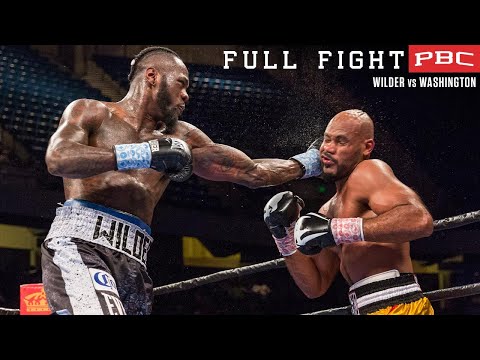
Deontay Wilder vs. Gerald Washington: A Boxing Masterclass or a Hesitant Display?

(February 25, 2017) – The heavyweight division, a realm where one punch can rewrite history, often showcases raw power and explosive action. On this particular night in Birmingham, Alabama, WBC Heavyweight Champion Deontay Wilder faced Gerald Washington. The narrative of this bout, however, isn't a simple tale of dominance, but rather a fascinating study in patience, recovery, and the sheer, unyielding force of "The Bronze Bomber."

The Calm Before the Storm: Early Rounds and Strategic Hesitation

Deontay Wilder didn't emerge with his customary, thunderous ferocity. Against Gerald Washington, a man with a surprising aggressive streak in the early going, the champion seemed almost measured. This initial hesitancy, especially for a fighter known for his devastating early knockouts, raises a critical question for any student of combat sports: **When is calculated patience a virtue, and when does it become a dangerous liability?** Wilder, fighting for the first time since surgery on his right hand and bicep sustained during his TKO victory over Chris Arreola, was clearly operating under a modified strategy. His team’s original plan, as revealed post-fight, was to rely on jabs and movement – a stark contrast to his usual barrage. This adjustment, however, was reportedly abandoned in the dressing room mere moments before the opening bell. This decision-making process, under pressure and close to a major title defense, highlights the fluid nature of pre-fight strategy and the courage to deviate when necessary. Gerald Washington, a former University of Southern California football player and a Navy helicopter mechanic, surprised many by dictating the pace in the initial rounds. His effectiveness as the aggressor put Wilder on the back foot, prompting chants of "De-on-tay, De-on-tay" from the supportive home crowd by the third round. This dynamic shift underscores a fundamental principle in all combat: **adaptability is key**. Even the most powerful champion must be prepared to adjust when facing an opponent who deviates from the expected script.
"The art of war teaches us to rely not on the likelihood of the enemy's not coming, but on our own readiness to receive him." - Sun Tzu, The Art of War. Wilder's patience, in this instance, was a testament to his readiness to receive Washington's unexpected advances.

The Awakening of the Bomber: Third Round Onwards

It wasn't until the third round that Wilder began to consistently deploy his jab, a crucial tool for distance management and setting up power shots. The fight was remarkably close on the judges' scorecards through four rounds, with Wilder holding a slight advantage on one. This deadlock highlights that even a perceived mismatch can be a gruelling contest, demanding resilience and the ability to seize opportunities. The fourth round provided a pivotal moment. Washington landed a solid left hand that seemed to serve as a wake-up call for Wilder. The champion responded with a thundering left-right combination to Washington's body, a clear indication that the tide was beginning to turn. This exchange illustrates the crucial role of "receiving" a hard shot and immediately retaliating, a common tactic in boxing and many other martial arts to regain initiative.

The Finish: A Demonstration of Ruthless Efficiency

The fifth round saw Wilder unleash his full arsenal. He caught Washington with a punishing lead right hand, followed by a devastating left hook that sent the challenger to the canvas. Though Washington managed to beat the count, Wilder was relentless. He unleashed a violent flurry, a barrage of left hooks that overwhelmed his opponent and prompted referee Mike Griffin to wave off the fight at the 1:45 mark. This decisive finish is what Wilder is known for. It's a stark reminder that in heavyweight boxing, the fight is never truly over until the referee intervenes. His ability to inflict such damage after a slow start speaks volumes about his power and his capacity to turn a fight on its head in an instant.

Post-Fight Reflections and Future Ambitions

Wilder, now 31 years old and defending his title for the fifth time, expressed no concern about his initial sluggishness. He took the time to salute the crowd of 12,346, as "Sweet Home Alabama" reverberated through the arena, with fans adding their own spirited "Roll Tide Roll!" This connection with his home crowd, a vital element in the psychological warfare of combat sports, undoubtedly fueled his performance. The circumstances surrounding this fight also revealed the unpredictable nature of the sport. Wilder was originally slated to face Andrzej Wawrzyk, who was removed from the card after testing positive for performance-enhancing drugs. This opened the door for Washington, illustrating how a single positive test can dramatically alter a fighter's career trajectory and present unexpected challenges.

Veredicto del Sensei: ¿Merece la pena?

From a pure martial arts perspective, this fight offers a valuable, albeit less flashy, lesson. It’s not just about the knockout power, which Wilder possesses in abundance. It’s about the **strategic adaptation, the resilience to overcome physical setbacks (his hand and bicep surgery), and the mental fortitude to remain composed when an opponent takes the initiative.** While not a textbook display of continuous offensive pressure, Wilder's patience and eventual explosive finish demonstrate the effectiveness of calculated timing and overwhelming power. **Score:** Cinturón Negro en Paciencia y Poder.

Equipo Esencial para tu Entrenamiento

While boxing doesn't require the same specialized gear as some other martial arts, having the right equipment can significantly enhance your training and safety. * **Guantes de Boxeo (16oz):** Crucial for sparring to protect both your hands and your partner's face. For bag work, lighter gloves (12-14oz) can be used, but 16oz is the standard for protective sparring. * **Vendas para Manos:** Essential for wrist and knuckle support during any form of striking. These should always be worn under your sparring gloves. * **Bucal (Mouthguard):** Non-negotiable for any sparring or live drills to protect your teeth and jaw. * **Suela de Zapatillas:** Shoes with good grip are vital for footwork. Boxing-specific shoes offer excellent ankle support. * **Cuerda de Saltar:** An indispensable tool for conditioning, footwork, and rhythm. If you're looking to get started, consider investing in a starter kit that includes gloves, hand wraps, and a mouthguard. For those serious about boxing or striking martial arts, a durable heavy bag and proper training space are key. You might also explore specialized **Karate merchandise** if you're also interested in traditional striking arts, ensuring you have the right *gi* for practice.

Guía de Entrenamiento: El Jab y la Recuperación

This fight highlighted the importance of the jab and the ability to recover from being put on the defensive. Here's a simple drill you can incorporate: 1. **Jab Focus:** Stand in your orthodox or southpaw stance. Practice throwing your lead jab – not just as a range-finder, but with snap and intention. Focus on keeping your rear hand up to protect your chin. 2. **Defensive Drill:** Have a partner (or imagine one) throw a punch at your head. Practice slipping the punch to the side (pulling your head back or to the side) and immediately countering with your jab. The key is to transition smoothly from defense to offense. 3. **Body Combinations:** After practicing the jab, work on following up with body shots. A common combination is jab to the head, then a straight right or left hook to the body. This trains you to attack the most vulnerable areas when an opponent drops their guard. 4. **Recovery Breathing:** After a hard combination or a defensive maneuver, take a moment to breathe and reset. Wilder's initial slow start wasn't detrimental because he maintained his composure and recovered his rhythm. Practice deep breaths to control your heart rate and regain focus.

Preguntas Frecuentes

* **Q: Was Deontay Wilder's slow start concerning for his legacy?** A: While his aggressive style is what made him famous, his ability to adapt and still secure a dominant win demonstrated maturity and strategic depth, which can be seen as a positive evolution rather than a concern. * **Q: How important is the jab in boxing and other martial arts?** A: The jab is arguably the most important punch. It establishes distance, sets up power shots, disrupts an opponent's rhythm, and can score points. Its principles apply to many striking martial arts. * **Q: Can you learn anything from a fight that wasn't a back-and-forth slugfest from the start?** A: Absolutely. Fights like this teach about patience, strategy, the importance of recovery, and how a fighter can adjust their game plan mid-bout. Not every fight is a high-octane brawl from bell to bell. * **Q: What was the significance of Wilder fighting in Alabama?** A: Fighting in his home state brought immense crowd support, which can be a significant psychological advantage. It also highlights the importance of home-field advantage in many combat sports.

Para Profundizar en tu Camino

* Análisis de la Potencia de Deontay Wilder * Tácticas de Combate: Adaptación y Paciencia * El Arte del K.O.: Momentos Icónicos del Boxeo

Reflexión del Sensei: Tu Próximo Paso

Wilder's victory wasn't just about his physical prowess; it was about his strategic mind, his ability to absorb adversity, and his ultimate commitment to finishing the job. So I ask you, the dedicated practitioner: **When faced with an unexpected challenge in your training or in life, do you immediately resort to your strongest, most familiar attacks, or do you first assess, adapt, and patiently wait for the opportune moment to strike with decisive force?** Consider this the koan of your next training session. ``` GEMINI_METADESC: Analyze Deontay Wilder vs. Gerald Washington with a martial arts expert. Explore strategy, power, resilience, and lessons for your training.

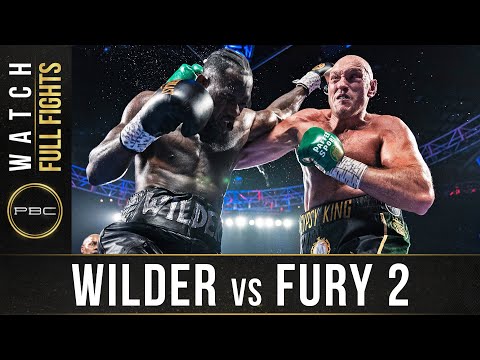
The Unforgiving Crucible: A Martial Analysis of Wilder vs. Fury II

The Unforgiving Crucible: A Martial Analysis of Wilder vs. Fury II

Many see boxing as mere pugilism, a brutal spectacle of brute force. But for those who truly understand the martial path, even a prize fight like Wilder vs. Fury II offers profound lessons. This wasn't just about two men exchanging blows; it was a study in strategy, resilience, and the unforgiving nature of combat when pushed to its absolute limit. This encounter, on February 22, 2020, was more than a championship bout; it was a crucible where different martial philosophies collided. We will dissect this fight not just as a boxing match, but as a demonstration of principles applicable to any warrior's journey.

The Clash of Styles: A Tactical Breakdown

The rematch between Tyson "The Gypsy King" Fury and Deontay "The Bronze Bomber" Wilder was billed as a historic mega-event, and it certainly delivered. From a martial perspective, the core of this contest lay in their diametrically opposed styles. Wilder, a force of nature, wielded the "Bronze Bomber" – a puncher's punch, explosive and devastating, capable of ending any fight with a single, thunderous blow. His power was his primary weapon, his strategy often revolving around landing that one fight-ending shot. This is akin to a martial artist relying on a single, specialized technique, honed to perfection but perhaps lacking in broader application.

Fury, on the other hand, embodied a different martial philosophy. His approach was a blend of tactical boxing, utilizing his immense size and reach, coupled with an almost surprising agility and an unyielding mental fortitude. He didn't aim for the instant knockout; instead, he employed a strategy of attrition, control, and methodical pressure. This is the hallmark of a well-rounded martial artist who understands that victory is often achieved through a consistent application of skill, strategy, and endurance rather than relying on a single, albeit powerful, offensive outburst. His ability to adapt and dictate the pace of the fight is a testament to superior martial conditioning.

"In boxing, as in all martial arts, strategy is paramount. The most powerful blow is useless if it never lands, and the most complex technique will fail against an opponent who understands its rhythm."

Fury's Dominance: Exploiting Weaknesses with Precision

Fury's victory was not a product of luck; it was a masterclass in dissecting an opponent's weaknesses. From the outset, Fury used his superior reach and footwork to keep Wilder at bay, negating the Bomber's power advantage. He constantly moved, forcing Wilder to chase, expending precious energy. This is a fundamental principle in many martial arts: control the distance, control the engagement.

The turning point, as noted, began in the third round. Fury's well-timed right hook, a clean shot that put Wilder down, was not just a powerful punch but a demonstration of precise timing and execution. Wilder, known for his incredible ability to recover, managed to get up, but the damage, both physical and psychological, was done. Fury, like a seasoned predator, sensed the shift. He didn't rush in blindly; he continued his methodical pressure.

The second knockdown in the fifth round, this time with a body shot, further illustrated Fury's strategy. Targeting the body is a classic tactic to sap an opponent's strength and stamina, making them more vulnerable to headshots. This shows an understanding that a fight is not just won by striking the head, but by systematically dismantling the opponent's physical capacity. It's a lesson in strategic targeting that transcends boxing, echoing principles found in Judo grappling or the debilitating strikes in Kyokushin Karate.

Wilder's Resilience: A Warrior's Spirit in Defeat

Despite the overwhelming odds and the physical punishment he endured, Deontay Wilder displayed a remarkable warrior's spirit. His ability to rise from multiple knockdowns, especially after the third-round knockdown, speaks volumes about his heart and conditioning. In the realm of martial arts, resilience is as crucial as technique. The capacity to absorb damage, to face adversity, and to continue fighting is the very definition of a warrior's character.

"My corner threw in the towel and I was ready to go out on my shield," Wilder stated. This is a poignant declaration. While the referee ultimately made the call, Wilder's willingness to continue fighting despite being severely compromised highlights a primal fighting instinct. This is the spirit that drives practitioners through grueling training sessions and painful setbacks. It’s the "never give up" mentality that defines true martial artists, regardless of the outcome.

"Defeat is not the fall, but the refusal to rise. Wilder's spirit, even in this loss, embodies the enduring nature of a fighter."

His post-fight comments, "I make no excuses tonight. I'm a warrior. He had a great performance and we will be back stronger," are what truly define him as a martial spirit. It's easy to celebrate victory; it's a sign of true character to acknowledge a superior performance and vow to return stronger. This mindset is fundamental to progress in any discipline, whether it's the MMA cage, the Karate dojo, or the wrestling mat.

The Referee's Role: The Thin Line Between Combat and Carnage

Referee Kenny Bayless's role in this fight is a critical point of discussion from a martial safety perspective. While he deducted a point from Fury in the fifth round, his ultimate decision to stop the fight in the seventh was a crucial intervention. The referee acts as the guardian of the combatant, ensuring that the fight does not devolve into unnecessary brutality when an opponent is no longer capable of defending themselves effectively. This concept of intervention to prevent severe harm is present in varying degrees across martial arts. In some, like Aikido, control and submission are emphasized over striking to minimize injury. In combat sports with stricter rules, the referee is the ultimate arbiter of safety.

The moment Fury had Wilder cornered and unleashed a barrage of punches, the fight reached its precipice. Bayless's intervention was swift and decisive, preventing further, potentially devastating, damage to Wilder. This demonstrates the vital responsibility of officials to uphold the integrity of the sport and the safety of its participants. It's a stark reminder that while martial arts can be a path to self-mastery, they also carry inherent risks that must be managed by experienced individuals.

Strategic Punching: The Numbers Don't Lie

The CompuBox statistics paint a clear picture of Fury's strategic superiority. Out-throwing Wilder 267 to 141 and landing 82 to 34, Fury was not only more active but significantly more effective. The numbers from the fifth and sixth rounds, where Fury landed 16 and 14 power punches respectively, highlight his sustained offensive output. This wasn't just about throwing more punches; it was about throwing the *right* punches, at the *right* time, with the *right* intent.

In martial arts, efficiency is key. Landing fewer, but more impactful and strategically placed, strikes can be more effective than a flurry of wild punches. Fury's approach exemplifies this: using his physical advantages to control the fight, landing significant blows that accumulated damage, and ultimately forcing the stoppage. This mirrors the principles of BJJ, where positional control and strategic submissions lead to victory, or even the deliberate, hard-hitting techniques of Taekwondo that prioritize power and precision.

Veredict of the Sensei: More Than Just a Boxing Match?

Wilder vs. Fury II transcends the typical boxing narrative. It’s a visceral illustration of martial principles: the strategic dance of distance and timing, the indomitable will of the warrior, the critical role of conditioning, and the necessity of calculated aggression. While Fury employed a more diverse and adaptable strategy, Wilder's raw power and enduring spirit cannot be overlooked. Both men, in their own way, showcased aspects of what it means to be a fighter.

Is this fight a perfect representation of martial arts philosophy? No single combat sport can encapsulate the entirety of the martial path. However, it provides a potent, high-stakes example of strategic application, mental toughness, and the consequences of combat. It serves as a valuable case study for anyone seeking to understand the dynamics of conflict and the qualities required to navigate it successfully. It is a clear demonstration of how superior technique, strategy, and conditioning can overcome raw, albeit powerful, force. It's a fight that warrants deeper study by anyone passionate about combat and the human spirit's capacity for both devastating power and unwavering resolve.

Essential Gear for Your Training

To truly appreciate and emulate the conditioning and strategic application seen in bouts like Wilder vs. Fury II, proper training equipment is essential. Whether you're focusing on boxing, MMA, or any other striking art, investing in quality gear ensures safety and optimizes your training.

  • Boxing Gloves: For sparring, 16oz gloves are standard to protect both you and your training partners. Lighter gloves (10-12oz) are suitable for bag work and mitts, helping to build hand speed and power.
  • Hand Wraps: Crucial for wrist and hand support during any striking activity.
  • Mouthguard: Non-negotiable for any form of sparring or live combat.
  • Groin Protector: Essential for male practitioners to protect vital areas.
  • Boxing Shoes: Provide ankle support and superior traction for footwork.
  • Headgear: For sparring, to minimize the risk of cuts and concussions.

Deeper Studies: Expanding Your Martial Horizons

To truly grasp the nuances of combat strategy and martial philosophy, exploring various disciplines and their historical context is key. Here are some resources to deepen your understanding:

  • MMA Fighting Techniques: Understand the integration of striking and grappling.
  • The Philosophy of Budo: Explore the spiritual and ethical dimensions of martial arts.
  • History of Karate: Learn about the origins and evolution of traditional striking arts.
  • Judo: Grappling Techniques and Principles: Discover the art of yielding and leverage.

Frequently Asked Questions

What was the official result of Wilder vs. Fury II?

Tyson Fury defeated Deontay Wilder by seventh-round stoppage via TKO to win the WBC Heavyweight Championship.

Who threw in the towel for Deontay Wilder?

Deontay Wilder's corner, led by trainer Jay Deas, threw in the towel during the seventh round.

What were the key strategic differences between Fury and Wilder?

Fury utilized superior reach, footwork, and a methodical pressure-based strategy, while Wilder relied on his explosive, knockout power.

Did Wilder acknowledge Fury's performance?

Yes, Wilder stated, "The best man won tonight," and acknowledged Fury had a "great performance."

What does CompuBox data reveal about the fight?

CompuBox stats showed Fury significantly out-landing and out-working Wilder, particularly with power punches in the later rounds.

Sensei's Reflection: Your Next Step

The raw power of Wilder, met by the calculated strategy of Fury, presents us with a fundamental martial question: Is it better to be the thunder that shakes the earth, or the steady rain that erodes the mountain? Both possess destructive potential, but one is fleeting, the other enduring.

Sensei's Reflection: Your Next Step

Consider this: In your own training, are you the thunder, relying on sporadic bursts of power, or the rain, consistently applying your skills with precision and persistence? Where does true mastery lie? Reflect on the techniques and philosophies you prioritize. Are they designed for a single, explosive moment of victory, or for sustained, adaptable application in the face of any challenge? The answer will define your path as a warrior.

``` GEMINI_METADESC: A martial arts expert dissects the Wilder vs. Fury II boxing match, analyzing strategy, resilience, and combat principles beyond the ring.

Deontay Wilder vs. Tyson Fury: A Masterclass in Heavyweight Warfare and the Spirit of the Warrior

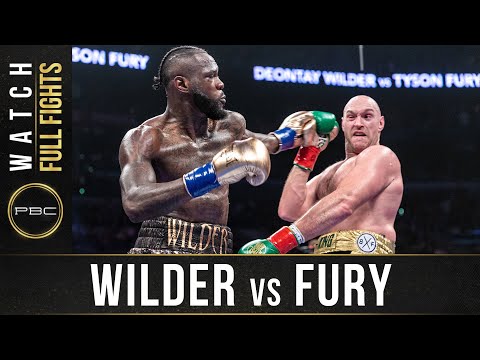
Are you truly prepared to witness the raw, unadulterated clash of titans that defines heavyweight boxing? Forget the fleeting trends and manufactured rivalries. We are delving into a contest that transcended mere pugilism, a battle etched into the annals of combat sports history: Deontay "The Bronze Bomber" Wilder versus Tyson "The Gypsy King" Fury. This was not just a fight; it was a primal scream of determination, a testament to the indomitable will that separates the contenders from the pretenders. The question that burns in the mind of every true fight enthusiast is not simply who won, but what lessons can we, as practitioners and observers of the martial spirit, glean from such a monumental confrontation?

The Unforeseen Drama: A Fight for the Ages

On December 1, 2018, the STAPLES Center in Los Angeles was not merely a venue; it was a crucible. Almost 20,000 souls bore witness as Deontay Wilder, the WBC heavyweight champion, defended his coveted belt against the enigmatic Tyson Fury. What unfolded was a spectacle of raw courage, devastating power, and a resilience that defied the very laws of physics. The result: a split-decision draw that left the sporting world reeling and craving for more. This wasn't just a fight; it was a narrative of survival, a testament to the fact that in the heart of battle, the will to continue can be as potent as any trained technique.

Deconstructing the Clash: Technique, Heart, and Resilience

The raw data tells a story of near-certain defeat for Tyson Fury. Knocked down twice by the thunderous fists of Wilder, including a brutal, seemingly fight-ending descent in the final round, most men would have surrendered. But Fury is not "most men." His miraculous resurgence from the canvas, not once but twice, speaks volumes about the mental fortitude required in elite combat sports. This fight serves as a potent reminder that while technique and physical prowess are paramount, the unwavering spirit is often the ultimate differentiator. We must analyze not just the punches thrown and landed, but the psychological battles waged within each fighter.

"We poured our hearts out tonight. We’re both warriors, but with those two drops I think I won the fight." - Deontay Wilder

Wilder, defending his title for the eighth time since 2015, showcased the devastating power that has become his trademark. With a knockdown in each of his 41 professional fights prior to this bout, his reputation as "The Bronze Bomber" was well-earned. His right hand carries an almost mythical destructive force. Yet, even this formidable power was not enough to definitively put away a fighter as determined as Fury. The dynamic between Wilder's explosive, fight-ending power and Fury's almost supernatural ability to absorb punishment and recover is a fascinating study in contrasts. This is where the true art of combat reveals itself: not just in the execution of strikes, but in the capacity to endure and adapt.

Wilder's Power: The KO Artist's Threat

Deontay Wilder's punching power is not just a statistic; it's a physical manifestation of kinetic energy channeled through years of dedicated, albeit often unconventional, training. His "Bronze Bomber" moniker isn't mere hyperbole. His ability to generate concussive force from seemingly innocuous positions is a key element of his fighting style. In this fight, he demonstrated that power decisively, sending Fury to the canvas. Each knockdown was a testament to his commitment to the knockout. For aspiring strikers, understanding the biomechanics of power generation, the role of hip rotation, and the precise timing required to land a fight-ending blow are crucial. However, as we saw, even the most potent weapon can be neutralized by sheer will.

Fury's Comeback: The Unbreakable Spirit

Tyson Fury's performance was a masterclass in an often-overlooked martial attribute: the resilience of the human spirit. To be knocked down, to feel the canvas beneath you, to face the encroaching darkness of unconsciousness, and yet to rise, to stand tall, and to continue fighting is an act of profound courage. This is the essence of *Gaman* (perseverance) in martial philosophy. Fury’s ability to recover was not solely physical; it was deeply mental. It demonstrated that the fight is often lost or won long before the first punch is thrown, within the mental fortitude of the combatant. For anyone engaged in rigorous training, whether it's the precision of Judo throws, the relentless conditioning of Kyokushin Karate, or the strategic grappling of BJJ, this mental toughness is a non-negotiable component for success.

The Arbiters of Victory: A Controversial Conclusion?

The judges' scorecards — 115-111 for Wilder, 114-112 for Fury, and 113-113 — reflect the deeply contested nature of this bout. While Wilder landed the more significant blows and scored the knockdowns, Fury's effective boxing, defensive maneuvers, and his sheer refusal to be defeated undoubtedly swayed at least one judge in his favor. This controversy highlights a perennial debate in combat sports: how do we objectively quantify victory? Is it solely based on damage inflicted and control of the ring, or does sheer perseverance and tactical execution, even in the face of adversity, hold equal weight? This ambiguity is, in itself, a fascinating element of martial arts, where the lines between technique, strategy, and heart are often blurred.

Beyond the Knockdowns: The Warrior's Code in Action

This fight transcended the ropes and the roar of the crowd. It embodies principles that resonate deeply within the world of martial arts. The concept of the "warrior's code" is not merely about fighting prowess; it's about integrity, courage, and respect. Both Wilder and Fury, despite the fierce animosity sometimes present in their public interactions, displayed a profound respect for each other as combatants. This is critical. The animosity should be directed at the challenge, not the opponent as an individual. The willingness of both men to step into the ring, to push their limits, and to absorb punishment is a testament to their dedication to their craft. It's a modern-day echo of the ancient samurai's commitment to Bushido, the warrior's way.

"We’re both warriors." - Deontay Wilder

The fight also underscores the importance of adaptability. Wilder needed to adjust his strategy when Fury continued to resist his power. Fury, on the other hand, had to constantly adapt to Wilder's offensive onslaught and find ways to survive and regain control. This mirrors the dynamic nature of real combat or even sparring in disciplines like MMA, where the situation can change in an instant, demanding immediate tactical adjustments.

Essential Gear for Aspiring Heavyweights

While you may not be stepping into a heavyweight boxing ring anytime soon, proper equipment is fundamental to safe and effective martial arts training. For those interested in striking arts like boxing or kickboxing, investing in quality gear is paramount:

  • Boxing Gloves: For sparring, 14oz or 16oz gloves are standard to protect both you and your training partners. For heavy bag work, 12oz or 14oz gloves are suitable. Consider brands known for durability and wrist support.
  • Hand Wraps: Essential for protecting your knuckles and wrists under the gloves. Cotton or elastic wraps are common.
  • Mouthguard: Non-negotiable for any form of sparring or combat that involves contact. A custom-fit mouthguard offers the best protection.
  • Headgear: Crucial for sparring to mitigate the risk of concussions and facial injuries.
  • Footwear: Lightweight, supportive shoes with good grip are ideal for ring work.

For grappling disciplines like Judo or BJJ, a durable BJJ kimono (gi) is essential. For striking, ensure your training attire allows for a full range of motion without restriction.

Simulating Warrior Resilience: Drills for the Unyielding Spirit

Developing the mental fortitude displayed by Tyson Fury requires more than just physical conditioning. Incorporate these principles into your training:

  1. Controlled Sparring: Engage in sparring sessions with partners of varying skill levels. Focus on executing techniques under pressure, even when fatigued. The goal is not just to "win" the round, but to learn and adapt.
  2. "Puke Rounds": (Use with caution and proper supervision). Simulate extreme fatigue by performing intense conditioning drills for short bursts, followed by brief recovery, then immediately returning to technical or sparring practice. This pushes your physical and mental limits.
  3. Visualization: Before training or competition, spend time visualizing successful execution of techniques and overcoming challenges. Imagine yourself in difficult situations and mentally rehearse how you will respond effectively.
  4. Mindful Breathing: Practice focused breathing exercises, especially during moments of stress or exhaustion in training. This helps to regulate your heart rate and maintain composure, much like Zazen meditation in Zen Buddhism.
  5. Progressive Overload: Gradually increase the intensity, duration, or complexity of your training. Each small victory builds confidence and reinforces your belief in your ability to overcome difficulty.

Frequently Asked Questions

Q1: Was the draw a fair result for Wilder vs. Fury 1?
A: The result was highly controversial. Wilder scored two knockdowns, which typically carry significant weight. However, Fury arguably outboxed Wilder for large portions of the fight and showed incredible resilience. Many observers felt Fury did enough to earn a draw or even a narrow victory. The split decision reflects this division of opinion.

Q2: What does this fight teach us about different martial arts disciplines?
A: It highlights that while disciplines like boxing focus heavily on striking and power, and others like Judo or BJJ emphasize grappling and control, the fundamental element of mental toughness is universal. Fury's ability to survive and continue, regardless of the specific techniques involved, is a lesson for all martial artists.

Q3: How can I develop the same kind of resilience as Tyson Fury?
A: Resilience is built through consistent exposure to controlled adversity. This involves pushing your physical and mental limits in training, practicing visualization, developing strong breathing techniques, and learning from every challenging experience, rather than being defeated by it.

To Dive Deeper Into Your Journey

Reflection of the Sensei: Your Next Step

This bout between Wilder and Fury was a brutal ballet, a symphony of power and perseverance. It forces us to confront a fundamental truth: the greatest battles are often not against our opponents, but within ourselves. Fury's survival and Wilder's relentless pursuit of the knockout both speak to aspects of the warrior spirit. But ask yourself this: when you face your own "knockdowns" in training, in life, in your endeavors – do you rise with the fury of the Bronze Bomber, or the indomitable will of the Gypsy King? Or do you simply stay down?

``` GEMINI_METADESC: Analyze the epic Wilder vs. Fury 1 boxing match from a martial arts perspective, exploring power, resilience, controversy, and lessons for the warrior spirit.