Showing posts sorted by relevance for query Cus D'Amato. Sort by date Show all posts

Mike Tyson's Peekaboo Style: A Karate Connection? A Critical Analysis

Introduction: The Provocative Claim

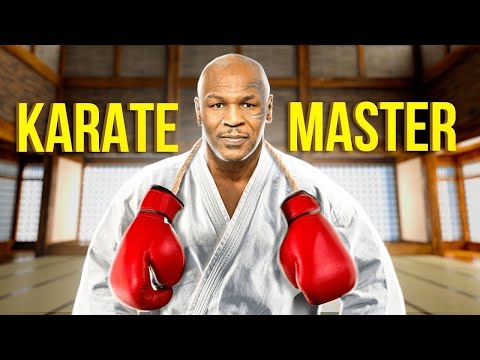
The world of combat sports is rife with legends, and few loom as large as Mike Tyson. Known for his explosive power, intimidating presence, and a fighting style that seemed to defy conventional logic, "Iron Mike" carved his name into history. But what if I told you that a cornerstone of his devastating technique, the famed "Peekaboo" style, was allegedly inspired by Karate? This is a claim that sparks immediate debate among martial artists and boxing aficionados alike. Is it a mere historical footnote, a misinterpretation, or is there genuine substance to the assertion that the baddest man on the planet drew inspiration from an ancient Japanese art? Prepare yourselves, for we are about to embark on a journey to dissect this claim with the precision of a doctor's scalpel and the blunt force of a well-placed jab.
"The genesis of a powerful technique often lies in unexpected unions. To dismiss connections out of hand is to limit our understanding of combat's evolution."
This article aims not just to present information, but to ignite critical thinking. We will explore the mechanics of Tyson's style, compare them to core principles of Karate, and critically evaluate the validity of this intriguing connection. Whether you're a seasoned Karateka, a dedicated boxer, or simply a student of combat, this analysis is designed to challenge your perceptions and deepen your appreciation for the intricate tapestry of martial arts.

Deconstructing Tyson's "Peekaboo" Style

Before we can assess any alleged Karate influence, we must first understand the Peekaboo style itself. Developed by Cus D'Amato and honed by Tyson, Peekaboo is characterized by its aggressive forward pressure, exceptional head movement, and devastating offensive combinations. * **High Guard:** Fighters using Peekaboo keep their gloves held high, close to their face and temples, hence the "peekaboo" moniker. This guard serves a dual purpose: protecting the head and face from incoming strikes while simultaneously setting up offensive maneuvers. * **Constant Movement:** The style emphasizes continuous, bobbing and weaving motion. This isn't just about evasion; it's about creating angles, disrupting the opponent's rhythm, and making oneself a difficult target. The fighter is always moving in, out, and around, making it hard for the opponent to establish a solid base or land accurate shots. * **Explosive Combinations:** Once an opening is created, Tyson unleashed brutal, short-range combinations, often targeting the head and body in rapid succession. His ability to close distance quickly and deliver power from unconventional angles was legendary. * **Lowered Center of Gravity:** A key element is maintaining a low, balanced stance. This provides stability, allows for powerful hip rotation in punches, and makes it harder to knock the fighter off balance. D'Amato famously described Peekaboo not just as a defensive stance but as an offensive weapon, designed to pressure the opponent relentlessly until they break. It’s a style built on timing, aggression, and an almost supernatural ability to slip punches while simultaneously preparing to deliver devastating blows.

The Alleged Karate Link: Examining the Evidence

The assertion that Mike Tyson's style is based on Karate movements stems from D'Amato's own statements and observations. D'Amato, an astute observer of combat, studied various martial arts. He reportedly saw similarities between the defensive head movements and evasive footwork of Peekaboo and certain Karate techniques.
Specifically, proponents of this theory point to: * **Footwork and Evasion:** The bobbing and weaving, the subtle shifts in weight, and the ability to move in and out of range quickly are seen as analogous to the footwork found in many Karate styles, particularly Okinawan Karate. The concept of *nagashi-uke* (flowing block) or evasive body shifts to avoid direct impact finds echoes here. * **Defensive Principles:** Karate emphasizes blending with an opponent's force rather than meeting it head-on. The Peekaboo fighter’s ability to slip punches and use the opponent's momentum against them aligns with this principle. * **Close-Range Combat:** While boxing is primarily a punching art, Tyson excelled in close quarters, using uppercuts and hooks effectively. Some Karate applications, especially in older forms, involve close-range striking and trapping. However, it's crucial to note that D'Amato never claimed Tyson was *performing Karate*. The connection is more about shared underlying principles of movement and evasion rather than direct technique transfer.

Sensei's Analysis: Similarities, Differences, and Misconceptions

As a lifelong student of the martial path, I find this claim fascinating, but also one that requires careful dissection. Let's lay down the objective truth, as any true Sensei would. Firstly, boxing and Karate are fundamentally different disciplines. Boxing focuses exclusively on punches with gloved hands to the upper body and head, emphasizing rhythm, timing, and power generation through hip rotation and footwork. Karate, on the other hand, is a comprehensive system encompassing punches, kicks, blocks, sweeps, and throws, often utilizing open-hand techniques and targeting various parts of the body.
"To equate the defensive subtleties of Karate evasion with the aggressive bobbing and weaving of Peekaboo is a stretch, yet not entirely without merit if we consider the underlying principles of kinetic efficiency." - My Interpretation based on countless hours of study.
**Where the Alleged Similarities Hold Water (The Nuance):** 1. **Evasion as a Primary Defense:** Both disciplines understand that avoiding a strike is often more effective than blocking it. The constant head movement in Peekaboo, designed to make Tyson a difficult target, mirrors the defensive body shifts and evasive footwork taught in many Karate styles to avoid an opponent's attack. Think of a Karateka moving off the line of attack (*tai sabaki*) to evade a punch or kick. The *purpose* is the same: to not be where the attack lands. 2. **Generating Power from the Ground Up:** Both Tyson's boxing and traditional Karate emphasize the importance of a strong base and hip rotation for generating power. A low center of gravity, crucial for Tyson's explosive power, is a fundamental tenet in many Karate stances (*kamae*). **Where the Connection Falters (The Hard Truth):** 1. **Targeting and Techniques:** Tyson's goal was to land punches. His techniques were honed for that singular purpose. Karate techniques are far more diverse. While a Karateka might use a subtle body shift to evade a punch, their subsequent action could be a block, a counter-punch, a kick, or even a throw – far beyond the scope of boxing. 2. **The "Peekaboo" Glove Position:** The high, tight guard of Peekaboo is specific to boxing. In Karate, while hands are often kept up for protection, the specific positioning and use of the gloves are different, and open-hand techniques are prevalent. 3. **Intent and Application:** D'Amato's genius was in adapting principles. He likely saw how evasive movements could be incorporated into boxing to create openings and defense. However, this is adaptation, not direct adoption. Tyson wasn't performing Karate katas; he was using boxing techniques with a defensive layer inspired by principles he observed elsewhere. The true connection, in my estimation, lies not in identical movements but in a shared philosophy of efficient body mechanics and evasive strategies. D'Amato, a student of strategy, likely recognized these universal principles and integrated them into the boxing context. It's a testament to the interconnectedness of combat theory, not a direct lineage.

Training Drills: Enhancing Footwork and Defensive Head Movement

Whether you're a boxer or a Karateka, improving your footwork and defensive head movement is paramount. Here are drills inspired by both disciplines:
  1. Shadow Boxing with Emphasis on Head Movement:
    • Assume your fighting stance (Boxing guard or Karate kamae).
    • Practice bobbing and weaving under imaginary punches. Focus on using your legs, not just your waist. Keep your knees bent and your rear planted.
    • Practice slipping punches side-to-side. Imagine a punch coming straight at your nose and slip it to the left, then to the right. Maintain balance.
    • Incorporate quick footwork changes – stepping in, stepping out, circling – while maintaining the high guard and head movement.
    • Focus on returning to a balanced stance after each movement, ready to counter.
  2. Partner Drills (Controlled Sparring):
    • With a trusted partner, practice throwing slow, deliberate punches at your head. Your goal is to evade without blocking, using only slips and weaves.
    • Your partner can gradually increase the speed, but the focus remains on your evasion, not on countering.
    • Once comfortable, introduce simple combinations from your partner, and practice reacting with appropriate head movement and footwork adjustments.
    • Karate Application: A Karateka can practice *tai sabaki* (body evasion) against basic punches, focusing on moving off the line of attack and maintaining a stable base.
  3. Mirror Drills:
    • Face a mirror and perform your footwork and head movement drills. This allows you to visually check your form, balance, and the fluidity of your transitions.
    • Ensure your movements are economical and that you're not telegraphing your intentions.
Remember, consistency is key. Incorporate these drills into your regular training sessions to build muscle memory and develop natural evasive instincts.

Essential Gear for Striking Training

To train effectively and safely in striking arts like boxing or Karate, having the right equipment is crucial. Investing in quality gear not only enhances your performance but also significantly reduces the risk of injury.
  • Boxing Gloves: For sparring and bag work, opt for gloves that offer good wrist support and adequate padding. 16oz gloves are generally recommended for sparring.
  • Hand Wraps: Always use hand wraps under your gloves to protect your metacarpals and wrists from impact.
  • Mouthguard: Essential for any form of sparring or combat simulation to protect your teeth and jaw.
  • Headgear: Recommended for heavy sparring sessions to mitigate the risk of cuts and concussions.
  • Karate Gi: If you are training Karate, a durable, well-fitting Gi is essential. Look for double-weave cotton for durability, especially if you plan on engaging in kumite (sparring). For heavier styles like Kyokushin, a reinforced Gi is a must.
  • Shin Guards and Instep Guards: Particularly useful for Karate or Kickboxing training involving kicks, offering protection for your lower legs and feet.
  • Jump Rope: An indispensable tool for improving footwork, coordination, and cardiovascular endurance – a staple in both boxing and Karate conditioning.

Sensei's Verdict: Did Tyson Truly Use Karate?

The assertion that Mike Tyson’s Peekaboo style was *based on* Karate is, in my professional opinion, an oversimplification that borders on myth. While Cus D'Amato was undoubtedly influenced by observed principles of movement from various arts, including potentially Karate, the direct translation of Karate techniques into Tyson's boxing is not evident. Tyson's style was a masterclass in *boxing*. Its effectiveness stemmed from the brilliant adaptation of fundamental boxing principles – explosive power, relentless pressure, aggressive defense, and superior timing – within the specific ruleset of the sport. D'Amato's genius lay in refining these boxing elements, perhaps drawing inspiration from the *concept* of evasive maneuvers found in Karate, but the execution remained purely within the domain of pugilism. Therefore, while there might be a philosophical or mechanical overlap in *certain aspects* of evasion and balance, it's misleading to claim Tyson *used Karate*. He used Boxing, perfected to an art form, potentially enhanced by D'Amato's broader understanding of combat dynamics.
"Iron Mike wasn't a Karateka, but the echoes of efficient movement, a universal language in combat, might have whispered through the strategic mind of his mentor."
Cinturón Negro en Adaptación Estratégica, pero no en Karate.

Frequently Asked Questions

Did Cus D'Amato ever explicitly state Tyson used Karate?

While D'Amato studied various martial arts and reportedly saw similarities, there's no definitive record of him stating Tyson's style was directly *based on* Karate techniques. The connection is more interpretative, focusing on shared principles of movement and evasion.

What are the core differences between boxing and Karate?

Boxing focuses solely on punches to the head and torso with gloved fists within a specific ring. Karate is a comprehensive martial art including punches, kicks, blocks, throws, and open-hand techniques, often practiced in a dojo with a focus on self-defense and discipline.

Could a boxer benefit from studying Karate's defensive principles?

Absolutely. Karate's emphasis on *tai sabaki* (body evasion), understanding distance, and utilizing minimal movement for maximum effect can certainly enhance a boxer's defensive capabilities and strategic thinking.

Is the Peekaboo style still used today?

While few fighters adopt it wholesale due to its demanding nature and high risk, elements of the Peekaboo style, particularly the high guard and aggressive head movement, are still seen and utilized by many modern boxers.

Dive Deeper Into Your Journey

Sensei's Reflection: Your Next Step

The allure of combining disparate martial arts is strong, a testament to the universal principles that govern effective combat. But how often do we mistake superficial resemblance for fundamental connection? Reflect on your own training: are you truly understanding the *essence* of the techniques you practice, or are you merely collecting movements? Go forth, train with intention, and seek the underlying truths, not just the borrowed styles. GEMINI_METADESC: Unravel the truth behind Mike Tyson's Peekaboo style and its alleged Karate influence. An expert analysis of boxing vs. Karate principles.

Mike Tyson's Explosive Power: Unpacking the Drills That Forged Knockouts

Iron Mike Tyson. The name alone conjures images of raw power, lightning-fast combinations, and opponents crumbling before him. For many, he remains the epitome of destructive force in the boxing ring. But what separated Tyson from the rest? Was it just brute strength, or was there a deeper methodology at play? Today, we delve into the unique, often unconventional, training regimens that Cus D'Amato and Kevin Rooney forged for "Iron Mike," drills that didn't just build muscle, but directly translated into the spectacular knockouts that defined his legendary career. Prepare yourselves, for we are about to dissect the very essence of Tyson's devastating arsenal.

The Genesis of 'Iron Mike'

Welcome, seekers of martial wisdom, to Budo and Martial Arts! You've stumbled upon a dissection of Mike Tyson, a fighter whose name is synonymous with concussive power and a brutal, almost primal, efficiency in the ring. The date of publication might be December 24, 2018, but the lessons drawn from Tyson's career are timeless. We aim to be the most complete and updated resource on martial arts, and dissecting figures like Tyson is crucial to understanding the evolution of combat.
"Every kid around here dreams of being a heavyweight boxer, because that's the biggest, toughest guy. He's going to be the richest guy. He's going to be the toughest guy. He's going to be the best fighter. He's going to be the most famous guy." - Mike Tyson
Tyson's journey from a troubled youth in Brooklyn to the undisputed heavyweight champion of the world is a narrative steeped in discipline, harsh realities, and unparalleled dedication. But beyond the captivating story, lies a tactical and technical foundation laid by two brilliant minds: Cus D'Amato and Kevin Rooney.

D'Amato's Peekaboo: More Than Just a Style

Cus D'Amato's "Peekaboo" style is often misunderstood. It wasn't merely about keeping your hands near your face, though that was a component. It was a defensive and offensive philosophy designed to make the fighter an elusive yet devastatingly powerful attacker. * **The "Peekaboo" Stance**: Hands held high, close to the face, creating a "shell." This protected the head and chin while allowing for explosive, short-range attacks. * **Head Movement**: Constant, subtle bobbing and weaving, making the fighter an incredibly difficult target. This wasn't just evasion; it was strategic movement to create angles of attack. * **Explosive Power Generation**: D'Amato emphasized generating power from the ground up, through hip rotation and core engagement, rather than just arm strength. This allowed smaller fighters, like Tyson, to possess devastating knockout power. * **Psychological Warfare**: The style was also about intimidation. The constant, almost playful, head movement could unnerve opponents, making them hesitant and predictable. Tyson’s mastery of this style, under D’Amato's tutelage, was profound. It was the bedrock upon which his terrifying reputation was built.

Unveiling Tyson's Knockout-Forging Drills

While the Peekaboo style provided the framework, it was the specific drills, often adapted and intensified by Kevin Rooney, that honed Tyson's raw talent into fight-ending weapons. These weren't standard bag work or pad sessions; they were exercises designed to exploit weaknesses, build specific reflexes, and condition the body for maximum impact.
These drills were not about learning new techniques in isolation, but about refining existing ones to an almost inhuman degree of precision and power. They focused on repetition, timing, and the development of explosive kinetic chains, turning muscle memory into a destructive force.

Drill 1: The Phantom Jab and Its Devastating Echo

One of the most talked-about drills involved Tyson practicing a "phantom jab." This was essentially a jab thrown without full commitment, often feigned, designed to draw a reaction from his sparring partner or opponent. The genius lay not in the jab itself, but in what came *after*. * **The Setup**: Tyson would throw this almost imperceptible, or feinted, jab. * **Drawing the Reaction**: Experienced fighters might instinctively try to parry, block, or even counter this perceived threat. * **The Payoff**: As the opponent reacted, their guard would momentarily shift, or they would expose an opening. This was Tyson's cue to unleash his devastating power shots – the thunderous right hand, the uppercut, or a vicious body blow. This drill was instrumental in setting up his signature knockouts. It taught him to read his opponent's reactions in fractions of a second and exploit them ruthlessly. It’s a prime example of how understanding reaction timing can turn a simple feint into a fight-ending sequence. Many spectacular knockdowns in boxing history owe their existence to such subtle, yet powerful, setups.

Drill 2: The Rolling Thunder Combination

This drill focused on developing Tyson's ability to string together powerful, rapid combinations while maintaining his defensive posture. It wasn’t just about throwing punches; it was about flowing from one to the next with seamless integration. * **Execution**: Tyson would practice a sequence of power punches, often starting with a hook, transitioning into an uppercut, and then following with another hook or a devastating right hand. Crucially, this was done with continuous head movement, exemplifying the Peekaboo style. * **Power Transfer**: The emphasis was on transferring weight and momentum through each punch. The "roll" of the head and upper body generated rotational force, amplifying the impact of each strike. * **Endurance and Power**: This drill also built incredible stamina and the ability to deliver concussive power throughout the round, not just in the opening moments. This repetitive, high-intensity drilling instilled a brutal rhythm that opponents struggled to match. It’s the kind of training that transforms a boxer into a relentless offensive machine.

Drill 3: The Shell Game and Evasion

While Tyson was known for his offense, his defense, rooted in the Peekaboo style, was equally critical. Drills focused on maintaining the defensive shell and evading punches were paramount. * **The Drill**: Sparring partners would aim at specific targets on Tyson's high guard. Tyson's job was to block, slip, or roll with the punches, keeping his core protected and his body moving. * **Developing Reflexes**: This cultivated lightning-fast reflexes. He learned to anticipate punches and move his head and body just enough to avoid significant impact, often making opponents miss wildly. * **Creating Counter Opportunities**: Crucially, this constant evasion was not passive. As opponents overextended or missed, it created openings for Tyson to unleash his own devastating counters, often from unexpected angles. This wasn't just about taking punches; it was about *not* taking punches, while simultaneously setting traps for his adversaries. The ability to weave and slip while remaining in a position to counter is a hallmark of true defensive mastery.

The Enduring Impact on Boxing History

Mike Tyson's drills, as implemented by D'Amato and Rooney, were more than just training exercises. They were a masterclass in applied physiology, psychology, and combat strategy. They transformed a gifted athlete into one of the most feared and effective knockout artists the world has ever seen.
"He who is not courageous enough to take risks will accomplish nothing in life." - Muhammad Ali
These methods highlight a crucial principle in martial arts and combat sports: the effectiveness of specialized training tailored to an individual's strengths and a specific combat philosophy. It’s a testament to the idea that true mastery comes not just from talent, but from relentless, intelligent, and often unconventional, practice. The "crazy drills" were, in fact, brilliantly executed strategies designed to maximize impact and minimize risk.

Veredicto del Sensei: Tyson's Place in Martial Lore

Mike Tyson’s approach, while rooted in boxing, embodies principles that resonate across all combat disciplines. The fusion of Peekaboo's defensive artistry with drills designed for explosive, decisive offense is a powerful lesson. His ability to translate training into fight-ending power, particularly through clever setups and relentless pressure, earns him a high place not just in boxing history, but in the broader narrative of martial effectiveness. **Cinturón Negro en Poder Destructivo y Estrategia de Combate.** Tyson's legacy is a stark reminder that innovation in training, combined with a deep understanding of an opponent's psychology, can create unparalleled dominance. His "crazy drills" were, in fact, the result of profound insight into the mechanics of combat and the human psyche.

Equipo Esencial para tu Entrenamiento (Boxing Focus)

While Tyson's intensity is legendary, proper equipment is crucial for anyone looking to emulate his dedication safely. For those aspiring to develop similar power and technique in boxing or related striking arts:
  • Guantes de Boxeo (16oz para sparring, 10-12oz para entrenamiento en saco/pads): Protegen tus manos y las de tu compañero.
  • Vendas para Manos: Imprescindibles para dar soporte a tus muñecas y nudillos.
  • Protector Bucal: La seguridad es primordial. Nunca entrenes sin él.
  • Saco de Boxeo Pesado: Para desarrollar potencia y resistencia.
  • Manoplas (Focus Mitts): Esenciales para trabajar precisión, velocidad y combinaciones con un compañero.
  • Ropa Deportiva Transpirable: Permite la máxima libertad de movimiento y ayuda a regular la temperatura corporal.
  • Calzado Deportivo de Boxeo: Ofrece soporte para tobillos y tracción en el ring.
Investing in quality equipment is not just about comfort; it’s about injury prevention and optimizing your training.

Guía de Entrenamiento: Simulating Tyson's Intensity

While replicating Tyson's exact drills without expert supervision is ill-advised, we can adapt principles for intensity and specificity. This guide focuses on simulating the *spirit* of his training: explosive power, defensive integration, and relentless offense.
  1. Warm-up (15 mins): Dynamic stretching, light shadow boxing focusing on head movement, and skipping rope to increase heart rate.
  2. Focus Mitt Simulation (3 Rounds x 3 mins):
    • Partner calls out a *feint jab* (mimicking Tyson's setup).
    • You immediately *slip* or *weave*, then throw a strong counter combination (e.g., right cross, left hook, right uppercut).
    • Focus on explosiveness and rapid transition from defense to offense.
  3. Heavy Bag Power Rounds (3 Rounds x 3 mins):
    • Focus on short, brutal combinations with maximum power.
    • Incorporate Tyson-esque head movement between punches. Think "roll-hook-uppercut-cross."
    • Maintain high intensity throughout the round.
  4. Defensive Drills (2 Rounds x 3 mins):
    • Have a partner throw *controlled* punches at your guard.
    • Practice blocking, slipping, and rolling with the punches.
    • Focus on keeping your chin tucked and core tight. Transition immediately to a counter punch if an opening appears.
  5. Cool-down (10 mins): Static stretching, focusing on shoulders, back, and legs.
Remember, intensity is key, but proper form and safety always come first. This is about building explosive power and intelligent defense, not reckless aggression.

Preguntas Frecuentes

  • Was Mike Tyson's Peekaboo style truly unique?
    While the core principles of head movement and defensive posture existed, D'Amato's specific application and Tyson's natural athleticism made it uniquely devastating. It was more than a style; it was a philosophy tailored for maximum impact.
  • Are Tyson's drills safe for beginners?
    Directly replicating some of Tyson's most intense drills without proper conditioning and supervision can be dangerous. The drills discussed are for understanding the principles behind his success, not for direct imitation without expert guidance.
  • How did Tyson generate so much power?
    A combination of factors: Cus D'Amato's emphasis on hip and core rotation, Kevin Rooney's adaptation of specific explosive drills, Tyson's natural strength and speed, and his compact, powerful physique allowed for immense force generation in short, explosive bursts.
  • Can principles from Tyson's training be applied to other martial arts?
    Absolutely. The emphasis on explosive power generation from the ground up, intelligent defense, reading opponents, and the importance of specific, high-intensity drills are universal principles applicable to striking arts, grappling, and even self-defense.

Para Profundizar en tu Camino

Dive deeper into the world of combat science and martial philosophy with these related articles:

Reflexión del Sensei: Tu Próximo Paso

We've dissected the drills that turned Mike Tyson into a force of nature. But knowledge without application is mere trivia. The question you must ask yourself is: how can the *principle* of specialized, intense, and intelligent training be integrated into *your* practice? Are you merely going through the motions, or are you forging your own "crazy drills" that directly translate to your desired outcomes? What aspect of your current training regime most desperately needs a Tyson-esque re-evaluation? ``` GEMINI_METADESC: Explore the groundbreaking training drills that forged Mike Tyson's legendary knockout power. An in-depth analysis of Peekaboo style and its application.

Mike Tyson's Peekaboo Style: A Masterclass in Brutal Simplicity

Introduction: The Shadow of the Iron Fist

Few names in the annals of combat sports evoke immediate fear and respect like Mike Tyson. "Iron Mike." The youngest heavyweight champion in history. A man who, for a time, seemed less like a boxer and more like a force of nature unleashed upon the ring. But beneath the raw power and terrifying aura lay a sophisticated, almost primal, fighting system: the Peekaboo style. Many have seen Tyson's devastating knockouts, his aggressive onslaughts, but few truly understand the intricate mechanics and ruthless philosophy that underpinned his dominance. This isn't just about throwing punches; it's about an entire approach to combat, a way of existing within the storm of a fight. Are you ready to dissect the methods of a legend? Are you prepared to understand why the most dangerous opponent is often the one you can't see coming?

The Roots of Peekaboo: From Sullivan to Cus D'Amato

The Peekaboo style, while inextricably linked to Mike Tyson, did not emerge from a vacuum. Its lineage traces back to earlier boxers who understood the fundamental advantage of keeping one's guard high and tight. Figures like John L. Sullivan, the last bare-knuckle heavyweight champion and first gloved heavyweight champion, employed a similar defensive posture. However, it was the legendary trainer Cus D'Amato who truly codified and refined Peekaboo, infusing it with psychological warfare and a unique offensive philosophy. D'Amato believed that boxing was not merely a sport but a chess match played with fists, where anticipating your opponent's moves and controlling the mental space was as crucial as landing a solid blow. He taught his fighters, most notably José Torres and then Floyd Patterson before Tyson, to be "chameleons," adapting their style while maintaining an unbreakable core. With Mike Tyson, D'Amato found the perfect student – a raw, explosive talent who absorbed the teachings and amplified them into a destructive symphony.

"Boxing is a lot like chess. It requires you to think two steps ahead. The ring is a chessboard, and every fighter is a pawn. But you can make pawns into queens." - Cus D'Amato

D'Amato's vision for Peekaboo was not just about defense; it was about using that tight guard as a platform for devastating offense. The high, bobbing and weaving guard protected the fighter while allowing them to see openings and attack from unexpected angles. It was a style built on constant motion, pressure, and the psychological effect of an opponent struggling to land a meaningful shot while being relentlessly pursued.

Core Principles of Peekaboo: The Art of the Elusive Target

At its heart, Peekaboo is a style of evasion and overwhelming offense. The name itself suggests a playful, almost taunting, element: "Peek-a-boo, I see you!" but the execution is anything but playful. The core tenets are deceptively simple, yet incredibly difficult to master:

  • High Guard: Both hands are held high, covering the face and chin, often with forearms nearly parallel. This minimizes the target area.
  • Bobbing and Weaving: Constant, fluid head movement is paramount. Fighters don't just move their heads side-to-side; they dip, weave, and roll, making them incredibly difficult to hit squarely.
  • Close-Range Dominance: Peekaboo excels in close quarters. The high guard and bobbing motion allow the fighter to slip inside an opponent's longer reach and unleash short, powerful hooks and uppercuts.
  • Pressure and Pursuit: A Peekaboo fighter rarely backs up. They advance, cutting off the ring, forcing their opponent to fight on their terms.
  • Explosive Combinations: When an opening appears, the Peekaboo fighter unleashes rapid, brutal combinations, often targeting the body and head in quick succession.

The goal is to become a small, elusive target that is simultaneously a dangerous weapon. It's a style that demands incredible conditioning, balance, and an almost innate sense of timing. It's about making your opponent miss, and then making them pay dearly for it.

Offensive Explosiveness: Unleashing the Iron Mike

This is where Mike Tyson truly became the embodiment of the Peekaboo style. His offensive arsenal, honed through D'Amato's teachings, was a whirlwind of destruction. The bobbing and weaving motion wasn't just defensive; it was the engine for his offensive attacks. As Tyson would dip under a jab or hook, he would simultaneously pivot and drive forward, bringing his own powerful short-range punches into play.

  • The "Pulley" System: D'Amato emphasized the "pulley" action – using the legs and core to generate power, rather than just relying on arm strength. This allowed Tyson to throw punches with incredible speed and force from unconventional angles.
  • Body-Head Combinations: Tyson was a master at attacking the body, lowering his opponent's guard, and then immediately following up with devastating uppercuts or hooks to the head. This combination was a hallmark of his devastating offense.
  • Short, Powerful Hooks and Uppercuts: Because Peekaboo operates in close range, the primary weapons are short, powerful hooks and uppercuts. Tyson's ability to generate knockout power with these punches was unparalleled.
  • Relentless Forward Pressure: Tyson didn't just wait for openings; he created them through sheer aggression and forward movement. He forced opponents onto the back foot, limiting their options and increasing the effectiveness of his own attacks.

The result was a fighter who seemed to explode from nowhere, delivering concussive blows before the opponent could even react. It was a style that demoralized opponents and often ended fights within the first round. The power was immense, but it was the *delivery system* – the Peekaboo motion – that made it so effective and so terrifying.

Defensive Mastery: The Constant Dance of Evasion

The high guard and constant bobbing are the most visible aspects of Peekaboo's defense. But true mastery goes deeper. It's about intelligent movement, anticipation, and using your offense to defend.

  • Head Movement as the Primary Defense: Instead of relying solely on blocking, Peekaboo fighters prioritize evasion. By moving their head off the centerline, they cause punches to miss or glance harmlessly.
  • The "Shell": The tight guard creates a "shell" around the head, making it difficult for opponents to find a clean target. This forces them to overextend or try to punch through the guard, which can be countered.
  • Counter-Punching Integration: The defensive movement is not static. As a fighter weaves, they are often setting up their own counter-punch. The miss becomes the opportunity.
  • Footwork and Balance: Maintaining balance while constantly bobbing and weaving is crucial. A solid base allows for quick shifts in direction and powerful counter-attacks.
  • Psychological Defense: The sheer difficulty of hitting a Peekaboo fighter can frustrate opponents, leading them to make mistakes, abandon their game plan, and become more vulnerable.

It’s a continuous, dynamic process. The defense isn't a static shield; it's an active, flowing dance that constantly manipulates distance and angle, setting the stage for offensive opportunities. This constant threat of retaliation discourages opponents from committing fully to their own attacks.

Training the Peekaboo Style: Drills for the Modern Warrior

Adopting the Peekaboo style requires dedicated, specific training. It's not something you can pick up passively. Here are some fundamental drills that any aspiring fighter, or even a martial artist looking to diversify their defensive awareness, can incorporate:

  1. The Wall Drill: Stand with your back against a wall. Practice bobbing and weaving, moving your head side-to-side and dipping low, ensuring your head doesn't touch the wall. This builds the foundational head movement.
  2. Shadow Boxing with Emphasis on Movement: Focus on fluid, continuous bobbing and weaving throughout your shadow boxing session. Imagine an opponent is throwing punches; react by moving your head. Practice slipping punches and immediately countering.
  3. Mirror Drills: Face a partner (or a mirror) and mirror their upper body movements. As they bob, you bob. As they weave, you weave. Then, introduce simple punch combinations for them to evade and counter.
  4. Heavy Bag "Peekaboo" Work: Approach the heavy bag as if it were an opponent. Bob, weave, and slip imaginary punches before exploding with short, powerful combinations. Focus on driving forward after evasion.
  5. Rope Work: Jumping rope is essential for conditioning and developing the footwork and rhythm needed for constant movement.
  6. Sparring with Specific Focus: In controlled sparring, focus solely on maintaining the high guard and constant head movement. Don't worry about landing power shots initially; concentrate on making your opponent miss.

Remember, the key is repetition and muscle memory. These drills, when performed consistently, will ingrain the habit of constant defensive movement, making it second nature in the heat of the moment.

Peekaboo's Place in Modern Combat: Beyond Boxing's Canvas

While Peekaboo is a pure boxing style, its core principles have undeniable relevance in Mixed Martial Arts (MMA). The emphasis on head movement, evasive defense, and explosive close-range offense translates remarkably well. Fighters like Max Holloway and even Israel Adesanya, known for their slick defensive footwork and head movement, incorporate elements reminiscent of Peekaboo. The ability to slip punches, defend against strikes while closing distance, and unleash devastating combinations in the clinch or at close range are invaluable skills in MMA. However, the danger lies in the transition. A fighter heavily reliant on Peekaboo's tight guard might struggle against leg kicks or powerful takedowns if their ground game isn't equally developed. The dynamic nature of MMA requires adaptations, but the fundamental strategy of becoming a difficult target while remaining a constant offensive threat remains a powerful blueprint for victory.

"The danger in MMA is you can slip a punch, but then you're open for a kick or a takedown. Boxing defenses are brilliant, but they aren't always complete in an MMA context." - A common sentiment among analysts.

The challenge for MMA fighters is to integrate these boxing principles without leaving themselves overly exposed to the wider array of attacks possible in an MMA bout. It’s about selective application and seamless transitions.

Veredicto del Sensei: Is Peekaboo Still King?

The Peekaboo style, as exemplified by Mike Tyson, is a testament to the devastating effectiveness of combining intelligent defense with explosive offense. It’s a style that rewards relentless pressure, superior conditioning, and a killer instinct. While boxing has evolved, and fighters face different challenges today, the fundamental principles of Peekaboo remain potent. It’s not a style for the faint of heart; it demands immense courage and dedication. However, for those willing to embrace its rigors, it offers a pathway to becoming a truly formidable and terrifying opponent. It proves that sometimes, the most effective way to fight is to be the storm your opponent cannot weather, and the ghost they can never quite catch.

Cinturón Negro en Brutal Eficacia. The Peekaboo style, when executed by a master, is an art form of controlled chaos, proving that simplicity, delivered with ferocious intent, can indeed conquer complexity.

Equipo Esencial para tu Entrenamiento

To truly train effectively in a style like Peekaboo, proper equipment is crucial. Investing in the right gear not only enhances your training but also ensures safety.

  • Guantes de Boxeo: For general training and pad work, 10-14oz gloves are standard. For sparring, 16oz is often recommended for safety. Look for brands known for durability and good padding.
  • Guantillas de MMA: If you plan to transition to MMA, investing in 4oz MMA gloves is necessary for clinch work and ground training, though they offer less protection for striking.
  • Vendas para Manos: Essential for protecting your wrists and hands during intense bag work or sparring.
  • Protector Bucal: Absolutely critical for any form of sparring or heavy bag work to protect your teeth and jaw.
  • Casco de Entrenamiento: For sparring, a good quality training headgear is a must to minimize cuts and bruises, and reduce the impact of shots.
  • Cuerda de Saltar: A fundamental tool for conditioning, footwork, and rhythm development.
  • Par de Guantes de Entrenamiento (Pads): If you have a partner, Thai pads or boxing mitts are excellent for practicing combinations and defensive movements.

Preguntas Frecuentes

Q1: Is the Peekaboo style only for heavyweights?
A1: No, while Mike Tyson was a heavyweight, the principles of Peekaboo can be adapted by fighters of any weight class. The emphasis is on elusiveness, head movement, and close-range power, which are universally applicable.

Q2: How long does it take to learn the Peekaboo style?
A2: Mastering the Peekaboo style takes years of dedicated practice. While you can learn the basic movements relatively quickly, developing the timing, reflexes, and conditioning to use it effectively in combat is a long-term commitment.

Q3: Can Peekaboo be used effectively against taller opponents?
A3: Yes, the style is particularly effective against taller opponents. The bobbing and weaving allows a shorter fighter to get inside the longer reach, nullify jabs, and attack the body and head from below.

Q4: What are the main weaknesses of the Peekaboo style?
A4: Potential weaknesses include vulnerability to body shots if the guard drops too high, susceptibility to leg kicks in MMA, and the high energy expenditure required for constant movement. It also requires excellent timing to avoid counter-punches when slipping.

Para Profundizar en tu Camino

```

Reflexión del Sensei: Tu Próximo Paso

The whirlwind of Mike Tyson's Peekaboo style is a powerful reminder that true effectiveness often lies in ruthless simplicity. But simplicity does not mean ease. It demands discipline, immense conditioning, and a profound understanding of movement and timing. Now, I ask you: In your own training, are you merely going through the motions, or are you actively seeking to make yourself an elusive, yet devastating, target? How will you integrate the spirit of Peekaboo—the constant dance of evasion and controlled aggression—into your personal martial journey, whether on the mat, in the ring, or in life itself? The path forward is rarely straight; it often requires weaving.

``` GEMINI_METADESC: Explore Mike Tyson's legendary Peekaboo boxing style: its origins, core principles, offensive techniques, and defensive mastery. Learn training drills and its relevance in MMA.

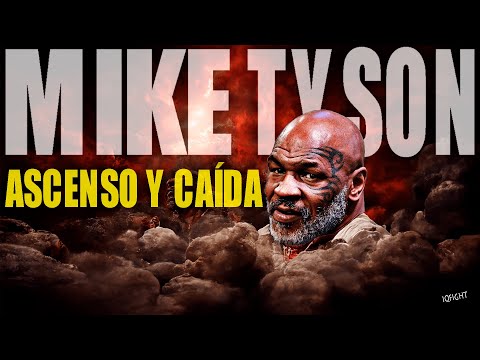
El Ascenso y la Caída de Mike Tyson: Un Análisis Marcial de la Destrucción y el Legado

¿Qué define a un guerrero? ¿Es la fuerza bruta, la habilidad técnica, la voluntad indomable o la capacidad de someter a tus oponentes? En el panteón de las leyendas marciales, pocos nombres resuenan con la misma fuerza atronadora que el de Mike Tyson. "El Hombre Más Malo del Planeta". Un apodo que no era una exageración, sino una descripción clínica de su impacto devastador en el cuadrilátero. Pero, ¿qué sucede cuando el cuerpo que fue una máquina de guerra implacable comienza a desmoronarse? ¿Qué queda del espíritu marcial cuando el imperio se derrumba? Hoy, no solo narraremos una historia de ascenso y caída, sino que diseccionaremos las lecciones marciales y filosóficas que yacen enterradas bajo los escombros de una de las carreras más espectaculares y trágicas de la historia de los deportes de combate.

El Auge de la Fiera: La Máquina de K.O.

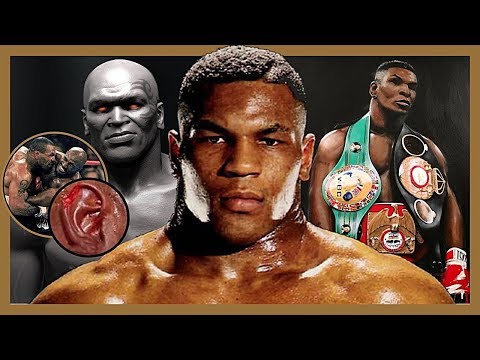
Mike Tyson no fue simplemente un boxeador; fue un fenómeno. Su irrupción en el mundo del boxeo profesional a mediados de los 80 fue como un huracán. Un peso pesado de estatura relativamente baja, pero con una potencia de golpeo que desafiaba las leyes de la física. Sus primeros años estuvieron marcados por una ferocidad implacable. Los oponentes caían ante él como árboles talados por un rayo.

Su estilo era la encarnación del principio marcial de "la máxima eficiencia con el mínimo esfuerzo", pero llevado al extremo de la agresión. La clave estaba en su explosividad y su agresividad anticipatoria. Tyson no esperaba a que el oponente atacara; él imponía el ritmo, la distancia y la voluntad desde el primer segundo. Su "Peek-a-boo style", perfeccionado bajo la tutela de Cus D'Amato, no era solo una postura defensiva, sino una plataforma ofensiva desde la que lanzaba golpes devastadores con una velocidad asombrosa.

Ganó 600 millones de dólares a lo largo de su carrera, un testimonio de su dominio y su atractivo comercial. Se convirtió en un ícono global, la personificación del poder y la audacia. La pregunta que resuena es: ¿cómo un hombre que alcanzó la cima del Everest financiero y deportivo pudo caer tan estrepitosamente?

La Filosofía del Puño: Estilo y Psicología

Más allá de la fuerza bruta, el boxeo de Tyson era un estudio de psicología marcial. Cus D'Amato entendió que Tyson, a pesar de su apariencia intimidante, era un alma atormentada. Canalizó esa energía, esa rabia contenida, en una técnica impecable y una agresividad calculada.

"El boxeo es un deporte de habilidad y disciplina. La ferocidad es solo una herramienta, no el fin." - Una lección que D'Amato intentó inculcarle a Tyson.

La velocidad de sus manos, combinada con el movimiento de cabeza constante, hacía casi imposible anticipar sus ataques. Los ganchos y uppercuts que lanzaba parecían surgir de la nada, encontrando brechas en las defensas más sólidas. Su agresividad no era desorganizada; era controlada, alimentada por una profunda comprensión del combate y una intimidación psicológica que comenzaba mucho antes de que sonara la campana.

Su enfoque en la simplicidad destructiva es algo que vemos en otros grandes del combate, como las tácticas directas y contundentes de Jon Jones en MMA, o la brutalidad eficiente de Kyokushin Karate. La idea es eliminar la complejidad innecesaria y centrarse en la aplicación directa y demoledora de la técnica. Para Tyson, el objetivo no era la belleza del movimiento, sino el resultado final: la victoria absoluta y, a menudo, la sumisión del oponente. En este sentido, su enfoque se alinea con el principio del Budo de la "eficacia sin adornos".

El Viento del Cambio: Factores de la Caída

La caída de Tyson no fue un evento aislado; fue una acumulación de factores. Tras la muerte de Cus D'Amato y su manager, Jimmy Jacobs, Tyson quedó a la deriva. La guía y la disciplina que lo habían mantenido en el camino recto desaparecieron, y la naturaleza impulsiva y extremista de su personalidad comenzó a tomar el control.

El dinero, la fama y la falta de una estructura de apoyo sólida lo llevaron a un estilo de vida autodestructivo. Las deudas se acumularon, los excesos se multiplicaron y la dedicación que lo había llevado a la cima se erosionó. La tentación del placer y la falta de un propósito claro fuera del cuadrilátero minaron su fuerza mental y física.

La pelea contra Buster Douglas en 1990 es a menudo vista como el punto de inflexión. A pesar de ser el gran favorito, Tyson fue superado, derribado y finalmente derrotado. No fue solo una derrota deportiva; fue el reflejo de una vida desmoronándose fuera del ring. Los problemas legales, las condenas y las temporadas de inactividad fragmentaron aún más su carrera.

"La fama es un veneno dulce. Te embriaga y te hace olvidar de dónde vienes y quién eres." - Una verdad que muchos guerreros enfrentan.

La pérdida de su "miedo" como herramienta psicológica, la incapacidad de mantener la disciplina requerida para competir al máximo nivel y la pérdida de un mentor que pudiera mantenerlo anclado, todo contribuyó a su declive. Su estilo de vida se convirtió en un espejo de su entrenamiento: errático, incontrolado y, en última instancia, perjudicial.

Veredicto del Sensei: ¿Un Caso de Corrupción o Imperfección Marcial?

Mike Tyson es un ejemplo fascinante de la dualidad del potencial humano. Poseía la fuerza física, la velocidad y la ferocidad para ser un campeón indiscutible, un verdadero titán. Su ascenso fue meteórico, impulsado por un estilo de combate devastador y una presencia intimidante que aterrorizaba a sus rivales.

Sin embargo, la historia de Tyson nos enseña una lección crucial que trasciende el boxeo: la verdadera maestría marcial no reside únicamente en la habilidad física o la capacidad de infligir daño. Requiere una disciplina mental férrea, una fortaleza espiritual inquebrantable y la capacidad de mantener el equilibrio incluso cuando las tentaciones y las adversidades llaman a tu puerta.

La caída de Tyson no se debió a una falla en su técnica de golpeo o en su estilo de combate, sino a una corrupción de su espíritu y a la falta de la disciplina férrea necesaria para sostener el éxito. Fue la pérdida de la guía, la sucumbencia a los excesos y la incapacidad de encontrar un propósito más allá de la destrucción física lo que lo llevó a la ruina. Su historia es un recordatorio sombrío de que sin el autodisciplina y la fortaleza interior, incluso el guerrero más temible está condenado a la autodestrucción.

Calificación: Cinturón Negro en Impacto, Cinturón Blanco en Legado Sostenible.

Equipo Esencial para tu Entrenamiento

Aunque el boxeo de Tyson se basaba en la pura potencia y técnica, todo aspirante a guerrero, sin importar el arte marcial, debe considerar su equipamiento. Para el boxeo y deportes de contacto, la seguridad y la eficiencia son primordiales:

  • Guantes de Boxeo: Indispensables para el entrenamiento y el combate. Varían en peso (10oz para competición, 14oz-16oz para sparring) y están diseñados para proteger tus manos y las de tu compañero.
  • Vendas para las Manos: Usadas debajo de los guantes, proporcionan soporte adicional a las muñecas y nudillos, cruciales para prevenir lesiones graves.
  • Protector Bucal: Una inversión mínima para proteger tus dientes, mandíbula y cabeza de los impactos.
  • Saco de Boxeo Pesado: Fundamental para desarrollar potencia, resistencia y mejorar la técnica de golpes.
  • Cuerda de Saltar: Un clásico para el acondicionamiento cardiovascular, la agilidad y la coordinación.
  • Kimono de Judo o Gi de BJJ: Si tu camino te lleva al grappling, un buen gi es esencial para practicar técnicas de agarre y control.

Para aquellos interesados en mejorar su agilidad y flexibilidad, considera invertir en un buen equipo de estiramiento o incluso en un makiwara si buscas entrenamiento de impacto tradicional.

Guía de Entrenamiento: Disciplina Mental

La disciplina de Tyson en sus inicios era legendaria, pero se desmoronó. Cultivar la disciplina mental es tan importante como desarrollar la fuerza física. Aquí tienes un ejercicio práctico:

  1. Meditación Zazen o de Atención Plena (Mindfulness): Dedica 10-15 minutos diarios a sentarte en silencio, concentrándote en tu respiración. Cuando tu mente divague (y lo hará), simplemente reconócelo sin juzgar y vuelve suavemente tu atención a la respiración. Esto entrena tu capacidad de enfoque y de controlar los pensamientos intrusivos, algo crucial para cualquier artista marcial.
  2. Establece Metas Pequeñas y Alcanzables: En lugar de pensar en el objetivo final ("ser el mejor"), enfócate en el siguiente paso ("completar mi sesión de entrenamiento de hoy", "practicar 30 minutos de katas"). La consistencia en lo pequeño construye la confianza para lo grande.
  3. Rutina de Ejercicio Rigurosa: Cumple con tu plan de entrenamiento incluso cuando no tengas ganas. La disciplina se forja en la resistencia a la pereza y la complacencia. Empieza con algo manejable, como 30 minutos de entrenamiento diario, y aumenta gradualmente.
  4. Journaling (Escritura Reflexiva): Dedica unos minutos cada día a escribir sobre tus entrenamientos, tus desafíos y tus victorias. Esto te ayuda a procesar tus experiencias, identificar patrones y mantenerte enfocado en tu progreso.
  5. Estudio del Budo y la Filosofía Marcial: Lee sobre los principios de los grandes maestros. Comprender la profundidad filosófica de las artes marciales puede darte una perspectiva y una motivación que van más allá del combate físico.

Este entrenamiento mental es la base invisible sobre la cual se construye cualquier habilidad marcial duradera.

Preguntas Frecuentes

  • ¿Por qué Mike Tyson perdió su poder y su éxito? Su caída se atribuye a una combinación de factores: la pérdida de su mentor Cus D'Amato, un estilo de vida autodestructivo lleno de excesos, problemas legales y la incapacidad de mantener la disciplina y el enfoque que lo llevaron a la cima.
  • ¿Fue el estilo de boxeo de Tyson efectivo? Absolutamente. Su estilo "Peek-a-boo", combinado con una potencia y velocidad excepcionales, lo hizo casi imparable durante su apogeo. Fue un modelo de agresividad controlada y devastadora eficacia.
  • ¿Qué lecciones marciales podemos aprender de la carrera de Tyson? La principal lección es que la habilidad física por sí sola no es suficiente. La disciplina mental, la fortaleza espiritual, la autoconciencia y un propósito claro son esenciales para el éxito sostenido y para evitar la autodestrucción.
  • ¿Podría Tyson haber evitado su caída? Es probable. Si hubiera mantenido la disciplina, rodeándose de un equipo de apoyo sólido y enfocado en su bienestar a largo plazo, podría haber tenido una carrera más larga y un legado más estable. La clave reside en la gestión personal y la resiliencia mental.

Para Profundizar en tu Camino

La historia de Mike Tyson es una advertencia, pero también un testimonio del potencial humano. Nos muestra la delgada línea entre el genio y la autodestrucción, y la vital importancia de la disciplina y la fortaleza interior para navegar las tormentas de la vida y del combate.

Reflexión del Sensei: Tu Próximo Paso

Si tuvieras el poder absoluto de un Mike Tyson en su apogeo, pero la sombra de su caída siempre acechando, ¿cómo manejarías tu poder? ¿Serías un destructor o un constructor? ¿Permitirías que el éxito te corrompa, o lo usarías como una herramienta para un propósito mayor?

``` GEMINI_METADESC: Analiza el ascenso y la caída de Mike Tyson desde una perspectiva marcial. Descubre las lecciones de disciplina, poder y autodestrucción del 'Hombre Más Malo del Planeta'.

Mike Tyson: The Unstoppable Fury and The Philosophy Behind The Knockout

Ah, Iron Mike. The name itself conjures images of raw power, terrifying speed, and a ferocity rarely seen in any arena, let alone the boxing ring. But was Tyson merely a brute, a creature of instinct unleashed? Or was there a deeper current flowing beneath that tempestuous exterior? Many may seek to understand the mechanics of his devastating uppercuts or the psychology of his opponents' fear, but few delve into the philosophical underpinnings that shaped his ascent and, ultimately, his fall. Today, we dissect not just the fighter, but the warrior, and explore what the legend of Mike Tyson can teach us about the essence of combat and the human spirit.

Who Was Mike Tyson? Beyond the Legend

Mike Tyson wasn't just a boxer; he was a phenomenon. Bursting onto the scene in the 1980s, he possessed a terrifying blend of speed, power, and aggression that left opponents in awe and in pieces. His early career was marked by a string of swift knockouts, earning him the moniker "Iron Mike." He became the youngest heavyweight champion in history, a testament to his prodigious talent and relentless drive. But behind the devastating punches lay a complex individual shaped by a tumultuous childhood, a journey through adversity that forged an unparalleled will to dominate. His rise was meteoric, his fall equally dramatic, making his story a compelling case study in the highs and lows of athletic careers.

Many martial artists, regardless of their chosen discipline, can find echoes of their own struggles and aspirations in Tyson's narrative. The pursuit of mastery, the battle against inner demons, and the sheer dedication required to reach the pinnacle of any combative art are universal themes. While boxing is a distinct sport, the principles of discipline, focus, and the application of explosive power are shared across the martial spectrum. We must look beyond the spectacle and understand the underlying principles that made him so formidable.

The Philosophy of The Knockout: Aggression and Control

What is the philosophy of a knockout? It is the ultimate expression of applied force, the decisive conclusion to a physical dialogue. For Tyson, it wasn't just about landing a punch; it was about dismantling his opponent's will to fight before the punch even landed. This was achieved through a combination of relentless pressure, intimidation, and impeccable technique. His style was predicated on overwhelming his opponents, leaving them no room to breathe, think, or execute their own strategies.

"My power is in my personality. I'm a terrifying character." - Mike Tyson

This quote is crucial. Tyson understood that combat is as much a mental battle as a physical one. His ferocity wasn't just muscle; it was a manifestation of a psychological strategy. He cultivated an aura of invincibility, making his opponents believe they were beaten before they even stepped into the ring. This is a principle found in many traditional martial arts, the concept of Fuden (不動心), or immovable mind. While Tyson's outward expression was explosive aggression, the underlying control and psychological mastery were what made it truly effective.

Consider the Japanese concept of Mushin (無心), often translated as "no mind." It's a state of flow where the martial artist acts instinctively, free from thought and emotion. While Tyson's persona was often characterized by intense emotion, his most effective performances likely tapped into a deep well of instinct honed through rigorous training. The knockout was the result of a perfectly timed action, devoid of hesitation. This is the ideal sought by practitioners of Karate, Judo, and even Swordsmanship.

Tyson's Training Regimen: The Foundation of Fury

No fighter reaches the apex of his sport without an extraordinary commitment to training. Tyson's regimen was legendary for its intensity and volume. While boxing specifics differ, the core principles resonate deeply with any serious martial artist. His dedication to building explosive power and incredible stamina was the bedrock of his success.

A typical Tyson training day often included:

  • Early morning roadwork (running for miles, often in the cold).
  • Bodyweight exercises: thousands of push-ups, sit-ups, and squats.
  • Shadow boxing to hone technique and footwork.
  • Heavy bag work to develop power and endurance.
  • Speed bag work for rhythm and hand speed.
  • Sparring sessions to simulate fight conditions.
  • Skipping rope for footwork, coordination, and cardiovascular fitness.

This sheer volume of work was designed not just to build physical strength but also mental toughness. The repetitive nature of the exercises, the pushing past physical limits, all contributed to his legendary conditioning and his ability to absorb punishment and keep coming forward. This mirrors the dedication required in disciplines like Kyokushin Karate, known for its brutal full-contact sparring and demanding physical conditioning.

The emphasis on consistent, high-volume training is a fundamental lesson. It's not just about talent; it's about the grind. It's the quiet hours in the dojo or gym that forge the fighter. This is why, even today, coaches emphasize the importance of a solid foundation built through repetition and endurance. Without the physical capacity, even the most brilliant technique is unsustainable.

The Mental Game: Fear, Confidence, and the Warrior's Mind

Mike Tyson famously played on the fear of his opponents. This is a powerful weapon, but it must be wielded with an equally strong mental fortitude. How does one harness such an aggressive mindset while maintaining composure? This is where the warrior's mind comes into play.

In disciplines like Judo, the principle of Seiryoku Zenyo (精力善用), maximum efficiency, minimum effort, extends beyond the physical. It's about using your opponent's energy and momentum against them, which requires a calm, strategic mind. Tyson, while outwardly aggressive, demonstrated this strategic control by dictating the pace and terms of the fight.

His trainer, the legendary Cus D'Amato, played a pivotal role in shaping Tyson's mental approach. D'Amato instilled in Tyson the importance of psychological warfare, teaching him to be the aggressor not just physically, but mentally. This involved understanding an opponent's weaknesses and exploiting them ruthlessly. This concept aligns with Sun Tzu's "Art of War," which emphasizes knowing your enemy and knowing yourself to win every battle.

"D'Amato was my father. He taught me everything I know about boxing. He taught me how to be a man." - Mike Tyson

The ability to manage fear and channel it into focus is a hallmark of any great fighter. For Tyson, this likely meant confronting his own fears and insecurities, which were significant given his background, and transforming that energy into a controlled, destructive force within the ring. This is a lesson invaluable to anyone facing challenges, whether in combat sports or in life.

Mike Tyson's Legacy in Martial Arts

While Mike Tyson was a boxer, his impact on the broader martial arts landscape is undeniable. He embodied the ideal of the "knockout artist," a fighter capable of ending a contest with a single, decisive blow. This pursuit of ultimate efficiency and decisive power is a common thread across many martial traditions, from the explosive techniques of Karate Kyokushin to the devastating kicks in Taekwondo.

His raw power and aggressive style also influenced the development of fighters in sports like MMA. While MMA requires a much broader skill set, the ability to deliver impactful strikes and to dominate an opponent physically and mentally remains a key component. Fighters like Francis Ngannou, with his devastating power, often draw comparisons to Tyson's aura of destructive force. Even in grappling arts, the psychological edge gained from a reputation of overwhelming power can be a significant advantage.

Tyson's story also serves as a cautionary tale. The immense pressure of fame, the temptations of wealth, and the challenges of transitioning out of a fighting career are common themes for many athletes. His post-boxing life, marked by personal struggles and eventual redemption, highlights the importance of having a life and a philosophy beyond the ring. This is something many traditional martial arts emphasize – the development of the whole person, not just the fighter. The concept of Budo Life, the way of the warrior, is a lifelong path that extends far beyond physical combat.

Veredict of the Sensei: A True Force of Nature

Mike Tyson was more than just a boxer; he was a force of nature. His sheer power, speed, and aggressive style redefined the heavyweight division and left an indelible mark on the history of combat sports. While boxing is his domain, the dedication, the mental fortitude, and the pursuit of ultimate efficiency in execution are principles that resonate deeply within the martial arts community.

He demonstrated that true power isn't just brute strength, but a calculated and controlled explosion, honed by relentless training and a formidable psychological edge. His legacy is one of awe-inspiring dominance and a reminder of the potent synergy between physical prowess and mental mastery.

Rating: 5 out of 5 Fists of Fury. A masterclass in physical and psychological combat.

Essential Equipment for Your Training

To train like a warrior, you need the right tools. While Tyson's equipment was specific to boxing, many items are universally beneficial for developing power, speed, and conditioning:

  • Boxing Gloves: Essential for any striking training to protect your hands and your training partners. For MMA or sparring, consider 16oz gloves for conditioning.
  • Hand Wraps: Crucial for wrist and knuckle support during intense bag work or sparring.
  • Jump Rope: An inexpensive yet incredibly effective tool for cardiovascular conditioning, footwork, and coordination.
  • Heavy Bag: For developing punching power, endurance, and striking technique.
  • Speed Bag: Excellent for improving hand-eye coordination, rhythm, and shoulder endurance.
  • Kimonos/Gi: For grappling arts like Judo and BJJ, a durable double-weave gi is crucial.
  • Training Shoes: Lightweight, supportive shoes are vital for agility and footwork in most striking arts.

Investing in quality Martial Arts Merchandise is an investment in your training. Don't compromise on gear that protects you and enhances your performance.

Practical Guide: Training for Power

Harnessing explosive power, as Tyson did, requires more than just lifting heavy weights. It involves technique, speed, and full body engagement. Here’s a basic guide:

  1. Compound Movements: Focus on exercises that engage multiple muscle groups simultaneously. Squats, deadlifts, bench presses, and overhead presses are foundational.
  2. Plyometrics: Incorporate explosive exercises like jump squats, box jumps, and clapping push-ups to train fast-twitch muscle fibers.
  3. Speed Training: Practice striking movements (punches, kicks) with maximum speed, focusing on snapping the limb out and retracting quickly.
  4. Core Strength: A strong core is essential for transferring power from your legs and hips through your torso to your strikes. Incorporate exercises like Russian twists, medicine ball slams, and planks.
  5. Technique Refinement: Power without technique is inefficient. Ensure your striking mechanics are sound, allowing for optimal force generation. Focus on hip rotation and proper body alignment.
  6. Practice with Resistance: Use the heavy bag, pads, or sparring partners to apply your power in a controlled environment. This helps translate raw strength into effective combat application.

Remember, consistent practice is key. The power you see in fighters like Tyson is the result of years of dedicated effort.

Frequently Asked Questions

Q1: Was Mike Tyson the greatest boxer of all time?
A1: This is a highly debated topic. Tyson was undeniably one of the most dominant and terrifying heavyweight champions, particularly in his early career. However, 'greatest' often depends on criteria – longevity, breadth of opposition, technical evolution. He is certainly in the conversation for most impactful.

Q2: How did Mike Tyson train for his fights?
A2: Tyson's training was famously grueling, involving intense roadwork, thousands of bodyweight exercises, heavy bag sessions, sparring, and rope skipping, all overseen by trainers like Cus D'Amato and Kevin Rooney.

Q3: What martial arts philosophy can be applied from Mike Tyson's style?
A3: The principles of psychological warfare, relentless pressure, efficient power application, and unwavering mental focus (despite outward aggression) are key philosophical takeaways that transcend boxing and apply to many martial arts.

Q4: Is boxing a martial art?
A4: Yes, boxing is widely considered a martial art. It is a combat sport that focuses on striking with the fists, requiring immense discipline, strategy, physical conditioning, and technique. It has a long history and a distinct set of principles and practices.

Delve Deeper into Your Path

Mike Tyson’s journey is a stark reminder that the path of a warrior is rarely smooth. It is paved with relentless effort, psychological battles, and the constant pursuit of self-mastery. His power was undeniable, but it was the disciplined application of that power, honed through an almost monastic dedication to training, that set him apart.

Now, consider this: In your own training, are you merely going through the motions, or are you channeling your inner 'Iron Mike' – that unwavering resolve, that precise application of force, that mental toughness that refuses to yield? Where does your true power lie, and how are you cultivating it?

For Profundizar en tu Camino

``` GEMINI_METADESC: Explore Mike Tyson's legacy: philosophy, training, and impact on martial arts. Understand the warrior's mind behind the knockout artist.

Sergio "Maravilla" Martínez: De la Locura a la Leyenda del Boxeo | Una Lección de Budo y Determinación

A menudo, la senda del guerrero no está pavimentada con oro ni adornada con aplausos desde el inicio. Para muchos, el camino hacia la maestría marcial es un sendero arduo, forjado en la adversidad, la duda y la incomprensión ajena. Sergio Martínez, conocido mundialmente como "Maravilla", es un testimonio viviente de esta verdad. Con solo 20 años, su sueño de convertirse en boxeador profesional sonaba a quimera para muchos. No había pisado un cuadrilátero, no poseía la experiencia tradicional de un atleta de élite. ¿Era esto una locura? Quizás para los ojos inexpertos. Pero para un verdadero artista marcial, la chispa de la determinación, cuando se enciende en el corazón, puede incendiar el mundo. Aquí desgranaremos la trayectoria de este campeón, no solo desde la perspectiva del deporte, sino a través del prisma de los principios que rigen el Budo: perseverancia, disciplina y la inquebrantable creencia en uno mismo.

Tabla de Contenidos

El Sueño de un Joven Sin Camino

Imagina a un joven de 20 años. El boxeo, ese arte de guerra con guantes, se cierne en su imaginación como un destino. Pero, ¿cuál es su punto de partida? Para Sergio Martínez, no había un historial de victorias en torneos juveniles, ni escuelas de boxeo que avalaran su talento incipiente. Era, en esencia, un lienzo en blanco, un guerrero potencial sin un dojo conocido. Esta es la encrucijada donde muchos sueños se desvanecen, ahogados por el ruido de la incredulidad. "Parecía una locura", dirían los escépticos. Y en cierto modo, lo era. Lo que distinguía a Martínez no era un talento innato deslumbrante en sus inicios, sino una voluntad férrea, un motor interno que respondía a un llamado más profundo que la simple ambición.

En el mundo de las artes marciales, la preparación física es crucial, pero es la fortaleza mental la que separa al aficionado del verdadero artista marcial.

Su historia nos recuerda que las artes marciales, en su esencia más pura, no son solo sobre la técnica o la fuerza bruta, sino sobre la superación personal constante. No se trata de dónde vienes, sino hacia dónde te diriges con cada paso, con cada entrenamiento, con cada desafío que decides encarar en lugar de evitar.

La Forja del Guerrero: Más Allá del Ring

La trayectoria de "Maravilla" Martínez trasciende las cuerdas del ring. Su evolución es un reflejo de cómo un individuo puede moldear su propio destino a través de la disciplina y el trabajo arduo, principios fundamentales del BUDO. Tras su debut tardío, no tardó en demostrar que la edad y la experiencia previa son solo números cuando se combinan con una determinación inquebrantable. Cada victoria, cada sacrificio, era un paso más en la construcción de su leyenda.

En una era donde la gratificación instantánea es la norma, Martínez nos ofrece un antídoto. Nos muestra que la maestría no se adquiere de la noche a la mañana. Requiere paciencia, resiliencia ante los golpes (tanto literales como figurados) y una disciplina férrea, comparable a la de un monje Shaolin perfeccionando su arte durante décadas.

Su estilo en el ring, una mezcla de técnica depurada, inteligencia táctica y una resistencia asombrosa, no surgió de la nada. Fue el resultado de incontables horas de entrenamiento, de sacrificios personales, de aprender de cada error y de levantarse una y otra vez después de cada caída. Esto es, en esencia, el espíritu del arte marcial.

"Maravilla": El Espíritu Inquebrantable

El apodo "Maravilla" no es solo un sobrenombre pegadizo; encapsula la esencia de un hombre que transformó las adversidades en maravillas. ¿Cómo logró un joven sin experiencia aparente conquistar el mundo del boxeo? La respuesta reside en su fortaleza mental y en la aplicación práctica de principios que resuenan profundamente en el Karate, el Judo y todas las disciplinas marciales nobles. La filosofía subyacente es clara: la mente dirige al cuerpo. Una mente fuerte puede superar limitaciones físicas aparentes.

"La diferencia entre lo ordinario y lo extraordinario es ese pequeño extra." - Jimmy Johnson. Esta cita, aunque no directamente de un maestro marcial, encapsula la mentalidad que impulsó a Martínez.

En el ring, "Maravilla" no solo boxeaba; era un estratega, un maestro de la distancia y el tiempo, capaz de adaptarse a cualquier oponente. Esta versatilidad táctica es un eco de las enseñanzas de maestros como Miyamoto Musashi, quien enfatizaba la importancia de la flexibilidad y la adaptación en el combate. La verdadera habilidad no es ser rígido en un solo enfoque, sino ser capaz de fluir y responder a las circunstancias cambiantes, un principio vital tanto en el MMA como en el lucha callejera.

Su capacidad para soportar golpes y continuar luchando, para encontrar la energía cuando parecía agotada, es un testimonio del poder del espíritu humano. Es la demostración de que el entrenamiento físico es solo una parte; la otra, y quizás la más importante, es el entrenamiento de la mente y el espíritu. Esto nos lleva a considerar a otros grandes campeones y sus mentores.

Pensemos en figuras como Mike Tyson. La historia de su mentor, "Cus" D'Amato, es una lección sobre cómo forjar un campeón no solo en técnica, sino en carácter. D'Amato entendió la mente de Tyson, sus demonios y su potencial, guiándolo a través de un camino que, aunque turbulento, lo llevó a la cima. Lamentablemente, no todos los mentores estuvieron a la altura. La figura de Don King, un promotor que se aprovechó de grandes talentos como Tyson y Muhammad Ali, nos recuerda que en el mundo del combate, como en la vida, las intenciones pueden ser tan variadas como las técnicas de defensa personal.

Incluso las vidas fuera del ring de los grandes peleadores ofrecen lecciones. La forma en que Ronaldo "El Fenómeno" vive su actualidad, o las experiencias de Mike Tyson en prisión, nos muestran la dualidad de la vida: el triunfo y la caída, la gloria y la adversidad. Cada historia, cada figura, es un hilo en el tapiz de la experiencia humana y marcial.

El Legado de "Maravilla" en el Arte del Combate

Sergio Martínez no solo ganó títulos; se ganó el respeto de millones por su tenacidad y su autenticidad. Su legado en el Artes Marciales Mixtas y el boxeo es un recordatorio de que las leyendas se construyen con el tiempo, el esfuerzo y la capacidad de superar los propios límites. En un mundo saturado de promesas vacías, "Maravilla" encarna la verdadera perseverancia. Su historia es una inspiración para cualquiera que enfrente obstáculos aparentemente insuperables en su camino hacia la meta.

Su impacto va más allá de sus peleas. Representa la idea de que un atleta puede reinventarse, puede crecer y alcanzar nuevas alturas, independientemente de su punto de partida. Es un ejemplo de cómo el espíritu guerrero, esa fuerza interior que impulsa a los practicantes de Aikido, BJJ, Kenpo y todas las formas de artes marciales, puede manifestarse de maneras poderosas y transformadoras.

Lecciones para Tu Propio Entrenamiento

¿Qué podemos aprender de la historia de Sergio "Maravilla" Martínez para aplicarlo a nuestro propio entrenamiento marcial? La respuesta es profunda y multifacética:

  1. Desafía tus Límites Percibidos: No te definas por tu punto de partida. Si Martínez pudo hacerlo con 20 años sin experiencia previa, tú puedes superar tus propias barreras. Considera ejercicios de Agility o rutinas de Workout sin equipo para empezar a construir tu base.
  2. La Disciplina es Libertad: La aparente "locura" de su sueño se convirtió en realidad gracias a una disciplina implacable. Aplica esta mentalidad a tu rutina: entrena consistentemente, cuida tu Salud Física y mental.
  3. La Resiliencia es Clave: El camino marcial está lleno de derrotas y reveses. Martínez nos enseña a levantarnos, aprender y seguir adelante. Cada entrenamiento fallido es una oportunidad de aprendizaje.
  4. Cultiva tu Fortaleza Mental: Al igual que en el Combate Cuerpo a Cuerpo, la mente es tu arma más poderosa. Practica la meditación, el Mental Game y el Autodisciplina.
  5. La Adaptabilidad te Hará Invencible: No te estanques en un solo estilo o método. Aprende de diversas disciplinas. Si practicas Kickboxing, explora el Grappling. La versatilidad es una gran ventaja.

Equipo Esencial para tu Entrenamiento

Para emular la dedicación de "Maravilla" y mejorar tu propio rendimiento, contar con el equipo adecuado es fundamental. La calidad de tu equipo puede marcar una diferencia significativa en tu comodidad, seguridad y progreso.

  • Guantes de Boxeo de Calidad: Busca guantes con buen acolchado y soporte de muñeca. Marcas como Everlast, Twins, o Title ofrecen excelentes opciones para Entrenamiento de MMA y boxeo.
  • Vendas para Manos: Indispensables para proteger tus nudillos y muñecas durante el impacto.
  • Equipamiento para Sparring: Si practicas Lucha en Pie o Artes Marciales Mixtas, considera usar protector bucal y espinilleras.
  • Ropa Deportiva Cómoda: Prendas que permitan un rango completo de movimiento son esenciales. Busca materiales transpirables para mantenerte fresco. Explora Karate Merchandise si buscas inspiración de estilo tradicional.
  • Comba de Saltar: Una herramienta clásica y efectiva para mejorar la resistencia y la agilidad.

Considera invertir en un buen par de zapatillas de entrenamiento que ofrezcan soporte y tracción, especialmente si realizas movimientos rápidos o entrenamientos cruzados.

Preguntas Frecuentes

  • ¿Fue la decisión de "Maravilla" Martínez de ser boxeador a los 20 años realmente una locura?
    Desde una perspectiva tradicional, sí, era inusual dada su falta de experiencia. Sin embargo, su determinación demostró que la pasión y el trabajo duro pueden superar las desventajas iniciales.
  • ¿Qué principios marciales se pueden aplicar a su historia?
    Perseverancia, disciplina, resiliencia, fortaleza mental y adaptabilidad son pilares clave que resuenan en el Budo y que Martínez encarnó a la perfección.
  • ¿Es posible tener éxito en un arte marcial sin empezar joven?
    Absolutamente. Si bien empezar joven puede ofrecer ventajas, la dedicación, el entrenamiento inteligente y la mentalidad correcta son mucho más importantes para alcanzar la maestría.
  • ¿Qué lecciones podemos extraer de los mentores de boxeadores como "Cus" D'Amato?
    La importancia de comprender la psicología del atleta, de guiar no solo la técnica sino también el carácter, y de forjar una relación de confianza y respeto mutuo.

Para Profundizar en tu Camino

  • Historia y Filosofía del Boxeo: Explora los orígenes y la evolución de este deporte.
  • BUDO y la Disciplina Mental: Cómo los principios del Budo moldean la mente del guerrero.
  • Entrenamiento de Fuerza para Peleadores: Técnicas y ejercicios para potenciar tu rendimiento.

Reflexión del Sensei: Tu Próximo Paso

La historia de Sergio "Maravilla" Martínez es más que una anécdota deportiva; es una lección de vida impartida desde el corazón del combate. Nos enseña que la "locura" de un sueño es solo el umbral de una oportunidad esperando ser conquistada por aquellos con la voluntad de perseguirla. La pregunta para ti, joven guerrero, es: ¿Qué "locura" yace dormida en tu interior, esperando la disciplina y la determinación para transformarse en tu propia maravilla? ¿Estás listo para dejar de lado la duda y empezar a forjar tu leyenda personal?

``` GEMINI_METADESC: Sergio \"Maravilla\" Martínez: un análisis profundo de su camino al éxito en el boxeo, inspirado en los principios del Budo y las artes marciales. Lecciones de perseverancia y disciplina.