Showing posts sorted by relevance for query training gear for agility. Sort by date Show all posts

Taekwondo in Street Fighting: Myth or Martial Reality?

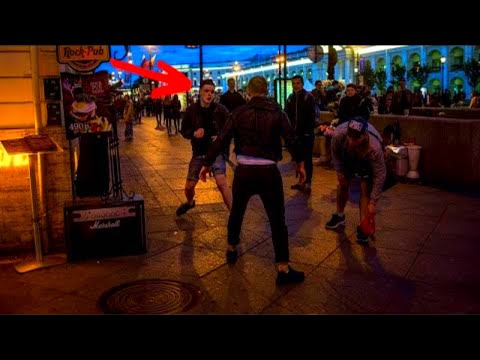
Is Taekwondo, with its high kicks and flashy forms, truly a viable tool for self-defense in the brutal, unpredictable chaos of a street fight? Or is it merely a beautiful, yet ultimately impractical, dance performed under the guise of martial arts? Many of you have arrived here seeking answers, driven by curiosity, perhaps even by a gut-wrenching encounter or the fear of one. You want to know if the discipline you admire, or are considering adopting, can truly protect you when the stakes are life and death. Let's cut through the noise, the dogma, and the unverified claims. Today, we dissect Taekwondo's efficacy on the unforgiving pavement.

The Taekwondo Paradox: Sport vs. Survival

Taekwondo, recognized globally for its dynamic kicking techniques and its prominent status as an Olympic sport, holds a unique position in the martial arts landscape. Its popularity is undeniable, drawing millions of practitioners of all ages and genders, celebrated for its accessibility and fitness benefits. However, this very popularity and its sporting evolution have fueled a persistent debate: Can the stylized techniques honed in a dojo translate effectively to the raw, unscripted violence of a street altercation? Many come to Taekwondo seeking not just physical fitness or a connection to BUDO, but a genuine means of self-preservation. Yet, the common question lingers, a shadow cast over its glittering achievements: Is Taekwondo truly effective in a street fight?

Taekwondo's Strengths: When Form Meets Function

Let us not dismiss Taekwondo outright. Its strengths are significant, and when understood correctly, can be applied. Firstly, the emphasis on kicking techniques develops incredible leg strength, agility, and coordination. A well-placed, powerful kick from a distance can be a formidable weapon, capable of deterring an attacker or creating an opening. Think of the infamous "roundhouse kick" or "axe kick" – executed with precision and power, they are not just for show. They develop balance and proprioception, crucial for staying on your feet amidst chaos.

Furthermore, Taekwondo training instills a powerful sense of discipline and mental fortitude. The rigorous practice of katas (known as poomsae in Taekwondo) requires focus, memory, and physical control. This mental conditioning is transferable. The ability to remain calm under pressure, to execute a practiced movement despite fear, is a core tenet of any true martial art, including Taekwondo. The constant drilling also builds cardiovascular endurance and flexibility, both vital components for any physical confrontation.

"The ultimate aim of martial arts is not victory or defeat, but the perfection of the human character." - Choi Hong Hi, Founder of ITF Taekwondo. While this quote speaks to the higher purpose, a perfected character often includes the ability to protect oneself and others.

The sheer accessibility of Taekwondo is another point in its favor. Its lack of age or gender restrictions means a vast number of people are exposed to its principles. This widespread practice means a greater potential for individuals to develop the confidence and basic physical conditioning needed for self-defense, even if their specific curriculum isn't geared towards street combat.

The Street Fight Reality: Where Taekwondo Falters

Now, let us address the elephant in the room. The modern, sport-oriented Taekwondo often falls short in a street fight for several critical reasons:

  • Limited Ground Game: Most street fights, particularly those involving multiple assailants or a determined attacker, quickly devolve to the ground. Taekwondo offers virtually no training in grappling, wrestling, or submissions. A skilled grappler can neutralize a Taekwondo practitioner's kicking advantage almost instantly. This is a critical vulnerability.
  • Lack of Close-Range Combat: The flashy, long-range kicks that dominate Taekwondo sparring are often impractical when an opponent is within arm's reach, attempting to clinch, grab, or strike with punches. Training often lacks emphasis on effective close-quarters striking, blocking punches, or defensive maneuvers in tight spaces.
  • Sport-Centric Rules: The rules of Taekwondo sparring prioritize points scored through clean, often one-legged, kicks to the torso and head. Techniques that might be dangerous or illegal in sport (like low kicks to the legs, groin strikes, or using the opponent's momentum against them) are rarely trained. This fosters a mentality that prioritizes scoring over disabling an opponent.
  • Over-reliance on High Kicks: While visually impressive, high kicks can be risky. They require significant space, can compromise balance, and are vulnerable to takedowns. In a confined, chaotic environment, such techniques are often a liability rather than an asset.
  • Absence of Weapon Defense: Street violence can involve weapons. Taekwondo, in its standard curriculum, typically does not train practitioners on how to defend against knives, sticks, or improvised weapons.

The primary issue is that Taekwondo, as commonly practiced today, is overwhelmingly a sport and a fitness activity, not a comprehensive self-defense system designed for the grim realities of violent encounters. The curriculum has been refined for points, for spectacle, and for athletic competition, often at the expense of brutal practicality.

The Philosophical Divide: Budo vs. Sport

This brings us to a fundamental divergence in martial arts philosophy. On one side, we have the "Budo" path – a path of rigorous, often harsh, training focused on effectiveness above all else, even at the cost of aesthetic appeal. This path emphasizes survival, disabling an opponent quickly and decisively, and accepting the brutal nature of real combat. Think of systems like Kyokushin Karate or Judo, which, while competitive, retain a strong foundation in practical application.

On the other side, we have sport martial arts. While invaluable for competition, character development, and fitness, their rule sets inherently alter their purpose. They teach participants how to win within a specific framework, not necessarily how to survive a fight with no rules. Taekwondo, particularly Olympic Taekwondo, leans heavily into this sporting aspect. The beautiful techniques, the focus on avoiding injury to score points – these are antithetical to the mindset required when facing an attacker who intends to inflict harm without referee intervention.

"In the heat of battle, the martial artist must not be constrained by rules or forms. Survival is the only rule." - A common sentiment echoed by many combat strategists, though difficult to attribute to a single master.

This is not to say all Taekwondo practitioners are unprepared. Many schools and masters still teach practical self-defense principles. However, the prevalence of sport-focused dojos means that the average Taekwondo practitioner may possess a skillset that is far removed from street-survival efficacy.

Adapting Taekwondo for the Street: A Sensei's Perspective

So, is all hope lost for the Taekwondo practitioner seeking real-world self-defense? Not entirely. The foundation you've built can be a valuable asset if strategically adapted:

  1. Focus on Practical Kicks: Prioritize kicks that are fast, stable, and effective at closer ranges. Think low kicks to the legs (thighs, shins), knee strikes, and controlled side kicks to the body. High, flashy kicks should be reserved for specific, open scenarios, if at all.
  2. Develop Essential Hand Techniques: Supplement your training with punches, elbow strikes, and palm-heel strikes. Learn how to block effectively against common punches.
  3. Incorporate Clinch and Takedown Defense: Seek out supplemental training in grappling, Muay Thai clinch work, or basic Judo. Understanding how to defend against or disengage from clinches and takedowns is paramount.
  4. Practice Footwork and Balance: Develop agility and the ability to maintain balance in awkward positions. This will help you recover from off-balance moments and move effectively in confined spaces.
  5. Train for Simulation, Not Just Sport: Engage in scenario-based training. Practice defending yourself from surprise attacks, multiple opponents, and confined spaces. Understand the psychological aspects of a real fight – the fear, the adrenaline, the aggression.
  6. Embrace a Simpler Mindset: In a street fight, complexity is your enemy. Focus on simple, direct techniques that work under extreme stress. The goal is to end the confrontation as quickly and safely as possible, not to perform a beautiful sequence of moves.

Essentially, you must filter your Taekwondo training through a lens of brutal practicality. Ask yourself for every technique: "Will this work when someone is trying to hurt me, when there are no rules, and when I'm scared?"

Essential Gear for Your Training

While Taekwondo itself doesn't require extensive gear for basic practice, serious training for self-defense, or even competitive sparring, necessitates proper equipment. Investing in the right kit not only protects you but also enhances your training experience. For those looking to supplement their Taekwondo with more combat-focused skills, consider:

  • Quality Sparring Gear: Headguards, mouthguards, chest protectors (especially the hogu used in Taekwondo competitions), and shin/instep protectors are crucial for safe sparring.
  • Durable Footwear: While many practice barefoot, dedicated training shoes can offer better grip and support for certain drills, especially if cross-training in arts like MMA.
  • Training Uniform (Dobok): Ensure your dobok is durable enough for dynamic movements and potential grappling. Look for heavier fabrics if you anticipate rougher training.
  • Hand Wraps and Gloves: If incorporating boxing or MMA-style striking, hand wraps are essential for wrist support, and bag gloves or sparring gloves will protect your hands.
  • Resistance Bands: Excellent for strength and conditioning exercises that mimic the explosive power needed for kicks and strikes, all manageable #AtHomeWorkout options.

Remember, the best #MartialArtsMerchandise is that which supports safe and effective training.

Frequently Asked Questions

Is Taekwondo considered a good self-defense system for women?

Taekwondo can be a decent starting point for women due to its emphasis on fitness, confidence building, and distance-creating kicks. However, like all martial arts, its effectiveness in a real confrontation depends heavily on the training focus. A curriculum prioritizing practical self-defense, including close-range techniques and situational awareness, would be more beneficial than one solely focused on sport sparring.

Can Taekwondo kicks stop a much larger attacker?

A powerful, well-placed kick to a vulnerable area (like the knee or groin) *can* incapacitate a larger attacker, but it is not guaranteed. The attacker's momentum, adrenaline, and sheer size can sometimes absorb such blows. Relying solely on kicks against a significantly larger and more aggressive opponent is risky. A comprehensive approach combining kicks, punches, and defensive maneuvers is always superior.

Is it better to learn Taekwondo or Karate for street fighting?

This is a classic debate with no single "correct" answer, as both arts have their strengths and weaknesses depending on the specific school and curriculum. Traditional Karate styles often incorporate more hand techniques and closer-range combat than sport Taekwondo. However, some Taekwondo schools teach excellent self-defense. Ultimately, a style that emphasizes practical application, situational awareness, and a no-rules mindset, regardless of its name, will be more effective than a purely sport-oriented system.

For Deeper Exploration

To truly grasp the nuances of martial arts efficacy and philosophy, delve into these related topics:

  • MMA vs. Traditional Martial Arts: Where Does Effectiveness Lie?
  • The Philosophy of BUDO: More Than Just Fighting.
  • Self-Defense: Principles for the Modern World.

Sensei's Reflection: Your Next Step

Taekwondo offers undeniable benefits: incredible kicking prowess, physical conditioning, and mental discipline. Yet, its efficacy in the raw crucible of a street fight is, at best, conditional. The transition from controlled sport to uncontrolled violence is a chasm that requires more than just high kicks. It demands a brutal pragmatism, an embrace of close-quarters combat, and an understanding of grappling.

The question is not whether Taekwondo *can* be effective, but whether the way you are training it *makes* it effective for survival. Are you training for points, or for permanence? Are you honing skills that will save you when the rules vanish, or just those that win you a trophy?

Sensei's Reflection: Your Next Step

Consider this: If you found yourself in a real, life-threatening confrontation tomorrow, would you rather face an opponent who has mastered the 30 most effective, simple techniques for survival, or one who can flawlessly execute 300 flashy, yet situational, moves? Now, examine your training. Which path are you truly on?

``` GEMINI_METADESC: Analyze Taekwondo's effectiveness in street fights. Explore its strengths, weaknesses, and practical adaptations for real-world self-defense scenarios.


The Unbending Leg: Mastering Lower Body Power and Shedding Fat from a Warrior's Perspective

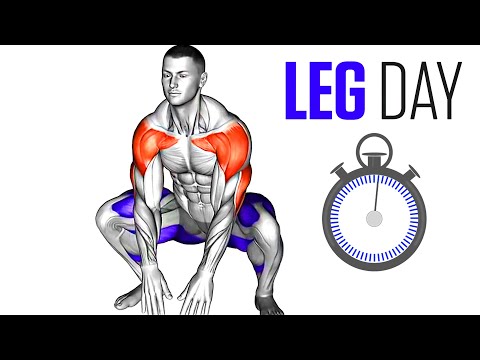
The pursuit of physical prowess is a cornerstone of any true warrior's path. Yet, many practitioners, obsessed with upper body strength or flashy techniques, neglect the very foundation upon which all power is built: the legs. You might be searching for "leg workouts," "leg workouts home," "leg exercises at home," or "best leg exercises" with dumbbells. But are you truly understanding the *purpose* behind these movements? This isn't merely about aesthetics or building bulk; it's about cultivating explosive power, unwavering stability, and the lean, functional physique of a fighter. Today, we dissect the art of leg training and fat loss, not as a casual gym-goer, but as a martial artist seeking ultimate functional strength.

The Foundation of Power: Why Legs Matter

For too long, the discourse on "leg workouts" and "leg exercises" has been dominated by bodybuilding jargon. But let's be clear: a martial artist does not train to become a statue. We train to move, to strike, to defend, and to endure. The legs are our anchor, our engine, and our primary lever for generating force. Whether you're practicing the explosive leaps of Shaolin Kung Fu, the grounded stability of Karate's deep stances, or the powerful takedowns in Judo and BJJ, the legs are paramount. Neglecting them is akin to building a magnificent temple on sand – it will inevitably crumble. This article will delve into exercises that not only build strength and power but also contribute to shedding unwanted body fat, forging a resilient and functional physique worthy of a warrior.

Deconstructing the Movements: From Gym Exercises to Warrior Drills

The original content lists exercises like "Squat With Side Leg Lift," "Plyo Side Lunge," "Heel Touch," and "Overhead Squat." These are indeed effective, but let's reframe them through the lens of martial arts. * **Squat Variations (Squat With Side Leg Lift, Overhead Squat, Squat variations):** The squat is the king of lower body movements. In martial arts, it translates to building the foundational strength for deep stances, powerful kicks, and stable grappling. The side leg lift adds an element of hip abduction, crucial for balance and controlling distance. The overhead squat, when executed with control, demands incredible core engagement and shoulder mobility – skills vital for advanced techniques and deflections. * **Lunges and Agility (Plyo Side Lunge, Half Burpees):** These movements cultivate explosive power and lateral agility. A plyometric lunge mimics the rapid shifting of weight needed for evasive maneuvers or closing the distance. Half burpees, while often seen as a conditioning tool, are excellent for developing the explosiveness required for takedowns or quick transitions. * **Core and Stability (Heel Touch, Single Leg Heel Touch, Glute March):** Don't underestimate the importance of seemingly simple exercises for core strength and single-leg stability. The "Heel Touch" engages the obliques, essential for rotational power in strikes. The single-leg variations, like the Single Leg Heel Touch and Glute March, are critical for balance and proprioception – being able to maintain your footing and execute techniques even when off-balance is a hallmark of a skilled fighter. * **Dynamic Mobility (Crossover Hip Flexor, Dynamic Hip Flexor):** Martial arts require a significant range of motion, particularly in the hips. These dynamic stretches prepare the muscles for explosive movements, improve flexibility, and help prevent injuries – a constant threat in combat sports.
Many of these "gym exercises" are simply modern interpretations of ancient principles. The emphasis on functional movement, core stability, and explosive power has always been central to martial training, long before the term "bodybuilding" existed.

Warrior's Leg Blueprint: A Home Training Regimen

Let's transform these concepts into a practical, at-home training regimen. You don't need a full gym to forge powerful legs.
  1. Warm-up (5-10 minutes):
    • Light jogging in place or dynamic stretching (arm circles, leg swings).
    • Dynamic Hip Flexor Stretch (30 seconds per leg).
    • Crossover Hip Flexor Stretch (30 seconds per leg).
  2. Bodyweight Foundation (3-4 sets of 10-15 repetitions each):
    1. Bodyweight Squats: Focus on depth and maintaining an upright torso. Imagine sinking into a low guard.
    2. Walking Lunges: Step forward, lowering your back knee towards the ground. Alternate legs.
    3. Glute Bridges: Lie on your back, knees bent, feet flat. Lift your hips, squeezing your glutes at the top.
    4. Calf Raises: Stand with feet flat, raise up onto the balls of your feet.
  3. Explosive Power & Stability (3-4 sets of 8-12 repetitions each):
    1. Jump Squats: From a squat position, explode upwards. Land softly back into a squat.
    2. Plyometric Side Lunges: Lunge to one side, then explosively push off to the other side, landing in a lunge. Alternate sides.
    3. Single Leg Squats (Pistol Squat progressions): Start by holding onto a sturdy object for balance. Aim for a controlled descent. If full pistol squats are too advanced, perform partial reps or use a chair for assistance.
    4. Single Leg Heel Touches: Stand on one leg, slightly bending the knee. Reach your opposite hand towards the floor, feeling a stretch in your hamstring and engaging your core. Alternate sides.
  4. Core Integration (3 sets of 15-20 repetitions):
    1. Plank with Alternating Leg Lifts: Hold a plank position. Slowly lift one leg a few inches off the ground, keeping hips stable. Alternate legs.
    2. Russian Twists (Bodyweight): Sit on the floor, knees bent, feet slightly off the ground. Twist your torso from side to side.
  5. Cool-down (5 minutes): Static stretching for quadriceps, hamstrings, and calves.
"The strength of the legs is the strength of the whole body. Without strong legs, a warrior is easily toppled." - A principle echoed in many martial traditions.

Beyond Reps and Sets: The Martial Artist's Approach to Fat Loss

Fat loss is not a separate discipline; it's an inevitable outcome of a disciplined martial lifestyle. While leg training burns calories, true fat loss comes from a holistic approach: * **Consistency:** The most potent "fat loss exercise" is the one you do consistently. Adherence to your training and dietary plan trumps sporadic intensity. * **Nutrition:** Fuel your body like a warrior. Prioritize lean proteins, complex carbohydrates, and healthy fats. Minimize processed foods, excessive sugars, and empty calories. The "food as medicine" philosophy is as relevant today as it was centuries ago. * **Intensity:** Incorporate high-intensity intervals (HIIT) within your leg workouts or as separate sessions. The explosive movements mentioned earlier are perfect for this. * **Mindfulness:** Understand your body's signals. Listen to hunger cues, recognize fatigue, and manage stress. A stressed body holds onto fat. * **Patience:** Transformation takes time. Embrace the journey, celebrate small victories, and trust the process.

Essential Gear for Your Training

While bodyweight training is powerful, a few key items can elevate your leg development and fat loss efforts.
  • Resistance Bands: Versatile for adding resistance to squats, lunges, and glute exercises. They are portable and come in various strengths.
  • Dumbbells (if available): Essential for adding progressive overload to squats, lunges, and deadlifts. Start with a moderate weight and gradually increase. Investing in a good pair can be a long-term asset.
  • Comfortable Training Shoes: Crucial for support and shock absorption during explosive movements. Look for shoes that offer a balance of cushioning and stability.
  • A Durable Mat: For floor exercises like glute marches and core work, a mat provides comfort and hygiene.
  • A Water Bottle: Hydration is key for performance and recovery.
For those serious about their training, consider looking into quality workout gear that supports your goals and enhances your training experience.

Sensei's Verdict: Functional Power vs. Mere Aesthetics

The exercises listed in the original content, when approached with a martial artist's mindset, are far more than just "leg workouts for men" or "leg workouts for women." They are tools for building the powerful, stable, and agile base required for combat and everyday life. If your goal is simply to have larger thighs, you might find satisfaction in more isolation-focused bodybuilding routines. However, if you seek the functional strength, explosive power, and lean conditioning of a true warrior capable of rapid movement and sustained effort, then these compound, dynamic exercises are superior. They burn more calories, engage more muscle groups, and translate directly to improved martial arts performance and real-world functionality. Cinturón Negro en Funcionalidad.

Frequently Asked Questions

  • How often should I train my legs for martial arts?
  • For most practitioners, training legs 2-3 times per week, with at least one rest day in between, is optimal. Listen to your body and adjust based on your training intensity and recovery.
  • Can I build leg strength at home without weights?
  • Absolutely. Bodyweight exercises, especially when performed with proper form, tempo, and increased repetitions, can be incredibly effective. Adding plyometrics and focusing on muscle engagement will maximize results.
  • How does leg training help with fat loss?
  • Legs are the largest muscle group in the body. Training them stimulates a significant metabolic response, burning more calories both during and after the workout. Compound leg exercises also improve overall muscle mass, which boosts your resting metabolism.
  • What's the difference between "leg exercises" for bodybuilding and martial arts?
  • Bodybuilding often focuses on isolating specific muscles for hypertrophy (growth). Martial arts training emphasizes compound movements that build functional strength, power, stability, and mobility, all of which are transferable to combat and movement.

To Further Your Path

Embarking on the journey of martial arts and fitness requires continuous learning. To deepen your understanding and refine your practice, I recommend exploring these related topics on our blog:

Sensei's Reflection: Your Next Step

We have examined leg training not as a mere physical chore, but as a vital component of the warrior's armament. We've discussed exercises that build power, agility, and the functional strength to withstand any combat scenario. Now, the true test lies not in reading, but in doing. **Reflexión del Sensei: Tu Próximo Paso** Consider this: When you stand rooted, stable and powerful, does your opponent see a wall or an opportunity? The strength you cultivate in your legs is not just for pushing off; it is for grounding yourself, absorbing force, and delivering your own. What is the most significant weakness in *your* current foundation, and how will you fortify it in your very next training session? ``` GEMINI_METADESC: Master leg training and fat loss from a warrior's perspective. Learn functional exercises, home workouts, and the Budo philosophy for building powerful, agile legs.

Emulating Goku's Might: A 24-Hour Warrior's Chronicle

"The path of the warrior is life itself." - Miyamoto Musashi

Welcome, aspiring combatants and martial arts aficionados, to a journey that transcends mere physical training. Today, we delve into a unique experiment: a 24-hour immersion into the life of one of fiction's most iconic martial artists, Son Goku. But this is no mere fanboy imitation. This is an exploration of discipline, power, and the relentless pursuit of self-improvement, mirroring the spirit that drives us all in our own martial endeavors.

The question looms: can we truly capture the essence of a Super Saiyan in our daily grind? Can the principles that fuel Goku's legendary power – his unwavering dedication to training, his insatiable appetite for growth, and his fighting spirit – be translated into tangible results for us mere mortals? This chronicle aims to answer that, pushing boundaries and challenging the very definition of a "training day."

The 24-Hour Goku Challenge: A Warrior's Blueprint

Emulating a character as legendary as Goku for a full day is an ambitious undertaking. It’s not just about replicating his workout routine; it’s about embodying his philosophy. Goku’s life is a testament to the continuous pursuit of strength, not for dominance, but for the protection of others and the pure joy of self-mastery. This challenge, therefore, becomes a crucible, testing our physical limits and mental fortitude.

We begin with an understanding: Goku's power isn't solely derived from his intense physical training. It’s fueled by his Saiyan heritage, his exposure to gravity chambers, and his unique biology. However, the core principles – pushing beyond perceived limits, relentless practice, and an unyielding spirit – are universally applicable to any martial artist.

The day is structured around three pillars: Training, Sustenance, and the application of that strength in simulated combat scenarios, much like the battles that define Goku's journey. This isn't about mimicking anime tropes; it's about extracting the underlying martial principles and applying them in a real-world context.

The Rigors of Saiyan Training: Deconstructing the Workout

The provided workout routine is a solid foundation, but let's dissect it from a martial arts perspective. The emphasis on compound movements and high-volume repetition mirrors the conditioning required for prolonged combat.

Workout Breakdown:

  • Box Jumps (4x4): Explosive power and leg strength, crucial for dynamic movements, kicks, and evasive maneuvers. This translates directly to developing the agility needed for swift footwork in Karate or the explosive takedowns in Judo.
  • Push-ups (10x10): A fundamental exercise for upper body strength. In Karate, this builds the power for striking. In Jiu-Jitsu, it’s essential for controlling an opponent and maintaining positional dominance. The sheer volume targets muscular endurance.
  • Crunches (5x10): Core strength is the bedrock of all martial arts. A strong core translates to stable stances, powerful strikes, and improved balance, whether you're executing a perfect roundhouse kick in Taekwondo or a complex submission in BJJ.
  • Military Press (3x8): Develops shoulder and upper body pushing strength. This is vital for striking power in Muay Thai or generating force in a powerful Aikido technique.
  • Lunges (3x10): Leg strength, balance, and unilateral development. Essential for maintaining a strong base in striking arts and navigating the dynamic ground game of grappling arts.
  • Curls (3x0): This entry is puzzling. 3x0 typically means zero repetitions. Perhaps it signifies a focus elsewhere, or a typo. In martial arts, while direct bicep isolation is often secondary, grip strength and forearm development are paramount. If this were a true Goku emulation, perhaps it would translate to training grip strength for grappling or focusing on techniques that utilize arm strength efficiently rather than isolation.
  • Dips (3x10): Triceps and chest strength, contributing to powerful pushing and striking motions. Essential for close-quarters combat and defensive blocks.
  • Straight Leg Sit-ups (3x10): Another core exercise, focusing on different abdominal muscles and potentially hamstring flexibility.
  • Farmers Carry (2x25m): This is an excellent exercise for grip strength, core stability, and overall endurance. For a martial artist, a vice-like grip is indispensable, whether for controlling an opponent in Judo, executing a joint lock in Hapkido, or simply maintaining composure under duress.

The volume (indicated by the high number of sets and reps) speaks to building muscular endurance, a critical factor in longer bouts or sparring sessions. This contrasts with pure strength training, focusing instead on sustained power output, much like a prolonged battle.

Fueling the Saiyan Fire: Nutrition for Peak Performance

Goku's legendary appetite is not just a comedic trope; it's integral to his ability to recover and perform. His massive caloric intake directly fuels his incredible energy expenditure. While replicating his exact diet is impractical and likely unhealthy for most, the principle remains: proper nutrition is the cornerstone of recovery and sustained performance in any martial art.

For the modern martial artist, this translates to a balanced intake of macronutrients: sufficient protein for muscle repair, complex carbohydrates for sustained energy, and healthy fats for overall function. Hydration is equally critical. Dehydration can cripple physical performance and mental acuity, turning even the most basic techniques into a struggle.

Consider the post-training meal. For a Karateka, recovery is key to perfecting katas and striking power. For a Jiu-Jitsu practitioner, it’s about repairing muscles stressed by grappling. A well-timed, nutrient-dense meal accelerates this process, allowing for more frequent and effective training sessions. This mirrors Goku's ability to bounce back from near-fatal encounters, ready for the next challenge.

The Spirit of the Fight: Beyond Physicality

Goku's true strength lies not just in his muscles, but in his indomitable spirit. His courage, his perseverance in the face of overwhelming odds, and his unwavering optimism are as potent as any Kamehameha.

This is where the "fighting like Goku" aspect truly shines. It means embracing challenges head-on, even when failure seems imminent. It means learning from every setback, viewing defeat not as an end, but as a lesson. This mental fortitude is a cornerstone of Budo, the "Way of the Warrior."

"Mastering others is strength. Mastering yourself is true power." - Lao Tzu

In the context of our 24-hour challenge, this translates to pushing through fatigue, maintaining focus during the "fight" simulation, and approaching every aspect with the determination Goku exhibits. It’s about cultivating the internal warrior, the aspect that allows a martial artist to overcome not just an opponent, but their own limitations.

Veredict of the Sensei: Is the Goku Method Effective?

This 24-hour emulation of Goku’s lifestyle, while rooted in a fictional character, highlights fundamental truths of martial arts training. The workout itself, though basic, emphasizes power, endurance, and core strength – essential components for any combat discipline. The emphasis on nutrition and recovery is paramount, a lesson often overlooked by enthusiastic beginners.

However, the true value lies in the challenge's intent: to adopt a mindset of relentless self-improvement and unwavering spirit. While we cannot replicate Saiyan biology or gravity training, we can absolutely emulate Goku’s dedication and heart.

Core Principles that Shine:

  • Consistency in Training: Goku trains relentlessly. This mirrors the dedication required for mastery in any art, be it Karate, Judo, or BJJ.
  • Embracing Challenges: He never shies away from a stronger opponent. This is the essence of combat sports – seeking growth through adversity.
  • Unwavering Optimism: Even in dire situations, Goku maintains hope. This mental resilience is crucial for any fighter.

Areas for Nuance:

  • Specificity: While the workout is good general conditioning, it lacks the specificity of advanced martial arts techniques (e.g., specific striking drills for Karate, grappling sequences for Judo).
  • Dietary Scale: Goku's caloric needs are astronomical. Our "challenge" diet should focus on fueling performance, not blind replication.

Overall, the "Goku Method" is a powerful metaphor for dedication. If applied with discipline and an understanding of its core principles, it can undoubtedly lead to significant improvements in physical conditioning and mental toughness. It serves as an excellent catalyst for those looking to push their boundaries.

Rating: Cinturón Negro en Inspiración y Espíritu de Lucha.

Equipment Essential for Your Training

While the Goku challenge can be undertaken with minimal equipment, enhancing your martial arts journey often involves specific gear. Investing in quality equipment not only improves performance but also ensures safety.

  • Durable Kimono/Gi: Essential for Judo, Karate, and BJJ. Look for materials that can withstand rigorous training, such as double-weave for Judo or heavy cotton for Karate.
  • Sparring Gear: For arts involving striking, padded gloves, headgear, and shin guards are crucial for safe sparring.
  • Training Mats: If you're practicing grappling or ground techniques at home, quality training mats provide necessary cushioning and prevent injuries.
  • Strength Training Equipment: For workouts like the one described, dumbbells, kettlebells, and resistance bands can be valuable additions for home training.
  • Jump Rope: An excellent, portable tool for cardiovascular conditioning and improving coordination – a staple for many fighters.

Frequently Asked Questions

Can anyone truly train like Goku?

While replicating Goku's specific superhuman abilities is impossible, anyone can adopt his training philosophy: consistent dedication, pushing personal limits, and maintaining a positive mindset. The provided workout offers a tangible starting point for building physical conditioning.

Is the diet as important as the training?

Absolutely. For martial artists, nutrition is the fuel that enables recovery, builds strength, and sustains energy levels. Goku's enormous appetite underscores the body's need for significant resources to perform at peak capacity and recover from intense physical exertion.

What martial arts does Goku primarily draw from?

Goku's fighting style is a unique blend, heavily influenced by various real-world martial arts. His early training under Master Roshi incorporated elements akin to traditional Karate and Kung Fu. His later experiences fighting diverse opponents and learning from characters like Whis introduce concepts that echo other disciplines, emphasizing adaptability and constant learning.

How does the Farmer's Carry benefit a martial artist?

The Farmer's Carry is exceptional for developing grip strength, which is vital for controlling opponents in grappling arts like Judo or BJJ, executing certain joint locks, and even maintaining a strong defensive posture. It also significantly enhances core stability and overall muscular endurance.

To Deepen Your Path

This chronicle of a 24-hour Goku challenge serves as more than just a testament to physical exertion; it’s a call to action. It embodies the spirit of relentless pursuit that defines the martial arts.

Reflexión del Sensei: Tu Próximo Paso

If Goku’s 24-hour challenge has ignited a spark, ask yourself: are you merely going through the motions, or are you truly striving for constant evolution? Goku trains not to be the strongest, but to overcome his *own* previous limitations. What is *your* personal limit, and how will you shatter it in your next training session?

``` GEMINI_METADESC: Embark on a 24-hour martial arts journey emulating Goku's training, diet, and fighting spirit. Analyze Saiyan workouts, fueling principles, and the true essence of combat.

Ronaldinho: The PSG Beast's Martial Arts Mindset

Intent of Search: This article aims to explore the underlying discipline, strategic thinking, and physical prowess that made Ronaldinho a footballing legend, drawing parallels to martial arts principles. Readers are likely looking to understand the mindset and training behind elite athletic performance, and how those relate to the world of Budo and martial arts.

Entities & Keywords: Ronaldinho, Paris Saint-Germain (PSG), Budo, Martial Arts, Football, Discipline, Strategy, Physical Conditioning, Athleticism, Legend, Mindset, Football Legend, Warrior, Athlete, Training, Performance.

The Unforeseen Dojo: Ronaldinho's Ascent at PSG

When we speak of martial arts, we often conjure images of dojos, intense training sessions, and the unwavering pursuit of perfection. But what if I told you that a different kind of arena, the football pitch, can also be a crucible for forging warriors? Today, we delve into the electrifying era of Ronaldinho at Paris Saint-Germain, not just as a footballer, but as a testament to the martial spirit that fuels unparalleled athletic achievement.

Many will remember Ronaldinho for his dazzling footwork, his infectious smile, and the sheer joy he brought to the game. He was, in many ways, a virtuoso, a maestro of the beautiful game. However, beneath the flair and the spectacle lay a core of discipline, strategic brilliance, and physical resilience that any seasoned martial artist would recognize. This is not merely about kicking a ball; it's about understanding the mind of a champion, a true warrior on the pitch.

The Warrior's Mindset: Discipline Beyond the Dance

Football, at its highest level, is a combat sport. It requires strategic thinking, split-second decision-making, and immense mental fortitude. Ronaldinho, during his time at PSG, embodied this. While his style was often described as a dance, it was underpinned by a deep-seated discipline. He trained rigorously, honed his skills relentlessly, and understood the importance of preparation. This echoes the core tenets of Budo, the Japanese martial way, which emphasizes not just physical technique but also mental discipline and character development.

Think of the dedication required to master a complex kata in Karate or a high-level throw in Judo. It demands thousands of repetitions, a refusal to yield to fatigue, and an unwavering focus. Ronaldinho’s seemingly effortless brilliance was the result of countless hours spent perfecting his technique, building his stamina, and developing an intuitive understanding of the game. He didn't just play; he mastered his craft.

"The moment you stop learning, you start to die." - Miyamoto Musashi

This philosophy of continuous learning and improvement is central to martial arts and was evident in Ronaldinho's career. He evolved, adapted, and constantly sought to push his boundaries, demonstrating a true martial artist's commitment to growth.

Strategic Precision: The Art of the Game

A true martial artist doesn't just react; they anticipate. They understand spacing, timing, and the opponent's weaknesses. Ronaldinho was a master strategist on the field. His vision allowed him to see plays unfold before they happened, to exploit gaps in the opposition's defense, and to execute passes that defied logic. This is akin to a skilled swordsman who reads their opponent's movements, feints, and intentions.

Consider the strategic depth of a chess match, or the tactical nuances of a grappling exchange in Jiu-Jitsu. Ronaldinho possessed a similar spatial awareness and tactical intelligence in football. He could manipulate the flow of the game, create opportunities out of seemingly nothing, and control the tempo with his presence. His free-kicks, often executed with breathtaking accuracy, were a blend of power, precision, and strategic understanding of the wall and the goalkeeper's position.

The rivalry between players, the pressure of a big match, the need to perform under duress – these are all elements familiar to any competitive martial artist. Ronaldinho thrived in these high-stakes environments, using his skills and his mind to overcome challenges. His ability to perform under pressure speaks volumes about his mental strength, a quality paramount in any martial arts discipline.

Physical Conditioning: A Martial Edge

While Ronaldinho was celebrated for his technical gifts, his physical conditioning was the bedrock upon which his artistry was built. The explosive sprints, the sustained endurance throughout 90 minutes, the agility to evade tackles – these all require a level of physical fitness comparable to that of elite combat athletes. A well-conditioned body is not just about strength; it's about stamina, speed, power, and injury prevention.

In sports like MMA or Kickboxing, physical conditioning is non-negotiable. An athlete can have all the technique in the world, but without the physical capacity to execute it effectively, they will falter. Ronaldinho’s lean physique and incredible stamina allowed him to perform at his peak consistently. He could execute complex maneuvers, recover quickly from strenuous efforts, and maintain his intensity throughout the match. This showcases a dedication to his physical preparedness that mirrors the rigorous training regimens of martial artists worldwide.

The ability to absorb contact, to withstand the rigors of a full match, and to remain agile despite physical exertion is a testament to his dedication. This physical resilience is a key component of any successful martial artist, whether they practice Karate, Taekwondo, or any other discipline.

Sensei's Verdict: More Than Just a Game

Ronaldinho's tenure at PSG was more than just a series of spectacular goals and assists. It was a masterclass in athletic performance, demonstrating the fusion of technique, strategy, and physical conditioning that defines true mastery. He approached football with a spirit of innovation and joy, yet his success was undeniably built on a foundation of discipline and hard work – principles universally recognized in the world of martial arts.

While football and traditional martial arts may seem worlds apart, the underlying principles of dedication, strategic thinking, and physical preparedness are remarkably similar. Ronaldinho, in his own unique way, embodied the spirit of a warrior, a champion who transcended his sport. He showed us that excellence is not just about talent, but about the relentless pursuit of betterment, a lesson that resonates deeply with the path of the martial artist.

Rating: Cinturón Negro en Inteligencia Deportiva y Rendimiento. He clearly understood the strategic and physical demands of his art, executing with a mastery that few can achieve. He wasn't just a player; he was a formidable competitor.

Essential Gear for Your Training

For anyone inspired by the dedication of athletes like Ronaldinho, proper training gear is crucial. Whether you're on the football pitch or in the dojo, having the right equipment can enhance your performance and prevent injuries.

  • Performance Footwear: For football, specialized cleats designed for grip and agility are essential. For martial arts, depending on the discipline, you might need wrestling shoes, specialized Judo or Karate shoes, or simply train barefoot.
  • Protective Equipment: Shin guards for football, and for martial arts, consider mouthguards, groin protectors, and headgear for sparring sessions.
  • Comfortable Training Apparel: Moisture-wicking fabrics are key for both sports to keep you cool and dry during intense workouts. Think lightweight shorts and breathable t-shirts or jerseys.
  • Training Aids: While Ronaldinho's "equipment" was a ball, martial artists might utilize focus mitts, kicking shields, or sparring equipment like gloves and pads. For developing core strength and agility, consider agility ladders or resistance bands.

Training Guide: Developing an Athletic Mindset

Inspired by Ronaldinho's drive? Here's a practical guide to cultivating a similar mindset, applicable to any discipline, martial or otherwise:

  1. Set Clear, Achievable Goals: Define what you want to accomplish, breaking down larger ambitions into smaller, manageable steps. This applies whether you're aiming for a promotion in your martial art or mastering a new football skill.
  2. Embrace Rigorous Training: Consistency is key. Dedicate regular time to practice, pushing your limits each session. Don't shy away from hard work; it's the foundation of improvement.
  3. Develop Strategic Thinking: Analyze your performance. What worked? What didn't? How can you adapt your approach? In martial arts, this means studying opponents and learning from every encounter.
  4. Cultivate Mental Toughness: Learn to perform under pressure. Practice mindfulness or meditation techniques to stay calm and focused. Visualize success and positive outcomes.
  5. Prioritize Recovery: Just as important as training is rest. Ensure you get adequate sleep, proper nutrition, and active recovery to allow your body and mind to recuperate and adapt.

Frequently Asked Questions

Q1: Is football considered a martial art?
A1: While not a traditional martial art, football at a professional level demands many of the same qualities: discipline, strategy, agility, quick reflexes, and resilience, which are hallmarks of martial arts training.

Q2: How did Ronaldinho's creativity compare to martial arts techniques?
A2: Ronaldinho's creativity was akin to the improvisational and adaptive nature seen in some martial arts, like Baguazhang or advanced Judo randori. It showcased an intuitive understanding and mastery of fundamental movements, allowing for spontaneous and effective application.

Q3: What role did discipline play in Ronaldinho's success at PSG?
A3: Despite his free-spirited image, Ronaldinho's success was built on consistent training, dedication to his physical condition, and the strategic understanding required to perform at the highest level. This discipline is fundamental to all martial arts.

Q4: Can learning about athletes like Ronaldinho help martial artists?
A4: Absolutely. Understanding the mindset, training regimen, and strategic approach of elite athletes from any sport can offer valuable insights and motivation for martial artists seeking to improve their own skills and mental fortitude.

To Further Your Journey

The lessons learned from exceptional athletes extend far beyond their respective fields. For those seeking to deepen their understanding of the martial spirit and its application, consider exploring these related topics:

Reflexión del Sensei: Tu Próximo Paso

Ronaldinho displayed a mastery that was both technically brilliant and strategically profound. His presence on the field was that of a warrior wielding his chosen weapon – the football. The question for you, the dedicated practitioner, is this: In the arena of your own life and training, do you merely play the game, or do you strive to master your art with the precision, discipline, and strategic foresight of a true warrior?

``` GEMINI_METADESC: Discover the martial arts parallels in Ronaldinho's electrifying PSG career. Explore discipline, strategy, and athleticism beyond the football pitch.

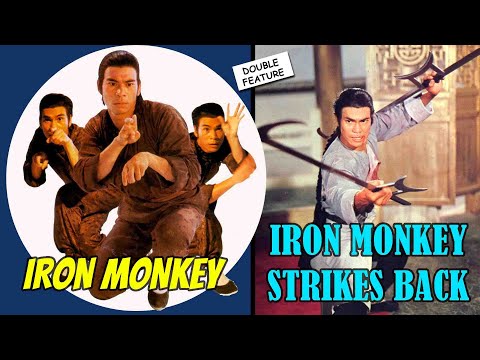
The Shaolin Monkey Fist: Unveiling the Ferocity of Wu-Tang's "Iron Monkey" Duology

The Call of the Monkey Fist

Ah, the Wu-Tang Collection! A name that conjures images of raw, unadulterated martial arts cinema. Today, we delve into a duo of films that, while perhaps not reaching the stratospheric heights of some Hong Kong classics, offer a potent glimpse into the enduring allure of the "Monkey Fist" style and the legendary Shaolin Temple. But are these films mere historical curiosities, or do they hold genuine lessons for the modern practitioner? That is the question we must dissect.

Many come to the world of cinema seeking not just entertainment, but the very spirit of the warrior. They want to understand the techniques, the philosophy, the dedication. They search for films that resonate with the sweat, the discipline, and the eventual enlightenment found on the training mats. This is where the "Iron Monkey" films, despite their imperfections, spark a particular curiosity.

Iron Monkey: Genesis of a Legend

Let us first dissect the original Iron Monkey, directed by Chen Kuan Tai. The premise is a familiar, yet potent, narrative arc: the sole survivor of a brutal massacre, driven by vengeance and fate, seeks refuge and mastery at the hallowed grounds of the Shaolin Temple. The casting features Chen Kuan Tai himself, Chi Kuan Chun, Wilson Tong, and Leung Kar Yan – names that, to the initiated, carry weight in the world of martial arts film.

The core of the story lies in the protagonist's journey to master the "Monkey Fist" method. This style, deeply rooted in animal mimicry, is characterized by its unpredictable, agile, and often acrobatic movements. Imagine a primate – its speed, its ability to change direction instantly, its deceptive simplicity masking a complex, devastating effectiveness. The film aims to showcase this, and in its better moments, it succeeds in conveying a sense of raw, untamed power.

"The Monkey style is not merely a collection of movements; it is an embodiment of adaptation and opportunism. It teaches us to flow, to deceive, and to strike when the moment is ripe, much like a monkey seizing a falling fruit." - A hypothetical elder from the Shaolin tradition.

Chen Kuan Tai, a veteran of the genre, brings a certain gravitas to the role. However, it is the depiction of the Monkey Fist itself that will draw the most attention from seasoned martial artists. Is the choreography a true representation, or a stylized interpretation for the screen? We shall examine this.

Shaolin's Shadow: The Monkey Style

The Shaolin Temple. The very name echoes through the annals of martial history. It is the mythical birthplace of countless combat disciplines, a place where the body and mind are forged into instruments of unparalleled skill and discipline. The integration of the Monkey Fist into this legendary institution is a narrative device that immediately elevates the stakes.

The Monkey style, in its essence, is about fluidity, evasiveness, and unpredictable attacks. It often incorporates elements of deception, mimicking the playful yet dangerous nature of its namesake. Movements can be low to the ground, incorporating rolls and evasions, then explosively transition to high, sweeping kicks or rapid-fire hand strikes. The emphasis is on agility and a seemingly chaotic, yet deeply ingrained, pattern of offense and defense. The goal is to overwhelm the opponent with a barrage of unexpected strikes and evasions, leaving them disoriented and vulnerable.

For a practitioner, mastering the Monkey Fist requires not just physical conditioning – extraordinary flexibility, agility, and stamina – but also a keen mental acuity. The ability to think on your feet, to adapt to your opponent's every move, and to exploit openings with lightning speed are paramount. This is where the film's narrative intent, however imperfectly realized, touches upon profound martial truths.

Iron Monkey Strikes Back: Detective Work and Deadly Fists

Following the initial installment, we have Iron Monkey Strikes Back, directed by Pao Hsueh Li. This film shifts gears, introducing a more investigative narrative. Chen Kuan Tai returns, this time as a Kung fu fighting detective, Mister Cool Head. The plot involves the murder of the emperor's wife and a deep-seated conspiracy at high levels of government.

The addition of the detective element adds a layer of intrigue, but the core appeal remains the martial arts. The film promises "untold fighting" from the team behind the first movie. This implies a continued focus on the action sequences, but the question remains: does the investigative plot detract from or enhance the martial arts spectacle?

Mister Cool Head, the protagonist, is tasked with unraveling this complex web of deceit. His methods, naturally, involve not just keen observation and deduction, but also the application of his formidable Kung fu skills. This blend of detective work and combat is a staple in many martial arts narratives, offering opportunities for both intellectual and physical prowess to shine.

The cast includes Chen Kuan Tai, Chen Sing, Chia Ling, and Suen Rong Jye, suggesting a continuation of the established martial arts talent. The promise of more fighting from the original team is a clear selling point for fans of the first film, but it also raises the bar for the quality and creativity of the action choreography.

Wu-Tang Collection: A Critical Eye on the Duology

Now, let us don our critical gi and examine these films through the lens of a seasoned martial artist and film enthusiast. The Wu-Tang Collection, in its ambition to showcase various facets of martial arts cinema, often presents films that are rough around the edges but possess a certain undeniable charm and historical significance.

Choreography and Authenticity: This is where the debate truly ignites. Does the "Monkey Fist" depicted here bear any resemblance to historically recognized forms? While cinematic interpretation often prioritizes spectacle over strict adherence, a truly great martial arts film will at least hint at the underlying principles of the style. The agility and unpredictability are key. If the movements feel rehearsed, lack a sense of grounded physics, or rely too heavily on wire-work without internal logic, then the film falters in its martial representation.

Acting and Narrative Cohesion: While the focus is on fighting, the narrative and performances still matter. Does the story hold together? Are the characters compelling, or merely archetypes going through the motions? In the case of Iron Monkey Strikes Back, the blend of detective work and martial arts needs to be handled with care. If the investigative plot feels shoehorned in, or if the transitions between dialogue and fight scenes are jarring, it detracts from the overall experience.

The "Spirit" of the Martial Art: Beyond the technical aspects, does the film capture the essence of the martial art it portrays? The Monkey Fist, like many traditional styles, is more than just physical technique. It embodies a philosophy of adaptability, wit, and sometimes, a playful approach to combat. Does the film convey this deeper meaning, or is it merely a series of flashy moves?

The films within the Wu-Tang Collection often serve as valuable archives, preserving styles and stories that might otherwise be lost to time. However, it is crucial to approach them with a discerning eye, appreciating their historical context while acknowledging their cinematic limitations.

Training the Monkey: Principles and Practice

For those inspired by the Monkey Fist style, actual training can be a rewarding, albeit challenging, endeavor. The core principles emphasize:

  1. Agility and Footwork: The ability to move quickly and change direction with minimal effort is paramount. This involves drills focusing on quick feet, evasive dodges, and dynamic stance transitions. Think of a monkey leaping from branch to branch – never staying in one place for too long.
  2. Unpredictable Strikes: Monkey Fist attacks are rarely linear. They can come from unexpected angles, often using the entire body to generate power. This requires practicing a wide variety of hand and foot techniques, incorporating spins, rolls, and sudden bursts of speed.
  3. Deception and Misdirection: A key element is making the opponent believe you are doing one thing while preparing to do another. This involves feints, changes in posture, and drawing your opponent's attention away from your true target.
  4. Lower Stances and Groundwork: Monkey style often incorporates very low stances and techniques that utilize the ground, allowing for rapid evasion and surprising offensive maneuvers from seemingly vulnerable positions.
  5. Upper Body Dexterity: Beyond punches, Monkey style often employs clawing motions, grasping techniques, and rapid, multi-limb attacks that mimic the grasping and striking of a primate.

While dedicated Monkey style Kung fu schools are rare outside of specialized martial arts circles, many of its principles can be incorporated into other training regimens. Focus on developing explosive power, enhancing flexibility, and practicing unpredictable combinations. Drills that involve reacting to stimuli, such as partner drills or agility courses, are invaluable.

Essential Gear for Your Training

To truly immerse yourself in the spirit of martial arts training, having the right equipment can make a significant difference. For styles that emphasize agility and fluidity, like the Monkey Fist, versatility in your attire is key.

  • Lightweight Kung Fu Uniforms: Opt for uniforms made from breathable, lightweight fabrics such as cotton or a poly-cotton blend. These allow for maximum freedom of movement without restricting your agility. A traditional loose-fitting top and comfortable trousers are ideal.
  • Flexible Training Shoes: For styles that involve a lot of footwork and low stances, flexible, minimalist shoes are recommended. These provide grip and a good connection to the ground without impeding natural foot movement. Many traditional martial arts footwear options fit this description.
  • Padding for Sparring (If Applicable): If you progress to sparring, appropriate safety gear is crucial. This includes padded gloves, shin guards, and headgear. Ensure they are lightweight and don't hinder your agility.
  • Training Mats: For practicing low stances, rolls, and falls, having a suitable training surface is important. Interlocking foam mats can provide a safe and comfortable environment for practicing these dynamic movements at home.

Remember, the best equipment is that which allows you to train effectively and safely, without hindering the core principles of your chosen art.

Frequently Asked Questions

What is the Monkey Fist style in Kung Fu?

The Monkey Fist is a traditional Kung Fu style that imitates the movements and behavior of a monkey. It is characterized by its extreme agility, unpredictable attacks, deceptive maneuvers, and often acrobatic techniques.

Are the "Iron Monkey" movies historically accurate representations of Shaolin Kung Fu?

While the films are inspired by Shaolin traditions and feature martial arts, they are primarily entertainment. Cinematic liberties are taken with choreography and narrative for dramatic effect. They offer a stylized glimpse rather than a documentary-accurate depiction.

Can I learn Monkey Fist style from these movies alone?

No. While inspiring, these films are not instructional. Authentic martial arts training requires guidance from a qualified instructor in a controlled environment to ensure safety and proper technique.

What are the main benefits of training in agile martial arts styles?

Training in agile styles enhances physical attributes like speed, flexibility, coordination, and balance. Mentally, it sharpens reflexes, improves problem-solving skills under pressure, and fosters adaptability.

Is the Wu-Tang Collection good for beginners in martial arts cinema?

The Wu-Tang Collection offers a unique, often raw, look into martial arts films from different eras and regions. While some entries might be less polished, they provide historical context and showcase a variety of styles. For beginners, it's a dive into the deep end, offering a different perspective than mainstream martial arts movies.

Deepen Your Understanding

The world of martial arts cinema is vast and rich. To continue your exploration of its nuances and connect with its enduring legacy, I recommend delving into related discussions and resources:

The Enduring Legacy of the Monkey

The "Iron Monkey" duology, as presented within the Wu-Tang Collection, serves as a potent reminder of the enduring appeal of the Monkey Fist style and the mythical aura surrounding the Shaolin Temple. While cinematic gloss may be absent in places, the raw energy, the dedication to showcasing dynamic combat, and the narrative of a warrior's journey resonate deeply.

For the martial artist, these films are not blueprints for combat, but rather sparks that can ignite further curiosity. They highlight principles of agility, deception, and adaptability that are fundamental to many fighting systems. They encourage us to look beyond mere technique and appreciate the philosophy and spirit that underpins true martial prowess.

Sensei's Reflection: Your Next Move

The monkey is known for its ability to adapt and thrive in diverse environments. After witnessing the trials of Iron Monkey and Mister Cool Head, consider this: In your own training and life, where do you find yourself most rigid? Where is your adaptability being tested? How can you incorporate the fluidity and unpredictability of the Monkey Fist, not just in your physical movements, but in your approach to challenges? Reflect on this, and let your actions speak louder than words.

``` GEMINI_METADESC: Dive into the fierce world of the Monkey Fist style with our critical analysis of Wu-Tang's \"Iron Monkey\" duology. Explore Shaolin secrets, fight choreography, and practical training tips.

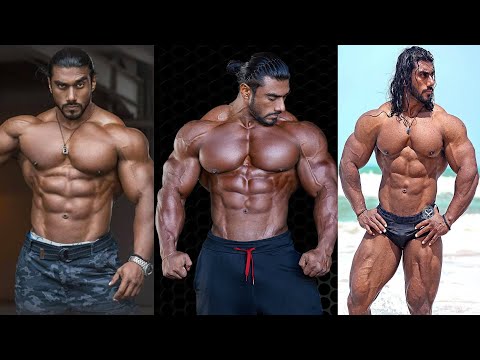
Indian Monster Gym | 3 Signs Your Gym Workout is Paying Off

Welcome, seekers of strength and masters of the self, to Budo and Martial Arts! Today, we confront a question that echoes in every dojo, every training hall, and every sweat-drenched mind: How do you truly know if your efforts in the gym are yielding results? Many walk through the hallowed doors of fitness, pushing iron and pounding mats, only to stagnate, their progress a mirage. Is it the weight on the bar, the speed of your punches, or something deeper that signals genuine advancement?

This is not merely about aesthetics, but about the cultivation of true martial prowess. We will dissect the signs, the unmistakable indicators that your training is forging you into a more capable individual, not just physically, but mentally and spiritually. Prepare yourselves, for we are about to embark on a journey to understand the *true* measure of progress.

The Iron and the Spirit: Beyond the Mirror's Deception

The allure of the gym is often tied to external validation – the physique that turns heads, the numbers on the scale. But a true martial artist understands that the body is a vessel, an instrument to be honed for purpose. The "Indian Monster Gym" often implies a brute force approach, yet true progress in martial arts, whether you're lifting weights or practicing Judo throws, transcends mere brute strength. We must look beyond the superficial. What are the *real* markers of a training regimen that is not just effective, but transformative?

Many mistake vanity for victory. A bulging bicep doesn't guarantee you can execute a clean O-soto-gari, nor does a six-pack equate to the mental fortitude of a Kyokushin Karateka facing a full-contact opponent. The signs we seek are woven into the fabric of your being, manifesting in how you move, how you recover, and how you face adversity.

Sign 1: The Evolution of Functional Strength

The first undeniable sign that your gym training is effective is not just an increase in the weight you lift, but the improvement in your functional strength. This is strength that translates directly to your martial arts practice and, crucially, to life itself.

Are you able to generate more power in your strikes? Can you maintain a stable base during grappling exchanges? Does that Kyokushin Karate kata feel more grounded, more explosive? These are the hallmarks of functional strength. It's the difference between being strong in a static pose and being strong in motion, in combat.

"Strength is not a matter of life and death. It is more important than life and death." - Mas Oyama (paraphrased principle, fundamental to Kyokushin)

Consider the deadlift. While impressive, its true value for a martial artist lies in how that coordinated, full-body power can be applied. Can you use that explosive hip drive to power through an opponent in a MMA clinch? Can the stability gained from squats translate to a stronger guard in BJJ? If your gym work enhances your ability to perform these martial movements with greater force, control, and efficiency, then your training is on the right path.

Conversely, if you're gaining strength but your agility suffers, or your stamina for prolonged combate decreases, then your strength is becoming *dysfunctional*. This is where the martial artist must be discerning. The gym should supplement, not supplant, the core skills of your chosen art. A Judo throw requires explosive hip and leg power, coordinated with upper body control. If your squats are helping you drive your hips with more force, that's functional. If they're making your knees ache and hindering your ability to get low for a sweep, that's a red flag.

Sign 2: Enhanced Physical Resilience and Recovery

The grind of martial arts training is relentless. Sparring sessions, high-intensity drills, the constant push against your limits – it takes a toll. An effective gym regimen doesn't just build you up; it fortifies your ability to withstand this wear and tear and, crucially, to recover quickly.

Are you experiencing fewer nagging injuries? Do muscle soreness and fatigue subside faster after a tough training day? Can you bounce back from a gruelling MMA sparring session with your UFC teammates and be ready for the next one with minimal detriment? These are signs of improved physical resilience.

This resilience is built through a combination of strength training that strengthens connective tissues, mobility work that prevents imbalances, and a conscious effort to optimize recovery. Techniques like dynamic stretching before training and static stretching post-training, coupled with adequate sleep and nutrition, become even more effective when supported by a solid foundational strength.

Think about it: a stronger core provides a stable platform, reducing stress on your lower back during grappling. Enhanced shoulder and rotator cuff strength can prevent injuries from repetitive striking or throwing. Improved cardiovascular conditioning from intense gym circuits will allow you to maintain your technique for longer, whether you're practicing Taekwondo forms or engaging in a Kickboxing bout.

"The body achieves what the mind believes." - Napoleon Hill, a principle that applies universally to physical and mental conditioning.

If your gym training leads to chronic pain, persistent fatigue that hinders your martial arts practice, or an increased susceptibility to minor strains, it's time to re-evaluate. The goal is not to break your body down, but to build it into a more robust, resilient instrument.

Sign 3: The Unshakeable Mindset (The Warrior's Edge)

Perhaps the most profound, yet often overlooked, sign of effective training is the impact it has on your mental fortitude. The discipline required to consistently show up at the gym, to push through discomfort, and to strive for improvement is a direct transfer to the martial path.

Do you find yourself approaching challenges with greater calm and focus? Has your ability to concentrate during intense sparring sessions improved? Do you feel a deeper sense of self-control and discipline in your daily life, extending beyond the gym or the dojo? This mental toughness, this warrior's edge, is a critical indicator.

The late nights, the early mornings, the sheer willpower to perform one more set when your muscles scream in protest – these build mental resilience. This mirrors the mental fortitude required to face an opponent, to execute a complex technique under pressure, or to persevere through a grueling fight.

Think of the concept of Mushin (no-mind) in Zen Buddhism and its application in martial arts like Aikido or Kendo. While not directly taught in most gyms, the self-discipline fostered by consistent training cultivates the fertile ground upon which Mushin can grow. A focused mind, unburdened by distraction or doubt, is the hallmark of a true warrior. If your gym workouts are building this mental discipline, you are on the path to mastery.

The gymnasium can be a crucible for forging not just muscle, but unshakeable resolve. When the physical challenges of training spill over into a stronger, more disciplined, and more resilient mental state, you know your efforts are truly effective. This is the true "monster" you should aim to create.

Training Guidance: Applying the Signs

To truly gauge your progress and ensure your gym work enhances your martial arts journey, integrate these signs into your training philosophy.

  1. Track Functional Movements: Beyond lifting numbers, record how your martial arts skills improve. Can you execute techniques with more speed, power, and control? Are your Artes Marciales Mixtas transitions smoother?
  2. Monitor Recovery Metrics: Pay attention to how quickly you recover from intense sessions. Are you sleeping better? Is daily soreness manageable and short-lived? If not, adjust your gym volume and intensity, and prioritize recovery protocols.
  3. Journal Your Mental State: Keep a log of your focus, discipline, and resilience both in training and in daily life. Note instances where your mental toughness, honed in the gym, helped you overcome challenges on the mat or in life.
  4. Seek Feedback: Ask your instructors and training partners if they notice improvements in your physical capabilities and mental approach. External observation can offer valuable insights.

Essential Gear for Your Training

While discipline is paramount, the right equipment can certainly aid your journey. For those looking to bolster their training, consider:

  • High-Quality Training Shoes: For stability and grip during lifts and dynamic movements.
  • Comfortable Training Apparel: Moisture-wicking fabrics that allow for a full range of motion are crucial for both gym and martial arts training.
  • Wrist Wraps & Knee Sleeves: For added support during heavy lifting, helping to prevent injuries and improve performance.
  • Jump Rope: An excellent tool for cardiovascular conditioning and agility work, easily integrated into any workout.
  • Resistance Bands: Versatile for warm-ups, mobility work, and supplementary strength training.

Sensei's Verdict: Is This Gym Worth the Sweat?

The concept of an "Indian Monster Gym" evokes images of raw power and relentless dedication. If the training within such a facility focuses on building functional strength that directly enhances martial capabilities, promotes robust physical resilience, and cultivates an unwavering mental fortitude, then yes, it is absolutely worth the sweat. However, if it's solely about aesthetics or brute force without application, it falls short. True progress lies in the holistic development of the martial artist.

Rating: Cinturón Negro en Potencial de Desarrollo Integral

Frequently Asked Questions

Q1: How quickly should I expect to see results from my gym training?

True results are multifaceted. Physical strength and resilience can improve noticeably within 4-8 weeks with consistent training. However, the mental discipline and functional application in martial arts can take months or even years to fully manifest and integrate. Patience and persistence are key.

Q2: My gym focuses heavily on isolation exercises. Is this bad for my martial arts?

Isolation exercises have their place for addressing specific weaknesses or muscle imbalances. However, for martial artists, compound, multi-joint movements (like squats, deadlifts, overhead presses, and rows) are generally more beneficial as they mimic the coordinated actions used in combat and everyday life. Prioritize compound lifts and supplement with isolation work as needed.

Q3: Can I do too much gym training and harm my martial arts progress?

Absolutely. Overtraining can lead to burnout, increased injury risk, and decreased performance in both your gym and martial arts sessions. Listen to your body, prioritize recovery, and ensure your gym volume and intensity complement, rather than detract from, your primary martial arts training.

Deeper Dives into Your Journey

To truly master your path, continue your exploration of the principles that underpin true martial strength and discipline.

Sensei's Reflection: Your Next Step

The signs are clear: functional strength, resilience, and an unshakeable mind. But are you truly observing them? Or are you merely chasing the echo of effort, mistaking sweat for substance?

Your challenge: For the next week, dedicate one training session (either gym or martial arts) solely to observing one of these three signs. Does your squat improve your ability to drive into an opponent? Does your recovery feel faster after a hard sparring match? Is your focus sharper during meditation or kata practice? Document your observations. Then, confront yourself: are you truly growing as a martial artist, or merely going through the motions? The path to mastery is paved with honest self-assessment. Now, prove your mettle.

``` GEMINI_METADESC: Learn the 3 key signs your gym workouts are truly effective for martial arts: functional strength, physical resilience, and mental fortitude. Elevate your training.