Showing posts sorted by relevance for query self defense women. Sort by date Show all posts

Unveiling the Reality: Women's Self-Defense vs. The Male Adversary – A Critical Examination

The Premise: A Stark Reality

Hello and welcome, warriors. Today, we confront a topic often shrouded in simplistic narratives and commercialized quick fixes: women's self-defense against male aggressors. The very phrasing, "CONTRA HOMBRES!" (AGAINST MEN!), immediately ignites a firestorm of debate. Is this a necessary distinction, or a dangerous generalization? As your Sensei, I am here not to provide platitudes, but to dissect the underlying principles and brutal realities, urging you to move beyond mere reaction and cultivate genuine empowerment. This isn't about fear-mongering; it's about informed preparation and the cultivation of an indomitable spirit.

Deconstructing the Search Intent: Beyond the Superficial

Let's first address the seeker's intent. What drives someone to search for "women's self-defense against men"? It's a cry for safety, a desperate need for practical solutions in the face of perceived physical disparity. The searcher likely desires:
  • Actionable Techniques: Specific moves that can be learned and applied under duress.
  • Understanding Vulnerabilities: Knowledge of common male attack patterns and weaknesses.
  • Psychological Preparedness: Strategies to overcome fear and react decisively.
  • Effective Tools: Recommendations for legal and reliable self-defense aids.
This intention, while valid, often leads to a fragmented understanding. The internet is flooded with sensationalized content, promising miracle cures. My purpose is to elevate this understanding, demonstrating that true self-defense is a holistic discipline, not a mere collection of disempowering tricks.

The Spirit of Budo: More Than Just Techniques

The original context of this topic hints at the broader world of Budo – the Way of the Warrior. While this blog post is published under tags like #artesmarciales and #BUDO, the core message often gets lost. True Budo, whether Karate, Judo, or Aikido, transcends the physical. It's about self-mastery, discipline, respect, and the cultivation of an unwavering mind.
"The ultimate aim of martial arts is not victory or defeat, but the perfection of the human character." – Unknown Master
When we speak of self-defense, especially in the context of a potential physical confrontation with a stronger opponent, the mental aspect is paramount. The *Mushin* (no-mind) state, the ability to act spontaneously and effectively without hesitation, is forged through rigorous training and deep philosophical understanding. Simply learning a few "moves" without this foundation is like building a house on sand.

Street Smarts vs. Dojo Drills: Bridging the Gap

This is where many self-defense courses falter. They teach techniques that look impressive in a controlled environment but crumble under the chaotic pressure of a real-world assault. A common misconception is that complex grappling or intricate striking sequences are the answer. In reality, the most effective self-defense principles for a less physically imposing individual against a larger adversary often emphasize:
  • De-escalation and Avoidance: The best fight is the one that never happens. Awareness of surroundings and verbal de-escalation are your first lines of defense.
  • Targeting Vulnerabilities: Focus on areas that inflict pain or incapacitate quickly – eyes, throat, groin, knees. These are universal, irrespective of gender or size.
  • Utilizing Leverage and Momentum: Understanding how to use an attacker's own weight and force against them. This is the essence of techniques seen in Judo and Aikido.
  • The Element of Surprise: A sudden, decisive action can create an opportunity to escape.
The key is simplicity and brutal efficiency. A technique that requires perfect execution under extreme stress is a liability. We must train for the worst-case scenario, not the ideal one. Consider the philosophies embedded in styles like Kyokushin Karate, which emphasizes full contact and resilience. This is not about winning a match; it's about surviving a confrontation.

Analysis of Self-Defense Tools: Illusion vs. Efficacy

The mention of "llaveros de defensa personal" (personal defense keychains) is a prime example of the commercialization I alluded to. While some tools can offer a psychological boost or a tactical advantage, they are not magic bullets.
  • Pepper Spray/Mace: Effective if used correctly and legally permissible. Requires practice to overcome the fear of using it and to deploy it accurately under stress.
  • Personal Alarms: Can attract attention but may also escalate an attacker's aggression.
  • Kubotans/Tactical Pens: Require significant training to be effective. Without proper knowledge of pressure points and striking, they are merely blunt objects.
  • Stun Guns/Tasers: Effectiveness can vary, and legal restrictions apply. Requires close proximity and can be disarmed.
Relying solely on a gadget is a dangerous gamble. It fosters a false sense of security. These are *tools*, meant to supplement, not replace, the fundamental skills and mental fortitude of the individual. The true "weapon" is the trained body and the prepared mind.

Beyond the Physical: Cultivating Inner Fortitude

This is where we delve into the deeper currents of martial arts philosophy, often overlooked in favor of flashy techniques. True self-defense is a lifelong pursuit of self-improvement.
"The supreme art of war is to subdue the enemy without fighting." – Sun Tzu, The Art of War
This ancient wisdom speaks volumes. Empowerment comes from:
  • Situational Awareness: Constantly scanning your environment, recognizing potential threats before they materialize. This is a practiced mental habit.
  • Assertiveness Training: Learning to project confidence, use a strong voice, and set boundaries verbally. This can deter many potential attackers.
  • Physical Conditioning: Building strength, stamina, and resilience. A fitter individual is more capable of defending themselves and escaping. This links directly to our tags like #Fitness, #Fuerza, and #Resistencia.
  • Mental Toughness: Developing the ability to remain calm under pressure, think clearly, and act decisively. This is the bedrock of true martial prowess.
These are the attributes that transform a victim into a survivor. They are cultivated through consistent effort, mirroring the dedication required in any serious martial art, whether it's the rigorous conditioning of Kyokushin Karate or the mental discipline of Zen meditation.

A Pragmatic Training Blueprint

For individuals seeking to enhance their self-defense capabilities, particularly women facing potential male aggression, a structured approach is crucial.

Guide to Training: Building Your Defense

  1. Foundational Awareness: Begin by consciously observing your surroundings in everyday situations. Identify exits, potential hazards, and people exhibiting unusual behavior. Practice mentally rehearsing escape routes.
  2. Verbal De-escalation and Boundary Setting: Practice using a firm, clear voice. Role-play scenarios where you refuse unwanted advances or assert your personal space. Learn phrases that communicate confidence and authority.
  3. Basic Striking Techniques: Focus on simple, powerful strikes to vulnerable targets. Practice palm heel strikes, elbow strikes, knee strikes, and kicks to the groin or shins. Accuracy and speed over complexity.
  4. Leverage and Escape Principles: Study basic principles of escaping grabs (wrists, clothing) and using an attacker's momentum. Techniques from Judo and Aikido offer excellent foundational principles here, focusing on redirection rather than brute force.
  5. Scenario-Based Drills: Practice techniques under simulated stress. This could involve mild physical exertion, shouting, or practicing in varied environments. Partner drills, conducted with safety and control, are essential.
  6. Conditioning: Incorporate cardiovascular exercises (#RunningTips, #AtHomeWorkout) and strength training (#NoEquipment, #Workout) into your routine to build the physical capacity needed for escape and defense.

Sensei's Verdict: True Empowerment

The notion of "women's self-defense against men" is born from a genuine need, but often exploited by superficial solutions. True empowerment is not about learning a few tricks to "fight back" against a hypothetical male attacker. It's about cultivating a comprehensive skillset that encompasses awareness, de-escalation, physical capability, and mental resilience. It’s about adopting the philosophy of Budo – the pursuit of self-perfection. The best self-defense is not learned from a keychain; it is forged within. While the focus should always be on internal development, certain tools can enhance training and, in real situations, provide a critical edge.
  • Durable Training Uniform (Kimono): Essential for styles like Judo and BJJ. Look for a double-weave kimono for durability.
  • Sparring Gloves: For safe practice of striking techniques, 16oz gloves are standard for sparring.
  • Focus Mitts and Kick Shields: Excellent for practicing precision and power in strikes with a partner or trainer.
  • Training Dummy (Mannequin): For practicing strikes and grappling techniques without a partner.
  • Pepper Spray (Legal Consideration): If legal in your area, carrying and practicing with pepper spray can be a valuable addition.
  • Books on Budo Philosophy: For understanding the deeper principles.

Frequently Asked Questions

What are the most effective techniques for a woman to defend against a larger male attacker?

Focus on simple, high-impact strikes to vulnerable areas (eyes, throat, groin), using leverage and an attacker's momentum, and surprise. Escape should always be the primary objective.

Is pepper spray a reliable self-defense tool?

Yes, if legally permissible and used correctly. It requires practice to overcome fear and ensure accuracy under stress. It is a supplement, not a replacement, for skills.

How important is physical strength in self-defense?

While strength is an advantage, technique, timing, and psychological preparedness are often more critical, especially when facing a size disparity. Conditioning improves stamina and resilience, which are vital.

Should women learn specific martial arts?

Many martial arts offer valuable skills. Judo and Aikido teach leverage and redirection. Karate and Kickboxing develop striking power and conditioning. BJJ excels in ground defense. A combination, or a style emphasizing practicality, can be highly beneficial.

How can I overcome the fear associated with self-defense training?

Gradual exposure through controlled drills, focusing on breathing and mental preparation, and building confidence through consistent practice are key. Understanding the techniques reduces fear of the unknown.

To Deepen Your Journey

"The warrior learns in the school of hardship. The challenges we face are not impediments, but stepping stones on the path to mastery." – Adapted from Warrior Philosophy

Reflection of the Sensei: Your Next Step

We have dissected the common approaches to self-defense, highlighting the chasm between superficial solutions and the profound path of Budo. The question that lingers is not merely *how* to defend oneself, but *who* you become in the process. Are you content with reactive measures, or are you ready to cultivate the inner warrior that transcends mere physical confrontation? Consider this: What single aspect of your mental or physical conditioning can you improve this week that will most significantly enhance your preparedness and self-reliance, irrespective of an attacker? The answer lies not in a keychain, but within your own commitment. GEMINI_METADESC: Critically examine women's self-defense against male aggressors. Explore Budo philosophy, practical techniques, tool efficacy, and holistic empowerment for true safety.

The Ultimate Guide: 7 Martial Arts Every Woman Should Master for Street Self-Defense

In an era where vigilance against harassment and assault is paramount, the question isn't *if* women should learn to defend themselves, but *how*. While dedicated practice in any martial art for a significant period can be a powerful deterrent, some disciplines offer an inherent advantage, particularly for women facing the unpredictable realities of street altercations. This is not about succumbing to fear, but about reclaiming agency through strength, skill, and unwavering resolve. Today, we dissect the very essence of effective self-defense, exploring seven martial arts that equip women not just with techniques, but with the unshakeable confidence to stand their ground.

Why Martial Arts for Women? The Modern Imperative

The modern world, despite its advancements, still presents inherent dangers. Incidents of groping, harassment, and more severe forms of violence against women remain a stark reality. The immediate and most potent response is not to hope for safety, but to cultivate it. Martial arts, at their core, are about developing the physical, mental, and spiritual fortitude to navigate adversity. For women, this translates into a powerful toolkit for personal safety, self-empowerment, and the cultivation of an unyielding inner strength. It’s a declaration that their safety is their own to command.

Understanding Street Confrontation: The Female Perspective

Street altercations are rarely fair fights. They are chaotic, often brutal, and frequently involve an element of surprise. An attacker typically seeks to exploit a perceived weakness. For women, this often means facing opponents who are physically larger and stronger. This is where the strategic advantage of martial arts designed for smaller individuals, or those emphasizing leverage and technique over brute force, becomes critical. The goal is not to meet force with equal force, but to neutralize a threat efficiently and escape to safety. It’s about using intelligence and skill to overcome a physical disadvantage.

Krav Maga: The Ultimate Survival System

Developed for the Israeli military, Krav Maga is less a traditional martial art and more a highly effective self-defense system. Its philosophy is brutally simple: get the attacker to stop attacking as quickly as possible, using any means necessary. It focuses on real-world scenarios, exploiting vulnerable points like the eyes, throat, and groin. Its practicality and directness make it exceptionally well-suited for women, as it doesn't rely on strength but on aggression, timing, and targeting weaknesses. There's no complex ritual, only survival.

"The supreme art of war is to subdue the enemy without fighting." - Sun Tzu. While Krav Maga's directness might seem contrary, its aim is indeed to end the confrontation swiftly, thus avoiding prolonged engagement where size and strength might prevail.

Brazilian Jiu-Jitsu: Dominance on the Ground

Brazilian Jiu-Jitsu (BJJ) is renowned for its effectiveness in grappling and ground fighting. It teaches how to take an opponent down, control them, and submit them using joint locks and chokeholds. For women, BJJ offers a significant advantage because technique and leverage can overcome size and strength. Many street confrontations end up on the ground, and BJJ provides the skills to dominate such situations, even against a larger assailant. Mastering the guard and submission techniques can be a game-changer.

Aikido: Redirecting Force

Aikido, often translated as "the way of harmonious spirit," is a defensive martial art that emphasizes redirecting an attacker's energy and momentum against them. It involves throws, joint locks, and pins. While it may appear less overtly aggressive than some other arts, Aikido's principles of blending with an opponent's movement and using their own force make it incredibly effective for women. It teaches control and de-escalation, transforming an attacker's aggression into a tool for their own neutralization. Its philosophical underpinnings also cultivate immense mental fortitude.

Muay Thai: The Art of Eight Limbs

Known as the "Art of Eight Limbs," Muay Thai utilizes punches, kicks, elbows, and knee strikes. This brutal and effective striking art builds incredible physical conditioning and powerful offensive capabilities. For women, Muay Thai provides devastating striking tools that can create distance and inflict significant damage, deterring an attacker. Its emphasis on clinch work and close-range striking is particularly useful when an attacker gets too close.

Judo: The Gentle Way of Power

Founded by Jigoro Kano, Judo ("the gentle way") focuses on throws, takedowns, pins, and submission holds. Like BJJ, it emphasizes using an opponent's weight and momentum against them. Judo's standing techniques are highly effective for unbalancing and taking down an attacker, neutralizing their physical advantage. The practice of judo instills discipline, respect, and powerful physical control.

Wing Chun: Efficiency and Precision

A unique Chinese martial art, Wing Chun is famed for its directness, efficiency, and simultaneous attack and defense. It emphasizes centerline control, economical movements, and close-range combat. Its principles allow a smaller person to effectively defend against a larger opponent by trapping their limbs and striking vital points. Bruce Lee famously trained in Wing Chun, a testament to its efficacy.

Taekwondo: Speed and Kicking Power

Taekwondo, the Korean martial art of kicking, is characterized by its dynamic and powerful leg techniques. While it can be very effective for creating distance and delivering impactful strikes, its emphasis on kicks might require adaptation for close-quarters street scenarios. However, the discipline, agility, and powerful kicking arsenal it develops can be a significant asset in a self-defense situation.

Training Considerations for Women

When choosing a martial art, women should consider:

  • Instructor Quality: Seek out experienced instructors who understand the specific needs of women in self-defense.
  • Training Environment: A safe, supportive, and respectful dojo is crucial.
  • Sparring: Regular, controlled sparring (kumite) is essential for developing timing, distance, and the ability to apply techniques under pressure.
  • Realism: The training should incorporate realistic scenarios and techniques applicable to common threats.

Don't be intimidated by the idea of sparring. It's where theory meets practice, and controlled engagement is key to building confidence and skill.

Sensei's Verdict: Is it Worthy?

Absolutely. The journey into martial arts is not merely about learning to fight; it's a profound path of self-discovery, discipline, and empowerment. For women, it's an essential investment in their personal safety and self-esteem. The arts listed above offer diverse yet powerful methodologies for self-defense, each capable of transforming an individual. The true effectiveness lies not just in the art itself, but in the dedication, perseverance, and willingness to learn that the practitioner brings. Choose wisely, train diligently, and reclaim your power.

Sensei's Verdict: Worthy?

Cinturón Negro en Empoderamiento Femenino.

Essential Gear for Your Training

While many martial arts can be started with minimal gear, investing in the right equipment can enhance your training experience and safety:

  • Uniform (Gi/Dobok/Kimonos): A durable, comfortable uniform is standard for many disciplines like Judo, BJJ, and Karate. For Judo, consider a gi for Judo made from a double-weave fabric for durability.
  • Hand Protection: For arts involving striking (Muay Thai, Taekwondo), padded gloves or mitts are essential for both protection and safe practice.
  • Mouthguard: Crucial for any training that involves sparring or potential impact to the face.
  • Groin Protection: Essential for men, and recommended for women in high-impact training or sparring.
  • Training Mats (if training at home): For practicing falls and ground techniques safely.

Frequently Asked Questions

Can women be as strong as men in martial arts?
While physiological differences exist, martial arts emphasize technique, leverage, and strategy, allowing women to effectively overcome strength disadvantages. Strength training also plays a role.
Is it too late to start martial arts as an adult woman?
Absolutely not. Many women start their martial arts journey in their 20s, 30s, 40s, and beyond. The benefits are lifelong.
Which martial art is best for self-defense against multiple attackers?
Arts like Krav Maga are specifically designed for multiple attacker scenarios. However, the principles of awareness, de-escalation, and creating distance learned in any art are vital.
How often should I train to see results?
Consistency is key. Training 2-3 times per week is generally recommended for steady progress and skill retention.

Deepen Your Path

Sensei's Reflection: Your Next Step

You have witnessed the arsenal of disciplines available, each a potential key to unlocking your inherent power. But knowledge is but a seed. The true test lies in its cultivation. Consider this: If you were to step onto the mat tomorrow, which of these paths would you choose, and what is the *single* most immediate action you would take to begin your journey, not just in skill, but in spirit?

GEMINI_METADESC: Master street self-defense with this comprehensive guide to the 7 most effective martial arts for women. Learn how technique and empowerment conquer strength.

The Unshakeable Foundation: 7 Martial Arts Every Woman Should Consider for Self-Defense

"The martial way is a path of continuous learning. It is not about winning or losing, but about the refinement of one's character." - Unknown Master
It is a harsh reality, often whispered in hushed tones, that women are disproportionately targeted by violence, from domestic abuse to street assaults. This stark truth ignites a primal imperative: the mastery of self-defense. But where does one begin? The sheer volume of martial arts can be overwhelming, each boasting unique philosophies and techniques. As your Sensei, I'm here to cut through the noise, not with a generalized list, but with a critical analysis of *why* certain disciplines offer a more potent and practical foundation for female self-defense. We're not just looking for flashy moves; we're seeking principles that empower, educate, and, when necessary, incapacitate a threat.

Table of Contents

Understanding the Threat: Beyond Physicality

Before we dissect specific arts, let us establish a critical understanding of the context. Self-defense for women is not merely about learning to throw a punch or block a strike. It is a multi-faceted endeavor that encompasses:
  • Situational Awareness: The ability to perceive and analyze potential threats in your environment. This is the first line of defense, often more critical than any physical technique.
  • De-escalation: Knowing how to verbally diffuse a tense situation and avoid physical confrontation when possible.
  • Physical Evasion and Escape: Techniques designed to break free from holds, create distance, and escape to safety.
  • Empowerment: The mental fortitude and confidence that comes from knowing you possess the skills to protect yourself.
The "weaker sex" narrative is a dangerous fallacy, often perpetuated by those who wish to maintain control. True strength lies not in brute force, but in intelligent application of skill, awareness, and unwavering spirit. The goal is not to become a "fighter" in the aggressive sense, but a resilient individual capable of navigating dangerous situations with confidence and effectiveness.

The Power of Precision and Leverage: Krav Maga

If pure, unadulterated practicality is the objective, Krav Maga often rises to the top. Developed for the Israeli military, this system is less an art and more a science of survival.
  • Focus on Real-World Scenarios: Krav Maga directly addresses common attacks faced by civilians, including grabs, chokes, and assaults with weapons.
  • Simplicity and Directness: Techniques are designed to be learned quickly and executed effectively under extreme stress. There are no flashy, acrobatic moves; only direct, powerful responses.
  • Leveraging Vulnerabilities: It teaches practitioners to target an attacker's weak points – eyes, throat, groin – maximizing the chance of escape.
  • Defensive Mindset: It cultivates a proactive defense, emphasizing pre-emptive action and aggressive counter-attacks when necessary.
While Krav Maga can be intense, its efficacy in a self-defense context is undeniable. It teaches women to channel their natural responses into effective defensive actions. For those seeking a no-nonsense approach to immediate threat neutralization, Krav Maga is a prime candidate.

Grace Under Pressure? Aikido and the Nuances of De-escalation

Aikido presents a more philosophical approach, often characterized by its circular movements, joint locks, and throws. It emphasizes blending with an attacker's force rather than opposing it directly.
  • Use of Attacker's Momentum: Aikido teaches practitioners to redirect an aggressor's energy, making it possible for smaller individuals to control larger opponents.
  • Focus on Control, Not Damage: The primary aim is often to subdue an attacker without inflicting severe injury, promoting a more harmonious resolution.
  • Developing Balance and Coordination: The practice inherently improves balance, posture, and body control, which are vital for self-defense.
However, it's crucial to address a common misconception. While Aikido's principles are profound, its effectiveness in a real-world, high-adrenaline confrontation – especially against multiple or determined attackers – is a subject of much debate within the martial arts community. Some argue that its techniques require a level of commitment and control that may not be present in a chaotic street fight. For women, Aikido can offer immense benefits in terms of body awareness and de-escalation, but it might be best complemented with training in more direct combat systems if the primary goal is immediate physical self-protection.

The Unyielding Spirit of Kyokushin Karate

Kyokushin Karate, a full-contact style, is renowned for its rigorous training and emphasis on practical application. It strips away many of the more stylized elements found in other Karate dojos.
  • Full-Contact Sparring: Kyokushin practitioners engage in realistic sparring, developing resilience, toughness, and the ability to withstand strikes.
  • Emphasis on Conditioning: The training is physically demanding, building exceptional stamina, strength, and a high pain threshold.
  • Powerful Techniques: It focuses on strong, direct strikes to the body and head, along with effective kicks.
  • Mental Fortitude: The intense training cultivates a powerful "never give up" spirit, crucial for overcoming adversity.
For women, Kyokushin offers a pathway to developing immense physical and mental resilience. The ability to absorb and deliver powerful blows, combined with the mental toughness forged in its dojos, can be a significant asset in a self-defense situation. It teaches you to be hard to hurt and difficult to subdue.

Effective Striking and Footwork: Kickboxing

Kickboxing, whether American or International style, provides a solid foundation in stand-up combat, focusing on punches and kicks.
  • Developing Hand and Foot Skills: Kickboxing teaches precise and powerful punches (jabs, crosses, hooks, uppercuts) and kicks (front kicks, roundhouses, side kicks).
  • Footwork and Distance Management: Mastering footwork is crucial for offense and defense, allowing practitioners to control the space and avoid being cornered.
  • Cardiovascular Conditioning: Kickboxing training offers an excellent workout, improving stamina and agility.
  • Building Confidence Through Striking: Learning to deliver effective strikes can significantly boost a woman's confidence and self-assurance.
The combination of powerful strikes and agile movement makes kickboxing a highly practical self-defense art. It teaches women how to create distance, defend against incoming attacks, and launch effective offensive counter-measures, all vital for surviving an assault.

Close-Quarters Dominance: Judo

Founded by Jigoro Kano, Judo, meaning "gentle way," focuses on throws, grappling, and submissions. Despite its name, it is incredibly effective for self-defense.
  • Leveraging Opponent's Weight: Judo's core principle is to use an attacker's own weight and momentum against them, making it ideal for smaller individuals facing larger threats.
  • Ground Fighting (Ne-waza): While known for its throws (Nage-waza), Judo also includes effective grappling techniques for controlling an opponent on the ground.
  • Breakfalls (Ukemi): Learning to fall safely is a critical self-defense skill in itself, preventing injury when an attacker attempts to throw or push you.
  • Discipline and Respect: The practice instills discipline, respect, and a strong sense of control.
For women, Judo offers a direct pathway to controlling and neutralizing an attacker in close proximity. The ability to disrupt an opponent's balance and execute a throw can end a confrontation quickly. Furthermore, the ground-fighting aspect is invaluable, as many assaults escalate to the ground.

Ancient Wisdom for Modern Threats: Wing Chun

Wing Chun is a unique form of Southern Chinese Kung Fu, famed for its direct, efficient, and economical movements. It is particularly well-suited for women due to its emphasis on structure and simultaneous block-and-strike techniques.
  • Simultaneous Defense and Attack: Wing Chun excels at performing defensive and offensive actions at the same time, allowing for rapid counter-attacks.
  • Close-Range Combat: It is highly effective in confined spaces, where longer-range arts might be less practical.
  • Focus on Centerline Theory: Attacking the opponent's center allows for disabling strikes to vital points.
  • Sensitivity Training (Chi Sao): This unique training hones reflexes and the ability to feel an opponent's movements and intentions, crucial for adapting to attacks.
Wing Chun teaches practitioners to use structure and internal energy rather than brute strength, making it an ideal art for women who may be physically smaller than their assailants. Its directness and efficiency are highly conducive to real-world self-defense.

The Philosophy of Adaptability: Jeet Kune Do

Bruce Lee's philosophy of Jeet Kune Do (JKD) isn't a rigid style but a martial arts concept that emphasizes adaptability, simplicity, and directness. It encourages practitioners to take what is useful from all disciplines and discard the rest.
  • "Using No Way as Way": JKD teaches fluid adaptation to any situation, blending striking, grappling, and trapping techniques.
  • Economy of Motion: It promotes using the most direct and efficient path to the target, minimizing wasted energy.
  • Personal Expression: JKD encourages individuals to develop their own unique fighting style based on their strengths and the situation.
  • Holistic Approach: It integrates physical training with mental and spiritual development, emphasizing a prepared mind.
For women, JKD's core tenet – adapt and overcome – is incredibly empowering. It doesn't prescribe a single method but equips individuals with a framework to respond effectively to an infinite variety of threats, drawing from a diverse pool of martial knowledge.

Veredicto del Sensei: ¿Un Arte Marcial para Cada Mujer?

The question isn't which art is "best," but which art best suits an individual's needs, temperament, and goals. For pure, unadulterated self-defense, Krav Maga and Judo stand out for their directness and practical application. Kyokushin Karate and Kickboxing build formidable physical and mental resilience. Wing Chun and Jeet Kune Do offer sophisticated strategies for close-range combat and adaptability. Aikido provides valuable skills in de-escalation and control, though its application in extreme scenarios warrants careful consideration. Ultimately, the most potent self-defense is a combination of awareness, de-escalation, and physical preparedness. The best art for a woman is the one she will train consistently and passionately.

Equipo Esencial para tu Entrenamiento

No importa el arte marcial que elijas, la preparación es clave. Aquí hay algunos elementos que pueden mejorar tu camino de entrenamiento:
  • Kimono o Gi: Para disciplinas como Judo y algunas formas de Karate, un kimono resistente es esencial. Busca uno de doble tejido para mayor durabilidad.
  • Guantes de Entrenamiento: Para artes de golpeo como Kickboxing y Krav Maga, guantes de 10-16oz son ideales para proteger tus manos y las de tu compañero de entrenamiento.
  • Protector Bucal: Fundamental para proteger tus dientes y mandíbula durante el sparring en cualquier arte de combate.
  • Protector Genital: Una pieza de equipo a menudo olvidada pero vital para proteger las áreas más vulnerables.
  • Esterillas (Mat): Para artes que involucran derribos y lucha en el suelo como Judo y BJJ, las esterillas son cruciales para la seguridad.
  • Libros sobre Bushido o Filosofía Marcial: Complementa tu entrenamiento físico con la sabiduría de los antiguos maestros. Un buen ejemplo es "El Libro de los Cinco Anillos".

Guía de Entrenamiento: Desarrollando la Conciencia Situacional

La conciencia situacional no se aprende en un dojo; se cultiva en la vida diaria. Aquí tienes un ejercicio práctico:
  1. Observa tu Entorno: Al caminar por la calle, en el transporte público o en cualquier lugar, dedica unos minutos a observar activamente a las personas a tu alrededor. ¿Quién parece desorientado? ¿Quién está demasiado atento a su teléfono sin mirar a su alrededor? ¿Hay grupos de personas actuando de manera sospechosa?
  2. Identifica Rutas de Escape: Siempre ten en mente las salidas. Si estás en un edificio, localiza las escaleras y las salidas de emergencia. Si estás en la calle, identifica caminos alternativos.
  3. Confía en tu Instinto: Si algo se siente mal, probablemente lo esté. No ignores las sensaciones de incomodidad o peligro. A menudo, nuestro instinto nos alerta antes de que la mente consciente procese la amenaza.
  4. Evita Distracciones: Reduce el uso de auriculares con volumen alto en público. Mantén tu teléfono guardado cuando sea posible. Tu atención debe estar en tu entorno, no en una pantalla.
  5. Planifica tus Desplazamientos: Si vas a estar en un área desconocida o de noche, investiga la ruta de antemano. Informa a alguien de tu paradero y tu hora estimada de llegada.

Preguntas Frecuentes

  • ¿Pueden las artes marciales realmente defenderme en una situación real?
    Sí, si se entrenan de forma consistente y se centran en la aplicación práctica. La conciencia situacional y la mentalidad son tan importantes como las técnicas físicas.
  • ¿Soy demasiado vieja/joven/baja/débil para empezar las artes marciales?
    No. La mayoría de las artes marciales tienen programas adaptados para todas las edades y tipos de cuerpo. La clave es encontrar el estilo adecuado y un buen instructor.
  • ¿Cuánto tiempo se tarda en aprender defensa personal efectiva?
    Unos meses de entrenamiento enfocado en sistemas de autodefensa prácticos como Krav Maga pueden proporcionar habilidades básicas. Sin embargo, la maestría lleva años de práctica dedicada.
  • ¿Debería elegir un arte marcial que se enfoque en golpes o en agarres?
    Lo ideal es un sistema que combine ambos, o al menos te enseñe a defenderte en ambas distancias. Artes como el MMA o sistemas integrados suelen ser más completos.

Para Profundizar en tu Camino

* #SelfDefense: Explorando técnicas y filosofías para la protección personal. * #MartialArtsTraining: Guías prácticas y consejos para optimizar tu entrenamiento. * #WarriorPhilosophy: Reflexiones sobre los principios del Budo y la mentalidad del guerrero.

Reflexión del Sensei: Tu Próximo Paso

Hemos explorado diversas sendas marciales, cada una con su propia esencia y eficacia. Pero el conocimiento es estéril sin acción. Mi pregunta para ti es: de todas las artes mencionadas, ¿cuál resuena más profundamente con tu espíritu, y *cómo* vas a dar el primer paso esta semana para integrar sus principios en tu vida, ya sea en un dojo o en tu conciencia diaria? El camino se revela al andar, no al contemplar el mapa infinitamente. GEMINI_METADESC: Discover the 7 most effective martial arts for women's self-defense, analyzed by a Sensei. Learn about Krav Maga, Judo, Kyokushin Karate, and more.

When Men Fight Back: A Budo Perspective on Confronting Aggression

The primal instinct to defend oneself is as ancient as humanity itself. We often hear the adage, "Good men never hit women," and it is a principle deeply ingrained in many cultures, a testament to chivalry and respect. However, what happens when this line is not just blurred, but brutally crossed? What happens when aggression, regardless of gender, enters the ring, or more importantly, the life, with the intent to dominate and inflict harm?

"The supreme art of war is to subdue the enemy without fighting." - Sun Tzu, The Art of War

While the ideal is de-escalation and the avoidance of conflict, the reality can be far more complex. The notion that men should passively accept any form of abuse, particularly from a woman, is a dangerous myth that breeds injustice. This isn't about promoting violence; it's about understanding the fundamental right to self-preservation and the spirit of Budo, which, at its core, is about overcoming adversity – both external and internal.

Today, we delve into instances where this passive acceptance has been challenged, exploring the critical juncture when men have had enough. We will examine this through the lens of Budo and the broader martial arts philosophy, understanding that while restraint is a virtue, self-defense is a necessity.

The Philosophy of Self-Defense in Budo

Welcome to Budo and Martial Arts! You are watching "When Men Fight Back." This exploration was published on May 25, 2022. As the most complete and updated martial arts blog on the internet, we aim to dissect these sensitive topics with the depth they deserve.

The term "Budo" encompasses a wide range of Japanese martial arts, emphasizing not just combat techniques but also the cultivation of character, discipline, and a strong mental fortitude. Central to many of these disciplines is the concept of mushin (無心), or "no mind"—a state of heightened awareness where actions flow spontaneously and effectively, free from fear or hesitation. This state is crucial in self-defense.

However, Budo also teaches zanshin (残心), a state of continuous awareness and readiness even after an action has been completed. This implies that while the ideal is to avoid conflict, one must always be prepared to defend oneself if the situation demands it. The question of gender becomes secondary to the principle of self-preservation when faced with genuine aggression.

Understanding the Dynamics of Aggression

It is a societal anomaly, a cultural dissonance, that many men are conditioned from a young age to absorb aggression from women without retaliation. While sensitivity and respect towards women are paramount, this conditioning can inadvertently disempower men, leaving them vulnerable. True martial arts philosophy, however, transcends gender. It focuses on principles of leverage, timing, and the effective neutralization of threat.

In any combative scenario, the physical dynamics are a critical factor, but so too is the mental game. A perpetrator of aggression, regardless of their physical attributes or gender, often relies on the victim's reluctance to engage. When that reluctance is overcome by the necessity of self-preservation, the dynamic shifts.

The martial arts teach us to read situations, to de-escalate when possible, and to act decisively when avoidance is no longer an option. This is not about male dominance; it's about the universal right to bodily autonomy and safety.

Nine Instances: When Men Had Enough

The following scenarios, while often depicted in media or recounted in anecdotal evidence, highlight moments where the line was crossed, and self-defense became the only recourse. These are not endorsements of violence, but illustrations of the critical point where passivity ends and the instinct to protect oneself takes over.

1. The Unprovoked Assault

Imagine a situation where a man is subjected to a physical assault by a woman with no prior provocation. While social norms might dictate a man refrain from striking back, the fundamental right to defend against harm remains. In such cases, using proportionate force to stop the attack is a legitimate act of self-preservation.

2. Domestic Abuse Dynamics

Domestic abuse is a complex issue that affects individuals of all genders. When a man is the victim of sustained physical or emotional abuse, the breaking point can arrive when the risk to his well-being becomes too great. The principles of self-defense learned in martial arts can become essential tools for escaping and surviving such situations.

3. Public Confrontations

In public spaces, altercations can escalate rapidly. If a man finds himself the target of a physical attack by a woman, his training in martial arts can provide him with the skills to defend himself efficiently and safely, often without causing undue harm, thus neutralizing the threat.

4. Protecting Others

Sometimes, the need to defend oneself extends to defending loved ones. If a man witnesses a woman posing a physical threat to his family, children, or friends, his responsibility to protect them might necessitate a forceful intervention, irrespective of the aggressor's gender.

5. Targeted Harassment Leading to Physical Contact

Persistent harassment, whether verbal or physical, can create an unbearable situation. When this escalates to a point where physical safety is compromised, the victim may be forced to act. Martial arts training equips individuals with the awareness and physical skills to manage such escalating threats.

6. When De-escalation Fails

A core tenet of self-defense is to de-escalate conflict whenever possible. However, this is not always feasible. In scenarios where a man has exhausted all attempts at de-escalation and the threat persists, defending himself becomes a necessary and justifiable action.

7. The "Can't Hit a Girl" Delusion

This deeply ingrained social taboo can be exploited by those who wish to inflict harm. When an individual understands that the "rule" of not hitting a woman is being used as a shield for aggression, they may realize that self-preservation supersedes outdated social constructs.

8. Sport vs. Reality

While combat sports like MMA often feature male and female competitors, the rules of engagement are clearly defined. However, when such aggressive intent manifests outside of a controlled sporting environment, the rules of the street apply, and self-defense becomes paramount.

"When you are practicing any art, be it martial or otherwise, it is the body that is the instrument of mind. To master the art, you must master your body." - Bruce Lee

9. The Breaking Point of Endurance

Every individual has a limit. For some men who have endured prolonged periods of aggression or abuse, there comes a moment when their capacity for endurance is exhausted, and the need to assert their right to safety becomes undeniable.

Veredicto del Sensei: ¿Merece la pena?

This exploration into "When Men Fight Back" is not about glorifying violence or creating a narrative of gender warfare. It is a critical examination of self-defense, self-preservation, and the complex societal conditioning that can leave individuals vulnerable. From a Budo perspective, the ability to defend oneself is a fundamental skill, honed through discipline and respect for the art.

Does it "pay off" to fight back? The answer is nuanced. It pays off when it is a matter of life and death, of protecting oneself or others from imminent harm. It fails when it becomes an act of aggression, disproportionate retaliation, or revenge. The true mastery lies in knowing when and how to act, using techniques not for dominance, but for liberation from threat. The goal is always to return to a state of peace, having neutralized the danger.

Rating: 4.5 out of 5 Stars - Essential Principles of Self-Preservation

Equipo Esencial para tu Entrenamiento

While the situations discussed are extreme, consistent martial arts training is crucial for developing the skills and mindset for self-defense. The right equipment can significantly enhance your training experience and safety.

  • Gi (Kimono): Essential for Judo, Karate, and Aikido. Look for durable materials that can withstand rigorous practice. A double-weave gi is recommended for Judo for its increased resilience.
  • Sparring Gear: For arts like Karate and Taekwondo, protective gear such as headguards, mouthguards, chest protectors, and shin/instep guards are vital for safe sparring.
  • Gloves: For disciplines incorporating striking, such as Kickboxing or MMA, 16oz sparring gloves offer good protection for both the wearer and their partner.
  • Training Mats (Tatami): For grappling arts like BJJ or Judo, and for practicing falls (ukemi), specialized mats provide necessary cushioning and safety.
  • Makiwara/Striking Pads: To develop power and technique in striking arts, a makiwara or various striking pads are invaluable tools for dedicated practice.

Guía de Entrenamiento: Defensa Contra Agresión Física

This guide focuses on basic principles applicable across many martial arts. Always train under qualified supervision.

  1. Awareness (Kansatsu - 観察): The first line of defense is awareness. Be observant of your surroundings. Recognize potential threats early. This is the foundation of zanshin.
  2. De-escalation Techniques: Practice verbal diffusion. Use a calm, firm voice. Create distance. Avoid aggressive body language. This aligns with Sun Tzu's principle of subduing without fighting.
  3. Footwork and Evasion (Tai Sabaki - 体捌き): Learn to move efficiently. Practice stepping offline to evade incoming attacks. This is fundamental in Karate, Judo, and Aikido.
  4. Blocking and Parrying (Uke - 受け): Develop strong defensive blocks and parries to deflect strikes. Focus on using your entire body's structure, not just your limbs.
  5. Controlled Counter-Attacks: If evasion and blocking fail, execute precise, controlled counter-attacks. The aim is to neutralize the threat, not to inflict unnecessary damage. Techniques should be proportionate to the threat.
  6. Grappling and Control (if applicable): For arts like Judo or BJJ, learn to control an opponent, take them down safely, and apply joint locks or chokes *only* if necessary to end the threat.
  7. Post-Conflict Protocol: Once the threat is neutralized, disengage safely. Seek help if needed. Remain aware of your surroundings.

Preguntas Frecuentes

Is it ever justifiable for a man to hit a woman?

From a martial arts and self-defense perspective, the justification lies in the necessity of self-preservation. If a man's physical safety, or that of others he is responsible for, is under imminent threat of harm from a woman, using proportionate force to stop the attack is justifiable. This is not about gender, but about the fundamental right to defend oneself against aggression.

What martial arts are best for self-defense against any attacker?

Disciplines that offer a well-rounded skill set are often recommended. Krav Maga is specifically designed for real-world self-defense. However, arts like Judo (for its throws and control), Brazilian Jiu-Jitsu (for grappling and ground defense), Muay Thai (for powerful striking), and Karate (for its emphasis on powerful strikes and discipline) all provide valuable skills. A combination of striking and grappling arts often provides the most comprehensive defense.

How can martial arts help a man who is a victim of domestic abuse?

Martial arts training can instill confidence, physical capability, and mental resilience, which are crucial for victims of abuse. Techniques can provide the means to defend oneself if physically attacked, and the discipline can foster the mental strength needed to seek help and escape abusive situations. It empowers individuals to reclaim control over their safety and well-being.

Is the principle of self-defense different when the attacker is a woman?

The core principle of self-defense – the right to protect oneself from harm – remains the same regardless of the attacker's gender. While societal norms may create hesitation, the fundamental need for safety and bodily autonomy does not change. Martial arts training teaches effective defense based on principles of leverage, timing, and anatomy, rather than gender.

Para Profundizar en tu Camino

Follow us on social networks and do not forget to visit our main page for more insights into the world of martial arts: Budo and Martial Arts Blog.

Reflection of the Sensei: Your Next Step

We have explored the difficult intersection of gender, aggression, and self-defense. The principle is clear: the right to defend oneself is universal. But knowing *when* and *how* to act is the true test of a martial artist. Is your training focused solely on technique, or have you cultivated the wisdom to apply it ethically and effectively? When faced with an unjust aggressor, will you be a bystander, a victim, or a protector? The answer lies not just in your training, but in your character.

``` ``` GEMINI_METADESC: Explore the critical intersection of gender, aggression, and self-defense from a Budo perspective. Understand when men must fight back to ensure safety and preserve honor.

7 Martial Arts That Truly Deliver in Self-Defense

As a seasoned practitioner and observer of the martial way, I've witnessed countless individuals drawn to the dojo for a singular, primal purpose: survival. While the pursuit of physical fitness, mental discipline, or spiritual enlightenment are noble aims, the core of martial arts for many, especially the uninitiated, often boils down to a more visceral question: "Will this actually protect me when things get dangerous?" It's a valid concern, a fundamental inquiry that separates the philosophical from the practical. Not all styles are created equal when the rubber meets the road – or rather, when fists fly. My own journey, marked by countless hours on the tatami, in the ring, and observing the brutal ballet of combat, has shown me that while *any* martial art can be a deterrent, some are inherently designed with a more direct, no-nonsense application for self-defense. Today, we delve into not just seven disciplines, but seven philosophies of combat that have proven their mettle in situations where mere technique isn't enough; where survival is the only prize. This isn't about flashy moves or theatrical katas; it's about efficacy, about principles that translate from the training floor to the unforgiving reality of street confrontation.

Table of Contents

Introduction: The Pragmatic Warrior

The question of survival is as old as humanity itself. For centuries, martial arts have evolved not just as forms of combat, but as systems of self-preservation. In today's world, where threats can manifest in unexpected ways, the ability to defend oneself is not a luxury; it's a fundamental requirement for peace of mind. But with a dizzying array of styles available, how does one choose the martial art that will best equip them for real-world confrontations? This exploration aims to cut through the noise and highlight disciplines that prioritize practical application, brutal efficiency, and proven effectiveness. Forget the mystical aura; we're talking about survival tools honed through rigorous training and tested under pressure.

What Makes a Martial Art Truly Effective for Self-Defense?

Before we dive into specific styles, let's establish the bedrock principles that define a martial art's efficacy in a self-defense scenario. It's not about how many forms you can perform or how high you can kick. It's about:
  • Directness and Simplicity: Complex techniques often fail under duress. Effective self-defense relies on simple, decisive actions.
  • Realism in Training: Sparring should simulate actual threats, not choreographed performances. Resistance is key.
  • Adaptability: The ability to handle various situations, ranges of combat (standing, ground, weapons), and types of opponents.
  • Focus on Vulnerable Targets: Understanding anatomy and knowing where to strike for maximum effect.
  • Mindset and Aggression Control: The psychological preparation to act decisively and the discipline to avoid excessive force.
These are the lenses through which we will examine our chosen disciplines. A martial art that checks these boxes is one that truly prepares you for the unexpected.

1. Krav Maga: The Uncompromising Israeli System

Originating from the streets of Israel, Krav Maga is less a traditional martial art and more a combat system. It was developed for the Israel Defense Forces (IDF) and focuses on practical, real-world situations.
  • Core Principles: Simultaneous defense and attack, aggression, and exploiting an attacker's weaknesses.
  • Effectiveness: It teaches how to defend against common attacks, including multiple assailants, armed assaults, and brutal grabs. The emphasis is on quick neutralization of the threat.
  • Training Style: Highly intense, stress-induced drills designed to replicate the adrenaline and chaos of a real fight.
  • Philosophical Take: "The best defense is to end the fight as quickly as possible." There's no room for honor or etiquette when your life is on the line.
"In Krav Maga, there are no rules. Only survival."
For those seeking a no-holds-barred approach to self-defense that prioritizes immediate threat cessation, Krav Maga stands as a formidable choice. You won't find graceful katas here, but you will find a direct path to protecting yourself.

2. Muay Thai: The Art of Eight Limbs

The national sport of Thailand, Muay Thai, is renowned for its devastating power and comprehensive striking. It utilizes fists, elbows, knees, and shins, making it a complete arsenal for stand-up combat.
  • Core Principles: Utilizing all eight limbs for offense and defense, strong clinch work, and devastating kicks and knee strikes.
  • Effectiveness: Its conditioning and power generation make it incredibly effective in close-range combat. The clinch allows for control and the delivery of painful knee and elbow strikes.
  • Training Style: Intense physical conditioning, heavy bag work, pad drills, and sparring that emphasizes power and resilience.
  • Philosophical Take: Muay Thai embodies resilience and relentless pressure. It teaches practitioners to endure and to strike with full commitment.
"The body is your weapon. Every part of it is capable of inflicting damage. Use them all."
While primarily a striking art, the conditioning and close-quarters fighting prowess gained from Muay Thai are invaluable for self-defense. If you're looking to develop power and the ability to control an opponent at close range, Muay Thai is unparalleled.

3. Brazilian Jiu-Jitsu (BJJ): The Ground Game Dominator

Developed from Judo and traditional Japanese Jiu-Jitsu, BJJ focuses on grappling and ground fighting. Its effectiveness lies in its ability to allow a smaller, weaker person to overcome a larger, stronger attacker through leverage and technique.
  • Core Principles: Taking the fight to the ground, controlling the opponent, and applying submissions (chokes and joint locks).
  • Effectiveness: In a street fight, the confrontation often ends up on the ground. BJJ provides the skills to control, dominate, and submit an opponent in this scenario, even if they are significantly larger.
  • Training Style: Live rolling (sparring) is a cornerstone, teaching practitioners to apply techniques under pressure and develop a high level of grappling proficiency.
  • Philosophical Take: Jiu-Jitsu teaches humility and problem-solving under extreme physical and mental stress. It's often said, "If you don't know Jiu-Jitsu, you'd better hope you win the lottery."
The importance of grappling in self-defense cannot be overstated. BJJ offers a systematic approach to controlling the most common fight scenario. For anyone concerned about facing a larger aggressor, BJJ is a critical skill.

4. Kali/Eskrima/Arnis: The Weaponized Art

Hailing from the Philippines, Kali (also known as Eskrima or Arnis) is a comprehensive martial art that emphasizes weapon-based combat – sticks, knives, and empty hands.
  • Core Principles: Flowing, continuous movements, transition between empty-hand combat and weapon usage, and devastatingly effective strikes aimed at vital points.
  • Effectiveness: Its practical application against armed assailants makes it a top choice for self-defense. Training with weapons translates surprisingly well to empty-hand techniques.
  • Training Style: Repetitive drills focusing on angles of attack, footwork, and integration of weapon and empty-hand skills.
  • Philosophical Take: Adaptability and preparedness. Kali teaches you to use whatever is at hand as a tool for defense, emphasizing flow and responsiveness.
"In the Philippines, we don't distinguish between armed and unarmed combat. They are one and the same."
If you want to be prepared for the grim reality of weapon-based threats, Kali provides a direct and brutal curriculum. Its focus on angles and flow makes it incredibly practical.

5. Wing Chun: The Efficient Southern Chinese Art

Wing Chun is a concept-based martial art originating from Southern China, famously associated with Ip Man, Bruce Lee's teacher. It emphasizes efficiency, directness, and simultaneous blocking and striking.
  • Core Principles: Centerline theory, economy of motion, simultaneous block-and-strike, and sensitivity (sticking hands).
  • Effectiveness: Its focus on close-range combat, trapping, and rapid-fire strikes makes it highly effective in confined spaces and against aggressive opponents. It teaches practitioners to generate power from structure rather than brute force.
  • Training Style: Forms (Siu Nim Tao, Chum Kiu, Biu Jee), sticky hands drills (Chi Sao), and controlled sparring.
  • Philosophical Take: "Directness is the path. Stick to the center." Wing Chun teaches you to be economical with your movements and to exploit the opponent's structure.
Wing Chun's emphasis on practicality and efficiency makes it a strong contender for self-defense, particularly for those who may not possess overwhelming physical strength.

6. Judo: The Gentle Way of Leverage and Control

Founded by Jigoro Kano, Judo is a grappling-based martial art derived from Japanese Jiu-Jitsu. While often seen as a sport, its core principles are deeply rooted in self-defense.
  • Core Principles: Maximum efficiency, mutual welfare and benefit, using an opponent's force and momentum against them.
  • Effectiveness: Judo excels at throws and takedowns, but also teaches crucial groundwork (pins, chokes, and joint locks). It develops balance, coordination, and the ability to control an opponent's body.
  • Training Style: Randori (free practice/sparring) is central, simulating real combat scenarios, alongside specific technique practice and falling skills (Ukemi).
  • Philosophical Take: "Jitsu is the way of yielding, of gentleness. By softness, you can overcome hardness." Judo teaches you to use an attacker's energy and aggression against them.
The ability to unbalance and throw an opponent can neutralize a threat instantly. Judo's focus on leverage and control makes it a powerful tool for self-defense, especially when facing larger opponents.

7. Mixed Martial Arts (MMA): The Ultimate Synthesis

MMA is not a single martial art but a combat sport that allows a wide variety of striking and grappling techniques. Practitioners often cross-train in multiple disciplines to become well-rounded fighters.
  • Core Principles: Combining striking (like Muay Thai, Boxing, Karate) with grappling (like BJJ, Wrestling, Judo) to be effective in all ranges of combat.
  • Effectiveness: MMA fighters are trained to handle virtually any situation that arises in a fight, making them highly adaptable and dangerous. The comprehensive training addresses striking, clinching, takedowns, and ground fighting.
  • Training Style: Cross-training across disciplines, heavy sparring, conditioning, and strategic fight preparation.
  • Philosophical Take: "There are no rules in a street fight, but there are rules for survival." MMA fighters learn to adapt and overcome, drawing from the strengths of multiple arts.
While MMA is a sport, the skills developed by MMA athletes are incredibly applicable to self-defense. Their ability to transition between striking and grappling, combined with rigorous conditioning, makes them formidable. For a practical, all-around self-defense system, training in an MMA environment is hard to beat.

Essential Gear for Your Training

To truly maximize your progress in any martial art, having the right equipment is crucial. Investing in quality gear not only enhances your training experience but also provides necessary protection.
  • Protective Gear: Mouthguards are non-negotiable for any sparring. Headgear and shin guards are essential for striking arts like Muay Thai or Karate to prevent injuries.
  • Training Uniforms (Gi/Kimono): For Judo and BJJ, a durable gi is paramount. Look for double-weave for BJJ for longevity. For striking arts, comfortable shorts and t-shirts are usually sufficient, though some Karate styles require specific gis.
  • Sparring Gloves: If you're engaging in striking, quality sparring gloves (14-16 oz recommended for training) are vital for hand protection.
  • Training Partners: Perhaps the most crucial "gear" is a dedicated training partner or a good gym with a supportive community. Consistent resistance is key to developing real-world skills.
  • Optional: A training dummy for solo practice or a makiwara if your art incorporates it can be beneficial.
Remember, quality equipment is an investment in your safety and development as a martial artist. Consider looking into specific Karate merchandise or MMA gear tailored to your chosen discipline.

Frequently Asked Questions

Do I need to be in great shape to start?

No, absolutely not. Most martial arts schools are equipped to take beginners and help them build their fitness as they learn. The training itself will improve your conditioning.

Which art is best for women's self-defense?

All martial arts can be effective for women. However, styles like Krav Maga, BJJ, and Judo are often highlighted for their emphasis on leverage and neutralizing larger opponents, making them particularly well-suited.

How long does it take to become proficient in self-defense?

Proficiency varies, but with consistent training (2-3 times a week) in a practical art like Krav Maga or BJJ, you can expect to develop a solid foundation for self-defense within 6-12 months. True mastery takes a lifetime.

What if I'm afraid of getting hurt?

It's natural to have reservations. Good instructors prioritize safety and teach progressively. The goal is to learn to control your fear and react effectively, not to embrace unnecessary injury.

Is striking or grappling more important for self-defense?

Both are crucial. A comprehensive system like MMA or cross-training combines the best of both worlds, allowing you to defend yourself effectively whether the fight stays standing or goes to the ground.

For Profundizar en tu Camino

Sensei's Reflection: Your Next Step

The path to effective self-defense is paved with dedication and the right choices. These seven martial arts offer proven methodologies, but remember, the effectiveness of any art is ultimately determined by the practitioner and their commitment to realistic training. A flashy technique practiced in isolation is useless; a simple principle drilled relentlessly becomes a powerful tool. Now, consider this: Is your current training regimen truly preparing you for the chaos of a real-world encounter, or are you merely going through the motions? Have you tested your skills against willing, resisting opponents? The dojo is a laboratory, but the real world is the ultimate test. What fears hold you back from engaging in more realistic training? And more importantly, what are you willing to do to overcome them? Answer me this: If your life depended on it, could you defend yourself right now? The time to truly prepare is always before the storm, not during it. GEMINI_METADESC: Explore 7 highly effective martial arts for self-defense: Krav Maga, Muay Thai, BJJ, Kali, Wing Chun, Judo, and MMA. Learn what makes them practical for real-world threats.

Mastering "Gyaku-te Goshin-do": The Lost Art of Showa-Era Self-Defense for the Modern Warrior

Introduction: The Echoes of Self-Defense in a New Era

Have you ever felt a pang of unease walking alone at night? Do you wonder if the martial arts you practice truly equip you for the harsh realities of unexpected confrontation? In an age saturated with flashy techniques and sport-centric combat, the fundamental art of self-preservation often gets lost. Yet, the need for effective, accessible self-defense remains as critical as ever. This is where we revisit a powerful system, born from the pragmatic needs of a post-war Japan, and re-examine its relevance for the "Reiwa" era. Get ready to uncover the practical wisdom of "Gyaku-te Goshin-do," a system championed by those who understand the brutal ballet of survival.

Unveiling Gyaku-te Goshin-do: More Than Just Techniques

"Gyaku-te Goshin-do" translates roughly to "Reverse Hand Self-Defense Way." But this name hints at a deeper philosophy. It's not about brute force or complex acrobatics. It's about utilizing leverage, timing, and an understanding of an attacker's movements—often using the "reverse hand" or counter-intuitive approach to overcome aggression. This is a system designed for the average person, emphasizing principles that, once grasped—the *kotsu* (コツ)—can be applied by anyone, regardless of size or strength. It’s a testament to the idea that true self-defense is rooted in intelligence and practical application, not just physical prowess.

The Historical Crucible: Nihon Goshin-do and its Legacy

The genesis of "Nihon Goshin-do" (日本護身道) is intrinsically linked to the socio-political landscape of post-World War II Japan. In a time of upheaval and uncertainty, the need for personal security became paramount. Kenichiro Shimizu, the founder, recognized this void and established "Nihon Goshin-do" not merely as a collection of fighting techniques, but as a comprehensive system of self-preservation taught through correspondence. This innovative approach, a precursor to modern online courses, allowed individuals across Japan to learn vital self-defense skills without needing to travel to a central dojo. The curriculum was rich, drawing upon the deep wellsprings of classical Japanese martial arts, or *Kobudo* (古武術). These ancient disciplines, honed on the battlefields and in the dojos of feudal Japan, provided the foundational principles. Shimizu ingeniously adapted these potent techniques into accessible methods for civilian self-defense. The result was a system that was not only effective for personal safety but also offered invaluable lessons for practitioners of other martial arts, enhancing their understanding of body mechanics, strategy, and the spirit of *Budo*.
The true warrior is not one who wins every battle, but one who knows when and how to avoid the fight, and is prepared if avoidance fails.

The magazine that started it all

The video and this article are directly linked to the May 2022 issue of Gekkan Hiden (月刊秘伝), a venerable magazine dedicated to the transmission of martial wisdom. This publication has been a cornerstone for enthusiasts of Japanese martial arts, covering everything from the esoteric aspects of *Kobudo* to the practicalities of modern self-defense. For those seeking to delve deeper, the May 2022 issue offers an even more detailed exploration of these techniques.

The Wisdom of a Combat Veteran: Sensei Yoshifumi Hayasaka

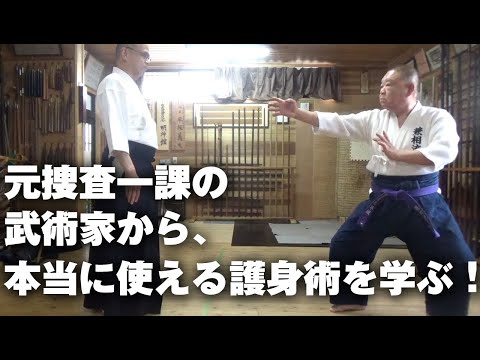
In today's climate, where crime statistics often paint a grim picture, the need for practical self-defense is undeniable. Fortunately, we have a guide who embodies the living spirit of these arts: Sensei Yoshifumi Hayasaka. With a background that includes service in the former Investigation Division 1 and as a forensic coroner, Sensei Hayasaka brings a unique perspective forged in the crucible of real-world investigation and confrontation. His expertise as a *Kobudo-ka* (古武術家) means he understands not just the techniques, but the psychology and the raw, unvarnished reality of violent encounters. Sensei Hayasaka is affiliated with the Nitto Bujutsu Kenkyukai Joshinkan (日東武術研究会 常心館), a testament to his dedication to preserving and propagating these invaluable martial traditions. Through his guidance, he aims to illuminate the principles of "Gyaku-te Goshin-do" for the modern era, integrating the timeless wisdom of *Kobudo* with contemporary insights into personal safety. This isn't just about learning moves; it's about understanding the predator's mindset and developing the *mental fortitude* and practical skills to neutralize threats effectively.

The Core Principles: Applying the "Kotsu"

The true power of "Gyaku-te Goshin-do" lies in its emphasis on the *kotsu* (コツ)—the crucial knack, the essential point, the secret to making a technique work. This is not about memorizing a series of movements in isolation. It's about understanding the underlying principles that make each technique effective, regardless of the attacker's specifics. Sensei Hayasaka, through his demonstrations, breaks down these principles, showing how a seemingly simple movement can become a devastating counter. The techniques presented in the video, drawn from the First Dan curriculum of "Gyaku-te Goshin-do," are carefully selected for their practicality. They focus on: * **Leverage over Strength**: Utilizing the attacker's momentum and body structure against them. * **Economy of Motion**: Employing direct, efficient movements that conserve energy and maximize impact. * **Timing and Distance**: Understanding the critical windows of opportunity and maintaining optimal positioning. * **Simplicity**: Prioritizing clear, easy-to-execute actions that can be performed under stress.
"In fighting, simplicity is the ultimate sophistication." - A principle echoed across many martial traditions.

Training Guide: Mastering the First Dan Techniques

While a full curriculum requires dedicated instruction, we can outline the path to understanding the core techniques presented. The First Dan of "Gyaku-te Goshin-do" typically introduces thirteen fundamental skills. Here, we'll illustrate the approach to a few, emphasizing Sensei Hayasaka's key points.
  1. Basic Wrist Grab Defense (e.g., Right Wrist Grab by Attacker):

    Concept: The attacker grabs your wrist with their right hand. The goal is not to resist the pull directly, but to use your own wrist and body to pivot into a position of advantage.

    Execution (Sensei's Point): Instead of pulling back, step slightly offline and use your elbow to drive your grabbed arm downwards and inwards. Simultaneously, rotate your body and free your hand. The *kotsu* here is not in the strength of your pull, but in the coordinated movement of your entire body, using the attacker's own grip against them.

  2. Choke Defense (e.g., Front Choke):

    Concept: Attacker attempts to choke you from the front. This requires immediate, decisive action to break their posture and create space.

    Execution (Sensei's Point): Trap the attacker's arms with yours, creating a wedge. Use your hips and lower body to drive forward and down, breaking their balance. A quick strike or sweep can follow. The *kotsu* is in disrupting their base and posture before they can fully apply pressure. Imagine trying to unbalance a tower; you don't push the top, you disrupt the foundation.

  3. Bear Hug Defense (e.g., Arms Pinned):

    Concept: Attacker grabs you from the front, arms wrapped around your torso, pinning yours.

    Execution (Sensei's Point): The initial reaction is panic. However, the key is to immediately lower your center of gravity and create space to breathe. Use your head to strike upwards into their face or nose, and simultaneously work to free one arm. Once an arm is free, you can employ joint locks or strikes. The *kotsu* is in the immediate, aggressive response to create breathing room and an offensive opportunity.

Remember, these are simplified explanations. The true efficacy comes from dedicated practice under qualified instruction, focusing on the nuances Sensei Hayasaka imparts.

Essential Equipment for Your Training

While "Gyaku-te Goshin-do" is designed to be accessible without specialized gear, consistent training is key. For those practicing these self-defense methods, especially when simulating realistic scenarios or training with a partner, consider the following:
  • Durable Training Uniform (Gi): A robust uniform, similar to a Judo or Karate gi, can withstand the rigors of grappling and close-quarters techniques. Look for double-weave cotton for enhanced durability.
  • Protective Padding: For partner training, padded gloves, headgear, and body protectors can help mitigate injuries during drills.
  • Training Mats (Tatami/Yoga Mats): Essential for practicing throws, takedowns, and groundwork safely.
  • Focus Mitts and Strike Shields: Useful for solo practice and developing striking power and accuracy, complementing the defensive techniques.
  • Books on Classical Martial Arts: Deepen your understanding of the roots of "Gyaku-te Goshin-do" by studying texts on *Kobudo* and historical Japanese martial arts.
Investing in quality training gear not only enhances safety but also fosters a more serious training environment, signaling respect for the art and your training partners.

Sensei's Verdict: Is Gyaku-te Goshin-do Relevant Today?

In an era dominated by high-octane mixed martial arts and the digital realm, the question arises: Does a system born from the practical needs of Showa-era Japan still hold water? My verdict is unequivocal: **Yes, emphatically so.** "Gyaku-te Goshin-do," as taught by Sensei Hayasaka, is a potent reminder that the core principles of self-preservation transcend time and trends. Its focus on accessibility—the *kotsu* that makes it usable by anyone—is its greatest strength. In a world where true self-defense is often obscured by sport and entertainment, this art cuts through the noise. It doesn't rely on athletic superiority but on strategic application of leverage, timing, and psychological understanding. Sensei Hayasaka’s background adds an undeniable layer of authenticity. His understanding of the darker aspects of human interaction, honed through years in law enforcement, ensures that these techniques are grounded in grim reality. This isn't theoretical combat; it's practical survival. For the modern warrior, whether you practice Karate, Judo, Jiu-Jitsu, or simply seek personal security, the lessons of "Gyaku-te Goshin-do" offer invaluable insights. It’s a masterclass in the philosophy of effective defense: simple, direct, and built on a profound understanding of conflict. Rating: Black Belt in Practicality

Frequently Asked Questions

Q1: Is "Gyaku-te Goshin-do" difficult to learn? A1: The system is designed so that once you grasp the core principles (*kotsu*), the techniques become accessible. However, like any martial art, mastery requires consistent practice and dedication, ideally under qualified instruction. Q2: Can women learn and use these techniques effectively? A2: Absolutely. "Gyaku-te Goshin-do" emphasizes leverage and timing over brute strength, making it highly effective for individuals of smaller stature or lesser physical strength to defend themselves against larger or stronger attackers. Q3: How does "Gyaku-te Goshin-do" differ from modern self-defense systems or MMA? A3: Unlike MMA, which is a sport with rules, "Gyaku-te Goshin-do" is purely for self-preservation in real-world confrontations. It focuses on de-escalation, evasion, and disabling an attacker efficiently, often in situations where rules do not apply. It also draws heavily from older *Kobudo* principles, offering a different tactical approach than many contemporary systems. Q4: Where can I find qualified instruction for "Gyaku-te Goshin-do"? A4: Direct instruction from Sensei Yoshifumi Hayasaka or his designated instructors is the ideal path. Resources like the Gekkan Hiden magazine and associated websites are also excellent starting points for understanding the system's philosophy and techniques.

To Deepen Your Journey

* Explore the BUDO principles inherent in classical Japanese martial arts. * Understand the critical differences between Combate Cuerpo a Cuerpo and sport combat. * Discover the philosophical underpinnings of Defensa Personal through the lens of historical martial arts.

Sensei's Reflection: Your Next Step

We have explored the profound practicalities of "Gyaku-te Goshin-do," a system that bridges the gap between historical martial wisdom and contemporary self-preservation needs. You've seen how understanding the *kotsu*—the core principle—can unlock techniques that seem formidable. But knowledge without application is like a sword left to rust. The true test lies not in understanding these techniques, but in integrating their spirit into your life. Do you merely observe, or do you strive to embody the resilience, the adaptability, and the calm preparedness that define a true warrior? Consider this: In your daily life, are you truly present? Are you observing the dynamics around you with the same keen eye a defender must possess? Or are you lost in the noise, unprepared for the unexpected? The principles of "Gyaku-te Goshin-do" extend far beyond physical confrontation; they are a blueprint for navigating life's challenges with awareness and efficacy. Now, I ask you: What is the *kotsu*—the essential point—you will take away from this lesson, and how will you apply it not just on the training floor, but in the arena of your everyday existence? Prove your understanding. ``` GEMINI_METADESC: Discover the practical self-defense system of \"Gyaku-te Goshin-do\" by Sensei Yoshifumi Hayasaka. Learn timeless techniques rooted in Japanese martial arts for modern-day application.