Showing posts sorted by relevance for query power generation. Sort by date Show all posts

Okinawa Karate: The Lethal Edge of Ancient Mastery

Are we truly honest about the martial arts we practice? Do we pursue the path of self-improvement and true combat effectiveness, or are we merely performing a dance for an audience? The echoes of Okinawa Karate carry a weight of history, a legacy forged in survival, not sport. It’s a lineage that whispers of techniques so potent, so refined, that they were once considered too dangerous for widespread dissemination. Today, we peel back the layers of tradition to confront the raw, unadulterated power of this ancient discipline.

The Okinawan Secret: More Than Just Kata

When we speak of Okinawa Karate, we often conjure images of rigorous kata, precise movements passed down through generations. But to relegate this art to mere physical conditioning or a series of choreographed forms is to miss its very soul. The true Okinawan Karate master doesn't just perform kata; they embody them. Each movement, each breath, is imbued with a purpose that transcends aesthetic appeal. It’s about cultivating kime – a explosive, focused power that can incapacitate an opponent in a single, decisive blow. This is not about winning points in a competition; this is about ending conflict decisively. The emphasis is on efficiency, on economy of motion, delivering maximum impact with minimum effort.
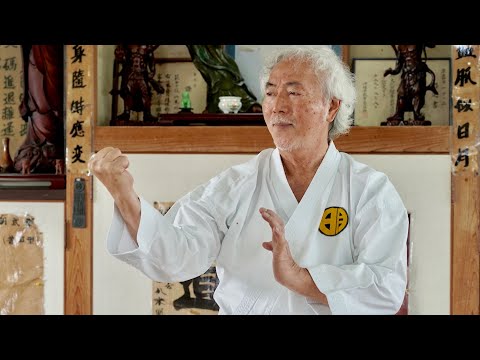
The history of Okinawa Karate is deeply intertwined with the island's unique socio-political climate, periods of prohibition on weapons forcing its populace to develop highly effective unarmed combat systems for self-preservation. This context is crucial. It explains the development of techniques that target vital points, leverage body mechanics for maximum force generation, and employ deceptive strategies. Unlike arts that evolved in more peaceful eras, Okinawa Karate retained a primal edge, a directness born of necessity.

"The ultimate aim of martial arts is not victory or defeat, but the perfection of one's character." - Gichin Funakoshi

The Philosophy of Kesshu: The Root of Lethality

Lethality in Okinawa Karate isn't just about physical strength; it's deeply rooted in mental and spiritual discipline. The concept of Kesshu (in some contexts, relating to the root of the technique or the flow of energy) is paramount. Masters train not just their bodies, but their minds to achieve a state of unwavering focus. This means developing Mushin – "no mind" – a state where the practitioner reacts instinctively, without conscious thought, to the threat.

The training often involves developing what we might call "internal power," but this is not mystical energy in the sense often portrayed in popular cinema. It's about the synergistic application of breath control, precise body alignment, and the ability to generate explosive power from the core through the limbs. Consider the development of a powerful punch. It’s not just arm strength; it's the rotation of the hips, the stability of the stance, the coiling and uncoiling of the torso, and the final, focused impact at the moment of contact.

The philosophy extends beyond the dojo. True martial artists cultivate humility, respect, and an understanding that power should only be used as a last resort. However, when that resort is reached, the ability to defend oneself and one's loved ones must be absolute. This is the paradox: the pursuit of peace through the mastery of conflict.

Combative Principles in Practice

Let's talk about practicality. What makes Okinawa Karate techniques so effective in a real confrontation?

  • Directness: Techniques are designed to strike vital areas with power and precision. There are no wasted movements.
  • Economy of Motion: A single, powerful strike can end a confrontation. This is the essence of kime.
  • Rootedness and Stability: Strong stances (dachi) provide a stable base, allowing for the generation of immense power and resistance to throws or takedowns.
  • Leverage and Body Mechanics: Masters understand how to use their entire body as a weapon, maximizing force without relying solely on brute strength.
  • Adaptability: While kata appear rigid, they contain principles that can be adapted to fluid, unpredictable combat situations.

Consider a basic punch. In many modern interpretations, it might be a quick jab. In traditional Okinawa Karate, a punch is often delivered with the full body, sinking the hips, rotating the core, and snapping the fist into the target with maximum impact. This is the difference between a tap and a knockout blow.

The Role of the Makiwara

No discussion of Okinawa Karate's lethal edge is complete without mentioning the makiwara. This seemingly simple striking post is not just for building calluses; it's a tool for developing the specific type of power and focus required for effective striking. Striking the makiwara correctly teaches:

  • Correct form and hip rotation: It forces you to use your whole body to generate power.
  • Impact conditioning: It hardens the hands and forearms, preparing them for the rigors of combat.
  • Developing Kime: The recoil of the makiwara teaches you to snap your fist back quickly after impact, essential for rapid follow-up strikes and true concussive power.
  • Mental Fortitude: Consistent, disciplined training with the makiwara builds mental toughness and resilience.

The sound of a well-struck makiwara is a testament to focused power. It's a sound that resonates with generations of masters who understood that true strength comes from disciplined, repeated practice.

Okinawa Karate vs. Modern Combat: Relevance or Relic?

This is where the controversy often ignites. Some argue that traditional arts like Okinawa Karate are relics, ill-suited for the dynamic, multi-disciplinary nature of modern Artes Marciales Mixtas (MMA). They point to the lack of ground fighting or grappling in many traditional styles.

However, to dismiss Okinawa Karate is to misunderstand its core principles. The *effectiveness* of its techniques – the ability to deliver debilitating strikes, to create distance, and to maintain structural integrity – remains incredibly relevant. While MMA incorporates grappling, the ability to strike with devastating power from a standing position is still a fight-ending skill. Many MMA fighters incorporate elements of Karate into their striking arsenals. The question is not whether Karate can beat MMA, but rather, do the principles of Okinawa Karate – the focus, the power, the efficiency – still hold weight? My answer is a resounding yes. The key is how one trains and interprets these ancient principles in the modern era.

A master of Okinawa Karate, trained in the application of its techniques for self-defense, can be a formidable opponent. The techniques are not designed for points; they are designed to end a threat.

Veredicto del Sensei: Is Okinawa Karate Still a True Lethal Art?

The "lethal skills" of Okinawa Karate are not a secret formula hidden away; they are the result of decades, even centuries, of focused, disciplined, and often brutal training. The danger lies not in the art itself, but in the mastery of its principles. A practitioner who understands kime, who has honed their strikes on the makiwara, and who embodies the philosophy of decisive action, possesses a potent skill set.

The question of "lethality" is always contextual. In a life-or-death situation, any art that effectively neutralizes a threat can be considered lethal. Okinawa Karate, with its emphasis on powerful strikes to vital areas and efficient application of force, certainly qualifies. It’s an art where less is often more, and a single, perfectly executed technique can have devastating consequences. It requires rigorous training, deep understanding, and a respect for the power it imparts.

Cinturón Negro en Potencia de Impacto.

Equipo Esencial para tu Entrenamiento

While many aspects of Okinawa Karate can be trained with minimal equipment, certain items are crucial for developing the full potential of the art, especially its combative elements. Investing in quality gear not only enhances your training but also protects you.

  • Makiwara: An absolute essential for developing striking power and conditioning. Look for adjustable or traditional styles based on your preference and available space.
  • Karate Gi: A durable, high-quality gi is vital. For traditional Okinawa Karate, a heavier, double-weave cotton gi provides better durability and allows for more dynamic movement. Brands known for traditional martial arts uniforms are recommended.
  • Hand Wraps and Training Gloves: Essential for protecting your hands when using the makiwara or engaging in sparring sessions, even those focused on striking.
  • Focus Mitts and Thai Pads: Useful for partner drills to practice combinations, power generation, and accuracy.
  • Wooden Dummy (Mokuso): While not strictly Okinawan, a wooden dummy can be an excellent tool for practicing close-range techniques, transitions, and body mechanics.

Consider exploring Karate Merchandise that reflects the tradition and quality you seek.

Guía de Entrenamiento: Kihon no Kime (The Principle of Focus)

Mastering Kime is a journey, not a destination. This exercise focuses on developing that explosive, unified power.

  1. Stance and Rooting: Begin in a stable, grounded stance like a sankaku-dachi or zenkutsu-dachi. Feel your connection to the ground. Your weight should be balanced, allowing for power generation from your lower body.
  2. Body Coil: As you prepare to strike, subtly coil your torso. This involves rotating your hips and shoulders slightly in the opposite direction of your strike, storing potential energy. Imagine winding a spring.
  3. Breath Control: Coordinate your breath with the movement. A sharp exhalation, often a "kiai" (shout), should coincide with the moment of impact. This sharp breath helps to tighten the core and focus energy.
  4. The Strike: Extend your chosen technique (e.g., a straight punch, a reverse punch) with speed and intention. The power originates from the ground, travels through your hips and torso, and is delivered explosively through your striking limb.
  5. The "Snap" at Impact: This is the essence of Kime. At the precise moment of impact, your body should feel like it's "snapping" into the target. The strike is delivered with full commitment, but then immediately retracted. This is not a push; it's a focused, penetrating strike.
  6. Retraction and Recovery: Immediately after impact, snap your limb back to a guarded position. This rapid retraction is crucial for maintaining balance and preparing for follow-up techniques.
  7. Repetition and Refinement: Practice this motion hundreds, even thousands, of times. Focus on feeling the power build from your feet up to your fist. Record yourself to check your form, hip rotation, and the explosive quality of your strike.

This fundamental practice, applied across all striking techniques, is the bedrock of Okinawa Karate's effectiveness.

Preguntas Frecuentes (FAQ)

Q: Is Okinawa Karate dangerous for beginners?
A: Like any potent martial art, it requires proper instruction and respect. While techniques can be lethal, training is typically progressive, focusing on safety and gradual skill development under a qualified instructor.

Q: Can Okinawa Karate be used for self-defense today?
A: Absolutely. Its principles of directness, efficiency, and powerful striking are highly relevant for real-world self-defense scenarios.

Q: What is the difference between Okinawa Karate and mainland Japanese Karate?
A: Okinawa Karate is the root, often retaining more traditional methods, emphasis on combat application, and specific training tools like the makiwara. Mainland Karate evolved, incorporating different emphases and competitive structures.

Q: Do I need to be strong to practice Okinawa Karate?
A: While strength is beneficial, Okinawa Karate emphasizes leverage, body mechanics, and technique over brute force. Proper training allows practitioners of all sizes to develop formidable power.

Para Profundizar en tu Camino

  • Karate Kyokushin: Explore another potent Karate style known for its full-contact approach.
  • Artes Marciales: Broaden your understanding of the martial landscape.
  • Defensa Personal: Understand the practical applications of martial skills.

Reflexión del Sensei: Tu Próximo Paso

The power of Okinawa Karate is not a mystical secret; it is forged in discipline, intention, and the relentless pursuit of perfection. The question is not whether these skills are still relevant, but whether YOU have the dedication to pursue them with the same spirit as the ancient masters. Are you training to impress, or are you training to survive? Are your techniques sharp enough to be decisive, or are they merely motions?

Now, go to your training space. Pick up a striking implement, or simply stand in your foundational stance. Breathe. Focus. And ask yourself: what is the true purpose of my practice? What is the 'kime' in your every movement?

``` GEMINI_METADESC: Explore the devastating effectiveness and ancient mastery of Okinawa Karate. Discover the lethal techniques, philosophy, and rigorous training that make it a true martial art.
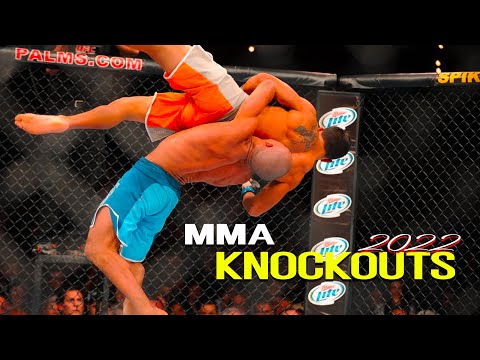
The Pinnacle of Power: Unveiling the Top 20 UFC Knockouts in History

Ah, the knockout. The ultimate punctuation mark in the violent symphony of combat sports. For the martial arts aficionado, there's a primal thrill, an undeniable draw to that singular moment when technique, power, and timing converge to render an opponent unconscious. It's a brutal ballet, a testament to the raw, explosive potential honed through countless hours of training. But while the spectacle is undeniable, how does it truly reflect the deeper essence of BUDO, the Way of the Warrior? That, my friends, is a question we must dissect.

As a seasoned observer of both the dojo and the octagon, I've seen many moments that stir the soul. And yes, the knockout is often the most visually arresting. It's the sudden shift, the undeniable declaration of dominance that can flip a fight on its head in an instant. It's this electrifying potential, this capacity to rewrite the narrative of a bout with a single, perfectly placed blow, that captivates us. Today, we delve into that electrifying realm, exploring the twenty moments in UFC history that stand as the most potent examples of this decisive art.

The Spectacle and the Substance

Welcome, seekers of combat wisdom, to Budo and Martial Arts, your definitive guide to the warrior's path. Here, we dissect the essence of martial disciplines, from ancient traditions to modern combat arenas. While the raw power of a knockout is undeniable, it's crucial to remember that true martial prowess extends far beyond a single, decisive strike. It encompasses discipline, strategy, resilience, and a profound understanding of oneself and one's opponent. The UFC, a crucible of modern combat, has gifted us with a plethora of moments that exemplify this explosive power.

Before we unleash this list, let us ponder: what separates a mere lucky punch from a true martial arts masterpiece of a knockout? It’s the culmination of foresight, the perfect execution of a practiced technique, and the strategic dismantling of an opponent's defense. This isn't just about brute force; it's about applied physics, biomechanics, and an understanding of the human body honed by generations of martial artists.

Deconstructing the Knockout: More Than Just a Punch

The allure of the knockout in MMA, particularly in the UFC, is multifaceted. It is, undeniably, the most decisive and often the most spectacular outcome of a fight. A single, well-timed blow can end a contest that has raged for minutes, or even seconds, instantly shifting the momentum and the perception of dominance. But what truly makes a knockout resonate within the martial arts community, beyond the sheer entertainment value?

From a technical standpoint, a knockout is the result of applying maximum force to a vulnerable point on an opponent's body, causing a temporary or permanent disruption of their central nervous system. This can be achieved through strikes to the head, solar plexus, or even certain impacts to the body that cause overwhelming shock. However, in the context of martial arts philosophy, a true knockout is more than just a physical act; it’s a demonstration of superior understanding and application of principles:

  • Timing (Chōwa): The ability to strike at the precise moment an opponent is vulnerable, often when they are off-balance or initiating their own attack. This synchronicity is a hallmark of advanced martial practice.
  • Distance and Angles (Maai & Kōi): Understanding and manipulating the space between combatants to create openings. The perfect angle of attack often renders an opponent unable to defend effectively.
  • Power Generation (Chikara): This isn't just about muscle; it's about coordinated body movement, rootedness, and the transfer of energy from the ground up through the core and into the strike. Think of a whip – the power is in the movement, not just the tip.
  • Intent (Kiai): While often associated with a vocalization, the true kiai is an expression of focused intent and spirit that can unnervingly affect an opponent.
  • Strategic Vulnerability: Identifying and exploiting weaknesses, whether they be physical (a momentarily dropped guard) or psychological (an opponent showing frustration or overconfidence).
"The ultimate aim of martial arts is not winning or losing, but the perfection of the character of its practitioners." - Gichin Funakoshi

While the UFC often showcases the explosive power that leads to knockouts, it's the underlying martial principles that elevate these moments from mere violence to displays of honed skill. A fighter who consistently secures knockouts through superior technique, timing, and strategy is not just a powerful striker, but a practitioner who has internalized the core tenets of their art.

Training for the Decisive Blow

For those aspiring to emulate the power displayed in the UFC's most significant knockouts, dedicated training is paramount. It's not enough to simply punch harder; one must train smarter, focusing on the principles that underpin devastating strikes. This involves a holistic approach:

  1. Striking Fundamentals: Mastering the basic punches (jab, cross, hook, uppercut) and kicks (roundhouse, front, side) from various stances. Focus on proper form, hip rotation, and follow-through.
  2. Power Development: Incorporating strength and conditioning exercises that build explosive power. This includes plyometrics, Olympic lifts, and weighted resistance training focused on speed and force.
  3. Speed and Agility Drills: Enhancing reaction time and movement efficiency. Drills like shadow boxing with resistance bands, speed bag work, and footwork exercises are crucial.
  4. Sparring (Kumite/Randori): Applying techniques in a live, controlled environment. This is where timing, distance, and the ability to read an opponent are truly tested and refined. Proper safety gear is essential.
  5. Mind-Body Connection: Developing mental fortitude, focus, and the ability to remain calm under pressure. Meditation and visualization techniques can be invaluable.

Remember, the most devastating strikes often come from unexpected angles or with deceptive speed. Training should aim to develop not just power, but the unpredictability that makes a strike unanswerable. The goal is to create an opening and exploit it with surgical precision.

The Pantheon of UFC Knockouts

Identifying the absolute "top 20" is inherently subjective, a battlefield of opinions where every fan has their champion. Yet, certain knockouts transcend mere impact, embedding themselves in the lore of the sport. They are moments where technique, narrative, and sheer brutality coalesce into something unforgettable. While a comprehensive list would require a dedicated volume, here are a few archetypes of legendary UFC knockouts that exemplify the blend of skill and devastating power:

  • The One-Punch Blitz: A fighter lands a single, perfectly timed shot that immediately incapacitates their opponent. Think of Jorge Masvidal's flying knee against Ben Askren – a testament to athleticism and precision.
  • The Combo Devastation: A rapid-fire sequence of strikes, each landing with precision, overwhelming the opponent's defense and leading to a finish. Jon Jones has delivered many such combinations.
  • The Unexpected Finish: A knockout that comes from an unconventional technique or a surprising moment, often capitalizing on a fighter's mistake.
  • The Comeback KO: A fighter who was losing or in a bad position, only to land a fight-altering strike and turn the tables dramatically.

The UFC has a rich tapestry of such moments, from the early days of pure power to the increasingly sophisticated techniques seen today. Each knockout tells a story of dedication, risk, and the razor's edge between victory and defeat.

Sensei's Verdict: The Knockout's Place in Martial Arts

So, where does the knockout truly stand in the grand tapestry of martial arts? Is it the ultimate goal, the pinnacle of combat effectiveness? My answer, as always, is nuanced.

The knockout is undeniably a legitimate and often decisive method of ending a fight. In combat sports like MMA, where the objective is often to incapacitate an opponent, it is a highly valued outcome. A fighter who can consistently deliver powerful, well-executed knockouts demonstrates a high level of technical skill, physical conditioning, and strategic acumen. Fighters like Anderson Silva, with his seemingly effortless precision and devastating power, are prime examples of masters who utilized the knockout as a significant tool in their arsenal.

However, if we are to adhere to the strictest interpretations of BUDO – the Way of the Warrior – the focus is on self-perfection, character development, and the attainment of a balanced mind and body. While striking power and the ability to defend oneself effectively are crucial components, the ultimate aim is not solely to defeat an opponent, but to cultivate oneself through rigorous training and discipline. A knockout achieved through recklessness, poor sportsmanship, or without an understanding of the deeper principles of martial arts can be seen as a hollow victory.

The true martial artist strives for efficiency, control, and respect, even in the heat of competition. A submission victory, a dominant decision, or a tactical TKO can often reflect a deeper understanding of strategy and control than a wild, power-driven knockout. Yet, when a knockout is the result of perfect timing, flawless technique, and strategic exploitation – a true manifestation of principles like sun-domed (understanding an opponent's rhythm) and musubi-dori (binding through connection) – it can indeed be a beautiful, albeit brutal, expression of martial mastery.

"To win one hundred victories in one hundred battles is not the acme of skill. To subdue the enemy without fighting is the acme of skill." - Sun Tzu, The Art of War

The UFC showcases the brutal efficiency of the knockout, and we can learn much from the technical execution. But let us not forget the broader philosophical underpinnings of martial arts, where victory is often found not in the silencing of an opponent, but in the quiet triumph over oneself.

Essential Gear for Striking Power

To develop the power and technique needed for impactful strikes, the right equipment is not just beneficial; it's often essential. Investing in quality gear ensures safety, facilitates proper technique, and allows for effective training. Here's a breakdown of what any aspiring striker should consider:

  • Boxing Gloves (16oz for Sparring): Crucial for protecting your hands and wrists during sparring. The 16oz weight is standard for most sparring sessions to ensure safety for both partners. For heavy bag work, 12oz-14oz gloves can be used, or specialized bag gloves.
  • Hand Wraps: Worn underneath gloves, these provide critical support to the metacarpals and wrists, preventing injuries that can halt training.
  • Training Shorts/Fight Shorts: Comfortable, allowing for a full range of motion in the hips and legs, essential for powerful kicks and movement.
  • Mouthguard: Non-negotiable for any form of sparring or intense training. Protects your teeth, jaw, and can even help prevent concussions.
  • Shin Guards: Vital for absorbing the impact of kicks during sparring, protecting both the kicker's shins and the receiver's legs.
  • Heavy Bag: A staple for developing power, technique, and conditioning. Ensure it's well-filled and securely mounted.
  • Speed Bag & Double-End Bag: Excellent for developing hand-eye coordination, timing, and shoulder endurance.
  • Jump Rope: An inexpensive yet incredibly effective tool for cardiovascular conditioning, footwork, and building explosive calf power.
  • Weight Training Equipment: Dumbbells, barbells, kettlebells, and resistance bands are essential for building the raw strength and explosive power required for knockout blows.

For those serious about their striking, consider visiting martial arts supply stores that offer durable, high-quality equipment. A good quality kimono de judo might be essential for grappling arts, but for striking, the equipment listed above is paramount.

Frequently Asked Questions

  • Q: Is it possible to train for knockouts without sparring?
    A: While sparring is crucial for timing and application, you can develop power and technique through heavy bag work, pad drills, and strength & conditioning. However, sparring is where you learn to apply it effectively against a resisting opponent.
  • Q: What is the most common mistake people make when trying to generate knockout power?
    A: Over-reliance on arm strength and neglecting to incorporate hip rotation and leg drive. True power comes from the whole body, not just the arms.
  • Q: How important is mental preparation for delivering a knockout?
    A: Extremely important. Confidence, focus, and the ability to remain calm under pressure are vital to executing the perfect strike at the right moment.
  • Q: Are there specific martial arts that are better for developing knockout power?
    A: Arts like Boxing, Muay Thai, Kickboxing, and Karate (especially Kyokushin) place a strong emphasis on powerful striking. However, principles of power generation can be integrated into virtually any art.

Deepen Your Understanding

To truly grasp the nuances of martial arts and combat, further exploration is always encouraged. Here are some resources to enhance your journey:

Sensei's Reflection: Your Next Step

The allure of the knockout is powerful, a visceral display of dominance that captivates audiences worldwide. We've explored its technical underpinnings, its place in the broader martial arts philosophy, and the dedication required to achieve such devastating power. Yet, as we celebrate these electrifying moments, we must also remember the words of Sun Tzu: the greatest victory is that which requires no battle.

The UFC showcases one facet of martial prowess – explosive, decisive combat. But true mastery lies in the cultivation of discipline, resilience, and self-awareness that transcends the ring or the cage. The principles behind a knockout – timing, precision, power generation – are reflections of a deeper understanding of physics and the human body, honed through years of practice. Can you truly appreciate the knockout if you don't understand the discipline that precedes it?

Now, reflect upon this: If the ultimate goal of martial arts is self-mastery, how does the pursuit and execution of a knockout serve or perhaps even hinder that higher purpose? Is the spectacle of the KO a distraction from the true Way, or is it an inevitable, albeit brutal, expression of its practical application?

Share your thoughts. Do you believe the knockout is the ultimate expression of martial skill, or a mere byproduct? I challenge you to articulate your stance, to defend your position with reason and, perhaps, even a touch of that warrior spirit. Let the debate commence in the comments below!

``` GEMINI_METADESC: Explore the raw power and martial philosophy behind the top 20 UFC knockouts. Sensei analyzes technique, training, and the true meaning of victory.

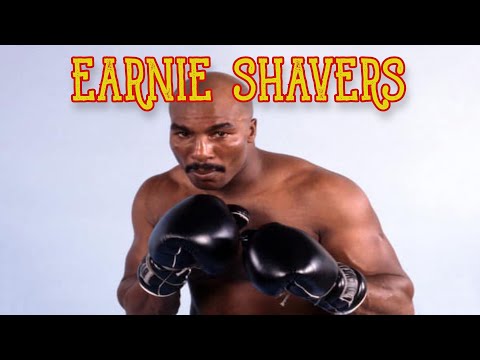
Earnie Shavers: The Unyielding Hammer of Boxing's Heavyweight Division

The raw power. The concussive force. The sheer, unadulterated thunder packed into the fists of Earnie Shavers. For any true aficionado of combat sports, the name Shavers evokes immediate respect, tinged with a primal awe for the destruction he could unleash. He wasn't just a boxer; he was a force of nature, a heavyweight with a punch that could rearrange gravity itself. This is not merely a look back; it is an excavation of the very essence of knockout power, a deep dive into a man whose legend is etched in the annals of boxing history by the sheer impact of his blows. We grapple with the legacy of a fighter who, despite not reaching the absolute pinnacle of championship belts, left an indelible mark on every soul fortunate enough to witness his seismic power. Boxing, at its core, is a brutal ballet of strategy and force. Yet, in the heavyweight division, certain individuals transcend mere technique, becoming embodiments of pure, unbridled power. Earnie Shavers stands as a towering, albeit sometimes tragic, monument to this truth. His legacy is not defined by a string of championship victories, but by the sheer terror his right hand inspired in opponents and fans alike. We delve into the stories, the fights, and the philosophy of a man who understood, perhaps more than most, the finality of a perfectly landed punch.

Table of Contents

The Hook That Shook The World

Imagine standing across the ring from a man whose reputation precedes him not by his speed or his footwork, but by the terrifying promise of what his fists can do. This was the reality for many who faced Earnie Shavers. His name became synonymous with instantaneous, devastating endings. While copyright limitations necessitate brevity in visual storytelling, the impact of his performances transcends mere clip length. The essence of his power, the sheer ferocity he brought to the ring, remains palpable. We are not just reviewing a documentary; we are dissecting a legend whose every swing carried the weight of an epochal event. The question lingers: what made Earnie Shavers' power so unique, so legendary? It wasn't just brute strength; it was a confluence of timing, leverage, and an almost terrifying commitment to delivering maximum impact. This dedication to the KO is a recurring theme in martial arts and combat sports, a testament to the idea that a single, well-executed action can define a contest.

The Anatomy of a Knockout Punch

Shavers' legendary knockout power wasn't a mere accident of genetics. It was a product of dedication and a keen understanding of biomechanics, honed through relentless training. His signature right hand, often referred to as "The Blacksmith," was a marvel of kinetic energy transfer. It wasn't just about swinging with all his might; it was about coordinating his entire body – the pivot of his hips, the torque of his torso, the extension of his arm – into a single, focused projectile. Consider the principles that underlie such devastating power. In martial arts, we often speak of *Kime* (決め), the Japanese term for the focus and intention at the moment of impact. Shavers embodied this concept. His punches weren't thrown to score points; they were thrown with the singular intent to end the fight. This mental focus, coupled with the physical conditioning of a heavyweight boxer, created a synergy that few could withstand. Even sparring sessions, which often feature reduced power, were reportedly electrifying with Shavers. This commitment to power is a stark contrast to styles that prioritize accumulation of points, raising the age-old debate: is the decisive blow more significant than a series of measured strikes?
"A punch is not a punch until it lands." - A principle often discussed in boxing circles, and one Shavers exemplified with every fiber of his being. His punches were not mere gestures; they were pronouncements.
The psychological impact of Shavers' power was as significant as its physical manifestation. Opponents knew what awaited them. The mere threat of that right hand could lead to hesitation, to defensive postures that opened them up to further punishment. This is a psychological war waged before the first bell rings, a testament to the mind's role in combat.

Crucial Battles: More Than Just Fights

The legend of Earnie Shavers is woven through a tapestry of unforgettable fights. Each bout was a chapter, a testament to his power and resilience, even in defeat. * **vs. Ron Lyle**: This fight is a legendary slugfest, a prime example of two heavy hitters trading blows with the ferocity of gladiators. The raw courage and determination displayed by both fighters, culminating in a dramatic knockout, is a must-see for anyone interested in the visceral appeal of boxing. The fact that this bout itself has a more extended look available speaks volumes about its impact. * **vs. Bernardo Mercado**: Another brutal encounter where Shavers showcased his ability to absorb punishment and deliver his own fight-ending blows. The dynamic of Shavers' power against another formidable opponent like Mercado highlights his consistent threat level. * **vs. Tex Cobb**: This fight further solidifies Shavers' reputation as an unstoppable force. Cobb, known for his toughness, found himself facing the full fury of Shavers' power, a testament to the sheer difficulty of surviving Shavers' onslaught. These fights are more than mere historical records; they are vivid demonstrations of a boxer who truly understood the art of the knockout. The availability of extended footage for specific bouts underscores their importance in understanding Shavers' career.
The training footage shared by Tyrone1971 and his father offers an invaluable glimpse behind the curtain. Witnessing Shavers in a training environment provides context to the raw power he displayed in the ring. It reveals the discipline, the repetition, and the sheer effort required to forge a weapon like his right hand. This dedication to practice, to refining a skill until it becomes an extension of one's will, is a fundamental tenet across all martial disciplines.

Shavers' Enduring Legacy: Beyond the KO

Earnie Shavers' career is a fascinating study in contrasts. While he may not have captured the undisputed heavyweight championship, his impact on the sport is undeniable. He fought legends like Muhammad Ali and Larry Holmes, testing their mettle and pushing them to their limits. His name is still invoked today when discussing the hardest punchers in boxing history. But what is the deeper lesson from Shavers' career? It’s about more than just the raw power. It's about the pursuit of excellence in one's chosen craft, even if the ultimate accolades elude you. It's about the indelible mark you leave through sheer dedication and the unique talent you possess. In the grand philosophy of Budo, mastery is not solely defined by victory, but by the unwavering commitment to one's path and the profound impact one has on others. Shavers, through his power and his fighting spirit, undoubtedly left such an impact. He reminds us that in any discipline, whether it's boxing, Karate, or Judo, there is an intrinsic value in pushing oneself to the absolute limit, in developing a signature skill that defines you. The pursuit of *Mushin* (無心) – a mind without mind, a state of flow where action is instinctual and pure – is evident in the seemingly effortless devastation of Shavers' best punches.
"The difference between a master and a novice is the difference between a precision surgeon and a butcher. Both may wield a sharp tool, but only one truly understands its power." - A wise saying that, in Shavers' case, might suggest he was closer to a surgeon of destruction than a mere brute.

Training with the Hammer: Lessons from Shavers' Camp

While we may not all possess Shavers' prodigious power, the principles behind his training are universally applicable to any martial artist or boxer. * **Relentless Repetition**: Developing a powerful strike, or any complex technique, requires countless hours of repetition. Shavers' camp would have emphasized drilling fundamental movements until they became muscle memory. * **Compound Movements**: True power comes from the whole body, not just the arms. Shavers’ training would have focused on integrating hip rotation, core engagement, and leg drive into every punch. This mirrors the principles of striking in arts like Kyokushin Karate or the hip rotation crucial in Judo throws. * **Conditioning for Impact**: Heavyweights like Shavers require immense cardiovascular and muscular endurance to deliver explosive power round after round. His conditioning likely included grueling roadwork, sparring, and strength training. * **Mental Fortitude**: The ability to absorb punishment and continue fighting, as Shavers often did, speaks to immense mental toughness. This aspect of training – developing resilience and unwavering resolve – is as vital as physical preparation.

Essential Gear for the Modern Boxer

To train like a modern boxer, even with the echoes of Shavers' era, certain equipment is indispensable. Investing in quality gear not only enhances your training but also ensures safety.
  • Boxing Gloves: For sparring, 16oz gloves are standard to protect both you and your partner. For bag work, 12oz or 14oz gloves offer a good balance of protection and feedback.
  • Hand Wraps: Crucial for wrist and hand support during any punching activity.
  • Mouthguard: Non-negotiable for any form of sparring or combat training.
  • Jump Rope: An excellent tool for cardiovascular conditioning and developing footwork, a staple in any boxer's routine.
  • Heavy Bag/Speed Bag: Essential for developing power, speed, and rhythm.
  • Durable Training Shoes: Provide support and grip without hindering movement.
For those looking to emulate the specific power training of heavy hitters, consider incorporating resistance bands and weighted vests into your routine, focusing on explosive movements.

Frequently Asked Questions

  • What made Earnie Shavers' punches so powerful?
    Shavers combined immense natural strength with perfect timing, leverage, and a fierce commitment to delivering knockout blows. His technique allowed him to transfer his entire body weight into his punches.
  • Did Earnie Shavers ever win a world title?
    No, Earnie Shavers never won a world heavyweight championship, though he challenged for the title against Muhammad Ali and Larry Holmes.
  • Who trained Earnie Shavers?
    While specific trainers may have varied over his career, the success of his training camps, including footage shared by Tyrone1971, highlights the importance of dedicated coaching and practice.
  • How does Shavers' power compare to modern heavyweights?
    Shavers is consistently ranked among the hardest punchers in boxing history, often compared to modern powerhouses like Deontay Wilder. His raw, concussive force remains legendary.
  • What can aspiring fighters learn from Shavers?
    Aspiring fighters can learn the importance of dedication to developing a signature strength, the value of whole-body power generation, and the mental fortitude required to compete at the highest levels.

Deepen Your Understanding

To truly grasp the nuances of combat sports and the philosophies that underpin them, continuous learning is key. Explore these resources to broaden your martial perspective:

Reflexión del Sensei: Tu Próximo Paso

Shavers taught us that power, when wielded with intent and honed through discipline, can be a decisive force. But in the grand scheme of martial pursuits, is raw power the ultimate goal, or is it merely one tool among many? Consider this: If a fighter possessed the strength of Shavers but the tactical brilliance of a chess grandmaster, or the spiritual serenity of a Zen master, what would be the ultimate expression of combat mastery? Reflect on the balance between devastating force and controlled application. Where does true martial effectiveness lie for *you*?
"The supreme art of war is to subdue the enemy without fighting." - Sun Tzu. Does Shavers' approach, focused on the decisive blow, align with or contradict this ancient wisdom? This is the paradox we must contemplate.
This exploration of Earnie Shavers serves as a potent reminder that the combat arena, whether in the boxing ring or on the mats, is a crucible for testing not just physical prowess, but also character, strategy, and the very essence of one's fighting spirit. GEMINI_METADESC: Explore the legendary knockout power of Earnie Shavers, boxing's heavyweight terror. Analyze his iconic fights, training, and enduring legacy in this in-depth martial arts perspective.

Wing Chun vs. The Chaos: Does This Ancient Art Conquer Modern Mayhem?

Introduction: The Unpredictable Arena

Is Wing Chun, the elegant and efficient art of Bruce Lee, truly a viable weapon when facing the raw, unthinking brutality of a street fight? This is a question that ignites passionate debate among martial artists. We're not talking about a ring with rules, referees, and mutual respect. We're plunging into the chaotic, unpredictable arena of self-defense where survival, not style, is the ultimate prize. You might be surprised to discover that the very qualities that make Wing Chun seem delicate in a dojo are precisely what can make it devastatingly effective when the world descends into madness.

Welcome, warriors, to Budo and Martial Arts, your bastion of authentic knowledge in the digital realm. Here, we dissect the essence of combat, not just the spectacle. Today, we confront a common skepticism: can a system built on precision and economy of motion stand against the desperate flailing of an assailant who has "lost their mind"? Let's peel back the layers of myth and reality.

Wing Chun Fundamentals: Precision Over Power

At its core, Wing Chun is a system that emphasizes directness, efficiency, and the simultaneous blocking and striking often referred to as "chain punching." Its principles are deceptively simple, yet profound: maintain centerline control, utilize short, explosive power generated from the entire body, and intercept attacks rather than simply reacting to them. Unlike many styles that rely on brute force or elaborate acrobatics, Wing Chun seeks to exploit openings with minimal expenditure of energy. Think of it as a surgeon's scalpel versus a lumberjack's axe. Both can be lethal, but one requires far greater precision and understanding of anatomy.

"The supreme art of war is to subdue the enemy without fighting." - Sun Tzu, The Art of War. While Wing Chun aims for efficiency in engagement, its underlying philosophy aligns with this principle by seeking to end conflicts rapidly and decisively, minimizing damage to all parties involved.

Key elements include:

  • Centerline Theory: Protecting your own centerline while attacking the opponent's.
  • Simultaneous Block and Strike: Defending and attacking in a single motion.
  • Economy of Motion: Minimal movement for maximum effect.
  • Sticky Hands (Chi Sao): A unique sensitivity drill to develop reflexes and feel an opponent's force.

Street Fight Realities: Chaos, Adrenaline, and Compromise

Now, let's strip away the romanticism. A street fight is not a choreographed demonstration. It's a primal, terrifying event driven by adrenaline, fear, and often, intent to inflict serious harm. There are no weight classes, no referee to call fouls, and the environment itself can be a weapon. An assailant might be larger, stronger, intoxicated, or under the influence of drugs. They may employ dirty tactics – kicking to the groin, eye gouges, or using improvised weapons. In such a scenario, complex techniques that require precise timing and distance can become liabilities.

The physiological effects of intense stress are also critical. Your fine motor skills degrade, your vision can tunnel, and your ability to perform intricate movements vanishes. What remains is your instinct, your basic conditioning, and the principles ingrained through years of rigorous MartialArtsTraining.

Wing Chun in Action: Bridging the Gap

This is where the critique often arises: "Wing Chun is too refined for the street." I argue the opposite. The principles of Wing Chun are, in fact, highly adaptable. Consider these points:

  • Directness: Wing Chun's focus on the shortest distance between two points means less telegraphing and quicker attacks. In a street fight, speed is often your greatest ally.
  • Centerline Control: Maintaining your structure and attacking the opponent's centerline is crucial for stability and offense. This is vital when dealing with someone who is off-balance or unpredictable.
  • Simultaneous Defense and Offense: This is perhaps Wing Chun's greatest strength for self-defense. Instead of a separate block followed by a strike, you're parrying a punch while simultaneously delivering one of your own. This significantly reduces reaction time and increases your offensive pressure.
  • Sticky Hands (Chi Sao): While often misunderstood as just a drill, Chi Sao develops incredible sensitivity and the ability to react to an opponent's force and intention without conscious thought. This "listening with your hands" is invaluable when dealing with unpredictable movements.

Imagine someone lunging at you. A typical Wing Chun response isn't to step back and block. It might be a Bong Sao (a forearm block that deflects and controls) combined with a rapid punch to the opponent's centerline. This entire sequence can happen faster than you can blink, often before the attacker even realizes they've been countered.

Debunking Myths: The "Too Slow" Fallacy

The notion that Wing Chun is "too slow" often stems from observing practitioners who have not fully internalized the system or from a misunderstanding of its power generation. True Wing Chun power does not come from large, wind-up motions. It's generated from the ground up, through the rotation of the hips and torso, delivered in short, explosive bursts. This is why techniques like the "chain punch" can be delivered repeatedly and with significant force in rapid succession. Bruce Lee, a lifelong student of Wing Chun, took this principle of explosive, direct power and revolutionized martial arts with Jeet Kune Do. His approach directly challenged the slower, more theatrical movements found in some traditional arts.

"Adapt what is useful, reject what is useless, and add what is specifically your own." - Bruce Lee. This philosophy, rooted in his Wing Chun training, is precisely what makes martial arts adaptable to various combat scenarios, including the street.

Furthermore, Wing Chun's emphasis on footwork and maintaining balance is critical. In a chaotic environment, the ability to stay grounded and stable while delivering strikes is paramount. This is where the leg work and the structure learned in forms like the Siu Nim Tao pay dividends.

Training for the Real World: Beyond the Form

A dedicated Wing Chun practitioner understands that the forms are merely the blueprint. To make Wing Chun effective on the street, training must extend beyond memorizing sequences. It requires:

  1. Aggressive Chi Sao: Pushing the sensitivity drills to higher levels of intensity, simulating pressure and resistance.
  2. Sparring (If Applicable): While traditional Wing Chun sparring is rare, incorporating controlled sparring with partners who understand the principles can be invaluable. This should focus on maintaining structure and applying concepts under pressure.
  3. Conditioning: Building the physical and mental resilience necessary to withstand impact and high-stress situations. This includes Strength and Agility training.
  4. Scenario Training: Practicing responses to common street attack scenarios, incorporating movement, distance management, and environmental awareness.
  5. Understanding Principles Over Techniques: The goal is not to memorize a hundred techniques, but to understand the underlying principles of Wing Chun so they can be applied spontaneously and creatively to any situation.

A student who has only practiced forms might struggle. However, a student who has integrated principles through rigorous ChiSao and realistic scenario training will possess a formidable skillset. The goal isn't to be a beautiful dancer in a fight, but a brutally efficient problem-solver.

Veredict of the Sensei: Where Does Wing Chun Stand?

Wing Chun, when trained with the right mindset and focus on practical application, possesses the core elements necessary for effective street self-defense. Its emphasis on efficiency, directness, simultaneous block-and-strike, and centerline control directly addresses the need for rapid, decisive action in chaotic environments. The criticism that it's "too delicate" often misunderstands its power generation and the critical role of sensitivity training. It's not about brute force, but about precise application of force at the opportune moment. It requires dedicated training that moves beyond the purely aesthetic into the realm of practical combat. For those who train it correctly, it's a potent tool.

My Verdict: A solid Cinturón Negro en Eficiencia Táctica. While its application requires rigorous, pressure-tested training, its foundational principles are remarkably suited for the harsh realities of street combat.

Equipment Essentials for Your Training

While Wing Chun can be practiced with minimal equipment, certain items can enhance your development, especially when aiming for practical application:

  • Wooden Dummy (Mook Yan Jong): An indispensable tool for practicing structure, footwork, centerline control, and power generation. It's like having a patient, unmoving sparring partner.
  • Partner Training Aids: Focus Mitts and Thai Pads can be useful for developing striking power and accuracy in a more dynamic setting, bridging the gap between forms and real combat.
  • Appropriate Clothing: Comfortable, non-restrictive clothing is essential for practicing movements without hindrance. For serious practitioners, a well-fitted uniform can subtly reinforce good posture and tradition.
  • Protection for Sparring (if applicable): If your training involves sparring, mouthguards, groin protectors, and headgear are non-negotiable for safe practice.

Frequently Asked Questions

Q1: Is Wing Chun only effective against other Wing Chun practitioners?
A1: No. While Chi Sao is a unique training method, the underlying principles of centerline control, efficiency, and simultaneous attack/defense are universally applicable in combat scenarios against various styles.

Q2: Do I need to be strong to practice Wing Chun effectively?
A2: Wing Chun emphasizes generating power through structure and body mechanics, not brute muscular force. While physical conditioning is important, it's designed to enhance the system, not replace its core principles.

Q3: How long does it take to become proficient in Wing Chun for self-defense?
A3: Proficiency varies greatly depending on the individual, the quality of instruction, and the intensity of training. However, consistent, dedicated practice over several years is generally required to internalize the principles for effective application.

Q4: What's the difference between traditional Wing Chun and the Wing Chun seen in movies?
A4: Movies often exaggerate techniques for dramatic effect. True Wing Chun focuses on practicality, economy of motion, and efficient power generation, not flashy, impossible movements.

Further Learning on Your Path

To deepen your understanding of martial arts and combat principles, explore these related topics:

  • BUDO and its philosophical underpinnings.
  • The practical application of MMA in modern combat.
  • Historical perspectives on Karate Kyokushin and its street applicability.
  • The importance of SelfDefense beyond mere techniques.

Sensei's Reflection: Your Next Step

We've dissected the effectiveness of Wing Chun in the crucible of a street fight. The question now is not whether the art *can* be effective, but whether *you* will dedicate yourself to training it with the necessary rigor and a clear focus on practical application. The elegance of Wing Chun is not its weakness, but its potential strength, if understood and applied correctly. Remember, the most powerful weapon is not the one you possess, but the one you can wield decisively when tested.

Reflexión del Sensei: Tu Próximo Paso

When faced with chaos, do you freeze, flail, or flow? How will you train your reflexes to prioritize precision over panic? Ponder this: If your life depended on it, would your instinctual movements be rooted in principle or panic? Prove your conviction in the comments below.

``` GEMINI_METADESC: Explore the effectiveness of Wing Chun in real street fights. Learn its core principles, training for chaos, and its place in practical self-defense.

The Man Who Possessed the Most Devastating Fists in History

"The supreme art of war is to subdue the enemy without fighting." - Sun Tzu, The Art of War. Though Sun Tzu spoke of strategy, the power of the fist, when wielded with precision and intent, can be the ultimate argument in a physical confrontation. But who truly stands out in the annals of martial history for their sheer destructive power?

Hello and welcome to Budo & Martial Arts, the most comprehensive and up-to-date martial arts blog on the internet. Today, we delve into a topic that ignites debate among practitioners and fans alike: the ultimate fist. We're not just talking about brute force; we're dissecting the anatomy of power, the psychology behind it, and the historical figures who embodied it. Prepare yourselves, for this lesson will not be for the faint of heart.

Many names might spring to mind: Mike Tyson, a whirlwind of destruction in boxing; Bruce Lee, whose "one-inch punch" remains legendary; perhaps even figures from ancient legends. But our focus today is on a man whose fists were less a weapon and more an extension of a profound philosophical and physical discipline. We're exploring the legacy of **Mas Oyama**, the indomitable founder of Kyokukushin Karate.

The Genesis of Unrivaled Power: Mas Oyama's Path

Masutatsu "Mas" Oyama (born Choi Yeong-eui) wasn't just a martial artist; he was a force of nature. His journey into the depths of martial arts began in Korea, where he studied various styles before moving to Japan. It was in Japan that his legend truly began to forge, shaped by an almost ascetic dedication to training and a burning desire to understand the absolute limits of the human body and spirit.

His early training in Karate, particularly in the Shotokan style under Gichin Funakoshi, laid the foundation. However, Oyama felt that traditional Karate, while effective, lacked the brutal realism and self-testing required to truly embody the spirit of Budo. He sought to push beyond theoretical application and into the realm of practical, undeniable power. This led him to undertake intense, solitary training in the mountains of Japan, a period often referred to as his "retrieval" or "reclusion" phase.

During this time, Oyama subjected himself to grueling physical conditioning, involving thousands of punches and kicks daily, meditation, and the study of Zen philosophy. He famously practiced breaking rocks, bottles, and, most notably, bull horns with his bare hands. This wasn't mere showmanship; it was a calculated process of honing his body into a weapon capable of delivering devastating blows. His objective was to develop a Karate style that was a pure fighting art, stripped of all non-essentials – a style that could be tested in real combat.

Kyokukushin Karate: The Embodiment of Oyama's Philosophy

The result of Oyama's relentless pursuit was Kyokukushin Karate, meaning "the ultimate truth in Karate." This style is renowned for its full-contact fighting rules, demanding incredible physical and mental fortitude from its practitioners. Unlike many other Karate styles that employ point-scoring or controlled sparring, Kyokukushin sanctions direct, hard-hitting combat, with techniques allowed to the body and head (though head punches are prohibited in competition to reduce concussions, a pragmatic adjustment that still maintains a high level of physicality). The emphasis is on conditioning the body to withstand powerful strikes and developing techniques that can end a fight decisively.

Oyama's philosophy was simple yet profound: true martial arts must be tested. He famously stated, "Karate is for fighting. It is not a religion. It is not a game." This conviction fueled his legendary challenges, including his fights against bulls, where he would aim to disable the animal with a single decisive blow. These events, while controversial, served to popularize his style and demonstrate the raw power he believed was inherent in dedicated martial arts training.

The Power of the Fists: Technique and Conditioning

What made Oyama's fists so legendary? It was a combination of factors, honed through decades of rigorous, almost superhuman dedication:

  • Extreme Conditioning: Oyama's training was notoriously brutal. He would condition his hands, knuckles, and forearms relentlessly, often by striking makiwara (striking boards) and heavy bags for hours on end. This toughened the bones and connective tissues, making his hands incredibly resilient and capable of delivering immense impact force without injury.
  • Scientific Application of Force: While rooted in tradition, Oyama's approach was also scientifically minded. He understood leverage, body mechanics, and the generation of power through hip rotation and the entire body's kinetic chain. His punches were not just arm extensions; they were explosive movements originating from the ground up.
  • Mental Fortitude (Mushin): Perhaps the most critical element was his mental state. Oyama trained to achieve "Mushin" – a state of no-mind or emptiness, where the practitioner acts instinctively and without hesitation or fear. This allowed him to unleash his power with absolute focus and commitment, unburdened by doubt.
  • The "Iron Fist" Technique: While no single "secret technique" existed, the cumulative effect of his conditioning and understanding of force led to what many described as an "iron fist." This wasn't a specific punch, but rather the characteristic hardness and devastating impact of all his strikes.

Challenging the Modern Martial Arts Landscape

In today's world, where mixed martial arts (MMA) dominate the combat sports landscape, it's easy to dismiss older, single-discipline approaches. However, the principles embodied by Mas Oyama and Kyokukushin Karate remain profoundly relevant. MMA fighters today, like **Jon Jones** or **Cyril Gane**, understand the critical importance of conditioning and the ability to deliver powerful strikes. While the rules and techniques may differ, the underlying pursuit of peak physical and mental performance is identical.

Consider the devastating low kicks of **Emanuel Augustus** or the sheer knockout power displayed by fighters in events like **UFC 283**. This power doesn't come from wishful thinking; it's the product of countless hours in the gym, pushing physical and mental boundaries. Oyama's legacy serves as a stark reminder that dedicated, hard-hitting training can forge power that transcends specific styles.

The debates around the effectiveness of traditional martial arts versus modern MMA are ongoing. Some argue that styles like Kyokukushin, with its emphasis on raw power and conditioning, possess elements that are timeless. Others point to the evolution of combat, where a broader skillset is necessary. But what is undeniable is that the spirit of Mas Oyama – the pursuit of self-mastery through relentless training and the courage to face any challenge – is a cornerstone of all authentic martial arts.

Veredicto del Sensei: ¿Merece la pena?

Mas Oyama and Kyokukushin Karate are not just about breaking boards or fighting bulls; they are a testament to human potential. The "fists" that were most powerful were not merely physical instruments, but embodiments of unwavering discipline, philosophical depth, and a willingness to face hardship head-on. Oyama didn't just possess powerful fists; he forged them through a lifetime dedicated to the ultimate truth of martial arts. His legacy continues to inspire fighters to push their limits and understand that true power comes from within, honed through dedication and an unbreakable spirit. Kyokukushin stands as a pillar of authentic martial endeavor, a direct challenge to complacency.

Equipo Esencial para tu Entrenamiento

To truly understand and emulate the spirit of relentless training that Mas Oyama championed, certain equipment is crucial. While Oyama himself often relied on the bare minimum to test his own capabilities, modern practitioners can benefit from tools that enhance safety, conditioning, and skill development:

  • Heavy Bag: Essential for developing power, speed, and stamina in your punches and kicks. Look for a durable bag that can withstand intense training sessions.
  • Makiwara: While challenging to find commercially, a makiwara is vital for conditioning the hands and knuckles, as Oyama did. Ensure proper technique to avoid injury.
  • Karate Gi (Kimono): A sturdy, double-weave gi, like those favored in Kyokukushin, can withstand the rigors of full-contact training and grappling. Karate merchandise often features high-quality gis designed for durability.
  • Protective Gear: For sparring, especially when starting, items like MMA gloves (16oz for sparring), shin guards, and groin protectors are indispensable for safety.
  • Training Mats: If you're practicing groundwork or conditioning exercises, good quality mats provide cushioning and prevent injuries.

Guía de Entrenamiento: Desarrollando tu "Puño de Hierro"

Emulating Mas Oyama's power requires a multi-faceted approach. Here's a breakdown of training principles:

  1. Base Conditioning: Start with foundational fitness. Focus on cardiovascular endurance through running or at-home workouts with no equipment, and build strength with bodyweight exercises.
  2. Punching Technique and Power Generation: Study the mechanics of a proper punch. Focus on hip rotation, grounding, and snapping the fist through the target. Practice with focus mitts and a heavy bag.
  3. Hand and Forearm Conditioning: Begin cautiously. Start by striking a padded makiwara or a sturdy heavy bag. Gradually increase intensity and frequency. Gradually introduce knuckle push-ups. Always listen to your body and prioritize safety.
  4. Mental Training (Mushin and Zanshin): Incorporate meditation and mindfulness practices. Zazen meditation can help cultivate the stillness and focus required for Mushin. Practicing forms (Katas) with full intent and awareness helps develop Zanshin (lingering awareness).
  5. Full Contact Sparring (with caution): Once you have a solid foundation, engage in controlled sparring sessions. Under the guidance of experienced instructors, this is where you learn to apply your power effectively and develop combat awareness. This is the core of Kyokushin training.

Preguntas Frecuentes

¿Fue Mas Oyama realmente invencible en combate?

Mas Oyama participated in many challenging bouts and demonstrations throughout his life. While he was an exceptionally powerful and skilled martial artist, the concept of "invincible" is often a mythologized ideal. His true strength lay in his dedication to pushing his limits and his ability to overcome immense physical and mental challenges.

¿Se permite el contacto total en Kyokukushin Karate?

Yes, Kyokukushin is known for its full-contact sparring. However, certain techniques, like head punches, are prohibited in competition to ensure fighter safety. The emphasis is on powerful, decisive strikes to the body and legs, demanding extreme conditioning.

¿Cómo puedo desarrollar la dureza en mis manos sin lesionarme?

Start slowly and gradually. Begin with conditioning exercises like knuckle push-ups on soft surfaces. Progress to striking a heavy bag with proper technique. If you acquire a makiwara, use it with extreme caution and follow expert guidance. Always warm up thoroughly and listen to your body. Pain is a signal to stop or adjust.

¿Son relevantes las técnicas de un solo estilo como Kyokukushin en el MMA moderno?

The principles of conditioning, power generation, and mental fortitude taught in Kyokukushin are highly relevant. While MMA requires a broader range of skills (grappling, wrestling), the ability to deliver devastating strikes and withstand punishment, as perfected in Kyokukushin, remains a crucial component of success.

¿Qué significa "ultimate truth" en Kyokukushin?

"Kyokushin" translates to "the ultimate truth." For Oyama, this ultimate truth referred to the pure, unadulterated essence of Karate as a fighting art, tested and proven through rigorous physical and mental discipline, stripped of all non-essential elements.

Para Profundizar en tu Camino

If you like what we do and want to support TRUE martial arts, we invite you to visit our store to buy exclusive content and merchandise. Follow us on social networks and do not forget to visit our main page. We also invite you to visit our other blogs.

Follow me on Facebook: Hugo Van Damme Sports.

Follow me on Twitter: Hugo Van Damme Sports.

"The more you sweat in training, the less you bleed in battle." - This adage, though not directly attributed to Oyama, perfectly encapsulates the philosophy behind his relentless pursuit of physical and mental conditioning.

Reflexión del Sensei: Tu Próximo Paso

Mas Oyama's "iron fists" were not a gift of nature, but a product of extraordinary will and discipline. Now, I ask you: What are you truly willing to sacrifice in your training to achieve your own "ultimate truth"? Are you content with mere technique, or do you seek the power that comes from forging yourself in the fires of adversity? Your answer will define your path.

``` GEMINI_METADESC: Explore the legendary power of Mas Oyama's fists and Kyokukushin Karate. Discover the training, philosophy, and combat effectiveness that made him a martial arts icon.

The Devastating Art of the MMA Knockout: More Than Just a Finish

A raw display of power, precision, and sometimes, sheer brutality. The knockout in Mixed Martial Arts (MMA) is the ultimate punctuation mark, a moment that electrifies the arena and sends shockwaves through the sport. But what truly separates a fleeting strike from a fight-ending concussive blow? Is it merely about brute force, or is there a deeper martial philosophy at play that separates the amateurs from the apex predators of the cage? Today, we delve into the heart of the MMA knockout, dissecting its mechanics, its psychological impact, and what it truly signifies within the broader spectrum of combat sports.

The Essence of the Knockout: Beyond a Simple Blow

The roar of the crowd when a fighter is rendered unconscious is primal. It’s a visceral reaction to the decisive end of conflict. However, for the seasoned martial artist, a knockout is more than just the opponent falling. It is the culmination of calculated strategy, superior technique, and often, a profound understanding of human physiology and psychology. In the context of MMA, where diverse martial arts collide, the knockout can be the ultimate testament to a fighter's ability to synthesize their chosen disciplines into a single, devastating offensive strategy.

Many dismiss MMA as mere brawling, a chaotic free-for-all. This couldn't be further from the truth. Each strike, each clinch, each takedown is a manifestation of years of dedicated training, drawing from traditional arts like Karate, Muay Thai, Boxing, Judo, and Wrestling. The knockout, therefore, is not an accident; it is the planned result of applying these principles under extreme pressure. It’s the perfect application of force to a specific, vulnerable point, exploiting the opponent’s defensive lapses.

A true understanding of the knockout requires looking beyond the immediate impact. It involves appreciating the setup, the defensive countermeasures that were overcome, and the sheer audacity of the fighter who delivered the final blow. It is a moment where the theory of combat science meets the harsh reality of physical engagement.

"There is no finesse in your strikes, only brutality. But there is a brutal beauty in a perfectly executed knockout." - A seasoned brawler, speaking under the guise of anonymity.

Anatomy of a Fight-Ender: Technique and Timing

What makes a knockout so effective? It's a confluence of physics and biology. A knockout punch or kick aims to transmit a rapid and powerful rotational force to the head. This force causes the brain to rapidly accelerate and decelerate within the skull, leading to a temporary disruption of neurological function. This can manifest as dizziness, loss of consciousness, or a complete inability to continue fighting.

Key factors contributing to a knockout strike include:

  • Power Generation: This isn't just about muscle mass. It involves efficient kinetic chain transfer, where power is generated from the ground up through the hips, core, and shoulders, culminating in the fist, elbow, knee, or foot.
  • Accuracy: Hitting the "button" – a vulnerable point like the jaw hinge, the temple, or the chin – significantly increases the likelihood of a knockout, even with less raw power.
  • Speed: A faster strike is harder to defend against and delivers more impact force upon contact.
  • Timing and Deception: Catching an opponent off-guard, as they are attacking, moving, or recovering from a previous exchange, is crucial. A well-timed counter-punch can be devastating.
  • Combination: Often, a knockout isn't the result of a single shot but a series of well-placed strikes that break down the opponent's defenses and equilibrium.

Consider the classic "check hook" in boxing or the devastating roundhouse kick in Karate. These techniques, when honed through rigorous MartialArtsTraining, become fight-enders. The goal is to exploit openings, and a fighter trained in diverse arts will have a wider arsenal of such fight-ending techniques. An experienced MMA fighter understands that a well-placed leg kick can not only inflict damage but also compromise their opponent’s base, setting them up for a subsequent head strike. This is the true art of MMA.

The Psychology of the KO: Mind Over Matter

The physical aspect of a knockout is undeniable, but the mental game is equally, if not more, important. A fighter who fears the knockout will often fight defensively, subconsciously protecting themselves and limiting their offensive output. Conversely, a fighter who projects confidence and aggression, coupled with knockout power, can psych themselves up and their opponent.

A fighter entering the cage with a strong MentalGame and a belief in their ability to finish the fight has a significant psychological edge. This stems from:

  • Belief in Training: Years of drilling techniques, sparring, and conditioning build unwavering confidence.
  • Fear Management: Learning to control fear and channel it into focused aggression is a hallmark of a true warrior.
  • Reading the Opponent: Identifying an opponent's weaknesses and anxieties can allow a fighter to dictate the pace and exploit their mental fragility.
  • Intimidation Factor: A reputation for knockout power can induce fear in opponents, making them more susceptible to mistakes.

This is where the martial philosophy truly shines. True mastery isn't just about technique; it's about cultivating a state of mind where fear is absent, and focus is absolute. Concepts like Budo’s "Mushin" (no-mind) or the Zen principle of "Zanshin" (lingering awareness) are crucial. A fighter operating in such a state is less likely to be surprised and more likely to land the decisive blow when the opportunity arises.

Evolution of the Knockout in MMA

Early MMA, particularly in the UFC's nascent years, often saw a heavy emphasis on grappling. Fighters like Royce Gracie dominated by utilizing Brazilian Jiu-Jitsu, submitting opponents rather than knocking them out. However, as the sport evolved, the necessity of well-roundedness became apparent.

The rise of strikers like Chuck Liddell, Anderson Silva, and later, fighters such as Conor McGregor and Israel Adesanya, showcased the devastating potential of combining striking arts with MMA strategy. These fighters didn't just possess power; they had the Agility, timing, and fight IQ to land their most potent weapons on opponents who were often trained predominantly in grappling.

The modern MMA landscape is characterized by fighters who are masters of multiple disciplines. A wrestler with KO power, a jiu-jitsu black belt with dangerous striking, or a striker who can seamlessly transition to grappling – these are the athletes who consistently produce highlight-reel knockouts. The sport has become a melting pot where the most effective techniques from all MartialArtsCommunity branches are integrated and refined for the ultimate goal: victory.

"You can't just be a one-trick pony in MMA. You need to be able to strike, wrestle, and grapple. But if that strike can end the fight, then you've got a significant advantage." - Quoted from a retired MMA champion.

Iconic MMA Knockouts: Moments That Defined Eras

The history of MMA is punctuated by knockouts that are etched into the minds of fight fans forever. These aren't just finishes; they are cultural touchstones:

  • Anderson Silva vs. Vitor Belfort (UFC 126): Silva’s front kick to the face, delivered with surgical precision, is a masterclass in timing and technique. It wasn't just a knockout; it was an artistic statement.
  • Conor McGregor vs. Jose Aldo (UFC 194): A 13-second demolition. McGregor's left hook, timed perfectly as Aldo stepped in, exemplified the power of deception and explosive striking.
  • Jorge Masvidal vs. Ben Askren (UFC 239): The flying knee. A brutal, instant knockout that showcased the explosive power and athleticism possible in MMA. This is a prime example of FightAnalysis at its most primal.
  • Israel Adesanya vs. Alex Pereira (UFC 287): Adesanya, who had lost to Pereira twice before (once via KO in kickboxing), engineered a stunning comeback knockout, proving that in MMA, revenge is best served with a knockout punch.

These moments, and countless others, illustrate the diverse methods by which an MMA fight can be ended with a single, decisive blow. They inspire aspiring fighters and showcase the pinnacle of MartialArtsMastery.

Training for Knockout Power: The Martial Approach

Developing knockout power is not merely about hitting the heavy bag harder. It requires a holistic approach, rooted in the principles of traditional ArtesMarciales, adapted for the demands of MMA.

Guía de Entrenamiento: Desarrollando Fuerza de Golpeo

  1. Fortalecimiento del Core: A strong core is the engine of all powerful movements. Exercises like planks, Russian twists, and medicine ball slams are essential.
  2. Potencia de Piernas y Caderas: Squats, deadlifts, lunges, and plyometric exercises (jump squats, box jumps) build the foundation for explosive power.
  3. Técnica de Golpeo: This is paramount. Learn proper body mechanics from boxing, Muay Thai, and Karate. Focus on hip rotation, weight transfer, and snapping the limb through the target.
  4. Velocidad y Explosividad: Incorporate plyometric drills and focus mitt work that emphasizes rapid striking. Think about striking as quickly as possible, then decelerating to control the limb.
  5. Sparring Inteligente: Practice striking in sparring sessions, focusing on accuracy and timing rather than just raw power. Learn to set up your shots and exploit openings.
  6. Acondicionamiento Específico: Incorporate drills that mimic fight scenarios, like striking after a takedown attempt or throwing combinations under fatigue.

Remember, efficiency is key. A technically sound strike delivered with moderate power can be far more effective than a wild, powerful swing that misses its mark. This is the philosophy that separates a mere brawler from a true martial artist.

Equipment Essential for Your Training

To effectively train for knockout power and overall MMA proficiency, having the right gear is crucial. Investing in quality equipment not only enhances your training but also helps prevent injuries, a common pitfall for fighters pushing their limits.

  • Boxing Gloves (10-16oz): For bag work, pad work, and sparring. Heavier gloves are generally used for sparring to protect both partners.
  • MMA Gloves: Essential for EntrenamientoDeMMA, allowing for grappling while still offering knuckle protection.
  • Shin Guards: Crucial for Muay Thai and kickboxing drills to protect your shins during kick exchanges.
  • Mouthguard: Non-negotiable for any striking or sparring activity.
  • Hand Wraps: Provide crucial support to your wrists and hands when hitting pads or bags.
  • Heavy Bag/Punching Bag: A staple for developing power, speed, and endurance.
  • Training Partner/Coach: Essential for effective pad work, sparring, and technical feedback.

For those looking to enhance their power generation at home, consider investing in resistance bands or a HomeWorkout setup that allows for explosive movements.

Veredict of the Sensei: Is the KO the Ultimate Goal?

From a pure spectacle standpoint, the knockout is king. It's definitive, exciting, and unequivocally proves dominance in that moment. However, as a practitioner of the martial arts, I must urge caution against making the knockout the *sole* objective.

The true path of martial arts is one of self-improvement, discipline, and respect. While knockout power is a valuable tool in MMA, relying solely on it can lead to a shallow understanding of combat. What happens when your power shots are blocked? What if you face an opponent who is immune to your strikes, or who can weather the storm? This is when technique, strategy, resilience, and the ability to adapt become paramount.

A fight can be won by submission, by points, or by a devastating knockout. Each path requires different skills and mindsets. The greatest martial artists are those who possess a complete arsenal, understanding when to strike hard, when to grapple, and when to simply outmaneuver their opponent with superior strategy and conditioning. Therefore, while the knockout is a thrilling aspect of MMA, it is but one facet of the intricate diamond that is the martial path.

My Verdict: MMA Knockouts are a Cinturón Negro en Espectáculo, but true mastery lies in the complete martial journey.

Frequently Asked Questions

What is the fastest knockout in UFC history?

The fastest knockout in UFC history is currently held by Jorge Masvidal, who knocked out Ben Askren in just 5 seconds with a flying knee at UFC 239.

Does MMA training improve striking power for self-defense?

Yes, MMA training, particularly the striking components from disciplines like Boxing and Muay Thai, can significantly improve striking power, accuracy, and timing, making it highly effective for self-defense scenarios.

Is it possible to train for knockout power without sparring?

You can develop significant power through bag work, pad work, plyometrics, and strength training. However, sparring is crucial for learning timing, accuracy under pressure, and how to apply that power effectively in a dynamic, unpredictable environment.

What are the main martial arts that contribute to MMA knockouts?

The primary martial arts contributing to MMA knockouts include Boxing (punches), Muay Thai (kicks, knees, elbows), Karate (powerful kicks and punches), and Taekwondo (dynamic kicking techniques).

How important is conditioning for landing a knockout blow?

Crucial. A fighter who is exhausted will not be able to generate optimal power or speed. Good conditioning allows a fighter to maintain their striking effectiveness throughout the fight, increasing the chances of landing a decisive blow even in later rounds.

Deepen Your Understanding

  • FightAnalysis: Learn to break down techniques and strategies.
  • MartialArtsTraining: Explore training methodologies for various combat sports.
  • MMA: Discover the intricacies of Mixed Martial Arts.

Reflection of the Sensei: Your Next Step

We've dissected the knockout, explored its mechanics, its psychological impact, and its place within the broader martial arts philosophy. But knowledge without application is like a sharpened sword left to rust. My question to you, warrior, is this: When you step onto the mats, or into the cage, or simply face the daily challenges of life, are you seeking only the decisive blow, or are you cultivating the complete skill set of a well-rounded martial artist, ready to adapt, endure, and overcome, no matter the circumstance?

Now, your turn. Does the allure of the knockout blind you to the deeper principles of martial arts, or do you see it as one powerful tool among many? Voice your thoughts below. Debate. Disagree. But above all, learn.

``` GEMINI_METADESC: Explore the mechanics, psychology, and martial philosophy behind the devastating MMA knockout. Is it the ultimate goal or just one weapon in a warrior's arsenal?