Showing posts sorted by relevance for query ninjitsu. Sort by date Show all posts

NINJA DRAGON: A Critical Examination of Martial Arts Cinema's Mystique

Unveiling the Mystic Warrior

Welcome, students, to another session of critical discourse. Today, we dissect a cinematic artifact, a piece that promises to transport us into the shadowy world of the shinobi: "NINJA DRAGON." But does this film deliver the profound essence of the martial path, or is it merely a spectacle of smoke bombs and stylized violence? As practitioners and enthusiasts, we must question what we consume, especially when it purports to represent the arts we dedicate our lives to.

The allure of the ninja is undeniable, a potent blend of mystery, skill, and a code often misunderstood. Many films attempt to capture this mystique, but few truly grasp the underlying discipline, the rigorous training, and the philosophical depth that define the true warrior. "NINJA DRAGON," in its very title, sets a high bar. Is it a testament to the legendary dragon-like agility and lethal precision of the shinobi, or is it merely another dragon in a sea of cinematic beasts?

The Allure of the Ninja: Beyond the Smoke and Mirrors

Before we plunge into the film itself, let us first understand the subject matter. The ninja, or shinobi, were not mere assassins. They were spies, saboteurs, and warriors trained in a variety of arts, including espionage, guerilla warfare, and unarmed combat. Their techniques, often shrouded in secrecy, were rooted in practicality and efficiency. The weapons they wielded – the shuriken, the kusarigama, the nunchaku – were tools designed for specific tactical purposes, not just props for a dramatic flourish.

The "dragon" in martial arts lore often symbolizes immense power, wisdom, and often, a connection to the primordial forces. To associate the ninja with the dragon is to elevate their status, suggesting a mastery that transcends the ordinary. This is precisely the promise of a film like "NINJA DRAGON." It invites us to believe in a hero who embodies these mythical qualities, a figure capable of impossible feats. But is this cinematic portrayal a genuine reflection of the historical shinobi, or a romanticized fabrication designed for mass appeal?

Coreography: Illusion vs. Practicality

The heart of any martial arts film lies in its action sequences. The choreography must be believable, showcasing techniques that, while perhaps heightened for dramatic effect, should still adhere to the fundamental principles of physics and biomechanics. When watching "NINJA DRAGON," I, like many seasoned practitioners, will be scrutinizing every movement. Do the strikes have snap and intent? Is the footwork sound? Are the defenses logical? Or are we witnessing a dance of flailing limbs and improbable dodges?

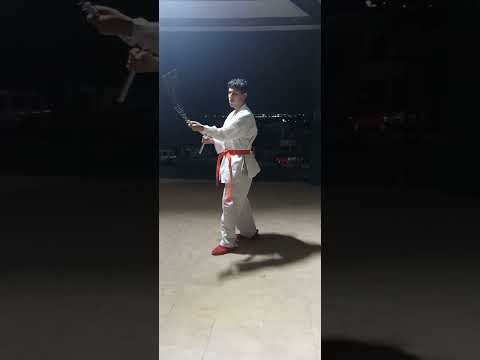
The use of specific weapons, like the nunchaku, is particularly telling. While visually striking, their practical application in a real combat scenario is often debated. Is the actor wielding the nunchaku with any semblance of control and purpose, or is it merely being swung wildly in the hope of looking impressive? A true master of the nunchaku can use it with precision, its speed and versatility posing a significant threat. Conversely, a poorly executed nunchaku sequence can look more dangerous to the wielder than to the opponent.

We will also examine the integration of traditional martial arts. Does "NINJA DRAGON" draw from genuine disciplines like Ninjitsu, Taekwondo, or Karate, or does it create a Frankenstein's monster of combat moves devoid of authentic lineage?

The Spirit of the Art: What "NINJA DRAGON" Gets Wrong (and Right?)

Beyond the physical execution, the true measure of a martial arts film lies in its ability to convey the spirit – the Seishin – of the arts it portrays. This encompasses discipline, respect, humility, and the relentless pursuit of self-improvement. Does "NINJA DRAGON" hint at the inner journey of its protagonist? Do we see moments of introspection, struggle, and growth that resonate with the path of the warrior?

Or is it a narrative driven solely by external conflict, where the protagonist’s motivations are reduced to revenge or the simple act of defeating the villain? The most impactful martial arts films go beyond mere spectacle; they offer lessons in character development, the triumph of will, and the philosophical underpinnings of combat. A true warrior's journey is often internal as much as it is external.

"The ultimate aim of martial arts is not to be victorious over others, but to be victorious over oneself." - A fundamental principle echoed across many disciplines.

We must ask if "NINJA DRAGON" upholds this sacred tenet. Does its protagonist learn to control their inner demons as effectively as they control their outward movements? Or does the film simply glorify violence as an end in itself?

Deconstructing "NINJA DRAGON": A Martial Perspective

"NINJA DRAGON" presents a narrative that, on the surface, taps into the enduring fascination with the shinobi. The film’s title alone conjures images of stealth, precision, and an almost supernatural prowess. But as seasoned practitioners, we are trained to look beyond the facade, to analyze the substance beneath the style. Let us delve into the specifics of this cinematic offering.

The film’s plot, which often centers around a shadowy organization or a vendetta, typically pits our protagonist against a series of increasingly formidable opponents. This structure, while familiar, provides ample opportunity to showcase diverse combat scenarios. The question remains: how well are these scenarios executed from a martial standpoint? Do the fight scenes feel organic to the characters and the narrative, or are they gratuitous insertions designed purely to titillate the audience?

The use of various martial arts and weaponry within the film demands a critical eye. We might see elements of Budo, Karate, Taekwondo, and of course, the titular Ninjitsu. However, the blending of these arts can often be superficial. A true master of multiple disciplines integrates their principles seamlessly. A film might show a character performing a high kick from Taekwondo followed by a low sweep from Judo, but does it demonstrate an understanding of the transitions, the timing, and the strategic intent behind such a sequence?

Furthermore, the very concept of the "Dragon" in a martial context implies a level of mastery and power that is rarely achieved. If the film’s protagonist embodies this dragon-like quality, it must be earned through demonstrable skill, discipline, and a profound understanding of their art. We will assess whether "NINJA DRAGON" earns this portrayal or simply assigns it.

Authenticity and Representation: The Critical Lens

This is where films often falter. The historical ninja were masters of deception and adaptation. Their training was rigorous and their methods practical. Modern cinematic interpretations, however, often prioritize visual spectacle over historical accuracy. Does "NINJA DRAGON" present a believable portrayal of ninja skills, or does it fall into the trap of exaggerated abilities, such as superhuman speed, invisibility, or the ability to withstand blows that would incapacitate any ordinary human?

We must also consider the representation of the Ki (or Qi) – the vital energy that is central to many Asian martial arts. While some films depict Ki as a mystical force capable of levitation or energy blasts, its true martial application lies in focused intent, internal power generation, and breath control. Does "NINJA DRAGON" touch upon this concept in a meaningful way, or does it dismiss it as mere fantasy?

A film that truly respects its subject matter will strive for a degree of authenticity, even within the confines of dramatic storytelling. This means acknowledging the dedication, the sacrifice, and the deep philosophical roots of the martial path. Without this, a film risks perpetuating myths and misrepresentations that do a disservice to the arts it seeks to portray.

Philosophical Undertones: The Bushido Code in the Shadows

While the ninja operated in a more clandestine sphere than the samurai, their actions were often guided by a code of ethics, a precursor to the Bushido, the Way of the Warrior. This code emphasized loyalty, courage, self-discipline, and honor. Does "NINJA DRAGON" explore these themes? Is the protagonist’s journey one of moral development, or are they simply a skilled killer driven by base desires?

Miyamoto Musashi, in "The Book of Five Rings," stated, "There is nothing outside of yourself that can ever enable you to get better, stronger, richer, quicker, or smarter. Everything is within. Everything exists. Right in front of your eyes. Look within for the answers."

This quote speaks to the internal focus that is paramount in martial arts. Does the film’s narrative reflect this internal struggle and self-discovery, or does it solely focus on external conflicts and triumphant victories? The most profound martial arts narratives often teach us that the greatest battles are fought within the human heart and mind.

The training sequences, if present, are also critical. Do they show the arduous, often monotonous, yet essential repetition required to master a technique? Or do they present a montage of quick, effortless progress? The latter is a common cinematic trope that undermines the reality of dedicated martial arts practice.

Veredicto del Sensei: ¿Merece la pena?

"NINJA DRAGON" is, by all accounts, a film that leans heavily into the sensationalism of the ninja mythos. While it might offer fleeting moments of visually appealing action, it largely fails to capture the true spirit, discipline, and philosophical depth of the martial arts it purports to represent. The choreography often prioritizes flair over function, and the narrative seldom ventures beyond superficial tropes of revenge and combat.

For the casual viewer seeking popcorn entertainment, "NINJA DRAGON" might suffice. However, for the serious martial artist, it is a hollow echo of what could have been a profound exploration of the shinobi way. It offers spectacle but lacks substance. It presents action but omits the art.

Cinturón Negro en Espectáculo Visual, Cinturón Blanco en Autenticidad Marcial.

Guía de Entrenamiento: Simulating Ninja Agility

While "NINJA DRAGON" may not be a perfect martial arts guide, the *concept* of ninja agility can be trained. True ninja mastery required incredible physical conditioning, flexibility, and coordination. Here's how you can begin to cultivate some of those attributes:

  1. Dynamic Stretching: Start your session with dynamic movements to prepare your body. Think leg swings, arm circles, torso twists, and high knees. This prepares the muscles for explosive movements and improves range of motion.
  2. Agility Drills: Use cones or markers to set up agility courses. Practice side-shuffles, forward sprints, backward sprints, and carioca (grapevine steps). Focus on quick changes in direction and maintaining a low center of gravity. For advanced practitioners, incorporate jump rope routines to enhance footwork and rhythm.
  3. Bodyweight Strength: Ninja relied on their own body for strength. Incorporate exercises like push-ups (various hand placements), pull-ups (if possible, or use resistance bands), squats, lunges, and planks. Focus on controlled movements and proper form.
  4. Balance Training: Stand on one leg for extended periods, slowly increasing the duration. Try closing your eyes while balancing to increase the challenge. Advanced practitioners can use unstable surfaces like a BOSU ball.
  5. Flexibility and Mobility: Dedicate time to static stretching after your workout. Focus on hamstrings, hips, shoulders, and back. Yoga poses like the downward-facing dog, warrior poses, and pigeon pose can be beneficial.
  6. Stealth Movement Practice: While not directly trainable without specific instruction, practice moving quietly and deliberately. Focus on foot placement and body control.

Remember, consistency is key. This is a long-term endeavor, not a quick fix. For more comprehensive routines, consider exploring resources on Agility and At Home Workout training.

Equipo Esencial para tu Entrenamiento

While a ninja might have relied on improvisation, modern martial arts training requires some basic equipment to ensure safety and effectiveness. For developing the kind of agility and conditioning seen (however inaccurately) in films like "NINJA DRAGON," consider the following:

  • Comfortable Training Attire: A breathable gi (like a Karate gi or a Judo gi) or athletic wear that allows for a full range of motion is crucial.
  • Training Mat: For floor exercises, takedowns (if applicable to your art), and to provide cushioning during agility drills.
  • Agility Cones/Markers: Essential for setting up drills to improve footwork and reaction time.
  • Jump Rope: An excellent tool for cardiovascular conditioning and developing rhythm and coordination.
  • Resistance Bands: Versatile for strength training and mobility work, especially if pull-up bars are not available.
  • Optional: Nunchaku: If you are serious about learning to wield the nunchaku, seek instruction from a qualified teacher. Start with padded training nunchaku to minimize injury. Improper use can be dangerous.

Investing in quality equipment can significantly enhance your training experience and help you progress safely towards your goals.

Preguntas Frecuentes

1. Is "NINJA DRAGON" based on a true story or a specific ninja clan?
"NINJA DRAGON" is a fictional work designed for entertainment. While it draws inspiration from the mystique of ninja clans, it does not represent a specific historical event or clan with factual accuracy.
2. How can I learn authentic Ninjutsu?
Authentic Ninjutsu training is rare and should be sought from reputable dojos affiliated with recognized organizations (e.g., Bujinkan, Genbukan, Jinenkan). Be wary of schools that make exaggerated claims. Research is paramount.
3. Are nunchaku a practical weapon in real combat?
The practical application of nunchaku in real combat is highly debated and depends heavily on the wielder's skill and the context of the confrontation. They are difficult to master and can be easily countered or turned against the user if not wielded with expert precision. Their effectiveness is often exaggerated in films.
4. What are the key differences between a ninja and a samurai?
Samurai were the warrior nobility, bound by strict codes like Bushido, often serving lords directly. Ninjas were typically covert agents, spies, and mercenaries from lower social strata, excelling in espionage, sabotage, and unconventional warfare rather than direct battlefield combat. Their methods were often indirect and focused on infiltration.

Para Profundizar en tu Camino

If the cinematic portrayal has sparked your curiosity about the true martial path, I encourage you to explore these resources:

  • BUDO and Martial Arts Philosophy: Understanding the core principles.
  • History of Martial Arts: Learning from the past to inform the present.
  • Training Methodologies: Discovering effective ways to improve your skills.

Reflexión del Sensei: Tu Próximo Paso

After dissecting "NINJA DRAGON," we are left with a question that echoes far beyond the cinema screen: In our pursuit of martial arts, are we seeking genuine mastery and self-improvement, or are we merely chasing the illusion of power and unattainable mystique? The path of the warrior is paved with sweat, discipline, and introspection. Do your training habits reflect this truth, or do you, like many, fall prey to the siren song of effortless victory?

Now, it is your turn to confront this reflection. What did you find most lacking, or surprisingly accurate, in "NINJA DRAGON"? And more importantly, how will this analysis shape your own training regimen? Prove your understanding in the comments below – I await your arguments.

El Sigilo Marcial: La Ciencia Oculta del Guerrero Inesperado

¿Qué es más aterrador: el rugido del león o su acecho silencioso antes del ataque? En el mundo de las artes marciales, la sutileza y la sorpresa no son meros adornos, son pilares fundamentales que separan al practicante que ejecuta movimientos predecibles del verdadero artista marcial, del guerrero que domina la mente de su oponente antes de que el cuerpo siquiera se mueva. Hoy no hablaremos de fuerza bruta ni de técnicas ostentosas. Hoy desentrañaremos la esencia del sigilo, la ciencia detrás de la acción inesperada, y su profunda conexión con el Budo, el camino del guerrero. Prepárense, porque vamos a adentrarnos en el terreno donde la anticipación del adversario se convierte en tu arma más letal.

El Sigilo en el Budo: Más Allá de la Guerra Convencional

Solemos asociar la palabra "sigilo" con espías modernos, ninjas escurridizos o tácticas de guerra de vanguardia. Sin embargo, la esencia del sigilo, la capacidad de actuar de forma inesperada y desapercibida, ha sido una constante en el arte de la confrontación a lo largo de la historia. En el Budo, el camino del guerrero, el sigilo no se limita a la infiltración física; abarca una filosofía completa de acción y reacción.

Maestros ancestrales entendieron que la mayor victoria no se logra mediante el choque frontal, sino anticipándose al movimiento del oponente, explotando sus puntos ciegos y atacando cuando la oportunidad se presenta, a menudo de forma invisible hasta el último instante. Miyamoto Musashi, en su célebre "Libro de los Cinco Anillos", enfatiza la importancia de la percepción y la adaptabilidad, principios intrínsecamente ligados al sigilo. No se trata de ser un fantasma, sino de ser un maestro de la estrategia que utiliza el entorno y la psicología para obtener una ventaja decisiva.

"No hay combate sin sorpresa. Si tu oponente te ve venir, el combate ya está medio perdido." - Un antiguo maestro de kenjutsu.

Esta premisa es vital. Un ataque predecible, incluso si es técnicamente perfecto, será contrarrestado. El verdadero arte marcial reside en la capacidad de presentar una amenaza que el adversario no puede percibir hasta que es demasiado tarde. Esto es particularmente relevante en situaciones de defensa personal, donde la supervivencia a menudo depende de la rapidez y la imprevisibilidad de la respuesta.

Principios Fundamentales del Guerrero Silencioso

Para dominar el arte del sigilo, debemos desglosar sus componentes clave. No se trata de una sola habilidad, sino de la confluencia de varias disciplinas:

  • Observación Aguda: Un guerrero sigiloso es un observador nato. Estudia los patrones de movimiento de su oponente, sus tics nerviosos, su respiración. Detecta las debilidades antes de que se manifiesten como tales.
  • Control del Movimiento: Cada paso, cada gesto debe ser intencionado y controlado. Se busca la economía de movimiento, la ausencia de movimientos innecesarios que delaten intenciones o generen ruido. Pensemos en el movimiento fluido del aikido, que busca redirigir la fuerza en lugar de oponerse a ella frontalmente.
  • Gestión del Espacio y el Tiempo: Saber cuándo y dónde moverse es crucial. Esto implica comprender el alcance de tus armas (sean físicas o psicológicas) y las de tu oponente, y utilizar el entorno para crear oportunidades o negarle espacio al adversario.
  • Manipulación Psicológica: El sigilo más efectivo opera en la mente. Crear distracciones, inducir falsas sensaciones de seguridad o forzar al oponente a tomar decisiones precipitadas son tácticas de sigilo mental.
  • Adaptabilidad: El plan perfecto rara vez sobrevive al primer contacto. Un guerrero sigiloso debe ser capaz de improvisar y ajustar su estrategia sobre la marcha, aprovechando las oportunidades inesperadas que surjan.

Estos principios no son exclusivos de un solo arte marcial; son universales. Los verás manifestados en la sutileza de las patadas bajas y los movimientos de cuerpo del kickboxing, en las fintas y cambios de nivel del MMA, e incluso en la estrategia silenciosa detrás de un combate de sumo.

Técnicas de Infiltración y Sorpresa: El Arte de la Oportunidad

El sigilo se manifiesta en acciones concretas. Aquí, debemos diferenciar entre el sigilo de aproximación y el sigilo de ataque. El primero se centra en acercarse sin ser detectado; el segundo, en atacar de manera impredecible.

  • Aproximación Silenciosa: Técnicas de desplazamiento aprendidas en disciplinas como el ninjitsu o el combate cuerpo a cuerpo implican moverse con el mínimo sonido posible, utilizando las sombras y los obstáculos para ocultarse.
  • Fintas y Engaños: Mover una extremidad en una dirección para atraer la atención, mientras el ataque real se ejecuta desde otra. Esto es una constante en el karate tradicional, en las luchas en pie y en el boxeo.
  • Cambios de Ritmo: Alternar entre movimientos lentos y deliberados con explosiones de velocidad repentinas puede desorientar al oponente y crear brechas para el ataque.
  • Ataques desde Ángulos Inesperados: En lugar de atacar frontalmente, buscar ángulos de ataque que el oponente no pueda prever fácilmente. Esto es fundamental en el jiujitsu, donde las sumisiones a menudo provienen de posiciones que parecen seguras.
  • Uso del Entorno: Utilizar elementos del terreno (muros, esquinas, público) para ocultar o facilitar un ataque sorpresa.

Consideremos el Karate Kyokushin, conocido por su dureza. Si bien no es inherentemente un arte de sigilo, los practicantes experimentados aprenden a camuflar sus intenciones, a lanzar una combinación inesperada después de una guardia aparentemente pasiva. La clave es que la técnica por sí sola no es sigilosa; es la forma en que se aplica, cuándo y dónde, lo que la convierte en un arma de sorpresa.

El Sigilo Mental: Dominando la Mente del Adversario

Si el sigilo físico es el arte de la sombra, el sigilo mental es el arte de la ilusión. Un guerrero que domina este aspecto puede ganar la batalla sin necesidad de un solo golpe físico.

  • Crear Falsas Expectativas: Hacer creer al oponente que tu estrategia es una y luego ejecutar otra completamente diferente. Por ejemplo, adoptar una postura defensiva y permitir que el oponente ataque, para luego contraatacar en el momento de su mayor vulnerabilidad.
  • Controlar la Percepción: Usar el lenguaje corporal para engañar, proyectando confianza cuando se siente inseguro, o indiferencia cuando se está preparado para el ataque.
  • Desgaste Psicológico: Mantener una presión constante pero sutil, sin dar respiro, forzando al oponente a cometer errores por fatiga o ansiedad.
  • El Poder del Silencio: A veces, la ausencia de acción o de respuesta verbal puede ser más desconcertante que cualquier otra cosa. El silencio puede amplificar la incertidumbre del oponente.

Esta dimensión psicológica es lo que diferencia a un simple luchador de un estratega marcial. Es la aplicación de principios de autodisciplina y control emocional para influir en la psique del adversario. Los maestros de kendo, por ejemplo, a menudo practican el "kiai" (grito marcial) no solo para infundir coraje, sino también para sorprender y desestabilizar al oponente en el momento justo del golpe.

El Sigilo Marcial en el Séptimo Arte: Películas que Encarnan la Sorpresa

El cine ha sido un vehículo fantástico para explorar el sigilo marcial, a menudo magnificándolo para el drama. Pero, ¿qué películas logran capturar realmente su esencia?

Películas de artes marciales clásicas, especialmente aquellas centradas en el Shaolin o el ninjitsu, a menudo presentan secuencias donde la sorpresa es clave. Piensen en personajes que parecen débiles o indefensos y de repente desatan un torrente de movimientos letales. O en aquellos que utilizan el entorno de manera ingeniosa para superar a oponentes más fuertes.

Sin embargo, el sigilo bien representado va más allá de una coreografía exótica. Implica la construcción del personaje, la tensión previa al enfrentamiento y la ejecución impredecible del movimiento. Películas como "El Tigre y el Dragón" muestran una fluidez y sorpresa en sus combates aéreos que, si bien fantásticas, evocan la idea de un movimiento inesperado.

También podemos encontrar el sigilo en representaciones más realistas. La forma en que un personaje en una película de MMA o UFC, como se ve en documentales de peleas o en películas inspiradas en el deporte, anticipa una estrategia y luego la subvierte con un movimiento rápido e inesperado, es un ejemplo de sigilo aplicado al combate moderno.

Un ejemplo notable, aunque con un toque de fantasía, es la representación de movimientos como el "Drunken Fist" o el "Puño Borracho" en películas como "Drunken Master". El practicante simula estar desorientado e inestable, lo que lleva al oponente a subestimarlo y atacar de forma desorganizada, solo para ser sorprendido por la precisión letal de los contraataques. Esto es sigilo puro: usar la percepción del oponente contra él.

Veredicto del Sensei: ¿Merece la Pena la Sombra?

Absolutamente. El sigilo en las artes marciales no es solo una técnica; es una mentalidad. Es la comprensión de que la fuerza bruta sin estrategia es como un grito en el vacío. El verdadero poder reside en la sutileza, la anticipación y la capacidad de golpear donde y cuando menos se espera.

Si bien el cine a menudo lo exagera para el espectáculo, la base de la sorpresa y la imprevisibilidad es un componente fundamental en casi todas las disciplinas marciales efectivas, desde el judo y el BJJ, donde las sumisiones se aplican a menudo desde ángulos sorprendentes, hasta el karate y el taekwondo, donde las combinaciones rápidas y variadas pueden desarmar a un oponente.

Mi veredicto: El dominio del sigilo te eleva de un simple practicante a un estratega marcial. Te enseña paciencia, observación y un profundo control sobre ti mismo y tu entorno. Es un camino que requiere dedicación, pero las recompensas en eficacia y profundidad marcial son inmensurables.

Calificación: Cinturón Negro en Imprevisibilidad.

Equipo Esencial para tu Entrenamiento

Para cultivar el sigilo, necesitas enfocarte en el control corporal y la conciencia. El equipo es secundario, pero puede ayudar:

  • Ropa cómoda y flexible: Busca kimonos ligeros (especialmente para judo o BJJ) que no restrinjan tus movimientos o hagan ruido excesivo. Los pantalones de entrenamiento deportivos también son ideales.
  • Esterillas de entrenamiento (Tatami): Para practicar movimientos de suelo, caídas (UFC, MMA) y técnicas que requieran desplazamiento sin riesgo.
  • Guantes de entrenamiento ligeros: Para practicar golpes y fintas sin lastimar a un compañero, y para mejorar la velocidad de las manos. Piensa en guantes de kickboxing o MMA.
  • Espacio de entrenamiento despejado: Fundamental para practicar movimientos de desplazamiento, fintas y ataques sin obstáculos.

Si estás buscando equipamiento de calidad para entrenar en casa, te recomiendo revisar las opciones de kimonos de doble tejido para mayor durabilidad o guantes de 16oz si buscas una opción más versátil para diferentes tipos de práctica. La clave es que el equipo no te limite, sino que te permita explorar la fluidez.

Guía de Entrenamiento: Ejercicios para Cultivar el Sigilo

El sigilo se entrena tanto con el cuerpo como con la mente. Aquí tienes algunos ejercicios:

  1. Ejercicios de Desplazamiento Silencioso:
    • Camina lentamente por una habitación con los ojos cerrados (con supervisión), concentrándote en no hacer ruido. Siente cada punto de contacto de tu pie con el suelo.
    • Practica "pasos fantasma": muévete de un punto a otro de la habitación imaginando que hay sensores de presión en el suelo.
  2. Entrenamiento de Fintas:
    • Frente a un espejo, practica movimientos de cabeza y hombros en una dirección, seguidos de un ataque rápido a otra. Varía la velocidad y la dirección.
    • Con un compañero (si es seguro y está entrenado), practica lanzar una finta con el brazo delantero y luego ejecutar un golpe rápido con el brazo trasero o una patada baja.
  3. Meditación de Conciencia Situacional:
    • Siéntate en un lugar tranquilo y concéntrate en los sonidos a tu alrededor. Identifica cada sonido, su origen y distancia. Amplía esta conciencia a tu entorno físico.
    • Durante el entrenamiento normal, dedica un minuto al final de cada asalto o ejercicio a observar y analizar la posición, la respiración y los movimientos de tu compañero.
  4. Entrenamiento de Economía de Movimiento:
    • Realiza tus katas o formas de manera extremadamente lenta, enfocándote en la tensión y relajación muscular justa para cada movimiento. Elimina cualquier movimiento superfluo.
    • Practica ejercicios de flexibilidad y fuerza que mejoren tu rango de movimiento y control, como el trabajo con bandas de resistencia o ejercicios de Agility.

La repetición consciente de estos ejercicios, enfocándose en la calidad sobre la cantidad, desarrollará gradualmente tu capacidad para moverte de forma más efectiva y sorprendente.

Preguntas Frecuentes

  • ¿Es el sigilo solo para ninjas o asesinos?
  • No, los principios del sigilo son aplicables a cualquier disciplina marcial, desde el judo hasta el kickboxing, y son cruciales en defensa personal.
  • ¿Cómo puedo mejorar mi capacidad de sorpresa?
  • Mejorando tu observación, controlando tu propio ritmo y practicando fintas y cambios de dirección inesperados.
  • ¿El sigilo mental es manipulación?
  • Se puede ver así, pero en el contexto marcial, se trata de usar la psicología para obtener una ventaja estratégica, controlando la percepción y las expectativas del oponente.
  • ¿El sigilo se enseña en todos los dojos?
  • No explícitamente, pero los principios subyacentes (observación, economía de movimiento, timing) se enseñan en muchas disciplinas. La aplicación deliberada del sigilo a menudo requiere un entendimiento más profundo.

Para Profundizar en tu Camino

Reflexión del Sensei: Tu Próximo Paso

Hemos hablado del sigilo, de la sombra, de la sorpresa. Pero, ¿dónde reside el verdadero poder? ¿En la oscuridad que te oculta, o en la luz que ilumina el momento preciso del ataque? ¿Es el sigilo una herramienta para evitar la confrontación, o es la llave para desbloquear la victoria antes de que comience? Medita sobre esto. Observa tus propios movimientos en el dojo. ¿Eres predecible? ¿Estás permitiendo que tu oponente lea tu mente como un libro abierto?

Ahora te toca a ti. ¿Encuentras la sutileza en tu propio entrenamiento? ¿O crees que la fuerza bruta es el único camino? Demuéstralo en los comentarios.

``` GEMINI_METADESC: Descubre la ciencia del sigilo en las artes marciales: cómo la sorpresa, el control mental y la estrategia te convierten en un guerrero inesperado y letal. ¡Entrena tu Budo!

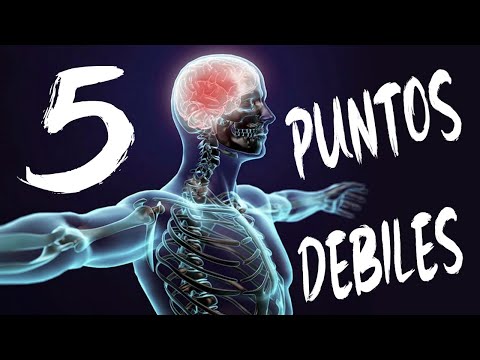
El Arte Oscuro: 5 Puntos Vitales del Cuerpo Humano y Cómo Usarlos (¡Con Cautela!)

¿Alguna vez te has preguntado cuáles son las debilidades inherentes al diseño humano? ¿Qué secretos guardan los maestros de artes marciales sobre los puntos sensibles de nuestro adversario? Como tu Sensei, hoy desvelaré un tema que suscita tanto fascinación como debate: los puntos vitales del cuerpo humano y su aplicación en la defensa personal. No te equivoques, esto no es para los débiles de espíritu ni para los que buscan la gloria fácil en el dojo. Es una mirada cruda a la anatomía del combate, un conocimiento que exige responsabilidad y un profundo respeto. Sebastián Deibe, un practicante con experiencia, nos guiará a través de cinco de estos puntos cruciales, demostrando su aplicación en escenarios de defensa personal. Pero antes de sumergirnos en esta oscura ciencia, debemos entender una verdad fundamental: el conocimiento de estos puntos es un arma de doble filo.

Tabla de Contenidos

Diferencias entre Puntos Vitales: ¿Cuál es la Clave?

El cuerpo humano no es un simple saco de carne y huesos; es una compleja red de sistemas interconectados. Cuando hablamos de "puntos vitales", no nos referimos a un único tipo de vulnerabilidad. Existen aquellos que, al ser golpeados, causan un dolor paralizante y desorientador (zonas de alta inervación), aquellos que interfieren con funciones esenciales como la respiración o el equilibrio, y aquellos cuya lesión puede ser médicamente grave o incluso fatal. Entender estas distinciones es el primer paso. Un golpe a la garganta busca interrumpir la respiración; un ataque a los ojos busca cegar y desorientar; una presión en ciertos puntos nerviosos puede inducir un shock temporal. La elección del punto dependerá de la situación, tu nivel de habilidad y, crucialmente, de la respuesta legal y moral que estés dispuesto a asumir.

La Garganta (Tráquea): El Punto Crítico de Asfixia

La tráquea, esa columna vertebral cartilaginosa en el centro de tu cuello, es una de las estructuras más expuestas y vulnerables del cuerpo humano. Un golpe seco y directo a la garganta puede causar una tos violenta, una interrupción momentánea de la respiración y un dolor insoportable. En un escenario de defensa personal, esto puede ser suficiente para crear una ventana de oportunidad para escapar. Sin embargo, es un área extremadamente delicada. Una aplicación excesiva de fuerza o un golpe mal dirigido puede tener consecuencias devastadoras y permanentes. Los maestros de sistemas como el Karate Kyokushin, enfocado en el combate real, y muchas formas de Kung Fu, estudian a fondo estas vulnerabilidades. El riesgo de causar daño grave es alto, por lo que su uso debe ser el último recurso.

El Punto de Presión Definitivo: Más Allá del Dolor

Aquí entramos en el terreno de disciplinas como el Kyusho Jitsu (o Kyusho-jutsu) y el Dim Mak, a menudo envueltas en misticismo, pero con una base anatómica sólida. Estos puntos de presión, también conocidos como tsubo en el contexto de la acupuntura y las artes marciales japonesas, son áreas donde los nervios superficiales son más accesibles o donde grupos de nervios se cruzan. Un golpe o una presión precisa en estos puntos no solo causa dolor, sino que puede enviar señales erróneas al sistema nervioso, provocando espasmos musculares, mareos, náuseas o incluso la pérdida temporal del conocimiento. El área debajo de la nariz, entre la nariz y el labio superior (punto 27 de Du Mai en acupuntura), es un ejemplo clásico, ya que una presión firme puede ser extremadamente incapacitante. La precisión es clave; un golpe torpe puede simplemente ser doloroso, pero un toque certero puede ser devastador.

"El verdadero conocimiento de las artes marciales no reside en la fuerza bruta, sino en la comprensión de las debilidades ajenas y la maestría de las propias."

La Zona de Golpeo de Mayor Impacto en Defensa Personal

Cuando hablamos de defensa personal, la simplicidad y la efectividad son primordiales. No siempre tenemos tiempo para localizar puntos de presión esotéricos bajo estrés extremo. Las zonas más amplias y generalmente más vulnerables son a menudo las más prácticas. El plexo solar, situado justo debajo del esternón, es un nudo de nervios (el plexo celíaco) cuya lesión puede causar un shock interno, dificultando la respiración y provocando un dolor agudo. Las costillas flotantes, en los laterales inferiores de la caja torácica, son relativamente frágiles y un golpe potente puede causar dolor intenso y dificultar el movimiento. El área del hígado, en el lado derecho del abdomen, es otro objetivo clásico. Un golpe bien colocado aquí puede ser muy incapacitante. Estas son zonas que, incluso sin una precisión milimétrica, pueden tener un efecto significativo. Son el pan y la mantequilla de muchos programas de defensa personal y MMA.

El Ataque a los Ojos: Una Táctica Desesperada pero Efectiva

Los ojos son, sin duda, uno de los puntos más sensibles del cuerpo humano. Son órganos vitales para la percepción y la movilidad. Un ataque directo a los ojos, ya sea con los dedos (golpe de "pico de pájaro") o incluso con un objeto, puede causar un dolor cegador, lágrimas incontrolables y una desorientación total. En una situación de vida o muerte, donde la capacidad de ver del agresor se ve comprometida, tus posibilidades de escapar aumentan drásticamente. Esta es una técnica que se enseña en algunos estilos de Ninjitsu y en ciertos enfoques de defensa personal que priorizan la incapacitación rápida. Sin embargo, la gravedad de una lesión ocular es inmensa. Un ataque a los ojos debe ser considerado solo en las circunstancias más extremas y desesperadas, ya que el riesgo de daño permanente es muy alto.

La Sien: El Punto Más Peligroso y Sus Consecuencias

Pasamos ahora a uno de los puntos más peligrosos y de alto riesgo: las sienes. Ubicadas en los laterales de la cabeza, entre la ceja y la línea del cabello, las sienes protegen arterias importantes y el cerebro subyacente. Un golpe directo y contundente a la sien puede causar conmoción cerebral, hemorragia interna, pérdida del conocimiento y, en el peor de los casos, la muerte. Es un área con hueso relativamente delgado que no ofrece mucha protección. La historia de las artes marciales y el combate está plagada de relatos de peleadores que terminaron su carrera o sus vidas debido a golpes precisos en esta zona. Por lo tanto, mientras que puede ser un punto "efectivo" en un sentido brutal, su uso en la defensa personal es sumamente problemático y debería ser evitado si existe cualquier otra alternativa. La intención detrás de usar un punto así debe ser siempre la de detener una amenaza inmediata y grave, no la de infligir daño por venganza o superioridad.

"La habilidad de golpear un punto vital no es la medida de un guerrero, sino la sabiduría de saber cuándo y si debe hacerlo." - Una máxima de mi propio linaje.

Guía de Entrenamiento: Principios Clave para Dominar los Puntos Vitales

Dominar el conocimiento de los puntos vitales no se trata solo de memorizar ubicaciones. Requiere una comprensión profunda de la anatomía, la fisiología y, sobre todo, del control. Aquí te presento cómo puedes enfocar tu entrenamiento:

  1. Estudio Anatómico Riguroso: No te limites a diagramas. Utiliza modelos anatómicos, libros de texto de medicina y recursos en línea para comprender la estructura ósea, muscular y nerviosa. Aprende dónde se encuentran los nervios principales y cómo viajan bajo la piel.
  2. Práctica de Palpación: Con extrema delicadeza y consentimiento, practica la localización de estos puntos en compañeros de entrenamiento (siempre en un entorno controlado y seguro). Sentir la estructura subyacente es crucial.
  3. Golpes de Baja Intensidad Controlada: Practica los movimientos de golpeo o presión en un objetivo que no sea una persona. Usa un saco de boxeo, un makiwara, o incluso imagina el punto exacto. Enfócate en la precisión del movimiento y la trayectoria.
  4. Simulaciones de Estrés: Integra el conocimiento de los puntos vitales en ejercicios de sparring o escenarios de defensa personal simulados. El objetivo es ver si puedes acceder a este conocimiento bajo presión, no causar daño real.
  5. Ética y Responsabilidad: Este es el pilar más importante. Cada sesión de entrenamiento debe comenzar y terminar con una reflexión sobre las implicaciones éticas y legales de este conocimiento. Un maestro real enseña a evitar el conflicto, no solo a terminarlo violentamente.

Equipo Esencial para tu Entrenamiento

Si bien los puntos vitales se basan en la anatomía humana, un entrenamiento seguro y efectivo requiere el equipo adecuado:

  • Guantes de Sparring (16oz o más): Para practicar golpes controlados y proteger a tu compañero durante simulaciones de combate.
  • Protector Bucal: Indispensable para cualquier entrenamiento que involucre contacto.
  • Vendajes para Manos: Para proteger tus muñecas y nudillos.
  • Saco de Boxeo Pesado: Ideal para desarrollar potencia y precisión en golpes a zonas amplias.
  • Makiwara o Tabla de Enfoque: Para refinar la precisión del golpe y el impacto en puntos específicos.
  • Muñeco de Entrenamiento (Maniquí de Lucha): Útil para practicar agarres y presiones sin riesgo.
  • Libros y Recursos Didácticos: Como el recomendado a continuación, para una comprensión teórica profunda.

Preguntas Frecuentes

¿Es legal golpear a alguien en los puntos vitales en defensa personal?

La legalidad depende de las circunstancias. Debes demostrar que el uso de la fuerza fue proporcional a la amenaza. Causar una lesión grave o la muerte, incluso en defensa propia, puede tener serias consecuencias legales. El objetivo en defensa personal debe ser siempre neutralizar la amenaza y escapar, no causar un daño excesivo.

¿Qué arte marcial enseña mejor sobre los puntos vitales?

Varias disciplinas abordan los puntos vitales, pero a menudo con enfoques diferentes. El Kyusho Jitsu se centra específicamente en ellos. Disciplinas como el Kung Fu (particularmente estilos como el Dragón o la Mantis Religiosa), el Ninjitsu y algunos sistemas de Karate y Taekwondo también los incorporan. Incluso en el Judo y el BJJ, la comprensión de la anatomía humana es clave para las sumisiones.

¿Cuánto tiempo se tarda en aprender a usar los puntos vitales de forma efectiva?

La memorización de la ubicación puede ser relativamente rápida, pero la aplicación efectiva y responsable requiere años de entrenamiento. Implica desarrollar precisión, potencia, conciencia situacional y un juicio ético sólido. Es un camino largo y arduo.

¿Son peligrosos los puntos de presión en comparación con los golpes directos?

Ambos pueden ser peligrosos. Los golpes directos a zonas como la sien o la garganta son intrínsecamente más propensos a causar daño físico severo inmediato. Los puntos de presión pueden ser igualmente incapacitantes y, si se aplican incorrectamente o con demasiada fuerza, también pueden causar daño permanente. La diferencia radica a menudo en la precisión requerida y la naturaleza de la lesión resultante.

¿Qué libro recomienda para aprender más sobre puntos vitales y Kyusho?

Aunque no puedo hacer recomendaciones directas de compra, buscar libros sobre "Kyusho Jitsu", "Dim Mak" o "Puntos de Presión en Artes Marciales" de autores reconocidos en el campo de la anatomía marcial o el Budo es un buen punto de partida. Asegúrate de que el autor tenga una reputación de experiencia práctica y ética.

Para Profundizar en tu Camino

Reflexión del Sensei: Tu Próximo Paso

Hemos explorado las sombras de la anatomía marcial, los puntos donde la defensa se vuelve ofensiva y la vida pende de un hilo. Este conocimiento, como un cuchillo afilado, puede ser una herramienta de salvación o una fuente de destrucción. La verdadera maestría no reside en la capacidad de infligir daño, sino en la sabiduría de saber cuándo evitar la confrontación, cuándo usar la fuerza mínima necesaria y cuándo la única victoria es aquella que no se libra. Ahora, te planteo un dilema: ¿Estás preparado para asumir la responsabilidad que conlleva este conocimiento? ¿O seguirás siendo un aprendiz de las técnicas, sin comprender la filosofía subyacente que hace grande a un guerrero?

``` GEMINI_METADESC: Explora los 5 puntos vitales del cuerpo humano para defensa personal. Un Sensei analiza su aplicación, riesgos y ética en artes marciales. ¿Estás listo para el desafío?

The Mythic Clash: Batman vs. Superman - A Martial Sensei's Analysis of the "Fight"

The Unlikely Arena: Why Analyze Fictional Combat?

Greetings, warriors and seekers of truth. Welcome to Budo and Martial Arts, your sanctuary for the deeper understanding of combat, philosophy, and the warrior spirit. Today, we venture into a realm not typically found within dojo walls, but one that nonetheless sparks fervent debate and captivates imaginations: the epic confrontation between Batman and Superman. You might scoff, asking, "Sensei, why waste precious training time dissecting a superhero brawl?" I say to you: every conflict, real or imagined, reveals something about skill, strategy, intent, and the very nature of power. The "FULL FIGHT BATMAN VS SUPERMAN" by JONI FILM, published on March 16, 2023, at 11:13 PM, serves as our canvas. This isn't merely about CGI spectacle; it's an opportunity to examine the theoretical application of combat principles against seemingly insurmountable odds. Can human ingenuity and trained skill truly challenge god-like power? Let us find out.

Batman: The Pinnacle of Human Martial Prowess

Before we even consider Superman, we must honor the meticulously crafted discipline of the Batman. Bruce Wayne is not gifted with powers; he is forged through an unparalleled regimen of training. His mastery spans: * Multiple Martial Arts: From the brutal efficiency of Kyokushin Karate and Judo to the intricate joint locks of BJJ and the stealth of Ninjitsu, Batman's arsenal is encyclopedic. He has trained under legendary masters, absorbing techniques like a sponge. Think of his grappling, his strikes, his throws – each is a testament to years, decades, of dedicated practice. * Peak Human Conditioning: His strength, speed, and endurance are not supernatural, but the absolute limit of what a human body can achieve. This speaks to relentless workout routines and rigorous conditioning. * Strategic Genius: Batman's greatest weapon is his mind. He studies his opponents, exploiting weaknesses with surgical precision. This tactical acumen is as crucial as any physical technique. He understands fight analysis on a profound level. * Improvisation: Faced with the overwhelming might of Superman, Batman's ability to weaponize his environment and use unconventional tactics is paramount. He represents the ultimate expression of human potential through the martial path. His dedication is a beacon for anyone pursuing self-improvement through martial arts training.

Superman: A God Among Men, But a Fighter?

Superman, on the other hand, embodies raw, unadulterated power. His abilities – super strength, flight, heat vision, invulnerability – place him in a different category entirely. However, does this translate to effective combat prowess against an equally determined, albeit physically inferior, foe? * Raw Power vs. Technique: The fundamental question is whether Superman's inherent abilities are enough. Does he possess the refined technique of a seasoned martial artist, or does he rely solely on brute force? Many beings with immense power lack the discipline and humility to truly master their abilities. They become reckless. * The Kryptonite Factor: The narrative often introduces Kryptonite as Superman's Achilles' heel. This highlights the importance of understanding vulnerabilities, a key tenet in self-defense and hand-to-hand combat. Even the strongest can be felled by a well-placed weakness. * Fighting Style: Historically, Superman's "fighting style" has been depicted as somewhat clumsy or reliant on simply overpowering opponents. While he can certainly fight, is it with the trained precision of a martial artist, or the destructive force of a natural disaster? This is where the debate truly ignites.
"The supreme art of war is to subdue the enemy without fighting." - Sun Tzu, The Art of War. While Batman often engages, his ultimate goal is to prevent greater conflict. Superman's power, if unchecked by wisdom, can *become* the greater conflict.

The Choreography of the Impossible: Interpreting the "Fight"

When we analyze a film like "FULL FIGHT BATMAN VS SUPERMAN," we're not watching a real martial arts contest. We are observing choreography, visual storytelling, and the interpretation of creators. The "fight" itself becomes a narrative device. * Pacing and Impact: How is the fight staged? Are the blows delivered with weight and consequence, or are they a flurry of lights and sounds? A masterfully choreographed fight, like those seen in classic Karate films or modern MMA bouts, conveys the effort and skill involved. * Strategic Exchanges: Does Batman employ tactics designed to neutralize Superman's powers? Does he use his gadgets, exploit the environment, or aim for pressure points? Or is it a slugfest where Batman's resilience is merely plot armor? A true martial perspective looks for the strategic intent behind each action. * The Role of the Environment: Does the fight take advantage of its surroundings? A skilled combatant uses their environment. Batman, in particular, excels at this. We should look for instances where he uses the urban landscape as a weapon or a shield. * The "Why": The most crucial element is not *how* they fight, but *why*. Is this a battle of ideologies, a misunderstanding, or a desperate struggle for survival? The motivation behind the conflict shapes the interpretation of the action.

Beyond the Blows: The Underlying Philosophies

This "fight" is more than just a physical contest; it's a clash of philosophies embodied by two iconic figures. * Justice vs. Order: Batman represents a gritty, street-level justice, often operating outside the law but guided by a strict moral code born from tragedy. He is the vigilante, the protector of the shadows. His approach is pragmatic, often brutal, but ultimately aimed at systemic change. * Inherent Goodness vs. Fear: Superman embodies hope, idealism, and immense power wielded with restraint. He is the beacon, the symbol of what humanity can aspire to be. His challenge is often to uphold truth and justice when faced with cynicism and fear. * The Nature of Power: The core of their conflict often lies in how power should be used. Batman fears unchecked power and believes in preparation and counter-measures. Superman believes in his inherent goodness and the responsibility that comes with his gifts. This echoes debates within Budo about responsibility and the ethical application of skill.
"There is no victory in the martial arts. Only the path to self-mastery. The true fight is within." - A principle echoed by many martial masters, applicable even to these fictional titans.

Veredicto del Sensei: Does the "Fight" Earn a Black Belt?

From a purely martial arts perspective, the "FULL FIGHT BATMAN VS SUPERMAN" can be appreciated as a narrative spectacle rather than a practical demonstration of combat. * **Choreography:** If the CGI and staging are impressive, it earns a nod for visual storytelling. However, it rarely reflects genuine martial physics or strategy applicable to real-world combat. * **Authenticity:** The depiction of Batman's diverse martial arts skills might be *inspired* by real disciplines, but the effectiveness against Superman is largely fantastical. Superman's "fighting" is often a display of power rather than technique. * **Spirit:** The fight *can* succeed if it captures the spirit of the characters and their ideologies. Does it highlight Batman's tactical brilliance and determination against overwhelming odds? Does it show Superman grappling with the responsibility of his power? If so, it touches upon the warrior's spirit. **Cinturón Negro en Espectáculo, Nivel Principiante en Realismo Marcial.** The spectacle is undeniable, but let us not mistake cinematic fantasy for practical martial application. It's a testament to imagination, not to the precise execution of a well-rehearsed kata.

Training Essentials for Aspiring Heroes (and Villains)

While you may not face Kryptonians, the principles of dedicated training apply to all. To build your own foundational strength, consider:
  • A Solid Martial Arts Foundation: Choose a discipline that resonates with you. Karate for striking, Judo or BJJ for grappling, Taekwondo for kicks. Consistency is key.
  • Strength and Conditioning: Bodyweight exercises like at-home workouts, push-ups, squats, and planks build functional strength. Consider adding resistance bands for versatility.
  • Cardiovascular Endurance: Running, swimming, or cycling are vital for sustained effort, especially in prolonged engagements. Explore running tips to build your stamina.
  • Mental Fortitude: Cultivate self-discipline, focus, and the ability to remain calm under pressure. Meditation and mindfulness are invaluable tools.
  • Strategic Thinking: Study the art you practice. Understand principles of leverage, timing, and distance. Watch matches, read texts, and analyze your own sparring.

Preguntas Frecuentes

  • Q: Can Batman really beat Superman in a fight?
    A: In the realm of fiction, "can" is determined by the storyteller. In a realistic scenario, Batman's best chance lies in preparation, exploiting specific weaknesses (like Kryptonite), and employing overwhelming tactical advantage, not direct physical confrontation.
  • Q: Which martial arts does Batman use?
    A: Batman's training is said to encompass over a dozen martial arts, including various forms of Karate, Judo, BJJ, Ninjutsu, Kenpo, Aikido, and more. He is a polymath of combat.
  • Q: Is Superman a good fighter?
    A: Superman possesses immense power but often lacks the refined technique and strategic nuance of a true martial artist. His "fighting" is more often a display of overwhelming force.
  • Q: What is the philosophical lesson from Batman vs. Superman?
    A: The conflict explores themes of power, responsibility, fear versus hope, and the balance between order and justice. It questions whether raw power or disciplined strategy is the ultimate victor.
  • Q: How can I train like Batman?
    A: Focus on mastering multiple martial arts, achieving peak physical conditioning through rigorous training, developing sharp tactical intelligence, and cultivating unwavering mental discipline. It's a lifelong pursuit.

Para Profundizar en tu Camino

Explore these related topics to deepen your understanding of the warrior's path:

Reflexión del Sensei: Tu Próximo Paso

We have dissected a battle of titans, a clash of myths. But what does it truly teach us? Does the overwhelming power of Superman render all training futile? Or does Batman's indomitable spirit and learned skill prove that human dedication can, in its own way, challenge the impossible? **Consider this:** If the greatest power requires no training, what value does training hold? And if strategy and discipline can overcome raw power, then where does your own relentless training truly lie? Is your battle against an external foe, or against the limits of your own potential? Ponder this in your training, in your life, and let your actions be your answer. ```json { "@context": "https://schema.org", "@type": "FAQPage", "mainEntity": [ { "@type": "Question", "name": "Can Batman really beat Superman in a fight?", "acceptedAnswer": { "@type": "Answer", "text": "In the realm of fiction, 'can' is determined by the storyteller. In a realistic scenario, Batman's best chance lies in preparation, exploiting specific weaknesses (like Kryptonite), and employing overwhelming tactical advantage, not direct physical confrontation." } }, { "@type": "Question", "name": "Which martial arts does Batman use?", "acceptedAnswer": { "@type": "Answer", "text": "Batman's training is said to encompass over a dozen martial arts, including various forms of Karate, Judo, BJJ, Ninjutsu, Kenpo, Aikido, and more. He is a polymath of combat." } }, { "@type": "Question", "name": "Is Superman a good fighter?", "acceptedAnswer": { "@type": "Answer", "text": "Superman possesses immense power but often lacks the refined technique and strategic nuance of a true martial artist. His 'fighting' is more often a display of overwhelming force." } }, { "@type": "Question", "name": "What is the philosophical lesson from Batman vs. Superman?", "acceptedAnswer": { "@type": "Answer", "text": "The conflict explores themes of power, responsibility, fear versus hope, and the balance between order and justice. It questions whether raw power or disciplined strategy is the ultimate victor." } }, { "@type": "Question", "name": "How can I train like Batman?", "acceptedAnswer": { "@type": "Answer", "text": "Focus on mastering multiple martial arts, achieving peak physical conditioning through rigorous training, developing sharp tactical intelligence, and cultivating unwavering mental discipline. It's a lifelong pursuit." } } ] }

5 Combates Que Demuestran la Verdadera Esencia del Espíritu Marcial

¿Qué separa a una simple riña de un combate que se graba a fuego en la memoria colectiva del espíritu marcial? No son solo los golpes certeros o las estrategias brillantes. Es la chispa, el coraje indomable, la voluntad de seguir adelante cuando el cuerpo implora rendirse. Hoy, nos sumergiremos en la historia para desenterrar no solo peleas, sino verdaderas demostraciones de lo que significa ser un guerrero. Prepárense, porque vamos a analizar combates que son mucho más que deporte; son lecciones de vida.

Introducción: Más Allá del KO

La cultura marcial, en su esencia más pura, busca la superación personal a través de la disciplina, el esfuerzo y el respeto. No se trata solo de vencer al oponente, sino de conquistar las propias limitaciones. En este camino, pocos escenarios son tan reveladores como los grandes combates. Hoy, no vamos a hablar de estadísticas o récords. Vamos a diseccionar la mentalidad, la táctica y el alma de peleadores que nos regalaron momentos épicos.

¿Creéis que el boxeo es un deporte menor comparado con las artes marciales tradicionales? ¡Abordaremos esa polémica! La capacidad de aguante, la inteligencia de combate y la pura fuerza de voluntad son universales. Aquí no hay lugar para el "fake". Solo la cruda realidad del guerrero frente a otro.

Prepárense para un análisis desde la perspectiva de un Sensei. Veremos no solo la técnica, sino el "kokoro" (corazón) que ponen estos atletas en cada asalto. ¿Estáis listos para aprender de leyendas?

La Batalla de Zaire: Foreman vs. Ali

Ah, el famoso "Rumble in the Jungle". 1974. George Foreman, el monstruo imbatido, la fuerza de la naturaleza, contra Muhammad Ali, el campeón con un estilo esquivo y una lengua aún más afilada. ¿Qué podíamos esperar? Un aplastamiento, ¿verdad?

¡Nada más lejos de la realidad! Ali, en lugar de intentar un intercambio directo (lo que hubiera sido un suicidio táctico y físico), empleó una estrategia maestra: el "rope-a-dope". Se apoyaba en las cuerdas, absorbía los brutales golpes de Foreman, permitiéndole al coloso gastar su energía en vano. Esta técnica, que a ojos inexpertos podría parecer cobardía, era en realidad un acto de suprema inteligencia y resistencia mental. Ali sabía que no podía igualar la fuerza bruta de Foreman, así que la neutralizó con astucia y una capacidad para aguantar el dolor digna de un samurái.

"A veces, la mejor manera de ganar no es atacando, sino esperando pacientemente tu momento, observando las debilidades del adversario mientras él se agota." - Un principio del Budo aplicado en el ring.

Foreman, frustrado y exhausto, vio cómo su ímpetu se desvanecía asalto tras asalto. Ali, fiel a su palabra, demostró al mundo que el coraje no es solo la ausencia de miedo, sino la voluntad de superar la adversidad, incluso cuando te estampan contra las cuerdas. El KO en el octavo asalto fue la culminación de una estrategia audaz y un espíritu inquebrantable. Una lección para todos aquellos que creen que la fuerza bruta lo es todo. La mente del guerrero es el arma definitiva.

Este combate es un ejemplo perfecto de cómo el ingenio táctico y la resistencia psicológica pueden vencer a la potencia física pura. ¿Es esto tan distinto de la estrategia de un ninjitsu o la paciencia de un maestro de Aikido? Yo diría que no.

Si queréis entender el contexto de esta legendaria noche, no dejéis de ver este análisis (¡aunque sea un vídeo de boxeo, la lección es marcial!): Análisis del Rumble in the Jungle.

El Rey de la Distancia Corta: Marciano vs. Walcott

Sugar Ray Robinson podría ser el "boxeador más grande de todos los tiempos" para muchos, pero para mí, la demostración de pura tenacidad y la capacidad de levantarse de la lona para noquear es algo que solo Rocky Marciano pudo ejecutar a ese nivel. Su pelea contra Jersey Joe Walcott en 1952 es un clásico ejemplo de la perseverancia que debemos aspirar en nuestro entrenamiento.

Walcott, un boxeador más técnico y con un alcance superior, dominó gran parte del combate. En el primer asalto, Marciano fue derribado por un gancho devastador que lo envió a la lona, tambaleándose. Parecía que el final estaba cerca. Sin embargo, este no era un peleador cualquiera. Marciano se levantó, demostrando una resistencia al impacto y una voluntad de hierro. Este momento es crucial: el espíritu de no rendirse ante la adversidad.

"La verdadera prueba no es cuántas veces caes, sino cuántas veces te levantas." - Un principio universal en todas las artes marciales.

Marciano continuó absorbiendo golpes, trabajando en su estrategia de acortar la distancia y conectar sus potentes ganchos. Walcott, a pesar de estar ganando, empezaba a mostrar signos de fatiga. Y entonces, en el asalto número 13, ocurrió la magia. Marciano conectó un uppercut derecho brutal que envió a Walcott a la lona, noqueado. Un final espectacular que resumía la filosofía de Marciano: presión constante, resistencia inquebrantable y un golpe decisivo.

Este combate es una cátedra sobre cómo manejar la adversidad. En el karate, nos enseñan a mantener la guardia alta y a buscar la oportunidad. En el judo, a usar el desequilibrio del oponente. Marciano, con su estilo único, demostró que estos principios se aplican en cualquier disciplina de combate. La capacidad de absorber y seguir adelante es fundamental. Si queréis ver el espíritu de Marciano en acción, buscad imágenes de su famosa victoria.

La Guerra de los Dos Mundos: Leonard vs. Durán I

Este no es solo un combate de boxeo; es un choque de culturas, de estilos, de personalidades. Roberto Durán, el "Manos de Piedra" panameño, con su agresividad callejera y su pegada demoledora, contra Sugar Ray Leonard, el elegante y atlético campeón estadounidense. Su primer encuentro en 1980 fue un evento de proporciones épicas.

Leonard, acostumbrado a bailar y boxear desde la distancia, intentó imponer su ritmo. Pero Durán fue implacable. Entró en la guardia de Leonard, conectó golpes al cuerpo que minaron su resistencia y presionó sin cesar. Durán, que venía de las duras calles de Panamá, luchaba con una ferocidad que hacía que el boxeo de Leonard pareciera casi "blando" en comparación. No se trataba solo de técnica, sino de pura voluntad de imponerse, de demostrar quién era el verdadero guerrero.

Lo más impactante fue la estrategia de Durán: acortar la distancia, absorber los golpes y lanzar contragolpes devastadores. Esto requería una valentía tremenda, sabiendo que Leonard poseía una velocidad y precisión letales. Pero Durán no se amilanó. La victoria de Durán por decisión dividida fue una demostración de cómo el coraje, la agresividad bien canalizada y la resistencia física pueden superar la técnica refinada.

"El miedo es natural, pero conquistarlo es lo que define al guerrero. Durán no tenía miedo de Leonard; tenía respeto, y usó ese respeto para luchar con aún más determinación." - Un pensamiento sobre el coraje marcial.

Este combate es un recordatorio de que en las artes marciales, la inteligencia de combate y la voluntad son tan importantes como el entrenamiento físico. Un peleador con corazón puede superar a uno con más habilidad técnica si la pelea se reduce a quién quiere más la victoria. La determinación de Durán en este combate resuena con los principios de muchas artes marciales, donde el espíritu lucha tan duro como el cuerpo.

¿Qué Nos Enseñan Estos Combates?

Estos tres combates, aunque pertenezcan al mundo del boxeo, están imbuidos del espíritu que buscamos en cualquier disciplina marcial. Nos muestran que:

  • La inteligencia táctica puede neutralizar la fuerza bruta (Ali vs. Foreman).
  • La perseverancia ante la adversidad lleva a la victoria (Marciano vs. Walcott).
  • El coraje y la voluntad pueden superar la habilidad técnica (Leonard vs. Durán).

En las artes marciales, a menudo nos enfocamos en el perfeccionamiento técnico, en los katas, en las formas. Pero la verdadera maestría, el "Budo", reside en la aplicación de estos principios bajo presión. En la capacidad de mantener la calma en el caos, de levantarse cuando uno cree que no puede más, de tener la convicción de que la victoria es posible, sin importar las probabilidades.

¿Son estas peleas relevantes para un practicante de BJJ o Kyokushin Karate? ¡Absolutamente! El concepto de "Mushin" (mente sin mente) de Miyamoto Musashi se manifiesta cuando Ali usa el "rope-a-dope". La tenacidad de Marciano es similar a la que se exige en un entrenamiento de Taekwondo de alta intensidad. La ferocidad de Durán refleja el espíritu de Kickboxing. Las artes marciales comparten una base filosófica y psicológica común.

Equipo Esencial para tu Entrenamiento

Para aplicar las lecciones de estos grandes campeones en tu propio camino marcial, necesitas el equipo adecuado. Un buen entrenamiento es la base de la preparación física y mental. Aquí tienes una lista de elementos que te ayudarán a mejorar:

  • Guantes de Boxeo/MMA: Para proteger tus manos y las de tu compañero de sparring. Busca unos de 16oz para entrenamiento general, o guantes de MMA si practicas grappling.
  • Vendas para las Manos: Imprescindibles para prevenir lesiones en los nudillos y muñecas durante golpes intensos.
  • Kimono o Dogi: Para disciplinas como Judo, BJJ, Karate o Taekwondo. Un buen kimono de karate de doble tejido es duradero y cómodo para entrenamientos exigentes.
  • Protector Bucal: Crucial para cualquier tipo de sparring que implique riesgo de golpes en la cara.
  • Esterillas de Entrenamiento: Si practicas artes de suelo o quieres realizar ejercicios de acondicionamiento en casa.
  • Cuerda de Saltar: Una herramienta clásica y económica para mejorar la agilidad y la resistencia cardiovascular, tal como lo hacían Ali y Leonard.

Invertir en equipo de calidad no es un capricho, es una necesidad para entrenar de forma segura y efectiva. Busca siempre la mejor relación calidad-precio; hay excelentes opciones de merchandise de karate y MMA disponibles.

Preguntas Frecuentes

¿Es el boxeo considerado un arte marcial?
Si bien tradicionalmente se enfoca en el uso de los puños y la técnica de golpeo, el boxeo comparte muchas filosofías subyacentes con las artes marciales: disciplina, respeto, superación personal, estrategia y resistencia mental. Muchos lo consideran un arte de combate.
¿Por qué es importante estudiar combates históricos?
Los combates históricos son laboratorios del espíritu marcial. Nos ofrecen lecciones prácticas sobre estrategia, psicología, resistencia, y la mentalidad del guerrero que trascienden el tiempo y las disciplinas específicas.
¿Qué es el "rope-a-dope"?
Es una técnica de boxeo popularizada por Muhammad Ali. Consiste en apoyarse en las cuerdas y absorber los golpes del oponente, haciéndole gastar energía, para luego contraatacar cuando este se agota o se expone.
¿Cómo puedo aplicar las lecciones de estos combates en mi entrenamiento?
Enfócate en la resistencia mental y física. Cuando te sientas agotado, recuerda la tenacidad de Marciano o la astucia de Ali. Practica la paciencia y la inteligencia táctica, no solo la potencia bruta.

Para Profundizar en tu Camino

La verdadera victoria no reside en la medalla colgada al cuello, ni en la ovación del público. Reside en la confrontación con uno mismo, en la superación de los propios límites. Estos legendarios combates son solo un reflejo de esa lucha interna que cada uno de nosotros enfrenta en su propio dojo, ya sea físico o metafórico.

Reflexión del Sensei: Tu Próximo Paso

Os he mostrado tres ejemplos de combates que, en mi opinión, encapsulan la esencia de lo que significa ser un guerrero: inteligencia, resistencia y corazón. Pero el conocimiento sin aplicación es un tesoro enterrado. Ahora, decidme vosotros: ¿Cuál de estas cualidades (táctica, resistencia, o coraje) creéis que es la más crucial para el éxito en cualquier arte marcial y por qué? ¿Estáis de acuerdo con mi análisis o veis otros combates que demuestran mejor el espíritu marcial? ¡Expresad vuestras opiniones y demostrad vuestro propio espíritu de debate en los comentarios de abajo!

``` GEMINI_METADESC: Analizo 3 combates legendarios (Ali-Foreman, Marciano-Walcott, Leonard-Durán) que demuestran la esencia del espíritu marcial: inteligencia, resistencia y coraje. Lecciones para tu entrenamiento.

STREETBEEFS FIGHTER INTERVIEWS: A Martial Scholar's Critique of Raw Combat

Hello, fellow practitioners and enthusiasts of the martial path. Welcome to Budo and AM. Today, we delve into a raw, unfiltered corner of the combat world with "STREETBEEFS FIGHTER INTERVIEWS." This isn't your typical dojo lecture, nor is it a polished documentary on ancient samurai philosophy. This is the visceral, often chaotic, realm of street brawls and the individuals who navigate them. Published on June 3, 2022, this content, while perhaps lacking the nuanced elegance of a well-executed kata, offers a stark, albeit controversial, glimpse into human aggression and the primal urge to survive.

The Allure of the Unsanctioned

What compels someone to watch, or worse, participate in, unsanctioned street fights? The intention behind seeking out content like "STREETBEEFS FIGHTER INTERVIEWS" can be multifaceted. For some, it's a morbid curiosity, a glimpse into the dark underbelly of society. For others, it’s a perverse fascination with raw, unadulterated aggression, a stark contrast to the structured discipline of traditional martial arts. As a scholar of the martial ways, I find it imperative to dissect this phenomenon not to endorse it, but to understand its appeal and, more importantly, to highlight the chasm that separates it from genuine Budo. The original post, devoid of deep analysis, simply welcomes viewers. But welcome to what, exactly? A display of uncontrolled violence? A testament to human resilience? Or a warning of societal breakdown? The intention of the original creator, as presented, is merely to announce the content and direct traffic. Our intention here is to provide context, critical analysis, and a martial perspective that elevates the discourse.

Deconstructing the "Streetbeefs" Phenomenon

The term "streetbeefs" itself evokes a certain image: conflict born from disputes, escalating from words to blows in an uncontrolled environment. Unlike organized combat sports like MMA, UFC, or even the structured duels of historical fencing, these encounters lack rules, referees, and a primary focus on technique over brute force. The "fighters" are often untrained or minimally trained individuals, driven by ego, anger, or desperation.
The original tags hint at a broad spectrum of martial arts (#artesmarciales, #BUDO, #lucha, #pelea, #entrenamiento, #historia, #fight, #battle, #martialarts, #karate, #jiujitsu, #taekwondo, #shaolin, #ki, #bjj, #ninjitsu, #kenpo, #combat, #sambo, #news, #judo, #aikido). While these terms are associated with combat, the reality of "streetbeefs" often bears little resemblance to the disciplined application of these arts. The raw, often clumsy, exchanges are a far cry from the precision of a well-executed O-soto-gari in Judo or the focused intensity of a Kyokushin Karate strike.
"The true warrior is not a born fighter, but one who has learned to control their inner turmoil." - A principle often forgotten in the heat of uncontrolled rage.
The core issue is the absence of *intent* beyond mere victory or inflicting harm. Budo, in its truest sense, is a path of self-improvement through rigorous physical and mental training. It emphasizes discipline, respect, humility, and the understanding of principles that extend far beyond the fighting arena. "Streetbeefs," conversely, often represents the antithesis of these values. It’s a primal expression of conflict, devoid of the philosophical underpinnings that define a martial artist.

Budo vs. Brutality: A Crucial Distinction

This is where the polemic truly begins. Can we, in any sense, consider these street confrontations as "martial"? I argue, emphatically, no. The distinction is not merely semantic; it is fundamental. * **Discipline**: Budo demands relentless self-discipline. Mastering a technique, a kata, or even the mental fortitude to face an opponent requires years of dedicated practice. Street fights are impulsive, driven by emotion. * **Respect**: A cornerstone of martial arts is respect – for your opponent, your teacher, and yourself. "Streetbeefs" often fosters contempt, aggression, and a lack of regard for the other person's well-being. * **Purpose**: The goal of Budo is self-perfection, character development, and sometimes, effective self-defense when all else fails. The purpose of a street fight is often to assert dominance, settle a score, or out of sheer, uncontrolled anger. * **Technique**: While some participants in street fights might possess rudimentary fighting skills, the encounters rarely showcase the refined techniques, timing, and strategy that define martial arts. It's often a chaotic exchange of wild swings and desperation moves. Consider the difference between a judoka executing a perfect O-goshi on the mat, aiming to control and subdue their opponent according to the principles of Judo, versus two individuals flailing wildly on asphalt, risking serious injury from the impact alone. The former is refined skill; the latter is often uncontrolled chaos.

When Does "Streetbeefs" Cross the Line?

This content raises a critical question: when does the exhibition of fighting skill, even if crude, become detrimental to the martial arts community? The original publisher's intent seems to be merely observational, yet the very act of showcasing such content can inadvertently glamorize violence. The lines are blurred, of course. Some individuals who participate in these fights may have backgrounds in martial arts. They might be testing their skills in a high-stakes, albeit illicit, environment. However, the crucial difference lies in the *intent* and the *consequences*. When training sessions for MMA or Karate involve safety precautions, controlled sparring, and a focus on learning, it's constructive. When "streetbeefs" lead to severe injury, legal repercussions, or further cycles of violence, it is destructive. We must ask: does this content promote a positive understanding of combat, or does it merely feed a voyeuristic appetite for violence?
"In the heat of a fight, the mind must be calm as still water." - A concept utterly lost in the raging storm of a street brawl.
The danger lies in conflating raw aggression with martial prowess. The ability to throw a punch or engage in a wrestling match does not automatically equate to mastery of a martial art. It can, in fact, be a perversion of it, showcasing the worst aspects of human conflict without the tempering influence of discipline and philosophy.

What Can We Learn (or Reject)?

From a purely analytical standpoint, observing such encounters can offer insights, though often grim ones: * **Primal Instincts**: It reminds us of the raw, primal aspects of human conflict that martial arts seek to channel and control. * **The Importance of Training**: It starkly highlights the effectiveness of dedicated, disciplined training. A single well-timed Karate technique or a solid Grappling entry can end a fight far more efficiently and safely than wild swinging. * **The Dangers of Uncontrolled Emotion**: It serves as a potent reminder of how anger and ego can cloud judgment, leading to dangerous situations. The principle of Mental Game mastery is paramount. However, for the earnest martial artist, the primary lesson is what to *reject*: the glorification of violence, the lack of respect, the reliance on brute force over skill, and the absence of any higher purpose. The pursuit of Ki, inner strength, or enlightenment is completely antithetical to the mindset that fuels these confrontations.

Sensei's Verdict: A Dangerous Mirage

Are "STREETBEEFS FIGHTER INTERVIEWS" a valid representation of martial arts? Absolutely not. They represent the uncontrolled, often tragic, byproduct of conflict when discipline, respect, and technique are absent. While the original post is a simple announcement, the content it points to risks misrepresenting the true spirit of the martial ways. **Sensei's Verdict: Fails the Fundamentals.** This content is a distraction, a detour into the gutter of combat. It offers no path to self-improvement and actively works against the principles of Budo. It’s a raw display of aggression, not a demonstration of martial art.

Essential Equipment for Your Training

While "streetbeefs" may not require specific gear beyond whatever clothing the participants are wearing, serious martial arts training demands appropriate equipment to ensure safety and effectiveness. Investing in the right gear is not a luxury; it's a necessity for progress and injury prevention.
  • Durable Gi (Kimono): For arts like Judo, Karate (especially Kyokushin), and Aikido. Look for reinforced seams and quality fabric that can withstand rigorous training. Karate merchandise often features high-quality Gis.
  • Sparring Gear: Headgear, mouthguards, shin guards, and chest protectors are crucial for safe sparring in arts like Kickboxing and MMA.
  • Training Gloves: For striking arts, well-padded gloves protect your hands and your training partners. Options range from 10oz for bag work to 16oz for sparring.
  • Training Mats (Tatami): Essential for arts involving throws and groundwork like BJJ and Judo, providing a safer surface for practice.
  • Training Weapons: For arts that incorporate weapons (Kendo, Aikido with bokken), safe, practice-grade weapons are indispensable.

Frequently Asked Questions

Q: Is watching "streetbeefs" content beneficial for martial artists?
A: Generally, no. While it can serve as a stark reminder of what uncontrolled violence looks like, it offers little in terms of learning technique, strategy, or philosophy. It risks glorifying violence and can be detrimental to the true spirit of Budo.

Q: What is the difference between a street fight and a martial arts competition?
A: The primary differences lie in rules, safety, intent, and philosophy. Competitions have established rules, referees, medical personnel, and a focus on skill and sportsmanship. Street fights are uncontrolled, lack safety measures, and are often driven by aggression, ego, or revenge.

Q: Can martial arts training help prevent street fights?
A: Yes. Discipline, self-control, situational awareness, and confidence gained through martial arts training can help individuals de-escalate potential conflicts and avoid dangerous confrontations. The goal of martial arts is not to seek fights, but to avoid them and, if necessary, end them swiftly and effectively.

To Dive Deeper into Your Path

To truly understand the martial path and its contrast with raw conflict, explore these resources:
  • BUDO: Understanding the broader philosophy and principles that guide martial disciplines.
  • Martial Philosophy: Exploring the ethical and spiritual dimensions of martial arts.
  • Self-Defense: Learning practical applications of martial arts for safety, distinct from street brawling.

Sensei's Reflection: Your Next Step

The raw, unfiltered nature of "STREETBEEFS FIGHTER INTERVIEWS" presents a stark image of conflict stripped bare. It's a mirror reflecting the darker impulses that martial arts strive to temper and transform. We are bombarded with images of aggression, and it is our duty as students and practitioners to discern truth from spectacle. The essence of Budo lies not in the force of the blow, but in the discipline of the hand that throws it, the mind that directs it, and the spirit that refrains from unnecessary violence.

Reflexión del Sensei: Tu Próximo Paso

When confronted with images of raw violence, do you feel a thrill of aggression, or a deep understanding of the uncontrolled chaos that true martial artists dedicate their lives to transcending? Does the spectacle incite your primal instincts, or does it serve as a potent reminder of the path of discipline and self-mastery you walk? Where does your true interest lie: in the fleeting chaos of the street, or the enduring journey of the dojo? ``` GEMINI_METADESC: A martial scholar's critical analysis of STREETBEEFS FIGHTER INTERVIEWS, differentiating raw combat from true Budo and its philosophical principles.