Showing posts sorted by relevance for query kimonos judoka. Sort by date Show all posts

Judo vs. MMA: A Sensei's Tactical Breakdown of Dominance

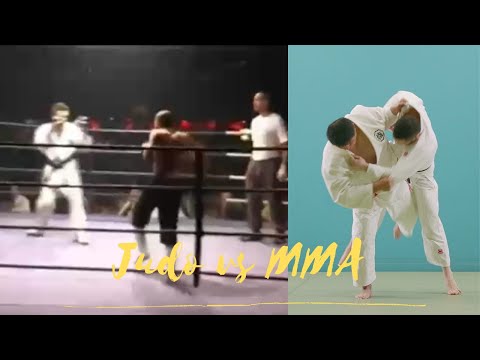
The roar of the crowd, the glint of sweat under the arena lights, the coiled tension before a strike or a takedown. These are the primal elements that draw us to combat sports. But when a Judoka, a master of the throw and the ground game, steps into the cage against an MMA fighter, a specialist in a multi-disciplinary war, what transpires? Is it a clash of titans, or a predictable outcome? This isn't about mere physical prowess; it's about the application of refined principles honed over centuries versus a modern, brutal synthesis. We are about to dissect this very confrontation, not as mere spectators, but as students of the Budo, examining the strategic depth, the technical nuances, and the philosophical underpinnings that dictate victory.

The Genesis of the Duel: Judo vs. MMA

Welcome, practitioners of the Budo and aficionados of the martial arts. Today, we confront a scenario that has ignited countless debates in dojos and online forums alike: the direct confrontation between a pure Judoka and a seasoned Mixed Martial Arts (MMA) fighter. The question is not simply about who is stronger, but who can adapt, who can impose their will, and whose fundamental principles of combat will prevail. Is the devastating potential of a perfectly executed Uchi-mata enough to overcome a barrage of strikes? Can a master of O-soto-gari translate their grappling prowess to an environment devoid of the gi?

Let's be clear: these are not the same battles. Judo, as codified by Jigoro Kano, emphasizes mutual welfare and prosperity, a path of maximum efficiency with minimum effort. MMA, on the other hand, is a brutal crucible, a synthesis of the most effective techniques from across the globe, stripped of tradition and focused solely on victory. This dichotomy forms the bedrock of our analysis.

The Judoka's Arsenal: Unlocking the Power of Kuzushi

A Judoka enters the fray with a formidable foundation. Their understanding of kuzushi – the art of unbalancing an opponent – is paramount. This is not merely about brute strength; it's about leverage, timing, and understanding the opponent's center of gravity. Techniques like Seoi-nage, Ippon-seoi-nage, and the ubiquitous Uchi-mata are not just moves; they are physics-defying applications of kinetic energy transfer.

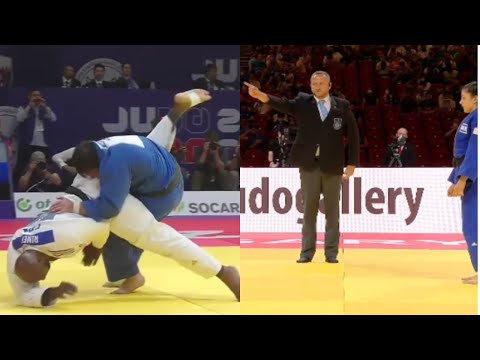
In a gi-based environment, a Judoka can employ grips that provide immense control, allowing them to break down an opponent's posture and set up devastating throws. The ability to transition seamlessly to the ground and apply submissions like Sankaku-gatame (triangle choke) or Gyaku-juji-jime (reverse cross choke) is another layer of their offensive capability. These are skills honed through thousands of repetitions, ingrained into muscle memory.

However, the MMA cage presents a starkly different landscape. The absence of a gi negates the primary method of control for a Judoka. Without the familiar fabric to grip, the art of kuzushi becomes exponentially more challenging, relying on body control and clinch work rather than the secure grips of the judogi. This is where the conceptual understanding of Judo must be rigorously tested.

The MMA Chameleon: Adapting to the Unfamiliar

The MMA fighter is, by definition, a generalist. They are trained to weather the storm from various martial disciplines – striking arts like Boxing and Muay Thai, grappling arts like Brazilian Jiu-Jitsu (BJJ) and Wrestling, and sometimes even elements of Karate or Taekwondo. Their strength lies not in singular mastery, but in their ability to seamlessly blend these arts and exploit an opponent's weaknesses.

An MMA fighter facing a Judoka will likely anticipate the takedown attempts. Their training will focus on defending throws, establishing dominant grips (or lack thereof), and creating space to employ their striking arsenal. A well-timed knee to the head in the clinch, or a barrage of punches while the Judoka attempts to secure a grip, can quickly neutralize the thrower's advantage. Furthermore, a skilled MMA fighter will have extensive training in defending submissions and, crucially, in executing their own submissions from various positions, often learned through the lens of BJJ.

"The supreme art of war is to subdue the enemy without fighting." - Sun Tzu. In MMA, this often translates to dictating the pace and range of engagement.

The MMA fighter’s conditioning is also typically tailored for longer, more grueling bouts where the intensity of grappling exchanges is sustained. While Judokas possess incredible stamina for their sport, the all-out, multi-faceted war of MMA is a different beast entirely. The ability to absorb damage and fight through adversity is a core component of an MMA fighter's mettle.

A Sensei's Technical Deep Dive: From Gi to Cage

Let's break down the technical battleground:

  • Standing Exchange: Here lies the Judoka's primary challenge. Without the gi, effective grips are difficult to establish. They must rely on open-hand clinching, head control, and exploiting minute openings to initiate a throw. Techniques requiring significant lapel or sleeve grip, like a strong O-uchi-gari or Harai-goshi, become significantly harder to execute. The MMA fighter, conversely, will aim to keep the distance, use their jab and straight punches to manage the space, and be ready to sprawl or counter a takedown attempt. The potential for striking is high here, which is a clear advantage for the MMA fighter.
  • The Clinch: This is where the battle for control intensifies. A Judoka's Tsurikomi-goshi or Uki-goshi might still be viable if they can secure a body lock. However, MMA clinch work often involves controlling the wrists and head, preventing the opponent from gaining the necessary leverage for a throw, while also looking for knees or short punches. A well-trained MMA wrestler can often counter a Judo clinch with superior head positioning and takedown defense (e.g., a double leg or single leg).
  • Ground Game: If the Judoka successfully secures a takedown and lands in a dominant position (e.g., kesa-gatame), their advantage is substantial. However, MMA fighters are adept at transitioning from defending takedowns to scrambling back to their feet or attacking from the bottom. Judo's emphasis on pins (Osaekomi-waza) is powerful, but MMA fighters are trained to escape pins quickly and create submission opportunities. BJJ's influence means MMA fighters are often more comfortable and dynamic in scrambles and submissions from disadvantageous positions than a pure Judoka might be, especially one accustomed to gi grips.

Consider the case of Uchi-mata. In Judo, it's a spectacular throw initiated with a specific pulling and reaping motion, often facilitated by gripping the opponent's gi. In MMA, without that grip, the reap becomes a more generalized leg sweep or sweep attempt, highly susceptible to being countered by a wrestler's sprawling or a striker's balance shift. The effectiveness of Judo techniques is intrinsically linked to the context in which they are applied.

Beyond the Physical: The Budo Spirit in Combat

At its core, Judo is a Budo, a "way of war" focused on self-development. It teaches discipline, respect, and resilience. The principle of Seiryoku Zenyo (maximum efficiency, minimum effort) is not just a physical tactic but a philosophical guide to life. Can this philosophy translate into the unforgiving environment of an MMA bout?

An MMA fighter's philosophy is often one of survival and dominance. While discipline and resilience are certainly necessary, the underlying ethos is different. It's about adapting to win, using whatever works. This pragmatism can be both a strength and a weakness. A Judoka, trained in the principles of Judo, might exhibit greater composure under pressure, focusing on the technical execution rather than succumbing to the chaos. However, that same adherence to Judo principles, if not adapted, can become a rigidity that an MMA fighter exploits.

"The true Budo practitioner is one who, even in the heat of battle, retains the calm and clarity of a serene mind. This is the essence of Mushin – no-mind."

The spiritual dimension of martial arts often provides a deep well of inner strength. For a Judoka, this might manifest as an unwavering focus on technique and process. For an MMA fighter, it might be a fierce tenacity, a refusal to be broken. Which spirit is better suited to the cage? It often depends on the individual, but the Judoka's ingrained discipline offers a powerful psychological advantage if they can maintain their composure and execute their game plan.

Veredict of the Sensei: Who Reigns Supreme?

Let us not mince words. In a direct, rules-free confrontation, the MMA fighter, by virtue of their comprehensive training, generally holds the advantage. Their ability to seamlessly transition between striking and grappling, their defense against Judo's primary weapons (throws and gi-based submissions), and their often superior conditioning for the specific demands of MMA combat give them a significant edge.

However, this is not to dismiss the Judoka. A Judoka who has cross-trained in MMA, specifically focusing on striking defense and no-gi grappling, can be an incredibly dangerous opponent. A Judoka who understands how to use their entries and timing without the gi, and who has developed strong wrestling defense, can absolutely impose their will. The key is adaptation. Without it, the Judoka faces an uphill battle.

Cinturón Negro en Adaptación: An MMA fighter who has spent years honing their craft across multiple disciplines. They understand the rhythm of the fight and can exploit openings in striking, clinch, or ground.
Cinturón Azul Descolorido: A pure Judoka, unaccustomed to striking, fighting without the gi, and unfamiliar with MMA grappling nuances. Their core Judo skills are present but may not be fully applicable.

The outcome is not predetermined. It hinges on the specific skillset and adaptability of the individual athletes. But in a vacuum of preparation, the MMA fighter's versatility is their ultimate weapon.

Essential Gear for Your Training

To excel in either Judo or MMA, the right equipment is not a luxury, but a necessity. Investing in quality gear shows respect for the art and for yourself. For aspiring Judokas, the fundamental piece of equipment is a durable judogi. Look for double-weave cotton kimonos that can withstand the rigors of throwing and grappling. For MMA, a good pair of training shorts (designed for movement and durability) and boxing or MMA gloves are essential. Shin guards and mouthguards are crucial for sparring safely. Consider investing in a quality makiwara for striking conditioning or a grappling dummy for solo submission drills.

  • Judogi: A high-quality, pre-shrunk judo uniform (e.g., best judo gis for competition and training).
  • MMA Shorts: Lightweight and flexible shorts that allow for a full range of motion.
  • Training Gloves: 4oz or 6oz MMA gloves for striking and light grappling.
  • Mouthguard: Essential for protecting your teeth and jaw during sparring.
  • Wrestling Shoes: For improved traction and ankle support in striking and grappling.
  • Training Matting: For safe practice at home.

Training Drills for Cross-Disciplinary Skills

To bridge the gap between Judo and MMA, specific drills are vital:

  1. No-Gi Grip Fighting & Clinch Control: Practice establishing body locks and head control without the gi. Focus on transitions and fighting for dominant positions in the clinch.
  2. Takedown Defense (Sprawls & Counters): Work on quickly recognizing takedown attempts and executing effective sprawls. Drill countering single and double leg takedowns with leg rides or trip attempts.
  3. Striking Integration: Incorporate punches, elbows, and knees into clinch work. Practice throwing and immediately transitioning to a dominant ground position or defending a counter-strike.
  4. Ground Escapes & Submission Defense: Practice escaping pins and unfavorable positions. Drill defending common MMA submissions like rear-naked chokes and armbars.
  5. Live Sparring (MMA Ruleset): Regular sparring under MMA rules, with partners who have diverse skill sets, is the ultimate test.

Frequently Asked Questions

Q1: Can a Judo throw always be adapted for MMA?
A1: Not always directly. Techniques that heavily rely on gi grips are difficult to execute effectively without them. However, the underlying principles of unbalancing (kuzushi) and leverage can be adapted.

Q2: Is BJJ better than Judo for MMA?
A2: BJJ and Judo have different focuses. BJJ emphasizes ground submissions and positional control, often without a gi. Judo excels in explosive throws and pins. Many top MMA fighters train in both, leveraging the strengths of each.

Q3: What is the most important skill for a Judoka moving to MMA?
A3: Adaptability and striking defense. Learning to defend strikes, establish control without the gi, and transition to offensive grappling or striking effectively are crucial.

Q4: How do Judokas train for MMA?
A4: They typically incorporate striking training (boxing, Muay Thai), no-gi grappling (often with BJJ or wrestling coaches), and specific conditioning for MMA rounds.

Deepen Your Journey

To truly understand the complexities of combat sports, one must explore various facets of the martial world. Here are some resources to further your education:

Reflexión del Sensei: Tu Próximo Paso

You have seen the technical and philosophical considerations of a Judo versus MMA encounter. Now, I ask you:

If you were a Judoka preparing for an MMA bout, what single Judo technique would you prioritize adapting, and why? Conversely, if you were an MMA fighter facing a Judoka, what is the first element of their game you would neutralize, and how?

The mats, the cage, and life itself are arenas for learning and adaptation. Prove your understanding. Discuss your strategy in the comments below. Do not hold back; your insights are valuable.

``` GEMINI_METADESC: Sensei's expert analysis: Judo vs. MMA. Discover the tactical advantages, technical differences, and philosophical clashes between these combat disciplines. Who truly dominates the cage?
BJJ vs. Judo: A Master's Critique of a Real Sparring Session

The true test of any martial art lies not in the rhetoric of its proponents, but in the crucible of direct application. When two distinct traditions clash, what emerges is not merely a winner and a loser, but a profound lesson for all who seek mastery.

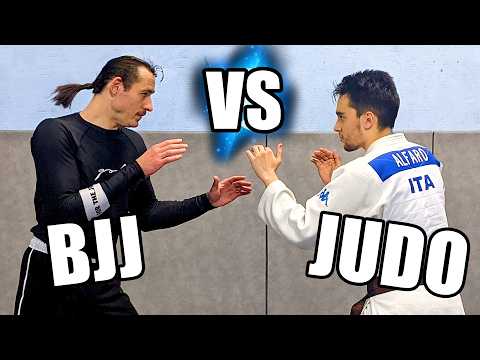
The question echoes through dojos and online forums with the persistence of a well-placed jab: what truly separates Brazilian Jiu-Jitsu from its venerable ancestor, Judo? This isn't just an academic exercise for practitioners; it's a fundamental inquiry into efficacy, philosophy, and the very essence of grappling. We witness a blue belt in BJJ facing a brown belt in Judo, a scenario rich with potential insights. But does this encounter merely highlight technical differences, or does it reveal deeper truths about the evolution of combat sports and the perennial pursuit of the warrior's spirit?

Table of Contents

The Premise: Blue Belt vs. Brown Belt

The core of this analysis lies in the specific pairing: a BJJ blue belt against a Judo brown belt. This immediately presents a nuanced dynamic. The Judo brown belt possesses significant experience in throws and takedowns, coupled with a foundational understanding of ground fighting derived from their Judo practice. However, the BJJ blue belt, while perhaps less experienced overall, is immersed in a system specifically designed for prolonged ground combat and submissions. The belt ranking, while indicative of progress, doesn't tell the whole story. The true divergence lies in the *emphasis* and *specialization* of each art. BJJ's lineage traces back to Judo, particularly Kodokan Judo's ground fighting aspects as adapted by the Gracie family, yet it has evolved into a distinct discipline with a different strategic focus.

Deconstructing the Engagement: Sparring Rules

The rules of engagement are paramount. Without a clear understanding of what is permitted and disallowed, any comparison becomes anecdotal. Were submissions the primary objective? Were takedowns scored, or simply a means to an end? Did the sparring adhere to the typical parameters of BJJ rolling (e.g., emphasis on submission), or did it incorporate Judo's point-based system for throws? The subtle shifts in rules can dramatically alter the outcome and, more importantly, the tactical approaches employed by each practitioner. A format prioritizing submissions naturally favors the BJJ practitioner's specialized skillset, while one rewarding throws would lean towards the Judoka. The absence of clear rules in this context makes a definitive technical judgment challenging, yet it also opens the door to observing adaptability.

Historical Context: The Roots of the Rivalry

To understand BJJ vs. Judo, one must delve into their shared past. Judo, founded by Jigoro Kano, was born from a desire to create a martial art that emphasized physical and moral education, drawing from older Jujutsu styles but refining them into a sport and a discipline. The Gracie family, initially learning Judo from Mitsuyo Maeda, adapted and expanded upon its ground-fighting principles, focusing relentlessly on submission holds that could neutralize larger, stronger opponents. This evolution, driven by real-world application and the necessity of proving its efficacy, led to the birth of Brazilian Jiu-Jitsu. This historical lineage is not a footnote; it's the bedrock upon which the modern debate is built. It begs the question: did BJJ merely refine Judo's ground game, or did it fundamentally transform it into something entirely new?

The Grappling Spectrum: Judo vs. Judo

The internal variations within Judo itself are often overlooked. The "Judo vs. Judo" segment is crucial because it illustrates the diversity even within a single art. A Judoka focused primarily on competition might have a different approach to randori (sparring) than one who emphasizes kata and self-defense. Furthermore, the competitive Judo landscape has evolved significantly. Modern Judo often sees a strong emphasis on standing techniques and controlling the clinch, with ground fighting sometimes being a secondary focus, or at least a transition phase rather than the primary objective. This internal diversity means that comparing a "typical" Judo approach to a "typical" BJJ approach can be misleading if the specific Judo style and training methodology aren't understood.

Gi Dynamics: BJJ Gi vs. Judo Gi

The gi itself plays a critical role. While visually similar, Judo and BJJ gis have subtle differences in cut and material that affect their use in grappling. Judo gis are traditionally thicker and more durable, designed to withstand the rigors of throws and grips meant to control an opponent's posture and balance. BJJ gis, while also robust, often feature variations in fabric weight and cut (e.g., slimmer fit) that can facilitate certain movements and submissions on the ground. In sparring, the grip-fighting aspect becomes central. A Judoka is highly skilled at establishing grips that enable throws, while a BJJ practitioner uses gi grips for control, submission setup, and to prevent sweeps or passes. The ability to adapt to the unique gripping opportunities and restrictions presented by each gi is a key differentiator.

No-Gi Confrontation: BJJ No-Gi vs. Judo No-Gi

The shift to no-gi sparring levels the playing field in a significant way. Without the gi, the primary means of control and manipulation for throws and submissions are removed. This inherently benefits BJJ, whose techniques are often more adaptable to a no-gi environment. While Judo does incorporate some no-gi elements, its core mechanics are heavily reliant on the gi. In a no-gi scenario, the Judoka may find their primary offensive tools (grips for throws) significantly diminished, forcing a greater reliance on wrestling-style takedowns and a more direct engagement with BJJ's submission-focused ground game. This is where the distinct strategic philosophies become most apparent.

The Unexpected Detour: Aikido vs. Judo

The inclusion of Aikido in the comparative analysis, even if tangential, speaks to a broader martial arts discourse. Aikido, with its emphasis on blending with an opponent's movement and redirecting their energy, presents a philosophical counterpoint to the more direct, often combative nature of Judo and BJJ. The comparison, even if brief, highlights the distinct paths these arts have taken. While Judo evolved into a sport and a comprehensive self-defense system, and BJJ specialized in ground submission, Aikido pursued a different trajectory, focusing on principles of non-resistance and harmonizing with force. The realization that "Aikido does not live up to what it promises" is a stark admission that can resonate with many who have explored various martial disciplines.

The Summation: Lessons Learned

Ultimately, the sparring session between a BJJ blue belt and a Judo brown belt offers a microcosm of the ongoing dialogue between these arts. It underscores that while they share a common ancestor, their modern applications and strategic priorities have diverged. Judo retains its strength in takedowns and control from the standing position, with a historical grounding in ground techniques. BJJ has intensified its focus on ground submission, developing a vast arsenal of techniques specifically for that domain. The outcome of such a bout is less about inherent superiority and more about the specific rules, the individual practitioners' strengths, and their adaptability. It's a testament to the idea that each art offers unique value, and their greatest strength might lie in recognizing their differences and learning from one another.

Veredicto del Sensei: ¿Merece la pena?

This exploration is more than just a casual sparring match; it's a valuable educational tool. For practitioners of Judo and BJJ, it offers tangible insights into the practical differences between the two arts. For those exploring martial arts, it serves as an accessible entry point to understanding the nuances of grappling. The willingness to engage in direct comparison, to acknowledge historical context, and to analyze the practical implications of rule sets and equipment demonstrates a commitment to genuine martial inquiry. It's a rare glimpse into the evolutionary process of combat sports. While the specific outcome of any single roll is secondary, the willingness to document and dissect it for learning purposes earns high marks. This isn't about definitively proving one art "better" than another, but about understanding their respective strengths and philosophies. It's a vital conversation starter for any serious martial artist.

Calificación: Cinturón Negro en Análisis Comparativo.

Guía de Entrenamiento: Dominando el Agarre (Kumi-kata)

  1. Comprender la Filosofía del Agarre: En Judo, el agarre (kumi-kata) es primordial para la proyección. Busca agarres que te den control sobre el centro de gravedad de tu oponente, limitando su movilidad y preparándolo para una técnica de derribe. En BJJ, los agarres son para controlar el oponente en el suelo, establecer posiciones, y preparar sumisiones. Adapta tu mentalidad según la fase del combate.
  2. Práctica de Agarre en Judo: Dedica tiempo específico a practicar diferentes tipos de agarres con un compañero. Experimenta con agarres de solapa (tsuri-komi), de manga (kote-gaeshi), y combinaciones. Sin moverte, enfócate en sentir la tensión, el equilibrio y la respuesta de tu oponente. Trabaja la fuerza de tus dedos y antebrazos.
  3. Práctica de Agarre en BJJ: En el suelo, practica cómo mantener agarres estables mientras tu oponente intenta escapar. Enfócate en la creación de palancas y puntos de control que impidan que tu oponente se escape o establezca su propia ofensiva. Experimenta con agarres para transiciones (ej. de control lateral a montada) y para finalizar (ej. agarre de cuello para estrangulamiento).
  4. Adaptabilidad del Agarre (Gi vs. No-Gi): Entrena tanto con gi como sin él. Observa cómo la ausencia del gi cambia la eficacia de ciertos agarres. Desarrolla un repertorio de agarres sin gi que funcionen bien para takedowns (estilo lucha) y para control en el suelo.
  5. Simulación de Combate: Incorpora la práctica de agarres en tus sesiones de sparring (randori para Judo, rolling para BJJ). Enfócate en cómo aplicas y defiendes agarres bajo presión. Presta atención a cuándo debes cambiar tu agarre o soltarlo para evitar quedar en una posición desventajosa.

Equipo Esencial para tu Entrenamiento

  • Kimono de Judo (Judogi): Busca un judogi resistente, a menudo de tejido más grueso, diseñado para soportar las fuerzas de los derribes y el control de agarre.
  • Kimono de BJJ (BJJ Gi): Los kimonos de BJJ varían en peso y corte. Un gi de peso medio es ideal para empezar, ofreciendo durabilidad y libertad de movimiento.
  • Ropa de Entrenamiento (No-Gi): Camisetas de compresión o rash guards y pantalones cortos de lucha/MMA son ideales para el entrenamiento sin gi, permitiendo un buen agarre y previniendo quemaduras en la lona.
  • Protección Dental: Fundamental para cualquier tipo de sparring para prevenir lesiones.
  • Protector de Ingle: Altamente recomendado para protegerse de impactos accidentales.

Recursos para Profundizar

Preguntas Frecuentes

  • ¿Es el Judo mejor que el BJJ para la defensa personal? Ambos artes tienen sus fortalezas. El Judo es excelente para los derribes y el control inicial, mientras que el BJJ se especializa en neutralizar y someter en el suelo. La efectividad dependerá de la situación y del entrenamiento del practicante.
  • ¿Puede un Judoka competir en BJJ? Sí, muchos Judokas compiten exitosamente en BJJ, adaptando sus habilidades de derribe y control. Sin embargo, a menudo deben enfocarse en mejorar su juego de sumisión específico del BJJ.
  • ¿Puede un practicante de BJJ competir en Judo? Requiere adaptación significativa. Los practicantes de BJJ deben dominar las técnicas de derribe y las reglas específicas del Judo, que a menudo penalizan el tiempo excesivo en el suelo si no se busca la progresión.
  • ¿Por qué el BJJ evolucionó tanto del Judo? El BJJ se centró en la aplicación práctica de las técnicas de sumisión en el suelo, a menudo probadas en desafíos abiertos (vale tudo), lo que llevó a una especialización y desarrollo de un repertorio de sumisiones mucho más amplio que el Judo competitivo tradicional.

Reflexión del Sensei: Tu Próximo Paso

The modern martial landscape is a tapestry woven from threads of ancient tradition and contemporary innovation. BJJ and Judo represent two powerful strands in this fabric. This sparring session, while a snapshot, invites a deeper contemplation: are these arts truly rivals, or complementary disciplines? If you are a Judoka, how can you integrate more submission-focused ground training? If you are a BJJ practitioner, how can you sharpen your takedown game and leverage the positional advantages Judo offers? True mastery lies not in adhering rigidly to one path, but in understanding the strengths of all paths and synthesizing them into your own unique journey.

The master does not teach by word, but by example. The student learns not by imitation, but by understanding.

Now, I pose this to you: In your own training, are you truly exploring the frontiers of your chosen art, or are you content to remain within its familiar borders? Have you considered how principles from other disciplines might enhance your own practice? Prove your understanding by sharing your perspective. Does this comparison resonate with your experience, or do you see a different truth? Speak now, for silence in the dojo of learning is a missed opportunity.

``` GEMINI_METADESC: Análisis experto de BJJ vs Judo en sparring. Explora las diferencias, historia, reglas y equipamiento con un Sensei. ¿Cuál arte marcial es superior?

El Espejo Marcial: Comprendiendo Tu Porcentaje de Grasa Corporal para Alcanzar el Máximo Potencial Físico

¿Qué busca realmente un guerrero? ¿La fuerza bruta sin control, o la eficiencia afinada de una hoja de katana? En el camino del Budo, cada detalle cuenta, y tu composición corporal no es una excepción. No se trata solo de levantar pesas o golpear sacos; se trata de entender la máquina que te impulsa. ¿Podemos realmente alcanzar la maestría marcial si ignoramos lo que sucede bajo nuestra piel?

Introducción del Sensei: La Base Invisible del Guerrero

En el vasto universo de las artes marciales, nos enfocamos en el golpeo preciso, las llaves complejas, la agilidad felina y la fuerza inquebrantable. Pero, ¿qué hay de la fundición interna? ¿La composición química de nuestro ser? Ignorar el porcentaje de grasa corporal es como un samurái que olvida afilar su espada antes de la batalla. Es una variable silenciosa que puede ser el arma secreta o el talón de Aquiles de tu rendimiento. Aquí, desentrañaremos los misterios de tu físico, no solo para la estética, sino para desatar el verdadero potencial del guerrero que llevas dentro. Prepárate para un análisis tan riguroso como un examen de kata de alto nivel.

¿Qué Es el Porcentaje de Grasa Corporal y Por Qué Debería Importarte?

El porcentaje de grasa corporal (PGC) no es simplemente un número en una báscula; es la proporción de tu peso total que está compuesta por tejido graso. Este tejido, lejos de ser un enemigo a erradicar por completo, es vital para funciones corporales esenciales: almacenamiento de energía, aislamiento térmico, protección de órganos y producción de hormonas. Sin embargo, el exceso de grasa se convierte en una carga, una ineficiencia que limita tu velocidad, tu resistencia y la potencia de tus movimientos. En el contexto de las artes marciales, un PGC elevado se traduce en menor explosividad, mayor fatiga y un riesgo incrementado de lesiones. Piensa en ello: ¿Prefieres mover kilos de músculo ágil o kilos de lastre inerte?

Rangos Saludables y Rendimiento Marcial: Más Allá de la Estética

Los rangos considerados "saludables" varían según edad, sexo y, crucialmente, el tipo de actividad física. Para un atleta de resistencia, un PGC muy bajo puede ser óptimo. Para un levantador de pesas, un poco más de masa puede ser ventajosa. Pero para el artista marcial, buscamos un equilibrio dinámico. Aquí te presento una guía general, adaptada para el guerrero moderno:

  • Hombres Activos / Atletas Marciales: Un rango ideal suele estar entre el 8% y el 15%. Por debajo del 8%, corres el riesgo de afectar negativamente tus niveles hormonales y tu recuperación. Por encima del 15%, notarás una merma en la agilidad y la explosividad.
  • Mujeres Activas / Atletas Marciales: El rango ideal suele situarse entre el 15% y el 23%. Las mujeres biológicamente requieren un porcentaje de grasa ligeramente superior. Por debajo del 15%, pueden experimentar irregularidades menstruales y otros problemas de salud. Por encima del 23%, la eficiencia en el movimiento y la resistencia comenzarán a resentirse.

Es fundamental entender que estos son puntos de partida. La "sensación" de tu cuerpo, tu capacidad de recuperarte tras un entrenamiento intenso, y tu rendimiento en sparring, son indicadores tan importantes como cualquier número. No busques un número por el número; busca la optimización del guerrero.

Técnicas de Medición: La Precisión del Judoka

Como un judoka que busca el punto exacto para aplicar una palanca, la precisión en la medición es clave. Existen varios métodos, cada uno con sus pros y contras:

  • Básculas de Bioimpedancia: Son accesibles y fáciles de usar. Envían una pequeña corriente eléctrica a través del cuerpo. El agua conduce bien la electricidad, la grasa no. La resistencia medida estima tu PGC.
    • Ventaja: Conveniencia.
    • Desventaja: Menos precisas, especialmente si estás deshidratado o acabas de entrenar.
  • Calibradores (Skinfold Calipers): Implican medir el grosor del pliegue cutáneo en varios puntos del cuerpo con un instrumento llamado calibrador. Luego, se utilizan fórmulas para estimar el PGC.
    • Ventaja: Más precisas que las básculas si las realiza un profesional experimentado.
    • Desventaja: Requieren habilidad para ser precisas; los resultados pueden variar si la persona que mide no es competente.
  • Análisis de Composición Corporal por Absorciometría de Rayos X de Energía Dual (DXA): Considerado el "estándar de oro" por muchos. Utiliza rayos X para distinguir entre masa ósea, masa magra y masa grasa.
    • Ventaja: Muy preciso y proporciona información detallada sobre la distribución de la grasa.
    • Desventaja: Caro y requiere acceso a equipo especializado.
  • Medición por Circunferencia: Usa cintas métricas para medir la circunferencia de diversas partes del cuerpo (cuello, cintura, cadera, etc.) y aplica fórmulas.
    • Ventaja: Barato y fácil de hacer en casa.
    • Desventaja: La menos precisa de las opciones, asume densidades corporales promedio.

Mi recomendación: si buscas una guía general y accesible, una báscula de bioimpedancia de buena calidad o mediciones por calibrador realizadas por un profesional te darán una idea razonable. Si el rendimiento es crítico, considera una DXA.

Interpretar los Resultados: La Sabiduría del Samurai

Una vez que tengas tu número, no te obsesiones. Piensa como Miyamoto Musashi: observa, adapta y actúa. Un PGC alto no es una sentencia, sino una señal. Te está diciendo que hay margen de mejora en tu dieta, en tu entrenamiento, o en ambos. Del mismo modo, un PGC extremadamente bajo podría indicar que estás llevando tu cuerpo al límite, lo cual puede ser contraproducente a largo plazo para un artista marcial que necesita energía y capacidad de recuperación.

"La victoria en la batalla es una entre muchas. La victoria en la vida es continua." - Principio del Budo.

El objetivo es la sostenibilidad. Un cuerpo fuerte, ágil y resistente, capaz de soportar entrenamientos duros y recuperarse eficientemente. Un PGC que te permita moverte sin restricciones y con potencia, pero que no comprometa tu salud general ni tu bienestar.

La Influencia en tu Entrenamiento Marcial

Un PGC elevado actúa como un lastre literal y figurado. Imagina intentar ejecutar una patada alta explosiva o un movimiento rápido de defensa personal cargando kilos de grasa extra. Cada movimiento requerirá más energía, tu centro de gravedad se verá afectado, y tu capacidad para cambiar de dirección rápidamente disminuirá. El exceso de grasa también puede inflamarse, contribuyendo a dolores articulares y musculares, lo que dificulta la práctica constante.

Por el contrario, un PGC optimizado, es decir, dentro de un rango saludable y funcional para tu disciplina, mejora radicalmente tu rendimiento:

  • Velocidad y Agilidad: Menos peso inerte significa movimientos más rápidos y cambios de dirección más ágiles. Vital en el combate cuerpo a cuerpo.
  • Potencia y Fuerza Explosiva: Un cuerpo más ligero permite generar mayor aceleración en tus golpes y movimientos.
  • Resistencia: Un menor porcentaje de grasa significa que tu cuerpo es más eficiente utilizando la energía, lo que se traduce en mayor resistencia a la fatiga.
  • Flexibilidad y Rango de Movimiento: La grasa acumulada alrededor de las articulaciones puede restringir tu movilidad. Reducirla permite una mayor amplitud en tus katas y técnicas.
  • Recuperación: Un cuerpo más magro y eficiente generalmente se recupera mejor de los entrenamientos intensos, lo que te permite entrenar con mayor frecuencia y consistencia.

Combate y Composición Corporal: La Sutil Danza del Guerrero

En disciplinas como el MMA, el Judo o el BJJ, el peso es una categoría definida. Sin embargo, dentro de esa categoría, la composición corporal marca la diferencia entre un grappler fuerte y uno torpe. Un luchador con un bajo porcentaje de grasa corporal, pero con masa muscular adecuada, tendrá una ventaja significativa en términos de explosividad, resistencia a la sumisión y capacidad para mantener la presión. Imagina a un oponente que puede mantenerte inmovilizado por más tiempo, o generar más potencia en un intento de derribo, simplemente porque su cuerpo es una máquina más eficiente y menos cargada de lastre innecesario.

Incluso en artes más tradicionales como el Karate o el Taekwondo, donde la explosividad y la técnica priman, un cuerpo optimizado permite una ejecución más limpia y potente de los golpes y patadas, reduciendo el esfuerzo y maximizando el impacto.

Un Vistazo a la Composición Corporal de Atletas Marciales

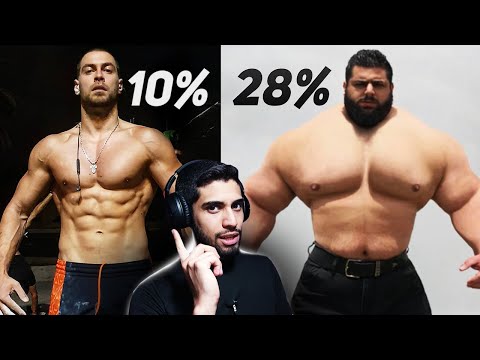
Observa a los profesionales de élite. Los peleadores de UFC como Jon Jones o Cyril Gane, a pesar de su altura, mantienen composiciones corporales que les permiten una movilidad y potencia asombrosas. Sus porcentajes de grasa rara vez superan el 10-12% para los hombres. Esto no se logra solo entrenando golpes; es el resultado de una disciplina férrea que abarca nutrición, entrenamiento de fuerza, cardio y recuperación. Incluso en deportes de contacto más específicos, como el Sumo, vemos una aparente contradicción. Los luchadores de sumo son masivos, pero su masa es predominantemente muscular o grasa "funcional" que les otorga estabilidad. Aun así, incluso dentro de este deporte, la composición importa para la agilidad necesaria en los empujes.

Un caso interesante es el de Takanoyama Shuntaro, un luchador de sumo que era conocido por su físico delgado y musculoso para los estándares de su deporte. Demostró que incluso en un deporte centrado en la masa, la eficiencia muscular puede ser un factor diferenciador. Esto resalta la importancia de la composición corporal individualizada, adaptada a las demandas específicas de cada arte marcial.

Equipo Esencial para tu Entrenamiento

Para optimizar tu composición corporal y tu rendimiento marcial, necesitarás herramientas que apoyen tu viaje:

  • Guantes de Entrenamiento Multifuncionales (12-16oz): Ideales para el trabajo de saco, manoplas y sparring ligero, protegiendo tus manos mientras desarrollas potencia. Busca modelos con buen acolchado y soporte para la muñeca.
  • Cuerda de Saltar de Alta Velocidad: Una herramienta fantástica y económica para mejorar la resistencia cardiovascular, la agilidad y la coordinación, todas cruciales para artistas marciales.
  • Kimonos de Entrenamiento Resistentes: Para disciplinas como Judo o BJJ, un kimono de doble tejido o de alta resistencia es esencial para el entrenamiento de agarres y transiciones. Un buen gi debe permitir el movimiento libre pero ser lo suficientemente robusto para soportar el estrés.
  • Balones Medicinales (Medicine Balls): Perfectos para ejercicios de potencia y core, imitando movimientos de golpeo y lanzamientos, y ayudando a desarrollar fuerza explosiva.
  • Bandas de Resistencia (Resistance Bands): Versátiles para calentamientos, trabajo de movilidad, fortalecimiento muscular específico y rehabilitación, ocupando poco espacio.

Invertir en equipo de calidad no es un gasto, es una inversión en tu desarrollo como artista marcial.

Guía de Entrenamiento: Reduciendo Grasa Corporal con Enfoque Marcial

Reducir el porcentaje de grasa corporal requiere un enfoque holístico que combine dieta, ejercicio cardiovascular y entrenamiento de fuerza. Aquí te presento un plan de acción:

  1. Prioriza la Nutrición Inteligente:
    • Controle las Calorías: Crea un déficit calórico moderado (300-500 calorías por debajo de tu mantenimiento). No te mates de hambre; eso es insostenible y contraproducente.
    • Proteína Suficiente: Consume entre 1.6 y 2.2 gramos de proteína por kilogramo de peso corporal. Ayuda a la saciedad y a preservar la masa muscular.
    • Carbohidratos Complejos: Prioriza fuentes como avena, arroz integral, quinoa y verduras. Son tu fuente principal de energía para entrenamientos intensos.
    • Grasas Saludables: Incluye aguacate, frutos secos, semillas y aceite de oliva. Son esenciales para la producción hormonal.
    • Hidratación: Bebe abundante agua a lo largo del día.
  2. Incorpora Entrenamiento Cardiovascular Eficaz:
    • Entrenamiento de Intervalos de Alta Intensidad (HIIT): Realiza sesiones cortas (15-25 minutos) de esfuerzos máximos seguidos de breves periodos de descanso. Ejemplos: sprints, burpees, saltos de tijera explosivos, patadas rápidas con sombra. Esto quema calorías eficientemente y mejora la capacidad cardiovascular, similar al ritmo de un combate.
    • Cardio de Baja Intensidad y Larga Duración (LISS): Sesiones de 30-45 minutos de actividad moderada (caminar rápido, trotar suave, bicicleta) 1-2 veces por semana. Ayuda a la recuperación y quema grasa sin agotar tus reservas de energía para el entrenamiento principal.
  3. Entrenamiento de Fuerza Funcional:
    • Ejercicios Compuestos: Prioriza movimientos que trabajen múltiples grupos musculares: sentadillas, peso muerto, press de banca, dominadas, remos. Construyen masa muscular, lo que acelera tu metabolismo.
    • Ejercicios Específicos de Artes Marciales: Integra movimientos que simulen golpes, patadas, derribos y defensa personal. Usa balones medicinales, bandas de resistencia y trabajo de sombra con peso ligero.
    • Frecuencia: Entrena fuerza 3-4 veces por semana, asegurando una recuperación adecuada.
  4. Descanso y Recuperación:
    • Sueño: Duerme entre 7 y 9 horas por noche. Es durante el sueño cuando tu cuerpo se repara y construye músculo.
    • Días de Descanso Activo: Incluye actividades ligeras como estiramientos, yoga o caminatas.

Recuerda, la consistencia es la clave. Un enfoque disciplinado, día tras día, es lo que te llevará a tus objetivos marciales y físicos.

Preguntas Frecuentes

  • ¿Cuánto tiempo tardaré en ver resultados?

    La velocidad de los resultados depende de tu punto de partida, la adherencia a tu plan y tu genética. Generalmente, se pueden observar cambios notables en 4-8 semanas, pero la optimización es un proceso continuo.

  • ¿Es peligroso tener un porcentaje de grasa corporal muy bajo?

    Sí. Para los hombres, por debajo del 5-7% y para las mujeres por debajo del 15%, puede ser perjudicial para la salud hormonal, la inmunidad y la función reproductiva. No persigas números extremos; busca un nivel funcional y saludable.

  • ¿Debo eliminar completamente la grasa de mi dieta?

    ¡Absolutamente no! Las grasas saludables son esenciales para el funcionamiento hormonal y la salud general. Enfócate en la calidad: aguacates, frutos secos, semillas, aceite de oliva, pescado graso.

  • ¿El cardio HIIT es suficiente para reducir grasa corporal?

    El HIIT es muy efectivo, pero no es la única pieza del rompecabezas. Una nutrición adecuada es primordial. Combinar HIIT con entrenamiento de fuerza y una dieta controlada es la estrategia más potente.

  • ¿Puedo ganar músculo mientras pierdo grasa?

    Sí, es posible, especialmente si eres principiante o vuelves al entrenamiento después de un descanso. Este proceso se llama recomposición corporal. Requiere una nutrición muy cuidadosa (suficiente proteína y un ligero déficit calórico o mantenimiento).

Reflexión del Sensei: Tu Próximo Paso

Hemos analizado la importancia crítica de tu composición corporal, no solo como un reflejo de tu salud, sino como un pilar fundamental de tu rendimiento marcial. El porcentaje de grasa corporal es un indicador, una herramienta de diagnóstico. La acción, sin embargo, reside en tus manos. No se trata de perseguir la delgadez extrema, sino la eficiencia, la potencia controlada y la resistencia inquebrantable. Un cuerpo optimizado es un cuerpo que te permite expresar la totalidad de tu arte marcial.

Ahora te pregunto: ¿Te limitas a observar tu cuerpo o te atreves a moldearlo con la intención de un maestro artesano? ¿Estás listo para ver tu porcentaje de grasa corporal no como un número, sino como un mapa hacia una versión más potente y ágil de ti mismo?

Para Profundizar en tu Camino

``` GEMINI_METADESC: Optimiza tu rendimiento marcial conociendo tu porcentaje de grasa corporal. Aprende a medirlo, interpretarlo y aplicar estrategias de entrenamiento y nutrición para ser un guerrero más ágil y potente.

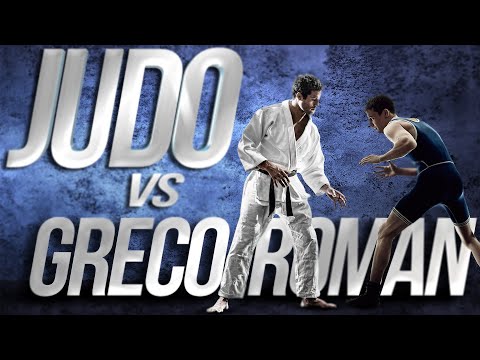
Olympic Gold Medalists Collide: Judo vs. Greco-Roman in the Octagon - A Budo Analysis

So, what do you think happens when an Olympic Judo Champion faces an Olympic Greco-Roman Champion in an MMA fight? This isn't mere speculation; it's a question that has been put to the ultimate test. Thanks to the legendary Pride FC organization, we were privileged to witness a prime example of this clash of titans. Judo gold medalist Hidehiko Yoshida and Greco-Roman Wrestling gold medalist Rulon Gardner squared off inside the ring, a contest that promised a fascinating battle of grappling supremacy.

But was it truly the clash of grappling styles many anticipated, or something more complex? As practitioners of the martial arts, we understand that translating Olympic-level specialization into the chaotic, multi-faceted arena of mixed martial arts is no simple feat. It requires more than just technical prowess; it demands adaptation, resilience, and a deep understanding of the warrior's spirit.

This encounter serves as a potent case study for anyone serious about combat sports. It forces us to question: what truly wins when two absolute masters of their distinct disciplines meet under a new set of rules?

When Worlds Collide: Olympic Champions in MMA

The allure of seeing champions from different combat sports test their mettle against each other is undeniable. It's a narrative that has captivated fans for decades. When athletes who have reached the pinnacle of their respective fields—like Olympic Judo and Greco-Roman Wrestling—step into the unpredictable realm of MMA, the stakes are raised exponentially. These are not just athletes; they are arguably the best in the world at what they do. Their Olympic gold medals are not mere decorations; they are proof of years, often decades, of relentless dedication, rigorous training, and an unwavering will to win.

However, the transition from a sport with a singular focus to the hybrid nature of MMA presents unique challenges. In Judo, throws and submissions are key, but striking is absent. Greco-Roman Wrestling is purely about the upper body, focusing on takedowns and control without the use of legs or submissions. MMA, on the other hand, integrates striking, grappling, and submissions from various disciplines. This convergence means that a master of one discipline, no matter how dominant, must confront weaknesses that were never relevant in their original sport.

"In a fight, there are no referees to call time. The only thing you can do is fight." - Miyamoto Musashi

The Pride FC era was particularly fertile ground for such dream matchups. The organization was renowned for its willingness to pit stylistic contrasts against each other, often in spectacular fashion. The bout between Rulon Gardner and Hidehiko Yoshida was a prime example of this philosophy, pitting two Olympic titans whose primary skill sets, while both grappling-based, were fundamentally different. The question wasn't just who was the better grappler, but who could adapt their lifelong skills to the unforgiving environment of the MMA cage.

Rulon Gardner: The Greco-Roman Titan

Rulon Gardner is an American legend in Greco-Roman wrestling. His most celebrated achievement was undoubtedly his shocking upset victory over Russia's three-time Olympic gold medalist Aleksandr Karelin at the 2000 Sydney Olympics. This victory cemented Gardner's place in wrestling history and showcased his incredible grit, determination, and strategic prowess within the confines of Greco-Roman rules.

Gardner's style in Greco-Roman wrestling was characterized by immense physical strength, powerful upper-body control, and an iron will. He excelled at clinching, breaking down opponents, and executing powerful throws or takedowns. His conditioning was superb, allowing him to maintain intense pressure throughout grueling matches. In Greco-Roman, the focus is entirely on the upper body; legs cannot be used for attacks or defense, and no submissions are allowed. This discipline demands exceptional core strength, explosive power, and a deep understanding of leverage and balance. Gardner embodied these traits, making him a formidable force in his chosen discipline.

Transitioning to MMA, Gardner brought this formidable wrestling base. His primary goal would have been to impose his superior control and strength, aiming for takedowns and potentially grinding out a decision or seeking a dominant position. However, the absence of leg attacks and the introduction of striking and submissions meant he had to evolve. Could his raw power and strategic clinch work translate against an opponent skilled in Judo's dynamic throws and submissions, and potentially capable of landing strikes?

Hidehiko Yoshida: The Judo Master

On the other side stood Hidehiko Yoshida, a Japanese judoka who captured the gold medal in the men's middleweight division at the 1992 Barcelona Olympics. Yoshida was not just an Olympic champion; he was a highly respected figure in the world of Judo, known for his dynamic throwing techniques (nage-waza) and his dangerous groundwork (ne-waza).

Judo, unlike Greco-Roman, incorporates the use of legs for sweeping and tripping, and crucially, emphasizes submissions like armbars and chokes from various positions. Yoshida's judo was characterized by powerful grips, explosive entries into throws, and a strong understanding of kuzushi (off-balancing an opponent). His Olympic victory was a testament to his mastery of these principles. He possessed a powerful seoi-nage (shoulder throw) and was adept at transitioning from standing techniques to ground control and submissions.

When Yoshida moved into MMA, he brought a dangerous combination of throwing ability and submission grappling. His judo background gave him an advantage in disrupting an opponent's balance and executing throws that could lead to dominant positions on the ground. The challenge for Yoshida in MMA, as with many judoka, was often adapting to the striking game and defending against techniques outside the scope of traditional judo, such as leg locks if he faced a BJJ specialist. However, against a wrestler like Gardner, Yoshida's throwing prowess and submission threat from the ground presented a unique set of dangers.

Pride FC Presents: Gardner vs. Yoshida

The fight between Rulon Gardner and Hidehiko Yoshida took place at Pride 32 in Las Vegas on October 21, 2006. The anticipation was palpable. Fans were eager to see how the raw power and control of Greco-Roman wrestling would fare against the dynamic throws and submission potential of Judo, all within the context of MMA.

The bout itself, however, did not unfold as many expected. While both athletes were Olympic gold medalists, their transition to MMA had presented significant challenges. Gardner, known for his aggressive wrestling style, struggled to impose his game. Yoshida, while a master of Judo, also found it difficult to implement his signature throws against Gardner's defensive posture and the limitations imposed by the MMA ruleset and Gardner's wrestling background.

The fight largely became a wrestling-heavy affair, with both men attempting takedowns and control. However, the dynamic exchanges and submissions that many hoped for were largely absent. The fight went the distance, with Rulon Gardner ultimately winning by unanimous decision. It was a testament to his ability to survive and control the fight, even if it wasn't the most spectacular display of martial arts.

Budo Analysis: Technique, Tactics, and the Spirit of Combat

From a Budo perspective, the Gardner vs. Yoshida fight is a profound lesson in adaptation and the realities of combat. While both men were Olympic champions, their MMA careers were often marked by struggles that highlighted the chasm between sport-specific mastery and the broader application of combat skills.

Greco-Roman vs. Judo in MMA:

  • Striking Defense: Both athletes, coming from grappling-only backgrounds, showed vulnerability to strikes. In MMA, the threat of punches and kicks changes the dynamic of grappling entirely. A simple clinch entry might be met with a knee or elbow.
  • Takedown Defense: While both were world-class wrestlers/judoka, defending takedowns in MMA is different. Opponents can attack the legs, use strikes to set up takedowns, and employ a wider array of setups than in their respective sports. Gardner's defensive wrestling was strong, but Yoshida struggled at times to implement his dynamic entries.
  • Submission Threat: Judo offers submissions, but MMA includes a broader range, particularly leg locks, which are absent in Judo. While Yoshida had submission skills, Gardner's wrestling base was primarily defensive against them, and he wasn't known for offensive submission work in MMA.
  • The "Spirit" of MMA: MMA demands a different mindset. It's not just about executing techniques; it's about enduring a multi-faceted attack and defending against varied threats. The pressure is immense, and the ability to adapt under fire is paramount. Both Gardner and Yoshida, despite their Olympic spirit, showed the steep learning curve.

Gardner's victory was a demonstration of his ability to use his core strength and defensive wrestling to nullify Yoshida's offense and control the fight. It wasn't a masterclass in offensive grappling within MMA, but it was an effective strategy against an opponent who also struggled to find his rhythm. It underscores the principle that even a "less exciting" strategy can be effective if it directly counters the opponent's strengths and exploits their weaknesses.

"Mastering others is strength. Mastering yourself is true power." - Lao Tzu

The fight also serves as a cautionary tale. Olympic champions are not automatically destined for success in MMA. The transition requires significant cross-training, a willingness to learn entirely new skill sets, and a deep respect for the diverse disciplines that constitute mixed martial arts. The technical purity of Judo or Greco-Roman wrestling, while incredibly effective in its own domain, must be augmented and adapted for the MMA arena.

Sensei's Verdict: A Lesson in Adaptation

Rulon Gardner vs. Hidehiko Yoshida was less a dazzling display of stylistic martial arts combat and more a stark illustration of the challenges faced by elite specialists transitioning to MMA. While both were Olympic gold medalists, their performance highlighted that Olympic-level mastery in a singular discipline does not automatically translate to dominance in a multi-disciplinary combat sport like MMA.

Gardner's win by decision was a testament to his superior defensive wrestling and his ability to manage the fight, preventing Yoshida from implementing his dynamic Judo. It demonstrated that fundamental wrestling control, even without offensive submissions, could be enough to neutralize a skilled Judo practitioner in this context. However, it was not a performance that showcased the full potential of either art form within MMA.

For the aspiring martial artist, the lesson is clear: specialization is crucial for reaching the highest levels in a specific sport, but success in MMA requires breadth. One must embrace cross-training, understand the interplay of striking and grappling, and cultivate a mindset that prioritizes adaptability above all else.

Sensei's Rating: 3 out of 5 Grips (A valuable lesson, but lacking in dynamic martial exchange).

Essential Training Gear for Grapplers

Whether you're training Judo, Greco-Roman, or BJJ, the right equipment can make a significant difference in your training. Investing in quality gear not only enhances comfort and performance but also ensures safety and durability.

  • High-Quality Gi/Kimono: For Judo and BJJ, a durable gi is essential. Look for double-weave or heavy-weave fabrics that can withstand the rigors of grappling. Brands like [Brand Name - Affiliate Link Placeholder] or [Another Brand - Affiliate Link Placeholder] offer excellent options. For specific recommendations on best judo kimonos, consider brands known for their resilience.
  • Wrestling Shoes: While not always necessary for Judo or BJJ training, wrestling shoes can provide excellent grip and ankle support for specific drills or if training in a facility with a slick mat.
  • Mouthguard: Crucial for any combat sport, a custom-fitted mouthguard is vital for protecting your teeth and jaw during sparring or live drills.
  • Training Apparel: For MMA or specific wrestling drills, comfortable and breathable rash guards and shorts are a must. Look for moisture-wicking fabrics.
  • Knee Pads: Essential for protecting your knees during takedown drills, groundwork, and various positional sparring.

Frequently Asked Questions

What is the main difference between Judo and Greco-Roman Wrestling?

Judo allows leg sweeps and trips, and emphasizes throws leading to ground submissions. Greco-Roman Wrestling prohibits the use of legs in attacking or defending and does not allow submissions, focusing solely on upper-body control and takedowns.

Can Olympic-level skills in one grappling sport guarantee success in MMA?

No. While Olympic skills provide a strong foundation, success in MMA requires adapting to striking, defending against a wider range of techniques, and understanding the multi-disciplinary nature of the sport. Many Olympic champions have struggled to transition successfully.

Was the fight between Gardner and Yoshida entertaining?

Many fans found the fight to be somewhat slow and tactical, lacking the high-octane exchanges often seen in MMA. It was more of a strategic wrestling match than a dynamic martial arts display.

What are the key takeaways from this fight for martial artists?

The fight highlights the importance of specialization versus generalization, the need for adaptability in combat sports, and the significant challenges of bridging the gap between different grappling disciplines and MMA.

Deepen Your Journey

Reflection of the Sensei: Your Next Step

Gardner and Yoshida proved that Olympic gold is a testament to incredible dedication, but the Octagon demands a different kind of warrior. When faced with the unknown, do you freeze, clinging to what you know, or do you adapt, forging new paths from the embers of old techniques? Consider this: In your own training, where are you most specialized, and where are you most resistant to learning? Is your focus so narrow that it blinds you to the broader battlefield of life?

``` GEMINI_METADESC: Analyze the epic clash between Olympic Judo gold medalist Hidehiko Yoshida and Greco-Roman champion Rulon Gardner in MMA. Learn about their skills, the fight, and Budo lessons.

El Judo Moderno: ¿Un Camino Hacia el Vacío o la Gloria? Desmantelando la Pérdida Filosófica

La Trampa de la Popularidad

¿Alguna vez has sentido que algo que amas, algo que te ha formado como persona, empieza a diluirse, a perder su esencia? Eso es lo que está sucediendo en el corazón del judo moderno. Se expande, sí, llega a rincones insospechados del planeta, y atrae a miles de nuevos practicantes ávidos de movimiento y desafío. Pero, ¿a qué costo? Hoy, como tu Sensei, no vengo a darte palmaditas en la espalda. Vengo a desatar un debate, a remover las aguas estancadas de la complacencia. Porque el mayor problema del judo hoy no son las nuevas técnicas de moda ni las federaciones burocráticas; es una herida mucho más profunda: la progresiva pero implacable **pérdida de su filosofía marcial original**. Prepárense, porque esta no será una lección cómoda.

¿Qué es el Judo Realmente? Más Allá de las Medallas

"Seiryoku Zenyo" (Máxima Eficiencia con el Mínimo Esfuerzo) y "Jita Kyoei" (Prosperidad Mutua y Bienestar). Estos no son meros lemas pegados en la pared del dojo. Son los pilares, el alma misma del Kodokan Judo, fundado por el visionario Jigoro Kano. Kano no creó un deporte de combate, o al menos, no *solo* eso. Él forjó un camino de vida, un método para cultivar el cuerpo y la mente a través de la disciplina de la lucha. El judo, en su concepción original, es un arte de autodisciplina, de respeto, de superación personal que trasciende el tatami. El objetivo era claro: formar individuos íntegros, capaces de enfrentar los desafíos de la vida con equilibrio y fortaleza, utilizando el contacto físico como catalizador del desarrollo personal. La técnica, la eficacia en el derribo (nage-waza) o la inmovilización (katame-waza), era la herramienta. La victoria era un subproducto, una prueba de que el camino se estaba recorriendo correctamente, no el fin en sí mismo. Pero, ¿qué vemos hoy?
"El arte marcial busca la perfección del carácter. El deporte busca la victoria."
Esta distinción, tan clara para Kano, parece haberse desdibujado hasta la invisibilidad en muchos dojos modernos. El enfoque se ha desplazado, insidiosamente, de la formación del carácter a la acumulación de medallas. Los competidores son idolatrados, las victorias celebradas ruidosamente, mientras que los principios éticos y filosóficos se relegan a un segundo plano, a veces, a un silencio sepulcral.

El Precio de la Competición Absoluta

Esta obsesión por la competición a menudo degenera en un entrenamiento superficial. Cuando el único objetivo es ganar, el "ganar como sea" se convierte en la norma. Se prioriza el desarrollo de tácticas de puntos, de defensas anodinas, de estrategias que buscan el error del oponente más que la maestría propia. El judoka moderno, a menudo, aprende a "jugar con las reglas" del sistema de puntuación, en lugar de dominar los principios intrínsecos del arte. Esto no es solo una cuestión de "pureza" romántica. Tiene implicaciones prácticas y profundas: * **Disminución de la Calidad Técnica Genuina**: Las técnicas más complejas y fundamentales, aquellas que requieren una comprensión profunda del equilibrio, la palanca y el movimiento corporal, a menudo se descuidan porque no son "fáciles" de ejecutar en un contexto competitivo de alta presión o porque no garantizan un ippon rápido. Se opta por la "técnica segura" de puntos, la que asegura la victoria sin el riesgo de la brillantez. * **Falta de Respeto por el Maestro y la Tradición**: Cuando el éxito se mide en trofeos, el maestro se convierte, en el mejor de los casos, en un entrenador. Su rol como guía espiritual y filosófico se minimiza. La tradición, la historia, los katas profundos que encapsulan la esencia del judo, se ven como meros ejercicios preparatorios, o incluso se ignoran por completo si no contribuyen directamente a la victoria deportiva. * **Compromiso de la Seguridad**: Irónicamente, una competencia feroz y una falta de énfasis en los principios fundamentales (como el ukemi, el arte de caer) pueden llevar a un aumento de las lesiones. El judoka que solo busca ganar puede ser menos propenso a priorizar la seguridad del oponente o la suya propia en pro de una acción decisiva, y a veces, menos enseñado en las caídas seguras porque la prioridad es "mantenerse en pie" para puntuar. ¿Es este el legado que queremos dejar? ¿Un judo vacío, despojado de su alma, reducido a una serie de movimientos para obtener recompensas efímeras? Si Jigoro Kano levantara la cabeza hoy, ¿reconocería en la mayoría de los dojos deportivos su amado judo? Me temo que no.

El Veredicto del Sensei: Recuperando el Alma del Judo

La situación es crítica, pero no desesperada. El budo, en su esencia, es un camino de constante mejora y adaptación. No abogo por un retorno imposible a un pasado idealizado. Abogo por una **reconexión consciente y deliberada con los principios fundacionales del judo**. ¿Cómo lo logramos? 1. **Priorizar el Desarrollo Personal sobre la Competición**: Esto no significa eliminar la competición. Significa recontextualizarla. La competición debe ser una herramienta más de aprendizaje, un espejo que refleje nuestras fortalezas y debilidades, no el único barómetro de nuestro progreso o valía. Los maestros deben ser los guardianes de esta filosofía, guiando a sus alumnos a entender que un ippon bien ejecutado, nacido de la técnica y el respeto, vale más que diez victorias obtenidas a regañadientes.
"La victoria es temporal, pero la decepción de haber perdido el camino puede ser eterna."
2. **Revalorizar la Enseñanza Filosófica**: Cada clase, cada técnica, debe estar imbuida de los principios de "Seiryoku Zenyo" y "Jita Kyoei". Esto implica enseñar no solo cómo ejecutar un *seoi nage* (lanzamiento de hombro), sino por qué esa técnica es un ejemplo de eficiencia, y cómo su ejecución correcta, con respeto al oponente, fomenta la prosperidad mutua. Los maestros deben ser eruditos en la filosofía del judo, no solo instructores técnicos. 3. **Énfasis en la Seguridad y el Respeto como Fundamentos**: La seguridad en la práctica del judo no es opcional; es un principio marcial. Enseñar a caer (ukemi) de manera impecable, a controlar la fuerza, a cuidar al compañero de entrenamiento – todo esto debe ser tan importante, o más, que el aprendizaje de un nuevo *ippon*. El respeto por el oponente, por el tatami, por el dojo, debe ser una constante. El judo tiene el potencial de ser una fuerza transformadora en la vida de las personas. Puede enseñar disciplina, resiliencia, humildad, respeto y una profunda comprensión de uno mismo y del mundo. Pero para que esto ocurra, debemos dejar de ver el judo moderno solo como un deporte y empezar a verlo, de nuevo, como el arte marcial integral que Jigoro Kano concibió.

Equipo Esencial para tu Entrenamiento

Aunque la esencia del judo reside en la técnica y la filosofía, contar con el equipo adecuado eleva la experiencia de entrenamiento y garantiza la seguridad. Si buscas mejorar tu práctica o iniciarte, considera estos elementos:
  • Kimono de Judo (Judogi) de Doble Tejido: Es crucial que tu judogi sea resistente, especialmente si realizas mucho randori (combate libre). Un doble tejido ofrece mayor durabilidad y permite una mejor sujeción de las palancas. Busca marcas reconocidas que cumplan con los estándares de las federaciones. Mejores kimonos de judo
  • Calzado de Dojo: Si entrenas fuera del tatami principal o para actividades complementarias, unas zapatillas ligeras y antideslizantes son ideales.
  • Protecciones: En algunos entrenamientos, sobre todo para principiantes, pueden ser útiles coderas o rodilleras ligeras para mitigar el impacto de las caídas.
  • Vendajes y Esparadrapo: Útiles para prevenir o tratar pequeñas lesiones en dedos o muñecas, comunes en la práctica de agarres.

Taller Práctico: Principios Fundamentales del Ukemi

El arte de caer (Ukemi) es, sin duda, el pilar para la seguridad y la longevidad en el judo. Ignorarlo es invitar al desastre. Aquí, unos pasos esenciales para comprenderlo:
  1. Ukemi Frontal (Mae Ukemi):
    1. Comienza de pie, con una pierna adelantada.
    2. Simula un derribo que te obliga a caer hacia adelante.
    3. Al bajar, lleva tus brazos extendidos hacia adelante, paralelos al suelo.
    4. Golpea el tatami con ambas palmas de las manos simultáneamente y con fuerza, creando un sonido seco.
    5. Extiende tus piernas hacia atrás para absorber el impacto y evitar que tu cara o cuerpo golpeen directamente.
    6. Mantén tu barbilla pegada al pecho para proteger tu cuello.
  2. Ukemi Lateral (Yoko Ukemi):
    1. Empieza cayendo hacia un lado, como si fueras derribado.
    2. Al contactar con el tatami, tu cuerpo debe formar una línea diagonal, distribuyendo el impacto.
    3. Extiende el brazo del lado hacia el que caes, golpeando el tatami firmemente con la palma.
    4. Mantén la cabeza girada y la barbilla pegada al pecho.
    5. Las piernas deben estar ligeramente flexionadas y juntas.
  3. Ukemi Hacia Atrás (Ushiro Ukemi):
    1. Simula un derribo que te lanza hacia atrás.
    2. Flexiona tus rodillas y eleva tus pies, evitando que la espalda baja o la cabeza toquen el suelo directamente.
    3. Golpea el tatami con tus antebrazos (con las palmas hacia abajo), extendiéndolos a ambos lados de tu cuerpo.
    4. Mantén la barbilla pegada al pecho.
  4. Repetición y Progresión: Comienza practicando cada ukemi desde una posición baja (sentado, de rodillas) y progresa gradualmente a posiciones más altas y con lanzamientos simulados. La repetición hasta que se convierta en un movimiento reflejo es clave. Busca la guía de un instructor cualificado.

Preguntas Frecuentes

¿Es el judo moderno una pérdida de tiempo si no compites?

No, en absoluto. Si el enfoque de tu dojo está en el desarrollo personal, la disciplina, el respeto y la mejora física y mental, tu entrenamiento de judo es profundamente valioso, independientemente de si compites o no. El problema surge cuando la competición se convierte en el único fin.

¿Qué puedo hacer si mi dojo se enfoca demasiado en la competición?

Habla con tu Sensei o los instructores. Expresa tu interés en los aspectos filosóficos y tradicionales del judo. Sugiere la inclusión de katas o discusiones sobre los principios del Budo. Busca dojos que sí prioricen estos aspectos si tu actual no responde.

¿Cómo puedo diferenciar un buen Sensei de uno que solo busca entrenadores deportivos?

Un buen Sensei te enseña el "por qué" detrás de cada técnica, no solo el "cómo". Te desafía mental y espiritualmente, fomenta el respeto y la autocrítica, y vive según los principios del judo, no solo los imparte. Busca a alguien que inspire, no solo que instruya.

Para Profundizar en tu Camino

Explora más sobre la riqueza y profundidad de las artes marciales. Estos enlaces te llevarán a comprender mejor el camino que recorres:

Reflexión del Sensei: Tu Próximo Paso

Hemos diseccionado la crisis de identidad del judo moderno, un arte que nació para forjar carácter y que a menudo se pierde en la caza de medallas. Ahora, la pregunta que resuena en el silencio del dojo es: ¿Tu práctica de judo te está construyendo o te está vaciando? ¿Estás en el camino de "Seiryoku Zenyo" y "Jita Kyoei", o solo sigues un sendero pavimentado de victorias efímeras? **Piensa en ello:** Si mañana te quitaran la posibilidad de competir, ¿seguiría teniendo valor tu entrenamiento de judo? La respuesta honesta es la medida de tu conexión con la verdadera esencia del arte.