Showing posts sorted by relevance for query japanese martial arts comparison. Sort by date Show all posts

Unveiling Toshu Kakuto: The Japanese Army's Lethal Hand-to-Hand Combat System

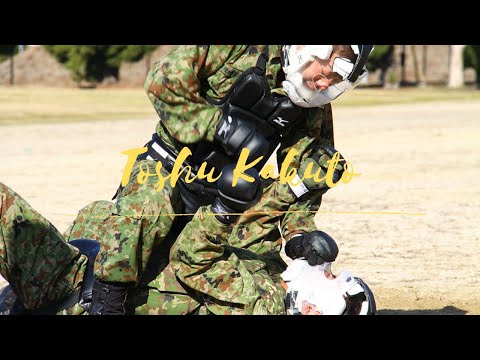
The world of martial arts is vast and ancient, a tapestry woven with threads of discipline, philosophy, and brutal practicality. We often think of samurai swords or the graceful forms of Karate. But what about the unseen, the systems forged in the crucible of military necessity? Today, we delve into a fascinating, albeit lesser-known, aspect of Japan's martial heritage: Toshu Kakuto (徒手格闘術), the Japanese Army's hand-to-hand combat system. This isn't about mystical energy or sport; this is about survival, efficiency, and the raw application of force when all else fails.

The Genesis of Toshu Kakuto

Toshu Kakuto, literally translating to "empty-hand fighting techniques," is not a single, monolithic style like Judo or Karate. Instead, it represents a pragmatic fusion of various combat methods adapted and refined for military personnel. Its roots run deep, drawing from traditional Japanese martial arts, but its primary driver was effectiveness on the battlefield. Imagine a soldier disarmed, facing an enemy. What then? Toshu Kakuto aimed to provide a swift, decisive answer.

The goal wasn't aesthetics or spiritual enlightenment; it was incapacitation. This distinction is crucial. While many traditional arts have sport-oriented branches, military combatives are, by nature, geared towards lethal or debilitating outcomes. This inherent brutality often makes them less palatable for public consumption or demonstration.

A System Forged in Conflict

The development of Toshu Kakuto was heavily influenced by the conflicts Japan was involved in, particularly in the early to mid-20th century. The need for soldiers to defend themselves and neutralize threats without relying solely on firearms or bayonets became paramount. Unlike the rigid, often ritualistic forms taught in some traditional dojos, Toshu Kakuto emphasized:

  • Adaptability: Techniques needed to work in varied environments – trenches, close-quarters combat, or situations where weapons were lost.
  • Simplicity: Complex moves were discarded in favor of straightforward, high-percentage techniques that could be learned and executed under extreme stress.
  • Aggression: A proactive and often overwhelming offensive mindset was crucial.

It's believed that the system drew inspiration from existing arts like Judo (particularly its grappling and throwing aspects), Jujutsu (for its joint locks and close-range striking), and even elements of Karate. However, the key was not to preserve the purity of these arts but to extract and integrate their most effective components into a cohesive, military-focused system.

"In the heat of battle, the most effective technique is the one that works. Elegance is secondary to efficacy." - A hypothetical military instructor.

Core Principles: Simplicity and Devastation

What truly defines Toshu Kakuto is its underlying philosophy, or rather, its lack thereof in the traditional martial arts sense. Its principles are starkly utilitarian:

  • Economy of Motion: Every movement must serve a purpose, maximizing impact with minimal energy expenditure.
  • Targeting Vital Points: Emphasis was placed on striking vulnerable areas of the body – eyes, throat, groin, solar plexus – to achieve rapid incapacitation.
  • Utilizing the Entire Body: The system likely incorporated strikes with fists, elbows, knees, and feet, as well as headbutts and grappling techniques.
  • Control and Subdual: Beyond striking, methods for controlling and subduing an opponent were essential, reflecting the military need to capture or neutralize rather than simply kill.

Think of it as the martial equivalent of a well-oiled machine – designed for a specific purpose and built for reliability under pressure. There's no room for "maybe this works" or "it looks pretty." It's about "this works" and "it ends the threat."

Key Techniques and Concepts

While specific manuals are rare and often classified or difficult to access, general descriptions of Toshu Kakuto techniques suggest a blend of the following:

  • Striking: Direct, powerful strikes to vital areas. Think of quick jabs, cross punches, uppercuts aimed at incapacitating targets, along with devastating elbow and knee strikes.
  • Grappling: Techniques to control an opponent's posture, break balance, and apply submissions like chokes or joint locks. This would be crucial for close-quarters engagements.
  • Throws and Takedowns: Methods to bring an opponent to the ground, making them vulnerable or easier to control. Judo's influence is likely strong here.
  • Ground Fighting: Basic techniques for survival and control once on the ground, though perhaps less sophisticated than dedicated ground fighting arts like Brazilian Jiu-Jitsu.
  • Weapon Retention/Disarms: Critical skills for soldiers who might be disarmed by an enemy.

The system would have likely emphasized situational awareness and the ability to transition seamlessly between striking, grappling, and environmental manipulation.

Toshu Kakuto vs. Modern Martial Arts

How does Toshu Kakuto stack up against the martial arts we see today, especially in competitive arenas like MMA or Judo? It's a complex comparison.

Feature Toshu Kakuto Modern Sport Martial Arts (e.g., MMA, Judo)
Primary Goal Battlefield effectiveness, incapacitation, survival. Competition victory, points, submission, knockout (within rules).
Rule Set No rules; emphasis on lethal or debilitating techniques. Defined rulesets to ensure safety and fair competition.
Training Focus Stress inoculation, rapid skill acquisition, application under duress. Technical refinement, physical conditioning, strategic development within the sport.
Philosophy Utilitarian, pragmatic, focused on threat elimination. Often includes concepts of sportsmanship, discipline, self-improvement (can vary widely).

While modern sports like Judo, BJJ, and Karate have incredible depth and discipline, Toshu Kakuto prioritizes a different kind of effectiveness. It's the difference between a surgeon's scalpel and a soldier's combat knife – both are tools, but their purpose and application are fundamentally different.

Cinematic Depictions (or Lack Thereof)

You won't find many Hollywood blockbusters directly showcasing Toshu Kakuto. Why? Because its raw, brutal nature doesn't always translate well to cinematic narratives that often favor stylized choreography or more "heroic" combat. Films like Drunken Master or anything depicting Shaolin monks showcase visually stunning, often fantastical martial arts. Toshu Kakuto, by its very definition, is designed to be efficient and ugly, not performative.

However, elements of its pragmatism and directness can be seen in films that depict more realistic or gritty combat scenarios. The focus on vital points and overwhelming aggression mirrors techniques found in some MMA fight analyses or depictions of close-quarters combat in military-themed films. But a pure, dedicated portrayal? That remains elusive, perhaps by design.

Training Toshu Kakuto: What You Need

Training Toshu Kakuto in its purest military form is challenging outside of specific military or police contexts. However, you can cultivate the *spirit* and *principles* of this system through:

  1. Focus on Foundational Striking: Practice direct, powerful punches, elbow strikes, knee strikes, and kicks to the body and head (with appropriate safety gear). Think about striking vital points like the solar plexus, throat, and groin (in a controlled manner, of course).
  2. Incorporate Grappling Fundamentals: Learn basic Judo or BJJ takedowns, throws, and control positions. Understand how to use an opponent's weight against them.
  3. Develop Situational Awareness: Train your mind to constantly assess your surroundings and potential threats. This is a mental discipline as much as a physical one.
  4. Sparring with Intensity: Engage in sparring sessions that simulate high-stress environments. This could involve incorporating drills where you start from disadvantageous positions or have limited movement. This is where good MMA or Kickboxing training becomes invaluable.
  5. Conditioning for Combat: Build explosive power and stamina. Military combatives demand a high level of physical fitness. Integrate circuit training, interval sprints, and strength exercises. Consider a no-equipment workout focusing on bodyweight strength if gym access is limited.

While you might not have access to military instructors, dedicating yourself to the principles of effectiveness and aggression within a structured martial arts training program can help you internalize the core tenets of Toshu Kakuto.

Resources for Deeper Study

Finding in-depth, publicly available resources specifically on Toshu Kakuto can be difficult due to its military nature. However, exploring related fields can offer significant insight:

  • Judo Books: Look for classic texts on Judo focusing on throws and grappling control. Masters like Jigoro Kano laid a foundation that military systems later adapted.
  • Historical Military Manuals: If you can find translated versions of historical Japanese military training manuals, they might offer glimpses into hand-to-hand combat doctrine.
  • Modern Military Combatives Programs: Systems like the US Army's Combatives program, while different in origin, share the pragmatic, effectiveness-driven philosophy. Researching these can provide parallel insights.
  • Biographies of Martial Artists and Soldiers: Understanding the lives and experiences of those who fought and trained can offer context.

The journey into the practical application of martial arts often requires digging deeper than the surface-level representations.

Frequently Asked Questions

Is Toshu Kakuto still taught today?

While the specific iteration may have evolved, the principles of military hand-to-hand combat are continuously taught and refined within modern armed forces worldwide. The name "Toshu Kakuto" might not be universally used, but the concept remains vital.

Is Toshu Kakuto dangerous for beginners?

Yes. Like any system focused on practical, effective combat, Toshu Kakuto deals with techniques that can cause serious harm. Training must be conducted under qualified supervision with appropriate safety measures, especially when sparring.

What is the difference between Toshu Kakuto and Jujutsu?

Jujutsu is a broad category of traditional Japanese martial arts that often includes throws, joint locks, and strikes. Toshu Kakuto is a military system that *drew from* Jujutsu and other arts, but its primary focus was battlefield efficacy, often simplifying or modifying techniques for faster learning and application under extreme duress.

Are there any famous martial artists associated with Toshu Kakuto?

Direct public association is rare. Military combatives are often developed and taught internally. However, many practitioners of traditional arts like Judo and Jujutsu would have served and potentially influenced or been influenced by these military systems.

Sensei's Reflection: Your Next Step

Toshu Kakuto serves as a potent reminder that martial arts, at their core, are about effectiveness. While many of us train for fitness, discipline, or sport, the origins of these practices often lie in necessity – the need to defend oneself, one's family, or one's nation. It compels us to ask: In my own training, am I prioritizing flash over function? Am I truly developing skills that would be effective if the stakes were life and death, or am I merely going through the motions?

Reflect on this: When faced with true adversity, stripped of the rules and the comfortable environment of the dojo, what remains? Is your foundation strong enough to support your technique, or is it merely a façade? The true martial artist understands that the harshest training often yields the most resilient spirit. Now, go forth and train with purpose.

For Deeper Study

``` GEMINI_METADESC: Explore Toshu Kakuto, the Japanese Army's pragmatic hand-to-hand combat system. Discover its origins, principles, techniques, and compare it to modern martial arts.

Palo Canario: More Than Just a Stick - A Deep Dive into Canary Stick Fencing

Introduction: The Whispers of the Stick

Welcome, students of the warrior path, to Budo and Martial Arts. Today, we cast our gaze upon a less-trodden, yet profoundly effective, branch of martial tradition: Palo Canario. Often dismissed as mere stick fighting, this discipline, also known as Esgrima de Bastón (Stick Fencing), is far more than a simple duel. It embodies strategic thinking, precise execution, and a deep connection between the practitioner and their weapon. But does this Canarian art truly hold its own against the more globally recognized martial disciplines? Prepare yourselves, for we are about to find out.

The very mention of "stick fighting" can evoke images of rudimentary brawls. However, to do so with Palo Canario is to misunderstand its soul. This art demands respect, discipline, and a keen intellect. It’s a dance of evasion and counter-attack, a silent conversation between two wills expressed through the swift, decisive arc of a wooden staff. We will dissect its historical lineage, its unique principles, and its practical application, moving beyond the superficial to grasp the true essence of this formidable art.

Historical Roots: From Shepherd's Tool to Warrior's Weapon

The origins of Palo Canario are deeply intertwined with the Canary Islands' history. Initially, the 'palo' was a simple tool for shepherds to navigate the rugged terrain and protect their livestock from predators. However, necessity breeds ingenuity. In a land that saw periods of conflict and the need for self-preservation, this humble implement evolved. It became a readily available weapon, a means of defense for the common man when formal martial training was inaccessible.

This evolution mirrors that of many other weapon-based martial arts worldwide, where everyday objects were adapted for combat. Think of the historical use of the 'jo' or 'hanbo' in Japanese martial arts, or the quarterstaff in European traditions. Palo Canario, however, developed its own distinct flavour, influenced by the specific social and environmental conditions of the Canaries. Its techniques are not merely brute force; they are elegant, efficient, and born from a deep understanding of leverage, distance, and timing. Its resilience speaks volumes about the enduring spirit of those who honed it.

"The staff is the father of all weapons. It is found everywhere and is universally effective." - A principle echoed across many martial traditions.

Understanding Palo Canario: Core Principles and Philosophy

At its heart, Palo Canario is about control. Control of distance, control of your opponent's weapon, and ultimately, control of the engagement. It's not about overpowering your adversary with raw strength, but rather outmaneuvering them through superior technique and tactical awareness. This art emphasizes fluidity, adaptability, and the ability to transition seamlessly between offensive and defensive postures.

A key philosophical tenet is 'Sentido del Palo', the 'feeling of the stick'. This refers to an intuitive understanding of the weapon's trajectory, its weight, and its potential. It's an extension of the user's body, a tool that responds to thought as much as to physical command. This deep connection is cultivated through rigorous practice, instilling a level of proprioception and awareness that is paramount in any serious martial pursuit.

Furthermore, Palo Canario often incorporates elements of striking, parrying, disarming, and even grappling – all within the context of maintaining possession of the stick. This versatility makes it a remarkably practical art for self-defense. It teaches patience, the importance of observing your opponent's movements, and striking only when the opportunity is ripe. This aligns with the core principles of BUDO, the Japanese term for the martial way, which emphasizes self-improvement through rigorous training.

Techniques and Forms: The Art of Engagement

The techniques within Palo Canario are diverse and often dazzling to behold. They can be broadly categorized into:

  • Strikes (Golpes): These range from powerful overhead swings and thrusts to more subtle, precise strikes aimed at vulnerable points. The emphasis is on generating power through body mechanics and the weapon's momentum, not just arm strength.
  • Parries and Blocks (Paradas y Bloqueos): Essential for deflecting incoming attacks, these movements are designed to redirect an opponent's force with minimal effort. They often set up subsequent counter-attacks.
  • Traps and Controls (Atrapes y Controles): Palo Canario excels at entangling an opponent's weapon, restricting their movement, and creating openings for a decisive strike or disarm.
  • Disarms (Desarmes): Techniques specifically designed to wrest control of the opponent's weapon, often employing leverage and precise timing.

While specific katas or forms may vary between different lineages, the underlying principles remain consistent. These choreographed sequences are not merely rote memorization; they are designed to drill fundamental techniques, develop muscle memory, and foster an understanding of combat scenarios. They are the building blocks upon which true mastery is constructed. The study of such forms is also a cornerstone of Karate training, demonstrating a shared pedagogical approach across different martial arts.

Palo Canario vs. Other Weapon Arts: A Comparative Analysis

How does Palo Canario stack up against other weapon-based martial arts? Let's consider:

Art Primary Weapon Key Distinguishing Features Palo Canario Comparison
Eskrima/Kali/Arnis (Philippines) Single Stick, Double Stick, Dagger Flowing, intricate hand work, close-range emphasis, limb destruction Similar emphasis on stick mechanics but often less intricate hand manipulation, broader range of engagement.
European Quarterstaff Long Staff (approx. 6-7 feet) Power generation, long reach, sweeping motions, rooted stances Palo Canario generally uses shorter sticks, emphasizing agility and rapid transitions over raw power.
Bo Staff (Japan) Long Staff (approx. 6 feet) Graceful movements, emphasis on balance and flow, often used in forms (kata) While both have flow, Palo Canario's practical combat application and direct engagement are often more pronounced.

What sets Palo Canario apart is its direct lineage from a practical, everyday tool to a sophisticated combat system. It doesn't carry the same historical baggage of samurai or knights, but its effectiveness is undeniable. It represents a pure, unadulterated focus on weapon-based engagement, stripped of excessive ornamentation. Its roots in self-defense for the common person give it an authenticity that many other arts struggle to maintain. It is a testament to the fact that true martial prowess can be distilled from the simplest of implements.

Training Guide: Wielding the Palo Canario Effectively

Embarking on the path of Palo Canario requires dedication. Here’s a foundational approach:

  1. Grip and Stance: Master the basic grips – the primary grip (dominant hand forward) and the reverse grip (non-dominant hand forward). Develop a stable, yet mobile stance that allows for easy weight transfer and evasion.
  2. Footwork (Desplazamientos): Practice fundamental movements like forward and backward steps, sidesteps, and pivots. The ability to control distance is paramount.
  3. Basic Strikes: Learn the core strikes: the overhead downward strike, horizontal swings, and thrusts. Focus on generating power from your hips and core, not just your arms.
  4. Basic Blocks and Parries: Practice deflecting incoming strikes with minimal movement, using the stick to redirect force.
  5. Combination Drills: Begin combining basic strikes and blocks into simple sequences. This builds coordination and flow.
  6. Partner Drills: Once comfortable, engage in controlled partner drills to practice timing, distance, and reaction. Start with pre-arranged exchanges and gradually increase complexity.
  7. Conditioning: Develop strength and stamina. This includes general fitness and specific conditioning for the arms, shoulders, and core, crucial for wielding the stick effectively for extended periods. Think of the rigorous conditioning required for Kyokushin Karate.

Remember, consistency is key. Even fifteen minutes of focused practice daily can yield significant results over time. This iterative process is fundamental to mastering any art, be it weapon-based or unarmed.

Equipment Essential for Your Training

While the Palo Canario itself is the primary tool, a few other items can enhance your training:

  • The Palo (Stick): For beginners, a hardwood stick of appropriate length (typically chest to head height) and thickness is ideal. Rattan or oak are common choices. Ensure it's smooth and free of splinters. As you progress, you might explore weighted sticks for added conditioning.
  • Protective Gear: For partner drills and sparring, protective gear is crucial. This includes:
    • Headgear: To protect against accidental strikes.
    • Hand protection: Padded gloves can cushion impacts.
    • Body protection: A padded vest might be considered for higher intensity drills.
  • Comfortable Training Attire: Loose-fitting clothing that allows for a full range of motion is recommended. Traditional martial arts uniforms or comfortable athletic wear work well.
  • Training Mats (Optional): If practicing dynamic movements that involve takedowns or ground work (though less common in traditional Palo Canario), mats can provide safety.

Investing in quality equipment ensures safety and allows you to focus on developing your skills without distraction. For those interested in martial arts attire, explore options for quality Karate merchandise which often aligns with the functional requirements of other martial arts.

Sensei's Verdict: Is Palo Canario a Masterpiece?

Palo Canario is not just a collection of stick-fighting techniques; it is a complete martial art that deserves its place among the respected traditions of the world. Its historical roots, its pragmatic approach to combat, and its emphasis on developing an intuitive connection with the weapon make it profoundly effective. While it may not boast the global reach of Karate or Judo, its effectiveness is rooted in practicality and honed through generations of necessity.

Its simplicity is its strength. It requires minimal equipment and can be adapted to various environments. The principles of distance, timing, and leverage it teaches are transferable to other martial arts and even to unarmed combat. For those seeking a weapon-based art that is both historically rich and practically applicable, Palo Canario is a high-ranking choice.

Cinturón Negro en Eficacia Práctica. It might not have the philosophical depth of some Eastern arts like BUDO, nor the spectacular throws of Judo, but as a system of weapon-based engagement, it is undeniably potent.

Frequently Asked Questions

Is Palo Canario dangerous to learn?

Like any martial art, Palo Canario carries risks, especially when sparring. However, with qualified instruction, proper safety equipment, and a gradual progression of training, the risks can be significantly minimized. The emphasis is on control and precision, not reckless aggression.

Can I use Palo Canario for self-defense?

Absolutely. Palo Canario was, in many ways, developed for self-defense. Its techniques for striking, controlling, and disarming an opponent make it a highly practical system for real-world situations. Its effectiveness is often compared to the street-oriented aspects of Combate En La Calle.

What is the difference between Palo Canario and Bo staff training?

While both involve a staff, the typical length and context differ. Bo staff training in Japanese martial arts often emphasizes graceful, flowing movements and forms, with the Bo being a longer, often more decorative weapon. Palo Canario typically uses shorter sticks and focuses more on direct, practical combat applications, parrying, and close-range engagement, originating from a more utilitarian tool.

Do I need prior martial arts experience to learn Palo Canario?

No, prior experience is not strictly necessary. Palo Canario can be an excellent starting point for beginners interested in weapon-based martial arts. The fundamental principles are accessible, and instructors can guide newcomers through the initial stages.

To Delve Deeper into Your Path

Palo Canario offers a fascinating glimpse into the ingenuity of martial traditions. It reminds us that effective combat techniques can arise from the most unexpected sources. The discipline required, the strategic thinking, and the physical prowess demanded are universal to all high-level martial arts.

  • ArtesMarciales: Explore the broader landscape of martial arts traditions from around the globe.
  • CombatSports: Understand the principles of competitive combat and how they relate to martial arts training.
  • Historia: Delve into the rich history of martial arts and their evolution.

Sensei's Reflection: Your Next Step

We've explored the practical efficacy and historical depth of Palo Canario. Now, I pose this question to you, the aspiring warrior: If a simple stick, born from necessity, can be forged into such a potent instrument of combat and self-mastery, what potential lies dormant within your own seemingly ordinary existence? Are you merely holding the tools of your potential, or are you actively forging them into weapons of transformation?

Share your thoughts. Do you believe Palo Canario's effectiveness is underestimated? Have you trained in it or a similar art? Let the debate begin below!

``` ```json { "@context": "https://schema.org", "@type": "FAQPage", "mainEntity": [ { "@type": "Question", "name": "Is Palo Canario dangerous to learn?", "acceptedAnswer": { "@type": "Answer", "text": "Like any martial art, Palo Canario carries risks, especially when sparring. However, with qualified instruction, proper safety equipment, and a gradual progression of training, the risks can be significantly minimized. The emphasis is on control and precision, not reckless aggression." } }, { "@type": "Question", "name": "Can I use Palo Canario for self-defense?", "acceptedAnswer": { "@type": "Answer", "text": "Absolutely. Palo Canario was, in many ways, developed for self-defense. Its techniques for striking, controlling, and disarming an opponent make it a highly practical system for real-world situations. Its effectiveness is often compared to the street-oriented aspects of Combate En La Calle." } }, { "@type": "Question", "name": "What is the difference between Palo Canario and Bo staff training?", "acceptedAnswer": { "@type": "Answer", "text": "While both involve a staff, the typical length and context differ. Bo staff training in Japanese martial arts often emphasizes graceful, flowing movements and forms, with the Bo being a longer, often more decorative weapon. Palo Canario typically uses shorter sticks and focuses more on direct, practical combat applications, parrying, and close-range engagement, originating from a more utilitarian tool." } }, { "@type": "Question", "name": "Do I need prior martial arts experience to learn Palo Canario?", "acceptedAnswer": { "@type": "Answer", "text": "No, prior experience is not strictly necessary. Palo Canario can be an excellent starting point for beginners interested in weapon-based martial arts. The fundamental principles are accessible, and instructors can guide newcomers through the initial stages." } } ] }

Endo Seishiro Shihan at the 59th All Japan Aikido Demonstration: A Master's Flow in Motion

The Essence of Aikido: Beyond Technique

Welcome, students of the Way. Today, we delve into a realm where motion becomes poetry and technique transforms into philosophy. We dissect the performance of Endo Seishiro Shihan at the 59th All Japan Aikido Demonstration in 2022. For many, Aikido is seen as a defensive art, a series of elegant locks and throws. But to truly grasp its essence, one must look beyond the physical execution and perceive the underlying principles of harmony, control, and the redirection of energy – a concept deeply ingrained in the philosophy of BUDO.

Analyzing Endo Seishiro Shihan's Performance

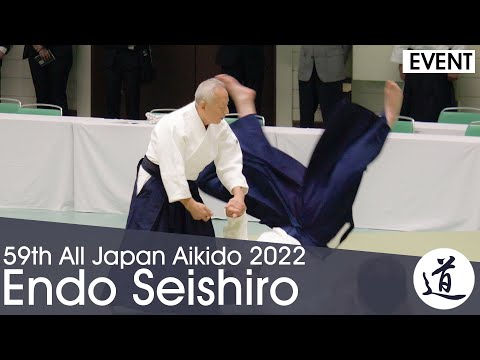
Endo Seishiro Shihan, an 8th Dan instructor at the venerable Aikikai Hombu Dojo, presents a masterclass in Aikido. His movements at the 59th All Japan Aikido Demonstration are not merely physical acts; they are manifestations of decades of rigorous training, deep understanding, and a profound connection to the art's foundational principles. When observing Shihan Endo, one witnesses a fluidity that belies the inherent power of the techniques. This is not the explosive, often aggressive, nature seen in some MMA or Karate contexts, but rather a controlled redirection, a seamless blending with the opponent's force. This exemplifies a core tenet of Aikido – to harmonize and control, not to overcome through brute strength.

The precision of his stances, the economy of motion, and the intent behind each gesture speak volumes. It's easy to get lost in the spectacle of a demonstration, especially one held at a prestigious venue like the Nippon Budokan. However, a true martial artist looks for the underlying mechanics and philosophy. The 60fps footage allows for an unprecedented clarity, revealing the subtle shifts in weight, the precise angle of entry, and the controlled application of pressure that make Endo Shihan's Aikido so effective and aesthetically profound.

"The Art of Peace is not a religion, nor an ideology. It is the art of the possible, the art of reconciliation, the art of harmonizing the great opposing forces of our inner and outer lives." - Morihei Ueshiba, Founder of Aikido.

This quote by O-Sensei encapsulates the spirit that Endo Seishiro Shihan embodies. His demonstration is a visual testament to this philosophy, showcasing how conflict can be resolved through understanding and control rather than confrontation.

The Spirit of Nippon Budokan

The Nippon Budokan, a sacred ground for Japanese martial arts, adds an aura of gravitas to any event. Hosting the 59th All Japan Aikido Demonstration here signifies the continuity and respect for tradition within BUDO. It's a place where history breathes and where the lineage of masters, from founders to current high-dan practitioners like Endo Seishiro Shihan, is palpable. This venue elevates the demonstration from a mere display of skill to a ceremonial reaffirmation of martial heritage. The energy of such a space demands respect and a profound commitment to the principles being showcased, which Shihan Endo clearly delivers.

Principles in Motion

Let us break down what we observe. The fundamental principle of Aikido is the blending (awase) with the attacker's movement and energy. Shihan Endo demonstrates this masterfully. When an attacker strikes, he doesn't meet force with force. Instead, he seamlessly moves off the line of attack, using the attacker's momentum against them. Techniques like ikkyo (first teaching), shiho nage (four-direction throw), and various wrist manipulations (kote gaeshi, nikyo) are executed with a deceptive simplicity. Deceptive, because the ease of execution in the video masks the immense amount of internal power and precise timing required.

Observe the centering (kokyu) and the extension of Ki. This is not about muscular strength. It's about generating power from the center of gravity and extending it through the body, much like the concept of Ki found in many martial arts, or the concept of "intent" that is crucial in Karate or Judo. Shihan Endo's movements are economical and direct, illustrating that true mastery lies in efficiency, not in extraneous effort. The way he manipulates his opponent's balance is a lesson in leverage and body mechanics that transcends any single fight.

"Aikido is the principle of the strong helping the weak, of one's own technique neutralizing the opponent's spirit." - Morihei Ueshiba

This sentiment is crucial when analyzing demonstrations. While it might appear aggressive to an untrained eye, the goal is always neutralization and harmony. The demonstration is a controlled environment to showcase these principles, distinct from a real-life confrontation which requires a different set of tactical considerations, as one might find in discussions about Combate en la Calle or Self Defense.

Continuity and Evolution in Aikido

The 59th All Japan Aikido Demonstration highlights how Aikido, while rooted in tradition, continues to evolve. The presence of high-dan instructors like Endo Seishiro Shihan, alongside practitioners of various ranks, showcases the unbroken lineage and the ongoing transmission of knowledge. It's a vibrant ecosystem where the foundational teachings of Morihei Ueshiba are preserved and propagated. This demonstration serves as a vital link in the chain, connecting past masters to future generations of Aikido practitioners.

The very fact that this event is recorded and shared, as evidenced by the YouTube link and the detailed credits provided, speaks to the modern approach to disseminating martial arts knowledge. This allows practitioners worldwide, regardless of their location or Dojo affiliation, to learn from such esteemed masters. It’s a far cry from the secretive traditions of old, embodying a more open philosophy of shared learning, a principle we champion on this blog dedicated to BUDO and Martial Arts.

Veredicto del Sensei: Does This Demonstration Resonate?

Cinturón Negro en Claridad y Armonía. The 59th All Japan Aikido Demonstration featuring Endo Seishiro Shihan is a profound exhibition of the art of Aikido. It transcends mere physical display to offer a glimpse into the philosophical underpinnings of harmonious movement and energy control. While not a direct comparison to the combative nature of MMA or the striking power of Karate, the demonstration serves its purpose admirably: to showcase the principles and refined techniques of Aikido at the highest level. For practitioners of Aikido, it's an invaluable resource. For others, it's an education in a different philosophy of combat and self-mastery.

Resources for Deeper Study

To truly appreciate and integrate the principles demonstrated, proper training and resources are essential. While observing is valuable, direct instruction is paramount.

  • Kimono de Aikido: A well-fitting and durable Aikido gi is crucial for training. Look for reinforced seams and a comfortable fabric that allows for unrestricted movement.
  • Libros sobre Filosofía Marcial: Explore texts on BUDO philosophy and the teachings of Morihei Ueshiba to deepen your understanding of the principles behind the movements.
  • Clases Directas: The most effective way to learn is under the guidance of a qualified instructor. Seek out a reputable Aikido dojo in your area.
  • Equipo de Entrenamiento Básico: While Aikido is often hands-on, basic conditioning equipment like jump ropes for cardiovascular fitness or resistance bands for strength training can be beneficial.

Continuity and Evolution in Aikido

The 59th All Japan Aikido Demonstration highlights how Aikido, while rooted in tradition, continues to evolve. The presence of high-dan instructors like Endo Seishiro Shihan, alongside practitioners of various ranks, showcases the unbroken lineage and the ongoing transmission of knowledge. It's a vibrant ecosystem where the foundational teachings of Morihei Ueshiba are preserved and propagated. This demonstration serves as a vital link in the chain, connecting past masters to future generations of Aikido practitioners.

The very fact that this event is recorded and shared, as evidenced by the YouTube link and the detailed credits provided, speaks to the modern approach to disseminating martial arts knowledge. This allows practitioners worldwide, regardless of their location or Dojo affiliation, to learn from such esteemed masters. It’s a far cry from the secretive traditions of old, embodying a more open philosophy of shared learning, a principle we champion on this blog dedicated to BUDO and Martial Arts.

Training Focus: Achieving Harmony in Motion

While this demonstration is a high-level display, beginners can cultivate foundational Aikido principles through focused practice:

  1. Centering (Hara): Practice deep abdominal breathing. Sit or stand tall, focus your attention on your lower abdomen, and breathe slowly and deeply, exhaling completely. This builds your internal foundation.
  2. Movement (Tai Sabaki): Practice moving your body in circular patterns, staying low and balanced. Imagine an attacker's force and practice stepping offline, allowing the imaginary force to pass harmlessly. Think of the footwork in Judo or Karate – balance is key in all combat sports.
  3. Connection: If training with a partner, focus on maintaining a light yet connected grip. Practice feeling their weight shift and intention, and respond by blending, not resisting. This is the essence of awase.
  4. Relaxation: Cultivate the ability to remain relaxed under pressure. Tension hinders flow and power. Practice releasing unnecessary muscular tension throughout your body.

Remember, the goal in Aikido is not to exert force, but to harmonize with it. This requires patience and persistent training, a journey shared by all practitioners of BUDO.

Frequently Asked Questions

What is the significance of Endo Seishiro Shihan's rank?

Endo Seishiro Shihan holds the 8th Dan, a very high rank in Aikido, signifying mastery and extensive experience. It places him among the senior instructors of the art.

Is Aikido effective for self-defense?

Aikido principles of blending and redirecting energy can be highly effective for self-defense, particularly against larger or stronger attackers. However, its application in real-world scenarios often requires adaptation and dedicated training beyond standard demonstrations, which focus on principles rather than combat tactics.

What is the Nippon Budokan?

The Nippon Budokan is a renowned indoor arena in Tokyo, Japan, primarily used for martial arts events and concerts. It is considered a prestigious venue for demonstrations of traditional Japanese martial arts.

How does Aikido differ from other martial arts like Karate or Judo?

While Karate focuses on striking and Judo on throws and grappling, Aikido emphasizes joint locks, pins, and throws achieved by blending with an opponent's motion and redirecting their energy. The philosophical goal of Aikido is often to neutralize conflict without causing undue harm.

What does "Shihan" mean in Aikido?

"Shihan" is an honorific title used for senior instructors in Japanese martial arts, indicating a high level of mastery, teaching experience, and typically a senior rank.

Reflection of the Sensei: Your Next Step

We have observed the elegant flow, the controlled power, and the deep philosophical underpinnings demonstrated by Endo Seishiro Shihan. This is not merely about executing techniques; it is about embodying a way of life – one of harmony, respect, and continuous self-improvement. The path of BUDO is a lifelong journey, and each demonstration, each training session, is a step further along that path.

Now, I pose this to you: Can you see the stillness within the movement? Can you perceive the redirection of force as a metaphor for navigating life's challenges? Do you recognize that true strength lies not in opposition, but in understanding and adaptation? Consider these questions as you move through your day. Do not just watch the techniques; seek the underlying principles. That is the true lesson.

For Deeper Understanding

  • Aikido: The Philosophy and Practice
  • BUDO: More Than Just Combat
  • The Importance of Ki in Martial Arts
``` GEMINI_METADESC: Explore the mastery of Endo Seishiro Shihan at the 59th All Japan Aikido Demonstration. Analyze the principles, philosophy, and artistry of Aikido in this in-depth Sensei review.

Mastering the Streets: The Top 5 Martial Arts for Self-Defense and Street Fighting

Anyone can embark on the journey of martial arts and reap its profound benefits. From the youngest child to the most seasoned elder, the disciplines offer a path to sustained health and vitality. But the allure of martial arts extends far beyond mere physical conditioning. It's a crucible where discipline, humility, and the essential skill of self-preservation are forged. At its very core, the genesis of many martial arts lies in the primal need for self-defense – the ability to protect oneself against an aggressor. While countless styles exist, numbering in the hundreds, perhaps even thousands, we have distilled this vast ocean of combat knowledge into a critical examination of five styles that, in our expert opinion, stand at the apex of effectiveness for real-world conflict. Prepare for a ranking that moves from the least efficient to the most potent on the unforgiving streets.

The Core of Combat: Why Self-Defense Matters

Let's be blunt: the world is not a dojo. While the discipline and technical prowess honed in martial arts training are invaluable, the realities of street conflict are chaotic, unpredictable, and often brutal. Unlike a controlled sparring match with rules and referees, a street confrontation can involve multiple attackers, weapons, and a complete disregard for fair play. This is where the distinction between sport martial arts and practical self-defense becomes starkly apparent. The primary objective on the street is not to score points or impress a judge, but to survive. It’s about neutralizing a threat as efficiently and quickly as possible, then disengaging. This fundamental difference dictates which styles and techniques are truly "best" for survival.

"The supreme art of war is to subdue the enemy without fighting." - Sun Tzu, The Art of War. While this philosophical approach is paramount, understanding how to fight is a non-negotiable last resort.

Many traditional martial arts, while rich in history and philosophy, may not directly translate to the high-stress, low-rule environment of street fighting. Their techniques might be too complex, require too much setup, or rely on compliance from an opponent that a street attacker will never offer. The ultimate goal of martial arts training, especially for self-defense, is to cultivate a state of awareness and readiness, not just physical capability. This means understanding de-escalation, situational awareness, and when to fight versus when to flee – often, the wisest choice is to avoid conflict altogether. But if avoidance fails, you must be prepared.

The Apex Predators: Our Top 5 Street-Ready Styles

The following are our meticulously selected top five martial arts styles, ranked not by popularity or historical significance alone, but by their proven efficacy in realistic self-defense scenarios. This ranking is based on extensive analysis of their core principles, common training methodologies, and documented effectiveness in real-world situations.

#5: Muay Thai - The Art of Eight Limbs

Originating from Thailand, Muay Thai is renowned as the "Art of Eight Limbs" because it utilizes punches, kicks, elbow strikes, and knee strikes, along with clinch work. Its raw power and directness make it a formidable striking art.

  • Strengths: Devastating offensive capabilities with elbows and knees, effective clinch control for close-range attacks, high conditioning standards leading to superior stamina.
  • Weaknesses: Limited ground fighting techniques, less emphasis on defensive grappling or escaping holds, can be overly offensive in situations requiring measured defense.

While Muay Thai is a brutal striking art, its effectiveness on the street is significantly amplified when its practitioners are also proficient in other ranges of combat, particularly grappling. Imagine a Muay Thai fighter landing devastating kicks and knees, only to be taken down by an opponent skilled in Brazilian Jiu-Jitsu. The effectiveness is undeniable, but it is not a complete system on its own for all street scenarios.

#4: Brazilian Jiu-Jitsu (BJJ) - The Ground Game King

Developed from Judo and traditional Japanese Jujutsu, BJJ focuses on ground fighting, emphasizing leverage and technique to control and submit opponents, regardless of size or strength. It’s a cornerstone of modern Mixed Martial Arts.

  • Strengths: Unparalleled effectiveness in controlling and submitting opponents on the ground, leverages technique over brute force, excellent for individuals of smaller stature against larger aggressors.
  • Weaknesses: Less effective against multiple attackers, limited striking defense (unless cross-trained), situations where the fight ends quickly on the feet or the opponent refuses to engage on the ground can neutralize its advantage.

The Gracie family’s legendary demonstrations proved BJJ’s worth against practitioners of other arts. However, a street fight rarely stays on the ground, especially if there are bystanders or the attacker doesn't want to be subdued. BJJ excels when you can dictate where the fight takes place, but the street offers no such luxury. It's indispensable for one-on-one encounters on the ground, but lacks the striking prowess needed for standing confrontations.

#3: Krav Maga - The No-Nonsense System

Developed for the Israeli military, Krav Maga is a practical, reality-based self-defense system that emphasizes instinctual movements, aggression, and simultaneous defense and offense. It's less a sport and more a survival methodology.

  • Strengths: Focuses on real-world scenarios, including defenses against weapons (knives, sticks, firearms), simultaneous attack and defense, dirty fighting tactics (eye gouges, groin strikes), and a strong emphasis on situational awareness and de-escalation.
  • Weaknesses: Can be less refined in terms of technique compared to traditional martial arts, potential for injury due to its aggressive nature, lacks the sporting aspect which can hinder development of technical perfection through competition.
"In the street, you don't get a second chance to learn your mistake." - A common adage in Krav Maga circles. This highlights the system's direct, unforgiving approach.

Krav Maga’s philosophy is simple: survive. It takes effective techniques from various martial arts and adapts them for maximum efficiency under extreme stress. Its training often simulates high-pressure environments, making practitioners more resilient to the shock and adrenaline of a real attack. This is perhaps the closest system to pure street effectiveness, devoid of sporting constraints.

#2: Boxing - The Sweet Science of Striking

Boxing, often called "The Sweet Science," focuses exclusively on punching with speed, power, and precision. Its practitioners develop exceptional footwork, head movement, and defensive skills.

  • Strengths: Incredible development of punching power, speed, and accuracy; superior defensive skills through footwork and head movement; excellent cardiovascular conditioning; teaches discipline and mental toughness.
  • Weaknesses: Completely lacks kicking, grappling, or defense against low attacks; vulnerable to opponents who can close the distance and clinch or take the fight to the ground.

The power and precision of a trained boxer are undeniable. Their ability to generate force and control distance with their hands is unparalleled. However, relying solely on boxing for self-defense is like bringing a knife to a gunfight if your opponent can kick or grapple. It's a critical component of striking, but rarely a complete solution in isolation for the unpredictable nature of street encounters.

#1: Mixed Martial Arts (MMA) - The Ultimate Hybrid

MMA is not a traditional martial art but a combat sport that allows a wide array of fighting techniques, drawing from various disciplines including striking (boxing, Muay Thai, Karate), grappling (BJJ, Wrestling, Judo), and clinch work.

  • Strengths: Develops well-rounded fighters proficient in striking, grappling, and transitions between them; teaches adaptability and problem-solving in combat; mirrors the unpredictability of real fights more closely than single-discipline arts.
  • Weaknesses: Often focuses on sport rules which may not apply to street scenarios (e.g., no striking downed opponents, weight classes); can still lack specific weapon defense training unless integrated.

MMA’s rise in popularity is directly attributable to its proven effectiveness. By training in multiple disciplines, MMA fighters are prepared for almost any situation. They can strike with devastating power, defend takedowns, control opponents on the ground, and transition seamlessly between ranges. While sport rules differ from street rules, the underlying skills—adaptability, resilience, and a comprehensive understanding of combat dynamics—make MMA the most potent foundation for real-world self-defense. An MMA practitioner has likely encountered and trained for more types of attacks and scenarios than a specialist in a single art.

Training for the Streets: Essential Principles

Regardless of the style you choose, effective self-defense training must incorporate several key elements:

  1. Situational Awareness: Learn to recognize potential threats and avoid dangerous situations. This is the first and most crucial line of defense.
  2. De-escalation: Develop verbal skills to defuse tense confrontations before they turn physical.
  3. Physical Conditioning: Build stamina, strength, and agility. A street fight can be a marathon, not a sprint. Focus on conditioning that mimics the demands of combat.
  4. Sparring Under Pressure: Regularly engage in controlled sparring that simulates the stress and unpredictability of a real encounter. This is vital for testing techniques and building mental fortitude.
  5. Weapon Defense: If possible, seek training that specifically addresses defense against common weapons like knives and sticks.
  6. Multiple Attacker Training: While challenging to simulate safely, understanding principles for dealing with more than one assailant is critical for street survival.

Gear Up: Essential Training Equipment

To train effectively and safely, consider the following:

  • Quality Gloves: For striking arts like boxing or Muay Thai, invest in durable MMA gloves or boxing gloves (14-16oz for general training, lighter for specific drills).
  • Mouthguard: Absolutely essential to protect your teeth and jaw during any form of sparring.
  • Headgear: Crucial for reducing the impact of blows during sparring sessions to prevent concussions and other injuries.
  • Shin Guards: For arts involving kicks, like Muay Thai or Kickboxing, these are vital for preventing painful injuries.
  • Groin Protector: A non-negotiable piece of safety equipment for all male practitioners, especially when sparring.
  • Grappling Dummy or Partner: Essential for practicing throws, takedowns, submissions, and ground control in arts like BJJ or Judo.
  • Durable Training Uniform (Gi/Kimono): For Judo or Jiu-Jitsu, a high-quality, double-weave judo kimono will withstand rigorous training.

Veredicto del Sensei: Street Smarts or Dojo Dreams?

The debate between the efficacy of traditional martial arts versus modern combat systems for street defense is as old as the arts themselves. My verdict is clear and unwavering: for pure, unadulterated street survival, systems that prioritize reality-based training, multiple ranges of combat, and weapon defense hold the undeniable edge. While the elegance and philosophical depth of arts like Karate or Aikido are invaluable for personal development and discipline, their direct applicability on a chaotic street can be limited without significant cross-training or adaptation. Boxing provides potent striking, BJJ dominates the ground, and Muay Thai brings devastating power. However, it is the integration of these elements, as seen in MMA, or the pragmatic, survival-focused approach of Krav Maga, that truly prepares an individual for the worst-case scenarios. Don't just train a martial art; train to survive.

Frequently Asked Questions

What is the single most important skill for street self-defense?

Situational awareness. Being aware of your surroundings and potential threats allows you to avoid conflict before it begins, which is always the most effective form of self-defense.

Can traditional martial arts like Karate be effective for street fighting?

While Karate teaches valuable principles like discipline and powerful strikes, its sport-oriented nature and lack of grappling or weapon defense training mean it's often insufficient on its own for street scenarios. Cross-training with other arts is highly recommended.

Is it better to train striking or grappling for self-defense?

Both are crucial. A well-rounded fighter needs proficiency in both striking (like boxing or Muay Thai) and grappling (like BJJ or Wrestling) to handle various situations effectively. MMA training integrates both.

How important is physical conditioning for street fighting?

Extremely important. Street fights can be physically demanding and last longer than expected. Superior conditioning can give you a significant advantage in stamina and resilience.

What about defending against multiple attackers?

This is one of the most dangerous scenarios. Training often focuses on creating space, targeting the most immediate threat, and using mobility to try and escape or isolate attackers. There are no guaranteed techniques, only principles to increase your odds.

Further Reading on Your Path

"It is the mind that makes a man fight and win. It is the mind that has felt the enemy's strength and weakness. It is the mind that can turn weakness into strength, and confusion into victory." - Miyamoto Musashi, The Book of Five Rings.

Reflection of the Sensei: Your Next Step

We’ve dissected the styles, weighed their strengths, and acknowledged their limitations in the crucible of street conflict. But knowledge without application is merely intellectual vanity. So, I ask you:

If you were to face an unavoidable confrontation right now, which of your current skills would serve you best, and more importantly, what is the single, most actionable step you will take *this week* to bridge the gap between your current capabilities and the harsh realities we've discussed?

The path to genuine self-defense is a lifelong commitment, not a weekend seminar. Do not let this be another fleeting thought. The streets wait for no one. Prove your intentions with action.

``` GEMINI_METADESC: Explore the top 5 martial arts for effective self-defense and street fighting, ranked by real-world efficiency. Learn essential training principles and gear recommendations.

Streetbeefs: Fetty vs. Manu Da Great - A Critique from the Dojo

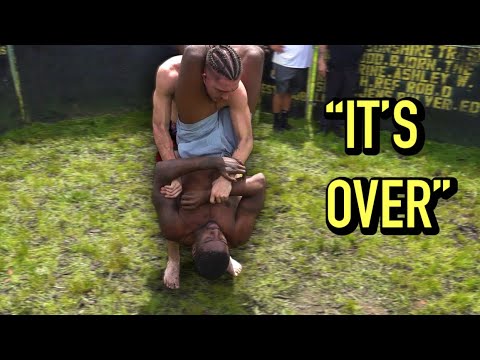
Ah, the primal allure of conflict, stripped bare and presented for consumption. We gather today not to witness a refined duel of ancient warriors, but to dissect the raw, unvarnished energy of Streetbeefs, specifically the encounter between Fetty and Manu Da Great. Before we plunge into the visceral fray, let's set the stage. My intention here is to go beyond mere observation; I aim to distill the essence of this contest through the lens of martial philosophy and practical application. We will explore not just the punches thrown, but the intent behind them, the control (or lack thereof), and what lessons, if any, can be gleaned by those who train diligently in the traditional arts.

You might be drawn here by the spectacle, the promise of a genuine 'beef' settled under the guise of a sporting contest. Perhaps you're curious about the effectiveness of raw aggression versus trained technique. Or maybe, just maybe, you're seeking to understand the societal undercurrents that give rise to such events. Whatever your entry point, consider this your formal invitation to a deeper analysis. This isn't just a fight; it's a case study. So, sharpen your focus, for we are about to enter "Satan's Backyard," as the organizers aptly put it, and examine what unfolds when the concrete jungle becomes the arena.

Setting the Stage: The Philosophy of Streetbeefs

The concept behind Streetbeefs, as articulated by its founder Scarface, is rooted in a desire to provide an alternative to lethal violence. The narrative is compelling: a community leader, witnessing the devastating consequences of disputes settled with weapons, offers a controlled, albeit bare-knuckle, outlet. "Come to SATANS BACKYARD and put gloves on to settle your dispute. No guns, No knives, No gang of friends jumping in. Just you, your Foe, the referee, and a group of spectators." This proposition, while seemingly pragmatic within a certain context, raises immediate questions for any serious martial artist.

Is this true Budo? Is this the path of the warrior, or simply a sanitized form of street brawling? The emphasis on "purely for sport" versus "REAL beef" highlights a fundamental tension. True martial arts training cultivates discipline, respect, and a deep understanding of self-defense, not for settling petty disputes, but for survival and personal growth. While Streetbeefs aims to channel aggression constructively, it operates far from the philosophical underpinnings of traditional disciplines. The mention of Scarface's inclusion in the New York Times and ESPN speaks to the spectacle, the raw human drama, but not necessarily to martial efficacy.

"The martial way is a path that is not only about striking and fighting, but also about discipline, respect, and personal growth." - A principle echoed across many martial traditions.

This isn't about condemning the participants; it's about analyzing the context. Are these individuals trained fighters, or are they people channeling existing aggression into a supervised, yet still brutal, confrontation? The very name, "Streetbeefs," signals an origin far removed from the serene dojo. It is a raw expression of human conflict, and our task is to see what martial lessons, if any, can be extracted from this raw energy.

The Combatants: Fetty vs. Manu Da Great

In this particular contest, we are presented with Fetty and Manu Da Great. Without extensive prior knowledge of their individual backgrounds or training, their engagement here is judged on the moment. We observe their physical presence, their apparent conditioning, and their demeanor as they step into the makeshift ring. The audience's anticipation is palpable, a testament to the enduring human fascination with one-on-one confrontation.

The critical question for a martial artist is: what skills do they bring to the table? Are they merely relying on brute strength and a willingness to exchange blows, or is there an underlying technique, a tactical awareness that hints at prior training? Often, in these unsanctioned or semi-sanctioned events, the lines blur. Some participants may have a background in boxing, kickboxing, or even amateur MMA, while others might be stepping into a combat scenario for the very first time, driven purely by the "beef."

The success of any combat encounter, be it a street confrontation or a formal competition, hinges on a confluence of factors: physical conditioning, mental fortitude, technical skill, and strategic application. The true test lies not just in the ferocity of the attack, but in the ability to adapt, defend, and persevere under pressure. It is in these moments of dynamic interaction that the true nature of a fighter, and potentially the effectiveness of their training, is revealed.

Round One: Raw Aggression and Initial Exchanges

The initial moments of the Fetty vs. Manu Da Great bout are often characterized by explosive energy. Expect to see a flurry of punches, perhaps wild and unrefined, as both combatants seek to assert dominance early. This is where raw aggression, fueled by the adrenaline of the confrontation and the crowd's energy, often takes precedence over technical precision. You might observe:

  • Overhand Rights and Hooks: These are common power punches, often thrown with significant force but lacking the tight defense that protects the fighter.
  • Defensive Lapses: Fighters might drop their hands, expose their chins, or adopt a wide, unstable stance, leaving them vulnerable.
  • Forward Pressure: A strong desire to close the distance and engage, sometimes without proper setup or awareness of the opponent's reach.

From a martial perspective, this round is a test of nerve and initial impact. It's less about strategy and more about raw will. The effectiveness of these initial exchanges depends heavily on the participants' physical conditioning and their tolerance for pain. A seasoned boxer might look for openings, while someone with less formal training might simply throw everything they have. The key here is to observe how each fighter reacts to landing or receiving a solid blow. Does it spur them on, or does it cause them to falter?

Round Two: Adaptation and Fatigue

As the initial adrenaline surge subsides, Round Two often becomes a battle of conditioning and adaptation. The raw aggression of the first round begins to wane, and fatigue starts to set in. This is where the differences between a trained fighter and an untrained combatant become starkly apparent.

  • Slowing Pace: Punches may become slower, less powerful. Footwork might become heavier and less agile.
  • Increased Vulnerability: Fighters might breathe more heavily, keep their guard lower, and their defensive movements will likely be more labored.
  • Strategic Adjustments (or lack thereof): Do the combatants try to change their approach? Do they attempt to clinch, grapple, or perhaps conserve energy? Or do they simply continue to throw punches until they can't?

A well-trained martial artist understands the importance of pacing, energy conservation, and maintaining defensive integrity even when tired. They might look to exploit an opponent's fatigue by using feints, quicker movements, or drawing them into exchanges where their exhaustion is most apparent. In a Streetbeefs context, this round often separates those who are genuinely prepared for a sustained fight from those who relied solely on initial explosiveness.

Round Three: The Climax and Resolution

The final round is typically where the contest reaches its climax. By this stage, both Fetty and Manu Da Great are likely to be significantly fatigued. The exchanges may become more desperate, with fighters pushing themselves to their absolute limits. This is often the round where a decisive blow lands, leading to a knockout, or where one fighter clearly gains a dominant position that the other cannot overcome.

  • The Finishing Exchange: Look for a moment where one fighter commits to an attack, perhaps leaving themselves open for a counter, or lands a clean, powerful shot that ends the fight.
  • Resilience and Willpower: Even when exhausted, some fighters display incredible resilience. Observing who continues to fight back, even if effectively, reveals a great deal about their mental toughness.
  • Referee Intervention: The referee plays a crucial role in ensuring safety. Their decision to stop the fight is based on a fighter's inability to intelligently defend themselves, a critical safety measure absent in actual street altercations.

The resolution of this round, whether by knockout, stoppage, or the end of the allotted time, provides the definitive outcome. However, the true value for us lies not just in who won, but in understanding *how* the fight concluded. Was it a display of superior technique, a testament to superior conditioning, or simply the result of one fighter landing a lucky, powerful shot?

Analysis of Technique: What We Saw

When dissecting the technical aspects of the Fetty vs. Manu Da Great fight, it's crucial to maintain perspective. We are not critiquing Olympic-level athletes, but rather individuals engaging in a raw, unfiltered combat scenario. However, certain observations hold true regardless of the level of training.

Stance and Footwork: Observe their base. Is it wide and stable, allowing for movement and power generation? Or is it narrow and unbalanced, making them susceptible to takedowns or easily knocked off their feet? In many such encounters, footwork is rudimentary, relying on forward shuffling rather than dynamic pivots or lateral movement. This often leads to fighters being "flat-footed" and predictable.

Punching Technique: Are punches thrown with proper rotation of the hips and shoulders, or are they primarily arm punches? Are defensive measures like covering the chin and tucking the elbows consistent? We often see wild swings, lack of jab control, and open guards. While powerful, these blows may lack efficiency and leave the fighter's own defenses compromised.

Clinching and Close-Quarters Combat: If the fight goes to close range, how do they manage the clinch? Is there an attempt to control the opponent's posture, or is it simply a messy entanglement? In a street fight context, clinching can be a precursor to illegal strikes or grappling, but in a regulated bout, it's an opportunity to wear down an opponent or create space.

Defense: This is often the most glaring area for improvement in untrained fighters. Head movement is minimal, blocking is often passive (arms simply absorbing blows), and slipping or rolling with punches is rarely seen. This is where formal martial arts training provides a significant advantage, teaching fighters to evade, deflect, and counter effectively, rather than simply enduring damage.

Awareness: Do the fighters seem aware of the referee, the crowd, and the overall dynamic of the fight? Or are they solely focused on their immediate opponent, potentially missing crucial cues or strategic opportunities? Situational awareness is a vital component of any combat discipline.

Veredict of the Sensei: More Than Just a Brawl?

Streetbeefs: Fetty vs. Manu Da Great is, at its core, a raw, unadulterated display of human aggression channeled into a physical contest. It is undeniably entertaining for those who appreciate visceral action. However, from the perspective of a seasoned martial artist, it presents a complex picture.

Core Strengths: The undeniable courage and willingness to confront an opponent face-to-face, without weapons or external aid, is noteworthy. The participants, by stepping into the ring, demonstrate a level of bravery that cannot be discounted. The format, while crude, does provide a safer alternative than a genuine street fight, reducing the likelihood of lethal outcomes.

Fundamental Weaknesses: The technical execution is, as expected, often lacking. Defensive skills are rudimentary at best, conditioning is a major factor, and the strategies employed are basic. This is not a showcase of martial arts mastery, but rather a demonstration of will and raw physical capacity. The "beef" itself, the underlying reason for the fight, often overshadows any semblance of martial spirit or ethical conduct.

Entertainment Value vs. Martial Value: As entertainment, Streetbeefs succeeds. It provides drama, excitement, and a conclusion to disputes. As a demonstration of martial arts principles, its value is limited. It highlights the importance of formal training in technique, defense, and discipline. While it offers a controlled environment, it lacks the philosophical depth, the self-improvement focus, and the respect for tradition that defines true Budo.

Overall: I would categorize Streetbeefs as **"Entertaining Spectacle, Limited Martial Merit."** It's a glimpse into a raw form of conflict resolution, but not a benchmark for martial prowess.

Equipment Essential for Your Training

While Streetbeefs often features minimal protective gear beyond gloves, serious martial arts training demands proper equipment to ensure safety and effectiveness. Investing in the right gear is not about vanity; it's about enabling dedicated practice and minimizing injury. For those inspired to train after witnessing such contests, consider the following:

  • High-Quality Training Gloves: Essential for any striking art. For sparring, 14-16 oz gloves are standard for boxing and kickboxing to protect both hands and your partner. Look for good padding and wrist support.
  • Mouthguard: Non-negotiable for any combat sport. A properly fitted mouthguard can prevent concussions, broken teeth, and jaw injuries.
  • Groin Protector: Crucial for preventing serious injury during sparring or live drills.
  • Headgear: For intensive sparring sessions, especially in boxing or MMA, headgear significantly reduces the risk of cuts, bruises, and concussions.
  • Shin Guards: Necessary for kickboxing and Muay Thai to protect against impact from kicks.
  • Dojo Uniform (Gi/Dobok): Depending on your chosen art (e.g., Judo, Karate, Taekwondo), a durable, well-fitting uniform is essential for training and demonstrates respect for the art. For grappling arts like Brazilian Jiu-Jitsu, a sturdy BJJ gi is paramount.
  • Training Mats (Tatami/Mats): For arts involving throws, groundwork, or falling techniques (like Judo, Aikido, BJJ), quality mats are vital for safety.

Remember, the best equipment is the kind that allows you to train consistently and safely, pushing your limits without undue risk. Investing in these items is a commitment to your own development as a martial artist.

Resources for Deeper Understanding

To truly appreciate the spectrum of martial arts and combat sports, it's vital to explore beyond the raw spectacle. Understanding the philosophy, history, and techniques of various disciplines provides a richer context.

  • BUDO: Explore the fundamental principles that underpin many Japanese martial arts, focusing on discipline, self-mastery, and the pursuit of perfection.
  • Martial Arts: Delve into the diverse world of martial traditions from across the globe, understanding their unique origins, philosophies, and techniques.
  • Karate: Learn about the striking art originating from Okinawa, its various styles, katas, and its emphasis on power and precision.
  • MMA: Understand the modern combat sport that blends techniques from various martial arts, focusing on striking and grappling in a comprehensive fighting system.
  • Fight Analysis: Develop a critical eye for dissecting combat encounters, understanding strategy, technique, and the psychological aspects of fighting.

Frequently Asked Questions

What is the main difference between Streetbeefs and professional MMA?

The primary difference lies in intent, regulation, and skill level. Streetbeefs aims to settle personal disputes in a semi-controlled environment with minimal rules and often untrained participants. Professional MMA is a highly regulated sport with standardized rules, weight classes, judges, and a focus on athletic competition and skill, not personal vendettas.

Are the fights in Streetbeefs legitimate?

The fights are legitimate in the sense that they are real confrontations between two individuals. However, they are not recognized as professional sporting events. They operate outside the stringent regulatory frameworks of sports like boxing or MMA, and the skill levels vary dramatically.

Does Streetbeefs teach actual martial arts?

No, Streetbeefs does not teach martial arts. It provides a platform for people to engage in unarmed combat to settle disputes. While some participants may have martial arts training, the organization itself is not a martial arts school. Its focus is conflict resolution and entertainment.

Is Streetbeefs dangerous?

Yes, Streetbeefs carries significant risks. While gloves and referees are present, participants are often untrained, leading to uncontrolled exchanges. Injuries, including severe cuts, broken bones, and concussions, are possible and have occurred.

What is the philosophical value of watching Streetbeefs?

The philosophical value is debatable. One perspective is that it highlights the raw human drive for confrontation and resolution, offering a potentially safer alternative to weaponized violence. Another perspective is that it showcases the absence of martial discipline and the dangers of untrained aggression, thereby underscoring the value of formal martial arts training for self-control and effective self-defense.

Reflection of the Sensei: Your Next Step

We have dissected the contest between Fetty and Manu Da Great, examining its context, its execution, and its implications from the vantage point of martial tradition. We've seen raw courage, undeniable aggression, and the stark realities of untrained combat. But now, the true lesson awaits not in the spectacle, but in your own response.

Did the ferocity of the exchanges ignite a spark of primal interest within you? Or did the lack of technique and control fill you with a quiet disdain, a yearning for the discipline you practice or aspire to? This is the crux: where does your own spirit lie in relation to such raw conflict?

"The supreme art of war is to subdue the enemy without fighting." - Sun Tzu, The Art of War.

Consider this: if you found yourself in a situation where a "beef" needed settling, would your instinct be to emulate Fetty or Manu, to meet force with force in a chaotic exchange? Or would your training, your philosophy, guide you towards de-escalation, strategic evasion, or a measured, technical application of skill if confrontation became unavoidable? The answer reveals more about your path than any fight result.

Now, tell me, Sensei's students: Where does the path of true martial strength lie – in the explosive, uncontrolled rage of the street, or in the disciplined, focused power cultivated within the dojo? Are these events a dangerous distraction, or do they, in their own brutal way, serve a societal function that warrants our understanding, even if not our emulation? Speak your mind, for your perspective is as vital to your growth as any kata.

Published at May 27, 2022 at 03:33PM. Welcome the most complete and updated martial arts blog on the internet. Follow us on social networks and do not forget to visit our main page: Budo and Martial Arts.

Ignore tags: #artesmarciales,#BUDO,#lucha,#pelea,#entrenamiento,#historia,#fight,#battle,#martialarts,#karate,#jiujitsu,#taekwondo,#shaolin,#ki,#bjj,#ninjitsu,#kenpo,#combat,#sambo,#news,#judo,#aikido

``` GEMINI_METADESC: A martial arts critique of the Streetbeefs fight between Fetty and Manu Da Great, examining technique, philosophy, and comparison to formal training.