Showing posts sorted by relevance for query Kyokushin Karate MMA. Sort by date Show all posts

The Karate Edge: 10 MMA Warriors Who Bring the Spirit of the Empty Hand

The echo of a sharp kiai, the precision of a devastating roundhouse kick, the unwavering focus of a fighter staring down their opponent. These are the hallmarks of Karate, an art steeped in tradition and honed through relentless discipline. But what happens when this ancient warrior spirit clashes with the modern, brutal arena of Mixed Martial Arts? Does the philosophy of the empty hand translate to the cage? Many scoff, dismissing Karate as a "sport" divorced from real combat. I say they are blind. Today, we dissect this notion, not with platitudes, but with the cold, hard reality of combat performance. We will explore the fighters who have transcended their Karate roots to become formidable forces in MMA, proving that the principles of Karate are not just alive, but lethal.

Table of Contents

Introduction: The Karate Kata in the Cage

The common misconception is that Karate, with its emphasis on form (kata) and controlled sparring (kumite), is ill-suited for the chaotic, multi-faceted nature of MMA. Critics argue that it lacks the grappling, the ground game, the sheer brutality required to succeed. But this view overlooks the fundamental principles Karate instills: discipline, resilience, explosive power, and an understanding of distance and timing. These are not mere 'sporting' attributes; they are the very essence of effective combat. Today, we celebrate ten warriors who embody this fusion, proving that the spirit of Karate, when applied with the right mindset and adaptability, can indeed conquer.

1. Andy Hug: The Kickboxing King with a Karate Soul

Andy Hug was more than just a fighter; he was an artist of destruction. His Kyokushin Karate background, particularly his devastating spinning back kicks and his signature "Hug Kick" (a horizontal spinning kick to the head), set him apart. While he achieved legendary status in kickboxing promotions like K-1, his roots in full-contact Karate were undeniable. Hug demonstrated how Karate's emphasis on conditioning, powerful hip rotation, and precise striking could translate into a terrifying arsenal in any combat sport. His legacy is a testament to the raw power and adaptability of Karate's striking principles. He showed the world that a fighter with deep Karate fundamentals could stand toe-to-toe with anyone.

"The ultimate aim of Karate is not victory or defeat, but the perfection of the character of its participants." - Gichin Funakoshi. Andy Hug embodied this, bringing honor and respect even in the fiercest battles.

2. Stephen "Wonderboy" Thompson: The Striking Maestro

Stephen "Wonderboy" Thompson is perhaps the most prominent modern example of Karate's direct influence on MMA striking. With a background in Tetsushin-ryū Kempo and a decorated kickboxing career, Thompson’s style is characterized by its fluidity, unorthodox angles, and pinpoint accuracy. His Karate training instilled in him exceptional footwork, a keen sense of distance, and the ability to generate tremendous power from seemingly simple movements. In the UFC, he has consistently baffled opponents with his diverse kicking arsenal, deceptive head movement, and the ability to switch stances seamlessly. He proves that Karate's foundational striking techniques are not only relevant but can be elevated to an art form in the modern MMA landscape.

3. Ewerton Teixeira: The Kyokushin Powerhouse

Ewerton Teixeira is a formidable force who brought the uncompromising power of Kyokushin Karate directly into the MMA cage. As a multiple-time World Champion in Kyokushin, Teixeira's raw power, devastating low kicks, and relentless pressure were well-documented. His transition to MMA saw him apply these skills effectively, showcasing the effectiveness of full-contact Karate in stand-up exchanges. While his MMA career may not have reached the stratospheric heights of some others on this list, his presence alone served as a powerful reminder of the fighting spirit forged in the crucible of Kyokushin. He is living proof that the discipline of Karate translates directly into fight-ending power.

4. Frank Mir: The Unconventional Karateka Grappler

While Frank Mir is primarily known for his exceptional Brazilian Jiu-Jitsu and devastating boxing, his martial arts journey began with Kempo Karate. This early foundation provided him with a unique blend of striking knowledge and agility that complemented his formidable grappling. Mir’s ability to transition between striking and submissions, often catching opponents off guard with a sudden offensive surge, hints at the underlying Karate principles of fluid movement and opportunistic striking. His career, marked by numerous championship reigns and iconic knockouts and submissions, demonstrates how a Karate base can provide an unexpected edge in a multi-disciplinary sport.

5. Sam Greco: The Seidokaikan Warrior

Sam Greco is a name synonymous with hard-hitting Karate and kickboxing. With a background in Kyokushin and Seidokaikan Karate, Greco brought an aggressive, all-action style to MMA. His power punches and relentless forward pressure, honed through rigorous Karate training, made him a dangerous opponent. He fought with the tenacity and spirit that is the hallmark of these Karate organizations, never backing down and always looking to impose his will. Greco's contributions highlight how the intense sparring and conditioning of Karate can forge fighters ready for the demands of MMA.

6. Gerard Gordeau: The Pioneer of Full-Contact Karate in MMA

Gerard Gordeau is a significant figure in the early history of MMA, and a testament to the fighting prowess developed through full-contact Karate. A world champion in Savate and a decorated Karateka, Gordeau competed in the very first UFC event, UFC 1. His notorious eye-poke during his bout with Telia Tuli showcased a brutal pragmatism that, while controversial, underlined the effectiveness of his Karate-derived striking power and aggression. Gordeau proved that Karate practitioners, even with older rulesets, possessed the tools to compete and dominate in the nascent world of MMA.

7. Harold Howard: A Blend of Styles from Karate's Depth

Harold Howard entered the UFC octagon with a unique blend of martial arts, including Gōjū-ryū and Shito-ryū Karate, alongside Jujutsu. His approach was marked by powerful Karate strikes and an aggressive, unpredictable style that surprised many. Howard's performance at UFC 3, where he famously knocked out Ken Shamrock with a powerful punch, is etched in MMA history. It demonstrated that a fighter with a solid Karate foundation, combined with other arts, could possess the explosive power and tactical awareness to defeat highly regarded opponents.

8. Sage Northcutt: The Dynamic Fusion

Sage Northcutt, often dubbed "Super Sage," represents a new wave of fighters who have incorporated Karate from a young age into a modern MMA skillset. With a background in Shuri-ryū Karate and Taekwondo, combined with Brazilian Jiu-Jitsu and Muay Thai, Northcutt’s style is incredibly dynamic. His Karate foundation provides him with excellent kicking technique, agility, and hand speed, which he seamlessly integrates into his MMA strategy. While still developing, his speed and diverse striking arsenal are clear testaments to the power of a well-rounded Karate education in MMA.

9. Semmy Schilt: The Giant of Ashihara and Kyokushin Budokai

Semmy Schilt is a colossal figure in combat sports, and his martial arts journey is deeply rooted in Karate. With a background in Ashihara Karate and Kyokushin Budokai, Schilt developed an imposing presence, powerful striking, and a strategic approach to combat. Standing at over 6'11", he utilized his reach and power to devastating effect, particularly in kickboxing promotions like K-1, where he became a legendary champion. His success demonstrates how the discipline, power, and strategic striking taught in these Karate systems can be leveraged to dominate opponents, even in weight classes where opponents are often much smaller.

10. Adam Khaliev: The Kudo Prodigy

Adam Khaliev is a highly skilled fighter with a background in Kudo, a hybrid martial art that evolved from Kyokushin Karate. Kudo emphasizes full contact, realistic techniques, and even includes some grappling and headbutting, making it a natural stepping stone for MMA. Khaliev’s Karate heritage is evident in his powerful strikes, aggressive combinations, and impressive conditioning. His performances showcase the brutal effectiveness and adaptability of the Karate principles instilled by Kudo, proving that this art continues to produce formidable competitors ready for the challenges of the cage.

Veredicto del Sensei: ¿Karate vs. MMA? La Verdadera Lucha

The notion that Karate is irrelevant in MMA is, frankly, ignorant. What these ten fighters demonstrate is not merely the application of kicks and punches, but the transfer of core principles: discipline, resilience, the ability to withstand pain, explosive power generation, and strategic thinking. Karate, in its truest form, teaches a complete combat system, not just a series of movements. The kata are not just dances; they are pre-arranged combat scenarios that develop muscle memory, timing, and tactical awareness. The kumite, when trained with a focus on realistic application, hones the ability to react, adapt, and overcome an unpredictable opponent. The issue isn't whether Karate *can* succeed in MMA, but whether the fighter has truly internalized its lessons and adapted them. These ten individuals have not only adapted but thrived, proving that the empty hand, wielded with the spirit of Karate, remains a potent weapon.

Calificación: ¡Cinturón Negro en Adaptabilidad!

Equipo Esencial para tu Entrenamiento

While Karate is an art of the "empty hand," effective training and competition, especially when bridging to MMA, require specific gear. Here’s what you should consider:

  • Karate Gi: Look for a durable, double-weave gi that can withstand intense sparring. Brands like Blitz or Fuji offer good quality.
  • Sparring Gear: For safety during sparring, especially when simulating MMA scenarios, invest in padded gloves (10-16 oz), shin guards, and a mouthguard.
  • Training Mats: If you're working on takedowns or groundwork inspired by your Karate base, puzzle mats or tatami mats are crucial for safe practice.
  • Focus Mitts and Punching Bags: Essential for developing power, speed, and accuracy in your striking.
  • Hand Wraps: Always use hand wraps under your sparring gloves to protect your wrists and knuckles.

Preguntas Frecuentes

Can Karate fighters really compete in MMA?
Absolutely. As demonstrated by the fighters listed, a strong Karate background provides excellent striking, discipline, and conditioning that are highly transferable to MMA. The key is adaptability and cross-training.
What are the main Karate principles that help in MMA?
Core principles include discipline, perseverance, explosive power generation, efficient movement, strategic distance management, and mental fortitude. These are universal to effective combat.
Is it important for Karate practitioners to learn grappling?
For MMA, yes. While striking is a core Karate strength, a well-rounded MMA fighter needs to be proficient in grappling (wrestling, BJJ) to be truly effective. Karate training can provide a strong base for takedown defense and offensive striking that sets up grappling exchanges.
What is the difference between Kyokushin Karate and other styles in MMA?
Kyokushin is known for its full-contact, bare-knuckle sparring and conditioning, which creates fighters with immense toughness and powerful, conditioned strikes. This raw power and resilience are highly valued in MMA.

Para Profundizar en tu Camino

Reflexión del Sensei: Tu Próximo Paso

We have seen how warriors from the Karate lineage have carved their names into the annals of MMA. But this is not just about listing names; it's about understanding the underlying principles. Do you believe the philosophy of the empty hand is truly a complete system for modern combat, or merely a foundation? When you step onto the mat, are you just practicing techniques, or are you embodying the spirit that allowed these fighters to conquer?

Now, I pose this to you: If Karate's essence is about self-mastery and overcoming challenges, how can you better integrate this philosophy into your own training, whether you compete in MMA, practice traditional Karate, or simply seek a more disciplined life? Discuss.

``` GEMINI_METADESC: Descubre cómo 10 guerreros de MMA, inspirados por el Karate, demuestran la potencia y disciplina del arte marcial en la jaula. Análisis de sus estilos y legados.
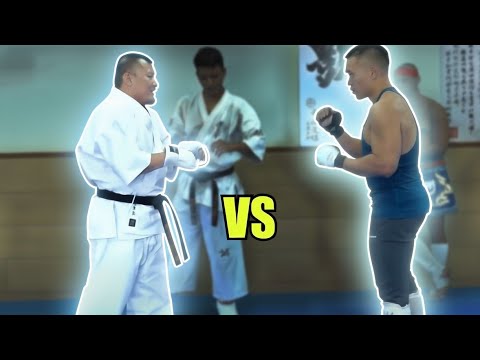
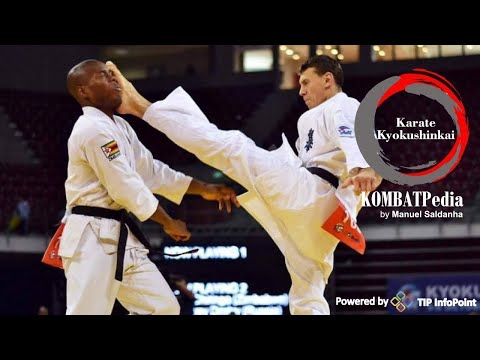
Amateur MMA Fighter vs. Kyokushin Master: A Clash of Styles Under Strict Rules

The eternal question echoes through the dojos and octagon alike: how do different martial disciplines truly fare when pitted against each other? It's a debate as old as combat itself, often fueled by passionate claims and sometimes, unfortunately, by gross misrepresentations. Today, we dissect a particular encounter that, while seemingly straightforward, offers a profound lesson in the brutal efficiency of a specialized art form when its principles are strictly adhered to. This isn't just about a sparring match; it's about understanding the codified warfare that is Kyokushin Karate against an opponent unfamiliar with its unforgiving ethos.

Let us be unequivocally clear from the outset: this showcase is a testament to the power and practical application of Kyokushin Karate. It is a demonstration, not a battle of supremacy between MMA and Kyokushin in their entirety. The amateur MMA fighter, a physique honed for the varied demands of mixed martial arts, steps into an arena governed by rules that strip away the diverse arsenal he might typically employ. He is, in essence, entering a finely tuned trap, designed by the very nature of Kyokushin to expose and exploit any unfamiliarity with its rigid doctrine. The result is a compelling, albeit short, display of how debilitating Kyokushin's methods can be when faced by an unprepared combatant.

Understanding the Clash: MMA vs. Kyokushin

The initial reaction to such a video might be to declare one style superior. However, as seasoned martial artists and observers, we know better. This is akin to comparing a surgeon's scalpel to a lumberjack's axe; both are tools of precision and power, but their application and efficacy are dictated by the task at hand. The MMA fighter is a master of adaptation, trained to seamlessly transition between striking and grappling, to exploit openings with a wide array of techniques. The Kyokushin practitioner, on the other hand, is a specialist, a warrior forged in the fires of a system that emphasizes raw power, unwavering spirit, and the devastating impact of full-contact strikes, particularly with the legs and fists, with very specific limitations.

"True martial arts is not about winning or losing, but about the perfection of the human character." - Mas Oyama

The Unyielding Philosophy of Kyokushin

Kyokushin, founded by the legendary Masutatsu Oyama, is not merely a karate style; it is a philosophy embodied in rigorous physical and mental discipline. Its tenets are stark: no padded protection, full contact, and knockout power as the ultimate objective. Techniques are refined to their most effective, stripping away anything deemed extraneous. This philosophy breeds a specific type of fighter – one who understands the immense consequences of every strike, who cultivates incredible physical conditioning, and who possesses a mental fortitude that borders on the stoic. In a Kyokushin bout, a single well-placed kick or punch can end the contest. This is the crucible in which the master in the video was forged.

The Versatility of the MMA Practitioner

Conversely, the MMA fighter operates in a more permissive environment. His training encompasses Muay Thai, Boxing, Brazilian Jiu-Jitsu, Wrestling, and more. He is conditioned to absorb punishment, to fight through adversity, and to strategize across multiple ranges of combat. His strength lies in his adaptability and his ability to blend these disparate arts into a cohesive, dynamic fighting system. However, this very breadth can be a disadvantage when confined by the narrow, albeit brutal, parameters of Kyokushin rules. The skills that make him a formidable MMA competitor – the takedowns, the ground game, the head strikes – are either forbidden or severely restricted.

The Decisive Factor: The Ruleset

This is where the narrative truly crystallizes. The original source video and its description implicitly understand this. The "Kyokushin rules" are not arbitrary; they are the carefully constructed framework within which the art's principles can be most effectively demonstrated. Strikes to the head with the fist are typically disallowed in standard Kyokushin competition. Sweeps and throws are limited. The focus remains on powerful, piston-like punches to the body, devastating low kicks, and high kicks to the head. For someone not accustomed to this, it's a jarring experience. The fighter accustomed to defensive head movement for punches might find himself vulnerable to the relentless barrage of kicks to the legs and body. The MMA fighter's instinct to clinch and grapple for takedowns is curtailed, forcing him to engage primarily in a stand-up striking exchange where the Kyokushin master holds a significant advantage.

Sparring Analysis: A Masterclass in Precision

Watching the sparring, we see the Kyokushin master employing fundamental techniques with textbook precision. His stances are solid, his movement economical yet powerful. Each punch is thrown with intent, each kick lands with authority. The MMA fighter, though physically imposing, appears hesitant, perhaps conserving energy or unsure of how to counter effectively within the imposed limitations. He might be accustomed to the immediate threat of a takedown or the dynamic exchanges of MMA striking, neither of which plays to his strengths here. The master, conversely, is operating in his element. His strikes are not flashy but functional, designed to inflict cumulative damage or to set up a decisive blow. The speed and power with which he delivers kicks to the legs, for instance, can quickly impair an opponent's mobility and ability to launch his own attacks.

The effectiveness of Kyokushin's standing techniques against an opponent unfamiliar with blocking and absorbing them is stark. The concept of 'chikara' (power) combined with 'tai sabaki' (body shifting) allows for an offense that is both overwhelming and efficient. The MMA fighter's conditioning is undoubtedly superb, but the nature of Kyokushin's offensive pressure requires a different kind of resilience and tactical awareness. It's a testament to the power of specialization and adherence to a defined system. Without the ability to mix in grappling or a broader range of striking techniques, the MMA fighter is effectively fighting with one hand tied behind his back, against an opponent who thrives in such controlled, yet brutal, conditions.

Training Implications: Beyond the Showcase

This encounter serves as a valuable teaching moment for practitioners of all disciplines. For MMA fighters, it underscores the importance of cross-training not just in *how* to fight, but also in understanding and respecting the specific rulesets and core principles of other martial arts. Acknowledging the strengths of different styles, even when they don't align with one's primary discipline, is crucial for true martial development. For Kyokushin practitioners, it reinforces the efficacy of their chosen path when applied within its intended framework. It highlights the importance of a strong foundation and unwavering commitment to the art's core principles.

Furthermore, it touches upon the broader philosophy of BUDO and martial arts training. The journey is not solely about physical prowess but about developing discipline, perseverance, and mental resilience. While the MMA fighter might possess immense physical power and conditioning, the Kyokushin master demonstrates the power of focused intent and specialized skill honed through decades of dedicated practice. This is a core element of SelfImprovement and SelfMastery that transcends any single discipline.

Veredicto del Sensei: The Cold, Hard Truth

This isn't a fair fight; it's a demonstration. Placing an MMA fighter under strict Kyokushin rules against a competent master is like asking a marathon runner to compete in a 100-meter sprint against Usain Bolt. The underlying athleticism may be comparable, but the specialized training and objective of the contest are entirely different. The master, operating within the strict confines of his art, showcases its inherent power and efficiency. The amateur MMA fighter, unfamiliar with the ruleset, is at a distinct disadvantage. Therefore, the outcome is a logical consequence of the setup, not a definitive judgment on the superiority of one art over the other in all contexts.

Cinturón Negro en Demostración de Estilo. The Kyokushin master executed his art flawlessly within the given parameters. The MMA fighter's performance, while perhaps indicative of his conditioning, cannot be truly assessed under these unbalanced conditions.

Equipo Esencial para tu Entrenamiento

Whether you are drawn to the raw power of Kyokushin or the diverse strategies of MMA, the right equipment is paramount for safe and effective training. Investing in quality gear not only enhances your practice but also demonstrates your commitment to the martial path.

  • Guantes de Boxeo/MMA: Crucial for both striking arts. For MMA, consider hybrid gloves that offer knuckle protection while allowing for grappling. For Kyokushin-style sparring (where permitted and safe), lighter, more durable sparring gloves might be used, but often training is done bare-knuckled, emphasizing conditioning.
  • Kimono (Gi): Essential for disciplines like Judo and Brazilian Jiu-Jitsu, and foundational for Karate. A durable, double-weave Karate gi is recommended for Karate training, offering resistance to powerful movements and strikes. Look for reinforced stitching for longevity.
  • Protección de Espinillas y Empeines: For striking arts like Muay Thai, Kickboxing, and even some Karate drills, shin guards are vital to protect against impact and conditioning kicks.
  • Protectores Bucales: Non-negotiable for any sparring session involving strikes to the head, including MMA and more intense Karate sparring.
  • Karate Uniform (gi): Specifically for Kyokushin, a sturdy, traditional gi is key. It must withstand the rigors of full-contact sparring, often featuring reinforced seams and heavier fabric.

Remember, proper Martial Arts Merchandise is an investment in your journey. Explore options for high-quality kimonos, gloves, and protective gear to support your training regime.

Preguntas Frecuentes

¿Por qué los golpes a la cabeza con el puño están prohibidos en Kyokushin?
The prohibition of punching to the head in standard Kyokushin competition was implemented by Mas Oyama to emphasize conditioning, full-contact body blows, and kicks, while aiming to reduce the incidence of severe head trauma and allow for longer careers. It forces a different strategic approach focused on debilitating strikes to the body and legs.
Can an MMA fighter adapt to Kyokushin rules?
Yes, with dedicated training. An MMA fighter would need to focus heavily on leg and body conditioning, develop powerful roundhouse kicks and front kicks, and learn to defend against or absorb similar attacks. They would also need to train their mindset to accept the limitations of the ruleset and focus on damage accumulation within those boundaries.
Is Kyokushin Karate effective for self-defense?
Kyokushin Karate, with its emphasis on full contact, powerful strikes, and conditioning, can be highly effective for self-defense, particularly in situations involving standing engagements. Its practitioners develop resilience and the ability to deliver significant force. However, like any art, its effectiveness depends on the practitioner's skill, mindset, and understanding of real-world scenarios beyond competition rules.
What is the relationship between conditioning and Kyokushin?
Conditioning is paramount in Kyokushin. The lack of protective gear and the emphasis on powerful, full-contact strikes mean that practitioners must possess exceptional physical conditioning to withstand and deliver blows. This includes cardiovascular endurance, muscular strength, and the mental toughness to push through pain and fatigue.

Para Profundizar en tu Camino

  • BUDO: Exploring the Martial Way
  • MMA Training Regimens: Building a Complete Fighter
  • The History and Philosophy of Kyokushin Karate

Reflexión del Sensei: Tu Próximo Paso

This encounter is a vivid illustration that in the martial arts, as in life, specialization and adherence to fundamental principles often yield formidable results. The MMA fighter represents the breadth of modern combat, while the Kyokushin master embodies the depth of tradition and focused power. Neither is inherently "better," but within a defined context, one will inevitably find its strengths magnified. The true lesson lies not in declaring a victor, but in understanding the principles that govern each domain.

Reflexión del Sensei: Tu Próximo Paso

Now, I put it to you: In your own training, do you chase the breadth of knowledge across many disciplines, or do you seek the profound depth within one? Are you prepared to adapt when the rules of engagement change, or do you find your greatest strength in mastering a specific set of circumstances? Consider this: when faced with an unfamiliar challenge, is your first instinct to leverage your broad skill set, or to retreat and redefine the battlefield to your advantage? Your answer will reveal the true nature of your martial journey.

GEMINI_METADESC: Analyze the MMA fighter vs. Kyokushin master sparring match. Explore the philosophies, rules, and training implications of both disciplines in this clash of martial arts styles.

¿Es el Karate Kyokushin un Camino Efectivo hacia la Maestría Marcial? Análisis Crítico del "Oleaje de Oyama"

¿Alguna vez te has detenido a observar el fragor de un combate de Karate Kyokushin y te has preguntado si toda esa intensidad, todo ese contacto pleno, es realmente el camino más directo hacia la eficacia marcial? Muchos llegan a nuestro dojo buscando respuestas, pero la mayoría trae consigo un bagaje de mitos y malentendidos. Hoy, vamos a desmantelar algunos de ellos y a examinar si el legado del Gran Maestro Masutatsu Oyama sigue resonando con la misma fuerza en el vertiginoso mundo de las artes marciales modernas, especialmente frente a titanes como el MMA.

El Karate Kyokushin, a menudo percibido como la vanguardia del karate de contacto pleno, es un bastión de disciplina y resistencia. Pero, ¿es esta dureza una virtud incondicional o puede convertirse en un arma de doble filo si no se entiende su contexto filosófico y práctico? Mi propia travesía, marcada por innumerables sudorosas sesiones de entrenamiento y el eco de los golpes resonando en el dojo, me ha enseñado que la respuesta es mucho más compleja de lo que aparenta.

Introducción Crítica: Más Allá del Contacto Pleno

El mundo de las artes marciales es un tapiz intrincado, tejido con hilos de tradición, innovación y, a menudo, de simplificación excesiva. El Karate Kyokushin, fundado por el legendario Masutatsu Oyama, se presenta con una imagen de brutalidad controlada, un estilo que abraza el combate de contacto pleno como piedra angular. Pero, ¿es esta adhesión inquebrantable al contacto la clave de su efectividad, o es una de las muchas herramientas en su arsenal, a menudo magnificada en detrimento de otros aspectos cruciales?

Mi propio viaje marcial me ha llevado a través de diversas disciplinas, y el Kyokushin dejó una marca indeleble. La dureza de sus entrenamientos es innegable, forjando cuerpos y mentes capaces de soportar una presión considerable. Sin embargo, mi experiencia me dicta que la verdadera maestría no reside únicamente en la capacidad de recibir y dar golpes con fuerza bruta, sino en la comprensión profunda de cuándo y cómo aplicar cada técnica. El Kyokushin ofrece una plataforma excepcional para esto, pero es fundamental no caer en la trampa de reducirlo a un mero ejercicio de resistencia.

Los Pilares del Kyokushin: Filosofía de la Dureza y la Superación

El Karate Kyokushin, traducido a menudo como "la asociación de la verdad última", se cimienta sobre principios que trascienden la mera técnica física. El Gran Maestro Oyama infundió en su estilo una filosofía de superación personal arraigada en la disciplina férrea y el coraje de enfrentar la adversidad de frente. La famosa frase, "El Karate-Do es una búsqueda para perfeccionar el carácter", resuena con particular fuerza en el Kyokushin, donde el contacto pleno en el kumite se convierte en un espejo que refleja las debilidades y fortalezas del practicante.

Esta filosofía se manifiesta en la exigencia de los entrenamientos, en la prohibición de ataques a la cabeza con las manos (lo que promueve una defensa sólida y el uso de otras armas corporales), y en la cultura de respeto y humildad que debe permear el dojo. No se trata solo de ser "duro", sino de usar esa dureza como catalizador para el crecimiento interior. La resistencia al dolor, la capacidad de levantarse tras una caída, la concentración bajo presión; estos son los frutos tangibles de un entrenamiento dedicado bajo el paraguas del Kyokushin. A menudo veo practicantes de otros estilos, que evitan el contacto real, quedar desconcertados ante la intensidad. ¿Es esa desconexión un fallo de sus métodos o una validación del Kyokushin?

"El Karate-Do es una búsqueda para perfeccionar el carácter. El entrenamiento constante es la llave. La fuerza física y la agudeza mental son el resultado." - Masutatsu Oyama (adaptado)

La disciplina es el aceite que mantiene en movimiento la maquinaria del Kyokushin. Desde la formalidad de los saludos hasta la rigurosidad de los katas, cada aspecto del entrenamiento está diseñado para moldear no solo el cuerpo, sino también la mente. Esta autodisciplina es una semilla que, una vez plantada, germina en todas las facetas de la vida del practicante, demostrando que el Karate Kyokushin es mucho más que un deporte de combate.

El Kumite Kyokushin: Un Análisis del Combate de Contacto Pleno

La joya de la corona del Karate Kyokushin es, sin duda, su kumite. A diferencia de muchos estilos de Karate que emplean un contacto ligero o preestablecido (go-hon kumite, ippon kumite), el Kyokushin practica el jiyu kumite con contacto pleno. Esto significa que los golpes y patadas se lanzan con potencia y se conectan, buscando el efecto buscado, pero siempre dentro de un marco de control y reglas específicas.

¿Qué implica esto en la práctica?:

  • Potencia Real: Los golpes no son meras demostraciones; deben tener la intención de causar impacto. Esto enseña al practicante a lanzar técnicas con autoridad y a anticipar la fuerza real de un oponente.
  • Resistencia Física: El contacto continuo exige una resistencia cardiovascular y muscular excepcional. Los peleadores deben ser capaces de mantener un ritmo alto bajo asalto.
  • Técnicas Amplias: Incluye golpes con puño, patadas a la cabeza y al cuerpo, y patadas bajas (geri). Sorprendentemente, también se permiten algunas técnicas de derribo y agarre limitado, lo que le da una dimensión más tridimensional que el karate tradicional de "sólo golpeo".
  • Defensa Activa: Ante la ausencia de ataques a la cabeza con la mano, los practicantes desarrollan una defensa sólida basada en el bloqueo, la absorción de impactos y los movimientos de cabeza y cuerpo.

Sin embargo, aquí es donde surgen las críticas y los debates. ¿Es este estilo de combate, al no permitir ataques directos a la cabeza con el puño, una preparación incompleta para un combate callejero o incluso para el MMA, donde dichos ataques son la norma? Algunos argumentan que la necesidad de absorber golpes en el cuerpo o de esquivar ataques a la cabeza promueve una defensa más robusta y una mayor capacidad de "aguantar" el castigo. Otros, sin embargo, ven una limitación inherente.

La verdad, como suele suceder, es matizada. El Kyokushin enseña a lidiar con la presión del impacto de una manera que pocos estilos pueden igualar. La capacidad de mantener la compostura y seguir atacando mientras se recibe un golpe en el torso es una habilidad de combate invaluable. No obstante, para una aplicación total en el MMA, la integración de técnicas específicas para la cabeza y el juego de suelo se vuelve indispensable.

Desarrollo Físico y Mental: El Crisol del Entrenamiento

Mi propia experiencia en el Kyokushin fue una metamorfosis. Los entrenamientos son, para ser franco, brutales. Las sesiones de kihon (técnicas básicas) se extienden hasta el agotamiento. El cardio se lleva al límite. Y el kumite, el kumite es un horno donde se forja el acero de la voluntad. He visto a muchos llegar con grandes aspiraciones y ser forzados a confrontar sus propias limitaciones, sus miedos, su tendencia a rendirse.

Los beneficios físicos son evidentes:

  • Resistencia Cardiovascular: Los combates prolongados y los ejercicios de alta intensidad garantizan un corazón de hierro.
  • Fuerza y Potencia: El énfasis en la técnica correcta y el lanzamiento de golpes con todo el cuerpo desarrollan una potencia explosiva.
  • Flexibilidad y Agilidad: Las patadas, especialmente las altas, y los movimientos de evasión promueven una buena movilidad articular y agilidad.
  • Tolerancia al Dolor y Resiliencia: El contacto pleno enseña a manejar el dolor y a seguir adelante a pesar de la incomodidad, una habilidad vital en cualquier aspecto desafiante de la vida.

Pero es el desarrollo mental lo que realmente distingue al Kyokushin. La autodisciplina no es una opción, es un requisito. La perseverancia se cultiva gota a gota, golpe a golpe. Te enseñan a caer y a levantarte, no solo físicamente, sino figuradamente. En momentos de adversidad, ese recuerdo del entrenamiento riguroso, de las veces que pensaste que no podías más pero lo hiciste, se convierte en un ancla de fortaleza. Esta es la esencia de la superación personal que Oyama buscaba inculcar.

"La fuerza no viene de la capacidad física. Viene de una voluntad indomable." - Mahatma Gandhi (Adaptado al contexto marcial)

Este entrenamiento integral, que golpea tanto el cuerpo como el espíritu, es lo que confiere al practicante de Kyokushin una mentalidad de guerrero, preparada no solo para el combate, sino para los desafíos inherentes a la existencia humana.

Kyokushin vs. MMA: ¿Una Batalla de Estilos o una Sinergia Inesperada?

Aquí es donde el debate se enciende. Muchos aficionados al MMA ven el Karate Kyokushin como un estilo "limitado" debido a la prohibición de ataques a la cabeza con el puño y su enfoque predominantemente en el combate de pie. "¿Cómo puede ser efectivo contra un luchador de Jiu-Jitsu brasileño en el suelo, o contra un boxeador que lanza jabs y ganchos a la cara?", preguntan con razón.

Mi respuesta: el Kyokushin no fue diseñado para ser MMA, pero ofrece herramientas formidables que pueden integrarse perfectamente.

  • Potencia de Golpeo: Los peleadores de Kyokushin desarrollan una potencia de golpeo y patada considerable. Un Mae Geri (patada frontal) o un Mawashi Geri (patada circular) lanzados con la intención Kyokushin pueden ser devastadores contra el cuerpo, las piernas o incluso el brazo que bloquea.
  • Resistencia al Dolor: La capacidad de absorber golpes, especialmente en el torso, es crucial en MMA. Un peleador de Kyokushin suele tener una mayor tolerancia al castigo, lo que le permite seguir presionando.
  • Condición Física: La resistencia cardiovascular y la potencia muscular que se desarrollan en el Kyokushin son excepcionales, ideales para mantener un ritmo alto en un combate de MMA.
  • Mentalidad: La dureza mental, la determinación y la capacidad de superar el dolor son activos invaluables en el MMA.

Históricamente, peleadores como Georges St-Pierre han mostrado la influencia del karate de contacto en su juego. Si bien un practicante de Kyokushin puro podría enfrentar desafíos contra un especialista en grappling o un boxeador consumado sin entrenamiento adicional en esas áreas, la base que ofrece el Kyokushin es sólida. La clave está en la versatilidad y la voluntad de integrar, no en la exclusión. Muchos peleadores de MMA han descubierto el valor de las patadas potentes del Kyokushin o su inquebrantable temple. No es una competencia de "esto contra aquello", sino una apreciación de las fortalezas que cada arte aporta.

Debemos considerar que el MMA moderno es una síntesis, y el Kyokushin es una fuente de potencia y resiliencia que puede enriquecer esa síntesis. **El Karate Kyokushin no es un sustituto del MMA, pero es un componente potentísimo y valioso.**

Defensa Personal: ¿Realidad vs. Ideal en el Kyokushin?

Cuando hablamos de defensa personal, el debate sobre el Kyokushin se vuelve aún más agudo. Por un lado, el contacto pleno y la dureza mental entrenada parecen ser la receta perfecta para una confrontación real. Por otro, las reglas del dojo, que excluyen los golpes a la cabeza con la mano, y la falta de entrenamiento en agarres y lucha en el suelo, presentan lagunas evidentes.

Mi perspectiva es la siguiente: el Kyokushin proporciona una base física y mental para la defensa personal que pocos estilos igualan. La capacidad de generar potencia con golpes y patadas, la resistencia para soportar un ataque inicial, y la fortaleza mental para no ceder ante el miedo, son activos incalculables. Un practicante de Kyokushin puede, con alta probabilidad, incapacitar a un agresor con una patada bien colocada en el muslo o el cuerpo. El combate cuerpo a cuerpo, el manejo de la distancia, y la capacidad de mantener la calma bajo estrés son lecciones aprendidas en el dojo.

Sin embargo, la defensa personal real rara vez se desarrolla en un ring con reglas. Los agresores no avisan, atacan de forma impredecible y a menudo con desventajas físicas o en inferioridad numérica. Aquí es donde el Kyokushin puede quedarse corto si no se complementa:

  • Ataques a la Cabeza: La falta de entrenamiento en recibir y lanzar golpes de puño a la cabeza es una omisión significativa.
  • Lucha en el Suelo (Grappling): La mayoría de los altercados reales terminan en el suelo. Un conocimiento, aunque sea básico, de cómo defenderse de un ataque en esta posición es vital. El Kyokushin tradicional ofrece poco en este aspecto.
  • Armas y Múltiples Oponentes: El dojo no suele preparar para escenarios que involucran armas o múltiples atacantes.

Por lo tanto, mientras que el Kyokushin es una excelente base para desarrollar la fortaleza y el coraje necesarios en la defensa personal, los practicantes deben ser conscientes de sus limitaciones. La integración de técnicas específicas para la defensa contra golpes a la cabeza, agarres y, si es posible, algún conocimiento de grappling, lo convertiría en un sistema de defensa personal mucho más completo. Es un punto crucial que a menudo se pasa por alto en la veneración del contacto pleno.

Veredicto del Sensei: ¿Un Camino Hacia la Maestría?

Entonces, ¿funciona el Karate Kyokushin? La respuesta es un rotundo sí, pero con matices importantes. Si tu objetivo es desarrollar una resistencia física y mental formidable, una disciplina férrea, y una potencia de golpeo significativa, el Kyokushin es un camino directo y exigente.

Si buscas una preparación "completa" para el MMA sin añadir entrenamiento adicional, o una solución mágica para todas las situaciones de defensa personal, podrías encontrar que el Kyokushin, por sí solo, tiene huecos. Sin embargo, la base que ofrece es de una solidez asombrosa. La dureza, la perseverancia y la capacidad de enfrentar el dolor son lecciones universales que trascienden cualquier disciplina específica.

Mi veredicto: Cinturón Negro en Resistencia y Determinación, Marrón en Aplicación Integral para MMA y Defensa Personal (sin complementos).

El Karate Kyokushin es una escuela de vida. Te enseña sobre ti mismo, te obliga a crecer y te equipa con herramientas para enfrentar no solo oponentes, sino los desafíos inherentes a la existencia. Su legado de dureza y verdad sigue siendo relevante, siempre y cuando se aborde con una mente abierta y un deseo de integrar sus lecciones en un panorama marcial más amplio.

Equipo Esencial para tu Entrenamiento Kyokushin

Para embarcarte en el riguroso camino del Karate Kyokushin, necesitas el equipo adecuado que te proteja y te permita entrenar con eficacia. Aquí tienes una guía de lo esencial:

  • Gi (Kimono) de Karate: Busca un gi resistente, de algodón grueso (doble tejido si es posible), que pueda soportar los rigores del kumite y el entrenamiento constante.
  • Protectores Bucales: Indispensables para proteger tus dientes y mandíbula durante el sparring.
  • Guantes de Boxeo/MMA (Opcional para entrenamiento específico): Si bien el Kyokushin no usa guantes en el kumite tradicional, pueden ser útiles para entrenamientos de saco o para prepararte para sesiones de cross-training en MMA. Elige guantes de unos 10-12 oz para protección general.
  • Vendajes para Manos: Cruciales para proteger tus muñecas y nudillos durante golpes potentes.
  • Pantalones de Karate Resistentes: A menudo, los pantalones de los gis de Kyokushin son más reforzados para permitir patadas bajas y movimientos amplios.
  • Shin Guards (Espinilleras) y Empeineras (Opcional para kumite competitivo): Algunas escuelas pueden requerirlas para entrenamientos de kumite con contacto, aunque en competición oficial de Kyokushin no se usan la mayoría de protecciones.

Invierte en equipo de calidad, ya que será tu mejor aliado para mantenerte seguro y enfocado en tu desarrollo marcial.

Guía de Entrenamiento: Los Fundamentos del Kyokushin

El Kyokushin se construye sobre una base sólida de técnicas fundamentales. Aquí tienes un esquema para un entrenamiento básico, centrado en los principios del estilo:

  1. Calentamiento (10-15 min):
    • Cardio ligero: Trote, jumping jacks, saltos de cuerda.
    • Movilidad articular: Rotaciones de cuello, hombros, caderas, rodillas, tobillos.
    • Estiramientos dinámicos: Brazos, piernas, tronco.
  2. Kihon (Técnicas Básicas) (20-30 min):
    • Posiciones: Zenkutsu Dachi (posición adelante), Kokutsu Dachi (posición atrás), Kiba Dachi (posición a caballo). Practica la correcta transferencia de peso y el centro de gravedad bajo.
    • Bloqueos: Gedan Barai (bloqueo bajo), Jodan Uke (bloqueo alto), Soto Uke (bloqueo exterior). Enfócate en la rigidez y la trayectoria corta y directa.
    • Golpes de Puño: Choku Tsuki (puño recto frontal), Gyaku Tsuki (puño recto cruzado). Busca la rotación de cadera y la extensión completa.
    • Patadas: Mae Geri (frontal), Mawashi Geri (circular), Mikazuki Geri (media luna). Trabaja la elevación de la rodilla y la explosividad en el impacto.

    Práctica: Realiza cada técnica 10-20 repeticiones por lado en cada posición.

  3. Kata (Formas) (15-20 min):

    Elige un kata fundamental como Taikyoku Sono Ichi, Ni, San y practícalo con enfoque en la precisión de cada movimiento, la respiración (ibuki) y la potencia (kime) en el golpe final.

  4. Kumite (Combate) (20-30 min):

    Ejercicios de Reflejos y Ataque/Defensa:

    • Sanbon Kumite: Ataque de tres pasos (ej: tres golpes de puño seguido de bloqueo y contraataque).
    • Gohon Kumite: Ataque de cinco pasos.
    • Jiyu Kumite (Sparring): Combate libre con contacto controlado. Enfócate en mantener una guardia alta, moverte constantemente y aplicar las técnicas aprendidas. Recuerda las reglas del Kyokushin: no puñetazos a la cara, sí patadas a la cabeza y al cuerpo, y derribos permitidos.
  5. Acondicionamiento Físico (10-15 min):

    Flexiones, sentadillas, abdominales, ejercicios de core, y estiramientos estáticos para mejorar la recuperación y la flexibilidad.

  6. Enfriamiento y Meditación (5 min):

    Respiración profunda, relajación y un momento de reflexión sobre el entrenamiento.

Este es un ejemplo básico. Adapta la intensidad y duración según tu nivel y las indicaciones de tu instructor.

Preguntas Frecuentes

¿El Karate Kyokushin es peligroso? Como cualquier arte marcial de contacto, existe un riesgo inherente de lesiones. Sin embargo, el Kyokushin se practica bajo reglas estrictas y con un fuerte énfasis en el control. Las lesiones graves son menos comunes que en otros deportes de combate de alto impacto, pero pueden ocurrir. Un buen instructor y el uso de equipo de protección adecuado minimizan los riesgos.

¿Necesito experiencia previa en artes marciales para empezar Kyokushin? No. El Karate Kyokushin es accesible para principiantes. Los dojos suelen tener programas diseñados para enseñar los fundamentos a personas sin experiencia previa.

¿El Kyokushin enseña lucha en el suelo (grappling)? Tradicionalmente, el Kyokushin se centra en el combate de pie y solo incluye derribos limitados. No enseña técnicas de sumisión o lucha en el suelo de manera extensiva como lo hacen el Judo o el Jiu-Jitsu brasileño. Si buscas eso, deberías considerar un entrenamiento complementario.

¿Puedo usar el Karate Kyokushin para defensa personal? Sí, pero con consideraciones. Proporciona una base sólida en resistencia física, mentalidad de lucha y potencia de golpeo. Sin embargo, para una defensa personal completa, es recomendable complementar el entrenamiento con técnicas específicas para ataques a la cabeza, agarres y situaciones de múltiples oponentes.

¿Cuál es la diferencia principal entre Kyokushin y otros estilos de Karate? La principal diferencia radica en el kumite de contacto pleno. Mientras que muchos otros estilos practican formas de sparring más ligeras o preestablecidas, el Kyokushin permite golpes y patadas contundentes conectando. Además, el Kyokushin tiene un enfoque más amplio en la resistencia física y mental a través de entrenamientos extremadamente duros.

Para Profundizar en tu Camino

Si el Karate Kyokushin ha capturado tu interés, te animo a explorar más a fondo:

Reflexión del Sensei: Tu Próximo Paso

Hemos desgranado la esencia del Karate Kyokushin, sus fortalezas indomables y sus áreas de potencial mejora. Hemos visto cómo la dureza y la resistencia forjan un carácter inquebrantable, pero también hemos reconocido que la maestría marcial completa requiere una visión más amplia, una síntesis de lo mejor de cada arte.

Ahora te toca a ti:

¿Te conformas con la fuerza de un solo pilar, o buscas construir un templo marcial completo, integrando el oleaje del Kyokushin con las mareas de otras disciplinas? ¿Dónde reside, en tu opinión, el verdadero equilibrio entre la pureza de un estilo y la adaptabilidad del guerrero moderno?

Comparte tus pensamientos y defiende tu posición. Que el debate comience en los comentarios.

``` ```json { "@context": "https://schema.org", "@type": "FAQPage", "mainEntity": [ { "@type": "Question", "name": "¿El Karate Kyokushin es peligroso?", "acceptedAnswer": { "@type": "Answer", "text": "Como cualquier arte marcial de contacto, existe un riesgo inherente de lesiones. Sin embargo, el Kyokushin se practica bajo reglas estrictas y con un fuerte énfasis en el control. Las lesiones graves son menos comunes que en otros deportes de combate de alto impacto, pero pueden ocurrir. Un buen instructor y el uso de equipo de protección adecuado minimizan los riesgos." } }, { "@type": "Question", "name": "¿Necesito experiencia previa en artes marciales para empezar Kyokushin?", "acceptedAnswer": { "@type": "Answer", "text": "No. El Karate Kyokushin es accesible para principiantes. Los dojos suelen tener programas diseñados para enseñar los fundamentos a personas sin experiencia previa." } }, { "@type": "Question", "name": "¿El Kyokushin enseña lucha en el suelo (grappling)?", "acceptedAnswer": { "@type": "Answer", "text": "Tradicionalmente, el Kyokushin se centra en el combate de pie y solo incluye derribos limitados. No enseña técnicas de sumisión o lucha en el suelo de manera extensiva como lo hacen el Judo o el Jiu-Jitsu brasileño. Si buscas eso, deberías considerar un entrenamiento complementario." } }, { "@type": "Question", "name": "¿Puedo usar el Karate Kyokushin para defensa personal?", "acceptedAnswer": { "@type": "Answer", "text": "Sí, pero con consideraciones. Proporciona una base sólida en resistencia física, mentalidad de lucha y potencia de golpeo. Sin embargo, para una defensa personal completa, es recomendable complementar el entrenamiento con técnicas específicas para ataques a la cabeza, agarres y situaciones de múltiples oponentes." } }, { "@type": "Question", "name": "¿Cuál es la diferencia principal entre Kyokushin y otros estilos de Karate?", "acceptedAnswer": { "@type": "Answer", "text": "La principal diferencia radica en el kumite de contacto pleno. Mientras que muchos otros estilos practican formas de sparring más ligeras o preestablecidas, el Kyokushin permite golpes y patadas contundentes conectando. Además, el Kyokushin tiene un enfoque más amplio en la resistencia física y mental a través de entrenamientos extremadamente duros." } } ] }

Kyokushin Karate: More Than Just a Punch – A Deep Dive into its Core Principles

What truly defines an art form? Is it merely the spectacle of its execution, the raw power displayed in a single, decisive blow? Or is it the underlying philosophy, the discipline etched into the very soul of its practitioners? When we speak of Kyokushin Karate, we often see images of bone-crushing punches and devastating kicks, a testament to its reputation as a full-contact discipline. But to stop there is to miss the essence, the profound Budo spirit that Mas Oyama painstakingly forged into this martial art. Are you truly ready to understand Kyokushin, or are you content to merely admire its surface?

This article delves beyond the highlight reels, dissecting the foundational principles, the historical context, and the philosophical underpinnings that make Kyokushin Karate a singular path for self-mastery. We will explore how this discipline, born from the ashes of war and the wisdom of ancient warriors, continues to shape martial artists into individuals of strength, resilience, and unwavering character.

The Genesis of Kyokushin: Mas Oyama's Vision

To comprehend Kyokushin, one must first understand its architect, Masutatsu Oyama. Born Choi Yeong-eui in Korea during a turbulent period, Oyama's journey was one of relentless pursuit. He trained in various martial arts, including Korean Karate and Taekwondo, before dedicating himself to Japanese Karate under the tutelage of Gichin Funakoshi, the father of modern Karate. However, Oyama felt that existing Karate styles had become too focused on form and less on practical application. He yearned for a return to the roots of Budo, a path where martial arts were a vehicle for forging character, not just a sport.

After intensive training in the mountains of Japan, a period of profound asceticism and self-discovery, Oyama emerged with a revolutionary vision: Kyokushin. The name itself, "Kyokushin," translates to "ultimate truth" or "the association of the ultimate truth." This wasn't just about physical confrontation; it was about seeking truth through rigorous training and pushing the human spirit to its absolute limits.

He established the first Honbu (headquarters) in 1953, and the Kyokushin kaikan (international headquarters) was officially founded in 1964. Oyama's approach was radical: he advocated for full-contact sparring with minimal protective gear, believing that true martial spirit could only be cultivated through direct, unadulterated combat. This philosophy set Kyokushin apart, demanding immense courage and resilience from its adherents.

"The name Kyokushin signifies the ultimate truth. It is the aim of this organization to lead its disciples to the ultimate truth through the rigorous training of martial arts." - Mas Oyama

The Unyielding Spirit: Bushido's Echo in Kyokushin

Kyokushin Karate is intrinsically linked to the ancient warrior code of Bushido. The principles of Bushido – such as loyalty, honor, self-discipline, respect, courage, and benevolence – are not merely ideals but practical guides for living. In Kyokushin, these virtues are cultivated through every aspect of training:

  • Osu (押忍): More than just a greeting or a shout of exertion, "Osu" embodies perseverance, respect, and fortitude. It's a constant reminder to push forward, to endure, and to maintain a respectful demeanor even under duress. It signifies acknowledging the opponent and oneself, embracing the challenge.
  • Seishin (精神) - Spirit/Mind: The mental aspect of Kyokushin is paramount. The ability to remain calm under pressure, to focus intent, and to overcome fear are as crucial as any physical technique. This mental resilience is honed through intense conditioning, meditation, and the constant confrontation with one's own limitations.
  • Rei (礼) - Respect: Respect for the dojo, the instructors, fellow students, and the art itself is non-negotiable. This is demonstrated through bowing, proper etiquette, and a humble attitude towards learning. This principle extends beyond the dojo, influencing how practitioners interact with the world.
  • Mushin (無心) - No Mind: While often associated with Zen Buddhism, the concept of "Mushin" is vital in Kyokushin. It describes a state of heightened awareness where the mind is free from conscious thought, allowing for instinctive reactions and fluid execution. This is the ultimate goal of practice: to act without hesitation or doubt.

The path of Kyokushin is a path of self-improvement, not solely of defeating others. It is about facing yourself in the mirror of combat and emerging stronger, both physically and mentally. This is the true "ultimate truth" Oyama sought to impart.

Pillars of Power: Stances, Strikes, and the Full-Contact Philosophy

Kyokushin's technical repertoire, while drawing from Karate's roots, is distinctively pragmatic and powerful. The emphasis is on direct, effective techniques designed to incapacitate an opponent. Key elements include:

  • Stances (Tachi): Kyokushin utilizes strong, grounded stances such as Sanchin dachi (three-part stance), Zenkutsu dachi (forward stance), and Kokutsu dachi (back stance). These provide stability and power generation. The Sanchin dachi, in particular, is trained with immense focus, developing core strength, breath control, and unwavering balance.
  • Strikes (Uchi & Tsuki): Punches like the Gyaku-tsuki (reverse punch) and Oi-tsuki (lunge punch) are fundamental. However, Kyokushin is renowned for its powerful low kicks (Gedan mawashi-geri) which are aimed below the belt, a deliberate departure from many Karate styles that focus on high kicks. The objective is to disable an opponent's mobility and power base.
  • Blocks (Uke): Defensive techniques are robust and designed to absorb or deflect powerful blows. Emphasis is placed on strong, committed blocks that often transition seamlessly into counter-attacks.
  • Full-Contact Sparring (Kumite): This is the hallmark of Kyokushin. Unlike sport Karate with its limited contact, Kyokushin kumite allows for full power punches and kicks, with the exception of strikes to the head during regular sparring (though head kicks are permitted in some tournament formats, and historically, Oyama himself fought bears with his bare hands, a testament to his extreme approach). This demands exceptional physical conditioning and mental fortitude, as practitioners learn to absorb and deliver powerful blows.

The technical application in Kyokushin is built on the understanding that the body is a unified weapon. Every stance, every strike, is imbued with intent and powered by the entire physique, driven by a well-controlled breath and an iron will. This is not about flashy movements; it's about raw, unadulterated effectiveness.

Kata: The Mirror of Mastery

Kata are the choreographed forms that preserve the techniques and strategies of Karate. In Kyokushin, while the focus is heavily on kumite, kata remain integral to the training system. Each kata represents a duel against multiple imaginary opponents, a silent dialogue with the past.

Practicing Kyokushin kata involves:

  • Precision: Executing each movement with sharpness, power, and correct form.
  • Timing: Understanding the rhythm and flow of the techniques.
  • Breathing: Integrating deep abdominal breathing (Iki) with physical exertion, building internal power (Ki).
  • Intent (Kime): Infusing each technique with focused energy, simulating a real combat situation.

Through kata, practitioners refine their body mechanics, develop coordination, improve balance, and cultivate the mental focus that is essential for effective kumite. They are the living history of the art, a testament to the wisdom passed down through generations.

Kumite: The Crucible of Character

If kata is the silent study, then kumite is the roaring exam. In Kyokushin, kumite is not merely a sparring match; it is a profound test of character. The full-contact nature forces practitioners to confront their fears, their weaknesses, and their physical limits head-on. It is in the crucible of kumite that the principles of Budo are truly forged.

Kumite teaches invaluable lessons:

  • Resilience: Learning to stand up after being knocked down, both literally and figuratively.
  • Control: The ability to deliver powerful blows while maintaining restraint, a crucial element of martial ethics.
  • Adaptability: Responding effectively to an opponent's strategies and adapting one's own tactics in real-time.
  • Humility: Accepting defeat with grace and learning from every encounter.

The rigorous sparring sessions, including the legendary "100 Man Kumite" undertaken by Oyama and his senior students, are designed to push individuals beyond what they believe is possible, unlocking reserves of strength and determination they never knew they possessed. This is where true growth occurs.

The Rigors of Training: More Than Physical Prowess

Training in Kyokushin is demanding, often described as brutally effective. It’s a holistic approach that goes far beyond punching and kicking:

  1. Physical Conditioning: Intense cardiovascular training, strength building (often through bodyweight exercises and partner drills), and flexibility work are essential. This isn't about looking good; it's about building a body capable of withstanding and delivering immense impact.
  2. Technical Practice: Constant repetition of stances, strikes, blocks, and kata to achieve mastery.
  3. Sparring (Kumite): Regular, often intense, sparring sessions to apply techniques under pressure.
  4. Mental Training: Developing focus, discipline, and emotional control through meditation, breathing exercises, and the inherent challenges of training.
  5. Makiwara Training: Striking a padded post (makiwara) to develop power, conditioning the hands and forearms, and improving impact technique.

This comprehensive approach ensures that practitioners develop not just a skilled body, but also an indomitable spirit. The training is designed to break down ego and rebuild character on a foundation of strength and humility.

Kyokushin in the Modern Arena: Relevance and Evolution

In an era dominated by mixed martial arts (MMA) and a plethora of specialized combat sports, Kyokushin Karate might seem like a relic of the past. However, its core principles remain incredibly relevant. While many MMA fighters incorporate striking techniques from various Karate styles, the Kyokushin practitioner brings a unique blend of:

  • Unmatched physical conditioning and toughness.
  • Powerful, direct striking offense.
  • Exceptional low-kick effectiveness.
  • A mental fortitude forged through extreme full-contact sparring.

The debate continues regarding the direct applicability of Kyokushin in a no-holds-barred MMA environment, particularly concerning the lack of head punches in traditional sparring and grappling. However, the discipline's emphasis on spirit, resilience, and unwavering commitment to pushing one's limits transcends any specific ruleset. Many MMA fighters who have trained in Kyokushin, such as Cyril Gane and others, credit its rigorous training with building their fundamental toughness and mental resolve. It provides a potent foundation, even if it requires adaptation to other combat systems. The question isn't whether Kyokushin *can* compete, but rather how its practitioners adapt and integrate its powerful ethos into diverse combative landscapes.

Equipment Essentials for Your Training

While Kyokushin emphasizes training with minimal gear for kumite, certain items are crucial for effective and safe practice:

  • Kyokushin Gi: A durable, heavyweight uniform designed for the rigors of full-contact training. Look for a double-stitched or reinforced model for longevity.
  • Mouthguard: Essential for all sparring sessions to protect your teeth and jaw.
  • Groin Protector: Recommended for all male practitioners during sparring.
  • Hand Wraps: To support the wrists and knuckles during intense striking practice and sparring.
  • Sparring Gloves (Optional/Contextual): While traditional Kyokushin sparring is bare-knuckle, some dojos or specific training scenarios might utilize light, padded sparring gloves for added protection, especially for beginners.
  • Shin Guards (Optional/Contextual): For heavy kicking drills or specific sparring sessions where leg conditioning is prioritized.

Investing in quality gear ensures that your training is safe and that your uniform can withstand the intensity of Kyokushin practice. For those looking for top-tier apparel, consider searching for brands specializing in karate merchandise or durable martial arts uniforms.

Frequently Asked Questions

What is the core philosophy of Kyokushin Karate?

The core philosophy is "Ultimate Truth," emphasizing rigorous physical and mental training to achieve self-perfection, cultivate character, and develop an unbreakable spirit through full-contact combat.

Is Kyokushin Karate dangerous?

As a full-contact martial art, Kyokushin carries inherent risks of injury. However, training is conducted under strict supervision, with an emphasis on control, respect, and safety protocols to mitigate these risks.

Can I start Kyokushin Karate at any age?

Yes, Kyokushin can be practiced by individuals of all ages. While children and adults will have different training intensities and focus areas, the fundamental principles of discipline and self-improvement are universal.

What is the difference between Kyokushin and other Karate styles?

The primary difference lies in the full-contact nature of Kyokushin kumite, allowing powerful, unpulled strikes and kicks, unlike many sport Karate styles that employ point-based or limited-contact sparring.

Does Kyokushin Karate include grappling?

Traditional Kyokushin Karate focuses primarily on striking techniques (punches, kicks, and blocks). While some practitioners may incorporate elements of grappling or self-defense, it is not a core component of the standard curriculum.

For Deeper Exploration on Your Path

Reflection of the Sensei: Your Next Step

We have explored the powerful depths of Kyokushin Karate, moving beyond the raw power to uncover the philosophical bedrock and the unyielding spirit. You've seen how Mas Oyama's vision transcended mere combat, aiming to forge individuals of integrity and strength. But knowledge is merely potential until it is acted upon. Do the principles of "Osu," self-discipline, and the relentless pursuit of truth resonate with your own aspirations? Or does the idea of full-contact sparring ignite a fear you haven't yet conquered? Is it the sheer physical challenge that calls to you, or the promise of inner transformation?

Consider this: In your own life, where do you currently shy away from the "ultimate truth" of your own limitations? What "full-contact" challenge, be it physical, mental, or emotional, are you avoiding? And how will you embody the spirit of "Osu" to face it? Your answer, and your subsequent action, will reveal your true readiness to embrace the path of Budo.

``` GEMINI_METADESC: Explore the profound principles of Kyokushin Karate, from its Budo philosophy and Mas Oyama's vision to its rigorous full-contact training and enduring relevance.

Georges St. Pierre: The Undisputed Emperor of MMA's Martial Tapestry

The roar of the crowd, the glint of sweat under the arena lights, the sheer physical and mental chess match unfolding within the octagon. These are the hallmarks of modern combat sports, and at their apex stands a figure whose name echoes through the annals of mixed martial arts: Georges St-Pierre. But to simply call him an "MMA fighter" is to strip away the very essence of what made him a legend. GSP, as he is affectionately known, wasn't just a product of the modern combat sports machine; he was a martial artist in the truest, most classical sense, a scholar of conflict who integrated ancient disciplines into a devastatingly effective modern paradigm. This isn't just a biography; it's an examination of a master craftsman, a deep dive into the martial philosophy that underpinned his reign. We will dissect his journey, not just through wins and losses, but through the evolution of his technique and the unwavering principles that guided him. Are you ready to understand what truly separates an athlete from a martial artist?

Table of Contents

The Genesis of a Warrior

Born on May 19, 1981, in Saint-Hubert, Quebec, Canada, Georges St-Pierre’s path to MMA immortality began not in a state-of-the-art training facility, but with a need for self-preservation. The Ultimate Fighting Championship (UFC) would eventually crown him a two-division champion, a feat that cemented his legacy. Yet, before the welterweight and middleweight belts adorned his waist, there was the raw, fundamental need to stand tall against adversity. This is where our journey into GSP's martial soul truly begins.

The Foundation: Kyokushin Karate's Crucible

Every great structure requires an unshakeable foundation. For GSP, this was Kyokushin Karate. At the tender age of seven, the future king of MMA found himself facing a schoolyard bully. The solution offered by his parents was not to shield him entirely, but to equip him. This early introduction to Kyokushin Karate was pivotal. It instilled in him discipline, resilience, and a respect for the physical and mental rigor of martial arts training. The philosophy of "Osu" (perseverance and politeness) became deeply ingrained, a silent testament to the power of enduring hardship. This wasn't mere self-defense; it was the first brushstroke on the canvas of a martial artist's journey.

Forging the Modern Warrior: Boxing, Wrestling, Muay Thai, and BJJ

While Kyokushin provided the bedrock, GSP understood that to conquer the evolving landscape of MMA, he needed to be a polymath of combat. He didn't abandon his karate roots; he enriched them. His journey led him to embrace: * **Boxing:** For devastating punching power and intricate footwork. * **Wrestling:** To control distance, dictate grappling exchanges, and execute powerful takedowns. * **Muay Thai:** To incorporate brutal kicks, elbow strikes, and knee strikes, adding a fearsome arsenal to his striking game. * **Brazilian Jiu-Jitsu (BJJ):** The ultimate ground-fighting art, essential for submissions and controlling opponents once the fight hit the mat. This deliberate and intelligent cross-training is what allowed GSP to seamlessly transition between striking and grappling, making him a nightmare for opponents who specialized in only one domain.

The GSP Arsenal: A Masterclass in Motion

To truly appreciate GSP's greatness, we must move beyond the accolades and examine the mechanics of his dominance. His fights were not just contests; they were intricate displays of martial efficiency.

Mastering the Fist: GSP's Striking Prowess

GSP's boxing, honed through years of dedicated practice, was deceptively simple yet incredibly effective. He favored a jab that he used to control distance, set up combinations, and disrupt his opponent’s rhythm. His straight right hand was a potent weapon, often delivered with precision and power, capable of ending fights. He understood the importance of head movement and defensive footwork, making him difficult to hit cleanly.

The Dance of Destruction: Kicking Techniques

From his Kyokushin background, GSP retained a powerful and diverse kicking game.
  • Low Kick: A staple of his arsenal, GSP’s low kicks were designed to chop down his opponents’ legs, hindering their mobility and power. He could deliver them with blistering speed and significant force, often targeting the thigh or calf.
  • Roundhouse Kick: While perhaps less frequently showcased than his low kicks, GSP was capable of powerful roundhouse kicks, utilized effectively to maintain distance or punish forward momentum.

From Standing to the Canvas: Takedowns and Wrestling

Perhaps GSP’s most dominant martial trait was his wrestling and takedown ability. He possessed an innate understanding of timing, leverage, and pressure. His takedowns were often initiated with feints, footwork, and explosive bursts of energy.
  • Sprawl and Brawl: His defensive wrestling was legendary, allowing him to stuff takedown attempts and use that momentum to reverse positions or launch his own offensive.
  • Double-Leg Takedowns: He was adept at securing double-leg takedowns, driving through his opponents to bring them to the ground.
  • Single-Leg Takedowns: GSP also utilized effective single-leg takedowns, often transitioning smoothly after securing the initial grip.
The ability to repeatedly take down elite grapplers was a testament to his conditioning and technical mastery.

The Submission Specialist: Ground Fighting and BJJ

Once an opponent was on the ground, GSP's Brazilian Jiu-Jitsu black belt and Gaidojutsu expertise came to the forefront. He wasn't just about holding position; he was a constant threat to submit.
  • Control and Passes: His ground control was suffocating, preventing opponents from escaping or generating offense. He excelled at passing guard, moving to dominant positions like side control and mount.
  • Submission Threats: GSP was proficient in various submission techniques, including armbars, rear-naked chokes, and kimuras, keeping his opponents in a constant state of high alert.
His ground and pound was also a significant weapon, but it was his ability to blend control with submission threats that made him so dangerous on the mat.

GSP's Own Words: The Enduring Power of Karate

The impact of his initial martial art never left him. GSP himself has spoken about the profound influence of Karate. He recognized that the discipline, the mental fortitude, and the fundamental striking principles he learned in his youth provided a unique advantage.
"Karate taught me discipline, respect, and the importance of hard training. These are lessons that extend far beyond the dojo and are crucial for success in any field, especially in MMA."
This integration of traditional martial arts philosophy with modern fighting techniques is what truly set GSP apart. He understood that the "spirit" of Budo was not lost in translation to the octagon; it was amplified.

Veredicto del Sensei: The True Measure of a Champion

Georges St-Pierre is not merely the "greatest MMA fighter in the world" as some might proclaim. He is a paradigm of the modern martial artist. His journey from a bullied child seeking self-defense to a two-division UFC champion is a testament to dedication, intelligence, and an unwavering commitment to the martial path. He embodied the principle of constant evolution, integrating diverse disciplines without ever losing sight of his foundational strengths. His technical prowess, combined with his profound understanding of strategy and mental fortitude, makes him a figure of enduring inspiration. He is, without question, a true master of his craft, a legend whose influence will continue to shape the martial arts landscape for generations to come. Rating: Cinturón Negro Honorífico en MMA y Filosofía Marcial.

Equipo Esencial para tu Entrenamiento

To emulate the dedication of a champion like GSP, proper equipment is crucial. While his journey began with the fundamental lessons of Karate, modern training demands specific gear to enhance performance and safety.
  • Guantes de MMA: For effective striking and grappling.
  • Pantalones Cortos de MMA/Rash Guards: For unrestricted movement and durability.
  • Espinilleras y Guantes de Boxeo/Muay Thai: For safe and effective striking drills.
  • Kimono de Jiu-Jitsu (Gi): Essential for BJJ training, though No-Gi gear is also popular for MMA-specific grappling.
  • Protector Bucal: Non-negotiable for sparring to protect your teeth and jaw.
  • Vendajes para Manos: To protect your wrists and knuckles during striking training.

Preguntas Frecuentes

What martial arts did Georges St-Pierre initially train in?

Georges St-Pierre began his martial arts journey at age seven with Kyokushin Karate.

How many divisions did GSP win championships in the UFC?

GSP won UFC championships in two divisions: Welterweight and Middleweight.

What is GSP's black belt ranking in other martial arts?

He holds a black belt in Brazilian Jiu-Jitsu (1st degree) and Gaidojutsu, in addition to his Kyokushin Karate (3rd dan) and Shidōkan (1st degree) rankings.

Did GSP use his Karate background in MMA?

Yes, GSP consistently credited his Kyokushin Karate background for instilling discipline, resilience, and fundamental striking principles that significantly contributed to his MMA success.

What is considered GSP's most dominant martial arts attribute?

While renowned for his striking, GSP’s wrestling and takedown ability are often cited as his most dominant martial attribute, allowing him to control where the fight took place.

Para Profundizar en tu Camino

``` GEMINI_METADESC: Explore Georges St-Pierre's martial odyssey: from Kyokushin Karate roots to MMA dominance. Analyze his techniques, philosophy, and legendary status.