Showing posts sorted by relevance for query jump rope. Sort by date Show all posts

Muay Thai's Apex: Mastering the Jump Switch Push Kick

Hello and welcome, warriors. Today, we delve into a technique that embodies the explosive power and deceptive grace of Muay Thai: the Jump Switch Push Kick. This isn't merely a strike; it's a statement of dominance, a tool to control distance, break an opponent's rhythm, and set up devastating follow-ups. But how many of you truly understand its nuances, its tactical application, or its place within the broader spectrum of striking arts? Many see it as a flashy move, an unnecessary flourish. I am here to tell you that in the hands of a master, it is a scalpel, precise and lethal. Let us dissect it.
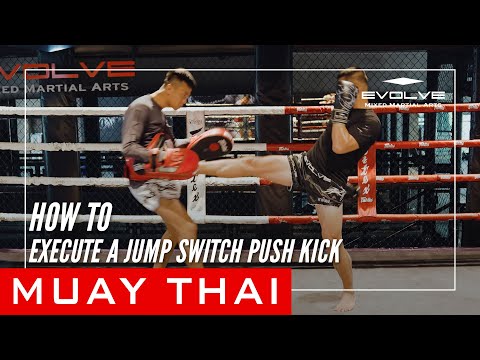
We are witnessing a demonstration from the hallowed halls of Evolve MMA, featuring the peerless Nong-O Gaiyanghadao and the formidable Panpayak Jitmuangnon. These aren't just fighters; they are living embodiments of Muay Thai's highest ideals. Their ability to execute the Jump Switch Push Kick is not a matter of brute force, but of refined technique, perfect timing, and a profound understanding of body mechanics—principles that echo across countless disciplines, from the sweeping arcs of a Karate kata to the grounded stability of Judo. This mastery can be yours, through dedicated study. Evolve University offers a Muay Thai Fundamentals online master course that delves deep into these unique moves, providing a pathway to understanding the art at its core. You can explore this knowledge here: Evolve University Muay Thai Fundamentals.

The Essence of the Jump Switch Push Kick

At its heart, the Jump Switch Push Kick (often called a Teep Jad in Muay Thai when executed with a switch stance) is a dynamic variation of the fundamental push kick. The standard push kick is a powerful tool for controlling distance, checking an opponent's advance, and creating openings. By incorporating a jump and a stance switch, we amplify its offensive potential and its psychological impact. It's a move that says, "I am here, I am in control, and you will not advance unopposed." It requires a level of agility and coordination that separates the novice from the seasoned warrior.

Why the Jump Switch Push Kick is a Game Changer

In the brutal ballet of combat, rhythm is paramount. Disrupting an opponent's rhythm is as crucial as landing a solid blow. The Jump Switch Push Kick excels at this. Imagine an opponent charging, their offensive momentum building. A conventional push kick might halt them. But a *jump* switch push kick? It's an unexpected explosion. It forces the opponent to re-evaluate instantly, their attack stalling, their footing compromised. It’s a spectacular way to bridge the gap between ranges, to pivot from defense to offense in a single, breathtaking motion. It’s also a superb way to change your own offensive angles, making you a more unpredictable and dangerous adversary. This principle of disrupting the opponent’s flow is universal; consider how a well-timed throw in Judo can shatter an attacker's balance and initiative.

"The ultimate aim of martial arts is not victory or defeat, but the perfection of the character of its adherents." - Gichin Funakoshi

While this quote speaks to the philosophical depth of martial arts, it’s also true that the *application* of techniques, like the Jump Switch Push Kick, demands perfection not just of movement, but of mind and spirit. It requires discipline and focus cultivated over countless hours of practice. This is where the true martial art lies—not just in the strike, but in the training that makes it possible.

The Biomechanics: Unleashing Explosive Power

The power of the Jump Switch Push Kick stems from a kinetic chain that flows from the ground up. It's not just about extending the leg. It involves:

  • Core Engagement: A powerful twist and brace of the core muscles provides the rotational force needed for the jump and the stability for the kick.
  • Hip Hinge and Drive: The hips explosively extend, driving the knee forward and then snapping the leg into the push. This is similar to the hip drive used in a powerful Karate punch or a Muay Thai roundhouse.
  • Leg Extension and Foot Placement: The leg extends with a stiff, piston-like motion, landing with the ball of the foot or heel aimed at the opponent’s center mass or legs. The switch in stance means you’re landing on a different foot, ready for immediate follow-up.
  • Arm Counterbalance: The arms are used to help generate momentum for the jump and maintain balance, often sweeping downwards or outwards as the kick extends.

Mastering these mechanics turns a simple kick into a force multiplier. It’s about generating maximum velocity and impact with minimal wasted effort—a core principle in BUDO.

Training Guide: Executing the Jump Switch Push Kick

Let us break down the execution. This is not something to be attempted at full power on your first try. Focus on precision and control. Remember, quality of movement over quantity.

  1. Stance: Begin in a standard Muay Thai fighting stance (e.g., orthodox, lead leg forward).
  2. The Setup: Slightly bend your knees. You can feint with your hands or body to draw your opponent's reaction.
  3. The Switch: The crucial first step is the switch of your feet. This is a quick, explosive hop where your lead foot moves to where your rear foot was, and your rear foot moves forward to where your lead foot was. This happens almost simultaneously as you initiate the upward motion.
  4. The Jump: As your feet switch, drive upwards. This jump is not for height, but for creating a moment of airborne separation and power generation. Think of it as a controlled explosion upwards.
  5. The Kick: While in the air, bring your new lead knee (which was your rear leg before the switch) forward explosively. Extend your leg with a stiff push, aiming to strike with the ball of your foot or your heel. Keep your hips engaged for maximum power. Your arms should counterbalance your movement.
  6. The Landing: Land with your feet switched from your starting position, ready to defend or attack. Your body should be stable, your weight distributed correctly. Your new lead leg is now forward, primed for further action.
  7. Follow-up: Immediately assess the situation. You might follow with punches, another kick, or clinch. The Jump Switch Push Kick often leaves an opponent momentarily stunned or off-balance, creating a perfect opportunity.

Practice this slowly, focusing on the fluidity of the switch and the power of the kick. Gradually increase speed and power as your coordination improves. Consider incorporating plyometrics for explosive power, similar to drills used in MMA conditioning.

Tactical Applications on the Battlefield (or Ring)

The Jump Switch Push Kick is far more than a flashy technique. Its strategic value is immense:

  • Distance Control: Its primary function. It can keep heavy hitters at bay, preventing them from closing the distance to land powerful strikes.
  • Rhythm Disruption: As mentioned, it shatters an opponent’s offensive rhythm. It’s like dropping a pebble into a still pond; the ripples of disorientation can be profound.
  • Opening Combinations: After a successful push kick, an opponent might be off-balance or their guard lowered. This is your cue to unleash a flurry of punches, elbows, or knees. Think of a Kickboxing bout where a perfectly timed teep can set up a devastating hook.
  • Changing Angles: The switch stance allows you to immediately change your angle of attack, making you harder to predict. You can follow up with a cross, an uppercut, or even transition to a low kick on the opposite side.
  • Psychological Warfare: The sheer unexpectedness and power of this kick can demoralize an opponent. It instills doubt and forces them to play your game, not theirs.

Common Mistakes to Avoid

Even with skilled practitioners, errors can creep in. Be mindful of these pitfalls:

  • Lack of Core Engagement: A weak core leads to a weak kick and poor balance. You must brace and twist effectively.
  • Jumping Too High or Too Low: The jump is for momentum, not for acrobatics. Too high, and you lose power on the kick and stability on the landing. Too low, and you lose the explosive element.
  • Telegraphing the Move: A wild wind-up or an obvious body shift will alert your opponent. The switch and jump should be as fluid and unexpected as possible.
  • Poor Footwork on the Switch: If the switch is clumsy, the entire technique falls apart. It must be a seamless, quick transition.
  • Not Committing to the Kick: Hesitation kills power. Once you initiate the jump, commit fully to extending the leg with force.
  • Forgetting the Landing: The kick is only half the battle. Landing stable and ready for what's next is paramount. A wobbly landing can be exploited.

These are the kinds of details that separate mere practitioners from true martial artists. The discipline of Karate, with its emphasis on precise form and efficiency, teaches us the value of such meticulous attention to detail.

Sensei's Verdict: More Than Just a Kick?

Is the Jump Switch Push Kick merely a flashy addition to Muay Thai's arsenal, or is it a fundamental tool for the discerning warrior? My verdict is unequivocal: it is a sophisticated technique that, when mastered, elevates a fighter's tactical prowess significantly. It demands discipline, coordination, and a deep understanding of biomechanics and timing—qualities that define excellence in any martial arts discipline. It's not just about throwing a kick; it's about controlling the fight. It’s a testament to how striking arts can evolve and innovate while retaining their core principles of power and efficiency.

Equipment Essentials for Your Training

To truly hone techniques like the Jump Switch Push Kick, proper equipment is vital. While the kick itself requires no equipment, your training regimen does:

  • Durable Training Mat: Essential for shock absorption during jumps and landings, protecting your joints. Look for high-density foam mats suitable for combat sports.
  • Muay Thai Shorts: Lightweight and designed for maximum range of motion, allowing for fluid hip movement and high kicks.
  • Hand Wraps and Gloves: For sparring or heavy bag work. Even when focusing on kicks, hand protection is crucial for overall conditioning and defense. Consider 14-16oz gloves for bag work and sparring.
  • Shin Guards: For sparring and pad work, protecting your shins from impact and allowing you to practice leg kicks safely.
  • Jump Rope: For conditioning, agility, and cardiovascular endurance. A weighted jump rope can add an extra challenge.
  • Resistance Bands: Excellent for core strengthening and explosive power development, mimicking the hip drive needed for the kick.

Investing in quality Karate or Muay Thai gear is an investment in your longevity and progress in the martial arts.

Frequently Asked Questions

  • Can I use the Jump Switch Push Kick in a Karate or Taekwondo context? While the fundamental push kick exists in these arts, the 'jump switch' element is more characteristic of Muay Thai. However, the principles of coordination and explosive power are universal. Adapting it might require significant stylistic adjustments.
  • Is this move effective against larger opponents? Absolutely. Its power lies in disruption and control rather than brute force. By catching a larger opponent off-guard and off-balance, you can neutralize their size advantage.
  • How long does it take to master this technique? Mastery is a lifelong pursuit. However, with consistent, focused practice (2-3 times a week), a competent practitioner can learn to execute it effectively within a few months. True mastery, however, implies seamless integration into combat scenarios.
  • What is the difference between a Jump Push Kick and a Jump Switch Push Kick? A Jump Push Kick is performed from your natural stance, jumping and kicking with your lead leg. A Jump Switch Push Kick involves switching your feet mid-air *before* extending the kick with your new lead leg, fundamentally changing your position and angle.

Further Study in Your Journey

The quest for martial knowledge is unending. To deepen your understanding, I urge you to explore:

  • Muay Thai Fundamentals: Dive deeper into the art of eight limbs.
  • Kickboxing Techniques: Explore the broader world of stand-up striking.
  • MMA Conditioning: Learn how to build the explosive power needed for advanced techniques.
  • The Philosophy of BUDO: Understand the underlying principles that connect all martial paths.

Reflexión del Sensei: Tu Próximo Paso
Now, I ask you: Do you see the Jump Switch Push Kick as a mere spectacle, or as a tactical weapon? Have you witnessed its power firsthand, or perhaps tried to implement it yourself? Reflect on the principles of explosive power, deception, and rhythmic disruption. How can these abstract concepts be translated into the specific techniques and strategies you employ in your own training? Share your insights, your struggles, and your triumphs in the comments below. Let us forge understanding through shared experience and vigorous debate. Do not be silent; your voice adds weight to the lessons learned. Do you believe this technique is overrated, or the pinnacle of Muay Thai’s offensive capability? Prove your point.

``` GEMINI_METADESC: Master the Muay Thai Jump Switch Push Kick! Learn the biomechanics, tactics, and training from world champions Nong-O & Panpayak. Elevate your striking game!

Mastering Muay Thai: The Ultimate Guide to Strength, Power, and Conditioning

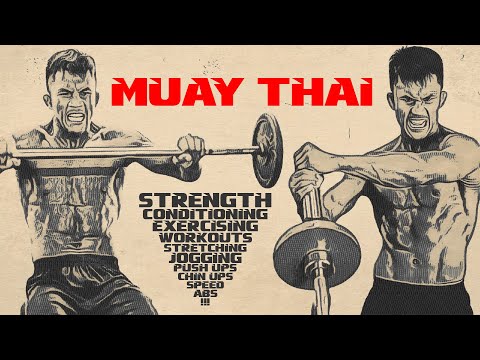
Welcome, fellow warriors, to a session dedicated to the very engine of the Nak Muay: strength, power, and conditioning. Many approach their physical training as a mere afterthought, a grim necessity to endure rounds. But I tell you, true mastery of Muay Thai, of any combat art, is forged in the crucible of intelligent, targeted physical development. This isn't just about lifting weights; it's about building a weaponized body – resilient, explosive, and endlessly capable.

We often see fighters who possess incredible technique but lack the raw physical attributes to implement it effectively under pressure. Are you one of them? Do you find yourself gassed after a few intense exchanges? Does your power falter as the rounds progress? If so, this lesson is for you. We will dissect the core components of a potent Muay Thai physique, drawing from the wisdom of seasoned trainers and the hard-won experience of champions. Prepare to have your assumptions challenged and your training revolutionized.

Table of Contents

The Foundation: Why Physicality is Paramount in Muay Thai

A Nak Muay is not merely a technician of kicks and elbows; they are an embodiment of explosive power and unyielding resilience. In the brutal arena of Muay Thai, where every exchange can be decisive, raw physicality isn't a bonus – it's a prerequisite. A fighter must be explosive. Actions must be fast, delivered with devastating intent.

In both training and fighting, we learn to move with precision and speed, but critically, we must also move with explosive power. This requires a fundamentally different approach to training than one might adopt for mere general fitness. The muscular structure needs to be powerful, flexible, and fast. Big muscles, often pursued for aesthetic reasons, are of limited use if they are slow and cumbersome. This is the core philosophy that separates elite combat athletes from the merely fit.

Muay Thai and Muscle: Beyond Aesthetics

The discussion around strength training for combat sports, especially for an art as demanding as Muay Thai, often gets mired in misunderstandings. Many practitioners believe that building significant muscle mass will slow them down, hindering the lightning-fast movements and explosive power essential for the sport. This is a flawed perspective born from training for aesthetics rather than for function.

My years of working with a diverse range of athletes – from seasoned wrestlers like Piet Kanters and Henk van der Stoep, to professional rugby players and American football pros – have taught me a crucial lesson. Arthur Mulder, a brilliant athletic trainer and physiotherapist, was instrumental in shaping this understanding. The principles of strength training for combat are not aligned with those for bodybuilding. Every resistance training session must be built upon functional movements that directly translate to fighting prowess. We are not aiming for gargantuan biceps; we are aiming for a muscular structure that is powerful, flexible, and fast.

The Great Debate: Do We Really Need Jogging?

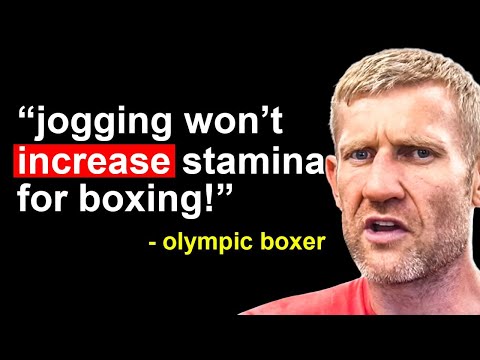
03:02 - This is a question that sparks fervent debate among coaches and athletes alike. Traditionalists often swear by long-distance jogging as a cornerstone of conditioning for any combat sport. However, when you analyze the physiological demands of Muay Thai – the short, intense bursts of power, the rapid footwork, the explosive clinch exchanges – the efficacy of steady-state cardio comes into question.

While jogging can improve general cardiovascular health and build a base level of aerobic fitness, it doesn't adequately replicate the specific energy systems utilized in a fight. The high-intensity, anaerobic demands of Muay Thai require a different kind of conditioning. Is jogging completely useless? Perhaps not entirely, but it should not be the primary or sole focus of a fighter's endurance training. We must prioritize methods that build the capacity for explosive power and rapid recovery.

The Ubiquitous Jump Rope: A Fighter's Best Friend

04:20 - If there is one piece of equipment that transcends almost all combat sports, it is the humble jump rope. For Muay Thai, it is practically indispensable. Skipping rope is a phenomenal tool for developing a multitude of physical attributes crucial for the Nak Muay.

Firstly, it is an exceptional cardiovascular conditioner. It elevates the heart rate, improves stamina, and builds the aerobic base necessary for enduring multiple rounds. Secondly, it hones footwork and coordination. The rhythmic bouncing, the precise timing required to avoid tripping, and the constant adjustment of foot placement translate directly to improved agility and evasiveness in the ring. Thirdly, it builds ankle and calf strength and resilience, areas often subjected to significant stress in Muay Thai. Skipping rope is a simple, cost-effective, and profoundly effective method for building the fundamental physical capacity required to excel.

Forging Unyielding Endurance: The Heart of the Champion

05:40 - Endurance in Muay Thai is not merely about lasting the distance; it's about maintaining peak performance throughout. It's about having the stamina to deliver powerful strikes even in the championship rounds, to defend effectively when fatigued, and to recover quickly between exchanges. Simply put, a fighter with superior endurance often holds a significant advantage.

Beyond the basic cardiovascular benefits, endurance training in Muay Thai must focus on developing the body's ability to sustain high-intensity efforts and resist fatigue. This involves a combination of aerobic conditioning (like the jump rope) and more specific anaerobic methods.

The Art of Explosiveness: Interval & Speed Training

05:56 - This is where we begin to sculpt the explosive fighter. Interval training and speed workouts are designed to mimic the stop-start, high-intensity nature of combat. The goal is to train the body to perform at maximum capacity for short durations, with minimal recovery time, and then to recover quickly enough to repeat the effort.

Interval Training in Thai Boxing (05:56): This typically involves alternating between periods of intense work (e.g., heavy bag rounds, sprint intervals, plyometrics) and brief recovery periods. The intensity is high, pushing your anaerobic threshold. This trains your body to become more efficient at clearing lactate and to sustain explosive efforts.

Muay Thai Speed Workout (06:40): This focuses specifically on increasing the velocity of movement. Think rapid pad work, explosive shadow boxing focusing on fast combinations, and drills designed to shorten movement times. The emphasis here is on maximal speed, even if it means slightly fewer repetitions compared to endurance intervals.

These methods are crucial for developing the kind of lightning-fast reactions and devastating power that define a true Nak Muay.

Unlocking Raw Power: Strength Training Principles

07:00 - Power, in the context of combat, is the ability to exert maximal force in the shortest possible time. It is strength applied rapidly. Simply being strong is insufficient; you must be able to deploy that strength with explosive speed. This is where dedicated power and strength workouts come into play.

The principles of training for power are distinct. We focus on compound, functional movements that engage multiple muscle groups simultaneously, mirroring the kinetic chains used in striking. Exercises like:

  • Olympic Lifts (or variations): Cleans, snatches, and jerks (when performed correctly) are unparalleled for developing explosive triple extension (hips, knees, ankles).
  • Medicine Ball Throws: Excellent for developing rotational power and explosive core engagement, directly applicable to punches and kicks.
  • Plyometrics: Box jumps, broad jumps, and explosive push-ups train the neuromuscular system to recruit muscle fibers rapidly.

It is vital that these movements are executed with maximal intent and speed. The weight should be challenging but allow for explosive execution, not slow, grinding repetitions.

Beyond Reps and Sets: Tactical and Circuit Training

07:22 - True martial arts training integrates physical conditioning with tactical application. This is where the concepts of tactical training and circuit training become invaluable.

Muay Thai Tactical Training (07:22): This involves conditioning drills that simulate specific fight scenarios. For example, a drill might involve defending against a barrage of punches, transitioning to a clinch, executing knee strikes, and then breaking away – all performed under fatigue. It integrates physical exertion with strategic decision-making and technique execution.

Circuit Training in Thai Boxing (07:56): Circuit training involves performing a series of different exercises back-to-back with minimal rest between them, then resting for a longer period at the end of the circuit before repeating. This is an efficient way to build both muscular endurance and cardiovascular fitness simultaneously. A Muay Thai circuit might include stations for heavy bag work, shadow boxing, push-ups, squats, core exercises, and rope skipping, flowing from one to the next.

These methods ensure that your physical conditioning directly supports your ability to fight intelligently and effectively.

The Strategic Mind: Periodization in Martial Arts

08:47 - Perhaps one of the most overlooked aspects of athletic development, especially in individual combat sports, is strategic planning through periodization. Simply training hard all year round is a recipe for burnout, injury, and plateaued performance.

Periodical Martial Arts Training and Planning: Periodization involves structuring your training into distinct phases, each with specific goals. This might include:

  • General Preparation Phase: Building a broad base of strength, endurance, and fundamental skills.
  • Specific Preparation Phase: Focusing on the unique demands of Muay Thai, increasing intensity, and refining techniques under fatigue.
  • Competition Phase: Peaking for upcoming fights, reducing volume while maintaining intensity and sharpness.
  • Transition/Recovery Phase: Active rest and recovery to allow the body and mind to recuperate before the next training cycle.

A well-planned periodized program ensures that you arrive at your peak performance when it matters most, preventing overtraining and maximizing long-term progress. It’s about working smarter, not just harder.

Sean's Must-Have Exercises for Muay Thai

09:40 - When asked about the absolute essential exercises for any Muay Thai practitioner, the focus must always be on functional strength and explosive power. These aren't just random movements; they are foundational building blocks for a powerful Nak Muay.

"The principles of strength training are not the same way those for fitness training. Every resistance training is based on functional movements. Big muscles are of no use. Our muscular structure needs to be powerful, flexible and fast."

Drawing from this philosophy, the key exercises revolve around developing the entire kinetic chain:

  • Compound Lifts: Squats, deadlifts (or trap bar deadlifts for reduced technical demand), and overhead presses build overall strength and muscle mass in a functional manner.
  • Explosive Movements: Kettlebell swings, medicine ball slams, and plyometric jumps are critical for developing power.
  • Rotational Power: Russian twists, wood chops, and rotational medicine ball throws enhance the power behind punches and kicks.
  • Grip and Forearm Strength: Essential for clinch work and maintaining control.
These exercises, when programmed correctly within a periodized plan, form the bedrock of a fighter's physical arsenal.

The Unshakeable Core: Muay Thai Abs Training

10:44 - The core is the powerhouse of every strike, every defensive maneuver, and every balance adjustment in Muay Thai. A strong, stable core acts as the central link between the lower and upper body, allowing for efficient transfer of force and providing a solid base for power generation. Neglecting core training is akin to building a skyscraper on a weak foundation.

Muay Thai abs training goes beyond the standard crunch. We need exercises that challenge the core in multiple planes of motion and engage it under load:

  • Planks (and variations): Front, side, and dynamic planks build isometric strength and endurance.
  • Hanging Leg Raises: Excellent for developing lower abdominal strength and hip flexor control.
  • Wood Chops (with cable or band): These develop rotational strength and oblique power, crucial for striking.
  • Ab Wheel Rollouts: A highly effective exercise for challenging the entire core musculature.
  • Cable Crunches: When performed explosively, these can help develop dynamic core strength.

A consistent and varied core routine is non-negotiable for any serious Muay Thai practitioner.

Bodyweight Mastery: Push-ups and Chin-ups

11:32 - While weighted training has its place, the mastery of fundamental bodyweight exercises like push-ups and chin-ups remains paramount. These exercises, when performed correctly, are incredibly effective for building upper body strength, power, and endurance—all critical components for Muay Thai.

Muay Thai Push Ups (11:32): Standard push-ups build chest, shoulder, and triceps strength. However, variations are key for combat athletes. Consider explosive push-ups (plyometric), diamond push-ups (for triceps emphasis), and wide-grip push-ups (for chest development). They are vital for powerful punches and effective defensive posture.

Muay Thai Chin Ups (12:44): Chin-ups and pull-ups are arguably the king of upper body pulling exercises. They build back strength (lats, rhomboids), biceps, and forearms. This is crucial for clinch control, defending takedowns (though less common in Muay Thai, the principle applies to controlling an opponent's posture), and generating power in pulling movements. If standard chin-ups are too difficult, assisted variations or negatives can be used.

The Controversial Stretch: To Stretch or Not to Stretch?

13:30 - The role of stretching in athletic preparation is a topic fraught with conflicting advice. Some argue it's essential for flexibility and injury prevention, while others claim it can decrease power output if performed incorrectly or at the wrong time.

#SeanAnswers: Do we really need stretching in Muay Thai? My answer is a qualified yes. Stretching is indeed necessary, but how and when you stretch matters immensely. Pre-workout, static stretching (holding a stretch for an extended period) can temporarily reduce muscle power and potentially increase the risk of injury if the muscles are not adequately warmed. Instead, dynamic stretching, which involves moving joints through their full range of motion, is far more beneficial as part of a warm-up.

Post-workout or on recovery days, static stretching can be highly effective for improving flexibility, aiding muscle recovery, and restoring the body to a neutral state. The goal is not to be rubbery, but to have a functional range of motion that allows for powerful, unrestricted movement.

A Comprehensive Muay Thai Stretching Program

14:43 - A well-rounded flexibility program is crucial for optimizing performance and minimizing injury risk in Muay Thai. This program should target the key muscle groups used in striking, clinching, and defending.

Here is a sample full-body Muay Thai stretching program, best performed after training or on recovery days:

  1. Neck Rolls: Gentle rotations to relieve tension.
  2. Shoulder Stretches: Cross-body arm stretch, overhead triceps stretch.
  3. Chest Stretch: Doorway chest stretch.
  4. Torso Twists: Seated or standing, to improve spinal mobility.
  5. Hip Flexor Stretch: Kneeling lunge stretch.
  6. Hamstring Stretch: Seated forward fold or standing hamstring stretch.
  7. Quadriceps Stretch: Standing quad pull.
  8. Calf Stretch: Gastrocnemius and soleus stretches against a wall.
  9. Inner Thigh Stretch (Adductors): Butterfly stretch or straddle stretch.
  10. Glute Stretch: Figure-four stretch or pigeon pose.
  11. Wrist and Finger Stretches: Gentle flexion and extension.

Hold each stretch for 20-30 seconds, focusing on deep, relaxed breathing. The goal is to improve flexibility without compromising strength or power.

Sean Douglas's Post-Training Protocol

19:17 - The work doesn't end when the training session is over. Recovery is where the body adapts and grows stronger. Neglecting recovery is like forging a blade and then leaving it to rust. Sean Douglas, a fighter who understands this intimately, emphasizes a comprehensive post-training routine.

While the exact details of his protocol are extensive, the core principles revolve around:

  • Active Recovery: Light movement, such as walking or gentle cycling, to promote blood flow and remove metabolic waste.
  • Stretching and Mobility: Addressing muscle tightness and restoring range of motion (as discussed above).
  • Nutrition: Replenishing glycogen stores and providing protein for muscle repair. Proper hydration is also paramount.
  • Sleep: The most critical recovery tool. Aim for 7-9 hours of quality sleep per night.
  • Hydrotherapy (optional): Contrast showers or ice baths can aid in reducing inflammation and speeding up recovery.

Treating your body with respect during the recovery phase is as important as the intensity of your training.

The Fighter's Physique: Functional Movement Over Big Muscles

The overarching philosophy that emerges from this deep dive into Muay Thai conditioning is clear: functional strength and explosive power trump brute size. The goal is not to look like a bodybuilder, but to move like a lethal weapon.

A proper strength program is built as follows:

  • Basic Strength: Building a foundational level of muscular strength across all major movement patterns.
  • Speed Training: Enhancing the rate of force development for quick, powerful actions.
  • Combined Strength and Speed Training: Integrating power development into strength exercises (e.g., jump squats, plyometric push-ups).
  • Flexibility: Ensuring a full, unrestricted range of motion for optimal technique and injury prevention.
  • Endurance Strength Training: The ability to sustain muscular effort over extended periods, crucial for grappling and clinching.
  • Tendon Training: A lesser-known but vital aspect, focusing on strengthening the connective tissues that bear the brunt of explosive movements.

It is imperative to understand that strength training for fighting has evolved into a specialized discipline focused on improving the quality and efficacy of fighting movements. As Arnaud van der Veere notes in his book "Muay Thai," the objective is to develop a physique that is not just strong, but fighting strong.

Essential Equipment for Your Muay Thai Training

To truly maximize your strength, power, and conditioning for Muay Thai, having the right tools can make a significant difference. While the Nak Muay spirit emphasizes adaptability, certain equipment enhances training efficacy:

  • Hand Wraps and Boxing Gloves: Essential for protecting your hands and wrists during striking drills. Look for gloves suitable for sparring (14-16oz) and lighter gloves for pad work.
  • Jump Rope: A high-quality speed rope is invaluable for cardiovascular and footwork conditioning.
  • Medicine Ball: For explosive rotational power and core training. Weighted balls are ideal.
  • Resistance Bands: Versatile for warm-ups, mobility work, and strength-specific exercises.
  • Kettlebells: Excellent for dynamic strength and conditioning movements like swings and cleans.
  • Gym Access (Optional but Recommended): For compound lifts like squats, deadlifts, and overhead presses, as well as weight machines for targeted muscle development.
  • Shin Guards and Mouthguard: Crucial for sparring safety.

Investing in good quality equipment is an investment in your training and your longevity as a fighter. Consider looking for durable Muay Thai merchandise to keep your spirit high.

Frequently Asked Questions

Q1: How often should I do strength training for Muay Thai?
A1: For most practitioners, 2-3 sessions of strength and conditioning per week, integrated with your Muay Thai technical training, is optimal. Avoid heavy lifting on the same day as intense sparring or technical sessions.

Q2: Can I build power without lifting heavy weights?
A2: Absolutely. Explosive bodyweight exercises (plyometrics), medicine ball work, and fast-paced, high-intensity interval training can develop significant power. Weight training is beneficial but not the only path.

Q3: Is it okay to do my strength training before or after my Muay Thai class?
A3: It depends on your goals and energy levels. Doing it after class can be effective for prioritizing technique, but ensure you have adequate nutrition and recovery. Doing it before can fatigue you for technical work. Many find separate days or splitting sessions to be ideal.

Q4: How do I balance Muay Thai technical training with strength and conditioning?
A4: Prioritize. If you have a fight approaching, technique and sparring often take precedence. For general development, balance is key. Listen to your body and adjust volume and intensity accordingly. Periodization is your best friend here.

Q5: What is the most important physical attribute for a Muay Thai fighter?
A5: While all are important, the ability to combine explosive power with sustained endurance is often the deciding factor. This means your conditioning must support your ability to generate force rapidly, round after round.

Sensei's Reflection: Your Next Step

You have now traversed the landscape of Muay Thai strength, power, and conditioning. We’ve moved beyond the simplistic notion of just "training hard" to understand the nuanced science of building a truly formidable fighting physique. From the debated necessity of jogging to the critical importance of explosive movements and intelligent recovery, the path is laid out.

But knowledge without application is merely academic. The true test lies in your commitment to implement these principles. Will you continue to train haphazardly, hoping for results, or will you embrace a structured, intelligent approach?

Sensei's Reflection: Your Next Step

Consider this: The next time you step onto the training mats, are you merely going through the motions, or are you actively engaged in building the specific physical attributes that will make you a more dangerous, resilient, and effective Nak Muay? Identify one area discussed today – be it your core strength, your explosive power, or your endurance capacity – and commit to improving it this week. How will you translate this knowledge into tangible action?

Deepen Your Journey

To continue honing your martial spirit and physical prowess, explore these related topics:

``` GEMINI_METADESC: Unleash your potential with this comprehensive guide to Muay Thai strength, power, and physical training. Explore essential exercises, conditioning techniques, and the philosophy behind building a truly explosive Nak Muay.

BKFC 24: Joe Riggs Steps Back Into the Arena - Can He Reclaim Glory?

The roar of the crowd, the palpable tension before the bell, the primal dance of combat – these are the elements that draw us to the brutal ballet of combat sports. We've seen warriors rise and fall, legends forged in the crucible of competition. Today, we turn our attention to a fighter whose grit and resilience are as undeniable as his past performances: Joe "Diesel" Riggs. Many of you might recall Riggs's encounter with Melvin Guillard, a fight that, while perhaps not the most technically refined display of the martial arts, certainly held a certain raw energy. However, our focus today shifts to a new chapter, a pivotal moment in Riggs's career as he prepares to step back into the BKFC (Bare Knuckle Fighting Championship) arena.

A New Challenge: Joe Riggs vs. Lorenzo Hunt at BKFC 24

The date is April 30th, 2022. The venue: the Montana ExpoPark in Great Falls, Montana. The event: BKFC 24. And at the heart of it all, Joe "Diesel" Riggs, a man who has never shied away from a fight, is set to challenge for the light heavyweight championship against the formidable Lorenzo Hunt. This isn't just another fight; it's a testament to the indomitable spirit of a warrior. Riggs, with a professional record of 3-1-1 in bare-knuckle boxing, faces the reigning champion, Hunt, who boasts an impressive 6-1 record. The odds may seem stacked, but in the unforgiving world of combat, determination and heart often write their own narratives.
"The true warrior is one who can be both warrior and scholar; one who understands the art of combat and the philosophy behind it." - A principle echoed by many martial arts masters.

The Philosophy of Bare-Knuckle Combat

While many martial arts emphasize technique, strategy, and discipline, bare-knuckle boxing strips the contest down to its most fundamental elements: raw power, sheer will, and the ability to absorb punishment. It's a brutal, unforgiving sport that demands an incredible level of mental fortitude and physical toughness. Is bare-knuckle fighting a true art form? This is a question that sparks fervent debate among martial artists. Some argue that its lack of rules and emphasis on brute force disqualifies it from the esteemed lineage of traditional martial arts. Others, however, see it as a modern iteration of ancient combative practices, a visceral expression of human aggression and resilience.
"To know your enemy and know yourself, you need not fear the result of a hundred battles." - Miyamoto Musashi, "The Book of Five Rings"
Riggs embodies the latter perspective. His journey through various combat sports, from MMA to bare-knuckle boxing, showcases a warrior's adaptability and an unyielding desire to test himself against the best.

Joe Riggs's Journey: From MMA to BKFC

Joe Riggs is no stranger to the fight game. His career in mixed martial arts spanned over a decade, facing some of the toughest competitors in the sport. His transition to bare-knuckle boxing signifies a desire to embrace a more direct, unfiltered form of combat. In the raw, unadorned world of BKFC, Riggs has proven his mettle. His previous performances have been marked by a relentless forward pressure and a willingness to engage in slugfests. Now, he stands on the precipice of championship glory.

BKFC 24: A Card Stacked with Action

Beyond the main event, BKFC 24 promises a night of thrilling matchups. The full card, as of the publication of this article, is as follows: * Lorenzo Hunt [c] vs. Joe Riggs * Leo Bercier vs. Bryant Acheson * Andy Nguyen vs. Cassandra Robb * Louie Lopez vs. Rusty Crowder * Kai Stewart vs. Daniel Gary * Sawyer Depee vs. William Dunkle * Billy Wagner vs. Bryan Mortensen * Timmy Mason vs. Arthur Walcott-Ceesay * Dallas Davison vs. Eric Lopez * James Dennis vs. Brian Maxwell *Please note: Fight cards are always subject to change, a common occurrence in the unpredictable world of combat sports.*

Veredicto del Sensei: ¿Merece la pena?

From a martial arts purist's perspective, bare-knuckle boxing might raise eyebrows. The emphasis on raw power over refined technique, the absence of grappling and submissions, can be seen as a departure from the holistic development espoused by many traditional arts. However, to dismiss it entirely is to ignore the immense courage, discipline, and sheer willpower required to compete. Joe Riggs's return to the BKFC spotlight is a compelling narrative of a fighter who thrives in the most intense environments. His upcoming bout against Lorenzo Hunt is more than just a championship fight; it's a demonstration of the enduring spirit of combat. If you appreciate grit, courage, and a no-holds-barred approach to competition, BKFC 24 and the main event featuring Joe Riggs are undoubtedly worth your attention. **Cinturón Negro en Determinación.**

Equipo Esencial para tu Entrenamiento

While bare-knuckle boxing requires minimal equipment in the ring, proper training demands dedication and the right gear. For those inspired by the toughness and resilience of fighters like Joe Riggs, focusing on fundamental conditioning is key.
  • Boxing Gloves (16oz for Sparring): Essential for protecting your hands and your training partners during sparring sessions.
  • Hand Wraps: Crucial for added wrist and hand support, preventing injuries during intense striking training.
  • Mouthguard: Non-negotiable for any form of combat sports to protect your teeth and jaw.
  • Shin Guards: Important for kickboxing or Muay Thai training, offering protection during leg strike drills.
  • Jump Rope: An excellent tool for cardiovascular conditioning and footwork development.
  • Durable Workout Apparel: Comfortable and flexible clothing that allows for a full range of motion.
For those looking to deepen their understanding of the striking arts, consider investing in quality equipment that reflects the spirit of discipline and training. Explore options for high-quality Karate gi or specialized MMA training gear to enhance your practice.

Guía de Entrenamiento: Fortaleciendo tu Mandíbula y Resiliencia

Inspired by the toughness of bare-knuckle fighters? Here's a foundational workout to build resilience. This regimen focuses on strength, conditioning, and a mental toughness that mirrors the spirit of the fight.
  1. Jaw Strengthening Exercises:
    • Chewing Gum: Start with 15-30 minutes of chewing gum daily, focusing on using both sides of your jaw.
    • Resistance Jaw Exercises: Use a jaw exerciser tool (available online) for controlled resistance training. Follow the manufacturer's instructions carefully.
    • Isometric Jaw Holds: Place your thumb under your chin and push upwards while resisting with your jaw muscles. Hold for 10-15 seconds. Repeat 5-10 times.
  2. Cardiovascular Conditioning:
    • Running: Aim for at least 3-4 sessions per week. Incorporate interval training (sprints followed by jogging) for maximum cardiovascular benefit. Look for tips to improve your running.
    • Jump Rope: 15-20 minutes of continuous jumping, varying speeds and techniques.
    • Shadow Boxing: 5-10 rounds of intense shadow boxing, focusing on power and speed.
  3. Core Strength and Stability:
    • Plank Variations: Hold standard planks, side planks, and dynamic planks for extended periods (60 seconds or more).
    • Russian Twists: With or without weight, focus on controlled rotation.
    • Leg Raises: Build lower abdominal strength.
  4. Mental Fortitude:
    • Meditation: Practice daily meditation to improve focus and emotional control. Consider exploring Zen meditation principles.
    • Visualization: Spend time visualizing yourself performing under pressure, overcoming challenges.
    • Setting Small Goals: Break down larger objectives into smaller, achievable steps to build confidence and momentum.
Remember, consistent practice is key. As with any training, listen to your body and consult with a fitness professional if you have any underlying health conditions.

Preguntas Frecuentes

  • When is BKFC 24 taking place? BKFC 24 is scheduled for Saturday, April 30th, 2022.
  • Who is Joe Riggs fighting at BKFC 24? Joe "Diesel" Riggs will face Lorenzo Hunt for the light heavyweight championship.
  • Where can I watch BKFC 24? The event will be available via Pay-Per-View. Links for PPV and live tickets are provided in the article.
  • What is BKFC? BKFC stands for Bare Knuckle Fighting Championship, a promotion that hosts fights without gloves.
  • Is bare-knuckle fighting considered a martial art? This is a debated topic. While it shares roots with combative disciplines, its focus on unadorned striking and lack of rules distinguish it from many traditional martial arts.

Para Profundizar en tu Camino

The spirit of combat and the journey of self-improvement are universal. Explore these related topics to further enrich your understanding and practice:

Reflexión del Sensei: Tu Próximo Paso

Riggs's return to the BKFC arena is a stark reminder that the warrior's path is rarely linear. It is a journey marked by challenges, setbacks, and the unwavering courage to step back into the fray. As you watch these warriors test their limits, ask yourself: What is the greatest challenge you are currently avoiding? And what "bare-knuckle" resolve will you muster to face it? The arena of life, like that of combat, demands bravery. ``` GEMINI_METADESC: Joe Riggs faces Lorenzo Hunt for the BKFC light heavyweight title at BKFC 24. Explore the fight, bare-knuckle philosophy, and Riggs's warrior spirit.

Mastering the Grind: Proven Methods to Forge Unyielding Stamina for the Pugilist's Art

The ring. A crucible where raw courage meets relentless conditioning. Many enter with fire in their belly, but few truly endure. Boxing, a dance of controlled aggression, demands more than mere power; it's a symphony of precision, speed, and, above all, an unyielding reservoir of stamina. This isn't just about throwing punches; it's about the ability to sustain that offensive pressure, to absorb blows, and to outlast your adversary when the final bell seems an eternity away. Are you truly prepared for the long haul, or will you gas out when the pressure mounts? This article isn't for the faint of heart. It's a deep dive into the foundational pillars that forge a boxer's endurance, techniques honed through generations of pugilists and refined by modern science. Prepare to elevate your fight or your fitness to a level you never thought possible.

Table of Contents

The Art of Economy: Why Technique is Stamina's First Line of Defense

Before we even discuss sprints or lifting weights, let's address the most fundamental, yet often overlooked, component of stamina: technique. Many aspiring boxers mistake brute force for effective power, leading to wasted energy that drains their reserves far too quickly. Think of it this way: a perfectly executed jab requires minimal effort and conserves energy. A wild, telegraphic haymaker, on the other hand, expends a tremendous amount of energy with questionable effectiveness and leaves you exposed.

Mastering proper boxing form – the stance, the footwork, the rotation of the hips, the snap of the wrist – is not merely about looking good; it's about energy efficiency. When your movements are fluid and economical, you harness the power of biomechanics. This allows you to deliver punches with maximum impact while minimizing the caloric cost. Furthermore, superior technique means better defense. The ability to slip punches, block effectively, and maintain balance means you're taking less damage. Each absorbed blow is a drain on your body’s resources. Thus, refining your technique is, in essence, a direct method of building stamina. Less wasted energy, fewer unnecessary impacts, more fuel in the tank for the later rounds.

"The difference between a good fighter and a great fighter is not just strength, but the intelligence to use that strength efficiently." - Unknown Master

Forging the Engine: The Power of High-Intensity Interval Training (HIIT)

Now, let's talk about building that cardiovascular engine. For boxing, the ability to recover quickly between bursts of intense activity is paramount. This is where High-Intensity Interval Training (HIIT) shines. HIIT involves alternating between short, explosive bursts of maximum effort and brief recovery periods. This method is incredibly effective for improving your VO2 max – the maximum amount of oxygen your body can utilize during intense exercise – and enhancing your anaerobic threshold.

How can you integrate HIIT into your boxing regimen? The possibilities are as varied as the sweet science itself:

  • Sprints: Short, all-out dashes over 50-100 meters, followed by a walk or light jog back. Repeat for several rounds.
  • Jump Rope Intervals: 30 seconds of fast, intense skipping, followed by 30 seconds of slow skipping or rest. Aim for 10-15 minutes.
  • Shadowboxing with Intensity: Alternate between 30 seconds of explosive punch combinations and defensive maneuvers, followed by 30 seconds of light movement or rest.
  • Burpees or Mountain Climbers: Perform these high-impact exercises for 45 seconds at maximum effort, followed by 15 seconds of rest.

The key is pushing your heart rate into the anaerobic zone during the work intervals and allowing it to recover significantly during the rest periods. This trains your body to become more efficient at clearing lactic acid and delivering oxygen to your muscles, directly translating to longer, more effective rounds in the ring.

The Road Warrior's Path: Conquering Distance for Ring Dominance

While ring-specific drills are crucial, the age-old practice of running remains an indispensable tool for building foundational stamina. The cardiovascular benefits are undeniable: increased lung capacity, strengthened heart, and improved blood circulation. But for a boxer, running offers more than just aerobic conditioning.

Start with a consistent base: aim for at least 30 minutes of moderate-paced running, 3-4 times a week. As your fitness improves, gradually increase the duration, intensity, or frequency. Consider incorporating:

  • Hill Sprints: These mimic the explosive leg drive needed for powerful punches and defensive movements.
  • Fartlek Training: A Swedish term meaning "speed play," this involves unstructured bursts of speed interspersed with jogging. It’s less rigid than traditional intervals and can improve your ability to adapt to changing pace within a fight.
  • Long, Slow Distance (LSD): While seemingly counterintuitive for a high-intensity sport, a weekly long run (60+ minutes) builds mental toughness and aerobic base, crucial for enduring grueling fights.

Beyond the physical, running outdoors can be a powerful mental exercise. It hones your ability to push through discomfort, to focus amidst distractions, and to develop the grit required to face adversity head-on – all critical traits for a prizefighter.

Building the Foundation: Resistance Training for Explosive Endurance

Stamina isn't just about your heart and lungs; it's also about the strength and resilience of your muscles. Resistance training plays a vital role in developing the kind of power endurance needed for boxing. It's not about becoming a bodybuilder, but about building functional strength that supports your explosive movements and helps prevent fatigue-induced breakdown.

Focus on compound exercises that engage multiple muscle groups simultaneously. These movements are more efficient and mimic the coordinated actions required in boxing:

  • Squats and Deadlifts: The bedrock of lower body strength, crucial for power generation and stability.
  • Pull-ups and Chin-ups: Essential for upper back strength, vital for pulling power and defensive posture.
  • Push-ups and Bench Presses: Develop chest, shoulder, and triceps power for striking.
  • Rows (Barbell, Dumbbell, Cable): Build back thickness and postural strength, aiding in punch retraction and overall stability.

Incorporate these exercises into your routine 2-3 times per week, focusing on moderate to high repetitions (8-15 reps) with challenging weight. This approach builds muscular endurance, allowing your muscles to work harder for longer periods without succumbing to fatigue. Think of it as creating a more robust frame that can withstand the rigors of prolonged combat.

Fueling the Machine: The Crucial Role of Nutrition and Hydration

You can have the best training regimen in the world, but without the right fuel, your body will falter. Proper nutrition and hydration are non-negotiable pillars of stamina development for any athlete, especially boxers.

Your diet should be balanced, prioritizing:

  • Complex Carbohydrates: The primary source of energy. Think whole grains (oats, brown rice, quinoa), fruits, and vegetables. These provide sustained energy release, crucial for long training sessions and fights.
  • Lean Protein: Essential for muscle repair and growth. Sources include chicken breast, fish, lean beef, eggs, and plant-based options like beans and lentils.
  • Healthy Fats: Important for hormone production and overall health. Avocados, nuts, seeds, and olive oil are excellent choices.
  • Micronutrients: Vitamins and minerals from a wide variety of fruits and vegetables are critical for countless bodily functions, including energy metabolism and immune support.

Hydration is equally critical. Dehydration, even by a small percentage, can severely impair performance, reduce endurance, and increase perceived exertion. Ensure you are consistently drinking water throughout the day, especially before, during, and after training sessions. Electrolyte drinks can be beneficial during particularly long or intense workouts, but plain water should be your primary source.

Avoid processed foods, excessive sugar, and unhealthy fats, as these can lead to energy crashes and inflammation, hindering your progress.

Veredicto del Sensei: ¿Merece la pena?

This is not merely about boxing; it's about forging an indomitable spirit and a resilient physique capable of withstanding prolonged exertion. The methods discussed – precise technique, punishing HIIT, disciplined running, functional strength training, and meticulous nutrition – are not suggestions; they are the bedrock upon which true endurance is built. Ignoring any one of these pillars is akin to entering a blizzard with insufficient clothing. You might survive, but you will suffer, and your performance will inevitably be compromised. For the dedicated pugilist and the serious athlete, mastering these principles is not just beneficial; it is essential for survival and victory. This comprehensive approach earns a Cinturón Negro en Resistencia.

Equipo Esencial para tu Entrenamiento

While your body is your primary tool, the right equipment can significantly enhance your training for stamina:

  • Salomon Speedcross Trail Running Shoes: For superior grip and responsiveness on varied terrain during outdoor runs.
  • High-Quality Jump Rope: A weighted speed rope can add an extra challenge to your interval training.
  • Resistance Bands Set: Versatile for adding resistance to bodyweight exercises and for dynamic warm-ups.
  • Gym Gloves (optional): To protect hands during heavy bag work and resistance training.
  • Hydration Pack or Water Bottle: Essential for maintaining fluid intake during prolonged sessions.

Preguntas Frecuentes

Q: How often should I incorporate HIIT into my boxing training?
A: For most boxers, 2-3 HIIT sessions per week are sufficient, allowing ample time for recovery between intense bouts. Listen to your body and adjust as needed.
Q: Can I build stamina for boxing without sparring?
A: Yes, while sparring is invaluable, a dedicated training regimen focusing on technique, conditioning drills, running, and strength training can significantly build stamina. Sparring then serves to apply and refine this built endurance in a live environment.
Q: How much protein do I need daily for boxing?
A: Athletes generally require more protein than sedentary individuals. Aim for approximately 1.6 to 2.2 grams of protein per kilogram of body weight daily to support muscle recovery and growth.
Q: Is it better to run in the morning or evening for stamina?
A: Consistency is key. The best time to run is when you can consistently commit to it. Some find morning runs energizing, while others prefer evening runs to de-stress.

Recursos para Profundizar

Reflexión del Sensei: Tu Próximo Paso
We've dissected the anatomy of a fighter's stamina. But knowledge without application is like a perfectly crafted sword left to rust. The true test lies not in reading these words, but in the sweat you shed, the miles you run, and the relentless pursuit of perfection in every punch, every block, every breath.

"The will to win is important, but the will to prepare to win is vital." - Joe Paterno

So, I ask you: Are you merely a spectator of your own potential, or are you ready to forge the unyielding engine that will carry you through the toughest rounds? What single, actionable step will you take *today* to begin building that legendary stamina?

BKFC 25: A Raw Look at Bare-Knuckle Combat - Beyond the Hype

The roar of the crowd, the crunch of bone on bone, the sheer, unadulterated will to dominate. This is bare-knuckle boxing, a primal echo of combat that predates organized sport. But is it a true art form, or simply a brutal spectacle? Today, we dissect BKFC 25, not just as a fight card, but as a testament to the raw, unfiltered human drive for conflict. We'll delve into the prelims, often overlooked but crucial for understanding the heart of any combat event.

Table of Contents

The Unveiling of the Prelims: Free Fights, Raw Talent

Many dismiss the preliminary bouts as mere warm-ups, filler designed to whet the appetite before the main event. This, I argue, is a critical error. The prelims of BKFC 25, available for free on YouTube, offer a glimpse into the unvarnished reality of fighters battling for their moment in the spotlight. These are not yet decorated champions; these are individuals with something to prove, their techniques honed not in pampered academies, but in the crucible of necessity. The raw aggression, the unrefined power – it's here that we often see the truest form of combat stripped bare. Watch Henry Williams vs. Sterling Lenz, Travis Floyd vs. Robert Adams, and Travis Lerchen vs. Gabriel Motas. What do you see? Desperation? Skill? Or a volatile blend of both?
"The fight is won or lost outside the ring, outside the arena, by the sweat you put in today." - Muhammad Ali

Main Event Analysis: Adams vs. Cleckler - A Clash of Titans

The headline attraction features Arnold Adams, the reigning heavyweight champion, defending his belt against the undefeated Dillion Cleckler. This is where the spectacle truly begins. Adams, with a record of 6-1, has proven his mettle. Cleckler, however, remains a question mark at 3-0, his undefeated streak a siren call to the ambitious. Can Adams' experience overcome Cleckler's raw, unblemished power? This bout encapsulates the high-stakes drama that BKFC thrives on. It's a test of endurance, chin, and the mental fortitude to withstand a barrage without the cushioning of gloves.

Undercard Insights: Beyond the Headliners

Beyond the main event, the full card presents a tapestry of potential clashes. Dave Mundell vs. Julian Lane, "Gentlemen" Jack Claffey vs. Rick Caruso, Joshua Sanchez vs. Levi Costa, Henry Williams vs. Pete Petties, Terry Janoski vs. Jay Jackson, Ryan Reber vs. Micah Mitchell, Art Parker vs. Warren Thompson, JR Ridge vs. Daniel Alvarez, and Idrees Wasi vs. John McAllister. Each pairing represents a unique narrative, a distinct approach to the brutal art of striking with bare fists. While the specific techniques might not always be as refined as in boxing or Muay Thai, the sheer commitment and ferocity are undeniable.
"A true warrior is one who can win without fighting." - Unknown Master
This quote, however, is tested in the arena of bare-knuckle where conflict is the very essence.

The Philosophy of Bare-Knuckle: Art or Atavism?

This is where the debate truly ignites. Proponents might argue that bare-knuckle is the most honest form of combat, a return to ancestral roots where skill and courage were the only defenses. It strips away the technological aids of modern combat sports and tests the individual at their most fundamental level. Conversely, critics decry it as a barbaric spectacle, a regression into primal violence that prioritizes damage over technique. From a martial arts perspective, we must ask: What principles of Budo can be found here? Is there discipline? Respect? Character development? Or is it purely about inflicting pain? While the raw courage is undeniable, the lack of codified techniques and the inherent risk of severe, permanent injury raise significant questions about its place in the broader martial arts landscape. Is this the pinnacle of combat, or its debased extreme? I believe it leans towards the latter, yet, we cannot ignore the sheer willpower displayed.

Training for the Primal Fight: What BKFC Demands

Training for bare-knuckle combat requires a unique blend of attributes. Power is paramount – the ability to deliver concussive blows without the shock absorption of gloves. Conditioning must be exceptional; these fights often devolve into grueling slugfests where endurance is as critical as power. Chin strength, the ability to absorb punishment, is non-negotiable. Furthermore, fighters must develop a high pain tolerance and an iron will, for they are literally putting their hands on the line. The psychological aspect is immense: overcoming the primal fear of bare-knuckle impact. While not a traditional martial art, the *application* of force and the mental resilience required share common ground with disciplines like Kyokushin Karate, known for its full-contact philosophy.

Equipment Essential for Your Training

While BKFC is about the *lack* of gloves, your training *demands* proper preparation to avoid injury and maximize effectiveness.
  • Hand Wraps: Essential for protecting your knuckles, wrists, and metacarpals during heavy bag work and sparring.
  • Durable Training Gloves (12-16oz): For conditioning, power drills, and sparring sessions that mimic the *impact* of bare-knuckle without the direct risk to your hands.
  • Heavy Bag: Crucial for developing power and endurance.
  • Speed Bag: Aids in developing hand speed and coordination.
  • Jump Rope: Fundamental for cardiovascular conditioning.
  • Resistance Bands: For strength training and injury prevention.
  • Makiwara (optional but recommended): For developing hardened striking surfaces and power generation rooted in traditional Karate training.

Veredicto del Sensei: Does BKFC Earn Martial Respect?

BKFC 25 presents a fascinating, albeit controversial, spectacle. The athleticism and sheer grit of the fighters are undeniable. The preliminary bouts, often overlooked, showcase a raw, unadulterated form of combat that harks back to older traditions. However, as a martial art, it falls short. The lack of codified techniques, emphasis on brute force over refined strategy, and the extreme risk of permanent injury prevent it from achieving the status of traditional disciplines that prioritize self-improvement, character development, and longevity. It is a test of will and power, a brutal ballet of survival, but not a path to true martial mastery in the Budo sense.

Overall Rating: Raw Power, Limited Artistry

Training Guide: Enhancing Your Striking Power

To develop the kind of power seen in BKFC, focus on these principles:
  1. Rooting and Grounding: Ensure a stable base. Shift your weight from your rear hip to your front hip, rotating your torso.
  2. Hip Rotation: Your power comes from your hips and core, not just your arms. Imagine snapping a towel.
  3. Elbow Position: Keep your elbow slightly bent and tucked, protecting it and ensuring a direct line of force.
  4. Full Extension (with control): Extend your arm fully towards the target, but maintain control. Do not over-extend and leave yourself vulnerable.
  5. Follow-Through: Let your momentum carry through the target. Don't stop your punch at the point of impact.
  6. Breath Control: Exhale sharply with each strike. This tightens your core and adds explosive power.

Essential Equipment for Your Training

While BKFC is about the *lack* of gloves, your training *demands* proper preparation to avoid injury and maximize effectiveness.
  • Hand Wraps: Essential for protecting your knuckles, wrists, and metacarpals during heavy bag work and sparring.
  • Durable Training Gloves (12-16oz): For conditioning, power drills, and sparring sessions that mimic the *impact* of bare-knuckle without the direct risk to your hands.
  • Heavy Bag: Crucial for developing power and endurance.
  • Speed Bag: Aids in developing hand speed and coordination.
  • Jump Rope: Fundamental for cardiovascular conditioning.
  • Resistance Bands: For strength training and injury prevention.
  • Makiwara (optional but recommended): For developing hardened striking surfaces and power generation rooted in traditional Karate training.

Preguntas Frecuentes

  • What does BKFC stand for? BKFC stands for Bare Knuckle Fighting Championship.
  • Is bare-knuckle boxing a martial art? While it involves combat and displays immense courage, it lacks the philosophical depth, codified techniques, and emphasis on self-improvement that define traditional martial arts like Karate or Budo.
  • What are the risks associated with bare-knuckle boxing? The risks are extremely high, including severe hand injuries (fractures, dislocations), facial trauma, concussions, and long-term neurological damage due to the direct impact without padding.
  • How does bare-knuckle fighting differ from boxing? The primary difference is the absence of gloves, leading to a different type of striking impact, increased risk of hand injury, and often a more aggressive, less technical approach.

Para Profundizar en tu Camino

Reflexión del Sensei: Tu Próximo Paso

The primal urge to fight is undeniable. BKFC taps into this raw energy. But true mastery lies not in the raw display of power, but in its controlled application, in the discipline it instills, and in the character it forges. The prelims at BKFC 25 offer a glimpse into this raw energy. The question is: Do you see only the violence, or do you see the human will striving against its limits? And more importantly, how does this raw display of combat inform *your own* journey in the martial path? ``` GEMINI_METADESC: Explore BKFC 25 prelims & the philosophy of bare-knuckle combat. Sensei's critical analysis on art vs. brutality. Train for raw power.

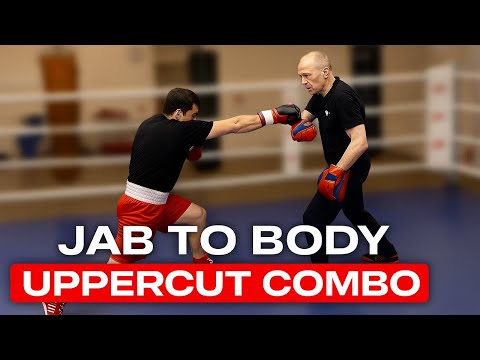
The Deceptive Simplicity: Mastering the Jab-Straight-Body Uppercut Combination

Are you truly grasping the essence of striking, or are you merely going through the motions? Many practitioners, fixated on flashy techniques, overlook the brutal efficiency of fundamental combinations. Today, we dissect a seemingly simple, yet devastatingly effective sequence: the Jab-Straight-Body Uppercut. This isn't just about throwing punches; it's about strategic engagement, conditioning the opponent, and exploiting openings with relentless precision. Let's delve into the core principles that make this combination a cornerstone of effective combat.

Understanding the Mechanics: More Than Just Punches

At its heart, the Jab-Straight-Body Uppercut is a three-punch sequence designed to overwhelm an opponent's guard and damage them at multiple levels. Let's break down each component:

  • The Jab: This is your range finder, your probe, your distraction. A stiff, fast jab from your lead hand should snap the opponent's head back, testing their reaction and setting up the next punch. It's not about power; it's about accuracy and timing. A weak jab is an invitation to counter.
  • The Straight (Cross): Following the jab, your rear hand delivers a powerful straight punch. This punch travels in a direct line, aiming for the opponent's nose or chin. The power comes from the rotation of your hips and shoulders, transferring energy from the ground up. This is where you start to inflict significant damage.
  • The Body Uppercut: This is the crucial, often overlooked, third part of the combination. After the straight punch, you drop your level slightly and throw a powerful uppercut to the opponent's solar plexus, ribs, or even liver. This shot can incapacitate an opponent, forcing them to drop their guard or gasp for air, creating the opening for a decisive follow-up or even ending the exchange.

The transition between these punches must be seamless. A pause between the straight and the body uppercut is an invitation for your opponent to recover or counter. The movement should flow like water, each punch seamlessly leading into the next.

The 'Why' Behind the Sequence: Exploiting the Opening

Why this specific order? It's about creating and exploiting a natural defensive reaction. When an opponent is struck by a jab and then a straight, their instinct is to defend their head, often bringing their guard up. This creates a momentary lapse in their defense around the body. The body uppercut exploits this lapse precisely.

Furthermore, a solid straight punch to the head can cause the opponent to lower their guard or even stagger slightly, making them vulnerable to the upward trajectory of the uppercut. It’s a layered attack, forcing the opponent to defend on two fronts simultaneously, a task that is incredibly difficult under pressure.

Think of it like this: The jab blinds their eyes, the straight punches them in the face, and the body uppercut strikes at their core, disrupting their balance and ability to breathe. It’s a brutal symphony of offense.

Training the Combination: From Pad Work to Reality

Mastering this combination requires dedication to both technique and conditioning. Here’s how you can incorporate it into your training:

  1. Shadow Boxing: Practice the sequence repeatedly, focusing on proper form, hip rotation, and weight transfer. Visualize an opponent and adjust your angles accordingly.
  2. Heavy Bag Work: Focus on power and endurance. Throw the combination with full force, ensuring you’re driving through each punch. Work on recovering your guard quickly after the final punch.
  3. Pad Work: This is where you refine timing and precision. Your training partner calls out the sequence, and you execute it crisply. They can simulate defensive reactions, forcing you to adapt. Practice variations: jab, cross, body uppercut to the liver; jab, cross, body uppercut to the solar plexus.
  4. Sparring: This is the ultimate test. Look for opportunities to implement the combination naturally within a fight. Don't force it. The goal is to integrate it into your fight IQ.
  5. Conditioning Drills: This combination is taxing. Incorporate exercises that build core strength and anaerobic capacity, such as burpees, medicine ball slams, and high-intensity interval training (HIIT).

A principle that my first Sensei always emphasized was:

"Practice does not make perfect. Perfect practice makes perfect. You must understand the 'why' before you can truly master the 'how'."

Common Pitfalls and Sensei's Corrections

Many practitioners falter when trying to implement this combination. Here are common mistakes and how to correct them:

  • Telegraphing the punches: If your opponent sees every punch coming from a mile away, you're in trouble. Focus on smooth transitions and keeping your movements economical.
  • Lack of power in the body uppercut: This punch is often thrown with less power than the straight. Remember to drop your level and rotate your hips. The power comes from your legs and core, not just your arm.
  • Dropping guard too low: After the body uppercut, your guard might drop, leaving you open to a counter. Practice snapping your hands back up to protect your chin immediately after the punch.
  • No hip rotation on the straight or uppercut: This is fundamental. Without hip rotation, your punches lack power and speed.
  • Focusing only on the head: Neglecting the body leaves you vulnerable. The body uppercut is designed to punish lax defenses at the midsection.

The key is to drill each punch individually, then combine them, and finally, to flow. Don't rush the process. Understand each step before moving to the next.

Historical Context and Real-World Application

While the specific "Jab-Straight-Body Uppercut" might not have a codified name in ancient martial arts texts, the principles behind it are timeless. The concept of layered attacks, from the head to the body, and the use of a probing jab to set up power shots are fundamental to effective striking across disciplines like Boxing, Muay Thai, and even certain Karate and Kung Fu systems.

In modern MMA and kickboxing, this combination is a staple for a reason: it works. Fighters like Cyril Gane and countless others utilize variations of this sequence to break down their opponents. A well-placed body shot can drain an opponent's stamina, making them slower and more susceptible to headshots later in the fight. Conversely, a fighter who consistently brings their hands down to block body shots becomes vulnerable to a powerful cross or hook to the head.

It's a testament to the effectiveness of simple, well-executed techniques. As the legendary Miyamoto Musashi wrote in his Book of Five Rings:

"There is a time to advance and a time to retreat. The Way of Strategy is to master the spirit of the times."

And the "spirit of the times" in striking often favors efficiency and brutal simplicity.

Equipment Essential for Your Training

To truly hone your striking, especially combinations like the Jab-Straight-Body Uppercut, having the right gear is crucial. Investing in quality equipment not only enhances your training but also provides necessary protection.

  • Boxing Gloves: For sparring and heavy bag work, you'll want a good pair of 16oz boxing gloves. They offer adequate protection for your hands and wrists, and also for your training partners.
  • Hand Wraps: Always wear hand wraps under your gloves. They provide an extra layer of support and prevent injuries to the metacarpals and wrists.
  • Training Focus Mitts: Essential for working on combinations with a partner. They allow for precise targeting and immediate feedback on your accuracy and power.
  • Heavy Bag: A good quality, well-filled heavy bag is indispensable for developing power, stamina, and the ability to throw combinations repeatedly.
  • Speed Bag: While not directly used for this specific combination, the speed bag is excellent for developing rhythm, timing, and shoulder endurance, all of which indirectly benefit your striking.
  • Jump Rope: For cardiovascular conditioning and footwork, a simple jump rope is one of the most effective tools for fighters.

For those looking to deepen their practice, consider exploring Karate Merchandise or specialized MMA gear if you plan to integrate these techniques into a broader combat sports context.

Frequently Asked Questions

Is this combination effective against larger opponents?

Yes, the body uppercut is particularly effective against larger opponents. It targets a vital area that can sap their strength and mobility, even if they have a reach advantage.

How can I increase the power of my body uppercut?

Focus on generating power from your legs and core. Drop your level, rotate your hips and shoulders, and imagine driving the punch up and through your target. Think less about your arm and more about your entire body engaging.

What should I do after landing the body uppercut?

The immediate aftermath is critical. You can either follow up with another shot to the head if their guard is down, disengage and reset, or use the momentum to pressure them further. Don't stand still and admire your work!

Can this combination be used in self-defense?

Absolutely. The principles of striking at different levels and exploiting openings are crucial in real-world self-defense scenarios. The body uppercut can create immediate space and opportunity to escape.

Sensei's Reflection: Your Next Step

The Jab-Straight-Body Uppercut is more than a sequence of punches; it's a microcosm of effective combat strategy. It teaches us about timing, deception, exploiting weaknesses, and the power of a multi-level assault. It’s a reminder that sometimes, the most devastating weapons are the ones honed from the fundamentals.

Now, I pose this question to you, the dedicated practitioner: Have you truly understood the intent behind each movement in this combination, or have you simply memorized the order? Take this lesson to your training. Feel the weight shift, the rotation of your hips, the snap of your fist. Does your body uppercut carry the same conviction as your straight punch? If not, why? The answer lies not in further complexity, but in refining the existing simplicity. Go forth and train with purpose.

For Deeper Study in Your Path


``` GEMINI_METADESC: Master the Jab-Straight-Body Uppercut combination: learn its mechanics, purpose, training drills, and real-world applications from a martial arts expert.