Showing posts sorted by relevance for query fightanalysis. Sort by date Show all posts

PRIDE FC 1: A Brutal Prelude to a Martial Arts Revolution

Greetings, warriors and seekers of true martial arts. Today, we delve into a pivotal moment that reshaped the landscape of combat sports: PRIDE Fighting Championships 1. This wasn't just another fight card; it was a raw, unfiltered exhibition of power, technique, and sheer willpower that sent shockwaves through the martial world. If you appreciate the unadulterated spirit of combat and want to support the legacy of these arts, consider exploring exclusive collectibles that honor this heritage.

The Tokyo Dome on October 11, 1997, was the crucible where legends began to forge their names. PRIDE FC 1 brought together a volatile mix of martial artists, each with a distinct path and a fierce desire to prove their mettle. This event wasn't about pristine technique or the modern, heavily regulated sport we see today; it was a return to something more primal, a testament to the warrior ethos that has echoed through centuries of martial tradition.

The Genesis of PRIDE: A Departure from the Norm

Before the UFC dominated the global stage, PRIDE FC emerged as a formidable force, particularly in Japan, offering a different flavor of mixed martial arts. The early PRIDE events were characterized by their unpredictability, the sheer physicality of their athletes, and a presentation that, while sometimes chaotic, felt undeniably authentic to the concept of a "fighting championship." This first installment was no exception, laying the groundwork for what would become a legendary promotion.

At its core, the intention behind an event like PRIDE FC 1 was to showcase the effectiveness of various martial arts under one banner. It was a bold experiment, a melting pot where striking arts collided with grappling disciplines, and the lines between tradition and innovation blurred. The ultimate goal? To determine who possessed the most formidable skills when stripped down to the fundamentals of combat.

Match Breakdown: A Symphony of Violence

Let's dissect the encounters that made PRIDE FC 1 a landmark event:

  • 2:16 - Kazunari Murakami vs. John Dixson: A clash that set the tone, demonstrating the grit and determination that would define PRIDE. Murakami, a skilled judoka, faced the powerful Dixson, setting the stage for a grappling-heavy encounter.
  • 6:40 - Gary Goodridge vs. Oleg Taktarov: This bout pitted the formidable striking power of Goodridge, a kickboxing and Muay Thai veteran, against the tenacious submission skills of Taktarov, a sambo master. It was a classic striker versus grappler matchup.
  • 15:39 - Renzo Gracie vs. Akira Shoji: Representing the esteemed Gracie family and the art of Brazilian Jiu-Jitsu, Renzo Gracie faced the Japanese mixed martial artist Akira Shoji. This fight was a testament to BJJ's effectiveness on the grand stage, showcasing submission artistry against a determined opponent.
  • 50:17 - Koji Kitao vs. Nathan Jones: A fascinating contrast in physiques and backgrounds. Kitao, a sumo wrestler turned kickboxer, met the imposing presence of Nathan Jones, an Australian powerlifter and former wrestler. This bout promised raw power and a test of different physical attributes.
  • 54:55 - Branko Cikatic vs. Ralph White (KICKBOXING): A pure kickboxing contest, showcasing the striking prowess of "The Croatian Tiger," Branko Cikatic, a feared heavyweight kickboxer. This segment highlighted that PRIDE wasn't solely focused on MMA, but embraced other forms of combat.
  • 1:04:34 - Kimo Leopoldo vs. Dan Severn: An iconic pairing. Kimo, known for his unique physique and controversial entrance, faced Dan "The Beast" Severn, a legendary amateur wrestler and MMA pioneer. This fight was a brutal display of heart and endurance.
  • 1:41:29 - Rickson Gracie vs. Nobuhiko Takada: The main event featured a legendary figure in martial arts history, Rickson Gracie, facing the charismatic Japanese pro-wrestler and MMA fighter Nobuhiko Takada. This bout carried immense weight, pitting the undisputed king of BJJ against a national hero.

The Spirit of PRIDE: More Than Just a Fight

PRIDE FC 1 was more than just a series of bouts; it was a cultural phenomenon. The atmosphere in the Tokyo Dome, the distinctive walkouts, the iconic commentary – it all contributed to an experience that transcended the sport itself. It tapped into a deeper aspect of martial arts: the courage to face adversity, the discipline to prepare, and the unyielding will to overcome.

"True martial arts are not about fighting, but about the pursuit of perfection and the development of character." - A principle echoed across many traditions. PRIDE FC 1, in its raw form, certainly tested character.

The event championed the idea that different martial arts had value. While modern MMA often synthesizes techniques, PRIDE FC 1 allowed styles to clash in their purest, most fundamental forms. It was a living laboratory for martial arts efficacy, where the efficacy of Judo, Brazilian Jiu-Jitsu, Kickboxing, Sambo, and wrestling was put to the ultimate test.

Veredicto del Sensei: ¿Merece la pena?

PRIDE FC 1 is an essential watch for any serious student of combat sports and martial history. It represents a crucial evolutionary step in mixed martial arts. While the production values might seem dated compared to today's slick broadcasts, the raw intensity and the significance of the matchups are undeniable. It’s a window into a more primal era of fighting, where warriors stepped onto the canvas with less fanfare and more pure intent. This event is a testament to the enduring allure of the fight, a reminder of the basic human desire to test oneself against another. For its historical importance and the sheer spectacle of the clashes, it earns a definitive **Cinturón Negro en Legado Histórico**.

Equipo Esencial para tu Entrenamiento

To truly appreciate the dedication these athletes displayed, one must understand the training regimens they likely endured. For those inspired to embark on their own martial journey, the right equipment is crucial:

  • Gi/Kimono: For grappling arts like Judo and Brazilian Jiu-Jitsu, a durable gi is paramount. Look for double-weave or heavyweight fabrics for longevity.
  • Gloves: Whether for striking or MMA sparring, investing in good quality 16oz training gloves is a must to protect your hands and your training partners.
  • Mouthguard: Essential for any combat sport to protect your teeth and jaw.
  • Shin Guards: Necessary for kickboxing and Muay Thai training to prevent injuries during kicking drills.
  • Training Mats (Tatami): For home practice of throws and groundwork, having safe, padded flooring is key.

Guía de Entrenamiento: Desarrollando el Espíritu de Combate

While PRIDE FC 1 showcased elite athletes, the principles behind their success are accessible to everyone. Here’s how to cultivate that fighting spirit in your own training:

  1. Consistency is King: Just as the PRIDE fighters showed up time and again, commit to regular training sessions. Even short, consistent workouts are more effective than sporadic, long ones.
  2. Embrace Discomfort: Pushing past your perceived limits is where growth happens. Whether it's holding a tough submission longer or enduring an extra round of sparring, embrace the struggle.
  3. Study Your Opponent (and Yourself): Understand the strengths and weaknesses of your chosen martial art. Equally important, know your own physical and mental capabilities.
  4. Sparring as a Teacher: Engage in live sparring with varied partners. This is where techniques are tested, timing is developed, and mental fortitude is built. Remember the `FightAnalysis` and `FightAnalysis` principles.
  5. The Power of Conditioning: Raw technique is useless without the physical capacity to execute it. Incorporate strength, agility, and endurance training into your routine.

Para Profundizar en tu Camino

  • MMA: Understand the evolution of this dynamic sport.
  • BUDO: Explore the philosophical underpinnings of Japanese martial ways.
  • Judo: Learn about the art of yielding and its foundational throws and grappling.
  • KarateKyokushin: Discover a full-contact Karate style known for its toughness.
  • Artes Marciales: A broad overview of the martial arts landscape.

Preguntas Frecuentes

  • What made PRIDE FC 1 significant? PRIDE FC 1 was significant because it was a pioneering event in Japan that helped popularize mixed martial arts globally, showcasing a diverse range of martial arts styles clashing in a competitive format.
  • Was PRIDE FC 1 a pure MMA event? While primarily focused on what we now recognize as MMA, PRIDE FC 1 also included pure kickboxing matches, demonstrating a broader interest in combat sports.
  • Who was the main event fighter Rickson Gracie? Rickson Gracie is a legendary Brazilian Jiu-Jitsu master, widely considered one of the greatest grapplers in history. His match against Nobuhiko Takada was a highly anticipated clash of styles.
  • How did PRIDE FC differ from the UFC at the time? PRIDE FC often featured a different atmosphere, with unique fighter entrances, a distinct ring (instead of a cage), and a sometimes more 'wild west' feel compared to the UFC's early, more structured approach.

Reflexión del Sensei: Tu Próximo Paso

The warriors of PRIDE FC 1 stepped into the arena with a singular purpose: to test their art and their spirit. They understood that true martial prowess is forged not just in physical training, but in the mental fortitude to face the unknown. As you watch these historic battles, ask yourself: When faced with your own 'unknown,' do you retreat into comfort, or do you step forward with the courage of a warrior, ready to learn and adapt?

``` GEMINI_METADESC: Explore PRIDE FC 1's historic matchups, the evolution of MMA, and the spirit of combat. A critical review from a martial arts perspective.

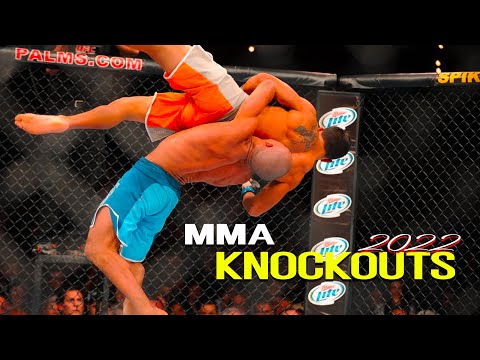
The Devastating Art of the MMA Knockout: More Than Just a Finish

A raw display of power, precision, and sometimes, sheer brutality. The knockout in Mixed Martial Arts (MMA) is the ultimate punctuation mark, a moment that electrifies the arena and sends shockwaves through the sport. But what truly separates a fleeting strike from a fight-ending concussive blow? Is it merely about brute force, or is there a deeper martial philosophy at play that separates the amateurs from the apex predators of the cage? Today, we delve into the heart of the MMA knockout, dissecting its mechanics, its psychological impact, and what it truly signifies within the broader spectrum of combat sports.

The Essence of the Knockout: Beyond a Simple Blow

The roar of the crowd when a fighter is rendered unconscious is primal. It’s a visceral reaction to the decisive end of conflict. However, for the seasoned martial artist, a knockout is more than just the opponent falling. It is the culmination of calculated strategy, superior technique, and often, a profound understanding of human physiology and psychology. In the context of MMA, where diverse martial arts collide, the knockout can be the ultimate testament to a fighter's ability to synthesize their chosen disciplines into a single, devastating offensive strategy.

Many dismiss MMA as mere brawling, a chaotic free-for-all. This couldn't be further from the truth. Each strike, each clinch, each takedown is a manifestation of years of dedicated training, drawing from traditional arts like Karate, Muay Thai, Boxing, Judo, and Wrestling. The knockout, therefore, is not an accident; it is the planned result of applying these principles under extreme pressure. It’s the perfect application of force to a specific, vulnerable point, exploiting the opponent’s defensive lapses.

A true understanding of the knockout requires looking beyond the immediate impact. It involves appreciating the setup, the defensive countermeasures that were overcome, and the sheer audacity of the fighter who delivered the final blow. It is a moment where the theory of combat science meets the harsh reality of physical engagement.

"There is no finesse in your strikes, only brutality. But there is a brutal beauty in a perfectly executed knockout." - A seasoned brawler, speaking under the guise of anonymity.

Anatomy of a Fight-Ender: Technique and Timing

What makes a knockout so effective? It's a confluence of physics and biology. A knockout punch or kick aims to transmit a rapid and powerful rotational force to the head. This force causes the brain to rapidly accelerate and decelerate within the skull, leading to a temporary disruption of neurological function. This can manifest as dizziness, loss of consciousness, or a complete inability to continue fighting.

Key factors contributing to a knockout strike include:

  • Power Generation: This isn't just about muscle mass. It involves efficient kinetic chain transfer, where power is generated from the ground up through the hips, core, and shoulders, culminating in the fist, elbow, knee, or foot.
  • Accuracy: Hitting the "button" – a vulnerable point like the jaw hinge, the temple, or the chin – significantly increases the likelihood of a knockout, even with less raw power.
  • Speed: A faster strike is harder to defend against and delivers more impact force upon contact.
  • Timing and Deception: Catching an opponent off-guard, as they are attacking, moving, or recovering from a previous exchange, is crucial. A well-timed counter-punch can be devastating.
  • Combination: Often, a knockout isn't the result of a single shot but a series of well-placed strikes that break down the opponent's defenses and equilibrium.

Consider the classic "check hook" in boxing or the devastating roundhouse kick in Karate. These techniques, when honed through rigorous MartialArtsTraining, become fight-enders. The goal is to exploit openings, and a fighter trained in diverse arts will have a wider arsenal of such fight-ending techniques. An experienced MMA fighter understands that a well-placed leg kick can not only inflict damage but also compromise their opponent’s base, setting them up for a subsequent head strike. This is the true art of MMA.

The Psychology of the KO: Mind Over Matter

The physical aspect of a knockout is undeniable, but the mental game is equally, if not more, important. A fighter who fears the knockout will often fight defensively, subconsciously protecting themselves and limiting their offensive output. Conversely, a fighter who projects confidence and aggression, coupled with knockout power, can psych themselves up and their opponent.

A fighter entering the cage with a strong MentalGame and a belief in their ability to finish the fight has a significant psychological edge. This stems from:

  • Belief in Training: Years of drilling techniques, sparring, and conditioning build unwavering confidence.
  • Fear Management: Learning to control fear and channel it into focused aggression is a hallmark of a true warrior.
  • Reading the Opponent: Identifying an opponent's weaknesses and anxieties can allow a fighter to dictate the pace and exploit their mental fragility.
  • Intimidation Factor: A reputation for knockout power can induce fear in opponents, making them more susceptible to mistakes.

This is where the martial philosophy truly shines. True mastery isn't just about technique; it's about cultivating a state of mind where fear is absent, and focus is absolute. Concepts like Budo’s "Mushin" (no-mind) or the Zen principle of "Zanshin" (lingering awareness) are crucial. A fighter operating in such a state is less likely to be surprised and more likely to land the decisive blow when the opportunity arises.

Evolution of the Knockout in MMA

Early MMA, particularly in the UFC's nascent years, often saw a heavy emphasis on grappling. Fighters like Royce Gracie dominated by utilizing Brazilian Jiu-Jitsu, submitting opponents rather than knocking them out. However, as the sport evolved, the necessity of well-roundedness became apparent.

The rise of strikers like Chuck Liddell, Anderson Silva, and later, fighters such as Conor McGregor and Israel Adesanya, showcased the devastating potential of combining striking arts with MMA strategy. These fighters didn't just possess power; they had the Agility, timing, and fight IQ to land their most potent weapons on opponents who were often trained predominantly in grappling.

The modern MMA landscape is characterized by fighters who are masters of multiple disciplines. A wrestler with KO power, a jiu-jitsu black belt with dangerous striking, or a striker who can seamlessly transition to grappling – these are the athletes who consistently produce highlight-reel knockouts. The sport has become a melting pot where the most effective techniques from all MartialArtsCommunity branches are integrated and refined for the ultimate goal: victory.

"You can't just be a one-trick pony in MMA. You need to be able to strike, wrestle, and grapple. But if that strike can end the fight, then you've got a significant advantage." - Quoted from a retired MMA champion.

Iconic MMA Knockouts: Moments That Defined Eras

The history of MMA is punctuated by knockouts that are etched into the minds of fight fans forever. These aren't just finishes; they are cultural touchstones:

  • Anderson Silva vs. Vitor Belfort (UFC 126): Silva’s front kick to the face, delivered with surgical precision, is a masterclass in timing and technique. It wasn't just a knockout; it was an artistic statement.
  • Conor McGregor vs. Jose Aldo (UFC 194): A 13-second demolition. McGregor's left hook, timed perfectly as Aldo stepped in, exemplified the power of deception and explosive striking.
  • Jorge Masvidal vs. Ben Askren (UFC 239): The flying knee. A brutal, instant knockout that showcased the explosive power and athleticism possible in MMA. This is a prime example of FightAnalysis at its most primal.
  • Israel Adesanya vs. Alex Pereira (UFC 287): Adesanya, who had lost to Pereira twice before (once via KO in kickboxing), engineered a stunning comeback knockout, proving that in MMA, revenge is best served with a knockout punch.

These moments, and countless others, illustrate the diverse methods by which an MMA fight can be ended with a single, decisive blow. They inspire aspiring fighters and showcase the pinnacle of MartialArtsMastery.

Training for Knockout Power: The Martial Approach

Developing knockout power is not merely about hitting the heavy bag harder. It requires a holistic approach, rooted in the principles of traditional ArtesMarciales, adapted for the demands of MMA.

Guía de Entrenamiento: Desarrollando Fuerza de Golpeo

  1. Fortalecimiento del Core: A strong core is the engine of all powerful movements. Exercises like planks, Russian twists, and medicine ball slams are essential.
  2. Potencia de Piernas y Caderas: Squats, deadlifts, lunges, and plyometric exercises (jump squats, box jumps) build the foundation for explosive power.
  3. Técnica de Golpeo: This is paramount. Learn proper body mechanics from boxing, Muay Thai, and Karate. Focus on hip rotation, weight transfer, and snapping the limb through the target.
  4. Velocidad y Explosividad: Incorporate plyometric drills and focus mitt work that emphasizes rapid striking. Think about striking as quickly as possible, then decelerating to control the limb.
  5. Sparring Inteligente: Practice striking in sparring sessions, focusing on accuracy and timing rather than just raw power. Learn to set up your shots and exploit openings.
  6. Acondicionamiento Específico: Incorporate drills that mimic fight scenarios, like striking after a takedown attempt or throwing combinations under fatigue.

Remember, efficiency is key. A technically sound strike delivered with moderate power can be far more effective than a wild, powerful swing that misses its mark. This is the philosophy that separates a mere brawler from a true martial artist.

Equipment Essential for Your Training

To effectively train for knockout power and overall MMA proficiency, having the right gear is crucial. Investing in quality equipment not only enhances your training but also helps prevent injuries, a common pitfall for fighters pushing their limits.

  • Boxing Gloves (10-16oz): For bag work, pad work, and sparring. Heavier gloves are generally used for sparring to protect both partners.
  • MMA Gloves: Essential for EntrenamientoDeMMA, allowing for grappling while still offering knuckle protection.
  • Shin Guards: Crucial for Muay Thai and kickboxing drills to protect your shins during kick exchanges.
  • Mouthguard: Non-negotiable for any striking or sparring activity.
  • Hand Wraps: Provide crucial support to your wrists and hands when hitting pads or bags.
  • Heavy Bag/Punching Bag: A staple for developing power, speed, and endurance.
  • Training Partner/Coach: Essential for effective pad work, sparring, and technical feedback.

For those looking to enhance their power generation at home, consider investing in resistance bands or a HomeWorkout setup that allows for explosive movements.

Veredict of the Sensei: Is the KO the Ultimate Goal?

From a pure spectacle standpoint, the knockout is king. It's definitive, exciting, and unequivocally proves dominance in that moment. However, as a practitioner of the martial arts, I must urge caution against making the knockout the *sole* objective.

The true path of martial arts is one of self-improvement, discipline, and respect. While knockout power is a valuable tool in MMA, relying solely on it can lead to a shallow understanding of combat. What happens when your power shots are blocked? What if you face an opponent who is immune to your strikes, or who can weather the storm? This is when technique, strategy, resilience, and the ability to adapt become paramount.

A fight can be won by submission, by points, or by a devastating knockout. Each path requires different skills and mindsets. The greatest martial artists are those who possess a complete arsenal, understanding when to strike hard, when to grapple, and when to simply outmaneuver their opponent with superior strategy and conditioning. Therefore, while the knockout is a thrilling aspect of MMA, it is but one facet of the intricate diamond that is the martial path.

My Verdict: MMA Knockouts are a Cinturón Negro en Espectáculo, but true mastery lies in the complete martial journey.

Frequently Asked Questions

What is the fastest knockout in UFC history?

The fastest knockout in UFC history is currently held by Jorge Masvidal, who knocked out Ben Askren in just 5 seconds with a flying knee at UFC 239.

Does MMA training improve striking power for self-defense?

Yes, MMA training, particularly the striking components from disciplines like Boxing and Muay Thai, can significantly improve striking power, accuracy, and timing, making it highly effective for self-defense scenarios.

Is it possible to train for knockout power without sparring?

You can develop significant power through bag work, pad work, plyometrics, and strength training. However, sparring is crucial for learning timing, accuracy under pressure, and how to apply that power effectively in a dynamic, unpredictable environment.

What are the main martial arts that contribute to MMA knockouts?

The primary martial arts contributing to MMA knockouts include Boxing (punches), Muay Thai (kicks, knees, elbows), Karate (powerful kicks and punches), and Taekwondo (dynamic kicking techniques).

How important is conditioning for landing a knockout blow?

Crucial. A fighter who is exhausted will not be able to generate optimal power or speed. Good conditioning allows a fighter to maintain their striking effectiveness throughout the fight, increasing the chances of landing a decisive blow even in later rounds.

Deepen Your Understanding

  • FightAnalysis: Learn to break down techniques and strategies.
  • MartialArtsTraining: Explore training methodologies for various combat sports.
  • MMA: Discover the intricacies of Mixed Martial Arts.

Reflection of the Sensei: Your Next Step

We've dissected the knockout, explored its mechanics, its psychological impact, and its place within the broader martial arts philosophy. But knowledge without application is like a sharpened sword left to rust. My question to you, warrior, is this: When you step onto the mats, or into the cage, or simply face the daily challenges of life, are you seeking only the decisive blow, or are you cultivating the complete skill set of a well-rounded martial artist, ready to adapt, endure, and overcome, no matter the circumstance?

Now, your turn. Does the allure of the knockout blind you to the deeper principles of martial arts, or do you see it as one powerful tool among many? Voice your thoughts below. Debate. Disagree. But above all, learn.

``` GEMINI_METADESC: Explore the mechanics, psychology, and martial philosophy behind the devastating MMA knockout. Is it the ultimate goal or just one weapon in a warrior's arsenal?

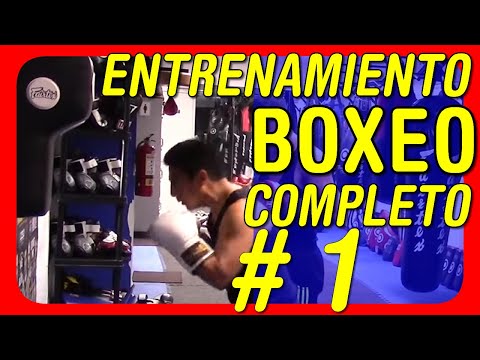
El Arte del Pugilismo: Una Inmersión Profunda en el Entrenamiento de Boxeo Avanzado

"El boxeo es un arte, una danza con puños. Requiere inteligencia, estrategia y una voluntad de hierro." - Anónimo
¿Alguna vez te has detenido a observar la precisión de un jab lanzado con la fuerza de un huracán, o la elegancia de un movimiento evasivo que hace que los golpes del oponente parezcan un ballet torpe? Si tu respuesta es sí, es probable que ya sientas la llamada del cuadrilátero. Pero, ¿qué separa al aficionado del verdadero artista marcial del pugilismo? No es solo la fuerza bruta, ni la resistencia sin fin. Es el *saber*. Es la comprensión profunda de los principios que rigen este noble deporte. Hoy, no vamos a tratar una película de artes marciales ni un debate filosófico sobre el "Mushin" en el combate. Nos sumergiremos en la cruda realidad del entrenamiento de boxeo, específicamente, en una clase avanzada que nos revela las capas más profundas de este arte. Olvídate de las simplificaciones; vamos a diseccionar lo que hace que una clase de boxeo sea verdaderamente efectiva y qué elementos son cruciales para elevar tu nivel.

La Cruda Realidad del Entrenamiento de Boxeo: ¿Más Allá de los Puños?

La intención principal de este análisis es desgranar la esencia de un entrenamiento de boxeo avanzado. No solo para quienes buscan perfeccionar su técnica, sino para aquellos que desean entender la disciplina, la metodología y el espíritu que definen a un buen boxeador. Queremos ir más allá de la mera exhibición de golpes y mostrar el *porqué* de cada movimiento, la *intención* detrás de cada combinación y la *filosofía* que guía al entrenador y al alumno. Nos adentraremos en el mundo de la **Peru Fight Academy**, bajo la tutela del renombrado entrenador mexicano **Moisés Maldonado**. Su enfoque en clases avanzadas es una puerta abierta a un conocimiento que, a menudo, se pierde en los gimnasios genéricos. Analizaremos la transferencia de conocimientos, la progresión del entrenamiento y, sobre todo, la mentalidad necesaria para sobresalir.

Tabla de Contenidos

Análisis Técnico y Filosófico: La Danza del Pugilismo

Lo primero que debemos entender es que el boxeo, en su esencia, es mucho más que lanzar golpes. Es un arte de **estrategia**, **anticipación** y **gestión del espacio**. En una clase avanzada, estos elementos no son meros adornos, sino los pilares fundamentales. El entrenador Moisés Maldonado, al impartir sus clases, no solo muestra cómo ejecutar un golpe, sino cómo y cuándo hacerlo. Observamos la técnica del **jab**, ese golpe lineal, rápido y a menudo subestimado, que es la piedra angular de la ofensiva y defensiva en el boxeo. No es solo estirar el brazo; es la transferencia de peso, la rotación del torso y la retracción rápida para protegerse. Maldonado debe estar enfatizando la importancia de la **precisión** sobre la potencia en esta etapa. Un jab bien colocado puede dictar el ritmo del combate, desestabilizar al oponente e incluso preparar el terreno para golpes más contundentes. Luego vienen los **ganchos** y los **uppercuts**, golpes de mayor poder y complejidad. Aquí, el análisis se vuelve más profundo. La coordinación de pies y manos es vital. ¿Cómo se rota el cuerpo para generar potencia en un gancho al hígado? ¿Cómo se utiliza la elevación del cuerpo para lanzar un uppercut devastador? En un nivel avanzado, no se trata solo de la mecánica física, sino de la **intención** detrás de cada golpe. Cada movimiento debe tener un propósito, ya sea abrir la guardia del oponente, castigar una debilidad o crear una apertura. Más allá de los golpes, la **defensa** es un capítulo aparte en el boxeo avanzado. Hablamos de **esquivas** (bobbing y weaving), **bloqueos** (paradas y desviaciones) y **movimientos de cabeza**. Estos no son simples reacciones instintivas; son técnicas refinadas que requieren una comprensión aguda de las trayectorias de los golpes del oponente. El arte de evadir un golpe, de hacerlo pasar inofensivamente, es tan importante como el de lanzarlo. Aquí es donde entra en juego la **agilidad** (#Agility) y la **flexibilidad** (#Flexibilidad) que son cruciales. La filosofía detrás de esto es clara: el boxeo es un **combate** (#Combate) de inteligencia. Cada movimiento es una pregunta, y cada respuesta del oponente es una nueva pregunta. El boxeador avanzado es aquel que puede leer el lenguaje corporal del oponente, anticipar sus intenciones y responder de manera efectiva. El **BUDO** (#BUDO) y las **artes marciales** (#artesmarciales) comparten esta esencia de leer al adversario, aunque las herramientas varíen.

El Rol del Entrenador: Un Maestro, No Solo un Instructor

Moisés Maldonado no es simplemente alguien que grita "¡Golpea más fuerte!". Su rol es el de un **Sensei** en el sentido más puro. Está guiando a sus alumnos a través de un proceso de aprendizaje que va más allá de la técnica física. Un entrenador de boxeo avanzado debe ser un **estratega**, un **psicólogo** y, sobre todo, un **maestro de la disciplina**. Su capacidad para **analizar el combate** (#FightAnalysis) y transmitir esa comprensión a sus alumnos es lo que marca la diferencia. Debe ser capaz de identificar errores sutiles en la postura, en la cadencia del golpe o en la gestión de la energía. La **transferencia de conocimiento** es un arte en sí mismo. Consideremos cómo un maestro de **Karate Kyokushin** (#KarateKyokushin) o de **Judo** (#judo) imparte sus enseñanzas. No se trata solo de ejecutar un kata o una proyección; se trata de comprender el principio detrás de cada acción. De igual manera, Maldonado debe estar instilando esa comprensión profunda en sus alumnos de boxeo. La **filosofía marcial** (#martialphilosophy) se aplica a cada arte, incluso a aquellas que parecen puramente físicas. La academia, **Peru Fight Academy**, se presenta no solo como un lugar para aprender a pelear, sino como una **escuela de boxeo** (#AcademiaDeBoxeo). Esto sugiere un enfoque estructurado y una progresión lógica, elementos esenciales para cualquier practicante serio de las **artes marciales** (#artesmarciales).

La Importancia de la Disciplina y la Autodisciplina

El boxeo, como cualquier arte marcial de combate, exige un nivel extraordinario de **disciplina** (#Disciplina) y **autodisciplina** (#Autodisciplina). Los entrenamientos son extenuantes, a menudo dolorosos, y los resultados no son inmediatos. Requiere una **perseverancia** (#perseverance) inquebrantable y una **motivación** constante. Los alumnos que asisten a clases avanzadas ya han superado las etapas iniciales de aprendizaje y frustración. Han demostrado su compromiso. Ahora, el desafío es refinar su técnica, mejorar su **resistencia** (#Resistencia) física y mental, y desarrollar la **inteligencia de combate**. Esto se relaciona directamente con conceptos como el **Mental Game** (#MentalGame) en el **MMA** (#MMA) y el desarrollo de la **fuerza interior** (#InnerStrength). Un boxeador debe ser capaz de superar la fatiga, el dolor y el miedo para rendir al máximo. Es una batalla tanto contra el oponente como contra uno mismo. La **Superación Personal** (#SuperaciónPersonal) es un pilar del entrenamiento marcial.

Equipo Esencial para tu Entrenamiento

Para cualquier aspirante a boxeador, y especialmente para aquellos que buscan entrenamientos avanzados, contar con el equipo adecuado es fundamental para la seguridad y la efectividad.
  • Guantes de Boxeo: Imprescindibles para el sparring y el trabajo en saco. Para entrenamientos avanzados, se recomiendan guantes de entre 14oz y 16oz para ofrecer una buena protección tanto al que golpea como al que recibe. La calidad del material y el ajuste son clave.
  • Vendas de Mano: Cruciales para proteger los nudillos, las muñecas y las manos durante el impacto. Deben ser de buena calidad y la técnica para vendarse correctamente es un aprendizaje en sí mismo.
  • Protector Bucal: Indispensable para proteger los dientes, las encías y la mandíbula, especialmente durante el sparring. Debe ajustarse bien para no interferir con la respiración.
  • Hombreras y Casco (para Sparring): Para los entrenamientos más intensos y el sparring, la protección adicional con hombreras y un casco de calidad es vital para prevenir lesiones graves.
  • Ropa Adecuada: Prendas ligeras y transpirables que permitan una total libertad de movimiento. Los pantalones de boxeo y las camisetas de entrenamiento son ideales.
  • Calzado Deportivo: Zapatillas de boxeo o zapatillas deportivas con buena sujeción y suela antideslizante para el movimiento en el ring.
Además del equipo personal, las instalaciones de la academia juegan un papel importante. Un buen **saco de boxeo** (#Workout), un **makiwara** (aunque menos común en boxeo puro, su principio de entrenamiento de impacto es similar), un **ring** (#ring) bien mantenido y una variedad de implementos para el acondicionamiento físico son parte del arsenal de una academia seria. En este sentido, la **Peru Fight Academy** parece ofrecer instalaciones dedicadas, como se sugiere en su material promocional, incluyendo la venta de **ropa de boxeo** (#KarateMerchandise, un poco fuera de contexto pero aplicable a la industria de ropa deportiva de combate).

Guía de Entrenamiento Simulado: Pasos Clave

Aunque no estemos presenciando directamente la clase, podemos inferir la estructura y los componentes de un entrenamiento de boxeo avanzado, basándonos en la descripción y la práctica común.
  1. Calentamiento Dinámico (15-20 minutos):
    • Saltos a la comba (#CombatSports) para elevar el ritmo cardíaco y mejorar la coordinación.
    • Movilidad articular: Círculos de brazos, muñecas, caderas, rodillas y tobillos.
    • Ejercicios de agilidad: Ejercicios de pies, desplazamientos laterales, adelante y atrás.
    • Estiramientos dinámicos para preparar los músculos para el esfuerzo.
  2. Técnica y Sombra (20-30 minutos):
    • Trabajo individual frente al espejo o "sombra", enfocándose en la forma correcta de los golpes (jab, recto, gancho, uppercut).
    • Práctica de combinaciones específicas enseñadas por el entrenador.
    • Simulación de movimientos defensivos: Esquivas, bloqueos, contragolpes.
    • El entrenador revisará la técnica individualmente.
  3. Trabajo en Saco o Pao (20-30 minutos):
    • Aplicación de las combinaciones y técnicas practicadas en la sombra.
    • Desarrollo de potencia y resistencia.
    • Trabajo de resistencia: Múltiples asaltos continuos.
  4. Sparring (10-20 minutos, opcional y controlado):
    • Sesiones cortas y controladas para practicar la estrategia, la anticipación y la defensa en un escenario de combate real pero seguro.
    • El énfasis está en la técnica y el control, no en la fuerza bruta.
  5. Acondicionamiento Físico (15-20 minutos):
    • Ejercicios de fuerza funcional: Flexiones, dominadas, sentadillas, abdominales.
    • Ejercicios de alta intensidad: Burpees, saltos al cajón, sprints cortos.
    • Entrenamiento de resistencia cardiovascular adicional si es necesario.
  6. Enfriamiento y Estiramientos Estáticos (10 minutos):
    • Reducción gradual de la frecuencia cardíaca.
    • Estiramientos estáticos para mejorar la flexibilidad y reducir la tensión muscular.
Este es un esquema general. Un entrenador como Maldonado adaptará las rutinas según el nivel y las necesidades específicas de sus alumnos avanzados. La clave está en la progresión y la intensidad adecuada.

Veredicto del Sensei: ¿Merece la Pena el Boxeo Avanzado?

¡Absolutamente! El boxeo, cuando se entrena con la profundidad y el rigor que promete una academia como la **Peru Fight Academy** bajo la guía de un entrenador experimentado, es un camino exigente pero increíblemente gratificante. No solo desarrolla el cuerpo, sino que también forja la mente. La **disciplina** (#Disciplina), la **fortaleza mental** (#mentalstrength) y la **estrategia** son lecciones que trascienden el ring y se aplican a todas las facetas de la vida. Si tu objetivo es dominar el arte del pugilismo, entender sus matices técnicos y filosóficos, y llevar tu condición física y mental al límite, un entrenamiento avanzado es indispensable. Es la diferencia entre saber lanzar un golpe y comprender el *arte* de golpear. Este enfoque, lejos de ser solo ejercicio físico, es una forma de **Budo** (#BUDO) moderno, que exige respeto, dedicación y una búsqueda constante de la mejora. Es una inversión en uno mismo. **Calificación del Sensei:** Cinturón Negro en Dedicación y Estrategia.

Preguntas Frecuentes

  • ¿Es el boxeo un arte marcial?
    Sí, el boxeo es considerado un arte marcial de combate con una larga historia. Comparte muchos principios fundamentales con otras artes marciales, como la disciplina, el respeto, la estrategia y el desarrollo físico y mental.
  • ¿Cuánto tiempo se tarda en ser competente en boxeo?
    La competencia es un término relativo. Se puede aprender lo básico en unos pocos meses, pero alcanzar un nivel avanzado y competente puede llevar años de entrenamiento dedicado y constante.
  • ¿Es peligroso el boxeo avanzado?
    Como cualquier deporte de contacto, el boxeo conlleva riesgos. Sin embargo, con un entrenamiento adecuado, un entrenador cualificado y el equipo de protección correcto, los riesgos se minimizan considerablemente.
  • ¿Puedo aprender boxeo solo con videos?
    Los videos pueden ser una herramienta complementaria valiosa para entender la teoría y la técnica, pero no reemplazan la guía práctica y la corrección de un entrenador cualificado. La retroalimentación directa es crucial para desarrollar la técnica correcta y evitar malos hábitos.
  • ¿Qué diferencia hay entre un entrenamiento de boxeo para principiantes y uno avanzado?
    Los entrenamientos de principiantes se centran en los fundamentos: postura, movimiento básico, jab, y acondicionamiento general. Los entrenamientos avanzados profundizan en combinaciones complejas, estrategias de combate, defensa avanzada, acondicionamiento específico y preparación mental para la competición.

Para Profundizar en tu Camino

Ahora te toca a ti. ¿Qué aspectos del entrenamiento de boxeo te parecen más desafiantes? ¿Crees que el boxeo es un arte marcial en el mismo sentido que el Karate o el Judo? Demuestra tu conocimiento y tu pasión en los comentarios.

``` GEMINI_METADESC: Sumérgete en el arte del pugilismo con un análisis exhaustivo del entrenamiento de boxeo avanzado. Descubre técnica, estrategia y la disciplina forjada en la Peru Fight Academy.

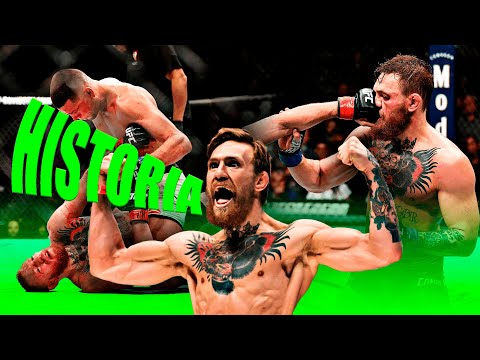
Conor McGregor: La Ascensión y Caída de un Ícono Marcial

¿Qué define a un verdadero campeón marcial? ¿Es acaso la racha de victorias, la técnica depurada, la disciplina férrea? O quizás, ¿es la capacidad de cautivar al mundo, de convertir cada aparición en un evento, de encarnar la audacia hasta el punto de la temeridad? Cuando hablamos de Conor McGregor, la respuesta no es sencilla, y es precisamente esa complejidad la que nos invita a un análisis profundo, más allá de los titulares y los golpes espectaculares. Su trayectoria en el mundo de las artes marciales mixtas (MMA) es un estudio de caso fascinante sobre el ascenso meteórico, la cima del poder y la inevitable sombra de la declive.

Hoy, en este dojo virtual, no nos limitaremos a relatar una biografía. Desmantelaremos la figura de McGregor desde la perspectiva del Budo y las artes marciales, examinando no solo sus triunfos en el octágono, sino también la filosofía (o la falta de ella) que rodea a su persona, la eficacia real de su estilo de combate y el impacto duradero que ha tenido, para bien o para mal, en la cultura marcial contemporánea. Prepárense, porque este análisis no será complaciente.

La Trayectoria del "Notorio"

La historia de Conor McGregor es la epopeya moderna del "self-made warrior". De orígenes humildes en Dublín, trabajando como fontanero, su camino hacia la cima de las artes marciales mixtas es casi legendario. Su ascenso no fue lineal; estuvo marcado por una determinación férrea y una visión clara, pero también por una personalidad arrolladora que polarizó a espectadores y oponentes por igual. No se trataba solo de ganar peleas, sino de cómo las ganaba y, sobre todo, de cómo se vendía a sí mismo.

Su llegada a la UFC fue un terremoto. Con un estilo de striking explosivo, basado en el boxeo y el kickboxing, pero con la imprevisibilidad propia de las artes marciales mixtas, no tardó en llamar la atención. Sus nocauts tempranos, sus provocaciones mediáticas y su carisma magnético lo catapultaron a la fama mundial. Los cinturones de campeón en dos divisiones diferentes (pluma y ligero) no solo cimentaron su legado deportivo, sino que lo transformaron en un fenómeno cultural y comercial.

Sin embargo, la gloria efímera es una bestia cruel. Tras alcanzar la cima, la narrativa de McGregor comenzó a teñirse de altibajos. Derrotas significativas, problemas fuera del octágono y una aparente pérdida de la hambre de victoria que lo caracterizó en sus inicios, empezaron a generar preguntas: ¿Se había diluido el guerrero en el hombre de negocios? ¿Había agotado su chispa marcial?

"La victoria pertenece al que más la desea." - Napoleón Bonaparte. McGregor encarnó este deseo en sus inicios, pero la pregunta es si ese deseo perduró en la cumbre.

Analizar su carrera es entender que el éxito en las artes marciales de alto nivel, especialmente en el circo mediático de la UFC, es una ecuación compleja que involucra tanto la habilidad física como la fortaleza mental y la capacidad de manejar la presión extrema.

El Arte del Provocador: Estilo y Filosofía

Conor McGregor no es solo un peleador; es un showman. Su habilidad para la guerra psicológica trasciende el ring, o en su caso, el octágono. Sus conferencias de prensa eran teatros, sus provocaciones, golpes bajos pero efectivos. Adoptó la etiqueta de "The Notorious" (El Notorio) y la llevó a su máxima expresión, creando una marca personal imbatible. ¿Es esto compatible con la filosofía tradicional del Budo, que aboga por la humildad, el respeto y el autocontrol? Aquí es donde surge la polémica, y donde el Sensei debe ser incisivo.

Desde una perspectiva puramente marcial, el respeto por el oponente es fundamental. Principios como el Bushido, el código del guerrero japonés, enfatizan la cortesía, la integridad y el autodominio. McGregor, en cambio, a menudo operó en el extremo opuesto, utilizando el insulto, la burla y la humillación como herramientas. Si bien esto generó un interés mediático sin precedentes y, sin duda, aumentó su poder de atracción comercial (merchandise, patrocinios), ¿corrompió la esencia del combate?

Su estilo de combate, aunque efectivo, se basa en la explosividad y la precisión. McGregor posee una excelenteAgility y una potencia sorprendente en sus golpes de mano, particularmente suKnockoutPower. Utiliza una base de boxeo muy sólida, con movimientos de cabeza y juego de pies característicos del boxeo inglés, pero adaptados al dinamismo de las artes marciales mixtas. Su jab y su corte (el famoso McGregor pull-counter) son armas letales. Sin embargo, su juego en el suelo, aunque ha mejorado con el tiempo gracias a entrenadores como Artem Lobov, siempre ha sido considerado su talón de Aquiles, especialmente contra grapplers de élite.

La filosofía que proyecta es la del ganador a toda costa, la del individuo que desafía el sistema y triunfa. Para muchos, es una fuente de inspiración para superar sus propias limitaciones. Para otros, es un ejemplo de arrogancia y falta de deportividad. ¿Es posible separar al artista marcial del personaje público? En el caso de McGregor, esa línea se difumina constantemente.

Análisis del Combate: ¿Más Allá del Show?

Despojemos a McGregor del discurso mediático y analicemos su desempeño en el octágono. Su legado se cimienta en victorias contundentes y rápidas. El nocaut sobre José Aldo, uno de los campeones más dominantes de la historia del peso pluma, en tan solo 13 segundos, es una muestra de su potencial destructivo y su capacidad para ejecutar a la perfección bajo presión. Este evento, sin duda, es un hito en la historia de la UFC y demostró laFightAnalysis de McGregor: explotar las debilidades del oponente con una precisión quirúrgica.

Su técnica de striking es una mezcla fascinante de Karate Spirit (movimientos circulares, juego de pies ágil) y boxeo de alta escuela. Utiliza laFlexibilidad de su cuerpo para generar ángulos inesperados y potenciar sus golpes. Su uppercut de zurda es particularmente temido. Sin embargo, su estilo, centrado en la contraofensiva y el KO rápido, a veces le ha jugado en contra cuando se enfrenta a oponentes con unResistencia superior y unagrappling de élite, como se evidenció en sus peleas contra Khabib Nurmagomedov y, más recientemente, contra Dustin Poirier.

LaLucha en Pie es su dominio. Su juego de piernas, su control de la distancia y su capacidad para evadir elcombate cuerpo a cuerpo prolongado son notables. Sin embargo, cuando la pelea va al suelo, su entrenamiento y subjj parecen menos refinados. Las sumisiones sufridas ante Nurmagomedov son un claro ejemplo de las limitaciones de su Defensa Personal contra un especialista enjudo yjiujitsu.

Si nos preguntamos si su éxito se debe más alMental Game y a laDisciplina mediática que a una maestría marcial completa, la respuesta es compleja. McGregor es un maestro de laSuperación Personal en el ámbito de la promoción y la creación de expectativa. Pero en el fragor del combate, ha mostrado fisuras que sugieren que elBUDO, con su énfasis en elki (energía vital) y la conexión mente-cuerpo, podría haberle ofrecido un camino más sólido y duradero hacia la maestría.

"La verdadera victoria reside en la derrota de uno mismo." - Proverbio Marcial. McGregor ha demostrado una gran capacidad para derrotar a otros, pero la pregunta de si ha logrado la victoria sobre sus propias debilidades permanece abierta.

El Legado y la Crítica: La Doble Cara de la Moneda

El impacto de Conor McGregor en el mundo de las artes marciales mixtas es innegable. Fue el motor que impulsó a la UFC a un nuevo nivel de popularidad global, atrayendo a una audiencia masiva que nunca antes había mostrado interés en este deporte. Su habilidad para atraer multitudes y generarUFCCommunity es legendaria. Convirtió las peleas en eventos deFightNight de talla mundial.

Sin embargo, su legado también está manchado por la controversia. Los incidentes fuera del octágono, lascombate en la calle y las declaraciones incendiarias han erosionado la imagen del deportista. ¿Es este el Warrior Philosophy que queremos promover? ¿Es este el modelo a seguir para las nuevas generaciones de Martial Artists?

Desde una perspectiva crítica de las artes marciales, McGregor representa una bifurcación: por un lado, la demostración de que laAutodisciplina en el entrenamiento y laFuerza mental pueden llevar a la cima; por otro, la advertencia sobre los peligros de laego desmedido y la pérdida de rumbo cuando el éxito y el dinero eclipsan los principios fundamentales del BUDO.

Sus contribuciones a laCombate Cuerpo a Cuerpo se centran en el striking de precisión y en la psicología del combate. Ha elevado el arte de laprovocación a un nivel artístico, pero a costa, quizás, de la esencia del verdadero guerrero. La crítica se centra en si su influencia ha traído más espectáculo y menos sustancia al deporte.

Si bien es innegable su impacto comercial y mediático, y su habilidad para transformar su carrera de fontanero a icono global, queda la pregunta sobre la profundidad de su conexión con los valores intrínsecos de las artes marciales.

Veredicto del Sensei: ¿El Rey Caído o un Guerrero Eterno?

Conor McGregor es un fenómeno. SuMartial Arts Journey es una montaña rusa de triunfos espectaculares y caídas dolorosas. Como peleador, demostró ser un striker de élite, capaz de derrotar a los mejores con golpes fulminantes. Su carisma y su habilidad para vender un combate son inigualables. Ha dejado una marca imborrable en la UFC, elevando el perfil de las artes marciales mixtas a niveles estratosféricos.

Sin embargo, desde la óptica del Budo y la disciplina marcial tradicional, su figura es mucho más compleja y, a menudo, problemática. Laarrogancia, lasabusos verbales y los problemas legales ensombrecen su legado deportivo. Su estilo de combate, aunque efectivo en la lucha en pie, ha mostrado debilidades claras ante oponentes con una base sólida en grappling.

Veredicto del Sensei: McGregor es un Cinturón Negro en el Arte del Espectáculo y la Guerra Psicológica, y un Maestro en el Arte del KO rápido. Pero en cuanto a la maestría marcial integral, que incluye lahumildad, el respeto y el control total del cuerpo y la mente, su camino aún tiene profundas lecciones que aprender. Su legado es un recordatorio agridulce de que el camino del guerrero no termina en la gloria, sino en laautoaprendizaje y lasuperación constante, incluso de uno mismo.

Equipo Esencial para tu Entrenamiento

Para aquellos inspirados por la explosividad de McGregor, pero buscando un enfoque más completo en su entrenamiento de artes marciales, el equipo adecuado es fundamental. No necesitas ser millonario para entrenar como un campeón, pero sí necesitas las herramientas correctas.

  • Guantes de Entrenamiento de Calidad: Invierte en un buen par de guantes de 14oz o 16oz paraentrenamiento general y sparring ligero. Marcas como merchandise de UFC o Hayabusa ofrecen opciones duraderas.
  • Vendas de Boxeo: Esenciales para proteger tus manos y muñecas durante los entrenamientos decombate ykickboxing.
  • Shorts de MMA: Busca unos shorts cómodos, resistentes y diseñados para permitir libertad de movimiento.
  • Protector Bucal: Obligatorio para cualquier tipo de sparring o entrenamiento de contacto. La seguridad es primordial.
  • Protector de Ingle: Especialmente importante para hombres para prevenir lesiones en el área genital durante elcombate.
  • Kimono de Judo/BJJ (Opcional): Si buscas complementar tu striking conlucha en el suelo, un buen kimono dejudo objj es una inversión a largo plazo.

Preguntas Frecuentes

  • ¿Es Conor McGregor el mejor peleador de MMA de todos los tiempos? Si bien es uno de los más influyentes y comercialmente exitosos, el título de "mejor" es subjetivo y disputado. Peleadores como Khabib Nurmagomedov, Jon Jones o Georges St-Pierre a menudo son mencionados en esa conversación por su dominio en múltiples facetas del combate.
  • ¿Se puede aprender de la actitud de McGregor sin caer en la arrogancia? Sí. Se puede admirar sudeterminación, sutrabajo duro y suconfianza en sí mismo, extrayendo lecciones demotivación yperseverancia, mientras se descartan sus comportamientos antideportivos y arrogantes.
  • ¿El estilo de McGregor es efectivo para la defensa personal? Su striking explosivo puede ser efectivo en situaciones de defensa personal, especialmente para crear distancia y desorientar a un atacante. Sin embargo, la falta de énfasis en la lucha en el suelo y en la defensa contra derribos podría ser una debilidad significativa en escenarios de la vida real.
  • ¿Por qué su pelea contra Khabib fue tan polémica? La pelea en sí fue intensa, pero la controversia principal provino de laguerra psicológica y las provocaciones extremas de McGregor hacia Khabib y su familia, que llevaron a una riña generalizada tras el combate.

Para Profundizar en tu Camino

Este análisis de Conor McGregor nos lleva a reflexionar sobre la dualidad del guerrero moderno. ¿Dónde trazamos la línea entre el espectáculo y laautenticidad marcial? ¿Es el fin último la victoria a cualquier precio, o el desarrollo integral del ser a través de la disciplina?

Reflexión del Sensei: Tu Próximo Paso

McGregor nos muestra el poder de lamentalidad y lacomunicación en el mundo de las artes marciales. Pero, ¿qué lecciones dedisciplina yrespeto se pueden extraer de su trayectoria para aplicarlas en TU entrenamiento y en TU vida? ¿Buscas solo la gloria superficial, o lamaestría profunda que reside en lahumildad y laperfección del carácter? La respuesta y el camino a seguir, solo tú puedes definirlos. Ahora te toca a ti. ¿Estás de acuerdo con mi análisis o crees que he pasado por alto la esencia del "Notorio"? ¡Demuéstralo en los comentarios!

``` GEMINI_METADESC: Análisis crítico de Conor McGregor: su ascenso meteórico, estilo de combate provocador, filosofía marcial, y legado en la UFC y las artes marciales. Veredicto del Sensei.

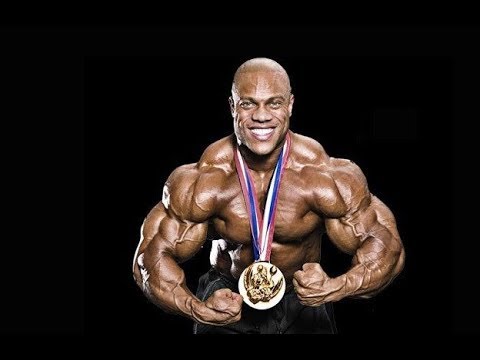
Phil Heath: A Genetic Anomaly in Bodybuilding History

Sensei's Hook: Many see the sculpted physique of a bodybuilding champion and marvel at the dedication. But what separates the truly legendary from the merely dedicated? Is it sheer willpower, or something more? Today, we dissect the career of Phil Heath, a man whose genetic gift propelled him to historic heights in bodybuilding. Yet, as practitioners of Budo, we must ask: does this pursuit of physical perfection align with the true spirit of martial arts?

The Genetic Anomaly: Heath's Rise

Phil Heath, often dubbed "The Gift," didn't just train hard; he seemed custom-built for bodybuilding. His ascent to becoming a Mr. Olympia legend, securing seven consecutive titles from 2011 to 2017, is a testament to a rare combination of genetic predisposition and relentless effort. This wasn't merely about lifting weights; it was about sculpting a physique that defied conventional limits. From his early days, it was evident that Heath possessed a unique skeletal structure and muscle insertion points that provided an inherent advantage. This genetic endowment, coupled with an almost obsessive training regimen, allowed him to present a package of symmetry, proportion, and sheer mass that his competitors struggled to match.

His focus on conditioning and posing was equally meticulous. Heath understood that bodybuilding wasn't just about size, but about presentation. He honed his ability to display his hard-earned musculature, emphasizing every striation and vascularity. This mastery of the stage, combined with his imposing physique, cemented his dominance.

Sensei's Insight: While we acknowledge the discipline and dedication required, we must differentiate between the pursuit of aesthetic perfection and the cultivation of combat readiness. Bodybuilding, at its core, is an exhibition of developed human form. Martial arts, however, are a practical application of physical and mental discipline, honed for effectiveness, resilience, and self-mastery.

Beyond the Muscles: A Martial Perspective

As practitioners of Budo and martial arts, we observe Heath's achievements through a different lens. Our path emphasizes not just physical prowess, but also principles like Mushin (no-mind), Zanshin (lingering awareness), and the development of inner strength that transcends mere musculature. While Heath's physique is undoubtedly impressive, it begs the question: how much of this extreme specialization translates to functional strength or combat effectiveness?

The human body is a marvel of adaptation. Heath's body adapted to the extreme demands of bodybuilding, optimizing for hypertrophy and symmetry. Martial artists, on the other hand, train for explosive power, agility, endurance, and the ability to withstand impact—skills directly applicable in combative scenarios. The aesthetic goals of bodybuilding, while admirable in their own right, are fundamentally different from the survival and self-improvement objectives inherent in traditional martial arts.

"The ultimate aim of martial arts is not physical conquest, but the perfection of character." - A principle echoed across many traditions.

Training Philosophy: Dedication vs. Discipline

Heath's dedication is unquestionable. His diet, training splits, and recovery protocols were legendary. This level of commitment requires immense psychological fortitude. However, in martial arts, we speak of discipline. Discipline is not just about following a plan; it's about internalizing principles, developing self-control even when the desire to quit is strongest, and understanding the *why* behind the training.

Consider the concept of Kiai—the spirit-shout that unleashes focused energy. It's not just a sound; it's an embodiment of intent, power, and mental fortitude. This is a dimension often absent in bodybuilding, where the focus remains predominantly on the physical manifestation. While both require dedication, the nature of that dedication differs significantly. Bodybuilding is a pursuit of an ideal form; martial arts is a journey of developing a capable and resilient self.

Historical Context: Budo vs. Bodybuilding

The history of martial arts is deeply intertwined with warfare, self-defense, and spiritual development. From the Shaolin monks to the samurai, practitioners honed their bodies and minds for combat and survival. The training was functional, geared towards effectiveness under duress. Bodybuilding, as a modern competitive sport, emerged much later, focusing on aesthetics and judged on appearance rather than practical application.

Miyamoto Musashi, the legendary swordsman, emphasized strategy, adaptability, and the 'Way of Strategy' over mere physical strength. His writings in The Book of Five Rings speak of fluidity, timing, and understanding the opponent—concepts far removed from the static posing of a bodybuilding stage.

The Venom of Comparison: Are They Truly Different?

Some might argue that both require extreme physical conditioning. However, the *type* of conditioning and the *purpose* behind it are vastly different. The mass and symmetry Heath cultivated are optimized for visual impact. A martial artist, even one who trains strength, focuses on functional power—the ability to generate force through dynamic movement, to absorb impact, and to maintain balance under pressure. A wrestler or a BJJ practitioner, for instance, develops immense functional strength and endurance that would far surpass that of a bodybuilder in a grappling scenario.

The "genetic anomaly" that propelled Heath to greatness is precisely where the paths diverge. While martial arts appreciate natural talent, the emphasis is on overcoming limitations through persistent training and understanding fundamental principles that apply regardless of inherent physique. The journey of a martial artist is one of constant self-improvement, learning to leverage one's body and mind effectively, rather than simply showcasing its aesthetic potential.

Veredicto del Sensei: ¡Más Allá del Músculo!

Phil Heath's career is an extraordinary chapter in the history of bodybuilding, a testament to what dedication and genetics can achieve. However, from a Budo perspective, his path represents a specialized pursuit of aesthetic form, not the holistic development of a warrior. While we respect the immense effort and discipline involved, it does not equate to the pragmatic effectiveness, strategic depth, or spiritual cultivation central to true martial arts.

Rating: Bronze Medal for Dedication, Bronze Medal for Aesthetics, Fails the Fundamentals of Combat Readiness.

Equipo Esencial para tu Entrenamiento

While Phil Heath's training is highly specialized and requires specific equipment, for martial artists, the focus is often on versatility and durability. Whether you're practicing Karate, Judo, BJJ, or Kickboxing, having the right gear is crucial for both safety and progress. Consider investing in:

  • Kimono/Gi: A high-quality Judo gi or BJJ gi made from durable material is essential for grappling arts. Look for double-weave options for added longevity, perfect for intense sparring sessions.
  • Sparring Gear: For striking arts like Karate or Kickboxing, protective gear such as headgear, shin guards, and groin protectors are indispensable for safe training.
  • Training Mats (Tatami): For styles that involve throws and groundwork, investing in proper Judo or BJJ mats can significantly reduce injury risk.
  • Weight Training Equipment: If incorporating strength training into your martial arts regimen, basic equipment like dumbbells, kettlebells, and resistance bands can be highly effective, especially for at-home workouts.

Preguntas Frecuentes

Q1: ¿Es posible que un culturista sea un buen artista marcial?
A1: No es imposible, pero requiere un entrenamiento marcial específico. La fuerza y el tamaño son beneficiosos, pero las técnicas, la agilidad y la estrategia marcial son habilidades distintas que deben ser cultivadas.

Q2: ¿Qué diferencia hay entre la fuerza de un culturista y la fuerza de un luchador?
A2: La fuerza de un culturista se optimiza para la hipertrofia y la estética. La fuerza de un luchador se centra en la potencia funcional, la capacidad de generar fuerza explosiva en movimiento, absorber impactos y mantener el control sobre un oponente.

Q3: ¿Puede el entrenamiento de culturismo ser beneficioso para las artes marciales?
A3: Sí, hasta cierto punto. El desarrollo muscular y la fuerza pueden mejorar el rendimiento. Sin embargo, el culturismo extremo puede sacrificar flexibilidad, agilidad y resistencia, que son vitales en las artes marciales.

Q4: ¿Qué arte marcial se enfocaría más en el desarrollo muscular?
A4: Ningún arte marcial tradicional se enfoca *principalmente* en el desarrollo muscular estético. Sin embargo, estilos que requieren explosividad y fuerza bruta, como ciertas formas de Kyokushin Karate o la preparación física para MMA, pueden desarrollar una musculatura imponente de forma funcional.

Para Profundizar en tu Camino

  • #BUDO: Explora los principios filosóficos y éticos que rigen las artes marciales japonesas.
  • #MartialArtists: Descubre historias inspiradoras de practicantes que han dedicado su vida al camino marcial.
  • #FightAnalysis: Analiza las técnicas y estrategias de combate de peleadores legendarios.

MI INSTAGRAM: https://ift.tt/zAXgSVW
MI FACEBOOK: https://ift.tt/jYnW1lT

Hello and welcome to Budo and Martial Arts. You are watching "Phil Heath: A Genetic Anomaly in Bodybuilding History," published at September 16, 2018, at 09:44 AM. Welcome to the most complete and updated martial arts blog on the internet. Follow us on social networks and do not forget to visit our main page: https://ift.tt/GRTyLEh. We also invite you to visit our other blogs.

If you like what I do and want to support TRUE martial arts, I invite you to visit our store to buy cheap and exclusive NFTs.

Reflexión del Sensei: Tu Próximo Paso

Heath achieved legendary status by perfecting his genetic gifts for a specific, albeit non-combative, arena. Now, consider this: if you had the 'gift' of exceptional physical potential for martial arts, what would be your chosen path? Would you pursue raw power, lightning-fast technique, unyielding defense, or a harmonious blend of all? The path of the warrior is not about innate talent, but about the conscious choice of how to hone and apply the tools you are given, or how to forge them yourself. How will you forge yours?

``` GEMINI_METADESC: Analyze Phil Heath's bodybuilding legacy from a martial arts perspective. Explore the differences between aesthetic perfection and functional combat readiness, and the true spirit of Budo.

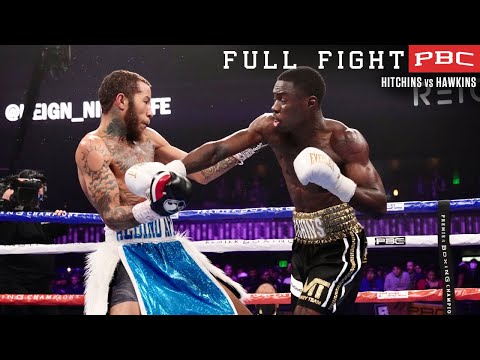
Richardson Hitchins vs. Malik Hawkins: A Tactical Masterclass or a Missed Opportunity?

The allure of an undefeated contender facing a seasoned opponent always sparks a fire in the hearts of martial arts and combat sports enthusiasts. On December 18, 2021, the super lightweight division witnessed such a clash: Richardson Hitchins, a man of seemingly impenetrable defense and calculated aggression, against Malik Hawkins, a fighter known for his power and willingness to engage. The bout, part of the PBC on FS1 card, promised fireworks. But did it deliver the explosive exchange we craved, or was it a sterile display of tactical dominance? As a seasoned practitioner and critic of the martial world, I approach this not just as a fight, but as a case study in strategic execution, mental fortitude, and the evolving landscape of modern combat.

Introduction: The Super Lightweight Showdown

In the intricate dance of pugilism, strategy is often the silent killer. Richardson Hitchins (13-0, 5 KOs) stepped into the ring with a perfect record, a testament to his discipline and skill. His opponent, Malik Hawkins (18-2, 11 KOs), carried the weight of experience and the promise of knockout power. The super lightweight division, often overlooked but fiercely competitive, demands a unique blend of speed, power, and tactical acumen. This fight was presented as a test for Hitchins – could he maintain his unblemished record against a fighter who had proven capable of stopping opponents? Or would Hawkins find a way to dismantle the seemingly impenetrable?

The pre-fight narrative often sets expectations, but it is the performance within the squared circle that dictates the truth. Hitchins' declaration, "My strategy was to box him and make it easy," hints at a game plan focused on control and minimizing risk. This is a common approach for fighters who possess superior technical skills and a desire to conserve energy. However, in the high-stakes arena of professional boxing, "making it easy" can be a slippery slope, often allowing an opponent the space to adapt and find openings. Hawkins, on the other hand, needed to impose his will, to disrupt Hitchins' rhythm and introduce the chaos that often favors the power puncher.

Hitchins' Blueprint: Boxing and Frustration

Hitchins' post-fight assessment reveals a clear tactical intent: to neutralize Hawkins' strengths through superior boxing. "I knew he was strong, but I hurt him in the fight," Hitchins admitted, indicating that while he aimed for a controlled performance, moments of real danger for Hawkins did arise. The underlying belief was that Hawkins' physical prowess was offset by a lack of speed, making him susceptible to a calculated boxing approach. Hitchins' confidence was palpable when he stated, "I just wanted to make it an easy fight because I knew he was too slow to outbox me." This wasn't just about winning; it was about demonstrating a qualitative superiority.

He further elaborated on his opponent's anticipated strategy: "I knew his new coaches were going to train him to walk me down." This shows an understanding of the tactical chess match at play. Hitchins was not only planning his own moves but also anticipating Hawkins' counters. The objective was to stay on the outside, utilize the jab, control the distance, and land scoring punches without getting drawn into a slugfest. This is the hallmark of a technically sound boxer, someone who understands that in the long rounds of a championship fight, endurance and calculated offense often trump raw aggression.

Hawkins' Response: The Challenge of the Undefeated

While Hitchins dictated much of the narrative, the fight was ultimately judged by the scorecards: 100-90, 97-93, and 96-94. These scores, while all in favor of Hitchins, reveal a divergence in how the fight was perceived. The 100-90 card suggests a complete shutout, a demonstration of absolute dominance. The other two, however, indicate that Hawkins managed to win rounds and make the fight more competitive than a single scorecard might suggest. This discrepancy is not uncommon in boxing and often reflects the different criteria judges may emphasize – aggression versus effective scoring, ring control versus landed punches.

For Hawkins, the challenge lay in breaching Hitchins' defenses. Fighters like Hitchins often employ a high guard, good footwork, and subtle head movement, making it difficult for opponents to land clean, powerful shots. The key for Hawkins would have been to cut off the ring effectively, force Hitchins into uncomfortable positions, and land his own power shots with conviction. The fact that he was able to influence two judges to score rounds in his favor suggests he didn't entirely falter. He likely landed some significant blows and demonstrated moments of offensive threat, preventing the fight from becoming a mere exhibition.

In-Depth Fight Analysis: Beyond the Scorecards

From a martial perspective, this bout offers a fascinating look into the application of strategy in a controlled combat environment. Hitchins' strategy, while seemingly straightforward, requires immense discipline. Maintaining a consistent jab, controlling distance, and avoiding prolonged engagements with a power puncher are skills honed through countless hours of dedicated #MartialArtsTraining. The ability to "hurt" Hawkins, as Hitchins mentioned, speaks to the effectiveness of his power punches when they landed, despite his aim to avoid a brawl. This suggests that even within a tactical framework, opportunities for decisive offense were present and exploited.

Hawkins' performance, though ultimately unsuccessful, should not be dismissed. To withstand the pressure of an undefeated contender and influence judges' scorecards requires resilience. A fighter like Hawkins often thrives when the fight devolves into a grittier affair. The question remains: did he adapt his strategy sufficiently to counter Hitchins' boxing prowess, or was he consistently a step behind? The scores suggest the latter, but the fact that he wasn't completely overwhelmed points to moments where he likely tested Hitchins' resolve. The effectiveness of his "new coaches" in preparing him to "walk down" Hitchins is debatable, as the outcome suggests the plan didn't fully materialize against Hitchins' defensive acumen.

"The supreme art of war is to subdue the enemy without fighting." - Sun Tzu, The Art of War. Hitchins embodied this principle, aiming to win by controlling the engagement, not necessarily through outright destruction.

The discrepancy in the judges' scores can also highlight the subjective nature of boxing. While Hitchins' cleaner boxing and ring control likely impressed one judge, the landed power shots and moments of pressure from Hawkins might have swayed others. This is where the debate in the #FightFans community truly ignites. Was the 100-90 score a reflection of genuine dominance, or did it overlook Hawkins' contributions to the bout? These are the questions that fuel the passion for #MMA and boxing analysis.

Sensei's Verdict: A Blueprint for Future Contenders

Richardson Hitchins secured a **Cinturón Negro en Estrategia y Control**. His performance was a textbook example of how to systematically dismantle an opponent by exploiting their perceived weaknesses while mitigating their strengths. He didn't just win; he executed a plan with precision, demonstrating the discipline that separates good fighters from great ones. While the fight may not have been a barnburner, its strategic depth offers valuable lessons.

Malik Hawkins, while falling short, gained valuable experience against an elite opponent. The challenge for him and his team is to analyze where the game plan faltered. Was it the preparation, the execution within the ring, or simply facing a superior tactician on that particular night? The path forward for Hawkins involves refining his approach, perhaps incorporating more varied offensive strategies or improving his defensive counter-measures against boxers of Hitchins' caliber.

Training Considerations: Adapting to Elite Competition

For practitioners of any martial art, this fight underscores the importance of multifaceted training. Hitchins' victory wasn't just about punching; it was about footwork, distance management, defensive technique, and mental fortitude. If you're looking to enhance your own #MartialArtsTraining, consider these points:

  • Footwork Drills: Practice moving laterally, forward, and backward efficiently. Focus on maintaining balance and a stable base.
  • Distance Control Exercises: Use tools like a heavy bag or focus mitts to practice striking at optimal ranges and retreating effectively.
  • Defensive Sparring: Engage in sparring sessions where the primary goal is defense, emphasizing blocking, slipping, and rolling with punches.
  • Mental Conditioning: Develop strategies to remain calm under pressure and execute your game plan even when fatigued or facing adversity. This is crucial for #MentalGame development.
  • Analysis of Opponents: Learn to study your opponents, identifying their strengths and weaknesses, and formulating a counter-strategy. This is a key aspect of #FightAnalysis.

For fighters like Hawkins, the focus might shift to improving offensive pressure without sacrificing defensive integrity. This could involve developing new combinations, improving ring-cutting techniques, and understanding how to disrupt an opponent's rhythm more effectively. The journey of a #FighterLegacy is one of constant learning and adaptation.

Resources for Deeper Study

Understanding the strategic nuances of boxing requires more than just watching fights. Delving into the history and philosophy of combat sports can provide invaluable context. For those interested in enhancing their physical conditioning to support such tactical demands, exploring resources for #AtHomeWorkout or specific #EntrenamientoDeMMA can be beneficial.

Frequently Asked Questions

  • What was the official result of the Hitchins vs. Hawkins fight?
    Richardson Hitchins won by unanimous decision, with judges' scores of 100-90, 97-93, and 96-94.
  • Who is Richardson Hitchins?
    He is an undefeated American super lightweight professional boxer.
  • What is Premier Boxing Champions (PBC)?
    PBC is an American boxing promotion company known for its televised events on networks like FS1, FOX, Showtime, and Amazon Prime Video.
  • Did Malik Hawkins have a significant advantage in power?
    Hawkins possessed knockout power (11 KOs in 18 wins), but Hitchins' strategy focused on neutralizing this threat through superior boxing technique and defensive awareness.

Deepen Your Understanding

To truly grasp the complexities of martial arts and combat sports, continuous learning is essential. Explore the rich tapestry of techniques, philosophies, and historical context that shapes these disciplines. The journey of a #MartialArtists is a lifelong pursuit of knowledge and self-improvement.

Sensei's Reflection: Your Next Step

Hitchins' victory was a testament to superior strategy and execution. But in the unforgiving arena of combat, can a purely tactical approach always guarantee victory against raw power and determination? Or does the true mastery lie in blending calculated strategy with the ferocity of the warrior spirit?

``` GEMINI_METADESC: Analyze the tactical battle between Richardson Hitchins and Malik Hawkins. Sensei breaks down the boxing strategy, judges' scores, and offers martial insights.