Showing posts sorted by relevance for query defensive strategies in martial arts. Sort by date Show all posts

Hero's 4 (2006): A Deep Dive into a Martial Arts Spectacle

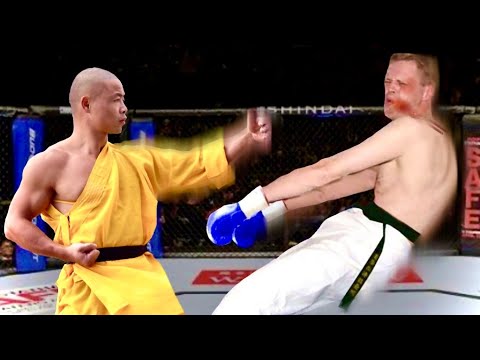
Hello and welcome, warriors, to Budo and Martial Arts. Today, we dissect a significant event in the annals of combat sports: Hero's 4, held on March 15, 2006, at the venerable Nippon Budokan in Tokyo. This wasn't just another fight night; it was a crucible where diverse martial disciplines collided, showcasing raw power, technical prowess, and the indomitable spirit that defines the warrior. But as with all representations of combat, the question lingers: how well does it truly capture the essence of the martial path?

You are watching Hero's 4 (2006), an event that, while presented through the lens of combat sports, offers much for the discerning martial artist to analyze. Forget the sensationalism for a moment, and let us approach this with the critical eye of a seasoned practitioner. We will delve into the bouts, the underlying philosophies, and the very nature of showcasing martial arts to a global audience. This is more than just a recap; it's a lesson in understanding the art behind the fight.

Match Analysis: The Heart of Hero's 4

Hero's 4 was a tapestry woven with individual battles, each a microcosm of contrasting styles and temperaments. Let's break down some of the key encounters:

  • Melvin Manhoef vs. Shungo Oyama (6:27): Manhoef, a fearsome striker known for his devastating power, against Oyama, a judoka with a tenacious ground game. This matchup immediately highlighted a classic stylistic clash. The question here isn't just who won, but how effectively each fighter adapted to the other's domain. Did Oyama's grappling nullify Manhoef's striking, or did the "Mad Man" land one of his signature bombs? A true test of adaptability.
  • Jerome Le Banner vs. Jimmy Ambriz (18:11): Le Banner, a legend in kickboxing with immense physical presence, faced Ambriz, a powerful American fighter. This bout promised explosive exchanges. The pure power versus power dynamic is always compelling, but it's the subtle footwork, the feints, and the defensive strategies that separate true martial artists from mere brawlers.
  • Kazuyuki Miyata vs. Erikas Petraitis (26:01): Miyata, known for his wrestling background and explosive style, against Petraitis. Wrestling in MMA and combat sports is often the foundation upon which striking and submissions are built. Observing Miyata's approach, we can infer much about the integration of wrestling principles into a more modern combat context.
  • Caol Uno vs. Rich Clementi (35:58): Uno, a seasoned Japanese fighter with a reputation for technical skill, faced Clementi. This often represents a battle of finesse versus raw aggression, or technical submission grappling against adaptable striking. The outcome here speaks volumes about the evolution of mixed martial arts.
  • Heath Herring vs. Gary Goodridge (53:22): Two heavy hitters known for their toughness and willingness to engage. Battles like these, while perhaps less technically intricate, showcase immense heart and resilience. It’s in these exchanges that we see the sheer will to endure, a cornerstone of the BUDO.
  • Yoshihiro Akiyama vs. Tokimitsu Ishizawa (1:04:44): Akiyama, a charismatic fighter with judo and striking skills, against Ishizawa. The performance of fighters like Akiyama often embodies the dynamism and spectacle that draws crowds, but also the need for well-roundedness.
  • Min Soo Kim vs. Yoshihisa Yamamoto (1:16:16): Another pairing that likely showcased contrasting skill sets, pushing the athletes to their limits and revealing their preparedness.
  • Genki Sudo vs. Ole Laursen (1:32:26): Sudo was known for his unconventional style and showmanship, often blending martial arts with performance art. This bout would be a fascinating study in how personality and martial skill intersect. Laursen's approach would provide the necessary counterpoint for analysis.
  • Hideo Tokoro vs. Yoshinori Ikeda (1:56:58): The final bout on this card, often reserved for a high-impact matchup, showcasing the best of what the event had to offer. The pacing and strategy in the final fight can often be a reflection of the event's overall narrative.

Each of these pairings, beyond the win or loss, offers a glimpse into the training methodologies, the strategic thinking, and the sheer physical conditioning required for high-level combat sports. We must ask ourselves: Are these fighters merely athletes, or do they embody the deeper principles of martial arts? The answer often lies not just in the victory, but in the manner of the fight.

"The supreme art of war is to subdue the enemy without fighting." - Sun Tzu

The Principle of Kiyoshi Matsui: Beyond the Knockout

While not explicitly featured in every bout, the spirit of masters like Kyokushin Karate's founder, Kyokushin Karate's founder, Kiyoshi Matsui, permeates the world of martial arts. Matsui's philosophy emphasizes unbreakable spirit, physical conditioning pushed to the extreme, and the pursuit of self-perfection through rigorous training. Observing the fighters at Hero's 4, one must consider how many truly embrace this philosophy.

Is the goal solely victory, a spectacular knockout, or a quick submission? Or is there an underlying commitment to pushing one's limits, enduring hardship, and demonstrating respect for the opponent and the art itself? The difference between a contest and a true martial endeavor lies in this fundamental intention. A fighter embodying Matsui's principles would showcase not just skill, but unwavering resolve, demonstrating a deep understanding of BUDO – the Way of the Warrior.

We can speculate that bouts featuring fighters with strong judo or Karate backgrounds, like those potentially seen here, would carry this inherent discipline. However, the rapid evolution of combat sports means that raw athleticism and strategic game planning often take precedence. This is not to diminish the athletes, but to critically assess the context in which their skills are displayed.

Filmmaking vs. The Fight: Authenticity on Screen

The presentation of martial arts in any format, be it a live event, a documentary, or even a fictional film, is crucial. Hero's 4, as a recorded event, presents a particular challenge. While the UFC and similar organizations have mastered the art of fight promotion, creating an environment that is both thrilling and potentially misleading for the uninitiated. The editing, the camera angles, the commentary – all contribute to the narrative.

As martial artists, we look beyond the spectacle. We analyze the footwork, the timing of strikes, the defensive transitions, and the strategic application of techniques. Does the camera capture the subtle movements that lead to an opening? Or does it solely focus on the explosive moments, potentially trivializing the years of dedication required to master such skills?

It's a delicate balance. The goal of such events is to entertain, but the hope for any true martial artist is that the fundamental principles of combat are not lost in translation. The inclusion of placeholders like `

` suggests that this event was originally presented with rich visual media, which would have amplified its impact but also its potential for selective narrative framing. Without that media, we are left to reconstruct the experience through our understanding of the fighters and the art.

Sensei's Verdict: Is Hero's 4 a Champion of Martial Arts Cinema?

Hero's 4, as a combat sports event, undeniably delivered excitement and showcased formidable athletes. However, when viewed through the lens of pure martial arts philosophy, its efficacy is debatable. It represents a significant step in the evolution of modern combat sports, demonstrating the integration of various disciplines. Yet, the emphasis on rapid-fire action and definitive finishes can sometimes overshadow the deeper, more nuanced aspects of martial training: patience, discipline, and the cultivation of inner strength.

It’s a potent display of physical prowess and competitive spirit, but does it inspire the pursuit of self-mastery in the way a traditional dojo practice might? Perhaps not directly. It’s a demonstration of skills honed, rather than a direct teaching of the Way.

Classification: A compelling Combat Sports spectacle that serves as a valuable case study for understanding modern MMA, but falls short of being a profound treatise on the philosophical depth of traditional Martial Arts. It’s a powerful punch, but not necessarily a perfectly executed kata.

Essential Gear for Your Training

To truly appreciate and engage in the world of martial arts, whether practicing or observing, having the right gear is paramount. Proper equipment not only enhances performance and safety but also fosters a deeper connection to the disciplines you pursue.

  • High-Quality Training Uniform (Gi/Kimono): For disciplines like Judo, Karate, or Brazilian Jiu-Jitsu (BJJ), a durable, well-fitting Gi is essential. Look for double-weave or heavyweight fabrics for grappling arts, and lighter, breathable materials for striking arts. Investing in a good Karate Gi or Martial Arts Merchandise is a sign of commitment.
  • Sparring Gloves: For striking arts like Kickboxing or MMA, appropriate sparring gloves (16oz is common for heavyweights) are crucial for protecting your hands and your training partners.
  • Mouthguard: Non-negotiable for any form of sparring or competitive combat. Protect your teeth and jaw.
  • Shin Guards: Essential for Muay Thai, Kickboxing, and some Taekwondo training to prevent injuries during kicks.
  • Training Mats (Tatami): If you are training grappling at home or need a safer surface for falling, tatami mats provide the necessary cushioning and grip.
  • Training Weights and Resistance Bands: For enhancing strength and conditioning, especially for At Home Workout sessions.

Remember, the best equipment is an extension of your will to train. Browse for reputable Martial Arts Merchandise that aligns with your chosen path.

Frequently Asked Questions

  • What martial arts were represented at Hero's 4?
    The event featured a mix of styles common in mixed martial arts, including striking (Kickboxing, Karate), grappling (Judo, Wrestling), and submissions, reflecting the diverse training backgrounds of the fighters.
  • Is Hero's 4 considered a pure martial arts event or a combat sports event?
    Hero's 4 is primarily classified as a combat sports event, similar to MMA organizations. While it showcases techniques derived from various martial arts, its format and objectives align more closely with competitive sports than traditional martial arts philosophy.
  • What is the significance of the Nippon Budokan as a venue?
    The Nippon Budokan is a highly respected arena in Tokyo, Japan, historically associated with martial arts championships, particularly in Judo and Karate. Hosting an event there lends a degree of prestige and cultural weight.
  • How does the presentation of fighters in events like Hero's 4 compare to traditional martial arts training?
    Events like Hero's 4 focus on competition and entertainment, often highlighting aggression and spectacle. Traditional martial arts training emphasizes discipline, self-improvement, character development, and often, a more philosophical approach to conflict and life, which may not be fully conveyed in a fight broadcast.
  • Can watching fights like those in Hero's 4 be motivational for martial arts training?
    Yes, watching high-level athletes compete can be incredibly motivational, showcasing dedication, skill, and resilience. However, it's crucial for practitioners to differentiate between the competitive aspect and the deeper ethical and philosophical tenets of their chosen art.

Deepen Your Journey

To truly grasp the multifaceted world of martial arts, explore these related topics:

Sensei's Reflection: Your Next Step

Hero's 4 presented a whirlwind of action, a testament to the physical capabilities and competitive spirit of its participants. We’ve dissected the bouts, pondered the underlying principles, and assessed its place in the broader martial arts landscape. But the true measure of our engagement with these events lies not just in observation, but in introspection.

Sensei's Reflection: Your Next Step

Did the raw power on display ignite a fire within you to push your own physical limits? Or did the strategic interplay of styles inspire you to delve deeper into the technical nuances of your chosen art? More importantly, beyond the roar of the crowd and the final bell, do you recognize the echo of the BUDO, the Way of the Warrior, in these performances? Reflect on this: How can you integrate the discipline, resilience, and adaptability witnessed here into the more subtle, yet profound, battles you face daily, both within yourself and in the world around you?

``` GEMINI_METADESC: Analyze Hero's 4 (2006) from a Sensei's perspective. Dive deep into fight analysis, martial philosophy, and its place in combat sports history.
Martial Arts Showdown: Austin Aucoin vs. Brian Aucoin - A Masterclass in Combat

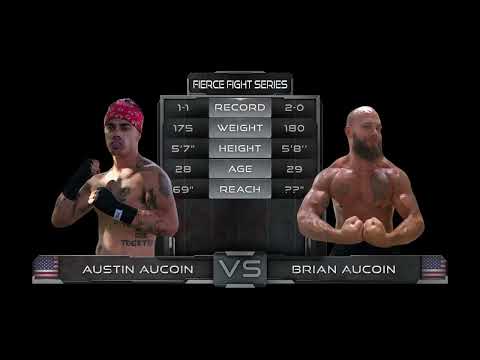
Greetings, warriors, and welcome to Budo and Martial Arts! Today, we delve into a captivating clash of titans: the full fight between Austin Aucoin and Brian Aucoin. Published on March 13, 2023, at 04:45 PM, this bout offers a rare glimpse into the raw application of principles that we strive to embody daily. As the most comprehensive and updated martial arts blog on the internet, we are here to dissect this encounter, not just as spectators, but as students of the Way. As you witness this display of skill, remember that every movement, every strategy, carries the weight of tradition and the intensity of modern competition. We encourage you to follow us on social networks and immerse yourselves in our main page for a deeper understanding of the martial world.

Introduction: The Aucoin Brothers' Duel

The announcement of Austin Aucoin vs. Brian Aucoin immediately ignites a spark of curiosity. Are these brothers? Or two warriors sharing a surname, destined to test their mettle against each other? Regardless of their familial connection, the premise of two individuals, presumably with similar foundational training, clashing in a full-contact scenario is a potent subject for analysis. This isn't merely a fight; it's a crucible where technique, strategy, and the warrior's spirit are laid bare.
The intensity of such a matchup often transcends individual styles, forcing each combatant to confront not only their opponent but also their own limitations and strengths. We will dissect this fight, much like a master craftsman examines a perfectly forged blade, looking for the nuances that define victory and the lessons that extend beyond the final bell.

The Art of the Fight: Tactical Breakdown

To truly appreciate a martial arts contest, we must move beyond the superficial spectacle and delve into the underlying strategy. In a full fight scenario like Austin Aucoin vs. Brian Aucoin, understanding the tactical approach of each combatant is paramount. Were they primarily strikers, relying on powerful kicks and punches? Or did they engage in grappling, seeking takedowns and submission holds? Observing their footwork, their defensive posture, and their offensive tempo reveals their game plan. Did one fighter consistently pressure the other? Did they exploit openings created by fatigue or a momentary lapse in concentration? The flow of the fight, the ebb and tide of dominance, tells a story of adaptation and response. A fighter who can adjust their strategy mid-bout, based on their opponent's reactions, demonstrates a higher level of tactical acumen. One critical aspect to consider is the range of combat. Did the fight remain primarily in the striking range, characterized by punches and kicks, or did it transition into the clinch and ground game, the domain of wrestling and judo or BJJ? The fighter who can dictate the engagement range often holds a significant advantage.
"In combat, the opportunity to strike is often fleeting. The wise warrior prepares for the opening, but is not discouraged by its absence." - Miyamoto Musashi (paraphrased)
This fight, like many in MMA or other combat sports, likely showcased a blend of these elements. Analyzing how Austin and Brian navigated these different phases of combat will provide invaluable insights into their martial development.

Key Techniques and Principles in Play

Beyond the broad tactical strategies, the specific techniques employed are the building blocks of martial prowess. In the confrontation between Austin Aucoin and Brian Aucoin, we should look for the application of fundamental martial arts principles. * **Striking:** Did they utilize effective boxing combinations? Were their kicks powerful and well-placed? A jab-cross combination, a well-timed low kick, or a devastating elbow can change the course of a fight in an instant. We might see practitioners of styles like Karate or Kickboxing displaying their striking expertise. * **Grappling:** If the fight went to the ground, how did they manage the position? Were there attempts at takedowns, like a double-leg or single-leg takedown? On the ground, did they exhibit effective control, or were there submissions like armbars or chokes? Disciplines such as Judo, Brazilian Jiu-Jitsu, and wrestling are crucial here. * **Clinch Work:** The clinch is a transitional phase where fighters grapple in close quarters. Effective clinch work can set up takedowns, deliver knees and elbows, or simply allow a fighter to control their opponent's posture and disrupt their offense. * **Defense:** Crucially, how did they defend against their opponent's attacks? Did they employ head movement, slips, blocks, or sprawls? A strong defense is often the foundation of a successful offense. The true artistry lies not just in executing these techniques, but in their seamless integration. A fighter who can transition fluidly from striking to grappling, or vice-versa, demonstrates a high level of mastery and adaptability.

Philosophical Implications: The Warrior's Heart

Every martial arts encounter, especially one as intense as a full fight, is a manifestation of deeper philosophical underpinnings. Beyond the physical techniques, what can Austin Aucoin vs. Brian Aucoin teach us about the warrior's mindset? The principle of *Mushin* – "no mind" – is often discussed in martial arts. It refers to a state of heightened awareness where the mind is free from distracting thoughts, allowing for spontaneous and intuitive action. Did either fighter exhibit moments of *Mushin*, acting purely on instinct and reacting perfectly to the situation? Furthermore, the concept of *Zanshin* – a state of relaxed awareness, of lingering attention – is vital. After executing a technique, a fighter with *Zanshin* remains aware of their surroundings and their opponent's potential counter-attacks. This prevents them from being vulnerable immediately after a successful offensive maneuver.
"To know your enemy and know yourself, and you need not fear the result of a hundred battles." - Sun Tzu
This fight is a testament to perseverance. The ability to withstand punishment, to continue fighting despite adversity, and to maintain focus under pressure are hallmarks of a true martial artist. It's a demonstration of inner strength, a core tenet of BUDO.

Training Regimen: Lessons from the Octagon

Witnessing a full fight like this naturally leads us to consider the training required to reach such a level. The path of a martial artist is one of relentless dedication and intelligent preparation. A comprehensive training regimen for combat sports typically includes: * **Technical Skill Development:** Regular practice of strikes, kicks, takedowns, grappling techniques, and defensive maneuvers. This involves drilling with partners, working on pads, and studying instructional material. * **Strength and Conditioning:** Building the physical foundation necessary for explosive power, endurance, and resilience. This often includes weight training, plyometrics, cardiovascular work, and agility drills. * **Sparring:** Controlled, simulated combat scenarios to apply learned techniques and test strategies against live opponents. This is where timing, distance, and reactions are honed. * **Mental Training:** Developing focus, discipline, emotional control, and the ability to perform under pressure. This can involve meditation, visualization, and overcoming mental barriers. * **Nutrition and Recovery:** Proper fueling of the body and adequate rest are crucial for performance and injury prevention. The Aucoin brothers' fight offers a tangible example of what hard work and consistent training can achieve. It inspires us to examine our own training practices and identify areas for improvement. Are we pushing ourselves sufficiently? Are our training methods aligned with our goals?

Essential Gear for Your Training

To engage effectively and safely in martial arts training, having the right equipment is crucial. Whether you're practicing striking, grappling, or a hybrid discipline, the gear you use directly impacts your performance and well-being.
  • Gloves: For striking disciplines like boxing, kickboxing, or MMA, well-fitting gloves (e.g., 16oz for sparring, lighter for bag work) are essential to protect your hands and your training partners.
  • Mouthguard: A vital piece of protective equipment for any combat sport to prevent dental injuries.
  • Shin Guards: Crucial for kickboxing and Muay Thai training to absorb impact and prevent bruising or fractures from kicks.
  • Grappling Gear: For BJJ and Judo, a durable and properly fitted Gi (kimono) is indispensable. Rashguards are also highly recommended for hygiene and to prevent mat burn.
  • Training Shoes: Lightweight, flexible shoes with good grip are important for striking arts, providing stability and mobility.
Investing in quality martial arts merchandise ensures that your training is both effective and safe.

Veredicto del Sensei: A Duel Worth Studying

Austin Aucoin vs. Brian Aucoin FULL FIGHT is more than just a video clip; it's a valuable case study for any serious practitioner of martial arts. The clarity of the footage allows for detailed analysis of tactics, techniques, and the sheer grit required in a full-contact contest. While the specific context of the fight (e.g., weight class, organization rules) influences the strategies employed, the fundamental principles remain universal. This bout exemplifies the dynamic nature of modern combat sports, where the lines between traditional styles blur, and a well-rounded skill set is paramount. It serves as a powerful reminder that the "fight" is not just about physical prowess, but also about mental fortitude, strategic thinking, and the unwavering spirit of a warrior. **Rating:** Full Guard Mastery.

Frequently Asked Questions

What martial arts styles are likely represented in this fight?

Based on the typical format of full fights in combat sports, it's probable that elements from striking arts like boxing, kickboxing, or Muay Thai are combined with grappling disciplines such as Brazilian Jiu-Jitsu, wrestling, or Judo.

How important is the referee's role in a fight like this?

The referee is critical for ensuring fighter safety, enforcing the rules, and maintaining the integrity of the contest. They step in to stop the fight when a competitor is in danger or when rules are violated.

Can I learn effective self-defense from watching this fight?

While watching fights can offer insights into practical application, self-defense requires specific training focused on real-world threats, which often differ significantly from the controlled environment of a sporting match. However, understanding timing, distance, and defensive reactions can be beneficial.

What is the significance of the surname "Aucoin" in martial arts?

Without specific context, the surname itself holds no inherent martial significance. It's the individuals and their demonstrated skills that matter. This particular matchup highlights how two fighters with the same surname can still possess vastly different skill sets and approaches to combat.

To Deepen Your Path

To truly grasp the nuances of combat and the philosophy behind martial arts, consider exploring these related topics:

Reflexión del Sensei: Tu Próximo Paso

This bout between Austin and Brian Aucoin is a powerful illustration of applied martial principles. Now, I ask you: when faced with an opponent, be it in the ring or in life's challenges, do you lead with brute force, or do you first seek to understand the flow of the situation and adapt your strategy accordingly? Where does your true strength lie: in the power of your strike, or the clarity of your mind? Ponder this, and demonstrate your understanding in the comments below. ```json { "@context": "https://schema.org", "@type": "FAQPage", "mainEntity": [ { "@type": "Question", "name": "What martial arts styles are likely represented in this fight?", "acceptedAnswer": { "@type": "Answer", "text": "Based on the typical format of full fights in combat sports, it's probable that elements from striking arts like boxing, kickboxing, or Muay Thai are combined with grappling disciplines such as Brazilian Jiu-Jitsu, wrestling, or Judo." } }, { "@type": "Question", "name": "How important is the referee's role in a fight like this?", "acceptedAnswer": { "@type": "Answer", "text": "The referee is critical for ensuring fighter safety, enforcing the rules, and maintaining the integrity of the contest. They step in to stop the fight when a competitor is in danger or when rules are violated." } }, { "@type": "Question", "name": "Can I learn effective self-defense from watching this fight?", "acceptedAnswer": { "@type": "Answer", "text": "While watching fights can offer insights into practical application, self-defense requires specific training focused on real-world threats, which often differ significantly from the controlled environment of a sporting match. However, understanding timing, distance, and defensive reactions can be beneficial." } }, { "@type": "Question", "name": "What is the significance of the surname \"Aucoin\" in martial arts?", "acceptedAnswer": { "@type": "Answer", "text": "Without specific context, the surname itself holds no inherent martial significance. It's the individuals and their demonstrated skills that matter. This particular matchup highlights how two fighters with the same surname can still possess vastly different skill sets and approaches to combat." } } ] }

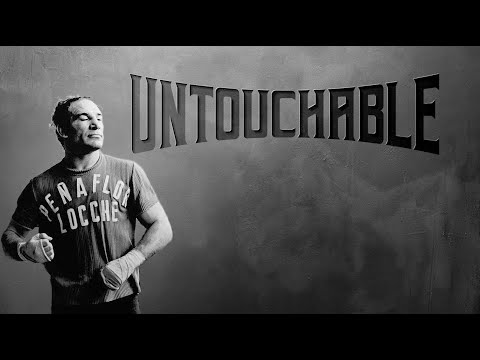
Nicolino Locche: The Untouchable Defensive Maestro - A Budo & AM Analysis

In the hallowed halls of pugilism, certain names echo with a reverence reserved for those who transcend mere physicality. Nicolino Locche, the Argentine maestro of the boxing ring, is one such legend. His defensive prowess wasn't just a tactic; it was an art form, a philosophical statement on evasion and counter-attack that left opponents grasping at air. This analysis delves into the heart of Locche's "untouchable" style, dissecting the principles that made him a defensive icon and exploring what modern martial artists can glean from his masterful performances. Are you seeking to elevate your own defensive game, understand the psychology of an elusive fighter, or simply appreciate the artistry of combat? Then prepare yourself for a lesson that transcends boxing, touching upon core tenets of Budo and the broader martial philosophy.

Table of Contents

The Philosophy of Evasion: Locche's Defensive Genius

Nicolino Locche didn't just avoid punches; he orchestrated their failure. His approach was deeply rooted in a philosophical understanding of space, timing, and intention. In the realm of Budo, as exemplified in texts like Miyamoto Musashi's "The Book of Five Rings," mastery lies not only in the execution of strikes but in the ability to control the engagement, to dictate the flow of combat. Locche embodied this through his unparalleled defensive conditioning. He understood that a fighter's true strength isn't solely in their offensive power, but in their ability to remain unfazed, to absorb pressure without breaking, and to capitalize on the slightest opening created by an overcommitted opponent.

His style was a testament to the principle of "Sen no Sen" (anticipating the opponent's intention and striking before them) and even "Go no Sen" (striking after the opponent's attack, but still seizing the initiative). Locche often allowed his opponents to initiate, to expend energy and reveal their intentions, only to slip, weave, or pivot away, leaving them vulnerable and often frustrated. This wasn't passive defense; it was active control, a psychological warfare waged through movement. It teaches us that sometimes, the most powerful offensive is the one that disarms the opponent's will to fight before a single blow lands effectively.

"The supreme art of war is to subdue the enemy without fighting." - Sun Tzu. While Locche fought, his defensive mastery often made the "fight" a foregone conclusion before it truly began for his opponents.

Technical Breakdown: The "Untouchable" Style

What constituted Locche's "untouchable" style? It was a symphony of subtle yet devastating techniques:

  • The Slipping and Weaving Masterclass: Locche moved his head and upper body with a fluid, almost hypnotic grace. Instead of simply blocking, he'd let punches "kiss" past his guard, or "slip" them entirely by moving his head off the centerline. This kept him in range to counter while making his opponent miss wildly, disrupting their rhythm and balance. This is akin to the evasive footwork seen in many Taijutsu disciplines, where displacement is key.
  • The "Bob and Weave": A fundamental defensive maneuver, Locche elevated it to an art. He used it not just to avoid headshots but to create angles for his own counters, often ducking under a jab to come up with a powerful hook or uppercut.
  • The Parry and Rip: While not a pure blocker, Locche possessed exquisite timing for parries. A subtle deflection of an incoming punch would not only negate its force but often set up a devastating counter-punch of his own.
  • Footwork and Distance Control: His footwork was impeccable. He understood the geometry of the ring, using pivots and angles to constantly adjust the distance, ensuring his opponents were always slightly out of optimal range for their power shots while keeping himself in position to land his own. This relates to the concept of Maai (distance and timing) in Japanese martial arts.
  • The Counter-Punching Prowess: The ultimate payoff for his defense. By making opponents miss, he opened them up. His counters were often sharp, precise, and delivered with surprising power, capitalizing on the momentum of his opponent's failed attack.

Compare this to the defensive strategies in Judo or Brazilian Jiu-Jitsu (BJJ), where controlling an opponent's posture and balance through grips and movement is paramount. While the methods differ, the underlying principle of nullifying an opponent's attack through superior positioning and timing remains consistent across various martial disciplines.

Locche's Legacy and Impact on Modern Combat

Nicolino Locche's influence extends far beyond the boxing world. His defensive philosophy resonates with practitioners of all combat sports and martial arts. In MMA, fighters like Dominick Cruz have showcased similar elusive styles, emphasizing movement, distance control, and counter-striking. The ability to evade damage, conserve energy, and capitalize on an opponent's mistakes is a universal martial principle.

His career serves as a powerful reminder that defense is not merely about blocking; it's about intelligence, timing, and control. In an era often dominated by brute force and aggressive offense, Locche proved that a masterful defense could be equally, if not more, devastating. His legacy encourages us to study the nuances of movement, the psychology of combat, and the art of making an opponent's strengths irrelevant. For anyone interested in the deeper aspects of combat, studying Locche is as crucial as studying the offensive techniques of a Tyson or a GSP.

His seemingly effortless evading drew comparisons to the mythical untouchability of legendary figures, much like the legendary defensive capabilities attributed to some fictional martial arts masters. It raises the question: can true martial mastery render an opponent incapable of effectively engaging?

Training Principles Inspired by Locche

While you may not be a professional boxer, the principles behind Locche's success are highly transferable to your training regimen. Incorporate these ideas:

  • Focus on Evasion Drills: Practice slipping, weaving, and head movement without relying on guards. Visualize punches coming and move *away* from the danger.
  • Develop Footwork and Angular Movement: Train to pivot, move laterally, and cut angles. Understand how to control distance effectively. This is crucial for any stand-up martial art, from Karate to Kickboxing.
  • Master the Art of Timing: Study your training partners. Learn to anticipate their movements and exploit the milliseconds after they commit to an attack.
  • Counter-Punching Practice: Once you've evaded, have a swift, precise counter ready. Don't just evade; punish the miss.
  • Mental Fortitude: Cultivate patience and discipline. A defensive master remains calm under pressure, waiting for the opportune moment. This echoes the Zen concept of Mushin (no mind).

Remember, consistent practice of these principles will build a more robust and intelligent defense. The goal is not just to survive an attack, but to control the exchange.

Veredicto del Sensei: Was Locche Truly Untouchable?

Was Nicolino Locche truly "untouchable"? In the context of his era and his specific style, one could argue he came remarkably close. His defensive wizardry was not a fluke but the result of intense dedication, strategic brilliance, and an innate understanding of his craft. While no fighter is *absolutely* untouchable, Locche's ability to neutralize the offense of elite opponents with such consistency and artistry earned him that moniker. He demonstrated that defense, when executed with such profound skill and intelligence, could be a fight-ending weapon in itself. He was a master of nullification, making his opponents fight his fight, on his terms, and often, to their utter futility.

Cinturón Negro en Evasión y Contragolpe.

Equipment Essential for Your Defensive Training

To hone your defensive skills, inspired by masters like Locche, consider the following:

  • Boxing Gloves (14-16oz): Essential for sparring and developing power in your counters without risking injury. Look for brands known for good padding and wrist support.
  • Speed Bag: Excellent for developing timing, rhythm, and hand-eye coordination – crucial for slipping and blocking.
  • Double-End Bag: Perfect for practicing evasive head movement and countering combinations.
  • Headgear: When sparring, especially for practicing evasive techniques, headgear is vital to protect against accidental impacts.
  • Jump Rope: The foundation of boxing footwork and conditioning. Locche's fluid movement started with a strong base.

Investing in quality Martial Arts Merchandise for training will not only enhance your practice but also serve as a constant reminder of your commitment to mastery.

Frequently Asked Questions

What made Nicolino Locche's style unique?
His exceptional defensive ability, characterized by fluid head movement, masterful footwork, and precise counter-punching, which made him incredibly difficult to hit cleanly.
Can Locche's techniques be applied to other martial arts?
Yes, the core principles of evasion, distance control, timing, and counter-attack are universal in combat sports and Artes Marciales Mixtas (MMA).
Was Locche known for his knockout power?
While not primarily known as a power puncher, Locche possessed accurate and timely counters that often resulted in knockouts, as opponents were exposed after missing.
How did Locche's defense affect his opponents psychologically?
His elusiveness and ability to frustrate opponents led to psychological wear and tear, often causing them to become reckless or lose confidence.

Deepen Your Understanding

To continue your journey into the philosophy and practice of martial arts, explore these related topics:

Reflexión del Sensei: Tu Próximo Paso

Locche's "untouchable" style reminds us that true mastery often lies not in overwhelming force, but in subtle control and intelligent adaptation. In your own training, whether it's boxing, Judo, or any discipline that involves combat, how can you cultivate a more profound defensive awareness? Are you merely reacting to attacks, or are you actively shaping the engagement, dictating the terms of the encounter through your movement and timing? Reflect on this: The greatest offense is often born from the most impenetrable defense. Now, go and put this knowledge into practice, not just in the dojo, but in how you navigate the challenges of life.

GEMINI_METADESC: Explore the legendary defensive mastery of Nicolino Locche. An in-depth analysis of his "untouchable" boxing style and its profound lessons for Budo and modern martial arts.

Tex Cobb: The Unconventional Pugilist - A Martial Arts Critique

Welcome to the Dojo: Understanding Tex Cobb's Legacy

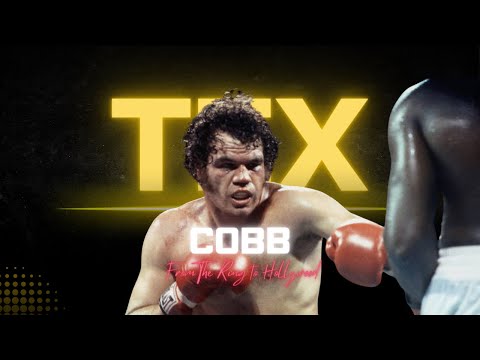
Welcome, aspiring warriors and seasoned practitioners, to Budo and Martial Arts. Today, we delve into the life and times of a figure who, while not a traditional martial artist in the strictest sense, embodied a raw, uncompromising spirit that resonates deeply within the martial world. We are dissecting the documentary "Tex Cobb: Boxing's Outlaw," published on April 22, 2022. Forget the sanitized versions of combat you might see on screen; Cobb's story is one of grit, rebellion, and a fierce, albeit unconventional, approach to fighting. Is this documentary merely a peek into the life of a boxing anomaly, or does it hold valuable lessons for those who dedicate their lives to the path of the warrior? Let us begin this critical examination.

Who Was Tex Cobb? Beyond the Boxing Ring

Tex Cobb. The name itself conjures images of a formidable presence, a man who navigated the turbulent waters of professional boxing in the 1980s. But to label him solely as a boxer is to miss the multifaceted individual he was. Cobb was an actor, a colorful personality, and, in his own way, a reflection of the primal struggle at the heart of all combat sports. This documentary revisits his journey, incorporating interviews that aim to paint a comprehensive portrait of a man often misunderstood.

He wasn't your textbook technician, meticulously executing jab-cross combinations with textbook precision. Cobb was a force of nature, a brawler whose sheer physical presence and unwavering determination often compensated for a lack of formal martial arts discipline. This documentary seeks to explore that duality, presenting him not just as a fighter but as a character who played a unique role in the pantheon of combat sports figures.

"The boxing ring is merely a stage. The true battle lies within." - A principle often echoed by martial artists, and one that Tex Cobb, in his own chaotic way, seemed to embody.

The Pugilistic Philosophy: Raw Power vs. Refined Technique

In the grand tapestry of martial arts, boxing occupies a vital, though sometimes controversial, section. While it focuses solely on striking with the fists, its core principles of timing, distance, footwork, and strategic aggression are fundamental. Tex Cobb’s style, however, leaned heavily towards the raw power and intimidation aspect of pugilism. His approach was less about the elegant dance of a seasoned boxer and more about overwhelming his opponents with brute force and sheer will.

This brings us to a crucial debate within the martial community: the efficacy of brute strength versus disciplined technique. Can sheer power and aggression, as demonstrated by figures like Cobb, overcome years of dedicated training in more refined arts like Karate or Judo? Or does the latter always hold an advantage in a true test of skill? The documentary prompts us to consider this, showcasing Cobb's raw, unadulterated fighting spirit.

Consider the concept of Kiai, the unified spirit and intent often expressed audibly in Japanese martial arts. While Cobb didn't employ the Kiai in the traditional sense, his roars, his visible anger, and his aggressive demeanor served a similar psychological purpose: to intimidate and destabilize the opponent. It’s a different expression of the same fundamental principle of martial intent.

For those who practice Karate, the focus on powerful, precise strikes with proper body mechanics is paramount. Cobb's method, while effective in boxing, might be considered crude by many Karateka. Yet, the sheer force behind his punches cannot be dismissed. It begs the question: can a lifetime of intense physical conditioning and aggressive intent truly substitute for intricate striking patterns and defensive strategies honed over decades?

Analyzing "Boxing's Outlaw": Authenticity and the Martial Spirit

When evaluating a documentary about a combat athlete, particularly one with a reputation like Tex Cobb, our critical lens as martial artists must be sharp. "Boxing's Outlaw" aims to present an authentic portrayal. But what constitutes authenticity in this context? Is it simply showcasing the brutality of boxing, or does it delve into the underlying principles that make a fighter, a warrior?

The inclusion of additional interviews suggests an effort to provide depth, moving beyond mere highlight reels. A true martial arts critique examines the portrayal of:

  • The Warrior's Mindset: Does the documentary capture the psychological fortitude, the mental discipline, and the resilience required not just to compete, but to survive in a brutal environment?
  • Primal Instinct vs. Learned Skill: How does Cobb's reliance on raw instinct and aggression contrast with the structured training found in arts like Judo or Taekwondo? Is there a hierarchy, or are they simply different paths to the same destination of effectiveness?
  • The Spirit of Budo: While boxing lacks the explicit philosophical underpinnings of Budo (the Japanese Way of the Warrior), does Cobb's story touch upon aspects like courage, perseverance, and the pursuit of self-mastery, however unrefined?

The documentary’s title, "Boxing's Outlaw," is telling. It implies a defiance of convention, a willingness to operate outside the established norms. This resonates with the idea of the lone warrior, the ronin, who forges their own path. However, the question remains: is this outlaw spirit a sign of true independence, or a symptom of undisciplined aggression that ultimately limits potential?

From the Ring to the Street: Cobb's Relevance in Self-Defense

This is where the rubber truly meets the road for any martial artist. We often discuss the efficacy of various arts in a real-world self-defense scenario. While boxing can be incredibly effective for striking, its limitations become apparent when grappling, throws, or weapon defense are introduced. Tex Cobb, with his pure boxing background, would face significant challenges in a chaotic street encounter against a mixed martial artist or even a skilled grappler.

However, Cobb’s sheer toughness and his ability to absorb punishment are undeniable attributes that translate across disciplines. A crucial lesson from Cobb's life for self-defense practitioners is the importance of mental toughness. The ability to remain calm, to persevere through pain, and to maintain a fighting spirit even when outmatched are critical. This is a principle that transcends boxing and is core to many martial philosophies, such as the concept of Mushin (no-mind) in Zen Buddhism, which allows for spontaneous and effective action under duress.

A common misconception is that pure power equates to street effectiveness. While power is a component, it must be coupled with technique, situational awareness, and an understanding of legal ramifications. Cobb’s story, as depicted, might glorify raw aggression, but in reality, it’s the disciplined application of skills, combined with the mental fortitude he possessed, that is most valuable.

"In a real fight, there are no judges. Only survival." - This stark reality underscores the difference between sport and combat, a distinction Tex Cobb understood implicitly.

Sensei's Verdict: Is "Boxing's Outlaw" a Knockout?

As a piece of cinema exploring a controversial figure in combat sports, "Tex Cobb: Boxing's Outlaw" offers a compelling, if sometimes one-dimensional, look at a fighter who refused to conform. From a martial arts perspective, its value lies not in teaching specific techniques, but in provoking thought about the nature of combat, the warrior spirit, and the diverse paths to effectiveness.

Does it perfectly encapsulate the depth of martial philosophy? No. Does it showcase the nuanced application of a specific martial art? Not really. But it does present a raw, visceral portrayal of a fighter who possessed undeniable heart and a formidable will to overcome. It serves as a reminder that effectiveness in combat can stem from various sources, even from those who operate outside the conventional dojo.

Verdict: A solid contender for exploring the *spirit* of a fighter, but not a masterclass in martial technique. It's a documentary worth watching for its insights into a unique personality within the combat sports world, offering a different perspective on what it means to be a warrior.

Training Insights: Cultivating the Cobb Mentality

While we cannot, and should not, replicate Cobb’s potentially reckless aggression, we can learn from the underlying principles that made him formidable. How can you integrate this into your training?

  1. Build Unshakeable Willpower: Push your limits in training. When your body screams to stop, find that inner voice that urges you forward. This mental resilience is paramount in any combat scenario.
  2. Embrace Intensity: While technique is vital, don't shy away from explosive, high-intensity drills that simulate the pressure of a fight. This could be through intense sparring sessions or high-impact conditioning exercises.
  3. Develop Physical Toughness: Conditioning is not just about aesthetics; it's about building a body that can withstand punishment and deliver powerful blows. Incorporate strength training, plyometrics, and cardiovascular endurance work.
  4. Psychological Warfare (Ethically Applied): Learn to project confidence and control. This doesn't mean intimidation, but rather projecting an aura of readiness and calm resolve that can unsettle an opponent.

Resources for the Dedicated Practitioner

To further understand the world of combat sports and the philosophies that underpin martial arts, consider these resources:

  • Books on Boxing History: Explore the lives of other boxing legends to understand the evolution of the sport and its different styles.
  • Documentaries on Martial Arts Masters: Seek out films focusing on practitioners of Kyokushin Karate, Judo, or other disciplines to contrast Cobb's approach with more traditional methods.
  • Biographies of Warriors: Read about historical figures who exemplify the warrior spirit across different cultures and eras.

Frequently Asked Questions

Is Tex Cobb considered a martial artist?

While Tex Cobb was a professional boxer, he is not typically classified as a martial artist in the traditional sense. His expertise was limited to the skills of boxing, rather than encompassing the broader philosophical and technical spectrum of martial arts.

What makes boxing different from other martial arts?

Boxing primarily focuses on striking with the fists, emphasizing footwork, head movement, and punching techniques. Most other martial arts incorporate a wider range of skills, including kicks, grappling, joint locks, throws, and weapon usage, along with a greater emphasis on philosophy and spiritual development.

How can understanding boxers like Tex Cobb benefit martial artists?

Studying figures like Cobb can offer insights into the psychological aspects of combat, the importance of physical conditioning, mental toughness, and the power of sheer determination. It also highlights the differences and potential limitations of specialized disciplines versus well-rounded martial arts.

Is the "outlaw" mentality beneficial in martial arts?

While a degree of independence and willingness to challenge convention can be valuable, a true "outlaw" mentality, devoid of discipline and respect for tradition or safety, is detrimental. Martial arts emphasize self-control and ethical conduct above all.

Deepen Your Martial Journey

To continue your quest for knowledge and mastery, explore these related topics on our blog:

Sensei's Reflection: Your Next Step

Cobb's story is a potent reminder that the fight is often more internal than external. Did his "outlaw" spirit grant him a freedom that disciplined practitioners lack, or did it ultimately limit his potential? Reflect on this: In your own training, where do you draw the line between embracing your primal fighting spirit and adhering to the discipline that refines it? Is it a balance, or an inherent conflict?

``` GEMINI_METADESC: A martial arts critique of the Tex Cobb documentary 'Boxing's Outlaw'. Explore his pugilistic style, warrior spirit, and relevance to self-defense and Budo.

The Unseen Force: Deconstructing the 9 "Most Powerful" Martial Arts in the World

Introduction: Beyond the Hype

Hello, warriors, and welcome to Budo and Martial Arts. Today, we confront a question that ignites debates in dojos and online forums alike: "What are the most powerful martial arts in the world?" This is a question fraught with subjective interpretation, often fueled by cinematic portrayals and hyperbolic claims. As a Sensei who has dedicated a lifetime to the study and practice of various combat disciplines, I find such lists inherently flawed, yet undeniably intriguing. They force us to examine what "power" truly means in a martial context. Is it brute force? Effectiveness in sport? Lethality in self-defense? Or perhaps the depth of its philosophical underpinnings? We live in an age where information is abundant, yet wisdom can be scarce. The internet is awash with "Top 10" lists, but few delve into the substance behind the spectacle. My mission today is not merely to present another such list, but to dissect the very notion of power within the martial arts, analyzing the systems often cited, and challenging you to think critically. Prepare yourselves; this is not a passive viewing. This is a lesson.
"The supreme art of war is to subdue the enemy without fighting." - Sun Tzu, The Art of War

Deconstructing "Power": A Martial Perspective

The term "powerful" is a nebulous descriptor when applied to martial arts. In the realm of combat, power can manifest in several ways: * **Physical Power**: The ability to generate force through striking, grappling, or throws. This is often what the uninitiated associate with power, envisioning devastating punches or immovable stances. * **Technical Efficacy**: The efficiency and effectiveness of techniques under pressure. A technically sound practitioner can overcome a physically stronger but less skilled opponent. * **Strategic Acumen**: The ability to read an opponent, control distance, timing, and adapt to the flow of combat. This is the realm of the seasoned warrior. * **Mental Fortitude**: The resilience, discipline, and emotional control that allows one to perform under duress. This "inner strength" is often the most potent, yet least visible, form of power. * **Adaptability**: The capacity to apply principles across different scenarios, be it sport, self-defense, or even everyday challenges. A truly powerful martial art cultivates a holistic development of these facets. Focusing solely on one element, such as raw striking power, while neglecting others like mental resilience or technical adaptation, creates an incomplete and potentially vulnerable practitioner. The *true* power lies not in the style itself, but in the practitioner's mastery of its principles and their ability to integrate them.

The Contenders: A Critical Look

When lists of "powerful" martial arts emerge, certain styles consistently appear. Let's examine some common candidates through a critical lens, focusing on their strengths and potential limitations: 1. **Mixed Martial Arts (MMA)**: * **Core Principle**: The ultimate application of a wide range of combat skills. MMA is less a single art and more a sport that demands proficiency in striking (boxing, Muay Thai, Karate), grappling (Brazilian Jiu-Jitsu, Judo, wrestling), and the transitions between them. * **Power Defined**: Its power lies in its *comprehensiveness*. A skilled MMA fighter is a multi-disciplinary threat, capable of winning on the feet or on the ground. * **Critique**: While undeniably effective in its competitive context, MMA is a sport with rules. Its "power" is often defined within those parameters. Traditional martial arts principles like situational awareness outside a ring or the ethical application of force are not its primary focus. * **Keyword Integration**: #MMA, #ArtesMarcialesMixtas, #EntrenamientoDeMMA, #UFC, #CombateCuerpoACuerpo, #Grappling, #Kickboxing 2. **Brazilian Jiu-Jitsu (BJJ)**: * **Core Principle**: Ground fighting, leverage, and submission holds. BJJ emphasizes taking an opponent to the ground and neutralizing their size and strength advantages through joint locks and chokeholds. * **Power Defined**: Superiority in ground control and submission techniques. It can allow a smaller, weaker individual to defeat a larger, stronger one. * **Critique**: Its effectiveness is heavily reliant on the ability to get the fight to the ground. Against multiple opponents, or in situations where standing is critical, its advantage diminishes. The sport aspect also introduces rulesets that might not apply in a real-world confrontation. * **Keyword Integration**: #BJJ, #jiujitsu, #judo, #grappling, #LuchaEnPie (as a counterpoint), #SubmissionHolds, #GroundFighting 3. **Muay Thai (The Art of Eight Limbs)**: * **Core Principle**: Striking art utilizing punches, kicks, elbows, and knee strikes, combined with clinch work. * **Power Defined**: Devastating offensive striking power, conditioning, and clinch control. Its techniques are designed to inflict damage efficiently. * **Critique**: While a formidable striking art, it traditionally lacks ground fighting techniques. Its effectiveness in a purely ground-based scenario or against a skilled grappler without significant adaptation would be tested. * **Keyword Integration**: #MuayThai, #Striking, #ElbowStrikes, #KneeStrikes, #ClinchWork, #Kickboxing 4. **Boxing**: * **Core Principle**: Punching techniques, footwork, head movement, and defensive strategies. * **Power Defined**: Precision, speed, and concussive force in punches. Elite boxers possess exceptional hand-eye coordination and offensive timing. * **Critique**: Like Muay Thai, boxing is primarily a stand-up striking art and offers limited defense against kicks, takedowns, or ground attacks. * **Keyword Integration**: #Boxing, #PunchingTechniques, #Footwork, #HandEyeCoordination, #DefensaPersonal (as a contrast) 5. **Kyokushin Karate**: * **Core Principle**: Full-contact Karate emphasizing conditioning, powerful direct strikes, and a strong mental component. * **Power Defined**: Raw, uncompromising power through full-contact sparring and rigorous physical conditioning. It instills immense resilience and fighting spirit. * **Critique**: Traditional Kyokushin sparring often has rules against punches to the face and certain joint manipulations, which can differ from the dynamic of a street fight or MMA match. * **Keyword Integration**: #Kyokushin, #KarateKyokushin, #KarateSpirit, #FullContactKarate, #Conditioning, #BUDO 6. **Sambo**: * **Core Principle**: A Russian martial art and combat sport combining aspects of Judo, wrestling, and various folk styles. It emphasizes throws, takedowns, joint locks, and submissions. * **Power Defined**: Its strength lies in its blend of striking and grappling, offering a robust system for both standing and ground combat. * **Critique**: While comprehensive, its specific techniques and emphasis can vary between its sport and combat sambo variations. * **Keyword Integration**: #Sambo, #Judo, #Wrestling, #Grappling, #CombatSambo, #RussianMartialArts 7. **Wing Chun**: * **Core Principle**: A concept-based Chinese martial art emphasizing simultaneous blocking and striking, efficient close-range combat, and sensitivity training. * **Power Defined**: Economy of motion, directness, and centerline control. It's designed to overwhelm an opponent with rapid, efficient techniques from a close distance. * **Critique**: Often criticized for its limited effectiveness against longer-range attacks or skilled grapplers if the practitioner cannot close the distance effectively. Its traditional training methods can sometimes lack the dynamic pressure-testing found in modern combat sports. * **Keyword Integration**: #WingChun, #KungFu, #ChineseMartialArts, #CloseRangeCombat, #CenterlineControl, #ConceptBasedMartialArts 8. **Savate (French Boxing)**: * **Core Principle**: A unique striking art combining elegant kicking techniques with boxing punches. * **Power Defined**: Precision, agility, and powerful kicks delivered with athletic grace. It offers a dynamic mix of long and short-range striking. * **Critique**: While a complete striking system, it typically lacks extensive grappling or ground fighting components. * **Keyword Integration**: #Savate, #FrenchBoxing, #KickingTechniques, #Agility, #StrikingArt 9. **Krav Maga**: * **Core Principle**: A military self-defense system developed in Israel, focusing on practical, brutal, and efficient techniques designed for real-world confrontations. * **Power Defined**: Uncompromising effectiveness for survival. It emphasizes aggressive counter-attacks, targeting vulnerable points, and disengaging quickly. * **Critique**: As a self-defense system, it is not typically practiced as a sport and lacks the structured sparring and rule sets that hone technique against resisting opponents over extended periods. Its focus is purely on practical application, not on traditional martial arts philosophies or competitive development. * **Keyword Integration**: #KravMaga, #SelfDefense, #RealWorldCombat, #MilitarySelfDefense, #DefensaPersonal, #SurvivalSkills

Defining Effectiveness: From Dojo to Street

The true measure of a martial art's "power" depends on the context for which it's being evaluated. * **For Sport Competition**: MMA, BJJ, Boxing, Muay Thai, Judo, and Wrestling often rank high due to their established rule sets, competitive environments, and the rigorous testing of techniques against resisting opponents. * **For Self-Defense**: Systems like Krav Maga, or traditional arts with a strong emphasis on practical application (e.g., certain styles of Karate, Wing Chun, Aikido *when trained realistically*), might be considered "powerful." Their focus is on survival and neutralizing threats quickly. * **For Personal Development**: Arts that emphasize discipline, character building, and philosophical depth (e.g., traditional Karate, Taekwondo, Aikido, Judo, Kung Fu, Budo in general) offer profound "power" in shaping the individual. The debate often arises when people conflate these contexts. An art that excels in sport may not be ideal for street survival, and an art focused on philosophical development might not produce the most effective street fighter without adaptation.

The Foundation: Training and Philosophy

No matter the style, the *depth* of training and the *philosophy* behind it are paramount. A disciplined, consistent approach under skilled instruction is what transforms techniques into genuine skill.
"There are no good or bad martial arts. There are only good or bad martial artists." - Anonymous Master
The concept of **Ki** (or Qi), the vital life force, is central to many traditional Asian martial arts. While often misunderstood or sensationalized, it represents an underlying principle of energy, focus, and intention that, when cultivated, can enhance physical technique. Masters of **BUDO** and other traditional paths understand that true power emanates from a wellspring of disciplined practice, mental clarity, and an unwavering spirit. The rigorous **entrenamiento** required builds not just physical prowess, but **Fuerza** and **Resistencia** that transcend the physical.

Real-World Applicability: Fact vs. Fiction

The portrayal of martial arts in films often creates misconceptions. While visually stunning, fight choreography rarely reflects the chaos, brutality, and unpredictability of a real conflict. Arts that emphasize direct, simple, and overwhelming techniques often fare better in scenarios outside the ring. Consider the principle of **economy of motion**. In a life-or-death situation, wasted energy is a fatal flaw. Arts that teach practitioners to achieve maximum effect with minimum effort, like Wing Chun or elements of Judo's leverage, possess a practical power.

Essential Gear for Your Training Journey

Regardless of the martial art you choose, proper equipment is crucial for safe and effective training. Investing in quality gear not only enhances your practice but also demonstrates your commitment to the art.
  • Uniform (Gi/Kimono): For arts like Judo, Karate, or BJJ, a durable, well-fitting uniform is essential. Look for double-weave fabrics for Karate and BJJ if you anticipate intense sparring.
  • Gloves: For striking arts like Boxing, Muay Thai, or MMA training, well-padded gloves (e.g., 16oz for sparring) protect your hands and your training partners.
  • Mouthguard: A non-negotiable piece of safety equipment for any sparring situation.
  • Shin Guards: Important for arts involving significant kicking, like Muay Thai or Taekwondo.
  • Training Mats: For arts involving throws or ground work, mats provide necessary cushioning.
For those seeking to deepen their understanding of martial philosophy and history, consider exploring a curated selection of texts.

Recommended Resources for Deeper Study:

  • Books on Bushido: Understanding the warrior's code is fundamental to many East Asian martial traditions.
  • Biographies of Masters: Learning from the lives and experiences of legendary figures offers invaluable insights.
  • Historical Texts: Works like Miyamoto Musashi's "The Book of Five Rings" provide strategic and philosophical depth.

Frequently Asked Questions

  • Q: Is it possible for one martial art to be definitively "more powerful" than another?
    A: Power is context-dependent. An art effective in sport may not be in self-defense, and vice-versa. The practitioner's skill, dedication, and the specific application context are more critical than the art's label.
  • Q: How important is the physical aspect versus the mental aspect in martial arts?
    A: Both are crucial and interconnected. Physical training builds discipline and resilience, while mental fortitude allows you to apply techniques effectively under pressure. True mastery requires the integration of both.
  • Q: Should I choose a traditional martial art or a modern combat sport?
    A: This depends on your goals. If you seek self-defense and character development, traditional arts offer a strong foundation. If competitive prowess is your aim, combat sports provide the most direct path. Many find value in cross-training.
  • Q: What role does Ki (Qi) play in martial arts?
    A: Ki is often seen as the vital energy that, when cultivated through focused practice, enhances a practitioner's physical power, mental clarity, and overall presence. It's about harnessing internal energy for external expression.

The True Measure of Power

The question of the "most powerful" martial arts is a gateway to a deeper understanding, not a definitive answer. The true power resides not in a specific style, but in the diligent, consistent, and intelligent practice of any art that fosters discipline, resilience, adaptability, and a profound understanding of oneself and the dynamics of conflict.

The Sensei's Reflection: Your Next Step

The next time you witness a display of martial prowess, whether in film, competition, or real life, resist the urge to simply label it "powerful." Instead, ask yourself: What specific attributes are being demonstrated? How do these attributes serve the practitioner's goal? And, most importantly, how can these principles of power—physical, technical, strategic, and mental—be cultivated within your own journey? The answer lies not in the style, but in the cultivator.

For Deeper Exploration on Your Path

``` GEMINI_METADESC: Critically analyze the 9 "most powerful" martial arts. Sensei Budo & AM dissects MMA, BJJ, Muay Thai, Karate, Krav Maga & more, defining true power beyond hype for effective training and self-defense.

Aslambekov "The Hulk" Idigov vs. James Ballard: A Masterclass in Modern Combat?

The Clash of Titans: Setting the Stage

Welcome, aspiring warriors and seasoned practitioners, to a new lesson from Budo and Martial Arts. Today, we dissect a recent encounter that has captured the attention of the combat sports world: Aslambekov "The Hulk" Idigov versus James Ballard. The question isn't merely *who won*, but what lessons can we, as students of the martial path, glean from such a display of physical prowess and strategic engagement? Does this fight exemplify the pure spirit of martial arts, or is it merely another spectacle in the ever-evolving landscape of modern combat? Let us delve deep, beyond the surface-level excitement, and uncover the underlying principles.

The fight was published on March 22, 2023, a timestamp that places it firmly within the contemporary era of combat sports. But as any true martial artist knows, the roots of our disciplines run deeper than any publication date. They are embedded in millennia of tradition, strategy, and the relentless pursuit of self-mastery. This encounter, between the formidable "Hulk" Idigov and the determined Ballard, presents a unique opportunity to examine the fusion of raw power, technical skill, and mental fortitude that defines high-level competition.

Deconstructing the Fight: Beyond the Knockout

The term "full fight" on its own can be misleading. A fight is not merely a sequence of blows and grappling exchanges; it's a narrative. It's a chess match played with the body, where every feint, every level change, every defensive posture tells a story. When we analyze Idigov vs. Ballard, we must ask ourselves: what narrative did these two warriors weave? Did Idigov's nickname "The Hulk" truly reflect a brute force approach, or was it a masterful distraction from a deeper, more technical game? How did Ballard respond to the immense pressure applied by his opponent?

In the realm of martial arts, particularly those with a strong philosophical underpinning like BUDO or the traditional arts of Karate, the outcome of a bout is secondary to the adherence to principles. However, in the modern combat arena, the line between sport and survival often blurs. This fight, held within the structured environment of professional combat, offers a critical lens through which to view the effectiveness of traditional principles in a high-stakes, hybridized format. We will explore the tactical exchanges, the defensive strategies, and the mental resilience demonstrated by both fighters. Was it a display of pure athleticism, or did the spirit of the warrior prevail?

"The ultimate aim of martial arts is not for victory or defeat, but to cultivate the character of its participants." - A principle echoed across many traditional dojos.

The Evolution of the Octagon: From Dojo to Digital

It is fascinating to consider how far we have come. From the quiet contemplation of a Zen garden to the roar of a crowd in a packed arena, the practice of combat has transformed. Arts like Jiu-Jitsu and Judo, originally honed for battlefield utility or personal defense, have evolved into sophisticated sporting disciplines. Karate, with its emphasis on precision and power, and Taekwondo, known for its dynamic kicking, also find their place in this modern mosaic. The skills displayed in Idigov vs. Ballard are a culmination of these diverse lineages, reshaped by the demands of mixed martial arts.

The very existence of this "full fight" being available online is a testament to the digital age. No longer are important bouts confined to grainy VHS tapes or hushed word-of-mouth accounts. This accessibility allows for unprecedented analysis and learning. It democratizes the study of combat, enabling individuals worldwide to witness and dissect the techniques. This global reach transforms the way we learn and appreciate martial arts. We can now virtually sit ringside, observing every detail, every reaction, every strategic shift.

Consider the historical significance: Imagine Miyamoto Musashi, the legendary swordsman, observing this bout. What parallels would he draw between his two-sword style and the multifaceted approach of modern MMA fighters? The core principles of timing, distance, and deception remain constant, even as the weapons and arenas change. This fight serves as a living exhibit of martial evolution.

Key Techniques and Tactical Nuances

Let's move beyond the abstract and into the concrete. What specific techniques stood out in the Idigov vs. Ballard bout? Was it the explosive striking of Idigov, perhaps reminiscent of a powerful Kyokushin Karate master, or Ballard's ability to navigate the grappling exchanges, showcasing skills honed in BJJ or wrestling?

We must observe:

  • Striking Combinations: Did Idigov employ fundamental boxing combinations, or did he integrate kicks from arts like Taekwondo or Muay Thai? Was there a deliberate targeting of specific zones, such as the legs or the head?
  • Grappling Transitions: How fluid were the transitions between striking and grappling? Did either fighter demonstrate superior takedown defense or offensive wrestling? Were there submission attempts, and how were they defended?
  • Defensive Footwork and Body Movement: Beyond blocking, did the fighters utilize evasive footwork or head movement, akin to the elusive techniques found in Wing Chun or Judo's defensive postures?
  • Clinch Work: In close quarters, what strategies were employed? Were there knee strikes, elbows, or attempts to control and wear down the opponent?

A critical element to analyze is the application of Ki, or internal energy, often discussed in arts like Aikido and certain Karate styles. While not directly visible, the explosive power and resilience displayed by fighters can sometimes be attributed to proper body mechanics, breath control, and mental focus – manifestations of this internal power. Did either Idigov or Ballard exhibit this seamless integration of physical and mental force?

The Warrior's Mindset: More Than Just Might

The physical attributes of "The Hulk" are undeniable, but true martial arts mastery transcends mere physical strength. The mental game is paramount. How did each fighter react under pressure? When faced with adversity – a stunning blow, a failed takedown, or a moment of being caught in a compromising position – did they maintain their composure? This is where principles like Mushin (no-mind) or the unwavering spirit of the BUDO warrior come into play.

"The greatest victory is that which requires no battle." - Sun Tzu. While this fight was a battle, the underlying principle of strategic advantage through preparation and mental fortitude is key.

Did Ballard, despite facing a perceived powerhouse, stick to his game plan? Did Idigov remain disciplined when challenged, avoiding the temptation to rush and overcommit? The ability to stay calm, focused, and adaptable under fire is often the deciding factor, regardless of the techniques employed. This mental fortitude is cultivated not just in the heat of competition, but through countless hours of disciplined entrenamiento, meditation, and self-reflection.

Sensei's Verdict: A True Test of Skill?

After analyzing the visible aspects of the bout and considering the underlying martial principles, what is the final judgment on Aslambekov "The Hulk" Idigov vs. James Ballard? This was a display of high-level combat sports. Both athletes brought significant skills to the forefront. Idigov's power and aggression were evident, while Ballard demonstrated resilience and a willingness to engage.

Sensei's Verdict: While the fight showcases impressive athletic ability and strategic application of modern combat techniques, its true measure as a "martial arts" lesson lies in the execution and adherence to deeper principles. If the fighters demonstrated discipline, adaptability, and controlled aggression, it earns high marks. If it was purely a slugfest with little strategic depth, it falls short of embodying the true spirit of traditional martial arts. Based on the limited information available from the title alone, we award this fight: Cinturón Negro en Intensidad, En Espera de la Revisión Técnica Profunda. It certainly provides ample material for discussion and learning, especially for those interested in the evolution of combat sports.

Applying the Principles: Your Training Regimen

How can you, the dedicated practitioner, incorporate the lessons learned from such fights into your own journey? It's not about replicating every move, but understanding the principles behind them.

  1. Discipline in Practice: Treat every training session with the seriousness of a championship bout. Focus on technique, form, and application.
  2. Mindful Sparring: Engage in sparring not just to win, but to learn. Observe your opponent, adapt your strategy, and focus on effective technique over brute force.
  3. Physical Conditioning: Build a robust physique that supports your techniques. This includes strength, cardiovascular endurance, and flexibility. Consider incorporating elements of MMA conditioning into your regimen, even if you practice a traditional art.
  4. Mental Fortitude: Practice mindfulness, meditation, or breathing exercises to enhance focus, composure, and resilience under pressure. This is the foundation of true mastery.
  5. Study and Analyze: Watch fights critically. Don't just cheer for your favorite. Break down the techniques, the strategy, and the mental aspects.

Essential Gear for the Aspiring Combatant

To train effectively and safely, the right equipment is crucial. Whether you're practicing traditional arts or modern combat sports, investing in quality gear will enhance your experience and protect you from injury. For those looking to emulate the intensity of fights like Idigov vs. Ballard, consider these essentials:

  • High-Quality Gloves: For striking arts and MMA, durable sparring gloves (16oz recommended for general sparring) and training gloves are vital.
  • Mouthguard: Non-negotiable for any form of sparring to protect your teeth and jaw.
  • Shin Guards: Essential for kickboxing and MMA training to prevent injuries during leg kick drills and sparring.
  • Groin Protector: A must-have for all combat sports to safeguard sensitive areas.
  • Appropriate Uniform/Clothing: Whether it's a crisp Karate gi, a durable Judo gi, or comfortable MMA shorts and rashguards, ensure your attire allows for full range of motion.
  • Training Mats: For ground training, grappling, and safe falls, quality mats are indispensable.

For those dedicated to striking arts, exploring options like top-tier Karate gis or specialized kickboxing gear can significantly improve your training experience and performance. Remember, the right equipment is an investment in your martial journey.

Frequently Asked Questions

What is the significance of the nickname "The Hulk" in a fighter?

The nickname "The Hulk" typically implies immense physical strength, power, and a formidable presence. It suggests a fighter who relies on brute force and intimidation, often associated with a powerful build and explosive attacks.

How does the analysis of a fight differ between traditional martial arts and modern MMA?

Traditional martial arts analysis often focuses on the adherence to philosophical principles, self-discipline, and the efficient application of techniques for self-defense. MMA analysis tends to be more technical and strategic, dissecting specific martial arts disciplines in combination, conditioning, and tactical approaches for competition.

Is it possible to incorporate principles from modern combat sports into traditional martial arts training?

Absolutely. Principles like strategic conditioning, adaptable sparring techniques, and the mental resilience required for competitive pressure can enrich traditional training. Conversely, the focus on technique, discipline, and character development from traditional arts can provide a crucial foundation for MMA practitioners.

Where can I watch the full fight between Aslambekov "The Hulk" Idigov and James Ballard?

Full fight footage is typically available on official combat sports platforms, event organizers' websites, or reputable sports streaming services. Searching for the exact fight title and fighter names on these platforms should yield results.

For Deeper Study on Your Path

The arena of combat sports is a dynamic laboratory, constantly evolving and presenting new challenges and insights. Aslambekov "The Hulk" Idigov vs. James Ballard is another chapter in this ongoing story. Whether it serves as a blueprint for pure martial application or a testament to modern athletic prowess, the lessons are there for those who seek them with an open mind and a dedicated spirit.

Sensei's Reflection: Your Next Step

Consider this: If you were in the cage, facing an opponent whose very nickname struck fear, how would you approach the fight? Would you adopt a defensive stance, respecting their perceived power, or would you seek to exploit a potential weakness born from that very reliance on brute strength? Reflect on your own training. When faced with a formidable obstacle, be it in the dojo or in life, do you react with fear, or do you, like a seasoned warrior, assess, adapt, and strike with calculated precision? Your answer reveals much about your own path.