Showing posts sorted by relevance for query control mental. Sort by date Show all posts

La Caída del Campeón: Cuando una Pelea Arruinó una Carrera en el Boxeo

La senda del guerrero marcial, ya sea en el ring de boxeo, en el tatami de judo o en el dojo de karate, exige mucho más que un físico imponente o una técnica depurada. Requiere, ante todo, un temple inquebrantable, una fortaleza mental forjada en el crisol del esfuerzo y una voluntad indomable. El cuadrilátero, ese escenario de sudor y gloria, actúa como un juez implacable, no solo de nuestras habilidades físicas, sino de nuestra fibra moral y de nuestro verdadero espíritu de campeón. Pocos logran sortear con éxito esta prueba de fuego y grabar su nombre en la historia de los grandes. Demasiados, sin embargo, ven sus sueños desmoronarse, sus carreras truncadas, antes siquiera de rozar la cumbre.

Hoy no hablaremos de un triunfo, sino de una tragedia deportiva, un caso que ilustra a la perfección cómo una sola noche de descontrol puede desmoronar años de sacrificio y potencial. Analizaremos un evento que marcó un antes y un después, no por la gloria alcanzada, sino por la que se perdió irremediablemente.

El Peso de la Expectativa: Un Ídolo en Potencia

Imaginemos a un joven púgil, bendecido con el don natural, cuya carrera ascendía meteóricamente. Cada victoria era un escalón más hacia la gloria, cada combate una demostración de talento puro. Las masas lo aclamaban, los expertos lo señalaban como el futuro indiscutible de la disciplina. Las comparaciones con leyendas comenzaban a surgir, alimentando una presión inmensa, pero también una promesa de grandeza. Este atleta no solo poseía una técnica envidiable y una potencia de golpeo devastadora, sino que, aparentemente, cargaba consigo ese intangible "algo" que separa a los buenos peleadores de los inmortales: el carisma y la conexión con el público.

Sin embargo, bajo esa fachada de confianza y éxito, acechaban las vulnerabilidades que todo ser humano, y más aún un deportista de élite sometido a un escrutinio constante, porta consigo. El boxeo, como muchas otras artes marciales y deportes de combate, no solo moldea el cuerpo, sino que también es un espejo del alma. Las presiones externas, la fama repentina, la falta de un guía adecuado, o simplemente el error humano, pueden llevar a un camino de autodestrucción.

La Noche que lo Cambió Todo: El Incidente Fatídico

El punto de inflexión, ese momento fatídico que cortó de raíz la prometedora carrera, se desencadenó en una noche que debió ser de triunfo o, al menos, de desempeño profesional. En lugar de la concentración y el profesionalismo esperados, la escena se vio empañada por un acto de violencia fuera del ring. La naturaleza exacta del altercado puede variar en los relatos, pero el resultado fue idéntico: una explosión de ira, una pérdida total de control que trascendió el ámbito deportivo para adentrarse en el penal.

Este incidente, más allá de su gravedad intrínseca, expuso una falla crítica en el carácter del púgil. No se trataba de una falla técnica, ni de una mala estrategia de combate. Se trataba de una debilidad fundamental en su autocontrol, en su capacidad para manejar la frustración, la ira o la provocación. En el combate real, como en la vida, la verdadera maestría no reside solo en saber golpear, sino en saber cuándo y cómo actuar. La falta de disciplina en un momento de alta presión resultó ser su perdición.

"La fuerza no proviene de la capacidad física. Proviene de una voluntad indomable." - Mahatma Gandhi. En el deporte de élite, esta máxima adquiere una resonancia aún mayor.

Las Secuelas: El Precio de la Impulsividad

Las consecuencias de aquel acto impulsivo fueron devastadoras y multifacéticas. Deportivamente, la sanción fue inmediata y severa. La federación correspondiente, o el organismo rector del deporte, no tuvo más remedio que actuar con contundencia para mantener la integridad y la reputación del boxeo. La suspensión indefinida o la prohibición total de competir fueron el golpe de gracia a su carrera profesional.

Pero el castigo no se limitó al ámbito deportivo. Las repercusiones legales y sociales fueron igualmente demoledoras. Los patrocinadores retiraron su apoyo, la opinión pública se volvió en su contra, y la imagen de ídolo invencible se hizo añicos, reemplazada por la de un individuo irresponsable y violento. Los años de entrenamiento, el talento innato, la promesa de gloria, todo se esfumó en cuestión de horas, dejando tras de sí un vacío inmenso y el amargo sabor del "qué hubiera sido si...".

Este es un claro ejemplo de cómo la falta de control mental puede anular el potencial físico más extraordinario. En el lucha diaria, ya sea en el deporte o en la vida, aprender a gestionar nuestras emociones es tan crucial como dominar cualquier técnica de combate.

Lecciones del Ring: Más Allá de los Puños

La historia de este púgil caído es una advertencia para todos los aspirantes a atletas marciales y, en general, para cualquiera que busque la excelencia. Nos enseña que la grandeza no se mide únicamente por las victorias y los títulos, sino por la integridad, el carácter y la resiliencia ante la adversidad.

El Budo, en su concepción más pura, trasciende el combate físico. Busca la formación integral del individuo, el desarrollo de la disciplina, el respeto, la humildad y el autocontrol. Un verdadero maestro no solo enseña a lanzar un golpe, sino a controlar la propia mente y el cuerpo. La falta de esta formación integral deja al atleta vulnerable, no solo ante un oponente, sino ante sus propios demonios internos.

Consideremos, por ejemplo, la filosofía del Zen y su concepto de "Mushin" (mente sin mente), esencial en muchas artes marciales japonesas. Implica actuar de forma instintiva y efectiva, sin ser obstaculizado por el pensamiento consciente o las emociones. Sin embargo, "Mushin" no es ausencia de control, sino un estado de control supremo, alcanzado a través de una disciplina rigurosa. El caso que analizamos es la antítesis de esto: una mente dominada por la impulsividad.

La historia del boxeo está plagada de figuras trágicas cuyos talentos se vieron mermados por la falta de disciplina o problemas personales. Pero este caso particular resalta la fragilidad de una carrera construida sobre bases que no incluyen la fortaleza del carácter. ¿De qué sirve un golpe de KO si la mente que lo guía se desmorona ante la primera dificultad?

Veredicto del Sensei: Un Campeón Caído

Este púgil, a pesar de su talento indudable, falla estrepitosamente en uno de los pilares fundamentales del guerrero: el autocontrol y la integridad. Su carrera, truncada por un acto de violencia desmedida, sirve como un sombrío recordatorio de que la fuerza física sin la fortaleza mental es como un castillo de arena a la orilla del mar. No podemos otorgarle un cinturón, ni siquiera uno de bronce. Su historia es una lección, sí, pero una que lamentamos profundamente. Es un "Fallo en los Fundamentos" del carácter, un recordatorio doloroso de lo que sucede cuando el ego y la impulsividad eclipsan la disciplina y el respeto.

Equipo Esencial para tu Entrenamiento

Aunque la lección de hoy se centra en la fortaleza mental, no podemos olvidar la importancia del equipamiento adecuado para un entrenamiento seguro y efectivo en el boxeo o cualquier arte marcial. Un buen entrenamiento requiere:

  • Guantes de boxeo: De 10 a 16 onzas, dependiendo de la disciplina (entrenamiento, sparring, competición). Busque marcas reconocidas por su calidad y protección.
  • Vendas para manos: Esenciales para proteger las muñecas y nudillos durante el impacto.
  • Protector bucal: Imprescindible para prevenir lesiones dentales y maxilofaciales.
  • Protector de cabeza (sparring): Para minimizar el riesgo de conmociones cerebrales en sesiones de práctica.
  • Saco de boxeo o pera loca: Para desarrollar potencia, velocidad y resistencia.
  • Cuerda de saltar: Fundamental para la resistencia cardiovascular y la coordinación.

Invertir en buen equipo de entrenamiento no solo mejora tu rendimiento, sino que protege tu inversión más valiosa: tu cuerpo. Considera buscar "los mejores guantes de boxeo" o "equipo de entrenamiento de artes marciales" para encontrar opciones de calidad.

Guía de Entrenamiento: El Control Mental en el Combate

El control mental no se desarrolla de la noche a la mañana. Requiere práctica constante y consciente. Aquí tienes una rutina básica que puedes incorporar:

  1. Meditación Diaria: Dedica 5-10 minutos cada mañana a la meditación. Enfócate en tu respiración, observa tus pensamientos sin juzgarlos y luego déjalos ir. Técnicas de mindfulness son excelentes para esto.
  2. Ejercicios de Respiración Profunda: Antes de un entrenamiento intenso o una situación estresante, practica respiraciones lentas y profundas. Inhala por la nariz contando hasta 4, exhala por la boca contando hasta 6. Esto ayuda a calmar el sistema nervioso.
  3. Visualización Positiva: Antes de entrenar o competir, visualízate manejando situaciones difíciles con calma y compostura. Imagina responder a la provocación con serenidad, ejecutando tus técnicas con precisión.
  4. Sparring Consciente: Durante las sesiones de sparring, ponte un objetivo: no solo ganar, sino mantener la calma bajo presión. Si sientes que la ira o la frustración aumentan, concéntrate en tu respiración y en tu técnica. Comunica a tu compañero de entrenamiento tu objetivo para que pueda ayudarte.
  5. Análisis Post-Entrenamiento: Después de cada sesión, reflexiona sobre tus reacciones emocionales. ¿Hubo momentos de pérdida de control? ¿Qué podrías haber hecho diferente? Escribe tus observaciones en un diario.

Este tipo de entrenamiento mental es tan vital como el físico para convertirte en un verdadero artista marcial. Recuerda, la fortaleza interior es la base de toda técnica externa.

Preguntas Frecuentes

  • ¿Es posible recuperar una carrera deportiva después de un incidente grave? Depende de la gravedad del incidente, las sanciones impuestas y la capacidad del atleta para demostrar un cambio genuino de comportamiento y compromiso con los valores del deporte. En muchos casos, la recuperación es extremadamente difícil.
  • ¿Qué tipo de apoyo psicológico es crucial para los atletas de élite? Es fundamental contar con apoyo psicológico profesional que les ayude a manejar la presión, la fama, las derrotas y a desarrollar estrategias de afrontamiento para situaciones de estrés.
  • ¿La fuerza de carácter se nace o se aprende? Se cree que hay una predisposición, pero la fortaleza de carácter se cultiva y se aprende a través de la experiencia, la disciplina, la educación y el esfuerzo consciente.
  • ¿Cómo se puede evitar que la impulsividad arruine una carrera en las artes marciales? Mediante un entrenamiento mental riguroso, la meditación, la práctica de la autoconciencia y la búsqueda de mentores (Senseis) que enfaticen no solo la técnica, sino también la ética y el autocontrol.

Para Profundizar en tu Camino

Reflexión del Sensei: Tu Próximo Paso

Hemos examinado cómo un solo acto de falta de control puede ser el fin de un sueño. Ahora te planteo: ¿Estás entrenando tu mente con la misma intensidad que tu cuerpo? ¿O confías en que tu destreza física será suficiente para superar todos los obstáculos, internos y externos?

Reflexión del Sensei: Tu Próximo Paso

En el fragor del combate, un solo instante de duda o ira puede ser fatal. Pero, ¿cuántos de esos instantes se gestan en los momentos de calma? ¿Qué decisiones tomas cuando nadie te mira, cuando la presión es interna y no externa? ¿Estás construyendo una fortaleza de carácter que resista las tormentas, o estás edificando sobre arena movediza?

Ahora te toca a ti. ¿Qué lección personal te ha dejado esta historia? ¿Cómo estás entrenando tu propia "fortaleza mental" para evitar que un solo error marque tu camino? Comparte tu experiencia y tus estrategias en los comentarios. Demuéstrame que no solo sabes golpear, sino que también sabes pensar y crecer.

``` GEMINI_METADESC: Un análisis exhaustivo sobre cómo la falta de control y un incidente fuera del ring pueden destruir la carrera de un boxeador. Lecciones de fortaleza mental y disciplina en las artes marciales.
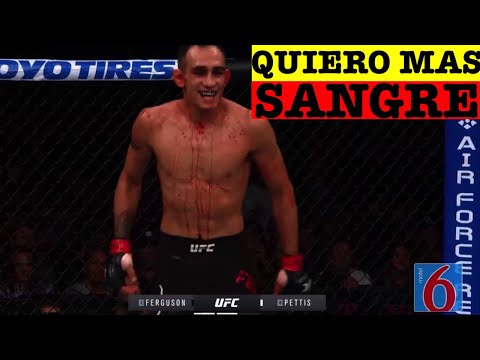


MMA: Sonrisas Tras el KO - El Espíritu Marcial y el Juego Mental en el Octágono

El Arte de Recibir y Agradecer un Golpe Mortal

En el brutal y efímero universo de las Artes Marciales Mixtas (MMA), donde cada segundo es una batalla por la supervivencia y la victoria, observamos a menudo comportamientos que trascienden la mera agresión. ¿Han presenciado alguna vez a un peleador recibir un golpe demoledor, uno que debería derribarlo de inmediato, y en lugar de desplomarse, esboza una sonrisa? No una mueca de dolor, sino una genuina expresión de reconocimiento, incluso de admiración, hacia su oponente. Este fenómeno, lejos de ser una rareza, es una manifestación profunda del espíritu deportivo y de la disciplina marcial en su forma más pura y, a menudo, malinterpretada. La intención de búsqueda detrás de esta observación puede ser múltiple: algunos buscan entender la psicología de estos atletas, otros quieren desentrañar el significado de estos gestos en el contexto del combate, y quizás, muchos simplemente se asombran ante lo inusual. Mi propósito hoy, como Sensei y crítico de las artes marciales, es desglosar este fenómeno, analizándolo no solo desde la perspectiva del espectáculo, sino desde los fundamentos del Budo y la maestría marcial. ¿Qué nos dice esta "sonrisa escalofriante" sobre el verdadero significado de la lucha y el respeto mutuo, incluso en el fragor de la batalla?

Espíritu Deportivo: ¿Un Signo de Debilidad o de Fortaleza Interior?

La primera reacción de muchos ante un peleador que sonríe tras un golpe contundente es la incredulidad, seguida a menudo por la idea de que es un signo de debilidad o incluso de estupidez. "Si le han pegado fuerte, debería estar en el suelo, no sonriendo", piensan. Sin embargo, esta perspectiva es limitada y carece de la profundidad que las artes marciales buscan cultivar. El espíritu deportivo en el MMA, como en cualquier disciplina marcial tradicional, no es sobre la ausencia de dolor o de la voluntad de ganar. Es sobre el reconocimiento de la habilidad, el coraje y la dedicación del adversario. Cuando un peleador sonríe después de recibir un golpe magistralmente ejecutado, no está validando su derrota; está honrando la maestría de su oponente. Es un saludo silencioso a la técnica, a la potencia, y a la voluntad de luchar que ambos comparten.
"El verdadero campeón es aquel que puede perder con gracia y ganar con humildad." - Un principio grabado en el corazón de todo budoka.
Este reconocimiento es una cualidad rara y poderosa. Demuestra una fortaleza mental que va más allá de la capacidad física o la resistencia al dolor. Implica una ecuanimidad, una capacidad para mantener la calma y la perspectiva incluso cuando el cuerpo está bajo asedio. Es la manifestación del *Mushin* (mente sin mente), un estado de flujo donde las emociones reactivas como el miedo, la ira o la desesperación se disipan, permitiendo una respuesta clara y enfocada. En el contexto del MMA, donde el **combate cuerpo a cuerpo** y la **lucha en pie** se entrelazan con una velocidad vertiginosa, esta habilidad de procesar un golpe impactante y responder con una mente clara es una ventaja táctica inmensa.

Análisis Marcial: La Danza de la Adversidad en el MMA

Desde una perspectiva marcial estricta, el MMA es una evolución moderna de antiguas disciplinas de combate. Si bien los contextos y las reglas han cambiado, la esencia de la confrontación uno a uno, donde se ponen a prueba la técnica, la estrategia y el carácter, permanece. Las artes marciales tradicionales como el Judo, el Karate, el Taekwondo, o el Aikido, cada una a su manera, enseñan el respeto por el adversario y la importancia de la mente sobre el cuerpo. Cuando vemos a un peleador de MMA sonreír tras un golpe, podemos interpretarlo como una aplicación práctica de estos principios. Un maestro de Judo, por ejemplo, entiende la importancia de la fluidez y la adaptación. Aceptar un golpe, en lugar de resistirlo rígidamente, puede permitirle absorber la energía y buscar una transición o una contra-estrategia. De manera similar, en el Karate tradicional, se enfatiza la anticipación y el control del impacto. La sonrisa podría ser un indicador de que el peleador ha procesado la información sensorial del golpe y está, de hecho, en un estado de control, no de pánico. Analicemos esto con un ejemplo hipotético: Un peleador A lanza un uppercut devastador que impacta en la mandíbula del peleador B. En lugar de caer, B parpadea, sonríe y suelta un ligero "¡Vaya!". ¿Qué ha sucedido? * **Procesamiento Neurológico:** La sonrisa puede ser una respuesta refleja del sistema nervioso ante un impacto fuerte, pero la calma que la acompaña sugiere algo más. * **Aceptación de la Adversidad:** B ha reconocido la calidad del golpe. No está negando el dolor, sino que lo está integrando en la narrativa del combate. * **Evaluación Táctica:** En ese instante de "reconocimiento", B está evaluando el daño y la oportunidad. ¿Está su oponente expuesto tras lanzar el golpe? ¿Puede él contraatacar? * **Fortaleza Psicológica:** Demostrar que un golpe demoledor no lo ha quebrado mentalmente puede ser un factor desestabilizador para el oponente A, quien esperaba una reacción de dolor o desconcierto. Esta compleja interacción de factores es lo que hace del MMA un deporte tan fascinante y, a la vez, un reflejo de las más profundas enseñanzas marciales. La capacidad de mantener la calma y la claridad bajo presión extrema es, en sí misma, una victoria.

El Rostro de la Batalla: Cuando la Sonrisa Supera al Dolor

Hemos visto innumerables ejemplos en la historia del MMA. Pensemos en peleadores que, tras recibir un rodillazo al cuerpo que los hace jadear, responden con un gesto de afirmación. O aquel momento en que dos luchadores se encuentran en el centro del octágono, intercambiando golpes, y en medio del intercambio, uno de ellos asiente con una sonrisa de aprecio por la agresividad y valentía del otro. No se trata de un comportamiento uniforme, por supuesto. La reacción ante un golpe varía enormemente entre individuos, estilos y la propia naturaleza del impacto. Sin embargo, cuando la sonrisa aparece y no es una mueca de dolor, es un espectáculo que revela una conexión especial entre oponentes. Consideremos a peleadores como **Jon Jones** o **Cyril Gane**, conocidos por su control técnico y, a menudo, su compostura. Verlos recibir un golpe duro y mantener una expresión de concentración absoluta, casi de estudio, revela una mente marcial en pleno funcionamiento. Aunque no siempre sea una "sonrisa" explícita, la ausencia de pánico y la presencia de análisis son análogas. El espíritu deportivo se manifiesta de muchas formas, y la sonrisa es solo una de ellas. Puede ser un asentimiento, un gesto de reconocimiento mutuo, o incluso el hecho de continuar la pelea con una determinación renovada. Lo crucial es la falta de animosidad destructiva; prevalece el respeto por la disciplina y el coraje del otro.
"La verdadera victoria no es la ausencia de conflicto, sino la capacidad de enfrentarlo con serenidad y honor." - Principio universal del Budo.

Más Allá del Golpe: Movimientos y Momentos Que Definen el MMA

El MMA es un escenario para exhibiciones de habilidad, fuerza y valentía que a menudo rozan lo inverosímil. Más allá de la sonrisa tras un golpe, existen incontables momentos que dejan al espectador boquiabierto. Desde patadas voladoras ejecutadas con una precisión de ballet hasta sumisiones intrincadas que parecen imposibles de escapar, cada pelea tiene el potencial de ofrecer lo extraordinario. Los **movimientos de MMA más locos** a menudo surgen de la creatividad inherente a un deporte que combina tantas disciplinas. Vemos técnicas de Grappling provenientes del BJJ o Judo aplicadas con una urgencia que solo el combate real puede provocar. Observamos la potencia y precisión de los golpes del Kickboxing o el Karate Kyokushin. Y la agilidad y coordinación necesarias para ejecutar estas técnicas bajo una presión inmensa son dignas de admiración. Pero no se trata solo de la espectacularidad. Muchos de estos "movimientos locos" son el resultado de años de entrenamiento riguroso, de un profundo entendimiento de la biomecánica y de una conexión simbiótica entre cuerpo y mente. El espíritu de apoyo mutuo también es visible, con peleadores felicitando a sus rivales después de una acción particularmente destacada, incluso si esa acción resultó en un golpe certero. Momentos como los de **Moreno vs Figueiredo** o las peleas históricas de **UFC** a menudo nos regalan estas expresiones de respeto genuino.

La Filosofía del Combate: El Budo en el Siglo XXI

El término **Budo** engloba el camino marcial, no solo como un conjunto de técnicas, sino como un sistema de desarrollo personal y ético. El MMA, con todas sus controversias y su naturaleza de "deporte extremo", es, en última instancia, un reflejo de esta filosofía en la era moderna. La búsqueda de la perfección técnica, la disciplina mental, la resiliencia ante la adversidad y el respeto por el adversario son pilares del Budo que encontramos, a menudo sorprendentemente, en el octágono. La **autodisciplina** requerida para entrenar para una pelea de MMA es inmensa. Horas interminables de entrenamiento físico, perfeccionamiento técnico, y preparación mental. La **superación personal** es una constante. Y el **juego mental**, la capacidad de recuperarse de un golpe o de una posición desfavorable, es tan crucial como la fuerza física.
"El arte de la guerra es el arte del engaño." - Sun Tzu. Pero en el Budo, la honestidad y el respeto son la base de todo engaño táctico.
El MMA nos desafía a cuestionar nuestras nociones preconcebidas sobre la violencia y el combate. Nos enseña que en el corazón de la lucha puede existir un profundo respeto, una camaradería forjada en el crisol de la confrontación. La sonrisa del peleador no es un acto de debilidad, sino una afirmación de su fortaleza interior y de su compromiso con los principios más elevados del arte marcial. Es una lección para todos nosotros: cómo enfrentar la adversidad con dignidad y reconocer la humanidad en nuestro oponente.

Veredicto del Sensei: ¿Es la Sonrisa una Estrategia o una Aceptación?

Tras analizar los múltiples ángulos de este fenómeno, mi veredicto es claro: la sonrisa del peleador tras un golpe demoledor en MMA es, predominantemente, una manifestación de **aceptación y fortaleza mental**, con un potencial subyacente de **estrategia psicológica**. No es un acto de sumisión, sino de **resiliencia marcial**. Es la aceptación de la fuerza y habilidad del oponente, un reconocimiento de que, en ese instante, la técnica del rival prevaleció. Pero esta aceptación no es pasiva. Al mostrar que no ha sido quebrado ni física ni mentalmente, el peleador puede desestabilizar a su oponente, quien esperaba una reacción diferente. La calma en medio de la tormenta es, en sí misma, una forma de control. Podríamos decir que este comportamiento merece un **Cinturón Negro en Compostura Marcial**. Demuestra un nivel de maestría que trasciende la mera técnica de combate, adentrándose en el dominio de la mente y el espíritu. Es la prueba de que el verdadero arte marcial no reside solo en cómo golpear, sino en cómo soportar y cómo responder, incluso en los momentos más duros.

Equipo Esencial para tu Entrenamiento

Para aquellos inspirados por la disciplina y la resiliencia de los peleadores de MMA, el entrenamiento adecuado es fundamental. Si bien el MMA combina múltiples disciplinas, hay un equipamiento básico que te ayudará a progresar de manera segura y efectiva.
  • Guantes de MMA: Diseñados para permitir el agarre y el grappling, a la vez que ofrecen protección para los golpes. Busca unos de 16oz para sparring y de menor peso para entrenamiento de golpeo.
  • Protector bucal: Imprescindible para proteger tus dientes y mandíbula durante cualquier tipo de sparring o entrenamiento de combate.
  • Vendas para las manos: Un elemento crucial para proteger tus muñecas y nudillos de lesiones durante el entrenamiento de golpeo.
  • Kimono de Judo o Gi de Jiu-Jitsu Brasileño: Si planeas enfocarte en las disciplinas de agarre, un buen kimono es esencial. Busca uno duradero y cómodo. Los kimonos de judo de doble tejido son una excelente opción para mayor resistencia.
  • Espinilleras y Guantes de Kickboxing: Para el entrenamiento de golpeo y patadas, asegúrate de tener protecciones adecuadas para el sparring.
  • Ropa deportiva transpirable: Camisetas y pantalones cortos que permitan la libertad de movimiento y evacúen el sudor son vitales para mantenerte cómodo durante largas sesiones.

Taller Práctico: Desarrollando tu Resiliencia Mental

La fortaleza mental que vemos en los peleadores de MMA no se construye de la noche a la mañana. Es el resultado de un entrenamiento constante y deliberado. Aquí tienes una guía sencilla para empezar a cultivar tu propia resiliencia mental:
  1. Meditación de Atención Plena (Mindfulness): Dedica 5-10 minutos diarios a sentarte en silencio, enfocándote en tu respiración. Cuando tu mente divague (y lo hará), suavemente redirige tu atención a la respiración, sin juzgarte. Esto entrena tu cerebro para ser menos reactivo. Busca guías de meditación aquí.
  2. Exposición Gradual a la Incomodidad: Comienza con pequeñas incomodidades. Por ejemplo, toma duchas de agua fría cortas, o mantén una postura incómoda por unos minutos. El objetivo es acostumbrar a tu mente a tolerar la incomodidad sin entrar en pánico.
  3. Reencuadre Cognitivo: Cuando experimentes una situación difícil (en tu entrenamiento o en tu vida), practica reinterpremarla. En lugar de pensar "Esto es horrible, no puedo hacerlo", intenta pensar "Esto es difícil, pero puedo aprender de ello" o "¿Qué habilidad estoy desarrollando al superar esto?".
  4. Establecimiento de Metas Claras y Realistas: Dividir objetivos grandes en pasos más pequeños y manejables te da un sentido de progreso y control, reduciendo la sensación de abrumación. Celebra cada pequeño logro. Los objetivos alcanzables son clave.
  5. Visualización Positiva: Antes de una sesión de entrenamiento difícil o una situación estresante, visualízate ejecutando la tarea con éxito, sintiendo la calma y la confianza.
La práctica constante de estos ejercicios te ayudará a desarrollar una mente más fuerte y equilibrada, similar a la que demuestra un peleador de MMA.

Preguntas Frecuentes

  • ¿Por qué los peleadores de MMA sonríen después de recibir un golpe fuerte?

    Generalmente, es una señal de respeto hacia el oponente por la habilidad o potencia del golpe, y una demostración de fortaleza mental para no dejarse afectar emocionalmente por el impacto.

  • ¿Es esta sonrisa una táctica psicológica?

    Puede serlo. Al mostrar que un golpe poderoso no los ha desestabilizado, pueden intentar desmotivar o confundir a su oponente.

  • ¿Qué arte marcial enseña mejor el control mental necesario para esto?

    Muchas artes marciales tradicionales enfatizan el control mental, como el Zen en el Karate, la meditación en el Aikido, o los principios del Budo en general. El Judo también fomenta la calma y la adaptabilidad.

  • ¿Toda la gente que practica MMA tiene este nivel de control mental?

    No todos. El nivel de control mental varía enormemente entre los individuos y depende de su experiencia, entrenamiento y personalidad. Es una habilidad que se cultiva.

  • ¿Qué significa "Mushin" en las artes marciales?

    "Mushin" se traduce como "mente sin mente" o "mente vacía". Es un estado de flujo en el que la mente está libre de pensamientos conscientes y juicios, permitiendo reacciones instintivas y fluidas. Es esencial para el alto rendimiento en combate.

Para Profundizar en tu Camino

Si el espíritu marcial y la disciplina del combate te inspiran, te invito a explorar más sobre estos temas en nuestro blog:

Reflexión del Sensei: Tu Próximo Paso

Hemos desentrañado la complejidad detrás de una simple sonrisa en el fragor de la batalla. Hemos visto cómo el MMA, a pesar de su crudeza aparente, puede ser un espejo de las virtudes más elevadas del Budo: respeto, coraje, resiliencia y control mental. Ahora te pregunto, ¿cuántas veces en tu propia vida has reaccionado con pánico o frustración ante un revés, en lugar de buscar esa chispa de reconocimiento y aprendizaje? ¿Estás cultivando tu propia fortaleza mental, o permites que las dificultades te derriben sin siquiera mostrar una pizca de tu espíritu indomable? Tu próximo paso no es necesariamente entrenar un deporte de combate. Es aplicar la mentalidad del guerrero a los desafíos cotidianos. Es aprender a recibir el golpe de la vida, sea una crítica, un error o una pérdida, no con desesperación, sino con la serenidad de quien entiende que cada golpe, bien asimilado, te hace más fuerte, más sabio, y más cercano a la maestría. **¿Estás listo para enfrentar tus propios "golpes" con la dignidad de un campeón? Demuestra tu voluntad en los comentarios.** ``` GEMINI_METADESC: Explora el fascinante fenómeno de las sonrisas en MMA: un análisis marcial del espíritu deportivo, la resiliencia mental y la filosofía del Budo en el octágono.

The Unseen Lessons: What Israel Adesanya's Reaction Reveals About Merab Dvalishvili's Dominance

The octagon is a crucible, a stage where raw talent meets unyielding will. But beyond the thunderous roars and the sweat-soaked canvas, there lies a deeper narrative, one often revealed not by the victor, but by the keen observation of a fellow master. When Israel Adesanya, a maestro of striking and a strategist of the highest caliber, reacts to a performance, it’s more than just commentary; it's a masterclass in itself. Today, we dissect not just Merab Dvalishvili's commanding victory over Petr Yan at UFC Fight Night, but what "The Last Stylebender" saw, and what *we* can learn from it. This isn't just about MMA; it's about the fundamental principles of control, pressure, and the relentless pursuit of dominance that echo through every martial art, from the dojo halls of Karate to the strategic mind games of Budo.

Table of Contents

Understanding the Context: A Clash of Styles

Petr Yan, a former champion, known for his crisp boxing and sharp counter-striking, faced an unconventional challenge in Merab Dvalishvili. Yan’s game typically thrives on rhythm, timing, and precision striking. Dvalishvili, however, represents a different breed of fighter: a relentless pressure machine, a wrestler whose conditioning and sheer will to advance often break opponents before they can even engage their preferred weapons. This wasn't a simple striking match; it was a test of wills, a battle of contrasting philosophies within the same cage.
As published on March 12, 2023, at 06:36 AM, this UFC Fight Night bout provided a spectacle that resonated even with the elite. Israel Adesanya, a fighter who himself embodies strategic brilliance and diverse martial arts influence, offered his unique perspective. His reactions are not merely a fan's delight; they are a window into the strategic mind of a warrior, offering insights valuable to any practitioner, whether they train in Karate, Judo, BJJ, or the broader philosophy of Budo.
"The beauty of martial arts is that they are a mirror to ourselves. What we see in others, we can often find within us, or the potential for it." - Sensei Budo

The Adesanya Lens: What a Champion Sees

Adesanya's analytical prowess is legendary. He doesn't just see punches and kicks; he sees the underlying strategy, the physical and mental conditioning, and the subtle shifts in momentum. When he watches a fighter like Dvalishvili impose his will, he's not just impressed by the outcome; he’s dissecting the *how*. His commentary often highlights the fighter's ability to dictate the pace, control the distance, and impose their physical and mental strengths. For practitioners of striking arts like Karate or Taekwondo, observing Adesanya's reactions can highlight the importance of maintaining composure under pressure, a key tenet in disciplines that emphasize focus and control. For grapplers, his insights into transitional control and physical dominance offer a complementary perspective. It reinforces that while techniques vary, the core principles of warfare – positioning, timing, and application of force – remain constant.

Merab's Dominance Analyzed: The Art of Pressure

Dvalishvili's performance against Yan was a masterclass in suffocating pressure. It wasn't about flashy submissions or devastating knockouts; it was about relentless takedowns, suffocating clinches, and an unyielding forward march that left Yan with little room to breathe or execute his own potent offense. This style, while perhaps not as aesthetically pleasing as some, is brutally effective and deeply rooted in the physical and mental demands of wrestling, a discipline that shares common ground with Judo’s emphasis on leverage and control. What Adesanya likely recognized was the sheer *willpower* required to maintain such a high-octane pace for three rounds. It’s a testament to Dvalishvili's conditioning, his mental fortitude, and his ability to consistently execute a game plan that drains opponents both physically and psychologically. This is the essence of "pressure fighting," a tactic seen across combat sports, from the aggressive advances in Kickboxing to the methodical advancement in Kyokushin Karate.

Technical Breakdown: Grappling Control Beyond Technique

While we might not see a step-by-step tutorial in Adesanya’s reaction, his observations often point to the critical elements of grappling control that transcend specific techniques. He’ll likely highlight: * **Positional Dominance:** How Dvalishvili maintained top control, limiting Yan's ability to escape or generate offense. This is a fundamental principle in BJJ and Judo. * **Pace Setting:** Dvalishvili dictated the speed and intensity of the fight, forcing Yan into uncomfortable exchanges. * **Physicality:** The sheer exertion and conditioning required to consistently impose such a physical style. This is where the training for endurance and strength becomes paramount. This type of control is not merely about executing a perfect hip escape or a flawless sweep. It’s about understanding leverage, weight distribution, and the mental game of attrition. Even a Karateka practicing Tameshiwari (breaking techniques) understands the application of focused power and intent, which, in a different context, can translate to sustained physical imposition.

Philosophical Implications: Budo and the Fight

The principles demonstrated by Dvalishvili – relentless pressure, unwavering resolve, and the physical imposition of will – are deeply aligned with the philosophy of Budo, the "Way of the Warrior." While Budo encompasses a vast array of martial arts, a common thread is the cultivation of character through rigorous training and the overcoming of adversity. Adesanya, a student of various martial arts himself, understands this duality. He recognizes that a fight is not just about striking or grappling; it's a test of a warrior's spirit. Dvalishvili's performance, in this light, is a testament to the power of perseverance.
"The empty mind, the Mushin, is not about emptiness in the sense of nothingness, but emptiness in the sense of being open to everything. It is this openness that allows a fighter to adapt and overcome." - Miyamoto Musashi
Adesanya's reaction likely touches upon this: how Dvalishvili seemed unfazed by Yan’s reputation, sticking to his game plan, embodying a form of mental fortitude that is the hallmark of true Budo.

Training for Relentless Pressure: Building the Dvalishvili Engine

To replicate the kind of sustained dominance Dvalishvili displayed requires a specialized approach to training. It’s not enough to just drill techniques; one must build the engine that powers them. * **Cardiovascular Conditioning:** This is paramount. High-intensity interval training (HIIT), prolonged sparring at a high pace, and consistent roadwork are essential. Think of the endurance required for a Judo randori session, but amplified. * **Strength Training:** Focus on functional strength that aids in grappling: leg strength for takedowns, core strength for stability and control, and upper body strength for clinching and maintaining position. * **Wrestling Drills:** Repetitive takedown attempts, sprawl drills, and clinch work are crucial. * **Mental Fortitude:** Training under fatigue, simulating high-pressure scenarios, and developing resilience against setbacks are key components. This is where the "mental game" truly shines. This type of training is a commitment, a journey that demands discipline and dedication, mirroring the path of any dedicated martial artist.

Equipment Essential for Your Training

To effectively train for grappling and pressure-based martial arts, the right gear can make a significant difference in both performance and injury prevention. For those looking to emulate the pressure-fighting style, consider the following:
  • Gi/Kimono: A durable, high-quality Gi is essential for BJJ and Judo. Look for double-weave or heavier fabrics that can withstand intense grappling. A good Karate Gi is also important for striking arts.
  • Sparring Gloves: For MMA training, proper sparring gloves (14-16oz) are critical for protecting your hands and your training partners.
  • Wrestling Shoes: Lightweight, supportive wrestling shoes offer excellent traction and ankle support, crucial for takedown defense and offense.
  • Mouthguard: Non-negotiable for any form of sparring or live training to protect your teeth and jaw.
  • Knee Pads: Useful for heavy drilling on mats to protect your knees during takedowns and ground transitions.
Investing in quality equipment is an investment in your training longevity and effectiveness, much like a martial artist investing in their first Karate gi or a fencer in their fencing mask.

Veredicto del Sensei: More Than Just a Win

Merab Dvalishvili's victory over Petr Yan was a statement. It wasn't just a win; it was a demonstration of a martial philosophy in action – the relentless application of pressure, the unwavering physical and mental conditioning, and the strategic dismantling of an opponent’s strengths. Israel Adesanya's reaction to this performance, though perhaps not a direct technical breakdown, offers a higher-level appreciation of what makes a fighter successful. He sees the discipline, the commitment, and the warrior spirit. This fight serves as a potent reminder that while striking arts like Karate and Taekwondo offer incredible precision and power, the control and attrition found in grappling arts like Judo and BJJ, when coupled with supreme conditioning, can be an overwhelming force. It's a lesson in versatility and the understanding that true mastery often lies in the integration of diverse skill sets and the unyielding application of one’s chosen path.

Frequently Asked Questions

  • Q: What martial arts background does Merab Dvalishvili primarily use?
    A: Dvalishvili is primarily a wrestler with a strong sambo background, which heavily influences his pressure-fighting style in MMA.
  • Q: How does Adesanya's reaction provide value to non-MMA practitioners?
    A: Adesanya's commentary often highlights universal martial principles like pressure, strategy, composure, and mental fortitude, which are applicable to any martial art, from Karate to Judo.
  • Q: Is Merab Dvalishvili's style applicable to self-defense?
    A: The relentless pressure and focus on control are highly effective in self-defense scenarios, as it can quickly overwhelm an untrained aggressor.
  • Q: How important is conditioning in modern MMA?
    A: Conditioning is absolutely critical. Fighters like Dvalishvili demonstrate that superior cardio and physical output can overcome technical disadvantages.

Para Profundizar en tu Camino

* Artes Marciales Mixtas: Entendiendo las transiciones entre disciplinas. * BUDO: La filosofía detrás del guerrero moderno. * Judo: La fuerza de la flexibilidad y el control.

Reflexión del Sensei: Tu Próximo Paso

When watching elite fighters, we are given a glimpse of peak human performance. But the true lesson lies not in marveling at their victories, but in understanding the sacrifice, the relentless training, and the mental fortitude required to achieve them. Dvalishvili's pressure, Adesanya's insight – these are not just moments in a fight. They are reflections of the dedication we must bring to our own mats, our own training halls, our own lives. So, I ask you: When faced with an overwhelming obstacle, whether in training or in life, do you find yourself retreating to your strengths, or do you become the relentless force that breaks through? What are you doing to cultivate that unyielding pressure in your own journey?

El Guerrero Interior: Domina tu Psicología para la Lucha y el MMA

La jaula, el ring, o incluso la adversidad inesperada de la vida, a menudo son escenarios donde la fuerza física es solo una parte de la ecuación. El verdadero campo de batalla, el más crítico, se libra aquí: en la mente. ¿Cuántos púgiles con un físico imponente han sucumbido no ante un golpe, sino ante sus propios demonios internos? Hoy, como tu Sensei, no vengo a hablarte de técnicas de sumisión o de la potencia de un gancho. Vengo a desmantelar los muros de la duda, la frustración y el miedo que tantos practicantes de artes marciales, y en especial de las Artes Marciales Mixtas (MMA), encuentran en su camino. Mi intención es clara: desmantelar la creencia de que la psicología de combate es un extra, un añadido opcional. Es el cimiento. Analizaremos cómo transformar la frustración en combustible, cómo ahogar los pensamientos negativos antes de que se conviertan en un parálisis, y cómo la visualización, esa herramienta poderosa, puede ser tu arma secreta. Este no será un simple repaso de un video; será una lección profunda, un entrenamiento para tu espíritu guerrero, empapado de la experiencia de quienes han transitado este arduo camino.

Tabla de Contenidos

La Batalla Invisible: Psique vs. Adversario

El MMA, más que cualquier otra disciplina marcial moderna, expone la complejidad de la mente humana bajo presión. No se trata solo de reaccionar a un golpe o una llave; se trata de anticipar, de controlar el miedo, de mantener la calma cuando el cuerpo grita desesperación. La preparación física es crucial, sí, pero si la psique flaquea, todo el edificio se derrumba. Un maestro de Karate tradicional o un adepto del Judo entienden este principio: la fuerza no reside solo en los músculos, sino en la voluntad férrea que los comanda. ¿Estás preparado para la verdadera batalla, la que no se ve?

Visualización Estratégica: El Primer Golpe Mental

Muchos ven la visualización como una simple fantasía pasiva. ¡Error garrafal! La visualización efectiva es un entrenamiento activo, una simulación mental detallada. No es soñar despierto con la victoria; es ensayar cada movimiento, cada reacción, cada contraataque, cada escenario posible, antes de que ocurra. Desde el movimiento fluido de un BJJ hasta la explosividad de un derribo en Lucha libre, todo puede ser ensayado en la mente. Piénsalo: en el combate real, la familiaridad con la situación reduce drásticamente el estrés. La visualización te brinda esa familiaridad. Te permite experimentar el escenario una y otra vez, refinando tus respuestas, construyendo confianza y, lo más importante, sembrando la semilla de la victoria en tu subconsciente. Como diría Sun Tzu, el gran estratega, "Conoce a tu enemigo y conócete a ti mismo; en cien batallas, nunca serás derrotado." Tu enemigo más formidable, a menudo, eres tú mismo.

La Frustración: Transmutar el Dolor en Poder

La frustración es inevitable. Un entrenamiento que no sale como esperas, un error en el combate, una lesión que te aparta del tatami. Para muchos, la frustración es un callejón sin salida, una señal de fracaso. Para el guerrero mentalmente preparado, es un catalizador. La clave reside en cómo la interpretas. ¿Te rindes ante el primer obstáculo? ¿Dejas que la ira te ciegue? O, ¿analizas la causa raíz de tu frustración y la utilizas para impulsar una mejora aún mayor? Un maestro de Kyokushin Karate, conocido por su brutalidad y exigencia física, aprende a encontrar la fortaleza en el dolor y la perseverancia ante la adversidad. La frustración te enseña tus límites; la disciplina te enseña a superarlos. Aprende a no temerle, sino a usarla como combustible para tu entrenamiento y tu evolución.
"La derrota es solo una oportunidad para comenzar de nuevo, pero con más inteligencia." - Henry Ford.

Neutralizar los Pensamientos Negativos: El Arte de la Armonía Interna

"No soy lo suficientemente bueno." "Voy a fallar." "Mi oponente es demasiado fuerte." Estas son las voces venenosas que susurran en la mente del inseguro. En el fragor de la batalla, estos pensamientos no son meras preocupaciones; son atacantes sigilosos que buscan paralizarte. La práctica de artes marciales como el Aikido, con su énfasis en la armonía y el flujo, o el Budo en general, nos enseña a observar estos pensamientos sin juzgarlos, a despojarlos de su poder. No se trata de suprimirlos, sino de reconocerlos como lo que son: construcciones mentales, no verdades absolutas. ¿Cómo logramos esto? Mediante la disciplina del Ki (energía vital) y la concentración en el momento presente. El principio de "Mushin" (mente sin mente) del Karate y el Zen budista es fundamental aquí. Cuando tu mente está anclada en el "aquí y ahora", con total atención en tu respiración, tu postura, la posición de tu oponente, hay poco espacio para las dudas corrosivas.

Visualizar el Triunfo: Forjando la Realidad

Visualizar no es solo un ejercicio preparatorio; es un acto de creación. Al visualizar repetidamente un resultado positivo y el camino para alcanzarlo, estás programando tu mente para el éxito. Estás construyendo la expectativa de la victoria. Esto va más allá de la simple confianza; es una convicción arraigada. Los grandes campeones de UFC y otras disciplinas de combate no solo se entrenan físicamente; pasan horas visualizando cada detalle de su victoria: el rugido de la multitud, el momento preciso de conectar el golpe ganador, la mano levantada en señal de triunfo. No es arrogancia; es preparación psicológica avanzada. Es, en esencia, hacer que lo que deseas ocurra primero en tu mente, para luego manifestarlo en el plano físico.

La Experiencia del Guerrero: Lecciones de Campo de Batalla

Mi propia trayectoria en las artes marciales, desde el riguroso entrenamiento de Karate hasta la cruda realidad de la competición, me ha enseñado más sobre la psicología del combate que cualquier libro. He visto a peleadores fenomenalmente dotados desmoronarse bajo la presión por fallos mentales. También he presenciado a guerreros aparentemente inferiores triunfar gracias a una fortaleza mental inquebrantable. Recuerdo un combate en particular: estaba perdiendo claramente en los primeros asaltos, la frustración comenzaba a nublar mi juicio. Mi entrenador, un veterano de mil batallas, solo gritó una cosa desde la esquina: "¡Respira!". Ese simple recordatorio me sacó del torbellino de pensamientos negativos y me devolvió al presente. Pude analizar la situación, ajustar mi estrategia y, finalmente, remontar. Esa lección es oro puro: en el caos, la calma es tu arma más poderosa.

Guía de Entrenamiento Mental: Ejercicios Prácticos

Para aplicar estos principios, debes entrenar tu mente con la misma disciplina que entrenas tu cuerpo. Aquí tienes algunos ejercicios esenciales:
  1. Meditación de Mindfulness (5-10 minutos diarios): Siéntate en silencio, concéntrate en tu respiración. Cuando surjan pensamientos, obsérvalos sin apego y regresa suavemente tu atención a la respiración. Esto entrena tu capacidad de enfocar y desvincularte de la negatividad. Es la base para alcanzar el "Mushin".
  2. Visualización Dirigida (10-15 minutos diarios): Elige un aspecto específico de tu entrenamiento o combate (una técnica, un escenario de sparring, o incluso el resultado general) y visualízalo con el mayor detalle sensorial posible: qué ves, qué oyes, qué sientes. Ensaya tus reacciones y respuestas de manera fluida.
  3. Diario de Frustración/Éxito (Semanal): Anota los momentos en los que te sentiste frustrado y analiza por qué. Luego, anota tus éxitos (por pequeños que sean) y reconoce el esfuerzo que te llevó a ellos. Esto te ayuda a identificar patrones y a reforzar una mentalidad positiva.
  4. Afirmaciones de Poder (Diarias): Crea afirmaciones cortas y positivas relacionadas con tus objetivos, como "Soy fuerte y resiliente", "Supero cada desafío con calma y determinación", o "Mi mente es mi mejor arma". Repítelas al despertar y antes de dormir.
  5. Simulación de Presión (Durante el Sparring): Pide a tu entrenador o compañero que aplique una presión específica durante el sparring (ej: simular un marcador desfavorable, introduciendo pequeñas dificultades controladas) para practicar cómo reaccionas bajo estrés y aplicas tus técnicas mentales.

Veredicto del Sensei: ¿Dominas tu Mente o te Domina?

La psicología en la lucha, especialmente en el MMA, no es un factor secundario; es el motor que impulsa al guerrero. Ignorarla es como ir a la guerra sin armadura. La visualización, la gestión de la frustración y la neutralización de pensamientos negativos no son trucos; son habilidades entrenables que marcan la diferencia entre la victoria y la derrota, entre el potencial realizado y el talento desperdiciado. Esta lección, extraída de la experiencia directa y los principios fundamentales del Budo, te proporciona las herramientas. La efectividad, sin embargo, depende enteramente de tu compromiso. **Calificación del Sensei**: **Cinturón Negro en Control Mental**

Equipo Esencial para tu Entrenamiento (Mental y Físico)

Si bien este post se centra en la mente, no podemos olvidar el arte marcial en su totalidad. Un entrenamiento integral requiere el equipo adecuado para potenciar tanto tu preparación física como mental.
  • Guantes de Boxeo/MMA: Para sparring y trabajo de golpeo. Busca unos de buena calidad que protejan tus manos y las de tu compañero. 16oz para sparring es un estándar seguro en muchos gimnasios.
  • Espinilleras y Protector Bucal: Indispensables para sparring, previniendo lesiones graves.
  • Kimono de Judo o Jiu Jitsu: Si practicas disciplinas de agarre, un buen kimono (gi) de doble tejido es esencial para la durabilidad y el entrenamiento de sumisiones. Considera marcas reconocadas por su resistencia.
  • Protector Genital: Un elemento de seguridad a menudo subestimado pero vital.
  • Diario de Entrenamiento/Mentalidad: Un simple cuaderno para registrar tus progresos, pensamientos y visualizaciones.
  • App de Meditación o Temporizador: Herramientas digitales que pueden facilitar tus sesiones de mindfulness.

Preguntas Frecuentes

¿Cuánto tiempo se tarda en mejorar la psicología de combate?

La mejora es continua. Verás cambios iniciales en semanas con práctica constante, pero dominar completamente tu mente es un viaje de toda la vida, similar al aprendizaje de un Kata complejo.

¿Es posible usar la visualización si no soy competitivo?

¡Absolutamente! La visualización y el control mental son herramientas valiosas para cualquier practicante, ya sea para mejorar tu técnica personal, tu disciplina o tu enfoque en la vida cotidiana.

¿Qué hago si mis pensamientos negativos son muy fuertes?

No te castigues. Reconócelos y redirige tu atención a tu respiración o a una afirmación positiva. Si persisten, considera hablar con un mentor, entrenador o un profesional de la salud mental.

¿Qué arte marcial es mejor para desarrollar la fortaleza mental?

Cualquier arte marcial que exija disciplina, perseverancia y autoconocimiento. Tradicionalmente, Budo, Karate, Judo, Aikido, y disciplinas asociadas al Zen son excelentes.

¿Cómo puedo empezar a visualizar si nunca lo he hecho?

Comienza simple. Cierra los ojos y visualiza un lugar tranquilo. Luego, imagina tu entrenamiento diario, un movimiento que quieres perfeccionar. La clave es la repetición y el detalle.

Para Profundizar en tu Camino

``` GEMINI_METADESC: Domina tu mente para la lucha y el MMA. Aprende técnicas de visualización, manejo de la frustración y control mental con la guía experta de un Sensei.

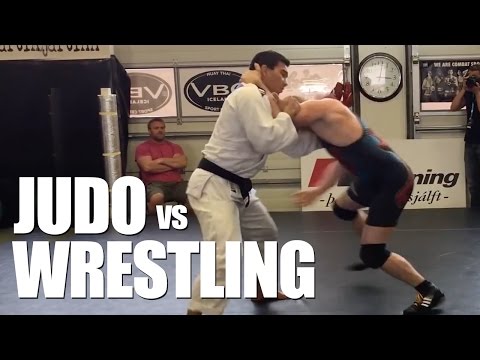
Judo vs. Freestyle Wrestling: A Deep Dive into Grappling Supremacy

Greetings, aspiring warriors and seasoned practitioners! Today, we confront a question that echoes through the annals of combat sports: Judo versus Freestyle Wrestling. Is one a superior art of grappling? Or are they simply different paths leading to the same summit of physical and mental dominance? Many of you seek to understand the core differences, the practical applications, and perhaps even the lineage that binds and separates these formidable disciplines. Prepare yourselves, for we are about to dissect this clash of titans with the precision of a well-executed throw and the insight of a thousand training sessions.

Table of Contents

The Core Philosophies: Beyond the Throw

At first glance, both Judo and Freestyle Wrestling are titans of the mat, focusing on throws, takedowns, pins, and submissions. Yet, their underlying philosophies paint distinct portraits of the warrior. Judo, born from the mind of Jigoro Kano, emphasizes maximum efficiency with minimum effort – *Seiryoku Zenyo* – and mutual welfare and prosperity – *Jita Kyoei*. It's a system designed not just for combat, but for self-development and societal contribution. Kano sought to create a path of physical, intellectual, and moral education. Freestyle Wrestling, conversely, is a direct descendant of ancient wrestling styles. Its primary objective is to dominate the opponent through superior control, leverage, and physical conditioning, aiming for pinfall or points through takedowns and control. While discipline is paramount, the emphasis leans more heavily towards raw athletic prowess and strategic control in a competitive environment. It is about overcoming the opponent, a fundamental aspect of combat that Kano himself acknowledged as a precursor to Judo's broader goals.
The essence of Judo is not to defeat others, but to defeat the worst in oneself.
This philosophical divergence is crucial. A Judoka might seek a perfect throw, not just for the win, but for the aesthetic and technical beauty of the movement, demonstrating mastery over self and opponent. A Freestyle Wrestler is driven by the immediate imperative to control and subdue, their strategy honed for victory within the specific rule set of their discipline.

Technique vs. Technique: A Comparative Breakdown

The practical differences are where the true debate lies.

Judo: The Art of Yielding and Dominating

Judo's arsenal is rich with throws, sweeps, and holds. Its signature techniques often involve using an opponent's momentum against them. Key elements include:
  • Grips (Kumi-kata): Judo places immense importance on grip fighting. Mastering grips is fundamental to controlling an opponent's posture and initiating throws.
  • Throws (Nage-waza): Techniques like the O-soto-gari (Major Outer Reap), Ippon-seoi-nage (One-arm Shoulder Throw), and Uchi-mata (Inner Thigh Throw) are hallmarks of Judo. They often require precise timing and kuzushi (breaking balance).
  • Groundwork (Ne-waza): While throws are iconic, Judo also incorporates extensive groundwork, including pins (Osaekomi-waza), joint locks (Kansetsu-waza - primarily on the elbow), and strangles (Shime-waza). However, leg locks are generally disallowed in competition Judo, a significant point of divergence from wrestling.
  • Attacks to the Arms and Neck: Judo allows for submissions targeting the arms and neck, adding a strategic depth to its ne-waza.

Freestyle Wrestling: The Pursuit of Superior Control

Freestyle Wrestling, on the other hand, is characterized by its explosive takedowns and relentless pressure.
  • Takedowns: Emphasis is on powerful shots like the double-leg takedown, single-leg takedown, and various throws that often end in dominant positions on the ground.
  • Ground Control: Wrestlers excel at maintaining top pressure, transitioning between pins, and working towards exposing the opponent's back or forcing them to their shoulders.
  • Leg Attacks: Unlike Judo, Freestyle Wrestling permits attacks to the legs, which forms the basis for many of its signature takedowns and scrambles.
  • Limited Submissions: While wrestlers can achieve submission-like positions through pins and control, direct submission holds (like chokes and armbars) are not typically part of the competitive Freestyle Wrestling rule set. The goal is control and pinning.
The absence of leg locks in Judo and the restriction of direct submissions in Freestyle Wrestling creates distinct strategic landscapes. A Judoka must develop impeccable balance and throwing mechanics, while a Freestyle Wrestler must cultivate explosive power, relentless pursuit, and superior mat control.

The Mental Arena: Discipline and Spirit

Beyond the physical, the mental fortitude required is immense for both.

Judo's Path to Self-Mastery

In Judo, the concept of *Mushin* (no mind) and *Zanshin* (lingering awareness) are paramount. The rigorous practice of *randori* (sparring) teaches practitioners to react instinctively, to remain calm under pressure, and to learn from every interaction. The emphasis on etiquette, bowing, and respect for one's training partners instills a deep sense of discipline and humility.

Freestyle Wrestling's Grit and Tenacity

Freestyle Wrestling demands an iron will. The grueling conditioning, the constant pressure of being on the mat, and the sheer physical exertion forge a unique brand of resilience. Wrestlers learn to push through pain and fatigue, to adapt on the fly, and to maintain aggressive intent even when exhausted. This is a test of sheer tenacity and the will to impose one's dominance.
In wrestling, you learn that quitting is not an option. You push until you can't push anymore, and then you push a little further.
Both arts cultivate extraordinary mental toughness, but the flavor differs. Judo hones mental clarity and adaptability, while Freestyle Wrestling builds an unyielding spirit of combat.

Application in Modern Combat: Real-World Scenarios

This is where the debate often ignites, especially in the context of Mixed Martial Arts (MMA).
  • Judo's Edge: Judo's powerful throws and its groundwork, which includes chokes and arm locks, offer a potent package for MMA. A skilled Judoka can take an opponent down, control them on the ground, and finish the fight with a submission or a dominant pin. The ability to off-balance and throw from various ranges is invaluable.
  • Wrestling's Foundation: Freestyle Wrestling is widely regarded as the most dominant base for MMA grappling. Its emphasis on takedowns, relentless pressure, and conditioning allows fighters to dictate where the fight takes place and to exhaust their opponents. The ability to chain takedowns and defend takedowns are crucial skills that wrestlers possess at an elite level.
However, the effectiveness of either art in MMA depends heavily on the individual practitioner. A Judoka who cross-trains in striking and leg attacks, or a wrestler who learns advanced submission techniques, can become a truly formidable force. The rules of sport combat often limit the full spectrum of these arts, and their adaptation for a different arena is key.

Veredict of the Sensei: Which Reigns Supreme?

To ask which is "superior" is to fundamentally misunderstand the nature of martial arts. Both Judo and Freestyle Wrestling are complete and effective systems of grappling. Their "supremacy" lies not in an objective ranking, but in their alignment with the practitioner's goals and temperament.
  • For holistic development and self-perfection: Judo offers a broader path, integrating physical prowess with moral and intellectual growth.
  • For sheer dominance in a competitive grappling context: Freestyle Wrestling's relentless pressure and versatile takedown game are exceptionally effective.
In the context of MMA, Freestyle Wrestling has historically shown a slight edge due to its allowance of leg attacks and the emphasis on maintaining dominant control, which translates well to the cage. However, many of the most successful MMA grapplers are either Judokas who have supplemented their skill set or wrestlers who have learned submission techniques. The true victor is the athlete who masters the principles of leverage, timing, and control, regardless of the specific style.

Essential Gear for Your Grappling Journey

To embark on your grappling journey, proper attire and a conducive environment are key.
  • Judogi: For Judo, a sturdy, double-weave Judogi is essential. It must be durable enough to withstand rigorous gripping and throwing. Look for brands known for their quality and reinforced stitching, especially around the seams and lapels.
  • Wrestling Singlet: Freestyle Wrestlers typically wear a lightweight, form-fitting singlet. This allows for maximum freedom of movement and reduces potential gripping points for the opponent.
  • Training Mats (Tatami/Wrestling Mats): A safe training surface is non-negotiable. Whether you train on traditional Tatami mats for Judo or specialized wrestling mats, ensure they provide adequate cushioning to prevent injuries during throws and falls.
  • Mouthguard: Crucial for any combat sport, a mouthguard protects your teeth and jaw, reducing the risk of concussions.
For those looking to refine their skills at home, a good pair of wrestling shoes can provide excellent grip on various surfaces, and resistance bands can be used for conditioning exercises. Investing in quality gear is not just about comfort; it's about safety and enhancing your training experience. Consider exploring dedicated Martial Arts Merchandise or specific Judo Equipment and Wrestling Gear retailers.

Training Guide: Developing Your Grappling Foundation

Whether you choose Judo or Freestyle Wrestling, the path to mastery involves consistent, intelligent training.
  1. Master the Fundamentals: Start with the basics. For Judo, this means understanding grips, posture, and basic footwork. For Wrestling, focus on stance, level changes, and basic takedown entries.
  2. Drill Relentlessly: Consistent repetition of techniques (uchi-komi in Judo, drilling in wrestling) builds muscle memory and perfects execution. Focus on quality over quantity.
  3. Engage in Live Sparring (Randori/Live Wrestling): This is where you apply techniques under pressure. Learn to adapt, defend, and attack. Listen to your instructors and learn from every exchange. This is vital for developing Agility and Combat readiness.
  4. Develop Physical Conditioning: Grappling is physically demanding. Incorporate strength training, cardiovascular conditioning, and flexibility exercises. Exercises like No Equipment workouts or At-Home Workouts can supplement your dojo training.
  5. Study the Art: Read books, watch instructional videos, and learn about the history and philosophy of your chosen discipline. Understanding the "why" behind techniques enhances their application.
Consistency is the cornerstone of progress. Even short, focused sessions several times a week will yield far greater results than infrequent marathon training. Remember the principle of Perseverance, a key trait in all Martial Artists.

Frequently Asked Questions

What is the main difference between Judo and Freestyle Wrestling?

Judo focuses on throws, pins, joint locks, and strangles, with a philosophical emphasis on efficiency and mutual welfare. Freestyle Wrestling emphasizes takedowns, control, and pinning, with a focus on athletic dominance and less restriction on leg attacks.

Which art is better for self-defense?

Both provide excellent skills for self-defense. Judo's throws and submissions are highly effective, while Wrestling's takedowns and control offer a strong foundation. The effectiveness depends on the practitioner's training and ability to adapt.

Can a Judoka beat a Freestyle Wrestler?

Yes, in a hypothetical match, it is entirely possible. The outcome would depend on the specific skills, experience, and strategies of the individuals involved, as well as any rule sets governing the encounter.

Are leg locks allowed in Judo?

Generally, leg locks are not permitted in competitive Judo, though some exceptions exist in certain IJF rule sets for junior or specific events. In Freestyle Wrestling, leg attacks are a fundamental part of the sport.

Deepen Your Path: Further Exploration

For those who wish to delve deeper into the world of grappling and martial philosophy, consider exploring these related topics:
The journey of a thousand miles begins with a single step. In martial arts, that step is taken with humility and a commitment to continuous learning.

Reflexión del Sensei: Tu Próximo Paso

We have dissected the core principles, techniques, and mental landscapes of Judo and Freestyle Wrestling. But knowing is only the first step. The true test lies in application. When you next step onto the mat, or even when you face a challenge in your daily life, ask yourself: "Am I approaching this with the yielding precision of Judo, or the unyielding tenacity of Wrestling? And how can I integrate the strengths of both into my own pursuit of mastery?" The answer, and your next step, lies within your own spirit. ``` GEMINI_METADESC: Explore the profound differences and similarities between Judo and Freestyle Wrestling. Discover their philosophies, techniques, mental demands, and effectiveness in combat sports.

The Unyielding Champion: A Budo Master's Analysis of Kamaru Usman vs. Colby Covington 2

A Clash of Wills, Not Just Fists

The octagon, a modern gladiatorial arena, often showcases more than just physical prowess. It reveals character, strategic depth, and the unyielding spirit forged through countless hours of arduous training. The rematch between Kamaru Usman and Colby Covington at UFC 268 was no mere fight; it was a brutal ballet of wills, a testament to the dedication required to reach the pinnacle of mixed martial arts. Many saw it as a continuation of their first encounter, a simple reprisal. But to the discerning eye, it was a profound lesson in adaptation, resilience, and the philosophical underpinnings of combat. Today, we dissect this pivotal bout, not just as fans, but as practitioners seeking to glean wisdom from the crucible of competition.

Echoes of the Past: Revisiting UFC 245

The narrative of Usman vs. Covington 2 cannot be told without acknowledging their first dance at UFC 245. There, Usman, the "Nigerian Nightmare," showcased his suffocating wrestling and powerful striking to secure a late TKO. Covington, known for his relentless pressure and potent jab, was felled by strikes after a gruelling five-round war. This initial encounter set the stage, establishing Usman's dominance and Covington's tenacity. However, the MMA landscape is ever-evolving. Fighters learn, they adapt, and they return hungrier. Did Covington truly grow from his defeat, or was Usman’s victory a mere prelude to a more definitive statement? This rematch demanded a deeper examination of their growth.
"When you are at the peak of your power, do not forget the lessons of humility. When you are at the bottom, do not forget the strength within you." - A principle I often impart to my students.

The Tactical Chessboard: Usman's Adaptations

Usman, the reigning welterweight king, is a master of strategic execution. In the lead-up to UFC 268, the question wasn't *if* he had improved, but *how* he had evolved to counter Covington's predictable yet effective style. We saw Usman sharpen his striking, particularly his right hand, which became a decisive weapon. His jab, once a secondary tool, evolved into a powerful range-finder and damage-dealer. More importantly, his defensive wrestling, already formidable, seemed even more impregnable. This wasn't just about muscle memory; it was about intelligent application of learned skills under pressure. He didn't just fight; he *managed* the fight, dictating pace and distance with the precision of a surgeon. This showcases the importance of continuous learning in any discipline, a core tenet of the BUDO.

The 'Chaos' Factor: Covington's Unwavering Pursuit

Colby Covington, the self-proclaimed "King of C***-Blockers," embodies a relentless, almost desperate, pursuit of victory. His strategy is often a high-octane blitz, overwhelming opponents with volume and pressure. At UFC 268, "Chaos" came with a renewed focus, aiming to nullify Usman's wrestling and impose his own brand of attrition. We witnessed him landing significant strikes, particularly his low kicks, and attempting takedowns with fierce determination. Yet, his unwavering aggression, while admirable, also left openings. In the brutal calculus of combat, every move has a consequence. Was Covington’s predictable chaos enough to overcome Usman’s measured storm, or was it a tactical gamble that ultimately backfired? His persona, while controversial, speaks to a fierce will to win, a quality that resonates even if the methods are divisive. It highlights the intersection of mental game and physical execution.

The Ground Game: A Study in Dominance

While the striking exchanges often steal the spotlight, the grappling within this bout was a masterclass in control. Usman's ability to consistently defend takedowns, and more critically, to reverse or nullify Covington's attempts, was a significant factor. When the fight did hit the mat, Usman's positional dominance was evident. He didn't just wrestle; he applied suffocating pressure, grinding down his opponent. This isn't the flashy submission art of BJJ, but the gritty, control-oriented wrestling that often defines championship-level grappling in MMA. It’s a stark reminder that in combat, control is paramount, a concept central to many martial arts, including Judo and lucha.

Striking Nuances: The Art of the Clinch and Cage Control

The striking war was not one of wild exchanges, but a strategic battle fought at close range. Both fighters are adept at utilizing the cage, trapping opponents and delivering damaging blows. Usman's jab served as a constant deterrent, while his powerful right hand found its mark on multiple occasions. Covington, though technically sound, struggled to find a consistent rhythm against Usman's defensive shell and counter-striking. The clinch work was particularly telling, with Usman often demonstrating superior control and better ability to land short, impactful strikes. This illustrates that striking is not merely about power, but about timing, distance, and the ability to adapt to an opponent's reactions – a key takeaway for any aspiring Martial Artists.

Mental Warfare: The Unseen Battlefield

Beyond the physical, this fight was a profound psychological battle. Usman, known for his calm demeanor, exuded an aura of unshakable confidence. He absorbed Covington's verbal barbs and continued to execute his game plan. Covington, conversely, relied on his "Chaos" persona to try and disrupt Usman's focus. However, in the intense pressure cooker of an octagon, especially in a high-stakes rematch, mental fortitude often separates the victor from the vanquished. Usman's ability to remain composed under fire, to stick to his strategy even when absorbing punishment, is a testament to his mental discipline, a cornerstone of Warrior Philosophy. This echoes the teachings of true Self-Mastery.

Veredicto del Sensei: Is it a Masterpiece or a Misfire?

At UFC 268, Kamaru Usman and Colby Covington delivered a compelling rematch that, while perhaps not reaching the same explosive heights as their first encounter, showcased a deeper strategic layer. Usman's victory by unanimous decision was a demonstration of his growth as a fighter – his striking more varied, his defense more impenetrable, and his mental game rock-solid. Covington, to his credit, pushed Usman to his absolute limit, showcasing his characteristic grit and resilience. However, in this particular contest, Usman's calculated approach and superior execution ultimately proved decisive. **Sensei's Verdict:** Kamaru Usman's performance was a **masterclass in championship defense**. He adapted, he endured, and he executed. Covington fought with the heart of a lion, but the lion king of the welterweight division remained firmly on his throne. This fight earns a **"Cinturón Negro en Estrategia y Resiliencia"** for Usman, and a hard-fought recognition for Covington's unwavering spirit. It’s a fight that exemplifies the highest levels of the sport, a true test of skill and will.

Essential Gear for Your Training

To emulate the dedication and precision seen in the octagon, proper training gear is paramount. Whether you are striking, grappling, or conditioning, having the right equipment not only enhances performance but also prevents injuries. For those looking to engage in striking drills or even light sparring, consider investing in:
  • Quality Boxing Gloves: For striking drills, gloves ranging from 10-16oz offer good hand protection and allow for pad work.
  • Shin Guards: Essential for kickboxing and Muay Thai training to protect against impact from kicks.
  • Mouthguard: Non-negotiable for any contact training or sparring to protect your teeth and jaw.
  • Durable Workout Apparel: Comfortable and breathable clothing is key for unrestricted movement during intense AtHomeWorkout sessions or gym training.
  • Weightlifting Shoes: If your training involves significant weightlifting and explosive movements, these can provide crucial stability.
For grapplers looking to refine their Grappling techniques, a high-quality Judo or BJJ Gi is essential. Look for durable fabrics that can withstand rigorous training.

Training Drills: Sharpening Your Defense and Offense

Emulating the skills displayed by Usman and Covington requires dedicated practice. Here’s a breakdown of drills you can incorporate into your routine:
  1. Defensive Wrestling Drills:
    • Sprawl Practice: Set up a dummy or have a partner practice shooting for takedowns. As they shoot, explode into a sprawl to defend. Focus on quick hip movement and driving your hips down.
    • Underhook and Overhook Control: In a clinch, practice fighting for dominant underhooks and overhooks. Work on maintaining head position and preventing your opponent from establishing control.
  2. Striking Combinations with Cage Control:
    • Jab-Cross-Low Kick: From a stance, throw a stiff jab, follow with a straight cross, and finish with a powerful low kick. Practice this while moving along an imaginary cage, using the wall for support or to trap an opponent.
    • Clinch Striking: Practice knee strikes and short uppercuts from the clinch. Focus on controlling your opponent's posture and driving your knees into the body or head.
  3. Conditioning for Intensity:
    • High-Intensity Interval Training (HIIT): Perform rounds of intense bursts (e.g., 30 seconds of burpees or shadow boxing) followed by short rest periods (15-30 seconds). This mimics the explosive demands of a fight.
    • Sled Pushes/Pulls: Utilize a weighted sled for pushing or pulling exercises to build explosive leg strength and conditioning, crucial for takedown defense and offensive bursts.
Remember, consistency is key. Incorporate these drills regularly to see tangible improvements in your Agility, Fuerza, and Resistencia.

Frequently Asked Questions

What was the outcome of the Kamaru Usman vs. Colby Covington 2 fight?

Kamaru Usman defeated Colby Covington via unanimous decision at UFC 268, defending his welterweight championship.

What makes Kamaru Usman a difficult opponent?

Usman's primary strengths lie in his exceptional wrestling, powerful striking, incredible fight IQ, and suffocating pressure. His defensive capabilities are among the best in the sport.

Did Colby Covington show improvement from their first fight?

Yes, Covington displayed a more disciplined approach and landed significant strikes and takedown attempts, pushing Usman harder than in their first encounter. However, it wasn't enough to overcome Usman's championship-level performance.

How important is mental fortitude in MMA?

Mental fortitude is crucial. It allows fighters to overcome adversity, stick to their game plan under pressure, and perform at their peak even when fatigued or hurt. Usman's composure exemplifies this.

What is the significance of cage control in MMA?

Cage control is vital for dictating the pace and location of the fight, limiting an opponent's movement, setting up strikes, and executing takedowns or defensive maneuvers.

Para Profundizar en tu Camino

Reflexión del Sensei: Tu Próximo Paso

We have dissected a bout that transcends mere athleticism, revealing the profound interplay of strategy, will, and discipline. Usman's reign is built not just on physical gifts, but on an unyielding commitment to mastery. Covington’s relentless pursuit, though falling short, is a powerful statement of never-give-up spirit. Now, I ask you: In the face of seemingly insurmountable challenges in your own life, where do you find your strength? Is it in a calculated strategy, a desperate surge of will, or a deep well of internal fortitude? Reflect on this, and let it guide your next movement, both on and off the mats. GEMINI_METADESC: A martial arts master's in-depth analysis of Kamaru Usman vs. Colby Covington 2 at UFC 268. Explore strategy, mental fortitude, and lessons for practitioners.